Ubiquitous gun violence in the United States has left few places unscathed over the decades. Still, many Americans hold their right to bear arms, enshrined in the US Constitution, as sacrosanct. But critics of the Second Amendment say that right threatens another: The right to life.
America’s relationship to gun ownership is unique, and its gun culture is a global outlier. As the tally of gun-related deaths continue to grow daily, here’s a look at how gun culture in the US compares to the rest of the world.
Note: Gun ownership rates are estimates as of 2017. Some entries have been combined to calculate rates for Cyprus, United Kingdom and Somalia. Data not available for Christmas Island, Nauru and Vatican City.
There are 120 guns for every 100 Americans, according to the Switzerland-based Small Arms Survey (SAS). No other nation has more civilian guns than people.
The Falkland Islands — a British territory in the southwest Atlantic Ocean, claimed by Argentina and the subject of a 1982 war — is home to the world’s second-largest stash of civilian guns per capita. But with an estimated 62 guns per 100 people, its gun ownership rate is almost half that of the US. Yemen — a country in the throes of a seven-year conflict — has the third-highest gun ownership rate at 53 guns per 100 people.
 While the exact number of civilian-owned firearms is difficult to calculate due to a variety of factors — including unregistered weapons, the illegal trade and global conflict — SAS researchers estimate that Americans own 393 million of the 857 million civilian guns available, which is around 46% of the world’s civilian gun cache.
About 44% of US adults live in a household with a gun, and about one-third own one personally, according to an October 2020 Gallup survey.
Some nations have high gun ownership due to illegal stocks from past conflicts or lax restrictions on ownership, but the US is one of only three countries in the world where bearing (or keeping) arms is a constitutional right, according to Zachary Elkins, associate professor of government at the University of Texas at Austin and director of the Comparative Constitutions Project. Yet the ownership rate in the other two — Guatemala and Mexico — is almost a tenth of the United States.
The gun debate in those countries is less politicized, Elkins said. In contrast to the US, Guatemala and Mexico’s constitutions facilitate regulation, with lawmakers more comfortable restricting guns, especially given concerns around organized crime, he said. In Mexico, there’s only one gun store in the entire country — and it’s controlled by the army.
In the US, firearm manufacturing is on the rise, with more Americans buying guns.
In 2018, gun makers produced 9 million firearms in the country — more than double the amount manufactured in 2008, according to the US Bureau of Alcohol, Tobacco, Firearms and Explosives (ATF). More recently, January 2021 marked the biggest annual increase since 2013 in requests for federal background checks necessary for purchasing a gun — a nearly 60% jump from January 2020.
And in March 2021, the FBI reported almost 4.7 million background checks — the most of any month since the agency started keeping track more than 20 years ago. Two million of those checks were for new gun purchases, making it the second highest month on record for firearms sales, according to the National Shooting Sports Federation, the firearms industry trade group that compares FBI background check numbers with actual sales data to determine its sales figures.
The US has the highest firearm homicide rate in the developed world
In 2019, the number of US deaths from gun violence was about 4 per 100,000 people. That’s 18 times the average rate in other developed countries. Multiple studies show access to guns contributes to higher firearm-related homicide rates.
Almost a third of US adults believe there would be less crime if more people owned guns, according to an April 2021 Pew survey. However, multiple studies show that where people have easy access to firearms, gun-related deaths tend to be more frequent, including by suicide, homicide and unintentional injuries.
It is then unsurprising that the US has more deaths from gun violence than any other developed country per capita. The rate in the US is eight times greater than in Canada, which has the seventh highest rate of gun ownership in the world; 22 times higher than in the European Union and 23 times greater than in Australia, according to Institute for Health Metrics and Evaluation (IHME) data from 2019.
The gun-related homicide rate in Washington, DC — the highest of any US state or district — is close to levels in Brazil, which ranks sixth highest in the world for gun-related homicides, according to the IHME figures.
Globally, countries in Latin America and the Caribbean suffer from the highest rates of firearm homicides, with El Salvador, Venezuela, Guatemala, Colombia and Honduras topping the charts.
Drug cartel activities and the presence of firearms from old conflicts are both contributing factors, according to the 2018 Global Mortality From Firearms, 1990-2016, study.
But gun-related violence in Latin America and the Caribbean is also exacerbated by weapons that come from the US. About 200,000 firearms from America cross Mexico’s border every year, according to a February 2021 US government accountability office report, citing the Mexican government.
In 2019, about 68% of firearms seized by law enforcement in Mexico and sent to the ATF for identification were traced back to the US. And around half of guns the ATF checked after they’ve been seized in Belize, El Salvador, Honduras and Panama were manufactured in or officially imported to the US.
The US was home to 4% of the world’s population but accounted for 44% of global suicides by firearm in 2019
The country recorded the largest number of gun-related suicides in the world every year from 1990 to 2019.
Gun-related suicides
United States 23,365 44% of global suicides by firearm in 2019 Mexico914 Argentina1,204 Brazil1,259 Pakistan710 India6,145 France1,748 Venezuela702 Russia1,053 Germany899 Nigeria458 Canada686 Turkey585 Iraq428 SouthAfrica397 Ukraine525 Italy507 Colombia478 China (mainland)467 DRCongo395
While personal safety tops the list of reasons why American gun owners say they own a firearm, 63% of US gun-related deaths are self-inflicted.
Over 23,000 Americans died from self-inflicted gunshot wounds in 2019. That number accounts for 44% of the gun suicides globally and dwarfs suicide totals in any other country in the world.
At six firearm suicides per 100,000 people, the US rate of suicide is, on average, seven times higher than in other developed nations. Globally, the US rate is only lower than in Greenland, an autonomous Danish territory with relatively high gun ownership (22 guns per 100 people).
Multiple studies have reported an association between gun ownership and gun-related suicides.
One of those studies, conducted by researchers at Stanford University, found that men who owned handguns were almost eight times as likely to die of self-inflicted gunshot wounds as men who didn’t own a gun. Women who owned handguns were 35 times as likely to die by firearm suicide, compared to those who didn’t, according to the 2020 study, which surveyed 26 million California residents over a more than 11-year period.
No other developed nation has mass shootings at the same scale or frequency as the US
Half of the world’s developed countries had at least one public mass shooting between 1998 and 2019.* But no other nation saw more than eight incidents over 22 years, while the United States had over 100 — with almost 2,000 people killed or injured.
Number of mass shooting casualties, by year
2000 ’02 ’03 ’01 ’04 ’06 ’08 ’10 ’12 ’14 ’16 ’05 ’07 ’09 ’11 ’13 ’15 ’17 ’18 ’19 ’98 ’99 2000 ’02 ’03 ’01 ’04 ’06 ’08 ’10 ’12 ’14 ’16 ’05 ’07 ’09 ’11 ’13 ’15 ’17 ’18 ’19 ’98 ’99 France Germany Canada Finland Switzerland Netherlands Italy Czech Rep. Belgium United Kingdom Slovakia Norway New Zealand Lithuania Croatia Australia Austria US 561 145 159 131 592† †
* Mass shootings are defined as gun-violence incidents in a public locations within a 24-hour period that result in four or more deaths, excluding the perpetrator, with victims chosen at random or for their symbolic value. They exclude incidents involving profit-driven criminal activity, state-sponsored violence and familicide. † The dataset includes casualties from the only three mass shootings involving organized terrorism that occurred in the developed world in the timeframe (May 2014 Jewish Museum of Belgium shooting, January 2015 Île-de-France attacks and November 2015 Paris attacks). Note: Developed countries are defined based on the UN classification and those with no mass shootings are not shown.
Source: Jason R. Silva of William Paterson University
Regular mass shootings are a uniquely American phenomenon. The US is the only developed country where mass shootings have happened every single year for the past 20 years, according to Jason R. Silva, an assistant professor of sociology and criminal justice at William Paterson University.
To compare across countries, Silva uses a conservative definition of a mass shooting: an event that leaves four or more people dead, excluding the shooter, and that excludes profit-driven criminal activity, familicide and state-sponsored violence. Using this approach, 68 people were killed and 91 injured in eight public shootings in the US over the course of 2019 alone.
A broader definition of mass shootings reveals an even higher figure.
The Gun Violence Archive, a non-profit based in Washington, DC and which CNN relies on for its reporting of mass shootings, defines a mass shooting as an incident leaving at least four people dead or injured, excluding the shooter, and does not differentiate victims based upon the circumstances in which they were shot.
They counted as many as 417 mass shootings in 2019. And this year, 641 incidents have been recorded.
State gun policies also appear to play a role. A 2019 study published in the British Medical Journal found that US states with more permissive gun laws and greater gun ownership had higher rates of mass shootings.
President Joe Biden’s administration has renewed calls for gun reform after mass shootings in Colorado, South Carolina and Texas this year. In March, the House of Representatives passed legislation that would require unlicensed and private sellers, as well as all licensed sellers to do federal background checks before all gun sales — and to ensure that buyers are fully vetted before making the sale.
The bills are now stuck in the Senate where, despite some Democrats’ efforts to build bipartisan support, there has been no indication they have the votes to overcome the 60-vote filibuster.
For decades, political roadblocks have stalled such efforts in the US. And that partisan divide is reflected in the population as well, with 80% of Republicans — and 19% of Democrats — saying gun laws in the country are either about right or should be less strict, according to the April Pew survey.
Meanwhile, mass shootings continue to drive demand for more guns, experts say, with gun control activists arguing the time for reform is long overdue.
Researchers from Washington University at St Louis’ Whitney R. Harris World Law Institute presented this argument to the Inter-American Commission on Human Rights in 2018, saying that the US government’s “failure” to prevent and reduce gun-related violence through “reasonable and effective domestic measures has limited the ability of Americans to enjoy many fundamental freedoms and guarantees protected by international human rights law,” including the right to life and bodily integrity.
UN bodies have also underlined these concerns, pointing to America’s “stand your ground” laws, which allow gun owners in at least 25 states to use deadly force in any situation where they believe that they face an imminent threat of harm, without first making any effort to deescalate the situation or retreat. A 2019 United Nations High Commissioner for Human Rights report said that the law can encourage people to respond to situations with lethal force, rather than use it as a last resort.
In a 2020 essay published by the Center for American Progress, a liberal Washington think tank, gun control advocate Rukmani Bhatia said that the US gun lobby has seized a rights-based narrative “to justify, dangerously, the right to bear, carry, and use firearms.”
Stand your ground legislation, she said, “warps people’s understanding about their rights to security and, in the worst cases, empowers them to take away another person’s right to life.”
Gun-related deaths reduced after the introduction of stricter laws in these countries
Shortly after a mass shooting in Tasmania, Australia banned rapid-fire rifles and shotguns and tightened licensing rules. Over the next decade, gun deaths dropped by 51%.
A decade of rising gun deaths in South Africa prompted the government to pass new laws prohibiting certain firearms, mandating background checks and tightening licensing requirements, which capped gun ownership numbers.
A mass shooting in 1996 prompted the UK Parliament to further tighten the country’s gun laws and ban private gun ownership.* Gun-related deaths fell by a quarter over the decade that followed.
Three mass shootings in three years prompted Finland to overhaul its gun laws in 2011. Gun deaths were already falling, yet there was an additional 17% drop between 2011 and 2019.
After a 2002 shooting by a 19-year-old, Germany’s parliament passed gun restrictions for young people, including banning large-caliber weapon sales and requiring psychological evaluation before purchase. It later mandated gun registration and storage security checkups after another mass shooting.
2010 ’19 2000 1990 Deaths by firearm:Homicide Suicide Unintentional Mass shooting UNITED KINGDOM 0 100 200 300 400 April 2, 1991Following the 1987 Hungerford spree shooting,Firearms (Amendment) Act 1988 came into force Feb. 27, 1997Firearms (Amendment)Act 1997 becomes law March 13, 1996Dunblane school massacre,17 killed June 3, 2010Cumbria shootings,12 killed FINLAND 0 200 400 600 Feb. 11, 2011Firearms Act amended Sept. 23, 2008Kauhajoki schoolshootings,10 killed Nov. 7, 2007Jokela school shooting,eight killed Dec. 31, 2009Helsinki mallshooting, five killed GERMANY 0 500 1,000 1,500 2,000 April 1, 2003A revamped WeaponsAct was enacted July 25, 2009Weapons Act amended May 16, 1999Five killed Nov 1, 1999Four killed April 26,2002Erfurtschoolshooting,16 killed March 11, 2009Winnendenschool shooting,15 killed July 22, 2016Munich shooting,nine killed SOUTH AFRICA 0 2,000 4,000 6,000 8,000 October, 20002000 Firearms ControlAct passed AUSTRALIA 0 200 400 600 800 May 10, 1996National Firearms Agreement established April 28, 1996Port Arthurmassacre,35 killed June 4, 2019Darwin shooting, four killed
Note: Additional gun legislation may have been passed that is not visualized here. Deaths reported in mass shootings exclude the perpetrator.
Meanwhile, countries that have introduced laws to reduce gun-related deaths have achieved significant changes.
A decade of gun violence, culminating with the Port Arthur massacre in 1996, prompted the Australian government to take action.
Less than two weeks after Australia’s worst mass shooting, the federal government implemented a new program, banning rapid-fire rifles and shotguns, and unifying gun owner licensing and registrations across the country. In the next 10 years gun deaths in Australia fell by more than 50%. A 2010 study found the government’s 1997 buyback program — part of the overall reform — led to an average drop in firearm suicide rates of 74% in the five years that followed.
Other countries are also showing promising results after changing their gun laws. In South Africa, gun-related deaths almost halved over a 10-year-period after new gun legislation, the Firearms Control Act of 2000, went into force in July 2004. The new laws made it much more difficult to obtain a firearm.
In New Zealand, gun laws were swiftly amended after the 2019 Christchurch mosque shootings. Just 24 hours after the attack, in which 51 people were killed, Prime Minister Jacinda Ardern announced that the law would change. New Zealand’s parliament voted almost unanimously to change the country’s gun laws less than a month later, banning all military-style semi-automatic weapons.
Britain tightened its gun laws and banned most private handgun ownership after a mass shooting in 1996, a move that saw gun deaths drop by almost a quarter over a decade. In August 2021, a licensed firearms holder killed five people in Plymouth, England, marking the worst mass shooting since 2010. After the incident, police said the gunman’s firearm license had been returned to him just months after it was revoked, due to assault accusations. The British government then asked police to review their licensing practices and said that they would be bringing forward new guidance to improve background procedures, including social media checks.
Many countries around the world have been able to tackle gun violence. Yet, despite the thousands of lost lives in the US, only around half of US adults favor stricter gun laws, according to the recent Pew survey, and political reform remains at a standstill. The deadly cycle of violence seems destined to continue.
How CNN reported this story:
For gun ownership rates, CNN relied on the Small Arms Survey (SAS), a project of the Graduate Institute of International and Development Studies in Geneva, Switzerland. It estimates civilian arm stocks using a combination of gun sales and registration figures, public surveys, expert estimates and cross-country comparisons. The gun ownership rate per 100 people is not the same as the share of people that own guns, as some may own multiple guns and others may own none.
For firearm deaths totals and rates, CNN used the Global Burden of Disease database compiled by the Institute for Health Metrics and Evaluation (IHME) at the University of Washington. Firearm-related deaths include physical violence (homicide), self-harm (suicide) and unintentional injuries. While rates are preferable for cross-country comparisons, in the case of suicides we illustrated the totals to highlight the gap between the US and other countries.
When comparing US statistics with other developed countries we used a UN definition found in the United Nations’ World Economic Situation and Prospects report — which intends “to reflect basic economic country conditions” and is not strictly aligned with the UN Statistics Division’s classification known as M49.
To estimate numbers on mass shootings, including incidents, fatalities, and injuries in the US, CNN typically relies on data from the Gun Violence Archive. To enable international comparisons for this story, we also used data compiled by Jason R. Silva, an assistant professor of sociology and criminal justice at William Paterson University. Silva’s definition is narrower than CNN and the GVA’s because it excludes incidents involving profit-driven criminal activity, familicide and state-sponsored violence.

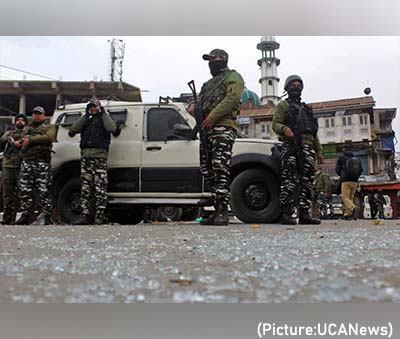 Since coming to power in 2014, Modi has sought to squeeze charities and non-profit groups that receive foreign funds. Greenpeace and Amnesty International are among the civil society groups that have had to close their offices in India.
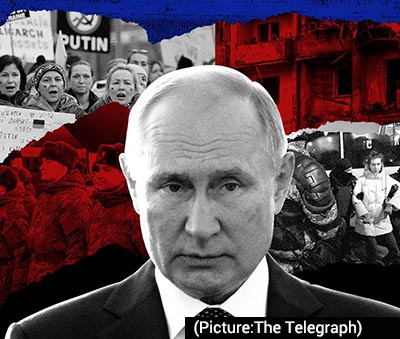 Even if Putin’s actions don’t immediately push him from power, the war in Ukraine creates long-term vulnerabilities. Punishing
 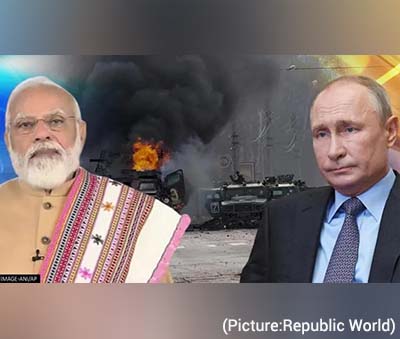 “It had little to do with the Soviet Union because it was about ideologies such as anti-colonialism, anti-imperialism, anti-apartheid, and pro-Palestine, which were the basis of non-allied nations. We also supported the Soviet block, “explains TP Sreenivasan, India’s former Deputy Standing Representative for the United Nations in New York. In her article, Das writes that the tendency towards the Soviet Union is likely to be partly due. “India and the former Soviet Union share a position as an economically developing country rather than an inherent idealistic affinity.”
 What triggered it?
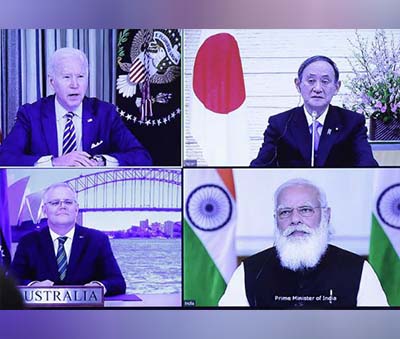 “The President felt it was a constructive conversation,” White House Press Secretary Jen Psaki told reporters at her daily news conference.
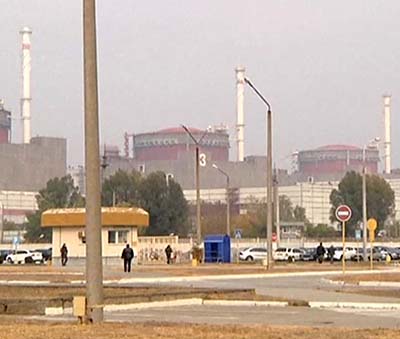 The crisis unfolded after Grossi earlier in the week expressed grave concern that the fighting could cause accidental damage to Ukraine’s 15 nuclear reactors at four plants around the country.
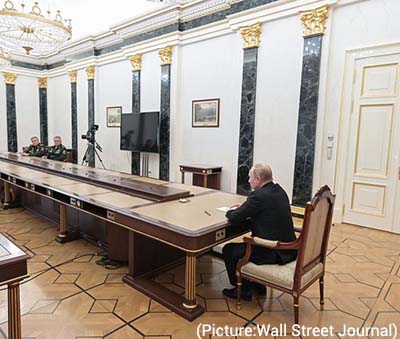 “The unthinkable might start to become thinkable,”
 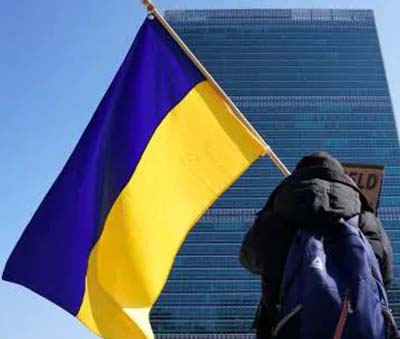 Cuba had spoken in Russia’s defense on Tuesday, with Ambassador Pedro Luis Cuesta blaming the crisis on what he said is the U.S. determination to keep expanding NATO toward Russia’s borders and on the delivery of modern weapons to Ukraine, ignoring Russia’s concerns for its own security. He told the assembly the resolution “suffers from lack of balance” and doesn’t begin to address the concerns of both parties, or “the responsibility of those who took aggressive actions which precipitated the escalation of this conflict.”
 But it took only a few months for the perception of the Soviet Union as a friendly nation to change. As Cold War historian Martin Walker writes:
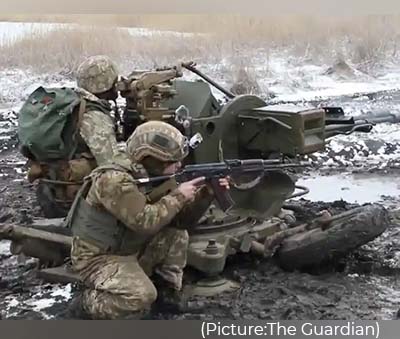 The resolution proposed by the US and Albania sought to declare that Russia has committed acts of aggression against Ukraine and the situation is a breach of international peace and security. It had also demanded that Russia immediately cease its use of force against Ukraine and completely withdraw its military forces from within Ukraine’s internationally recognized borders.
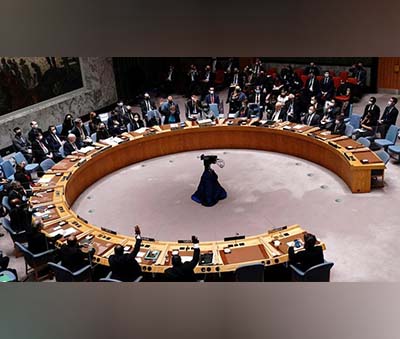 India was courted by both the US and Russia given the symbolic nature of the vote and the West’s desire to isolate the US. Russian President Vladimir Putin spoke to Prime Minister Narendra Modi on Thursday. And US Secretary of State Antony Blinken called External Affairs Minister S. Jaishankar to press the case for voting for the resolution.
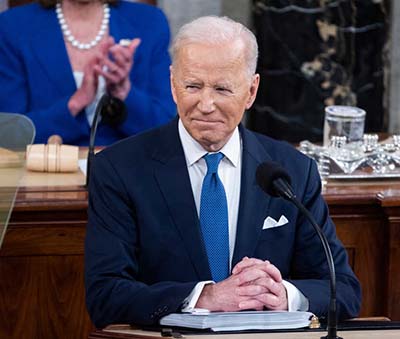
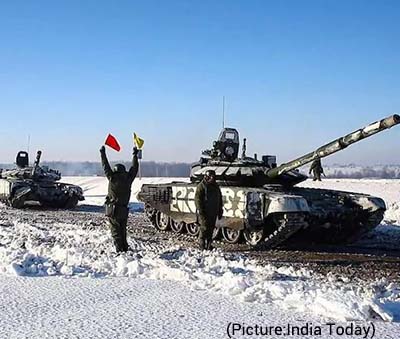 U.S. President Joe Biden said on Friday he was convinced Russian President Vladimir Putin had made a decision to invade Ukraine, and though there was still room for diplomacy, he expected Russia to move on the country in the coming days. Russia has repeatedly denied preparing to invade Ukraine.
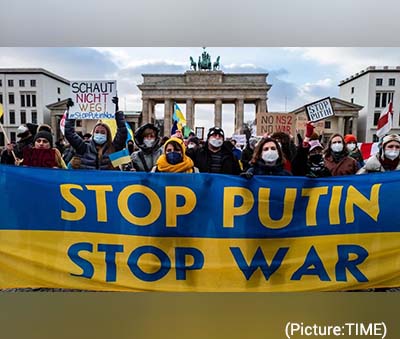 The shock to international stability could hit global markets
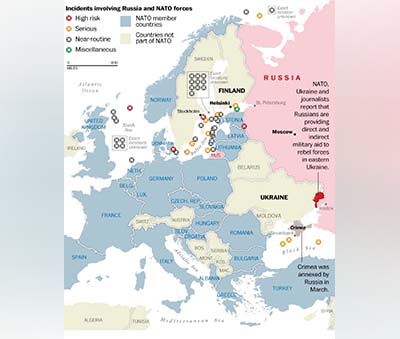 Russian cyberattacks have
 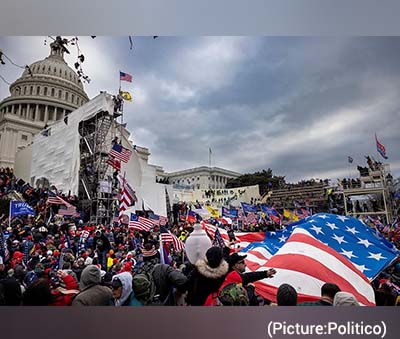 “After all, the President’s actions here do not relate to his duties of faithfully executing the laws, conducting foreign affairs, commanding the armed forces, or managing the Executive Branch,” Mehta added. “They entirely concern his efforts to remain in office for a second term. These are unofficial acts, so the separation-of-powers concerns that justify the President’s broad immunity are not present here.”
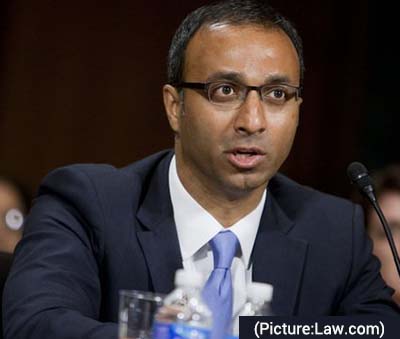 The decision, Friday, however, sets in motion a path to the judge weighing the factual allegations and evidence against Trump in the cases as well as possible civil trials months or years from now, where Trump is at the defense table.
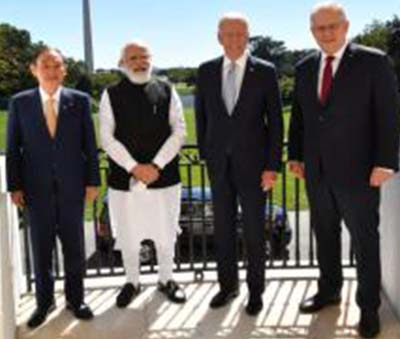 The document prepared mostly by the National Security Council and released a year after Biden assumed office sets out the plan for the Indo-Pacific, a region that his administration had said was going to be the focus of its diplomatic and strategic engagement.
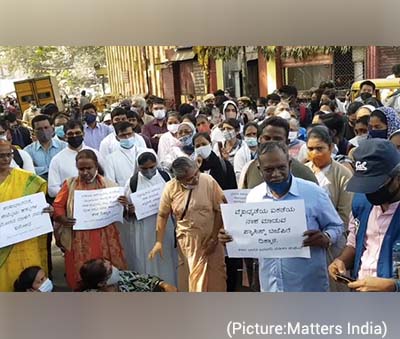 While articulating that that a new Anti-Conversion Law is not necessary since the Indian Constitution has enough provisions for the same, the signatories also stated: `Wherever the Anti-Conversion law, ironically officially called Freedom of Religion Act, was passed, it became a justification for the persecution of the minorities and other marginalized identities. The attacks on the minorities grew sharply in recent years since this law was used as a weapon targeting the dignity of Christians and Muslims particularly belonging to Adivais, Dalits and women.’ The petition called for joining hands to defend the values enshrined in the Indian Constitution and protection of human rights of the minorities and other marginalized sections in India. The petition was initiated by the National Solidarity Forum, a network of groups and individuals who started acting in response to the Kandhamal Genocide on the Adivasi Christians and Dalit Christians in 2007-2008.
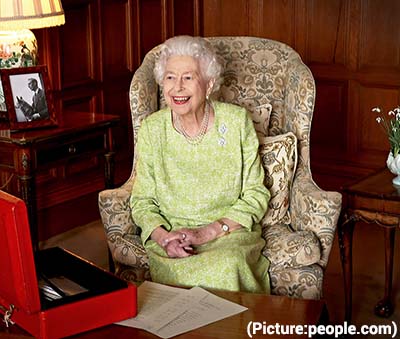 The 95-year-old said in a written message to the nation: “I would like to express my thanks to you all for your support. I remain eternally grateful for, and humbled by, the loyalty and affection that you continue to give me.”
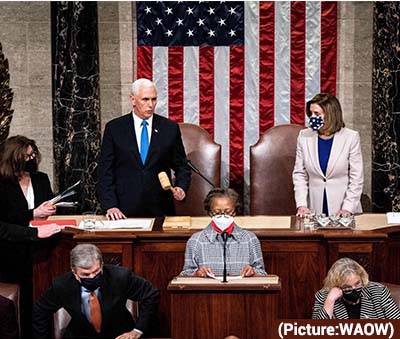 Both lawmakers issued statements in advance of the vote. “The leaders of the Republican Party have made themselves willing hostages to a man who admits he tried to overturn a presidential election and suggests he would pardon 6 January defendants, some of whom have been charged with seditious conspiracy,” Ms Cheney said.
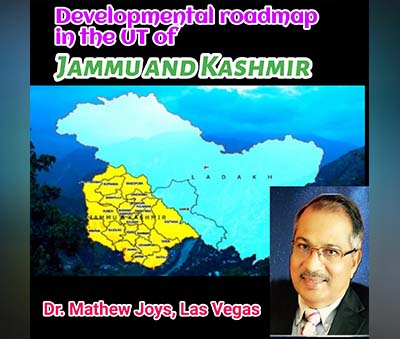 Over USD 230 million has been devolved through Panchayat institutions for MGNREGA, Mid-Day meals and other programs. 44 Digital village centers have been established at Gram Panchayat to provide internet access to rural areas as well as access to e-delivery of Government services. Over 70,000 ration cards were seeded with Aadhar while 50,000 families were covered under state-sponsored Health Insurance Schemes. Over 15,000 loans have been sanctioned which included 4600 loans for women entrepreneurs.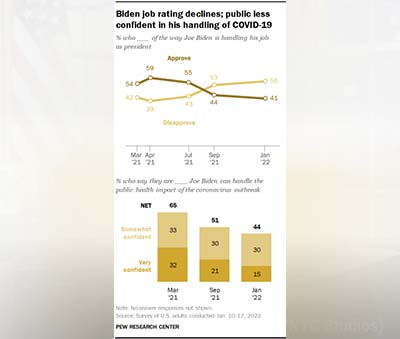
 And larger shares of Americans say they agree more with the Democrats than with Republicans on several key policy areas, including policies to deal with the health impact of the coronavirus (41% agree with the Democratic Party, while 27% the Republican Party; 31% agree with neither). Significantly more Americans also say they agree with the Democratic Party than the GOP on policies of climate change (by 22 points), health care (16 points), abortion (10 points) and education (8 points). Comparable shares agree with both parties on economic, immigration and gun policy. Among eight policy areas included in the survey, there is none on which a significantly larger share agrees with the GOP than the Democrats.
 “Our team is extremely honored to endorse Nida Allam and Kesha Ram Hinsdale for Congress. Both Nida and Kesha uphold the progressive and justice-oriented values that we at IMPACT are thrilled to support in tandem,” Makhija said.
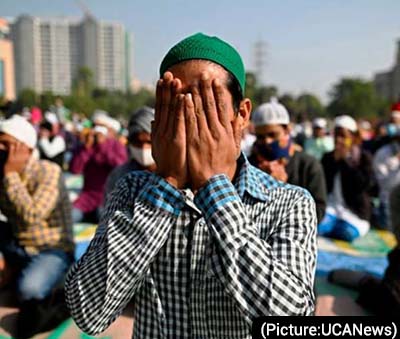 Stanton cites instances from his own US government. White Americans have been responsible for the virtual extermination of Native Americans and for the oppression and impoverishment of Afro-Americans through slavery. To which we might add that Americans deliberately annihilated two Japanese cities in the final stages of World War II through atomic bombing.
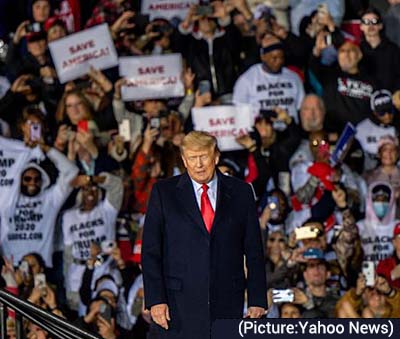 Graham, during an interview with CBS News, warned that pardoning individuals tied to the attack would be “inappropriate.”
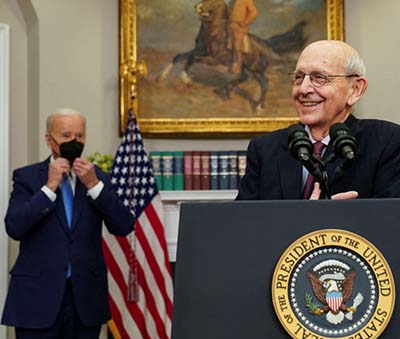 Biden announced Breyer’s retirement Thursday at a White House event, saying he planned to pick a nominee before the end of February.
 Lee Choon Geun, a missile expert and honorary research fellow at South Korea’s Science and Technology Policy Institute, said he thinks the photos were taken from space — especially when the missile was soaring to its apogee, though he cannot independently prove there was no adjustment on the images. While it’s rare to place a camera on a weapon, Lee said North Korea likely wanted to demonstrate its technological advancement to both foreign and domestic audiences.
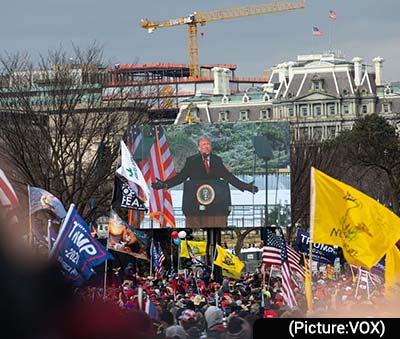 “If these radical, vicious, racist prosecutors do anything wrong or illegal, I hope we are going to have in this country the biggest protest we have ever had in Washington, D.C, in New York, in Atlanta and elsewhere,” he told the crowd.
 Pentagon spokesman John Kirby said up to 8,500 U.S. service members were put on heightened alert for deployment to bolster NATO allies’ eastern defenses should Russia invade. The forces would not be sent to Ukraine, which is not a NATO member, nor take part in any combat roles, Kirby said, but rather serve as reinforcements in places like Poland or Romania to reassure U.S. allies and deter Russian aggression. If activated, the troops would be part of the
 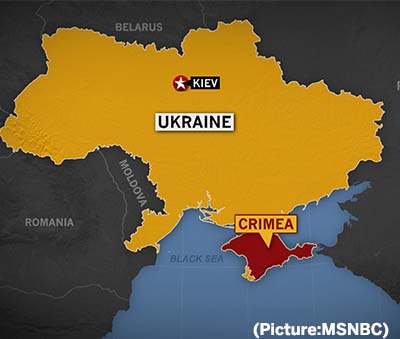 Putin denies Russia has any intention to attack Ukraine but he has made clear that he considers NATO military support for neighboring countries a growing threat. Last month, the Russian Foreign Ministry published two lengthy draft treaties that listed what Moscow wants from the U.S. and its allies. They call for an end to NATO’s eastward expansion, including a pledge that Ukraine will not be permitted to join NATO, as well as to the U.S. military’s ties with Ukraine and other former Soviet nations, all of which have been dismissed as “non-starters” by the U.S.
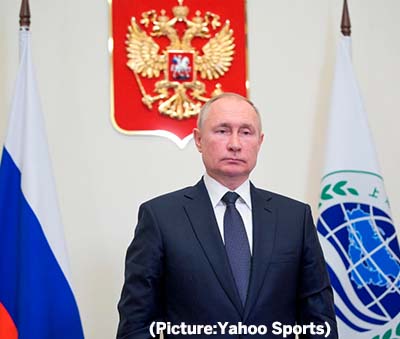 Greater domestic oppression synced with the invasion of Ukraine and further augmented the widespread sense that Russia, already the world’s largest country, deserves territory far beyond its gargantuan reach. This sense of fluid borders ranges from the far-right fantasies about an Eurasian Empire from the Indian Ocean to the Atlantic, to the more common “Russo-sphere.” In Russia’s case the term “sphere of influence” doesn’t only denote something hard and defined, which can be hammered out with other “great powers” in some grand new geopolitical deal, but something that swells and swings with the pistons of suppressed resentment and emotional dynamics.
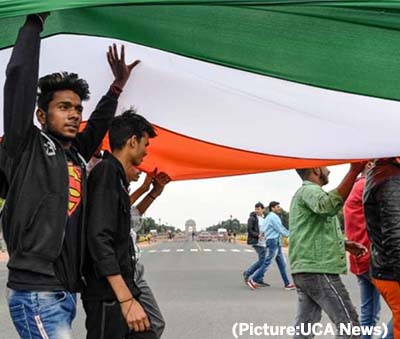 Jawaharlal Nehru, the first prime minister of India, played a crucial role in leading India on the path of secularism. Although Vallabhbhai Patel had huge success as the party chief, Mahatma Gandhi chose Nehru to succeed him and also as the first prime minister of the country.
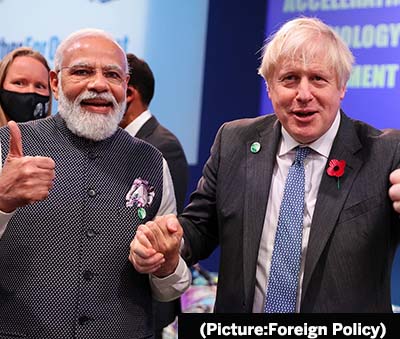 Although India embraced globalization at the turn of the 1990s, there was little domestic support for liberalizing trade. Opposing free trade agreements united the left and the right; even more powerful was the resistance from an Indian capitalist class reluctant to open its captive market for foreign producers.
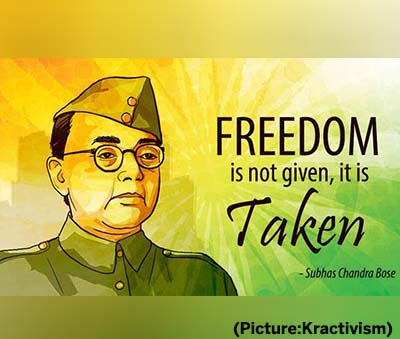 As far as his differences with Congress party (INC) are concerned they related more to means to be employed for getting Independence. He was twice President of INC. The difference came up mainly in the wake of Second World War when Congress under the leadership of Mahatma Gandhi planned a nationwide agitation; ‘Quit India Movement’. Bose at this point of time wanted to make the British quit by allying with Germany and Japan who were Britain’s enemy countries. The majority of Congress Central committee was with Gandhi’s proposal and leaders like Patel and Nehru totally opposed the strategy proposed by Bose.
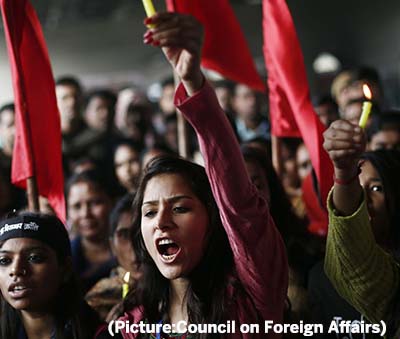 The UN high commissioner for human rights, Michelle Bachelet, has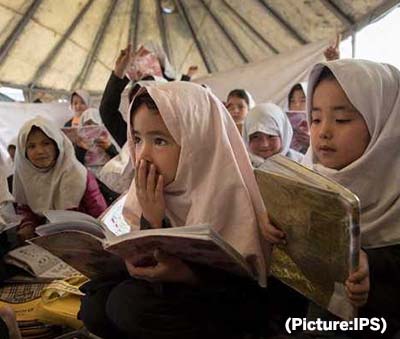
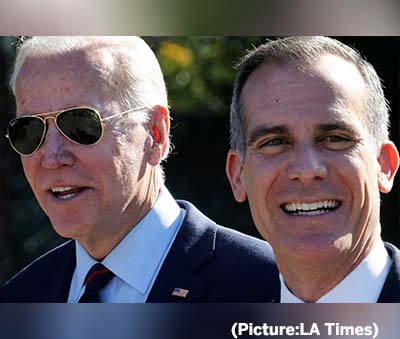 Earlier last month, US Senate Foreign Relations Committee chaired by Sen. Menendez, D-N.J., along with only a handful of Democrats and two Republicans, stressed how Washington sees India as a key partner in its effort to push back against China’s expanding power and influence.
 “Although Congress has indisputably given OSHA the power to regulate occupational dangers, it has not given that agency the power to regulate public health more broadly. Requiring the vaccination of 84 million Americans, selected simply because they work for employers with more than 100 employees, certainly falls in the latter category,” the unsigned opinion in the businesses case says.
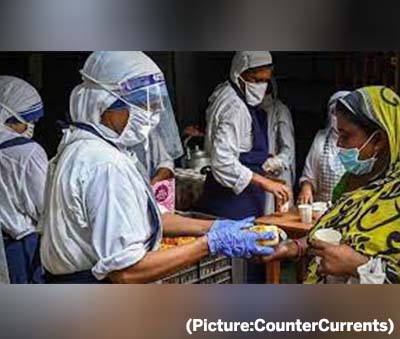 These leaders appear to be unimpressed with the vital work done by many of these civic organizations in blunting the fury of the pandemic by providing food and assistance when the government was found missing in action. Missionaries of Charity, an organization founded by Mother Teresa, is one of the impacted organizations and might have garnered the most attention. However, so many of those organizations on that list might soon be depriving a dying patient of urgent medical care due to their inability to pay or denying a meal to a hungry person from the ranks of the poor and disadvantaged.
 “With numerous initiatives, AAPI has come a long way since its inception and has proved to be beneficial not only to Indian-origin American Physicians, but to Indian healthcare as well,” Mr. Naidu observed. He urged the medical fraternity and told them, “as you seek excellence in human health and well-being, do not forget the power of a kind human touch when treating your patients.”
 In her welcome address, Dr. Anupama Gotimukula, President of AAPI, said, “This year’s Summit is focused on the theme: “Prevention is better than cure” through Technology, Telemedicine, and Transformation from the current disease-care system to a preventive healthcare system.” Dr. Gotimukula, who has chosen to focus on the “Adopt a Village” Rural Preventive Healthcare screening initiative, stated that “AAPI has brought to the attention of the Government of India the need for preventive health care screening to help detect diseases at an early stage and our purpose of the Global health summit is to interact and collaborate with Government of India and emphasize the need of annual preventive healthcare screening and have the healthcare accessible and affordable.”
 “We thank all the AAPI Members who are sparing their valuable time to come over to Hyderabad in order to attend this event, despite the ongoing situation of the existence of Omicron and travel restrictions. We really appreciate this gesture of courage and confidence displayed by you on behalf of Local Org. Committee, for braving odds and attending the 15th Annual AAPI GHS, Hyderabad. This is highly admirable,” said Dr. D. Dwarakanatha Reddy, India Chair, AAPI GHS 2022.
 Dr. Krishan Kumar, Treasurer of AAPI, pointed out, “India, thus needs to redouble and continue its efforts and dedicate resources to tackle these perennial challenges. Many of these projects and programs need regular funding, and management of resources. We are grateful to dozens of AAPI members who have committed to serve India with an ongoing commitment.”
 Calling it an important initiative, he praised AAPI for its “awareness program for CPR (Cardiopulmonary Resuscitation). At a time of increasing share of Non-Communicable Diseases, especially those related to the heart, we need greater awareness among people to apply CPR as a lifesaving first-aid technique and save lives during heart attacks or near drowning. I believe school children, at least at higher secondary level, and in fact, every citizen, must be taught CPR along with other basic aspects of first-aid,” her added.
 These Indian-origin physicians are a personification of our nation’s cherished civilisational value of ‘Vasudhaiva Kutumbakam’. They are among the most successful ambassadors of India’s value systems and propagators of our mission to ‘Share and Care’ for all the people of the world, irrespective of their nationalities. We are indeed proud of them and their services.
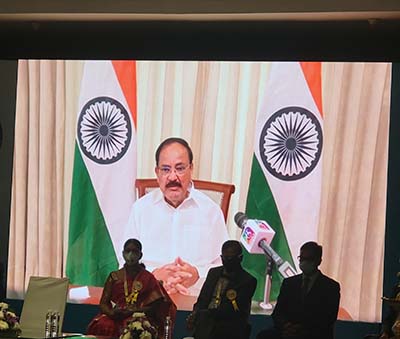 To bridge the gap between urban and rural communities, the Vice President suggested seriously exploring the use of telehealth and other technological solutions in reaching out better to rural and remote areas. “This will expand the utilization of our limited manpower and health infrastructure to reach the last mile,” he said.
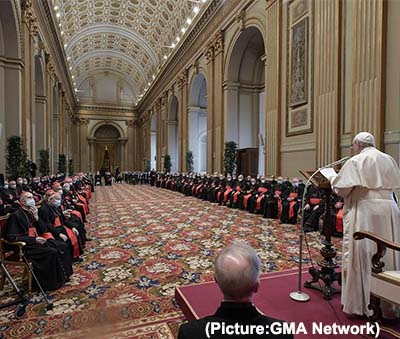 Pope Francis’ reform efforts at the Vatican and in the Catholic Church have been met with both enthusiasm and criticism. In March,
 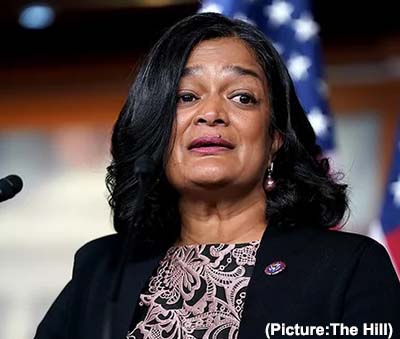 Jayapal said congressional Democrats should continue to prioritize passing a version of the Build Back Better Act. She said that a revised bill should keep as much of the legislation that the House passed in November as possible intact, and shouldn’t be narrower than the $1.75 trillion framework the White House released in October.
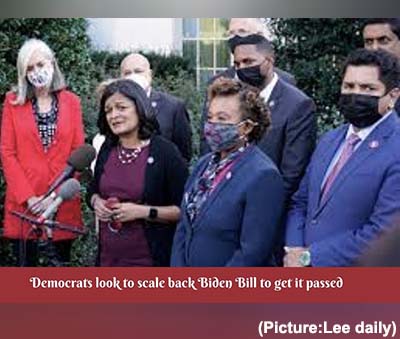 “That is the way forward here,” said Ben Ritz, director of the Center for Funding America’s Future at the Progressive Policy Institute, who has advocated for a bill with fewer items. “Most of the party is starting to come around to that,” Ritz added. Some Democrats think their party made a mistake in going too large in the first place.
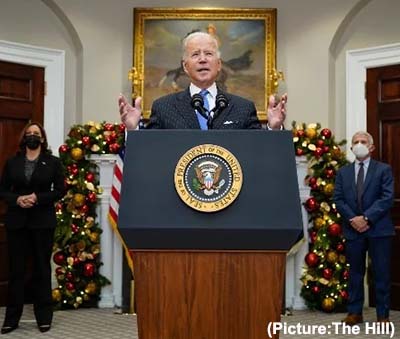 The U.S. never had a nationwide lockdown like other nations did. Even during the height of the pandemic in the spring of 2020, each governor made his or her own decisions about the level of restrictions to enact state by state.
 The amendments could be placed before the parliament as early as this winter session, TOI reports. A scourge Currently, the legal age for marriage is 18 for women and 21 for men. Yet, according to the National Family Health Survey 2015-16, 26.8% of women aged 20-24 were married before they turned 18.
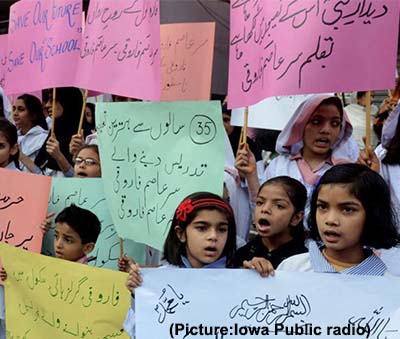 Evolution of Pakistan’s Blasphemy Laws Offences relating to religion in Pakistan were introduced in the colonial era in British India – which included the territory that is now Pakistan – to prevent and curb religious violence between Hindus and Muslims. Under the military government of General Zia-ul-Haq (1977-1988), who set the process of Islamization in Pakistan, additional laws were introduced against blasphemy that were specific to Islam.
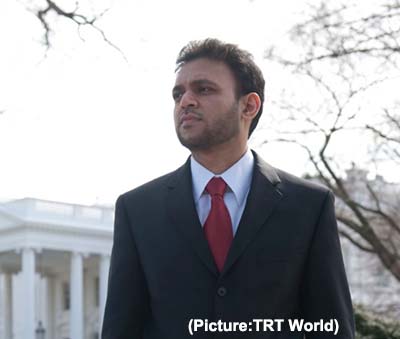 When President Joe Biden announced his nomination of Hussain in July, the White House noted his work on countering antisemitism and defending religious minorities in countries with Muslim majorities. Hussain, who has served as a judicial clerk in the 6th U.S. Circuit Court of Appeals and as the editor of the Yale Law Journal, speaks Spanish, Arabic and Urdu. He also is a hafiz, or someone who has memorized the entire Quran in Arabic.
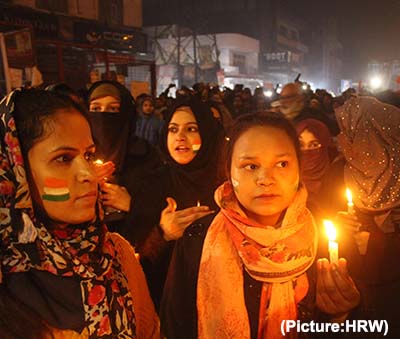 “Marriage is a very important requirement for human life but no age of marriage can be fixed as it is also an issue related to the protection of moral values,” said Maulana Khalid Saifullah Rahmani, general secretary of AIMPLB.
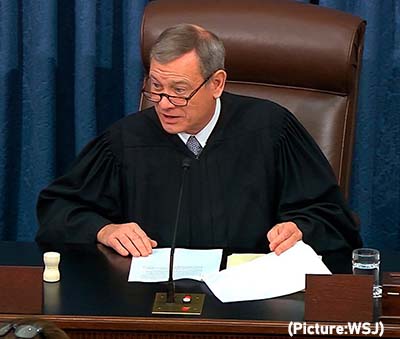 His point to them was that the court system should decide what the law is, and it should resist efforts like that of the Texas Legislature to get around the courts by limiting the ability of abortion providers to sue.
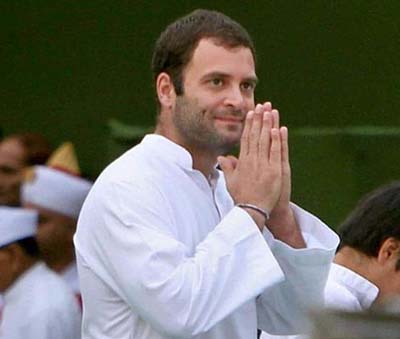 Rahul Gandhi further said that the government of the country says that no farmer has died during the agitation. “I gave them a list of five hundred people from Punjab and Haryana and asked them that the Punjab government has given compensation, you should also give it. But they didn’t.”
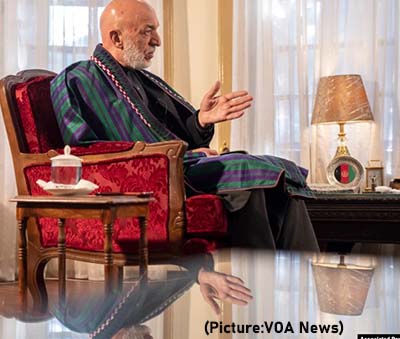 Early on the morning of Aug. 15, Karzai said, he waited to draw up the list. The capital was fidgety, on edge. Rumors were swirling about a Taliban takeover. Karzai called Doha. He was told the Taliban would not enter the city.
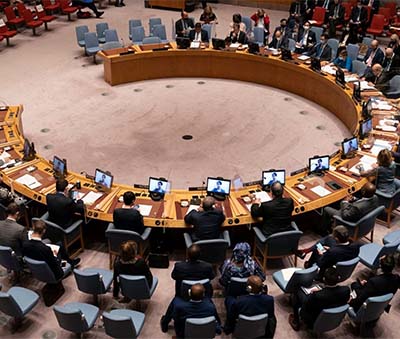 This was the second time in weeks that India went against the tide to block a climate change-related proposal that it did not agree with. At the annual climate change conference in Glasgow last month, India had forced a last-minute amendment in the final draft agreement to ensure that a provision calling for “phase-out” of coal was changed to “phase-down”.
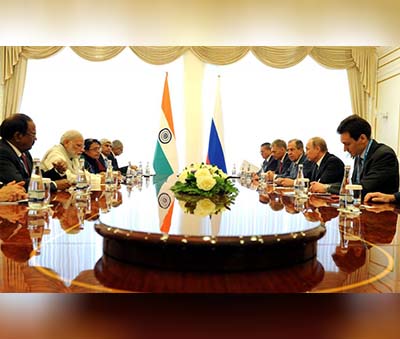 Russia has started delivering the S-400 Triumf surface-to-air missile system to India, the director of the Federal Service for Military-Technical Cooperation (FSMTC) Dmitry Shugaev has said. The S-400 Triumf air defense missile system will give a major boost to India’s capabilities to take out enemy fighter aircraft and cruise missiles at long range. News agency ANI reported citing people familiar…
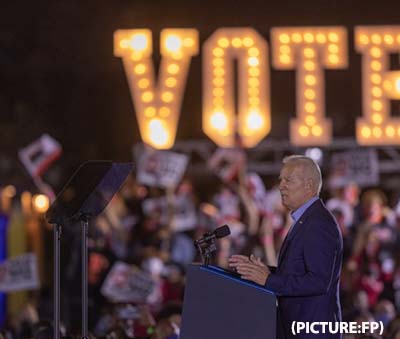 Such a discussion has never been more vital. The systems in place today once represented a clear improvement on prior regimes—monarchies, theocracies, and other tyrannies—but it may be a mistake to call them adherents of democracy at all. The word roughly translates from its original Greek as “people’s power.” But the people writ large doesn’t hold power in these systems. Elites do. Consider that in the United States, according to a
 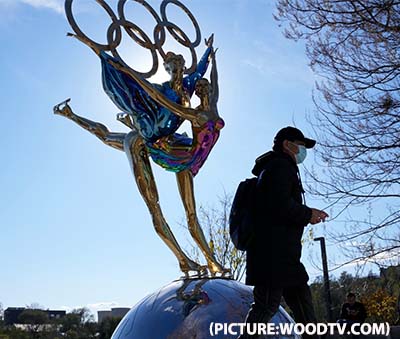 The diplomatic boycott is an escalation of President Joe Biden’s criticism of China’s treatment of its Uyghur citizens in a pattern of abuses that a
  The need for Democrats to manage resources between federal and state races could create some uncomfortable conversations over the coming months.
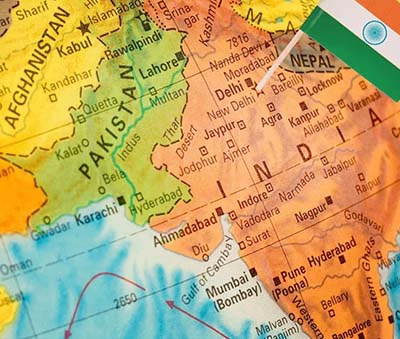 The country performs best in the future resources measure, where it finishes behind only the US and China. However, lost growth potential for Asia’s third largest economy due largely to the impact of the coronavirus pandemic has led to a diminished economic forecast for 2030, Lowy Institute said.
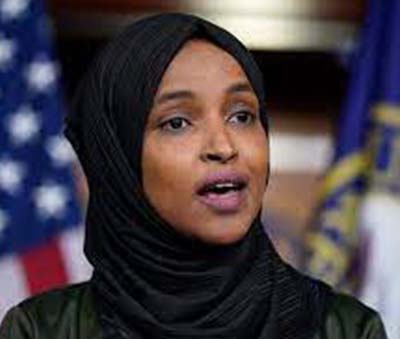 Oz’s faith is perhaps little known to the millions of viewers of his show but his role as one of the most prominent Muslims in American life has not gone unnoticed. He is one of roughly 40 Americans included in the 2022 edition of the World’s 500 Most Influential Muslims, an annual list put out by the Royal Islamic Strategic Studies Centre, a Jordanian think tank
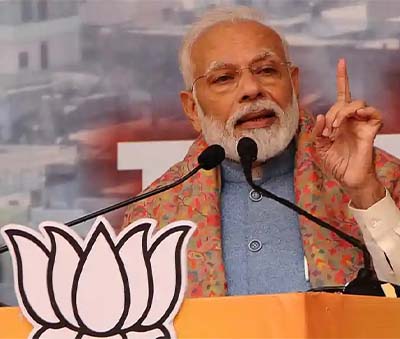 But the Hindu right has a deep history of resenting the rise of Muslims, especially those who challenge their exclusivist politics—a group that includes Khan. In 2015, Khan spoke against the lynchings of Muslims by Hindu mobs for allegedly smuggling cows to be slaughtered and served as meat. Many Hindus consider cows to be holy. “We have made a huge thing about our meat-eating habits. How can the
 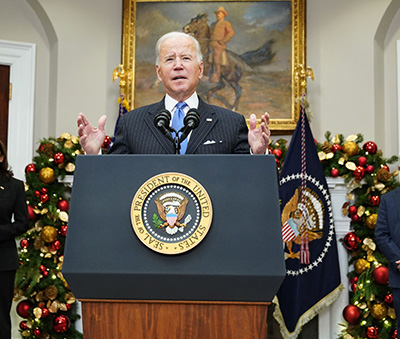 Late last week, the US announced a ban on flights from South Africa, Botswana, Zimbabwe, Namibia, Lesotho, Eswatini, Mozambique and Malawi. Canada, the UK and the EU and other countries have also restricted travel from southern Africa.
 The others besides India on the country list include Nigeria, China, Myanmar and Pakistan. The ICC and the Indian American Muslim Council collaborate in the pursuit of their advocacy towards ending religious persecution in India.
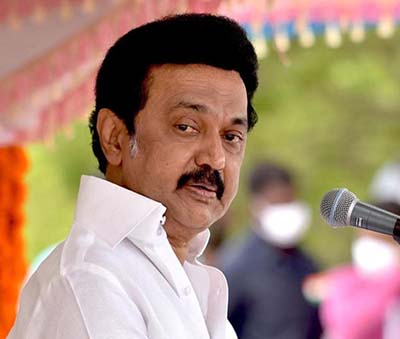 On honoring him his new crown, CM Stalin praised Rangaswami for his achievements in the US.
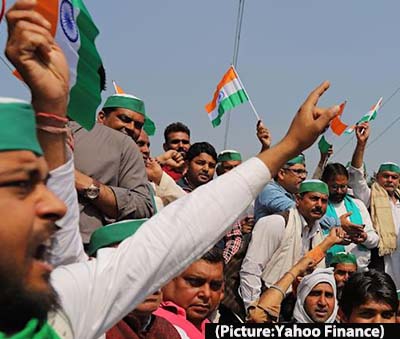 The laws were passed in September last year and the government had defended them, saying they were necessary to modernize India’s agricultural sector and would boost production through private investment. But the farmers protested, saying the laws would devastate their earnings by ending guaranteed pricing and force them to sell their crops to corporations at cheaper prices.
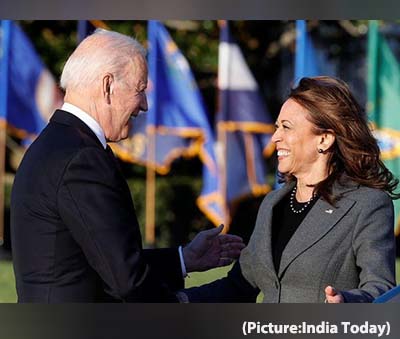 Pursuant to the 25th Amendment to the Constitution, Biden signed a letter to the president pro tempore of the Senate and the speaker of the House of Representatives saying he is unable to discharge his duties while under anesthesia, making Harris the acting president, and will send them another letter upon the conclusion of the procedure to resume his duties.
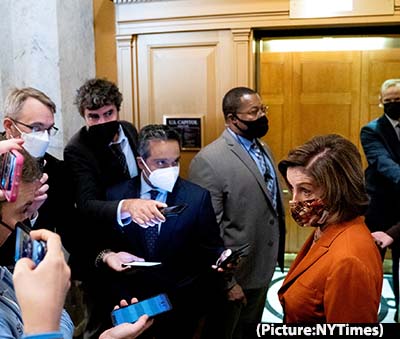 The sweeping economic legislation stands as a key pillar of Biden’s domestic agenda. It would deliver on longstanding Democratic priorities by dramatically expanding social services for Americans, working to mitigate the climate crisis, increasing access to health care and delivering aid to families and children.
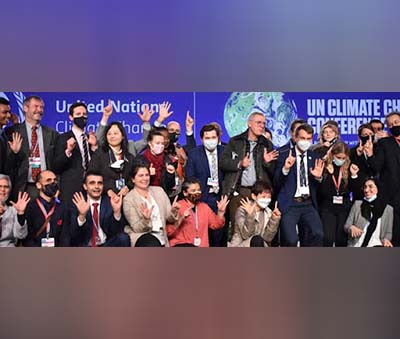 He even warned “It is time to go into emergency mode — or our chance of reaching net zero will itself be zero.” At the same time, Secretary-General’s rather confusing, ill-composed comment in his remarks at the conclusion of COP 26 that “We are still knocking on the door of climate catastrophe” left many wondering what he was trying to convey.
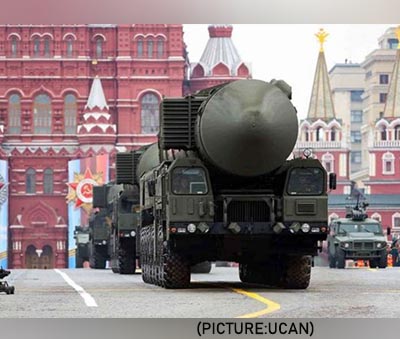 “The ultimate goal of the total elimination of nuclear weapons is both a challenge and a moral and humanitarian imperative,” Cardinal Parolin said. The Catholic Church has pressed for disarmament for decades.
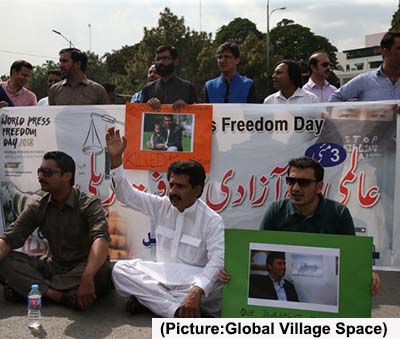 Senior journalist and former chairman of Pakistan Electronic Media Authority (PEMRA), Absar Alam was shot near his home in April 2021 but survived. Absar Alam has been critical of the country’s powerful military establishment. In a video message soon after the shooting, Alam said he had been hit in the ribs by a bullet and that he did not know the gunman. “I will not lose hope, and I am not going to be deterred by such acts,” Mr. Alam said in the video as he was being transported to a nearby hospital. “This is my message to the people who got me shot.”
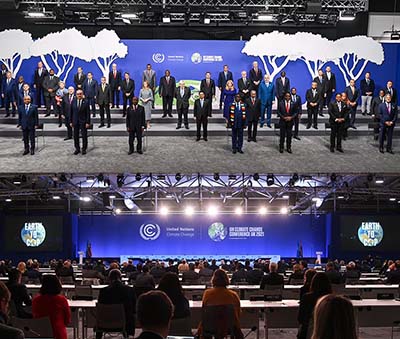 This amendment reportedly came as a result of consultations among India, China, the UK and the US. The phrase “phase down” figures in the US-China Joint Declaration on Climate Change, announced on November 10. As the largest producer and consumer of coal and coal-based thermal power, it is understandable that China would prefer a gradual reduction rather than total elimination. India may have had similar concerns. However, it was inept diplomacy for India to move the amendment and carry the can rather than let the Chinese bell the cat. The stigma will stick and was unnecessary.
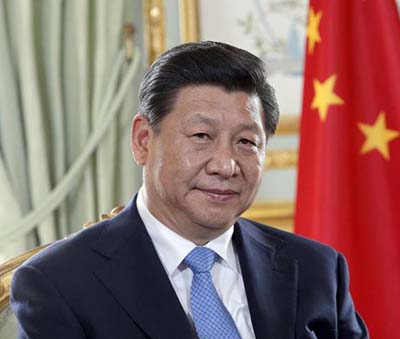 “Just like the previous two resolutions, [this resolution] will play an important role in helping to unite the theory, will and action of the party – to achieve future progress and in realising the second centenary goal and the great Chinese dream of rejuvenation,” senior party official Qu Qingshan said at a press conference on Friday.
 Shekar Krishnan and Shahana Hanif made history election night this year, becoming the first ever South Asian Americans ever been elected to New York City Council.
 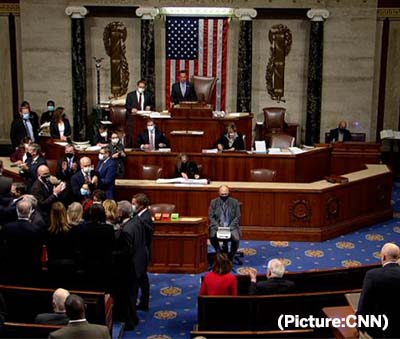 The business community has rallied behind the infrastructure package, which makes huge investments in roads, bridges, broadband internet, drinking water, rail and public transit without raising taxes on corporations. Business groups say that Biden should sign the bill as soon as possible so transportation officials can get started on construction projects.
 Edited by the Delhi-based veteran journalist and foreign policy analyst, Tarun Basu, the evocative collection titled, “Kamala Harris and the Rise of Indian Americans,” captures the rise of the Indians in the US across domains by exceptional achievers. Sixteen eminent journalists, business leaders and scholars have contributed essays to the timely and priceless volume, which charts the community’s growing and influential political engagement.
 While acknowledging the success story of Indian American physicians, Dr. Anupama Gotimukula, President of AAPI said, “The success story of Indian American Doctors has been arduous. As Ajay Ghosh, who has been working for AAPI for nearly a decade has aptly summarized this long and difficult journey: “While Indian American physicians play a critical role, serving millions of patients in the United States, leading the policies and programs that impact the lives of millions today, it has been a long and arduous journey of struggles and hard work to be on the top of the pyramid.”
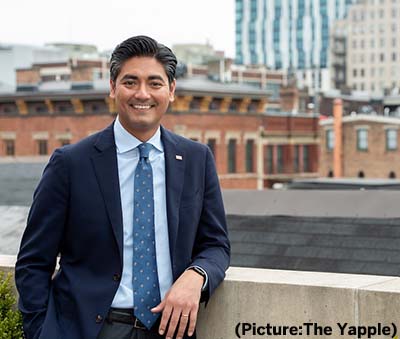 Joshi had 10,930 votes, while Hahn had 9,459 and Makropoulos, 301. The race was to replace Democratic Mayor Thomas Lankey whose term ends Dec. 31. Lankey did not seek reelection.
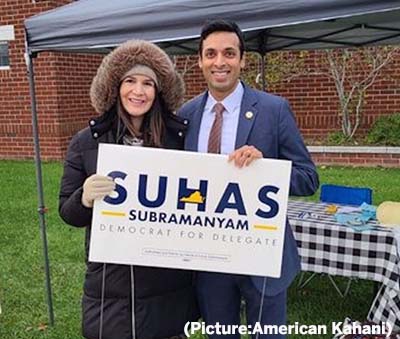 Republicans won 50 seats Nov. 2 in Virginia’s House of Delegates, while Democrats won 40, for a 55-45 Republican majority overall at the statehouse. In one of the most-watched races of the evening, Youngkin beat former Virginia Governor Terry McAuliffe, a Democrat. Virginia has traditionally been considered a solidly blue state.
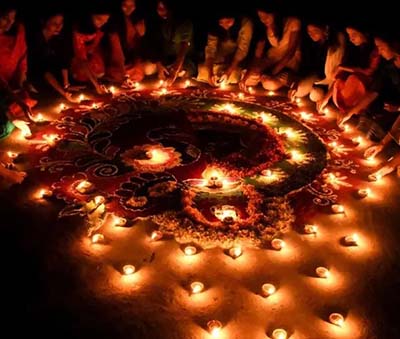
 “To those who celebrate here in America, we are grateful to you for making the traditions of Diwali part of America’s story. For generations, you have opened your homes and hearts during Diwali to exchange gifts and sweets, host feasts with family and friends, and organize cultural programs in our communities – with prayers and dances, vibrant and colorful art, and sparklers and fireworks – that bring us all together.
 Congresswoman Carolyn B. Maloney, D-NY, chairwoman of the Committee on Oversight and Reform, joined on Nov. 3, 2021, with Congressmen Raja Krishnamoorthi, D-IL, and Gregory Meeks, D-NY, chair of the House Foreign Affairs Committee, and New York, as well as national advocates to announce the introduction of the Deepavali Day Act. This legislation would make Diwali a nationally recognized federal holiday.
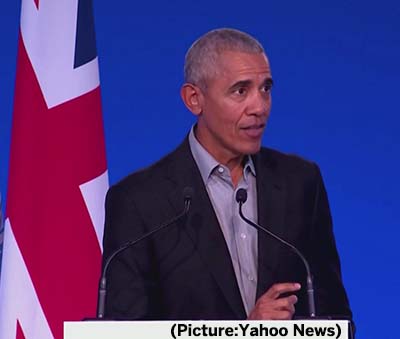 The 44th U.S. president commended the private sector’s push to set net-zero emissions targets and also touted emissions reductions targets set in the U.K. and the European Union, while pointing out the absence of Chinese and Russian leaders from the summit.
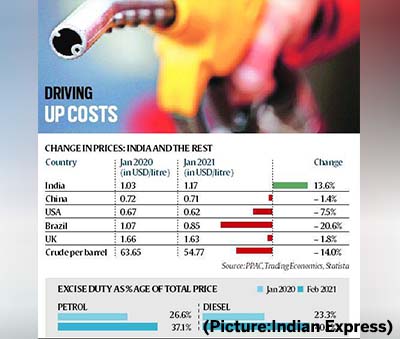 According to Indian Oil Corporation, the country’s largest fuel retailer, in the national capital, petrol is retailing at Rs 103.97 per litre and diesel is available at Rs 86.67 per litre. The rate of petrol stands at Rs 109.98 in Mumbai and diesel costs Rs 94.14 per litre. The prices of petrol and diesel are the highest in India’s financial hub, Mumbai, among all the four metro cities.
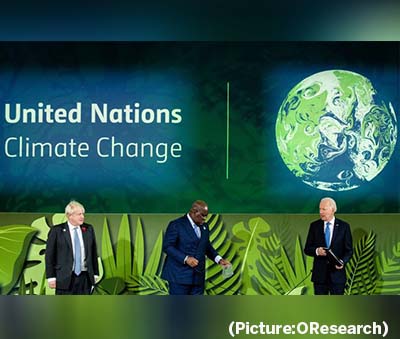 Despite the fact that the
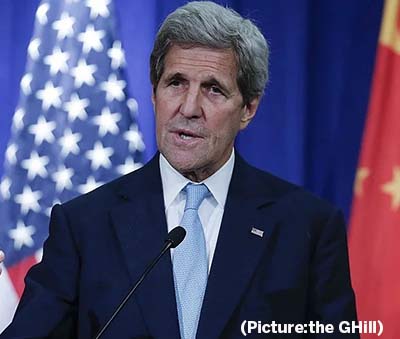 According to analysts, Methane emission reductions from oil and gas production are the low-hanging fruit of the climate crisis: easy to fix with existing technology, and easy to track. Methane is the principal component of the natural gas used for cooking, heating and energy generation.
 The
The 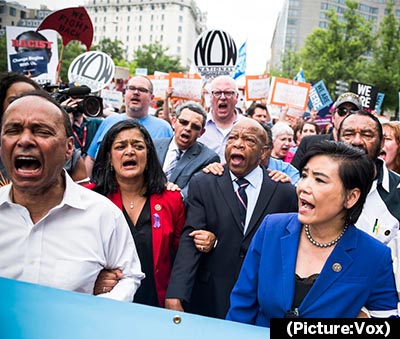 Party leaders have announced a hard-fought agreement on a proposal to rein in prescription drug costs — which stood among the last stubborn divisions between liberals and party moderates — and lawmakers said they were also nearing a deal on a new tax cut for those living in high-income regions of the country, which was demanded by centrists.
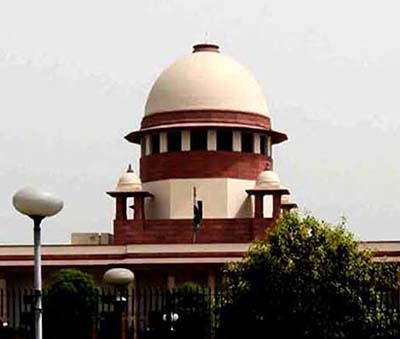 Judicial infrastructure is “important for improving access to justice”, but “it is baffling to note that the improvement and maintenance of judicial infrastructure is still being carried out in an ad hoc and unplanned manner,” Chief Justice of India N V Ramana said on Saturday, October 21st.
 As Biden struggles to pass significant climate legislation at home ahead of next week’s U.N. climate summit, the new AP-NORC/EPIC poll also shows that 55% of Americans want Congress to pass a bill to ensure that more of the nation’s electricity comes from clean energy and less from climate-damaging coal and natural gas.
 Half its original size, President Joe Biden’s big domestic policy plan is being pulled apart and reconfigured as Democrats edge closer to
  Based on research produced as recently as March of this year to company memos that date back to 2019, internal company documents on India highlight Facebook’s constant struggles in quashing abusive content on its platforms in the world’s biggest democracy and the company’s largest growth market. Communal and religious tensions in India have a history of boiling over on social media and stoking violence.
 Anand, 54, will replace long-time defense minister Indian-origin Harjit Sajjan, whose handling of the military sexual misconduct crisis has been under criticism.
 Justice Ravendran will be assisted in this task by Alok Joshi, former IPS officer (1976 batch) and Sundeep Oberoi, Chairman, Sub Committee in (International Organisation of Standardisation/International Electro-Technical Commission/Joint Technical Committee). The three technical members of the committee are Naveen Kumar Chaudhary, Professor (Cyber Security and Digital Forensics) and Dean, National Forensic Sciences University, Gandhinagar, Gujarat; Prabaharan P, Professor (School of Engineering), Amrita Vishwa Vidyapeetham, Amritapuri, Kerala; and Ashwin Anil Gumaste, Institute Chair Associate Professor (Computer Science and Engineering), Indian Institute of Technology, Bombay, Maharashtra.
 The committee has been asked make recommendations on:
 US Senators and India Caucus Co-Chairs Mark Warner and John Cornyn sent a letter to President Biden encouraging him to waive CAATSA sanctions against India. India signed a $5.43-billion deal with Russia for the purchase of five S-400 surface to air missile systems during the 19th India-Russia Annual Bilateral Summit in New Delhi on October 5, 2019, for long-term security needs.
 Biden is the 14th U.S. president to meet a pontiff at the Vatican, and the Eternal City is bubbling with speculation over what the two are likely to discuss. The meeting is expected to be cordial, focusing on what the two have in common, but historically the relationship between the Vatican and the Oval Office has often been tense — even occasionally hostile.
 The first encounter between a U.S. president and a pope was also a meeting of two global visions for peace, at times opposing and sometimes aligned. The evolving contours of these visions would go on to define the relationship for a century.