Sugar, once the life of every party, it’s now the shady character lurking in ingredient lists. The Voldemort of health conversations.
Eyes widen. People gasp.
One avocado toast warrior clutches her heart monitor.
It’s the one we dare not name in wellness circles unless we’re whispering “natural sugars only” or “just dates and monkfruit.” And as the founder of Ancy’s Sugar Art Academy, where we make edible masterpieces with, you know, actual sugar, I’m basically a criminal with a piping bag, piping frosting directly into my clients arteries but before you write me off as the Willy Wonka of insulin spikes, let’s slow down the rolling pin.
Let’s be honest.
Somewhere between the rise of protein powders and the fall of actual food joy, sugar, my lifelong muse, business partner, and occasional therapist, became the villain. If sugar were a person, it would have been ghosted, cancelled, and blocked faster than a unsolicited WhatsApp forwards.
How Did Sugar Become the Villain?
Blame the clickbait.
One week, it’s “Sugar is the new smoking,” the next it’s “Sugar is aging your face faster than your child’s math homework.”
“SUGAR = SLOW DEATH” screams one article.
“One pastry a day keeps happiness away,” declares another.
So, is it really sugar, or are we all just looking for a scapegoat while binge-eating low-carb almond flour cookies that taste like regret?
Let’s look at the data before the frosting flies. According to a 2022 Harvard study, excessive added sugars, think soda, candy, processed snacks, can increase risk for obesity, Type 2 diabetes, and cardiovascular disease.
Key word: excessive.
The same research, however, notes that sugar in moderation, especially when paired with active lifestyles, is not the ticking time bomb it’s been made out to be.
According to the WHO, adults should limit added sugar to less than 10% of daily energy intake, ideally even 5%.
The average Indian adult, however, is consuming far more: around 19–20 teaspoons per day.
Who’s the Real Culprit? Spoiler: It’s Not the Cupcake
I once overheard a father at a party proudly say, “We don’t do sugar in our house.”
Their 6-year-old was licking ketchup off a plate like it was crème brûlée.
“Sir,… read the label”
So, while we’re demonizing sugar, can we take a moment to question:
Let’s talk about why sugar is getting flamed online and other habits sugar is quietly taking the fall for: Skipping meals and inhaling “energy bites” at 5 p.m. like a hangry bear. Overeating while distracted. The 2- minute noodles we pretend are “light dinners”?. Pretending all fruit sugars are evil and then eating three bowls of “keto kheer” made with chemicals you can’t pronounce. That “protein bar” that’s basically a Snickers wearing yoga pants?.
Demonizing birthday cake but drinking three “naturally sweetened” smoothies with more calories than 300ml of aerated cold drink.
Who’s Really to Blame?
People act like sugar personally showed up at their doorstep and injected itself into their bloodstream. No, dear reader, you walked to the fridge, at midnight, opened the leftover truffle cake box “just to check if it’s still fresh,” and left no survivors. That was you. That was also me on Thursday.
Let’s face it. Sugar didn’t break your willpower. Your job, your boss, and that one WhatsApp group with 246 unread messages did.
Sugar Abuse Is Real But So Is Sugar Blame shifting.
So, Who Exactly Should Worry? Let’s be clear:
If you’re pre-diabetic, insulin-resistant, or living a mostly sedentary life fueled by cola and couch time, sugar is a problem.
But if you’re a cake decorator on her feet for 14 hours, a marathon runner in carb debt, a teenage performer in back-to-back rehearsals, or a parent surviving being school PTM representative, urban traffic, and existential dread, that slice of homemade chocolate cake isn’t the enemy. It’s emotional first aid. Sugar is your emotional support system.
Emotional Support Chocolate Cake: Not the Villain, But the Mood Stabilizer We Deserve
Let me say it as a baker, mother, and human with emotions:
There is no heartbreak a warm chocolate cake can’t momentarily soften.
There is not one emotionally rough day that a square of chocolate doesn’t gently hug.
There is no fight with a teenager that a chocolate chip cookie can’t soften.
Basically there is no existential crisis that a soft sponge with buttercream can’t stabilize.
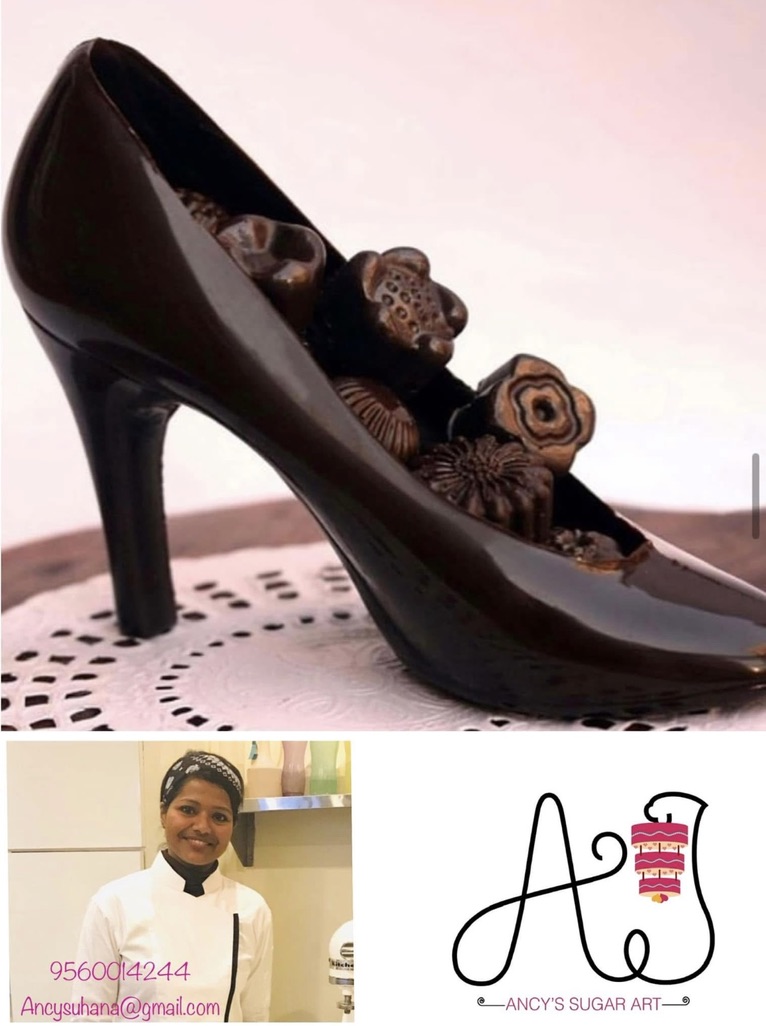
The Sugar Athlete (Yes, It’s a Thing)
Here’s a sweet twist: sugar is also fuel. Runners, cyclists, endurance athletes rely on quick-release carbohydrates for glycogen replenishment. That’s right. The same glucose molecule that got booed out of your detox group chat is powering marathons.
Brain fog? Low energy? Crippling deadlines? Sometimes a spoonful of dessert is not indulgence, it’s damage control. Even the average adult under chronic stress needs some sugar for serotonin regulation. Comfort foods are not the enemy.
They’re psychological first aid, And let’s not forget: joy is an essential nutrient too.
Unless, of course, your life plan was to be joyless.
In the Cake We Trust
Let’s talk soul science.
In moderation, sugar is not poison. It’s emotion, celebration, and when wielded responsibly, art.
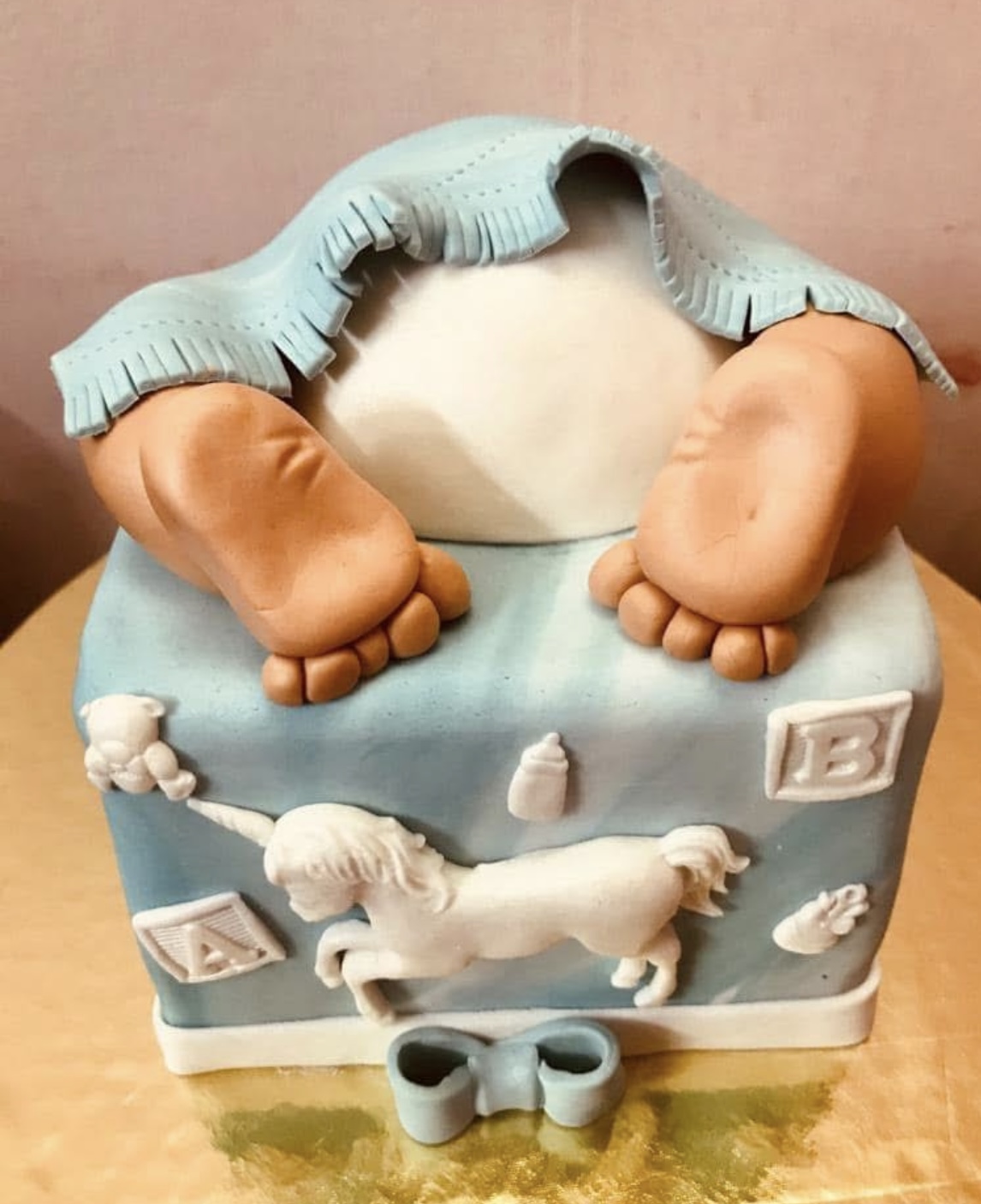
As a Cake Artist, in the last decade itself, I’ve seen couples tear up as their dream wedding cake rolled in, brides texting me at midnight, still in their gowns, just to say thank you, crying happy tears.
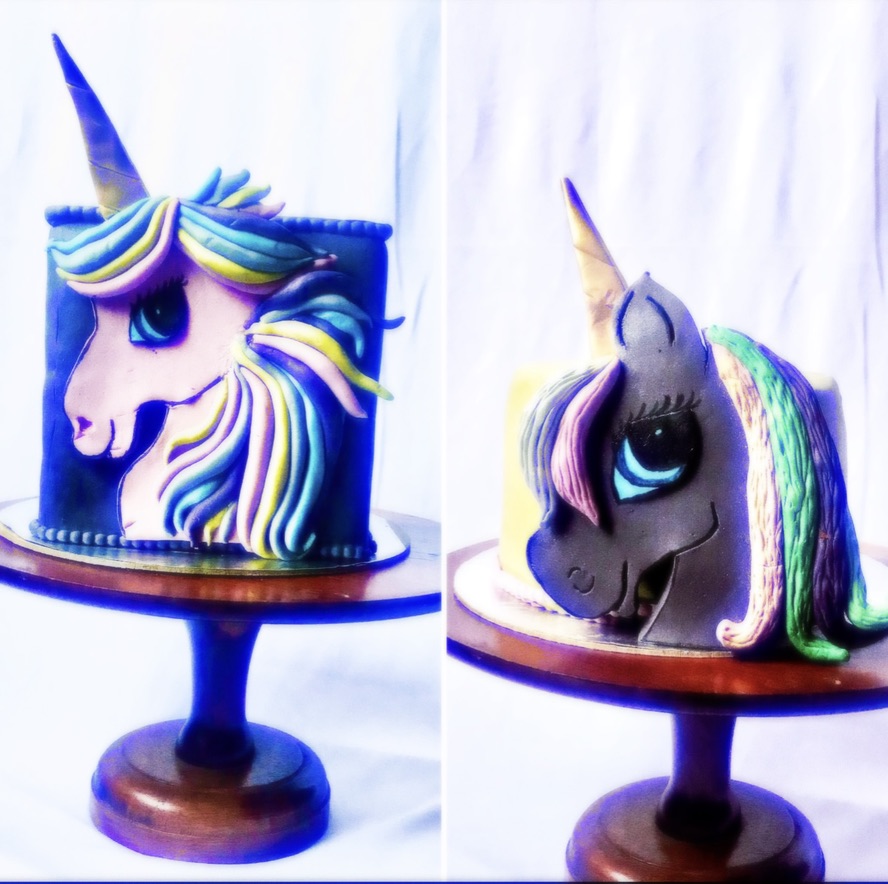
I’ve watched a 6-year-old scream with delight over a “My Little Pony” cake covered in rainbow sprinkles.
A 10-year-old once looked at his Formula One cake and whispered, “Can I keep this forever?”
I’ve made tribute cakes for 80th birthdays, where every layer held a lifetime of memories and brought four generations around the same table, each slice a celebration of a lifetime.
I’ve trained over 100 cake artists at the Culinary Academy, aged from 17 years to 80 years old, who now create their own edible art, building unforgettable memories for their customers.
You think a green smoothie could ever do that?
No. Sugar did.
Bake It Till You Make It: My Strategy for Sweet Survival
So, What’s My Plan?
Glad you asked. As the founder of Ancy’s Sugar Art Academy, I’ve chosen to evolve without erasing the joy.
I’m not here to debate insulin indexes or out gluten the gluten-free influencers.
I’m here to bake responsibly and teach sugar with sense and soul.
Like I always have.
I’m here to bring balance back.
To restore peace between taste and health.
To declare that cake is not a crime
At Ancy’s Sugar Art Academy, we’re now offering:
Custom cakes with low-GI options for those watching sugar.
Introducing Smarter Recipes: We’re adding natural sweeteners (date syrup, monk fruit, jaggery where it fits), reducing sugar levels in recipes without killing the soul of the cake.
Balance is baked in.
Baking classes that teach you how to control portions, not eliminate pleasure. We at Ancy’s Sugar Art Academy are teaching the Art of Responsible Indulgence:
My classes are not about eating cake every day. They’re about mastering it like an art form, one slice at a time, shared with love, baked with science, and iced with intention.
Celebrate Cake as Occasion, Not Habit:
We’re re-training tastebuds. My cakes aren’t pantry staples. They’re rituals. And rituals are meant to be sacred, not daily panic decisions. Soulful designs that celebrate milestones, memories, and yes, moderation.
Call Out the Real Culprits:
Ultra-processed, artificially sweetened “fitness snacks” with zero joy and twenty chemicals?
No, thank you.
Give me a real cake made with love and clean ingredients over synthetic sadness any day.
Life Is Sweet (and So Am I)
Because the truth is: sugar doesn’t kill dreams or ruin lives, shame does.
Let’s stop making people feel guilty for enjoying dessert.
Some of the best moments in life, from first kisses to heartbreak sob-fests, end with dessert.
Birthdays, weddings and anniversaries are almost always accompanied by something sweet.
Joy is an essential nutrient.
And moderation? That’s the magic word between guilt and gratitude.
Final Crumb: Don’t Quit Sugar, Quit Extremes
Lets teach our kids that a chocolate cupcake after a tough exam is not a failure, it’s fuel for the soul.
Let’s teach our kids how to enjoy, not avoid.
Lets stop the sugar-shaming.
Yes, So let them eat cake.
Responsibly but definitely let them eat cake.
So here’s what I believe:
Let’s keep sweetness alive, in moderation, in art, in our memories
So, eat the cake. Bake the cake. Share the cake. Just don’t live on the cake.
As Julia Child said: “A party without cake is just a meeting.”
Good thing I’m the heroine with a piping bag, a plan, and a frosting-fuelled dream.
Here’s how I’m reclaiming sweetness.
In a world trying to go sugar-free, I will be the frosting.
Soft, unapologetic, slightly over the top, but always celebratory.
If sugar’s the villain, I’m the cake mob boss and I’m here to negotiate a truce, and I am gonna stay for a while, piping sugar roses that taste like memories.
Meanwhile, let the haters detox.
So here’s to sweet things, served in sensible portions, with love.
After all, Life is short. Eat the good cake. And if you ever feel guilty… come bake with me.
I’ll show you how to make it worth every bite.
About the Author
 Ancy James is a former television producer who, after a fulfilling 17-year career, chose to step away from the relentless pursuit of output and certainty in favour of retiring from corporate life at age 37 to a slower and more intentional life. In what she calls her act of quiet rebellion, her toddler’s health scare ensured she followed through on this decision and she traded deadlines and huge pay packets for meaningful quiet personal life. Now over 10 years later, She truly believes that our identity isn’t something we prove, it’s something we shape with the decisions we take daily for our loved ones. She now keeps herself busy as an internationally trained Cake Artist and Chef Trainer with a culinary diploma and runs a FSSAI approved business “Ancy’s Sugar Art Academy, in Bengaluru, India. She discovered marathon running in her journey to reversing her bone health diagnosis at age 42. When she is not customising cakes or running, she is busy reading books across the spectrum or spend hours pouring her heart out in these personal memoirs. Through her weekly personal memoirs, she shares raw, honest reflections on grief, resilience, motherhood, midlife reinvention, and the quiet beauty found in overlooked corners of everyday life. At 48, Ancy writes not to impress, but to connect, believing that vulnerability is the birthplace of both healing and growth. In a fast and AI driven world she believes these memoirs are an honest attempt to stay real and relevant as a female writer who is a 100 percent invested in her journey of “Becoming”.











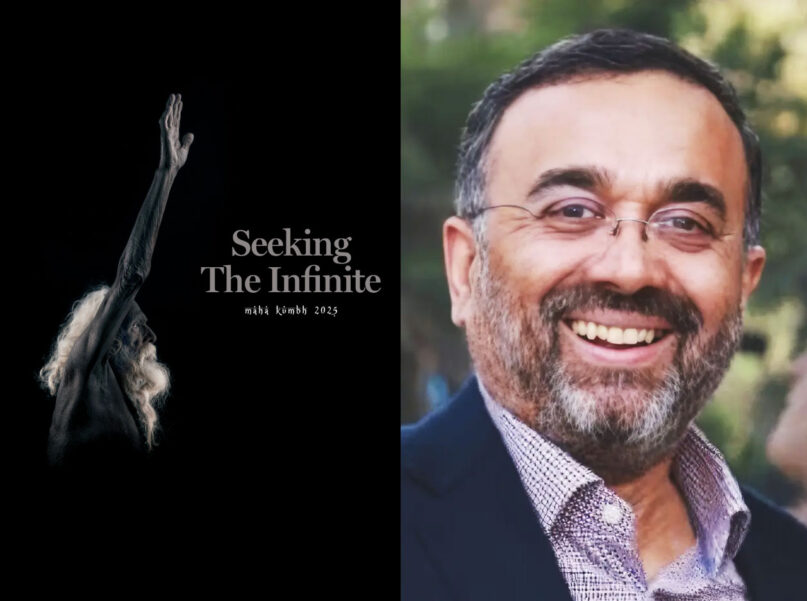
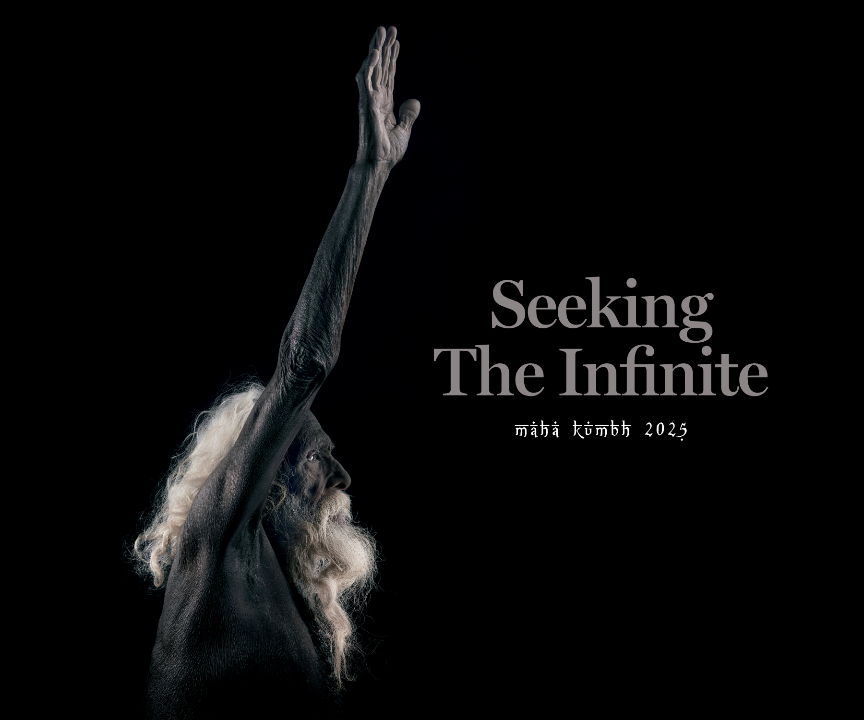
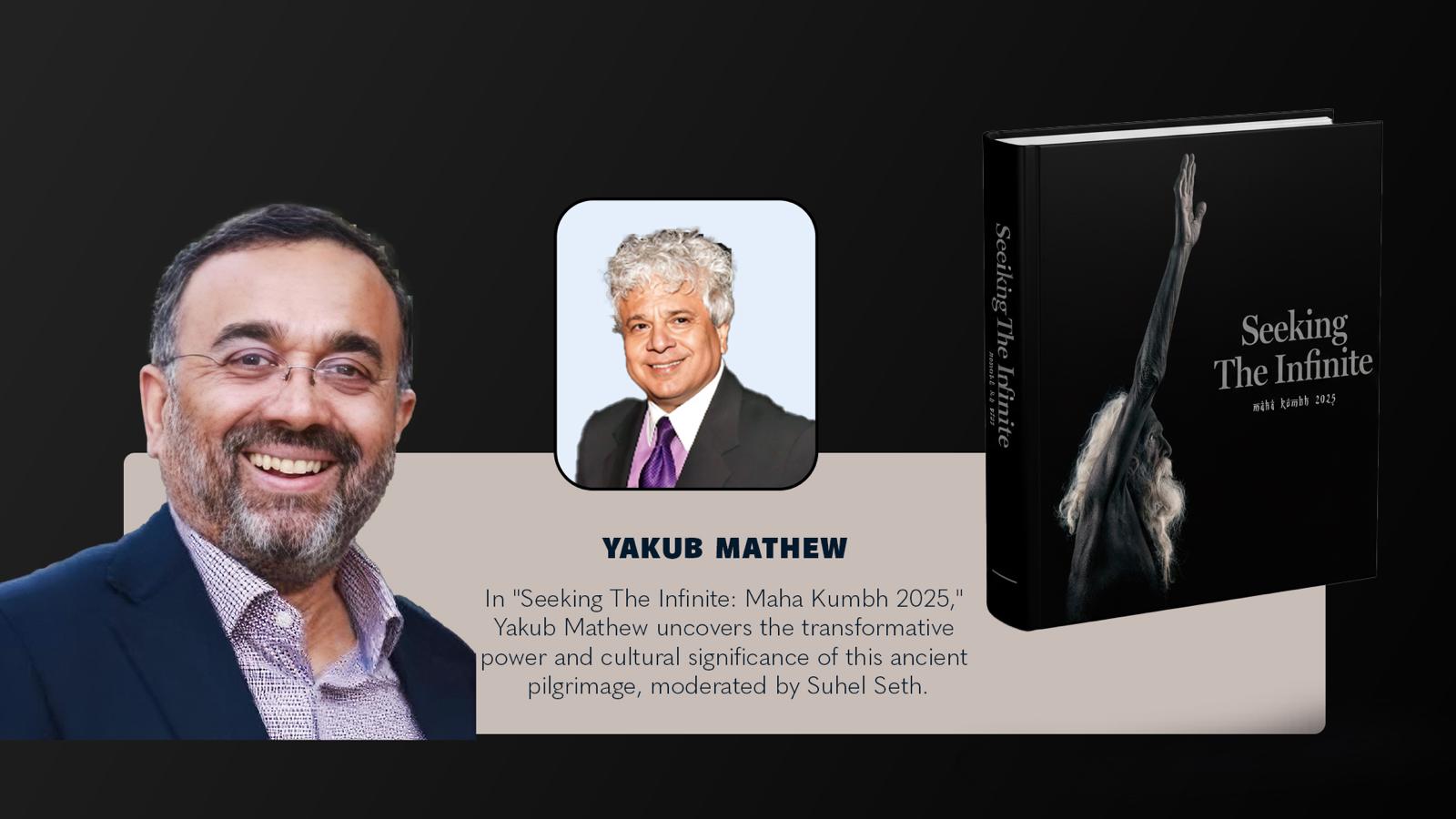
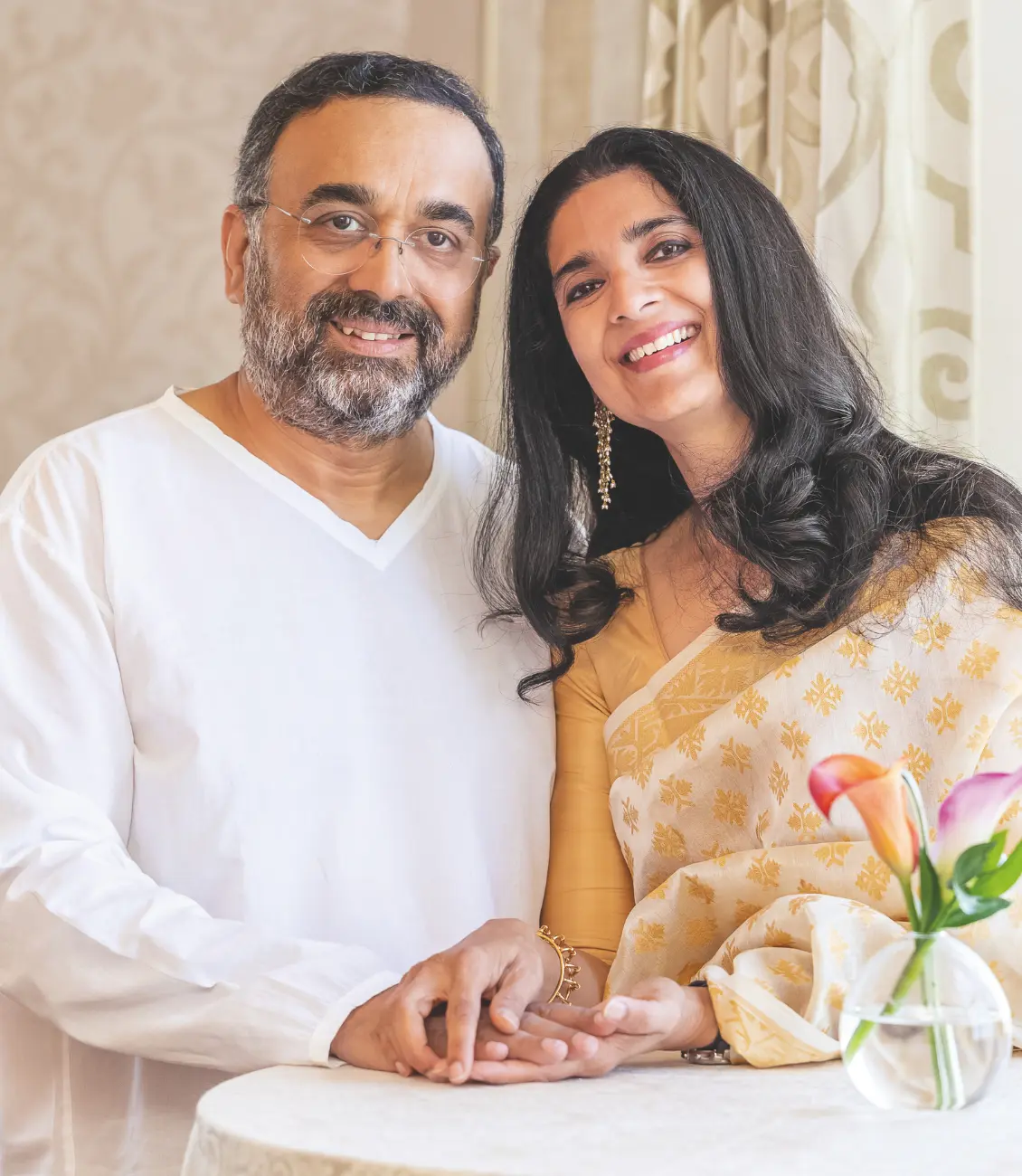 Yakub Mathew, a global financial leader and transformational thinker, will unveil his debut book Seeking the Infinite: Maha Kumbh 2025 during the prestigious IAAC Literary Festival at The International House in New York City on Sunday, November 16, 2025, The landmark literary event will feature a distinguished panel of spiritual and cultural thought leaders, including Sadhguru, Diana Eck, Rabbi Scott Matous, The Very Reverend Winnie Varghese, Imam Feisal Abdul Rauf and Guruji Sri Anish. The event will be moderated by the redoubtable Suhel Seth.
 With over three and a half decades of experience across Citibank, HSBC, and Wells Fargo Advisors, Yakub is known for his purpose-driven leadership and cross-cultural vision. He is a graduate in Economics from Madras University, an undergraduate in Economics Honors from St. Stephen’s College, Delhi, and an MBA from the Asian Institute of Management, Manila.
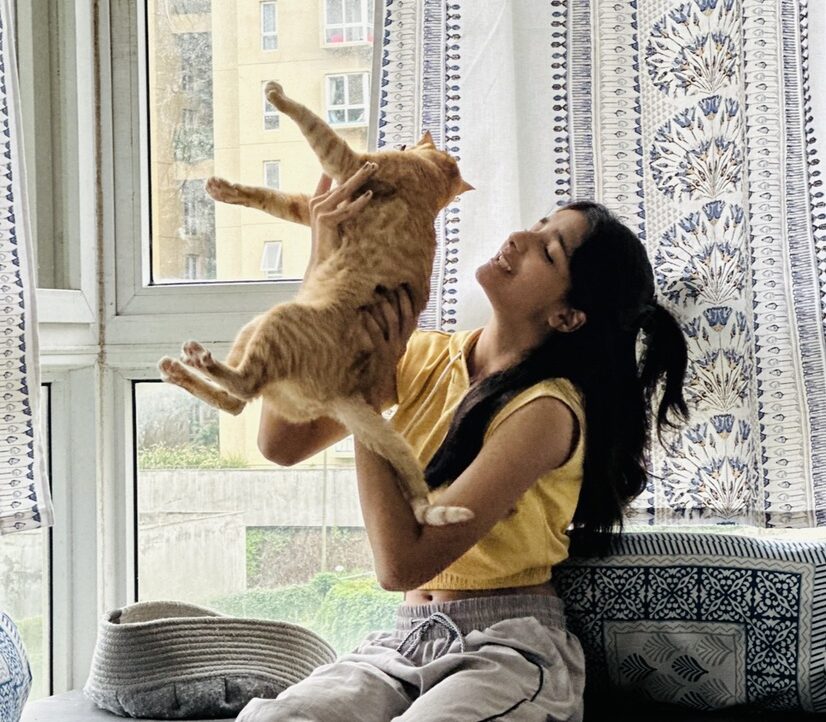

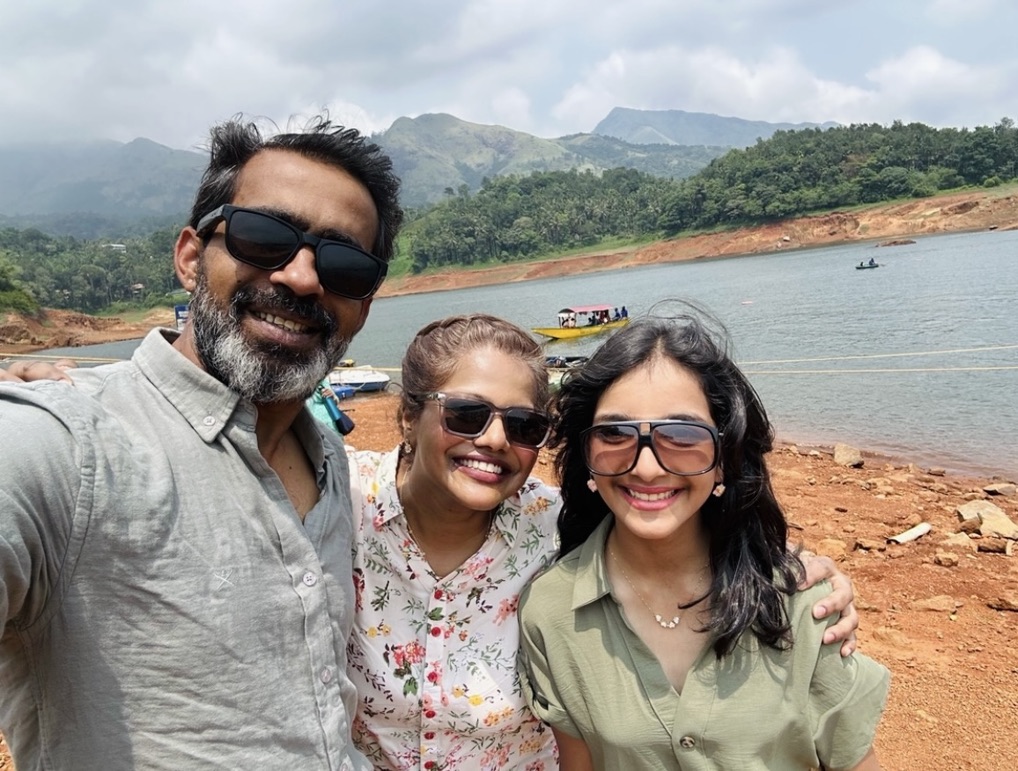

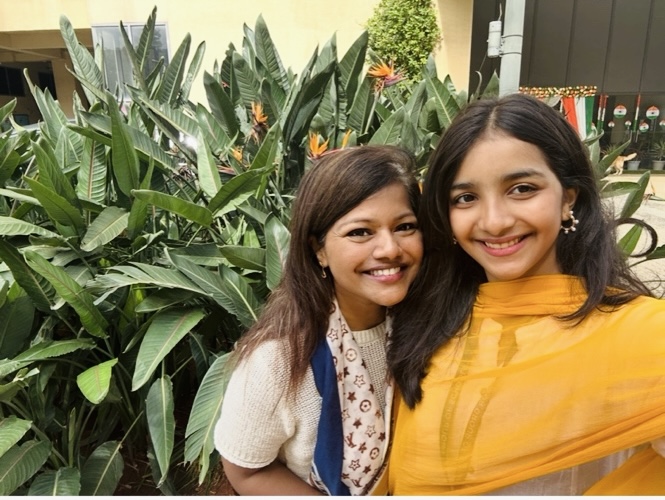
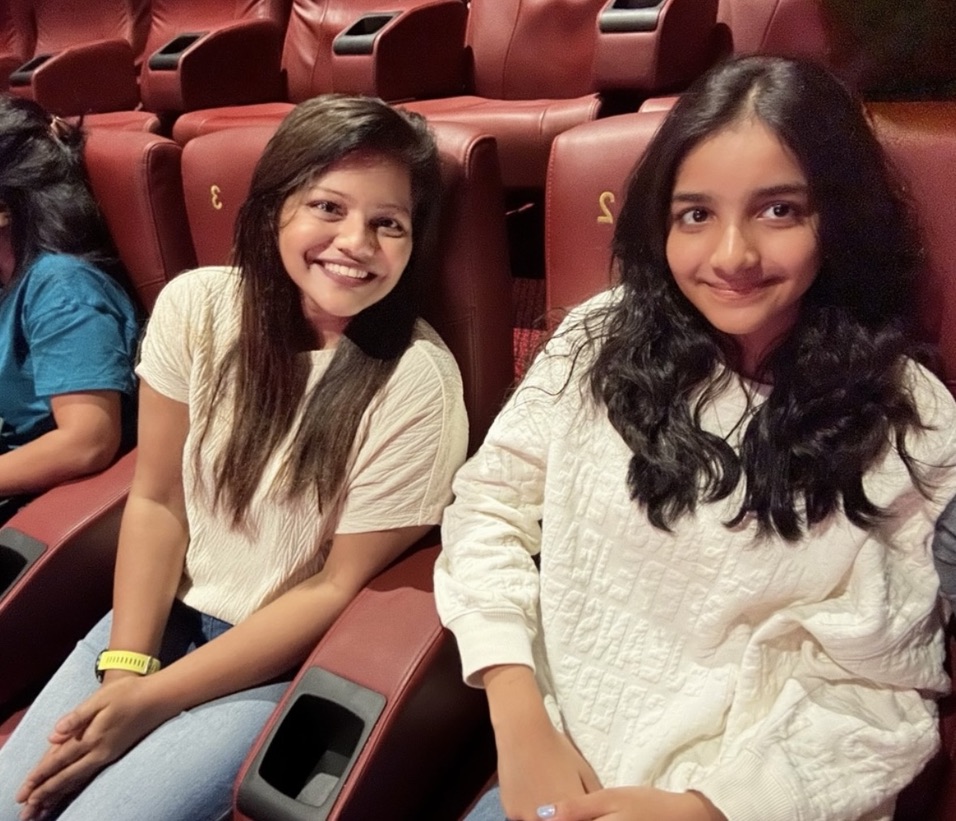
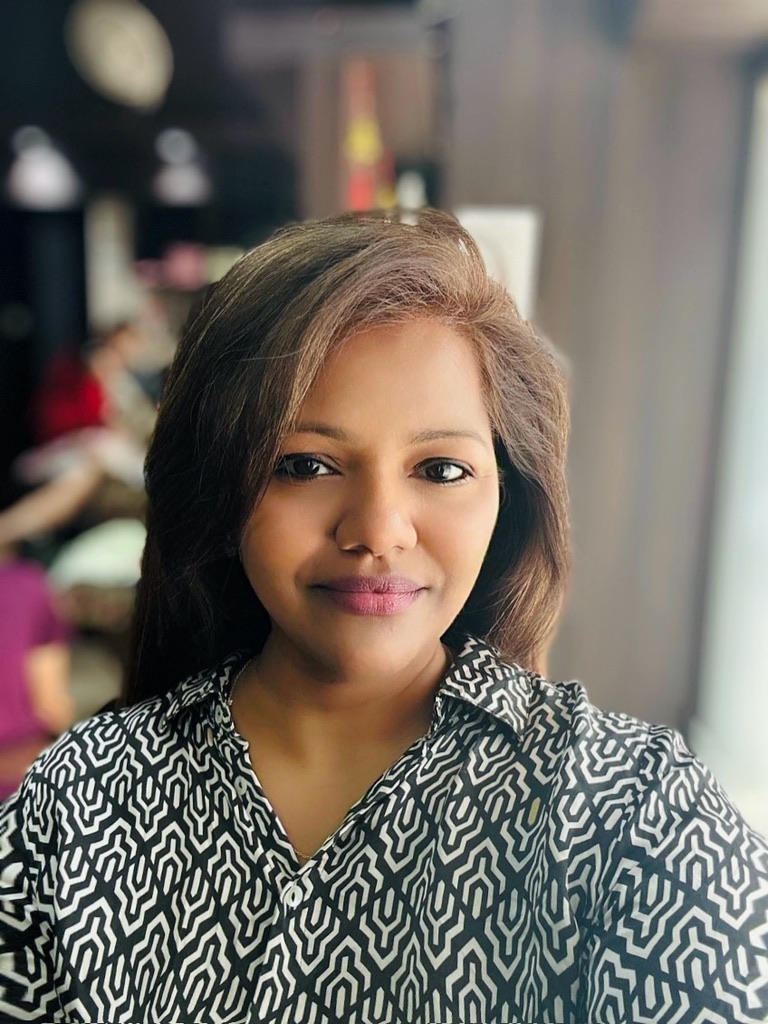 Ancy James is a former television producer who, after a fulfilling 17-year career, chose to step away from the relentless pursuit of output and certainty in favour of retiring from corporate life at age 37 to a slower and more intentional life. In what she calls her act of quiet rebellion, her toddler’s health scare ensured she followed through on this decision and she traded deadlines and huge pay packets for meaningful quiet personal life. Now over 10 years later, She truly believes that our identity isn’t something we prove, it’s something we shape with the decisions we take daily for our loved ones. She now keeps herself busy as an internationally trained Cake Artist and Chef Trainer with a culinary diploma and runs a FSSAI approved business “Ancy’s Sugar Art Academy, in Bengaluru, India. She discovered marathon running in her journey to reversing her bone health diagnosis at age 42. When she is not customising cakes or running, she is busy reading books across the spectrum or spend hours pouring her heart out in these personal memoirs. Through her weekly personal memoirs, she shares raw, honest reflections on grief, resilience, motherhood, midlife reinvention, and the quiet beauty found in overlooked corners of everyday life. At 48, Ancy writes not to impress, but to connect, believing that vulnerability is the birthplace of both healing and growth. In a fast and AI driven world she believes these memoirs are an honest attempt to stay real and relevant as a female writer who is a 100 percent invested in her journey of “Becoming”.
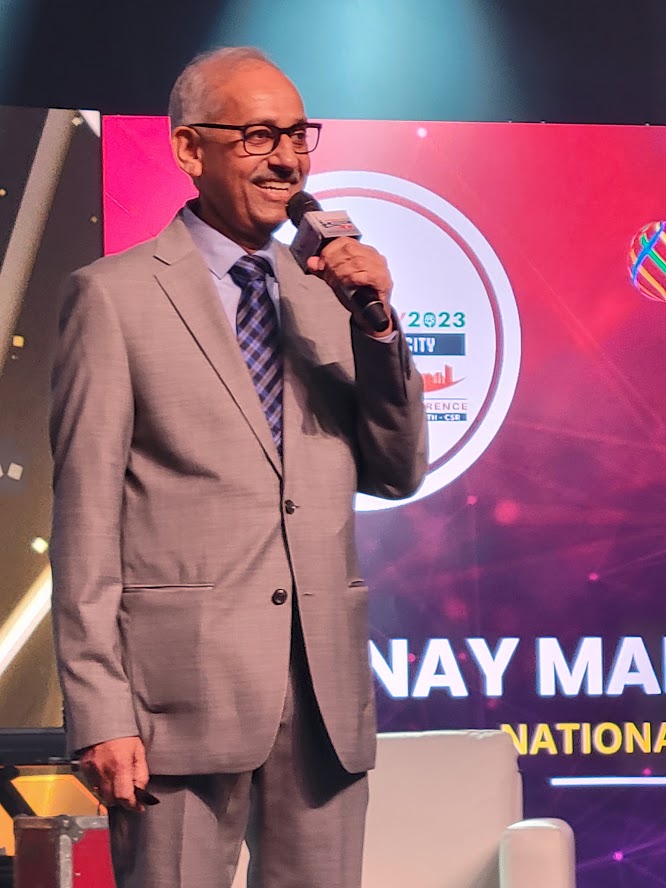 Vinay Mahajan’s professional journey commenced with foundational roles at ICL and DCM Infotech Limited, followed by 38 years as an entrepreneur. After earning an engineering degree from Punjab Engineering College, Chandigarh, and an MBA from the Faculty of Management Studies, Delhi, Mahajan ventured into diverse arenas—IT hardware, manufacturing, software, telecom services, and most recently, data and artificial intelligence.
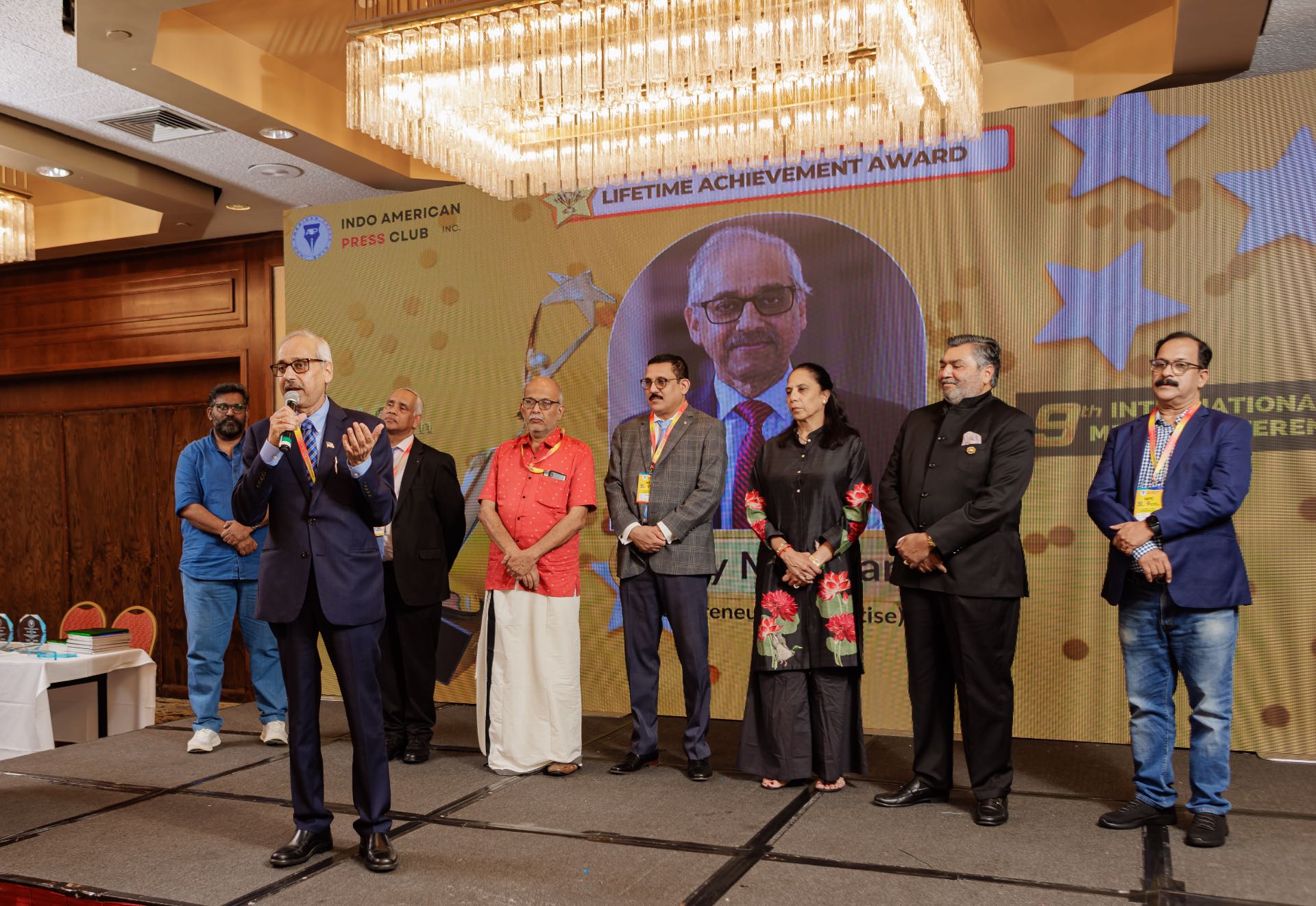 fosters U.S.-India business cooperation and supports entrepreneurship within diaspora communities.


 As the Malayali Association of North American Hindus (MANTRA) prepares for its third convention, Shakteyam 2027, to be held in New York from July 1 to 4, Unni Thoyakkatt has been appointed as the new secretary—an acknowledgment of his long-standing cultural commitment and leadership within the Malayali diaspora.





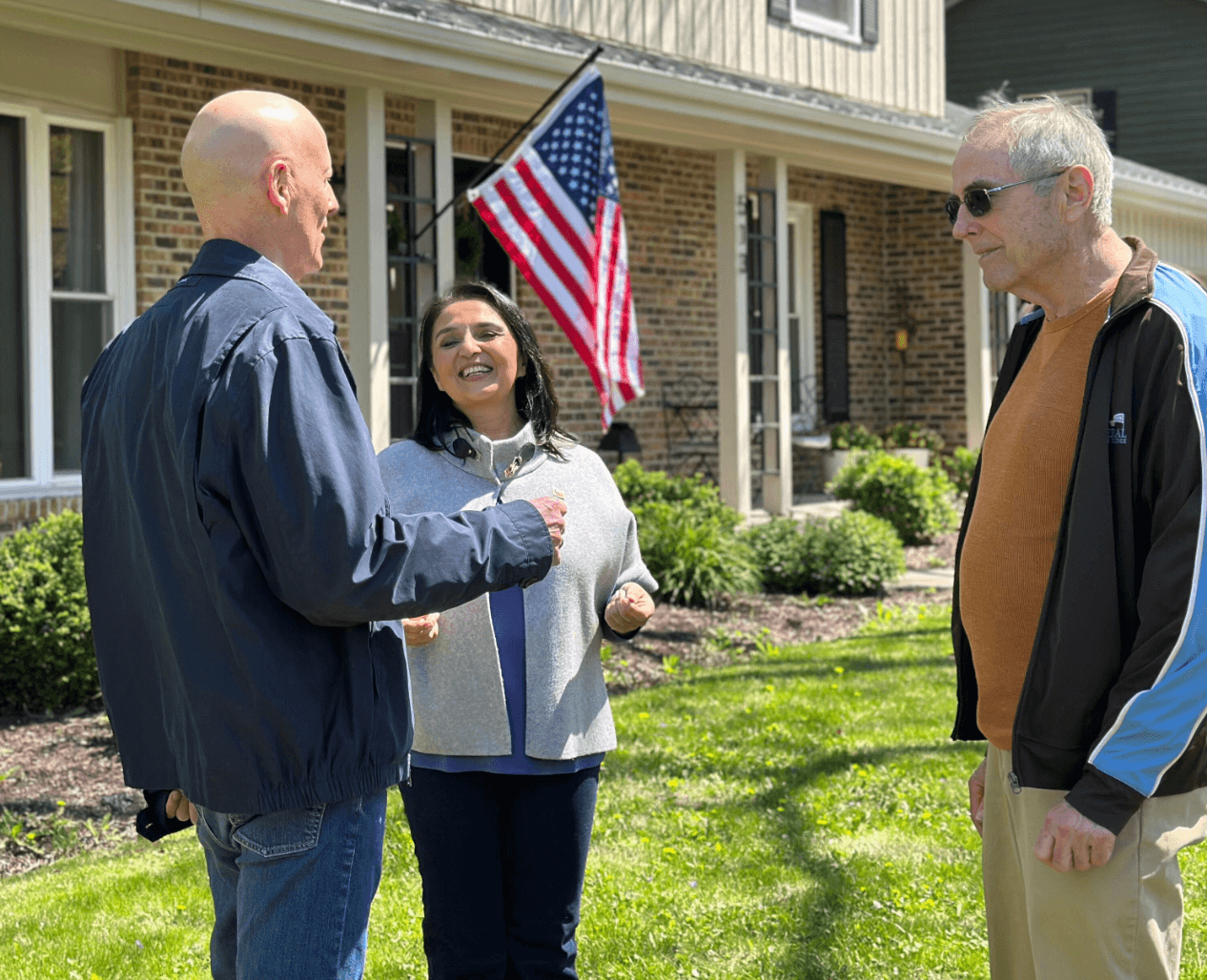 Her work ethic carried into her college years at Northwestern University, where she juggled studies with a daily paper route. As an adult, she balanced the demands of single motherhood, running a small business, and caring for her ailing parents. These life experiences have given her firsthand insight into the everyday struggles facing working families. “My life was Made in America. This campaign was Made in America. It could not have happened anywhere else,” she declared. “Now, I’m committed to making sure that the same American Dream is alive and well now, and for generations to come.”
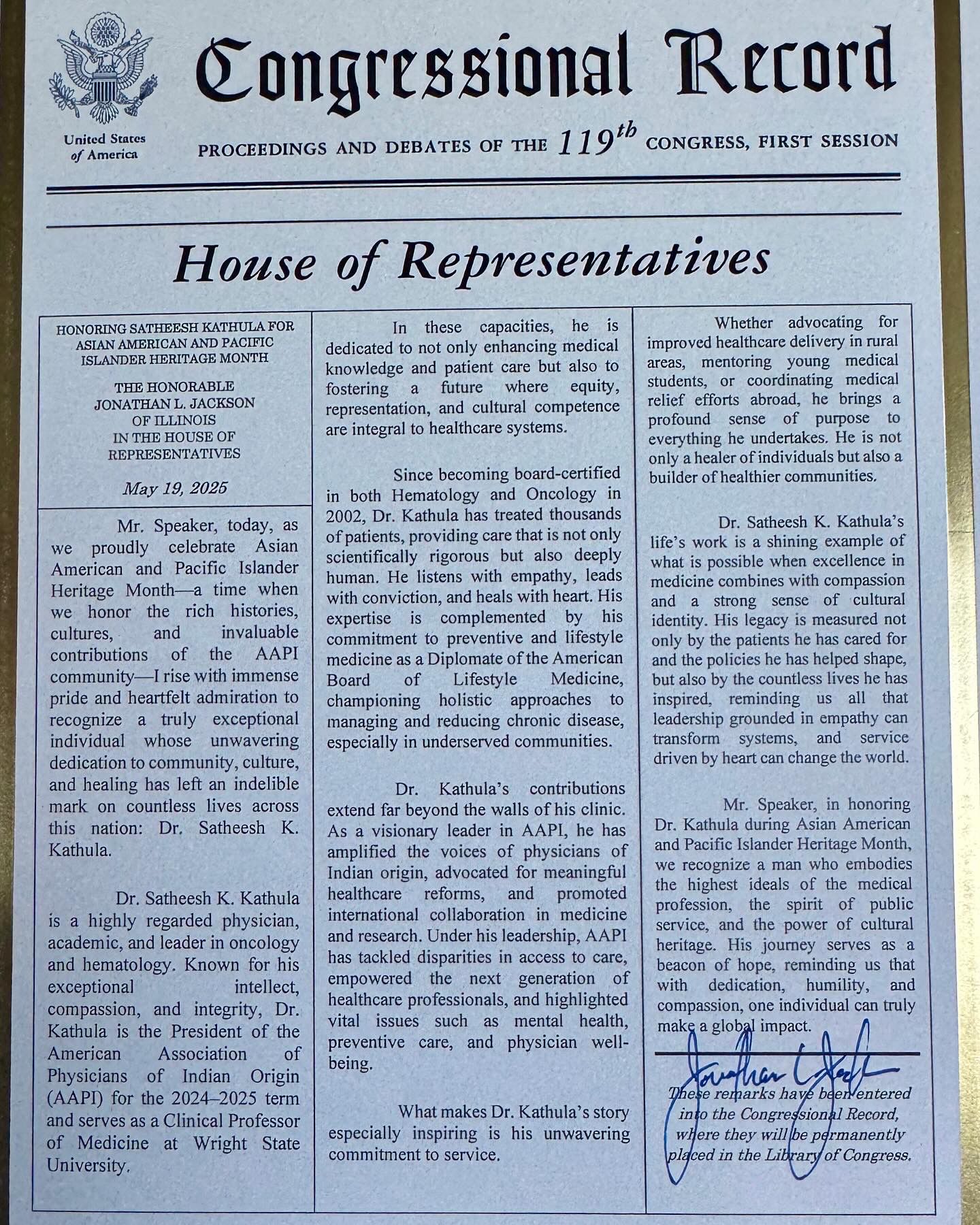 As a Diplomat of the American Board of Lifestyle Medicine, championing holistic approaches to managing and reducing Chronic Disease, especially in underserved communities, “Dr Kathula’s contributions extend far beyond the walls of his clinic. As a visionary leader in AAPI, he has amplified the voices of Physicians of Indian religion, advocated for meaningful healthcare reforms, and promoted international collaboration in medicine and research under his leadership,” Rep. Jackson added.
 His facility, the David S. Zocchi Brain Tumor Center, is renowned for its innovative approaches in treating brain tumors and improving patient outcomes. Dr. Raval’s dedication to providing compassionate care has earned him accolades, including the GBM Heroes Award presented at the 21st Annual Scientific Meeting of the Society for Neuro-Oncology organized by CURE® magazine.
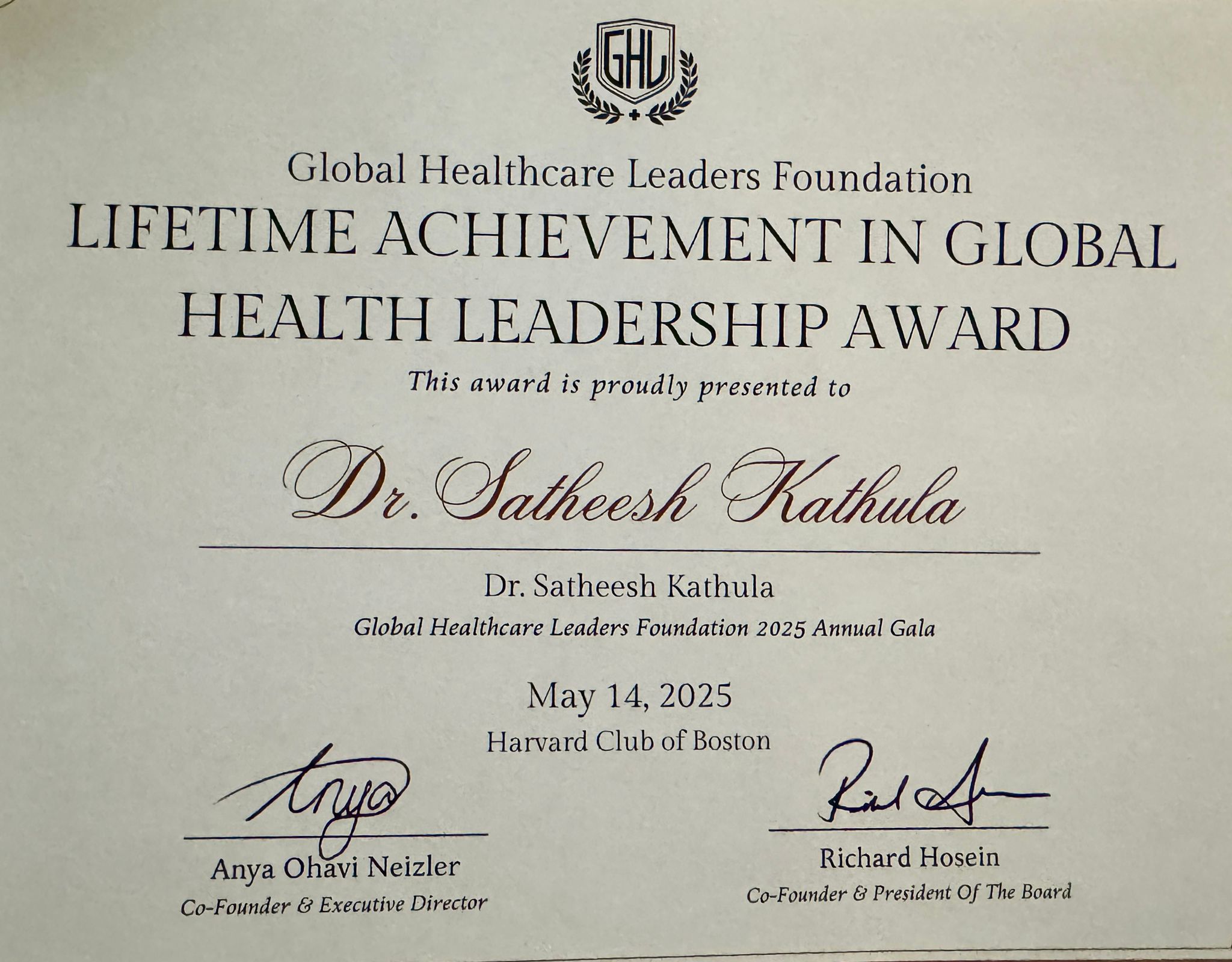
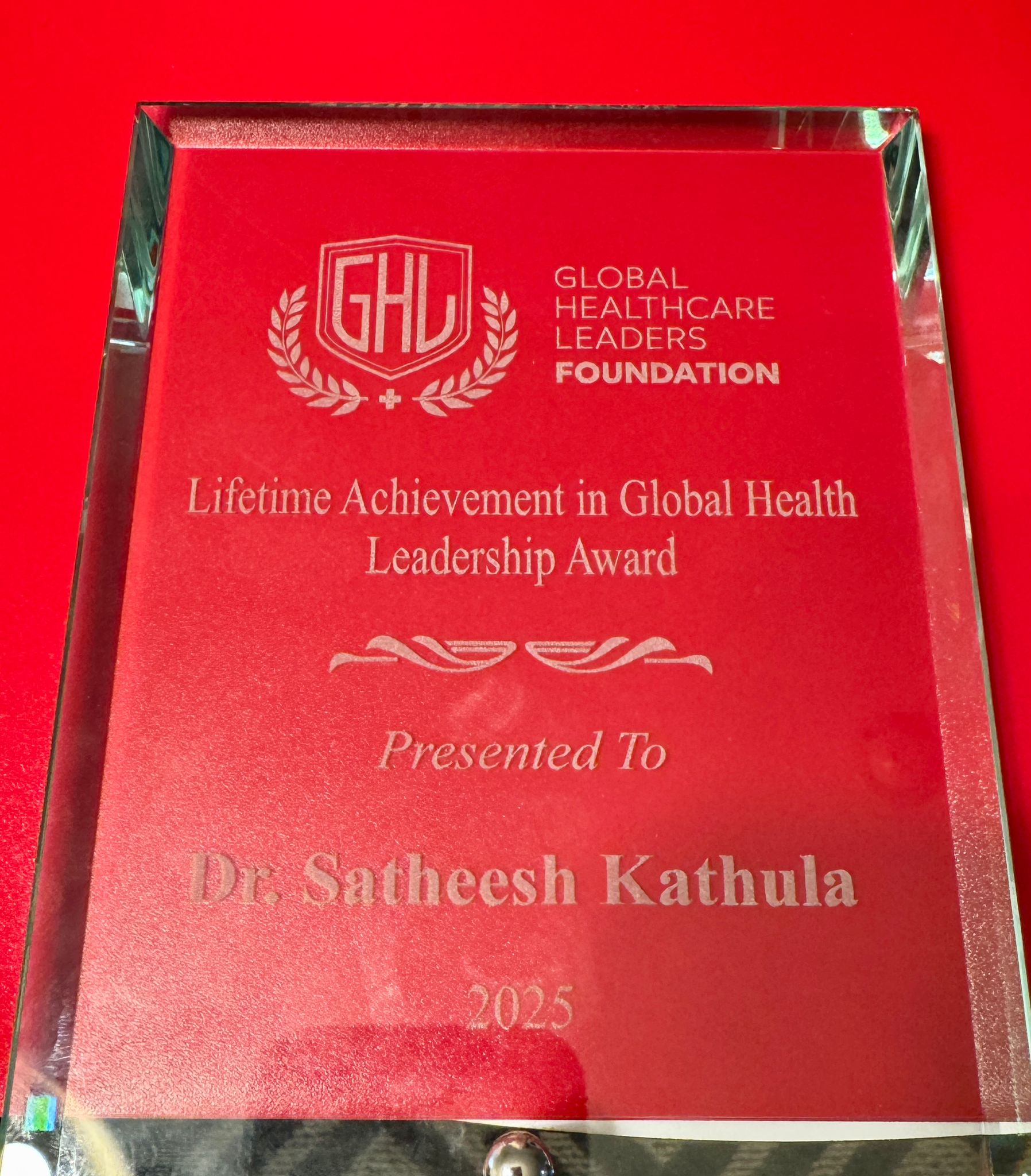
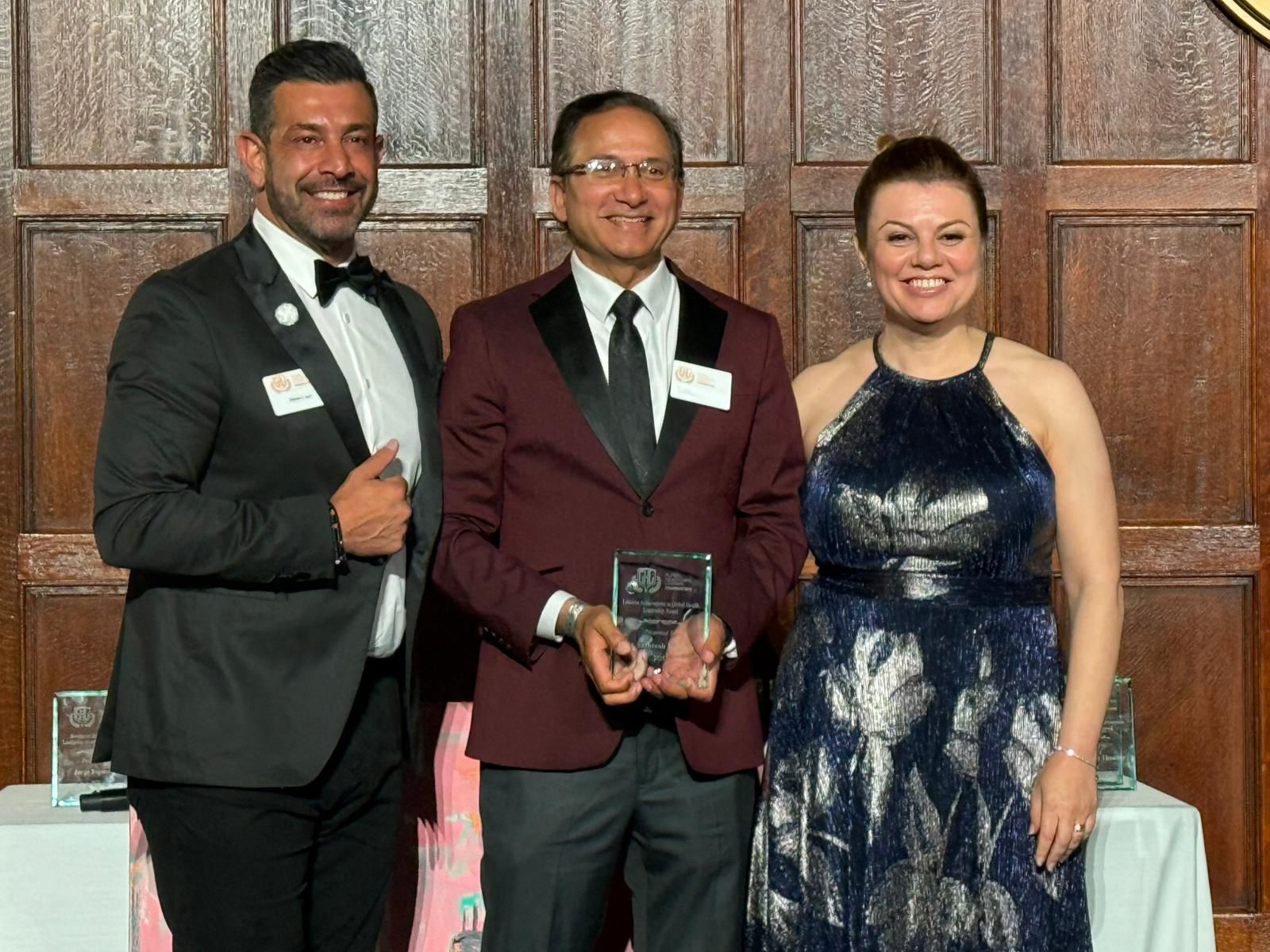 Dr. Satheesh Kathula is a renowned hematologist and oncologist based in Dayton, Ohio, currently serving as the President of the American Association of Physicians of Indian Origin (AAPI). Dr. Kathula, in his response after receiving the award, said, “I am truly humbled to receive this Lifetime Achievement in Global Healthcare Leadership alongside several other remarkable individuals. This inspires not only me, but the people who are serving the community and society at large.”
 Under his leadership, AAPI has launched a program called “Million Miles of Gratitude” to honor veterans by promoting physical activity. Participants can log their walking or running miles, with each mile serving as a tribute to the veterans. The goal is to collectively reach a million miles in the coming year. In May this year, he led a highly successful AAPI Legislative Day on Capitol Hill, where AAPI sought to collectively shape the best health care for the people of US, with the physician at the helm, caring for the medically underserved.
 Dr Kathula’s love for his motherland has manifested in him setting up humanitarian and medical projects in India. The most important of them is establishing a state-of-the-art pharmacy college in Warangal in Telangana, where he grew up. Named the Pathfinder Institute of Pharmacy and Educational Research (PIPER), the non-profit with Dr Kathula as the Chairman provides quality education and has already graduated over 1,000 students who are now working in different parts of India and abroad. He conducted several medical camps close to his native place and donated a defibrillator, water purification plant, and library to his native place.



 Dr. Sampat Shivangi is a distinguished Indian American physician, philanthropist, and community leader with a profound impact on healthcare, education, and cultural preservation across India and the United States.
 and spiritual hub for the Hindu community and beyond. Recognized for his exemplary service, a street in Mississippi bears his name, a testament to his contributions to healthcare and community welfare.
 It took him lots of reflection, planning, and working with multiple groups before this noble project conceived in his heart several years ago, has now come to fulfillment. “Believe me, I went to my hometown in Karnataka to set up a Cancer Hospital. I had even formed a committee and raised funds. Made several trips to India and struggled to do something good, but returned home empty-handed.”
 and tireless efforts that every individual deserves an opportunity to thrive, and is a beacon of hope, fostering resilience and building a more inclusive and harmonious world for all.
 At the heart of societal transformation, the Dr. Sampat Shivangi Foundation stands as a testament to unwavering commitment and compassion. The foundation is built upon the pillars of education, healthcare, mental well-being, tribal support, women’s empowerment, and sports development. With a profound understanding of the multifaceted needs of underprivileged communities, we have designed a range of initiatives that address these vital aspects of human well-being.
 Civil Nuclear Agreement, collaborating with President George W. Bush to strengthen ties between the two nations. His commitment to India is further reflected in his coordination efforts with the White House to lift sanctions against India during President Bill Clinton’s administration.
 Among the many initiatives Dr. Raju has undertaken, the upcoming Fundraiser in New Delhi is a pan-India Roll Out Program with the objective of raising $500,000, which will be matched by the Eye Foundation of America. The funds raised will be utilized towards establishing 100 ROP screening centers across India; Training 500 healthcare professionals in ROP screening and treatment; and, Treating 10,000 ROP-affected babies annually across India.
  For the past four decades, Dr. Raju and the EFA have been actively and tirelessly on a crusade to eliminate avoidable blindness in areas plagued by poverty and poor access to medical care. The EFA’s mission is to eliminate
  The Goutami Institute has a wing dedicated exclusively for children, and the EFA has future plans to build a service and research eye hospital in India where no child will be denied treatment and children from around the world can come to receive services. Dr. Raju and the EFA are also committed to finding new cures for age-old eye disease in children.