Queens Borough in New York City is known as “The World’s Borough” for a reason: what happens on Roosevelt Avenue has ripple effects near and far.
In this vibrant borough there is a street called Roosevelt Avenue that cuts a cross-section through some of the most ethnically diverse neighborhoods on Earth. Spanish, Bengali, Punjabi, Mixtec, Seke, and Kuranko are among the hundreds of languages spoken here. Nepalese dumplings and Korean noodles, Mexican tortas and Colombian empanadas, Thai curries and spicy South Indian vindaloos are just some of the many food choices.
Passing from one block to the next—through neighborhoods including Elmhurst, Corona, and Jackson Heights—can feel like crossing continents. Plazas and parks are crowded with vendors selling tamales, atole, and large-kernel corn. Tibetan Buddhists, fluent in the Indigenous languages of the Himalayas, walk to worship in their red-and-orange robes. Bangladeshi curbside markets teem with overflowing crates of ginger, garlic and humongous jackfruits, picked out by people wearing saris and shalwar kameez.
Growing up in New York, my own family would come to Queens to watch World Cup matches in South American cafés, just as our abuelos would visit their trusted Argentine butcher for fresh cuts of meat, and our Bukharan Jewish neighbors would come to pray, and our Indian family friends would come shopping for amulets and syrup-drizzled sweets for celebrations, all within this same 10-square-mile stretch of city.
Roosevelt Avenue is a pulsing artery of commerce and life. The road itself is chaotic, dark, and loud. You know you’re on Roosevelt because the elevated 7 train runs overhead, the tracks draping it in slitted shadows, and when the 7 train thunders past, for a moment, the frenzied thoroughfare is consumed: older women look up from their pushcarts; chatting friends fall silent mid-speak; and children cover their ears.
Above the storefronts, at the level of the train, are smaller brick offices with signs that reveal the more pressing needs of such a migrant-rich community: “Sherpa Employment Agency,” “Construction Safety Training,” “Irma Travel: Send Money and Shipments to Lima and Provinces.” Taped to the metal pilings and lampposts are hand-written listings with tear-off phone numbers, mainly in Spanish, advertising “rooms for rent,” “employment needed,” and “help wanted.”
Road signs welcome drivers entering Queens to “The World’s Borough.” But there is another phrase that might be more apt: “Queens, Center of the World.” That’s because what happens on these streets has ripple effects near and far, sometimes as far as on the other side of the globe—and what happens on the other side of the globe also certainly influences who ends up here. Perhaps at no other point has this been more urgently felt than during the fallout from the COVID-19 pandemic.
In the spring of 2020, the virus ravaged this part of the city. Most people who live here are essential workers who cannot work from home—restaurant cooks, delivery workers, cab drivers, construction builders—and many live in overcrowded quarters, so the disease spread precipitously. Elmhurst Hospital, which serves this community, was declared the “epicenter of the epicenter” for the initial outbreak in the U.S.
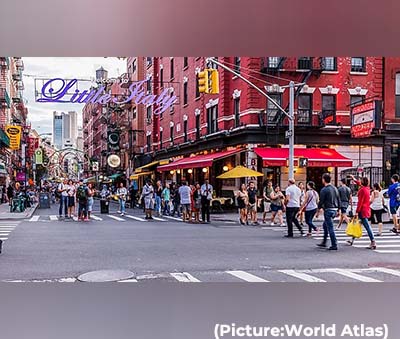 In New York, such a rapid and large-scale loss of life meant that the city’s engine sputtered to an even more devastating halt; in other places, like Mexico and Ecuador, Bangladesh and Nepal, it meant that many families could no longer rely on support from relatives in Queens who were suddenly out of work, or worse. Joblessness and hunger skyrocketed, residents just barely getting by. And yet only for a very short while did walking Roosevelt and its surrounding streets have the same eerie, empty feel as in the rest of the city. Its communities and micro-economies, heavily reliant on in-person interactions, cannot afford to stay still.
“The people who come over, they come to help their family,” says Sanwar Shamal, of Bengali Money Transfer in Jackson Heights.
Snippets of South Asia
Around the 74th Street subway station, the neighborhood is heavily South Asian—mostly people of Bangladeshi, Indian, and Nepalese origin. Bengali-speaking men wearing skullcaps sell plush prayer rugs, headscarves, and gold-plated Islamic iconography from milk crates on the sidewalks, cigarette smoke pouring out of their mouths as they talk. Mannequins showcase bright-colored salwars and chaniya cholis through tall glass windows, and restaurants serve curries with rice and water in silver bowls and cold metal cups.
Seemingly everywhere in Roosevelt’s path, there is a heightened sense of the “old country”—of memories that haven’t faded over long stretches of distance and time. You feel it in the money-transfer and international courier stores along Diversity Plaza, where people line up patiently to send remittances and packages to relatives back home, relatives they haven’t seen in years and might not ever see again. You feel it on the weekends, when families drive in from all over to shop for groceries at Patel Brothers, or to eat at Samudra or Dera or the famous Jackson Diner. You feel it at the sweet shops, where grandfathers wearing tweed suits and large wristwatches take their smiling grandchildren for treats.
And you certainly feel it when you step into the United Sherpa Association, a former Lutheran Church that in 1996 was converted into a Tibetan Buddhist temple and community center now serving more than 12,000 Himalayan Sherpas, the largest population living outside Nepal. People come here to pray and to drink salty yak-butter tea poured from tall thermoses into bowls of blue-and-white china. In pre-pandemic times—according to Tshering Sherpa, the president of the association—nearly 100 people would fill two floors in this temple to worship. “You could hear the chanting from Broadway,” she says, beaming.
“Our seniors established this United Sherpa Association,” says Temba Sherpa, the group’s vice president, “to protect and maintain our identity.” The Sherpa are a Tibetan ethnic group who for hundreds of years have made their livelihoods in the Himalayas, raising yaks and high-altitude crops in the remote mountains. Practically no one knows the Himalayas better than the Sherpa, and in recent years they’ve also become synonymous with their work as climbing guides and porters on Mount Everest.
“We got our identity and economic benefit from mountaineering,” says Ang Tshering Sherpa, himself a former trekking guide. “But there’s not much of an alternative if you aren’t educated.”
Climbing is often a perilous endeavor for the Sherpa, especially with little in the way of formalized protections from the turbulent Nepalese government. “Going to the mountains, it’s like going to war,” Ang Tshering says. “You don’t know if you’ll come back.” Many hundreds of Sherpa people have died or been seriously disabled on climbs over the years. “Once a Sherpa gets in a kind of accident, the family gets very little, they don’t have a safety net,” Ang Tshering adds.
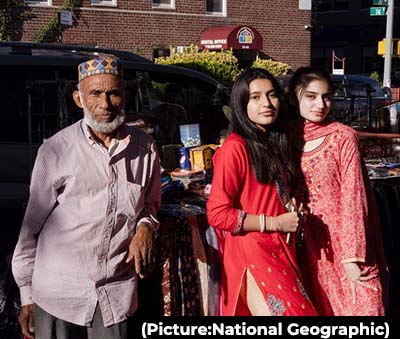 Since the 1990s, and especially after major climbing disasters on Everest, Sherpa have left Nepal in large numbers. Many have come to the area around Roosevelt Avenue, where they often work as taxi drivers, or restaurant cooks and supermarket employees. The United Sherpa Association is a central meeting point of worship and community—where people chant and pray, gather for meals of dhal and root-vegetable stews, and share opportunities for work or study.
There are also classes to teach the Sherpa language and traditions to new generations born in the U.S. Shortly after the pandemic began, the association opened a food pantry—available not only to Sherpas but to anyone—and every Tuesday since then, people have lined up in need. And the Sherpas haven’t stopped advocating for their family members back in Nepal, either: for better educational and economic opportunities, and for improved safety infrastructure for climbing guides and porters, especially as recent tourism downturns and pandemic outbreaks have further devastated the country.
“Most of the Sherpa over here, their families are still in Nepal,” says Pasang Sherpa, president of the US-Nepal Climbers Association, a Queens-based nonprofit. “We know exactly who needs help.”
‘La Roosevelt’
Down the road, the sound of spoken Spanish envelops either side of what’s known as ‘La Roosevelt.’ In Jackson Heights there is a block nicknamed ‘Calle Colombia’ (Colombia Street)—where vendors slice cold coconuts with machetes, and tall stalks of sugarcane disappear into juicers for the sweet drink called guarapo. Further east are standing-room-only taquerias, stores bursting with knock-off soccer jerseys, and electronics dealers and barber shops with hawkers outside telling passersby to come in, just for a minute, just to take a look.
On 80th Street, just south of Roosevelt in Elmhurst, Barco de Papel (Paper Boat) stands as the sole Spanish-language bookstore left in New York City. One of the owners is an older Cuban man named Ramón Caraballo who can usually be found there smoking a cigar. He speaks softly and sparingly. “I am just a man who opens up a bookstore in the morning and closes it at night,” Caraballo said when he first introduced himself. “That is all.”
The building is small, just one room, but it is filled from floor to ceiling with a large selection of some of Latin America’s finest writers—Jorge Luis Borges, Gabriel García Márquez, Isabel Allende—as well as lesser-known staff favorites. It is so stuffed with books only its keepers know where anything is to be found.
Caraballo is one of those keepers. Before he co-founded Barco de Papel in 2003, he sold books from a street cart around the corner. “All my life I’ve dedicated myself to literature,” he says. When he opened the nonprofit store—around the same time that Amazon and rising rents began to spell the demise of independent bookstores, especially Spanish-language ones, across the U.S.—it quickly became a community treasure.
Many customers come to Barco de Papel hoping to rebuild the libraries they left behind when they migrated. “They bring their kids, too,” says Paula Ortiz, a high school teacher from Colombia who co-founded the store. “They can’t take them to their countries, so they bring them here.” Others will gather for tertulias—discussions about literature and current events—and live readings.
But Barco de Papel has also become a hub for information. Since the pandemic, many customers leave with information on vaccines, testing, or treatment. New migrants seek out guidance on how to start a small business or learn English. Children whose parents can’t afford to buy another book benefit from book exchanges.
“We have to constantly change with the community, without losing our essence,” Ortiz says. “We owe ourselves to them.”
Corona Plaza
One afternoon in Barco de Papel, I found Caraballo and two helpers unwrapping a large painting that they were planning to put up in a nearby underpass, part of a public art installation in homage to the neighborhood. This one was a bright-colored portrait of a Latina street vendor flanked by a food truck and some ears of large-kernel corn.
Street vending has long been woven into the fabric of Queens, where on the sidewalks you can buy just about anything. In largely Chinese and Korean neighborhoods like Flushing, vendors pull steaming dumplings and salted duck eggs out of steel tubs; plastic bins offer spiced watermelon seeds, eyebrow beans, and goji berry soup. Along Roosevelt, Bangladeshis and Afghans peddling religious items cross paths with Spanish-speaking vendors who sell food and drink, small metal lockets and neon construction vests, disposable masks, rat poison, smartphone cases, and flowered hanging plants.
Some have been selling for years. Many others have only recently begun, after losing their jobs because of the pandemic-induced economic crisis. Pop-up stands of folding tables and tents have appeared (and expanded) on much-transited corners. People walk past with strollers, pulling back the top to reveal not children but candies, popsicles, and sandwiches. Women weave their way through traffic carrying months-old babies in slings on their backs, selling sliced fruit to drivers at red lights.
“Vending has always been big along Roosevelt, especially in Jackson Heights and Corona, but even more so now, because so many people have lost their income, are facing eviction, and have no safety net,” says Carina Kaufman-Gutierrez, deputy director of The Street Vendor Project, a nonprofit that works with street-sellers across New York City. “Every type of relief that came out during the pandemic excluded undocumented folks. And that hit the area so especially hard.”
The Street Vendor Project estimates that during the pandemic, the number of vendors in Corona Plaza, along Roosevelt Avenue at 103rd Street, rose nearly fourfold, from 20-30 people to more than 100. They come prepared for the elements—with tents, tarps, umbrellas and plastic garbage bags—and work through the rain, snow, sun, and cold.
“We used to live in the mountains, my family,” says María Lucrecia Armira, 44, who migrated to Queens in 2019 from a small village in the department of Suchitepéquez, Guatemala. She has had to adjust to spending nearly every waking hour in the smoky heat of a grill stand, selling meat skewers on the loudest corner of the Plaza. Armira arrived two years ago with her 14-year-old son, who enrolled in the local public school; when the pandemic began a short time later, he dropped out and started working full-time selling raspados (shaved ice) and slushies.
“On the one hand I was nervous about the virus,” Armira says. “On the other hand, we were locked down and couldn’t work.” Sharing a single bedroom with her son in an apartment filled with other families, she tries to send $500 per month—or whatever she can—to her two other children, whom she had to leave behind in Guatemala. “Many people count on what we send from here.”
Street vendors now face opposition from brick-and-mortar business owners frustrated with the sudden boom in new and seemingly unlimited competition. In recent months, the city has stepped up its enforcement of street-vending laws, ticketing and removing those without a permit. There are more than 20,000 vendors estimated to be working in the city, and just a small fraction of permits, leading to price-gauging, according to labor activists.
One afternoon on Corona Plaza, the presence of two New York City inspectors sent many vendors scurrying. There were fewer produce-sellers on the sidewalk, food trucks were shuttered, and shopping carts stood empty, piled atop each other beneath the train tracks.
Ana Maldonado stood nervously in the shadows—across the street from her usual spot on the plaza, where for more than 15 years she’s sold tamales and rice pudding and syrupy Mexican-style hot chocolate from a cart of metal vats and orange Gatorade thermoses.
“My customers know me, they know where to find me,” she says, looking out for inspectors from the stairs to the train. The inspectors had warned her to leave, or risk an expensive fine and all of her merchandise being tossed to the trash. “They’re in the middle of the plaza. If they catch me, I’m finished.”
Originally from a small mountain town in Guerrero, Mexico—where, in the green hills, steam rises from rivers swelled with rain—now she wakes up each morning at 4 a.m. and prepares the day’s food for sale on Roosevelt, not returning home until she’s sold everything. Her husband spent 28 days in the hospital with COVID-19 at the start of 2020 and nearly died; he has been unemployed since. “All that my family has, everything comes from this,” Maldonado says. “I work hard to feed them, whatever it takes.”
Queens Globe
As Roosevelt Avenue nears the end of its eastward course, it’s fitting that it passes by the famous Unisphere, the Queens Globe built for the 1964 World’s Fair, that has since become a symbol of this area’s epic cultural diversity. Here in Flushing Meadows-Corona Park, the hustling chaos of Roosevelt Avenue abates, if only for a moment, and the world’s borough comes outside to decompress.
In springtime, families take pictures at golden hour in their best sunshine saris, their favorite skirts and collared shirts in front of an explosion of color: the cornelian cherries, the flowering pears, the forsythia and the redbuds in full bloom. Two years after the onset of the pandemic, despite all the challenges the coronavirus has left behind, there are signs of renewal, too—of soccer games returning to dusty fields with goals carried on backs and bicycles; of misting fountains, and the smell of new grass; of the sound of Mister Softee trucks offering ice cream to children with outstretched arms.
I have often thought about what it means to be American on my walks along Roosevelt—what it means to be the product of so many different stories and struggles and heritages that have led us to one singular, raucous mix of a place. In this country that so deeply strives for assimilation, there is often pressure to distill identities, to make them more palatable for others looking on.
But what is both so special and so hard about Queens is that assimilation does not come easy.
I think about this with every scene that crosses my gaze, with every encounter and conversation—whether in a bookstore or a temple, on the 7 train or on a soccer field in the park. I think about the many definitions of “American” when my own family, a blend of cultures shaped by migrations forced and voluntary, ventures out to this neighborhood for tastes of a past that continues to mark our future here. As parents look for fair and just opportunities to raise their children in the U.S., to learn English, to find work, and to support their families abroad, that sense of the ‘old country’ is unlikely to fade from Roosevelt Avenue, so long as people keep migrating to neighborhoods like this one.
I thought about that when I first met Maldonado, the undocumented street vendor who left Mexico two decades ago and cannot return without risk of not being able to get back into the U.S. I told her that I’d recently been there and asked her what part of the country she was from. Instead of answering right away she touched my wrist with her hands and looked into my eyes. “Cómo está?” she asked about her homeland. “How is it?”





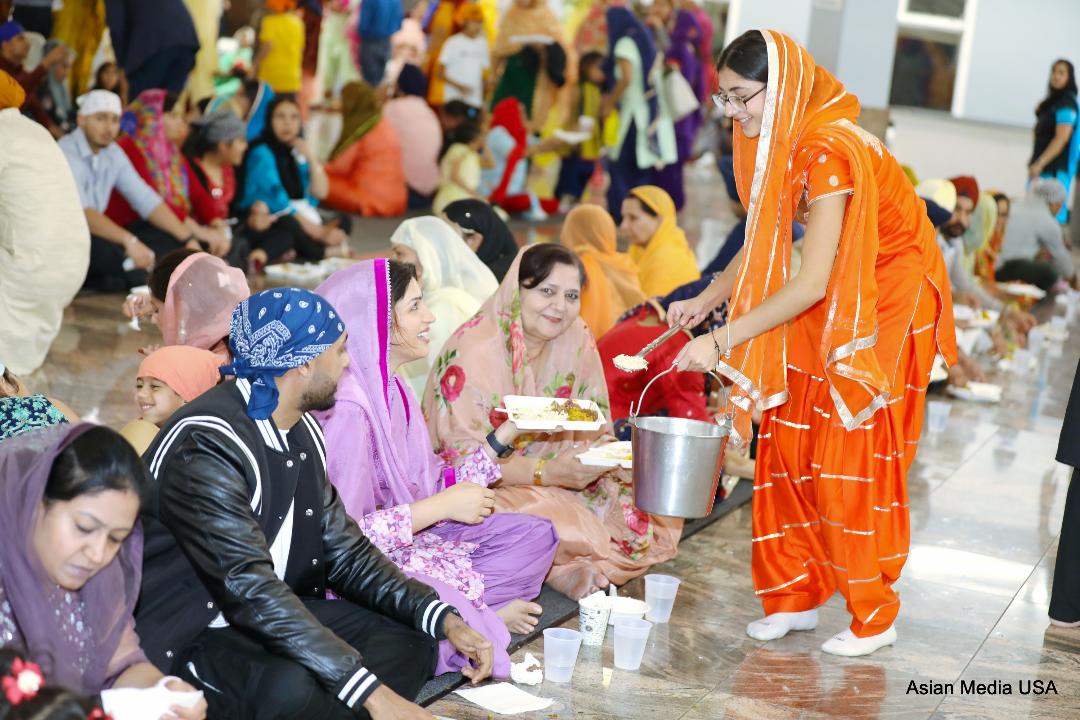 With God’s Blessing the Sangat has grown in the Chicagoland area for close to 50 years. Mr. Savi S. Attal and Family hosted the Kirtan & Langar for the Diwali and will continue to do sewa for the Community.
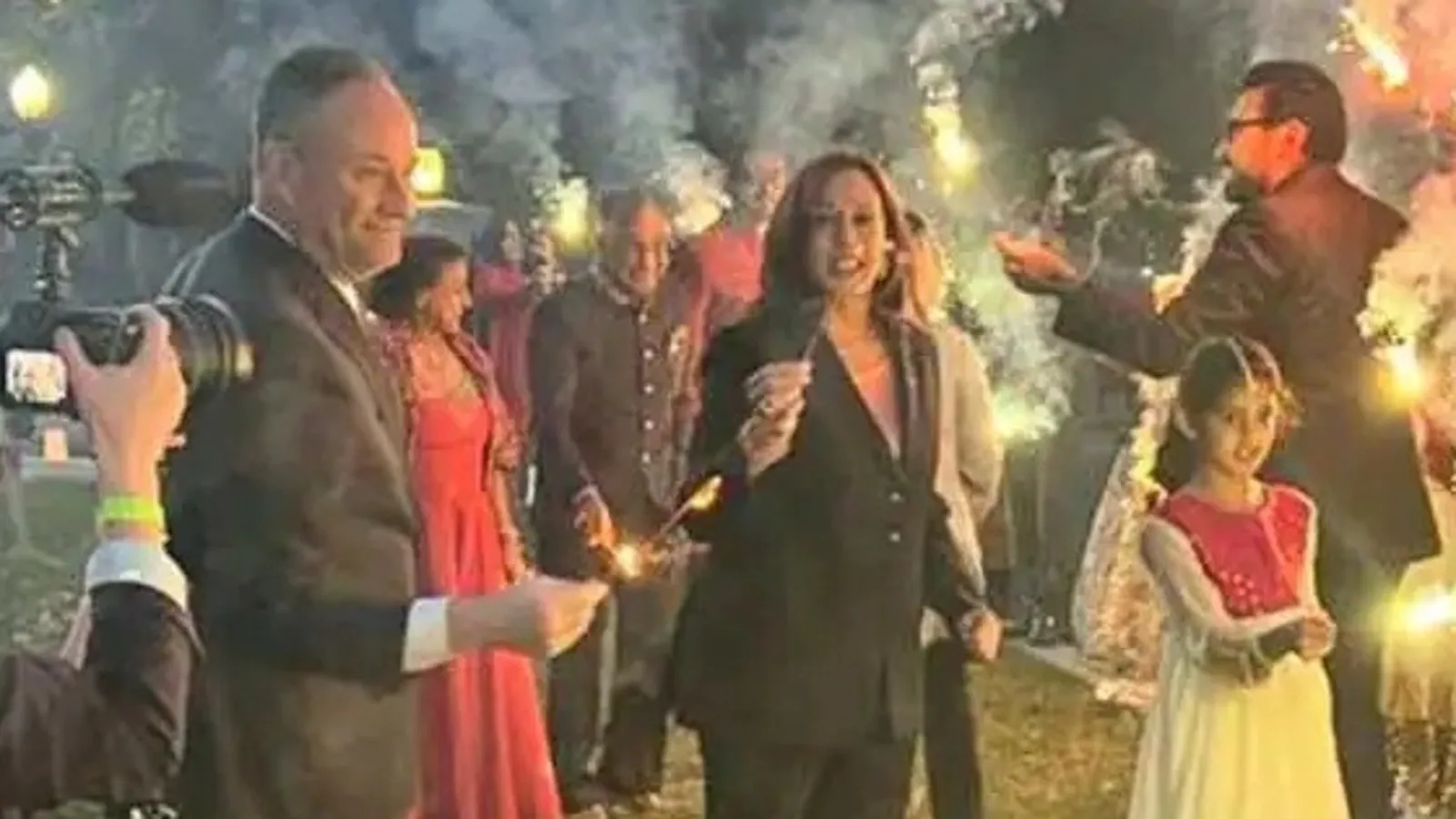 White House Celebrations
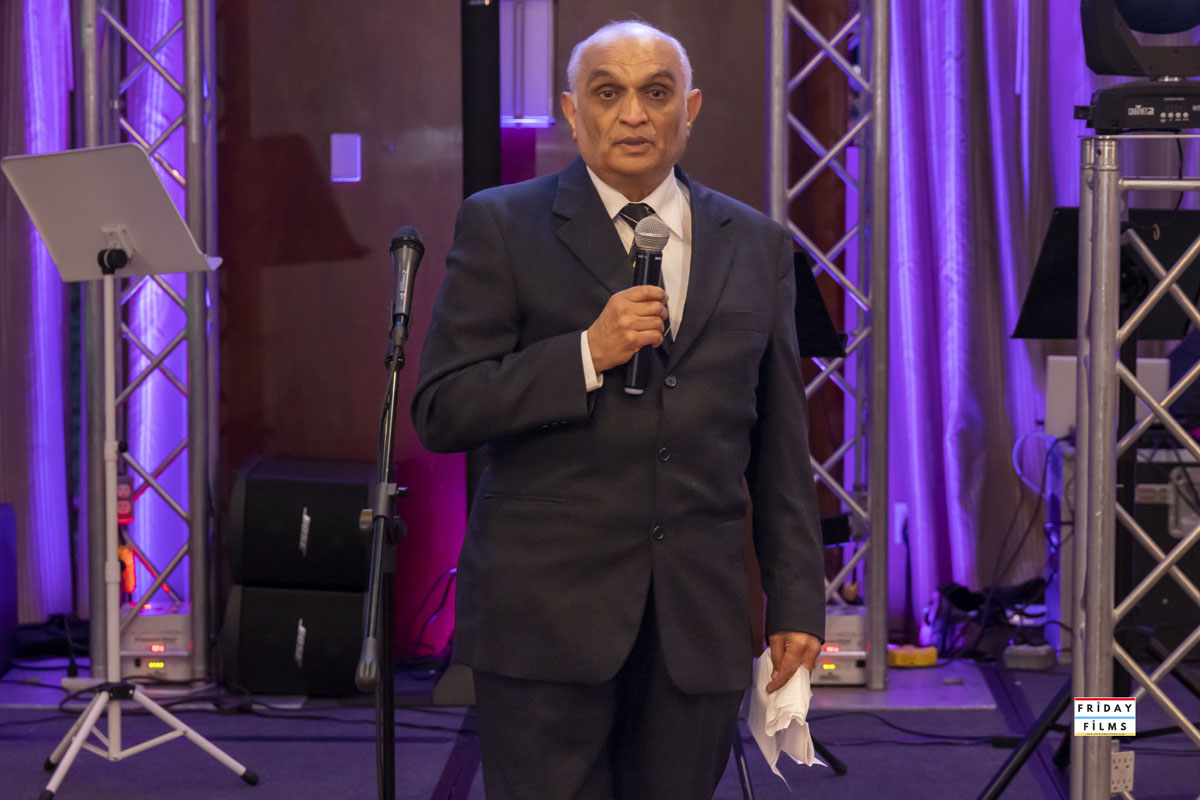 Dr. Pradip Shah outlined the vision of the AAPI-NJ which included but was not limited to, Continuing Medical Education seminars for members, community service included donating blankets, supporting, and helping soup kitchens, and assisting international medical graduates get residency, disease awareness and prevention, women’s health, and encouraging the younger generation of doctors to join the AAPI events.
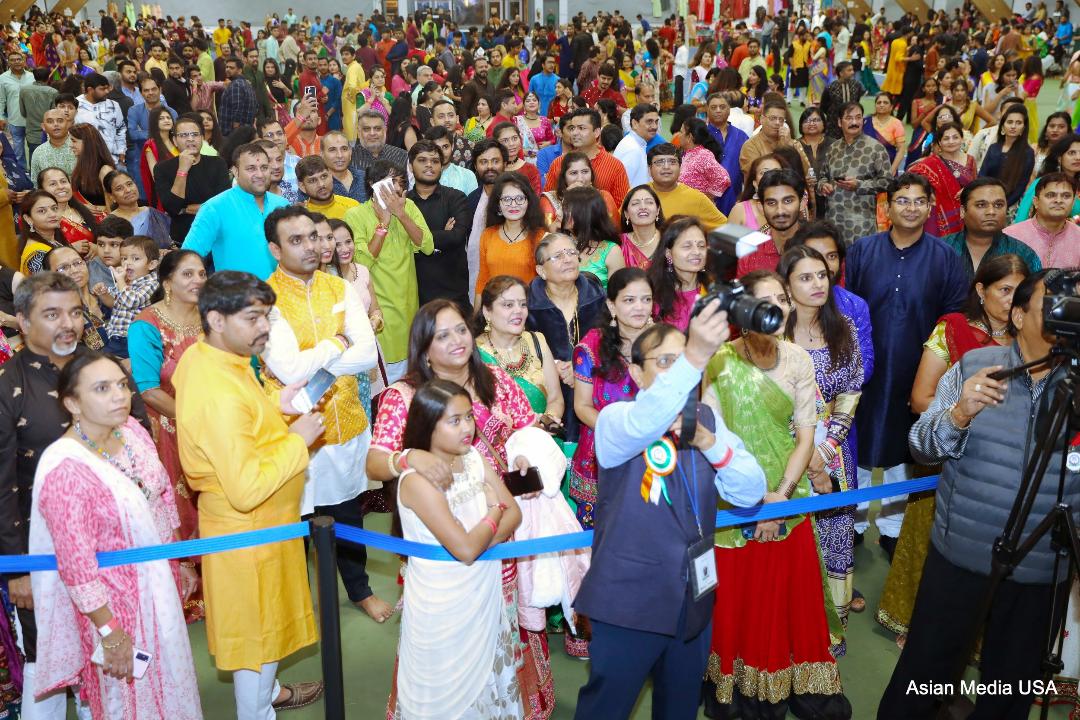 The festivities began around 6 pm and lasted until10:30pm. The celebration started with the traditional Lamp Lighting ceremony. President Haribhai Patel spoke fondly about the Navaratri celebrations, saying that, “It keeps a part of our rich culture alive, we Gujarati have garba in our blood”. He recognized sponsors, the committee members and volunteers that made the event possible.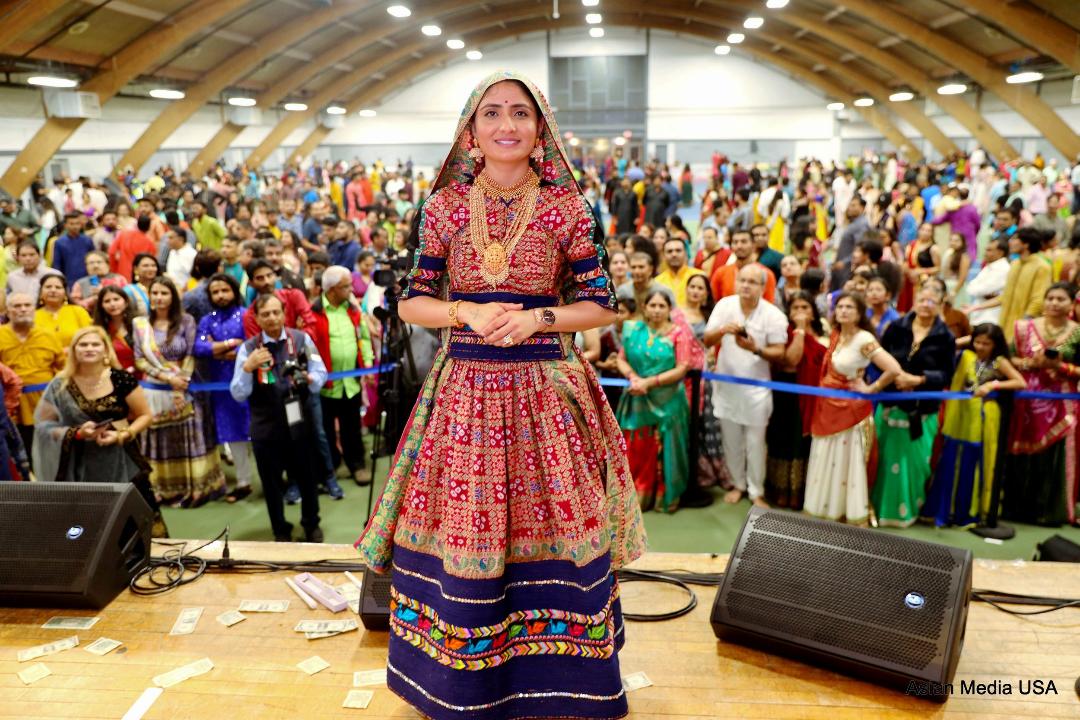
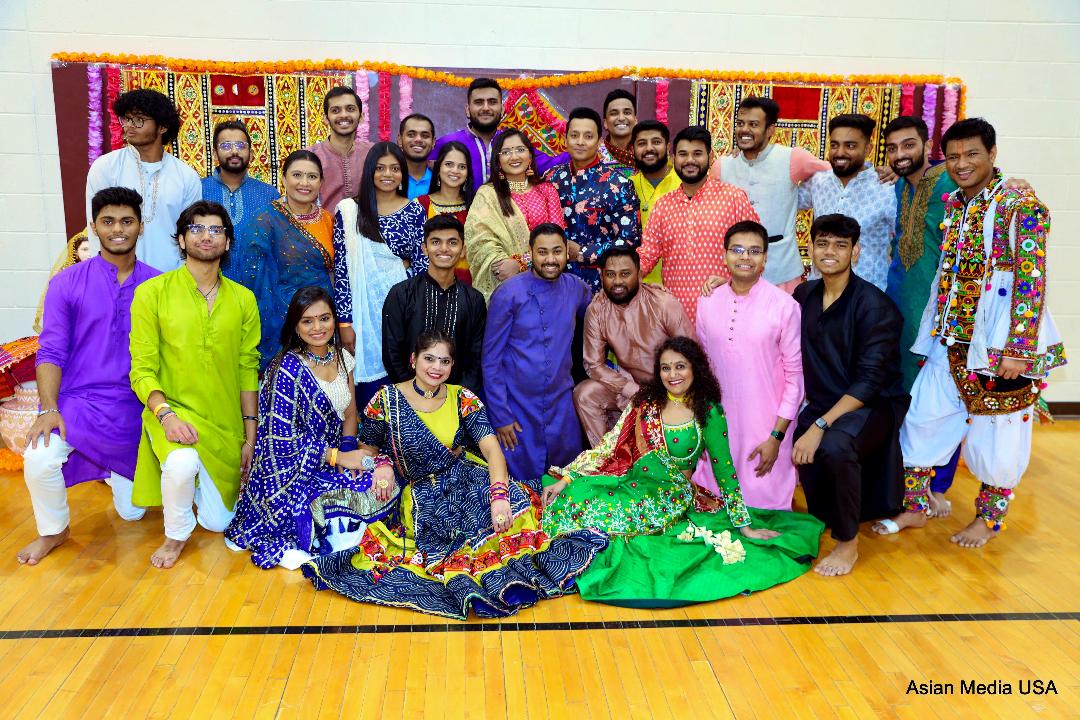 The festivities began around 7:00 pm and lasted until12:30 pm. The celebration started with the traditional Lamp Lighting ceremony. President Harendra bhai Mangrola spoke fondly about the Navaratri celebrations, saying that, “It keeps a part of our rich culture alive, we Gujarati have garba in our blood”. He recognized sponsors, the committee members and volunteers that made the event possible.
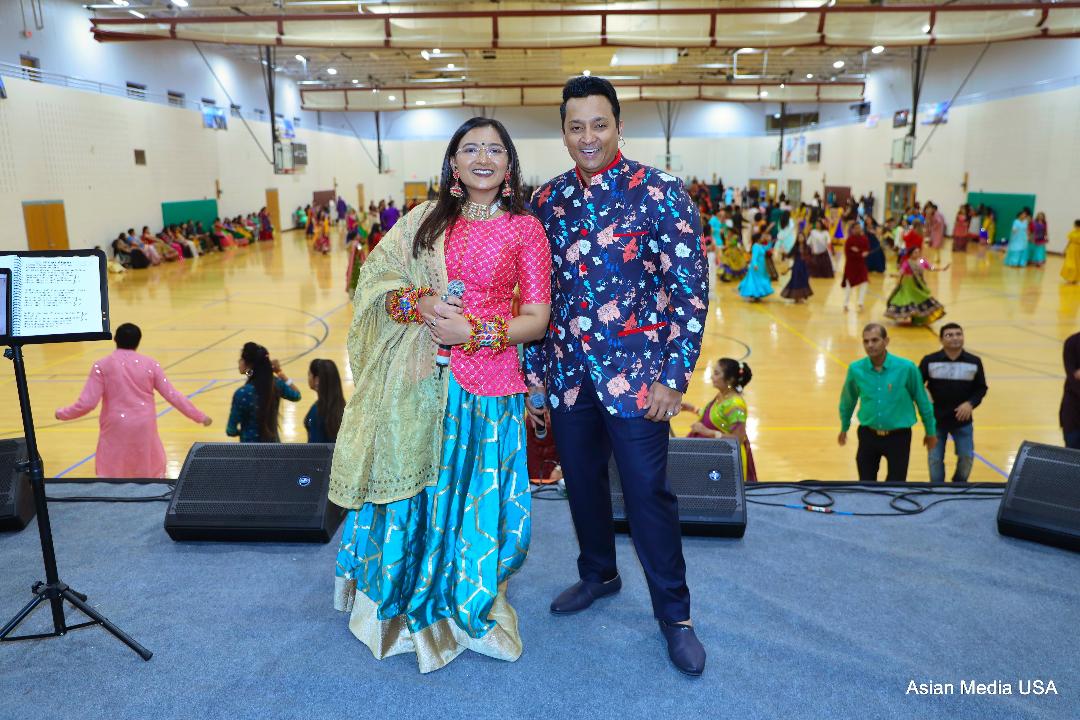 Rex Dsouza’s infectious smile made the girls go weak in their knees but couldn’t make it to the Fame Jodi. But that didn’t dampen his spirits a week after Fame Gurukul announced its winners. He has taken it in his stride and is now doing stage shows around the world, along with singing for Bollywood movies. He is here for the love of performing; he enjoys being on stage and it’s not his style to be nervous. Performed around the world in more than 1500 shows.
 This celebration was full of international musical showcases, Bollywood stars performing live, Indian bazaars and flea markets, delicious Indian food, and yes, how can we miss the colorful lights & fireworks. Various live events bring an otherworldly charm to Times Square that is hard to pass by and a great loss to miss!
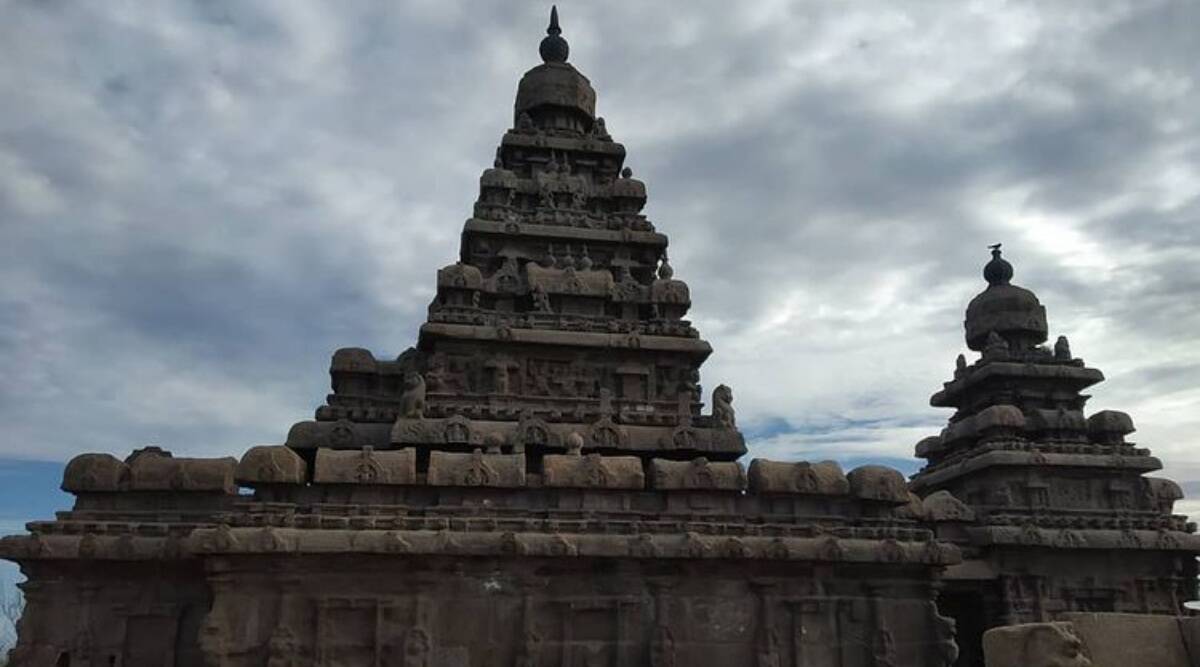 The report also said the top five states for domestic tourist visits in 2021 were Tamil Nadu (115.33 million), Uttar Pradesh (109.70 million), Andhra Pradesh (93.27 million), Karnataka (81.33 million) and Maharashtra (43.56 million)
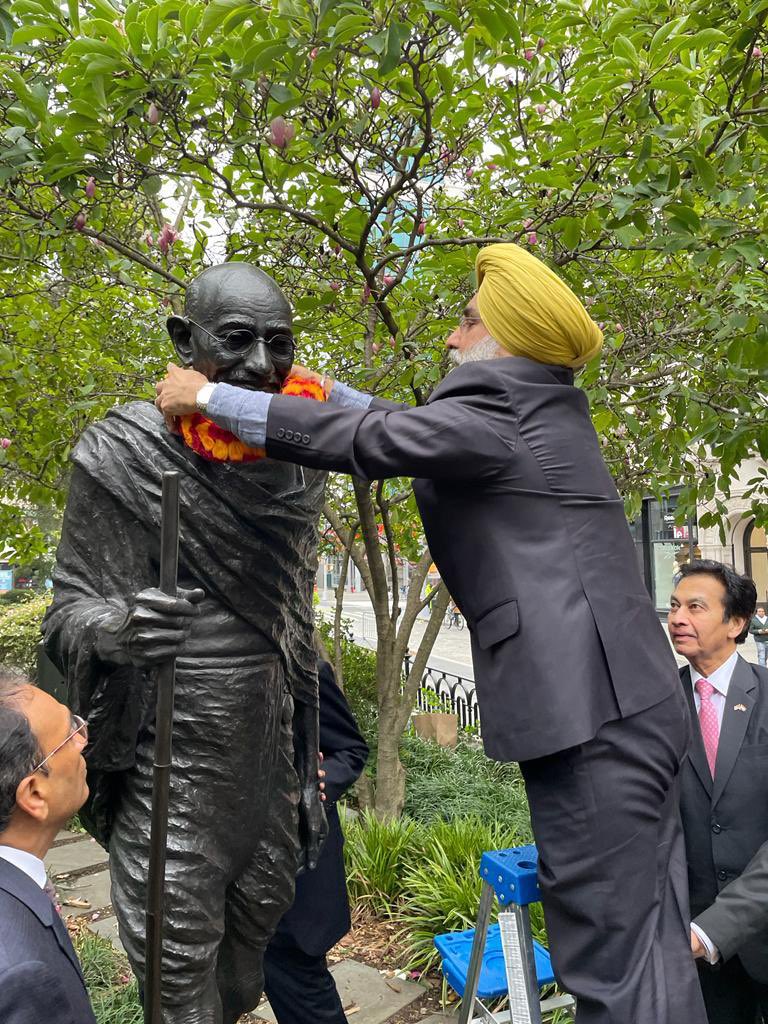 Born on October 2, 1869, in Porbandar town of Gujarat, Mahatma Gandhi or Mohandas Karamchand Gandhi believed deeply in the principles of non-violent resistance and was at the forefront of the freedom struggle against British colonial rule.
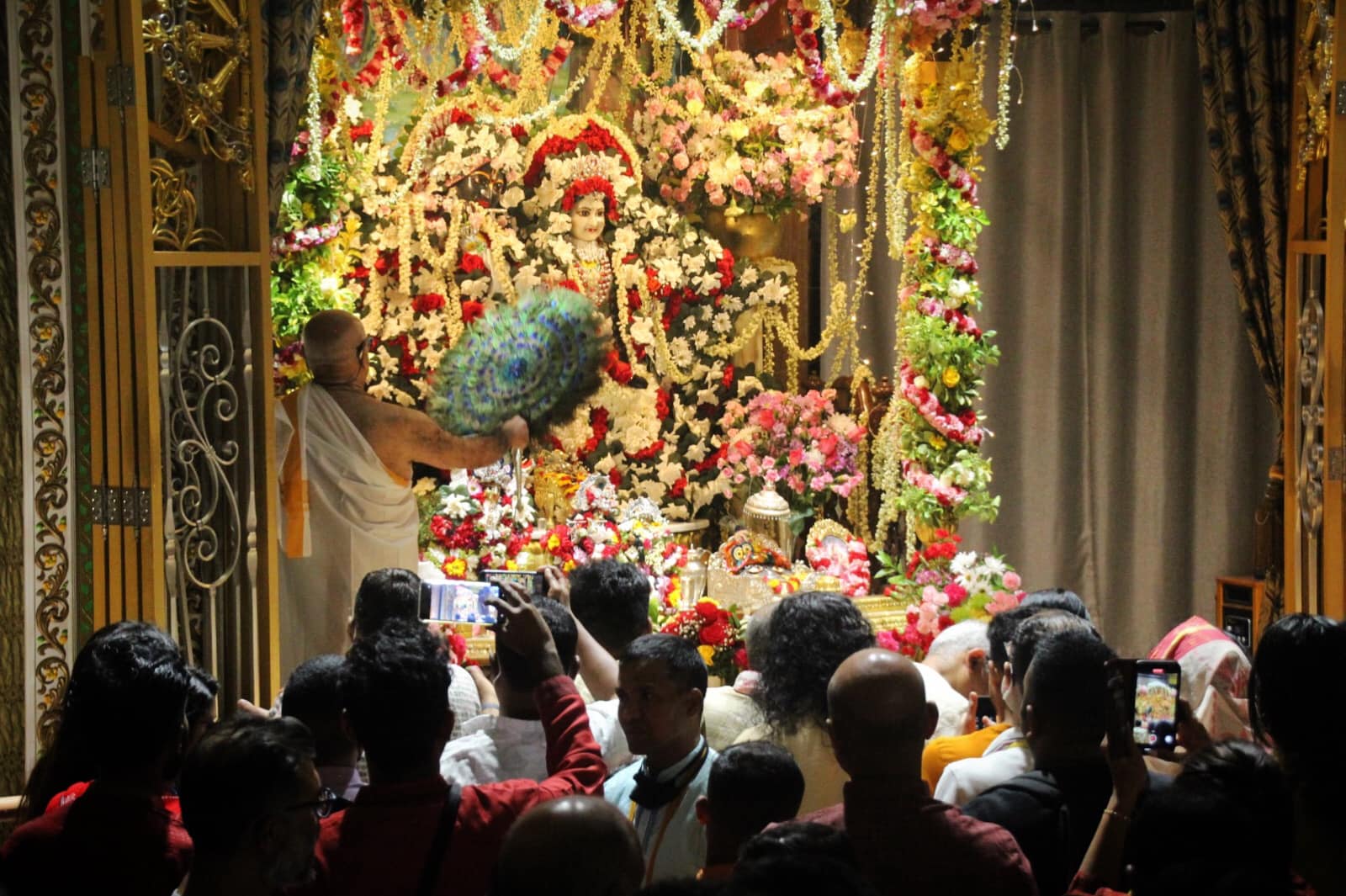 Adams was accompanied by New York City’s Deputy Commissioner for International Affairs Dilip Chauhan.

 “Our analysis demonstrates that there is an alarming, recent rise in the use of key terms — particularly, anti-Hindu slurs and slogans — that both connote and disseminate Hinduphobia on popular social media platforms,” the report said. “Accompanying this increase is the proliferation of anti-Hindu genocidal memes in Islamist, white nationalist, and other extremist sub-networks online. While such developments are often mistakenly categorized as anti-Indian xenophobia, we show that the specific content of these memes, hashtags, and derogatory messages very clearly targets decidedly Hindu symbols, practices, and livelihoods. In so doing, these online communities are adapting a pre-existing, albeit understudied, playbook of Hinduphobic tropes to a new sphere of communication.”
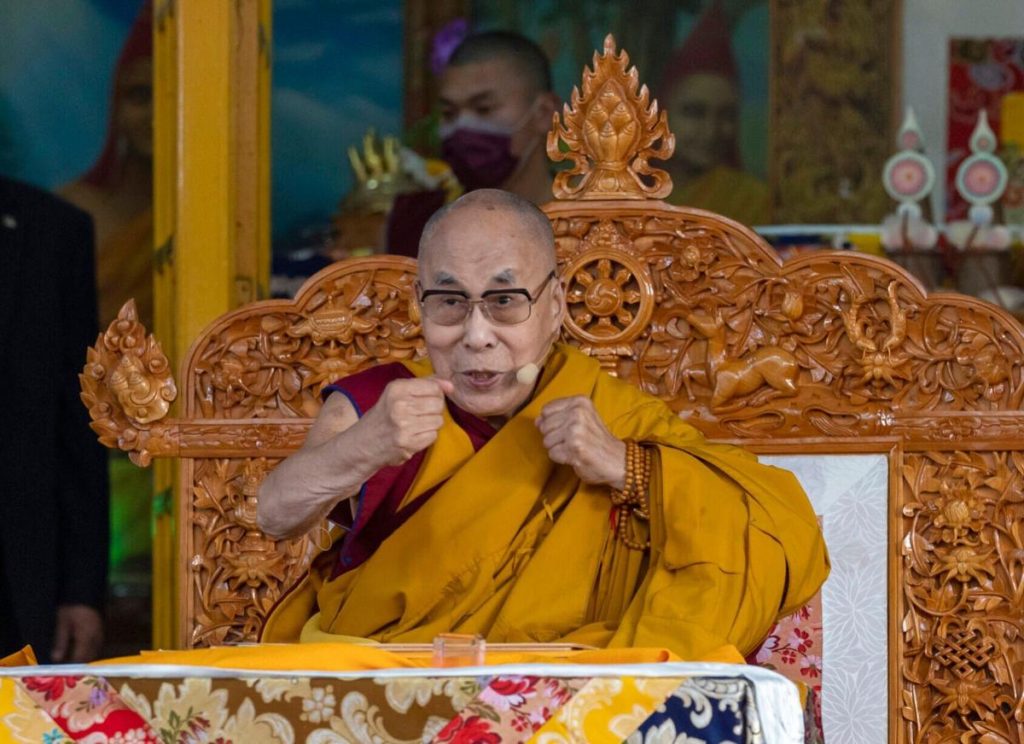 The Dalai Lama said only a few Chinese hardliners considered him to be a separatist. “Some hardliners in China think I’m a separatist,” Dalai Lama said, adding that there are now more and more Chinese people who are realizing that the
  The Dalai Lama is treated as a guest in India, according to the government’s consistent policy, the External Affairs Ministry stated in response to China’s complaint.
 However, many defenders of “life” are comfortable with taking human life in situations such as war or
  The pillar is three feet long and one foot wide and on all four sides, there are inscriptions. The first side, according to scholars, has 21 Tamil lines, the second side has 14 lines while the third side has 15 lines. The inscriptions on the fourth side are not clear.
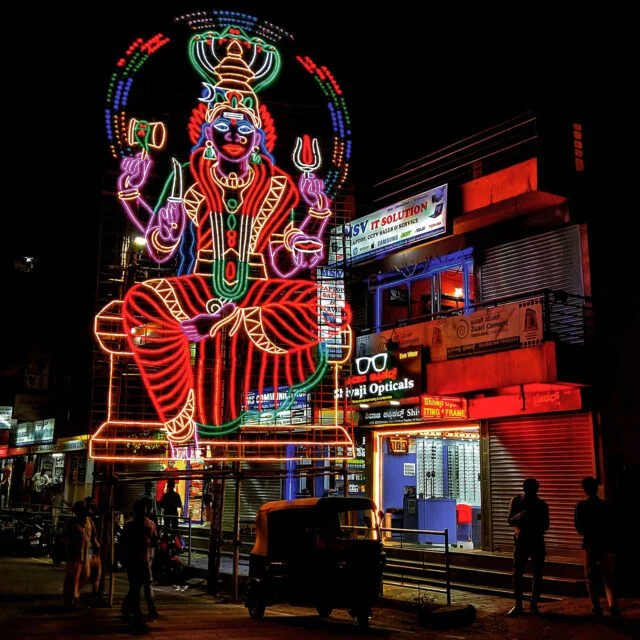 Manimekalai calls “Kaali” a “performance documentary” — a personal and poetic meditation on the female divine. In a six-minute excerpt shown at a multimedia exhibition in Toronto last week, Mother Kali, Hinduism’s powerful goddess of death and the end of time, wanders through a pride festival in Toronto at night. She observes groups of people out on the town, takes a subway ride, stops in a bar. People take selfies with her. In the last frame, she is on a park bench where a man gives her a cigarette. The poster for the film shows the goddess smoking a cigarette and holding a pride flag.
  The event was organized by the Federation of Indian American Christian Organizations of North America (FIACONA), a forum of Christian organizations in response to the insidious attempts to alienate and attach the Christians through the propaganda that the Christian faith was left behind by British colonialism in India, despite its two thousand years of tradition.
 Fiacona President Koshy George pointed out in his welcome speech that our established belief is that Saint Thomas has brought the gospel to India and was martyred in AD 72. To mark its 1900 years, the government of India issued a postage stamp in 1972. So this year marks the 1950th anniversary of the martyrdom of Saint Thomas. Mr. Koshy also expressed his deep concern on the growing persecution of Christians in India as the fundamental religious freedom guaranteed under India’s constitution is no longer guaranteed under the BJP rule under the Indian Courts’ eyes. Last year alone 761 cases of persecution have been identified which have been published in a book form by FIACONA. He said that the purpose of the meeting is to express our pain against such atrocities.
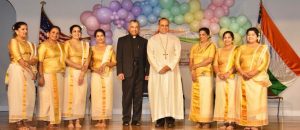 Rt. Rev. Dr. Dharmaraj Rasalam, the Moderator of the Church of South India, spoke about how the arrival of St. Thomas not only impacted the lives of Christians and paid tribute to the sacrifices of the Christian community to the nation in uplifting the poor and oppressed. Rev. Dr. Ruben Mark, the Deputy moderator Bishop spoke about the love Indian Christians in the Diaspora have for India and encouraged them to continue with the unity they have exhibited at the gathering. He described how the arrival and activities of St. Thomas influenced India. The works of St. Thomas is crucial in the Christian faith. He also extolled the diaspora’s love for India. He said that we are proud to be Indian Christians. He said the willingness to sacrifice for the faith was part of the Christian faith. Despite being a persecuted community, Christians are not united. But today, all the sects of Christians are happy to attend this event.
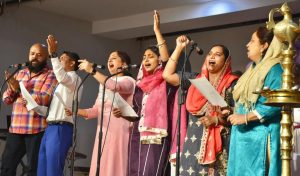 Bishop Johncy Itty, Bishop of the Episcopal Church in Long Island, New York, said that India, along with the rest of the world, is going through a serious crisis today. However, our faith should sustain us in such a time as this. He pointed out that India and the world are in various conflicts. There is no time in life without conflict. But now it is too much. But God leads us by the hand. We may not be able to change the times, but we can make changes.
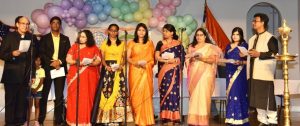 CSI Church General Secretary Adv. Fernandez Rathinaraja pointed to Saint Thomas as a social reformer. It was work against human sacrifice and caste system that led to his martyrdom. Secularism is enshrined In the preamble of the Indian Constitution. There have been concerted efforts to undermine it. Religion should not be a part of political life. The state should be neutral in religious matters. Protests against these are taking place in the states of Tamil Nadu, Andhra and Kerala. He pointed out that the administration is able to suppress the voice of protest in other states.
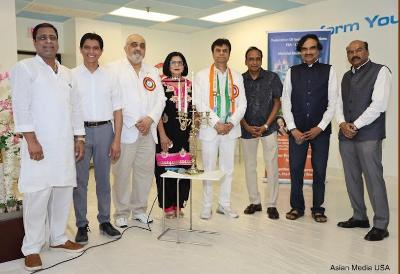 The Lamp Lighting ceremony was performed by the dignitaries, Sunil Shah, Hitesh Gandhi, Dr Reddy, Dr Murthy, Ajeet Singh, Keerthi Revoori, Vinod Gautam, along with the sacred chanting of the auspicious Sanskrit hymns & mantras by Anu Malhotra, praying for the peace, good health and wellbeing of this entire world.
 Echoing Bansal’s sentiments, Amitabh Mittal, General Secretary, World Hindu Council of America said, “I encourage our brothers and sisters in Dharma to spread the message of Hindu Heritage Month around the world.”
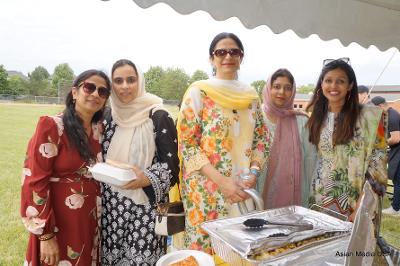 Organizers of the event say that the idea of a neighborhood Eid festival came about last year to bring the Muslim community, of the White Eagle neighborhood, together with its non-Muslim neighbors after COVID. One of the golden rules in Islam is to love your neighbor as you love yourself. The organizers wanted their non-Muslim neighbors to see who their Muslims neighbors were, share in their celebration and clarify a lot of misconceptions people have about Islam and Muslims.
 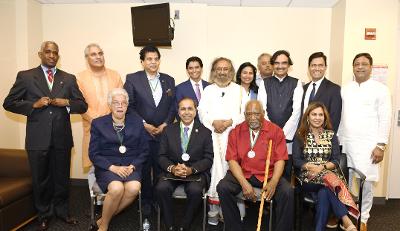 Amidst the series of remarks, State Representative Jim Durkin (R,82nd District) said that he would table a resolution on the floor of the Illinois General Assembly to declare June 26th as the World Peace Day and celebrate its observance in the State of Illinois every year – which elicited sustained applause. Mayor Lori Lightfoot also sent a proclamation to the event, which was read by Alderman David Moore in which she declared June 26 each year to be “I Stand for Peace” Day.
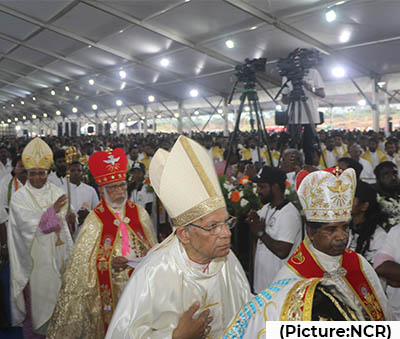 Indicating the esteem with which St. Devasahayam is revered, in attendance were four ministers of the Tamil Nadu state cabinet, led by the speaker of the state legislature, and Hindu leaders.
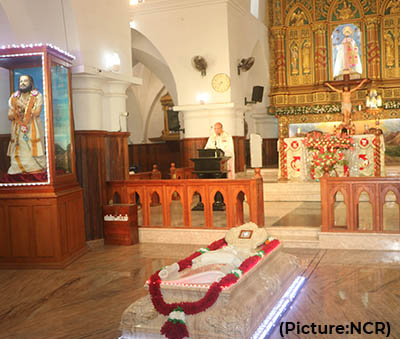 He recalled, “Finally seeing my pitiable condition of being carried around like a baby, my mother relented. It was after weeks of stay and prayer at the care center [at the martyrdom spot] I had a vision of a man in a beard coming and asking me for water. I told him, ‘I cannot walk.’ He said, ‘You can walk’ — and, amazingly, I walked, after months, to bring water for him. But he was gone. Only then I realized it was the saint.”
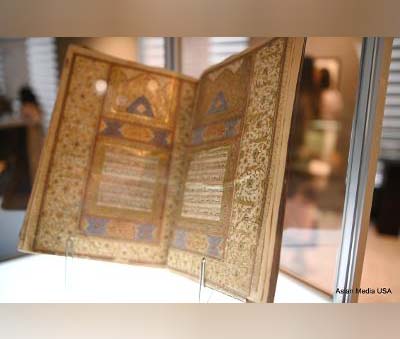 Some pieces are as old as 600 years! Some of them are the oldest historic Qurans in the United States. This collection includes almost a 100 Qurans and Quranic manuscripts, all written by hand and some of them on bamboo, palm trees and leather!!!
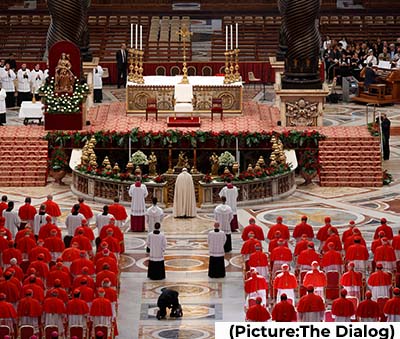 Sixteen of those who will receive the prestigious red cardinal’s hat from Francis in a consistory ceremony at the Vatican on Aug. 27 are younger than 80 and thus would be eligible to vote for his successor if a conclave — in which pontiffs are secretly elected — were to be held.
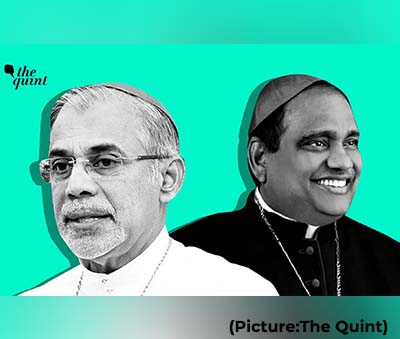 Due to their historical power and influence, they are still called the “Princes of the Church”. It is a reference to those who held the equivalent role of a royal prince and in feudal times ruled a principality. However,
 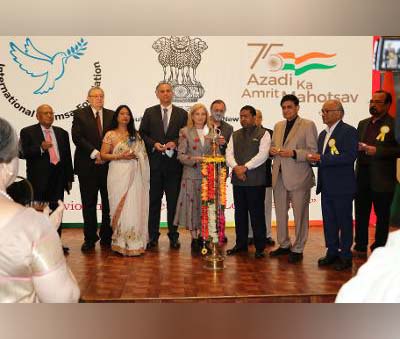 Dr. Jain dwelt on Lord Mahavir who was born in 599 B.C. during the program entitled, “Non-Violence “A Message of Lord Mahavir” on this his 2,620th birth anniversary. She noted the 5 basic principles of Jainism – Non-violence, truthfulness, non-stealing, self-control, and non-possession. She stressed on teaching children the 5 Jain principles to make the world a better place. She also said the Lord Mahavir is the one who told the wotld that “Non-Violence is the Supreme Religon”
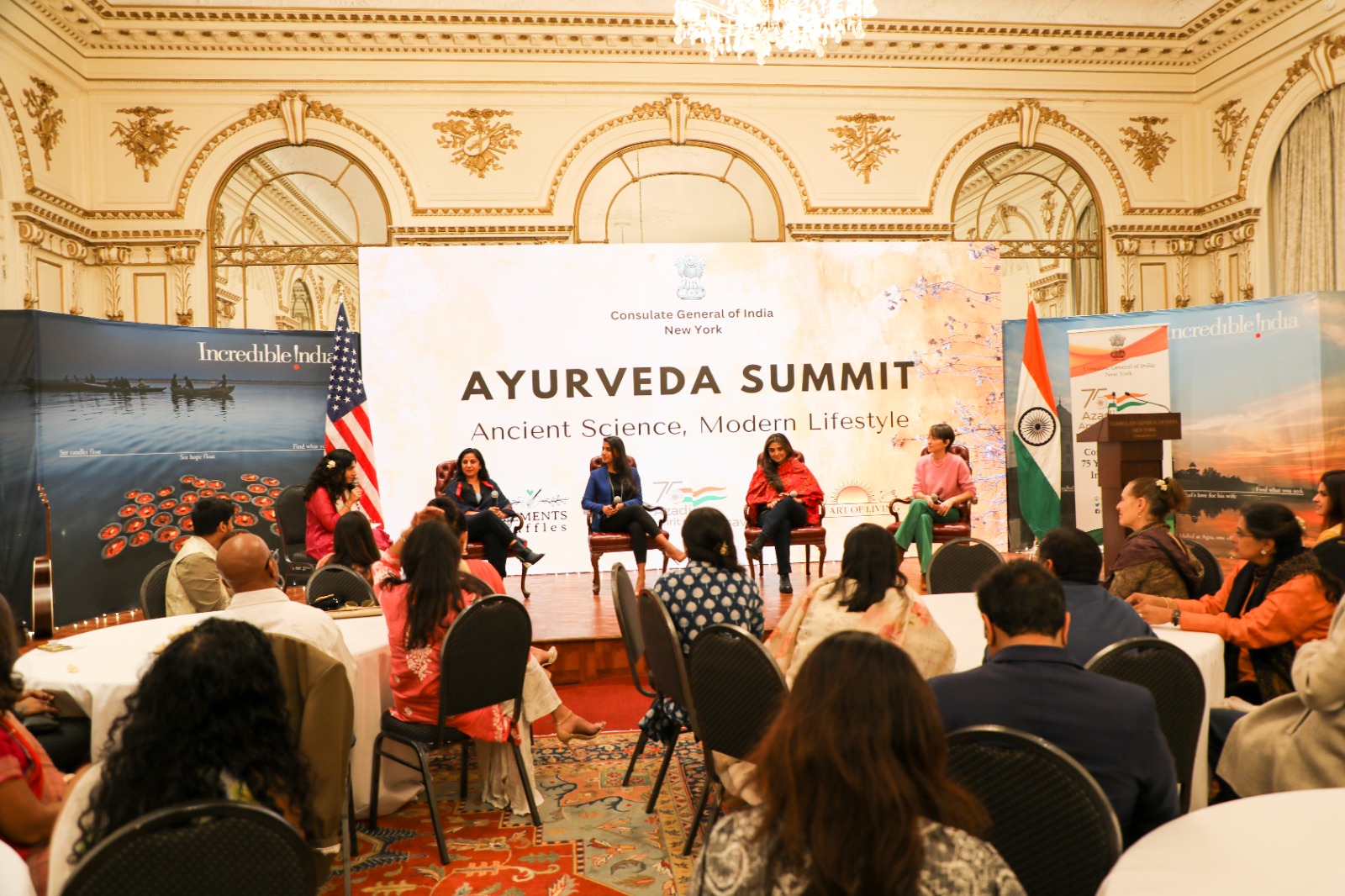
 Sister Sabita from Brahma Kumaris at U.N. led the gathering in a moment of contemplation and meditation through breathing exercises. Ambassador Nitzan in his speech, also said on how leaders in several countries had followed the teachings of nonviolence and Ahimsa, which if adhered to by everyone, would not lead to tragedies like the killings in Buffalo or the war in Ukraine. Consul General Jaiswal said he has a special connection to Lord Mahavir because he was born in the same town, Trishala, in Bihar. The Consulate celebrates Mahavir Jayanti every year, he noted, but this year it was even more important as it was part of the Azadi ka Amrit Mahotsav, India’s 75th independence year. “Walk on the path of Lord Mahavir so that we can build a better world to live.
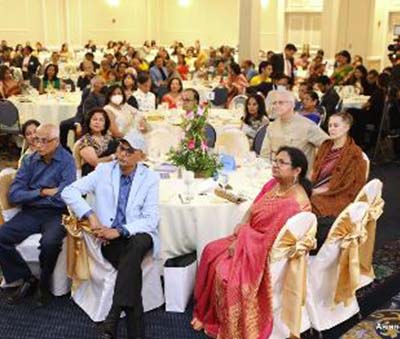 What made this year’s fundraising event exceedingly more memorable, was the attendance of famed Member of Indian Parliament and esteemed Bollywood actress, Hema Malini. She began her career as a bharatanatyam dancer. Hema Malini was able to land her first film role as a dancer in 1963 and starred in over 200 movies throughout her career.
 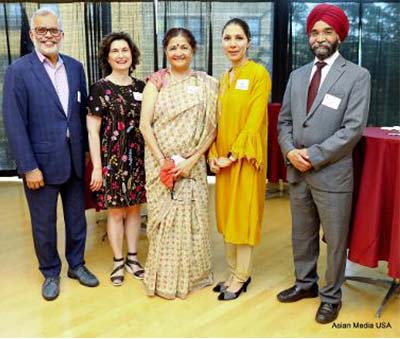 Invited guests Alderwoman Debra Silverstein, Alderman Andre Vasquez Jr of Chicago’s 40th ward, Mr. Ranjit Singh Consul Chicago, Mandala Board President Dr. Umang Patel and Paragi Patel, Pranita Nayar an Indian classical dancer, choreographer, company director, curator and producer, officials from the West Ridge Chamber of Commerce and Rogers Park Business Alliance, and senior officers from the Gaylord and Dorothy Donnelley Foundation, the Richard H. Driehaus Foundation, and the John. D. And Catherine T. MacArthur Foundation.
 In his letter and in a separate
 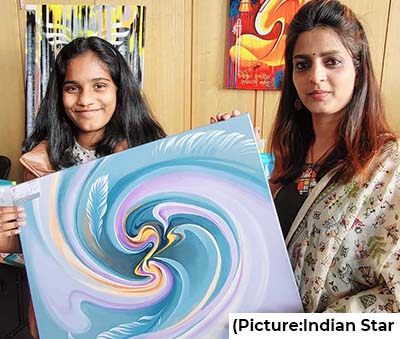 The chief guest of the event was the Indian Ambassador in Dublin, Akhilesh Mishra, who distributed prizes to the winners of the art competitions held during the event.
 He said, “Aishwarya is a complete woman and a beautiful person. As I got to know her through the process, I discovered a wonderful, spiritual person who is really connected to her soul and is elegant. That purity in the absolute sense of beauty inspired me to think of the concept of the Birth of Venus.”
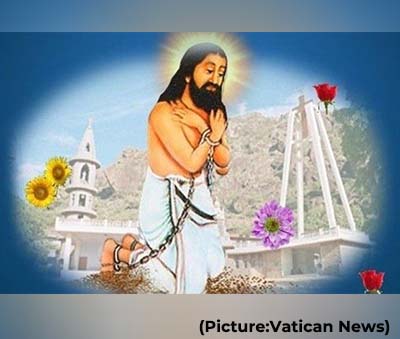 “Saint Devasahayam stood for equality and fought against casteism and communalism. His sainthood comes at a time India is facing a surge in communalism,” said retired Indian civil servant M G Devasahayam, who had written to the Vatican, seeking removal of Devasahayam’s caste name.
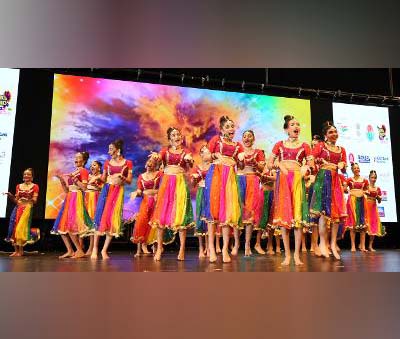 Hon CG Shree Randhir Jaswal welcomed the guests and said that the Indian Diaspora from both the states of Gujarat and Maharashtra, not only in America but in other countries as well, continues to contribute towards the economic and social progress of the countries they live in.
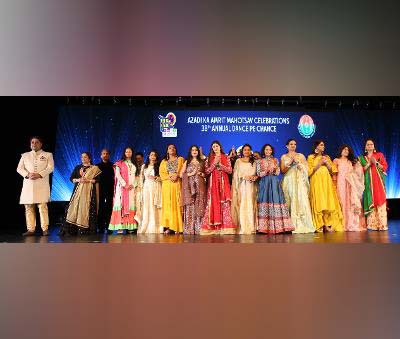 One minute silence was observed in the memory of founding member, Past President and Vice Chairman Emeritus Late Mr. Yashpal Soi. Mr. Vaidya remembered him for his selfless service and dedication to the cause of FIA and lamented the loss FIA has suffered in his passing away.
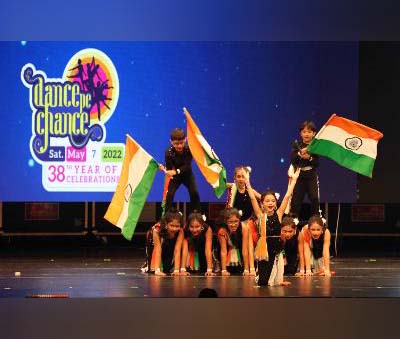 Event Chair, Past President, and member of Board of Trustees of FIA, Sh. Srujal Parikh said it’s a great honor to celebrate the event and took pride in the fact that Gujarat is the Land of Lord Krishna & Mahatma Gandhi. He recognized and felicitated the sponsors, supporters, partner associations, and members in their effort to make the event successful
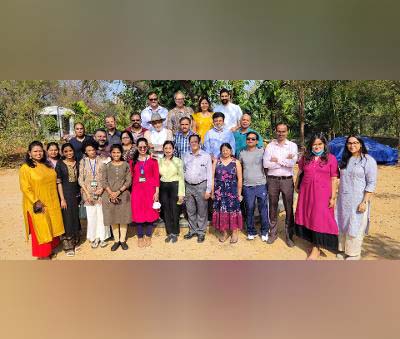 AAPI, the largest ethnic medical organization in the country, representing the interests of over 100,000 physicians of Indian origin, has been focusing on ways to help AAPI members, who have been in the forefront helping millions of patients around the nation, to take care of self and find satisfaction and happiness in the challenging situations they are in, while serving hundreds of patients everyday of their dedicated and noble profession, Dr. Anupama Gotimukula said.
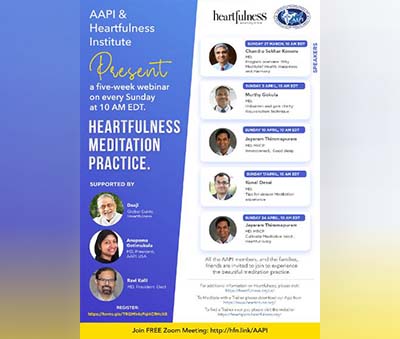 “Our practices include heart-based meditation,” said Dr. Chandra Koneru, an Internal Medicine Professional, AAPI member, and Heartfulness Trainer. “Our values align with the American Association of Physicians of Indian Origin (AAPI) mission to facilitate and enable Indian physicians to improve patient care and engage in research that brings distinctive contributions from India.”
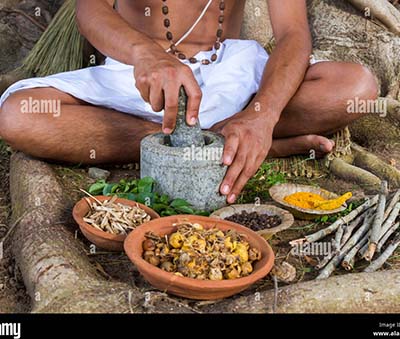 The government also clarified that packed food items used in day to day life for dietary purposes, such as pulses, rice, floor or vegetables etc. shall not be covered under this.
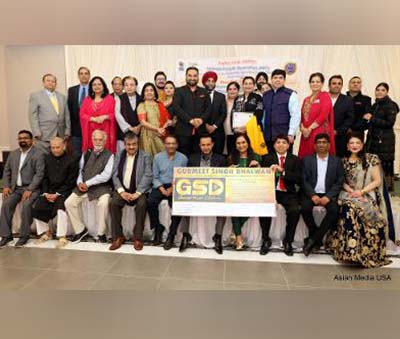 He said keeping in mind the spirit of Ek Bharat Shresth Bhara , Midwest Punjabi Association has decided to pay tribute One author from Punjabi ,one from regional language and one from regional language and one from our national language Hindi. We will continue and take forward the spirit of Azadi ka Amrit Mahotsav in all years to come.We all know Gurmeet Singh Dhalwan is a well-known name in the media industry and the Founder President of Adbhhut Media Newspaper and Channel. Dhalwan is an entrepreneur with more than two decades of experience in wholesale & retail business. He is the Founder President of Midwest Punjabi Association, (MPA) a Non-Profit Organization. He is also a member of cultural inclusion and diversity committee/commission Village of Hanover Park, IL. He is a community leader, social worker, and a Philanthropist.
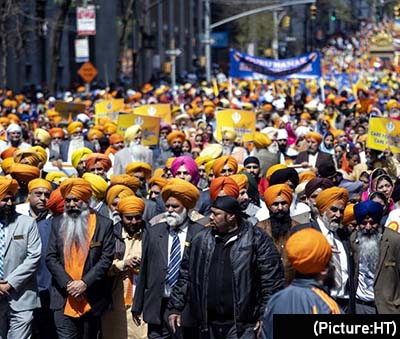 The Sikh Parade returned to the Big Apple after being on hiatus for the past two-years due to COVID-19. The Parade had added poignancy and significance in light of recent violent incidents in which Sikhs have been attacked in their own residential areas and near Gurudwaras over the last few weeks.
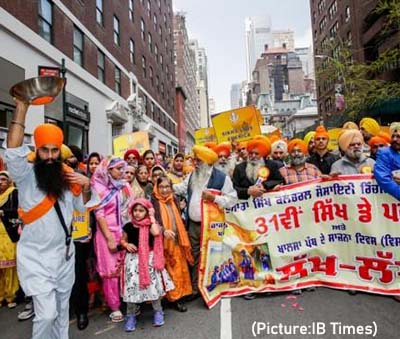 Music and vibrant decorations adorned floats all throughout the parade. Many Sikh members wearing traditional colored garments and turbans. “It’s a symbol so mostly you will see people today especially wearing blue or yellow turbans otherwise you can wear any color — there is no issue with that,” said Hirdepal Singh member of the Sikh Cultural Society in Queens.
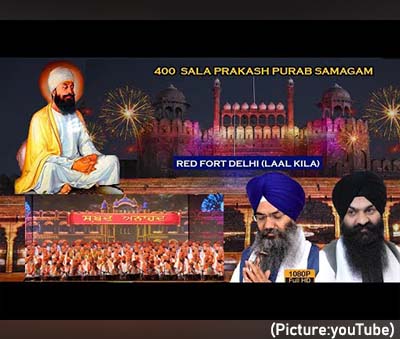 A magnificent stage, which was made of myriad colours of flowers, including rose, marigold, tulip and others, was set up in the middle where
 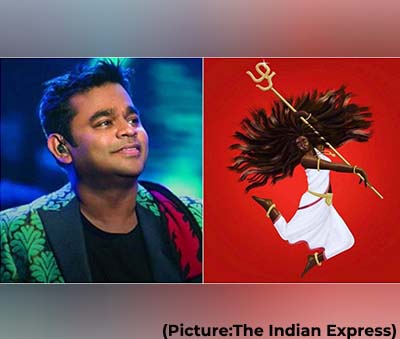 India’s multilingual Bollywood actor Prakash Raj has responded strongly to Union Home Minister Amit Shah’s recent remarks that Hindi should be accepted as an alternative to English. “Amit Shah ji, I want to know where do you want us to speak Hindi, learn Hindi,” asked the actor. The actor joins us on this episode of ‘Left, Right and Centre’.
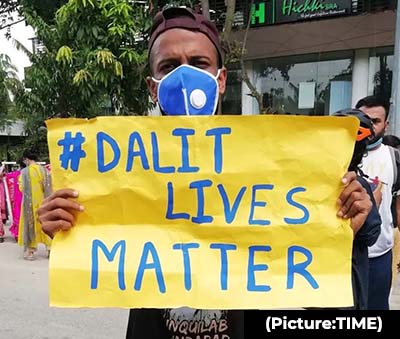 If Hindu unity is a facade, it also follows that the Hindu-Muslim binary, while a common framing for the discussion of Indian politics, cannot be as straightforward as it appears.
 Anushree was recognized at Trumbull High School in 2021 for earning the Outstanding Vocal Music Achievement Award. Her passion for music and art goes to her very young age. The older daughter of Unni and Radha Thoyakat, Anushree started singing for Freshmen Choir and was lucky to be a student of Ms. Anne Tornillo, the pervious Choral Music director at Trumbull High who retired in May 2020. Encouraged by her current music teacher Mr. Chris Wasko in her current endeavors. “None of her musical accomplishments in and out of school would have been possible without the foundational guidence and support from the Trumbull High Music Department. I am forever grateful to all who have shown their love and kind words,” Anushree says with modesty.
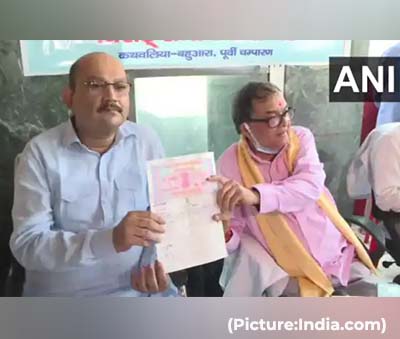 “He recently completed all formalities pertaining to the donation of land belonging to his family for the construction of the temple at the registrar office of the Kesharia sub-division (East Chanmparan),” Kunal, a former police officer, told reporters.
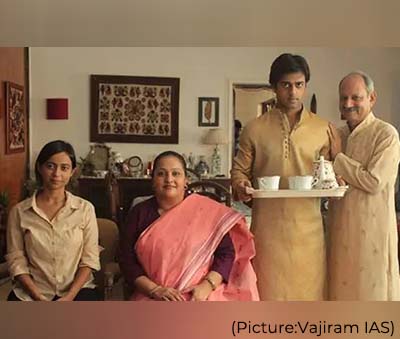 Indian adults nearly universally say it is important for women to have the same rights as men, including eight-in-ten who say this is very important. At the same time, however, there are circumstances when Indians feel men should receive preferential treatment: 80% agree with the idea that “when there are few jobs, men should have more rights to a job than women,” according to
 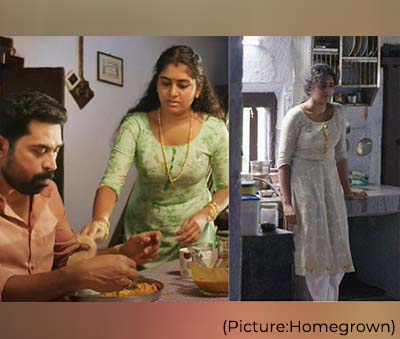 Meanwhile, nearly nine-in-ten Indians (87%) completely or mostly agree with the notion that “a wife must always obey her husband.” This includes a majority of Indians (64%) who completely agree with this sentiment. Women are only modestly less likely than men to say that wives should obey their husbands in all situations, and most Indian women express total agreement with this sentiment (61% vs. 67% among men). (Throughout this report, differences in opinion between men and women are modest. In other words, Indian women typically are not much more likely than Indian men to express egalitarian views on gender roles.)
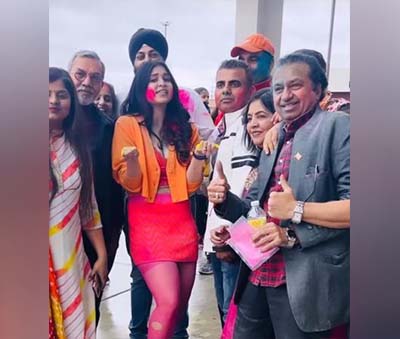
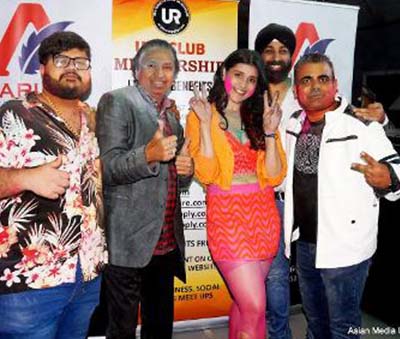 The main highlight of the event came when participants picked up colored powder and chased each other, tossing colors into the air and covering friends and strangers alike. They joy and excitement filled the air and created a memorable experience for all.
 The Aarush Entertainment company offers event planning & management services that also includes wedding designing, planning, management & consultancy, adopting a comprehensive approach & professional management information system to plan and produce a world class event experience each & every time all over the world. The highly skilled team of professionals at Aarush Entertainment strives hard to accomplish the highest standard of quality, effectiveness & novelty with due importance to the budgetary considerations.
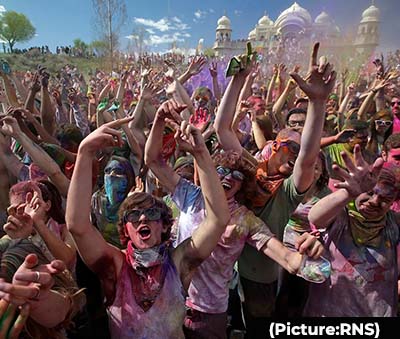 Traditionally celebrated on the last full moon in the lunar month of Phalguna, which falls this year on Friday (March 18), Holi commemorates the triumph of good over evil. In Hindu mythology the demon king Hiranyakashipu commands his subjects to acknowledge him as the supreme God, but his son Prahalada, a devotee of the god Vishnu, refuses. In a rage Hiranyakashipu gives his sister, Holika, a protective cloak and instructs her to take Prahalada in her lap and sit on a burning pyre.
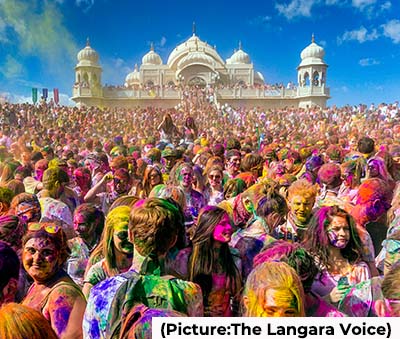 Caru Das, director of the Krishna Temple, said that after the first celebrations started at the temple in 1995, festivities soon moved outdoors to accommodate a rock band, and more people started to come as word got around.
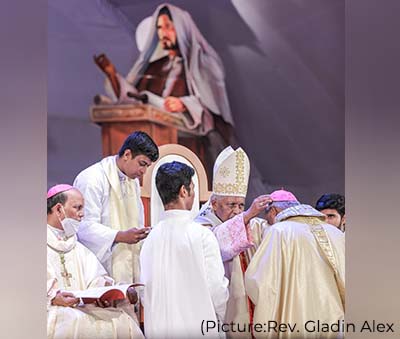 Known among his priest friends and the larger Catholic community in Kerala, the state with the maximum number of Christians in the country, having as many as 20% of the state’s population being Christian, the newly consecrated Archbishop Netto is known for his simplicity, goodness at heart, down to earth approach and cordial relationship with one and all.
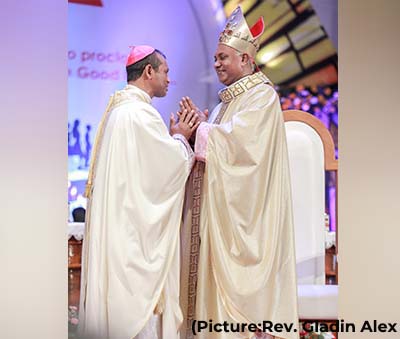 Delivering the benediction, Cardinal Baselios Cleemis Catholicos, Major Archbishop-Catholicos of Malankara Syrian Catholic Church, called upon the new Archbishop to lead the coastal population from the front for their rights and betterment. The benefactors of such efforts must not be the parishioners alone, but the entire community in the region. He also recounted the selfless deeds of the fisher-folks in rescuing those stranded in the floods of 2018.
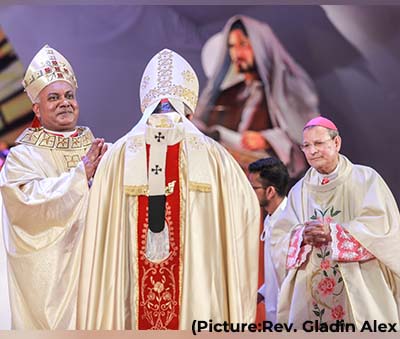 During his long pastoral ministry, serving the Church, Archbishop Netto has held the following offices: He was the parish vicar in Peringamala (1990-1991) and of the Cathedral of Palayam (1991-1995) and executive secretary for ecumenism and interreligious dialogue (1994-1995). He then served as parish priest in Pettah (1999-2003), and executive secretary for the Basic Christian Communities (2000-2004) and rector of Saint Vincent’s Minor Seminary in Trivandrum (2003-2010).
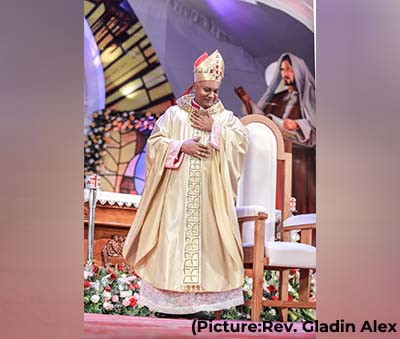 The diocese of Trivandrum was established by His Holiness Pope Pius XI on July 1, 1937 through the Bull “In Ora Malabarica” with the four taluks of Neyyantinkara, Nedumangad, Trivandrum and Chirayinkeezh bifurcated from the diocese of Quilon.
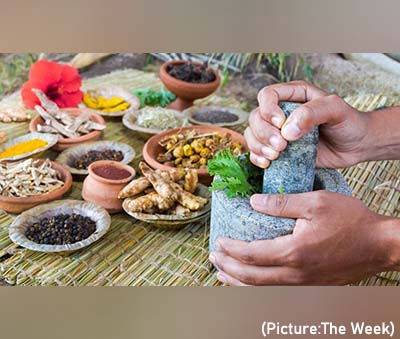 The WHO GCTM will be established in Jamnagar under the Ministry of AYUSH. A Joint Task Force (JTF) is constituted for coordination, execution and monitoring of activities for the establishment of this Centre.
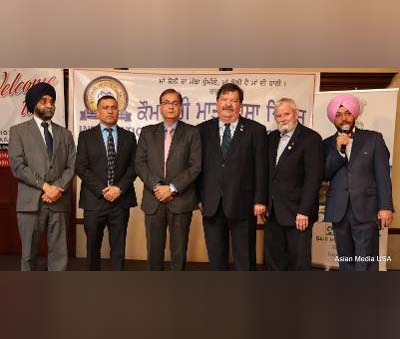 The programme started with rendition of Gurbani Kirtan with classical Indian string instruments – Taus and Dilruba by youth from Chicago suburbs. Several noted Punjabi academicians, authors, and representatives of Punjabi linguistic/cultural organizations gave presentations on their initiatives to preserve linguistic and cultural heritage of Punjabi immigrants in the US. These included Mr. Ashok Bhaura, Punjabi writer and journalist in California, Dr. Pinderjeet Kaur Gill, Lecturer, Hindi and Punjabi Languages at University of Michigan, Dr. Gurbakhsh Singh Bhandal, a Physicist at Cleveland State University, Ohio, and Mr. Manmohan Grewal, TV Anchor from Utah.
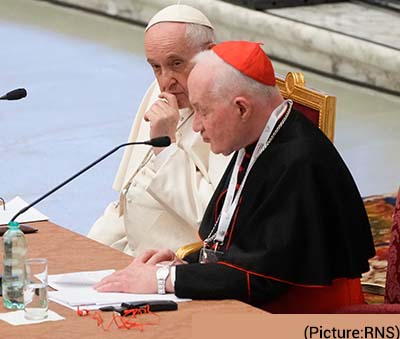 Speaking about “the fundamental theology of the priesthood” at the conference, which was organized by the Vatican’s Congregation for Bishops and the Center for the Research and Anthropology of Vocations, Pope Francis identified “mercenary” attitudes that emerge during crisis.
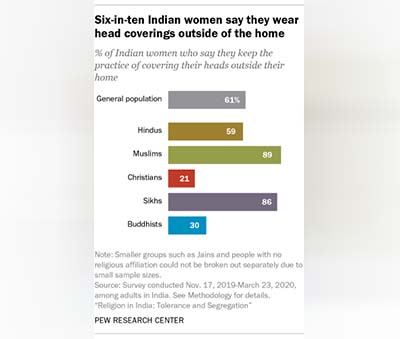 Head coverings are relatively common among Indian women. About six-in-ten women in India (61%) say they keep the practice of covering their heads outside of their homes, according to a
 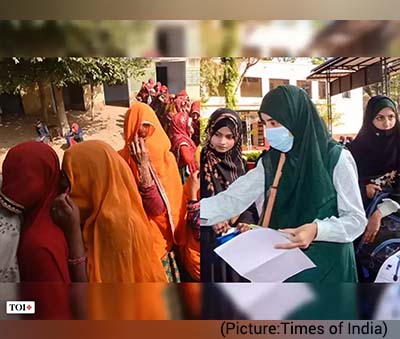 These regional differences are largely driven by Hindu women, as Muslim women tend to keep the practice of covering their heads in public regardless of what region they live in. This leads to large differences between Muslims and Hindus in the South in particular.
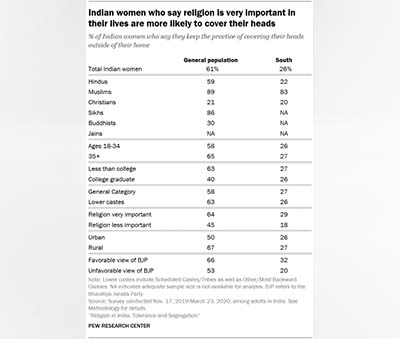 Nationally, head coverings tend to be more common among women who are older, married, more religious and who have less formal educational attainment. The practice is also more prevalent in rural areas.
 “This is a great moment for India to see the Sacred Ensembles of the Hoysalas temples being submitted for inscription in the World Heritage List.”