
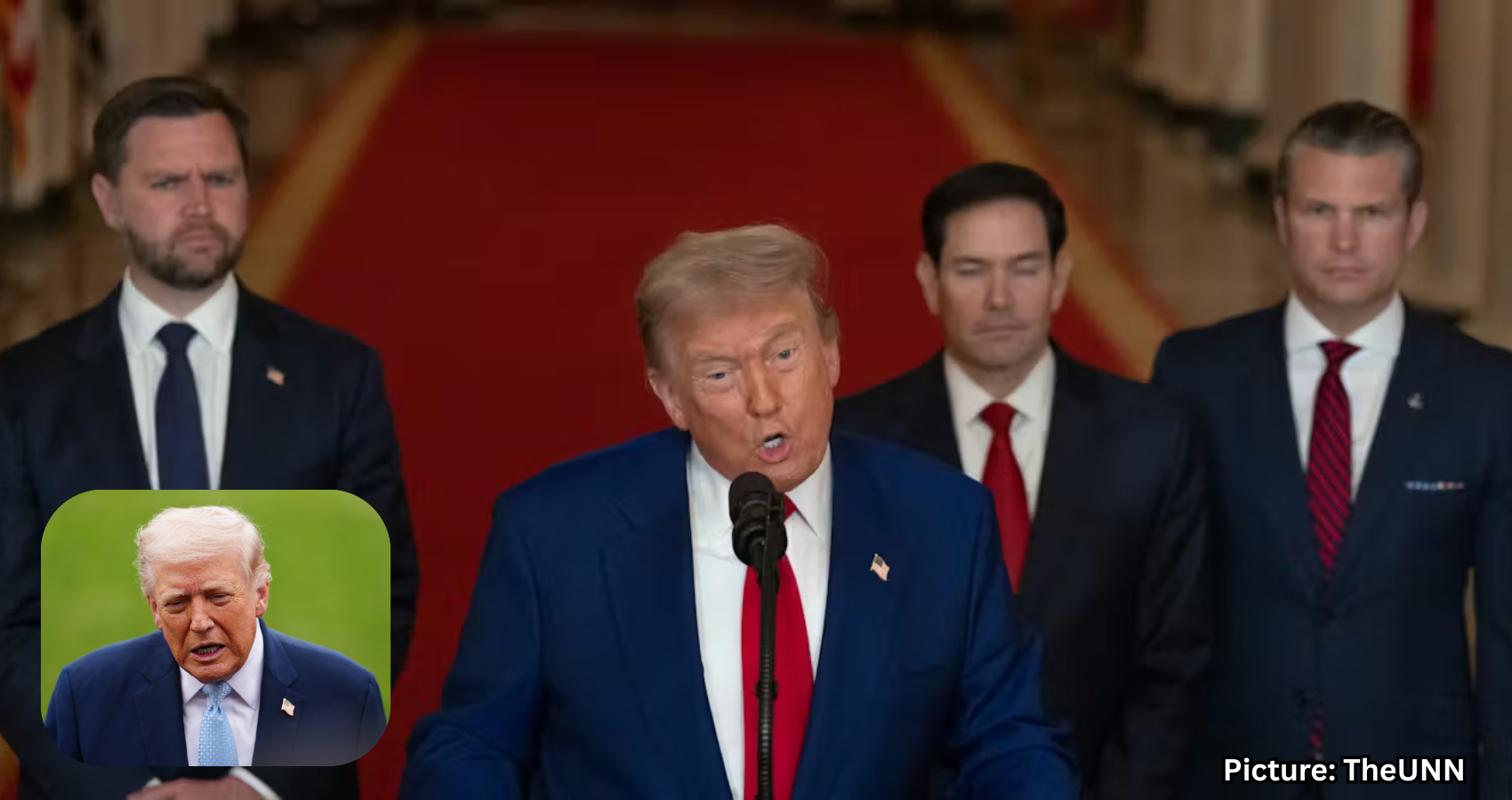
President Donald Trump will miss the World Cup opening match in Los Angeles due to ongoing diplomatic challenges, raising questions about the U.S. administration’s international relations management.
President Donald Trump has announced that he will not attend the opening match of the World Cup, where the United States is set to face Paraguay. This decision comes as his administration grapples with various diplomatic and logistical challenges related to the prestigious tournament.
The World Cup, one of the most celebrated sporting events globally, attracts millions of viewers and significant international attention. It not only showcases athletic talent but also serves as a platform for cultural exchange and diplomacy among participating nations. The 2023 World Cup, hosted in the United States, is especially significant as it marks the country’s efforts to reestablish itself as a prominent player in international sports, alongside the upcoming 2028 Olympics in Los Angeles.
Trump has previously highlighted the importance of such events, viewing them as opportunities to demonstrate American strength and hospitality on the global stage. However, the current challenges surrounding the World Cup’s organization complicate this narrative. The administration’s choice to forgo the opening match may reflect broader concerns about its ability to effectively manage the complexities of international diplomacy.
Reports indicate that several countries are facing visa issues that could prevent their athletes and officials from attending the tournament. These logistical challenges are not mere administrative hurdles; they threaten to tarnish the United States’ image as a capable host for international events. The ramifications of these issues extend beyond the World Cup, potentially impacting future diplomatic relationships and international cooperation.
The visa complications highlight ongoing tensions in U.S. foreign policy, particularly concerning immigration and international relations. These difficulties have raised skepticism about the administration’s capacity to create a welcoming environment for foreign dignitaries and athletes, which is crucial for the success of the World Cup.
In contrast to Trump’s absence, Mexican President Andrés Manuel López Obrador, commonly known as Peña, is scheduled to arrive in Los Angeles on Thursday for a four-day visit coinciding with the World Cup opener. Peña’s participation underscores the event’s significance for both the United States and Mexico, which shares a close cultural and economic relationship with its northern neighbor.
Peña’s attendance at the World Cup events highlights the potential for sports to act as a diplomatic bridge between nations. His presence may not only strengthen ties between the U.S. and Mexico but also convey the importance of international collaboration in addressing shared challenges, such as immigration and trade. This contrast between Trump’s absence and Peña’s presence could further amplify discussions about U.S.-Mexico relations within the global sporting context.
The decision for Trump to skip the World Cup opener has sparked speculation regarding its implications for his administration’s priorities. Some analysts suggest that his absence may indicate a strategic shift toward domestic issues that currently dominate the political landscape. Recent polling data shows that American voters are increasingly focused on issues such as the economy, healthcare, and immigration, which may explain the administration’s cautious approach to international events.
Furthermore, Trump’s non-attendance might signal a broader trend of disengagement from global events that do not align with his administration’s agenda. Observers note that this trend could affect public perceptions of the United States on the international stage, particularly as the country seeks to assert its influence amid rising global competition.
The World Cup is projected to attract millions of visitors and viewers, presenting a crucial opportunity for the United States to demonstrate its capability to host major international events. The challenges faced in the lead-up to the tournament, particularly concerning visa issues and other logistical hurdles, could serve as a litmus test for the administration’s foreign policy and domestic priorities.
As the tournament progresses, all eyes will be on how the U.S. administration addresses both the sporting and diplomatic aspects of the World Cup. The effectiveness with which the administration navigates these challenges will significantly shape the narrative surrounding the event and its implications for future international engagements. The World Cup serves not only as a sporting competition but also as a chance for the United States to reaffirm its commitment to global leadership.
In conclusion, while President Trump will not be present at the opening match against Paraguay, the event remains a focal point for international relations and an opportunity for the United States to project its values and capabilities on the world stage. The unfolding situation will likely influence how the U.S. is perceived by the international community, especially as it seeks to manage existing challenges and capitalize on the opportunities presented by this global event, according to GlobalNet News.