GOPIO Dallas Chapter Inaugurated: Community Leaders Gather for Historic Milestone

DALLAS, TX — The Global Organization for People of Indian Origin (GOPIO) officially launched its Dallas Chapter on March 29, 2026, during a prestigious ceremony at Bhartiya Nivas. The event, attended by a cross-section of the South Asian diaspora, was hailed as a significant step forward in strengthening community advocacy and representation in North Texas. The event served as a high-profile gathering of diplomatic figures, community stalwarts, and professionals, all coming together to launch a unified platform for the region’s rapidly growing Indian population.

The ceremony reached a significant milestone as the chapter was officially inaugurated with a traditional lamp-lighting ceremony. This symbolic gesture was led by Consul General D.C. Manjunath, Dr. Thomas Abraham, and Prakash Shah, alongside the local leadership team, including Mr. & Mrs. Muthu Mudaliar (Chapter President), Mr. & Mrs. Bharat Bhakta (Joint Treasurer), and Mr. & Mrs. Vinoth Mani (Executive Vice President).

Distinguished Guests & Keynote The inauguration featured Hon’ble D.C. Manjunath, Consul General of India (Houston), as the Chief Guest. In his keynote address, he commended GOPIO’s 36-year legacy and highlighted that the new Dallas chapter will serve as a vital bridge between the local community and global initiatives. He emphasized the essential role of the Indian diaspora in bolstering Indo-US relations, while noting the steadfast commitment of organizations like GOPIO to safeguarding the interests of Non-Resident Indians (NRIs) and Persons of Indian Origin (PIOs) globally.

GOPIO Dallas Chapter Launch 5

Joining him were Dr. Thomas Abraham (GOPIO Founder Chairman), who detailed the organization’s historic accomplishments, and Prakash Shah (GOPIO President). Local leadership, including Chapter President Muthu Mudaliar and Joint Treasurer Bharat Bhakta, delivered felicitation speeches to mark the official launch of the new chapter.”

Cultural & Community Highlights The program was expertly MCed by Shabnam  and included:

  • A Symbol of Unity: A traditional lamp-lighting ceremony by founding members and leaders from the Dallas chapter.
  • Vibrant Performances: High-energy dance programs choreographed by Masti Academy, reflecting the rich cultural heritage of the diaspora.
  • Strong Local Support: Participation from leaders of prominent organizations, including the Kerala Association of Dallas (KAD), media representatives from IPCNANT (Indian Press Club of North America in North Texas), IPCNA (Indian Press Club of North America), and the World Malayalee Council.

A Vision for Dallas, as highlighted in recent Malayalam media reports, the establishment of this chapter responds to the rapid growth of the Indian population in the DFW metroplex. The chapter aims to provide a unified platform for professional networking, social advocacy, and cultural preservation.

The event concluded with a vote of thanks delivered by Vinoth Mani, followed by a networking session over light refreshments.

GOPIO Dallas Chapter Launch 2GOPIO Dallas Chapter Launch 1GOPIO Dallas Chapter Launch 3

Mahieka Sharma Confronts Paparazzi to Protect Hardik Pandya’s Son

Mahieka Sharma intervened to protect Hardik Pandya’s son, Agastya, from intrusive photographers in Mumbai.

In a recent incident in Mumbai, Mahieka Sharma took a stand to protect Agastya, the son of Indian cricketer Hardik Pandya, from a swarm of photographers.

As the young child was surrounded by the media, Sharma’s protective instincts kicked in. She confronted the photographers, expressing her concern for Agastya’s well-being amidst the chaos.

This incident highlights the ongoing challenges that celebrity families face with paparazzi, particularly when it comes to the privacy and safety of their children.

Sharma’s actions have drawn attention to the need for more respectful boundaries when it comes to the personal lives of public figures and their families.

According to reports, the confrontation was intense, with Sharma firmly advocating for Agastya’s right to a peaceful environment away from the flashing cameras.

Such incidents often spark discussions about the ethics of paparazzi culture and the impact it has on the lives of those in the public eye.

As the situation unfolded, it became clear that Sharma was not only acting as a guardian for Agastya but also as a voice for many who feel overwhelmed by the relentless pursuit of media attention.

This event serves as a reminder of the importance of respecting personal space, especially for children who are often thrust into the spotlight without consent.

In an age where privacy is increasingly compromised, Sharma’s protective measures resonate with many who advocate for the rights of families in the public domain.

As the story continues to develop, it remains to be seen how the media will respond to such calls for greater sensitivity in their reporting practices.

According to NDTV, the incident has sparked conversations about the responsibilities of photographers and the need for a more compassionate approach to covering the lives of celebrities and their families.

Sleeping 11 Minutes Longer Each Night Linked to Health Benefits

New research indicates that small daily habits, such as sleeping an additional 11 minutes each night, can significantly lower cardiovascular risk.

New findings suggest that improving heart health may not require drastic lifestyle changes, but rather a series of small, manageable daily habits. A study published in the European Journal of Preventive Cardiology reveals that modest adjustments in daily routines can lead to a notable reduction in the risk of serious cardiovascular events, including heart attacks, strokes, and heart failure.

The research tracked over 53,000 adults over an eight-year period, demonstrating that even slight increases in sleep can yield clinically significant benefits. Specifically, the study found that sleeping just 11 minutes longer each night was a crucial factor linked to a 10% decrease in the risk of major cardiovascular events.

This modest increase in sleep was most effective when combined with an additional 4.5 minutes of moderate-to-vigorous physical activity and an extra quarter-cup of vegetables consumed daily. “We show that combining small changes in a few areas of our lives can have a surprisingly large positive impact on our cardiovascular health,” stated lead author Nicholas Koemel, a research fellow at the University of Sydney.

While every extra minute of sleep contributes to heart health, the study identified an optimal range for maximum protection against heart disease. This ideal routine could potentially reduce the risk of heart disease by 57% compared to individuals with the least healthy habits. Key components of this profile included achieving eight to nine hours of sleep each night, engaging in at least 42 minutes of moderate physical activity daily, and maintaining a diet rich in fish, whole grains, and dairy while minimizing processed meats and sugary beverages.

“Making even modest shifts in our daily routines is likely to have cardiovascular benefits as well as create opportunities for further changes in the long run,” Koemel added. He encouraged individuals not to underestimate the importance of making small adjustments to their daily routines, regardless of how insignificant they may appear.

To gather data, researchers utilized wearable devices to monitor the sleep and physical activity of participants, providing more accurate information than previous studies that relied on self-reported data. However, the study did acknowledge several limitations.

As an observational study, it established a strong correlation between these small habits and heart health but could not definitively prove causation. Additionally, the findings were based on participants’ self-reported dietary habits, which may not always be completely reliable.

The researchers emphasized that examining these behaviors collectively is more insightful than analyzing them in isolation, as sleep, diet, and physical activity continuously influence one another in daily life.

According to Fox News, the study highlights the importance of small, sustainable changes in lifestyle that can lead to significant health benefits over time.

FBI Email Hack Highlights Importance of Securing Technology

The recent hacking of FBI Director Kash Patel’s personal email highlights the urgent need for individuals to strengthen their cybersecurity practices.

In a concerning incident, the personal email account of FBI Director Kash Patel was hacked, with the Iranian group known as the Handala Hack Team claiming responsibility. While the FBI confirmed that no classified data was compromised, the breach underscores a significant vulnerability in personal cybersecurity.

The breach involved the unauthorized access to Patel’s personal email, revealing sensitive information such as photos, travel details, and older messages dating back over a decade, from 2011 to 2022. Although the FBI did not attribute the attack to a specific nation, the Handala Hack Team has publicly taken credit for the incident.

The FBI emphasized that no government or classified data was involved in this breach. In response to the threat posed by the Handala Hack Team, the U.S. State Department is offering a reward of up to $10 million for information leading to the identification of its members. Despite reaching out for comments, CyberGuy did not receive a response from the FBI before the article’s deadline.

A cybersecurity expert described the exposed material as akin to a “personal junk drawer,” a metaphor that resonates with many individuals who may have similar vulnerabilities in their own email accounts. The incident serves as a stark reminder that if even the head of the FBI can fall victim to hackers, ordinary users are equally at risk.

U.S. officials have long warned that foreign government-linked hackers, particularly those associated with Iran, have been targeting American citizens, especially those involved in government or political activities. Such cyberattacks often escalate during periods of geopolitical tension. Previous targets have included individuals connected to the Trump administration, as well as private companies, such as a recent incident involving a U.S. medical device company that faced operational disruptions due to hacking.

The shift in cyber warfare tactics is evident: personal accounts are now prime targets for hackers. This is largely because personal email accounts tend to have weaker security measures compared to official government systems. Many users rely on reused passwords, outdated security practices, and old email accounts, making them easier targets for malicious actors.

Once hackers gain access to an email account, they can exploit the information for various malicious purposes, potentially compromising not just the account itself but also associated accounts and personal data.

To mitigate these risks, individuals are encouraged to adopt stronger cybersecurity habits. One of the most effective defenses is enabling two-factor authentication (2FA) on email accounts. This additional layer of security requires a second code, making it significantly more difficult for hackers to gain access even if they have stolen a password.

It is also crucial to avoid reusing passwords across multiple accounts. A single breach can jeopardize an entire digital life. Utilizing a password manager to create unique passwords for each account can enhance security significantly.

Moreover, users should regularly review and delete unnecessary emails and documents that contain sensitive information, such as financial details or travel plans. Important files should be moved to secure locations rather than left in an inbox, which can be a tempting target for hackers.

As cyberattacks become increasingly sophisticated, hackers can leverage stolen data to craft convincing phishing emails that appear legitimate. Therefore, it is essential to verify links and sender addresses before clicking on any content. Employing robust antivirus software can also provide an additional layer of protection against suspicious activities.

Even with proactive measures, personal information may still be circulating on data broker sites, which collect and sell details like addresses and phone numbers. Using a data removal service can help mitigate this risk by requesting the removal of personal information from numerous sites, thereby reducing the amount of data available to potential attackers.

Keeping devices updated is another critical step in maintaining cybersecurity. Software updates often include patches for known vulnerabilities, and delaying these updates can leave systems exposed to exploitation.

Using different email accounts for various purposes—such as banking, shopping, and personal communication—can limit the damage if one account is compromised. Email aliases can also be beneficial; these alternate addresses forward to a primary inbox and can be disabled if they become a target for spam or hacking attempts.

Another emerging security measure is the use of passkeys, which replace traditional passwords with secure logins tied to devices or biometrics. This method is considered one of the safest ways to protect accounts, as passkeys cannot be reused or phished.

The landscape of cybersecurity is evolving, with adversaries demonstrating their capability to adapt and target both institutions and individuals. However, the most common entry point for hackers remains simple: weak passwords and outdated security practices. This reality emphasizes that the first line of defense against cyber threats is not solely the responsibility of government agencies but also lies with individual users.

As the threat of cyberattacks continues to grow, it is crucial for everyone to take proactive steps to secure their digital lives. For more information on how to enhance your cybersecurity practices, visit CyberGuy.com.

According to CyberGuy, adopting smarter habits today can significantly reduce the risk of falling victim to cyber threats.

Dinosaur Fossils Discovered During Parking Lot Construction at National Park

Construction workers at Dinosaur National Monument have uncovered fossils believed to belong to the Diplodocus during a parking lot renovation, marking the first significant find in over a century.

In a remarkable turn of events, construction workers at Dinosaur National Monument made an extraordinary discovery while working on a parking lot renovation. The project unearthed fossils believed to belong to the Diplodocus, a large, long-necked dinosaur.

This significant find occurred during a routine parking lot project near the Quarry Exhibit Hall, where workers removed asphalt in mid-September. Upon exposing dinosaur-bearing sandstone, park staff identified the remains on September 16, prompting an immediate halt to construction to allow paleontologists to assess the discovery.

The Diplodocus fossils are particularly notable as this species is commonly found in the area’s historic bonebed. Park officials reported that a collaborative effort involving park staff, a Utah Conservation Corps crew, volunteers, and construction workers facilitated the excavation of the remains.

Between mid-September and mid-October, crews successfully removed approximately 3,000 pounds of fossils and surrounding rock. The extracted material is currently undergoing cleaning and study at the Utah Field House of Natural History State Park Museum in Vernal, where visitors have the unique opportunity to observe the preparation process in the museum’s fossil lab.

The site where these fossils were found had not been excavated since 1924, when fossil removal efforts ceased following a series of early 20th-century digs led by prominent institutions such as the Carnegie Museum, the Smithsonian National Museum of Natural History, and the University of Utah. Dinosaur National Monument itself was established in 1915.

Some of the newly uncovered fossils are already on display at the Quarry Exhibit Hall, often referred to as the “Wall of Bones.” This exhibit hall is the park’s most popular attraction and is situated atop the original Carnegie quarry, where visitors can view approximately 1,500 dinosaur fossils still embedded in rock.

Following the excavation, crews completed the parking lot and road improvement project, which included new concrete and asphalt work, as well as accessibility upgrades around the exhibit hall. The discovery not only enhances the park’s paleontological significance but also enriches the visitor experience.

This exciting find underscores the ongoing potential for discovery within Dinosaur National Monument, a site that continues to reveal its prehistoric past. According to National Park Service, the collaboration among various teams exemplifies the dedication to preserving and studying these remarkable remnants of the Earth’s history.

Fear and Empty Classrooms: Impact of Immigration Crackdowns on Communities

Immigration crackdowns have led to significant declines in enrollment at Philadelphia’s Children’s Playhouse Early Learning Center, impacting both the community and the families it serves.

Since the Trump administration initiated aggressive immigration enforcement, the impact has been felt deeply in Philadelphia’s immigrant communities. Damaris Alvarado-Rodriguez, owner of the Children’s Playhouse Early Learning Center, has witnessed a dramatic decline in enrollment, leading to the closure of one classroom and the layoff of five teachers, all of whom are U.S. citizens.

Located in a low-income, predominantly immigrant neighborhood in south Philadelphia, the center serves as more than just a childcare facility. It offers job tips, educational sessions, and essential donations such as food, infant formula, and clothing. Damaris, a businesswoman originally from New York City, operates three Children’s Playhouses in the city, and she describes the current state of her community as “decimated.”

Prior to the crackdown, the center was at full capacity, enrolling 158 children, all U.S. citizens aged 0 to 5, primarily from Hispanic and Asian immigrant families. However, enrollment has plummeted to just 97 children. Damaris expresses her concern for the absent children, noting that many parents, even those with valid immigration status, have “gone into hiding.”

“There were so many policies at once that they didn’t know how they would be affected,” Damaris explained. “They were afraid of dropping their children off at school and having ICE waiting for them.” This pervasive fear has not only affected attendance but has also led Damaris to contemplate the future of her daycare center. She worries that if the situation does not improve, she may have to close the location entirely, resulting in the loss of 23 additional jobs.

“We haven’t been able to fill our classrooms—people are afraid,” Damaris said. “Now I’m really second-guessing running the childcare center. If we can’t enroll, we can’t continue in business.”

Beyond the financial implications, Damaris is deeply concerned about the families she no longer sees in the community. The absence of children playing outside and families attending local events is striking. “The adults don’t seem to be going to work; vans that used to bring residents to factory and construction jobs are nowhere to be seen,” she noted. Some families have even self-deported, with Damaris stating, “Nobody wants to live in fear.”

“All of this stuff dismantles so much of the work that we’ve put into building up our community,” she added. “These are hardworking people. They contribute to society. We [the daycare centers] help build that economic growth.”

As for the children who are no longer attending preschool, Damaris is left wondering about their well-being. “I don’t know,” she admitted. “I would love to know. I hope they’re OK.”

The daycare center has provided these children with more than just socialization and learning opportunities. Damaris actively raises funds to supply meals, diapers, infant formula, and clothing to families in need, stating, “We like to fill in those gaps.”

“We know that most of the children are food-deprived,” she said, expressing her hope for their safety and well-being. “I pray that they’re OK, that they’re good and safe.”

The ongoing immigration crackdowns have not only disrupted the lives of families but have also strained the resources and operations of community support systems like the Children’s Playhouse Early Learning Center. The long-term effects of these policies on immigrant communities remain to be seen, but the immediate impact is clear: fear and uncertainty have taken root, leaving many families in a precarious situation.

According to American Immigration Council, the repercussions of these policies extend far beyond individual families, affecting the broader community fabric and the essential services that support it.

Nationwide Protests Rally Against Authoritarianism and Demand Democracy

Thousands participated in ‘No Kings’ protests on March 28, 2026, across the U.S. and internationally, uniting against perceived authoritarianism linked to former President Donald Trump and his supporters.

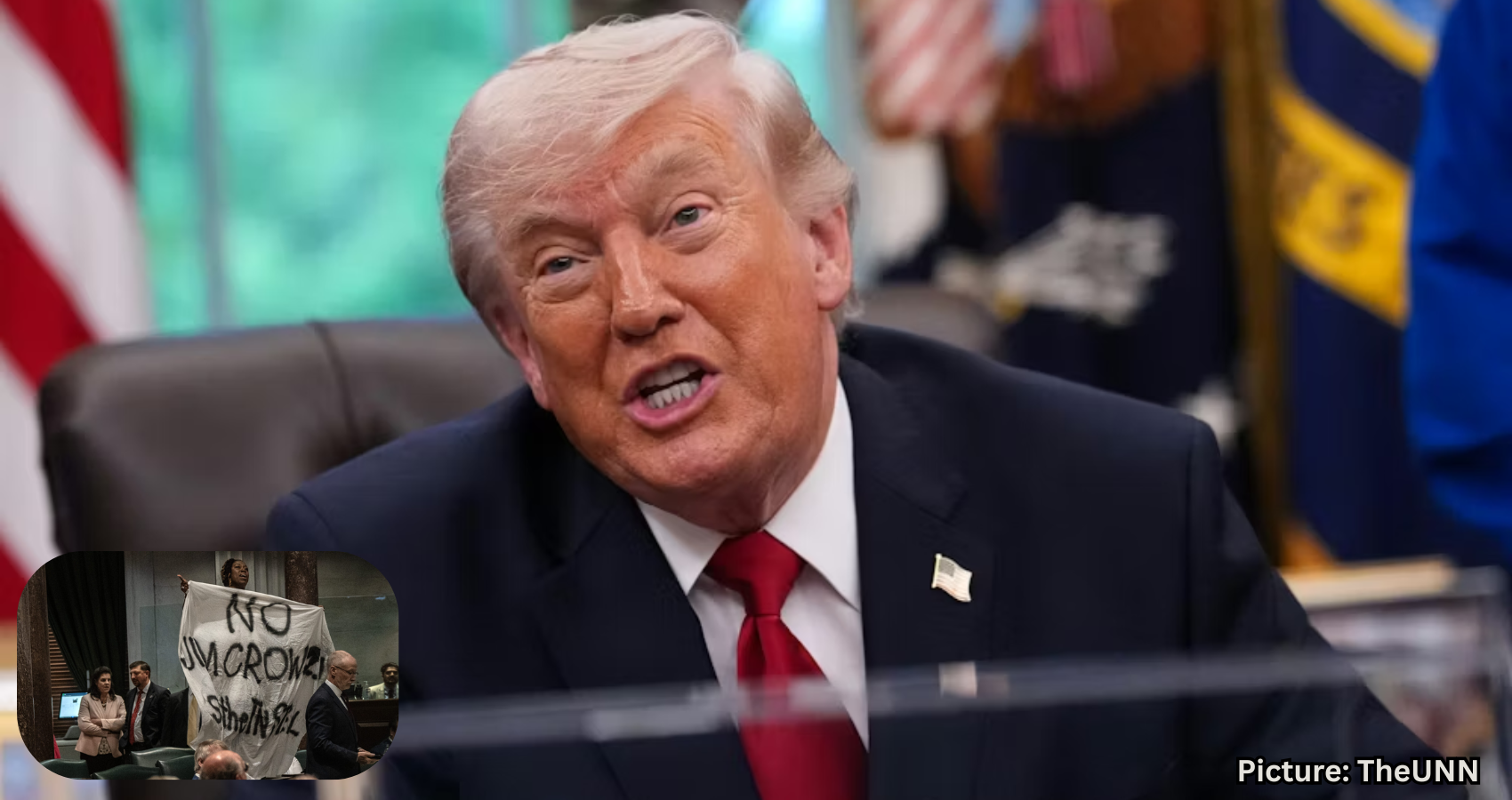
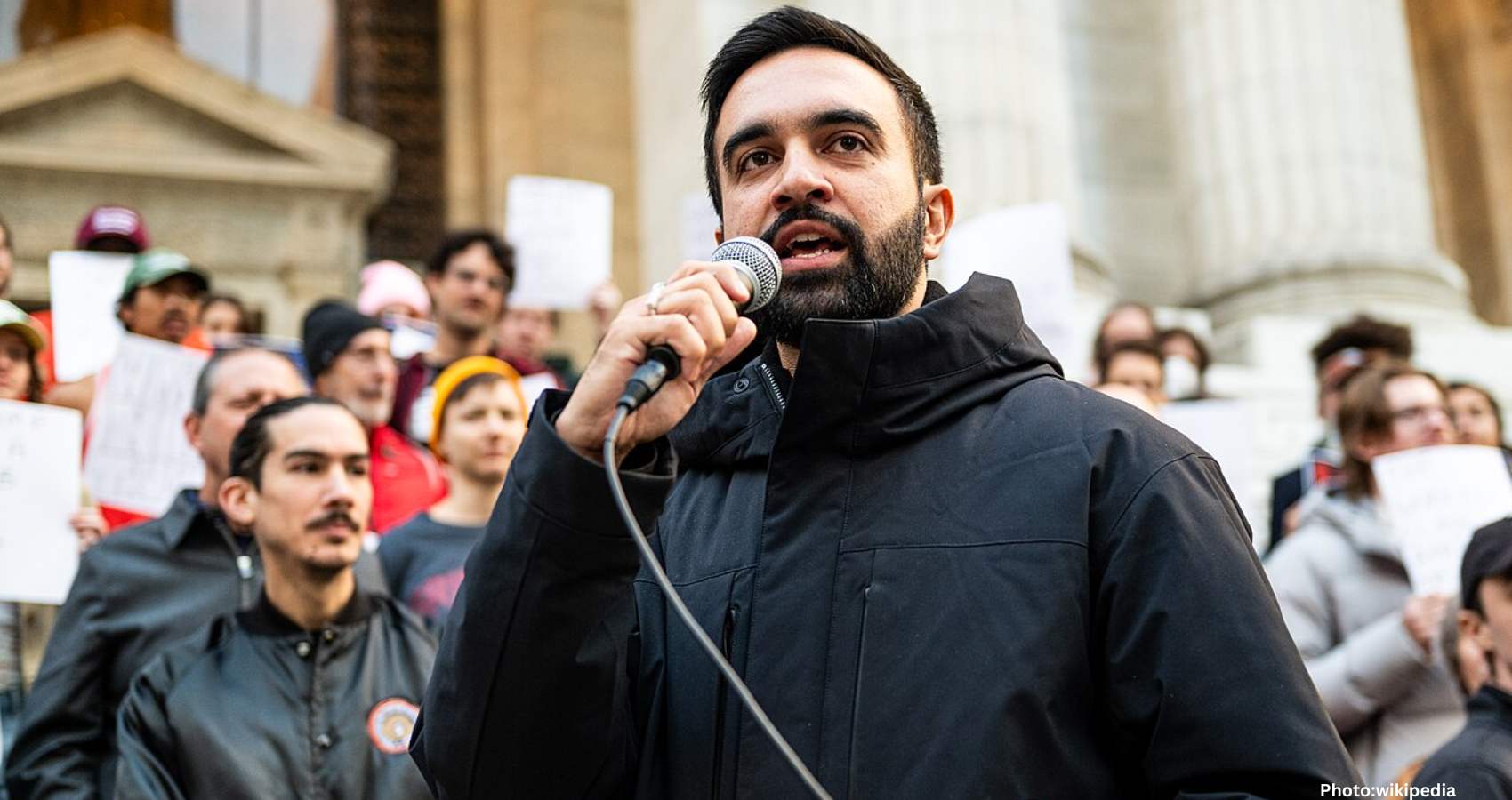
On March 28, 2026, large-scale demonstrations known as ‘No Kings’ took place in cities across the United States and internationally. These rallies drew tens of thousands of participants who united to express their opposition to what they perceive as rising authoritarianism, particularly in connection with former President Donald Trump and his supporters. The protests not only highlighted concerns about civil liberties but also showcased a growing movement that spans diverse demographics.

According to police estimates, approximately 40,000 individuals participated in the San Diego rally alone. The protests were especially notable for their reach beyond major urban areas, with organizers reporting that two-thirds of RSVPs came from outside metropolitan centers. This included communities in traditionally conservative states such as Idaho, Wyoming, Montana, Utah, South Dakota, and Louisiana, as well as electorally competitive suburbs in pivotal states like Pennsylvania, Georgia, and Arizona. This demographic diversity reflects a widespread national concern regarding civil rights and the political landscape.

The flagship rally took place at the Minnesota State Capitol, where renowned musician Bruce Springsteen headlined the event. Before his performance, attendees were treated to a video message from actor Robert De Niro, who expressed his frustrations with Trump’s leadership but found hope in the protests. De Niro praised the people of Minnesota for their efforts in removing Immigration and Customs Enforcement (ICE) from their community, underscoring the local activism that has gained national attention.

The Minnesota event also featured other prominent figures, including singer Joan Baez, actress Jane Fonda, and Vermont U.S. Senator Bernie Sanders. They were joined by a coalition of activists, labor leaders, and elected officials who spoke against Trump’s policies. One striking moment of the rally was the display of a massive sign on the Capitol steps reading, ‘We had whistles, they had guns. The revolution starts in Minneapolis.’ Randi Weingarten, president of the American Federation of Teachers, emphasized the significance of the protests, stating that ‘Donald Trump may pretend that he’s not listening, but he can’t ignore the millions in the streets today.’

The ‘No Kings’ protests extended beyond the United States, with demonstrations organized in over a dozen countries across Europe, Latin America, and Australia. Ezra Levin, co-executive director of Indivisible, noted that in nations with constitutional monarchies, the protests were branded as ‘No Tyrants.’ This framing reflects a shared global sentiment against authoritarian governance.

In Rome, thousands marched in a demonstration primarily targeting Italian Premier Giorgia Meloni following the recent failure of her government’s referendum aimed at streamlining the judiciary. Additionally, many protesters expressed their opposition to U.S. and Israeli military actions against Iran, showing the interconnectedness of international grievances. In London, demonstrators carried banners with messages such as ‘Stop the far right’ and ‘Stand up to Racism,’ indicating a broader critique of rising populism in Europe.

In Paris, several hundred participants, most of whom were Americans living in France, gathered at the Bastille alongside labor unions and human rights organizations. Organizer Ada Shen articulated her opposition to U.S. foreign policy, stating, ‘I protest all of Trump’s illegal, immoral, reckless, and feckless, endless wars.’

During a news conference, Donna Lieberman, executive director of the New York Civil Liberties Union, characterized the protests as a vital response to perceived threats posed by Trump and his supporters. She expressed concern that the former president’s administration aims to instill fear among the populace, saying, ‘They want us to be afraid that there’s nothing we can do to stop them. But you know what? They are wrong — dead wrong.’

The ‘No Kings’ rallies exemplify a significant movement among citizens seeking to reclaim democratic ideals and challenge narratives of authoritarianism. The protests underscore a widespread discontent with current political leadership, galvanizing communities across the political spectrum to unite for a common cause. As the movement evolves, it reflects a growing determination among citizens to hold their leaders accountable and advocate for civil liberties.

The ‘No Kings’ protests are part of a larger historical context of civil disobedience and grassroots activism in the United States and around the world. They evoke memories of previous movements that have sought to challenge authoritarian regimes and demand democratic reforms. The significance of these demonstrations lies not only in their immediate political implications but also in their potential to inspire future activism and reshape public discourse around governance and accountability.

As these protests continue to unfold, they highlight the importance of civic engagement in a democratic society and the role of public demonstrations in influencing political discourse. The ‘No Kings’ rallies represent a collective effort to affirm the principles of democracy and justice in the face of perceived threats, suggesting that while the political landscape may be contentious, the spirit of activism remains resilient and vibrant, according to Source Name.

Iran Warns of Ground Invasion as Diplomatic Talks Begin in Pakistan

Iran’s parliament speaker has accused the U.S. of planning a ground invasion, threatening retaliation, as key regional powers convene in Pakistan to seek diplomatic solutions to the escalating conflict.

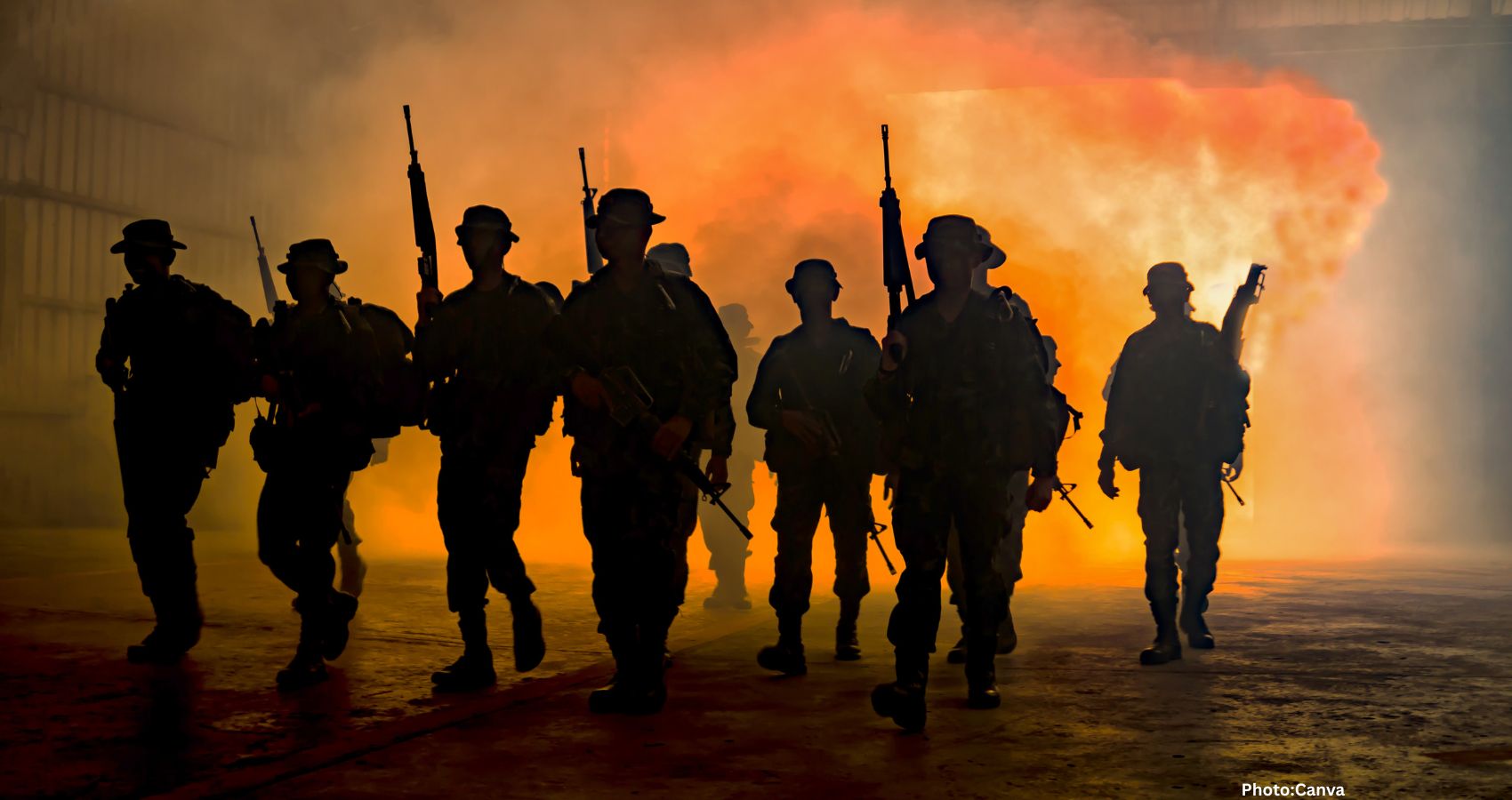
In a significant escalation of tensions in the Middle East, Iranian parliament speaker Mohammad-Bagher Ghalibaf issued a stark warning on March 28, 2026. He accused the United States of planning a ground invasion as part of its military strategy against Iran. Ghalibaf’s remarks come as the conflict enters its second month, marked by increasing violence and military posturing from both sides.

Ghalibaf made his statements in a post on the social media platform Telegram, declaring, “the enemy publicly signals negotiations while secretly planning a ground invasion.” He emphasized that Iran’s military forces are prepared for any ground troops that may be deployed by the U.S., asserting, “Our response is clear: We’ll never accept humiliation.” This rhetoric follows the arrival of the USS Tripoli in the region, which is reported to carry approximately 3,500 U.S. Marines and sailors.

The U.S. Central Command confirmed the deployment of additional troops from the Japan-based 31st Marine Expeditionary Unit, although it has not disclosed specific details regarding their potential deployment locations or strategies. Furthermore, thousands of soldiers from the U.S. military’s 82nd Airborne Division are also expected to be sent to the region, raising concerns about a potential escalation of military involvement.

In a further escalation of rhetoric, Iranian authorities have threatened to target American and Israeli universities located in the Middle East, cautioning students and staff to maintain a distance from campuses due to ongoing military operations. This warning follows reports that airstrikes, allegedly conducted by U.S. and Israeli forces, have targeted educational institutions in Iran, including a university in Tehran.

These developments occur amidst a backdrop of intensified military engagement, with Israel conducting a series of airstrikes aimed at Iranian military capabilities. Israeli forces claim to have successfully targeted weapons production and storage sites across Iran, resulting in significant damage and casualties. Iranian officials assert that these strikes have met with retaliation in the form of missile and drone attacks on Gulf countries, with Kuwait and Saudi Arabia reporting interceptions of such attacks.

Iran further claimed responsibility for attacks on major aluminum production facilities in Bahrain and the United Arab Emirates (UAE), with Emirates Global Aluminium confirming damage and injuries resulting from these strikes. These incidents underscore the growing regional instability and the potential for broader conflict that could impact global markets.

Amid escalating military tensions, a diplomatic initiative is underway in Islamabad, where foreign ministers from Pakistan, Saudi Arabia, Turkey, and Egypt are meeting to discuss strategies aimed at de-escalating the ongoing conflict. This meeting is a response to heightened concerns regarding regional stability, and discussions are expected to focus on coordinating efforts toward diplomatic resolutions and mitigating tensions.

Pakistan is positioning itself as a potential mediator in the conflict, with Foreign Minister Ishaq Dar emphasizing the necessity for dialogue and confidence-building measures. Dar noted that Iran has agreed to allow 20 Pakistan-flagged ships to pass through the strategically critical Strait of Hormuz, indicating a willingness for limited cooperation amid ongoing hostilities.

In a notable development, the Iran-aligned Houthi rebels in Yemen launched missiles toward Israel for the first time since the conflict’s escalation. Although the Israeli military successfully intercepted the missiles, this action introduces a new front to the conflict, potentially complicating international shipping routes, particularly through the Red Sea. Houthi officials have stated that their attacks will continue until all forms of aggression cease across the region.

As the conflict continues to escalate, reports indicate that at least 15 U.S. service members were injured in missile strikes targeting the Prince Sultan air base in Saudi Arabia, which hosts American troops. The Pentagon has reported that since the onset of hostilities, 13 U.S. service members have been killed and over 300 have sustained injuries, highlighting the increasing risks faced by U.S. personnel in the region.

In related news, three Lebanese journalists were killed during an Israeli airstrike while covering the conflict in southern Lebanon. This incident has drawn widespread condemnation from Lebanese officials, who characterize the attacks as violations of international law. The deaths of the journalists have sparked protests across Lebanon, reflecting deep anger and outrage over the loss of media personnel amid ongoing military operations. The Israeli military has justified its actions by alleging that the targeted individuals were involved in military activities, although it has not provided evidence to substantiate these claims.

As military operations expand, particularly into Lebanon and Syria, the potential for further escalation remains high. The ongoing conflict has far-reaching implications for regional stability, global oil markets, and international diplomatic relations. The involvement of multiple regional actors raises concerns about the possibility of a broader war that could destabilize the Middle East and disrupt global trade routes.

The situation continues to evolve rapidly, with both military and diplomatic developments indicating a complex and multifaceted conflict that poses significant challenges to peace and security in the region, according to Source Name.

Coping Strategies for Indian-American Men Facing Prostate Cancer

Rajesh, a 64-year-old architect, navigates the challenges of a prostate cancer diagnosis while seeking guidance on treatment options and lifestyle adjustments.

Rajesh*, a 64-year-old architect residing in Michigan, has been experiencing urinary difficulties, frequent nighttime awakenings, and recent pain. Following these symptoms, his primary care provider referred him to a urologist, who diagnosed him with Stage 1 prostate cancer. Concerned about his diagnosis, Rajesh sought advice on how to cope with this condition.

*Name changed upon request

Prostate cancer is a common form of cancer among men, with the likelihood of developing it increasing with age. According to Dr. Manoj Sharma, a urologist, the prostate gland is a small, walnut-shaped gland located below the bladder and in front of the rectum, surrounding the urethra. It plays a crucial role in the male reproductive system by secreting a fluid that helps maintain sperm health. Cancer arises from abnormal cell growth, and its primary danger lies in its potential to metastasize, or spread, to other parts of the body.

Statistics indicate that approximately 13 out of 100 men in the United States will be diagnosed with prostate cancer in their lifetime, accounting for about 30% of all cancers in men. The staging of prostate cancer is categorized as follows: Stage 0 indicates abnormal cells that have not spread; Stage 1 involves a small tumor confined to one area; Stage 2 features a larger tumor with spread to lymph nodes; Stage 3 indicates a deeply embedded tumor with lymph node involvement; and Stage 4 signifies metastasized cancer that has spread to other body parts.

When discussing the causes and risk factors associated with prostate cancer, Dr. Sharma noted that, like most cancers, the exact cause remains unknown. However, several risk factors have been identified:

Age is the most significant risk factor, with the likelihood of developing prostate cancer increasing as men grow older. A family history of prostate cancer, particularly involving DNA changes such as BRCA 1 and BRCA 2, also elevates risk. Other contributing factors include smoking or tobacco use, alcohol consumption, obesity, exposure to certain chemicals like Agent Orange and arsenic, and a history of sexually transmitted diseases.

For Rajesh, the next steps following his diagnosis are crucial. Dr. Sharma reassured him that his cancer was detected at an early stage and could potentially be cured with appropriate treatment. The urologist will devise a treatment plan, which may involve collaboration with radiation oncologists and medical oncologists. Possible treatment modalities include:

surgery to remove the prostate (radical prostatectomy), brachytherapy (inserting radioactive seeds in the prostate), external beam radiation therapy (EBRT), hormone therapy, chemotherapy, immunotherapy, cryotherapy, laser ablation, and high-intensity focused ultrasound.

As with any medical treatment, there are potential adverse effects associated with prostate cancer therapies. Dr. Sharma explained that while many individuals may not experience complications, some may encounter issues such as urinary leakage when pressure is applied to the abdomen (e.g., during laughter or coughing), erectile dysfunction (which can often be treated with medication), and infertility related to sperm quality, production, or ejaculation.

When discussing survival rates, Dr. Sharma emphasized the importance of Rajesh’s early diagnosis. He reassured Rajesh that the chances of surviving prostate cancer are generally favorable for most individuals. He encouraged Rajesh to focus on adhering to the treatment plan recommended by his urologist and to engage in activities that bring him joy. Maintaining a stress-free lifestyle, exercising regularly, eating a healthy diet, and spending quality time with family and friends are all beneficial.

In addition to conventional treatments, Rajesh inquired about the role of yoga and meditation in managing his condition. Dr. Sharma clarified that while yoga and meditation cannot cure or prevent prostate cancer, they can serve as complementary therapies. These practices may help manage the physical and psychological symptoms experienced by prostate cancer patients. Yoga postures can strengthen pelvic muscles, enhance circulation to the pelvic region, reduce inflammation, and assist in stress management. Meditation offers a meaningful way to enjoy life amidst the challenges of cancer.

For those seeking further information on prostate cancer, several resources are available, including the Cleveland Clinic, Mayo Clinic, Urology Care Foundation, and WebMD’s prostate cancer resource center. Additionally, there are various online videos demonstrating yoga exercises specifically designed for prostate health.

Individuals with questions or concerns about prostate cancer are encouraged to reach out to Dr. Manoj Sharma at editor@indiacurrents.com for further guidance.

The insights shared in this article are based on information provided by Dr. Manoj Sharma.
Daily Horoscope for All Zodiac Signs: March 30, 2026

Your daily horoscope for March 30, 2026, offers insights for each zodiac sign, guiding you through personal and professional challenges with astrological wisdom.

Aries (Mar. 21 – Apr. 20): Today, you will feel enthusiastic about socializing and may find opportunities to blend business with leisure. Engaging in group activities will be beneficial, as you have the ability to work while having fun. Ganesha suggests that you could gain wisdom from the ideas shared by others.

Taurus (Apr. 21 – May 21): You may find yourself feeling stubborn and uncompromising in your professional dealings today, which could lead to unnecessary conflicts. Ganesha advises you to maintain a cordial demeanor with colleagues and clients. Executives and administrators are likely to have a favorable day, so try not to worry excessively about your workload; things will turn out well.

Gemini (May 22 – Jun. 21): It’s time to break free from the monotony of your daily routine. Sticking rigidly to your schedule may cause undue stress. Instead, focus on managing your time creatively. Ganesha recommends talking to elders for guidance, which can help calm your nerves.

Cancer (Jun. 22 – Jul. 22): Today, you will be involved in collaborative efforts, particularly in tasks that require inspection and examination. Your opinions may be influenced by your friends, so choose your companions wisely, as Ganesha advises. You will enjoy spending time with your close circle.

Leo (Jul. 23 – Aug. 23): Your decision-making skills will be sharp today, leading to correct and steadfast choices. Your health will be stable, and work will proceed as usual. However, minor disagreements may arise in personal relationships. Ganesha cautions you to manage these conflicts carefully to prevent them from escalating.

Virgo (Aug. 24 – Sep. 22): An unexpected surge of creativity may inspire you to travel to an exotic location and meet new people. This experience will enrich you both mentally and emotionally. Ganesha notes that you should remain flexible and adaptable today, as more adventures may be on the horizon.

Libra (Sep. 23 – Oct. 23): Good news from abroad is on the way, which will bring you joy. If you are job hunting, expect positive developments. However, Ganesha advises you to temper your expectations to avoid disappointment.

Scorpio (Oct. 24 – Nov. 22): Today, you may feel emotionally vulnerable, akin to a balloon that could burst at any moment. Venting your feelings could provide relief, but be cautious as it may also impact your health. Ganesha suggests that you seek comfort in the company of loved ones.

Sagittarius (Nov. 23 – Dec. 21): Your determination and dedication to work will be evident today, potentially leading to an overwhelming workload. You may find yourself immersed in tasks, but the latter part of the day promises enjoyment and relaxation. Look forward to a fun-filled evening.

Capricorn (Dec. 22 – Jan. 20): You firmly believe in the adage “health is wealth,” and your good health will continue today. Although the completion of current projects may seem distant, you will manage to finish them. Be prepared for your boss to express dissatisfaction regarding deadlines. Ganesha suggests setting aside financial concerns for the day.

Aquarius (Jan. 21 – Feb. 18): Today is an excellent time to enjoy the company of family. You may take them shopping or on outings, showering them with affection. Ganesha emphasizes that your gestures of love will have a positive impact, not driven by selfish motives but by genuine care.

Pisces (Feb. 19 – Mar. 20): Ganesha advises against starting new projects or business ventures today due to unfavorable planetary alignments. You will excel in tasks that require less creativity. Avoid taking sides in disputes, as this could lead to significant consequences later. Strive for objectivity in your decisions and work.

Stay connected with the cosmos through your daily horoscope! Access your March 30, 2026, horoscopes for every zodiac sign to uncover what the universe has in store for you. Whether you are an adventurous Aries or a sensitive Pisces, our expert astrologers provide tailored insights to help you navigate life’s challenges and triumphs. Visit us daily for fresh updates and stay attuned to the celestial forces shaping your destiny.

The insights presented here are based on astrological interpretations and guidance from Ganesha.

India to Participate in G20 Summit Led by Trump in Florida

India is set to participate in the G20 Summit in Florida later this year, under the presidency of the United States.

NEW DELHI – On March 27, India expressed its anticipation for the upcoming G20 Summit, which will take place in Florida later this year, led by the United States.

Randhir Jaiswal, spokesperson for the Ministry of External Affairs (MEA), addressed India’s involvement in the summit, highlighting its role as an outreach country in the recent G7 meeting.

When questioned about India’s stance on South Africa’s exclusion from the G7 and the U.S. decision not to invite South Africa to the G20 meeting, Jaiswal stated, “India is an outreach country which was invited by the host to participate in the G7 meeting. It is for the host to decide whom they want to know, whom they want to call for those meetings.” He added that there have been reports on the matter and suggested referring to them for further information.

Jaiswal emphasized that, regarding the G20, the United States is the chair this year, and India looks forward to participating in the summit, which will involve all G20 member countries.

The United States assumed the presidency of the G20 in December 2025 and is scheduled to host the G20 Leaders’ Summit in Miami on December 14-15, 2026, according to IANS.

Insurgent Virginia Democrat Criticizes Party Stance on Gun Rights and Gerrymandering

Mark Moran, a Democratic primary challenger in Virginia, has sparked controversy by criticizing his party’s stance on gun rights and gerrymandering, positioning himself against established party norms.

Mark Moran, a newcomer to Virginia politics and a former reality television star, is making waves in the Democratic senatorial primary by openly challenging his party’s positions on gun rights and gerrymandering. Moran, who gained fame as a contestant on the HBO Max series “FBoy Island,” is running against long-serving Senator Mark R. Warner, D-Va., whom he has labeled an “oligarch” disconnected from the needs of his constituents.

Warner, who is seeking a fourth term, has a substantial net worth estimated at over $200 million, making him one of the wealthiest senators in the United States. Moran has pointed to a past statement from Warner where he pledged to serve only two terms, suggesting that the senator is out of touch with the electorate.

In a recent post on X, Moran stated, “Since the establishment is already mad at me, here’s another truth: Virginia Democrats are completely wrong on the Second Amendment.” His remarks come in response to criticism from Virginia’s top Senate Democrat regarding his opposition to a politically charged redistricting effort.

After experiencing a personal safety issue, Moran purchased a firearm, which he claims has given him insight into the extreme positions his party has adopted regarding gun control. He specifically criticized a recent ban proposed by Democratic state delegate Dan Helmer, which he argues would classify standard handguns as “assault firearms,” thereby enabling the government to confiscate them.

Helmer, who is also running for a seat in one of the newly drawn congressional districts, did not respond to requests for comment on Moran’s statements. Moran emphasized that the Second Amendment was designed by the Founding Fathers to protect citizens from tyranny, whether that tyranny arises from a political figure like Donald Trump or from legislative actions aimed at disarming the populace.

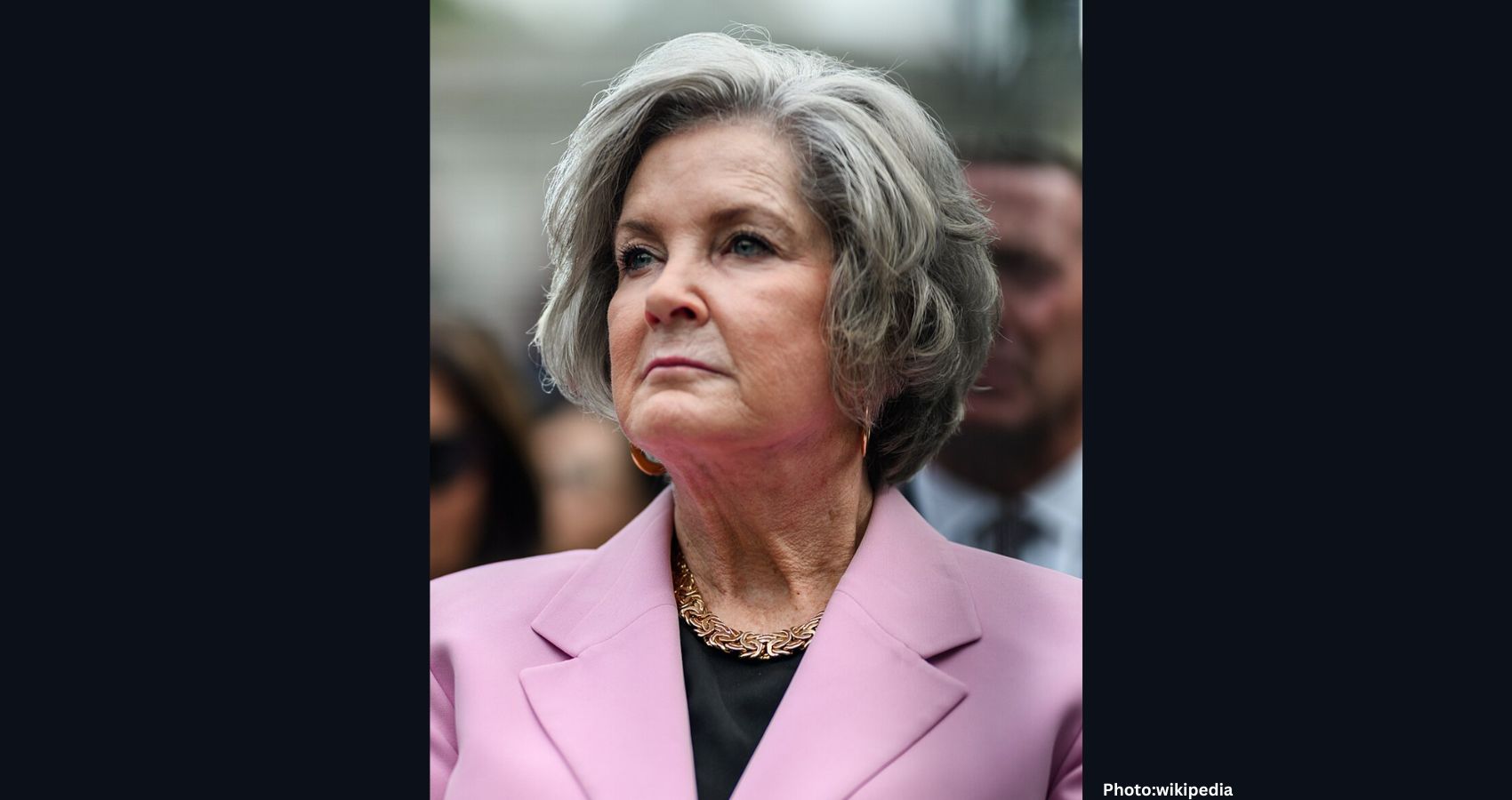
His comments have drawn ire from various Democratic leaders, including strategist Adam Parkhomenko, who responded on X, urging Moran to “go be a p—- in someone else’s party.” Virginia Senate President L. Louise Lucas, D-Portsmouth, also criticized Moran’s stance, asserting that anyone opposing the party’s redistricting efforts does not share Democratic values. Lucas publicly endorsed Warner, reinforcing the divide within the party.

Moran has described the current redistricting efforts as “extremely anti-democratic,” arguing that they are a reactionary response to Donald Trump, crafted by political consultants in Washington, D.C. He pointed out that Virginia voters had previously approved a resolution in 2019 to remove the legislature from the redistricting process, and he condemned the new maps for diluting the voices of residents outside Northern Virginia.

“In every local Democratic committee I’ve been in, when this issue comes up, nobody can defend it,” Moran stated. “It’s just ‘well this is what the party says is best’ — NO. The Democratic Party loses because of reactionary maneuvers and because it doesn’t have a big bold vision for the future,” he added.

Moran has also voiced concerns about the proliferation of data centers in Virginia, which he claims are straining the power grid and raising costs for residential consumers. He proposed a tax on these data centers to fund a free college initiative, showcasing a moderate approach to some issues.

However, his campaign platform reportedly includes more progressive stances, such as abolishing ICE and advocating for Medicare-for-All, positioning him to the left of Warner on these key issues. Moran has called for a “peaceful revolution” against what he describes as the influence of billionaires and tech oligarchs in the political sphere, particularly as the nation approaches its 250th anniversary.

As the primary race heats up, Moran’s willingness to challenge party norms could resonate with voters seeking a fresh perspective, but it also risks alienating him from the established Democratic base in Virginia. Fox News Digital reached out to both Warner’s and Moran’s campaigns for comment but did not receive a response.

According to Fox News, Moran’s candidacy represents a significant shift in the Democratic landscape of Virginia, as he seeks to redefine the party’s approach to critical issues like gun rights and electoral fairness.

U.S. Permits Russian Oil Tanker to Reach Cuba Amid Ongoing Blockade

The U.S. is allowing a Russian oil tanker to deliver crude oil to Cuba, easing pressure on the island amid an ongoing energy crisis, according to reports.

The U.S. government has reportedly permitted a Russian oil tanker to reach Cuba, signaling a temporary easing of the blockade that has contributed to the island’s ongoing energy crisis. The Russian-flagged tanker, the Anatoly Kolodkin, was en route to Cuba on Sunday, carrying an estimated 730,000 barrels of crude oil, as reported by The New York Times, citing a U.S. official familiar with the situation.

Tracking data indicated that the Anatoly Kolodkin was positioned just off the eastern tip of Cuba on Sunday. President Donald Trump addressed the situation during a press briefing, stating, “We have a tanker out there. We don’t mind having somebody get a boatload, because they need … they have to survive.” He further emphasized his openness to oil shipments to Cuba, regardless of the source, saying, “If a country wants to send some oil into Cuba right now, I have no problem whether it’s Russia or not.”

This shift comes as Cuba faces severe fuel shortages, which President Miguel Díaz-Canel has attributed to ongoing sanctions and economic pressures. The island has been grappling with energy shortages for months, leading to strict gas rationing and widespread blackouts.

Historically, the U.S. has sought to restrict oil shipments to Cuba as part of its broader strategy to pressure the Cuban government. However, the current geopolitical climate has prompted a reevaluation of these policies. The U.S. has temporarily eased certain sanctions on Russian oil shipments to stabilize global energy markets, particularly in light of recent disruptions in the Strait of Hormuz due to military actions involving the U.S. and Israel against Iran.

The Anatoly Kolodkin departed from Primorsk, Russia, and is expected to dock at the Matanzas port in Cuba if it maintains its current trajectory, according to tracking services such as MarineTraffic and LSEG. The arrival of this oil shipment could provide significant relief to the Cuban economy, which has been severely impacted by the loss of oil supplies from Venezuela.

In January, the U.S. capture of former Venezuelan leader Nicolás Maduro effectively cut off a crucial ally that had been supplying oil to Cuba under favorable terms. Following this development, the Trump administration blocked all Venezuelan oil shipments to Cuba and threatened punitive tariffs on any third country that attempted to supply the island, which led to Mexico halting its exports to Cuba.

In addition to the Anatoly Kolodkin, another vessel, the Hong Kong-flagged Sea Horse, was reportedly carrying approximately 200,000 barrels of Russian fuel to Cuba but was rerouted to Venezuela.

This latest development underscores the complexities of U.S.-Cuba relations and the ongoing challenges faced by the Cuban government in securing essential resources. The easing of sanctions on Russian oil shipments may reflect a pragmatic approach to address the immediate energy needs of the island while navigating the intricate geopolitical landscape.

As the situation evolves, the implications of these oil shipments for Cuba’s energy crisis and the broader regional dynamics remain to be seen, according to The New York Times.

Adhir Shroff Appointed Interim Chief of Cardiology at Illinois University

Dr. Adhir Shroff, an esteemed interventional cardiologist, has been appointed interim chief of the Division of Cardiology at the University of Illinois Chicago, recognized for his innovative techniques and commitment to patient care.

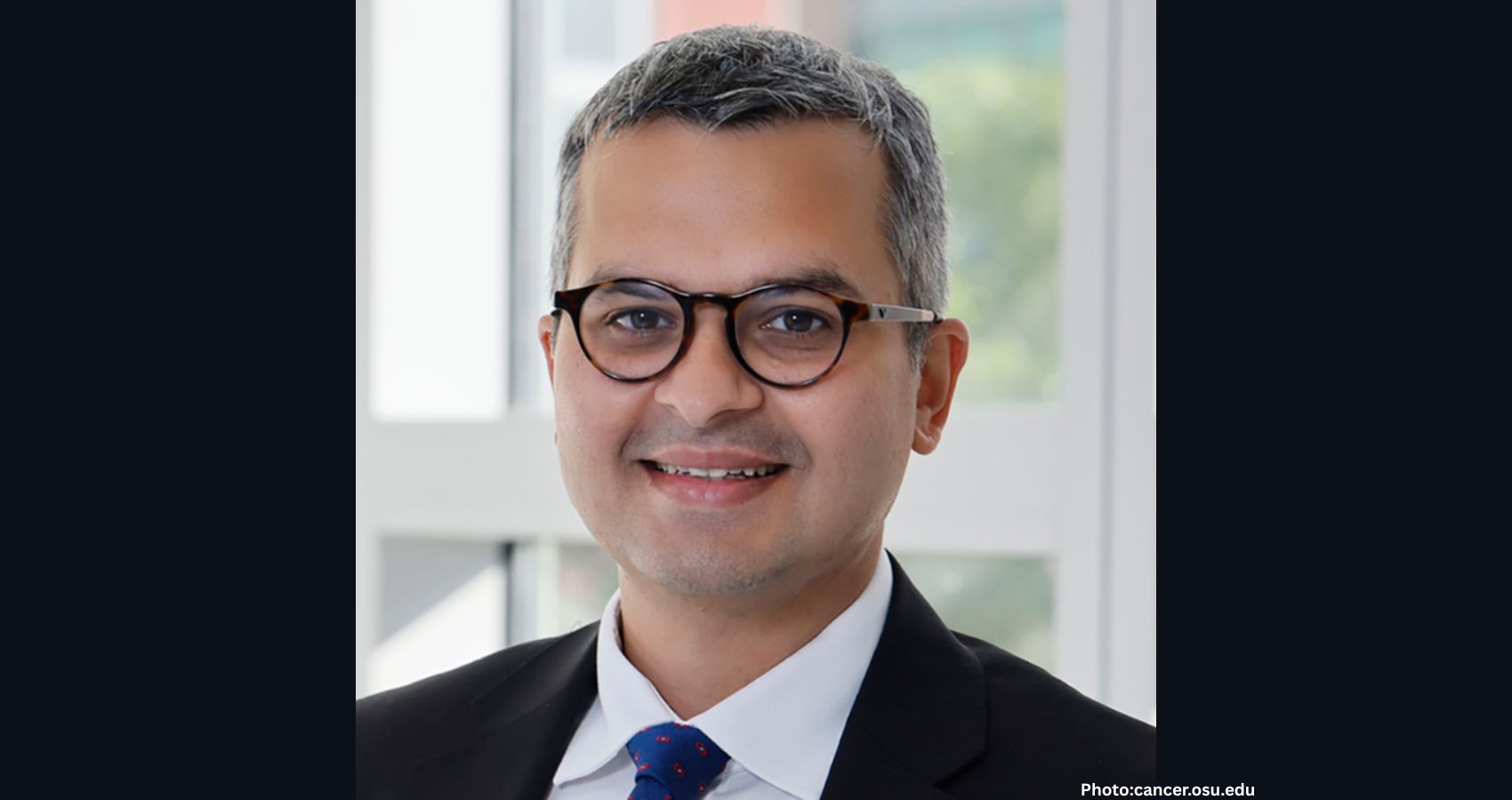
Dr. Adhir Shroff, an Indian American interventional cardiologist and a pioneer in radial-artery catheterization, has been appointed as the interim chief of the Division of Cardiology at the University of Illinois Chicago (UIC).

Since joining the UIC faculty in 2004, Dr. Shroff has established himself as a prominent figure in the Chicago medical community. Before his recent appointment, he served as a professor of clinical medicine and the chief of clinical service for the division.

His promotion to interim chief marks a significant progression for a physician who has spent 15 years directing the Cardiac Catheterization Laboratories at UI Health, where he modernized procedural protocols to enhance patient care.

Dr. Shroff’s professional journey is deeply rooted in his Indian heritage. Of Gujarati descent, his career reflects the rigorous academic standards commonly associated with the Indian American diaspora.

He earned his medical degree from the University of Chicago Pritzker School of Medicine, with training that took him through some of the nation’s most prestigious institutions. He served as chief resident at the University of Michigan and completed fellowships in cardiology and interventional cardiology at Harvard Medical School’s Beth Israel Deaconess Medical Center.

In addition to his clinical expertise, Dr. Shroff has sought to bridge the gap between clinical excellence and healthcare administration. He earned a Master of Public Health from Harvard and is currently pursuing advanced finance training at the Wharton School of the University of Pennsylvania. This commitment underscores his dedication to understanding the complex economics of modern medicine.

At the core of Dr. Shroff’s work is a “human first” approach to surgery. He is nationally recognized for his leadership in radial-artery catheterization, a technique that allows access to the heart through the wrist rather than the groin. This “radial-first” method, which he helped pioneer, significantly reduces recovery times and minimizes complications, making life-saving procedures less invasive for patients.

Beyond his clinical responsibilities, Dr. Shroff is an integral member of the Structural Heart Disease Program, focusing on expanding community outreach. Throughout his career, he has been a dedicated mentor, training hundreds of future cardiologists and securing grant funding to develop interdisciplinary educational programs.

As he leads the Division of Cardiology, Dr. Shroff is expected to prioritize fostering diversity in medical research and ensuring equitable access to cardiovascular care across the region. His appointment comes at a pivotal time for UIC, which continues to expand its footprint as a premier center for heart health and innovation.

According to The American Bazaar, Dr. Shroff’s leadership is anticipated to enhance the division’s impact on both patient care and medical education.

India Adapts to Trump 2.0 Through Diversification and Hedging Strategies

India’s foreign policy strategy remains focused on diversification and hedging despite the challenges posed by Donald Trump’s return to the White House, according to a report by the Carnegie Endowment for International Peace.

Donald Trump’s return to the White House has significantly impacted international politics, yet India’s foreign policy strategy remains largely unchanged. This is primarily due to its emphasis on diversification and hedging, as outlined in a recent report from the Carnegie Endowment for International Peace titled “India and a Changing Global Order: Foreign Policy in the Trump 2.0 Era.”

The report highlights India’s commitment to strategic autonomy, enabling the nation to navigate a fragmented international landscape effectively. While the second Trump administration has introduced elements of unpredictability and economic coercion, India has intensified its engagement with Europe and other middle powers, expanded its economic diplomacy, and maintained crucial relationships with countries such as Russia.

As geopolitical competition escalates, the sustainability of India’s approach remains uncertain. However, the report suggests that “India’s response to the turbulence of Trump 2.0 offers a revealing window into how rising powers navigate uncertainty in an increasingly fragmented international system.”

The report further examines how the tensions within the international system have compelled India to make tactical adjustments while preserving the broader strategic orientation that has historically guided its diplomacy. Despite occasional friction, the United States continues to play a central role in India’s long-term strategic objectives, particularly in defense cooperation, advanced technology, and efforts to counterbalance China’s growing influence.

At the same time, uncertainty surrounding U.S. policy has reinforced India’s instinct to broaden its network of partners. This pattern is also evident in the Middle East, where India has sought to maintain parallel relationships with rival actors, including Israel, Gulf states, and Iran, while avoiding formal alignments.

India’s responses to the Trump administration do not indicate a dramatic realignment but rather a careful balancing of trade-offs among its various relationships. The report identifies a third dynamic that India must confront: the increasing use of economic statecraft by the Trump administration, which has highlighted how quickly economic interdependence can be weaponized through tariffs and other forms of economic coercion.

This shift has prompted India to reassess its approach to trade, supply chains, and technology cooperation. The report notes that India has accelerated trade negotiations with major partners, recalibrated its domestic regulatory policies, and deepened its integration into emerging global technology networks. In this context, economic integration is being redefined as a pillar of strategic resilience rather than merely a commercial interest.

Another significant theme in the report concerns India’s institutional adaptation to a more fragmented international system. As multilateral institutions face a crisis of credibility, India has increasingly relied on smaller, more flexible coalitions to pursue its interests. These include issue-based partnerships in technology and security, such as the U.S.-India COMPACT and the UK-India Technology Security Initiative (TSI), along with geopolitical groupings like the Quad and BRICS.

However, these forums are also influenced by shifts in U.S. policy and the broader dynamics of major-power competition, requiring India to carefully calibrate its participation to avoid backlash from key partners. Despite longstanding grievances with international institutions like the United Nations, India has not abandoned multilateralism. Instead, New Delhi appears to be pursuing a layered strategy that combines support for global institutions with the strategic use of bilateral and minilateral cooperation.

The report concludes that while Trump 2.0 has generated significant disruption across the international system, it has also reaffirmed several core assumptions that have long underpinned India’s foreign policy. The volatility of U.S. leadership has both strengthened and validated New Delhi’s instinct to diversify its partnerships.

Furthermore, the erosion of multilateral institutions has reinforced India’s calls for reform and for more representative global governance. The intensifying rivalry among major powers underscores the continuing importance of strategic autonomy for India.

Thus, the report emphasizes that India’s response to Trump 2.0 has been characterized less by strategic rupture and more by tactical adjustment. Across various domains, including trade policy, technology cooperation, great-power relations, and global governance, Indian policymakers have adapted the specifics while preserving a broader strategy centered on diversification, flexibility, and hedging, according to the Carnegie Endowment for International Peace.

Gita Gopinath Denies Having Facebook Presence Amid Speculation

Harvard economist Gita Gopinath has denied having a Facebook account, calling viral chat screenshots attributed to her fake and warning against misinformation.

Gita Gopinath, a prominent economist and professor at Harvard University, has publicly clarified that she does not have a presence on Facebook. This statement comes in response to the circulation of fake profiles and chat messages that falsely attribute private conversations to her.

In a post shared on X, Gopinath emphasized that she has never created or maintained a Facebook account. Her clarification addresses the rapid spread of screenshots claiming to show private discussions, which have gained traction across various social media platforms.

Gopinath described the circulating messages as fabricated and urged the public not to believe or share such content. Her statement aims to combat misinformation that inaccurately associates her with views or conversations she has not expressed. This incident underscores the challenges faced by public figures in the digital age, where impersonation and fake profiles can mislead audiences quickly.

The ease of creating accounts and manipulating content has made it increasingly difficult to verify information online. Misinformation can spread rapidly, often before it is confirmed or debunked, posing significant risks to reputations and public discourse.

As a former Chief Economist and First Deputy Managing Director at the International Monetary Fund, Gopinath’s work and public commentary attract considerable attention, making her a target for misrepresentation online. The emergence of fake profiles impersonating well-known personalities is not new, but the speed at which such content travels has increased significantly in recent years.

Experts point out that fabricated screenshots can appear convincing and are frequently shared without verification, amplifying their reach and impact. In her statement, Gopinath reiterated that any Facebook account claiming to represent her is unauthorized. She also stressed that she does not engage in conversations on that platform, effectively dismissing all claims tied to the alleged chats.

This clarification serves as a reminder for users to verify the authenticity of social media accounts and to exercise caution when encountering sensational or unverified content. Misinformation not only harms individual reputations but can also distort public discourse.

As the false posts continue to circulate, Gopinath’s response seeks to set the record straight and prevent further confusion. Her firm denial highlights the importance of digital vigilance at a time when fake accounts and misleading narratives are increasingly common. This episode adds to broader concerns about online misinformation, reinforcing calls for stronger awareness and verification practices among social media users.

According to The American Bazaar, Gita Gopinath’s statement serves as a crucial reminder of the need for critical engagement with information shared online.

Harbhajan Singh Responds to Fan’s Comment on R Ashwin Jealousy

Harbhajan Singh responded strongly to a social media troll who suggested he was jealous of fellow cricketer Ravichandran Ashwin.

Former Indian cricketer Harbhajan Singh recently expressed his frustration on social media after a troll accused him of harboring jealousy towards fellow spinner Ravichandran Ashwin.

The incident unfolded when a user on social media made a comment implying that Harbhajan was envious of Ashwin’s achievements in cricket. Harbhajan, known for his candid personality, did not hold back in his response.

In his retort, Harbhajan emphasized the importance of supporting fellow players rather than engaging in petty rivalries. He highlighted that both he and Ashwin have contributed significantly to Indian cricket, and any notion of jealousy was unfounded.

This exchange reflects the often intense scrutiny and commentary that public figures, especially athletes, face on social media platforms. Harbhajan’s reaction underscores the challenges of navigating public perception while maintaining a positive image.

As a veteran of the game, Harbhajan has been a prominent figure in cricket for decades, and his opinions carry weight among fans and fellow players alike. His commitment to the sport and its players is evident in his interactions, both on and off the field.

Harbhajan’s defense of Ashwin serves as a reminder of the camaraderie that exists among cricketers, even amidst competitive pressures. The cricket community often rallies around its members, promoting a spirit of unity and respect.

This incident also highlights the broader issue of online trolling and its impact on individuals in the public eye. Harbhajan’s willingness to confront the troll reflects a growing trend among celebrities to address negativity directly.

As the cricketing world continues to evolve, the dynamics of player relationships and public perception will remain a topic of interest for fans and analysts alike. Harbhajan Singh’s recent comments reaffirm his position as a respected voice in the sport.

According to NDTV, Harbhajan’s response has garnered attention, sparking discussions about the nature of online interactions and the responsibilities of public figures in addressing criticism.

Hormone Therapy Enhances Weight Loss Drug Efficacy in Women by 35%

Combining hormone therapy with the obesity drug tirzepatide may enhance weight loss in postmenopausal women, according to a new study from the Mayo Clinic.

A recent study conducted by the Mayo Clinic indicates that postmenopausal women may experience a significant increase in weight loss when combining hormone therapy with tirzepatide, a popular obesity medication. The research suggests that this combination could lead to a 35% greater weight loss compared to using tirzepatide alone.

The findings, published in February in *The Lancet Obstetrics, Gynaecology, & Women’s Health*, offer a potential new approach for addressing weight gain that often occurs after menopause. Hormonal changes during this stage can elevate the risk of obesity, cardiovascular disease, and Type 2 diabetes.

“This study provides important insights for developing more effective and personalized strategies for managing cardiometabolic risk in postmenopausal women,” stated Dr. Regina Castaneda, the study’s lead author.

The research involved 120 postmenopausal women who were either overweight or obese and had been taking tirzepatide for at least 12 months. Among these participants, 40 women also received hormone therapy, while 80 did not. Hormone therapy is typically prescribed to alleviate menopause symptoms such as hot flashes and night sweats, while tirzepatide is known for its ability to regulate appetite and blood sugar levels.

Results showed that women in the hormone therapy group lost an average of 19.2% of their body weight, compared to a 14.0% loss in the non-hormone group. This translates to a relative weight loss increase of approximately 35%, with more women in the hormone therapy group achieving significant weight-loss milestones.

Despite these promising results, researchers cautioned that the study’s observational nature limits the ability to establish a direct cause-and-effect relationship. “Because this was not a randomized trial, we cannot say hormone therapy caused additional weight loss,” remarked Dr. Maria Daniela Hurtado Andrade, an endocrinologist at the Mayo Clinic and senior author of the study.

External experts echoed the need for caution in interpreting the findings. Dr. Gillian Goddard, a board-certified endocrinologist and adjunct assistant professor of medicine at NYU Grossman School of Medicine, emphasized that while the study shows a correlation, it does not definitively prove that hormone therapy directly contributes to increased weight loss.

“There may be important differences between the two groups,” Dr. Goddard noted. “For instance, the group taking estrogen may have overall better health than those who did not. Healthier individuals are generally more likely to maintain a healthy diet and exercise, which could contribute to greater weight loss.” Additionally, symptom relief from hormone therapy may enhance sleep quality and overall well-being, further supporting adherence to diet and exercise routines, according to Dr. Hurtado Andrade.

The researchers also proposed a biological mechanism that may explain the observed effects. Preclinical data suggest that estrogen could amplify the appetite-suppressing effects of GLP-1-based medications like tirzepatide.

While this theory is plausible, Dr. Goddard cautioned that it remains unproven. “The other possibility is that estrogen interacts with tirzepatide in a way that enhances its effectiveness,” she said. “We will need randomized studies to better understand this interaction.”

Regarding safety, experts generally agree that the combination of hormone therapy and tirzepatide appears safe for most women. However, hormone therapy is not suitable for everyone, particularly those with a history of certain cancers, blood clots, or other significant health risks, as noted by the Mayo Clinic.

Looking ahead, researchers plan to conduct future randomized trials to validate these findings and investigate whether the combination of hormone therapy and tirzepatide can also improve broader cardiometabolic health outcomes. “If confirmed, this work could accelerate the development and adoption of new, evidence-based strategies to mitigate health risks for millions of postmenopausal women navigating this life stage,” Dr. Hurtado Andrade concluded.

For more information, Fox News Digital has reached out to the study authors for additional comments.

According to Fox News, the implications of this study could be significant for postmenopausal women seeking effective weight management solutions.

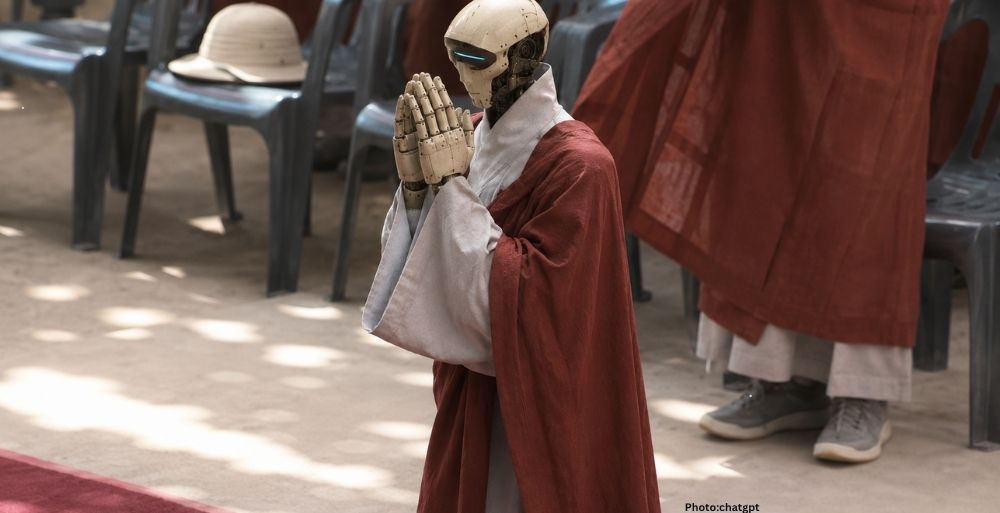
Baseball Embraces Robot Umpire Challenges Amid Changing Landscape

Major League Baseball introduces the Automated Ball-Strike Challenge System, allowing players to challenge calls using technology, marking a significant shift in the game’s officiating.

For generations, baseball has adhered to a straightforward rule: the umpire’s call on balls and strikes is final. However, this season, Major League Baseball (MLB) is set to revolutionize the game with the introduction of the Automated Ball-Strike Challenge System, commonly referred to as the “robot ump.” This innovation allows players to challenge an umpire’s call, enabling technology to determine the outcome.

The Automated Ball-Strike Challenge System (ABS) employs advanced camera technology to meticulously track every pitch, creating a digital strike zone tailored to each batter’s height. While the system enhances accuracy, it does not fully relinquish control to machines. Instead, it operates as a hybrid model where human umpires continue to make calls on the field, but players now have the option to challenge those calls if they believe an error has been made.

High-speed cameras strategically positioned around the stadium capture the pitch in three dimensions, measuring its trajectory as it crosses home plate. This data is processed in milliseconds, allowing results to be displayed almost instantly on stadium screens. Scott Jacka, senior director of technology development strategy at T-Mobile, explained that the company’s private 5G network facilitates the rapid transmission of pitch data to the ABS operator, ensuring that results are relayed back to the field without delay.

Each team begins a game with two challenges, which can only be initiated by the pitcher, catcher, or batter—no assistance from the dugout is allowed. Players signal a challenge by tapping their heads, and within seconds, the stadium displays the pitch’s location and whether it was a ball or a strike. If the challenge is upheld, the team retains its challenge; if not, they lose one. This quick process has already become one of the most thrilling aspects of the game, with teams potentially receiving additional challenges during extra innings.

Reliability is a crucial consideration for any new system, and MLB designed ABS to deliver results swiftly, ensuring the game remains uninterrupted. In the event of a malfunction, the human umpire remains the ultimate authority, providing a safety net to maintain the flow of the game.

The technology behind the ABS system is powered by Hawk-Eye Innovations, which is also used in tennis and soccer for line calls and goal decisions. This established technology lends credibility to the system’s accuracy. T-Mobile supports the infrastructure necessary for the rapid delivery of results to both stadium displays and broadcast feeds.

Historically, contentious ball and strike calls have been a part of baseball, often becoming focal points of discussion among fans and players alike. However, as technology advances, there is a growing impatience with mistakes that could be easily rectified. MLB views the ABS system as a means to alleviate frustration without entirely removing the human element from the game.

The introduction of challenges adds a layer of tension to the game, as fans and players alike await the outcome of each call. Instead of prolonged debates over disputed calls, the ABS system provides immediate clarity, transforming potential controversies into moments of drama.

Early testing has revealed that the timing of challenges can be more critical than the specific calls being challenged. Players who use their challenges too early may find themselves at a disadvantage later in high-pressure situations. Emotions can also play a role, leading to impulsive decisions that could cost teams in crucial moments.

Not every pitch is straightforward to challenge. High-velocity pitches and those with significant movement can be particularly challenging to judge in real time. Even seasoned players may misinterpret a pitch by mere inches, complicating the decision to challenge.

This dynamic opens the door for players with exceptional plate discipline, such as Juan Soto, to leverage their skills strategically. Conversely, catchers face a shifting landscape; pitch framing—an art where catchers subtly position their gloves to influence the umpire’s call—will not disappear but will evolve as a strategic tool in conjunction with the ABS system.

Pitchers, on the other hand, may be less inclined to utilize the challenge system. Many believe they lack the best perspective on the strike zone during live play. Veteran players like Max Scherzer have raised broader questions about the extent to which technology should influence the game, a debate that remains unresolved.

Beyond officiating, the ABS system generates a wealth of data that teams can analyze in real time. This data can provide insights into pitch accuracy, player tendencies, and challenge success rates, potentially influencing coaching strategies and player evaluations.

While MLB has experimented with fully automated strike zones in the minor leagues, the traditional nature of baseball means many players and fans still value the human element behind the plate. They believe that the personality and judgment of umpires, along with their imperfections, contribute to the sport’s unique charm.

At present, the challenge system represents a compromise, addressing significant officiating errors while retaining the human touch that many cherish. As fans watch games unfold, they may notice a newfound fairness, with pivotal moments less likely to hinge on missed calls. The game is becoming more strategic, as players must weigh the timing of their challenges carefully, knowing that a single misstep could have lasting consequences.

In summary, baseball continues to evolve, integrating technology while striving to preserve its core essence. The robot ump challenge system enhances the game by empowering players to voice their concerns over calls, ultimately shaping a more transparent and engaging experience for fans. As the debate over technology’s role in baseball continues, one question remains: if technology can ensure accuracy, will fans embrace it over the traditional human umpire?

According to CyberGuy, the introduction of the ABS system marks a significant step forward in the evolution of baseball officiating.

Federal Court Halts ICE’s Detention of Immigrant Teens Reaching Age 18

A federal court in Washington, D.C., has blocked a new ICE policy that would have automatically transferred immigrant teens to adult detention upon turning 18, reinforcing protections for vulnerable youth.

Washington, D.C., December 12, 2025 — A federal court in Washington, D.C., has issued a ruling that mandates U.S. Immigration and Customs Enforcement (ICE) to adhere to a long-standing court order designed to protect immigrant teens from being placed in adult detention facilities. This decision effectively blocks a controversial new ICE policy that aimed to automatically transfer unaccompanied children into adult detention once they reached the age of 18.

The court’s order specifically pertains to children who entered the United States as unaccompanied minors and who “age out” of the custody of the Office of Refugee Resettlement (ORR). The ORR is the federal program responsible for the care of unaccompanied children, which includes placing them in shelters and later with family members or guardians.

This ruling enforces a permanent injunction established in the 2021 case of Garcia Ramirez v. ICE, which requires ICE to fulfill its statutory obligations by considering the least restrictive setting available for every unaccompanied child who turns 18. Furthermore, it mandates that all age-outs be eligible for alternatives to detention.

Suchita Mathur, a senior litigation attorney with the American Immigration Council, emphasized the significance of the ruling. “This ruling makes clear that ICE cannot secretly flout the law or blatantly ignore court orders,” she stated. “ICE tried to detain newly-18-year-olds as a matter of course. These are kids that ICE officers have found, in almost all cases, do not pose a danger or flight risk, with sponsors, families, and community support waiting for them. This decision puts a stop to that.”

The new policy, which was published on October 1, instructed shelters and attorneys that all unaccompanied children turning 18 would be transferred to adult detention, regardless of whether they had safe homes and sponsors ready to receive them. Critics argue that adult detention poses significant risks to the short- and long-term development of these teenagers. Currently, ICE is holding a record number of individuals in detention, leading to overcrowding and inhumane conditions, including inadequate medical care, abusive treatment, and limited access to legal and psychological assistance.

The court found that the automatic transfer of teens into adult detention, without consideration of safer, age-appropriate alternatives, constitutes a violation of the law.

Mark Fleming, associate director of federal litigation at the National Immigrant Justice Center, echoed the importance of the ruling. “Today’s ruling sends a powerful message: ICE can’t put teenagers in dangerous, overcrowded facilities just because they turned 18,” he said. “There are safer, lawful options that keep young people connected to school, family, and community. That’s what the law requires, and that’s what this order restores.”

The court’s ruling compels ICE to immediately cease following its October 1 guidance and to release anyone who was placed in detention as a result of this policy.

For further details, refer to the court order and the opinion released by the court.

This ruling marks a significant victory for advocates of immigrant rights and underscores the importance of protecting vulnerable youth from harmful detention practices, according to the American Immigration Council.

Escalating U.S.-Iran Tensions Prompt Scrutiny of Trump Administration Strategy

The escalating military engagement between the U.S. and Iran under President Trump raises significant concerns about the administration’s strategic decision-making and its broader implications for foreign policy.

The military engagement initiated by President Trump against Iran has sparked critical concerns regarding the administration’s strategic decision-making and its broader implications for U.S. foreign policy and international relations. As tensions between the United States and Iran continue to escalate, the military actions undertaken by President Trump have drawn significant scrutiny. Observers are increasingly questioning the rationale behind the administration’s decisions and the potential long-term consequences for both U.S. diplomatic standing and economic stability. This situation underscores a broader narrative of uncertainty and volatility in U.S. foreign policy, particularly in the Middle East.

The U.S.-Iran relationship has been fraught with tension since the 1979 Iranian Revolution, which resulted in the overthrow of the U.S.-backed Shah and the establishment of an Islamic Republic. Over the subsequent decades, U.S. policy has been characterized by efforts to isolate Iran diplomatically and economically, particularly in response to its nuclear program and regional influence. In recent years, the Trump administration’s approach has marked a significant departure from previous strategies, favoring a more aggressive stance.

In early 2023, President Trump authorized military action against Iran, a decision that has been met with criticism for its lack of clear justification. Analysts noted that the administration has struggled to provide a consistent rationale for its military engagement, leaving many to question both the immediate strategic goals and the long-term vision for U.S. policy in the region.

A pivotal moment in the conflict occurred on March 18, 2023, when Iranian forces reportedly launched a strike that caused substantial damage to Qatar’s liquefied natural gas (LNG) production capacity, affecting 17 percent of its output. This military action was a direct response to an Israeli attack on Iran’s South Pars oil field, highlighting the interconnectedness of regional conflicts and the U.S.’s vulnerability in safeguarding its allies. Following this incident, President Trump’s response was perceived as a retreat, as he effectively apologized for the situation, which many analysts interpreted as a significant loss of initiative for the U.S. in the ongoing conflict.

Despite suffering extensive damage from U.S. and Israeli airstrikes, Iran’s military and diplomatic stature appears to have improved as a result of the conflict. The Iranian government has maintained control over the strategically vital Strait of Hormuz, a critical maritime passage for global oil shipments. Experts caution that this control allows Iran to threaten maritime security and disrupt oil flows, with significant implications for the global economy.

Furthermore, Iran has begun to charge tolls on ships navigating through the Strait, currently imposing fees of approximately $2 million per vessel. Analysts speculate that Iran could increase these charges over time, potentially restoring its pre-war oil revenue by implementing a fee structure based on the volume of oil transported. This shift not only boosts Iran’s financial resources but also illustrates how U.S. military actions have inadvertently empowered its adversaries.

The current military conflict has also led to an unexpected shift in Iran’s diplomatic relationships on the global stage. Historically, the U.S. has aimed to diplomatically isolate Iran, a strategy that now seems to be faltering. By permitting “non-hostile” nations to pass through the Strait, Iran is effectively undermining U.S. sanctions and cultivating relationships with countries that have historically aligned with U.S. interests, such as those in Europe, Russia, and possibly China.

This change in diplomatic dynamics poses significant challenges for U.S. foreign policy, as Iran’s expanding network of allies may complicate future negotiations. The Trump administration’s current approach appears increasingly reactive, with the President expressing a desire for negotiations, yet lacking a clear and coherent strategy for engagement.

Despite President Trump’s assertions of having control over negotiation processes with Iran, reports indicate that no direct discussions are currently taking place. Trump’s claims of selecting Iran’s leaders or dictating terms for negotiations seem disconnected from the realities of Iranian political dynamics. Any U.S. attempts to negotiate without legitimate representatives from Iran would likely face substantial resistance and could result in severe repercussions for those involved.

The stark difference between the current administration’s approach and past U.S. foreign policy, which relied heavily on expert advice and thorough consultation, has raised alarms among both domestic and international observers. Former officials have expressed concerns that the impulsive decision-making style characterized by the Trump administration may undermine long-standing diplomatic efforts.

The military engagement has also raised concerns about the state of the U.S. and global economies. With the U.S. economy already facing challenges, the conflict threatens to exacerbate existing vulnerabilities. Analysts warn that ongoing instability in the Middle East could lead to higher oil prices, further straining economic recovery efforts domestically and internationally.

As the situation continues to evolve, many experts argue that it is essential for U.S. policymakers to reassess their strategies and ensure that U.S. actions align with broader diplomatic and economic goals. In an increasingly complex geopolitical landscape, effective leadership and informed decision-making are crucial for navigating the challenges posed by Iran and other global actors.

The ongoing military engagement with Iran underscores critical questions about the Trump administration’s strategic decision-making and its implications for U.S. foreign policy and global economic stability. As the conflict unfolds, it is imperative for policymakers to adopt a more strategic approach that prioritizes diplomacy and constructive engagement, rather than impulsive military actions that may inadvertently empower adversaries and destabilize the region, according to GlobalNetNews.

Nationwide ‘No Kings’ Protests Challenge Trump Administration Policies

Nationwide “No Kings” protests have mobilized demonstrators across the U.S. to express opposition to the Trump administration ahead of the November midterm elections, despite concerns about their effectiveness.

On March 28, 2026, demonstrators gathered in cities and towns across the United States for the third round of the nationwide “No Kings” protests. This series of demonstrations, which took place in all 50 states, aimed to voice opposition to President Donald Trump’s policies and mobilize millions of Americans disillusioned by recent electoral outcomes and the president’s return to power.

The “No Kings” protests serve as a rallying point for those who feel their democratic rights are being undermined. Mitch Campbell, a 72-year-old protester in Oxford, Mississippi, captured the sentiment of many attendees when he said, “It’s reached a point now where — how can people ignore this? They’re just trampling on the Constitution.” His sign, reading “No Kings Except Elvis,” reflected the lighthearted yet serious nature of the protests, which featured a mix of humorous slogans and urgent calls for action on pressing issues like immigration and the rising cost of living.

Organizers aimed for the March 28 protests to surpass previous turnout figures, which they claimed reached seven million participants during earlier demonstrations held in October and June. However, these numbers have not been independently verified, raising questions about their accuracy.

As the protests unfolded, demonstrators highlighted a diverse array of issues. Signs varied widely, with messages addressing topics such as immigration enforcement—“ICE Needs to Melt”—and calls for peace—“We Can’t Afford the War or the Gas.” This lack of a single, unifying demand reflects a broader strategy to engage a wide range of anti-Trump sentiments, according to organizers.

Unlike prior movements, the “No Kings” protests have not coalesced around a recognizable leader or a central figure. While figures such as Bernie Sanders and Alexandria Ocasio-Cortez are acknowledged as champions of progressive causes, they are not seen as focal points of the anti-Trump effort. Leah Greenberg, co-founder of Indivisible, a progressive organization involved in organizing the protests, stated, “You might think his consolidation of power is inevitable, but it isn’t.” This sentiment aims to encourage broader participation from various anti-Trump factions.

The protests featured a blend of political engagement and community building. In Washington, D.C., for example, a live band performed as protesters gathered, while volunteers distributed care packages and collected signatures for initiatives aimed at reducing the presence of ICE detention centers. The atmosphere in many locations fostered a sense of camaraderie among attendees, such as Bob Norberg from Gainesville, Florida, who expressed hopes that the protests would “invigorate the community” and build momentum for future activism.

However, some observers have pointed out that the lack of a clear message might dilute the impact of the protests. Dana R. Fisher, a professor at American University, noted that while the gatherings provide a sense of collective support, they risk becoming ineffective if they do not translate into actionable political organizing. “What we really need to do is the work of defending democracy in our communities,” she remarked.

Some anti-Trump organizers have drawn parallels between the “No Kings” movement and the Tea Party, which effectively mobilized conservative voters during the Obama administration. The Tea Party’s success was attributed to a strong organizational infrastructure and financial backing, a contrast that the current protests lack. Tim Phillips, a conservative activist, elaborated on the motivations behind both movements, stating that both groups feel their respective presidents are leading the country toward a precipice.

Despite Trump’s approval rating falling to 36 percent as of March 23, down from 45 percent at the beginning of his term, the efficacy of the “No Kings” protests remains a topic of debate. While the organized opposition has successfully harnessed public outrage at strategic moments, quantifying the influence of these protests on electoral outcomes is complex. Lara Putnam, a history professor at the University of Pittsburgh, noted that the number of protests has surged since Trump took office, with 80 events recorded in Pennsylvania alone last October, compared to just 27 on the day of the Women’s March in 2017.

As the midterm elections approach, the question remains whether the “No Kings” protests can sustain their momentum and translate their energy into electoral victories. The ambiguity of their message may resonate with a broad audience, but it also poses challenges in rallying concrete political action. Organizers and participants alike will need to navigate the delicate balance of fostering community engagement while ensuring that the protests lead to meaningful political change.

According to GlobalNetNews, the future of the “No Kings” protests will depend on their ability to unify their message and mobilize effective political action as the elections draw near.

The Inverted Food Pyramid: Rethinking Nutritional Guidelines for Healthier Choices

The newly announced 2025-2030 Dietary Guidelines from the USDA and HHS have dramatically altered the traditional food pyramid, prioritizing protein while raising concerns among health experts.

The 2025-2030 Dietary Guidelines, recently unveiled by the Department of Health and Human Services (HHS) and the U.S. Department of Agriculture (USDA), have fundamentally transformed the longstanding food pyramid. This new model inverts the traditional hierarchy, placing grains at the bottom and emphasizing protein sources such as meats, full-fat dairy, healthy fats, fruits, and vegetables as the foundation of a healthy diet.

One of the most significant changes in the new guidelines is the nearly doubled recommendation for protein intake. Previously set at 0.8 grams per kilogram of body weight, the new guidelines suggest a range of 1.2 to 1.6 grams per kilogram. This shift has raised eyebrows among nutritionists and health experts alike.

At a March 13 briefing hosted by the American Society for Nutrition, a panel of experts analyzed the implications of the new dietary guidelines, particularly concerning school lunch programs. They also addressed the health risks associated with ultra-processed foods and the benefits of traditional ethnic diets.

Dr. Christopher Gardner, a Professor of Medicine at Stanford University, remarked on the political noise surrounding the new food pyramid. He attributed this uproar to the sensationalist presentation of the guidelines. “There’s a lot of sound advice in the new dietary guidelines,” he stated, emphasizing the importance of consuming more legumes such as beans, peas, and lentils. However, he criticized the convoluted representation of foods within the pyramid itself.

Some aspects of the 2025-2030 Dietary Guidelines have sparked controversy, particularly those that contradict decades of established health advice, especially regarding cardiovascular health. Dr. Gardner expressed concern that the new emphasis on protein at every meal and the substantial increase in daily protein recommendations could lead to excessive consumption. “Protein has never been a nutrient of concern in these dietary guidelines,” he noted.

What is particularly alarming, according to Dr. Gardner, is the focus on red meats, heavy fats like butter and tallow, and full-fat dairy products, all of which have been linked to cardiovascular diseases, diabetes, and other chronic health issues. “Beef is back, butter is back, meat is back,” he said, highlighting the potential health risks associated with these recommendations.

School nutrition programs play a crucial role in providing meals for many children across the United States. For numerous families, schools offer two primary meals each day—breakfast and lunch—due to a lack of resources, time, or inclination to prepare healthy meals at home.

The Healthy, Hunger-Free Kids Act of 2010, championed by Michelle Obama, aimed to combat childhood obesity by raising school nutrition standards. This legislation mandated increased servings of fruits, vegetables, and whole grains while limiting sodium, sugar, trans fats, and calories.

The current guidelines advocate for the removal of ultra-processed foods and added sugars from school meals. Dr. Gardner suggested that replacing sugary chocolate milk with whole-fat milk could be beneficial, but he cautioned that prioritizing protein in school lunches may be more about funding than nutrition.

He speculated that the new focus on beef and butter could be influenced by powerful lobbyists in the meat, dairy, and egg industries. “So there is certainly politics involved,” he said.

Dr. Marian Nestle, a Professor of Nutrition and Food Studies, pointed out that while the guidelines discourage ultra-processed foods, the current administration emphasizes personal responsibility in dietary choices. She noted that these foods are often designed to be “irresistible if not addictive” and are frequently the only affordable options for low-income families. “Eating ‘real food’ requires accessibility—time, cooking equipment, and the financial means to purchase fresh groceries—resources that many low-income workers lack,” she added.

Dr. Sailesh Rao, Founder of Climate Healers, raised ecological concerns regarding the new guidelines. He argued that the recommendations could exacerbate environmental issues during a climate emergency. By promoting increased protein intake and encouraging the consumption of red meat and full-fat dairy, the government may inadvertently support dietary patterns that contribute to habitat loss, water scarcity, and methane emissions.

If Americans were to follow the new pyramid and double their meat consumption, Dr. Rao warned of the staggering environmental impact. He explained that producing the higher quantities of “real foods” recommended in the guidelines would likely lead to a significant expansion of factory farming and concentrated animal feeding operations (CAFOs), which are known to pollute local groundwater and adversely affect the health of rural and minority communities nearby.

Dr. Rao advocates for more sustainable, plant-forward ethnic diets as a solution for a stable climate and clean water. He emphasized the nutritional completeness and sustainability of traditional diets, such as the dal and grains of India, the beans and corn of Mesoamerica, and the soy and vegetables of East Asia. “The new pyramid actually de-emphasizes these foundations by pushing grains and legumes to the bottom,” he stated. “We need to reclaim the ‘pre-colonial’ health of these diets, which were naturally low in animal protein and high in fiber. It’s not about deprivation; it’s about returning to the wisdom that kept our ancestors healthy for thousands of years.”

The new guidelines represent a significant departure from previous recommendations, raising questions about their long-term implications for public health and the environment. As experts continue to analyze these changes, the conversation surrounding nutrition and dietary guidelines remains as crucial as ever.

According to India Currents.

The Silence Surrounding Breast Cancer Among Indian-Americans

Many Indian Americans face cultural taboos that lead to silence around breast cancer, complicating their experiences with diagnosis and treatment.

When Nibedita was diagnosed with breast cancer at the age of 40, she made the difficult decision not to inform her mother or mother-in-law, both of whom lived in India. This choice, rooted in love and concern, ultimately left her feeling isolated.

Both women were already grappling with serious health issues; Nibedita’s mother had surgery scheduled, while her mother-in-law was gravely ill. Living thousands of miles away in Los Angeles, Nibedita wanted to shield them from the worry and pain that would accompany her diagnosis. “So I told my sisters, but I couldn’t tell my mom,” she recalled.

This silence became one of the most challenging aspects of her journey. During video calls, she felt compelled to maintain a facade of normalcy. “It hurt — talking to Mom during that time, and pretending that it’s all okay,” she said.

In South Asian families like Nibedita’s, the silence surrounding breast cancer is often complex. A diagnosis frequently comes with an additional, invisible burden: the pressure to keep it secret. Cultural taboos surrounding women’s bodies, fears of stigma, and the weight of the phrase ‘log kya kahenge’ — meaning “what will people say?” — contribute to this silence. This emotional isolation can have serious medical implications, leading to delayed diagnoses, lower screening rates, and postponed treatment until a crisis occurs.

Dr. Ranak Trivedi, a Stanford researcher who has studied South Asian families navigating cancer, noted the profound impact of this silence. “It shouldn’t be called cancer — it should be called an earthquake,” she said, echoing sentiments expressed by her own mother when diagnosed with breast cancer.

In the Indian context, the silence surrounding breast cancer is often linked to broader cultural taboos that discourage open discussions about reproduction and sexuality. As a result, conversations about women’s health issues are frequently avoided, further entrenching the silence around breast cancer.

Participants in Dr. Trivedi’s study acknowledged that while they did not personally internalize these stigmas, they recognized their prevalence within their community. “I know that my mom thinks that, or my aunt thinks that, or I know society thinks that,” they shared.

Dr. Trivedi observed this silence while speaking with friends whose parents were falling ill. One case that stood out involved a physician in India who was diagnosed only after her cancer had metastasized to her spine. Even after receiving the diagnosis, her family debated whether to disclose the truth to her, ultimately deciding to keep it hidden until she began chemotherapy. Tragically, she passed away just months later.

This experience underscored for Dr. Trivedi the powerful impulse some families feel to shield patients from the harsh realities of a cancer diagnosis. “There’s so much deep-seated fear and stigma around this that even people who are physicians themselves living in places like Delhi are also fearful and are not getting diagnosed,” she explained, highlighting the challenges faced by the Indian American community.

In Los Angeles, Nibedita relied on a close-knit circle of family friends for support during her treatment, which included a lumpectomy, chemotherapy, and radiation. With no immediate family nearby, her friends stepped in to help, cooking meals and driving her to appointments.

“We are really blessed,” Nibedita reflected. “I didn’t cook for three, four months because the community was just there, bringing in food. You want rides or anything, everything, they were there.”

However, as she began to lose her hair and wore hats to conceal it, her mother-in-law inquired about her indoor attire. Nibedita felt guilty lying, saying it was cold, but she knew the truth would only cause her mother-in-law more worry.

As stress mounts from the cancer diagnosis and treatment, South Asian women often face an additional layer of anxiety: the fear that others will discover their illness. This stigma leads some patients to carefully manage who receives information about their condition, a process Dr. Trivedi describes as “triaging” information. In Nibedita’s case, she informed close relatives and friends in the U.S. while keeping older family members in India unaware of her situation.

Clinicians involved in the Stanford study acknowledged the difficulty of balancing cultural norms with established medical practices. Dr. Trivedi discusses these conflicts in her research on culturally attuned care, noting that some families may request that a diagnosis not be disclosed to the patient, despite the ethical obligation to respect patient autonomy.

Researchers also differentiate between social isolation and loneliness. Social isolation refers to the number of people in a support network, while loneliness reflects the emotional experience of feeling alone, even when surrounded by others. Dr. Trivedi shared the story of a patient who, despite living in an intergenerational household, kept her cancer diagnosis hidden from her in-laws.

For many patients, the burden of a cancer diagnosis is one they choose to bear alone, fearing that sharing their news will add to the worries of those they love. Rahul Mahadevan, a healthcare executive who founded WiTT (We’re in This Together), recalls his own reluctance to seek help during his treatment. “I didn’t want to put one more thing on their plate,” he said, reflecting on the guilt many patients feel when asking for assistance.

These experiences highlight the dynamics of South Asian families, particularly in multigenerational households where caregivers are often deeply involved in decision-making for the patient. Sandhya Acharya, diagnosed with an aggressive form of breast cancer at 63, faced a similar situation. Her husband, Mukund, was by her side throughout her treatment, but Sandhya’s mother chose not to inform her father about the diagnosis, fearing it would devastate him.

Despite the challenges, there are signs of change. Punita Khanna, a healthcare executive and cancer survivor, has become an advocate for breaking the silence surrounding breast cancer. After years of keeping her diagnosis private, she found strength in sharing her story and discovered that many women were carrying similar burdens.

“They would whisper, ‘I never told anybody. Well, I only told my husband. I never told my daughter till I was older,’” she recounted. Now, more Indian American women reach out to her for guidance on prevention and diagnosis.

As the conversation around breast cancer continues to evolve, it is crucial to address the cultural barriers that contribute to silence and stigma. By fostering open discussions and encouraging support, the Indian American community can work towards a more informed and compassionate approach to breast cancer awareness and treatment.

According to India Currents, breaking the silence is vital for improving health outcomes and fostering a supportive environment for those affected by breast cancer.

U.S. Officials Advocate for Stronger Ties with Pakistan Amid Complexity

Senior U.S. lawmakers are advocating for deeper ties with Pakistan, emphasizing the complexity of the relationship during a recent bipartisan symposium on Capitol Hill.

WASHINGTON, DC – Senior U.S. lawmakers and officials are advocating for deeper, more results-driven ties with Pakistan, describing the relationship as “complex.”

A bipartisan symposium held on Capitol Hill on March 26, co-hosted by Representatives Tom Suozzi (D-NY) and Jack Bergman (R-MI), convened over 200 policymakers, diplomats, and experts to evaluate the current state and future trajectory of U.S.-Pakistan relations.

“At a time when our country and our world feel increasingly divided, it’s more important than ever to strengthen our relationships with key partners like Pakistan,” Suozzi remarked during the event.

Bergman echoed this sentiment, emphasizing the importance of dialogue and cooperation across divides. “That kind of unity doesn’t happen by chance. It starts with conversation. It starts with a shared belief that progress is possible when people come together, exchange ideas openly, and engage respectfully,” he stated. He further noted that disagreements should be addressed “with respect” to foster lasting progress.

Assistant Secretary of State S. Paul Kapur highlighted the U.S. government’s desire for tangible outcomes from the bilateral relationship. “We want to ensure the goodwill and high-level attention in the U.S.-Pakistan bilateral relationship translate into concrete benefits for the American and Pakistani people,” he said.

The symposium featured panel discussions focused on security and economic cooperation. Experts examined regional stability, particularly Pakistan’s relationships with India and China, and explored opportunities for expanding trade and investment.

Michael Kugelman of the Atlantic Council assessed the partnership as “in a good place” but stressed the need for sustainability over time. Former ambassador Touqir Hussain cautioned that U.S. policy must extend beyond mere optics. “If America wants good partners, it should have good policies. And the criterion of a good policy should not simply be that it looks good in Washington,” he remarked.

Security concerns were a significant focus of the discussions. Lisa Curtis warned that the Tehrik-i-Taliban Pakistan (TTP) remains “a dangerous and deadly organization,” underscoring the U.S. interest in ensuring stability in Pakistan. Hassan Abbas emphasized the necessity of strengthening civilian law enforcement to combat terrorism, organized crime, and cross-border threats.

Esperanza Jelalian of the U.S. Chamber of Commerce noted that renewed engagement has opened new opportunities for private sector investment and called for the resolution of bilateral trade issues.

“This conference is about learning from the past, understanding where we are today, and charting a smarter, more cooperative path forward between our two countries,” Suozzi concluded.

According to IANS, the discussions at the symposium reflect a growing recognition of the need for a more nuanced and productive U.S.-Pakistan relationship.

Daily Horoscope for All Zodiac Signs: March 29, 2026

Your daily horoscope for March 29, 2026, offers insights for all zodiac signs, guiding you through personal and professional challenges with the wisdom of the stars.

Aries (Mar. 21 – Apr. 20): Today is the day to unleash your creative spirit, according to Ganesha. Consider redecorating your home or rearranging your workspace to reflect your artistic side. While the stars indicate potential expenses, if you’ve been eyeing that new mahogany dresser or an antique colonial teak desk, now is the time to indulge. A little splurge can be refreshing.

Taurus (Apr. 21 – May 21): Expect a busy day filled with movement as you navigate various business engagements. Financial concerns may weigh on your mind this afternoon, but Ganesha reassures you that you will manage your situation effectively. By the end of the day, you will feel a sense of accomplishment and increased responsibility.

Gemini (May 22 – Jun. 21): Your determination to assert your authority at work will shine today. Ganesha notes that your dedication will not go unnoticed by your seniors and colleagues, leading to potential monetary gains by the evening. Your hard work is likely to pay off.

Cancer (Jun. 22 – Jul. 22): Today, you may find yourself excelling in sports and physical activities, as predicted by Ganesha. While there may be some challenges in the latter part of the day, you will overcome them with ease. Additionally, support from your superiors at work could help you complete long-overdue projects.

Leo (Jul. 23 – Aug. 23): Staying active and avoiding complacency is key to success in business today. Ganesha foresees a day filled with movement, which may also bring financial anxieties in the afternoon. However, your support will be invaluable to your peers. After a busy day, look forward to a romantic evening that promises to be enjoyable and fulfilling.

Virgo (Aug. 24 – Sep. 22): Innovation and creativity will characterize your day. Ganesha suggests a potential visit to a museum or historical site, which could inspire you. Engaging in fun activities may also help mend any rifts in your personal relationships.

Libra (Sep. 23 – Oct. 23): You will feel motivated to organize your surroundings today, making a positive impression on your superiors with your problem-solving skills. Ganesha hints at a delightful dinner with a loved one, which could enhance your emotional connection.

Scorpio (Oct. 24 – Nov. 22): Today is a day for nurturing personal relationships. Ganesha warns that family dynamics may become tense, especially with children or siblings. Be cautious about decisions, as others may take advantage of your generous nature.

Sagittarius (Nov. 23 – Dec. 21): Your mind may be racing with various thoughts today, from philosophical musings to practical concerns like diet and finances. Ganesha advises you to be mindful of your spending while shopping with a loved one. Your charm will help you navigate these challenges successfully.

Capricorn (Dec. 22 – Jan. 20): Your partner may seem a bit enigmatic today, but Ganesha suggests that they will become more understandable as the day progresses. If you plan to make the day special for your loved one, consider going shopping together or surprising them with thoughtful gifts.

Aquarius (Jan. 21 – Feb. 18): Spirituality will take center stage today. Ganesha predicts that you may visit a place of worship or engage in meditation. Shopping for clothes could also yield satisfying results, so take advantage of the opportunity.

Pisces (Feb. 19 – Mar. 20): Today is an excellent time for socializing, advises Ganesha. While a trip to a casino may not be on the agenda, reconnecting with old friends or distant relatives could be fulfilling. There’s a chance for romance to blossom, making it a good day to seek divine guidance.

Stay connected with the cosmos through your daily horoscope! For March 29, 2026, explore tailored insights for every zodiac sign. Whether you are an adventurous Aries or a sensitive Pisces, our expert astrologers provide personalized readings to help you navigate life’s ups and downs. Visit us daily for fresh updates and stay attuned to the celestial forces shaping your destiny.

The insights provided here are based on astrological interpretations, according to India West.

Cruz Remains Neutral in High-Stakes GOP Senate Clash Between Cornyn and Paxton

Sen. Ted Cruz remains neutral in the Texas GOP Senate runoff, citing friendships with both John Cornyn and Ken Paxton amid a high-stakes nomination battle.

Senator Ted Cruz has announced his decision to remain neutral in the contentious GOP Senate runoff in Texas, which features longtime Senator John Cornyn and state Attorney General Ken Paxton. Cruz, a three-term Republican senator, emphasized his close relationships with both candidates, stating, “I like John. I like Ken. They’re both friends of mine. I have supported both of them in the past. I’ve worked closely with both of them. I’ve endorsed both of them. I’ve campaigned with both of them, and so I’m staying out.”

The runoff election is scheduled for May 26, and the winner will face Democratic nominee state Representative James Talarico in the general election this fall. This race is considered critical, as it could play a significant role in determining whether the GOP retains its Senate majority in the upcoming midterms. Currently, Republicans hold a narrow advantage in the chamber, with a 53-47 split.

In the initial primary held on March 3, Cornyn narrowly defeated Paxton by just one percentage point, making them the top two contenders in a crowded field of Republican candidates. Since neither candidate secured more than 50% of the vote, the race advanced to a runoff.

While some of Cruz’s top political advisors have expressed support for Paxton, the senator has chosen not to endorse either candidate. “I trust the voters of Texas to make this decision,” he remarked, reinforcing his stance of neutrality.

Talarico, a rising star within the Democratic Party, emerged victorious in his primary against progressive candidate Rep. Jasmine Crockett, who is known for her vocal criticism of former President Donald Trump. Talarico aims to become the first Democrat in nearly four decades to win a Senate election in Texas, a state that has traditionally leaned Republican.

The Cornyn campaign, along with affiliated super PACs, has invested heavily in advertising that targets Paxton, warning that a nomination of Paxton could jeopardize the GOP’s chances in the general election. Cornyn and his supporters, including the National Republican Senatorial Committee (NRSC), have highlighted the numerous scandals and legal issues that have plagued Paxton over the years, as well as his ongoing contentious divorce.

Paxton, a staunch ally of Trump and a prominent figure in the MAGA movement, has gained national attention for his legal battles against the Obama and Biden administrations. He has countered Cornyn’s criticisms by questioning the senator’s conservative credentials and past support for Trump.

Despite the ongoing primary campaign, Trump has maintained a neutral position. Shortly after Cornyn and Paxton advanced to the runoff, Trump announced on social media that he would be making an endorsement soon, adding that he would “be asking the candidate that I don’t Endorse to immediately DROP OUT OF THE RACE!” While many anticipated Trump would back Cornyn, he has yet to make a public endorsement, leaving the door open for Paxton’s supporters to remain hopeful.

Last weekend, Paxton visited Trump’s Mar-a-Lago residence for a GOP dinner in Palm Beach County, where he reportedly had a brief meeting with the former president. Sources familiar with the encounter described it as a “check in” between Trump and Paxton, a meeting that was first reported by Politico.

Although there has been limited public opinion polling regarding the runoff, the two surveys that have been conducted suggest that Paxton currently holds a slight lead over Cornyn. The contest between these two candidates is perceived by many Republicans as a pivotal struggle between the grassroots MAGA movement and the party establishment, reflecting broader tensions within the GOP.

As the runoff approaches, the stakes are high for both candidates, and the outcome could have lasting implications for the Republican Party in Texas and beyond, according to Fox News.

North Korean Laborers Report Harsh Conditions and Low Pay in Russia

A North Korean laborer recounts harrowing experiences of forced labor in Russia, revealing a system that exploits workers while keeping them in debt and without basic rights.

A North Korean labor survivor, known only by his initials “RT” to protect his identity, has shared a harrowing account of his experience with forced labor in Russia. He described a grueling work schedule that began before dawn and often extended late into the night, with little to no breaks. “Wake up before 6 a.m. to the Russian winter. Walk to the construction site as a group. Work from 7 a.m. until 10, 11 p.m., sometimes even midnight. Without breaks. There is no set end time. You finish when the target is met,” he recounted. “Rain, snow, it does not matter. We worked with no gloves, no heating, no protective equipment. My hands cracked so badly I could not grip the tools. But you do not stop.”

RT was one of approximately 100,000 North Korean workers sent abroad under the country’s state-sponsored labor program. He claimed he was promised a monthly salary of $800 but was left with only $10 after deductions. “I was told I could earn money,” he said. “That was all. Nobody mentioned a quota. Nobody told me that most of what I earn would be taken. I thought if I went to Russia and worked hard, I could save enough to build a better life for my family. When I arrived, I realized none of that was true. The money was not mine. It was never going to be mine.”

A recent report by the international human rights organization Global Rights Compliance sheds light on the dire conditions faced by North Korean laborers in Russia. The report reveals that Russian companies are employing these workers in violation of United Nations sanctions, often obscuring their identities to prevent them from knowing their employers. According to U.N. Security Council resolutions, member states are required to repatriate North Korean workers, making their continued presence in Russia a potential violation of international law.

The findings illustrate how North Korea allegedly sustains its regime under sanctions by exporting its citizens as laborers, extracting their wages, and maintaining strict control over them even outside its borders. Yeji Kim, an advisor for Global Rights Compliance, explained, “Every North Korean worker deployed abroad must pay a mandatory monthly sum to the state, known as the gukga gyehoekbun. As one worker told us, it must be paid ‘no matter what, dead or alive.’”

Typically, a worker earns around $800 a month for up to 420 hours of labor. However, between $600 and $850 is deducted for the quota, along with additional payments for travel debt and communal living expenses, leaving them with approximately $10. If workers fail to meet their quotas, the deficit is carried over, resulting in some being in debt for an entire year. One laborer described the quota as a “lump on his back” that dictated every aspect of his life abroad.

“Every month you must pay,” RT stated. “There is no negotiation. If you fall short, the debt carries forward to the next month. We were told, ‘The quota must be met by any means necessary, even if it meant paying out of their own pocket.’ You came to earn and you leave with nothing. And if you fail too many times, they send you home. Home does not mean relief. It means blacklisting, interrogation, and sometimes your family paying the price.”

The report identified all 11 International Labour Organization indicators of forced labor across 21 testimonies from workers in three Russian cities who did not know each other. These indicators include debt bondage, restriction of movement, withholding of wages, excessive overtime, physical violence, surveillance, deception, isolation, abuse of vulnerability, and abusive conditions.

Upon arrival in Russia, workers’ passports are confiscated by North Korean security officials, effectively trapping them in their work environments. “My passport was taken the day I arrived,” RT recalled. “I never held it again. I could not leave the worksite freely. The city was right there, beyond the fence, but we were sealed off from it. A few times a year, we were allowed out, but only in groups, heads counted, with a fixed time to return.”

Reports of physical violence are not uncommon, with one worker recounting an incident where he was beaten so severely that he could not work for two weeks. Surveillance was described as constant, with collective punishment used to compel workers to monitor one another.

Living conditions for these laborers are dire, with many describing overcrowded containers infested with cockroaches and bedbugs. Access to basic hygiene facilities is severely limited, with some workers reporting access to only one or two showers per year and, in some cases, just a single day off annually. One laborer lamented that they were forced to “lead lives worse than cattle.”

Kim noted the economic significance of the labor program for North Korea, stating, “The U.N. Panel of Experts estimates approximately $500 million annually from the labor program alone. For a country under the most comprehensive sanctions regime in U.N. history, that is a critical revenue stream. It sustains the political elite, funds internal patronage networks, and underwrites military ambitions, including nuclear development.”

The report’s findings come amid reports that North Korea has also supplied weapons and troops worth as much as $14 billion to support Russia’s ongoing war in Ukraine. The authors of the report emphasize that host countries play a crucial role in enabling this exploitative system by allowing it to operate within their borders.

RT, now free from this oppressive system, feels a sense of obligation to speak out. “We are people just like you but working like a cow,” he said. “We have families. We left home because we wanted to give our children something better, and what we found was a system that took everything from us.” He expressed concern for those still trapped, stating, “I want people to know that right now, today, there are men on construction sites in Russia working 16 hours a day, sleeping in containers, earning nothing, with no way to call home and no way to leave. Their names are not in any report. Nobody knows they are there. But they are there. And if I could say one thing to them, it would be — the world is starting to listen. Please hold on,” according to Fox News Digital.

Vance’s Strategic Approach to Iran and 2028 Presidential Aspirations

JD Vance’s recent diplomatic efforts regarding Iran reflect a strategic balancing act aimed at securing his political future while navigating complex voter dynamics.

JD Vance’s reported visit to Pakistan to negotiate a ceasefire in the ongoing Iran conflict, alongside a tense phone conversation with Israeli Prime Minister Benjamin Netanyahu, represents a high-stakes maneuver in his preparations for the 2028 presidential election. This approach is not merely a foreign policy initiative; it is a calculated effort to present himself as a pragmatic leader capable of ending a costly war without escalating tensions in the region, all while managing the expectations of both the MAGA base and pro-Israel advocates.

By positioning himself as a key U.S. negotiator and taking a firm stance against Netanyahu’s overly optimistic war projections, Vance aims to mitigate the political fallout of being perceived as “soft” on Iran. His recent communication with Netanyahu conveys two critical messages: to the broader electorate, he is a serious leader who challenges unrealistic military strategies; to the MAGA and pro-Israel factions, he remains an ally while privately critiquing ineffective tactics.

This nuanced approach allows Vance to potentially claim credit for a successful ceasefire or diplomatic off-ramp, while also deflecting blame onto Netanyahu and the more hawkish elements if the negotiations falter or appear weak.

The dynamics of the MAGA movement significantly influence Vance’s strategy. This movement lacks a unified stance on foreign policy, encompassing a range of factions. On one hand, there are Christian-Zionist and pro-Israel hardliners who view Israel as both a biblical and strategic ally. On the other, there are nativist and anti-immigration groups that often harbor hostility toward individuals from the Global South, despite their vocal support for Israel.

Consequently, the MAGA movement’s pro-Israel position is more about cultural alignment than a comprehensive pro-peace agenda. Vance’s diplomatic efforts regarding the Palestinian and Iranian conflicts directly challenge the factions within MAGA that advocate for perpetual warfare. However, they also resonate with other MAGA themes, such as skepticism towards “endless wars” and foreign entanglements, particularly if he frames these negotiations as a controlled exit rather than a capitulation.

From an electoral risk management perspective, Vance’s decisions present a complex landscape of risks and rewards. The potential risks include alienating MAGA hardliners who view any ceasefire as a betrayal, as well as pro-Israel groups that may hold him accountable for curbing Netanyahu’s aggressive stance, especially if the negotiations do not yield positive results. Additionally, he risks being perceived as a “compromiser” by MAGA voters who prioritize confrontation and toughness over negotiation.

Conversely, the rewards of his strategy could be significant. If a ceasefire stabilizes the situation, Vance could position himself as the leader who “ended the war without boots on the ground.” This could appeal to swing-state voters and independents who are weary of ongoing conflicts, allowing him to brand himself as a pragmatic leader rather than an ideological one. Furthermore, by partially distancing himself from the more maximalist tendencies associated with Donald Trump, Vance could enhance his electability among a broader, more diverse electorate while still aligning with MAGA principles.

As Vance navigates this complex political landscape, his ability to balance these competing interests will be crucial in shaping his future as a presidential candidate. His recent diplomatic efforts signal a strategic pivot that could redefine his political identity as he prepares for the upcoming election cycle.

According to Source Name.

Indian-American Satish Jha Discusses Technology and Ideas in Global Boardrooms

Satish Jha, a Boston-based journalist and edtech pioneer, discusses the thoughtful application of technology and its potential for social impact in a conversation reflecting on his diverse career journey.

Technology creates opportunity, but it must be applied thoughtfully, says Satish Jha, a Boston-based journalist, edtech pioneer, and investor who led the One Laptop per Child initiative in India.

Few careers move as seamlessly across journalism, global corporate leadership, investing, and social impact as that of Satish Jha. From co-founding Jansatta, one of India’s most influential Hindi dailies, and editing Dinamaan at the Times of India Group, to serving in CXO roles with Fortune 100 companies in Switzerland and the United States, Jha’s journey spans institutions, geographies, and ideas. In recent years, he has been an early-stage investor in numerous U.S. startups and a driving force behind technology-led social initiatives, including leading One Laptop per Child (OLPC) in India and supporting large-scale education efforts through the Vidyabharati Foundation of America and Ashraya.

Jha is also the author of *The Full Plate: India’s Education Revolution and the Race for Human Capital*, and he contributes a regular column to *The American Bazaar*.

In a wide-ranging conversation with Kesav Dama, Jha reflects on the formative influence of his upbringing and his years at Jawaharlal Nehru University, the bold decisions that helped build a modern Hindi newspaper from scratch, and the evolving role of journalism in an age of social media and misinformation. He also discusses his transition into global corporate leadership, his approach to investing, and his long-standing commitment to using technology to drive social impact—from rural development and digital infrastructure to energy, healthcare, and education.

At its core, the conversation returns to a few enduring themes: the power of ideas when paired with execution, the importance of humanizing technology, and the belief that while circumstances shape opportunity, they need not define outcomes. The interview has been edited for clarity.

Kesav Dama: You were born in Bihar and spent time in Lucknow and Varanasi. Tell us about your upbringing—especially your parents and their influence on you.

Satish Jha: My upbringing was shaped by two very different yet complementary influences. On my father’s side, there was a strong emphasis on education and scholarship. My grandfather was a professor of Sanskrit, and even though my father lost him at a very young age, that intellectual tradition continued in our household.

On my mother’s side, the family had a more aristocratic background—there were administrators, lawyers, and professionals of various kinds. It was a family that valued leadership and public life. So, in a way, I grew up at the intersection of intellectual rigor and social awareness. One side grounded me in discipline and learning; the other exposed me to ambition and public engagement. That combination stayed with me throughout my life.

Kesav Dama: Do you agree with the idea that where and when you are born largely determines your future?

Satish Jha: I would say it determines a significant part of it—perhaps 70-80 percent. Your environment, access, and early influences shape your opportunities. But I don’t think it is destiny. There is still room for agency, for effort, and for making choices that alter your trajectory.

Kesav Dama: You studied economics at Jawaharlal Nehru University (JNU) in the late 1970s. What was that experience like?

Satish Jha: At the time I was there, JNU was probably one of the most extraordinary academic environments in India. It brought together an incredibly talented group of students and thinkers. To give you a sense of that ecosystem—people from my extended academic circle went on to become global leaders. Abhijit Banerjee, who later won the Nobel Prize in Economics, was part of that intellectual milieu. Others went on to lead major institutions, join policymaking bodies, or build global corporations. JNU was not just about academics. It was about exposure to ideas—politics, economics, philosophy—and learning how to question, debate, and engage. That environment shaped how we thought about the world.

Kesav Dama: You’ve consistently worked at the intersection of technology and social impact. Why is that important to you?

Satish Jha: Technology, by itself, is just a tool. What matters is how societies absorb and use it. Different societies exist at different stages of development. Some create cutting-edge technologies, while others are still trying to absorb earlier innovations. Progress depends on how effectively a society can adopt and apply technology. If technology is too advanced for a society to absorb, it has little impact. If there is no access to technology at all, progress stalls. So the key is alignment—using the right level of technology to drive meaningful social outcomes. Technology is necessary for progress, but it is not sufficient. It must be humanized. It must serve people.

Kesav Dama: You co-founded a Hindi daily and scaled it rapidly. What were the key decisions that drove that success?

Satish Jha: I came into journalism without prior experience, which, in hindsight, was an advantage. I had no preconceived notions and was willing to experiment. One of the most important decisions we made was to adopt computers for publishing. At that time, no newspaper in India was fully composed using computers. We took that leap despite not knowing exactly how to implement it. The second key decision was about language. We chose to write in a way that ordinary people spoke—not in overly formal or translated Hindi. That made the newspaper accessible. We also focused on presentation—better layout, better readability, and a modern look. Combined with strong content and distribution support, it helped us stand out. In short, we were willing to take risks others were not willing to take.

Kesav Dama: How do you see the difference between traditional journalism and today’s social media-driven landscape?

Satish Jha: Journalism and social media are fundamentally different. Journalism is an institution. It operates within a framework of accountability, standards, and professional norms. Journalists are trained, and their work is subject to scrutiny. Social media, on the other hand, is a platform for expression. Anyone can publish anything. That democratization has value, but it also creates challenges—especially around misinformation.

Today, the biggest issue is not access to information—it is the ability to distinguish between what is real and what is not. Even I find myself questioning what I see. However, over time, people will adapt. They will learn to ask questions, verify sources, and use tools—including AI—to check authenticity. Progress is never linear. It is messy, but it moves forward.

Kesav Dama: With so much free content available, how can journalism remain financially viable?

Satish Jha: Journalism survives where there is demand. If people value credible information, they will pay for it—directly or indirectly. The challenge today is that attention is fragmented. But credibility still matters. In the long run, institutions that build trust will endure.

Kesav Dama: How did you transition from journalism into global corporate leadership?

Satish Jha: That transition happened largely because of circumstances and opportunities. When my wife moved to Geneva for her work with global health initiatives, I relocated as well. While there, I pursued further education and began exploring opportunities. I received offers from major global organizations, including leadership roles in technology and strategy. I chose a path that allowed me to work internationally and engage with global markets. One of my guiding principles was simple: if you give me a dollar, I will return more than a dollar. That mindset helped build trust.

Kesav Dama: You later moved into investing and entrepreneurship. How did that evolve?

Satish Jha: After years in corporate leadership and consulting, I began to understand how businesses are built and scaled. That naturally led to investing. I started investing in early-stage companies—particularly those working on technologies that could create new possibilities or make things cheaper, faster, or better. Over time, I made dozens of investments. Some succeeded, some didn’t. That’s the nature of early-stage investing. For me, investing is not just about returns. It is about people, ideas, and the potential to create impact.

Kesav Dama: What do you look for when deciding whether to invest in a startup?

Satish Jha: There are a few key criteria: sustainability, scalability, profitability potential, and impact. But beyond all that, it comes down to people. Do I believe in the founders? Do I understand the space? Does it excite me?

Kesav Dama: You’ve been involved in rural development initiatives since a young age. How did that shape your later work?

Satish Jha: I started working in rural areas when I was about 16 or 17. It wasn’t driven by a grand plan—it was more of an instinct to contribute. Later, when I worked on initiatives like Digital Partners India, the idea was to use technology to bridge gaps—especially where physical infrastructure was lacking. We talked about “digital highways” instead of physical roads. That idea later influenced various models adopted by corporations and governments.

Kesav Dama: You’ve been associated with ideas that resemble today’s digital infrastructure systems in India. How do you view that evolution?

Satish Jha: The core idea was always about simplifying access—using technology to connect identity, finance, and services. There are many ways to build such systems. Some are more efficient than others. What matters is usability, scalability, and cost-effectiveness. India has made significant progress, but there is always room for simplification.

Kesav Dama: Tell us about your work in energy and healthcare for underserved communities.

Satish Jha: In energy, we worked on decentralized systems—using biomass and local resources to generate power. The goal was to create small, self-sustaining units that could serve rural communities. In healthcare, we focused on digitizing patient data. We built systems where doctors could access a patient’s history through a digital platform—something that seems obvious today but was quite innovative at the time. Both efforts were about leveraging technology to solve real-world problems.

Kesav Dama: What is your vision for the future of education in India?

Satish Jha: Education is the single most powerful lever for societal transformation. The issue in India is not just access—it is quality. A large percentage of students are not receiving education that equips them for the future. The solution is not necessarily more spending—it is smarter spending. Technology can reduce costs and improve outcomes, but it must be applied effectively. If we invest meaningfully in education, the economic impact could be transformative.

Kesav Dama: You’ve mentored many entrepreneurs. What drives that?

Satish Jha: At this stage of my life, I feel a responsibility to contribute. I don’t look at mentorship as a structured activity. I engage where I feel I can make a difference—where my experience can help someone move forward. It’s not about scale. It’s about impact.

Kesav Dama: You’ve been closely associated with TiE. How do you see its role today?

Satish Jha: TiE has played an important role in building the startup ecosystem, especially in early-stage investing and mentorship. But ecosystems evolve. New institutions emerge to address new needs. TiE remains relevant, but it is part of a larger, multi-layered ecosystem.

Kesav Dama: How did you get involved with the One Laptop Per Child initiative?

Satish Jha: I was introduced to the initiative and felt it was being misunderstood—especially in India. I reached out, got involved, and eventually took responsibility for driving it in India. It was an extraordinary experience—both in terms of learning and impact. Not everything scaled the way we hoped, but the idea was powerful.

Kesav Dama: If you had to summarize your journey and message, what would it be?

Satish Jha: The message is simple: you can do it. Where you come from matters, but it does not define your limits. Technology creates opportunities, but it must be applied thoughtfully. And ultimately, progress happens when people connect ideas with action.

The interview highlights Jha’s belief in the transformative power of technology when used responsibly and effectively, underscoring the importance of human-centered approaches in driving social change, according to The American Bazaar.

FBI Director Kash Patel’s Email Hack Linked to Iranian Group

Iran-linked hackers have breached FBI Director Kash Patel’s personal email, releasing a trove of private photographs and documents online, raising concerns over cybersecurity and personal privacy.

Iran-linked hackers have successfully accessed FBI Director Kash Patel’s personal email account, releasing a cache of photographs and documents online. Both the hacker group and the FBI confirmed the breach on Friday.

The group, identifying itself as Handala Hack Team, announced on its website that Patel “will now find his name among the list of successfully hacked victims.” The hackers shared a collection of personal images, which included photos of Patel smoking cigars, riding in an antique convertible, and posing in a mirror selfie while holding a large bottle of rum.

The FBI acknowledged that Patel’s emails had been targeted. In a statement, bureau spokesman Ben Williamson said, “We have taken all necessary steps to mitigate potential risks associated with this activity,” adding that the accessed material was “historical in nature and involves no government information.”

Handala, which describes itself as a pro-Palestinian vigilante hacking group, is considered by Western cybersecurity experts to be one of several fronts used by Iranian state-linked cyber units. The group recently claimed responsibility for a breach involving Michigan-based medical devices company Stryker on March 11, asserting that it had wiped out a significant volume of the firm’s data.

In addition to the photographs of Patel, the hackers released a sample of more than 300 emails, which appeared to include a mix of personal and professional exchanges dating from 2010 to 2019. While Reuters could not independently verify the authenticity of the messages, the personal Gmail account that Handala claims to have accessed matches an address previously linked to Patel in earlier data breaches tracked by dark web intelligence firm District 4 Labs. Google, owned by Alphabet, did not respond to a request for comment.

Iran-linked hacking groups, which had initially remained relatively quiet following coordinated strikes by the United States and Israel against the Islamic Republic last month, have become more active as tensions escalate. Beyond the alleged Stryker breach, Handala stated on Thursday that it had published personal data belonging to dozens of Lockheed Martin employees based in the Middle East. The company confirmed it was aware of the reports and had measures in place “to mitigate cyber threats to our business.”

Gil Messing, chief of staff at Israeli cybersecurity firm Check Point, commented that the breach and subsequent leak seemed to be part of a broader Iranian strategy aimed at publicly embarrassing U.S. officials and making them feel vulnerable. “The Iranians are firing whatever they have,” he said, suggesting a broad and opportunistic approach to cyber operations.

Targeting the personal email accounts of senior officials is not a new tactic. Such breaches, followed by selective leaks, have occurred repeatedly over the years. During the 2016 U.S. election, hackers accessed Hillary Clinton campaign chairman John Podesta’s Gmail account and released a large volume of emails through WikiLeaks. A year earlier, teenage hackers infiltrated then-CIA director John Brennan’s personal AOL account, exposing information related to U.S. intelligence personnel.

This incident underscores the ongoing challenges of cybersecurity and the vulnerabilities faced by public officials in the digital age. As cyber threats continue to evolve, the need for robust security measures has never been more critical.

According to Reuters, the implications of such breaches extend beyond personal privacy, raising questions about the security of sensitive information and the potential for further attacks.

Rishabh Pant Receives Praise from LSG Teammate for Openness to Feedback

Mitchell Marsh has praised Rishabh Pant’s leadership, highlighting his openness to feedback as a crucial element in fostering a positive atmosphere within the Lucknow Super Giants team.

Mitchell Marsh, a prominent player for the Lucknow Super Giants, recently commended the leadership qualities of his captain, Rishabh Pant. Marsh emphasized that Pant’s willingness to accept suggestions and feedback has significantly contributed to creating a supportive and positive environment within the team.

The dynamic between a captain and his players is vital in any sports team, and Pant’s approach appears to be resonating well with his teammates. By being receptive to input, Pant not only encourages open communication but also fosters a culture of collaboration and trust among the players.

Marsh’s remarks underscore the importance of leadership in sports, particularly in high-pressure situations where teamwork and morale can make a substantial difference. The Lucknow Super Giants, under Pant’s captaincy, have been striving to build a cohesive unit that can perform well in competitive matches.

As the season progresses, the impact of Pant’s leadership style will likely be tested on the field. However, with the foundation of a positive team environment, the Super Giants may find themselves better equipped to face challenges and seize opportunities.

According to Marsh, Pant’s ability to listen and adapt is a testament to his character as a leader, making him a pivotal figure in the team’s ongoing journey. The Lucknow Super Giants are hopeful that this positive atmosphere will translate into successful performances in the matches ahead.

As the team continues to develop under Pant’s guidance, the emphasis on feedback and collaboration may prove to be a winning strategy in the competitive landscape of cricket.

Mitchell Marsh’s insights into Rishabh Pant’s leadership reflect a broader understanding of what it takes to cultivate a successful team dynamic, highlighting the significance of openness and adaptability in sports leadership.

According to NDTV Sports, the positive environment fostered by Pant’s leadership is expected to play a crucial role in the team’s performance as they navigate the challenges of the season.

Giant Golden Spiders May Spread This Summer, Experts Assess Health Risks

Joro spiders, with their striking appearance and large webs, are spreading across the eastern U.S., but experts emphasize that they pose little health risk to humans.

The Joro spider, known for its impressive 4-inch leg span and vibrant markings of neon yellow, blue-black, and red, is making its presence felt across the eastern United States. First recorded in Georgia in 2013, this large arachnid has been steadily moving northward since its arrival, likely hitching a ride on shipping containers or airplanes from Asia.

Currently, Joro spiders have been spotted in Georgia, North Carolina, South Carolina, and Tennessee. According to experts from Penn State, they are expected to spread throughout eastern North America, potentially reaching as far north as Pennsylvania and other warmer coastal areas.

One of the unique ways Joro spiders travel is through a method known as “ballooning.” This technique involves hatchlings releasing fine silk threads that catch air currents, allowing them to be carried over long distances.

Ian Williams, an entomologist with Orkin, noted that he counted around 200 adult Joro spiders on his one-acre property near Atlanta by September of last year. “They’re quite intimidating looking spiders, and they make very large webs,” Williams told Fox News Digital. “The webbing itself, if it catches the sunlight, has a golden hue to it. And it’s very strong.”

Despite their striking appearance, experts urge the public not to panic. Research indicates that Joro spiders are among the “shyest” spiders documented. When disturbed, they often remain motionless for over an hour instead of attacking.

<p”While they’re large spiders, they don’t have large fangs. And, so, it’s difficult for them to bite humans,” Williams explained. In the rare event of a bite, he added, the venom is weak and comparable to a localized bee sting, carrying “no medical importance.”

As an invasive species, the ecological impact of the Joro spider is still under investigation. Williams expressed concern that these spiders may out-compete native species for resources. “One of the big concerns is that they potentially out-compete native species of spiders,” he said. The Joro spider is a prolific hunter, preying on everything from mosquitoes to larger insects like cicadas. However, it remains unclear whether they compete directly with native garden spiders for food.

To prevent Joro spiders from nesting on porches or properties, experts recommend using a broom or a long pole to knock down their webs. “Spiders may get the message, ‘Hey, I’m not going to keep remaking my same web in the same area,'” Williams suggested.

Physical removal of the webs is generally more effective than using pesticides, which often fail to reach spiders in their high, open-air webs. For those who encounter a Joro spider in a new location, experts advise logging the sighting on apps like iNaturalist to assist researchers in tracking their northern migration.

Overall, while the Joro spider’s spread is noteworthy, experts maintain that there is no need for alarm regarding health risks associated with these fascinating creatures, according to Fox News.

Too Loud? Noise Complaints Lead to Ticket Issuance

Noise cameras are becoming increasingly common in U.S. cities, issuing automatic tickets for excessive noise, with New York City collecting nearly $2 million in fines since their introduction in 2021.

Noise cameras, the latest addition to automated enforcement technology, are making their way into cities across the United States. Similar to speed and red-light cameras, these devices are designed to monitor and penalize excessive noise from vehicles.

Mounted on poles, noise cameras are equipped with sensitive microphones and license plate recognition technology. When a vehicle passes by, the microphone detects sound levels that exceed the legal decibel limit. If the noise is too loud, a ticket is generated and mailed to the vehicle’s owner—no traffic stop, no flashing lights, just a fine arriving in the mailbox days later.

New York City has been utilizing noise cameras since 2021, issuing over 1,600 violations and collecting nearly $2 million in fines. The penalties start at $800 for a first offense and can escalate to $2,500 for repeat offenders.

In Newport, Rhode Island, two noise cameras were installed along the picturesque Ocean Avenue. Within days, a Mustang GT was ticketed for producing 85 decibels—just two decibels over the limit—resulting in a $250 fine. Providence has allocated $180,000 to implement additional cameras in 2026, while Connecticut has passed statewide legislation to address noise pollution.

California is also getting in on the action, with six cities participating in a five-year pilot program that imposes fines of up to $1,105. Other cities, including Chicago, Miami, Philadelphia, Sacramento, and Washington, D.C., are either deploying or testing similar systems. States like Colorado, New Jersey, and Hawaii have introduced legislation to follow suit. This trend is no longer confined to local jurisdictions; it is rapidly becoming a national issue that many drivers are unaware of.

The technology behind noise cameras is straightforward. The microphone detects sound levels above a predetermined threshold, typically ranging from 75 to 95 decibels, depending on the city. For context, a normal conversation is about 60 decibels, while a lawnmower can reach approximately 90 decibels. Most municipalities set their limits somewhere in between.

When a sound spike is detected, the camera captures the moment a vehicle passes by, photographs the license plate, and automatically generates a ticket—often without any human oversight. The process relies on a combination of mathematics, audio detection, and imaging technology.

For drivers of high-performance vehicles, such as a Porsche, the thrill of driving can come with a heightened awareness of noise regulations. Even those with stock vehicles should be cautious; the Mustang GT that received a ticket was not modified in any way, yet it still exceeded the limit by just two decibels. Motorcycles, particularly stock models like Harley-Davidsons, are also at risk, as they can easily reach noise levels that trigger fines.

Artificial intelligence is employed to accurately identify which vehicle in a group triggered the noise alert, ensuring that the ticket is issued to the correct offender rather than simply the loudest vehicle present.

The implementation of noise cameras has sparked a debate about their effectiveness and fairness. On one hand, they serve as a tool to combat noise pollution, which is linked to various health issues, including sleep disorders, elevated blood pressure, and anxiety. Many cities have struggled to find effective solutions to this problem, and noise cameras may offer a viable option.

On the other hand, critics argue that the deployment of these cameras may disproportionately affect lower-income neighborhoods, turning a public health initiative into a revenue-generating scheme that targets specific communities. These concerns raise important questions about the equitable distribution of enforcement measures.

As noise cameras continue to proliferate, it is essential for drivers to stay informed about local regulations. A simple online search for your city followed by “noise camera ordinance” can reveal the specific decibel limits in your area. Being aware of these regulations can help avoid unexpected fines.

For car enthusiasts, motorcycle riders, or anyone with a loud vehicle, sharing this information could be a valuable service. Awareness of noise camera enforcement can prevent unwelcome surprises and fines in the future.

According to Fox News, the trend of noise cameras is gaining momentum across the nation.

Rubio Engages G7 Foreign Ministers on Iran Tensions

Secretary of State Marco Rubio’s recent visit to Europe for G7 talks highlights escalating tensions with Iran, raising significant concerns about energy security and military commitments among allied nations.

Secretary of State Marco Rubio arrived in Cernay-la-Ville, France, on Friday for discussions with foreign ministers from the Group of Seven (G7) nations. His visit comes amid rising tensions related to the ongoing conflict involving Iran, which has raised substantial concerns among U.S. allies in Europe and beyond.

The G7 meeting officially commenced on Thursday and is focused on addressing the multifaceted implications of the conflict. This diplomatic engagement occurs against the backdrop of military actions initiated by the U.S. and Israel against Iran, which began at the end of February. While President Donald Trump has publicly declared progress in negotiations aimed at de-escalating the situation, he has also ordered the deployment of additional troops to the region, hinting at the possibility of a ground invasion. This dual approach has created a complex dynamic for U.S. allies, who are acutely aware of the destabilizing effects of the conflict.

In comments made prior to his departure, Rubio expressed confidence in his role at the G7, stating, “I think they should be happy that I’m going,” while emphasizing that his purpose is not to secure their approval. His remarks underscore the delicate balance U.S. officials must strike when engaging with foreign partners who are wary of the conflict’s repercussions.

Rubio called on other nations to increase their efforts to secure the Strait of Hormuz, a crucial shipping route that has experienced disruptions since the onset of hostilities. He criticized Iran for its actions, describing them as a violation of international law and an affront to global commerce. “It can be open tomorrow if Iran stops threatening global shipping,” Rubio stated, urging European nations that rely heavily on oil imports to adopt a more proactive stance.

The G7 nations, which include Canada, France, Germany, Italy, Japan, and the United Kingdom, find themselves in a precarious situation. While they acknowledge the dangers posed by the Iranian regime, which has been implicated in funding terrorism and obstructing nuclear inspections, they are also deeply concerned about the implications of military action. European leaders have long expressed their desire to avoid escalation, particularly given the risks posed to their own territories, especially with Iranian ballistic missiles potentially targeting southern Europe.

Recent developments have intensified these concerns, as European countries grapple with the economic fallout from the conflict, including soaring energy prices and disruptions in trade routes. The G7’s joint statement last week condemned Iran’s actions while also attempting to align U.S. and European positions after initial hesitations from European nations regarding military involvement in securing the Strait of Hormuz.

Trump’s public rebuke of European leaders, particularly following comments made by Germany’s Defense Minister Boris Pistorius, who stated, “it’s not our war,” reflects ongoing tensions over military commitments. Trump characterized Pistorius’s statement as “inappropriate,” drawing a parallel to U.S. involvement in Ukraine.

As the G7 ministers convene, discussions will extend beyond the Iranian conflict to encompass a range of global issues, including support for Ukraine, stability in the Indo-Pacific region, and humanitarian crises in places like Sudan and Haiti. The summit’s agenda will focus on potential negotiations aimed at de-escalating tensions with Iran, reopening shipping channels in the Strait of Hormuz, and addressing concerns regarding Iran’s nuclear and ballistic missile programs.

Furthermore, Trump’s special envoy for peace missions, Steve Witkoff, has indicated that a 15-point action list has been communicated to Iran through intermediaries, aimed at laying the groundwork for a peace agreement. However, details regarding the specific terms of this proposal remain undisclosed. Witkoff expressed optimism about the potential for a diplomatic resolution, suggesting that Iran might recognize the detrimental consequences of continued conflict.

European partners have expressed a strong preference for a diplomatic resolution and are cautious about being drawn into military commitments. Ian Lesser, a distinguished fellow at the German Marshall Fund, noted that while there is a willingness to discuss coordinated responses to energy security, the prospect of near-term military involvement is met with skepticism among European nations.

As the G7 foreign ministers navigate these discussions, the outcome will significantly influence both regional stability and the transatlantic alliance’s approach to future conflicts, particularly in light of the intricate geopolitical landscape shaped by the ongoing crisis. The stakes remain high as nations seek to balance their security interests with the imperative of maintaining peace.

According to GlobalNetNews, the developments in this meeting could have lasting implications for international relations and security strategies in the region.

Trump’s Disapproval Rating Rises Amid Ongoing Iran Conflict, Poll Shows

President Trump’s disapproval rating has reached a record high amid escalating tensions in Iran, according to a recent Fox News poll highlighting significant voter dissatisfaction with his foreign policy.

President Donald Trump’s disapproval rating has surged to its highest level across both of his terms, as revealed by a recent Fox News poll. The survey, conducted between March 20 and 23, 2026, and released on March 29, shows that 59 percent of registered voters disapprove of Trump’s performance in office. This figure marks the highest disapproval rating recorded during his presidency, with 47 percent of respondents expressing strong disapproval.

In contrast, only 41 percent of those surveyed approved of Trump’s presidency, with just 22 percent indicating strong support for his actions. The poll, which included responses from 1,001 registered voters, has a margin of error of 3 percentage points.

The new polling data reflects a significant shift in public sentiment, coinciding with rising tensions in Iran and the recent U.S. military operation, dubbed Operation Epic Fury, which was launched in collaboration with Israel. Previously, Trump’s disapproval rating peaked at 58 percent during his second term in November 2025 and at 57 percent during his first term in October 2017, according to the same polling organization.

Voter sentiment regarding Trump’s foreign policy is particularly critical. The Fox News poll indicates that 62 percent of respondents disapprove of his overall approach to foreign affairs. Among these, 64 percent specifically criticized Trump’s handling of the ongoing conflict with Iran. These disapproval rates represent a notable increase from earlier polling during Trump’s presidency, where his highest disapproval ratings for foreign policy were recorded at 56 percent in late 2019 and early 2020. Additionally, disapproval of Trump’s Iran policy peaked at 55 percent in October 2017.

Public sentiment regarding U.S. military operations in Iran appears overwhelmingly negative. More than half of registered voters, specifically 58 percent, oppose the military intervention, with 37 percent stating they strongly oppose it. Conversely, 42 percent expressed support for the military actions in the Middle East; however, only 20 percent indicated strong support, while 22 percent reported somewhat supporting the operations.

These findings from Fox News are echoed by a separate poll conducted by Reuters/Ipsos, released on March 28, which reported that Trump’s approval rating has plummeted to 36 percent, with 62 percent of respondents disapproving of his job performance. This decline in approval is particularly significant following the initiation of Operation Epic Fury. In the Reuters/Ipsos survey, 52 percent of respondents believed that U.S. actions in Iran are not going well, while only 47 percent thought otherwise. Additionally, 44 percent expressed concerns that military operations in Iran would compromise U.S. safety, compared to 33 percent who felt it would enhance safety.

The geopolitical landscape between the U.S. and Iran has become increasingly fraught, especially as both nations engage in ceasefire negotiations. In recent discussions, both sides have proposed peace plans, with Iran rejecting a 15-point proposal from the U.S. in favor of its own. Iran’s plan emphasizes its sovereignty over the strategically important Strait of Hormuz, calls for reparations from the U.S., and demands an end to all hostilities.

In response to these developments, President Trump has conveyed a stern message to Iran’s negotiators, asserting that they must “get serious soon, or else there would be NO TURNING BACK, and it won’t be pretty!” This ultimatum underscores the administration’s urgency in addressing the escalating conflict and highlights the precarious nature of U.S.-Iran relations as diplomatic efforts unfold.

The results of the Fox News poll provide a revealing snapshot of public opinion during a period marked by international tensions and domestic political scrutiny. As the U.S. approaches the next electoral cycle, prevailing voter sentiment may have significant implications for Trump’s reelection efforts and the broader political landscape. With disapproval ratings at an all-time high, the political ramifications of these polling results could influence not only Trump’s strategies but also the positioning of potential challengers within the Republican Party and Democratic candidates looking to capitalize on voter dissatisfaction.

The growing disapproval of Trump’s foreign policy and military actions aligns with historical trends observed during periods of international conflict, where public support often wanes in response to perceived failures or escalations in military engagements. The interplay between domestic approval ratings and international relations will be crucial as the Trump administration navigates not only its foreign policy objectives but also its political survival in an increasingly polarized environment.

The Fox News survey serves as a critical indicator of the challenges facing President Trump as he seeks to maintain support among the electorate while managing complex international issues. As voter sentiment continues to evolve, the administration’s ability to address public concerns regarding foreign policy and military engagement will likely shape its trajectory in the months leading up to the election, according to Fox News.

Indian Nationals Charged in Visa Fraud Conspiracy Case

Eleven Indian nationals have been charged with conspiracy to commit visa fraud through staged armed robberies aimed at securing U Visas in Massachusetts, Ohio, and Kentucky.

In a media release dated March 13, the United States Attorney’s Office for the District of Massachusetts announced that eleven Indian nationals have been charged in connection with a conspiracy involving staged armed robberies. These incidents were reportedly orchestrated to enable store clerks to falsely claim victim status on immigration applications.

United States Attorney Leah B. Foley and Ted E. Docks, Special Agent in Charge of the Federal Bureau of Investigation’s Boston Division, made the announcement regarding the arrests, which took place across Massachusetts, Ohio, and Kentucky.

The defendants include Jitendrakumar Patel, Maheshkumar Patel, Sanjaykumar Patel, Amitabahen Patel, Sangitaben Patel, Ronakkumar Patel, and Mitul Patel, all of whom were arrested in Massachusetts. Rameshbhai Patel was apprehended in Kentucky, while Sonal Patel and Minkesh Patel were taken into custody in Ohio. Each defendant faces one count of conspiracy to commit visa fraud.

According to the charging documents, Rambhai Patel and his co-conspirators allegedly orchestrated staged armed robberies at a minimum of six convenience stores, liquor stores, and fast-food restaurants across Massachusetts and other locations. The primary aim of these staged robberies was to allow the clerks present at these establishments to falsely assert that they were victims of violent crime, thereby qualifying for a U Visa.

The U Visa is a non-immigrant status available to victims of certain crimes who have experienced mental or physical abuse and have cooperated with law enforcement in the investigation or prosecution of criminal activities.

The modus operandi involved individuals pretending to be armed robbers, with Rambhai Patel allegedly playing this role. During the staged incidents, the impersonator would threaten store clerks and/or owners with a firearm, take cash from the register, and then flee the scene. These interactions were captured on surveillance cameras installed in the stores.

Following the staged robberies, the clerks and/or owners would reportedly wait for five or more minutes after the “robber” had escaped before contacting law enforcement to report the crime. The so-called victims allegedly compensated Patel for their participation in the scheme, while Patel, in turn, paid store owners for allowing the use of their establishments for the staged incidents.

The charge of conspiracy to commit visa fraud carries significant penalties, including a potential sentence of up to five years in prison, three years of supervised release, and a fine of $250,000.

This case highlights ongoing concerns regarding immigration fraud and the lengths to which individuals may go to secure legal status in the United States. The investigation continues as authorities work to uncover the full extent of the conspiracy.

According to India Currents, the defendants are facing serious legal repercussions as the case unfolds.

Diversity Drives Discovery and Resilience in Communities

Diversity enriches our lives, fostering discovery and resilience through varied experiences and perspectives shaped by family, education, and personal relationships.

When people hear the word “diversity,” they often think of race, religion, nationality, or politics. However, my first encounter with diversity occurred in a much smaller, noisier laboratory: my own home. Growing up with six sisters and one brother, each possessing distinct personalities, temperaments, interests, and aptitudes, my childhood was anything but dull. To a smaller family, my upbringing might seem crowded, chaotic, and perhaps even exhausting. If anyone deserved sympathy, it was my parents, who managed an orchestra where every instrument played a different tune.

Reflecting on my upbringing, I realize that one of the greatest gifts of my life was being exposed early to the sheer diversity of human nature. In a large family, you quickly learn that not everyone thinks, speaks, reacts, or values the same things you do. One sibling may be quiet, another argumentative, while others may be artistic, practical, sensitive, stubborn, sociable, or self-contained. In such an environment, getting along with others becomes a vital survival skill.

Long before I encountered formal leadership courses or corporate team-building programs, growing up in a large family taught me patience, compromise, observation, and adjustment. These lessons were not wrapped in philosophical language but were part of daily life: sharing space, attention, navigating quarrels, learning to wait, yield, speak up, and sometimes remain silent.

Diversity within a family is not an abstract theory; it is a lived reality. This early exposure prepared me for interactions with relatives, friends, neighbors, coworkers, and bosses. While friction arising from temperamental or behavioral differences can be challenging, it is less likely to defeat those who have learned to navigate such complexities.

In many ways, a large family serves as a practice ground for democracy. It teaches that harmony does not equate to sameness; rather, it involves learning to live constructively amid differences.

My journey into diversity continued with my marriage, which was arranged. My wife and I share a similar value system, which is crucial, as shared values form the foundation of a relationship. However, our personalities differ significantly. I am introverted, preferring solitude, reflection, and the world of ideas, while my wife thrives on human interaction. Where I recharge in silence, she draws energy from socializing. In youth, one might assume that compatibility means similarity, but age teaches otherwise. While similarity can ease life, difference enriches it, provided there is goodwill, mutual respect, and maturity.

Our temperamental differences have not been a source of conflict but rather an opportunity for education. My wife has broadened my social world, while I have introduced a quieter, more reflective note to hers. When grounded in shared values, diversity within marriage can evolve from a problem to be solved into a partnership to be cultivated.

During my engineering studies in college, I also explored Indian and contemporary Western philosophy, sociology, economics, logic, and linguistics. At the time, many of my fellow engineering students resented the humanities and social sciences, believing we should focus solely on “serious” subjects like math and science. We were mistaken.

The diversity of subjects I studied proved invaluable. Philosophy trained my mind to ask foundational questions, sociology illuminated the roles of institutions and culture, economics provided insights into incentives and trade-offs, logic sharpened my thinking, and linguistics enhanced my communication skills. Most importantly, these subjects equipped me to engage with a variety of personalities, each with unique thoughts and actions. In the workplace, one must navigate not only technical constraints but also ego, fear, ambition, misunderstanding, culture, and values.

A memorable insight from a business magazine resonates with me: a CEO once told his managers, “If all of you agree on everything, I can fire four of you.” This humorous remark underscores a critical observation: progress rarely emerges from sameness; it thrives on the tension of differing viewpoints. While absolute agreement may seem efficient, it can stifle creativity, critical thinking, and innovation. Complex problems often require diverse perspectives that enhance insight and reduce susceptibility to groupthink.

The human hand exemplifies functional diversity. Its extraordinary versatility arises from variation rather than uniformity. Each finger differs in length, strength, mobility, and role. If all five digits were identical, grip strength would weaken, precision would diminish, and tool use would be compromised. Nature favors variation; genetic diversity enhances resilience against disease and environmental stress. Uniform populations are fragile, while diverse ones adapt and thrive.

Neuroscience supports this understanding, revealing that the brain responds positively to novelty. New experiences stimulate motivation, curiosity, exploratory behavior, and memory formation, enhancing cognitive flexibility and learning capacity. Without difference, there is little opportunity for learning.

Diversity has profoundly shaped my life, making me more adaptable and teaching me not to expect the world to conform to my preferences. It has softened my rigidity and prepared me for marriage, friendship, work, and citizenship. Diversity has taught me how to listen, adjust, think beyond a single perspective, and recognize that truth, wisdom, and usefulness are often scattered across various people and forms of knowledge.

However, it is essential to acknowledge that diversity is not always comfortable. While often praised in glowing terms, the reality of diversity can be challenging. Differences can irritate us, unsettle us, and exhaust us. Psychology explains that humans are drawn to familiarity, and differences can introduce uncertainty, triggering caution.

Yet, growth often begins where familiarity ends. Diversity is valuable not because it is always pleasant, but because it stretches our capacities. Just as muscles grow through resistance, minds expand by encountering new ideas, perspectives, and ways of living. This truth was evident in my childhood home, my marriage, my college experience, and my workplace.

Diversity is not chaos; it is structured difference. As a grandfather, I encourage young people to embrace diversity and learn from it. In youth, we often seek efficiency, but as we age, we begin to appreciate variety. A life surrounded only by sameness may feel tidy, but it can become spiritually and intellectually impoverished. Some of the most valuable lessons in life come disguised as detours.

Uniformity produces efficiency, while diversity fosters discovery. The goal is not merely difference, but harmonized difference. Just as the fingers of a hand differ yet cooperate, and an orchestra’s instruments vary yet harmonize, civilization advances through differentiated roles—scientists, artists, engineers, teachers, and healers. Diversity is not fragmentation; it is potential synergy.

According to India Currents, embracing diversity enriches our lives and fosters resilience, encouraging us to learn from one another and grow together.

Daily Horoscope for All Zodiac Signs: March 28, 2026

Your daily horoscope for March 28, 2026, offers insights for all zodiac signs, guiding you through health, finances, and personal relationships.

Aries (Mar. 21 – Apr. 20): Today, focus on your health as you come to appreciate the importance of diet and exercise. You might feel adventurous and want to try new cuisines. Ganesha suggests reconnecting with old friends you may have neglected recently.

Taurus (Apr. 21 – May 21): Be ready to make quick decisions today. You will encounter situations that require your prompt action, and Ganesha notes that your experience will help you navigate these challenges effectively. Your strong management skills will garner admiration, and others may seek your advice.

Gemini (May 22 – Jun. 21): Expect some disturbances at home today, as family members may have various demands. This could lead to feelings of frustration due to your inability to meet all their needs. Additionally, be cautious of unexpected expenses and try to control your spending, advises Ganesha.

Cancer (Jun. 22 – Jul. 22): Minor health issues, such as a cough or cold, may arise today. Ganesha advises you to avoid cold and sweet foods. Your helpful nature will be appreciated by those around you, but remember to prioritize your health.

Leo (Jul. 23 – Aug. 23): It’s essential to manage your expenses wisely today. While there are opportunities for financial gains, Ganesha cautions you to moderate the risks you take, especially in the stock market. Understanding the value of compromise will also be beneficial.

Virgo (Aug. 24 – Sep. 22): You may find yourself engaged in writing or artistic endeavors that yield positive results. If these activities are not your profession, consider turning them into hobbies. Ganesha encourages you to enjoy the influence you have over others through your eloquent communication.

Libra (Sep. 23 – Oct. 23): Today may be the perfect time to start that long-awaited home renovation project. You might find joy in decorating your space with new artwork and items. Expect guests in the evening, which will bring happiness, and consider dining out with family or friends.

Scorpio (Oct. 24 – Nov. 22): Pay close attention to your health today, as you may be dealing with some ailments. Ganesha emphasizes the importance of establishing a regular routine that includes healthy eating and exercise.

Sagittarius (Nov. 23 – Dec. 21): Celebrate your successes at work today, as they will feel particularly rewarding. However, be mindful of your spending, as you may inadvertently overspend on unnecessary items during your celebrations, warns Ganesha.

Capricorn (Dec. 22 – Jan. 20): Your achievements may elevate your spirits today. While success may come easily, Ganesha advises against pushing your luck too far. Enjoy your popularity within your social circle, as your wit and humor will impress those around you.

Aquarius (Jan. 21 – Feb. 18): Today is an excellent opportunity to turn your dreams into reality. With your talent and intelligence, you will leave a lasting impression on others. Ganesha notes that you may also experience a positive cash flow, but remain vigilant and cautious.

Pisces (Feb. 19 – Mar. 20): Just as melting ice caps can impact oceans, your current efforts will have significant long-term benefits. Ganesha encourages you to persevere through obstacles and maintain your determination.

Stay connected with the cosmos through your daily horoscope! Access your March 28, 2026, readings for every zodiac sign and discover what the universe has in store for you. Whether you’re an adventurous Aries or a sensitive Pisces, our expert astrologers provide personalized insights to help you navigate life’s challenges. Visit us daily for fresh updates and stay attuned to the celestial forces shaping your destiny.

The insights provided here are based on astrological interpretations and are meant for entertainment purposes. For more detailed readings, consult a professional astrologer.

Jaishankar and Rubio Discuss U.S.-India Relations During France Meeting

External Affairs Minister S. Jaishankar engaged in productive discussions with U.S. Secretary of State Marco Rubio during the G7 Foreign Affairs Ministerial in France on March 26.

PARIS – External Affairs Minister S. Jaishankar had a “useful talk” with U.S. Secretary of State Marco Rubio on March 26, during the G7 Foreign Affairs Ministerial held in Cernay-la-Ville, France.

According to the U.S. State Department, Rubio is set to meet with foreign ministers from partner nations to address shared security concerns and explore opportunities for cooperation. The discussions are expected to focus on several critical issues, including the ongoing Russia-Ukraine conflict, the situation in the Middle East, and various global threats to peace and stability.

In addition to his conversation with Rubio, Jaishankar also had a brief meeting with Italy’s Deputy Prime Minister and Foreign Minister, Antonio Tajani.

During the G7 Foreign Ministers’ Meeting, Jaishankar emphasized the significance of freedom of navigation as a cornerstone of global economic security. He articulated the urgent need for reforms within the United Nations Security Council, advocated for streamlined peacekeeping operations, and called for the strengthening of humanitarian supply chains.

Jaishankar also raised concerns pertinent to the Global South, specifically addressing challenges related to energy, fertilizer supplies, and food security.

These discussions reflect ongoing efforts to enhance international collaboration in addressing pressing global issues, as highlighted by Jaishankar’s engagements at the G7 meeting.

According to IANS, the outcomes of these conversations may play a pivotal role in shaping future diplomatic initiatives.

House GOP Advances DHS Funding Plan Amid Ongoing Shutdown Concerns

The House of Representatives passed a stopgap funding measure for the Department of Homeland Security, but the government shutdown is expected to persist as lawmakers head into a two-week recess.

The House of Representatives approved a stopgap measure late Friday aimed at temporarily funding the Department of Homeland Security (DHS). However, the ongoing 43-day government shutdown is anticipated to extend for several more weeks as lawmakers depart Washington for the Easter recess.

The two-month funding extension passed by the House is likely to face significant challenges in the Senate, where any funding bill must secure a 60-vote threshold, necessitating support from a number of Democrats. Despite this, House GOP leadership remains steadfast in their belief that rejecting a Senate-passed deal and proposing an alternative DHS funding plan is the solution to the current impasse.

“We’re not going to split apart two of the most important agencies in the government and leave them hanging like that,” House Speaker Mike Johnson, R-La., stated to reporters as he left the U.S. Capitol on Friday night. “We just couldn’t do it.”

Earlier in the day, Johnson criticized the Senate-passed deal during an appearance on “The Ingraham Angle,” asserting that House Republicans would not support measures that would reopen the border or halt illegal immigration enforcement. He pointed out that the Senate deal fell short of funding key agencies like Immigration and Customs Enforcement (ICE) and portions of U.S. Customs and Border Protection (CBP).

Despite the House Republicans’ efforts to rally support for their bill, it appears that their calls for the Senate to reconvene are likely to go unheeded. A GOP aide remarked that “the easiest way to end this shutdown is for the House to pass the Senate-passed bill,” highlighting the challenges they face in garnering bipartisan support.

Senators left Washington, D.C., for a two-week Easter recess after unanimously approving a DHS funding measure early Friday morning, with some members traveling abroad for congressional delegations. House Republican Conference Chairwoman Lisa McClain expressed disappointment, urging the Senate to return and take a vote on the funding measure. “That is what they were elected to do,” she said. “So they’re going to stay out on recess for two weeks and not come back while people don’t get paid. That’s pretty sad.”

Republican Study Committee Chairman August Pfluger, R-Texas, echoed McClain’s sentiments, calling for the Senate to return “immediately” to address the House-passed measure. Meanwhile, tens of thousands of DHS employees are left in limbo, working without pay during the ongoing shutdown.

In an effort to mitigate the financial strain on Transportation Security Administration (TSA) agents, President Donald Trump took executive action on Friday, directing DHS to utilize existing funds to pay those employees. Approximately 50,000 TSA agents have missed two full paychecks during the funding lapse, prompting hundreds to resign and others to face increasing financial difficulties.

While Trump’s action may help alleviate immediate concerns at TSA security checkpoints, senior officials have warned of potential long-term impacts due to the departure of over 500 agents during the funding lapse. Other DHS personnel, including those working for the Federal Emergency Management Agency (FEMA), the Cybersecurity and Infrastructure Security Agency (CISA), the U.S. Coast Guard, and certain support staff for ICE and CBP, will continue to have their paychecks withheld until funding is restored.

“Anybody who shows up to work deserves to get a paycheck, and the Senate needs to come back and at least do their job,” McClain told Fox News on Friday.

Democratic lawmakers are expected to place the blame for the ongoing impasse squarely on Republicans, particularly following Johnson’s decision to reject the Senate deal. House Minority Leader Hakeem Jeffries, D-N.Y., stated on the House floor, “We’re here dealing with a partisan spending bill that the Senate has already indicated is dead on arrival. And so Republicans have taken the decision to own this shutdown decisively. There is no doubt.”

The short-term DHS funding measure passed by the House is a clean extension of government funding, devoid of any partisan policy riders. Trump also voiced his opposition to the bill during an interview with Fox News, noting that it does not include any of the reforms that Democrats have sought for six weeks to address immigration enforcement, such as tightening warrant requirements and prohibiting agents from wearing masks.

Senate Majority Leader John Thune, R-S.D., who has consistently warned that no one benefits from a government shutdown, indicated that Democrats are now less likely to achieve their demands than they were at the onset of the funding stalemate. “I mean, I think that ship has sailed, and they kind of kissed that opportunity goodbye by failing to provide funding for those agencies,” Thune remarked.

The ongoing standoff between the House and Senate underscores the complexities of bipartisan governance and the challenges of navigating funding disputes in a divided Congress. As lawmakers prepare for their recess, the fate of DHS funding—and the livelihoods of thousands of employees—remains uncertain.

According to Fox News, the situation continues to evolve as both parties grapple with the implications of the shutdown.

Race Against Time to Dismantle Iran’s Illicit Nuclear Program Intensifies

The recent strikes by the Israel Defense Forces on Iran’s nuclear facilities underscore the urgency of dismantling the regime’s nuclear weapons program amid rising tensions.

The Israel Defense Forces (IDF) have intensified their military operations against Iran’s nuclear infrastructure, recently targeting the Arak heavy water plant, a crucial site for plutonium production. This escalation comes as experts warn that Iran continues to possess highly enriched uranium at its Natanz and Isfahan facilities.

On Friday, the IDF announced that its Air Force had successfully struck the Arak heavy water plant, located in central Iran. The facility is significant due to its potential role in producing nuclear weapons-grade plutonium. An IDF spokesperson indicated a “high estimation” that further attacks on uranium enrichment sites are part of a broader strategy to undermine Iran’s nuclear ambitions.

In addition to the Arak facility, reports from Reuters, citing Iranian regime media outlet Fars, indicated that joint U.S.-Israeli strikes also targeted the Khondab heavy water research reactor. The IDF emphasized that heavy water is a critical material for operating nuclear reactors and can serve as a neutron source for nuclear weapons.

The Arak plant has been a vital economic asset for the Iranian regime, generating significant revenue for the Iranian Atomic Energy Organization. Following the strikes, Iran’s foreign minister condemned Israel’s actions, warning that the country would face severe repercussions for its military operations.

According to an analysis by the Washington, D.C.-based Institute for Science and International Security (ISIS), the IR-40 Arak reactor was designed in the early 2000s to facilitate the production of substantial amounts of weapons-grade plutonium. Jason Brodsky, policy director at United Against Nuclear Iran (UANI), noted that the Pickaxe Mountain site remains untouched and should be targeted to further degrade Iran’s nuclear capabilities.

A White House spokesperson referenced comments made by former President Donald Trump regarding the U.S. approach to Iran’s nuclear program. Trump stated, “We’re free to roam over their cities and towns and destroy all of their crazy nuclear weapons and missiles and drones that they’re building.”

David Albright, a physicist and founder of the Institute for Science and International Security, highlighted the ongoing threat posed by Iran’s Natanz and Isfahan facilities. He noted that while there have been reports of attacks on Natanz, the Israeli government has denied involvement, suggesting that U.S. forces may have conducted those operations.

Albright pointed out that Natanz is currently enriching uranium and that recovery operations are ongoing within the underground fuel enrichment plant. He also mentioned the existence of a tunnel complex at Pickaxe Mountain, which could potentially house enriched uranium. Albright emphasized the importance of targeting the underground Isfahan site, which, according to the International Atomic Energy Agency (IAEA), contains highly enriched uranium and may have an enrichment plant under construction.

He cautioned that the current military actions should not mirror past conflicts, where Iran retained significant components of its nuclear program. Albright stressed the necessity of ensuring that Iran does not emerge from this conflict with enhanced nuclear capabilities, saying, “You don’t want it to come out of this war with the same kind of nuclear weapons capabilities that it had at the end of the June war with a higher incentive to build a bomb.” He concluded by asserting the critical need to “finish the job” in dismantling Iran’s nuclear program.

The situation remains fluid as the U.S. and Israel continue to assess their strategies in addressing Iran’s nuclear ambitions. The stakes are high, and the international community watches closely as tensions escalate in the region.

According to Fox News Digital, the developments surrounding Iran’s nuclear program and the military responses from Israel and the U.S. signal a critical juncture in the ongoing conflict.

JD Vance’s Potential Pakistan Mission Signals Shift in Iran Conflict

If Vice President JD Vance’s potential visit to Pakistan materializes, it could represent a pivotal moment in the ongoing conflict involving Iran and the broader Middle East.

For months, the Middle East has been engulfed in a cycle of violence that has disrupted global markets, fractured alliances, and thrust millions of civilians into dire circumstances. Amid this turmoil, a pressing question arises: Why hasn’t the United States intervened to halt the war?

The answer is rooted not in ideology, but in the intricate dynamics of geopolitics—a framework that is currently exhibiting signs of strain, hesitation, and perhaps a late attempt at recalibration.

Initially, the White House deployed political insiders Steve Witkoff and Jared Kushner as intermediaries. However, in the Middle East, they are perceived as partisan figures lacking diplomatic credibility, leading to their outright dismissal by Iran and similar reactions from Pakistan, Turkey, Qatar, and even Saudi Arabia. Their mission was effectively doomed from the outset.

The emergence of Vice President JD Vance as a potential negotiator is no coincidence; it signifies a strategic recalibration. A Vice President does not travel to Pakistan merely to “pass messages.” Such a visit indicates that a framework has already been established, a political guarantee is required, both parties need a face-saving mechanism, and the U.S. aims to demonstrate seriousness without appearing weak.

If Vance travels to Islamabad, it will not be to negotiate from the ground up. Instead, it will be to validate, formalize, or endorse a structure that has been quietly developed through backchannels. This is the essence of effective diplomacy: deals are crafted in silence, and signatures are affixed in public.

President Trump’s recent announcement of a temporary halt in hostilities was not merely a humanitarian gesture; it served as a signal indicating that the U.S. requires time, allies are pressing for de-escalation, a diplomatic maneuver is being prepared, and the White House seeks to avoid escalation during negotiations. Such pauses are rarely coincidental; they often precede serious discussions.

Globally, the perception is stark: Israel’s actions in Gaza and Lebanon have crossed both moral and political boundaries. Images of civilian suffering have ignited widespread outrage, with countries ranging from Pakistan to Brazil openly accusing the U.S. of enabling the violence. Whether one agrees with this perception or not, it holds significant weight in shaping diplomacy, alliances, and the future of international relations.

Israel’s leadership has frequently framed its military operations as aligned with, or even directed by, Washington’s strategic objectives. This alignment has placed the U.S. in an uncomfortable position: perceived as responsible for the violence yet unable to fully control the outcomes.

As the Iran conflict escalated, many anticipated that India—a rising global power with deep historical ties to both Washington and Tehran—would step forward as a mediator. On paper, India appeared well-equipped for the role. However, in practice, it found itself constrained by several factors.

First, India is caught in a strategic bind, being dependent on the U.S. for defense and technology while also relying on Iran for energy and regional access. This dual dependency creates an appearance of neutrality, but in a crisis, it becomes a significant constraint. Mediating a U.S.-Iran conflict would necessitate India taking sides, a risk New Delhi cannot afford.

Second, India’s domestic political climate is highly polarized. Taking a visible role in a Middle Eastern conflict could provoke domestic backlash, political misinterpretation, and diplomatic missteps, particularly during an election cycle. Consequently, New Delhi opted for caution over ambition.

Third, India’s economic lifeline is closely tied to the Gulf region, where millions of Indian workers contribute to the economy through remittances and energy imports. With Saudi Arabia and the UAE aligned with Washington’s stance, India could not afford to alienate these key partners by stepping into a sensitive mediation role.

In contrast, Pakistan has emerged as a unique player capable of bridging the gap. Iran trusts Pakistan’s military and intelligence channels, and Islamabad maintains credibility within the Muslim world. Its willingness to host talks is not merely symbolic; it recognizes that no other nation can bring both sides to the table without losing legitimacy.

JD Vance’s potential visit to Pakistan could mark a significant diplomatic moment in the ongoing conflict. The world is watching closely as markets tremble, allies exert pressure, and civilians continue to suffer. The United States now finds itself at a crossroads: it can either persist in a war that is undermining its global standing or seize a diplomatic opportunity that could reshape the region.

Whether Vance’s mission becomes a turning point or yet another missed opportunity will have lasting implications for America’s role in the world for years to come, according to Mohammad Akhlaq Siddiqi.

Labubu Partners with FIFA for World Cup 2026 Collection

Pop Mart has partnered with FIFA to launch a new Labubu collection in celebration of the World Cup 2026, featuring a range of collectible items inspired by the popular designer toy.

Pop Mart, the official retailer of Labubu blind boxes and products, is set to celebrate the upcoming World Cup 2026 with a new collection in collaboration with FIFA. This partnership marks a significant moment for both brands as they aim to capture the excitement surrounding the global soccer event.

The newly announced collection, titled The Monsters × FIFA Series, will include a variety of items such as a vinyl plush doll, a vinyl doll pendant blind box, and a bottle-opener fridge magnet blind box, among other products. These soccer-themed Labubu items are expected to appeal to fans of both the sport and the collectible toy genre.

Consumers can look forward to the official launch of the Labubu products on Pop Mart’s website on Thursday, April 2, at 10 p.m. ET. Additionally, the collection will be available in physical stores starting Friday, April 3.

Labubu is a line of collectible designer toys created by Hong Kong illustrator Kasing Lung and produced by Pop Mart, a Beijing-based company renowned for its blind-box figures. The character Labubu first emerged in Lung’s artistic works and gained widespread popularity after Pop Mart began distributing the toys in 2019. The unique aspect of these toys is that they are sold in sealed blind boxes, adding an element of surprise for buyers who do not know which specific figure they will receive until they open the package.

Labubu figures are characterized by their whimsical designs, featuring wide eyes, pointed ears, and a playful expression that embodies a distinctive “cute-ugly” aesthetic. They belong to a larger universe known as “The Monsters,” which encompasses multiple themed blind-box series.

By 2024 and 2025, Labubu had achieved significant global popularity, contributing notably to Pop Mart’s product offerings. As of 2026, Labubu continues to be a core intellectual property for Pop Mart, with ongoing releases and collaborations that keep the brand fresh and relevant in the marketplace.

According to USA Today, this announcement follows Pop Mart’s recent collaboration with Sony Pictures Entertainment, which aims to bring Labubu to life in a live-action and CGI hybrid film. This move further emphasizes the brand’s expansion into various entertainment sectors.

The partnership with FIFA and the collaboration with Sony Pictures reflect a broader trend in the designer toy industry, where brands are increasingly engaging in global collaborations that extend beyond traditional collector markets. Labubu’s integration into major entertainment and sporting events highlights how popular toy intellectual properties are evolving into multi-dimensional platforms. These platforms combine physical collectibles with media content and event tie-ins, showcasing the potential for toy companies to leverage cultural phenomena, sports fandom, and multimedia storytelling to enhance their relevance and engagement with audiences.

As the World Cup approaches, the collaboration between Labubu and FIFA is poised to attract attention from both soccer enthusiasts and collectors alike, illustrating the growing intersection of sports and pop culture.

Entrepreneur Ethan Agarwal Calls on Trump to Reassess Iran Immigration Ban

Ethan Agarwal, a Silicon Valley entrepreneur and congressional candidate, calls on President Trump to lift the immigration ban affecting Iranian students, emphasizing their potential contributions to the U.S. economy.

Ethan Agarwal, a Silicon Valley entrepreneur, is advocating for the rights of Iranian students facing immigration challenges in the United States. Agarwal, who is running for Congress in California’s 17th District, is challenging incumbent Ro Khanna in the Democratic primary. He has urged President Donald Trump to reconsider the immigration ban on Iran, which could force thousands of Iranian students to leave the U.S. as they prepare to graduate this May.

“These are young people who want to contribute to America; who are in school at places like Berkeley, Santa Clara University, and Stanford,” Agarwal stated. “Without lifting the pause, they will have to return to Iran in 60 days. We want these young, brilliant people staying and working in America, paying taxes in America, and creating jobs here.”

Agarwal has specifically requested that the pause on immigration for Iranian students graduating in 2026 be lifted. He highlighted that these students, currently on F-1 visas, would be unable to enroll in Optional Practical Training (OPT), STEM OPT, or H-1B visa programs if the immigration processing for Iran remains on hold.

At 40 years old, Agarwal is not new to the political arena. He previously considered a bid for California governor before focusing on the congressional race. Known for founding and investing in technology startups, Agarwal positions himself as a moderate alternative within the Democratic Party. His campaign emphasizes economic growth and local issues rather than national political conflicts.

The primary election on June 2, 2026, will determine whether Agarwal or Khanna secures the Democratic nomination for the general election. Agarwal’s public support for Iranian students reflects a strategy aimed at appealing to immigrant and international communities in California’s 17th District, which is home to several tech hubs and universities.

By advocating for the lifting of immigration pauses and underscoring the contributions of highly educated young individuals, Agarwal seeks to establish himself as a candidate who values global talent, economic innovation, and humanitarian concerns. This approach may resonate with voters who prioritize diversity, education, and the role of skilled immigrants in fostering local economic growth, although it remains uncertain how much it will influence the broader electorate.

The focus on F-1 visa holders and STEM graduates could help Agarwal garner support from students, university faculty, and tech professionals—groups that have historically played a significant role in voter turnout in Silicon Valley districts. However, the effectiveness of this issue in mobilizing enough voters to challenge a well-established incumbent like Ro Khanna is still in question, given Khanna’s entrenched base.

Taking a public stance on immigration also presents political risks for Agarwal. Opponents may criticize his advocacy as being too narrowly focused or question his experience in addressing broader policy matters. The overall impact of his position on his campaign will likely depend on how well he balances this issue with other important topics such as economic development, infrastructure, and social issues relevant to the district.

Agarwal’s emphasis on the plight of Iranian students may also serve to define his identity as a candidate willing to take principled stands on pressing issues. As he navigates the complexities of his campaign, the outcome will hinge on his ability to connect with voters on multiple fronts while maintaining a clear and compelling message.

According to The American Bazaar, Agarwal’s advocacy for Iranian students highlights his commitment to addressing immigration issues that impact the future of young talent in the United States.

Consul General D.C. Manjunath to Inaugurate GOPIO Dallas Chapter; Strengthening Global Ties for North Texas Indian Diaspora

DALLAS, TX – The Global Organization of People of Indian Origin (GOPIO) is set to expand its influential footprint with the official inaugural launch of its Dallas Chapter on Sunday, March 29, 2026. The event, held at the Bhartiya Nivas in Dallas, marks a significant milestone for the Indian-American community in the Dallas–Fort Worth (DFW) metroplex.

Shri D.C. Manjunath, Consul General of India, Houston, will grace the occasion as the Chief Guest. His participation underscores the strategic importance of the DFW Indian diaspora in fostering stronger bilateral ties between India and the United States, particularly in professional leadership and community engagement.

A New Platform for Global Connectivity

The GOPIO Dallas Chapter aims to serve as a vital bridge, connecting local Indian-American professionals, entrepreneurs, and community leaders with a powerful global network. Under the leadership of Chapter President Muthu Mudaliar and Executive VP Vinoth Mani, the organization has outlined five core pillars for its mission:

  • Strengthening the Voice: Strengthening the collective voice of the Indian diaspora.
  • Global Engagement: Facilitating direct engagement with GOPIO’s international network.
  • Leadership & Collaboration: Encouraging professional collaboration across industries.
  • Professional Networking: Fostering a robust ecosystem for Indian-American professionals.
  • Community Contribution: Providing pathways for the diaspora to contribute back to their communities.

Strengthening the “Network of Influence”

This launch comes at a time of rapid growth for the Indian community in North Texas. By joining the global GOPIO network, Dallas-based leaders will gain a platform to influence policy, business, and cultural exchange on an international scale.

“The presence of Consul General Manjunath at this historic event highlights the vital role our diaspora plays in global leadership,” stated the GOPIO Dallas Team. “We are moving from a community of individuals to a collective network of influence”.

Event Details

  • Date: Sunday, March 29, 2026
  • Time: 2:30 PM – 5:00 PM
  • Venue: Bhartiya Nivas, 7750 Lyndon B Johnson Hwy, Dallas, TX 75251

Distinguished professionals, media representatives, and community advocates are invited to witness this milestone gathering.

About GOPIO: The Global Organization of People of Indian Origin (GOPIO) is a non-partisan, secular organization that seeks to promote the well-being of People of Indian Origin (PIOs) and enhance cooperation between India and the global Indian diaspora.

Media Contact: GOPIO Dallas Team Email: gopiodallastx@gmail.com Website: GOPIO Dallas Chapter

By,
Vinoth Mani
Executive Vice President
GOPIO, DALLAS Chapter

Mohammad Kaif Discusses IPL Veteran’s Role Beyond Impact Player

Mohammad Kaif emphasizes the importance of versatility in the IPL, stating that players must contribute beyond just being impact players.

The Indian Premier League (IPL) 2026 is set to kick off this Saturday, featuring an exciting opening match between Royal Challengers Bengaluru and SunRisers Hyderabad.

As the tournament approaches, former cricketer Mohammad Kaif has shared his insights on the evolving role of players in the league. Kaif, known for his sharp cricketing acumen, believes that modern players must be more than just impact players.

In recent discussions, Kaif highlighted that while being an impact player is valuable, it is not sufficient for long-term success in the IPL. He pointed out that players need to demonstrate versatility and contribute in various aspects of the game.

Kaif’s comments come in light of the increasing competition within the league, where teams are looking for well-rounded players who can adapt to different situations. He stressed that the ability to perform consistently across various roles is crucial for any player aiming to make a mark in the IPL.

Furthermore, Kaif referenced the legendary MS Dhoni, noting that his success was not solely due to his ability to make impactful plays but also his leadership and strategic thinking on the field. This multifaceted approach is what sets apart great players from the rest.

As the IPL 2026 season unfolds, teams will be keen to find players who can fulfill multiple roles, ensuring they remain competitive throughout the tournament. Kaif’s insights serve as a reminder of the evolving nature of cricket and the expectations placed on players in the modern game.

With the opening match just around the corner, fans are eagerly anticipating the performances of their favorite teams and players, hoping to witness the emergence of new talent who embody the versatility that Kaif advocates.

As the excitement builds for IPL 2026, the focus will undoubtedly be on how players adapt to these expectations and contribute to their teams’ success, both as impact players and as versatile athletes.

According to NDTV Sports, the upcoming season promises to deliver thrilling matches and showcase the depth of talent within the league.

Dementia Risk May Be Indicated by Simple Blood Pressure Readings

New research indicates that routine blood pressure measurements may predict dementia risk years before symptoms emerge, particularly highlighting a significant risk factor for adults under 65.

Recent research presented at the American College of Cardiology’s Annual Scientific Session in Louisiana suggests that routine blood pressure checks could serve as early indicators of dementia risk. The findings, derived from studies conducted by researchers at Georgetown University, reveal that monitoring the aging and stiffening of blood vessels may provide crucial insights into future cognitive health.

As populations age, the prevalence of dementia and cognitive decline is projected to rise. Alarmingly, nearly half of U.S. adults are affected by high blood pressure, a condition that not only contributes to heart disease but is also recognized as a risk factor for dementia. Researchers believe that effectively managing hypertension could have a dual benefit, positively impacting both cardiovascular and brain health.

“Blood pressure management isn’t just about preventing heart attacks and strokes; it may also be one of the most actionable strategies for preserving cognitive health,” said Dr. Newton Nyirenda, the lead author of the study and an epidemiologist at Georgetown University, in a press release.

The research focused on two specific metrics: the pulse pressure-heart rate index and estimated pulse wave velocity. Both metrics were derived from data collected during routine doctor visits, which included heart rate, age, and blood pressure measurements.

Researchers analyzed five years of data from over 8,500 participants in the SPRINT trial, a comprehensive study involving adults aged 50 and older with hypertension. During the follow-up period, 323 participants developed probable dementia.

In one of the studies, the team discovered that the pulse pressure-heart rate index was a strong independent predictor of dementia risk in individuals over 50. Notably, for participants under 65, each one-unit increase in this index was associated with a staggering 76% higher risk of developing dementia.

The second study revealed that adults with consistently elevated or rapidly increasing pulse wave velocity were more likely to develop dementia compared to those with stable pulse wave velocity. This correlation remained significant even after accounting for various factors such as smoking, gender, and cardiovascular history.

“Our findings suggest that vascular aging patterns may provide meaningful insight into future dementia risk,” Nyirenda stated. “This reinforces the idea that managing vascular health earlier in life may influence long-term brain health.”

The research team emphasized the importance of tailoring risk assessments and treatment strategies to individual patients. “You don’t want to wait until a patient starts manifesting cognitive decline before you act,” said senior study author Sula Mazimba, an associate professor at the University of Virginia.

It is important to note that while the study highlights significant correlations, it does not establish causation. Additionally, the participants already had hypertension and elevated cardiovascular risk, which may limit the applicability of the findings to individuals without these conditions.

Further studies are necessary to confirm these findings and to explore whether improving blood vessel health over time could effectively reduce the risk of dementia.

According to Fox News, the implications of this research could lead to new strategies in managing both heart and brain health, emphasizing the critical role of early intervention in hypertension.

Surging Fertilizer Prices Due to Iran Conflict Raise Food Security Concerns

Escalating fertilizer prices linked to the ongoing conflict in Iran are raising global food security concerns as farmers prepare for critical planting seasons.

As farmers gear up for crucial planting seasons, rising fertilizer prices driven by the conflict in Iran have sparked warnings about potential food insecurity worldwide. Farmers in the Northern Hemisphere are entering a pivotal period marked by the onset of spring fieldwork, while those in the Southern Hemisphere are wrapping up their harvests before winter. However, this agricultural activity is overshadowed by significant disruptions in fertilizer supply chains resulting from the ongoing conflict, which has led to alarming price increases and heightened concerns over future food security.

According to the United Nations, approximately one-third of the global seaborne fertilizer trade transits through the Strait of Hormuz, a vital shipping route adjacent to Iran’s southern border. Since hostilities escalated following U.S. and Israeli military actions against Iran beginning on February 28, 2026, there have been severe disruptions in maritime traffic, with reports of vessels being targeted by projectiles in the region.

As a consequence, fertilizer prices have surged dramatically. Analysts in the agricultural sector have noted significant spikes, particularly in the cost of granular urea, a key nitrogen fertilizer. Prior to the conflict, the price of fertilizer delivered from Egypt ranged from $400 to $490 per metric ton; however, this figure has now soared to approximately $700 per metric ton. Reports from Oxford Economics indicate that prices for urea and ammonia have increased by roughly 50% and 20%, respectively, since the onset of the conflict, with other fertilizers such as potash and sulfur also experiencing notable price hikes.

The Middle East plays a crucial role in the global fertilizer market, being a substantial exporter of urea and nitrogen products. Chris Lawson, Vice President of Market Intelligence and Prices at CRU, emphasized that the disruption of the Strait of Hormuz has rendered a significant portion of global fertilizer supply unavailable. Lawson estimated that nearly 30% of exportable nitrogen fertilizer supplies, including those from Saudi Arabia, Qatar, Bahrain, and Iran, are currently inaccessible.

Given that Iran is one of the largest producers and exporters of nitrogen-based fertilizers worldwide, the ongoing conflict poses a serious threat to global food production. Lawson highlighted that nitrogen is essential for crop growth, indicating that a lack of access to urea could lead to decreased crop yields. He stated, “If farmers aren’t able to get the urea that they need, crop yields will inevitably go lower. There will be inventories that can be drawn down, so you’re not really going to see an impact on crop yields and a loss of crop production until later in the year.”

Dawid Heyl, a co-portfolio manager at Ninety One, noted that nitrogen fertilizers are particularly critical at this time. He pointed out that unlike other fertilizer types such as potash and phosphates, nitrogen must be applied every year for optimal crop production. Heyl expressed heightened concern about the current situation, comparing it unfavorably to the fertilizer crisis triggered by the Russia-Ukraine conflict in early 2022, which had already caused significant volatility in the market. He stated, “This, to me, is starting to feel like it could be worse, because it could really have an impact on agricultural yields across a lot of geographies, and across the major crops such as maize and others.”

Sarah Marlow, Global Head of Fertilizer Pricing at Argus, corroborated Heyl’s concerns, asserting that the crisis in the Middle East may have a more pronounced impact on fertilizer trade than the previous conflict in Ukraine. She noted that nearly 50% of all globally traded sulfur originates from the region, along with a third of urea and close to 25% of ammonia. Marlow warned that the disruption in exports from key producers, such as Saudi Arabia, Kuwait, Qatar, Iran, and the United Arab Emirates, could exacerbate existing shortages and lead to further price increases.

The ramifications of rising fertilizer prices extend beyond agricultural producers, raising serious food security concerns globally. Heyl remarked that while farmers in developed countries may have enough buffer stocks to mitigate immediate shortages, poorer nations, particularly in regions like East Africa and India, may experience significant vulnerabilities. He stated, “Unfortunately, the poorer countries in the world are quite often more exposed to these crises,” indicating that nations heavily reliant on imported grains, such as many African countries, could face challenges.

Moreover, the United States, despite its substantial domestic fertilizer production, is not immune to the effects of these price hikes. Approximately one-third of the nitrogen, phosphate, and potash fertilizers utilized in the U.S. are imported. Heyl warned that rising fertilizer costs could lead to inflationary pressures on American farmers, potentially resulting in shortages or rationing in certain regions.

In a recent appeal, 54 agricultural organizations urged President Joe Biden to provide market relief for farmers facing surging prices for fuel and fertilizers. As the planting season intensifies across the U.S., the ongoing conflict in Iran continues to pose significant risks to the stability of global agricultural supply chains, with potential long-term implications for food security both domestically and internationally, according to Source Name.

Roblox Enhances Online Safety Measures Through Artificial Intelligence

Roblox is implementing a real-time AI moderation system to enhance online safety by analyzing avatars, text, and environments simultaneously across its platform.

Roblox, a popular online platform with over 144 million daily users, is introducing a new real-time AI moderation system aimed at detecting harmful content. This innovative approach analyzes avatars, text, and environments together, addressing the complexities of moderation in a user-generated ecosystem.

Unlike traditional moderation tools that evaluate individual elements in isolation, Roblox’s new system employs what is known as multimodal moderation. This method assesses the entire scene from the user’s perspective, capturing the interplay between 3D objects, avatars, and text in real time. Matt Kaufman, Roblox’s chief safety officer, explained the significance of this shift, stating, “We already moderate all of the objects in a virtual world, but how they come together and interact has long been a challenge.”

The challenge of moderation arises from the fact that harmful content can often be subtle and context-dependent. Kaufman noted, “Traditional AI moderation systems, which moderate one object at a time, can lack context and miss combinations that could be problematic in ways that the individual items are not.” This new system aims to fill that gap by understanding the relationships between different objects and how they interact, thus catching nuanced violations that standard filters might overlook.

Roblox’s multimodal moderation system is particularly focused on scenarios that have historically slipped through the cracks. For instance, in games that allow free-form drawing or avatar customization, a drawing or an avatar may seem harmless on its own. However, when combined, they could create inappropriate content. Kaufman elaborated, “The system can detect combinations of objects that may violate our community standards,” allowing for a more comprehensive assessment of user-generated content.

Currently, the implementation of this system is already yielding significant results, with Roblox reportedly shutting down around 5,000 servers daily for violations. Kaufman emphasized the scale of the platform, stating, “With 144 million users connecting and creating on Roblox every single day, our safety systems must be as agile and dynamic as our creators themselves.”

While the new system is designed to act swiftly against harmful behavior, Kaufman acknowledged that no system is entirely foolproof. “We are committed to doing our best to stay ahead of those attempting to bypass safety protocols,” he said, adding that the goal is to scale the multimodal system to monitor 100% of playtime.

For parents, this proactive approach to safety is a significant development. Instead of waiting for reports of inappropriate behavior, the system actively works in the background to identify and shut down problematic servers in real time. Kaufman reassured parents, “We want them to know that we aren’t just reacting to reports; we are proactively building some of the most sophisticated AI moderation systems in the world to help protect their children in real time.”

Roblox also emphasizes the importance of parental involvement in online safety. Parents are encouraged to engage with their children about the games they play and the people they interact with. Simple steps, such as reviewing account settings and discussing screen time rules, can further enhance safety.

Addressing concerns about false positives, Kaufman explained that Roblox is continuously evaluating the accuracy of its multimodal moderation system. “We have a continuous evaluation loop set up to measure false positives from the multimodal moderation system,” he said, indicating that user feedback plays a crucial role in refining the system.

Despite the reliance on advanced AI, Roblox maintains that human oversight remains essential. The platform employs a combination of AI and safety experts to review content before it is made available to users. The new system serves as an additional layer of protection, rather than a replacement for existing safety measures.

As with any powerful technology, questions about privacy and data usage arise. Roblox assures users that data collected for safety purposes is strictly limited to that function. The company is also committed to ensuring fairness and transparency in its safety systems, providing creators with insights into server shutdowns through a new dashboard feature.

Looking ahead, Roblox aims to enhance its moderation capabilities further, including the detection of recreations of real-world events that may violate community standards. Kaufman noted the importance of context in moderation, stating, “Standard filters might see a specific building or a line of text in isolation and not recognize a violation.” The goal is to understand the relationships between environments, avatars, and accompanying chat to improve safety.

This shift in approach represents a significant evolution in how online platforms manage safety. Rather than merely reacting to incidents after they occur, Roblox is striving to prevent harmful behavior before it reaches users. As AI continues to play a larger role in moderating online interactions, the balance between safety, fairness, and user freedom will become increasingly complex.

As the conversation around AI moderation evolves, it raises important questions about the level of control we are comfortable relinquishing to technology. For now, Roblox’s commitment to enhancing online safety through innovative AI solutions marks a promising step forward in creating a safer digital environment for its users.

According to CyberGuy, the implementation of this system is just the beginning, with future developments aimed at further refining the balance between safety and user experience.

Daily Horoscope for All Zodiac Signs: March 27, 2026

Your daily horoscope for March 27, 2026, offers insights into love, work, and personal growth for all zodiac signs.

Aries (March 21 – April 20): Today, you may feel inspired to express your artistic side. Consider painting your home in vibrant colors or revamping old furniture in an art deco style. Nostalgia may also strike, prompting you to restore an old matchbox collection. Ganesha encourages you to engage in these fulfilling activities.

Taurus (April 21 – May 21): This is a promising day for both finances and romance. A professional approach will help you stand out in business, whether you’re launching a new product or marketing an existing one. Embrace your leadership skills during the day, and let your romantic side shine in the evening, according to Ganesha.

Gemini (May 22 – June 21): Expect a delightful emotional experience today, coupled with professional success and personal joy. It’s a great day to consider taking the next step in your relationship, perhaps even tying the knot.

Cancer (June 22 – July 22): Financial considerations will occupy your thoughts today. Ganesha suggests that you may find opportunities for investment in new ventures. Social events in the afternoon could enhance your reputation, earning you respect from others.

Leo (July 23 – August 23): You may find yourself grappling with the more authoritarian side of your partner, which could be unsettling. Ganesha advises that rather than feeling offended, it’s crucial to address your differences for the greater good of your family. Workplace pressures may also weigh heavily on you, so consider seeking support.

Virgo (August 24 – September 22): Creativity is bubbling within you, urging to be unleashed. While you may face challenges today, financial benefits are on the horizon at work. However, Ganesha emphasizes the importance of paying attention to your health.

Libra (September 23 – October 23): Be cautious of minor issues that may arise today, as they could lead to mental stress. This is an ideal time for meditation or yoga to improve your mental state. You may receive some troubling news about a close relative in the evening, but remember that emotions are transient; happiness will follow sadness.

Scorpio (October 24 – November 22): Now is the time to demonstrate your capabilities. With a heavy workload, it’s essential to showcase your intelligence to impress your superiors. For business owners, Ganesha advises postponing any bidding on sealed tenders today, as the hectic pace may leave you feeling overwhelmed by evening.

Sagittarius (November 23 – December 21): You will find yourself balancing your passions and professional life today. Your ambition will be evident through your work. By the end of the day, you’ll have the opportunity to nurture your talents and passions, leading to a sense of liberation, according to Ganesha.

Capricorn (December 22 – January 20): Various issues may cause you to feel unfulfilled today. However, fortune is on your side at work, bringing luck to your endeavors. Ganesha warns that emotional sentiments might cloud your judgment, and high expectations from loved ones could add pressure.

Aquarius (January 21 – February 18): Today will present a mix of struggles and successes. Your patience and performance may be tested at work, but Ganesha encourages you to remain resilient, as this phase will pass. The day will conclude on a positive note, allowing you to spend quality time with your partner.

Pisces (February 19 – March 20): Emotions may dominate your day, leading to unexpected expenses that could deplete your savings. However, the evening holds promise for building a meaningful connection with someone special, according to Ganesha.

Stay connected with the cosmos through your daily horoscope! Access your March 27, 2026, horoscopes for every zodiac sign to uncover what the universe has in store for you. Whether you’re a fiery Aries or a dreamy Pisces, our expert astrologers provide personalized readings to help you navigate life’s challenges and triumphs.

The insights provided are based on astrological interpretations and are intended for entertainment purposes.

UN General Assembly Declares Enslavement of Africans as Crime Against Humanity

The United Nations General Assembly has declared the enslavement of Africans during the transatlantic slave trade as the gravest crime against humanity, aiming to promote healing and justice for affected communities.

The United Nations General Assembly has officially recognized the enslavement of Africans during the transatlantic slave trade as ‘the gravest crime against humanity.’ This landmark resolution, passed on November 22, 2023, was proposed by Ghana and signifies a crucial step in acknowledging historical injustices related to slavery.

The resolution received considerable support, passing with 123 votes in favor. However, three countries—namely the United States, Israel, and Argentina—voted against it. Additionally, 52 nations, including the United Kingdom and several European Union member states, abstained from the vote. This varied response underscores the complex political and historical contexts that nations navigate when confronting issues of slavery and reparations.

While the resolution encourages UN member states to consider issuing formal apologies for the slave trade and to contribute to a reparations fund, it does not specify any monetary amount. This omission has sparked debate, particularly among nations like the United Kingdom, which has historically resisted calls for reparations. The UK government maintains that contemporary institutions should not be held accountable for the actions of their predecessors, a stance that has generated significant discussion within the international community.

The transatlantic slave trade, which occurred from the 16th to the 19th centuries, forcibly transported an estimated 12 million Africans to the Americas, subjecting them to brutal conditions and treating them as property. This dark chapter in history has left deep-rooted societal scars, contributing to systemic racial discrimination and inequities that persist today. The historical ramifications of slavery continue to shape discussions around race, identity, and justice in numerous countries.

In his address to the General Assembly prior to the vote, Ghana’s President John Mahama emphasized the resolution’s importance, stating, ‘Let it be recorded that when history beckoned, we did what was right for the memory of the millions who suffered the indignity of the slave trade and those who continue to suffer racial discrimination.’ He framed the adoption of this resolution as a safeguard against forgetting the past and a challenge to the ongoing consequences of slavery.

The passage of the resolution has elicited mixed reactions worldwide. Supporters, including several African nations and advocates for racial justice, view the vote as a long-overdue acknowledgment of historical wrongs. They argue that recognizing the enslavement of Africans as a crime against humanity is essential for promoting racial equity and initiating meaningful discussions on reparative justice.

Conversely, critics, particularly from nations that abstained or voted against the resolution, express concerns regarding the potential financial implications of reparations and the complexities involved in addressing historical grievances. The UK government reiterated its stance against reparations, emphasizing that contemporary society should not bear the financial burden for past injustices. These differing perspectives highlight the challenges of reconciling historical accountability with modern political and economic realities.

While resolutions passed by the General Assembly are not legally binding, they carry significant weight in shaping global opinion and can influence national policies. This recent vote reflects a growing awareness within international forums of the necessity to confront historical injustices and their ongoing effects. The recognition of the transatlantic slave trade as a crime against humanity aligns with broader global movements advocating for social justice and equity.

The UN’s action invites member states to engage in meaningful dialogue regarding their historical actions and to consider the enduring impacts these have on current generations. The resolution may serve as a catalyst for further discussions on racial justice, collective memory, and the responsibilities of nations in acknowledging and addressing their pasts.

As the conversation surrounding this resolution unfolds, it remains to be seen how member states will respond to the call for reparations and what concrete steps will follow from this historic vote. Advocates for racial justice are likely to continue pushing for tangible actions that honor the memory of those who suffered and address the persistent inequalities arising from this dark chapter in history.

In the coming months, discussions around reparations, apologies, and other forms of restorative justice may gain momentum, especially as countries reflect on their roles in historical injustices. The implications of this resolution extend beyond merely recognizing past wrongs; they challenge nations to consider their present responsibilities and the legacy they wish to leave for future generations.

This acknowledgment by the United Nations is a crucial step toward fostering a more inclusive and equitable global dialogue on race, history, and justice. It may ultimately pave the way for deeper understanding and healing in societies grappling with the legacies of slavery and colonialism, according to GlobalNetNews.

Shatabdi Sharma Appointed Chief Information Officer at Capacity

Shatabdi Sharma has been appointed Chief Information Officer at Capacity LLC, where she will lead the company’s global technology strategy and oversee engineering teams in the U.S. and India.

Shatabdi Sharma, an Indian American technology executive, has joined Capacity LLC as the Chief Information Officer (CIO). In her new role, she will spearhead the company’s global technology strategy and manage engineering teams based in both the United States and India.

Sharma’s appointment comes at a pivotal time when logistics providers are increasingly investing in technology, data, and automation to navigate the complexities of retail and e-commerce distribution. Capacity, a leading fulfillment and logistics provider for high-growth consumer brands, views her leadership as a significant step in enhancing its operational capabilities.

According to a news release from the North Brunswick, New Jersey-based company, Sharma will concentrate on fortifying Capacity’s technology infrastructure, enhancing data and analytics capabilities, and ensuring the scalability of its systems.

With over two decades of experience in enterprise technology transformation across various sectors, including retail, consumer goods, and global supply chains, Sharma brings a wealth of knowledge to her new position. Most recently, she served as the Brand Technology Leader for Calvin Klein at PVH Corp, a global apparel company known for its brands like Calvin Klein and Tommy Hilfiger. In that role, she was instrumental in modernizing the brand’s end-to-end value chain, which encompasses product design, development, and planning through to delivery across a distributed global supply chain.

Sharma’s tenure at PVH also included roles as Vice President of Global Application Services and Director of Global E-commerce, where she led enterprise platforms that supported e-commerce, supply chain operations, and global business systems. Her previous experience includes technology leadership positions at Hitachi Consulting, Canon, Wegmans, and Home Depot, where she played a key role in modernizing ERP, warehouse management, order management, and integration systems across complex international operations.

In her new role at Capacity, Sharma aims to leverage the company’s strong foundation of operational expertise and institutional knowledge in fulfillment. “My focus is on building the technology strategy that amplifies that strength by integrating data, modern cloud infrastructure, and intelligent systems that allow us to scale while continuing to deliver transparency and efficiency for our partners,” she stated.

As CIO, Sharma will prioritize initiatives that unify data across systems, enhance analytics capabilities, and expand the use of emerging technologies, including AI-driven automation. Her strategic roadmap also emphasizes ongoing investments in security, governance, and workforce upskilling to ensure that the company’s technology teams are well-prepared for the next phase of growth.

Jeff Kaiden, Chief Executive Officer at Capacity, expressed confidence in Sharma’s capabilities, stating, “Shatabdi brings a rare combination of enterprise technology leadership and hands-on supply chain experience. Her perspective helps ensure our technology strategy continues to support the operational realities of fulfillment while positioning Capacity for the next generation of data-driven logistics.”

Sharma has also highlighted the importance of responsible technology adoption in Capacity’s approach. “AI and automation present tremendous opportunities, but they must be implemented thoughtfully,” she remarked. “At Capacity, we are focused on using technology to empower our teams and deliver better insights for our clients while maintaining strong governance and security practices.”

Beyond her technical expertise, Sharma is a passionate advocate for mentorship and diversity in the technology sector. She is actively involved with Extraordinary Women in Tech (EWiT) and has received several accolades, including the 2025 Top 20 Women We Admire Award and the ISG Women in Digital Silver Luminary Award.

Sharma holds a Master of Science in Computer Science, with a focus on Artificial Intelligence, from Utah State University, as well as a Bachelor of Engineering from Barkatullah University in Bhopal, India.

This appointment marks a significant milestone for Capacity as it continues to enhance its technological capabilities in the logistics industry, according to The American Bazaar.

Sandhya Rao Recognized with Distinguished Teacher Award at Pittsburgh University

Indian American astrophysicist Sandhya Rao has received the prestigious Chancellor’s Distinguished Teaching Award from the University of Pittsburgh for her innovative approach to astronomy education.

Sandhya Rao, an Indian American astrophysicist, has been recognized for her transformative contributions to astronomy education with the prestigious Chancellor’s Distinguished Teaching Award at the University of Pittsburgh. This accolade is one of the highest honors bestowed upon faculty members at the institution, celebrating excellence in teaching, research, and public service.

Rao, who serves as a research professor in the Department of Physics and Astronomy, was one of 16 faculty members selected for this honor. Each recipient will be formally acknowledged at the Faculty Honors Convocation and will receive a cash prize of $2,000, along with a $3,000 grant to support their ongoing work.

The award highlights Rao’s decades-long commitment to making astronomy accessible to all students. Colleagues and university officials have praised her for her “continuous and creative innovation” in teaching, particularly her ability to engage students through general education courses. Rao’s classrooms are designed to reach beyond traditional majors, introducing non-science students to complex cosmic concepts in an engaging and approachable manner.

In addition to her teaching prowess, Rao is also recognized for her mentorship. She provides in-depth, individualized guidance to both undergraduate and graduate researchers, playing a crucial role in shaping the next generation of scientists.

Born in India, Rao is part of a growing community of Indian American academics in U.S. higher education. Her journey reflects a deep connection to the University of Pittsburgh, where she earned her Ph.D. in 1994 and has remained throughout her career, steadily advancing through various research and teaching roles.

Rao’s scientific research focuses on understanding the evolution of galaxies over time. She utilizes quasar absorption lines—signatures of matter between distant light sources and Earth—to study “damped Lyman alpha” systems, which contain significant reservoirs of hydrogen gas essential for star formation. This research is vital for tracing how galaxies form and evolve across cosmic history.

While her research delves into the farthest reaches of the universe, Rao’s teaching remains grounded in the human aspect of science. Students and peers describe her courses as energetic and immersive, often blending history, observation, and modern astrophysics to ignite curiosity. This approach has been instrumental in broadening participation in astronomy by inviting students from diverse academic backgrounds into the field.

The Chancellor’s Distinguished Teaching Award underscores Rao’s significant impact, recognizing not only her expertise in astronomy but also her ability to make the subject meaningful to learners at every level. As universities increasingly emphasize the importance of both research and student engagement, Rao’s career serves as a compelling example of how these elements can reinforce each other, expanding knowledge while inspiring future scientists.

According to The American Bazaar, Rao’s dedication to teaching and mentorship continues to resonate within the academic community, making her a pivotal figure in the field of astrophysics education.

Reddit VP Durgesh Kaushik Resigns to Launch Modveon, Secures $10M Funding

Durgesh Kaushik, former Vice President of Product at Reddit, has resigned to co-found Modveon, a startup focused on digital infrastructure, securing $10 million in initial funding.

Durgesh Kaushik, who served as Vice President of Product at Reddit for three and a half years, has announced his resignation to co-found a new venture named Modveon. This startup aims to address critical challenges in digital infrastructure for the future.

In a personal update shared on LinkedIn, Kaushik reflected on his time at Reddit, describing it as a period filled with significant learning and impactful experiences. He expressed gratitude to key figures at the company, including Pali Bhat, Steve Huffman, and Jen Wong, for their support and partnership. “Leading Product and International Growth at Reddit has been a masterclass in scale,” he stated, adding that he takes pride in helping make Reddit relevant to millions around the globe.

Kaushik’s departure marks a transition toward entrepreneurship, as he focuses on what he perceives as one of the most pressing challenges of the coming decade. He noted, “The internet is world-class at distribution, but the systems underneath it are still version 1.0. Identity is fragmented. Communication is noisy. Coordination is harder than it should be. Money movement is still far too broken in too many places.”

Modveon is positioned as a “verified operating system for modern nation-states and citizens,” aiming to fill gaps in identity, coordination, and financial systems. The startup has successfully raised $10 million in funding from investors, including Coinbase Ventures and Firebolt Ventures.

Kaushik explained the timing of the venture by highlighting the convergence of emerging technologies. “AI is becoming a new interface layer for how people navigate the digital world, and stablecoins are creating new rails for how value moves,” he wrote. He emphasized that both technologies become significantly more effective when built on trusted and verified systems, rather than fragmented ones.

He is co-founding Modveon alongside Nana Murugesan, who serves as CEO. The two share a long professional history, having previously worked together at Snapchat and Coinbase. “From our days scaling Snapchat to our time at Coinbase, we’ve built a decade of trust. There is no one I’d rather build with from the ground up,” Kaushik remarked.

Murugesan echoed Kaushik’s sentiments in a public response to the announcement. “Grateful to be building this with you Durgesh! We have done a lot together over the last decade, now we build what the next decade will run on. Excited for what’s ahead at Modveon,” he stated.

In the meantime, Steve Huffman, CEO of Reddit, has indicated that the company is looking to ramp up hiring of recent college graduates. This comes as parts of the tech sector pull back on entry-level recruitment amid the growing use of AI tools. Speaking on the Sourcery with Molly O’Shea podcast, Huffman noted, “The kids coming out of college right now learned how to program with AI. They’re really good at it, and so I think we will go heavy on new grads, because they’re so much more AI native.”

Kaushik’s move to launch Modveon represents a significant shift in his career, as he seeks to innovate within the digital landscape. His vision for the startup reflects a commitment to addressing foundational issues that have long plagued the internet.

According to The American Bazaar, the future of Modveon appears promising as it embarks on this ambitious journey.

Republican Senators Raise Concerns Over Online Sale of Abortion Pills in India

A group of U.S. senators is urging federal regulators to combat illegal online sales of abortion pills, highlighting connections to overseas suppliers, particularly in India.

WASHINGTON, DC – A coalition of U.S. senators has called on federal regulators to take action against the illegal online sale of abortion pills, specifically highlighting links to overseas supply chains, including those in India.

In a letter addressed to Food and Drug Administration (FDA) Commissioner Martin Makary on March 25, the lawmakers demanded “immediate action” to prevent “misbranded and unapproved versions of the chemical abortion drugs, mifepristone and misoprostol,” from entering the U.S. market.

The senators expressed concern that the illegal sale of these medications poses significant risks to women’s health and undermines the FDA’s core mission to protect American consumers.

They warned that the ease of online access to these drugs, without medical supervision, “poses serious risks to women’s health and increases the risk of forced and coerced abortions.”

The letter emphasizes the growing scale of the online market for abortion pills. One provider reportedly shipped 43,259 packages to 30 U.S. states within a year, while another estimate suggested that “as many as 100,000 packages” were imported into the U.S. in 2023 alone.

The senators identified four primary channels through which these drugs are being distributed: U.S.-based telehealth clinics, foreign clinics, informal networks, and online pharmacies. Many of these entities operate without prescriptions or adequate oversight.

Some websites have been found to falsely claim that they sell “FDA-approved” drugs, when in fact they are shipping unapproved versions sourced from overseas manufacturers.

The letter also raised alarm over safety concerns, noting that some platforms advise users not to disclose to their doctors that they have taken these drugs.

In response to these issues, the lawmakers urged the FDA to enhance its enforcement efforts. They called for the issuance of warning letters, actions against website domains, and improved coordination with customs and postal authorities to intercept illegal shipments.

Additionally, they requested that criminal investigations be initiated, referencing a 2020 case in which a U.S. resident was prosecuted for selling abortion pills sourced from India without prescriptions.

The senators emphasized that the FDA must “fully leverage its authorities” and prioritize addressing this pressing issue.

The letter was spearheaded by Senator Bill Cassidy and was co-signed by Senators Steve Daines, James Lankford, Cindy Hyde-Smith, and Lindsey Graham.

Medication abortion is widely utilized in the U.S., typically involving the administration of mifepristone followed by misoprostol under regulated conditions, according to IANS.

Rubio Engages G7 Ministers in France Amid Iran Response Criticism

Secretary of State Marco Rubio emphasizes U.S. priorities at the G7 foreign ministers meeting in France, amid differing approaches to the ongoing conflict with Iran from European allies.

Secretary of State Marco Rubio arrived in France on Friday to participate in the G7 foreign ministers meeting, where he is expected to deliver a strong message regarding U.S. priorities in the ongoing conflict with Iran. In the lead-up to the meeting, it became evident that Washington’s allies—Britain, Canada, France, Germany, Italy, and Japan—have adopted a more cautious stance towards the U.S.-Israeli military campaign, opting not to engage in offensive operations while still condemning Iranian actions.

Before his departure on Thursday, Rubio made it clear that his focus is on American interests. “I don’t work for France or Germany or Japan… the people I’m interested in making happy are the people of the United States. I work for them,” he stated in a video posted on X. This sentiment reflects the growing frustration from President Donald Trump, who has urged allies to contribute more, particularly in securing vital maritime routes such as the Strait of Hormuz. While some nations have expressed a willingness to support defensive or maritime security efforts, they have refrained from participating in direct military strikes.

Rubio highlighted the disparity in responses, saying, “The U.S. is constantly asked to help in wars and we have. But when we had a need, it didn’t get positive responses from NATO. A couple of leaders said that Iran was not Europe’s war. Well, Ukraine isn’t our war, yet we’ve contributed more to that fight than anyone.” He also emphasized the urgency of addressing threats to global shipping, stating, “The Strait of Hormuz could be open tomorrow if Iran stops threatening global shipping, which is an outrage and a violation of international law. For all these countries that care about international law, they should be doing something about it.”

Rubio’s remarks set a combative tone for a summit already marked by increasing tension between Washington and some of its closest allies regarding the Iran conflict. He framed the stakes in stark terms, asserting, “Iran has been at war with the United States for 47 years… Iran has been killing Americans and attacking Americans across this planet.” He warned that allowing Tehran to acquire nuclear weapons would pose “an unacceptable risk for the world.”

However, even before Rubio’s arrival, European officials were signaling a markedly different approach. Kaja Kallas, Vice President of the European Commission, stated during a briefing on the sidelines of the G7, “We need to exit from the war, not escalate this further, because the consequences for everybody around the world are quite severe.” She emphasized the need for a diplomatic resolution, advocating for negotiations as a means to de-escalate the situation.

This contrast between Rubio’s assertive stance and Kallas’s diplomatic approach encapsulates the core tension shaping the G7 discussions. U.S. officials indicated that Rubio would enter the talks with a broader agenda that extends beyond Iran. According to a State Department spokesperson, Rubio aims to “advance key U.S. interests” and facilitate discussions on the wars in Ukraine and the Middle East, as well as “international burden sharing” and the overall effectiveness of the G7.

The U.S. is also expected to stress the importance of maritime security, particularly regarding freedom of navigation in the Strait of Hormuz and the Red Sea, while urging allies to take on a greater share of responsibilities in conflict zones and international organizations.

Conversely, European officials have focused on the broader implications of the conflict. France’s foreign minister, Jean-Noël Barrot, mentioned that discussions at the G7 would build on a recent joint statement condemning Iran’s actions while addressing maritime security concerns. He noted that the talks would provide an opportunity to revisit previously agreed positions at the G7 level, including condemning Iran’s unjustifiable attacks against Gulf countries.

Barrot added that ministers would also concentrate on securing global shipping routes, stating, “We will also have the opportunity to address maritime security and freedom of navigation… including an international mission… to ensure the smooth flow of maritime traffic in a strictly defensive posture, thereby helping to ease pressure on energy prices.”

Kallas echoed this global perspective, remarking, “All the countries in the world are one way or another affected by this war… it is in the interest of everybody that this war stops.” Her comments also highlighted the interconnected nature of the crisis, linking the Iran conflict to the ongoing war in Ukraine by noting that “Russia is helping Iran with intelligence… and also supporting Iran now with drones.”

The uncertainty surrounding the summit has led officials to abandon plans for a unified final communiqué to avoid exposing divisions, according to reports. Analysts suggest that these differences reflect deeper structural tensions within the alliance. Barak Seener, a senior research fellow at the Henry Jackson Society, stated, “Europe has criticized Donald Trump’s ‘maximum pressure’ strategy towards Iran while pursuing a failed diplomatic approach that has enabled the regime to expand its terrorist networks and edge closer to nuclear threshold status.”

Seener further noted that years of reliance on Washington have left Europe increasingly vulnerable as the U.S. shifts its strategic priorities. He remarked, “Years of underinvestment in defense and reliance on the United States have created a dependency that Washington increasingly views as a betrayal of the peace it has guaranteed Europe since the Second World War.” He warned that the immediate test would come during the G7 itself, as divisions over how to respond to Iran and any U.S. requests for support could reveal a deeper transatlantic split.

Jacob Olidort, chief research officer and director of American security at the America First Policy Institute, commented on the situation, stating, “Operation Epic Fury has showcased President Trump’s ability to assemble a coalition of allies to eliminate a common threat — in this case the Iranian regime — and stabilize international trade.” He criticized the failure of Western Europe to participate in securing the Strait of Hormuz, emphasizing that those countries depend on it more than the U.S. does.

As the G7 meeting unfolds, the contrasting approaches to the Iran conflict will likely shape discussions and influence the future of transatlantic relations.

According to Fox News, the outcome of these discussions could have significant implications for international security and cooperation.

Democrats Criticize Fetterman Amid Shift in Progressive Support

Pennsylvania Senator John Fetterman is facing increasing criticism from fellow Democrats over his recent policy positions and support for certain Republican initiatives.

Pennsylvania Senator John Fetterman is encountering significant backlash from within the Democratic Party, as tensions rise over his recent stances on key issues. The criticism has escalated to calls for his resignation from some party members, reflecting a growing divide between Fetterman and his progressive base.

Fetterman, once celebrated as a progressive icon, has faced scrutiny for his support of Homeland Security Secretary Markwayne Mullin and his openness to voter ID laws. These positions have led to a rift with party members who feel he is straying from core Democratic values. Representative Brendan Boyle has gone so far as to demand Fetterman’s ouster, stating, “Once again Senator Fetterman shows why he is Trump’s favorite Democrat. He needs to go.”

At a recent event, Representative Chrissy Houlahan expressed her frustrations, noting that she has had more success collaborating with Republican Senator David McCormick than with Fetterman. Her comments were met with jeers from the audience, highlighting the discontent among Democrats regarding Fetterman’s approach.

Houlahan criticized the GOP-led SAVE America Act, which includes voter ID requirements, arguing that while some form of identification is reasonable, the bill itself is problematic. Fetterman, however, has publicly stated his support for voter ID, indicating a willingness to engage with certain Republican initiatives.

In a statement released on March 17, Fetterman indicated he would vote against beginning debate on the SAVE America Act, emphasizing his belief that the bill unfairly targets vote-by-mail initiatives. “Stop turning this into a Christmas list and attacking vote-by-mail,” he said.

Representative Pat Ryan, a moderate Democrat from New York, echoed Boyle’s sentiments, criticizing Fetterman for his role in facilitating Mullin’s confirmation. “If you needed any more proof that Fetterman has completely abandoned his constituents, here it is. Pennsylvanians deserve a Senator that actually fights for them,” Ryan stated.

Fetterman’s political trajectory has shifted significantly since his earlier days as a progressive favorite. As Pennsylvania’s lieutenant governor, he was known for his advocacy of marijuana legalization and criminal justice reform, aligning closely with the democratic-socialist wing of the party. His outspoken nature and willingness to challenge the status quo earned him a loyal following among progressives.

In 2020, Fetterman famously quipped about a Republican-led effort to ban flags other than the national and state flags from being displayed at the Capitol, stating, “It’s kind of flattering that they changed Pennsylvania law just for me.” However, his recent comments suggest a departure from that progressive stance, as he has referred to his party as being “governed by TDS” — or Trump Derangement Syndrome — and has resisted labeling Republican opponents as “fascist.”

In a recent appearance on “Hang Out with Sean Hannity,” Fetterman discussed his relationship with Dr. Mehmet Oz, his former opponent in the 2022 election, indicating that they maintain a civil rapport. He has also defended his support for Mullin, stating, “We need a leader at DHS. We must reopen DHS. My ‘aye’ is rooted in a strong committed, constructive working relationship with Senator Mullin for our nation’s security.”

The growing discord within the Democratic Party raises questions about Fetterman’s future and the potential impact on his political career. As he navigates these challenges, the response from his constituents and fellow party members will likely play a crucial role in shaping his path forward.

According to Fox News, the evolving dynamics within the party highlight the complexities of maintaining a unified front amid differing ideologies and priorities.

Shivam Dube Reflects on Challenges Following T20 World Cup 2026 Victory

Shivam Dube shared insights about his challenging train journey home following the T20 World Cup 2026 victory, highlighting the excitement and the need for discretion.

Shivam Dube recently opened up about his experience traveling back home after the exhilarating win at the T20 World Cup 2026. The journey, while filled with joy and pride, also presented its own set of challenges.

After achieving a significant milestone in his cricket career, Dube found himself navigating the complexities of fame during a train ride with his family. The excitement of the victory was palpable, but it was tempered by the need for caution.

In his reflections, Dube noted that he had to take extra precautions to avoid being recognized by fellow passengers. The attention that comes with being a World Cup champion can be overwhelming, and he was keen to maintain a degree of privacy during the journey.

Despite the difficulties, Dube expressed gratitude for the support of his family, who were with him during this memorable trip. The train ride served as a moment of bonding and celebration, even as he managed the challenges of his newfound fame.

Ultimately, Dube’s experience highlights the dual nature of success in sports—where triumph is often accompanied by increased public scrutiny. As he continues to navigate his career, moments like these will likely shape his perspective on fame and personal life.

According to NDTV Sports, Dube’s reflections on this journey underscore the unique experiences faced by athletes in the spotlight.

Chronic Back Pain May Be Alleviated by Hormone Treatment, Researchers Find

Researchers at Johns Hopkins University have found that parathyroid hormone treatment may effectively address chronic back pain by reversing nerve growth in damaged spinal discs.

A recent study from Johns Hopkins University suggests that parathyroid hormone (PTH), a hormone traditionally used to treat bone loss, may hold the potential to alleviate chronic back pain at its source. Chronic back pain is frequently associated with the deterioration of spinal discs and the vertebral end plates, which are the thin layers of tissue that separate the discs from the vertebrae. When these structures break down, they become porous, allowing nerves that are typically unaffected to enter the spinal center, resulting in persistent discomfort.

Led by Dr. Janet L. Crane, the research indicates that PTH could prevent and even reverse the growth of pain-sensing nerves into damaged areas of the spine. The parathyroid glands naturally produce PTH, which plays a crucial role in regulating calcium levels and bone remodeling. These findings could shift the treatment paradigm for back pain from merely managing symptoms to addressing the underlying causes.

“During spinal degeneration, pain-sensing nerves grow into regions where they normally do not exist. Our findings show that parathyroid hormone can reverse this process by activating natural signals that push these nerves away,” Crane stated in a press release.

Synthetic versions of PTH are already approved for the treatment of osteoporosis. Previous research had suggested that these treatments might also alleviate bone-related pain, but the biological mechanisms behind this effect were not well understood until now.

Using animal models, the Johns Hopkins team discovered that one to two months of PTH treatment resulted in denser and more stable vertebral end plates. More importantly, the treatment stimulated bone-building cells, known as osteoblasts, to produce a protein called Slit3. This protein plays a key role in repelling growing nerve fibers, thereby preventing them from infiltrating sensitive regions of the spine. The researchers confirmed the significance of Slit3 by removing it from mice, which resulted in the loss of the hormone’s pain-relieving effects.

PTH is already approved by the Food and Drug Administration (FDA) for osteoporosis treatment. Some patients receiving PTH for bone density have reported unexpected relief from back pain, a phenomenon this study may help clarify. “Our study suggests that PTH treatment of lower back pain during spinal degeneration may reduce aberrant innervation,” Crane concluded.

The research lays the groundwork for future clinical trials aimed at exploring PTH’s effectiveness as both a disease-modifying and pain-relieving treatment for spinal degeneration. However, the researchers acknowledged several limitations, including the possibility that PTH treatment could impact the central nervous system in ways not fully examined in this study. As the research focused specifically on the Slit3 protein, further studies are necessary to understand how other genetic factors and bone-forming processes might influence spinal nerve growth and pain relief.

The findings of this study were published in the journal Bone Research.

Air Taxis Expected to Launch in the U.S. This Summer

New federal initiatives may pave the way for air taxis to operate in select U.S. cities as early as summer 2026, marking a significant step toward integrating electric vertical takeoff and landing (eVTOL) aircraft into everyday airspace.

For years, the concept of air taxis has lingered in the realm of futuristic technology, often described as “almost here.” With sleek designs and promises of quiet flights, lower costs, and the ability to bypass traffic, the anticipation has been palpable. However, the reality of air taxis may soon shift from concept to reality, thanks to a new federal initiative that could see electric air taxis taking to the skies as early as this summer.

This initiative represents the first program of its kind aimed at integrating air taxis into everyday U.S. airspace. While operations will not be widespread or fully scaled initially, the program is set to establish a foothold for air taxi services in various locations across the country.

Air taxis, also known as eVTOLs (electric vertical takeoff and landing vehicles), are small electric aircraft designed to take off and land vertically. They promise to transport passengers over short distances within urban areas, potentially allowing individuals to skip traffic and travel from one part of a city to another in mere minutes.

The appeal of air taxis is clear, but the journey to their introduction has been fraught with challenges. The primary obstacle has not been technological; rather, it has been regulatory. The Federal Aviation Administration (FAA) mandates that commercial aircraft adhere to stringent safety standards, with failure rates expected to align more closely with those of commercial airlines than with automobiles.

This regulatory landscape poses a challenge for eVTOLs, which are fundamentally different from traditional aircraft. Their unique design allows for vertical takeoff and landing, followed by a transition into forward flight, adding layers of complexity and risk. Companies such as Joby Aviation and Archer Aviation have invested years in testing their aircraft, logging thousands of flights, yet full regulatory approval has remained elusive.

In response to these challenges, the government has introduced the eVTOL Integration Pilot Program (eIPP), aimed at expediting the approval process without compromising safety standards. This program allows companies to initiate limited operations in designated areas rather than waiting for comprehensive nationwide approval. This shift in regulatory approach enables companies to demonstrate safety in real-world conditions and gradually expand their operations.

Eight pilot programs have already been approved across 26 states, creating one of the largest real-world testing environments for next-generation aircraft. These eVTOLs will not only transport passengers but will also facilitate cargo delivery, emergency medical response, and regional transportation. Data collected from these pilot programs will assist the FAA in developing new regulations to safely broaden the use of air taxis across the nation.

“This is the clearest sign yet from the White House, the FAA, and the DOT that bringing air taxis to market in the United States is a real priority,” said Adam Goldstein, founder and CEO of Archer. “We appreciate Secretary Duffy and Administrator Bedford’s leadership and are excited to bring Midnight to the skies of some of America’s largest cities.”

The push for air taxis is not merely about enhancing urban mobility; it is also a response to international competition. Countries like China have already made significant strides in drone technology and air mobility, with companies there conducting commercial passenger flights since 2023. The U.S. aims to reclaim its leadership position in this domain, accelerating innovation across both civilian and military sectors.

Many of the eVTOLs being developed are designed with autonomy in mind. Initially, pilots will be on board during flights, but the long-term vision is to eliminate the need for human pilots. This shift is driven by the desire to reduce weight, lower costs, and enhance scalability. Companies are actively testing automated systems capable of making complex flight decisions in real time, suggesting that the air taxis of the near future may differ significantly from their initial iterations.

While air taxis are unlikely to replace personal vehicles overnight, they could fundamentally alter urban transportation. For residents in major metropolitan areas, air taxis may soon offer a new option that significantly reduces travel time. Additionally, medical flights and disaster response could become faster and more efficient, potentially transforming emergency services.

Initially, rides may come at a premium price, but as the technology matures and demand increases, costs could align more closely with traditional rideshare services. The move toward autonomous air taxis could signal a broader transformation across various modes of transportation.

The timeline for air taxi operations is becoming clearer, with limited flights expected to commence as early as summer 2026. However, this does not imply that consumers will be able to book flights through an app immediately. Initial operations will likely focus on specific areas and applications.

Once the door to air taxi operations opens, expansion is expected to occur rapidly, similar to the trajectories seen with rideshare services and electric vehicles. “The first time I saw a Waymo on the road in San Francisco, it was a big deal. Now, self-driving cars are just part of everyday life there. I believe the eIPP will do the same thing for air taxis,” Goldstein added. “Every safe flight builds towards public acceptance, and we need to build that acceptance in parallel with our certification efforts.”

Air taxis have long been categorized as a technology on the verge of realization. Now, they are poised to enter the realm of practicality. Despite the challenges that remain—such as safety, cost, and infrastructure—the new regulatory approach is set to accelerate progress. As the public begins to experience this mode of travel firsthand, perceptions and expectations are likely to evolve rapidly.

If given the opportunity to bypass traffic and fly across your city in minutes, would you take the leap, or would you prefer to wait and see how others fare? Share your thoughts with us at Cyberguy.com.

According to Fox News.

Immigration Detention Expands in Size and Severity Amid Accountability Concerns

A recent report highlights the Trump administration’s expansion of immigration detention, targeting individuals with no criminal records and creating a system that pressures them to abandon their legal cases.

Washington, D.C., January 14 — A new report from the American Immigration Council reveals that the Trump administration has significantly intensified its immigration detention practices, locking up hundreds of thousands of individuals, most of whom have no criminal records. This harsh system makes it exceedingly difficult for detainees to contest their cases or secure their release.

The report, titled *Immigration Detention Expansion in Trump’s Second Term*, outlines how historic funding increases and aggressive enforcement tactics have propelled immigration detention to unprecedented levels in U.S. history. Rather than addressing genuine public safety concerns, the government is allocating billions of dollars toward mass detention, coercing individuals who pose no threat into surrendering their legal rights and accepting deportation.

As the Trump administration broadens its mass deportation agenda, the ramifications extend well beyond detention centers. The Department of Homeland Security’s (DHS) aggressive tactics during large-scale enforcement actions in neighborhoods across the country have already resulted in tragic, preventable deaths, underscoring the human cost of an immigration enforcement system that operates with minimal oversight or accountability.

“This has absolutely nothing to do with law and order. Under mass deportation, we’re witnessing the construction of a mass immigration detention system on a scale the United States has never seen, where individuals with no criminal records are routinely incarcerated without a clear path to release,” said Aaron Reichlin-Melnick, senior fellow at the American Immigration Council. “Over the next three years, billions more dollars will be funneled into a detention system that is on track to rival the entire federal criminal prison system. The goal is not public safety, but to pressure individuals into relinquishing their rights and accepting deportation.”

According to the report, the number of individuals held in U.S. Immigration and Customs Enforcement (ICE) detention surged nearly 75 percent in 2025, rising from approximately 40,000 at the beginning of the year to 66,000 by early December, marking the highest level ever recorded. With Congress authorizing $45 billion in new detention funding, the report warns that the system could more than triple in size over the next four years.

Key findings from the report include a significant shift in the demographics of those being detained. Arrests of individuals with no criminal records skyrocketed by 2,450 percent during Trump’s first year, driven by tactics such as “at-large” arrests, roving patrols, worksite raids, and re-arrests of individuals attending immigration court hearings or ICE check-ins. The percentage of individuals arrested by ICE and held in detention without a criminal record increased from 6 percent in January to 41 percent by December.

The rapid expansion of the detention system has exacerbated already troubling conditions. By early December, ICE was utilizing over 100 more facilities for detaining immigrants than at the start of the year. For the first time, thousands of immigrants arrested in the interior are being held in hastily constructed tent camps, where conditions are reported to be brutal. More individuals died in ICE detention in 2025 than in the previous four years combined.

Moreover, detainees are increasingly stripped of their opportunity to petition a judge for release. New policies have normalized prolonged, indefinite detention, with the Trump administration pursuing measures that deny millions of individuals the right to a bond hearing, where they could argue for release into their communities while their immigration cases are pending, even for those who have lived in the United States for decades.

The administration is also using detention as a means to escalate deportations. By November 2025, for every individual released from ICE detention, more than fourteen were deported directly from custody, a stark contrast to the one-to-two ratio observed a year earlier.

As the administration expands detention, it simultaneously undermines oversight. The rapid growth of the detention system has coincided with significant cuts to internal watchdogs and new restrictions on congressional inspections. This erosion of oversight has far-reaching consequences: as ICE operates with fewer checks on its authority, aggressive enforcement actions in cities have led to preventable harm and deaths, highlighting the dangers posed by a lack of accountability.

“The Trump administration continues to falsely claim it’s going after the ‘worst of the worst,’ but public safety is merely a pretext for detaining immigrants and pressuring them to abandon their cases,” said Nayna Gupta, policy director at the American Immigration Council. “Horrific conditions inside detention facilities compel individuals to accept deportation, which fuels the administration’s inhumane deportation quotas and goals.”

The report profiles three individuals whose experiences illustrate the real-world impact of this unprecedented expansion of detention:

One case involves a green card holder and father of two, who was detained by ICE at an airport due to a past conviction that he was assured would not jeopardize his legal status. During his detention, ICE neglected to address his medical issues for months.

Another case features an asylum seeker who was granted humanitarian protection by an immigration judge but remains detained months later without explanation, as ICE seeks to deport her to a third country. She reports that her treatment in federal prison for an immigration offense was better than her current conditions.

Lastly, a DACA recipient was detained following a criminal arrest and transferred repeatedly across the country as ICE searched for available bed space, witnessing consistently poor conditions across various detention centers.

With billions in additional funding already approved, the report warns that immigration detention is set to expand even further, exacerbating the human, legal, and financial costs for families, communities, and the nation as a whole.

“This is a system built to produce deportations, not justice,” said Reichlin-Melnick. “When detention becomes the default response to immigration cases, the costs are borne by everyone. Families are torn apart, due process is set aside, and billions of taxpayer dollars are squandered on these unnecessary and cruel policies that do nothing to enhance public safety,” according to American Immigration Council.

New Study Estimates U.S. Climate Damages at $10 Trillion Since 1990

The United States has caused approximately $10 trillion in global economic damages related to climate change since 1990, with developing nations bearing a disproportionate burden, according to a new study.

A recent study published in the journal Nature reveals that the United States has incurred an estimated $10 trillion in global economic damages due to carbon emissions since 1990, marking it as the largest contributor to climate-related harm in history. The research, led by environmental scientist Marshall Burke from Stanford University, emphasizes that about one-quarter of this economic impact has been felt within the U.S. itself, while developing nations have suffered disproportionately severe consequences.

The findings position the U.S. ahead of China, which is currently the world’s largest emitter of greenhouse gases and has contributed approximately $9 trillion in global GDP damage since 1990. Burke commented, “These are huge numbers. The U.S. has a lot of responsibility; our emissions have caused damage not only to ourselves but pretty substantial damage in other parts of the world.” This context underscores the urgent need for accountability in international climate discussions.

The study highlights the economic toll inflicted on developing nations, estimating that U.S. emissions have caused around $500 billion in damage to India and approximately $330 billion to Brazil. Such figures illustrate the broader implications of climate change on global economies, particularly in countries with fewer resources to adapt to these challenges.

The concept of “loss and damage” has become a crucial aspect of international climate negotiations, especially as developing countries call for financial assistance from industrialized nations to address the impacts of climate change. This research attempts to quantify such losses by analyzing how rising global temperatures have constrained GDP growth, attributing responsibility based on historical emissions data since 1990. Burke noted that the metric does not encompass all potential consequences of climate change but effectively illustrates how economic performance is hindered by increased temperatures.

Burke explained, “If you warm people up a little bit, we see very clear historical evidence that you grow a little bit less quickly. If you accumulate those effects over 30 years, you just get a really large change by the end of 30 years. It’s like death by a thousand cuts.” The cumulative economic impact of climate change is therefore significant, leading to long-term reductions in productivity and public health challenges.

Gernot Wagner, a climate economist at Columbia Business School, emphasized the urgency of addressing the damages from past emissions, stating, “Past emissions add up fast, and the damages from those emissions add up faster still.” He advocated for policies that account for the social cost of carbon, arguing that such measures could yield considerable benefits over time. This perspective aligns with growing calls for a reassessment of economic policies that factor in environmental costs.

The study’s findings come at a time of heightened scrutiny regarding the United States’ climate policies and its historical resistance to being held legally accountable for its emissions. Former President Donald Trump’s administration was particularly noted for withdrawing from international climate agreements and diminishing the U.S.’s role in global climate discussions. Burke remarked that while the data may not directly compel the current administration to engage with loss and damage negotiations, it certainly highlights the moral and ethical responsibilities that come with being a leading emitter of greenhouse gases.

Frances Moore, an expert on the social costs of climate change at the University of California, Davis, noted that the study is a beneficial contribution to the discourse but may not fully capture the extent of damages experienced by poorer nations. She stated, “Many economists would argue that the consequences for well-being of a very poor person losing a dollar are much larger than for a much richer person,” emphasizing the need for a nuanced understanding of the impacts of climate change on diverse populations.

The implications of this study are profound, suggesting that enhanced international cooperation and financial support for the nations most affected by climate change are critical. With upcoming global climate summits on the horizon, the findings may serve as a pivotal reference point for countries as they navigate their obligations and responsibilities in combating climate change. The persistent call for wealthier nations to assist developing countries in addressing climate-related impacts remains a central theme in international climate negotiations.

As the scientific community increasingly quantifies the economic repercussions of climate change, it becomes imperative for policymakers to consider these findings in their strategies. The economic costs associated with climate change are not only a reflection of environmental degradation but also a matter of social justice, as disadvantaged populations bear the brunt of impacts they did not contribute to creating.

Ultimately, the study reinforces the necessity for a collective approach to climate action, urging nations to recognize their interconnectedness in facing the climate crisis. The responsibility to mitigate the effects of climate change extends beyond national borders, necessitating a collaborative effort to ensure a sustainable and equitable future for all, according to Nature.

Bipartisan Congressional Efforts Focus on Prediction Markets and Energy Policy

Lawmakers are introducing bipartisan legislation to regulate prediction markets and advance energy policies, addressing integrity and affordability ahead of the midterm elections.

In a significant bipartisan effort, lawmakers from both parties are moving to introduce legislation aimed at regulating government officials’ participation in prediction markets. At the same time, Senate Minority Leader Chuck Schumer has unveiled a new energy agenda focused on affordability and climate change as the midterm elections approach.

Representatives Nikki Budzinski (D-Ill.) and Adrian Smith (R-Neb.) are set to introduce the Preventing Real-time Exploitation and Deceptive Insider Congressional Trading Act, or PREDICT Act. This legislation seeks to prohibit members of Congress, the president, and senior executive branch officials from trading in specific prediction markets. The bill, which is expected to be unveiled on Tuesday, also extends its reach to the dependents and spouses of lawmakers, senior congressional staff, and political appointees.

Budzinski emphasized the importance of integrity in political decision-making, stating, “The American people are tired of politicians using their influence for personal gain, and the rise of prediction markets has made those concerns even more relevant.” The PREDICT Act responds to growing worries about the potential misuse of insider information, particularly as prediction markets like Polymarket and Kalshi have gained popularity in recent months.

Analysts note that the PREDICT Act arrives at a time when the political prediction market has expanded, attracting interest from high-profile investors, including members of former President Trump’s family. The proposed legislation would impose a fine of 10% on the value of any violating transactions, with profits from such trades directed to the U.S. Treasury.

In parallel, Senate Minority Leader Chuck Schumer introduced a comprehensive five-point energy and climate change plan on Wednesday. He framed it as a proactive response to affordability concerns and environmental sustainability. Schumer’s agenda aims to restore clean energy tax incentives that were rolled back during the Trump administration and seeks to ease permitting processes for renewable energy sources.

During his address at the League of Conservation Voters’ annual Capital Dinner, Schumer remarked, “We can bring new voters and allies into the fight for a cleaner environment by showing how clean energy is affordable energy.” He argued that clean energy not only addresses climate change but also provides a pathway to lower electricity bills and new job opportunities.

The proposed energy plan includes provisions for expanding electricity transmission and storage capacities, ensuring that data centers contribute fairly to energy costs, and enhancing consumer protections against rising electricity bills. Notably, it elevates geothermal and nuclear energy alongside traditional renewables like wind and solar, reflecting an evolved perspective on the energy landscape.

While many components of Schumer’s proposal align with long-standing Democratic priorities, the plan also signals a shift towards a more aggressive stance on permitting legislation. It states that Democrats would provide legislative certainty for clean energy projects without compromising environmental protections.

Currently, Democrats hold 47 seats in the Senate and need a net gain of four seats to regain the majority. As they strategize for the upcoming elections, candidates like former Governor Roy Cooper in North Carolina and Governor Janet Mills in Maine are viewed as pivotal for bolstering Democratic representation.

In a related health policy initiative, a new bipartisan Senate bill introduced by Senators Jeanne Shaheen (D-N.H.) and Raphael Warnock (D-Ga.), along with Republicans Susan Collins (Maine) and John Kennedy (La.), aims to cap insulin costs at $35 for Americans on private insurance. This legislation, known as the INSULIN Act, also seeks to provide similar benefits for the uninsured through a pilot program.

If enacted, the INSULIN Act would mark a significant milestone as the first nationwide out-of-pocket cost cap for a non-preventive drug treatment. Currently, a $35 cap exists for Medicare patients established under the Inflation Reduction Act of 2022, but this new legislation would extend similar protections to those in private insurance plans.

As part of the broader narrative surrounding healthcare affordability, the proposed legislation aims to address disparities in access to necessary medications. Insulin prices have continued to escalate, with reports indicating that the average monthly cost for patients on private insurance was approximately $63 in 2019.

Back in Congress, House Budget Committee Chair Jodey Arrington (R-Tex.) is advocating for spending cuts in state and social safety net programs to finance additional funding for potential military actions in Iran. Arrington’s push underscores the intricate balance lawmakers are navigating as they address both international conflicts and domestic budgetary constraints.

As the political landscape evolves, the introduction of the PREDICT Act, Schumer’s energy plan, and the INSULIN Act reflects a concerted effort among lawmakers to tackle pressing issues of integrity, affordability, and healthcare in the lead-up to the elections. The implications of these proposals for policy direction and party dynamics will continue to unfold in the coming months, according to GlobalNetNews.

Deepanwita Dasgupta’s Measles Experience Highlights Long-Term Health Risks

Deepanwita Dasgupta, diagnosed with subacute sclerosing panencephalitis after contracting measles at age five, highlights the severe long-term risks associated with the virus.

Deepanwita Dasgupta’s journey began when she was just five years old, playing at her home in Bangalore, India. Her parents noticed that she was stumbling more often, attributing the extra bumps and bruises to her active nature. They thought perhaps her shoes were ill-fitting.

Described by relatives as smart, affectionate, and occasionally mischievous, Deepanwita had a knack for technology, managing to find her favorite show, *Blippi*, on a phone before she even learned the alphabet. She was known for sneaking butter from the fridge for a quick taste.

However, her playful childhood took a drastic turn when her limbs began to jerk uncontrollably. A spinal tap revealed the presence of the measles virus in her cerebrospinal fluid. The virus, contracted during her infancy, had silently made its way to her brain. Now, at eight years old, Deepanwita is paralyzed and unable to speak.

Measles is notorious for causing a range of complications, from diarrhea to death, affecting approximately three in ten infected individuals, according to the Infectious Diseases Society of America. While some complications arise immediately, others may take weeks or even months to manifest. Deepanwita’s condition, known as subacute sclerosing panencephalitis (SSPE), typically takes years to develop.

“People think, ‘Oh, you know, if we get measles, then we’ll be fine, because I know my neighbor had it and they’re fine,’” said Yasmin Khakoo, a leading neurologist in New York City. Khakoo emphasized the dangers of measles, noting that a seven-year-old in South Carolina had to relearn how to walk due to brain swelling, another immediate complication of the virus. In some cases, measles can plant a ticking time bomb in the nervous system, allowing individuals to appear healthy for years before severe problems arise. While some patients may experience temporary disabilities, the condition is almost always fatal.

Before the widespread availability of effective vaccines, SSPE was a common complication in the U.S. In the 1960s, a doctor established a national registry for SSPE patients. Current estimates suggest that about one in 10,000 individuals who contract measles will develop SSPE, with the risk significantly elevated for those infected before the age of five. Countries where measles is endemic, such as India, continue to see regular cases.

As vaccination rates decline and measles outbreaks increase in the U.S., medical professionals are concerned that cases of SSPE will also rise. Since the beginning of 2025, the Centers for Disease Control and Prevention has reported over 3,500 measles cases, surpassing the total from the previous decade, predominantly among unvaccinated individuals, many of whom are children. Last year, a six-year-old in Connecticut was diagnosed with SSPE, and a school-aged child in California died from the condition after contracting measles as an infant.

“We are likely to see SSPE cases going forward, especially if we don’t get this under control,” warned Adam Ratner, a member of the American Academy of Pediatrics’ Committee on Infectious Diseases.

In response to growing concern, the Child Neurology Society published a video in January to educate U.S. clinicians about SSPE, and physicians who have encountered such cases are urging their colleagues to be vigilant.

“We don’t have a way of knowing who’s going to get it, and we don’t have a way of very effectively treating it,” said Aaron Nelson, a professor of neurology at New York University. “The one best thing that we can do, ideally, is to prevent children from having to go through it in the first place.”

The recommended two-dose measles vaccine significantly reduces the risk of contracting the virus, lowering it from 90% to just 3%, thereby decreasing the likelihood of developing SSPE. While the vaccine carries minor risks, such as febrile seizures and a bleeding condition, the risks associated with measles itself are far greater.

Deepanwita’s story is a poignant reminder of the potential consequences of measles. In 2022, she celebrated her fifth birthday, unaware that her health would soon take a tragic turn. At her eighth birthday gathering, Deepanwita, dressed in a pink eyelet dress and supported by a nasal tube, could only blink and move her eyes as she sat before two cakes she could not eat.

Roberto Cattaneo, a molecular biologist at the Mayo Clinic, has been studying SSPE for years. He recently utilized postmortem brain tissue to investigate how the measles virus spreads within the brain. Despite his research, he acknowledges that the exact mechanisms of the virus during the dormant period between initial infection and the onset of neurological symptoms remain largely unknown.

“The problem could be solved with vaccination,” Cattaneo stated, expressing frustration that such a preventable condition still exists. “The U.S. should have no cases of SSPE. It’s just painful.”

As the number of measles outbreaks rises globally, the situation remains dire, particularly in countries like India. In New Delhi, Sheffali Gulati, a pediatric neurologist, sees about ten new SSPE patients each year, referring to the condition as a “delayed echo” of measles outbreaks. The youngest patient she has treated was just three years old.

With families like Deepanwita’s facing the harsh realities of SSPE, the urgent need for vaccination and awareness has never been clearer. The long-term effects of measles can be devastating, and the medical community continues to advocate for prevention to protect future generations.

According to KFF Health News, the importance of vaccination cannot be overstated in the fight against measles and its severe complications.

Daily Horoscope for All Zodiac Signs: March 26, 2026

Your daily horoscope for March 26, 2026, offers insights for all zodiac signs, highlighting personal relationships, financial decisions, and opportunities for growth.

Aries (March 21 – April 20): Today promises interactive sessions with like-minded individuals. You may finally have an intimate conversation with your partner, allowing you to express your commitment and share your long-term dreams, according to Ganesha.

Taurus (April 21 – May 21): Exercise caution today, as your plans may not unfold as expected. Frustration could arise from unexpected setbacks, even in simple tasks. Fortunately, your friends and family will be there to support you, helping to restore order to your day.

Gemini (May 22 – June 21): Expect a surge of physical and mental energy today. You might participate in a competition that boosts your self-esteem, showcasing your intellectual abilities in your work, as noted by Ganesha.

Cancer (June 22 – July 22): Your financial acumen shines today, and you may keep an eye on the stock market while also considering leisure activities. Investing in family time and entertainment will prove to be a rewarding choice.

Leo (July 23 – August 23): Striving for harmony in your personal relationships, you will work to resolve internal conflicts. A compromising attitude will serve you well today. Avoid risky financial ventures, but look forward to a joyful event by day’s end, as predicted by Ganesha.

Virgo (August 24 – September 22): Take a moment for self-reflection today. You may encounter some challenging confrontations at work, so tread carefully to avoid escalating tensions. A new romantic interest could blossom, and you might enjoy a peaceful evening with friends.

Libra (September 23 – October 23): Ganesha suggests that any ongoing legal matters will find resolution today, whether through court proceedings or settlements. Your workload will lighten, allowing you to navigate out of tricky situations more easily.

Scorpio (October 24 – November 22): Be mindful of your spending today, as you may feel inclined to splurge on loved ones. While generosity is commendable, remember that money is a valuable resource; spend wisely.

Sagittarius (November 23 – December 21): Today, you will find yourself in tune with your emotions, becoming adept at understanding others. Embrace the belief that everything is fair in love and war, and consider embarking on an adventurous journey with your partner.

Capricorn (December 22 – January 20): Although today may feel uneventful, Ganesha reassures you that there is nothing negative about it. The planetary movements indicate that positive changes are on the horizon, so maintain a hopeful outlook.

Aquarius (January 21 – February 18): Your strong communication skills will serve you well today, but be cautious of emotional confusion that may cloud your judgment. Take the time to clarify your feelings to avoid making hasty decisions.

Pisces (February 19 – March 20): If you are seeking a promotion, today is an opportune time to make your request. Freelancers may discover exciting projects, and businesses are likely to experience a boost in profits. A harmonious personal life is also anticipated, leading to an overall positive day.

Stay connected with the cosmos through your daily horoscope! For more insights tailored to your zodiac sign, visit us regularly for updates and guidance on navigating life’s challenges and triumphs.

The information in this article is based on insights from Ganesha.

U.S. Considers India Essential to Indo-Pacific Strategy, Pentagon Says

The United States views India as a crucial partner in its Indo-Pacific strategy, emphasizing the nation’s strategic significance and autonomy, according to US Under Secretary of War for Policy Elbridge Colby.

NEW DELHI – The United States holds India in high regard, recognizing its strategic importance in the Indo-Pacific region. During a special session at the Ananta Centre on March 24, US Under Secretary of War for Policy Elbridge Colby highlighted India’s proud strategic tradition and its potential to influence the future of the region.

Colby stated, “The United States views India with deep respect — as a republic of continental scale, as a nation with a proud strategic tradition, and as a country whose decisions will profoundly shape the future of the Indo-Pacific and the international landscape more broadly.” He acknowledged the differences between the two nations in terms of history, geography, and perspective, but emphasized a shared belief that the future of Asia should be determined by sovereign nations.

Colby is currently in India to engage with senior officials and further strengthen the critical India-US relationship. He underscored that the US perceives India not just as a key partner, but as an essential player in maintaining a favorable balance of power in Asia.

“India’s importance stems not only from its size and economic potential, but also from its geography and strategic position,” Colby explained. “Your country sits astride the Indian Ocean, which is the connective tissue of the Indo-Pacific. India possesses a long tradition of strategic autonomy and a growing capacity to shape events well beyond its borders. It is the largest republic in the world; its success thus carries profound symbolic and political weight. And it has formidable, self-reliant, and capable military forces, willing and able to shoulder significant security responsibilities.”

Colby emphasized the indispensable role India plays in the region, stating that the US approach to its strategic partnership with India is grounded in interests and realism, shaped by geopolitics rather than lofty ideals. “We clearly recognize that India has its own interests, its own strategic culture, and its own priorities, and that India is not shy about advancing them,” he noted, adding that the perspectives of both nations appear to be closely aligned.

He referenced Indian Minister of External Affairs Dr. S. Jaishankar’s characterization of India’s approach as “Bharat First” and its strategic outlook as “the India Way.” Colby drew parallels between these concepts and the American principles of “America First” and flexible realism, highlighting a mutual emphasis on prioritizing national interests and adopting a results-oriented mindset in international politics.

Colby also pointed to the framework for the US-India Major Defense Partnership, which was signed last October by US Secretary of War Pete Hegseth and Indian Defense Minister Rajnath Singh, as a strong foundation for future progress in their bilateral relationship.

As the US and India continue to navigate their partnership, both nations remain committed to fostering a collaborative environment that addresses shared challenges and enhances regional stability.

According to IANS, the ongoing dialogue between the two countries reflects a mutual understanding of the importance of strategic cooperation in the Indo-Pacific region.

Democrats Collaborate with Controversial Streamer Over Political Issues

Progressive Michigan Senate candidate Abdul El-Sayed is partnering with controversial streamer Hasan Piker and Rep. Summer Lee for an event at Michigan State University aimed at energizing voters ahead of the 2026 midterms.

Abdul El-Sayed, a progressive candidate for the U.S. Senate from Michigan, is set to host an event featuring far-left streamer Hasan Piker and Rep. Summer Lee at Michigan State University on April 7. This collaboration comes amid a competitive Democratic primary as El-Sayed seeks to solidify his position within the party.

Piker, known for his provocative statements, including a past remark that “America deserved 9/11,” has gained notoriety for his political commentary and has made several appearances alongside Democratic lawmakers in recent years. In a social media post, Piker expressed enthusiasm for the upcoming event, stating, “Get ready. We’re coming.” He will be joined by Lee, a fellow progressive, along with unnamed “special guests.”

El-Sayed’s campaign emphasizes key issues such as affordability and the role of government. His platform includes proposals for lowering housing costs, advocating for Medicare for All, opposing corporate tax breaks, and supporting tuition-free higher education. These policies have garnered support from prominent progressives, including Senators Bernie Sanders and Alexandria Ocasio-Cortez, as well as Rep. Rashida Tlaib.

Sanders praised Piker last year, acknowledging his influence in reaching audiences that have turned away from traditional media. Despite El-Sayed’s claims of rejecting political labels, his association with figures like Piker has positioned him firmly within the progressive wing of the Democratic Party.

When asked about the rationale behind partnering with Piker, El-Sayed’s campaign declined to provide a comment. Piker has become a polarizing figure, rising to prominence in 2018 through his political commentary and gaming content. His controversial remarks have often sparked backlash, including his assertion in 2019 that “America deserved 9/11,” a statement he later deemed “inappropriate” after facing significant criticism.

In recent months, Piker has continued to make headlines, particularly following the October 7, 2023, attack that escalated tensions in the Israel-Gaza conflict. He controversially referred to Hamas as the “lesser of two evils” and has made statements distancing himself from both the United States and Israel. His comments regarding the “brave” mujahideen who injured Rep. Dan Crenshaw during the war in Afghanistan further fueled controversy.

Despite his contentious history, Piker has found a niche within the far-left factions of the Democratic Party, collaborating with other progressive figures. He has appeared alongside Ocasio-Cortez in videos encouraging voter participation and has interviewed Sanders as part of the senator’s “Fight Oligarchy Tour.” Additionally, Piker has frequently streamed with Rep. Ro Khanna, showcasing his alignment with progressive causes.

Most recently, Piker has actively supported the election of New York Mayor Zohran Mamdani, a self-identified socialist who made waves in Democratic politics in 2025. El-Sayed and Piker have appeared together in New York, further solidifying their alliance.

The upcoming event at Michigan State University aims to “re-energize voters, young and old, ahead of the 2026 midterms in Michigan university towns,” according to the press release. It will focus on themes of economic justice, student debt relief, and workers’ rights.

Michigan’s Senate primaries are scheduled for August 4, as noted by the state’s secretary of state website. As the political landscape continues to evolve, El-Sayed’s collaboration with Piker and Lee highlights the ongoing efforts of progressive candidates to mobilize support within the party.

Fox News Digital reached out for comments from Piker and Summer Lee regarding the upcoming event.

More Than 90% of Iranian Missiles Intercepted Amid Emerging Imbalance

Experts warn that while over 90% of Iranian missiles are intercepted, the cost of defense systems raises concerns about long-term sustainability and an emerging imbalance in military capabilities.

As U.S., Israeli, and allied forces continue to intercept the vast majority of Iranian missiles and drones, a new report highlights a growing concern regarding the sustainability of these defense systems. According to a report obtained by Fox News Digital from the Jewish Institute for National Security of America (JINSA), more than 90% of Iranian projectiles have been intercepted during the ongoing conflict, thanks to a layered regional air defense system developed through years of collaboration among nations.

However, beneath this apparent success lies a widening imbalance that could significantly influence the next phase of the conflict. The report emphasizes a critical trend: Iran’s low-cost weapons are proving to be the most disruptive, draining the costly interceptor stockpiles of the U.S. and its allies.

The current air defense architecture, which integrates systems from the U.S., Israel, and Arab nations, has demonstrated high effectiveness in thwarting incoming threats. Early warning systems, shared radar coverage, and pre-positioned assets have enabled multiple countries to work together to neutralize Iranian missiles and drones. During a recent press briefing, press secretary Karoline Leavitt stated, “More than 9,000 enemy targets have been struck to date… Iran’s ballistic missile attacks and drone attacks are down by roughly 90%.” She added that U.S. forces have also destroyed over 140 Iranian naval vessels, including nearly 50 mine layers.

A surge of U.S. military assets prior to the conflict, including Terminal High Altitude Area Defense (THAAD) batteries, Patriot systems, two carrier strike groups, and approximately 200 fighter aircraft, has contributed to maintaining high interception rates, according to the JINSA report. However, Ari Cicurel, associate director of foreign policy at JINSA and the report’s author, cautioned that focusing solely on interception percentages overlooks a more significant issue.

“Overall high missile and drone interception rates have been important but only tell part of the story,” Cicurel told Fox News Digital. “Iran entered this war with a deliberate plan to dismantle the architecture that makes those intercepts possible. It has targeted energy infrastructure to disrupt markets and employed cluster munitions to achieve higher hit rates.”

Middle East and national security expert Danny Citrinowicz, affiliated with the Institute for National Security Studies and a nonresident fellow at the Atlantic Council, echoed Cicurel’s concerns. “There needs to be a change in the equation,” he said. “The Iranians are launching drones that cost around $30,000, while we are using missiles that cost millions of dollars to intercept them. That gap is a very problematic one.” He noted that the same dynamic applies to ballistic missiles, with Iranian missiles costing only a few hundred thousand dollars compared to the millions required for interceptors, particularly advanced systems like Arrow.

This cost imbalance raises broader concerns about interceptor depletion. The JINSA report warns that stockpiles across the region are already under strain. Some Gulf states have utilized a significant portion of their interceptor inventories, with estimates suggesting that Bahrain may have expended up to 87% of its Patriot missiles, while the United Arab Emirates and Kuwait have used approximately 75%, and Qatar around 40%. Israel is also facing increasing pressure, with signs of rationing emerging, such as decisions not to intercept certain cluster-munition threats to conserve more advanced interceptors.

Citrinowicz emphasized that the dynamics become more acute as the conflict continues. “We are now several weeks into the war, and even if the salvos are limited, the issue of interceptors becomes more significant over time,” he said. Iran has adapted its tactics, shifting from large-scale barrages to smaller, more frequent attacks designed to maintain constant pressure while gradually depleting defensive resources. These persistent salvos compel defenders to remain on high alert and continue expending interceptors, accelerating the depletion of already finite stockpiles.

The report underscores that drones present a unique challenge compared to ballistic missiles. Unlike missiles, which rely on large launchers and leave detectable signatures, drones can be launched from mobile platforms and fly at low altitudes, making them harder for radar systems to detect. For instance, a Shahed-136 drone weighs approximately 200 kilograms and can be launched from an angled rail mounted on a pickup truck, allowing the crew to relocate quickly after firing. This simpler launch profile enables Iran to disperse, conceal, and fire under pressure.

Moreover, Iran has incorporated lessons learned from the war in Ukraine, deploying more advanced drones, including those guided by fiber-optic cables that are resistant to electronic jamming, as well as faster variants powered by jet engines. These innovations complicate interception timelines and increase the likelihood of successful strikes, even against otherwise effective defense systems.

Despite these challenges, the report emphasizes that the defensive architecture has not failed. “The architecture has held, but the trajectory is moving in the wrong direction,” Cicurel stated. “Reversing it requires moving assets to where the pressure is greatest, hunting Iranian launchers and drones more aggressively, and convoying ships through the Gulf.” Even with high interception rates, the broader impact of the attacks is evident. Iranian strikes on energy infrastructure and shipping have driven oil prices higher and disrupted traffic through the Strait of Hormuz, illustrating that air defense alone cannot prevent economic and strategic consequences.

The emerging picture is not one of failing defenses, but rather a system under growing strain. As long as Iran can produce cheap drones and missiles faster than the U.S., Israel, and their partners can produce interceptors, the balance may gradually shift. “As long as the war continues,” Citrinowicz concluded, “the key question will be whether Iran can produce missiles faster than we can produce interceptors,” according to Fox News Digital.

Indian-American Pediatric Urologist Aseem Shukla Joins Cohen Children’s Medical Center

Aseem Shukla, a leading Indian American pediatric urologist, has joined Northwell Health as the new head of its pediatric urology division at Cohen Children’s Medical Center.

Aseem Shukla, a distinguished Indian American pediatric urologist, has been appointed as the new system vice president of pediatric urology at Northwell Health, the largest health care provider in New York. He will also serve as the head of pediatric urology at Cohen Children’s Medical Center and as the director of Pediatric Global Services.

Dr. Shukla joins Northwell after a notable 17-year tenure at the Children’s Hospital of Philadelphia, where he held the position of endowed chair and director of minimally invasive surgery. He also co-directed the bladder exstrophy program at the hospital.

In addition to his clinical roles, Dr. Shukla was a professor of surgery in urology at the Perelman School of Medicine at the University of Pennsylvania. His previous experience includes serving as the chief of pediatric urology at the University of Minnesota, where he also directed the urology residency program.

Dr. Shukla completed his residency in general surgery and urology at the University of South Florida College of Medicine, followed by a fellowship in pediatric urology at the Children’s Hospital of Philadelphia.

Expressing his enthusiasm for the new role, Dr. Shukla stated, “I’m thrilled to be joining Northwell Health and to expand the pediatric urology program at Cohen Children’s Medical Center and ensure it remains a destination for world-class pediatric urology care.”

He shared that his inspiration to pursue a career in medicine came from his grandfather, who emphasized the profound impact that the profession can have on people’s lives. “That is even more true for children, who will carry that impact forward for the rest of their lives,” Dr. Shukla added.

Recognized as one of the foremost experts in pediatric urology, Dr. Shukla has specialized in robotically assisted laparoscopic surgery. He was among the first pediatric urologists trained in this technology in 2004, and since then, he has led one of the busiest pediatric robotic surgery programs in the United States. Dr. Shukla has performed over 1,500 robot-assisted procedures for children and has introduced innovative surgical techniques utilizing robotic platforms.

Dr. Shukla is also highly experienced in the complex reconstruction of bladder exstrophy, a rare condition in which a baby is born with the bladder outside the body, often accompanied by deformities of the genitals and pubic bones. He has successfully completed more than 250 operations to correct this condition as part of multidisciplinary teams across two continents.

In addition to his clinical work, Dr. Shukla has been actively involved in addressing complex pediatric urological issues in India. Since 2009, he has led a surgical workshop at the Civil Hospital in Ahmedabad, which focuses on these challenges.

The annual Bladder Exstrophy-Epispadias consortium, which Dr. Shukla has been instrumental in developing, has become a model of Indo-U.S. academic collaboration. This initiative includes academic surgeons, local hospitals, American support groups, and research staff, and has led to the establishment of an international Center of Excellence in Ahmedabad. This center has become a referral destination for patients from South Asia and Africa.

Dr. Shukla will continue to lead the conference with support from Northwell Health, further solidifying his commitment to advancing pediatric urology both in the United States and internationally.

According to a media release, Dr. Shukla’s extensive experience and dedication to pediatric urology will significantly enhance the services offered at Cohen Children’s Medical Center.

Srikant Appointed to Lead National Center for Supercomputing Applications

R. Srikant, an IIT Madras alumnus, has been appointed the new director of the National Center for Supercomputing Applications, a leading hub for high-performance computing and data science.

Indian-born engineering scholar R. Srikant has taken the helm as the new director of the National Center for Supercomputing Applications (NCSA), one of the world’s foremost centers for high-performance computing and data science. His appointment marks a significant milestone for the center as it continues to play a crucial role in advancing research in various fields.

Srikant, who holds the Grainger Distinguished Chair in Engineering and is a professor at the University of Illinois Urbana-Champaign, officially assumed his role on January 1, 2026. He succeeds Bill Gropp, the previous director, and also serves as co-director of the C3.ai Digital Transformation Institute, which is a collaborative effort with the University of California, Berkeley.

His journey to leading NCSA began in India, where he established his academic foundation at the Indian Institute of Technology, Madras. After earning his undergraduate degree in 1985, Srikant moved to the United States to pursue advanced studies at the University of Illinois, where he joined the faculty in 1995.

Srikant’s deep connections to both his alma mater and his early education in India have significantly influenced his career, which is characterized by the integration of complex theoretical mathematics with practical technological applications.

His new role at NCSA comes at a critical juncture, as artificial intelligence and extensive data processing are becoming increasingly vital to global research initiatives. NCSA is tasked with providing the infrastructure necessary to support breakthroughs in diverse areas, including genomics and climate modeling.

“I’m very excited to begin this new journey with NCSA,” Srikant expressed. “My focus is on supporting our excellent researchers and staff, strengthening collaboration across the center, and ensuring that NCSA continues to thrive in its research, service, and impact missions.”

NCSA is not unfamiliar territory for Srikant. He previously served as the acting director of operations at NCSA for several months in 2023 and has engaged in numerous research collaborations between his home department and the high-performance computing experts at NCSA.

His research interests encompass a wide range of topics, including artificial intelligence, machine learning, communication networks, quantum computing, and applied probability. Srikant has received significant recognition for his work on the mathematical analysis and design of algorithms for the internet, wireless networks, and data centers. His accolades include the IEEE Koji Kobayashi Field Award for Computers and Communications and the ACM SIGMETRICS Achievement Award. Additionally, he is a fellow of the Institute of Electrical and Electronics Engineers (IEEE).

For Srikant, this new role represents a full-circle moment in a career that began with a degree in Chennai and has now culminated in a leadership position at a premier American computational research institution. His vision for NCSA is poised to drive innovation and collaboration in the rapidly evolving landscape of supercomputing and data science.

According to The American Bazaar, Srikant’s leadership is expected to enhance NCSA’s impact on research and technology development.

Indian-American Researchers Create Tool to Identify AI-Generated Radiology Reports

Three Indian American researchers at the University of Buffalo are developing a tool to detect AI-generated radiology reports, addressing concerns over falsified medical documentation and fraudulent insurance claims.

In an effort to combat the rising threat of falsified medical documentation and bogus insurance claims, a team of researchers from the University of Buffalo (UB) is developing a tool to identify AI-generated radiology reports. This initiative comes in response to the potential dangers posed by AI-generated medical reports, which can impersonate doctors or fabricate injuries in X-ray images, leading to significant issues within the medical and insurance sectors.

The UB team, led by Nalini Ratha, PhD, a SUNY Empire Innovation Professor in the Department of Computer Science and Engineering, believes they have created the first AI system specifically designed to differentiate between radiology reports authored by humans and those generated by artificial intelligence. “With generative AI becoming more capable of producing remarkably convincing radiology reports, there’s a greater risk of fabricated reports being used to falsify medical histories and support fraudulent claims,” Ratha explained.

Ratha emphasized the unique challenges posed by radiology reports, which possess a highly specialized structure, vocabulary, and stylistic norms that make general-purpose detection systems unreliable. “Therefore, our goal was to build a detection framework designed specifically for radiology that can distinguish clinician-written medical documentation from synthetic text before it reaches clinical or insurance workflows,” she added.

The research team, which includes PhD students Arjun Ramesh Kaushik and Tanvi Ranga, presented their findings in a study titled “Detecting Synthetic Radiology Reports Using Style Disentanglement” at the 2025 GenAI4Health workshop during the Conference on Neural Information Processing Systems held in San Diego in December.

As part of their research, the team compiled a dataset comprising 14,000 pairs of radiologist-authored and AI-generated chest X-ray reports. They employed two distinct methods to create the synthetic reports: paraphrasing actual radiologist reports using advanced large language models (LLMs) and generating complete reports directly from chest radiographs using medical vision-language models (VLMs).

This dataset is notable for being the first to integrate both text-based and image-based synthetic radiology reports, marking a significant advancement for trustworthy AI research in healthcare. The samples focused specifically on the findings section of the reports, which captures the radiologist’s detailed analysis and includes extensive domain-specific terminology and descriptive language.

“The findings section is both central to authorship attribution and the one most susceptible to exploitation,” Ratha noted.

The subsequent phase of their study involved developing an authorship-detection framework tailored to operate on this dataset. Although LLMs can replicate clinical terminology, they often struggle to mimic the stylistic characteristics inherent in human-authored radiology reports.

Recognizing this gap, the UB researchers devised a detection model based on BERT–Mamba technology, designed to separate each report’s stylistic features from its underlying clinical content. Their model demonstrated high accuracy and consistency, achieving Matthews correlation coefficient (MCC) scores ranging from 92% to 100% across both text-to-text and image-to-text categories. Furthermore, the framework proved effective in cross-LLM tests, accurately identifying AI-generated reports from models it had not previously encountered.

“What we found is that LLMs tend to write in polished, expansive language, while clinicians prefer concise, direct terms. For instance, radiologists use straightforward terms like ‘heart’ or ‘lung,’ whereas LLMs often opt for more elaborate phrases like ‘pulmonary vasculature.’ This distinction became a clear stylistic signal that our model learned to recognize,” Ranga explained.

Despite the promising results, the research team plans to continue refining both the dataset and the benchmark detection model in preparation for public release. They also envision that as AI systems become increasingly sophisticated and tailored to specific fields like radiology, these tools could significantly alleviate the workload for radiologists.

While the focus of their research is on radiology, Ratha believes the implications extend beyond healthcare. The style-based detection approach developed by the team could also be beneficial in safeguarding industries that are increasingly vulnerable to AI-generated forgeries, fabricated records, and synthetic narratives, including insurance, finance, journalism, education, and the legal profession.

According to The American Bazaar, this innovative research highlights the critical need for reliable detection methods as AI technology continues to evolve and integrate into various sectors.

Three Steps to Secure Your Email and Protect All Accounts

Account takeover fraud can devastate your finances, but implementing three key security measures can help protect your email and associated accounts from criminals.

Criminals no longer need your passwords to access your financial accounts; they simply need your email. This alarming trend has become a significant concern as account takeover fraud continues to rise.

Recently, a friend of mine, Lisa, experienced this firsthand when her PayPal account was drained, followed by her Amazon account, and an attempted breach of her bank account—all within 40 minutes. The criminals did not require her passwords; they only needed access to her email.

Consider the sensitive information that resides in your email inbox. It contains bank statements, medical results, retirement account details, mortgage information, and access to every streaming service and online store you have ever used. Perhaps most concerning is that every password reset link is sent directly to your inbox.

With access to your email, a criminal can easily reset the passwords for your other accounts. They simply visit your bank’s website, click “forgot password,” and enter your email address. The bank sends a reset link to your inbox, which the criminal can access if they are already inside your email. Within minutes, they can breach your Amazon, PayPal, brokerage, and health insurance accounts.

This type of fraud, known as account takeover fraud, cost Americans an estimated $2.7 billion last year. Disturbingly, 81% of victims reported believing they were “pretty careful” about their security before falling victim to this crime.

To safeguard your email, start by changing your password if it is under 16 characters or if you have reused it across multiple accounts. Consider using a password manager like NordPass, which generates complex passwords that are difficult to guess. You only need to remember one master password to access all your accounts securely.

Implementing two-factor authentication (2FA) is another crucial step. Even if someone steals your password, they cannot access your account without a second verification code. However, many people are unaware that SMS text codes can be intercepted through a method known as a SIM swap attack. In this scenario, a criminal convinces a customer service representative at your cell carrier to transfer your phone number to their device, allowing them to receive your “secure” text codes.

To enhance your security, switch to an authenticator app like Google Authenticator, which generates codes directly on your physical device rather than through your carrier. This change can be made in just a few minutes through your email account’s security settings.

Additionally, be mindful of the permissions you grant to third-party applications. Every time you use the “Sign in with Google” option to access a website or app, you may inadvertently give that app access to your email. Some applications can read your messages or even send emails on your behalf. Conduct an audit of your connected apps by visiting myaccount.google.com, navigating to the Security section, and reviewing third-party apps with account access. Revoke access to any apps you do not recognize or actively use.

While your bank may have a fraud department and your credit card may offer zero-liability protection, your email security is solely your responsibility. Taking these steps can significantly reduce your risk of falling victim to account takeover fraud.

In just twenty minutes, you can implement these three essential security measures. Lisa wishes she had taken these precautions during a quiet Sunday afternoon rather than in a state of panic on a Tuesday night.

Your email inbox can either be a secure fortress or an open door. Unlike your front door, it does not require a deadbolt—just strong security practices.

For more tips on staying safe online, visit Komando.com.

March Madness Drives Unexpected Increase in Men’s Sexual Procedures

Surgeons report a notable increase in vasectomies during March Madness, as many men choose to recover while enjoying college basketball games.

March Madness is not just about filling out brackets; for many men, it marks the ideal time to schedule a vasectomy. Surgeons have observed a significant uptick in demand for the procedure during the NCAA Division I men’s and women’s college basketball tournaments, which take place each spring.

The phenomenon is largely attributed to the continuous stream of games that provide a perfect distraction for men recovering on the couch. A vasectomy is a straightforward surgical procedure that blocks the vas deferens, the tube responsible for transporting sperm, making it a permanent form of contraception. Recovery typically lasts from a few days to a week, with doctors advising patients to rest for 48 hours before gradually resuming light activities.

Dr. David Gentile, chief of the department of urology at Highland Hospital, recently discussed the trend with the University of Rochester Medical Center. “We tell patients they should plan on going home and putting their feet up after a vasectomy, so timing the procedure to watch some games while you recover works well,” he said. “And it’s a great excuse to watch without interruption, as you won’t be able to do physical labor around the house while you’re recovering.”

Dr. Jim Dupree, an associate professor of urology at Michigan Medicine, echoed these sentiments. “Major sporting events are a popular time for men to schedule a vasectomy because we advise them to take it easy for two to three days after the procedure,” he explained in a press release. “For most men, this means sitting on the couch in front of their television, and sporting events offer them something to watch while resting.”

Dr. Ali Dabaja, director of male reproductive and sexual medicine at the Vattikuti Urology Institute at Henry Ford Hospital in Detroit, also weighed in on the trend. “After a vasectomy, we ask men to rest, not to lift anything heavy, and to go back to light duties during that week,” he noted. “So, timing the procedure for watching some games while you recover works well, and it’s a great excuse to watch March Madness without interruption.”

Dr. Dabaja added that historically, there has been a noticeable increase in vasectomy consultations and procedures during March Madness. Other urology offices have reported a rise in vasectomies ranging from 20% to 40% during this time.

A study published in 2018 in the journal *Urology* found that March is one of the higher-volume months for vasectomy procedures. However, the study indicated that the highest peaks typically occur later in the year, particularly in November and December.

It is important to note that the study had some limitations, primarily that the monthly variation was observational and lacked context regarding patients’ behaviors and scheduling.

As March Madness approaches, it seems that for some men, the excitement of the tournament is not just about the games but also about making a significant life decision while enjoying their favorite pastime.

According to Michigan Medicine, the trend of scheduling vasectomies during major sporting events continues to gain traction, providing both a practical and entertaining recovery period for many men.

England Cricket Director Responds to Liam Livingstone’s Allegation of ‘Tetchy’ Call

England men’s cricket director Rob Key addresses Liam Livingstone’s recent allegations following a tense phone conversation.

England men’s cricket director Rob Key has publicly addressed the recent criticism leveled against him by all-rounder Liam Livingstone. The exchange has sparked considerable discussion within the cricket community.

Livingstone’s comments came after a phone call that he described as “tetchy,” suggesting that there were underlying tensions between the player and the cricket administration. This revelation has raised questions about the communication dynamics within the England cricket setup.

In his response, Key emphasized the importance of open dialogue and constructive criticism within the team. He acknowledged the pressures players face but also highlighted the need for professionalism in their interactions with management.

The cricket director’s remarks aim to clarify the situation and reassure fans that the England cricket team is committed to maintaining a positive and collaborative environment. Key’s response reflects his dedication to fostering a supportive atmosphere for players while addressing any concerns they may have.

As the cricket season progresses, both Key and Livingstone will likely continue to navigate their professional relationship, with the performance of the England team remaining a top priority. The incident serves as a reminder of the complexities involved in sports management and player relations.

According to NDTV Sports, the situation highlights the ongoing challenges faced by cricket administrators in balancing player welfare with the demands of competitive performance.

Supreme Court May Change Mail-In Ballot Deadlines Ahead of 2026 Midterms

The U.S. Supreme Court may be on the verge of changing mail-in ballot regulations, potentially impacting the 2026 midterm elections and voter access across multiple states.

The United States Supreme Court appeared poised on Monday to fundamentally alter the landscape of federal elections, signaling a readiness to invalidate state laws that allow mail-in ballots to be counted if received after Election Day. During two hours of intense oral arguments, the Court’s conservative majority expressed skepticism toward a Mississippi statute that permits ballots postmarked by Election Day to be tallied up to five business days later. This potential shift follows a decade-long trend of the Court narrowing voter protections and could have immediate ramifications for the 2026 midterm elections, where control of Congress hangs in the balance.

While liberal justices warned of massive voter disenfranchisement and pointed to the lack of evidence regarding fraud, the conservative wing focused on the literal interpretation of 19th-century federal statutes and the potential for post-election chaos.

At the heart of the dispute is whether federal law mandates that all ballots be physically received by the time polls close on Election Day, or if the act of voting is completed once a citizen places their marked ballot in the mail. This case arrives as the 2026 midterm cycle begins to intensify, pitting the Republican National Committee (RNC) and the Trump administration against the State of Mississippi’s own Republican-led legislature. In an unusual legal alignment, Mississippi Solicitor General Scott Stewart found himself defending a state law against members of his own party, arguing that the Election Day statutes of 1845 do not explicitly bar states from counting timely postmarked mail.

Under the U.S. Constitution, states are granted the primary authority to manage the “times, places, and manner” of elections, though Congress holds the power to “make or alter” those regulations. The challengers, represented by veteran litigator Paul Clement, argue that by allowing ballots to arrive days or weeks after the first Tuesday after the first Monday in November, states are effectively extending “Election Day” beyond the window authorized by Congress nearly 180 years ago.

The atmosphere in the courtroom was marked by a sharp ideological divide that transcended mere legal theory, touching on the very mechanics of modern democracy. Conservative Justice Brett Kavanaugh repeatedly pivoted to concerns regarding the integrity of the vote, echoing arguments from the RNC that late-arriving ballots create a window for potential misconduct.

“Would you say that the states that require receipt by Election Day are disenfranchising voters?” Kavanaugh asked, challenging the notion that a strict deadline is inherently burdensome. Stewart replied that while a reasonable deadline is not disenfranchising, “practical barriers” remain for specific groups, such as overseas military personnel who rely on the postal system’s unpredictable timelines.

Justice Samuel Alito furthered the skeptical line of questioning, raising the specter of “radically flipped” election results. Alito noted that public confidence could be “seriously undermined” if an apparent winner on election night is overtaken by a “big stash of ballots” processed days later. Despite these concerns, Stewart noted that the challengers “haven’t cited a single example of fraud from post-Election Day ballot receipt in this century.”

On the other side of the bench, the Court’s liberal wing, led by Justice Sonia Sotomayor and Justice Elena Kagan, expressed profound frustration with the Court’s willingness to intervene in state administrative matters. Sotomayor argued that the “people who should decide this issue are not the courts but Congress,” suggesting that a judicial mandate to invalidate these laws would ignore the reliance of millions of voters—particularly the elderly, the disabled, and those in the military—who have spent years operating under the assumption that a timely postmark guarantees their vote will count.

This case does not exist in a vacuum. It is the first of two major rulings expected this term that could reshape the American electorate. The second involves a challenge to a Louisiana congressional map, testing the reach of the 1965 Voting Rights Act (VRA). The Court is currently weighing whether “majority-minority” districts—designed to ensure Black and Hispanic voters have an opportunity to elect candidates of their choice—remain a constitutional necessity or have become an outdated form of race-conscious social engineering.

Historically, the Supreme Court has moved steadily toward a more restrictive interpretation of federal voting oversight. Since the 2013 landmark decision in Shelby County v. Holder, which gutted the “preclearance” formula of the VRA, and the 2021 decision in Brnovich v. DNC, which made it harder to challenge state voting laws, the conservative majority has signaled a preference for state-level autonomy—unless that autonomy conflicts with a strict, originalist reading of federal statutes.

The financial and political stakes are immense. In the 2022 midterms, mail-in ballots accounted for over 30% of all votes cast nationally. In states like California, Washington, and Colorado, that number is significantly higher. If the Court rules that receipt-by-Election-Day is a federal requirement, it could effectively nullify hundreds of thousands of ballots in the 2026 cycle, potentially shifting the margin in razor-thin battleground races.

The justices also struggled with the technicalities of where a “deadline” should exist if not on Election Day. Justice Alito pressed Stewart on the “line-drawing problems,” pointing out that some states accept ballots for up to two weeks after the polls close. “So there’s no limit?” Alito asked, suggesting that without a federal hard stop, the “election” could theoretically bleed into the date when presidential electors are appointed.

Clement, representing the RNC, argued that the current patchwork of state laws creates a “lack of uniformity” that the 1845 statutes were designed to prevent. He contended that the “truthful answer” to who won an election should not be “we don’t know yet” for weeks on end.

However, Justice Kagan countered that a ruling in favor of the RNC could have “significant preemptive effects” on other state practices that the Court has not yet considered. She questioned whether the Court was overstepping its bounds by interpreting silence in federal law as an affirmative prohibition against state-level flexibility.

As the arguments concluded, the tension between the two camps remained unresolved. A decision is expected by June 2026, just as primary season shifts into high gear. The ruling will likely serve as a definitive statement on whether the “Election Day” of the 19th century can coexist with the administrative realities of the 21st, according to GlobalNetNews.

Supreme Court Hears Arguments on Trump’s Immigration Turnback Policy

Immigration advocates presented their case before the Supreme Court, arguing that the Trump administration’s turnback policy unlawfully denied thousands the right to seek asylum, with significant implications for refugee rights.

On March 24, 2026, in Washington, D.C., immigration advocates argued before the Supreme Court that the Trump administration’s turnback policy violated federal immigration law. This now-defunct policy allowed immigration officers at official border crossings to physically and indefinitely block individuals seeking safety from entering the United States, disregarding their legal obligation to inspect and process asylum requests.

Kelsi Corkran, Supreme Court Director of the Institute for Constitutional Advocacy and Protection, who argued the case, emphasized that for over 45 years, Congress has guaranteed the right to seek asylum for those arriving at U.S. borders, in accordance with international treaty obligations. “Yet this Administration believes that Congress gave it discretion to completely ignore those requirements, and turn back those who are seeking refuge from persecution at its whim. Nothing in the law supports that result,” Corkran stated.

The turnback policy, referred to as “metering” by government officials, marked a departure from longstanding practices and was deemed unlawful by the courts in 2022 and 2024. Although the policy has not been in effect since 2021, the Trump administration sought to overturn the Ninth Circuit Court of Appeals’ decision that declared the policy unlawful.

Nicole Elizabeth Ramos, Border Rights Project Director at Al Otro Lado and a plaintiff in the case, highlighted the humanitarian implications of the policy. “The right to seek asylum is not a policy preference or a loophole—it is a promise to human beings in their most desperate hour,” she said. Ramos underscored that families fleeing violence, including rape, torture, and death threats, should not be turned away from the border due to political convenience. “The question before the Court is whether that promise still means something—or whether it can be discarded when it becomes politically uncomfortable,” she added.

U.S. immigration laws have historically required government officials to inspect individuals seeking asylum at designated ports of entry along the U.S.-Mexico border. This requirement is intended to ensure that vulnerable individuals are not sent back to dangerous situations without the opportunity to seek protection. Melissa Crow, Director of Litigation at the Center for Gender & Refugee Studies (CGRS), criticized the turnback policy, stating, “It fueled chaos and dysfunction at the southern border. And it was a complete humanitarian catastrophe, returning thousands of vulnerable refugees to grave harm.” Crow emphasized that for many, the turnback policy amounted to a death sentence.

Baher Azmy, Legal Director of the Center for Constitutional Rights, expressed hope that the Court would reject the administration’s attempts to manipulate the meaning of the border to evade fundamental protections under international law. “Our humanitarian treaty obligations, forged out of the horrors of WWII, are too important to suffer from the whims of CBP,” Azmy remarked.

Skye Perryman, President and CEO of Democracy Forward, condemned the Trump administration’s actions as an unlawful overreach that jeopardized the lives of thousands, including children. “Democracy Forward is proud to work with these brave plaintiffs and our partners to protect the rights of people seeking asylum,” she stated.

Rebecca Cassler, Senior Litigation Attorney at the American Immigration Council, reiterated the importance of the case, stating, “The Trump administration’s illegal turnback policy has flouted both U.S. and international law, all while creating massive dysfunction at our southern border.” She urged that the focus should remain on the individuals affected by the policy, noting that hundreds of thousands of vulnerable asylum seekers were sent back to danger, and in some cases, death. “They deserve justice most of all,” Cassler concluded.

For further information about the case, interested parties can visit the campaign website, No Turning Back.

Al Otro Lado provides comprehensive legal and humanitarian support to refugees, deportees, and other migrants in the U.S. and Tijuana, employing a multidisciplinary approach to protect the rights of immigrants and asylum seekers.

The American Immigration Council works to enhance America by shaping perceptions and actions toward immigrants and advocating for a fair and just immigration system. Through litigation, research, and advocacy, the Council aims to open doors for those in need of protection.

The Center for Gender & Refugee Studies is dedicated to defending the human rights of refugees seeking asylum in the United States, focusing on challenging cases and promoting policies that ensure safety and justice.

The Center for Constitutional Rights has been fighting for justice and liberation since 1966, addressing issues such as structural racism and governmental overreach through litigation and advocacy.

The Democracy Forward Foundation advances democracy and social progress through litigation and public education, working to protect the rights of individuals seeking asylum.

The Institute for Constitutional Advocacy and Protection, a non-partisan organization within Georgetown Law, engages in litigation and public education to defend constitutional rights and uphold democratic processes.

According to American Immigration Council, the implications of this case extend beyond legal technicalities, reflecting a broader commitment to human rights and the protection of vulnerable populations.

How Partitions Divided the Indian Empire: Insights from Sam Dalrymple

Historian Sam Dalrymple discusses the complexities of the Indian Empire’s partitions and their lasting impact on modern South Asia in his book “Shattered Lands.”

In his book “Shattered Lands,” historian Sam Dalrymple delves into the intricate history of the early 20th-century political entity known as the Indian Empire. This vast region encompassed present-day India, Pakistan, Bangladesh, Myanmar, Nepal, Bhutan, and several Gulf states, including Yemen, Oman, the UAE, Qatar, Bahrain, and Kuwait.

Often referred to as the “crown jewel” of the British Empire, the Indian Empire, governed by the British Raj, stretched from the Red Sea to Southeast Asia. Over time, this territory underwent significant transformations, resulting in five major political partitions that shaped the modern countries of South Asia and parts of the Middle East. “Shattered Lands” explores the story behind these profound changes.

In an interview with India Currents, Dalrymple, a Scot raised in New Delhi, shared insights into his research and the surprising discoveries he made while recounting this complex history. The interview took place at the 1947 Partition Archive in Berkeley, which served as a valuable research resource for his book.

Dalrymple’s work highlights the backstory of the partitions that led to the emergence of 12 nation-states from what was once Britain’s Indian Empire. He emphasizes that the narrative surrounding Partition often oversimplifies the historical context, reducing it to just India and Pakistan. “Many people also know that it included Bangladesh,” he notes, “but far fewer realize that British India stretched from what is now Yemen to Burma, encompassing a quarter of the world’s population.” He points out that the partitions were not singular events but rather a series of five separate moments that reshaped the region.

Reflecting on his journey to explore this topic, Dalrymple recounts his first visit to Lahore in 2016, which profoundly impacted him. Growing up in Delhi during a period of heightened tensions between India and Pakistan, he was struck by the similarities between the two cities. “Lahore is arguably more similar to Delhi than any other city I’d ever been to,” he explains, noting the shared social and historical connections.

Dalrymple co-founded Project Dastaan, an initiative aimed at reconnecting families divided by Partition. Initially intended as a documentary, the project evolved into a book during the COVID-19 pandemic. He highlights a pivotal moment during his research when a man from Tripura in Northeastern India challenged his understanding of Partition, asking, “Which Partition are you talking about—1937, 47, or 71?” This encounter prompted Dalrymple to reconsider the notion of a singular Partition and recognize the multiple ruptures that have shaped South Asian history.

Dalrymple argues that the creation of modern states is often presented as an inevitable outcome, but his research reveals that chance, improvisation, and individual personalities played significant roles. He notes that by the early 20th century, few nationalists sought to maintain the entire Raj as a single entity. Even Mahatma Gandhi envisioned a different geographical landscape for an independent India, one rooted in ancient epics rather than colonial conquests.

He emphasizes that the borders we recognize today are modern constructs, with the term “Pakistan” only emerging in 1933, just a decade and a half before the nation was established. “The nation-states we see on the map today were by no means inevitable,” he asserts, highlighting the fluidity of identity and borders during that time.

Dalrymple also explores the historical connections between India and regions like Yemen and Burma. He explains that Yemen was integrated into the Indian Raj early on, with cultural interlinkages that have largely been forgotten. Aden, for instance, served as the westernmost city of the Bombay Presidency, where Gujarati was widely spoken alongside Arabic. He describes how Yemeni dishes, such as Haleem, reflect the deep-rooted culinary ties between the two regions.

Similarly, he discusses the historical significance of Burma, noting that it was once a central hub for Indian migration. “There were more Indians sailing across the Bay of Bengal in search of jobs than there were across the Atlantic Ocean,” he reveals, illustrating the interconnectedness of these regions before the rise of nationalist sentiments.

Dalrymple’s research also sheds light on the evolving narratives of prominent leaders like Gandhi and Jinnah. He notes that both figures underwent significant ideological shifts over their lifetimes, challenging the notion that their political plans were fixed. “Their political ideas evolve to an extraordinarily massive degree over the course of 40 years,” he explains, emphasizing the complexity of their legacies.

As he reflects on contemporary geopolitical conflicts, Dalrymple observes a resurgence of nationalism and a retreat from the promises of globalization. He draws parallels between historical borders and current divisions, noting that the India-Pakistan border has become a visible scar on the landscape, representing the enduring impact of Partition.

Dalrymple’s insights resonate with the experiences of communities affected by Partition, such as the Sindhi Hindus who have faced displacement and cultural erosion. He acknowledges the challenges faced by these communities as they navigate their identities in a rapidly changing world.

Looking ahead, Dalrymple expresses interest in exploring the relationships between South India and Southeast Asia in his future work. “There are some interesting stories still in the 20th century that I’m keen to look at,” he shares, hinting at the ongoing relevance of historical narratives in understanding contemporary issues.

In conclusion, Sam Dalrymple’s “Shattered Lands” offers a nuanced exploration of the partitions that reshaped the Indian Empire and their lasting implications for modern South Asia. His research challenges prevailing narratives and invites readers to reconsider the complexities of identity, belonging, and historical memory.

According to India Currents.

Trump Delays Planned Strikes on Iran Amid Diplomatic Negotiations

The Trump administration has paused military strikes against Iran’s energy infrastructure for five days, coinciding with diplomatic discussions and rising global energy prices.

The Trump administration has announced a temporary pause on planned military strikes targeting Iran’s energy infrastructure. This five-day suspension aligns with ongoing diplomatic discussions and pressures stemming from military threats and escalating global energy prices.

In a significant shift in U.S.-Iran relations, President Donald Trump revealed on Saturday that the proposed military action would be halted. This decision comes amid heightened tensions between the two nations and growing concerns over the security of the Strait of Hormuz, a crucial maritime route through which a substantial portion of the world’s oil supply is transported.

A senior Iranian security official, speaking with the Tasnim news agency, claimed that Trump had effectively “retreated” from his previous aggressive military stance. This change, they suggested, was influenced by escalating threats from Tehran and the repercussions of soaring energy prices. The official noted that while various intermediaries had communicated messages to Iran, formal negotiations had yet to commence.

Trump’s earlier threats included plans to target Iran’s largest electric generating plants, assets valued at over $10 billion. He stated, “Tomorrow morning, sometime their time, we were expected to blow up their largest electric generating plants… Why would they want that? So they called. I didn’t call, they called.” This remark highlights Trump’s strategy of using military intimidation as leverage in diplomatic discussions, illustrating the delicate balance between warfare and negotiation.

The Strait of Hormuz has emerged as a focal point in U.S. foreign policy, with Trump increasingly pressuring traditional American allies to ensure safe passage for vessels navigating this vital waterway. His criticisms of NATO, which he has labeled an unreliable partner, reflect frustrations over European nations’ hesitance to fully support his military strategies.

In a recent interview on CBS’s “Face the Nation,” U.S. Ambassador to the United Nations Mike Waltz expressed optimism about allied support, stating, “We are seeing our allies come around, as they should.” In contrast, United Nations Secretary-General António Guterres previously warned that military strikes against Iran’s energy infrastructure could constitute war crimes, underscoring the legal and ethical complexities surrounding military interventions.

Public sentiment in the United States regarding military engagement in the region has largely been unfavorable. A CBS News/YouGov survey released on Sunday indicated that 57 percent of Americans believe the conflict is progressing poorly for the U.S. Despite widespread dissatisfaction, Congress has shown limited willingness to impede the administration’s military actions. Recent attempts by Democrats to pass a war powers resolution aimed at curbing further military escalation against Iran were defeated in the Senate, marking the second failure for such legislative efforts. Only Senator Rand Paul (R-Ky.) sided with Democrats, while Senator John Fetterman (D-Penn.) broke party lines to oppose the resolution.

Democratic leaders have indicated their intention to continue pursuing legislative votes on military action in an effort to hold the Trump administration accountable. Meanwhile, Republican support for the President’s approach remains strong, as evidenced by a recent POLITICO Poll revealing that a majority of Trump supporters endorse the military strikes.

A former defense official, who spoke on the condition of anonymity, expressed concerns regarding the ongoing closure of the Strait of Hormuz, emphasizing that the U.S. is “in a race against time to reopen the strait.” The official warned that prolonged disruptions to commercial shipping could jeopardize U.S. military credibility, illustrating how a comparatively modest military power could effectively challenge the world’s most dominant navy.

As the Trump administration navigates these complex geopolitical waters, the decision to pause military strikes presents an opportunity for potential diplomatic engagement. However, the situation remains fluid, with both domestic pressures and international dynamics continuing to shape the evolving narrative of U.S.-Iran relations.

The implications of this pause are significant, particularly in the broader context of U.S. foreign policy in the Middle East. The administration’s approach toward Iran has been characterized by a combination of sanctions, military threats, and sporadic diplomatic overtures, all contributing to an increasingly volatile regional landscape. The pause in military action could signal a willingness to explore diplomatic avenues, yet it also raises questions about the administration’s long-term strategy and its commitment to addressing the underlying issues driving U.S.-Iran tensions.

In conclusion, the temporary suspension of military strikes against Iran reflects the intricate interplay between military readiness and diplomatic efforts. As the global community watches closely, the coming days will be pivotal in determining whether this pause leads to meaningful negotiations or whether tensions will once again escalate, according to GlobalNetNews.

Jaishankar and Rubio Address Middle East Crisis and Energy Issues

India’s External Affairs Minister S. Jaishankar and U.S. Secretary of State Marco Rubio discussed the Middle East crisis and energy security concerns during a phone call on March 23.

WASHINGTON, D.C. – On March 23, India’s External Affairs Minister S. Jaishankar and U.S. Secretary of State Marco Rubio engaged in a phone conversation to address the ongoing crisis in the Middle East. The discussion centered on the crisis’s implications for the global economy and energy supplies.

This call marked the first direct communication between Jaishankar and Rubio following the recent escalation of conflict in the region.

During the conversation, Jaishankar emphasized that their talks focused on the Middle East conflict and its broader impact on the international economy. He noted that both officials paid particular attention to energy security concerns, a critical issue given the region’s significant role in global energy markets.

In a readout of the call provided by the State Department, Principal Deputy Spokesperson Tommy Pigott highlighted the mutual agreement to continue collaboration on shared priorities. “Secretary Rubio spoke today with Indian External Affairs Minister Subrahmanyam Jaishankar,” Pigott stated, underscoring the importance of the dialogue.

The readout further confirmed that both leaders recognized the necessity of working together to advance their respective interests amid the evolving situation in the Middle East.

The stability of the Middle East is of paramount importance to both India and the United States, as it directly influences global trade, inflation rates, and energy flows. The ongoing crisis has raised concerns about the potential for disruptions in these areas, prompting both nations to remain vigilant and proactive in their diplomatic efforts.

As the situation develops, Jaishankar and Rubio’s commitment to maintaining open lines of communication will be crucial in navigating the challenges posed by the crisis. Their collaboration reflects a shared understanding of the strategic significance of the region and the need for cooperative approaches to address emerging issues.

According to IANS, the dialogue between the two leaders signifies a continued partnership aimed at ensuring stability and security in the Middle East.

Trump Encourages RNC Chair’s Wife Sydney to Run for Congress

President Donald Trump has endorsed Sydney Gruters, wife of RNC Chair Joe Gruters, urging her to run for Congress in Florida’s 16th Congressional District.

Former President Donald Trump is encouraging Sydney Gruters, the wife of Republican National Committee Chair Joe Gruters, to pursue a congressional seat in Florida’s 16th Congressional District. In a post on Truth Social, Trump expressed his support, stating that he would endorse her if she decides to run.

“Word is that Sydney Gruters, the wife of our GREAT Chairman of the Republican National Committee, Joe Gruters, is considering launching her Campaign for Congress in Florida’s 16th Congressional District!” Trump wrote on Tuesday. He added, “Should she decide to enter this Race, Sydney Gruters has my Complete and Total Endorsement. RUN, SYDNEY, RUN!”

Currently, Republican Representative Vern Buchanan holds the seat for Florida’s 16th Congressional District but has announced he will not seek re-election. Joe Gruters, who became RNC chair last year, also serves as a Florida state senator.

In response to Trump’s endorsement, Sydney Gruters expressed her gratitude, stating, “I am deeply honored to have the endorsement of President Donald J. Trump. His leadership transformed our country and continues to inspire millions of Americans who believe in putting America First.” She emphasized her commitment to advancing policies aimed at lowering the cost of living for families in her community.

Gruters, who is the executive director and vice president of advancement at the New College Foundation, indicated that she would soon announce her plans regarding the congressional race.

Trump praised Sydney Gruters in his social media post, calling her “a Highly Successful Civic Leader and Public Servant” who has dedicated her life to serving her community. He highlighted her family’s advocacy for the “Make America Great Again” movement.

As a potential candidate, Sydney Gruters would focus on several key issues, including economic growth, tax cuts, energy independence, border security, and support for military veterans. Trump noted that she would also champion school choice and defend the Second Amendment.

The political landscape in Florida’s 16th Congressional District is shifting, and Sydney Gruters’ potential candidacy could attract significant attention, especially with Trump’s endorsement. As the race develops, many will be watching to see how her campaign unfolds.

For more information on this developing story, Fox News Digital has reached out to Gruters for further comments.

According to Florida Politics, Gruters is poised to make an announcement regarding her campaign soon.

Key Power Players in Iran Amid Trump’s Claims of Talks

Amidst internal turmoil and external pressures, Iran’s leadership dynamics are shifting, with the Islamic Revolutionary Guard Corps emerging as a dominant force in the country’s political landscape.

Analysts suggest that the Islamic Revolutionary Guard Corps (IRGC) has solidified its position as the prevailing power in Iran, particularly following recent military strikes that have raised questions about the authority of Supreme Leader Mojtaba Khamenei. President Donald Trump addressed this uncertainty during a recent White House briefing, stating, “Nobody knows who to talk to,” while framing the situation in Iran as both chaotic and ripe with opportunity. He claimed that the U.S. is in discussions with a “top” Iranian figure, despite Tehran’s public denial of any negotiations.

The current political landscape in Iran raises critical questions about leadership and authority. With recent U.S.-Israeli strikes targeting senior Iranian officials and increasing internal divisions, Iran appears to be functioning less like a centralized theocracy and more like a wartime regime characterized by overlapping power centers, with the IRGC at the forefront.

Across various intelligence assessments and reports, a consistent conclusion emerges: the IRGC is now the dominant entity within Iran’s political framework. Behnam Ben Taleblu, a senior fellow at the Foundation for Defense of Democracies, noted that the ongoing conflicts have accelerated a trend toward increased IRGC influence. “No doubt both the 12-Day war and this current conflict have trimmed the commanding heights of the Islamic Republic’s political and military leadership,” he stated. “But it has also expedited the trend lines inherent in Iranian politics, which is the dominance of the security forces and the ascendance of the IRGC.”

Ben Taleblu further emphasized that while the IRGC’s control over the state has intensified, the overall state apparatus is weaker than ever, describing it as a “national security rump state.” He advised that Washington’s focus should not be on negotiating with the IRGC but rather on achieving military success and supporting the Iranian populace opposed to the regime.

If the IRGC is the primary power in Iran, the Supreme National Security Council serves as the mechanism through which this power is exercised. Established after the 1979 revolution, the council is responsible for coordinating military and foreign policy, bringing together senior IRGC commanders and government officials under the supreme leader’s authority. Recently, Iran appointed Mohammad Bagher Zolghadr, a former IRGC commander, as the council’s secretary, reinforcing the IRGC’s central role in political and military decision-making.

A Middle Eastern official familiar with the Iranian political system indicated that the IRGC currently holds the reins of power. “Right now, the power is in the hands of the IRGC,” the source stated, noting that the Supreme National Security Council makes decisions with the backing of most IRGC commanders.

Formally, Iran’s governance structure centers on Supreme Leader Mojtaba Khamenei. However, his actual grip on power is increasingly uncertain. Khamenei inherited significant authority following his father’s death but reportedly lacks the automatic legitimacy his predecessor enjoyed. He has not made any public appearances since assuming power and has only issued written statements, raising concerns about his health and ability to govern effectively, especially after being injured in the February 28 strikes that killed his father and other senior leaders.

Brig. Gen. (res.) Yossi Kuperwasser, head of the Jerusalem Institute for Strategy and Security, suggested that Khamenei’s role may currently be limited. “For the time being, since Mojtaba has been injured, it seems he’s a hologram and not holding power,” he said. “However, if Mojtaba recovers, he will be involved in ruling Iran. He is not just a figurehead. But anyhow, for the time being, the control of Iran is in the hands of the revolutionary guards.”

Trump’s assertion that he is communicating with a “top person” in Iran has drawn attention to one individual in particular: Mohammad Bagher Ghalibaf. Reports indicate that the White House is considering Ghalibaf as a potential interlocutor and even a future leader. A former IRGC commander and current parliament speaker, Ghalibaf embodies a hybrid figure within the Iranian system, blending military credentials with political authority. He has been involved in significant security operations, including the crackdown on student protests in July 1999, and has run for the presidency multiple times since 2005.

Ghalibaf is expected to meet with U.S. special envoys Steve Witkoff and Jared Kushner in Pakistan as early as the end of the week. Ben Taleblu remarked that those who view Ghalibaf’s rise as a sign of IRGC dominance may overlook the longstanding influence of personality over profession in Iranian politics. He noted that previous Supreme National Security Council Secretaries also had IRGC backgrounds.

Despite Ghalibaf’s prominence, he has publicly denied engaging in talks with the United States, and no direct confirmation of negotiations has been provided by either side. Foreign Minister Abbas Araghchi remains one of the most visible figures in international discussions, and if talks were to occur, he would likely be part of the Iranian delegation alongside Ghalibaf. However, analysts caution that Araghchi’s role is limited, as strategic decisions regarding war and negotiations are primarily influenced by the IRGC and the broader security establishment.

Beyond these prominent figures, a wider array of officials continues to shape Iran’s direction. This includes IRGC chief Ahmad Vahidi, Quds Force commander Esmail Qaani, naval commander Alireza Tangsiri, Judiciary Chief Gholamhossein Mohseni-Ejei, President Masoud Pezeshkian, and senior clerical and political figures such as Saeed Jalili and Ayatollah Alireza Arafi. Each represents different pillars of the system, encompassing military power, regional proxy operations, control of strategic waterways, internal repression, and religious legitimacy.

Despite internal divisions, Iran’s leadership remains united by a singular objective: the survival of the regime. Kuperwasser described this split within the leadership, noting the presence of pragmatic elites alongside hardliners. “There are the more pragmatic elites, like Araghchi, Rouhani, and Zarif. There are also the hardliners who have usually held the upper hand … But they are united in one issue — that the regime should survive and stay in power,” he explained.

As the situation in Iran continues to evolve, the complexities of its leadership dynamics will play a crucial role in shaping the country’s future and its interactions on the global stage. Iran’s U.N. mission did not respond to a request for comment prior to publication.

McGovern Makes Historic Visit to Hindu Temple in Massachusetts

Democratic Congressman Jim McGovern made history with his first-ever congressional visit to a Hindu temple in Massachusetts, engaging with the local community and promoting interfaith dialogue.

During a visit to the Sri Lakshmi Temple in Ashland, Massachusetts, on March 21, Democratic Congressman Jim McGovern engaged with community members in what organizers described as both symbolic and historic. This visit marked the first time a sitting U.S. Congressman has visited a Hindu temple in the state, reflecting a growing outreach to diverse faith communities.

McGovern, who serves as the Chairman of the House Rules Committee, interacted with attendees on various topics, including civic participation, religious inclusion, and public policy. His engagement underscored his commitment to connecting with communities across Massachusetts and fostering interfaith understanding.

“This historic visit reflects the strength and vibrancy of the Hindu American community and the importance of building bridges across cultures and faiths,” said Dr. Lakshmi Thalanki, president of the Massachusetts Chapter of Americans 4 Hindus (A4H), who organized the event.

Ramesh Vishwanath Kapur, president of the U.S.-India Security Council, emphasized the significance of stronger U.S.-India ties and acknowledged McGovern’s ongoing support for the Indian American community. Kapur noted that the Congressman has “consistently supported the needs of the Indian American community over the years” and highlighted the importance of unity among Indian Americans.

During the event, McGovern also read a formal citation issued by his office honoring Gaurishankar Chandrashekhar, a master percussionist and music educator. The citation recognized Chandrashekhar’s 25 years of mentorship and service, a moment celebrated by his students at the temple.

As part of his visit, McGovern was presented with a ‘vigraha’ of Devi Sri Lakshmi, symbolizing the importance of female strength. Temple priests and leaders also gifted him a coin of Sri Ganesha, revered as the remover of obstacles.

This visit not only marks a significant moment in the relationship between elected officials and the Hindu community but also emphasizes the importance of inclusivity in public service. McGovern’s engagement with the Sri Lakshmi Temple highlights the evolving landscape of American politics, where diverse faith communities are increasingly recognized and valued.

According to IANS, this event is a testament to the growing recognition of the contributions and needs of the Hindu American community in Massachusetts and beyond.

US National Released After More Than a Year in Afghanistan Detention

A U.S. national, Dennis Coyle, has been released from Taliban detention in Afghanistan after more than a year, prompting gratitude from his family and U.S. officials.

Dennis Coyle, a 64-year-old American academic, has been freed from Taliban detention in Afghanistan after spending over a year in captivity. Coyle was detained in Kabul in January 2025 and had been held in near solitary confinement, according to reports from CNN.

His family and the U.S. government confirmed that Coyle had no criminal record and had dedicated nearly two decades of his life to working in Afghanistan. Following his release, U.S. Secretary of State Marco Rubio expressed relief and gratitude, stating, “Today, after more than a year of captivity in Afghanistan, Dennis Coyle is on his way home.”

Rubio extended thanks to the United Arab Emirates for its role in facilitating Coyle’s release, as well as to Qatar for its ongoing support and advocacy for Americans unjustly detained in Afghanistan. He emphasized that while Coyle’s release is a positive development, there remains significant work to be done to secure the freedom of other detained Americans, including Mahmood Habibi and Paul Overby.

In a heartfelt statement, Coyle’s family expressed their overwhelming gratitude for his safe return. “Today, our hearts are filled with overwhelming gratitude and praise to God for sustaining Dennis’ life and bringing him back home after what has been the most challenging and uncertain 421 days of our lives,” they said. They also acknowledged the plight of other families still awaiting the return of their loved ones, particularly the families of Habibi and Overby.

The family expressed hope that all three men would be reunited with their families soon. “It was our hope that Dennis, Mahmood Habibi, and Paul Overby would be returned together to their families, and we cannot imagine the pain that our good fortune will bring them,” they stated. “We recognize the immense privilege of our family’s reunion today and pledge to keep praying and fighting for all Americans held to be swiftly released.”

The Taliban Foreign Ministry confirmed Coyle’s release, stating, “The Supreme Court determined that his previous detention was sufficient. The Islamic Emirate of Afghanistan carried out this action based on humanitarian considerations and goodwill, and believes that such steps can further strengthen an atmosphere of trust between countries.”

The Taliban also expressed hope for future constructive dialogue between the U.S. and Afghanistan to resolve remaining issues. U.S. government officials clarified that no trade or concessions were made to secure Coyle’s release. Reports indicate that the U.S. had sent a letter to the Taliban requesting his humanitarian release, and that the designation of Afghanistan as a sponsor of wrongful detention had helped pressure the Taliban.

Despite Coyle’s release, officials noted that the designation of Afghanistan as a sponsor of wrongful detention would remain in place. There are still at least two other U.S. nationals, Habibi and Overby, who are currently detained in Afghanistan.

Former Special Representative for Afghanistan Zalmay Khalilzad was mentioned as having played a role in the negotiations, although it was noted that he does not represent the U.S. government. His involvement was reportedly minimal and at the request of the Taliban.

Earlier in March, Coyle’s sisters met with Secretary Rubio during an event commemorating National Hostage and Wrongful Detainee Day. Following that meeting, the U.S. government formally labeled Afghanistan as a sponsor of wrongful detention, which could lead to potential travel restrictions on the country. The Coyle family welcomed this decision.

Habibi has been detained since August 2022, although the Taliban has not officially acknowledged his captivity. The U.S. State Department has offered a reward of up to $5 million for information regarding his location and safe return. Ahmad Habibi, Mahmood’s brother, expressed gratitude for Coyle’s release, hoping for a similar outcome for his own family. “My family and I are grateful to hear the news of Dennis’ release. We hope that our family will soon have the same feeling of relief when Mahmood is returned home to us,” he said.

Overby, who was last seen in Khost City in May 2014 while working on a book, is believed to be deceased. Both the U.S. State Department and the FBI have offered bounties for information leading to his recovery and return.

As the situation continues to evolve, the U.S. government remains committed to advocating for the safe return of all Americans unjustly detained abroad, according to CNN.

Senate Republicans Aim to Prevent DHS Shutdown Amid Trump Skepticism

Senate Republicans have proposed a plan to end the Department of Homeland Security shutdown, but President Trump remains skeptical about the emerging bipartisan deal.

President Donald Trump has expressed dissatisfaction with ongoing negotiations regarding funding for the Department of Homeland Security (DHS). Despite a potential bipartisan agreement taking shape in the Senate, Trump has sent mixed signals about his support for the deal.

During a recent press conference, Trump stated, “I’m going to look at it and we’re going to take a good hard look at it.” He emphasized his desire to support Republican initiatives but expressed frustration over Democratic positions on issues such as voter ID laws and participation of transgender athletes in sports. “Sometimes it’s awfully hard to get votes when you have Democrats that don’t want to have voter ID, they don’t want to have proof of citizenship,” he added.

Following the swearing-in of Markwayne Mullin as Secretary of Homeland Security, Trump reiterated his skepticism about the negotiations. “I guess they’re getting fairly close, but I think any deal they make, I’m pretty much not happy with it,” he remarked.

When asked about the impact of the partial DHS shutdown on Transportation Security Administration (TSA) employees who have gone unpaid, Trump placed the blame on Democrats. “Well, some of them are needing money, you know, because the Democrats cut off their money. I blame the Democrats more than anything else,” he said.

In response to the ongoing situation, many TSA employees have opted not to work, prompting the Trump administration to deploy Immigration and Customs Enforcement (ICE) representatives to airports to maintain normal operations.

The proposal currently under discussion would provide funding for DHS, excluding the portion of ICE responsible for arresting and deporting undocumented immigrants. According to sources familiar with the negotiations, Senate Republicans have presented a new plan aimed at ending the partial shutdown.

This proposal would allocate resources to Customs and Border Protection (CBP), which oversees Border Patrol, and would also fund a segment of ICE known as Homeland Security Investigations, which focuses on drug smuggling and other criminal activities. However, the plan would not extend funding to the part of ICE involved in immigration enforcement.

Despite the efforts of several Republican senators to garner Trump’s support at the White House, the president has refrained from committing to the potential compromise. “I don’t want to comment until I see the deal, but as you know, they’re negotiating a deal,” Trump told reporters in the Oval Office. “I guess they’re getting fairly close. But I think any deal they make, I’m pretty much not happy with it.”

Trump has also taken to his social media platform, Truth Social, urging Republicans not to “make any deal” with Democrats. His focus remains on supporting the Save America Act, a voting bill that has faced unanimous rejection from Senate Democrats.

The White House has been engaged in discussions with Democrats for over a month, but an agreement has yet to be reached. This impasse has resulted in long wait times at security checkpoints in major airports, prompting Trump to deploy additional ICE officers to alleviate pressure on TSA staff.

DHS encompasses various agencies, including Customs and Border Protection, the TSA, the Federal Emergency Management Agency, and ICE. The proposed funding plan aims to address the needs of these agencies while navigating the contentious political landscape.

As negotiations continue, the outcome remains uncertain, with both sides grappling with differing priorities and the looming deadline to resolve the funding issues.

According to The American Bazaar, the situation highlights the ongoing challenges in achieving bipartisan cooperation on critical issues affecting national security and immigration policy.

Kal Somani Acquires Rajasthan Royals for $1.63 Billion

Kal Somani, an Indian American entrepreneur, has acquired the Rajasthan Royals for $1.63 billion, marking a historic moment in the Indian Premier League’s valuation.

In a landmark transaction that connects American investment with India’s passion for cricket, Kal Somani, a Scottsdale, Arizona-based entrepreneur, has led a consortium to purchase the Rajasthan Royals for an unprecedented $1.63 billion. This acquisition marks the first time an Indian Premier League (IPL) franchise has surpassed the billion-dollar valuation threshold, indicating a significant shift in the global sports economy.

Somani, a tech entrepreneur with over 15 years of experience in artificial intelligence and data privacy, is no stranger to the Royals. Originally from India, he built his career in the United States and first became involved with the franchise as a minority investor in 2021. His evolution from an insider to the primary architect of the league’s most expensive sale underscores a long-term commitment to the IPL’s growth and potential.

“We see huge potential with this investment,” Somani stated during his initial entry into the franchise, a sentiment that has now culminated in a deal valued at approximately ₹15,290 crore ($1.63 billion).

The acquisition is not just a business venture; it is a family affair that showcases the power of networking. Somani’s consortium includes notable figures such as Rob Walton, heir to the Walmart fortune and owner of the NFL’s Denver Broncos, as well as the Hamp family, owners of the Detroit Lions.

Somani’s personal life is also closely linked to sports. His son, Arjun Somani, is emerging as a talent on the U.S. junior golf circuit, reflecting a family commitment to athletic excellence. This personal connection complements Somani’s professional investments, including TMRW Sports, a technology-focused venture co-founded by golf legends Tiger Woods and Rory McIlroy.

For Somani, this acquisition represents more than just a financial achievement; it is a homecoming for someone whose roots remain deeply embedded in India, despite his success in Arizona’s “Silicon Desert.” As the founder of IntraEdge and Truyo.AI, he is poised to introduce advanced AI analytics to the Royals, modernizing various aspects of the franchise, from player recruitment to fan engagement.

The deal is currently pending final procedural clearances from the Board of Control for Cricket in India (BCCI) and is expected to take effect following the conclusion of the 2026 IPL season. This acquisition signifies a remarkable 24-fold increase in valuation since the franchise was originally purchased for $67 million in 2008.

As the Rajasthan Royals gear up for their season opener in Guwahati under the leadership of new captain Riyan Parag, the franchise that once embraced the “Moneyball” approach in 2008 has now transformed into a crown jewel within a global sports empire. Under Somani’s guidance, the Royals are set to evolve from merely a cricket team into a pioneering model for the future of global sports entertainment.

According to The American Bazaar, this acquisition not only highlights the growing intersection of technology and sports but also emphasizes the increasing value of cricket on the global stage.

IPL 2026: KKR and SRH Make Two New Replacement Signings

IPL teams Kolkata Knight Riders and Sunrisers Hyderabad have announced key player replacements ahead of the 2026 season, with significant matchups set to kick off the tournament.

The Indian Premier League (IPL) 2026 season is gearing up for an exciting start, with the Sunrisers Hyderabad (SRH) and Kolkata Knight Riders (KKR) making notable player signings ahead of the tournament. SRH has secured Saurabh Dubey as a replacement for Akash Deep, while KKR has brought in David Payne to take the place of Jack Edwards.

The tournament will commence with SRH facing off against the defending champions, Royal Challengers Bangalore (RCB), in the opening match scheduled for March 28. This highly anticipated clash will set the tone for the season, as teams vie for supremacy in one of the most competitive leagues in cricket.

Following the opening match, KKR will take on the Mumbai Indians at the iconic Wankhede Stadium on March 29. This matchup promises to be a thrilling encounter, showcasing some of the best talent in the league.

As teams finalize their rosters and prepare for the season, fans can expect a series of exciting matches filled with intense competition and standout performances. The addition of new players like Dubey and Payne is expected to bolster the squads of SRH and KKR, respectively, as they aim for a successful campaign in IPL 2026.

With the tournament just around the corner, anticipation is building among fans and players alike. The IPL continues to be a platform for emerging talent and seasoned professionals, making it a must-watch event in the cricketing calendar.

According to NDTV Sports, the upcoming matches are set to deliver high-stakes drama and showcase the depth of talent in the league.

Parkinson’s Risk Linked to Exposure to Common Chemical, Study Finds

New research from UCLA indicates that prolonged exposure to the pesticide chlorpyrifos may significantly increase the risk of developing Parkinson’s disease.

Recent findings from UCLA have established a concerning link between prolonged exposure to the pesticide chlorpyrifos and an increased risk of Parkinson’s disease. This study, published in the journal Springer Nature Link, draws on evidence from both human and animal research.

Chlorpyrifos is a pesticide commonly utilized in the United States agricultural sector, particularly on crops such as soybeans, fruit and nut trees, broccoli, and cauliflower, as noted by the U.S. Environmental Protection Agency (EPA).

The study analyzed data from 829 individuals diagnosed with Parkinson’s disease and 824 control subjects without the disease over a span of 45 years, focusing on their proximity to chlorpyrifos. Additionally, researchers conducted experiments on mice, which were exposed to the pesticide through inhalation for 11 weeks, mimicking human exposure. Zebrafish were also used in experiments to investigate cellular brain damage.

Results from the human study indicated that long-term exposure to chlorpyrifos was associated with a more than 2.5-fold increase in the risk of developing Parkinson’s disease. In animal studies, mice exhibited movement difficulties akin to Parkinson’s symptoms, experienced a loss of dopamine-producing neurons, and showed increased brain inflammation along with the accumulation of harmful proteins. Zebrafish, on the other hand, suffered from brain cell death and damage linked to a failure in the cell’s cleanup mechanisms.

Dr. Jeff Bronstein, director of the Movement Disorders Program at UCLA and a professor of neurology and molecular toxicology, expressed surprise at the consistency of the toxicity mechanisms observed across both mice and zebrafish. “We rarely find such consistent results in different animal models,” he stated.

Bronstein emphasized that the correlation between pesticide exposure and Parkinson’s disease is “very strong,” noting that the risk increases with the duration of exposure. He advised the public to minimize exposure to chlorpyrifos and similar organophosphate pesticides by avoiding their use at home, opting for organic produce, and thoroughly washing fruits and vegetables before consumption.

While the study presents compelling evidence, the researchers acknowledged certain limitations. The observational nature of the study means it can only establish an association rather than prove causation. Furthermore, exposure estimates were based on participants’ locations without accounting for dietary habits, indoor exposure, or personal lifestyle factors. The study also noted that chlorpyrifos is often used in conjunction with other chemicals, complicating the assessment of its specific impact.

Chlorpyrifos is employed to manage various pests, including termites, mosquitoes, and roundworms, in agricultural settings, according to the National Pesticide Information Center at Oregon State University. Individuals can be exposed to the chemical through inhalation or by consuming contaminated food or water.

In 2021, the EPA banned the use of chlorpyrifos on food crops, but a federal appeals court overturned this decision in 2023, allowing its use to resume on certain crops while the agency revisits the regulation. In January 2026, the EPA announced plans to advance a rule that would prohibit most uses of chlorpyrifos.

“Chlorpyrifos is subject to registration review, a process required under the Federal Insecticide, Fungicide, and Rodenticide Act (FIFRA), in which registered pesticides are evaluated every 15 years against current safety standards and the latest scientific evidence,” the EPA stated in a communication to Fox News Digital. “The EPA is currently developing a revised human health risk assessment for chlorpyrifos as part of that review and will consider this study alongside any other relevant submissions. Where the science calls for stronger protections or tolerance revocations, the EPA will act without hesitation and without delay.”

Fox News Digital reached out to several manufacturers of chlorpyrifos for comments. Corteva, an Indiana-based agrichemical company formed in 2019 through the merger of Dow Chemical and DuPont, announced in 2020 its decision to cease production of chlorpyrifos, citing declining sales. In April 2022, the German chemical company BASF requested the cancellation of its pesticide registrations for products containing chlorpyrifos. BASF clarified that it does not manufacture chlorpyrifos and does not hold any pesticide registrations issued by the U.S. EPA for chlorpyrifos-containing products.

No products from Corteva or BASF were included in the study linking chlorpyrifos to Parkinson’s disease, according to the research findings.

This study underscores the importance of ongoing research into the health impacts of pesticides and the need for regulatory bodies to consider new evidence in their assessments.

For more information, refer to the study published in Springer Nature Link.

Robot Engages in Real-Time Tennis Matches with Human Players

A humanoid robot has demonstrated the ability to play tennis with a human in real time, utilizing AI technology to track and respond to shots without pre-programmed scripts or remote control.

A humanoid robot has made headlines by rallying tennis shots with a human player in real time. This innovative robot operates without a script or remote control, allowing it to react instantly on the tennis court.

Standing at approximately 4 feet tall, the robot features a compact, human-like frame. Developed by Galbot Robotics, a recent video showcased the robot engaging in a series of shots with a human opponent. The underlying technology, known as LATENT, operates on the Unitree G1 platform.

Unlike many athletic robots that follow pre-programmed routines or rely on remote control, this robot reacts dynamically to its human counterpart. It tracks fast-moving tennis balls, adjusts its position on the court, and returns shots with impressive accuracy. The robot is capable of adapting to changing trajectories and unpredictable shots during rallies, demonstrating significant advancements in robotic performance.

Researchers have noted that the robot can sustain long rallies with millisecond-level reaction times and full-body coordination, marking a major leap forward in robotic capabilities.

Training a robot to play tennis presents a complex challenge. Capturing comprehensive data on human gameplay is difficult, prompting researchers to adopt a different approach. Instead of recording entire matches, they concentrated on smaller segments of movement.

Over the course of their research, the team gathered approximately five hours of motion data from five players. These training sessions took place on a compact 10-by-16-foot court, which is more than 17 times smaller than a standard tennis court.

The robot’s ability to play tennis during live rallies is rooted in its learning process. Initially, the system learns individual movements, which are then combined into coordinated sequences. This method allows the robot to improve its performance significantly.

To further enhance its capabilities, the research team trained the model in simulated environments, varying physical conditions such as mass, friction, and aerodynamics. This simulation training enables the robot to adapt to real-world unpredictability, allowing it to respond dynamically rather than adhering to a fixed routine.

In testing, the system achieved an impressive success rate of up to 96% on forehand shots in simulation. In real-world trials, the robot has demonstrated the ability to sustain rallies with a human player and consistently return the ball over the net.

Observing the demonstration, the robot appears competitive, occasionally placing shots strategically away from the human player. This behavior suggests that the robot is capable of more than mere reaction; it indicates early forms of decision-making abilities.

Despite these advancements, there are still limitations. At times, the robot may appear unstable, and its movements are not yet as fluid as those of a trained athlete. Additionally, high or unpredictable shots can still pose challenges. Nevertheless, the progress made thus far is evident.

This breakthrough in robotics extends beyond the realm of tennis. It illustrates how robots can learn complex human skills without the necessity of perfect data. The methodologies employed in this research could potentially be applied to various tasks that lack complete motion data.

The future of robotic capabilities in sports is becoming increasingly clear. Today, the robot is able to rally; tomorrow, it may compete against human players. In the not-so-distant future, robots could train alongside or challenge professional athletes, and exhibition matches between humans and machines may become a regular feature in the sport.

This demonstration highlights the rapid advancements in robotic technology. Robots are no longer limited to following scripts; they can now react, adjust, and compete in real-time scenarios. What once seemed like a distant possibility is now becoming a reality.

The question remains: If a robot could outperform you on the tennis court, would you still be eager to compete, or would you prefer to train alongside it? Share your thoughts with us at Cyberguy.com.

According to CyberGuy, the implications of this technology could reshape not only sports but also various fields that require complex human-like skills.

Women’s History Month Celebrates Achievements and Struggles Amid Political Changes

This year’s Women’s History Month highlights the ongoing struggles and achievements of women amid significant political changes and challenges to their rights.

This year’s Women’s History Month arrives against a backdrop of considerable political and social changes impacting women’s rights, particularly in light of recent Supreme Court decisions and policies enacted by the previous administration.

March marks the beginning of Women’s History Month, a time dedicated to celebrating the contributions and achievements of women throughout history. This observance has its roots in the early 1900s women’s suffrage movement, which sought to secure voting rights and equal treatment for women. The efforts of feminists advocating for social and legal equality laid the groundwork for what would later become Women’s History Week, first established in Santa Rosa, California, and ultimately recognized as a month-long celebration across the United States.

This year, Women’s History Month unfolds in a cultural landscape deeply affected by political changes, particularly following the Supreme Court’s ruling in the 2022 case of Dobbs v. Jackson Women’s Health Organization. This landmark decision overturned the federal right to abortion, raising questions about the permanence of gains achieved by earlier feminist movements and sparking ongoing discussions about women’s rights in America.

The political climate has been further complicated by actions taken during the Trump administration, which many advocates argue have rolled back protections and support systems for women. In his first week in office, President Trump signed executive orders aimed at limiting Diversity, Equity, and Inclusion (DEI) initiatives. These policies have had profound implications for universities across the country, particularly for programs in Women’s and Gender Studies.

Dr. Sina Kramer, chair of the Women’s and Gender Studies department, commented on the detrimental effects of these cuts. “The attacks have been sort of, I think, devastating to Women’s and Gender Studies departments across the country and to ethnic studies departments across the country,” she stated. The impact of these policy changes has been particularly acute for women of color, who have historically benefited from protections in federal employment.

According to Kramer, “Black women had high representation in the federal workforce because the federal workforce actually has anti-discrimination protections that are enforced. So cuts to DEI were cuts to women’s wages, and specifically, Black women’s wages.” Reports indicate that between February and July 2020 alone, over 300,000 jobs held by Black women were lost due to federal workforce reductions linked to these policies.

Samyuta Maradani, co-founder and president of Women in Business, reflected on the evolving workplace culture for women, particularly women of color. “It’s been interesting to see in business spaces, because now it’s like we have to tone down ourselves even more,” Maradani remarked, attributing this shift to the limitations imposed by the current administration. The need for resilience and community-building among women has never been more pronounced, as emphasized by Maradani during Women’s History Month.

“We didn’t have access to those communities, so we had to create them ourselves,” she said. Maradani expressed hope that her organization could foster a supportive network for professional women, emphasizing the necessity of creating spaces that acknowledge and address the unique challenges faced by women in business.

Nadia Bernal, a health and human sciences major and president of the Marians Service Organization, is actively advocating for women’s rights on and off campus. Her organization, traditionally focused on breast cancer awareness, is expanding its mission to address a broader range of women’s health issues, including endometriosis and reproductive rights.

“Historically, Marians has focused on breast cancer awareness … but I also want to look at endometriosis, at PCOS, at reproductive rights [and] at abortion care,” Bernal noted. She underscored the importance of Women’s History Month as a time to reflect on the ongoing struggles for women’s freedoms and rights.

On March 24, the Marians Service Organization will host an event titled “Feminists in Politics,” aimed at discussing women’s representation in leadership roles and empowering attendees to engage with their political representatives. “For our organization specifically, not only do we like to celebrate those accomplishments … but it’s also a kind of a sign or an indication that we still had to fight for these rights,” Bernal stated. The event will serve as a platform for recognizing the achievements of women while also acknowledging the work that remains.

As Women’s History Month unfolds, advocates and organizations are calling for continued reflection, celebration, and activism. The month serves as a reminder of both the progress made by women in society and the challenges that persist, reinforcing the necessity of solidarity and action in the ongoing fight for gender equality, according to GlobalNetNews.

German Researcher Uncovers Brain’s Navigational System, Advancing Memory Insights

Professor Christian Doeller’s groundbreaking research at the Max Planck Institute reveals the brain’s navigational system, enhancing our understanding of memory organization and cognitive processes.

LEIPZIG, Germany — A significant advancement in neuroscience has been achieved by Professor Dr. Christian Doeller at the Max Planck Institute for Human Cognitive and Brain Sciences. His research focuses on the brain’s navigational system and its integral role in memory, learning, and decision-making processes. Utilizing advanced imaging techniques, Doeller and his team have conducted experiments that reveal how spatial navigation is not merely about physical movement but is deeply intertwined with cognitive functions.

In a series of innovative experiments, students at the Leipzig institute participated in interactive computer games designed to simulate real-world navigation tasks. While navigating a virtual city as taxi drivers, test subjects transported virtual passengers from point A to point B. Their brain activity was meticulously monitored through functional magnetic resonance imaging (fMRI), allowing researchers to analyze the underlying cognitive mechanisms at play.

“Test subjects with high navigational performance, who navigate the virtual paths accurately and efficiently, exhibit significantly higher brain activity,” stated Doeller. This correlation suggests that superior navigational skills are linked to enhanced cognitive processing, indicating that the brain’s navigational capabilities extend far beyond spatial awareness.

According to Professor Doeller, the brain operates analogously to a sophisticated navigation system, effectively organizing memory and knowledge in a spatially structured manner. He likens this organizational strategy to that of noted sociologist Niklas Luhmann, who famously organized his 90,000 handwritten notes spatially, a method still studied at Bielefeld University today. “Spatial strategies can profoundly enhance memory retention and information retrieval,” Doeller explained, drawing attention to how individuals often utilize similar techniques in everyday life, such as categorizing newspaper articles by placing them in specific locations on their desks.

This research underscores the potential for spatial reasoning to facilitate cognitive tasks, suggesting that the brain’s navigation system is activated whenever individuals employ spatial strategies to organize information.

This latest study builds on prior research conducted by Doeller in 2010, where he and his team first demonstrated grid cells in humans—cells previously identified in rodents that help track location and spatial perception. Their findings, published in the journal Nature, indicated that humans share a similar biological framework for navigation with other mammals, reinforcing the idea that spatial perception is a fundamental component of cognitive processing.

Doeller’s ongoing research also explores the use of virtual reality environments for both animals and humans. In these studies, rodents are often placed on spinning balls to assess their navigational capabilities, further bridging the gap between spatial navigation and cognitive function.

The recent award of the prestigious Gottfried Wilhelm Leibniz Prize, valued at 2.5 million euros, positions Professor Doeller to expand his research into more intricate cognitive tasks. With this funding, he plans to investigate how the brain processes social interactions during collaborative learning experiences, a study that involves observing pairs of subjects solving complex problems together.

“This research is technically complex as it requires the synchronization of the two scanners while both subjects engage in the cognitive task,” Doeller noted. This unique approach aims to unravel how social dynamics impact cognitive functions, potentially leading to a greater understanding of collaborative learning and its neurological underpinnings.

Additionally, the Max Planck Institute is actively engaged in clinical research, particularly focusing on early-stage Alzheimer’s disease and the cognitive challenges associated with Long Covid. While the results of these studies have yet to be published, they highlight the institute’s commitment to applying foundational neuroscience research to address pressing health issues.

Professor Doeller’s pioneering work on the brain’s navigational system not only enhances our understanding of spatial information processing but also opens new avenues for research into its broader cognitive implications. By identifying how navigation affects other cognitive functions, such as decision-making and learning, this research could inform educational strategies and therapeutic approaches for cognitive impairments.

The intersection of navigation and cognition presents a promising frontier for neuroscience, with the potential to improve educational methodologies and clinical practices in treating neurological disorders. As this research progresses, the insights gained may significantly contribute to the fields of psychology, education, and health care, promising new strategies for enhancing cognitive function and addressing cognitive decline.

In conclusion, Doeller’s research at the Max Planck Institute is not only a remarkable scientific achievement but also a vital step towards understanding the complexities of human cognition. As researchers continue to explore the brain’s navigational system, they pave the way for future explorations that could reshape our understanding of memory, learning, and social interaction, according to GlobalNetNews.

AI Policy Changes in the U.S. May Impact Indian-American Tech Relations

The Trump administration’s new artificial intelligence framework aims to reshape U.S.-India tech relations by fostering innovation and addressing workforce development in the global AI landscape.

WASHINGTON, DC—The Trump administration has unveiled a national framework on artificial intelligence (AI), a move that could significantly influence Indian talent, IT firms, and policy discussions as the United States seeks to lead the global AI race.

In a six-point plan designed to enhance innovation, safeguard citizens, and reinforce U.S. leadership, the White House expressed its ambition to “win the AI race to usher in a new era of human flourishing, economic competitiveness, and national security for the American people.” The administration has urged Congress to enact this plan into law.

The framework addresses several critical areas, including child safety, economic growth, intellectual property, free speech, innovation, and workforce development. These components are closely intertwined with India’s role in the U.S. technology ecosystem.

“The Administration recognizes that some Americans feel uncertain about how this transformative technology will affect issues they care about, like their children’s wellbeing or their monthly electricity bill,” the White House stated. It emphasized that these concerns “require strong Federal leadership to ensure the public’s trust in how AI is developed and used in their daily lives.”

For Indian-origin professionals, the emphasis on cultivating an “AI-ready workforce” is particularly significant. A substantial number of Indians are employed in U.S. technology sectors. The plan advocates for enhanced training and skills development, asserting that workers should “participate in and reap the rewards of AI-driven growth.”

This policy shift is also crucial for India’s IT services sector, which plays a vital role in supporting global AI systems through engineering and data-related work. The administration aims to eliminate “outdated or unnecessary barriers to innovation” and expedite the adoption of AI across various industries, potentially increasing demand for international tech partnerships.

Moreover, the plan places a strong emphasis on data centers and energy management. The White House remarked, “ratepayers should not foot the bill for data centers,” urging Congress to expedite approval processes. It also encourages companies to generate power on-site, as the expansion of AI infrastructure could impact global supply chains connected to India.

On the matter of intellectual property, the administration seeks a balanced approach. It stated that “the creative works and unique identities of American innovators, creators, and publishers must be respected in the age of AI,” while also asserting that AI systems should have the ability to learn from available data.

The framework further underscores the importance of free speech, with the White House asserting that “AI cannot become a vehicle for government to dictate right and wrong-think.” It calls for safeguards to protect lawful expression from censorship.

Another critical aspect of the plan is the establishment of a single national policy. The administration cautioned that “a patchwork of conflicting state laws would undermine American innovation and our ability to lead in the global AI race.” A uniform regulatory system could benefit Indian firms operating across various U.S. states.

The White House has committed to collaborating with Congress to pass this legislation, emphasizing the necessity for the federal government to establish clear national rules for AI.

As governments worldwide race to regulate AI, the United States and China are at the forefront of this competition. The implications of AI are increasingly linked to economic power and national security.

India is also making strides in expanding its AI ecosystem, investing in technology while maintaining flexible regulations. Decisions made in Washington are likely to set global standards, compelling Indian firms and professionals to adapt to these evolving changes.

According to IANS, the developments in U.S. AI policy will have far-reaching effects on international tech collaborations and workforce dynamics.

Congressman Advocates for Recognition of 1971 Bangladesh Genocide

A U.S. resolution introduced by Congressman Greg Landsman seeks to formally recognize the 1971 Bangladesh genocide, emphasizing the targeted killings of Hindus and demanding accountability for the Pakistan Army.

WASHINGTON, DC — A resolution in the U.S. House of Representatives aims to formally recognize the 1971 Bangladesh genocide, focusing on the systematic targeting of Hindus and calling for accountability for the Pakistan Army and its affiliates.

Introduced by Congressman Greg Landsman (D-OH), the measure seeks to highlight the atrocities committed during this dark chapter in history and urges the U.S. government to acknowledge the events as genocide, war crimes, and crimes against humanity.

The resolution specifically condemns the actions taken during Operation Searchlight, which commenced on March 25, 1971. It notes that while ethnic Bengalis of all faiths were victims, Hindus were particularly singled out for extermination through mass killings, sexual violence, forced conversions, and displacement.

“History demands truth. The systematic campaign of terror launched by the Pakistani military on March 25, 1971 — documented by U.S. diplomats, journalists, and international observers — meets the United Nations definition of genocide,” Landsman stated.

In addition to recognizing the atrocities, the resolution rejects the notion of collective guilt among any ethnic or religious group. It calls on the President of the United States to formally acknowledge these acts as genocide and crimes against humanity.

“We owe it to the victims, the survivors, and future generations to acknowledge this horror, especially the deliberate targeting of Bengali Hindus. Formal U.S. recognition is long overdue and sends a clear message that we will not turn a blind eye to atrocities against religious minorities,” he added.

The resolution also emphasizes the need for the protection of religious minorities in Bangladesh, where ongoing concerns about the safety of Hindus and other minority communities persist.

Utsav Chakrabarti, Executive Director of HinduACTion, noted that advocacy groups have collaborated with diaspora communities to raise awareness about the issue.

The resolution presents documented evidence from 1971, including estimates of tens to hundreds of thousands of civilian deaths, the rape of over 200,000 women, widespread destruction of homes and places of worship, and the displacement of millions.

It highlights that nearly 80 percent of the victims were Hindus, despite them constituting only about 20 percent of the population at the time. Historical records cited in the resolution include U.S. diplomatic cables, accounts from journalists, congressional findings, and international legal assessments.

One report stated, “Nothing is more clear… Hardest hit were members of the Hindu community.” Another assessment found “overwhelming evidence that Hindus were slaughtered simply because they were Hindus.”

This resolution marks a significant step toward acknowledging the historical injustices faced by the Bengali Hindu community during the 1971 conflict, as well as a call to action for the U.S. government to take a stand against such atrocities in the future, according to IANS.

Ignored ICE Detainers ‘Put Lives at Risk,’ DHS Warns Governors

Department of Homeland Security officials criticize sanctuary state leaders for releasing dangerous criminals, claiming it jeopardizes public safety amid ongoing debates over immigration enforcement policies.

As congressional Democrats continue to push for defunding the Department of Homeland Security (DHS), the agency has taken aim at what it describes as the “dangerous derangement” of sanctuary state leaders. DHS officials assert that these leaders are “putting American lives at risk” by releasing illegal immigrants with serious criminal backgrounds, including pedophiles, murderers, and gang members.

A spokesperson for DHS specifically targeted Democratic governors Gavin Newsom of California, JB Pritzker of Illinois, and Maura Healey of Massachusetts, all of whom are rumored to be potential candidates for the 2028 presidential election. The spokesperson stated, “Governor Newsom and his fellow sanctuary politicians—including Pritzker and Healey—are releasing murderers, pedophiles, and drug traffickers back into our neighborhoods and putting American lives at risk.”

Statistics cited by DHS reveal that seven out of ten of the safest cities in the United States cooperate with U.S. Immigration and Customs Enforcement (ICE). The agency issued a direct appeal to the Democratic governors, urging collaboration to enhance public safety: “If we work together, we can make America safe again.”

The spokesperson emphasized that “criminal illegal aliens should not be released from jails back onto our streets to terrorize more innocent Americans.” They called on sanctuary politicians to cease their current policies and to honor ICE arrest detainers, which are requests to hold individuals for potential deportation.

Most of the ten safest cities listed by U.S. News & World Report are located in areas where local laws mandate cooperation with federal immigration enforcement. This cooperation often occurs through 287(g) agreements, which allow local law enforcement agencies to work directly with ICE. These cities also tend to share characteristics such as high median incomes and limited transient rental housing, fueling ongoing debates about the role of immigration enforcement in public safety.

According to DHS, California currently has over 33,000 criminal illegal aliens in custody. The agency highlighted several cases of illegal immigrants with criminal records who were released in California despite ICE detainers. Among these individuals is Hector Grijalba-Sernas, a Mexican national previously arrested for lewd acts with a child under 14. Despite an ICE detainer, he was released last year and is now in federal custody.

Another case involved Xujin An, a Chinese national arrested for sexual penetration with force and sexual battery in Westminster, California. An was apprehended by ICE after local authorities failed to honor the detainer and is currently in ICE custody pending judicial proceedings.

DHS also mentioned Angel Navarro Camarillo, a member of the La Familia street gang, who was arrested by ICE following a local arrest for a sex offender violation. His detainer was not honored, but he has since been removed from the United States.

Carmelo Corado Hurtado, from Guatemala, was arrested by ICE after his detainer request went unheeded. He has a criminal history that includes first-degree murder, driving under the influence, and second-degree robbery, and was removed from the U.S. last year.

In Illinois, DHS reported that ICE arrested Jose Manuel Fuentes-Vargas, a Mexican national, after his detainer was not honored following his conviction for sexual assault of a victim under 13 years of age. Fuentes-Vargas is currently in ICE custody.

Another individual, Leonardo Ignot-Osto, also from Mexico, was arrested by ICE after his detainer was ignored. He has a history of illegally entering the U.S. multiple times and was convicted of child abduction. He has since been removed from the country. Jaime Mandujano-Nunez, also from Mexico, was arrested by ICE after being released by local authorities despite a conviction for predatory criminal sexual assault of a child. He has also been removed from the U.S.

This situation has gained significant attention following the tragic killing of Loyola University Chicago student Sheridan Gorman, allegedly by an illegal immigrant named Jose Medina-Medina, a Venezuelan national. According to DHS, Medina-Medina entered the U.S. during the Biden administration and had a prior arrest for shoplifting in Chicago before the alleged murder.

On Sunday, the Chicago Police Department formally charged Medina-Medina with murder in connection with Gorman’s shooting. The department stated that he is facing six felony charges, including first-degree murder.

A spokesperson for Pritzker’s office expressed condolences to Gorman’s family and the Loyola University community, stating, “Our thoughts are with the family, friends, and Loyola University community grieving the senseless murder of Sheridan Gorman.” The spokesperson added that “violent crime has no place in our streets,” and emphasized the expectation for the alleged perpetrator to be held accountable to the fullest extent of the law.

They further criticized the Trump administration for politicizing such tragedies, urging a focus on real solutions, including reinstating federal funding to support public safety efforts.

Fox News Digital also reached out to the offices of Newsom and Healey for comments regarding these issues.

According to Fox News Digital, the ongoing debate over immigration policies and public safety continues to intensify as these incidents unfold.

Iran-Pakistan Tensions Rise Amid Border Clashes and US-Tehran Talks

As the conflict in Iran escalates, Pakistan faces increasing pressure to navigate its complex relationships with both Saudi Arabia and Iran while positioning itself as a mediator in regional tensions.

Pakistan, the only nuclear-armed Muslim state, is currently navigating a precarious diplomatic landscape as the conflict in Iran intensifies. The nation is attempting to balance its commitments to Saudi Arabia, with which it has a new defense pact, against its longstanding ties with Iran. This balancing act is becoming increasingly challenging as regional tensions rise.

Islamabad has adopted a cautious diplomatic approach, condemning the strikes on Iran while simultaneously calling for de-escalation. However, analysts caution that Pakistan cannot remain insulated from the competing pressures it faces. “Pakistan is putting itself forward as a mediator between the U.S. and Iran, but unconvincingly,” said Edmund Fitton-Brown, a senior fellow at the Foundation for Defense of Democracies. “Its own record of staying out of military entanglements is unimpressive.”

At the heart of the tensions is a new defense agreement with Saudi Arabia, which stipulates that aggression against one nation will be considered a threat to both. This agreement is viewed as one of Pakistan’s most significant defense commitments, aligning it closely with Riyadh while risking confrontation with Tehran. Pakistan already has troops stationed in Saudi Arabia for training and defense support, and officials have stated there is “no question” of coming to the kingdom’s aid.

Pakistan’s geographical position places it at the crossroads of South Asia, Central Asia, and the wider Gulf/MENA region. The nation has historically pursued peace and dialogue, understanding the devastating consequences of war. “Remember, Pakistan is geographically part of both South Asia and Central Asia, as well as the wider Gulf/MENA region too. Pakistan has always pursued peace, dialogue and order because we know what war does to our region,” said Mosharraf Zaidi, spokesperson for foreign media to the Pakistani prime minister.

In the early days of the conflict, Pakistan’s army chief, General Asim Munir, made an emergency visit to Saudi Arabia to discuss joint responses to Iranian strikes, marking the first true test of the defense pact. Relations between Pakistan and Saudi Arabia are strong, with Riyadh serving as a crucial economic lifeline for Islamabad. Saudi Arabia has been making arrangements to support energy supplies as war-driven fuel disruptions impact Pakistan, which is heavily reliant on imports.

However, Pakistan’s relationship with Iran is equally vital. The two countries share a 565-mile border and have deep trade ties, along with significant religious connections, as Pakistan is home to the world’s second-largest Shiite community after Iran. Following the assassination of Supreme Leader Ayatollah Ali Khamenei, protests in support of the Iranian regime turned deadly, prompting military intervention and curfews in Pakistan.

Maintaining ties with Tehran is essential for Pakistan to manage domestic tensions and prevent an insurgency from the minority Baloch community. Iran is also an important economic partner, particularly as Pakistan grapples with a severe economic crisis. The two nations aim to increase their trade to $10 billion by 2028.

Throughout the ongoing conflict, Pakistan’s foreign minister has engaged in “constant conversations” with his Iranian counterpart. Recently, a Pakistani oil tanker successfully transited the largely blockaded Strait of Hormuz, marking the first non-Iranian cargo ship to do so since tensions escalated. Analysts suggest that this indicates safe passage may have been negotiated, with more Pakistan-bound oil tankers expected to follow suit.

Most of Pakistan’s crude and LNG imports pass through the Strait of Hormuz. However, as the conflict continues, analysts warn that Pakistan’s ability to maintain neutrality is diminishing. Recently, Pakistan backed a Gulf-led resolution at the United Nations condemning regional aggression, a move that goes against Iran’s interests. Russia and China abstained from the vote.

In parallel, Iran’s foreign minister has called for regional coordination in discussions with Pakistan, Turkey, and Egypt. Islamabad must also navigate its relationship with Washington, another key partner. Under former President Donald Trump, Pakistan sought closer ties with the U.S., even suggesting his name for the Nobel Peace Prize.

Questions have arisen in Washington regarding Pakistan’s stance. During a White House briefing, Press Secretary Karoline Leavitt stated that the administration is coordinating with the Pentagon to assess whether Pakistan is supporting Iran, while describing India as a “good actor.” India’s positioning has added further pressure, particularly following Prime Minister Narendra Modi’s recent visit to Israel.

Zaidi emphasized that there is no contradiction in Pakistan’s commitment to peace and dialogue. “The strong relationships Pakistan has with the United States, with Saudi Arabia, with Iran, and with China are a testament to Pakistan’s commitment,” he said.

So far, Pakistan has effectively positioned itself as a mediator in the ongoing conflict, leveraging its relationships with all three major powers. Reports indicate that high-level talks between the U.S. and Iran may take place in Islamabad as early as this weekend.

Fitton-Brown noted that Pakistan aims to enhance its significance to the U.S. and to be perceived as a better partner than India. The fallout from the Afghan Taliban’s actions since 2021 has left few sore points between the U.S. and Pakistan, allowing Islamabad to present itself as an ally against terrorism. “Most regional parties want to see the crisis end sooner rather than later. But nobody wants to see the Islamic Republic strengthened in Iran,” he added.

The ongoing conflict poses significant challenges for Pakistan, which is already managing tensions along its eastern border with India and its western frontier with Afghanistan. Recent border clashes, airstrikes, drone attacks, and rising civilian casualties have become increasingly common, particularly following escalated violence with Afghanistan, which has seen both nations plunge into an “all-out war.”

Zaidi reiterated Pakistan’s stance against India’s efforts at regional hegemony and its commitment to ending the Afghan Taliban’s support for terrorist groups. “We seek a complete cessation of terrorism emanating from territory currently controlled by the Afghan Taliban,” he stated.

As Pakistan grapples with the complexities of its relationships and the impact of regional instability, the potential destabilization of Iran could further strain its already stretched military resources. “If Islamabad is destabilized, it will be extremely bad news regionally and globally,” Fitton-Brown warned. “The idea of a nuclear power under jihadi rule doesn’t bear thinking about.”

According to Fox News Digital, the situation remains fluid as Pakistan attempts to navigate these tumultuous waters.

Indian-American Jainendra Jain to Lead New Physics Institute in India

Jainendra K. Jain, a prominent Indian American physicist, has been appointed as the founding director of the Lodha Theoretical Physics Institute in India, aiming to nurture future scientists.

Jainendra K. Jain, a renowned Indian American physicist, is set to return to his academic roots as the founding director of the Lodha Theoretical Physics Institute (LTPI) in India. This appointment, announced by the Lodha Foundation, signifies a full-circle moment for Jain, who hails from a rural village in Rajasthan and has risen to prominence in the field of theoretical physics.

As director of the LTPI, Jain will oversee the establishment of a world-class research hub designed to foster international collaboration and mentor the next generation of scientific minds. “This is a very special opportunity for me to educate and nurture a new generation of scientists in my country of birth,” Jain expressed.

Jain’s journey began in Sambhar, Rajasthan, where he developed a passion for physics despite facing significant challenges. He earned his bachelor’s degree from Maharaja College in Jaipur and a master’s degree from the Indian Institute of Technology (IIT) Kanpur. His academic path was nearly derailed by a childhood accident that left him on crutches, but a locally developed “Jaipur Foot” prosthesis enabled him to continue his education and ultimately pursue a doctorate at Stony Brook University in the United States.

Now a naturalized U.S. citizen, Jain has spent decades at the forefront of condensed matter physics. He is best known for his groundbreaking discovery of “composite fermions” in 1988, which are exotic particles that explain the fractional quantum Hall effect. This work, often referred to as “Jain states,” revolutionized the understanding of quantum matter and earned him the prestigious 2025 Wolf Prize in Physics, one of the highest honors in the field.

The new institute in India aims to align with the “Viksit Bharat” initiative, a government vision to transform India into a developed nation by 2047. The LTPI intends to create an ecosystem of innovation that bridges the gap between Indian talent and global scientific standards.

While leading the Indian institute, Jain will also maintain his faculty position and research program at Penn State, where he has taught since 1998. His dual role underscores the increasing mobility and influence of the Indian American scientific diaspora in strengthening bilateral academic ties.

“We hope to establish India as a leading center for high-quality research,” said Ashish Kumar Singh, chief mentor at the Lodha Foundation. Jain’s appointment is viewed as a pivotal step in this mission, blending his extensive American academic experience with a deep understanding of the Indian educational landscape.

As the LTPI prepares to launch, Jain’s leadership is expected to inspire a new generation of physicists in India, fostering an environment conducive to scientific discovery and innovation.

The post Penn’s Jainendra Jain to lead new India physics institute appeared first on The American Bazaar.

Kirtish Gaood Wins Silver in ERV Design Challenge for Indian-Americans

Kirtish Gaood, an Indian American automotive designer, has won silver in an international design challenge for his innovative emergency response vehicle concept aimed at rapid evacuation during natural disasters.

Kirtish Gaood, an Indian American automotive designer, has secured the second prize in the sixth edition of the International Design Challenge held in Rovaniemi, Finland. His design focuses on an emergency response vehicle (ERV) tailored for the rapid evacuation of individuals during natural disasters, particularly mudslides in Northern India.

This year’s competition attracted around 70 students from eight universities across Finland, Canada, the United States, France, and the United Kingdom. Participants were tasked with envisioning an innovative vehicle architecture for an ERV that integrates several of the United Nations’ Sustainable Development Goals, as stated by the organizers, BRP Inc., a leader in powersports products, propulsion systems, and boats.

Gaood, a student at the College for Creative Studies in Detroit, Michigan, drew inspiration from the challenges posed by mudslides in Northern India. The jury recognized the versatility of his concept, which is named in homage to traditional Sherpas, known for their expertise in navigating difficult terrains.

His design features a minimalist product architecture and a narrow footprint that enhance agility and responsiveness, allowing the vehicle to access damaged areas effectively. This capability is crucial for facilitating the swift evacuation of people to safe zones. Gaood’s project emphasizes the importance of deploying multiple units in critical situations where every second is vital. As the second-place winner, he has been awarded a monetary prize of 3,000 euros.

Endorsed by the World Design Organization, the BRP International Design Challenge provides students with an opportunity to apply their design thinking and creative skills, benefiting from mentorship from both their professors and BRP design professionals.

Gaood has been passionate about automotive design since childhood, having begun sketching vehicles and developing ideas at the age of five. According to his LinkedIn profile, he states, “Mixing the science of production with the art of styling and attention to detail is what design is for me. My goal is to develop a design process that enables me to look at a product as a result of a system, the result of in-depth research and strategy with a human-centric approach.”

Currently, Gaood is pursuing a Master of Fine Arts in Transportation Design at the College for Creative Studies. He previously earned a Bachelor of Science in Design, Product, and Transportation from Strate School of Design in Bangalore, India.

The recognition of Gaood’s work in this prestigious competition highlights the innovative spirit and potential of young designers in addressing real-world challenges through effective design solutions.

The post Kirtish Gaood wins silver in ERV design challenge appeared first on The American Bazaar.

SEC Concludes Four-Year Investigation into EV Startup Faraday Future

The SEC has officially closed its four-year investigation into electric vehicle startup Faraday Future, marking a significant moment in the agency’s enforcement history.

The United States Securities and Exchange Commission (SEC) has concluded its investigation into electric vehicle startup Faraday Future, a decision that comes after a lengthy four-year probe. The investigation focused on allegations that the company made “false and misleading statements” following its public debut through a merger with a special purpose acquisition company (SPAC) in 2021.

During the investigation, the SEC scrutinized claims made by Faraday Future regarding the sales of its first electric vehicles, which were reportedly fabricated according to at least three whistleblowers who were former employees of the company. The SEC’s inquiry included multiple subpoenas and depositions of former employees and executives throughout 2024 and 2025.

In July 2025, Faraday Future disclosed that the SEC had issued “Wells Notices” to the company and several of its executives, including founder Jia Yueting. A Wells Notice is a formal communication from the SEC indicating that the agency’s staff has found sufficient grounds to recommend enforcement action.

In light of the SEC’s decision to close the investigation, Yueting expressed relief, stating, “We can now put all our energy into strategy execution. Over the past five years, we had to spend a great deal of time, effort, and money on cooperating with the investigation.” Faraday Future also confirmed that the SEC would not pursue any further action against its executives.

Despite the closure of the investigation, it remains unclear whether Faraday Future responded to the Wells Notices issued last year. As of February, the company indicated in regulatory filings that it had not yet done so, although it planned to engage with the SEC to argue that enforcement action was unwarranted.

Additionally, the U.S. Department of Justice (DOJ) had sought information from Faraday Future following the SEC’s initiation of its investigation in 2022. However, the company has referred to this as an “investigation” in its regulatory filings, while there has been no confirmation from the DOJ regarding any ongoing inquiry.

Historically, the SEC tends to pursue enforcement actions after issuing Wells Notices. A study conducted by the Wharton School in 2020 indicated that approximately 85% of targets receiving a Wells Notice ultimately face legal action from the SEC.

In recent years, the SEC has investigated numerous electric vehicle startups that went public via SPAC mergers. While many of these investigations have resulted in settlements, the agency has also dismissed probes into companies like Lucid Motors in 2023 and Fisker in 2025.

As Faraday Future moves forward without the burden of the SEC investigation, the company will likely focus on its strategic goals and the development of its electric vehicle offerings.

According to The American Bazaar, the closure of this investigation marks a pivotal moment for Faraday Future as it seeks to establish itself in the competitive electric vehicle market.

Pakistan Armed Group Issues Threat to David Warner, Steve Smith

International cricketers David Warner and Steve Smith have been threatened by the Pakistan-based armed group Jamaat-ul-Ahrar, prompting concerns over their participation in the Pakistan Super League (PSL).

The Pakistan Super League (PSL) 2026 is facing significant security concerns following threats directed at prominent international players. The armed group Jamaat-ul-Ahrar has issued warnings to players such as David Warner and Steve Smith, urging them to withdraw from the tournament immediately.

This alarming development raises questions about the safety of foreign athletes participating in the PSL, which has been a platform for showcasing cricket talent from around the world. The threats come amid ongoing security challenges in the region, prompting organizers and authorities to reassess safety protocols for the event.

Jamaat-ul-Ahrar, a faction of the Tehrik-i-Taliban Pakistan, has a history of violent activities and has previously targeted various entities within Pakistan. Their recent threats against Warner and Smith highlight the potential risks faced by international players in the country.

The PSL has worked diligently to improve security measures in recent years, successfully attracting foreign players and teams. However, incidents like this serve as a stark reminder of the challenges that remain in ensuring a safe environment for all participants.

As the tournament approaches, the Pakistan Cricket Board (PCB) and local authorities are expected to intensify their security arrangements to address these threats and reassure players and fans alike. The situation remains fluid, and it is unclear how this will impact the participation of Warner, Smith, and other international stars in the PSL.

Concerns over player safety are paramount, and the PCB is likely to engage in discussions with security agencies to devise a comprehensive plan to mitigate risks. The league’s reputation and its ability to host international talent depend on the successful navigation of these security challenges.

As the cricketing world watches closely, the response from the PCB and the international cricket community will be crucial in determining the future of the PSL and the safety of its participants. According to NDTV, the situation continues to evolve, and further updates are expected as the tournament date approaches.

The Reasons You May Still Feel Exhausted After Eight Hours of Sleep

Despite getting eight hours of sleep, many people still feel exhausted, highlighting the importance of sleep quality over quantity, according to sleep expert Dr. Wendy Troxel.

Are you waking up feeling tired after a full eight hours of sleep? According to sleep experts, the issue may not be the amount of sleep you’re getting, but rather the quality of that sleep. Dr. Wendy Troxel, a licensed clinical psychologist and senior behavioral scientist at RAND in Utah, emphasizes the critical distinction between sleep quantity and quality.

“Many people will say, ‘Man, I’m sleeping enough, I got seven to eight hours of sleep, but I still wake up feeling groggy and not refreshed,’” Troxel shared in an interview with Fox News Digital. “About one in three adults has non-restorative sleep quality.”

Troxel points out that several factors can contribute to poor sleep quality, regardless of the total hours spent in bed. Alcohol consumption is a significant contributor to disrupted sleep, while caffeine intake later in the day can also interfere with restful slumber. Additionally, stress and anxiety can lead to fragmented sleep, as can the use of electronic devices right before bedtime.

Addressing a common belief that women require more sleep than men, Troxel notes that research does support this notion, albeit slightly, with women needing about 10 to 15 extra minutes of sleep per night. “What we absolutely know is that women’s sleep quality often suffers more than men’s,” she explained. “They may be getting more non-restorative sleep quality, therefore needing slightly more sleep.”

Troxel also highlights that women are twice as likely to experience insomnia compared to men, and their risk for sleep disturbances increases significantly during the menopausal transition. For those who claim to function well on fewer hours of sleep, Troxel cautions that this is not necessarily an indication of needing less rest. “It’s simply that their body is not used to it,” she said.

Laboratory studies have demonstrated that sleep deprivation can impair judgment and cognitive function. “That means someone who thinks they’re fine with only four hours of sleep per night likely isn’t aware of the impact sleep deprivation has on their cognition and performance,” Troxel noted.

For individuals who are not meeting the recommended seven to nine hours of sleep, Troxel suggests gradually increasing sleep duration by about 15 minutes each night. This incremental approach can help individuals find a healthier circadian rhythm. “You will likely see benefits when you increase your sleep in small increments,” she advised.

Quality sleep is closely linked to maintaining a healthy lifestyle and a consistent sleep-wake schedule. Eating a nutritious diet that avoids foods causing digestive issues, especially in the evening, can enhance sleep quality. “You don’t want to be starving at bedtime, but you also don’t want to be trying to fall asleep on a full stomach while your body’s still actively digesting,” Troxel explained.

Exercise is another key factor that promotes quality sleep, just as adequate sleep can enhance exercise performance. However, Troxel cautions against engaging in vigorous physical activity too close to bedtime, as it can be overly stimulating and disrupt sleep. “Exercise is very stimulating, particularly if it’s in a social environment, and that can disrupt sleep,” she said. “Exercising earlier in the day is better.”

Troxel acknowledges that not everyone’s circadian rhythm supports early morning workouts. “Those who are natural morning people are more likely to benefit from exercising earlier,” she noted. “If you’re a night owl, don’t expect to love doing a workout first thing in the morning. That might not be consistent with your circadian rhythm.”

Importantly, Troxel encourages individuals not to feel “sleep-shamed” for adhering to their own internal clocks. “These cultural trends have these subtle, or not-so-subtle, ways of undermining people’s sleep-wake biology, which is largely out of our control,” she said.

In summary, achieving restorative sleep is not solely about the number of hours spent asleep but also about the quality of that sleep. By making small adjustments to lifestyle and sleep habits, individuals can improve their rest and wake up feeling more refreshed.

For further insights, refer to Fox News Digital.

-+=