
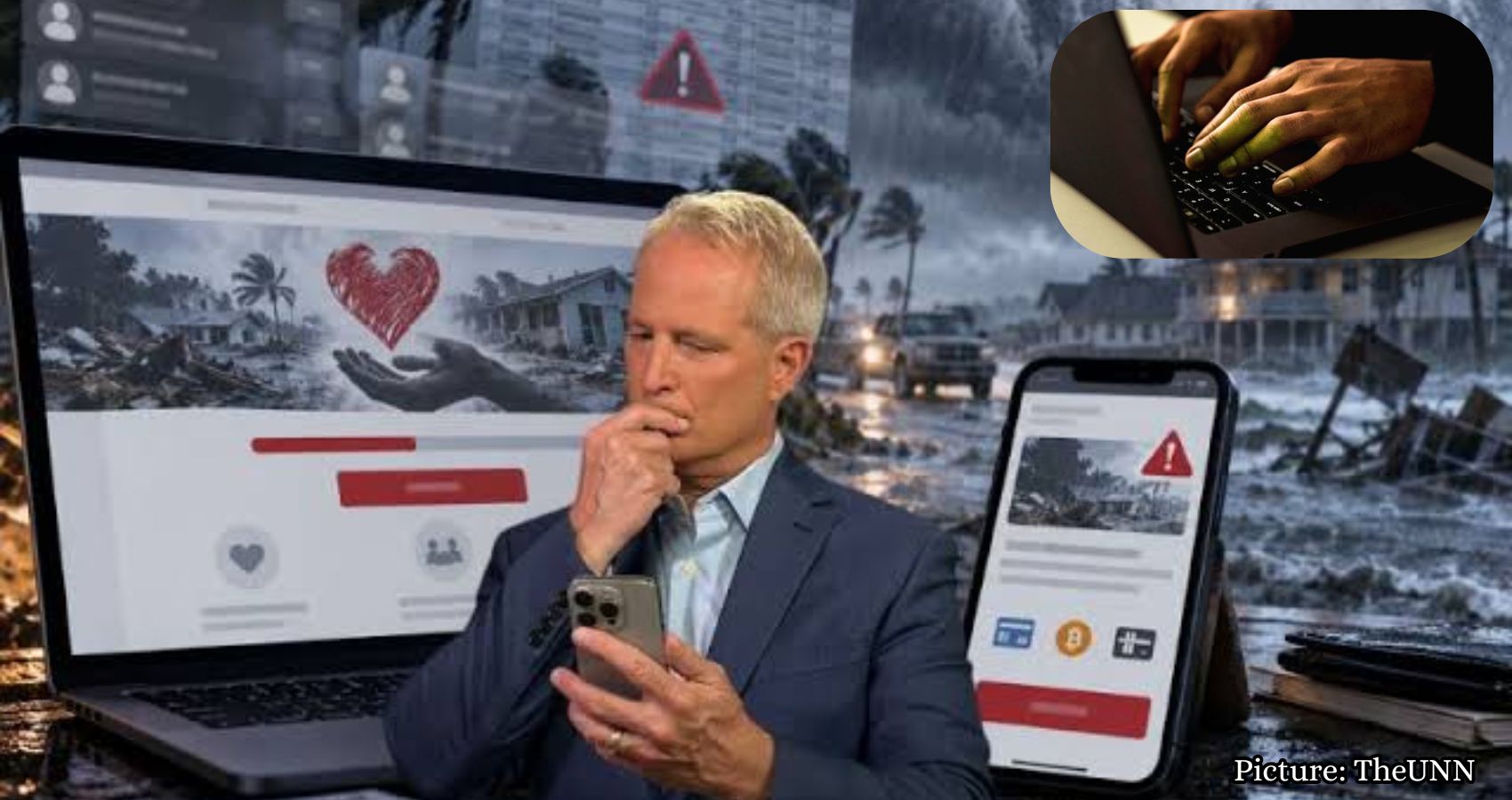
Hurricane charity scams exploit personal data to target potential victims before storms hit, raising concerns about fraudulent solicitations during disaster seasons.
As hurricane season approaches, scammers are already preparing to exploit the situation, using personal information to target potential victims before a storm even makes landfall. These fraudsters often rely on data brokers and people search sites to gather sensitive information, including names, addresses, and family details, allowing them to craft convincing donation pitches.
September is recognized as National Preparedness Month, with this year’s theme being “Americans Stand Ready.” While the Federal Emergency Management Agency (FEMA) encourages individuals to create emergency plans and assemble disaster kits, scammers are actively seeking ways to turn these crises into financial opportunities.
Charity scammers do not wait for a disaster to begin their targeting efforts. Data brokers and marketers have spent years compiling extensive information about individuals, including their purchasing habits and responses to solicitations. This wealth of data enables scammers to identify potential victims long before a hurricane dominates the news cycle.
A notable case from the Justice Department illustrates the dangers of such targeting. Epsilon Data Management, which maintained a database of 100 million U.S. households, was found to have knowingly sold targeted lists to fraudsters. Two executives, Robert Reger and David Lytle, were implicated in a scheme that defrauded over 218,000 people out of more than $23.7 million. A judge sentenced Reger to ten years in prison and Lytle to four years, while Epsilon paid $150 million in penalties and victim compensation.
Although the Epsilon case focused on mass-mailing fraud rather than hurricane charity scams, it highlights how personal data can be weaponized by fraudsters to select targets before they even make contact. According to the FBI’s Internet Crime Complaint Center, there were 662 charity-related complaints in 2025, resulting in reported losses of nearly $8 million.
Scammers do not need a history of bad donations to target individuals. They can access personal information through purchased lists, public records, robocalls, and various marketing channels. For instance, James Trankle operated three fraudulent charities, including the “Disabled and Paralyzed Veterans Fund” and the “National Breast Cancer Awareness Fund,” collecting over 1,600 personal checks from unsuspecting donors. He was sentenced to five years in prison for his actions.
Similarly, Travis Peterson ran a six-year scheme that involved millions of robocalls soliciting donations for sham veterans’ charities, often targeting senior citizens. He received a 41-month prison sentence and was ordered to pay restitution exceeding $541,000. These cases underscore the importance of scrutinizing unexpected charity solicitations, especially when the caller appears to possess personal information.
Natural disasters create a sense of urgency and confusion, which scammers exploit. After Hurricane Helene, FEMA warned that thieves might use stolen personal information to apply for assistance in others’ names. Additionally, the Federal Trade Commission (FTC) has cautioned that scammers quickly capitalize on weather emergencies by creating fake charities or imitating legitimate organizations.
The Atlantic hurricane season runs through November 30, with September 10 marking the climatological peak. This timing places National Preparedness Month in the midst of the busiest part of the season, making it crucial for individuals to remain vigilant against potential scams.
To protect yourself while still being generous, take the time to verify the legitimacy of any charity requesting donations. Resources such as Charity Navigator, the Better Business Bureau Wise Giving Alliance, CharityWatch, and the IRS Tax Exempt Organization Search can help you confirm an organization’s credibility. It is advisable to avoid clicking on links in unexpected texts or emails and instead visit the charity’s official website directly.
The FTC warns that scammers may insist on unconventional payment methods, such as cash, gift cards, wire transfers, or cryptocurrency. If you choose to donate, using a credit card or check provides greater protection and a clearer paper trail.
Be cautious of any requests for immediate donations, as legitimate charities will allow you time to research and make informed decisions. Scammers often use names that closely resemble established charities or web addresses with slight variations. Always double-check the spelling of the charity’s name and ensure you are on its official site before contributing.
Additionally, be wary of donation requests that come through texts, emails, or social media posts. Even if a request appears to come from a trusted source, it is essential to verify its authenticity by going directly to the charity’s official website. Employing strong antivirus software can also help protect you from malicious links and phishing attempts.
After making a donation, review your credit card or bank statement to confirm that you were charged the correct amount and that you have not been signed up for recurring donations unintentionally. Keeping receipts or confirmations is crucial for your records.
If you suspect fraudulent activity, report it to the FTC at ReportFraud.ftc.gov or the FBI at ic3.gov. You can also reach out to the AARP Fraud Watch Network Helpline at 877-908-3360 for assistance.
While verifying charity requests is essential, it is important to recognize that your personal information may already be accessible through data brokers and people-search sites. Taking steps to remove this data can make it more difficult for scammers to build detailed profiles and create convincing pitches.
Consider using a personal data removal service that can contact data brokers on your behalf to minimize the amount of publicly available information. Alternatively, you can make removal requests yourself, although this process may require time and persistence.
Hurricane charity scams thrive on the urgency created by natural disasters, coupled with the availability of personal data that makes scam pitches more believable. The Epsilon case serves as a reminder of how targeted consumer lists can be exploited, while the cases of Trankle and Peterson illustrate the lengths to which fake charities will go to deceive well-meaning individuals. As FEMA and the FTC continue to warn about the risks associated with charity fraud, it is crucial to independently verify organizations, take your time when pressured to donate, and use secure payment methods. By reducing the amount of personal information available through data brokers, you can make yourself a less attractive target for scammers.
Have you ever received a suspicious disaster-relief donation request? Share your experiences with us at CyberGuy.com.