
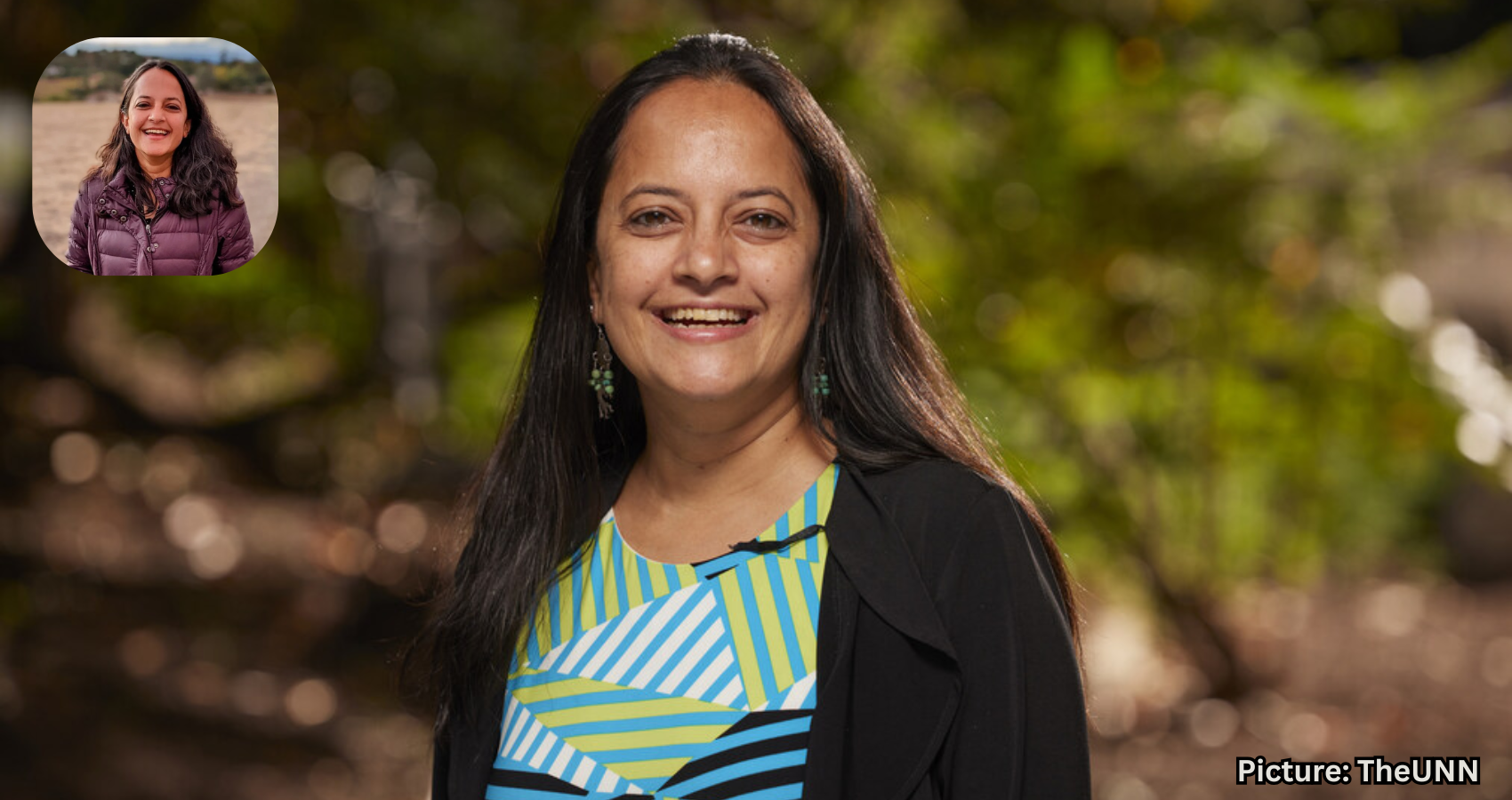
Krithi K. Karanth has been named the 2026 Rolex National Geographic Explorer of the Year for her innovative work in promoting coexistence between communities and endangered species.
WASHINGTON, DC – The National Geographic Society has honored Indian conservationist Krithi K. Karanth with the prestigious title of 2026 Rolex National Geographic Explorer of the Year. This recognition is awarded for her significant contributions to mitigating human-wildlife conflict and fostering coexistence between local communities and endangered species.
Karanth serves as the CEO of the Bengaluru-based Centre for Wildlife Studies (CWS), where she addresses the economic and safety challenges faced by communities living in proximity to forests and wildlife reserves. Her work emphasizes the importance of integrating community needs into conservation strategies.
One of Karanth’s notable initiatives is Wild Seve, a platform designed to assist individuals in seeking government compensation for losses incurred due to wildlife, including livestock, crops, or property. This initiative employs a toll-free system and trained field teams to document damages and guide families through the compensation claim process. According to National Geographic, Wild Seve has successfully aided approximately 17,000 families while simultaneously reducing retaliatory actions against wildlife, particularly elephants and tigers.
“Conservation on a shared landscape means asking, ‘How do you make sure people are not injured, they’re not killed, they don’t have economic losses?’” Karanth stated in an interview with National Geographic. “Because when any of that happens, anger builds, and they want to retaliate against the animal,” she added, highlighting the critical link between human safety and wildlife protection.
In addition to Wild Seve, Karanth has developed Wild Shaale, an environmental education program aimed at students residing near wildlife reserves. This initiative employs storytelling, games, and art to educate children about wildlife and promote safe coexistence practices. Since its pilot launch in 2018, Wild Shaale has expanded to nearly 1,600 schools across India, making a significant impact on young minds.
Jill Tiefenthaler, CEO of the National Geographic Society, commended Karanth’s innovative approach to community-based conservation and her commitment to fostering wildlife coexistence. Paul Robbins, Dean of the Nelson Institute for Environmental Studies at the University of Wisconsin–Madison, remarked that while many conservationists advocate for placing people at the center of conservation efforts, Karanth is one of the few who “actually know how to do it.”
The award will be formally presented during the National Geographic Society’s annual Explorers Festival, where Karanth’s achievements will be celebrated among fellow conservationists and environmental advocates.
Looking ahead, Karanth has expressed her ambition to expand her coexistence-based conservation model beyond India, aiming to implement similar strategies in other countries facing human-wildlife conflict.
Her work exemplifies a holistic approach to conservation, recognizing that the well-being of both people and wildlife is essential for sustainable coexistence.
According to National Geographic, Karanth’s efforts are paving the way for a more integrated approach to conservation that prioritizes community engagement and education.