Daily Horoscope for All Zodiac Signs: April 6, 2026

Your daily horoscope for April 6, 2026, offers insights into the energies and influences affecting all zodiac signs, guiding you through the day ahead.

Aries (March 21 – April 20): Today, your fascination with the occult and the paranormal may lead you to explore these interests further. You might find yourself purchasing a detailed guide on shamanic rites or tantra. Ganesha advises you to use this newfound knowledge for peaceful purposes.

Taurus (April 21 – May 21): Expect to feel a surge of passion today. Ganesha suggests that if you allow your logic to guide your heart, you may find positive changes unfolding throughout the day. It’s a perfect time to embrace the more emotional aspects of your personality.

Gemini (May 22 – June 21): You are likely to become more health-conscious today. Whether or not you decide to join a gym or track your calorie intake, you will certainly start paying closer attention to your lifestyle and eating habits. Additionally, a new job opportunity may arise, marking the beginning of an exciting new chapter in your life.

Cancer (June 22 – July 22): You may start your day in high spirits, spreading enthusiasm and cheer to those around you. However, be mindful that this positivity could be challenged by unexpected bad news, which may leave you feeling down. Ganesha recommends taking a break if you start to feel overwhelmed, as things are likely to improve by the end of the day.

Leo (July 23 – August 23): Your reliability shines through today as you demonstrate unwavering commitment to both your work and family. Ganesha highlights that your dedication will not go unnoticed, making you an invaluable asset in your professional role and a cherished family member at home.

Virgo (August 24 – September 22): Ganesha foresees you opting out of joint ventures today. You possess the capability to manage significant projects independently, and you are likely to take the lead in coordinating large teams effectively.

Libra (September 23 – October 23): Today, your unique talents will be recognized at work, echoing Aristotle’s belief that everyone has specific natural abilities. This recognition may elevate your status among peers and encourage your superiors to support your ambitions. However, Ganesha warns you to remain humble and grounded, as success can sometimes lead to arrogance.

Scorpio (October 24 – November 22): Confidence will be your defining trait today. Ganesha encourages you to tackle challenging tasks, as your determination and positive energy will inspire those around you and lead to impressive achievements.

Sagittarius (November 23 – December 21): You are seen as a beacon of hope within your company, taking on numerous challenging projects today. Your hard work will likely be rewarded, and if luck is on your side, you may receive incentives for your successful efforts.

Capricorn (December 22 – January 20): Creativity is one of your inherent strengths. Today, you will showcase your problem-solving skills, particularly when addressing issues with your siblings. Ganesha notes that you will find joy in tackling complex problems and helping those in need.

Aquarius (January 21 – February 18): Financial matters will be at the forefront of your mind today. If you need to address any financial issues, today is the ideal time. You will also enjoy quality time with friends in the evening, realizing the respect and value you hold within your social circle. Ganesha emphasizes the importance of maintaining these relationships.

Pisces (February 19 – March 20): You will excel in balancing your time effectively between work and home today. Ganesha highlights that you will not only prove yourself as a competent professional but also as a dedicated family member.

Stay connected with the cosmos through your daily horoscope! For April 6, 2026, discover what the universe has in store for you with insights tailored to your zodiac sign. Whether you are an adventurous Aries or a sensitive Pisces, our expert astrologers provide precise and personalized readings to help you navigate life’s challenges and triumphs. Visit us daily for fresh updates and stay attuned to the celestial forces shaping your destiny.

According to India West.

Riz Ahmed Delivers Powerful Performance in ‘Hamlet’ Adaptation

Riz Ahmed delivers a powerful performance in the latest production of ‘Hamlet,’ showcasing his remarkable talent on stage.

Riz Ahmed, the acclaimed actor and musician, takes center stage this week as the host of Saturday Night Live UK, bringing his unique flair to the iconic show. Alongside him, the British rock band Kasabian will provide the musical backdrop, promising an engaging evening for viewers.

Ahmed’s recent portrayal of Hamlet has garnered significant attention, highlighting his intense and nuanced approach to the character. Known for his versatility, Ahmed’s performance is expected to resonate deeply with audiences, reflecting the timeless themes of Shakespeare’s work.

Fans of both Ahmed and Shakespeare can look forward to a captivating evening filled with humor and artistry. The combination of Ahmed’s hosting skills and Kasabian’s energetic music is set to create a memorable experience for all who tune in.

For those interested in catching the show, Saturday Night Live UK airs on Sky and NOW, offering a perfect opportunity to witness Ahmed’s talents in a fresh and dynamic setting.

As the entertainment landscape continues to evolve, performances like Ahmed’s in ‘Hamlet’ remind audiences of the enduring power of classic literature and the exceptional talent of contemporary artists.

Stay tuned for more updates on Riz Ahmed’s journey in the arts, as he continues to push boundaries and captivate audiences worldwide, according to India West.

GOP Pushes for ICE and Border Patrol Funding Amid Rising Divisions

Republicans are racing to pass a funding bill for ICE and Border Patrol, as divisions emerge within the party over legislative priorities and the reconciliation process.

President Donald Trump has called on Republicans to pass a reconciliation bill by June 1 to fund Immigration and Customs Enforcement (ICE) and Border Patrol agents, circumventing Democrats who have refused to support funding for immigration operations.

This party-line strategy aims to push legislation through Congress while bypassing the Senate filibuster, and it has become a repository for various Republican legislative priorities throughout the year. With Democrats unwilling to fund immigration operations, Republicans are preparing another budget reconciliation package. However, the challenge lies in unifying the GOP to create a bill that can successfully navigate the stringent rules governing the reconciliation process.

Last year, Republicans utilized the same process to pass Trump’s “big, beautiful bill.” This maneuver is labor-intensive and time-consuming, and it risks failure unless both the Senate and House can agree on the bill’s contents.

Trump has officially endorsed the use of reconciliation once again, aiming to bypass Democratic opposition to funding for ICE and Customs and Border Protection (CBP) as Congress approaches a resolution to the ongoing Department of Homeland Security (DHS) shutdown. “We are going to work as fast and as focused as possible to replenish funding for our Border and ICE agents, and the Radical Left Democrats won’t be able to stop us,” Trump stated on Truth Social.

Despite this urgency, Republicans have viewed reconciliation as a means to address various issues, including fraud, affordability, Trump’s tariff authorities, additional tax provisions, healthcare, funding for military operations, supplemental agriculture spending, and election integrity measures since the passage of the previous reconciliation bill.

Senate Majority Leader John Thune, R-S.D., has cautioned that for reconciliation to be effective—especially given the limited timeframe for lawmakers to initiate and complete the process—Republicans must maintain realistic expectations. “Our theory of the case behind all this was to keep that thing as narrow and focused as possible, and that maximizes the speed at which we can do it and the support for it,” Thune explained. He acknowledged that while there may be attempts to include additional issues, the reconciliation vehicle must remain focused to ensure swift passage.

Senate Budget Committee Chair Lindsey Graham, R-S.C., indicated that he is considering two new reconciliation packages, which could alleviate concerns about cramming all Republican priorities into a single, extensive bill. “We want to do it quick—ICE, Border Patrol—fund it as much as you can, multi-year,” Graham said. “Then there’s another one coming. I just made news. There’s another one coming in the fall, and that’s going to be about going after fraud.”

During their recent policy retreat, House Republicans discussed a so-called “reconciliation 2.0,” aiming to include several provisions that could complicate the process and struggle to gain support in the Senate, where strict guidelines could jeopardize proposals that do not comply with reconciliation rules.

The Republican Study Committee (RSC), which has long advocated for a second reconciliation bill, is also pushing to include proposals addressing affordability concerns. “We support pursuing funding for military readiness and Homeland Security through this legislative process, while simultaneously codifying the president’s agenda to deliver lower costs for working families,” the RSC Steering Committee stated.

Some Republicans are advocating for the inclusion of the Safeguarding American Voter Eligibility (SAVE) Act, which focuses on voter ID and citizenship verification. However, this legislation faces significant hurdles in the Senate due to unified Democratic opposition and is unlikely to meet the reconciliation rules, which permit only provisions that directly affect spending.

Senator Roger Marshall, R-Kan., emphasized the need for a more focused approach to the reconciliation bill. “I think we have to set our sights a little bit lower on this reconciliation bill,” he told Fox News Digital. “It’s got to be targeted to fund ICE for 10 years—I think that’s the number one thing for us. If we can nibble at the edges of the SAVE Act, that would be great, but the parliamentarian is not going to let us do the SAVE Act. That’s just an impossibility.”

Some of the most vocal supporters of the bill within the House GOP recognize the challenges of incorporating the SAVE Act into the reconciliation package. They prefer to keep the bill intact to facilitate its passage through the Senate. “Look, it’s time for them to do a walk-and-talk and filibuster, and let’s make this thing happen,” said Rep. Ralph Norman, R-S.C. “The American people are watching—piecing it together just to try to get a piece.”

As Republicans navigate these complexities, the outcome of the reconciliation process remains uncertain, with divisions within the party potentially complicating efforts to secure funding for ICE and Border Patrol.

According to Fox News, the stakes are high as the GOP seeks to align its priorities and move forward with critical funding measures.

Three Dead, Including Baby, at Easter Egg Hunt Tragedy

Three people, including a 10-month-old girl, were killed when a tree fell during an Easter egg hunt in Germany, prompting an outpouring of grief from local officials.

Three individuals lost their lives, including a 10-month-old girl, after high winds caused a tree to topple onto a group of people participating in an Easter egg hunt in Germany on Sunday morning, according to local authorities.

Approximately 50 attendees from a nearby residential facility for new mothers, pregnant women, and children were gathered in a wooded area near the town of Satrupholm around 11 a.m. when a 100-foot tree fell on them, as reported by police.

Four people were trapped under the fallen tree, prompting immediate action from first responders. A 21-year-old woman and a 16-year-old girl were treated at the scene but unfortunately succumbed to their injuries. The woman’s 10-month-old daughter later died at a hospital.

An 18-year-old woman sustained serious injuries and was airlifted to a hospital for urgent care. The residential facility involved is part of the state-funded child welfare system, which provides support to pregnant women and new mothers in need.

In the aftermath of the tragic incident, grief counselors were dispatched to the scene to assist those affected. Images from the location depicted scattered Easter eggs on the ground, with two of the victims covered in white sheets.

The German weather service had issued a high winds warning for the area, highlighting the dangerous conditions present during the event.

Officials from the Schleswig-Holstein region expressed their sorrow over the tragedy. In a joint statement, regional Governor Daniel Günther, Interior Minister Magdalena Finke, and Youth and Families Minister Aminata Touré conveyed their condolences, saying, “Our thoughts are with the family members of the dead, with the injured, and with everyone who had to experience this terrible occurrence.”

This heartbreaking event has left the community in shock, as they come to terms with the loss and support those affected by the tragedy.

According to the Associated Press, the incident has raised concerns about safety measures during public events, especially in adverse weather conditions.

Penn Medicine Scientists Use AI for Innovative Problem-Solving Techniques

Penn Medicine scientists are revolutionizing mRNA gene editing and personalized therapies, merging artificial intelligence with innovative thinking to redefine modern medicine.

Penn Medicine scientists are at the forefront of a medical revolution, blending artificial intelligence (AI) with ingenuity to transform mRNA gene editing and personalized therapies. This innovative approach is redefining the landscape of modern medicine.

The inspiration for this transformation can be traced back to the iconic television character Angus MacGyver, portrayed by Richard Dean Anderson from 1985 to 1992. MacGyver became a cultural symbol of resourcefulness, relying on scientific knowledge and creativity rather than brute force. His ability to turn everyday objects into life-saving tools resonated with viewers, instilling a belief that intelligence and creativity could overcome any obstacle.

Today, this philosophy is vividly exemplified by researchers at Penn Medicine, who are applying MacGyver-like thinking to solve complex medical challenges. One notable figure in this movement is Drew Weissman, a physician-scientist at Penn’s Perelman School of Medicine. For decades, the concept of using messenger RNA (mRNA) as a therapeutic tool was dismissed as fringe science. However, Weissman, alongside biochemist Katalin Karikó, refused to accept this verdict. They dedicated years to developing a method for chemically modifying mRNA to evade the body’s immune response.

In 2005, Weissman and Karikó published their groundbreaking discovery, which remained largely unnoticed until the emergence of the COVID-19 pandemic in 2020. Their modified mRNA technology became the foundation for the Pfizer/BioNTech and Moderna vaccines, marking a significant milestone in medical history. In 2023, both scientists were awarded the Nobel Prize in Physiology or Medicine, solidifying Penn Medicine’s legacy of medical breakthroughs.

Weissman’s work continues as he explores the next frontier of mRNA technology. Penn Medicine is actively developing mRNA vaccines targeting various infectious diseases. Weissman has even discussed working on treatments for “every imaginable infectious disease.” Early research has already yielded a promising mRNA vaccine aimed at preventing allergic reactions, potentially offering relief to millions suffering from seasonal and food allergies.

Another remarkable story emerging from Penn Medicine is that of KJ Muldoon, who was born in August 2024 with a rare genetic disorder known as severe carbamoyl phosphate synthetase 1 deficiency (CPS1). This condition, affecting only one in 1.3 million infants, prevents the body from eliminating ammonia, leading to severe health complications. KJ was given a grim prognosis, with only six months to live.

However, two scientists at Penn, Kiran Musunuru and Rebecca Ahrens-Nicklas, embodied the MacGyver spirit as they sought innovative solutions for KJ’s condition. Musunuru, a professor at Penn Medicine, had been developing CRISPR-based therapies for cardiovascular diseases, while Ahrens-Nicklas focused on rare metabolic disorders. Together, they collaborated with Jennifer Doudna’s team, co-discoverer of CRISPR technology, to create a bespoke gene therapy targeting KJ’s specific mutation.

In an unprecedented achievement, KJ became the first person to receive a personalized CRISPR gene editing therapy in February 2025. After three infusions, he began to thrive, celebrating his first birthday with improved health. This groundbreaking work was published in the *New England Journal of Medicine* and recognized as one of the Top 10 Clinical Research Achievements for 2026.

More than 30 million Americans live with rare genetic diseases, and KJ’s therapy has set a new precedent for personalized medicine, where treatments are tailored to individual genetic mutations rather than generalized conditions. Musunuru and Ahrens-Nicklas, along with their colleagues at Penn, are paving the way for a new era of medical innovation.

While the MacGyver analogy is compelling, it is essential to acknowledge that the scientists at Penn Medicine are not working in isolation. They are leveraging an extraordinary array of tools and resources. With a research budget of $1.33 billion in 2026, Penn Medicine ranks among the top research institutions in the nation. AI has become an integral part of their research infrastructure, enhancing their capabilities in groundbreaking ways.

Professor Christos Davatzikos is leading one of the first AI-guided radiation therapy projects, utilizing machine learning to analyze brain MRI scans and predict the progression of neurological diseases. Meanwhile, David Fajgenbaum, a physician at Penn who has battled Castleman disease, co-founded Every Cure, a nonprofit that employs AI to match existing drugs with rare diseases. This initiative has received significant federal funding to expedite its mission.

In early 2026, Penn AI announced the recipients of its “Discovering the Future of AI” awards, including a project called ApexMol, led by César de la Fuente. This initiative aims to develop an AI system that designs biomolecules by integrating natural language with three-dimensional molecular structures, significantly accelerating drug discovery and democratizing access to molecular science.

Another key figure at Penn Medicine is Carl June, the architect of CAR T cell therapy, which has revolutionized cancer treatment. After years of skepticism, June’s work led to the first personalized cellular therapy receiving FDA approval in 2017. His team continues to innovate, with a next-generation CAR T cell therapy showing remarkable success in treating resistant B-cell lymphomas.

The potential of AI in drug discovery is immense. The global market for AI-driven drug discovery is projected to grow significantly, with more than 200 AI-designed drugs currently in clinical development. AI’s ability to streamline the drug development process is transforming the landscape, reducing the time from hypothesis to approval and increasing the likelihood of success.

As Penn Medicine continues to harness the power of AI, the possibilities for medical advancements are boundless. The integration of AI into their research processes is not just enhancing individual discoveries; it is reshaping the very framework of medical research.

Penn Medicine’s legacy, spanning 261 years, is a testament to the power of creativity and determination in the face of challenges. From the first medical school in the Americas to the forefront of gene editing and AI-powered drug discovery, the institution exemplifies the MacGyver ethos. The innovative spirit of its scientists, combined with cutting-edge technology, positions Penn Medicine at a pivotal moment in the history of medicine.

As they continue to push boundaries, the future of medicine is being written along University Avenue, where the extraordinary potential of AI and human ingenuity converge to create a healthier world.

According to The American Bazaar.

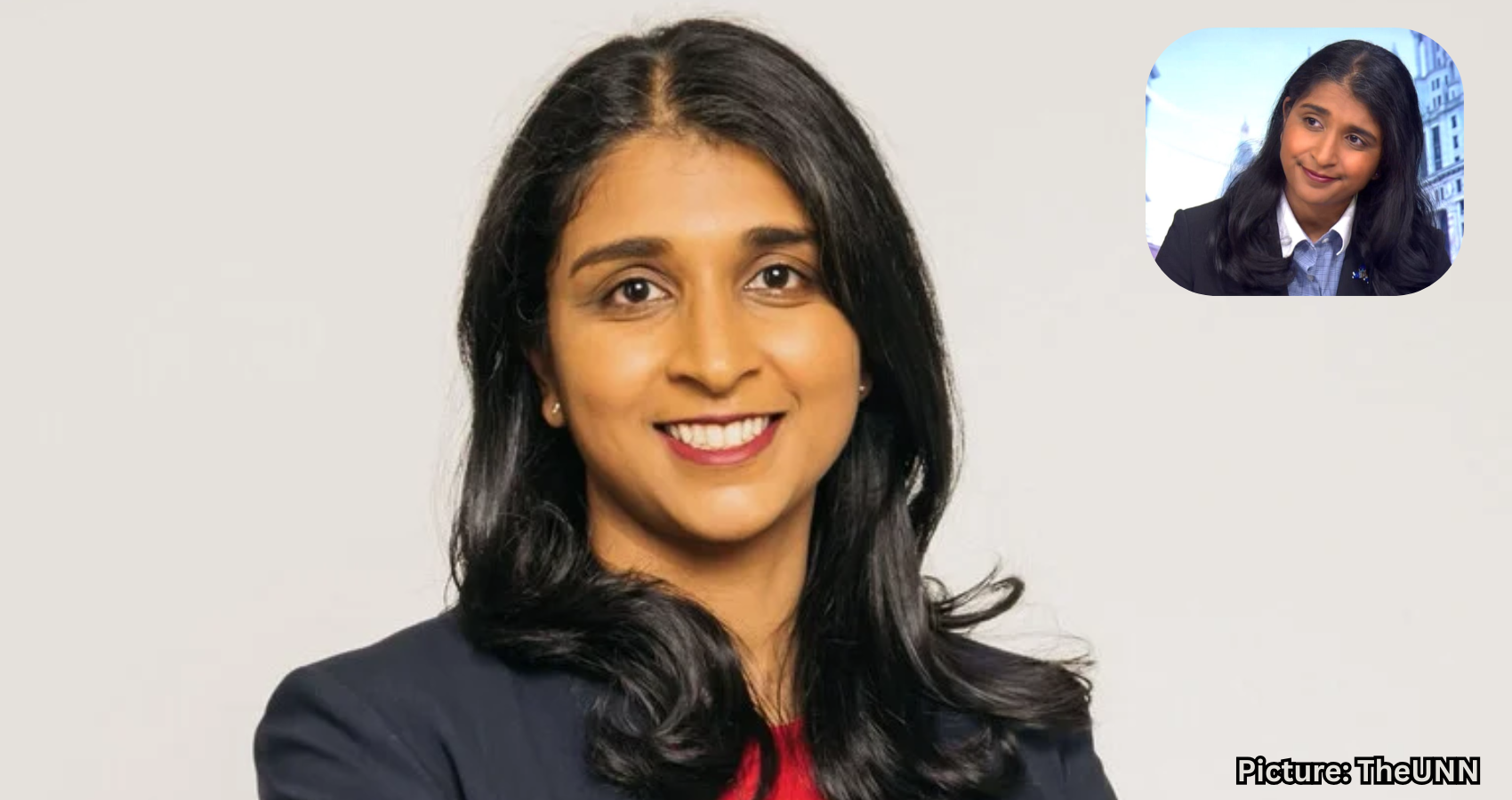
Abhirami Harilal, Indian-American Scientist, Uses AI to Explore Dark Matter

Indian American scientist Abhirami Harilal employs machine learning to advance the search for dark matter and enhance particle detection at CERN’s Large Hadron Collider.

Abhirami Harilal, an Indian American applied scientist, is making significant strides in the quest to unravel one of the universe’s greatest enigmas: dark matter. Specializing in machine learning and statistical modeling for large-scale, real-world systems, Harilal is leveraging artificial intelligence to assist physicists in their search for new particles.

Harilal earned her Bachelor’s and Master’s degrees from the Indian Institute of Science Education and Research (IISER) in Kolkata, India, before completing her PhD in Physics at Carnegie Mellon University. Her academic journey has equipped her with the skills necessary to contribute to groundbreaking research at CERN, the European Organization for Nuclear Research.

During her four-year tenure at CERN, Harilal utilized machine learning techniques to enhance the detection of rare particle signatures, thereby refining the Large Hadron Collider’s (LHC) search capabilities. According to a feature from Carnegie Mellon University, her work has been instrumental in advancing the understanding of particle physics.

In addition to improving detection methods, Harilal has played a pivotal role in upgrading CERN’s detector technology. She developed algorithms that are now employed within the Compact Muon Solenoid (CMS) experiment, enabling the autonomous identification of anomalies with unprecedented accuracy.

“There are still many fundamental questions about the universe that current physics can’t fully explain,” Harilal stated. “At the Large Hadron Collider, we’re searching for signs of new particles that could help answer them.”

Astrophysical research indicates that only about 5% of the universe is composed of matter that is visible or detectable by scientific instruments. The remaining 95% consists primarily of dark matter and dark energy, which, despite being invisible, exert significant influence on the movement of galaxies, stars, and planets.

Researchers at CERN are actively investigating the properties and behaviors of these elusive particles. In 2012, the discovery of the Higgs boson marked a significant milestone in particle physics, representing a physical manifestation of a quantum field that permeates the universe.

<p”The Higgs boson takes a very special role in what we know about fundamental particles, and many theories suggest that if new particles exist, they could be connected to the Higgs boson,” Harilal explained. “I was trying to see if this Higgs boson would give way or decay into a new particle called an A particle, which could be connected to dark matter or other hidden sectors.”

To enhance the detection of the A particle, Harilal employed machine learning models to simulate thousands of particle collisions akin to those produced at the LHC. Her innovative approach has improved the experiment’s sensitivity to particles with unusual or difficult-to-detect signatures, including the potential A particle.

In addition to her research, Harilal has contributed to the automation of CERN’s CMS detector’s data monitoring system using similar machine learning techniques. Her model not only alerts researchers to unusual activity but also aids in identifying discrepancies between observed data and expected results. This advancement has streamlined the process for CERN scientists to diagnose potential issues as they collect data.

“I’m particularly proud about it because this was actually deployed and used during live data taking,” Harilal remarked, highlighting the practical impact of her work.

Currently based in Pittsburgh, Harilal continues to assist with various projects related to the CMS. Upon completing her research, she intends to apply her machine learning expertise to other fields, whether in research or industry.

“A big part of my work is recognizing meaningful patterns in large amounts of noisy data, which is also relevant in many other applications,” Harilal noted. “Similar ideas apply in areas like medical imaging, financial data, and drug discovery. I’m looking forward to finding other opportunities to use these skills.”

Harilal’s contributions to the field of particle physics exemplify the vital role of machine learning in advancing scientific discovery, particularly in the ongoing quest to understand the universe’s fundamental components.

According to Carnegie Mellon University, her innovative work at CERN continues to pave the way for future breakthroughs in the understanding of dark matter and beyond.

Indian-American Sonia Banker from Penn Wins Carnegie Fellowship

Sonia Banker, an Indian American student at the University of Pennsylvania, has been awarded a prestigious Carnegie fellowship to research U.S. foreign policy and diplomacy.

Sonia Banker, an Indian American student at the University of Pennsylvania, has been selected for a one-year fellowship at the Carnegie Endowment for International Peace in Washington, D.C. She will serve as a James C. Gaither Junior Fellow, focusing on the organization’s Democracy, Conflict, and Governance program.

Banker, who hails from San Francisco and is majoring in political science, is among only 18 students chosen nationwide for this honor. Notably, she is the fourth student from Penn to receive this fellowship since its establishment over 30 years ago. Her selection comes after a distinguished undergraduate career characterized by a strong commitment to grassroots advocacy and policy reform.

With deep roots in the Indian American community, Banker has garnered national recognition for her leadership in successful education policy campaigns aimed at increasing public school funding in both California and Philadelphia. Her activism is highlighted in the 2024 book, Don’t Wait: Three Girls Who Fought for Change and Won.

At the University of Pennsylvania, Banker has held significant roles, including serving as the editor-in-chief of the Penn Political Review and taking on leadership positions in the Government and Politics Association. Her professional background includes experience with the American Civil Liberties Union, the Philadelphia City Council, and the office of the late U.S. Senator Dianne Feinstein.

Jane Holahan, executive director of Penn’s Center for Undergraduate Research and Fellowships, praised Banker’s work, stating, “Sonia’s work demonstrates a rare blend of rigorous academic research and practical legislative advocacy.”

As a junior fellow at Carnegie, Banker will assist senior scholars with research and editing in various areas, including nuclear nonproliferation, foreign policy, economics, technology, and democracy and governance. She will also have the opportunity to conduct her own research, engage in meetings with high-level officials, and contribute to books, reports, Congressional testimony, and other scholarly works.

The Carnegie fellowship aims to bridge the gap between undergraduate education and professional careers in international affairs. Following her tenure at Carnegie, Banker plans to pursue a career in law and public policy, continuing her advocacy work that has defined her time at the University of Pennsylvania.

According to The American Bazaar, this fellowship represents a significant step in Banker’s journey as she seeks to influence U.S. foreign policy and diplomacy through her future endeavors.

KKR Urged to Reassess Rs 25.2 Crore Star, Says Sunil Gavaskar

Cameron Green, purchased by KKR for Rs 25.2 crore, is still awaiting clearance to bowl from Cricket Australia’s medical team, raising concerns about his fitness.

Cameron Green, the Australian all-rounder, has made headlines after being acquired by the Kolkata Knight Riders (KKR) for a remarkable Rs 25.2 crore in the Indian Premier League (IPL) auction.

However, his participation in the tournament may be in jeopardy as he has not yet received medical clearance to bowl from Cricket Australia’s medical team.

This situation has prompted former cricketer Sunil Gavaskar to weigh in, emphasizing the need for KKR to closely monitor Green’s fitness status. Gavaskar’s comments highlight the importance of ensuring that players are fully fit before they take the field, especially given the significant investment made in Green.

As the IPL season approaches, teams are keen to have their star players in optimal condition. Green’s ability to contribute both with the bat and ball is crucial for KKR’s success this season.

The uncertainty surrounding his bowling capabilities could impact KKR’s strategy and overall performance in the league. Fans and analysts alike will be watching closely to see how this situation unfolds in the coming weeks.

According to NDTV Sports, the franchise will need to make decisions based on Green’s recovery progress and the medical team’s assessments.

Study Finds Simple Eating Habit May Aid Weight Loss

Research indicates that adopting a routine of repeat meals may enhance weight loss, suggesting that simplicity in eating habits can lead to healthier outcomes.

A recent study published in *Health Psychology* reveals that individuals who consume repeat meals tend to lose more weight during a structured 12-week weight-loss program. The research highlights the potential benefits of routine eating, which can alleviate decision fatigue, provided that the meals are nutritionally balanced.

Lead author Charlotte Hagerman from the Oregon Research Institute stated, “Maintaining a healthy diet in today’s food environment requires constant effort and self-control.” She emphasized that establishing eating routines could lessen the mental burden associated with meal planning, making healthier choices feel more automatic.

The study involved an analysis of food logs from 112 adults who were classified as overweight or obese. Participants tracked their meals using an app and weighed themselves daily. Researchers evaluated “routinized” eating by examining fluctuations in daily calorie intake and the frequency of repeated meals and snacks over time.

Findings indicated that participants who incorporated more repeated foods into their diets lost an average of 5.9% of their body weight, compared to a 4.3% weight loss among those with more varied eating patterns. Additionally, individuals who maintained a more consistent daily calorie intake also experienced greater weight loss.

Liza Baker, a nutrition expert based in Vermont and founder of Simply: Health Coaching, noted that these findings align with her experiences working with clients over the past decade. She explained, “Removing the mental load of ‘What’s for breakfast, lunch or dinner?’ can make the wellness journey much more sustainable.” Baker pointed out that repeat meals can help reduce decision fatigue, making it easier for individuals to adhere to healthier habits, particularly when preparing lunches or cooking at home.

According to Baker, individuals do not need to repeat every meal to reap the benefits of routine eating. “One can start by eating one meal that is repetitive, usually breakfast or lunch,” she suggested. “As results start to show, it’s then more conducive to increasing to two to three repetitive meals a day.”

However, experts caution that the study’s findings do not establish a direct cause-and-effect relationship. The observational nature of the research indicates an association between routine eating and increased weight loss, but it does not confirm that repetition alone leads to better outcomes.

Baker also warned that repeat meal plans could be detrimental if they lack nutritional balance or if they foster perfectionism. “Unless someone is well-versed in nutrition, setting up a repeat meal plan can quickly become a nutritional nightmare that leads to becoming deficient in one or more nutrients,” she explained.

The study authors echoed this sentiment, noting that too little variety in one’s diet could come with potential drawbacks. They emphasized the need for further research to determine whether a more repetitive diet should be actively recommended as a weight-loss strategy.

As the conversation around weight loss and dietary habits continues, this study offers valuable insights into how simplifying meal choices may support healthier lifestyles. Future investigations will be essential in clarifying the implications of routine eating on weight management.

For more information, refer to the study published in *Health Psychology*.

Industrial Exoskeletons Enhance Worker Efficiency While Reducing Strain

Industrial exoskeletons are transforming the workplace by reducing physical strain on workers, enabling them to perform demanding tasks more efficiently and with less fatigue.

Industrial exoskeletons are innovative wearable systems designed to assist workers by sharing the physical load during demanding tasks, such as overhead lifting and repetitive bending. These devices help alleviate muscle strain and fatigue, allowing employees to maintain productivity throughout their shifts.

For those who have spent long hours lifting, drilling overhead, or bending over conveyor belts, the onset of fatigue can be rapid and debilitating. This is where industrial exoskeletons come into play. By strapping onto the body, these systems help distribute the weight, allowing workers to rely less on their muscles and more on the supportive technology. As a result, workers experience reduced strain and can work longer without succumbing to fatigue. This technology is already being implemented on job sites across the United States.

Industrial exoskeletons fall into three primary categories, each tailored to different types of work environments and tasks. Passive systems, for instance, do not rely on motors or batteries. Instead, they utilize springs or mechanical structures to redistribute weight effectively. A notable example of this is the Hilti EXO-O1, a shoulder harness that transfers the weight of the arms to the hips using spring-loaded supports. Testing has shown that it can reduce shoulder muscle load by up to 47% during overhead tasks, making tools feel significantly lighter by the end of the day.

Another passive system is the Laevo Flex, which provides spring-based assistance to support the lower back during bending and lifting. This system is designed for dynamic movement, allowing workers to walk and lift without needing to activate or deactivate the device. The Laevo Flex is also adjustable and built for extended wear in various environments, including outdoor settings. Like other passive systems, it effectively reduces strain on the lower back during repetitive tasks without the need for motors or batteries.

While passive systems are relatively lightweight, typically weighing between 4.4 and 8.8 pounds, they do not adapt automatically to different tasks in real time. In contrast, powered exoskeletons utilize motors, sensors, and onboard processors to actively assist movement. The German Bionic Exia is an example of a battery-powered back exoskeleton designed for warehouse and logistics work. This system actively supports the lower back during lifting, helping to reduce strain and fatigue over time. Powered exoskeletons can track motion using sensors and provide almost instantaneous support, making the assistance feel seamless and natural.

These powered systems can significantly lessen the effort required for repetitive lifting tasks, particularly in high-volume environments. However, they come with trade-offs. Some powered exoskeletons can weigh over 40 pounds, depending on their design, and they are often much more expensive, costing tens of thousands of dollars. As a result, many companies introduce them through pilot programs before broader implementation.

Soft exosuits represent another advancement in this technology. Using fabric, straps, and tension systems instead of rigid frames, these lightweight systems, such as the HeroWear Apex 2, weigh about three pounds and assist with lifting movements. Testing in warehouse environments has demonstrated that soft exosuits can enhance productivity while reducing reported lower back discomfort among workers engaged in repetitive tasks. These systems allow for more natural movement than their rigid counterparts, although they provide less force and are better suited for repetitive tasks rather than heavy lifting.

The benefits of exoskeletons are particularly evident in everyday tasks that place significant strain on the body. For example, holding tools overhead can lead to considerable shoulder and neck strain. Systems like the Hilti EXO-O1 can reduce muscle load by up to 47%, making tools feel much lighter. Back support systems, such as the Laevo FLEX, can decrease muscle effort by up to 30% during lifting, while soft systems like the HeroWear Apex 2 help mitigate fatigue during constant bending.

Despite their advantages, exoskeletons are not without limitations. Proper fit is crucial; if a device does not align correctly with a worker’s body, it can lead to discomfort or restricted movement. Additionally, even lightweight systems add extra load, and powered systems can be particularly cumbersome. Cost remains a significant barrier for many companies, with passive systems typically costing a few thousand dollars and powered systems often exceeding tens of thousands. Experts recommend using exoskeletons in conjunction with proper ergonomics and regular movement to avoid potential long-term issues, such as reduced muscle engagement.

For workers involved in physical labor, this technology has the potential to transform daily experiences. Employees may find themselves feeling less sore at the end of their shifts, reducing the risk of injury over time and enabling longer work periods without the same level of fatigue. For employers, the advantages are clear: fewer injuries, reduced absenteeism, and enhanced productivity. As adoption of this technology continues to grow, many workplaces are currently testing these systems before implementing them more broadly.

While it may be tempting to think of ordering an exoskeleton like any other piece of equipment, most industrial exoskeletons are sold directly to companies rather than individuals. Manufacturers typically engage with employers through pilot programs or bulk orders, making them less accessible through standard retail channels. Some lighter systems, particularly passive or soft exosuits, may be easier to obtain, but many brands still prefer to sell through business channels or approved partners.

For those interested in exploring this technology, starting with the manufacturer’s website is advisable. Look for options such as “request a demo” or “contact sales,” which are often the first steps toward any potential purchase. As adoption increases, access to these systems may become more widespread.

Industrial exoskeletons are rapidly transitioning from experimental trials to real-world applications. They are not intended to replace human workers but rather to assist them in working smarter and safer. As technology continues to advance, we can expect lighter designs, improved comfort, and more intelligent assistance, potentially redefining the landscape of physically demanding work in the years to come. According to CyberGuy, the future of work may be significantly altered by these innovations.

Legal Services Organizations Challenge Immigration Appeals Rule Changes

Legal services organizations have filed a lawsuit to block a new immigration appeals rule that they argue undermines due process and limits noncitizens’ rights to appeal decisions.

Washington, D.C., Feb. 26, 2026 — A coalition of legal services organizations, including the Amica Center for Immigrant Rights, Brooklyn Defender Services, Florence Immigrant & Refugee Rights Project, HIAS, the American Immigration Council, and the National Immigrant Justice Center, has filed a lawsuit seeking to halt the implementation of a controversial interim final rule (IFR) issued by the Executive Office for Immigration Review (EOIR). The rule, which is set to take effect on March 9, 2026, is designed to significantly alter the appellate procedures at the Board of Immigration Appeals (BIA).

The lawsuit was filed in the U.S. District Court for the District of Columbia and challenges the IFR titled “Appellate Procedures for the Board of Immigration Appeals,” which was introduced on February 6, 2026. The plaintiffs argue that the rule dismantles essential safeguards for noncitizens, effectively eliminating their right to meaningful appellate review in immigration cases.

According to the complaint, the IFR introduces several sweeping changes that would severely restrict the ability of noncitizens to appeal decisions made in their immigration cases. Key provisions of the rule include:

— Reducing the time frame for filing most appeals from 30 days to just 10 days.

— Mandating the summary dismissal of appeals unless a majority of permanent BIA members vote to accept the case for review within 10 days.

— Allowing dismissal decisions to be made before transcripts are created or records are transmitted.

— Imposing simultaneous 20-day briefing schedules, with extensions permitted only in narrow “exceptional circumstances.”

— Eliminating the option for reply briefs unless specifically invited.

— Establishing rigid case completion deadlines and concentrating decision-making authority within agency leadership.

Emilie Raber, a Senior Attorney at the Amica Center for Immigrant Rights, criticized the IFR, stating, “The BIA Interim Final Rule makes a mockery of due process. In addition to taking away virtually any benefit the BIA could provide immigrants, it will wreak havoc on people with cases in immigration court or federal appellate courts.” She emphasized that vulnerable populations, including children, detained individuals, those without legal representation, and speakers of rare languages, will be disproportionately affected by the changes.

Lucas Marquez, Director of Civil Rights & Law Reform at Brooklyn Defender Services, echoed these concerns, asserting, “The Interim Final Rule creates a barrier to appellate review in removal proceedings and strikes at the heart of due process. This rule will result in the deportation of individuals who are eligible for immigration relief—those who have valid legal claims that an immigration judge may have misjudged—simply because the Board of Immigration Appeals will no longer provide a fair avenue for reviewing their cases.”

Laura St. John, Legal Director at the Florence Immigrant & Refugee Rights Project, added, “This interim final rule completely decimates the process to appeal a case in front of the BIA. It will render the vast majority of immigrants unable to appeal their cases and will be particularly harmful to those who most need the recourse of an appeal process, including pro se litigants, vulnerable children, Indigenous language speakers, and people in immigration detention.” She highlighted the challenges faced by detained individuals in submitting a notice of appeal within the new 10-day window, warning that many could be unjustly deported to dangerous situations.

Stephen Brown, Director of Immigration Legal Services at HIAS, stated, “Our clients deserve a fair chance in the immigration court system. Without access to a meaningful appeal process, individuals who have fled persecution and violence could face dire consequences, including the risk of being sent back to unsafe environments. We are proud to join this legal challenge and to take a stand against a policy change that will have a seismic impact on the ability of legal service providers to support immigrants navigating a complex legal system.”

Lisa Koop, Director of Legal Services at the National Immigrant Justice Center, emphasized the potential human toll of the proposed changes, noting, “Curtailing due process in this manner guarantees that legal services providers like ours will be less able to help our clients defend against unjust deportation. Many individuals who would otherwise be eligible for asylum or other legal status in the United States may never have the opportunity to pursue protection under our laws.”

Skye Perryman, President and CEO of Democracy Forward, criticized the administration’s actions, stating, “The Trump-Vance administration is gaming the immigration appeals system in an unlawful effort to eliminate meaningful review and fast-track deportations. What is this administration afraid of? Why are they working so hard to deny people their rights, whether it’s due process or rights to an appeal? The cases that come before the board are often matters of life or death.” She condemned the rule’s provisions that cut appeal deadlines and dismiss cases prematurely, arguing that they deny justice to vulnerable individuals.

Michelle Lapointe, Legal Director at the American Immigration Council, warned that the changes could have severe repercussions, stating, “Immigration courts make life-and-death decisions. Stripping away the possibility to meaningfully appeal a court decision, while charging over $1,000 for the privilege, transforms the appeals process into a sham. It puts people at risk of wrongful and even lethal deportation.”

The plaintiffs argue that the IFR violates the Administrative Procedure Act, the Immigration and Nationality Act, and the Fifth Amendment, which protects individuals from deprivation of liberty without due process of law. They are seeking a preliminary injunction to prevent the rule from taking effect on March 9, 2026, and to keep it blocked while the litigation proceeds.

The case is titled Amica Center for Immigrant Rights v. EOIR.

For more information, visit the official complaint and stay motion documents.

According to American Immigration Council.

Exploring the Role of Fruits in Zinc Intake for Nutrition

While fruits are not typically recognized as significant sources of zinc, certain varieties can contribute modestly to daily intake, complementing other nutrient-rich foods essential for health.

Zinc is an essential mineral that plays a critical role in various bodily functions, particularly in maintaining a robust immune system. According to the National Institutes of Health (NIH), men require approximately 11 milligrams of zinc daily, while women need about 8 milligrams to support overall health and physiological functions.

The importance of zinc extends beyond mere dietary needs; it is vital for immune function, wound healing, taste perception, and metabolism, particularly in breaking down carbohydrates. Given its numerous health benefits, understanding dietary sources of zinc is crucial for individuals aiming to meet their nutritional requirements.

Registered dietitian Lisa Young emphasizes that while fruits are not considered “zinc powerhouses,” every little contribution counts. She notes, “Fruit isn’t a zinc powerhouse — it’s a fiber powerhouse. But every little bit counts.” Zinc is crucial for fighting off infections by regulating the immune response and preventing potentially harmful inflammation. This is particularly significant for vulnerable populations, including vegetarians, vegans, and pregnant or breastfeeding women, who may struggle to obtain sufficient levels of the nutrient.

For those following plant-based diets, animal products such as meat, seafood, and dairy are often the primary sources of zinc. However, various fruits can provide a small but notable contribution to daily zinc intake. While fruits generally contain less than 1 milligram of zinc per serving, they can be integrated into meals and snacks to enhance overall nutrient diversity.

Some fruits that contain relatively higher amounts of zinc include:

Blackberries: A cup of blackberries provides 0.7 milligrams of zinc. These berries are low in calories and carbohydrates while being high in fiber and antioxidants, particularly anthocyanins, which contribute to their anti-inflammatory properties.

Cantaloupe: Also providing 0.7 milligrams of zinc per cup, cantaloupe is rich in beta carotene, an antioxidant that supports eye health through nutrients like lutein and zeaxanthin.

Pomegranate: One cup of pomegranate arils contains 0.6 milligrams of zinc. This fruit is not only a source of dietary fiber but also provides essential vitamins and minerals, making it a recommended topping for yogurt or salads.

Raspberries: A cup of raspberries offers 0.5 milligrams of zinc. Known for their high fiber content, raspberries are also rich in antioxidants, including vitamin C and potassium, making them a healthful snack option.

Guava: This tropical fruit delivers 0.4 milligrams of zinc per cup, along with a notable amount of vitamin C, further supporting immune health. Guava can be enjoyed in various forms, such as smoothies or jams.

Apricot: With 0.3 milligrams of zinc per cup, apricots are unique for their calcium and iron content, alongside a variety of antioxidants such as vitamin E.

Avocado: One-third of an avocado contains about 0.3 milligrams of zinc. This creamy fruit is rich in healthy fats associated with heart health and weight management.

Kiwi: A cup of kiwi provides approximately 0.2 milligrams of zinc. This bright green fruit is recognized for its high fiber content and antioxidant properties, especially when consumed with the skin.

Dried Figs: A quarter-cup serving of dried figs contains about 0.2 milligrams of zinc. These naturally sweet fruits are not only a source of energy but also provide soluble fiber, which supports healthy digestion and blood sugar levels.

While fruits alone may not deliver substantial levels of zinc, they can significantly enhance meals when paired with other zinc-rich foods. Young advises that combining fruits with items such as yogurt, nuts, or whole grains can create a more balanced intake of zinc, providing dietary diversity and additional health benefits. For example, a yogurt topped with nuts and raspberries not only offers flavor but also increases the zinc content of the meal, making it more nutritious.

In conclusion, while fruits may not be the primary source of zinc in the diet, their inclusion can contribute positively to overall nutrient intake. As dietary habits evolve and health awareness continues to rise, understanding the role of various foods in nutrient provision—especially for essential minerals like zinc—remains critical for public health and nutrition. This knowledge can empower individuals to make informed dietary choices that support their health goals, according to Source Name.

Silent Shift: Study Shows Decline in Daily Spoken Language Over Two Decades

New research reveals a significant decline in daily spoken language among adults in Western societies, highlighting a shift in social interaction patterns that predates the COVID-19 pandemic.

Recent peer-reviewed research indicates a notable and sustained decline in the number of words spoken daily by adults in Western societies. This trend, which predates the COVID-19 pandemic, suggests a profound shift in social interaction patterns. By analyzing data from 22 separate studies conducted between 2005 and 2019, researchers found that the average individual now speaks approximately 3,200 fewer words per day than they did fifteen years ago. This annual attrition of roughly 338 words raises concerns among public health experts regarding the long-term impact on social cohesion and the ongoing “loneliness epidemic” cited by federal health officials.

TUCSON, Ariz. — For decades, daily life was punctuated by “incidental” conversations that filled the gaps of the workday, such as brief exchanges with grocery clerks, asking for directions, or idle chatter with neighbors. However, a new meta-analysis published in Perspectives on Psychological Science suggests that these verbal threads are fraying.

Researchers from the University of Arizona and the University of Missouri–Kansas City have documented a steady, linear decline in human speech. According to the study, the average person is losing approximately 338 spoken words every year. Over the 14-year period analyzed, this cumulative loss represents a staggering 123,370 fewer words spoken annually per person.

The finding was not the original goal of the research team. Matthias Mehl, a professor of psychology at the University of Arizona, and Valeria Pfeifer, an assistant professor at the University of Missouri–Kansas City, initially set out to replicate a landmark 2007 study published in Science. That earlier paper focused on gender differences in talkativeness, famously debunking the myth that women speak significantly more than men.

When Pfeifer began analyzing word counts from a new cohort of 2,200 participants across 22 different studies, the data produced an anomaly. In 2007, the estimated daily average was approximately 15,900 words. By 2019, that average had plummeted to 12,700.

“I told her there had to be a mistake,” Mehl recalled, reflecting on the initial data review. “But she rechecked everything, and the number held. Something had genuinely changed.”

The researchers utilized the Electronically Activated Recorder (EAR), a methodology that captures periodic acoustic snippets of a participant’s daily life. Because the 22 studies involved were not originally focused on word counts, the participants were “blind” to the hypothesis, effectively ruling out the possibility that subjects were consciously altering their speech patterns.

The decline is not evenly distributed across all demographic sectors, though it is universal. When the research team divided the sample by age, they found that those under the age of 25 are losing spoken language at a significantly faster rate than their older counterparts. Adults under 25 lost an average of 452 spoken words per year, while adults 25 and older lost an average of 314 spoken words per year.

This disparity suggests that “digital natives”—those who grew up with smartphones as their primary interface for the world—are more susceptible to substituting vocalization with text. However, the fact that older adults are also seeing a decline of over 300 words per year indicates that the shift is not merely a generational preference but a structural change in how society functions.

The political and social landscape has shifted toward “frictionless” commerce, a movement that prioritizes efficiency over human interaction. The proliferation of self-checkout kiosks, GPS-guided navigation, and mobile ordering apps has systematically removed the necessity for what sociologists call “weak tie” interactions.

“We’ve lost a lot of small, incidental conversations,” Mehl noted. “Asking a cashier for help, getting directions from a stranger, chatting with a neighbor. These moments add up.”

From a policy perspective, this loss of “social capital”—the networks of relationships among people who live and work in a particular society—has caught the attention of public health advocates. In 2023, the U.S. Surgeon General issued a formal advisory on the “Epidemic of Loneliness and Isolation,” noting that a lack of social connection can be as damaging to health as smoking 15 cigarettes a day. The loss of 338 words a year serves as an objective, measurable metric for this atmospheric thinning of social bonds.

A central question for researchers is whether text-based communication—such as texting, Slack, and social media comments—can replace the psychological benefits of the spoken word. While the “raw output” of words across all channels may be stable or even increasing, Mehl argues that the medium is inseparable from the message.

“Spoken words carry something that typed words often don’t—presence, tone, the spontaneity of a real exchange,” Mehl said. The study posits that the lack of paralinguistic cues (inflection, volume, and rhythm) in digital text may leave individuals feeling “socially malnourished” even if their total word count remains high.

Looking toward a post-2019 reality, the dataset concluded just months before the COVID-19 pandemic forced global populations into unprecedented levels of isolation. While the researchers do not have hard data for the 2020–2025 period, the consensus is that the trend likely accelerated.

The pandemic normalized “contactless” everything—from grocery delivery to remote work—further entrenching the habits that lead to verbal decline. If the linear trend of losing 338 words per year continued through the pandemic, the average person in 2025 might be speaking fewer than 11,000 words a day—a nearly 30% drop since 2005.

The researchers emphasize that their data primarily reflects Western, individualistic societies. In more collectivistic cultures, where communal living and face-to-face commerce remain the norm, the verbal decline may be less pronounced, though further study is required to confirm global patterns.

As policymakers grapple with rising rates of depression and anxiety, the “missing words” identified by Mehl and Pfeifer provide a somber data point for a society that is becoming quieter, one year at a time, according to Source Name.

The Importance of Systems of Care in the South Asian LGBTQIA+ Community

Systems of care are essential for the South Asian LGBTQIA+ community, providing support and understanding amid cultural challenges and the complexities of identity and acceptance.

For the South Asian diaspora, where identity is deeply intertwined with family, heritage, and the challenges of migration, discussions about love and acceptance must begin much earlier in life. Before romance can flourish, a solid foundation must be established—a system of care is vital.

During a recent Chai & Chat event hosted by India Currents, Aruna Rao, founder of Desi Rainbow, and Anjali Rimi, leader of Parivar Bay Area, explored the nuances of the queer immigrant experience. Their conversation shifted the focus from the spectacle of identity to the practical, life-saving structures that enable queer and trans South Asians to transition from mere survival to a state of “competency and brilliance.”

A significant barrier to acceptance within South Asian immigrant households is what Rao refers to as the “immigration bubble.” When parents migrate, they often carry a “frozen” version of their home country’s culture. This leads to the erroneous belief that being queer or trans is “not in our culture” or is merely a “Western phenomenon.”

“As Anjali pointed out, that’s really an error,” Rao explained. “There is a very vibrant heritage in South Asia of queer and trans identities… there is a history and a past that we can draw on for sustenance and strength.”

This cultural bubble creates a tragic disconnect: parents are clinging to a version of culture that no longer exists, while their children navigate a reality that their parents refuse to acknowledge.

In the diaspora, “coming out” is rarely the singular, dramatic moment depicted in Western media. Instead, it is a pragmatic and often repeated process that requires careful strategy. Rao emphasizes that safety must always take precedence over the performance of transparency.

When considering the process of coming out, several safety checkpoints should be evaluated:

Physical safety is paramount. Individuals must assess whether their living situation is secure and whether they have a safe place to go if reactions are volatile. Financial safety is also crucial; economic independence is necessary, as one must have a backup plan in case family financial support is withdrawn. Lastly, mental and social safety should be considered. Coming out is a repeated process, and individuals have the right to choose who is safe to inform and who is not.

When a child comes out, the initial reaction from parents is often one of grief and fear rather than immediate celebration. This response is not necessarily a rejection of the child but rather a reaction to the immigrant dream. Parents frequently mourn the “easier” life they envisioned for their child, fearing the systemic barriers that queer individuals may encounter.

Recognizing that these emotions stem from a protective instinct can help bridge the communication gap. Parents are not just losing a perceived future; they are reacting to the trauma of their own migration journeys and their desire to shield their children from further hardship.

Affirmation is a skill that requires practice. Using a child’s correct pronouns or terms like “partner” necessitates consistent effort. If mistakes are made, it is important to apologize, correct oneself, and move forward. The goal is not perfection but rather a commitment to ongoing improvement.

For first-generation and non-English speaking immigrants, language access is a critical component of safety. Rimi emphasizes that “English is not a measure of intellect.” When resources are available only in English, the most vulnerable members of the community—those fleeing domestic violence or navigating complex legal systems—are often excluded.

The impact of linguistic affirmation is profound. Hearing affirming words in Hindi, Punjabi, Bengali, or Urdu can create an immediate sense of dignity and belonging. Language access is also crucial in legal and medical contexts, where nuances can be lost in standard translation.

Rimi extends a radical invitation to community members to step up as translators, highlighting the urgent need for those who can bridge gaps in regional languages like Bhojpuri and Nepalese.

When biological families are unsafe, chosen families become essential systems of care. However, Rimi makes a distinction between “saviorship” and “empowerment.” While the ultimate hope remains parental transformation—returning to the blood family when it is safe—the chosen family enables individuals to transition from trauma-filled survival to a state of thriving.

Key shifts in perspective are necessary for progress. The older generation must embrace the humility to acknowledge that they do not have all the answers and allow their children to be their teachers. Additionally, it is essential to recognize that modern rigid gender binaries are often a colonial inheritance, rather than a reflection of ancient South Asian traditions.

Reclaiming fluidity is vital, as gender diversity has existed for centuries as symbols of divinity and social presence, proving that queer and trans identities are indigenous to South Asian culture.

By moving beyond shame and fostering intergenerational conversations, South Asians can create an ecosystem where love and identity coexist harmoniously, forming the very foundation of their community.

For more insights, watch the full episode of Chai & Chat, where India Currents hosts monthly discussions with experts on topics that matter, shaped by audience questions.

This text was edited with the assistance of an AI tool and has been reviewed and edited for accuracy and clarity by India Currents.

Santa Clara County Launches First-Ever I Voted Sticker Design Contest

The Santa Clara County Registrar of Voters has launched its inaugural “I Voted” sticker design contest, inviting students to create the official sticker for the upcoming General Election.

The County of Santa Clara Registrar of Voters’ Office (ROV) has announced the opening of its first-ever “I Voted” sticker design contest. This initiative invites students from across Santa Clara County to contribute their artistic talents by designing the county’s next official voter sticker, which will be distributed during the General Election on November 3, 2026.

The contest will run for six weeks, starting from March 24 and concluding on April 30. Students of all ages and skill levels are encouraged to participate, making this a unique opportunity for young artists to showcase their creativity.

Participants can submit their designs in one of three categories: Elementary/Middle School (grades K–8), High School (grades 9–12), and College & Trade School. This structure ensures that students at various educational levels can compete fairly and have their work recognized.

Artwork submissions can be made online, by mail, or in person at the ROV office. Detailed instructions, design rules, and the official submission template are available on the contest website at sccvote.org/sticker, where participants can also upload their entries.

Following the submission period, ROV staff will review all entries and select finalists in each category. These finalists will be showcased online for public voting from late May to early June, allowing residents of Santa Clara County to cast their votes for their favorite designs. The winners of the contest are expected to be announced in late June.

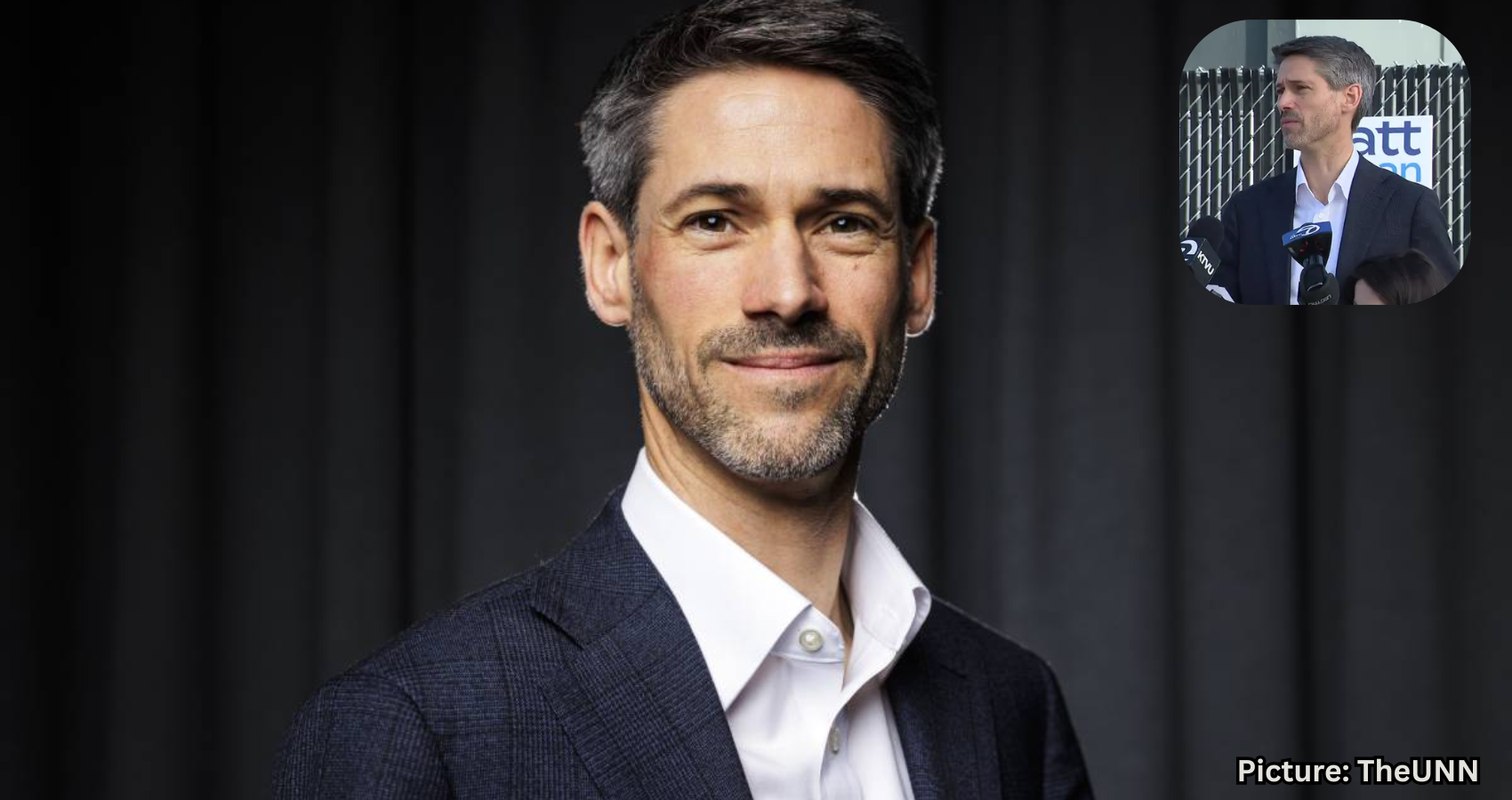
“We are thrilled to open this contest and invite our community to show us their creativity,” said Matt Moreles, the Registrar of Voters. “Santa Clara County is filled with imaginative, talented students, and we can’t wait to see the artwork that will bring our next ‘I Voted’ sticker to life.”

For complete rules and submission guidelines, interested participants can visit sccvote.org/sticker. For any questions, they can reach out via email at outreach@rov.sccgov.org. Media inquiries can be directed to rov.media@rov.sccgov.org.

This contest not only encourages civic engagement among young people but also fosters a sense of community pride as students contribute to the democratic process through their art.

According to Santa Clara County Registrar of Voters, this initiative aims to inspire creativity and participation in the electoral process among the youth of the county.

Daily Horoscope for All Zodiac Signs: April 5, 2026

Your daily horoscope for April 5, 2026, offers insights for all zodiac signs, guiding you through personal and professional challenges with astrological wisdom.

Aries (Mar. 21 – Apr. 20): Today is an ideal time to take a break and spend quality moments with your spouse or children. You might also feel inclined to reconnect with nearby relatives. Your loved ones will appreciate your efforts, and Ganesha supports this family-oriented day.

Taurus (Apr. 21 – May 21): This is a day for open communication, especially regarding any intimate matters that have been weighing on your mind. Ganesha suggests that you may also complete pending tasks. Consider a visit to a spiritual site or embark on a journey that nourishes your soul. Make decisions carefully to avoid any unintended consequences.

Gemini (May 22 – Jun. 21): Your enthusiasm and performance in sports are set to improve, according to Ganesha. However, you may find it challenging to focus on a single task, leading you to jump from one project to another. Expect to spend more time at work than with family today.

Cancer (Jun. 22 – Jul. 22): Today, you will harness your ability to influence others positively. Ganesha indicates that your communication skills will be well-received at work. As the day progresses, you will enjoy social activities, and evening meditation may help alleviate any stress.

Leo (Jul. 23 – Aug. 23): It’s time to eliminate negativity from your surroundings. The stars encourage you to focus on the positive aspects of your life today. You might face dilemmas at work, but don’t let that derail your progress. Honesty is crucial in your love life; it’s time to discuss important matters with your partner.

Virgo (Aug. 24 – Sep. 22): Signs suggest that you will implement the changes you’ve been wanting at your workplace. Financially, you can expect a significant cash flow, which will delight your loved ones. Ganesha notes that your charm will attract attention from the opposite sex.

Libra (Sep. 23 – Oct. 23): Today, you will excel in public relations, making it easier to handle interpersonal dynamics. Ganesha points out that you will have the answers everyone seeks, which may lead to more demanding tasks at work. Carry your charm into the evening, as it will help you impress those around you.

Scorpio (Oct. 24 – Nov. 22): Ganesha foresees that an income you had previously considered a loss may be recovered unexpectedly in your business dealings. You will need to balance your attention between home and work, and you will manage both areas with grace.

Sagittarius (Nov. 23 – Dec. 21): Your role in securing significant deals will be crucial today. However, the outcomes may not meet your expectations. A pleasant evening with your loved one will help lift your spirits and clear any lingering doubts.

Capricorn (Dec. 22 – Jan. 20): Your creativity will shine today, and you will be seen as a resourceful individual. Ganesha notes that your advice will help others improve their situations at work and home, establishing you as a trusted counselor. Your empathy towards those in trouble will be particularly impactful.

Aquarius (Jan. 21 – Feb. 18): You may find yourself overwhelmed with work today, as the usual delegation of tasks will not be possible. However, Ganesha assures you that your hard work will yield rewards. Your dedication will inspire others to put forth their best efforts.

Pisces (Feb. 19 – Mar. 20): Taking a break from work for a small picnic could be beneficial today. Ganesha suggests that you will be particularly attractive to the opposite sex, and romantic endeavors are likely to be fulfilling and enjoyable.

Stay connected with the cosmos through your daily horoscope. Discover what April 5, 2026, has in store for you with insights tailored to your zodiac sign. Whether you are an adventurous Aries or a sensitive Pisces, our expert astrologers provide personalized readings to help you navigate life’s challenges and triumphs. Visit us daily for fresh updates and align yourself with the celestial forces shaping your destiny.

According to India West.

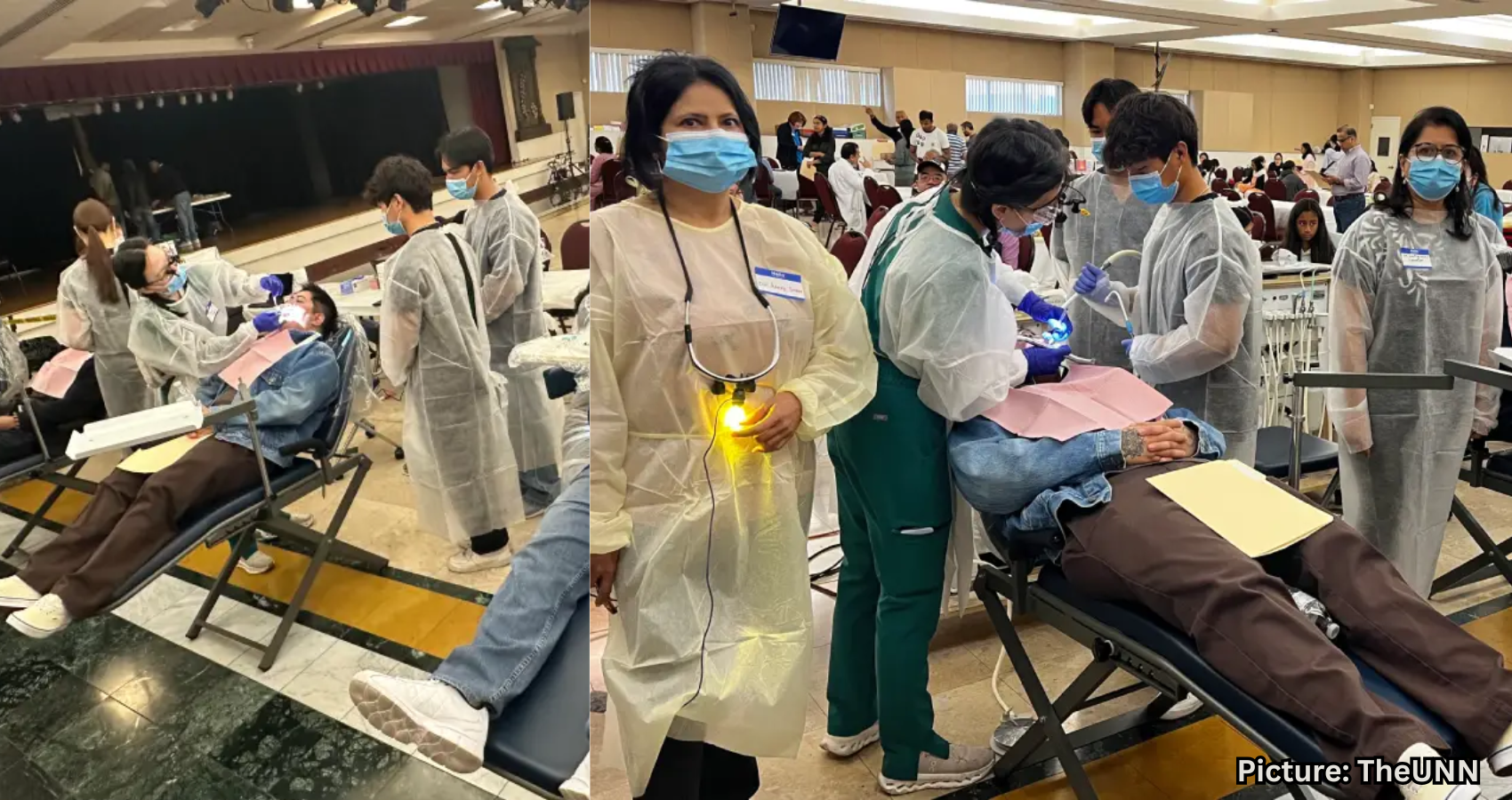
UCLA Program Focuses on Women’s Heart Health in Indian-American Community

The UCLA South Asian Heart Program recently hosted a successful event aimed at addressing cardiovascular health among South Asian women, emphasizing the importance of culturally tailored care and community engagement.

LOS ANGELES, CA – The UCLA South Asian Heart Program recently held a well-attended “Lunch and Learn: Strong Hearts, Strong Women” event at the Luskin Conference Center. This gathering brought together physicians, community leaders, and members of the South Asian community to discuss the increasing burden of cardiovascular disease among South Asian women.

The program aimed to raise awareness, promote prevention, and advance culturally tailored care for a population that faces disproportionately high rates of cardiometabolic diseases. Experts at the event highlighted the unique risks South Asians encounter regarding conditions such as diabetes, heart disease, and metabolic syndrome, underscoring the need for targeted education, early screening, and dedicated research.

Dr. Dale Abel, Chair of Medicine at UCLA, opened the event with remarks emphasizing the rising prevalence of cardiometabolic disorders and the urgent need for a deeper scientific understanding of high-risk groups, including South Asians. He discussed the intricate connections between diabetes, metabolism, and cardiovascular disease, setting the stage for a discussion focused on both research and real-world implications.

Dr. Eve Glazier, an internist and host of the “Medically Speaking” podcast, welcomed attendees and stressed the importance of culturally relevant health communication. She noted that effective outreach must consider factors such as language, diet, lifestyle, and long-standing community habits to truly make an impact.

Wellness expert Dr. Amy Shah followed with practical, evidence-based strategies aimed at prevention and long-term health. Her presentation focused on nutrition, physical activity, sleep, and sustainable behavioral changes, particularly for women managing multiple responsibilities. Dr. Shah emphasized that small, consistent changes can significantly reduce cardiovascular risk over time.

Dr. Priscilla Hsue, Chief of Cardiology at UCLA, addressed the heightened cardiovascular risk within South Asian populations and the lack of adequate representation in clinical studies. She advocated for more inclusive research and community-engaged science to better understand health disparities and improve outcomes.

A panel discussion featured UCLA physicians from various specialties, including cardiology, endocrinology, nutrition, and internal medicine. Panelists Dr. Vijaya Surampudi, Dr. Anuradha Seshadri, Dr. Priscilla Hsue, Dr. Fatima Hayat, and Dr. Tanaz Moin answered questions on diet, exercise, hormonal health, and how to navigate reliable medical information. This interactive segment encouraged audience participation and fostered an open dialogue.

Dr. Ravi H. Dave, Director of the UCLA South Asian Heart Program and Jivrajka Family Foundation Chair, shared updates on the initiative’s growth and long-term vision. He outlined efforts to establish a comprehensive model that integrates clinical care, research, education, and community outreach to enhance cardiovascular outcomes.

Adding a broader perspective, Netflix Chief Content Officer Bela Bajaria expressed her support for the initiative, highlighting the importance of cross-sector partnerships in expanding public health awareness and education.

The event was co-hosted by Dr. Renu Jivrajka and Hemali Dave, and attracted a predominantly South Asian female audience, reflecting both the need for and the impact of culturally tailored health programs.

Organizers described the gathering as part of UCLA’s ongoing commitment to advancing equitable cardiovascular care and empowering communities through knowledge. The UCLA South Asian Heart Program, launched in 2025 within the Division of Cardiology, brings together a multidisciplinary team dedicated to addressing heart health disparities in this high-risk population, according to India-West.

DHS Responds to Sen. Chris Van Hollen’s Claim on Illegal Alien Crash

The Department of Homeland Security rebuts claims from Senator Chris Van Hollen regarding an incident involving an asylum seeker and ICE agents in Baltimore.

The Department of Homeland Security (DHS) has responded to assertions made by Senator Chris Van Hollen, a Democrat from Maryland, regarding an incident in Baltimore involving an asylum seeker. DHS contends that the individual in question is an illegal immigrant who caused a crash while attempting to evade arrest by Immigration and Customs Enforcement (ICE) officers.

According to DHS, the man, identified as Ever Omar Alvarenga-Rios, is a Honduran national with a final order of removal dating back to 2018. On Thursday, ICE officers attempted to apprehend Alvarenga-Rios in Baltimore, but he allegedly tried to evade arrest. During a vehicle stop, he reportedly failed to comply with law enforcement directives and drove recklessly through the city.

DHS claims that Alvarenga-Rios “slammed on his brakes,” which resulted in a multi-vehicle collision. Following the crash, he attempted to flee on foot and ignored commands from law enforcement. DHS stated that ICE officers “followed their training and used the minimum amount of force necessary to make the arrest.” As a result of the incident, two ICE officers were injured and subsequently taken to the hospital.

In a statement, DHS Acting Assistant Secretary Lauren Bis emphasized the seriousness of the situation, stating, “This illegal alien broke our laws, resisted arrest, sent two ICE law enforcement officers to the hospital, and endangered the general public. Thankfully both our officers are expected to make a full recovery.”

Bis also criticized what she referred to as “sanctuary politicians,” suggesting that they encourage illegal immigrants to evade arrest by providing guidance on how to avoid capture. “This dangerous attempt to resist arrest comes after sanctuary politicians have encouraged illegal aliens to evade arrest by hosting webinars instructing illegal aliens how to avoid being caught,” she said.

In contrast, Senator Van Hollen took to social media to share images of Alvarenga-Rios in a hospital bed, labeling him an “asylum seeker” who was rear-ended by an ICE vehicle while on his way to work. Van Hollen claimed that the man suffered “significant injuries to his head, chest, back, and hands” as a result of the incident.

The Maryland senator also expressed concerns about Alvarenga-Rios’s legal rights, stating that ICE was preventing him from accessing legal counsel while hospitalized. In a statement to Fox News Digital, Van Hollen criticized the actions of ICE under the Trump administration, asserting that they were obstructing Alvarenga-Rios’s ability to meet with attorneys and receive updates on his health condition.

“They have also blocked him from signing a privacy release so my office can make further inquiries,” Van Hollen said. “No matter what the Trump Administration says, the Constitution applies to everyone in the United States.” He emphasized that Alvarenga-Rios has a right to due process and full access to legal representation, suggesting that the administration’s actions indicate a desire to conceal information.

This incident highlights the ongoing tensions surrounding immigration enforcement and the treatment of asylum seekers in the United States. As the debate continues, both sides remain firm in their positions, reflecting the complexities of immigration policy and enforcement in the current political climate.

For further details, refer to Fox News.

UK Charges Three, Including Dual Citizen, in Arson Attack on Jewish Ambulances

Three suspects, including a dual Pakistani citizen, have been charged in connection with an arson attack on Jewish community ambulances in north London, which has been condemned as antisemitic.

Three individuals have been charged in relation to an alleged arson attack targeting Jewish community ambulances in north London, an incident that U.K. Prime Minister Keir Starmer has labeled as antisemitic.

The suspects, aged 17, 19, and 20, are accused of setting fire to four ambulances operated by a volunteer emergency service for the Jewish community. The attack occurred on March 23 at approximately 1:45 a.m. in the Golders Green neighborhood, where the ambulances were parked in a synagogue lot.

Hamza Iqbal, 20, Rehan Khan, 19, and a 17-year-old boy face charges of arson with intent to damage property while recklessly endangering life, according to the Metropolitan Police. Of the three, two are British citizens, while one holds dual British and Pakistani citizenship.

All three suspects were arrested on Wednesday at different locations across London. They did not enter pleas during a brief hearing at Westminster Magistrates’ Court on Saturday afternoon and remain in custody. A fourth suspect was also arrested at the courthouse during the proceedings, as reported by Reuters.

Starmer condemned the attack as a “horrifying” act of antisemitism, stating, “An attack on our Jewish community is an attack on us all. We will fight the poison that is antisemitism.” His remarks were made on social media shortly after the incident.

According to a report from the SITE Intelligence Group, an Iran-backed network known as the Islamic Movement of the People of the Right Hand has claimed responsibility for the attack, as noted by Reuters. However, despite this claim, officials have not formally categorized the incident as terrorism. The investigation is being led by counterterrorism police, as confirmed by the Metropolitan Police.

In the days following the attack, two additional men, aged 45 and 47, were arrested but were later released on bail. Commander Helen Flanagan, head of Counter Terrorism Policing London, expressed gratitude for the support from the local community since the incident occurred. “I want to reiterate that the support we had from the local community since this attack took place has been incredible, and we will continue to work closely with local policing colleagues to do everything we can to keep the public safe,” she stated.

The Metropolitan Police did not immediately respond to requests for further comment.

According to Reuters, the investigation continues as authorities work to uncover more details surrounding the incident and its motivations.

Kerala’s Political Landscape: Navigating Beyond Two Leftist Narratives

Kerala’s political landscape is at a critical juncture, urging its citizens to reconsider their allegiances to the Indian National Congress and the Communist Party of India-Marxist for a more prosperous economic future.

For decades, Kerala has oscillated between the Indian National Congress (INC) and the Communist Party of India-Marxist (CPM), operating under the illusion that these parties offer distinct paths for the state. However, both parties fundamentally adhere to the same ideological framework of control and socialism, which has hindered Kerala’s economic growth.

The state is rich in talent, education, and global exposure, yet it suffers from a lack of political integrity. The citizens have been led to believe they are choosing between two different options: the United Democratic Front (UDF) or the Left Democratic Front (LDF). In reality, the INC and CPM are two sides of the same coin, both entrenched in an ideological space that stifles innovation and opportunity.

This ideological convergence has left Kerala in a paradoxical state. It is socially vibrant and highly educated, yet economically stagnant and constrained. Both political formations favor an expanded role for the state, heavy regulation, and bureaucratic control, viewing private enterprise with skepticism rather than respect. The result is a system that rewards compliance over creativity, limiting opportunities for the average citizen.

Kerala’s global standing was not achieved due to these political parties; rather, it was accomplished in spite of them. The reality is that across India, the INC and CPM have formed alliances and cooperative arrangements that span 27 states and 8 Union Territories. As state BJP President Rajeev Chandrasekhar has pointed out, this collaboration reflects a significant ideological alignment between the two parties. While they may appear to be rivals in Kerala, they often unite elsewhere when it serves their interests.

Historically, Kerala’s Christian and Muslim communities have thrived through trade and entrepreneurship rather than state patronage. These communities have a legacy built on mobility, commerce, and global engagement, from the spice routes to modern-day migration. Yet, there exists a striking contradiction: the most business-oriented communities in India continue to support political formations that fundamentally distrust business.

The situation is further complicated by the rhetoric of political leaders. V.D. Satheesan, a prominent Congress leader and potential chief ministerial candidate, has openly claimed to be “more left” than Chief Minister Pinarayi Vijayan of the CPM. This statement is not merely a slip of the tongue; it underscores the lack of a genuine ideological alternative within Kerala’s political landscape. Both parties share a core belief in state control and regulatory expansion, which has led to high unemployment among educated youth and a weak industrial ecosystem.

Another dimension of this issue is the use of state machinery by both the UDF and LDF. Over time, government positions and public institutions have increasingly been treated as extensions of political patronage rather than instruments of governance. This has fostered a perception that political appointees are rewarded based on party loyalty rather than merit, creating unnecessary barriers for entrepreneurs and independent thinkers.

The stagnation of Kerala’s economy is evident in the real estate sector. Under CPM Chief Minister Achuthanandan, rigid policies stifled organic growth, and when Congress assumed power, it failed to reverse these detrimental policies. This continuity reinforces the notion that, despite political rivalry, both parties share an identical economic mindset that prioritizes control over encouragement.

In contrast, the national landscape has shifted under the Bharatiya Janata Party (BJP)-led government, which has implemented significant changes in infrastructure, digital systems, and business facilitation. Initiatives such as the Goods and Services Tax (GST) and digital payment platforms have transformed India’s economy, positioning it as one of the leading startup ecosystems globally. Despite challenges, the country has maintained stability and growth during this period.

Kerala’s unique social composition and history necessitate a different political approach. The deep roots of Christianity and Islam in the state cannot be overlooked. Leaders like Rajeev Chandrasekhar have recognized this, engaging with community concerns and demonstrating respect for Kerala’s cultural fabric. The fear that a political force could alter Kerala’s food culture or identity is unfounded and politically manufactured.

Ultimately, Kerala’s challenges stem not from a lack of talent or resources but from a lack of political balance. When two dominant forces operate within the same ideological framework, the system fails to correct itself, leading to lost opportunities. A modest shift in this election, such as the BJP securing a few seats, could disrupt the status quo and encourage a more balanced political landscape.

As Kerala stands at this crossroads, the question is not merely about religion but about economics, opportunity, and the future of the next generation. The people of Kerala, especially Christians and Muslims, must recognize that their identity and way of life are not under threat. What is at stake is economic stagnation and the outflow of talent seeking better opportunities elsewhere.

In conclusion, Kerala does not need another election between two versions of the left. It requires a political realignment that fosters genuine competition and innovation. A stronger BJP presence could break the longstanding monopoly that has limited Kerala’s potential for decades, paving the way for a future that finally moves forward.

According to The American Bazaar, the time has come for Kerala to embrace a new political paradigm that prioritizes economic growth and opportunity for all its citizens.

Oracle Layoffs Prompt Concerns Amid Surge in H-1B Visa Petitions

Oracle’s recent layoffs raise concerns as the company filed over 3,100 H-1B visa petitions in the past two fiscal years, highlighting a complex relationship between workforce reductions and foreign talent acquisition.

Oracle, the Austin, Texas-based software giant, has recently come under scrutiny for its simultaneous job cuts and substantial H-1B visa petitions. According to data from the U.S. Citizenship and Immigration Services, Oracle America Inc. submitted 2,690 H-1B applications for fiscal year 2025 and an additional 436 for fiscal year 2026, bringing the total to over 3,100 petitions.

These filings occur amid reports of layoffs, with affected employees reportedly receiving immediate termination notices. Despite the ongoing job cuts, Oracle has not publicly commented on either the layoffs or its recent visa applications.

The fiscal year 2025 covers the period from October 1, 2024, to September 30, 2025, while fiscal year 2026 runs from October 1, 2025, to September 30, 2026.

The H-1B visa program is designed to allow U.S. companies to employ foreign professionals in specialized fields, particularly within the technology sector, on a temporary basis. Critics of the program argue that it can be exploited to undermine domestic hiring by bringing in lower-cost labor. Conversely, supporters assert that it is crucial for addressing significant skill shortages in the workforce.

In light of Oracle’s continued visa filings amidst layoffs, questions are being raised about how companies manage workforce reductions while still pursuing global talent. This situation highlights the complex dynamics between American workers and the demand for specialized skills that may not be readily available domestically.

The full extent of Oracle’s layoffs and the implications of its ongoing H-1B filings remain unclear. The company has yet to provide detailed public comments regarding its workforce reductions or how its foreign hiring strategy aligns with its overall business objectives.

As the situation develops, the intersection of job cuts and the pursuit of foreign talent will likely continue to draw attention and scrutiny from various stakeholders, including policymakers and labor advocates.

According to The American Bazaar, the implications of these actions could have lasting effects on the tech industry and the broader labor market.

H-1B Visa Holders: Can They Work Remotely From Outside the U.S.?

Recent discussions have emerged regarding whether H-1B visa holders can legally work from outside the United States, following a viral incident involving a revoked visa.

In recent months, immigration regulations have undergone significant revisions and scrutiny, particularly under the Trump administration. This evolving landscape has left many work visa holders grappling with new interpretations of visa regulations and the legal frameworks that govern them.

A recent incident involving an H-1B visa holder from India has sparked widespread debate on this topic. The individual reported that their visa was revoked by Customs and Border Protection (CBP) after they confirmed they had been working from India. This revelation resonated with many, prompting discussions about whether the Labor Condition Application (LCA) restricts H-1B workers from performing their duties while outside the U.S.

Responses to this issue have varied. Some individuals reported that their employers explicitly permitted them to work while traveling abroad, whether for emergencies or personal reasons. Others contended that such allowances were limited to specific timeframes. A significant number of people believed that the law does not explicitly prohibit working from outside the U.S.

To clarify this complex issue, The American Bazaar consulted legal experts. Attorney Yasaman A. Soroori, founder and CEO of MIA, an AI-driven immigration operating system based in New York, stated, “There is no U.S. immigration law that prohibits working remotely from outside the U.S. for your U.S. employer.”

The LCA is a crucial document that U.S. employers must file with the Department of Labor (DOL) before submitting an H-1B petition to the U.S. Citizenship and Immigration Services (USCIS). This document serves as an attestation that employers will pay the prevailing wages and provide appropriate working conditions.

Regarding the applicability of LCA rules to work locations, Soroori explained, “H-1B and LCA rules apply inside the United States. What may have happened in such a case is that CBP unfortunately misunderstood.”

The online post also indicated that the CBP had informed the visa holder that they had “overstayed in India.” Soroori responded, “The ‘overstayed in India’ comment makes no legal sense under U.S. immigration law — you cannot overstay in a foreign country for U.S. purposes.”

For H-1B holders facing similar situations, Soroori advised, “I would ask for the CBP records like any inspection notes. But, yes, one would need a new visa stamp. The best course would be to try a different consulate for faster slots and checking Emergency appointment eligibility. Other options include filing a whole new H-1B or having your company’s legal team get involved.”

Despite the clarity of these regulations, the issue continues to arise in immigration discussions, with many individuals reporting similar experiences. Soroori noted, “Understanding this issue requires recognizing that different government agencies have distinct priorities and interpret their authority differently. What should be a straightforward legal question has been complicated by conflicting agency positions and informal enforcement practices without clear legal grounding. As a result, workers who are legally authorized to work abroad may still face practical risks when re-entering the United States.”

If an individual in this predicament decides to apply for a new H-1B visa, as Soroori suggested, they may wonder whether the $100,000 filing fees would apply. Soroori clarified, “If the CBP canceled a visa under INA §221(i), that simply voids the visa stamp. It does not create a financial penalty when the person re-applies. At least it should not, and the person should make a notation that it was a CBP error.”

As discussions about H-1B visa regulations continue, it is essential for visa holders to stay informed and seek legal guidance when navigating these complex issues.

According to The American Bazaar, understanding the nuances of H-1B regulations is crucial for visa holders working from abroad.

Confident RCB Aims for Second Consecutive Win; CSK Seeks Bowling Improvement

Royal Challengers Bengaluru aim for their second consecutive win in the IPL as they prepare to face off against Chennai Super Kings.

Royal Challengers Bengaluru (RCB) enter their upcoming match against Chennai Super Kings (CSK) with a strong sense of optimism. After securing a victory in their previous outing, RCB is eager to build on that momentum and achieve a second consecutive win in the Indian Premier League (IPL).

RCB’s recent performance has instilled confidence in the team, and they are looking to capitalize on this positive energy. The players are focused on executing their strategies effectively, which they believe will be crucial in overcoming the formidable challenge posed by CSK.

Chennai Super Kings, on the other hand, are seeking to improve their bowling performance. The team has faced challenges in their recent matches, and the bowlers are eager to bounce back and deliver a stronger showing. CSK’s coaching staff has been working closely with the bowlers to refine their techniques and enhance their effectiveness on the field.

As both teams prepare for this exciting clash, the stakes are high. RCB is determined to continue their winning streak, while CSK is equally motivated to turn their fortunes around. Fans can expect an intense battle as these two cricketing giants face off in what promises to be a thrilling encounter.

With the IPL season in full swing, every match carries significant weight, and both teams are aware of the importance of securing points. The outcome of this match could have implications for their standings in the tournament, adding an extra layer of intensity to the competition.

As the match approaches, players from both sides are gearing up for what is sure to be an electrifying contest. RCB’s confidence and CSK’s determination to improve make this matchup one to watch.

According to NDTV Sports, the clash between RCB and CSK is set to be a highlight of the IPL season, showcasing the talent and competitive spirit that defines this prestigious tournament.

Dementia Symptoms May Be Predicted by Common Condition Years Earlier

Dementia may be indicated by a common medical condition years before symptoms appear, according to recent health reports.

This week in health news, a significant finding suggests that a prevalent medical condition could signal the onset of dementia years before the typical symptoms manifest. This revelation underscores the importance of early detection and monitoring for individuals at risk.

Additionally, reports indicate a concerning rise in cases of a condition referred to as the “white plague” in the United States. Medical professionals are cautioning about a potential “rebound effect” associated with this condition, which could have serious implications for public health.

In other health-related news, researchers are exploring the potential of high-dose vitamin therapy to treat aggressive brain cancer. Early studies suggest that this approach may yield positive results, offering hope for patients facing this challenging diagnosis.

In a remarkable display of vitality, a 95-year-old swimmer has captured the attention of experts with her impressive workout routine, challenging conventional notions of aging and physical capability.

Routine blood tests have also proven to be a valuable tool in catching cancer diagnoses before symptoms arise, emphasizing the importance of regular health screenings in early detection efforts.

Furthermore, studies reveal that happier and healthier individuals tend to engage in six specific daily habits, which could serve as a guide for those seeking to improve their overall well-being.

On a more alarming note, a fatal drug combination has prompted health alerts as the use of “rhino tranq” spreads across the United States. This dangerous substance poses significant risks to users and has raised concerns among health officials.

In global health news, at least 46 children have died amid a measles outbreak, highlighting the urgent need for vaccination and public health measures to combat the virus’s spread.

As the debate continues regarding the health effects of marijuana, doctors are weighing in on whether it may contribute to lung cancer, providing insights based on the latest research findings.

Lastly, a woman’s unique double-twin relationship has led to an unprecedented court ruling regarding paternity, showcasing the complexities of modern family dynamics.

For more detailed information on these health stories, please refer to the original reports.

According to Fox News, these developments reflect the ongoing challenges and advancements in the field of health and medicine.

Palantir CTO Warns U.S. Has Limited Weapons Supply in China Conflict

Palantir’s CTO warns that the U.S. may have only eight days of weapons in a hypothetical conflict with China, emphasizing the importance of production capacity over stockpile size.

In a recent discussion on military preparedness, Shyam Sankar, the Chief Technology Officer of Palantir, raised concerns about the United States’ reliance on its weapons stockpiles as a deterrent against potential aggression from China. He argues that the real measure of deterrence lies not in the size of the stockpile but in the nation’s production capacity—the ability to generate and replenish its arsenal quickly.

Sankar’s comments come amid growing tensions between the U.S. and China, leading to questions about the effectiveness of traditional military strategies. He suggests that the U.S. may be underestimating the urgency of enhancing its production capabilities to ensure national security.

In other developments, travelers at San José Mineta International Airport in California can now receive assistance from a humanoid robot named José. This innovative robot is designed to greet passengers, answer questions, and help them navigate the terminal, showcasing the increasing integration of artificial intelligence in everyday life.

Meanwhile, a newly formed coalition, the Alliance for a Better Future (ABF), is advocating for stronger safeguards as artificial intelligence continues to permeate various aspects of society, including schools and workplaces. The group warns that the risks associated with AI are escalating faster than the efforts to regulate and control the technology, particularly concerning child safety and worker protections.

The ABF’s formation comes at a critical time as lawmakers in Washington debate the future of AI regulation. The coalition aims to push for measures that would ensure the responsible development and deployment of AI technologies, addressing the potential dangers they pose to vulnerable populations.

Additionally, the landscape of digital warfare is evolving. For years, Silicon Valley operated under the assumption that military conflicts were distant issues. However, the recent U.S.-Israeli campaign against Iran, dubbed Operation Epic Fury, has highlighted the direct involvement of American technology companies in active warfare. This shift marks a significant change in how tech firms are perceived, as they become not just suppliers but also targets in geopolitical conflicts.

In his upcoming book, “The New AI Cold War,” Sankar warns that the intersection of technology and warfare is becoming increasingly complex, with implications that extend beyond traditional military strategies. The reality of digital warfare is reshaping the landscape, urging both the tech industry and policymakers to reconsider their roles in national security.

As discussions about AI and military readiness continue, it is clear that the implications of these technologies will have far-reaching effects on society and global relations. The need for a balanced approach to innovation and regulation is more pressing than ever.

For more insights on the intersection of technology and national security, stay tuned to developments from industry leaders and policymakers, as they navigate this rapidly changing landscape.

According to Fox News, the challenges posed by AI and military preparedness are becoming critical issues that require immediate attention and action.

Researchers Create E-Tattoo to Monitor Mental Workload in High-Stress Jobs

Researchers have developed a novel electronic tattoo, or “e-tattoo,” designed to monitor mental workload in high-stress professions by measuring brain activity and cognitive performance.

In a groundbreaking study published in the journal Device, scientists have introduced an innovative electronic tattoo device, or “e-tattoo,” that can be applied to the forehead to help individuals in high-pressure work environments track their brainwaves and cognitive performance.

Dr. Nanshu Lu, the senior author of the research from the University of Texas at Austin, emphasized the significance of mental workload in human-in-the-loop systems, noting its direct influence on cognitive performance and decision-making. The e-tattoo is particularly aimed at professionals in demanding roles such as pilots, air traffic controllers, doctors, and emergency dispatchers.

According to Dr. Lu, the technology could also benefit emergency room doctors and operators of robots and drones, enhancing their training and performance. One of the primary objectives of the study was to develop a method for measuring cognitive fatigue in high-stakes careers.

The e-tattoo is designed to be temporarily affixed to the forehead and is notably smaller than existing devices. It operates by utilizing electroencephalogram (EEG) and electrooculogram (EOG) technology to measure brain waves and eye movements, offering a compact and cost-effective alternative to traditional EEG and EOG machines, which tend to be bulky and expensive.

Dr. Lu explained that the e-tattoo is “as thin and conformable to the skin as a temporary tattoo sticker,” making it a practical solution for real-time monitoring of mental workload. She highlighted that understanding human mental workload is essential in the fields of human-machine interaction and ergonomics due to its impact on cognitive performance.

The study involved six participants who were tasked with identifying letters displayed on a screen. The letters flashed one at a time in various locations, and participants were instructed to click a mouse if either the letter or its location matched a previously shown letter. Each participant completed the task multiple times, with varying levels of difficulty.

The researchers observed that as the difficulty of the tasks increased, the brainwave activity detected by the e-tattoo shifted, indicating a corresponding rise in mental workload. The device comprises a battery pack, reusable chips, and a disposable sensor, making it both practical and efficient.

Currently, the e-tattoo exists as a lab prototype, with a production cost of approximately $200. Dr. Lu noted that further development is necessary before it can be commercialized, including real-time mental workload decoding and validation in more realistic environments.

This innovative technology holds promise for enhancing performance and well-being in high-stress jobs, providing a new tool for monitoring cognitive load and potentially improving decision-making processes in critical situations.

For more information, refer to the study published in Device.

Cottage Cheese vs. Greek Yogurt: Nutritional Insights and Health Implications

Both cottage cheese and Greek yogurt are popular high-protein dairy options, but they differ significantly in sodium content, probiotic benefits, and culinary versatility, impacting their health implications.

In the realm of healthy snacking, cottage cheese and Greek yogurt have established themselves as two of the most popular high-protein dairy options. Both products offer a significant protein boost, yet they differ in nutritional profiles, which can affect consumer choices based on dietary needs and health considerations. This article delves into the distinctions between cottage cheese and Greek yogurt, focusing on their protein content, sodium levels, probiotic benefits, production methods, and culinary applications.

Protein is a fundamental nutrient for muscle repair, growth, and overall health, and both cottage cheese and Greek yogurt are excellent sources. A standard serving of one cup of cottage cheese typically contains about 24 grams of protein, while the same serving of plain Greek yogurt provides around 20 grams. This slight difference in protein content may play a significant role in dietary selection for individuals aiming to increase their protein intake, particularly athletes and those engaged in physical fitness.

Despite cottage cheese’s higher protein content, it is essential to consider other aspects of its nutritional profile. One notable concern is its sodium content, which is often higher than that of Greek yogurt due to the addition of salt during the cheese-making process. A single cup of cottage cheese can contain approximately 470 mg of sodium, accounting for nearly 47% of the American Heart Association’s recommended daily limit of 1,500 mg for those aiming for lower sodium intake. This makes cottage cheese a less favorable option for individuals who must monitor their salt consumption, particularly those with hypertension or cardiovascular issues.

On the other hand, Greek yogurt is frequently recognized as the healthier option due to its lower sodium levels and the inclusion of probiotics. Probiotics are beneficial bacteria introduced during the fermentation process of Greek yogurt, which are linked to various health benefits, including improved gut health, enhanced immune function, and potentially reduced risk of chronic diseases such as heart disease and type 2 diabetes. The Dietary Guidelines for Americans recommend a sodium limit of 2,300 mg per day, positioning Greek yogurt as a more suitable choice for those concerned about sodium intake.

The methods employed in the production of cottage cheese and Greek yogurt significantly influence their textures, flavors, and nutritional attributes. Cottage cheese is made by curdling milk with an acid, such as vinegar or lemon juice, which separates the solids (curds) from the liquid (whey). The curds are then cut, cooked, and salted to enhance flavor. The size of the curds can vary, affecting the moisture content and overall taste, with larger curds retaining more moisture.

In contrast, Greek yogurt is produced through a more complex fermentation process. Milk is first heated and then cooled before being combined with specific bacterial cultures. These bacteria metabolize the sugars in the milk, thickening it into yogurt. After fermentation, the yogurt is strained to remove excess liquid, resulting in a denser, creamier product that is higher in protein and lower in carbohydrates compared to regular yogurt. This process not only enhances its nutritional profile but also contributes to its characteristic texture.

Both cottage cheese and Greek yogurt are celebrated for their versatility in the kitchen, making them valuable additions to a wide array of dishes. These dairy products can be blended with various herbs and spices to create nutritious sauces and dressings or incorporated into baked goods. For instance, cottage cheese can be whipped until smooth and used as a ricotta substitute in lasagna, while Greek yogurt can serve as a healthier alternative to sour cream, mayonnaise, or cream cheese in various recipes.

Moreover, both products can be creatively used in breakfast options such as overnight oats, smoothies, or even frozen into popsicles for a refreshing snack. Their adaptability makes them appealing choices for health-conscious consumers looking to enhance their meals without sacrificing flavor or nutrition.

As consumers become increasingly aware of health and nutrition, the choice between cottage cheese and Greek yogurt may hinge on individual dietary needs and personal preferences. For those seeking a higher protein content, cottage cheese may be more appealing. However, individuals concerned about sodium intake or looking to incorporate probiotics into their diets may find Greek yogurt to be the better option.

Additionally, both products can play a significant role in a balanced diet. The inclusion of high-protein snacks can help with weight management by promoting satiety and reducing overall caloric intake. Furthermore, the probiotics in Greek yogurt may support digestive health, which is an essential aspect of overall well-being.

In conclusion, while cottage cheese offers a higher protein content, Greek yogurt presents itself as the healthier choice with lower sodium levels and the added benefits of probiotics. Understanding the nutritional differences between these two dairy products can empower consumers to make informed dietary choices that align with their health goals. As both cottage cheese and Greek yogurt continue to gain popularity, they are likely to remain staples in many households, serving as versatile ingredients that contribute to nutritious meals and snacks, according to GlobalNet News.

Changes to Canada’s Citizenship Act Benefit Americans with Canadian Ancestry

A recent amendment to Canada’s Citizenship Act has expanded opportunities for Americans with Canadian ancestry to apply for citizenship, although the application process remains intricate and challenging.

In a notable legislative update, Canada has revised its Citizenship Act, allowing many Americans with Canadian ancestry to apply for citizenship by descent. This change is particularly significant for individuals with Canadian parents or grandparents, who are now reassessing their eligibility under the new provisions. The amendment aims to address longstanding generational cutoffs that have historically restricted the ability of descendants to claim Canadian citizenship.

The law, which took effect on December 15, 2025, is designed to benefit individuals born before this date. Audrey Macklin, a law professor at the University of Toronto, noted that the revision permits individuals to qualify for citizenship if they can adequately document their Canadian lineage. Macklin emphasized the importance of understanding the eligibility criteria established by Immigration, Refugees and Citizenship Canada (IRCC) to ensure successful applications.

To qualify for Canadian citizenship by descent under the new regulations, applicants must meet several specific requirements. These include being born before December 15, 2025, having at least one parent recognized as a Canadian citizen by descent, and providing official documentation that establishes a direct family connection to Canada.

Conversely, potential applicants may find themselves ineligible if their parent is not recognized as a Canadian citizen by descent or if they were born after December 15, 2025, and their Canadian parent did not reside in Canada for a minimum of three years prior to their birth or adoption.

Individuals seeking to claim citizenship must prepare a substantial amount of documentation to support their applications. This often includes various certificates such as birth, marriage, and death records, along with immigration or census documents that trace a direct lineage to a Canadian-born ancestor. Experts have noted that while the eligibility criteria have become more accessible, the application process remains arduous and complex, often requiring a significant investment of time and resources.

According to data from the IRCC, approximately 12,430 applications for proof of citizenship were received worldwide between December 15, 2025, and January 31, 2026. Notably, nearly 3,000 of these applicants were confirmed as Canadian citizens as a result of the recent legislative changes. However, Macklin pointed out that proving citizenship by descent can be fraught with challenges, describing the process as a potential “bureaucratic nightmare.” Applicants may need to trace their lineage across multiple generations, complicating their efforts.

Furthermore, the IRCC has indicated that the estimated processing time for citizenship applications is approximately ten months. This timeframe raises concerns about possible delays that could frustrate applicants eager to secure their Canadian citizenship.

In light of the increased interest in citizenship applications, the Canadian government is directing prospective applicants to various genealogical resources to aid them in gathering the necessary documentation. Library and Archives Canada, for example, maintains an extensive collection of records, including census data and limited collections of birth, marriage, and death certificates. These records are often crucial in verifying an applicant’s ancestral ties to Canada, facilitating the citizenship application process.

Meghan Laidlaw, acting director of client services at Library and Archives Canada, reported a substantial rise in online searches for records since the law’s amendment, with web traffic jumping from an average of 12,000 hits per day in late 2025 to approximately 60,000 hits daily in early 2026. Laidlaw noted that while a considerable portion of the library’s genealogical records are accessible online and in person, applicants should not assume they will find all necessary documents in one place. She cautioned that the process could be frustrating for those expecting to gather all required evidence quickly.

As interest in obtaining Canadian citizenship surges among Americans, it is evident that while the legislative changes have loosened the regulations governing citizenship by descent, bureaucratic challenges persist. The complexities associated with tracing genealogical records and the lengthy processing times underscore the hurdles that applicants must navigate to reconnect with their Canadian heritage. The IRCC continues to encourage individuals to prepare thoroughly and seek assistance where necessary to facilitate their applications.

In conclusion, the recent amendments to Canada’s Citizenship Act represent a significant opportunity for many Americans to explore their eligibility for Canadian citizenship. However, the success of such applications will largely depend on the applicants’ ability to provide comprehensive documentation and navigate the complexities of the application process, according to Source Name.

Rini Sampath Makes History as First South Asian Mayoral Candidate in DC

Rini Sampath has made history as the first South Asian candidate for Mayor of Washington, D.C., officially announcing her candidacy on April 3, 2026.

Rini Sampath has officially become the first South Asian individual to appear on the ballot for Mayor in Washington, D.C.’s history. She announced her candidacy in a statement released on April 3, 2026.

Born in Theni, India, Sampath moved to the United States at the age of seven. Her journey reflects the aspirations of many immigrants seeking the American dream.

“It’s so meaningful to me to be the first South Asian person to make the ballot for D.C. Mayor. I moved to the United States when I was seven years old in pursuit of the American dream, and I’m in this race to make sure that dream actually works for D.C. residents,” Sampath stated.

She expressed her gratitude for the support she has received, noting that over 4,500 people signed her petition to qualify for the ballot. “South Asians contribute so much to our economy but see very little representation in government. I hope my candidacy inspires others to run and do good for their neighbors, and I hope you’ll join our campaign,” she added.

Sampath outlined her priorities for her mayoral campaign, emphasizing the need to address fundamental issues such as safer streets, reliable services, accountable government, and a lower cost of living.

Her campaign, titled “DC Deserves Better. Let’s Fix the Basics,” highlights the challenges many residents face. “Right now, too many residents feel like the city isn’t working for them. When emergency response times lag, when housing sits vacant for months, when small businesses struggle just to open their doors, that’s not a values problem, it’s an execution problem. And we can fix it,” she stated.

According to Sampath, the election presents a clear choice: continue with established insiders or elect new leadership focused on delivering tangible results. “I’m running to fix what isn’t working and restore trust in city government,” she said.

She emphasized that her campaign is driven by ordinary people who believe in a better future for D.C. “I’m not a career politician, and I don’t owe special interests. This campaign is powered by people like you, neighbors who believe D.C. can work better,” Sampath remarked.

To support her campaign, Sampath is participating in the Traditional Financing program, which allows contributions of up to $2,000 per individual. “If you’re able, I’d be grateful for your support at any level,” she concluded.

Rini Sampath’s candidacy marks a significant milestone in Washington, D.C.’s political landscape, reflecting the growing diversity and representation within the city’s leadership.

According to India Currents, her campaign is poised to address the pressing needs of the community while inspiring others to engage in public service.

Letting Stranded H-1B Employees Work From India Poses Tax Risks

Thousands of H-1B workers stranded in India face significant tax risks for U.S. employers due to prolonged visa delays and remote work complications.

Thousands of H-1B workers are currently stranded in India, facing months-long delays in visa interviews primarily due to new U.S. social media screening requirements. These immigration delays are not only affecting the lives of these workers but are also spilling over into tax and business operations, compelling companies to rethink their global workforce strategies. This situation is causing both financial and mental stress for H-1B holders.

For U.S. employers, the implications of allowing these employees to work remotely from India are significant. While it may seem like a viable workaround, this arrangement creates serious tax risks that could have long-lasting consequences.

One of the primary concerns is the risk of establishing a “permanent establishment” in India. If employees work from India for an extended period, companies may be deemed to have a taxable business presence in the country. This classification could lead to several consequences, including the obligation to pay corporate taxes in India, compliance with local reporting and regulatory requirements, and potential exposure to double taxation, which adds further complexity to the situation.

Employers are faced with several trade-offs as they navigate this challenging landscape. They must weigh the option of allowing remote work, which exposes them to tax liabilities, against the possibility of suspending or terminating employees. Additionally, companies may need to explore alternative workforce arrangements to mitigate risks.

For H-1B workers, the situation has transformed what was intended to be a short trip for visa stamping into a prolonged period of legal and financial uncertainty. These employees find themselves caught between immigration policy, tax law, and their employers’ risk management decisions, often with little control over their circumstances. The dual living costs associated with maintaining commitments in both India and the U.S., combined with tax uncertainties and potential disruptions to pay, are contributing to increased financial stress.

One of the most pressing issues for these workers is the risk of double taxation and the complexities of their tax status. If they remain in India for an extended period—typically around 182 to 183 days—they may become subject to Indian income tax, which could alter how their global income is taxed. This necessitates careful tracking of the number of days spent in each country, filing taxes in multiple jurisdictions, and navigating intricate treaty rules.

Additionally, salary and payroll complications arise as pay may need to be processed under Indian payroll rules. This includes tax withholding and potentially social security contributions, leading to inconsistent compensation for employees. Some may experience reduced pay or unclear arrangements regarding their salaries. Furthermore, restricted stock units (RSUs) and stock grants may be taxed differently across jurisdictions, resulting in unexpected liabilities.

Job security is another critical concern. Some companies may threaten termination if employees cannot return after their leave period expires. Others may opt not to retain them due to the associated tax and legal risks, compelling workers to seek new roles under challenging circumstances.

The uncertainty surrounding immigration status adds another layer of complexity. Extended stays abroad can complicate re-entry into the U.S., affect visa stamping outcomes, and disrupt the continuity of their immigration status. For those in employment-based green card queues, delays in the PERM process, I-140 petitions, and adjustments of status may occur, particularly given the long backlogs faced by Indian nationals.

On a personal level, many of these workers are separated from their families, leading to difficult decisions regarding schooling and living arrangements. The need to work night shifts to align with U.S. hours can result in burnout and decreased productivity over time.

As the situation continues to evolve, both employers and H-1B workers must navigate a complex web of tax implications, immigration policies, and personal challenges. The current landscape underscores the need for careful planning and consideration to mitigate risks and support affected employees.

According to India Currents, the ongoing delays and complications highlight the urgent need for solutions that address the challenges faced by H-1B workers and their employers.

TM Krishna Addresses Viral Claims of Replacing ‘Rama’ with ‘Allah’ in Music

T.M. Krishna addresses viral claims of replacing ‘Rama’ with ‘Allah’ in his music, asserting the importance of inclusivity in Carnatic music and reflecting on his activism and artistic journey.

Acclaimed Carnatic musician T.M. Krishna, known for his bold artistic choices and social activism, recently addressed viral claims suggesting he has replaced the name ‘Rama’ with ‘Allah’ in his performances. The recipient of numerous accolades, including the prestigious Magsaysay Award and the 2024 Sangita Kalanidhi, Krishna has become a prominent figure not only in music but also in discussions surrounding social issues.

Krishna, who hails from a Brahmin background, has dedicated his career to amplifying marginalized voices, particularly those of Dalits. He often questions the privileges associated with his own upbringing, using his platform to challenge societal norms and advocate for inclusivity. His approach to Carnatic music is innovative; he integrates contemporary themes such as environmentalism and social reform into his performances, thereby expanding the genre’s traditional boundaries.

During a recent performance at the Indian Fine Arts Academy in San Diego, Krishna discussed his latest book, *We, the People of India: Decoding a Nation’s Symbols*, which reflects on India’s national symbols and the historical context surrounding them. He expressed concern over the current climate of hate and division in society, noting that the ideals of fraternity and respect for differing opinions have been overshadowed by anger and intolerance.

In an interview, Krishna shared insights into his creative process and the motivations behind his activism. He emphasized the need for empathy and understanding, particularly among those who have experienced marginalization. “When I meet Indians here, I often wonder why those who recognize their own struggles as minorities do not extend the same sensitivity to the challenges faced by minorities in India,” he said.

Krishna’s views on India’s national anthem also sparked discussion. He proposed that singing the anthem in various regional languages could foster a deeper emotional connection among citizens. “Every language has its own resonance,” he explained, suggesting that a multilingual approach could unify diverse linguistic communities through shared musical expression.

Despite facing criticism for his political stance, Krishna remains steadfast in his beliefs. He acknowledged that while some fans have distanced themselves due to his activism, others have been drawn to his music precisely because of it. “I think everyone has their entry and exit points,” he noted, highlighting the diverse audience that engages with his work.

Addressing the accusations of altering religious references in his music, Krishna firmly denied the claims. “I have NEVER done it in my life. It’s an outright lie that has been going on in social media for the last decade,” he stated. He clarified that while he sings songs that reference various deities, including Allah and Jesus, he has never replaced the name of Rama in traditional compositions. “Carnatic music does not belong to any one religion or section of society,” he asserted, advocating for a more inclusive interpretation of the art form.

Krishna’s commitment to social issues often comes with personal challenges. He has faced backlash and threats, which have affected his family. However, he remains resolute in his mission, stating that his wife and daughters fully support his activism. “They have never asked me to stop speaking,” he said, emphasizing the importance of standing up for one’s beliefs.

Reflecting on the controversies he has navigated, Krishna acknowledged the emotional toll they can take. “There are mornings when I feel helpless, thinking I’m just one person and questioning whether I can make a difference,” he admitted. Yet, he also finds solace in small moments of positivity that remind him of the impact of his work.

Krishna’s unique approach to Carnatic music has redefined concert formats, often opting for fewer, more in-depth explorations of ragas rather than adhering to traditional performance norms. This willingness to experiment has garnered both admiration and criticism, but he believes it is essential for the evolution of the art form.

As a musician, author, and activist, T.M. Krishna continues to challenge the status quo, using his voice to advocate for a more inclusive and empathetic society. His journey reflects a deep commitment to both his craft and the broader social issues that resonate within it, making him a significant figure in contemporary Indian culture.

For more insights into T.M. Krishna’s work and philosophy, refer to the interview facilitated by the Indian Fine Arts Academy, which has been a vibrant cultural institution in the U.S. for nearly two decades, promoting Indian classical arts.

According to India West.

Daily Horoscope for All Zodiac Signs: April 4, 2026

Your daily horoscope for April 4, 2026, offers insights for all zodiac signs, guiding you through the challenges and opportunities that lie ahead.

Aries (March 21 – April 20): Today presents a prime opportunity to showcase your presentation skills. Ganesha suggests that your eloquence may garner significant acclaim. Additionally, you may find reasons to feel proud of your children. Remember to take some time to connect with the elderly members of your family.

Taurus (April 21 – May 21): You might wake up feeling out of sorts today, according to Ganesha. The day may bring its share of anxious moments and lingering worries. However, stand firm; every night has its dawn. By evening, you can expect a more enjoyable atmosphere. Consider discussing intimate matters with your partner to strengthen your relationship.

Gemini (May 22 – June 21): Today is all about indulging in activities that bring you joy. Whether it’s shopping with family or dining out with friends, Ganesha predicts a leisurely and entertaining day ahead.

Cancer (June 22 – July 22): You may encounter some unwelcome events today, which could lead to feelings of sadness. However, your efficiency will help you navigate through these challenges. Ganesha advises you to focus on your studies, emphasizing that success is 1% destiny and 99% effort.

Leo (July 23 – August 23): Confidence in yourself and your abilities is key to achieving success today. Ganesha encourages you to maintain a cheerful demeanor, which will help you tackle any hardships with skill. Expect a fulfilling evening as a reward for your positive attitude.

Virgo (August 24 – September 22): A mix of good and bad experiences awaits you today. Emotional individuals may perceive you as immature and inconsistent. Nevertheless, your humor will keep spirits high. Ganesha recommends meditation and engaging in spiritually enriching activities to help channel your talents effectively.

Libra (September 23 – October 23): Prepare for a busy day filled with work, as Ganesha indicates that pressure will dominate your time. While this may limit family interactions, your loved ones will understand. You are expected to be diligent and conscientious. If you are self-employed, consider launching a new business scheme.

Scorpio (October 24 – November 22): Financial instability may weigh heavily on your mind today. However, Ganesha notes that there could be a silver lining, as long-overdue payments might finally come through. Your bold business decisions may also yield unexpected rewards.

Sagittarius (November 23 – December 21): Your charm may attract admiration from others today. Ganesha suggests that while you enjoy the attention, you should also prioritize spending quality time with friends, reminiscing about cherished memories together.

Capricorn (December 22 – January 20): Today may bring a unique blend of pleasure and pain. Ganesha advises you to conserve energy for the day ahead, as household errands may leave you feeling drained. Use your wit wisely to achieve your goals, ensuring it serves more than just your personal interests.

Aquarius (January 21 – February 18): Expect good news to arrive today, whether it be a promotion, profit, or scholarship. Ganesha highlights your ingenuity, which will help you solve even the most challenging problems. Financial dealings with lenders and brokers are likely to be favorable.

Pisces (February 19 – March 20): Today is about being a supportive friend. Ganesha indicates that you may forge new connections and associations. Be cautious not to let jealousy cloud your judgment as you navigate these new relationships.

Stay connected with the cosmos through your daily horoscope! Access your April 4, 2026, horoscopes for every zodiac sign and discover what the universe has in store for you. Whether you are a fiery Aries or a dreamy Pisces, our expert astrologers provide personalized insights to help you navigate life’s challenges and triumphs. Visit us daily for fresh updates and stay attuned to the celestial forces shaping your destiny.

According to India West.

Trump Advocates for Religious Resurgence in Good Friday Message

In a Good Friday address, President Trump emphasized the resurgence of religion in America, framing faith as essential to national strength and celebrating the resurrection of Jesus Christ.

In a Good Friday message delivered from the Resolute Desk, President Donald Trump proclaimed that religion is experiencing a “resurgence” in the United States for the first time in decades, coinciding with the celebrations of Holy Week and Easter.

Trump’s remarks highlighted faith as a cornerstone of American strength. He stated, “As I have often said, to be a great nation, you must have religion, and you must have God.” The president’s video address, shared on Truth Social, honored the Christian faith and underscored what he perceives as a cultural shift toward greater religious engagement in the country.

Reflecting on his own background, Trump often recalls his Presbyterian upbringing and the influence of his devout Scottish mother and “very strong” father. During the 2024 National Faith Summit, he remarked on the increasing attendance in churches, saying, “In churches across the nation on Sunday, the pews will be fuller, younger, and more faithful than they have at any time in many, many years.” He added, “Religion is growing again in our country for the first time in decades.”

In his efforts to reintegrate prayer and faith into public life, Trump has initiated the America 250 prayer initiative and established the White House Faith Office early in his second term. He expressed pride in joining Christians during Holy Week, stating, “This Holy Week, I’m proud to join with Christians across the country and around the world to celebrate the most glorious miracle in all of time — the resurrection of our Lord and Savior, Jesus Christ.” He emphasized the humility and love exemplified by Christ in both His life and death.

Trump also quoted scripture during his address, referencing John 3:16: “As it says in the Gospel of John, for God so loved the world that He gave His only son, for whoever believes in Him should not perish, but have eternal life.”

The president’s open and fervent approach to the Christian holiday stands in contrast to that of his predecessor, former President Joe Biden, who offered a more subdued three-paragraph statement during his tenure to mark the season in 2024.

Since surviving an assassination attempt in Butler, Pennsylvania, in July 2024, Trump has become increasingly vocal about his faith. He stated during a joint session of Congress in 2025, “I believe that my life was saved that day in Butler for a very good reason. I was saved by God to make America great again. I believe that.”

Concluding his remarks, Trump extended warm wishes for the holiday, saying, “Happy Easter to all. May God bless you. May God bless the United States of America.”

The White House did not immediately respond to requests for comment regarding the address.

According to Fox News, Trump’s message reflects his ongoing commitment to promoting religious values in American life.

Iranian Militias Threaten US Universities in Lebanon; Americans Urged to Evacuate

U.S. officials have warned that Iran and its proxy militias have threatened American universities in Lebanon, urging citizens to evacuate the region immediately.

Iran and its affiliated militias have issued specific threats against American universities in Lebanon, prompting U.S. officials to advise Americans to leave the country as soon as possible. The State Department has emphasized the urgency of this warning, particularly while commercial flights remain available.

The U.S. Embassy in Beirut has characterized the security situation in Lebanon as “volatile and unpredictable.” In a recent security alert, officials noted that airstrikes, drone activity, and rocket attacks are occurring throughout the country, with heightened activity reported in southern Lebanon, the Beqaa Valley, and certain areas of Beirut.

In light of these threats, the U.S. Embassy has strongly encouraged American citizens residing in southern Lebanon, particularly near the Syrian border, as well as those in refugee settlements and the southern suburbs of Beirut—including Dahiyeh—to evacuate immediately.

The State Department has also advised U.S. citizens who choose to remain in Lebanon to prepare contingency plans for emergency situations. They should be ready to shelter in place should the security situation worsen.

In response to the escalating tensions, Middle East Airlines is currently offering commercial flights from Beirut Rafic Hariri Airport. U.S. officials strongly recommend that Americans consider departing on these flights if they feel it is safe to do so.

Additionally, the U.S. Embassy in Beirut is providing limited passport services on an emergency basis for American citizens. However, all routine consular services, including visa operations, have been suspended until further notice.

Officials have urged anyone planning to travel to Lebanon to cancel their plans in light of the current security threats and instability in the region, according to Fox News.

Hims & Hers Reports Breach of Customer Support System

Hims & Hers, a telehealth company, reported a data breach involving its customer support system, with hackers accessing personal information between February 4 and February 7, 2026.

Hims & Hers, a telehealth company specializing in weight loss medications and sexual health prescriptions, has confirmed a data breach affecting its third-party customer service platform. The company disclosed the incident in a notice filed with the California attorney general’s office on Thursday.

According to Hims & Hers, hackers infiltrated its third-party ticketing system between February 4 and February 7, stealing a significant number of support tickets that contained personal information submitted by customers. The breach notice indicated that the stolen data included customer names, contact information, and other unspecified personal details, which the company chose to redact in its communication.

While Hims & Hers assured customers that their medical records were not compromised, the nature of the customer support system means that the data could still contain sensitive information regarding individuals’ accounts and healthcare. The company has not disclosed the number of individuals affected by the breach. Under California law, companies must report data breaches that impact 500 or more residents of the state.

“Customer medical records were not impacted by this incident, and neither were communications with healthcare providers on the platform,” the company stated. Hims & Hers is currently reviewing its policies and procedures to prevent similar intrusions in the future and has notified federal law enforcement. The company will also inform regulators if required.

Jake Martin, a spokesperson for Hims & Hers, explained to TechCrunch that the breach was the result of a social engineering attack, where hackers deceived employees into granting access to their systems. He noted that the stolen data “primarily included customer names and email addresses.” However, the company did not specify the exact types of data taken when questioned by TechCrunch.

Additionally, Hims & Hers did not indicate whether it received any communication from the hackers, such as ransom demands. As of now, no hacking group has claimed responsibility for the attack, and the stolen data has not appeared publicly. Information generated by healthcare organizations is often highly sought after by criminals due to its potential for misuse in phishing and identity theft schemes.

In recent years, customer support and ticketing systems have become increasingly attractive targets for hackers. Financially motivated cybercriminals have been known to raid databases containing customer information and extort companies for ransom. For instance, last year, Discord experienced a data breach affecting its customer support ticketing system, which exposed government-issued IDs of approximately 70,000 individuals who had submitted their driver’s licenses and passports for age verification.

This incident underscores the growing risks associated with data security in the telehealth sector and highlights the importance of robust cybersecurity measures to protect sensitive customer information.

For more details, refer to TechCrunch.

Responsible AI Is Essential for Building Trust in a Fragmented World

Artur Turemka discusses the critical role of responsible AI in fostering trust and navigating regulatory challenges in the global fintech landscape during a recent podcast episode.

As artificial intelligence continues to transform payments, commerce, and global expansion, a pressing question emerges: how can businesses build a truly global platform amidst a landscape of local regulations? This topic was explored in depth on the “CAIO Connect” podcast, hosted by Sanjay Puri, featuring Artur Turemka, Chief Global Growth Officer at Autopay. The episode, recorded during the World Economic Forum in Davos, provides valuable insights into the intersection of AI, fintech, and regulatory frameworks in today’s digital economy.

Turemka operates at the forefront of fintech innovation and international growth. In his role at Autopay, he is tasked with expanding the company’s reach beyond Poland and Europe while maintaining the trust that is essential to financial services. Autopay specializes in facilitating seamless payments for merchants, ensuring that transactions are executed quickly, securely, and without interruption.

A pivotal moment in the podcast is Turemka’s introduction of the “Zero Delay Economy” concept. This initiative goes beyond merely expediting payments; it aims to provide merchants with greater freedom, independence, and time. Turemka emphasizes that when payment processes function smoothly, businesses can concentrate on what truly matters: fostering growth and enhancing customer relationships.

When Puri inquires about the role of AI at Autopay, Turemka makes it clear that AI is integrated throughout the organization. From fraud detection and transaction acceleration to enhancing internal productivity, AI plays a crucial role in driving efficiency at every level. In the realm of payments, AI bolsters trust by identifying anomalies and preventing fraudulent activities in real time. Additionally, it empowers employees by streamlining daily tasks and facilitating quicker decision-making.

The key takeaway from Turemka’s insights is straightforward yet impactful: AI should be utilized to enhance outcomes for both customers and teams, rather than being deployed merely for the sake of novelty.

Operating within the financial services sector entails navigating a landscape of stringent regulatory oversight. Turemka underscores the importance of compliance and data protection, stating that these priorities are paramount. Whether adhering to Polish regulations, European laws such as GDPR, or other jurisdiction-specific guidelines, Autopay is committed to ensuring that customer data is handled responsibly and ethically.

Given that AI systems often depend on extensive amounts of sensitive data, Turemka highlights a crucial leadership lesson: responsible AI is not optional in fintech; it is essential for establishing long-term trust.

One of the more candid moments in the podcast revolves around the challenges of regulation. While the aspiration is to create global platforms, Turemka acknowledges that unified global regulations are currently unrealistic. Instead, Autopay adopts a market-by-market approach, investing in compliance and drawing lessons from best practices across different regions.

Turemka notes that this strategy is not without its difficulties, but it is necessary for achieving global growth. Flexibility, patience, and a readiness to operate within diverse regulatory frameworks while upholding a consistent value proposition are critical components of success.

As a co-host of the Leaders Forum Poland, Turemka also shares insights into Poland’s emerging role on the global innovation stage. He advocates for viewing AI not through a national lens, but as part of a global ecosystem driven by talent, ambition, and collaboration. Poland’s increasing entrepreneurial success and economic momentum reflect this broader perspective.

In conclusion, Turemka leaves listeners with a powerful message: progress is rooted in dialogue and partnership. In times of complexity, breaking down barriers, collaborating across sectors, and remaining open to conversation are vital for driving meaningful innovation.

As the episode draws to a close, one theme resonates strongly: scaling AI and fintech on a global scale is not merely a technical challenge; it is fundamentally a human one. Ultimately, trust—more than technology—remains the most valuable currency in this evolving landscape.

According to The American Bazaar.

Oracle and Amazon Face Scrutiny Over H-1B Visa Filings

Oracle and Amazon’s recent layoffs have sparked scrutiny over their H-1B visa filings, raising concerns about hiring foreign workers amid significant job cuts in the tech industry.

Oracle Corporation has recently made headlines due to significant layoffs affecting its global workforce. As thousands of employees received emails notifying them of their job cuts, attention has turned to the company’s ongoing efforts to hire foreign workers through the H-1B visa program.

According to data from the U.S. Citizenship and Immigration Services, Oracle filed approximately 3,126 H-1B petitions during fiscal years 2025 and 2026. These petitions are submitted by employers aiming to recruit foreign professionals in specialized fields, particularly technology. Of this total, 436 petitions were filed in 2026 alone.

Amazon has exhibited a similar trend. The company announced in January that it would eliminate 16,000 corporate jobs and filed around 2,675 H-1B petitions over the same two-year period. This follows an earlier round of layoffs in October, during which Amazon reduced its corporate workforce by 14,000 positions.

The news of Oracle’s intention to hire foreign workers has sparked considerable backlash on social media, especially in light of its recent layoffs. On Blind, an anonymous forum for verified professionals, one user described the H-1B filings as “a slap in our face.” They added, “If this doesn’t make you angry, maybe you need to read some heartfelt posts on LinkedIn from Oracle employees who are U.S. citizens and have been laid off after working at Oracle for years.”

Another commenter expressed a broader frustration prevalent across the tech industry, stating, “Look at all big tech companies; they do massive layoffs then rehire at lower salary.” A third user remarked, “Transnational corporations are disloyal to the American state and the nation.”

Companies submit H-1B petitions to seek approval from the U.S. government to hire foreign professionals, often arguing that they cannot find local candidates with the necessary skills. While employers describe the visa program as essential for remaining competitive in advanced technology fields, critics argue it can disadvantage American workers.

It’s important to note that these filings are not exclusively for new hires; companies may also submit petitions to renew or extend existing H-1B visas.

The backlash intensified this week after Oracle, chaired by billionaire Larry Ellison, informed thousands of employees worldwide that Tuesday would be their last working day. In an email sent by “Oracle Leadership,” which was reviewed by Business Insider, the company stated, “After careful consideration of Oracle’s current business needs, we have made the decision to eliminate your role as part of a broader organizational change.”

Affected employees were informed they would be “eligible to receive a severance package subject to the terms and conditions of the severance plan.”

Oracle’s latest round of layoffs occurs during a particularly challenging time for the U.S. tech sector, which is experiencing one of its weakest starts to the year in recent memory. The growing influence of artificial intelligence is increasingly linked to widespread job cuts across the industry.

In the first quarter of 2026, approximately 52,050 tech employees lost their jobs, representing a 40 percent increase compared to the same period last year, according to a report released by Challenger, Gray & Christmas. The firm noted that the rising adoption of AI is emerging as a significant factor behind these reductions.

This trend is not isolated to Oracle. In March, Meta indicated plans for substantial layoffs, with reports suggesting that around 20 percent of its workforce, roughly 15,000 employees, could be affected, according to Reuters.

The scrutiny surrounding H-1B filings amid mass layoffs raises critical questions about the balance between hiring foreign talent and supporting the domestic workforce. As the tech industry navigates these challenges, the implications for both employees and companies remain to be seen.

According to Business Insider, the ongoing situation highlights the complexities of the H-1B visa program and its impact on American workers.

Shahid Afridi Urges Action as Petrol Prices Surge to PKR 458

Petrol prices in Pakistan have reached PKR 458 per litre, prompting former cricketer Shahid Afridi to make an urgent appeal for government intervention.

Petrol prices in Pakistan have soared to PKR 458 per litre, a significant increase that reflects the ongoing global energy crisis exacerbated by geopolitical tensions.

The rise in fuel prices has sparked concern among citizens and public figures alike. Former cricket star Shahid Afridi has voiced his apprehension regarding the impact of these rising costs on everyday life in Pakistan.

Afridi’s appeal comes at a time when many families are struggling to cope with the financial burden posed by increasing fuel prices. He has urged the government to take immediate action to alleviate the situation for the public.

The surge in petrol prices is part of a broader trend affecting many countries worldwide, where energy costs have escalated due to various factors, including conflicts and supply chain disruptions.

As the situation continues to evolve, the Pakistani government faces mounting pressure to address the economic challenges that its citizens are currently facing.

According to NDTV, the rising cost of petrol is not only straining household budgets but also affecting transportation and goods prices, further complicating the economic landscape in Pakistan.

At Least 46 Children Dead in Global Measles Outbreak

At least 46 children have died in Bangladesh amid a global measles outbreak, while the U.S. reports over 1,500 confirmed cases, raising concerns among health officials.

Measles is spreading rapidly across the globe, prompting urgent warnings from public health officials. In Bangladesh, at least 46 children have died due to the disease, with approximately 684 confirmed cases reported since late January, according to health authorities.

Recent laboratory testing of 33 samples revealed that 15 of the deaths were directly linked to measles infection, as stated by Kamruzzaman Chowdhury, Secretary of the Health Services Division. This alarming situation has led the Bangladeshi government to modify its vaccination schedule, as many of the cases have been found in infants younger than 9 months, who are not yet eligible for routine vaccination.

The World Health Organization (WHO) recommends that children receive two doses of the measles vaccine. In countries where measles is prevalent, the first dose is typically administered at 9 months of age, followed by a second dose at 15 to 18 months. However, the recent outbreak has raised concerns about the effectiveness of vaccination efforts in Bangladesh.

In the United States, the Centers for Disease Control and Prevention (CDC) reported 1,575 confirmed measles cases as of March 26. This year alone has seen 16 new outbreaks, with 94% of confirmed cases associated with these outbreaks. The CDC attributes the surge in measles activity to a decline in “herd immunity” within communities, which occurs when vaccination rates fall below the approximately 95% threshold necessary to prevent outbreaks.

The CDC has noted a decrease in national MMR (measles, mumps, and rubella) coverage among kindergartners, now falling below the target of 95%. This decline in vaccination rates raises significant concerns about the potential for further outbreaks in the U.S.

Measles symptoms typically include a high fever, cough, runny nose, watery and red eyes, and a rash that usually appears three to five days after the onset of symptoms. The rash often begins as flat red spots at the hairline and spreads downward to the neck, torso, arms, legs, and feet.

As an airborne virus, measles can spread easily when an infected person coughs or sneezes. Notably, the virus can remain in the air for up to two hours after the infected individual has left the area, making it highly contagious.

With the current global situation, health officials are emphasizing the importance of vaccination to combat the spread of measles and protect vulnerable populations, particularly infants who are not yet eligible for the vaccine.

The urgency of addressing this outbreak cannot be overstated, as both Bangladesh and the U.S. face significant public health challenges. Continued vigilance and increased vaccination efforts are essential to prevent further loss of life and control the spread of this preventable disease, according to Reuters.

SSA Impersonation Scams Target Indian-American Communities with Personal Tactics

Impersonation scams targeting the Social Security Administration are becoming increasingly sophisticated, with over 330,000 complaints reported in 2025, highlighting the urgent need for consumer awareness and protection.

The Social Security Administration (SSA) and its Office of Inspector General have issued urgent warnings regarding the rise of impersonation scams during their March 2026 “Slam the Scam” campaign. These scams have become a significant concern, with federal data revealing that more than 330,000 government impersonation complaints were reported to the Federal Trade Commission (FTC) in 2025. This marks a 25% increase from the previous year, underscoring the growing prevalence of this type of fraud.

Losses associated with these scams reach hundreds of millions of dollars annually, making them one of the most persistent forms of consumer fraud. Scammers often craft messages that closely mimic official SSA communications, referencing issues related to Social Security numbers or account records. This tactic not only raises alarm but also increases the likelihood that individuals will respond to the fraudulent messages.

Scammers are employing increasingly personal tactics, using bits of information that feel familiar to potential victims. For example, a scam message may include the recipient’s name, part of their Social Security number, or references to benefits. Caller IDs may appear to match government offices, while emails and texts often follow the format of legitimate SSA communications. Much of this information is harvested from previous data breaches, making the claims seem credible.

Earlier this year, reports surfaced of scam emails that looked like official communications from the SSA. These emails urged recipients to download their Social Security statements through links that led to fraudulent websites. Such messages are not from the SSA and can result in stolen personal information, potentially compromising devices once access is granted.

Scammers aim to collect personal information under the pretense of verifying identity or resolving issues with accounts. They often build trust or create a sense of urgency to prompt individuals to share sensitive details. Once scammers have obtained personal information, they can quickly exploit it for access, financial gain, and long-term identity fraud.

Key pieces of information such as Social Security numbers, dates of birth, and addresses can allow scammers to bypass basic verification systems. This enables them to impersonate victims when applying for credit or contacting financial institutions. Once they gain access, they can open new accounts, generate hard inquiries, and create balances that appear on victims’ credit reports. If login details or verification codes are shared, existing accounts can also be compromised.

Additionally, stolen information can be used to alter Social Security-related records, including attempts to redirect payments by changing direct deposit details. Scammers can combine stolen information with fabricated details to create new identities, which can then be used to open additional accounts over time.

It is important to note that the SSA does not contact individuals unexpectedly to request personal information. The agency does not ask for full Social Security numbers, bank details, or login credentials via phone calls, text messages, or emails. Furthermore, the SSA does not demand payment to resolve issues related to Social Security numbers or benefits.

Requests for money transfers, gift card purchases, or fund movements to secure accounts are not part of any legitimate SSA process. Threatening messages claiming that Social Security numbers will be suspended or that arrest warnings will be issued are also red flags. Authentic communication from the SSA typically occurs through mailed notices or through the My Social Security account. While the agency may send emails in limited circumstances, these communications do not request personal information and will direct users to log in through SSA.gov instead of clicking on links or downloading attachments.

If you receive a message claiming to be from the SSA, it is crucial not to respond or click any links. Avoid calling any numbers provided in the message. Stolen information may not be used immediately, and identity theft can often go unnoticed until it appears on a credit report or is flagged by a lender. Monitoring tools can help track such activities as they occur, providing alerts for changes in credit files or exposed personal data.

Many identity protection services monitor credit across the three major bureaus and scan for exposed personal data, including Social Security numbers. These services can alert users to new inquiries or accounts and offer support if suspicious activity is detected. Some services also scan dark web marketplaces and data leaks to determine if personal information is being shared or sold. Starting with a free identity breach scan can help individuals understand their risk and take proactive measures.

In the event of identity theft, these services often provide fraud resolution support, including assistance in contacting creditors, placing fraud alerts, disputing unauthorized accounts, and preparing documentation for identity recovery. Some plans even include identity theft insurance to help cover eligible recovery costs. While no service can prevent every type of identity theft, early alerts and guided support can significantly impact how quickly individuals can identify and recover from fraud.

As impersonation scams become more convincing, it is essential for individuals to remain vigilant. When a message includes details that resonate with personal experiences, it can appear legitimate. The key is to slow down and verify all communications through official channels. The SSA will not text individuals unexpectedly, demand money, or request sensitive details. If a message creates a sense of urgency, it is a clear signal to pause and reassess.

Staying ahead of these scams relies on awareness and simple habits. Always verify first, protect your data, and treat any unexpected messages regarding your Social Security number with caution. By taking these steps, individuals can better safeguard themselves against the growing threat of impersonation scams.

For more information on identity protection and tips to avoid scams, visit CyberGuy.com.

New Study Finds Leprosy in the Americas Before European Arrival

New research indicates that leprosy existed in the Americas long before European explorers arrived, challenging previous assumptions about the disease’s history.

A recent study has revealed that the bacterium Mycobacterium lepromatosis was present in the Americas long before the arrival of European explorers, fundamentally altering the historical understanding of leprosy, also known as Hansen’s disease.

Researchers from the Institut Pasteur in Paris, France, in collaboration with a U.S. university, have announced the discovery of a second species of bacteria responsible for leprosy in the Americas. Historically, it was believed that the bacterium Mycobacterium leprae was the sole cause of the disease and that it was introduced to the continent by early European settlers. However, this new finding suggests that an existing strain of leprosy was already endemic among Indigenous populations in the New World.

Dr. Maria Lopopolo, the first author of the study and a researcher at the Laboratory of Microbial Paleogenomics at the Institut Pasteur, emphasized the significance of this discovery. “This discovery transforms our understanding of the history of leprosy in America. It shows that a form of the disease was already endemic among Indigenous populations well before the Europeans arrived,” she stated in a news release.

The study, which involved scientists from the Laboratory of Microbial Paleogenomics at the Institut Pasteur, the French National Center for Scientific Research, and the University of Colorado, was initiated after Mycobacterium lepromatosis was identified in a Mexican patient in 2008 and in red squirrels in the British Isles in 2016. By employing advanced genetic techniques, researchers reconstructed the genomes of Mycobacterium lepromatosis from ancient individuals in Argentina and Canada.

The findings revealed that the two strains of the bacterium from different regions were genetically similar, indicating that the bacteria spread rapidly across the continent. The results confirmed that Mycobacterium lepromatosis had already established itself throughout North and South America prior to European contact.

Collaboration was key to this research, as scientists worked alongside Indigenous communities, various international institutions, and archaeologists. They analyzed over 800 DNA samples from ancient human remains and recent medical cases that exhibited signs of leprosy.

Nicolás Rascovan, the lead author of the study at the Institut Pasteur, noted the broader implications of their findings. “We are just beginning to uncover the diversity and global movements of this recently identified pathogen,” he said. “This study allows us to hypothesize that there might be unknown animal reservoirs.”

The Centers for Disease Control and Prevention (CDC) states that leprosy can affect the nerves, skin, and eyes of patients, but it is treatable with antibiotics. Currently, there are up to 225 reported cases in the U.S. and approximately 250,000 cases worldwide, according to the CDC.

This groundbreaking research not only reshapes the narrative surrounding leprosy in the Americas but also opens the door for further exploration into the disease’s origins and its impact on Indigenous populations long before European contact.

According to Fox News, this study highlights the importance of understanding the historical context of diseases and their effects on different populations.

Artemis II Performs Key Lunar Burn for Historic Deep-Space Mission

The Artemis II mission has successfully transitioned to a lunar trajectory, marking a significant milestone in human space exploration with its four-member crew set for a historic journey.

The four-member crew of NASA’s Artemis II mission has successfully transitioned from Earth’s orbit to a lunar trajectory following a flawless translunar injection (TLI) burn. This maneuver, executed late Thursday, officially commits the Orion spacecraft to a high-stakes, eight-day journey that will carry humans to the vicinity of the moon for the first time since 1972. As the first crewed flight of the Space Launch System (SLS) rocket and the Orion capsule, Artemis II serves as a pivotal stress test for deep-space life-support systems and navigation. By the end of this mission, the crew is expected to set a new record for the farthest distance humans have ever traveled from Earth, surpassing the benchmark set by the Apollo 13 mission over five decades ago.

CAPE CANAVERAL, Fla. — NASA’s Artemis II mission entered its most ambitious phase on Thursday evening as the Orion spacecraft’s main engine fired for nearly six minutes, accelerating the vehicle to escape velocity and setting a course for the moon. The maneuver, known as the translunar injection (TLI) burn, took place approximately 25 hours after the mission’s historic liftoff from Kennedy Space Center’s Launch Complex 39B.

With the successful completion of the burn, the crew—Commander Reid Wiseman, Pilot Victor Glover, Mission Specialist Christina Koch, and Canadian Space Agency (CSA) Mission Specialist Jeremy Hansen—is now on a “free-return” trajectory. This orbital path ensures that the moon’s gravity will naturally pull the spacecraft around its far side and sling it back toward Earth for a Pacific Ocean splashdown, currently scheduled for April 10, 2026.

The Artemis II mission is designed to push the boundaries of human reach. While the Apollo missions of the late 1960s and early 1970s focused on lunar landings, Artemis II is a “shakedown” flight intended to validate the Orion spacecraft’s performance with a human crew. On the sixth day of the mission, the crew is projected to reach a point roughly 4,600 miles beyond the far side of the moon.

At its maximum distance, Orion will be approximately 230,000 miles from Earth. This will eclipse the standing record of 248,655 miles (400,171 kilometers) from Earth set by the crew of Apollo 13 in 1970, who were forced into a high-altitude lunar loop following an onboard explosion. Unlike the emergency nature of the 1970 record, the Artemis II trajectory is a deliberate test of the Space Launch System’s (SLS) precision and the Orion’s ability to sustain life in the harsh radiation environment of deep space.

“Humanity has once again shown what we are capable of, and it’s your hopes for the future that carry us now on this journey around the moon,” Jeremy Hansen said in his first address to Mission Control following the TLI burn. Hansen’s inclusion marks the first time a non-American has traveled beyond low-Earth orbit, a nod to the international coalition-building that defines the Artemis program.

The TLI burn utilized an Orbital Maneuvering System (OMS) engine with a storied pedigree. The engine used for this mission was salvaged and refurbished from the Space Shuttle program, having previously flown on 19 different shuttle missions. This hardware evolution underscores NASA’s strategy of blending legacy technology with modern computing power.

The Orion capsule itself offers a stark contrast to the Apollo-era Command Modules. While the Apollo capsules provided 210 cubic feet of habitable volume for three men, Orion provides 331 cubic feet—a 50% increase—to accommodate its four-member crew. This extra space is critical for the mission’s various objectives, which include testing a $23 million waste management system and exercise equipment designed to prevent bone density loss during longer voyages to Mars.

“With this burn to the moon, we do not leave Earth. We choose it,” Mission Specialist Christina Koch noted before the burn, emphasizing the mission’s role in gathering data to protect the home planet and its future explorers. Koch, who already holds the record for the longest single spaceflight by a woman, is now poised to become the first woman to reach the lunar vicinity.

The Artemis program represents a significant shift in U.S. space policy, moving away from the “flags and footprints” approach of the mid-20th century toward a sustainable lunar economy. This mission is the second of several planned phases, following the uncrewed Artemis I in 2022. It sets the stage for Artemis III and IV, which aim to land the first woman and person of color on the lunar surface later this decade.

However, the program faces intense scrutiny regarding its fiscal and temporal milestones. Originally slated for an earlier launch, Artemis II was delayed due to technical refinements and budget reallocations. The SLS rocket, standing 322 feet tall, carries a per-launch price tag estimated at $2.2 billion, part of a broader program that has seen costs climb into the tens of billions.

The geopolitical stakes are equally high. The United States is currently in a de facto space race with China, which has announced plans to land taikonauts on the moon by 2030. The Artemis Accords, a set of non-binding principles for space cooperation, now boast over 40 signatories, positioning Artemis II as a diplomatic tool as much as a scientific one.

As the crew settles into the “coast” phase of the mission, their daily schedule is packed with system checks. They have already addressed minor issues typical of a test flight, including a brief glitch in the communication system and a small leak in the waste management suction line, both of which were resolved by Mission Control in Houston.

Over the next 48 hours, the crew will focus on optical navigation, radiation monitoring, and CO2 scrubbing to ensure the life-support system effectively filters the air for four active adults over a prolonged period.

As Orion moves further away, the Earth will appear as a shrinking marble in the spacecraft’s windows. For Commander Reid Wiseman and his crew, the next eight days are not just a journey through the vacuum of space, but a bridge between the legacy of the 20th century and the aspirations of the 21st, according to NASA.

Sing, Slivered Tongue: South Asian Women’s Poetry Collection on Trauma

“Sing, Slivered Tongue” is a groundbreaking anthology that amplifies the voices of South Asian women, exploring trauma through poetry and challenging societal norms.

In 1949, German philosopher and social theorist Theodor Adorno famously stated, “to write poetry after Auschwitz is barbaric.” This provocative assertion raises questions about the role of poetry in interpreting and finding meaning in profound suffering and cultural trauma, particularly in the aftermath of the Holocaust.

Yet, in 1965, Holocaust survivor Charlotte Delbo defied this notion with her powerful trilogy, *Auschwitz and After*, which includes the essential poetic testament, *None of Us Will Return*. Noted Holocaust scholar Lawrence Langer describes Delbo’s work as a “classic of Holocaust literature,” illustrating how poetry can serve as a medium for healing and understanding traumatic experiences.

As an educator and #MeToo scholar focused on the 1947 Partition and the representation of gendered violence in India’s popular culture, I often incorporate Delbo’s poetry into my freshman classes. Her work exemplifies the power of poetry to foster healing and create a sense of community.

Delbo’s experience is particularly resonant for women survivors of trauma, who often face silencing and erasure when they speak out against their perpetrators. In South Asia, societal pressures such as shame, izzat (honor), and deeply ingrained patriarchal attitudes frequently stifle women’s voices.

Before the publication of *Sing, Slivered Tongue: An Anthology of South Asian Women’s Poetry of Trauma in English*, edited by Lopamudra Basu and Feroza Jussawalla, few collections existed that so powerfully explored contemporary women’s voices. This anthology is significant for giving a platform to women who have been marginalized or silenced regarding their traumatic experiences.

The collection addresses a range of issues, including rape, divorce, separation, the pandemic, and political marginalization. It highlights how women’s voices are often perceived in society, both in South Asia and the diaspora. Women are frequently confined to stereotypical gender roles, and their expressions of anger or frustration toward social, political, and cultural issues are often dismissed as hysteria or relegated to the archetype of nurturers and caregivers.

Historically, women have been silenced or blamed for their experiences of trauma, such as sexual violence or divorce. Consequently, many major publications overlooked the opportunity to publish this timely and powerful collection. Kudos to Yoda Press, an independent feminist and queer Indian publisher, for releasing this anthology that focuses on non-mainstream, alternative voices often ignored by larger publishers.

This anthology is one of the first to include the nuanced voices of South Asian poets from India, Bangladesh, Sri Lanka, Pakistan, and the diaspora, offering poignant snapshots of their experiences.

Robert Carroll, a poetry therapist and psychiatrist at UCLA, discusses the healing power of poetry in his article, “Finding the Words To Say It: The Healing Power of Poetry.” He notes that many people in the United States fear poetry, often due to negative experiences in school, leading them to believe it is difficult or irrelevant. However, Carroll argues that poetry serves as a natural form of healing, providing solace during times of extremity.

After the September 11 attacks in 2001, a New York Times article highlighted how people found comfort in poetry amid unimaginable grief. Carroll emphasizes that poetry allows individuals to discuss taboo topics such as death and dying, helping them access wisdom that may be lost in ordinary language.

This insight is particularly relevant in South Asian communities, where discussing difficult topics or seeking therapy is often stigmatized. In these cultures, talking about mental health and trauma can be perceived as a sign of weakness.

In their introduction, Basu and Jussawalla clarify that this anthology is not solely focused on the pain of trauma but aims to illustrate how women adapt to and prevail over their experiences. Often, discussions of trauma tend to sensationalize events, emphasizing the perpetrator rather than the survivor’s story and the aftermath of their trauma.

This collection provides a complex and nuanced view of trauma, featuring over sixty female poets who demonstrate how poetry can be a powerful tool for processing traumatic experiences.

Usha Akella’s poem “Naming” serves as a poignant tribute to the 2012 Nirbhaya gang rape survivor, with a striking stanza that reads, “women as petroleum, she the wick/ keeping the flame burning.” Similarly, Soniah Kamal’s “Dear Desi Mothers” employs repetition to highlight the intricacies of the mother-daughter relationship, urging, “Stop emotionally blackmailing your daughters. Stop manipulating your daughters/Into getting married to anyone at all.”

Seetha Lakkshmi’s “To Grow Up As Closeted Dalit Queer in India’s Metropolitan City” reflects the diverse experiences captured in this anthology, while Shyamasri Maji’s “The Home-Going Bus In The Time of COVID-19” addresses the intersectional inequities exacerbated by the pandemic.

If you appreciate poetry, *Sing, Slivered Tongue* is an essential read. While many well-known South Asian poets, such as Rupi Kaur, have gained popularity on social media, this anthology underscores that poetry is universally accessible—anyone can pick up a pen and create inspired verses.

This collection not only amplifies the voices of South Asian women but also challenges societal norms, making it a significant contribution to contemporary literature.

According to India Currents, the anthology is a vital resource for understanding the complexities of trauma and resilience in women’s lives.

Trump Says Iran Operations Nearing Completion Amid Rising US-NATO Tensions

President Trump announced the nearing completion of U.S. military operations in Iran, amid escalating tensions with NATO allies and significant regional instability.

In a high-stakes televised address from the White House, President Donald Trump informed the nation that the month-long military campaign against the Islamic Republic of Iran is “nearing completion” following the successful neutralization of key leadership figures. The President’s remarks come amidst a backdrop of unprecedented regional instability, marked by over 900 joint U.S.-Israeli strikes since late February and a massive Iranian retaliatory campaign involving thousands of drones and missiles launched at Gulf allies and U.S. assets. As the humanitarian and economic toll of the conflict mounts—evidenced by soaring global oil prices and the closure of the Strait of Hormuz—the President also issued a stark ultimatum to NATO allies, threatening a total U.S. withdrawal from the alliance over their refusal to provide direct military support in the conflict.

Speaking from the Oval Office on April 1, 2026, Trump declared that the primary strategic objectives of the United States’ military intervention in Iran have been largely achieved. The address, characterized by a mix of triumphalism and sharp warnings to international allies, marks a pivotal moment in a conflict that began on February 28, 2026, under the banner of “Operation Epic Fury.”

The President asserted that the initial phase of the war, which targeted Iran’s nuclear facilities, ballistic missile sites, and command-and-control infrastructure, has fundamentally altered the geopolitical landscape. “Iran has been essentially decimated,” Trump stated, maintaining a composed yet firm posture. “The hard part is done, so it should be easy. We are going to hit them extremely hard over the next two weeks to finish the job.”

At the heart of the President’s briefing was the confirmation of the death of Iran’s Supreme Leader, Ayatollah Ali Khamenei. Khamenei was reportedly killed during the opening 12 hours of the campaign when U.S. and Israeli forces launched nearly 900 precision strikes. Intelligence officials noted that the timing of the operation was specifically calibrated to catch the 86-year-old leader before he could retreat to a secure bunker.

In the power vacuum following the strike, Tehran’s Assembly of Experts quickly moved to appoint Mojtaba Khamenei, the late leader’s 56-year-old son, as his successor. The transition has been met with skepticism by the White House. President Trump dismissed the appointment during his address, labeling the younger Khamenei an “unacceptable choice” and suggesting that the United States would have a significant say in the future governance of the nation.

While the new leadership in Tehran has called for national unity, the country remains internally fractured. The strikes followed a period of intense domestic unrest in early 2026, where a failing economy and crumbling infrastructure led to widespread protests that the previous regime had suppressed with lethal force.

The scale of the Iranian response to the U.S.-Israeli offensive has been massive. According to defense data, Iran has launched more than 2,000 drones and hundreds of ballistic missiles across the Middle East. The United Arab Emirates alone reported intercepting 438 ballistic missiles and 2,012 drones as of April 1, using U.S.-provided THAAD and Patriot systems. Despite high interception rates, debris has caused significant damage to civilian infrastructure in Abu Dhabi and Dubai, including strikes near Dubai International Airport and the Jebel Ali Port.

The humanitarian impact extends beyond Iran’s borders. In Lebanon, Israeli strikes against Hezbollah—Iran’s primary regional proxy—have resulted in thousands of casualties and the displacement of over one-sixth of the population.

Economically, the conflict has paralyzed the Strait of Hormuz, a waterway responsible for the passage of roughly 20% of the world’s petroleum. “While some Iranian-linked vessels continue to move, almost all other commercial shipping has ceased,” noted one maritime analyst. This bottleneck has sent global oil and gas prices to record highs, prompting the U.S. to temporarily lift sanctions on certain Russian and Iranian oil already in transit to stabilize the market.

Perhaps the most significant domestic and international fallout of the address was President Trump’s renewed threat to withdraw the United States from NATO. The friction stems from the refusal of major European powers—specifically France, Germany, and the UK—to join the active combat operations.

“I always knew the Alliance would never help the U.S.,” Trump remarked, expressing deep frustration that European nations have declined to assist in securing the Strait of Hormuz. He confirmed he is “absolutely” considering an exit from the treaty, calling the organization a “paper tiger” in its current state.

This rhetoric has sparked a firestorm on Capitol Hill. A bipartisan group of senators, including Republican Mitch McConnell and Democrat Jeanne Shaheen, issued a joint statement reminding the administration that NATO is the only entity to have ever invoked Article 5 in defense of the United States. “Any president contemplating withdrawal is fulfilling the greatest dreams of Vladimir Putin,” the statement read.

NATO Secretary General Mark Rutte is scheduled to arrive in Washington next week for emergency talks. Rutte has previously pushed for all members to increase defense spending to 5% of GDP by 2035, but the current conflict has exposed deep ideological rifts regarding “regime change from the skies”—a strategy UK Prime Minister Sir Keir Starmer has publicly criticized.

The current hostilities are the culmination of decades of adversarial relations, beginning with the 1953 coup and the 1979 Islamic Revolution. However, the 2026 war represents the most direct and destructive confrontation in the history of the two nations. Analysts suggest that the U.S. and Israel calculated that Iran’s weakened state—following years of sanctions and the 12-day “June War” in 2025—presented a window of opportunity to dismantle its nuclear program permanently.

While President Trump suggests the “hard part is done,” the path to a diplomatic resolution remains obscured. Reports indicate that while the U.S. has proposed a lifting of sanctions in exchange for a total end to nuclear enrichment, Iran has countered with demands for reparations and sole control over the Strait of Hormuz. As the April 6 deadline for reopening the waterway approaches, the international community remains on high alert for a potential escalation into a broader global conflict, according to Source Name.

Trump Compares Himself to Jesus Amid Rising War Tensions

Pastor’s comparison of President Trump to Jesus during an Easter gathering has sparked significant debate, coinciding with rising global tensions and scrutiny of the U.S. role in international affairs.

A recent Easter gathering at the White House has ignited a firestorm of controversy after a pastor drew a parallel between President Donald Trump and Jesus Christ. This comparison has provoked strong reactions, particularly as it unfolds against the backdrop of ongoing global conflicts and increasing scrutiny of America’s role on the world stage.

A video clip from the event shows the pastor addressing Trump, stating, “You were betrayed and arrested and falsely accused. It’s a familiar pattern that our Lord and Savior showed us. Because of His resurrection, you rose up.” This statement has been met with significant backlash, as many perceive it as an inappropriate conflation of religious figures and political leaders.

The White House has since removed the video footage from the private Easter gathering after it circulated online, drawing criticism for the religious comparisons made during the event. The footage, which was briefly available on official White House platforms, captured an April 1 meeting with evangelical leaders that was closed to the press. Despite its removal, copies of the video were downloaded by reporters and political groups, leading to widespread dissemination on social media.

During the gathering, Trump appeared to make light of being referred to as a monarch, quipping to attendees, “They call me king now,” in reference to the biblical story of Palm Sunday. He also made several off-script remarks, including critiques of political figures and U.S. allies, according to accounts from the deleted footage.

The event drew additional criticism due to comments made by Trump’s longtime spiritual adviser, Paula White-Cain, who likened the president’s political and legal challenges to the suffering of Jesus Christ. These remarks were condemned online and by some religious observers as inappropriate or even “blasphemous.”

The removal of the video has fueled further scrutiny, with critics questioning the rationale behind deleting footage from a taxpayer-funded White House event, even if it was closed to journalists. The White House has not provided a detailed explanation for the video’s deletion.

This incident occurs amid heightened political tensions and international strain, with Trump facing criticism for his rhetoric toward European allies and navigating ongoing global conflicts. The controversy highlights the increasingly blurred lines between politics and religion in the current administration, as well as ongoing concerns about transparency in official communications.

As the debate continues, many are left wondering about the implications of such comparisons and the role of faith in political discourse, particularly in a time of global unrest.

The post Trump likened to Jesus amid war tensions, triggering criticism appeared first on The American Bazaar.

MIT Provost Anantha Chandrakasan Honored with Test of Time Award

Anantha P. Chandrakasan, MIT’s Provost, has been awarded the 2025 IEEE Test of Time Award for his influential research on low-power chip design, which has significantly impacted modern technology.

Decades before smartphones became ubiquitous, a young researcher from Chennai, India, was already addressing a critical challenge that would enable the mobile revolution: extending battery life. Anantha P. Chandrakasan, currently the Provost of the Massachusetts Institute of Technology (MIT), is one of three recipients of the 2025 IEEE Journal of Solid-State Circuits (JSSC) Test of Time Award.

This prestigious honor recognizes his seminal 1992 paper, “Low-Power CMOS Digital Design,” which has become one of the most cited works in the semiconductor industry. The Test of Time Award, established by the IEEE Solid-State Circuits Society, acknowledges technical excellence that has demonstrated a lasting impact over at least a decade.

In Chandrakasan’s case, the influence of his research has extended well beyond thirty years. His work laid the groundwork for reducing power consumption in integrated circuits, facilitating the creation of energy-efficient devices, from high-performance laptops to the smartphones that are now integral to daily life.

Chandrakasan’s journey to the forefront of American academia began in Chennai, where he was born into a family that prioritized education. His mother, a respected biochemist and Fulbright Scholar, instilled in him a passion for learning. He moved to the United States during his high school years, which set the stage for his future achievements.

He pursued higher education at the University of California, Berkeley, where he earned his bachelor’s, master’s, and doctoral degrees in electrical engineering and computer sciences. His early fascination with applying science to solve real-world problems led him to join the MIT faculty in 1994. Over the years, he ascended through various roles, ultimately becoming the Dean of Engineering and, later, the Institute’s 14th Provost.

During the early 1990s, the semiconductor industry was primarily focused on speed. However, Chandrakasan shifted the narrative towards “energy-per-operation.” He demonstrated that chips could operate on significantly lower voltages without compromising performance, paving the way for the “always-on” world of the Internet of Things (IoT) and wearable medical technology.

Colleagues describe Chandrakasan not only as a brilliant engineer but also as a “people-centered” leader. At MIT, he has championed diversity in STEM fields, launching initiatives such as the “Rising Stars” program to support women in engineering. He has also spearheaded significant projects in artificial intelligence and climate sustainability.

As he oversees MIT’s academic and research enterprise, the Test of Time Award serves as a testament to a career marked by foresight and innovation. While the technology of 1992 may now be considered outdated, the principles and logic that Chandrakasan developed continue to shape the future of electronics and computing.

According to IEEE, his contributions have not only transformed the industry but have also inspired a new generation of engineers and researchers.

Four Indian-American Jurists Appointed as Immigration Judges

Four Indian American jurists have been appointed as immigration judges to help address the backlog in U.S. immigration courts, as announced by the Trump administration.

Four Indian American jurists are among 42 new immigration judges appointed by the Trump administration in an effort to alleviate the significant backlog in immigration courts across the country. The appointments come as part of a broader initiative to enhance the efficiency of the immigration system amid ongoing enforcement measures against illegal immigration.

Dimple Gupta, Anupriya Krishna, Revathi Muneer, and Akash B. Vyas were sworn in by Attorney General Pam Bondi on March 11, according to a release from the Justice Department. Bondi emphasized the administration’s commitment to prioritizing the reduction of the immigration court backlog, stating, “This Department of Justice has made reducing the immigration court backlog a top priority. Under the Trump Administration, immigration judges will decide cases based on the law – not politics.”

Since January 20, 2025, the Executive Office for Immigration Review (EOIR) has reportedly reduced the backlog by over 380,000 cases, reflecting the administration’s focus on streamlining immigration proceedings.

Each of the newly appointed judges brings a wealth of experience to their roles. Dimple Gupta will serve at the Annandale Immigration Court. She previously held the position of deputy general counsel at the House Permanent Select Committee on Intelligence from April 2025 to January 2026. Prior to that, she was an attorney with the Central Intelligence Agency’s Office of General Counsel from January 2020 to April 2025. Gupta also served as senior counsel to the director of EOIR from April 2019 to January 2020. She is a member of both the District of Columbia Bar and the Massachusetts Bar, holding a Bachelor of Arts from the University of Chicago and a Juris Doctor from Harvard Law School.

Anupriya Krishna will be based at the Sterling Immigration Court. She has extensive experience with EOIR, having served as an associate general counsel in Falls Church, Virginia, from January 2025 to February 2026. Prior to that, she worked at EOIR’s Board of Immigration Appeals from May 2019 to January 2025. Krishna is also a member of the District of Columbia Bar and has earned a Bachelor of Arts from The Ohio State University, a Juris Doctor from Cleveland State University, and a Master of Laws from George Washington University Law School.

Revathi Muneer will serve at the Houston, Jefferson Street Immigration Court. She previously worked as an assistant chief counsel with the Office of the Principal Legal Advisor at U.S. Immigration and Customs Enforcement in San Francisco from 2024 to 2026. Muneer has also held various roles within U.S. Citizenship and Immigration Services from 2002 to 2022, including asylum officer and supervisory asylum officer. She is a member of the State Bar of California and holds a Bachelor of Arts from Texas Christian University and a Juris Doctor from Southern Methodist University School of Law.

Akash B. Vyas will be stationed at the Chicago Immigration Court. He has served as an assistant chief counsel with the Office of the Principal Legal Advisor at U.S. Immigration and Customs Enforcement from January 2024 to February 2026. Vyas previously worked as an assistant state’s attorney with the Cook County State’s Attorney’s Office in Chicago from November 2007 to December 2023. He is a member of the Illinois State Bar and earned a Bachelor of Science from Purdue University and a Juris Doctor from the University of Illinois Chicago School of Law.

The appointments of these four jurists reflect the ongoing efforts to enhance the judicial framework within the U.S. immigration system, aiming to address the challenges posed by the existing backlog of cases. According to The American Bazaar, the new judges are expected to play a crucial role in the adjudication of immigration cases moving forward.

Iran’s Tallest Bridge Collapses Following Reported Airstrikes; Retaliation Threatened

Iran’s tallest bridge has collapsed following reported U.S. airstrikes, prompting threats of retaliation against American allies from Iranian officials.

Iran’s tallest bridge, located near Tehran, has collapsed in a dramatic incident captured on video, coinciding with reports of U.S. airstrikes. President Donald Trump announced the event on Thursday, urging the Iranian regime to negotiate a deal before tensions escalate further.

The B1 highway bridge, which serves as a crucial connection between Iran’s capital and the western city of Karaj, was inaugurated earlier this year and is considered the tallest bridge in the Middle East. The collapse has raised concerns about the implications for regional stability and infrastructure.

In a post on social media, Trump shared footage showing a massive plume of smoke and debris rising from the site of the bridge’s collapse. He remarked, “The biggest bridge in Iran comes tumbling down, never to be used again — Much more to follow! IT IS TIME FOR IRAN TO MAKE A DEAL BEFORE IT IS TOO LATE, AND THERE IS NOTHING LEFT OF WHAT STILL COULD BECOME A GREAT COUNTRY!”

According to reports from Middle Eastern outlet i24NEWS, the strike on the bridge was intended to disrupt drone and missile supply lines to Iranian forces targeting U.S. and Israeli military personnel. Iranian state television indicated that the bridge was struck twice, approximately an hour apart, resulting in civilian casualties.

A broadcast from Iranian state media claimed, “A few minutes ago, the American-Zionist enemy once again targeted the B1 bridge in Karaj,” and noted that the first strike resulted in the deaths of two civilians. Additionally, Fars News reported that other locations in Karaj were also targeted during the airstrikes.

In light of the destruction, Iranian officials have expressed intentions to rebuild the bridge with the assistance of local engineers and experts. However, the Iranian Islamic Revolutionary Guard Corps has reportedly identified several bridges in American-allied nations across the Middle East as potential targets for retaliation. These include infrastructure in Kuwait, Saudi Arabia, Bahrain, Abu Dhabi, and the Jordan-West Bank region.

The situation remains tense as both sides navigate the complex geopolitical landscape, with Iran’s threats of retaliation underscoring the potential for further escalation in the region. The international community is closely monitoring developments, as the fallout from these events could have significant implications for U.S.-Iran relations and broader Middle Eastern stability.

As tensions rise, the focus will likely shift to diplomatic efforts aimed at de-escalation, although the path forward remains fraught with challenges and uncertainties, according to Iran International.

Celebrity Chef Criticizes Trump for Changing Rules Ahead of America 250

Chef José Andrés criticized President Trump for altering birthright citizenship rules during America’s 250th anniversary, joining protesters outside the Supreme Court where Trump made a historic appearance.

Celebrity chef and activist José Andrés joined a crowd of protesters outside the U.S. Supreme Court on Wednesday, as President Donald Trump made history by becoming the first sitting president to attend oral arguments at the High Court. The case at hand involved birthright citizenship, a contentious issue that has sparked significant debate across the nation.

Speaking to Fox News Digital, Andrés expressed his disapproval of Trump’s attempts to change the established rules regarding citizenship for children born in the United States to parents who are in the country illegally or temporarily. He emphasized that such changes are not aligned with the values America should uphold, especially in a year marking the 250th anniversary of the Declaration of Independence.

“The argument is that this country, this year, is celebrating 250 years! It’s not the time to be changing the game’s rules. Those rules have been already done,” Andrés stated. He urged that the focus should be on integrating the 15 million immigrants currently in the U.S. into the fabric of American society, rather than attempting to restrict their rights.

Andrés’s sentiments resonated with many of the protesters gathered outside the Supreme Court, who voiced concerns that Trump’s efforts to tighten regulations around birthright citizenship could violate the Constitution. One protester, holding a small dog adorned with a sign reading “NO KINGS. ONLY BI—ES,” remarked, “Well, I don’t know that there should be no limits, but there certainly shouldn’t be the limits that are proposed.”

Another protester articulated a broader concern about the implications of creating a hierarchy of citizenship based on parental ancestry. “Why is it that some people who are born here get to be citizens and other people are not?” they asked. “To me, that just violates the core concept of equality that our country is supposed to be founded on.”

As the oral arguments unfolded, actor Robert De Niro, who was present inside the courtroom alongside Trump and his advisors, shared his thoughts on the proceedings. After leaving the courthouse, De Niro expressed confusion about the arguments he had just witnessed, stating, “I could hear, but not hear. It’s complicated. So, I can’t say.”

De Niro criticized Trump’s stance on birthright citizenship, suggesting it was a tactic for Republicans to “get rid of people they don’t want.” When confronted with claims of having “Trump Derangement Syndrome,” he dismissed the notion as “nonsense.”

“People don’t like him for a reason,” De Niro asserted. “All the terrible things he’s done. If he did nice things, then he could have, he had the chance — he became president — to do nice things, not hateful, retribution, not just, outright mean things.” He added, “If he did nice things, people would love him. But he’s got a problem. He’s damaged.”

When asked to elaborate on what specifically bothered him about Trump, De Niro replied simply, “Everything.”

As the Supreme Court session concluded, reports indicated that the justices appeared poised to reject Trump’s arguments regarding birthright citizenship. The oral arguments lasted over two hours, with various Trump allies, including recently fired U.S. Attorney General Pam Bondi and Commerce Secretary Howard Lutnick, also in attendance.

Andrés’s participation in the protest and De Niro’s presence in the courtroom highlight the ongoing national debate surrounding immigration and citizenship, particularly as the country reflects on its history and values during this significant anniversary year.

According to Fox News Digital, the discussions surrounding birthright citizenship continue to evoke strong reactions from both supporters and opponents of Trump’s proposed changes.

Texas Temple Video by Turning Point Causes Backlash and Tensions

Frisco, Texas, is at the center of a heated debate over immigration and demographic changes, sparked by a controversial video filmed at a local temple.

FRISCO, TX — The city of Frisco has increasingly become a focal point in the national conversation surrounding H1B visas and immigration. Recent city council hearings have drawn sharp public commentary regarding demographic changes and the growing South Asian population in the area.

This charged atmosphere has spilled over into social media, where a video filmed inside the Karya Siddhi Hanuman Temple has ignited a fresh wave of reactions and online backlash.

The video, posted on X by Savannah Hernandez, a member of the right-wing organization Turning Point USA, founded by Charlie Kirk, features her visit to the temple. In her post, Hernandez expressed her desire to witness firsthand the scale of the Indian community in North Texas. She highlighted the temple’s size and noted that worshippers were praying for “job visas.”

Throughout the video, Hernandez commented on the temple’s architecture and its location within a residential neighborhood. She also made broader observations about the area, including local schools and cultural markers. Notably, she mentioned seeing people playing cricket nearby and referenced Holi celebrations, framing these elements as indicators of demographic shifts.

The video quickly gained traction online, eliciting polarized responses. Some users echoed anti-immigration sentiments in their comments, while others criticized the video’s framing and defended the contributions of Indian Americans, particularly those in high-skilled visa categories.

This reaction underscores a broader tension that has been building in Frisco and surrounding North Texas communities. Public meetings in recent months have seen residents engage in debates over issues related to growth, immigration, and cultural change, with the H1B visa program often at the center of these discussions.

As the dialogue continues, the impact of such media portrayals on community relations remains to be seen. The situation in Frisco serves as a microcosm of the larger national debate over immigration and cultural identity.

According to India West, the ongoing discourse reflects deep-seated feelings about demographic changes and the future of communities across the United States.

Daily Horoscope for All Zodiac Signs: April 3, 2026

Today’s horoscopes reveal insights for all zodiac signs, highlighting opportunities, challenges, and emotional moments as the cosmos influences daily life.

Aries (March 21 – April 20): Today, you may receive material support from family, likely for a wise cause. Use this assistance thoughtfully, as it may enhance your evening spent with loved ones who have always been there for you.

Taurus (April 21 – May 21): Expect a strong urge to prove yourself at work today. While your hard work may not yield immediate rewards, you will find satisfaction in your efforts by day’s end, according to Ganesha.

Gemini (May 22 – June 21): Today marks a pivotal phase in your life, with crucial decisions on the horizon. Your fresh ideas at work, combined with your determination, will contribute positively to your company. In the evening, you might indulge in some comforts and entertainment.

Cancer (June 22 – July 22): Prepare for a hectic day filled with tasks. You may find it challenging to take breaks, but your keen observation will help you navigate through your workload efficiently, ensuring everything gets done on time.

Leo (July 23 – August 23): Your balancing skills will shine today, allowing you to manage relationships and interests effectively. Make an effort to reconnect with social contacts, even if it takes up your afternoon. However, be cautious of overspending on leisure activities later in the day.

Virgo (August 24 – September 22): Put in your best effort at work today, even if recognition doesn’t come as expected. At the end of a long day, find solace in knowing you gave it your all.

Libra (September 23 – October 23): Today, consider taking a break from your routine to recharge. This change is essential for your well-being. Financial improvements may come later in the day, and you might find joy in your children, if you have any, in the afternoon. Expect to feel emotional as the day concludes.

Scorpio (October 24 – November 22): You will find a steady rhythm today, balancing work and home life. Your efficiency at work will improve, and you will experience happiness and peace at home.

Sagittarius (November 23 – December 21): Today brings a mix of fortunes. Be prepared for surprises at work, and don’t let minor setbacks discourage you. The evening promises to be enjoyable, providing a fitting conclusion to a day of ups and downs.

Capricorn (December 22 – January 20): Exciting developments on the family front will keep you engaged throughout the day. Your hard work will be recognized, but be cautious with your plans to avoid mistakes that could have lasting consequences.

Aquarius (January 21 – February 18): You may start the day feeling irritated by trivial matters, but your determination will keep you focused on your goals. Look forward to a potential monetary gain in the evening, and seize any career opportunities that arise.

Pisces (February 19 – March 20): Today is dedicated to both home and heart. You will likely spend the day overseeing home improvements, while the evening may be reserved for romantic moments with your partner.

Stay connected with the cosmos through your daily horoscope! For insights tailored to your zodiac sign, visit us regularly for updates and guidance from our expert astrologers. Whether you’re an adventurous Aries or a sensitive Pisces, discover what the universe has in store for you.

According to India West.

Where to Seek Assistance If Facing Denaturalization as an Indian-American

The Supreme Court is set to hear arguments on a controversial executive order that could deny birthright citizenship to children of immigrants, raising significant concerns for families across the United States.

The Supreme Court will hear oral arguments on April 1 regarding a challenge to President Donald Trump’s executive order aimed at restricting birthright citizenship. This order, if upheld, could have profound implications for immigrant families by denying automatic citizenship to children born in the United States to parents who lack permanent legal status.

The case, titled Barbara vs. Trump, contests Trump’s January 21, 2025, executive order, which asserts that babies born in the U.S. to parents without permanent legal status will not automatically receive citizenship. The Asian Law Caucus, in collaboration with the ACLU, the NAACP Legal Defense Fund, and the State Democracy Defenders Fund, filed the lawsuit.

Four lower courts have already issued temporary injunctions against the enforcement of the executive order, indicating significant legal pushback against its implementation.

Winnie Kao, senior counsel for impact litigation at the Asian Law Caucus, emphasized the broad reach of the executive order. “It targets not just babies whose parents are undocumented, but also those born to individuals here legally on work visas, student visas, asylum seekers, DACA recipients, and others,” she stated during a March 26 press briefing attended by various organizations involved in the lawsuit.

Kao further argued that the executive order contradicts the text and historical context of the Citizenship Clause of the 14th Amendment. “This executive order would strip thousands of U.S.-born children of their rights as U.S. citizens, permanently marginalize them from our democracy, and leave them vulnerable to immigration enforcement,” she noted. “If the court upholds the government’s theories, the citizenship of other Americans could also be called into question.”

Asian American activist Helen Zia highlighted the historical significance of the case, referencing Wong Kim Ark, an Asian American man born in San Francisco to Chinese immigrant parents. Ark faced legal challenges when he returned to the U.S. after visiting China, as the Chinese Exclusion Act of 1882 barred his entry. He fought in court to assert his citizenship, ultimately leading to a Supreme Court ruling that upheld the 14th Amendment’s guarantee of citizenship to all born in the U.S.

The 14th Amendment states, “All persons born or naturalized in the United States, and subject to the jurisdiction thereof, are citizens of the United States.” Tom Wolf, director of Democracy Initiatives at the Brennan Center for Justice, clarified the scope of the amendment in a previous interview, noting that birthright citizenship extends to the children of anyone subject to federal law, regardless of their immigration status, with the exception of foreign diplomats and their children.

However, if the Supreme Court upholds Trump’s executive order, millions of immigrant children could be affected. Zia, whose parents were undocumented when she was born, expressed her fears about potential denaturalization after more than seven decades of living in the U.S. “Where would I go? Would I be deported to an El Salvadoran prison?” she questioned.

Zia’s concerns resonate with many Asian American immigrants facing uncertainty about their futures and the futures of their American-born children. Notably, Trump’s executive order specifies that only children born after January 21, 2025, would be subject to the ban on birthright citizenship.

Several attorneys involved in the lawsuit have indicated that implementing the executive order retroactively would be unfeasible.

Anisa Rahim, legal director for the South Asian American Justice Collaborative, pointed out that South Asian Americans would be particularly vulnerable if the ban is enforced. “It would deter talented individuals from migrating to the United States, harm vital sectors of the U.S. economy, and risk statelessness for U.S.-born individuals,” she stated.

Rahim also raised concerns about the green card backlog affecting South Asian immigrants. According to the Cato Institute, approximately 1.2 million Indians with approved green card applications are currently waiting for their green cards, a process that could take up to eight decades due to per-country caps limiting the number of green cards available to any single country.

Each year, only 140,000 employment-based visas are allocated across all countries, with about 9,800 designated for individuals from India. Those with approved green card applications are not considered lawful permanent residents until they obtain their green cards, which means their children are not eligible for birthright citizenship.

Rahim warned of a potential brain drain if the executive order is upheld, noting that Indians represent significant portions of the tech, healthcare, and hospitality industries in the U.S. “What we’re preparing for is this idea that our community members would be stateless,” said Roslyne Shiao, co-executive director of AAPI New Jersey. “There would be this underclass of people who live in our country that are extremely vulnerable to being discriminated against and not allowed in certain spaces,” she added.

The outcome of this case could reshape the landscape of citizenship rights in the United States, impacting countless families and individuals who have built their lives in the country.

According to India Currents, the implications of the Supreme Court’s decision could resonate far beyond the immediate legal context, affecting the very fabric of American society.

ZEE5 Global announces new original series, ‘Satrangi – Badle Ka Khel’: A powerful tale of honour, love, and vengeance

~ Produced by RND Film LLP and directed by Jai Basantu Singh, the gritty revenge drama will premiere soon only on ZEE5 Global~

Global, 2ndApril:  ZEE5 Global, the world’s leading streaming platform for South Asian content, is all set to bring a gripping and emotionally charged revenge drama series – Satrangi – Badle Ka Khel. Set against the rugged, emotionally charged backdrop of rural Uttar Pradesh, the story draws viewers into a space where tradition exerts power, identity is constantly tested, and revenge simmers beneath every quiet moment. The show features a stellar ensemble cast led by Anshumaan Pushkar, Mahvash, Kumud Mishra, Upen Chauhan, Saddam Sophia Hussain, Atul Kusum Sanjay, B. Shantunu and Amir Khan among others.

Satrangi – Badle Ka Khel follows the story of Bablu Mahto, the son of a Launda dancer, who is forced by circumstances to step into his father’s shoes. Beneath this reluctant acceptance lies a burning desire for justice, as Bablu secretly plots revenge against the powerful Singh family.  As he navigates a life filled with societal stigma, complex relationships, and simmering rage, the series unfolds a layered narrative of honour, love, and vengeance.

Blending raw storytelling with powerful performances, Satrangi – Badle Ka Khel explores themes of identity, societal pressures, and the cost of vengeance, making it a compelling watch for audiences seeking intense and rooted narratives.

Mahvash said, “For me, Satrangi has been a completely new and refreshing experience. The gritty tone of the show allowed me to step outside my comfort zone and explore a more intense, dramatic space as a performer. I’ve been loving the process of discovering myself as an actor through this character. Being part of a story that is raw and emotionally challenging has been incredibly rewarding.”

Anshumaan Pushkar said, “Satrangi gave me the chance to step into the shoes of a character that comes from a world and profession — that of a launda dancer — which is often misunderstood and unfairly looked down upon. As an actor, it was incredibly enriching to explore this social reality with honesty and empathy, without judgement or exaggeration. The role challenged me to rely on internal strength, emotional control, and lived-in performances rather than surface-level drama. Being the lead in such a distinct and unconventional story has been a deeply fulfilling experience for me.”

Speaking about the show, Kaveri Das, Business Head – Hindi ZEE5 and Chief Channel Officer &TV, said, “At Hindi ZEE5, we believe the most powerful stories emerge from the heart of local cultures, where identity, tradition, and lived realities intersect in deeply personal ways. With Satrangi – Badle Ka Khel, we were drawn to a narrative that is rooted in the soil of rural Uttar Pradesh yet offers a fresh and unfiltered lens into themes of dignity, social hierarchy, and resilience. Our Hindi content approach is anchored in bringing authentic stories from the heartland to the forefront, voices and worlds that are often underrepresented but resonate strongly with audiences. With a textured backdrop and nuanced characters, Satrangi – Badle Ka Khel will surely connect with the viewers who are seeking stories that are layered, culturally grounded, and deeply real.”

Director Jai Basantu Singh said, “Satrangi – Badle Ka Khel is a story that lives in the silences as much as it does in its conflicts. Bablu Mahto’s journey is deeply personal, yet universally relatable – it’s about dignity, pain, and the quiet fire of revenge. We wanted to portray the world of Launda dancing with sensitivity, while also building a gripping narrative around power and injustice. Every character in this story operates in shades of grey, which makes the drama even more intense and real.”

Producers Dilip Bachchan Jhaand Ritesh Modi said, “From the very beginning, Satrangi – Badle Ka Khel stood out as a story that is both raw and emotionally layered. As producers, we were drawn to its unique backdrop and the depth of its characters. Bringing together such a talented cast allowed us to truly do justice to the world we were trying to create. The series balances strong storytelling with high production values, and we’re excited for audiences to experience this powerful narrative on Hindi ZEE5.”

Witness Bablu Mahto’s journey of resilience and revenge in Satrangi – Badle Ka Khel, coming soon only on ZEE5 Global!

About ZEE5 Global  

ZEE5 Global is the digital entertainment destination launched by Zee Entertainment Enterprises Limited (ZEEL), a global Media and Entertainment powerhouse. The platform launched across 190+ countries in October 2018 and has content across 18 languages: Hindi, English, Bengali, Malayalam, Tamil, Telugu, Kannada, Marathi, Oriya, Bhojpuri, Gujarati, Punjabi, including six international languages Malay, Thai, Bahasa, Urdu, Bangla and Arabic. ZEE5 Global is home to 200,000+ hours of on-demand content. The platform brings together the best of Originals, Movies and TV Shows, Music, Health and Lifestyle content in one destination. In addition, ZEE5 Global offers features like 15 navigational languages, content download options, seamless video playback and Voice Search.

ZEE5 Global Twitter: https://twitter.com/ZEE5GlobalCorp

ZEE5 Global LinkedIn: https://www.linkedin.com/company/ZEE5

RCB Mentor Dinesh Karthik Discusses Coaching Philosophy and Success Secrets

Dinesh Karthik, mentor for Royal Challengers Bengaluru, emphasizes the importance of minimal coaching and shares insights on his impactful role within the team.

Dinesh Karthik has been a pivotal figure behind the scenes at Royal Challengers Bengaluru (RCB) in recent years, contributing significantly to the team’s development and strategy.

As a mentor, Karthik has focused on fostering a positive environment that encourages players to thrive without the pressure of excessive coaching. He believes that overcoaching can stifle creativity and hinder a player’s natural instincts on the field.

Karthik’s approach emphasizes trust in the players’ abilities, allowing them to express themselves freely during matches. This philosophy has been instrumental in shaping RCB’s performance, particularly in high-stakes situations where composure and confidence are crucial.

In his role, Karthik has also been a source of guidance for younger players, helping them navigate the challenges of professional cricket. His experience as a seasoned player enables him to offer valuable insights that resonate with the team’s dynamics.

By prioritizing a balance between guidance and autonomy, Karthik aims to cultivate a culture of self-reliance among the players. He believes that this approach not only enhances individual performance but also strengthens team cohesion.

As RCB continues to strive for success in the competitive landscape of cricket, Karthik’s mentorship remains a vital component of the team’s strategy. His commitment to fostering talent while avoiding the pitfalls of overcoaching reflects a modern understanding of player development in sports.

According to NDTV Sports, Karthik’s insights and leadership style have made a lasting impact on the team’s journey, positioning RCB for future successes in the league.

Court Rules on Woman’s Double-Twin Relationship and Paternity Case

A UK Court of Appeals has ruled that neither of two identical twins can be legally recognized as the father of a child due to the limitations of DNA testing.

A recent ruling by the UK Court of Appeals has highlighted the complexities of paternity determination when it involves identical twins. The court concluded that it is impossible to ascertain which of two identical twins fathered a child, known as “P,” who was conceived in 2017 and is now eight years old.

The case revolves around a woman, referred to only as “the mother,” who engaged in sexual relations with both twins just four days apart. Following the birth of the child, one of the twins was named on the birth certificate and initially acted as the legal father. However, when the relationship between the mother and this twin ended, a legal dispute arose.

Seeking to establish legal paternity for the twin not listed on the birth certificate, the mother and the second twin brought the case to court. The Court of Appeals ruled that legal paternity rights can only be granted to a genetic father. While DNA testing indicated a 50/50 chance for each twin being the father, the court found that there was no definitive answer.

“Currently, the truth of P’s paternity is that their father is one or other of these two identical twins, but it is not possible to say which,” stated Lord Justice Moylan in the ruling. He emphasized that the child’s paternity “is binary and not a single man,” underscoring the legal uncertainty that the case has created.

As neither twin could prove he is the biological father, the court declared that neither could be granted legal parental responsibility. This case is significant as it reveals the limitations of DNA evidence, which is often considered the cornerstone of many legal determinations.

Identical twins present unique challenges in DNA testing due to their nearly identical genetic profiles. Paul Brezina, a physician and fertility expert at Fertility Associates of Memphis, explained that while DNA testing can show a 50/50 probability for each twin being the father, it cannot definitively identify one over the other. “Identical twins share the same genetic DNA code. While there are subtle changes to patterns around the DNA over time that may allow for matching in some circumstances, these markers are significantly degraded at the time of fertilization,” Brezina noted.

In addition to the medical implications, the emotional impact on the parents and child is considerable. Brezina, who was not involved in the case, emphasized the importance of providing support through counseling and medical professionals as they navigate this complex situation.

Research has shown that distinguishing between the DNA of identical twins is a longstanding challenge. A study published in Forensic Science International: Genetics indicates that standard paternity tests cannot differentiate between identical twins due to their shared genetic markers.

While advanced methods such as whole genome sequencing can identify rare genetic mutations among twins, these techniques are complex, costly, and not commonly employed in legal contexts. A separate study published in PLOS Genetics confirms that specialized analysis beyond standard forensic testing is required to distinguish between identical twins’ DNA.

This case serves as a reminder of the intricate interplay between genetics and law, particularly in scenarios involving identical twins. The ruling raises important questions about the future of paternity testing and the legal recognition of parental rights in such unique circumstances, according to Fox News Digital.

Banking Technology Data Breach Affects 672,000 Customers in Ransomware Attack

A ransomware attack on Marquis, a fintech company, has exposed sensitive personal and financial data of over 672,000 individuals, raising concerns about data security in the banking sector.

A recent ransomware attack on Marquis, a Texas-based fintech company, has compromised the personal and financial data of 672,075 individuals. This breach has raised alarms about the security of sensitive information held by third-party companies that support banking institutions.

Marquis, which provides data analytics tools to numerous banks, reported that hackers gained access to its systems in August 2025. The stolen data includes critical information such as names, dates of birth, home addresses, bank account details, debit and credit card numbers, and Social Security numbers. Such a combination of data can facilitate serious identity theft and fraud.

What makes this incident particularly concerning is that Marquis is not a household name, meaning many individuals may not have been aware that their data was stored with the company. The breach highlights the vulnerabilities that can exist within the banking ecosystem, especially when third-party vendors are involved.

In the wake of the attack, Marquis has filed a lawsuit against its firewall provider, SonicWall, alleging that a security flaw may have allowed the attackers to access critical configuration files. According to the lawsuit, these files provided hackers with a detailed map of Marquis’ network, which they exploited to steal data and deploy ransomware.

The lawsuit accuses SonicWall of failing to secure its cloud backup system, which allegedly exposed firewall configuration files, encrypted credentials, and detailed network architecture related to customer environments. Marquis claims that this level of access effectively gave the attackers a blueprint of its defenses. Furthermore, the complaint alleges that SonicWall was aware of the compromise to its cloud backup service but did not promptly disclose the full extent of the breach, initially reassuring customers that firewall protections were intact. This delay hindered Marquis’ ability to take timely protective measures.

In a statement, a spokesperson for Marquis detailed the company’s response to the incident. “In August 2025, Marquis Marketing Services identified a data security incident and immediately enacted our incident response protocols, including proactively taking affected systems offline to protect our data and our customers’ information,” the spokesperson said. “We engaged leading third-party cybersecurity experts to conduct a comprehensive investigation and notified law enforcement.” The spokesperson also noted that SonicWall later clarified that firewall configuration data and credentials associated with all customers using the cloud backup service had been accessed.

Experts warn that the exposure of firewall configuration files can significantly increase the risk of further attacks. These files serve as blueprints that can reveal vulnerabilities within a company’s defenses, allowing attackers to bypass security measures that would typically prevent unauthorized access.

Once inside the network, hackers can copy sensitive data and encrypt systems to demand a ransom. Even if the company manages to restore operations, the stolen data remains a significant threat, as criminals can use it to open credit cards, take out loans, or access bank accounts. Additionally, they can combine this data with other leaks to create convincing scams that may target victims through phone calls, emails, or messages that appear to be from legitimate sources.

Individuals concerned about their data being exposed in this breach are encouraged to take proactive measures to protect themselves against identity theft and fraud. One recommended step is to check if their email addresses have been compromised by visiting the website Have I Been Pwned. This resource allows users to see if their information appears in the recent data leak.

It is also advisable to secure important accounts, such as email and banking, by using strong, unique passwords that include a mix of letters, numbers, and symbols. Avoiding predictable choices, such as names or birthdays, and never reusing passwords can further enhance security. Utilizing a password manager can simplify the process of managing complex passwords and help identify any breaches.

Regularly monitoring financial transactions is crucial. Checking accounts frequently can help detect unauthorized charges early, as criminals often test accounts with small transactions before attempting larger withdrawals. If there is a possibility that a Social Security number has been exposed, placing a fraud alert or freezing credit can provide additional protection against identity theft.

Enabling two-factor authentication (2FA) for banking and email accounts adds an extra layer of security, making it more difficult for unauthorized individuals to access accounts even if they have the password. Keeping devices and applications updated with the latest security patches and installing trusted antivirus software can also help mitigate risks associated with malware and phishing scams.

This breach underscores a growing concern regarding the security of personal data held by third-party companies. As financial data is often shared across a network of vendors, the consequences of a security failure can extend beyond the initial company involved. The ongoing legal battle between Marquis and SonicWall raises important questions about accountability in the cybersecurity landscape, particularly when breaches expose sensitive information of hundreds of thousands of individuals.

As the situation develops, it remains critical for consumers to stay informed and take necessary precautions to protect their personal information. For more information on identity theft protection and data security, resources are available at CyberGuy.com, which offers insights and tools to help individuals safeguard their digital identities.

For further details on this incident, refer to Fox News.

Astronauts Return to Earth After Successful ISS Mission Relief

NASA astronauts and their international crewmates successfully splashed down in the Pacific Ocean, marking the agency’s first such landing in 50 years after a mission to the International Space Station.

NASA astronauts Anne McClain and Nichole Ayers, along with Japan’s Takuya Onishi and Russia’s Kirill Peskov, splashed down in the Pacific Ocean off the coast of Southern California on Saturday morning at 11:33 a.m. ET. This event marks NASA’s first Pacific splashdown in five decades and the third for SpaceX with crew members on board.

The crew had launched earlier this year to the International Space Station (ISS) to relieve two astronauts who had been stranded due to issues with their space capsule. Suni Williams and Butch Wilmore were left at the ISS for nine months, far exceeding their intended week-long mission after the Boeing Starliner they arrived in experienced thruster problems and helium leaks.

NASA ultimately determined that returning the stranded astronauts in the Starliner was too risky, leading to a crewless return of the capsule. Wilmore and Williams were finally brought back to Earth in a SpaceX capsule in March after their replacements arrived.

In a poignant moment before departing the ISS, McClain expressed hope that their mission would serve as a reminder of the power of collaboration and exploration during challenging times on Earth. She also mentioned her eagerness to enjoy some well-deserved rest upon returning home, while her crewmates looked forward to hot showers and burgers.

Earlier this year, SpaceX made the decision to shift their splashdown locations from Florida to California, a move intended to minimize the risk of debris falling on populated areas.

Following their splashdown, the crew underwent medical checks before being transported via helicopter to meet a NASA aircraft bound for Houston. Steve Stich, manager of NASA’s Commercial Crew Program, expressed satisfaction with the mission, stating, “Overall, the mission went great, glad to have the crew back. SpaceX did a great job of recovering the crew again on the West Coast.”

Dina Contella, deputy manager for NASA’s International Space Station program, shared her happiness at the Crew 10 team’s return, noting, “They looked great, and they are doing great.” During their 146 days at the space station, the crew orbited the Earth 2,368 times and traveled over 63 million miles.

As the space community celebrates this successful mission, the return of the astronauts highlights the ongoing advancements in space exploration and international cooperation in the field.

According to Fox News, the successful splashdown not only marks a significant milestone for NASA but also reinforces the capabilities of commercial spaceflight through partnerships with companies like SpaceX.

From Babysitter to Business Owner: An Indian-American’s Journey of Resilience

Muna’s journey from a struggling babysitter to a successful business owner highlights the resilience of immigrants and the vital role they play in American society.

Muna is one of many Somalis who have found refuge in the United States through Temporary Protected Status (TPS) since the onset of civil war in Somalia in 1991, a conflict that has claimed the lives of as many as 1 million people. Arriving in San Diego in 1999 with her 6-month-old baby, Muna faced the daunting challenge of starting anew in a foreign land, knowing no one and having to knock on doors to find work as a babysitter.

For the next four years, Muna worked tirelessly in 20 different households as a nanny and housekeeper, often sleeping on the floor. Despite the hardships, she persevered, driven by the desire to provide a better life for her daughter. “Everything is hard,” Muna reflected. “Nothing is easy to become an American and get your papers.”

Initially earning a meager wage of $6.45 per hour, Muna faced numerous challenges in her early years. She recounted instances of her daughter being mistreated by other children in the homes where she worked. “I didn’t mind—but when they started hitting my daughter, it was too much,” she said, highlighting the difficult circumstances she endured.

Despite these challenges, Muna managed to carve out some time for herself, working at a nearby store. Her determination paid off as she saved enough money to rent an apartment and transitioned into a full-time retail job, eventually becoming a store manager. Along the way, she met and married a U.S. citizen, had a second daughter, and became a naturalized citizen in 2023.

In 2018, ready to start her own venture, Muna opened a small daycare center in her home, licensed to care for eight children at a time. Her business quickly flourished, with afternoon slots consistently full. “I have to turn people away,” she said, expressing her ambition to expand by purchasing a larger house to accommodate more children. Her daughter assists her in the daycare, further strengthening their bond.

As the owner-operator of her daycare, Muna takes on a variety of responsibilities, from caring for infants to driving children to and from school, organizing trips to the park and library, and helping with homework. In addition to her business, she serves on the board of Global Village, a housing project currently under development, and volunteers with the Partnership for the Advancement of New Americans, assisting new refugees in their transition to life in the U.S.

For the first time since arriving in America, Muna now enjoys weekends off. “In the seven years, I know what the Saturday-Sunday thing is,” she said, laughing. “It’s so nice, so nice.”

Muna’s story exemplifies the resilience and perseverance that many immigrants demonstrate as they navigate the complexities of life in a new country. Her journey from babysitter to business owner not only highlights her personal achievements but also underscores the critical role immigrant women play in caring for America’s children.

According to a recent interview, Muna’s experience reflects the broader narrative of immigrant resilience and the contributions they make to society.

TSA to Require Clear Carry-On Bags for Enhanced Security Starting April 2024

The Transportation Security Administration (TSA) will require travelers to use clear carry-on bags starting April 1, 2024, to enhance security and streamline airport screening processes.

In a significant move to improve airport security procedures and enhance the passenger experience, the Transportation Security Administration (TSA) has announced that all travelers will be required to use clear carry-on bags beginning April 1, 2024.

This new regulation mandates that all items intended for carry-on must be contained within transparent bags that allow security personnel to easily view the contents without the need for manual inspection. TSA Administrator David Pekoske emphasized the initiative’s goal, stating, “This initiative will help streamline the screening process, making it quicker and more efficient for passengers while maintaining our commitment to safety.”

The clear bag requirement specifies that bags must not exceed dimensions of 12 inches by 6 inches by 12 inches. This regulation is expected to fundamentally change how travelers prepare for flights. The TSA plans to issue detailed guidelines regarding acceptable bag sizes and styles before the implementation date, which will assist travelers in adapting to the new requirement.

The decision to introduce this regulation is part of the TSA’s ongoing efforts to enhance security measures established after the September 11 attacks. Over the years, the agency has adopted various technologies and policies aimed at improving airport safety, including advanced imaging technology and modifications to liquid carry-on rules.

The concept of clear bags is not entirely new; it has been successfully implemented in other environments, such as concert venues and sports arenas, where security personnel require unobstructed visibility of items brought into the premises. The TSA’s decision to extend this requirement to airports reflects a broader trend toward transparency and efficiency in security practices.

While the intention behind the new rule is to facilitate faster screening, it presents challenges for some travelers. Many passengers, particularly families and those with personal items they prefer to keep private, may find the clear bag requirement inconvenient. This adjustment period may necessitate a reevaluation of packing strategies, as traditional opaque carry-ons will no longer be allowed.

Public and aviation industry stakeholders have expressed mixed reactions to the new regulation. Some frequent flyers are optimistic that the measure will reduce long wait times at security checkpoints, which have been a source of frustration in recent years. Conversely, critics have raised concerns about the practicality of using clear bags, especially for items that individuals may not wish to display publicly.

Airline representatives have indicated that they are already in discussions with the TSA to facilitate a smooth transition to the clear bag requirement. Airlines for America, a trade organization representing major U.S. airlines, released a statement reaffirming their commitment to passenger safety and support for TSA initiatives: “We will work collaboratively with the TSA to ensure that travelers are informed and prepared for the upcoming changes.”

In anticipation of the new rule, retailers specializing in luggage and travel accessories are preparing for a potential increase in demand for compliant clear bags. Many retailers are expected to stock a variety of options to help travelers adjust to the new regulation.

The TSA’s proactive measures reflect a significant evolution in airport security practices, especially as passenger volumes have rebounded following the COVID-19 pandemic. In 2020, the TSA reported screening nearly 1.4 million travelers on certain days, underscoring the critical need for effective and efficient security measures as air travel returns to pre-pandemic levels.

In recent years, the TSA has also explored various pilot programs aimed at enhancing the passenger experience, including the introduction of TSA PreCheck and the integration of biometric screening technology. The clear bag requirement aligns with these ongoing efforts to modernize security protocols while prioritizing passenger safety.

As the April 1, 2024 deadline approaches, the TSA is expected to release additional information regarding the specifics of acceptable bag types and sizes. Passengers are encouraged to stay informed about these changes and prepare accordingly for their future travel plans. This latest initiative by the TSA signifies a substantial step toward balancing the imperative of security with the need for passenger convenience in an increasingly complex travel landscape, according to Source Name.

CloudFront Service Disruption Affects Users Globally

The disruption of Amazon’s CloudFront service on October 11, 2023, highlighted vulnerabilities in digital infrastructure, affecting user access to numerous online platforms worldwide.

On October 11, 2023, a significant service disruption impacted users attempting to access various online platforms reliant on Amazon’s CloudFront, a widely utilized content delivery network (CDN). The incident resulted in a 403 error, which indicated that user requests could not be fulfilled, effectively blocking access to essential digital services. This event raises critical questions about the reliability of cloud-based infrastructures, particularly as digital operations become increasingly central to business functionality.

CloudFront, part of Amazon Web Services (AWS), is designed to optimize the delivery of data, applications, and APIs globally by reducing latency and enhancing transfer speeds. However, on this day, the service faced an unexpected surge in traffic, leading to widespread access issues. AWS reports that CloudFront supports millions of websites worldwide, underscoring the importance of its operational stability for businesses that depend on uninterrupted internet access.

The 403 error encountered by many users signifies that access to a resource is forbidden, indicating that CloudFront could not connect to the server hosting the requested application or content. This situation can arise from various factors, including server misconfigurations, excessive traffic loads, or issues with the origin server that CloudFront was trying to reach. The absence of an immediate explanation from AWS regarding the specific cause of the disruption led to speculation about the incident’s nature and its implications for users and businesses alike.

While the precise extent of the outage remains unclear, its potential impact is significant. Businesses utilizing CloudFront for service delivery could experience revenue losses, increased customer dissatisfaction, and reputational damage. Affected sectors included e-commerce, news media, and entertainment, where timely access to services is crucial. This incident serves as a stark reminder of the fragility inherent in cloud infrastructures, especially as reliance on such services continues to grow.

Historically, there have been several notable instances of severe outages in cloud services that resulted in widespread disruptions. For example, a similar AWS outage in June 2021 caused interruptions for major platforms like Netflix and Reddit. Such incidents have sparked discussions about the vulnerabilities associated with a concentrated reliance on a limited number of cloud service providers. Critics argue that these outages highlight the risks of single points of failure within the digital economy, emphasizing the need for more resilient infrastructure and diversified service strategies.

As users attempted to troubleshoot the access issues, reports indicated that the CloudFront error was not isolated to any single website or service. Instead, failures were reported across a broad spectrum of platforms, suggesting a systemic problem rather than isolated incidents. In response to the disruption, CloudFront’s official documentation advised users experiencing similar issues to check their configurations and optimize server settings for high traffic scenarios. This guidance aims to help mitigate the risks of future outages, but it also reflects the reality that businesses must be proactive in managing their digital infrastructure.

The disruption on October 11 serves as a critical reminder for stakeholders in the tech industry to reassess their reliance on cloud services. As digital traffic continues to surge, implementing fail-safes or alternative solutions may become essential for ensuring operational continuity. Companies could benefit from enhanced monitoring systems and robust contingency plans to address potential service disruptions.

Moreover, this incident could spark a broader conversation about the need for improved infrastructure resilience in the face of increasing digital demands. As businesses and consumers become more dependent on cloud services, the ability of these services to withstand unforeseen traffic spikes will be paramount in maintaining accessibility and reliability. The necessity for diversified cloud solutions, including hybrid approaches that combine on-premises and cloud resources, may become more pronounced in light of this incident.

In conclusion, the CloudFront service disruption on October 11, 2023, not only hindered user access but also underscored the vulnerabilities of heavily relying on a limited number of cloud service providers. As these technologies continue to evolve, the imperative for robust, resilient infrastructure will only intensify, shaping the future of digital accessibility and reliability in our increasingly interconnected world, according to Source Name.

South Asian American Group Rallies at Supreme Court on Birthright Citizenship

The South Asian American Justice Collaborative rallied outside the U.S. Supreme Court as justices heard oral arguments in a pivotal birthright citizenship case, emphasizing the importance of community solidarity.

The South Asian American Justice Collaborative (SAAJCO) gathered with hundreds of community members, advocates, and partners outside the U.S. Supreme Court on a significant day as justices heard oral arguments in a critical birthright citizenship case.

“The energy today was powerful,” said Chirag Shah, Program Manager at SAAJCO. “People showed up because this is about something fundamental. It’s about recognizing that when one community is impacted, we all are, and that’s why we organize together.”

In addition to the rally, SAAJCO submitted an amicus brief in the case, which underscores the long history of South Asian communities in the United States. The brief challenges the perception that South Asians are “forever foreign” and details the potential harms that communities could face if the executive order regarding birthright citizenship is upheld.

“Two things stood out today. Justice Sotomayor rightly raised the denaturalization of South Asians after Thind and questioned whether changes to birthright citizenship could be applied retroactively,” noted Kalpana V. Peddibhotla, Executive Director of SAAJCO. “Reading new conditions into the Fourteenth Amendment is already deeply concerning. While the government offered assurances about limiting its scope, those limits may not hold over time. This administration has not thought through how far-reaching the implications are.”

Peddibhotla also highlighted that the government’s argument relied on the concept of “temporary visitors” to suggest that birthright citizenship should depend on domicile. This stance directly affects families who have lived in the U.S. for years or decades on H-1B visas, seeking asylum, or navigating green card backlogs.

<p“The Court raised concerns about the administrative burdens that would ensue if this order is upheld,” said Anisa Rahim, Legal Director of SAAJCO. “For South Asians, the second largest growing immigrant demographic, that means many babies would be denied citizenship at birth. Many South Asian countries will not automatically confer citizenship on those babies affected by the order, rendering them stateless.”

SAAJCO led a coalition of South Asian civil rights and community organizations in filing an amicus brief in the United States Supreme Court, defending the Fourteenth Amendment’s guarantee of birthright citizenship. The brief was filed in partnership with Davis Wright Tremaine LLP and was joined by South Asian-focused and allied organizations nationwide.

Drawing on the often-overlooked history of South Asian presence in the United States, the brief articulates how these communities have long sought to assert their rights of citizenship and belonging.

As stated in the brief, “In short, for centuries, South Asian Americans have been woven into the nation’s economic, political, and social fabric. When they have been treated as outsiders, it has been not because of a lack of contribution or commitment, but because of racialized judgments about who belongs.”

The brief warns that conditioning the recognition of citizenship at birth on parental immigration status would undermine established constitutional law and destabilize families who have relied on the guarantee that children born in the U.S. are Americans.

“We are not forever foreign. South Asian children born here are Americans. That is what the Fourteenth Amendment guarantees,” Peddibhotla asserted.

This rally and the accompanying legal efforts reflect a broader movement among South Asian Americans to affirm their rights and challenge narratives that seek to marginalize their contributions to American society.

As the Supreme Court deliberates on this crucial issue, the voices of advocates like those at SAAJCO continue to resonate, emphasizing the importance of community, belonging, and the fundamental rights enshrined in the Constitution.

According to India Currents, the outcome of this case could have lasting implications for countless families and the future of birthright citizenship in the United States.

Stop Reinventing Yourself: Embracing Authenticity in Personal Growth

Many South Asian professionals grapple with the pressure to constantly reinvent themselves, often leading to burnout and a disconnection from their true selves.

The ritual of self-reinvention is a familiar sight each year, particularly in the first quarter. As January rolls in, new planners emerge on desks, and LinkedIn fills with declarations of transformation. Conversations shift toward themes of “leveling up,” striving for improvement, and becoming a more refined version of oneself. Many engage in initiatives like dry January, no-spend February, and minimal-March, all in the name of self-betterment.

For many South Asian professionals, this pressure does not serve as motivation; rather, it evokes a sense of triggering familiarity. Long before the concept of reinvention became a corporate mantra, many were raised with the expectation of constant transformation.

Upon moving to America, many immigrants feel compelled to reinvent themselves to fit the narrative of the immigrant experience. Those who arrived as children often find themselves reshaping their identities to honor the sacrifices their parents made in pursuit of a better life.

In India, the name Sweta is common, with three out of sixteen girls in my class sharing it. The name means “white” and symbolizes purity. However, when I shared the meaning of my name in New York City, it was met with misunderstanding, leading some to perceive me as racist.

As someone who finds joy and fitness through dance, I discovered that the Goddess of Dance in Hinduism is named Sweta. This realization prompted me to reinvent myself to fit into classrooms, boardrooms, and social spaces where my name was often mispronounced or sparked curiosity.

Many South Asians have had to reinvent themselves due to cultural differences, whether it be the distinct smell of their food or a thicker accent. When circumstances demand that we become new versions of ourselves, it can trigger a nervous system already conditioned to perform, which is part of the problem.

The culture of reinvention implies that our current selves are inadequate. It reinforces the notion that success requires constant course correction and repositioning. While transformation is often viewed as ambition, research indicates that deficit-based self-improvement—rooted in the belief that something is wrong with us—can lead to increased stress and emotional exhaustion.

Cultural expectations further complicate this issue. In many South Asian communities, worth is often equated with output. Phrases like “work harder, be grateful, don’t complain” are ingrained from an early age. Endurance is celebrated more than well-being, leading many to internalize messages such as “others have it worse” or “you’re lucky to be here.”

Excellence is not merely encouraged; it is expected. Rest is viewed as something to be earned rather than a fundamental right. Stability is often mistaken for stagnation.

This pattern is evident in my work with high-achieving South Asian professionals, and I have experienced it myself. The impulse to fix, upgrade, and optimize becomes automatic, deeply ingrained in our psyche. We seldom question whether reinvention is necessary; we simply assume it is.

However, the body keeps score. The reality of burnout manifests in ways that are often deeper and more culturally complex than standard workplace narratives suggest. It is not solely about long hours or toxic work environments; it encompasses identity, migration pressures, family expectations, and the invisible emotional labor layered atop professional stress.

Burnout often does not announce itself loudly. It appears as chronic fatigue, irritability, poor sleep, and a quiet disconnection from work that once felt meaningful. I have lost two close friends in their 40s to heart attacks. Both were active, health-conscious individuals, yet their bodies succumbed unexpectedly.

According to the World Health Organization, burnout is not merely exhaustion; it is the result of unmanaged chronic stress. The culture of reinvention contributes to this stress by perpetuating the belief that we are never enough as we are.

Data indicates high burnout rates among Indians globally, driven by poor work-life balance. A study by the McKinsey Health Institute revealed that 59% of Indian employees experience symptoms of burnout.

Research in leadership psychology supports the notion that deficit-based motivation—change driven by self-critique rather than clarity—leads to higher emotional exhaustion and lower long-term follow-through. Yet, the rituals that accompany the start of the year rarely promote discernment; they foster urgency.

For South Asian professionals, urgency is often ingrained in our upbringing. Many carry intergenerational responsibilities, financial pressures, and emotional labor that remain invisible in mainstream discussions about success. The culture of reinvention fails to account for this context and adds to the burden.

What if the issue is not that we need to reinvent ourselves, but rather that we have been doing so for far too long?

Constant reinvention can fracture our identity. We may lose touch with what truly sustains us as we become preoccupied with meeting external expectations. Leadership, creativity, and ambition can begin to feel burdensome rather than liberating.

There is an alternative approach to beginning and ending any year—one that does not require erasing our identities. Instead of asking, “Who do I need to become in 2026?” I have learned to pose a gentler, more radical question: “What do I want to preserve?”

Preservation is not synonymous with laziness; it embodies discernment. It invites us to honor what already works—routines that ground us, relationships that stabilize us, and values that anchor us—rather than discarding them in pursuit of an idealized version of success.

This shift is particularly significant for South Asian professionals. Many of us have been taught to adapt endlessly. Refinement, however, allows us to remain rooted while still evolving. Can we learn to trust ourselves? Can we release the belief that our worth must be earned through relentless self-improvement?

The year 2026 does not need another reinvented version of you; it needs you—steadier, more grounded, and no longer striving to prove your place. Perhaps that realization is the deepest form of success.

According to India Currents.

Indian Chefs and Eateries Receive Nominations for 2026 James Beard Awards

The James Beard Foundation has recognized several Indian American chefs and restaurants as finalists for the 2026 Restaurant and Chef Awards, highlighting their significant contributions to the culinary landscape.

CHICAGO, IL – The James Beard Foundation has unveiled its list of finalists for the 2026 Restaurant and Chef Awards, featuring a notable representation of Indian American culinary talent and establishments. These awards celebrate what the Foundation describes as “exceptional talent and leadership within the independent restaurant industry.”

This year’s nominations underscore the growing prominence of Indian cuisine within the upper echelons of the U.S. culinary scene.

In the category of National Outstanding Restaurateur, Srijith Gopinathan and Ayesha Thapar of the California-based Cal-India Collective have been recognized. This hospitality group operates several popular establishments, including Ettan, Copra, Eylan, and Little Blue Door, located in Palo Alto, San Francisco, Menlo Park, and Los Altos. Known for their innovative approach, the collective blends contemporary plating with traditional Indian flavors. Gopinathan is credited with guiding the culinary direction and luxury hospitality standards of the group, while Thapar has played a crucial role in shaping the identity and expansion of its diverse concepts.

Also nominated in the Outstanding Restaurateur category are Meherwan and Molly Irani of the Chai Pani Restaurant Group. Their flagship location in Asheville, North Carolina, previously won a James Beard Award in 2022. The Irani duo also operates the Botiwalla brand. Meherwan Irani focuses on redefining American perceptions of Indian street food, while Molly Irani, serving as chief culture officer, oversees workplace standards and restaurant operations.

In the national Best New Restaurant category, Tamba in Las Vegas has been named a finalist. Originally launched on the Strip in 2004, Tamba has recently been revitalized in Town Square under the leadership of Chef Anand Singh. This contemporary restaurant is celebrated for its innovative fusion of traditional Indian cooking with modern live-fire techniques, utilizing specialized equipment such as the tandoor and Josper charcoal oven to create a coastal-inspired menu.

The winners of the 2026 awards will be announced during a ceremony at the Lyric Opera of Chicago on June 15. The event will also feature the Impact Awards on June 14, a category established in 2025 to honor individuals and organizations working towards a more sustainable and equitable food system. Other prestigious honors to be presented during the Chicago event include the Lifetime Achievement and Humanitarian of the Year awards.

These nominations reflect the increasing influence and recognition of Indian cuisine in the American culinary landscape, showcasing the dedication and creativity of Indian American chefs and restaurateurs.

According to India-West, the recognition of these culinary leaders marks a significant milestone in the celebration of diverse culinary traditions in the United States.

Trump Attends SC Hearing on Birthright Citizenship Amid Legal Concerns

The U.S. Supreme Court is hearing arguments regarding President Trump’s executive order to end birthright citizenship, with advocates warning of significant legal and social implications.

WASHINGTON, DC – On April 1, the U.S. Supreme Court convened to hear arguments in a high-profile challenge to President Donald Trump’s executive order aimed at ending birthright citizenship. Trump himself attended the proceedings, which were ongoing at the time of this report.

The case revolves around Trump’s efforts to reinterpret the 14th Amendment, a provision that has historically guaranteed automatic citizenship to nearly all children born on U.S. soil, regardless of their parents’ immigration status.

In his remarks, Trump has framed his argument in historical context, asserting that the amendment was originally intended to protect the children of enslaved individuals. He characterized the current birthright citizenship system as fundamentally flawed, stating, “We’re getting all of these people… saying, congratulations, your whole family is going to be a citizen of the United States of America.”

Trump also criticized the judiciary, claiming that judges appointed by Democratic presidents are biased against him. “You can have the greatest case ever… they’re going to rule against you,” he said, contrasting this with Republican-appointed judges, who he suggested are more likely to rule impartially.

The administration’s proposed order would deny citizenship to children born in the United States after February 19, 2025, if neither parent is a U.S. citizen or lawful permanent resident. Lower courts have previously blocked this policy, leading to the Supreme Court’s review.

Opponents of the executive order argue that the Constitution’s language is clear and unambiguous. In a recent opinion column for the New York Times, author and television host Padma Lakshmi described birthright citizenship as “a centuries-old tradition” and “a constitutional safeguard that has shaped America for generations.”

Lakshmi emphasized that this principle provides certainty, which encourages individuals to invest in their communities and innovate, ultimately contributing to what is distinctly American culture. She noted that the concept of birthright citizenship predates the Constitution and was codified after the Civil War to rectify the injustices highlighted by the Dred Scott decision.

“At stake is more than a legal case — birthright citizenship gets at the heart of American values and culture,” Lakshmi wrote, arguing that the current administration is misrepresenting it as a loophole rather than a foundational guarantee. She warned that abolishing this policy could lead to “a mess of legal and logistical consequences,” potentially placing “hundreds of thousands of children… into legal limbo every year” and creating “a permanent underclass of people born in the country but cut off from the rights that citizenship provides.”

Drawing from her experiences within immigrant communities, Lakshmi connected birthright citizenship to the broader evolution of American culture. “America is interesting and strong because of the contributions of immigrants and their children,” she stated, adding that the guarantee of citizenship fosters a sense of belonging and encourages civic participation.

Advocacy groups have echoed these concerns. The Indian American Impact organization described the executive order as “a direct and dangerous assault on the Constitution,” warning that it would disproportionately impact South Asian families.

Executive Director Chintan Patel expressed hope that the Supreme Court would uphold established legal precedents. He pointed out that existing immigration backlogs have left over one million Indian nationals waiting for green cards, often for decades.

“As a result, many children in our community are born in the United States while their parents are still waiting for permanent residency,” Patel explained. “This executive order would strip those children of the citizenship they have always been guaranteed, placing them at risk of legal limbo despite being born on U.S. soil.”

The organization cautioned that ending birthright citizenship would not only disrupt families but also destabilize entire communities, particularly as many individuals may never receive permanent residency due to systemic delays.

As the Supreme Court deliberates on this significant issue, the implications of their ruling could resonate across the nation, affecting countless families and shaping the future of immigration policy in the United States.

According to India-West, the outcome of this case could redefine the legal landscape surrounding citizenship and immigration for years to come.

Former Rep. MTG Criticizes Trump’s Address as ‘WAR WAR WAR’

Former Rep. Marjorie Taylor Greene criticized President Trump’s recent address, expressing disappointment over his focus on military action rather than domestic issues affecting Americans.

Former Representative Marjorie Taylor Greene took to X to voice her discontent with President Donald Trump’s address to the nation on Wednesday night, stating that all she heard was “WAR WAR WAR.”

In her post, Greene expressed her desire for Trump to prioritize American interests, saying, “I wanted so much for President Trump to put America First. That’s what I believed he would do. All I heard from his speech tonight was WAR WAR WAR.”

Greene’s critique continued as she highlighted what she perceived as a lack of attention to pressing domestic issues. “Nothing to lower the cost of living for Americans. Nothing to reduce our near $40 trillion in debt. Nothing to save Social Security, which goes bankrupt in just a few years. Nothing to lower the cost of insurance. Nothing to address jobs for Americans. Nothing about education for our children. Nothing about our children’s future. Nothing for America’s future,” she lamented.

Concluding her remarks, Greene stated, “I’m so beyond done. I pray for our military and their families. I pray for innocent people all over the world. I pray for peace and prosperity for all.”

Trump’s speech came more than four weeks after the United States initiated military action against Iran, in conjunction with Israel. During his address, he asserted, “Because of the actions we have taken, we are on the cusp of ending Iran’s sinister threat to America and the world. And I’ll tell you, the world is watching. And when we do … the United States will be safer, stronger, more prosperous and greater than it has ever been before.”

He emphasized the progress made, stating, “Thanks to the progress we’ve made, I can say tonight that we are on track to complete all of America’s military objectives shortly, very shortly. We are going to hit them extremely hard over the next two to three weeks. We are going to bring them back to the stone ages where they belong. In the meantime, discussions are ongoing.”

As the conflict continues, Americans have been grappling with rising fuel prices, with the AAA national average for regular gas reaching $4.081 as of April 2. Trump mentioned that once the conflict concludes, the Strait of Hormuz “will open up naturally” and gas prices will “rapidly come back down.”

He also asserted the strength of the U.S. economy, claiming, “Our economy is strong and improving by the day, and it will soon be roaring back like never before.”

Fox News Digital reached out to the White House for comment on Thursday morning but did not receive an immediate response. Greene’s comments reflect a growing concern among some Republicans regarding the focus on military engagement over domestic policy issues, particularly as the nation faces economic challenges.

According to Fox News, Greene’s remarks highlight a significant divide within the party regarding priorities and the direction of future policies.

Israeli Paramedic Delivers Baby and Rushes to Bomb Shelter During Attack

Israeli paramedic Dr. Gal Rosen delivered a baby during a missile attack in Tel Aviv, showcasing resilience and compassion amid the chaos of war.

In a remarkable display of courage and dedication, Israeli paramedic Dr. Gal Rosen delivered a baby in Tel Aviv and then rushed to a bomb shelter with the newborn as Iron Dome missile sirens blared overhead.

Dr. Rosen, who has spent years saving lives under the constant threat of missile attacks, embodies the spirit of resilience. He recalls racing from emergency to emergency, heart pounding yet calm under fire, adhering to a mantra of “don’t think, just act.” Having lost his mother to a terrorist attack as a child, he has devoted his life to helping others, serving as a paramedic both in the military and now as a civilian with Magen David Adom (MDA) in Tel Aviv. Despite the dangers, he chooses to live and work in Israel, confronting the realities of multiple-front wars daily.

“We need to choose sometimes,” he said in an interview with Fox News Digital during a rare moment of respite. “And this is hard.”

Last Thursday, Dr. Rosen experienced a moment of light amid the darkness of war when he delivered a healthy baby boy. Just moments after the delivery, the threat of a missile attack loomed, prompting him to carry the newborn away from the mother in the ambulance as he and the father hurried to reach a bomb shelter. This was his fifth emergency delivery as a paramedic, but the first conducted under the threat of missile fire.

“It was such a surreal situation,” he reflected a week later, able to smile at the gravity of the experience after finally finding time to rest. “This is an amazing thing to share at home.”

Dr. Rosen typically refrains from sharing the more harrowing aspects of his job with his family, preferring to shield them from the horrors of war. “Most of my stories are not like this,” he explained. “Most of our stories I share are really hard things for my family to hear.”

Just two days after the joyous delivery, however, he faced the stark reality of his profession, witnessing five deaths during his shift. “I don’t want to get home and tell about it to my family,” he said. “But this story is amazing.”

The call for assistance came around 6:30 a.m. local time. A woman was in labor, and Dr. Rosen and his team arrived to find the husband helping his wife through the final moments of delivery. Dr. Rosen stepped in to assist, safely delivering the baby boy.

Moments later, the missile alert sounded, and Dr. Rosen had to balance the urgency of a wartime emergency with the delicate process of childbirth. He quickly placed the newborn on the mother’s chest for skin-to-skin contact, an essential step for bonding and early development. After the father cut the umbilical cord, Dr. Rosen helped the mother nurse the baby for the first time, striving to maintain a sense of normalcy amid the chaos.

“I tried to do something as close as possible to reality for them,” he said, emphasizing the importance of preserving the intimacy of the moment despite the circumstances.

With the family now needing to move to safety, Dr. Rosen and the father rushed to a nearby bomb shelter. As they navigated the chaos, relatives from the apartment building gathered to meet the newborn for the first time, all while the alarms continued to sound.

“Adrenaline” and his training as a former army paramedic kicked in. “I put on my helmet and vest, took the baby, and ran with the father to a public shelter,” he recalled. “There were about 50 people there, and they closed the door behind us.”

Inside the shelter, the unmistakable sounds of war echoed as the Iron Dome intercepted missiles overhead. “We heard the interception with the Iron Dome,” Dr. Rosen described. “The sound was impossible to ignore—a boom followed by a shock wave you could feel.”

The grateful parents, identified by MDA as Nikola and Violet, expressed their appreciation for the emergency team’s support during the frightening experience. “It wasn’t a simple experience,” they stated in a joint message, opting to maintain their privacy while allowing Dr. Rosen to share their story. “We’re happy everything ended safely, and we’re grateful to the team who helped us so much.”

In the cramped shelter, surrounded by strangers and the threat of missile attacks, the atmosphere shifted as people congratulated the new parents, shouting “Mazal tov!”

After about ten minutes in the shelter, the family emerged into the street with their newborn, now 30 minutes old. Dr. Rosen ensured the mother was protected, placing a helmet and vest on her before escorting them back to the ambulance.

“In these moments, I didn’t think so much. I just acted,” he said, emphasizing the instinctive nature of his response. “I realized that it would be better to protect the son and find a shelter.”

Despite the ongoing threat, the excitement of the day lingered. “I was so excited I couldn’t sleep for—like the delivery, it was something like 17 hours into my shift,” he recalled. “Now, after 17 hours, I went back home, tried to sleep, but I couldn’t.”

Dr. Rosen’s commitment to his work and the families he serves remains unwavering, even in the face of adversity. “My mother was murdered in a terror attack when I was a child,” he said. “To choose to still be here with my family, to live here: This is our home.”

As he continues to navigate the challenges of his profession, Dr. Rosen remains dedicated to saving lives and providing hope, even amid the darkest times. “This is the mentality of Israelis in general,” he concluded. “I will do my best to help other families going through these situations.”

Dr. Gal Rosen’s story is a testament to the resilience and compassion of those who serve on the front lines, reminding us of the light that can emerge even in the most challenging circumstances, according to Fox News.

Penn State Senior Joshua Mathew Receives International Student Award

Joshua Mathew, a senior at Penn State, has been awarded the prestigious 2026 Ardeth and Norman Frisbey International Student Award for his commitment to global understanding and peer mentoring.

For Joshua Mathew, the journey from India to the United States has transcended mere academic ambition; it has evolved into a mission to foster cultural connections. This commitment was recently acknowledged when Penn State honored Mathew with the 2026 Ardeth and Norman Frisbey International Student Award.

This prestigious accolade is granted to undergraduate international students who exhibit outstanding dedication to enhancing global understanding through academic achievement and community service.

As a senior majoring in electrical engineering, Mathew’s award reflects a collegiate career characterized by the “Global Lion” spirit. Born and raised in India, he arrived at Penn State with a cultural perspective that emphasizes community and hospitality. Almost immediately, he transitioned from being a newcomer to becoming a mentor for fellow students.

Mathew’s involvement in the university’s Global Programs has seen him take on significant roles, including that of a Global Lion Mentor and a Global Ambassador. In these positions, he has provided essential support to numerous students arriving from countries such as Malaysia, China, and his home country of India.

Those who nominated Mathew for the award highlighted his influence even before students set foot on the University Park campus. While studying at Penn State Harrisburg, he proactively developed databases for incoming international students, ensuring that the university’s support systems were equipped to meet their specific needs from day one.

“For Joshua, helping others is truly a way of life,” remarked one nominator, emphasizing his work as an Admissions Representative and International Student Welcome Leader. In these roles, Mathew became a familiar face for many students, using his experiences as an Indian international student to illustrate the diversity and inclusivity of the campus.

Mathew’s contributions extend well beyond student orientation. He has served as a resident assistant at both the Harrisburg and University Park campuses, providing a consistent and reassuring presence for his peers.

His impact also reaches into the local community, where he has volunteered for various initiatives, including food security programs, youth after-school activities, and assisting adult learners in English as a Second Language (ESL) classes.

As he approaches the completion of his electrical engineering degree, Mathew’s legacy at Penn State is defined by his ability to intertwine social issues with education. His nominators describe him as a “holistic student” who perceives his role through the lens of a global citizen while remaining deeply connected to his Indian heritage.

By cultivating a sense of belonging for others, Mathew has ensured that the next generation of international students feels at home at Penn State, just as he did.

According to The American Bazaar, Mathew’s achievements exemplify the spirit of international collaboration and understanding that the award seeks to promote.

Anish Pyne Receives Carnegie Mellon’s People’s Choice Award

Anish Pyne, an Indian American researcher, has won the People’s Choice Award at Carnegie Mellon University’s Three Minute Thesis Championship for his engaging presentation on microbiology and drinking water systems.

Indian American researcher Anish Pyne has been awarded the People’s Choice Award at the Carnegie Mellon University Libraries’ Three Minute Thesis (3MT) Championship. His winning presentation focused on his microbiology research concerning bacteria and drinking water systems.

Pyne, an alumnus of the Indian Institute of Technology Kharagpur, was one of ten doctoral students who participated in the championship finals held on March 25. The event challenged participants to present their cutting-edge research in a clear and compelling manner to a general audience, all within a strict three-minute timeframe.

“The Three Minute Thesis competition is all about presenting your research to a general audience, so I’m glad I was able to communicate with the audience in the auditorium and that they voted for me,” said Pyne, who is currently a PhD candidate in Biological Sciences.

Inspired by his friends’ participation in the previous year’s championship, Pyne decided to enter the competition himself. After witnessing three of his fellow doctoral students compete in the 2025 championship, he was motivated to craft a presentation that would effectively convey his research to a broader audience.

“One of my primary goals, both in pursuing a PhD and also as a long-term career goal, is to make science more accessible,” he explained. “It really inspired me that this platform challenged me to cater my talk to be understood by anyone and everyone. You don’t need to be an expert in my subject to benefit from the knowledge of what I’m doing.”

Pyne’s academic achievements include receiving the Institute Proficiency Prize for the ‘Best Master’s Project Work’ in 2022 from IIT Kharagpur, as well as a Silver Medal for being the top student in MSc Molecular Medical Microbiology for the 2021-2022 academic year. Additionally, he was awarded the Tata Trust Scholarship for Excellent Academic Performance across all four semesters of his MSc program in 2022 and received the SPARK Fellowship at IIT Roorkee in 2021.

The Three Minute Thesis Championship, now in its 11th year at Carnegie Mellon, originated at the University of Queensland in 2008. Since then, it has been adopted by over 900 universities in more than 85 countries, promoting the importance of effective communication in research.

According to The American Bazaar, Pyne’s achievement highlights the significance of making scientific research accessible and engaging for all audiences.

Indian-American Applicant Expresses Heartbreak After USCIS Completes 2027 H-1B Lottery

The U.S. Citizenship and Immigration Services has completed the initial registration process for the fiscal year 2027 H-1B visa cycle, leaving some applicants heartbroken after missing out on selection.

The U.S. Citizenship and Immigration Services (USCIS) has finalized the initial registration process for the fiscal year 2027 H-1B visa cycle. The agency confirmed that it received enough electronic registrations to meet the annual cap, including those eligible for the advanced degree exemption. USCIS selected a sufficient number of unique beneficiaries with properly submitted entries and has notified employers whose candidates are now eligible to file H-1B cap-subject petitions.

Applicants can verify their status through their online accounts. However, as the process unfolds, personal accounts shared online continue to reflect the emotional uncertainty tied to the lottery system.

In a widely circulated Reddit post, one applicant expressed their heartbreak after missing out on selection in what they described as their final attempt. “Last chance H1B, and it didn’t happen. Sharing what I’m feeling,” the user wrote. They added, “My H1B didn’t get picked again this year. This was my last chance, and I’m honestly devastated. It still doesn’t feel real.”

This post encapsulates the emotional toll of repeated attempts at securing a visa. “I’ve had a lot of ups and downs, but I’ve always worked hard and managed to get this far,” the user shared, reflecting on their journey. They continued, “I always think of myself as a lucky person… but I guess not in this case.”

The sense of loss extended beyond the outcome itself. “I don’t think I’ve ever cried like this before. I didn’t even know I was someone who could cry like this,” they admitted, noting that “seeing my coworkers so genuinely upset, even crying for me… broke me.”

Having spent several years in the United States, the user articulated the deeper personal stakes tied to the visa outcome. “I’ve lived here for a long time, and this really feels like home. So yeah, I feel pretty lost right now,” they wrote. Despite their disappointment, they acknowledged the limitations of the system, stating, “At the end of the day, this was a lottery. There was only so much I could control.” They also expressed frustration, admitting, “It’s hard not to feel bitter toward people who gamed the system.”

Despite the setback, the post conveyed a sense of resilience. “I’m not letting this consume me and focusing on what I can control. I got this far, so I have to believe I’ll find a way forward again,” the user stated. They reached out to others facing similar challenges, writing, “If you’re going through the same thing, I’m really sorry… But please take care of yourself… You’ve made it this far, and that matters.”

The message resonated widely, drawing supportive responses from the online community. In a follow-up update, the user expressed gratitude, saying, “Thanks so much for all the kind words… You guys made my morning a lot brighter.” They added that while they may not respond to everyone, they “genuinely wish you all the best and hope your lives are full of happiness.”

Stories like these continue to emerge alongside official updates, highlighting that the H-1B lottery is not merely an administrative process but a deeply personal turning point for many applicants.

According to The American Bazaar, the emotional impact of the lottery system underscores the challenges faced by many individuals navigating the complexities of immigration in the United States.

“Eat Healthy, Live Healthy” – Everyday Choices Protect Your Future Health

How Lifestyle Medicine Is Redefining Modern Health: A preventive approach to chronic disease is gaining global attention

By Dr. Anupama Gotimukula, MD, Dip ABLM – Board-Certified Lifestyle Medicine Specialist & Pediatric Anesthesiologist

“Our bodies constantly communicate with us. When we ignore sleep deprivation, stress, diet, physical inactivity, and indulge in recreational habits like smoking & alcohol, disease becomes the body’s way of forcing attention.” – Dr. Anupama Gotimukula

Listening to the Body Before Disease Speaks

Modern medicine has achieved extraordinary advances in treating illness, yet chronic diseases continue to rise worldwide. Health experts now emphasize a powerful but often overlooked truth: many diseases begin long before symptoms appear.

Our bodies constantly communicate with us. When we ignore sleep deprivation, stress, diet, physical inactivity, and indulge in recreational habits like smoking & alcohol, disease becomes the body’s way of forcing attention. – Dr. Anupama Gotimukula

Lifestyle Medicine — an evidence-based medical specialty — focuses on identifying and correcting the root causes of disease rather than managing disease symptoms alone. A preventive approach to chronic disease is gaining global attention!

America’s Chronic Disease Crisis

Chronic diseases like high blood pressure, diabetes, heart disease, and obesity are now the leading causes of illness and healthcare costs in the United States. Six in ten American adults live with at least one chronic disease, and four in ten have two or more, which affects quality of life, work, family, and financial stability. Countries like India and many other countries adopting westernized lifestyles are experiencing similar health trends, signaling a global public health challenge.

From Treatment to Prevention: A Medical Shift

Major medical organizations, including the American College of Cardiology, American Heart Association, American Medical Association, and many other organizations, are increasingly emphasizing lifestyle interventions as foundational healthcare, not as a secondary support.

New prevention guidelines now recommend earlier screening and lifestyle interventions beginning around age 30 — reflecting a systemic shift toward preventive medicine.

What are the root causes of Disease? And Why Lifestyle Medicine Matters?

Root causes of disease are the unhealthy lifestyle habits- poor diet, eating more processed & ultra-processed foods, sedentary lifestyle, chronic stress, poor sleep habits, social loneliness, smoking & chronic alcohol use. Lifestyle Medicine is an evidence-based medical specialty that focuses on finding and treating the root causes of disease rather than only managing disease with medications and procedures. Research shows that intensive lifestyle changes can put conditions like type 2 diabetes into remission in many people and reduce the need for medications. When these areas are addressed together, they can prevent disease, slow or even reverse its progression, and help people feel better physically and mentally at every age.

Chronic Disease in U.S. Adults:

Most adults now live with at least one or two chronic conditions, but many of these are influenced by daily habits.

What Is Lifestyle Medicine?

Lifestyle Medicine uses scientifically validated evidence-based behavioral and therapeutic interventions organized into six core pillars:

·         Whole-food, plant-predominant nutrition

·         Regular physical activity

·         Restorative sleep

·         Stress management

·         Avoidance of risky substances

·         Positive social connections

Lifestyle Medicine (LM) places the patient, not the medications or procedural treatments, at the center, in contrast to allopathic medicine. LM integrates multiple disciplines such as nutrition science, positive Psychology, behavior change, exercise physiology, sleep medicine, and addiction medicine, and is very affordable. Teaching self-care and self-management are important elements of lifestyle medicine.

The goals of disease prevention and management are summarized as RRR:

·         Root cause of disease

·         Remission of disease

·         Reversal of disease

Let’s review the 6 core pillars of Lifestyle Medicine

Pillar 1 – Food as Daily Medicine

What we eat every day can either protect our brain, heart, and metabolism—or slowly damage them. Lifestyle Medicine encourages a whole-food, plant-predominant way of eating—centered on vegetables, fruits, whole grains, beans, lentils, nuts, and seeds—with limited processed meat, added sugars, and fast food. Processed foods are altered from their natural form by adding sugar, salt, unhealthy fats, and additives; ultra-processed foods go even further and are highly engineered, convenient, and often addictive. High intake of ultra-processed foods is linked with inflammation, weight gain, worse brain health, and an increased risk of stroke and cognitive decline.

Diets such as the Mediterranean, DASH, and MIND patterns are associated with lower blood pressure, better blood sugar control, and slower brain aging. For example, the DASH diet has been shown to reduce systolic blood pressure by about 8–14 mm Hg in many people, which can significantly lower stroke and heart disease risk.

Practical “Plate” Tips for Readers

·         Fill half your plate with colorful vegetables at lunch and dinner.

·         Choose whole grains such as brown rice, oats, or whole-wheat bread instead of refined white versions.

·         Make plant proteins (beans, lentils, tofu, nuts) a regular part of meals.

·         Replace sugary drinks with water, sparkling water, or unsweetened tea.

·         Limit processed meats and deep-fried foods to occasional treats, not daily staples.

For weight management, many adults benefit from tracking calorie intake (for example, 1,200–1,800 calories per day depending on age, sex, and activity) using apps such as MyFitnessPal or similar calorie trackers. The goal is to eat in a way that feels sustainable, affordable, and enjoyable, not like a short-term “crash diet.”


Diet Pattern vs Disease Risk

Better diet patterns are consistently linked with lower risk of heart disease, diabetes, and cognitive decline.

Pillar 2 – Movement: “Exercise Is Medicine”

Physical inactivity is now considered one of the major preventable causes of illness and early death worldwide. Nearly 80% of Americans do not meet recommended physical activity guidelines, which increases the risk of heart disease, diabetes, some cancers, and depression.

Even simple movement, such as regular walking, can have powerful effects. Studies show that people who reach around 10,000 steps per day often have a substantially lower risk of death compared with those who are highly sedentary, though benefits begin to appear well before that point. Activity improves blood sugar control, blood pressure, mood, stress hormones, and brain health.

Practical Weekly Targets

·         Aim for 150–300 minutes of moderate aerobic activity (such as brisk walking) each week, which is about 30–45 minutes on most days.

·         Add strength training (using body weight, resistance bands, or weights) at least two days per week for muscle and bone health.

·         Include flexibility and balance work—such as yoga or tai chi—to reduce falls and improve body awareness.

Every extra 2,000–3,000 steps per day can make a meaningful difference for long-term health.

Pillar 3 – Sleep: The Forgotten Superpower

The National Sleep Foundation recommends 7–9 hours of quality sleep for most adults, yet at least one-third of adults routinely sleep less than that. Short or poor-quality sleep raises the risk of heart disease, diabetes, obesity, depression, anxiety, and weakened immune function.

Common sleep disruptors include late-day caffeine, screen time and bright light at night, an irregular schedule, and lack of daytime physical activity. Lifestyle Medicine prioritizes non-drug approaches first, such as cognitive behavioral therapy for insomnia and “sleep hygiene” habits, before turning to sleeping pills.

Reader-Friendly Sleep Habits

·         Keep a regular sleep and wake time, even on weekends.

·         Limit screens and bright light for 1 hour before bed; consider a relaxing routine like reading or gentle stretching.

·         Avoid caffeine in the late afternoon and evening.

Pillar 4 – Calming Stress and Protecting the Mind

Chronic stress activates the body’s “fight or flight” system, raising levels of stress hormones like cortisol and, over time, contributing to gut problems, poor immunity, increased weight, insulin resistance, and sleep problems. Long-term unrelieved stress is linked to anxiety, depression, heart disease, and a higher risk of many chronic conditions.

Evidence-based methods can calm the nervous system and protect both body and mind. These include meditation, deep breathing, yoga or tai chi, biofeedback, and structured programs such as Mindfulness-Based Stress Reduction (MBSR), which have been shown in studies to reduce stress and improve quality of life. Emerging research on the “gut–brain axis” suggests that eating a high-fiber, plant-predominant diet may support mental health by feeding beneficial gut bacteria, which in turn influence mood and inflammation.

Pillar 5 – Avoiding Risky Substances

Tobacco, excessive alcohol, and misuse of other substances remain leading causes of preventable death and disability. In the United States, smoking is responsible for roughly 490,000 deaths per year, while alcohol contributes to about 178,000 deaths; drug overdoses are now among the leading causes of death for adults aged 18–44.

Reducing or quitting smoking and limiting alcohol use can dramatically improve heart and lung health, lower cancer risk, and improve mental well-being. Lifestyle Medicine clinicians often combine behavioral counseling, support groups, and—when appropriate—medications or nicotine replacement to help people succeed.

Avoiding risky substances is one of the most powerful longevity tools available.

Pillar 6 – Social Connections: The Healing Power of Relationships

One of the longest-running scientific studies, the Harvard Study of Adult Development, has followed people for more than 80 years and found a consistent message: the quality of our relationships strongly predicts both happiness and health. People with strong, supportive relationships tend to have lower rates of depression, heart disease, and early death compared with those who are socially isolated.

Social isolation has been linked to about a 50% increased risk of dementia, a 29% higher risk of heart disease, and a 32% higher risk of stroke. Group-based programs, community gatherings, volunteering, and faith or cultural communities can create a sense of belonging that supports both mental and physical health.

Loneliness is as harmful as many traditional medical risk factors—but building relationships is a powerful, enjoyable ‘treatment.’

Integrating Lifestyle and Traditional Medicine

Lifestyle Medicine does not replace traditional or “allopathic” medicine; instead, it works alongside it. In emergencies—such as heart attacks, infections, trauma, or surgical problems—medications, procedures, and hospital care are essential and often lifesaving. However, for long-term conditions like high blood pressure, type 2 diabetes, high cholesterol, and obesity, daily habits heavily influence outcomes. When patients adopt healthier eating patterns, become more active, sleep better, manage stress, avoid risky substances, and strengthen social connections, many can prevent disease, reduce complications, and in some cases place disease into remission and reversal

A Practical Prescription for Readers

A modern, realistic version of the ancient medical advice “Let food be thy medicine” might look like this: eat mostly plants, move your body every day, protect your sleep, calm your mind, avoid harmful substances, and stay closely connected to people who care about you. These are not quick fixes, but small, steady changes that add up over months and years to better energy, improved lab results, fewer medications, and a longer, healthier life.

To get started this week, readers can pick just one or two small steps—such as adding an extra serving of vegetables, walking 10–15 more minutes per day, setting a regular bedtime, or reconnecting with a friend—and build from there. When guided by a trained Lifestyle Medicine physician, these simple actions become part of a structured, evidence-based plan to prevent, treat, and in some cases reverse chronic disease.

Let me conclude with this quote

The doctor of the future will give no medicine but will interest his patients in the care of the human frame, in diet, and in the cause and prevention of disease” – Thomas Edison

Key References for Further Reading

·         Centers for Disease Control and Prevention – Chronic Disease Data and National Center for Chronic Disease Prevention (2024).

·         American Heart Association and American College of Cardiology – Lifestyle and prevention guidelines.

·         National Sleep Foundation – Adult sleep duration recommendations.

·         Harvard Study of Adult Development – Long-term research on relationships and health.

·         Harvard T.H. Chan School of Public Health – Ultra-processed foods and brain health (MIND diet and inflammation).

·         Peer-reviewed lifestyle medicine and chronic disease remission reports, including intensive lifestyle interventions for type 2 diabetes.

Mohammed Shami Responds to Teammates Criticizing LSG’s IPL 2026 Prospects

Mohammed Shami responds to criticism from teammates regarding the Lucknow Super Giants’ prospects in the upcoming IPL season.

Mohammed Shami is gearing up for a new chapter in his Indian Premier League (IPL) career with the Lucknow Super Giants. The seasoned pacer, who has previously donned the jerseys of teams including the Delhi Capitals, Sunrisers Hyderabad, Punjab Kings, and Gujarat Titans, is no stranger to the competitive nature of the league.

As Shami prepares to join the Super Giants, he has faced skepticism from some of his fellow players about the team’s potential in the upcoming season. In a recent statement, he addressed these doubts directly, asserting that the opinions of “big” teammates who do not rate the Lucknow franchise highly will not deter him.

“My words will hurt,” Shami remarked, emphasizing his belief in the capabilities of the Super Giants. He expressed confidence that the team has what it takes to make a significant impact in the tournament, despite any external criticism.

Shami’s experience in the IPL is extensive, and he understands the dynamics of team performance and individual contributions. His previous stints have equipped him with valuable insights into what it takes to succeed in the league, and he is determined to leverage that knowledge for the benefit of his new team.

As the IPL season approaches, Shami’s commitment to the Lucknow Super Giants will be closely watched. Fans and analysts alike will be eager to see how he and his teammates perform on the field, particularly in light of the skepticism expressed by some of his peers.

With the tournament set to kick off soon, Shami’s readiness to confront challenges head-on could play a crucial role in the Super Giants’ campaign. His strong words serve as a rallying cry, not just for himself but for the entire team, as they aim to prove their critics wrong.

According to NDTV Sports, Shami’s confidence and experience could be pivotal in shaping the Super Giants’ journey in the IPL. As he steps onto the field, fans will be watching closely to see if his belief translates into success for the team.

Aggressive Brain Cancer May Respond to High-Dose Vitamin Therapy

High-dose vitamin B3 may enhance immune function and slow the progression of glioblastoma, with 82% of trial patients showing no disease progression after six months, according to a recent study.

High-dose vitamin B3, commonly known as niacin, may significantly boost immune function and improve short-term disease control in patients with glioblastoma when used alongside standard therapies, according to early preclinical studies.

Glioblastoma is a highly aggressive and fast-growing brain cancer that originates from cells in the brain and spinal cord. Previous laboratory experiments conducted on mice indicated that niacin could extend survival rates. Researchers at the University of Calgary sought to determine whether these benefits could also be observed in humans.

The clinical trial included 24 patients diagnosed with glioblastoma, a condition that typically has a median survival rate of approximately 12 to 18 months. Remarkably, six months after receiving niacin in conjunction with standard treatments—surgery, radiation, and chemotherapy—82% of the patients exhibited no disease progression. This is a notable increase compared to the typical 54% of patients who experience no progression under standard treatment alone, as reported in the study’s press release.

Additionally, niacin was found to restore functionality in weakened immune cells, enhancing their ability to target and eliminate tumor cells. The findings, which highlight a 28% improvement in disease progression, were published in the Journal of Neuro-Oncology.

“Normally, the immune system attempts to counter and prevent tumor growth; however, glioblastoma actively suppresses the immune response,” said Dr. Wee Yong, PhD, a neuroscientist involved in the study. “Niacin treatment rejuvenates immune cells so they can perform their essential functions: attacking and destroying cancer cells. I view this as an ongoing ‘battle for the brain.’”

Looking ahead, the research team plans to enroll an additional 24 patients by the end of 2026 or early 2027 for the next phase of the trial, which will focus on assessing niacin’s safety and its effects on immune system activation.

Dr. Marc Siegel, a senior medical analyst at Fox News, noted that previous studies have demonstrated that vitamin B3 can reduce inflammation and enhance immune function. “Vitamins, including the B vitamins—especially niacin—are often underrecognized as immune boosters,” he stated, although he was not involved in the study.

Despite these promising early results, the researchers have urged caution regarding the implications of their findings. “Glioblastoma is the most aggressive brain cancer in adults, and patient survival rates have not significantly improved in the past two decades,” said lead study author Roldan Urgoiti, a clinical associate professor at the CSM. “While any potential treatment that may help should be explored, it requires strict protocols and safety monitoring.”

The study’s limitations include its small sample size, short follow-up period, and the absence of a randomized control group. The researchers emphasized the need for larger, controlled trials to verify their findings.

Furthermore, the researchers cautioned that high doses of vitamins can pose health risks, and any supplementation should be closely monitored by healthcare professionals. Dr. Siegel also acknowledged that niacin can have side effects, such as skin flushing. “While there may be a small impact here, this information is useful, though it is clearly not a cure,” he added.

As the research progresses, the scientific community remains hopeful that niacin could play a role in enhancing treatment options for glioblastoma patients, but further investigation is essential to fully understand its potential benefits and risks.

According to Fox News, the ongoing exploration of vitamin therapies in cancer treatment represents a promising avenue for improving patient outcomes in the face of challenging diagnoses.

Fake Google Meet Update Allows Hackers to Control Windows PCs

A new phishing scheme exploits a fake Google Meet update page to trick Windows users into granting hackers remote control of their computers.

A recent discovery by cybersecurity researchers has unveiled a sophisticated phishing tactic that targets Windows users through a counterfeit Google Meet update page. This deceptive scheme allows attackers to gain control of victims’ computers without the need for traditional malware or stolen passwords.

The fake update page, designed to resemble an official Google Meet notification, prompts users to click a button labeled “Update now.” However, instead of downloading a legitimate update, this action enrolls the user’s Windows computer in a remote management system controlled by the attackers.

Researchers from Malwarebytes, a cybersecurity firm known for its malware detection and removal software, identified this phishing website. The page employs familiar Google branding and colors, making it appear credible to unsuspecting users. Once a user clicks the “Update now” button, a built-in Windows feature is triggered, leading to a legitimate system window titled “Set up a work or school account.” This window typically appears when an IT department configures a device for an employee.

In this scam, the setup window is pre-filled with information that connects the computer to a remote management server controlled by the attacker. The system points to an online management service hosted on Esper, a legitimate platform used by businesses to manage their devices. If the victim proceeds through the setup process, their computer becomes enrolled in a mobile device management system, granting the attacker the same level of control that a corporate IT department would have over a work laptop.

Security experts note that attackers do not expect all users to complete the enrollment process. Even a small number of successful enrollments can provide enough access to make the campaign worthwhile.

This phishing attack exploits a legitimate Windows feature rather than relying on malware installation. Windows includes a device enrollment feature that allows companies to connect employee computers to a management system. Once a device is enrolled, administrators can remotely control various aspects of that machine. In a typical workplace, this functionality aids IT teams in installing software, enforcing security settings, and managing devices. However, attackers have found a way to trick users into joining their management system.

When users click the fake update button, Windows initiates a built-in enrollment process, which appears legitimate and can bypass many security warnings. If users complete the steps, the attacker effectively becomes the administrator of their computer, enabling them to silently install software, modify system settings, access files, lock screens, or even wipe the device entirely. Additionally, the attacker could install further malware at a later stage. Traditional antivirus tools may not detect any issues, as the operating system itself is executing the actions.

In response to inquiries, a Google spokesperson stated, “These ‘update now’ prompts are not legitimate Google communications. This is a phishing campaign that attempts to trick users into a Windows device enrollment process. Google Meet updates are handled automatically through your browser or the official app. Google will never prompt you to visit a third-party site to enroll a personal device to receive an update.”

To avoid falling victim to such scams, users are advised to exercise caution when encountering messages that prompt updates. It is essential to verify the legitimacy of such requests before proceeding. Major platforms rarely require updates through random web pages; legitimate Google Meet updates occur automatically through the browser or the official app and do not necessitate visiting third-party sites.

Users should always check the URL bar to ensure they are on the official Google Meet site, which is meet.google.com. A genuine update will not attempt to enroll an entire computer or trigger system-level setup screens. If such a prompt appears unexpectedly, it is likely a scam. Instead, users should access the service directly from its official website or app to check for updates.

On a Windows computer, users can navigate to Settings, then Accounts, and look for “Access work or school.” If they see an unfamiliar account or organization listed, especially one they do not recognize, they should disconnect it immediately. This section indicates whether a device has been enrolled in a remote management system.

Cybercriminals often leverage personal information available online to enhance the effectiveness of their phishing attacks. Data removal services can help eliminate personal information from data broker sites, reducing the likelihood of targeted attacks. While this may not prevent this specific phishing tactic, it can make individuals harder targets overall.

Google’s AI protections in Gmail block over 99.9% of spam, phishing, and malware, but scams can still reach users through search results, ads, or links shared outside their inbox. Therefore, employing robust antivirus software with real-time protection can help detect suspicious behavior that may arise after an attacker gains control of a device. Although this phishing attack utilizes legitimate Windows features, security tools can still identify unusual system changes or malicious software installed afterward.

Keeping software up to date is crucial, as updates often include security enhancements that help block new attack methods. Running the latest version of Windows and web browsers reduces the risk of attackers exploiting older system vulnerabilities.

Using a password manager can also enhance security by ensuring that login details are only autofilled on legitimate websites. If users encounter a phishing page masquerading as a service like Google Meet, their password manager will not fill in their information, serving as a warning that something is amiss.

If a Windows system window unexpectedly appears, asking users to set up a work or school account, they should stop immediately. Legitimate setup prompts typically arise when configuring a device or following employer instructions, not from clicking on random websites. If such a window appears without prior expectation, it should be closed immediately.

As cybercrime evolves, attackers increasingly exploit legitimate features embedded within operating systems and cloud services. In this instance, both Windows device enrollment and the management platform used are genuine tools designed for business use, which attackers have redirected toward unsuspecting individuals. This highlights the ease with which powerful enterprise features can be repurposed for malicious purposes in the absence of adequate safeguards.

For further information on this phishing scheme and to stay updated on cybersecurity best practices, visit CyberGuy.com.

Harvard Physicist Suggests Interstellar Object May Be Alien Probe

Harvard physicist Dr. Avi Loeb suggests that the interstellar object 3I/ATLAS may be an alien probe due to its unusual characteristics and trajectory.

A recently discovered interstellar object, designated 3I/ATLAS, has sparked intrigue among astronomers and scientists alike. Harvard physicist Dr. Avi Loeb posits that the object’s peculiar features could indicate it is more than a typical comet, potentially serving as a reconnaissance mission from an extraterrestrial source.

3I/ATLAS was first identified in early July by the Asteroid Terrestrial-impact Last Alert System (ATLAS) telescope in Chile. This marks only the third time an interstellar object has been observed entering our solar system, according to NASA.

While NASA has classified 3I/ATLAS as a comet, Dr. Loeb points out that an image of the object reveals an unexpected glow in front of it, rather than the typical tail that comets exhibit. “Usually with comets, you have a tail, a cometary tail, where dust and gas are shining, reflecting sunlight, and that’s the signature of a comet,” he explained. “Here, you see a glow in front of it, not behind it.” This anomaly has raised questions about the object’s true nature.

Measuring approximately 20 kilometers across, 3I/ATLAS is larger than Manhattan and is notably bright given its distance from the sun. However, Dr. Loeb emphasizes that the most striking aspect of the object is its trajectory. He notes that if one were to imagine objects entering the solar system from random directions, only one in 500 would be aligned so precisely with the orbits of the planets.

Furthermore, 3I/ATLAS is expected to pass near Mars, Venus, and Jupiter, which Dr. Loeb argues is highly improbable to occur by chance. “It also comes close to each of them, with a probability of one in 20,000,” he stated.

The object is projected to reach its closest point to the sun, approximately 130 million miles away, on October 30. Dr. Loeb expresses the potential implications of the object’s technological origins, stating, “If it turns out to be technological, it would obviously have a big impact on the future of humanity. We have to decide how to respond to that.”

In a related context, earlier this year, astronomers from the Minor Planet Center at the Harvard-Smithsonian Center for Astrophysics mistakenly identified a Tesla Roadster, launched into orbit by SpaceX CEO Elon Musk seven years ago, as an asteroid.

As the scientific community continues to analyze 3I/ATLAS, the implications of its characteristics and trajectory remain a topic of significant interest and debate. The possibility of it being an alien probe invites further investigation and discussion about our understanding of interstellar objects.

A spokesperson for NASA did not immediately respond to requests for comment regarding the findings and implications surrounding 3I/ATLAS, according to Fox News Digital.

New Cohort Chosen for Gateways for Growth Challenge

The American Immigration Council and Welcoming America have announced the selection of over 10 local communities for the Gateways for Growth Challenge, aimed at enhancing immigrant inclusion and support.

WASHINGTON, D.C. & DECATUR, GA, December 15, 2025 — The American Immigration Council and Welcoming America, two prominent national nonprofits, have revealed that more than 10 local communities have been chosen to receive awards from the Gateways for Growth Challenge (G4G) as part of its sixth round. The selected communities will benefit from a combination of customized research, technical assistance, and planning support designed to develop strategies that enable all residents, including immigrants, to thrive and contribute fully to their communities.

The 2026 awardees encompass a diverse array of urban and rural areas across ten states, showcasing the extensive welcoming initiatives led by local governments, nonprofits, chambers of commerce, and community coalitions. Among the selected communities are:

Arlington County, Virginia

Charlotte, North Carolina

Durham, North Carolina

El Paso County, Texas

Fort Bend County, Texas

Johnson County, Kansas

Lancaster, Pennsylvania

Las Cruces, New Mexico

Mahoning County, Ohio

St. Louis, Missouri

Wabash County, Indiana

“For nearly a decade, the Gateways for Growth Challenge has empowered local communities to quantify the impact of their immigrant populations and invest in welcoming policies and programs,” said Rich André, Director of State and Local Initiatives at the American Immigration Council. “We are excited to collaborate with the new cohort to create opportunities for all residents.”

“This cohort represents local leaders who are dedicated to making their communities inclusive and supportive for everyone,” stated Molly Hilligoss, Senior Network Director of Welcoming America. “We are proud to assist them in transforming their welcoming values into actionable strategies.”

Since its inception in 2016, the G4G initiative has supported over 75 localities across 37 states. Participating communities have crafted welcoming plans that address critical issues such as language access, workforce development, civic participation, and social cohesion. Many of these communities have successfully passed welcoming resolutions, launched new programs, joined the broader Welcoming Network, and achieved Certified Welcoming status, a national recognition for communities that meet specific benchmarks for inclusion and hospitality.

For more information about the Gateways for Growth Challenge, visit gatewaysforgrowth.org.

About the Gateways for Growth Challenge

The Gateways for Growth Challenge (G4G) is a competitive opportunity for localities to receive research support and technical assistance from the American Immigration Council and Welcoming America, aimed at enhancing immigrant inclusion within their communities. Learn more at gatewaysforgrowth.org.

About Welcoming America

Welcoming America is a nonprofit, nonpartisan organization that leads a movement to create inclusive communities that thrive by ensuring everyone belongs. Through the Welcoming Network, the organization works to transform systems and culture by providing communities with the necessary roadmap to develop welcoming policies and share innovative approaches to inclusion. For more information, visit welcomingamerica.org.

About the American Immigration Council

The American Immigration Council is dedicated to strengthening America by shaping perceptions and actions towards immigrants and immigration. The organization advocates for a fair and just immigration system that opens doors to those in need of protection and harnesses the skills and energy that immigrants bring. The Council employs a multifaceted approach to advance change through litigation, research, legislative and administrative advocacy, and communications. Follow the Council on Bluesky @immcouncil.org and on Instagram @immcouncil.

For further details, refer to the original announcement from the American Immigration Council.

GOPIO Launches Dallas Chapter to Strengthen Indian-American Community Representation

The Global Organization for People of Indian Origin has inaugurated its Dallas Chapter, aiming to enhance advocacy and representation for the Indian community in North Texas.

DALLAS, TX — The Global Organization for People of Indian Origin (GOPIO) officially inaugurated its Dallas Chapter on March 29, 2026, during a ceremonial event held at Bhartiya Nivas. This significant occasion attracted a diverse assembly of leaders from the South Asian diaspora, marking a pivotal advancement in community advocacy and representation for the growing Indian population in North Texas.

The inauguration featured a traditional lamp-lighting ceremony, a symbolic act performed by Consul General D.C. Manjunath, along with Dr. Thomas Abraham, the founder chairman of GOPIO, and Prakash Shah, the current president of the organization. Local leadership was also prominently featured, including Chapter President Muthu Mudaliar, Joint Treasurer Bharat Bhakta, and Executive Vice President Vinoth Mani.

As the Chief Guest, Consul General D.C. Manjunath delivered a keynote address commending GOPIO’s extensive 36-year legacy and underscoring the importance of the newly established Dallas chapter. He articulated that the chapter would serve as a crucial link between the local Indian community and broader global initiatives. Manjunath emphasized the significant role the Indian diaspora plays in reinforcing Indo-US relations, while also acknowledging the commitment of organizations like GOPIO to protect the interests of Non-Resident Indians (NRIs) and Persons of Indian Origin (PIOs) worldwide.

“The establishment of this chapter is a testament to our growing community in the Dallas-Fort Worth metroplex, and it will provide a centralized platform for professional networking, social advocacy, and cultural preservation,” Manjunath stated during his address.

Dr. Thomas Abraham, who has been instrumental in developing GOPIO’s initiatives globally, spoke about the organization’s historic achievements and its role in fostering unity among people of Indian origin. He highlighted the potential impact of the Dallas chapter in addressing local concerns and promoting cultural values.

Prakash Shah, the president of GOPIO, also addressed attendees, reinforcing the organization’s mission to connect and empower the Indian diaspora. He stated that the Dallas chapter is a significant step towards building stronger community ties and enhancing advocacy efforts.

The event included vibrant cultural performances, showcasing the rich heritage of the Indian community. High-energy dance programs choreographed by Masti Academy captivated attendees, adding an artistic flair to the proceedings. The program was professionally MCed by Shabnam, ensuring a seamless flow of events throughout the ceremony.

Local support was robust, with participation from leaders of various prominent organizations such as the Kerala Association of Dallas (KAD) and media representatives from the Indian Press Club of North America (IPCNANT) and the World Malayalee Council. Their presence underscored the chapter’s commitment to inclusivity and collaboration among diverse community groups.

The establishment of the GOPIO Dallas Chapter responds to the rapid demographic growth of the Indian population in the Dallas-Fort Worth area, which has seen a marked increase in recent years. Reports indicate that the Indian community has become one of the fastest-growing demographics in the region, prompting the need for a unified platform to address the unique challenges faced by its members.

The chapter aims to foster professional networking opportunities, support social advocacy initiatives, and promote cultural preservation among its members. As articulated by local leaders, the vision for the Dallas chapter encompasses not just cultural events but also a commitment to community service and active participation in civic matters.

The launch of the GOPIO Dallas Chapter is expected to have significant implications for community advocacy efforts in North Texas. As the Indian diaspora continues to grow, so does the need for an organized voice that can represent their interests in local, state, and national matters. The chapter aims to facilitate dialogue among community members and various stakeholders, including government officials and civic organizations.

The establishment of such an organization is crucial, particularly in an era where immigrant communities often face challenges related to representation, integration, and identity. By providing a platform for networking and advocacy, GOPIO seeks to empower individuals and foster a sense of belonging within the broader society.

The event concluded with a vote of thanks delivered by Vinoth Mani, followed by a networking session where attendees had the opportunity to connect over light refreshments. This gathering not only marked the beginning of the Dallas Chapter but also signaled a renewed focus on community engagement and empowerment for the Indian diaspora in North Texas.

Looking ahead, the GOPIO Dallas Chapter plans to host various events and initiatives aimed at fostering community connections, addressing local issues, and promoting cultural heritage. The leadership team expressed their commitment to engaging with younger generations and encouraging active participation in community affairs.

In summary, the inauguration of the GOPIO Dallas Chapter reflects the growing influence and presence of the Indian community in North Texas. It serves as a vital step toward enhancing representation, advocacy, and cultural preservation in the region. As the chapter embarks on its mission, it aims to build bridges within the community and beyond, solidifying its role as a key player in the evolving narrative of the Indian diaspora in the United States, according to Source Name.

An Indian Monk’s Journey in Search of Eternal Peace

Swami Vivekananda’s historic address at the 1893 Parliament of the World’s Religions in Chicago emphasized universal acceptance and tolerance, resonating with contemporary issues of fanaticism and identity.

On September 11, 1893, Chicago experienced a warm late-summer day, setting the stage for a significant event: the Parliament of the World’s Religions, part of the World’s Columbian Exposition. This exposition celebrated four centuries since Christopher Columbus’s arrival in the Americas and attracted hundreds of thousands of visitors from various nations and established faiths.

Amid this assembly, a strikingly handsome Indian monk entered the hall. Swami Vivekananda, born Narendranath Datta in 1863, was only thirty years old and donned ochre robes. He carried little beyond his profound learning and spiritual insight. At that time, India was under British colonial rule, yet Vivekananda stood before an audience of over 7,000 delegates as the thirty-first speaker, marking his first address to such an international gathering.

He opened his speech with the words, “Sisters and brothers of America,” prompting an eruption of applause that lasted two full minutes. In that moment, Vivekananda delivered a quietly revolutionary message: he reminded the audience that humanity is one family, sharing a common home.

During his address, Swami Vivekananda spoke passionately about universal tolerance and acceptance. He asserted that all religions are merely different paths leading to the same divine truth. He expressed pride in belonging to a nation that has historically sheltered the persecuted and refugees of all faiths. He highlighted the presence of the Israelites who found refuge in India and the Zoroastrian community that continues to thrive there.

Vivekananda did not shy away from addressing the darker aspects of human nature, stating that fanaticism has “filled the earth with violence, drenched it often and often with human blood, destroyed civilization, and sent whole nations to despair.” He concluded his speech with a heartfelt plea for an end to sectarianism, bigotry, and fanaticism, receiving thunderous applause as he finished.

His brief yet impactful speech marked a turning point in his life, catapulting him from relative obscurity to international fame. The New York Herald hailed him as “the greatest figure in the Parliament of Religions.” His words resonated deeply, reflecting a modern yearning to dismantle barriers of caste, color, and creed, and to unite all people under the banner of humanity. This address laid the groundwork for interfaith collaboration in the contemporary world.

Vivekananda established a vital connection between the East and the West, appealing to educated Americans who were eager to explore ancient Indian spirituality. Recognized as a messenger of this wisdom, he continued to lecture across the United States, immersing himself in American culture. He returned for a second visit in 1899, staying at a Victorian house in South Pasadena, which is now known as Vivekananda House, a landmark in Los Angeles. Swami Vivekananda passed away on July 4, 1902, at the age of 39, less than nine years after his groundbreaking appearance at the Parliament.

Over 130 years have elapsed since that momentous day in Chicago. The world has witnessed two world wars, a Cold War, genocides, sectarian conflicts, and a pandemic, among other crises. Despite advancements in technology, including artificial intelligence and social media, the fractures Vivekananda identified remain prevalent. Today, the weaponization of identity and the polarization of beliefs continue to pose significant challenges.

The urgency of Vivekananda’s message from 1893 resonates strongly in the present day. He sought to diagnose humanity’s deepest wounds and proposed a remedy rooted in ancient Indian thought. He argued that the core issue lies in the smallness of the mind, which often confuses its limited perspective of truth with the entirety of truth. He emphasized the importance of acceptance, suggesting that understanding the sacredness of different beliefs is essential for achieving real peace.

Vivekananda’s vision of peace transcends political negotiations; it begins at the spiritual level. He called for a recognition of the Divine in every individual, urging humanity to see the commonality that binds us all. When we fail to recognize the humanity in those who differ from us, we set the stage for conflict. Vivekananda did not propose world peace as a political goal to be achieved within a century; rather, he offered it as a guiding principle—a north star directing individuals to expand their circles of belonging and communities to choose coexistence over exclusion.

What the world requires in 2026 mirrors what it needed in 1893: the courage to engage with differences rather than silence them. It calls for an acknowledgment that identity should not be wielded as a weapon. Swami Vivekananda entered that Chicago hall as a stranger from a colonized land, addressing thousands as family, and left having demonstrated the possibility of such connections. Repeating this demonstration across various contexts and borders is fundamental to achieving world peace.

Swami Vivekananda’s voice continues to resonate, urging us to listen and act in pursuit of unity and understanding.

According to Source Name.

What You Need to Know About Clinical Trials and Their Importance

Clinical trials are essential to medical advancements, yet misconceptions and lack of awareness hinder participation, impacting the development of new treatments and therapies.

Clinical trials serve as the cornerstone of medical advancements, leading to breakthroughs in cancer treatments, vaccines, and diagnostic tools. However, many people remain unaware of their significance until faced with a serious health diagnosis. This gap in knowledge, combined with prevalent misconceptions, can have serious consequences. It can slow the progress of promising treatments, prevent patients from accessing cutting-edge care, and limit the applicability of trial results due to a lack of diverse participants.

One of the most common misconceptions surrounding clinical trials is that they are only for patients with severe illnesses, leading to the belief that medical professionals recommend trials only when there is little hope left. Additionally, the fear of being treated as a “guinea pig” is a widespread concern that transcends various patient populations, regardless of their previous research experiences. Many potential participants worry that they might receive a placebo, rendering their involvement ineffective.

According to the clinical center at the National Institutes of Health (NIH), only about 1% of the U.S. population participates in clinical trials. Paradoxically, nearly 80% of the general public holds a positive view of clinical research, despite these fears and misconceptions. Professor Lisa Goldman Rosas, an expert in Epidemiology and Population Health at Stanford’s School of Medicine, notes, “Community mistrust and lack of awareness are major barriers to participation in clinical trials, particularly in underrepresented communities. History plays a big role, and we have to work hard to educate the community and gain people’s trust.”

So, what exactly is a clinical trial? Clinical trials are meticulously designed research studies aimed at testing new medical interventions—such as drugs, devices, procedures, or preventive measures—to assess their safety and effectiveness before they become widely available. These trials are crucial for advancing medical research and developing new treatments. Every prescribed medication in the U.S. has undergone this rigorous testing process, which can take a decade or longer before receiving approval from the Food and Drug Administration (FDA).

In clinical trials, human subjects are assigned to one or more interventions, which may include a placebo or other control, to evaluate the effects on health-related biomedical or behavioral outcomes. Each study follows a predefined, reviewed, and approved process outlined in a written protocol, detailing how subjects will be assigned to different groups or “arms” of the trial.

A fundamental principle in clinical trial design is that the welfare of participants must always take precedence over the interests of science and society. Ethical considerations are paramount, and all trial protocols undergo ethical review and oversight by independent Institutional Review Boards, as mandated by federal law for all clinical research involving human subjects in the U.S. and many other countries.

There are various types of clinical trials. Approximately 25% are observational, where researchers monitor and record data without intervening. The landmark Framingham Heart Study, which began in 1948, is a prime example, tracking over 5,000 residents of Framingham, Massachusetts, to identify major cardiovascular disease risk factors. The remaining 75% of trials test medical interventions, with about 40% focused on drugs, medications, or vaccines, and 10% on medical devices such as implants and surgical instruments.

Drug development typically involves several phases, each with distinct objectives. The initial phase tests safety and dosage in small groups to explore optimal dosing and short-term toxicity. If a safe dose range is identified, the trial progresses to Phase II, which evaluates effectiveness and side effects in larger groups, typically composed of subjects with the condition being addressed. This phase must demonstrate that the treatment yields clinically meaningful results to justify further investment in the trials.

Phase III trials compare the new treatment to a placebo, current standard care, or other treatment modalities in large populations. These high-stakes trials account for 50-70% of total clinical development costs, and only about one in three drugs advances to this phase. What appears promising in earlier testing may not translate to clinical benefit.

Once Phase III is completed and regulatory approval is obtained, Phase IV trials monitor the real-world use of the new drug, device, or intervention, utilizing observational data from medical records, registries, or adverse-event databases.

The role of volunteers in clinical trials is vital. Trials investigating interventions for specific conditions need to enroll patients with those conditions, while prevention trials may involve individuals at risk for those conditions. By assembling a representative group of volunteers, researchers can ensure that the results are applicable to the broader community.

Healthy volunteers also play a crucial role in clinical research. For most new medications, excluding those for cancer and certain toxic biologics, healthy individuals can participate in Phase I trials to establish safety profiles, determine appropriate dosing ranges, and study how drugs are absorbed and metabolized in the body. Their contributions provide essential baseline data that helps researchers distinguish drug effects from disease symptoms in patient populations.

Nearly 60% of healthy volunteers cite societal benefits as their primary motivation for participation, recognizing that their involvement accelerates medical advancements that will ultimately benefit future patients, including their loved ones. By volunteering before facing health challenges themselves, these individuals help establish safety standards that protect all future clinical trial participants and expedite the delivery of promising treatments to those in need.

Clinical trials should be viewed as a social good, essential to enhancing health, extending life, and alleviating the burdens of illness and disability. Increased knowledge and awareness of clinical trials can help individuals understand the true benefits and risks, make informed decisions about participation, and advocate for clinical research within their communities.

As Dr. Francis Collins, a distinguished physician-geneticist and former Director of the NIH, stated, “Signing up for a clinical trial may benefit medical research and help future generations. But it is not strictly an altruistic endeavor. In many instances, trial participants do gain personal advantages, such as improved disease outcomes or better health.”

Understanding clinical trials is crucial for fostering participation and advancing medical research that can lead to innovative treatments and improved health outcomes for all.

Daily Horoscope for All Zodiac Signs: April 1, 2026

Today’s horoscopes reveal a mix of opportunities and challenges for each zodiac sign, encouraging self-reflection and connection with loved ones.

Aries (March 21 – April 20): Good news may bring cheer to you today! Whether it’s a job opportunity, a wedding, or some profit, the positive developments could be personal or professional. Giving your best is almost second nature to you, and according to Ganesha, it will pay off today.

Taurus (April 21 – May 21): Luck is on your side, akin to a four-leaf clover in your pocket. You might achieve the long-desired success in educational matters today, perhaps with a favorable result in a competitive examination. Ganesha notes that you will take pride in your resilience and balanced perspective.

Gemini (May 22 – June 21): Today is filled with joy and happiness at home. You will spend quality time with children and finally tackle long-pending household projects. Additionally, you may take the initiative to resolve any differences among family members, as advised by Ganesha.

Cancer (June 22 – July 22): You may find opportunities to benefit from the women in your life today. Although you typically exhibit methodical and disciplined work habits, you might feel a bit lost. However, Ganesha assures you that relief from monotony is on the horizon, and you will soon feel more jovial.

Leo (July 23 – August 23): You may feel a bit uneasy today, sensing that things are not going as planned. As you strive to organize your thoughts and concentrate your scattered energies, Ganesha reassures you that this phase of uncertainty will pass in a few days.

Virgo (August 24 – September 22): Your adaptability and desire to connect with your surroundings will enchant those around you today. If you’re in a romantic relationship, something unexpected may occur, but there is no need to panic, as things will ultimately work out in your favor. Ganesha encourages you to strengthen family bonds by taking on responsibilities and honoring traditions.

Libra (September 23 – October 23): Today, you will have ample time to spend with your loved ones, possibly treating them to lunch or dinner, which will bring you closer together. You may also find joy in showering them with gifts and presents, as suggested by Ganesha.

Scorpio (October 24 – November 22): Today marks a significant moment, as you may seal a profitable deal for a new business venture. However, Ganesha advises you to close the deal only if it promises long-term benefits. Exercise caution and watch your steps to avoid any unfortunate situations.

Sagittarius (November 23 – December 21): As a social butterfly, you will attend various parties and events today, according to Ganesha. You might even reconnect with old friends and relive fond memories. It’s a day for merriment and gathering with extended family.

Capricorn (December 22 – January 20): Your interest in print and electronic media may pique today, especially if you are considering starting a career. A spiritual and philosophical approach will bring you inner peace and may inspire you to visit a holy place. Overall, Ganesha predicts a balanced day ahead.

Aquarius (January 21 – February 18): You will go out of your way to please your colleagues and bosses, but they may still have negative feedback regarding your performance. In your quest to maintain good relations, you might inadvertently hurt your own interests. Fortunately, the second half of the day promises relaxation, thanks to your partner’s efforts to lighten your workload.

Pisces (February 19 – March 20): If you are leading a project or team, today is your day to shine. Your enthusiasm and creativity will provide direction and purpose to your colleagues. While no significant events are expected in your personal life, your family will likely seek your attention and support, as noted by Ganesha.

Stay connected with the cosmos through your daily horoscope! Access your April 1, 2026, horoscopes for every zodiac sign to uncover what the universe has in store for you. Whether you are a fiery Aries or a dreamy Pisces, our expert astrologers offer precise readings to help you navigate life’s challenges and triumphs. Visit us daily for fresh updates and insights tailored to your sign.

The insights provided today are based on interpretations by Ganesha.

Anil Agarwal and Adani Clash Over Bankruptcy Deal and F1 Track

Anil Agarwal has challenged the Supreme Court’s approval of Adani Enterprises’ resolution plan for Jaiprakash Associates, igniting a high-stakes dispute over assets valued at nearly $4 billion.

NEW DELHI—Vedanta Chairman Anil Agarwal has taken his fight to the Supreme Court, contesting the approval of Adani Enterprises’ resolution plan for Jaiprakash Associates. This legal move follows the National Company Law Appellate Tribunal’s refusal to stay the implementation of the plan.

The plea was filed on March 25, shortly after the appellate tribunal declined to halt the ₹14,543 crore (approximately $1.76 billion) resolution plan. The ongoing dispute centers around assets valued at nearly $4 billion, which include power and cement units, residential projects, and the Buddh International Circuit located near New Delhi.

The Buddh International Circuit, notable for hosting the annual Formula One Indian Grand Prix, has not seen a race since 2013. Plans to revive the event have been linked to the Adani Group’s potential control of the circuit, heightening the stakes of this corporate clash.

Jaiprakash Associates entered insolvency proceedings in June 2024 after defaulting on loans exceeding ₹57,000 crore (around $6.9 billion). The resolution process attracted competing bids from both Vedanta and the Adani Group. Vedanta’s bid amounted to ₹16,726 crore, significantly higher than Adani Enterprises’ ₹14,535 crore offer.

Despite Vedanta’s higher bid, the Committee of Creditors ultimately approved Adani’s proposal, which was subsequently sanctioned by the National Company Law Tribunal. Sources familiar with the matter informed Reuters that Adani’s plan includes an upfront payment of approximately ₹6,000 crore and a more accelerated two-year repayment schedule, in contrast to Vedanta’s longer payout timeline.

Agarwal has publicly contested the outcome of the bidding process, asserting on social media platform X that the process was “transparent” and that Vedanta had been “declared the highest bidder publicly.” He claimed that he received written confirmation of Vedanta’s victory, only to see the decision reversed later. “We will place the facts in the right way,” he stated.

This legal battle not only underscores the fierce competition between two of India’s most prominent industrialists but also raises questions about the future of significant assets tied to the Jaiprakash Associates bankruptcy. As the case unfolds, the implications for both companies and the broader market will be closely monitored.

According to Reuters, the outcome of this dispute could have lasting effects on the corporate landscape in India, particularly in sectors tied to infrastructure and entertainment.

SCOTUS to Consider Future of Birthright Citizenship Protections

The Supreme Court is set to deliberate on President Trump’s executive order aimed at ending birthright citizenship, a decision that could have significant implications for millions of Americans.

The Supreme Court will soon consider the legality of President Donald Trump’s executive order that seeks to end birthright citizenship in the United States. This landmark case, known as Trump v. Barbara, could profoundly affect the lives of millions of Americans and lawful residents.

At the heart of the case is an executive order signed by Trump on his first day back in office. The order aims to eliminate automatic citizenship—commonly referred to as “birthright citizenship”—for nearly all individuals born in the U.S. to undocumented parents or to parents holding temporary non-immigrant visas.

The stakes are high, as this case challenges over a century of executive branch actions, Supreme Court precedents, and the text of the Constitution, particularly the Citizenship Clause of the 14th Amendment. The Trump administration views this order as a critical component of its hard-line immigration agenda, which has become a defining issue of Trump’s second term.

Opponents of the executive order argue that it is unconstitutional and unprecedented, potentially affecting an estimated 150,000 children born in the U.S. each year to non-citizen parents. A ruling in favor of Trump would signify a seismic shift in U.S. immigration policy and could disrupt long-standing notions of citizenship that the administration contends are misguided. Such a decision would also necessitate immediate action from Congress and the Trump administration to clarify the citizenship status of newborns.

During the upcoming oral arguments, justices will examine Trump’s executive order 14160, titled “Protecting the Meaning and Value of American Citizenship.” This order instructs all U.S. government agencies to deny citizenship documents to children born in the U.S. to illegal immigrants or to parents who are in the country legally but on temporary visas. The order is set to apply retroactively to all newborns born in the U.S. after February 19, 2025.

Following the signing of the executive order, numerous lawsuits were filed, with critics asserting that it violates the Citizenship Clause of the 14th Amendment. This clause states that “all persons born … in the United States, and subject to the jurisdiction thereof, are citizens of the United States.”

Lawyers for the Trump administration focus on the phrase “subject to jurisdiction thereof,” arguing that it was originally intended to narrowly grant citizenship to newly freed slaves and their descendants after the Civil War. They contend that this interpretation has been misapplied over the years.

U.S. Solicitor General D. Sauer urged the Supreme Court to take up the case, claiming that lower court rulings were overly broad and based on a “mistaken view” that birth on U.S. soil automatically confers citizenship. Sauer argued that these decisions unjustly grant citizenship to hundreds of thousands of individuals without lawful justification, undermining border security.

The justices will have a wealth of legal precedents and constitutional texts to consider, including the 14th Amendment and the 1952 Immigration and Nationality Act. Legal experts anticipate that convincing a five-justice majority to overturn more than 125 years of precedent will be a formidable challenge for the Trump administration.

Despite a general consensus among experts, the court’s conservative justices face complex issues in reconciling over a century of legal precedent with the narrower interpretation of the 14th Amendment advocated by the Trump administration. A pivotal case in this context is United States v. Wong Kim Ark, a 1898 ruling that affirmed the citizenship of a child born in the U.S. to Chinese immigrant parents. This case is widely regarded as the foundation for birthright citizenship.

Amanda Frost, a professor at the University of Virginia School of Law, highlighted several reasons why the Supreme Court should uphold the traditional interpretation of the citizenship clause. She emphasized the historical context, including Wong Kim Ark and subsequent Supreme Court cases, as well as longstanding executive branch practices that support the established understanding of citizenship.

John Yoo, a law professor at the University of California, Berkeley, expressed skepticism about the Trump administration’s position, suggesting that historical evidence does not support their interpretation. Legal experts also raised concerns about the practical implications of enforcing the executive order, particularly regarding the citizenship status of children born to parents with temporary visas.

Justice Brett Kavanaugh has already questioned the practicalities of implementing the order, seeking clarity on how hospitals and states would handle the citizenship designation of newborns. Justice Sonia Sotomayor has also expressed concerns, indicating that the order could violate established Supreme Court precedents and risk leaving some children stateless.

As the justices prepare to hear arguments, the focus will likely be on how Chief Justice Roberts and Justice Kavanaugh view the issue, as their votes could be crucial in determining the outcome. Roberts has historically relied on precedent and has shown reluctance to overturn previous court decisions, which could influence his stance on this case.

A decision from the Supreme Court is anticipated by late June, and the implications of this ruling could reshape the landscape of citizenship and immigration policy in the United States.

According to Fox News, the outcome of this case will not only affect the legal status of future generations but also reflect broader societal attitudes toward immigration and citizenship in America.

Iran’s Chinese Drone Networks Raise Concerns Over Potential U.S. Attacks

Iran is reportedly developing a decentralized drone warfare capability that could threaten the U.S. homeland, with experts warning of potential sleeper cell attacks within months.

Iran is reportedly establishing a decentralized drone warfare capability, utilizing inexpensive technology sourced from China, according to defense expert Cameron Chell of Draganfly. This emerging system, centered on first-person-view (FPV) drones, poses a potential threat not only across the Middle East but also to the U.S. homeland.

“The FPVs are Iran’s Hail Mary because they are very hard to defend, are incredibly effective, and can be delivered in a manner without having to have a central command,” Chell told Fox News Digital. He emphasized that various groups, including the Iranian army, militia factions, and even Iranian patriots, could independently create or procure these FPVs for offensive operations.

Chell warned that Iran could ramp up production to over 100,000 FPV drones per month. He noted, “Iran’s got either militias or sleeper cells in the states who can, in my estimation, already build this equipment.”

His warning comes amid recent incidents in Iraq that highlight the increasing use of FPVs. Iranian-backed militias operating under the “Iraqi Islamic Resistance” umbrella have launched multiple drone attacks, including one at Baghdad International Airport. Footage from March 2026 allegedly shows an FPV drone striking a U.S. Black Hawk helicopter, while another attack successfully targeted a U.S. radar unit at the same base.

“FPVs are a central core theme, and Iran is building these itself, suspecting they’re pulling parts in from China and getting the parts through some pretty porous borders. So, it is very difficult to stop that,” Chell explained.

He further warned that Iran’s strategy mirrors developments seen in Ukraine, where decentralized drone manufacturing has flourished. “There will be, or already is, an underground industry for FPV and drone manufacturing, which will or is swelling up inside Iran, the exact same way that we saw it swell up inside Ukraine,” he said. “This is going to be happening in people’s homes in Iran, people’s basements, the basements of apartment blocks, where they can construct makeshift assembly lines.”

Chell expressed confidence that China and Russia are supplying parts to support the development of Iran’s drone manufacturing capabilities, creating a decentralized cottage industry.

Concerns about these developments extend beyond overseas battlefields. Approximately 1,500 Iranians were intercepted at the U.S. border during the Biden administration, raising alarms about the unknown number who evaded detection and the potential for sleeper cells within the United States.

Former President Donald Trump acknowledged the issue on March 11, stating, “A lot of people came in through Biden with his stupid open border, but we know where most of them are: We’ve got our eye on all of them, I think.”

Chell warned that Iran’s drone capabilities signify the beginning of an asymmetric threat that could be used against U.S. assets both regionally and domestically. “We may even want to call it terrorist attacks, using FPVs against their neighbors and practically anywhere in the world,” he said. “It’s a matter of when we see FPV attacks, probably swarm, probably sophisticated, on U.S. soil.”

He predicts that within the next eight months, Iran will possess sophisticated drone systems capable of overcoming certain radio frequency jamming tactics. “They will start to use tactics like swarming or spoofing,” he cautioned. “It will be very, very difficult for the U.S. to take out these little drone factories in the basements of apartment blocks where civilians help. Cutting supply chains will also be difficult.”

Chell concluded by highlighting the importance of establishing supply chains from China to enable Iran to develop precision mass capabilities and a consistent asymmetric threat. “If this happens, the war between Iran and the U.S. just gets a lot longer,” he stated.

These insights underscore the growing complexity of the geopolitical landscape and the potential implications for U.S. national security, as experts continue to monitor Iran’s evolving drone warfare capabilities, according to Fox News.

IIT Alumnus George Verghese Creates Award for Engineering Education

MIT professor George Verghese honors his mentor by establishing a teaching award to recognize excellence in engineering education at Stony Brook University.

When George Verghese first arrived in the United States in 1974, he was a 21-year-old armed with a degree from the Indian Institute of Technology Madras and a vision for his future. However, his introduction to American academia was anything but smooth. A delayed immigration process forced him to begin his master’s program a month late, navigating a Stony Brook University campus on Long Island that was then a maze of construction and unfamiliar winter snow.

Now, five decades later, Verghese, a professor emeritus at MIT, is committed to ensuring that the inspiration he found during those early, uncertain days continues to resonate with future generations of students. Together with his wife, Ann, he has established the Professor Chi-Tsong Chen Excellence in Education Award within the College of Engineering and Applied Sciences (CEAS) at Stony Brook University.


This endowment is specifically designed to recognize faculty members who excel in classroom instruction and pedagogical innovation. For Verghese, this gift serves as a way to honor the mentorship of Professor Chi-Tsong Chen, a scholar whose “elegant” teaching style and foundational textbooks on linear system theory inspired Verghese to pursue a career in academia.

Verghese’s journey is emblematic of the impact of the Indian American diaspora on global technology. After completing his foundational studies in India, his time at Stony Brook provided the bridge to a PhD at Stanford University and a distinguished 40-year career at MIT. As the Henry Ellis Warren Professor of Electrical and Biomedical Engineering, he emerged as a leader in power electronics and systems modeling, co-authoring influential textbooks that have shaped the field for decades.

The decision to establish the award was motivated by a visit back to the Long Island campus in late 2025. Witnessing the university’s growth and the vibrancy of the current student body, Verghese felt the timing was right to give back. His contribution was further amplified by matching programs from the Simons Foundation and New York State, which tripled the endowment’s value.

The legacy of this gift is also deeply personal for the university leadership. Andrew Singer, the current dean of CEAS, was once a student of Verghese at MIT. Singer remarked that the gift represents a “full-circle moment,” as he now oversees the college where his own mentor’s journey began.

The Professor Chi-Tsong Chen Excellence in Education Award will be granted annually to up to two faculty members who demonstrate not only excellence in instruction but also innovation in curriculum design. By naming the honor after the “self-effacing” Professor Chen, Verghese ensures that the often-unheralded work of dedicated teaching remains a priority in engineering education.

According to The American Bazaar, this initiative reflects Verghese’s commitment to fostering a culture of excellence in engineering education, ensuring that future generations of students are inspired by the same passion for learning that guided him throughout his career.

Two Indian-American Penn Students Awarded Goldwater Scholarships

Two Indian American students from the University of Pennsylvania, Shreya Nair and Pranav Sompalle, have been awarded the prestigious 2026 Goldwater Scholarships for their promising research careers in science and engineering.

Shreya Nair and Pranav Sompalle, both third-year undergraduates at the University of Pennsylvania, have been honored with the 2026 Goldwater Scholarships. This prestigious award recognizes students who are committed to pursuing research careers in the fields of science, engineering, and mathematics.

Nair and Sompalle are among 454 students selected as Goldwater Scholars from a pool of over 5,000 nominees representing 482 academic institutions across the United States, according to the Barry Goldwater Scholarship & Excellence in Education Foundation.

The Goldwater Scholarship provides recipients with up to $7,500 per year for a maximum of two years of undergraduate study. Since its establishment by Congress in 1986 to honor U.S. Senator Barry Goldwater, the University of Pennsylvania has seen 72 of its students receive this esteemed scholarship.

Shreya Nair hails from Allen, Texas, and is majoring in biology while minoring in engineering entrepreneurship. She is also submatriculating for a master’s degree in bioengineering. Nair conducts research in Ben Stagger’s laboratory under the guidance of Minh Than at Penn’s Perelman School of Medicine. Her research focuses on cancer interception using KRAS inhibitors in pancreatic ductal adenocarcinoma. Additionally, she collaborates with Michael Andreeff at MD Anderson Cancer Center, studying the combined use of menin inhibitors and c-MYC degraders in KMT2A-rearranged acute myeloid leukemia.

At the University of Pennsylvania, Nair actively contributes to the academic community as a research peer advisor for the Center for Undergraduate Research and Fellowships (CURF). She is also a member of the Department of Biology’s student advisory committee and participates in the Venture Lab and Wharton Undergraduate Entrepreneurship Club, where she is in the process of building her startup. Nair aims to further her studies in cancer engineering.

Pranav Sompalle, from Cleveland, Ohio, is majoring in biochemistry and biophysics, with a minor in history. He is also submatriculating for a master’s degree in chemistry through the Vagelos MLS program. Sompalle is passionate about making precision medicine more accessible by developing artificial intelligence tools that can predict new diagnostic insights from low-cost imaging. He is also focused on innovating care delivery methods.

In addition to his academic pursuits, Sompalle serves as the policy and outcomes lead for Penn’s Shelter Health Outreach Program and is the undergraduate coordinator at the University City Hospitality Coalition Free Medical Clinic. He is a U.S. Presidential Scholar and a recipient of the Roy and Diana Vagelos Science Challenge Award. Sompalle aspires to become a physician-scientist, integrating biomedical engineering and artificial intelligence with community health initiatives.

Both Nair and Sompalle exemplify the innovative spirit and dedication to research that the Goldwater Scholarship seeks to promote, and their achievements reflect the growing impact of Indian American students in the fields of science and engineering.

The information regarding the Goldwater Scholarships and the accomplishments of Nair and Sompalle was reported by The American Bazaar.

CoreWeave Secures $8.5 Billion Loan for AI Infrastructure Growth

CoreWeave has secured an $8.5 billion loan to enhance its AI cloud infrastructure, reflecting strong market confidence in the growing demand for artificial intelligence.

CoreWeave, a cloud infrastructure specialist, has announced the acquisition of a delayed-draw term loan facility of up to $8.5 billion aimed at scaling its AI cloud infrastructure. The initial draw from this facility is approximately $7.5 billion, with an option to increase the total to $8.5 billion as the company stabilizes its data center assets.

The seven-year loan, which matures in March 2032, was arranged by Morgan Stanley and MUFG, with Blackstone Credit’s Insurance serving as the anchor. This significant financing milestone is part of a broader $28 billion raised by CoreWeave over the past 12 months, underscoring the strong market confidence in the demand for AI technologies.

CoreWeave plans to utilize the funds to fulfill major AI contracts and accelerate the expansion of its infrastructure. Brannin McBee, co-founder of CoreWeave, expressed pride in partnering with leading financial institutions for this landmark transaction, stating, “This reflects confidence in AI adoption and market validation of our model.”

The loan features a SOFR-based floating tranche at SOFR+2.25% and a fixed-rate tranche at approximately 5.9%. Specific covenants related to the loan were not disclosed.

Since completing its initial public offering (IPO) in March 2025, CoreWeave has rapidly expanded its operations, including a recent investment in a data center in the United Kingdom. The company reportedly holds an 18% share of the dedicated AI GPU market. This financing comes at a time when capital spending on AI infrastructure is experiencing a boom, with Bank of America and Reuters noting that U.S. data center investments have reached record highs as major tech companies invest billions into AI.

CoreWeave faces competition from both hyperscale cloud providers and smaller GPU-focused companies. For instance, Lambda Labs raised $480 million in early 2025 and secured a $500 million GPU-backed loan, while Crusoe Energy recently closed a $350 million Series C funding round and obtained $200 million in asset-backed financing.

However, high leverage poses risks, particularly if demand for AI slows or if supply chain disruptions affect GPU deliveries. CoreWeave will need to deploy its equipment swiftly to service contracts and manage debt refinancing as it continues to expand. The company’s next steps include drawing on the loan facility in the coming quarters to fund data center construction and chip purchases. Its progress will be closely monitored in relation to competitors and the broader AI market cycle.

According to American Bazaar, this loan marks a significant step for CoreWeave as it positions itself to meet the increasing demands of the AI sector.

Ravindra Jadeja Explains Lack of Communication with MS Dhoni Before CSK Reunion

Ravindra Jadeja explains why he did not speak to MS Dhoni before their emotional reunion with the Chennai Super Kings.

Ravindra Jadeja recently opened up about his relationship with MS Dhoni, particularly in the context of their reunion with the Chennai Super Kings (CSK). The two cricketers share a long history, having played together for several seasons in the Indian Premier League (IPL). However, Jadeja revealed that he did not communicate with Dhoni prior to their meeting, which he described as emotional.

Jadeja’s comments come in light of Dhoni’s absence from the CSK squad during a recent match against the Rajasthan Royals (RR) in Guwahati. The legendary cricketer was unable to travel with the team due to an injury, which added a layer of significance to the reunion when the players finally came together.

Despite their close bond, Jadeja explained that he chose not to reach out to Dhoni before the match. He noted that sometimes, silence speaks volumes, and he felt it was important to let the moment unfold naturally. The emotional weight of their reunion was palpable, especially given Dhoni’s status as a mentor and leader within the team.

As the CSK squad prepared for the match, Jadeja reflected on the impact Dhoni has had on his career. He acknowledged that their relationship has evolved over the years, and he holds deep respect for the former Indian captain. Jadeja’s decision to refrain from contacting Dhoni was not a reflection of any rift but rather a recognition of the special bond they share.

In the world of cricket, where emotions often run high, Jadeja’s insights provide a glimpse into the dynamics of team relationships. The CSK franchise has always been known for its camaraderie, and the connection between Jadeja and Dhoni is a testament to that spirit.

As the season progresses, fans will undoubtedly be watching closely to see how the team navigates challenges, especially in Dhoni’s absence. Jadeja’s leadership on the field will be crucial as CSK aims to maintain its competitive edge in the tournament.

According to NDTV Sports, the reunion between Jadeja and Dhoni was filled with unspoken emotions, highlighting the depth of their friendship and shared experiences in the sport.

Selena Gomez Reveals Misdiagnosis Before Bipolar Disorder Diagnosis

Selena Gomez reflects on her mental health journey, revealing she was misdiagnosed before receiving a bipolar disorder diagnosis, and emphasizes the importance of seeking help and understanding.

Selena Gomez has been candid about her mental health journey, particularly after being diagnosed with bipolar disorder in 2020. The actress and singer shared her diagnosis during an Instagram Live session with fellow Disney Channel star Miley Cyrus, describing the moment as a relief, albeit one that came after a challenging path.

In a recent episode of the “Friends Keep Secrets” podcast, Gomez, who co-founded the mental health publication Wondermind, opened up about her experiences leading to her diagnosis. She explained that she had visited four different rehabilitation centers before finding clarity regarding her mental health.

During the podcast, fellow musician Benny Blanco, who is also her husband, asked Gomez whether she had suspected she was bipolar prior to her official diagnosis. Gomez responded, “I knew something was wrong, but I think I was misdiagnosed. I think people were just assuming – and I would try multiple therapists.” She acknowledged the complexity of discussing mental health and the challenges of finding the right support.

Gomez emphasized the importance of persistence in seeking help, noting that her journey involved consultations with “multiple different people.” She expressed gratitude for her experiences in rehab, stating, “I’m so grateful I went to four different rehabs because it all helped me understand it.”

Blanco also shared insights about Gomez’s experiences with manic episodes, revealing that she sometimes recognizes these episodes only after they have occurred. He explained, “It’s such a delicate thing because … you’re not supposed to, technically, talk to the person about it while they’re deep in it.” However, he noted that Gomez has become “so hyper aware” of her manic states.

Gomez herself acknowledged her moments of mania, saying, “I’m equally proud to say that I do have moments of mania. I’m not ashamed at all, because I can catch them a bit quicker.” She highlighted the importance of having a supportive partner who understands her condition and can meet her where she is emotionally.

Since her diagnosis, Gomez has expressed a newfound sense of freedom in her life. She criticized the stigma surrounding therapy, stating, “The whole hypocrisy of shaming people for therapy, or people not understanding it, is that it’s just not for you.” She reflected on how her diagnosis helped her understand her past behaviors, saying, “Oh, that’s why I handled things the way I did. That’s why all the other people were able to get over things quickly, and I wasn’t.”

Gomez described her previous reactions as inconsistent, stating, “I’d act out of fear, I’d act out of love, I’d act out of passion, it was all inconsistent. It was crazy.” She encouraged others facing similar challenges to remember that they are not defined by their diagnosis, saying, “It’s just informative to seek and talk and listen to podcasts or listen to certain things that will help you get information. I do believe there is a lot of hope.”

According to the National Institutes of Health, approximately 2.8% of adults in the U.S. have experienced bipolar disorder in the past year, while 4.4% will experience it at some point in their lives. Formerly known as manic depression, bipolar disorder is characterized by significant mood swings that can affect daily functioning.

Symptoms of bipolar disorder can vary depending on the type, with episodes of mania or hypomania marked by elevated mood, increased energy, and impulsive behavior, while depressive episodes may include feelings of sadness, hopelessness, and fatigue. The Mayo Clinic advises anyone experiencing symptoms to seek professional help.

Diagnosis typically involves a physical examination, lab tests, and mental health assessments, including mood tracking. Following a diagnosis, the Mayo Clinic recommends monitoring warning signs to prevent episodes and emphasizes the importance of proper sleep, medication adherence, and avoiding drugs and alcohol.

Gomez’s openness about her mental health journey serves as a reminder of the importance of seeking help and understanding the complexities of mental health conditions.

For further insights, refer to Fox News Digital.

FBI Issues Warning About Zoning Permit Scam Emails

The FBI has issued a warning about a new scam targeting homeowners and builders, involving fake zoning and permit fee emails that appear to come from legitimate government officials.

The Federal Bureau of Investigation (FBI) is alerting the public to a phishing scheme that targets homeowners, builders, and businesses by sending fraudulent emails related to zoning permits and permit fees. These scams utilize real property details to create a sense of urgency and legitimacy.

As individuals embark on home construction, renovations, or zoning permit applications, they should be vigilant against these deceptive communications. Scammers are impersonating city and county planning officials, attempting to trick victims into paying non-existent permit fees. The emails often appear convincingly official, making it difficult for recipients to discern their authenticity.

According to the FBI, the scammers begin by gathering publicly available information about zoning applications and development permits, which can typically be found on local government websites. Once they identify a target, they send an email that mimics the format and tone of legitimate correspondence from a local planning or zoning department.

These fraudulent messages often claim that immediate payment is necessary to avoid delays in the permit approval process. Victims are instructed to send money through wire transfers, peer-to-peer payment apps, or cryptocurrency—methods that are notoriously difficult to trace and recover once the payment is made.

This scam is particularly effective because it exploits a process that many homeowners and businesses are already familiar with. The legitimate nature of planning approvals, zoning permits, and building applications, which often involve fees and official communications, makes it easy for scammers to create messages that feel authentic. Furthermore, many phishing emails are timed to arrive shortly after applicants receive genuine communications from their local planning departments, increasing the likelihood that recipients will act without verification.

The FBI has highlighted several warning signs that can help individuals identify these phishing attempts. One key indicator is the email address itself; many fraudulent messages originate from domains that appear official but are not government-affiliated. For instance, scammers might use email addresses ending in @usa.com or other non-.gov domains.

Legitimate government offices rarely request permit payments via email, and impersonating government officials has become a common tactic among scammers. In recent years, the FBI has issued warnings about criminals posing as law enforcement agents, federal officials, and even employees of the Internet Crime Complaint Center (IC3). In one notable case, scammers contacted victims claiming they could assist in recovering lost funds, falsely presenting themselves as FBI representatives. The bureau has also raised concerns about the use of AI-generated audio deepfakes in voice phishing attacks, illustrating how quickly scammers adapt their tactics.

To protect themselves from zoning permit phishing scams, the FBI recommends several practical steps. First, recipients should carefully check the email address from which the communication was sent. Official government communications typically originate from a .gov domain. Individuals should also reach out to their local planning department using the contact information provided on the official government website to verify any requests for payment.

Scammers often create a sense of urgency in their communications, so it is crucial to take the time to verify any financial requests. Government agencies rarely request payments through wire transfers, peer-to-peer apps, or cryptocurrency, which are often favored by scammers.

Moreover, scammers frequently gather information from public records, property listings, and data broker sites to make their messages appear legitimate. Utilizing a data removal service can help individuals remove their personal information from these databases, thereby reducing the chances of being targeted by highly personalized scams.

Individuals should also be cautious of unexpected files or payment instructions included in emails, as these can signal phishing attempts. It is advisable not to click on any links or download attachments until the legitimacy of the message has been confirmed. Strong antivirus software can detect phishing links, malicious downloads, and suspicious websites before they compromise devices, providing an additional layer of protection.

If you receive a fraudulent email, it is important to report it to the FBI’s Internet Crime Complaint Center (IC3). Providing details such as the email address used, the date of the message, and the requested payment amount can assist investigators in tracking down the criminals behind these scams.

Building permits and zoning approvals already involve considerable paperwork, deadlines, and fees, making them a prime target for scammers. By understanding how these scams operate, property owners, developers, and businesses can better protect themselves from falling victim to such schemes. A moment of verification can be the difference between advancing a project and losing thousands of dollars to fraudsters.

As these scams continue to evolve, it is essential for individuals to remain informed and cautious. The next time an email demands immediate payment for a permit fee, take a moment to verify its authenticity before proceeding.

For further information and resources on how to protect yourself from scams, visit CyberGuy.com.

Virginia Tech Study Finds Dogs Can Detect Invasive Lanternflies

Researchers at Virginia Tech have found that dogs can effectively detect the invasive spotted lanternfly, offering a promising solution to combat its rapid spread.

Early detection of the spotted lanternfly is crucial, yet locating its eggs poses a significant challenge. This is where dogs come into play, utilizing their exceptional sense of smell to aid in the effort.

According to researchers at Virginia Tech, dogs may serve as a vital ally in the fight against this invasive pest. For the first time, a study has demonstrated that pet dogs can assist in curbing the swift proliferation of the spotted lanternfly.

The spotted lanternfly feeds on various plants and excretes a sugary substance known as honeydew, which fosters mold growth. Due to their destructive nature, some states have initiated campaigns encouraging residents to stomp on these pests upon sight. Experts emphasize that the key to controlling their population lies in eliminating their egg masses, which can be challenging to locate as they often resemble dried mud and blend into their surroundings.

“Dogs have one dominant sense. It’s their nose. We use our eyes. Dogs use their nose like their eyes,” said Katie Thomas, a participant in the study.

Thomas, along with her nine-year-old pit bull mix, Finch, took part in the study with the hope of applying their years of recreational scent work to a pressing environmental issue. They underwent a series of indoor and outdoor tests, successfully sniffing out egg masses, with Finch receiving recognition for his accurate detections.

“To be able to do things that we already do, that we are having a lot of fun with… Train our dogs to sniff stuff, being able to apply that to something like a real problem that affects our community is really fulfilling,” Thomas remarked.

The spotted lanternfly, originally from Asia, was first identified in the United States over a decade ago in Pennsylvania. Since then, it has spread to 19 states, according to the United States Department of Agriculture (USDA).

“They are everywhere, and we need to search out the eggs. The problem is it’s too late once we have the lanternfly,” said Carolyn Shelburne, another study participant.

Shelburne, along with her nine-year-old border collie, Hermes, was among the first five K9 and handler teams to successfully complete their field tests. In total, 182 volunteer teams from across the United States participated in the study.

During indoor tests, dogs correctly identified the scent of the lanternfly more than 80% of the time. In real-world outdoor tests, they achieved a correct identification rate of over 60%, which surpasses the accuracy of most human searches.

“Hopefully, more people will see that you can train any dog to do this, and it gives you something fun to do with your dog,” Shelburne expressed.

Researchers are optimistic that this initiative marks the beginning of a broader role for dogs in protecting local ecosystems. Even in regions where spotted lanternflies are not yet a concern, dogs could be trained to detect other invasive species, enhancing efforts to safeguard the environment.

As the fight against the spotted lanternfly continues, the collaboration between humans and dogs may prove to be an invaluable asset in preserving local flora and fauna, according to Virginia Tech.

Caring for Afghan Refugee Children from Kabul to Houston

Safia, an Afghan refugee, is navigating the challenges of adapting to life in Houston while pursuing her dream of working in childcare after fleeing the Taliban’s regime.

Safia is one of the 50,500 Afghan refugees who have been admitted to the United States through the Special Immigrant Visa (SIV) program. This initiative was established by Congress to assist Afghans who worked for the U.S. government abroad. A college-educated math teacher, Safia is currently not licensed to teach in the United States. To facilitate her transition, she applied for a childcare training and licensing class at the ECDC – Houston Multicultural Center.

“In order to speed up this self-sufficiency goal, it takes everyone in the household working,” said Earlene Leverett, the program’s former manager. She emphasized the growing recognition among employers of the critical role childcare plays in the economy. “Businesses have jobs, they need employees to fill those jobs, those employees need childcare.”

Safia’s family enjoyed a stable life in Afghanistan. She earned a college degree and taught math at an elementary school in Kabul, while her husband worked as an electrical engineer. Together, they raised three children. However, their lives took a perilous turn when the Taliban regained control of the Afghan government in 2021. Her husband, who had worked for 17 years with the United States Agency for International Development (USAID), found himself on a death list, putting his entire family at risk.

Eventually, Safia’s family found refuge in Houston. Although they are safe, they now face economic challenges. The process of obtaining licensure to work in their respective professions in the U.S. can take years. Currently, her husband is employed at a lower-level job in an electronics company, while Safia has found only a low-paying position as a helper at a childcare center located far from their home. Without reliable transportation, her commute has become a significant barrier.

“I worked one year in pre-K in Afghanistan,” Safia shared. “I love working with children.” She discovered a free childcare training and licensing class at the ECDC – Houston Multicultural Center, a nonprofit organization dedicated to supporting refugees and immigrants. However, due to current funding requirements, the course is only available to Afghan refugees who arrived in the United States between 2021 and 2023. Unfortunately, Safia arrived in 2024.

Earlene Leverett, who managed the ECDC childcare training program for a decade, has witnessed the transformative impact this initiative can have, not only for refugees but also for the wider community. “Childcare is in crisis,” she noted. “Employers are finally realizing the impact that childcare has on the economy.”

During her tenure, Leverett estimates that between 350 to 400 immigrants graduated from the one-year program. Many of these graduates went on to establish their own childcare businesses, creating much-needed options for parents who might otherwise struggle to find care. Others secured employment at existing daycare centers, which often face challenges in expanding due to staffing shortages.

Leverett believes this initiative benefits everyone involved. Parents who are already at home with young children, often mothers, can significantly contribute to household income. Additionally, other mothers seeking employment may prefer childcare providers who share a similar cultural background. Employers, particularly in sectors heavily reliant on immigrant labor such as hospitality and healthcare, can access the workforce they need.

The U.S. government provides some initial financial assistance to refugees upon their arrival, but this support is temporary and quickly diminishes. Nonprofits and other organizations step in to offer language classes and job training, with the goal of enabling refugees to become self-sufficient within six months.

“In order to speed up this self-sufficiency goal, it takes everyone in the household working,” Leverett reiterated. “When there is no childcare available to the employees, it becomes a huge economic issue.”

Leverett, who operated her own daycare centers in Texas for 16 years, noted that immigrants have historically played a significant role in the childcare industry as employees.

Training refugees like Safia to obtain childcare licenses has proven effective, according to Leverett. “We saw the difference it made in the community. Employment was one of the key needs.”

Currently, Safia is focused on improving her English skills and searching for an affordable program that will help her obtain a license to open her own childcare facility. “I like children, I’m patient with children,” she expressed. “I really want to improve in this field and work with children.”

As Safia continues her journey, her story highlights the broader challenges and opportunities faced by Afghan refugees in the United States, particularly in the context of the ongoing childcare crisis.

The post Caring for Children from Kabul to Houston appeared first on American Immigration Council.

According to American Immigration Council.

Retirement Planning for Indian-Americans in an Era of Extended Longevity

The current generation of retirees faces unprecedented challenges in navigating an extended phase of life that lacks cultural guidance and a clear sense of purpose.

The landscape of retirement is undergoing a significant transformation, presenting unique challenges for the current generation entering this phase of life. Unlike previous generations, today’s retirees may find themselves facing up to 30 years of unstructured time, raising critical questions about identity, purpose, and fulfillment in a life stage that has evolved dramatically due to increased longevity.

Traditionally, retirement was viewed as a brief period of leisure following decades of hard work. For many, this transition was straightforward: work hard, retire, and enjoy a limited leisure period. However, advancements in healthcare and increased life expectancy have reshaped this narrative, leaving many retirees grappling with a new reality.

Modern retirees often enter this phase with sound finances, stable health, and a desire for continued engagement. Yet, many find themselves struggling with an overwhelming sense of aimlessness. The conventional wisdom surrounding retirement frames it as a well-deserved reward, a time to relax and enjoy the fruits of one’s labor. Sentiments often expressed in retirement cards, such as “You’ve earned it!” and “The best is yet to come!” fail to address the reality that, for many, freedom without structure can evoke feelings of abandonment.

When the author transitioned from a career in insurance at the age of 62, he possessed the necessary resources—savings, a paid-off home, and a supportive partner. Instead of experiencing joy, he encountered a sense of low-grade panic, struggling to define his purpose in this new chapter. Research indicates that while many retirees report positive experiences post-retirement, a significant portion faces challenges in adjusting to their new lifestyle. With millions entering retirement each year, the absence of a clear roadmap for this phase poses a considerable societal challenge.

Throughout life, individuals have access to various cultural markers that help guide their progress. Childhood is marked by schooling, young adulthood by career development and relationships, and midlife by family responsibilities and professional advancement. Each life stage comes with expectations and social validation, allowing individuals to measure their success and fulfillment. In stark contrast, retirement lacks such frameworks; there are no societal expectations, milestones, or evaluations. The cultural message appears to be: congratulations, you are free. After this, there is little guidance on how to navigate the expansive blank slate.

The lack of cultural scaffolding for retirement is particularly striking when considering the experiences of previous generations. The author recounts how his mother, despite financial hardships, navigated her life with a clear purpose. Her generation’s retirement was defined by family, religious community, and domestic responsibilities. In contrast, the current generation has been raised in a context that emphasizes individualism and personal fulfillment but offers little practical guidance for this extended life stage.

Psychologists have identified that many retirees experience a disruption of role identity, leading to feelings of confusion and disorientation. After decades of defined roles within the workforce, retirees often feel unmoored when those identities are stripped away. As individuals grapple with this transition, they may fill their days with busyness—taking up new hobbies, volunteering, or traveling—in an attempt to create a semblance of purpose. However, as the author notes, there is a distinction between genuine fulfillment and merely filling time.

In navigating this complex emotional landscape, the author reflects on conversations with friends who offered insights into the grieving process associated with lost identities. This acknowledgment of grief highlights the importance of understanding the emotional dimensions of retirement, a factor often overlooked in discussions about this life stage.

As retirees confront this uncharted territory, the challenge lies in constructing a new framework for meaning and purpose. The author’s journey illustrates the necessity of intentionality in crafting a fulfilling retirement. He recounts how activities such as running, journaling, and nurturing relationships have provided structure and significance to his days. These pursuits have allowed him to redefine his identity beyond his former professional role.

Unlike previous generations, the current cohort of retirees must actively build their purpose rather than wait for it to be handed to them. This process can be messy and filled with trial and error, but it is crucial for creating a meaningful existence in retirement. The fragile structures that individuals create require ongoing maintenance; neglecting these activities can lead to a return to feelings of emptiness.

The societal implications of this transition are profound. As some retirees flourish by embracing new opportunities and deepening connections, others may retreat into isolation, exacerbating feelings of loneliness and disconnection. The gap between those who adapt successfully and those who struggle underscores the importance of community support and engagement during this life stage.

The author’s reflections on his experiences highlight the need for a broader cultural conversation about retirement. Society must acknowledge the complexities of this phase and support individuals in finding purpose and fulfillment. By fostering discussions around the realities of retirement, communities can help create a supportive environment that encourages engagement and connection.

Ultimately, the generation currently navigating retirement faces a unique challenge: they are the first to step into a lengthy, uncharted period of life without a defined script. While this reality can feel daunting, it also presents an opportunity for individuals to shape their narratives, build meaningful lives, and redefine what fulfillment looks like in retirement, according to Source Name.

Global Women’s Health Index Highlights Screening Disparities Worldwide

Despite improvements in preventive screenings, the Hologic Global Women’s Health Index reveals that 1.5 billion women worldwide still lack access to essential health services, highlighting significant disparities in care.

Despite a rise in preventive screenings for women’s health, the Hologic Global Women’s Health Index indicates that 1.5 billion women remain without essential health screenings, underscoring significant disparities in access to care.

In a comprehensive report released on [insert release date], the Hologic Global Women’s Health Index, developed in partnership with Gallup, reveals both progress and persistent challenges in women’s health care worldwide. While preventive screening has reached a five-year high, a staggering 1.5 billion women globally have not received essential screenings for conditions such as cancer, high blood pressure, or diabetes.

The latest Index, which is the fifth edition of its kind, relies on data collected from interviews with approximately 145,000 individuals, including women and girls as well as men and boys aged 15 and older, across 144 countries and territories. This approach aims to illuminate gender disparities in health care access and outcomes.

Data presented in the Year 5 Index indicates significant advancements in some areas of women’s health screenings. Notably, around 70 million more women are receiving life-saving tests compared to the previous year, marking a noteworthy increase in preventive care engagement. As of the latest report, 39% of women indicated they had undergone high blood pressure testing within the past year, the highest rate recorded since the first year of the Index.

Additionally, diabetes screening has reached 24%, the highest percentage in the Index’s history, while cancer screening has rebounded to 13%, translating to approximately 60 million more women participating in these critical health evaluations. This increase has been particularly pronounced among women aged 40 and older, who are typically at higher risk for these health issues.

Despite these promising statistics, the report highlights several troubling trends. While 67% of women report feeling safe walking alone at night in their communities, an estimated 1 billion women still express feelings of insecurity in their daily lives. Furthermore, negative emotional experiences have increased over time, with 42% of women now reporting feelings of worry and 28% feeling sad.

Physical health remains a concern as well, with one-third of women experiencing daily physical pain and nearly one in four reporting health problems serious enough to interfere with their daily activities. Alarmingly, STI testing is the only area of preventive care that has not seen improvement, remaining stagnant at 10% since Year 1 of the Index.

Experts emphasize that screening and early detection are foundational for improving health outcomes. When routine tests are neglected, preventable conditions can progress, leading to more severe health issues that are costly for both individuals and health systems. The lack of consistent preventive care access poses a significant barrier to long-term improvements in women’s health.

Currently, an estimated 1 billion women globally struggle to afford basic necessities, with nearly 40% unable to afford food and about one-third facing difficulties in securing housing. These socioeconomic factors significantly impact women’s health and access to preventive services.

In light of the findings, Dr. Mia Keeys, director of Global Health and Innovation at Hologic, outlines a path forward that centers on three key priorities. First, it is crucial to include women and girls in decision-making processes related to health policy, funding, and research agendas. Their experiences must inform the design of health systems. Second, there is a need for increased investment in research and data solutions to enhance access to preventive care. This includes expanding high-quality databases and scaling evidence-based programs. Finally, addressing structural barriers such as poverty, systemic inequity, and stigma is essential for closing the screening gap.

The data presented in the Index reflect the lived experiences of real women. For example, Champa Devi, a mother from India, shared her reliance on local health clinics for her family’s well-being. “If I am healthy, I can go anywhere, do anything, take care of anyone,” she stated, underscoring the importance of accessible health care. Without it, women like Devi face significant challenges in fulfilling their roles within their families and communities.

Closing the gaps in women’s health requires a sustained global commitment to preventive care. This involves investing in data-driven solutions, advancing research focused on women’s health needs, addressing structural barriers, and expanding access to screenings throughout women’s lifespans. Furthermore, ensuring women’s representation in shaping policies and research agendas is vital to creating an equitable health care landscape.

The Hologic Global Women’s Health Index not only serves as a critical resource for understanding women’s health trends but also offers a roadmap for future action. The ability to translate current momentum into lasting change will be crucial for improving health outcomes for women worldwide, according to Hologic.

Indian-American Bakery Orange Elaichi Offers Vegan Bakes with Desi Flavors

Orange Elaichi, a vegan bakehouse founded by Janki Chauhan, redefines plant-based desserts by blending South Asian flavors with contemporary baking techniques at the De Anza College Farmers Market.

On a Sunday morning at the De Anza College Farmers Market, the air is filled with the layered scents of California’s bounty—fresh citrus, herbs, warm bread, and the faint sweetness of stone fruit. Amidst these aromas, a distinctive fragrance emerges: the bright lift of orange zest softened by the deep, resinous warmth of cardamom. This inviting scent guides visitors toward Orange Elaichi, a unique vegan bakehouse.

Founded by Janki Chauhan, Orange Elaichi is redefining what vegan and egg-free desserts can look and taste like. Chauhan’s pastries are inspired by the aromatic ingredients found in South Asian sweets—cardamom, saffron, rose, and pistachio—while translating those flavors into contemporary baked goods.

For Chauhan, the bakery did not start as a calculated business venture. Instead, it grew from a deeply personal journey. “Food has always been my love language,” she explains. “But there was a time when I was struggling to find mental balance, and baking became the way I reconnected with myself. It was grounding and restorative.”

What began in the quiet rhythm of her home kitchen—measuring spices, folding batter, and waiting for cakes to rise—slowly evolved into something larger. As Chauhan began sharing her creations with friends and eventually the public, she noticed a significant gap in the local dessert landscape.

“I realized there were very few egg-free or vegan desserts that still offered depth, warmth, and unique flavor profiles,” she says. “Orange Elaichi was born to fill that space—plant-forward desserts rooted in nostalgia but expressed in a modern and approachable way.”

The name itself captures this intersection of place and memory. “Orange represents brightness and California produce,” Chauhan explains. “Elaichi (cardamom) is one of the most nostalgic flavors in South Asian desserts. Together, they symbolize where I come from and where I am now—heritage and reinvention.”

The transition from personal ritual to a functioning business was gradual. Chauhan began with small pop-ups at holiday festivals before testing her creations at farmers markets in 2023 under a different name. These markets became both a laboratory and a classroom, allowing her to observe how people responded to unfamiliar flavors and formats.

Those early months also revealed the less romantic realities of building a food business. “The biggest challenge was moving from passion to structure,” she recalls. “Navigating permits, transitioning to a commercial kitchen, and building systems for consistency and scale—there was a steep learning curve on the business side.”

Chauhan also faced the quieter task of reshaping expectations. In many markets, vegan desserts are often viewed as substitutes rather than stand-alone delights. “Educating customers about plant-forward desserts with unfamiliar flavors required patience and trust-building,” she notes.

By the time Orange Elaichi officially launched in early 2025, that trust had already begun to take root. Today, the brand maintains a permanent presence at the De Anza College Farmers Market, with plans for additional market locations in the near future.

At the heart of Chauhan’s work is an unwavering commitment to ingredient integrity. In plant-forward baking, where butter and eggs are absent, the quality of each component becomes even more critical. “Ingredient quality is central to everything I create,” she emphasizes. “I prioritize fresh spices and high-quality plant-based ingredients, especially when working with aromatics like cardamom and saffron.”

Whenever possible, she sources locally and seasonally, particularly pistachios and citrus, which she often buys directly from nearby farms. “Supporting local producers keeps the flavors vibrant and intentional,” she adds.

This philosophy is most evident in her signature pastries. The Rose Pistachio Bundt Cake, often recommended to first-time customers, derives its floral depth from gulkand, a traditional preserve of rose petals slowly cooked with sugar, rather than artificial extracts. The result is a cake with a delicate, almost jammy rose note layered through pistachio crumb.

Other menu items reinterpret familiar desserts through a distinctly South Asian lens. The Orange Elaichi Millionaire Slice transforms classic millionaire shortbread into something more aromatic, layering orange-scented shortbread with cardamom caramel and dark chocolate ganache. Her Chai Spiced Oatmeal Cookies are vegan and gluten-free, built with nut butter, chai masala, and no refined sugar. Even the Orange Pistachio Truffles emerged from a moment of culinary cross-pollination.

“I’d been thinking about pistachio and orange for a long time,” Chauhan recalls. “Then a close friend introduced me to brigadeiros, and the idea clicked. I always start with flavor first, and then find the right technique or format to let it shine.”

Chauhan’s instinct to let flavor lead also shapes her approach to tradition. Cultural heritage, she says, is the quiet backbone of everything she creates. “Many of my desserts are inspired by flavors I grew up with and still hold onto deeply,” she explains. “But I present them in ways that feel approachable rather than intimidating, so people feel invited in, even if the flavors are new to them.”

Nowhere is that invitation more visible than at the farmers market stall itself. The weekly interactions have become one of the defining experiences of the brand’s growth. “Farmers markets have been transformative because of the face-to-face connections,” Chauhan shares. “Kids come back every week asking for their favorites, and customers with dietary restrictions are excited to finally find desserts that respect their needs without sacrificing flavor.”

These moments of recognition—the returning child, the surprised first bite—remain the most meaningful measure of success for Chauhan. “The most rewarding part is the sense of inclusion,” she says. “Knowing that people feel seen and that the desserts bring them joy—that’s what makes all the effort worthwhile.”

As Orange Elaichi continues to grow, Chauhan is exploring ways to expand access through additional markets and delivery options, though she still personally coordinates many orders to maintain quality and connection. Long-term, she envisions the brand evolving into a destination for distinctive baked goods—whether through a physical space, thoughtful collaborations, or simply a larger community of devoted customers.

Through it all, she remains guided by the same principles that first shaped the bakery: meaningful flavors, quality ingredients, and authenticity. “Every decision comes back to those values,” she concludes. “Maintaining integrity has real costs, especially now. But I price intentionally—to reflect craftsmanship and local sourcing while keeping the desserts accessible.”

Ultimately, Orange Elaichi’s appeal lies in its quiet balance: heritage and reinvention, nostalgia and modern craft, the warmth of cardamom paired with the brightness of California citrus. It is a balance Chauhan discovered first for herself in the stillness of a kitchen—and now shares, one fragrant pastry at a time.

According to India Currents, Orange Elaichi is not just a bakery; it is a celebration of flavors and a testament to the power of food to connect and uplift.

Indian-American Rep. Subramanyam Claims Airport Chaos Could Have Been Avoided

Congressman Suhas Subramanyam criticized House Republicans for blocking a bipartisan Senate deal that could have alleviated airport disruptions during the ongoing shutdown crisis.

WASHINGTON, DC – On March 29, Congressman Suhas Subramanyam expressed his concerns regarding the ongoing shutdown crisis, stating that it is adversely affecting Americans. He specifically blamed House Republicans for obstructing a bipartisan Senate proposal that could have mitigated airport disruptions.

Subramanyam emphasized that the Senate proposal had garnered support from both parties and could have successfully passed in the House if it had been brought to a vote. “It was a deal that the Senate Republicans passed unanimously, with House Democrats willing to support it,” he noted. “House Republicans are the only thing standing in the way of ending this airport chaos right now.”

The Virginia Democrat dismissed claims that the Senate bill failed to adequately fund essential agencies. He argued that the proposal addressed significant aspects of border operations and visa-related functions. “That’s not how I read it. It funded everything about Immigration and Customs Enforcement, basically, and part of Customs and Border Protection,” Subramanyam added.

The ongoing shutdown has resulted in long lines at airports, with Transportation Security Administration (TSA) workers going unpaid and Immigration and Customs Enforcement (ICE) personnel being deployed to assist with operations. Subramanyam reiterated that the crisis could have been averted.

“We didn’t get to vote on the Senate proposal at all,” he stated. “If we had actually voted on it in the House, it would have passed.” He attributed the failure to internal divisions within the Republican Party rather than a lack of bipartisan support. “That’s what leadership decided to do in the Republican Party,” he remarked.

Subramanyam also highlighted the growing public frustration regarding the shutdown and its impact on travel. “For the average American traveler, they’re looking at all this going, am I going to be able to make it to spring break?” he said, reflecting the concerns of many citizens.

He pointed out that protests across the country are indicative of broader discontent with government policies. “I went to six ‘No Kings’ rallies. There’s so much excitement. There’s so much energy,” Subramanyam said, emphasizing the public’s desire for change.

On the topic of foreign policy, Subramanyam called for Congressional oversight regarding any decision to deploy U.S. troops abroad. “This President should be coming to Congress now,” he asserted, warning that Americans “deserve to have a say through their Congress.”

According to IANS, Subramanyam’s remarks underscore the urgency of bipartisan cooperation to address the ongoing challenges posed by the shutdown and its ripple effects on American citizens.

UCLA Seeks Submissions for $10,000 Indian-American Sardar Patel Dissertation Award

The UCLA Center for India and South Asia is inviting submissions for the 2026 Sardar Patel Award, which honors the best doctoral dissertation on modern India with a $10,000 prize.

LOS ANGELES, CA – The UCLA Center for India and South Asia has officially announced the opening of entries for the 2026 Sardar Patel Award. This annual accolade seeks to recognize the best doctoral dissertation focused on modern India, completed at a U.S. university.

The award offers a substantial prize of $10,000 and is open to dissertations that explore various aspects of India from 1800 to the present. Submissions can come from a range of disciplines, including history, social sciences, humanities, education, and the fine arts. To be eligible, dissertations must have been completed between September 1, 2024, and August 31, 2025, at an accredited U.S. institution. Dissertations completed close to these dates may also be considered.

Applicants are required to submit a PDF of their dissertation along with a 500 to 1,000-word abstract, a curriculum vitae, and a letter from a dissertation supervisor or department chair confirming the completion of the dissertation within the specified timeframe.

The deadline for submissions is April 20, 2026. Interested candidates can submit their entries online at https://www.international.ucla.edu/cisa/patel. For any inquiries regarding competition guidelines, applicants can reach out via email at afmorcom@schoolofmusic.ucla.edu.

Established in 1999, the Sardar Patel Award is conferred annually by the UCLA Center for India and South Asia, supported by an endowment from the Friends of the Sardar Patel Association.

As part of the application process, candidates agree to have their dissertation abstracts published on the websites of both the Center and the Sardar Patel Association. The selected recipient is expected to attend the award ceremony in Los Angeles and acknowledge the Sardar Patel Association in any future publications related to their dissertation.

The award is named in honor of Vallabhbhai Patel, a prominent leader in India’s independence movement and the country’s first Deputy Prime Minister. Patel is well-known for his pivotal role in the integration of princely states into the Indian Union.

According to India-West, this award not only recognizes academic excellence but also aims to promote scholarly work that contributes to the understanding of modern India.

Speaker Johnson Discusses ‘No Tax on Tips’ Benefit with Uber Driver

House Speaker Mike Johnson highlights a new tax break for tipped workers, as an Uber driver shares how it significantly increased his tax refund ahead of Tax Day.

As Tax Day approaches, House Speaker Mike Johnson, R-La., is drawing attention to a new tax benefit that has the potential to enhance the take-home pay of millions of Americans. Bob Mitchell, an Uber Eats driver from South Florida, recently shared his experience with Johnson, detailing how the “no tax on tips” deduction resulted in a 20% larger tax refund compared to the previous year.

In a video obtained by Fox News Digital, Mitchell expressed his surprise at the size of his refund, stating, “I usually get a very nice return. And I was shocked. Even my accountant was shocked.” He emphasized the significance of the deduction, saying, “This is going to make a big difference,” as it provides him with additional funds to manage expenses, including his children’s tuition.

Mitchell is among more than 3.5 million Americans who have claimed the “no tax on tips” deduction this year, according to data from the Treasury Department. This new deduction was part of a series of tax benefits enacted by President Donald Trump’s One Big Beautiful Bill Act, which was passed in July 2025. Notably, every Democratic lawmaker voted against the measure, voicing concerns over its impact on Medicaid and food assistance programs.

One of the key features of the legislation is its retroactive application, allowing tipped workers to claim the deduction for the 2025 calendar year. Under the new rules, individuals receiving qualified tips can deduct up to $25,000 annually through 2028. However, the deduction phases out for individuals earning over $150,000 and married couples making more than $300,000.

In the video, Johnson described the “no tax on tips” deduction as one of the “greatest achievements” of Trump’s second term. He stated, “We wrote the working families tax cuts for lower- and middle-class earners; that’s where I come from, those are our people. And it’s going to benefit those folks.” The speaker’s remarks reflect a broader Republican strategy to humanize their tax relief efforts as they approach the midterm elections in November.

President Trump initially proposed a tax break for tipped workers during his 2024 campaign, and Republicans are now emphasizing additional tax breaks for overtime pay and seniors as part of their economic messaging. According to the Treasury Department, approximately 45% of tax filers have claimed at least one deduction introduced by Republicans through the 2025 tax and spending cut law.

Despite the popularity of the “no tax on tips” deduction, some Democratic-led states have opted not to implement the tax code change, citing concerns over revenue impacts. In February, Republicans passed legislation that overruled a D.C. City Council ordinance aimed at blocking new tax breaks for tipped workers and those working overtime.

As the Republican Party seeks to bolster its messaging on tax relief, it faces challenges related to the economy and inflation. Recent polling indicates that while three-quarters of voters believe the economy is in poor condition, Americans still tend to favor the GOP over Democrats on economic issues. A Fox News poll released in March revealed that 71% of voters disapprove of Trump’s handling of inflation.

As the deadline for tax filing approaches, the implications of these tax breaks will likely continue to be a focal point for both parties as they navigate the complex landscape of public opinion and economic policy.

According to Fox News, the ongoing discussions surrounding these tax benefits highlight the Republican Party’s efforts to connect with working-class Americans and address their financial concerns.

Russia Reportedly Shares Satellite Intelligence on U.S. Bases with Iran

Ukrainian President Volodymyr Zelenskyy has raised alarms over Russian satellites allegedly photographing U.S. military bases in the Middle East, suggesting preparations for potential Iranian strikes.

Ukrainian President Volodymyr Zelenskyy has issued a warning that Russian reconnaissance satellites have recently captured images of key U.S. and allied military installations across the Middle East. This revelation raises concerns about possible targeting, particularly in light of ongoing Iranian attacks in the region.

Zelenskyy’s comments follow a high-profile trip to Gulf countries, where he discussed security cooperation and intelligence sharing with regional leaders. In a post on X (formerly Twitter) dated March 28, he indicated that he had been informed about the reconnaissance activities, stating that Russian satellites photographed multiple strategic sites “in the interests of Iran.” These sites include military bases and critical energy infrastructure throughout the Gulf region.

“Everyone knows that repeated reconnaissance indicates preparations for strikes,” Zelenskyy wrote, emphasizing the seriousness of the situation.

According to Zelenskyy, the surveillance took place over several days in late March. On March 24, Russian satellites reportedly captured imagery of the U.S.-U.K. military facility located on Diego Garcia in the Indian Ocean. Subsequent days saw images taken of Kuwait International Airport, parts of the Greater Burgan oil field, and Prince Sultan Air Base in Saudi Arabia.

Additional sites photographed on March 26 included Saudi Arabia’s Shaybah oil and gas field, Turkey’s Incirlik Air Base, and Al Udeid Air Base in Qatar, which is one of the largest U.S. military installations in the region. Some of these locations, particularly in Kuwait and Saudi Arabia, have been targeted in recent Iranian attacks, although it remains unclear whether the satellite imagery played a direct role in those operations.

Zelenskyy’s warning comes on the heels of his recent visit to Saudi Arabia, the United Arab Emirates, Qatar, and Jordan, where he engaged in discussions about security cooperation and intelligence sharing with regional leaders. In an interview with Axios, he stated that Ukraine has provided its Middle Eastern partners with information regarding Russian support for Iran, including potential targeting assistance.

“I think Russia is supporting Iran directly, 100%,” Zelenskyy told Axios. “The same format of sharing satellite images like they did in the case of Ukraine.” His remarks suggest a deepening collaboration between Russia and Iran, particularly in military intelligence.

Ksenia Svetlova, an associate fellow at Chatham House, noted that recent developments indicate increased cooperation in intelligence sharing between Russia and Iran. She cited reports suggesting that Russia has provided Iran with a “target list” of American targets, as well as air targets in the Gulf region. Svetlova emphasized that this support allows Russia to assist Iran without deploying troops or equipment, effectively enabling them to aid Iran while minimizing their own military expenditures.

The White House has not confirmed the specifics of the alleged intelligence-sharing but stated that it is not affecting U.S. operations. White House spokeswoman Olivia Wales remarked, “Nothing provided to Iran by any other country is affecting our operational success.” She highlighted that the U.S. military has struck more than 11,000 targets and destroyed over 150 Iranian naval vessels, leading to a significant decrease in Iranian missile and drone attacks.

Secretary of State Marco Rubio also downplayed concerns regarding Russia’s role, asserting that “there is nothing Russia is doing for Iran that is in any way impeding or affecting our operation or the effectiveness of it.”

Retired Lt. Gen. Richard Newton, a former U.S. Air Force assistant vice chief of staff, expressed that the reports of Russian intelligence support to Iran should not come as a surprise. “The latest reports that Russia provided essential imaging intelligence to the Iranian regime to target a U.S. air base in Saudi Arabia should surprise no one. Putin is our adversary who can’t be trusted,” he stated.

Newton cautioned against direct conflict with Moscow but insisted that there must be consequences for Russia’s actions that endanger American military personnel and assets.

Russia has not publicly responded to Zelenskyy’s claims. Fox News Digital has reached out to both the Russian government and the Iranian mission to the United Nations for comment but did not receive responses in time for publication.

Carrie Filipetti, executive director of the Vandenberg Coalition and a former senior State Department official, remarked that the reports underscore a growing threat. “There is no clearer signal that Russia is a dangerous adversary than the continued reporting that Russia is providing intelligence targeting Americans to a regime currently engaged in combat against the United States,” she said. Filipetti warned that American service members’ lives remain at risk due to Putin’s actions and called for Washington to hold the Russian regime accountable to prevent future American casualties.

In light of these developments, Zelenskyy has also questioned ongoing discussions about easing sanctions on Russia, asserting that “there must be pressure on the aggressor,” and that lifting sanctions would not constitute such pressure, according to reports.

These unfolding events highlight the complex geopolitical dynamics at play in the Middle East and the potential implications for U.S. military operations in the region, as well as the broader international response to Russian and Iranian cooperation.

According to Fox News, the situation remains fluid, and further developments are anticipated as the U.S. and its allies assess the implications of these revelations.

Mangala Kuppa Appointed CIO of U.S. Labor Department

Mangala Kuppa has been appointed as the permanent Chief Information Officer of the U.S. Department of Labor, marking a significant milestone for the Indian-American community in federal leadership.

In a significant move for the U.S. Department of Labor, Mangala Kuppa has officially assumed the role of permanent Chief Information Officer (CIO). This appointment solidifies her leadership in guiding the agency’s digital future, following her tenure as acting CIO since October 2025.

Kuppa, who also holds the title of Chief Artificial Intelligence Officer, faces a dual mission: to enhance the agency’s cybersecurity measures while accelerating the integration of emerging technologies, such as generative AI, into public services. Her extensive experience, spanning over 25 years across various sectors, positions her uniquely to tackle the challenges of modernizing the department’s IT infrastructure.

A daughter of India, Kuppa’s journey to a prominent role in the U.S. government began with her education in Mumbai. She is an alumna of SNDT Women’s University, an institution recognized for its commitment to women’s empowerment and academic excellence. This educational background laid the groundwork for her successful career, which includes nearly 15 years in the private sector before transitioning to public service.

Since joining the Labor Department in 2010, Kuppa has steadily advanced through the ranks. Her career within the agency includes significant positions such as Chief Technology Officer, Director of Business Application Services, and Director of Case Management. Before her time at the main department, she spent over a decade at the Bureau of Labor Statistics, where she held several leadership roles, including acting director.

Under Kuppa’s leadership, the Department of Labor has increasingly embraced “digital-first” strategies aimed at streamlining workforce outcomes. Her strategic vision has been vital in advancing the department’s mission-critical services. Notably, she has architected the department’s artificial intelligence strategies, established an enterprise data platform, and promoted technological leadership through the adoption of low-code and no-code solutions.

As the permanent CIO, Kuppa is expected to prioritize the expansion of enterprise data platforms and enhance the department’s digital resilience. Her appointment reflects a broader trend in Washington, where technical experts with diverse backgrounds are increasingly sought to address the government’s pressing modernization challenges.

For Kuppa, this role signifies more than just a title; it represents the culmination of a career rooted in her Indian heritage and a steadfast commitment to innovation within the federal landscape. Her leadership is poised to make a lasting impact on the Department of Labor and the services it provides to the American public.

According to The American Bazaar, Kuppa’s appointment is a notable achievement for the Indian-American community in federal leadership.

Indian-American Author Padma Lakshmi Supports ‘No Kings’ Protests Against Trump

Indian American author Padma Lakshmi has publicly supported the nationwide “No Kings” protests against President Trump’s policies, joining millions in advocating for democratic values across the United States.

Indian American author and television personality Padma Lakshmi has expressed her support for the “No Kings” protests that have swept across the United States. These demonstrations have emerged as a significant response to what many perceive as increasingly authoritarian governance under President Donald Trump.

As millions of demonstrators took to the streets in all 50 states, Lakshmi joined a growing number of public figures voicing their opposition to the current administration’s policies. The protests, which have been characterized by their unified message against concentrated executive power, aim to protect democratic values and assert that the United States is not a monarchy.

The “No Kings” movement has rapidly evolved into one of the largest waves of protests in recent U.S. history. Organizers estimate that participation has reached into the millions, with over 3,000 coordinated events held nationwide, spanning from major urban centers like New York and Washington, D.C., to smaller communities.

Demonstrators have raised a variety of concerns, including strict immigration enforcement, civil liberties, and U.S. foreign policy, particularly regarding the ongoing conflict in Iran. Many participants argue that recent policy decisions reflect an alarming expansion of presidential authority that undermines democratic norms.

Lakshmi’s involvement in the protests underscores the increasing engagement of Indian Americans in the political landscape of the United States. As a prominent cultural figure with Indian heritage, her support resonates deeply with diaspora communities that are closely monitoring developments related to immigration and civil rights.

While the White House has dismissed the protests, organizers maintain that the “No Kings” movement represents a broad-based push for accountability and institutional balance in governance. The protests serve as a reminder of the vital role that civic engagement plays in shaping the future of democracy in the U.S.

According to The American Bazaar, Lakshmi’s stance reflects a growing trend among public figures to advocate for democratic principles and challenge policies perceived as overreaching. The “No Kings” protests continue to galvanize citizens across the nation, emphasizing the importance of collective action in the face of political challenges.

Harvard Finalist Adalat AI Addresses India’s Judicial Backlog Challenges

Adalat AI, a legal technology startup co-founded by Indian entrepreneurs, aims to address India’s significant judicial backlog using innovative artificial intelligence solutions.

In the complex landscape of India’s judicial system, where over 50 million cases languish in a protracted queue, a new digital ally is emerging from the 2026 Harvard President’s Innovation Challenge.

Adalat AI, a legal technology venture co-founded by Indian scholars Utkarsh Saxena and Arghya Bhattacharya, has been recognized as one of the finalists in this prestigious contest, positioning it among the most promising startups within Harvard’s global ecosystem.

The initiative is driven by Saxena and Bhattacharya’s commitment to tackling one of the Global South’s most persistent social challenges: the “glacial pace” of the courts. For Saxena, this mission is deeply personal. As a former law clerk at the Supreme Court of India and an alumnus of both Harvard Law School and the Harvard Kennedy School, he has witnessed firsthand how manual clerical bottlenecks contribute to the plight of nearly 80% of India’s prison population, who remain trapped as “undertrials” without a conviction.

Teaming up with Bhattacharya, a distinguished AI researcher and alumnus of the International Institute of Information Technology (IIIT) Hyderabad, the duo has developed a justice tech stack specifically designed for the Indian context. Bhattacharya, who was recently named to the Forbes “30 Under 30 Asia” list, brings invaluable technical expertise in multilingual and low-resource language models.

“Our tool isn’t just about transcription; it’s about understanding the complex lexicon of legal jargon and the diverse accents that change every 100 kilometers in India,” Bhattacharya explained during recent research discussions.

The centerpiece of their platform is a specialized voice-to-text software that enables judges and stenographers to capture testimonies in real time. Unlike generic AI solutions, Adalat AI’s models are rooted in legal citations and can instantly translate witness statements from regional languages into English.

The impact of this technology is already evident. In trials conducted across 4,000 courtrooms in nine Indian states, the system has reportedly doubled judicial productivity. Notably, in Kerala, it has become the first judiciary-mandated AI tool in the world.

As a finalist in the President’s Innovation Challenge, Adalat AI is competing for a share of $500,000 in prize money. However, the founders view this recognition as a stepping stone toward a broader vision.

They aspire to export this “made in India” solution to other former British colonies, such as Ghana and Kenya, which face similar challenges with paper-heavy legal structures.

The winners of the challenge will be announced at a global ceremony on May 6, marking a potential turning point for a venture that seeks to ensure that, for millions, justice delayed is no longer justice denied.

According to American Bazaar, Adalat AI represents a significant advancement in the intersection of technology and law, aiming to modernize a system that has long been burdened by inefficiencies.

-+=