
American consumer sentiment has reached an unprecedented low in May, driven by rising energy costs and the impact of aggressive trade policies, raising concerns about household financial stability.
The University of Michigan’s preliminary consumer sentiment reading for May has plunged to an all-time low of 48.2, reflecting a volatile mix of surging energy prices and the ongoing effects of aggressive trade policies. As conflicts in the Middle East continue to disrupt global oil supplies, particularly through the Strait of Hormuz, American households are expressing heightened anxiety regarding their personal finances and long-term economic stability. Despite a modest increase in jobs in April, primarily in the healthcare sector, many consumers feel overwhelmed by a cost-of-living crisis that shows no immediate signs of resolution.
In Ann Arbor, Michigan, American consumer confidence has collapsed to a historic low in early May. The dual pressures of a military conflict with Iran and a restrictive domestic trade agenda have forced a sharp reassessment of the nation’s economic health. The University of Michigan’s closely watched Survey of Consumers, released on Friday, reported a preliminary sentiment reading of 48.2. This figure marks a 3.2% decline from April’s already depressed levels and a 7.7% drop compared to May 2025. Analysts were caught off guard, as economists surveyed by Dow Jones had anticipated a more resilient reading of 49.7.
The decline was particularly evident in the current conditions index, which fell by 9% this month. Joanne Hsu, the survey director, noted that the erosion in confidence is largely due to rising concerns about high prices affecting personal finances and major purchasing decisions. Respondents described an atmosphere of weary frustration, as the anticipated “peace dividend” following a brief ceasefire in April failed to translate into lower gas prices.
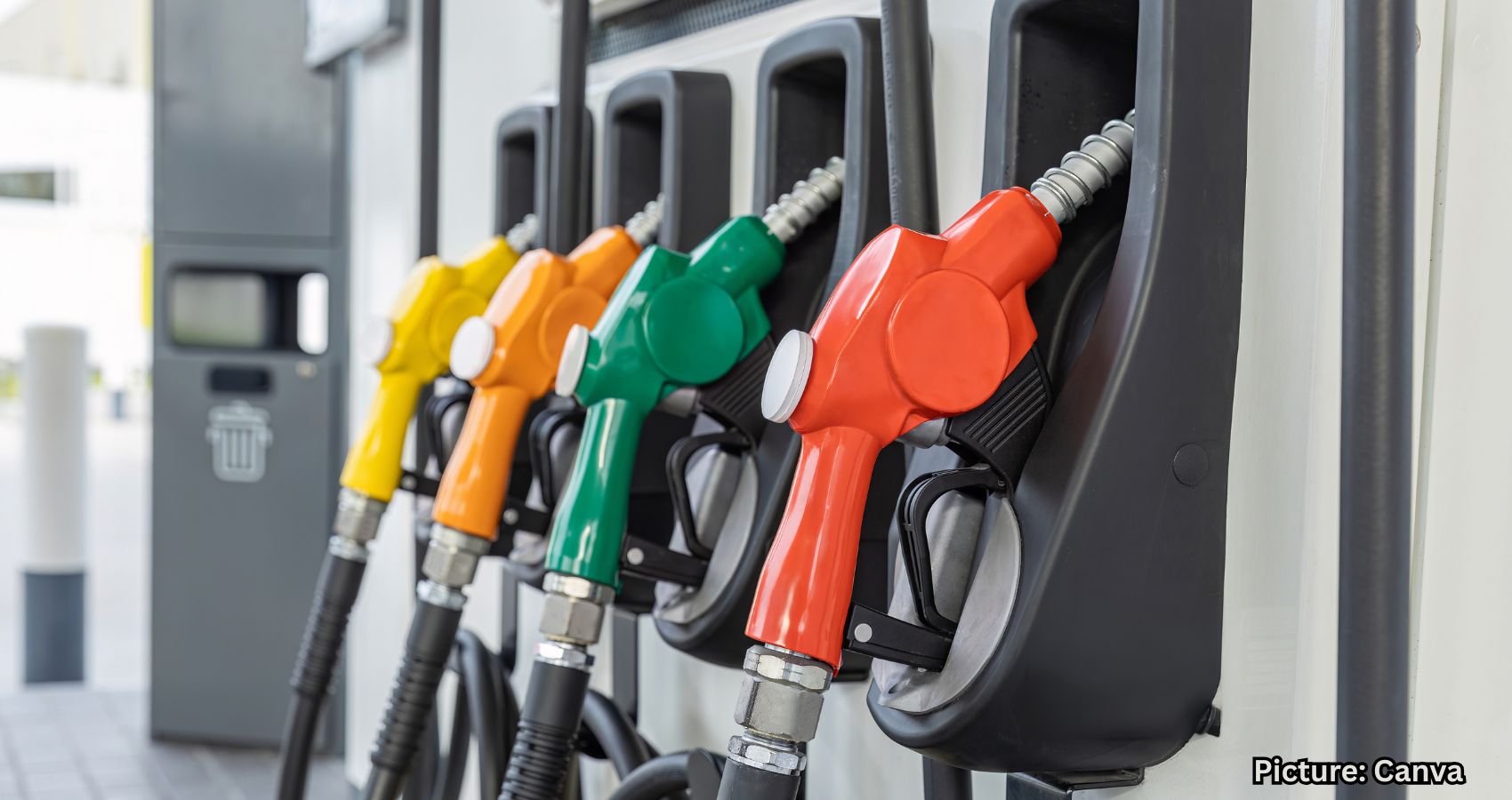
The primary driver of this decline is the explosive rise in energy costs. One-third of all survey respondents spontaneously identified gas prices as their top economic concern. The national average for a gallon of regular gasoline reached $4.54 on Friday, an increase of approximately 40 cents in just thirty days and a staggering $1.40 higher than one year ago.
This price spike is closely linked to military strikes initiated by the United States and Israel against Iran in late February. The ensuing regional conflict has effectively closed the Strait of Hormuz, a crucial maritime route through which about 20% of the world’s petroleum is transported. Despite the International Energy Agency’s release of 400 million barrels of oil and the temporary easing of sanctions on other producers, energy analysts indicate that the global market remains in a state of “fundamental shortfall.”
“Middle East developments are unlikely to meaningfully boost sentiment until supply disruptions have been fully resolved and energy prices fall,” Hsu remarked in the report. For many families, the cost of commuting has shifted from a manageable expense to a significant barrier to household solvency.
While the military conflict has dominated headlines, a second third of respondents pointed to the Trump administration’s trade policies as a major source of financial distress. In April 2025, the administration implemented an aggressive slate of tariffs under Section 122 authority, including a 10% flat rate on most imports and 50% duties on steel and aluminum.
These measures, part of a broader “Project Freedom” economic initiative, aimed to bolster domestic manufacturing. However, the Federal Reserve and independent researchers at Yale’s Budget Lab have noted that these tariffs have gradually inflated retail prices across the board. By December 2025, price pressures on goods imported from China had risen by 8.5% year-over-year. For the average household, these policies have resulted in an estimated real income loss of between $650 and $1,340 annually, depending on the permanence of the measures.
The combination of high energy costs and tariff-inflated consumer goods has created a pincer effect on the American middle class. “Consumers continue to feel buffeted by cost pressures, led by soaring prices at the pump,” Hsu stated.
The sentiment data was released shortly after the Bureau of Labor Statistics (BLS) published the April employment situation report, which presented a superficially positive yet complex picture of the workforce. Nonfarm payrolls grew by 115,000, surpassing expectations, while the unemployment rate remained steady at 4.3%.
However, a closer examination of the data reveals significant structural weaknesses. Job gains were heavily concentrated in healthcare, which added a substantial number of positions, while sectors such as information, manufacturing, and federal government employment continued to lose workers. Total employment—excluding the healthcare sector—has actually decreased by 367,000 since April 2025.
Average hourly earnings rose by a modest 0.2% in April, reaching $37.41. Although this reflects a 3.6% increase over the past year, it has not kept pace with the 4.5% inflation projection cited by consumers in the Michigan survey. This gap between wage growth and cost-of-living increases explains why, despite “solid” job numbers, public sentiment remains somber.
Despite the record-low headline number, the survey revealed a few “modest bright sides.” The expectations index, which gauges consumer outlook for the economy six months to a year from now, actually increased by 0.8% to 48.5. This suggests that while the current situation is viewed as dire, a small plurality of Americans believes the worst of the inflationary shock may have peaked.
Inflation expectations for the coming year eased slightly to 4.5% from 4.7% in April, while the five-year outlook dipped to 3.4%. Although these figures remain well above the Federal Reserve’s 2% target, they indicate that inflation expectations are not yet becoming “unanchored.”
Following the survey’s release, major stock indexes maintained slight gains, as investors appeared to focus more on resilient labor data and the marginal decline in long-term inflation expectations than on the collapse in current sentiment. Nevertheless, for millions of Americans facing nearly $5.00 a gallon in some regions, the disconnect between Wall Street’s optimism and Main Street’s reality has never been wider, according to Source Name.