
Global health officials report that despite a recent hantavirus outbreak linked to a cruise ship, the risk to the general public remains low due to the virus’s limited human-to-human transmission.
ALBUQUERQUE, N.M. (AP) — A recent outbreak of hantavirus aboard a cruise ship has resulted in the deaths of three passengers and has sickened others. However, global health officials emphasize that the risk to the general public remains low, as hantavirus is not easily transmitted between people.
Maria Van Kerkhove, director of epidemic and pandemic preparedness at the World Health Organization (WHO), stated, “This is not the next COVID, but it is a serious infectious disease. Most people will never be exposed to this.”
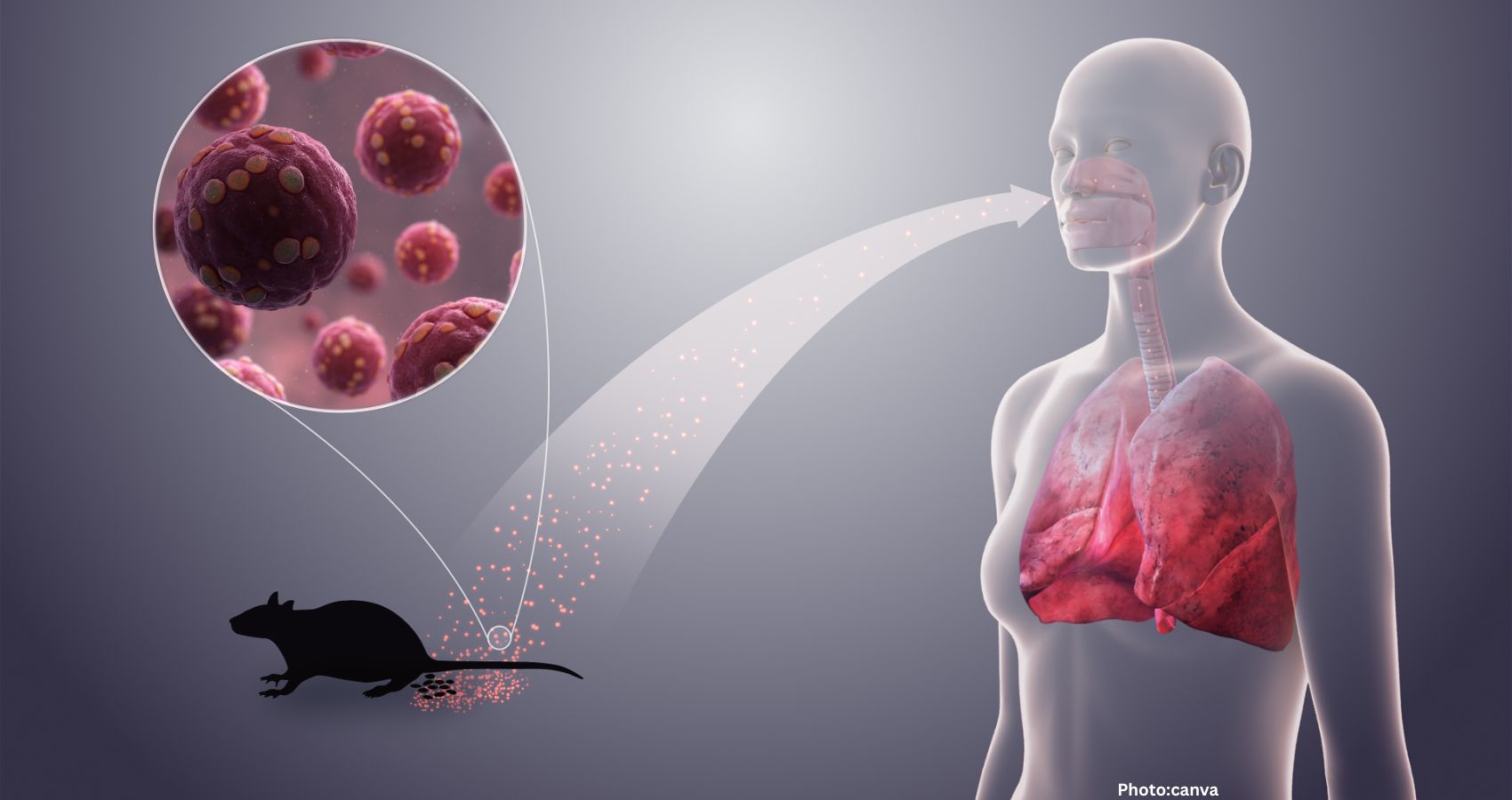
The hantavirus typically spreads when individuals inhale contaminated particles from rodent droppings. This virus has existed for centuries and is believed to be present worldwide. Investigations into the cruise ship outbreak are ongoing, with a focus on determining the source of exposure.
Preliminary investigations suggest that the outbreak may have originated from a birdwatching trip in Ushuaia, Argentina, located at the southern tip of the country. Officials in Argentina have noted a surge in hantavirus cases, which many local public health researchers attribute to climate change.
Evidence has been found of the Andes virus, a variant of hantavirus prevalent in South America. The virus is primarily transmitted through contact with rodents or their bodily fluids, including urine, saliva, and droppings. This risk is particularly heightened when these materials are disturbed and become airborne, leading to potential inhalation.
Individuals are often exposed to hantavirus in their homes, cabins, or sheds, especially when cleaning poorly ventilated areas or exploring spaces with mouse droppings. The illness typically begins with flu-like symptoms, including fever, chills, muscle aches, and headaches. Symptoms of hantavirus pulmonary syndrome can manifest between one and eight weeks after contact with an infected rodent. As the infection progresses, patients may experience chest tightness as fluid accumulates in the lungs.
The other syndrome associated with hantavirus, known as hemorrhagic fever with renal syndrome, can lead to severe complications such as bleeding, high fever, and kidney failure, typically developing within one to two weeks after exposure.
Death rates associated with hantavirus vary depending on the specific strain. Hantavirus pulmonary syndrome has a fatality rate of approximately 35%, while the death rate for hemorrhagic fever with renal syndrome ranges from 1% to 15%, according to the Centers for Disease Control and Prevention (CDC).
Globally, hantavirus infections are relatively rare. The WHO reported that in 2025, eight countries in the Americas documented 229 cases and 59 deaths. In Argentina, hantavirus was responsible for 28 deaths nationwide last year, with the health ministry reporting 101 infections since June 2025, nearly double the cases from the same period the previous year.
In the United States, federal health officials began monitoring hantavirus after a significant outbreak in 1993 in the Four Corners region, where Arizona, Colorado, New Mexico, and Utah meet. An observant physician from the Indian Health Service first identified a pattern of deaths among young patients, leading to increased awareness of the virus.
Most U.S. cases occur in Western states, with New Mexico and Arizona identified as hotspots, likely due to a higher likelihood of encounters between humans and rodents in rural areas.
The term hantavirus encompasses a broad family of viruses, with various strains found in different regions. Most strains do not spread from person to person, with the Andes virus being a notable exception. However, human-to-human transmission remains rare and typically requires “close and prolonged” contact, according to the WHO.
Steven Bradfute, an associate professor and associate director of the Center for Global Health at the University of New Mexico Health Sciences Center, which specializes in hantavirus research, noted, “We haven’t had huge person-to-person spreads of hantavirus infection ever before, and there’s no reason to suspect a huge outbreak from this case at this point.”
Despite ongoing research, many aspects of hantavirus remain unclear, including why it can manifest as mild for some individuals while being severe for others. Researchers are studying patients over extended periods in hopes of discovering effective treatments.
Bradfute remarked, “In the Americas, hantavirus infection is very serious, but it’s also quite rare. For a time, that probably led to less research into it because of funding priorities, but I know there’s been a lot of interest in funding hantavirus work of late.”
To minimize the risk of hantavirus infection, public health experts recommend reducing contact with rodents and their droppings. When cleaning up rodent droppings, it is advisable to use protective gloves and a bleach solution. Experts caution against sweeping or vacuuming, as these actions can aerosolize virus particles, increasing the risk of inhalation.
For further information, refer to the Associated Press.