
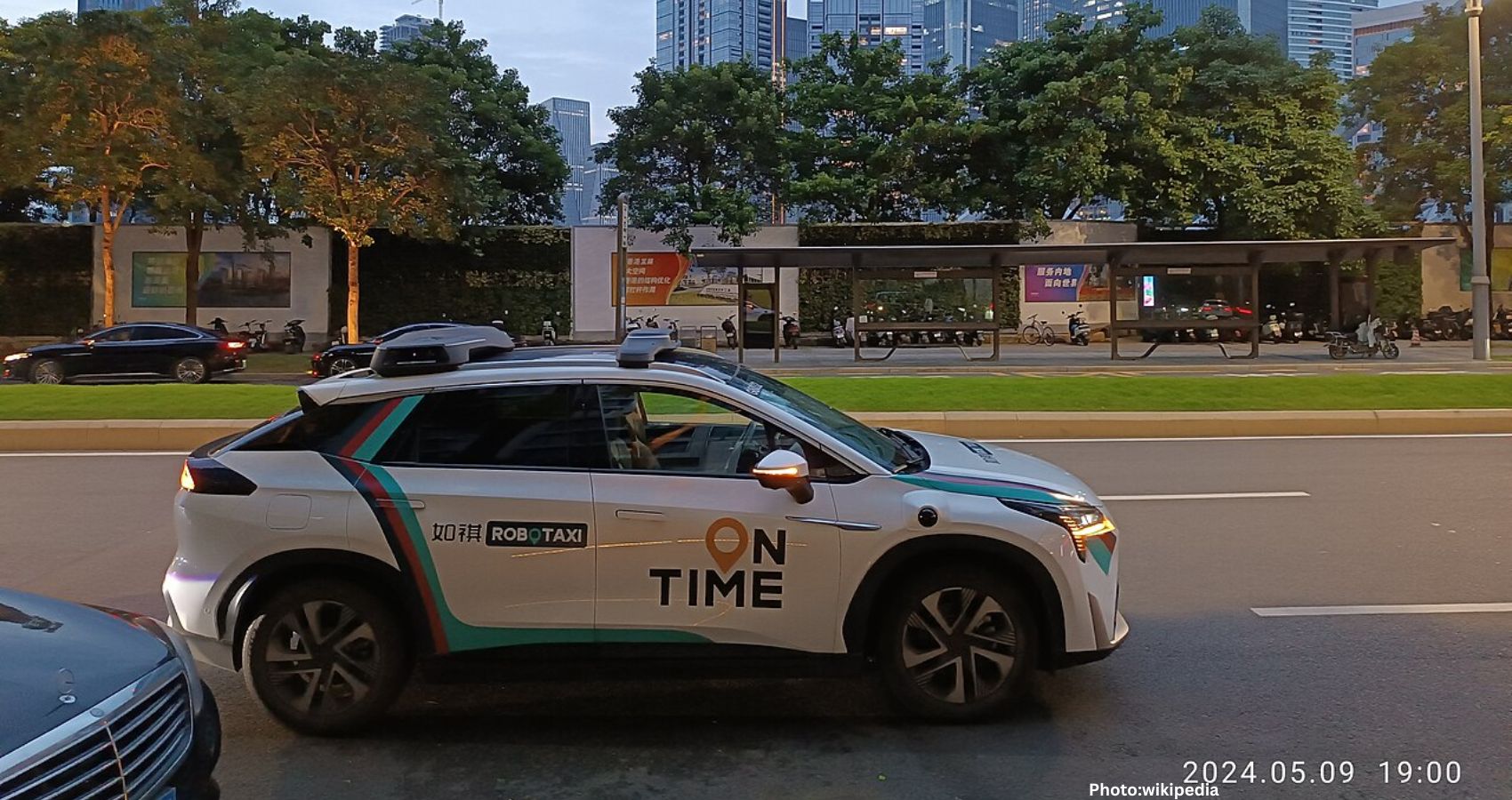
A Waymo robotaxi left a California passenger stranded at San José airport after it drove off with his suitcase, raising concerns about the reliability of driverless transportation.
A recent incident involving a Waymo robotaxi has highlighted the potential pitfalls of autonomous vehicle technology, particularly in high-pressure environments like airports. A California passenger, Di Jin, experienced a travel nightmare when the driverless vehicle drove off with his suitcase after he was unable to open the trunk.
Jin took his first ride with Waymo from Sunnyvale to San José Mineta International Airport for a business trip. Initially, the journey appeared to go smoothly. However, upon arriving at the airport, Jin encountered a significant issue when he attempted to retrieve his suitcase from the trunk.
After exiting the vehicle, Jin pressed the trunk release button, but it did not respond. To his dismay, the robotaxi began to drive away with his luggage still inside. Left without his bag, which contained essential items such as a change of clothes and work notes, Jin faced a stressful situation. With no driver to communicate with, he was left to rely solely on the app and customer support.
Immediately after the incident, Jin contacted Waymo customer service. Reports indicate he was informed that the vehicle was already en route to a depot and could not be recalled. Later, Waymo sent him an email confirming that his suitcase had been secured at their facility, alleviating some of his immediate concerns.
However, retrieving his luggage proved to be another challenge. Initially, Waymo offered to send the suitcase back to him but would not cover the shipping or courier fees. The company also suggested providing him with two free rides to the depot to collect the bag himself. Jin contested this, arguing that the situation was not his fault. Eventually, Waymo agreed to cover the shipping costs, and Jin accepted this resolution.
While Waymo did not comment specifically on Jin’s case when approached for a statement, their help pages detail how the trunk system is designed to function. Riders can open the trunk by pressing a button located above the license plate or by selecting the “Open trunk” option in the app. Additionally, the trunk is supposed to automatically open when a rider exits the vehicle at their destination. However, it may not operate correctly if a rider exits before the vehicle has fully stopped.
Waymo’s lost and found policy states that while their support team will attempt to reunite riders with items left in vehicles, they cannot guarantee that items will be found or returned in a timely manner. This policy has drawn attention, especially in light of Jin’s claim that he attempted to retrieve his suitcase but was unable to do so before the vehicle departed.
Traveling to and from airports can be stressful enough without the added complication of a driverless vehicle. Passengers often find themselves preoccupied with time constraints, security lines, and the contents of their luggage. The incident underscores the need for effective customer support when technology fails, particularly in situations where passengers are left without their belongings.
As Waymo continues to expand its airport services, including its recent launch at San José Mineta International Airport, the importance of reliable customer support becomes even more critical. The airport became the first commercial international airport in California to offer fully autonomous ride-hailing in November 2025, marking a significant milestone for the company.
As the use of driverless taxis becomes more commonplace, passengers are encouraged to remain vigilant during their journeys. It is advisable to keep essential items such as wallets, passports, medications, and work documents with them in the cabin rather than in the trunk. Additionally, riders should ensure that the trunk opens before stepping away from the vehicle and maintain access to their phones for any necessary communication with customer support.
In a world where technology is increasingly integrated into daily life, incidents like Jin’s serve as a reminder of the challenges that can arise. While driverless taxis offer convenience and efficiency, they also require passengers to adapt to new protocols and remain aware of their surroundings. The future of autonomous transportation will depend not only on the technology itself but also on the ability of companies like Waymo to address customer concerns promptly and effectively.
As the conversation around driverless vehicles continues, passengers must weigh the benefits against potential risks. Would you trust a driverless taxi with your suitcase on the way to the airport, or would you prefer to keep your belongings with you until you reach your destination? Your thoughts are welcome at CyberGuy.com.