Only 70 Employers Paid Trump’s $100K H-1B Fee, Court Informed

Only 70 employers have paid the $100,000 H-1B fee introduced by the Trump administration, raising questions about its intended purpose, as revealed in a recent court hearing.

A legal battle in an Oakland courtroom regarding President Donald Trump’s $100,000 fee on certain H-1B workers has taken an unexpected turn. During a recent hearing, a government attorney disclosed that only around 70 employers have paid this fee thus far, according to Bloomberg.

This increased fee applies to H-1B workers hired from outside the United States and was introduced through a White House proclamation in September 2025 as part of a broader immigration crackdown.

During the hearing, the government’s counsel highlighted the limited number of companies that have complied with the fee, suggesting that this statistic speaks volumes about the policy’s effectiveness and intent.

Tiberius Davis, an attorney with the Department of Justice, argued that the small number of employers paying the $100,000 fee undermines claims that the policy serves as a revenue-generating measure. He suggested that if the fee were truly intended to raise funds, the participation numbers would be significantly higher.

“The small number of fee payers goes to show it’s not a tax because it’s not raising revenue,” Davis stated, as reported by Bloomberg.

This legal debate unfolds at a critical moment, particularly following a recent ruling by the Supreme Court of the United States that struck down the Trump administration’s global tariffs framework. The Court ruled that the Constitution grants Congress, not the president, the authority to impose taxes.

In light of this ruling, the government has maintained that the H-1B fee is not intended to generate revenue and therefore does not require the explicit approval from Congress that a tax would necessitate.

The lawsuit in Oakland was initiated by Global Nurse Force, a nurse recruitment company, along with other plaintiffs who argue that the $100,000 H-1B fee effectively excludes small employers from participating in the specialty occupation visa program.

The H-1B program allows U.S. companies to employ skilled foreign professionals for specialized roles. According to the plaintiffs, the steep fee renders participation financially unfeasible for smaller businesses.

Global Nurse Force has expanded on its challenge by asserting that Congress only authorized immigration fees to cover the administrative costs of visa programs, not to create financial barriers. The lawsuit characterizes the $100,000 charge as “arbitrary and capricious,” alleging that the government circumvented the notice and comment process mandated by the Administrative Procedure Act.

Attorneys opposing the fee argue that the recent Supreme Court ruling strengthens their case. Esther Sung, legal director at the Justice Action Center and counsel for the plaintiffs, emphasized that the Court has clarified that the distinction between regulatory fees and revenue measures cannot be used to evade constitutional limits.

“The Supreme Court has reiterated that when Congress delegates discretionary authority to the executive to impose monetary assessments of any kind, regardless of whether they are characterized as fees or taxes, it must do so clearly,” she stated. “That delegation has to be expressed.”

Sung also referenced the decision in Learning Resources, Inc. v. Trump, which reaffirmed the principle that the authority to levy taxes resides with Congress, not the executive branch.

In response, Davis countered in court, arguing that the fee was established through a presidential proclamation rather than an executive order, placing it outside the purview of review under the Administrative Procedure Act.

The hearing took place at the U.S. District Court for the Northern District of California before Judge Haywood S. Gilliam Jr. While the judge did not make a ruling on the plaintiffs’ request for a preliminary injunction or their motion for class certification, he rejected the government’s request to pause the case while a related matter is under appeal in Washington.

Judge Gilliam also instructed both parties to submit additional written arguments addressing how the Supreme Court’s recent tariffs decision might impact the legal questions surrounding the H-1B fee.

The implications of this ongoing legal battle could significantly affect the future of the H-1B program and the ability of small businesses to participate in it, as the court weighs the arguments presented by both sides.

According to Bloomberg, the outcome of this case could set important precedents regarding the authority of the executive branch in imposing fees and the constitutional limits on such actions.

U.S. Federal Courts Mandate Bond Hearings for Detained Indian Nationals

Federal courts across the U.S. have ordered bond hearings or immediate release for several Indian nationals detained in immigration facilities, citing violations of due process protections.

Indian nationals held in immigration detention in the United States may soon receive relief, as federal courts across the country have ordered bond hearings or immediate releases for several individuals this week.

Judges in various states, including California, Michigan, New York, and Oklahoma, have determined that prolonged detention without adequate consideration for bond or individualized review violates constitutional due process protections.

In California, a federal judge in San Diego granted a habeas petition filed by Harbeet Singh, ordering an “individualized bond hearing” to take place within seven days.

Many of the cases involved individuals detained under the Immigration and Nationality Act, with courts finding that certain statutory provisions had been incorrectly applied, effectively denying detainees the opportunity to seek bond. Judges have granted habeas petitions and, in some instances, ordered immediate release or a bond hearing within a short timeframe.

In Michigan, a federal judge in the Western District conditionally granted relief to Sagar Ram, ordering a bond hearing under section 1226(a) within five business days or immediate release. The judge rejected the government’s claim that mandatory detention applied in this case.

These rulings highlight the necessity and importance of procedural fairness in immigration enforcement, illustrating the checks and balances that courts provide in reviewing detention decisions made by the executive branch.

In another case in California, a federal judge ordered the immediate release of Bhawandeep Singh Dhaliwal, stating that he “SHALL be released IMMEDIATELY from DHS custody.” The judge also prohibited authorities from re-arresting him without constitutionally adequate process.

These judicial decisions underscore a growing recognition that prolonged confinement without meaningful judicial review is inconsistent with due process principles. They reinforce the notion that the government’s authority to detain individuals is not unlimited.

Overall, these rulings reflect a judicial insistence that detention practices must balance the government’s enforcement objectives with the fundamental rights of individuals, ensuring that each case receives individualized consideration. According to The American Bazaar, these developments mark a significant step toward protecting the rights of detained Indian nationals.

Ex-Twitter CEO’s Firm Block Plans to Cut Workforce by Nearly 50% with AI

Jack Dorsey’s company Block plans to lay off 4,000 employees, nearly half of its workforce, citing increased productivity from artificial intelligence tools.

Block, the financial technology company founded by former Twitter CEO Jack Dorsey, has announced plans to lay off 4,000 of its 10,000 employees. This decision is attributed to advancements in artificial intelligence (AI) that have significantly enhanced productivity within the company.

In a letter to shareholders on Thursday, Dorsey emphasized the transformative impact of AI on business operations. “Intelligence tools have changed what it means to build and run a company,” he stated. “We’re already seeing it internally. A significantly smaller team, using the tools we’re building, can do more and do it better. And intelligence tool capabilities are compounding faster every week.”

Despite the substantial layoffs, Dorsey assured stakeholders that the decision was not a reflection of financial instability. He pointed out that Block had performed well, exceeding Wall Street expectations with a reported total revenue of $6.25 billion for the fourth quarter. In a post on X, he explained that he faced two options: to gradually reduce the workforce over an extended period or to act decisively in the present.

“Repeated rounds of cuts are destructive to morale, to focus, and to the trust that customers and shareholders place in our ability to lead,” Dorsey wrote.

During the earnings call, executives noted that Block had been increasingly integrating AI into its operations for several years. They indicated that some AI initiatives were nearing full implementation, while others were still in earlier stages of development. This announcement follows a previous round of layoffs earlier in February, which had already seen hundreds of workers let go.

The decision to reduce the workforce by nearly half has drawn comparisons to the drastic measures taken by Elon Musk when he acquired Twitter (now X) in November 2022, where he cut approximately 50% of the staff in a single move. Dorsey, a co-founder of Twitter, has had a complex relationship with Musk, initially supporting his acquisition but later suggesting that Musk “should have walked away.”

In addition to his role at Block, Dorsey has been involved in the development of Bluesky, a decentralized alternative to Twitter, and has expressed strong support for Bitcoin.

The layoffs at Block have reignited discussions about the broader implications of AI on employment. Tech leaders, including Anthropic CEO Dario Amodei and Meta CEO Mark Zuckerberg, have raised concerns about the potential negative effects of AI on the workforce. A recent report from the research firm Citrini, released on February 22, outlined a scenario where the growth of AI could adversely affect the overall economy.

Conversely, some industry figures have cautioned against hastily attributing layoffs to AI. OpenAI CEO Sam Altman has pointed out that some companies may be “AI washing,” or misleadingly linking unrelated layoffs to advancements in AI technology.

Critics on X have challenged Dorsey’s narrative regarding the layoffs at Block. One user highlighted that the company’s workforce had more than tripled from 3,900 to 12,500 employees between December 2019 and December 2022, during the tech boom fueled by the pandemic. “Unwinding less than half an insane COVID overhiring binge has much more to do with Jack Dorsey’s managerial incompetence than whether AI is going to take your job,” the post read.

Another commenter suggested that Block had created “two parallel company structures during COVID” and was now consolidating them, framing the layoffs as a management correction rather than a revolutionary shift driven by AI. This user predicted that more companies might use “AI restructuring” as a pretext for decisions that were already in the works.

The developments at Block reflect ongoing tensions in the tech industry regarding the role of AI in shaping the future of work and the management strategies employed by companies navigating these changes. As the conversation continues, the implications for employees and the economy remain a focal point of concern.

According to The American Bazaar, the situation at Block serves as a critical case study in the evolving landscape of technology and employment.

R Ashwin Responds to Mohammad Amir’s ‘Slogger’ Comment on Abhishek Sharma

R. Ashwin has responded to Mohammad Amir’s criticism of Abhishek Sharma, defending the young cricketer and referencing Yuvraj Singh’s contributions to the game.

Former Indian cricket team spinner R. Ashwin has taken a stand against ex-Pakistan star Mohammad Amir’s recent comments labeling Abhishek Sharma as a “slogger.” Ashwin’s defense of Sharma highlights the importance of recognizing the skills and potential of emerging players in cricket.

Amir’s remarks came after Sharma’s performance in a recent match, where he showcased his aggressive batting style. While Amir’s perspective may stem from a traditional view of cricket, Ashwin believes that such labels can be detrimental to a player’s development and confidence.

In his response, Ashwin emphasized that cricket is evolving, and players like Sharma are crucial to this transformation. He pointed out that the game has seen a shift towards more aggressive batting, which has become a hallmark of modern cricket. Ashwin’s defense of Sharma underscores the need to appreciate different playing styles rather than pigeonhole players based on outdated notions.

Furthermore, Ashwin drew parallels between Sharma and former Indian cricketer Yuvraj Singh, who was known for his explosive batting and match-winning performances. By invoking Yuvraj’s name, Ashwin reinforced his argument that players who take risks and play aggressively can be game-changers, much like Yuvraj was during his career.

As cricket continues to evolve, the conversation around player styles and their impact on the game remains relevant. Ashwin’s comments serve as a reminder that every player brings unique strengths to the field, and it is essential to foster an environment that encourages innovation and creativity in batting.

In conclusion, R. Ashwin’s rebuttal to Mohammad Amir’s “slogger” tag for Abhishek Sharma not only defends the young cricketer but also advocates for a broader understanding of modern cricket. As the sport progresses, recognizing and celebrating diverse playing styles will be vital for nurturing the next generation of talent, according to NDTV Sports.

Common Vision Issues Linked to Home Lighting Choices in America

New research indicates that dim indoor lighting, rather than screen time, may contribute to the rising rates of myopia, which could affect nearly half of the global population by 2050.

Recent studies have highlighted a concerning trend: nearsightedness, or myopia, is on the rise worldwide. The World Health Organization estimates that by 2050, nearly half of the global population will be affected by this vision issue.

While heavy use of smartphones and other digital devices has been linked to an 80% increased risk of myopia—especially when combined with excessive computer usage—new research suggests that dim indoor lighting may also play a significant role in this epidemic.

For years, scientists have sought to understand the various triggers of myopia. Laboratory experiments have shown that myopia can be induced by blurring vision or using different lenses. Conversely, spending time outdoors has been found to slow its progression, indicating that environmental factors are at play.

According to the American Optometric Association (AOA), myopia occurs when the eyeball elongates too much from front to back. This elongation causes light to focus in front of the retina, resulting in distant objects appearing blurry.

Researchers at the State University of New York (SUNY) College of Optometry have identified a potential trigger for this elongation. When individuals focus on close objects, such as smartphones or books, their pupils naturally constrict. However, this constriction is not solely a response to brightness; it also serves to sharpen the image.

Urusha Maharjan, a doctoral student at SUNY Optometry who conducted the study, explained, “In bright outdoor light, the pupil constricts to protect the eye while still allowing ample light to reach the retina.” She further noted that in dim lighting, the combination of focusing on close objects and a narrowed pupil can significantly reduce the amount of light reaching the retina.

The researchers propose that when the retina is deprived of adequate light during prolonged close-up tasks, it sends signals for the eye to grow. In dim environments, the limited light reaching the retina may not be sufficient to halt this growth, leading to an increased risk of myopia.

In contrast, outdoor environments provide much brighter light levels than indoor settings. This ensures that even when the pupil narrows to focus on nearby objects, the retina still receives a strong signal, promoting healthy eye development.

The research team acknowledged some limitations of their study, including a small subject group and the challenge of directly measuring internal lens changes. The bright backgrounds used to simulate outdoor conditions resulted in pupils being too small for standard measurement equipment.

“This is not a final answer,” said Dr. Jose-Manuel Alonso, a distinguished professor and senior author of the study. “But the study offers a testable hypothesis that reframes how visual habits, lighting, and eye focusing interact.”

The findings of this study were published in the journal Cell Reports, and they open new avenues for understanding the relationship between lighting conditions and eye health.

As the prevalence of myopia continues to rise, it becomes increasingly important to consider how our indoor environments may contribute to this global health issue. Adjusting lighting conditions and encouraging outdoor activities could be vital steps in mitigating the myopia epidemic.

For more information on this topic, refer to the research conducted by the SUNY College of Optometry.

Amazon Discontinues Development of Blue Jay Warehouse Robot

Amazon has discontinued its Blue Jay warehouse robot program, raising questions about the scalability of advanced robotics in logistics.

Amazon has quietly ended its Blue Jay warehouse robot program just months after its initial unveiling, which aimed to enhance same-day delivery capabilities. The multi-armed, ceiling-mounted robot was introduced in October as a significant advancement in warehouse automation.

Despite the initial excitement surrounding Blue Jay, the program faced considerable challenges that ultimately led to its discontinuation. While the core technology behind Blue Jay will be integrated into other projects, the robot itself will no longer be developed.

This abrupt decision prompts a critical inquiry: If Amazon, one of the world’s leading logistics companies, cannot successfully implement a high-profile robot at scale, what implications does this have for the future of artificial intelligence (AI) in practical applications?

Blue Jay was not merely an upgrade to existing conveyor belt systems; it was designed to recognize and sort multiple packages simultaneously using advanced AI-powered perception models. Amazon claimed that the system was developed in under a year, a remarkable feat aimed at increasing package throughput while alleviating worker strain in fulfillment centers.

However, despite its promising design, Blue Jay encountered significant engineering and cost hurdles. The robot’s ceiling-mounted configuration required intricate installation and seamless integration into Amazon’s Local Vending Machine warehouses, which are designed as expansive, automated structures. This rigidity in design likely became a liability, as modifications would necessitate extensive reconfiguration of hardware and infrastructure, a process that is both time-consuming and costly.

As a result, several employees who were involved in the Blue Jay project have transitioned to other robotics initiatives within the company. Although the Blue Jay robot itself has been shelved, Amazon continues to explore new avenues for improving its warehouse systems, with the underlying technology informing future designs.

Looking ahead, Amazon is shifting its focus to a new warehouse architecture known as Orbital. Unlike the older Local Vending Machine model, Orbital is modular, allowing for quicker deployment in various layouts. This adaptability is crucial as retail landscapes evolve, with customers increasingly expecting same-day delivery from urban centers, local stores, and grocery outlets.

Orbital could enable Amazon to establish micro-fulfillment centers in proximity to retail locations, including Whole Foods, thereby enhancing its competitive edge against rivals like Walmart, which already boasts a robust grocery network.

In conjunction with Orbital, Amazon is also developing a new robotics system called Flex Cell. Unlike Blue Jay’s ceiling-mounted design, Flex Cell will operate on the floor, indicating a strategic shift towards smaller, more flexible automation solutions tailored to the unpredictable nature of local retail environments.

For regular Amazon customers, the immediate impact of these changes may be minimal, as same-day and next-day delivery options remain a priority. However, the long-term implications of Amazon’s evolving robotics strategy could significantly influence order fulfillment speed, pricing, and the operational dynamics of local warehouses.

If Orbital proves successful, it could facilitate faster and more efficient deliveries. Conversely, if it encounters difficulties, the expansion of same-day delivery services could slow down or become more costly. This scenario underscores a broader truth about AI: while software can adapt rapidly through code updates, physical robots face challenges that require substantial investment and time to overcome.

The discontinuation of Blue Jay highlights a growing divide in the tech industry. While software-based AI is advancing at a remarkable pace, hardware development remains fraught with complexities. Robots must navigate real-world challenges such as gravity, friction, and unpredictable human interactions, where each error carries tangible costs.

Amazon’s decision to shelve Blue Jay does not signify a retreat from robotics; rather, it represents a recalibration of its approach. The company is betting on the success of modular, flexible systems over large, integrated machines. This strategic pivot could shape the future of e-commerce logistics.

Ultimately, the promise of faster delivery, improved availability, and enhanced local convenience remains intact for consumers. However, the journey to realize these ambitions involves navigating the intricate balance between AI aspirations and the constraints of physical reality.

As Amazon grapples with the challenges of implementing advanced robotics at scale, it raises an important question: How much of the AI revolution is still more vision than reality? This ongoing dialogue will shape the future of technology and logistics in the years to come, according to CyberGuy.

Researchers Create E-Tattoo to Monitor Mental Workload in High-Stress Jobs

Researchers have developed a face-mounted electronic tattoo, or “e-tattoo,” designed to monitor mental workload in high-stress professions using advanced brainwave technology.

In an innovative study published in the journal Device, scientists have introduced a groundbreaking electronic tattoo device, referred to as an “e-tattoo,” that can help individuals in high-pressure work environments monitor their brain activity and cognitive performance.

The research team, led by Dr. Nanshu Lu from the University of Texas at Austin, emphasizes that mental workload is a crucial element in human-in-the-loop systems, significantly affecting cognitive performance and decision-making processes. This device aims to provide a more cost-effective and user-friendly method for tracking mental workload, particularly in demanding fields such as aviation, healthcare, and emergency response.

Dr. Lu noted that the e-tattoo could be particularly beneficial for professionals like pilots, air traffic controllers, doctors, and emergency dispatchers, who often operate under intense stress. Additionally, the technology could enhance training and performance for emergency room doctors and operators of robots and drones.

The primary objective of the study was to develop a means of measuring cognitive fatigue among individuals in high-stakes careers. The e-tattoo is designed to be temporarily affixed to the forehead and is significantly smaller than existing monitoring devices.

Utilizing electroencephalogram (EEG) and electrooculogram (EOG) technologies, the e-tattoo measures both brain waves and eye movements. Traditional EEG and EOG equipment tends to be bulky and expensive, but the e-tattoo presents a compact and affordable alternative.

Dr. Lu explained that the device is designed to be as thin and flexible as a temporary tattoo sticker, allowing for comfortable wear while providing accurate readings. She stated, “Human mental workload is a crucial factor in the fields of human-machine interaction and ergonomics due to its direct impact on human cognitive performance.”

The study involved six participants who were tasked with identifying letters displayed on a screen. Each letter appeared sequentially at various locations, and participants were instructed to click a mouse when they recognized either the letter or its position from a previously shown set. The difficulty of the tasks increased progressively, and the researchers observed shifts in brainwave activity that indicated a heightened mental workload as challenges intensified.

The e-tattoo consists of a battery pack, reusable chips, and a disposable sensor, making it a practical solution for real-time monitoring. Currently, the device is a lab prototype, with a production cost of approximately $200.

Dr. Lu highlighted that further development is necessary before the e-tattoo can be commercialized. This includes enhancing the device’s ability to decode mental workload in real-time and validating its effectiveness with a larger group of participants in more realistic settings.

As the demand for effective stress management tools in high-pressure jobs continues to grow, the e-tattoo represents a promising advancement in cognitive performance monitoring, potentially transforming how professionals manage their mental workload.

According to Fox News, the e-tattoo could pave the way for improved performance and training in various high-stakes occupations.

Rare Alignment of Planets to Occur in Night Sky, NASA Reports

Stargazers will have a rare opportunity to witness an alignment of six planets in the night sky, as announced by NASA, offering a captivating celestial event for observers worldwide.

Stargazers are in for a celestial treat as NASA announces an upcoming alignment of six planets, providing a rare opportunity to witness a cosmic ballet in the night sky.

In a universe as vast and mysterious as ours, moments of cosmic alignment offer a unique glimpse into the orchestrated dance of celestial bodies. The upcoming planetary alignment, as revealed by NASA, is one such event that promises to captivate both amateur astronomers and seasoned stargazers alike. This rare occurrence, where six planets will appear to line up in the night sky, serves as a reminder of the intricate mechanics governing our solar system and the profound beauty it holds.

While planetary alignments are not uncommon, they vary in visibility and the number of planets involved. The forthcoming event is particularly noteworthy due to the number of planets participating in this celestial lineup. Typically, planetary alignments involve two or three planets, but having six in a visible alignment is a rarity that occurs only once every few decades. This event will feature Mercury, Venus, Mars, Jupiter, Saturn, and Uranus, each contributing to a spectacle that is as scientifically fascinating as it is visually stunning.

The alignment is set to occur over several nights, allowing for multiple viewing opportunities. For observers in the Northern Hemisphere, the best time to witness this phenomenon will be just after sunset when the sky is dark enough for the planets to be visible but not so late that they dip below the horizon. Those in the Southern Hemisphere will also have a chance to view the alignment, although the timing may vary slightly due to differences in latitude.

Historically, planetary alignments have held significant cultural and scientific importance. In ancient times, such events were often seen as omens or messages from the gods, influencing decisions in areas ranging from agriculture to warfare. Today, while we understand the scientific principles behind these alignments, they continue to inspire awe and wonder, reminding us of our place in the universe and the interconnectedness of celestial phenomena.

From a scientific perspective, planetary alignments offer valuable opportunities for research and observation. They allow astronomers to study the gravitational interactions between planets and their effects on each other’s orbits. These interactions, while subtle, provide insights into the dynamics of our solar system and contribute to our understanding of planetary motion. Additionally, alignments can enhance the study of planetary atmospheres, as the planets reflect sunlight in unique ways during such events, offering a chance to analyze their compositions and weather patterns.

The upcoming alignment also highlights the importance of public engagement with astronomy. Events like these serve as gateways for the general public to connect with science, fostering curiosity and a deeper appreciation for the universe. Planetariums and observatories around the world often host special viewing events, providing telescopes and expert guidance to help people make the most of these celestial occurrences. For many, witnessing a planetary alignment can be a transformative experience, sparking a lifelong interest in astronomy and science.

Technological advancements have made it easier than ever to observe celestial events. With the proliferation of high-quality telescopes and smartphone apps, even novice stargazers can track the movement of planets and identify them in the night sky. Apps like Star Walk and SkySafari provide real-time data and augmented reality features, allowing users to point their devices at the sky and instantly learn about the stars and planets they are viewing. These tools democratize access to astronomy, making it accessible to anyone with an interest in the night sky.

As we prepare for this celestial event, it is worth reflecting on the broader implications of planetary alignments. They serve as reminders of the vastness and complexity of the universe, encouraging us to look beyond our immediate surroundings and consider the larger forces at play. In a world often dominated by the mundane and the routine, such events provide a momentary escape, inviting us to pause and marvel at the beauty and mystery of the cosmos.

In conclusion, the upcoming alignment of six planets is more than just a visual spectacle; it is an opportunity to engage with the universe in a meaningful way. Whether viewed through a telescope, a smartphone app, or simply with the naked eye, this rare cosmic event promises to inspire wonder and curiosity. As we gaze up at the night sky, we are reminded of the intricate dance of the planets and the enduring allure of the stars, beckoning us to explore and understand the universe we call home, according to NASA.

Genetic Analysis Sheds Light on Ancient Human-Neanderthal Interactions

The latest genetic analysis reveals that interbreeding between ancient humans and Neanderthals was more common than previously believed, particularly involving female Homo sapiens and male Neanderthals.

Recent genetic research has provided new insights into the intricate interactions between ancient humans and Neanderthals, suggesting that interbreeding was far more prevalent than previously thought. This study highlights a notable trend of couplings between female Homo sapiens and male Neanderthals, challenging long-held assumptions about these ancient relationships.

The evolving narrative of human ancestry has always captivated both scientists and the public. The latest findings come from a comprehensive study that explores the genetic remnants found in modern human DNA, offering a glimpse into the intimate encounters that have influenced our evolutionary history.

Conducted by a multidisciplinary team of geneticists, anthropologists, and archaeologists, the study employed advanced DNA sequencing technologies to analyze the genomes of contemporary humans from various populations. The primary focus was on identifying Neanderthal genetic markers that persist in modern human DNA, which provide valuable clues about the nature of ancient interbreeding events.

The results reveal a significant skew in genetic contributions, with a higher prevalence of Neanderthal DNA being passed down through the maternal line. This finding suggests that pairings between female Homo sapiens and male Neanderthals were more common than the reverse, indicating a more structured interaction than previously assumed.

This genetic evidence challenges the notion that interbreeding was a rare occurrence, driven solely by chance encounters between these two hominin groups. Instead, it points to the possibility of social dynamics that favored specific pairings, prompting a reevaluation of the cultural exchanges that may have occurred during these prehistoric interactions.

Traditionally, the relationship between Homo sapiens and Neanderthals has been portrayed as a brief and sporadic affair, primarily taking place in Europe and the Middle East around 50,000 to 40,000 years ago. However, the new genetic data suggests a more complex picture, with interbreeding events potentially spanning a longer timeframe and a broader geographical range. This perspective aligns with recent archaeological findings that indicate overlapping habitats and shared technologies between the two groups.

One of the most compelling aspects of this study is the insight it offers into the social structures of both Homo sapiens and Neanderthals. The preference for pairings of female Homo sapiens with male Neanderthals raises intriguing questions about the societal norms and mating strategies of these ancient populations. It is plausible that female humans were integrated into Neanderthal groups through established social practices, possibly as a means of alliance-building or resource sharing. Alternatively, these unions may have been driven by a scarcity of mates within isolated communities, leading to strategic pairings that enhanced the survival prospects of their offspring.

The genetic legacy of these ancient couplings is evident in modern human populations, with varying degrees of Neanderthal ancestry observed across different regions. For instance, populations in Europe and Asia exhibit a higher percentage of Neanderthal DNA compared to those in Africa. This variation reflects historical migration patterns and interbreeding events that occurred as Homo sapiens expanded out of Africa.

This genetic mosaic enriches our understanding of human diversity and underscores the interconnectedness of our species’ evolutionary journey. Beyond the academic implications, these findings resonate with broader cultural and philosophical questions about identity and heritage. The enduring presence of Neanderthal DNA in modern humans serves as a reminder of the shared history and common ancestry that unite all people.

These revelations challenge the notion of distinct and isolated human lineages, instead highlighting the fluidity and adaptability that have characterized our species’ evolution. As researchers continue to unravel the genetic tapestry of our past, advancements in technology and methodology promise to further illuminate the complex interactions between ancient hominin groups.

Future studies may uncover additional layers of genetic exchange, revealing even more about the social and environmental factors that shaped the lives of our ancestors. In the meantime, the current findings invite us to reconsider the narratives we construct about our origins and to embrace the rich tapestry of influences that have contributed to the human story.

In conclusion, the latest genetic analysis offers a fascinating glimpse into an ancient world where humans and Neanderthals not only coexisted but also intertwined their destinies through meaningful interactions. This research enriches our understanding of human evolution and encourages reflection on the enduring connections that bind us to our distant relatives. As we look to the future, the lessons of our past continue to inform and inspire, reminding us of the shared journey that has led us to where we are today, according to ABC News.

Desi Recipes for Indian-American Cuisine That Are High in Protein

These high-protein Indian recipes celebrate traditional flavors while enhancing nutritional value, offering delicious meals that nourish the body and soul.

For as long as I can remember, protein was never something I consciously pursued; it was simply woven into the fabric of Indian cooking. It resided in the dal simmering on the stove, in the yogurt whisked smooth for kadhi, and in the besan toasted to a nutty golden hue. Only later, as discussions around nutrition grew louder and more quantified, did I begin to view these familiar ingredients through a different lens.

When I set out to develop these recipes, my goal was not to turn Indian food into a spreadsheet exercise. Instead, I aimed to honor the flavors I grew up with—the crackle of mustard seeds in hot oil, the earthy bloom of cumin, and the brightness of fresh coriander—while thoughtfully increasing their protein density in a way that felt natural, not forced. This involved reworking techniques, layering legumes more strategically, enriching sauces with cultured dairy or plant-based proteins, and paying close attention to texture to ensure that every dish felt abundant and complete.

The result is a collection of high-protein Indian recipes that do not come across as “healthy adaptations,” but rather as confident, modern expressions of a cuisine that has always understood nourishment. These meals are designed to sustain—deeply flavored, satisfying, and crafted with intention—demonstrating that one can pursue strength while still cooking with soul.

Here are three standout recipes that pack a protein punch while celebrating the essence of Indian cuisine.

Tofu Saar

This nourishing soup is an easy way to incorporate tofu into your diet without sacrificing flavor.

Ingredients:

For cooking tomatoes:

2 medium tomatoes or 2 cups quartered tomatoes

½ cup water (or substitute with Trader Joe’s Tomato Soup for convenience)

½ cup coconut milk

½ teaspoon jaggery or sugar (optional, to balance tartness)

Salt, to taste

½ to ⅔ cup water (to thin soup, if needed)

½ block of silken soft tofu

For tempering:

2 tablespoons oil

½ teaspoon mustard seeds

¼ teaspoon cumin seeds

8 to 10 curry leaves

1 red chili (broken and seeds removed) or thinly sliced green chilis

¼ teaspoon turmeric powder

A pinch of asafoetida (hing)

For garnish:

2 tablespoons chopped coriander leaves

Preparation:

Rinse the tomatoes thoroughly and quarter them. In a pan, bring 1.5 cups of water to a rapid boil. Add the tomatoes, cover, and simmer on low to medium heat for 6 to 8 minutes until tender. Allow the tomatoes to cool, then purée them (strain if preferred). Stir in the coconut milk and silken tofu, seasoning with salt and jaggery or sugar. Heat gently until boiling, then set aside.

For the tempering, heat oil in a small frying pan over low heat. Add mustard seeds and cumin seeds, allowing them to crackle. Add curry leaves and the chili, frying for a few seconds until the chili changes color. Turn off the heat, then mix in turmeric powder and asafoetida. Pour this tempering into the soup, cover, and let the flavors infuse for 3 to 4 minutes. Garnish with chopped coriander leaves and serve.

High-Protein Indian-Inspired Power Bowl

This vibrant, texture-rich salad features layers of basmati rice, spiced beans, sweet corn, creamy avocado, and a bright tomato chutney.

Ingredients:

1 cup cooked basmati rice, slightly cooled

1½ cups shredded romaine or green leaf lettuce

1 cup cooked black beans (or 1 15-oz can, rinsed and drained)

½ cup sweet corn kernels (fresh, steamed, or thawed frozen)

1 ripe avocado, sliced

½ cup cherry tomatoes, halved

¼ cup thinly sliced red onion (or quick-pickled onions)

2 tablespoons chopped fresh cilantro

For the spiced tomato chutney:

1 cup finely chopped tomatoes

1 teaspoon oil

1 clove garlic, minced

½ teaspoon grated ginger

¼ teaspoon red chili powder

¼ teaspoon roasted cumin powder

Salt, to taste

Squeeze of lime

For quick pickled onions (optional):

¼ cup thinly sliced red onion

2 tablespoons rice vinegar or lime juice

A pinch of salt and sugar

Preparation:

Rinse the basmati rice until the water runs clear and cook according to package instructions. Fluff with a fork and allow to cool slightly. Fold in chopped cilantro and a pinch of salt if desired.

In a small pan, warm 1 teaspoon of oil over medium heat. Add black beans with a pinch of salt and roasted cumin powder, sautéing for 3–4 minutes until heated through. Set aside.

For the tomato chutney, heat oil in a small saucepan. Add garlic and ginger, sautéing until fragrant. Stir in chopped tomatoes, chili powder, cumin powder, and salt, cooking on medium-low for 6–8 minutes until thickened. Finish with a squeeze of lime and cool slightly.

For pickled onions, toss sliced onions with vinegar (or lime), salt, and sugar, letting them sit for 10–15 minutes while assembling the bowl.

To assemble, start with a base of lettuce and rice in a wide serving bowl. Arrange black beans, corn, cherry tomatoes, and avocado in sections. Add a spoonful of tomato chutney, top with pickled onions, and sprinkle with chaat masala or black pepper. Serve with extra lime juice.

Greek Yogurt Shrikhand

This quick and easy dessert is relatively guilt-free and a delightful way to end a meal.

Ingredients:

1 pound Greek yogurt (full-fat recommended for creaminess)

A pinch of saffron

1 tablespoon lukewarm milk

5 tablespoons powdered sugar (or to taste)

1½ teaspoons ground green cardamom

1 tablespoon crushed pistachios

1 tablespoon crushed almonds

Whole nuts for garnish (optional)

Preparation:

Crush the saffron and add it to warm milk. In a bowl, combine Greek yogurt, powdered sugar, and saffron milk, folding gently to mix. Add cardamom powder and nuts, folding them in carefully. Cover and chill in the refrigerator until ready to serve.

These recipes showcase how traditional Indian cooking can be adapted to meet modern nutritional needs without sacrificing flavor. They serve as a reminder that nourishment can be both delicious and fulfilling, allowing you to enjoy the best of both worlds.

According to India Currents.
Corporate Relocation Trends Favor Red States in Economic Growth

Red states are increasingly attracting corporate relocations, with Texas leading the way as businesses flee high-tax blue states like California and New York.

In a significant shift reshaping the U.S. economy, red states are emerging as the preferred destinations for corporate relocations, with Texas taking the lead. A report from CBRE, one of the nation’s largest commercial real estate brokerage firms, reveals that since 2018, 561 companies have moved their headquarters across the country. This trend indicates that businesses are reevaluating tax climates, operating costs, and growth prospects, highlighting the competitive advantage enjoyed by business-friendly states.

Texas has clearly established itself as the dominant player in this relocation trend. The Dallas-Fort Worth area has attracted 100 headquarters moves between 2018 and 2024, making it the top metro area for relocations in the nation. Austin and Houston have also seen significant activity, with 81 and 31 headquarters moves, respectively. Collectively, these three Texas markets have outperformed many entire states, underscoring Texas’ pivotal role in transforming the corporate landscape.

In stark contrast, California’s metropolitan areas have experienced substantial losses, particularly the San Francisco Bay Area, which recorded a net loss of 156 headquarters during the same period. As blue states grapple with regulatory and tax policy debates, Texas business leaders assert that the state’s favorable approach is yielding positive results. Megan Mauro, interim president and CEO of the Texas Association of Business, emphasizes the importance of Texas’ tax structure and regulatory environment in attracting businesses.

“We have a light regulatory touch and no personal or corporate income tax,” Mauro stated, pointing to Texas’ recent $25 billion surplus as evidence of a competitive tax environment. This perspective aligns with CBRE’s findings that companies frequently cite lower taxes, reduced operating costs, and enhanced growth opportunities as key factors in their relocation decisions.

The trend has intensified scrutiny of tax policies in high-cost states. Economist Steve Moore, co-founder of Unleash Prosperity, warns that these states risk losing wealth and investment. “It is common sense for business leaders to pick places for future financial success rather than economic suffocation,” Moore remarked.

Moore also noted that proposals like California’s 2026 Billionaire Tax Act are accelerating the outflow of wealthy residents to lower-tax states such as Texas and Florida. He describes this phenomenon as “voting with their feet,” as business leaders and affluent individuals seek environments that offer lower taxes, greater economic freedom, and prospects for future prosperity.

This migration trend is reflected in population data, which shows that from 2021 to 2024, Texas and Florida experienced the largest net population gains, while California and several northeastern states faced significant losses, according to IRS and U.S. Census Bureau data. Moore argues that the broader economic implications of this shift extend beyond corporate balance sheets. Growth in states like Texas can expand the tax base and provide additional funding flexibility for infrastructure, education, and other priorities—often without raising tax rates.

As economic performance increasingly influences midterm messaging, these migration trends are likely to play a prominent role in discussions surrounding tax competitiveness. Whether these patterns will continue remains uncertain. However, the current flow of population reinforces a critical point: tax policy is no longer merely an abstract debate; it is actively shaping where Americans choose to establish their futures.

According to CBRE, the ongoing trend of corporate relocations highlights the growing divide between red and blue states in terms of economic attractiveness and business viability.

Sweden Intercepts Suspected Russian Drone Near French Aircraft Carrier

Swedish forces successfully jammed a suspected Russian drone near the French aircraft carrier Charles de Gaulle during NATO exercises, raising concerns over security amid escalating tensions with Moscow.

The Swedish Armed Forces disrupted a suspected Russian drone on February 25 as it approached the French nuclear-powered aircraft carrier Charles de Gaulle, which was docked in Malmö for NATO’s Orion-26 exercises. This incident highlights growing security concerns regarding Russian drone activity near significant Western military assets.

The Charles de Gaulle, the flagship of the French Navy, was in the southern Swedish port as part of the mission known as LA FAYETTE 26, which involves NATO naval forces operating in the Baltic Sea region amidst rising tensions with Russia.

According to reports from Swedish broadcaster SVT, the drone was launched from a nearby Russian vessel and was detected by Swedish forces as it neared the carrier. The Swedish Navy, conducting sea patrols in the Öresund Strait, spotted the suspected drone and took immediate action.

In response to the drone’s approach, Swedish operatives activated electronic countermeasures to disrupt the drone’s control systems. “A ship from the Swedish Navy observed a suspected drone during ongoing sea patrols in the Öresund,” the Swedish Armed Forces stated. “In connection with the observation, the Swedish Armed Forces took countermeasures to disrupt the suspected drone. After that, contact with the drone was lost,” the statement continued.

It remains unclear whether the drone returned to the Russian vessel or fell into the sea after being jammed. Swedish Defence Minister Pål Jonson indicated that the drone likely originated from Russia, as a Russian military vessel was in the vicinity at the time of the incident. “A drone was jammed yesterday by a Swedish system at about seven nautical miles from the Charles de Gaulle. The Swedish system worked perfectly and this did not disrupt operations on board,” said Colonel Guillaume Vernet, a spokesman for the French General Staff.

This incident occurred just hours after Poland dispatched fighter jets in response to another wave of Russian strikes over Ukraine, further escalating tensions between Moscow and NATO. The situation is compounded by recent warnings from Russian President Vladimir Putin, who cautioned that adversaries should be aware of the potential consequences of escalating conflicts, including the possibility of a nuclear response.

As NATO continues its military exercises in the region, the incident underscores the fragile security environment and the heightened vigilance required to protect critical military assets from potential threats.

According to Le Monde, the ongoing military activities and the presence of Russian naval forces in the area have raised alarms among NATO members, prompting increased scrutiny and preparedness in response to potential provocations.

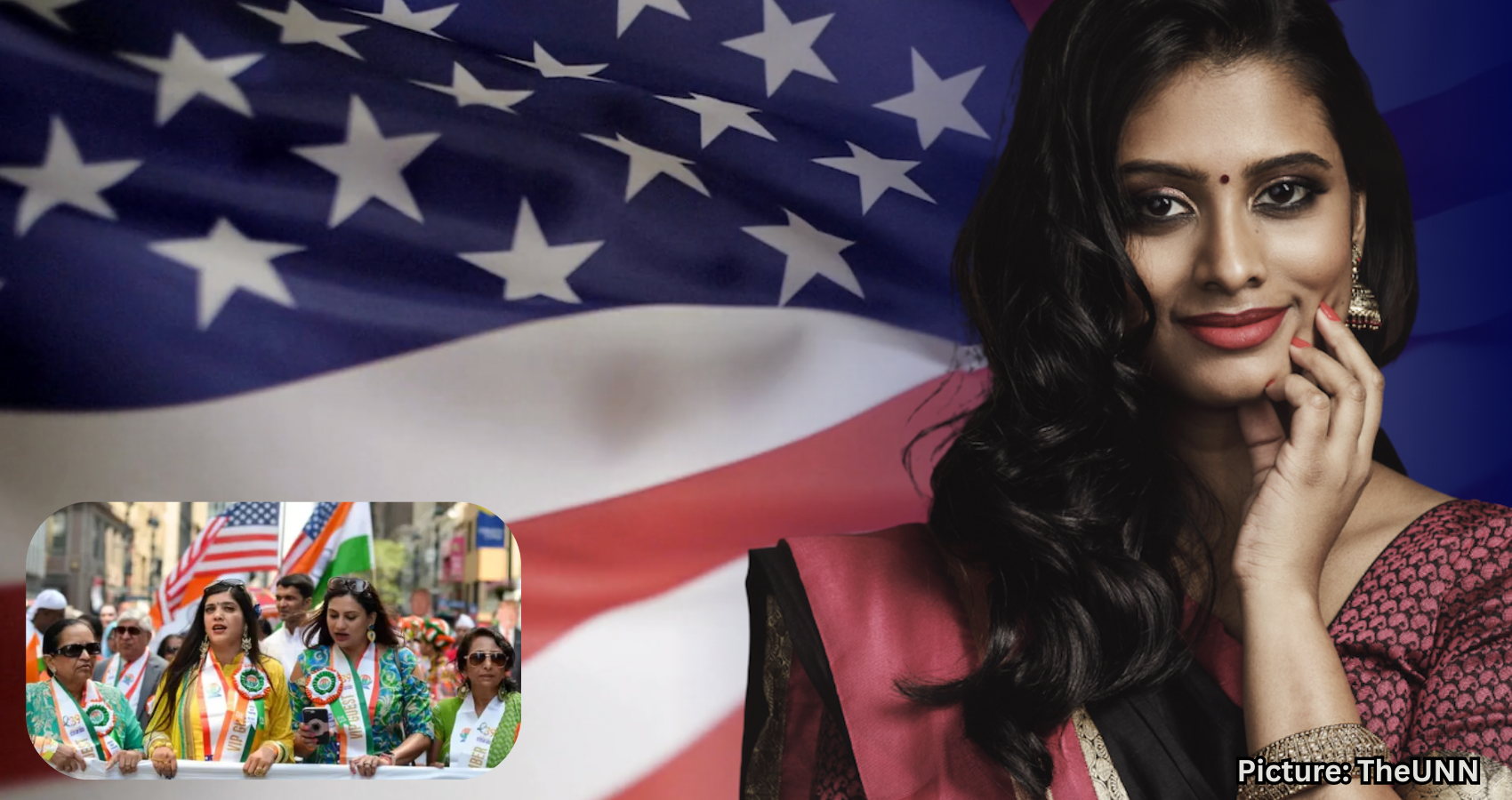
Three Indian-American Women Recognized as Time’s 2026 Women of the Year

Three Indian-origin leaders have been honored in Time magazine’s 2026 Women of the Year list for their transformative contributions in biotechnology, education, and economic policy.

Time magazine has announced its 2026 Women of the Year list, featuring three prominent Indian-origin pioneers who are at the forefront of a global movement aimed at fostering equity and innovation.

Among the 16 honorees are two Indian Americans, Dr. Reshma Kewalramani and Reshma Saujani, along with Safeena Husain, who is based in India. These leaders have been recognized for their efforts in transforming systemic challenges into opportunities for progress.

Dr. Reshma Kewalramani has made significant strides as the first female CEO of a major U.S. biotech firm, Vertex Pharmaceuticals. Under her leadership, the company has pioneered CRISPR-based gene-editing therapies, providing life-changing treatments for diseases such as sickle cell anemia. Her inclusion in the list underscores a career dedicated to clinical excellence and the belief that scientific breakthroughs should be accessible to everyone.

Reshma Saujani, the founder of Moms First and Girls Who Code, is another key figure in this influential trio. She has shifted her focus to addressing the “care crisis,” advocating for federal policies that support working mothers and affordable childcare. Saujani emphasizes that economic equity cannot be achieved without a robust support system for the women who are the backbone of the workforce.

Safeena Husain, the founder of Educate Girls in Mumbai, has dedicated nearly two decades to closing the gender gap in India’s rural classrooms. By mobilizing community volunteers, her organization has successfully reintegrated over 1.5 million out-of-school girls into the education system. Husain’s commitment to grassroots empowerment is evident in her statement: “It’s about ensuring no girl is left behind because of where she was born.”

Time CEO Jessica Sibley remarked, “These women are not just identifying problems; they are building the infrastructure for a better future.” The selection of these three leaders highlights the significant impact the Indian diaspora continues to have on global health, social mobility, and economic policy.

The full 2026 cohort also includes cultural icons such as actor Teyana Taylor and Olympic champion Sydney McLaughlin-Levrone. However, by featuring specialists in medicine and social advocacy, Time signals a shift toward celebrating “architects of change” who work behind the scenes to dismantle long-standing barriers.

The honorees will be officially recognized at a gala in Los Angeles in March. This event will serve as a platform for these leaders to share their strategies, ensuring that their individual successes contribute to a broader, more inclusive global agenda for the year ahead.

According to Time, the recognition of these trailblazers reflects a growing appreciation for those who are committed to creating lasting change in their communities and beyond.

Three Indian Americans Recognized as New Voices in STEM Leadership

Three Indian American professionals have been selected for the National Academies of Sciences, Engineering, and Medicine’s New Voices program, aimed at addressing critical national and global challenges.

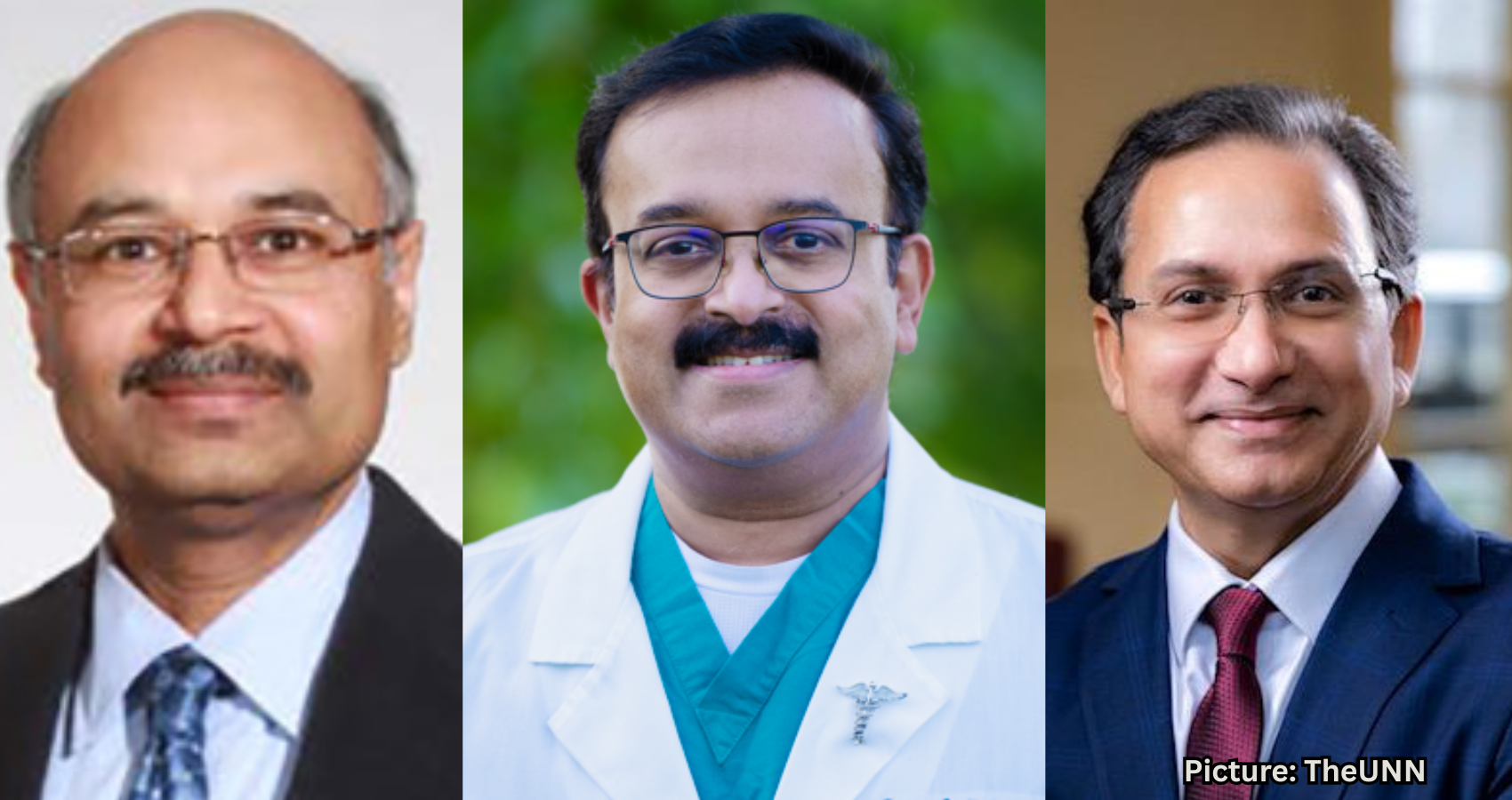
Three Indian American professionals—Siva Pilli, Nikitha Sambamurthy, and Sutyajeet Soneja—have been named to the 2026-2028 cohort of the National Academies of Sciences, Engineering, and Medicine’s New Voices program. This initiative seeks to broaden the expertise involved in the work of the National Academies while fostering a network of U.S. leaders dedicated to tackling pressing national and global challenges.

“Now more than ever, we need to nurture the next generation of talented American researchers, who are the future leaders of the U.S. science and innovation enterprise,” stated Marcia McNutt, president of the National Academy of Sciences, during the announcement of the new cohort.

Siva Pilli, who resides in Richland, Washington, serves as the director of strategic planning at Dassault Systèmes. In this role, he supports long-range planning across various sectors, including advanced manufacturing, life sciences and healthcare, as well as infrastructure and urban development. Pilli’s career encompasses a diverse range of experiences in global industry, national laboratories, and professional engineering organizations.

Prior to his position at Dassault Systèmes, Pilli worked at the Pacific Northwest National Laboratory, where he led programs funded by the U.S. Department of Energy. These initiatives aimed to connect government, industry, academia, and small businesses to facilitate the advancement of emerging technologies from research to practical application. He has also held leadership positions in the American Society of Mechanical Engineers and the National Society of Professional Engineers, representing the United States at various international engineering forums.

Nikitha Sambamurthy, the founder of Building Better Learning in Avon, Ohio, operates at the intersection of engineering education, learning science, and digital learning. Her work emphasizes evidence-based design and evaluation of educational technologies, including tools powered by artificial intelligence. Over the past decade, Sambamurthy has contributed to the development of digital learning products that have reached over one million STEM students, focusing on assessment design and the measurement of student reasoning and critical thinking on a large scale. She holds a doctorate in engineering education from Purdue University and has been honored with the university’s “38 by 38” award for outstanding alumni.

Sutyajeet Soneja is an associate scientist at the Center for Outbreak Response and Innovation at the Johns Hopkins Bloomberg School of Public Health, based in Ellicott City, Maryland. With more than 15 years of experience in global environmental health, exposure science, and science policy, Soneja has held various significant roles. His previous work includes involvement with MITRE on nationwide COVID-19 testing efforts in collaboration with the Centers for Disease Control and Prevention, as well as contributions to health security initiatives like the launch of ARPA-H.

Additionally, Soneja has served as a senior epidemiologist with Resolve to Save Lives, advised local COVID-19 response efforts in North Carolina, and worked as a science diplomat at the U.S. Embassy in Italy. His research interests encompass air pollution, climate change, and maternal and child health, with a particular focus on South Asia.

During their two-year term, the new cohort of 20 distinguished mid-career scientists, engineers, and medical professionals will engage in the National Academies’ consensus and convening activities, develop their own interdisciplinary projects, and continue to cultivate a robust network of emerging STEM leaders both in the U.S. and internationally.

Members of previous cohorts have participated in over 40 National Academies committees and represented U.S. mid-career STEM voices in more than 100 engagements at major international and domestic events, serving as speakers, planning committee members, and attendees.

According to a media release, the New Voices program is a vital platform for fostering innovation and collaboration among the next generation of leaders in science, technology, engineering, and mathematics.

Vinod Kachroo Appointed to Lead Tinubu’s North American Operations

Vinod Kachroo has been appointed to lead Tinubu’s North American operations, marking a significant step in the company’s strategy to enhance its presence in the specialty insurance sector.

Tinubu, a prominent provider of enterprise software tailored for the specialty insurance industry, has announced the appointment of Vinod Kachroo as the new head of its Americas Business. This strategic move underscores the company’s commitment to strengthening its foothold in the United States and modernizing the operations of carriers and brokers in handling complex surety and specialty lines.

In his new role, Kachroo will oversee regional operations and drive the growth of Tinubu’s end-to-end surety platform. His appointment comes at a crucial time when the insurance sector is under increasing pressure to transition from outdated legacy systems to more agile, cloud-based environments.

Tinubu’s leadership is confident that Kachroo’s extensive experience in high-scale digital transformation will be instrumental in helping U.S. clients unlock better data insights and enhance operational efficiency. “Vinod brings a rare combination of visionary leadership and operational excellence,” said Morgan Franc, CEO of Tinubu. Franc highlighted that Kachroo’s expertise in building high-performance technology platforms will be vital as the company continues to invest significantly in the American market.

Kachroo is not new to the Tinubu ecosystem; he previously served as the General Manager of Skye, where he played a key role in integrating Innoveo’s no-code technology into Tinubu’s core offerings following its acquisition. His career spans over three decades, including leadership roles at major firms such as AIG, Prudential, MetLife, and Tata Consultancy Services.

The surety market is currently navigating a transformative phase, with traditional workflows often hindered by manual processes. Kachroo sees this as a prime opportunity for disruption, noting that carriers are increasingly seeking configurable platforms that provide “agility without sacrificing control.”

In addition to his executive credentials, Kachroo is recognized as an industry futurist and author. He often draws parallels between his professional journey and his passion for long-distance running, suggesting that the endurance required for a marathon is essential for guiding large organizations through technological transitions.

Kachroo holds a Bachelor of Science in Engineering from the National Institute of Technology in India and an MBA from Saint Peter’s University.

For Tinubu, Kachroo’s hire is part of a broader momentum. Following a $45 million growth capital raise last year led by Morgan Stanley Expansion Capital, the company has been aggressive in its pursuit of market leadership within the specialty insurance SaaS space. By placing an experienced leader like Kachroo at the helm of its American division, Tinubu aims to translate its technological vision into tangible business impact for its North American partners.

Headquartered in Paris with a significant presence in New York, Tinubu continues to position itself as a bridge between deep domain expertise and cutting-edge software, striving to redefine the digital value chain for specialty insurers worldwide.

According to The American Bazaar, Kachroo’s leadership is expected to play a pivotal role in shaping the future of Tinubu’s operations in North America.

West Indies vs. South Africa: T20 World Cup 2026 Live Updates

South Africa’s Aiden Markram won the toss and elected to bowl first against West Indies in a pivotal T20 World Cup Super 8 match in Ahmedabad.

In a crucial T20 World Cup Super 8 clash held in Ahmedabad, South Africa’s captain Aiden Markram won the toss and chose to bowl first, putting the West Indies in to bat.

This decision sets the stage for an exciting encounter as both teams vie for a spot in the semifinals. The West Indies will look to post a competitive total, while South Africa aims to capitalize on their decision to bowl first.

As the match unfolds, fans are eager to see how the pitch conditions will affect the game, particularly in the context of the tournament’s knockout stages.

With both teams having their eyes on the prize, the stakes are high, and every run will count in this critical matchup.

Stay tuned for live updates and scorecards as the action progresses in this significant T20 World Cup encounter.

According to NDTV Sports, the outcome of this match could have significant implications for the semifinal scenarios as the tournament advances.

Olive Oil May Enhance Brainpower During Aging, Study Finds

New research indicates that extra virgin olive oil may enhance brain health by improving gut bacteria and cognitive function in older adults.

A recent study conducted by researchers at Universitat Rovira i Virgili in Spain has revealed that extra virgin olive oil may play a significant role in protecting brain health, particularly in older adults. This finding adds to the existing body of evidence that highlights the cardiovascular benefits of olive oil.

The study specifically examined the effects of virgin olive oil compared to refined olive oil on cognitive function and gut microbiota diversity. Researchers found that individuals who consumed virgin olive oil exhibited improved cognitive abilities and a more diverse gut microbiome, which is considered an important indicator of intestinal and metabolic health.

“This is the first prospective study in humans to specifically analyze the role of olive oil in the interaction between gut microbiota and cognitive function,” stated Jiaqi Ni, the lead author of the study and a researcher at the Department of Biochemistry and Biotechnology at URV.

The research involved a two-year analysis of over 600 participants aged 55 to 75, all of whom were classified as overweight or obese and had metabolic syndrome—conditions that elevate the risk of heart disease. Throughout the study, the researchers monitored the participants’ consumption of both refined and virgin olive oil, alongside their gut microbiota.

Findings from the study suggest that the increase in gut bacteria diversity may be a key factor in the enhanced brain health observed in those consuming virgin olive oil. In contrast, participants who primarily consumed refined olive oil demonstrated a decline in gut microbiota diversity over time.

The distinction between refined and virgin olive oils lies in their processing methods. Refined olive oil undergoes industrial treatments that remove impurities, which can degrade the oil and strip it of beneficial antioxidants and vitamins.

In a follow-up assessment, researchers evaluated changes in cognitive function among participants. Those who regularly consumed extra virgin olive oil showed notable improvements in memory, attention, and executive function over the two-year period. Conversely, refined olive oil did not yield similar cognitive benefits.

“Not all olive oils have benefits for cognitive function,” Ni emphasized, highlighting the importance of choosing high-quality oils.

This research underscores the notion that the quality of dietary fats is as crucial as their quantity, according to Jordi Salas-Salvadó, the principal investigator of the study. “Extra virgin olive oil not only protects the heart but can also help preserve the brain during aging,” he remarked.

It is important to note that this observational study focused on older Mediterranean adults with specific health risks, which may limit the applicability of the findings to the broader population. Additionally, the study does not establish a direct causal relationship between olive oil consumption and cognitive changes.

Researchers acknowledged that factors such as smoking and lower education levels were more prevalent among participants who used refined oil, which could potentially skew the results despite their efforts to adjust the data. Furthermore, the reliance on self-reported dietary habits introduces a risk of inaccuracies.

The study has been published in the journal Microbiome.

According to Fox News, the implications of this research could encourage individuals to reconsider their dietary choices, particularly when it comes to the type of olive oil they incorporate into their diets.

New Year’s Privacy Resolutions May Not Be Effective for Many

Many individuals believe they have successfully removed their personal data from broker sites, only to find it reappearing weeks later, highlighting the need for ongoing privacy management.

As the new year begins, many people take proactive steps to protect their personal information. They search their names online, opt out of various data broker sites, and delete listings that expose sensitive details such as their addresses and phone numbers. Initially, this effort can feel like a fresh start. However, the reality is often more complicated: personal data rarely stays gone for long.

In fact, February is typically when this data quietly reemerges. The uncomfortable truth is that privacy management is not a one-time task; it requires ongoing vigilance. Data brokers have designed their systems to outlast individual efforts, making it essential for users to understand the nature of these databases.

Many individuals mistakenly believe that once they remove their profile from a data broker site, their information is permanently deleted. However, data brokers do not store information in the same way that traditional websites do. Instead, they continuously rebuild their databases using automated data feeds from various sources.

Every few weeks, these systems can re-ingest new records and match them to existing identities. This means that even if you successfully removed your profile in January, a subsequent data refresh can recreate it in February, often under a slightly altered version of your name. This phenomenon explains why many people express frustration, saying, “I removed my data… and then found it again a month later.” It is not a mistake; it is simply how the data broker business model operates.

While manual opt-outs may initially feel empowering, they often do not provide lasting protection. The scale of the issue is significant: hundreds of data brokers collect, trade, and republish personal information, with many sharing data among themselves. Consequently, removing your profile from one site does not prevent the spread of your information across others.

Essentially, individuals are not just battling a single website; they are up against a self-repairing network of databases that rebuild profiles every few weeks. This is why a one-time cleanup in January does not offer year-round protection. Scammers are well aware of this cycle. They do not merely scrape old databases; they wait for newly refreshed lists that contain your information.

By February and March, these lists are already circulating again, creating a fertile ground for scams. When your data reappears, it does not simply sit idle on a website. Instead, it becomes a valuable resource for criminals. They often have access to detailed profiles, allowing them to tailor their scams with precision. Rather than relying on guesswork, scammers can build their pitches around real details, making their fraud attempts increasingly convincing.

This is where many individuals misunderstand the tools available for managing their privacy. The real threat is not the old profile you deleted; it is the next version that gets created. Ongoing removal efforts mean blocking the rebuild cycle itself, which is the only way to stay ahead of systems designed to outlast individual actions.

If you genuinely want to stay off data broker sites, you need a systematic approach. This is where data removal services come into play. While no service can guarantee the complete removal of your data from the internet, utilizing a data removal service can be a wise choice. These services, although not inexpensive, offer significant value for your privacy.

Data removal services actively monitor and systematically erase your personal information from hundreds of websites. This proactive approach can provide peace of mind and has proven to be one of the most effective methods for eliminating personal data from the internet. By limiting the information available, you reduce the risk of scammers cross-referencing data from breaches with information they might find on the dark web, making it more challenging for them to target you.

As January often sees individuals cleaning up their digital footprints, February marks a critical moment when many data brokers refresh their databases. During this time, scammers begin working from newly updated lists. Unfortunately, data brokers do not send alerts when they republish your details, leaving individuals unaware of the resurgence of their information until they receive a scam email or a suspicious phone call.

Consequently, February can become a confusing time for many. It is when individuals often express disbelief, saying, “I thought I already handled this.” At the beginning of the year, you may have taken significant steps to control your information, but privacy management is not akin to a one-time spring cleaning. It resembles ongoing lawn care; the moment you stop maintaining it, the growth returns.

Data brokers continuously refresh and rebuild profiles, drawing from public records, commercial feeds, and shared databases. Therefore, when your profile reappears, scammers do not view it as outdated information; they treat it as fresh intelligence. This is precisely why February is crucial. While January feels proactive, it is in February that many databases quietly update and republish information.

To achieve lasting control over your personal information, consistent monitoring and ongoing removal are essential. The ultimate goal is not merely to delete an old profile but to prevent the next version from spreading in the first place. Ultimately, privacy is not just about what you remove; it is about what never comes back.

Have you ever removed your personal information from a data broker site, only to find it listed again weeks later? Share your experiences with us at Cyberguy.com.

New Study Finds Leprosy in the Americas Before European Arrival

The discovery of Mycobacterium lepromatosis indicates that leprosy existed in the Americas long before European explorers arrived, reshaping historical perceptions of the disease.

Recent research has revealed that leprosy, also known as Hansen’s disease, was present in the Americas long before the arrival of European explorers. This finding challenges the long-held belief that the disease was introduced to the continent by settlers.

Scientists from the Institut Pasteur in Paris, France, in collaboration with a U.S. university, announced the discovery of a second species of bacteria responsible for leprosy. Previously, it was widely accepted that Mycobacterium leprae was the sole bacterium causing the disease, which was thought to have been brought to the Americas by early European explorers and settlers.

The identification of Mycobacterium lepromatosis suggests that this bacterium has been infecting humans in the Americas for at least 1,000 years prior to European contact. Dr. Maria Lopopolo, the first author of the study and a researcher at the Laboratory of Microbial Paleogenomics at the Institut Pasteur, emphasized the significance of this discovery. “This discovery transforms our understanding of the history of leprosy in America. It shows that a form of the disease was already endemic among Indigenous populations well before the Europeans arrived,” she stated.

The study was initiated after Mycobacterium lepromatosis was first identified in a Mexican patient in 2008, followed by its detection in red squirrels in the British Isles in 2016. Researchers utilized advanced genetic techniques to reconstruct the genomes of Mycobacterium lepromatosis from ancient individuals in Argentina and Canada. Their findings indicated that the two strains from these regions were closely related, suggesting that the bacteria spread rapidly throughout the continent.

The results confirmed that Mycobacterium lepromatosis had already established itself across both North and South America. The research team collaborated with Indigenous communities, various international institutions, and archaeologists, analyzing over 800 DNA samples from ancient human remains and recent medical cases exhibiting signs of leprosy.

Nicolás Rascovan, the lead author of the study at the Institut Pasteur, remarked on the implications of their findings. “We are just beginning to uncover the diversity and global movements of this recently identified pathogen,” he noted. “This study allows us to hypothesize that there might be unknown animal reservoirs.”

According to the Centers for Disease Control and Prevention (CDC), leprosy can affect the nerves, skin, and eyes of patients, but it is treatable with antibiotics. In the United States, up to 225 people are diagnosed with Hansen’s disease each year, while approximately 250,000 cases are reported globally, as stated by the CDC.

This groundbreaking research not only alters the historical narrative surrounding leprosy in the Americas but also opens new avenues for understanding the disease and its transmission. The study highlights the importance of interdisciplinary collaboration in uncovering the complexities of human health and disease.

As scientists continue to investigate the origins and spread of Mycobacterium lepromatosis, the findings underscore the need for ongoing research into the historical interactions between Indigenous populations and infectious diseases, reshaping our understanding of public health in the context of global history.

These revelations about leprosy’s presence in the Americas prior to European contact prompt a reevaluation of the historical context of the disease and its impact on Indigenous communities. The research serves as a reminder of the intricate relationship between humans and pathogens throughout history, emphasizing the importance of studying ancient diseases to inform modern public health strategies.

For further details, refer to the study published by the Institut Pasteur.

Democratic Voter Enthusiasm Dips During Trump’s Fentanyl Crackdown Remarks

Real-time voter data from President Trump’s State of the Union address revealed a partisan divide, with Democrats showing less enthusiasm for his remarks on drug cartels and fentanyl compared to Republicans and Independents.

During President Donald Trump’s recent State of the Union address, real-time voter data indicated a significant partisan split in reactions to his comments about drug cartels and fentanyl. While Republican and Independent voters responded positively to Trump’s remarks, Democrats displayed notably less enthusiasm.

Trump emphasized his administration’s efforts to combat drug cartels, stating, “For years, large swaths of territory in our region, including large parts of Mexico, really large parts of Mexico, have been controlled by murderous drug cartels. That’s why I designated these cartels as foreign terrorist organizations, and I declared illicit fentanyl as a weapon of mass destruction.” His comments were met with applause, particularly from Republican lawmakers.

A panel assembled by polling group Maslansky & Partners, which included 29 Democrats, 30 Independents, and 40 Republicans, tracked real-time reactions during the address. The data showed that Democrats’ enthusiasm dipped slightly below baseline levels when Trump began discussing his aggressive foreign policy stance, particularly regarding drug cartels in Central and South America. This included references to his administration’s bombing campaigns against these organizations, which have reportedly involved operations in the open ocean off the South American coastline and in the eastern Pacific.

In contrast, Republicans and Independents exhibited a much stronger favorable reaction to Trump’s assertions about the actions taken against drug cartels and the illegal fentanyl trade. The president also highlighted the recent U.S. assistance in capturing drug kingpin “El Mencho,” the leader of the Jalisco New Generation Cartel (CJNG), who was killed earlier this month in a military operation in Mexico. Although the operation was conducted by Mexican forces, U.S. efforts were instrumental in paving the way for El Mencho’s downfall.

On his first day in office, Trump signed an executive order directing the State Department to designate several cartels and international criminal groups as “foreign terrorist organizations” (FTOs). This designation allows for military-grade surveillance and “material support” prosecutions against these groups. The CJNG, while less known than other cartels like MS-13, was among those designated as an FTO by the Trump administration.

Following the executive order, Attorney General Pam Bondi issued a memorandum to Department of Justice employees, announcing a “fundamental change in mindset and approach” toward cartels and transnational criminal organizations, shifting to a policy of “total elimination.”

Throughout 2025 and 2026, the Trump administration engaged in an aggressive bombing campaign targeting cartel boats, alongside non-lethal maritime drug interdiction efforts. In early 2026, Venezuelan President Nicolás Maduro was captured by U.S. forces and extradited to New York on charges of drug trafficking and narco-terrorism, with Trump labeling him a “kingpin of a vast criminal network.”

The recent violence and the capture of El Mencho have raised concerns for American tourists in Mexico. White House Press Secretary Karoline Leavitt stated that the State Department has been receiving “hundreds of calls a day” from Americans seeking travel support and advice. She reassured the public, saying, “We are unaware of any reports of any Americans being hurt, kidnapped, or killed, and the Mexican drug cartels know not to lay a finger on a single American or they will pay severe consequences under this president – and they already are.”

As the political landscape continues to evolve, the differing reactions from voters underscore the challenges faced by the Trump administration in garnering bipartisan support for its policies on drug cartels and fentanyl.

According to Fox News, the partisan divide in enthusiasm highlights the complexities of addressing drug-related issues in the current political climate.

Supporting Working Families with Flexible and Affordable Childcare Options

KidsPark provides flexible, affordable childcare solutions that support working families, particularly low- and middle-income parents, while highlighting the essential role of immigrant workers in the childcare industry.

KidsPark, a national franchise, is dedicated to offering accessible and responsible hourly daycare for families who may not require full-day childcare. This innovative approach allows parents to drop off their children at any time during operating hours, paying only for the hours they need without the necessity of reservations.

Founded 37 years ago, KidsPark has grown significantly, with daycare centers now operating in nine states. Sisters Beth Christie and Heather Alanis joined the franchise 17 years ago, opening the first KidsPark center in the Dallas-Fort Worth area. “We have families who use us five days a week, or parents who just drop in as needed,” Beth explained.

KidsPark aims to support low- and middle-income parents, for whom traditional childcare costs can be prohibitively high, often forcing them out of the workforce for extended periods. Many parents juggle conflicting work schedules to ensure that one is always available for their children. However, affordable childcare is still needed during the overlap when both parents are working. “The hourly drop-off allows them to minimize their childcare costs,” Beth noted.

Currently, parents pay $12 per hour for one child, with an additional $6 per hour for each sibling—rates that are often lower than those of independent babysitters. “Having quality staff that can take good care of your children while keeping rates low for parents is definitely a balancing act,” Beth added.

KidsPark primarily hires young individuals, often college students, with all current teachers in their 20s and the directors in their 30s. From the outset, immigrants have played a crucial role in the success of KidsPark Arlington. “We’ve always relied on people who have come here from another country, or are first- or second-generation,” Heather stated.

Many of these young workers are pursuing careers in nursing or education. “It’s just fun to see caregiving as a personality type,” Beth remarked. “The young women who work for us tend to be very family-oriented.” Over the years, the center has employed cousins and sisters, fostering a collaborative environment among staff members, all of whom come from immigrant backgrounds.

Immigrants and children of immigrants also bring valuable bilingual skills, which benefit children from diverse backgrounds, particularly in a multicultural area like Dallas. This region is home to many immigrant workers who play vital roles in sectors such as construction, manufacturing, and healthcare. “We want our staff to reflect our customers,” Beth emphasized. “We’ve loved having teachers that are bilingual.”

According to Beth, “The teachers that have come from immigrant families have generally been the kindest, most diligent, hard workers.” She expressed admiration for the young women who have worked at the center, noting their strong work ethic and the love they bring to their roles.

As KidsPark continues to grow, its commitment to providing flexible, affordable childcare remains steadfast, ensuring that working families have the support they need while recognizing the invaluable contributions of immigrant workers in the childcare sector. This model not only addresses the childcare crisis but also highlights the importance of community and collaboration in fostering a nurturing environment for children.

For more insights on the role of immigrant workers in the childcare industry, refer to the American Immigration Council.

India Introduces Weight-Based Gold Import Rules for Returning Expats

India has introduced new weight-based gold import rules for returning expatriates, modernizing customs regulations and alleviating the burden of fluctuating gold prices.

The Government of India has officially implemented the Baggage Rules 2026, marking a significant transformation in the way returning residents and expatriates can bring gold jewellery into the country. Effective February 2, 2026, these updated regulations represent a modernization of customs protocols, shifting from outdated monetary caps to a simplified weight-based system. This change aims to provide greater clarity for international travelers while reflecting the current global economic climate and the fluctuating value of precious metals.

Previously, gold allowances were tied to specific Indian Rupee values, which often failed to keep pace with the rising global price of gold. Under the old rules, female passengers were limited to forty grams of gold jewellery with a value cap of one lakh rupees, while male passengers faced a twenty-gram limit with a cap of fifty thousand rupees. As gold prices reached record highs in recent years, many travelers found that even small amounts of personal jewellery exceeded these monetary thresholds, leading to unexpected duties and administrative hurdles at ports of entry.

The 2026 guidelines effectively decouple the duty-free allowance from the market price of gold. For female passengers who have resided abroad for more than one year, the duty-free allowance is now strictly set at forty grams of gold jewellery, regardless of its total valuation. Similarly, male passengers meeting the same residency requirement are permitted to bring twenty grams of gold jewellery duty-free. By removing currency-denominated limits, the customs department has streamlined the clearance process, ensuring that passengers are not penalized for the appreciation of gold prices during their time overseas.

It is important to note that the definition of jewellery under these rules is comprehensive, covering items of personal adornment made of gold, silver, or platinum. These items may be plain or studded with stones. However, the Central Board of Indirect Taxes and Customs has maintained a clear distinction between personal jewellery and investment-grade gold. Gold bars, biscuits, and coins do not qualify for the duty-free allowance. Any passenger importing gold in these forms is required to pay the applicable customs duty starting from the very first gram. While a passenger can technically import up to one kilogram of gold as part of their baggage, any amount that is not specifically covered under the personal jewellery allowance will attract significant taxation.

The current effective import duty on gold stands at approximately six percent, which includes a five percent Basic Customs Duty and a one percent Agriculture Infrastructure and Development Cess. For many expatriates returning to India after long-term assignments, understanding these fiscal implications is vital for financial planning. The government has emphasized that these duties must be paid in convertible foreign currency for certain categories of imports, although returning residents typically have established protocols for payment at airport customs counters.

In conjunction with the changes to gold regulations, the government has also expanded the General Duty-Free Allowance for other personal effects. For returning residents and Non-Resident Indians, the limit for items such as electronics, gifts, and souvenirs has been increased to seventy-five thousand rupees, up from the previous limit of fifty thousand rupees. Foreign tourists have also seen an increase in their allowance, which has risen to twenty-five thousand rupees from fifteen thousand rupees. These adjustments apply specifically to arrivals via air or sea and are intended to accommodate the rising costs of consumer goods and the increased purchasing power of the traveling public.

To facilitate a smoother transition through customs, the government is heavily promoting the use of digital tools. The ATITHI mobile application has been updated to reflect the 2026 rules, allowing passengers to file advanced electronic declarations of their dutiable goods. By using the app, travelers can report their gold holdings and other high-value items before landing, significantly reducing wait times in the arrivals hall. Customs officials have reiterated that transparency is the best policy for avoiding legal complications. Passengers carrying items in excess of the duty-free limits must proceed to the Red Channel for formal declaration. Failure to declare gold can result in heavy penalties, the seizure of the items, and, in some cases, criminal prosecution.

Documentation remains a cornerstone of the import process. Returning residents are advised to maintain original purchase invoices for all jewellery and high-value items. These documents serve as vital evidence of the weight and purity of the gold, as well as the duration of ownership. For those traveling from India to foreign destinations with expensive jewellery and intending to bring those same items back, the customs department suggests obtaining an export certificate upon departure. This certificate acts as a formal record, ensuring that the passenger is not charged duty on their own property when they return to India.

The 2026 rules also include specific provisions for modern technology. A notable inclusion is the allowance of one brand-new laptop or tablet computer per passenger duty-free. This allowance is treated independently of the general seventy-five thousand rupee limit, recognizing the essential nature of these devices for personal and professional use. This specific provision helps simplify the entry process for tech-heavy travelers who might otherwise quickly reach their general allowance limit.

The shift to weight-based gold limits is regarded by many industry analysts as a pragmatic step toward harmonizing Indian customs law with international standards. It acknowledges that gold is often a cultural staple for the Indian diaspora, used in weddings, religious ceremonies, and as a traditional form of savings. By simplifying the rules, the government aims to reduce friction points at international airports, which have experienced a massive surge in traffic as global mobility returns to pre-pandemic levels and beyond.

Expatriates planning their return to India are encouraged to review the full text of the Baggage Rules 2026 on the official website of the Central Board of Indirect Taxes and Customs. Being well-informed about the distinction between jewellery and bullion, as well as the specific weight thresholds for men and women, can prevent stressful encounters at the border. As the Indian economy continues to integrate more deeply with the global market, these regulatory updates represent a commitment to efficient, fair, and modern border management, according to GlobalNetNews.

Trump Claims U.S. is ‘Winning So Much’ During State of the Union

In a lengthy State of the Union address, President Donald Trump proclaimed that the U.S. is ‘winning so much,’ emphasizing economic growth, military funding, and voter ID laws.

In a marathon State of the Union address, President Donald Trump declared that the United States was “winning so much,” highlighting a booming economy, advocating for increased military spending, and calling for tighter voter ID laws. Delivered in a record-setting 108 minutes, the speech was punctuated by frequent applause as Trump laid out his administration’s accomplishments and future goals.

Trump’s address was a sweeping narrative of American triumphalism, delivered with characteristic bravado and marked by moments of political theatre. In a speech that stretched beyond the usual hour, he presented a vision of America that was robust, prosperous, and secure, while also drawing lines in the sand on contentious issues such as military funding and voter ID laws.

The address, marked by enthusiastic applause from Republican lawmakers, aimed to project an image of a nation on the rise. Trump extolled the virtues of a booming economy, citing low unemployment rates and a stock market that was reaching unprecedented highs at the time. These economic indicators, he argued, were proof of his administration’s success in steering the country toward greater prosperity. However, the economic narrative was not without its critics. Economists and political analysts have pointed out that while the economy was performing well, factors such as wage growth and income inequality remained areas of concern.

Trump’s call for increased military funding was another key highlight of the address. Framing it as a necessary measure to ensure national security, he argued for a stronger military presence as a deterrent against global threats. This stance was consistent with his administration’s broader foreign policy approach, which emphasized military strength and readiness. Critics, however, have raised concerns about the implications of such spending on the national budget and the potential for escalating international tensions.

Perhaps the most polarizing aspect of Trump’s address was his endorsement of stricter voter ID laws. Framing it as a measure to protect the integrity of elections, Trump argued that tighter controls were necessary to prevent voter fraud. This assertion has been met with skepticism by many who argue that voter fraud is not widespread and that such laws could disenfranchise vulnerable populations. The debate over voter ID laws is emblematic of the broader partisan divide in American politics, where issues of electoral integrity and access are hotly contested.

The State of the Union address also served as a platform for Trump to tout his administration’s achievements in other areas, such as criminal justice reform and health care. He highlighted bipartisan efforts to pass the First Step Act, which aimed to reduce recidivism and reform sentencing laws. On health care, Trump reiterated his commitment to lowering prescription drug prices, a promise that resonated with many Americans concerned about rising health care costs.

In addition to policy discussions, the address was laden with symbolic gestures and moments designed to evoke emotional responses. Trump’s introduction of guests in the audience, a long-standing tradition in State of the Union addresses, included figures such as military veterans and individuals who had benefited from his administration’s policies. These moments were carefully orchestrated to underscore the human impact of policy decisions and to rally public support.

As with previous addresses, Trump’s rhetoric was a mix of optimism and confrontation. While he painted a picture of a nation on the upswing, he also took swipes at political opponents and the media, whom he accused of undermining his administration’s achievements. This dual approach of promoting unity while stoking division is a hallmark of Trump’s political style and reflects the deeply polarized nature of contemporary American politics.

Overall, Trump’s State of the Union address was a testament to his unique brand of leadership. It blended policy discussion with political theatre, aimed at consolidating support among his base while attempting to appeal to a broader audience. The address, like much of Trump’s presidency, was both celebrated and criticized, reflecting the complex and often contentious landscape of American politics.

As the nation continues to grapple with issues of economic inequality, national security, and electoral integrity, the themes and proposals outlined in Trump’s address will likely remain central to political discourse. Whether the country is indeed “winning so much” is a question that will continue to be debated by policymakers, analysts, and the public alike, according to AP News.

Indian-American Women at Increased Risk for Breast Cancer Due to Lack of Screening

Indian American women face rising breast cancer risks, often overlooked due to cultural barriers and a lack of disaggregated health data, as illustrated by the experiences of women like Srila.

During the early days of the pandemic, Srila, a healthcare professional in the Bay Area, discovered a lump in her breast. “While showering, I used to feel a little bit of something tough, but I didn’t pay much attention,” she recalled.

Having lived in the U.S. for over 20 years and balancing her career with family responsibilities, Srila was due for her biennial mammogram in 2020. However, as the world shut down and daily anxieties mounted, she found it difficult to prioritize what seemed like a non-urgent health issue. Instead, she focused on running fundraisers for a Bay Area nonprofit she co-founded to send critical pandemic supplies to India.

“I’m normally a very attentive and science-driven person, but there was so much chaos with the pandemic going on,” she said.

By August 2020, the grape-sized lump and persistent tightness in her breast could no longer be ignored. Upon contacting her primary care physician, she was urged to come in immediately. At 47, Srila was unaware of the alarming trend: breast cancer rates among Asian American women under 50 were rising significantly.

According to a 2024 report from the American Cancer Society, Asian American and Pacific Islander (AAPI) women experienced the fastest-growing breast cancer incidence of any racial or ethnic group between 2012 and 2021, with a rise of 2.6% per year. Dr. Lihua Liu, a professor at the University of Southern California, noted that cancer was once seen as a disease primarily affecting the elderly, but statistics indicate a troubling shift. Between 2000 and 2021, new breast cancer cases among AAPI women under 50 surged by 52%.

Moreover, a 2019 CDC study found that immigrant Asian women faced a two- to three-fold higher risk of developing breast cancer compared to their U.S.-born counterparts, even after accounting for known risk factors such as reproductive history and family history. The reasons for this elevated risk among women arriving from Asia remain unclear.

For Indian American women like Srila, the situation is even more complex due to the lack of disaggregated data on South Asian communities. This absence makes it difficult to fully understand the scope of their risk.

Dr. Liu emphasized that closer studies reveal significant differences in screening rates, stage at diagnosis, treatment, and health outcomes among various Asian groups. Census data often lumps together individuals from diverse backgrounds, including Indian, Pakistani, Nepalese, and Sri Lankan, obscuring the specific trends affecting South Asian populations. Despite being the second-largest Asian group in the U.S. with a median age of 34, Indian Americans have received less attention regarding their increasing breast cancer risk compared to other health issues like heart disease and diabetes.

Dr. Preeti Farmah, a breast surgical oncologist at El Camino Health, explained that breast cancer risk factors can be inherited or genetic, but they are also influenced by lifestyle and environmental factors. For immigrant Asian American women, the process of westernization plays a crucial role in shaping these risks.

As Asian Americans adopt American lifestyles, they often experience changes in diet, reproductive practices, and environmental exposures that increase their vulnerability to breast cancer. Dr. Farmah noted that adopting a westernized lifestyle can lead to higher obesity rates, declining fertility rates, and a tendency to have children later in life. These factors extend the body’s total window of estrogen exposure, modestly increasing breast cancer risk.

Additionally, the demands of balancing careers and family life in the U.S. often result in fewer pregnancies and shorter breastfeeding durations, further compounding the risk. Chronic stress can also elevate cortisol levels, which may contribute to increased breast cancer risk.

Dr. Farmah explained that estrogen acts as a fuel for cancer cells. As dietary habits shift toward higher fat and processed foods, combined with reduced physical activity, obesity becomes a significant risk factor. “When you have fatty tissue, it can also produce estrogen,” she added.

Dense breast tissue, which disproportionately affects AAPI women, complicates detection. Both small breast cancers and dense tissue appear white on mammograms, making them harder to identify. Dr. Farmah noted that this increases the likelihood of undetected cancers, as subtle signs may remain hidden.

Cultural barriers also play a significant role in preventive care. Many first-generation Asian Americans delay seeking preventive care due to health care norms from their home countries, where visits to doctors typically occur only when one is ill. Dr. Harpreet Pannu, a Kaiser internist in San Jose, explained that this mindset can hinder participation in preventive health measures.

A Rutgers study of Indian and Pakistani women in the U.S. linked poor mammogram screening rates to lifestyle and cultural factors, including lack of family support, transportation issues, modesty concerns, and beliefs about cancer as divine punishment. With two-thirds of Indian Americans born outside the U.S., these cultural norms significantly influence their approach to mammograms.

According to the CDC, AAPI women aged 40 to 49 have among the lowest mammography rates of any racial group, with only 54% reporting a mammogram in the past two years, compared to 60% of White women.

As immigrant women navigate a new culture and healthcare system while balancing work and family, preventive care often falls by the wayside.

However, early detection can lead to better outcomes. Nibedita, a Los Angeles resident, had her first mammogram at 40, which was negative. A few months later, during a self-exam, she discovered a lump. Her doctor quickly referred her for an ultrasound and biopsy, leading to a diagnosis of triple-negative breast cancer (TNBC), an aggressive form of the disease that occurs at higher rates in women of Indian subcontinent ancestry than in White women. Fortunately, her cancer was caught early, allowing her to undergo successful treatment.

Srila’s journey took a similar turn after her initial consultation. Within days, an ultrasound and needle biopsy confirmed a triple-positive breast cancer diagnosis. Following conflicting treatment recommendations, she sought a second opinion from a Stanford oncologist, who advised chemotherapy before surgery. Despite the challenges of undergoing treatment during the pandemic, Srila persevered through six cycles of chemotherapy, followed by surgery and radiation.

Tragically, her cancer metastasized to her brain, leading to multiple tumors. The experience highlighted the differences in follow-up care protocols between the U.S. and India, where full-body scans are more common after treatment.

Despite the setbacks, Srila remains determined. “I don’t want to live to breathe. I want to live to live,” she said, emphasizing her desire to continue pursuing her passions. She is currently undergoing active treatment and monitoring, benefiting from specialized care and advanced medical technology.

This article was produced in partnership with the USC Annenberg Center for Health Journalism’s “Healing California” Ethnic Media Collaborative.

Daily Horoscope for All Zodiac Signs: February 26, 2026

Your daily horoscope for February 26, 2026, offers insights for each zodiac sign, guiding you through personal and professional challenges with astrological wisdom.

Aries (Mar. 21 – Apr. 20): Today is a favorable day, according to Ganesha. You find happiness and contentment in your current situation while actively working toward your goals. A romantic date could lead to interesting developments or even a controversy—it’s up to you to decide how to navigate it.

Taurus (Apr. 21 – May 21): You are likely to enjoy good rapport with those around you today, predicts Ganesha. Your cravings for delicious food may stem from repressed hunger, and something refreshingly different could be on the horizon.

Gemini (May 22 – Jun. 21): Expect a noticeable improvement in your emotional intelligence today, says Ganesha. This positive change may come from watching a film, listening to music, or experiencing a simple insight. At work, your excellent performance will earn you praise from colleagues.

Cancer (Jun. 22 – Jul. 22): Ganesha predicts you will enjoy the company of close friends and family today. While minor issues may arise, your loved ones will support you in resolving them, allowing you to have a wonderful time with your partner.

Leo (Jul. 23 – Aug. 23): Good ideas can strike at any moment, and today is no exception, according to Ganesha. Enhance your management skills, as you will need them to organize and capitalize on the multitude of ideas that come your way. If you seek love, don’t hesitate to express yourself openly.

Virgo (Aug. 24 – Sep. 22): You may feel a sense of futility in your efforts today, similar to the myth of Sisyphus, but don’t lose hope, says Ganesha. Recharge your imagination and focus on your long-term goals, as perseverance will ultimately pay off.

Libra (Sep. 23 – Oct. 23): Today, you might feel the urge to escape the daily grind at work. The monotonous and stressful environment may be pushing you to seek a new direction in life. Ganesha encourages you to embrace change and pursue a less taxing lifestyle.

Scorpio (Oct. 24 – Nov. 22): Be cautious with your finances today, as Ganesha warns that loved ones may be spending your money carelessly. You might be tempted to splurge, especially to impress someone special. Remember that time is money, and be mindful of your spending habits.

Sagittarius (Nov. 23 – Dec. 21): Today marks a rebirth for you as a devoted family person, according to Ganesha. You will shower love and care on your partner and children, enjoying quality time together. Cherish these moments of connection.

Capricorn (Dec. 22 – Jan. 20): Work may drain your energy today, and business rivals could attempt to tarnish your reputation. However, Ganesha assures you that you will outsmart them and prove your worth. Your resilience will shine through, demonstrating that you have what it takes to succeed.

Aquarius (Jan. 21 – Feb. 18): With your feet firmly on the ground and a clear head, you are on the path to success, says Ganesha. The next step involves maintaining an inquisitive mind. Be cautious about taking shortcuts that may compromise quality.

Pisces (Feb. 19 – Mar. 20): Your creativity flows abundantly today, but organization is key to implementing your innovative ideas. Ganesha encourages you to embrace your oratory skills, as they will attract many admirers. Don’t hold back—let your voice be heard.

Stay connected with the cosmos through your daily horoscope! For February 26, 2026, explore tailored insights for every zodiac sign. Whether you are an adventurous Aries or a sensitive Pisces, our expert astrologers provide personalized readings to help you navigate life’s challenges and triumphs. Visit daily for fresh updates and stay attuned to the celestial forces shaping your destiny.

The insights in this article are based on predictions by Ganesha.

Rep. Correa Honors Indian-American Ami Bera Family on House Floor

Congressman J. Luis Correa honored the Bera family on the House floor, highlighting their dedication to service, education, and community contributions in the U.S. and India.

WASHINGTON, DC – On February 24, Congressman J. Luis Correa (D-CA) paid tribute to the family of fellow Democratic Congressman Ami Bera during a session on the House floor. Correa recognized what he termed their “multigenerational commitment to service, education, and community,” as well as their significant contributions both in the United States and India.

Correa commended the Bera family’s longstanding dedication to public service and education. He traced their journey back to the 1950s, when Kanta and Babulal Bera emigrated from Gujarat, India, to the United States. The couple believed that “education is the path to opportunity” and worked multiple jobs while pursuing graduate degrees and raising their three sons: Raja, Rimal, and Ami Bera.

Rimal Bera currently serves as a clinical professor of psychiatry at the University of California, Irvine (UCI) Department of Psychiatry. Correa emphasized the family’s sustained engagement in public health and education, noting that their efforts have impacted communities from Orange County, California, to regions in India.

“The Beras’ dedication to global health has spanned a variety of impactful projects not only in Orange County but also on the other side of the world in India,” Correa stated.

Among the initiatives highlighted by Correa was the establishment of an all-girls school in India, which has successfully graduated more than 7,000 students. This school exemplifies the family’s commitment to empowering young women through education.

A central pillar of the Bera family’s philanthropic efforts has been their support for the University of California, Irvine School of Medicine. Two generations of the Bera family have attended this institution, furthering their legacy in the field of medicine.

Correa also pointed out a significant contribution made by the Bera family in 2020, when they donated $100,000 to the UCI School of Medicine. This donation was intended to permanently support medical students traveling to Rajkot, India, thereby fostering a connection between the two communities.

Through their various initiatives, the Bera family continues to exemplify a profound commitment to education and health, making a lasting impact in both their local and global communities. Their story serves as an inspiration for many, showcasing the power of dedication and service across generations.

According to IANS, the recognition by Congressman Correa underscores the importance of community engagement and the positive influence of immigrant families in American society.

Kim Jong Un Labels South Korea as ‘Most Hostile Enemy’

North Korean leader Kim Jong Un has escalated tensions with South Korea, labeling it the “most hostile enemy” and threatening potential destruction while outlining plans to expand the country’s nuclear capabilities.

North Korean leader Kim Jong Un has issued a stark warning to South Korea, claiming that his country could “completely destroy” its southern neighbor if it feels threatened. This declaration marks a significant escalation in rhetoric as Kim ruled out any possibility of renewed diplomatic talks.

During a speech at the Ninth Congress of the ruling Workers’ Party in Pyongyang, Kim characterized South Korea as the “most hostile enemy.” He criticized the current South Korean government’s conciliatory approach, describing it as “clumsily deceptive and crude,” according to the state-run Korean Central News Agency (KCNA).

Kim asserted that North Korea has the capability to “initiate arbitrary action” should South Korea engage in what he termed “obnoxious behavior.” He dismissed recent efforts by Seoul to improve relations, ominously stating that “South Korea’s complete collapse cannot be ruled out.”

In his address, Kim outlined ambitious five-year policy goals focused on expanding North Korea’s nuclear arsenal. The Stockholm International Peace Research Institute estimates that North Korea currently possesses around 50 nuclear warheads, with enough fissile material to potentially produce up to 40 more.

Kim emphasized the importance of enhancing North Korea’s nuclear capabilities, stating, “It is our party’s firm will to further expand and strengthen our national nuclear power, and thoroughly exercise its status as a nuclear state.” He indicated that the country would prioritize projects aimed at increasing the number of nuclear weapons and expanding operational capabilities.

In addition to nuclear expansion, Kim announced plans for the development of advanced intercontinental ballistic missiles capable of underwater launches, as well as artificial intelligence-driven weapons systems and unmanned drones, according to KCNA.

While Kim has previously engaged in negotiations with the United States, he suggested that any future talks would depend on the U.S. changing its approach. “Whether it’s peaceful coexistence or permanent confrontation, we are ready for either, and the choice is not ours to make,” he stated.

Kim further indicated that if the United States were to “withdraw its policy of confrontation” and recognize North Korea’s “current status,” there would be “no reason why we cannot get along well with the U.S.”

Following the congress, Kim’s teenage daughter, Ju Ae, was seen attending a military parade in Pyongyang. Reports suggest that she has recently been given a leadership role within the regime’s influential “Missile Administration,” which oversees North Korea’s nuclear forces. Ju Ae, believed to be around 13 or 14 years old, was photographed standing alongside her father and senior military officials.

This latest round of threats and military ambitions from North Korea underscores the ongoing tensions in the region and raises concerns about the future of inter-Korean relations and international security.

According to Fox News, Kim’s remarks and military plans reflect a continued commitment to enhancing North Korea’s defense capabilities amid a complex geopolitical landscape.

Neha Shah Redefines Diet and Wellness for Indian-American Community

Neha Shah is redefining diet and wellness for the Indian diaspora, merging ancestral food wisdom with modern nutrition science to address the unique challenges faced by immigrant communities.

When Neha Shah relocated to the United States, she found herself grappling with unexpected challenges in her own kitchen. Foods that once felt familiar now triggered confusion and discomfort.

“The foods looked familiar,” she recalls. “But my body was reacting very differently. Digestion changed. Inflammation increased. Energy felt less stable.”

This personal experience inspired Shah to establish Diaspora Nutrition in 2014, a consultancy aimed at bridging the gap between ancestral Indian food wisdom and contemporary nutrition science. Today, she is recognized as a nutrition practitioner and holistic health expert, trained at the Institute of Integrative Nutrition. With over 1,000 clients and a community of more than 67,000 followers, Shah provides culturally grounded, practical guidance that emphasizes understanding rather than restriction.

In an exclusive interview, Shah elaborated on the evolving food patterns and nutritional needs of immigrant communities, highlighting the importance of cultural context in dietary choices.

“Immigration is a complete shift in the food ecosystem,” she explains. “After moving to the U.S., I noticed something I hear from so many South Asians now. I was eating foods that looked familiar on the surface, but my body was reacting very differently.”

Shah emphasizes that the changes experienced by immigrants are not merely due to geography but are influenced by factors such as sourcing, processing, storage, and the broader food environment. “I stopped asking only, ‘What is this food called?’ and started asking, ‘How was it grown, processed, stored, and prepared?’ That’s where healing began for me,” she says. “Not by abandoning Indian food, but by returning to Indian food wisdom with better sourcing in the U.S.”

This philosophy underpins her work, which aims to help immigrants remain connected to their cultural roots while improving their health in a foreign food system.

Shah critiques mainstream nutrition advice, which often relies on calorie charts and generic “healthy swaps.” She argues that such approaches fail to address the unique realities faced by immigrant families. “The biggest gap is that mainstream nutrition advice often gives immigrants generic and colonized wellness rules but no cultural navigation,” she states.

As a South Asian immigrant herself, Shah understands that individuals are not merely trying to “eat healthy.” They are also preserving their identity, cooking for families, navigating American grocery stores, and managing symptoms like bloating, fatigue, and inflammation.

“My message resonates because I speak to what people are actually dealing with,” she says. “Why does the same meal feel different here? Why am I reacting to foods I grew up eating? How do I shop in the U.S. without losing my Indian kitchen?”

Her solution is not about restriction but recalibration. For Shah, culturally competent nutrition is built on three pillars: culture, context, and body reality. Culture encompasses the foods, habits, and rituals that families live with. Context involves understanding the U.S. food environment, work schedules, and ingredient quality. Body reality refers to the individual experiences of digestion, blood sugar, inflammation, and metabolic patterns.

“Food is not just fuel,” she asserts. “It is identity, family, memory, and daily structure.” Ignoring these aspects can lead to feelings of misunderstanding or unsustainable dietary plans. “Culturally competent care is not translation. It is designing health guidance that works inside someone’s real life,” she adds.

Shah also addresses the often-misunderstood conversation around carbohydrates. She argues that Western diet culture frequently frames ancestral foods as obstacles. “It misunderstands that not all food problems are behavior problems,” she explains. “Many immigrants are blamed for ‘eating too many carbs’ or ‘not adapting,’ when the real issue is often food quality, processing, sourcing, and food environment overload.”

She highlights the significant difference between a homemade Indian meal made with quality ingredients and one made with ultra-processed substitutes. “The one size fits all model says, ‘Just eat less and swap rice for quinoa, wheat for oats or ghee for tallow.’ My work says, ‘Let’s understand what changed in the food system, and rebuild your health without disconnecting you from your culture.’”

Shah emphasizes the continued relevance of ancestral wisdom in modern health discussions. “Long before kombucha became trendy, Indian kitchens were fermenting ‘dahi,’ buttermilk, and ‘kanji,’” she notes. She believes that traditional practices around food preparation and consumption are validated by modern metabolic health science.

“Digestion support, blood sugar stability, food synergy, preparation methods that improve tolerance—today all of these traditional solutions are a part of ‘Alternative Medicine’ when in fact it is the OG medicine,” she states.

Shah advises against starting with diet products when seeking healthier options. Instead, she encourages individuals to focus on better versions of familiar foods. “I usually tell people not to start with ‘diet products.’ Start with better versions of your real foods,” she suggests.

Her own daily diet reflects her teachings, emphasizing simplicity and cultural roots. Breakfast might consist of warm amaranth porridge with almonds, dates, and saffron, while lunch and dinner typically follow a thali structure of grain, legumes, curry, and a side salad, often concluding with fermented buttermilk.

“I don’t build my day around restriction,” she explains. “I build it around steadier energy, digestion, and practicality.”

Shah also applies a principle of skepticism toward marketing in her own home. “Don’t outsource your health decisions to labels,” she advises. “Where is this coming from? How is it processed? Is it culturally aligned? Does my body actually feel good on it?”

Looking to the future, Shah envisions a wellness movement that is culture-rooted, systems-aware, and community-led. “The next phase of health education for immigrant communities will move beyond generic ‘eat clean’ advice,” she predicts. She advocates for culturally competent nutrition care, sourcing literacy, ancestral food preservation, and community-based healing support.

“Diaspora families do not need another diet trend,” she concludes. “They need a roadmap for staying healthy in a foreign system without losing the foods and traditions that gave them health in the first place.”

Through Diaspora Nutrition, Shah is committed to building that roadmap, emphasizing a long-term ecosystem for immigrant health, rather than quick fixes.

According to The American Bazaar, Shah’s approach is a vital resource for those navigating the complexities of maintaining cultural identity while pursuing wellness in a new environment.

Sheel Dodani Receives $100,000 Hackerman Award for Protein Research

Indian American scientist Sheel Dodani has been awarded the prestigious $100,000 Hackerman Award for her innovative research in protein technology aimed at enhancing human health and environmental sustainability.

Sheel Dodani, an Indian American scientist, has received the esteemed 2026 Norman Hackerman Award in Chemical Research from The Welch Foundation. This award, which includes a $100,000 prize and a bronze sculpture, recognizes her groundbreaking work in the field of engineered proteins, specifically their application as anion sensors in biological systems.

Dr. Dodani is an associate professor of chemistry and biochemistry at the University of Texas at Dallas. Her research has been described as “using creative and daring chemistry to engineer technologies” that significantly contribute to human health and environmental improvement. Fred Brazelton, chair and director of The Welch Foundation, praised her achievements, stating, “Dr. Dodani is using creative and daring chemistry to engineer technologies that can measure and manipulate anions in living systems for the betterment of human health and the environment.”

The Hackerman Award is named after the foundation’s former scientific advisory board chair and aims to honor the accomplishments of early-career chemical scientists in Texas who are committed to advancing the fundamental understanding of chemistry. The award not only highlights individual achievement but also underscores the importance of innovative research in the scientific community.

Dr. David Hyndman, dean of the School of Natural Sciences and Mathematics at UT Dallas, remarked on the significance of Dodani’s work, stating, “Sheel Dodani’s research is opening an important new window into the chemistry of life.”

Dodani’s research group has developed the first coherent suite of genetically engineered fluorescent proteins that serve as biosensors for inorganic anions. While much attention has been given to cations—positively charged particles that are crucial for biological processes—anions, or negatively charged particles, have not been as thoroughly explored. This gap in understanding is particularly notable given the vital role that anions play in various biological functions.

One prominent example of an anion is chloride, which is essential for regulating fluid balance, blood pressure, and pH levels in the human body. The biosensors developed by Dodani have revolutionized researchers’ ability to track and visualize the behavior and interactions of these biologically significant anions in real time within living systems.

By utilizing fluorescent biosensors, researchers can now observe how anions behave in cells, paving the way for new therapeutic avenues. This includes the potential identification of small molecules that could treat chloride channel dysfunctions associated with diseases such as cystic fibrosis.

Reflecting on her research journey, Dodani noted, “This work began with a fundamental question: How can we bind an anion in water?” She explained that her team turned to nature’s supramolecular machines—proteins—to find answers. Through protein engineering, they have unlocked new functionalities in fluorescent proteins that enable the observation of anion biology, which has traditionally been challenging to study directly in living cells.

Dodani expressed gratitude for the support from The Welch Foundation, stating, “The Welch Foundation gave us the opportunity to pursue this direction early on. At the time, there was no established framework for investigating anions in water, let alone in living systems. By integrating concepts from different disciplines, we have started to answer questions that were previously out of reach.”

The Welch Foundation plays a crucial role in providing resources that allow researchers like Dodani to take risks in their scientific inquiries. This support is vital for those who aim to tackle complex questions that could have significant implications for human health and the environment.

Born and raised in Plano, Texas, Dodani completed her Bachelor of Science in chemistry at UT Dallas. She then pursued her PhD at the University of California, Berkeley, followed by a postdoctoral fellowship at the California Institute of Technology. In 2016, she returned to UT Dallas as a faculty member in the School of Natural Sciences and Mathematics, where she continues to make impactful contributions to the field of chemistry.

According to The American Bazaar, Dodani’s innovative research not only enhances our understanding of anions but also holds promise for future advancements in medical and environmental applications.

Arvind KC Appointed to Lead Global Expansion Efforts at OpenAI

OpenAI has appointed Arvind KC, a former Google executive, as Chief People Officer to enhance talent acquisition and workplace culture amid the company’s rapid expansion.

OpenAI has announced the appointment of Arvind KC as its new Chief People Officer, marking a significant addition to the leadership team of one of the world’s most scrutinized artificial intelligence companies.

KC, who previously held executive roles at Google and Roblox, will oversee human resources and internal scaling efforts at OpenAI during a period of rapid growth in both headcount and global influence.

With a strong foundation in both technical and managerial disciplines, KC brings a unique perspective to the role. He earned a bachelor’s degree in chemical engineering from the University Institute of Chemical Technology (UICT) in Mumbai, India, a prestigious institution known for its rigorous engineering programs.

Following his education in India, KC moved to the United States to pursue an MBA with a focus on operations management from Santa Clara University. This combination of technical knowledge and strategic management has positioned him well for leadership roles in high-growth technology environments.

Throughout his career, KC has navigated the complexities of rapidly scaling organizations. Most recently, he served as Chief People and Systems Officer at Roblox, where he aligned workforce strategy with internal technical systems to support the company’s growth.

Before his tenure at Roblox, KC was a Vice President at Google, where he led global engineering teams. His experience in engineering-heavy roles at companies like Palantir and Facebook (now Meta) allows him to effectively communicate with the researchers and developers he will now manage.

In his new position at OpenAI, KC is tasked with humanizing the company’s rapid expansion, which is often viewed through the lens of its algorithms. His responsibilities will include overseeing global talent acquisition, employee development, and fostering a workplace culture that can withstand the scrutiny faced by the AI sector.

“Arvind’s experience leading global teams at some of the world’s most innovative companies will be invaluable as we continue to grow,” OpenAI stated, highlighting his proven track record in managing large-scale organizational transitions.

This appointment signals a maturation phase for the San Francisco-based firm as it transitions from a small research lab to a global commercial powerhouse. The emphasis on the “human” element of operations reflects a strategic priority for OpenAI as it seeks to attract and retain top talent in a competitive labor market.

KC is expected to bridge the gap between ambitious technical objectives and the everyday needs of a world-class workforce, ensuring that OpenAI remains an attractive destination for elite professionals.

According to The American Bazaar, this leadership change underscores OpenAI’s commitment to developing a robust organizational culture as it continues to expand its reach in the AI industry.

Sri Lanka vs. New Zealand: Weather Update and Rain Forecast

Rain may disrupt the T20 World Cup Super 8 match between Sri Lanka and New Zealand in Colombo, with forecasts indicating the possibility of another washout.

As anticipation builds for the T20 World Cup Super 8 clash between Sri Lanka and New Zealand, concerns over weather conditions loom large. The match, scheduled to take place in Colombo on Wednesday, is at risk of being affected by rain.

Weather forecasts suggest that rain could play a significant role in the outcome of this crucial encounter. Fans and players alike are hoping for clear skies, but meteorological predictions indicate that the chances of precipitation are high.

Colombo has been experiencing variable weather patterns, and the hourly rain forecast reveals a likelihood of showers during the match. This uncertainty adds an extra layer of tension to an already pivotal game in the tournament.

With both teams vying for a spot in the next round, the potential for a washout could have serious implications for their chances of advancing. The stakes are high, and the weather could ultimately determine the fate of this match.

As the day approaches, cricket enthusiasts are keeping a close eye on the weather updates, hoping for a break in the clouds. The excitement of the T20 World Cup is palpable, but so is the anxiety surrounding the forecast.

Fans will be eagerly awaiting the latest weather reports as the match time draws near, hoping for a favorable change that allows the game to proceed as planned. The outcome of this match could hinge not only on the skills of the players but also on the whims of the weather.

According to NDTV, the situation remains fluid, and all eyes will be on the skies as the match day unfolds.

Living at High Altitudes May Lower Risk of Common Diseases

Living at high altitudes may lower the risk of diabetes, as red blood cells absorb glucose more effectively in low-oxygen environments, according to a new study from the Gladstone Institutes.

Research suggests that residing at high altitudes could significantly reduce the risk of developing diabetes. A study conducted by the Gladstone Institutes in San Francisco has shed light on this phenomenon, revealing how red blood cells behave in low-oxygen environments.

The findings, published in the journal Cell Metabolism, indicate that at elevated altitudes, red blood cells take on the role of “sponges,” absorbing substantial amounts of glucose from the bloodstream. This adaptation occurs as oxygen levels drop, prompting these cells to modify their metabolism to enhance oxygen delivery throughout the body.

This metabolic shift also results in lower levels of circulating blood sugar, which researchers believe accounts for the reduced diabetes risk observed in populations living in mountainous regions. A previous study involving over 285,000 adults in the United States found that individuals residing at altitudes between 1,500 and 3,500 meters were significantly less likely to develop diabetes compared to those living at sea level, even after controlling for variables such as diet, age, and ethnicity.

“Red blood cells represent a hidden compartment of glucose metabolism that has not been appreciated until now,” said Isha Jain, a senior investigator at Gladstone and a professor of biochemistry at UC San Francisco. “This discovery could open up entirely new ways to think about controlling blood sugar.”

In earlier experiments, Jain’s team studied mice to gain insights into hypoxia, a condition characterized by reduced oxygen levels in the blood. They observed that mice exposed to thin air cleared sugar from their bloodstream almost immediately after eating, a characteristic typically associated with a lower risk of diabetes. However, the researchers initially struggled to determine where the sugar was being directed.

“We looked at muscle, brain, liver—all the usual suspects—but nothing in these organs could explain what was happening,” said Yolanda Martí-Mateos, a postdoctoral scholar in Jain’s lab and the study’s first author.

The breakthrough came when the team employed an alternative imaging method, which revealed that the red blood cells themselves were the missing “glucose sink.” Under hypoxic conditions, the mice produced an increased number of red blood cells, each of which absorbed significantly more glucose than they did under normal conditions.

To further explore this phenomenon, the researchers developed a drug called HypoxyStat, which mimics the effects of high altitude. In laboratory tests, this drug was able to completely reverse high blood sugar levels in diabetic mice.

Despite the promising results, the researchers acknowledged certain limitations in their study. The research focused on a specific strain of mice known for its sensitivity to blood sugar. While similar results have been observed in humans, testing additional strains would be necessary to confirm the universality of the findings.

Additionally, the team only studied young male mice, as age and sex can significantly influence red blood cell production. More research is needed to determine whether these findings apply to female and older populations.

“This is just the beginning,” Jain stated. “There’s still so much to learn about how the whole body adapts to changes in oxygen, and how we could leverage these mechanisms to treat a range of conditions.”

As researchers continue to investigate the implications of these findings, they may pave the way for new strategies in diabetes management and treatment, potentially benefiting millions of individuals at risk of this common disease.

According to Fox News, the study highlights the intricate relationship between environmental factors and metabolic health, opening new avenues for research and potential therapeutic interventions.

Apple Warns Users of Scam Emails Targeting App Passwords

A recent phishing scam impersonating Apple warns users of a fraudulent $2,990 PayPal charge, urging them to call a fake support number, prompting cybersecurity experts to issue warnings.

A new phishing scam targeting Apple users has emerged, featuring a deceptive email claiming that an app-specific password was generated for the recipient’s account. The email falsely states that the user authorized a $2,990.02 charge through PayPal and includes a confirmation number, urging the recipient to call a support number immediately. However, this message is a classic example of a phishing scam.

The email is designed to instill panic and urgency in recipients. It appears to be professionally crafted, using Apple branding and mentioning Apple Support. However, upon closer inspection, several red flags indicate that the message is not legitimate.

One of the most significant warning signs is the “To” field, which displays an email address that does not match the recipient’s actual Apple ID. Legitimate emails from Apple are sent directly to the email address associated with the user’s Apple ID. If the visible recipient address differs from yours, it is likely a mass-mailed or spoofed message, a common tactic used by scammers.

Scammers often use large sums of money, like the nearly $3,000 charge mentioned in this email, to provoke fear and prompt quick action from recipients. The goal is to create a sense of urgency that leads individuals to act without thinking critically about the situation.

The email also instructs recipients to call a specific phone number, which does not belong to Apple. Authentic Apple security communications typically direct users to log into their accounts directly rather than pressuring them to call an unfamiliar support line. If a recipient calls this number, they may be connected to a scammer who could extract personal information or financial details.

Additionally, the email contains links that appear to lead to official Apple resources, such as “Apple Account” and “Apple Support.” However, these links may be disguised, leading to malicious websites instead. It is crucial to avoid clicking on links in suspicious emails and instead navigate to official websites by typing the URL directly into a browser.

Another red flag is the mismatch between the email’s subject and its content. While the subject mentions an app-specific password, the body of the email suddenly shifts to discussing a PayPal transaction. This inconsistency is a common tactic used by scammers to heighten urgency and confusion.

The email begins with a generic greeting, “Dear Customer,” rather than addressing the recipient by name. This impersonal approach is typical of bulk phishing emails, which often lack the personalization found in legitimate communications from trusted companies.

Moreover, the email’s Reply-To field may show an address that appears to be from Apple, such as appleid-usen@email.apple.com. However, scammers can easily spoof sender information, making it look like the message is coming from a trusted source. Users should be cautious and evaluate all red flags collectively rather than relying solely on the sender’s address.

The language used in the email is also a telltale sign of a scam. Phrases like “You authorized a USD 2,990.02 payment to apple.com using PayPal” sound awkward and unnatural. Genuine Apple receipts typically reference specific products or subscriptions rather than vague payment notifications tied to password alerts.

Furthermore, the email may display a masked address or an unusual domain, such as relay.quickinvoicesus.com, which does not conform to standard Apple formatting. Legitimate Apple communications will reference the user’s Apple ID directly, not an unrelated invoice-style domain.

Scammers often create a sense of urgency by urging recipients to call immediately to report an unauthorized transaction. This tactic is a hallmark of phishing schemes, as legitimate companies encourage users to log in securely to their accounts rather than rushing them into calling a third-party number.

Once on the phone with a scammer, victims may be led to provide sensitive information or even financial details, resulting in losses that far exceed the fake $2,990 charge mentioned in the email.

If you receive an email of this nature, it is essential to take a moment to pause and assess the situation. Instead of clicking on links or calling numbers provided in the email, verify the details by visiting the official Apple and PayPal websites directly. If you did not generate an app-specific password and see no suspicious charges, you are likely safe.

To protect yourself from phishing scams, consider implementing a few smart habits. Enable two-factor authentication (2FA) on your Apple ID, PayPal, and email accounts. This additional layer of security can prevent unauthorized access even if someone guesses your password.

Always be cautious when an email urges you to call support or click on links. Instead, navigate directly to official websites by typing the addresses into your browser. Ensure that you have strong antivirus software installed on your devices, as it can help detect malicious links and block phishing sites.

Regularly update your software to fix vulnerabilities that attackers may exploit. Outdated software can make it easier for phishing and malware attacks to succeed. Additionally, avoid reusing passwords across different accounts, as this practice can put your entire digital life at risk if one account is compromised.

If you suspect that your email has been exposed in a data breach, consider using a password manager that includes a breach scanner to check for compromised credentials. Reducing the amount of personal information available online can also help decrease your risk of falling victim to phishing scams.

Lastly, report any suspicious emails to Apple at reportphishing@apple.com and mark them as phishing through your email provider. This action helps improve filters and protects others from becoming victims.

In the face of increasingly sophisticated phishing scams, it is vital to remain vigilant and informed. If you receive an email claiming to be from Apple regarding an app-specific password and a large PayPal charge, trust your instincts—it’s likely a scam. Always verify through official channels to protect your personal and financial information.

According to a PayPal spokesperson, “PayPal does not tolerate fraudulent activity, and we work hard to protect our customers from evolving phishing scams. We always encourage consumers to practice vigilance online and to learn how to spot the warning signs of common fraud.”

Astronauts Return to Earth After ISS Mission Rescues Stranded Crew

A NASA crew successfully splashed down in the Pacific Ocean after completing a mission to the International Space Station, marking the agency’s first Pacific landing in 50 years.

NASA astronauts Anne McClain and Nichole Ayers, along with international crew members Takuya Onishi from Japan and Kirill Peskov from Russia, returned to Earth on Saturday, splashing down in the Pacific Ocean off the coast of Southern California. The landing occurred at 11:33 a.m. ET in a SpaceX capsule, marking a significant milestone as it was NASA’s first Pacific splashdown in five decades.

The crew’s mission involved relieving two astronauts, Suni Williams and Butch Wilmore, who had been stranded aboard the International Space Station (ISS) for nine months. Their extended stay was due to issues with the Boeing Starliner capsule, which had experienced thruster problems and helium leaks. NASA ultimately deemed it too risky to return Williams and Wilmore in the Starliner, which flew back to Earth without a crew. Instead, the two astronauts returned home in a SpaceX capsule after their replacements arrived.

Wilmore announced his retirement from NASA earlier this week after a distinguished 25-year career. Reflecting on their mission, McClain expressed hopes that it would serve as a reminder of the power of collaboration and exploration, especially during challenging times on Earth. She shared her anticipation of enjoying some downtime upon her return, while her crewmates looked forward to indulging in hot showers and burgers.

This mission also marked a change for SpaceX, which opted to switch its splashdown locations from Florida to California to minimize the risk of debris falling on populated areas. After exiting the spacecraft, the crew underwent medical checks before being transported by helicopter to meet a NASA aircraft bound for Houston.

Steve Stich, manager of NASA’s Commercial Crew Program, expressed satisfaction with the mission’s outcome during a post-splashdown press conference. “Overall, the mission went great, glad to have the crew back,” he stated. “SpaceX did a great job of recovering the crew again on the West Coast.”

Dina Contella, deputy manager for NASA’s International Space Station program, echoed this sentiment, noting her happiness at seeing the Crew 10 team back on Earth. She remarked that the crew had orbited the Earth 2,368 times and traveled more than 63 million miles during their 146 days in space.

This successful mission underscores the ongoing collaboration between NASA and commercial partners like SpaceX, as they work together to advance human space exploration.

According to Fox News, the mission’s success highlights the resilience and adaptability of space travel in the modern era.

From Babysitter to Business Owner: The Resilient Journey of an Indian-American

Muna’s journey from a struggling babysitter to a successful business owner highlights the resilience of immigrants and the vital role they play in American society.

Muna is one of many Somalis who have sought refuge in the United States under Temporary Protected Status (TPS) since the onset of civil war in Somalia in 1991, a conflict that has claimed the lives of as many as 1 million people. Arriving in San Diego in 1999 with her 6-month-old baby, Muna faced the daunting challenge of starting anew in a foreign land, knowing no one and having little to her name. Undeterred, she knocked on doors in search of babysitting jobs.

For the next four years, Muna worked tirelessly in 20 different households as a nanny and housekeeper, often sleeping on the floor. Her starting wage was a meager $6.45 per hour. “When people see you don’t have nothing, they can do anything,” she recalled. Despite the hardships, Muna remained committed to her family and her goals.

However, the challenges intensified when her daughter faced bullying from the boys in the households where they worked. “I didn’t mind—but when they started hitting my daughter it was too much,” Muna said, reflecting on the difficulties she encountered while trying to provide for her family.

During her time in domestic work, Muna also managed to find a retail job at a nearby store. This dual employment allowed her to save enough money to rent an apartment, marking a significant step toward stability. As she progressed in her retail career, she eventually became a store manager. Along the way, she met and married a U.S. citizen, welcomed a second daughter, and achieved naturalization in 2023.

In 2018, ready to embark on a new chapter, Muna decided to start her own business in childcare. She opened a small daycare center in her home, initially licensed to care for eight children at a time. Her business quickly flourished, with afternoon slots consistently full. “I have to turn people away,” she noted, highlighting the demand for her services. Muna is now saving to purchase a larger home to expand her daycare capacity, with her daughter assisting her in this endeavor.

As the owner and operator of her daycare, Muna takes on a variety of responsibilities. She cares for infants, transports children to and from school, organizes outings to the park and library, and helps with homework. In addition to her business, she serves on the board of Global Village, a housing project currently in development, and volunteers with the Partnership for the Advancement of New Americans, where she assists new refugees in their transition to life in the U.S.

For the first time since arriving in America, Muna now enjoys weekends off. “In the seven years, I know what the Saturday-Sunday thing is,” she said with a laugh. “It’s so nice, so nice.”

Muna’s story exemplifies the resilience and determination that many immigrants display as they navigate the challenges of building a new life in America. Her journey underscores the essential role that immigrant women often play as caretakers, not only for their families but also for the children of others. “Everything is hard,” she said. “Nothing is easy to become an American and get your papers.”

Her experience reflects the broader narrative of immigrants in the United States, who contribute significantly to the economy and society while overcoming immense obstacles. Muna’s success is a testament to her hard work and the support systems she has built along the way, showcasing the potential for growth and achievement in the face of adversity.

According to the American Immigration Council, Muna’s journey is just one of many that illustrate the resilience of immigrants and the vital contributions they make to their communities.

Laughter in the Dark: A Reflection on Humor’s Role in Difficult Times

In a world marked by power outages and struggles, a Cuban man finds solace in laughter, reflecting on resilience and the enduring spirit of his community amidst adversity.

Another day without power. It’s a familiar reality for Father, who wakes up drenched in sweat. How many mornings can he endure this discomfort? The heat is relentless, and at his age, even the simplest tasks feel monumental.

Father knows the routine all too well. A trip to the bathroom, a quick wash of his face, and a rinse of his armpits in the sink—if only there was enough water to last. His wife, in the other room, is deep in prayer, her voice rising above the sound of the faucet.

“Gloria al Padre, al Hijo y al Espíritu Santo,” she chants, her fervent prayers echoing in the dim light of their candle-lit home. Despite the oppressive heat, she remains still, a bronzed figure beneath the painting of Jesus. Sweat beads cling to her curls, yet she shows no sign of moving.

Father contemplates approaching her, but the last time he did, she slapped him and cursed. She dislikes interruptions during her prayers, a lesson he learned after more than forty years of marriage. Yet, his heart aches to help her, even if his efforts often fall short.

What does Father truly know about help? After years spent in a hospital, he now faces the grim reality that the facility only accepts patients on the brink of death. Power outages have crippled their ability to provide care, leaving even the most critical patients vulnerable.

He wonders if the Americans want them to perish. Some Cubans living in the United States seem to believe that cutting off resources is for the best. Have they forgotten their roots? Politicians live in comfort, insulated from the struggles of ordinary citizens, while families like his endure weeks without electricity.

Fatigue washes over him. Despite a full night’s sleep, he struggles to keep his eyes open, the heat and dehydration weighing him down. He attempts to sit at the dining table, but nearly misses the chair. He knows this home too well, having lived in it for decades, yet the darkness makes it difficult to navigate.

As he settles into the chair, discomfort shoots through him. At his age, a fall could lead to serious injury, and with no surgeons available on the island, he would be left to suffer in silence. He would have to rely on expired medications and whatever water he could find.

“¿Amor, por qué te ríes?” His wife’s voice breaks through his thoughts, a mix of concern and curiosity. Perhaps she thinks he’s lost his mind. He can’t help but laugh, the sound echoing in the stillness.

Her approach brings the scent of sweat closer, and he can make out the frills of her nightgown and the dark curls of her hair. Fear and confusion flicker across her face, which only makes him laugh harder. The laughter is infectious, a release from the weight of their circumstances.

As she murmurs something he can’t quite catch, she picks up a candle and heads to the kitchen. Father wonders what she can possibly cook in the dark, and the absurdity of it sends him into another fit of laughter, one that quickly turns into a cough.

“You’ve gone crazy,” she remarks, her tone half-serious.

“No, no, that’s not it,” he replies, trying to regain his composure.

The laughter subsides, and Father reflects on their situation. It’s a blackout, but one thing is clear: he is a Cuban who has endured much and will continue to persevere. A little darkness cannot extinguish the spirit of the Cuban people. If the United States believes that depriving them of electricity will break their will, they are in for a surprise.

In the face of adversity, Father finds strength in laughter, a testament to resilience in a world that often feels devoid of light.

According to GlobalNetNews.

Chicago’s Indian-American Community Celebrates Valentine’s Day with Music and Dance

Chicago’s Indian diaspora gathered at Maharaj Banquets to celebrate Valentine’s Day with “Valentine’s Vibes; Dil Me Ho Tum,” an evening filled with music, dance, and heartfelt connections.

On a crisp February evening in 2026, the grand halls of Maharaj Banquets in Franklin Park, Illinois, transformed into a vibrant haven of love, music, and desi magic. Doors opened at 6:30 PM on Saturday, February 14th, Valentine’s Day, for “Valentine’s Vibes; Dil Me Ho Tum,” an enchanting celebration of romance co-organized by Maharaj Banquets and the charismatic Dr. Anu Gupta. Under the expert planning of Hitesh Master and the warm hosting of Chinmayi Bhatt-Desai, the night unfolded like a Bollywood dream, blending soul-stirring melodies, electrifying dance, laughter, and heartfelt connections.

Chinmayi Bhatt-Desai, with her trademark charm and over three decades of stage presence, opened the evening memorably by quoting a timeless romantic dialogue from the classic film *Silsila*: “Main aur meri tanhayi, aksar yeh baatein karte hain… tum hoti to kaisa hota…” This line set a dreamy, poetic mood, evoking stolen glances and unspoken longing, perfectly priming the audience for an unforgettable night of romance.

The evening kicked off with Bhatt-Desai’s sparkling introduction, setting a tone of joy and anticipation. As guests savored appetizers, 15-year-old prodigy Shubham Thakkar took center stage on the keyboard, delivering youthful passion through timeless tracks like “Moh Moh Ke Dhage,” “Abhi Mujh Mein Kahin,” and “Bulleya.” Trained for over seven years under Hitesh Master Nayak in Hindustani classical traditions, Shubham’s performance was a beautiful reminder of how dedication can shine even at a young age.

The spotlight then shifted to two powerhouse vocalists: the versatile Bollywood sensation Swapnil Sahu and the inspiring Dr. Anu Gupta. Their introduction sparked thunderous applause, and together they wove magic with a medley of evergreen classics including “Tip Tip Barsa Paani,” “Dil To Pagal Hai,” and “Yeh Kaali Kaali Aankhen.” The chemistry soared through romantic duets like “Dil Mein Ho Tum,” “Tu Meri Zindagi Hai,” and “Tujhe Dekha To Yeh Jaana Sanam.” Swapnil’s solo renditions of “Meri Bechaini Ko,” “Janam Janam,” and “Muskurane Ki” added layers of emotion, while the crowd swayed in unison.

After a delicious dinner break filled with laughter and the clinking of glasses at the cash bar, Shubham returned for four more captivating numbers. Dr. Radhika Chimata then made a dazzling entry, igniting the floor with her graceful moves rooted in Bhangra Academy traditions. Dr. Anu Gupta closed the performances with powerful numbers such as “Yeh Wada Raha,” “Aisa Sama,” and a high-energy Disco Medley that had everyone on their feet.

The live band, Hitesh Master Orchestra, provided seamless musical vibes throughout the evening, with Hitesh Master Nayak on keyboard, Raju Syed on guitar, Bobby Messy on congo and dholak, Kalyan Pathak on drums, and Dinesh Patel as DJ. A lively photo booth captured candid moments of joy, while the non-stop dance floor pulsed with energy.

No community event is complete without a bit of fun suspense, and the raffle draw delivered excitement. The emcee announced with enthusiasm: “The winner of our gift certificate this evening is Mr. Bharat & Gita Dhutia!” Cheers erupted as the couple made their way forward. Moments later, the second winner was announced: “Mr. Burket and Monica Huda… There they come!”

Congratulations to both winners! A big round of applause filled the hall as everyone was invited to come forward. One of the winners, beaming with surprise, shared a humorous moment: “The only time I ever win is when I go for jury duty. This is the first time I won something!”

The host jumped in with a laugh: “If you didn’t hear what he said, he mentioned that every time he goes for jury duty, he’s the first name called. So today, he got called to win. That’s great! Congratulations, sir.”

Over 80 enthusiastic members from the Midwest Silver Club added extra warmth to the gathering. Special thanks were extended to Sunil Shah, Dr. Radhika Chimata, Noor Tejani of the Midwest Silver Club, Dr. Anu Gupta, Hetul Thakker, Maharaj Banquets, and every guest and supporter who made the night memorable.

Dr. Radhika Chimata began her Carnatic music training at age six, later adding Hindustani music. She started singing professionally at 18 and became the lead singer of Chicago fusion band Funkadesi at 22, collaborating with artists like Bally Sagoo. Now a mother and physician, she continues to perform multiple genres and languages with bands in the Chicagoland area.

Valentine’s Day, a global celebration of love and affection, holds special resonance in the Indian heart. It is more than roses and chocolates; it echoes the timeless Bollywood romance of eternal devotion and melodies that bind souls. On this day, couples renew promises, families share warmth, and even strangers find reasons to smile, reminding us that love remains the most powerful force that heals, unites, and inspires.

Nestled in Franklin Park, Maharaj Banquets is the perfect venue for every dream event, accommodating up to 300 guests and specializing in weddings, corporate gatherings, and all occasions. The vibrant Valentine’s evening setup featured stunning decorative tables adorned with red bows, while the delicious multi-cuisine menu blended Indian, Pakistani, Italian, American, and Mexican dishes tailored for banquets.

As the evening unfolded with “Dil Me Ho Tum,” the celebration also carried a deeper echo. This very date, seven years ago in 2019, marked the tragic Pulwama attack that claimed 40 brave CRPF lives in a cowardly act of terror. While the world celebrated romance, for many, it remains a poignant reminder of sacrifice and resilience. Suresh Bodiwala, Chairman of Asian Media USA, reflected, “How can we forget those heroes who gave everything for our tomorrow? On this special occasion, let our joy be mixed with solemn gratitude and heartfelt condolences to the families who still bear that pain.”

Photographs and press releases were provided by Asian Media USA.

Indian-American Teen Questions Normalization of Hate Against Indians

Indian American teens are increasingly confronting normalized anti-Indian hate, highlighting the impact of stereotypes and casual racism on their identity and self-esteem.

During middle school, I faced my first experience of racism when someone asked me, “Does your house smell bad because you are Indian?” This moment marked the beginning of my understanding that being Indian encompassed more than just my skin color—it was a stark introduction to the prejudices that exist in society.

Over time, I began to notice that racist jokes about Indians were becoming alarmingly common. These remarks were often met with laughter, even from those who prided themselves on being socially aware. Today, the prevalence of anti-Indian hate in classrooms and on social media suggests that the norms surrounding blatant racism have shifted, allowing such comments to go unchallenged.

Has this normalization of hate against Indians in America become a troubling reality? Comments about the smell of Indian food or assumptions that Indian children are “nerdy” or socially awkward were once dismissed as harmless observations. Now, challenging these stereotypes is often viewed as being overly sensitive.

Such mocking comments have become so frequent that they may no longer be recognized as anti-Indian racism. This trend is particularly evident online, where social media posts featuring Indians often attract derogatory comments. Videos depicting Indians preparing food in unflattering ways frequently draw attention, and the comment sections are rife with stereotypes that, if directed at other ethnic groups, would be deemed unacceptable. These comments are not only tolerated but are also liked, shared, and laughed at by viewers.

According to data from aapiequalityalliance.org, over 44,000 slurs targeting South Asians were recorded in extremist digital spaces during just May and June of 2024. This alarming statistic indicates a growing acceptance of hate speech directed at Indian Americans.

One contributing factor to this phenomenon may be the perception of Indian Americans as a model minority. With an average household income estimated at around $150,000 in 2023, Indian Americans have made significant strides in fields such as medicine, engineering, and technology, often outperforming other demographic groups.

Does this perceived success render Indian Americans immune to racist remarks? Is anti-Indian hate considered permissible simply because they appear to be thriving?

Talvin Dhingra, a student at Tufts University, notes, “There is definitely a difference in how they are seen in media and politics,” even as he acknowledges that “Indians aren’t totally seen as different in younger circles.”

Media representation plays a crucial role in shaping societal attitudes. Historically, Indian characters in American television and film have been relegated to minor roles or portrayed through racial stereotypes. For example, the character Baljeet in *Phineas and Ferb* is depicted as a quintessential nerd, while Apu from *The Simpsons* is portrayed as a convenience store owner with an exaggerated Indian accent, voiced by a white actor.

Such portrayals do more than reflect stereotypes; they reinforce them. When audiences grow accustomed to seeing a particular group mocked on screen, it becomes easier to justify similar behavior in real life. A 2010 study by the National Communication Association found that viewers who frequently encountered stereotypical portrayals of African Americans and Latinos were more likely to associate these groups with negative traits, influencing their perceptions in the real world.

This environment can be particularly damaging for younger Indian Americans. As teenagers navigate their identities, casual racism can subtly shape their self-perception. Kavi Kumar-Warikoo, an Indian American high school student from Cambridge, Massachusetts, reflects, “I remember not having any Indian role models to look up to in television and the media growing up. It definitely made me somewhat accept that Indian Americans weren’t meant to be ‘popular’ or ‘cool.’”

The Mental Health Foundation highlights that racism can diminish self-esteem and instill shame, leading individuals to question their identities. Many Indian children grow up feeling embarrassed by their names, food, or cultural practices.

“When I was younger, I didn’t always realize the meaning behind jokes directed towards my race, but looking back now, it’s obvious that it was because Indian hate is normalized,” Kumar-Warikoo adds. “Even now in high school, you hear jokes and comments about Indians that are just seen as ordinary.”

When racism becomes normalized, it sends a message to young people that certain aspects of their identity are fair game for ridicule. However, it is essential to recognize that not all forms of racism are identical. While anti-Indian racism may not be systemic in the same way as anti-Black racism, it is still harmful.

Small comments, such as calling Indians smelly, along with repeated jokes and stereotypes, accumulate over time. They shape how people perceive Indians and how Indians perceive themselves. It is striking how little public attention this issue has received in the past. However, advocacy groups are beginning to document this trend, and mainstream media is starting to take notice. A recent survey by the Carnegie Endowment for International Peace reveals rising concerns among Indian Americans regarding discrimination, particularly amid recent U.S. policy changes and geopolitical uncertainties. Additionally, Stop AAPI Hate has reported a 115% increase in anti-Indian sentiment online over the past two years, while CNN has highlighted how racists are now openly targeting Indian Americans.

Reflecting on my own experiences, these anti-Indian comments did not lead me to believe I smelled bad or was only good at math. However, they subconsciously influenced my life choices. At times, I felt compelled to prove that I was like my peers, engaging in sports and consuming American food. Unbeknownst to me, this behavior contributed to a rejection of my Indian identity.

If American society genuinely believes that racism is unacceptable, this belief must be applied consistently across all ethnic groups. Challenging normalized anti-Indian hate is not about demanding special treatment; it is about seeking the same basic respect that society claims to uphold.

Real progress requires us to question the jokes we have grown accustomed to laughing at and to listen when individuals express their hurt, even if we are not used to hearing it.

According to India Currents, the normalization of anti-Indian hate is a pressing issue that deserves attention and action.

Dharma Endowment Fund Launches Grants Program for Indian-American Communities

The Dharma Endowment Fund has launched a grants program to support organizations and community projects that promote Dharma and its values.

The Dharma Endowment Fund, a nonprofit initiative, is committed to supporting organizations and community projects that uphold and promote the principles of Dharma. This includes a focus on spiritual education, the preservation of Vedic traditions, cultural heritage initiatives, humanitarian service, and programs that strengthen ethical and value-based living.

With a mission to provide financial assistance to initiatives that create meaningful and lasting impacts within their communities, the Fund is now inviting applications for its annual grants program. This program aims to support a variety of entities, including temples, spiritual institutions, educational initiatives, community outreach programs, and service-oriented organizations that align with the Fund’s core values of compassion, integrity, and service.

The Dharma Endowment Fund is particularly interested in projects that preserve sacred knowledge, expand access to spiritual learning, and uplift underserved communities. By focusing on these areas, the Fund hopes to foster a deeper understanding of Dharma and its relevance in today’s world.

For more information about the Dharma Endowment Fund, its mission, and application guidelines, interested parties can visit their website at www.dharmafund.org.

This initiative reflects the Fund’s commitment to nurturing a vibrant community that values spiritual growth and ethical living. Through its grants program, the Dharma Endowment Fund aims to empower organizations that are making a difference in their communities.

According to India Currents, the grants program is a significant step towards enhancing the impact of Dharma-related initiatives across various sectors.

Daily Horoscope for All Zodiac Signs: February 25, 2026

Daily horoscopes for February 25, 2026, offer insights for all zodiac signs, guiding individuals through personal challenges and opportunities.

Aries (March 21 – April 20): Today, you will crave absolute freedom in your pursuits. Expect a day filled with entertainment, especially for teenagers, who may enjoy activities like window shopping or catching a movie. Children might also ask for a special treat. Overall, family matters will take center stage today.

Taurus (April 21 – May 21): Your focus today will be on enhancing your appearance, according to Ganesha. Rather than seeking inner satisfaction, you may find yourself showcasing your stylish outfits and new hairstyles. A trip to a beauty salon is likely, and your transformed look will boost your confidence and impress others. Embrace the day ahead with optimism.

Gemini (May 22 – June 21): You are poised to establish yourself as a leader within your social circle. There is something you deeply desire, and it’s essential to concentrate your energies on achieving it. Your creative mind will provide solutions to lingering questions, as Ganesha suggests.

Cancer (June 22 – July 22): It’s time to commit yourself to your work. If you’re contemplating new ventures, today may not be the best day for experimentation. Stick to your usual methods, as Ganesha advises. You may also reconnect with an old friend, leading to a nostalgic trip down memory lane.

Leo (July 23 – August 23): Today, you will actively seek ways to advance in your career. Your determination will be unwavering, and you will encourage those around you to stay productive. To find happiness, it is crucial to release any inhibitions or fears. Ganesha indicates that you will receive support from higher-ups.

Virgo (August 24 – September 22): Expect applause and praise from children, both in and out of the classroom. Your logical reasoning skills will also see improvement. Ganesha encourages you to remain calm and enjoy the positive experiences that the day brings, regardless of any challenges.

Libra (September 23 – October 23): Today is the perfect opportunity to unleash your inner artist. You may discover a newfound passion for the fine arts. The stars are aligning to enhance your aesthetic sensibilities, particularly in interior decoration. There is potential for you to monetize this hobby, as Ganesha suggests.

Scorpio (October 24 – November 22): Family matters require your attention today. An estranged spouse may take decisive action that could lead to a severed relationship, according to Ganesha. It’s important to remain calm and choose your words carefully. Your priority should be to maintain peace within your family.

Sagittarius (November 23 – December 21): You may find yourself feeling gloomy due to worries that seem to linger. It’s essential to confront these issues head-on and make decisions that will alleviate your troubles. Although there may be delays in restoring normalcy, Ganesha assures you that you will ultimately benefit from your efforts.

Capricorn (December 22 – January 20): Your day may fluctuate between highs and lows. While negative feelings may cloud your mind, your hard work will yield positive results in the long run. Ganesha advises you to stay calm and accept criticism gracefully. Patience in chaotic situations will serve you well.

Aquarius (January 21 – February 18): Today may be challenging, as you might find yourself shouldering additional responsibilities from others. However, you are not one to back down. Ganesha encourages you to face these challenges head-on, and you will ultimately outsmart your competitors and celebrate your success.

Pisces (February 19 – March 20): While today may not meet your expectations, maintaining low expectations can help mitigate disappointment. The evening, however, promises to be more enjoyable, filled with social activities. Prepare for a lively gathering complete with good food, drinks, and music.

Stay connected with the cosmos through your daily horoscope! Access your February 25, 2026, daily and weekly horoscopes for every zodiac sign. Discover what the universe has in store for you with insights tailored to your sign. Whether you are a fiery Aries or a dreamy Pisces, our expert astrologers provide precise and personalized readings to help you navigate life’s challenges and triumphs. Visit us daily for fresh updates and stay attuned to the celestial forces shaping your destiny.

According to India West.

U.S. Aims for Stronger Ties with India Amid China Concerns

The United States is pursuing a deeper economic partnership with India as part of its broader strategy to address China’s rise, which it identifies as a defining issue of the 21st century.

WASHINGTON, DC – The United States has characterized its response to China’s growing influence as “the defining story of the 21st century.” As part of this strategy, the U.S. is signaling a deeper, albeit conditional, economic partnership with India within the framework of its Indo-Pacific strategy.

According to the State Department’s Agency Strategic Plan for Fiscal Years 2026–2030, the document states, “How the United States responds to the rise of China will be the defining story of the 21st century.” This response is not only centered on global economic competition but also on safeguarding U.S. national interests in the Indo-Pacific region.

The plan highlights the importance of the Indo-Pacific, noting, “Asia is already the source of nearly half of the world’s gross domestic product by some estimates, and crucial sea lanes and supply chains crisscross the region.” It further emphasizes that “regional peace and stability benefit the United States irrespective of competition with countries such as China.”

In this context, India is specifically mentioned as a key partner. The strategic plan outlines, “We will seek partnership with growing regional economies such as India, but on terms that advance U.S. security and economic interests and avoid repeating past mistakes.”

The strategy adopts a dual-track approach. Economically, the U.S. aims to “advance an economic system in the Indo-Pacific that is both free from external coercion and open to the American people.” This includes a commitment to support “U.S. reindustrialization through broad commercial advocacy efforts, the development of secure and resilient supply chains, and the spread of American and trusted alternatives to Chinese-created dependencies.”

Additionally, the plan indicates a focus on tougher trade enforcement measures. The United States will work to “identify and counter attempts to evade U.S. tariffs through third-country transshipment.”

On the security front, the document stresses the need for a “favorable military balance in the Indo-Pacific to keep the trade routes free and open and to deter aggression.” It notes that China has engaged in “an unprecedented military buildup,” which the U.S. must publicly address and be prepared to counter.

Despite these security concerns, the plan asserts that Washington “desires neither war nor regime change” and will “consistently seek open lines of communication with China and means to reduce misunderstandings and risks.”

The strategy also emphasizes the importance of alliances, stating that the United States will “seek closer economic and military ties with Indo-Pacific allies and partners that benefit U.S. strength, not which come at our expense.”

Mechanisms such as the Quadrilateral Security Dialogue are highlighted as tools to “drive American and allied regional priorities and counter attempts by China to establish a hostile and exclusionary economic system.”

Linking economic statecraft with national security, the plan asserts that the United States will “rescue our industries from unfair trade practices and illegitimate competition” and aims to “firmly reestablish America as the economic and technological juggernaut of the 21st century.”

The Indo-Pacific region has emerged as the primary arena for strategic competition between Washington and Beijing over the past decade, with trade, technology, supply chains, and military posture at the forefront of tensions, according to IANS.

Unforgettable Highlights from Trump’s Record-Breaking State of the Union Address

President Donald Trump’s State of the Union address featured emotional tributes and political confrontations, highlighting his administration’s achievements and ongoing challenges, while breaking records for length.

During his historic State of the Union address on Tuesday evening, President Donald Trump honored notable figures, including the U.S. Olympic hockey team and seven-year-old crash survivor Dalilah Coleman. The speech, which lasted approximately one hour and 48 minutes, set a record as the longest State of the Union address in modern history.

Trump’s address focused heavily on the economy, emphasizing his administration’s efforts to cut taxes, reduce housing costs, and secure the nation’s borders. He framed his speech as a declaration of a national “turnaround,” showcasing what he described as significant progress under his leadership.

Among the most memorable moments was the presence of the U.S. men’s hockey team, who had recently secured a gold medal victory over Canada at the Winter Olympics. As Trump welcomed the team, the chamber erupted in chants of “USA,” with lawmakers from both parties standing to honor the athletes. Goaltender Connor Hellebuyck received particular recognition, as Trump announced he would be awarded the Presidential Medal of Freedom for his outstanding performance during the Olympic games.

“I will soon be presenting Connor with our highest civilian honor,” Trump stated. “It’s called the Presidential Medal of Freedom.” Hellebuyck’s contributions, including making 41 saves in a crucial game against Canada, were highlighted as exemplary of American triumph.

Trump also took the opportunity to criticize Democrats for their opposition to tax cuts, which he referred to as part of a “big, beautiful bill.” He accused them of contributing to rising inflation and worsening the housing crisis. At one point, he directly challenged lawmakers to reaffirm their commitment to protecting American citizens over illegal immigrants, prompting a stark divide in the chamber.

“The first duty of the American government is to protect American citizens, not illegal aliens,” Trump asserted, inviting legislators to stand in support of this principle. While Republicans rose to applaud, many Democrats remained seated, leading Trump to admonish them for their lack of support.

In a heated exchange, Minnesota Democratic Rep. Ilhan Omar shouted accusations at Trump, claiming he had “killed Americans.” This outburst came as Trump addressed issues related to immigration and crime, including a fraud scandal linked to Minnesota’s Somali community.

Throughout the evening, Trump honored several military heroes, delivering emotional tributes that resonated with the audience. He awarded the Medal of Honor to 100-year-old naval aviator Royce Williams, who had a storied career spanning World War II, the Korean War, and Vietnam. Trump recounted Williams’ bravery during a legendary dogfight against Soviet fighter planes, emphasizing the remarkable nature of his service.

Additionally, Trump recognized Army Chief Warrant Officer Eric Slover, who played a pivotal role in capturing Venezuelan dictator Nicolás Maduro, and presented Purple Hearts to U.S. Air Force Staff Sgt. Andrew Wolfe and Army Spc. Sarah Beckstrom, who was posthumously honored after a tragic attack in Washington, D.C.

Another poignant moment came when Trump honored Coast Guard rescue swimmer Scott Ruskan, who received the Legion of Merit for his extraordinary heroism during the Texas floods. Trump reunited Ruskan with an 11-year-old girl he had rescued, highlighting the personal connections forged through acts of bravery.

Among the guests invited to the address was Dalilah Coleman, a young girl who survived a life-threatening car crash in 2024. Trump shared her inspiring recovery story, noting that doctors had initially doubted her ability to walk or talk again. “But against all odds, she is now in the first grade, learning to walk,” he said, as lawmakers applauded her resilience.

Trump’s State of the Union address encapsulated a mix of celebration, confrontation, and emotional storytelling, reflecting both the achievements and challenges facing his administration. As he continues to navigate the political landscape, the address served as a platform for Trump to assert his vision for the country moving forward.

According to Fox News Digital, the address was marked by a blend of triumph and tension, showcasing the complexities of American politics today.

Kim Jong Un Appoints Daughter as ‘Missile General’ in Nuclear Program

North Korean leader Kim Jong Un has reportedly appointed his teenage daughter, Ju Ae, to a leadership role within the country’s missile program, signaling a potential succession plan.

North Korean leader Kim Jong Un has reportedly assigned his teenage daughter, Ju Ae, a significant leadership role within the regime’s influential “Missile Administration,” which oversees the nation’s nuclear forces. According to South Korean media reports, this development was revealed on Monday, with intelligence sources suggesting that Ju Ae, believed to be around 13 or 14 years old, is acting as a “missile general director.”

These reports emerged as authorities closely monitor the ongoing Ninth Congress of the ruling Workers’ Party. The Chosun Daily, citing high-level government sources, indicated that intelligence agencies have received information confirming Ju Ae’s elevation to this position. Although Jang Chang-ha is officially listed as the director of the administration, it appears that Kim’s daughter is receiving briefings from military generals and issuing directives.

South Korea’s National Intelligence Service has informed lawmakers that Ju Ae’s increasing public profile suggests she is being positioned as a potential successor to her father. The agency noted that there have been instances where she has provided input on policy matters, as reported by The Associated Press.

Ju Ae has been seen accompanying her father at various high-profile military events, including intercontinental ballistic missile launches and inspections of weapons systems. North Korean state media first acknowledged her existence in November 2022, referring to her only as a “beloved child” during a public appearance at the launch of the Hwasong-17 intercontinental ballistic missile. Notably, her name has never been officially disclosed by the North Korean regime.

This reported role for Ju Ae comes as Kim Jong Un continues to showcase advancements in North Korea’s weapons programs. On February 18, he was photographed operating a nuclear-capable 600mm multiple rocket launcher in Pyongyang, which he touted as one of the most powerful systems of its kind. State media displayed rows of launch vehicles, claiming that the rockets, which utilize artificial intelligence for guidance, have “completely changed” modern artillery warfare, according to reports from Reuters.

In a related development, Kim was re-elected as general secretary of the ruling Workers’ Party of Korea on February 22, a decision announced by state-run media following the party’s Ninth Congress. This comes amid a prolonged suspension of meaningful diplomacy between North Korea and both the United States and South Korea, following the collapse of a 2019 summit between Kim and then-President Donald Trump. The breakdown was attributed to disagreements over sanctions relief in exchange for steps to dismantle Kim’s nuclear and missile programs.

As North Korea continues to enhance its military capabilities, the role of Ju Ae may indicate a strategic move by Kim Jong Un to solidify his family’s influence within the regime and prepare for a future transition of power.

According to The Associated Press, the developments surrounding Ju Ae’s involvement in the missile program could have significant implications for North Korea’s leadership dynamics and its approach to international relations.

11 Indian-American Innovators Recognized in Forbes’ 250 Greatest Innovators

Forbes has recognized 11 Indian Americans in its “250 America’s Greatest Innovators” list, highlighting their significant contributions to technology and medicine as the nation celebrates its 250th anniversary.

Forbes recently unveiled its “250 America’s Greatest Innovators” list to commemorate the United States’ 250th anniversary, showcasing a diverse group of visionary founders and executives who are reshaping global technology and medicine. Among the honorees are 11 Indian Americans, whose groundbreaking work spans from the early days of the internet to the cutting-edge developments in generative AI.

Leading this distinguished group is Vinod Khosla, co-founder of Sun Microsystems and a prominent venture capitalist, who secured the No. 10 spot. Khosla is renowned for his “black swan” investing style, with early investments in OpenAI and green technology solidifying his reputation as a leading risk-taker in the industry.

Close behind Khosla are tech giants Satya Nadella and Sundar Pichai, who have been instrumental in “re-founding” Microsoft and Alphabet, respectively. Their leadership has pivoted these legacy companies toward an AI-first future, reflecting the transformative power of innovation in the tech landscape.

The Forbes list emphasizes that innovation is often a marathon rather than a sprint. Suma Krishnan, who ranks No. 127, has made significant strides in treating “butterfly skin” disease. She co-founded Krystal Biotech in her 50s to develop the first topical gene therapy, marking a pivotal moment in medical innovation.

Similarly, Jay Chaudhry, ranked No. 128, has been recognized for his pioneering work in “zero trust” cloud security at Zscaler, which has disrupted the traditional firewall industry and redefined security protocols in the digital age.

The Indian American diaspora continues to make substantial contributions to technical infrastructure. Neha Narkhede, co-founder of Confluent and now CEO of Oscilar, is celebrated at No. 155 for her work in real-time data streaming. At MIT, Sangeeta Bhatia, ranked No. 161, has been honored for her innovative approach to merging microchips with biology, revolutionizing drug testing methodologies.

The diversity of this group extends into the daily lives of millions. Aman Narang, who ranks No. 177, has transformed the restaurant industry with Toast’s management platform. Baiju Bhatt, at No. 183, has democratized retail investing through Robinhood and is now pivoting to space-based solar power with Aetherflux. Naval Ravikant, ranked No. 230, has broadened access to startup funding via AngelList, further contributing to the entrepreneurial ecosystem.

The final names on the list reflect a commitment to human equity and efficiency. Shiv Rao, ranked No. 235, has been recognized for his AI medical scribe, Abridge, which automates clinical documentation to alleviate physician burnout. Shan Sinha, at No. 202, has made significant contributions to data management and healthcare safety, while Shivani Siroya, ranked No. 238, has been lauded for her work with Tala, which utilizes mobile data to provide credit to the “unbanked” in emerging markets.

This impressive collection of 11 innovators underscores a robust pipeline of talent that has become essential to the American economy. Whether they began their journeys in a garage or now lead major conglomerates, these individuals have successfully transformed complex scientific and digital theories into everyday realities.

According to Forbes, the achievements of these innovators highlight the critical role that diverse perspectives play in driving progress and shaping the future.

Four Indian-American Researchers Selected as 2026 Sloan Research Fellows

Four Indian American researchers have been awarded the 2026 Sloan Research Fellowships, recognizing their contributions to science and innovation in their respective fields.

Four Indian American researchers have been named among the 126 recipients of the prestigious 2026 Sloan Research Fellowships. Aayush Jain, Arun Kumar Kuchibhotla, and Aditi Raghunathan from Carnegie Mellon University, along with Anand Natarajan from the Massachusetts Institute of Technology (MIT), have been honored for their exceptional research accomplishments.

The Sloan Research Fellowships, awarded annually by the Alfred P. Sloan Foundation, celebrate early-career researchers who demonstrate creativity and innovation in their fields. Each fellowship includes a two-year grant of $75,000, which can be utilized flexibly to support the fellow’s research initiatives.

Stacie Bloom, president and CEO of the Alfred P. Sloan Foundation, remarked, “The Sloan Research Fellows are among the most promising early-career researchers in the U.S. and Canada, already driving meaningful progress in their respective disciplines. We look forward to seeing how these exceptional scholars continue to unlock new scientific advancements, redefine their fields, and foster the well-being and knowledge of all.”

Aayush Jain serves as an assistant professor in the Computer Science Department at Carnegie Mellon University. His research focuses on theoretical and applied cryptography, particularly the mathematical foundations that ensure the security of modern cryptographic systems. Jain aims to identify new sources of computational hardness and strengthen the long-term security of encrypted computation, addressing critical gaps in post-quantum cryptography. Additionally, he is dedicated to training graduate students in foundational cryptographic theory.

Arun Kumar Kuchibhotla, an associate professor in the Department of Statistics and Data Science at Carnegie Mellon, tackles foundational challenges in statistical inference and predictive learning. His work has significant applications in machine learning and artificial intelligence, where he develops robust, “assumption-lean” frameworks for uncertainty quantification. Kuchibhotla’s research also contributes to financial time series forecasting and causal inference significance testing. He has pioneered “honest inference” procedures, such as the Hull-based Confidence Method (HulC), which maintain validity in high-dimensional and irregular settings where traditional methods often falter.

Aditi Raghunathan, also an assistant professor in the Computer Science Department at Carnegie Mellon, focuses on understanding the vulnerabilities of AI systems and developing models that are safe, accurate, and reliable in real-world applications. She leads the AI Reliability Lab, which is dedicated to creating trustworthy AI through rigorous analysis and principled methodologies. Raghunathan’s research has garnered recognition at prestigious conferences and plays a crucial role in promoting responsible AI system design and deployment.

Anand Natarajan, an associate professor in Electrical Engineering and Computer Science at MIT, is a principal investigator at the Computer Science and Artificial Intelligence Lab and the MIT-IBM Watson AI Lab. His research primarily revolves around quantum complexity theory, exploring the power of interactive proofs and arguments within a quantum framework. Natarajan’s work aims to evaluate the complexity of computational problems in quantum settings, assessing both the capabilities and the reliability of quantum computers. He holds a PhD in physics from MIT, along with an MS in computer science and a BS in physics from Stanford University. Before joining MIT in 2020, he was a postdoctoral researcher at the Institute for Quantum Information and Matter at Caltech.

The recognition of these four researchers underscores the significant contributions of Indian Americans in advancing scientific knowledge and innovation. Their work not only enhances their respective fields but also sets a foundation for future breakthroughs in technology and research.

According to The American Bazaar, the Sloan Research Fellowships continue to highlight the importance of supporting early-career scientists who are poised to make substantial impacts in their disciplines.

Indian-American Billionaire Vinod Khosla Criticizes Ro Khanna, Bernie Sanders on AI

Indian American billionaire Vinod Khosla criticized U.S. lawmakers Ro Khanna and Bernie Sanders for their warnings about artificial intelligence in a recent post on social media platform X.

Indian American billionaire Vinod Khosla has publicly expressed his discontent with U.S. lawmakers Ro Khanna and Bernie Sanders. In a recent post on X, Khosla launched a scathing critique of their warnings regarding the potential negative consequences of artificial intelligence (AI).

In his post, Khosla stated, “Bernie Sanders, Ro Khanna warn of AI’s potential negative consequences. Morons like Ro Khanna and Bernie Sanders will stop all the good AI can do to protect their religion. Good intentions but bad outcomes is ok for these socialists/commie.”

Vinod Khosla is a well-known Indian-American entrepreneur, venture capitalist, and technology investor. Born in 1955 in India, Khosla began his academic journey as an electrical engineer at the Indian Institute of Technology (IIT) Delhi, later earning a Master’s degree in Biomedical Engineering from Carnegie Mellon University. His career took off at Sun Microsystems, where he was part of the founding team that contributed to the company’s early success.

Khosla gained significant recognition as a co-founder of Kleiner Perkins Caufield & Byers, one of Silicon Valley’s most influential venture capital firms, focusing primarily on technology investments. In 2004, he established Khosla Ventures, which invests in clean technology, biotechnology, and disruptive startups. Known for his bold investment strategies and advocacy for technological innovation, Khosla has played a pivotal role in shaping the investment landscape of Silicon Valley, often taking high-risk bets that challenge conventional approaches.

The recent exchange between Khosla and the lawmakers followed a town hall meeting at Stanford University on February 20, 2026. During this event, Sanders articulated concerns that artificial intelligence is advancing at a pace that existing economic and political systems cannot adequately manage. He further questioned Silicon Valley’s assertions that AI will inherently deliver broad public benefits, recalling similar claims made during previous technological advancements that ultimately resulted in increased wealth and power concentration.

This clash between Khosla and U.S. lawmakers underscores a broader tension at the intersection of technology, policy, and societal oversight. It reflects the ongoing debate about how rapidly emerging technologies, particularly artificial intelligence, should be guided, regulated, and integrated into public life. Advocates like Khosla emphasize the transformative potential of AI in addressing complex global challenges, from healthcare innovations to energy efficiency. They argue that excessive regulation could stifle progress and limit the benefits that AI could provide.

On the other hand, critics such as Sanders and Khanna highlight the necessity for caution, stressing that technological advancements often outpace the social, economic, and ethical frameworks required for responsible management. Their concerns are rooted in historical patterns where technological optimism has sometimes led to concentrated wealth and power, along with unforeseen societal consequences.

The ongoing dialogue between Khosla and lawmakers illustrates the complexities surrounding the development and implementation of artificial intelligence, a technology that promises significant advancements but also raises critical ethical and regulatory questions.

According to The American Bazaar, this exchange is part of a larger conversation about the future of AI and its impact on society.

PBKS Star Nehal Wadhera Reflects on IPL 2025 Final Heartbreak

Punjab Kings’ Nehal Wadhera reflects on the team’s heartbreaking loss in the IPL 2025 final, urging fans to remain supportive despite the disappointment.

The IPL 2025 season was a rollercoaster of emotions for fans of the Punjab Kings, culminating in a heartbreaking finale that left many supporters reeling.

Nehal Wadhera, a key player for the Punjab Kings, recently shared his thoughts on the team’s journey throughout the season and the disappointment of falling short in the final match.

Wadhera emphasized the importance of maintaining a positive outlook, stating that it would not be fair to continue blaming the team for the loss. He acknowledged the passion and dedication of the fans, who had high hopes for the season.

“We understand the pain of the fans,” Wadhera said. “But it’s crucial for us to focus on the positives and learn from our experiences. Cursing the team won’t help us grow or improve.”

The Punjab Kings had a remarkable season, showcasing their talent and determination. However, the final match did not go as planned, leading to disappointment among players and supporters alike.

Wadhera’s comments reflect a broader sentiment within the team, as they look to build on their experiences and come back stronger in future seasons. The players are committed to working hard and addressing the areas that need improvement.

As the team prepares for the next season, Wadhera called for unity among fans and players alike. “We need our supporters to stand by us, even in tough times. Their encouragement means everything to us,” he said.

The Punjab Kings are determined to turn the page on this season and focus on the future. With a strong roster and a dedicated fan base, the team is hopeful for a successful comeback in the upcoming IPL seasons.

As the dust settles on the IPL 2025 final, Wadhera’s message resonates: it is essential to support the team through both triumphs and tribulations. The journey continues, and the Punjab Kings are ready to take on new challenges ahead, according to NDTV Sports.

Heavy Snow Increases Risk of Heart Attacks, Experts Warn

Heavy snowfall poses significant health risks, particularly for those with pre-existing conditions or sedentary lifestyles, as shoveling can lead to serious heart-related events, experts warn.

As the northeastern United States braces for historic snow accumulation this week, health experts are sounding the alarm about the dangers of shoveling heavy, wet snow. The combination of strenuous physical activity and exposure to frigid temperatures can place a significant strain on the heart, particularly for individuals who are not regularly active or who have underlying health issues.

Dr. Marc Siegel, a senior medical analyst for Fox News, emphasized that the risks associated with shoveling snow are heightened by the weight of the snow and the cold winds. “The combination of the wet, heavy snow and the heavy winds make it more of a health risk because it’s much harder to get around,” he told Fox News Digital.

In addition to the physical exertion required for shoveling, heavy, wet snow can create hazardous conditions. As temperatures drop, the snow can freeze, leading to icy surfaces that pose risks for walking and driving. “In the aftermath of the storm, as the temperatures drop, the heavy, wet snow forms ice, which makes walking and driving treacherous,” Siegel noted.

Moreover, heavy snow can infiltrate clothing, increasing the risk of hypothermia in severe cases. Siegel urged individuals to dress appropriately for the conditions, highlighting the importance of wearing gloves, hats, and warm coats. “I saw this morning people who weren’t covered properly… weren’t wearing gloves, didn’t have the full hat, or the kind of overcoat they needed,” he said. “They also weren’t looking out for each other.” He stressed the need for community vigilance during such weather events.

Siegel advised against unnecessary outdoor activity, warning of the dangers posed by fallen power lines and trees weighed down by snow. “Watch out if you are outside for brief periods — for fallen power lines or for trees that are down. That’s very, very dangerous as well,” he cautioned. “That’s where a lot of the injuries come from.”

Dr. Joshua Latzman, a cardiologist at White Plains Hospital Physician Associates in New York, echoed these concerns. He explained that research indicates shoveling heavy snow can impose “significant stress on the heart.” He noted that this risk is exacerbated in cold temperatures, which can elevate blood pressure and constrict coronary arteries. “This can be especially dangerous for people who are out of shape or not used to strenuous activity,” Latzman said.

Many heart-related incidents occur among individuals who are typically inactive. Latzman warned that when someone who is sedentary suddenly engages in heavy shoveling after a storm, the unexpected physical strain can lead to serious emergencies. “Straining to lift something heavy can have the same effect if normal breathing is impacted,” he added.

Those at greater risk include individuals who are obese, smokers or former smokers, people with diabetes, and those with high cholesterol or high blood pressure. Additionally, anyone with a history of heart attacks or strokes should exercise extreme caution, according to the American Heart Association (AMA).

“Anyone with these characteristics, including people who have undergone bypass surgery or coronary angioplasty, should not be shoveling snow,” Latzman concluded.

Siegel advised those who may be at risk to avoid shoveling altogether, suggesting they “get a younger person or somebody who’s in much better shape to do it.” He described shoveling snow as “about the most cardiac expenditure of energy that you can have.” For those who must shovel, experts recommend taking a gradual approach and working at a comfortable pace.

The AMA also suggests covering the mouth and nose while shoveling and dressing in layers, including hats and gloves. Pushing or sweeping snow is generally safer than lifting and throwing it, as it requires less energy and reduces the risk of injury.

In summary, while heavy snowfall can create logistical challenges, it is crucial to recognize the potential health risks associated with shoveling. Taking precautions and being mindful of one’s physical condition can help mitigate these dangers.

For more information on health risks related to snow shoveling, consult the American Heart Association.

Spyware Can Take Control of Your Phone in Seconds

ZeroDayRAT spyware poses a significant threat to mobile users, enabling attackers to access personal data, including messages, location, and live camera feeds on both iPhone and Android devices.

In an age where digital security is paramount, the emergence of ZeroDayRAT spyware has raised alarms among mobile users. This sophisticated malware can compromise both iPhone and Android devices, granting attackers access to a wide range of personal information, including messages, notifications, location data, and even live camera feeds.

Unlike traditional malware that typically targets specific data, ZeroDayRAT functions as a comprehensive mobile compromise toolkit. Security researchers from iVerify, a mobile security and digital forensics company, have described it as a significant threat due to its extensive capabilities.

Once installed, ZeroDayRAT begins transmitting data back to a central dashboard controlled by the attacker. This dashboard allows cybercriminals to build detailed profiles of victims, tracking their daily activities, communication patterns, and app usage. Reports indicate that the dashboard even includes a live activity timeline, offering chilling insights into a user’s life.

What sets ZeroDayRAT apart from other malware is its advanced surveillance features. The spyware includes keylogging and live surveillance tools, enabling attackers to monitor users as they log into sensitive accounts or engage in private conversations. This level of intrusion is not merely hypothetical; it is a built-in capability of the spyware.

In addition to spying on personal communications, ZeroDayRAT targets financial applications directly. It reportedly includes tools designed to compromise digital payment systems such as Apple Pay and PayPal. The spyware can intercept banking notifications and utilize clipboard injection techniques to redirect cryptocurrency transactions to the attacker’s wallet. This means that even without full control of the device, the spyware can facilitate significant financial theft.

Alarmingly, ZeroDayRAT is openly marketed on platforms like Telegram, making it accessible to individuals without advanced hacking skills. This combination of power and accessibility heightens the threat it poses to mobile users.

Both Apple and Google have long warned against installing applications from outside their official app stores, as sideloading can weaken security measures. When users bypass these trusted platforms, they increase their risk of encountering spyware like ZeroDayRAT. Although no system is infallible, sticking to recognized app marketplaces can significantly reduce the chances of infection.

Advanced spyware is designed to remain hidden, often without triggering obvious warnings. However, there are subtle signs that may indicate an infection. Users should be vigilant for rapid battery drain, unexpected device heat, and unusual spikes in mobile data usage. Additionally, checking for unfamiliar apps or configuration profiles can help identify potential threats.

If users suspect their device may be compromised, it is crucial to act quickly. The first step is to disconnect from Wi-Fi and cellular data to prevent further data transmission to the attacker. Changing passwords should be done from a secure device, and enabling two-factor authentication (2FA) on all accounts is highly recommended.

Installing robust antivirus software on mobile devices can also help detect and remove malicious applications. Users should regularly review app permissions and remove any that seem unnecessary or suspicious. For iPhone users, checking for unknown configuration profiles in the settings is essential, while Android users should scrutinize installed apps and device administrator permissions.

In cases where a device is severely compromised, a factory reset may be necessary to eliminate the spyware. This process wipes the device clean, removing hidden malware components. However, users should back up only essential files and avoid restoring full system backups that could reintroduce malicious software.

Given that ZeroDayRAT specifically targets banking and cryptocurrency applications, users should closely monitor their financial accounts for any unusual transactions. If suspicious activity is detected, it is imperative to contact the bank immediately.

While the threat of spyware like ZeroDayRAT is unsettling, users can take proactive steps to safeguard their digital security. Only installing apps from trusted sources, avoiding links from unknown senders, and regularly updating operating systems can help mitigate risks. Additionally, utilizing reputable password managers and enabling 2FA can provide an extra layer of protection.

Ultimately, the responsibility for digital safety lies with users. By remaining cautious and informed, individuals can significantly reduce their risk of falling victim to spyware attacks. The question remains: Are tech companies and app stores doing enough to protect users from such sophisticated threats? This ongoing concern highlights the need for continued vigilance in the face of evolving cyber threats.

For more information on mobile security and to stay updated on the latest threats, visit CyberGuy.com.

Harvard Physicist Suggests Interstellar Object May Be Alien Probe

Harvard physicist Dr. Avi Loeb suggests that the interstellar object 3I/ATLAS may be more than a comet, potentially serving as an alien probe on a reconnaissance mission.

A massive interstellar object, known as 3I/ATLAS, has recently captured the attention of astronomers and scientists alike due to its unusual characteristics. Harvard physicist Dr. Avi Loeb has raised the possibility that this object could be more than just a typical comet, suggesting it may be on a reconnaissance mission.

Dr. Loeb, a science professor at Harvard University, expressed his concerns in an interview with Fox News Digital. “Maybe the trajectory was designed,” he said. “If it had an objective to sort of be on a reconnaissance mission, to either send mini probes to those planets or monitor them… It seems quite anomalous.”

The object was first detected in early July by the Asteroid Terrestrial-impact Last Alert System (ATLAS) telescope in Chile. This discovery marks only the third time an interstellar object has been observed entering our solar system, according to NASA.

While NASA has classified 3I/ATLAS as a comet, Dr. Loeb pointed out an intriguing detail: an image of the object shows an unexpected glow appearing in front of it, rather than trailing behind, which is typical for comets. “Usually with comets, you have a tail, a cometary tail, where dust and gas are shining, reflecting sunlight, and that’s the signature of a comet,” he explained. “Here, you see a glow in front of it, not behind it.”

Measuring approximately 20 kilometers across, 3I/ATLAS is larger than Manhattan and is notably bright for its distance from the sun. However, Dr. Loeb emphasized that the most striking feature of this interstellar visitor is its trajectory.

“If you imagine objects entering the solar system from random directions, just one in 500 of them would be aligned so well with the orbits of the planets,” he stated. The object, which originates from the center of the Milky Way galaxy, is predicted to pass near Mars, Venus, and Jupiter—an event that, according to Loeb, is highly improbable to occur by chance. “It also comes close to each of them, with a probability of one in 20,000,” he added.

NASA has indicated that 3I/ATLAS will reach its closest point to the sun—approximately 130 million miles away—on October 30. Dr. Loeb remarked on the potential implications of the object’s nature, stating, “If it turns out to be technological, it would obviously have a big impact on the future of humanity. We have to decide how to respond to that.”

In a related note, astronomers from the Minor Planet Center at the Harvard-Smithsonian Center for Astrophysics previously confused a Tesla Roadster launched into orbit by SpaceX CEO Elon Musk with an asteroid, highlighting the complexities of identifying celestial objects.

A spokesperson for NASA did not immediately respond to requests for comment from Fox News Digital.

According to Fox News Digital, the ongoing investigation into 3I/ATLAS may provide insights into the nature of interstellar objects and their potential significance in our understanding of the universe.

New Cohort Announced for Gateways for Growth Challenge 2023

The American Immigration Council and Welcoming America have announced the selection of over ten local communities for the Gateways for Growth Challenge, aimed at enhancing immigrant inclusion and community development.

WASHINGTON, D.C. & DECATUR, GA, December 15, 2025 — The American Immigration Council and Welcoming America, two prominent national nonprofits, have announced the selection of over ten local communities to receive awards as part of the Gateways for Growth Challenge (G4G) Round VI initiative. These awardees will benefit from a combination of customized research, technical assistance, and planning support designed to develop strategies that ensure all residents, including immigrants, can thrive and fully contribute to their communities.

The 2026 cohort includes a diverse array of urban and rural communities across ten states, showcasing the extensive welcoming efforts being led by local governments, nonprofits, chambers of commerce, and community coalitions. Notable awardees include:

Arlington County, Virginia

Charlotte, North Carolina

Durham, North Carolina

El Paso County, Texas

Fort Bend County, Texas

Johnson County, Kansas

Lancaster, Pennsylvania

Las Cruces, New Mexico

Mahoning County, Ohio

St. Louis, Missouri

Wabash County, Indiana

“For nearly a decade, the Gateways for Growth Challenge has empowered local communities to quantify the impact of their immigrant populations and invest in welcoming policies and programs,” said Rich André, Director of State and Local Initiatives at the American Immigration Council. “We are excited to collaborate with this new cohort to create opportunities for all residents.”

Molly Hilligoss, senior network director of Welcoming America, added, “This cohort represents local leaders who are actively working to make their communities places where everyone can participate and succeed. We are proud to support them as they translate their welcoming values into actionable initiatives.”

Since its inception in 2016, the G4G initiative has supported over 75 localities across 37 states. Participating communities have developed comprehensive welcoming plans that address critical areas such as language access, workforce development, civic participation, and social cohesion. Many of these communities have successfully passed welcoming resolutions, launched new programs, joined the broader Welcoming Network, and achieved Certified Welcoming status—a national recognition for communities that meet specific benchmarks for inclusion and welcoming.

For more information about the Gateways for Growth Challenge, visit gatewaysforgrowth.org.

About the Gateways for Growth Challenge

The Gateways for Growth Challenge (G4G) offers a competitive opportunity for localities to receive research support and technical assistance from the American Immigration Council and Welcoming America, aimed at improving immigrant inclusion in their communities. Learn more at gatewaysforgrowth.org.

About Welcoming America

Welcoming America is a nonprofit, nonpartisan organization that leads a movement to create inclusive communities that foster prosperity by ensuring that everyone belongs. Through the Welcoming Network, the organization works to transform systems and culture by providing communities with the necessary roadmap to create welcoming policies and share innovative approaches to inclusion, enabling everyone to thrive. Learn more at welcomingamerica.org.

About the American Immigration Council

The American Immigration Council is dedicated to strengthening America by shaping public perception and policy regarding immigrants and immigration. The Council advocates for a fair and just immigration system that opens doors to those in need of protection while harnessing the energy and skills that immigrants contribute. Through coordinated efforts in litigation, research, legislative and administrative advocacy, and communications, the Council aims to effect meaningful change. Follow the Council on Bluesky @immcouncil.org and on Instagram @immcouncil.

According to the American Immigration Council, the Gateways for Growth Challenge continues to play a vital role in fostering inclusive communities across the nation.

Are Social Media Platforms Operating Within Reasonable Guidelines?

Mark Zuckerberg’s recent testimony in a landmark social media addiction trial raises questions about the responsibility of tech companies in addressing addiction and mental health issues.

The term “reasonable” took center stage during Mark Zuckerberg’s recent testimony in a significant social media addiction trial held in Los Angeles Superior Court. The case, brought forth by a plaintiff who claims that social media platforms have contributed to her depression and suicidal thoughts, has drawn considerable attention to the ethical responsibilities of these companies.

As the trial unfolds, TikTok and Snapchat have already reached settlements, leaving Meta, the parent company of Facebook and Instagram, and Google’s YouTube as the remaining defendants. The implications of this case extend beyond the courtroom, as it raises critical questions about the role of social media in users’ mental health and well-being.

During the proceedings, Zuckerberg provided five hours of testimony, which concluded on February 18. Following his appearance, he exited the courthouse through a back door, a move that has sparked speculation about the pressures surrounding the case.

To gain a deeper understanding of the issues at play, Vikram R. Bhargava, an assistant professor of strategic management and public policy at the George Washington University School of Business, offers expert insight. Bhargava’s research focuses on the ethical and policy challenges posed by emerging technologies, including the dynamics of social media and technology addiction.

His work has been featured in prominent business ethics journals, addressing the responsibilities of tech companies in mitigating the risks associated with their platforms. Bhargava emphasizes the need for a clear definition of what constitutes “reasonable” conduct in the tech industry, particularly as it pertains to user engagement and mental health.

As the trial progresses, the outcomes could set important precedents for how social media platforms are regulated and held accountable for their impact on users. The case not only highlights individual experiences but also reflects broader societal concerns about the influence of technology on mental health.

For those interested in exploring this topic further, Bhargava is available for interviews. To arrange a discussion, please contact Claire Sabin at claire.sabin@gwu.edu.

This trial represents a pivotal moment in the ongoing conversation about the responsibilities of social media platforms and their role in society. As the legal proceedings continue, many are watching closely to see how the court will address the complex interplay between technology, addiction, and mental health.

According to GlobalNetNews, the outcomes of this case could have lasting implications for the future of social media regulation and the ethical obligations of tech companies.

Experts Discuss the Societal Impact of Fashion Weeks

Fashion weeks in New York, London, Milan, and Paris significantly shape societal trends and cultural narratives, according to experts from West Virginia University.

As fashion week season unfolds, the global spotlight shifts from New York, which has recently concluded its events, to London, with Milan and Paris on the horizon. These prestigious gatherings are not merely showcases for the latest styles; they play a crucial role in influencing both fashion and societal dynamics.

Angela Uriyo and Colleen Moretz, associate professors at the West Virginia University College of Creative Arts and Media, emphasize the profound impact of fashion weeks on cultural evolution. They highlight how these events have transformed from private, invitation-only affairs into grand spectacles that attract millions of viewers through livestreams and social media.

“Major fashion weeks return this season in New York, Paris, London, and Milan, drawing millions of viewers through livestreams, social media, and celebrity-filled front rows,” Uriyo notes. “However, the origins of fashion week consisted of shows that were private and intimate, controlling access to designers, trends, and influence. They were not spectacles set on a global scale nor were they driven by celebrity culture, but economics.”

During fashion week, designers and brands craft narratives that extend beyond clothing, delving into themes of identity, luxury, and belonging. Uriyo points out that designers increasingly utilize unconventional locations and immersive environments to enhance how their collections are experienced. “What appears on the runway is not simply fashion, but a broader story about cultural value and meaning,” she explains.

Haute couture collections, characterized by their exquisite craftsmanship, are typically custom-made for an exclusive clientele. Many luxury fashion brands also offer ready-to-wear collections at various price points, catering to a wider audience. However, despite the apparent accessibility brought by social media and live streaming, the underlying systems of exclusion remain largely intact. “In many ways, visibility has simply replaced exclusivity,” Uriyo adds. “Understanding the history of fashion week reveals why debates around inclusion, sustainability, and representation continue to emerge.”

Colleen Moretz elaborates on the significance of Paris Fashion Week, which she describes as the primary source of inspiration in the global fashion landscape. “Its placement at the forefront of the fashion calendar is not incidental but intentional,” she states. Designers, buyers, editors, and brands closely analyze Paris collections to identify emerging silhouettes, textiles, and themes that inform both creative direction and market planning.

As sustainability concerns and digital advancements reshape the fashion industry, Paris Fashion Week remains a critical platform for establishing creative and ideological agendas. Moretz notes, “Because Paris Fashion Week is now instantly visible worldwide, designers increasingly use the runway to communicate values as well as products, enabling sustainability, craftsmanship, and ethical production to be seen and understood immediately.”

The immediacy of social media has fundamentally altered the influence of fashion weeks. Today, Paris Fashion Week unfolds in real time across platforms like Instagram, TikTok, and livestreams, allowing audiences far beyond the traditional fashion elite to engage with collections simultaneously. “This immediacy has shifted Paris Fashion Week from a closed industry ritual to a highly visible cultural event,” Moretz explains, “where designers speak not only to editors and buyers but also to consumers, critics, influencers, and creators worldwide.”

In contrast, New York Fashion Week serves as a cultural spectacle where exclusivity is less central, and fashion is deeply embedded within the city itself. Many other cities across the United States have adopted their own versions of Fashion Week, reflecting a widespread enthusiasm for identifying emerging trends and innovations.

From an academic perspective, fashion week functions as both a mirror and a mechanism, reflecting cultural values while actively shaping how fashion is produced, consumed, and understood in an increasingly interconnected world. As Uriyo and Moretz illustrate, the evolution of fashion weeks continues to influence not just the industry but society at large, prompting ongoing discussions about inclusion, sustainability, and the future of fashion.

According to GlobalNetNews, the insights from these experts underscore the complex relationship between fashion events and societal trends, highlighting the transformative power of fashion in contemporary culture.

The Eleventh Hour: A Critical Moment for Indian-American Communities

Salman Rushdie’s latest collection, *The Eleventh Hour*, features a quintet of stories that explore themes of love, mortality, and the power of narrative.

Salman Rushdie’s latest book, *The Eleventh Hour*, is a collection of five stories published by Random House in 2025. Among these, “Late” stands out as a poignant tale about a retired Cambridge academic of South Asian descent who wakes up one day to discover he is dead. The narrative captivates with its imaginative plot and offers a compassionate portrayal of the protagonist as he reflects on his life and interacts with a young student who is the only one able to see him.

Another notable story, “The Musician of Kahani,” serves as an homage to Bombay, reminiscent of Rushdie’s earlier work, *Midnight’s Children*. In this tale, a young girl named Chandni Contractor discovers her extraordinary talent for playing the piano at just four years old. As she grows up, she falls in love with a man named Majnoo. Rushdie eloquently captures the essence of love, stating, “Love lands where it lands and doesn’t ask for explanations. Explanations come from the world of rationality, and love is unreasonable.” This simple yet profound insight resonates throughout the story.

In “The Musician of Kahani,” the city of Bombay is referred to as Kahani, meaning “stories,” emphasizing the narrative’s deep connection to the city. The protagonist reflects on a villa named Westfield Estate, where many of his stories originated. “Here I am visiting my yesterday years one last time, and they are visiting me. I will not come this way again,” he muses, evoking a sense of nostalgia and farewell. This emotional conclusion left a lasting impact, reminding readers of the inevitable end of storytelling. Rushdie remains a literary treasure, and one can only hope for his continued health and creativity.

Two stories from this collection have previously appeared in *The New Yorker*. “The Old Man and the Piazza,” published in 2020, is a fable exploring the manipulation of language, while “In the South,” which came out in 2009, features two elderly neighbors who engage in amusing yet wistful conversations across their balconies. Although “Oklahoma,” a story inspired by Kafka, did not resonate with me, Rushdie’s signature wit, energy, and empathy for his characters shine through in all of his work.

On November 16, 2025, I had the opportunity to see Rushdie on his book tour at City Arts and Lectures in San Francisco, where he engaged in a lively conversation with Poulomi Saha, a professor at UC Berkeley. Following Saha’s eloquent introduction, Rushdie received a warm welcome from the audience, humorously encouraging them to continue applauding. Saha matched Rushdie’s energy with her own sensitivity and wit, leading to an engaging discussion.

During the conversation, Saha remarked that this collection feels like a return for Rushdie—perhaps even a rebirth. Rushdie confirmed this sentiment, explaining how the stories began to flow after he wrote *Knife*, his memoir detailing the assassination attempt he survived in 2022. He recounted how the first story that emerged was “Late,” a ghost story set in a college reminiscent of King’s College, where he studied. The narrative explores themes of identity and friendship, particularly in the context of a changing societal landscape.

Rushdie noted that significant changes occurred during his time at university, including the legalization of homosexuality and the introduction of women into previously all-male institutions. The story centers on an elderly gay academic who no longer has to hide his identity. As Rushdie elaborated, the story evolved unexpectedly when the protagonist woke up to find himself dead, leading to a narrative that is more about repair than vengeance.

In response to questions about whether this book signifies a farewell, Rushdie clarified that it is not a goodbye but rather a collection of stories that came to him after a period of reflection. He emphasized that literature should not be viewed through a utilitarian lens; instead, it should be beautiful and evocative.

Rushdie also shared his thoughts on magic realism, stating that it emerges from the interplay of imagination and history. He believes that everyone has a role in shaping narratives and that it is essential to tell stories authentically. When asked how he decides between writing a novel or a short story, he explained that writing is a process of listening to the characters and discerning what they need.

As for his current reading list, Rushdie mentioned Kiran Desai’s book, “Colossal!” and a new biography of James Baldwin, which explores Baldwin’s life through the lens of the people he loved. He also addressed a seventh grader’s question about fighting censorship, stating that the best way to combat it is by refusing to accept it. He highlighted the alarming number of active book bans in the U.S., which currently stands at 23,000, affecting classic literature such as *Beloved* and *To Kill a Mockingbird*.

While there was no book signing at the event, signed copies of *The Eleventh Hour* were available for purchase. The session at City Arts and Lectures was recorded and can be accessed online, providing an opportunity for those interested to hear the insightful discussion firsthand. Rushdie’s latest work and his reflections on literature continue to inspire and resonate with readers around the world, affirming his place as a vital voice in contemporary literature.

According to India Currents, Salman Rushdie’s *The Eleventh Hour* is a testament to his enduring creativity and ability to weave complex narratives that explore the human experience.

Raj Bhakta Offers 115 Acres of Land for Zero Dollars

Raj Bhakta is offering the former Green Mountain College campus in Poultney, Vermont, free of charge, seeking a steward aligned with his vision for reviving Western Civilization and the Christian faith.

POULTNEY, VT – Raj Bhakta is making headlines by offering 115 acres of land for free. The former Green Mountain College campus, which he purchased in 2020 for $5 million, is now available to a steward who shares his vision of revitalizing Western Civilization and promoting the Christian faith.

Bhakta, the founder of Bhakta Spirits, acquired the expansive property at a time when it was appraised at nearly $20 million. He is specifically looking for a Catholic organization—such as a university, diocese, or religious order—that can utilize the land for the mission and formation of the Church.

Despite his initial investment and ambitious plans to transform the Poultney landmark into a mixed-use development featuring hotels, luxury condominiums, and a micro distillery, the campus has largely remained dormant. A recent attempt to secure redevelopment permits for nearly 100 hotel rooms and a fitness center was abruptly withdrawn last autumn, leaving the historic Georgian architecture and its 20 buildings without a clear path forward.

The decision to donate the land comes in light of the increasing financial burden associated with the estate. Documents from previous permit applications indicate that Bhakta has been spending as much as $2 million annually on general upkeep and operations of the property.

Even for a new owner who might achieve nonprofit and tax-exempt status, the costs of maintaining the grounds remain substantial. A request for proposals published this month cautions prospective applicants that they should anticipate spending at least $1 million per year on basic maintenance. However, a more realistic budget of $1.5 million is suggested to adequately address the significant amount of deferred maintenance required to keep the campus functional.

As Bhakta seeks a new steward for the property, the future of the former Green Mountain College campus hangs in the balance. The opportunity presents a unique chance for organizations aligned with his vision to take on a historic site with potential for meaningful use.

According to India-West, the outcome of this initiative could significantly impact the community and the preservation of the campus’s historical significance.

Daily Horoscope for All Zodiac Signs: February 24, 2026

Daily horoscopes for February 24, 2026, reveal insights for all zodiac signs, guiding individuals through potential challenges and opportunities.

Aries (March 21 – April 20): Today may present you with a tricky or hazardous situation. You might feel compelled to go against the current, which may not yield productive results, according to Ganesha. It could be beneficial to take some time for yourself to relieve stress and regain your focus.

Taurus (April 21 – May 21): A short trip may be on the horizon, but you might find yourself needing to adjust your itinerary. If you resist these changes, you could end the day feeling disturbed and uneasy. Embracing the necessary adjustments will likely lead to a more enjoyable and fruitful experience.

Gemini (May 22 – June 21): You may feel out of sorts today, which could create distance between you and your loved ones. Your ill-temper might lead to unproductive debates. It’s essential to manage your emotions to maintain harmony in your relationships, as advised by Ganesha.

Cancer (June 22 – July 22): Today, you are likely to be at your inventive best. Success is on the horizon, much to the delight of your colleagues and loved ones. However, if you are a beginner in a new venture, be prepared for potential challenges along the way.

Leo (July 23 – August 23): You will find yourself focusing more on home matters today. Renovation projects may take center stage, and you might even consider replacing your furniture. Enjoying time with family and friends will enhance your day, according to Ganesha.

Virgo (August 24 – September 22): Open your mind and let your creativity flow. Today is an excellent day for pursuing innovative ideas, and luck will be on your side. Even risks you take may yield positive outcomes. With high energy levels, it’s a great time to organize social events for family and friends.

Libra (September 23 – October 23): Your social status is set to rise today. It’s an auspicious time for venturing into new business opportunities or making career changes. Those in fields like interior design or beauty services may find this period particularly fruitful for progress.

Scorpio (October 24 – November 22): A cheerful day awaits, especially for those in business. Good deals are likely to come your way, leading to successful outcomes. Embrace your confidence and bring out the best in yourself to maximize your success.

Sagittarius (November 23 – December 21): Be prepared for unsolicited advice today. While it may not be requested, consider the suggestions carefully. Ultimately, the final decision rests with you, so look inward for the right judgment.

Capricorn (December 22 – January 20): You will start the day with enthusiasm and a renewed sense of purpose. A noticeable shift in your work ethic will enhance your performance, leading to a satisfying conclusion to your day. By evening, you may find yourself in need of a break to unwind.

Aquarius (January 21 – February 18): A simple change in your routine could lead to significant improvements today. You may receive recognition and rewards for your past achievements, but Ganesha warns against complacency. Continue to work hard, as it remains the path to success.

Pisces (February 19 – March 20): Today, you may embody the calmness of Ferdinand the Bull. Wisdom will come naturally to you, and your desire for communal harmony will shine through. Your amiable nature will help you foster peace and understanding.

Stay connected with the cosmos through your daily horoscope. Access your February 24, 2026, readings for every zodiac sign and uncover what the universe has in store for you. Whether you’re a fiery Aries or a dreamy Pisces, our expert astrologers provide personalized insights to help you navigate life’s challenges and triumphs.

The insights shared here are based on astrological interpretations provided by Ganesha.

DHS Shutdown Threatens Security as Secret Service Neutralizes Armed Suspect

The recent shooting incident at Mar-a-Lago, involving Secret Service agents working without pay due to a DHS shutdown, highlights the ongoing political tensions surrounding federal funding and security operations.

Secret Service agents shot and killed an armed intruder at Trump’s Mar-a-Lago resort over the weekend, an incident that has drawn attention to the ongoing partial shutdown of the Department of Homeland Security (DHS). The suspect, identified as 21-year-old Austin Martin, allegedly entered the secure area of the resort by slipping through a vehicular exit gate that had opened for another vehicle.

According to authorities, Martin was confronted by two Secret Service agents and a deputy from the Palm Beach County Sheriff’s Office. He was carrying a gas can and a shotgun. After being ordered to drop the items, he complied with the request to put down the gas can but then raised the shotgun in a threatening manner. In response, the law enforcement officers fired their weapons, neutralizing the threat.

This incident has brought renewed focus to the fact that many Secret Service agents are currently working without pay due to the ongoing DHS shutdown. The shutdown has been attributed to a standoff between Republicans and Democrats over immigration policies, particularly regarding the funding and reform of Immigration and Customs Enforcement (ICE).

Rep. Randy Fine, a Republican from Florida, emphasized the bravery of the Secret Service agents involved in the incident, stating that it serves as a reminder of the increasing political violence in the country. “The attempted assassination of President Trump at Mar-a-Lago is a stark reminder of growing leftist political violence in our country,” Fine said. He expressed gratitude for the agents who acted swiftly to neutralize the threat, despite the lack of compensation due to the shutdown.

Stephen Miller, a senior aide in the White House, criticized Democrats for their role in the funding impasse. He stated, “Democrats voted to defund Secret Service, Homeland Security Investigations, and all the intelligence and law enforcement functions that support Secret Service.” Miller claimed that this situation is unprecedented in the history of federal law enforcement.

House Small Business Committee Chairman Roger Williams, a Republican from Texas, echoed Fine’s sentiments, urging Americans to recognize the dedication of the agents who responded to the incident while working without pay. “As we continue to learn more about the armed man at Mar-a-Lago this morning, we must remember that the brave agents who responded are serving our country without pay due to the Democrat-led shutdown,” Williams said.

Prior to the shooting, Senate Majority Whip John Barrasso, a Republican from Wyoming, warned that the ongoing shutdown could jeopardize the operations of the Secret Service and other agencies, such as FEMA. He criticized Democrats for prioritizing illegal immigration over the safety of American citizens.

In contrast, Rep. Lois Frankel, a Democrat from Florida, condemned political violence and expressed gratitude to the Secret Service and local law enforcement for their prompt response. “Political violence is never the answer. Thank you to the Secret Service and Palm Beach County law enforcement for their swift response today and for their continued work in keeping the president safe,” Frankel stated.

The incident at Mar-a-Lago occurs amid broader challenges faced by agencies affected by the shutdown, including FEMA, which is grappling with a blizzard in the Northeast. Certain services managed by Homeland Security, such as TSA escorts for members of Congress, have also been suspended due to the funding lapse.

This situation underscores the ongoing complexities and ramifications of the DHS shutdown, as federal law enforcement agencies continue to operate under challenging conditions, raising concerns about national security and public safety.

According to Fox News, the implications of this incident extend beyond the immediate threat, highlighting the intersection of political discourse and the operational realities faced by federal agencies.

Putin Accelerates Nuclear Triad Development Amid Zelenskyy’s World War III Claims

President Vladimir Putin has declared the development of Russia’s nuclear triad an “absolute priority,” while Ukrainian President Volodymyr Zelenskyy warns that the conflict has escalated into “World War III.”

In a recent address marking Russia’s Defender of the Fatherland Day, President Vladimir Putin emphasized the critical importance of advancing Russia’s nuclear capabilities. He described the development of the country’s nuclear triad as an “absolute priority,” asserting that it is essential for ensuring national security and maintaining effective strategic deterrence.

Putin’s remarks came as he presented state awards to military officers involved in the ongoing invasion of Ukraine. He highlighted the nuclear triad, which consists of land-based intercontinental ballistic missiles, submarine-launched ballistic missiles, and strategic bombers, as a vital component of Russia’s defense strategy. According to Putin, this system guarantees security and helps maintain a balance of power globally.

In addition to nuclear capabilities, Putin stated that Russia would continue to bolster its army and navy, adapting to the evolving international landscape and leveraging combat experience gained during the conflict with Ukraine. He pledged to significantly enhance the operational readiness, mobility, and adaptability of various branches of the armed forces, ensuring they can perform effectively under challenging conditions.

Putin’s statements follow Russia’s suspension of its participation in the New START Treaty on February 5, 2023. This treaty was the last remaining nuclear arms control agreement between the United States and Russia, which limited the number of deployed strategic nuclear warheads and delivery systems for both nations. Despite the suspension, Russian officials have indicated they will manage their strategic nuclear arsenal responsibly and adhere to previously established limits.

Ukrainian President Volodymyr Zelenskyy responded to Putin’s declarations by warning that the Russian leader has effectively initiated “World War III” with his military actions in Ukraine. In a recent interview with the BBC, Zelenskyy stated, “I believe that Putin has already started it. The question is how much territory he will be able to seize and how to stop him… Putin will not stop at Ukraine.”

Zelenskyy characterized the ongoing conflict as part of a broader attempt by Putin to impose a “different way of life” on the world. He stressed that halting Putin’s advances in Ukraine is crucial for global stability. “Stopping Putin today and preventing him from occupying Ukraine is a victory for the whole world,” he asserted.

When questioned about the potential for ceding the contested Donbas region to Russia as part of a peace agreement, Zelenskyy expressed concern that such a move would allow Russia to rebuild its military capabilities within a few years, leading to further aggression. “Where would he go next? We do not know, but that he would want to continue [the war] is a fact,” he cautioned.

As tensions escalate between Russia and Ukraine, the international community remains watchful of developments in the region, particularly regarding nuclear capabilities and military strategies. The implications of Putin’s prioritization of the nuclear triad and Zelenskyy’s warnings about the broader conflict could have far-reaching consequences for global security.

These developments underscore the urgent need for diplomatic efforts to address the ongoing conflict and prevent further escalation, as both leaders continue to navigate a complex and volatile geopolitical landscape. The situation remains fluid, and the world watches closely as events unfold.

According to Moscow Times, the stakes are high as both nations grapple with the implications of their military strategies and the potential for a prolonged conflict.

Meta Executive Criticizes Encryption Plan for Child Safety Risks

Internal documents reveal a Meta executive’s concerns that the company’s encryption plan could hinder efforts to protect children from online exploitation.

Internal documents unsealed in a New Mexico state court have revealed that a senior Meta executive described the company’s plan to encrypt its messaging services as “irresponsible,” cautioning that this shift could significantly undermine the platform’s ability to safeguard children from online predators.

The records emerged this month during a high-stakes jury trial initiated by New Mexico Attorney General Raúl Torrez. The proceedings, which commenced with opening statements on February 9, underscore a stark contrast between the tech giant’s public commitment to user privacy and its private apprehensions regarding user safety.

In a 2019 chat exchange, Monika Bickert, Meta’s head of content policy, expressed serious concerns as CEO Mark Zuckerberg prepared to announce the transition to default end-to-end encryption for Facebook Messenger and Instagram. Bickert reportedly stated in an internal message, “We are about to do a bad thing as a company. This is so irresponsible.”

The documents indicate that several high-ranking safety and policy officials within Meta recognized that this technical change would effectively “blind” the company to child exploitation material. By implementing encryption, only the sender and recipient can access the content of messages, meaning Meta itself would be unable to scan for illegal imagery or grooming behavior unless a user manually reports such incidents.

Historically, Meta has been a primary source of referrals to the National Center for Missing & Exploited Children. Critics, including law enforcement, have long contended that default encryption enables abusers to operate with greater anonymity.

The lawsuit filed by New Mexico alleges that Meta’s leadership prioritized its public image and competitive positioning over the safety of its youngest users, effectively creating what has been described as a “predator’s playground.”

A Meta spokesperson defended the company’s actions, emphasizing that the rollout of encryption, which was completed for Messenger in late 2023, followed years of development focused on “safety mitigations.” The company asserts that it can still utilize metadata and account signals to identify suspicious patterns without accessing the actual text of messages.

The ongoing trial in Santa Fe marks the first instance of a case against Meta reaching a jury. It brings to light a long-standing technical debate, juxtaposing the fundamental right to digital privacy with the pressing need for corporate accountability.

As testimony continues this month, these internal warnings serve as a poignant reminder of the ethical trade-offs involved in the pursuit of a more private internet, highlighting the complexities of balancing user privacy with the imperative of protecting vulnerable populations.

According to The American Bazaar, the implications of this trial could have far-reaching consequences for how tech companies approach user safety and privacy in the future.

Tariffs and Power Dynamics in International Trade Relations

Tariffs have become a significant aspect of global trade policy, influencing not only economic strategies but also geopolitical relationships, particularly for nations like India navigating a complex landscape.

Tariffs have long been a fluctuating element of American trade policy, often rising and falling with political cycles. The introduction of tariffs by former President Donald Trump marked a pivotal shift, transforming them from mere economic tools into instruments of geopolitical leverage. This unpredictability in trade policy has significant implications for countries like India, which must navigate the complexities of global economics while maintaining their own strategic interests.

When Trump revived tariffs, he did not just impose taxes on steel, solar panels, or agricultural products; he introduced a level of unpredictability that affects capital flows, supply chains, and diplomatic relations. In a world where certainty is paramount, this unpredictability becomes a form of power. For developing nations, the resurgence of tariffs recalls a historical strategy where protectionism served as a means to nurture fragile industries against the overwhelming scale and capital of wealthier nations. Countries in East Asia, notably China, have effectively utilized protectionist measures to bolster their economic growth.

As globalization progressed, average tariffs decreased, and multilateral trade rules became more robust, leading to a focus on efficiency and interdependence rather than isolation. However, Trump’s approach suggested a return to using trade as a tool for geopolitical maneuvering, where tariffs became bargaining chips to extract concessions and reshape international relationships.

India’s response to this renewed economic statecraft has been scrutinized. Critics argue that New Delhi reacted too hastily, conceding ground on agriculture and policy autonomy under pressure instead of exercising patience for potentially better outcomes. Compared to other nations that seemed more willing to endure friction, India’s cautious approach has drawn serious criticism. However, this critique is rooted in several assumptions that require careful consideration.

One assumption is that tariffs are essential for protecting nascent industries. While this may have been true in the past, today’s growth sectors—such as digital services, pharmaceuticals, and advanced manufacturing—are often globally integrated from the outset. Implementing protectionist measures without fostering competitiveness can lead to inefficiencies. The critical question is not merely the existence of tariffs but whether they are accompanied by institutional discipline and technological advancement.

Another assumption is that China’s economic model can be easily replicated. China’s success stemmed from its scale, centralized coordination, and long-term strategic vision. In contrast, India, as a vast federal democracy, operates under a different framework where authority is more dispersed, and political dynamics are contested. Expecting India to mimic China’s protectionist strategies overlooks these fundamental structural differences.

Moreover, the notion that Trump’s tariffs were arbitrary and temporary overlooks the coherent logic behind his transactional approach to diplomacy. Tariffs were employed as leverage to compel bilateral negotiations rather than to uphold a multilateral trade ideal. In this context, waiting for judicial or institutional reversals may not constitute a viable strategy; it risks misinterpreting the pace of international negotiations.

Geopolitics further complicates the landscape. Trade disputes are intertwined with broader strategic relationships. India’s ties with the United States encompass defense cooperation, intelligence sharing, and technology partnerships, particularly in the context of balancing China’s influence in the Indo-Pacific region. A purely economic analysis of concessions may overlook these larger strategic calculations. Securing a strategic foothold in one area may necessitate compromises in another.

Despite the criticisms, there is merit in acknowledging that tariffs are not the core issue; they are merely a symptom of deeper economic dynamics. If India’s strategy is limited to reactive negotiations over tariffs on specific commodities, it risks engaging in a simplistic game of checkers rather than the more complex strategy of chess that the global trade environment demands.

The pressing question is whether India can transform its current challenges into long-term strategic advantages. In agriculture, where concerns about farmer livelihoods and food security are paramount, the response should not be reflexive protectionism but rather a strategic repositioning. India has the opportunity to promote its traditional crops, particularly millets, as climate-resilient and nutritious options in a warming world. Strengthening farmer cooperatives can enhance export capabilities and bargaining power, while aligning agricultural policies with climate diplomacy can frame sustainable agriculture as a global solution rather than a domestic vulnerability.

Negotiation strategies also require reevaluation. Strategic patience should not be mistaken for passivity. In trade diplomacy, time can be a valuable asset. By diversifying export markets across Southeast Asia, Africa, and Latin America, India can reduce its reliance on any single partner’s goodwill, thereby enhancing its bargaining power. Delaying decisions judiciously can strengthen India’s position in negotiations.

Technology presents another nuanced challenge. While China leveraged joint ventures to acquire know-how, India cannot replicate this approach without deterring foreign investment. Instead, India can mandate local research commitments, enhance collaboration between universities and industries, and safeguard digital sovereignty through thoughtful regulation. The goal is to absorb knowledge without compromising national interests.

Institutional credibility serves as a crucial counterbalance to the volatility introduced by unpredictable tariff policies. Investors seeking stability look for jurisdictions with enforceable contracts, predictable tax regimes, and efficient logistics. By streamlining customs processes, reducing regulatory complexity, and bolstering dispute resolution mechanisms, India can position itself as a stable alternative in a tumultuous global landscape. In an environment where unpredictability emanates from Washington, establishing predictability in New Delhi becomes a strategic asset.

This broader perspective on economic competition reveals that it extends beyond tariffs. It encompasses subsidies, export controls, industrial policies, digital standards, and financial leverage. While globalization has not disappeared, it has evolved into a more fragmented state. Supply chains are re-regionalizing, and national security considerations increasingly influence trade flows. The competition is structural, not merely episodic.

In this context, responding to volatility with more volatility is counterproductive. A rising power should not mirror unpredictability; instead, it should strive to become indispensable. This indispensability is cultivated over time through infrastructure development, human capital investment, innovation ecosystems, and credible governance. Strengthening diversified partnerships and engaging in multilateral forums, such as the G20, can dilute bilateral pressures and reaffirm commitments to established trade rules.

India’s aspirations for leadership in the Global South hinge on its ability to balance dignity with discipline. Advocating for equitable trade rules and climate justice resonates more effectively when accompanied by genuine domestic reforms. Credibility is built cumulatively over time.

In moments of tariff confrontation, the temptation may be to frame the situation as a matter of humiliation or triumph—concession or resistance. However, great powers are not defined by individual negotiations but by their capacity to build and evolve in the aftermath. If India can leverage this episode to enhance agricultural resilience, deepen technological capabilities, diversify markets, and reinforce institutional reliability, the initial optics of concession will become less significant than the long-term trajectory of its capabilities. Ultimately, the measure of success lies not in how loudly a nation resists but in how effectively it adapts and evolves.

As tariffs fluctuate with political cycles and administrations change, the enduring factor remains structural competitiveness. The discipline of power is not found in theatrical retaliations but in the patient accumulation of strength. The critical question for India is whether it will seize the opportunity to transform volatility into reform and pressure into progress.

In an era where unpredictability is wielded as a tool, the most effective counter may be a steady and strategic approach. The most compelling response to arbitrary power is a commitment to strategic coherence.

According to Satish Jha.

Aalyria, Google Spinout Startup, Secures $100 Million in Funding

Aalyria, a startup spun out from Google, has secured $100 million in funding to enhance high-speed communication networks amid increasing U.S. government investment in defense technology.

Aalyria, a startup that emerged from Google in 2022, has successfully raised $100 million in a recent funding round led by Battery Ventures. This investment has elevated the company’s valuation to an impressive $1.3 billion.

Specializing in high-speed communication networks, Aalyria’s software is designed to improve service delivery across various environments, including land, sea, and space. This funding round coincides with a notable increase in U.S. government spending on defense technology and national security satellites, aimed at maintaining a competitive edge over China.

Google continues to hold a stake in Aalyria, which has attracted additional investment from firms such as J2 Ventures and DYNE.

Michael Brown, a general partner at Battery Ventures, highlighted the impact of SpaceX’s Starlink on the satellite industry. He noted that Starlink’s success in commercializing low Earth orbit satellites has heightened competitive concerns among satellite vendors. Starlink has been securing government contracts and appealing to consumers, particularly in regions underserved by traditional high-speed internet services. Brown stated, “They love Starlink but want alternatives, too.”

According to Brown, Aalyria plays a crucial role in this landscape. “When you have a diversity of satellite platforms, including in lower and mid-Earth orbit, the ability to route traffic between them has been nearly impossible. But they provide a seamless networking layer,” he explained.

Aalyria has already established contracts and secured research funding from a variety of partners, including Telesat, the U.S. Air Force, NASA, the Defense Department’s Defense Innovation Unit, the European Space Agency, and other government entities.

In the event of a natural disaster that disrupts ground-based cell towers, Aalyria’s Spacetime software enables a satellite communications network to quickly adapt and cover the affected area within seconds, rather than days. Brian Barritt, the company’s founder and technology chief, emphasized the importance of this capability, stating that in space, the software directs satellites in a constellation to automatically reconfigure to address gaps when other satellites are compromised.

Barritt acknowledged that one of the challenges in the market is that companies developing space-based networks often have significant investments at stake, leading them to consider building their own network orchestration solutions from the ground up. He noted that gaining their confidence can take time, but once they recognize the advantages of having their network operating system collaborate with others, orchestrate networks of networks, and monetize unused capacity, it can significantly shift the dynamics in Aalyria’s favor.

In addition to its software solutions, Aalyria offers Tightbeam, a laser-communication system that can be mounted on ships, planes, or other aircraft. This technology enables data transmission over distances exceeding 100 kilometers, achieving speeds comparable to those of fiber optic internet.

This funding round and the ongoing developments in Aalyria’s technology come at a pivotal time as the U.S. government increases its investment in defense and satellite technology, further solidifying the company’s position in the market.

According to The American Bazaar, Aalyria’s innovative approach to communication networks positions it as a key player in the evolving landscape of satellite technology.

Sundar Pichai Unveils $15 Billion AI Investment in India’s Visakhapatnam

Sundar Pichai announced a $15 billion investment in artificial intelligence during the AI India Impact Summit, highlighting Visakhapatnam’s emergence as a global AI hub.

During the AI India Impact Summit held in New Delhi, Sundar Pichai, the CEO of Google and Alphabet, announced a significant $15 billion investment aimed at advancing artificial intelligence (AI) in India. Pichai emphasized the transformative potential of AI and its role in shaping the future of technology, particularly in emerging economies.

Speaking on the fourth day of the summit, Pichai remarked on the remarkable evolution of Visakhapatnam, a coastal city that Google has chosen as a focal point for its AI initiatives. He noted that the city is poised to become a major center for AI development as part of Google’s long-term strategy in India.

“Through Visakhapatnam, I remember it being a quiet and modest coastal city brimming with potential. Now, in that same city, Google is establishing a full-stack AI hub, part of our $15 billion infrastructure investment in India,” Pichai stated. He expressed his surprise at the city’s transformation into a global AI hub, highlighting the hub’s future capabilities, including gigawatt-scale computing and a new international subsea cable gateway.

Pichai underscored the significance of AI as a transformative force, stating that it represents “the biggest platform shift of our lifetimes.” He believes that AI has the potential to accelerate progress across various sectors and help emerging economies overcome traditional barriers to growth.

“The product shows what’s possible when humanity dreams big, and no technology has me dreaming bigger than AI,” he said. Pichai pointed out that while the potential for AI is immense, achieving its benefits is not guaranteed and requires concerted effort.

He highlighted the role of AI in advancing scientific discovery, citing the groundbreaking work of Google DeepMind in protein structure prediction. “For 50 years, predicting protein structures was a grand challenge that stalled drug discovery. Demis Hassabis and his team at Google DeepMind asked an audacious question: how could we use AI to solve this? That question led to AlphaFold,” Pichai explained.

This breakthrough, which recently won a Nobel Prize, has condensed decades of research into an open-access database that is now utilized by over 3 million researchers in more than 190 countries. These researchers are leveraging the database to develop malaria vaccines, combat antibiotic resistance, and tackle other critical health challenges.

Pichai further elaborated on the diverse applications of AI within the scientific community, from cataloging DNA disease markers to creating AI agents that serve as partners in research. “We must be equally bold in tackling problems in regions that have lacked access to technology,” he stressed.

In conclusion, Pichai reiterated the importance of responsible and inclusive AI development, emphasizing the need to ensure that the benefits of this technology reach all segments of society. His remarks at the summit reflect a commitment to fostering innovation and addressing global challenges through AI.

This article was republished with permission from Free Press Journal.

Swanand Kirkire Cast in Upcoming Rajshri Film with Ayushmann and Sharvari

Swanand Kirkire joins Ayushmann Khurrana and Sharvari in Sooraj Barjatya’s upcoming romantic family drama, ‘Yeh Prem Mol Liya,’ highlighting the film’s emotional depth and family-centric storytelling.

MUMBAI—Swanand Kirkire is set to join the cast of filmmaker Sooraj Barjatya’s upcoming romantic family drama, ‘Yeh Prem Mol Liya.’ The film stars acclaimed actor Ayushmann Khurrana and rising talent Sharvari, both of whom Kirkire describes as “incredibly talented.”

In a recent statement, Kirkire expressed his enthusiasm for the project, stating, “Working on this film has been a genuinely enjoyable experience and a great time on set. There’s a certain warmth on a Rajshri set; it really does feel like being part of a family, true to their brand of cinema. My co-stars are incredibly talented.”

Kirkire praised Khurrana, noting that he is a “grounded actor and a pleasure to work with.” He also commended Sharvari, saying, “She brings a wonderful energy to the set, and collaborating with both of them has been truly a good experience.”

The actor emphasized the joy of working on a film that families can enjoy together, stating, “Above all, it’s most special to be part of a film in a genre that the entire family can watch and enjoy together. Rajshri and Sooraj are known for bringing families to theatres.”

Reflecting on the legacy of Rajshri Productions, Kirkire remarked that the banner “carries its own legacy.” He highlighted the purity and belief in goodness that the production house represents, adding, “To collaborate with a team that values emotional honesty over spectacle is incredibly refreshing.”

Sharing the screen with Khurrana and Sharvari has been a rewarding experience for Kirkire, who noted their individuality and sensitivity in their craft.

Discussing his collaboration with Barjatya, Kirkire described it as feeling like “coming home” to a certain kind of storytelling that has resonated with audiences for years. He stated, “His films have always celebrated love not just between two people, but within families, across generations, in quiet gestures and unspoken understanding.”

When he first learned about the world of ‘Yeh Prem Mol Liya,’ Kirkire was moved by its emotional simplicity and sincerity. He expressed admiration for Barjatya’s writing, saying, “What I love about Sooraj ji’s writing is that even the silences carry meaning. There is dignity, restraint, and warmth in the way he builds relationships on screen.”

As an actor, Kirkire finds this approach both challenging and fulfilling, as it requires him to underplay while remaining emotionally present. His insights reflect a deep appreciation for the craft and the storytelling style that Barjatya is known for.

With a promising cast and a renowned director at the helm, ‘Yeh Prem Mol Liya’ is anticipated to be a heartfelt addition to the Rajshri legacy, appealing to audiences of all ages.

According to IANS, the film is set to capture the essence of familial love and relationships, continuing the tradition of Barjatya’s celebrated storytelling.

IMF Commends India’s Economic Growth While Urging Fiscal Prudence

The International Monetary Fund commends India’s economic growth while emphasizing the need for fiscal prudence and consolidation to ensure long-term stability and investment capacity.

WASHINGTON, DC – The International Monetary Fund (IMF) has expressed support for India’s budget strategy, urging the nation to maintain a focus on medium-term fiscal consolidation. On February 19, IMF Communications Director Julie Kozack emphasized the importance of rebuilding fiscal buffers to enhance the country’s economic resilience.

“We’re encouraging them to continue to focus on a medium-term fiscal consolidation path,” Kozack stated during a news conference. She noted that this approach would allow India to reallocate resources currently tied up in debt servicing towards other priority expenditures over time.

The IMF welcomed the direction of the Union Budget, particularly its balance between fiscal consolidation and public investment. Kozack remarked, “We welcome the budget’s continued focus on gradual fiscal consolidation while maintaining critical capital expenditure in India, both at the central government and state levels.”

Her comments reflect the IMF’s belief that sustained fiscal discipline, combined with capital expenditure, is vital for preserving macroeconomic stability and fostering long-term growth.

Kozack also highlighted India’s robust economic performance, describing it as “a key engine for global growth.” She announced an upgrade in the IMF’s growth projections, stating, “The economy has performed well. We’ve upgraded our growth projection in the January World Economic Outlook. Real GDP growth for fiscal year 25-26 is projected at 7.3%. And that’s significantly higher than what we had projected earlier.”

This upward revision in the IMF’s latest World Economic Outlook underscores India’s position as one of the fastest-growing major economies, even as global growth remains uneven.

In addition to fiscal and growth indicators, Kozack noted India’s advancements in emerging technologies. “Of course, our managing director is delighted to be participating in the AI summit. She delivered remarks at the summit earlier today,” she said, adding that the IMF chief was eager to engage with entrepreneurs, the tech industry, and Indian authorities to discuss the country’s progress in artificial intelligence.

India has consistently ranked among the world’s fastest-growing large economies, despite facing tighter global financial conditions and geopolitical uncertainties. The IMF has repeatedly stressed the importance of fiscal prudence, structural reforms, and sustained investment in infrastructure and technology to maintain economic resilience.

The Fund’s latest assessment conveys a calibrated message: preserve growth momentum while steadily reducing fiscal vulnerabilities to create space for future priority spending, according to IANS.

DHS Shutdown Enters Second Week Amid Iran Threat and SOTU Dispute

The partial government shutdown over Homeland Security funding continues into its second week, complicated by potential military action against Iran and the upcoming State of the Union address.

The funding standoff over the Department of Homeland Security (DHS) remains unresolved as Congress grapples with multiple pressing issues in Washington. The current partial government shutdown has stretched into its tenth day, with Senate Democrats and the White House at an impasse regarding funding. Recent negotiations have seen little progress, and neither side appears willing to compromise.

Former President Donald Trump, who previously played a crucial role in negotiating a funding agreement with Senate Minority Leader Chuck Schumer, D-N.Y., in January, has not been directly involved in the latest discussions. White House Press Secretary Karoline Leavitt stated that Trump has not engaged in any direct conversations or correspondence with congressional Democrats recently. Instead, she emphasized that the White House and its representatives are managing the dialogue.

Leavitt attributed the shutdown to Democratic actions, claiming, “They have chosen to act against the American people for political reasons.” In response, Senate Democrats presented a counterproposal to the White House’s offer, which was swiftly dismissed as “unserious” by Leavitt. This ongoing shutdown marks the third during Trump’s second term, and there is no indication that either side is eager to resolve the situation.

Senate Majority Leader John Thune, R-S.D., expressed some optimism regarding negotiations, stating there is “some room for give and take.” However, he reaffirmed the GOP’s stance against requiring Immigration and Customs Enforcement (ICE) agents to obtain judicial warrants or implement other reforms sought by Democrats, which could potentially increase risks for agents in the field.

“I felt like the last offer the White House put out there was a really — it was a good faith one, and it was clear to me that they’re attempting, in every way, to try and land this thing so we can get DHS funded,” Thune remarked.

Funding the DHS remains a priority for the Senate, but winter storms affecting the East Coast have delayed a vote on the original spending bill until Tuesday night, just ahead of Trump’s State of the Union address.

In addition to the shutdown, other significant issues are complicating negotiations, including the potential for military conflict with Iran and Trump’s desire to advance tariffs without congressional approval. On Friday, Trump indicated that he was “considering” a limited military strike against Iran, a prospect that has raised concerns among some lawmakers who are calling for congressional input on any military action.

Senator Tim Kaine, D-Va., announced that he has prepared a war powers resolution aimed at blocking an attack on Iran. He challenged his colleagues to take a stand on the issue, stating, “If some of my colleagues support war, then they should have the guts to vote for the war and to be held accountable by their constituents, rather than hiding under their desks.”

In the wake of the Supreme Court’s recent ruling that undermined Trump’s extensive duties, the former president is also contemplating bypassing Congress to implement a new set of global tariffs at a rate of 10%. This development has led to mixed reactions within the Republican Party, with some members quietly celebrating the end of previous tariffs while others remain open to collaborating with the administration on future trade policies.

A Republican aide noted that the GOP is “waiting to see what POTUS does next” regarding tariffs, adding, “The State of the Union should be interesting.” As Congress continues to navigate these complex issues, the implications of the ongoing shutdown and potential military action loom large over the political landscape.

According to Fox News, the situation remains fluid as lawmakers attempt to balance their priorities amid the shutdown and other pressing matters.

Tourists Describe Experience Amid Violence Following El Mencho’s Death

American tourists in Puerto Vallarta found themselves caught in violent chaos following the reported death of cartel leader El Mencho, leading to widespread unrest and travel disruptions.

American tourists vacationing in Puerto Vallarta were thrust into a chaotic situation following the reported killing of notorious cartel leader Nemesio Oseguera, commonly known as El Mencho. The violence that erupted in the wake of his death led to burning cars, blocked roads, and looting, leaving many visitors feeling trapped and anxious.

As airlines canceled flights and local authorities issued shelter-in-place orders, stranded tourists described scenes reminiscent of a war zone. Witnesses reported seeing cars set ablaze, suspected cartel members obstructing major thoroughfares, and stores being ransacked by looters. Many visitors found themselves evacuating their accommodations and relying on limited hotel food while waiting for Mexican authorities to restore order.

Eugene Marchenko, a 37-year-old from Charleston, South Carolina, recounted his experience while staying at an Airbnb near a main road. He woke up to the sound of blaring horns and witnessed six cars engulfed in flames just outside his balcony. Marchenko and his wife, who had only arrived in Mexico a day earlier, were forced to evacuate for several hours due to fears that a nearby fuel tanker, also on fire, could explode.

“I looked down and they’re completely engulfed in flames,” Marchenko said. “It was six cars in total that burned and one fuel tanker.” He described a video he saw from a neighbor showing men he believed to be cartel members forcing people out of their vehicles before setting them on fire. “They told the people to leave,” he explained. “Then they were taking the gas and pouring the gas on the vehicle and waiting until everybody was clear before they were setting it on fire.”

Later that afternoon, Marchenko ventured outside in search of food and observed pharmacies and corner stores that had been completely burned down. He noted that younger crowds had broken into nearby buildings to loot beer and cigarettes.

Videos obtained by Fox News Digital showed a helicopter hovering above Marchenko’s building, seemingly searching for someone, while Mexican armed forces and armored vehicles patrolled the streets below. Public transportation and ride-sharing services had come to a standstill, and Marchenko expressed uncertainty about how he and other tourists would reach the airport even if flights resumed.

Despite the turmoil, Marchenko remarked that there was a surprising lack of panic among the tourists. “There’s definitely not any panic from almost nobody here,” he said. “I think it’s interesting; almost everybody was just annoyed more than anything.”

Adriana Belli, a 49-year-old visitor from Miami, shared her own experience. She had planned to spend over a week in Mexico for a wedding in Guadalajara and a friend’s birthday celebration in Mexico City. Belli found the sudden outbreak of violence particularly shocking, especially after hearing from other American tourists at her Marriott resort that the area had been considered extremely safe for years.

<p”A lot of the other tourists who had early morning flights were actually able to get to the airport, but they are now locked down in the airport and unable to leave,” she said. “So what we heard from other guests is they are just sort of surviving off of granola bars.”

Another tourist staying at a different resort reported that restaurants and room service had been shut down. Guests were gathered in the lobby for what was described as “the last bit of food.” He mentioned that this trip was the first time he and his wife had been away from their 4-year-old son, prompting him to call home to inform family members about the location of their will. “This is the first time we’ve ever been away from him. My wife was saying, ‘We’re never leaving him again,’” he said. “I had to call my mom today and, you know, just tell her, ‘Look, here’s where my will is. We just created this. I don’t want you to panic, but I may need you to stay a couple days extra with my son.’”

Despite the chaos, he remained hopeful that authorities would restore order in the coming days. The Mexican Defense Department confirmed on Sunday that Oseguera was killed in a military operation, a development that reportedly triggered widespread unrest and uncertainty across multiple states as officials worked to stabilize the region.

As the situation unfolds, many tourists are left grappling with the unexpected turn of events, hoping for a swift resolution to the violence that has disrupted their vacations.

According to Fox News Digital, the aftermath of El Mencho’s death continues to impact the safety and security of visitors in Puerto Vallarta.

Indian-American Mohit Anand Appointed to Lead Campbell’s Snacks Division

Indian American Mohit Anand has been appointed as the executive vice president and president of Campbell’s snacks division, overseeing iconic brands like Goldfish and Pepperidge Farm.

The Campbell Soup Company has announced the appointment of Mohit Anand, an Indian American industry veteran, as the executive vice president and president of its snacks division. In this role, Anand will lead one of the largest snack portfolios in the United States, taking over from Elizabeth Duggan, who is leaving the company to pursue other opportunities.

Based in Camden, New Jersey, Campbell’s snacks division includes well-known brands such as Goldfish crackers, Pepperidge Farm, Snyder’s of Hanover, Kettle Brand, and Late July. Anand’s extensive experience in the consumer-packaged goods (CPG) sector will be instrumental in driving growth for these iconic products.

With over 30 years of global experience, Anand joins Campbell’s with a strong background in international business strategy. His most recent position was at Kellogg’s, where he managed the snacks business across Asia, the Middle East, and Africa. Prior to that, he spent a significant amount of time at Unilever in London, leading global initiatives in water and beverages.

Anand’s career began at Procter & Gamble, where he dedicated 15 years to developing his skills in marketing and general management across Asia. This foundational experience in high-growth markets has shaped his approach to brand building and operational excellence.

He holds a Bachelor of Engineering degree from Panjab Engineering College in Chandigarh and a Master of Management Studies from the Jamnalal Bajaj Institute of Management Studies in Mumbai.

The timing of Anand’s appointment is significant for Campbell’s, as the company continues to focus on its snacks segment, which has emerged as a key driver of overall revenue. Industry analysts believe that Anand’s international perspective will be crucial as the company seeks to modernize its supply chain and enhance the reach of its core “power brands” in a competitive retail environment.

In his new role, Anand will report directly to Campbell’s President and Chief Executive Officer Mick Beekhuizen. His focus will be on innovation and maintaining the market-leading positions of Campbell’s legacy snack products, ensuring they continue to resonate with consumers.

According to American Bazaar, Anand’s leadership is expected to bring fresh insights and strategies that will benefit Campbell’s as it navigates the evolving landscape of the snack food industry.

Indian-American Journalist Keerti Gopal Awarded Investigative Reporting Fellowship

Keerti Gopal, an Indian American journalist, has been awarded a prestigious investigative reporting fellowship from the Ida B. Wells Society for Investigative Reporting.

Keerti Gopal, a Chicago-based Indian American journalist, has been recognized for her impactful work in investigative journalism by winning a fellowship from the Ida B. Wells Society for Investigative Reporting. Gopal, who covers the intersections of climate change, public health, and environmental justice at Inside Climate News, expressed her excitement about the fellowship on LinkedIn, stating, “So excited for this, thank you to the Ida B. Wells Society!”

As one of ten professional journalists selected for the 2026 Fellowship Program, Gopal will participate in a rigorous six-month training initiative designed to enhance the skills of emerging journalists and support the production of investigative projects. This program, launched last year, aims to provide intensive training that equips journalists with the tools necessary for impactful reporting.

Before her current role, Gopal focused on climate activism and the repression of movements. She also completed a Fulbright-National Geographic Storytelling Fellowship in Taiwan, where she researched climate action and resilience. Her work has garnered recognition, and she is a National Geographic Explorer. Additionally, Gopal has received fellowships from the Solutions Journalism Network, The Lever, and the National Press Foundation, showcasing her commitment to impactful journalism.

Gopal holds a Bachelor of Arts in American Studies from Northwestern University, which has provided her with a solid foundation for her reporting endeavors.

Ron Nixon, director of the Associated Press Local Investigative Reporting Program and a co-founder of the Ida B. Wells Society, highlighted the significance of the 2026 fellowship cohort. He noted that this year’s group reflects the evolving landscape of investigative journalism, with a majority consisting of freelancers and individuals affiliated with nonprofit newsrooms. “This year’s class proves that some of the most vital watchdog reporting is now happening outside of traditional legacy outlets, and we are honored to support their efforts,” Nixon remarked.

The fellowship program began with a virtual orientation session last week, followed by a series of weeklong training sessions that commenced on February 22 in Atlanta. Participants will have the opportunity to learn from some of the industry’s leading investigative reporters and editors, further enhancing their skills and knowledge.

The Ida B. Wells Society for Investigative Reporting aims to increase the representation of traditionally underrepresented voices in investigative journalism. Fellowships are awarded based on various criteria, including news reporting experience, the applicants’ reporting philosophies, and the potential impact of the investigative pitches they submit.

Gopal’s selection for this fellowship underscores her dedication to addressing critical issues at the intersection of climate change and social justice, and her work is poised to contribute significantly to the field of investigative journalism.

According to Inside Climate News, Gopal’s achievements and the recognition she has received reflect the growing importance of diverse voices in journalism today.

The Internal Struggles Within Law Firms: A Coming Civil War

AI is transforming the landscape of law firms, challenging traditional structures and relationships while reshaping the dynamics of power and expertise within the legal profession.

Every law firm operates like a complex ecosystem, often described in brochures as collegial and purpose-driven. However, those who have participated in partners’ meetings or witnessed the maneuvering that follows a rainmaker’s retirement announcement understand the underlying truth: law firms are competitive environments governed by the same survival instincts found in nature.

At the apex of this hierarchy is the Rainmaker, often likened to a lion. The Rainmaker does not engage in drafting briefs or parsing regulations; instead, they are the hunters, bringing in high-stakes clients and lucrative engagements. The success of the firm hinges on the Rainmaker’s ability to attract clients, with all other activities—staffing, billing, and research—flowing from this critical moment of client acquisition.

Surrounding the Rainmaker are the Hyenas, partners skilled in internal politics but lacking the instinct to hunt. These individuals thrive on the aftermath of the Rainmaker’s success, often engaging in disputes over origination credit. Their ability to navigate the internal landscape allows them to claim credit for client relationships, often at the expense of the Rainmaker. While the origination committee is meant to be impartial, it is frequently populated by Hyenas who have risen to power through political maneuvering.

Then there are the Vultures, who patiently circle the aging Rainmaker. They do not compete directly with the Rainmaker but instead cultivate relationships with the clients’ deputies, positioning themselves for a transition when the Rainmaker retires. The redistribution of a retiring partner’s client base can lead to fierce competition, stripping away any pretense of loyalty and revealing the raw self-interest that drives the firm’s dynamics.

In contrast to these predatory roles stands the Subject-Matter Expert, who possesses deep knowledge of the legal landscape. While the Expert may not bring in clients, their expertise is invaluable for executing the work. Historically, the Expert could assert their importance to the Rainmaker, creating a mutual dependency that stabilized the ecosystem.

However, this ecosystem is on the brink of a significant transformation, driven by the advent of artificial intelligence (AI). The impact of AI on law firms is expected to be profound, reshaping traditional roles and disrupting established power structures.

AI’s influence on the legal profession can be likened to the disruption seen in other industries. For example, the emergence of GPS technology transformed the taxi industry by democratizing navigational expertise. Similarly, AI is poised to democratize legal knowledge, making it accessible to all practitioners, regardless of experience.

As of early 2026, the legal industry is experiencing record profits while simultaneously feeling the ground shift beneath its feet. According to the Thomson Reuters 2026 Report on the State of the U.S. Legal Market, law firm technology spending surged by 9.7 percent in 2025, with knowledge management budgets increasing by 10.5 percent. Despite celebrating a 13 percent profit growth, the report warns of “tectonic forces” that threaten the traditional billing structures that have sustained BigLaw for generations.

Productivity gains attributed to AI have been staggering. For instance, a complaint response system at one AmLaw 100 firm reduced associate drafting time from sixteen hours to just a few minutes. The adoption of AI tools is widespread, with 55 percent of firms utilizing general-purpose AI and 30 percent of professionals using AI multiple times daily for tasks such as legal research and document review.

Clients are also adapting, with corporate legal AI adoption more than doubling in a year. The ACC/Everlaw GenAI Survey indicates that 64 percent of in-house teams expect to rely less on outside counsel, while McKinsey estimates that 44 percent of business tasks, including legal work, are automatable. These trends signal a significant shift in the balance of power within law firms.

AI’s first major impact is on the mystique of the Subject-Matter Expert. Historically, the Expert’s power stemmed from the scarcity of their knowledge, which translated into compensation and authority within the firm. However, as AI makes this knowledge more accessible, the Expert’s value diminishes. When a junior associate can produce high-quality legal documents in a fraction of the time it takes a seasoned partner, the scarcity premium collapses.

As a result, the political dynamics within law firms are shifting. The Expert’s argument for premium compensation weakens when clients can approximate their knowledge with AI. The Expert’s role may transition from being indispensable to merely advisory, as their knowledge becomes democratized.

Conversely, AI enhances the Rainmaker’s position. While the Rainmaker once relied on the Expert for execution, AI allows them to work with augmented teams, reducing their dependency on any single individual’s expertise. This shift empowers the Rainmaker, making them self-sufficient and altering the internal politics of the firm.

The Hyenas are likely to adapt quickly, rebranding themselves as “AI integration specialists” and claiming credit for efficiencies gained through technology. The Vultures will also benefit, as AI accelerates the timeline for transferring knowledge from retiring partners to their successors, making the transition smoother and quicker.

For associates, the rise of AI presents a mixed bag. While AI is automating many tasks traditionally performed by associates, firms are still hiring new graduates in increasing numbers. However, the emergence of the “ten-times lawyer”—an associate who masters AI tools to produce work comparable to more experienced lawyers—could disrupt traditional pathways to partnership. Associates who can deliver partner-level work through AI may not be willing to wait years for recognition.

Service partners, who have historically thrived on execution, may find their roles threatened as AI takes over routine tasks. This tier of partners, often caught between AI-empowered associates and relationship-rich equity partners, may face significant challenges in the evolving landscape.

Even the Rainmaker should not rest easy. The potential for AI to become the primary driver of client acquisition and retention looms large. As clients increasingly prioritize firms based on their technological capabilities rather than individual relationships, the landscape will continue to shift.

As AI technology advances, the legal profession is approaching a critical inflection point. The question is not whether these changes will occur, but how quickly they will reshape the industry.

In conclusion, the traditional billable hour model is unlikely to survive the AI revolution. As AI creates a structural incompatibility between productivity gains and hourly billing, the political constitution of law firms will be dismantled. The challenge for firms will be to adapt strategically to these changes, ensuring that they remain relevant in a rapidly evolving legal landscape.

According to the Thomson Reuters 2026 report, the divide between organizations that adopt AI strategies and those that do not is becoming increasingly pronounced. The real challenge lies in recognizing that commoditized expertise leads to redistributed power within the firm, necessitating a reevaluation of traditional hierarchies.

The jungle is changing, and the ability of law firms to adapt will determine their survival in this new environment.

Carnegie Survey Reveals Rise in Online Hate Among Indian Americans

A recent survey reveals that Indian Americans are facing increased online hate and express significant disapproval of President Trump, alongside a shift in political allegiance within the community.

A new survey, the 2026 Indian American Attitudes Survey (IAAS), conducted by the Carnegie Endowment for International Peace, highlights a troubling rise in online hostility faced by Indian Americans. The survey also reveals a strong dissatisfaction with President Donald Trump’s performance during his first year back in office.

In collaboration with YouGov, the nationally representative survey found that 48 percent of respondents reported encountering racist content targeting Indians or Indian Americans on social media “very” or “somewhat often” since the beginning of 2025. Half of the participants expressed feelings of anger in response to such content, while approximately one-third reported feelings of anxiety or fear.

The report also sheds light on offline incidents of discrimination. Since early 2025, about 25 percent of respondents indicated they had been called a slur. Smaller percentages reported being physically threatened (9 percent), receiving hate mail (8 percent), experiencing property damage (6 percent), or being physically assaulted (4 percent).

In terms of political sentiment, the survey indicates widespread disapproval of Trump’s policies. Overall, 71 percent of respondents disapprove of his job performance, with 55 percent expressing strong disapproval. Majorities also criticized his handling of immigration (64 percent), domestic economic policy (68 percent), and trade and tariff policy (70 percent).

Specific immigration proposals associated with the Trump administration faced significant opposition. Seventy-four percent of respondents objected to the idea of deporting immigrants to third countries, and about two-thirds opposed a proposed $100,000 fee on new H-1B petitions, a policy particularly relevant to Indian-origin professionals.

While Indian Americans have historically leaned Democratic, the survey indicates a shift in party identification. The percentage identifying as Democrats fell from 52 percent in 2020 to 46 percent in 2026. Meanwhile, Republican identification rose modestly from 15 percent to 19 percent, and independents now make up 29 percent of respondents.

Ideologically, moderates represent the largest group at 32 percent, followed by conservatives at 22 percent and liberals at 21 percent, suggesting a movement toward the political center. In a hypothetical rerun of the 2024 presidential race, 57 percent of respondents indicated they would support then-Democratic nominee Kamala Harris, compared to 25 percent for Trump. Support for third-party candidates increased to 10 percent, while 5 percent stated they would not vote.

Interestingly, support for Trump among younger Indian American men—a demographic where he gained traction in 2024—dropped significantly from approximately 40 percent in 2024 to just 24 percent in early 2026.

Discrimination remains a pressing issue for many in the community. About half of the respondents reported experiencing some form of personal discrimination since early 2025, with skin color (36 percent), country of origin (21 percent), and religion (17 percent) cited as the most common reasons. Incidents of discrimination were most frequently reported in retail settings (42 percent) and during job applications (38 percent).

Concerns about discrimination have led many to avoid discussing politics online. Nearly one-third of respondents reported refraining from political discussions due to fears of discrimination. Others indicated they avoid traveling abroad, displaying political signs, or wearing Indian attire in public.

Despite these challenges, the majority of Indian Americans are not planning to leave the United States. Fourteen percent of respondents said they frequently think about emigrating, while 26 percent said they occasionally consider it. Among those contemplating emigration, frustrations with U.S. politics (58 percent), the cost of living (54 percent), and personal safety (41 percent) were significant factors. Notably, only about one-quarter of those considering emigration indicated they would choose India as their destination.

When it comes to foreign policy, the survey suggests that it plays a lesser role in voting decisions. Only 20 percent of respondents approved of Trump’s handling of U.S.–India relations, while 55 percent disapproved. Additionally, 25 percent expressed no opinion, indicating relatively low salience regarding this issue.

The survey also gauged reactions to public controversies. Respondents showed strong enthusiasm for New York City Mayor Zohran Mamdani, with 68 percent expressing some level of enthusiasm for his election. This enthusiasm appeared to be driven more by ideological alignment than by identity factors.

On comments made by Vice President JD Vance regarding religion and interfaith marriage, a large majority of respondents indicated that political leaders should exercise caution when discussing a spouse’s faith. About two-thirds rejected the notion that it is reasonable to expect a spouse to convert religions.

The IAAS, based on responses from 1,000 Indian American adults surveyed between late November 2025 and early January 2026, carries a margin of error of ±3.6 percentage points. This latest wave of the survey included multiracial respondents to better reflect the demographic changes within the community.

Overall, the findings portray an electorate unsettled by rising online hostility and skeptical of the current administration, yet increasingly independent in its political identity. While Indian Americans continue to favor Democrats, their party allegiance appears less automatic, suggesting a more fluid and competitive political landscape ahead, according to Carnegie Endowment for International Peace.

DHS Technology Expansion Faces Opposition from Democratic Lawmakers

The Trump administration’s expansion of surveillance technology for immigration enforcement is facing significant backlash from Democratic lawmakers and civil liberties advocates.

The Trump administration’s increased reliance on advanced technology to bolster its large-scale deportation efforts and manage protests against immigration raids is drawing growing criticism from Democrats and civil liberties advocates.

The Department of Homeland Security (DHS) has allocated funding from President Donald Trump’s One Big Beautiful Bill Act to acquire a wide range of surveillance tools designed to track both migrants and U.S. citizens.

Among the technologies being utilized are iris-scanning systems, facial recognition software, web and social media scraping platforms, and cellphone tracking tools. Immigration and Customs Enforcement (ICE), which operates under DHS, has employed facial recognition applications such as Mobile Fortify to capture facial images, contactless fingerprints, and photos of identity documents for comparison with government databases. Additionally, DHS has acquired an iris-scanning app that can read biometric data from several inches away.

The agency has also procured WebLoc and Tangles—products from Pen-Link—to monitor geolocation data and collect online information, raising further concerns among privacy advocates.

In response to these developments, Democratic lawmakers have introduced several bills aimed at curbing ICE’s authority. They argue that the agency may be overstepping legal boundaries and infringing on civil liberties. Senator Ed Markey has expressed concern that facial recognition technology is “at the center of a digital dragnet,” describing the expansion of surveillance capabilities as deeply troubling. He has joined Senators Jeff Merkley and Pramila Jayapal in proposing legislation that would prohibit ICE and Customs and Border Protection from using facial recognition and other biometric tools, while also mandating the deletion of collected data.

In a separate effort, Representative Bennie Thompson has introduced a bill that would restrict DHS from utilizing Mobile Fortify and similar applications outside of ports of entry, and require the destruction of images and fingerprints obtained through such systems.

Privacy advocates have raised alarms about the documented accuracy issues associated with facial recognition technology, particularly its challenges in accurately identifying women and people of color, which increases the risk of wrongful identification. Civil rights groups have also voiced concerns regarding how the data collected is stored, shared, and protected.

The administration has already encountered legal challenges related to data-sharing agreements. A plan that would have allowed the Treasury Department to share IRS information with DHS was struck down in court, while a judge permitted the Department of Health and Human Services to share certain Medicaid data with ICE under limited conditions.

Other lawmakers, including Nellie Pou and LaMonica McIver, have questioned whether DHS is operating within its legal authority and suggested that stronger legislative or judicial action may be necessary.

DHS has denied any allegations of misuse of technology, asserting that its software complies with applicable legal standards and that it addresses congressional concerns through official channels. Companies associated with the technology acquisitions have not publicly commented on the matter.

Despite the proposed measures from Democrats to limit DHS’s surveillance capabilities, the legislation has stalled in the Republican-controlled Congress. GOP lawmakers have largely supported the president’s immigration enforcement agenda, approving $170 billion in enforcement funding as part of last year’s tax and spending package.

Representative Michael McCaul acknowledged the constitutional protections against unreasonable searches and seizures but suggested that enforcement operations would be more effectively conducted closer to the border rather than in major urban areas.

Meanwhile, negotiations over DHS funding remain at an impasse. Funding for the agency briefly lapsed earlier this month after lawmakers failed to reach a long-term agreement, although a temporary stopgap measure was enacted to keep operations running.

As the debate over the expansion of surveillance technology continues, the implications for civil liberties and privacy rights remain a significant concern for many advocates and lawmakers alike, according to GlobalNetNews.

Caring for Afghan Children: From Kabul to Houston

Safia, an Afghan refugee, navigates the challenges of adapting to life in Houston while pursuing her dream of working in childcare, highlighting the broader issues of refugee support and the childcare crisis in the U.S.

Safia is one of the 50,500 Afghan refugees who have been admitted to the United States through the Special Immigrant Visa (SIV) program. This initiative was established by Congress to assist Afghans who worked for the U.S. government abroad. A college-educated math teacher, Safia is currently not licensed to teach in the United States. To further her career, she applied for a childcare training and licensing class at the ECDC – Houston Multicultural Center.

“In order to speed up this self-sufficiency goal, it takes everyone in the household working,” said Earlene Leverett, the former manager of the program. “Employers are finally realizing the impact that childcare has on the economy. Businesses have jobs, they need employees to fill those jobs, and those employees need childcare.”

Safia’s family had a stable life in Afghanistan. She earned a college degree and taught math at an elementary school in Kabul, while her husband worked as an electrical engineer. They had three children and seemed to be thriving.

However, her husband’s 17-year employment with the United States Agency for International Development (USAID) placed the family in jeopardy when the Taliban regained control of Afghanistan in 2021. He was placed on a death list, which put the entire family at risk.

Eventually, Safia’s family found refuge in Houston. While they are safe, they face significant economic challenges. The process of obtaining licensure to work in their respective professions in the U.S. can take years. Currently, her husband works at a lower-level job in an electronics company, and Safia has found only a low-paying position as a helper at a childcare center far from home. Without reliable transportation, commuting to work has become a significant hurdle.

“I worked one year in pre-K in Afghanistan,” Safia shared. “I love working with children.” She discovered a free childcare training and licensing class at the ECDC – Houston Multicultural Center, a nonprofit organization dedicated to supporting refugees and immigrants. Unfortunately, due to funding restrictions, the course was only available to Afghan refugees who arrived in the U.S. between 2021 and 2023, while Safia arrived in 2024.

Earlene Leverett, who managed the ECDC childcare training program for a decade, has witnessed the transformative impact it has on both refugees and the broader community. “Childcare is in crisis,” she noted. “Employers are finally realizing the impact that childcare has on the economy. Businesses have jobs, they need employees to fill those jobs, and those employees need childcare.”

During her tenure, Leverett estimates that between 350 and 400 immigrants graduated from the one-year program. Some graduates opened their own childcare businesses, providing options for parents who might otherwise struggle to find care. Most went on to secure employment at existing daycare centers, which often face staffing shortages.

“It’s a win for everyone,” Leverett explained. Parents who are already home with young children—most often mothers—can “add substantially to the household income.” This is especially beneficial for immigrant mothers who may prefer childcare providers with a similar cultural background. Employers, particularly in sectors that rely heavily on immigrant labor, such as hospitality and healthcare, can access the workforce they need.

The U.S. government offers limited financial assistance to refugees upon their arrival, but this support diminishes quickly. Nonprofits and community organizations step in with language classes and job training, aiming to help refugees achieve self-sufficiency within six months.

“In order to speed up this self-sufficiency goal, it takes everyone in the household working,” Leverett reiterated. “When there is no childcare available to employees, it becomes a huge economic issue.”

Leverett, who operated her own daycare centers in Texas for 16 years, noted that immigrants have always played a vital role in the childcare industry as employees.

Providing training for refugees like Safia to obtain childcare licenses is effective, Leverett said. “We saw the difference it made in the community. Employment was one of the key needs.”

Currently, Safia is focused on improving her English skills and finding an affordable program that will help her obtain a license to open her own childcare facility. “I like children, I’m patient with children,” she expressed. “I really want to improve in this field and work with children.”

As Safia navigates her new life in Houston, her story underscores the challenges faced by many refugees and the critical need for support systems that enable them to thrive in their new communities.

The post Caring for Children from Kabul to Houston appeared first on American Immigration Council.

Virginia Tech Study Finds Dogs Can Detect Invasive Lanternfly Species

Researchers at Virginia Tech have demonstrated that dogs can effectively detect the invasive spotted lanternfly, offering a potential new method for controlling its spread.

Catching the spotted lanternfly early is crucial, but locating its eggs can be a challenging task. This is where dogs come into play, utilizing their exceptional sense of smell to assist in the effort.

Researchers at Virginia Tech have found that dogs, often referred to as man’s best friend, may also serve as a valuable ally in combating this invasive pest. For the first time, a study indicates that pet dogs can help curb the rapid spread of the spotted lanternfly.

The spotted lanternfly feeds on various plants and excretes a sugary substance known as honeydew, which fosters mold growth. Due to their destructive nature, some states have initiated campaigns encouraging residents to stomp on these pests whenever they are spotted. Experts emphasize that the most effective strategy is to eliminate their egg masses, which can be difficult to locate as they often resemble dried mud and blend into their surroundings.

“Dogs have one dominant sense. It’s their nose. We use our eyes. Dogs use their nose like their eyes,” explained Katie Thomas, a participant in the study.

Thomas, along with her nine-year-old pit bull mix, Finch, took part in the study with the aim of applying their years of recreational scent work to a pressing environmental issue. They underwent both indoor and outdoor tests, successfully sniffing out egg masses, with Finch receiving praise for his accuracy.

“To be able to do things that we already do, that we are having a lot of fun with… train our dogs to sniff stuff, being able to apply that to something like a real problem that affects our community is really fulfilling,” Thomas remarked.

The spotted lanternfly is native to Asia and was first identified in the United States in Pennsylvania over a decade ago. Since then, it has spread to 19 states, according to the United States Department of Agriculture (USDA).

“They are everywhere, and we need to search out the eggs. The problem is it’s too late once we have the lanternfly,” stated Carolyn Shelburne, another study participant.

Shelburne and her nine-year-old border collie, Hermes, were among the first five K9 and handler teams to pass their field tests. In total, 182 volunteer teams from across the U.S. participated in the study.

During indoor tests, dogs successfully identified the lanternfly scent more than 80% of the time. In real-world outdoor tests, they achieved a correct identification rate of over 60%, which is still superior to most human searches.

“Hopefully, more people will see that you can train any dog to do this, and it gives you something fun to do with your dog,” Shelburne added.

Researchers are optimistic that this study marks the beginning of a broader role for dogs in protecting local environments. Even in regions where spotted lanternflies are not yet a concern, dogs could potentially be trained to detect other invasive species.

According to Virginia Tech, the findings from this study could pave the way for innovative approaches to managing invasive pests and safeguarding ecosystems.

Conduent Data Breach Affects Millions of Individuals Nationwide

A significant ransomware attack on Conduent, a government contractor, has potentially exposed the personal data of millions across several states, raising concerns about identity theft and fraud.

A massive ransomware attack on Conduent, a prominent government technology contractor, has turned out to be far more extensive than initially reported. What began as a limited incident now appears to affect tens of millions of individuals across multiple states, including Texas and Oregon.

In Texas alone, at least 15.4 million residents may have had their personal data compromised. Oregon has reported an additional 10.5 million affected individuals. Notifications have also been sent to hundreds of thousands of people in states such as Delaware, Massachusetts, and New Hampshire. If you rely on state healthcare programs or government services, your data could be part of this breach.

The cyberattack occurred in January 2025 and was later claimed by the Safeway ransomware gang, which asserts that it stole more than 8 terabytes of data. Conduent first disclosed the incident publicly in April, several months after hackers disrupted its systems and caused outages to government services nationwide. Initially, the company estimated that about 4 million people in Texas were affected, but that figure has since risen to 15.4 million, nearly half of the state’s population. Oregon’s attorney general has reported another 10.5 million impacted residents. Combined with notifications from other states, the total number of affected individuals could reach into the dozens of millions.

The stolen data includes sensitive information such as names, Social Security numbers, medical records, and health insurance details. This combination poses a significant risk, as it can be exploited for identity theft, medical fraud, and highly targeted scams.

Conduent processes data for large corporations, state agencies, and government healthcare programs, claiming to support services for over 100 million people nationwide. However, the company has not confirmed whether the breach affects that many individuals.

In a filing with the Securities and Exchange Commission (SEC), Conduent acknowledged that the stolen data included a “significant number” of individuals’ personal information associated with its clients’ end users, meaning those who rely on government agencies and corporate services powered by the company.

Unlike typical retail breaches where credit card information might be compromised, this incident involves deeply sensitive personal and medical information. Social Security numbers and health records are long-term identifiers that cannot simply be canceled or replaced like a debit card.

Healthcare-related data is particularly valuable on the black market, as it can be used to file fraudulent insurance claims, obtain prescription drugs, or open financial accounts. Moreover, because Conduent operates behind the scenes for state agencies, many individuals may not even realize their data was stored by the company.

Conduent has stated that it is still in the process of notifying affected individuals and expects to complete these notifications by early 2026. The company has not provided a clearer timeline or confirmed how many total people will ultimately be alerted. Many individuals could be left waiting months to find out if their information was compromised.

A spokesperson for Conduent provided the following statement: “As previously disclosed in its April 2025 Form 8-K filing with the SEC, in January 2025, Conduent discovered that it was the victim of a cybersecurity incident. With respect to that incident, Conduent has agreed to send notification letters, on behalf of its clients, to individuals whose personal information may have been affected by this incident. Working in conjunction with our clients, we expect to send out all of the consumer notifications by April 15. In addition, a dedicated call center has been set up to address consumer inquiries. At this time, Conduent has no evidence of any attempted or actual misuse of any information potentially affected by this incident.”

Upon discovering the incident, Conduent acted swiftly to secure its networks, restore its systems and operations, notify law enforcement, and conduct an investigation with the assistance of third-party forensic experts. Given the nature and complexity of the data involved, Conduent worked diligently with a dedicated review team, including internal and external experts, to conduct a detailed analysis of the affected files to identify the personal information contained therein, a process that proved to be time-intensive.

Both Conduent and its third-party experts regularly monitor the dark web and have found no evidence of any personal information being released. The company has assured its clients that it has secured the necessary data and is taking the matter seriously. “We regret any inconvenience this incident may have caused,” the spokesperson added.

Individuals concerned about their data can check if it has been compromised by visiting haveibeenpwned.com, where they can enter their email address to see if their information has been involved in any data breaches.

In light of this breach, experts recommend several precautionary measures. A credit freeze can prevent lenders from opening new accounts in your name without your approval. This service is free and can be placed with Equifax, Experian, and TransUnion. Additionally, individuals are entitled to free credit reports from all three major bureaus, allowing them to monitor for unfamiliar accounts or credit inquiries.

Using a password manager can also enhance security by creating strong, unique passwords for each account, reducing the risk of credential-stuffing attacks. Furthermore, enabling two-factor authentication (2FA) adds an extra layer of protection, making it more difficult for unauthorized users to access accounts.

The Conduent breach underscores a growing risk that many individuals may not anticipate. When large government contractors are targeted, millions can be affected simultaneously. As these companies operate behind the scenes, many may not even realize they hold their data. Taking proactive steps now can help mitigate long-term damage and protect against potential identity theft.

For further information on how to protect yourself from identity theft, visit CyberGuy.com.

Some Supplements May Pose Risks for Individuals with Diabetes

Experts caution individuals with diabetes to be vigilant about certain supplements that may adversely affect blood sugar levels and interact with medications.

Health experts are urging individuals with diabetes to exercise caution when considering dietary supplements, as some may pose significant risks by affecting blood sugar levels or interacting negatively with prescribed medications.

Surveys indicate that approximately 75% of U.S. adults have used dietary supplements, with 58% reporting usage within the past 30 days. However, experts emphasize that certain groups, particularly those with diabetes, should be particularly careful.

Dietary supplements encompass a wide range of products, including vitamins, minerals, herbs, amino acids, and probiotics, all designed to fill nutritional gaps and promote overall wellness. Some supplements target specific health functions, such as immune support, muscle recovery, and bone health.

Unlike prescription medications and over-the-counter drugs, dietary supplements are not typically approved by the Food and Drug Administration (FDA) before they hit the market. However, the FDA does regulate these products and can take action against those deemed unsafe or misbranded.

According to the National Institutes of Health (NIH), several supplements may pose serious health risks for individuals with diabetes. Dawn Menning, a registered dietitian and certified diabetes care and education specialist based in California, highlights St. John’s Wort as a supplement to avoid. While it is often marketed as a natural remedy for mild to moderate depression, it can interfere with diabetes medications by altering how the body metabolizes them.

“This can make medications less effective and complicate blood sugar management,” Menning explained. Although some claim that St. John’s Wort can help regulate blood sugar in individuals with type 2 diabetes, the evidence supporting this is limited and mixed.

Menning warns that combining this supplement with insulin or oral diabetes medications may increase the risk of hypoglycemia, a condition characterized by dangerously low blood sugar levels that can lead to dizziness, fatigue, and fainting.

Another supplement of concern is high-dose niacin, which is sometimes used to manage cholesterol levels. However, Menning cautions that it can significantly raise blood sugar levels, making it difficult to maintain an optimal A1c range.

Asian ginseng is often associated with increased energy, focus, and immune health. While it may offer some benefits for individuals with prediabetes and diabetes, there is evidence suggesting that it could lower blood sugar levels when taken alongside diabetes medications.

Jordan Hill, a registered dietitian with Top Nutrition Coaching in Colorado, advises against β-carotene supplementation for people with diabetes. The American Diabetes Association has linked this supplement to increased risks of lung cancer and cardiovascular mortality.

Cinnamon, frequently promoted for diabetes management and weight loss, has shown potential in reducing blood sugar and lowering insulin resistance. However, excessive consumption can lead to hypoglycemia, as well as liver damage due to a compound called coumarin found in cinnamon.

Oral aloe vera is another supplement that has gained popularity for its purported benefits for diabetes and weight loss. However, when combined with diabetes medications, it may cause blood sugar levels to drop too low, increasing the risk of hypoglycemia. Gastrointestinal side effects are also a concern with aloe vera.

Menning notes that for most supplements, there is insufficient evidence to support any beneficial effects on diabetes or its complications. The American Diabetes Standards of Care state that “without underlying deficiency, there are no benefits from herbal or nonherbal (i.e., vitamin or mineral) supplementation for people with diabetes.”

Furthermore, the American Association of Clinical Endocrinology advises caution with all unregulated nutritional supplements due to their inconsistent composition, quality, and potential for harm.

Experts recommend consulting with a healthcare provider before starting any supplement regimen to better understand how it may impact blood sugar levels, medications, or overall diabetes management.

For more information on the risks associated with dietary supplements for people with diabetes, refer to the National Institutes of Health.

Pakistan’s Response to IPL-Owned Teams’ Decision in The Hundred

Pakistan cricketers may face exclusion from The Hundred as IPL-owned franchises reportedly do not plan to consider them for upcoming selections.

Media reports from England indicate that agents representing Pakistani cricketers have received notifications that their players will not be considered for selection by four franchises co-owned by Indian Premier League (IPL) teams in The Hundred tournament.

This development raises concerns about the opportunities available for Pakistani players in the evolving landscape of international cricket, particularly in leagues that have gained prominence in recent years.

The Hundred, a professional franchise 20-ball cricket tournament in England and Wales, has attracted significant attention and investment from various cricketing nations. However, the reported decision by IPL franchise owners to overlook Pakistani players could signal a shift in the dynamics of player selection and representation.

As the cricketing world continues to evolve, the implications of such decisions may affect not only the players but also the broader relationship between cricketing nations and the leagues that operate within them.

This situation highlights the competitive nature of franchise cricket, where players from various countries vie for limited spots in lucrative leagues. The exclusion of Pakistani cricketers from these franchises could lead to a reevaluation of their participation in similar tournaments in the future.

According to reports, the decision is not an isolated incident but part of a larger trend where certain franchises prioritize players from specific countries, often influenced by marketability and performance in other leagues.

As the cricketing calendar progresses, it remains to be seen how this decision will impact the careers of Pakistani cricketers and their ability to showcase their talents on international platforms.

For now, the focus will be on how the franchises adapt their strategies and whether they will reconsider their stance on including players from Pakistan in future selections.

This development is particularly noteworthy given the historical significance of Pakistan in the cricketing world and the talent pool the country offers.

As the situation unfolds, it will be important for stakeholders in the cricketing community to monitor the implications of such decisions and advocate for inclusivity in international leagues.

According to NDTV, the exclusion of Pakistani players from these IPL-owned franchises in The Hundred could have lasting effects on the players’ careers and the overall landscape of franchise cricket.

Sri Lanka vs. England: T20 World Cup 2026 Super 8 Live Updates

Rain poses a significant threat ahead of the Super 8 clash between Sri Lanka and England in the T20 World Cup 2026 in Pallekele.

The highly anticipated Super 8 match between Sri Lanka and England in the T20 World Cup 2026 is set against a backdrop of looming rain threats. Scheduled for Sunday in Pallekele, the encounter has cricket fans on edge as weather conditions remain unpredictable.

As teams prepare for this crucial match, the focus is not only on the players but also on the skies above. Meteorological reports indicate a strong possibility of rain, which could impact the game significantly. Both teams will be hoping for clear skies to ensure a full match can be played.

Cricket enthusiasts are eagerly awaiting the showdown, with both sides looking to secure a vital win in the tournament. Sri Lanka, known for their resilience and home advantage, will face a formidable England team that has shown impressive form throughout the competition.

The stakes are high as both teams aim to advance further in the tournament. Fans are encouraged to stay tuned for live updates as the match unfolds, keeping an eye on both the score and the weather conditions.

According to NDTV Sports, the rain could play a crucial role in determining the outcome of this match, making it essential for both teams to adapt quickly to changing conditions.

Hidden Virus in Gut Bacteria Linked to Increased Colorectal Cancer Risk

A newly discovered virus within gut bacteria may be linked to an increased risk of colorectal cancer, offering new insights into the disease’s development, according to recent research.

Scientists in Denmark have identified a previously unknown virus residing in the gut bacterium Bacteroides fragilis, which may be associated with the development of colorectal cancer. The study, published in *Communications Medicine* earlier this month, reveals that patients diagnosed with colorectal cancer are approximately twice as likely to carry this virus compared to individuals without the disease.

Dr. Flemming Damgaard, PhD, from the Department of Clinical Microbiology at Odense University Hospital and the University of Southern Denmark, emphasized the significance of microorganisms in relation to human health. “These findings highlight the importance of the microorganisms in the gut and their relation to our health,” he stated. “If we want to understand the full picture, we need to look deep into their genetic material.”

For years, medical professionals have noted a higher prevalence of Bacteroides fragilis in colorectal cancer patients. However, since this bacterium is also commonly found in healthy individuals, the reasons for its harmful effects in certain cases remained unclear. This prompted researchers to investigate subtle genetic variations within the bacteria, leading to an unexpected discovery.

“We were very surprised to find a whole virus inside the bacteria from the colorectal cancer patients,” Damgaard remarked. “That was not something we expected when we started our study.”

The identified virus, classified as a bacteriophage, specifically infects bacteria rather than human cells. Notably, this viral type had not been documented prior to this research. The study involved analyzing stool samples from 877 individuals across Europe, the United States, and Asia, revealing that colorectal cancer patients were about twice as likely to carry traces of the virus compared to their cancer-free counterparts.

While the findings indicate a strong statistical association, researchers caution that the study does not establish a causal link between the virus and colorectal cancer. “The major limitation is that we still don’t know why the virus is linked to colorectal cancer,” co-author Ulrik Stenz Justesen explained. “But we are already continuing our research.”

The research team is currently conducting laboratory experiments and animal studies to explore whether the virus influences the behavior of Bacteroides fragilis in a manner that could contribute to cancer development.

Studies have shown that the human body is home to roughly as many microbial cells as human cells, highlighting the intricate relationship between microbes and overall health. “Our understanding of [microbial cells] is still in its infancy,” Damgaard noted. “There are many health-related discoveries to be made in the human microbiota.”

Colorectal cancer ranks among the leading causes of cancer-related deaths globally, according to the World Health Organization. The disease has gained increased visibility due to the deaths of several high-profile individuals, including James Van Der Beek, Catherine O’Hara, Kirstie Alley, Pelé, and Chadwick Boseman, underscoring its impact across various age groups.

While diet and lifestyle factors are significant contributors to colorectal cancer risk, researchers believe that gut bacteria may also play a crucial role. Current screening methods for colorectal cancer include stool tests that detect hidden blood and colonoscopies. In the future, researchers suggest it may be possible to test stool samples for viral markers similar to those identified in this study.

The researchers pointed to cervical cancer as an example of how recognizing a viral cause can enhance prevention efforts. Following the link between HPV and cervical cancer, vaccination programs have significantly reduced new cases. Although it is premature to draw direct comparisons, the researchers remain hopeful that colorectal cancer could follow a similar trajectory if a definitive viral role is established.

“It is too early to act,” Damgaard cautioned. “We have a lot of hope, and that is what we want people to have at this point,” he concluded.

According to Fox News Digital, this research opens new avenues for understanding the complexities of colorectal cancer and the potential role of viruses within the gut microbiome.

Why a Credit Freeze Is Not a Complete Solution to Identity Theft

While a credit freeze can help prevent new credit accounts from being opened, it does not provide complete protection against all forms of identity theft.

In the wake of a data breach, many consumers are advised to place a credit freeze as a precautionary measure. The Federal Trade Commission (FTC) recommends this step to help safeguard against the opening of new credit accounts in one’s name. However, it is important to understand that a credit freeze is not a foolproof solution against identity theft.

A credit freeze, also known as a security freeze, restricts access to your credit report at the three major credit bureaus: Equifax, Experian, and TransUnion. Under federal law, placing a freeze is free of charge. When a credit freeze is in effect, most lenders cannot access your credit file to evaluate applications for new credit cards or loans. Consequently, if a creditor is unable to view your credit report, the application is typically denied.

Managing a credit freeze is straightforward, as consumers can handle it individually with each bureau. For instance, with Experian, users can log into their free online account to place, lift, or schedule a thaw of their credit freeze. Alternatively, they can call Experian’s toll-free number at 888-397-3742. It is crucial to remember that if you plan to apply for credit, you must lift the freeze beforehand.

While a credit freeze effectively blocks most new accounts that require a credit check, it does not extend beyond your credit file. This means that various forms of identity theft that do not necessitate a credit check can still occur. For example, fraudsters may misuse your Social Security number or take over existing accounts without needing to access your credit report.

Some identity protection services offer a credit lock feature, which allows users to restrict access to their credit file through a mobile app. Similar to a credit freeze, this feature limits new credit checks but offers greater convenience, as users can typically activate or deactivate it quickly without logging into a bureau’s website or making a phone call.

It is essential to recognize that a credit freeze primarily addresses risks associated with new credit applications. However, identity theft often encompasses a broader range of issues. When identity theft occurs outside the credit approval process, there is no automatic reversal. Each type of fraud is managed by different agencies or companies, and there is no single entity coordinating the necessary corrections.

As a consumer, you are responsible for identifying instances of fraud, filing the appropriate reports, and tracking responses across various agencies. Comprehensive identity protection usually includes credit monitoring across all three major bureaus, alerts for new inquiries or accounts, and monitoring for exposed personal information such as Social Security numbers, driver’s license numbers, email addresses, and passwords.

Some services even extend their monitoring to public records, address changes, identity verification activities, and suspicious financial transactions linked to your accounts. Early alerts can be instrumental in spotting fraud before it escalates.

In the unfortunate event that identity theft occurs, recovery can be a complex process. Many identity protection plans offer access to fraud resolution specialists who assist in contacting creditors, placing fraud alerts, disputing unauthorized accounts, and preparing necessary documentation. Additionally, many plans include identity theft insurance to help cover eligible recovery expenses, such as lost wages or legal fees.

While no service can prevent every form of identity theft, employing layered monitoring, receiving prompt alerts, and having guided recovery support can significantly ease the process of containment and resolution.

In conclusion, while a credit freeze is a prudent step to take following a data breach, it should be viewed as just one layer of protection. Many forms of identity theft do not involve a credit check, which means they can occur quietly and may take time to rectify. True protection comes from understanding the existing gaps, actively monitoring your accounts, and responding swiftly if something appears amiss. The more proactive you are, the easier recovery will be.

Have you placed a credit freeze? Were you aware that it does not protect against every type of identity theft? Share your thoughts with us at Cyberguy.com.

According to CyberGuy.com.

Dinosaur Fossils Discovered During Construction at National Park

Construction workers at Dinosaur National Monument made a remarkable discovery when they unearthed fossils believed to belong to the Diplodocus during a routine parking lot project.

In a surprising turn of events at Dinosaur National Monument, construction workers uncovered dinosaur fossils while working on a parking lot project. This significant find marks the first time fossils have been discovered at the site in over a century.

The discovery occurred in mid-September when workers removed asphalt near the Quarry Exhibit Hall, revealing dinosaur-bearing sandstone. The National Park Service reported that park staff identified the remains on September 16, prompting an immediate halt to construction to allow paleontologists to evaluate the fossils.

Experts believe the fossils belong to a large, long-necked dinosaur known as the Diplodocus, a species commonly found in the area’s historic bonebed. Park officials noted that the excavation involved collaboration among park staff, a Utah Conservation Corps crew, volunteers, and construction workers.

Between mid-September and mid-October, crews successfully removed approximately 3,000 pounds of fossils and surrounding rock. The extracted material is currently being cleaned and studied at the Utah Field House of Natural History State Park Museum in Vernal. Visitors to the museum can observe the preparation process in the facility’s fossil lab.

This site had not seen excavation efforts since 1924, when fossil removal ceased following a series of early 20th-century digs conducted by prominent institutions, including the Carnegie Museum, the Smithsonian National Museum of Natural History, and the University of Utah. Dinosaur National Monument itself was established in 1915.

Some of the newly uncovered fossils are already on display at the Quarry Exhibit Hall, often referred to as the “Wall of Bones.” Additional specimens are showcased at the Utah Field House museum. The Quarry Exhibit Hall is the park’s most popular attraction, built atop the original Carnegie quarry, where visitors can view approximately 1,500 dinosaur fossils still embedded in rock.

Following the excavation, crews completed the parking lot and road improvement project, which included new concrete and asphalt work, as well as accessibility upgrades around the exhibit hall. This enhancement aims to improve visitor experience while preserving the rich paleontological history of the area.

The discovery of these fossils not only adds to the scientific understanding of the region’s prehistoric life but also enhances the educational opportunities available to visitors at Dinosaur National Monument.

According to National Park Service, this remarkable find underscores the importance of ongoing research and preservation efforts in national parks.

Fear and Empty Classrooms Reflect Human Cost of Immigration Policies

Immigration crackdowns have led to significant declines in enrollment at Philadelphia’s Children’s Playhouse Early Learning Center, impacting both the community and the children it serves.

Since the onset of the Trump administration’s aggressive immigration policies, the Children’s Playhouse Early Learning Center in south Philadelphia has faced a dramatic decline in enrollment, prompting owner Damaris Alvarado-Rodriguez to close one classroom and lay off five teachers, all of whom are U.S. citizens. The center, which serves a primarily immigrant community, has seen parents go into hiding, fearing the repercussions of immigration enforcement.

Damaris, who operates three Children’s Playhouses in the city, describes her centers as vital community hubs. They provide not only childcare but also job tips, educational sessions, and essential donations such as food, diapers, and clothing. However, the atmosphere has changed drastically as fear permeates the community.

Before the crackdown, the center was at full capacity, enrolling 158 children aged 0 to 5, nearly all from Hispanic or Asian immigrant families. Today, that number has plummeted to 97. Damaris expresses deep concern for the absent children, many of whom she believes are facing food insecurity. “We know that most of the children are food-deprived,” she said. “I pray that they’re OK.”

The impact of the immigration policies has been profound. Even families with valid immigration status have chosen to keep their children at home, fearing that dropping them off at school could lead to encounters with Immigration and Customs Enforcement (ICE). “There were so many policies at once that they didn’t know how they would be affected,” Damaris explained.

The uncertainty surrounding the future of her daycare center weighs heavily on Damaris. She fears that if enrollment does not improve, she may have to shut down the location entirely, resulting in the loss of 23 additional teaching jobs. “We haven’t been able to fill our classrooms—people are afraid,” she said. “Now I’m really second-guessing running the childcare center. If we can’t enroll, we can’t continue in business.”

Beyond the operational challenges, Damaris is troubled by the broader implications for the families she no longer sees. The once-bustling neighborhood is now eerily quiet, with fewer children playing outside and families missing from community events. She notes a significant decline in the number of adults commuting to work, with transportation services that once catered to factory and construction jobs now absent. Some families have even self-deported, seeking to escape the pervasive climate of fear. “Nobody wants to live in fear,” she said.

<p“All of this stuff dismantles so much of the work that we’ve put into building up our community,” Damaris lamented. “These are hardworking people. They contribute to society. We [the daycare centers] help build that economic growth.”

As for the children who have disappeared from her preschool, Damaris is left with unanswered questions. “I don’t know,” she said. “I would love to know. I hope they’re OK.”

The Children’s Playhouse provides more than just a place for children to learn and socialize; it serves as a lifeline for families in need. Damaris regularly organizes fundraising efforts to supply meals, diapers, infant formula, and clothing to those who rely on her services. “We like to fill in those gaps,” she stated.

As the community grapples with the fallout from immigration crackdowns, the future of the Children’s Playhouse remains uncertain. Damaris continues to advocate for the families she serves, hoping for a return to stability and safety for all. “I pray that they’re good and safe,” she concluded.

According to American Immigration Council, the effects of these policies extend far beyond individual families, impacting the very fabric of communities across the nation.

Supreme Court Leaves Billions in Tariff Refunds Unresolved

In a recent ruling, the Supreme Court struck down significant tariffs imposed by Donald Trump, leaving unresolved questions about refunds for over $130 billion already collected by the federal government.

In a decisive 6–3 ruling on Friday, the Supreme Court of the United States invalidated a substantial portion of tariffs that were enacted during Donald Trump’s presidency. This landmark decision has sparked a new legal dispute concerning more than $130 billion that has already been collected by the federal government.

While the ruling effectively dismantled key components of the tariff program, it did not clarify whether importers are entitled to refunds for duties they have already paid. The justices also refrained from providing any guidance on how such repayments, if mandated, should be executed. Consequently, the matter is expected to transition to the U.S. Court of International Trade, which specializes in customs-related disputes. Should refunds be ordered, they would be processed by U.S. Customs and Border Protection (CBP).

Speaking at the White House following the ruling, Trump expressed his disappointment with the court’s failure to address the refund issue. He criticized the justices for spending months on their opinion without clarifying whether the government should retain or return the funds. Trump predicted that this uncertainty would lead to prolonged litigation over the next several years.

In a dissenting opinion, Justice Brett Kavanaugh warned that resolving the refund question could become a “mess.” His concerns echoed those raised during oral arguments by Justice Amy Coney Barrett, who ultimately sided with the majority in striking down the tariffs. Kavanaugh noted that the court provided no direction on whether or how the government should repay importers, cautioning that returning billions of dollars could have significant implications for the U.S. Treasury.

Prior to the ruling, Trump and senior economic officials had repeatedly cautioned about the potential financial fallout. In a post on Truth Social last month, Trump claimed that overturning the tariffs could compel the government to repay “many hundreds of billions of dollars,” possibly even “trillions” when considering related investments.

Trade experts anticipate that any repayment process will be lengthy and complicated. Former Commerce Secretary Wilbur Ross predicted that further legal challenges would arise, suggesting that the administration might contest broad refund efforts. Scott Lincicome, vice president of general economics at the Cato Institute, noted that smaller importers could face disproportionate difficulties, lacking the resources to engage in extended litigation over refunds.

The Justice Department and various litigants have already requested that the trade court establish a steering committee to coordinate over 1,000 refund-related cases currently pending, a standard procedure in large-scale trade disputes.

In court filings, the Justice Department acknowledged that if the tariffs are ultimately found to be unlawful, importers would likely be entitled to refunds. Any payments would primarily be processed through CBP’s Automated Commercial Environment system as the agency transitions to fully electronic refunds.

Nazak Nikakhtar, a former official at the Commerce Department now affiliated with the law firm Wiley Rein, indicated that Customs is in the process of developing procedures to manage claims gradually. She cautioned that companies should not expect immediate repayments, especially those that did not negotiate independent tariff reimbursement agreements, as their avenues for recovery may be limited.

Industry groups are advocating for prompt action. The American Apparel & Footwear Association expressed confidence that CBP can provide clear guidance and act swiftly to return unlawfully collected duties.

However, Trump has signaled that refunds remain uncertain. When asked whether companies could anticipate repayments, he reiterated that the court’s ruling did not address the issue and forecasted extended litigation in the years to come.

This ongoing legal saga highlights the complexities surrounding tariff policies and their financial implications for importers, as the nation grapples with the fallout from the Supreme Court’s recent decision.

According to GlobalNetNews, the resolution of this matter is likely to take considerable time and may lead to further legal entanglements.

Souls of India to Showcase ‘NAVA YUVA: The Next Chapter’ at Marran Theater

The Boston-based arts collective Souls of India will present “NAVA YUVA: The Next Chapter,” an afternoon of Indian classical music and dance, at the Marran Theater on March 7.

The Boston-based arts collective Souls of India is set to host an afternoon of Indian classical music and dance on March 7 at 3 p.m. at the Marran Theater in Cambridge. The event, titled “NAVA YUVA: The Next Chapter,” promises to be a vibrant showcase of live Hindustani classical music and traditional Indian dance.

Featured in the program will be performances by two local artists, alongside special guest Satyaprakash Mishra, who hails from Mumbai, India. The event will also highlight the talents of Meghma “Meg” Banerjee and Samadrita Bhattacharyya, the co-founders and artistic directors of Souls of India, who will perform Indian classical dance.

Founded in 2020, Souls of India is dedicated to preserving and presenting Indian classical traditions while fostering cross-cultural dialogue throughout Massachusetts. The organization has made a significant impact in the region, staging performances across the state and receiving recognition and support from various organizations, including the Mass Cultural Council, Cambridge Arts Council, and the NAACP Mystic Valley Branch.

The upcoming performance on March 7 aims to celebrate the richness and beauty of Hindustani classical music and traditional Indian dance, offering audiences an immersive cultural experience. Organizers emphasize that the event reflects their commitment to thoughtful artistic curation, creating performances that resonate with members of the Indian diaspora while also inviting the wider community to participate.

Tickets and additional information about the event are available online. In the lead-up to the performance, Souls of India has been actively sharing artist highlights and updates through its social media channels, engaging with the community and building anticipation for the event.

The Marran Theater presentation is part of Souls of India’s broader mission to cultivate artistic connections across Greater Boston through live performance, education, and collaboration. The organization continues to strive for a cultural exchange that enriches the local arts scene.

According to Souls of India, the event promises to be a celebration of heritage and artistry, inviting everyone to experience the beauty of Indian classical music and dance.

Bangladesh Swears In First Male Prime Minister in 35 Years

Bangladesh has sworn in its first male prime minister in 35 years, marking a significant shift in the nation’s political landscape following a recent parliamentary election.

In Bangladesh, the scent of democracy has often been overshadowed by the acrid smell of burning tires. For nearly four decades, elections in this delta nation have been marred by strikes, violence, and the ominous silence of the “hartal” (strike). However, on February 13, as the sun rose over the Buriganga River, the atmosphere was markedly different. The 13th Parliamentary Election, held the previous day, concluded without bloodshed, offering a rare moment of hope for the nation.

For the first time since 2008, Bangladeshis participated in an election where their votes were counted, resulting in a decisive verdict that is both significant and regressive. The Bangladesh Nationalist Party (BNP) has emerged from political obscurity with a commanding two-thirds majority, signaling a potential shift in the country’s governance.

As the final tallies were reported at the Election Commission’s headquarters, the initial excitement transformed into the cold reality of electoral statistics. The BNP, led by Tarique Rahman, secured 212 out of 300 seats, granting him the authority to reshape the republic. Rahman, the son of the late President Ziaur Rahman and former Prime Minister Khaleda Zia, who recently passed away, has returned to power after nearly two decades in self-imposed exile in London.

Voter participation in the election was approximately 60%, a notable turnout that raises questions about the absence of supporters from the proscribed Awami League. The BNP garnered nearly half of the total votes, with 49.97%, while the Jamaat-e-Islami party emerged as the second-largest bloc with 31.76% of the national popular vote, securing 77 seats. The National Citizen’s Party and independent candidates accounted for 3.05% and 5.79% of the votes, respectively, according to The Daily Star.

These statistics carry significant implications. If the proposed reforms are enacted, the establishment of an upper house with 100 members will be based on the proportion of total national popular votes received by the parties. With its substantial majority, the BNP is well-positioned to pass legislation in both houses.

However, the new parliament will include only seven women MPs, a disappointing figure compared to previous assemblies. This lack of representation reflects the limited number of women candidates fielded by the parties, particularly Jamaat. The decline of women’s leadership in a nation that has been led by women for three decades raises concerns about the return of patriarchal norms.

Notably, Tarique Rahman will be Bangladesh’s first male prime minister in 35 years, a distinction few nations can claim. Despite Jamaat’s anticipated surge, it fell short of expectations, although it did significantly increase its presence from 18 seats in 1991 to 77 in this election.

This election represents a fundamental shift in the ideological landscape of Bangladesh. The BNP campaigned on a platform of “restoring democracy,” while Jamaat positioned itself as a “cleaner” alternative, leveraging grassroots support and capitalizing on perceptions of corruption within the BNP during the interim period.

Alongside the parliamentary vote, citizens were also asked to vote on the July Charter, a package of constitutional reforms aimed at preventing the rise of another autocrat. With a 68% approval rate, the mandate for these reforms is clear. The Charter introduces term limits, ensuring that no individual can serve as prime minister for more than two terms, and establishes judicial independence to protect judges from executive influence.

While this is a victory for the “Gen Z” protesters who sparked the July 2024 uprising, the reality remains that the BNP’s two-thirds majority gives it the power to amend the constitution at will. Historically, politicians in Bangladesh have failed to deliver on their promises, both before and after independence. This election presents yet another opportunity for leaders to rebuild the nation.

The peaceful and participatory nature of the elections indicates that a vast majority of Bangladeshis—regardless of age, gender, or religion—desire a stable and prosperous nation where they can exercise their democratic rights. The electorate is calling for accountability from their leaders.

There are early signs of positive engagement among political leaders. Many losing candidates have graciously accepted the results, expressing gratitude to their supporters and promising to work towards future elections. Rahman has also reached out to opposition parties, emphasizing collaboration.

However, significant challenges lie ahead. These include rebuilding the economy, addressing social issues, and managing geopolitical relations, particularly with India, which has been sheltering Awami League leaders. The BNP must also navigate the complexities of governing a nation with a substantial Awami League support base.

In the past, political leaders have squandered opportunities by resorting to violence and street protests instead of engaging in constructive parliamentary debate. The 1991 elections and the 2008 polls serve as reminders of this pattern, where political discord led to instability.

Moreover, a rift has already emerged between the BNP and Jamaat regarding the implementation of the July Charter. Disagreements over the formation of the “Constitution Reform Council” could foreshadow a tumultuous political landscape. While such differences are common in any democracy, they could signal a troubling start for the new administration.

Bangladesh has a long history of political disappointments. The July Charter, supported by elected parties, offers a framework for meaningful reform, including improvements in freedom of expression and press freedom. Successive governments have stifled free speech, and Bangladesh currently ranks 149th in global press freedom indices.

Addressing the economy and institutional integrity will require sustained effort, but prioritizing the rule of law and allowing for diverse voices in public discourse can be immediate goals for the new administration.

The recent election was a credible exercise in democracy, marking a significant triumph for the electorate. The voters have made their choice, clearing the path for the new leadership.

Now, Tarique Rahman faces a pivotal decision. He can choose to perpetuate the old ways of governance, relying on patronage and coercion, or he can embrace the opportunity to limit his own power and foster institutions that endure beyond his tenure. The legacy of the “Monsoon Revolution” may not lie in his return but in the renewal of the nation itself.

As the streets of Dhaka resonate with the energy of a new beginning, there is a cautious hope for the future. The people have spoken, and their aspirations for a better Bangladesh are now at the forefront.

According to sapannews.com, the recent elections represent a critical juncture for Bangladesh’s political future.

Ethnic Media Urged to Reclaim Community Narratives from Distortion

As America approaches its 250th anniversary, ethnic media plays a crucial role in reclaiming community narratives from historical revisions that seek to erase or distort the truth.

As the United States nears its 250th anniversary, a significant struggle over historical memory is unfolding. This conflict is underscored by recent actions taken by the Trump administration, which has sought to reshape the narrative of American history. Two months into his second term, President Trump signed an executive order aimed at restoring “truth and sanity to American history.”

Critics, including historians and activists, have pointed to various instances where non-white narratives have been marginalized or erased. For example, the stories of Navajo Code Talkers during World War II have been removed from government websites, and the Black Lives Matter mural in Washington D.C. was painted over. Additionally, the Department of Defense has eliminated images and articles related to diversity, equity, and inclusion (DEI).

David Blight, a historian from Yale University, described the executive order as “a declaration of political war on historians,” likening it to tactics used by the Nazis. While such comparisons may seem extreme, many scholars argue that the administration’s efforts reflect a broader attempt to erase the contributions of non-white individuals from American history.

As the nation prepares to celebrate the signing of the Declaration of Independence, the narrative surrounding this milestone is being contested. Sandy Close, Executive Director of American Community Media (ACoM), noted that the current administration is attempting to portray American history as a “white-only drama,” excluding significant contributions from non-white communities. In this context, ethnic media must take the lead in documenting and preserving community stories that might otherwise be overlooked or misrepresented.

Alan Spears, senior director at the National Parks Conservation Association, emphasized the importance of storytelling in preserving history. He remarked, “The quickest way that you can disappear people is to disappear their story or to soften it.” This sentiment echoes the actions of the National Park Service, which has removed references to slavery and LGBTQ+ history from its webpages. In New York City, signage at Jamaica Bay Wildlife Refuge referencing slavery and the incarceration of Japanese Americans has also been taken down.

During a recent hearing, U.S. Representative Jared Huffman expressed concern that the administration is using the upcoming anniversary to promote an alternate version of reality. He warned that “when you begin picking at words to soften and sanitize, to erase history, that is a dangerous precipice to be on.”

In addition to historical revisions, immigrant communities across the United States are grappling with the impact of recent immigration crackdowns. Raids conducted by Immigration and Customs Enforcement (ICE) and Customs and Border Protection (CBP) have left many communities in fear. Although cities like Los Angeles, Chicago, and Minneapolis have filed lawsuits against these actions, the Department of Homeland Security (DHS) has continued its enforcement efforts, at times disregarding judicial orders.

In this climate of tension, advocates argue that the government is victimizing immigrant communities, making it increasingly vital for these groups to assert their rights and speak out against injustices. Ethnic media has become increasingly important in this context, as many believe mainstream media has been reluctant to fully report on these issues.

National television networks and major newspapers have faced lawsuits and threats of retaliation, which have stifled their ability to pursue critical stories about the administration’s actions or to document the experiences of communities of color. Ann Burrough, President and CEO of the Japanese American National Museum (JANM), stressed the need for minority communities to see themselves represented with dignity and accuracy in the media. She warned that authoritarian regimes often begin by attacking culture and history, which can lead to the suppression of free speech and the alteration of historical narratives.

Burrough drew parallels between recent immigration enforcement and the forced incarceration of 125,000 Japanese Americans during World War II, highlighting the importance of museums like JANM in documenting “inconvenient truths” about exclusion, resistance, survival, and struggle.

Margaret Huang, Senior Fellow at The Leadership Conference on Civil Rights and Human Rights, pointed out that the systematic erasure of Black history offers critical lessons for the present. She noted that efforts to obscure the history of the Reconstruction era and the civil rights movement have persisted, reflecting a struggle to control the historical narrative in favor of white supremacy. Despite the Civil War being fought primarily in the South and East Coast, memorials to Confederate leaders remain prevalent, reinforcing a narrative that Huang describes as a “narrative of white supremacy.”

Ray Suarez, a veteran journalist, argued that America is witnessing “the last kick of a dying mule,” as white grievance seeks to impose a “fantasy narrative” during the nation’s 250th anniversary. He emphasized that whiteness is a contrived historical construct and reminded audiences that America has always been a multicultural nation.

Anneshia Hardy, Executive Director at Alabama Values, introduced the term “narrative governance” to describe the administration’s attempt to present a white-centered version of American history. She stated that the current administration aims to use the 250th anniversary to promote a narrow historical account.

Hardy’s organization is leading long-term narrative initiatives that involve historians, political scientists, community storytellers, journalists, and cultural workers to create a more comprehensive account of American history that includes diverse perspectives.

The relevance of these discussions extends to the Desi community, which has experienced significant changes in recent decades. The first wave of Indian immigrants arrived in the United States after the Immigration and Nationality Act of 1965, with many seeking opportunities in various industries. However, recent immigration crackdowns have disproportionately affected the Indian-origin community, which is now the third-largest group of undocumented immigrants in the U.S.

Official figures indicate that over 3,800 Indians were deported in 2025, and the presence of ICE and CBP agents has created a climate of fear within these communities. Businesses have shut down, families are avoiding public spaces, and many individuals are experiencing emotional trauma and economic distress. The distressing image of Aliya Rahman, a disabled Bangladeshi-American, being forcibly removed from her car by armed agents has further heightened these fears.

As America commemorates its 250 years of independence, the struggle over how its history is told has gained renewed urgency. Historians, civil rights leaders, journalists, museums, and ethnic media are actively resisting efforts to sanitize or narrow the national narrative. For immigrant and minority communities, including the Desi community, the stakes are deeply personal. Preserving historical truth is not just about the past; it shapes belonging, dignity, and citizenship in the present. The fight for inclusive and accurate storytelling is central to achieving equality and ensuring that the American narrative reflects the contributions of all who have shaped it, according to India Currents.

Daily Horoscope for All Zodiac Signs: February 22, 2026

Today’s horoscopes for February 22, 2026, offer insights into the energies affecting each zodiac sign, guiding individuals through their daily challenges and opportunities.

Aries (Mar. 21 – Apr. 20): Today, you will demonstrate your capabilities, showcasing innovative ideas and effective work strategies. However, if you do not receive the appreciation you deserve, Ganesha advises you to accept disappointment gracefully.

Taurus (Apr. 21 – May 21): The efforts you have previously invested may not yield the expected results, according to Ganesha. You might feel hesitant to travel today and may crave more personal space and freedom of expression. A leisurely stroll with your partner could be the highlight of your day.

Gemini (May 22 – Jun. 21): Your assertive nature may lead to conflicts with others today, potentially harming your reputation. However, Ganesha assures you that your intellectual prowess will help you overcome these challenges. Remain cautious and aware of your surroundings.

Cancer (Jun. 22 – Jul. 22): Today may bring emotional highs and lows. Ganesha advises you to avoid becoming overly emotional or impractical, as this could lead to complicated situations. It is also a good time to focus on your health and eating habits, as overeating may be a temptation.

Leo (Jul. 23 – Aug. 23): Concerns about your children’s health may arise today. A quick visit to the doctor could alleviate your worries. Remember, a healthy child is a happy child, and their joy will enhance your own happiness as a parent.

Virgo (Aug. 24 – Sep. 22): Financial expenditures may feel excessive today. Despite this, positive cosmic energies are at play, and Ganesha encourages you to harness this positivity in both your personal and professional life.

Libra (Sep. 23 – Oct. 23): Today is an excellent opportunity to deepen your connection with a loved one. Ganesha suggests spending quality time with your partner, as your mental energy will be high, allowing you to make the most of the day.

Scorpio (Oct. 24 – Nov. 22): You may find yourself more sensitive to the needs of others today. While negative vibes could disrupt your thoughts, Ganesha advises you to seek the company of close friends to maintain a positive outlook. Remember, this pessimism is only temporary.

Sagittarius (Nov. 23 – Dec. 21): Ganesha reminds you that hard work leads to rewards. Despite any challenges, a day filled with social gatherings and fun activities awaits you. Embrace the joy of connecting with family and friends.

Capricorn (Dec. 22 – Jan. 20): Patience is key to overcoming repeated setbacks. Ganesha advises you to remain calm and composed, even in difficult situations, as losing your temper could jeopardize your reputation and future opportunities.

Aquarius (Jan. 21 – Feb. 18): Trust in your strengths and decisions, as Ganesha assures you that success is within reach. While it’s important to be aware of others’ feelings, don’t let their opinions overshadow your own. A smile from your partner can lift your spirits and ease your worries.

Pisces (Feb. 19 – Mar. 20): Ganesha warns that your expenses may exceed your income today, so exercise caution in financial matters. It is not an ideal day for new ventures or commitments, but things are expected to improve in a couple of days.

Stay connected with the cosmos through your daily horoscope. Access your February 22, 2026, readings for every zodiac sign and discover what the universe has in store for you. Whether you are an adventurous Aries or a sensitive Pisces, our expert astrologers provide personalized insights to help you navigate life’s challenges and triumphs.

For more detailed guidance, visit us daily for fresh updates and stay attuned to the celestial forces shaping your destiny, according to India West.

World Bank Appoints Ajay Banga to Oversee Gaza Reconstruction Fund

The World Bank has announced the establishment of a Gaza Reconstruction and Development Fund to oversee international contributions aimed at rebuilding the war-torn region, as stated by President Ajay Banga.

In a significant move, World Bank President Ajay Banga announced the creation of a dedicated Gaza Reconstruction and Development Fund during the inaugural meeting of the Board of Peace in Washington, D.C., on February 19. This fund is designed to manage international contributions for rebuilding the war-ravaged territory.

Banga explained that the World Bank would serve as a “limited trustee” under the direction of the newly formed Board of Peace. He stated, “Once the United Nations Security Council resolution was passed, the World Bank set about creating the Gaza Reconstruction and Development Fund.”

“It’s housed there. The World Bank’s role is that of a limited trustee,” he continued. “We manage the donor contributions coming in… and under the direction of the Board of Peace, we disperse the money for reconstruction and development projects in Gaza.”

The fund is reportedly ready to accept donations pledged by participating countries. Banga emphasized the importance of financial transparency in the fund’s operations. “You as donors deserve the right to know that the money is being used in a transparent way,” he remarked, adding that financial, legal, and oversight standards would be established to ensure accountability.

To further enhance oversight, Banga noted that the World Bank has assigned a financial controller to the Board of Peace on a secondment basis. This move aims to help build the best standards in the reconstruction process.

In addition to managing funds, Banga outlined three broader roles that the World Bank Group could play in supporting Gaza’s reconstruction efforts. The first involves leveraging public finance. He pointed out that the Bank’s AAA credit rating enables it to leverage private bond money, which is crucial for generating the necessary resources.

The second role is to de-risk private investment. Banga indicated that the Bank could provide guarantees or financial instruments to attract private capital into the reconstruction efforts.

Lastly, he highlighted the World Bank’s on-the-ground presence and expertise in similar projects in other markets. “We want to be not an arm’s length critical process, but an active participant in giving Gazan people and people in the region the opportunity of the lives they deserve,” Banga asserted.

The reconstruction plan presented at the meeting includes large-scale rebuilding of housing, infrastructure, and public services, along with the establishment of a new Palestinian administrative authority in Gaza. Several countries have pledged billions of dollars in support, with the United States committing $10 billion.

The World Bank’s involvement marks a significant step in establishing a structured international funding framework for post-war Gaza recovery, positioning one of the world’s major multilateral financial institutions at the forefront of this critical effort.

According to IANS, this initiative represents one of the most organized approaches to international funding for Gaza in recent years.

Top Five Memorable Moments in American State of the Union History

As President Trump prepares for his upcoming State of the Union address, we reflect on five of the most memorable moments in the history of this annual event.

President Donald Trump is set to deliver his first official State of the Union address of his second term on Tuesday night before a joint session of Congress. As viewers tune in, many will be on the lookout for viral moments and headline-grabbing exchanges reminiscent of those that have defined past speeches.

One of the most notable moments in State of the Union history occurred during President Ronald Reagan’s 1982 address. This event marked the first time a president publicly acknowledged guests in the audience, a practice that has since become commonplace. Reagan’s speech took place just weeks after the tragic crash of Air Florida Flight 90, which killed 78 people when it struck Washington’s 14th Street Bridge shortly after takeoff.

Among the few survivors of the crash was Lenny Skutnik, a Congressional Budget Office assistant who heroically jumped into the icy waters to rescue a woman who had lost her grip on a helicopter line. Reagan honored Skutnik during his address, highlighting the spirit of American heroism. “Just two weeks ago, in the midst of a terrible tragedy on the Potomac, we saw again the spirit of American heroism at its finest,” Reagan said. “We saw the heroism of one of our young government employees, Lenny Skutnik, who, when he saw a woman lose her grip on the helicopter line, dived into the water and dragged her to safety.”

Fast forward to February 2020, when Democratic House Speaker Nancy Pelosi made headlines for tearing up President Trump’s speech after he concluded his address. This dramatic act sparked a social media firestorm and solidified her place in State of the Union infamy. When asked why she did it, Pelosi responded, “Because it was the courteous thing to do considering the alternatives.” She added, “I tore it up. I was trying to find one page with truth on it.”

Pelosi’s actions came shortly after Trump’s first impeachment trial, which ended in a Senate acquittal the day after the address. The White House later tweeted, “Speaker Pelosi just ripped up: One of our last surviving Tuskegee Airmen. The survival of a child born at 21 weeks. The mourning families of Rocky Jones and Kayla Mueller. A service member’s reunion with his family. That’s her legacy,” referencing individuals mentioned by Trump during his speech.

Another unforgettable moment occurred during President Barack Obama’s 2009 address when South Carolina Republican Rep. Joe Wilson interrupted him, shouting, “You lie!” This outburst was particularly striking as such interruptions were far less common at the time. Wilson’s comment came as Obama discussed his controversial healthcare reform, specifically addressing claims that it would cover illegal immigrants.

Following the incident, Wilson issued a written apology to Obama’s chief of staff, Rahm Emanuel, stating, “This evening, I let my emotions get the best of me when listening to the president’s remarks regarding the coverage of illegal immigrants in the health care bill. While I disagree with the president’s statement, my comments were inappropriate and regrettable. I extend sincere apologies to the president for this lack of civility.”

In recent years, the tone of State of the Union addresses has continued to evolve, with moments of tension becoming more frequent. During President Biden’s address, Republican Rep. Lauren Boebert shouted at him regarding the deaths of U.S. service members due to toxic burn pits during the chaotic withdrawal from Afghanistan in 2021. Boebert, who wore an outfit emblazoned with “Drill Baby Drill,” drew boos from the audience as she interrupted Biden’s remarks.

As Biden spoke about immigration, Boebert and fellow Republican Marjorie Taylor Greene chanted “build the wall,” further contributing to the charged atmosphere. Biden addressed the crowd, saying, “Some of my Republican friends want to take the economy hostage — I get it — unless I agree to their economic plans,” prompting visible reactions from members of Congress, including then-GOP House Speaker Kevin McCarthy.

Biden’s speech was marked by interruptions, with Republicans jeering as he discussed Medicare and Social Security, leading to a heated exchange. “Instead of making the wealthy pay their fair share, some Republicans want Medicare and Social Security to sunset,” he stated, eliciting further backlash from the audience.

As we anticipate Trump’s upcoming address, it is clear that the State of the Union continues to be a platform for both policy discussion and dramatic moments that capture the nation’s attention, reflecting the evolving nature of American politics.

According to Fox News, these moments serve as a reminder of the significance and impact of the State of the Union address in American political discourse.

Truck Crashes Into Notable Australian Synagogue in Alleged Hate Crime

Video footage captures a man allegedly driving a truck into the Brisbane Synagogue, leading to charges of hate crime and other offenses against the suspect.

Newly released video footage shows the moment a man allegedly drove a truck into the gates of the Brisbane Synagogue in Australia on Friday evening, before fleeing the scene. The suspect, a 32-year-old man from Sunnybank whose name has not been disclosed, faces multiple charges, including willful damage, serious vilification or hate crime, dangerous operation of a vehicle, possession of dangerous drugs, and possession of utensils or pipes for use, according to Queensland Police.

The incident occurred shortly after 7:15 p.m. local time when a black Toyota Hilux utility truck struck the synagogue’s gates, located on Margaret Street. The footage reveals the truck approaching the place of worship, stopping briefly, and then reversing into the gates, causing one side to collapse.

After the impact, the driver is seen shifting the vehicle back into drive and speeding away in the same direction. Authorities quickly located the truck and apprehended the driver without incident. Fortunately, no injuries were reported during the event.

The suspect is believed to have acted alone and is scheduled to appear in Brisbane Magistrates Court on Saturday. Officials have stated that there is no ongoing threat to the community.

This incident follows closely on the heels of a tragic event that occurred two months prior, when a father and son allegedly executed Australia’s deadliest terror attack, targeting a Jewish “Hanukkah by the Sea” celebration at Bondi Beach on December 14. Naveed Akram, 24, and his father, Sajid Akram, 50, are accused of killing 15 people and injuring dozens more.

Sajid Akram was killed during a confrontation with police, while Naveed Akram sustained critical injuries and faces numerous charges, including one count of committing a terrorist act, 15 counts of murder, and 40 counts of attempted murder, along with additional firearms and explosives offenses, as detailed on the Commonwealth Director of Public Prosecutions’ website.

In the weeks following the massacre, tensions escalated when police clashed with anti-Israel demonstrators during a visit by Israeli President Isaac Herzog to Australia. At least 27 individuals were arrested, including 10 for allegedly assaulting officers, as violence erupted while authorities attempted to disperse thousands of protesters gathered near Sydney’s Town Hall.

During his visit, Herzog warned of the rising tide of antisemitism, labeling it a global emergency, and defended Israel’s actions in Gaza in response to questions regarding the protests.

This recent incident at the Brisbane Synagogue has raised concerns about safety and the prevalence of hate crimes, particularly against the Jewish community in Australia. According to Fox News Digital, the community remains vigilant as authorities continue to address these alarming trends.

Alaska Senate Staffer Charged in Federal Child Sex Trafficking Case

Craig Scott Valdez, chief of staff to Alaska state Sen. George Rauscher, has been arrested and charged with sex trafficking minors following a federal grand jury indictment.

The Federal Bureau of Investigation (FBI) has arrested Craig Scott Valdez, the chief of staff for Alaska state Senator George Rauscher, after he was indicted by a federal grand jury on charges of sex trafficking minors. Valdez, 36, was taken into custody in Juneau on Friday, with prosecutors alleging that he used social media to target underage girls. Investigators are looking into whether at least 11 additional juveniles across Alaska may have been affected by his actions.

According to court records, Valdez, who has identified himself on LinkedIn as serving in the Alaska Legislature for the past year, allegedly used the messaging platform Snapchat to locate, groom, and entice juvenile females for sexual exploitation. Following his arrest, Senator Rauscher stated that he was informed of the situation only after federal authorities had acted.

In a press release issued at 6:22 p.m. on the day of the arrest, Rauscher, a Republican from Sutton, expressed his shock at the allegations. “I was informed today of the arrest of a member of my staff in a federal investigation involving extremely serious charges,” he said. “I learned of this matter after law enforcement action was taken and then from the press. I trust the Department of Justice to handle this appropriately.”

Rauscher confirmed that Valdez is no longer employed in his office, describing the situation as unexpected. “This is a shock to my office. The employee was terminated,” he added. “I do not have anything more to say, other than we need the justice system to take its course as the process continues.”

Newly unsealed court records reveal further allegations against Valdez, detailing an encounter that investigators claim was arranged through Snapchat. The documents indicate that Valdez coordinated with a juvenile to pick them up from their family’s home and drove them to his residence on Endicott Street in Anchorage. Prosecutors allege that this meeting was intended for sexual exploitation and occurred on Valdez’s birthday.

The incident came to light when the minor’s sibling alerted their mother, who then used a family tracking application to locate the juvenile at Valdez’s home. Upon arriving, the mother reported hearing her child express a desire to leave. She entered the residence and confronted Valdez, striking him in the face before taking her child out of the home, according to court filings.

Records indicate that the minor exhibited signs of severe intoxication and struggled to walk or remain conscious. Officers from the Anchorage Police Department arrived shortly thereafter, but by that time, Valdez had fled the scene.

Following the incident, the mother discovered that the juvenile’s cellphone had been left at Valdez’s residence. Using a linked iPad, she accessed the minor’s Snapchat account and took screenshots of conversations with a user identified as “noname20233132,” who referred to himself as “Big Daddy Griffin.” A law enforcement memo states that the messages indicated Valdez encouraging the juvenile to meet him for sexual purposes. As the mother reviewed the conversation, it appeared that the account holder was attempting to erase messages and block the minor.

Later that morning, the mother took the juvenile to a hospital for a forensic sexual assault examination. Detectives from the Crimes Against Children Unit of the Anchorage Police Department subsequently interviewed both the minor and the mother, with both identifying Valdez as the individual at the Endicott Street home.

The juvenile informed investigators that they had first been introduced to Valdez by other children approximately a year earlier, suggesting that initial contact may have occurred when the minor was around 13 or 14 years old, according to the memo.

The Alaska State Crime Lab later identified a DNA sample collected from the minor, and the FBI has since obtained a warrant to collect Valdez’s DNA for comparison.

Federal prosecutors have charged Valdez with four felony counts: sex trafficking of children; sexual exploitation of children through the production of child pornography; coercion and enticement of children; and sexual exploitation of a child involving the receipt of child pornography. If convicted, he faces a mandatory minimum sentence of 15 years and could be sentenced to life in federal prison. Any sentence would be determined by a federal district court judge, taking into account U.S. Sentencing Guidelines and other statutory factors.

Valdez is scheduled to make his initial appearance on February 23, 2026, before U.S. Magistrate Judge Kyle F. Reardon of the U.S. District Court for the District of Alaska. Prosecutors have requested that he remain in custody while the case proceeds, arguing that no release conditions would adequately ensure community safety.

In a detention memo filed on the day of the arrest, prosecutors described Valdez as a “compulsive child exploitation offender” engaged in “high-volume conduct” involving minors as young as 13. Although the indictment focuses on one alleged victim linked to an incident in October 2025, investigators believe that a preliminary review of his communications suggests a broader pattern of behavior.

Authorities have cited activity on Snapchat accounts under the usernames “noname20233132” and “dochank,” as well as transactions on Cash App, as evidence that at least 11 additional juveniles may have been targeted in Anchorage and Juneau. Court filings allege that Valdez used the payment platform to pay, or attempt to pay, minors to engage in prostitution and to create child sexual abuse material at his direction.

The investigation remains ongoing, with Alaska Senate Minority Leader Mike Cronk, a Republican from Tok/Northway, confirming that Valdez is no longer employed by the Legislature. He described the allegations and the arrest as “shocking,” highlighting the serious nature of the charges against Valdez.

As the legal proceedings unfold, the case has raised significant concerns about the safety and protection of minors in the community.

According to The American Bazaar, the investigation is still in progress.

American Consumers Owed $138 Billion Refund for Overpayment

American consumers may be owed approximately $138 billion in refunds due to overpayments resulting from tariffs deemed unlawful by the Supreme Court.

In a significant ruling, the Supreme Court has struck down tariffs that were previously imposed without proper legal authority, leading to an estimated $134 billion in tariff revenue that consumers may be entitled to reclaim. This situation raises pressing questions about the financial impact on American households, who have been grappling with rising costs across various sectors, including groceries and healthcare.

The analogy of overpaying a utility bill resonates with many consumers who have unknowingly absorbed these costs. The Supreme Court’s decision highlights the complexity of the tariff system, which has contributed to the affordability crisis affecting families nationwide. As prices for essential goods and services continue to fluctuate unpredictably, the burden of these overpayments has become increasingly apparent.

Affordability has emerged as a central concern for American families, driven not only by political discourse but also by the stark realities they face at grocery stores, pharmacies, and in their monthly bills. The rising costs of everyday items, from eggs to healthcare, have left families questioning how much they should have paid versus what they actually spent.

Eggs have become a symbol of this instability, with their prices experiencing dramatic fluctuations. However, they are not alone; meat, dairy, packaged foods, and household goods have all seen similar price increases. Initially, consumers were told that these hikes were due to supply chain issues and global market dynamics. While some of these explanations hold merit, the role of tariffs in inflating prices has now been brought to light.

Tariffs, essentially taxes on imported goods, are paid by companies at the border and subsequently passed on to consumers through higher prices. This means that when tariffs are imposed, the additional costs are embedded in the prices consumers pay at the store. With the Supreme Court ruling that over $134 billion was collected under an authority that was not legally valid, the question arises: should this money remain with the government?

The implications of these unlawful tariffs extend beyond grocery bills. The healthcare sector, already a significant financial burden for many American households, has also been impacted. Numerous medical supplies, equipment parts, and pharmaceutical components are part of global supply chains, and the increased costs associated with tariffs have led to higher expenses for healthcare providers. These costs have been reflected in premiums, deductibles, and out-of-pocket expenses for patients.

Moreover, the ripple effect of rising healthcare costs does not stop at hospitals and insurance companies. Employers facing increased health coverage costs often adjust their pricing structures, leading small businesses to raise the prices of their goods and services. Consequently, consumers end up paying more at the checkout counter, experiencing a compounded financial burden from both healthcare and everyday expenses.

With the Supreme Court’s ruling, a fundamental question arises: if the tariffs were deemed unlawful, should the money collected under that authority remain untouched? In most scenarios, if a business charged an improper fee and lost in court, the expectation would be for that fee to be refunded. However, discussions are emerging about whether importers, who initially paid the tariffs, may seek refunds. While this may be legally correct, it does not reflect the economic reality that these costs were largely passed on to consumers.

If corporations are allowed to recover funds while households receive no relief, the fairness of the situation is called into question. Consumers have already borne the burden of these unlawful taxes, and any reimbursement should reflect that reality.

Beyond the financial implications, there is a significant issue of trust at play. Consumers generally accept taxes and price increases when they believe they are lawful and necessary. The revelation that part of the affordability crisis was exacerbated by tariffs imposed beyond statutory limits undermines that trust. The principle of the rule of law dictates that the government must adhere to the same standards it expects from its citizens.

The $134 billion collected under these tariffs represents millions of transactions across the country, encompassing grocery receipts, medical bills, hardware purchases, school supplies, and other everyday necessities. Families have adjusted their budgets, small businesses have recalibrated their pricing, and retirees have stretched their fixed incomes—all under the assumption that the costs they were paying were legally justified.

While stopping unlawful tariffs in the future is essential, addressing the funds already collected is equally important in restoring fairness to the system. If the legal authority for these tariffs was invalid, the financial consequences cannot simply be overlooked.

American consumers are not seeking special treatment; they are advocating for consistency and fairness. From the rising costs of eggs to escalating healthcare premiums, families have experienced the financial strain of these layered costs. When money is collected without lawful authority and embedded into the cost of living, it is only just that it be returned to those who paid it.

As the conversation around these refunds continues, it remains crucial for policymakers to consider the broader implications of the Supreme Court’s ruling and the need for transparency and accountability in fiscal matters. The financial well-being of American families depends on it.

According to The American Bazaar, the ongoing discussions surrounding these refunds will play a critical role in shaping consumer trust and financial stability in the future.

Microsoft Appoints Asha Sharma as Gaming Chief Amid Nepotism Claims

Microsoft’s appointment of Asha Sharma as the new head of its gaming division has sparked controversy, with accusations of “Indian nepotism” emerging on social media.

Microsoft announced on Friday that Asha Sharma will succeed Phil Spencer as the executive vice president and chief executive officer of its gaming division. Spencer, who has been with the company for 38 years, is retiring, marking a significant leadership transition for the tech giant’s gaming business.

Sharma, who previously led product development for Microsoft’s artificial intelligence models and services, is stepping into a role that includes overseeing the Xbox brand. Her appointment comes as part of a broader strategy to integrate AI into Microsoft’s offerings.

However, the announcement was met with immediate backlash on social media, where some users criticized the decision to promote Sharma. A vocal minority accused Microsoft of engaging in “Indian nepotism,” a term that quickly gained traction across various gaming forums and platforms like X.

The leadership changes at Microsoft do not end with Sharma. Sarah Bond, who has been serving as president of Xbox, is also set to step down. Matt Booty, the current head of game studios, will transition to the role of chief content officer and report directly to Sharma.

In a company blog post, CEO Satya Nadella outlined the new leadership structure, emphasizing the next phase for Microsoft’s gaming business. Sharma’s experience in building consumer products was cited as a key factor in her selection for the role.

Sharma has a long history with Microsoft, having worked with the company for over a decade. She initially joined the marketing division before leaving in 2013. After spending time at Instacart and Meta, she returned to Microsoft two years ago to take on a senior leadership role focused on core AI products.

Despite her qualifications, Sharma’s promotion has faced scrutiny. Critics on X questioned her lack of direct experience in the gaming industry, with one user stating, “Asha Sharma, the new head of Xbox, is an AI executive with no background in gaming.” Another user linked her promotion to a broader anti-immigrant sentiment, arguing that Microsoft has become synonymous with “Indian nepotism.”

The criticism intensified, with some users pointing to Sharma’s LinkedIn profile to argue that she had never held a position for more than four years, questioning her long-term leadership experience. Others, however, defended the decision, asserting that a chief executive does not need to be a gamer to effectively lead a global gaming business. Some commentators suggested that the backlash against Sharma may reflect underlying racism toward Indians in the tech industry.

The timing of this leadership change is particularly complex for Xbox. Following years of fierce competition with Sony and Nintendo, Spencer acknowledged in 2024 that the Xbox One had “lost the worst generation to lose.” In response, Microsoft has made significant investments to expand its reach, including a $69 billion acquisition of Activision Blizzard, while also cutting more than 2,500 jobs and closing multiple studios since 2024.

In an email to staff, Sharma sought to reassure employees and long-time players, stating, “We will recommit to our core Xbox fans and players, those who have invested with us for the past 25 years, and to the developers who build the expansive universes and experiences that are embraced by players across the world.” She further emphasized a renewed commitment to Xbox, starting with the console that has shaped the brand’s identity.

The ongoing debate surrounding Sharma’s appointment highlights the complexities of leadership transitions in the tech industry, particularly in a landscape that is increasingly influenced by global talent and diverse backgrounds. As Microsoft navigates this new chapter, the implications of these changes will be closely watched by both industry insiders and consumers alike.

According to The American Bazaar, the reactions to Sharma’s promotion underscore the challenges that come with leadership changes in a competitive market.

Raj Kundra Granted Bail in Indian-American Bitcoin Scam Case

Raj Kundra, husband of actress Shilpa Shetty, has been granted bail in a significant Bitcoin scam case involving ₹150 crore, according to a special court in Mumbai.

MUMBAI—Raj Kundra, the businessman and husband of Bollywood actress Shilpa Shetty, has been granted bail by a special court under the Prevention of Money Laundering Act (PMLA) in connection with a ₹150 crore Bitcoin scam.

The court has mandated that Kundra provide a surety of ₹1 lakh and has instructed him to seek prior permission if he wishes to travel outside the country.

Following the bail hearing, Kundra addressed questions from the media. When asked about his faith in the judiciary, he responded affirmatively, stating, “Absolutely.” He further quoted, “Satyamev Jayate,” a phrase that translates to “Truth Alone Triumphs.”

During the media interaction, Kundra was also questioned about his decision to stop wearing a mask, which he had consistently donned during public appearances. He remarked that it was “a different time altogether” and suggested that he would now “pull off the masks of others,” although it remains unclear who he was referring to.

Last month, the special PMLA court summoned Kundra along with New Delhi-based businessman Rajesh Satija, indicating that the prosecution’s complaint and case records suggest their involvement in money laundering activities.

Advocate Prashant Patil, who represents Kundra, stated, “Raj Kundra has always appeared before the Enforcement Directorate (ED) since 2018. He is contemplating approaching the Honorable High Court for the quashing of the summons issued in the ED matter.”

The developments in this case have drawn significant media attention, given Kundra’s high-profile status and the serious nature of the allegations against him.

According to IANS, the court’s decision to grant bail comes amidst ongoing investigations into the Bitcoin scam, which has raised concerns about financial misconduct and the integrity of cryptocurrency transactions in India.

CIA Revises 19 Past Intelligence Assessments for Political Bias

The CIA has retracted or revised 19 intelligence assessments deemed politically biased, following an internal review that raised concerns about the agency’s analysis related to diversity, equity, and inclusion.

The Central Intelligence Agency (CIA) announced on Friday that it is retracting or substantively revising 19 intelligence assessments from the past decade that were found to exhibit political bias. This decision follows an internal review initiated by CIA Director John Ratcliffe.

The agency’s review identified assessments that did not meet the CIA’s standards for impartiality and analytic rigor. In a statement, Ratcliffe emphasized the importance of maintaining high standards in intelligence analysis, stating, “There is absolutely no room for bias in our work.” He added that when instances of compromised analytic rigor are identified, the agency has a responsibility to correct the record.

Included in the CIA’s release were three redacted assessments from between 2015 and 2021. These reports focused on topics such as the radicalization of White women, the treatment of LGBT activists in the Middle East and Africa, and the impact of the COVID-19 pandemic on access to birth control in developing countries.

The first of the three reports, titled “Women Advancing White Racially and Ethnically Motivated Violent Extremist Radicalization and Recruitment,” was published in October 2021, during the early months of the Biden administration. This assessment examined the involvement of women in extremist groups overseas, suggesting that they engage in violence due to a perceived threat to their idealized white European identity from multiculturalism and globalization.

The second report, “Middle East-North Africa: LGBT Activists Under Pressure,” was released toward the end of the Obama administration. It posited that the conservative public opinion and political competition from Islamist groups in the region were driving government actions against the LGBT community, which in turn hindered U.S. initiatives supporting LGBT rights.

The final report included in the CIA’s release was titled “Worldwide: Pandemic-Related Contraceptive Shortfalls Threaten Economic Development,” published in July 2020, near the conclusion of President Donald Trump’s first term. This assessment warned that the COVID-19 pandemic was limiting access to contraceptives in developing countries, potentially undermining efforts to address population pressures that affect economic development.

The CIA’s decision to retract or revise these assessments was prompted by findings from the President’s Intelligence Advisory Board, which conducted an independent review of hundreds of reports from the last decade. The board concluded that the flagged assessments did not adhere to CIA and Intelligence Community (IC) analytic tradecraft standards and were influenced by political considerations.

Deputy Director Michael Ellis led the internal review that corroborated the board’s findings, stating that the assessments fell short of the high standards expected from the CIA’s elite analytic workforce.

In addition to the three reports released, a senior administration official, speaking anonymously to The New York Times, indicated that the majority of the other flagged assessments were related to diversity, equity, and inclusion. Former officials expressed skepticism about the decision to declassify the three documents and questioned the claims of flaws in the assessments, suggesting they merely reflected the policy priorities of previous administrations.

The CIA’s actions underscore its commitment to transparency and accountability in intelligence analysis, as well as its dedication to maintaining objectivity in its assessments. As the agency moves forward, it aims to ensure that its intelligence products meet the high standards expected by the American public.

According to The New York Times, the implications of these revisions may extend beyond the assessments themselves, potentially influencing future intelligence analysis and reporting practices within the agency.

Truck Crashes into Historic Synagogue; Man Charged with Hate Crime

A man has been charged with a hate crime after allegedly crashing a truck into the gates of the Brisbane Synagogue in Australia, prompting widespread concern within the local Jewish community.

A 32-year-old man from Sunnybank has been charged following an incident on Friday night in which he allegedly rammed a truck into the gates of the Brisbane Synagogue. The individual, whose name has not been disclosed, faces multiple charges, including willful damage, serious vilification or hate crime, dangerous operation of a vehicle, possession of dangerous drugs, and possession of utensils or pipes for use, according to a statement from Queensland Police.

The incident occurred shortly after 7:15 p.m. local time when a black Toyota Hilux utility truck struck the synagogue’s gates, causing significant damage before the driver fled the scene. Authorities quickly located the vehicle and apprehended the driver without incident.

Fortunately, no injuries were reported as a result of the incident. The suspect is believed to have acted alone and is scheduled to appear in Brisbane Magistrates Court on Saturday. Police have stated that there is no ongoing threat to the community.

The Queensland Police Service emphasized its commitment to community safety and its ongoing support for local religious communities. “The Queensland Police Service is focused on ensuring community safety and continues to support and engage with all local religious communities,” the agency stated.

Queensland Premier David Crisafulli expressed his concern over the incident, describing it as “very distressing for the Jewish community in Queensland.” He noted that he had spoken with Jewish leaders and police officials to address the situation and assured residents that the matter is being taken seriously.

“This is another signal as to why we have put strong laws before Parliament to protect all people where they worship,” Crisafulli wrote in a statement on X. He indicated his intention to have these laws passed during the next sitting of Parliament.

This incident has sparked discussions about the safety of religious communities in Queensland and the need for robust legal protections against hate crimes. As the investigation continues, local leaders and authorities are working to ensure that such acts of violence do not recur.

This is a developing story. Please check back for updates.

According to Queensland Police, the situation is being monitored closely to ensure the safety of all community members.

Magure Achieves ISO Certifications for Reliable AI System Development

Magure, a UAE-based enterprise AI company, has achieved ISO 9001:2015, ISO/IEC 27001:2022, and ISO/IEC 42001 certifications, underscoring its commitment to building reliable and secure AI systems.

Magure, an enterprise AI company based in the United Arab Emirates, has announced a significant achievement: the attainment of ISO 9001:2015, ISO/IEC 27001:2022, and ISO/IEC 42001 certifications. This milestone highlights the company’s dedication to developing AI systems that are not only reliable but also secure and responsibly managed.

As organizations increasingly transition from experimenting with artificial intelligence to integrating it into mission-critical operations, trust has become a crucial factor for success. The need for quality, security, and responsible governance in AI deployment is now a foundational requirement rather than an optional consideration.

“As AI systems become more autonomous and deeply integrated into business operations, enterprises need more than innovation—they need assurance,” stated Akhil Koka, CEO of Magure. “These certifications validate the way Magure builds and manages AI systems and reinforce our mission to help enterprises scale AI with confidence, accountability, and long-term trust.”

With these certifications, Magure joins a select group of organizations worldwide and stands out as one of the early adopters in the UAE to demonstrate compliance with standards related to quality management, information security, and AI management systems. This accomplishment solidifies Magure’s position as a trusted partner for enterprises looking to deploy AI at scale.

As AI becomes increasingly embedded in core business functions, enterprises face growing challenges related to operational reliability, data security, regulatory compliance, and ethical oversight. The certifications obtained by Magure reflect a comprehensive approach to addressing these challenges throughout the entire AI lifecycle.

The ISO 9001:2015 certification for Quality Management Systems validates Magure’s quality management practices, ensuring that AI solutions are designed, delivered, and continuously improved through consistent and repeatable processes. This framework supports reliable, production-grade deployments for enterprises.

ISO/IEC 27001:2022 for Information Security Management Systems confirms that information security, privacy protection, and operational resilience are integral to Magure’s platforms and services. This certification safeguards enterprise data and AI operations throughout the AI lifecycle.

ISO/IEC 42001:2023, recognized as the world’s first international standard for Artificial Intelligence Management Systems, acknowledges Magure’s structured approach to managing AI responsibly. This certification embeds transparency, accountability, and oversight into the governance and operation of AI systems.

Together, these standards create a unified foundation for enterprise AI that can be trusted in real-world, regulated, and high-impact environments.

Magure’s ISO certifications align with the broader vision for responsible and secure AI adoption in the UAE. The principles embedded in ISO 9001, ISO/IEC 27001, and ISO/IEC 42001 closely reflect the expectations set by initiatives such as the UAE National AI Strategy 2031, the Dubai International Financial Centre’s data protection framework, and Dubai’s AI security policies. These frameworks emphasize trust, accountability, and resilience at the core of enterprise AI systems.

By aligning internationally recognized ISO standards with regional frameworks, Magure empowers enterprises operating in the UAE and beyond to adopt AI systems that are secure, well-governed, and designed for long-term trust.

Central to Magure’s platform strategy is MagOneAI, a unified, end-to-end agentic AI platform designed to assist enterprises in building, deploying, and managing autonomous AI applications that seamlessly integrate with existing data sources and operational workflows.

The three ISO standards are directly embedded into the operations of MagOneAI. Quality by design, aligned with ISO 9001, ensures that standardized, lifecycle-wide processes govern the design, deployment, monitoring, and improvement of agentic AI applications, delivering predictable performance from experimentation to production.

Security by default, aligned with ISO/IEC 27001, incorporates role-based access controls, encrypted data handling, environment segregation, continuous monitoring, and audit-ready logging to protect sensitive enterprise data as AI agents operate autonomously.

Responsible AI management, aligned with ISO/IEC 42001, introduces clear accountability and transparency into agent behavior, alongside policy-driven controls, risk management, and lifecycle governance. This ensures that AI systems remain observable, controllable, and compliant as they scale.

This integrated approach allows enterprises to move beyond isolated AI pilots and confidently deploy autonomous, production-grade AI systems.

The same ISO-aligned principles extend across Magure’s broader AI ecosystem. MagLabs, Magure’s use-case discovery and AI workflow environment, applies these standards from early experimentation through operational readiness. Additionally, MagVisionIQ, its computer vision platform, operates under the same disciplined quality, security, and responsible AI practices for real-world deployments.

Together, these platforms provide enterprises with a consistent and governed foundation for scaling AI without fragmentation as use cases grow in complexity and impact.

According to The American Bazaar, Magure’s commitment to these standards positions it as a leader in the responsible deployment of AI technologies.

Florida Lawmakers Move Forward with Plan to Eliminate Homestead Property Taxes

Florida lawmakers have advanced a proposal to eliminate most homestead property taxes, which will be presented to voters in November 2025, pending Senate approval of a similar measure.

Florida lawmakers are making strides toward providing relief for homestead property owners. A proposal that seeks to eliminate most homestead property taxes has successfully cleared the House, with voters set to decide on the measure in November 2025. The Senate has yet to advance a comparable proposal.

House Speaker Daniel Perez, a Republican from Miami, emphasized the House’s commitment to the ongoing property tax discussion. “Although this proposed constitutional amendment stands as the House’s contribution to the property tax conversation, we continue to be open to any of the Senate’s ideas—provided those ideas ever materialize as actions,” he stated during the floor session.

The Republican-controlled House voted 80-30 along party lines in favor of the proposal, known as HJR 203. This measure aims to place a question on the 2026 general election ballot that would eliminate all non-school taxes for properties that qualify for a homestead exemption.

However, not all lawmakers are in favor of the proposal. Representative Robin Bartleman, a Democrat from Weston, expressed concerns about the potential implications of the bill. “This bill does not guarantee that funds will keep pace with future needs,” she warned. “What you’re doing is creating a floor and ceiling so that law enforcement, fire, and corrections will never see a raise, never get new equipment, because there is no money to go around.”

Representative Anna Eskamani, a Democrat from Orlando, echoed similar sentiments, arguing that the proposal could shift the property tax burden onto businesses and renters. “I’m a firm believer in a balanced tax structure that is less regressive, that delivers need-based relief,” Eskamani said. “The reality is that those who make the most money will get the biggest tax break. Those who make less will see less.”

The proposed changes to homestead property taxes in Florida underscore the ongoing challenge of balancing taxpayer relief with the need to fund essential public services. As the measure heads to voters in November 2026, its fate remains uncertain. If approved, the elimination of non-school property taxes could significantly impact local government revenue streams.

This proposal raises critical questions about how tax burdens will be distributed among different groups. The potential shift in property taxes could lead to increased costs for businesses, renters, and individuals without homestead exemptions, although the extent of these effects remains speculative. Additionally, how municipalities will adapt to potential revenue shortfalls—whether through budget cuts, increased fees, or other measures—remains to be seen.

The long-term consequences for state and local fiscal planning are difficult to predict. The interaction between this proposed amendment and future legislative actions or complementary policies could significantly influence outcomes, but these remain unknown. Public perception and political debates surrounding fairness, economic impact, and equity are likely to shape how the measure affects governance and public services.

This proposal illustrates the tension between immediate taxpayer relief and the sustainability of public funding. The broader implications for Florida’s fiscal stability, economic growth, and the quality of public services hinge on voter approval, legislative follow-through, and administrative responses, making the real effects highly uncertain.

Policymakers may face increased pressure to balance competing priorities, and the responses of municipal governments, taxpayers, and the business community are still unclear. The influence of this measure on future discussions regarding taxation, equity, and government funding could shape Florida’s policy landscape for years to come, although the precise effects are yet to be determined.

Public debates and reactions from various stakeholders—including homeowners, renters, businesses, and advocacy groups—will likely affect how the policy is implemented and perceived. This measure may also set precedents for future tax-related ballot initiatives.

As the situation evolves, the implications of this proposal will continue to be a focal point in Florida’s legislative discussions, with significant consequences for the state’s fiscal future.

According to The American Bazaar, the outcome of this proposal could have lasting effects on Florida’s tax structure and public service funding.

Supreme Court Strikes Down Tariffs Affecting ‘The Art of the Deal’

Today, the U.S. Supreme Court ruled that most of President Donald Trump’s sweeping global tariffs were illegal, reshaping American economic policy and the global trade landscape.

In a landmark decision, the U.S. Supreme Court ruled that the majority of President Donald Trump’s extensive global tariffs were unlawful. The 6–3 ruling fundamentally alters American economic policy and the international trade order, concluding that the president overstepped his statutory authority by imposing broad import duties under the International Emergency Economic Powers Act (IEEPA), a Cold War-era law designed for limited emergency economic actions.

In response to the ruling, Trump quickly announced a new 10% global tariff under a different statute that is timebound. The justices determined that Congress did not delegate the power to the executive branch to levy tariffs under IEEPA, emphasizing that tariffs are essentially taxes and duties that belong solely to Congress under Article I of the Constitution. This ruling effectively invalidates the majority of the so-called “emergency” tariff regime that has been a cornerstone of the administration’s trade strategy since early 2025.

In his book “The Art of the Deal,” Trump described negotiation as the disciplined use of leverage, which involves creating pressure, controlling timelines, and making the opposing side feel the cost of walking away. Tariffs were seen as the embodiment of this philosophy in trade policy, serving not just as economic tools but as strategic signals designed to heighten stakes and compel engagement on American terms.

The effectiveness of this approach relied on the credibility of the president’s ability to impose economic pain unilaterally and sustain it. However, today’s Supreme Court ruling fundamentally alters that dynamic. When the authority behind such threats is legally constrained, the leverage diminishes. A negotiating tool that can be invalidated by constitutional limits loses its immediacy and fear factor in global negotiations.

The economic ramifications of this decision will be most significant in sectors that heavily relied on tariff-driven protection or utilized tariffs as leverage in global supply chains. Industries such as automobile manufacturing, electronics assembly, machinery, and intermediate parts suppliers are particularly vulnerable, as tariffs on imported inputs had inflated production costs.

Retail and consumer goods sectors, especially those dependent on imports, have faced increased costs that were often passed on to consumers. While some sector-specific levies were imposed under separate laws—such as those on steel and aluminum—the majority of “reciprocal” tariffs affecting general imports have now been struck down, creating considerable uncertainty for businesses that structured long-term contracts around them.

The fallout from this ruling extends beyond U.S. borders. Countries previously targeted by U.S. tariffs—including China, Canada, Mexico, the European Union, and India—now find themselves relieved from duties that had distorted competitive markets. India, in particular, had been a focal point of Trump’s tariff strategy, facing high levies aimed at pressuring New Delhi on trade imbalances and supply chain concessions.

With the Supreme Court ruling removing this leverage, Washington’s bargaining position in ongoing negotiations with India and other partners is weakened. Allies and competitors alike are likely to reassess their trade strategies, relying more on diplomatic negotiation and formal trade agreements rather than the threat of unilateral tariffs that are now constitutionally questioned.

For American consumers, today’s ruling presents both potential relief and ongoing frustration. Tariffs have significantly contributed to higher prices on imported goods, a burden that, according to some nonpartisan estimates, has disproportionately affected households over the past year.

While the removal of illegal tariffs could eventually lower import costs, retail prices do not automatically decrease when tariffs are lifted. Factors such as supply chain contracts, inventory costs, labor agreements, and broader inflationary pressures mean that many prices could remain elevated for months or even years. Consumers may experience gradual easing in specific categories like electronics and household goods, but the overall relief from inflation due solely to this ruling will likely be uneven and slow to materialize.

Beyond its immediate economic implications, today’s decision carries profound constitutional and institutional significance. By curbing executive tariff authority, the Supreme Court has reinforced the constitutional separation of powers, affirming that major economic policy tools like tariffs require clear congressional authorization.

The art of the deal relies on asymmetry; one party must believe they can endure more pressure than the other. If trading partners now perceive that tariff threats require congressional approval or face judicial reversal, they gain time and negotiating space. This shift may dilute the negotiating advantage or ultimately strengthen long-term bargaining power, depending on how effectively executive strategy adapts to constitutional constraints.

Today’s Supreme Court decision is not merely a legal judgment but a pivotal moment in how the United States engages with the global economy, exercises domestic policy, and shares trade power between branches of government. The world will be watching as this ripple effect transforms markets, diplomacy, and international economic relations.

According to The American Bazaar, the implications of this ruling will be felt across various sectors and may redefine the landscape of U.S. trade policy.

Daily Horoscope for All Zodiac Signs: February 21, 2026

Today’s horoscopes for February 21, 2026, offer insights into the cosmic influences affecting all zodiac signs, guiding individuals through personal and professional challenges.

Aries (Mar. 21 – Apr. 20): Today is a day for transformation. You may feel the urge to shed your old skin through various self-care activities. A dream date could leave you feeling jittery, but Ganesha advises you to take it easy. Remember, true relationships are built on more than just surface-level interactions.

Taurus (Apr. 21 – May 21): Your day will likely revolve around interactions with the opposite sex, particularly women, who will play a significant role in your activities. Ganesha warns that a tendency toward laziness could diminish your efforts. Stay proactive, and you may find that your hard work pays off unexpectedly.

Gemini (May 22 – Jun. 21): It’s time to focus on yourself. Your generous nature often leads you to prioritize others, but today, Ganesha encourages you to pay attention to your own needs. Spend quality time with family and friends to recharge your spirit.

Cancer (Jun. 22 – Jul. 22): Hard work will secure your position in your job or business today. Expect improved relationships with partners and a deepening connection with your spouse. Joy and harmony will characterize your home life, and you can look forward to a pleasant evening with your loved one, blessed by Ganesha.

Leo (Jul. 23 – Aug. 23): You may face significant pressure at work today. Someone might tempt you with offers that conflict with your principles, but you will have the strength to resist. Be cautious about your health, as Ganesha indicates that it may be vulnerable today.

Virgo (Aug. 24 – Sep. 22): Today, you will maintain a calm demeanor, with little that can disturb your peace of mind. Your family and friends will provide the support you need to overcome challenges. Ganesha notes that you may be called upon to tackle difficult tasks, and your dedication will shine through.

Libra (Sep. 23 – Oct. 23): Be wary of those who may take advantage of your friendly nature. Minor issues may arise, causing tension and frustration. Ganesha advises you to remain steady and regain your composure, particularly in financial matters where you may feel inspired to take risks.

Scorpio (Oct. 24 – Nov. 22): Your imagination will be particularly active today. While you may not travel physically, your thoughts will explore new horizons. Ganesha encourages you to think and act according to your desires, but exercise caution before making any significant decisions.

Sagittarius (Nov. 23 – Dec. 21): Expect a day filled with responsibilities at work. Ganesha sees you as someone who embraces challenges with enthusiasm. On a personal level, you may find your social circle expanding, leading to a vibrant and active day.

Capricorn (Dec. 22 – Jan. 20): Avoid letting emotions cloud your judgment regarding future decisions. Ganesha advises a practical approach to align your expectations with reality. You will spread joy and positivity, winning the affection of those around you. Seek advice from experienced individuals when faced with uncertainty.

Aquarius (Jan. 21 – Feb. 18): Today is a day for achievement. Whether you set a target, take on a new activity, or accept a challenge, Ganesha predicts success in all endeavors. Your well-wishers will celebrate your accomplishments, and it’s a great time to enjoy the company of friends.

Pisces (Feb. 19 – Mar. 20): Romance will be at the forefront of your day. Singles may find their ideal partner, while those in committed relationships will deepen their bond. Ganesha notes a shift in your attitude towards work, leading to a more serious approach to your career, with positive outcomes on the horizon.

Stay connected with the cosmos through your daily horoscope! Explore your February 21, 2026, insights tailored to your zodiac sign. Whether you are an adventurous Aries or a sensitive Pisces, our expert astrologers provide personalized readings to help you navigate life’s challenges and triumphs. Visit us daily for fresh updates and align yourself with the celestial forces shaping your destiny.

The insights shared today are based on astrological guidance from Ganesha.

DOJ Seeks Voter Data Amid Ongoing Election Integrity Concerns

The Justice Department’s demand for voter data from states has sparked a contentious debate over election control and privacy rights as the 2026 midterm elections approach.

As the 2026 midterm elections draw near, a significant dispute is emerging between the federal government and individual states regarding the control of American elections. The U.S. Department of Justice (DOJ) has ordered at least 44 states and Washington, D.C., to provide comprehensive election records, including unredacted voter registration rolls. In some instances, the DOJ has also sought access to past ballots and voting equipment. This has led to a backlash, with more than 20 states and Washington, D.C., refusing to comply, prompting the federal government to file lawsuits against them.

“Accurate voter rolls are the cornerstone of fair and free elections, and too many states have fallen into a pattern of noncompliance with basic voter roll maintenance,” stated Attorney General Pamela Bondi. “The Department of Justice will continue filing proactive election integrity litigation until states comply with basic election safeguards.”

These demands have raised alarms about potential federal overreach. According to the Constitution, states are tasked with administering elections, not the federal government. Critics argue that the DOJ is attempting to assume a role it does not possess. The requested records contain sensitive personal information, including addresses and, in some cases, partial Social Security numbers or driver’s license numbers. State officials contend that providing such data poses privacy and security risks.

In parallel, Congress is deliberating new election laws under the SAVE America Act, which would impose stricter voter ID requirements, mandate more aggressive voter roll purges, and limit mail-in voting. Voting rights advocates warn that these measures could complicate the voting process for many individuals and escalate disputes over election outcomes.

During a briefing hosted by American Community Media on February 6, legal scholars and civil rights leaders discussed the growing debate over election control and the roles of courts, states, Congress, and voters as the midterms approach.

Justin Levitt, a national election law expert at Loyola Law School, emphasized that election administration is fundamentally a state responsibility. “The President is trying to project power that he does not have,” he said, explaining that while presidents possess broad authority in areas like tariffs and immigration enforcement, elections are distinct.

Levitt clarified that the President does not control the mechanisms of voting. “He doesn’t have his hand on the switch that makes things happen … state and local officials are the ones who control American elections.” He described the administration’s actions as “highly unusual” and “scary,” but noted that they do not directly alter how voting operates on the ground. Courts have blocked executive orders attempting to collect voter files from states.

He further stated that the directive from the DOJ “purports to instruct state officials what to do, and the states aren’t complying because they don’t have to. They don’t have to listen.” Levitt also highlighted that the President lacks the authority to nationalize or cancel elections, despite public threats to do so. He remarked that proposed voting restrictions appear stalled in the Senate “at least for now,” and characterized these proposals as “based in fear mongering about fraud that simply does not exist as a predicate for restricting access.”

One issue that concerns Levitt is mid-decade redistricting. He pointed to “highly unusual mid-decade redistricting for excessively partisan purposes” ahead of the midterms, predicting further changes to district lines in the coming months that may require voters to adapt to new representatives.

Despite these challenges, Levitt anticipates strong voter participation, suggesting that signs point to a “voter tsunami” in the fall. “Voters have agency here. Voters can push back both at the federal level and at the state level, and ultimately, the strongest pushback to restrictive laws comes through voters exercising their rights at the ballot box,” he asserted.

The DOJ contends that it requires voter registration data to ensure compliance with federal voter roll maintenance laws. However, many states have resisted, igniting a nationwide legal battle. Reports from the Brennan Center for Justice indicate that approximately half of all states, particularly those with Democratic governors, have outright refused the DOJ’s request. Officials in states like Minnesota, Maine, and New Hampshire argue that the demands violate state privacy laws and represent unconstitutional federal overreach.

Conversely, at least 11 to 13 Republican-led states have complied or shown a willingness to comply. Texas and Alaska have entered into “confidential memorandum of understanding” agreements to provide full voter lists, while Nebraska has shared sensitive information, including driver’s license numbers and partial Social Security numbers. Florida and Utah have submitted publicly available versions of their voter files, although even some Republican election officials have hesitated to share non-public data.

The legal conflict is now unfolding in federal courts nationwide. The DOJ has filed lawsuits against at least 24 states and Washington, D.C., to compel compliance. However, several federal judges in California, Oregon, and Michigan have dismissed these cases, with one California judge labeling the request “unprecedented and illegal.” These rulings indicate that courts are considering the constitutional limits on federal authority over state-run elections.

Danielle Lang, Vice President for Voting Rights & Rule of Law at the Campaign Legal Center, is among the lawyers challenging the administration’s actions. She represents organizations, including the League of United Latin American Citizens and the Secure Families Initiative. Lang noted that her team was the first to issue a legal challenge after the President signed an executive order aimed at increasing federal control over elections.

“We quickly won a preliminary injunction on what was the kind of most immediate threat, which was his command that the Election Assistance Commission changed the requirements for voter registration on the federal voter registration form,” she explained.

In addition to contesting the executive order, voting rights lawyers are fighting the DOJ’s efforts to obtain voter rolls and to restrict voter registration activities at naturalization ceremonies. Lang characterized the administration’s use of the Civil Rights Act to seek voter records as a “power grab.”

“They’ve been pretty clear in public about the purpose of hoovering up this data, and it has nothing to do with enforcing the Civil Rights Act. And courts have been able to see through that quite clearly,” she added.

John C. Yang, president and executive director of Asian Americans Advancing Justice (AAJC), emphasized that voting rights are “a central pillar” in advancing civil and human rights, particularly for Asian Americans. “It’s not a privilege; it’s a right for all citizens,” he stated.

Yang pointed out that public polling consistently shows that Americans favor making voting easier, not harder. He cautioned that restrictions create unnecessary burdens unless there is clear evidence of their necessity. With approximately 24 million Asian Americans in the United States, making them the fastest-growing racial group, he noted that nearly 60 percent of eligible Asian Americans voted in the 2020 election, underscoring the significance of their vote.

However, Yang warned that Asian American voters continue to face challenges, including voter intimidation, redistricting, threats to language access, limits on early and absentee voting, deceptive practices, and racially motivated voter challenges. “The right to vote is under attack,” he asserted.

Yang also highlighted that Asian Americans are often perceived as “foreigners” rather than full participants in American civic life. As marginalized communities become more politically active, they sometimes encounter backlash. AAJC works to counter exclusionary laws and practices, assisting voters with disabilities and operating a language assistance hotline to help voters with limited English proficiency navigate ballots and election materials. The organization also monitors misinformation and disinformation in Asian languages, which can intimidate or discourage voters.

Andrea Senteno, DC Regional Counsel for MALDEF, a Latino legal civil rights organization, echoed Yang’s concerns, noting that Latino communities also face barriers to voting. She pointed to gaps in voter registration and turnout rates as evidence of ongoing suppression and discrimination.

“Some of the tactics that we see officials use to deny access to the ballot or to dilute the vote of the Latino community or other communities of color … those look like unlawful voter purges,” she stated.

Senteno cited restrictions on language assistance, mail ballots, voter registration drives, and proof-of-citizenship requirements, as well as recent calls for immigration enforcement presence at polling places. “They create intentional confusion and fear and distrust, which ultimately deters eligible voters from participating in elections,” she warned.

Despite these challenges, panelists emphasized that voters still possess power. “It is important for people to recognize what their rights are, to go into the ballot box. Look, our voices, our votes really matter,” Yang concluded.

As the legal battles continue and the midterm elections approach, the dynamics of voter data requests and election integrity will remain at the forefront of national discourse, shaping the future of American democracy.

According to India Currents.

-+=