
An infectious disease expert predicts the recent hantavirus outbreak linked to a cruise ship will likely diminish in a few weeks, as its transmission is less efficient than that of COVID-19.
As investigations continue into the hantavirus outbreak associated with the expedition cruise ship MV Hondius, concerns are mounting regarding the virus’s prevalence in the United States. The ship, which was traveling from Argentina across the Atlantic, has reported three deaths and at least eight cases among its passengers, several of which have been laboratory-confirmed, according to the World Health Organization and subsequent health reports.
At least five states—Texas, Virginia, Georgia, Arizona, and California—are now monitoring residents who returned from the MV Hondius. The outbreak has drawn attention to the dangers posed by rodent-borne diseases, particularly hantavirus.
Historically, the United States has seen around 800 to 900 cases of hantavirus, according to Dr. Luis Marcos, a professor of medicine and director of the Infectious Diseases Fellowship Program at Stony Brook Medicine in New York. Data from the Centers for Disease Control and Prevention (CDC) supports this figure, indicating that 890 cases of hantavirus disease have been reported in the U.S. from 1993 through the end of 2023.
Dr. Marcos noted that most of these cases have occurred west of the Mississippi River, with the primary risk factors being contact with rodent feces and urine. The most common strain of hantavirus in the U.S. is known as Sin Nombre, which is not transmitted from human to human.
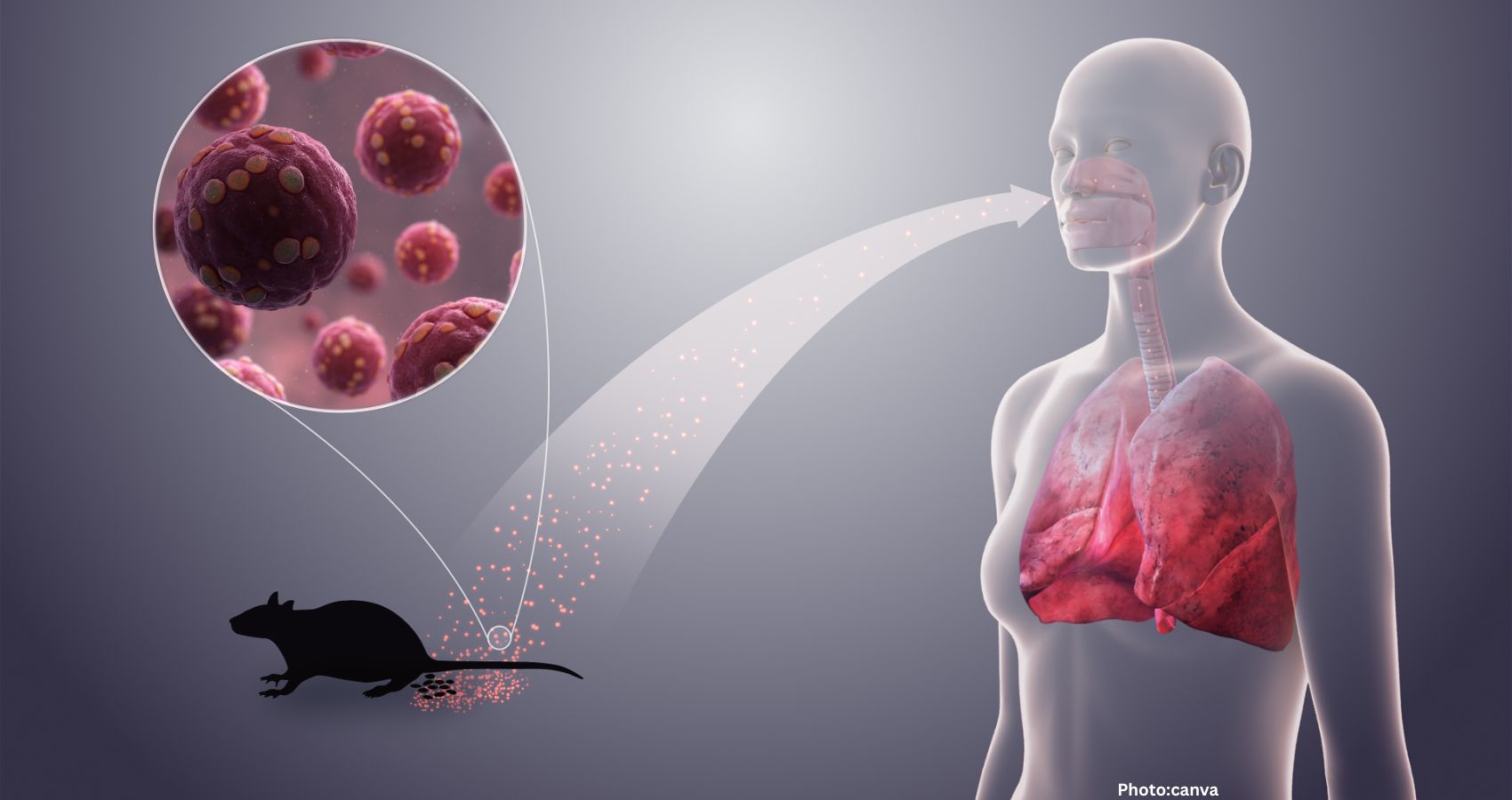
Transmission typically occurs through inhalation of contaminated particles from rodent urine, droppings, or saliva. It can also happen, albeit less commonly, through touching contaminated surfaces and then touching the mouth, nose, or eyes. Human-to-human transmission of hantavirus is extremely rare, with the only proven case involving the Andean virus from South America, which is linked to the current outbreak.
The cruise ship outbreak reportedly began with a couple who contracted the virus while traveling in Argentina. Dr. Marcos explained that they were asymptomatic at the time, as the incubation period for hantavirus can range from one to four weeks.
Most individuals infected with hantavirus exhibit symptoms similar to those of flu or COVID-19, including fever and muscle pain. Dr. Marcos emphasized that while some may experience mild illness, not everyone will become severely ill.
In rare cases, hantavirus can lead to hantavirus pulmonary syndrome (HPS), a serious condition that causes fluid accumulation in the lungs and can be fatal. The mortality rate for HPS ranges from 30% to 60%, making it a potentially deadly virus.
Dr. Marcos highlighted that individuals at the highest risk are those in close contact with infected persons, particularly in environments where fluids can be exchanged. He stressed that transmission requires very close contact and is not as efficient as that of other viruses.
While it is theoretically possible for the virus to be airborne through droplets, Dr. Marcos noted that such transmissions are not as effective as those of COVID-19, influenza, or cold viruses. He emphasized the importance of quarantine for individuals on the cruise ship, given the virus’s long incubation period, which may necessitate several weeks of isolation.
Currently, there are no antiviral treatments specifically for hantavirus. Patients who become seriously ill often require hospitalization and supportive care, such as mechanical ventilation if their lungs fill with fluid. Although there is no vaccine for hantavirus available in the U.S. at this time, Dr. Marcos mentioned that several vaccines are in development.
Despite the recent outbreak, Dr. Marcos believes the risk of hantavirus leading to a widespread pandemic is extremely low. He stated, “I don’t feel a strong risk of a pandemic. The transmission is not like COVID. It’s very different.” He anticipates that the situation will stabilize within the next two to three weeks, allowing for a clearer understanding of the number of cases.
To prevent hantavirus infection, Dr. Marcos recommends wearing gloves and masks in environments where rodents may be present, such as during cleaning activities in basements. Proper ventilation and frequent hand-washing are also effective measures to curb the spread of the virus.
For more information on hantavirus and its implications, consult health resources and guidelines from reputable organizations.
According to Fox News, the situation is being closely monitored as health officials work to manage the outbreak.