
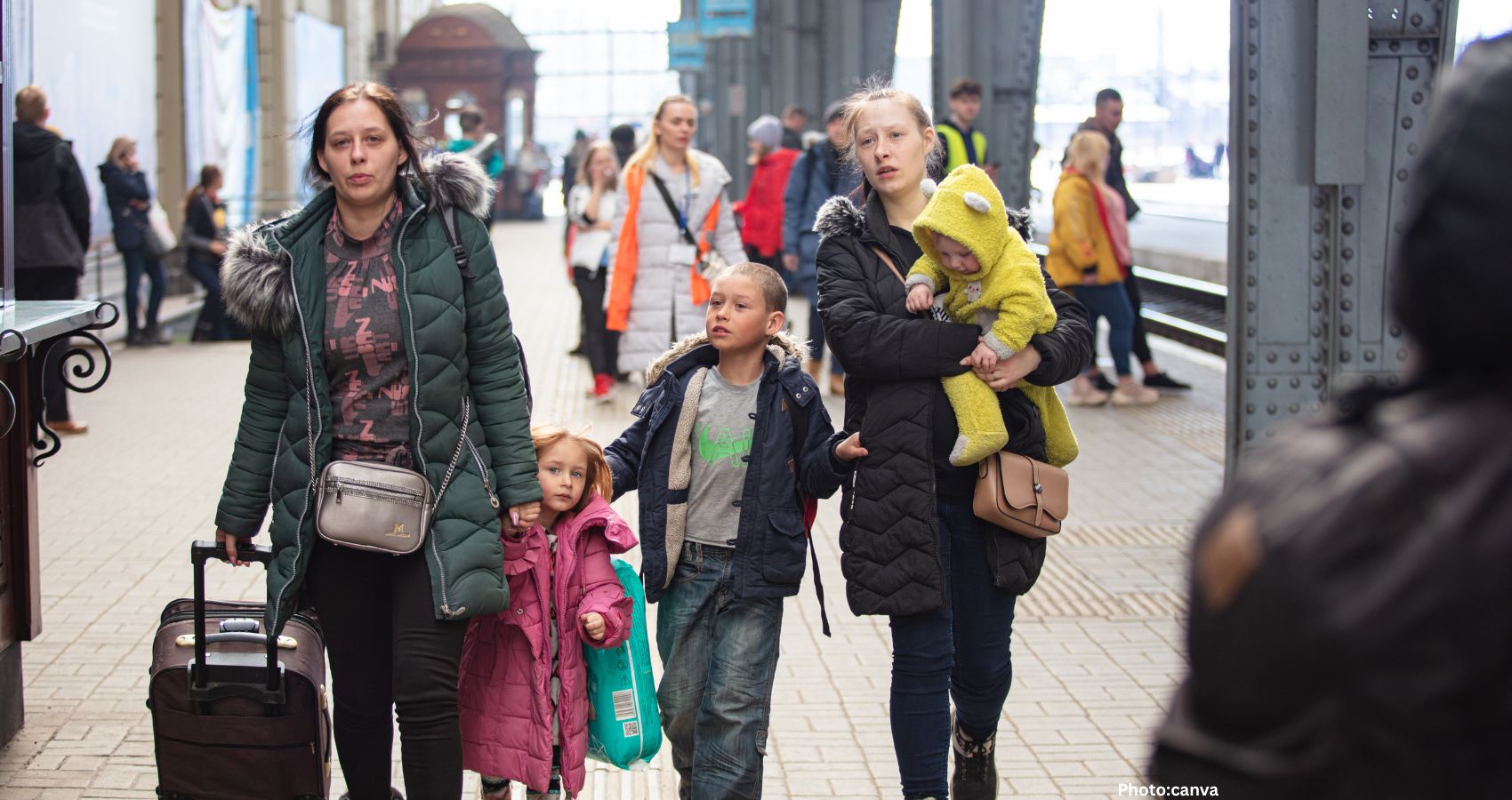
As the Indian diaspora ages in the United States, immigrant families face new challenges in caregiving, highlighting the need for community support and resources.
As the Indian community continues to grow and establish itself in the United States, a significant demographic shift is occurring. Currently, more than 18% of Americans are over the age of 65, and the aging trend within the Indian diaspora mirrors this statistic, presenting new challenges for immigrant families.
To better understand the needs of this demographic, India Currents recently organized a focus group as part of a year-long study aimed at uncovering gaps in the caregiving ecosystem. The primary goal was to identify both available resources and those still needed to assist older adults in aging with dignity.
The discussion featured a diverse array of community voices, including seniors who immigrated decades ago, those who have more recently joined their children, and the sandwich generation of caregivers who are balancing the responsibilities of caring for their parents alongside their own work and family obligations.
While the session was private to foster open dialogue, the insights shared collectively provide a crucial roadmap for how the community can better support one another.
The Silent Struggle: Stigma and Isolation
A recurring theme throughout the discussion was the emotional strain experienced by caregivers, often influenced by cultural expectations. Many caregivers expressed feeling a “stigma of complaining,” believing that discussing their struggles with multi-generational living or seeking external assistance would betray traditional family values.
This stigma was particularly pronounced concerning dementia and mental health issues. Participants noted a persistent tendency within the community to conceal these conditions, viewing them as a “mental sickness” to be ashamed of rather than manageable medical issues.
This silence can lead to feelings of isolation for both seniors and caregivers. Without a safe space to express their concerns or seek advice without fear of judgment, many caregivers find themselves tense and unable to relax in their own homes.
Bridging the Logistical Gap
Organizations such as the India Community Center (ICC) play a vital role by offering culturally relevant programs, including yoga, Bollywood dance, and subsidized vegetarian meals. However, access to these activities remains a significant barrier. Transportation issues often arise when seniors can no longer drive, limiting their mobility and social interactions unless family members can provide assistance.
Government programs like In-Home Supportive Services (IHSS) can assist with basic needs such as bathing and cleaning. However, these services frequently fall short, providing insufficient hours for patients who require constant supervision. For many families, the high cost of private, round-the-clock care is prohibitive, leaving them to navigate these challenges on their own.
Transnational Care
The focus group also highlighted the growing trend of transnational caregiving, where children manage their parents’ care in India from thousands of miles away using technology such as CCTVs, trackers, and remote medical teams.
Interestingly, technology is also addressing the issue of isolation locally. Some seniors have formed vibrant virtual communities, utilizing platforms like Google Meet for poetry readings and literature discussions, effectively overcoming transportation barriers to maintain their social lives.
A Call for Community Conversations
Perhaps the most significant takeaway from the focus group was the urgent need for a community-led framework to support these relationships. Participants emphasized that families require more than just medical advice; they need guidance and open conversations to navigate the traditional expectations and unspoken tensions that can arise from living together.
Early detection of dementia emerged as another critical concern. Families often encounter obstacles such as limited advocacy from general practitioners and insurance denials for early testing, complicating their ability to plan for the future.
Moving Forward
The focus group underscored the importance of recognizing caregiving as a shared responsibility rather than a solitary burden. In addition to leveraging technology, early preparation and intergenerational conversations are essential to ensure that the next generation is equipped to handle the realities of aging.
India Currents is dedicated to providing clear guides and resources to help families navigate these transitions, ensuring that no family is left unprepared in a crisis but instead empowered by knowledge and a connected community.
According to India Currents, the insights gathered from the focus group will inform ongoing efforts to enhance support systems for aging individuals and their caregivers.