
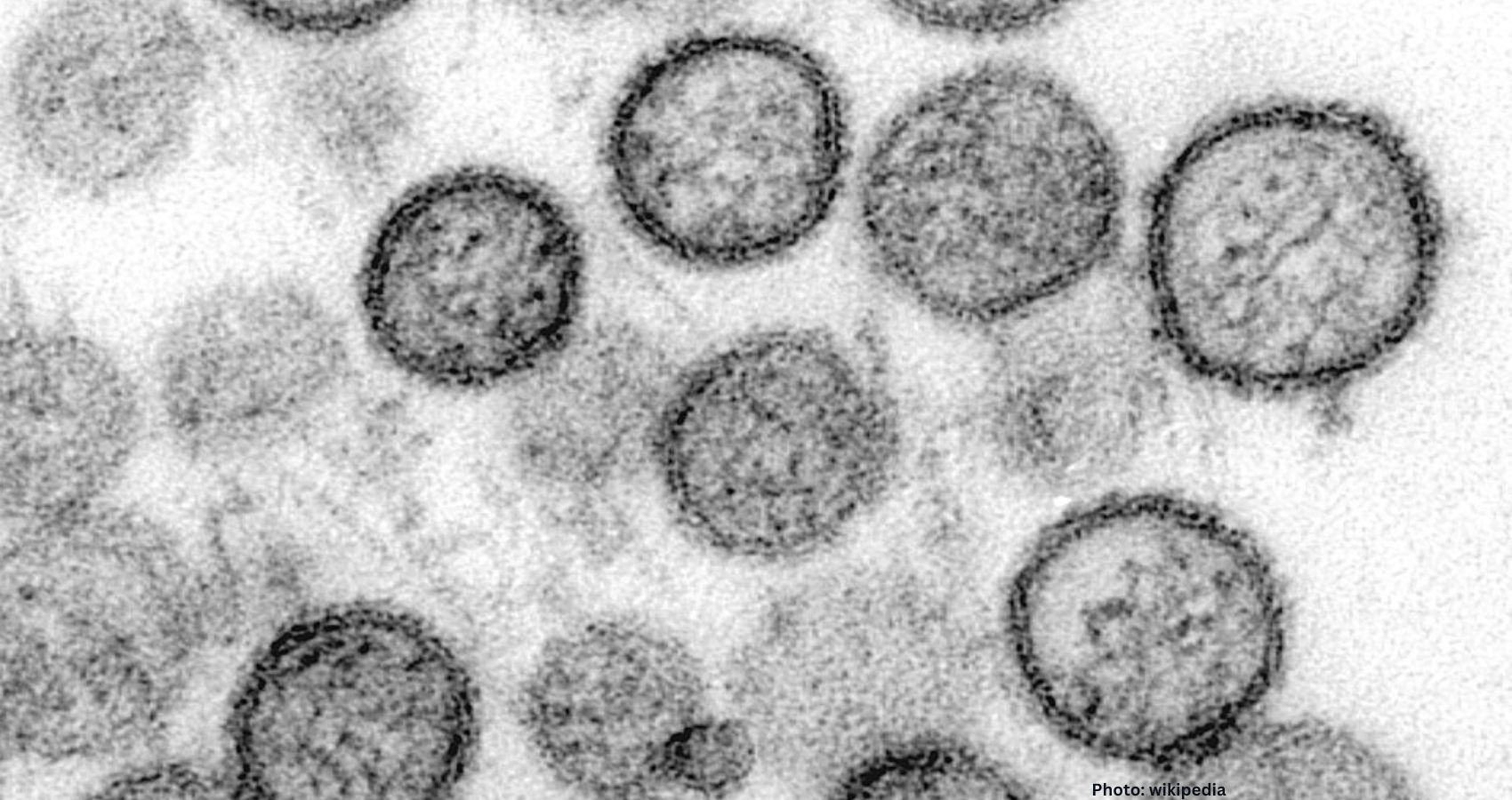
Two Maryland residents are under monitoring for potential hantavirus exposure after sharing a flight with an infected passenger from the MV Hondius cruise ship.
Two residents of Maryland are currently being monitored for possible exposure to hantavirus, as reported by the Maryland Department of Health. Health officials stated that these individuals were on a flight that included a passenger from the MV Hondius cruise ship, who has been confirmed to be infected with hantavirus.
Authorities are taking these precautionary measures to ensure public safety, although they emphasize that the risk to the general public in Maryland remains “very low.” State health officials are closely observing the situation.
It is important to note that the two Maryland residents were not aboard the MV Hondius cruise ship; rather, they were on a flight with a passenger who had contracted the virus. The Maryland Department of Health has opted not to disclose further details about the residents in order to protect their privacy.
The monitoring process will continue throughout the virus’s incubation period, which can last from four to 42 days. Officials have stated that individuals who do not exhibit symptoms are not considered infectious.
Maryland has not reported any cases of hantavirus since 2019, and the Andes virus, which is associated with the recent cruise ship incident, has never been identified in the state. Health authorities are coordinating efforts with federal and international partners as they navigate this evolving situation.
Hantavirus is primarily transmitted through contact with infected rodents, but the strain linked to the cruise ship—the Andes virus—is unique in that it can be transmitted from person to person. The Centers for Disease Control and Prevention (CDC) has confirmed that hantaviruses found throughout the United States do not spread between individuals.
Hantavirus pulmonary syndrome (HPS) is a rare but serious infectious disease that begins with flu-like symptoms and can rapidly develop into severe lung and heart complications. Various strains of hantavirus can lead to this illness, also referred to as hantavirus cardiopulmonary syndrome, according to the Mayo Clinic.
Initial symptoms of HPS may include fatigue, fever, and muscle aches. Approximately half of all patients also report headaches, dizziness, chills, and gastrointestinal issues such as nausea, vomiting, and diarrhea. The CDC indicates that HPS carries a nearly 40% fatality rate for those infected.
Similar cases of hantavirus have been documented in states such as Arizona, California, and Georgia, raising awareness about the potential risks associated with this disease.
As the situation develops, health officials continue to monitor the residents and provide updates to the public, ensuring that safety measures are in place to mitigate any potential risks.
For more information on hantavirus and its effects, residents are encouraged to consult resources from the Maryland Department of Health and the CDC.
According to Fox News, health officials remain vigilant as they assess the situation and keep the public informed.