Revised Form I-129 Now Accessible for Indian-American Visa Applicants

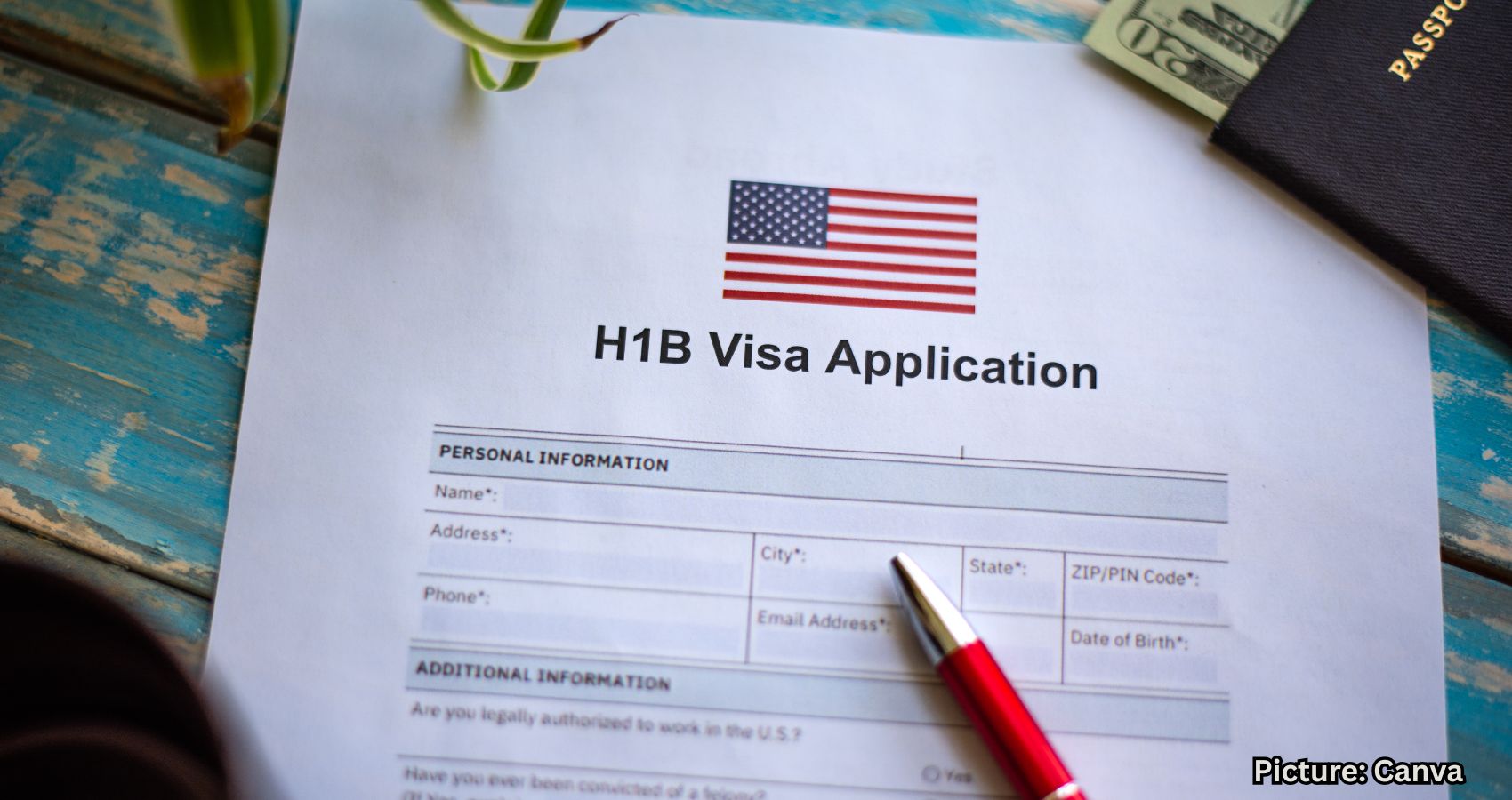
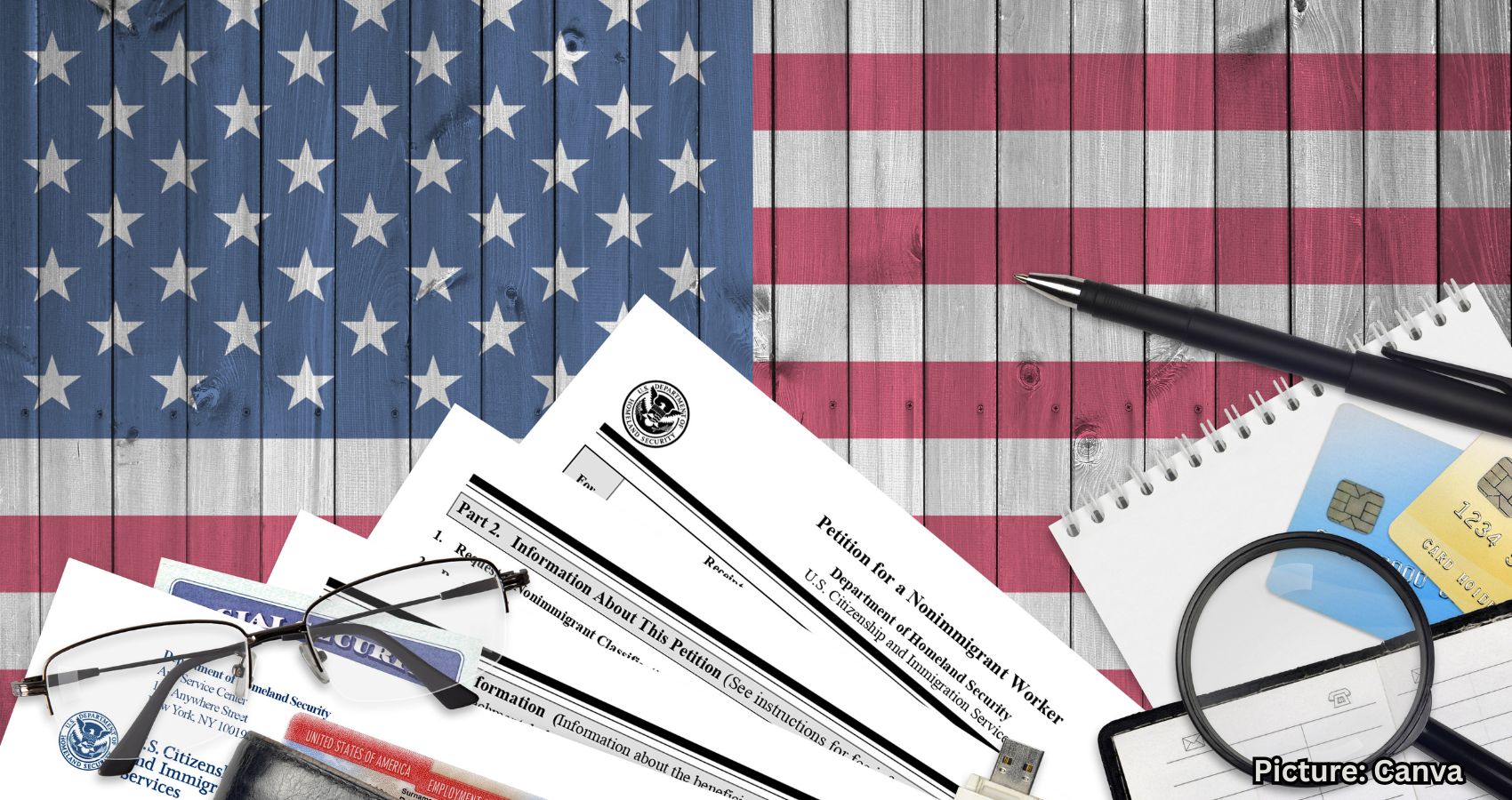
USCIS has released a revised version of Form I-129, effective May 1, 2015, which will be the only accepted edition for nonimmigrant worker petitions.

The U.S. Citizenship and Immigration Services (USCIS) has announced the availability of a revised Form I-129, officially titled the Petition for a Nonimmigrant Worker. This updated form is dated October 23, 2014, and is now accessible for download on the USCIS forms website.

Starting May 1, 2015, USCIS will only accept the October 23, 2014 edition of Form I-129. After this date, previous versions of the form, specifically those dated October 7, 2011, January 19, 2011, and November 23, 2010, will no longer be accepted.

USCIS emphasizes the importance of using the revised form, as it is designed to enhance the user experience by prompting applicants to complete all necessary sections. This improvement aims to facilitate the processing of petitions, ensuring a more efficient workflow for both applicants and USCIS staff.

For those looking to file a petition for a nonimmigrant worker, it is crucial to download the latest version of Form I-129 to avoid any delays or issues with their application.

For further details regarding the form and its requirements, please visit the USCIS website.

According to USCIS, the revised form is part of ongoing efforts to streamline immigration processes and improve service delivery.

General Catalyst-Backed Indian-American Founder Aryaman Behera Secures O-1A Visa

Indian entrepreneur Aryaman Behera, founder and CEO of RepelloHQ, has received approval for the O-1A visa, recognizing his extraordinary ability in the tech industry.

Indian entrepreneur Aryaman Behera, the founder and CEO of RepelloHQ, has successfully secured approval for the O-1A visa, a classification designated for individuals who demonstrate extraordinary ability in fields such as business, science, and technology.

Backed by General Catalyst, Behera announced the news on X, expressing a blend of pride and humor. He wrote, “O-1A approved Officially an ‘alien of extraordinary ability’. 3 years building @RepelloHQ – securing AI agents from an attacker’s perspective. Grateful to my team, customers, and everyone who believed before the path was clear. Back to work.”

His lighthearted reference to being an “alien of extraordinary ability” reflects the formal terminology used by U.S. immigration authorities for holders of the O-1 visa. Beneath the humor lies a significant achievement in a challenging immigration landscape.

The O-1A visa is typically awarded to founders, researchers, and executives who can demonstrate sustained national or international acclaim through various means, including awards, media coverage, funding, and measurable impact within their industry.

Immigration Attorney Johnson Myalil of High-Tech Immigration Law Group emphasized the strategic importance of the O-1A visa for highly accomplished individuals, including researchers, scientists, and senior-level engineers. He noted that while the O-1A is a viable option, it requires a higher level of evidentiary documentation compared to the H-1B visa and is more likely to elicit Requests for Evidence (RFEs). However, he also mentioned that the approval rate for O-1A visas is “relatively high.”

For Indian startup founders, navigating U.S. visa approvals has become increasingly complex. Recently, numerous Indian CEOs and tech entrepreneurs have publicly discussed the challenges of delays and rejections under the B-1/B-2 business visitor category, complicating their efforts to travel for fundraising, partnerships, and customer meetings in the United States.

In this context, Behera’s O-1A approval signifies more than just a routine clearance; it represents professional validation in a competitive immigration environment.

Behera established RepelloHQ three years ago, focusing on securing AI agents from an attacker’s perspective, a growing niche as businesses rapidly adopt artificial intelligence tools. With backing from General Catalyst and rising concerns surrounding AI security risks, his visa approval marks both a personal achievement and a broader recognition of Indian founders developing deep-tech solutions with global aspirations.

The O-1 visa, often informally referred to as America’s “genius visa,” is receiving renewed attention amid uncertainties surrounding the H-1B program. Recent data from U.S. Citizenship and Immigration Services indicates that O visa approvals reached approximately 39,000 in 2025, one of the highest figures in recent years. Immigration platform Beyond Border, which operates in the United States and Bengaluru, reports that approval rates for the O-1 category have consistently remained above 90 percent across different administrations.

Established under the Immigration Act of 1990, the O visa is a non-immigrant category for individuals who can demonstrate extraordinary ability in business, science, arts, education, or athletics. The O-1A classification specifically applies to those in science, education, business, or athletics.

Applicants must meet at least three of eight criteria, which may include nationally or internationally recognized awards, published material about their work, authorship of scholarly articles, or evidence of original contributions of major significance.

Unlike the H-1B visa, the O-1 does not operate under an annual lottery or numerical cap. It is generally granted for an initial period of up to three years and can be extended in one-year increments without a fixed limit. This structural flexibility, combined with relatively high approval rates, has made the O-1 category increasingly appealing to founders and highly skilled professionals navigating an unpredictable immigration climate.

Data from the U.S. Department of State shows a sharp increase in O-1A issuances in recent years, nearly doubling between fiscal year 2020 and fiscal year 2023. Indian nationals are among the fastest-growing groups in this category. In fiscal year 2023 alone, 1,418 O-1A visas were issued to Indians, up from 487 in fiscal year 2020, reflecting strong demand from STEM graduates, AI researchers, entrepreneurs, and artists seeking a more stable pathway to work in the United States.

In this broader context, Behera’s O-1A approval is indicative of a significant shift, as Indian founders and other highly skilled professionals increasingly pursue the extraordinary ability route to navigate the bottlenecks that have long characterized the H-1B system.

According to The American Bazaar, Behera’s achievement highlights the evolving landscape for Indian entrepreneurs in the U.S. tech industry.

Texas Investigates Alleged H-1B Visa Fraud by North Texas Firms

Texas authorities are investigating three North Texas companies for alleged H-1B visa fraud, focusing on irregularities in foreign worker sponsorship and potential misuse of the federal visa system.

AUSTIN, TX – The Texas Office of the Attorney General has initiated a comprehensive investigation into suspected abuses of the H-1B visa program, targeting three companies in North Texas for alleged irregularities in their sponsorship of foreign workers.

The announcement, made on January 28, highlights a growing concern among state officials regarding the misuse of the federal visa system by certain businesses.

Attorney General Ken Paxton has issued Civil Investigative Demands (CIDs) to the firms, compelling them to provide extensive documentation related to their operations, finances, and employment practices. Investigators suspect that these companies may have employed deceptive tactics to secure H-1B visas, which allow U.S. employers to temporarily hire foreign workers in specialized occupations.

Allegations suggest that some businesses may have established “ghost” or paper companies to create a façade of legitimacy. These entities reportedly advertised products or services online that were not actually provided. In one instance, a company allegedly listed an unfinished single-family home as its corporate office while claiming to operate as a legitimate commercial enterprise.

Authorities believe these arrangements were designed to fabricate the appearance of legitimate business activity, enabling the companies to sponsor foreign workers despite a lack of evidence indicating they generated genuine revenue or offered real services while sponsoring numerous visa holders in recent years.

Framing the investigation as part of a broader initiative to protect workers, Paxton warned that those attempting to exploit the visa system would face serious consequences. “Any criminal who attempts to scam the H-1B visa program and use ‘ghost offices’ or other fraudulent ploys should be prepared to face the full force of the law,” he stated in the official announcement. He further emphasized that such abuses “strip jobs and opportunities away from Texans,” pledging ongoing scrutiny of the system and accountability for violators.

As part of the investigation, authorities are seeking records that identify employees associated with the companies, documentation of the services they claim to offer, financial statements, and both internal and external communications related to their operations.

The investigation is still in its early stages, and no criminal charges have been filed as of yet. The identities of the companies involved have not been publicly disclosed. Officials indicated that further actions will depend on the findings from the requested documents.

According to ANI, the situation underscores the importance of maintaining integrity within the H-1B visa program and ensuring that it serves its intended purpose of filling specialized roles in the U.S. workforce.

Green Card Update: Employment-Based Visa Spillover Expected for 2027

Prospective U.S. green card applicants may experience significant changes in 2027, as unused family-based visas could be reallocated to employment-based categories, creating opportunities for skilled workers.

In a notable development for prospective U.S. green card applicants, immigration attorneys are predicting a significant shift in 2027. They believe that tens of thousands of unused family-based immigrant visas may be reallocated to employment-based categories, largely due to the travel and visa restrictions implemented during the Trump administration.

Experts suggest that a combination of expanded country bans, suspended immigrant visa processing, and annual quota regulations under U.S. immigration law could create a rare opportunity for skilled foreign workers. This situation may potentially accelerate green card timelines for employment-based applicants in the next fiscal cycle.

This shift comes amid a broader tightening of U.S. immigration policy, as the Trump administration intensifies restrictions on both legal and illegal migration pathways. In December, President Trump signed a proclamation that expanded a travel ban affecting numerous countries. Following this, the U.S. State Department announced in January that it would suspend immigrant visa processing for citizens of 75 countries, citing an executive order from November that imposed stricter eligibility and vetting standards.

These measures are expected to slow or halt the issuance of family-based immigrant visas, creating a backlog and potentially leaving thousands of visa slots unused within the current fiscal year.

According to immigration attorney Rahul Reddy, a partner at Reddy Neumann Brown, U.S. immigration operates under a fixed annual quota system, with limits divided between family-based and employment-based green cards. He explained that if the family quota is not fully utilized in a particular fiscal year, the unused green cards will be allocated to employment-based categories the following year.

“If in a particular fiscal year the family quota is not used up, then that extra — the wasted green cards — will be given next year to the employment-based green cards,” Reddy noted on a company podcast.

Under existing immigration law, the fiscal year runs from October 1 to September 30, and each category has numerical caps. Unused family-based visas automatically roll over to employment-based allocations in the following year. This means that employment-based green card applicants may benefit if family-based visa issuance declines sharply due to the travel bans.

Emily Neumann, another partner at the firm, cited Department of State data to estimate the potential scale of this spillover. “Looking at 2024 data, we analyzed countries affected by the ban, and it adds up to about 67,000 green cards,” she said. Neumann explained that because restrictions were implemented after the fiscal year had already begun, some visas were likely issued before enforcement took effect. “If roughly one quarter of those visas were already used — about 17,000 — that leaves approximately 50,000 unused family-based green cards,” she added.

If visa processing remains suspended for the rest of the fiscal year, those unused visas would likely roll over into the employment-based quota starting October 1, 2026, marking the beginning of the 2027 fiscal year. Neumann concluded, “That may open up 50,000 additional green cards to be added to the employment-based quota for 2027.”

If this spillover occurs, it could significantly reduce wait times for employment-based green card applicants. It may particularly benefit H-1B workers, STEM professionals, healthcare workers, and international graduates. Immigration attorneys suggest that this could be one of the largest single-year boosts to the employment-based quota in recent history, especially given the long wait times many skilled migrants currently face.

<p“This could meaningfully move priority dates forward for thousands of applicants,” said one immigration policy analyst.

Critics argue that these policies have slowed green card approvals even for lawful applicants, making the system more restrictive despite the ongoing demand for skilled labor.

President Trump has continued to emphasize a hardline immigration stance, stating his intent to dramatically curb migration. In a recent post on Truth Social, he wrote, “I will permanently pause migration from all Third World Countries to allow the U.S. system to fully recover, terminate all of the millions of Biden illegal admissions, and remove anyone who is not a net asset to the United States.” His administration maintains that tighter controls are necessary to protect national security, jobs, and economic stability.

A report from the National Foundation for American Policy, a nonpartisan think tank, estimates that up to 2.4 million fewer immigrants could obtain green cards by the end of Trump’s second term due to restrictive immigration measures. “The administration may want to permanently end certain green card programs, but the legal framework makes it difficult to dismantle them without Congressional approval,” said Ricky Murray, former USCIS chief of staff for Refugee and International Operations. This suggests that while executive actions can slow processing, eliminating green card categories entirely would require legislative reform.

Immigration experts advise prospective applicants to monitor Visa Bulletin priority date movement starting late 2026, prepare documentation early if applying through employment-based categories, and stay updated on policy shifts, court rulings, and visa quota updates. While the spillover remains dependent on ongoing restrictions, attorneys believe it represents a realistic opportunity for thousands of workers who have faced prolonged uncertainty.

“This could be a rare window of faster movement in employment-based green card categories,” Neumann said.

The projected visa spillover underscores a broader reality: U.S. immigration policy is increasingly shaped by political ideology, executive action, and global geopolitics, often producing unexpected outcomes. While family-based applicants in affected countries may face longer delays, employment-based immigrants — particularly those already working legally in the U.S. — could see new momentum. As policymakers debate the future of immigration, the 2027 fiscal year may mark a turning point for skilled migrants seeking permanent residency, according to GlobalNetNews.

Texas Investigates Alleged H-1B Visa Fraud Involving ‘Ghost Offices’

Texas Attorney General Ken Paxton has launched an investigation into alleged H-1B visa fraud involving three North Texas businesses suspected of operating “ghost offices” to exploit the visa program.

Texas Attorney General Ken Paxton announced on Wednesday a comprehensive investigation into potential abuses of the H-1B visa program, focusing on three North Texas businesses suspected of engaging in fraudulent activities. This initiative follows a recent directive from Governor Greg Abbott to halt new H-1B petitions across state agencies and public universities, citing concerns over misuse of the program and the need to prioritize American workers.

In a statement posted on X, Paxton emphasized the seriousness of the allegations, stating, “Any criminal who attempts to scam the H-1B visa program and use ‘ghost offices’ or other fraudulent ploys should be prepared to face the full force of the law.” He further asserted that “abuse and fraud within these programs strip jobs and opportunities away from Texans,” vowing to utilize every available resource to root out and hold accountable those involved in such schemes.

The investigation targets businesses that allegedly set up sham companies, complete with websites advertising non-existent products or services, to fraudulently sponsor H-1B visas. According to Paxton, evidence suggests that one of the companies registered a single-family home as its office address while listing an empty, unfinished building as its worksite on its website.

As part of the investigation, Paxton’s office has issued Civil Investigative Demands (CIDs) to the three North Texas companies. These demands require the businesses to provide documentation identifying all employees, records detailing the specific products or services offered, financial statements, and communications related to their operations. The Attorney General’s office is scrutinizing the companies for allegedly sponsoring numerous H-1B visas in recent years without sufficient evidence that they deliver the advertised products or services.

Governor Abbott’s earlier directive to freeze new H-1B petitions also mandates that state agencies and public universities submit a report to the Texas Workforce Commission by March 27. This report must detail the number of H-1B visa holders currently sponsored, the number of applications and renewals filed, the countries of origin for the visa holders, their job roles, visa expiration dates, and evidence that agencies attempted to fill positions held by visa holders with Texas candidates first.

The freeze on new and renewal applications will remain in effect until the conclusion of the 90th state legislative session, which is set to begin in January 2027. Abbott stated, “State government must lead by example and ensure that employment opportunities — particularly those funded with taxpayer dollars — are filled by Texans first.”

This investigation into alleged H-1B visa fraud highlights ongoing concerns regarding the integrity of the visa program and its impact on local job markets. As the situation develops, further scrutiny of the H-1B program and its administration in Texas is expected.

For more information, refer to the official statements from the Texas Attorney General’s office and related media releases.

According to The American Bazaar.

India Excluded From ‘High Risk’ Countries Facing Immigrant Visa Pause

India is not among the 75 countries facing an indefinite pause on immigrant visa issuance, announced by the U.S. Department of State.

On January 14, the U.S. Department of State revealed an indefinite pause on the issuance of immigrant visas for nationals from 75 countries, which includes several Asian nations. Notably, India is not included in this list.

According to the statement released by the Department of State, this pause will take effect on January 21, 2026. The affected countries will see a halt in all visa issuances to immigrant visa applicants.

The Department of State emphasized that immigrants must demonstrate financial self-sufficiency and should not become a financial burden on American citizens. To this end, the department plans to conduct a comprehensive review of all policies, regulations, and guidance to ensure that immigrants from the designated high-risk countries do not rely on welfare or become public charges in the United States.

The announcement has drawn criticism from civil rights organizations, including Asian Americans Advancing Justice (AAJC). The group condemned the decision, describing it as an unprecedented and restrictive assault on the immigration system. In a statement released on January 16, AAJC noted that blocking immigration pathways for hundreds of thousands of individuals harkens back to the racially discriminatory immigration restrictions of the 1920s, which effectively barred many Asian and Black immigrants.

AAJC also expressed concern that this decision would lead to family separations and hinder workers who have diligently followed the necessary steps to obtain permanent status in the United States.

“The pause disproportionately targets immigrants of color—yet another indication of the xenophobia and racism driving this administration’s policies,” stated AAJC. The organization highlighted that 44% of Asian immigrant visa holders, amounting to over 135,000 individuals, would be affected by this pause. They urged the administration to reconsider this decision and collaborate with Congress to enhance, rather than restrict, the immigration system.

For those wondering about the implications of this pause on immigrant visa interview appointments, applicants from the affected countries may still submit their visa applications and attend interviews. However, no immigrant visas will be issued to these nationals during the pause.

There are some exceptions to this pause. Dual nationals applying with a valid passport from a country not included in the list will be exempt from these restrictions.

Importantly, this pause does not affect current valid visas. No immigrant visas have been revoked under this new guidance. For inquiries regarding admission to the United States, individuals are directed to consult the Department of Homeland Security (DHS).

This pause specifically pertains to immigrant visa applicants and does not impact tourist visas, which are classified as non-immigrant visas.

According to Asian Americans Advancing Justice, the implications of this pause could be far-reaching, affecting families and individuals who have complied with the immigration process.

Trump Administration Suspends Immigrant Visa Processing for 75 Countries

The Trump administration has announced a halt to immigrant visa processing for 75 countries, effective January 21, citing public charge concerns.

The Trump administration is set to implement a significant pause on immigrant visa processing for 75 countries, effective January 21. This decision follows an expanded entry ban announced last month that affected citizens from 39 countries, including Brazil, Iran, Russia, and Somalia. Notably, India is not included in this latest pause.

Tommy Pigott, Principal Deputy Spokesperson at the State Department, stated, “The State Department will use its long-standing authority to deem ineligible potential immigrants who would become a public charge on the United States and exploit the generosity of the American people.” He emphasized that the indefinite pause aims to limit applicants who are likely to become a “public charge.”

The term “public charge” in U.S. immigration law refers to non-citizens who are considered likely to depend on government assistance for subsistence. Factors influencing this determination include health, age, income, and previous reliance on cash assistance programs. A public charge finding can lead to the denial of a green card or refusal of entry into the United States.

It is important to note that the suspension applies exclusively to immigrant visas. Individuals seeking non-immigrant visas, such as tourist or short-term business visas, will not be impacted by this order.

Immigration attorney Ingrid Perez of IBP Law commented on the implications of this pause, stating, “The cases that seem to be affected are foreign nationals currently outside the U.S. waiting for their immigrant visas. They may be beneficiaries of family petitions or employment-based petitions for immigrant visas or green cards to live and work in the United States.”

Perez also highlighted the human cost of such sweeping measures, noting, “More families will be separated due to this delay even if they have enough income to satisfy the requirements of an affidavit of support.”

According to the Associated Press, a separate notice was dispatched to all U.S. embassies and consulates. The report indicated that the cable urged consular officers to thoroughly vet and screen foreign nationals seeking to travel to the United States to determine their potential reliance on public services before issuing a visa.

The countries affected by the U.S. visa pause include Afghanistan, Albania, Algeria, Antigua and Barbuda, Armenia, Azerbaijan, Bahamas, Bangladesh, Barbados, Belarus, Belize, Bhutan, Bosnia, Brazil, Burma, Cambodia, Cameroon, Cape Verde, Colombia, Côte d’Ivoire, Cuba, Democratic Republic of the Congo, Dominica, Egypt, Eritrea, Ethiopia, Fiji, Gambia, Georgia, Ghana, Grenada, Guatemala, Guinea, Haiti, Iran, Iraq, Jamaica, Jordan, Kazakhstan, Kosovo, Kuwait, Kyrgyzstan, Laos, Lebanon, Liberia, Libya, Macedonia, Moldova, Mongolia, Montenegro, Morocco, Nepal, Nicaragua, Nigeria, Pakistan, Republic of the Congo, Russia, Rwanda, Saint Kitts and Nevis, Saint Lucia, Saint Vincent and the Grenadines, Senegal, Sierra Leone, Somalia, South Sudan, Sudan, Syria, Tanzania, Thailand, Togo, Tunisia, Uganda, Uruguay, Uzbekistan, and Yemen.

This latest action by the Trump administration underscores ongoing shifts in U.S. immigration policy, with significant implications for families and individuals seeking to immigrate to the United States.

For further details, refer to the report from the Associated Press.

Revised Form I-129 for Visa Petitions Now Available

The U.S. Citizenship and Immigration Services has released a revised Form I-129 for nonimmigrant worker petitions, effective May 1, 2015, requiring the use of the new edition.

The U.S. Citizenship and Immigration Services (USCIS) has announced the availability of a revised Form I-129, officially titled the Petition for a Nonimmigrant Worker. This updated form is marked with an edition date of October 23, 2014.

Beginning May 1, 2015, USCIS will only accept the new edition of Form I-129. This means that previous versions, specifically those dated October 7, 2011, January 19, 2011, and November 23, 2010, will no longer be accepted after this date.

The revised Form I-129 aims to enhance the application process by prompting users to complete the form more thoroughly. This improvement is expected to facilitate better processing by USCIS.

For those interested in filing Form I-129, USCIS recommends downloading the revised version directly from their official forms website. This ensures that applicants are using the most current and accepted form for their petitions.

According to USCIS, the updates to the form are part of ongoing efforts to streamline the immigration process and improve overall efficiency in handling nonimmigrant worker petitions.

US Visa Delays Create Uncertainties for Indian-American Immigrants

US visa delays are creating significant challenges for Indian immigrants, forcing them to make difficult decisions about travel and work amid uncertainty.

In a poignant illustration of the emotional toll of immigration uncertainty, an H-1B visa holder recently shared a heart-wrenching post in a private social media group for Indians living in the United States. The individual, who wished to remain anonymous, revealed that his father had passed away suddenly in India. Grieving and uncertain, he expressed his dilemma: he lacked an appointment for H-1B visa stamping, and with no immediate appointments available, traveling to India could leave him stranded for months, or even longer.

The desire to be with family during such a profound loss is overshadowed by the potential risk to his job and the future of his wife and children in the U.S. As the family’s sole breadwinner, the weight of this decision is immense. His situation highlights the unpredictable nature of immigration policies and their far-reaching consequences on individuals’ lives.

This dilemma resonated with many in the group, sparking a flurry of impassioned responses. It also underscored a broader concern: highly qualified professionals in the U.S. on temporary work visas are increasingly faced with life-altering choices to maintain their legal status. One group member remarked, “Unpredictable policy shifts and immigration bottlenecks may be issues on paper for lawmakers, but for many, these are often life-altering crossroads.”

While some respondents shared their own difficult experiences, others offered practical advice, urging the individual to remain in the U.S. to avoid jeopardizing his employment status.

In a similar vein, an H-4 visa holder recounted her own painful experience of missing her brother’s wedding in India. “Last month, I missed my only brother’s wedding ceremony that was held in India. We congratulated the couple over the phone,” she shared. “I watched a live stream of the wedding with tears rolling down my eyes as I carried out my mundane chores, like packing kids’ school lunches, on a cold Seattle morning, while my brother said his vows. It hurt bad, but going to India currently, with no definite clarity on the visa appointment, would have meant inviting more uncertainties in our lives.”

Currently, thousands of Indian professionals who came to the U.S. on work visas with aspirations of career advancement are grappling with increasingly uncertain immigration prospects. Attorneys are urging these individuals to prioritize practicality over emotion.

In a conversation with The American Bazaar, immigration attorney Gnanamookan Senthurjothi discussed the complexities faced by those in such situations. “This situation presents a profound conflict between deep emotions surrounding the loss of their father and practical solutions to protect their U.S. status and career,” he explained. “As an immigration lawyer, I would not want them to travel abroad, as the chances of returning to the U.S. immediately look very bleak.”

Senthurjothi further elaborated, “If they travel abroad, we are hearing about people stuck in India for various reasons for several weeks or months, and during that time, they end up losing their job. In that event, any new petition filed by a different employer will attract a $100,000 fee, and not many will come forward to file an H-1B petition or offer a job.”

Some individuals currently in India while awaiting visa appointments have sought permission from their employers to work remotely from there. When asked about the legal challenges surrounding continued remote work from India, Senthurjothi noted, “H-1B holders permitted short-term remote work until a visa is issued from India should remain on U.S. payrolls as long as feasible.”

However, he cautioned that there have been isolated cases of port-of-entry denials at Abu Dhabi preclearance following extended absences and remote work from India, further complicating matters. “As of now, there is no formal policy or regulatory change,” he added.

The ongoing visa delays and the uncertainty surrounding immigration policies continue to create significant challenges for Indian immigrants in the U.S., forcing them to navigate a complex landscape of emotional and practical considerations.

According to The American Bazaar, these challenges are prompting many to rethink their travel plans and the implications for their careers and families.

US Embassy Warns Indian Applicants of Criminal Penalties Amid H-1B Changes

As Indian professionals face delays in H-1B and H-4 visa appointments, a warning from the U.S. Embassy has heightened anxiety amid a significant immigration overhaul.

Thousands of Indian professionals are currently grappling with significant delays and cancellations in H-1B and H-4 visa appointments. This situation has been exacerbated by a recent warning from the U.S. Embassy in India, which has further fueled unease among applicants. Although the embassy’s message reiterates a long-standing position of the U.S. government, its timing—coinciding with a sweeping immigration overhaul—has struck a raw nerve among those already facing months of uncertainty.

In a post on X earlier this week, the embassy cautioned applicants: “If you break U.S. law, you will be punished with significant criminal penalties. The Trump Administration is committed to ending illegal immigration to the United States and protecting our nation’s borders and our citizens.” This statement reflects the broader immigration stance of former President Donald Trump, but its release comes at a time when visa backlogs and interview deferrals are intensifying.

The warning arrives during a tumultuous period in U.S.-India relations, characterized by reciprocal tariffs, geopolitical tensions following conflicts with Pakistan, and a tightening of immigration rules that have disproportionately affected Indian nationals. The H-1B program, which many Indian professionals rely on, has become a focal point of this strain.

Under Trump’s renewed efforts to tighten immigration controls, both legal and illegal channels have come under scrutiny. The administration has argued that the alleged misuse of the H-1B program poses a threat to national security and undermines job opportunities for American workers. In September, Trump issued a proclamation proposing a $100,000 fee on new H-1B visas, a move that sent shockwaves through the technology sector and the Indian professional community in the U.S.

Simultaneously, Trump has expressed a more nuanced perspective in public remarks, acknowledging that the U.S. lacks certain specialized skills domestically and must continue to attract global talent. This dual message—welcoming skilled workers while raising barriers—has left applicants and employers grappling with mixed signals.

Compounding the anxiety are widespread interview disruptions. Thousands of H-1B visa appointments scheduled across India from mid-December have been abruptly deferred by several months. Applicants have reported receiving emails notifying them that interviews have been postponed until as late as May, as U.S. authorities implement enhanced vetting procedures.

According to officials familiar with the process, these additional checks include a closer examination of applicants’ social media activity and online presence, as part of a broader security review. For many families, these sudden delays have resulted in disrupted jobs, postponed travel plans, and prolonged separations.

India has formally raised concerns with Washington regarding these mass cancellations. On December 26, New Delhi confirmed that both sides are engaged in discussions to resolve the disruptions. “The matter has been taken up with the U.S. authorities,” an Indian official stated, adding that the goal is to ensure predictability and fairness for applicants who had already planned their travel and documentation.

The proposed $100,000 fee for H-1B visas has also ignited a legal battle in the U.S. The U.S. Chamber of Commerce, representing some of the country’s largest employers, has challenged this policy, arguing that it would harm innovation and economic competitiveness.

Earlier this week, the Chamber moved to appeal a federal court decision that declined to block the fee. This appeal follows a December 23 ruling by Judge Beryl Howell, who determined that Trump acted within the statutory authority granted by Congress when issuing the proclamation.

In its legal filings, the Chamber contended that the fee conflicts with federal immigration law and exceeds the president’s fee-setting powers. Parallel lawsuits are also underway in Massachusetts, led by a group of Democratic-governed states, and in California, where a global nurse staffing firm and several labor unions have mounted separate challenges. Legal experts anticipate that this issue could ultimately reach the U.S. Supreme Court.

The H-1B visa remains a cornerstone of the U.S. employment-based immigration system, allowing companies to hire foreign professionals with specialized degrees. Indian nationals account for the largest share of recipients, particularly in sectors such as technology, healthcare, and engineering.

Critics of the proposed fee argue that sharply increasing costs will not curb fraud but will instead drive talent toward other countries. Supporters, however, maintain that the fee is necessary to deter abuse and protect domestic workers.

For applicants caught in the middle of this debate, the embassy’s warning has felt particularly jarring. One software engineer in Bengaluru, whose interview was deferred, expressed frustration: “We are already following every rule and waiting months for appointments. This message makes it feel like we are being treated as suspects.”

As diplomatic talks continue and court challenges progress, the immediate future for H-1B applicants remains uncertain. What is clear is that immigration has become a central—and contentious—pillar of the evolving U.S.-India relationship.

For now, thousands of professionals and their families remain in limbo, closely monitoring whether policy recalibration, legal intervention, or diplomatic engagement will alleviate the bottleneck. Until then, the embassy’s warning serves as a stark reminder of the high stakes surrounding America’s changing immigration landscape, according to Global Net News.

California Judge Considers Indian National’s Immigration Challenge Merit

A federal judge in California has found potential merit in an Indian national’s immigration challenge, directing U.S. officials to justify his detention.

WASHINGTON, DC — A federal judge in California has ordered U.S. immigration officials to provide justification for the detention of an Indian national after determining that his legal challenge has enough credibility to proceed.

The ruling was issued on December 24 by the U.S. District Court for the Southern District of California, which instructed the government to respond to a habeas corpus petition filed by Naveen, an Indian citizen contesting the legal grounds for his ongoing immigration detention.

In his order, Judge Andrew G. Schopler stated that the petition demonstrates sufficient potential merit and should not be dismissed prematurely. Under federal regulations, a habeas petition can advance as long as it presents a legally cognizable claim and does not clearly indicate that the petitioner is not entitled to relief.

Court documents reveal that Naveen entered the United States on April 18, 2023, crossing the border from Mexico without inspection. He was apprehended shortly after by Customs and Border Protection and was later released on an Order of Release on Recognizance. On the same day, immigration authorities issued him a Notice to Appear in immigration court, charging him as an alien present in the United States without admission or parole.

According to the petition, Naveen was arrested by Immigration and Customs Enforcement (ICE) on November 3, 2025, during a scheduled ICE check-in. ICE has determined that he is subject to mandatory detention under section 1225(b)(2)(A) of the Immigration and Nationality Act, rendering him ineligible for release on bond.

Naveen disputes this interpretation, arguing that his detention should instead be governed by section 1226(a) of the statute, which permits release on bond or conditional parole while immigration proceedings are ongoing.

Judge Schopler noted that the challenge meets the necessary threshold at this stage of the case. Citing recent appellate guidance, he emphasized that summary dismissal is not appropriate as long as a petition possesses any potential merit. The judge also referenced a growing body of federal court rulings nationwide that have examined similar detention disputes.

In many of these cases, courts have found that petitioners were likely to succeed on the merits or have granted relief after determining that section 1226(a), rather than section 1225(b)(2), governs detention under comparable circumstances. The order highlighted several similar decisions from federal courts in New York, California, Nevada, and Washington, noting that a significant majority of opinions addressing the issue have favored detainees or questioned the government’s interpretation of the statute.

This case illustrates the ongoing complexities surrounding immigration detention and the legal interpretations that can significantly impact individuals’ lives. As the legal proceedings continue, the outcome may set a precedent for similar cases in the future.

According to IANS, the implications of this ruling could resonate beyond Naveen’s situation, potentially influencing the treatment of other detainees facing similar circumstances.

Visa Stamping Delays Prompt Google to Advise Workers Against Travel

Google has advised employees to avoid international travel due to significant delays in U.S. visa reentry processing, which could extend up to 12 months.

CUPERTINO, CA – Google has issued a warning to some of its employees regarding international travel, citing substantial delays in U.S. visa reentry processing at American embassies and consulates. These delays may extend up to 12 months in certain cases.

In an email sent to staff, Google’s external immigration law firm advised employees who require visa stamping before returning to the United States to reconsider any non-essential travel. The firm cautioned that international travel could result in workers being stranded abroad for extended periods due to significant backlogs in appointment availability.

The message emphasized the limited slots for visa stamping, urging affected employees to avoid travel that is not critical. The delays are being reported in multiple countries as U.S. diplomatic missions implement enhanced social media screening requirements. These new reviews impact H-1B workers and their dependents, as well as students and exchange visitors on F, J, and M visas.

The U.S. State Department has acknowledged these processing delays, noting that it is conducting online presence reviews for applicants. While travelers may request expedited processing, such requests are evaluated on a case-by-case basis, leaving many uncertain about their travel plans.

The current H-1B visa policy has faced criticism from lawmakers and business organizations, leading to legal challenges, including two significant lawsuits. One of these lawsuits has been initiated by the U.S. Chamber of Commerce, the largest business organization in the country.

Notably, professionals from India accounted for over 70 percent of approved H-1B visas in 2024, a trend driven by ongoing backlogs and the persistent demand for skilled workers from the region, according to reports.

As the situation evolves, Google’s advisory serves as a reminder of the complexities surrounding international travel and visa processing in the current climate.

According to IANS, the ongoing challenges in visa processing continue to impact many employees and their ability to travel freely.

Immigration Attorneys Urge Eligible Applicants to File for Green Cards

Recent advancements in visa dates and USCIS filing flexibility present a unique opportunity for Indian professionals seeking green cards, but experts warn this window may close quickly.

For Indian professionals holding work visas, two recent announcements from the U.S. Citizenship and Immigration Services (USCIS) have created an unexpected but promising scenario. The January 2026 visa bulletin revealed significant advancements in final action dates across various employment-based categories, particularly in the EB-1 and EB-5 categories for Indian applicants. Shortly after, USCIS confirmed that applicants could file adjustment of status applications using either the Final Action Dates chart or the Dates for Filing chart.

With this new flexibility, legal experts are urging eligible Indian professionals to act swiftly and take advantage of this rare opportunity. Immigration observers caution that those who qualify should file promptly to secure their place before the filing windows potentially narrow again.

The added flexibility significantly broadens the pool of employment-based applicants eligible to submit green card applications, even if their priority dates are not yet current under the final action chart. The January bulletin indicates advancements across nearly all employment-based visa categories, not just EB-1 and EB-5, which experienced jumps of nearly one year and two years, respectively. The EB-2 and EB-3 categories also saw forward movement, particularly for heavily backlogged countries like India and China.

While green card hopefuls are optimistic about these developments, there is considerable speculation in expat communities regarding the reasons behind this positive movement. Michael Valverde, founder of True North Pathways LLC, noted, “This was an unexpectedly large jump forward in the dates. It likely means USCIS is not confident it has enough cases in the queue to maximize visa usage going forward and has taken a big step to increase case filings. Lengthening processing times and increases in the number of denials have also impacted visa usage.”

Immigration experts emphasize the importance of preparation and recommend that individuals seek expert consultation for their specific cases as soon as possible. Any unnecessary delays or extended preparation periods could diminish one’s chances, as the filing window is expected to remain narrow.

“I would advise anyone who is now able to file their green card application to take advantage of the moment. Historically, significant advancements like this have often been followed by retrogression later in the year. You don’t want to miss the opportunity,” said Michael Valverde, an immigration policy expert and former associate director of operations at USCIS.

For those in the green card queue, January will be a pivotal month. The filing window opens on January 1 and closes on January 31. Eligible applicants must maximize this limited period by ensuring that all required documentation is complete and in order. Starting in 2024, USCIS will also require that applicants’ medical examinations be filed concurrently with the I-485, or Application to Register Permanent Residence, adding another crucial step to the preparation process.

Sangeetha Mugunthan of Somireddy Law Group PLLC, who specializes in talent- and investment-based visas, emphasizes the need for careful self-assessment during this unprecedented moment when both EB-1 and investor visa EB-5 categories are gaining momentum. She advises applicants to first identify their strengths and determine their eligibility. “Individuals need to initially invest time in looking back at their professional trajectory, focus on their niche areas of expertise, and list out their key achievements and contributions. It is also extremely important to carefully document everything and strongly develop their EB-1A case,” she stated.

Michael Valverde, an immigration policy expert with extensive experience in the system, succinctly summarized the situation: “Get it while you can.”

This rare opportunity for Indian professionals seeking green cards underscores the importance of timely action and thorough preparation as the window for filing may not remain open for long, according to The American Bazaar.

Return of the American Dream? US Visa Bulletin Offers Wins for Indian-Americans in EB-1 Category

The January 2026 U.S. visa bulletin reveals significant advancements for Indian visa applicants, particularly in the EB-1 and EB-5 categories, offering renewed hope amidst ongoing immigration challenges.

After a series of setbacks and uncertainties, the January 2026 U.S. visa bulletin brings a glimmer of hope for Indian nationals seeking employment-based green cards. The bulletin indicates a notable advancement for the EB-1 category, which has moved forward nearly a year, while the EB-5 category has experienced an unprecedented two-year leap, effectively reducing wait times for both professionals and investors.

For many visa holders residing and working in the United States, the last few months have been particularly challenging. A wave of policy changes has tightened an already complex immigration landscape, leading to mass cancellations of visa appointments and rising fees. However, the latest visa bulletin suggests a revival of the American Dream for many, as it reflects genuine progress in employment-based green card categories.

The EB-1 category for India has seen a significant jump in final action dates, advancing from March 15, 2022, to February 1, 2023. This remarkable shift of nearly one year represents a rare victory for the Indian community and is expected to facilitate positive movement for individuals awaiting their green cards.

In addition to the advancements in the EB-1 category, the EB-5 category has also made impressive strides. The final action date for EB-5 has progressed from April 1, 2022, to May 1, 2024, marking an extraordinary increase of over two years. This development is particularly encouraging for Indian investors seeking green cards through investment opportunities.

Chris Prescott, a partner and immigration law leader at PSBP LAW, acknowledges that the recent advancements in the EB-1 category come as a welcome surprise, especially given the lack of movement in this category over the past year. He explains that the movement in priority dates is influenced by visa allocation numbers, with the EB-1 category being the highest priority visa category. Despite the challenging immigration climate, the availability of visas operates as a separate mechanism, allowing for this unexpected progress.

Interestingly, there has also been some movement in other categories, such as EB-2 and EB-3 for India. The EB-2 category has advanced from May 15, 2013, to July 15, 2013, while the EB-3 category has shown progress for China, moving from June 1, 2021, to September 1, 2021.

While the January 2026 visa bulletin indicates gains for many employment-based categories, it raises questions about which categories are most likely to benefit and which visa holders may continue to face challenges. Prescott notes that although there has been some movement in EB-2 and EB-3 for India, both categories remain heavily backlogged, limiting the number of individuals who can file for adjustment. For the time being, EB-1 and EB-5 remain the most favorable options for Indian applicants.

As the immigration landscape continues to evolve, the January 2026 U.S. visa bulletin serves as a beacon of hope for many Indian professionals and investors. The advancements in the EB-1 and EB-5 categories not only signify progress but also inspire optimism for those navigating the complexities of the U.S. immigration system.

According to Source Name, these developments highlight the ongoing challenges and opportunities within the immigration framework, as individuals and families seek to realize their aspirations in the United States.

H-1B Visa Challenges: Examining the Human Costs of Skilled Migration

Changes to the H-1B visa program have introduced significant challenges for skilled migrants, particularly affecting the emotional and professional lives of Indian workers in the U.S. technology sector.

Since its inception in the 1990s, the H-1B visa has been a vital pathway for highly skilled foreign professionals, especially from India, to contribute to and enhance the U.S. technology sector. According to the U.S. Citizenship and Immigration Services (USCIS), Indians represent approximately 71% of approved H-1B applications, underscoring both India’s vast human-capital base and the U.S. economy’s dependence on global technical expertise.

However, in 2025, the Trump administration implemented sweeping changes to the H-1B visa program. These reforms transformed the H-1B and dependent H-4 visa holders from an economic tool into an ideological checkpoint. New requirements included mandatory public access to applicants’ social media accounts, extended vetting processes, and unprecedented fee increases.

This article explores these developments within the context of broader scholarly discussions on mobility, surveillance, and the precarious nature of migration, utilizing ethnographic narratives and policy analysis.

The Precarity of Mobility

Bhabesh, an IT professional from Odisha, came to Stanford University to pursue a Ph.D. in computer science, where he met Navya, an undergraduate student from Andhra Pradesh. After earning full scholarships and completing their degrees, both secured prestigious positions at Broadcom and Nvidia, exemplifying the success stories of high-skill migrants often highlighted in Silicon Valley.

Yet, their mobility became increasingly precarious following the 2025 policy changes. Navya had planned a trip to India in December to celebrate her daughter’s fifth birthday with her aging parents and to care for her father, who was recovering from major heart surgery. Like many H-1B workers, she faced the emotional burden of distance—guilt, obligation, and the strain of maintaining transnational family ties.

Her visa-stamping appointment at the U.S. Consulate in Hyderabad, originally scheduled for the last week of December, was abruptly canceled and rescheduled for April. This was part of a broader wave of cancellations across India. A crowdsourced dataset from Reddit revealed that rescheduled appointments were typically delayed by three to five months, leaving many workers stranded. One H-1B migrant, Sanjay, lamented, “I missed two funerals… I do not know if it is worth it.” Another, Prachi Jha, expressed, “It is a very hard thing to be going through.”

Such testimonials highlight the psychosocial toll of bureaucratic immobility, a central theme in recent scholarship on migrant experiences and precarity.

Policy Shifts in 2025

In September 2025, President Trump issued a proclamation that raised the H-1B visa fee to $100,000, a move critics argue weaponizes affordability. Many experts contend that the increased costs reduce competition, making it more challenging for innovative small companies to access specialized workers while allowing larger corporations to dominate the system. Additionally, on December 3, the U.S. Department of State mandated that all H-1B and H-4 applicants make their social media profiles public for consular review.

Scholars warn that such ideological vetting could undermine fairness and transparency in immigration adjudication. A single keyword on a LinkedIn profile could overshadow years of technical expertise, particularly given the already heavy caseloads faced by consular officers. Reports indicate that appointment rescheduling across India was largely automatic and widespread, reflecting the excessive time required for intensified scrutiny.

Implications for the Global Innovation Ecosystem

The unpredictability of H-1B processing has implications that extend beyond individual workers. India’s IT and start-up sectors heavily rely on cross-border mobility to maintain competitiveness within global innovation networks. The H-1B program is a crucial bridge between India’s technological workforce and U.S. firms.

When visa vetting becomes an ideological loyalty test, employers may hesitate to send workers abroad or assign them to politically scrutinized roles. Scholars describe this emerging landscape as a regime of “precarious global mobility,” characterized by increased surveillance and diminished autonomy. The resulting slowdown threatens U.S. innovation pipelines and disrupts long-standing patterns of technological interdependence. Many young professionals from India who studied at prestigious institutions now hesitate to pursue careers in the United States, opting instead for countries like Australia, Canada, and those in Europe, where they perceive better opportunities and greater personal freedom.

A Contradictory Message

The experiences of Bhabesh and Navya illustrate how macro-level policy shifts reverberate through personal, familial, and professional spheres. Their story highlights broader forms of “bureaucratic entanglement,” where migrants’ lives become intertwined with unpredictable administrative processes.

While the U.S. continues to benefit from Indian high-skill labor, the new policies convey a contradictory message: economic dependence coupled with political suspicion. Such tensions raise urgent ethical and strategic questions, especially as countries like Canada, Australia, the U.K., Singapore, and EU members actively compete for the same talent pool. Interestingly, the corporations that benefit most from H-1B workers often remain silent, as they depend on federal contracts and funding.

A Watershed Moment

The 2025 H-1B policy changes represent a watershed moment in U.S. immigration governance. By shifting the program’s foundation from professional merit to ideological surveillance, the U.S. risks alienating the very workers who have driven its technological growth. For families like Bhabesh and Navya, these shifts translate into prolonged uncertainty, disrupted mobility, and emotional strain. For India and the broader global innovation ecosystem, the consequences may reshape the landscape of skilled migration for years to come.

P.S. Names marked with an asterisk have been changed to protect the respondents’ privacy.

According to India Currents.

U.S. DOL Launches Project Firewall to Enforce H-1B Compliance

The U.S. Department of Labor has launched Project Firewall, a new initiative aimed at enforcing strict compliance among H-1B employers through enhanced audits and interagency coordination.

The U.S. Department of Labor (DOL) has announced the launch of Project Firewall, a significant enforcement initiative targeting H-1B employers. This program represents a decisive shift towards stricter compliance and auditing practices within the H-1B visa framework.

Project Firewall emphasizes increased data-sharing and coordinated enforcement efforts among key government agencies, including the U.S. Citizenship and Immigration Services (USCIS), the Department of Justice (DOJ), and the Equal Employment Opportunity Commission (EEOC).

Under this new initiative, the Secretary of Labor is empowered to authorize investigations directly when there is reasonable cause to suspect violations. The DOL will increasingly rely on various sources of information, including petition data, worker complaints, on-site visits, and audits, to initiate and pursue investigations.

Employers can expect a marked increase in enforcement activities, which will include more unannounced site visits, targeted record audits, detailed document requests, and wage and hour audits. Investigations may involve interviews and visits by DOL officials or Fraud Detection and National Security (FDNS) officers to ensure that job duties, work locations, supervision, and anti-benching practices are consistent with the documentation submitted.

A critical aspect of Project Firewall is the robust cross-sharing of information among agencies. If one agency identifies issues—such as wage discrepancies or discriminatory layoff patterns—this information can quickly prompt further inquiries by other federal entities involved in the initiative.

The DOL’s focus will be on verifying that the actual employment details align precisely with the certified Labor Condition Applications (LCAs) and H-1B petitions. This verification process will include checking job titles, duties, wages, hours, and work locations, which encompasses remote locations and third-party client sites.

Investigators will also scrutinize administrative compliance, ensuring that employers have maintained complete Public Access Files (PAFs), posted required worksite notices for all H-1B employees—including those working remotely or in hybrid arrangements—and adhered to anti-benching rules by paying required wages during nonproductive periods. Additionally, employers must promptly amend or withdraw LCAs and petitions following any material changes in employment or terminations.

High-volume H-1B users, particularly IT consulting and staffing firms, as well as employers undergoing restructurings or reductions in force (RIFs), will face heightened scrutiny. Employers may be prioritized for investigation based on internal data that indicates higher risk, such as inconsistencies in remote work practices, improper placement of employees at third-party sites without valid LCAs, underpayment of wages, worksite mismatches, or layoffs that are immediately followed by H-1B hiring.

In light of the stringent compliance measures established by Project Firewall, H-1B employers are strongly advised to take immediate actions to ensure adherence to the new regulations.

Employers should conduct an internal audit focusing on all active LCAs to verify that job titles, duties, wages, and work locations for H-1B employees align with what was certified and filed. It is also crucial to ensure that required wage levels are met or exceeded, and any changes to compensation, hours, or job duties should be assessed to determine if an amended LCA or H-1B petition is necessary.

Additionally, employers must ensure that the Public Access Files for every LCA are complete, well-organized, and readily accessible. Reviewing policies related to benching, nonproductive status, and terminations is essential to guarantee compliance with wage payment requirements and to ensure prompt withdrawal of LCAs and petitions when employment ends.

Failure to comply with the requirements set forth by Project Firewall could result in significant consequences for employers, including civil fines, back wage orders, and potential temporary debarment from utilizing H-1B and related immigration benefits, according to India Currents.

Trump Introduces ‘Gold Card’ Program for U.S. Residency at $1 Million

The new Gold Card program, launched by President Trump, offers U.S. residency for $1 million, replacing the EB-5 visa with no job-creation requirements or annual caps on applicants.

President Donald Trump has officially launched the much-anticipated Gold Card program, which aims to provide U.S. permanent residency and a pathway to citizenship for foreign investors. The initiative was unveiled on Wednesday and is designed to attract global talent by allowing individuals to secure residency through a $1 million investment. Corporations can obtain residency for foreign-born employees at a cost of $2 million per employee.

The Gold Card program replaces the EB-5 visa, a long-established investor visa introduced by Congress in 1990. Under the EB-5 program, individuals could qualify for U.S. residency by investing approximately $1 million in a business that created at least 10 American jobs. However, the new Gold Card initiative eliminates the job-creation requirement and appears to lack an annual cap on the number of applicants, distinguishing it from its predecessor.

In his announcement, Trump described the Gold Card as “basically, it’s a green card but much better. Much more powerful, a much stronger path.” He emphasized that the program is designed not only to attract foreign investment but also to retain top global talent, which he believes is essential for the growth of American companies.

The launch of the Gold Card program comes after months of promotion by the president, who initially proposed a $5 million price tag for the residency card before settling on the current structure. Trump expressed enthusiasm for the program on social media, stating, “A direct path to Citizenship for all qualified and vetted people. SO EXCITING! Our Great American Companies can finally keep their invaluable Talent.”

Commerce Secretary Howard Lutnick provided additional details about the program, noting that there will be a $15,000 vetting fee for each applicant. He assured the public that rigorous background checks would be conducted to ensure that applicants meet the necessary qualifications to reside in the United States. Companies will have the option to apply for multiple Gold Cards; however, each card will be limited to one individual.

The introduction of the Gold Card program marks a significant shift in U.S. immigration policy, aiming to streamline the process for wealthy investors while potentially increasing federal revenue. As the application website goes live, it remains to be seen how this initiative will impact the landscape of U.S. immigration and foreign investment.

For further information on the Gold Card program and its implications, please refer to The American Bazaar.

Revised Form I-129 for Visa Petitions Now Available

USCIS has released a revised version of Form I-129, which will be the only accepted edition starting May 1, 2015.

The U.S. Citizenship and Immigration Services (USCIS) has announced the availability of a revised Form I-129, officially titled the Petition for a Nonimmigrant Worker. This updated form is marked with an edition date of October 23, 2014.

Beginning May 1, 2015, USCIS will only accept the October 23, 2014 edition of Form I-129. After this date, previous versions of the form, including those dated October 7, 2011, January 19, 2011, and November 23, 2010, will no longer be accepted.

The revised Form I-129 is designed to enhance the application process by prompting users to complete the form thoroughly. This improvement aims to facilitate better processing by USCIS.

Individuals and organizations interested in filing Form I-129 can download the updated version and access additional details regarding eligibility from the USCIS forms website.

For more information on the revised form and its implications, please refer to the official USCIS announcement.

According to USCIS, the changes are intended to streamline the application process and improve overall efficiency.

H-1B Applicants Must Make Social Media Profiles Public Under New Rule

The U.S. has mandated that all H-1B applicants and their H-4 dependents make their social media profiles public starting December 15, enhancing online vetting procedures for foreign workers.

WASHINGTON, DC — The United States is expanding its online-vetting requirements for foreign workers, specifically targeting H-1B visa applicants and their H-4 dependents. Starting December 15, all individuals applying for these visas must ensure that their social media profiles are publicly visible.

This directive, announced by the State Department, extends existing protocols that have already been applied to students and exchange-visitor visa categories. The move is part of a broader initiative to enhance security measures surrounding nonimmigrant worker pathways.

The State Department emphasized that consular officers will now include an assessment of applicants’ online presence as part of their routine screening processes. “To facilitate this vetting, all applicants for H-1B and their dependents (H-4), as well as those applying for F, M, and J nonimmigrant visas, are instructed to adjust the privacy settings on all of their social media profiles to ‘public’,” the department stated. They also noted that the issuance of visas is fundamentally a “national security decision.”

This new requirement reflects ongoing efforts by the administration to tighten regulations surrounding the entry of foreign workers into the United States. By increasing scrutiny of social media activity, the government aims to better assess the backgrounds and intentions of applicants.

As the December deadline approaches, prospective H-1B applicants and their dependents are urged to prepare accordingly. This change may have significant implications for how individuals present themselves online, as maintaining a public profile can expose personal information to a wider audience.

The decision has sparked discussions among immigration advocates and legal experts regarding privacy concerns and the potential impact on applicants. Critics argue that requiring public social media profiles could lead to discrimination or bias in the visa application process.

Supporters, however, contend that the measure is a necessary step in ensuring national security and protecting American jobs. They argue that a thorough vetting process is essential in a time when concerns about immigration and security are at the forefront of public discourse.

As these changes take effect, it remains to be seen how they will influence the overall landscape of H-1B visa applications and the experiences of foreign workers seeking employment in the United States.

For more information on this new requirement and its implications, refer to the official announcements from the State Department and related immigration resources.

According to India-West, the new policy underscores the administration’s commitment to enhancing security protocols for foreign workers.

Average U.S. Visa Wait Times Decrease in Major Cities

The U.S. State Department has reported a decline in average visa wait times across several key cities, although the interview waiver option is no longer available for most visa categories.

The U.S. State Department has recently updated its visa appointment wait times, revealing notable changes across various cities. One significant alteration is the discontinuation of the interview waiver option, commonly referred to as the “Dropbox” facility, which is no longer available for most visa categories, including temporary work visas and F-1 student visas. This change impacts a broad spectrum of travelers who previously relied on this expedited, paperwork-only process.

According to the BAL U.S. Practice Group, New Delhi has seen a dramatic reduction in wait times for F, M, and J visas. The wait time has decreased from approximately two months to about half a month, providing relief for many applicants in this category.

In contrast, Shanghai has experienced a significant increase in wait times for H, L, O, P, and Q visa appointments. These wait times have surged from under half a month to around three months, a notable rise compared to the figures reported in the global update from October.

Chennai (Madras) has also recorded a significant shift in wait times for B-1/B-2 visas, with average wait times moving from five months to “N/A.” The next available appointments for interviews have decreased from a five-month wait to three months since October.

New Delhi has similarly improved its B-1/B-2 interview-required wait times, which have dropped from 6.5 months to 3.5 months over the same period. However, some cities continue to experience lengthy wait times for these types of visas.

The cities with the longest wait times for B-1/B-2 interview-required visas include Toronto at 16.5 months, San Jose at 13 months, Lagos at 12.5 months, Merida at 11.5 months, and Ottawa at 11 months. While most petition-based work visas that require interviews fall within a wait window of under half a month to about three months, a few locations remain notable exceptions.

Overall, the latest global wait times in major visa-issuing cities show little movement. For work visas (H, L, O, P, Q) and student or exchange visitor categories (F, M, J), the next available interview dates have largely remained steady compared to the previous month across the key cities being tracked.

The U.S. State Department’s monthly updates provide reported wait times that reflect the average duration for non-immigrant visa interviews and an estimate for the next available visitor visa appointment. However, these averages do not guarantee that any individual applicant will secure an appointment within that timeframe.

U.S. embassies and consulates often open additional appointment slots, meaning new dates can become available regularly. The State Department counts months in 30-day increments and half months in 15-day increments, including weekends and holidays when embassies are closed. Once an interview is booked, applicants can monitor the scheduling system and reschedule to an earlier slot if one opens up.

As the visa landscape continues to evolve, applicants are encouraged to stay informed about the latest updates and changes to the appointment process.

Source: Original article

Elon Musk Discusses Indian Talent and H-1B Visas on Podcast

Billionaire entrepreneur Elon Musk praised the contributions of Indian professionals to the U.S. economy and defended the H-1B visa program during a recent podcast with Nikhil Kamath.

Billionaire entrepreneur Elon Musk has expressed strong support for the contributions of Indian professionals to the United States economy, emphasizing that America has “benefited immensely” from skilled Indians who have migrated there over the years.

During an appearance on Zerodha co-founder Nikhil Kamath’s popular podcast, “WTF is,” released on Sunday, Musk underscored the crucial role that Indian engineers, scientists, and entrepreneurs have played in shaping the U.S. technology and business landscape.

Kamath initiated the conversation by noting that the U.S. has long attracted top global talent, a phenomenon often referred to in India as “brain drain.” He highlighted the increasing number of Indian-origin CEOs leading some of the world’s largest corporations.

Musk concurred with this observation, stating that Indian professionals have significantly bolstered the American innovation ecosystem. “America has benefitted enormously from talented Indians who came to the U.S.,” he remarked, adding that the tech industry consistently faces challenges in finding enough highly skilled individuals.

In response to concerns that foreign workers are taking jobs away from Americans, Musk dismissed this notion. “From my direct experience, there is always a shortage of truly talented people. More talent only helps solve hard problems,” he asserted.

He further noted that his companies, which include Tesla, SpaceX, X, and xAI, prioritize hiring the most capable professionals from around the globe.

Addressing the H-1B visa program, Musk acknowledged that while he supports it, there have been instances of misuse by certain outsourcing firms. “There has definitely been gaming of the system by certain companies, and that needs to stop,” he stated. However, he firmly opposed the idea of abolishing the program altogether.

“I’m not in favor of ending the H-1B program. That would be extremely harmful for America’s long-term technological growth,” Musk warned. The H-1B visa has long enabled highly skilled professionals, particularly from India and China, to work in specialized sectors in the U.S., with India being the largest beneficiary of this program.

Musk also touched upon immigration enforcement, criticizing what he described as inadequate border controls under the previous administration. He emphasized that effective border checks are vital for national stability.

“Without proper border controls, you don’t really have a country,” he said, adding that flawed incentive structures have encouraged illegal migration.

In summary, Musk’s remarks highlight the importance of skilled immigration to the U.S. economy while also acknowledging the need for reform within the H-1B visa program to prevent misuse.

Source: Original article

Kevin Roberts Advocates for Major Reforms to H-1B Visa Program

The Heritage Foundation’s president, Kevin Roberts, has called for significant reforms to the H-1B visa program, emphasizing the need to prioritize American workers and address systemic issues within the immigration system.

The Heritage Foundation has entered the ongoing debate surrounding the H-1B visa program, advocating for comprehensive reforms to the United States’ skilled immigration system. In a recent post on X, the think tank’s president, Kevin Roberts, urged lawmakers and the administration to tighten and overhaul existing visa policies.

Roberts highlighted the issues plaguing the H-1B visa process, stating, “Fraud, nepotism, and corruption affect every stage of the H-1B visa process. The program cannot go on in its current form. Putting American workers first is necessary to make the American Dream attainable again.”

The Heritage Foundation’s initial statement pointed out that the H-1B visa was established over 30 years ago to address a perceived temporary labor shortage. However, the organization argues that the program has expanded beyond its original intent and now requires urgent reform to prioritize American workers.

Adding to the discourse, Indian American scholar Ron Hira, a professor at Howard University and a vocal critic of the H-1B system, participated in a panel discussion titled “How the H-1B Visa Led to Importing Mass Cheap Labor,” hosted by The Heritage Foundation. Hira remarked on the historical context of the program, noting, “Back then, 20 years ago, it was obvious that H-1B visa abuse was critical in speeding up the offshoring of these jobs. Yet for the past 20 years, Washington has turned a blind eye to this abuse.”

The conversation around H-1B visas gained renewed attention following an interview in November with former President Donald Trump on Fox News. During the discussion with host Laura Ingraham, Trump reiterated the necessity of attracting highly skilled professionals from abroad, arguing that the U.S. cannot solely rely on domestic workers to fill specialized roles in sectors such as technology, engineering, and research.

Simon Hankinson, a senior research fellow at The Heritage Foundation’s Border and Immigration Center, contributed to the dialogue with a policy paper outlining proposed changes to the H-1B system. He recommended that lawmakers eliminate current exemptions for universities and nonprofit research institutions, replace the existing lottery-based selection process with a system that prioritizes higher wage offers, and clarify that spouses on H-4 visas should not receive work authorization.

“Rather than this regulatory back and forth swing between administrations, it’s past time for Congress to end not only the numerous types of H-1B abuses, but also the administrative state creations that developed the student-to-H-1B-green-card pipeline that adversely affects American students and employees,” Hankinson stated in his report.

The Heritage Foundation has also provided guidance on potential changes that could be implemented by the Trump administration regarding the H-1B program. The report suggests that the Department of Homeland Security (DHS) should limit the number of H-1B applicants that each company can petition for annually and impose a permanent ban on any company, individual, or entity that knowingly violates immigration law from participating in the H-1B process.

The call for reform reflects a growing concern among some policymakers and scholars about the impact of the H-1B visa program on the American labor market. As discussions continue, the Heritage Foundation’s proposals may shape future legislative efforts aimed at reforming the skilled immigration system.

Source: Original article

U.S. Economist Claims H-1B Visa Fraud in Indian Region Exceeds Limits

Former Congressman Dr. Dave Brat has accused the H-1B visa program of extensive fraud, claiming one Indian region received visas far exceeding legal limits.

Dr. Dave Brat, a former U.S. Congressman and economist, has made serious allegations regarding the H-1B visa program, asserting that it is rife with fraud. He claims that a single district in India has received H-1B visas at a rate far exceeding the legal annual cap.

During an appearance on Steve Bannon’s podcast, Dr. Brat stated that while the official U.S. limit for H-1B visas is set at 85,000 per year, one Indian district was allegedly linked to the issuance of 220,000 H-1B visas. This figure, he noted, represents two-and-a-half times the national limit, suggesting a systemic abuse of the program.

“When you hear H-1B, think of your family, because these fraudulent visas just stole their future,” Dr. Brat remarked. He also pointed out that while China accounts for only about 12% of the H-1B visa pool, India remains the dominant player in the program.

Reports indicate that the U.S. Consulate in Chennai processed approximately 220,000 H-1B visas and 140,000 H-4 dependent visas in 2024 alone, raising concerns about its operational integrity.

The controversy surrounding the H-1B visa program intensified following allegations made by Mahvash Siddiqui, a former Indian-origin U.S. Foreign Service officer who worked at the Chennai consulate. Siddiqui described what she termed “industrial-scale fraud” in the H-1B visa application process.

During her tenure from 2005 to 2007, Siddiqui claimed she personally adjudicated over 51,000 H-1B visa applications. She estimated that 80–90% of these applications contained falsified information, including fake academic qualifications, forged documentation, and misrepresentation of skills.

Siddiqui noted that the consulate at that time handled applications from various regions, including Hyderabad, Karnataka, Kerala, and Tamil Nadu, with Hyderabad emerging as a particularly problematic hub.

In her allegations, Siddiqui highlighted that the Ameerpet area in Hyderabad had developed into a significant center for visa fraud. She claimed that candidates could openly purchase fake educational degrees, forged marriage certificates, and fabricated employment records, all of which were allegedly used to manipulate H-1B visa approvals.

Moreover, Siddiqui asserted that when these fraud patterns were identified and reported, the response from higher authorities was not supportive. She claimed that internal investigations were dismissed as a “rogue operation,” and that intense political pressure was applied to prevent deeper inquiries into the matter.

She further alleged that certain political figures were involved in shielding the fraudulent network, obstructing efforts to dismantle the fraud pipeline.

The recent allegations from both Dr. Brat and Siddiqui have reignited discussions in the U.S. regarding the integrity of the H-1B visa program, the oversight of overseas U.S. consulates, and the balance between skilled immigration and domestic job protection.

While official investigations have yet to publicly confirm many of these claims, the controversy is likely to spur renewed calls for stricter verification processes, auditing, and reforms within the H-1B system.

Source: Original article

F-1 Visa Update: DIGNITY Act of 2025 Targets ‘Intent to Leave’ Rule

The DIGNITY Act of 2025 aims to eliminate the “Intent to Leave” requirement for foreign students applying for F-1 visas, potentially reshaping U.S. immigration policy for international education.

The number of international students selecting the United States as their study destination has been on a steady decline, largely due to stricter immigration enforcement and heightened visa scrutiny under recent U.S. policies. In response to these concerns, lawmakers have introduced the DIGNITY Act of 2025, a proposed reform designed to eliminate the long-standing “Intent to Leave” rule that currently impacts foreign students applying for F-1 visas.

While the proposed repeal could facilitate the process for students seeking U.S. study visas, another suggested change involving fixed-term admissions may introduce new challenges for international students.

The DIGNITY Act of 2025 has been jointly introduced by Congresswomen María Elvira Salazar and Veronica Escobar, along with a bipartisan group of 20 co-sponsors. A central element of the bill is the proposal to abolish the “Intent to Leave” requirement, which currently mandates that international students prove their intention to return to their home country after completing their studies.

If passed, the Act could significantly alter the evaluation process for student visa applications in the U.S.

Currently, F-1 visa applicants must demonstrate non-immigrant intent, which requires them to declare plans to leave the U.S. after finishing their education, show strong ties to their home country, and provide evidence such as property ownership, family connections, or employment prospects. Failure to convincingly prove intent to return often results in visa denials, even for academically qualified students.

The proposed repeal under the DIGNITY Act would eliminate this specific barrier, meaning future student visa decisions would no longer hinge solely on a student’s declared intention to leave the U.S. after graduation. However, it is important to note that this change does not grant automatic permission to remain in the U.S. after studies. Students wishing to stay must still qualify for appropriate employment-based or other legal immigration categories.

In tandem with the proposed repeal, the Department of Homeland Security (DHS) has suggested a regulatory shift that could affect student stay limits. This proposal seeks to change student admissions from a “Duration of Status” to a fixed time period. Currently, the “duration of status” allows students to remain in the U.S. as long as they maintain valid student status. Under the proposed system, students would be admitted for a specific, pre-determined time frame, after which they would be required to exit the country—even if their academic program is still ongoing.

This change would apply to holders of F, J, and I visas and could create uncertainty for students facing program extensions, research delays, or medical or academic interruptions.

If implemented together, these two policy changes could yield mixed outcomes for international students. On the one hand, the removal of the “intent to return” requirement could lead to easier visa approvals and reduced rejections based solely on immigration suspicion, potentially improving confidence among international applicants. On the other hand, strict exit deadlines under fixed-term admissions could result in increased paperwork for extensions and greater uncertainty for long-term academic programs.

It is essential for students to understand that the DIGNITY Act of 2025 is still a proposal and has not yet become law. The fixed-term admissions policy is still under regulatory review, and existing F-1 rules remain in effect until formal changes are enacted. Students must continue to adhere to all post-study visa procedures for legal residency.

In conclusion, the DIGNITY Act of 2025 represents a significant step toward easing one of the most restrictive aspects of U.S. student visa policy. The removal of the Intent to Leave rule could encourage more international students to consider U.S. education once again. However, the proposed shift to fixed-term admissions may introduce new uncertainties that students will need to navigate carefully.

As reforms continue to evolve, international applicants should stay informed, seek proper guidance, and plan well in advance.

Source: Original article

H-1B Challenges Drive Indian Professionals Towards EB-1A Visa Options

As uncertainty surrounding H-1B visas increases, many skilled Indian professionals are turning to the EB-1A visa as a more viable path to U.S. residency.

As the path to securing an H-1B visa becomes increasingly uncertain, a growing number of highly skilled Indian professionals are exploring alternative routes to the United States. Immigration attorneys report a notable shift towards the EB-1A category, which is an employment-based visa designated for individuals of extraordinary ability. This option is gaining traction as a means to achieve long-term residency and career stability.

The EB-1A visa is tailored for professionals who can demonstrate significant achievements in fields such as science, technology, education, business, or the arts. Unlike other employment-based green card categories, such as EB-2 and EB-3, the EB-1A offers greater flexibility. Candidates are not required to have a job offer or employer sponsorship, which can be a significant barrier in the H-1B process.

To qualify for the EB-1A visa, applicants must provide evidence that they meet at least three of the ten eligibility criteria established by U.S. Citizenship and Immigration Services (USCIS). These criteria include recognition through awards, published work, contributions to the industry, or leadership roles.

Another significant advantage of the EB-1A category is that applicants, including researchers and multinational executives, are exempt from the labor certification process. This requirement is often time-consuming and burdensome for H-1B holders and most other employment-linked green cards. The processing timeline for EB-1A petitions is generally faster, and unlike other visa categories that can experience lengthy wait times due to country-based quotas, EB-1A applications often progress with fewer delays.

Recent data from USCIS indicates a substantial increase in EB-1A filings. Approximately 7,300 EB-1A applications were submitted in the first quarter of 2025, marking a surge of over 50% compared to the previous quarter. Overall, EB-1A applications in 2025 are tracking nearly 50% higher than the previous year. This spike is largely attributed to Indian professionals seeking a more reliable alternative to the H-1B route, particularly in light of recent policy changes under the Trump administration, according to Frederick Ng, co-founder of the immigration platform Beyond Border.

The proposed increase in H-1B filing fees, potentially reaching as high as $100,000, has added another layer of complexity for U.S. employers considering foreign hires. This makes the H-1B program increasingly cost-intensive and less accessible. As companies navigate these financial challenges, many Indian professionals are seeking immigration options that provide greater autonomy, especially those that do not rely on employer sponsorship for entry into the U.S. or for securing permanent residency.

The shift towards the EB-1A category is particularly pronounced among Indian H-1B holders. Indians represent over 70% of approved H-1B beneficiaries, meaning any tightening of policies or downturns in the tech sector disproportionately affect them. Sukanya Raman, an immigration attorney and country head at Davies & Associates, notes that the increasing backlogs in the EB-2 and EB-3 categories for Indian applicants are fueling this trend. The EB-1A pathway is becoming more appealing as it allows qualified individuals to self-petition, offering more control and often significantly shorter wait times. “Extraordinary ability is really about measurable impact, not global fame,” Raman explained.

More Indian engineers, researchers, and product leaders are now turning to the EB-1A route, leveraging their professional accomplishments to bolster their applications. Many are emphasizing patents, high-profile publications, industry recognitions, and leadership positions to meet the criteria for “extraordinary ability.” This strategy positions them for a faster and more independent path to U.S. residency.

“Indian professionals are realizing they already meet the standard,” Raman stated. “Their work is driving innovation globally, and the EB-1A category acknowledges that.”

Source: Original article

Federal Judge Overturns USCIS EB-5 Fee Increase, Impacting H-1B Lawsuits

A recent federal court ruling in Colorado has invalidated significant fee increases for the EB-5 Immigrant Investor Program, raising hopes for challenges to a controversial H-1B visa fee imposed by the Trump administration.

A federal judge in Colorado has struck down the steep fee increases announced by U.S. Citizenship and Immigration Services (USCIS) for the EB-5 Immigrant Investor Program. This ruling, issued on November 12, has been celebrated as a significant victory for investors and has implications for ongoing legal challenges to the Trump administration’s $100,000 H-1B visa fee.

The court’s decision mandates that USCIS revert the EB-5 fees to their pre-2024 levels, a move that many in the immigration community view as a crucial win for those looking to invest in the United States.

Legal experts are also interpreting the ruling as a potential precedent for lawsuits aimed at overturning the controversial H-1B visa fee. Prominent immigration attorney Greg Siskind, who is involved in the case “Global Nurse Force v. Trump,” stated that while the EB-5 ruling may not directly impact the H-1B fee case, it signals that judges are scrutinizing immigration policies that may not comply with established legal requirements.

The crux of the EB-5 ruling lies in whether USCIS adhered to the legal framework established by Congress. Under the EB-5 Reform and Integrity Act, the agency is obligated to conduct a comprehensive fee study before implementing any increases. Critics argue that USCIS bypassed this requirement, leading to some of the most substantial fee hikes across various visa categories.

According to the judge, the fee increases were “contrary to law,” violating both the statutory framework and the Administrative Procedure Act. Jihan Merlin, head of immigration strategy at the legal tech firm Alma, explained that the ruling reinforces the principle that USCIS must follow the rules set by Congress before raising fees. This principle could play a significant role in the H-1B lawsuits, where the legality of the $100,000 fee is being questioned.

As a result of the ruling, the 2024 fee schedule has been effectively halted, allowing investors to file at the previous, lower rates. This development has opened a new window for potential investors who were considering submitting petitions, now able to do so at significantly reduced costs.

The implications of this ruling extend to the ongoing H-1B lawsuits. Charles H. Kuck, co-counsel in “Global Nurse Force v. Trump,” emphasized that the President exceeded his legal authority by imposing an unlawful fee as a barrier for certain H-1B visa holders. He expressed confidence that the court would ultimately strike down this fee.

However, while the EB-5 ruling provides some optimism for those challenging the H-1B fee, legal experts caution that the two cases are not entirely comparable. Merlin noted that the EB-5 case dealt with a regulation from USCIS, whereas the H-1B fee stems from a presidential proclamation. Courts may exhibit more deference to the President’s broad powers under the Immigration and Nationality Act regarding the entry of noncitizens.

The $100,000 H-1B fee has been one of the most contentious issues affecting work-based visa holders since its announcement. It has faced immediate legal challenges from employers, universities, and immigrant rights groups, all arguing that the fee is not authorized by Congress and functions more as a punitive measure to deter skilled immigration.

While the Colorado ruling does not directly resolve the H-1B issue, it underscores the willingness of courts to examine whether the government has adhered to the legal boundaries set by Congress. Legal experts suggest that when a fee deviates from traditional cost-based visa charges, judges may be inclined to scrutinize its legitimacy.

In conclusion, while the EB-5 ruling does not guarantee a victory for H-1B plaintiffs, it serves as an important indicator that courts are attentive to issues of fee authority and statutory compliance. As Merlin stated, “While it’s not a crystal ball for the H-1B cases, the EB-5 decision is encouraging, because it shows courts are paying attention to whether the Executive Branch stayed within the limits Congress set.”

Source: Original article

Kristi Noem Reports Faster Green Card and Visa Processing Under Trump

Homeland Security Secretary Kristi Noem announced that the Trump administration is making progress in expediting green card and visa processing, despite a significant backlog of applications.

Homeland Security Secretary Kristi Noem recently stated that the Trump administration has made significant strides in accelerating the processing of green card and visa applications. Speaking in November, Noem emphasized that the number of individuals becoming U.S. citizens has reached unprecedented levels during this administration, reflecting both faster processing times and an increase in naturalizations.

However, these optimistic remarks come amid a challenging backdrop. The U.S. Citizenship and Immigration Services (USCIS) is currently grappling with an unprecedented backlog, with over 11 million pending applications. This surge in demand encompasses various immigration categories, including green cards, work permits, and popular admissions like the H-1B visa. As a result, processing times for many applications remain lengthy, leading to frustration among applicants awaiting decisions.

Noem underscored the administration’s commitment to enhancing the integrity of the visa and green card systems. She highlighted improvements in vetting procedures, aimed at ensuring that only qualified individuals seeking legitimate entry into the United States are approved. Furthermore, she noted a strong commitment to balancing enforcement with the facilitation of legal immigration.

Despite these efforts, experts point out that while premium processing fees can offer a slight reduction in wait times for some applicants, the average processing time for employment-based green cards still extends to several years. This reality raises concerns among stakeholders who argue that reforming and streamlining immigration procedures is essential for maintaining the United States’ competitiveness in attracting global talent.

The administration’s broader immigration agenda continues to focus on security, efficiency, and legal compliance as it navigates these challenges. As the landscape of immigration evolves, the emphasis remains on improving processes while ensuring that the integrity of the system is upheld.

Source: Original article

U.S. Investigates 175 Employers for H-1B Visa Fraud Allegations

The U.S. Department of Labor is investigating over 175 employers for potential H-1B visa fraud as part of its enforcement initiative, Project Firewall, aimed at protecting American jobs.

The United States Department of Labor has initiated a comprehensive investigation into more than 175 suspected cases of fraud within the H-1B visa program. This move underscores a determined effort to protect American jobs and ensure adherence to legal hiring practices. The investigations are part of “Project Firewall,” an enforcement initiative launched in September 2025, shortly after the introduction of a one-time $100,000 fee on H-1B visa applications by former President Donald Trump.

At the forefront of this initiative is Labor Secretary Lori Chavez-DeRemer, who has personally authorized each investigation, marking an unprecedented approach for the department. In her remarks, she emphasized the importance of this crackdown, stating, “Rooting out fraud and abuse will guarantee that highly skilled jobs are prioritized for Americans first as we work to restore our nation’s economic strength.” The administration has reiterated its commitment to protecting the American workforce by holding employers accountable for any attempts to circumvent regulations and exploit foreign workers.

Project Firewall aims to address ongoing abuses within the H-1B visa process, ensuring that it serves both American talent and genuinely skilled foreign workers. Investigations have revealed several troubling patterns of misconduct. For instance, some employers have been found to pay highly qualified visa holders significantly less than the wages promised in official documents. This practice not only undermines job prospects for American professionals but also pressures U.S. workers with similar qualifications to accept lower pay to remain competitive.

Another concerning issue involves fraudulent Labor Condition Applications (LCA) submitted by employers. The LCA process requires employers to notify their existing American workforce before hiring H-1B, H-1B1, or E-3 visa holders. Reports indicate that some companies have listed fictitious or non-existent work locations on these forms, misled workers about their job assignments, and failed to promptly report employee terminations. This has resulted in inaccurate records with authorities being maintained for weeks or even months. Furthermore, there have been documented cases where salaries did not match those detailed in the applications, and some job postings appeared to be generic templates with little relation to actual job roles.

The exploitation of foreign workers extends beyond these discrepancies. Some individuals have been paid less than the rates specified in the LCAs and have been excluded from wage cycles while awaiting new projects, which constitutes a clear violation of federal policy. Such inconsistencies not only harm visa holders but also depress wages across the labor market, creating an uneven playing field for American employees.

If companies are found guilty of these violations, they may face several penalties, including the recovery of owed back wages, civil financial penalties, and suspension from participating in the H-1B visa program for a specified duration. The Department of Labor has committed to utilizing all available resources under Project Firewall to audit and enforce compliance. This effort is not only aimed at correcting past abuses but also at deterring future misconduct within the highly scrutinized H-1B visa sector.

Source: Original article

U.S. Launches 175 Investigations into H-1B Visa Potential Abuse

The U.S. Department of Labor has launched 175 investigations into potential H-1B visa abuses, emphasizing a commitment to prioritizing American workers and holding employers accountable.

The U.S. Department of Labor has ramped up its efforts to address potential abuses of the H-1B visa program, confirming the initiation of 175 active investigations into suspected violations. This move underscores the agency’s commitment to prioritizing American workers and addressing longstanding issues within the program.

In a recent post on social media platform X, the Labor Department highlighted its determination to enforce regulations more stringently, stating that it will hold employers accountable for any misuse of the H-1B visa. “For decades, DC bureaucrats looked the other way as companies abused the H-1B visa and sold out the American Worker,” the department stated. “POTUS and Secretary LCD are bringing this to an end, holding employers accountable for their abuse and ensuring American jobs go to American workers.”

Labor Secretary Lori Chavez-DeRemer has emphasized that safeguarding American workers is her top priority under President Donald Trump’s administration. She announced the launch of Project Firewall, an initiative designed to combat widespread H-1B visa misuse and ensure that U.S. workers are prioritized for available jobs. “That’s why we’re taking action through Project Firewall to hold companies accountable for rampant H-1B abuse and ensure Americans are put first in the hiring process,” she stated.

In an interview with Fox News, Chavez-DeRemer revealed that she personally approved all 175 investigations, marking a significant shift in the Labor Department’s approach to oversight. “We want to make sure these companies are not abusing,” she said, indicating a hands-on approach to the enforcement of H-1B regulations.

Just two days prior to the announcement, Deputy Labor Secretary Keith Sonderling criticized Senate Democrats for allegedly obstructing President Trump’s “America First” agenda. He urged lawmakers to cease “playing politics” with the livelihoods of American workers, further emphasizing the administration’s focus on protecting domestic employment.

The investigations are primarily aimed at uncovering misuse of the H-1B visa program, particularly cases where employers may have underpaid or manipulated over $15 million in worker wages. Early findings from the investigations have revealed concerning patterns in how the visa program has been utilized.

Officials from the Labor Department have reported widespread irregularities in the use of the H-1B visa program. In several instances, foreign workers, including those with advanced degrees, were allegedly compensated far less than what their employers had certified in official filings. Such practices not only exploit visa holders but also contribute to wage suppression for American workers.

Additionally, investigators discovered that some companies delayed reporting the termination of H-1B employees, resulting in inaccurate employment records that remained on file for weeks or even months. A review of Labor Condition Applications (LCAs)—documents that must be filed prior to hiring an H-1B worker—revealed further red flags, including fake or non-existent job locations, mismatched salaries, and positions that did not align with what was promised in the paperwork. In some cases, job postings appeared to be generic templates, lacking relevance to the actual work being performed.

These findings indicate systemic flaws in the management of the H-1B program, prompting the Labor Department to adopt a more aggressive enforcement stance to protect both U.S. and foreign workers from further exploitation.

Project Firewall, launched in September, represents the Labor Department’s most assertive effort to close loopholes and address misuse within the H-1B system. This initiative followed President Trump’s imposition of a $100,000 fee on H-1B visa applications, a measure aimed at discouraging what the administration describes as mass applications for low-cost foreign labor.

The H-1B program is widely utilized across various sectors, including technology, engineering, and healthcare, to attract highly skilled professionals from abroad, with Indian nationals constituting one of the largest groups of recipients. According to the White House, the new measures are designed to prevent companies from inundating the system with “cheap labor” petitions and to ensure that American workers remain competitive in the job market.

Officials assert that the initiative is part of a broader strategy to restore public confidence in the visa process and guarantee that U.S. jobs are prioritized for U.S. citizens. Secretary Lori Chavez-DeRemer has stated that the department is committed to deploying “every resource” available to combat H-1B program abuse and will continue to strengthen oversight under President Trump’s leadership.

Source: Original article

U.S. Department of Labor Restarts H-1B and PERM Application Processing

The U.S. Department of Labor has resumed processing Labor Condition Applications for H-1B visas and PERM labor certifications following the end of the recent government shutdown.

After a government shutdown caused by a lapse in federal funding, the U.S. Department of Labor (DOL) has officially resumed processing Labor Condition Applications (LCAs) for H-1B visas and PERM labor certifications. The Office of Foreign Labor Certification (OFLC) announced that its Foreign Labor Application Gateway (FLAG) system is now fully operational.

This resumption allows employers to file new applications, track current submissions, and receive updates on pending cases. The critical restart of the FLAG system lifts a pause that began around September 30, 2025, which halted services for several weeks.

During the shutdown, employers were unable to submit new applications or amendments, resulting in a significant backlog of cases. With the system back online, employers can now submit LCAs for H-1B, H-2A, H-2B, and PERM certifications necessary for sponsoring foreign workers for both temporary and permanent employment.

However, officials have cautioned that processing times may be slower than usual due to the accumulated backlog, particularly for applications filed prior to the shutdown. This delay has significantly impacted industries that heavily rely on foreign talent, such as technology and healthcare.

Many Indian nationals, in particular, are facing extended wait times as a result of the shutdown. The DOL has committed to providing ongoing updates and technical assistance to help stakeholders navigate the resumption of services smoothly. They emphasize the importance of patience as the OFLC works to return to full operational status.

As the situation continues to evolve, employers and applicants are encouraged to stay informed about processing times and any further developments from the DOL.

Source: Original article

US Government Shutdown Halts H-1B Visa Filings, Impacting Indian Applicants

As the U.S. government shutdown continues, thousands of overseas technology professionals, particularly from India, are facing significant disruptions in H-1B visa processes and job security.

The ongoing U.S. government shutdown, now in its fifth week, has left thousands of overseas technology professionals grappling with uncertainty over stalled visa processes and potential job disruptions. Many of those affected are Indian nationals, who comprise over 70% of all H-1B visa holders in the United States.

With key federal departments unable to process Labour Condition Applications (LCAs)—the first step in H-1B filings—immigration attorneys are warning that the shutdown has effectively frozen both visa renewals and new petitions. This situation has deepened anxiety for skilled workers and their employers alike.

“Labor Condition Application (LCA) processing has stopped, forcing clients to halt H-1B filings,” said Matthew Minor, a partner at Corporate Immigration Partners based in Cincinnati. The LCA is a required certification from the Department of Labor (DOL) that employers must complete before hiring foreign professionals under H-1B, H-1B1, or E-3 categories.

With the DOL’s operations stalled, even routine applications are at a standstill. “This effectively halts all H-1B filings—new, change of employer, extension, or amendment,” noted Helene Dang, a Houston-based immigration lawyer and partner at Foster LLP. The disruption has left both companies and workers in a state of limbo.

The impact of the shutdown is particularly severe for Indian nationals, who are facing stalled career moves, delayed project starts, and growing anxiety over maintaining lawful status while their paperwork remains stuck in the system. “The problems facing H-1B workers from India are the same, regardless of which state they work in—petitions cannot be filed now because the shutdown has prevented LCAs from being processed,” explained Richard T. Herman, an immigration attorney based in Cleveland.

The shutdown has also disrupted the DOL’s core responsibilities, including certifying LCAs and determining prevailing wages—both essential steps for H-1B visa processing and employment-based green card applications. While the U.S. Citizenship and Immigration Services (USCIS) continues to operate, employers cannot proceed with filings until their LCAs are approved by the DOL.

According to Dang, the USCIS notice allowing for flexibility in late or incomplete filings under “extraordinary circumstances” offers limited comfort. “It is discretionary—meaning it is not guaranteed,” she said, emphasizing that employers and workers remain at the mercy of unpredictable timelines.

In the current climate, where Immigration and Customs Enforcement (ICE) has been actively enforcing removal powers, relying on this exception is causing significant anxiety for many H-1B workers. They are faced with the difficult choice of either departing the United States or overstaying their authorized period of stay, as noted by Becki Young, founding partner of Grossman Young & Hammond.

The ramifications of the shutdown extend beyond visa paperwork, impacting both livelihoods and business operations. “Moreover, these workers must be removed from payroll until a new H-1B petition can be filed, which disrupts U.S. business and leaves the workers without a paycheck while the shutdown is ongoing,” Young added.

Herman cautioned that the effects of the shutdown may linger well beyond the immediate crisis. “I am hearing of more companies deciding to cease immigration sponsorship in the future—whether H-1B or green card,” he said, noting that the uncertainty has made many employers hesitant to rely on foreign talent amid ongoing policy disruptions.

As the uncertainty deepens, some affected professionals are exploring alternative immigration pathways. Clients are considering options such as the EB-5 investor or EB-1C categories, according to Herman. “Some are also looking at Canada and other countries,” he added.

Unlike the H-1B, which is a temporary visa for specialized workers, the EB-5 program offers a path to permanent residency for investors who create jobs in the U.S. Similarly, the EB-1C visa allows multinational companies to transfer senior executives or managers to their U.S. operations—options that are increasingly appealing amid the ongoing freeze.

The federal shutdown, which began on October 1 after lawmakers failed to reach a funding agreement, has also stalled progress for employment-based green card applicants who depend on the DOL for crucial certifications. Geetha N. Adinata, an immigration attorney based in Los Angeles, warned that the resulting delays could cause serious setbacks for those nearing the end of their visa validity. Without timely submission of the labor market test, known as the PERM application, workers risk falling out of status.

As the situation continues to evolve, the future remains uncertain for many skilled workers navigating the complexities of U.S. immigration policy.

Source: Original article

India Reports Over 2,790 Deportations from the U.S. in 2025

Over 2,790 Indian nationals have been deported from the United States in 2025 as part of intensified immigration controls and cooperative efforts between India and international authorities.

Since the beginning of 2025, more than 2,790 Indian nationals who were illegally residing in the United States have been deported back to India, according to the Ministry of External Affairs (MEA). This information was disclosed by MEA spokesperson Randhir Jaiswal during a weekly media briefing held on October 30.

Jaiswal emphasized that authorities conducted thorough verifications of the nationality and credentials of each individual before facilitating their return to India. This process is part of a broader effort to manage illegal migration effectively.

In addition to the deportations from the United States, the MEA spokesperson noted that approximately 100 Indian nationals have also been deported from the United Kingdom this year, following similar verification procedures.

The recent deportations are indicative of ongoing cooperative efforts between Indian and international authorities to address the issue of illegal migration. Notably, the number of Indian nationals detained while attempting to enter the U.S. illegally has significantly decreased, reaching a four-year low. Customs and Border Protection reported a remarkable 62% drop in such cases between October 2024 and September 2025.

Reports have highlighted specific instances of deportations, including a group of 54 individuals from Haryana. These individuals had used the so-called “donkey route,” a notorious path often employed by traffickers, to enter the U.S. illegally before being apprehended and sent back to India.

These developments underscore the heightened enforcement measures and diplomatic coordination aimed at tackling the challenges posed by illegal crossings and visa overstays involving Indian nationals. The collaborative approach reflects a commitment to managing migration more effectively and ensuring compliance with immigration laws.

As the situation evolves, authorities continue to monitor and adapt their strategies to address the complexities of illegal migration, ensuring that both national security and humanitarian considerations are taken into account.

According to Global Net News, these actions are part of a larger framework aimed at enhancing immigration controls and fostering international cooperation in managing migration flows.

Source: Original article

U.S. Ends Automatic Work Permit Extensions for H-1B Spouses and F-1 Students

The U.S. Department of Homeland Security has announced a new policy ending automatic work permit extensions for certain noncitizens, significantly affecting H-1B spouses and F-1 students.

The U.S. Department of Homeland Security (DHS) has implemented a new policy that will take effect on October 30, 2025. This policy will end the automatic extension of Employment Authorization Documents (EADs) for specific noncitizens who are applying for renewals. The change particularly affects H-4 visa holders, who are spouses of H-1B workers, F-1 students on Optional Practical Training (OPT), asylum seekers, and others who depend on EADs to work legally in the United States.

Under the previous policy, individuals filing timely renewal applications could continue to work for up to 540 days while their renewal was being processed, thanks to an automatic extension. However, this automatic extension will no longer be available, except in exceptional cases that are explicitly outlined by law or under Temporary Protected Status provisions.

DHS has described this policy shift as a necessary measure to enhance security by increasing vetting and background checks. The goal is to better detect fraud and identify potential public safety risks. Joseph Edlow, the Director of U.S. Citizenship and Immigration Services (USCIS), emphasized that working in the U.S. is a privilege that necessitates rigorous screening to ensure national security.

In light of this new policy, applicants are strongly encouraged to submit their renewal applications up to 180 days before their current EAD expires. This proactive approach is crucial to avoid potential gaps in work authorization, which could occur if there are delays in the renewal processing.

This sudden policy change is expected to impact thousands of foreign workers, particularly Indian nationals, who represent the largest group of H-1B visa holders and international students in the U.S. In 2024, approximately 27% of all international students in the U.S. were from India, and Indian nationals accounted for around 71% of approved H-1B visa recipients.

The decision to end automatic work permit extensions marks a significant tightening of immigration work authorization policies. This shift reverses earlier expansions made by the Biden administration during the COVID-19 pandemic, which aimed to address processing backlogs. The current administration’s focus appears to be on stronger immigration enforcement that aligns with national security priorities.

As the October 2025 deadline approaches, many affected individuals will need to navigate this new landscape carefully to maintain their work authorization and avoid disruptions in their employment.

Source: Original article

Litigation Threatens USCIS Decision to End Automatic EAD Extensions

The Department of Homeland Security’s recent decision to end automatic Employment Authorization Document extensions has sparked concerns among H-4 and Adjustment of Status visa holders, prompting potential legal challenges.

As October comes to a close, the Department of Homeland Security (DHS) has introduced a significant policy change that has left many work permit holders in a state of uncertainty. The new rule, which takes effect on October 30, 2025, will eliminate automatic extensions for Employment Authorization Documents (EADs) across several categories, including H-4 visa holders and those applying for Adjustment of Status (AOS).

Under the existing policy, applicants seeking EAD renewals benefit from an automatic 540-day extension, allowing them to continue working while their applications are processed by U.S. Citizenship and Immigration Services (USCIS). However, with the new rule set to take effect just 24 hours after its announcement, many individuals are now facing the prospect of job loss.

The abrupt nature of this policy change has raised concerns about the lack of notice provided to those affected. Immigration attorney James Hollis, a partner and head of sports, entertainment, and business immigration at McEntee Law Group, criticized the timing of the announcement, suggesting that it could leave applicants vulnerable. “USCIS realizes that this is a potential problem with major policy announcements,” Hollis stated. “So, when they make an announcement on the morning of October 29, 2025, that any cases received on or after October 30, 2025, will have a different policy, my assumption is that they’re trying to catch people out.”

Hollis emphasized that this lack of notice means applicants who were preparing to submit their applications based on the previous rule will now have to navigate the new regulations, potentially leading to significant disruptions in their employment status.

Despite the challenges posed by this new rule, there may be a glimmer of hope. Hollis indicated that litigation challenging the rule is a possibility, with immigration attorneys already strategizing their next steps. “I would also suspect that litigation on this issue will be considered,” he noted.

The implications of this policy change extend beyond individual applicants; it poses serious financial and professional challenges for thousands seeking to renew their work permits. Attorney Kripa Upadhyay, co-chair of the Immigration & Global Mobility Practice at Buchalter, highlighted the broader impact on the workforce. “The biggest repercussion is unnecessary disruption to the workforce at a time when inflation is already high,” she said.

Upadhyay also pointed out the professional constraints that may arise from this policy shift. “Employees will be forced to face job loss once the current EAD expires and before the new one is issued. USCIS does not allow for premium processing options for EADs, and normal processing times can range from 7 to 10 months, depending on the jurisdiction of the case,” she explained.

The sudden change in policy has left many applicants confused and ineligible for benefits they had anticipated under the previous rules. Hollis elaborated on the potential consequences: “If someone has been preparing an employment authorization document extension believing that they will have a 540-day automatic extension while the application is pending, but haven’t submitted the application by yesterday night, they will now not receive the automatic extension and may be left for a period without work authorization.”

This situation could lead to job loss, difficulties in renewing driver’s licenses, and other complications for those affected.

The ruling also imposes challenges on employers, who may need to terminate employees once their current EADs lapse if the new EAD has not yet arrived. Upadhyay remarked, “For employers, this is an unnecessary disruption and adds compliance needs, as they will need to terminate employees and then rehire them, adequately documenting all of this to avoid I-9 fines.”

For those who may soon require an extension but have not yet applied under the previous rule, immigration attorney Leandro Carvalho, a partner at Dell’Ome Law Firm, advises prompt action. “They will need to file for an EAD renewal as soon as possible. If the new EAD is not issued in time, depending on the circumstances, they can try to submit an expedite request to USCIS. In any case, they will not be able to work without a valid EAD,” he said.

As advocacy groups and immigration lawyers prepare for potential litigation, those affected by the policy change are left anxiously awaiting the outcome. The resolution of this issue could significantly influence how USCIS implements future policy changes and whether advance notice becomes a legal requirement.

Source: Original article

Revised Form I-129 for Immigration Petitions Now Available

USCIS has released a revised version of Form I-129, which will be the only accepted edition starting May 1, 2015.

The U.S. Citizenship and Immigration Services (USCIS) has announced the availability of a revised Form I-129, known as the Petition for a Nonimmigrant Worker. This updated form is marked with an edition date of October 23, 2014.

Beginning May 1, 2015, USCIS will only accept the revised form. After this date, previous editions of Form I-129, specifically those dated October 7, 2011, January 19, 2011, and November 23, 2010, will no longer be accepted.

The revised Form I-129 is designed to enhance the filing process. USCIS encourages applicants to download the updated form, which includes prompts to ensure that all necessary information is provided. This improvement aims to facilitate more efficient processing of applications.

For those looking to file Form I-129, it is crucial to use the correct edition to avoid potential delays or rejections of their petitions.

For more information and to download the revised form, visit the USCIS forms website.

Source: Original article

Who Is Responsible for the $100,000 H-1B Visa Fee?

The new $100,000 fee for certain H-1B visa petitions, effective September 21, 2025, raises questions about applicability, exemptions, and payment processes for employers and foreign nationals.

The “Restriction on Entry of Certain Nonimmigrant Workers” is a presidential proclamation that introduces a significant $100,000 fee for specific H-1B visa petitions submitted after September 21, 2025. This new fee is set to impact a variety of stakeholders, including employers and foreign nationals seeking employment in the United States.

On October 20, 2025, the U.S. Citizenship and Immigration Services (USCIS) provided an update regarding the fee’s applicability. This update clarified who is responsible for paying the fee, the timing of the payment, and the eligibility criteria for exemptions.

The $100,000 fee will not apply to H-1B petitions filed before September 21, 2025. Additionally, petitions filed on or after this date that involve an amendment, a change of status, or an extension of status for individuals already in the United States will also be exempt, provided these requests are approved.

While USCIS did not explicitly address change of employer petitions, these typically involve status extensions and are generally considered exempt from the fee. Beneficiaries approved under these conditions will not be required to pay the fee if they later leave the U.S. and apply for a new H-1B visa or seek admission in H-1B status.

Conversely, the $100,000 fee will apply to new H-1B petitions filed from September 21, 2025, onward for foreign nationals who are outside the U.S. without a valid H-1B visa. It will also apply to petitions requesting consular notification, port of entry notification, or pre-flight inspection for beneficiaries physically present in the United States.

In situations where a beneficiary is currently in a non-immigrant status within the U.S., but USCIS denies their change of status to H-1B, the employer must pay the fee for the beneficiary to apply for the H-1B visa abroad or seek admission in H-1B status.

Exemptions to the fee have also been clarified. Contrary to previous assumptions, organizations exempt from the American Competitiveness and Workforce Improvement Act (ACWIA) cap—such as nonprofit universities, governmental bodies, and nonprofit research institutions—are not relieved from paying the fee.

USCIS has outlined a very limited path for seeking a national interest waiver. Such waivers, granted solely at the discretion of the Secretary of Homeland Security, are reserved for “extraordinarily rare circumstances.” To qualify, employers must demonstrate that the foreign worker’s presence in the U.S. benefits national interests, that no U.S. worker can fill the role, that the individual poses no security or welfare risk, and that imposing the fee would harm U.S. interests. Requests with supporting documentation should be sent to H1BExceptions@hq.dhs.gov, although processing timelines remain unclear.

It is important to note that the USCIS criteria for exemption are more restrictive than the broader provisions outlined in the original proclamation, which allowed for industry-wide or company-wide exemptions deemed to be in the national interest.

The payment process for the $100,000 fee requires completion online via ACH transfer to the U.S. Treasury before filing the petition. The payment portal indicates that a full refund will be processed if the application is not approved. However, it remains unclear if this refund policy applies solely to visa applications or also to petitions. There is no explicit guidance on payment timing if a change of status request is denied.

Legal challenges to the fee have already emerged. Several lawsuits have been initiated, including one filed in the Northern District of California by diverse employers, such as healthcare recruiters and unions. Additionally, the U.S. Chamber of Commerce has filed a separate suit in the District of Columbia, alleging that the fee is unlawful and detrimental to American businesses.

Given the ongoing uncertainties surrounding the fee’s implementation and the unsettled regulatory environment, foreign nationals currently in the United States should exercise caution before planning any travel abroad, especially when needing to secure an H-1B visa. The guidance is subject to change without formal rulemaking, and potential government shutdowns could limit consular services, leading to delays. Therefore, travel plans should be flexible and coordinated closely with legal counsel and employers.

Source: Original article

USCIS Announces New H-1B Visa Fee Structure and Exceptions

USCIS has announced new guidelines regarding the H-1B visa program, including a $100,000 fee for certain petitions starting September 21, 2025, along with specific exceptions.

The U.S. Citizenship and Immigration Services (USCIS) has issued updated guidance concerning the Proclamation Restriction on Entry of Certain Nonimmigrant Workers. This proclamation, originally announced on September 19, is part of the administration’s ongoing reform of the H-1B nonimmigrant visa program.

Beginning at 12:01 a.m. Eastern Daylight Time on September 21, 2025, all new H-1B petitions must include an additional payment of $100,000 to be eligible for consideration. This requirement specifically targets petitions filed on behalf of beneficiaries who are outside the United States and do not currently hold a valid H-1B visa.

The new fee structure also applies to petitions that request consular notification, port of entry notification, or pre-flight inspection for individuals already in the U.S. If a petition is filed after the specified time and requests a change of status, amendment, or extension of stay, the $100,000 fee will be required if USCIS determines that the alien is ineligible for such changes. This could occur if the individual is not in a valid nonimmigrant status or if they leave the U.S. before their change of status request is adjudicated.

Importantly, the proclamation does not affect any H-1B visas that have already been issued and remain valid, nor does it apply to petitions submitted prior to the cutoff time. Holders of current H-1B visas, as well as beneficiaries of approved petitions, are not restricted from traveling in and out of the United States.

Furthermore, if a petition is filed after the deadline and requests an amendment, change of status, or extension of stay for an alien already in the U.S., the $100,000 fee will not apply if the alien is granted the requested changes. If such an alien subsequently departs the U.S. and applies for a visa based on the approved petition, they will not be subject to the payment requirement upon re-entry.

Petitioners must submit the $100,000 fee through pay.gov, adhering to the instructions provided on the platform. Payment should be completed before filing the petition with USCIS. Petitioners are required to provide proof of payment or evidence of an exception from the Secretary of Homeland Security when submitting the H-1B petition. Failure to include this documentation will result in denial of the petition.

Exceptions to the $100,000 payment can be granted by the Secretary of Homeland Security under rare circumstances. These exceptions are reserved for cases where the Secretary determines that the alien worker’s presence in the U.S. as an H-1B worker is in the national interest, that no American worker is available for the position, and that the alien does not pose a threat to national security or welfare. Additionally, it must be established that requiring the employer to make the payment would significantly undermine U.S. interests.

Employers who believe their worker meets these stringent criteria may request an exception by submitting their request and supporting evidence to H1BExceptions@hq.dhs.gov.

As the September 2025 deadline approaches, employers and potential H-1B petitioners should prepare for these changes and consider the implications of the new fee structure on their hiring processes.

Source: Original article

USCIS Clarifies $100,000 H-1B Visa Fee Requirements for Employers

The U.S. Citizenship and Immigration Services has clarified the implementation of a $100,000 fee for H-1B visa petitions, detailing who must pay and the limited exemptions available.

The U.S. Citizenship and Immigration Services (USCIS) has recently provided much-anticipated guidance regarding the $100,000 fee imposed on H-1B visa petitions. This fee applies to petitions filed on or after September 21, 2025, for beneficiaries located outside the United States who do not currently hold a valid H-1B visa. The announcement has sparked significant discussion within immigration circles, as many visa holders express concerns about their eligibility and the implications of this new requirement.

Employers are required to pay the fee through Pay.gov, utilizing the form titled “H-1B visa payment to remove restriction.” This payment must be completed prior to submitting any petitions to USCIS. Notably, petitions filed before the September 21 deadline, as well as extensions or amendments for individuals already in the U.S., are exempt from the new fee.

While the announcement has provided some clarity, it has also raised questions about the circumstances under which exemptions may be granted. According to USCIS, rare exemptions may be available if the H-1B worker’s employment is deemed to be in the national interest, poses no security risk, and there are no qualified U.S. workers available for the position. However, immigration attorneys have criticized the “national interest” waiver as overly broad and ambiguous, suggesting that it leaves room for significant administrative discretion.

Jihan Merlin, Head of Immigration Strategy at Alma, commented on the administration’s approach, suggesting that it reflects a strategic recalibration rather than a retreat. “It’s not unraveling but it’s being narrowed in a way that seems designed to give it more of a chance to survive in court,” she stated. “By limiting it to consular petitions, the administration is aligning the policy more closely with its 212(f) authority over entry restrictions.” The true test of this strategy will come as it faces legal scrutiny.

For many current H-1B holders, the new fee and the potential for USCIS to determine ineligibility for extensions while remaining in the U.S. adds a layer of uncertainty to their immigration status. Jitesh Kumar, an H-1B visa holder, expressed his concerns, stating, “This leaves me and many others like me in a state of limbo. Since there is no clear guideline on who qualifies, we may be doing everything by the book and still discover that we’re ineligible.” This uncertainty has left many visa holders fearing the possibility of having to leave the country unexpectedly.

In terms of payment logistics, USCIS has clarified that the fee must be processed through Pay.gov before any petition is submitted. This clarification comes after confusion surrounding the payment process since the announcement of the fee by President Trump.

As for the exemptions, USCIS has specified that petitions filed before September 21, those for individuals who already hold valid H-1B visas, and approved amendments or extensions for workers within the U.S. will not be subject to the new fee. However, the criteria for the national interest waiver remain vague, leaving many in the immigration community questioning how it will be applied in practice.

Looking ahead, Merlin expressed caution regarding the potential for further easing of the fee requirements. “I don’t see the administration easing up further unless the courts step in,” she remarked. “The recent tweaks look more like a legal defense strategy than a policy reversal. If they tighten it further, it’ll be just enough to stand up in court. We’re telling companies to plan for either outcome.”

The USCIS’s recent clarifications have shed light on the $100,000 H-1B visa fee, but the ambiguity surrounding exemptions and the implications for current visa holders continue to create anxiety within the immigration community.

Source: Original article

Will $100,000 Fee Impact H-1B Visa Status for Indian-Americans?

New regulations may impose a $100,000 fee on certain H-1B visa applications, raising questions about their impact on visa status and processing.

The recent announcement regarding a $100,000 fee for specific H-1B visa applications has sparked concern among prospective applicants and current visa holders. This fee, which is set to take effect at 12:01 a.m. EDT on September 21, 2025, is aimed primarily at H-1B workers who are currently outside the United States.

As the situation evolves, many are left wondering how this new fee will affect their visa status and application processes. The American Immigration Lawyers Association (AILA) has reached out to the U.S. Citizenship and Immigration Services (USCIS) for clarification on various scenarios that remain uncertain.

According to the current guidelines, the payment of the $100,000 fee is required for new H-1B petitions filed by companies seeking to bring workers from outside the U.S. However, the requirements become less clear in other situations. For example, if a company files a new petition to bring back someone who was previously on an H-1B visa but is currently outside the U.S., the necessity of the fee is still uncertain.

In cases where an individual is applying for an H-1B visa from within the U.S., such as an F-1 student transitioning to H-1B status, the requirement for the fee is also unclear. The USCIS has yet to provide definitive guidance on these matters.

For existing H-1B visa holders, the implications of the new fee vary significantly. Those applying for an extension or renewal with the same employer do not need to pay the fee, nor do individuals transferring to a new employer while remaining in the U.S. Additionally, existing H-1B workers who travel abroad during the extension or transfer process will not be required to pay the fee, provided their petition was filed while they were still in the U.S.

Current H-1B visa holders who are outside the country and wish to re-enter the U.S. will also not be subject to the fee. This exemption applies to individuals who have been counted against the cap and are returning to the U.S. after traveling abroad.

Despite these clarifications, many questions remain unanswered. The AILA has submitted a four-page questionnaire to the USCIS, seeking further details on various aspects of the new fee, including its implications for renewals, changes of employer, amended petitions, cap-exempt petitions, extensions of stay applications, and the payment method for the fee. They are also inquiring about the status of H-4 dependents.

The Indu Law Group (ILG) notes that the situation is rapidly changing as agencies work to implement the new proclamation. As more information becomes available, it is crucial for individuals affected by these changes to stay informed and seek guidance regarding their specific circumstances.

For those with questions about how the new fee may impact their H-1B visa status, it is advisable to consult with immigration experts or legal professionals who can provide tailored advice based on individual situations.

As the deadline approaches, the uncertainty surrounding the $100,000 fee continues to generate discussions among stakeholders in the immigration community. The potential for extensions of the proclamation adds another layer of complexity to the situation, making it essential for applicants to remain vigilant and proactive in understanding their rights and responsibilities under the new regulations.

Source: Original article

Congressman Frank Pallone Calls for U.S.-India Talks on H-1B Visa Issues

Congressman Frank Pallone has called for early U.S.-India discussions in light of recent turmoil surrounding H-1B visa policy changes that could significantly impact skilled workers and the technology sector.

The Global Organization of People of Indian Origin (GOPIO) hosted a special webinar titled “H-1B Visa Storm: Current Challenges and Pathways Forward” on October 4, 2025. The event brought together immigration attorneys, policy experts, and community leaders to discuss the implications of recent changes to U.S. visa policies.

This webinar was organized in response to growing confusion and concern following President Donald Trump’s announcement on September 19, which introduced a $100,000 fee for H-1B visas. This fee is nearly 67 times higher than the current cost, leaving thousands of Indian professionals and U.S. employers uncertain about their futures.

Sunil Vuppala, GOPIO Associate Secretary and Webinar Chair, welcomed participants and highlighted the urgent need for clarity amid widespread misinformation. GOPIO Chairman Dr. Thomas Abraham expressed disappointment over the administration’s response to concerns raised by the organization. He emphasized that the H-1B program generates over $200 billion annually for the U.S. economy, while costs amount to only $8.5 billion.

Dr. Abraham remarked, “The U.S. technology sector thrives because of the H-1B visa program. There’s a clear link between H-1B professionals and American innovation.”

The panel discussion was moderated by New York Immigration Attorney Dilli Batta and featured experts such as David Nachman from NPZ Law Group in New Jersey, Stephanie Dy from Parikh Law Group in Chicago, and Prashanti Reddy from Reddy Law Firm in New York.

Attorney David Nachman described the new policy as a “torrential storm” for skilled workers, outlining three critical changes. First, the massive fee increase primarily affects first-time H-1B applicants outside the U.S., excluding renewals or extensions. Experts warned that this could deter global talent from seeking opportunities in the United States.

Second, proposed reforms would prioritize higher-paying jobs in the H-1B lottery system, which could disadvantage small and mid-sized firms and undermine merit-based selection. Third, enhanced compliance checks will lead to increased site visits and audits, tightening scrutiny on employers and raising operational challenges.

Attorney Prashanti Reddy noted that while renewals and amendments remain unaffected, the new policy could harm applicants in research and technology sectors. Stephanie Dy added that stricter qualification standards could make it more challenging for small firms to recruit top talent, particularly those without advanced degrees.

The panelists collectively warned that the U.S. risks losing its competitive edge in innovation if it continues to discourage skilled immigrants.

Congressman Frank Pallone Jr. (D-NJ), who served as the Chief Guest, criticized the administration’s approach, labeling it “short-sighted and counterproductive.” He argued that instead of imposing exorbitant fees, the government should focus on training domestic talent and fostering international collaboration.

Pallone stated, “This policy shifts focus from developing local skills to simply generating revenue,” stressing that small businesses and startups would be hit hardest. He cautioned that other nations, such as Germany and China, are actively courting global professionals, potentially diverting talent away from the U.S.

The Congressman also underscored the strategic implications of alienating India, noting that India’s growing ties with Russia and China could complicate U.S. foreign policy. He urged both nations to initiate early bilateral dialogue to “remove current hiccups” and strengthen their long-standing ties.

Pallone reaffirmed bipartisan support in Congress for maintaining the H-1B program and encouraged organizations like GOPIO to continue engaging lawmakers. “Community participation and policy dialogue are vital to ensure America remains open to innovation and global expertise,” he added.

The session concluded with a vote of thanks from GOPIO General Secretary Siddharth Jain, with technical coordination provided by Vatsala Upadhyay, CEO of AI Junoon. GOPIO announced plans for continued engagement with congressional leaders on immigration and diaspora issues.

Founded in 1989, GOPIO is a non-partisan, non-profit organization with chapters in over 36 countries. It works to build bridges between the global Indian diaspora and local communities through cultural, civic, and humanitarian initiatives.

Source: Original article

US Senators Introduce Major Reforms to H-1B Visa Program

The U.S. Senate Judiciary Committee is advancing a bipartisan initiative to reform the H-1B and L-1 visa programs, addressing concerns over corporate misuse and its impact on American workers.

The U.S. Senate Judiciary Committee is witnessing a rare moment of bipartisan cooperation as top Republicans and Democrats come together to propose significant changes to the H-1B and L-1 visa programs. This initiative is driven by concerns that large corporations have misused these visa systems, often at the expense of American workers.

The H-1B visa program allows U.S. companies to temporarily employ foreign workers in specialty occupations that require specialized knowledge, such as technology, engineering, and medicine. Designed to address labor shortages in fields lacking qualified U.S. workers, the H-1B visa is typically granted for up to three years, with the possibility of extension to six years. Each year, the program caps the number of H-1B visas issued at 85,000, which includes 20,000 reserved for applicants holding advanced degrees from U.S. institutions.

This program is highly competitive, with demand frequently surpassing the available visas, leading to a lottery system for selection. While the H-1B visa has been instrumental in fostering innovation and maintaining global competitiveness for businesses, it has also drawn criticism for potential misuse, wage suppression, and negative impacts on domestic employment. Policymakers continue to grapple with reforms that would balance the interests of employers, foreign workers, and the American labor market.

Among the proposed reforms, the Senators have suggested making job postings public and introducing a stricter definition of “specialty occupation,” which would require applicants to possess at least a bachelor’s degree.

Committee Chair Chuck Grassley, a Republican from Iowa, and Democratic ranking member Dick Durbin of Illinois have reintroduced the bill, which includes several key changes:

The legislation would empower the Labor Department to impose fees to hire 100 additional enforcement officers, aimed at increasing oversight of the visa programs.

It proposes stricter wage and hiring standards, ensuring that employers adhere to fair compensation practices.

Mandatory public job postings and narrower eligibility criteria for applicants are also part of the proposed changes, which aim to enhance transparency in the hiring process.

Additionally, the bill introduces new wage and hiring rules that prioritize H-1B applicants with qualifications in STEM fields. It seeks to tighten the definition of “specialty occupation,” mandating a bachelor’s degree as a minimum requirement for applicants.

Employers found in violation of wage rules would face fines or even debarment from the program, reinforcing accountability within the system.

This legislative effort comes on the heels of the Trump administration’s recent imposition of a $100,000 fee on new H-1B applications, which has intensified scrutiny of the visa program.

Grassley emphasized the original intent of the H-1B and L-1 visa programs, stating, “Congress created these programs as limited pathways for businesses to acquire top talent when it can’t be found at home. But over the years, many employers have used them to cut out American workers in favor of cheap foreign labor.”

The proposed changes aim to close existing loopholes and prevent misuse by large corporations that may prioritize cheaper labor over domestic employment. By tightening eligibility criteria, increasing enforcement, and emphasizing higher wage standards, the legislation seeks to protect U.S. workers while still allowing companies to fill critical skill gaps, particularly in STEM fields.

Public job postings and clearer definitions of specialty occupations are expected to promote transparency and fairness in the hiring process. These reforms could help restore trust in the visa system, ensuring it fulfills its original purpose of attracting top talent when genuinely needed, rather than displacing American workers.

Ultimately, this bipartisan approach reflects a pragmatic attempt to modernize immigration policies in a manner that supports both economic competitiveness and workforce integrity.

Source: Original article

Revised Form I-129 for Immigration Petitions Now Available

USCIS has released a revised Form I-129, which will be the only accepted version starting May 1, 2015, enhancing the petition process for nonimmigrant workers.

The U.S. Citizenship and Immigration Services (USCIS) has announced the availability of a revised Form I-129, known as the Petition for a Nonimmigrant Worker. This updated form, which bears an edition date of October 23, 2014, is now accessible for download on the USCIS forms website.

Beginning May 1, 2015, USCIS will only accept the October 23, 2014 edition of Form I-129. After this date, previous versions of the form, including those dated October 7, 2011, January 19, 2011, and November 23, 2010, will no longer be valid for submission.

The revised Form I-129 is designed to prompt users to complete the form thoroughly, thereby enhancing the efficiency of the processing system at USCIS. By encouraging comprehensive submissions, the agency aims to streamline operations and reduce processing times for applicants.

USCIS emphasizes the importance of using the most current version of the form to avoid delays in processing. It is advisable for applicants and their representatives to download the revised form directly from the USCIS website to ensure compliance with the latest requirements.

For more information on who may file Form I-129 and additional details regarding the petition process, interested parties can visit the USCIS forms website.

Source: Original article

The H-1B Visa Process Faces Challenges Amid Ongoing Uncertainty

The Trump administration’s recent H-1B visa fee increase could significantly impact South Asian American communities, particularly those from India, leading to widespread confusion and concern.

On Friday, the Trump administration announced a major change to the H-1B visa program, which could have lasting effects on South Asian American communities. The fee for obtaining an H-1B visa has surged from a few thousand dollars to an unprecedented $100,000. This dramatic increase raises concerns about the viability of the visa for many employers, potentially making it prohibitively expensive.

The implications for the Indian American community are profound. Historically, the H-1B visa has served as a crucial pathway for thousands of South Asian Americans, particularly those from India, to establish their lives in the United States. Since the program’s inception in 1990, it has facilitated the immigration of a significant number of skilled workers.

Following the announcement, confusion spread rapidly across the U.S. WhatsApp groups lit up with discussions, and frantic emails circulated as individuals sought clarity. Some employers advised their current H-1B employees traveling abroad to return to the U.S. immediately. In a notable incident, an announcement was made on an Emirates flight preparing to take off from San Francisco, allowing passengers to de-board if they needed to.

As the weekend unfolded, the White House provided clarifications, stating that the $100,000 fee would apply only to new applicants, including those entering the upcoming H-1B lottery cycle. These changes took effect on Sunday, leaving little time for preparation.

The technology sector is expected to bear the brunt of this policy change. According to U.S. government data, approximately 300,000 Indians were working in the U.S. on H-1B visas in 2024. This group, along with their families, represents about 10% of all Indian-origin individuals residing legally in the country.

Many prominent American companies have been led by individuals who immigrated to the U.S. on H-1B visas, including Satya Nadella of Microsoft and Sundar Pichai of Alphabet, Google’s parent company. Indra Nooyi, who served as CEO of PepsiCo from 2006 to 2018, is another notable example.

While most media coverage has focused on the tech industry’s challenges, the medical community also has a substantial population of H-1B visa holders. With the U.S. facing a growing shortage of doctors and nurses, this fee increase could exacerbate existing issues in healthcare.

The White House indicated that doctors might be exempt from the new fee, but the overall impact on American universities and academic appointments remains uncertain. As institutions grapple with federal pressures and budget cuts, the implications for higher education could be significant.

A pressing question arises: Does the U.S. have enough homegrown talent to fill high-skilled roles in the near and long term? The answer appears to be no, particularly as the nation seeks to compete in the rapidly evolving field of artificial intelligence. The debate over the value of skilled immigration has created divisions within the political landscape, with some advocating for stricter measures while others, including former H-1B visa holder Elon Musk, argue for a more open approach.

The familial ramifications of this policy change are also noteworthy. India’s Ministry of External Affairs expressed concerns that the new measures could disrupt family units, highlighting the humanitarian consequences of such immigration policies. As the situation develops, the long-term effects on South Asian communities in the U.S. remain to be seen.

Globally, the impact of this policy shift is evident. Prime Minister Narendra Modi has urged Indians to prioritize local products over foreign goods, reflecting a growing trend of nationalism in response to U.S. tariffs and immigration policies. This inward focus may lead to a reverse brain drain, where talented individuals who would typically contribute to the U.S. economy choose to remain in India instead. Meanwhile, countries like Canada, Australia, and the U.K. may seize the opportunity to attract skilled workers from India.

For Indian Americans who supported Trump in the 2024 election, this policy change could test their loyalty. The administration’s actions on legal immigration directly affect their families and communities, raising questions about the future of their support.

As with many recent policy changes, the true effects of this fee increase will unfold over time. Legal challenges may arise, potentially altering the course of these regulations. The combination of high tariffs and sudden visa changes could strain the longstanding relationship between the U.S. and India, impacting commerce and the flow of talent.

Source: Original article

Ex-Meta Engineer Highlights H-1B Visa Dependence in U.S. Tech Industry

A former Meta engineer has sparked a significant discussion regarding H-1B visa usage in the tech industry after revealing that most of his 2017 data engineering team were visa holders.

A former Meta engineer has ignited an online conversation about the reliance on H-1B visas within the tech industry. Zach Wilson, who is now leading his own data analytics startup in San Francisco, disclosed that 15 out of 17 members of his 2017 data engineering team were on H-1B visas. His comments come amid growing concerns over President Donald Trump’s recent proposal to impose a $100,000 visa fee for new applications.

In a post on X, Wilson shared, “When I worked at Meta in 2017, I was on a team of 17 people. 15 of the 17 were on H-1B visas. I was one of two Americans on the team.” He further noted that under the proposed new rules, this would amount to $1.5 million in visa fees solely for core growth data engineering roles.

Wilson’s remarks have resonated widely, particularly among American job seekers. He added, “If you’re an American looking to land a big tech role, now is your time because more than 80 percent of your competition literally just vanished overnight. Good luck!”

Having spent nearly two years at Meta as a data engineer, Wilson transitioned to entrepreneurship by launching his own startup. His post on X has elicited strong reactions from both Indian tech professionals and international observers. Some users clarified that the new visa fees would not impact current H-1B holders, suggesting that the changes would primarily slow the influx of new visa applicants over time. One user noted, “So any effect it will have will be slowing the pipeline of new H-1Bs over time,” highlighting the complexities of the situation.

Indian engineer Nitin Ahirwal contributed to the discussion by emphasizing that Meta’s success in core growth data engineering stemmed from talent rather than nationality. He stated, “If 15/17 engineers were on H-1Bs, that tells you something: US schools are producing users of tech, not builders.” Ahirwal also pointed out that the proposed $1.5 million in visa fees pales in comparison to the $120 billion in value generated by H-1B workers for major tech companies such as Facebook, Amazon, Apple, Netflix, and Google (FAANG). He argued, “Your ‘competition’ didn’t vanish. It just shifted. Those engineers will now be building the next Meta, Google, or Nvidia — in Bangalore, Hyderabad, Toronto, or Singapore.”

Another user, Rushikesh Patil, echoed this sentiment, stating, “If 15 out of 17 engineers at Meta were on H-1Bs, it tells you the reality. The talent pipeline wasn’t coming from US schools then and it isn’t ready now. Removing visas doesn’t replace the gap; it just exposes it.”

Tom Anderson, another user on X, shared his own experience, recalling, “I was on the Windows team (8) doing DevOps with Sanchez. We were the only two Americans on that team, and everyone else, including the manager, were from India — not to mention the three directors above the manager.” Wilson responded to Anderson’s comment, suggesting that if Meta had provided him with an opportunity, they would likely extend similar chances to graduates from prestigious institutions like MIT and Stanford if no other options were available.

The cost of filing an H-1B petition has historically ranged from $2,000 to $5,000. However, under President Trump’s new directive, this fee is set to increase dramatically to $100,000 for new applications. Experts warn that this substantial hike could have far-reaching implications for Indian professionals and the companies that rely on their expertise, particularly since Indians constitute over 70% of H-1B visa holders in the United States.

As the debate continues, the implications of these changes on the tech industry and the broader economy remain to be seen. The conversation sparked by Wilson’s post highlights the ongoing complexities surrounding immigration policy and its impact on the workforce.

Source: Original article

U.S. Imposes $100,000 Fee on H-1B Visa Entries to Curb Abuse, Protect American Jobs

Effective September 21, 2025, entry of new H-1B workers will be restricted for 12 months unless employers pay a $100,000 fee — a response to years of program abuse that saw IT outsourcing firms secure tens of thousands of visas while American companies laid off over 40,000 workers, even as foreign STEM employment surged to 2.5 million.

The H-1B nonimmigrant visa program, originally designed to temporarily bring high-skilled workers into the United States, has faced significant criticism for being misused as a replacement for American workers with lower-paid foreign laborers. This large-scale abuse has compromised U.S. economic and national security.

Over recent years, employers have been accused of exploiting the H-1B program to suppress wages and subsequently disadvantage American citizens in the labor market. This manipulation has especially impacted critical fields such as science, technology, engineering, and mathematics (STEM). The foreign workforce in STEM in the U.S. surged from 1.2 million to almost 2.5 million between 2000 and 2019, while overall STEM employment increased by only 44.5%. In 2019 alone, foreign workers represented 26.1% of the workforce in computer and math occupations, a significant rise from 17.7% in 2000.

The information technology (IT) sector has been notably implicated, with the portion of H-1B visa holders in IT rising from 32% in Fiscal Year 2003 to over 65% in the past five fiscal years. Consequently, IT outsourcing companies reliant on H-1B visas have become prolific employers. Businesses take advantage of the lower wage costs by outsourcing jobs previously held by American staff to foreign workers, using the savings from the reduced labor costs incentivized by the H-1B program.

This practice has not only made it harder for college graduates to secure IT positions but has also contributed to higher unemployment rates among U.S. computer science and engineering majors. A study by the Federal Reserve Bank of New York highlighted that the unemployment rates for computer science and computer engineering graduates stood at 6.1% and 7.5%, respectively—significantly higher than those for recent graduates in fields like biology and art history.

Several American tech companies have faced criticism for laying off skilled American workers while simultaneously bringing in thousands of H-1B workers. In Fiscal Year 2025, one software company was granted over 5,000 H-1B visas while announcing the layoff of more than 15,000 employees. Another IT firm approved for nearly 1,700 H-1B workers laid off 2,400 American workers in Oregon. A further example saw a company reducing its American workforce by roughly 27,000 from 2022 onwards, while acquiring over 25,000 H-1B visas.

There have been reports of American IT workers being forced to train the foreign workers replacing them, with severance conditioned on signing nondisclosure agreements. This indicates that H-1B visas are not necessarily being utilized to fill labor shortages or recruit uniquely skilled workers unavailable domestically.

The high influx of relatively low-wage workers using the H-1B visa system undermines not only the program’s integrity but also the wages and employment opportunities for American workers, especially at entry levels in sectors where such foreign workers are concentrated. This misuse limits other industries’ access to the visa program to fill roles for which qualified American workers are unavailable.

Concerns over national security have also been raised, with domestic law enforcement agencies investigating H-1B-reliant companies for potential visa fraud and other criminal activities. Moreover, the misuse of the program discourages American citizens from pursuing careers in science and technology, potentially threatening the U.S.’s leadership in these industries. A 2017 study indicated that, without the importation of foreign workers into computer science fields, wages for American computer scientists could have been 2.6% to 5.1% higher, and employment in these fields could have been 6.1% to 10.8% higher in 2001.

In response, higher costs will be imposed on companies utilizing the H-1B program, ensuring its abuse is curtailed while still allowing the entry of exceptionally skilled foreign workers. Immediate measures have been deemed necessary to protect the economic and national security interests of the United States. Therefore, the unrestricted entry of specific foreign workers, as described in section 1 of a new presidential proclamation, is deemed harmful to U.S. workers by undercutting their wages.

Henceforth, the entry of nonimmigrants under the H-1B program is restricted unless their applications are accompanied by a supplementary $100,000 payment. This restriction is set to expire after 12 months unless extended. Specific exceptions will apply if the Secretary of Homeland Security determines that hiring certain foreign workers is in the national interest and does not compromise U.S. security or welfare.

Employers will be required to document payments made for H-1B petitions and coordinate with the Departments of State and Homeland Security to ensure compliance. Recommendations on whether to extend these restrictions will be formulated following the completion of the upcoming H-1B lottery.

The Department of Labor is tasked with revising wage levels to align with the proclamation’s goals, while Homeland Security seeks to prioritize high-skilled and high-paid nonimmigrant admissions.

This proclamation, effective from midnight EDT on September 21, 2025, does not intend to create enforceable legal rights or subsidies for any parties, nor shall it interfere with existing legal authorities possessed by federal agencies or the Office of Management and Budget.

Source: Original article

What H-1B Visa Holders Should Do If They Receive a Notice to Appear

Laid-off H-1B visa holders in the U.S. face new challenges as Notices to Appear in immigration court are issued before the grace period ends, creating uncertainty for many families.

H-1B visa holders who lose their jobs and receive a Notice to Appear (NTA) in immigration court are navigating a complex and evolving legal landscape. Typically, laid-off H-1B workers are granted a 60-day grace period to secure new employment or change their visa status. However, recent reports indicate a troubling trend: NTAs are being issued before this grace period has expired, leading to increased anxiety and uncertainty for many visa holders and their families.

According to the Pew Research Center, approximately 400,000 H-1B visas were approved in 2024, with 73% of those going to workers from India. Most of these visas are renewals, highlighting the significant reliance on this visa category among Indian nationals.

To gain insight into the current situation, India Currents spoke with Sameer Khedekar, Founder and Managing Attorney at Vanguard Visa Law in California. The following discussion, lightly edited for clarity, sheds light on the recent changes affecting H-1B visa holders.

Sameer began by outlining the broader implications of recent changes in the H-1B visa process. He noted that a February memo from USCIS indicated that NTAs would be issued to anyone lacking lawful status in the U.S. Initially, this seemed reasonable, but by July, reports emerged of H-1B workers being laid off and subsequently receiving NTAs.

When an H-1B worker leaves their job, whether through a layoff or voluntarily, the employer is required to notify USCIS. This notification triggers the issuance of an NTA, regardless of the employee’s subsequent actions to maintain their status, such as applying for a new job or changing their visa status.

Historically, H-1B holders have enjoyed a 60-day grace period to seek new employment or change their status. This grace period has been uniformly granted since its implementation in 2016. However, the current administration’s approach appears to be eroding this safety net, as NTAs are being issued without consideration of the grace period.

Sameer explained that when an H-1B holder leaves their employer, the withdrawal of their H-1B status often triggers an automatic NTA. This occurs regardless of whether the individual has taken steps to apply for a new H-1B, H-4, or B-1/B-2 visa. Consequently, many individuals find themselves in immigration court, even when they have acted to preserve their status.

While some cases have been dismissed in court due to applicants demonstrating that they maintained their status, the outcomes can vary significantly depending on the judge and the court. The recent wave of layoffs from major companies like Microsoft and Intel has compounded the issue, creating chaos for many H-1B holders.

For those facing layoffs, it is crucial to understand the timing of when their employer will withdraw their H-1B status. Sameer recommended that employees proactively discuss with their employers the possibility of delaying the withdrawal until after the grace period has ended. This conversation, while potentially awkward, is essential given the current climate.

Sameer also highlighted the emotional toll this situation takes on families, particularly those who have lived in the U.S. for many years. The fear of separation due to immigration proceedings is palpable, especially among families with children who have grown up in the U.S.

In terms of legal options, Sameer emphasized the importance of taking action during the grace period. If a visa holder is unable to secure employment within the 60-day window, leaving the country before an NTA is issued is the safest course of action. This approach allows for a case dismissal if the individual departs before the NTA is formally issued.

For those who do receive an NTA, Sameer advised that filing for a change of status to H-4 or applying for a B-1/B-2 visa can help maintain legal status. Even if a job offer is pending, having an application on file can be sufficient to convince the courts to dismiss the case.

Sameer also addressed the challenges faced by non-working spouses and children of H-1B holders. The anxiety surrounding potential deportation can be overwhelming, especially for families who have built their lives in the U.S. Fortunately, many individuals have successfully navigated the legal system to maintain their status, but the process remains fraught with uncertainty.

As the situation continues to evolve, Sameer encouraged H-1B visa holders to remain vigilant and proactive. Monitoring the status of their visa and seeking legal counsel tailored to their individual circumstances is essential. Engaging a personal immigration attorney, rather than relying on company resources, can provide the necessary support in navigating these complex issues.

In conclusion, the current landscape for H-1B visa holders is marked by uncertainty and anxiety. As the government tightens regulations and issues NTAs more frequently, it is crucial for visa holders to understand their rights and options. By taking proactive steps and seeking legal guidance, individuals can better navigate this challenging environment.

Source: Original article

State Department Revokes Over 6,000 Student Visas Amid Policy Changes

The U.S. State Department has revoked over 6,000 student visas, primarily due to visa holders overstaying their visas or engaging in criminal activities.

The U.S. government has taken significant action by revoking more than 6,000 student visas, as confirmed by a State Department official on Monday. The majority of these revocations stem from visa holders overstaying their visas or violating laws.

According to reports, a substantial number of the visa cancellations—approximately 4,000—were linked to criminal records, which included offenses such as assault, driving under the influence (DUI), and burglary. Additionally, between 200 and 300 visas were revoked due to involvement in activities classified as terrorism-related by the State Department. One specific example cited was the fundraising for the Palestinian group Hamas.

This announcement from the State Department occurs in the context of the Trump administration’s ongoing efforts to tighten regulations surrounding student visas. Earlier this year, the government temporarily paused student visa interviews for about three weeks. When these interviews resumed, consular officials were instructed to conduct more rigorous social media vetting to identify applicants with a history of political activism, particularly when such activism is associated with violence.

The revocation of these visas highlights the administration’s focus on national security and the scrutiny applied to foreign students entering the United States. The implications of these actions may resonate throughout the international student community, raising concerns about the potential impact on educational opportunities in the U.S.

As the situation develops, it remains to be seen how these changes will affect future visa applications and the overall landscape of international education in the United States.

Source: Original article

US Embassy in India Ends Third-Party Passport Pickup Services

Effective immediately, the U.S. Embassy in New Delhi has ended third-party passport collection to enhance security for passports and visa documents.

NEW DELHI – The U.S. Embassy in New Delhi has announced the immediate discontinuation of third-party passport collection services in India. This change is part of a new security measure aimed at improving the safety of passports and supporting visa documents.

Under the new policy, all visa applicants are required to collect their passports in person from the embassy or a consulate. However, for minors, a parent or legal guardian may collect the passport on their behalf, provided they present an original, signed consent letter from both parents. It is important to note that scanned or emailed consent letters will not be accepted.

To accommodate those who may find it challenging to visit the embassy in person, the U.S. Embassy has introduced an alternative option. Applicants can choose to have their passports delivered to their home or office for a fee of ₹1,200. This delivery service can be selected by updating the document delivery preferences online.

The embassy has also provided guidance for applicants who may encounter technical issues during this process. They are encouraged to report any problems through the “Feedback/Requests” feature on their profile. It is advisable to include a screenshot of the error and specify the preferred delivery location. The embassy recommends that applicants avoid contacting the call center for these updates and instead refer to the official website or their Visa Application Home page for further information.

This policy change reflects the embassy’s commitment to ensuring the security of sensitive documents and enhancing the overall experience for visa applicants.

According to India-West, the U.S. Embassy’s decision underscores the importance of safeguarding personal information and maintaining the integrity of the visa application process.

Source: Original article

Revised Form I-129 for Nonimmigrant Workers Now Available

USCIS has released a revised edition of Form I-129, which will be the only accepted version starting May 1, 2015.

The U.S. Citizenship and Immigration Services (USCIS) has announced the availability of a revised Form I-129, Petition for a Nonimmigrant Worker. This updated form is dated October 23, 2014, and is now accessible for download on the USCIS forms website.

Beginning May 1, 2015, USCIS will only accept the October 23, 2014, edition of Form I-129. After this date, previous editions of the form, specifically those dated October 7, 2011, January 19, 2011, and November 23, 2010, will no longer be accepted.

The revision aims to enhance the completion process for applicants, ensuring that all necessary information is provided. USCIS encourages users to download the revised form to facilitate smoother processing and compliance with the updated requirements.

For more information on who may file Form I-129 and to access the revised document, visit the USCIS forms website.

Source: Original article

US Green Card Numbers to Increase Under New Proposal

Lawmakers have introduced the Dignity Act of 2025, a bipartisan proposal aiming to increase green card availability and enact comprehensive immigration reforms.

The Dignity Act of 2025, or H.R. 4393, has been presented in Congress as a new initiative to address ongoing issues within the U.S. immigration system. This proposed legislation seeks to enhance the availability of green cards to immigrants and includes a variety of reforms to address visa backlogs and the legal status of Dreamers while also implementing significant changes to border security and verification rules.

Introduced in the U.S. House of Representatives on July 15, 2025, by Representatives Maria Elvira Salazar, a Republican from Florida, and Veronica Escobar, a Democrat from Texas, the bill represents a rare bipartisan effort to tackle immigration reform. The Dignity Act proposes a multitude of border security measures and revisions aimed at expanding access to permanent residency.

The legislation outlines a pathway for those brought to the U.S. as minors and recipients of Deferred Action for Childhood Arrivals (DACA) to adjust their status to that of lawful permanent residents. This transition would depend on meeting certain criteria, including graduating from college or a technical school, serving for three years in the U.S. military, or maintaining four years of consistent employment with a valid work permit.

Additionally, the act aims to expedite the legal visa process, targeting a reduction in visa backlogs to a maximum of 10 years. Those who have been waiting in employment or family-based visa backlogs for over a decade would have the option to pay a $20,000 fee for expedited processing. To further alleviate delays, the bill proposes to raise the per-country cap from 7 percent to 15 percent of the annual total for both employment-based and family-sponsored green cards. This increase is intended to ease country-specific bottlenecks that particularly affect applicants from India and China, who currently face extended wait times compared to other nationalities.

The latest figures indicate that approximately 1.17 million people obtained green cards in 2023, marking a 15.2 percent increase from the previous year due to modifications in pandemic restrictions and immigration policy. The majority of these green cards (64.6 percent) were family-sponsored, with employment-based categories accounting for 16.7 percent.

Florida Representative Maria Elvira Salazar emphasized the significance of the Dignity Act, remarking, “The Dignity Act is a revolutionary bill that offers the solution to our immigration crisis: secure the border, stop illegal immigration, and provide an earned opportunity for long-term immigrants to stay here and work. No amnesty. No handouts. No citizenship. Just accountability and a path to stability for our economy and our future.”

In terms of legislative progress, the Dignity Act of 2025 is currently under review by multiple House committees, including the Judiciary and Homeland Security, as it moves forward in the legislative process.

Source: Original article

Mumbai Consulate Visa Interview: Startup Founder Shares 9 Questions

A startup founder shared his successful U.S. visa application experience, detailing the questions posed by a visa officer at the Mumbai consulate.

Pranav Date and his wife, Shruti Patil, successfully obtained U.S. visas at the Mumbai consulate, demonstrating that anyone with honest intentions can navigate the application process. Despite never having previously held a U.S. visa, the couple decided to apply while participating in the SAS 1 Million Mile Challenge, a decision spurred by Turkish Airlines’ Million Miles Challenge that encouraged travel across six continents.

The decision to apply came after Date had quit his job to focus on his startup, leading to a period without a formal income or employment documents. Seeking guidance, he turned to a visa assistance platform, where he was advised by someone named Abhishek to proceed with the application, assuring him that such concerns wouldn’t impact the visa outcome as much as commonly believed.

With Abhishek’s support, Date and his wife completed the DS-160, the mandatory electronic visa application form, and prepared for their appointment. Their approach emphasized honest answers and clear communication, without any complex documentation beyond the standard requirements.

During the interview at the Mumbai Consulate, the visa officer asked them nine specific questions:

1. Why are you going?

2. Are you visiting someone?

3. Where does your U.S. friend work?

4. Where have you traveled before?

5. What do you do? (both of us)

6. Who is funding your trip?

7. Are you married?

8. Do you have kids?

9. What’s your favorite loyalty program?

The ninth question caught Date by surprise, as his DS-160 form did not mention his startup. He responded to the loyalty program question by listing United, Air India Maharaja Club, and KrisFlyer, explaining their usage depended on his travel direction. This particular line of questioning arose after he and his wife shared their involvement in helping people optimize rewards from credit cards, flights, and hotels.

In closing, the officer offered the much-anticipated approval of their visas with a warm “Your visas are approved. Safe travels.” According to Date, the couple completed their biometrics on July 10, attended the interview on July 29, and received their passports by August 2.

The story gained traction on social media, drawing a mixed response. Some users appreciated the insights, sharing their own experiences and questions about reward programs. Others criticized the post as borderline promotional, suggesting caution regarding how such posts can appear as advertisements or clickbait.

Nevertheless, the experience shared by Date serves as an example of how a straightforward, honest approach to the visa application process can result in success.

Indians Opt for US Investment Visas Amid H-1B Challenges

As hurdles for H-1B and student visas grow, Indian citizens increasingly turn to U.S. investment visas, notably the EB-5, as a pathway to permanent residency.

The EB-5 visa program is attracting unprecedented interest from Indian citizens amid tightening immigration policies under the Trump administration. As details remain scarce about the forthcoming Gold Card visa, which was announced by President Donald Trump in February, the existing EB-5 visa — aimed at immigrant investors — has seen a surge in applications from India, reaching all-time highs, according to recent data.

The American Immigrant Investor Alliance (AIIA) reports a significant increase in demand for the EB-5 visa from Indian applicants starting in April 2024. This spike is attributed to stricter controls on student and temporary work visas. The United States Immigration Fund (USIF), which manages several EB-5 regional centers, corroborates these findings. Nicholas Mastroianni III, president and CMO of USIF, noted that in the first four months of the fiscal year 2025, Indian applicants filed over 1,200 I-526E petitions, exceeding the figures for any previous full year.

Experts link the rising interest in the EB-5 program to extensive backlogs in other immigration categories, such as the H-1B visa and green cards, with more than 11 million U.S. immigration applications currently pending. This context has positioned the EB-5 visa as one of the fastest and most reliable routes to achieving permanent U.S. residency.

The city of Mumbai is at the forefront of this surge, with data from Invest In the USA (IIUSA) reporting that 1,428 EB-5 visas were issued to Indians in FY2024, up from 815 in FY2023. The majority of these applications were processed through the U.S. consulate in Mumbai. Over the period from October 2024 to May 2025, 543 out of 638 unreserved consular processing applicants used the Mumbai consulate.

Approval rates for Indian applicants have shown a positive trajectory over the years. As per Ravneit Kaur Brar, an attorney-at-law based in California, the approval rate rose from 59% in FY2022 to 82% in FY2024. Projects in rural areas typically take between eight to 24 months to process, while those in high-unemployment areas may take from 12 to 30 months.

Mastroianni noted a significant uptick in interest following the Gold Card announcement, suggesting that uncertainty regarding future visa programs, alongside more stringent regulations on traditional student and work visa paths, has prompted many Indian investors to pursue the EB-5 visa sooner rather than later. “We are witnessing one of the most promising surges in EB-5 interest from Indian families in recent history,” said Mastroianni. He emphasized that this rise in demand is coupled with a growing sense of determination among applicants. “With the spectre of visa retrogression looming and the current ability to file concurrently from within the U.S., families are prioritizing stability, permanence, and long-term security. EB-5 is no longer seen as an alternative — it has become the preferred strategy.”

According to Financial Express, these trends indicate a shifting landscape in immigration preferences and strategies, particularly among Indian citizens seeking greater reliability and security in their residency plans.

VFS Global Opens 8 New Indian Consular Centers in U.S.

The Indian Mission in the United States and VFS Global have announced the inauguration of eight new Indian Consular Application Centres (ICACs) in major U.S. cities, significantly expanding service accessibility for the 5.3 million Indian diaspora.

The Indian Mission in the United States and VFS Global, a leader in trusted technology services, have unveiled eight new Indian Consular Application Centres (ICACs) in the cities of Boston, Columbus, Dallas, Detroit, Edison, Orlando, Raleigh, and San Jose. This expansion brings the total number of ICACs in the United States to 16, enhancing service accessibility for the Indian diaspora and other applicants across the country.

A further expansion is planned with the opening of another ICAC in Los Angeles scheduled for August, which will increase the total number of centers nationwide to 17. These centers are vital, providing a range of essential services such as India Visa application, Overseas Citizenship of India (OCI), passport application, renunciation of Indian citizenship, Police clearance certificate, Global Entry Programme (GEP), and various miscellaneous/attestation services.

VFS Global remains the exclusive service provider for these important functions on behalf of the Government of India in the United States. The newly launched ICACs are part of a broader initiative to streamline the application process with several enhancements.

The enhancements include ICACs remaining open on Saturdays, offering greater flexibility for applicants. Additionally, return courier services are now part of the standard service fees. Basic amenities like photographs, photocopies, and form filling will be available at no extra cost. A broader range of consular services will also be accessible, improving overall convenience for applicants.

The Ambassador of India to the United States, Vinay Mohan Kwatra, highlighted the importance of the new centers, stating, “We are very happy to announce the opening of eight new Indian Consular Application Centres. With the opening of these centers, our presence to deliver extensive consular services will expand significantly, making them more accessible and faster for the vibrant Indian diaspora.”

The new ICACs are anticipated to benefit the Indian community within the consular jurisdiction of the Indian Consulate in cities like Atlanta, Chicago, Houston, New York, San Francisco, Seattle, and Washington D.C. The centers are equipped with world-class facilities aimed at providing a customer-centric experience, thereby making the application process more convenient.

Amit Kumar Sharma, Head of North America & Caribbean for VFS Global, emphasized the importance of these centers, “We are honored by the continued trust the Government of India has placed in VFS Global. These ICACs will play a crucial role in effectively meeting the growing demand for visa and consular services to India spurred by business partnerships, tourism, and trade.”

Established in 2008, VFS Global is the first outsourced visa services partner of the Ministry of External Affairs (India), offering passport, visa, and consular services for the Indian government. Since 2020, the firm has been providing these services across the United States and manages Application Centres for the Government of India across seven countries, including Australia, Iraq, the Kingdom of Saudi Arabia, South Africa, Switzerland, and the United Kingdom.

VFS Global stands as a global leader in trusted technology services, offering non-judgmental and administrative task management related to applications for visa, passport, and consular services for client governments worldwide. Inaugurating over 3,900 Application Centres in 165 countries, the company has processed over 499 million applications since 2001, with a focus on ethical practices and sustainability.

Headquartered in Zurich and Dubai, VFS Global is majorly owned by investment funds managed by Blackstone Inc., with stakeholders such as Swiss-based Kuoni and Hugentobler Foundation, according to Glocal Konsult.

Source: Original article

U.S. Passport Drops in Global Power Ranking

The United States passport has experienced a decline in global rankings, falling to the 10th position alongside Iceland and Lithuania in the latest Henley Passport Index report.

The most recent Henley Passport Index has positioned the United States passport at the 10th rank, marking its lowest in the 20-year history of the index, as reported by CNN. This development places the U.S. passport on the verge of exiting the Top 10 for the first time since the index began.

The Henley Passport Index assesses passports based on the number of countries their holders can enter without needing a visa. Currently, Singapore leads the rankings, followed by Japan and South Korea, which share the second spot. Denmark, Finland, France, Germany, Ireland, Italy, and Spain are all tied for third place.

In contrast, India has made a significant leap, moving from 85th to 77th in just six months. Christian H. Kaelin, who conceived the passport-index concept, emphasized the importance of active diplomacy in maintaining passport power, according to USA Today. He noted that countries that focus on negotiating visa waivers and fostering reciprocal agreements tend to rise in the rankings, while those less engaged in such diplomatic activities fall behind.

The current top positions in the Henley Passport Index highlight the importance of strategic diplomatic efforts. Singapore enjoys the top spot, with Japan and South Korea at second. The third tier includes Denmark, Finland, France, Germany, Ireland, Italy, and Spain. Following them are Austria, Belgium, Luxembourg, the Netherlands, Norway, Portugal, and Sweden tied for fourth place, with Greece, New Zealand, and Switzerland taking fifth. The United Kingdom is at sixth, with Australia, Czechia, Hungary, Malta, and Poland tied for seventh. Canada, Estonia, and the United Arab Emirates share the eighth spot, while Croatia, Latvia, Slovakia, and Slovenia occupy the ninth. The United States shares its 10th position with Iceland and Lithuania.

This reflection of the current geopolitical climate underscores the vitality of maintaining diplomatic relations to secure and expand visa-free access across the globe.

According to CNBC, the United States passport is notably close to dropping out of the Top 10 for the first time since the index’s inception two decades ago.

Source: Original article

US Visa Waiver Program 2025 Updates Eligible Countries List

Travel to the United States will be more accessible for citizens of numerous countries due to the expanded US Visa Waiver Program (VWP) for 2025.

The US Visa Waiver Program, established to streamline travel to the United States, permits individuals from certain nations to enter the country for up to 90 days without a visa.

The updated version of the program for 2025 extends its outreach, making it more available to travelers worldwide. Here’s a comprehensive look at the upgraded US Visa Waiver Program.

Understanding the US Visa Waiver Program (VWP)

The Visa Waiver Program allows nationals from 42 to 43 countries to travel to the U.S. for tourism, business, or transit without requiring a visa. The 2025 revision has incorporated additional countries, while implementing stricter security protocols for certain others.

This initiative is a critical component in advancing international tourism, business exchanges, and cultural linking while safeguarding both U.S. citizens and visitors.

Overview of the 2025 US Visa Waiver Program

The 2025 update is overseen by the U.S. Customs and Border Protection (CBP). Eligibility mandates originating from a VWP-affiliated nation, with each visit not exceeding 90 days. Participants must pay a $21 Electronic System for Travel Authorization (ESTA) fee under the restriction that prohibits employment, study, or attaining permanent residency.

Eligibility Criteria

Eligibility for the 2025 Visa Waiver Program requires the traveler to:

– Hold citizenship from a VWP listed country.

– Possess a valid biometric passport complying with security standards.

– Secure an approved ESTA before travel to the U.S.

– Restrict the stay to 90 days covering tourism, business, or transit.

– Have no prior visa rejections or immigration law violations since March 2011.

– Adhere to stringent U.S. border health and security screenings.

– Ensure reciprocity, where VWP countries must extend similar travel freedom to U.S. citizens.

Expanded List of Participating Countries

By 2025, citizens from 42–43 countries can visit the United States for a maximum of 90 days without a visa, under the Visa Waiver Program. Countries across Europe, the Asia-Pacific, and other regions now include countries such as Austria, Belgium, Japan, South Korea, and more recently, Romania.

Application Process for ESTA 2025

Adhering to the program requires an ESTA application, which is conducted online:

– Submit necessary personal and travel information.

– Pay the application fee of around $21.

– Await approval, which typically happens within minutes but can take up to 72 hours.

– Travelers can subsequently stay in the U.S. for up to 90 days for tourism, business, or transit, without engaging in employment or study.

– Ensure possession of ESTA confirmation and a passport for verification before boarding and upon entry into the U.S.

Enhanced Security and Policy Adjustments for 2025

The enhanced US Visa Waiver Program introduces robust security measures, necessitating travelers to follow stricter rules concerning security, health, and criminal checks. Key updates include:

– Denial of entry for individuals who have visited countries like Iran, Syria, Iraq, North Korea, or Cuba within the last month, or those holding dual nationality with these nations.

– Increased data sharing between VWP countries aimed at bolstering security and diminishing terrorism and crime threats.

– New entrant Romania has specific mandates to provide regular crime data updates and utilize advanced passport technologies.

Important Considerations for Travelers

Despite the efficiency of the ESTA process, it does not ensure entry. U.S. Customs and Border Protection (CBP) officers retain the ultimate authority at points of entry. Key pointers include:

– ESTA only permits boarding; entry into the U.S. is conditional based on CBP discretion.

– The waiver is solely for tourism, business, or transit. Employment or study is not allowed without a full visa.

– From October 2025, there is a $250 visa integrity fee for VWP country travelers who apply for a visa.

The US Visa Waiver Program for 2025 offers significant advantages for international travelers, as an expanded roster of qualifying countries enables simpler access to U.S. tourism, business, or transit opportunities.

This program underscores advanced security, data sharing, and modern passport technologies while encouraging global tourism and cultural engagement. To optimize the travel experience, travelers should follow the ESTA application procedures and adhere to new security protocols and associated fees.

Source: Original article

U.S. Imposes $250 Integrity Fee on Foreign Visa Holders

Starting next year, many travelers visiting the United States will face an additional $250 charge called the “visa integrity fee,” added to the cost of obtaining a nonimmigrant visa.

The U.S. government is set to introduce a “visa integrity fee” of at least $250 for many nonimmigrant visa applicants. This fee will be added on top of the existing price to obtain a visa, and it will apply to tourists, business visitors, students, and other short-term travelers.

This new fee was approved as part of a U.S. government law and, although not yet in effect, is expected to be implemented soon. In 2024 alone, nearly 11 million nonimmigrant visas are anticipated to be issued, affecting a significant number of travelers worldwide.

Notably, individuals from countries participating in the Visa Waiver Program, such as Spain, France, Germany, and Australia, will be exempt from this fee if their stay in the United States is under 90 days.

The $250 fee will be payable upon visa approval, without exceptions, applying universally to all applicants, whether they are young, elderly, students, or tourists. However, there is a possibility of reimbursement. Travelers who comply fully with visa terms, such as exiting the U.S. before the visa expires, may be eligible for a refund. The procedure for claiming this refund is pending further clarification from the government, which needs coordination from various offices.

The U.S. government has outlined several reasons for imposing the fee. It aims to enhance the monitoring of entrants and exits, prevent overstays, bolster border security, and cover the cost of the visa and security system. Any refunded fees, where the traveler does not apply for or qualify for a refund, will be added to the government’s general funds.

As of now, the fee is set at a minimum of $250, but the law allows the Department of Homeland Security to adjust the amount if deemed necessary, with potential increases based on inflation.

Reactions to the new fee have been mixed. The U.S. Travel Association, an organization promoting tourism to the United States, has expressed concerns that the fee creates additional barriers and expenses for visitors. They argue that despite the possibility of refunds, the added paperwork and costs might deter prospective travelers.

While the introduction of the “visa integrity fee” may pose new challenges for those wishing to visit the United States, its ultimate impact will depend on its implementation and travelers’ ability to navigate the new requirements.

Source: Original article

H-1B Visa at Risk Due to Job Promotion

An H-1B visa holder faces immigration hurdles after a job promotion led to unexpected complications in renewing their visa for international travel.

An H-1B worker who had achieved a promotion in the United States is now dealing with potential visa complications, stemming from a change in job position. Initially entering the U.S. on an H-1B visa as a Quality Engineer, the worker advanced to the role of Electrical Engineer following a departmental shift and a salary increase in September 2024.

The individual’s visa was stamped in December 2024 based on their original position, during which their legal advisors did not indicate any potential issues. However, with urgent family travel plans on the horizon, the worker now faces a pressing need to have their visa re-stamped this December. Human Resources has flagged new concerns related to the promotion, prompting the legal team to request updated job details to reassess the situation.

This unforeseen delay has left the employee understandably anxious about the possibility of facing questions or encountering delays at the consulate, all while time is dwindling. Compounding the issue is HR’s slow response rate, with communication delays extending beyond a week, further intensifying the worker’s fears of being unable to return to the U.S. due to an H-1B technicality.

The employee is now grappling with a decision: whether to press harder on HR and legal teams for swift action or to proceed for stamping with their initial job details—a move that could potentially lead to inquiries about their current salary and job responsibilities.

This situation highlights the complexities and potential challenges that even a positive career advancement can trigger in the realm of U.S. immigration processes for H-1B visa holders, demonstrating how nuanced changes can result in substantial bureaucratic hurdles.

According to M9 News, the unfolding scenario underscores the precarious balance H-1B visa holders must maintain between career progression and compliance with U.S. immigration laws.

Source: Original article

Immigration Alerts Green Card Holders With New Warning

S. Customs and Border Protection (CBP) has issued a stern reminder to green card holders to always carry their proof of immigration status to avoid potential legal repercussions.

Lawful permanent residents in the United States are being reminded by U.S. Customs and Border Protection (CBP) to keep their alien registration documentation with them at all times. The advisory emphasizes that failure to produce such documentation when stopped by federal law enforcement could result in misdemeanor charges and fines, according to a recent message by CBP posted on a social media platform.

This reminder is particularly pertinent in light of former President Donald Trump’s directive aimed at removing millions of migrants living without legal status. The Trump administration has upheld the stance that individuals residing unlawfully in the U.S. are considered criminals. Additionally, there have been instances where individuals with legal residency status, including green card holders, have been detained during Immigration and Customs Enforcement (ICE) operations. Newsweek has documented numerous cases involving green card holders and applicants being caught in such raids.

The importance of carrying proper documentation is underscored by the Office of Homeland Security Statistics, which estimated that around 12.8 million lawful permanent residents were residing in the United States as of January 1, 2024. The legal requirement for noncitizens to carry registration documents is not new and originates from Section 264(e) of the Immigration and Nationality Act. This statute classifies the failure to carry these documents as a federal misdemeanor.

U.S. Citizenship and Immigration Services (USCIS) has noted that lawful permanent residents who disregard this legal requirement could risk losing their immigration status and face potential removal from the country. Those detained by federal law enforcement have the right to remain silent and request legal representation. While it is mandatory to carry proof of status, individuals are not obligated to answer questions without a lawyer present.

In recent developments, USCIS has introduced a new $1,050 fee for certain applications that were previously free when filed as part of a green card case being adjudicated by an immigration court. This fee applies to Form I-131, which is used to request travel documents like advance parole, and Form I-765, the application for employment authorization. The implementation of this fee poses an added financial burden on individuals navigating the immigration court system while seeking lawful permanent residency.

Customs and Border Protection has reiterated its guidance through social media, emphasizing, “Every alien, eighteen years of age and over, shall at all times carry with him and have in his personal possession any certificate of alien registration or alien registration receipt card issued to him. Failing to do so can lead to a misdemeanor and fines if you are stopped by federal law enforcement. If you are a non-citizen, please follow the laws of the United States of America.”

What to Do If Laid Off on H-1B or L-1 Visa

Losing a job in the United States can significantly impact foreign nationals on H-1B or L-1 work visas, as it may trigger a time-sensitive need to secure new employment or alter their immigration status.

Losing employment in the United States is difficult for anyone, but for foreign nationals on H-1B or L-1 visas, it presents unique challenges. Their legal status is directly tied to their jobs, meaning job loss can start a countdown to finding a new position or changing immigration status before they fall out of lawful presence. Legal experts stress the importance of swift and strategic action during this crucial period.

Under U.S. immigration regulations, H-1B and L-1 visa holders are typically provided a 60-day grace period following the termination of employment. This grace period begins the day after one’s last working day, not the final date of receiving payroll or severance benefits. During these 60 days, affected individuals have the opportunity to secure new employment, enabling a new employer to file a visa transfer petition, or they can request a change in immigration status. It is crucial to note, however, that remaining on paid leave or severance does not equate to maintaining a valid visa status, a misunderstanding that frequently surprises people.

Attorneys recommend taking definitive steps by no later than 45 days into the grace period. Transferring an H-1B to a new employer requires a certified Labor Condition Application (LCA) from the Department of Labor, and this process can take up to a week. Delaying the start of this process risks exceeding the grace period. If a new job offer is not secured by then, individuals are advised to apply for a temporary status, such as a B-2 visitor visa, to avoid falling out of status before the deadline.

In some instances, visa holders might be eligible for completely different visa categories. Individuals with substantial financial resources could consider the EB-5 investor visa, which allows applicants to gain permanent residency by investing at least $800,000 in a qualifying U.S. project. The program also facilitates concurrent adjustment of status, permitting the individual to live and work in the U.S. while their green card application is pending approval. Alternatively, enrolling in school and switching to an F-1 student visa could be an option, though this route carries inherent risks. Immigration attorneys caution against programs offering “Day One CPT,” which face increasing scrutiny and may affect future visa or green card eligibility. Only enrollment in reputable, accredited institutions is considered safe.

Another potential pathway is switching to dependent status. If an individual’s spouse maintains valid H-1B or L-1 status, an application for an H-4 or L-2 visa, respectively, may be possible. This change can provide more time in the United States to find employment or plan subsequent steps, although re-entering the workforce will likely necessitate a new petition and, at times, consular processing outside the U.S.

The situation presents additional challenges for L-1 visa holders. The L-1 visa is company- and position-specific, preventing workers from easily switching employers unless the new company is a qualifying affiliate that files a fresh petition. If no internal transfer is possible, individuals must either change to a different nonimmigrant status or leave the U.S. before the grace period concludes.

Those in the process of obtaining a green card through their employer, particularly those in the PERM labor certification phase, may also find their application jeopardized by a job loss. A new employer willing to restart the process is typically required for the green card application to proceed. Workers approaching the end of their sixth year in H-1B status and awaiting green card-related milestones should seek early legal intervention to explore alternative strategies.

While job loss can initially seem like a sudden dead end for foreign workers, immigration attorneys emphasize the existence of viable pathways forward if quick action is taken. Understanding the grace period, exploring alternative visa options, and consulting legal professionals can make a significant difference in retaining the opportunity to live and work in the United States.

The NPZ Law Group, which specializes in immigration and nationality law, advises foreign workers to seek legal counsel immediately after losing a job to plan tailored options effectively.

Source: Original article

US Visa Issues Cause 70-80% Drop in Indian Students

U.S. universities are experiencing a significant decline in Indian student enrollments, with a reported 70-80% decrease due to ongoing visa appointment issues and a rise in visa rejections.

U.S. institutions are facing a sharp reduction in the number of Indian students enrolling for studies this year due to complications in the visa application process and an increase in the rate of visa denials. Educational consultants in Hyderabad note that the volume of students heading to the U.S. has decreased by about 70%, exacerbated by a shortage of available visa appointment slots and an unexpected rise in visa rejections.

Normally, by this time of the year, most prospective students would have completed their visa interviews and prepared for their journey. This time, however, they find themselves in perpetual uncertainty, constantly checking the visa portal in hopes of securing an appointment. “It’s the worst in years,” said Sanjeev Rai of Hyderabad Overseas Consultant to The Times of India.

Despite assurances from U.S. authorities that visa slots would be released incrementally, students remain anxious due to the lack of clarity in the scheduling process. Ankit Jain from Window Overseas Education Consultancy mentioned that even those who manage to book slots often do not receive confirmation, suggesting that the U.S. might be testing its system without formally announcing it.

The situation has forced many students to look for educational opportunities in other countries. For instance, a 23-year-old aspiring to pursue a master’s degree in automotive engineering has decided to explore options in Germany, concerned that waiting further might cost them an entire academic year.

Arvind Manduva from I20 Fever consultancy remarked on the urgency of the situation, stating, “If slots aren’t released in the next few days, thousands of dreams will be shattered.” He noted that the drop in student numbers might reach as high as 80%, with his office receiving panic calls daily from concerned students and parents.

Furthermore, students who had lodged their applications as early as March and secured interview slots are encountering unusually high rejection rates. Jain indicated that many students getting rejected had all the typical indicators of approval—clean social media profiles among them. Most are receiving a denial under Section 214(b) of the U.S. Immigration and Nationality Act, which suggests they have not adequately proven their intention to return to their home country after their studies.

Ravi Lothumalla from US Admission, an immigration consultancy based in Dallas, noted that this rule is longstanding but now appears to be stringently enforced. The U.S. Consulate General in Hyderabad confirmed the resumption of some visa slots and advised students to regularly check for appointments on their website or the embassy’s platform. A spokesperson stated, “We’re working to fully vet visa applicants… and encourage applicants to apply as early as they can and anticipate additional processing time.”

India has been a significant source of international students for the U.S., surpassing China last year with over 330,000 students enrolling in American universities. However, this trend could reverse as more Indian students consider European institutions, a number already on the rise according to data from the Ministry of External Affairs, which recorded over 1.16 million Indian students studying abroad as of January 1, 2024.

Source: Original article

Trump Administration Evaluates New H-1B Visa Issuance Method

The Trump administration is exploring a potential overhaul of the H-1B visa lottery system by introducing a weighted selection process.

The Trump administration has revealed plans to potentially change the way H-1B visas are administered, particularly by introducing a “weighted selection process.” In a recent submission to the Office of Information and Regulatory Affairs, the Department of Homeland Security (DHS) indicated it is considering alterations for the capped part of the H-1B system.

The H-1B visa program, which grants 85,000 visas annually, has become a battleground for supporters and opponents. President Donald Trump’s supporters are advocating for more stringent immigration controls, while prominent figures like Elon Musk, along with the president, continue to back the initiative. This visa is a critical pathway for tech companies to hire highly skilled foreign professionals, a point of contention for those who believe it displaces American workers.

Details regarding the potential weighted selection process remain sparse, according to the DHS filing. Nonetheless, the U.S. Citizenship and Immigration Services (USCIS) has been mentioned as a responsible entity for implementing these potential changes. Traditionally, H-1B visas are distributed through a lottery system, which aims to provide an equal chance for all applicants. Yet, large corporations such as Amazon, Meta, and Microsoft are able to submit more applications, disproportionately securing more visas.

Earlier this year, the Institute for Progress, an independent think tank focusing on innovation policy, proposed removing the lottery system. They reasoned that assessing applications based on criteria like seniority or salary could enhance the program’s economic value significantly. Doing so would, according to the think tank, allocate visas to the most qualified temporary immigrants.

Connor O’Brien, an Economic Innovation Group researcher, expressed support for rethinking the H-1B allocation system by emphasizing, “The details of the rule and how it is implemented will matter a lot. But eliminating the H-1B lottery in favor of a system that prioritizes higher earners first is a no-brainer.”

As of now, no specific timeline has been announced for these changes. It’s also unlikely that next year’s H-1B applicants will be affected, given that the current year’s quota is already filled.

Source: Original article

Green Card News Issued by U.S. Immigration Officials

The U.S. Citizenship and Immigration Services (USCIS) has published its August 2025 visa bulletin, detailing significant updates on the processing dates for various immigrant visa categories.

The monthly release of the visa bulletin serves as a crucial resource for individuals and families aiming for permanent residency in the United States, guiding them through what is often a challenging and prolonged process.

For applicants seeking green cards, keeping abreast of the visa bulletin is essential. It helps determine the timeline for adjusting their immigration status by providing updates on when they become eligible, which primarily depends on the date a sponsorship petition was filed by either an employer or family member. This establishes the priority date, distinct from the date of filing for permanent residence, which the bulletin governs to indicate when immigrants can move forward with their applications.

The USCIS’s latest bulletin arrives at a time when the agency is grappling with a significant backlog of approximately 11.3 million pending applications. The new updates in the bulletin are vital for applicants who need clarity on when they can proceed with their green card applications.

The State Department’s issuance of the bulletin includes updated priority dates that provide a framework for when applicants can either file their visa applications or adjust their immigration status. For the fiscal year 2025, family-sponsored immigrants face a limit of 226,000 visas, as outlined in Section 201 of the Immigration and Nationality Act (INA). Meanwhile, employment-based preference immigrants have a global cap of at least 140,000 visas annually.

Further, per the INA’s Section 202, country-specific limits are enforced for preference immigrants, capping each nation’s share at 7 percent of the total annual family-sponsored and employment-based visa numbers combined—amounting to about 25,620 visas per country. Dependent territories have a separate limit of 2 percent or 7,320 visas.

These statutory constraints heavily influence visa availability and wait times, especially for countries with high demand such as India and China. The bulletin’s findings illustrate how important these priority dates are for Indian nationals, who often face extended wait times due to these limits and the existing backlog.

While some family-based visa categories have seen minimal progress with queues advancing by a month, the employment-based visa categories largely remain stagnant. Notably, Indian applicants in high-demand professional fields are particularly affected by these persistent backlogs.

In a modest development, the August bulletin indicates that the employment-based second preference EB-2 visa for Indian nationals has advanced by around one month, a slight but meaningful improvement for many applicants waiting in line. Conversely, other significant employment-based categories, like EB-3 for India, remain static, further highlighting the ongoing challenges faced by Indian professionals striving for green cards.

EB-2 and EB-3 are critical categories for employment-based green cards that allow foreign nationals to secure permanent residency in the United States through their professional work. EB-2 is intended for those with advanced degrees or exceptional ability in fields like science, arts, or business. EB-3 caters to skilled workers with at least two years of experience, professionals with a bachelor’s degree, and individuals in unskilled positions requiring less than two years of training. Despite differences in eligibility and processing times, both categories offer pathways to a green card.

The bulletin similarly outlines a stagnant situation for Chinese applicants in employment-based categories. For family-based immigration, however, some categories continue with gradual progress, offering slight relief to families prolonged by extensive visa wait times.

Applicants must consider the “dates for filing” section in the bulletin, which indicates the earliest time they can submit applications for status adjustment or an immigrant visa, based on their visa category and country of origin. The “final action dates” signal when a visa number becomes available, permitting an application to be approved, thereby leading to permanent residency.

To apply in August 2025, applicants need a priority date that precedes the date listed for their respective visa category and country of chargeability in the bulletin, confirming their eligibility to proceed. The final action dates are crucial to processing green card applications as they dictate when a case can be approved, affecting the wait time for obtaining a green card.

Doug Rand, a former senior official at USCIS during the Biden administration, commented on the situation: “There are two very different backlogs at play. USCIS and the State Department have administrative backlogs, which are cases ready to process as soon as possible. But the visa bulletin reflects a statutory backlog—Congress imposed annual limits on green cards back in 1990, and this has created huge bottlenecks that the executive branch can’t fix on its own,” according to Newsweek.

U.S. Introduces Visa Integrity Fee for Non-Immigrants

The newly enacted “One Big Beautiful Bill Act” introduces a $250 “visa integrity fee” for most non-immigrant U.S. visas, significantly increasing costs for applicants.

The U.S. has established a $250 “visa integrity fee” for non-immigrant visa applicants as part of the “One Big Beautiful Bill Act,” otherwise known as H.R.-1. This fee will come into effect in fiscal 2026 and applies to most categories of non-immigrant visas, including B-1/B-2 for tourism and business, F and M for students, H-1B for workers, and J for exchange visitors.

According to Fragomen, a U.S.-based immigration firm, President Donald Trump signed H.R.-1 into law on July 4. The legislation also involves additional non-waivable travel surcharges, such as a $24 I-94 fee, a $13 Electronic System for Travel Authorization (ESTA) fee for Visa Waiver Program travelers, and a $30 Electronic Visa Update System (EVUS) fee for certain Chinese nationals with 10-year B-1/B-2 visas.

These changes mean that a B-1/B-2 visa for Indian nationals, currently costing about $185, could see its cost rise to approximately $472 when factoring in the $250 integrity fee, $24 I-94 fee, and $13 ESTA fee. The total cost of a B-1/B-2 visa for Indian nationals may increase to nearly two-and-a-half times the current amount due to the new surcharges.

The law allows for future fee increases through regulation, which advocates claim will enhance compliance and reduce visa overstays. The initial $250 fee set for fiscal 2025 could be higher if adjusted by the Department of Homeland Security. From 2026 onward, the fee will be indexed to inflation, rising annually according to changes in the Consumer Price Index.

Additional fee increases include a $1,000 charge for asylum applications and parolees, a $500 fee for Temporary Protected Status, a $100 annual charge for asylum seekers with pending cases, and a $1,500 fee for adjusting to lawful permanent resident status.

Diplomatic applicants categorized under A and G are exempt from this fee. The legislation stipulates in 14 instances that the fee “shall not be waived or reduced.”

The possibility of a refund exists for applicants who comply with visa conditions, though it requires submitting documentation such as timely departure records or proof of status adjustment. Refunds will not happen automatically; the Secretary of Homeland Security may provide reimbursement after the visa’s validity period expires if compliance can be demonstrated. Otherwise, the fee is to be transferred to the U.S. Treasury’s general fund.

Additionally, the U.S. is considering a significant change to its visa policy by imposing fixed stays for F, J, and I visa holders, a move that could impact over 420,000 Indian students. In June, the U.S. Embassy in India mandated that Indian applicants for F, M, or J student visas must set their social media accounts to ‘public’ before their visa interviews.

These developments underscore the evolving landscape for non-immigrant visas in the U.S., driven by efforts to ensure integrity and compliance, though they present potential financial and procedural hurdles for applicants worldwide.

Source: Original article

H-1B Techie Concerned About Cultural Adjustment for Children

An H-1B visa holder employed by a major tech company in the U.S. may soon have to return to India, raising concerns over how his children will adapt to the cultural changes.

A non-resident Indian (NRI) working for a leading technology company in the U.S. is facing the possibility of losing his job, which might force him and his family to relocate to India. He articulated his apprehensions in a post on Reddit, noting the uncertainty surrounding his employment status and the challenges of the current job market.

The NRI, who is on an H-1B visa and employed by a FAANG firm, stated, “I am now working for a FAANG business in the US, but there is a very high chance that my position will be cut in the next few months.” He expressed concerns about finding new employment opportunities in the near future if he loses his current job.

Beyond career worries, the NRI also voiced concern for his children, who are currently in elementary and high school. The family plans to relocate to Bangalore, and he is particularly anxious about how well his children will adjust to the cultural shift they would face in India.

On social media, fellow users shared various perspectives regarding the potential move. One user commented, “It will be a big deal only if you make it one. Kids are a lot more resilient than we give them credit for.” Others echoed similar sentiments, with personal anecdotes of moving back and finding success in helping their children adapt.

Some, however, acknowledged the challenges associated with adjusting to a new lifestyle and work culture, pointing out that the quality of life and job market in India could pose significant hurdles. A user remarked on the difficulty his own children faced when adapting to the Indian educational system after spending time in the U.S., though he noted that perseverance ultimately allowed them to succeed.

Further discussion included the complexities surrounding children’s citizenship status and the potential impact on familial relationships. One commenter highlighted that the elder child, not being a U.S. citizen, might face distinct challenges if in the future, they decide to return to the U.S., suggesting it may create familial rifts.

Overall, the situation underscores the multiple dimensions of uncertainty that NRIs face when contemplating a return to their home country, balancing career prospects, and family welfare.

Source: Original article

Justice Department’s Citizenship Revocations May Violate Constitutional Rights

The Trump administration is intensifying efforts to strip citizenship from naturalized Americans, targeting cases across ten broad categories, according to a recent Justice Department directive.

The Justice Department’s recent memo signifies a substantial policy shift, as it urges the department to “maximally pursue denaturalization proceedings in all cases permitted by law and supported by evidence.” This move marks a distinct push to revoke citizenship on a massive scale, affecting naturalized Americans nationwide.

Denaturalization differs from deportation in that it involves a civil lawsuit that revokes a person’s U.S. citizenship, subsequently turning them back into noncitizens who can then face deportation. The government can pursue denaturalization if it can prove that an individual “illegally procured” their citizenship by failing to meet legal requirements or by committing fraud during the naturalization process.

The new directive promotes a “maximal enforcement” policy, effectively seeking denaturalization in any case where evidence supports such action, irrespective of the strength of the evidence or the priority level. This has led to instances like Baljinder Singh, whose citizenship was revoked after a name discrepancy, potentially the result of a translator’s error rather than fraudulent intent.

Historically, denaturalization was a rare occurrence until the 1940s and 1950s during the Red Scare, as suspicion of communism and Nazism prompted a surge in such cases. Between 1907 and 1967, over 22,000 Americans were denaturalized. However, the landmark Supreme Court case Afroyim v. Rusk in 1967 restricted the government from revoking citizenship without consent, except in cases involving fraud.

Since then, denaturalization was seldom pursued; from 1968 to 2013, under 150 individuals lost their citizenship, mainly due to concealed war crimes. The current approach stands in contrast with this history, sparking concerns among legal scholars about violations of constitutional rights.

In civil denaturalization cases, individuals lack access to free legal counsel, jury trials, and face a lower burden of proof—”clear and convincing evidence”—compared to criminal cases which require “beyond a reasonable doubt” proof. The absence of a statute of limitations allows the government to investigate cases irrespective of how long ago the alleged misconduct occurred.

The expansion of denaturalization has significant implications for democracy and societal security, as a core tenet of citizenship lies in its permanence. The fear that naturalized citizens might lose their status at any time undermines their full participation in American democracy.

The Justice Department’s directive outlines 10 categories for denaturalization, ranging from national security threats and war crimes to various frauds and financial crimes. This policy effectively creates two categories of American citizens: those born in the U.S., who face no risk of losing their citizenship, and naturalized citizens, who may remain vulnerable throughout their lives.

Individuals, such as a woman who became a naturalized citizen in 2007 and later faced potential denaturalization due to non-disclosure of a crime she was involved in unaware at her naturalization time, illustrate the precariousness of this policy. She cooperated with an FBI investigation and completed her legal sentence, yet decades later her citizenship was under scrutiny.

This intensified scrutiny could significantly impact approximately 20 million naturalized Americans, whose decades-old paperwork discrepancies might now threaten their citizenship status. The Justice Department’s move to “maximally pursue” denaturalization cases, alongside initiatives from the first Trump administration to re-evaluate over 700,000 naturalization files, represents a considerable escalation of efforts to rescind citizenship.

Constitutional challenges to this policy are anticipated, as they raise significant concerns about its alignment with the principles established in Afroyim v. Rusk, which underscored the inviolability of citizenship as a fundamental right.

As legal and academic critiques continue, the debate surrounding the policy’s implications unfolds, with broader consequences looming over the security and integrity of naturalized citizenship in America.

Source: Original article

US Imposes $250 Visa Fee for Tourists, Students from 2026

Indian nationals traveling to the United States will face a significant increase in visa-related costs starting in 2026, as part of a broad immigration overhaul under the One Big Beautiful Bill Act.

Indian nationals traveling to the United States for tourism, education, or temporary work will soon face a significant increase in visa-related costs.

Beginning in 2026, a new $250 “Visa Integrity Fee” will be levied on most non-immigrant visa categories under the One Big Beautiful Bill Act (H.R. 1), which was signed into law by U.S. President Donald Trump on July 4.

The surcharge will apply to B-1/B-2 tourist and business visas, F and M student visas, H-1B work visas, and J-1 exchange visas, among others. Only diplomatic visa classes (A and G) are exempt.

The fee will be collected by the Department of Homeland Security (DHS) at the time of visa issuance and is framed as a refundable security deposit. To be eligible for a refund, travelers must comply with all visa conditions—such as departing the U.S. within five days of expiration or adjusting their immigration status legally—and submit the required documentation.

The $250 charge is in addition to existing costs. The current $185 Machine-Readable Visa (MRV) application fee remains unchanged, but applicants will also be required to pay a $24 I-94 surcharge for entry/exit tracking.

Those using the Electronic System for Travel Authorization (ESTA) or Electronic Visa Update System (EVUS) will incur additional fees of $13 and $30, respectively. For Indian travelers, the total cost of obtaining a U.S. visa could rise to approximately $480, effectively doubling current expenses.

The new surcharge is part of a broader immigration overhaul under the One Big Beautiful Bill, which allocates $150 billion through 2029 for expanded immigration enforcement.

The legislation increases funding for U.S. Immigration and Customs Enforcement (ICE) and Customs and Border Protection (CBP), expands detention infrastructure, accelerates deportations, and limits asylum access. These measures will be partially funded through higher visa fees and a new 1 percent tax on foreign remittances, according to the Immigration Advocacy Project.

While the DHS maintains that the Visa Integrity Fee will promote compliance and deter overstays, critics argue that the fee disproportionately burdens applicants from countries like India, which sees high demand for U.S. visas. Education providers, technology employers, and travel industry representatives have warned that the increased financial burden may discourage students and skilled workers from choosing the U.S.

Estimates suggest that the new visa and related fees could generate $64 billion through 2034, contributing to federal tax and enforcement funding—but at a substantial cost to immigrant communities.

Source: Original article

India Sees 27% Decline in US Student Visas Since COVID

The issuance of student visas to Indian nationals for studying in the United States experienced a notable 27 percent decline between March and May this year, representing the slowest start to the visa season since the advent of the COVID-19 pandemic.

The latest statistics from the U.S. State Department reveal that 9,906 F-1 visas were issued to Indian students during the referenced period. This marks a significant decrease from the 13,478 visas granted in the same months the previous year, and an even lower figure than the 10,894 visas issued in 2022, when international travel had only recently resumed.

The months from March to May typically witness a surge in visa processing as students gear up for the Fall semester, which generally commences in August or September. However, this year’s downturn coincides with a renewed immigration crackdown under the Trump administration, characterized by the introduction of more rigorous screening procedures for international students.

In late May, the U.S. State Department issued a directive halting new interview scheduling for F, M, and J visa applicants. This suspension of appointments, which lasted from May 27 to June 18, was a global measure as embassies were instructed to adhere to the newly implemented protocols.

The directive, endorsed by Secretary of State Marco Rubio, sought to enforce mandatory social media scrutiny. Visa applicants were required to disclose their social media profiles from the preceding five years, a mandate that has stirred concerns among prospective students about processing delays and potential backlogs.

The U.S. Embassy in New Delhi issued public advisories urging Indian visa applicants to comply with these new conditions. Meanwhile, the policy adjustments have led to visa cancellations across at least 32 states in the U.S. Reports indicate that some of these cancellations involved Indian students and were associated with involvement in pro-Palestinian protests or previous legal infractions, such as DUIs, although in several cases, the reasons for cancellation were not explicitly communicated.

In response to the augmented scrutiny, many students have taken proactive measures to sanitize their digital footprints. This includes removing sensitive posts, unfollowing accounts, and tightening privacy settings in an effort to mitigate the risk of visa rejection under the expanded vetting processes.

Despite the current slowdown, Indian students continue to represent the largest cohort of international students in the United States. According to Open Doors 2024, Indian students overtook their Chinese counterparts during the 2023–2024 academic year, becoming the top contributors to the foreign student population.

Nevertheless, the overall trend for 2024 has been one of decline. From January to September of the previous year, Indian students were granted 64,008 F-1 visas, a decrease from 103,000 in 2023 and 93,181 in 2022.

Source: Original article

Immigration Officials Warn Green Card Holders of New Risks

Green card holders in the United States have been cautioned that their legal status could be at risk if they have a criminal record and violate immigration laws.

Federal authorities have issued a warning to green card holders, noting that the U.S. government has the power to revoke legal residency for those who break and abuse national laws. A statement from Customs and Border Protection (CBP) emphasized that lawful permanent residents arriving at U.S. ports of entry with previous criminal convictions could face detention before removal proceedings.

The advisory comes amid heightened immigration enforcement under the Trump administration, which has vowed to deport millions of undocumented immigrants as part of a stringent deportation strategy. The administration has labeled anyone present in the country illegally as a “criminal.”

In addition to focusing on undocumented individuals, the government’s rigorous operations have also subjected immigrants with valid visas and green cards to detention. Various reports have highlighted numerous instances of green card holders being ensnared in immigration raids.

Reports from the Office of Homeland Security Statistics estimate that 12.8 million lawful permanent residents, or green card holders, were living in the United States as of January 1, 2024. The United States Citizenship and Immigration Services (USCIS) has stated that lawful permanent residents who breach immigration laws could lose their status and face deportation procedures.

Amelia Wilson, an assistant professor at the Elisabeth Haub School of Law and director of the Immigration Justice Clinic, underscored that there are defined legal protections in place to prevent abrupt revocation of a green card holder’s status. “The law contained within the Immigration and Nationality Act is clear,” Wilson explained to Newsweek. “The Department of Homeland Security cannot unilaterally ‘revoke’ a permanent resident’s status. There is a process the agency must follow, including serving the individual with a ‘Notice of Intent to Rescind,’ at which time that individual is entitled to a hearing before an immigration judge.”

Under the Trump administration, agencies such as CBP, USCIS, and Immigration and Customs Enforcement (ICE) have embarked on comprehensive social media campaigns. These campaigns encourage undocumented immigrants to self-deport, highlight criminal arrests, and maintain a significantly larger online presence than in previous administrations.

The administration is also taking action to revoke visas of foreign students allegedly involved in pro-Hamas activities, demonstrating, and distributing flyers on college campuses. This move is part of a broader executive order aimed at combating antisemitism and targeting supporters of extremist groups. The expanded crackdown includes immigration enforcement against pro-Palestinian activists holding green cards.

Several high-profile detentions have occurred, such as the case of Mahmoud Khalil, a Palestinian activist and Columbia graduate student, who was arrested at his university-owned apartment.

Wilson pointed out that during these proceedings, it falls upon the government to prove by clear, unequivocal, and convincing evidence that a permanent resident should lose their status. “At that point, it is the immigration judge—and only the immigration judge—who can effectively strip an individual of their green card,” Wilson added.

Public officials have echoed similar sentiments about enforcement. Secretary of State Marco Rubio stated on social media: “We will be revoking the visas and/or green cards of Hamas supporters in America so they can be deported.” In another statement, USCIS noted that “Green cards and visas will be revoked if an alien breaks the law, supports terrorism, overstays their permitted visit time, performs illegal work, or anything else that violates the terms on which we granted them this privilege or compromises the safety of our fellow Americans.” Additionally, CBP reminded green card holders that having a criminal history does not constitute exemplary behavior for lawful permanent residents, emphasizing that possessing a green card is a privilege, not a right.

Source: Original article

Indian Applicants Face US Visa Appointment Challenges Despite Consulate Interviews

Since the U.S. consulates in India resumed F-1 student visa interviews, applicants still face chaos, with scarce appointments and growing uncertainty threatening their educational plans.

Despite the resumption of F-1 student visa interviews at U.S. consulates in India on June 26, students continue to struggle with securing appointments, leading to significant anxiety and uncertainty.

As students prepare for the start of their courses in August, they face the challenge of obtaining visa appointments in a timely manner. The lack of available slots, coupled with the increase in 221(g) administrative processing notices, is jeopardizing their plans and investments.

LaunchEd co-founder Kajal Dave described the situation as “a mess,” pointing out that many students who have already paid tuition, booked flights, and found housing are unable to secure visa appointments. The financial implications are severe, with potential losses estimated to range between ₹12 and ₹35 lakh, covering tuition fees, housing deposits, and airfare if students cannot travel in time and their universities do not permit deferrals.

One student expressed their frustration and panic online, stating that visa slots in India have not been opened, leaving them feeling lost and hopeless as their course is set to begin on August 20.

Another student shared a similar concern, saying their university recommended deferring enrollment to the next fall due to these issues. The additional concern of receiving a 221(g) notice after securing an interview adds further uncertainty, as visa approvals remain on indefinite hold.

The U.S. Embassy website has recently cautioned that student or exchange visitor visa applicants without existing appointments may not be able to schedule an interview this summer, amplifying students’ worries.

This situation follows a month-long visa freeze from May 27 to June 26, hitting the peak student season and compounding broader systematic issues. According to a report by Business Standard, these challenges stem from a substantial backlog and an evolving adjudication policy, with increased scrutiny over digital footprints and social media causing further delays.

Currently, the wait time for appointments in India averages 45 to 60 days, with Kolkata experiencing the longest delays. As a result, many students are missing important university start dates.

Experts recommend that students facing these challenges can apply for emergency appointments through UStraveldocs or consult with their university’s Designated School Official (DSO) regarding deferral or temporary online study options. Ensuring that Student and Exchange Visitor Information System (SEVIS) and I-20 documents are up to date is also crucial if deferring is necessary.

The root of the current slot shortage combines the aforementioned visa freeze during a critical period and stricter visa vetting processes implemented in recent years. While students may request emergency appointments via the official UStraveldocs website, they must provide appropriate university documentation to support their application.

The U.S. Embassy has not confirmed if additional bulk slot openings will occur before the August 2025 intake, leaving students uncertain about future opportunities to secure their visas in time.

According to Business Standard

Source: Original article

USCIS to Launch Organizational Accounts, Enabling Online Collaboration and Submission of H-1B Registrations

WASHINGTON—U.S. Citizenship and Immigration Services today announced the upcoming launch of a package of customer experience improvements for H-1B cap season. The measures are expected to increase efficiency and ease collaboration for organizations and their legal representatives.

USCIS will launch organizational accounts for non-cap filings and the fiscal year (FY) 2025 H-1B cap season. The introduction of organizational accounts will allow multiple individuals within an organization, such as a company or other business entity, and their legal representatives to collaborate on and prepare H-1B registrations, Form I-129, Petition for a Nonimmigrant Worker, and associated Form I-907, Request for Premium Processing Service.

“USCIS is always striving to improve and streamline our processes, and this is a big step forward,” said USCIS Director Ur M. Jaddou. “Once we launch the organizational accounts and online filing of I-129 H-1B petitions, the entire H-1B lifecycle becomes fully electronic — from registration, if applicable, to our final decision and transmission to the Department of State.”

USCIS expects to launch the organizational accounts in February 2024, with online filing of Forms I-129 and I-907 following shortly thereafter. In addition to streamlining the Form I-129 H-1B petition process, these changes should help reduce duplicate H-1B registrations and other common errors.

USCIS will also transition the paper filing location for Forms I-129 and I-907 from service centers to the USCIS lockbox as part of our efforts to increase efficiency by standardizing processes and reducing costs.

USCIS will host two national engagements on organizational accounts on Jan. 23 and 24 as well as several smaller sessions leading up to the H-1B registration period to help guide organizations and legal representatives through the process. During these sessions individuals will have the opportunity to ask questions about the organizational accounts in preparation for the FY 2025 H-1B electronic registration process and launch of online filing of Form I-129 for H-1B petitions. USCIS encourages all individuals involved in the H-1B registration and petition filing process to attend these engagements. Invitations to these engagements will be sent later this month. Visit our Contact Public Engagement page to subscribe to notifications about upcoming engagements. Additional details regarding organizational accounts will be available on the H-1B Electronic Registration Process page.

For more information about which forms are eligible for online filing, visit our Forms Available to File Online page.

For more information on USCIS and its programs, please visit uscis.gov or follow us on Twitter (@uscis), Instagram (/uscis), YouTube (/uscis), Facebook (/uscis), and LinkedIn (/uscis).

– USCIS –

-+=