
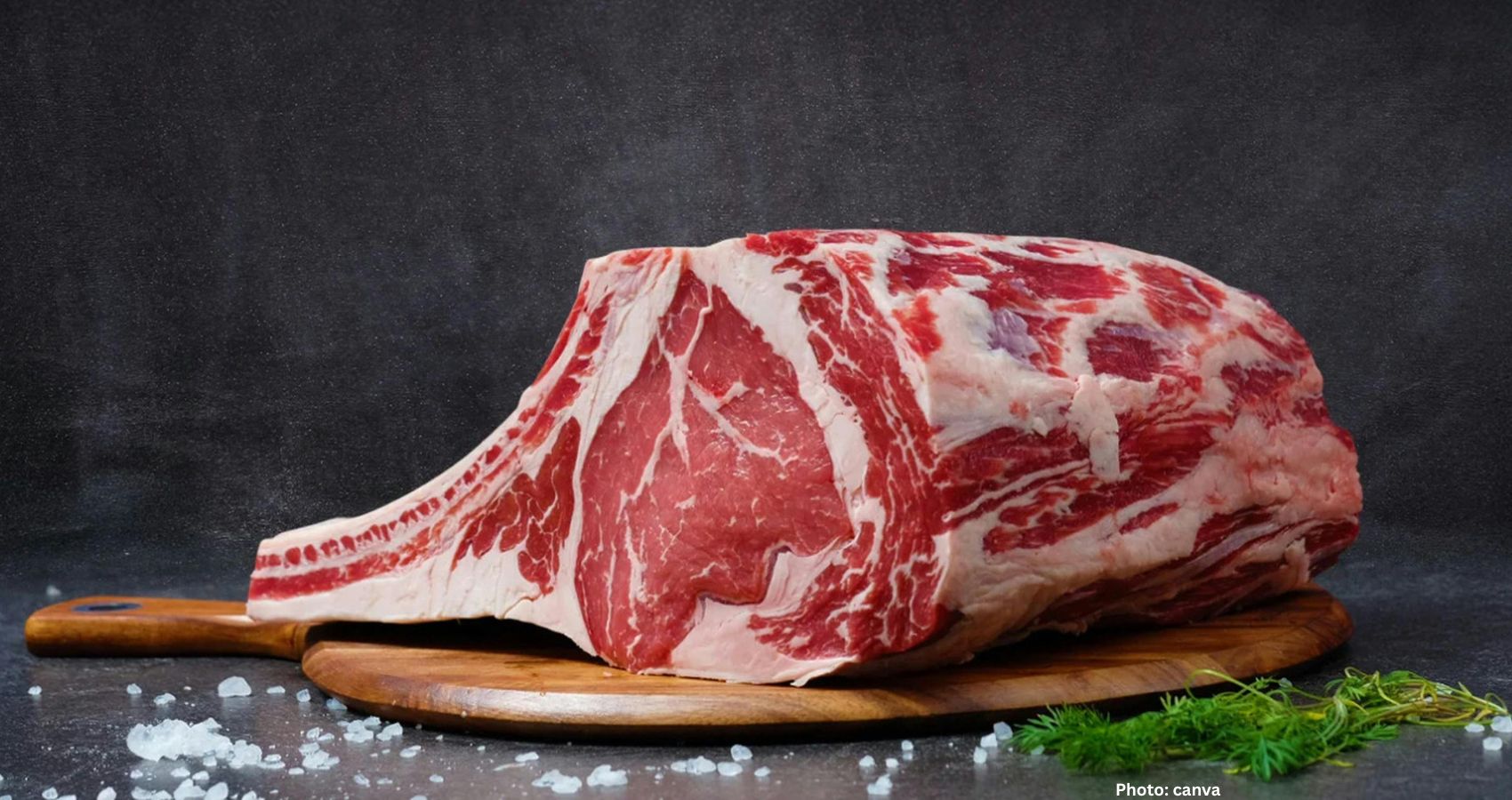
Beef prices are expected to remain high for years due to a significant decline in the U.S. cattle herd, exacerbated by drought and rising costs for ranchers.
Beef prices are not expected to ease in the near future, as economists warn that the pressure on prices could persist for years. This situation is largely attributed to a dramatic reduction in the U.S. cattle herd, which has reached its smallest size in 75 years. Factors such as prolonged drought, escalating feed costs, and an aging ranching workforce have compelled producers to cut back significantly.
“The biggest thing has been drought,” said Eric Belasco, head of the agricultural economics department at Montana State University. The years of dry weather have devastated grasslands across the West and Plains, leaving ranchers struggling to find sufficient feed and water for their herds. Many have been forced to sell cattle prematurely, including breeding cows essential for producing the next generation of calves, complicating efforts to rebuild their herds.
Drought conditions have made it increasingly difficult and costly for ranchers to raise cattle. As these conditions worsen, hay production declines, feed prices rise, and herd sizes shrink, according to data from the Kansas City Federal Reserve.
Even with potential improvements in weather conditions, the process of rebuilding the cattle herd is lengthy. “The fact of the matter is there’s really nothing anybody can do to change this very quickly,” stated Derrell Peel, a professor of agricultural economics at Oklahoma State University. “We’re in a tight supply situation that took several years to develop, and it’ll take several years to get out of it.” Peel, who specializes in livestock marketing, explained that it takes approximately two years to bring cattle to market, with several additional years needed to rebuild herds. This timeline leaves little room for short-term relief.
The supply crunch is only part of the larger picture. The U.S. beef industry is characterized by significant concentration, with four major companies—Tyson, JBS, Cargill, and National Beef—processing about 85% of the nation’s grain-fed cattle. This dominance has attracted scrutiny from regulators, including a Department of Justice investigation into potential antitrust issues and pricing practices within the meatpacking industry.
Critics argue that such a high level of consolidation grants meatpackers considerable influence over prices, while industry groups maintain that the market remains competitive. Despite rising prices, consumer demand for beef has not waned. According to data from the U.S. Department of Agriculture, the average price of beef rose from approximately $8.70 per pound in March 2025 to $10.08 a year later, marking an increase of about 16%.
Consumer spending on beef has remained robust. In 2025, shoppers spent over $45 billion on beef, purchasing more than 6.2 billion pounds, as reported by Beef Research, a contractor for the National Cattlemen’s Beef Association. This reflects a spending increase of around 12% from the previous year, while the volume of beef sold rose by more than 4%. This trend indicates that consumers are not only paying more but are also buying more beef overall.
As the industry navigates these challenges, ranchers and consumers alike will need to adapt to the evolving landscape of beef production and pricing. The long-term implications of the current supply situation remain to be seen, but it is clear that the factors driving high beef prices are complex and multifaceted.
According to Fox News, the combination of environmental challenges and market dynamics will continue to shape the beef industry for the foreseeable future.