
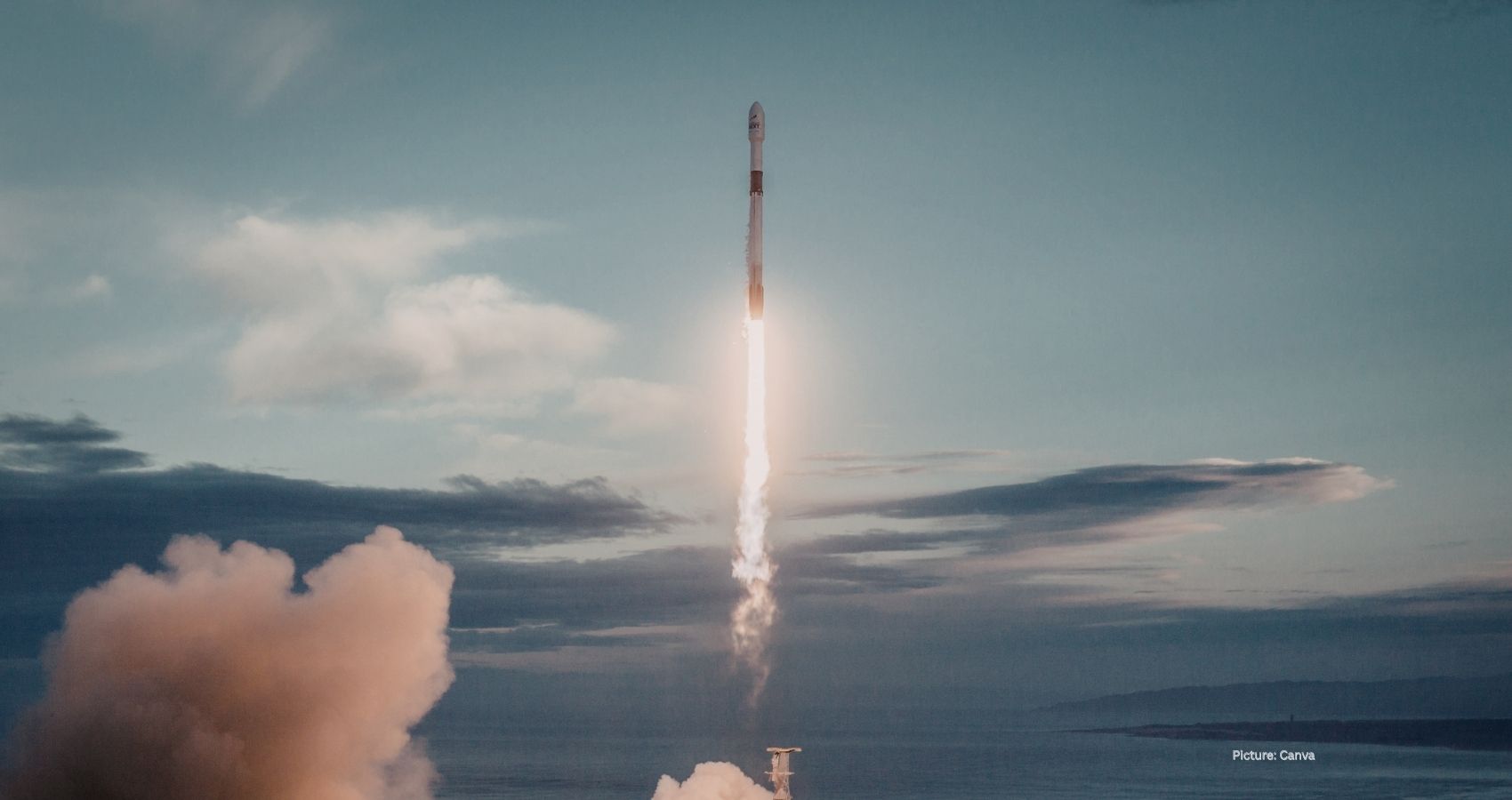
The next phase of NASA’s Artemis program is set to launch soon, following the successful Artemis II mission that captivated audiences worldwide.
NASA is setting its sights on the moon’s south pole as it prepares for the upcoming Artemis III mission, which will focus on critical docking maneuvers in Earth’s orbit. This mission is slated to launch next year, building on the momentum generated by the recent Artemis II flight.
Following the successful splashdown of the Artemis II crew in the Pacific Ocean on Saturday, entry flight director Rick Henfling emphasized the agency’s forward momentum. “The next mission’s right around the corner,” he stated, highlighting the urgency and excitement surrounding the Artemis program.
Artemis III will see astronauts practicing essential docking procedures with a commercial lunar lander while remaining in Earth’s orbit. This step is crucial for ensuring the mission’s success before any astronauts return to the lunar surface.
In the competitive landscape of lunar exploration, companies led by Elon Musk and Jeff Bezos are vying for dominance. Musk’s SpaceX and Bezos’ Blue Origin are both working on their respective landers, Starship and Blue Moon, with the aim of being the first to demonstrate their capabilities. These companies are also in contention to carry Artemis IV astronauts during the program’s first planned moon landing in 2028.
NASA has already positioned key hardware for the upcoming docking test at Kennedy Space Center. Meanwhile, SpaceX is preparing for another Starship test flight, and Blue Origin is advancing toward its own lunar landing demonstration later this year.
The overarching goal of the Artemis program extends beyond individual missions. NASA and its partners are targeting the moon’s south pole, an area believed to contain significant reserves of ice. This ice could potentially provide water and fuel for a future lunar base, a project that is projected to cost between $20 billion and $30 billion.
As anticipation builds, NASA is expected to announce the crew for Artemis III soon. This mission is designed to echo the testing protocols of the Apollo era, aiming to reduce risks before sending astronauts back to the lunar surface for the first time in over 50 years.
According to The Associated Press, the Artemis program represents a significant step forward in human space exploration, with plans that could reshape our understanding of the moon and its resources.