
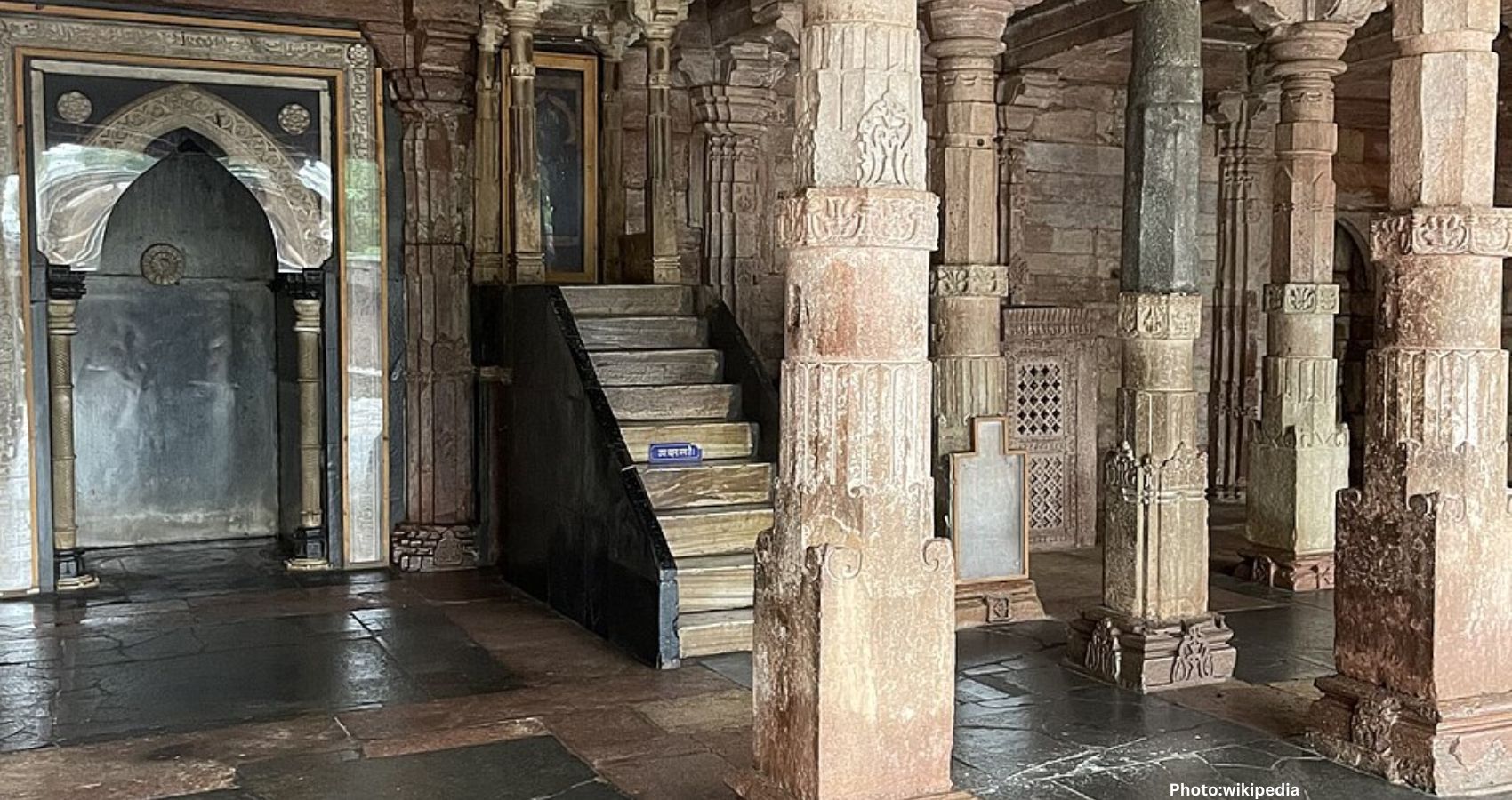
The Madhya Pradesh High Court has ruled that Bhojshala in Dhar is recognized as the Vagdevi Temple, granting worship rights to Hindus and assigning site management to the Archaeological Survey of India.
The Indore Bench of the Madhya Pradesh High Court has issued a landmark ruling in the ongoing Bhojshala and Kamal Maula Mosque dispute in Dhar. In a significant decision, the court has officially recognized Bhojshala as the Vagdevi Temple and granted the Hindu community the right to worship at the site.
In its ruling, the High Court transferred the responsibility for preserving and managing the complex to the Archaeological Survey of India (ASI). The court emphasized that its decision was based on a thorough examination of the ASI survey report, historical documents, inscriptions, architectural remains, and other evidence presented during the hearings.
While announcing the verdict, the court noted the dual religious and historical significance of the Bhojshala complex. It stated that the protection of historical and religious monuments is a constitutional duty shared by both state and central governments. Additionally, the administration has been instructed to provide essential facilities for devotees, maintain law and order, and ensure the protection and sanctity of the site.
The ASI survey report emerged as a pivotal piece of evidence in the Bhojshala case. The Madhya Pradesh High Court acknowledged that the ASI’s scientific survey and archaeological findings were instrumental in shaping the final judgment. Although the Muslim side raised objections to the ASI report and its conclusions, the court accepted it as a vital component of the official record.
The double bench of the court stated that it meticulously reviewed the ASI findings, structural remains, inscriptions, and historical records before arriving at its decision. The court underscored that the archaeological and historical importance of the Bhojshala complex could not be overlooked.
During the hearings, the Hindu side contended that Bhojshala was originally an ancient temple dedicated to Goddess Saraswati. To substantiate this claim, they presented various historical references, architectural details, and religious documents. The court took these arguments into account alongside the ASI findings when reaching its conclusion.
The Bhojshala-Kamal Maula Mosque dispute has its roots in a legal battle that intensified in 2022, when the Hindu Front for Justice filed a petition in the High Court. This petition sought a definitive declaration regarding the religious nature of Bhojshala and demanded full worship rights for the Hindu community.
Following the court’s directive, the Archaeological Survey of India conducted a comprehensive 98-day scientific survey of the Bhojshala complex in 2024. After the submission of the survey report, both parties presented detailed arguments based on the findings before the High Court delivered its final verdict.
This ruling marks a significant moment in the ongoing dispute, reflecting the complexities surrounding historical and religious sites in India. The decision not only recognizes the site as a temple but also underscores the importance of archaeological evidence in resolving such disputes.
As the situation continues to evolve, the implications of this ruling will likely resonate within the broader context of religious and cultural heritage in India, highlighting the delicate balance between historical claims and contemporary religious practices, according to The Sunday Guardian.