
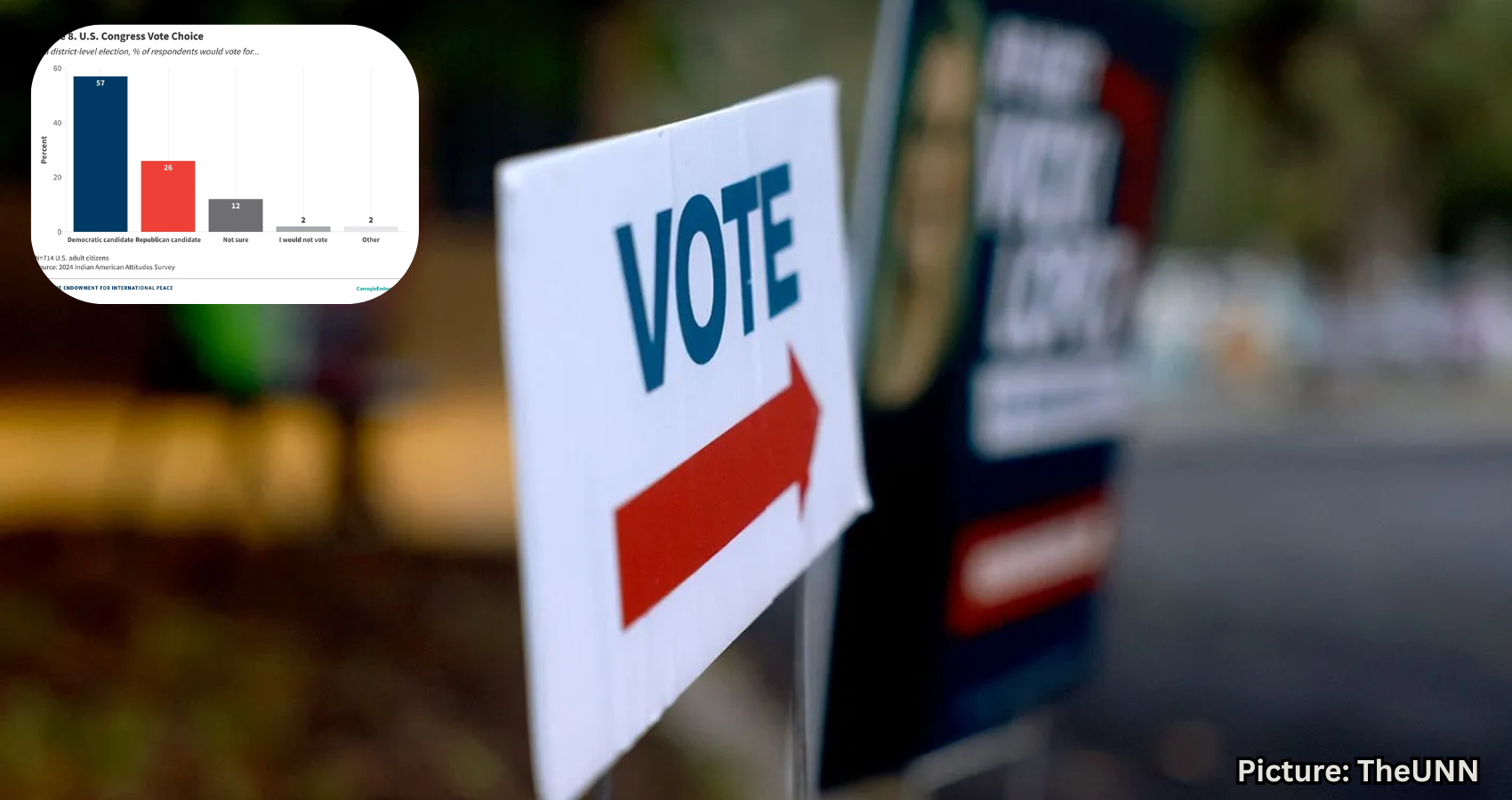
Millions of eligible immigrant voters are poised to significantly influence elections in 284 congressional districts across the United States, according to a new analysis from the American Immigration Council.
On April 16, the American Immigration Council released an analysis highlighting the vital role of immigrant voters in shaping electoral outcomes in key congressional districts. The report indicates that millions of U.S. citizens who are immigrants constitute a substantial portion of the electorate in 284 districts where elections will occur this year.
The analysis focuses on eligible and registered voters, as federal law stipulates that only U.S. citizens can participate in federal elections. Utilizing data from the 2024 American Community Survey, the report reveals that immigrants make up nearly one in five residents in the districts examined. Their presence is not only significant in terms of numbers but also in their contributions to the workforce, tax base, and local economies, which in turn influence voter priorities.
Key findings from the analysis illustrate the potential impact of immigrant voters in upcoming elections. An estimated 16 million registered immigrant voters—naturalized U.S. citizens eligible and registered to vote—are present in the analyzed districts. Notably, in 44 percent of these districts (126 out of 284), the number of eligible immigrant voters exceeds the margin of victory in the 2024 elections.
For instance, Florida’s 25th congressional district is home to approximately 135,500 immigrant voters. This district notably flipped from Republican to Democratic control in 2022, with Democrats winning again in 2024 by a narrow margin of just 30,700 votes.
Similarly, in New Jersey’s 9th district, Democrats secured victory by a margin of just over 12,600 votes in 2024. This district boasts nearly 165,000 immigrants who are U.S. citizens aged 18 and older, thus eligible to vote.
The analysis also emphasizes the importance of language and outreach in engaging immigrant voters. On average, 83.1 percent of immigrants in these districts speak a language other than English at home, underscoring the need for targeted outreach efforts that reflect the diverse linguistic backgrounds of these communities.
Moreover, immigrants play a crucial role in local communities, comprising nearly 20 percent of residents across the 284 districts analyzed. In some areas, immigrants represent more than half of the population, further highlighting their integral role in community dynamics.
“Immigrant voters who are U.S. citizens are a meaningful part of the electorate in many communities, especially in close races,” said Nan Wu, director of research at the American Immigration Council. “Like other voters, they care about jobs, housing, and the economy, and they are deeply embedded in the communities they help sustain.”
The findings also suggest that the influence of immigrants extends beyond electoral participation. In the districts studied, immigrants contribute to economic growth, support key industries, and help shape the issues that dominate elections, ranging from inflation and housing to workforce shortages.
Overall, the analysis underscores that immigrants are not merely a niche population but rather a core component of the communities, economies, and electorates that define many congressional districts across the United States. Their participation in the electoral process is poised to be a decisive factor in upcoming elections, reflecting their integral role in the fabric of American society.
These insights were provided by the American Immigration Council, which aims to promote a fair and inclusive immigration system.