
Concerns over rising hantavirus cases have sparked reflections on the COVID-19 pandemic, but experts emphasize significant differences between the two viruses.
As concerns about rising hantavirus cases grow, many Americans are drawing parallels to the COVID-19 pandemic. However, experts assert that the two viruses are fundamentally different in their transmission and behavior.
Dr. Marc Siegel, a senior medical analyst for Fox News, addressed these concerns, stating that there is “no comparison” between hantavirus and COVID-19. While both are single-stranded RNA viruses, Siegel emphasized that hantavirus has remained largely unchanged for decades, unlike the coronavirus, which has undergone significant mutations.
“You could say the comparison ends at that they’re both single-stranded RNA viruses,” Siegel explained. “But [hantavirus] has been unchanged basically for decades.” He noted that the mutations of the coronavirus have led to various complications during the pandemic.
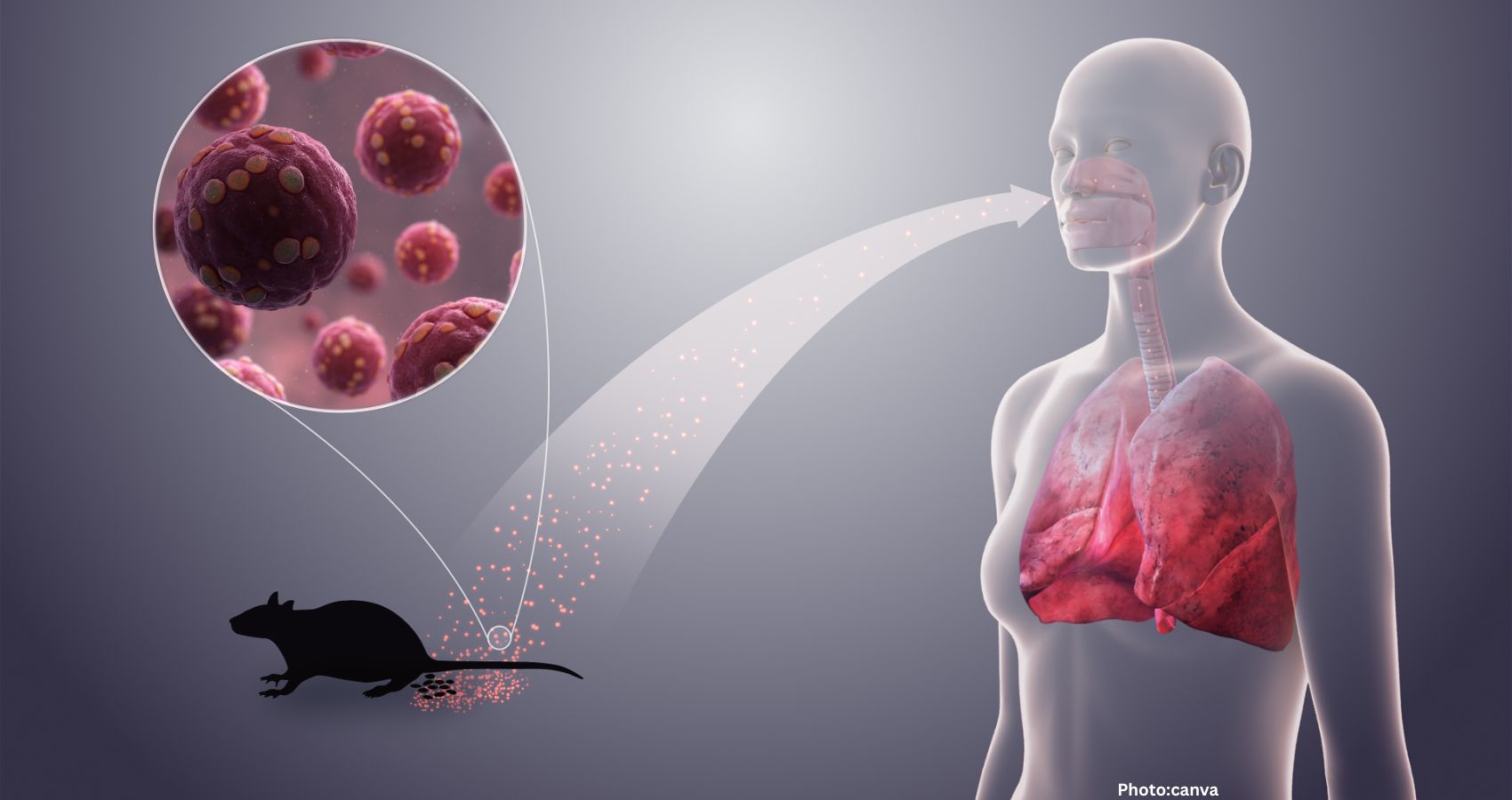
Siegel pointed out that the hantavirus, particularly the Andes virus linked to a recent outbreak on the MV Hondius cruise ship, is primarily transmitted through contact with rodent droppings and urine. While there have been rare instances of human-to-human transmission, it typically requires prolonged close contact.
“It’s not airborne … in terms of respiratory droplets hanging in the air,” he clarified. “It’s very difficult to transmit.” In contrast, COVID-19 is an airborne virus that spreads easily among humans.
Despite the recent outbreak on the cruise ship, Siegel reassured that this does not indicate a change in the hantavirus itself. Instead, he noted that the close quarters on a ship can facilitate the spread of the virus, but it does not suggest a significant increase in transmissibility.
Hantavirus cases have been reported in the United States for decades, though they remain rare. Siegel mentioned that certain factors, such as rising temperatures, are causing rodents to migrate, which could influence the spread of the virus.
He drew a more fitting comparison between hantavirus and bird flu, which is primarily an animal-based virus that occasionally infects humans. “There are billions of birds, and every year we talk about how it’s going to cause a pandemic, but it would have to mutate significantly,” he said.
Siegel expressed concern that while hantavirus can be severe if contracted, the likelihood of transmission is low. “If you get this virus, you’re in trouble, but getting this virus is very difficult,” he remarked.
Addressing fears of another global pandemic, Siegel noted that the characteristics of hantavirus differ significantly from those of coronaviruses. “Coronaviruses are airborne anyway. This is not. And coronaviruses mutate a lot, and this does not,” he stated. He expressed greater concern about influenza, which can mutate frequently and is already transmissible among humans.
“Most infectious disease specialists are much more worried about flu than this, as deadly as this can be,” he added. “We’re talking apples and oranges, and any comparison you make after that provokes fear.”
As the public navigates concerns about hantavirus, experts like Dr. Siegel continue to emphasize the importance of understanding the differences between these viruses to avoid unnecessary panic.
For more information on hantavirus and its implications, refer to the insights provided by Dr. Marc Siegel.