
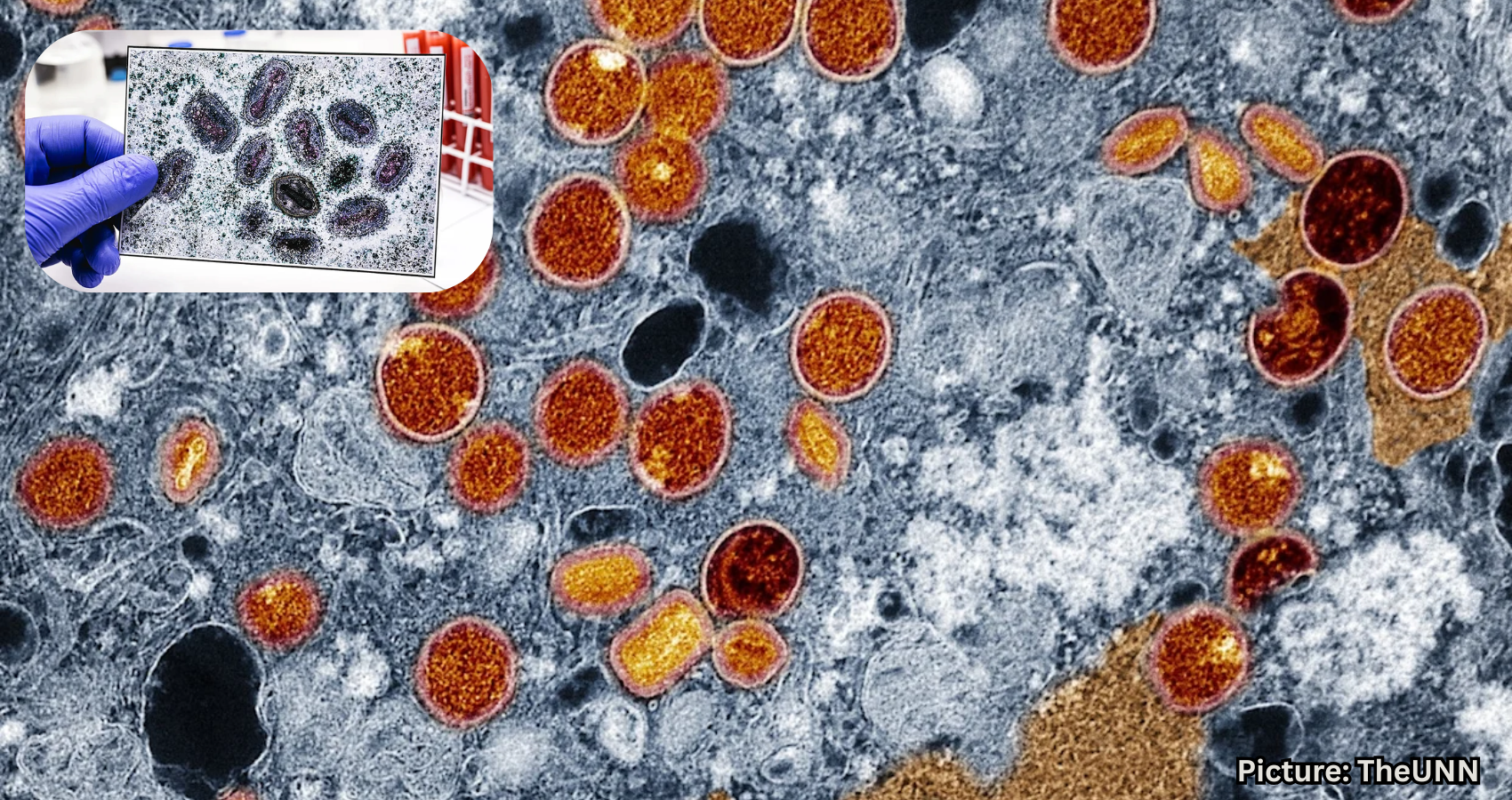
A case of clade I mpox has been confirmed in Connecticut, following the patient’s recent travel to Western Europe, as health officials also monitor new hantavirus cases in Europe.
A case of clade I mpox, a more virulent variant of the monkeypox virus, has been confirmed in Connecticut. This development comes as global health officials are also keeping an eye on newly reported hantavirus cases in Spain and France.
The Connecticut Department of Public Health (CDPH) announced on Wednesday that the state’s first identified case of clade I mpox was detected in an individual who had recently traveled to Western Europe. Health authorities in the region continue to monitor infectious disease activity closely.
The World Health Organization (WHO) has reported an uptick in hantavirus cases in Spain and France, highlighting the importance of awareness regarding this rare but potentially severe disease. Hantavirus is primarily spread through contact with infected rodents and can lead to serious respiratory complications in humans, although cases remain infrequent, according to the WHO.
Despite the confirmation of the mpox case, health officials have stated that it “does not pose a risk to the general public.” However, they are encouraging individuals who may be at risk to receive the JYNNEOS vaccine.
“Mpox hasn’t gone away, and we want people to be protected, especially as many in our community prepare for travel, festivals, and gatherings this summer,” said CDPH Commissioner Dr. Manisha Juthani in a press release. “The vaccine is safe, effective, and widely available. Completing the two-dose series is the best way to protect yourself and your partners.”
Clade I and clade II mpox are genetically distinct forms of the virus, each with notable differences in severity and geographic origin, according to the CDC and WHO. Clade I, which has historically been identified in Central Africa, is associated with more severe illness and higher mortality rates. Cases of clade I often involve more widespread rashes and complications.
In contrast, clade II, which has circulated primarily in West Africa, is generally linked to milder disease. This clade was responsible for the global outbreak that began in 2022, during which most patients experienced less severe symptoms and lower rates of hospitalization and death, as reported by the WHO.
Understanding the distinctions between the two clades is crucial for guiding risk assessments, especially as international travel continues to increase.
As health officials remain vigilant, the emphasis on vaccination and awareness is paramount in mitigating the risks associated with mpox and other infectious diseases.
For further information, refer to the Centers for Disease Control and Prevention (CDC).