
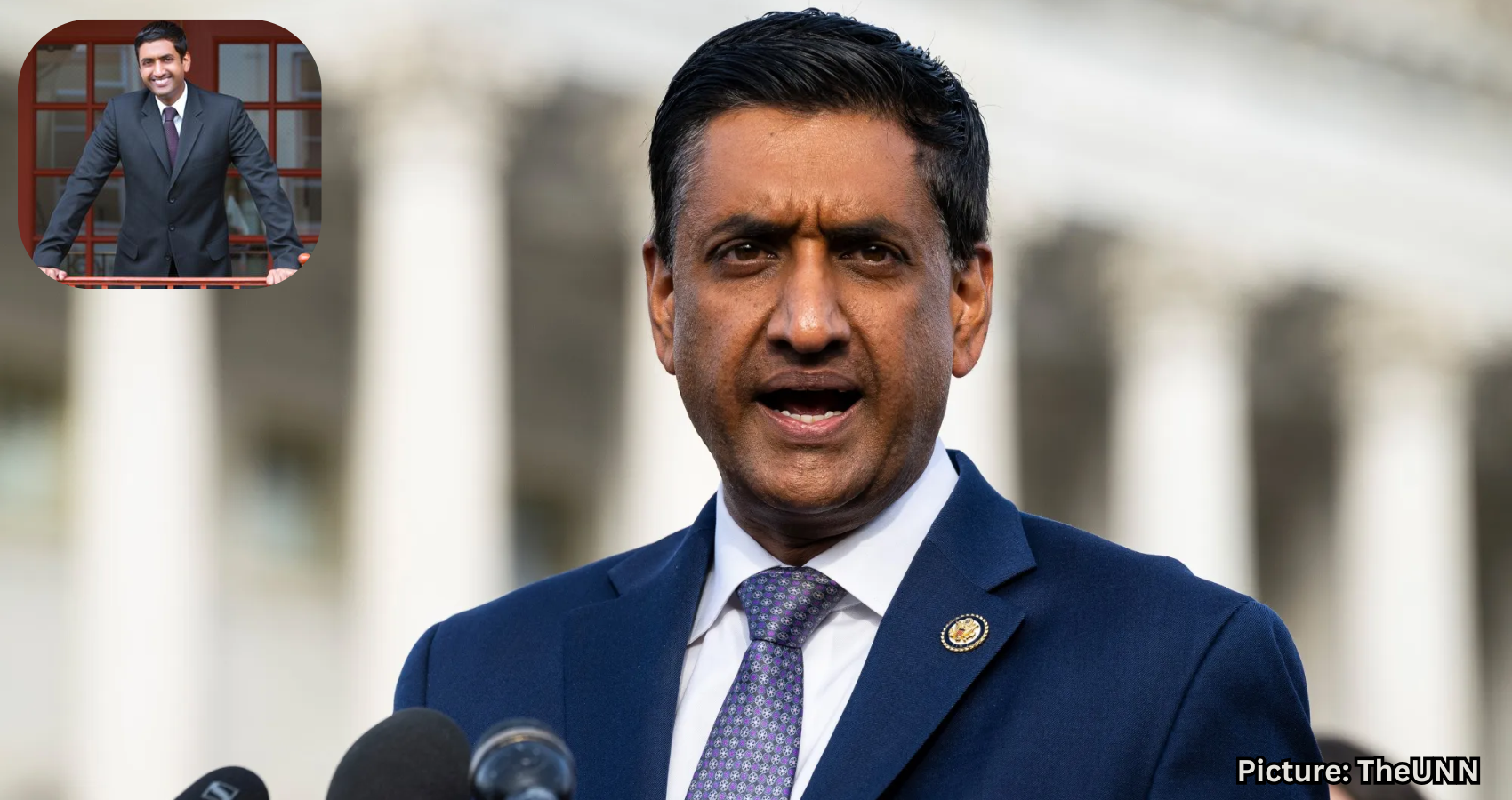
Ro Khanna, in a commencement address at Suffolk University, called for a “Second New Deal” focused on wealth taxes, Medicare for All, and economic reforms to address inequality.
During a recent commencement address at Suffolk University, Congressman Ro Khanna articulated a bold progressive vision, advocating for what he termed a “Second New Deal.” His proposals emphasize taxing billionaires, regulating artificial intelligence, expanding social welfare programs, and restructuring American political institutions.
Khanna’s speech resonated with graduates and quickly gained traction on social media after he shared excerpts online. He urged the younger generation to embrace their historic responsibility to rebuild the nation amid what he described as a new era of inequality and concentrated wealth.
“Few generations are asked to die for our country,” Khanna remarked. “Our task is different — whether we are willing to live for our country.” He drew parallels between the current economic landscape and the Gilded Age, as well as the years leading up to the Great Depression, asserting that the United States is once again confronted with a political system that is “stacked against ordinary people.”
Khanna emphasized the legacy of the Progressive Era and the New Deal, which sought to challenge entrenched power and create a more just society. He criticized the extreme concentration of wealth, noting that 19 billionaires currently control $3.4 trillion, approximately 12% of the U.S. economy.
“They could pay a five percent annual tax on their wealth,” Khanna argued, suggesting that such revenue could be allocated to initiatives like Medicare for All, free public college, childcare subsidies, student debt relief, affordable housing guarantees, and worker ownership programs.
In addition to economic reforms, Khanna called for significant political changes, including overturning the Supreme Court’s Citizens United decision, imposing term limits on justices, and expanding the court from nine to thirteen members.
The congressman also addressed foreign policy and defense spending, urging an end to military engagements in the Middle East, starting with the conflict in Iran. His remarks drew applause from the audience as he advocated for a reduction in military expenditures and a redirection of investments towards domestic manufacturing, renewable energy, biotechnology, AI infrastructure, and workforce development.
Khanna proposed the creation of a federally backed industrial investment bank, the expansion of trade schools and technology institutes, and the launch of a modern federal jobs program modeled after Franklin Roosevelt’s Works Progress Administration.
As artificial intelligence continues to transform the economy, Khanna stressed the importance of ensuring that the technology benefits workers rather than exacerbates wealth inequality. “That means taxing agent AI more than we tax human workers,” he stated.
He framed his broader platform as “New Economic Patriotism,” cautioning that younger generations must spearhead structural reforms due to the failures of current political leadership, which he claimed has allowed institutions to be captured by elite interests.
Khanna’s address reflects the rising influence of economic populism within segments of the Democratic Party, as progressive lawmakers increasingly focus on issues such as wealth inequality, AI disruption, housing affordability, and public distrust of political institutions in the lead-up to the 2026 elections.
According to The American Bazaar, Khanna’s vision seeks to inspire a new generation to take action and advocate for a fairer economic landscape.