
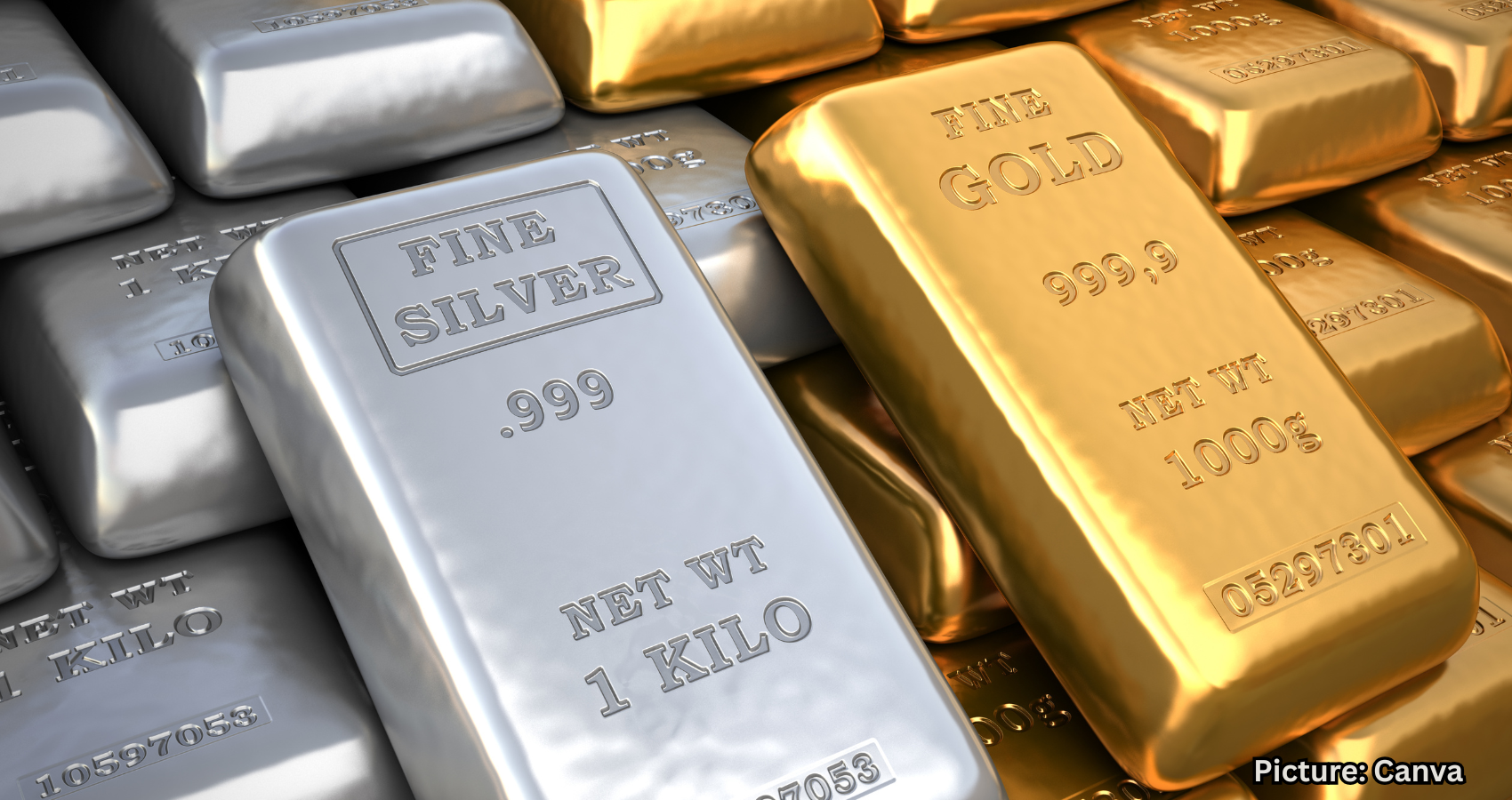
India has raised tariffs on gold and silver imports to 15% to stabilize the rupee and manage rising import costs, impacting both the domestic economy and global commodity markets.
In a significant policy shift, India has increased the import tariffs on gold and silver to 15%. This move aims to curb surging imports and support the struggling Indian rupee. The decision, announced by the Ministry of Finance, is expected to have immediate repercussions on the domestic jewelry market and the broader economy, particularly in light of India’s current account deficit.
The new tariff rates, effective immediately, represent a notable increase from previous rates, which were around 10%. The Indian government has observed a substantial uptick in gold imports, which rose by approximately 10% to 1,200 tonnes in the last fiscal year. This increase has been driven by both consumer demand and investment in precious metals as a hedge against inflation and currency volatility.
The rupee has been under pressure, trading at around 83.50 per US dollar in recent months. This trend reflects broader patterns of dollar strength and rising global interest rates. By raising tariffs on gold and silver, the Indian government aims to reduce the outflow of foreign exchange reserves that are exacerbated by high import levels of these commodities. The Reserve Bank of India (RBI) has expressed concerns over the current account deficit, which widened to $23 billion in the first half of 2023, primarily due to increased imports of gold and crude oil.
Finance Minister Nirmala Sitharaman emphasized the government’s commitment to maintaining a stable currency and balancing the trade deficit. “The increase in tariffs is a necessary step to manage our import levels and protect our currency,” she stated during a recent briefing. “We are taking all necessary measures to ensure that the economy remains resilient.”
The jewelry sector, a significant contributor to India’s economy, may face challenges as a result of these increased tariffs. Jewelers and traders are likely to pass on the costs associated with the higher tariffs to consumers. According to the All India Gems and Jewellery Domestic Council, the price of gold jewelry could rise by approximately 5% in response to the new tariffs. This price increase may dampen consumer demand in the short term, particularly during the festive season when gold purchases typically spike.
Industry analysts have noted that the impact of the tariff increase is multifaceted. While it may help stabilize the rupee and reduce import costs in the long run, the immediate effect could lead to a slowdown in jewelry retail sales, especially among lower and middle-income consumers who are sensitive to price increases.
Historically, India has adjusted tariffs on gold and silver imports as a tool to manage its trade balance. Previous tariff hikes, such as those in 2021 and 2022, were similarly aimed at reducing the trade deficit and stabilizing the rupee. However, these measures have often faced criticism from various sectors, particularly from jewelers who argue that increased tariffs lead to a thriving black market for gold.
In response to such concerns, the government has stated that it is committed to monitoring the market closely and will adjust policies as necessary to ensure that the jewelry industry remains competitive while also protecting national economic interests.
The increase in tariffs has not only affected the Indian market but has also resonated in global commodity markets. Gold prices have shown volatility in response to the news, with analysts predicting further fluctuations as investors assess the implications of India’s policy shift on global supply and demand dynamics. Some market experts suggest that higher tariffs could lead to increased demand for gold from countries with lower import duties, thereby altering trade flows in the global gold market.
As the world’s second-largest consumer of gold, India’s policy changes are closely monitored by international markets. The ramifications of this tariff increase will be felt not just domestically but will also have ripple effects that could influence global gold prices and trading strategies.
In conclusion, the Indian government’s decision to raise tariffs on gold and silver imports to 15% is a significant move aimed at stabilizing the currency and managing trade deficits. While it presents immediate challenges for the jewelry sector and consumers, it reflects a broader strategy to protect the economy amid global financial pressures, according to GlobalNet News.