Pope Francis Welcomes US House Speaker Nancy Pelosi At The Vatican Biden To Meet The Pontiff on October 29th

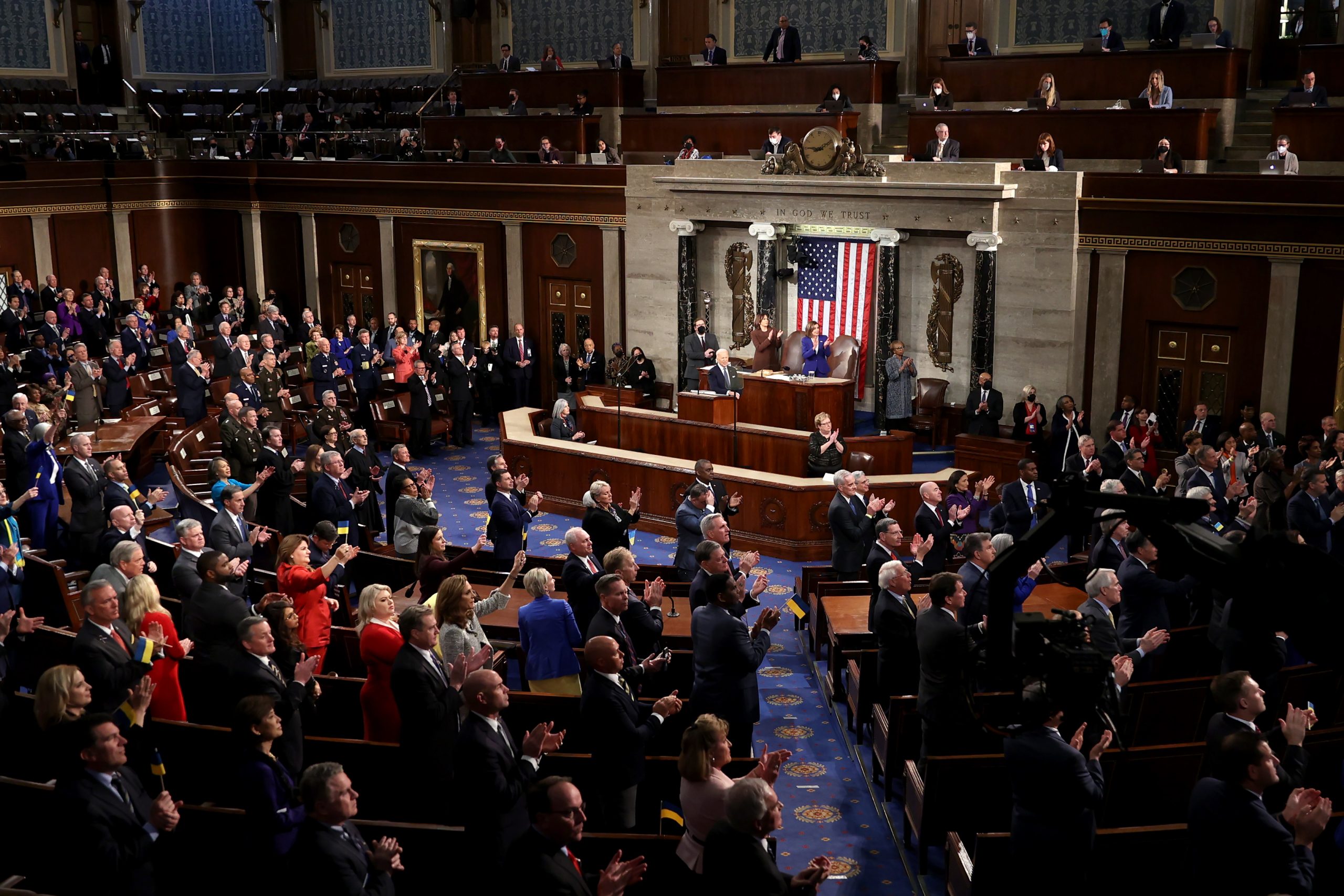
Pope Francis granted a private audience in the Vatican to U.S. Speaker of the House Nancy Pelosi (D-CA) Saturday, October 9th during her recent visit to Italy.

It has been reported that President Biden will meet with Francis on October 29th. While serving as the U.S. Vice President, Biden had met with Pope Francis for the first time in September 2015, when the pope visited the United States to attend the World Meeting of Families in Philadelphia.

The following year, on April 29, 2016, Biden went to the Vatican for a summit on regenerative medicine, where he praised Pope Francis and advocated for a global push to cure cancer. Biden had opened his speech at the Vatican by recalling how, while visiting the United States the previous September, Pope Francis had comforted him after the loss of his eldest son Beau, who passed away the previous summer at the age of 46 from brain cancer.

Speaker Nancy Pelosi arrived in Rome for a gathering of legislative leaders of G20 countries ahead of the U.N. Climate Change Summit in Scotland later this month. “It was a spiritual, personal and official honor to have an audience with His Holiness Pope Francis this morning,” the speaker said in a statement.

Francis’ private meeting with Pelosi, a Catholic and a defender of abortion rights, came as American Catholic bishops consider how to press the church’s teaching against abortion while the country’s second Catholic president, Joe Biden, heads an avowedly pro-choice Democratic administration

Bottom of Form

But Francis has cautioned the American bishops — who have debated whether to deny Communion to pro-abortion Catholic politicians — not to move too quickly and has repeatedly signaled he does not want the Eucharist to become a political weapon. Flying home from his papal visit to central Europe on Sept. 15, he noted that he has never denied the Eucharist to anyone and that bishops risk becoming embroiled in “political problems” when they don’t act “like shepherds.”

The issue, which dominated the bishops’ national meeting in June, was spurred in part by criticism of pro-choice Catholic leaders by Archbishop Salvatore Cordileone of San Francisco, who has advocated denying Communion to pro-choice elected officials based in his archdiocese — which would include Pelosi. On Sept. 29, after a bill aimed at overcoming a Texas law severely restricting abortion passed the House, Cordileone asked Catholics to pray for a “conversion of heart” for Pelosi and other Democratic representatives.

The speaker, in her statement on the meeting, emphasized the pontiff’s support for measures to combat climate change. “His Holiness’s encyclical Laudato Si’ is a powerful challenge to the global community to act decisively on the climate crisis with special attention to the most vulnerable communities.”  She went on to praise “the immense moral clarity and urgency that His Holiness continues to bring to the climate crisis.”

Pelosi also met with the Vatican’s Dicastery for Promoting Integral Human Development, a department created by Francis five years ago to oversee the church’s efforts on issues such as migrants, prisoners, the unemployed and other marginalized people, as well as victims of armed conflict, natural disasters, slavery and torture. The meetings came as President Joe Biden announced his intention to nominate former lawmaker and anti-abortion Democrat Joseph Donnelly to serve as his Vatican ambassador.

Outgoing German Chancellor Angela Merkel met Thursday, October 7th with Pope Francis and Italian Premier Mario Draghi, who paid tribute to her “calm, determined” leadership even during difficult years for Europe and the common currency. Merkel herself has called this her farewell bilateral trip to Italy as chancellor, and her unusually long 45-minute papal audience and glowing tribute from Draghi indicated her Roman counterparts wanted to pay their respects, too. Merkel and her outgoing government will stay in office on a caretaker basis until a new administration is in place, a process that could take weeks or months.

Acclaimed Indian Actor, Nedumudi Venu Passes Away At 73

Nedumudi Venu, rated as one of the most talented actors in Indian cinema, died at a private hospital in Thiruvananthapuram, Kerala on Monday. He was 73. Having recovered from Covid-19, Venu had been in a critical condition for some time due to liver-related ailments.

After initially being admitted to the hospital on October 5th with tiredness and weakness, he was transferred to intensive care on Saturday, a spokesman for the private facility where he was treated told the media. The doctor treating Venu told the media that he died of kidney-related issues and sepsis.  Liaison officer Praveen Jojo of KIMS Health in Thiruvananthapuram, said Venu had breathed his last on Monday, October 11th.

Born in 1948 in Nedumudi in Kerala’s Alappuzha district, Venu began his career as a theatre artiste with famous dramatist Kavalam Narayana Panicker’s experimental theatre group. He entered films in 1978 with G. Aravindan’s Thambu.

Nedumudi Venu won three National Film Awards, and six Kerala State Film Awards for his performances. Venu was known for his roles in “His Highness Abdullah,” “Bharatham” and “Margam,” among others. His most memorable performance that established Venu as a talent in Malayalam cinema was in Thakara in which he played the role of a village carpenter. Some of his best films included Aravam, Vidaparayum Munpe, Kallan Pavithran, Chamaram, Oru Minnaminunginte Nurunguvettam, Chithram, Thenmavin Kombath, Margam and Arimpara. Ente Mazha directed by Subrahmanyam was his last film.

In his film career spanning over four decades, Venu acted in over 500 movies in Tamil and Malayalam as hero, villain and character actor. According to film scholar N. Balagopal, Venu was one of the few actors in Indian cinema who excelled both as stylized actor and realistic actor, which in Indian theatre tradition is called Natya Dharmi and Lokadharmi, respectively.

Over the decades, Nedumudi Venu shone as an actor who could deliver powerful performances. His talent at handling serious and comedic roles with equal aplomb was admired in the industry. He turned screenwriter for films like Kattathe Kilikkoodu, Theertham, Sruthi, Ambada Njane, Oru Katha Oru Nunnakkatha, Savidham and Angane Oru Avadhikkalathu. The actor also helmed a film titled Pooram. Besides acting, Venu was also adept at playing the mridangam.

Actor-filmmaker Prithviraj Sukumaran took to Twitter to mourn the demise of Nedumudi Venu. Sharing a photo of the veteran artiste, Prithviraj wrote, “Farewell Venu uncle! Your body of work and your expertise over the craft will forever be research material for generations to come! Rest in peace legend! NedumudiVenu.”

Filmmaker Sangeeth Sivan also expressed grief at the news. His post read, “Absolutely shattered to know that NedumudiVenu is no more! One of our finest actors. Such a huge loss to Malayalam cinema. He leaves behind an impressive & varied filmography & will live in our hearts forever. OmShanti.”

India’s Economy To Grow By 8.3%, Making It 2nd Fastest Growing-Major Economy

India’s economy is expected to grow by 8.3 per cent this fiscal year, according to the World Bank, making it the second-fastest-growing major economy. The Bank’s Regional Economic Update released on Thursday said that after the “deadly second wave” of Covid-19 in India “the pace of vaccination, which is increasing, will determine economic prospects this year and beyond”. “The trajectory of the pandemic will cloud the outlook in the near-term until herd immunity is achieved,” it cautioned.

According to the Update issued ahead of the Bank’s annual meeting next week, India’ gross domestic product (GDP) — which shrank by 7.3 per cent (that is, a minus 7.3 per cent) under the onslaught of the pandemic last fiscal year — is expected to record the 8.3 per cent growth this fiscal year, which will moderate to 7.5 per cent next year and 6.5 per cent in 2023-24. Of the major economies, China is ahead with its economy expected to grow by 8.5 per cent during the current calendar year after the Bank revised it upwards from the 8.1 per cent projection in April.

China’s growth rate is projected to come down to 5.4 per cent next year and 5.3 per cent in 2023. Last year, it grew by 2.3 per cent. For the entire South Asia region, the Bank’s Update estimates the GDP growth to be 7.1 per cent this year and the next. Maldives’ tiny economy of $3.8 billion, which had the steepest fall of 33.6 per cent last calendar year is expected to recover and record a growth of 22.3 per cent this year. Next year it is expected come down to 11 per cent and 12 per cent in 2023.

Bangladesh, which recorded a growth of 5 per cent last fiscal year, is expected to grow by 6.4 per cent this year and 6.9 per cent the next.

Pakistan’s economy that grew by 3.5 last fiscal year, is expected to grow by 3.4 per cent this year and 4 per cent next year.

For Sri Lanka, the Bank expects a growth of 3.3 per cent this calendar year compared to a shrinkage of 3.6 per cent last year and to grow by 2.1per cent next year and 2.2 per cent the following year.

Bhutan, which had a negative growth of 1.2 per cent the last fiscal year, is expected to reach 3.6 per cent this fiscal year and 4.3 per cent the next.

Nepal’s growth is expected to rebound from last fiscal year’s 1.8 per cent to 3.9 per cent this fiscal year and 4.7 per cent the next.

The Bank said, “The Covid-19 pandemic led India’s economy into a deep contraction in FY21(fiscal year 2020-21) despite well-crafted fiscal and monetary policy support.”

It said that growth recovered in the second half of the last fiscal year “driven primarily by investment and supported by aunlocking’ of the economy and targeted fiscal, monetary and regulatory measures. Manufacturing and construction growth recovered steadily.”

Although significantly more lives were lost during the second wave of the epidemic this year in India, compared to the first wave in 2020, “economic disruption was limited since restrictions were localised,” with the GDP growing by 20.1 per cent in the first quarter of the current fiscal year compared to the first quarter of 2020-21, the Update said. It attributed the spurt to “a significant base effect” (that is, coming off a very big fall in the compared quarter), “strong export growth and limited damage to domestic demand.”

Looking ahead, the Bank’s Update said that “successful implementation of agriculture and labour reforms would boost medium-term growth” while cautioning that “weakened household and firm balance sheets may constrain it.” “The Production-Linked Incentives scheme to boost manufacturing, and a planned increase in public investment, should support domestic demand,” it said.

The extent of recovery during the current fiscal year “will depend on how quickly household incomes recover and activity in the informal sector and smaller firms normalises.” Among the risks, it listed “worsening of financial sector stress, higher-than-expected inflation constraining monetary-policy support, and a slowdown in vaccination.”

Taking stock of the pandemic’s effects, the Bank said, “The toll of the crisis has not been equal, and the recovery so far is uneven,leaving behind the most vulnerable sections of the society – low-skilled, women, self-employed and small firms.” But it said that the Indian government has taken steps to strengthen social safety nets and ease structural supply constraints through agricultural and labour reforms deal with the inequality.

It said that the government continued investing in health programs “have started to address the weaknesses in health infrastructure and social safety nets (especially in the urban areas and the informal sector) exposed by the pandemic.” (IANS

Dr. Mathai Mammen Honored By India Community Center At Annual Gala

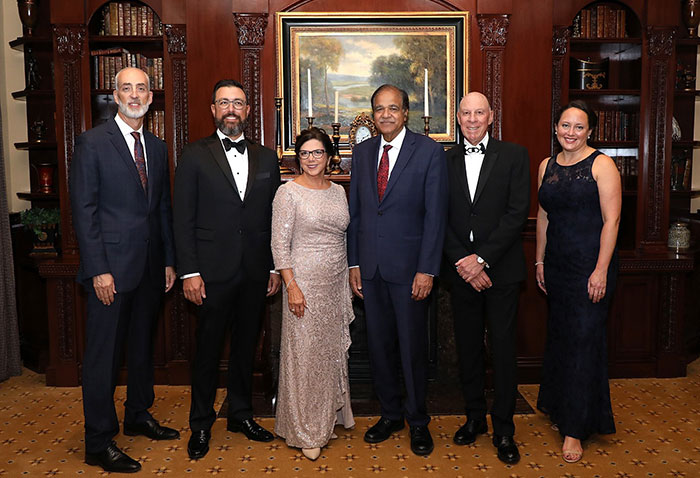
Dr. Mathai Mammen, global head of Research and Development for the Janssen Pharmaceuticals wing of Johnson & Johnson, has been honored with the India Community Center’s annual Inspire award for his work in developing the single shot J&J Covid-19 vaccine, at the organization’s annual banquet Oct. 2.

ICC’s 18th annual gala was held virtually for the second time, in keeping with Covid-19 safety protocols, which discourage gatherings of large groups indoors. A friendly-but-competitive live auction, followed by a lively pledge drive, quickly raised more than $257,000 to support the community center, a second home to many Indian American seniors and youth. “J&J, BioNTech, and Moderna had never created vaccines before. But everyone saw the public health crisis that was happening — as 10,000 people died each day — and wanted to help,” said Mammen, who was interviewed at the gala by Divya Ganesan, a Stanford University freshman, and co-founder of Real Talk Ed.

“To think of making a vaccine in such a short time was unthinkable. This would typically be a seven-year process,” said Mammen, noting that 600 people at J&J mobilized on a 24-hour/seven days a week schedule to develop a vaccine. “We broke all our normal processes,” said the Indian American. “We had invested in good science that we put into play.” “The journey was unlike anything we had ever seen. For 14 months, no one ever took a day off. I don’t think the world recognizes what it took to make this vaccine,” said Mammen.

Dr. Mammen’s mission is to work with the best research and development professionals in the world to make meaningful medicines that impact the lives of patients, their families and communities. Prior to joining Janssen in June 2017, Dr. Mammen was Senior Vice President at Merck Research Laboratories, responsible for research in the areas of Cardiovascular, Metabolic and Renal Diseases, Oncology/Immuno-Oncology and Immunology. Jointly with his team, he initiated numerous new programs and progressed eight into early clinical development. He also nucleated a new discovery site in the San Francisco Bay Area.

Prior to Merck, Dr. Mammen led R&D at Theravance, a company he co-founded in 1997 based on his work at Harvard University. Under his leadership, the Theravance team of 200 scientists nominated 31 development candidates in 17 years, created three approved products (Breo®, Anoro®, Vibativ®), two additional assets that have successfully completed Phase 3 studies and a pipeline containing 11 further development-stage compounds in 2016. In 2014, he and the Theravance Leadership Team separated Theravance into two publicly traded companies: Innoviva (INVA) and Theravance Biopharma (TBPH).

Dr. Mammen has more than 150 peer-reviewed publications and patents and serves on various boards and advisory committees. He received his M.D. from Harvard Medical School/Massachusetts Institute of Technology (HST program) and his Ph.D. in Chemistry from Harvard University’s Department of Chemistry, working with George Whitesides. He received his BSc in Chemistry and Biochemistry from Dalhousie University in Halifax, Nova Scotia.

Kajol and Revathy Collaborate For Film, The Last Hurrah

Famed Bollywood veteran actress Kajol is collaborating with actress-turned-director Revathy for her upcoming new film, The Last Hurrah. Taking to Instgaram on Thursday, the My Name Is Khan  actress shared the exciting news with her fans and posted an adorable click with the 2 States actress.

Calling it an inspiring story, Kajol, 47, captioned the picture as, “So happy to announce my next film with the super awesome Revathi directing me.. called ‘The Last Hurrah’. A heartwarming story that made me instantly say YES! Can I hear a “Yipppeee” please.

Described as a big moment for the Bollywood world, the two extraordinary talents collaborating to create something remarkable has created much enthusiasm among millions of their fans worldwide.  Both have created milestones with their work in the Indian film industry and this dream team is going to create an inspiring story with their upcoming film, “The Last Hurrah.”

Inspired by a true story and real characters, “The Last Hurrah” tells a tale of an exemplary mother, Sujata, who battled the most challenging situations one can face with a smile. The film is currently in pre-production and will soon go on floors.Talking about her first collaboration with Kajol and choosing this story for her, Revathy shares, “Sujata’s journey is extremely close to my heart. It’s not only relatable but also inspiring. When Suuraj, Shraddha and I were discussing this film, Kajol was the first person who came to mind. Her soft yet energetic eyes and her beautiful smile will make you believe that anything is possible and that is exactly how Sujata is. I am very excited for this collaboration and to be working with Kajol for this heartening story.”

Elated to come together with Revathy, Kajol adds, “When I heard the story of “The Last Hurrah,” I could instantly connect with Sujata and I thought her journey was incredibly inspiring. I think it’s a beautiful journey and it deserves to be shared with everyone. And to have Revathy direct me for this story gives me more strength to play Sujata and showcase her strengths.”

Bringing together the dynamic new duo, Revathy and Kajol, producers Suuraj Singh and Shraddha Agrawal say, “We think it is a coup for us to be able to get these two powerhouses. With Revathy’s nuanced direction and Kajol’s outstanding performance, we are sure that this film is going to touch many hearts.”

Produced under the banner of Blive Productions and Take 23 Studios, the film is written by Sammeer Arora.

Astronaut Raja Chari Led Crew-3 Mission To Launch On Oct 31

Indian-American astronaut Raja Chari is in the thick of training for a mission to space launching at the end of October. Chari, for whom it will be the first space flight, will be the Commander of the SpaceX Crew 3 flight which is scheduled to take off for the International Space Station for a long stay in space, NASA announced in a press release Sept. 14, 2021. The crew will complete a six-month science mission aboard the microgravity laboratory in low-Earth orbit.

The Crew-3 mission is part of NASA’s Commercial Crew Program. This will be the third time that SpaceX Crew Dragon spacecraft and Falcon 9 rocket will carry astronauts to the International Space Station for a long duration mission.

The Crew-3 mission will launch NASA astronauts Raja Chari, mission commander, Tom Marshburn, pilot, and Kayla Barron, mission specialist, along with European Space Agency (ESA) astronaut Matthias Maurer, also a mission specialist in microgravity.

The four astronauts will hitch a ride on SpaceX Falcon 9 rocket strapped into the Dragon capsule from Launch Complex 39A at NASA’s Kennedy Space Center in Florida. The four-member crew will be on a long-duration mission in space.

Nasa said that the Crew-3 astronauts plan to arrive at the station to overlap with NASA astronauts Shane Kimbrough and Megan McArthur, Japan Aerospace Exploration Agency (JAXA) astronaut Akihiko Hoshide, and ESA (European Space Agency) astronaut Thomas Pesquet, who flew to the station as part of the agency’s Crew-2 mission in April 2021. The earliest targeted launch date is Sunday, Oct. 31, from Launch Complex 39A at the Kennedy Space Center in Florida, NASA said.

Chari was selected by NASA to join the 2017 Astronaut Candidate Class and reported for duty in August 2017. An Iowa native, Chari graduated from the U.S. Air Force Academy in 1999 with bachelor’s degrees in astronautically engineering and engineering science.

He earned a master’s degree in aeronautics and astronautics from Massachusetts Institute of Technology and graduated from the U.S. Naval Test Pilot School. He also logged more than 2,500 hours of flight time in the F-35, F-15, F-16, and F-18, according to the profile provided by NASA.

Hindu Heritage Month Goes Into US Congressional Record

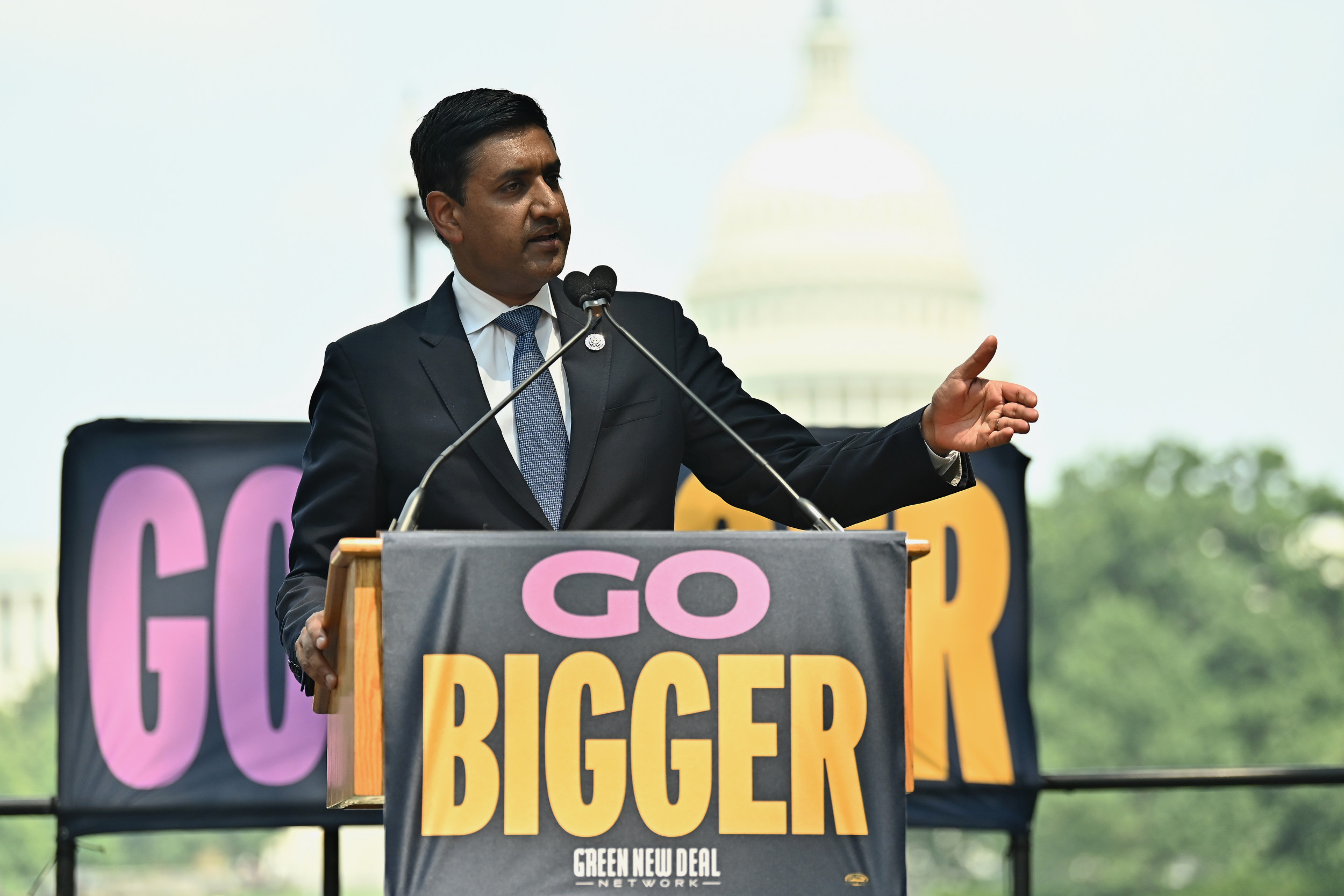
Illinois Democratic Congressman Raja Krishnamoorthi has submitted a statement in the House of Representatives Sept. 30, 2021, on recognizing October as Hindu Heritage Month. The statement is now part of the U.S. Congressional Record, the official daily record of proceedings in Congress. (His statement can be found in the Congressional Record Vol. 167, No. 172 of Oct. 1.)

Rep. Krishnamoorthi, said he joins the many Hindu faithful in the United States in recognizing October as Hindu Heritage Month. Several Hindu organizations in the U.S., including Vishwa Hindu Parishad of America (VHPA), have declared October as Hindu Heritage Month, and several states including New Jersey, Delaware, Ohio, Texas, Florida, Nevada, North Carolina, Minnesota, Virginia and Massachusetts have proclaimed October as Hindu Heritage Month, according to the website hindumonth.org, as have several cities like Dallas, TX, and  La Palma, CA.

The Congressman, who represents the 8th Congressional District in Illinois, said his constituency “is home to many followers of this uniquely pluralistic religion, and I wish to celebrate the Hindu community’s valuable contributions to my district and to our state and country.”

“I believe this acknowledgment is especially timely, given the disturbing rise of prejudice and racism in the country,” the Congressman said, “including Hinduphobia as manifested in hateful speech and violent acts perpetrated against Indian-Americans and Hindu houses of worship.”

Noting how Hinduism dates back millennia and may have ‘profoundly’ influenced both ancient and modern cultures, Krishnamoorthi said “It’s message of religious tolerance, non-violence, and the universality of the human experience was introduced to this country in 1893 by Swami Vivekanand in his landmark address at the World Parliament of Religions,” in Chicago.

Vivekananda’s spiritual influence on Mahatma Gandhi was profound, the Congressman said, and Gandhi “inspired the important work of one of our nation’s most revered leaders, Martin Luther King, Jr., to advance the cause of civil rights in the United States.”

Rep. Krishnamoorthi went on to say, “The Hindu faithful in our country include physicians, lawyers, scientists, economists, philosophers, artists, academics, business leaders, government officials – and Members of Congress,” who are inspired by Vivekananda’s call to service and respect for all religions and people.

“Madame Speaker, I know all Americans of goodwill share these beliefs, and today I would like to celebrate the work of the Hindu faithful in building bridges of understanding between all Americans, fo their important contributions to our economy and our cultural and civil life, and for the part they play in creating our wonderful and distinctively diverse American experience,” Krishnamoorthi said.

On Sept. 5, 2021, the ‘Hindu Heritage Month’ which has an eponymous organization (hindumonth.org) announced, “Today, Dharma-based organizations including those of Hindu, Sikh, Buddhist and Jain traditions from around the world, are pleased to announce the addition of another major festival, indeed an entire month of festivals,in October as the Hindu Heritage Month.”

It goes on to say, “Hindus represent one of the newest and the fastest growing immigrant communities in the United States and Canada. Backed by a rock-solid family structure and love for education, they are fully integrated into every aspect of their adopted society, enriching it with not only outstanding professional contributions but also rich cultural heritage. From the elegant ethnic wear to delicious food to festivals like Holi and Diwali, their diverse and rich culture has impressed all in the Western world.” Various Indian organizations of Hindu, Sikh, Buddhist and Jain traditions announced Oct. 3 that the month of October has been designated as “Hindu Heritage Month.”

Thee celebration of Hindu Heritage Month will be a showcase for the diversity that is so fundamental to Hindu civilization, said a press release, adding that each participating organization will decide the manner as well as the schedule of their events. Celebrations can take many forms: cultural programs, fashion shows, webinars, multi-day conferences, walkathons and more. Some events may be conducted in-person but the majority will be virtual, given the Covid-19 situation.

Mission Bindi and the Hindu Student Council are the first organizations to announce their first event for Hindu Heritage Month. They will be observing “World Bindi Day” on the first day of Navratri, Oct. 7, 2021. Dr. Jai Bansal, Indian American vice president of the World Hindu Council of America, and one of the organizers of the event, noted that with second and third generations now making their mark in their adopted lands, the time has come for the Hindu community to talk about its rich cultural heritage and important role in making the multitude of contributions to every aspect of the fabric of the adopted lands.

Nobel Peace Prize Winner’s Work Important In Fight For Press Freedom, Says Colleague

When Max Pensky hosted courageous Philippine journalist Maria Ressa for a talk as part of Binghamton University’s Institute for Genocide and Mass Atrocity Prevention (I-GMAP), little did he know that he would wake up the next day to find out that Ressa had just been named the latest Nobel Prize winner.

“In recognizing Maria, the Nobel committee now sees that anti-democratic leaders who want to muzzle press freedom don’t just use the old tools – arrests, detention, death threats, closing media outlets,” said Pensky. “Now they depend on social media, too. Maria’s courageous work in the Philippines calls out strongman Rodrigo Duterte and Facebook for using fake news, troll armies, and online harassment, combined with “old school” government intimidation, in a new, toxic mix. Maria’s award is for letting the world know how this actually works in her own country, and warning us that we all have to face it if we want press freedom of our own.”

“This year’s Nobel Peace Prize is important and timely. Freedom of the media is now, as stated by the President of the Norwegian Nobel Committee Berit Reiss-Andersen, challenged all over the world. The committee highlights this by choosing two particularly significant examples in very dissimilar situations, both developing in authoritarian directions. The prize hopefully strengthens the possibilities of the two journalists and their colleagues to continue to work according to the high editorial standards they have set for themselves and that genuine news coverage requires.

From a peace perspective, accurate and reliable news coverage is central for assessing the dangers of war, civil war, and repression, as well as for peace negotiations and making the right decisions. In a world full of fabricated news, it is particularly important to protect independent reporting.

This year’s prize expands on Nobel’s idea of giving the prize to efforts contributing to “fraternity among nations.” Media now has a different significance than in 1901 when the first prize was awarded. Correct, autonomous reporting is always central for peace and security within and among nations.”

AAHOA Members Own 60 Percent Of Hotel Properties In US

AAHOA, the nation’s largest hotel owners association, announced the state-by-state economic impact results of the study conducted this year in partnership with Oxford Economics, an international leader in global forecasting and quantitative analysis.

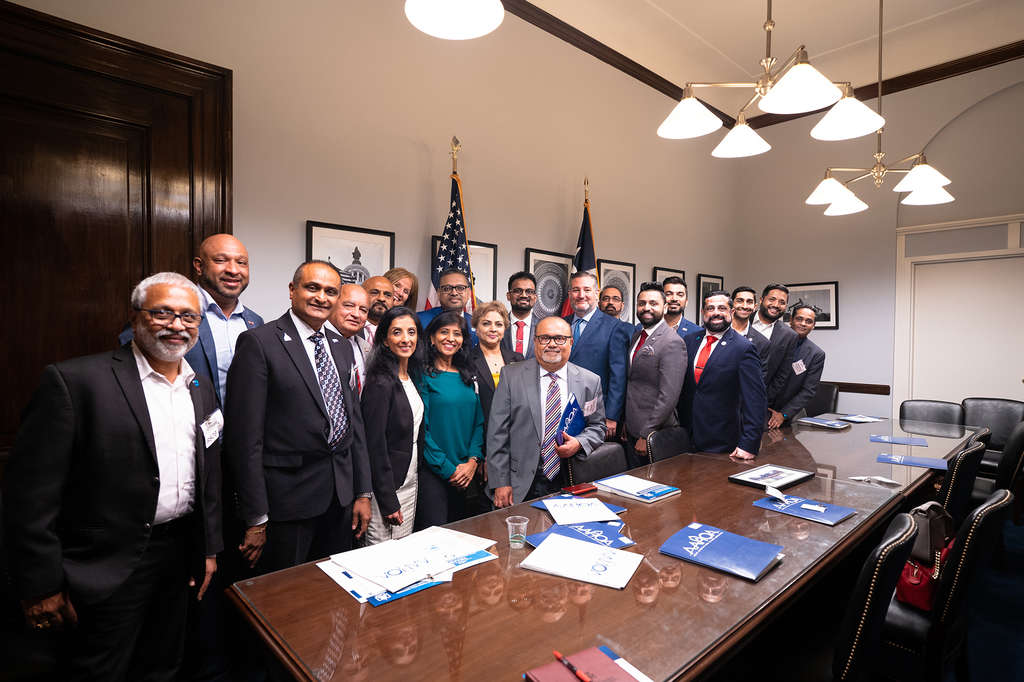
The initial report, unveiled at the 2021 AAHOA Convention & Trade Show in Dallas, Texas, revealed that the association’s nearly 20,000 hoteliers own 34,260 hotel properties, which account for 60 percent of the hotels in the United States. These properties have 3.1 million guestrooms and account for 2.2 million direct-impact jobs. The state-level reports highlight key data points such as the annual economic impact that AAHOA Member-owned properties have in each state, labor and job impacts, guest spending, member purchases from other businesses, annual capital investments, and much more.

“The state-level economic impact reports show just how significant the contributions of the hospitality industry and, specifically, AAHOA Members are to their local economies. These reports are instrumental to our state and local advocacy efforts as we work with elected officials to speed up the economic recovery,” AAHOA President & CEO Ken Greene said.

“Our members are one of the best resources for policymakers when it comes to understanding issues facing hoteliers, franchisees, and small business owners. We are here to help our lawmakers create good public policy that will make it less challenging for businesses along the road to recovery and help get people back into the workforce with good-paying jobs and career trajectories.” The state-by-state reports and the comprehensive economic impact study are now available through a new portal on the AAHOA website.

“AAHOA Members own 60 percent of hotel properties in the country, but when you dial down into specific states, the numbers are even more impressive,” AAHOA Chair Vinay Patel said. “For example, AAHOA Members own nearly 90 percent of all hotel properties in Arkansas, Louisiana, Oklahoma, and Texas. That represents hundreds of thousands of direct-impact jobs and billions of dollars in wages, tax revenues, and GDP contributions. Being able to quantify that economic impact for lawmakers, brands, vendors, and journalists will open up all new avenues for us to educate and engage.”

AAHOA is the largest hotel owners association in the world. The nearly 20,000 AAHOA members own 60 percent of the hotels in the United States. AAHOA Members are responsible for 1.7 percent of the nation’s GDP. With billions of dollars in property assets and over one million employees, AAHOA members are core economic contributors in communities across the United States.

Prof. Samit Shah Receives Naratil Pioneer Award For Leading Way To Improved Heart Disease Diagnosis In Women

Yale School of Medicine assistant professor of clinical medicine Dr. Samit Shah is at the front lines in improving the diagnosis of heart disease in women, thanks to receiving the Wendy U. and Thomas C. Naratil Pioneer Award.

Women come to a hospital Emergency Department or doctor’s office complaining of chest pain, shortness of breath, nausea, lightheadedness, jaw pain, or other symptoms considered concerning for a heart problem. The women might undergo standard testing to see if they have a critical cholesterol blockage in their arteries, the hallmark of obstructive coronary artery disease.

But only 50 percent of women presenting with these symptoms show a blockage after cardiac catheterization — a procedure in which a long, thin tube is inserted through the blood vessels to the heart — and an angiogram — an x-ray of the blood vessels taken to show the blood supply to the heart muscle. If a blockage is not detected, they are often sent home without additional testing or a clear diagnosis.

“Women are suffering because of this,” said Shah, an interventional cardiologist at Yale School of Medicine. “If we tell patients they have no blockages, but don’t do further testing, they will have ongoing symptoms and probably end up in the ER again. If we take the extra steps that we are now learning to take, we can make accurate diagnoses and help patients better manage their disease.”

With this year’s Wendy U. and Thomas C. Naratil Pioneer Award from Women’s Health Research at Yale, Dr. Shah is leading a team to demonstrate the effectiveness of validated, but not widely administered procedures for the many women who have reduced blood flow to the heart without blocked arteries or cholesterol build-up often associated with heart disease.

The tests are designed to detect conditions that elude the standard angiogram. One condition, known as microvascular disease, involves the smaller blood vessels that branch off the larger blood vessels to supply blood and the oxygen it carries to the heart. These smaller vessels control the amount of blood flow to the heart and can increase flow by up to four times when needed to meet increased demand while exercising.

In coronary microvascular disease — associated with high blood pressure and possibly caused by disease to the blood vessels themselves or damage from a prior heart attack — the smaller blood vessels do not open up when required, preventing the heart from receiving the blood it needs. To a patient this could feel the same way a blockage might.

A second condition, known as coronary vasospasm, causes blood vessels to clamp down when they should open up, possibly triggered by cold air, smoking, or stress. To the patient this also feels like a heart attack but involves no blockage and cannot be detected by a standard angiogram or stress test.

Dr. Shah’s team is studying 100 women over two years who get referred for coronary angiography to Yale New Haven Hospital and comparing outcomes for patients who receive the standard care with those undergoing the cutting-edge tests to detect coronary microvascular disease or vasospasm. His goal is to show the value of the new tests, already covered by insurance, so they become the standard of care for patients — mostly women — who have reduced blood flow to the heart but no obstruction.

In addition, the researchers are using structured interviews to compare the patients’ experiences, including their perception of their illness, ability to control symptoms, quality of life, lifestyle modification, and medication changes.

“We see patients coming back with the same symptoms, and we do not know what the toll is on them when they are left without answers,” Shah said. “If we can change that experience, characterize it, and give women a diagnosis, we can avoid future invasive procedures and help them to better manage their health.”

The researchers are also constructing a registry of data and procedural practice to share with other institutions, building on WHRY-funded work begun by Dr. Erica Spatz to guide future research and treatment for heart disease so that it more accurately represents the biology and experiences of women. If we can give women a diagnosis, we can avoid future invasive procedures and help them to better manage their health.

People with microvascular disease benefit from different medications than patients with coronary vasospasm, and sometimes when you mix them together, people do worse, Shah said. By demonstrating the effectiveness of these additional tests, he hopes to better target medical therapies to meet patients’ needs. “One female patient said to me, ‘I’m 55 years old and active,’” Shah said. “‘Why am I on the same medication as my dad who had a quadruple bypass?’”

Current medical practice does not have the answer to her question, but Shah expects his study to help change that. “Beyond saving lives, getting re-admitted for the same problem is a burden on the patient and the system,” he said. “We can do better.”

Indian American-Founded Schoolhouse.World Offers For Free Tutoring

The Indiana Department of Education has announced a new partnership with Schoolhouse.world to support students in grades eight through 12 with free tutoring for SAT preparation, math courses and Advanced Placement (AP) courses.

“All students learn differently, and many need some level of extra support at different points in time,” said Dr. Katie Jenner, Indiana Secretary of Education. “This partnership provides access to personalized tutoring 24/7 at the click of a mouse. As we work to recover from significant learning impacts due to COVID-19, particularly in mathematics, this partnership with Schoolhouse.world will provide Hoosier students — no matter where they are or the needs they face — access to additional learning support.”

Schoolhouse.world was launched in early 2020 by Sal Khan, also founder of Khan Academy, in response to COVID-19 learning disruptions. The nonprofit connects students with live, small-group tutoring through Zoom at no cost. Tutoring currently focuses on SAT reading, writing and math, with a math focus on pre-algebra, algebra, geometry, trigonometry, pre-calculus, calculus and statistics. Support is also available for AP courses including AP Calculus, AP Statistics, AP Chemistry, AP Biology, AP Physics and AP Computer Science.

“We are excited to partner with the Indiana Department of Education to provide free tutoring to students across Indiana,” said Drew Bent, chief operating officer of Schoolhouse.world. “No matter where you are in the state, or what resources you may have, we want to help you receive the support that you need.”

“All students learn differently, and many need some level of extra support at different points in time,” said Dr. Katie Jenner, Indiana Secretary of Education in a press release. “This partnership provides access to personalized tutoring 24/7 at the click of a mouse. As we work to recover from significant learning impacts due to COVID-19, particularly in mathematics, this partnership with Schoolhouse.world will provide Hoosier students – no matter where they are or the needs they face – access to additional learning support.”

In addition to resources through Schoolhouse.world, Khan Academy and College Board offer free SAT practice resources. This free resource comes as all Indiana high school juniors prepare to take the SAT this spring. Students can visit Official SAT Practice on Khan Academy – a personalized online program that helps students practice for the SAT with thousands of sample questions, instant feedback, video lessons and full-length practice tests. Nationwide, more than 10 million students have signed up for free SAT practice through Khan Academy.

To learn more about these learning resources, and to sign up for a tutoring session, visit www.schoolhouse.world or www.khanacademy.org.

Finally Heeding To Protest Worldwide, Ashish Mishra Sent To 3-Day Police Custody

India’s Union Minister’s son Ashish Mishra, accused of running over farmers in Uttar Pradesh’s Lakhimpur Kheri triggering violence that claimed eight lives earlier this month, was sent to police custody for three days on Monday, October 11th

Ashish Mishra, was arrested last week after nearly 12 hours of questioning in connection with the Lakhimpur Kheri violence.  Chief Judicial Magistrate, Lakhimpur Kheri, Chinta Ram remanded Ashish to three-day police custody after the prosecution sought a 14-day remand noting that the accused had not yet cooperated in the matter and had been unable to satisfactorily answer queries about his location at the time of the crime.

Ashish is named as a prime accused in one of the two FIRs in the case, which says he was seated on the left front seat of a Mahindra Thar, which was the first of the three SUVs that mowed down protesters in the area on October 3. The FIR also says that Ashish was carrying a gun and escaped into the fields firing shots. It adds that Ashish was accompanied by 15-20 persons and rammed into protesting farmers under a “planned conspiracy.”

Although Ashish and his father Ajay Mishra have claimed to be absent from the crime scene, the former has been unable to prove his whereabouts at the time of the crime that killed eight people—five of them allegedly mowed down by the SUVs and the rest allegedly lynched to death by angry agitators.

Ashish was named in an FIR following allegations that he was in one of the vehicles in the convoy that mowed down four farmers at the anti-farm law protest site in Uttar Pradesh’s Lakhimpur Kheri, where they were protesting UP Deputy Chief Minister Keshav Prasad Maurya’s visit on October 3. Meanwhile, BJP sources have stated that Prime Minister Narendra Modi will take a final call on MoS Ajay Mishra’s resignation once the police probe is completed. Senior party leaders have pointed out that the Union Minister has denied his son’s involvement in the incident and that the police have not found any evidence against him.

Reliance Acquires Norway-based REC Group For $771 Million

Reliance Industries Limited (RIL) on Sunday acquired Norwegian-headquartered solar module maker REC Solar Holdings (REC Group) for an enterprise value of $771 million (around Rs 5,800 crore) from China National Bluestar. REC Group is a leading international solar energy company for pioneering innovations. It is known for its high-efficiency, long-life solar cells and panels for clean and affordable solar power.

“Reliance New Energy Solar Ltd (RNESL), a wholly owned subsidiary of RIL, has acquired REC Solar Holdings AS (REC Group) from China National Bluestar (Group) Co Ltd., for an enterprise value of $771 million,” RIL said in a statement. Speaking about the acquisition, RIL chairman and managing director Mukesh Ambani said, “I am immensely pleased with our acquisition of REC because it will help Reliance tap the unlimited and year-long power of Soorya Dev, the Sun God, that India is fortunate to be blessed with.”

RIL said that REC has more than 1,300 employees globally and they will become proud members of the Reliance Family after the successful completion of the transaction and become an integral part of the team that is driving one of the world’s most ambitious mission to drive green energy transition.

In the company’s annual general meeting earlier this year, Reliance Industries chairman had announced the company’s mega plan to invest Rs 75,000 crore in the next three years to set up four renewable energy gigafactories in Jamnagar, Gujarat. As a part of the plan, the oil-to-telecom-to-retail conglomerate has already started developing Dhirubhai Ambani Green Energy Giga Complex over 5,000 acres in Jamnagar. “It will be amongst the largest integrated renewable energy manufacturing facilities in the world…,” Ambani had said while revealing RIL’s green energy plan.

The complex will cover entire spectrum of renewable energy with four gigafactories —— an integrated solar photovoltaic module factory, an advanced energy storage battery factory, an electrolyser factory for the production of green hydrogen and a fuel-cell factory. Talking about why green hydrogen is important for the planet, Mukesh Ambani had, at the International Climate Summit 2021, said, “Green Hydrogen is zero-carbon energy. It is the best and cleanest source of energy, which can play a fundamental role in the world’s decarbonisation plans.”

Norway’s REC Group has an annual solar panel production capacity of 1.8 gigawatts (GW). Incorporated in 1996, REC Group is one of the biggest player in the market. It has installed around 10GW capacity globally till now. The Norway company has regional hubs in North America, Europe and Asia-Pacific. By 2030, Reliance Industries plans to develop capacity to generate at least 100 gigawatts of electricity from renewable sources, which can be converted into carbon-free green hydrogen, Mukesh Ambani had earlier said.

TiECON East Hosts a Successful In-Person Business Conference

TiECON East, the largest entrepreneurial conference in New England, broke the COVID-19 pandemic spell in Boston and successfully held a day-long in-person conference, which attracted over 50 speakers and was attended by about 400 people.

TiECON East, which is organized by TiE Boston, was be held in-person on Oct. 1 at the Westin Hotel in Waltham, MA. All attendees were required to be fully vaccinated and to fully adher to the CDC health guidelines. Major sponsors of the conference included Amazon, Microsoft, Vertex Pharmaceuticals, Arent Fox, Converge, Sittercity, Innospark, Thread Research, Progress and Embark.

“Holding an in-person TiECON 2021 was challenging due to COVID-19, but many thanks to our sponsors, speaker, attendees and volunteers who made this conference a huge success,” said Sanjay Jain, Co-Chair of TiECON East. “We were sold out one day prior due to our speakers line-up and safety protocol.” Kiran Uppuluri, Chair of TiECON East and Founder and CEO of verteXD, said the success of the conference was the result of six months of immense work by the team and a labor of love.

“We applied our proven SCE Framework (Copyright verteXD) outline that takes a Human-centered design approach to the conference, and seeing it come to life felt great,” said Ms. Uppuluri. “We squarely focused the design on the customer facing the new reality – i.e. the Post-Pandemic world.” She said the outcome was: a sold out conference, fantastic sponsors, a wrapped audience for the entire day, and a series of “aha” moments hearing from 55 thought leaders and innovation experts presenting never before seen or heard content. “Safety was paramount and we thank all our attendees for adhering to the policies we put in place,” said Ms. Uppuluri.

Anu Chitrapu, President of TiEBoston, the organizer of TiECON East 2021, said the conference was hugely successful. Prasad is Senior Vice President and Head Scientist at Amazon Alexa, the Artificial Intelligence (AI) service that powers Amazon’s family of Echo products, Amazon Fire TV, and third-party products. He leads research and development (R&D) in AI technologies aimed at making interaction with Alexa a magical experience for customers.

Shetty is Co-founder of Ginkgo Bioworks. Spun out of MIT, Ginkgo’s mission is to make biology easier to engineer. Started in a Cambridge, MA, apartment, Ms. Shetty has helped to grow the company to over 500 people. Ginkgo’s cell programming platform is enabling the growth of biotechnology across diverse markets, from food to agriculture to pharmaceuticals. Ginkgo is also actively supporting a number of COVID-19 response efforts, including community testing, epidemiological tracing, vaccine manufacturing and therapeutics discovery.

“Safety was paramount in the conference. Only 100% vaccinated people were allowed to attend. In fact, we had to decline some attendees and speakers who could not comply with this requirement,” said Ms. Chitrapu. “Our swag bag had a pack of 5 Anti-Viral masks so attendees could change their masks as needed and individual hand sanitizer bottles. It was this attention to safety that gave our attendees confidence.”

Thomas Jefferson’s Quran To Be Displayed At Dubai Expo

A copy of the Quran once owned by former U.S. President Thomas Jefferson will be displayed in the Unites States’ pavilion at the Dubai Expo 2020, the world’s fair currently underway in the United Arab Emirates after being delayed by the coronavirus pandemic. The historic English-language Quran, translated with a preface by George Sale, has never traveled outside the United States since it arrived in what was then colonial America. The two-volume set was printed in London in 1764.

According to the Library of Congress, Jefferson’s Quran will be the “first object on display after guests emerge from a sound and light experience that showcases the U.S. founding principles, particularly its innovations. Jefferson and the Quran are the first example of those goals.” The pavilion will also feature a SpaceX rocket and rock taken from the Moon during a NASA mission.

Holy Quran … which has been in the possession of one of the founding Fathers of the United States, is being displayed to the world as a symbol of America’s respect for religious plurality,” said Anila Ali, the founder of the American Muslim & Multifaith Empowerment Council, who will be traveling to Dubai as part of an interfaith delegation.

The Dubai Expo 2020 is the latest world’s fair of “the works of industry of all nations” that began in London in 1851 and has taken place at varying intervals ever since. More than 192 countries have pavilions at this year’s event, which began on October 1 under strict COVID-19 protocols. More than 25 million visitors from around the world are set to visit the event.

Though the event will run until next March, Jefferson’s Quran will only be on display for the first three months of the Expo. According to the Library of Congress, the stay is “unusual,” as its holdings are normally only loaned to museums or other cultural institutions. The Library of Congress speculates that Jefferson, due to his large holdings of enslaved Africans and their descendants, “may well have had firsthand experience with members of the faith.”

Yet, Jefferson, as the United States’ first secretary of state as well as its third president, was also interested in the Muslim world for geopolitical reasons. The Kingdom of the Morocco was the first country to recognize American independence in 1777. During the First Barbary War in 1805, Jefferson entertained a Tunisian envoy at the White House during Ramadan. The dinner was held at sunset to accommodate the religious needs of Jefferson’s Muslim guest. When Minnesota Representative Keith Ellison became the first Muslim to be elected to Congress in 2006, he chose to be sworn into office using Jefferson’s copy of the Quran.

The theme of the USA Pavilion at the Dubai 2020 Expo will be “Life, Liberty and the Pursuit of the Future,” a take on Jefferson’s phrase from the Declaration of Independence championing “life, liberty and the pursuit of happiness,” itself Jefferson’s improvement on philosopher John Locke’s “life, liberty and property.”

Pope Francis Retains High Marks Among US Catholics

A new survey finds that Pope Francis retains high levels of support among U.S. Catholics across the board, and most church members either aren’t aware of or have no opinion about recent controversial changes the pope has made to rules about the Latin Mass. But researchers pointed to persistent partisan divides in how the U.S. faithful view the pontiff, another signal Catholicism is not immune to domestic polarization trends.

According to a poll conducted by the Pew Research Center last month (Sept. 20-26), the vast majority of Catholics (83%) hold a favorable view of Francis, compared with just 14% who view him unfavorably. Those views are virtually unchanged since March, when 82% viewed the pope favorably. In fact, Francis’ current favorability rating among Catholics is almost identical to when Pew first polled on the subject in March 2013 (84%), although, researchers were careful to note, Pew shifted to an online surveying method in 2020 — a departure from their accustomed telephone calls.

Americans overall rate Francis somewhat lower, though still favorably: 60% view him favorably, down slightly from 64% earlier this year. Around a quarter of the country — 28% — views him unfavorably, and 11% did not respond to the question. No recent change in share of U.S. Catholics who view Pope Francis favorably. Graphic courtesy of Pew Research Center

There are partisan differences, however. While 71% of Catholic Republicans view Francis favorably, Catholic Democrats are 20 percentage points more likely to say the same. Catholic Republicans are also far more likely to say the pope is “too liberal” (49%) than are Democrats (16%). In addition, GOP Catholics are more likely to cast Francis as “naive” (34%) than Catholic Democrats (16%).

There are also slight differences regarding how Catholics view the health of the pontiff, who recently underwent surgery. Most Democrats (57%) say the pope is “in good physical health,” whereas fewer than half of Republicans (45%) say the same.

And when asked about Francis’ recent decision to reverse a move by his predecessor, Pope Benedict XVI, and reimpose restrictions on Mass conducted in Latin, Republican Catholics were more likely to say they disagreed with the shift (20%) than Democrats in the faith (6%). Two-thirds of U.S. Catholics have heard ‘nothing at all’ about pope’s new restrictions on traditional Latin Mass. Graphic courtesy of Pew Research Center

But among Catholics overall, a sizable majority (65%) said they had not even heard about the restrictions, and an additional 14% said they had no opinion on the matter. Catholics who attend Mass at least weekly were the only subgroup where a majority had heard about the issue: 29% said they disapproved, 11% said they approved, and 17% had no opinion. The poll had a margin of error of 1.9 percentage points overall, and 4.3 percentage points for Catholic respondents.

India To Lift Ban On Tourists

In a move aimed at boosting the economy through tourism, the government has decided to lift the Covid barrier for international travelers by resuming the grant of tourist visas. The Ministry of Affairs will start granting fresh tourist visas to foreigners coming to India from November 15. For those coming on chartered flights, visas would be granted starting October 15.

The move comes a year and a half after grant of tourist visas was suspended in the wake of Covid pandemic. The ministry said in a statement that the decision was taken following consultations with stakeholders like the Ministry of Health & Family Welfare, Ministry of External Affairs, Ministry of Civil Aviation, Ministry of Tourism and state governments.

“MHA had been receiving representations from several State Governments as well as various stakeholders in the tourism sector to start Tourist Visas also, to allow foreign tourists to come to India. After deliberations we have decided to ease travel restrictions,” a senior Home Ministry official said. The official said states have been asked to follow Covid protocols laid down by the Ministry of Health and Family Welfare and the tourists, the carriers bringing them into the country and other stakeholders must also stick to the guidelines.

Grant of all visas to foreigners had been suspended in the wake of the pandemic last year. After considering the evolving situation, the government had allowed foreigners to avail any kind of visa other than tourist visa for entry and stay in India. India has said the country’s Covid-19 graph was plateauing even though about 20,000 fresh cases were being reported every day. It said the challenge of Covid-19 was not over yet and warned people not to let their guard down during the festive season

New Travel Rules In UK From October 11. What Changes For Indians?

Panama, Colombia, Venezuela, Peru, Ecuador, Haiti and the Dominican Republic remain on the red list of the UK. Apart from India, vaccinated travelers from Brazil, Hong Kong, Pakistan, South Africa and Turkey are now exempt from quarantine.

The United Kingdom is easing its travel restrictions starting from October 11 allowing travellers from more countries to enter the UK. Indians were already allowed to travel to the UK but what changes from October 11 is that those who are vaccinated with both doses of Covishield will not require to undergo 10-day mandatory quarantine in the UK.

Here is all you need to know:

If you are fully vaccinated then before travelling to the UK, you will have to book and pay for a day 2 Covid-19 test which is to be taken after your arrival. The passengers will also have to complete a passenger locator form 48 hours before arriving in England.

You will be considered fully vaccinated if you had taken the second dose of the vaccine at least 14 days before you arrive in Englan. The day you had your final dose does not count as one of the 14 days, the government advisory said.

The UK government has accepted Covishield and India’s vaccine certificate. “India will be added to this list of countries and territories with approved proof of vaccination 4am Monday 11 October. If you arrive in England before that date you must follow the rules for people who are not fully vaccinated. If you arrive after that, you can use a vaccine certificate to prove your vaccination status,” the UK advisory said.

Only 7 countries on UK red list now In the latest revision of the travel rules, UK now has only seven countries on the red list which means people from these countries can’t travel to the UK. Panama, Colombia, Venezuela, Peru, Ecuador, Haiti and the Dominican Republic remain on the red list.

Apart from India, vaccinated travellers from Brazil, Hong Kong, Pakistan, South Africa and Turkey will be treated the same as returning fully-vaccinated UK residents so long as they have not visited a red-list country in the 10 days before arriving in England, it said.

Mukesh Ambani Tops 2021 Forbes List Of India’s Richest

A soaring stock market propelled the combined wealth of members of the 2021 Forbes list of India’s 100 Richest to a record US$775 billion, after adding $257 billion — a 50 per cent rise — in the past 12 months.

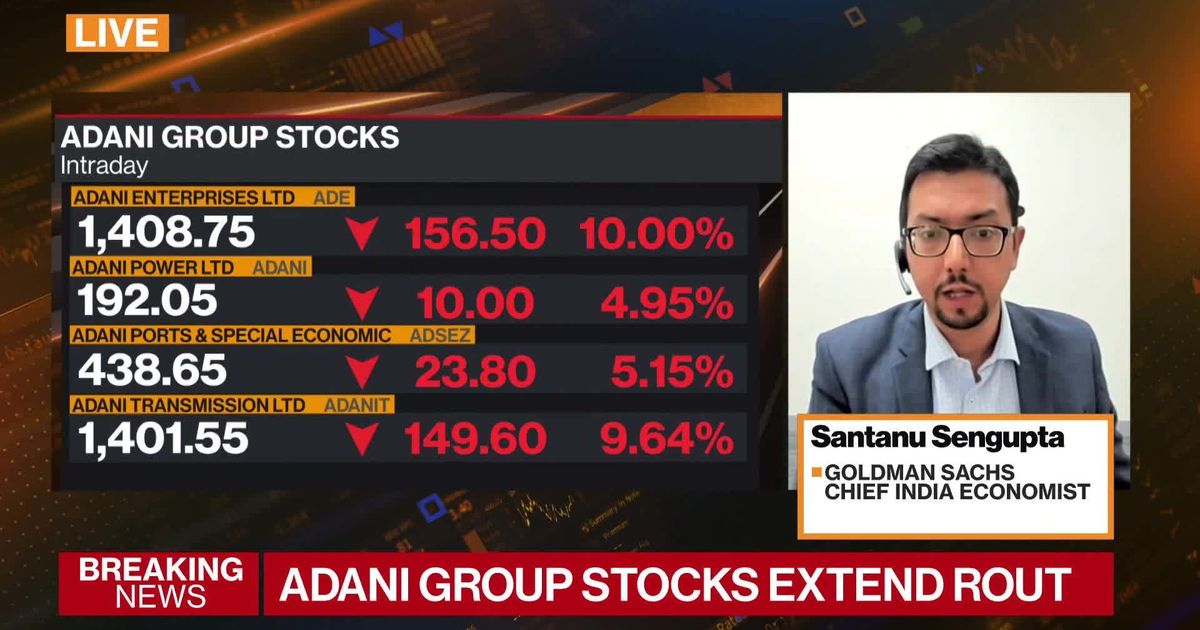
In this bumper year, more than 80 per cent of the listees saw their fortunes increase, with 61 adding $1 billion or more. At the top of the list is Mukesh Ambani, India’s richest person since 2008, with a net worth of $92.7 billion. Ambani recently outlined plans to pivot into renewable energy with a $10 billion investment by his Reliance Industries. Close to a fifth of the increase in the collective wealth of India’s 100 richest came from infrastructure tycoon Gautam Adani, who ranks No. 2 for the third year in a row. Adani, who is the biggest gainer in both percentage and dollar terms, nearly tripled his fortune to $74.8 billion from $25.2 billion previously, as shares of all his listed companies soared.

At No. 3 with $31 billion is Shiv Nadar, founder of software giant HCL Technologies, who saw a $10.6 billion boost in his net worth from the country’s buoyant tech sector. Retailing magnate Radhakishan Damani retained the fourth spot with his net worth nearly doubling to $29.4 billion from $15.4 billion, as his supermarket chain Avenue Supermarts opened 22 new stores in the fiscal year ending March.

India has administered over 870 million Covid-19 vaccine shots to date, thanks partly to Serum Institute of India, founded by vaccine billionaire Cyrus Poonawalla, who moves into the top five with a net worth of $19 billion. His privately held company makes Covishield under license from AstraZeneca and has other Covid-19 vaccines under development. India’s recovery from a deadly second wave of Covid-19, which broke out earlier this year, restored investor confidence in the world’s sixth-largest economy.

There are six newcomers on this year’s list, with half of them from the booming chemicals sector. They include Ashok Boob (No. 93, $2.3 billion) whose Clean Science and Technology listed in July; Deepak Mehta (No. 97, $2.05 billion) of Deepak Nitrite and Yogesh Kothari (No. 100, $1.94 billion) of Alkyl Amines Chemicals. Arvind Lal (No. 87, $2.55 billion), the executive chairman of diagnostics chain Dr Lal PathLabs, also debuted on the list after a pandemic-induced surge in testing caused shares of his company to double in the past year.

The country’s IPO rush returned property magnate and politician Mangal Prabhat Lodha (No. 42, $4.5 billion) to the ranks, following the April listing of his Macrotech Developers. Among the four other returnees is Prathap Reddy (No. 88, $2.53 billion), whose listed hospital chain Apollo Hospitals Enterprise has been testing and treating Covid-19 patients.

Eleven listees from last year dropped off, given the increased cut-off for gaining entry to this year’s list. The minimum amount required to make this year’s list was $1.94 billion, up from $1.33 billion last year. Naazneen Karmali, Asia Wealth Editor and India Editor of Forbes Asia, said: “This year’s list reflects India’s resilience and can-do spirit even as Covid-19 extracted a heavy toll on both lives and livelihoods. Hopes of a V-shaped recovery fueled a stock market rally that propelled the fortunes of India’s wealthiest to new heights. With the minimum net worth to make the ranks approaching $2 billion, the top 100 club is getting more exclusive.”

World’s 1st Malaria Vaccine Approved

The World Health Organization (WHO) has said that it has recommended widespread use of the world’s first malaria vaccine called RTS,S/AS01 (RTS,S) for children in sub-Saharan Africa. According to the WHO, the vaccine is the result of 30 years of research and development by British pharmaceutical company GlaxoSmithKline (GSK) in partnership with the international non-profit organization Program for Appropriate Technology in Health (PATH) and with a network of research centers in Africa.

The WHO said on Wednesday its recommendation is based on results from more than 2.3 million doses of the vaccine that have been administered to more than 800,000 children in pilot countries Ghana, Kenya and Malawi since 2019, Xinhua news agency reported.

According to the WHO, more than two-thirds of children in the three countries who were not sleeping under a bednet were benefiting from the vaccine, bringing about a 30 percent drop in severe malaria, even when introduced in areas where insecticide-treated nets were widely used and there was good access to diagnosis and treatment.

The vaccine has a favorable safety profile, the WHO said, with no negative impact on the uptake of bednets, other childhood vaccinations, or health seeking behavior for febrile illness. “It’s safe, it significantly reduces life-threatening severe malaria, and we estimate it to be highly cost-effective,” WHO Director General Tedros Adhanom Ghebreyesus said at a press briefing.

According to the WHO, “the vaccine should be provided in a schedule of four doses in children from five months of age for the reduction of malaria disease and burden.” Malaria is a life-threatening disease caused by parasites that are transmitted to people through the bites of infected female Anopheles mosquitoes. It is preventable and curable.

The WHO’s records show that malaria remains a primary cause of childhood illness and death in sub-Saharan Africa. More than 260,000 African children under the age of five die from the disease annually. “This long-awaited malaria vaccine is a breakthrough for science, child health and malaria control,” said Tedros. “This vaccine is a gift to the world, but its value will be felt most in Africa, because that’s where the burden of malaria is greatest.” (IANS)

4 Persons of Indian Origin Win 2022 New Horizons ‘Oscars of Science’ Prize in Physics

Indian Americans Vedika Khemani, assistant professor of physics at Stanford University, and Mansi Kasliwal, California Institute of Technology Astronomy Professor, have each been named recipients of the New Horizons in Physics prize from the Breakthrough Prize Foundation. The prize is nicknamed the “Oscars of Science.” The Breakthrough Prize Foundation’s sponsors include Sergey Brin, co-founder of Google; Facebook founder Mark Zuckerberg and his wife Priscilla Chan; Russian-Israeli entrepreneurs and venture capitalists Yuri and Julia Milner; and Anne Wojcicki, CEO of the personal genomics company 23andMe.

Two Indian researchers from the University of Cambridge in England also won this year’s prize. Sir Shankar Balasubramanian, in the Department of Chemistry at the University of Cambridge, was honored with the Life Sciences prize for developing next generation sequencing technologies, which allowed for immediate identification and characterization of the Covid-19 virus, rapid development of vaccines, and real-time monitoring of new genetic variants.

“Before their inventions, re-sequencing a full human genome could take many months and cost millions of dollars; today, it can be done within a day at the cost of around $600. This resulted in a revolution in biology, enabling the revelation of unsuspected genetic diversity with major implications from cell and microbiome biology to ecology, forensics and personalized medicine,” noted the Breakthrough Prize Foundation in a press statement. Balasubramaniam was knighted in 2017.

Suchitra Sebastian, a condensed matter physicist at Cavendish Laboratory, University of Cambridge, received a New Horizons Prize in Physics for her work with “high precision electronic and magnetic measurements that have profoundly changed our understanding of high temperature superconductors and unconventional insulators,” according to a press release. According to a press release issued by Stanford, time crystals, like all crystals, are structurally arranged in a repeating pattern. But, while standard crystals – like diamonds or salt – have an arrangement that repeats in space, time crystals repeat across time forever. Importantly, they do so without any input of energy, like a clock that runs forever without batteries.

Khemani’s work offered a theoretical formulation for the first-time crystals, as well as a blueprint for their experimental creation. But she emphasized that time crystals are only one of the exciting potential outcomes of out-of-equilibrium quantum physics, which is still a nascent field, noted Stanford. The researcher described her work as creating a “checklist” of what actually makes a time crystal a time crystal, and the measurements needed to experimentally establish its existence, both under ideal and realistic conditions.

Khemani sees great promise in these types of quantum experiments for physics. “While many of these efforts are broadly motivated by the quest to build quantum computers – which may only be achievable in the distant future, if at all – these devices are also, and immediately, useful when viewed as experimental platforms for probing new non-equilibrium regimes in many-body physics,” she said, in a press release issued by Stanford. “None of the world is in equilibrium; just look out your window, right? We’re starting to see into these vastly larger spaces of how quantum systems evolve through experiments,” said Khemani, who is on the faculty in the School of Humanities and Sciences and a member of Q-Farm, Stanford’s broad interdisciplinary initiative in quantum science and engineering. “I’m very excited to see what kinds of new physics these new regimes will bring. Time crystals are one example of something new we could get, but I think it’s just the beginning,” she said.

Do You Know The Number Of Nuclear Weapons In US Stockpile?

In a reversal from the Trump administration, the State Department revealed the number of nuclear weapons in the US stockpile for the first time in four years on Tuesday. The US has 3,750 nuclear warheads in its stockpile and 2,000 are waiting to be dismantled, according to a release from the State Department, which emphasized the importance of transparency.

The release of the “Transparency in the U.S. Nuclear Weapons Stockpile” fact sheet comes as the Biden administration is conducting a review of its nuclear weapons policy and capabilities ahead of a 2022 meeting of the Nuclear Non-Proliferation Treaty conference, where the US and other nuclear powers who are party to the Treaty will review each signatory’s disarmament commitments. “Increasing the transparency of states’ nuclear stockpiles is important to nonproliferation and disarmament efforts, including commitments under the Nuclear Non-Proliferation Treaty, and efforts to address all types of nuclear weapons, including deployed and non-deployed, and strategic and non-strategic,” the State Department said.

Arms control experts welcomed the announcement. “The Biden administration’s decision to declassify updated information on the number of nuclear warheads in the U.S. nuclear weapons arsenal is a welcome step that reverses an unwise decision by the Trump administration to classify this information,” the Arms Control Association said in a statement Wednesday. “It also puts pressure on other nuclear armed states that maintain excessive secrecy about their arsenals.”

The ACA noted that “progress toward serious nuclear weapons stockpile reductions have stalled in recent years, and some states, particularly China and Russia, appear to be increasing the size and/or diversity of their arsenals.” Daryl Kimball, the ACA’s executive director, told CNN that Wednesday’s announcement could put pressure on Russia and China to be more forthcoming about their stockpiles. The Biden administration hopes to pursue further talks with Moscow to reach new agreements that supersede the New Strategic Arms Reduction Treaty, or START. “To do that we need the Russians to be a little bit more transparent than they are,” Kimball said.

The Chinese also “need to provide some basic information, which they have as a matter of their own policies through the decades, not provided.” ‘Strong, credible deterrent’ “So what the Biden administration is trying to do here is lead by example,” Kimball said, “put some pressure on the other major nuclear armed countries to be more forthcoming about the nuclear weapons they have.”

During the 2020 presidential campaign, then-candidate Joe Biden said that the US doesn’t need new nuclear weapons and that his “administration will work to maintain a strong, credible deterrent while reducing our reliance and excessive expenditure on nuclear weapons.”

After Biden’s first budget request, however, critics rapped the President for proposing to continue all parts of the spending plans left by the Trump administration, including “the controversial additions made by President Trump to the Obama-era program, such as additional, more usable lower-yield nuclear capabilities,” the ACA said.

The ACA called Biden’s budget request inconsistent with his “stated desire to reduce the role of nuclear weapons in U.S. policy and seek new risk reduction and arms control arrangements with Russia and perhaps China.” In Tuesday’s release, the State Department said there are 3,750 nuclear warheads in the US nuclear stockpile as of September 2020, an 88 percent decrease from its maximum number of 31,255 in 1967, according to the department.

The US also dismantled 11,683 nuclear warheads from 1994 to 2020, including 711 nuclear warheads since September 30, 2017. Two thousand nuclear warheads are retired and waiting to be dismantled, the department also said. In 2010, the Obama administration revealed the US had 5,113 nuclear warheads in the stockpile as of September 30, 2009. According to data released in 2015, the US had 4,717 nuclear warheads in the stockpile as of September 2014.

Book Illustrates The Turbulent Connection Between Religion And Terrorism

A recently divorced doctor looking for seclusion relocates to an isolated house on a riverbank. The following summer, dead bodies start turning up in the river, on the roads, in trains and on city crossings. Everybody calls it the ‘Punjab Problem’, as if it was a stubborn crossword puzzle. The doctor is kidnapped and nearly killed, once by terrorists for helping the police and once by the police for helping the terrorists.

A young Dalit girl, with the dream of becoming a dancer in her eyes, and her soul mate Bheem leave their caste-ridden existence behind and relocate to Bombay. They have learnt the hard way that the preaching of oneness by their religion does not work in the real world. Drawing its title, “Two and a half Rivers” (Niyogi Books), from the historicity of the Partition which has left in its wake only half the rivers to India from the land of the five rivers, Anirudh Kala’s novel offers a poignant commentary on the turbulent connection between religion and terrorism.

Reflecting on the telling of this story, Kala said: “Since I was writing about Punjab militancy, the worst large-scale violence perpetrated on the people of Punjab since the Partition of India, I felt a sense of responsibility. I, along with friends, neighbours and many others, including my patients, lived through that dark decade and a half. The other main narrative of the novel is that of caste – one more unpleasant fact about Punjab that people outside know little of. What I attempted to write was truth in essence, but fiction in details.”

Anirudh Kala is a Ludhiana-based psychiatrist whose experience shows in how he sketches out his characters and their personality traits. This is his second book as a fiction writer, the first being “The Unsafe Asylum: Stories of Partition and Madness” (2018).

His focus is always to educate people about mental health and mental illness, focussing on eradicating stigma, labels, and prejudice. Besides his professional passions, Kala also likes reading Urdu poetry, hiking, and listening to Indian semi-classical music.

Ranking Healthfulness Of Foods From First To Worst

New nutrient profiling system, most comprehensive and science-based to date, clears up confusion to benefit consumers, policymakers

Newswise — A scientific team at the Friedman School of Nutrition Science and Policy at Tufts has developed a new tool to help consumers, food companies, restaurants, and cafeterias choose and produce healthier foods and officials to make sound public nutrition policy. Food Compass is a new nutrient profiling system, developed over three years, that incorporates cutting-edge science on how different characteristics of foods positively or negatively impact health. Important novel features of the system, reported Oct. 14 in Nature Food, include: Equally considering healthful vs. harmful factors in foods (many existing systems focus on harmful factors);

Incorporating cutting-edge science on nutrients, food ingredients, processing characteristics, phytochemicals, and additives (existing systems focus largely on just a few nutrients); and Objectively scoring all foods, beverages, and even mixed dishes and meals using one consistent score (existing systems subjectively group and score foods differently). “Once you get beyond ‘eat your veggies, avoid soda,’ the public is pretty confused about how to identify healthier choices in the grocery store, cafeteria, and restaurant,” said the study’s lead and corresponding author, Dariush Mozaffarian, dean of the Friedman School. “Consumers, policy makers, and even industry are looking for simple tools to guide everyone toward healthier choices.”

The new Food Compass system was developed and then tested using a detailed national database of 8,032 foods and beverages consumed by Americans. It scores 54 different characteristics across nine domains representing different health-relevant aspects of foods, drinks, and mixed meals, providing for one of the most comprehensive nutrient profiling systems in the world. The characteristics and domains were selected based on nutritional attributes linked to major chronic diseases such as obesity, diabetes, cardiovascular problems, and cancer, as well as to risk of undernutrition, especially for mothers, young children, and the elderly. Food Compass was designed so that additional attributes and scoring could evolve based on future evidence in such areas as gastrointestinal health, immune function, brain health, bone health, and physical and mental performance; as well as considerations of sustainability.

Potential uses of Food Compass include:

Encouraging the food industry to develop healthier foods and reformulate the ingredients in popular processed foods and snacks;

Providing food purchasing incentives for employees through worksite wellness, health care, and nutrition assistance programs;

Supplying the science for local and national policies such as package labeling, taxation, warning labels, and restrictions on marketing to children;

Enabling restaurants and school, business, and hospital cafeterias to present healthier food options; Informing agricultural trade policy; and, Guiding institutional and individual investors on environmental, social, and corporate governance (ESG) investment decisions.

Each food, beverage, or mixed dish receives a final Food Compass score ranging from 1 (least healthy) to 100 (most healthy). The researchers identified 70 or more as a reasonable score for foods or beverages that should be encouraged. Foods and beverages scoring 31-69 should be consumed in moderation. Anything scoring 30 or lower should be consumed minimally.

Across major food categories, the average Food Compass score was 43.2.

The lowest scoring category was snacks and sweet desserts (average score 16.4).

The highest scoring categories were vegetables (average score 69.1), fruits (average score 73.9, with nearly all raw fruits receiving a score of 100), and legumes, nuts, and seeds (average score 78.6).

Among beverages, the average score ranged from 27.6 for sugar-sweetened sodas and energy drinks to 67 for 100% fruit or vegetable juices.

Starchy vegetables scored an average of 43.2.

The average score for beef was 24.9; for poultry, 42.67; and for seafood, 67.0.

Food Compass is the first major nutrient profiling system to use consistent scoring across diverse food groups, which is especially important for mixed dishes. For example, in the case of pizza, many other systems have separate scoring algorithms for the wheat, meat, and cheese, but not the finished product itself. Consistent scoring of diverse items can also be helpful in assessing and comparing combinations of food and beverages that could be sold and consumed together, such as an entire shopping basket, a person’s daily diet pattern, or a portfolio of foods sold by a particular company.

“With its publicly available scoring algorithm, Food Compass can provide a nuanced approach to promoting healthy food choices–helping guide consumer behavior, nutrition policy, scientific research, food industry practices, and socially based investment decisions,” said last author Renata Micha, who did this work as a faculty member at the Friedman School and is now at the University of Thessaly. Additional authors are Naglaa H. El-Abbadi, Meghan O’Hearn, Josh Marino, William A. Masters, Paul Jacques, Peilin Shi, and Jeffrey B. Blumberg of the Friedman School.

The study is part of the Food-PRICE (Policy Review and Intervention Cost-Effectiveness) project, a National Institutes of Health-funded research collaboration working to identify cost-effective nutrition strategies that can have the greatest impact on improving health outcomes in the United States. This work was supported by Danone and the National Heart, Lung, and Blood Institute of the National Institutes of Health under award numbers R01HL130735 and R01HL115189. The content is solely the responsibility of the authors and does not necessarily represent the official views of the National Institutes of Health. Please see the study for conflicts of interest.

AAPI’s Global Healthcare Summit 2022 To Be Held In Hyderabad

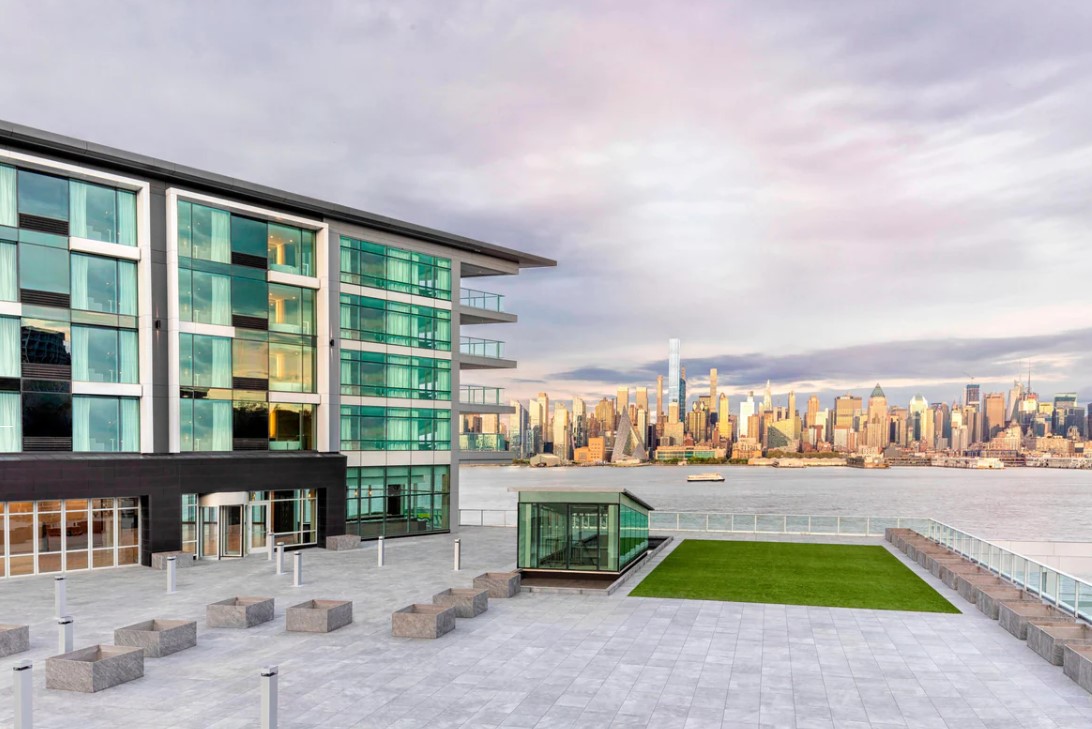
The 15th annual Global Healthcare Summit (GHS) 2022, organized by the Association of American Physicians of Indian Origin (AAPI) in collaboration with the Indian Ministry of Health and Family Welfare, will be held at the prestigious Hotel Avasa in Hyderabad, India from January 5th to 7th, 2022.

“Harnessing the power of Indian Doctors worldwide, the AAPI Global Healthcare Summit platform has evolved with the support of prominent global and Indian medical associations,” says Dr. Anupama Gotimukula, President of AAPI. “The theme for the Summit this year is, ‘Prevention Is Better Than Cure Through Technology, Telemedicine & Transformation’ and we want to coordinate and collaborate all our resources towards helping India emerge stronger and healthier.”

According to her, “Senior leaders from leading healthcare organizations such as pharmaceuticals, device and medical equipment manufacturers and major medical teaching institutions, hospitals and from the Ministries – Health, External/Overseas Affairs and regulatory bodies are collaborating with AAPI with the ultimate goal to provide access to high quality and affordable healthcare to all people of India.”

AAPI is hopeful that several international healthcare industry partners are looking for opportunities to participate at this event for greater collaboration on Research & Development and philanthropic engagements, Dr. Gotimukula added.  Chronic diseases, notably diabetes, cardiovascular, hypertension, COPD, oncology, maternal and infant mortality, and emerging ones – trauma and head injury, transplant and minimally invasive robotic surgeries are only some of those that are going to be covered during this Summit. An exclusive Healthcare CEO forum brings the healthcare industry perspective, with senior Government officials, both Union and State providing the legislative wisdom. Hands-on workshops provide supervised skill transfer.

“Physicians and delegates  from different parts of the world will come together, facilitating exchange of knowledge,  cutting edge technology  and best practices in protecting and promoting healthcare,” Dr. Udaya Shivangi, Chair of AAPI GHS USA 2021 says. “In addition to continuing the ongoing projects commenced by past AAPI leaders, GHS will have new initiatives and innovative ideas. The GHS 2022 will focus on envisioning future digital health solutions, and preventive strategies with state of the art CMEs and  Symposiums with information on current and emerging issues and trends in healthcare.”While elaborating on the themes and areas that are going to be covered during the Summit, Dr. Kusum Punjabi, Chair of AAPI BOT, says, “In our efforts to realize the core mission of AAPI, which is to share the best from leading experts from around the world, to collaborate on clinical challenges, research and development, philanthropy, policy and standards formulation, the Summit in Hyderabad will have clinical tracks that are of vital to healthcare in India.”

Dr. Ravi Kolli, President-Elect of AAPI said, “Healthcare in India is one of the largest sectors, in terms of revenue and employment.  India is making significant improvements in the healthcare infrastructure and is building modern medical facilities throughout India. Indian doctors have made tremendous progress in the 21st century and India is now being touted as a medical tourism hub” While elaborating the objectives of the Summit, Dr. Anjana Samadder, Vice President of AAPI, says, “This innovative Summit is aimed at advancing the accessibility, affordability and the quality of world-class healthcare to the people of India. Among other areas, the Summit will focus on prevention, diagnosis, treatment options and share ways to truly improve healthcare transcending global boundaries.”

This international health care summit is a progressive transformation from the first Indo-US Healthcare Summit launched by AAPI USA in 2007. Since then, AAPI has organized 14 Indo – US/Global Healthcare Summits and developed strategic alliances with various organizations. “It is these learning and relationships that have now enabled AAPI and participating organizations to plan ahead and prepare for an outstanding event that is expected to have over 300 very prominent and talented physicians and surgeons of Indian origin from around the world and are very passionate about serving their homeland, Mother India,” Dr. Satheesh Kathula, Secretary of AAPI, says.

According to Dr. Krishan Kumar, Treasurer of AAPI, “With the changing trends and statistics in healthcare, both in India and US, we are refocusing our mission and vision, AAPI would like to make a positive and meaningful impact on the healthcare delivery system both in the US and in India.”There are several AAPI leaders who are working very hard to make the GHS a memorable event, said Dr. Gotimukula. “Among them, I want to recognize Dr. Lokesh Edara, Chair Global Medical Education; Dr. Seema Arora, Women’s Forum; Dr. Joseph M. Chalil, Chair of CEO Forum; Dr. Soumya Neravetla, Chair of the popular Medical Jeopardy; Dr. Ayesha Singh and Dr. Shubham Anand, GAIIMS President, who are coordinating the Medical Students Research Symposium.”

“Being organized at this critical phase, GHS 2022 is aimed at exploring possibilities for greater collaboration and cooperation between the physicians and health care providers in India with those of Indian origin and major health-care providers abroad,” Dr. Gotimukula said. For more information, please visit www.aapiusa.org/ https://summit.aapiusa.org

Facebook Whistleblower Testimony Should Prompt New Oversight

‘I think we need regulation to protect people’s private data,’ influential Democrat says in wake of Frances Haugen revelations. Testimony in Congress this week by the whistleblower Frances Haugen should prompt action to implement meaningful oversight of Facebook and other tech giants, the influential California Democrat Adam Schiff told the Guardian in an interview to be published on Sunday.

“I think we need regulation to protect people’s private data,” the chair of the House intelligence committee said.

“I think we need to narrow the scope of the safe harbour these companies enjoy if they don’t moderate their contents and continue to amplify anger and hate. I think we need to insist on a vehicle for more transparency so we understand the data better.”

Haugen, 37, was the source for recent Wall Street Journal reporting on misinformation spread by Facebook and Instagram, the photo-sharing platform which Facebook owns. She left Facebook in May this year, but her revelations have left the tech giant facing its toughest questions since the Cambridge Analytica user privacy scandal.

At a Senate hearing on Tuesday, Haugen shared internal Facebook reports and argued that the social media giant puts “astronomical profits before people”, harming children and destabilising democracy via the sharing of inaccurate and divisive content. Haugen likened the appeal of Instagram to tobacco, telling senators: “It’s just like cigarettes … teenagers don’t have good self-regulation.”

Richard Blumenthal, a Democrat from Connecticut, said Haugen’s testimony might represent a “big tobacco” moment for the social media companies, a reference to oversight imposed despite testimony in Congress that their product was not harmful from executives whose companies knew that it was.

The founder and head of Facebook, Mark Zuckerberg, has resisted proposals to overhaul the US internet regulatory framework, which is widely considered to be woefully out of date. He responded to Haugen’s testimony by saying the “idea that we prioritise profit over safety and wellbeing” was “just not true”.

“The argument that we deliberately push content that makes people angry for profit is deeply illogical,” he said. “We make money from ads, and advertisers consistently tell us they don’t want their ads next to harmful or angry content.” Schiff was speaking to mark publication of a well-received new memoir, Midnight in Washington: How We Almost Lost Our Democracy and Still Could.

The Democrat played prominent roles in the Russia investigation and Donald Trump’s first impeachment. He now sits on the select committee investigating the deadly attack on the US Capitol on 6 January, by Trump supporters seeking to overturn his election defeat – an effort in part fueled by misinformation on social media. In his book, Schiff writes about asking representatives of Facebook and two other tech giants, Twitter and YouTube, if their “algorithms were having the effect of balkanising the public and deepening the divisions in our society”.

Facebook’s general counsel in the 2017 hearing, Schiff writes, said: “The data on this is actually quite mixed.” “It didn’t seem very mixed to me,” Schiff says. Asked if he thought Haugen’s testimony would create enough pressure for Congress to pass new laws regulating social media companies, Schiff told the Guardian: “The answer is yes.”

However, as an experienced member of a bitterly divided and legislatively sclerotic Congress, he also cautioned against too much optimism among reform proponents. “If you bet against Congress,” Schiff said, “you win 90% of the time.”

A Cousin Of Viagra Reduces Obesity By Burning Fat

Newswise — Researchers at Johns Hopkins Medicine have found that a drug first developed to treat Alzheimer’s disease, schizophrenia and sickle cell disease reduces obesity and fatty liver in mice and improves their heart function — without changes in food intake or daily activity.

These findings, published online Oct. 7 in the Journal of Clinical Investigation, reveal that a chemical inhibitor of the enzyme PDE9 stimulates cells to burn more fat. This occurred in male mice and in female mice whose sex hormones were reduced by removing their ovaries, thus mimicking menopause. Postmenopausal women are well known to be at increased risk for obesity around their waist as well as at risk for cardiovascular and metabolic disease. Inhibiting PDE9 did not cause these changes in female mice that had their ovaries, so female sex hormone status was important in the study.

“Currently, there isn’t a pill that has been proven effective for treating severe obesity, yet such obesity is a global health problem that increases the risk of many other diseases,” says senior investigator David Kass, M.D., Abraham and Virginia Weiss Professor of Cardiology at the Johns Hopkins University School of Medicine. “What makes our findings exciting is that we found an oral medication that activates fat-burning in mice to reduce obesity and fat buildup in organs like the liver and heart that contribute to disease; this is new.”

This study follows work reported by the same laboratory in 2015 that first showed the PDE9 enzyme is present in the heart and contributes to heart disease triggered by high blood pressure. Blocking PDE9 increases the amount of a small molecule known as cyclic GMP, which in turn controls many aspects of cell function throughout the body. PDE9 is the enzyme cousin of another protein called PDE5, which also controls cyclic GMP and is blocked by drugs such as Viagra. Inhibitors of PDE9 are experimental, so there is no drug name yet.

Based on these results, the investigators suspected PDE9 inhibition might improve cardiometabolic syndrome (CMS), a constellation of common conditions including high blood pressure; high blood sugar, cholesterol and triglycerides; and excess body fat, particularly around the waist. CMS is considered a pandemic by medical experts and a major risk factor for heart disease, stroke, type 2 diabetes, cancers and COVID-19.

While PDE9 inhibitors remain experimental, they have been developed by several pharmaceutical companies and tested in humans for diseases such as Alzheimer’s and sickle cell. The current mouse study used a PDE9 inhibitor made by Pfizer Inc. (PF-04447943) that was first tested for Alzheimer’s disease, though eventually abandoned for this use. Between the two reported clinical trials, over 100 subjects received this drug, and it was found to be well tolerated with no serious adverse side effects. A different PDE9 inhibitor is now being tested for human heart failure.

To test the effects of a PDE9 inhibitor on obesity and cardiometabolic syndrome, the researchers put mice on a high-fat diet that led to doubling their body weight, high blood lipids and diabetes after four months. A group of female mice had their ovaries surgically removed, and most of the mice also had a pressure stress applied to the heart to better mimic cardiometabolic syndrome. The mice were then assigned to receive either the PDE9 inhibitor or a placebo by mouth over the next six to eight weeks.

In female mice without their ovaries (a model of postmenopause), the difference in median percent weight change between the drug and placebo groups was -27.5%, and in males it was -19.5%. Lean body mass was not altered in either group, nor was daily food consumption or physical activity. The PDE9 inhibitor lowered blood cholesterol and triglycerides, and reduced fat in the liver to levels found in mice fed a normal diet. The heart also improved with PDE9 inhibition, with ejection fraction (which measures the percentage of blood leaving the heart each time it contracts) relatively higher by 7%–15% and heart mass (hypertrophy) rising 70% less compared with the placebo. An increase in heart mass is evidence of abnormal heart stress. However, having this lowered by the inhibitor indicates stress on the heart was reduced.

The investigators found PDE9 inhibition produces these effects by activating a master regulator of fat metabolism known as PPARa. By stimulating PPARa, levels of genes for proteins that control fat uptake into cells and their use as fuel are broadly increased. When PPARa was blocked in cells or the whole animal, the effects from PDE9 inhibition on obesity and fat-burning were also lost. They found estrogen normally plays this role of PPARa on fat regulation in females, but when its levels fall like they do after menopause, PPARa becomes more important to regulate fat and so PDE9 inhibition has a greater effect.

“The finding that the experimental drug did not benefit female mice that had their ovaries shows that these sex hormones, particularly estrogen, had already achieved what inhibiting PDE9 does to stimulate fat-burning,” notes Sumita Mishra, the research associate who performed much of the work. “Menopause reduces sex hormone levels, and their control over fat metabolism then shifts to the protein regulated by PDE9, so the drug treatment is now effective.” According to the U.S. Centers for Disease Control and Prevention, more than 40% of people living in the U.S. are obese; and 43% of American women over the age of 60 — long past menopause — are considered obese. Kass notes that if his lab’s findings in mice apply to people, someone weighing 250 pounds could lose about 50 pounds with an oral PDE9 inhibitor without changing eating or exercise habits.

“I’m not suggesting to be a couch potato and take a pill, but I suspect that combined with diet and exercise, the effects from PDE9 inhibition may be even greater,” says Kass. The next step would be testing in humans to see if PDE9 inhibitors produce similar effects in men and postmenopausal women. “PDE9 inhibitors are already being studied in humans, so a clinical obesity study should not be that far away,” Kass says. The other researchers involved in the study include Nandhini Sadagopan, Brittany Dunkerly-Ering, Susana Rodriguez, Dylan Sarver, Sean Murphy, Hildur Knutsdottir, Vivek Jani, Deepthi Ashok, Christian Oeing, Brian O’Rourke and G. William Wong from Johns Hopkins Medicine; Ryan Ceddia and Sheila Collins from Vanderbilt University; and John Gangoiti and Dorothy Sears from the University of California San Diego.

The Johns Hopkins University has filed a patent on behalf of investigators Kass, Mishra and a prior member of the Kass laboratory, D.I. Lee, for the use of PDE9 inhibitors to treat cardiometabolic syndrome.

Anuradha Palakurthi To Release “Durga Maa Elo Re” Bengali

Award-winning Indian American singer Anuradha Palakurthi “Juju” will release her first Bengali video song on Oct. 8, 2021, just before the start of the festive Durga Pooja and Diwali season. The song is produced in collaboration with Bollywood singer Mika Singh and Bappa B. Lahiri.

Here are details about the upcoming song: Durga Maa Elo Re is a Bengali dance number and the first in that language for Juju. The song is a tribute to the Goddess Durga and celebrates the joyful Dussehra season. In addition to Juju’s melodious singing, the song is a visual treat, featuring Bengali actress Tina Dutta.

Singers: Mika Singh and Anuradha Juju Palakurthi

Music: Bappa B. Lahiri

Percs: Shivmani

Featuring: Tina Dutta

Video: Ravi and Yashika in Mumbai

Video: Deepa Jacob and Jaison Jose, Cocoon Media in Boston

Director of Photography: Abhishek Basu

Lyrics: Lipi

“For many centuries Bengal blended tradition and modernity to perfection. This amalgam is in full splendor during Durga Pooja and is celebrated across the world,” said Juju, who is also the founder of Boston-based Juju Productions. “I’m excited to have sung my first Bengali song and with Mika Singh. Our dear friend Drummer Shivamani’s magic added to Bappa B. Lahiri’s composition. Bengali actress Tina Dutta acted in the Abhishek Basu’s directed song-video.”

Ms. Dutta said the song took her down memory lane of Durga Puja and the streets of Kolkata. “I’m excited as this is my first music video and it is very different. The song took me back to my own memories of Durga Puja and Kolkata and hence I was all the more excited when I heard the track,” said Ms. Dutta. “I’m glad that my first music video happens to be one in my native language and the team is fabulous. From Mika Singh, Anuradha Juju to Bappa B. Lahiri, each and every person associated with the project has a wealth of work but each of us had the hunger to do something new and different. I am really excited and looking forward to this one.”

On a personal level, Juju said that she was excited to have sung her first Bengali song.

“This song is happy, vibrant and captures the essence of Durga ‘Poojo’. I hope you all enjoy it and may the Goddess Durga bless us all this Vijayadashami.”

Juju is known for her versatility, as no genre is beyond her vocal range- be it a Film Song, Classical, Bhajan, Sufi, Ghazal, or Pop. She has sung in numerous languages and recently added Bengali to her repertoire.

The video will release on Oct. 8, 2021.

Juju Productions is a Boston-based music and video production company, where artists and singers work with Anuradha Palakurthi-Juju work to produce creative, innovative musical endeavors. It creates music that attracts global audiences, transcends national and cultural boundaries while rooted in evolving Indian traditions.

‘Pandora Papers’ Indicts At Least 380 Indians

A massive investigation from more than 600 journalists across the globe sheds new light into the shadowy world of offshore banking and the high-powered elites who use the system to their benefit.

The exposé, dubbed the “Pandora Papers,” shows how the world’s wealthy hide their money and assets from authorities, their creditors and the public by using a network of lawyers and financial institutions that promise secrecy. It’s built on a trove of 11.9 million records leaked to the International Consortium of Investigative Journalists (ICIJ), which in turn shared them with partner media outlets such as The Washington Post and The Guardian for help conducting the large-scale investigation.

“These are secretive, confidential documents from offshore tax havens and offshore specialists who work to help rich, powerful and sometimes criminal individuals create shell companies or trusts in a way that often helps either obscure assets or in some cases even help avoid paying taxes,” senior ICIJ reporter Will Fitzgibbon told NPR’s Weekend All Things Considered. Pandora Papers, the most voluminous leak of offshore financial records ever, reveal how individuals and businesses set up complex multi-layered trust structures for estate planning, in jurisdictions that are loosely regulated for tax purposes, but characterized by air-tight secrecy laws.

King Abdullah II, who rules Jordan, spent more than $100 million on lavish properties in the U.S. and Europe while his country fell deeper into political turmoil, The Washington Post reported. A woman suspected of being in a years-long relationship with Russian President Vladimir Putin became the owner of a pricey Monaco apartment days after reportedly giving birth to his child, the paper also found.

Those are two of more than 300 current or former politicians who appear in the Pandora Papers, the journalists said. Among them are 14 sitting country leaders, including President Luis Abinader of the Dominican Republic, Kenyan President Uhuru Kenyatta, Czech Prime Minister Andrej Babis and Ukrainian President Volodymyr Zelensky. According to reports, there are at least 380 persons of Indian nationality in the Pandora Papers. Of these, The Indian Express has so far verified and corroborated documents related to about 60 prominent individuals and companies. These will be revealed in the coming days.

In February 2020, following a dispute with three Chinese state-controlled banks, Anil Ambani told a London court that his net worth was zero. Records in the Pandora Papers investigated by The Indian Express reveal that the chairman of Reliance ADA Group and his representatives own at least 18 offshore companies. Set up between 2007 and 2010, seven of these companies have borrowed and invested at least $1.3 billion.

A financial advisor and his company were barred by SEBI from trading in the stock market for a year and fined for insider trading in Biocon Ltd shares. What the marker regulator did not know is that the same advisor is the ‘Protector’ of a trust set up by a company owned by Biocon Executive Chairperson’s husband.  Indian cricket superstar Sachin Tendulkar, along with members of his family, figures in the Pandora Papers as Beneficial Owners of an offshore entity in the British Virgin Islands which was liquidated in 2016. Sachin, with wife Anjali Tendulkar and father-in-law Anand Mehta are named as BOs and Directors of a BVI-based company.

Captain Satish Sharma, Congress leader, friend of the Gandhi family, and a former Union Minister who passed away in February this year, had offshore entities and properties abroad, the Pandora Papers show. At least 10 members of Sharma’s family including his wife Sterre, children and grandchildren are among the beneficiaries of a trust, the Jan Zegers Trust — a declaration Sharma never made to the Election Commission while filing poll nomination papers.

A month before fugitive diamond jeweller Nirav Modi fled India in January 2018, his sister Purvi Modi set up a firm in the British Virgin Islands to act as a corporate protector of a trust formed through the Trident Trust Company, Singapore. Records investigated by The Indian Express show that the firm, Brookton Management Ltd, was set up in December 2017 to act as the corporate protector of The Deposit Trust. These documents of the new firm and the trust set up by Purvi are part of the Pandora Papers.

Bollywood actor Jackie Shroff was the prime beneficiary of a trust set up in New Zealand by his mother-in-law, records in the Pandora Papers investigated by The Indian Express reveal. He also made “substantial contributions” to this trust, which had a Swiss bank account and owned an offshore company registered in the British Virgin Islands, records show. According to the memorandum concerning the trust, Shroff’s son Jai Shroff (Tiger Shroff) and daughter Krishna Shroff were the beneficiaries, besides Claudia Dutt, the mother of Shroff’s wife Ayesha

Young Climate Activists Of Indian Origin Join Hands With UN Showcasing Achievements

The United Nations in India launched its climate campaign ‘We The Change’, which aims to showcase climate solutions pioneered by young Indians as a celebration of India’s climate leadership on Monday last week. Through the WeTheChangeNow call to action, 17 young climate champions invited fellow young Indians to join the movement by sharing their climate action stories on the campaign website, also launched on Monday.

“The campaign – inspired by the stories of India’s young climate leaders – encourages us to adopt a more solution-based, innovative approach to fight climate change. We know solutions are already within reach to solve the present climate crisis. We hope that through the WeTheChangeNow campaign, we will inspire bolder climate action from people, communities and the national and state governments,” said UN Resident Coordinator in India, Deirdre Boyd. The campaign celebrates and curates innovative, sustainable and equitable climate solutions and actions being pioneered by young people in India. The focus is on strengthening engagement with governments and civil society for a more collaborative approach to climate action, a release said.

“We need enabling spaces for co-learning and collaboration for effective climate action. It’s inspiring to be part of a journey that allows me to meet other young people who are championing climate action and advocacy while collaborating with various policymakers and other climate stakeholders,” young climate campaigner and member of the UN Secretary-General’s Youth Advisory Group on Climate Change, Archana Soreng said.

“India has shown great leadership in combating climate change through its strategic and timely climate policies. Currently, India is on track to meet its Paris Climate Agreement commitments and is likely to outperform its Nationally Determined Contributions (NDCs) in critical sectors, including renewable energy. Challenges remain, and the valuable contributions of young people in green action and recovery, can propel breakthrough innovations to protect India and the world, especially the most vulnerable, from the impact of climate change,” the release said.

“Over the course of the campaign, we will create spaces for young people, civil society, climate groups, media, and governments to collaborate through online dialogues, discussions, and face-to-face interactions,” it said. “The campaign’s 17 young climate leaders represent innovation and action across diverse sectors, including renewables, forest management, financing, climate entrepreneurship, sustainable agriculture, disaster risk reduction, ecosystem restoration, water conservation and waste management,” it added.

UN Secretary-General’s Advocate for Sustainable Development Goals, actor and producer, Dia Mirza, who has lent her support to the digital campaign, said: “We can still make a difference, restore our planet, and make peace with nature. These 17 young climate leaders, the faces of the ‘We The Change’ movement, are showing us the way ahead towards climate justice and climate action. Their stories have inspired me and I hope they inspire people everywhere to share their climate actions, big or small, using #WeTheChange now.” The Legal Initiative for Forest and Environment (LIFE), a Delhi-based organization that uses the judicial system to advance environmental goals and empower vulnerable populations, has won the Right Livelihood Award, known as the “Alternative Nobel”.

It shared the award with three activists: Marthe Wandou, a gender and peace activist who has worked to prevent sexual violence against girls in the Lake Chad area of Cameroon; Russian environmental campaigner Vladimir Slivyak; and indigenous rights campaigner Freda Huson of the Wet’suwet’en people in Canada.

Founded in 2005 by lawyers Ritwick Dutta and Rahul Choudhary, LIFE’s attorneys are among India’s leading public interest lawyers. It has represented tribals in Odisha against Vedanta over its Bauxite mines in the Niyamgiri Hills, local communities against the Jindal Steels and Power’s mine in Chhattisgarh, horticulturalists opposing Lafarge’s limestone mining in Himachal Pradesh, and mango farmers in Ratnagiri against JSW’s thermal power plant, among others. (A 2013 profile of Dutta here on ET)

LIFE has helped communities fight against some of India’s most significant environmental threats: the construction of ecologically destructive projects in violation of the law, preventing deforestation and making industrial polluters pay for the damage caused to the environment and public health, the Swedish Right Livelihood Foundation, which awards the prize, said.

Fumio Kishida To Be Japan’s Next Prime Minister

Japan’s former foreign minister Fumio Kishida, a longtime stalwart of the ruling Liberal Democratic Party (LDP), is all set to become the country’s next prime minister after he was elected party president on Wednesday, last week. Kishida, 64, beat the head of Japan’s COVID-19 vaccination program, 58-year-old Taro Kono, in a runoff poll among LDP lawmakers and rank-and-file party members, winning by 87 votes.

Kishida was installed as LDP leader after a deal among party power-brokers—despite what many political observers say is his lack of personal appeal and much broader public support for Kono. Kishida was supported by one of the LDP’s largest factions, but only led Kono by one vote in the first round of party voting. Yoshikazu Kato, a director of a Tokyo-based research and consulting firm Trans-Pacific Group (TPG), believes Kishida’s team was able to secure more votes with help from supporters of ultraconservative candidate Sanae Takaichi—who was vying to become Japan’s first female prime minister.

Takaichi came in third and was eliminated from the race in the first round, along with moderate party executive Seiko Noda who fell to fourth. “Kishida and Takaichi, both of them, and both of their teams, have already decided if things have gone to the second round what they are going to do,” Kato tells TIME. “This is the secret to why Kishida accomplished such a big win.”

Ultimately, Kishida may have been more palatable to the LDP’s conservative elders, than Kono—who is more liberal and supports legalizing same-sex marriage and phasing out nuclear power, observers say.

Kato adds that Kishida was the first candidate to join the race to succeed Prime Minister Yoshihide Suga, who had bowed out from the leadership race earlier this month amid anger over his government’s COVID-19 response. “From the beginning until today, Kishida has been very consistent and confident, and very much ready for what happens next,” he says.

Since the LDP dominates the lower house of the National Diet, Japan’s legislature, Kishida is virtually guaranteed to become prime minister next month. The LDP’s new leader is also expected to secure the party another four years in power in the general elections this fall. The main opposition party—the Constitutional Democratic Party (CDP)—has struggled to poll above 10%.

Tougher on China?

Observers say Japan’s incoming leader will have to address long-standing issues such as the aging population and threats brought on by China’s increasing assertiveness in the region, on top of helping the country recover from the COVID-19 pandemic.

Tokyo’s diplomatic ties with Beijing have also been strained. Japanese leaders have spoken out in support of Taiwan, and criticized increased Chinese incursions into territory around islands in the East China Sea that are claimed by both Japan and China.

Kishida, a nine-term member of the House of Representatives, was in charge of foreign affairs for more than four years under Prime Minister Shinzo Abe, Japan’s longest-serving foreign minister. He had met with his Chinese counterpart Wang Yi several times—which Kato believes may bode better ties between the two countries.

Although he has advocated continuing dialogue with China, Japan’s top trading partner, Kishida has promised to take a harder line militarily and supports boosting Tokyo’s defense budget amid the threat posed by Beijing. However, Kato says, “Kishida is not pro-China or anti-China, but he is a person who can talk.”

Kishida advocates ‘new capitalism’

On Japan’s economy, Kishida says the country needs a “new capitalism” to help narrow a wealth gap that has grown with the COVID-19 pandemic. He has called for a major stimulus package, as well as setting aside of $90 billion to fund scientific developments and renewable energy. He has also advocated moving away from the deregulation of business that began in the early 2000s.

While the economy grew faster than expected after Suga announced he would not continue his term, its continued recovery may be slowed by the surge of coronavirus infections in July and August.

Regarded by political peers as a moderate, Kishida will have to win back the public’s support and improve the approval ratings of the government to do this. However, Kishida’s personality could make it harder for him to get his message across to the Japanese public, says Kato—especially compared with the more forthright Kono.

Kingston, of Temple University, says attending to Japan’s wealth inequality will help improve the LDP’s image, which will boost its chances of maintaining power when the general election comes in November. Kishida has to “hit the ground running,” Kingston says. “He has to deliver. He has promised these things.”

During 16 Years Of Leading Germany, Angela Merkel Made Europe More Resilient

Germany’s election on Sept. 26 ended without a clear winner, but one thing at least is certain: Angela Merkel will soon exit the political stage she has occupied for the past 16 years, kick starting much debate about her legacy for Germany, and for the world.

Comparisons with her mentor and predecessor Helmut Kohl, who led Germany through reunification, are as inevitable as they are unfair. Her critics say that, though a formidable historical figure, she has accomplished nothing that can equal the leadership of Kohl. But the demands of their eras were entirely different. To understand that is to recognize Merkel’s lasting achievement.

In 1990, a heady sense of opportunity in both West and East Germany created the public support that Helmut Kohl needed to take on one of the most ambitious and complex global governing challenges since the end of World War II. Over the Merkel era of the past 16 years, by contrast, Germans (and Europeans generally) have needed a thoughtful, flexible problem-solver to guide them through a debt emergency, a surge of migrants from the Middle East, and the deadliest global pandemic in a century. In the process, Angela Merkel helped save the European Union. That’s an accomplishment that deserves lasting respect.

Convinced that a strong and cohesive E.U. would be good for her country, the German Chancellor bridged the gaps and cut the deals, sometimes over the objections of her own finance minister, that helped Europe’s most deeply indebted countries survive the 2010-2012 sovereign debt crisis. Merkel kept her word that Germany would lead the way in coping with the 2015-2016 surge in migrants by welcoming more than one million desperate people into her country. In response to the pandemic and the need for a bold economic recovery plan, she shifted German opinion on the need for common European debt.

All of these decisions remain highly controversial. Her critics say they have fed public cynicism about the E.U. and fueled the populism that has threatened in recent years to poison its politics. But without Angela Merkel, and her willingness to take on more costs and risks so that others could take less, the E.U. might have lost much more than Britain.

Her leadership has also been good for most Germans. Some 70 percent now say they’re happy with their economic circumstances. Much of that success might have happened without her, powered by new opportunities for Germany to export to China after it joined the World Trade Organization in 2001, and by cheap labor provided by workers from the former Warsaw Pact countries of Eastern Europe, which joined the E.U. just a year before Merkel became chancellor.

But Merkel’s ability to manage emergencies has helped keep Germany’s economic engine humming, and one of the results is a surge in the number of jobs across Germany, especially for women. Unemployment is now near its lowest point of the Merkel era. In addition, a balanced budget law enacted in 2009 has helped keep public debt low.

There is much more Merkel could have done, to be sure. By balancing its books, Germany has invested far less than it might have in the transition from carbon-based to renewable energy. While some credit Merkel for using Japan’s 2011 Fukushima nuclear disaster to transition Germany away from nuclear power, the country’s carbon emissions remain high by European standards.

Though Merkel remains popular, her party doesn’t. She leaves with an 80 percent approval rating even as her party is in historic decline. The vote share of the center-right alliance she led slid from 41.5 percent in 2013 to 33 percent in 2017. In the Sept. 26 election, the CDU-CSU fared even worse, securing just over 24 percent and finishing narrowly behind their center-left rivals the SPD. Whoever emerges as the next chancellor will be seen by most Germans as a pale shadow of her leadership.

Not only is Merkel a tough act to follow in Germany, there is no one else now in Europe who can match her tenacity and resilience either. In particular, French President Emmanuel Macron, facing a re-election campaign next year, inspires too much mistrust, including in France, to inherit Merkel’s ability to guide combative European leaders toward agreement.  Fortunately, Merkel has strengthened Europe itself by showing other leaders that compromise is possible for the good of all. That makes future crises less likely – a legacy worth celebrating

Pandora Papers Expose World Leaders Of Secret Wealth

A massive leak of financial documents was published by several major news organizations on Sunday that allegedly tie world leaders to secret stores of wealth, including King Abdullah of Jordan, Czech Prime Minister Andrej Babis and associates of Russian President Vladimir Putin.

The dump of more than 11.9 million records, amounting to about 2.94 terabytes of data, came five years after the leak known as the “Panama Papers” exposed how money was hidden by the wealthy in ways that law enforcement agencies could not detect.

The International Consortium of Investigative Journalists, a Washington, D.C.-based network of reporters and media organizations, said the files are linked to about 35 current and former national leaders, and more than 330 politicians and public officials in 91 countries and territories. It did not say how the files were obtained, and Reuters could not independently verify the allegations or documents detailed by the consortium.

Jordan’s King Abdullah, a close ally of the United States, was alleged to have used offshore accounts to spend more than $100 million on luxury homes in the United Kingdom and the United States.

DLA Piper, a London law office representing Abdullah, told the consortium of media outlets that he had “not at any point misused public monies or made any use whatsoever of the proceeds of aid or assistance intended for public use.”

The Washington Post, which is part of the consortium, also reported on the case of Svetlana Krivonogikh, a Russian woman who it said became the owner of a Monaco apartment through an offshore company incorporated on the Caribbean island of Tortola in April 2003 just weeks after she gave birth to a girl. At the time, she was in a secret, years-long relationship with Putin, the newspaper said, citing Russian investigative outlet Proekt.  The Post said Krivonogikh, her daughter, who is now 18, and the Kremlin did not respond to requests for comment.

Days ahead of the Czech Republic’s Oct. 8-9 parliamentary election, the documents allegedly tied the country’s prime minister, Babis, to a secret $22 million estate in a hilltop village near Cannes, France.  Speaking during a television debate on Sunday, Babis denied any wrongdoing. “The money left a Czech bank, was taxed, it was my money, and returned to a Czech bank,” Babis said. (Courtesy: Reuters)

Decline In White Population And Increased Diversity In America

America’s white population is declining and aging, while the share of Latinos or Hispanics, Asians, and people who identify as two are more races is increasing. These are some of the findings in new analysis from Brookings Senior Fellow Bill Frey, who joins the Brookings Cafeteria to talk about America’s changing demographics and the implications.

Also on this episode, Tony Pipa, a senior fellow in the Center for Sustainable Development, highlights the work of local elected leaders and private sector leaders in the U.S. who are prioritizing action on achieving the Sustainable Development Goals. Listen to this segment also on SoundCloud.

The current growth of the population ages 65 and older, driven by the large the baby boom generation, is unprecedented in U.S. history. As they have passed through each major stage of life, baby boomers (between ages 55 and 73 in 2019) have brought both challenges and opportunities to the economy, infrastructure, and institutions.

These key findings from the report were updated in June 2019 with the latest available data.

Demographic Shifts

The number of Americans ages 65 and older is projected to nearly double from 52 million in 2018 to 95 million by 2060, and the 65-and-older age group’s share of the total population will rise from 16 percent to 23 percent.1

The older population is becoming more racially and ethnically diverse. Between 2018 and 2060 the share of the older population that is non-Hispanic white is projected to drop from 77 percent to 55 percent.2

Despite the increased diversity in the older adult population, the more rapidly changing racial/ethnic composition of the population under age 18 relative to those ages 65 and older has created a diversity gap between generations.

Older adults are working longer. By 2018, 24 percent of men and about 16 percent of women ages 65 and older were in the labor force. These levels are projected to rise further by 2026, to 26 percent for men and 18 percent for women.3

Many parts of the country—especially counties in the rural Midwest—are aging in place because disproportionate shares of young people have moved elsewhere.

Positive Developments

Education levels are increasing. Among people ages 65 and older in 1965, only 5 percent had completed a bachelor’s degree or more. By 2018, this share had risen to 29 percent.4

Average U.S. life expectancy increased from 68 years in 1950 to 78.6 years in 2017, in large part due to the reduction in mortality at older ages.5

The gender gap in life expectancy is narrowing. In 1990, a seven-year gap in life expectancy existed between men and women. By 2017, this gap had narrowed to five years (76.1 years versus 81.1 years).6

The poverty rate for Americans ages 65 and older has dropped sharply during the past 50 years, from nearly 30 percent in 1966 to 9 percent today.7

Challenges

Obesity rates among adults ages 60 and older have been increasing, standing at about 41 percent in 2015-2016.8

Wide economic disparities are evident across different population subgroups. Among adults ages 65 and older, 17 percent of Latinos and 19 percent of African Americans lived in poverty in 2017—more than twice the rate among older non-Hispanic whites (7 percent).9

More older adults are divorced compared with previous generations. The share of divorced women ages 65 and older increased from 3 percent in 1980 to 14 percent in 2018, and for men from 4 percent to 11 percent during the same period.10

Over one-fourth (26 percent) of women ages 65 to 74 lived alone in 2018. This share jumped to 39 percent among women ages 75 to 84, and to 55 percent among women ages 85 and older.11

The aging of the baby boom generation could fuel more than a 50 percent increase in the number of Americans ages 65 and older requiring nursing home care, to about 1.9 million in 2030 from 1.2 million in 2017.12

Demand for elder care will also be driven by a steep rise in the number of Americans living with Alzheimer’s disease, which could more than double by 2050 to 13.8 million, from 5.8 million today.13

The large share of older adults also means that Social Security and Medicare expenditures will increase from a combined 8.7 percent of gross domestic product today to 11.8 percent by 2050.14

Policymakers can improve the outlook for the future by reducing current gaps in education, employment, and earnings among younger workers.

Covid Claims 700,000 Lives, While Cases Begin To Fall

The United States reached its latest heartbreaking pandemic milestone, eclipsing 700,000 deaths from COVID-19 just as the surge from the delta variant is starting to slow down and give overwhelmed hospitals some relief, reports here suggest. It took 3 ½ months for the U.S. to go from 600,000 to 700,000 deaths, driven by the Delta variant’s rampant spread through unvaccinated Americans. The latest milestone is deeply frustrating to public health leaders and medical professionals on the front lines because vaccines have been available to all eligible Americans for nearly six months and the shots overwhelmingly protect against hospitalizations and death. An estimated 70 million eligible Americans remain unvaccinated, providing kindling for the variant.

Health experts say the fourth wave of the pandemic has peaked overall in the U.S., particularly in the Deep South, where hospitals were stretched to the limit weeks ago. But many Northern states are still struggling with rising cases, and what’s ahead for winter is far less clear.  Unknowns include how flu season may strain already depleted hospital staffs and whether those who have refused to get vaccinated will change their minds.

An estimated 70 million eligible Americans remain unvaccinated, providing kindling for the highly contagious delta variant.  “If you’re not vaccinated or have protection from natural infection, this virus will find you,” warned Mike Osterholm, director of the University of Minnesota’s Center for Infectious Disease Research and Policy. Nationwide, the number of people now in the hospital with COVID-19 has fallen to somewhere around 75,000 from over 93,000 in early September. New cases are on the downswing at about 112,000 per day on average, a drop of about one-third over the past 2 1/2 weeks.

Deaths, too, appear to be declining, averaging about 1,900 a day versus more than 2,000 about a week ago. The easing of the summer surge has been attributed to more mask wearing and more people getting vaccinated. The decrease in case numbers could also be due to the virus having burned through susceptible people and running out of fuel in some places.

In another promising development, Merck said its experimental pill for people sick with COVID-19 reduced hospitalizations and deaths by half. If it wins authorization from regulators, it will be the first pill for treating COVID-19 — and an important, easy-to-use new weapon in the arsenal against the pandemic.

All treatments now authorized in the U.S. against the coronavirus require an IV or injection.
Dr. Anthony Fauci, the government’s top infectious disease specialist, warned on Friday that some may see the encouraging trends as a reason to remain unvaccinated. “It’s good news we’re starting to see the curves” coming down, he said. “That is not an excuse to walk away from the issue of needing to get vaccinated.”

Covid Symptoms Last Longer Than Previously Thought

One in three people infected with the coronavirus has had Covid-like symptoms persist or recur for three to six months after diagnosis, a new study says, suggesting the so-called “long Covid” is afflicting more people than previously thought.

The study, led by University of Oxford scientists, used anonymized data from millions of electronic health records, primarily in the United States, to compare 273,618 patients with Covid-19 with 114,449 patients with influenza. The researchers looked at such symptoms as chest/throat pain, abnormal breathing, abdominal symptoms, fatigue, depression, headaches, cognitive dysfunction and muscle pain over a period of time.

It found that about 36% of Covid patients still reported disease symptoms three and six months after diagnosis. Most previous studies estimated the so-called long-haul Covid to afflict 10% to 30% of patients. The researchers also found that of those who had long COVID three to six months after diagnosis, roughly 40% had no record of such symptoms in the prior three months.

There was a higher incidence of long-Covid features in the elderly, in more severely affected patients, and in women, the study notes. But long-Covid features were also recorded in children and young adults, and in more than half of non-hospitalised patients, confirming that they occur even in young people and those who had a relatively mild illness.

They say: “The results confirm that a significant proportion of people, of all ages, can be affected by a range of symptoms and difficulties in the six months after Covid-19 infection,” said Dr. Max Taquet, who led the analysis at the University of Oxford. The findings were published in the journal PLOS Medicine

A Phase 3 safety and efficacy trial, conducted in the US, Chile and Peru, of AstraZeneca’s AZD1222 Covid-19 vaccine — which is available as Covishield in India — said the vaccine “was safe, with low incidences of serious and medically attended adverse events and adverse events of special interest” demonstrating an “overall estimated vaccine efficacy was 74.0%.”

The study, published in the New England Journal of Medicine, was conducted on more than 32,000 participants and found that in the age group of 65 years and above, the “estimated vaccine efficacy was 83.5%.”

The study, conducted between August 28, 2020 and January 15, 2021, reported that “119 serious adverse events occurred among 101 participants (0.5%)” who were administered the vaccine. In addition, “a total of 7 adverse events leading to death occurred in 7 participants in the AZD1222 group and 9 adverse events leading to 7 deaths occurred in the placebo group.”

However, the study does not attribute any of the deaths “to be related to the vaccine or placebo” and adds that while there were no deaths due to Covid-19 in the group administered the vaccine, there were two deaths due to the pandemic in the group that was given a placebo.

While it has been a long wait for AstraZeneca to get approval for use in the US, the company had in July said that rather than seeking emergency use authorisation, it would go in for a full approval from the USFDA. It is also exploring the possibility of supplying booster doses to people administered its own vaccine as well as those who have been administered either Pfizer-BioNTech’s or Moderna’s vaccine

Travel In India Returns To Near Normal

India’s taking off! Domestic air travel demand was on a steady rise globally until August when concerns over the Delta variant of the coronavirus reversed the trend in countries such as China, US, Japan, Australia and Brazil. However, in India, buoyed by vaccination drives and a drop in Covid cases, domestic traffic demand has continued its steady month-on-month climb since June, per recent data released by the International Air Transport Association (IATA), the global airlines’ trade body.

In India, the climb recommenced in June after a huge drop in April-May during the second Covid wave, which made India’s domestic air travel demand take the deepest plunge worldwide. Domestic air travel demand (measured in revenue passenger kilometres: number of kilometres flown by all passengers) was the lowest in May. It fell 71% as compared to the pre-Covid month of May 2019, showed IATA data. Only Japan with a 68.5% drop in demand as compared to May 2019 came close. But India caught up in August: its domestic travel demand rose to almost half of that in pre-Covid August 2019. It had been down 60% in July.

In August, domestic passenger traffic at Mumbai airport touched 1.4 million, which is what the airport had handled in March, the month air travel demand began its sharp drop due to the second wave, showed Airports Authority of India data.

In April, domestic passenger traffic at Mumbai was down to 0.9 million and in May, fell further to 0.4 million, before the trend reversed in June and domestic traffic increased to 0.6 million. Similarly, Delhi airport’s domestic passenger traffic had peaked in March with 2.9 million passengers and the airport inched close to that number in August with 2.6 million.

India, UAE Working On Speedy Normalization Of Air Services

India and the UAE will aim to ensure speedy normalization of air transport operations between the two countries. Accordingly, the need for normalisation of air transportation, was discussed at the ninth meeting of the ‘UAE-India High Level Joint Task Force on Investments’ held in Dubai on Saturday.

“Given the importance of air transport in facilitating bilateral ties and people-to-people connections, both sides agreed that their respective civil aviation authorities should continue to work together on a priority basis, for their mutual benefit, to ensure the speedy normalisation of air transport operations between the two countries,” the Ministry of Commerce & Industry said .

Saturday’s meeting was co-chaired by Sheikh Hamed bin Zayed Al Nahyan, Member of the Executive Council of the Emirate of Abu Dhabi, and Piyush Goyal, Minister of Commerce & Industry, Consumer Affairs, Food & Public Distribution, and Textiles.

The Joint Task Force was established in 2013 as a key forum for promoting economic ties between the United Arab Emirates (UAE) and India, which were further strengthened by the signing of the ‘Comprehensive Strategic Partnership Agreement’ between the two countries in January 2017. Besides, the meeting reviewed the progress of ongoing discussions for the ‘India-UAE Comprehensive Economic Partnership Agreement’. “In this regard, both sides appreciated the efforts made to expedite discussions towards a well-balanced agreement that will considerably deepen bilateral economic ties and benefit the economies of both countries.”

According to the statement, participants also considered the ongoing efforts to amend the UAE and India’s longstanding ‘Bilateral Investment Treaty’ and noted the importance of concluding the negotiation process as soon as possible. “At the meeting, discussions were also held on exploring mutually beneficial methods and incentives to facilitate further investment from UAE sovereign investment entities in key priority sectors in India. The positive steps made by the Indian government in this context were noted and both sides agreed to continue to focus on ways of providing tax incentives to certain UAE sovereign investment entities.”

“The importance of active involvement from the UAE Special Desk within Invest India, the National Investment Promotion Agency of India, in expediting the resolution of both legacy issues and current difficulties experienced by UAE companies and banks in India was discussed.” (IANS)

India Orders 10-Day Quarantine For Visitors From UK

In a massive diplomatic response to the Boris Johnson administration’s vaccine racism, India has mandated that British nationals arriving in India from UK will have to undergo mandatory quarantine at home or in the destination address for 10 days after the arrival, sources said.

From October 4, irrespective of their vaccination status, all UK nationals landing in India, will have to undertake a pre-departure COVID-19 RT-PCR test within 72 hours before travel, Covid test on arrival at the airport, and a final test 8 days after arrival. The move is being seen as retaliation against the UK government’s decision to impose a similar quarantine for Indian travelers vaccinated with Covishield, which is a WHO approved vaccine.

The new rules, issued by the health ministry, makes it mandatory for all travellers from the UK to submit a negative Covid-19 RT-PCR test report, not older than 72 hours before date of departure. Not only that, it makes a Covid-19 test mandatory on arrival at the airport and 8 days after arrival, at the expense of the traveler.

The new rules mandate that while Indians returning home as well as NRIs and PIOs can quarantine at their homes, those who have no place to stay will have to quarantine in hotels at their own expense, which could prove to be an expensive affair. It’s similar to the policy travelers from India need to follow when visiting other countries.

India’s action comes even as both countries have been in talks, with New Delhi impressing upon the British authorities to recognize India’s vaccine certification — which is still pending more than 10 days after the culmination of technical discussions held to resolve the matter. Earlier, the UK had refused to recognize Covishield as an approved vaccine, despite it being biologically similar to AstraZeneca’s Vaxzevria.

According to an initial travel advisory by the Boris Johnson government, people travelling to the UK from India and a few other countries will be considered ‘unvaccinated’ even if they are fully vaccinated. The primary advisory also did not recognise Covishield, which is a formulation of the Oxford AstraZeneca vaccine. After criticism, the Serum Institute of India produced a vaccine was recognised by the Uk. However, Indians are still made to undergo mandatory quarantine upon their arrival irrespective of their vaccination status.

India’s response to UK’s Vaccine rules: Key Highlights

  • New regulations will come into force on October 4
  • All British citizens will have to take the pre-departure COVID test within 72 hours before travel
  • COVID-19 test on arrival at the airport
  • RT-PCR test on the day of arrival
  • Mandatory quarantine at home or in the destination address for 10 days after arrival in India
  • RT-PCR test 8 days after arrival

Kerala’s Travel Restrictions

Kerala Health Minister Veena George said that the state will have new mandatory quarantine stipulations for international travelers from Monday, on the basis of Union Health Ministry guidelines.

Travellers from UK will have to undergo ten-day quarantine at home or destination address, according to the new guidelines. Passengers from South Africa, Brazil, and Europe will have to undergo a seven-day quarantine mandatorily on arrival.

The Minister, in a statement, said that all international travellers irrespective of their vaccination status will have to take RT-PCR tests on reaching the airports in the state.

Travelers from other countries will have to undergo self-monitoring for 14 days if they test negative in RT- PCR test. Samples of passengers from countries like Botswana, the UK, New Zealand, South Africa, Brazil, European nations, of the Middle East, Bangladesh, China, Mauritius, and Zimbabwe will be sent for virus mutation tests.

The Centre had ordered 10-day mandatory quarantine for passengers arriving from the UK, after it imposed such quarantine measure for Indian visitors.

George also said that three RT- PCR tests are required for an international passenger to the state – One prior to 72 hours of the journey, the second on arrival at an airport in the state, and the third eight days after arriving in the state.

SRK’s Son Among 10 Held As NCB Busts Rave Party On Cruise Ship Near Mumbai

The Narcotics Control Bureau (NCB) has detained around 10 people after it raided a ‘rave party’ being held on a luxury passenger cruise ship travelling from Mumbai to Goa and has brought in Aryan Khan, the son of Bollywood superstar Shah Rukh Khan, for questioning in connection with the case.

According to News 18, Shah Rukh’s son Aryan Khan was detained from the ship and is currently being questioned by the NCB at its Mumbai office. Reports say his phone has been seized and is being studied. NCB’s Sameer Wankhede told the media that Aryan Khan has not been arrested or booked under any charges, and that he has only been brought in for questioning. Visuals have emerged on social media where he can be seen at the NCB office, where the other eight people have also been taken.

An NCB team led by zonal director Sameer Wankhede went under the guise of regular passengers and the agency said 8-10 people who were consuming drugs have been held. The NCB officials claimed that a few days ago, they had received information about the rave party that was being organized on the passenger cruise ship which was to leave for Goa on Saturday evening.

The Narcotics Control Bureau on Saturday carried out a raid and busted a rave party on a cruise ship mid-sea off the Mumbai coast. At the time of going to the press, the raid was still underway and the NCB officials were in the process of registering a FIR under NDPS act. The sources in the department revealed that around 10 persons including the son of a Bollywood actor were detained for allegedly being part of the rave party.

The NCB officials claimed that a few days ago, they had received information about the rave party that was being organized in the passenger cruise ship which was to leave for Goa on Saturday evening. The NCB personnel accordingly booked tickets and boarded the cruise ship disguised as passengers. “As soon as the cruise left Mumbai coast and reached mid-sea, few passengers started consuming drugs after which the NCB officials then started their operation and caught them red handed,” said a source. Cocaine and other synthetics drugs have been found in their possession which were subsequently seized during the raid, said officials

The captain of the ship was instructed to take the cruise to the international cruise terminal at Ballard Pier in south Mumbai. Zonal director of NCB, Sameer Wankhede and his team took all the detainees along with their luggage to the NCB office in south Mumbai. While searches were still being carried out inside the passenger cruise ship. “The procedure of seizing drugs in the presence of eye witnesses is still going on,” said an official.

The detainees will be soon sent for medical examination to a nearby government hospital, said NCB officials as that will help them to ascertain whether they had consumed drugs. “The report will also act as a crucial piece of evidence,” said a source. Also heavy deployment of policemen from the Mumbai police force was witnessed in and around the terminal. It is also revealed that several people who had come to Mumbai from another state to travel in the ship were not allowed to board sighting a reason that their server was not working. Also it has come to light that the event organizers had overbooked due to which they refused entry to many people.

Samosas Dipped In Chocolate And Strawberry Go Viral

Fusion food and culinary experiments continue to trend on social media. However, some experiments tend to baffle people, who are confused as to how the dish ever came into existence. In one such example, social media users were left bewildered after a video of ‘chocolate and strawberry samosas’ surfaced on the Internet. The 18-second video clip, which shows the savory snack being dipped in chocolate and strawberry, has divided people, with many saying that fusion food combinations had been taken too far now.

Industrialist Harsh Goenka shared the video on his Twitter account, captioning it as “Seeing the lollipop idli circulating in social media was ok, but this one,” ending his post with emojis of horrified faces. The idli popsicles that went viral recently did have several takers, but that can’t be said for the latest fusion food fad to hit the internet. Social media users across the spectrum were left befuddled after watching a viral video that shows samosas dipped in sugary chocolate and strawberry and netizens have reacted to the odd fusion with a mix of cringe and confusion.

Putting his shock into words, industrialist Harsh Goenka tweeted the video with the caption, “Seeing the lollipop idli circulating in social media was ok, but this one.” The video has garnered over 24k views so far. The last one shown is a desi samosa with tandoori paneer stuffing. Clearly not pleased by these attempts at fusion, many took to social media to air their opinions. One user even wrote, “What no cheese? Is this even a legit street food.” The video has garnered over 25,000 views till date. Many social media users were left horrified by the food item, saying that such fusion food items should be banned by law.

Many also said that their hunger vanished on seeing his monstrous combination. However, some people were pleased by the image, calling it “payback” for the viral image of popsicle idlis that was circulating on the Internet a few days ago. Some users also wrote that chocolate samosas were a common feature in the Delhi-NCR region, as several restaurants dedicated to just samosas have sprung up in the area, which also serve varieties such as the ones shown in the video.

This is not the only bizarre food combination that has been doing the rounds of the Internet lately. Recently, the image of popsicle idlis that were being served at a restaurant in Bengaluru divided social media users. While some called the dish innovative, others were less pleased.  Even Congress MP Shashi Tharoor waded into the debate, admitting the concept was “absurd but practical”.

Navatman’s First Feature Film, The Mahabharat To Be Released In November

Navatman, the critically acclaimed NYC-based cultural hub for classical Indian dance and music, is bringing The Mahabharata to film in the first-ever retelling that is driven by young, immigrant artists hailing from across the United States. Through a stunning blend of classical Indian music and dance, and years of extensive academic research into the epic, Navatman’s Mahabharata proves why the Mahabharata matters in 2021.

Mahabharata, the largest epic in the world, by producer Navatman, Inc. Navatman, best known for its live theater productions, will be venturing into film for their first feature film – at 2 hours and 10 minutes – on the Mahabharata. Combining traditional Indian arts with film, this feature is part movie, including spoken word to help audiences understand the story, part dance and music using mudras and hand gestures in place of props and music and character storytelling methods from dance to help create emotional understanding of these stories.
This film includes many “firsts” – the first feature film told from the narrative of Indian classical dance and music traditions, first American/Indian diaspora film interpretation of the Mahabharata, a first feature film of the Mahabharata written solely by female scriptwriters, and a feature film that switches gender roles as actors and actresses. It is a story that is driven by sounds and images that are not an attempt to assimilate, but a story driven to help create cultural understanding for the next generation of Indians.

As quoted by Sahasra Sambamoorthi, the Artistic Director of Navatman’s Mahabharata – “It is our work to create space in a world that does not acknowledge the Mahabharata as a great piece of literature, a reclamation of a text by those whose heritage revolves around it.” The film will premiere at a gala event slated to be held at the SVA theater in Manhattan, NYC, on the evening of Nov 6. While this is an exclusive, invite-only event, the general public can access the film online on Navatman’s video rental app. Tickets are currently priced at $49.99 and the video can be rented for 2 days to be watched anytime, anywhere before it expires.

This two-hour feature film abides by the principles of theater in some ways, like actors playing multiple characters and music, movement & using mudras (hand gestures) to tell the story. It also includes lines for female characters, an addition to the critical edition of the Mahabharata (a compilation of hundreds of texts) where women are often seen but do not have a voice. “Our version allows us to work within gender norms differently – while very traditional to see Indian artists play male and female roles on the stage, putting this into a film version of the Mahabharata puts a twist on who gets to play what roles in this world, and allows a space for arts organizations like ours to tell stories in a novel format. Yes, the pandemic forced us to explore digital means of doing our work – we started rehearsing for a stage production and then had to change gears to be on-camera – but I am glad that it did. Our Indian dance & music based film is going to be epic!”.

In other ways, it is a feature film with its 4K video shots and surround sound, powerful film editing and meaningful sets across New York and New Jersey. “It’s an incredible feat to have captured a massive story like the Mahabharata like we have. Our artists are not film actors, not theater actors, but professionally trained dancers & musicians who are great at their craft. I can proudly say that Navatman self produced and created this opportunity using its own resources, a feat that will allow dancers and musicians around the world to embolden their cultural and artistic heritage,” says co-founder of Navatman.Sridhar Shanmugam Navatman is a performing arts organization that empowers the individual to nurture his or her personal evolution through interactions with the Indian classical arts. Founded with an eye towards creating a home for the Indian classical performing arts in NYC, Navatman is best known for their Manhattan based and online classes, critically acclaimed productions, dynamic dance company, stellar music ensemble, and Drive East – a week long collaborative festival celebrating their mission. Broadcast on: www.navatmanvideobroadcasting.uscreen.io
Tickets: $75 early release, $50 December release; Info/purchase: www.navatman.org/mahabharata; Email: mahabharata@navatman.org; Phone: 732.580.2093

India’s Digital Health ID And You

The newly launched Ayushman Bharat Digital Mission will involve a unique health ID for every citizen. How will it help you get treatment at hospitals across the country, and how can you register?

Prime Minister Narendra Modi launched the Ayushman Bharat Digital Mission (ABDM), saying it has the “potential of bringing a revolutionary change in India’s healthcare facilities”. The flagship digital initiative involves the creation of not just a unique health ID for ever

What is the unique health ID, and how does one get it?

If a person wants to be part of the ABDM, she must create a health ID, which is a randomly generated 14-digit number. The ID will be broadly used for three purposes: unique identification, authentication, and threading of the beneficiary’s health records, only with their informed consent, across multiple systems and stakeholders.

One can get a health ID by self-registration on the portal or by downloading the ABMD Health Records app on one’s mobile. Additionally, one can also request the creation of a health ID at a participating health facility, which may include government or private hospitals, community health centres, and wellness centres of the government across India.

he beneficiary will also have to set up a Personal Health Records (PHR) address for consent management, and for future sharing of health records. It is a simple self-declared username, which the beneficiary is required to sign into a Health Information Exchange and Consent Manager (HIE-CM). Each health ID will require linkage to a consent manager to enable sharing of health records data.

An HIE-CM is an application that enables sharing and linking of personal health records for a user. At present, one can use the health ID to sign up on the HIE-CM; the National Health Authority (NHA), however, says multiple consent managers are likely to be available for patients to choose from in the near future.

urrently, ABDM supports health ID creation via mobile or Aadhaar. The official website states that ABDM will soon roll out features that will support health ID creation with a PAN card or a driving licence. For health ID creation through mobile or Aadhaar, the beneficiary will be asked to share details on name, year of birth, gender, address, mobile number/Aadhaar.

Is Aadhaar mandatory?

No, it is voluntary. One can use one’s mobile number for registration, without Aadhaar.

Can I use my Aadhaar number if it is not linked to my mobile number?

If the beneficiary chooses the option of using her Aadhaar number, an OTP will be sent to the mobile number linked to the Aadhaar. However, if she has not linked it to her mobile, the beneficiary has to visit the nearest facility and opt for biometric authentication using Aadhaar number. After successful authentication, she will get her health ID at the participating facility.

Are personal health records secure?

The NHA says ABDM does not store any of the beneficiary health records. The records are stored with healthcare information providers as per their “retention policies”, and are “shared” over the ABDM network “with encryption mechanisms” only after the beneficiary express consent.

Can I delete my health ID and exit the platform?

Yes, the NHA says ABDM, supports such a feature. Two options are available: a user can permanently delete or temporarily deactivate her health ID.

On deletion, the unique health ID will be permanently deleted, along with all demographic details. The beneficiary will not be able to retrieve any information tagged to that health ID in the future, and will never be able to access ABDM applications or any health records over the ABDM network with the deleted ID.

On deactivation, the beneficiary will lose access to all ABDM applications only for the period of deactivation. Until she reactivates her health ID, she will not be able to share the ID at any health facility or share health records over the ABDM network.

Google Doodle Honors Sivaji Ganesan On 93rd Birth Anniversary

Sivaji Ganesan needs no introduction. The innumerable characters he made memorable on screen gave him a permanent place in the hearts of millions of movie-goers, and he still lives there, 20 years after he passed away on July 21, 2001, at the age of 73.

On Friday, October 1, to celebrate his 93rd birth anniversary, the legendary actor, who was also a recipient of the Dada Saheb Phalke Award, the country’s highest award for cinema, has been honored by Google with a Google Doodle.

Doodle, illustrated by Bangalore, India-based guest artist Noopur Rajesh Choksi, celebrated the 93rd birthday of Sivaji Ganesan, one of India’s first method actors and widely considered among the nation’s most influential actors of all time.

On this day in 1928, Sivaji Ganesan was born as Ganesamoorthy in Villupuram, a town in the southeastern state of Tamil Nadu, India. At a young age of 7, he left home and joined a theater group, where he started playing child and female roles then lead roles. In December 1945, Ganesan made a name for himself–literally–with his theatrical portrayal of 17th-century Indian King Shivaji. This regal stage name stuck and Ganesan carried the crown as “Sivaji” as he conquered the world of acting.

He made his on-screen debut in the 1952 film “Parasakthi,” the first of his over 300 films spanning a nearly five-decade cinematic career. Renowned for his expressive voice and diverse performances in Tamil-language cinema, Ganesan quickly ascended to international fame. His best-known blockbusters include the trendsetting 1961 film “Pasamalar,” an emotional, family story considered one of Tamil cinema’s crowning achievements, and the 1964 film “Navarthri,” Ganesan’s 100th film in which he portrayed a record-breaking, nine different roles.

Ganesan’s big break in acting came when he was portraying the Maratha King, Chhatrapati Shivaji Maharaj, in the play ‘Sivaji Kanda Samrajyam’, written and directed by the late former Chief Minister of Tamil Nadu and doyen of Dravidian politics, C.N. Annadurai.

The name Sivaji became iconic and Ganesan retained the name throughout his extraordinarily brilliant acting carrier. The big break for the legendary actor came with the Tamil film, ‘Parasakthi’, directed by Krisnan-Panju and written by M. Karunanidhi, DMK leader and late former Chief Minister of Tamil Nadu. Critics have listed several movies as his best, but Sivaji Ganesan himself rated his performance as V.O. Chidambaram in and as ‘Kappalottiya Thamizhan’ as his most memorable one.

Sivaji Ganesan was remembered for his extraordinary flair for dialogue delivery. He pioneered an exquisite style, diction, tone and tenor. His style of dialogue delivery helped him play such mythological and historical characters as Lord Shiva in (‘Thiruvilaiyaadal’), the great Chola emperor in and as ‘Raja Raja Cholan’, the Vaishnavite saint (and one of the 12 Alvars revered in southern India), Periyalvar, in ‘Thirumal Perumal’, and the seventh-century Shaivite saint Appar in ‘Thiruvarutchelvar’.

The legend was addressed as ‘Nadigar Thilagam’ (literally translated as ‘the pride of actors’) for his all-around acting performance, but ironically, Sivaji did not receive any National Award, except for a Special Jury Mention for a cameo appearance in the Kamal Haasan-starrer ‘Thevar Magan’ released in 1992. Predictably, the legend rejected the award.

Sivaji Ganesan was unsuccessful in politics, unlike his compatriot M.G. Ramachandran, fondly referred to as MGR, who became Chief Minister and one of the most popular leaders of the state. The legend was engaged in politics as a Dravida Kazhagam activist and later as a member of the Dravida Munnetra Kazhagam (DMK), but he crossed over to the Congress in the late 1950s.

He joined hands with the Congress (O) led by another Tamil leader K. Kamaraj, after the Congress split in 1969 and later aligned himself with Indira Gandhi after the passing away of Kamaraj. Eventually, Sivaji Ganesan left the Congress and floated his own ‘Tamizhaga Munnetra Munnani in 1989, but had to face a crushing defeat at the electoral hustings.

In 1960, Ganesan made history as the first Indian performer to win Best Actor at an international film festival for his historical movie “Veerapandiya Kattabomman,” one of his biggest blockbusters with people remembering the dialogues from the movie even today. Other distinguished accolades came near the end of his career. In 1995, France awarded him its highest decoration, Chevalier of the National Order of the Legion of Honor.

The Indian government in 1997 honored him with the Dadasaheb Phalke Award which is India’s highest award in the field of cinema. Today, his legacy is carried on for international audiences through the performances of the many contemporary Indian acting greats who cite Ganesan as a major inspiration.  Lights, camera, happy birthday, Sivaji Ganesan!

Disney Cancels Broadway Performance of ‘Aladdin’ Due to COVID Cases

Disney’s “Aladdin” has once again canceled performances of the Broadway musical due to breakthrough COVID-19 cases, with the show announcing additional cases just one night after it reopened. The curtain finally rose at the hit show Tuesday after 18 months in the dark due to the pandemic, but Wednesday’s performance was canceled after members of the company tested positive. The show resumed Thursday before the new cases Friday.

In a tweet posted by the production, they wrote, “Through our rigorous testing protocols, breakthrough COVID-19 cases have been detected with the company of Aladdin at The New Amsterdam Theatre. Because the wellness and safety of our guests, casts, and crew are our top priority, tonight’s performance, Wednesday, September 29th, is canceled.” “We will continue to provide support to the affected Aladdin company members as they recover,” the tweet added. Producer Disney Theatrical Productions will be announcing the status of future performances. As per The Hollywood Reporter, this marks the first Broadway cancellation due to COVID-19 since shows resumed. Theaters began reopening there this summer, and larger musicals including “Chicago” and “Hamilton” returned earlier this month.

All performances will be canceled for roughly the next two weeks. “Although negative PCR testing allowed us to move safely forward with last night’s performance of Aladdin at The New Amsterdam Theatre, additional breakthrough COVID-19 cases were detected within the company today,” the production said in a statment. “Because the wellness and safety of our guests, cast, and crew remain our top priority, we feel the prudent decision is to cancel performances starting tonight, Friday, October 1st through Sunday, October 10th. Our next planned performance is Tuesday, October 12th at 7pm.”

The reopened “Aladdin,” based on the hit 1992 Disney animated film and featuring songs by Alan Menken, Howard Ashman, Tim Rice and Chad Beguelin, stars two new leads – Michael Maliakel, making his Broadway debut as the title character, and Shoba Narayan as Jasmine – as well as Michael James Scott as Genie and Jonathan Freeman as Jafar.

The show also features principal cast members Milo Alosi, Zach Bencal and Brad Weinstock, JC Montgomery and Don Darryl Rivera as Iago, as well as numerous ensemble performers. According to Deadline, in addition to the cast, others present at the Sept. 28 reopening performance were Menken and Beguelin, director-choreographer Casey Nicholaw, and guest Kristin Chenoweth.

The stage production opened on Broadway to critical acclaim at the New Amsterdam Theatre in March 2014. According to an earlier media report, Maliakel recently toured the country in the 25th anniversary production of “The Phantom of the Opera.” His previous credits include “NYC: Anything Can Happen,” “The Songs of Maury Yeston,” Mira Nair’s “Monsoon Wedding” at Berkeley Rep and the CBS shows, “Bull” and “FBI.”

Narayan made her Broadway debut with “Natasha, Pierre & the Great Comet of 1812,” at the time becoming the first South Asian female in a principal role on Broadway in over a decade. She previously starred as Eliza in “Hamilton” (national tour) and as Nessarose in “Wicked” (Broadway). Her TV/film credits include “Growing Up Smith,” “Quantico,” “Halal in the Family,” “Gossip Girl” and “Mistress America.”

She is a prize-winning Bharatanatyam dancer and teacher, having performed throughout the U.S. and India. On the first day of rehearsal Aug. 23, Narayan took to Instagram to share that she was struggling to find the right words to capture what this moment feels like. “Sometimes words just can’t do justice to emotions,” she wrote. “…I am so unbelievably grateful I get to do what I love most. I am grateful I get to be in the room where it happens, with the most brilliantly talented community of individuals, creating art that makes people feel deeply and think critically…Jasmine, I’m all yours girl.”

Nita Patel Elected President of IEEE Computer Society

Nita Patel, P.E, senior director at the Engineering Lead Design Center-Farmington at Otis, an IEEE Foundation director, and a mentor for several IEEE Women in Engineering summits, has been elected president of The IEEE Computer Society  for 2023. The Indian American engineer is active with multiple IEEE CS committees, the IEEE Industry Engagement Committee, several IEEE Women in Engineering committees, and the IEEE New Hampshire executive committee, according to a press release. She will serve as the 2023 IEEE CS president for a one-year term beginning Jan. 1, 2023. The president oversees IEEE CS programs and operations.

Patel garnered 3,277 votes, compared with 1,791 votes cast for Dimitrios Serpanos, who is a professor at the University of Patras and the president of the Computer Technology Institute, Greece, added the release. Patel leads a critical part of Otis’ global engineering development, providing a wide range of new product capabilities in connected, smart, IoT-based platforms. She was previously with L3Harris where she was senior director, engineering, and led multi-disciplinary, embedded-software design teams in innovative research and new product development, for which she was recognized for significant technical contributions as 2014 L3 Engineer of the Year and 2011 New Hampshire Engineer of the Year.

Patel has served as 1st vice president of the Computer Society, served a three-year term on the Computer Society Board of Governors, founded and led the first five years of the IEEE Women in Engineering International Leadership Conference, served as Women in Engineering International Chair for which she received the 2014 Larry K Wilson Transnational Award for distinguished contributions to IEEE global activities, served on the Eta Kappa Nu Board of Governors and was IEEE-USA VP of Communications and Public Awareness, according to the release.

Outside of IEEE, she is an active leader within Toastmasters International and the United States Chess Federation. Patel received her MS degree in computer engineering, BS in electrical engineering and BS in mathematics from Southern Methodist University in Dallas.

Patel noted in her campaign statement that she plans to focus on the following: Nurturing membership growth through conferences, standards and services; Providing access to critical technology to our members through leading publications, continuing education, and energized Technical Communities; Optimizing chapter activities worldwide to expand and strengthen communities within the Computer Society by sharing best practices, by encouraging opportunities to get involved and by developing future leaders; and Increasing volunteer impact by evaluating our tools, processes, and services to make them as simple, relevant and accessible as possible, by developing student and early-career professionals and by expanding the inclusiveness of our volunteer teams.

In other news, Saurabh Bagchi of Purdue University was elected a member of the Board of Governors. The IEEE Computer Society is the world’s home for computer science, engineering, and technology, it said. A global leader in providing access to computer science research, analysis, and information, the IEEE Computer Society offers a comprehensive array of unmatched products, services, and opportunities for individuals at all stages of their professional careers. Known as the premier organization that empowers the people who drive technology, the IEEE Computer Society offers international conferences, peer-reviewed publications, a unique digital library, and training programs.

Over 1,000 Indians Have Net Worth of Rs 1,000 Crore

India has achieved the milestone of having over 1,000 individuals with net worth of Rs 1,000 crore, said Hurun India. Accordingly, the IIFL Wealth Hurun India Rich List 2021 revealed that 1,007 individuals across 119 cities have a net worth of Rs 1,000 crore. The report cited that cumulative wealth was up 51 percent, while average wealth increased by 25 percent. Besides, it showed that 894 individuals saw their wealth increase or stay the same, of which 229 are new faces, while 113 saw their wealth drop and there were 51 dropouts.

Currently, India has 237 billionaires, up 58 compared to last year. “While ‘Chemicals’ and ‘Software’ sectors added the greatest number of new entrants to the list, Pharma is still at number one and has contributed 130 entrants to the list. The youngest in the list is aged 23, three years younger than the youngest last year.” Furthermore, the list report pointed out that Reliance Industries’ Chairman and Managing Director Mukesh Ambani continued to be the richest man in India for the 10th consecutive year with a wealth of Rs 718,000 crore.

“With INR 505,900 crore, Gautam Adani & family moved up two places to the second spot in the IIFL Wealth Hurun India Rich List 2021.” The Adani group has a combined market capitalization of Rs 9 lakh crore, except Adani Power, all listed companies are valued at more than a lakh crore. “Gautam Adani is the only Indian to build not one, but five Rs 1 lakh crore companies,” said Anas Rahman Junaid, MD and chief researcher, Hurun India. In addition, Shiv Nadar of HCL retained the third rank, as HCL’s limited exposure to Covid affected segments such as travel, retail and hospitality resulted in a 67 percent increase in his wealth to Rs 236,600 crore.

For the 12 months that ended in December 2020, HCL became only the third Indian IT company to break through the $10 billion revenue mark. With 255 individuals Mumbai tops the list of richest Indians followed by New Delhi (167), Bengaluru (85). Hyderabad retained the fourth position. Chennai overtook Ahmedabad at the fifth place.

Under BJP Regime, India’s External Debt Rises To $571 Billion

India’s external debt for the quarter ended June 2021 increased on a year-on-year as well as on sequential basis, official data showed last week. The external debt during the period under review rose to $571.3 billion from $555.2 billion reported for the quarter ended June 2020.

On a sequential basis, at end-June 2021, the external debt recorded an increase of $1.6 billion over $569.7 billion reported for end-March 2021 period. “The external debt to GDP ratio declined to 20.2 per cent at end-June 2021 from 21.1 per cent at end-March 2021,” the RBI said in a statement.

“Valuation gain due to the appreciation of the US dollar vis-a-vis Indian rupee was placed at $1.7 billion. Excluding the valuation effect, external debt would have increased by $3.3 billion instead of $1.6 billion at end-June 2021 over end-March 2021.”

According to the RBI, commercial borrowings remained the largest component of external debt, with a share of 37.4 per cent, followed by non-resident deposits at 24.8 per cent, and short-term trade credit 17.4 per cent. “At end-June 2021, long-term debt (with original maturity of above one year) was placed at $468.8 billion, recording an increase of $0.2 billion over its level at end-March 2021.” (IANS)

Marriott International Expands In South Asia

On the heels of the 16th Hotel Investment Conference — South Asia (HICSA 2021), Marriott International, announced it has signed 22 new hotel agreements in South Asia — comprising India, Bhutan, Bangladesh, Sri Lanka, Maldives and Nepal — in the past 18 months, expecting to add more than 2,700 rooms to its fast-growing portfolio. It is currently the hotel chain with the largest number of rooms in the South Asia region and expects to continue its solid growth with these new signings.

“In a highly unpredictable year, these signings are a testament to Marriott International’s resilience and agility in driving strong growth within a hospitality landscape that continues to evolve,” commented Rajeev Menon — President Asia Pacific (excluding Greater China), Marriott International. “It is a sign of confidence from our owners and franchisees who have been an integral part of our growth journey. We are grateful for their continued support and trust in the power of our brands as we continue to welcome back travellers.”

“These signings reinforce our commitment to South Asia as a high potential region where we continue to grow and engage with an expanding customer base by introducing more of Marriott’s brands and unique experiences in exciting destinations,” emphasized Kiran Andicot — Regional Vice President Development, South Asia, Marriott International. “We look forward to the opening of these new hotels in the future and to exploring future development opportunities throughout the region.”

Owner Desire for Luxury Brands

More than a third of the newly signed projects in South Asia in the last 18 months include hotels and resorts in the luxury tier, comprised of brands such as JW Marriott and W Hotels. This reflects travellers’ growing demand for bespoke and superb amenities and services. Travellers can anticipate the debut of the W Hotels brand in Jaipur with W Jaipur in 2024. Once opened, the hotel expects to disrupt the norms of traditional luxury with its iconic service, infectious energy, and innovative experiences. Rooted in holistic well-being, JW Marriott properties offer a haven designed to allow guests to focus on feeling whole — present in mind, nourished in body, and revitalized in spirit.

Expecting to debut across several distinctive locations within South Asia over the next five years, travelers can look forward to JW Marriott Ranthambore Resort & Spa located at one of India’s most prominent wildlife sanctuaries, The Ranthambore National Park; JW Marriott Chennai ECR Resort & Spa on India’s beautiful southern coastline; JW Marriott Agra Resort & Spa in the land of the Taj Mahal; and the debut of the JW Marriott brand in Goa and Shimla — two of India’s most famous resort destinations — with JW Marriott Goa and JW Marriott Shimla Resort & Spa.

JW Marriott Hotel Bhutan, Thimphu, is expected to mark the debut of the JW Marriott brand in Bhutan, is anticipated to open in 2025 and offer curated experiences that celebrate the peaceful spirit of the land.

Maldives anticipates its second JW Marriott hotel in 2025, when the JW Marriott Resort & Spa, Embhoodhoo Finolhu — South Male Atoll featuring 80 pool villas is expected to open. The signing follows the newly opened The Ritz-Carlton Maldives, Fari Islands, strengthening Marriott’s footprint on the famed leisure destination. (IANS)

Mahatma Gandhi’s Birth Anniversary Celebrates His Legacy

The Indian American Muslim Council (IAMC), an advocacy organization dedicated to safeguarding India’s pluralist and tolerant ethos, participated yesterday in events across the nation marking the birth anniversary of Mahatma Gandhi, including celebrations in Dallas and Chicago. The birth anniversary, commonly referred to as Gandhi Jayanti, is a homage to the life and legacy of one of modern history’s most iconic human rights defenders.

The celebrations saw participation by hundreds of people, and included food and other festivities. In Dallas, around 200 attendees listened to speeches by IAMC National executives, chapter leaders, youth volunteers, as well as from the Mayor of the City of Kennedale, Brian Johnson. The Dallas event included performances of patriotic songs on India as well as poems honoring Mahatma Gandhi. IAMC chapter president Yusuf Dadani also introduced the IAMC Dallas team to the community.

“[Today’s celebration] was an excellent outdoor event on a beautiful day that pulled the community together,” said Noor Baig, Vice President of IAMC Dallas. “We had a great turnout with a lot of energy and enthusiasm.”

“As we [gather] here today, we have to be vigilant,” said Mayor Johnson, referring to the rise of nationalistic movements in Europe, the United States, and India. “What authoritarian governments tend to do is take people that are different and make them the enemy. They make them the outsiders. And we have to unite – if we stay silent, then this is going to continue to grow.”

Throughout his life, Gandhi consistently advocated for Hindu-Muslim unity and the preservation of a pluralistic and secular India. By contrast, the Hindutva movement seeks to transform India, a constitutionally secular state, into an ethno-religious “Hindu Rashtra (Hindu nation).” India’s Prime Minister Narendra Modi has himself been a member of the RSS since the age of eight, and the ruling Bharatiya Janata Party (BJP) is an affiliate subsidiary of the RSS.

Syed Ali, President of IAMC stated in his remarks, “Mahatma Gandhi and non-violence are synonymous. During India’s struggle for independence from British rule, Gandhi taught the world how to stand up for one’s rights and achieve victory over a formidable enemy without resorting to violence.” He also reiterated that in India today, “the values that Gandhi stood for – namely, peace, pluralism, social justice, and equality for all citizens – are being undermined and threatened by an ideology that was responsible for his assassination and one that is aiming to subvert India’s constitution.”

Less than six months after India’s  Independence, Gandhi was assassinated by Nathuram Godse, a fanatic Hindu nationalist and a staunch supporter of the Rashtriya Swayamsevak Sangh (RSS), who believed that Gandhi’s efforts to bring peace between Hindus and Muslims were detrimental to the goals of Hindutva, the supremacist ideology that is driving much of the religious persecution and mass violence against minorities in India. Modi has paid the usual perfunctory tribute to Gandhi. In a telling sign of how far India has gone down the path of fascism, it was Gandhi’s assassin Nathuram Godse who was trending on Twitter.

IAMC has reaffirmed its commitment to the values Gandhi upheld and laid down his life for: the values of peace, pluralism, justice, equality, and unity among all Indians.

Pope Francis Condemns Greed And The Ruthless Pursuit Of Profit

Pope Francis condemned greed and the ruthless pursuit of profit in a message sent to a Vatican conference on poverty Sunday (Oct. 3), offering his spiritual take on economic issues to a group of economists and faith leaders that included prominent U.S. activist the Rev. William Barber II.

“We can be very attached to money, possess many things, but in the end we will not take them with us,” the pope wrote, according to a Spanish-language version of his written message. “I always remember what my grandmother taught me: ‘The shroud has no pockets.’”

Francis sent the remarks to those assembled at the Vatican for the two-day conference on “Caritas, Social Friendship, and the End of Poverty,” organized by the Pontifical Academy of Social Sciences.

In his message, the pope railed against global economic inequality between countries and within national borders, saying the ultimate effect “has a negative economic, political, cultural and even spiritual impact.” In order to counter such trends, he invoked the biblical declaration “blessed are the poor in spirit,” explaining the true “spirit of poverty” should lead believers to use wealth and resources for “the common good, social justice and the care and protection of our common home.”

“The possessors of goods must use them in a spirit of poverty, reserving the best part for the guest, the sick, the poor, the old, the helpless, the excluded; who are the face, so often forgotten, of Jesus, who we look for when we seek the common good,” Francis wrote. “The development of a society is measured by the ability to urgently help the sufferer.”

The Bishop of Rome concluded by calling for a global movement to “limit all those activities and institutions that, by their own inclination, tend only to profit, especially those Saint John Paul II called ‘structures of sin.’”

Francis’ message was well-received by Barber, a prominent activist who co-chairs the faith-led Poor People’s Campaign and has challenged Republican and Democratic lawmakers to do more to address poverty in the U.S.

The Rev. William Barber II, standing, addresses the poverty conference titled “Caritas, Social Friendship, and the End of Poverty,” organized by the Pontifical Academy of Social Sciences, at the Vatican, Monday, Oct. 4, 2021. Photo by Gabriella Clare Marino

Barber referenced the pope — particularly his 2020 encyclical “Fratelli tutti” — in his own address to the conference on Monday. Barber’s speech, which was titled “Coalition-building and bridging religious communities for poverty mitigation,” also alluded to the pontiff’s namesake St. Francis, whose Catholic feast day coincided with Barber’s speech.

“As Francis once walked this land proclaiming good news to the poor, the poor and rejected of my country march and sit-in today to declare the good news that a moral economy is possible in our time,” Barber said, according to his prepared remarks.

Poor People’s Campaign activists have spent years protesting in support of legislation they argue would help poor and low-wealth families but intensified their efforts in 2021. The group staged a series of demonstrations in Texas, Arizona, Washington, D.C. and other locations throughout the summer. They aimed to put pressure on Democratic lawmakers to pass a slate of liberal-leaning proposals pertaining to voting rights and raising the federal minimum wage, among other issues. One peaceful protest outside the U.S. Capitol resulted in hundreds of arrests, including Barber and civil rights icon the Rev. Jesse Jackson.

In a separate interview with Religion News Service, Barber said Vatican conference attendees were aware of pushback from the Poor People’s Campaign and others against Sens. Joe Manchin and Kyrsten Sinema, the two Democratic lawmakers currently blocking many liberal economic proposals.

He said: “People are looking at the actions of Sinema and Manchin and thinking, ‘What in the world?’” In his speech, Barber also appeared to echo Francis’ call for a global movement to end poverty.

“The church must have a prophetic moral outcry and must help foster another way of seeing the world,” said the Disciples of Christ minister. “A movement with poor and low-wealth people, moral religious servant leaders, and academic social advocates must push a penetrating moral imagination.”

Barber said his plans for a mass poverty-focused march in Washington, D.C. next June sparked a burst of excitement among conference attendees, whom he cited as repeatedly referring to the current state of global poverty as sinful. After mentioning the march in his speech, Barber said participants from other parts of the world expressed interest in organizing similar events in their countries.

The conference attendees also plan to release a letter addressed to the G20 summit scheduled to take place in Rome at the end of October.

“What’s good about being at a world table is while I may have been from the United States, what we find is that around the world poor people face some of the same obstacles, the same challenges, the same kind of regressive political actions,” he told RNS. “Which is why there’s such a need for low wealth people around the world to have solidarity, to have a movement and, if you will, a worldwide Poor People’s Campaign.”

Barber was invited to the Vatican by economist and conference co-host Jeffrey Sachs, whom the activist described as a “great supporter” of the Poor People’s Campaign. Sachs has heaped praise on the movement in recent months, describing as “the Lord’s work” a poverty-focused U.S. House of Representatives resolution the campaign helped introduce with lawmakers in May.

The North Carolina pastor tweeted a picture of himself alongside Sachs on Sunday under the caption: “As the church celebrates the Feast of St. Francis, I’m grateful to be at the Vatican with my brother Jeffrey Sachs to talk about the prophetic role of religious leaders in God’s work to end poverty.”

Sachs, who serves as director of the Center for Sustainable Development at Columbia University, has been a recurring speaker at Vatican events under Francis, especially at the Pontifical Academy for Social Sciences, where he has led discussions on climate change and sustainability. While long popular in many liberal circles, his vocal concerns about overpopulation — combined with his warnings of the “absolutely dangerous” repercussions of a Trump re-election — have made him a controversial figure among conservative Catholics.

Sachs, a onetime U.N. climate adviser, was also present when Sen. Bernie Sanders met with the pope while running for president in 2016.

In addition to Barber’s efforts to convince members of Congress to embrace an anti-poverty agenda (particularly Manchin, himself a Catholic), last week the faith-led activist and other Poor People’s Campaign officials publicly requested a meeting on the subject with another prominent Catholic Democrat: President Joe Biden.

It remains to be seen whether Biden, who has endorsed the Poor People’s Campaign in the past, will take the meeting with Barber, who preached at the president’s inaugural prayer service. But even if Biden passes, he may not be able to avoid discussion of faith and poverty this month: he is rumored to be planning a meeting at the end of October with Pope Francis.

Deepti Navaratna To Perform At Parliament Of World’s Religions

Deepti Navaratna, a former Boston resident and now the current Regional Director of Indira Gandhi National Centre for the Arts, has been invited to perform at the prestigious Parliament of the World’s Religions scheduled to be held on Oct 18.

She is a trained Carnatic singer from Bengaluru who is set to become the first female artist from India bestowed with the honour of performing at an event at the Parliament of the World’s Religions. She will be staging aspects of her concert “The Dialogues with the Divine” — a specially curated musical experience that amalgamates sacred music from various faiths.

Navaratna, trained as a neuro-scientist, came up with the concept of this concert to explore the similarity of the cognitive effect of sacred music on a varied audience. She wanted to explore the idea of introducing unfamiliar religious identities to an uninformed audience while basing it on common denominators of prayers and mindfulness.

“The Dialogues with the Divine” project was created for the greater goal of cultural diplomacy. It will combine sacred music from seven major religions across the world with sacred text to create this experience,” she says.

“It will include the following — The Yin Factor: Shakti — Shekinah (Hinduism- Judaism), Praying for Transcendence: Piyut and Prarthana — (Judaism-Hinduism), Unforming Godliness: Shabad and Kriti (Sikhism-Hinduism), Unboxing the Heart: Heart Sutra and Chant (Buddhism and Christianity), Inner Guru: Antaratama and Assisi – (Christianity and Hinduism), Zikr and Zen — (Sufi Islam and Shinto faith),” Navaratna added.

All sacred music from around the world has the power to rewire the human brain towards universal love chemically and structurally. Instead of shying away from sacred texts and music, they are being used to encourage and negotiate better inter-cultural understanding among inter-religious identities. It showcases the commons of our relations with a higher power, she says.

Owing to the Covid-19 pandemic, the conference will be conducted virtually this year. Navaratna and her artists will be telecasting their performance from Bengaluru.

Navaratna has travelled to multiple places for her concert and the experience has been unparalleled for the audience. The scheduled programme is an amalgamation of cultures — five Hindu children will sing a Yiddish song in a Jewish temple accompanied by the south Indian drum and north Indian Sarod.

An African American gospel singer wrapped in a sari teaches ‘Amazing Grace’ to more than 20 Hindu men and women. A Jewish cantor and a Hindu singer are accompanied by a violinist from Libya and a drummer from Palestine as they sing in Sanskrit which is part of the concert. (IANS)

Houston Post Office Named for Deputy Sandeep Singh Dhaliwal

Elected officials, law enforcement officers, and Houston community members gathered to honor fallen Harris County Sheriff’s Deputy Sandeep Singh Dhaliwal with a post office naming ceremony on October 5th.

Per a bill introduced by Congresswoman Lizzie Fletcher (D-TX); passed with bipartisan support, including that of Senators Ted Cruz (R-TX) and John Cornyn (R-TX); and signed into law on December 21, 2020, the post office located at 315 Addicks Howell Road will henceforth be named the Deputy Sandeep Singh Dhaliwal Post Office Building. The Sikh Coalition was deeply honored to assist in drafting the legislation that named this post office in Deputy Dhaliwal’s honor; in the weeks following his murder, we worked to mobilize community members across the country to call on Congress for this and other initiatives to honor his memory.

“Since my son was taken from our family in a senseless act of violence, we have received an outpouring of support and love from the greater Houston community,” said Pyara Singh Dhaliwal, the late Deputy Dhaliwal’s father. “We are so grateful and so honored that Sandeep is being memorialized in this way–forever becoming a part of the city that he served faithfully in and out of uniform.”

At today’s naming ceremony, local law enforcement officers, elected officials, and community members–including Sikh Coalition board member Manpreet K. Singh–gathered to pay tribute to Deputy Dhaliwal’s memory. We thank our colleagues at the Sikh American Legal Defense and Education Fund for assisting Congresswoman Fletcher’s office in organizing today’s event.

“It has been an honor to lead the effort to honor the life and contributions of Deputy Sandeep Singh Dhaliwal by naming this post office in his memory,” said Congresswoman Lizzie Fletcher. “Deputy Dhaliwal represented the very best of our community: he worked for equality, connection, and community through his life of service to others. The Deputy Sandeep Singh Dhaliwal Post Office now stands as a testament to his remarkable and selfless service, and I thank our partners at the Sikh Coalition for helping us build a bipartisan coalition to honor Deputy Dhaliwal and his trailblazing contributions to American life.”

As a reminder, Deputy Dhaliwal was killed during a traffic stop in northwest Houston, Texas on September 27, 2019. He originally joined the Harris County Sheriff’s Office in 2009; in 2015, he secured a historic, first-of-its-kind accommodation to wear his Sikh articles of faith while serving in uniform. Deputy Dhaliwal was widely regarded for breaking barriers for Sikhs and other religious minorities.

Modi Returns To India, As 4 Million-Strong Diaspora’s Importance Comes To Fore

The importance of the Indian diaspora has come to the fore in India-US relations with both Prime Minister Narendra Modi and US President Joe Biden highlighting this factor as part of the strengthening relationship between the world’s largest and oldest democracies.

President Biden during his bilateral meeting with PM Modi mentioned that “there are more than 4 million Indian-Americans who are participating in the journey of progress of America.” PM Modi responded by saying: “As I look at the importance of this decade and the role that is going to be played by this talent of Indian-Americans, I find that this people-to-people talent will play a greater role and Indian talent will be a co-partner in this relationship and I see that your contribution is going to be very important in this.”

The diaspora factor was also very evident at PM Modi’s meeting with US Vice President Kamala Harris. He told Harris “between India and the US, we have very vibrant and strong people-to-people connections, you know that all too well,” referring to her Indian roots. “More than 4 million people of Indian origin; the Indian community is a bridge between our two countries, a bridge of friendship and their contribution to the economies and societies of both our countries is indeed very praiseworthy,” the Prime Minister pointed out.

With Indian-Americans playing a crucial role in the technology sector it was only natural that at least two of the five top CEO’s that PM Modi held a one-on-one meeting with in Washington, were Indian-Americans. His meeting with Vivek Lall, Chief Executive of General Atomics Global Corporation, focused on strengthening the defence technology sector in India. Lall appreciated the recent policy changes to accelerate defence and emerging technology manufacturing in India. The company makes state-of-art drones which is a technology that India urgently requires to counter the growing threat from China in this field.

The discussion with Adobe CEO Shantanu Narayen centred around the software technology company’s ongoing collaboration and future investment plans in India. Discussions also focused on India’s flagship programme Digital India, and use of emerging technologies in sectors like health, education and R&D. India with its huge market and skilled manpower offers an alternative investment destination for US tech giants at a time when they are decoupling from an increasingly aggressive Communist China and looking to set up alternative supply chains.

In this backdrop, the Prime Minister met Cristiano Amon, CEO of leading computer chip maker Qualcomm to present the investment opportunities in India’s telecommunications and electronics sector. This included the recently launched Production Linked Incentive Scheme (PLI) for Electronics System Design and Manufacturing as well as developments in the semiconductor supply chain in India. Strategies for building the local innovation ecosystem in India were also discussed.

Similarly, he took up the issues of cutting-edge solar equipment with the CEO of renewable energy major First Solar. (IANS)

Modi Visit To US Leads To “A New Chapter In The History Of US-Indian Ties”

“I think that the relationship between India and the United States, the largest democracies in the world, is destined to be stronger, closer and tighter, and I think it can benefit the whole world,” President Joe Biden

“I think that the relationship between India and the United States, the largest democracies in the world, is destined to be stronger, closer and tighter, and I think it can benefit the whole world,” President Joe Biden said at the Oval Office about the face-to-face bilateral meeting between President Joe Biden and Prime Minister Narendra Modi, held on Sept. 24, 2021. “And, I think that’s begun to come to pass and today we’re launching a new chapter in the history of US-Indian ties and taking on some of the toughest challenges we face together, starting with a shared commitment to ending the Covid pandemic,” the President asserted.

Modi echoed the sentiments. “Today’s bilateral summit is important. We are meeting at the start of the third decade of this century,” said Prime Minister Modi. “Your leadership will certainly play an important role in how this decade is shaped. The seeds have been sown for an even stronger friendship between India and USA,” he added. “The Prime Minister and I are going to be talking today about what more we can do to fight Covid-19, take on the climate challenges that the world face(s), and ensure stability in the Indo-Pacific, including with our own Quad partners,” President Biden detailed.

“Of course our partnership is more than just what we do. It’s about who we are. It’s rooted in our shared responsibility to uphold democratic values, our joint commitment to diversity, and it’s about family ties, including 4 million Indian-Americans who make the United States stronger every single day,” President Biden said, a statement certain to gladden the hearts of the community. Modi extolled the 4 million-strong Indian-American talent and its contribution to the U.S. economy, and said such People-to-people exchanges would continue to grow. “I thank you for the warm welcome accorded to me and my delegation. Earlier, we had an opportunity to hold discussions and at that time you had laid out the vision for India-US bilateral relations. Today, you are taking initiatives to implement your vision for India-US relations,” Modi said.

Biden also mentioned Gandhi Jayanti which will be celebrated Oct. 2 to recognize Mahatma Gandhi’s birth. “As the world celebrates Mahatma Gandhi’s birthday next week, we’re all reminded that his message of nonviolence, respect, tolerance matters today maybe more than it ever has,” said Biden. In his comments, Modi, responding to President Biden’s reference to Oct. 2 birth anniversary of Mahatma Gandhi, emphasized the philosophy of ‘Trusteeship” of the planet that Gandhi espoused.

The U.S.-India relationship was crucial for the two countries and the world, during this decade, to implement this principle of Trusteeship, Modi said, While President Biden has spoken with Prime Minister Modi on the phone a number of times and has been in virtual summits, this was their first in-person meeting. They both attended the virtual summit of The Quad on March 12, 2021, and the Leaders Summit on Climate Change on April 22. Top Biden administration officials have been visiting India regularly – Defense Secretary Austin Lloyd to New Delhi from March 19-21; Special Presidential Envoy for Climate John Kerry to New Delhi- April 6 to 8 and again September 11 to 14; and Secretary of State Anthony Blinken to New Delhi July 27-28.

Others who made the trek to New Delhi include Deputy National Security Advisor for Cyber and Emerging Technology Anne Neuberger from August 31 to September 1; and CIA Director Bill Burns after U.S. forces withdrew from Afghanistan. Visits of senior Indian officials to the U.S. over the past few months have included External Affairs Minister S. Jaishankar to Washington DC from May 26 to 29; and Foreign Secretary Harsh Vardhan Shringla to Washington DC from September 1 to 3.

Thanking the President for a “warm welcome, the Indian leader harked back to past interactions, “I recall our interactions in 2014 and 2016. That time you had shared your vision for ties between India and USA. I am glad to see you are working to realize this vision,” Modi said. He said he is confident that together the two countries could tackle the problems besetting the world. Modi predicted that the cooperation between the two countries would be ‘transformative’ for the world.

The seeds have been sown for Indo-U.S. cooperation, Modi noted. The tradition, the democratic values that both countries are committed to, and the importance of these traditions will only increase further, Modi predicted. Technology, he said, would be the driving force in today’s world – technology for the service of humanity. And in that context, trade would play a big part. U.S.-India trade, Modi said, was complimentary, with each country having things that the other country needs.

Prime Minister Modi Meets With Vice President Kamala Harris

“India, of course, is a very important partner to the United States.  Throughout our history, our nations have worked together, have stood together to make our world a safer and stronger world,” Harris said

In what can be considered a historic moment, American Vice President Kamala Harris, the first Indian-American in the history of this country to occupy that position, held a one-on-one meeting Sept. 23, 2021, with India’s Prime Minister Narendra Modi who was visiting the United States for bilateral, multilateral and United Nations General Assembly meetings from Sept. 22-25.

Harris praised India for stepping forward to help other countries with vaccines at the outset of the pandemic. Prime Minister Modi praised the leadership of the new administration in overcoming challenges besetting the country.

“India, of course, is a very important partner to the United States.  Throughout our history, our nations have worked together, have stood together to make our world a safer and stronger world,” Harris said in her opening remarks at the White House meeting. “Early in the pandemic, India was a vital source of vaccines for other countries.  When India experienced a surge of COVID in the country, the United States was very proud to support India in its need and responsibility to vaccinate its people,” the Vice President said.

The bilateral discussions between the two delegations, were “substantive” and lasted more than an hour, Foreign Secretary Harsh V. Shringla said at a press briefing later on. Subjects discussed ranged from Covid-19, climate change, terrorism, education exchange, technology cooperation, space and cyber technologies in particular. In the context of terrorism, Shringla said, Vice President Harris recognized the terror elements operating from Pakistan. She noted that both U.S. and India had been the victims of terrorism for decades, and urged Pakistan to restrain terror elements active within its borders.

Modi’s comments lauded the work of the new administration. “President Biden and yourself, you took up the leadership of the United States in a very challenging atmosphere and challenging times, but within a very short period of time, you have had many achievements to your credit, whether that be COVID, climate, or the Quad.  On all these issues, the United States has taken very important initiatives,” said Modi.
Harris welcomed India resuming vaccine exports, and expressed admiration for the 1 million a day vaccines being administered in that country. On the issue of the climate crisis, she said, “I know that India and you take this issue quite seriously.  The President and I believe very strongly that the United States working together with India can have not only a profound impact on the people of our respective nations, but on the world itself,” Harris said.

And as it relates to the Indo-Pacific, “the United States, like India, feels very strongly about the pride of being a member of the Indo-Pacific, but also the fragility and the importance and strength as well of those relationships, including maintaining a free and open Indo-Pacific,” she said.

Neither leader mentioned China by name although it is concern over that Asian giant’s potential ambitions in the Indian and Pacific oceans that has led to The Quad coming together.

Harris also addressed the issue of human rights, saying, “it is imperative that we defend democratic principles and institutions within our respective countries and around the world and that we maintain what we must do to strengthen democracies at home. And it is incumbent on our nations to, of course, protect democracies in the best interest of the people of our countries,” she said.

The two leaders also dwelt on the personal connection that Harris has to India where her mother immigrated to the U.S. and where the Vice President’s extended family lives. “I know from personal experience and from my family of the commitment of the Indian people to democracy and to freedom and to the work that may be done and can be done to imagine and then actually achieve our vision for democratic principles and institutions,” Harris said.

Modi recalled their past telephone conversation when the Biden administration came into office in January this year. “We had a detailed discussion at that time.  And the way you spoke to me so warmly and so naturally, I will always remember that.  Thank you so much,” said Modi, adding that it felt “like a family, the sense of kinship and so warmly you extended a helping hand, the words that you chose when you spoke to me… I will always remember that…”

“Between India and the U.S., there are very vibrant and strong people-to-people connections that we have.  You know that all too well.  More than 4 million people of Indian origin, the Indian community is a bridge between our two countries — a bridge of friendship.  And their contribution to the economies and societies of both our countries is indeed very praiseworthy,” Modi said, and her election to the high office was “such an important and historic event.”

“I am completely confident that under President Biden and your leadership, our bilateral relationship will touch new heights,” Modi asserted, adding that people in India were waiting to welcome Harris, extending her a special invited to visit India.

The Quad Is “A Force For Global Good” Says Modi

Prime Minister Narendra Modi and leaders from US, Australia and Japan attended the first in-person summit of Quad leaders and said that the four democracies would act as a “force for global good” and ensure peace and prosperity in the Indo-Pacific as well as the entire world.

Prime Minister Narendra Modi along with his counterparts from the US, Australia and Japan on September 24 attended the first in-person summit of Quad leaders hosted by U.S. President Joe Biden and said that he firmly believed that the grouping of four democracies would act as a “force for global good” and ensure peace and prosperity in the Indo-Pacific as well as the entire world.

In November 2017, India, Japan, the U.S. and Australia gave shape to the long-pending proposal of setting up the Quad to develop a new strategy to keep the critical sea routes in the Indo-Pacific free of any influence, amidst China’s growing military presence in the strategic region.

Prime Minister Modi, in his speech called it a ‘historic meeting: promising that The Quad was going to be a “force for global good,” and will work for peace and stability. He recalled the four countries came together the first time after the major Tsunami destroyed so many coastlines in the Indo-Pacific, and now it is coming together as Covid is threatening the world, and “we have come together for humanitarian reasons.”

Opening the summit, Mr. Biden said the four democracies have come together to take on common challenges from COVID-19 to climate. “This group has democratic partners who share world views and have common vision for the future,” he said. “We know how to get things done and are up to the challenge,” he added. In a short and crisp opening address, Prime Minister Modi said that he was confident that “our participation in Quad will ensure peace and prosperity in the Indo-Pacific as well as the entire world”.

The four countries have common democratic values, Modi said, and have decided to take a positive approach on issues ranging from supply chain to Covid-19. ‘The Quad’ as it is referred to, was scheduled to touch upon a variety of subjects like 5G technology, climate change, critical infrastructure, supply chains and regional security. Afghanistan as well as North Korea’s ballistic missile launches were also expected to be important subjects of discussion. Senior Biden officials over the days leading up to the Quad summit, have been trying hard to word the message from the The Quad saying it “stands for something and not against something; it is not targeting any one country.”

The officials have also emphasized that The Quad does not have a military or security dimension to it. But its history says otherwise. Initiated in 2007 by then Japanese Prime Minister Shinzo Abe, the Quadrilateral Security Dialogue, or The Quad aimed to achieve the goal of peace and security in the region. However, the same year, the Quad nations, joined by Singapore took part in naval exercises, but then broke up when Australia withdrew from formal discussions in 2008. President Donald Trump revived The Quad in 2017. The group held its first foreign ministerial meeting in New York on September 26, 2019.

President Biden has now elevated the partnership from a ministerial level engagement to a summit, with a virtual meeting taking place March 12, 2021, where the four leaders discussed COVID-19, climate change, and security challenges like North Korea. After the first meeting, the Quad announced the launch of three senior-level working groups: the Quad Vaccine Experts Group, the Quad Climate Working Group and the Quad Critical and Emerging Technology Working Group.

According to officials, the Sept. 24 meeting of the The Quad would result in new initiatives on space; sharing information on illegal fishing and on issues associated with maritime domain awareness;  taking steps to help monitor climate change and promote a variety of issues associated with estuaries and fisheries; a “robust” cybersecurity effort which is already underway with the State Department but which will be enhanced to the leader level; taking steps to bolster critical infrastructure resilience against cyber threats;  and advancing a very high-level group on specific capabilities and technologies.

Japan’s business publication Nikkei reported last week that a draft of the Quad summit joint statement would “agree to work toward creating a safe supply chain for semiconductors.” Speaking at the UN on Tuesday, Biden has said that the Quad would be elevated to meet challenges in emerging technologies, among others. India’s goals of inviting hi-tech manufacturing mesh with the US and the Quad plans. Other critical issues like vaccine deliverables and health cooperation, green shipping, and infrastructure are also part of The Quad’s cooperation agenda.

Senate Republicans Block Bill, Possibly Shutting Down US Economy

The US Senate voted 48-50 to begin the debate on the measure the House already passed, which wasn’t enough to overcome a Republican filibuster, requiring 60 votes

Senate Republicans blocked a House-passed bill to suspend the debt limit and avert a government shutdown from advancing in the Senate on Monday, September 27, 2021. The move comes after Republicans had insisted that Democrats act alone to address the debt limit and leaves Congress without a clear plan to keep the government open with the threat of a potential shutdown looming by the end of the week.

Government funding is set to expire on September 30, and the stopgap bill the House approved last week would extend funding and keep the government open through December 3. In addition, the measure includes a debt limit suspension through December 16, 2022. The clock is ticking to address the debt limit and Congress may only have until mid-October to act before the federal government can no longer pay its bills.

The Senate voted on a procedural motion to advance the legislation, which needed 60 votes to succeed. Since Democrats control only 50 seats in the chamber, they would have needed 10 Senate Republicans to vote in favor.

The Senate voted 48-50 to begin debate on the measure the House already passed, which wasn’t enough to overcome a Republican filibuster. The bill would have extended government funding to Dec. 3 and suspended the debt limit until Dec. 16, 2022. The measure also would have provided $28.6 billion for disaster assistance and $6.3 billion for Afghan refugees.

But 60 votes were needed to overcome a Republican filibuster. Republicans have insisted that Democrats deal with the debt limit on their own to avoid supporting the broader taxing and spending priorities of Democrats. But Democrats argue both parties should support raising the debt limit, as happened three times during the Trump administration, because a default could spark a worldwide economic crisis.

“It’s an unhinged position to take,” said Senate Majority Leader Chuck Schumer, D-N.Y. “There is no scenario in God’s green earth where it should be worth risking millions of jobs, trillions in household wealth, people’s Social Security checks, veterans’ benefits and another recession just to score short-term, meaningless political points.”

But Senate Minority Leader Mitch McConnell, R-Ky., said Democrats should separate the government funding extension from the debt limit – and then raise the debt limit themselves.

“Democrats want to use this temporary pandemic as a Trojan horse for permanent socialism,” McConnell said. “Republicans aren’t rooting for a shutdown or debt limit breach.”

Democrats must now find another way to keep the government operating and the country borrowing. Without a funding extension, the federal government will shut down Friday. Treasury Secretary Janet Yellen projected the country will reach its limit on borrowing in mid-October.

Democrats do have options to raise the debt limit on their own to prevent the US from defaulting on its debts, but they argue that the vote should be a bipartisan shared responsibility.

Schumer criticized Republicans ahead of the vote, saying, “After today there will be no doubt about which party in this chamber is working to solve the problems that face our country, and which party is accelerating us towards unnecessary, avoidable disaster.”

House starts debate on bipartisan infrastructure bill

The House began an hour of debate Monday on an infrastructure bill, but isn’t expected to vote until Thursday as lawmakers haggle over the rest of President Joe Biden’s agenda. The $1.2 trillion infrastructure bill, which includes $550 billion in new funding, has already been approved by a bipartisan majority in the Senate.

A group of nine moderate Democrats negotiated for a vote by Monday in exchange for their support for a $3.5 trillion framework for Biden’s social welfare priorities. The deadline slipped to what moderates said would be “no later than Thursday,” when federal highway legislation expires.

In Meeting With CEOs, Modi Urges Investment in India

Prime Minister Narendra Modi on Thursday commenced his visit in Washington D.C. with meetings with the top brass of the multinational companies based in the United States, hard-selling his government’s initiatives to draw more foreign investments to revive the Covid-hit economy of India, including the recently launched Production Linked Incentive scheme.

On the first leg of his visit to the United States, Prime Minister Narendra Modi Sept. 23 met leading American CEOs here, including Indian American executives. He held one-on-one meetings with the CEOs of semiconductor and wireless technology manufacturer Qualcomm, software major Adobe, renewable energy firm First Solar, arms manufacturer General Atomics and investment management company Blackstone.

India has great potential for attracting investments and manufacturing under the various programs introduced by Prime Minister Narendra Modi as companies try to diversify their global footprints, according to hi-tech CEOs who met him. “Because of the necessity to diversify and build a very resilient supply chain for semiconductors, we believe India could be an important destination for manufacturing,” Qualcomm CEO Cristiano Amon told reporters in Washington after his meeting with Prime Minister Modi on Thursday.

Prime Minister Modi’s “approach to drive economic growth in making India, a destination for investment for investment has been very successful,” said the CEO of the $150 billion company that is a leader in the manufacture of chips used in everything from cameras to aircraft and a pioneer in 5G technology. The high level of optimism for India comes as the US and several other countries rethink their supply chains and their manufacturing bases, while also keeping an eye on China, which is set on trying to get a stranglehold on future technologies with strategic goals.

First Solar’s CEO Mark Widmar said that what Prime Minister Modi has done to “create a really strong balance between industrial policy as well as trade policy” makes it an ideal opportunity for companies like First Solar to establish manufacturing in India. “His commitment to ensuring domestic capabilities and ensuring his long term climate goals and objectives with focus on energy independence and security”, Widmar said is an alignment that “couldn’t be better for companies that are looking to manufacture in India. And I think the enablement of an environment that is pro-business, this is more opportunity for us to be successful to help India achieve its climate goals.”

First Solar is one of the world’s largest developer and financier of photovoltaic solar power systems connected to grids. The “very laudable policy prescriptions and reforms” introduced by Prime Minister Modi “will certainly catalyse a lot of interest and investments in India,” Vivek Lal, the CEO of General Atomics, said in the series of video interviews posted on twitter by the Ministry of External Affairs. “Many of my colleagues at US companies see India as a very promising destination,” he said.

He said that the reforms in both India and the US have created a “win-win” situation and both countries can benefit from their collaboration. General Atomics is a defence and technology company and a leader in the development and manufacture of drones. Shantanu Narayen, the CEO of Adobe, said he was “a huge supporter, and fan of what the Prime Minister’s doing” to improve the business and investment climate in India. He said the ecosystem for startups in India is “awesome”.

“As Indian Americans, I mean, what could be more inspiring or a matter of pride than seeing what the Prime Minister is doing to really encourage startups, to really encourage investment in India,” he said. “What’s really inspiring, is that these Indian startups are actually having as their growth the entire world,” he said. “So their aspirations are not restricted to India, they’re actually thinking about how they conquer the world.”

Adobe is the maker of ubiquitous document software and the leader in multi-media solutions.

Prime Minister Modi met with Stephen Schwarzman, the CEO of the investment company, Blackstone.

A tweet from the Prime Minister’s Office said that “giving greater momentum to investments in India,” they discussed “various investment opportunities in India, including those arising due to the National Infrastructure Pipeline and National Monetisation Pipeline.” (The two programmes provide for privatisation with time limits for some national resources or government enterprises.)

About his meeting with Modi, Amon said, “We talked about incredible opportunity to advance the industry not only domestically in India but Indian as an exporter of technology as we think about the digital transformation.”

“Very pleased with the conversations and we’re very, very happy with everything we’re doing together with India,” he added. Narayen said that the key topic was “continued investment in innovation, because he certainly believes that technology is the way to help move things forward.”

They also “talked about artificial intelligence and what might happen with artificial intelligence, we talked about creativity, the importance of creativity and how media, the ever-changing nature of video,” he said.

About his company’s plans, he said, “India is a big area of investment for us. Adobe has three growth initiatives: Everything around creativity, document productivity and powering digital businesses, and artificial intelligence is going to change how all those three solutions are delivered. So we intend to continue to invest heavily in it.”

Widmar said, “One of the things we want to do in India is not only to be there to support the domestic market, but we want to be a technology leader in leveraging capabilities that India can provide. And then also compete on a global platform and to participate in export into international markets.” He said that India’s goal of producing 450 gigawatts of renewable energy by 2030 was of global significance in dealing with climate change and “we would want to be part of this.”

Multiple Protests Held As Modi Speaks At UN

Several separate protests were held outside the UN on Saturday, September 25th as Prime Minister Narendra Modi addressed the United Nations General Assembly. The groups were separated from each other in enclosures put up with police barriers, advocating different causes.

While observers said it was “shameful” that President Biden failed to publicly address widespread persecution of religious minorities in India when he met with Indian Prime Minister Narendra Modi Friday, more than 100 members of interfaith and human rights groups spoke out as Modi addressed the United Nations General Assembly. Speakers condemned the egregious human rights violations and murders of religious minorities in India under a government that openly supports Hindu supremacy.

The rally was sponsored by 21 organizations under the banner of Coalition to Stop Genocide in India, including Ambedkar International Center, Ambedkar King Study Circle, Black Lives Matter, Coalition Against Fascism in India, Dalit Solidarity Forum, New York City Democratic Socialists’ Racial Justice Working Group, Federation of Indian American Christian Organizations of North America, Hindus for Human Rights, Indian American Muslim Council, India Civil Watch International, International Commission for Dalit Rights, Jewish Voice for Peace, MICAH Faith Institute, Muslim Community Network, National Coalition against Caste Discrimination in the USA, NY Sikh Council, New York State Council of Churches, SALAM, Students Against Hindutva Ideology, and Voices Against Fascism in India.

Another group comprising of 100 Khalistan supporters waving yellow flags and carrying portraits of Simranjit Singh Mann, the president of the Shiromani Akali Dal (Amritsar), came in support of the Khalistan movement. The organizers of the other protests disowned the Khalistanis and said they were not associated with them, pointing to the barriers separating them from that group.

Another protest was organized by a local gurdwara in support of the farmers’ agitation in India focused solely on the agriculturists’ issues. They stationed themselves far from the Khalistanis and an organizer said that they did not have anything to do with that protest and distinguished themselves with green turbans.

The Hindus for Human Rights (HHR) organized yet another protest that was sandwiched between the Congress and Khalistani protests. An organizer said that they were not associating themselves with the Khalistanis and their enclosed barrier next to that group’s was assigned by the police.

HHR protested against the Citizenship Amendment Act (CAA), the National Register of Citizens (NRC) and other laws and regulations, as well as what they called human rights violations and detention of activists in India.

They were joined by a representative of the New York State Council of Churches, a protestant organization that also lists the World Council of Churches among its members. Its executive director, Peter Cook, a protestant pastor who said he had been deported from India, asserted that his organization opposed the CAA even though it gave citizenship rights to Christians fleeing persecution, because it “pits Christians against Muslims”.

The Khalistani protesters, who were not allowed by the police to demonstrate outside India’s mission to the UN, drove past it in cars flying their flags and raising slogans. Supporters of Kashmiri separatists and Pakistanis, who held protests in the previous years, were not seen this time.

“As religious people, we have a responsibility to build an inclusive multi racial democracy. So when Israeli Prime Minister Netanyahu comes to New York in the name of perverting my religious tradition, Judaism, it is a way of creating religious oppression, and it is important for me to stand here. And when Indian Prime Minister Modi comes here, we organize in solidarity to demand that we build a world not on theocratic or fascist principles,” said Brad Lander, New York City Councilmember and comptroller elect.

Hindu Pandit Sanjai Doobay said: “As Hindus, we salute the light, ‘Shubham Karoti Kalyanam.’ As Muslims, ‘Allah is the Light of the heavens and the earth.’ And the Christian Bible says God said, ‘Let there be light, and there was light.’ If we are together, our light will always be brighter. We will pray for that light, for that peace. Mr. Modi, your Hindutva is not my Hinduism. You are not Hindu. A Hindu is a brother or sister of Humanity.”

“As Christians, we grieve for many Hindus who watch their faith being co-opted and distorted by nationalist government using Hinduism to oppress people of other faiths,” declared Rev. Peter Cook, New York State Council of Churches. “In Jesus’ name, I condemn the government of any country which uses the dominant faith of its people to destroy democracy and deny the freedom and human rights of religious minorities. In this spirit, we call on the Modi government to stop distorting Hinduism to give tacit approval to the burning and desecration of churches, mosques and temples.”

The Indian Overseas Congress, USA, an advocacy organization that promotes democracy, human rights, and equal justice together with its supporters and friends, held a protest rally in front of the United Nations, as Prime Minister Narendra Modi was delivering his address to the General Assembly.

“Although we have no issues with a Prime Minister of India visiting the U.S. or the U.N. and promoting better bi-lateral relations or promoting world peace, it is imperative to let him know at the same time that we do not approve of his misgovernance in dealing with COVID epidemic or undermining the democratic institutions,” said George Abraham, Vice-Chairman of the IOCUSA. “If there is to be genuine economic progress and social development in India, political tranquility and social harmony is a prerequisite without which there would be very little hope for the future. Let us, at the minimum, raise our voices, no matter how feeble it may be, because one day our next generation might ask where you have been when India took a turn towards authoritarianism and fascism,” Abraham added.

“I am glad to state that IOCUSA stands firmly behind India’s farmers who have been denied their rightful voice and concerns to be heard by the Modi government which has pushed a set of bills through the parliament for the benefit of the crony capitalists and to the detriment of our farmers” Mr. Mohinder Singh Gilzian, President of the IOCUSA said.  “We want Modi to know that the NRI voice will continue to be raised in support of their protest unless and until he resolves these issues,” Mr. Gilzian added.

Secretary General Harbachan Singh referring to the plight of the farmers suggested that a Prime Minister should not abuse his power or shirk his responsibility and torture peaceful farmers protesting for their legitimate concerns by not heeding to their concerns.”  It is claimed that this is perhaps the largest and the longest peaceful protest rally in the history of the world.

The protesters carried slogans and chanted examples to point out the failures of the Modi government, e.g. “Anti-Narendra Modi isn’t anti-national,” “We are all Indians. Stop discrimination based on religion, caste and language”, “Protect India’s constitution”, “IOCUSA supports democracy, freedom, and human rights”,” IOCUSA supports India’s farmers”, “IOCUSA -proud supporter of pluralistic India” and so forth.

Mr. Mohinder Singh Gilzian, President of the IOCUSA, Mr. Harbachen Singh, Secretary-General, Mr. George Abraham, Vice-Chairman, Mr. John Thomas, Ms. Sophia Sharma, General Secretary, Vice-President, Ms. Leela Maret, President, Kerala Chapter, Mr. Amar Singh Gulshan and President, Haryana Chapter were among those who took part in the protest.

‘Some Wanted Me Dead:’ Pope Acknowledges Right-Wing Critics

Pope Francis has acknowledged his increasingly vocal conservative critics, saying their “nasty comments” were the work of the devil and adding that “some wanted me dead” after his recent intestinal surgery.

Francis made the comments during a Sept. 12 private meeting with Slovakian Jesuits soon after he arrived in the Slovak capital of Bratislava during his just-finished visit. A transcript of the encounter was published by the Jesuit journal La Civilta Cattolica, which often provides after-the-fact accounts of Francis’ closed-door meetings with his fellow Jesuits when he’s on the road.

When a Jesuit in Slovakia asked Pope Francis “How are you?,”the pope stunned them with his answer: “Still alive, even though some people wanted me to die. There were even meetings between prelates who thought the pope’s condition was more serious than the official version. They were preparing for the conclave,” Pope Francis said.

Francis showed his dark sense of humor throughout the encounter, particularly when a priest asked him how he was feeling. The Sept. 12-15 Hungary-Slovakia trip was Francis’ first international outing since undergoing surgery in July to remove a 33-centimeter (13-inch) chunk of his large intestine.

“Still alive,” Francis quipped. “Even though some wanted me dead. I know there were even meetings among priests who thought the pope was in worse shape than what was being said. They were preparing the conclave.”

“Patience! Thank God I’m well,” he added.

The comment was a reflection of the intense interest in the pope’s health, and the speculation about what would happen if he were to fail, that always accompanies a pontiff but is perhaps more acute with a pope who has attracted vocal opposition from part of the church. After his 10-day hospital stay, Italian media began speculating that Francis might resign and pointed out the need for norms to regulate a second retired pope. Francis has previously said resigning “didn’t even cross my mind.”

Francis was also asked about how he deals with divisions and with people who view him with suspicion. It was a reference to Catholic conservatives who have long criticized Francis’ critiques of capitalism and his focus on the environment and migrants.

Their criticism turned to outrage after Francis in July cracked down on the celebration of the old Latin Mass. Francis reversed Emeritus Benedict XVI and re-imposed restrictions on celebrating the old rite, saying the move was necessary because the Latin Mass had become a source of division in the church and been exploited on ideological grounds.

In his response, Francis referred to the Latin Mass outcry and noted that there was a “big Catholic television station that continually speaks poorly about the pope.” He didn’t name it but it could have been a reference to the EWTN media conglomerate, which has been critical of the papacy and in particular Francis’ new restrictions on the old Latin Mass.

“I personally might merit attacks and insults because I’m a sinner, but the church doesn’t deserve this; it’s the work of the devil,” he said. “Yes there are priests even who make nasty comments about me. Sometimes I lose my patience, especially when they make judgments without entering into a real dialogue. You can’t do anything with that.” But Francis said his reaction is to just preach. “I just go forward without entering into their world of ideas and fantasies,” he said.

Pope Francis remarked, “There is, for example, a large Catholic television channel that has no hesitation in continually speaking ill of the pope.” He said: “I personally deserve attacks and insults because I am a sinner, but the church does not deserve them. They are the work of the devil. I have also said this to some of them.”

While Francis did not name the “large Catholic television channel” in his answer, his remark “I have also said this to some of them” offers a clue as to which station he was referring to. America, a news magazine has learned from three different Vatican officials, who asked for anonymity because they were not authorized to speak, that the pope touched on this same topic on his flight from Rome to Baghdad on March 5, when he greeted each of the journalists on the flight.

Pope Francis told the Slovak Jesuits, it is not only a Catholic television channel that speaks badly about him. “There are also clerics who make nasty comments about me,” he said. “I sometimes lose patience, especially when they make judgments without entering into a real dialogue. I can’t do anything there. However, I go on without entering their world of ideas and fantasies. I don’t want to enter it, and that’s why I prefer to preach.”

Francis added, “Some people accuse me of not talking about holiness. They say I always talk about social issues and that I’m a Communist. Yet I wrote an entire apostolic exhortation on holiness, ‘Gaudete et Exsultate.’”

Another Jesuit who had lived in both Slovakia and Switzerland told the pope that he had experienced “pastoral creativity” while the church was repressed under Communist rule in Slovakia, but that more recently he had seen “that many people want to go back or seek certainties in the past…. What vision of church can we follow?”

Pope Francis responded: “Life scares us…. Freedom scares us. In a world that is so conditioned by addictions and virtual experiences, it frightens us to be free.” He cited a passage from “The Grand Inquisitor” scene from Fyodor Dostoyevsky’s The Brothers Karamazov, in which the inquisitor approaches Christ and “reproaches Jesus for having given us freedom: a bit of bread would have been enough and nothing more.”

Ken Greene Named As President & CEO Of AAHOA

Following a unanimous vote by the AAHOA Board of Directors, Ken Greene is the new President & CEO. Greene has been serving in that role on an interim basis since June.  “AAHOA has been a part of my life for years, so when the opportunity came up to become Interim President and CEO, it was an easy decision to make,” said AAHOA President & CEO Ken Greene. “These last few months have exceeded my expectations, and I’m looking forward to continuing to build relationships with our Officers, Board, Members, and Industry Partners.”

During his interim period, Greene oversaw the association’s return to in-person events with the 2021 AAHOA Convention & Trade Show in Dallas, Texas. The convention, which drew more than 6,000 attendees, was the first such event in the city since the start of the pandemic.

“As a former brand executive in the hospitality industry, Ken has significant experience working with AAHOA Members and a solid understanding of what hoteliers need,” said AAHOA Chair Vinay Patel. “He knows what drives our Members and how our association can assist them as the industry recovers.”

Prior to joining AAHOA, Ken served as a global leader of many iconic hotel brands, including President, Americas for Radisson Hotel Group, President & CEO for Delta Hotels and Resorts, and in various roles at Cendant Corporation, Wyndham Worldwide, and many of its divisions. Ken also recently founded Greenehouse Consulting, which focuses on acquisitions, management, and advisory services to the hospitality industry.

“I want to give a heartfelt thank you to everyone who has called, texted, and posted on social media, etc. Your well wishes and congratulations mean so much to me, and I am excited to be dropping the interim title to officially become President & CEO of AAHOA,” Greene said in a message.

“AAHOA is such an amazing association for owners and that is a huge part of why I am so thrilled to become President & CEO. I’ve worked with AAHOA Members for much of my career and knowing how much AAHOA does for hoteliers and the industry, I am truly honored to accept this position and help lead the organization into the future. We are Team AAHOA, and we have so much more to accomplish together,” Greene added.

AAHOA is the largest hotel owners association in the world. The nearly 20,000 AAHOA members own 60 percent of the hotels in the United States. AAHOA Members are responsible for 1.7 percent of the nation’s GDP. With billions of dollars in property assets and over one million employees, AAHOA members are core economic contributors in communities across the United States.

Center-Left Parties Defeat Merkel’s Party In German Elections

Germany’s center-left Social Democrats won the biggest share of the vote in a national election Sunday, narrowly beating outgoing Chancellor Angela Merkel ‘s center-right Union bloc in a closely fought race that will determine who succeeds the long-time leader at the helm of Europe’s biggest economy. Media reports here suggested, Germany is embarking on a potentially lengthy search for its next government after the center-left Social Democrats narrowly beat outgoing Chancellor Angela Merkel’s center-right bloc in an election that failed to set a clear direction.

SPD leader Olaf Scholz said he had a clear mandate to form a government, while his conservative rival Armin Laschet remains determined to fight on. The Social Democrats’ candidate Olaf Scholz, the outgoing vice chancellor and finance minister who pulled his party out of a years-long slump, said the outcome was “a very clear mandate to ensure now that we put together a good, pragmatic government for Germany.”

The two parties have governed together for years. But Mr Scholz says it is time for a new coalition with the Greens and liberals. Preliminary results gave his party a narrow election win over the conservatives who suffered their worst-ever performance. Despite getting its worst-ever result in a federal contest, the Union bloc said it too would reach out to smaller parties to discuss forming a government, while Merkel stays on in a caretaker role until a successor is sworn in.

Election officials said early Monday that a count of all 299 constituencies showed the Social Democrats received 25.9% of the vote, ahead of 24.1% for the Union bloc. No winning party in a German national election had previously taken less than 31% of the vote. Armin Laschet, the governor of North Rhine-Westphalia state who outmaneuvered a more popular rival to secure the nomination of Merkel’s Union bloc, had struggled to motivate the party’s base and suffered a series of missteps. “Of course, this is a loss of votes that isn’t pretty,” Laschet said of results that looked set to undercut by some measure the Union’s previous worst showing of 31% in 1949. But he added that with Merkel departing after 16 years in power, “no one had an incumbent bonus in this election.”

Laschet told supporters that “we will do everything we can to form a government under the Union’s leadership, because Germany now needs a coalition for the future that modernizes our country.”  Both Laschet and Scholz will be courting the same two parties: the environmentalist Greens, who were third with 14.8%; and the pro-business Free Democrats, who took 11.5% of the vote.  The Greens traditionally lean toward the Social Democrats and the Free Democrats toward the Union, but neither ruled out going the other way.

The other option was a repeat of the outgoing “grand coalition” of the Union and Social Democrats that has run Germany for 12 of Merkel’s 16 years in power, but there was little obvious appetite for that after years of government squabbling. “Everyone thinks that … this ‘grand coalition’ isn’t promising for the future, regardless of who is No. 1 and No. 2,” Laschet said. “We need a real new beginning.” The Free Democrats’ leader, Christian Lindner, appeared keen to govern, suggesting that his party and the Greens should make the first move. “About 75% of Germans didn’t vote for the next chancellor’s party,” Lindner said in a post-election debate with all parties’ leaders on public broadcaster ZDF. “So it might be advisable … that the Greens and Free Democrats first speak to each other to structure everything that follows.”

Baerbock insisted that “the climate crisis … is the leading issue of the next government, and that is for us the basis for any talks … even if we aren’t totally satisfied with our result.”  Due to Germany’s complicated electoral system, a full breakdown of the result by seats in parliament was still pending. Germany’s leading parties have significant differences when it comes to taxation and tackling climate change.  Foreign policy didn’t feature much in the campaign, although the Greens favor a tougher stance toward China and Russia.

Whichever parties form the next German government, the Free Democrats’ Lindner said it was “good news” that it would have a majority with centrist parties. “All of those in Europe and beyond who were worried about Germany’s stability can now see: Germany will be stable in any case,” he said. In two regional elections also held Sunday, the Social Democrats looked set to defend the post of Berlin mayor that they have held for two decades. The party was also on course for a strong win in the northeastern state of Mecklenburg Western-Pomerania. For the first time since 1949, the Danish minority party SSW was set to win a seat in parliament, officials said. Likely coalitions in Germany will either see the SPD or CDU/CSU forming a government with the Green Party, which took 14.8% of the votes, or the liberal Free Democratic Party (FDP), with 11.5%.

The party had campaigned on a message of stability for the country after Merkel, seen as a steady pair of hands over the past nearly 16 years, steps down. But it is now coming to terms with what it itself called a bitter night of losses. Merkel’s own seat in northeast Mecklenburg-Vorpommern has flipped to the Social Democrats after the outgoing chancellor held it for 31 years. Merkel, who over 16 years cemented her position as one of the world’s most successful political leaders, will stay in job until a coalition deal is negotiated — and that could take months.  After Merkel’s election win in September 2017, it took more than five months for a government to be formed.

Merkel, who has won plaudits for steering Germany through several major crises, won’t be an easy leader to follow. Her successor will have to oversee the country’s recovery from the coronavirus pandemic, which Germany so far has weathered relatively well thanks to large rescue programs.

Pfizer Is Set To Ask For Approval For Covid-19 Vaccine For Kids

Pfizer/BioNTech plans to ask for authorization of a Covid-19 vaccine for some children under 12 soon, bringing the US one step closer to offering protection to a population that has grown particularly vulnerable as the fall season gets underway. “It is a question of days, not weeks,” Pfizer Chairman and CEO Albert Bourla told ABC News Sunday about when the company will submit data on children ages 5 to 11 to the FDA for consideration. Currently, Covid-19 vaccines are only approved for children 12 and older, which has stirred concern among health experts as cases in children increase, school years begin and the more transmissible Delta variant spreads.

Nearly 26% of all Covid-19 cases nationwide are reported in children, according to recent data published by the American Academy of Pediatrics. And an average of 266 children were hospitalized with Covid-19 every day last week, according to Sunday’s data from the US Centers for Disease Control and Prevention (CDC). Once the data from Pfizer/BioNTech is in, it will have to go through two committees, one for the US Food and Drug Administration (FDA) and one for the CDC, CNN Medical Analyst Dr. Johnathan Reiner said Sunday. If the data comes in this week, it would likely be in committee by the end of October, he added. And there is a lot of data for them to look at, he said. “This is a vaccine for children, so getting the dose right — in terms of efficacy and side effects — is crucial,” Reiner said.

But even when a vaccine becomes available, a difficult task lies ahead in getting children vaccinated. Less than half of US adolescents are fully vaccinated against Covid-19, according to a CNN analysis of CDC data. In response, officials need to do a better job educating the public about the importance of vaccination for the health of their children and their families as a whole, Reiner said. “If you want kids in school, the best way to keep them in school is to keep them from getting Covid,” he said.

Until vaccines are approved for younger children, the CDC has recommended mask wearing for students, teachers and visitors in schools from kindergarten through grade 12, along with improved ventilation, physical distancing and testing on a screening basis. “We know how to keep them safe,” CDC Director Dr. Rochelle Walensky told CBS Sunday. “When we don’t use the proper mitigation, they’re more likely to have outbreaks.” Former FDA Commissioner Dr. Scott Gottlieb said he encourages parents to vaccinate their children when they can.

“This is a dangerous pathogen,” Gottlieb told CNN. “I wouldn’t be so cavalier about this virus, we know that this virus has long-term consequences in a lot of people who contract it, including children.”  Current surge likely to die down by Thanksgiving, Gottlieb says Gottlieb predicted Sunday the current surge of coronavirus spread is likely to worsen across parts of the country and then die down by Thanksgiving. “I think you’ll see a wave of infection sweep across the Northeast as kids go back to school, the weather turns cold and people move indoors,” Gottlieb told CNN’s Pamela Brown.

The virus won’t be gone, Gottlieb said, but hopefully it will reach more manageable levels — which he estimates to be about 20,000 cases per day. According to the CDC, the current seven-day average for new cases in the US is more than 114,000 new cases a day. The decline in cases will likely come from most people attaining immunity to the virus, Gottlieb said. “Some people will get a vaccination; some will challenge their immunity by no choice but getting the infection,” Gottlieb explained. “People who choose to go unvaccinated, they’re going to be vulnerable to getting infected through this Delta wave.”

As the US moves into flu season, Gottlieb said the demand for tests will pick up as people and their doctors try to determine if their flu-like symptoms are due to Covid-19 or influenza. “That’s why it’s so important to get diagnostic tests into the hands of consumers and doctors’ offices as well, things like where people can test in the home will make a difference between telling between Covid and other respiratory infections, especially as the flu picks up,” Gottlieb said.

But even if Covid-19 cases do come down by Thanksgiving, health experts are bracing for a difficult winter ahead. It isn’t clear yet what this year’s flu season has in store, but it could add additional stress to an already pressed health care system. “Flu is still a killer, not as much as Covid-19, but between 12,000 and 50,000 Americans lose their lives every year from flu,” said Dr. Peter Hotez, vaccinologist and dean of the National School of Tropical Medicine at Baylor College of Medicine.

Last year’s flu numbers were low, which health expert say could mean that upcoming seasons may be worse, as there has been little accumulation of immunity. “We’re in for a whopper of a flu season at some point,” Gottlieb said Sunday. Recommending booster for frontline workers a ‘scientific close call,’ CDC director says On Friday, Walensky recommended a booster dose for adults at occupational risk of infection — in addition to those with underlying conditions and those over 65 — a decision she said was a “scientific close call.” “And because of that close call, and because of all of the evidence we reviewed at the FDA and the CDC, I thought it was appropriate for those people to be eligible for boosters,” Walensky told CBS’s “Face the Nation” Sunday.

“So who are those people? People who live and work in high-risk settings. That includes people in homeless shelters, people in group homes, people in prisons. But, also, importantly, are people who work with vulnerable communities, so our health care workers, our teachers, our grocery workers, our public transportation employees,” Walensky said. Although the CDC’s vaccine advisers voted against recommending booster doses for people at high risk of infection because of their work or living conditions, Walensky went with the FDA’s authorization including those people.

The recommendation is not currently intended for the wider population, but there’s little fear of causing dangerous side effects from adding that third dose, Walensky said. “We have an extraordinary amount of safety data,” she said.

Ananya Birla Announces Debut Album, ‘Bombay Basement’

Singer-songwriter Ananya Birla announced her debut album ‘Bombay Basement’. Ahead of the full release of the album, Ananya released the music video of the lead track ‘When I’m Alone’ on Tuesday night. The video also marks her maiden innings as a music video director Recently Ananya teamed up with AR Rahman for the official Cheer4India song of the Indian contingent for the Tokyo Olympics, ‘Hindustani Way’.

Elaborating on how the album shaped up, Ananya informed, “Bombay Basement’ was borne out of a jam session in the basement of my Bombay residence, with a couple of friends. I had a lot I wanted to write about and share and it all just kind of clicked.” Including the lead track, there are six songs in the album – ‘Give Me Up’, ‘Deny Me’, ‘Do It Anyway’, ‘Tu Hi Mera Ghar’ and ‘Old Me’. “The range of the songs take you through multiple shared emotions but through the lens of my individual experiences.”

The entire album which was conjured up during the pandemic, hints at themes such as self-love, racial discrimination and toxic relationships in a nonconformist manner. Weaving in influences of breakbeat, pop, jazz, blues and R&B, the catalogue of radio-ready jams showcases Ananya’s sonic evolution whilst attempting to break free from the confines of language and genre.

“Over the last few months, I’ve witnessed a number of life-altering experiences that nudged me to retrospect on the experiences that have shaped me. Life is a series of transactions, some that occur to shape you and some that teach you how change is the only constant,” she expressed.

Elaborating further, what the other music videos from the album have in store, she said, “In the accompanying music videos I’ve tried to lend a more personalized touch and give my fans a slightly unrestricted access into my personal space. I’m excited to see what my fans think of it.” The self-taught santoor and guitar player has been propelled from low-key gigs around London to performing at some of Asia’s biggest music events including Global Citizen, Oktoberfest and Sunburn, and opening for artists like Wiz Khalifa and Coldplay.

Her songs, ‘Let There Be Love’ and its remix version, ‘Day Goes By’ with Jamaican-American Sean Kingston, was well-received around the world. The other hit songs to her credit are ‘Hold On’, ‘Meant To Be’, ‘Circles’, ‘Livin’ the Life’ (remixed by Afrojack), ‘Better’. Her first EP ‘Fingerprint’ with UMG and Island Records, included the single ‘Blackout’ featuring Nigerian hip-hop singers Vector and WurlD. ‘Bombay Basement’, will be released on her YouTube channel and across all major streaming platforms every week throughout October 2021.(IANS)

Sundaram Tagore Gallery Presents Ghiora Aharoni

Sundaram Tagore Gallery is presenting a sculpture, photography and installations by Israeli-born American artist Ghiora Aharoni. The New York-based artist examines complex dualities—from the intersection of religion and science, to the intertwined relationships among seemingly disparate cultures. The Ghau Series is on view at Sundaram Tagore Madison Avenue, at 82nd Street, in New York City through October 2.

Aharoni’s work is also on view at The Textile Museum in Washington D.C. through April 2022. The exhibition, which explores the metaphysical relationship between text and textiles, is part of a year-long collaboration with the museum, along with a research residency, academic seminars, public programs and another exhibition later this year.  Ghiora Aharoni’s sculptural media installation Make Me a Temple Within (The Ghau Series) comprises a collection of vintage portable Buddhist shrines—or ghaus—retrofitted with small video screens.
Born in Rehovot, Israel, in 1969, Aharoni grew up in a home full of diverse cultures and languages. He was introduced to the central texts of Jewish mysticism at an early age, which he incorporates into his work in abstract and literal ways. He often merges sacred texts of different faiths with traditional objects, such as vintage glass beakers and nineteenth-century Torah finials. By combining these texts and cultural artifacts and imbuing them with new meaning, Aharoni invites us to expand our perceptions of how cultures, religions and genders are interwoven.

Aharoni has exhibited his work widely, including at the Rubin Museum, New York, the Jewish Museum Vienna, the Museum of Contemporary Art, London and Dr. Bhau Daji Lad Museum (formerly The Victoria & Albert Museum), Mumbai. His work is in the collections of The Metropolitan Museum of Art, The Morgan Library & Museum, Centre Pompidou in Paris and Washington D.C.’s National Gallery of Art, among others.

Replacing the traditional glass meant to encase a sacred object, the screen displays a video montage the artist created of Buddhist monks prostrating as they circumambulate pilgrimage sites. The video is interwoven with ambient sound and other devotional rituals. It plays in a continuous loop, echoing the peaceful, meditative quality of the circumambulation.  The series title was inspired by a phrase in the Hebrew Bible: “Make me a temple so I will dwell inside you.” Rather than suggesting a physical structure, it is an invocation to manifest  spiritual energy within oneself.

“The series celebrates the intimate relationship between the individual and the divine in public devotional rituals, where the realms of the personal and the public unite in a transcendent spiritual energy,” Aharoni says. Aharoni’s work is in the collections of The Metropolitan Museum of Art and The Morgan Library & Museum, New York, The Vatican Library, Centre Pompidou in Paris and Washington D.C.’s National Gallery of Art, among others. His work has been widely exhibited, including at the Rubin Museum, New York, the Jewish Museum Vienna and the Museum of Contemporary Art, London.

Human Footprints Thought To Be Oldest In North America Discovered

New scientific research conducted by archaeologists has uncovered what they believe are the oldest known human footprints in North America. Research done at the White Sands national park in New Mexico discovered the ancient footprints, with researchers estimating that the tracks were between 21,000 and 23,000 years old, reported Science.

The prints were buried in layers of soil in the national park, with scientists from the US Geological Survey analyzing seeds embedded in the tracks to calculate the age of the fossils. Researchers also determined that the dozen footprints found belonged to a variety of people, mostly children and teenagers. Previously, scientists had widely assumed that the earliest appearance of humans in the Americas was 11,000 to 13,000 years ago because of stone spears found throughout North America and associated with what is known as the Clovis culture.

“The evidence is very convincing and extremely exciting,” says Tom Higham, an archaeological scientist and radiocarbon-dating expert at the University of Vienna to Nature. “I am convinced that these footprints genuinely are of the age claimed.” The new research was conducted by experts from White Sands national park, the National Park Service, US Geological Survey, Bournemouth University, University of Arizona and Cornell University.

“The paper makes a very compelling case that these footprints are not only human, but they’re older than 20,000 years,” said Spencer Lucas, a palaeontologist at the New Mexico Museum of Natural History & Science in Albuquerque to Nature. “That’s a gamechanger.”

Sikh Coalition Advocates To End Religious Discrimination In Workplaces

The Sikh Coalition, while sharing the story of a client, 1st Lieutenant (1stLt) Sukhbir Singh Toor, an active duty officer in the U.S. Marine Corps (USMC) who is fighting to continue his military service while keeping his Sikh articles of faith, has advocated to end discrimination at work place. 1stLt Toor is currently facing an inadequate and incomplete religious accommodation that forces him to choose between his turban and beard or his career.

1stLt Toor’s case is the latest pivotal development in our 12-year campaign to combat employment discrimination by our nation’s largest employer, the Department of Defense. Building off the historic policy victories in the U.S. Army and Air Force, we continue working to ensure that Sikhs can maintain their articles of faith in every branch of the military in our efforts to further protect religious rights in all American workplaces. If the USMC grants 1stLt Toor a full accommodation, it would be the first–to our knowledge–for an active duty Sikh Marine to maintain their articles of faith.

“For more than three years, I have proven my commitment to excelling in the U.S. Marine Corps and defending my country,” said 1stLt Toor. “Now, with the direct support of the Sikh Coalition, I am seeking a full and complete religious accommodation that will allow my turban and beard so that I can stay true to my faith while continuing my career of service.”

1stLt Toor has served with distinction in the USMC since October 2017. As a younger man, he thought he had no choice but to compromise his articles of faith in order to serve his country as a Marine, due to the branch’s track record of denying these types of religious accommodations; thus, he made the extremely difficult decision to shave his beard and cut his hair, but committed to return to his articles of faith at the earliest opportunity. In March of this year, he applied for an accommodation in the hopes that his excellent service would help bolster his request. After several rounds of appeals, in August, the Department of the Navy granted a limited accommodation which imposed unacceptable restrictions on 1stLt Toor’s religious rights–including that he would be forced to shave his beard when deployed. Accordingly, we are now considering our final options before litigation.

“It is disappointing that the Marine Corps only wants to allow 1stLt Toor to practice his faith in ways and at times that are convenient to them; they would rather derail his promising career than acknowledge his right to practice Sikhi.” said Giselle Klapper, Sikh Coalition Senior Staff Attorney. “In 2016, we successfully took the U.S. Army to court over the right to maintain one’s articles of faith while serving in the military, and we’re prepared to do the same with the USMC now: No Sikh, in any workplace, should be forced to make a false choice between maintaining their articles of faith and excelling in their chosen profession.”

In addition to representing 1stLt Toor and facilitating the New York Times story, the Sikh Coalition is advocating for his accommodation through other channels. We are currently in touch with the White House, various legislative offices in the House of Representatives and Senate, and leadership at the Department of Defense to push for this case to be addressed outside of the courtroom.

To date, the Sikh Coalition, our pro bono counsel at Winston & Strawn LLP and McDermott Will & Emery, and our litigation partners the Becket Fund for Religious Liberty have helped more than 30 Sikhs in the U.S. Army and U.S. Air Force (USAF) secure their accommodations; in addition to 1stLt Toor, we are also assisting other USMC clients as they apply for religious accommodations. We also recognize the important work of the American Civil Liberties Union, BakerHostetler, and the Sikh American Veterans Alliance on this campaign. For more than a decade, advocacy and legal action has ensured that nearly 100 Sikhs total are able to serve in the U.S. Armed Forces with distinction and with their articles of faith; the service of these individuals is proof positive that religious identity does not impede a career in the U.S. military. If you or someone you know needs assistance securing a uniform or grooming accommodation for any employer, contact our legal team for free aid.

In the meantime, we and our partners continue to work towards branch-by-branch policy improvements similar to those already achieved in the Army in 2017 and the USAF in 2020, including continued development of the U.S. Navy’s regulations and proactive change for the USMC, U.S. Coast Guard, and U.S. Space Force. If you have questions about our work on this issue, be sure to read our community FAQ; our goal remains to end religious employment discrimination across the country, including in the U.S. Department of Defense.

Nisha Foundation Honors Doctors, Warriors Against Covid

Nisha Foundation organized a salutation evening with for doctors and frontline workers in the presence of Faggan Singh Kulstey, the Union Steel Minster of State, and various monks from the DALAI LAMA’s organization, sisters and brothers from Brahmakumaris, Dr Roger Gopalu (Ambassador of Trinidad), Dr. Sandeep Marwah, CEO Film City Noida, Diplomats and 35 awardees doctors, nurses, managing staff and social workers.

The Governor of Sikkim, Ganga Prasad, praised the foundation initiative and congratulated all the awardees. He launched the stickers, “I Salute Doctors”, in the presence of all the dignitaries. He said Nisha foundation is working towards a wonderful mission for betterment of society. Kulstey said Nisha foundation initiative is great and he applaud this program and appreciated Nisha foundation for working in 173 countries in association of world Organization of peace for child education, sports and salutation evening in name of frontliners During his speech he said it’s important to do this kind of programs to uplift human consciousness and he expressed his concern for farmers.

Nisha Foundation organized a salutation evening with for doctors and frontline workers in the presence of Faggan Singh Kulstey, the Union Steel Minster of State, and various monks from the DALAI LAMA’s organization, sisters and brothers from Brahmakumaris, Dr Roger Gopalu (Ambassador of Trinidad), Dr. Sandeep Marwah, CEO Film City Noida, Diplomats and 35 awardees doctors, nurses, managing staff and social workers.

The Governor of Sikkim, Ganga Prasad, praised the foundation initiative and congratulated all the awardees. He launched the stickers, “I Salute Doctors”, in the presence of all the dignitaries. He said Nisha foundation is working towards a wonderful mission for betterment of society. Kulstey said Nisha foundation initiative is great and he applaud this program and appreciated Nisha foundation for working in 173 countries in association of world Organization of peace for child education, sports and salutation evening in name of frontliners During his speech he said it’s important to do this kind of programs to uplift human consciousness and he expressed his concern for farmers.

This program objective was to facilitate the awards to 20 Doctors and 10 Frontline Workers. Few of the honorees are Dr. Raja Marimuthu Chairperson of Covid in Chennai, Nurse Sita Ghimirey from AIMS, Dr. Vinay Bhasin – AIIMS, Dr. Mosin Ali, Nurse Monika Dhankar.

Nisha Foundation Chairperson Priyanka Kothari, an accomplished former Bollywood actress who has worked in various movies in Indian film industry. While travelling for her movie shoots to different rural areas, she felt that there is huge need to support and uplift unprivileged people in many aspects, sports, women empowerment and she left film industry and dedicated herself to the service of humanity. she is an actress turned philanthropist, Motivational speaker, and an accomplished yoga teacher. Her NGO supports other NGO’s as well to uplift and support child education, woman empowerment, sports, and other activities.

She is working in 173 countries with association of OMPP.  She is Secretory general of world Organization of peace (Asia).  Also, Nisha Foundation recently honored with Citation from Eric Adam who is a President of the Borough of Brooklyn, New York USA, for work to support “BETI BACHAO BETI PADHAO” and spreading peace and compassion to humanity.

She believes “our life’s journey is all about uplifting human consciousness and help each other to reach our maximum potential indeed that’s our destiny, Said we have learnt from this pandemic time that “life is too short and there is no time of hate”  We must spread love compassion peace to humanity and expressed gratitude for each and every frontline workers  with standing ovation she said this award ceremony not only for awardee list rather it’s for those unknown volunteers and helpers who served during pandemic.

Kothari Started Her speech with Sanskrit shloka and welcome all the Guest and Audience, furthermore she explained about the foundation objections and goals & she also Remembered the President and Co-founder of Nisha foundation Late Shri Bhasker Prakash Ji whom we lost in this Pandemic with having teary eyes Priyanka Ji bravely continued her speech.

Padma Lakshmi Honored at Creative Coalition Television Humanitarian Awards

Padma Lakshmi, host of the Bravo TV show, “Top Chef,” is among those who are the winners of the seventh annual Creative Coalition Television Humanitarian Awards. Lakshmi has been nominated for an Emmy in the category of Outstanding Host for a Reality-Competition Program. At the Creative Coalition Television Humanitarian Awards, held in-person on Sept. 18 in Los Angeles, Lakshmi appeared virtually to accept the award for her work with the Endometriosis Foundation of America.

“I wanted to start the foundation so that we could raise awareness so that we could increase funding on a federal level, so that we could lobby insurance companies to pay for women getting checked out properly,” she was quoted as saying by Variety. “I don’t want any young woman in the next generation to go through what I and millions of women have gone through.”

Among this year’s honorees, Borstein were recognized for her work with the National Hemophilia Foundation; Hartley will be recognized for his work with Operation Therapy; Lakshmi was recognized for her work with the Endometriosis Foundation Of America; Rodriguez was recognized for her activism on behalf of the transgender community; and Snow was recognized for her work with September Letters. Emmy-nominated actor Yvette Nicole Brown received the Your Voice Carries Weight Award for her advocacy in obesity awareness.

“The stars honored at The Creative Coalition’s TV Humanitarian Awards represent some of today’s most impactful artists using their platforms to move positive change forward,” said The Creative Coalition CEO Robin Bronk. “In the wake of the pandemic, it’s now more important than ever that we seize on the power of the arts to make a difference — and The Creative Coalition will continue to lead the way.”

Padma Lakshmi is a model, actress and television host. Her parents divorced when she was just two years old and Lakshmi was raised in the United States with her mother. After a modeling agent discovered her in Spain, Lakshmi modeled for famous designers and appeared in a few movies. Known for her love of food, she has published several cookbooks and hosted the reality show Top Chef.

Lakshmi attended Clark University in Massachusetts, starting as a psychology major before graduating in 1992 with a bachelor’s degree in theater. While studying abroad in Spain, Lakshmi was spotted by a modeling scout in a Madrid bar. She soon began traveling the world as a model for designers like Armani, Versace and Ralph Lauren. “I was the first Indian model to have a career in Paris, Milan and New York,” she said. Her studies and background prepared her well for an international career—in addition to English, Lakshmi speaks Spanish, Italian, Hindi and Tamil.

An Animated Film To Chronicle Life Of ‘Sikh Captain America’ In Aftermath Of 9/11

(RNS) — Vishavjit Singh is publicly known for his Captain America persona — a Sikh man equipped with his turban and beard — fighting against bigotry, intolerance and perceptions of what an American should look like. But Singh, the only member of his family born in the U.S., didn’t always feel he could embrace his identity this way. Singh took off his beard and turban and gave up his Sikh identity while in college after experiencing bullying and stereotyping when he moved back to the U.S. from India.

Now, an animated feature, “American Sikh,” is set to chronicle his life, from his time in India, where his family survived the 1984 anti-Sikh bloodshed, to his move back to the U.S., where he rediscovered his Sikh identity, only to be tested once again while working near New York City after the Sept. 11 attacks

Singh, on his website, said that while in college in California, he fell in love with reading about Eastern philosophy, especially Buddhism and Taoism. “That finally led me to the faith of my parents, the Sikh path,” he said. In a dream, Singh’s grandfather visits him with the Sikh holy book, reminding him of his family’s heritage. Singh, in 2001, tied his turban for the first time in 10 years.  Then 9/11 happened, which Singh said, “profoundly altered the course of my life.” It was in this aftermath that Singh, who was working as a software engineer, started drawing cartoons focusing on Sikh experiences and contradictions, and from that emerged the turban-wearing Sikh Captain America.

“American Sikh” is being created in partnership with Singh as the producer and Los Angeles-based director Ryan Westra. It will be animated by Studio Showoff, a Melbourne-based production house founded by Ivan Dixon and Sean Zwan that has produced work for Childish Gambino, HBO and Cartoon Network. “There is not a lot of representation of people who look like me in the American entertainment landscape. Because that story hasn’t been told, it leads to a persistent level of ignorance,” Singh said in the Kickstarter video. “So that negative impact on fellow American lives can be countered by telling stories of Sikhs in America.”

The film also highlights the violence Sikhs experienced in the aftermath of Sept. 11. Sikhs are commonly mistaken for Muslims because of their turbans and often experience anti-Muslim discrimination. The animated film depicts Sikhs being physically beaten, having their turbans lit on fire and being shot and killed. “That is a story that is not very well known,” Singh said in the Kickstarter video. Singh recognizes these images are painful, but, he said, “These are our experiences.”“We have to tell these stories,” Singh added.

FIACONA Is Grateful to Biden, Harris For Emphasizing Need For Democratic Values In India

The Federation of Indian American Christian Organizations (FIACONA) has expressed gratitude to Vice President Harris for telling Prime Minister Modi, “I know from personal experience and from my family, of the commitment of the Indian people to democracy and to freedom, and to the work that may be done and can be done, to imagine and then actually achieve our vision for democratic principles and institutions”. “While we greatly applaud the Vice President’s powerful testimony and her heartfelt remarks, we also feel that Mr. Modi may not have understood the gravity of what she was trying to convey to him,” a statement issued by FIACONA said. “It is not the first time that Mr. Modi and his team have completely missed the point of suggestions coming from American leaders, including the then Vice-President Biden and President Obama on past occasions,” FIACONA pointed out.

FIACONA has urged the President Biden and Vice President Harris “to be more direct and explicit in expressing that India should not and could not afford to go down the path of religious nationalism at the expense of pluralist democratic principles that values Christian and other religious segments of the population. Should Modi and his party choose to continue down this path of religious nationalism despite warnings from leaders of the free world, there is no reason to assume that India would end up any better than Pakistan, Sri Lanka, or Myanmar in that region, thus jeopardizing the stability and commerce in the Indo-Pacific region.”

In a statement issued here, FIACONA pointed out that, India is going through unprecedented challenges under Prime Minister Modi’s watch. “We are concerned that some of those challenges have the potential to cause civil unrest in many parts of the Union where it has seriously undermined the democratic values and institutions in the name of religious majoritarianism.” Reports indicate that Modi’s hardline Hindu nationalist policies have seriously threatened the fundamentals of a multi-faith, multi-linguistic, and multi-racial equilibrium among different sections/regions of the Union. These aggressive domestic policies of the government of the Union of India headed by Modi are already stifling growth and threaten stability in many parts of India. Only those who are aligned with the hardcore Hindu nationalism, both in India and abroad refuse to acknowledge this fact, FIACONA stated.

“A continued push for aggressive domestic policies by the Hindu nationalists would have far-reaching implications not only within the Union of India but also across the region. It has the potential to adversely impact the US business interests in the region as well,” FIACONA cautioned. “The United States cannot afford to make similar strategic mistakes over and over. Ignoring the tell-tale signs of an increasingly radicalized society, or the deterioration of liberal democratic values in a country like India just to achieve short-term strategic goals will only turn out to be an expensive mistake for the US in the long run,” FIACONA warned.

Urging the US policymakers “to take serious cognizance of the style of functioning and perceived goals of the governments in member countries instead of just accepting their talking points however rationale it may sound,” FIACONA stated,  “The safety and security of over 100 million Christians and their continued existence in the Union of India without daily harassment from Hindu nationalist vigilante groups (supported and encouraged by Mr. Modi’s party officials) are inextricably tied to the respect for democratic values by successive governments there.”

FIACONA urged “the Biden Administration is direct and honest with their Indian counterparts in saying that the Union of India must stop sliding down its current path. Measures need to be taken to ensure that. The Hindu nationalist leaders must be told publicly in unambiguous terms that there will be consequences for continuing to encourage and lead India down the path of religious radicalism and vigilantism. They need to be told that all kinds of rationale and false narratives offered to the International community by the Modi government must stop.”

Asia Will Represent Half Of The World’s Consumer Spending By 2032

Despite COVID-19, the global consumer class—those who are middle class or rich—is rising fast. In an earlier post, we showed that we are experiencing a truly secular shift in the size of this global consumer class. COVID-19 is a transitory setback of one or two years in this long-term shift. Since 2000, the global consumer class grew by more than 4 percent each year, reaching a new milestone of 4 billion people—for the first time—in 2020 or 2021. At the beginning of this century, the middle class was mostly a Western phenomenon. Consumer companies were selling their goods in OECD countries, especially the USA and Europe. Today, the consumer class is global and increasingly Asian. Spending by the Asian middle class exceeds that in Europe and North America combined.

We define the global consumer class as anyone living in a household spending at least $11 per day per person, of which the global middle class ($11-$110 per day) represents the lion’s share with 3.75 billion people. It is very important to define the global consumer class correctly and allow for comparability across countries and over time. Incorrect definitions could cost companies billions, as Nestle experienced painfully in Africa. The company based its decision to expand on announcements of a rapid rise of Africa’s middle class. While Africa’s middle class has indeed been rising rapidly, the threshold of $3 per day in consumer spending was too low to gain traction with products that are enjoyed by American or European consumers.

Cornel Krummenacher, then chief executive for Nestle’s equatorial Africa region, noted that we thought this would be the next Asia, but we have realized the middle class here in the region is extremely small.” Even today, Africa’s consumer class is only 283 million people strong according to projections by World Data Lab, growing at 4.1 percent per year. However, there is an untapped potential in Africa below the middle-class threshold. If companies want to benefit from Africa’s growth in this decade, a focus closer to the bottom of the pyramid would yield more success.

Under current projections, Asia will represent half of the world’s consumer spending by 2032. By contrast, Asia’s consumer class is advancing strongly. Since 2016, half of the global consumer class has been Asian. Today, out of the 4 billion global middle-class consumers, 2.2 billion live in Asia. However, while Asia has more than half of the world’s consumers, they only represent approximately 41 percent of consumer spending ($26 trillion out of $63 trillion in 2011 purchasing power parity, see Table 1). Under current projections, Asia will represent half of the world’s consumer spending by 2032.

Table 1. Asia’s consumer class power

  Asia Rest of the world TOTAL Asia’s share
Consumer class (billion) 2.2 1.8 4.0 55%
Spending of the consumer class (trillion $) 26 37 63 41%

Source: World Data Lab’s MarketPro; 2021 projections.

Today, there are 13 Asian economies in the top 30. The composition of these top 30 countries will not change until 2030. However, there are big shifts within the top 30: Only 7 countries are expected to keep their position; 14 countries will lose position while 9 countries gain positions (see Figure 1). To assess which countries will move up in the consumer class tally, we used our unique modeling capacity to project the change of the consumer class between 2020 and 2030.

Figure 1. The top 30 consumer markets of this decade
Daily spending of more than $11 (2011 PPP)

Everyone is familiar with consumer class growth in China and India. In Europe and North America, the numbers in the consumer class will stagnate and growth will come about only because households will become richer.But there are other countries, too, growing under the radar, which are forecast to have very large increases, in the tens of millions, in the numbers in the consumer class in 2030.

Here is an overview of the five top movers:

  1. Bangladesh (+17 positions), from place 28 to 11; future consumer class: 85 million (+50 million)
    Global share of consumer class: 0.8 percent (2020), 1.6 percent (2030).
    Bangladesh’s consumer class is projected to more than double by 2030: Today, 35 million people in Bangladesh spend more than $11 a day. By 2030, it will be 85 million!
  2. Pakistan (+8 positions), from place 15 to 7; future consumer class: 121 million (+56 million)
    Global share of consumer class: 6 percent (2020), 2.3 percent (2030).
    Pakistan will add 56 million new consumers by 2030, for a total of 121 million. This means that in 2030, for the first time, every other Pakistani will be able to spend more than $11 per day.
  3. Vietnam (+7 positions), from place 26 to 19; future consumer class: 56 million (+21 million)
    Global share of consumer class: 9 percent (2020), 1.1 percent (2030).
    Vietnam’s consumer class will grow from 35 million to 56 million within this decade, which is a success story particularly of the middle-aged generation: Consumers between 45 and 65 years of age will contribute nearly 25 percent of Vietnam’s spending, as opposed to 20 percent today.
  4. Philippines (+6 positions), from place 20 to 14; future consumer class: 79 million (+38 million)
    Global share of consumer class: 1 percent (2020), 1.5 percent (2030)
    . The Filipino consumer class is projected to grow steadily, from 41 million today to 79 million in 2030. By then, more than two-thirds of the Filipino population will spend more than $11 per day.
  5. Indonesia (+2 positions), from place 6 to 4; future consumer class: 199 million (+76 million)
    Global share of consumer class: 2 percent (2020), 3.8 percent (2030).
    While Indonesia is only moving up two places, it is experiencing a large gain of consumer class growth. Starting from an already large base of 123 million, Indonesia will have almost 200 million consumers in 2030, making it the fourth-largest consumer market in the world.

The big message of this analysis is that the consumer class is spreading across the world, and that many emerging markets will have large consumer markets where supply-chain-scale economies, digital platforms, and local preferences will need to be better understood and developed.

U.S. Is On An Era Of Relentless Diplomacy-Biden At UN

Biden called the next 10 years a “decisive decade for our world” that will determine the global community’s future, and declared the planet stands at an “inflection point in history.”

Detailing his new approach to engage the world, Joe Biden, President of the United States told leaders of the world at the &6th annual session of the United Nations General Body on September 21, 2021that the United States is committed to working with the world in leading humanity out of the major problems that we have to confront, including the Covid 19 Pandemic and Climate Change.  Speaking at the world body for the first time as president, Biden used the world stage to outline his administration’s aspirations for cooperation with the nation’s allies and called on nations to work together against COVID-19, climate change, human rights violations, and “new threats” from emerging technology.

BidenBiden used his address to describe a world where American civic leadership, rather than military power, acts as the driving force to resolve persistent problems like coronavirus, climate change, and cyberwar. Sharing his vision for leading the United States into a new era of diplomacy as he sought to reassure allies — some freshly skeptical — he was moving past the “America First” era of foreign policy, his predecessor had advocated for in the past four years. And while he didn’t single out China as the dominant global threat, he insisted the US would seek to counter rising autocracies while avoiding “a new Cold War.” Biden called the next 10 years a “decisive decade for our world” that will determine the global community’s future, and declared the planet stands at an “inflection point in history.”

It was an altogether different message from his predecessor, whose mix of isolationism and confrontation caused deep rifts with other nations. Instead, Biden delivered a more traditional address hailing the United Nations’ mission of multilateralism and proclaiming a new chapter was beginning after he decided to end the war in Afghanistan. Biden said the U.S. “will lead on all of the greatest challenges of our time, from COVID to climate, peace and security, human dignity and human rights, but we will not go it alone.” The approach is a departure from that of the Trump administration, which embraced an “America first”-style of diplomacy that put nationalism ahead of multilateral efforts.

The global community’s response to pressing challenges like the climate crisis and the Covid-19 pandemic will “reverberate for generations yet to come,” Biden argued. But he said these challenges must be addressed with technological innovation and global cooperation, not war.”We’ve ended 20 years of conflict in Afghanistan, and as we close this period of relentless war, we’re opening a new era of relentless diplomacy, of using the power of our development aid to invest in new ways of lifting people up around the world,” Biden said.

The speech was a return to many of the themes Biden has spoken about since entering the White House in January, framing the future of global relations as democracy versus autocracy and emphasizing the US’ plans to strengthen relationships with its allies. That commitment is something many European nations are questioning in the wake of a diplomatic kerfuffle with the French over a new security partnership with the United Kingdom and Australia that cost the US’ longest ally billions in a deal for submarines. Foreign capitals have also questioned the mostly unilateral decision by the Biden administration to pull out of Afghanistan by the end of August after 20 years of war, leading to a chaotic withdrawal.

Biden did not address the submarine issue in his speech, but did defend his decision to leave Afghanistan. “As we close this era of endless war we are opening an era of endless diplomacy,” he said. Biden said the US is turning its focus to the Indo-Pacific region and is “fixing our eyes on devoting our resources to the challenges that hold the keys to our collective future.” The President said those challenges include: “Ending this pandemic, addressing the climate crisis, managing the shifts in global power dynamics, shaping the rules of the world on vital issues like trade, cyber and emerging technologies, and facing the threat of terrorism as it stands today.”

As a part of that shift in attention, the President made clear that he will be looking to use American diplomatic and scientific skills over military power as crises pop up around the globe. U.S. military power must be our last resort, not our first, and should not be used in response to every problem we see in the world, Biden said. Indeed, many of our greatest concerns today cannot be solved or even addressed by force of arms. Bombs and bullets cannot protect against Covid-19 or its future variants.”

“I stand here today for the first time in 20 years with the United States, not at war. We’ve turned the page,” Biden said. Despite some fears from its allies, Biden said the U.S. is committed to working with partners around the world to address challenges together, and stressed the importance of working through multilateral institutions such as the United Nations. “It is a fundamental truth of the 21st century that in each of our countries and as a global community, our own success is linked to others succeeding as well. To deliver for our own people we must also engage deeply with the rest of the world,” Biden said.

Biden pointed to the US shipping more than 160 million Covid-19 doses to countries around the world and putting more than $15 billion toward the global Covid response. He added that he would be announcing additional Covid-19 commitments on Wednesday at the US-hosted global Covid-19 summit. “We’ve lost so much to this devastating pandemic that continues to claim lives around the world and impact so much on our existence. We’re mourning more than 4.5 million people, people of every nation, from every background. Each death is an individual heartbreak. But our shared grief is a poignant reminder that our collective future will hinge on our ability to recognize our common humanity and to act together,” Biden said.

He stressed the urgent need to act to combat the climate crisis and noted his administration had pledged to double the public international financing to help developing nations tackle the climate crisis. Biden said he would work with Congress to double that number again, which would “make the United States the leader in public climate finance.” Biden urged countries around the world to “bring their highest possible ambitions to the table” when world leaders gather in Glasgow later this year for the COP 26 UN Climate Change Conference.

He pointed to the goal he set out earlier this year to reduce greenhouse gas emissions by about half from 2005 levels in 2030. Last week, Biden announced the US and European Union had launched a global pledge to reduce emissions of methane by nearly 30% by the end of the decade. The President said the US would continue to uphold the “long-standing rules and norms that have formed the guardrails of international engagement for decades that have been essential to the development of nations around the world.”

Modi, Joe Biden To Discuss Ways To Combat Terrorism

Cementing bilateral ties, stabilization of Afghanistan, counterterrorism, Indo-Pacific and climate change are expected to be on the agenda when Prime Minister Narendra Modi goes on a three-day visit to the US this week.

Prime Minister Narendra Modi and US President Joe Biden, during their bilateral meeting on September 24 in Washington, are expected to discuss ways to stem radicalization and combat terrorism, Foreign Secretary Harsh Vardhan Shringla said on Tuesday, September 21, 2021. Modi and Biden are also expected to discuss ways to bolster defence and trade ties between the two countries, he added. “PM Modi and President Biden expected to discuss ways to stem radicalisation and combat terrorism. They are also expected to discuss ways to bolster defence and trade ties. Regional developments are also expected to figure in bilateral meeting,” Shringla said.

Modi_Joe_BidenHe added, “Modi and Biden will review the robust and multifaceted ties between the India and the US. They will also deliberate on ways to further enrich India-US global partnership.” As per a tentative schedule, PM Modi’s visit will take place between September 22-27. During his trip, the Prime Minister is expected to visit both Washington and New York.

PM Modi, Joe Biden to discuss ways to fight ‘common enemy terrorism’, says senior US official here in DC, adding that they would discuss ways to working together to fight a common enemy of terrorism. During a briefing, the official said: “This will be the first face-to-face meeting [of President Biden] with Prime Minister Modi on Friday, and it will be an opportunity to really step up from the perspective of our global partnership with India, working together to defend a free and open Indo-Pacific and our two countries were both essential in the global fight against COVID-19. And by taking conservative action to deal with the climate crisis. “

Biden will host Modi for their first in-person bilateral meeting at the White House on September 24. Later on the same day, Modi is expected to participate in the first in-person Quad — India, US, Australia, and Japan — leaders’ summit in Washington on September 24 being hosted by US President Joe Biden at the White House. Apart from addressing the crisis unfolding in Afghanistan, the two sides will also be working on an ambitious agenda concerning the Indo-Pacific region.

A statement by White House spokeswoman Jen Psaki said that “President Biden is looking forward to welcoming to the White House Prime Minister Scott Morrison of Australia, Prime Minister Narendra Modi of India, and Prime Minister Yoshihide Suga of Japan.” Modi will later address the General Debate of the 76th session of the UN General Assembly (UNGA) on September 25 in New York. This will be Modi’s first visit to the United States since President Joe Biden assumed charge early this year. The two have met virtually on at least three occasions – the Quad summit in March, the climate change summit in April, and the G-7 summit in June this year.

Modi was supposed to travel to the UK for the G-7 summit where he could have met Biden, but had to cancel the trip due to the second Covid-19 wave across India. Centre says it will resume vaccine export, ahead of Modi’s US visit India will resume the export of Covid-19 vaccines in October to fulfil the country’s commitment to the WHO-supported COVAX programme, union health minister Mansukh Mandaviya announced on Monday. “The surplus supply of vaccines will be used to fulfil our commitment towards the world for the collective fight against Covid-19,” he said.

Meanwhile, India expects a supply of 300 million doses of the Covid vaccines in October from different makers, the minister added. Separately, news agency Reuters report that India could receive 43.5 million doses of Johnson & Johnson’s single-dose vaccine next month. India had stopped vaccine exports in April amidst the devastating second wave, allowing it to accelerate the vaccination of its population but derailing the COVAX program that supplies vaccines to low- and middle-income countries. COVAX depends on the Serum Institute of India-made AstraZeneca doses to meet its goals.

The decision to resume exports comes ahead of Prime Minister Narendra Modi’s visit to the US, where he will address the UN General Assembly as well as sit with fellow leaders of the Quad group. Vaccine distribution is to be on the agenda at both the UN meet and Quad summit. PM is to address the UN on September 25. At the Quad summit, the leaders will review the “vaccine initiative” announced in March, the ministry of external affairs had said. Reports say, a plan to distribute vaccine doses to Indo-Pacific nations, largely by leveraging India’s production capabilities, is on the agenda.

Following the Quad virtual summit, the US said it will provide financial support to help Hyderabad-based Biological E to produce a billion doses of the Covid vaccine by the end of 2022. Modi’s visit to the US is his first visit abroad in six months—the prime minister had visited Bangladesh in March for the 50th anniversary celebrations of Bangladesh’s emergence as a separate country. Modi was supposed to visit Europe in May but the trip was called off after India was hit by a particularly brutal second wave of covid-19 infections.

The US statement said that the “Biden-Harris Administration has made elevating the Quad a priority, as seen through the first-ever Quad Leaders-level engagement in March, which was virtual, and now this Summit, which will be in-person. Hosting the leaders of the Quad demonstrates the Biden-Harris Administration’s priority of engaging in the Indo-Pacific, including through new multilateral configurations to meet the challenges of the 21st century.”

Indian Students Are A Strong Bridge Between India And USA

In a new initiative to connect the nearly 200,00 Indian students with the Indian American community and the Indian missions, GOPIO-Manhattan and the Indian Consulate in New York hosts Meet & Greet Event Welcome Event in New York.

“Indian Students continue to be a strong bridge between India and USA,” Ambassador Taranjit Singh Sandhu told students from India who had come together at Meet and Greet welcome event organized by the GOPIO-Manhattan (NYC) in cooperation with Consulate General of India in New York for the Students from India studying in the Northeast region in the United States. Organized with the objective of connecting the students to the community and providing mentoring opportunities as well as to raise awareness of Consular services to students from the Indian Consulate, the event held at the Indian Consulate in New York on Friday, September 17th was attended by students from 21 universities, mostly from the Northeast participated in person or virtually.

The Indian Ambassador addressed the students via a video message. He told them: “Delighted to welcome the students virtually!  The education and knowledge partnership are an area that holds great potential in our bilateral relations. During my visits across US, I’ve always made it a point to visit universities and visit faculty and students there.” He further added “We have an active student hub and a dedicated student wing at the Embassy. You can count on them for any assistance.” The chief guest/host for the evening Ambassador Randhir Kumar Jaiswal, commented, “Welcome to all the students from India with open heart as you pursue your future studies here in the North-East region and help in the growth of economy here in USA and back home in India.”

Ambassador Jaiswal further highlighted the goal to expand this program to include more students, from the pool of 200,000 students that come to the USA for further studies, to attend in person more interactive sessions and gain exposure to various services offered by the Consulate for the benefit of the students from registration at the Consular Portal, to cultural events to mental health support initiatives. The program started with a welcome by GOPIO International Chairman Dr. Thomas Abraham, who also serves as an advisor to GOPIO-Manhattan. Dr. Abraham encouraged the speakers to mentor, motivate and guide the students. Dr. Abraham said, “In the 1960s and ‘70s when a foreign student joined a university, he/she was given host family, now with connected world and social media, the host family concept went away and the 4.5 million Indian Americans could serve as the host family to the new students.”

GOPIO-Manhattan Executive Vice President Professor Rajasekhar Vangapaty moderated the first panel on mentoring students in the current market environment and added his learnings to the students using his unique perspective as a Registrar of Fashion Institute of Technology, the MIT of Fashion. There were four panelists in this session who are asked to comment on several questions. Abha Kumar, Business transformation leader/Board member Notify.io Advisory Board Shopelier, Former CIO- Corporate & International Vanguard, shared her experiences with the students and said, “The way we worked in the past will not be relevant post-COVID…we now will look for employees who have the ability to have a wide perspective and connect the dots.”

Kumar further added that students should master the technology component; the companies also look for certain emotional intelligence when they hire. Lastly, in corporate America, your work doesn’t speak for you, you need to speak for yourself. Prasan Kumar, Senior VP & Strategy Director at Publicis Group & Lecturer at Glasgow Caledonian New York College added “When you’re in a classroom, experiment as much as you can.” He elaborated, “bringing more than a text book education is significantly important, get your perspective as per your interest, helps you being a problem solver and think long-term for career choice reflecting from his personal experience of moving 4 careers in 2 decades from IT to advertising now.”

Neil Datta, Head of Due Diligence at Forbes Family Trust & Co-Founder Meritas provided insights in the current market context and said, “You’re either a fintech company or you don’t know it yet.” He further added, “The ability to be a problem solver is a crucial skill that helps you in whatever you choose to work in.” Joe Simon, CIO at Entain which is involved in Sports Betting, echoed the thoughts of the speakers and added, “Cultural sensitivity is crucial.” He further added that in order to succeed, one needs to be fairly convinced about what one is trying to do and that the two most underrated skills in corporate America are patience and persistence.”

The second panel on F1 to H1B via OPT was moderated by Aseem Trivedi, Manager of Data Analytics at Ernst and Young. He shared his unique path to Green Card as an experience for the students. He reminded the students “One should start thinking now what after H1B?” Akshat Singh, a recent economics graduate of Columbia University brought his experience with Students and shared the idea “Get started on OTP process asap and do not wait for 6-months or so.” Ankit Chaudhari, Associate Vice President at JP Morgan Chase commented about his personal journey from F1 to OPT to H1-B to Green Card and suggested students “ask your employer whether they will sponsor your visa or not, but you give your best services.”

Apeksha Tewari, Master of Laws from Penn State Law and Lawyer, shared her personal views to the students as part of the panel said, “Now that you are here, outside of your studies, you need to network with your professors, peers, everyone & communication is the key, ask for things.” Siddharth Jain, GOPIO Manhattan Board Member & Program Coordinator; conducted the questions & answers session and concluded with vote of thanks to Chief Guest/Host Ambassador Shri Randhir Kumar Jaiswal, Dy. Consul Shri Varun Jeph, Consul for Political, Education and Culture Shri Vipul Dev, Consul for Community Affairs Shri A. K. Vijayakrishnan and the consulate staff. Other GOPIO-Manhattan officials present at the meeting included Vice President Vimal Goyle, and Co-Secretaries Dr. Lisa George and Bhavya Gupta.

“The students had an excellent time networking with students from different universities as well as with speakers and the Consulate and GOPIO officials and we plan to do a much bigger event next year hopefully after the Covid restrictions are over,” Dr. Thomas Abraham added.

COVID Has Killed More Americans Than The Spanish Flu Did In 1918-19

COVID-19 Pandemic has claimed as many as 696,867 lives in the United States, which is more than the number of people killed by the Spanish Flu Pandemic of 1918-19.

As of September 22nd, COVID-19 Pandemic has claimed as many as 696,867 lives in the United States, which is more than the number of people killed by the Spanish Flu Pandemic of 1918-19. As per the U.S. Centers for Disease Control and Prevention, the Spanish Flu had killed 675,000 Americans a century ago. The Spanish flu’s U.S. death toll is a rough guess, given the incomplete records of the era and the poor scientific understanding of what caused the illness.

Across the world, the 1918-19 influenza pandemic killed 50 million victims globally at a time when the world had one-quarter the population it does now. Global deaths from COVID-19 now stand at more than 4.6 million. For now, the pandemic still has the United States and other parts of the world firmly in its jaws. While the delta-fueled surge in infections may have peaked, U.S. deaths are running at over 1,900 a day on average, the highest level since early March, and the country’s overall toll topped 675,000 on Monday, September 20th, according to the count kept by Johns Hopkins University, though the real number is believed to be higher.

Winter may bring a new surge, with the University of Washington’s influential model projecting an additional 100,000 or so Americans will die of COVID-19 by Jan. 1, which would bring the overall U.S. toll to 776,000. Historian and author John Barry, author of “The Great Influenza: The Epic Story of the Deadliest Plague in History,” writes, “It was considerably worse than we’ve seen now — there were special trains to carry away the dead,” during the century-old plague with its 675,000 deaths against the ongoing COVID-19 crisis.

The U.S. population a century ago was just one-third of what it is today, meaning the flu cut a much bigger, more lethal swath through the country. But the COVID-19 crisis is by any measure a colossal tragedy in its own right, especially given the incredible advances in scientific knowledge since then and the failure to take maximum advantage of the vaccines available this time. Like the Spanish flu, the coronavirus may never entirely disappear from our midst. Instead, scientists hope it becomes a mild seasonal bug as human immunity strengthens through vaccination and repeated infection. That could take time.  “We hope it will be like getting a cold, but there’s no guarantee,” said Emory University biologist Rustom Antia, who suggests an optimistic scenario in which this could happen over a few years.

The ebbing of COVID-19 could happen if the virus progressively weakens as it mutates and more and more humans’ immune systems learn to attack it. Vaccination and surviving infection are the main ways the immune system improves. Breast-fed infants also gain some immunity from their mothers. Under that optimistic scenario, schoolchildren would get mild illness that trains their immune systems. As they grow up, the children would carry the immune response memory, so that when they are old and vulnerable, the coronavirus would be no more dangerous than cold viruses.

The same goes for today’s vaccinated teens: Their immune systems would get stronger through the shots and mild infections. “We will all get infected,” Antia predicted. “What’s important is whether the infections are severe.” Something similar happened with the H1N1 flu virus, the culprit in the 1918-19 pandemic. It encountered too many people who were immune, and it also eventually weakened through mutation. H1N1 still circulates today, but immunity acquired through infection and vaccination has triumphed.

Getting an annual flu shot now protects against H1N1 and several other strains of flu. To be sure, flu kills between 12,000 and 61,000 Americans each year, but on average, it is a seasonal problem and a manageable one. Before COVID-19, the 1918-19 flu was universally considered the worst pandemic disease in human history. Whether the current scourge ultimately proves deadlier is unclear. In many ways, the 1918-19 flu — which was wrongly named Spanish flu because it first received widespread news coverage in Spain — was worse.

Spread by the mobility of World War I, it killed young, healthy adults in vast numbers. No vaccine existed to slow it, and there were no antibiotics to treat secondary bacterial infections. And, of course, the world was much smaller. Yet jet travel and mass migrations threaten to increase the toll of the current pandemic. Much of the world is unvaccinated. And the coronavirus has been full of surprises. Just under 64% of the U.S. population has received as least one dose of the vaccine, with state rates ranging from a high of approximately 77% in Vermont and Massachusetts to lows around 46% to 49% in Idaho, Wyoming, West Virginia and Mississippi.

Globally, about 43% of the population has received at least one dose, according to Our World in Data, with some African countries just beginning to give their first shots. “We know that all pandemics come to an end,” said Dr. Jeremy Brown, director of emergency care research at the National Institutes of Health, who wrote a book on influenza. “They can do terrible things while they’re raging.” COVID-19 could have been far less lethal in the U.S. if more people had gotten vaccinated faster, “and we still have an opportunity to turn it around,” Brown said. “We often lose sight of how lucky we are to take these things for granted.”

The current vaccines work extremely well in preventing severe disease and death from the variants of the virus that have emerged so far. It will be crucial for scientists to make sure the ever-mutating virus hasn’t changed enough to evade vaccines or to cause severe illness in unvaccinated children, Antia said. If the virus changes significantly, a new vaccine using the technology behind the Pfizer and Moderna shots could be produced in 110 days, a Pfizer executive said Wednesday. The company is studying whether annual shots with the current vaccine will be required to keep immunity high.

One plus: The coronavirus mutates at a slower pace than flu viruses, making it a more stable target for vaccination, said Ann Marie Kimball, a retired University of Washington professor of epidemiology. So, will the current pandemic unseat the 1918-19 flu pandemic as the worst in human history?

U.S. Allows Vaccinated Travelers from the E.U. and U.K

After nearly 18 months of barring almost all travelers who are foreign nationals from entering the country, U.S. travel restrictions are being rolled back. The U.S. said Sept. 20 it will ease airline restrictions this fall on travel to the country for people who have vaccination proof and a negative COVID-19 test, replacing a hodgepodge of rules that had kept out many non-citizens and irritated allies in Europe and beyond where virus cases are far lower. The changes, to take effect in November, will allow families and others who have been separated by the travel restrictions for 18 months to plan for long-awaited reunifications and allow foreigners with work permits to get back to their jobs in the U.S.

As per reports, fully vaccinated travelers from E.U. countries and the U.K. will be allowed to enter the U.S. by November, according to the Financial Times. The new travel policy also reportedly allows U.S. entry for travelers who are part of clinical trials for vaccines not yet approved in the U.K., the Times report says—a rule that would render about 40,000 additional people eligible for travel to the U.S.  The new E.U. and U.K. travel policies are expected to be part of larger sweeping changes to the travel bans that have disallowed most foreign national visitors to the U.S., with few exceptions made for the immediate families of American citizens, green card holders, and other select exemptions.

“In early November, we’ll be putting in place strict protocols to prevent the spread of COVID-19 from passengers flying internationally into the United States by requiring that adult foreign nationals traveling to the United States be fully vaccinated,” said White House Press Secretary Jen Psaki during a briefing on Monday. The U.S. travel restrictions were first imposed by former President Donald Trump in early 2020 as the coronavirus took hold in the country.

Two months after it green lit Americans for travel, the European Union has reverted its recommendation amid rising coronavirus cases. The decision to reopen U.S. borders to foreign visitors was applauded across the travel industry as a milestone on the path to restoring pre-pandemic operations. “This is a major turning point in the management of the virus and will accelerate the recovery of the millions of travel-related jobs that have been lost due to international travel restrictions,” Roger Dow, president and CEO of the U.S. Travel Association, said in a statement.

U.S. airlines—one of the sectors hardest hit by the international travel restrictions—are “eager to safely reunite the countless families, friends, and colleagues who have not seen each other in nearly two years, if not longer,” Nicholas E. Calio, president of lobbying group Airlines for America, said in a statement. “Today’s announcement marks a positive step in our nation’s recovery, and we look forward to working with the Administration over the coming weeks to implement this new global system.”

Jeffrey Zients, the White House’s COVID-19 response coordinator, told NBC News that the vaccine requirement will eventually apply to all foreign nationals entering the U.S., who will also need to be tested for the virus three days before departing for the U.S. and show a negative test result upon arrival. Unvaccinated Americans will need to test one day before departure and be tested again upon arrival, the report says. Currently there are no plans for a vaccine requirement for domestic air travel, but according to NBC, Zients said nothing is off the table.  Last week, Anthony Fauci, the top infectious disease doctor in the U.S., made a similar comment about a potential vaccine requirement for domestic air travel. “It’s on the table,” he said in a podcast interview. “We haven’t decided yet.”

What’s UK’s New Covid-19 Travel Rules Mean For A Flyer From India?

The UK has changed its Covid-19 travel rules, placing Indians who are vaccinated with Covishield in the category of ‘unvaccinated’. While it has relaxed the rules for those vaccinated with two doses Oxford-AstraZeneca vaccine, the same version of the vaccine being manufactured in India by Pune-based Serum Institute of India has been kept out of the list.

What are the UK’s current travel rules?

The UK currently has a system that designates countries in ‘red’, ‘amber’ and ‘green’ list. If a person has been in a ‘red list’ country in the 10 days before arrival in the UK, she has to quarantine for 10 days in a quarantine hotel; and take a Covid-19 test on or before day 2 or after day 8 of quarantining. Even fully vaccinated people have to follow these rules: The penalty is up to £10,000 for violation of quarantine rules, and £5,000 for arriving without a prior negative test.

India features in the ‘amber list’.

If a person has been in an ‘amber list’ country in the 10 days before arrival in England, she has to take a Covid-19 test in the three days before travelling to England. If a traveler arrives without proof of a negative Covid-19 test before departure, the fine is £500. After arrival, the traveler has to take a Covid-19 test on day 2. The prior test is necessary for fully vaccinated travelers, too — but they are exempt from quarantine if they have taken the full course of an ‘authorized’ vaccine. ‘Authorized’ includes two doses of the Pfizer, Moderna, or AstraZeneca vaccine (traveler must have the final dose at least 14 days before arrival in England), or one dose of the Johnson & Johnson vaccine.

If the traveller from the amber list is not fully vaccinated with the authorized vaccine, she has to quarantine on arrival at home or in the place where she is staying; take a test on or before day 2 of arrival; and take another test on or after day 8. If the traveler tests positive for Covid-19, she and the household must quarantine for 10 days from the day of the test. If tests on the traveller’s samples detect a ‘variant of concern’, all her contacts too will be asked to take a test. Travellers from ‘green list’ countries too need to take a test Covid-19 test three days before the trip to England; and book a day-2 test after arrival in England. There is blanket exemption from quarantine for the green list, unless the test result is positive on day 2.

What about travelers from India?

The list of authorized vaccines recognizes the full course of the Oxford/AstraZeneca, Pfizer BioNTech, Moderna or Janssen vaccines from a relevant public health body in Australia, Antigua, and Barbuda, Barbados, Bahrain, Brunei, Canada, Dominica, Israel, Japan, Kuwait, Malaysia, New Zealand, Qatar, Saudi Arabia, Singapore, South Korea or Taiwan – and even mixing of two-dose vaccines (Oxford/AstraZeneca, Pfizer BioNTech, Moderna). Although, India’s vaccination drive predominantly uses Covishield, a version of the AstraZeneca vaccine manufactured by the Serum Institute of India, India has been kept out of the list.

What does excluding Covishield mean?

This effectively means that Indians administered with Covishield, the same vaccine as the UK’s AstraZeneca, have to take a pre-departure Covid-19 test in the 3 days before travelling to England; book and pay for day-2 and day-8 tests to be taken in England; and quarantine at home for 10 days. The traveller can end the quarantine early, if she can pay for a private Covid-19 test through a ‘test to release’ scheme. For instance, if she arrives in England on a Monday, Tuesday will be her first full day of quarantine, and she can opt for a second test not earlier than the fifth day, which will be Saturday. If the result for the day-5 test is negative, she can stop quarantine, but she will still need to take the compulsory day-8 test.

What happens hereafter, then?

Government sources said they are invoking the reciprocity principle. They said a ‘note verbale’ has been sent to the UK Embassy, where they have said UK citizens will also be subject to 10 days’ quarantine. Government sources also told The Indian Express that the UK decision is not related to the addition of Serum Institute of India as an alternative manufacturing site on the ‘Vaxzevria’ licence granted to the AstraZeneca vaccine.

Senior Congress leaders Shashi Tharoor and Jairam Ramesh Monday spoke out against the UK government’s decision to consider people vaccinated in India, Africa, South America and several other countries as unvaccinated, and make them go through a 10-day quarantine. Tharoor, Thiruvananthapuram Lok Sabha MP, has pulled put of a debate at Cambridge Union and withdrawn from the events for the launch of the UK edition of his book “The Battle of Belonging”. Quoting a thread of tweets by UK news analyst Alex Macheras, Tharoor wrote: “Because of this I have pulled out of a debate at the @cambridgeunion & out of launch events for the UK edition of my book #TheBattleOfBelonging (published there as #TheStruggleForIndiasSoul). It is offensive to ask fully vaccinated Indians to quarantine. The Brits are reviewing!”

Rajya Sabha Congress MP Jairam Ramesh too termed the country’s new travel policy “absolutely bizarre”. Quoting the same thread, he wrote: “Absolutely bizarre considering Covishield was originally developed in the UK and The Serum Institute, Pune has supplied to that country too! This smacks of racism.” India’s External Affairs Minister S. Jaishankar has raised with the UK Foreign Secretary Elizabeth Truss her country’s rules that require vaccinated Indian travellers to be quarantined and urged an early resolution of the issue. “Urged early resolution of quarantine issue in mutual interest,” he tweeted after meeting Truss in New York on Monday as he began holding bilateral meetings with leaders from around the world.

Immigration Overhaul Won’t Be Part of the $3.5 Trillion Infrastructure Plan

The Senate’s wonk-in-chief has once again shown who’s really in charge as lawmakers try to push $3.5 trillion in spending through an arcane budget rule. On Sunday, Senate Parliamentarian Elizabeth MacDonough foiled Democrats’ efforts to include long-sought changes to immigration laws in the enormous spending package winding its way through Congress. Democrats have been moving forward with plans to tuck a sweeping immigration overhaul into the package and pass it along partisan lines with only Democratic votes . But MacDonough stepped in with a polite but pointed piece of advice to lawmakers: This is too big of a change to take advantage of the budget trick known as reconciliation; the bill being considered, she wrote, carries “tremendous and enduring policy change that dwarfs its budgetary impact.”

In other words, she said, lawmakers cannot squeeze giving eight million immigrants a pathway to legal citizenship into a legislative loophole that allows lawmakers to conduct budget revisions without a super-majority 60 votes. In the most routine of times, the rule is a way for staff to reconcile Senate and House edits of the budget without re-running the entire legislative tape from the beginning.  This year, it’s already been used to shepherd a $1.9 trillion pandemic relief package. Now, Democrats were looking to use the same loophole to insert into a $3.5 trillion follow-on provisions that would have opened the door for legal status to immigrants who came to the country illegally as children, those who were granted entry for humanitarian reasons, farmworkers and other essential workers like those in hospitals, nursing homes and grocery stores.

The setback was not unexpected. “I always knew this would be a long process,” said Sen. Robert Menendez, the Senate’s highest-ranking Latino who has been advocating for the package of immigration changes. “I and my Democratic colleagues intend to continue working until we get to yes with the Parliamentarian.” The budget trickery Democrats are planning to use has very specific rules, including a requirement that the tool be employed only to deal with federal spending and revenue. Those limits have thwarted earlier efforts to slip things into budget bills: earlier this year, Democrats were not allowed to tack an increase to the federal minimum wage to $15 an hour onto the $1.9 trillion pandemic relief bill, and in 2017 Republicans’ were unable to use a tax-cuts package to end a ban on churches playing politics while keeping their tax-exempt status. Democrats had considered trying to use the process to advance a voting-rights bill, but ultimately saw that as unlikely to win MacDonough’s approval.

MacDonough has been persuaded to change her mind before. Last year, Sens. Chuck Grassley and Ron Wyden—the top Republican and Democrat on the Senate Finance Committee—argued that part of Sen. Josh Hawley’s proposal to leave the World Trade Organization was inappropriate for a vote because it had not gone through their panel. MacDonough initially sided with Hawley but two weeks later changed her ruling. But that’s very much the exception and far from the norm.

MacDonough has already handed Senate Democrats a big win, issuing an advisory earlier this year that they could reopen a budget bill to fold in a package to spend $1.9 trillion along party lines to ease pandemic woes. In the past, lawmakers were given one chance per budget year to send things into law with just 51 votes, but MacDonough said they could treat themselves to multiple bites of the legislative apple if they treated the add-ons as amendments to the budget. Absent that, they’d have to wait until the new budget year opens on Oct. 1.

As the presiding officer of the Senate, Vice President Kamala Harris can, of course, overrule the Parliamentarian. The last time it was done was in 1975, when Vice President Nelson Rockefeller presided over a change in the number of votes to end a filibuster from 66 to 60 in a fully-staffed Senate. Democrats could also fire MacDonough, and there’s more-recent precedent for this. Senate Majority Leader Trent Lott did so in 2001 to pass the Bush-era tax cuts through the loophole now in question.

White House Chief of Staff Ron Klain says the Biden team isn’t looking at those options, though it’s worth noting that President Gerald Ford didn’t know Rockefeller was going to go rogue on the rostrum. There is nothing that gives Biden or his deputies any power over what Harris does in her twin role as the Senate’s chief. But it’s tough to imagine Harris unilaterally going against the norms of a body where she served as a Senator for four years and where Biden served for 36.

Absent any drastic action, Democrats’ immigration reforms face an uncertain future. In 2013 , the Senate passed a massive and comprehensive immigration bill with 14 Republicans supporting it. But of those original 14, just five remain in the Senate: Sen. Susan Collins of Maine, Sen. Lisa Murkowski of Alaska, Sen. John Hoeven of North Dakota, Sen. Lindsey Graham of South Carolina and Sen. Marco Rubio of Florida. In fact, those last two helped write the bill and—in a sign of how the Republican Party has changed in recent years—Rubio had to distance himself from it during his 2016 race for the White House, calling it a mistake.

That bill never had a chance at a vote in the then-Republican controlled House, and that was before President Donald Trump made immigrant-bashing a central plank to both of his White House runs. Any hope of passing changes to the nation’s immigration laws with Republican votes now is almost zero. Trump may be gone, and this weekend’s rally in support of the insurrection he inspired may have been a failure, but the mark he leaves on this country is not fading any time soon.

Pfizer Vaccine Has “Robust” Immune Response Among 5-11 Year Olds

While it’s true that younger kids generally don’t suffer serious illness from COVID-19, anything we can do to protect our kids—and help prevent them from spreading the virus to others—is a good thing. So far, about 5 million U.S. children have tested positive, per the American Academy of Pediatrics, while nearly 500 have died.

The US, where Covid-19 is now officially the deadliest epidemic since the Spanish Flu of 1918 with over 675,000 deaths, has also seen a rather high number of infections among children. For the week ended September 9, new infections among children totaled 243,000 and constitute 30% of all new infections in the country. Up until January this year, children made up just 15% of new Covid-19 infections in the US.

Some of that long-awaited good news arrived this morning: After several months of waiting, Pfizer has announced that the Covid-19 vaccine by Pfizer and BioNTech generates a “robust” immune response among 5-11 year olds, according to data released by the company on September 20th — moving a step closer to start of vaccination of sub-12 year olds by the end of next month.

Pfizer said today that the vaccine it makes alongside BioNTech is safe and effective in kids aged 5-11, and it will soon seek approval from U.S. regulators to start doling out shots for that age group. The pediatric version of the shot contains just one-third the dose of the adult version, but still generates a strong antibody response with only minor, if any, side effects, Pfizer Senior Vice President Dr. Bill Gruber told the Associated Press. “I think we really hit the sweet spot,” Gruber said. (Vaccine maker Moderna is also testing its shot in children, and data from studies on kids as young as six months could be available before year’s end.)

There are limitations to Pfizer’s data. For one thing, the company only studied about 2,300 kids. That’s enough to show vaccinated kids were producing similar antibody levels as inoculated teens and adults—which is seen as a decent proxy for performance—but there weren’t enough cases among the participants to judge performance directly. Furthermore, the data has yet to be submitted to a peer-reviewed journal.

Still, Pfizer plans to formally submit its 5-11 year-old vaccine for U.S. approval by the end of September. It will then take regulators at least a few weeks to make a decision. But if all goes well, kids aged 5-11 could be eligible for their first dose by Halloween—a treat, indeed.

The results, which were based on a clinical trial of over 2,200 children, involved administering 10 microgrammes of the vaccine — which is one third of the amount of dose administered to teens and adults — three weeks apart.

However, even as the company claims the side effects observed in children were similar to those observed in adults, such as fatigue, headache, muscle pain, chills, fever and nausea, it has not yet made public all details of side effects experienced by children in the trial, including whether or not they experienced myocarditis, a rare heart condition affecting some teens and adults.

The final nod from the US FDA is expected to take four to six weeks after it receives and reviews all the data submitted by Pfizer and BioNTech, whose vaccine is already approved for use in children above 12. Pfizer also expects to submit data for clinical trials among children between the ages of 6 months to 5 years by the end of next month.

FDA Recommends Covid Booster Doses For Vulnerable Population Only

U.S. Food and Drug Administration (FDA) committee voted unanimously Friday, last week to recommend booster doses of Pfizer-BioNTech’s COVID-19 vaccine for those over age 65 and those at higher risk of exposure to the virus, including healthcare, frontline and essential workers, under emergency use authorization, but stopped short of recommending boosters for the general population.  Pfizer-BioNTech had originally requested that the FDA consider full approval of a booster dose for all people who have been vaccinated with its shot. The 18 members of the committee voted initially 16 to 2 against that move, citing the lack of strong enough data on safety and effectiveness of boosting the general population at this time. The FDA then reworded Pfizer-BioNTech’s original request to include only those at highest risk of COVID-19, which earned a unanimous vote in favor.

Although the result wasn’t what Pfizer-BioNTech expected, Kathrin Jansen, senior vice president and head of vaccine research and development at Pfizer, said in a statement that “these data, and the larger body of scientific evidence presented at the meeting, underscore our belief that boosters will be a critical tool in the ongoing effort to control the spread of this virus. We thank the committee for their thoughtful review of the data and will work with the FDA following today’s meeting to address the committee’s questions, as we continue to believe in the benefits of a booster dose for a broader population.”

The FDA’s acting commissioner, Janet Woodcock, will take the committee’s recommendation into consideration before making a final decision. If the FDA follows the advice, then the U.S. Centers for Disease Control and Prevention’s Advisory Committee on Immunization Practices (ACIP) will review the data and make a recommendation to doctors and health care workers about how the booster will be administered. One important question the ACIP must address, for example, is whether Pfizer-BioNTech’s booster dose should be limited to those who have already received two doses of the companies’ vaccine, since the data reviewed by the FDA committee only included a small subset of those recipients and not people who received the other authorized shots from Moderna and Johnson & Johnson-Janssen.

The committee advised that most of the U.S. population will have to wait to get a booster dose, guidance that directly contradicts the recommendation by U.S. President Joe Biden’s health team, which planned to start widely rolling out boosters on Sept. 20, pending FDA authorization or approval. The decision heightens the growing tension over the booster question, as public health officials, infectious disease specialists and policy makers disagree about exactly how useful another dose of COVID-19 vaccine can be. The FDA committee members noted that while there is evidence that vaccine-induced immunity wanes over time, giving fully vaccinated people another dose of vaccine will likely have little impact on actually controlling the pandemic in the U.S., since most new cases and severe illnesses are driven by the unvaccinated.

The White House, however, escalated the debate when it announced in August that it supported rolling out a booster dose for the general population beginning Sept. 20, even before the FDA had reviewed the safety and efficacy of doing so. It was a surprising pre-emptive move that the administration said was primarily an attempt to get ahead of the logistics of administering another dose, and to prepare states and local health authorities, but many felt was more driven by political rather than scientific justification. Over Friday’s day-long meeting, the committee members debated the strength and quality of data showing waning protection among everyone who has been vaccinated so far, and what it means for controlling transmission and spread of COVID-19. The panel members heard from Israeli public health officials, who have the most in depth, although still incomplete, data on waning immunity and the impact of a booster dose, as well as U.S. CDC researchers who understand the dynamics of the U.S. pandemic.

In making its case for a booster, Pfizer-BioNTech acknowledged that about a month after the second of the two doses in the regimen, its vaccine is 96% efficacious in protecting people from symptoms of COVID-19. About two to four months later, that efficacy slips to 90%, and by six months, it drops to 84%—about a 6% decline every two months. And while Pfizer-BioNTech provided data showing an additional dose of its vaccine could increase levels of neutralizing antibodies against SARS-CoV-2, the virus that causes COVID-19, it did not provide answers to questions about how well that protection could stop transmission of the disease, among other things, to the committee’s satisfaction. The lack of adequate safety data of the third dose among younger people, who are at higher risk of developing rare inflammation of heart tissue, was also among the reasons the committee decided not to recommend the booster at this time for the general population, citing the need for more evidence to support safety, to guide mixing and matching doses, and the impact a booster dose would have on transmission of the virus.

The information on mixing and matching doses is coming shortly from various studies investigating what types of immune reactions people generate if they receive one type of vaccine and get boosted with another; the results have been submitted to a journal but not published yet. Data on the safety could be collected in coming months as more younger get vaccinated and are followed, and scientists in Israel are also studying how a third dose affects transmission of the virus in the population.

Pfizer-BioNTech maintains that protection from its vaccine remains high enough to shield people from severe illness and in most cases, hospitalization and death; most vaccinated people who get infected experience mild disease. But there are worrying signs that with the Delta variant, the more transmissible variant that is now the dominant virus behind new infections, even that trend is changing. In Israel, more vaccinated people getting breakthrough infections are also getting more severe disease. Pfizer scientists say that the data suggest not that Delta is finding ways to escape the vaccine defenses, but that the protection from the vaccine is weakening.

The data showed that overall, after the first dose of the two-dose regimen, levels of antibodies that can neutralize SARS-CoV-2 remain low, which is why the company and the FDA initially recommended a second dose, three weeks later, when the vaccine was first authorized in Dec. 2020. The first dose helped to prime the immune system and educate immune cells to recognize the COVID-19 virus, while the second dose activated those cells more robustly.

Taken together, Pfizer-BioNTech maintained the data, as well as the continuing threat of Delta and potentially other new variants, warrant a booster. The FDA, however, countered that existing protection, especially against more severe disease, remains sufficient, and that the data don’t show that the decline in immunity necessarily puts people at risk. Members of the panel also raised concerns about the strength of evidence supporting a booster dose at this time, at least for the general population, noting the relatively small number of people in the Pfizer-BioNTech study and the short period of follow up especially for younger people. “It feels like there is a lot of data circulating that would be helpful to our discussion but is not available at this moment because it will be presented soon, so at this moment it is difficult to make a decision on [general] booster doses today,” said Dr. Steven Pergam, medical director at Seattle Cancer Care Alliance.

The committee members noted that because the recommendation is under EUA, it could be revised as more data come in to support the need to broaden the groups eligible for a booster dose. For now, they say, the focus should be on continuing to reach people who haven’t been vaccinated at all; that will likely have the biggest impact on slowing the spread of the virus and ultimately getting the COVID-19 pandemic under control.

Hindu Groups To Observe October As Hindu Heritage Month

Some Hindu dharma-based organizations from around the world, announced the addition of another major festival, an entire month of festivals, in October as the Hindu Heritage Month. Hindus represent one of the newest and the fastest growing immigrant communities in the United States and Canada. Backed by a rock-solid family structure and love for education, they are fully integrated into every aspect of their adopted society, enriching it with not only outstanding professional contributions but also rich cultural heritage, organizers said in a statement. From the elegant ethnic wear to delicious food to festivals like Holi and Diwali, their diverse and rich culture has impressed all in the Western world.

Based on the “open source” model, the celebration of Hindu Heritage Month will be a showcase for the diversity that is so fundamental to Hindu civilization. Each participating organization will decide the manner as well as the schedule of their event(s). On a given day, there may be several events taking place in different parts of the United States and Canada. Celebrations may take many forms – cultural programs, fashion shows, webinars, multi-day conferences, walkathons and more, the choices being limited only by our imagination. Some events may be conducted in- person but the majority will be virtual, given the Covid-19 situation.

Participation is open to all organizations, businesses and individuals that identify with the Sanatan (everlasting) values embodied in Hindu dharma. More than 30 organizations have already joined hands in this exciting celebration of our shared heritage; many more are expected to join in the near future. Sanjay Kaul, Vice President – World Hindu Council of America, one of the organizers of this event said, “Hindu heritage and culture is thousands of years old, it is our duty to share it with the world and pass it on to our next generations for them so that they take pride in their roots.

Dr. Jai Bansal, Vice President – World Hindu Council of America, and one of the organizers of this event, underscores the fact that the Hindu community is, by nature, rather unassuming. However, with second and third generations now making their mark in their adopted lands, the time has come for the Hindu community to come out of their shell and talk about its rich cultural heritage and important role in making the multitude of contributions to every aspect of the fabric of the adopted lands.

Welcoming the decision of the organizers to hold this month-long event, President of the Hindu Student Council (HSC) Arnav Kejriwal said, “HSC is extremely excited about the Hindu Heritage Month. The American experience is all about sharing and learning each of our unique cultures, traditions and histories. We will get to see so many communities graciously tell their unique stories in the course of a dedicated history and awareness month, and I am ecstatic about the prospect of seeing the Hindu American community offering our own stories in return.”

Putting the celebration in perspective, General Secretary of the World Hindu Council of America (VHPA) Amitabh VW Mittal said, “The Vedic Sanatan Dharma — which is, with a limited capacity of understanding, referred to as Hinduism — represents the only continuous civilization that has survived the test of time for tens of thousands of years. There is no single book that one can consult to get what the Hindu philosophy is, as it is constantly evolving and its contribution to the human civilization is unmeasurable; its vibrance in fact runs the risk of being misinterpreted. The Hindu Heritage Month will give an opportunity to the world to understand how open and free this philosophy is, which is quite often limited misrepresented by the tag ‘religion’.”

Seeing this as the community’s chance to communicate to the world in general and the United States and Canada in particular, President of Hindu University of America Kalyan Viswanathan said, “The Hindu Heritage Month is a great opportunity for the Hindu community to remember our collective journey so far — from the ancient Vedic times, our own golden eras, through the trials and tribulations of conquests and colonization — and look optimistically forward at the opportunity we have for recovering and rearticulating the Hindu worldview for future generations. Amidst the celebrations, I hope we can reflect on what it means to be Hindu in the modern world: whether it is just a matter of being of a certain ethnicity or we have something to say, something to contribute that may just be of immeasurable value to all of humanity.”

General Secretary of Coalition of Hindus of North America (COHNA) Shobha Swami made a point about the diversity of the culture that is going to be celebrated the whole of October. “Multi- generational Hindus from different parts of the world who call the US their home add to the color of the ethnic tapestry here. They would like to showcase their vibrance in arts, dance, music, yoga, meditation, mindfulness, Ayurveda and food in all its richness for this month-long celebration in October,” she said.

Any organization that wishes to participate in the HHM celebration is requested to register as a partner on our website: www.hindumonth.org.

Michael Maliakel, Shoba Narayan To Play Lead Roles In ‘Aladdin’ On Broadway

The Disney hit, “Aladdin,” will soon return to Broadway, with Indian American actor Michael Maliakel in the title role and Indian American actress Shoba Narayan taking over the role of Princess Jasmine. The musical will resume performances at the New Amsterdam Theatre in New York Sept. 28.The stage production, based on the beloved 1992 animated hit, opened on Broadway to critical acclaim at the New Amsterdam Theatre in March 2014. The ensemble cast includes Michael James Scott as Genie; Jonathan Freeman as Jafar; Zach Bencal as Babkak; and Milo Alosi as Kassim.

Maliakel makes his Broadway debut after appearing on the 25th anniversary national tour of The Phantom of the Opera. His previous credits include “NYC: Anything Can Happen,” “The Songs of Maury Yeston,” Mira Nair’s “Monsoon Wedding” at Berkeley Rep and the CBS shows, “Bull” and “FBI.” Narayan made her Broadway debut with “Natasha, Pierre & the Great Comet of 1812,” at the time becoming the first South Asian female in a principal role on Broadway in over a decade. She previously starred as Eliza in “Hamilton” (national tour) and as Nessarose in “Wicked” (Broadway). Her TV/film credits include “Growing Up Smith,” “Quantico,” “Halal in the Family,” “Gossip Girl” and “Mistress America.”

She is a prize-winning Bharatanatyam dancer and teacher, having performed throughout the U.S. and India. On the first day of rehearsal Aug. 23, Narayan took to Instagram to share that she was struggling to find the right words to capture what this moment feels like. “Sometimes words just can’t do justice to emotions,” she wrote. “…I am so unbelievably grateful I get to do what I love most. I am grateful I get to be in the room where it happens, with the most brilliantly talented community of individuals, creating art that makes people feel deeply and think critically…Jasmine, I’m all yours girl.”

In a previous post, she wrote that as a little girl Princess Jasmine was the only character she saw in popular American media who looked like her. “As artists we all have that story, that moment, that character that inspired us to go down this wild, creative path. Disney played a huge role in that inspiration for me. The princesses were role models of strength, courage and intellect. Then of course there was Princess Jasmine.”She continued: “Princess Jasmine was special to me. She stood out as a Princess with a self-determination, progressive mindset and a desire to lead a kingdom traditionally ruled by men…. At a time when there was little representation in our media, the film gave audiences a glimpse of the vibrant South Asian and Middle Eastern cultures and those who inhabit them. Getting to portray her now feels full circle. I am beyond honored to tell her story as we usher in a new Broadway.”

India Critical Of New York Times Article on India’s Covid Response

Addressing a media briefing on the prevailing Covid situation in the country, the director general of the Indian Council of Medical Research, Balram Bhargava, Sept. 16 termed a recent New York Times article on India’s Covid response as “provocative” and “attention-seeking.”

The article published in New York Times had claimed that the “ICMR tailored its findings to fit Prime Minister Narendra Modi’s optimistic narrative despite a looming crisis.” Responding to a question, Bhargava said, “This is a provocative and attention-seeking article published at a time when India is doing good and our vaccination drive is also excellent. It is aimed at diverting attention. All the issues raised are dead ones and probably do not merit any attention.”

“We greatly value journalistic and editorial freedom. But at the same time we must also realize that all of us, including the Union government and the state governments, are fully engaged in fighting the pandemic and all our energy and time is devoted to that,” said Union Health Secretary, Rajesh Bhushan.”We cannot afford to get diverted by things that can be addressed at a later date, or which are not a priority from the public health point of view,” Bhushan added. Condemning the article, NITI Aayog member (Health) V.K. Paul said, “We condemn such distorted and out of context reporting. This is not desirable.”

Mindy Kaling, Sudha Reddy Stun at Met Gala 2021

Fashion’s biggest extravaganza, The Met Gala 2021, made a comeback with a vengeance after a skip in 2020 due to the pandemic. The theme for this year’s gala was ‘In America: A Lexicon of Fashion’, and as usual in attendance were a long list of celebrities including actors, musicians and sportspersons. Many fashion houses and celebrities chose to dazzle with the dark side of fashion as capes, leather, face masks and all kinds of drama unfolded at the event, with black ruling the red carpet with its darker vibe. Met Gala regulars like Jennifer Lopez, Rihanna, Sharon Stone, Emily Blunt, Irina Shayk, Gigi Hadid and the Kardashian-Jenner siblings were spotted alongside debutantes like 18-year-old British tennis star Emma Raducanu who recently won the U.S. Open, Rose Leslie from “The Game of Thrones,” gymnast Nia Dennis and Justin and Hailey Beiber who walked the Met carpet together for the first time.

Indian American producer, actress, director Mindy Kaling also walked the Met carpet, wearing a Tory Burch-designed elegant silk dress with a high-low hemline, deep V-neck and cinching leather waist belt, according to vogue.in  The event, hosted by Vogue’s Dame Anna Wintour, is held annually at The Metropolitan Museum of Modern Art in New York City. At this year’s event, also known as the “Costume Institute Benefit,” there was Indian representation once again. Joining the megawatt celebrities was philanthropist and business tycoon Sudha Reddy. Wife of billionaire Megha Krishna Reddy of Hyderabad, this was Sudha Reddy’s maiden outing at the glamorous soiree. As a supporter of the fine arts and widely known for her charitable disposition, her presence at the 2021 Met Gala came as no surprise.

An avid connoisseur of art and fashion, Sudha Reddy is considered amongst the well-heeled jetsetters of South India. In the past Indian celebrities like Priyanka Chopra, Deepika Padukone, Isha Ambani and Natasha Poonawala have graced the event. Sudha Reddy has moved from ‘check philanthropy’ to ‘hands-on philanthropy’, as the Sudha Reddy Foundation has socially and economically empowered hundreds of people in Telangana. When she’s not spearheading the Megha Group of Industries and TruJet Airlines, she’s working towards affordable healthcare and accessible education. Widely celebrated for her charitable disposition, she was the only Indian to be invited to the Global Gift Gala and nominated for The Global Gift Empowerment of Women Award. With a commitment and vision to continually pledge out of her personal wealth, she handed over grants to two charities: ‘Action Against Hunger and Fight Hunger Foundation’ and ‘Breast Cancer Research Foundation’ in Paris with Elizabeth Hurley in attendance.

Normally held on the first Monday in May, for the first time since its inception, the Met Gala included two exhibitions. The first exhibition was held Sept. 13 at the Met, timed to coincide with the close of New York Fashion Week. Held annually to support the Met’s Costume Institute in New York City, the second half of the event will take place in May 2022. Each year, the Met Gala has a specific dress code that ties into the museum’s latest fashion exhibition theme. “In America: A Lexicon of Fashion” was the first exhibit’s theme and will open in the Anna Wintour Costume Center on Sept. 18; the second exhibit, “In America: An Anthology of Fashion,” in May 2022, will illustrate through style 300 years of historic narratives, both personal and political.

Keeping up with the year’s theme, Reddy donned her haute couture look by Indian designer duo Falguni Shane Peacock, who have dressed the likes of Beyonce, Madonna, Katy Perry, Rihanna, Nicki Minaj, Kim Kardashian, and Lady Gaga. Inspired by the American Revolution, the metallic gold body-hugging gown with its ‘au courant’ cuts entail a shimmering 4-meter flared trail that imbibes a medley of hues borrowed from the American flag and varnished with refined 3D adornments of Swarovski crystals, sequins and bugle beads. Falguni Shane Peacock, who has dressed Sudha Reddy on multiple milestone celebrations in the past, said, “It took us numerous sessions and more than 250 hours of labor to put together this spectacular statement work of art for our dear friend Sudha. We have focused on a lot of detailing and we employed the services of our skilled atelier artisans in order to ensure the outfit does full justice to Sudha’s eclectic persona. We have created a novel edgy military-inspired look that blends well with the overall theme of the Met Gala.”

Jewelry designer and gem maestro Farah Khan designed a custom-designed statement ear piece called ‘Dreamy Decadence’ to complete Reddy’s red-carpet look.Elaborating further about her eclectic creation, Farah Ali Khan added, “Drawing inspiration from the stars in the American flags that symbolize the 50 glorious independent states of America, I designed a sensual ear cuff with diamond-encrusted stars. I wanted to highlight Sudha’s expressive eyes and the contours of her face so I created this bejeweled piece that starts from her cheek and extends to her hair, culminating as a string of scintillating bezel set diamonds. It is crafted in 18-kt gold with 35 carats of VVS diamonds.”

Priyanka Chopra’s Show, ‘The Activist’ Changes After Criticism

Priyanka Chopra Jonas has apologised over her role on upcoming TV show The Activist, after the series received criticism online. Following the backlash, CBS announced this week that The Activist would be changing format from a reality show to a documentary special. Now, Priyanka, who was originally set to be a judge and co-host on the show along with Usher and Julianne Hough, has responded to the criticism herself. In a statement shared on Instagram, Priyanka apologised for her involvement in the series, saying, “The show got it wrong, and I’m sorry that my participation in it disappointed many of you,” telling critics, “You were heard”.

According to Variety, the makers of the upcoming project have shifted its five-episode format to a one-time documentary special. For the unversed, “The Activist” aims to pit several activists and public figures against each other in order to promote their causes on social media with the goal of securing the highest amount of funding to win the game. Many social media users have called out the competitive series, which has Chopra, Usher, and Julianne Hough as hosts. They slammed the show for being tone-deaf and insensitive. Amid the ongoing criticism, CBS and producing partners Global Citizen and Live Nation issued a statement announcing the change in the show’s format.

“‘The Activist’ was designed to show a wide audience the passion, long hours, and ingenuity that activists put into changing the world, hopefully inspiring others to do the same. However, it has become apparent the format of the show as announced distracts from the vital work these incredible activists do in their communities every day. The push for global change is not a competition and requires a global effort,” the statement read. “As a result, we are changing the format to remove the competitive element and reimagining the concept into a primetime documentary special (air date to be announced); it will showcase the tireless work of six activists and the impact they have advocating for causes they deeply believe in. Each activist will be awarded a cash grant for the organization of their choice, as was planned for the original show,” the statement continued.

Global Citizen has apologized to people for hurting their sentiments. “Global activism centers on collaboration and cooperation, not competition. We apologize to the activists, hosts, and the larger activist community – we got it wrong. It is our responsibility to use this platform in the most effective way to realize change and elevate the incredible activists dedicating their lives to progress all around the world,” the organization said in a separate statement. The documentary version is expected to focus on the same activists but without the challenges or evaluations.

Kamala Harris, Narendra Modi, Mamata Banerjee, Manjusha Kulkarni On TIME’s List of ‘100 Most Influential People’

Vice President Kamala Harris and community activist Manjusha Kulkarni, co-founder of the Web portal Stop AAPI Hate, Prime Minister Narendra Modi, and West Bengal Chief Minister Mamata Banerjee are among those of Indian Origin  in Time Magazine’s list of “100 Most Influential People” released Sept. 15, 2021. While Kulkarni is listed among Icons, Harris figures among Leaders with Indian Prime Minister Narendra Modi and West Bengal Chief Minister Mamata Banerjee. Pune-based Adar Poonawalla, chief executive officer of the Serum Institute of India, which has manufactured more than 100 million doses of the Oxford/Astra Zeneca Covid-19 vaccine each month since April is the other Indian on the list. He figures among Pioneers. Poonawalla was listed in the Pioneers section, alongside singer Billie Eilish, attorney Ben Crump, who represented George Floyd’s family in a wrongful death suit, and several others.

Kulkarni and Stop AAPI Hate co-founders Cynthia Choi and Russell Jeung were named in the “Icons” section of the list, alongside Prince Harry and Meghan Markle, pop singers Britney Spears and Dolly Parton, Sherrilyn Ifill, president and director-counsel of the NAACP Legal Defense and Educational Fund; and Russian opposition leader Alexie Navalny, among others. “In a turbulent year, as the U.S. has seen a surge in racist, anti-Asian attacks—from terrifying assaults on senior citizens to the tragic mass shooting in Atlanta—no coalition has been more impactful in raising awareness of this violence than Stop AAPI Hate.” wrote poet Kathy Park Hong, in Time Magazine’s tribute to the founders of Stop AAPI Hate.

“Since its start, the organization has logged more than 9,000 anti-Asian acts of hate, harassment, discrimination and assault across the country,” Hong said, noting that the Web portal allows Asian Americans and Pacific Islanders to file firsthand accounts of racism they had experienced. And its leaders have locked arms with other BIPOC organizations to find restorative justice measures so that civil rights—for all vulnerable groups—receive the protection they deserve,” wrote Hong. The portal allows victims of hate crimes and bias-motivated incidents to report the attack in one of several languages, including Hindi, Punjabi, and Urdu.  “This represents the strength of our community members who bravely shared their stories with us. My hope is that we’re embarking on a movement, bringing all parts of our community together,” she said.

The hate violence against the community has lessened somewhat as President Joe Biden took office and declared that AAPI hate would not be tolerated. However, said Kulkarni, the Biden administration has — to a lesser extent — engaged in some finger-pointing regarding the Covid-19 pandemic, as did his predecessor Donald Trump. Specifically, Biden asked the intelligence community to look into rumors of the coronavirus being released by a lab in China. “He gave credence to outrageous claims which could put people at harm,” stated Kulkarni. Modi, Banerjee, and Harris were listed in the Leaders section of the list, alongside Biden, Trump, journalist Tucker Carlson, Stacey Abrams, who narrowly lost her bid to become the governor of Georgia; Congresswoman Liz Cheney, a Republican from Wyoming who supported the impeachment of Trump; Centers for Disease Control director Rochelle Walensky; and White House Chief of Staff Ron Klain, among others.

House Speaker Nancy Pelosi wrote the tribute to Harris. “When Kamala Harris became Vice President, America took a glorious step into the future. Children in America were awakened to new possibilities. People around the world saw America in a new light. There was joy in the air, not just because Kamala Harris was the first woman and first Black person and first Asian person to become Vice President, but because the country saw what Joe Biden knew: that Kamala Harris was the best.” “I have known the Vice President for a long time. We are Californians with a common motivation: family. The Vice President’s mother raised her two daughters as she worked as a scientist to cure breast cancer. Her mother’s self-determination drives the Vice President’s work—whether that is providing tangible relief to families, lifting up women in the workforce or defending the right to vote. The Vice President wants everyone to have the opportunity to determine their future,” wrote Pelosi.

Several Indo-Canadians Elected To Parliament, As Trudeau Returns To Power

Canadian Prime Minister Justin Trudeau’s gamble to seek a majority by calling a snap election did not pay off as he had expected, although he is returning to power in Canada as its Prime Minister after the elections were announced on Tuesday, September 21, 2021.  That is Trudeau’s third federal election win, however his critics say the ballot was a waste of time. The Liberals led by Trudeau received essentially the most seats of any get together. Trudeau’s Liberals had been elected in 156 seats one less than they received in 2019, and 14 short of the 170 needed for a majority within the Home of Commons, based on Canadian media stories.

The main opposition Conservative Party ended up with a tally of 122 seats one up from the dissolved House. This is Trudeau’s third federal election win, but his critics say the poll was a waste of time. As many as 17 Indo-Canadians were elected to the Canadian Parliament during the elections held on Monday, September 20th.  The Jagmeet Singh-led New Democratic Party (NDP) will again hold the balance of power as it increased its tally from 24 to 27. NDP leader Jagmeet Singh also retained his Burnaby South seat in British Columbia. Among the 17 Indo-Canadian winners are Jagmeet Singh, former Minister Tim Uppal and three current Cabinet Ministers Harjit Singh Sajjan, Bardish Chagger and Anita Anand. Defense Minister Harjit Singh Sajjan again won from Vancouver South by beating Sukhbir Gill of the Conservative Party.

The Liberals’ Anand was declared the winner in Oakville with an almost 46 per cent vote share; a big improvement for Canada’s vaccine minister. Anand was a rookie MP after profitable in 2019 when she was appointed, Metropolis Information Toronto reported. She rapidly grew to become in control of the nation’s efforts to safe COVID-19 vaccines and was usually on the marketing campaign path with Trudeau, it stated. “I am simply ecstatic, she stated, thanking the volunteers who had labored extraordinarily laborious as a crew for 5 weeks straight,” she was quoted as saying by the Oakville Information. Chagger, Minister of Diversity, too retained her Waterloo seat as did Public Service Minister Anand her Oakville seat.

In British Columbia, three-time Liberal Party MP Sukh Dhaliwal retained his Surrey-Newton seat by beating fellow Punjabi Avneet Johal of the NDP. Two-time Liberal Party MP Randeep Singh Sarai also won the Surrey Centre seat by beating Sonia Andhi of the NDP. In Quebec, the sitting Indo-Canadian Anju Dhillon retained her Dorval Lachine LaSalle seat. In Alberta, Jasraj Singh Hallan retained the Calgary Forest Lawn seat, but his fellow Conservative MP Jag Sahota lost to fellow Sikh George Chahal of the Liberal Party. Uppal is back once again after retaining the Edmonton Mill Woods seat for the Conservative party. He is the brother-in-law of Congress MLA from Jalandhar Cantt, Pargat Singh.

In Ontario, the Punjabi-dominated city of Brampton again re-elected all the four sitting Indo-Canadian MPs, Maninder Sidhu, Ruby Sahota, Sonia Sidhu and Kamal Khera, against fellow Indo-Canadians Naval Bajaj, Medha Joshi, Ramandeep Brar and Gurprit Gill, respectively. The winners belong to Trudeau’s Liberal Party. Chandra Arya too retained the Napean seat in Ontario. Lawyer Iqwinder Gaheer, who won the Mississauga-Malton seat for the Liberal Party, will be one of the youngest MPs to go the House of Commons in Ottawa. Sitting Conservative Party MP Bob Saroya was another known Indo-Canadian face to lose on Monday.

Modi To Visit US Next Week- Quad Summit

Prime Minister Narendra Modi will visit the United States from September 23 to 25 to participate in the Quad Summit and to address the United Nations General Assembly, reports here suggested. Modi, who will be making only his second visit abroad since the start of the Covid-19 pandemic last year, is also expected to hold a bilateral meeting with US President Joe Biden in Washington.

Modi will join Biden and his Australian and Japanese counterparts, Scott Morrison and Yoshihide Suga at the White House on September 24 – six months after their first virtual Quad Summit on March 12, when the four leaders of the Quad hold their first in-person summit, signaling Washington’s focus on the Indo-Pacific region in the face of China’s growing economic and military clout, PTI reported. Known as the ‘Quadrilateral Security Dialogue, the representatives for the four-member nations — US, India, Australia and Japan — have met periodically since its establishment in 2007.

Quad-Summit-PM-ModiModi will then travel to New York, where he will address the 76th session of the United Nations General Assembly (UNGA) on Saturday morning. On September 25, Mr. Modi is scheduled to be the first speaker at the U.N. The theme for the general debate is: “Building resilience through hope to recover from COVID-19, rebuild sustainably, respond to the needs of the planet, respect the rights of people and revitalize the United Nations.”

The general debate is being held partly virtually this year owing to the COVID-19 situation. Modi is one of about 109 leaders to address the General Assembly in person, while 60 will deliver virtual addresses, PTI reported. The situation in Afghanistan and ensuring a free and open Indo-Pacific in the face of continuing concerns about China’s aggression across the region are expected to be in focus during the first-ever in-person Quad Summit. Among other issues expected to figure prominently in the Quad Summit are ways to given fresh impetus to the ambitious Quad vaccine partnership, which was announced in March and envisages the distribution of one billion doses of Covid-19 vaccines across the Indo-Pacific, and the situation in Afghanistan following the Taliban takeover on August 15.

“The Biden-Harris administration has made elevating the Quad a priority, as seen through the first-ever Quad leaders-level engagement in March, which was virtual, and now this summit, which will be in-person,” White House spokesperson Jen Psaki said. Hosting the Quad leaders demonstrates the US administration’s “priority of engaging in the Indo-Pacific, including through new multilateral configurations to meet the challenges of the 21st century,” she added. They will also discuss partnering on emerging technologies and cyberspace, she said. “President Joseph R Biden, Jr will host the first-ever Quad Leaders Summit at the White House on September 24. President Biden is looking forward to welcoming to the White House Prime Minister Scott Morrison of Australia, Prime Minister Narendra Modi of India, and Prime Minister Yoshihide Suga of Japan,” Psaki said.

The deliberations at the Quad Summit are expected to shape the approach of the four countries on the crucial issue of any recognition of the Taliban set up in Kabul. The four leaders will also exchange views on global issues such as critical and emerging technologies, connectivity and infrastructure, cyber security, maritime security, humanitarian assistance, and disaster relief, climate change, and education. In New Delhi, the Ministry of External Affairs said the four leaders will review progress made since their first virtual Summit on March 12 and discuss regional issues of shared interest. The Summit would provide a valuable opportunity for dialogue and interactions among the leaders, anchored in their shared vision of ensuring a free, open, and inclusive Indo-Pacific region, the MEA said in a press release on Tuesday.

Australian Prime Minister Morrison said, “The Quad represents four great democracies working in partnership for an Indo-Pacific region that is open, inclusive, resilient, and anchored by shared principles.” Biden’s Indo-Pacific coordinator, Kurt Campbell, said in July the long-planned in-person meeting should bring “decisive” commitments on vaccine diplomacy and infrastructure. Psaki said the Quad Leaders would “be focused on deepening our ties and advancing practical cooperation on areas such as combating COVID-19, addressing the climate crisis, partnering on emerging technologies and cyberspace, and promoting a free and open Indo-Pacific.”

The Quad meeting comes after Biden’s image has taken a battering over the chaotic US withdrawal from Afghanistan. US officials have said ending America’s longest war will allow the administration to divert resources and attention to tackling China-related issues. India has insisted the world community’s approach to Afghanistan should be in line with UN Security Council resolution 2593 which demands Afghan soil must not be used for sheltering, training, planning or financing terrorist acts, and specifically raises the activities of proscribed groups such as Lashkar-e-Taiba and Jaish-e-Mohammed.

Former ambassador Arun Singh, who served as India’s envoy to the US during 2015-16 and is a member of the National Security Advisory Board (NSAB), said: “The scheduling of the in-person Quad Summit is a deliberate signal that the US attaches importance to this structure for building relationships with India, Australia and Japan.” Senator Bill Hagerty, a Republican, and former U.S. ambassador to Japan welcomed the plan to host the Quad leaders. “Biden’s Afghanistan withdrawal debacle made India’s neighborhood more dangerous & raises legitimate questions for Japan and Australia as well, so it’s good we will be hosting Quad partners soon,” he said on Twitter. “We must repair & renew our alliances, and this one is key.”

Modi last visited the United States two years ago, in September 2019, when Donald Trump was the President to address the “Howdy, Modi!” event in Houston, Texas. PM Modi’s “Abki Baar, Trump Sarkar” call at the event didn’t go down well the Democratic Party at the time. And now, reaching out to Biden-led Democratic administration could be quite “an effort.”

John Kerry Lauds India’s Efforts To Address Climate Change

The US Special Presidential Envoy for Climate John Kerry congratulated India for its ambitious climate targets and said that India has demonstrated that economic development and clean energy can go hand-in hand.

The US Special Presidential Envoy for Climate John Kerry on Monday, September 13th  congratulated India for its ambitious climate targets and said that the developing country in the Global South has demonstrated that economic development and clean energy can go hand-in hand. Kerry also met External Affairs Minister S Jaishankar and Union Power Minister RK Singh to discuss climate goals. India and the US have a major opportunity to work together on climate change in a way that will expand bilateral trade and investment in clean energy products and services, US presidential envoy for climate John Kerry said on Monday.

John Kerry along with Indian officials announced the Climate Action and Finance Mobilization dialogue, one of the two main tracks of the US-India Agenda 2030 Partnership that US President Joe Biden and Prime Minister Modi announced at the Leaders Summit on Climate in April this year. The CAFMD has three parts – the first being the climate action segment under which the US and India would develop proposals to curb emissions, Kerry said. The second was finance mobilization which would focus on attracting capital and technologies for India to scale up its renewable energy generation to its announced generation target of 450 GigaWatts. Over the past months, six of the largest banks in America had publicaly committed to investing a minimum of $ 4.16 trillion in the next 10 years to make the transition happen, the US envoy said.  The third was climate adaptation and resilience that included efforts like extending India’s forest cover, he said.

The CAFMD is part of the India-US Climate and Clean Energy Agenda 2030 Partnership launched at the Leaders’ Summit on Climate in April 2021 by Prime Minister Narendra Modi and US President Joe Biden. A second strand is the US-India Strategic Clean Energy Partnership (SCEP), helmed by Minister for Petroleum and Natural Gas and Housing and Urban Affairs Hardeep Singh Puri on the Indian side and the US Secretary of Energy Jennifer Granholm. Puri and Granholm launched the revamped SCEP virtually last week.    Commending India for its goal to produce 450 GW of energy from renewable sources by 2030, Kerry said “India is a world leader in demonstrating that economic development and clean energy is not a zero sum choice … you can have it both at the same time.”

Last month, India’s Environment Minister Bhupender Yadav spoke to Kerry on the phone and tweeted afterwards that they “discussed at length how the largest and oldest democracies can set examples for other countries on Climate Action. India stands committed to working with the US on Clean Energy”. On another front of the war on climate change, India’s Petroleum and Natural Gas Minister Hardeep Singh Puri worked with US Energy Secretary Jennifer Granholm on developing clean energy, the other track of the India-US partnership.

On Thursday, Puri and Granholm co-chaired the first ministerial meeting of revamped India-US Strategic Clean Energy Partnership (SCEP) “to advance the climate and clean energy goals of both countries”. India’s Petroleum and Natural Gas Ministry said: “The two sides announced addition of a fifth Pillar on Emerging Fuels, which signals joint resolve to promote cleaner energy fuels. A new India-US Task Force on Biofuels was also announced to build on the scope of work on cooperation in biofuels sector.

This is Kerry’s second visit to India as Biden’s point-person on climate change, a priority area for the President. Announcing the visit, the State Department said: “The Special Envoy’s travel will bolster the US’ bilateral and multilateral climate efforts ahead of the 26th Conference of the Parties (COP26) to the UN Framework Convention on Climate Change (UNFCCC), which will be held October 31 to November 12 in Glasgow.”

Hindutva Is Not Hindu Religion

Dismantling Global Hindutva, a series of virtual conferences, seeks to analyze and educate the public as to how Hindutva is destroying India, undermining India’s secular and democratic traditions and threatening to stifle academic freedom in India.

Dismantling Global Hindutva, a series of virtual conferences, supported by over 50 leading academic institutions and groups in the US, which began on Sept. 10, seeks to analyze and educate the public as to how Hindutva has destroyed a nation that is known for its tolerance and diversity. The organizers of the conference claim that a far-right Hindu ideology is undermining India’s secular and democratic traditions and threatening to stifle academic freedom in India, the U.S. and around the globe. The series of events include nine panels, with topics such as “Caste and Hindutva” and “Islamophobia, White Supremacy and Hindutva.”

The organizers claim, Hindutva Is Not Hinduism. In a statement signed by nearly 1,000 leading professionals and academicians stated: “As scholars and members of academic communities around the world, we strongly condemn the campaign of harassment and intimidation against the Dismantling Global Hindutva conference, and stand in solidarity with the 49+ universities and 60+ departments and centers sponsoring the event.” They opposed the “besieging of cosponsoring institutions by political extremists who have disingenuously sought to smear the conference as “Hinduphobic” or “anti-Hindu.” We firmly reject these misleading attempts to conflate Hindutva and Hinduism.”

Organizers say more than 50 groups representing journalists, activists and universities from the U.S. and Canada, including Harvard, Princeton and the University of California are part of the conference, who want everyone to understand that the Hindu faith is distinct from Hindutva ideology.

However, to the opponents of the conference, it is an exercise in Hinduphobia. Hindu supremacists have made a concerted effort over several decades to equate their manufactured term “Hindutva” with Hinduism. From the early twentieth century onwards, they have worked hard to shield themselves from legitimate critique for their extremism by claiming to speak for a persecuted Hindu community, despite Hindus being a sizable majority in India. Most recently, they have been leveraging the language of being a religious minority in the United States to evade criticism of their supremacist ideologies.

The distinction between “Hindutva” and Hinduism has been stark: Hindutva is a political philosophy styled after European fascism of the early twentieth century, an ideology that privileges a cult of personality and authoritarian leadership. By contrast, Hinduism is a term used to describe a wide range of religious practices and beliefs that are heterodox, and like the practices and beliefs of any major religion with hundreds of millions of followers, continuously under contestation, and often contradictory. Hinduism has rightly been critiqued for the deep inequities in Indian society, most importantly for the caste system. Many Hindu reformers have also offered these critiques.

Hundreds of leading thought leaders claim: “The purpose of the Dismantling Global Hindutva conference is to bring together leading scholars in South Asian studies and public commentators on Indian society and politics from around the world in order to discuss the global phenomenon of Hindutva. The conference is guided by an ethical commitment to protecting the rights of minorities, dissidents, and ordinary people whose very existence is under attack by Hindutva’s proponents. This agenda epitomizes the vital social and intellectual work that universities are designed to foster, and it must be protected by the principles of academic freedom. The campaign of intimidation carried out by Hindutva affiliates cannot be allowed to take root in the academy in the US, Europe, or around the world. Free speech must be protected. The attacks on academics, students, professors, and all conference participants must stop.”

In the Indian subcontinent, Hindusim has also been shaped by syncretic faiths such as Sufism, which is a form of mysticism that broke away from orthodox Islam, and by poets and visionaries who adopted it into local idioms. The Bhakti movement which spread from South India to the North and East is one example—its most famous poet, Kabir, was venerated by Muslims and Hindus alike.  Hindus, Muslims, and Christians have a history of praying at Sufi shrines, as well as in temples, mosques, and gurudwaras and other shrines. There is also much borrowing from Hinduism into other religions practiced in India. These are the rich histories of Hinduism that Hindutva seeks to obliterate and disavow.

Hindutva refuses these critiques, as well as such syncretic faiths, and instead doubles down on using supremacist tools in the service of a toxic and genocidal unifying theory of a “Hindu Rashtra” or Hindu nation. In other words, instead of recognizing the plurality and the changes and debates within Hinduism, Hindutva demands an unquestioned allegiance to a myth-oriented, hate-mongering dogma that reifies and sanctions its violent modes of operation.

To equate Hinduism and Hindutva is to fall into the narrow, bigoted, and reductionist fiction that instrumentalizes Hinduism by erasing the diverse ppractices of the religion, the debates within the fold, as well as its conversations with other faiths. If the poet A. K. Ramanujan reminds us about the importance of acknowledging “three hundred Ramayanas,” then Hindutva seeks to obliterate that complexity into a monolithic fascism.

According to Suhag Shukla, executive director of the Hindu American Foundation, which has condemned the conference, the term Hindutva still means different things to Hindus, from the spiritual to the political. “Yet, by some activists, the term is being misused as a pejorative against the Indian and Hindu ways of life and is focused on political ideology,” said Shukla.  HAF and other Hindu American advocacy groups worry that the conference blurs the lines between legitimate criticism of India’s policies and anti-Hindu hate. Shukla compares the critiques of Hindutva to criticisms of Israel that veer into antisemitism.

“Hindutva” was first used in the 1890s by Bengali writer Chandranath Basu, who championed a strongly scripture-based, conservative Hinduism. A 1923 pamphlet, “Hindutva: Who Is a Hindu?” by Vinayak Damodar Savarkar, framed Hinduism as a political and cultural identity as well as a religious one. Since the mid-20th century, the chief proponent of this vision of Hindutva has been the Hindu nationalist group Rashtriya Swayamsevak Sangh, known as RSS or the Sangh, which has been banned repeatedly for hard-line militant activities throughout its history.

“Hindutva is not the same as Hinduism at all; Hindutva is an authoritarian and majoritarian ideology that insists that Hindus and Hinduism define India,” said Rohit Chopra, an associate professor of communication at Santa Clara University in California and one of the organizers of the conference. “In this view Muslims, Christians and members of other faiths are outsiders.” In the seven years since Modi, a former member of RSS, has been prime minister, there has been a resurgence of Hindu nationalism, and minority groups have come under pressure, drawing criticism that he has a Hindutva agenda.

In recent years, debates over Hindutva have erupted among Hindu American communities, as Hindus in the United States and in India have defended or attacked Modi’s politics. In 2018, American academia became a battleground after Audrey Truschke, a historian of South Asia at Rutgers University, made what many Hindus call offensive comments about the depiction of deities from Hindu scripture. Truschke and other academics have received death threats in the ensuing social media tussle. In April, Rutgers hosted an Understanding Hinduphobia conference, attended by the university’s president that led the university’s student association to adopt a working definition of Hinduphobia.

In recent months, a group of academics who call themselves the South Asia Scholar Activist Collective and who include Truschke issued a “Hindutva Harassment Field Manual” aimed at helping academics fend off attacks on their scholarship. In response, other Hindu groups claimed the authors were attempting to silence academic freedom on campuses. Now, organizers of the Dismantling Global Hindutva conference say they have been victims of a smear campaign.  “The internet is being used to silence critics of the Hindutva ideology who are involved in this conference,” said Chopra. “This has ranged from organized petitions to letter campaigns and petitions that claim falsely that this conference will lead to genocide. Some of those involved in the conference have received death and other vile threats.”

In a statement posted on the website, the organizers stated: “We are aware of an ongoing campaign against this conference by the Hindu Right which includes the use of troll armies to mimic a grassroots response. As members of the South Asian diaspora, we would like to contest their claims of “Hinduphobia”, and offer an important clarification: We understand “Hinduism” to refer to the religion, while “Hindutva” refers to a violent political ideology that promotes an exclusionary vision of India as a Hindu homeland where non-Hindu minorities and caste-oppressed communities can only be second-class citizens. We consider the Hindu Right’s attempt to conflate Hindutva with Hinduism to be in bad faith, designed to manipulate religious sensitivities in order to shield themselves from criticism. As South Asians, we would like to underline that a critique of Hindutva does not constitute an attack on Hinduism, nor is it Hinduphobia.”

‘Hollywood to the Himalayas: A Journey of Healing and Transformation,’ Book Released

“Through the powerful, totally unexpected experience of Oneness with the divine that I had on the banks of the Ganga river, I realized that I am part of the sacred perfection of the universe, that I am One with all,” says Sadhvi Bhagawati Saraswati.

During a solemn ceremony on Sept. 9, 2021 at the Indian Consulate in New York, an enlightening memoir of a reluctant spiritual seeker who finds much more than she bargained for when she travels to India, was released. In her address during the release of the much acclaimed bookk, “Hollywood to the Himalayas: A Journey of Healing and Transformation’ by Sadhvi Bhagawati Saraswati shared with the audience her experiences and perceptions and how the power of faith had transformed her life: “Having grown up in Hollywood with all the opportunity and all the privilege, what I didn’t have was faith or a connection to God.  Through the powerful, totally unexpected experience of Oneness with the divine that I had on the banks of the Ganga river, I realized that I am part of the sacred perfection of the universe, that I am One with all,” she told the audience.

The event was attended, among others, by the Secretary-General, Religions for Peace Prof. Azza Karam; secretary-general, Global Interfaith WASH Alliance, Parmarth Niketan; Special Adviser to the Secretary-General of the UN and head of the United Nations Office of Genocide Prevention, Alice Nderitu; President of Parmarth Niketan and founder and chair of Global Interfaith WASH Alliance, Swami Chidanand Saraswati; India’s Minister of State for External Affairs & Culture, Meenakshi Lekhi; Consul General of India to New York Randhir Jaiswal; President/Founder of the International Academy for Multicultural Cooperation, President of the Light of Awareness International Spiritual Family Audrey Kitagawa, JD; Padma Shri Dr. Sudhir Parikh, chairman of Parikh Worldwide Media and ITV Gold; and Jonathan Granoff, president, Global Security Institute.

Described as “a special confluence of faith, culture and leadership, where leaders from the United Nations, from Government and from Interfaith came together to celebrate the power of faith to heal and transform ourselves, our communities and our world,” the event was organized jointly by Religions for Peace, Indian Consulate and American Indian Public Affairs Committee with Global Interfaith WASH Alliance and Divine Shakti Foundation, Parmarth Niketan.

The book describes the journey of American-born Sadhvi Bhagawati Saraswati and the unexpected way her life was transformed when, twenty-five years ago, she traveled to India with a backpack, “and had an experience of the Divine on the sacred river Ganga. Faith, and a connection to God, became that which freed her from personal suffering and that which has led to her meaningful international work as a faith leader in the development sector, planting and nourishing seeds for peace, focusing on world health, water, sanitation and hygiene, and the rights and empowerment of women and girls.”

After the ceremonial lighting of the lamp and recitation of auspicious prayers, Sadhvi Bhagawatiji presented each of the dignitaries on the dais a copy of Hollywood to the Himalayas. Minister of State for External Affairs and Culture Meenakshi Lekhi praised the Indian-American community for its devotion to the well-being of India. “Let me say at the outset how proud I am of all of you. We, in India, are extremely grateful to our diaspora which carries on all the traditional functions and are the ‘Ambassadors of India’ while the formal Ambassadors have formal jobs to do. But the ‘informal ambassadors’ carry the job far, far, far better and reach out to people,” Lekhi said. “The values that India stands for are exhibited by people who are away from their homes, but carry their hearts on their sleeves and always believe in and stand up for Mother India,,” she added.

Swami Chidanand Saraswati, in his speech, said he had seen how faith can harm people but also heal them.  “Faith can (also) divide or unite. The choice is ours – how we use it!” He highlighted how the power of faith had been used for practical purposes. “We used the power of faith to make people know that open defecation is total devastation. We used the power of faith to help people understand they need to build toilets, not only temples. We used the power of faith to keep our rivers and river banks clean,” Swami Saraswatiji added, calling it fitting that the East and the West have come together at the meeting to celebrate Sadhviji’s new book. “For 25 years she has been a bridge of the East and the West, of science and spirituality and now of the United Nations and United Creations!”

Alice Nderitu praised Sadhvi Bhagawati saying she “represents those religious leaders and actors who are taking a strong stand on the protection and promotion of human rights and on the prevention of atrocity crimes at international and local levels. Sadhvi Bhagawati embodies the quintessence of the local peacebuilders.   As United Nations Special Adviser on the Prevention of Genocide, I will continue to partner with Sadhvi Bhagawati and other women religious actors to advance the prevention of atrocity crimes globally.” Nderitu said, offering the full support of her office.

As a Stanford grad, in the midst of getting a PhD in psychology, Sadhvi Saraswati was comfortable with her life. Despite years of grappling with an eating disorder and trauma from her early childhood, she felt as if she was successfully navigating her way through early adulthood. When she agreed to travel to India to appease her husband—and because she loved the food—Sadhvi would have never imagined that she would be embarking on a journey of healing and awakening.

Hollywood to the Himalayas describes Sadhvi’s odyssey towards divine enlightenment and inspiration through her extraordinary connection with her guru and renewed confidence in the pleasure and joy that life can bring. Now one of the preeminent female spiritual teachers in the world, Sadhvi recounts her journey with wit, honesty, and clarity and, along the way, offers teachings to help us all step onto our own path of awakening and discover the truth of who we really are—embodiments of the Divine.

In her response, Sadhvi Bhagawati said that her experience and awareness transformed her life. She said, “Now, I’ve been so blessed to be able to share the power of faith with so many others and to use it for so much good, ranging from women’s empowerment and equality to environmental protection to water preservation.”

Christian Leaders Unite To Issue Stark Warning Over Climate Crisis

Pope Francis, Ecumenical Patriarch Bartholomew, and the archbishop of Canterbury, Justin Welby, call on the world population – “whatever their beliefs or worldview” – to “listen to the cry of the Earth and of people who are poor.”

Global Christian leaders have joined forces to warn that the world is facing a critical moment as the climate crisis threatens the future of the planet. In an unprecedented joint declaration, Pope Francis, the leader of the Roman Catholic church, Ecumenical Patriarch Bartholomew, the spiritual leader of the Orthodox church, and the archbishop of Canterbury, Justin Welby, who is the leader of the global Anglican communion, call on the world population – “whatever their beliefs or worldview” – to “listen to the cry of the Earth and of people who are poor”.

Their statement says: “Today, we are paying the price [of the climate emergency] … Tomorrow could be worse.” It concludes: “This is a critical moment. Our children’s future and the future of our common home depend on it.” The faith leaders have asked people to pray for world leaders ahead of Cop26, the global environment summit in Glasgow this autumn, and for individuals to make “meaningful sacrifices for the sake of the planet, working together and taking responsibility for how we use our resources”.

People with “far-reaching responsibilities” should lead the transition to just and sustainable economies. They said: “We stand before a harsh justice: biodiversity loss, environmental degradation and climate change are the inevitable consequences of our actions, since we have greedily consumed more of the Earth’s resources than the planet can endure. But we also face a profound injustice: the people bearing the most catastrophic consequences of these abuses are the poorest on the planet and have been the least responsible for causing them.”

The world is “already witnessing the consequences of our refusal to protect and preserve [the planet]. Now, in this moment, we have an opportunity to repent, to turn around in resolve, to head in the opposite direction. We must pursue generosity and fairness in the ways that we live, work and use money, instead of selfish gain.”

For the sake of today’s children, “we must choose to eat, travel, spend, invest and live differently, thinking not only of immediate interest and gains but also of future benefits. We repent of our generation’s sin.” They said this was the first time the three faith leaders “feel compelled to address together the urgency of environmental sustainability”. The pope, who is planning to make a brief appearance at the Cop26 summit in November, has highlighted the problem of climate breakdown and environmental sustainability since becoming pope in 2013. In 2015, he issued a powerful encyclical, Laudato Si’, which emphasized overconsumption, corporate greed and individual responsibility.

Commemorating National Suicide Prevention Week, AAPI’s Webinar Offers Effective Ways To Prevent Suicide

“National Suicide Prevention Week, which begins on September 5 and ends on September 11 this year, is an annual campaign observed in the United States to educate and inform the general public about suicide prevention and the warning signs of suicide,” said Dr. Anupama Gotimukula, President of American Association of Physicians of Indian Origin (AAPI) during a webinar on “Precision Medicine for Mental Health: How to Save and Improve Lives” organized by AAPI in collaboration with MindX Sciences Inc., on Wednesday Sept. 8, 2021.

The educational webinar attended by dozens of AAPI members from around the nation was organized in observance of the National Suicide Prevention Week, “which aims to reduce the stigma surrounding suicide and encourage the pursuit of mental health assistance because going to therapy should be as normalized as going to the gym.” Dr. Ravi Kolli, President-Elect of AAPI moderated the session, which had eminent speakers, including Dr. Jerome Adams, former United States Surgeon General and Dr. Alexander Niculescu, co-founder of Mindx Sciences and Professor of Psychiatry and Medical Neuroscience at Indiana University School of Medicine; and Sunil Hazaray, CEO of MindX Sciences.     In his introductory remarks, Dr. Koli drew the attention of the audience to the fact that “Almost 800,000 people die every year due to suicide, which means one death every 40 seconds, according to the WHO.” He said, “Mental health issues like depression are known to be the leading cause for attempting suicide. Suicide often occurs in a moment of unbearable pain or deep despair. Millions of Americans consider suicide, make a suicide plan, or attempt suicide every year — especially young Americans for whom suicide is the second leading cause of death.” By drawing attention to the problem of suicide in the United States, the campaign also strives to reduce the stigma surrounding the topic, as well as encourage the pursuit of mental health assistance and support people who have attempted suicide,” Dr. Kolli, a certified psychiatrist told the AAPI members.

Dr. Jerome Adams, the United States Surgeon General under President Trump, while addressing the audience on “Precision Medicine for Mental Health: The Time Has Come” drew attention of the participants to the reality that how mental health and social disparity are leading healthcare needs around the nation. “In 2019, suicide was the 10th leading cause of death in the United States, and the second leading cause of death for young people between the ages of 10 and 34,” Dr. Adams pointed out. While commemorating World Suicide Prevention Week, “We remember the many lives that are lost and those who survived suicide attempt and we strive to create hope through action,” said Dr. Adams.

Dr. Adams referred to the National Action Alliance for Suicide Prevention (Action Alliance), and his call as the Surgeon General of the United State to Implement the National Strategy for Suicide Prevention. “More than 20 years ago, Surgeon General David Satcher issued the landmark report The Surgeon General’s Call to Action to Prevent Suicide, recognizing suicide as a major public health issue and calling for a national response. The National Strategy for Suicide Prevention (National Strategy), first released in 2001 and updated in collaboration with the Action Alliance in 2012, identifies 13 goals and 60 objectives that address every aspect of suicide prevention—from fostering healthy and empowered individuals, families, and communities to providing effective prevention programs and clinical care,” Dr. Adams said.

Dr. Adams pointed out that “we know more about suicide and how it can be prevented today than we did in 1999. We understand that like other public health problems, such as obesity and cancer, suicide is influenced by many factors. As a result, suicide prevention efforts must engage all sectors, including public health, mental health, health care, social services, our military and Veterans, business, entertainment, media, faith communities, and education. These efforts must be informed by data, guided by the needs of the groups affected, and shaped by the voices of people who have experienced suicidal thoughts, plans, attempts, and losses.”

“Suicide is preventable and it continues to remain a growing public health issue,” he said. As many as 43,000 died of suicide in 2019 in the United States. While the suicide rate decreased in 2020, overdose attempt increased by 30%. Suicide is a burden on the nation, costing $93 billion annually. Early detection is cheap. They are preventable. Precision medicine needs to be embraced by assessing the symptoms which will help in decreasing uncertainty, he said. “Never has the need been a greater need and more tools available today than ever,” Dr. Admas said.

Dr. Adams referred to the vast and highly effective research and ongoing programs led by MindX Sciences, which has established a Mental Health Transformation Advisory Board, being co-led by Dr. Jerome Adams, who provides strategic advice on maximizing societal impact, addressing health disparities, and helping improve military mental health. In his address, Dr. Alexander B Niculescu III, focused on “Precision Medicine for Mental Health: From Dream to Science to Clinical Practice,” the tools available today, how we can access them and save lives. MindX Scinces offers “a complete set of tools to assess, diagnose, prevent suicide and treat mental health issues that lead to suicide,” he said.

Over 10 million people in US have suicidal thoughts, he said. How do you know among these 10 million, who will attempt and how many will die of suicide? “We need better tools to identify risk factors and how to decrease the risks and effectively intervene and of the ways to prevent suicide.” In this context, MindX’s research in identifying the tools and resources that will address the needs and help clients in real world will be enormously effective, he said. Dr. Alexander referred to a new study from the Indiana University School of Medicine that has found a way to test someone’s blood to gauge a patient’s depression, the risk of them developing severe depression in the future and the risk of future bipolar disorder, and thus opening the door for changes in diagnosing and treating mental illness.

“Blood biomarkers are emerging as important tools in disorders where subjective self-report by an individual, or a clinical impression of a health care professional, are not always reliable. These blood tests can open the door to precise, personalized matching with medications, and objective monitoring of response to treatment,” said Dr. Niculescu, who led the study and is a professor of psychiatry at the school.  “Through this work, we wanted to develop blood tests for depression and for bipolar disorder, to distinguish between the two, and to match people to the right treatments,” he told the audience. “This is part of our effort to bring psychiatry from the 19th century into the 21st century. To help it become like other contemporary fields such as oncology. Ultimately, the mission is to save and improve lives,” Dr. Niculescu added.

The Life x Mind App by MindX Sciences is meant to be a dashboard for your Life and Mind, a way to track how you feel and what you do, and see how they impact each other, he said. This will help you Know Thyself, Improve Thyself, as the ancient philosophers dreamed of, and live a happier, more hopeful, and more meaningful life. This app can also be used by doctors, psychologists, and coaches with their clients. Ten percent of the proceeds from each app will be donated to mental health support organizations. The SX Prevent Digital Test by MindX Sciences helps doctors and health organizations to identify and reduce suicide risk. It is based on solid research. Studies describing its components have been published in peer reviewed scientific and medical journals, Dr. Niculescu added.

Sunil Hazaray, CEO of MindX Sciences spoke on “how can my patients access Midx Precision Medicine for Mental Health products.” He provided practical logistics of finding and accessing the services by Minx and the cost as well as ways to access their services. “The MindX Dashboard by MindX Sciences is an optional product that helps doctors and health organizations track and integrate de-identified test information from other MindX products,” he said. MindX Blood Tests by MindX Sciences are being performed in a CLIA setting to track and identify suicidality risk, pain, PTSD, mood (depression/bipolar), memory/Alzheimer’s, and longevity. Efforts are being carried out to code the treatment and have them covered by the Insurance companies, thus reducing out of pocket expenses to clients/families, and thus helping prevent suicide and live healthier and safer lives.

In her closing remarks, Dr. Gotimukula, reminded AAPI fraternity of the importance of National Suicide Prevention Week, which “is an annual week-long campaign in the United States to inform and engage health professionals and the general public about suicide prevention and warning signs of suicide. She urged all “AAPI members, community organizations, the state and families to work together to work together in creating hope through action and committing to preventing suicide across America and around the world.” American Association of Physicians of Indian Origin (AAPI,) the largest ethnic organization in the United States, representing nearly 100,000 physicians and Fellows of Indian origin in the United States. For more details on AAPI and its programs, please visit: www.aapiusa.org

UN Condemns Taliban’s Brutal Crackdown On Protests

The United Nations has condemned the Taliban for what its “increasingly violent response” to dissent, weeks after the group’s rapid takeover of Afghanistan.  Demonstrations have taken place across Afghanistan since the fall of Kabul on 15 August, demanding respect for women’s rights and greater freedoms. Taliban fighters have used batons, whips, and live ammunition against protesters, the UN said in its report. “We call on the Taliban to immediately cease the use of force towards, and the arbitrary detention of, those exercising their right to peaceful assembly and the journalists covering the protests,” a spokeswoman for the UN High Commissioner for Human Rights said in a press statement.

Taliban fighters swept across Afghanistan in August, capturing provincial centers and eventually the capital Kabul itself in less than two weeks.  The US then led an airlift from the capital’s international airport, evacuating more than 120,000 people before pulling out its own forces on 31 August. The Taliban takeover follows two decades of US military operations in Afghanistan, after American and allied forces ousted the group from power in 2001 following the 9/11 attacks.

UN spokeswoman Ravina Shamdasani criticised the Taliban’s crackdown on demonstrations in a press briefing last week.  Demonstrations have grown since 15 August, she said. But on Wednesday the Taliban banned unauthorized gatherings, and they ordered telecommunications companies to shut off mobile internet in Kabul.  It is crucial the group listen to Afghan women and men on the streets “during this time of great uncertainty”, she said.

The press statement also noted the deaths of at least four people – including a boy – and the violent dispersal of demonstrators in recent weeks.  It also criticized violence against journalists. Reporters told the BBC this week they had been beaten, detained and flogged by the Taliban when they tried to cover the protests. The UN report comes amid growing concerns about Afghanistan in the wake of the Taliban takeover.  The UN’s World Food Programme said 93% of households in the country were not eating enough food. A drought has exacerbated supply problems, causing the loss of some 40% of the wheat crop.

The Wall Street Journal reports that aid workers fear the entire population could fall into poverty within months.  And UN body UNESCO warns that the country faces a “generational catastrophe” in education, after two decades of progress for children – especially girls. Unconfirmed reports suggest the Taliban plan to hold a ceremony to inaugurate their new government on Saturday, after announcing its leadership this week.  It is the day the US will hold events to mark the 20th anniversary of the 9/11 terror attacks.

Close to 3,000 people died that day. Islamist militant group al-Qaeda masterminded the attack, led by Osama Bin Laden – who was at the time in Afghanistan under the protection of the Taliban.  Ken McCallum, director general of the UK intelligence agency MI5, has told the BBC that the Taliban takeover of Afghanistan has likely “emboldened” UK terrorists.  President Joe Biden had initially set 11 September 11 as the deadline for the withdrawal of US troops from Afghanistan, before the Taliban takeover forced the US to speed up its withdrawal.

Janet Yellen Warns, US Could Default On National Debt In October

Treasury Secretary Janet Yellen has warned congressional leaders that the U.S. is on track to default on the national debt in October if the White House and Congress are unable to raise the debt limit. In a letter, Yellen said that the Treasury Department would likely run out of cash and exhaust “extraordinary” measures to keep the federal government within its legal borrowing limit at some point next month.

“Once all available measures and cash on hand are fully exhausted, the United States of America would be unable to meet its obligations for the first time in our history,” Yellen said. “Given this uncertainty, the Treasury Department is not able to provide a specific estimate of how long the extraordinary measures will last. However, based on our best and most recent information, the most likely outcome is that cash and extraordinary measures will be exhausted during the month of October,” she continued. Yellen wrote the letter to Speaker Nancy Pelosi (D-Calif.), House Minority Leader Kevin McCarthy (R-Calif.), Senate Majority Leader Charles Schumer (D-N.Y.) and Senate Minority Leader Mitch McConnell (R-Ky.).

The Treasury Department has taken so-called extraordinary measures to prevent the U.S. from defaulting on the national debt since the federal debt limit was reimposed on Aug. 1. If the Treasury Department runs out of ways to stave off a default without borrowing more money, the inability of the U.S. to pay its debts could send debilitating shockwaves through the financial system. Yellen urged lawmakers for months to raise the debt limit before it was reimposed in August, warning that a delay could “cause irreparable damage to the U.S. economy and global financial markets.” She has since pleaded with Congress to give Treasury the ability to pay debts already approved by previous presidents and congressional majorities.

“Waiting until the last minute to suspend or increase the debt limit can cause serious harm to business and consumer confidence, raise short-term borrowing costs for taxpayers, and negatively impact the credit rating of the United States,” Yellen wrote. “At a time when American families, communities, and businesses are still suffering from the effects of the ongoing global pandemic, it would be particularly irresponsible to put the full faith and credit of the United States at risk.” Even so, Democrats and Republicans are locked in a stalemate over who bears responsibility for protecting the full faith and credit of the U.S. The White House and Democratic leaders are planning to tie a debt limit increase to another must-pass government funding bill, daring Republicans to trigger both a government shutdown and a default by opposing the measure.

“We fully expect Congress to act promptly to suspend the debt limit and protect the full faith and credit of the United States and we expect them to do that in a bipartisan way just as they did three times during the prior administration,” said a White House official. But Republicans have refused to raise the debt ceiling unless spending cuts and debt reduction programs are attached.

FBI Says, Hate Crimes Against Indian Americans Continue to Rise

The Justice Department, in released new data on hate crimes in 2020, compiled from the FBI’s Uniform Crime Reports, which captured just a fraction of bias-motivated attacks self-reported by Asian Americans. Nonetheless, the UCR data, released annually by the Justice Department and the FBI, showed a marked rise in bias-motivated crimes against Indian Americans, specifically Sikhs, Muslims and Hindus. Seventy-one Sikh Americans were victims of a hate crime in 2020; 47 offenders targeted the community in 67 attacks, as reported by the FBI. This marks a huge jump from 2019: 50 Sikh Americans were the target of hate crimes.

Alarmingly, the number of hate crimes against Hindu Americans has jumped by more than 500 percent, from just two in 2019, to 11 in 2020. Six offenders participated in 11 attacks against Hindu Americans. The FBI logged 15 hate-motivated attacks against Buddhists in 2020. Surprisingly, the number of hate crimes against Muslim Americans dropped by half: 121 offenders participated in 104 attacks against Muslims, rendering 124 victims.

The FBI has dis-aggregated data for Hindus and Sikhs since 2016. A total of 324 hate-related incidents targeting Asian Americans were reported by the FBI, a tiny fraction of the self-reported incidents collected on the Web portal Stop AAPI Hate, which was launched last year as the Asian American community increasingly became the target of violence amid the Covid pandemic. Former President Donald Trump demonized Asian Americans for “creating” Covid, repeatedly calling it the “China virus” and “Kung flu.” As of the end of June, Stop AAPI Hate had collected more than 6,600 reports of bias on its portal, in several languages, including Hindi, Punjabi, and Urdu.

Local law enforcement agencies around the country voluntarily submit their data to the FBI for the Uniform Crime Report. Reporting is not mandated: less than 12 percent of law enforcement agencies around the country submit their hate crime incidents to the FBI. Former FBI agent Michael German, currently a fellow at the Brennan Center for Justice’s Liberty and National Security program, noted at a press briefing last year that the vast majority of hate crimes go unreported. Prosecutors are reluctant to charge an offender with a hate crime, as the burden of proof — that the crime began with the intent of hate — is difficult to prove.

Minnesota Attorney General Keith Ellison explained the difficulty of charging a hate crime during an interview with the CBS news show “60 Minutes,” in which he discussed his prosecution of former police officer Derek Chauvin, who was convicted of the murder of George Floyd. Ellison was asked why he did not charge Chauvin with a hate crime. “Hate crimes are crimes which have the explicit motive of bias,” said Ellison. “There was no evidence that Chauvin had factored in Floyd’s race.” “We needed a witness to say ‘Chauvin made a racist comment.’ We didn’t have that,” said Ellison, who, in 2006, became the first Muslim American member of Congress. For 2020, 10,532 hate offenses were reported to the FBI, with 10,681 victims by 6,431 known offenders; more than 55 percent of the perpetrators were White.

Of those offenses, 4,939 were motivated by race or ethnicity, while 1,174 were motivated by religion. The 2020 data reflects a slight drop in hate crimes motivated by religion: in 2019, 1,521 incidents were motivated by religion. Race and ethnicity bias was by far the largest motivator for committing a hate crime, according to FBI data. Almost one-third of attacks occurred near the victim’s residence. Fewer than 5 percent were at or near places of worship. African Americans were the largest population to be targeted in hate crimes.

U S. Attorney General Merrick Garland issued a statement Aug. 30 affirming the Justice Department’s commitment to prosecuting and reducing the number of hate crimes. “Preventing and responding to hate crimes and hate incidents is one of the Justice Department’s highest priorities. The FBI Hate Crime Statistics for 2020 demonstrates the urgent need for a comprehensive response,” he said, noting that there was a 6 percent increase in hate crime reports and a rise in hate crimes against Asian Americans. “These numbers confirm what we have already seen and heard from communities, advocates and law enforcement agencies around the country. And these numbers do not account for the many hate crimes that go unreported,” he said.

The Justice Department is aiming to improve incident reporting, increasing law enforcement training and coordination at all levels of government, prioritizing community outreach and making better use of civil enforcement mechanisms. “All of these steps share common objectives: deterring hate crimes and bias-related incidents, addressing them when they occur, supporting those victimized by them and reducing the pernicious effects these incidents have on our society,” said Garland. The organization OCA-Asian Pacific American Advocates remarked on the undercount of hate crimes targeting Asian Americans. “With thousands of self-reported hate incidents collected by community nonprofits over the past year, the FBI’s total appears significantly low,” said the organization, noting that the number of reporting agencies has declined, as in previous years.

“The FBI’s annual report remains our most reliable snapshot of hate crimes. However, the historic reporting gap continues to undermine its usefulness—and frankly, its credibility,” said OCA’s national president Linda Ng in a press statement. “As long as law enforcement agencies are not required to collect and report hate crimes data to the federal government, the FBI’s statistics will fail to capture the true scope of violence, harassment, and assault against Asian American communities.” “Without complete, mandatory state and local participation in the FBI’s data collection process, our understanding of anti-Asian hate crimes remains cloudy at best,” added OCA’s deputy executive director Thu Nguyen.

UAE Lifts Travel Restrictions For Indians

The United Arab Emirates (UAE) has said that it is lifting restrictions from September 12 on entry for residents who have been fully vaccinated with a shot approved by the World Health Organization (WHO). It said that residents from India can fly into the UAE from September 12.  It has also allowed residents from Pakistan, Bangladesh, Nepal, Sri Lanka, Vietnam, Namibia, Zambia, Democratic Republic of Congo, Uganda, Sierra Leone, Liberia, South Africa, Nigeria and Afghanistan as well to fly into the UAE from September 12.

It also includes residents who stayed abroad for over six months, according to the NCEMA. “Those who are fully vaccinated with any WHO-approved vaccines and who have been staying in one of the countries in the suspended list for more than six months since the suspension decision was issued for each country, can come to the country under a new entry permit and rectify their status after entry,” the NCEMA said in a statement.

The passengers will be required to follow certain procedures to enter the UAE again:

— Apply via the website of the Federal Authority for Identity and Citizenship (ICA) and complete the vaccination application in order to get the necessary approval. They must present the approved vaccination certificate before their departure to the UAE.

— Provide a negative PCR test result, taken within 48 hours before their departure at an approved lab that has a QR code.

— Take a Rapid PCR test before boarding and another PCR test on the fourth and eight day of arrival while complying with all precautionary measures in place.

Dubai is due to open the Expo 2020 World Fair on October 1, for which it has been preparing for almost a decade, after a year-long delay due to the pandemic. The nation which is a regional business and tourism hub is relying on Expo 2020 World Fair to give its economy a boost.

The organizers said they expected that the remaining flight restrictions imposed by the government will be lifted in time for Expo 2020. The UAE’s National Emergency Crisis and Disaster Management Authority on Twitter however said that approval needs to be sought from the government and various PCR tests will be conducted before entering the country. The NCEMA said that children under 16 years old are exempt from these procedures. All other previously announced precautionary measures for unvaccinated people coming from the above-mentioned countries remain in place, it added.

$400-Billion New City In The American Desert Planned

The cleanliness of Tokyo, the diversity of New York and the social services of Stockholm: Billionaire Marc Lore has outlined his vision for a 5-million-person “new city in America” and appointed a world-famous architect to design it. Now, he just needs somewhere to build it — and $400 billion in funding. The former Walmart executive last week unveiled plans for Telosa, a sustainable metropolis that he hopes to create, from scratch, in the American desert. The ambitious 150,000-acre proposal promises eco-friendly architecture, sustainable energy production and a purportedly drought-resistant water system. A so-called “15-minute city design” will allow residents to access their workplaces, schools and amenities within a quarter-hour commute of their homes.

Although planners are still scouting for locations, possible targets include Nevada, Utah, Idaho, Arizona, Texas and the Appalachian region, according to the project’s official website. The announcement was accompanied by a series of digital renderings by Bjarke Ingels Group (BIG), the architecture firm hired to bring Lore’s utopian dream to life. The images show residential buildings covered with greenery and imagined residents enjoying abundant open space. With fossil-fuel-powered vehicles banned in the city, autonomous vehicles are pictured traveling down sun-lit streets alongside scooters and pedestrians.

Another image depicts a proposed skyscraper, dubbed Equitism Tower, which is described as “a beacon for the city.” The building features elevated water storage, aeroponic farms and an energy-producing photovoltaic roof that allow it to “share and distribute all it produces.” The first phase of construction, which would accommodate 50,000 residents across 1,500 acres, comes with an estimated cost of $25 billion. The whole project would be expected to exceed $400 billion, with the city reaching its target population of 5 million within 40 years. Funding will come from “various sources,” project organizers said, including private investors, philanthropists, federal and state grants, and economic development subsidies. Planners hope to approach state officials “very soon,” with a view to welcoming the first residents by 2030.

A new urban model In addition to innovative urban design, the project also promises transparent governance and what it calls a “new model for society.” Taking its name from the ancient Greek word “telos” (a term used by the philosopher Aristotle to describe an inherent or higher purpose), the city would allow residents to “participate in the decision-making and budgeting process.” A community endowment will meanwhile offer residents shared ownership of the land. In a promotional video, Lore described his proposal as the “most open, most fair and most inclusive city in the world.” Lore founded jet.com before selling it to Walmart and joining the retail giant as head of US e-commerce in 2016. He left the company earlier this year, saying that his retirement plans included working on a reality TV show, advising startups and building a “city of the future.”

On Telosa’s official website, Lore explains that he was inspired by American economist and social theorist Henry George. The investor cites capitalism’s “significant flaws,” attributing many of them to “the land ownership model that America was built on.” “Cities that have been built to date from scratch are more like real estate projects,” Lore said in a promotional video for the project. “They don’t start with people at the center. Because if you started with people at the center, you would immediately think, ‘OK, what’s the mission and what are the values?’

BIG’s founder, Danish architect Bjarke Ingels, is meanwhile quoted as saying that Telosa “embodies the social and environmental care of Scandinavian culture, and the freedom and opportunity of a more American culture.” It is not the first new city being planned by Ingels’ firm, which famously installed a ski slope on top of a Copenhagen power plant and has co-designed Google’s new headquarters in London and California. In January 2020, Japanese carmaker Toyota revealed that it had commissioned BIG to create a master plan for a new 2,000-person city in the foothills of Mount Fuji. Although significantly smaller than Telosa, the project, dubbed Woven City, promises autonomous vehicle testing, smart technology and robot-assisted living.

-+=