
The industry prefers a winning formula to creative exploration, particularly in big-budget films populated by rocking stars with fancy fees. Will that change from hereon with the success of ‘Jawan’? We have on offer a new path for Bollywood, a path that can use its huge and unrivalled soft power to drive home some significant messages of the kind and in a way it has rarely attempted in a big-budget extravaganza.
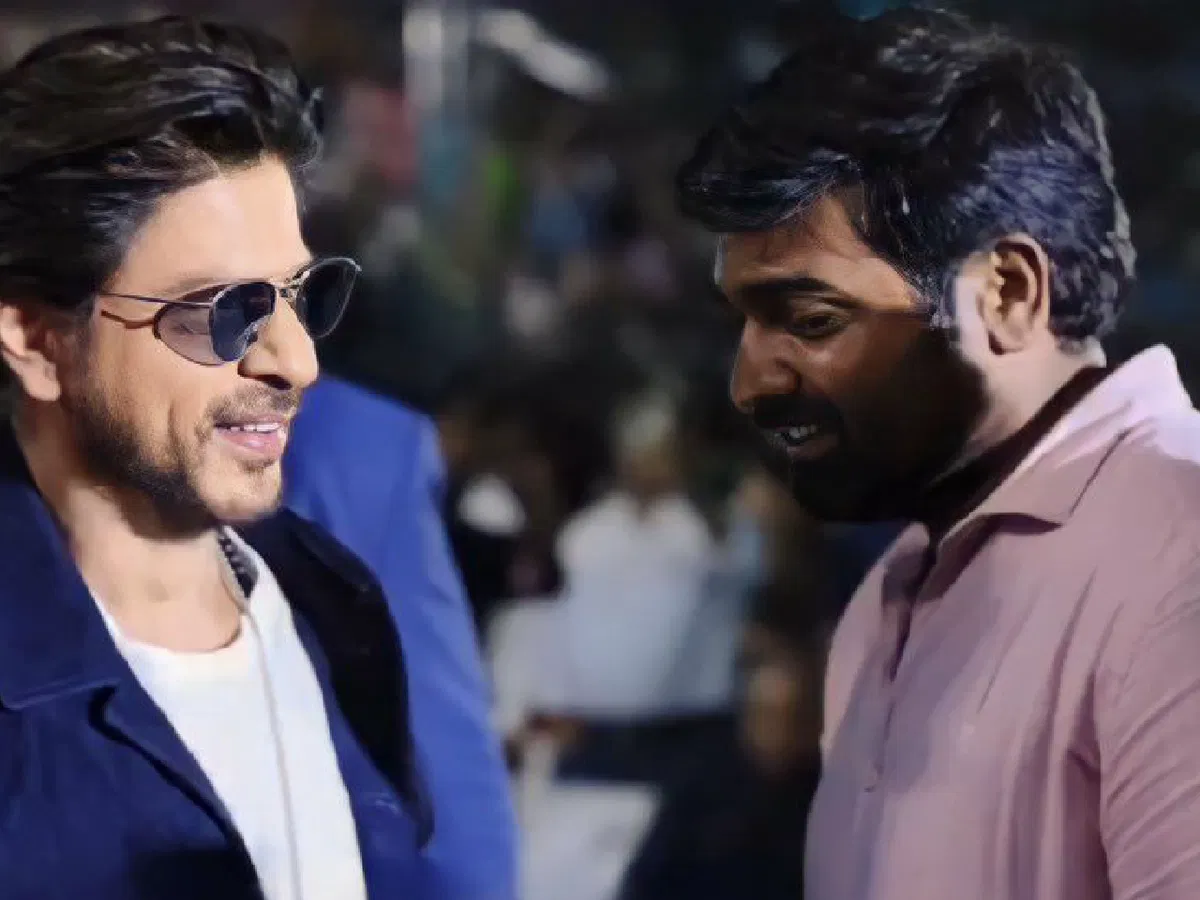
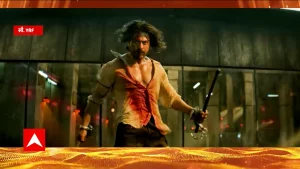
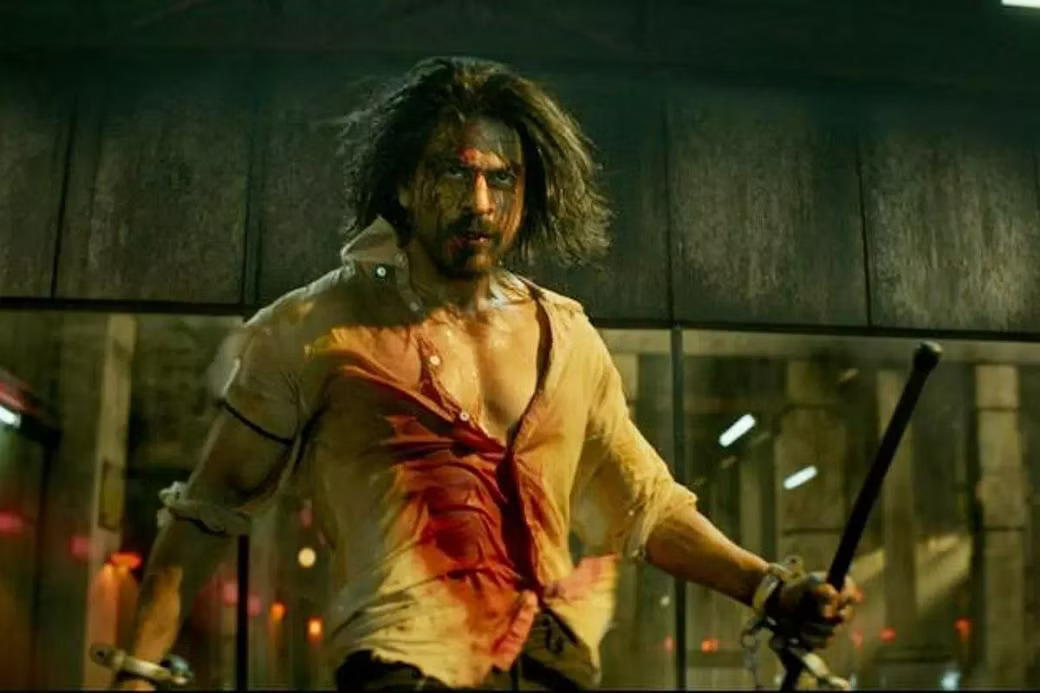
By Jagdish Rattanani Shah Rukh Khan, also known as King Khan or SRK, is raking it in at the box office with ‘Jawan’. The movie opened last week and reportedly netted over Rs.350 crore by the weekend, said to be the biggest opening ever on record for a Bollywood movie. A career that some thought was in decline is back with a big bang. The SRK magic works this time with co-star Nayanthara, noted for her work across the southern Indian states, and Tamil cinema stars like Vijay Sethupati and the director Atlee Kumar, combining talent across the North and South into a package that appears to have been lapped up by the national audience. The producer company, Red Chillies Entertainment, describes the 2¾-hour-long movie in these words: “A high-octane action thriller which outlines the emotional journey of a man who is set to rectify the wrongs in society.”

Needless to say, a lot of it is typical Bollywood hyperbole. But the “wrongs in society” it highlights are very real, making ‘Jawan’ a bold venture with distinct political overtones that many would see as high risk in this particular political atmosphere, further heated by the upcoming elections. That the movie highlights the death of patients due to a lack of oxygen cylinders in a public hospital, the farmer suicides, bad deals for substandard equipment that fail our soldiers, the factories that pollute our water and air, or protection of select businessmen wheeler-dealers, is as real or as specific as it can get today.
In that, the movie goes beyond the general tirade against the ills of society, pictured usually in stereotypes of the rogue middleman, the corrupt politician, or the woes of everyday people as they struggle to get their due. ‘Jawan’ still has a lot of common nouns, of course, but proper nouns are in the air. In that sense, SRK and team have unhesitatingly opened real issues meshed within unreal drama, using escapist masala to serve burning political questions that many can see, many more can sense but few from Bollywood will dare ask in today’s political climate.
Puts people on notice
It used to be the theory long ago that Bollywood works because vacuous song-and-dance was the one release from the misery of everyday living for millions. This changed over the decades, from the early romance stories and the rich-poor commentary to the angry-young-man, bolder romances, and then post-liberalisation with the arrival of low-cost productions that experimented with new themes. The changing times brought more modern-day issues to the big screen, like live-in relationships, LGBTQ+ rights and alliances, caste conflicts, “encounter” killings, the rural-urban divide, autism, loneliness, mental health. Many of the films over the years have had political messages and, in that sense, Bollywood was always political but in an indirect sort of way. It played mostly in safe territory – not many looked the establishment in the eye and spoke up with gusto.
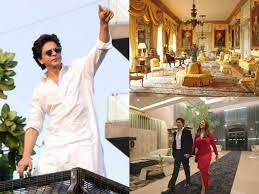
This is a place known after all for song and dance, where the watchwords are entertainment and glamour. The industry prefers a winning formula to creative exploration, particularly in big-budget films populated by rocking stars with fancy fees. Will that change from hereon with the success of ‘Jawan’? We have on offer a new path for Bollywood, a path that can use its huge and unrivalled soft power to drive home some significant messages of the kind and in a way it has rarely attempted in a big-budget extravaganza. In that sense, the movie puts everyone on notice and opens new imaginations and possibilities of what Bollywood can do when it wades into hot political spaces.
Clear political messaging
One highlight of the movie is a speech that shows SRK asking citizens to pick who they will vote for after raising the right question: What will you, dear candidate, do for us, in the next five years? If someone in the family takes ill, what will you do for their treatment? What will you do to get me a job?
The message is to demand performance and delivery of service in areas of health, education, jobs, and not fall for distraction in the name of religion, race or caste. But these are exactly the questions and issues that are not in focus in the India of today, and posing them in a successful masala format gets them further to the masses than any medium possibly can. The delivery comes against a backdrop of electronic voting machines, framing the messages in the very live context of the 2024 elections.
None of this is a sophisticated delivery, or a critical examination of the complex political issues of our times. It is a baseline delivery but its significance is that it was delivered, and its success is in its wide reach, its slick package and its big questions. In that, it quite ironically matches the unsophisticated approach of those who have twisted the national agenda, changed the political discourse and now those who have come out with desperate calls to boycott the movie by drawing all kinds of connections – from the current controversy over remarks on Sanatana Dharma to Shah Rukh Khan’s recent visit to the Tirupati temple.
Expanded the space
The Hindi film industry is one place where the key currency is the quality of work and acceptance by the audience, never mind all that has been said in the name of the late Sushant Singh Rajput. Hindus, Muslims and all other faiths work here hard, and hand-in-hand, to take audiences into a dream world. It’s an efficient business machine that challenges you to prove yourself every day, however well you are connected.
The trick to making money and enjoying the ride is to challenge yourself, not challenge the political establishment. SRK’s ‘Jawan’ has just expanded that space to speak up. The effort deserves to be protected and nurtured and allowed to grow. The success of the movie is therefore good news, but it remains to be seen what will follow and how Bollywood can or will embrace this new road.
(The writer is a journalist and faculty member at SPJIMR, Mumbai. Views are personal. By special arrangement with The Billion Press) Read more at: https://www.southasiamonitor.org/medley/king-khan-opens-bold-new-space-bollywood








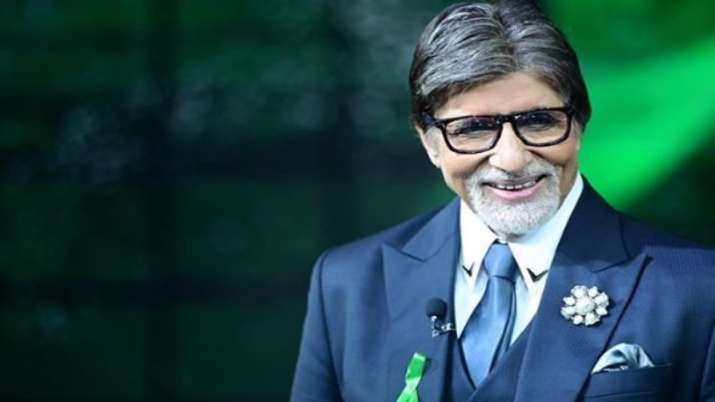 Stating that he had been fortunate to work with the Shahenshah of Bollywood in two films, Mohanlal said that the honor of sharing screen space with Amitabh is one of the highlights of his career.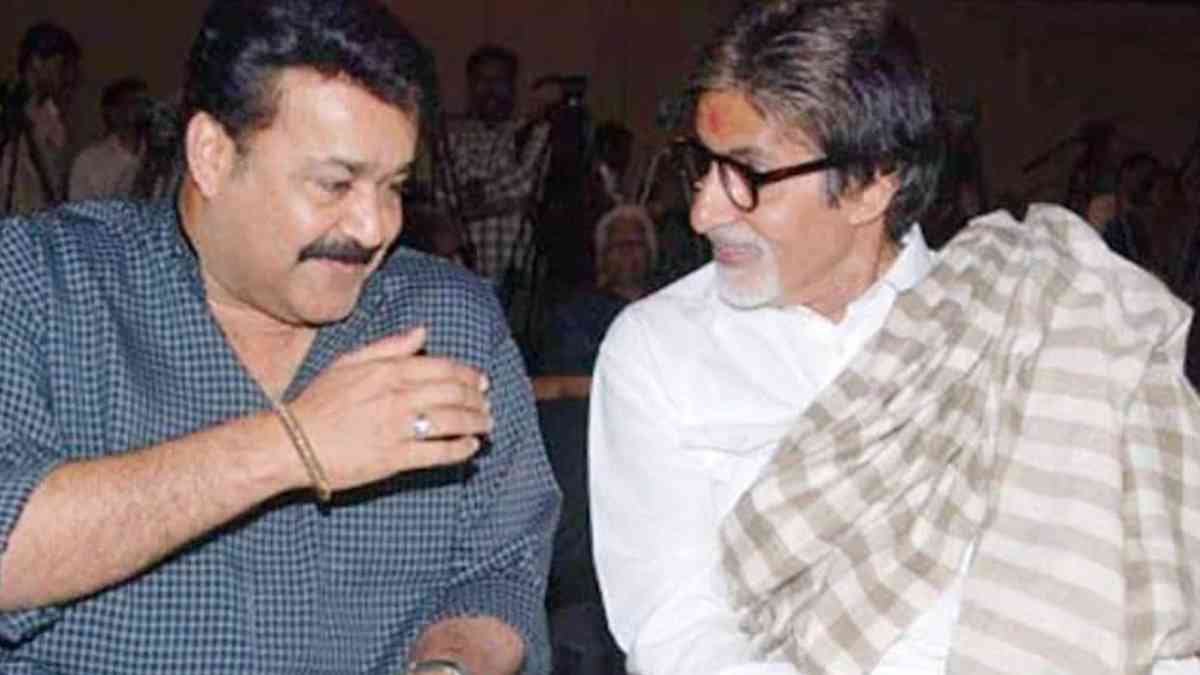
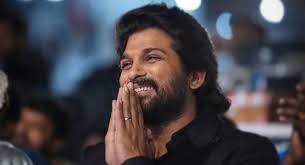 According to reports, Super Star Allu Arjun will be the Grand Marshall of the India Day Parade in New York City on August 21. Allu Arjun, the Grand Marshal, will lead the parade along with NYC Mayor Eric Adams and a host of other celebrities and distinguished participants.
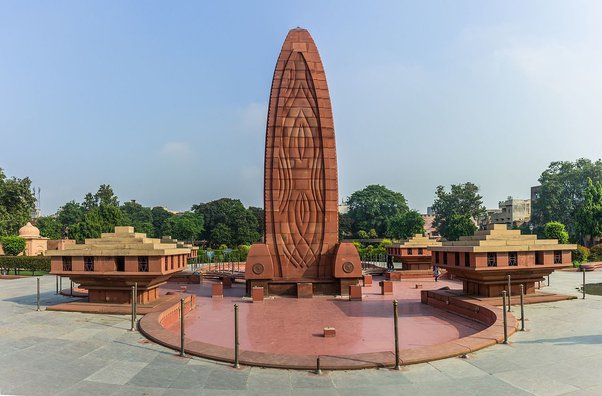 He said that from Chitrahar to Samachar, the programs of DD used to have quality. The minister added, “We will ensure that it is further enhanced in the coming years.” He appreciated the efforts of the research and advisory team of ‘Swaraj’ for continuing their work despite the COVID-19 pandemic. He also emphasised that the telecast of Swaraj in 10 languages will amplify its accessibility for all. The minister congratulated the whole team of Doordarshan and All India Radio on the successful launch. Secretary, Ministry of I&B, Apurva Chandra, who also attended the launch event said, “On the occasion of Azadi ka Amrit Mahotsav, it is a matter of great joy that through the serial youth will come to know about the contribution of people who made sacrifices in the freedom struggle.” He also said that Prasar Bharati is fulfilling its mandate of wholesome entertainment through such high-quality serials for its viewers. Member, Swaraj Advisory Committee, Jawahar Lal Kaul in his address stressed the point that unsung and lesser-known heroes of India’s freedom struggle from all the regions must be remembered for their supreme sacrifice for Swaraj. He said that the deep research and study by the Swaraj Advisory Committee enriched the content for the production of the serial.
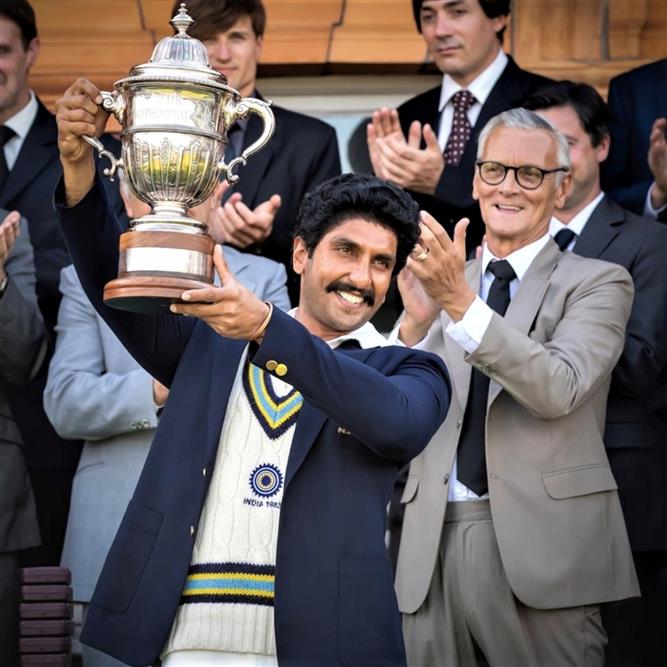 While expressing his emotions about being part of one of the world’s leading and biggest Indian film festivals, the legendary cricket star told the news agency, ANI, “I look forward to being part of IFFM 2022. It’s a great platform for celebrating the best in Indian cinema. I truly do believe that sports and cinema are two major cultural experiences for not only Indians but various communities and countries that bind us together.”
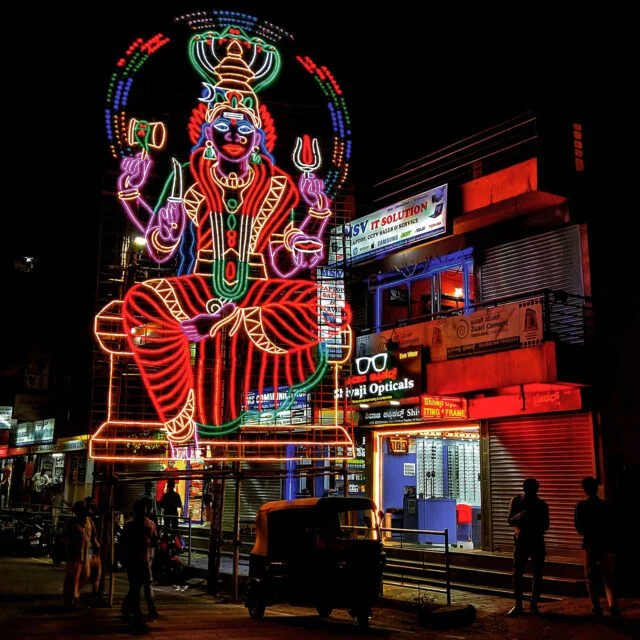 Manimekalai calls “Kaali” a “performance documentary” — a personal and poetic meditation on the female divine. In a six-minute excerpt shown at a multimedia exhibition in Toronto last week, Mother Kali, Hinduism’s powerful goddess of death and the end of time, wanders through a pride festival in Toronto at night. She observes groups of people out on the town, takes a subway ride, stops in a bar. People take selfies with her. In the last frame, she is on a park bench where a man gives her a cigarette. The poster for the film shows the goddess smoking a cigarette and holding a pride flag.
  The side stories revolving around the main story of intense fights and gun shots, first the Ayushmaan’s character then his girlfriend’s journey, and her father’s ideology; also the Tiger Sangha, the Johnson group & local people, the Indian Government etc. From starting to end movie tries to focus on multiple aspects which actually resulted in undercooked fun. First of all, you lose the lead where the story wants to focus, the lead character is missing in half of the film, romance is on low profile and undeveloped, and many of the characters like J.D.Chakravarty’s had nothing to do with it. This movie is quite confusing but well-written dialogues and brings a good concept of Northeast Indian people and how and why they become rebellious where the Indian Government is responsible for not treating North Eastern Indian people equally.
 Announcing the same, HCA’s official social media handle posted, “And the winner of the HCA Midseason Award for Best Picture goes to…Everything Everywhere All At Once. Runner up: RRR.”
 Following the screening, Saks hosted a VIP reception with cast members and special guests at Le Chalet at L’Avenue at Saks. The space was decadently themed to the year 1818, including an outdoor terrace where guests could play a game of croquet and have their watercolor portrait done by a live illustrator. The event was part of Saks’ larger partnership with Bleecker Street to celebrate the premiere of Mr. Malcolm’s List, including digital marketing, a product array inspired by the film on
 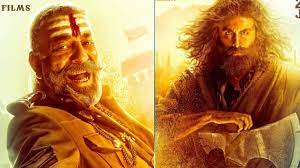 Karan adds, “When Ekta Pathak Malhotra and I wrote the character of Shuddh Singh, the idea was for him to be a megalomaniac and how do we represent this trait of his, I thought that a name like Shuddh Singh would really hit the bulls eye with that. He is a man who is impure in character, ruthless and he’s a quirky demon which is phenomenal because he’s very entertaining. When you look at Shuddh Singh on screen, you should be unnerved. You should feel he is unpredictable!”
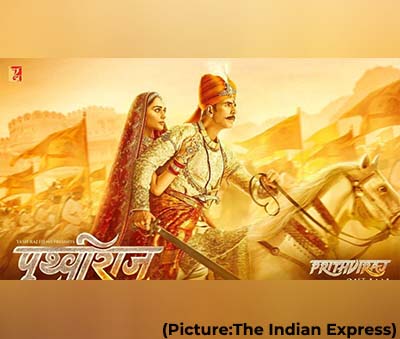 What Chandraprakash Dwivedi has done is to soup up the legend so that it is in synch with the dominant national mood: Prithviraj is representative of a Bharat when it was pristine, pure, unpolluted. How did a director who has also made the astonishingly subversive ‘Mohalla Assi’ achieve this switcheroo? (Dwivedi has been on record to say that this is his passion project, and he has been trying to get it off the ground for a decade and more). Or is it just a question of being expedient?
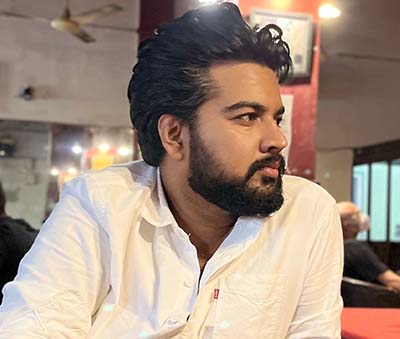 Director’s Statement: “The impetus for making a film like GUDIYA originated from a question I asked a middle-aged man in Kolkata’s famous Red-Light District, Sonagachhi: ‘Why do you prefer girls under 14?’ To which he replied, ‘Because they are easy to dominate.
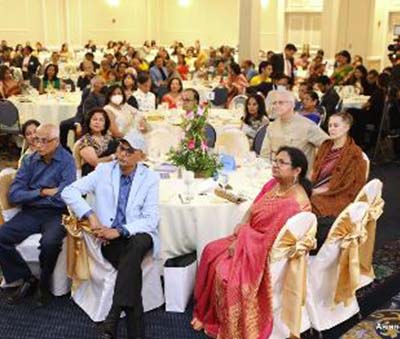 What made this year’s fundraising event exceedingly more memorable, was the attendance of famed Member of Indian Parliament and esteemed Bollywood actress, Hema Malini. She began her career as a bharatanatyam dancer. Hema Malini was able to land her first film role as a dancer in 1963 and starred in over 200 movies throughout her career.
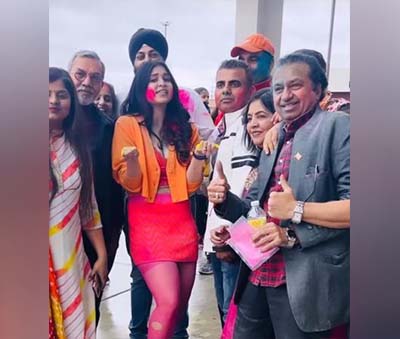
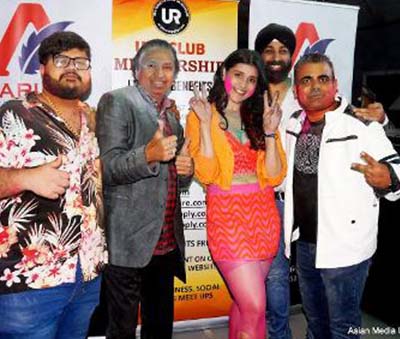 The main highlight of the event came when participants picked up colored powder and chased each other, tossing colors into the air and covering friends and strangers alike. They joy and excitement filled the air and created a memorable experience for all.
 The Aarush Entertainment company offers event planning & management services that also includes wedding designing, planning, management & consultancy, adopting a comprehensive approach & professional management information system to plan and produce a world class event experience each & every time all over the world. The highly skilled team of professionals at Aarush Entertainment strives hard to accomplish the highest standard of quality, effectiveness & novelty with due importance to the budgetary considerations.
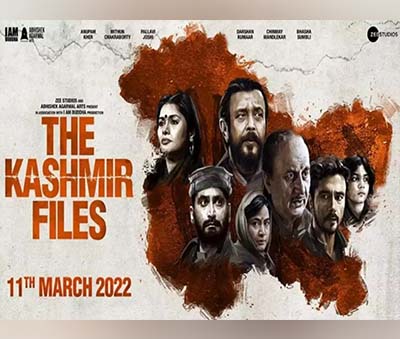 According to the Census from 1889 to 1941, Kashmiri Pandits, or Kashmiri Hindus, constituted between 4% and 6% of the population of the Kashmir valley. The rest of the population was Kashmiri Muslim. History says that by early 1990, the vast majority of Kashmiri Hindus fled the valley. “According to an estimate, approximately 100,000 of an estimated Kashmiri Pandit population of 140,000 left in the span of a few weeks in February–March 1990 alone”. Hindu-Muslim polarization in India over the years, in turn fueling the Hindu-Muslim chasm in the Valley. The issue of the Kashmiri Pandits return are an important side of the Kashmir File story.
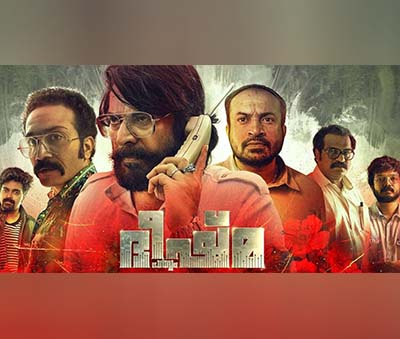 Just because Superstars like Mammootty or Mohanlal is in the leading role, there is a notion that the movie will be successful. Still, recently we have been proving wrong with the prevailing ideas. So I would like to highlight the solid negative side of the plot of the so-called Big Movie. It is not against Mammootty or other stars, who all did well in their roles. Let it be exposed that the story of this movie has its evil hidden agenda.
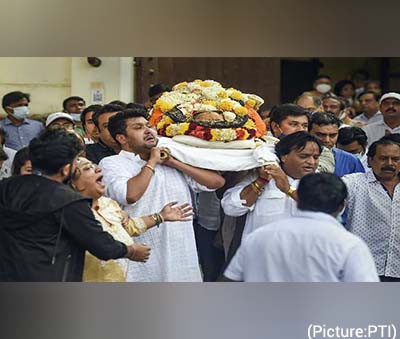 He arrived’ on the musical scene in a crescendo with ‘Zakhmee’ (1975) for which he composed music and also sang, pushing him to upper echelons at a very young age of barely 22.
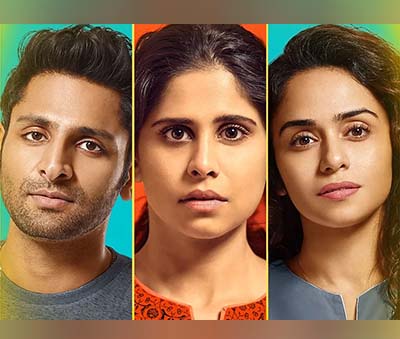 “I love the way he narrates his stories and the treatment Sachin gives and weaves his characters. The process of this film is something that has changed me in and out and for the better . It’s a film made on an Iphone (smartphone) with a crew of 15 people and an actor without (hair, makeup, assistant, chauffeur) any kind of assistance: truly a liberating experience!,” she shares.
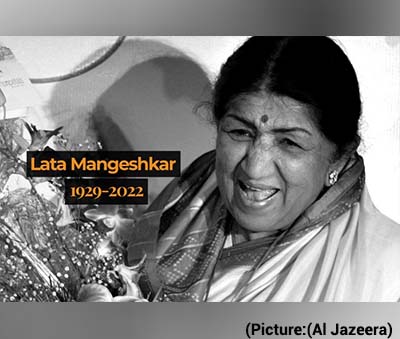 Mangeshkar, or Lata Didi, as she was fondly called, came from a household that worshipped music. Her father Dinanath Mangeshkar was a towering personality in Marathi theatre. He acted, produced and sang songs in plays that would change the face of Marathi theatre. He was one of the foremost exponents of Natya Sangeet and an accomplished Hindustani classical singer. His mother Yesubai, an accomplished singer from the devadasi community, was one of Portuguese India’s (now Goa) most famous temple singers and dancers.
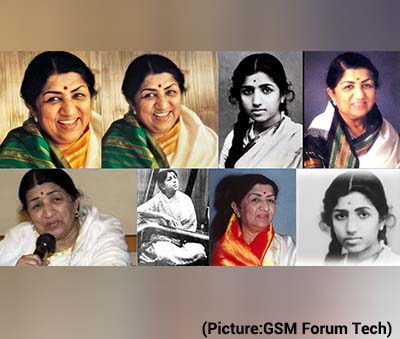 Nargis: Raj Kapoor’s oeuvre had certain constants — himself as the star, Nargis as the heroine, Shankar-Jaikishan for music, Hasrat Jaipuri-Shailendra for the lyrics, and Mukesh and Lata as the voices. But Lata’s contribution to Nargis outspanned the RK banner. “Dil Ke Girah Khol Do, Chup Na Baitho, Koi Geet Gao” with the heroine, paired with the young and debonair Feroz Khan, in a challenging role in a film dealing with mental issues, is one worth listening
 The 6-month acting course is designed such that students inculcate a sense of confidence and effortlessly act in front of the camera, get a good command over spoken language with a flawless dialogue delivery; master facial expressions, develop good body language and flexibility; develop the essential skills of observation, imagination, sense and emotion memories; ability to improvise; master movement with special focus on dancing abilities to improvise; and the fundamentals of action choreography.
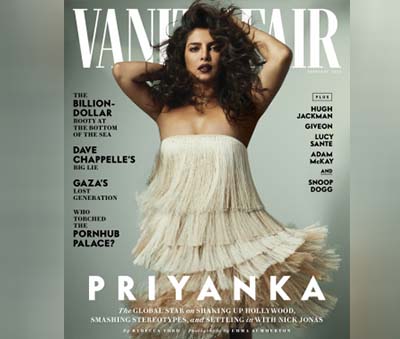 The magazine, previously edited by celebrity journalists such as Tina Brown and Graydon Carter (who’s played by Jeff Bridges in the film ‘How to Lose Friends and Alienate People’), is now helmed by Radhika Jones, an Indian American.
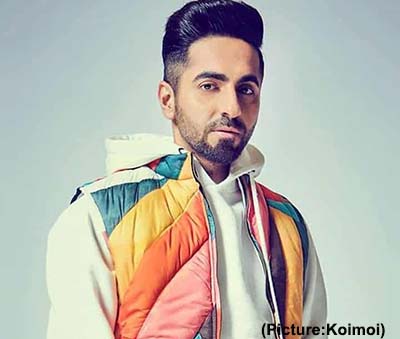 He thanks his audience for accepting his stories with open arms, “I am thankful to people for being open-minded to see films about a gay couple on screen in ‘Shubh Mangal Zyada Saavdhan’ and also about a cis-het man and a trans-woman’s love story in ‘Chandigarh Kare Aashiqui’”.
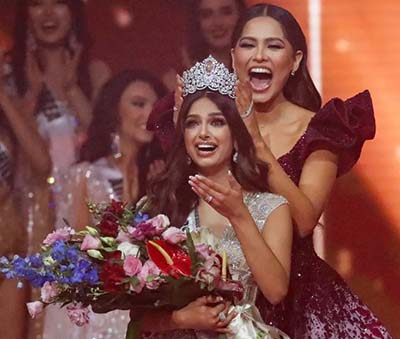 In a glittery show held in Eilat overnight for a live prime time broadcast in the US, Miss India took a jaunt around the stage as directed by host Steve Harvey after he announced she had won the
 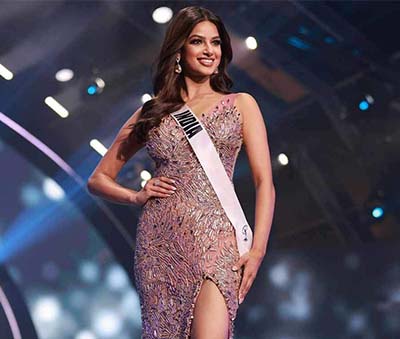 The final question – “What advice would you give to young women watching on how to deal with the pressures they face today?” – was asked to each of the last three women standing. While one contestant was answering, the other two wore soundproof earphones so as not to be affected by their competitors’ answers.
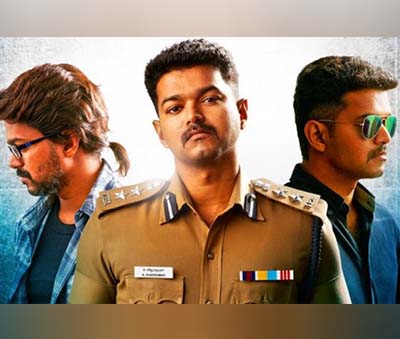 Joseph Vijay Chandrasekhar was born on June 22, 1974, to film producer and director S. A. Chandrasekhar and Shoba Chandrasekhar, a playback singer. He had a sister named Vidhya Chandrasekhar who died at the age of two. The story of Vidhya Chandrasekhar was pictured in the film, Sukran. Vijay went on to do Visual Communications at Loyola College, Chennai & was classmates with fellow actor Surya Sivakumar, Yuvan Shankar Raja, Karthik Raja, and Vishnuvardhan.
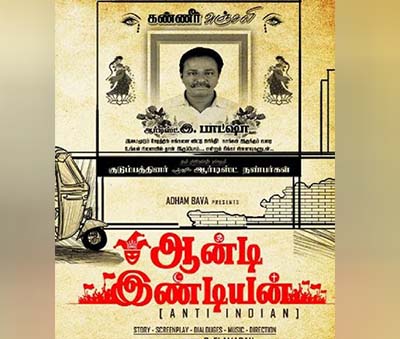 The film starts off with a murder taking place in a constituency that is gearing up for a by-election. The murdered man is identified as Basha (Blue Sattai Maran) and we are told that while Basha’s late father is Ibrahim, his mother Saroja (Vijaya Mami) is a Hindu.