The nominations for the 69th SOBHA Filmfare Awards South 2024 were unveiled on Tuesday, encompassing talents from Telugu, Tamil, Kannada, and Malayalam cinema. Among the nominees are prominent figures such as Chiranjeevi, Aishwarya Rai Bachchan, Nani, Mrunal Thakur, and others, alongside acclaimed films like “Salaar Part 1: Ceasefire,” “Ponniyin Selvan—Part 2,” “Kaathal—The Core,” and “Sapta Sagaradaache Ello—Side A and B.”
Malavika Mohanan, who revealed the awards’ trophy at an event in Bengaluru alongside Rukmini Vasanth, expressed her excitement: “I am thrilled to be part of the 69th SOBHA Filmfare Awards South 2024 with Kamar Film Factory. It’s an absolute honour to celebrate the incredible talent and hard work of our industry. I look forward to a special night, filled with magic, glamour, and well-deserved recognition.”
Rukmini Vasanth emphasized the significance of the Filmfare Awards in recognizing South Indian cinema: “Filmfare Awards not only celebrates the exceptional talent and hard work within our South Indian cinema industry but also highlights the rich and diverse stories that we bring to life on the big screen. It is an honour to stand alongside such brilliant artists and be recognized for our collective contributions to the world of cinema.”
The full list of nominations includes a diverse array of categories spanning acting, directing, and technical achievements across the four regional film industries. This annual event is anticipated not only for its recognition of outstanding performances but also for its celebration of the cultural richness and artistic diversity inherent in South Indian cinema.
Telugu
BEST FILM
BABY
BALAGAM
DASARA
HI NANNA
MISS SHETTY, MR. POLISHETTY
SAMAJAVARAGAMANA
SALAAR: PART 1- CEASEFIRE
BEST DIRECTOR
ANIL RAVIPUDI (BHAGAVANTH KESARI)
KARTHIK DANDU (VIRUPAKSHA)
PRASHANTH NEEL (SALAAR: PART 1- CEASEFIRE)
SAI RAJESH (BABY)
SHOURYUV (HI NANNA)
SRIKANTH ODELA (DASARA)
VENU YELDANDI (BALAGAM)
BEST ACTOR IN A LEADING ROLE (MALE)
ANAND DEVERAKONDA (BABY)
BALAKRISHNA (BHAGAVANTH KESARI)
CHIRANJEEVI (WALTAIR VEERAYYA)
DHANUSH (SIR)
NANI (DASARA)
NANI (HI NANNA)
NAVEEN POLISHETTY (MISS SHETTY, MR. POLISHETTY)
PRAKASH RAJ (RANGA MAARTHAANDA)
BEST ACTOR IN A LEADING ROLE (FEMALE)
ANUSHKA SHETTY (MISS SHETTY, MR. POLISHETTY)
KEERTHY SURESH (DASARA)
MRUNAL THAKUR (HI NANNA)
SAMANTHA (SHAAKUNTALAM)
VAISHNAVI CHAITANYA (BABY)
BEST ACTOR IN A SUPPORTING ROLE (MALE)
BRAHMANANDAM (RANGA MAARTHAANDA)
DHEEKSHITH SHETTY (DASARA)
KOTA JAYARAM (BALGAM)
NARESH (SAMAJAVARAGAMANA)
RAVI TEJA (WALTAIR VEERAYYA)
VISHNU OI (KEEDAA COLA)
BEST ACTOR IN A SUPPORTING ROLE (FEMALE)
RAMYA KRISHNAN (RANGA MAARTHAANDA)
ROHINI MOLLETI (WRITER PADMABHUSHAN)
RUPA LAKSHMI (BALAGAM)
SHYAMALA (VIRUPAKSHA)
SREELELA (BHAGAVANTH KESARI)
SRIYA REDDY (SALAAR: PART 1- CEASEFIRE)
SWATHI REDDY (MONTH OF MADHU)
BEST MUSIC ALBUM
BABY (VIJAY BULGANIN )
BALAGAM (BHEEMS CECIROLEO)
DASARA (SANTHOSH NARAYANAN)
HI NANNA (HESHAM ABDUL WAHAB)
KUSHI (HESHAM ABDUL WAHAB)
WALTAIR VEERAYYA (DEVI SRI PRASAD)
BEST LYRICS
ANANTHA SRIRAM (GAJJU BOMMA- HI NANNA)
ANANTHA SRIRAM (O RENDU PREMA MEGHAALILA- BABY)
KASARLA SHYAM (CHAMKEELA ANGEELES)
KASARLA SHYAM (OORU PALLETOORU- BALAGAM)
- RAGHU ‘RELARE RELA’ (LINGI LINGI LINGIDI- KOTABOMMALI P.S)
BEST PLAYBACK SINGER (MALE)
ANURAG KULKARNI (SAMAYAMA – HI NANNA)
HESHAM ABDUL WAHAB (KUSHI TITLE SONG- KUSHI)
PVNS ROHIT (PREMISTHUNNA- BABY)
RAM MIRIYALA (POTTI PILLA – BALAGAM)
SID SRIRAM (ARADHYA- KUSHI)
SREERAMA CHANDRA (O RENDU PREMA MEGHAALILA- BABY)
BEST PLAYBACK SINGER (FEMALE)
CHINMAYI SRIPADA (ARADHYA- KUSHI)
CHINMAYI SRIPADA (ODIYAMMA- HI PAPA)
DHEE (CHAMKEELA ANGEELESI- DASARA)
MANGLI (OORU PALLETURU – BALAGAM)
SHAKTHISREE GOPALAN (AMMAADI- HI NANNA)
SHWETA MOHAN (MASTAARU MASTAARU – SIR)
Tamil
BEST FILM
AYOTHI
CHITHHA
MAAMANNAN
PONNIYIN SELVAN PART- 2
VIDUTHALAI PART- 1
BEST DIRECTOR
MADONNE ASHWIN (MAAVEERAN)
MANI RATNAM (PONNIYIN SELVAN- PART 2)
MARI SELVARAJ (MAAMANNAN)
S U ARUN KUMAR (CHITHHA)
VETRI MAARAN (VIDUTHALAI PART- 1)
BEST ACTOR IN A LEADING ROLE (MALE)
SIDDHARTH (CHITHHA)
SIVAKARTHIKEYAN (MAAVEERAN)
SOORI (VIDUTHALAI PART- 1)
VADIVELU (MAAMANNAN)
VIKRAM (PONNIYIN SELVAN- PART 2)
BEST ACTOR IN A LEADING ROLE (FEMALE)
AISHWARYA RAI BACHCHAN (PONNIYIN SELVAN- PART 2)
AISHWARYA RAJESH (FARHANA)
APARNA DAS (DADA)
BHAVANI SRI (VIDUTHALAI PART- 1)
NIMISHA SAJAYAN (CHITHHA)
SHRADDHA SRINATH (IRUGAPATRU)
TRISHA (PONNIYIN SELVAN- PART 2)
BEST ACTOR IN A SUPPORTING ROLE (MALE)
FAHADH FAASIL (MAAMANNAN)
MS BHASKAR (PARKING)
S.J.SURYAH (MARK ANTONY)
VINAYAKAN (JAILER)
YOGI BABU (MAAVEERAN)
BEST ACTOR IN A SUPPORTING ROLE (FEMALE)
ANJALI NAIR (CHITHHA)
RAICHAL RABECCA (GOOD NIGHT)
RAMA (PARKING)
SARITHA (MAAVEERAN)
SUBHADRA (BOMMAI NAYAGI)
BEST MUSIC ALBUM
CHITHHA (DHIBU NEENAN THOMAS)
JAILER (ANIRUDH RAVICHANDER)
LEO (ANIRUDH RAVICHANDER)
PONNIYIN SELVAN- PART 2 (A. R. RAHMAN)
VAATHI (GV PRAKASH KUMAR)
VIDUTHALAI PART- 1 (ILAIYARAAJA)
BEST LYRICS
ILANGO KRISHNAN (AGA NAGA- PONNIYIN SELVAN- PART 2)
ILANGO KRISHNAN (VEERA RAJA VEERA- PONNIYIN SELVAN- PART 2)
KRITHIKA NELSON (ORU VEZHAM- NITHAM ORU VAANAM)
KU KARTHIK (NIRA- TAKKAR)
SUKA (ONNODA NADANDHAA- VIDUTHALAI PART 1)
BEST PLAYBACK SINGER (MALE)
ANIRUDH RAVICHANDER (BADASS- LEO)
ANIRUDH RAVICHANDER (HUKUM- JAILER)
HARICHARAN (CHINNANJIRU NILAVE- PONNIYIN SELVAN- PART 2)
SEAN ROLDAN (NAAN GAALI- GOOD NIGHT)
SID SRIRAM AND GAUTHAM VASUDEV MENON (NIRA- TAKKAR)
VIJAY YESUDAS (NENJAME NENJAME- MAAMANNAN)
BEST PLAYBACK SINGER (FEMALE)
K.S.CHITHRA AND HARINI (VEERA RAJA VEERA- PONNIYIN SELVAN PART 2)
KARTHIKA VAIDYANATHAN (KANGAL EDHO- CHITHHA)
SHAKTHISREE GOPALAN (AGA NAGA- PONNIYIN SELVAN- PART 2)
SHAKTHISREE GOPALAN (NENJAME NENJAME- MAAMANNAN)
SHILPA RAO (KAAVAALAA- JAILER)
Kannada
BEST MOVIE
19.20.21
DAREDEVIL MUSTHAFA
KAATERA
KOUSALYA SUPRAJA RAMA
SAPTA SAGARADAACHE ELLO
SWATHI MUTTHINA MALE HANIYE
BEST DIRECTOR
HEMANTH M RAO (SAPTA SAGARADAACHE ELLO)
MANSORE (19.20.21)
NITHIN KRISHNAMURTHY (HOSTEL HUDUGARU BEKAGIDDARE)
RAJ B. SHETTY (SWATHI MUTTHINA MALE HANIYE)
SHASHANK SOGHAL (DAREDEVIL MUSTHAFA)
THARUN SUDHIR (KAATERA)
BEST ACTOR IN A LEADING ROLE (MALE)
DARSHAN (KAATERA)
NAGABHUSHANA (TAGARU PALYA)
RAJ B. SHETTY (SWATHI MUTTHINA MALE HANIYE)
RAKSHIT SHETTY (SAPTA SAGARADAACHE ELLO)
SHISHIR BAIKADY (DAREDEVIL MUSTHAFA)
SHIVARAJKUMAR (GHOST)
BEST ACTOR IN A LEADING ROLE (FEMALE)
AKSHATHA PANDAVAPURA (PINKI ELLI)
AMRUTHA PREM (TAGARU PALYA)
MILANA NAGARAJ (KOUSALYA SUPRAJA RAMA)
RUKMINI VASANTH (SAPTA SAGARADAACHE ELLO)
SINDHU SRINIVASAMURTHY (AACHAR & CO.)
SIRI RAVIKUMAR (SWATHI MUTTHINA MALE HANIYE)
BEST ACTOR IN A SUPPORTING ROLE (MALE)
NAGABHUSHANA (KOUSALYA SUPRAJA RAMA)
POORNACHANDRA (DAREDEVIL MUSTHAFA)
RAJESH NATARANGA (19.20.21)
RAMESH INDIRA (SAPTA SAGARADAACHE ELLO)
RANGAYANA RAGHU (TAGARU PALYA)
BEST ACTOR IN A SUPPORTING ROLE (FEMALE)
GUNJALAMMA (PINKI ELLI)
- D. PALLAVI (19.20.21)
SHRUTHI (KAATERA)
SUDHA BELAWADI (KOUSALYA SUPRAJA RAMA)
TARA (TAGARU PALYA)
BEST MUSIC ALBUM
KAATERA (V. HARIKRISHNA)
KOUSALYA SUPRAJA RAMA (ARJUN JANYA)
SAPTA SAGARADAACHE ELLO (CHARAN RAJ)
SWATHI MUTTHINA MALE HANIYE (MIDHUN MUKUNDAN)
TAGARU PALYA (VASUKI VAIBHAV)
BEST LYRICS
- LAKSHMAN RAO (YAVA CHUMBAKA- CHOWKA BARA)
DAALI DHANANJAYA (SAMBANJA ANNODU DODDU KANA- TAGARU PALYA)
DHANANJAY RANJAN (NADHIYE OO NADHIYE- SAPTA SAGARADAACHE ELLO SIDE A)
JAYANTH KAIKINI (PREETHISUVE- KOUSALYA SUPRAJA RAMA)
PRUTHVI (MELLAGE- SWATHI MUTTHINA MALE HANIYE)
BEST PLAYBACK SINGER (MALE)
KAPIL KAPILAN (NADHIYE O NADHIYE- SAPTA SAGARADAACHE ELLO SIDE A)
RAVINDRA SORAGAVI (NODALAGADE DEVA- VIRATAPURA VIRAAGI)
SONU NIGAM (BOMBE BOMBE- KRANTI)
VASUKI VAIBHAV (NONDKOBYAADVE-TAGARU PALYA)
VIJAY PRAKASH (PUNYATHMA- KAATERA)
BEST PLAYBACK SINGER (FEMALE)
MADHURI SESHADRI (MELLAGE- SWATHI MUTTHINA MALE HANIYE)
MANGLI (PASANDAAGAVNE- KAATERA)
PRITHWI BHAT (PREETHISUVE- KOUSALYA SUPRAJA RAMA)
SANGEETHA KATTI (KAAYO SHIVA KAPAADO SHIVA- PENTAGON)
SRILAKSHMI BELMANNU (KADALANU KAANA HORATIRO- SAPTA SAGARADAACHE ELLO SIDE A)
Malayalam
BEST FILM
2018
IRATTA
KAATHAL-THE CORE
NANPAKAL NERATHU MAYAKKAM
NERU
PACHUVUM ATHBUTHA VILAKKUM
ROMANCHAM
BEST DIRECTOR
JEETHU JOSEPH (NERU)
JEO BABY (KAATHAL-THE CORE)
JITHU MADHAVAN (ROMANCHAM)
JUDE ANTHANY JOSEPH (2018)
KRISHAND (PURUSHA PRETHAM)
LIJO JOSE PELLISSERY (NANPAKAL NERATHU MAYAKKAM)
ROHIT MG KRISHNAN (IRATTA)
BEST ACTOR IN A LEADING ROLE (MALE)
BIJU MENON (THANKAM)
JOJU GEORGE (IRATTA)
MAMMOOTTY (KAATHAL- THE CORE)
MAMMOOTTY (NANPAKAL NERATHU MAYAKKAM)
NIVIN PAULY (THURAMUKHAM)
PRASANTH ALEXANDER (PURUSHA PRETHAM)
TOVINO THOMAS (2018)
BEST ACTOR IN A LEADING ROLE (FEMALE)
ANJANA JAYAPRAKASH (PACHUVUM ATHBUTHA VILAKKUM)
JYOTHIKA (KAATHAL- THE CORE)
KALYANI PRIYADARSHAN (SESHAM MIKE-IL FATHIMA)
LENA (ARTICLE 21)
MANJU WARRIER (AYISHA)
NAVYA NAIR (JANAKI JAANE)
VINCY ALOSHIOUS (REKHA)
BEST ACTOR IN A SUPPORTING ROLE (MALE)
ARJUN ASHOKAN (ROMANCHAM)
BIJU MENON (GARUDAN)
JAGDISH (FALIMY)
JAGDISH (PURUSHA PRETHAM)
SIDDIQUE (CORONA PAPERS)
VINEETH SREENIVASAN (THANKAM)
VISHNU AGASTHYA (RDX)
BEST ACTOR IN A SUPPORTING ROLE (FEMALE)
ANASWARA RAJAN (NERU)
ANASWARA RAJAN (PRANAYA VILASAM)
ASHWATHY (B 32 MUTHAL 44 VARE)
DARSHANA RAJENDRAN (PURUSHA PRETHAM)
MANJU PILLAI (FALIMY)
POORNIMA INDRAJITH (THURAMUKHAM)
BEST MUSIC ALBUM
AYISHA (M JAYACHANDRAN)
JAWANUM MULLAPOOVUM (4 MUSICS)
MADHURA MANOHARA MOHAM (HESHAM ABDUL WAHAB)
MEHFIL (DEEPANKURAN)
PACHUVUM ATHBUTHA VILAKKUM (JUSTIN PRABHAKARAN)
RDX (SAM C S)
SANTHOSHAM (P S JAYHARI)
BEST LYRICS
ANWAR ALI (ENNUM EN KAAVAL- KAATHAL- THE CORE)
B K HARINARAYANAN (AYISHA AYISHA- AYISHA)
B K HARINARAYANAN (MUTTATHE MULLATHAI- JAWANUM MULLAPOOVUM)
MANU MANJITH (NIN KOODE NJAN ILLAYO- PACHUVUM ATHBUTHA VILAKKUM)
MUHSIN PARARI (PUTHUTHAYORITHU- IRATTA)
VINAYAK SASIKUMAR (JANUVARIYILE THEN- SANTHOSHAM)
BEST PLAYBACK SINGER (MALE)
ARVIND VENUGOPAL (ORU NOKKIL- MADHURA MANOHARA MOHAM)
K S HARISHANKER (JANUVARIYILE THEN MAZHA- SANTHOSHAM)
KAPIL KAPILAN (NEELA NILAVE- RDX)
MADHU BALAKRISHNAN (KANCHANA KANNEZHUTHI- NJANUM PINNORU NJANUM)
SHAHABAZ AMAN (PUTHUTHAYORITHU- IRATTA)
SOORAJ SANTHOSH (MAAYUNNUVO PAKALE- JANAKI JAANE)
VIJAY YESUDAS (ONNU THOTTE- JAWANUM MULLAPPOOVUM)
BEST PLAYBACK SINGER (FEMALE)
K S CHITHRA (EE MAZHAMUKILO- JALADHARA PUMPSET SINCE 1962)
K S CHITHRA (MUTTATHE MULLA- JAWANUM MULLAPPOOVUM)
KARTHIKA VAIDYANATHAN (NEEYUM NJAANUM- PAZHANJAN PRANAYAM)
MADHUVANTHI NARAYAN (CHEMBARATHI POO- JANAKI JAANE)
NAKSHATHRA SANTHOSH (VIDAATHE VICHAARAM- PHOENIX)
NITHYA MAMMEN (MIZHIYO NIRAYE- DEAR VAAPPI)
SHREYA GHOSHAL (AYISHA AYISHA- AYISHA)



 On a near-perfect Sunday afternoon a few years ago, walking with Satish Modi the Indian billionaire, philanthropist, and author in the Central Park of Manhattan — that is for many the centre of the universe — we ventured into the heart of the question that has confounded humankind since the beginning of time: The meaning of life and death.
 obsessed with prolonging life — eating healthier, training harder, meditating more, doing things to diminish stress — anything to put off the inevitability of death. For quite a few, the topic of death is simply taboo. It is either too morbid or too soon. It’s hardly the go-to topic at family meals, friends’ reunion, business meetings, or at a social outing. Ironically, death is thrust in our faces almost every day — we hear about it on the news, we see it regularly in the movies or read about it in crime thrillers. People we knew have passed on but when it comes to the “everydayness” of death, most of us would rather run a mile than tackle the topic. At the same time, we will all die at some stage. Everyone who is born will die. Nobody is exempt. Death is as much a fact of life as breathing air is to survive. Yet death is awkward to talk about.
 Box Office Guru Media will be presenting a panel at Canada House (Swan Dive, 615 Red River St, Austin) on Monday, March 11 from 3pm-4pm. Title and description below:

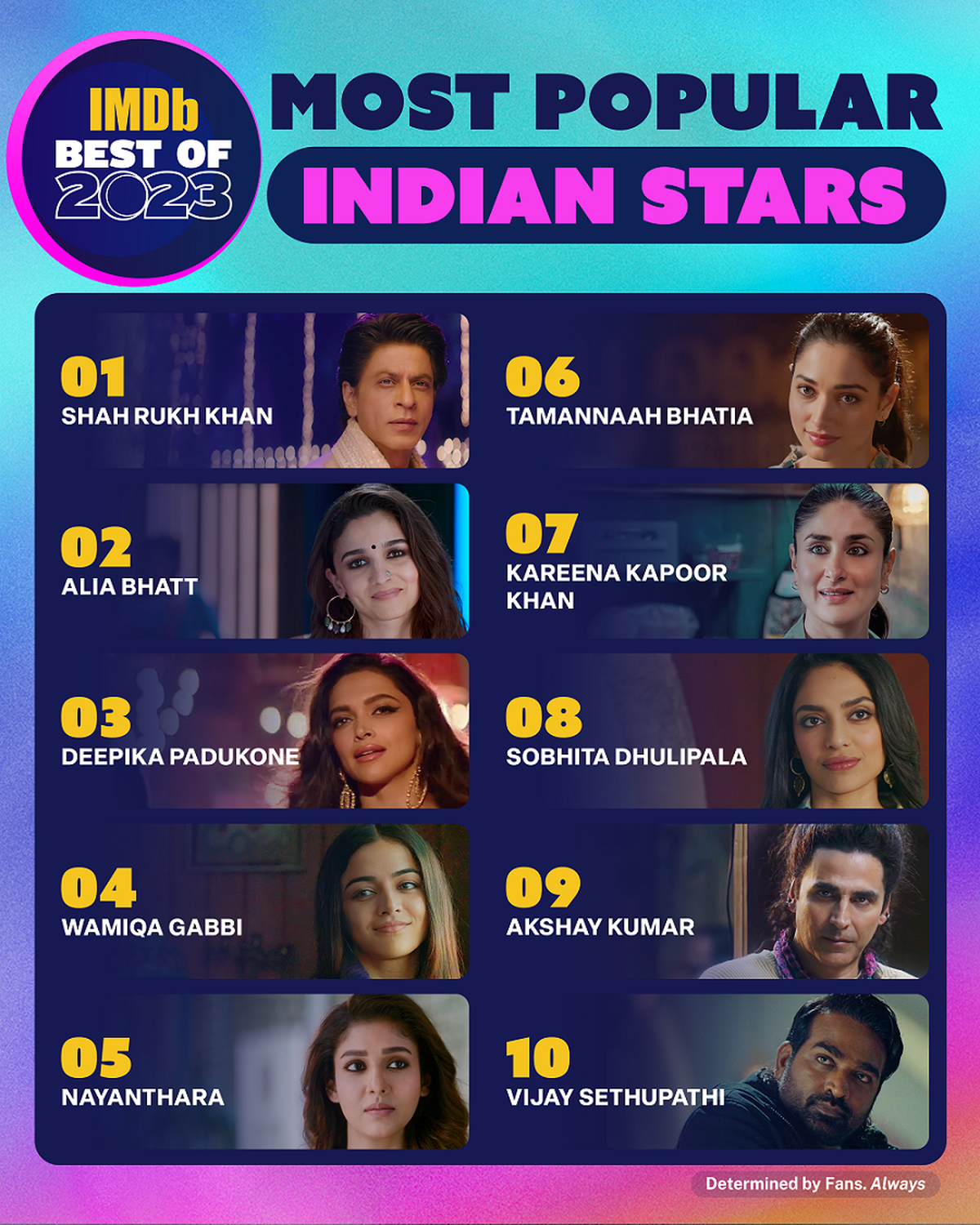
 The video that went viral on social media, shows Allu Arjun in a black kurta and white pyjama. He is seen coming out of the sun roof of his car, and waving at people. The fans are showering flower petals on him, and are holding flags bearing ‘AA’. The fans are also seen holding placards of Allu Arjun’s movies, while they clicked pictures of the actor.
 She won everyone’s hearts with her sartorial choice at the event as she marked her presence in the same saree that she wore during her wedding ceremony with Ranbir. She styled the saree in a