Artemis Crew Aims to Connect with Humanity Through Space Exploration

The Artemis II crew reflects on their historic lunar mission, emphasizing the importance of connecting with humanity and showcasing what can be achieved through collective effort.

The Artemis II crew recently shared their experiences following a historic 10-day lunar flyby, describing the mission as a “glorious” achievement. The astronauts—Reid Wiseman, Victor Glover, Christina Koch, and Jeremy Hansen—returned to Earth on April 10, splashing down off the coast of San Diego. During their journey, they set a new record for the farthest distance traveled by humans in space, surpassing the previous mark established by Apollo 13 in 1970.

In a conversation with U.S. Ambassador to the United Nations Mike Waltz, the crew expressed their hopes for the future of space exploration. Waltz presented the astronauts with “MUNGA” hats, a nod to President Donald Trump’s “Make America Great Again” slogan.

When asked about their reflections while viewing Earth from space, Wiseman articulated the crew’s mission: “As a crew, we wanted to go for all and by all. And we wanted to set the stage for Artemis III. We wanted to get this space agency in this world ready for Artemis III and IV. But in the end, we really wanted to connect with humanity. We wanted humanity to just pause for a second and see that this world can still do something exceptionally well when they put their mind to it.”

Artemis III is anticipated to launch next year, with Artemis IV scheduled for the following year. Glover shared his varied emotions throughout the mission, noting that the view from the spacecraft was constantly changing. “What we saw out the window was changing, and that is one of the unique things,” he said. “I always felt the urge to just be grateful for what we were seeing, and to be grateful for what we were eventually going back to. And the other thing was just how blessed we are to have this.”

Koch reflected on the profound impact of seeing Earth from space, describing how the surrounding darkness made the planet feel “even more special than it’s ever been.” She emphasized the significance of the global perspective gained from their journey, stating, “You realize that actually, there’s nothing absolute or guaranteed about this, and that actually, there is such thing as a global scale. And what we do with it is our choice.”

Hansen shared his feelings of both insignificance and empowerment while observing the vastness of space. “It was like this weird thing where, like stars, some stars look closer in our galaxy than others,” he explained. “And it just kept catching my eye, and it just kept making me feel really tiny, really small as an individual. But then, at the same time, I was out there experiencing it, and it made me feel very powerful as a human race. What we can do together, the fact that we were out there and something that has been really heartwarming since we got back to Earth and started to see how many people stopped to watch the mission and resonate with it.”

Glover also recalled the emotional weight of their return to Earth, describing it as a “glorious moment.” The crew’s visit to the U.N. followed a meeting with Trump at the White House earlier in the week, where he had spoken to them while they were orbiting the Moon.

During their U.N. visit, NASA Administrator Jared Isaacman took a moment to reflect on the progress made since the establishment of the Artemis program. He noted that in 2020, President Trump initiated the Artemis Accords, which laid the groundwork for responsible exploration of space among the United States and seven other like-minded countries.

The Artemis II mission not only marked a significant milestone in space exploration but also served as a reminder of humanity’s potential when united in purpose and vision, according to Fox News.

Are Insurance Apps Monitoring User Activity and Privacy?

Insurance apps offer potential savings but may access sensitive data about your driving, location, and health. Understanding how to manage these permissions is crucial for protecting your privacy.

Many individuals download insurance apps with the primary goal of securing discounts. Whether through safe driving programs or wellness incentives, the appeal is straightforward: share some data and save some money. However, it’s essential to understand what data you are actually sharing.

As Jan, a concerned user, inquired, many insurance companies now provide programs that promise lower premiums in exchange for the installation of their app and the sharing of specific types of data. This data can include driving habits, travel locations, and, in some cases, limited health or fitness information if the app connects to platforms like Apple Health. Importantly, these programs are generally optional, and the data sharing is part of the trade-off.

Fortunately, users often have the ability to limit what these apps can access. The more pressing question is whether the discount offered justifies the level of access granted to the app.

Previous reports have highlighted telematics programs where insurers monitor driving behavior through smartphone apps or connected car data. These programs track various metrics, including speed, braking patterns, and the times of day when driving occurs. Additionally, there are concerns about how apps collect and sell personal data, including sensitive health information that many users assume remains private. What is less frequently discussed is the broader trend: insurance companies are increasingly using smartphone apps to gather behavioral data about both driving and lifestyle choices. In this context, your phone becomes a measurement tool, raising the question of how much personal data you are willing to exchange for a discount.

The specifics can vary depending on the program, but many insurance apps collect several types of information. For driving programs, apps may monitor behaviors to calculate a driving score. Safer drivers may receive discounts upon policy renewal. Some insurance apps also request access to other phone data, such as Motion & Fitness or camera permissions.

On the health front, programs may connect to health and fitness platforms. If users grant permission, the app may access data such as activity levels, heart rate, and other health metrics. It is crucial to note that apps typically cannot access this data unless permission is granted during setup. However, many users tend to click through permission screens quickly, later questioning what they have agreed to share.

Location data alone can reveal a significant amount about an individual’s life, including home and work locations and daily travel patterns. Driving habits can indicate how often someone is on the road at night or during peak traffic times. Health and fitness data can provide an even more intimate look into a person’s lifestyle. While insurers are not secretly spying on everything on your phone, granting more permissions allows the app to gain deeper insights into your routines and habits.

For this reason, it is advisable to review app permissions carefully. Generally, insurance companies present these programs as voluntary discount opportunities. By enrolling, users agree to share specific data that helps calculate a risk score. If the data indicates safe driving or healthy activity levels, users may receive a discount at renewal. However, if you feel uncomfortable with the tracking, opting out is usually an option, though this may result in the loss of the associated discount.

The good news for users like Jan is that permissions can be adjusted on smartphones. Both iPhone and Android devices offer controls to manage what data apps can access. A prudent approach is to review every permission the app requests and only allow what is truly necessary.

On iPhone, users can find the insurance app and adjust its access settings. Location access can often be set to options like “While Using the App” or “Never.” On Android, settings may vary depending on the phone’s manufacturer, but users can similarly limit location tracking.

If an insurance app connects to Apple Health or Google Health Connect, that access can be managed separately. On iPhone, users can select the insurance app to see what information it can read and turn off specific categories of health data. On Android, users can check which apps have permission to read or write health and fitness data and turn those permissions off if desired.

While reviewing permissions, it is also wise to check access to other data types. Only grant permissions that the app genuinely needs to function, adhering to the principle of least privilege. For instance, a driving app may require motion data to measure braking but may not need continuous location tracking or access to health records. By limiting permissions, users can reduce the amount of information collected by the app.

This brings us back to Jan’s question: Is a 10% discount worth the trade-off? For some, the answer may be yes. If you are comfortable sharing driving data and the program is transparent about its operations, the savings can be significant. For others, the trade-off may feel too intrusive. Ultimately, it is essential to understand what the app can access and determine whether the benefits outweigh the data shared. While a discount can be beneficial, privacy also holds significant value.

Insurance apps are just one avenue through which companies collect information about users. Data brokers also gather location patterns, behavioral details, and personal information from apps and online activities. Utilizing a data removal service can help minimize the amount of information available online. Although no service can guarantee complete removal of your data from the internet, employing a data removal service is a wise choice. These services actively monitor and systematically erase personal information from numerous websites, providing peace of mind and reducing the risk of scammers accessing your data.

Insurance apps represent a broader shift in how companies assess risk. Instead of relying solely on traditional factors like age or claims history, insurers can now measure behavior through devices that individuals carry daily. This approach rewards safe driving and active lifestyles but also raises new privacy concerns that many users may not have anticipated when downloading an app. Jan’s instinct to question what the app could access was spot on. Before accepting a discount, take a few moments to review permissions and decide what level of tracking you are comfortable with. Your phone contains a wealth of personal information, and it is crucial to maintain control over it.

Would you be willing to trade detailed data about your driving or health for a lower insurance bill? Share your thoughts with us at CyberGuy.com.

Vitamin Supplement May Delay Diabetes Onset in Select Groups

New research from Tufts University indicates that high-dose vitamin D supplements may lower diabetes risk for specific genetic groups with prediabetes.

Recent findings from Tufts University suggest that high-dose vitamin D supplements could play a role in reducing the risk of diabetes among certain genetic groups. This research involved a large clinical trial that included over 2,000 U.S. adults diagnosed with prediabetes.

Participants in the study received a daily dose of 4,000 units of vitamin D supplements, which were then compared to a placebo group. While an earlier study did not show a significant reduction in diabetes risk among those receiving vitamin D, further analysis revealed potential benefits for specific genetic variants.

The Tufts researchers focused on three common variants of the vitamin D receptor gene to determine how outcomes varied among participants. They found that individuals with certain versions of this gene, specifically the AC or CC variants, were 19% less likely to develop diabetes when taking vitamin D compared to those who received a placebo. Conversely, participants with the AA genetic variant did not experience any benefits from the supplementation.

The mechanism behind this effect appears to involve the vitamin D receptor, which is present in various tissues throughout the body, including the pancreas, the organ responsible for insulin production. These findings were published last week in the journal JAMA Network Open.

Bess Dawson-Hughes, the study’s lead author and a senior scientist at the Jean Mayer USDA Human Nutrition Research Center on Aging at Tufts University, emphasized the significance of these results. “Our finding is an example of the emerging science of precision nutrition or precision medicine, in which an intervention can be tailored to the needs of individuals according to their genetic makeup and disease risk,” she stated.

Dawson-Hughes also highlighted the practicality of vitamin D supplementation as a preventive measure. “Taking a vitamin D supplement daily is an easy, inexpensive, and generally safe approach to reducing diabetes risk,” she noted. “In principle, this could involve a single, relatively inexpensive genetic test.”

Despite these promising findings, the researchers acknowledged several limitations in the study. They pointed out that this research was a secondary analysis rather than a primary randomized comparison. “Like any other first observation, this finding needs to be replicated in a future study,” Dawson-Hughes cautioned.

The study’s focus on individuals with prediabetes may limit its applicability to broader populations. The researchers stressed that the results observed in specific genetic groups require further validation before they can be integrated into clinical practice.

Importantly, Dawson-Hughes advised against individuals starting high doses of vitamin D as a diabetes prevention strategy based solely on this study. “It is too early to make specific recommendations for the general population,” she said.

Current guidelines recommend that most adults receive about 600 IU of vitamin D daily for those aged 1 to 70, and 800 IU for individuals over 70. However, previous research has indicated that excessive vitamin D intake can pose risks, particularly for older adults. Dawson-Hughes noted, “There is some evidence, from my laboratory and others, that the relatively high blood levels of 25-hydroxyvitamin D needed to achieve the diabetes risk reduction have been associated with an increased risk of falling in older adults.” She advised older adults against taking a daily dose of 4,000 IU of vitamin D without consulting their healthcare providers first.

This study also raises an intriguing question: Could vitamin D supplementation in adults with responsive genotypes help lower the risk of developing prediabetes, the precursor to Type 2 diabetes? Dawson-Hughes underscored the importance of this inquiry, stating, “This is important because prediabetes is not a benign condition. Adults with prediabetes also have an increased risk of cardiovascular disease.”

As research continues, the implications of these findings could pave the way for more personalized approaches to diabetes prevention, particularly for those with specific genetic profiles.

These insights were reported by Fox News Digital.

Virat Kohli’s ‘Snake’ Gesture Sparks Reactions from Shubman Gill

Virat Kohli’s recent ‘snake’ gesture during a match has sparked speculation among fans, who believe it was aimed at teammate Shubman Gill following his dismissal.

In a recent cricket match, Virat Kohli’s actions have caught the attention of fans and commentators alike. The star batsman made a notable ‘snake’ gesture that many viewers interpreted as a response to Shubman Gill, who was seated in the dugout after being dismissed.

The incident unfolded during a tense moment in the game, with Kohli’s expressive demeanor drawing immediate reactions from the crowd and those watching from home. Social media platforms quickly lit up with discussions and theories regarding the meaning behind the gesture.

Fans speculated that the gesture was a playful jab at Gill, suggesting a light-hearted rivalry or camaraderie between the two players. Such interactions are not uncommon in the world of sports, where gestures and expressions often carry deeper meanings or inside jokes among teammates.

As the match progressed, the focus on Kohli’s gesture only intensified, with many taking to social media to share their interpretations. Some fans found humor in the situation, while others defended Kohli, arguing that the gesture was misinterpreted.

The dynamic between Kohli and Gill has been a topic of interest for cricket enthusiasts, especially given their respective performances and roles within the team. Kohli, a seasoned veteran, often takes on a leadership role, while Gill, a rising star, is carving out his place in the sport.

While the exact intent behind Kohli’s gesture remains unclear, it has certainly added an intriguing layer to the match narrative. Fans continue to discuss the incident, showcasing the passion and engagement that cricket inspires.

As the season progresses, all eyes will be on both players to see how their relationship evolves on and off the field. For now, Kohli’s ‘snake’ gesture will likely remain a talking point among fans and analysts alike, highlighting the ever-present intersection of sport and social media.

This incident serves as a reminder of the vibrant culture surrounding cricket, where every action can spark conversation and speculation. Whether it was a simple gesture or something more significant, Kohli’s actions have certainly left an impression.

According to NDTV Sports, the incident has further fueled discussions about the dynamics within the team and the personalities that contribute to its success.

BCCI Takes Action Against Riyan Parag and Two Others for Vaping

Rajasthan Royals captain Riyan Parag has been fined 25 percent of his match fee for vaping in the team dressing room during an IPL 2026 match, with further actions anticipated.

Rajasthan Royals captain Riyan Parag has faced disciplinary action from the Board of Control for Cricket in India (BCCI) after being caught on camera vaping inside the team dressing room during an IPL 2026 match. The incident sparked significant controversy, leading to the BCCI imposing a fine of 25 percent of his match fee.

The BCCI’s decision to penalize Parag reflects its commitment to maintaining professionalism and adherence to regulations within the league. Vaping, like smoking, is viewed as inappropriate conduct in team environments, particularly in the context of professional sports where player behavior is under constant scrutiny.

In addition to Parag’s fine, the BCCI has indicated that it will not stop there. The governing body is reportedly considering further actions against other parties involved in the incident. This may include team officials or support staff who were present during the incident, as the BCCI aims to ensure that all members of the team adhere to the league’s standards of conduct.

The fallout from this incident serves as a reminder of the importance of maintaining a professional image in sports. The BCCI has made it clear that it takes such violations seriously and will impose stringent measures to prevent similar occurrences in the future.

As the IPL continues to grow in popularity, the focus on player behavior and adherence to league policies will likely intensify. The BCCI’s proactive stance in addressing this issue underscores its commitment to fostering a respectful and disciplined environment in cricket.

According to NDTV, the BCCI’s actions reflect a broader initiative to uphold the integrity of the league and ensure that all participants understand the expectations placed upon them.

Simple Dietary Changes May Alleviate Painful Bathroom Symptoms, Experts Say

Experts recommend dietary changes and improved bathroom habits as effective strategies for managing hemorrhoids, according to new guidelines from the American Gastroenterological Association.

More than half of individuals over the age of 50 have experienced hemorrhoids, according to the National Institutes of Health and other medical sources. To assist both patients and healthcare providers in addressing this common condition, the American Gastroenterological Association (AGA) has released updated clinical practice guidelines in the journal Clinical Gastroenterology and Hepatology. The new guidelines emphasize lifestyle modifications over quick-fix products for hemorrhoid relief.

Hemorrhoids are swollen, enlarged veins that can develop both internally and externally. According to the Cleveland Clinic, these conditions can vary from minor annoyances to sources of significant pain and rectal bleeding. Experts estimate that one in 20 Americans experience hemorrhoids that cause irritation, with the prevalence increasing with age. Hemorrhoids are also particularly common during pregnancy due to increased pelvic pressure, although these cases can often be managed with conservative symptom care.

One key takeaway from the AGA update is that effective treatment for hemorrhoids may often be found in the pantry rather than the pharmacy. The experts identified increased fiber intake as a “reasonable first-line therapy.” By softening stool and increasing its bulk, fiber can reduce the need for straining, which is a major contributor to hemorrhoid flare-ups.

Unfortunately, most Americans do not meet the recommended daily fiber intake. The USDA Dietary Guidelines suggest that women should consume between 22 to 28 grams of fiber daily, while men should aim for 28 to 45 grams. However, data indicates that 90% of women and 97% of men fall short of these recommendations.

The AGA also pointed out that restroom habits can exacerbate hemorrhoid symptoms. In a time when many individuals take their smartphones into the bathroom, prolonged sitting and straining can increase pressure on the rectal area. The updated guidelines advise against long sessions on the toilet, which can worsen symptoms.

While some may reach for sitz baths or topical creams at the first sign of discomfort, the AGA notes that there is limited data supporting their long-term effectiveness. The guidelines also caution against the overuse of topical steroids. Although these medications can reduce inflammation, using them for more than two weeks can lead to skin thinning and increased irritation.

Although lifestyle changes are crucial, the AGA emphasizes the importance of obtaining a proper diagnosis. Since rectal bleeding can sometimes indicate more serious conditions, a physical examination is recommended before initiating any treatment plan. For persistent or severe cases, patients may require office-based procedures or surgical intervention.

These insights underscore the importance of dietary and lifestyle adjustments in managing hemorrhoids, providing a proactive approach to a condition that affects millions.

According to Fox News, these updated guidelines aim to empower individuals with practical strategies for relief.

Amtrak Data Breach Exposes Millions of Customer Records Nationwide

Amtrak is facing scrutiny following a reported data breach that may have exposed the personal information of millions of customers, raising concerns about privacy and security.

Booking a train ticket is typically a routine task, but a recent data breach associated with Amtrak has raised significant privacy concerns. A dataset linked to the company has surfaced on Have I Been Pwned, a popular site that tracks and verifies data breaches, indicating that sensitive customer information may now be circulating online.

While Amtrak has not confirmed the full extent of the breach, security researchers are already paying close attention. The dataset, which was added to Have I Been Pwned on April 17, 2026, reportedly includes over 2.1 million unique accounts. However, other reports suggest that the total number of exposed records could be as high as 9.4 million, a figure that remains unverified by Amtrak.

The exposed data includes email addresses, names, physical addresses, and records of customer support interactions. This information can be particularly valuable to attackers, as it provides context about travel habits, preferences, and past issues, which can be exploited in targeted phishing attempts.

The group believed to be behind the attack, known as ShinyHunters, has a history of targeting cloud-based customer systems, particularly those associated with platforms like Salesforce. These systems store vast amounts of customer data, making them efficient for businesses but also attractive targets for cybercriminals.

In many cases, breaches like this do not require direct access to a company’s internal network. Instead, attackers often exploit weak access controls, misconfigured settings, or compromised credentials linked to cloud services. Once they gain access, they can quickly extract large datasets and may demand payment before releasing the data publicly.

Not all data breaches pose the same level of risk, but this incident stands out due to the nature of the information involved. Basic contact details can already be used for spam, but when combined with customer service history, the potential for harm increases significantly. Attackers can craft convincing messages that reference real interactions, making phishing attempts more likely to succeed.

The immediate risk for those affected by this breach is not necessarily unauthorized access to their accounts, but rather the potential for impersonation. Cybercriminals can use the stolen information to build trust, posing as Amtrak support, travel partners, or even financial institutions associated with bookings. This increases the likelihood that victims may inadvertently click on malicious links, share additional details, or approve unauthorized transactions.

Even if individuals have not experienced issues in the past, this type of exposure alters their risk profile. The breach underscores a broader issue regarding how companies manage customer data today. Many organizations rely heavily on cloud platforms for data storage and organization, which, while efficient, also concentrates risk in a single location. A single misconfiguration or compromised login can expose millions of records.

As businesses increasingly adopt software-as-a-service (SaaS) platforms, attackers are adapting their tactics. The pattern of targeting cloud-based systems is becoming more prevalent, raising concerns about the security of customer data.

To check if your email has been affected by this breach, visit Have I Been Pwned at haveibeenpwned.com, the official source for this newly added dataset.

If you suspect your data may be part of this breach, there are several proactive measures you can take to mitigate your risk and stay ahead of potential scams. First, if you reuse passwords across multiple accounts, now is the time to change that practice. A single leaked password can compromise multiple accounts. Consider using a password manager to generate and store complex passwords, starting with your email account, which is often used to reset passwords for other accounts.

Implementing two-factor authentication (2FA) adds an additional layer of security. Even if someone obtains your password, they would still need a verification code from your phone or app. Prioritize securing your email, banking, and travel accounts, as these are common targets following a breach.

Be especially cautious with emails or messages that reference past trips or support requests. Such details can make scams appear legitimate. Avoid clicking on links or downloading attachments unless you are certain of the source. When in doubt, visit the company’s official website directly.

Regularly monitor your bank accounts and credit cards for unusual charges, and watch for login alerts or password reset notifications that you did not initiate. The sooner you detect any suspicious activity, the easier it is to contain the situation.

Strong antivirus software can do more than just scan for viruses; it can block malicious links, detect suspicious downloads, and prevent phishing attempts from reaching you. Keeping your devices protected is crucial in safeguarding against attackers trying to exploit stolen data.

Data brokers often collect and sell personal information, increasing your exposure after a breach. Utilizing a data removal service can help reduce the amount of your information circulating online, making it harder for scammers to build detailed profiles about you. Additionally, an identity monitoring service can track your personal information across various databases and alert you to any suspicious activity.

A credit freeze is another effective way to prevent identity theft after a breach. It stops anyone from opening new accounts in your name without your approval and can be placed for free with major credit bureaus.

The Amtrak breach is still unfolding, and key details remain unclear. However, it is evident that these attacks are becoming more targeted, personal, and harder to detect. For consumers, this means staying vigilant, even when something appears familiar. For companies, it highlights the need to tighten controls around the systems that store sensitive data.

As data breaches continue to occur, the question remains: Are companies doing enough to protect your personal information? For more information and updates, visit CyberGuy.com.

According to CyberGuy.

Dinosaur Fossils Discovered During Construction at National Park

Construction workers at Dinosaur National Monument made a remarkable discovery when they unearthed fossils believed to belong to the Diplodocus during a parking lot renovation.

A routine parking lot project at Dinosaur National Monument has led to an extraordinary find: dinosaur fossils uncovered for the first time in over a century. The discovery occurred in mid-September when construction workers removed asphalt near the Quarry Exhibit Hall, revealing dinosaur-bearing sandstone, according to the National Park Service.

Park staff identified the remains on September 16, prompting an immediate halt to construction activities to allow paleontologists to assess the significance of the find. The fossils are believed to belong to a large, long-necked dinosaur known as the Diplodocus, a species commonly found in the area’s historic bonebed.

Park officials reported that staff members, along with a Utah Conservation Corps crew, volunteers, and construction workers, collaborated to excavate the remains. Between mid-September and mid-October, crews successfully removed approximately 3,000 pounds of fossils and surrounding rock. The excavated material is currently being cleaned and studied at the Utah Field House of Natural History State Park Museum in Vernal, where visitors have the opportunity to observe the preparation process in the museum’s fossil lab.

This site had not been excavated since 1924, when fossil removal efforts ceased following a series of early 20th-century digs led by prominent institutions such as the Carnegie Museum, the Smithsonian National Museum of Natural History, and the University of Utah. Dinosaur National Monument was established in 1915 to protect the rich paleontological resources in the area.

Some of the newly uncovered fossils are already on display at the Quarry Exhibit Hall, often referred to as the “Wall of Bones.” This exhibit hall is the park’s most popular attraction, situated atop the original Carnegie quarry, where visitors can view approximately 1,500 dinosaur fossils still embedded in rock.

Following the excavation, crews completed the parking lot and road improvement project, which included new concrete and asphalt work, as well as accessibility upgrades around the exhibit hall. This renovation not only enhances visitor experience but also preserves the historical significance of the site.

The discovery of these fossils highlights the ongoing importance of paleontological research and conservation efforts in national parks. As more fossils are uncovered, they contribute valuable insights into the prehistoric life that once roamed the Earth.

According to the National Park Service, the excitement surrounding this find underscores the rich geological history of Dinosaur National Monument and its role in educating the public about the ancient past.

Federal Court Considers Case on Immigration Detention Practices

On April 29, 2026, the U.S. Court of Appeals for the Fifth Circuit heard arguments that could redefine the rights of individuals in immigration detention, raising significant constitutional concerns.

On April 29, the U.S. Court of Appeals for the Fifth Circuit convened to hear oral arguments in a pivotal set of cases that could determine whether individuals can be held in immigration detention without the opportunity to challenge the legality of their confinement while their cases progress.

At the heart of this legal debate is a fundamental constitutional principle: the right to a meaningful opportunity to contest one’s detention.

The Fifth Circuit previously ruled that immigration laws permit the government to detain any individual who did not enter the country lawfully, including long-term U.S. residents with strong family and community ties, without providing them the chance to contest their detention. The government is now seeking to reverse lower court decisions that affirmed the constitutional right of three men, who have lived in the U.S. for over a decade, to challenge their immigration detention.

Rebecca Cassler, senior litigation attorney at the American Immigration Council, who argued the case, expressed concern over the government’s position. “The government is arguing it can keep people in immigration detention without ever having to justify it,” she stated. “This would supercharge mass detention at a time when there’s already a record number of people dying in these overcrowded and abuse-prone facilities. It would mean that millions of people who have been in the United States for years or decades, with deep ties to this country, could end up in jail with no real chance to argue for release. That should concern anyone who believes in basic constitutional protections.”

The cases center around three fathers of U.S. citizen children, all longtime residents of Texas with no criminal history. They were arrested following routine traffic stops and were immediately detained without any review of the necessity of their confinement. The American Immigration Council and the National Immigration Project represented these men, whose cases were consolidated for appeal.

In 2025, the U.S. Immigration and Customs Enforcement (ICE) agency ceased allowing certain detained immigrants the opportunity for release as their immigration cases progressed, following a controversial interpretation of immigration laws by the Trump administration. This policy has faced legal challenges, with federal judges across the country finding it in violation of the law.

Despite this, the Fifth Circuit, which oversees Texas, Louisiana, and Mississippi—states with the highest populations of individuals in immigration detention—ruled in February that the administration’s interpretation was permissible under federal immigration law. However, lower courts have maintained that immigrants like the three men involved in this case possess the constitutional right to contest their detention. The government is now asking the Fifth Circuit to declare that most immigrants lack the constitutional right to seek release from detention while their cases are pending.

Ellie Norton, Senior Staff Attorney at the National Immigration Project, emphasized the implications of the government’s stance. “The people locked up under this policy are parents, neighbors, and community members who have been part of this country for years,” she said. “The government wants a blank check to jail anyone it chooses without ever having to look a judge in the eye and explain why. That is authoritarian detention and a dramatic break from decades of legal precedent.”

The right to challenge government detention is a cornerstone of the U.S. justice system, ensuring that individuals who pose no danger to the community or flight risk cannot be unjustly confined. The Trump administration’s argument that most immigrants should not be afforded this right sets a troubling precedent for democracy and the limits of governmental authority.

“This case tests a basic constitutional principle: that the government must justify taking away someone’s liberty,” Cassler noted. “Without that safeguard, people will be locked up even when detention isn’t necessary, with no meaningful chance to challenge it.”

The American Immigration Council is dedicated to fostering a more welcoming and equitable immigration system. Through litigation, research, and programs aimed at expanding access to legal assistance, the Council strives to ensure that immigrants are embraced, communities are enriched, and justice prevails for all.

The National Immigration Project is a membership organization composed of attorneys, advocates, and community members who believe in the dignity and freedom of all individuals. The organization engages in litigation, advocacy, and education to support those most affected by the immigration and criminal justice systems.

For more information, follow the American Immigration Council on BlueSky @immcouncil.org and Instagram @immcouncil, and the National Immigration Project on BlueSky, Facebook, Instagram, and Threads at @NIPNLG.

According to American Immigration Council.

CII White Paper Reveals Shift in India’s Startup Ecosystem Toward Sustainability

The Confederation of Indian Industry’s recent White Paper reveals a significant shift in India’s startup ecosystem, emphasizing sustainability and innovation over traditional valuation-led growth.

The Confederation of Indian Industry (CII) has released a pivotal White Paper highlighting a transformative shift in India’s startup ecosystem. This report marks a departure from the long-standing focus on “Unicorns”—privately-held startups valued at over $1 billion—towards a more sustainable and innovation-driven narrative.

India currently hosts over 120 unicorns, collectively valued at more than $390 billion, solidifying its status as the world’s third-largest startup ecosystem. The CII report indicates that the era of valuation-led growth is gradually transitioning to a phase characterized by innovation-led development. This evolution is reflected in the substantial cumulative funding of over $118 billion that has flowed into the sector, showcasing robust investor interest.

Chandrajit Banerjee, Director General of the CII, emphasized that the Indian startup ecosystem is at a critical “inflection point.” He stated, “The next phase of growth must be anchored in building enterprises that are sustainable and globally competitive.” This shift represents a significant change for many entrepreneurs who have historically prioritized rapid user acquisition over profitability. The report articulates a transition towards sustainable unit economics, which has become a focal point for founders navigating this new landscape.

The White Paper outlines a structural evolution within the ecosystem, underscoring a shift from valuation-led growth to value-driven, innovation-led development. This evolution prioritizes operational discipline, enhanced innovation capabilities, and long-term global competitiveness.

To gather insights, the CII conducted extensive consultations through its Unicorn Forum, capturing the firsthand experiences of founders regarding regulatory frameworks and scaling challenges. The findings reveal notable improvements in access to early-stage funding; however, founders have expressed a pressing need for enhanced capital availability for growth and late-stage expansion. This need is particularly acute in sectors requiring sustained, long-term investment to maintain international competitiveness.

Rahul Garg, Chairman of the CII Unicorn Forum, commented on the findings, stating, “The insights captured in this White Paper reflect the lived experiences of founders who are building and scaling businesses in a rapidly evolving landscape. As India moves towards its vision of becoming a USD 5 trillion economy, startups will play a pivotal role in driving innovation, generating employment, and strengthening global competitiveness.” He emphasized the importance of ensuring alignment between policy intent and effective implementation.

The White Paper identifies four priority areas to support this vision, proposing a policy roadmap that includes improving access to growth capital through patient and diversified capital pools, particularly for deep-tech sectors. It also calls for establishing proportionate regulatory structures that minimize compliance burdens while maintaining necessary safeguards, strengthening digital public infrastructure to foster inclusive innovation, and promoting research and development through targeted incentives for intellectual property creation.

Kris Gopalakrishnan, Chairman of CII’s Centre of Excellence for Innovation, Entrepreneurship, and Startups, remarked, “India has the ambition, talent, and momentum to lead the next wave of global innovation. What is required now is a policy ecosystem that is responsive, forward-looking, and aligned with the needs of modern enterprises. This White Paper is a step towards enabling that vision.”

Furthermore, the White Paper asserts that the next phase of the startup journey must be anchored in profitability, efficiency, and technological leadership. Strengthening linkages between startups and the broader industrial ecosystem is deemed essential for deeper integration into manufacturing value chains and alignment with national priorities, such as the ‘Make in India’ initiative.

As India navigates this transitional phase, the emphasis on sustainable growth and value-driven innovation is expected to redefine the startup landscape, positioning the nation for future economic success.

This shift towards a more sustainable model in India’s startup ecosystem aligns with global trends where investors increasingly favor companies that demonstrate strong environmental, social, and governance (ESG) practices. As the global economy grapples with challenges such as climate change and social inequality, Indian startups are poised to play a critical role by innovating solutions that address these issues while proving commercially viable.

Moreover, the CII’s emphasis on a policy framework that supports innovation and entrepreneurship reflects a growing recognition of the need for adaptable regulatory environments that can foster growth in emerging sectors. By prioritizing deep-tech startups and enhancing access to growth capital, Indian policymakers aim to cultivate a robust ecosystem capable of competing on a global scale.

In conclusion, as the CII White Paper outlines a pathway forward, it underscores the importance of a balanced approach that integrates the aspirations of entrepreneurs with the frameworks needed to sustain growth. With a focus on value-driven metrics, the future of India’s startup ecosystem appears poised for a transformative journey towards becoming a global leader in innovation, according to the CII.

GOP Midterm Prospects Dim as Trump’s Approval Ratings Decline

As midterm elections approach, Republicans face significant challenges, with President Trump’s approval ratings plummeting and Democrats gaining ground in key battlegrounds.

By the end of 2025, political analysts largely agreed that Republicans were facing an uphill battle in the upcoming midterm elections. As 2026 unfolds, these prospects have only darkened further.

One major factor contributing to this shift is President Trump’s perceived lack of focus on pressing economic issues. For the first time since 2010, polls indicate that Democrats are now more trusted than Republicans to manage the economy. This change in public sentiment could have serious implications for Republican candidates in crucial states.

Democrats are eyeing potential gains in Republican-held seats in North Carolina, Maine, Alaska, and Ohio. Meanwhile, states like Iowa and Texas, once considered safe for Republicans, are now viewed as competitive battlegrounds.

Historically, the party of the incumbent president tends to lose ground during midterm elections. This trend suggests that the upcoming elections will serve as a referendum on the president and his party, regardless of the Democrats’ current low approval ratings. By December 2025, Trump’s approval had significantly declined from its peak at the start of his second term, leading to public dissatisfaction with his handling of key economic issues, particularly rising prices.

As the first four months of 2026 progress, Trump’s job approval has reached new lows, with growing discontent regarding his management of various issues, including the ongoing war with Iran. These factors contribute to a souring mood among voters, indicating potential substantial Democratic gains in the upcoming elections. Analysts suggest that Democrats could secure a new majority in the House and expand their opportunities in the Senate, although regaining control of the Senate remains uncertain.

Key indicators point to a challenging environment for Republicans. Trump’s job approval, which was above 50% when he began his second term, has now fallen to around 40%. Public disapproval has surged by 13 points, rising from 44% to 57%. This decline is particularly concerning as Trump’s administration has struggled to address the public’s primary concerns, including inflation, jobs, and healthcare.

As of late April 2026, approval ratings for Trump’s handling of inflation stand at just 30%, while his management of the overall economy and healthcare are at 37% and 29%, respectively. Public support for his tariff policies, a cornerstone of his economic agenda, is similarly low at 38%. Additionally, only 41% of Americans approve of his handling of the Iran war, an issue that has dominated headlines in recent months.

While Trump has garnered more favorable ratings on immigration (45%) and crime (46%), these issues resonate more with his base than with the general public. A January 2026 poll revealed that only 21% of respondents believed the president was prioritizing the right issues, compared to 47% who felt his focus was misplaced. His controversial decision to engage in military action against Iran has further alienated voters, reinforcing the perception that he is out of touch with everyday concerns.

The “generic ballot,” which reflects voters’ intentions for House candidates, also paints a troubling picture for Republicans. As of late April, Democrats led the generic ballot by approximately six points. This represents a significant swing from the previous election cycle, where Democrats trailed Republicans by 2.5 points in House votes cast in 2024. If this trend continues, it could result in a Democratic majority in the House, provided that the Supreme Court does not invalidate congressional districts established under the Voting Rights Act.

In practical terms, if Democrats were to win all districts that Republicans secured by 8.5 points or less in 2024 while maintaining their own victories, they could gain 21 seats, resulting in a robust majority of 236. However, it is important to note that a swing of this magnitude would have yielded larger gains in the 1990s, as the number of safe seats has increased while contested districts have dwindled.

Turning to the Senate, races are often more individualized than House contests, with only one-third of seats contested in each election cycle. This year, the composition of Senate races appears to favor Republicans. To achieve a Senate majority, Democrats need to net four additional seats. Initially, this goal seemed out of reach, but recent developments have improved Democratic prospects. They have a legitimate chance to flip Republican-held seats in North Carolina, Maine, Alaska, and Ohio, while Iowa and Texas are no longer considered secure for Republicans.

However, Democrats must also focus on retaining the 13 seats they currently control. Incumbent Senator Jon Ossoff (D-Ga.) is favored for reelection, but Georgia remains a fiercely contested swing state. Meanwhile, the retirement of Senator Gary Peters (D-Mich.) has sparked a competitive three-way race for the Democratic nomination, raising questions about the party’s chances in the general election.

In Texas, the Republican primary runoff could impact the Democratic candidate James Talarico’s prospects. Although incumbent Senator John Cornyn (R-Tex.) is favored, he faces a strong challenge from Ken Paxton, the state’s controversial attorney general. If Paxton emerges victorious, Talarico may benefit from increased support among moderate and independent voters.

The overall mood of the country is contributing to the challenges facing Republicans as the midterm elections approach. Only 27% of Americans are satisfied with the state of the nation, and just one-third believe the country is on the right track. A significant majority rate the economy as fair or poor, and most expect conditions to worsen. Consumer sentiment hit an all-time low in April, reflecting widespread dissatisfaction.

Additionally, the coalition that propelled Trump to victory in 2024 is showing signs of fragmentation. While his MAGA base remains loyal, non-MAGA Republicans are expressing increasing concern. Among demographics that shifted toward Trump in the last election—such as Hispanics, young adults, and independents—disappointment is evident. Approval ratings among these groups are low, with only 35% of Hispanics, 28% of young adults, and 27% of independents supporting his performance. Democrats currently enjoy a significant edge in the generic ballot among these voters.

Recent polling indicates that Democrats are more likely than Republicans to express high motivation to vote this year. If disheartened Republicans face a mobilized and energized Democratic electorate, the potential for Democratic gains in the House could mirror those seen in 2018, and they may even have a chance to retake the Senate. With time running out, President Trump and Republican leaders must act swiftly to shift public opinion before it solidifies into a determination to alter the balance of power in Washington, according to Global Net News.

Maitri Raises Over $1 Million for Indian-American Domestic Violence Survivors

Maitri, a nonprofit supporting the South Asian diaspora, raised over $1 million at its 35th anniversary gala, aimed at aiding domestic violence survivors and prevention initiatives.

Maitri, a nonprofit organization based in the San Francisco Bay Area, celebrated its 35-year milestone by raising more than $1 million at its annual gala held on Saturday, March 28, 2026. The event took place at the Crowne Plaza Hotel in Palo Alto, attracting a diverse gathering of community allies, leaders, and supporters.

The funds raised during the gala are intended to enhance and expand critical resources for survivors of domestic violence, as well as to support prevention initiatives. These services are designed to empower survivors, helping them to rebuild their lives and move toward a more stable future.

The evening featured a musical headline performance by singer Abby V, alongside a performance by local opera singer Avantika, who captivated the audience with two arias centered on the theme of survivor resilience.

In addition to the performances, a film produced by Maitri was screened to highlight the challenges faced by survivors and the specific impact of domestic violence on children. The gala also included both silent and live auctions, showcasing items donated by supporters, and displays that highlighted the organization’s accomplishments over the past 35 years.

Founded in 1991, Maitri began as a single kitchen phone line. Executive Director Rama Dharmarajan reflected on the organization’s journey and growth over the years. “Today, we are a trusted community-rooted, culturally responsive institution standing with survivors of domestic violence. This transformation is a direct result of our tireless team, network of collaborators, and the heart of this community,” Dharmarajan stated.

Maitri Board President Sameer Ladiwala emphasized the tangible impact of the organization’s work. “These are not abstract programs. These are lifelines. These are the services that help a survivor move from fear to safety, from uncertainty to stability, from isolation to the beginning of a new life,” Ladiwala remarked.

Gala Co-Chair Aarti Johri expressed her gratitude for the significant turnout, which included both longtime donors and first-time attendees. “I am extremely touched by the outpouring of support from the community. This is a milestone anniversary, and the number of longtime supporters, as well as the large number of first-timers here this evening, encourages me and leads me to believe that the cause is both recognized and the community believes in Maitri’s ability,” Johri said.

The evening also included special recognition for the staff, board members, volunteers, and founders who have contributed to Maitri’s 35-year journey.

Maitri is a free, confidential nonprofit organization that primarily assists individuals and families from South Asia, including Afghanistan, Bangladesh, Bhutan, India, Nepal, Pakistan, Sri Lanka, and the Maldives. The organization addresses issues such as domestic violence, emotional abuse, cultural alienation, and family conflict through crisis intervention and self-sufficiency services, while also engaging in community outreach to foster healthy relationships.

For more information about Maitri, visit www.maitri.org. The Maitri toll-free helpline number is 1-888-862-4874 (1-888-8-MAITRI).

This article was edited with the assistance of an AI tool and has been reviewed and edited for accuracy and clarity by India Currents.

Every Masala Has a Unique Backstory in Indian-American Cuisine

Exploring the origins of spices, Sana Javeri Kadri’s upcoming cookbook emphasizes the stories behind South Asian food, shifting the focus from recipes to the farmers who cultivate these essential ingredients.

What if the most powerful way to tell the story of South Asian food is not through restaurants, chefs, or even recipes, but through the people who grow the spices that make those recipes possible? This question lies at the heart of Sana Javeri Kadri’s work.

As the founder and CEO of Diaspora Co., Kadri has dedicated nearly a decade to building a business—and now a book—that shifts the spotlight away from the finished dish and back toward the very beginning of the food chain. Her debut, The Diaspora Spice Co. Cookbook (Harvest, March 2026, co-authored with longtime recipe developer Asha Loupy), aims to teach readers not just how to cook South Asian food, but how to see it differently.

Kadri’s journey began with a sense of dissonance. Born and raised in a Muslim-Jain Hindu family in Mumbai, where food served as a great unifier, she moved to the United States and encountered familiar ingredients marketed as trends, stripped of specificity and disconnected from the people who grew them. In 2017, she launched Diaspora Co. with a single product: heirloom turmeric sourced directly from a farm in Andhra Pradesh. The premise was radical—pay farmers fairly, highlight regional diversity, and treat flavor as a function of care rather than mass production.

Historically, spices changed hands ten or more times between harvest and kitchen shelf, with farmers capturing almost none of the value. Today, Diaspora Co. sources 30 single-origin spices from 150 regenerative farms across India and Sri Lanka, paying partners an average of six times the commodity price, compared to the roughly 15% premium that fair-trade certification offers. Since its founding, the company has paid $2.5 million directly to farmers.

The Diaspora Spice Co. Cookbook grew out of Kadri and Loupy’s annual, three-month harvest-season visits to partner farms, where they share meals with the families whose labor underpins every meal. The result profiles 35 women across India and Sri Lanka and gathers 85 heirloom family recipes, adapted for a global pantry without losing their specificity. The Mir family of saffron growers, for instance, shared not just their technique for blooming the spice but also the dishes they cherish most. The recipes span chutneys, pickles, vegetables, seafood, meat, rice, breads, and desserts.

This book challenges the assumption that spices are interchangeable commodities. A single variety of turmeric or pepper carries the imprint of soil, climate, and specific hands. By centering the women farmers who hold this knowledge, Kadri and Loupy expand the definition of culinary authority beyond credentialed chefs into everyday practice, inherited technique, and the intelligence built through a lifetime of working with the land.

The resonance of this narrative runs deep. The story Kadri tells is one that the Indian diaspora knows well: the gap between how South Asian food is experienced from the inside—rich, specific, rooted in memory—and how it is often presented to the outside world: exotic, interchangeable, and stripped of context.

In a food culture driven by speed and spectacle, this insistence feels both timely and necessary. Kadri and Loupy remind us that every spice has a story, and that paying attention to those stories can change not just how we cook, but how we understand the world around us.

The following is an excerpt from The Diaspora Spice Co. Cookbook © 2026 by Diaspora Spice Co. Photography © 2026 by Melati Citrawireja. Reproduced by permission of Harvest, an imprint of HarperCollins Publishers. All rights reserved.

Gongura Pappu, Andhra-Style Dal with Sorrel

Recipe by Divya Kasaraneni; Origin: Kankipadu, Andhra Pradesh. Serves 6 to 8.

Gongura Pappu is an Andhra Pradesh-style dal made with sorrel leaves, a monsoon staple known by different names across India. For me, a trip to the Kasaraneni family home during the turmeric harvest is incomplete without a lunch of bright, punchy gongura pappu served over steamed red rice. Without fail, a jar of sorrel pickle is sneakily pressed into my hands to take home by Venkata Narasamma, Prabhu’s grandmother and the family matriarch.

There are countless variations of lentils and beans cooked as staples across South Asia—endless combinations of chana, toor, moong, masoor, urad, chawli, matki, and rajma. My Gujarati nani favored simple split toor, while my Punjabi dadi preferred heavy rajma and creamy split urad. The Kasaraneni family makes their pappu with chana because it’s what they grow, and it gives the dish a silky creaminess that is hard to beat. Where other lentil dishes might play supporting roles in a meal, this one has main character energy.

For the Dal:

2¾ cups (250 g) chana dal

2½ teaspoons fine sea salt, plus more if needed

1½ teaspoons ground turmeric

3 tablespoons untoasted sesame oil or other neutral oil

½ teaspoon cumin seeds

1 white onion, finely diced

4 garlic cloves, finely chopped

1-inch piece ginger, finely chopped

2 to 3 serrano peppers, quartered lengthwise

3 plum tomatoes (about ½ pound/227 g), diced

1½ tablespoons Andhra Chilli Powder

2 tablespoons amchur powder

1½ cups (65 g) roughly chopped fresh sorrel

⅓ cup (17 g) roughly chopped cilantro, leaves and tender stems

Juice of ½ to 1 lemon (1 to 4 tablespoons)

For the Tadka:

1½ tablespoons untoasted sesame oil or other neutral oil

4 garlic cloves, quartered

2 teaspoons split urad dal

1 teaspoon black mustard seeds

1 to 2 whole Guntur Sannam chillies, torn in half

18 fresh curry leaves

Begin by rinsing the chana dal in cold water until the water runs clear. Drain and transfer the dal to an electric pressure cooker, adding 1½ teaspoons of salt, 1 teaspoon of turmeric, and 5 cups (1.2 L) of water. Cook on high pressure for 18 minutes, then allow to naturally release for 15 minutes. Release the pressure, mash some of the dal, and keep warm.

While the pressure cooker is releasing, heat sesame oil in a Dutch oven over medium heat. When shimmering, add cumin seeds and cook until they start to sputter. Add the onion and sauté until softened and golden. Stir in garlic, ginger, and serrano peppers, cooking until the garlic is light golden. Add tomatoes, chili powder, remaining turmeric, and a splash of water, stirring to combine. Reduce heat and cover, cooking until the tomatoes break down.

Stir in amchur powder, the cooked chana dal, and additional water. Cook uncovered, stirring frequently, for 15 minutes, adding sorrel in the last 5 minutes to wilt.

For the tadka, heat sesame oil in a small saucepan. Add garlic, urad dal, mustard seeds, and chillies, frying until golden. Add curry leaves and cook until bright green. Pour the tadka into the dal, add cilantro and lemon juice, and stir to combine. Serve with hot rice and ghee.

Note: Fresh sorrel adds a tangy flavor to dishes from Andhra Pradesh. If unavailable, substitute with baby spinach and use the juice from a whole lemon.

According to India Currents, Kadri’s work emphasizes the importance of understanding the stories behind spices and the farmers who cultivate them.

India Condemns Attacks on Shipping in Strait of Hormuz at UNSC

India has condemned attacks on commercial shipping in the Strait of Hormuz, urging the restoration of free navigation through this critical maritime route during a recent UN Security Council meeting.

NEW YORK, NY – India has firmly condemned the recent attacks on commercial shipping in the Strait of Hormuz, labeling them as unacceptable and calling for the restoration of free navigation in one of the world’s most vital maritime trade routes.

During a session of the United Nations Security Council on April 28, India’s Deputy Permanent Representative to the UN, Yojna Patel, emphasized that “commercial shipping must not be the target of military attacks, and such attempts are deplorable.”

While Patel refrained from naming any specific country, her remarks implicitly referenced Iran. She highlighted India’s role in co-sponsoring a Security Council resolution introduced by Bahrain that condemned Tehran’s aggressive actions against its neighbors in the Middle East.

“It bears mention in this context that India had co-sponsored UNSC resolution 2817, which was adopted on March 11,” Patel stated.

India’s interests in the region have been directly impacted by the ongoing tensions. Iranian attacks have previously targeted Indian vessels, and at least three Indian sailors have lost their lives in incidents involving ships from other nations.

Patel reiterated the seriousness of the situation, saying, “We underscore that the targeting of commercial shipping and endangering innocent civilian crew members or otherwise impeding the freedom of navigation and commerce in the Strait of Hormuz are unacceptable.”

The meeting, convened by Bahrain, which holds the rotating presidency of the Security Council for April, focused on the escalating situation in the Middle East.

Patel further stressed the importance of unimpeded shipping through the Strait of Hormuz for India, noting that it connects the country to a region that is central to its trade and energy supply chains.

“Almost 10 million Indians live and work in the Gulf region; their safety and well-being are a key priority for us,” she added.

In her address, Patel called for immediate de-escalation of tensions, asserting that dialogue and diplomacy are essential to ease the current situation in the Gulf.

She concluded by stating, “The Middle East is our proximate neighborhood, and we have significant stakes in the security and stability of the region.”

According to IANS, India’s stance at the UNSC underscores its commitment to maintaining peace and security in a region that is crucial for its national interests.

Truck Driver Arrested by ICE After Police Release, Faces Deportation

U.S. Immigration and Customs Enforcement has arrested Rajinder Kumar, an Indian national, following his release from police custody after a fatal crash involving a semi-truck in Oregon.

TACOMA, WA – U.S. Immigration and Customs Enforcement (ICE) has detained Rajinder Kumar, an Indian national, after local authorities in Oregon released him from custody. This follows a tragic incident in 2025 where Kumar’s semi-truck was involved in a crash that resulted in the deaths of two newlyweds in Deschutes County.

The U.S. Department of Homeland Security (DHS) confirmed that Kumar is currently being held at the Northwest ICE Processing Center in Tacoma, Washington, and has been placed in removal proceedings.

The fatal crash occurred on November 24, 2025, on U.S. Highway 20. According to officials, Kumar’s semi-truck and trailer jackknifed, obstructing both lanes of traffic. A Subaru Outback subsequently collided with the truck, leading to the tragic outcome.

The victims of the crash were identified as William Micah Carter and Jennifer Lynn Lower, who had been married for just 16 days at the time of the incident.

Despite an immigration enforcement request, Oregon officials released Kumar from jail on April 2, 2026. ICE apprehended him later on April 22.

DHS reported that Kumar entered the United States illegally near Lukeville, Arizona, in November 2022, and was subsequently released while awaiting immigration proceedings. Furthermore, Kumar had obtained work authorization and a commercial driver’s license in California.

This case highlights ongoing concerns regarding immigration enforcement and the legal complexities surrounding individuals involved in serious incidents. The situation continues to develop as Kumar faces potential deportation.

According to Source Name, the circumstances surrounding the crash and Kumar’s immigration status are under scrutiny as authorities navigate the legal implications of the case.

Moms Group Responds to SPLC Label After Federal Indictment

The founder of Moms for America is calling for the Southern Poverty Law Center to be shut down following federal indictments alleging the group funneled money to extremist organizations.

The founder of Moms for America is demanding the Southern Poverty Law Center (SPLC) be “shut down” after the organization faced federal charges. The U.S. Department of Justice has indicted the SPLC on allegations of wire fraud and conspiracy to commit concealment and money laundering. These charges stem from claims that the civil rights group funneled $3 million in donations to individuals linked to various violent extremist groups, including Unite the Right, the Ku Klux Klan, and the Aryan Nations.

Kimberly Fletcher, the founder of Moms for America, criticized the SPLC, which has labeled her organization as “extremist,” calling it a “hate group against America, families, freedom, and God.” She expressed concern that the SPLC would continue its activities, stating, “They’re not going to stop what they’re doing. They’re going to continue funneling money into organizations that are extremist hate groups, and they’re going to continue to target organizations like ours, moms who just want to make sure that our kids are protected, our freedoms are defended, and we restore the republic.”

In its “Year in Hate and Extremism 2022” report, the SPLC categorized Moms for America as an “anti-government extremist” group, alleging that it is “anti-student inclusion” and that its actions have “contributed to a volatile climate” for educators and school board members. Fletcher found it ironic that the SPLC, which has long targeted extremist groups, is now facing scrutiny for allegedly funding those same groups.

“Putting moms in the same category as the Ku Klux Klan or these violent protesters, rioters, it absolutely is not compatible,” Fletcher said in an interview with Fox News Digital.

Moms for America, which boasts a membership of approximately 500,000 mothers nationwide, advocates for restoring “truth, family, freedom, and the Constitution” in schools and American culture. The organization opposes critical race theory and LGBT ideology in public school curricula. Fletcher noted that the SPLC’s “extremist” label has disrupted the group’s operations, leading to service cuts from tech companies and resulting in threats and harassment against its members.

“We have been continuously targeted in threats of violence,” Fletcher explained. “I’ve had emails sent to me saying, ‘I know where your kids live, I know who your grandkids are.’ And mostly it’s just trying to scare us, but there have been times where I’ve gone face to face with the belly of the beast and people have been right in my face and physically pushing on me.”

Despite facing threats and alleged shadowbanning by social media platforms, Fletcher described the SPLC’s extremist label as “almost like a badge of honor.” She stated, “You’re standing up for the right principles and values, and so they’re gonna label you as an extremist. So we’ll just keep doing what we’re doing.”

To celebrate America’s 250th birthday, Moms for America is organizing a traveling festival across all 50 states, aimed at families and children. Fletcher emphasized the importance of countering the SPLC and other leftist organizations by reaching out to young people and uniting families.

“We are shining a light on all that’s good in America so that the darkness will be exposed for what it is because people gravitate to the light,” Fletcher said.

Fox News Digital reached out to the Southern Poverty Law Center for comment regarding the allegations and the ongoing situation.

According to Fox News, the SPLC has not yet publicly responded to the recent developments.

Virender Sehwag Critiques LSG Management for Rishabh Pant’s IPL 2026 Performance

Virender Sehwag criticizes the Lucknow Super Giants’ management and captain Rishabh Pant for their poor performance in IPL 2026 following a Super Over loss to Kolkata Knight Riders.

Former Indian opener Virender Sehwag has expressed his discontent with the management of the Lucknow Super Giants (LSG) and their captain, Rishabh Pant, after the team’s disappointing performance in the ongoing IPL 2026 season. His comments came in the wake of LSG’s heartbreaking Super Over loss to the Kolkata Knight Riders (KKR) in Match 38.

In a match where LSG was chasing a modest target of 156 runs, the team faltered under pressure, ultimately leading to a Super Over in which they managed to score only a single run. Sehwag, known for his candid opinions, questioned the strategic decisions made by the LSG management, expressing confusion over how the team continues to make the same mistakes while languishing at the bottom of the points table.

Sehwag’s frustration stems from the stark contrast between the team’s potential and their actual performance on the field. The Lucknow Super Giants boast an impressive support staff, including Director of Cricket Tom Moody, Head Coach Justin Langer, and Strategy Coach Kane Williamson. Despite this wealth of cricketing knowledge, Sehwag believes the management is failing to address the team’s fundamental weaknesses.

“Lucknow Super Giants once again failed to chase down a total in this IPL. I just don’t understand. You have a director of cricket and a coach. Kane Williamson, Justin Langer, and Tom Moody are all there. Inka kya dimag nahi chalta? Are they not able to see how their team has been performing? The team is not being able to bat, and still they are winning the toss and inviting the opposition to bat,” Sehwag stated during an interview with a sports channel.

His bewilderment extends to the decisions made regarding batting orders and match strategies. Sehwag pointed out that if LSG had opted to bat first after winning the toss, even a modest score of 140 to 150 runs could have put pressure on KKR. Instead, the team has shown a persistent inclination to chase totals, a strategy that has not yielded positive results.

“If they won the toss and opted to bat first, even if they scored 140 to 150, the pressure would have been on KKR. I cannot understand this. You are not able to chase, but you are hell-bent and fixated on wanting to chase. Ye kahan ki samajhdari hai? Kaun le raha hai decisions?” Sehwag added, emphasizing the need for a reevaluation of their approach.

The crux of Sehwag’s critique lies in the team’s ongoing struggle with their batting lineup, which he describes as fragile. This fixation on chasing has severely impacted LSG’s IPL 2026 campaign, leaving them at the bottom of the points table with only two victories and six defeats in eight matches. With a negative net run rate of -1.106, the prospect of reaching the playoffs appears increasingly grim for Pant and his team.
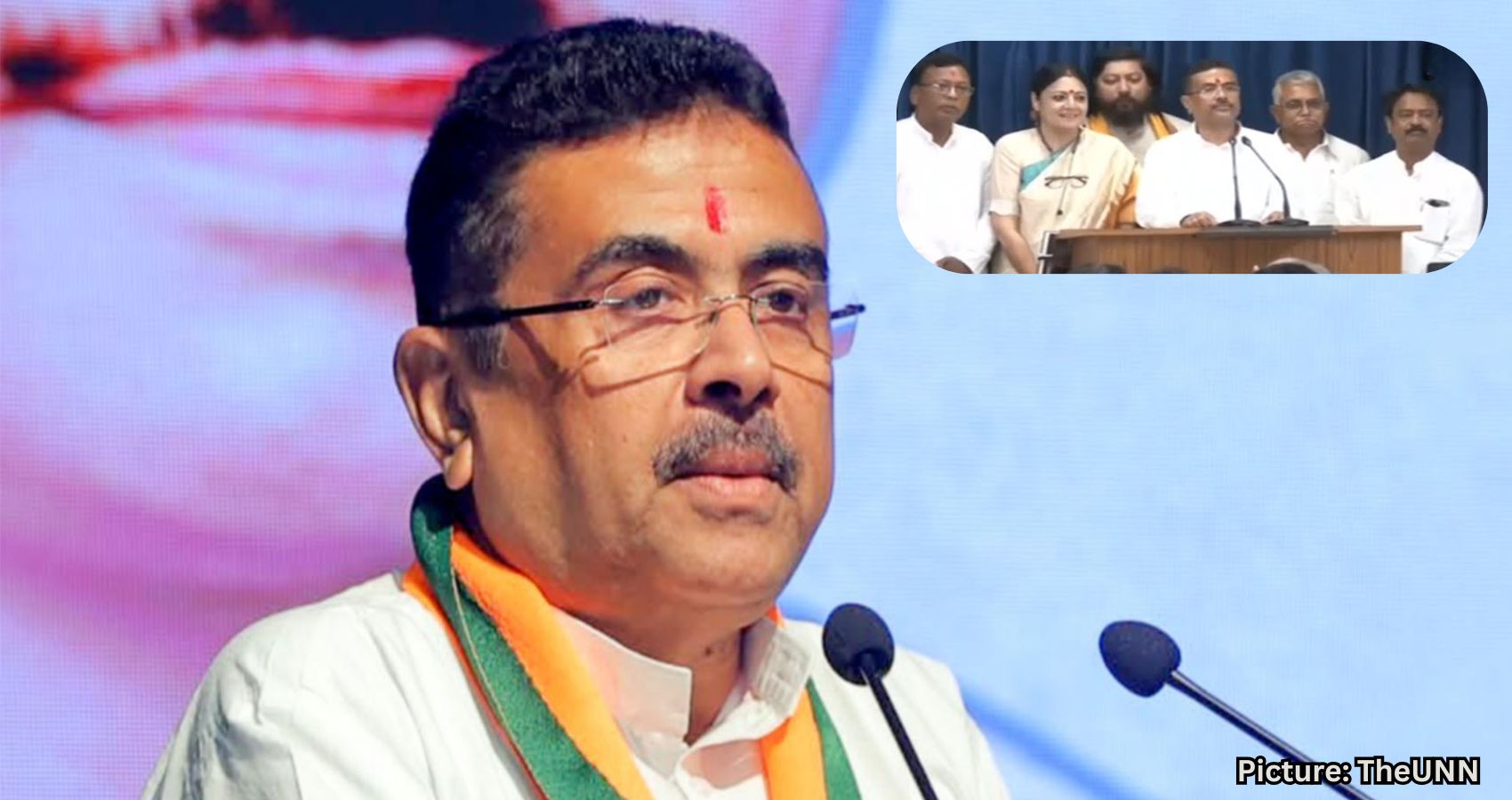
Sehwag’s insights highlight the importance of strategic flexibility in cricket, particularly in high-stakes tournaments like the IPL. As the season progresses, it remains to be seen whether LSG will make the necessary adjustments to turn their fortunes around.

According to Cricbuzz, the Lucknow Super Giants must urgently address their tactical shortcomings to revive their IPL 2026 campaign.

Fact Check: Did Nita Ambani Cry After Mumbai Indians’ Defeat?

Fans and owners of the Mumbai Indians were left disheartened after the team’s significant defeat to the SunRisers Hyderabad, with unverified claims suggesting Nita Ambani was seen crying post-match.

The Mumbai Indians’ disappointing performance in the ongoing Indian Premier League (IPL) season has left both fans and team owners, Akash Ambani and Nita Ambani, visibly upset. Following a six-wicket loss to the SunRisers Hyderabad on Wednesday, a video surfaced that purportedly shows Nita Ambani in tears, raising questions about her emotional response to the defeat.

In the match held at Wankhede Stadium, the Mumbai Indians faced a significant setback as they recorded their lowest point of the season. The SunRisers Hyderabad not only achieved the highest successful run chase against the Mumbai Indians but also set a new record for the highest run chase at Wankhede Stadium, reaching a target of 243 runs.

The SunRisers’ innings was largely propelled by Ryan Rickelton, who returned to the lineup and made a remarkable contribution with a score of 123 runs off just 55 balls. In response, the Mumbai Indians struggled to contain the SunRisers’ batting prowess, with Travis Head and Abhishek Sharma forming a formidable opening partnership of 129 runs in just 8.4 overs.

Despite a brief comeback for the Mumbai Indians, which saw them take the wickets of Abhishek Sharma (45), Ishan Kishan (0), and Head (76) in quick succession, the SunRisers regained control of the match. Heinrich Klaasen played a pivotal role in swinging the momentum back in favor of the SunRisers, hitting four boundaries in a single over bowled by Ashwani Kumar.

Although the Mumbai Indians managed to dismiss Nitish Kumar Reddy, Salil Arora’s explosive innings of 30 runs off just 10 balls sealed the victory for the SunRisers with eight balls to spare. Klaasen was awarded the Player of the Match for his impressive performance, scoring 65 runs off 30 deliveries.

The video of Nita Ambani reportedly crying in a car as she left the stadium has sparked speculation, but it remains inconclusive whether she was indeed shedding tears. The emotional response from the owners reflects the high stakes and passion surrounding the franchise.

In the post-match presentation, Mumbai Indians captain Hardik Pandya addressed the team’s struggles, acknowledging that 244 runs is typically a defendable target. He credited the SunRisers’ batters for their impressive performance and highlighted the importance of capitalizing on opportunities, stating, “I don’t think dew played much of a role, just that they played some good shots, we bowled some bad balls, they got to a flyer.” Pandya emphasized the need for his team to execute better in future matches.

With six losses in eight games, the Mumbai Indians face a challenging path ahead as they strive to secure a spot in the playoffs. The team’s current standing has left fans and owners alike anxious about the remainder of the season.

According to The Sunday Guardian, the emotional fallout from this match underscores the intense pressure and expectations placed on the Mumbai Indians franchise.

Iran’s $800 Million Oil Smuggling Scheme Involves Tankers Posing as Iraqi Ships

Sanctioned tankers are reportedly disguising Iranian oil shipments as Iraqi cargo, while the U.S. maintains a naval blockade to pressure Tehran’s oil exports.

Sanctioned tankers are allegedly disguising Iranian oil shipments as Iraqi cargo while President Donald Trump intensifies the naval blockade aimed at constraining Tehran’s oil lifeline, according to maritime intelligence firm Windward AI.

On Wednesday, Windward AI reported that a group of U.S.-sanctioned tankers is falsifying their location data to appear as if they are anchored off the coast of Iraq while secretly loading Iranian oil at Iranian ports.

Among the tankers identified by Windward are four very large crude carriers (VLCCs): Alicia (IMO 9281695), RHN (IMO 9208215), Star Forest (IMO 9237632), and Aqua (IMO 9248473). These vessels are reportedly using various flags, including fraudulent registries from Curacao and Malawi.

Each VLCC has the capacity to hold approximately 2 million barrels of oil, meaning that collectively, these four tankers could carry around 8 million barrels, valued at about $800 million at a price of $100 per barrel.

This revelation comes as President Trump reaffirmed on Wednesday that the U.S. will maintain its naval blockade against Iran until the country agrees to a deal that addresses U.S. concerns regarding its nuclear program.

The U.S. administration has demanded that Iran dismantle its uranium enrichment program, while Tehran insists that enrichment is a sovereign right and non-negotiable, leaving little room for compromise.

Windward AI noted a “cluster” of sanctioned tankers spoofing their locations and observed to the west of the Strait of Hormuz. The firm explained that a group of 10 Iran-trading, U.S.-sanctioned tankers is manipulating their Automatic Identification System (AIS) signals to falsely appear anchored off Basrah, Iraq, as the blockade continues to restrict Iranian ports.

“The vessels identified by Windward Multi-Source Intelligence are manipulating their signals to create a digital alibi,” the intelligence firm stated. “By broadcasting fake destination messages to Iraqi ports, the tankers appear to be in Iraqi waters while covertly sailing to Iran to load sanctioned oil.”

Once loaded, these vessels reportedly re-emerge on AIS to suggest a legitimate Iraqi origin for their cargo.

The U.S. blockade on Iranian ports began on April 13 as part of a broader strategy to pressure Iran into renegotiating limits on its nuclear program. The blockade has been implemented in stages, starting with naval deployments and restricted maritime enforcement to limit Iran’s oil exports and economic activity.

As of Wednesday, Windward reported that more than two dozen tankers are confined west of the Strait of Hormuz, with the blockade cutting Iranian oil loadings and exports by more than half.

This deceptive practice is now under intensified scrutiny, as the vessels are part of a larger group of more than two dozen tankers currently confined in the area. The handysize tanker Paola and Long Range One tanker Adena are both signaling ‘Iraqi owner’ but are linked to a sanctioned network.

Additionally, Windward identified three medium-range tankers—Aqualis, Kush, and Charminar—as well as the LPG carrier Royal H (IMO 9155341), which was newly sanctioned in February. These vessels are displaying “erratic voyage trails” to suggest loading at the Iraqi port of Khor Al Zubair.

The tell-tale signs of spoofing, including erratic patterns and fake port signals, highlight the shifting tactics employed by the so-called dark fleet as the blockade continues to significantly reduce Iranian oil loadings and exports.

In response to the U.S. blockade, Iran’s parliamentary speaker, Mohammad Ghalibaf, criticized U.S. policymakers, including Treasury Secretary Scott Bessent, for the impact of the blockade on oil prices. Ghalibaf referred to the advice from the U.S. Treasury as “junk” and blamed it for driving up oil prices. He remarked, “Three days in, no well exploded,” in a post shared on social media platform X.

As the situation unfolds, the international community watches closely, particularly as the U.S. continues to enforce its sanctions and Iran seeks ways to navigate the restrictions on its oil exports.

According to Fox News Digital.

Eye Foundation of America Raises $900,000 to Combat Childhood Blindness

The Eye Foundation of America raised $900,000 at its recent charity gala, aiming to combat preventable childhood blindness globally.

The Eye Foundation of America (EFA) successfully raised $900,000 during its 2026 charity gala, held on April 18 at The Imperia in Somerset, New Jersey. The event, themed “Join Our Vision,” underscored the vital need for collective efforts to enhance access to affordable and high-quality eye care for children in underserved communities worldwide.

Under the leadership of founder Dr. V. K. Raju and foundation president Dr. Leela V. Raju, the gala brought together a diverse group of philanthropists, medical professionals, business leaders, and community advocates, all united by a shared vision of eradicating childhood blindness.

During the event, members of the Board of Trustees, including Sam Maddali, Sekhar Vemparala, and Srinu Maddula, were acknowledged for their years of dedication and stewardship in advancing the Foundation’s mission.

“Every child deserves to see the world with clarity and purpose,” Dr. V. K. Raju, a world-renowned ophthalmologist, stated. “Let us join hands to eradicate childhood blindness and unlock a brighter future for generations to come.”

Dr. Raju highlighted the transformative advances in medicine and technology, particularly the emergence of gene therapy and stem cell therapy, which are changing the landscape of diagnosis and treatment for inherited and degenerative eye diseases. However, he stressed that innovation alone is insufficient.

“The greatest challenge is ensuring these life-changing treatments are accessible and affordable to the millions of children who need them most,” he said.

Dr. Raju assured attendees that the funds raised during the gala would directly support EFA’s long-term mission to provide restorative and preventive vision care to children in underserved regions.

The Foundation employs a comprehensive approach to achieve its mission, which includes organizing eye camps, establishing permanent hospitals in developing countries, training medical professionals, and educating communities about preventive eye care and healthy lifestyle choices.

By empowering individuals with knowledge and access to care, EFA aims to prevent avoidable vision loss while enabling families and communities to thrive.

Through its initiatives, EFA trains teachers to identify early signs of eye problems in children, educates communities on injury prevention, and provides patients with free or subsidized surgeries and follow-up care.

These sustained efforts have made a significant impact: EFA has served approximately 2.5 million patients and performed over 340,000 vision-saving surgeries, including more than 30,000 surgeries for children. Over four decades, Dr. Raju’s work has restored sight to millions in India and around the world.

According to a media release, the Eye Foundation of America continues to strive toward a future where every child has the opportunity to see clearly and live a fulfilling life.

Karthik Shekhar, Indian-American Researcher, Wins $100,000 for Bioelectricity Study

Karthik Shekhar, an assistant professor at UC Berkeley, has received the prestigious 2026 Camille Dreyfus Teacher-Scholar Award for his groundbreaking research in bioelectricity.

Karthik Shekhar, an assistant professor of chemical and biomolecular engineering at the University of California, Berkeley, has been honored with the 2026 Camille Dreyfus Teacher-Scholar Award. This accolade includes a $100,000 unrestricted research grant from the Camille and Henry Dreyfus Foundation, and Shekhar is one of only 17 scholars nationwide to receive this prestigious recognition.

The Camille Dreyfus Teacher-Scholar Award is designed to acknowledge early-career faculty who have established an independent body of scholarship while demonstrating a strong commitment to education. Shekhar’s award-winning work, titled “The Chemical Physics of Bioelectricity: From Ion Channels to Emergent Excitability,” explores the intersection of neuroscience and biophysics.

In his research, Shekhar utilizes single-cell genomic approaches and computational modeling to investigate the development of the visual system and the communication between neurons. These insights are crucial for understanding the molecular triggers behind neurodegenerative diseases such as glaucoma.

Shekhar’s academic journey began in India, where he was born in Mumbai. He earned both his Bachelor of Technology (BTech) and Master of Technology (MTech) in chemical engineering from the Indian Institute of Technology (IIT) Bombay in 2008. His exceptional academic performance earned him the Institute Silver Medal and the Best Master’s Thesis Award. Following his studies in India, he moved to the United States to complete his PhD at the Massachusetts Institute of Technology (MIT).

In addition to his research accomplishments, Shekhar has made a significant impact as an educator at Berkeley. He has previously received the Donald Sterling Noyce Prize for Excellence in Undergraduate Teaching, which highlights his ability to make complex subjects, such as chemical kinetics, accessible to students.

A member of the selection committee praised Shekhar’s teaching skills, stating, “I was struck by how successful he has been in the instruction of CBE 142. He has created a learning environment where students feel both challenged and supported.”

The Camille Dreyfus award adds to a series of accolades Shekhar has received in 2026, including his selection as a Sloan Research Fellow in February. The $100,000 grant will provide five years of flexible funding, enabling him to expand his lab’s exploration of neural diversity while continuing to mentor the next generation of engineers at Berkeley.

According to The American Bazaar, Shekhar’s achievements reflect a commitment to advancing both scientific research and education, making him a valuable asset to the academic community.

MedStar Health Faces Lawsuit Over Alleged Sexual Harassment Claims

A former patient has filed a lawsuit against MedStar Health, claiming the organization failed to act on reports of sexual harassment by a former physician, raising serious concerns about patient safety.

A former patient has initiated legal action against MedStar Health and a former rheumatologist, alleging that the health system neglected to respond adequately to reports of sexual harassment involving the physician. The lawsuit was filed on Friday in the U.S. District Court for Maryland, just two months after James C. Roberson II was suspended from practicing medicine in the state.

The Maryland Board of Physicians, in its suspension order, stated that its investigation revealed Roberson’s interactions with multiple patients violated the board’s regulations on sexual misconduct, which constitutes “immoral and unprofessional conduct.”

The lawsuit accuses MedStar Health of failing to monitor Roberson’s behavior, allowing him continued access to vulnerable patients. The complaint includes six civil counts against MedStar, including negligence, negligent hiring, negligent supervision and retention, premises liability, vicarious liability, and concealment.

MedStar Health, which suspended and subsequently terminated Roberson in 2024, issued a statement acknowledging that his “inappropriate personal conduct violated the foundational trust placed in him by his patients, by MedStar Health, and by the laws and ethics of his profession.”

In its statement, MedStar expressed gratitude to the patients who came forward, recognizing the courage it took for them to report their experiences. The organization emphasized that it acted swiftly upon receiving a patient’s concerns about Roberson’s behavior, suspending him immediately and firing him after a thorough investigation.

“We will never tolerate inappropriate behavior by our providers, and we will always act quickly to address any allegations of misconduct brought to our attention,” the statement read.

The plaintiffs are represented by attorneys from Baltimore-based firms Brockstedt Mandalas Federico (BMF) LLC and Keilty Bonadio. One of the attorneys indicated that the number of plaintiffs could exceed 100, depending on how the class is defined. The lead plaintiff began treatment with Roberson in 2021 or 2022 at the orthopedic institute at MedStar Health Medical Center at Brandywine.

During multiple appointments, she allegedly experienced “inappropriate and repeated breast ‘exams’ without clinical indication; full-body massages with lotion; and inappropriate touching of the vaginal area under the guise of medical assessment.”

Initially, the plaintiff believed these examinations were medically necessary as she sought treatment for severe pain and distress caused by Sjögren’s syndrome. “He was clearly doing it for self-pleasure,” said Philip C. Federico, a partner at BMF. “It got to the point where he couldn’t restrain himself sexually; it went further and further until he was appropriately disciplined.”

The proposed class action lawsuit claims that MedStar was negligent in failing to act on “warning signs and red flags … indicative of immoral conduct.”

Critics of the Maryland Board of Physicians have expressed concern over its response to initial complaints filed in 2018. Reports indicate that the Board responded to these complaints with an advisory letter but did not take further corrective action.

According to reports from WUSA9 and FOX 5 DC, there are over 100 alleged victims across Maryland and Virginia, with claims involving inappropriate touching, medically unnecessary examinations, and repeated conduct that patients describe as violations of professional boundaries disguised as routine care.

Federico, who has previously represented sexual abuse victims in high-profile cases, noted that MedStar has been “very cooperative” with the civil attorneys’ investigation. He described the organization as a “frontline corporate medical leader in our community,” based on his experiences in typical medical malpractice litigation.

The allegations against Roberson and the subsequent lawsuit against MedStar Health highlight significant concerns regarding patient safety and the responsibilities of healthcare institutions to protect their patients from misconduct.

As this case unfolds, it raises critical questions about the mechanisms in place for reporting and addressing allegations of misconduct within the healthcare system, and the extent to which organizations are held accountable for the actions of their providers.

According to The American Bazaar, the situation continues to develop as more information comes to light regarding the extent of the alleged misconduct and the responses from both MedStar Health and the Maryland Board of Physicians.

Sourav Ganguly Votes in South 24 Parganas for West Bengal Elections 2026

Former Indian cricket captain Sourav Ganguly and his wife Dona participated in the second phase of the West Bengal Assembly elections by casting their votes.

Former Indian cricket captain Sourav Ganguly, accompanied by his wife Dona Ganguly, exercised their democratic right by casting their votes on Wednesday during the second phase of the West Bengal Assembly elections.

The elections are a significant event in the state’s political landscape, and the participation of prominent figures like Ganguly highlights the importance of civic engagement.

Sourav Ganguly, a celebrated cricketer known for his leadership and contributions to Indian cricket, continues to be a respected figure in West Bengal. His involvement in the electoral process serves as an inspiration for many in the region.

As the elections progress, the focus remains on voter turnout and the issues that matter most to the electorate in West Bengal. The state’s political dynamics are closely watched, and the outcomes of these elections could shape its future.

According to NDTV, the second phase of voting is crucial as it involves several key constituencies that will play a pivotal role in determining the next government.

Dementia Risk Increases with Common Food Type Consumed Daily, Study Finds

A recent Australian study links the consumption of ultraprocessed foods to lower attention scores and an increased risk of dementia, even among individuals who maintain otherwise healthy diets.

A new study from Australia has established a connection between the consumption of ultraprocessed foods (UPFs) and a decline in cognitive function, specifically lower attention scores and a heightened risk of dementia. This research, published in the journal *Alzheimer’s and Dementia* by the Alzheimer’s Association, highlights the adverse health outcomes associated with UPFs, which include cardiovascular disease, type 2 diabetes, and obesity.

Researchers from Monash University analyzed the dietary habits of over 2,000 dementia-free adults aged 40 to 70. Their findings revealed that each 10% increase in UPF intake correlated with diminished attention scores and an elevated risk of dementia, irrespective of whether participants adhered to a generally healthy diet, such as the Mediterranean diet. Interestingly, the study did not find a significant relationship between UPF consumption and memory.

The researchers concluded that identifying food processing as a factor contributing to poorer cognitive function underscores the necessity to refine dietary guidelines. However, they acknowledged that the reliance on self-reported data could limit the strength of their findings.

In an interview with Fox News Digital, Dr. Daniel Amen, a psychiatrist based in California and founder of Amen Clinics, emphasized the profound impact of diet on brain health. “Your brain is an energy-hungry organ,” he stated, noting that it utilizes approximately 20% of the calories consumed. Therefore, the quality of those calories is crucial.

Dr. Amen described food as either “medicine or poison,” criticizing ultraprocessed options such as packaged snacks, soft drinks, and ready-made meals, which are often high in sugar, unhealthy fats, additives, and low-quality ingredients. He explained that these foods can lead to inflammation, insulin resistance, poor blood flow, and oxidative stress, all of which are detrimental to brain health.

The study indicated that even a modest increase of 10% in ultraprocessed food intake—roughly equivalent to one pack of chips per day—was linked to a measurable decline in attention, even among individuals who otherwise maintained healthy diets. “Attention is the gateway to learning, memory, decision-making, and problem-solving,” Dr. Amen noted. “If you can’t focus, you can’t fully encode information.”

Dr. Amen highlighted the importance of choosing foods that promote well-being. “You may love the taste of chips, cookies, and candy, but they don’t love you (or your brain) back,” he cautioned. He pointed out that while ultraprocessed foods may advertise themselves as sugar-free, low-carb, or keto-friendly, the processing can compromise the natural structure of food and introduce additives or chemicals that may negatively impact cognition.

To foster better brain health, Dr. Amen recommends focusing on whole foods derived from plants or animals rather than those manufactured in plants. He advises building meals around colorful vegetables and fruits, clean proteins, healthy fats, nuts, seeds, and high-fiber carbohydrates. “Start by replacing one ultraprocessed food per day with a brain-healthy option,” he suggested. This could involve swapping chips for nuts, soda for water or unsweetened green tea, and packaged sweets for berries. “Small choices done consistently can change your brain and your life,” he emphasized.

Given that ultraprocessed foods have been shown to exacerbate several risk factors for dementia, Dr. Amen urges individuals at risk of cognitive decline to prioritize preventive measures as early as possible. “If you have a family history of dementia, memory concerns, diabetes, high blood pressure, or weight issues, your diet is not a side issue—it’s a primary brain-health intervention,” he stated. “Remember, you’re not stuck with the brain you have. You can make it better, and it starts with the next bite.”

Fox News Digital reached out to the study researchers for further comments.

Runway-to-Space Challenge Aims to Advance Spaceflight Technology

A new U.S. competition, the Runway-to-Space Challenge, aims to revolutionize space research by allowing teams to fly payloads on a reusable spaceplane, enabling rapid access to microgravity.

For years, the process of getting payloads into space has been characterized by high costs and lengthy preparation times. Researchers often spend months or even years readying their experiments, only to have a single opportunity to execute them. If something goes awry, they face additional delays before they can try again. However, a new initiative is set to change this paradigm.

The Runway-to-Space Spaceplane Challenge is a U.S. competition that offers a novel approach to space research. Rather than depending on traditional rocket launches, teams will utilize a reusable spaceplane capable of taking off and landing on a runway. This innovative method could significantly alter the landscape of space research.

The program centers around the Aurora spaceplane developed by Dawn Aerospace, which operates from the Infinity One Oklahoma Spaceport. The Aurora is designed to reach the edge of space, achieving speeds exceeding Mach 3.5 and altitudes of approximately 62 miles. During each flight, payloads can experience a brief window of microgravity lasting just over two minutes.

While this may sound similar to other suborbital missions, the Aurora’s rapid turnaround capability sets it apart. The spaceplane can land, be prepared for another flight, and take off again much more quickly than traditional launch systems. This efficiency addresses one of the most significant bottlenecks in space research.

Having already completed over 60 missions, the Aurora aims to make access to the edge of space more routine and scalable. “Meaningful access to microgravity typically means going to orbit, which is expensive, slow, and often out of reach for early-stage ideas,” said Stefan Powell, CEO of Dawn Aerospace. “Aurora changes that by giving teams a fast, lower-cost way to access microgravity and iterate within months. It’s not a substitute for long-duration missions, but it enables experiments that would otherwise never leave the ground, turning ideas that might never have flown into viable missions that can ultimately progress to orbit.”

The concept of rapid iteration is a key feature of this program. It allows researchers to test their concepts, make adjustments, and return to flight without the long delays typically associated with traditional space missions.

Former NASA Administrator Jim Bridenstine emphasized the broader implications of this competition. “This competition is about capturing the imagination of scientists, engineers, and researchers, while also enabling a new way of working, where research can move faster, iterate more frequently, and strengthen U.S. leadership in space-enabled science and industry.”

To illustrate the potential of this approach, consider how commercial aviation operates. Planes can land, refuel, and take off again within hours. This same rhythm is now being applied to space access. Instead of designing a perfect experiment for a single launch, researchers can test, refine, and fly again, creating a more flexible process where ideas can evolve in real time.

This shift is crucial because many early-stage concepts fail to reach space due to the high costs and complexities involved. With a reusable system, smaller teams have a better chance to test innovative ideas without enduring years of waiting between attempts. While it does not replace long-duration missions in orbit, it fills a significant gap that has persisted for decades.

The Oklahoma Space Industry Development Authority is spearheading the challenge, aiming to enhance the state’s role in the expanding space economy. Significant investments are being made to upgrade the spaceport, including new infrastructure tailored specifically for spaceplane missions.

Programs like the Runway-to-Space Challenge reflect a broader initiative to accelerate space research and make it more responsive. When teams can test their ideas more frequently, progress tends to follow. The timeline for this initiative is ambitious, with applications opening in April 2026 and closing in September, while flights are anticipated to commence in 2027. This timeline allows teams ample opportunity to prepare their payloads as the necessary infrastructure continues to develop.

Participation in the program is primarily structured around Oklahoma institutions, although broader collaboration is encouraged. Applications must be led by an Oklahoma-based university or research institution, but out-of-state partners can join as collaborators. The application window will open on April 16, 2026, and close on September 25, 2026, at 5 p.m. CT.

Selected teams will have the opportunity to fly payloads weighing up to 33 pounds. Each mission can reach altitudes of about 62 miles, exceed Mach 3.5, and provide up to 127 seconds of microgravity. Flights are expected to begin in mid to late 2027, giving teams approximately a year to prepare.

Even for those not directly involved in aerospace, this shift in access to space could have far-reaching implications. As space becomes more accessible and flexible, innovation is likely to accelerate. Research that once took years can progress in shorter cycles, influencing various fields from materials science to weather forecasting.

This initiative also signals a significant shift in the approach to space exploration. The focus is moving away from rare, high-stakes missions toward a model that supports routine experimentation. This transition is expected to foster increased competition and more rapid breakthroughs, many of which may eventually translate into everyday technology, even if the connections are not immediately apparent.

Spaceflight has always pushed the boundaries of what is possible, but the process has remained slow for an extended period. The Runway-to-Space Challenge points to a future where reaching the edge of space becomes more practical and repeatable. This change could unlock a wealth of ideas that have been sidelined for too long. If space begins to operate more like aviation, the pace of discovery could transform in ways that extend far beyond the aerospace sector.

As the landscape of space research evolves, it raises an intriguing question: How quickly can we expect new technologies to transition from experimental phases to everyday applications? For further insights, readers are encouraged to share their thoughts at CyberGuy.com.

According to Fox News.

Federal Court Halts ICE’s Detention of Immigrant Teens Reaching Age 18

On December 12, 2025, a federal court in Washington, D.C., ruled that ICE must adhere to existing protections for immigrant teens transitioning to adulthood, blocking a policy that would have placed them in adult detention.

Washington, D.C., December 12, 2025 — A federal court in Washington, D.C., has issued a ruling requiring U.S. Immigration and Customs Enforcement (ICE) to comply with a long-standing court order that safeguards immigrant teens from being transferred to adult detention centers. This decision effectively blocks a recent ICE policy that aimed to automatically transfer unaccompanied children into adult detention upon turning 18.

The court’s order specifically addresses children who initially entered the United States as unaccompanied minors and who “age out” of the custody of the Office of Refugee Resettlement (ORR). The ORR is the federal program responsible for the care of unaccompanied children, placing them in shelters and later with family members or guardians.

This ruling enforces a permanent injunction established in the 2021 case Garcia Ramirez v. ICE, which mandates that ICE must consider the least restrictive setting available for every unaccompanied child who turns 18. It also requires that all age-outs be eligible for alternatives to detention.

Suchita Mathur, a senior litigation attorney with the American Immigration Council, commented on the ruling, stating, “This ruling makes clear that ICE cannot secretly flout the law or blatantly ignore court orders. ICE tried to detain newly-18-year-olds as a matter of course. These are kids that ICE officers have found, in almost all cases, do not pose a danger or flight risk, with sponsors, families, and community support waiting for them. This decision puts a stop to that.”

The controversial policy, introduced on October 1, instructed shelters and attorneys that all unaccompanied children turning 18 would be transferred to adult detention, regardless of whether they had safe homes and sponsors ready to take them in. Critics argue that adult detention poses significant risks to the teenagers’ short- and long-term development. Currently, ICE is holding a record number of individuals in detention, leading to overcrowded and inhumane conditions, including inadequate medical care, abusive treatment, and limited access to legal and psychological support. The court found that automatically transferring teens to adult detention without considering safer, age-appropriate alternatives constitutes a violation of the law.

Mark Fleming, associate director of federal litigation at the National Immigrant Justice Center, emphasized the importance of the ruling, stating, “Today’s ruling sends a powerful message: ICE can’t put teenagers in dangerous, overcrowded facilities just because they turned 18. There are safer, lawful options that keep young people connected to school, family, and community. That’s what the law requires, and that’s what this order restores.”

The court’s ruling mandates that ICE immediately cease following its October 1 guidance and remove any individuals who were placed in detention as a result of this policy.

For further details, the court order and opinion can be accessed through the appropriate legal channels.

This ruling marks a significant victory for advocates seeking to protect the rights of immigrant minors and reinforces the necessity for humane treatment within the immigration system, according to American Immigration Council.

Azara Opens on Atlanta’s Beltline with Global Healthy Dining Concept

Azara, a new restaurant on Atlanta’s Beltline, offers a global, longevity-inspired menu focused on healthy dining and community engagement.

ATLANTA — A new culinary venture, Azara, has opened its doors along the Beltline, a popular urban trail in Atlanta, aiming to provide healthier dining alternatives in a city known for its active lifestyle.

Founded by orthopedic surgeon Dr. Raj Pandya, Azara draws inspiration from global culinary traditions and promotes healthy, delicious dishes. The restaurant seeks to create a welcoming space that encourages community engagement and well-being through its carefully curated menu and vibrant atmosphere.

Located on the Eastside Trail of the Beltline in the Old Fourth Ward, Azara stands out in a landscape filled with dining options that often emphasize indulgence over health. Dr. Pandya notes that many establishments offer luxurious and calorie-dense meals, which can conflict with the health-conscious lifestyle many patrons aspire to maintain. “Many of the food options in this gentrifying ring tend to be luxurious and indulgent, which is a lifestyle discrepancy for those frequenting the area,” he said.

In addition to an elegant dining room and a rooftop space, Azara features a coffee bar and café open during the day, where patrons can enjoy artisanal coffees and matcha. The café offers housemade specialties, including a pistachio-saffron latte and mango sticky rice matcha.

Dr. Pandya’s vision for Azara is rooted in a lifelong commitment to improving health, mobility, and quality of life. With over 20 years of experience in sports medicine and wellness innovation, he has developed a holistic approach to nutrition that emphasizes the connection between diet and overall well-being. “I view myself as a caretaker, not just a technician,” he explained.

“Medicine for me isn’t just about prescribing medications or performing surgery. It’s taking care of the problem, which requires creating an ecosystem.” This philosophy is informed by his experiences growing up in Chicago and New York, where he learned from his father the significance of understanding the origins of food.

His childhood visits to India further instilled in him a deep appreciation for fresh ingredients and their impact on health. These experiences led Dr. Pandya to contemplate why inhabitants of certain regions live longer and healthier lives, prompting him to explore how these principles could be applied in Atlanta.

The menu at Azara reflects Dr. Pandya’s commitment to healthful eating, inspired by dietary practices from around the world. Dishes are crafted from global culinary traditions, featuring predominantly vegetable-based options from Syrian, Japanese, Spanish, and Indian cuisines. Notably, Azara’s menu excludes red meat entirely, and plant-based ingredients are prepared separately to accommodate various dietary needs and allergies.

The menu is seasonal and specifically curated to reflect the Earth’s offerings at any given time. Beyond the food, Azara’s drink offerings emphasize wellness and creativity. Fresh fruit and vegetable juices are served in what Dr. Pandya describes as “thoughtfully curated, alcohol-free nectars,” with the option to include mindfully sourced spirits.

The restaurant also features a selection of signature cocktails, a curated wine list, and items like hard kombucha, all designed to complement the health-oriented dining experience.

A key aspect of Azara is its focus on fostering community among diners. Dr. Pandya believes that social integration plays a crucial role in enhancing overall well-being. The design of the restaurant encourages interaction, featuring diverse dining environments—from a glamorous rooftop space ideal for leisurely gatherings to a casual bistro area accommodating joggers and their pets.

“Community is critical,” stated Dr. Pandya. “Social integration enhances every aspect of your being, from neural networks and sustainability to energy.” To facilitate this, Azara hosts live music events twice a week, alongside cultural performances that reflect its globally inspired theme. This programming aims to enrich the dining experience and cultivate a sense of belonging among guests.

As Azara establishes itself within Atlanta’s vibrant dining scene, Dr. Pandya acknowledges that this endeavor is an ongoing journey. “It is and always will be a work in progress,” he remarked, drawing parallels between the restaurant’s evolution and the continuous quest for wellness.

He emphasizes that Azara is not solely about providing food; it aims to raise awareness about healthy eating habits and the importance of community support in achieving wellness. Dr. Pandya envisions Azara as a catalyst for positive transformation within the community, urging individuals to optimize their life experiences through a holistic ecosystem that combines location, structure, ambiance, community, and healthful food.

His hope is that the restaurant will inspire patrons to make informed dietary choices that enhance their health and quality of life, ultimately contributing to a more vibrant and health-conscious Atlanta. In conclusion, Azara represents a significant addition to Atlanta’s culinary landscape, embodying the principles of health, community, and cultural appreciation.

By merging health-forward cuisine with a commitment to fostering social connections, Dr. Pandya aims to create a dining experience that not only nourishes the body but also enriches the community fabric.

To enjoy healthy dining and to learn more about the cuisine at Azara, please visit: www.azaratal.com.

According to Global Net News.

Tamil Nadu Achieves 10.83% Economic Growth for FY 2025-26

Tamil Nadu has achieved a remarkable economic growth rate of 10.83% for the fiscal year 2025-26, marking its second consecutive year of double-digit growth and surpassing the national average.

Tamil Nadu has recorded an impressive economic growth rate of 10.83% for the fiscal year 2025-26, continuing its trend of double-digit growth for the second consecutive year. This growth significantly exceeds the national average of 7.4%, as reported by the Union Ministry of Statistics and Programme Implementation. Tamil Nadu is poised to be a leader among Indian states, pending forthcoming data from 11 other states, including major contributors like Uttar Pradesh, Punjab, and Kerala.

In the previous fiscal year, 2024-25, Tamil Nadu achieved a growth rate of 11.19%. This consistency underscores the state’s ability to maintain a robust economic trajectory despite various challenges, including the lingering impacts of the COVID-19 pandemic and global economic fluctuations. The anticipation surrounding Tamil Nadu’s economic performance for 2025-26 is built upon a foundation of strategic planning and investment that has characterized the state’s economic policy in recent years.

The significant economic expansion in Tamil Nadu can be attributed to several critical factors. The state boasts a strong industrial base, particularly in manufacturing and services, bolstered by government initiatives aimed at creating a business-friendly environment. This proactive approach has attracted considerable domestic and foreign investment, enhancing productivity and ultimately driving economic growth.

Manufacturing, especially in textiles and automobiles, is a pivotal driver of Tamil Nadu’s economy. Often referred to as the “Detroit of India,” the state is home to a substantial automotive manufacturing industry. Additionally, the information technology sector has seen substantial growth, providing a wide array of employment opportunities and strengthening the overall economic infrastructure of the state.

The achievement of double-digit growth rates carries significant implications for Tamil Nadu’s economy. This performance not only reflects the state’s ability to rebound from the economic disruptions caused by the COVID-19 pandemic but also enhances its attractiveness as an investment destination. A positive economic outlook can stimulate job creation, improve living standards, and increase revenue generation for the state government.

However, economists emphasize the importance of sustainable growth. While the current high growth figures are commendable, maintaining consistent long-term growth is essential for achieving economic stability. The Tamil Nadu government is expected to leverage its growth figures to strengthen social welfare programs and enhance public services, which are crucial for ensuring social equity and addressing the diverse needs of its population.

On a national scale, the economic landscape is characterized by mixed performance, with an average growth rate of 7.4% reflecting varying levels of success across different states. This growth rate serves as a key indicator for policymakers, business leaders, and investors, as it reflects the overall health of the Indian economy. While Tamil Nadu’s performance stands out, it is essential to contextualize it within the framework of regional disparities and the unique challenges faced by other states.

Critics of Tamil Nadu’s growth trajectory have pointed to ongoing issues such as poverty, unemployment, and infrastructural deficits, which continue to pose significant challenges for many regions across India. Addressing these issues is vital to achieving balanced growth and ensuring that the benefits of economic development are equitably distributed among the population.

As Tamil Nadu progresses, the state government is anticipated to maintain its focus on policies that promote economic growth, innovation, and sustainability. Initiatives related to green energy, digital transformation, and skill development are poised to play a crucial role in shaping the state’s economic future. By investing in these areas, Tamil Nadu aims not only to sustain its growth trajectory but also to position itself as a leader in emerging sectors.

As the Union Ministry of Statistics and Programme Implementation prepares to release economic data from other states, a clearer picture of the national economic landscape will emerge. Until then, Tamil Nadu stands as a beacon of economic achievement, setting a high standard for others to aspire to. The continued emphasis on strategic growth and development will be closely monitored by economists, policymakers, and business leaders, as they seek to understand the broader implications of Tamil Nadu’s performance on the national economy.

Overall, Tamil Nadu’s remarkable economic performance underscores the potential for growth in India, particularly in states that prioritize strategic planning, investment, and innovation. The state government’s commitment to enhancing its economic framework could lead to long-term benefits for its citizens and position Tamil Nadu favorably in the context of India’s overall economic development, according to Source Name.

Our Motherland and Global Perspectives on Indian-American Identity

Exploring the balance between love for one’s homeland and the universal kinship that transcends borders, this article reflects on the deeper meanings of patriotism and interconnectedness.

“Janani Janmabhoomishcha Swargadapi Gariyasi,” which translates to “Mother and motherland are greater than heaven,” is an ancient Sanskrit sentiment that resonates deeply within the human heart. It encapsulates our profound gratitude towards two fundamental sources of nourishment: the mother who gave us life and the land that nurtured our identity, language, and culture.

While it is natural to love one’s mother and motherland, this sentiment must be approached with care and spiritual maturity. When interpreted too narrowly, it risks becoming a slogan of exclusion rather than a hymn of gratitude. Such a perspective can lead to a fixation on a specific patch of earth, overshadowing the larger truth that all of humanity shares the same sky, sunlight, and divine presence.

In celebrating our love for our janmabhoomi, or birthplace, we must also embrace the universality expressed in the concept of vasudhaiva kutumbakam, which means “the world is one family.” This idea, rooted in the Maha Upanishad, teaches us that a noble-hearted person perceives the entire world as a family.

The first sentiment fosters a sense of belonging, while the second promotes expansiveness. True wisdom lies not in choosing one over the other, but in honoring both aspects of our existence.

Loving one’s homeland is a natural inclination. The soil of childhood, the language of lullabies, the rivers and seasons of early life, and the festivals and values inherited from our ancestors are integral to our emotional ecology. Even after decades of living abroad, the essence of India remains alive within me, manifesting in the cadence of Sanskrit verses from my childhood, the depth of the Upanishads, and the flavors of food prepared with love.

As we age, our memories become sacred, transforming our homeland from mere territory into an inner landscape filled with nostalgia. This is why the phrase “mother and motherland” carries such enduring emotional weight.

However, it is essential to distinguish between gratitude and absolutism. Problems arise when love for one’s country morphs into hostility towards others. Healthy patriotism expresses love for one’s country, while unhealthy nationalism fosters disdain for others. The former is rooted in gratitude; the latter is driven by ego.

Nature serves as a corrective to this mindset. Mountains do not carry passports, oceans do not stop at customs checkpoints, and clouds do not inquire about visas. The air we breathe has traversed many lands before entering our lungs, and the water cycle itself challenges human arrogance. Nature is interconnected, indivisible, and indifferent to the borders we create.

This sentiment is poignantly captured in the beloved song from the Hindi film *Refugee*, which states, “Panchhi nadiya pawan ke jhonke, koi sarhad na inhe roke,” meaning “No borders can stop the birds, the rivers, and gusts of wind.” While political boundaries may organize our lives, they do not define ultimate reality.

At the heart of the matter is the understanding that nations are human-made constructs, necessary for governance and security but not ultimate truths. Many conflicts arise when individuals begin to idolize their labels—nation, race, religion, caste, or ideology—rather than recognizing the underlying truth that we are all participants in existence.

Nature predates nations; earth, water, fire, air, and space belong to no single country. Rivers may flow through multiple nations, but they do not possess nationalistic tendencies. Birds migrate freely, winds travel without ideology, and stars shine universally. The same moon that rises above Delhi also illuminates Damascus, Tehran, Kyiv, London, and California.

Understanding the harmony between janmabhoomi and vasudhaiva kutumbakam allows us to appreciate both intimacy and universality. The former speaks to the land that shaped us, while the latter reminds us that the earth is a shared home for all. This duality enriches our experience, allowing us to honor our roots while embracing a broader perspective.

Some may perceive reverence for one’s motherland and an embrace of global kinship as contradictory. However, they belong to different levels of awareness. At the personal and cultural level, it is natural to honor the land that nurtured us. At the spiritual level, transcending exclusivity to recognize our kinship with all beings is essential. The confusion arises when we conflate the relative with the absolute.

One can love their home without harboring animosity towards the neighborhood. Cherishing one’s mother does not diminish the respect owed to others. Similarly, one can hold their motherland dear while acknowledging that every individual on earth loves their homeland in much the same way. Maturity lies in recognizing both truths simultaneously.

Patriotism devoid of spiritual breadth can become volatile. In our current climate, where conflict is often fueled by rigid identities, it is crucial to emphasize a wider vision. This is not to suggest that patriotism is inherently wrong, but rather that it must be tempered with reverence for the whole.

As the world grapples with tensions and conflicts, rhetoric can become harsher, identities weaponized, and nuance lost. The age-old wisdom of interconnectedness is not merely a luxury; it is a necessity. If more individuals internalized the truth that we all share the same air, water, sunlight, and earth, the appetite for destruction might diminish.

While I recognize that wars will not cease simply because of poetic sentiments, and that nations require laws and borders, a shift in human consciousness beyond narrow identities is essential for lasting political solutions. Peace necessitates more than treaties; it demands a transformation in worldview.

As I reflect on my life experiences, I find myself increasingly moved by enduring truths rather than loud declarations. I have witnessed humanity’s capacity for both extraordinary kindness and folly. We construct homes, temples, and civilizations, only to sometimes destroy them in the name of ideas we have made too sacred.

With age, I have come to value simplicity. Nature possesses wisdom that often eludes us. Birds know how to migrate, rivers know how to flow, and winds know how to move. Despite our intelligence, humans struggle to coexist without hatred.

This is why songs, scriptures, and poetry hold immense significance; they remind us of truths that politics alone cannot convey. A child can grasp the meaning behind the line about birds, rivers, and wind, while an elder may spend a lifetime growing into its significance.

As a grandparent, I worry about the legacy we leave for future generations. Will they inherit advanced technologies but weakened hearts? Will they grow up in a world of connected devices yet divided societies? Will they learn only competition and tribal loyalty, or will they also inherit a broader imagination that honors roots without being confined by them?

The pressing question remains: What should we teach the next generation?

We should encourage children to love their country without blind worship. We should instill respect for their culture while promoting appreciation for others. Teaching history should be accompanied by humility. They should take pride in their origins while recognizing that all humanity shares a common source of life. Maps are useful, but they do not represent the entirety of truth.

Above all, we must teach them to widen their circle of concern: first family, then community, then nation, then humanity, and ultimately all life. This expansion is not a betrayal of one’s roots; rather, it is the flowering of those roots.

It is possible to be deeply rooted while remaining open. One can love their people without harboring hatred for others. Defending one’s home does not necessitate forgetting the humanity of those beyond it. This perspective is not weakness but maturity.

Ultimately, janmabhoomi may not only refer to the political country of one’s birth. It can also signify the nurturing matrix from which one’s life emerged. At this level, the entire earth becomes our motherland, nature becomes our motherland, and existence itself becomes our motherland. In this understanding, love for one’s birthplace and the expansive ideal of vasudhaiva kutumbakam harmoniously coexist.

Mother is sacred, and motherland is sacred. Yet, the greater teaching is that life itself is sacred. If we awaken to this truth, we can honor our place of birth without constricting our hearts. We can declare, “I love my land,” while also acknowledging that the world exists in a vast embrace. We can learn to be rooted without being narrow, patriotic without hostility, and spiritual without abstraction.

In this way, patriotism transforms into gratitude rather than aggression. Identity becomes an offering rather than armor, and culture serves as a lamp rather than a weapon.

According to India Currents, embracing both our roots and our shared humanity is essential for fostering a more peaceful world.

Another Retelling of Hamlet Features Indian-American Cultural Elements

The latest adaptation of Shakespeare’s Hamlet, featuring Riz Ahmed, reimagines the classic tragedy within a South Asian British context, blending cultural elements with timeless themes of betrayal and madness.

Shakespeare’s Hamlet, one of the Bard’s most enduring tragedies, has inspired numerous adaptations over the years. Among the most notable for South Asian audiences is Vishal Bharadwaj’s Haider. The latest retelling, titled Riz Hamlet, stars Riz Ahmed and premiered at the Telluride Film Festival in Colorado last year, with a wider theatrical release in the United States this year.

Directed by Aneil Karia and penned by Michael Lesslie, Riz Hamlet reimagines the classic story within the confines of an elite South Asian British family. This marks the second collaboration between Ahmed and Karia, who previously worked together on the Oscar-winning short film, The Long Goodbye.

Karia’s adaptation remains largely faithful to Shakespeare’s original text, preserving the dialogues and character names. The film opens with the death of Hamlet’s father, a wealthy real estate mogul, followed by his uncle Claudius, played by Art Malik, taking over the family business and marrying Hamlet’s mother, Gertrude, portrayed by Sheeba Chaddha. As Hamlet grapples with his father’s ghostly visitation, he begins to question his uncle’s motives and his own sanity.

Initially, it may feel jarring to hear South Asian characters in contemporary London reciting Shakespearean dialogue. However, as the narrative unfolds, the words resonate deeply, evoking empathy for Hamlet’s anguish and isolation as he confronts his father’s murder.

Riz Ahmed delivers a compelling performance as Hamlet, effortlessly capturing the character’s frustration and discomfort. Supporting performances by Joe Alwyn as Laertes, Morfydd Clark as Ophelia, and Timothy Spall as Polonius further propel Hamlet toward madness, forcing him to discern reality from illusion. The iconic “to be or not to be” soliloquy is delivered in a car, where Karia artfully intertwines Hamlet’s emotional turmoil with reckless driving.

Ahmed’s nuanced acting and impassioned dialogue delivery represent a significant milestone for South Asian artists, who have greatly benefited from his groundbreaking roles in films such as The Reluctant Fundamentalist, Nightcrawler, and Sound of Metal. His work continues to pave the way for South Asian actors in an industry that has often overlooked them.

Despite the film’s strong performances, it does fall short in certain areas. The lighting throughout the film is inconsistent; while some scenes, such as Ahmed standing in front of a fluorescent light, are striking and eerie, others lack the same visual impact, particularly those set indoors. Additionally, Chaddha’s character appears to have been hastily written, leaving viewers to ponder how the film might have evolved with more substantial dialogue for her role.

The film’s conclusion feels abrupt, cutting short the final scene from the original play and leaving audiences questioning whether a longer runtime might have enhanced the overall experience. This is particularly disappointing given that the film has been in development for nearly a decade.

Riz Hamlet is currently showing in theaters across the United States, offering audiences a fresh perspective on a timeless tale.

For more insights on the film, refer to India Currents.

JAINA Mourns the Passing of Veerayatan Founder Acharya Shri Chandanaji

JAINA expresses profound sorrow over the passing of Padma Shri Acharya Shri Chandanaji, founder of Veerayatan, a revered figure in the Jain community, who died on April 22.

CHICAGO, IL – The Federation of Jain Associations in North America (JAINA) has expressed deep sorrow following the passing of Padma Shri Acharya Shri Chandanaji, the founder of Veerayatan and a respected Jain spiritual leader. She passed away on April 22 at 10:30 a.m.

Acharya Shri Chandanaji was known for her close association with the Jain community in North America, having attended numerous JAINA conventions where she offered guidance, blessings, and encouragement to volunteers and leaders.

“Acharya Shri Chandanaji’s life is a beacon of selfless service and spiritual strength,” said Atul Shah, president of JAINA. “Her contributions to humanity and her unwavering blessings to our community will forever remain a source of inspiration.”

Affectionately known as Tai Ma, she was celebrated for transforming spiritual values into humanitarian actions. Through her leadership at Veerayatan, she played a pivotal role in establishing institutions focused on education for underprivileged children, healthcare services, eye care, vocational training, women’s empowerment, and disaster relief and rehabilitation.

Under her guidance, Veerayatan evolved into an internationally respected organization grounded in the principles of seva (selfless service), shiksha (education), and sadhana (spiritual practice). Its initiatives reached underserved communities, creating opportunities for countless individuals.

JAINA extended its condolences to the Veerayatan family, her disciples, and the global Jain community, emphasizing that her legacy would continue to inspire service and humanitarian efforts worldwide.

In recognition of her significant contributions to society and humanity, the government has directed that her last rites be conducted with full state honors.

According to India West, Acharya Shri Chandanaji’s impact on the Jain community and beyond will be remembered for generations to come.

Hayward Rookie Rocketry Team Advances to National Finals

Five rookie Civil Air Patrol cadets from Hayward, California, have secured a spot in the National Finals of the American Rocketry Challenge after ranking among the top 100 teams nationwide.

HAYWARD, CA — A team of five first-year Civil Air Patrol cadets from Hayward has achieved a remarkable milestone by earning a place in the National Finals of the American Rocketry Challenge. This accomplishment comes after they ranked among the top 100 teams out of a competitive field of 1,107 nationwide participants.

The cadets, who had never launched a rocket prior to this year, include Ishaan M., Aathmika D., Lucas K., Nirvanavi S., and Yaseen T., all of whom are in the 10th and 11th grades. They are set to travel to Virginia on May 16 to compete in the finals, where they will also present their engineering designs to congressional representatives in Washington, D.C.

Organizers noted that the team dedicated months to mastering the physics, engineering, and design principles necessary for the competition. Their hard work and determination have paid off, allowing them to stand out in a challenging environment.

To support their journey, the squadron is actively seeking community contributions to help cover travel expenses, which include airfare, lodging, transportation, meals, and other related costs. A fundraising campaign has been established, and community members can contribute through their GoFundMe page: Send Our Cadets to the Rocketry Nationals.

Previously incurred expenses, such as rocket materials and registration fees, were covered through private donations, allowing the team to focus on their preparations for the finals.

The American Rocketry Challenge is recognized as the world’s largest student rocket competition, providing participants with invaluable exposure to STEM education, innovation, and potential careers in aerospace.

This achievement not only highlights the cadets’ dedication but also underscores the importance of community support in fostering the next generation of engineers and scientists. According to India-West, the team’s journey is a testament to their hard work and the educational opportunities available through programs like the Civil Air Patrol.

Warsh Faces Key Test on Capitol Hill Amid Trump’s Fed Vision

Kevin Warsh, President Trump’s nominee for the Federal Reserve, faces a pivotal Senate Banking Committee vote that could significantly influence the central bank’s future direction.

Kevin Warsh, nominated by President Donald Trump to lead the Federal Reserve, is set to undergo a crucial vote by the Senate Banking Committee on Wednesday. This vote will serve as a key indicator of the extent to which the White House can influence the central bank’s leadership.

If Warsh secures approval from the committee, his nomination will advance to the Senate floor. However, with Republicans holding a narrow majority, any defections could jeopardize his chances of becoming the Fed’s chair for the next four years.

The Federal Reserve operates largely behind the scenes, yet its decisions impact nearly every aspect of the U.S. economy, including borrowing costs, job growth, and inflation. As such, the outcome of Warsh’s nomination is a significant moment that could steer the central bank’s power in a new direction.

Warsh’s potential rise to lead the world’s most influential central bank comes at a particularly tumultuous time. The Federal Reserve is currently facing persistent inflation, the economic consequences of the ongoing conflict in Iran, and a pending Supreme Court decision regarding Fed Governor Lisa Cook. All of this occurs amid mounting political pressure as the midterm elections approach in November.

The path to a Senate Banking Committee vote on Warsh’s nomination gained momentum after the Justice Department concluded its investigation into Federal Reserve Chair Jerome Powell. This inquiry had been a point of contention, with Senator Thom Tillis of North Carolina withholding support for Warsh until the investigation was resolved.

Trump had expressed opposition to closing the investigation, raising further questions about governance and oversight within the central bank. The probe focused on potential mismanagement of funds during renovations at the Federal Reserve’s headquarters in Washington, D.C., and unfolded despite Powell’s term as chair ending next month.

Powell, typically measured in his public statements, described the Justice Department investigation as “unprecedented” and suggested it was part of Trump’s campaign to pressure the Fed into lowering interest rates. He has faced criticism from Trump for not yielding to that pressure.

In March, Powell stated his intention to remain at the central bank until the DOJ investigation is resolved with “transparency and finality.” His term as Fed chair is set to conclude on May 15, but he is eligible to continue serving on the Federal Reserve Board of Governors for an additional two-year term. The Fed board consists of seven members nominated by the president and confirmed by the Senate, who are responsible for setting interest rate policy and overseeing the central bank’s operations.

Warsh has already indicated a desire to diverge from the current approach of the central bank, regardless of whether Powell remains beyond his chairmanship. In his testimony before lawmakers on April 21, Warsh emphasized the importance of maintaining “strictly independent” monetary policy and expressed his intention to keep the Fed “in its lane.” He cautioned that the central bank has become overly involved in social policy.

Additionally, Warsh has criticized what he perceives as a complacent central bank, arguing that large institutions are prone to inertia. He warned that adhering to the “status quo” in a rapidly changing economy is not only outdated but also potentially hazardous.

At the same time, Warsh has signaled a willingness to engage in closer coordination with elected officials, suggesting a collaborative approach with the White House and Congress on non-monetary issues. This strategy could fundamentally alter how the Federal Reserve operates within the political landscape of Washington.

The balance Warsh strikes between independence and collaboration could define not only his tenure but also the future trajectory of the institution that plays a critical role in the financial lives of millions of Americans. As the Senate Banking Committee prepares to vote, all eyes will be on Warsh and the implications of his potential leadership.

According to Fox News, the outcome of this nomination could reshape the Federal Reserve’s approach in the coming years.

HHK vs MS: PSL 2026 Eliminator 1 Match Preview and Predictions

The Hyderabad Kingsmen will take on the Multan Sultans in the first eliminator of the Pakistan Super League 2026 at Gaddafi Stadium in Lahore on April 29.

The Pakistan Super League (PSL) 2026 is set for an exciting eliminator clash as the Hyderabad Kingsmen face the Multan Sultans on April 29 at Gaddafi Stadium in Lahore. This match is crucial for both teams, as the winner will advance to Qualifier 2, where they will meet Islamabad United, who lost to Peshawar Zalmi in Qualifier 1.

The Hyderabad Kingsmen had a rocky start to their PSL 2026 campaign, suffering four consecutive losses. However, under the leadership of Marnus Labuschagne, they turned their fortunes around, making a remarkable run to the playoffs. A significant setback occurred when they were bowled out for just 80 runs against Islamabad United, severely impacting their Net Run Rate. Yet, the Kingsmen rebounded impressively, defeating Rawalpindi by 108 runs, which not only secured their place in the top four but also eliminated the Lahore Qalandars from contention. Notably, the Kingsmen have previously triumphed over the Multan Sultans in their last encounter.

On the other hand, the Multan Sultans qualified for the playoffs with relative ease. However, their confidence may have taken a hit following back-to-back defeats against the Kingsmen and Islamabad United, particularly after failing to defend targets exceeding 190 runs. While their batting lineup has shown promise, the Sultans’ bowling performance has raised concerns for the management. With the Kingsmen riding high on confidence, the Sultans will need to elevate their game to compete effectively.

As the match approaches, here are the details for the Hyderabad Kingsmen versus Multan Sultans eliminator:

Match: Hyderabad Kingsmen vs Multan Sultans, Eliminator

Series: Pakistan Super League 2026

Date: Wednesday, April 29, 2026

Time: 7:30 PM IST

Venue: Gaddafi Stadium, Lahore

Live Streaming: Tapmad TV

As for the toss prediction, it is anticipated that the Multan Sultans will win the toss. The winning captain is likely to choose to bowl first, as teams chasing have found greater success in recent matches.

Looking at the probable lineups, the Hyderabad Kingsmen are expected to field: Maaz Sadaqat, Marnus Labuschagne (captain), Saim Ayub, Usman Khan (wicketkeeper), Kusal Perera, Glenn Maxwell, Irfan Khan, Hassan Khan, Hunain Shah, Mohammad Ali, and Akif Javed.

Meanwhile, the Multan Sultans’ likely XI includes: Sahibzada Farhan, Steven Smith, Josh Philippe (wicketkeeper), Shan Masood, Arafat Minhas, Ashton Turner (captain), Mohammad Imran Randhawa, Peter Siddle, Mohammad Wasim Jr, Muhammad Ismail, and Faisal Akram.

In terms of predictions for the match outcome, while the Multan Sultans have displayed more consistency throughout the season, the Hyderabad Kingsmen have shown significant improvement as the tournament has progressed. However, it is important to note that the Kingsmen’s batting lineup can be vulnerable on off days. If the Sultans’ bowlers can regain their form and control the game, they may emerge as favorites. Nevertheless, the Kingsmen’s current momentum suggests they could secure a victory.

For further insights, refer to The Sunday Guardian.

Voter Turnout Reaches 61.11% in West Bengal Assembly Elections 2026 Phase 2

Voter turnout in the second phase of the West Bengal Assembly Elections 2026 reached 61.11% by 1 PM, amid allegations of EVM tampering and violence in Panihati.

The second phase of the West Bengal Assembly Elections 2026 has seen significant voter participation, with early reports indicating a turnout of 61.11% by 1 PM. However, the polling process has not been without controversy, as allegations of electronic voting machine (EVM) tampering and incidents of violence have emerged from various constituencies.

Voting commenced at 7 AM, and while many booths reported smooth operations, the atmosphere has been charged with political tensions. Election officials have stated that the polling process remains largely under control, despite the claims of irregularities and clashes reported in some areas.

According to data released by the Election Commission of India, Purba Bardhaman recorded the highest turnout so far, with approximately 66.8% participation. Officials anticipate that the final turnout figures will increase as more voters head to the polls throughout the day.

This phase of the elections is particularly significant, as it includes key constituencies that could influence the overall electoral outcome. Areas such as Panihati, known for its political sensitivity, have been at the center of controversy, with reports of violence and EVM issues complicating the voting process.

The electorate for this phase is diverse, with around 3.21 crore eligible voters, including approximately 1.57 crore women and 792 registered third-gender voters. This demographic spread highlights the inclusive nature of the electoral process in West Bengal.

Concerns regarding EVM integrity have been raised by the Bharatiya Janata Party (BJP), which has alleged that their party symbol was obscured at certain polling booths, making it difficult for voters to identify. In Panihati, a specific incident was reported where the issue was resolved after the ink covering the BJP symbol was removed with sanitizer. BJP leader Amit Malviya shared a video online, claiming that attempts were made to block the party’s voting option, referring to it as the “Diamond Harbour Model,” a tactic he alleged was used to secure votes for Mamata Banerjee’s nephew, Abhishek Banerjee, in previous elections.

Adding to the controversy, the mother of the RG Kar rape-murder victim, who is contesting as a BJP candidate, alleged that she was attacked by Trinamool Congress (TMC) workers while campaigning in Panihati. She claimed that goons targeted her and that police did not cooperate when she sought assistance. Furthermore, she reported that the BJP button on the EVM was covered in ink, raising questions about the fairness of the voting process.

Despite these challenges, senior BJP leader Locket Chatterjee expressed optimism, suggesting that voter turnout could reach as high as 85%. She emphasized the peaceful nature of the voting process and encouraged citizens to exercise their right to vote, asserting that the BJP would form the next government in West Bengal.

Election officials, including West Bengal Chief Electoral Officer Manoj Kumar Agarwal, have expressed hope that the overall turnout could match or even exceed the impressive 93% recorded during the first phase of voting. Agarwal noted that the state has demonstrated that high voter turnout is achievable and that the elections can be conducted fairly.

The results of the West Bengal Assembly Elections 2026 are scheduled to be announced on May 4, 2026. On that day, votes recorded in EVMs across all constituencies will be counted, with early trends expected to emerge in the morning. Final results are typically announced by evening, determining which party or alliance will form the next government in West Bengal.

As the day progresses, all eyes remain on the polling booths, with officials and political parties alike closely monitoring the situation amid the ongoing electoral process.

According to The Sunday Guardian, the developments in this phase of the elections will be crucial in shaping the political landscape of West Bengal.

UN Data Challenges Viral Claims of Famine in Gaza Amid Declining Child Malnutrition

Newly released United Nations data contradicts widespread claims of famine in Gaza, revealing a significant decline in child malnutrition and an increase in humanitarian aid deliveries.

Recent claims of famine in Gaza have gained traction on social media and in various international outlets, but newly surfaced data from the United Nations (U.N.) and other sources presents a markedly different picture. This information was shared during a meeting of the Ad Hoc Liaison Committee (AHLC), which coordinates international aid to the Palestinians, and was based on reports from the Board of Peace.

The data indicates that the number of children aged 6 to 59 months admitted for acute malnutrition treatment rose from 2,807 cases in January 2025 to a peak of 17,384 in August 2025. However, this figure has since declined significantly, dropping to 3,043 cases by March 2026—an approximate 83% reduction.

This data challenges the rapidly spreading narrative that Gaza is facing widespread famine, a claim that has been gaining traction in global media and influencing international pressure on Israel. The dataset further reveals that most of the remaining cases of malnutrition are now classified as “moderate” or are linked to chronic medical and genetic conditions that require ongoing support.

Additional figures presented at the same meeting, collected by the Board of Peace, show a notable increase in humanitarian aid deliveries following the establishment of the Civil-Military Coordination Center (CMCC) in October 2025. This U.S.-led, multinational hub, located in Israel, is designed to manage post-war stabilization efforts in Gaza.

Since the CMCC’s establishment, weekly truck deliveries into Gaza have surged from approximately 1,300 to 4,200, while the percentage of trucks diverted en route has plummeted from roughly 90% to just 1%. The number of individuals receiving food assistance has also increased dramatically, from about 400,000 prior to the CMCC’s establishment to approximately 2.1 million afterward.

Despite this positive trend, April has seen a surge in messaging alleging “engineered starvation” in Gaza, according to HonestReporting, a U.S.-based pro-Israel media watchdog. The narrative has spread from Hamas-linked channels to mainstream platforms within days.

“On April 13, our team began seeing posts about soda and Nutella entering Gaza at the same time that Doctors Without Borders accused Israel of trying to ‘destroy the conditions of life,’” said Jacki Alexander, CEO of HonestReporting. “We used our proprietary AI tool to identify whether this was part of a broader pattern, and that analysis formed the basis of our memo.”

Alexander noted that since then, the use of famine-related language across social media and ideologically aligned outlets has continued to escalate. Content claiming mass starvation has reached millions of views, and the narrative has expanded to include allegations about blocked medical supplies.

The HonestReporting report indicates that the messaging quickly intensified, with viral posts claiming bakeries were shutting down, food supplies were critically low, and an “entire generation” of children faced irreversible harm. This narrative has been further reinforced by coverage in various outlets, including Drop Site News, Middle East Eye, Mondoweiss, and Al Jazeera English.

“Hamas understands that its best leverage exists in the information war,” Alexander remarked. “That’s why we developed these tools—to document narrative warfare and create a blueprint to dismantle it.”

In an interview with Fox News Digital, Richard Goldberg, a senior adviser at the Foundation for Defense of Democracies, emphasized that the humanitarian narrative is being weaponized in this conflict. He argued that the timing of the famine claims coincides with increasing pressure on Hamas to disarm and broader diplomatic efforts involving the United States, Arab states, and international partners.

“One of those weapons is trying to resurrect a narrative of famine,” Goldberg stated, adding that Hamas seeks to undermine a coalition involved in shaping Gaza’s post-war future and to prevent consensus around next steps.

Goldberg noted that the current environment makes it more challenging for such claims to gain traction. “You now have months of ceasefire, and the U.N. and other partners have been directly involved in the humanitarian effort,” he said. “They all have the data, and they are all in a position where there’s a brick wall Hamas is going to find for its disinformation tactics.”

A senior Israeli military official told Fox News Digital that during the ceasefire, humanitarian throughput into Gaza averaged approximately 600 trucks per day, significantly exceeding the U.N. planning models, which estimated that between 115 to 130 trucks a day were necessary to meet baseline food needs.

The official emphasized that despite temporary disruptions during the Iran conflict, crossings quickly reopened, and aid volumes returned to high levels, asserting that current famine allegations are “completely false.” “It’s impossible with the amount of aid that is going in,” the official stated. “There is no shortage of food in the Gaza Strip for an extended period.”

Israel’s Coordinator of Government Activities in the Territories (COGAT) echoed this sentiment, suggesting that Hamas is attempting to exploit global attention shifting toward Iran and Lebanon by pushing renewed narratives of humanitarian collapse in Gaza.

According to COGAT, Hamas has consistently sought to portray “a deliberately false narrative of the collapse of the humanitarian system” in Gaza to increase international pressure on Israel and influence negotiations. A security official noted that Hamas intensifies such campaigns whenever diplomatic pressure rises, using all means to maintain its grip on power.

Fox News Digital has reached out to the United Nations and the World Food Programme for comment.

According to Fox News Digital, the data suggests that the humanitarian situation in Gaza may not be as dire as some narratives portray.

Google AI Hub Aims to Enhance India’s AI Infrastructure and Community

Google has launched a $15 billion AI hub in Visakhapatnam, Andhra Pradesh, aimed at enhancing India’s digital economy and fostering community development.

Google has officially commenced construction on its new AI hub in Visakhapatnam (Vizag), Andhra Pradesh, marking the beginning of a significant $15 billion investment designed to bolster the foundational infrastructure of India’s expanding digital economy.

“By bringing our full AI stack to Visakhapatnam, we are building an ecosystem designed to accelerate transformation across every sector,” stated Bikash Koley, Vice President of Global Infrastructure, in a blog post on Google India.

The facility, developed in collaboration with partners AdaniConneX and Nxtra by Airtel, will deliver gigawatt-scale computing power essential for both startups and large enterprises to scale their AI solutions effectively.

In addition to the data center, the America-India Connect initiative will establish a major subsea gateway in Vizag. This project will land multiple international cables on the eastern coast, enhancing route diversity and strengthening India’s global connectivity.

Koley emphasized the importance of environmental responsibility in scaling digital infrastructure. “As we build our AI hub in Andhra Pradesh, we are prioritizing the delivery of new transmission lines, clean energy generation, and energy storage systems,” he noted.

These initiatives align with India’s national goal of achieving 500 GW of non-fossil fuel capacity by 2030, ensuring that the growth of the AI economy supports a sustainable future for the region.

A core principle of this investment is a community-first, long-term approach, ensuring that infrastructure development meets the needs of the local population. Google has conducted a community impact assessment to ensure that this project fosters multi-generational benefits through resource stewardship and economic security, according to Koley.

In partnership with Sponge Collaborative, Google plans to launch an integrated watershed management and community empowerment plan. This initiative aims to address hydrological stress and coastal sensitivities near the campuses by restoring local ecosystems and providing clean drinking water systems, including reverse osmosis plants and ‘Water ATMs.’

Additionally, in collaboration with the Sambhav Foundation, Google is set to introduce a program that will equip over 1,000 members of the local fishing community with GPS navigation and weather forecasting tools. This initiative aims to enhance safety and operational efficiency, alongside training in cold-chain management and value-added processing.

Working with ChangeX, the Google Udaan India Fund will provide direct grants to local schools and social enterprises to support community projects. These projects will include AI-led skilling labs, digital literacy programs, local entrepreneurship, and climate-focused interventions.

Furthermore, the NARI Shakti program, in partnership with the Learning Links Foundation, aims to assist over 10,000 women from low-income backgrounds in transitioning from home-based work to sustainable micro-enterprises.

The Skills Trade and Readiness (STAR) program, along with a partnership with the ICT Academy, will provide hands-on training to over 1,000 local workforce participants and more than 1,200 students and educators in various fields, including facility operations, construction, and generative AI.

Alongside the groundbreaking ceremony, Google hosted the Bharat AI Shakti Conclave in partnership with the Government of Andhra Pradesh. This event served as a platform to translate the significant investment into tangible economic value for the region.

The strategy focuses on developing an “AI Corridor,” which prioritizes local-first procurement for essential infrastructure activities. Koley explained, “By integrating local small and medium enterprises (SMEs) into our global safety and operational frameworks, the project aims to build regional capacity and enhance the competitiveness of local industry for future large-scale infrastructure work.”

As the development of the hub progresses, these industrial and community programs will continue to evolve in response to the region’s changing needs.

“The Google AI hub combines world-class infrastructure with deep community partnership, all working together to build India’s AI-powered future,” Koley concluded.

This ambitious project is expected to have a lasting impact on both the technological landscape and the local communities in Andhra Pradesh, paving the way for a more connected and sustainable future.

According to The American Bazaar.

Indian-American Deepak Narula to Address Columbia University Graduates

Deepak Narula, an IIT Kanpur alumnus and founder of Metacapital, will deliver the keynote address at Columbia Business School’s MS and PhD graduation ceremony on May 16, 2026.

Columbia Business School is set to welcome its MS and PhD candidates for graduation next month, with a notable speaker taking the stage. Deepak Narula, a prominent Indian American investment leader and the founder of Metacapital Management, has been chosen as the distinguished keynote speaker for the ceremony scheduled for May 16, 2026.

For Narula, this occasion is not just a professional milestone; it is a heartfelt return to the Morningside Heights campus where he earned his PhD in Management Science in 1989. His journey from student to industry leader embodies a narrative of global ambition and success.

Deepak Narula’s roots are firmly planted in India, where he began his academic journey at the Indian Institute of Technology (IIT) Kanpur. He graduated in 1985 with a Bachelor of Technology in Electrical Engineering, joining a group of Indian scholars who have significantly impacted Western finance through their rigorous technical training.

His connection to India remains strong, as evidenced by his recent recognition with the 2025 Distinguished Alumni Award from IIT Kanpur, honoring his contributions to the field of investment management.

Narula’s ascent in the American financial sector began with a pivotal decade at Lehman Brothers, where he played a key role in leading mortgage strategy and trading. In 2001, he founded Metacapital, a firm that gained international recognition for its adept navigation of the 2008 housing crisis. By 2012, his flagship fund was ranked as the top-performing hedge fund in its category by Bloomberg.

Beyond his professional achievements, Narula’s return to Columbia signifies a bridge between his dual identities. Having served as an adjunct professor at the Business School, he exemplifies the “brain gain” of the Indian diaspora, bringing specialized knowledge from India’s top institutions to the heart of New York’s financial district.
As Columbia prepares for its 2026 commencement, Narula stands as a testament to the enduring connection between India’s academic excellence and the American dream. His address is anticipated to offer valuable insights and guidance for graduates as they navigate an increasingly complex and interconnected global economy.

According to The American Bazaar, Narula’s keynote is expected to resonate with the graduates, inspiring them to pursue their ambitions in a rapidly evolving world.

Valuable Contributions of Indian Diaspora Highlighted by Wadhwani Foundation’s Dr. Ajay Kela

Dr. Ajay Kela of the Wadhwani Foundation discusses the importance of creating dignified jobs and the transformative potential of the Indian diaspora in an exclusive interview.

In an era where economies are under pressure to create jobs at scale, Dr. Ajay Kela is at the forefront of structured efforts to address this challenge. As President and CEO of the Wadhwani Foundation, Kela emphasizes execution and the importance of building pathways for individuals to access meaningful, family-sustaining work, rather than merely discussing policy.

Kela’s journey embodies a broader ethos of giving back. Like the Foundation’s founder, Romesh Wadhwani, Kela built a successful career abroad before returning to apply his expertise to a larger development mission. His leadership is focused on the Foundation’s ambitious goal of enabling five million dignified jobs and equipping 25 million people with job-ready skills by 2030.

Under Kela’s guidance, the Wadhwani Foundation has expanded its efforts across various fronts. It supports startups and small businesses through the Wadhwani Entrepreneur Network, prepares youth for employment through skilling initiatives, translates research into real-world innovations, and collaborates with governments to facilitate AI-led digital transformation. The Foundation’s focus is not only on creating opportunities but also on ensuring that growth reaches those who need it the most.

In an exclusive conversation with The American Bazaar, Kela discussed the intricacies of building impactful programs, the role of technology in bridging opportunity gaps, and the importance of job creation for long-term growth.

The American Bazaar: How do you define and measure “dignified family wage jobs” in different economic contexts across India?

Dr. Ajay Kela: We have always believed that meaningful philanthropy doesn’t just give people a fish; it teaches them how to fish. For us at the Wadhwani Foundation, a job is not merely an economic outcome; it also embodies dignity. It represents the transition from mere survival to building a future for oneself and one’s family.

That’s why we care deeply about not just the quantity of jobs, but also their quality. A dignified family wage job should cover essentials such as housing, education, and healthcare, while also allowing for aspirations. The specific financial threshold varies by region, even within India, but the underlying principle remains the same: are we enabling individuals to move from survival to stability, and from stability to growth?

We don’t treat job creation as a standalone metric. Our approach encompasses the entire ecosystem, helping businesses grow and create jobs, preparing individuals with the necessary skills, and connecting talent to opportunities. We measure success not by the number of programs delivered, but by the genuine lives changed.

With rapid technological advancements, how do you ensure that skilling programs remain relevant and future-proof?

This was a significant concern for us, which is why we shifted our focus from static curricula to dynamic systems. In this way, static content becomes obsolete, while dynamic systems can adapt.

We leverage AI to continuously update content, personalize learning pathways, and align training with real-time employer demand. By maintaining close ties with employers and industries, we ensure that our teachings reflect market needs. We also collaborate with governments to support large-scale skilling initiatives and incorporate on-ground learnings into program design and policy. This feedback loop is essential.

At the core of our philosophy is the belief that future-proofing is about creating systems that can adapt continuously, making relevance a permanent principle.

Was there a defining moment that prompted your shift from corporate success to social impact?

It was a series of experiences rooted in my own childhood. Growing up in a family of six in a 350-square-foot apartment, I was fortunate to receive a sponsored education in the United States. That journey transformed the lives of my entire family—my children, my nephews, my nieces. I witnessed firsthand how a single change in circumstances could unlock opportunities across generations.

This realization was echoed in the lives of those around me. For instance, my driver, Deepak, was bright and hardworking. I encouraged him to pursue online networking certificates. While I worked, he utilized a loaned laptop in the parking lot to complete courses. A few job referrals later, his trajectory changed entirely. His children are now as well-placed as my own.

Similarly, my cook, Chandu, was talented but limited to one household. I encouraged him to cater community dinners during festivals. Starting small, he quickly gained recognition and now caters weddings in Bombay for up to 5,000 guests. His children, named after my own, are thriving today.

When the opportunity arose to create a ripple effect of change at the Wadhwani Foundation, it was an easy decision. What began as small nudges to those around me has evolved into systematic change benefiting tens of millions across multiple countries. This mission is what keeps me motivated, even after 15 years.

What has been your most personally rewarding moment at the Foundation?

Honestly, it’s not just one moment; it’s the accumulation of experiences. Over the past 15 years, what has remained constant is a profound sense of purpose. Witnessing potential translate into livelihoods, and those livelihoods create opportunities for others is what makes this work unique.

That said, one moment stands out: attending YUGM 2025—the national launch of the Wadhwani Innovation Network—alongside prestigious institutions like IIT Bombay and IIT Delhi. Hearing Prime Minister Modi speak about the Foundation and Dr. Wadhwani’s contributions for 10-15 minutes during his keynote address was particularly memorable.

However, more than any single event, what resonates with me is the understanding that this work is not just about immediate outcomes; it’s about creating pathways that will matter for decades to come. Being part of that is a rare privilege.

How can the Indian diaspora transition from transactional giving to transformational impact?

The diaspora’s most valuable assets extend beyond financial contributions. They encompass knowledge, networks, credibility, and institutional instincts.

While donations are important and play a critical role, the larger opportunity lies in building sustainable structures that outlast any single contribution. This includes mentorship ecosystems, research platforms, and institutions that continue to generate opportunities long after the initial investment.

The shift is from giving back to building forward. At the Wadhwani Foundation, this philosophy is deeply ingrained. The Foundation is funded solely through our founder’s personal philanthropy. Dr. Romesh Wadhwani has pledged 80% of his wealth to this mission, allowing us to focus on long-term impact rather than short-term optics.

The most meaningful legacy the diaspora can leave is the establishment of institutions—entities that will continue to expand opportunities for generations who may never know your name but whose lives will be shaped by what you helped create.

Emerging economies often lack quality data infrastructure. How does the Foundation develop AI tools for these markets?

We are an AI-first organization, but we have learned that AI alone is not a panacea. Our founder, Dr. Romesh Wadhwani, was applying AI across his companies long before it became a buzzword. This early experience informs our approach: technology is a force multiplier, not a magic wand.

In markets like India and other emerging economies, AI cannot wait for perfect datasets. It must be designed to accommodate real-world complexities, including multiple languages, inconsistent connectivity, and fragmented data. We utilize established LLM frameworks as a foundation, but our unique approach involves continuously training and refining commercial LLMs with our on-the-ground program data, making them sharper and more context-aware over time.

Importantly, we never deploy AI in isolation. It is always integrated within human systems; educators, employers, mentors, and domain experts are accessible both offline and online through our GenieAI platform. This integration is what makes it effective.

The recent India AI Impact Summit reinforced our belief that India possesses the capability. What it requires is AI designed to be inclusive, practical, and rooted in real-world applications. That is precisely what we are building.

How has your experience as an immigrant in America influenced your leadership style and approach to building institutions?

It confirmed my long-held belief that success is less about individual talent and more about the surrounding ecosystem. As an immigrant, I acutely feel the impact of access to education, mentorship, networks, and institutions—and the absence of these factors when they are lacking.

This experience shapes how I lead and how I envision building institutions. The recurring question is: how do we make opportunities less accidental and more accessible and equitable, allowing talent to find its way forward?

Young Indians today are leaving in record numbers for education and opportunities. As someone who has made that journey, what message do you have for them?

Global exposure is invaluable; it sharpens perspectives, builds networks, and raises the bar for what you believe is possible. As the world of work becomes increasingly interconnected, global exposure aligns you with what is necessary to excel.

However, it is also true that the India of today is not the India many left behind. The scale of opportunity being created now is unprecedented. With the right technology, systems, and support, it is increasingly feasible to build world-class institutions, companies, and careers without leaving.

My message is straightforward: pursue growth where you can, but seriously consider how you can bring that growth back and what you can help create. The most exciting chapter of India’s story is still being written.

The Wadhwani Foundation operates across four pillars—Entrepreneurship, Skilling, Innovation & Research, and Government Digital Transformation. How do these pillars interact in practice?

These four pillars function within an integrated system. Skilling prepares individuals for jobs, entrepreneurship creates those jobs, innovation and research develop future industries, and government digital transformation ensures access at scale.

Together, they create a complete pathway: from learning to earning to creating. If we remove any one element from this equation, we are left with merely a program. However, by maintaining integration, we cultivate an ecosystem.

This systems-level thinking enables us to move beyond isolated interventions and drive impactful change at scale across India and other emerging economies, reaching tens of millions of beneficiaries through our combined efforts.

According to The American Bazaar, Dr. Ajay Kela’s insights highlight the critical role of technology and community engagement in fostering sustainable job creation and social impact.

Delhi Capitals Coach Hemang Badani Faces Backlash Over Dhoni Comments

Delhi Capitals coach Hemang Badani faces backlash as his previous comments about CSK head coach Stephen Fleming resurface.

Delhi Capitals coach Hemang Badani is under scrutiny after his past remarks regarding Chennai Super Kings (CSK) head coach Stephen Fleming have resurfaced. The comments, made during a previous season, have sparked discussions among fans and analysts alike.

In the competitive world of cricket, coaches often find themselves in the spotlight, not just for their strategies and team management but also for their words. Badani’s earlier comments about Fleming, which were perceived as critical, have now come back to haunt him as the two teams prepare to face off again.

The resurfacing of these remarks has led to a wave of reactions on social media, with many fans calling for Badani to “shut up” in light of the current circumstances. The rivalry between the Delhi Capitals and CSK is well-known, and any additional fuel to the fire can intensify the competitive spirit surrounding their matches.

As the cricket season progresses, the focus will remain on how Badani navigates the pressure of both the game and the public’s perception. His ability to manage the situation and lead his team effectively will be crucial as they aim for success in the tournament.

With the spotlight now firmly on him, Badani’s comments serve as a reminder of how quickly the narrative can shift in professional sports. The dynamics of coach-player relationships and the impact of public statements can significantly influence team morale and performance.

As the Delhi Capitals prepare for their upcoming matches, all eyes will be on Badani and his interactions with the media. How he addresses the resurfacing of his past remarks could play a pivotal role in shaping the team’s image and their performance on the field.

In the world of cricket, where every word can be scrutinized, Badani’s situation serves as a lesson for coaches and players alike about the importance of measured communication.

As the season unfolds, fans will be eager to see if Badani can rise above the controversy and lead the Delhi Capitals to victory, or if the ghosts of past comments will continue to haunt him.

According to NDTV Sports, the rivalry between the two teams adds an extra layer of excitement to their encounters, making every match a must-watch event for cricket enthusiasts.

Rectal Cancer Deaths Rising Rapidly Among Younger Adults, Study Finds

Rectal cancer mortality rates are rising significantly faster than those of colon cancer among younger Americans, with projections indicating a troubling trend that may continue through 2035.

Researchers have found that rectal cancer deaths are increasing at a significantly higher rate than colon cancer among younger Americans, a trend they warn could worsen without changes in treatment approaches. According to a study set to be presented at Digestive Disease Week 2026 in Chicago, mortality rates for rectal cancer are growing two to three times faster than those for colon cancer among adults aged 20 to 44.

The data indicates that older millennials, particularly those between the ages of 35 and 44, may see a continued escalation in rectal cancer mortality through 2035. “Colorectal cancer is no longer considered predominantly a disease of older adults,” said Mythili Menon Pathiyil, the lead author of the study and a gastroenterology fellow at SUNY Upstate Medical University. “Rectal cancer, especially, is becoming a growing problem in younger individuals.”

The researchers analyzed death records from the Centers for Disease Control and Prevention (CDC) spanning from 1999 to 2023. Utilizing a machine learning model to project future trends, the team discovered that the mortality gap between rectal and colon cancer is widening across all demographics. Notably, Hispanic adults and residents of Western states have experienced the steepest increases in rectal cancer deaths.

A primary concern raised by the research is the diagnostic delays often faced by younger patients. “Young people are being diagnosed with rectal cancers at increasingly younger ages — and often at more advanced, aggressive stages of disease,” said Dr. Rachel Gordon, a colorectal and general surgeon based in New York, who was not involved in the study. She emphasized that lifestyle and environmental factors, including diet and changes in the gut microbiome, may contribute to this troubling trend.

Older adults typically begin treatment within a month of experiencing symptoms, while young adults face an average delay of seven months before receiving care. Pathiyil noted that primary care providers often dismiss concerning symptoms in younger patients, such as rectal bleeding or changes in bowel habits, as benign issues like hemorrhoids.

“If something doesn’t feel right, or if you experience symptoms such as rectal bleeding (bright red or dark), persistent changes in bowel habits (including diarrhea or constipation), narrow stools, a feeling of incomplete bowel emptying, abdominal pain, unexplained weight loss, or fatigue, it’s important to see your doctor promptly,” Gordon advised.

The findings suggest that current screening strategies may need to be reevaluated. Pathiyil stated, “Our study shows that rectal cancer is driving much of the increase in colorectal cancers. It’s likely to worsen over time if we don’t change what we are doing right now.”

As the research highlights the alarming rise in rectal cancer mortality among younger Americans, it underscores the urgent need for increased awareness, timely diagnosis, and effective treatment strategies to combat this growing health crisis, according to Fox News.

Beware of Scam: Fake SSA Emails Targeting Indian-Americans

A phishing email impersonating the Social Security Administration is tricking users into downloading malware. Here’s how to identify this dangerous scam.

A recent phishing email disguised as a notice from the Social Security Administration (SSA) is attempting to deceive users into downloading malware. This email appears legitimate, complete with official logos and formal language, making it particularly dangerous.

The message includes a serious warning about account security, which is a tactic designed to instill fear and prompt immediate action. Candace T, a vigilant recipient, paused before clicking on the email and shared her concerns with us. Her instincts were correct; this email is a sophisticated attempt to impersonate the SSA.

The email claims there is a “Security Notice to Active Your Information” associated with a case number and urges recipients to download a security update by a specified date to protect their accounts. The prominent “Download now” button serves as the bait in this phishing scheme.

Here are several warning signs that indicate this email is fraudulent:

First, the email originates from a random address unrelated to the Social Security Administration. Official communications from government agencies will always come from .gov domains, which this email does not.

Additionally, the subject line reads “Security Notice to Active Your Information,” which contains a grammatical error. It should state “activate” instead of “active.” Such small mistakes are often telltale signs of a scam.

The email also states, “You are required to download your updated statement by April 14, 2026,” creating a sense of urgency that scammers exploit to pressure recipients into acting without verifying the information. Real government notices rarely demand immediate action via email.

Moreover, the email encourages users to click the “Download Now” button to access their “updated statement.” This is a significant red flag, as it indicates that the message is attempting to get users to download a file that could contain malware, potentially compromising their devices and personal data.

The design elements, including the Social Security logo and layout, are crafted to build trust. Scammers often replicate these features to make their emails appear legitimate. The message even includes a line stating, “This email was sent to you by the Social Security Administration and was produced and distributed at the expense of U.S. taxpayers.” While this language sounds official, it does not guarantee the email’s authenticity.

The Social Security Administration has explicitly stated that they do not request sensitive information or send software downloads via email, which is another indication that this message is not legitimate.

This phishing scam particularly targets retirees, who may be more vulnerable due to their reliance on Social Security benefits. Scammers exploit the fear of losing access to these benefits to trick individuals into clicking malicious links.

If a recipient clicks the “Download now” button, various outcomes may occur, often without immediate realization. The combination of fear and familiarity makes these scams effective. People tend to trust names like Social Security and worry about their accounts, making them more susceptible to deception.

To avoid falling victim to such phishing emails, consider the following precautions:

First, take a moment to pause before acting on any email that urges you to download something or act quickly. Recognizing the urgency as a common scam tactic can help you resist the impulse to click.

Next, examine the email domain closely. Government agencies use .gov addresses, so any deviation from this is a red flag. If you receive an email claiming to be from a government agency, verify its authenticity by contacting the agency directly through its official website or phone number.

Avoid clicking on links or downloading attachments from unexpected emails. Instead, navigate to the official website by typing the address into your browser.

Additionally, install strong antivirus software and keep it updated to help block malicious downloads and provide warnings before opening potentially dangerous files. Regularly check for software updates on your devices, as security patches address vulnerabilities that scammers often exploit.

Consider enabling alerts for important accounts to quickly identify any unusual activity. If you receive a suspicious email, report it to the Social Security Administration’s Office of Inspector General at oig.ssa.gov/report or through the SSA fraud hotline. Marking the message as spam in your inbox can also help protect others and assist investigators in halting these attacks.

Candace’s quick thinking in flagging the email likely saved her from a significant problem. As scammers become increasingly skilled at crafting realistic messages, recognizing the red flags remains crucial.

If you encounter a message that seems genuine and urgent, would you take a moment to pause, or would you click immediately? Share your thoughts with us at CyberGuy.com.

According to CyberGuy.com, staying informed and vigilant is key to protecting yourself from these types of scams.

Jupiter’s Gravity Shielded Earth During Its Formation, Study Finds

New research indicates that Jupiter’s formation played a crucial role in shaping Earth’s chemical composition, acting as a gravitational barrier that limited the influx of outer Solar System materials.

A recent analysis of nucleosynthetic isotope anomalies in meteorites has provided compelling evidence that Earth was primarily formed from materials originating in the inner Solar System. For decades, planetary scientists have debated whether the building blocks of our planet were sourced locally or delivered from the distant, cold outer reaches of the solar nebula. Research led by Paolo Sossi and Dan Bower of ETH Zurich suggests that the rapid formation of Jupiter created a significant gravitational barrier, effectively bifurcating the early Solar System and preventing outer-system carbonaceous material from reaching the proto-Earth. This isotopic homogeneity redefines our understanding of planetary accretion and raises new questions about how essential ingredients for life, such as carbon and water, eventually arrived on a planet predominantly composed of inner-system rock.

Earth is often described as a “Goldilocks” planet, but new research indicates that its chemical composition was influenced not only by its location but also by Jupiter’s gravitational influence. According to a study published in Nature Astronomy, the materials that formed Earth approximately 4.6 billion years ago were almost entirely sourced from the inner Solar System, with Jupiter acting as a massive gatekeeper that blocked foreign debris from entering our vicinity.

The study, conducted by planetary scientists Paolo Sossi and Dan Bower at ETH Zurich, employs a forensic approach to space chemistry known as nucleosynthetic isotope analysis. By examining the “fingerprints” left by stardust in the early solar nebula, the research team has traced the origins of the rocks that collided and coalesced to form the terrestrial planets.

To understand the origin of Earth, scientists analyze isotopes—variants of chemical elements with the same number of protons but different numbers of neutrons. In the early Solar System, the distribution of these isotopes was not uniform. Different types of stardust from exploding stars were scattered across the protoplanetary disk, creating distinct chemical signatures based on their distance from the Sun.

Researchers have long recognized a “dichotomy” in the Solar System, classifying meteorites into two primary groups: non-carbonaceous (NC) and carbonaceous (CC). Non-carbonaceous meteorites are low-carbon rocks that originated in the inner Solar System, while carbonaceous meteorites are high-carbon, water-rich rocks that originated in the outer Solar System, beyond Jupiter’s current orbit.

By comparing the isotopic signatures of Earth’s mantle to fragments of the asteroid Vesta and meteorites from early Mars, Sossi and Bower found that Earth matches the isotopic profile of the inner-system NC population. Despite the planet’s immense size and its 30- to 40-million-year accretion period, almost no material from the carbon-rich outer regions appears to have been incorporated into its core structure.

The primary reason for this lack of outer-system material is attributed to the rapid growth of Jupiter. As the first and largest planet to form from the Sun’s leftover gas and dust, Jupiter’s gravity became so powerful that it physically tore a gap in the molecular cloud surrounding the young Sun.

This gap acted as a barrier. While the early Solar System was a chaotic environment filled with debris, Jupiter’s mass created a gravitational “shield” that prevented carbonaceous chondrites—the water-rich rocks from the cold outer reaches—from drifting inward toward the Sun.

“The identification of two distinct populations of meteorites has precipitated a revolution in our understanding of the provenance of planetary materials,” the research team noted. This isotopic dichotomy suggests that the Solar System was effectively divided into two isolated chemical laboratories very early in its history.

If Earth is a homogeneous product of the inner Solar System—a region typically depleted of carbon and water—it raises a paradox: how did carbon-based life forms emerge? Inner Solar System materials are generally rocky and volatile-poor. The ETH Zurich analysis confirms that Earth is isotopically homogeneous across all elements, regardless of their geochemical character. This indicates that the bulk of the planet’s mass consists of “dry” rock.

The prevailing theory, supported by the lack of initial carbon in the ETH Zurich data, posits that the ingredients for life arrived as a “late veneer.” After Earth had mostly finished accreting its inner-system mass, a small number of carbonaceous impactors from the outer Solar System may have managed to bypass Jupiter’s barrier during a later, more unstable period of the Solar System’s evolution. These late-stage arrivals likely delivered the oceans and the carbon necessary for biological chemistry.

The debate over Earth’s origins has historically oscillated between the “local” and “delivered” models. Early 20th-century theories often assumed Earth formed from a uniform cloud. However, advancements in precision mass spectrometry in the late 20th and early 21st centuries have allowed scientists to detect anomalies—minute differences in atomic nuclei—that reveal a more intricate narrative of migration and segregation.

“Our analysis shows that all elements record the same isotopic origin,” the researchers stated. This high level of precision suggests that the “inner-system only” model is more robust than previously thought, challenging theories of planetary formation that propose a significant degree of mixing between the inner and outer Solar System.

As scientists explore other star systems in search of “Earth 2.0,” this research underscores the critical role of gas giants. The presence and timing of a “Jupiter” may be a determining factor in whether a rocky planet becomes a dry, barren world or one capable of eventually capturing the wandering, water-rich debris essential for life, according to Nature Astronomy.

Virginia Court Dismisses GOP Challenge to New Congressional Map

The Richmond Circuit Court has upheld a new congressional map in Virginia, rejecting a Republican challenge that could reshape the state’s political landscape ahead of the upcoming elections.

In a significant ruling for Virginia’s political future, Richmond Circuit Court Judge Tracy Thorne-Begland has dismissed a legal challenge from Republican organizations aimed at blocking the implementation of a newly drawn congressional map. This decision comes on the heels of a narrow victory for a Democratic-backed redistricting referendum during a special election held on April 21, 2026.

Judge Thorne-Begland acknowledged that the new congressional boundaries are “partisan gerrymanders” and less compact than previous maps. However, he concluded that the General Assembly acted within its constitutional authority when it approved the redistricting plan. This ruling sets the stage for a potential shift in Virginia’s congressional representation, transforming a competitive 6-5 Democratic advantage into a nearly insurmountable 10-1 edge for the party in the upcoming November midterms. Ultimately, the final decision will rest with the Virginia Supreme Court.

The case is part of a broader trend of mid-decade redistricting, a practice that has become increasingly common as both major parties seek to gain control of the U.S. House of Representatives. In Virginia, the Democratic-controlled General Assembly initiated a constitutional referendum to bypass the state’s bipartisan redistricting commission temporarily, allowing lawmakers to redraw the congressional lines for the remainder of the decade. Following the narrow victory for the “Yes” campaign, Republicans sought an immediate injunction to prevent the results from being certified or applied to the 2026 election cycle.

In his written opinion, Judge Thorne-Begland emphasized a philosophy of judicial restraint, stating that the court’s role is to verify the legality of power rather than assess the fairness of its application. “This Court knows its role is clear. It is not to assess the wisdom of public policy nor to engage in policy making from the bench,” he wrote.

The Republican plaintiffs contended that the new map was “adopted without legal authority” and violated state constitutional requirements regarding compactness. However, the court found that the General Assembly had the “plenary authority” to submit the amendment to voters, thus validating the process.

Despite ruling in favor of the Democrats, Judge Thorne-Begland did not shy away from criticizing the new map’s aesthetics and partisan nature. He noted that the 2026 congressional maps are “undoubtedly less compact” than their predecessors, describing them as “partisan gerrymanders” that “displace both representatives and voters into new, oddly shaped districts.”

The legal battle over the map’s compactness and credibility hinged on expert testimony regarding how compact a district must be to meet Virginia’s legal standards. Republicans argued that the proposed 10-1 map “rips the Commonwealth into pieces” and disregards communities of interest. However, the court found the testimony of Maxwell Palmer, a political scientist from Boston University, to be more compelling than that of the GOP’s experts. Palmer’s methodology suggested that while the districts may be oddly shaped, they do not violate the broad standards established by Virginia law.

“In short, reasonable and objective persons reached different conclusions on the effects of the 2026 maps. The issue of compactness is fairly debatable,” Thorne-Begland concluded. By labeling the issue as “fairly debatable,” the court opted to defer to the legislative process and the subsequent voter ratification.

The political ramifications of the new map are significant. Currently, Virginia’s congressional delegation is split 6-5 in favor of Democrats. However, under the boundaries established in House Bill 29 and ratified by the April referendum, analysts predict a shift to a 10-1 split. This change is viewed by national Democrats as a crucial counterbalance to Republican-led redistricting efforts in states like Texas and North Carolina, where GOP legislatures have similarly redrawn district lines mid-decade to maximize their electoral advantages.

The referendum saw substantial financial investment, with Democrats spending over $64 million to secure the “Yes” vote, compared to $21 million spent by Republican-aligned groups. This high level of spending underscores the stakes involved: Virginia is one of the few states where a mid-decade shift could significantly influence which party controls the U.S. House this November.

While Sunday’s ruling represents a victory for Democrats, the legal battle is far from over. The Virginia Supreme Court began hearing oral arguments on Monday to address several procedural challenges that could still invalidate the referendum.

The justices are focusing on three primary issues: the legitimacy of the special session used to pass the redistricting amendment, the requirement for an “intervening election” between constitutional amendments, and whether the state provided the necessary 90-day public notice in circuit courts across the Commonwealth.

As the High Court deliberates, candidates and voters remain in a state of uncertainty. With primary elections approaching, the court’s decision will determine whether Virginia proceeds with the newly drawn 10-1 map or reverts to the more competitive lines established by the 2021 bipartisan commission. This ruling will have lasting implications for the state’s political landscape and the balance of power in Congress.

According to Source Name, the outcome of this legal battle could reshape Virginia’s congressional representation for the next decade.

Surge in Online Hate Against South Asian Communities Raises Concerns

Anti-South Asian hate has surged online and in-person, particularly affecting California’s Sikh trucking community amid new regulations and rising racial bias.

California’s Sikh trucking community is facing increasing hostility, particularly online, as recent policy changes and incidents have exacerbated anti-South Asian sentiment. A TikTok video uploaded by Dave “Rana” Laut on April 29, 2025, begins with the traditional Sikh greeting “Sat Sri Akal” before addressing a significant executive order from the President mandating that all commercial license holders must demonstrate proficiency in English. Laut, who owns FBT Inc., a trucking company based in Bakersfield, California, and serves as President of the Bakersfield Trucking Association, has been using social media to inform his community about these changes.

Since 2024, Laut has been producing educational videos aimed at Sikh truck drivers, highlighting recent Department of Homeland Security (DHS) policy updates that have led to a wave of commercial driving license (CDL) cancellations. These new English-language proficiency requirements have disproportionately affected the Sikh community, which is heavily represented in the trucking industry.

In 2025, two accidents involving semi-trucks driven by Sikh drivers in Florida and Los Angeles drew national attention, leading to a spike in racial bias against the Sikh trucking community. Reports from the Sikh Coalition indicate that drivers have been subjected to verbal abuse, including racial slurs and physical harassment, such as having eggs and water bottles thrown at them.

In response to these incidents, the administration has implemented further executive orders that restrict non-citizens and non-permanent residents from obtaining commercial driver’s licenses. These regulations, which took effect on March 6, 2026, threaten the livelihoods of thousands of immigrant Sikh truck drivers and their families.

Laut, who operates a fleet of 350 trucks and employs over 450 drivers, noted that at least 50% of his drivers have reported experiencing racial bias or hate incidents in recent months. “When they go to the scales, our drivers feel that based on their turban and skin color, they are subjected to extra scrutiny and get red-flagged very often,” he stated. “Earlier, we had no issues; people were very friendly, but now the drivers feel it on the road.”

Mannirmal Kaur, Senior Federal Policy Manager of the Sikh Coalition, echoed Laut’s concerns, stating that the rise in racial hatred against the Sikh community is compounded by a new wave of anti-immigrant sentiment. “This absolutely translates to a spike in hate violence that our community experiences,” she said.

A preliminary report from the FBI in 2025 indicated that anti-Asian hate crimes have more than doubled compared to pre-pandemic levels. From 2013 to 2018, there were approximately 133 incidents per year, but that number surged to 318 in 2025. Hate crimes targeting Sikhs, Hindus, and Buddhists also reached unprecedented levels, with Sikhs remaining the third most targeted religious group.

Kaur believes that the actual numbers may be significantly lower than reality, calling it “almost certainly a severe undercount.” Local police are not required to report hate crimes to the FBI, and many hate incidents go unrecorded. Advocacy groups and support hotlines often capture these unreported incidents, which are frequently more common than officially documented hate crimes.

Online platforms have seen a marked increase in anti-immigrant sentiment and racial hatred against South Asians, particularly since 2024. Instances of derogatory comments and slurs have surged whenever individuals of South Asian descent are in the public eye, such as during political events. One particularly derogatory term, “Pajeet,” has become prevalent in far-right discourse, combining elements of Punjabi culture with derogatory connotations.

Manjusha Kulkarni, Executive Director of the AAPI Equity Alliance, noted that fears surrounding artificial intelligence and job losses, coupled with negative rhetoric about H-1B visas, have intensified hostility toward South Asians. The AAPI Equity Alliance’s latest report on hate incidents highlights deepening systemic discrimination against Asian American and Pacific Islander communities.

In California, hate crime events have increased by 141.7% between 2015 and 2024, according to a 2024 report from the Justice Department. Alarmingly, 31% of individuals who experienced hate did not report it to anyone, despite state efforts to combat hate through the Asian and Pacific Islander Equity Budget.

Kalpana Peddibotla, Co-founder and Executive Director of the South Asian American Justice Collaborative (SAAJCO), reported over 400 social media posts characterizing Indians as “job stealers” and “thieves.” She emphasized that political rhetoric can normalize hate and escalate it into actual incidents. The term H-1B is increasingly being used as a racial epithet against South Asians.

A recent report from the Network Contagion Research Institute and the Frost Institute for Data Science and Computing at the University of Miami identified a sharp rise in anti-Indian hate online, particularly in 2025. The report found that immigration debates often trigger spikes in hostile posts, with criticism of policies quickly morphing into attacks on Indians as a group.

Advocates note that hate dynamics now frequently intertwine anti-immigrant prejudice with anti-religious sentiments targeting South Asians of various faiths. Pushpita Prasad, Chief Communications Officer of the Coalition of Hindus of North America, remarked that while anti-H1B sentiment is often framed as anti-Indian hate, it also carries a specific anti-Hindu component.

Online anonymity has emboldened individuals to express hate without fear of repercussions. Dina Chehata, Civil Rights Managing Attorney for the Council on American-Islamic Relations (CAIR), noted that people feel empowered to make dehumanizing comments online that they would not say in person. She highlighted a troubling trend of “go back” rhetoric directed at various communities.

Kevin Kish, Director of the Civil Rights Department in California, emphasized the importance of reporting hate incidents. A statewide survey revealed that approximately 10% of Asian American Californians, including South Asians, reported experiencing hate within the past year. However, many do not report these incidents due to barriers such as fear of data misuse, language difficulties, and mistrust of law enforcement.

The mental health toll of these hate incidents is significant, affecting individuals and families within the community. Kish noted that counseling and mental health support are among the most requested services through the CA vs Hate hotline. He encouraged Californians to report any incidents of hate to access necessary support and resources.

As trucking associations and advocacy groups like the Sikh Coalition push for clarity on new regulations, Laut continues to advocate for his community, emphasizing the importance of safety and preparedness for drivers. “Safety is first, always,” he stated.

For those affected by hate incidents, resources are available through various agencies, including the California vs. Hate Hotline and advocacy organizations like Stop AAPI Hate and SAAJCO.

This article was produced as part of the American Community Media – CA vs Hate Fellowship.

Raghu Rai, Renowned Indian Photographer, Passes Away at 84

Raghu Rai, the legendary photographer known for his profound portrayal of India’s essence, passed away at 84, leaving behind a remarkable legacy of visual storytelling.

Raghu Rai, a celebrated photographer and photojournalist, has died at the age of 84. His family confirmed the news via his Instagram profile. Rai was a protégé of Henri Cartier-Bresson, who nominated him to join the prestigious Magnum Photos in 1977, marking the beginning of a distinguished career that spanned over half a century.

Rai passed away on Sunday, April 26, 2026, leaving behind a rich legacy defined by his powerful black-and-white imagery. He dedicated decades to documenting the lives of India’s people, its landscapes, and significant historical moments with an unparalleled depth and sensitivity.

His death signifies the end of an era in Indian photography. Through his iconic images, which captured leaders, tragedies, and the nuances of everyday life, Rai chronicled the essence of India with remarkable patience, empathy, and artistic brilliance. His work has left an indelible mark on the visual narrative of the country.

Born in 1942 in Jhang, Punjab, British India (now in Pakistan), Rai began his photography career in the 1960s. He gained prominence after joining The Statesman newspaper and later became a key member of Magnum Photos. This association placed him among the world’s most respected visual storytellers.

Rai’s work is often described as deeply human, transcending mere events to focus on emotions, daily life, and the intricate complexities of Indian society. From capturing the chaos of bustling streets to documenting major events such as the Bhopal Gas Tragedy, his photographs resonate with both intimacy and impact.

One of his most notable bodies of work includes his extensive documentation of Mother Teresa and life in Kolkata, where he captured themes of compassion, suffering, and dignity. His candid and insightful portrayals of political figures, including Indira Gandhi, are also widely recognized.

Rai’s portfolio features unforgettable moments, such as a Delhi sweeper collecting Gandhi’s election poster after her 1977 defeat, and poignant images of Jarnail Singh Bhindranwale prior to Operation Bluestar. His heart-stopping photographs of the Bhopal gas tragedy, which showcased the world’s worst industrial disaster, stand as a testament to his ability to convey profound narratives through his lens.

His work also includes striking portraits of musicians and artists, from MS Subbulakshmi to Satyajit Ray, and evocative street photography that captures the essence of urban life. A notable example is his image of a young Arundhati Roy, which subtly critiques the male gaze, alongside poignant depictions of the homeless living in water pipes. Collectively, these works form a comprehensive visual anthology of India itself.

Rai did not merely capture moments; he told entire stories within a single frame. Initially trained as a civil engineer, he transitioned into photography, where he found his true calling. Though he worked in newspapers and magazines, he carved out a unique niche for himself. A Raghu Rai photograph often spoke for itself, requiring little explanation. This distinctive quality stemmed not only from his technical skill but also from his thoughtful approach to his craft and his ability to perceive deeper meanings beyond the obvious.

“Whether capturing the common man or a figure like Indira Gandhi, I strive to remain a sensitive, responsible human being. Over the years, you develop a discipline that allows you to approach situations with the respect they deserve,” he once reflected.

Throughout his career, Raghu Rai published several books and received numerous accolades, including the Padma Shri in 1977. His work has been exhibited globally, shaping international perceptions of India through a lens that is both honest and poetic. In addition to the Padma Shri, he was honored with the Photographer of the Year award in the USA, the Academie des Beaux Arts Photography Award – William Klein in 2019, and the Lifetime Achievement Award from the Information and Broadcasting Ministry in 2017.

While Rai embraced mobile photography, his most impactful work predates the era of phone cameras and social media. His legacy teaches that great visual storytelling requires patience, thoughtfulness, and a willingness to take risks. Memorable photographs are not mere happenstance; they arise from deliberate immersion in the subject matter. Raghu Rai leaves behind a valuable legacy of photographs that continue to inspire and resonate.

According to India Currents, his contributions to photography and storytelling will be remembered for generations to come.

Daily Horoscope for All Zodiac Signs: April 27, 2026

Today’s horoscopes reveal insights for each zodiac sign, highlighting themes of love, work, and personal growth for April 27, 2026.

Aries (Mar. 21 – Apr. 20): Today, your focus shifts to someone who has captured your interest. While your energy levels are high, your commitment to work may wane, potentially frustrating your bosses. However, Ganesha suggests that today is filled with the promise of romance and affection.

Taurus (Apr. 21 – May 21): You are on a roll today, feeling invincible. Yet, be cautious not to become your own worst enemy by directing your efforts toward unproductive tasks. Ganesha advises you to maintain your focus, as the day promises smooth sailing.

Gemini (May 22 – Jun. 21): Prepare to turn heads today with your impeccable style. While others may not vocalize their admiration, they will certainly take notice. Your fashion sense will make you the center of attention, and your partner may share in this spotlight.

Cancer (Jun. 22 – Jul. 22): Today, you are at your most industrious. You will achieve what seems impossible and impress even the toughest of bosses. Your confidence will soar, leaving your colleagues in awe of your capabilities.

Leo (Jul. 23 – Aug. 23): Skills are dynamic and require constant updating, much like a treadmill that demands continuous movement. Ganesha encourages you to embrace learning to sustain your professional growth. Passion will be your guiding light today.

Virgo (Aug. 24 – Sep. 22): You will find a balance between work and personal life today. Enjoy the festivities and let loose, as your desire for success will be amplified by your ability to unwind, according to Ganesha.

Libra (Sep. 23 – Oct. 23): Your earnest spirit and frank attitude are your trademarks. With these qualities, you may reach significant milestones today. Whether it’s marital happiness or career achievements, your social standing is set to receive a boost.

Scorpio (Oct. 24 – Nov. 22): A sense of foreboding may cloud your thoughts today. Ganesha advises you to stay alert and attentive to avoid potential troubles at home and work.

Sagittarius (Nov. 23 – Dec. 21): Your work dedication is about to intensify. Expect a busy morning filled with tasks, but as the afternoon approaches, things will lighten up. Look forward to an exciting and enjoyable evening.

Capricorn (Dec. 22 – Jan. 20): Opportunities are rare, and today you will seize one that could significantly enhance your position. Ganesha predicts that your rivals will attempt to undermine you but will ultimately fail. Your social standing will flourish as a result of your exceptional qualities.

Aquarius (Jan. 21 – Feb. 18): Today brings a sense of bliss and simplicity. Friends may be intrigued by your newfound tranquility. You might feel inclined to seek spiritual solace, and Ganesha foresees a day filled with peace.

Pisces (Feb. 19 – Mar. 20): Staying afloat in life requires constant reinvention. Ganesha emphasizes that you will excel in your profession only if it aligns with your passions. Embrace the journey of self-discovery.

Stay connected with the cosmos through your daily horoscope. Access insights tailored to your zodiac sign for April 27, 2026, and discover what the universe has in store for you. Whether you are an adventurous Aries or a reflective Pisces, our expert astrologers provide personalized readings to help you navigate life’s challenges and triumphs.

For more information, visit IndiaWest.

PSZ vs ISU: Live Streaming Details for PSL 2026 Qualifier

The Peshawar Zalmi will face off against Islamabad United in the Pakistan Super League 2026 qualifier, vying for a place in the final at the National Bank Stadium in Karachi.

The Pakistan Super League (PSL) 2026 qualifier will feature a thrilling matchup between Peshawar Zalmi and Islamabad United on Tuesday night. This match is crucial as the winner will secure a spot in the grand finale, while the losing team will have a second chance in Qualifier 2 against the victor of the upcoming Eliminator.

Taking place at the National Bank Stadium in Karachi, the match is set to kick off at 7:30 PM IST. Peshawar Zalmi enters this knockout stage as the most formidable team of the season, having finished at the top of the league table with eight wins out of ten matches. Under the captaincy of Babar Azam, who has showcased exceptional form with over 485 runs this season, Zalmi aims to continue their dominance.

On the other hand, Islamabad United, led by Shadab Khan, secured their place in the playoffs after a dramatic four-wicket victory over the Multan Sultans in their final league match. This win allowed them to finish in second place, setting the stage for a competitive encounter against Zalmi.

Historically, the rivalry between Peshawar Zalmi and Islamabad United has been closely contested. In their previous 27 encounters, both teams have claimed 13 victories each, with one match resulting in no outcome. This parity adds an extra layer of excitement to the upcoming qualifier.

For fans eager to watch the match, there are various broadcasting options available. In Pakistan, the match will be aired on Ten Sports, A Sports, PTV Sports, Geo Super/Tapmad, Tamasha, and Myco. However, fans in India will not have access to the live broadcast.

Internationally, viewers can catch the action on different platforms. In Australia, the match will be available on ESPN, while fans in New Zealand can tune in to ESPN as well. In Nepal, Tapmad will provide coverage, and in the USA and Canada, Willow Sports and Willow TV will broadcast the event. Bangladesh viewers can watch on T Sports, and Sri Lankan fans can catch the match on Dialog TV and Tapmad.

As the anticipation builds for this exciting qualifier, both teams will be looking to capitalize on their strengths and secure a place in the PSL 2026 final. The stage is set for a thrilling showdown in Karachi.

According to The Sunday Guardian, fans can expect an exhilarating match as both teams vie for supremacy in this pivotal encounter.

Former Florida Governor Charlie Crist Announces Candidacy for St. Petersburg Mayor

Former Florida Governor Charlie Crist has announced his candidacy for mayor of St. Petersburg following a significant defeat in the 2022 gubernatorial election.

Former Florida Governor Charlie Crist is officially running for mayor of St. Petersburg. In a video posted to X on Monday, Crist expressed his excitement, stating, “Well, it’s official. I’m now a candidate for mayor of St. Pete. God bless you all.” His post included the message, “I’m in! #stpete.”

In his campaign announcement, Crist emphasized his long-standing commitment to the city. “I’ve fought for the City of St. Petersburg in the Legislature, as Education Commissioner, Attorney General, and Governor, and as a United States Representative. Now I’m taking that fight back home, to City Hall, where the city government is failing to address issues that matter most to YOU, my neighbors,” he declared on his campaign website.

Crist served as the governor of Florida from early 2007 until early 2011. Initially elected as a Republican, he later ran as an independent in the 2010 U.S. Senate race but was unsuccessful. In 2014, he attempted to reclaim the governorship as a Democrat but lost to incumbent Governor Ron DeSantis.

After his gubernatorial defeat, Crist served in the U.S. House of Representatives as a Democrat from early 2017 until August 2022. His recent bid for the governorship in 2022 ended in a significant loss to DeSantis, further solidifying the challenges he faces in Florida politics.

As he embarks on this new campaign for mayor, Crist aims to leverage his extensive political experience to address local issues and connect with the residents of St. Petersburg. His return to local politics marks a significant shift in his career, as he seeks to make an impact at the city level.

According to Fox News, Crist’s candidacy reflects his ongoing dedication to public service and his desire to improve the community he has long represented.

Ro Khanna Distances Himself from RSS-Linked Event Participation

Congressman Ro Khanna clarified his limited involvement in a Washington event linked to the RSS, emphasizing he does not support the organization.

WASHINGTON, DC – Congressman Ro Khanna (D-CA) has publicly distanced himself from an event in Washington featuring Dattatreya Hosabale, the general secretary of the Rashtriya Swayamsevak Sangh (RSS). Khanna stated that he was unaware of the guest list for the event and does not endorse the organization.

Khanna explained that his participation was restricted to a pre-recorded video message that was submitted to the Hudson Institute, the think tank hosting the event, without any knowledge of the other attendees.

In a response on X to the Indian American Muslim Council, Khanna stated, “I did not appear. Hudson, a think tank, asked for a 1-minute video which we provided. Have no idea on their guest list and certainly do not support RSS in any way.”

The New India Conference, which took place earlier this week in Washington, also featured notable figures such as Vijay Chauthaiwale, the Bharatiya Janata Party (BJP) foreign affairs in-charge, and Ram Madhav, a former national general secretary of the BJP. Additionally, U.S. officials, including Bethany Morrison, Deputy Assistant Secretary of State for South Asia, and former Deputy Secretary of State Kurt Campbell, were present at the event.

Khanna’s comments come amid ongoing discussions about the influence of the RSS and its connections to various political entities in India and abroad. His clarification seeks to address any misconceptions regarding his association with the event and the organization.

According to India West, Khanna’s statement reflects a broader concern among some U.S. lawmakers about the implications of engaging with groups linked to the RSS, particularly in the context of rising Hindu nationalism in India.

Gujarat Taluka Panchayat Election Results: BJP Leads in Early Trends

Vote counting for the Gujarat local body elections has commenced, with the Bharatiya Janata Party (BJP) showing a significant early lead across various civic bodies in the state.

Vote counting for the Gujarat Local Body Elections 2026 began on April 28, following polling that took place on April 26. This election cycle included multiple urban and rural institutions, encompassing 260 taluka panchayats.

According to the Gujarat State Election Commission, the voter turnout for district and taluka panchayats was approximately 61%. Prior to polling, 732 candidates were elected unopposed, with 252 of those belonging to taluka panchayats.

Voter participation varied across different civic bodies. Municipal corporations recorded a turnout of 55.1%, while municipalities saw 65.53%. District panchayats had a turnout of 66.64%, and taluka panchayats achieved the highest participation at 67.26%.

The scale of the elections was substantial, with nearly 9,200 seats contested across 15 municipal corporations, 84 municipalities, 34 district panchayats, and 260 taluka panchayats. More than 4.18 crore voters were eligible to participate, marking a significant democratic exercise in the state.

Initial counting trends available until around 11 a.m. indicated that the Bharatiya Janata Party (BJP) was taking a commanding lead across both urban and rural local bodies.

In municipal corporations, the BJP has won 51 seats so far, including 41 that were uncontested. In municipalities (Nagarpalikas), the BJP is leading with 428 seats, while the Congress party has secured 25 seats and other parties have claimed 7. For district panchayats, the BJP has obtained 64 seats, with Congress winning just 1 seat and no seats going to other parties. In taluka panchayats, the BJP is ahead with 357 seats, while Congress has 24 and others have 14.

The elections for taluka panchayats are part of a three-tier rural governance system in India, which includes Gram, Taluka, and District levels. These elections have seen a higher voter turnout, approximately 67%, compared to urban bodies, reflecting strong engagement from rural voters.

Thousands of candidates contested across the talukas, making this one of the largest grassroots elections in the country. The Gujarat Election 2026 featured a wide network of taluka panchayats across all districts, emphasizing robust rural participation. The electoral system is organized district-wise and multi-seat, covering 260 taluka panchayat constituencies statewide.

The counting process is ongoing, and final results are anticipated to provide a clearer understanding of voter sentiment ahead of the upcoming Assembly elections next year. Current trends suggest a strong performance by the BJP across Gujarat’s local bodies, both in urban centers and rural areas.

According to The Sunday Guardian, the results from this election cycle will be closely monitored as they may influence the political landscape in Gujarat leading up to the Assembly elections.

Iran Seeks Retaliation for Soleimani Amid Security Concerns at WHCA Dinner

The recent shooting at the White House Correspondents’ Association Dinner has raised alarms about security vulnerabilities surrounding President Trump, with experts warning of potential threats from Iran.

A former Pentagon intelligence officer has raised concerns that the recent shooting at the White House Correspondents’ Association Dinner has exposed significant security vulnerabilities surrounding President Donald Trump and other senior U.S. officials.

Andrew Badger, a former Defense Department intelligence officer, told Fox News Digital that the incident, which occurred on April 25, could heighten Iran’s motivation to target Trump and members of his administration amid rising tensions between Washington and Tehran.

“This could show that there is a vulnerability in terms of potentially accessing President Trump or senior officials,” Badger stated, emphasizing the “significant vulnerabilities” that the incident has revealed.

Chaos erupted at the Washington Hilton Hotel when a suspected gunman, identified as 31-year-old Cole Thomas Allen from Torrance, California, breached a security checkpoint and opened fire. Trump and other administration officials were quickly evacuated from the ballroom as law enforcement responded to the scene. Allen is currently in custody and made his initial court appearance on Monday.

Badger noted that the gathering included key figures such as Trump, First Lady Melania Trump, Vice President JD Vance, Speaker of the House Mike Johnson, journalists, and other senior officials, creating a concentration of leadership that posed a significant risk.

“The top three of the line of succession were at this single event,” Badger pointed out, adding that “eight of the nine line-of-succession officials were at this single event.” He warned of a worst-case scenario, stating, “If this individual would have somehow worn a suicide vest, you could have eliminated all three of those individuals.”

He further elaborated on the potential dangers, saying, “Imagine if there were multiple people. Imagine if he was wearing suicide vests. Imagine if he used some type of drone,” highlighting the scale of exposure at a non-secure venue.

The incident unfolds against a backdrop of ongoing tensions with Iran, which have escalated due to U.S. and Israeli actions targeting Iranian officials and leadership. Badger pointed to the longstanding Iranian hostility linked to the 2020 killing of Qassem Soleimani, the commander of Iran’s Quds Force, who was killed in a U.S. drone strike near Baghdad International Airport, an operation ordered by Trump.

There has been a persistent animus within the Iranian regime, as they have publicly stated their desire for revenge for Soleimani’s death. Badger noted that Ayatollah Khamenei had warned that those responsible for the attack would face “severe revenge,” asserting that Soleimani’s death would only strengthen resistance against the United States and Israel.

Badger cautioned that Iran and other adversaries have increasingly turned to unconventional tactics, stating, “Iran and other state actors such as Russia have increasingly reverted to contracting criminals, or gangsters, to conduct hybrid warfare.”

In light of the incident, Trump emphasized the necessity for more secure venues, advocating for a dedicated White House ballroom. “It’s got every single bell and whistle you can possibly have for security and safety… It’s really what you need,” he remarked during an appearance on Fox News’ “The Sunday Briefing.”

The shooting incident has sparked discussions about the security measures in place for high-profile events and the potential risks posed by adversaries like Iran, particularly in the context of ongoing geopolitical tensions.

According to Fox News, the implications of this incident could resonate beyond immediate security concerns, potentially influencing the strategies employed by hostile nations in their approach to U.S. officials.

Hari Ravichandran Continues as Aura CEO After Qoria Acquisition

Hari Ravichandran will continue as CEO of Aura following the company’s acquisition of Australian tech firm Qoria, with plans to raise $100 million to strengthen the new entity’s balance sheet.

Hari Ravichandran, the Indian American CEO and founder of Aura, a prominent AI-powered online safety solution for individuals and families, will maintain his leadership role after Aura’s acquisition of the Australian technology company Qoria.

As part of the restructuring, Sujay Jaswa will continue as Chairman of Aura’s Board of Directors. Brian DeCenzo, currently Aura’s CFO, will take on the dual roles of CFO and President of the newly combined company. Ben Jenkins, who serves as Qoria’s CFO, will remain in his position, overseeing operations in Australia and reporting to DeCenzo.

Tim Levy, the current Managing Director of Qoria, will join the Board of Directors of the merged entity and will also lead Aura Alpha, a new initiative within Aura aimed at fostering growth and innovation. This venture will focus on strategic partnerships, global distribution channels, corporate development, mergers and acquisitions, as well as policy, regulatory, and market development initiatives.

To bolster the financial foundation of the combined group and cover transaction costs, Aura plans to undertake an Equity Placement. This move reflects management’s confidence in the merger and aims to enhance the balance sheet of the new entity.

Aura has secured expanded capital commitments totaling $100 million, up from an earlier commitment of $75 million, which will be raised upon the acquisition’s completion. The additional $25 million investment will be fully funded by Ravichandran and current Aura investor WndrCo, as stated in a company release.

Given the recent volatility in global equity markets and a general decline in technology valuations, the placement is expected to be set at an implied price of A$0.40 per Qoria share. This represents a 32.4% premium based on the 30-day volume-weighted average price (VWAP) as of April 23, 2026.

Ravichandran, who holds over 40 approved or pending technology patents, has received recognition from Forbes magazine as one of the most powerful CEOs under 40 in both 2014 and 2015. He earned an MBA from the Wharton School at the University of Pennsylvania and a Bachelor of Science in Computer Engineering from Mississippi State University.

Before founding Aura, Ravichandran was the Founder and CEO of Endurance International Group, a publicly traded company he grew from a startup to a global leader in hosting and email marketing, with an enterprise value of approximately $3.5 billion and a workforce of over 3,500 employees worldwide.

In addition to his business pursuits, Ravichandran is dedicated to philanthropy. He established the Ravichandran Foundation, which supports various organizations focused on health, education, and poverty alleviation. Notable beneficiaries include CURE (Citizens United for Research in Epilepsy), Artists for Peace and Justice, and Akshaya Patra in India, according to his official profile.

The acquisition of Qoria marks a significant step for Aura as it seeks to expand its reach and capabilities in the online safety sector.

For more details, refer to The American Bazaar.

Sanjay Patel Appointed Chief Commercial Officer at Sonic Drive-In

Sanjay Patel, an Indian American automotive veteran, has been appointed Chief Commercial Officer of Sonic, where he will drive growth in the company’s distribution network.

Sonic, a leading provider of professional-grade tools and equipment, has announced the appointment of Sanjay Patel as its new Chief Commercial Officer. Patel, an Indian American with over 30 years of experience in the automotive industry, will oversee the company’s nationwide distribution network and lead strategic growth initiatives from its headquarters in Auburn, Alabama.

Patel brings a wealth of executive expertise to Sonic’s leadership team. His career includes high-level roles at several well-known brands in the automotive aftermarket, such as Genuine Parts Company (NAPA), Pep Boys, and XL Parts. Most notably, he served as president of Carquest North America at Advance Auto Parts, where he managed large-scale operations and market expansion. Most recently, he held the position of senior vice president of marketing and merchandising at Integrated Supply Network (ISN).

This appointment marks a significant milestone for the Indian American professional community, underscoring the growing influence of the diaspora within the U.S. industrial sector.

Patel’s career trajectory reflects a strong commitment to technical education and specialized training. He holds an Executive MBA in Business Management from Tulane University’s A.B. Freeman School of Business and began his academic journey studying engineering at San José State University. Additionally, he earned an associate degree in automotive studies from the Sequoia Institute of Technology.

Patel began his career as a technical support manager at Dinan Engineering and later spent six years as a parts and service director for General Motors in California. These experiences have equipped him with a unique ability to bridge the gap between mechanical technicality and executive strategy, a combination that Sonic CEO Brian Lindquist describes as a “perfect fit” for the company’s customer-centric distribution goals.

“I am excited to join Sonic and leverage our strategic partnerships to drive growth,” Patel stated. “Throughout my career, I’ve seen that success comes from executing at a high level of service and building a robust network that truly resonates with our customers.”

Based in Auburn, Alabama, Sonic specializes in precision hand tools and premium storage solutions for professionals in the automotive, aviation, and manufacturing sectors. Under Patel’s commercial leadership, the company aims to diversify its product accessibility and strengthen its position as a dominant force in the U.S. market.

According to The American Bazaar, Patel’s extensive background and strategic vision are expected to significantly contribute to Sonic’s growth and success in the competitive tools and equipment industry.

US DOL Proposes New H-1B Wage Rules to Safeguard Workers

The U.S. Department of Labor has proposed new wage rules for H-1B visas aimed at aligning pay with market rates and protecting American workers from wage undercutting.

The U.S. Department of Labor (DOL) has announced a proposed rule that seeks to overhaul the determination of prevailing wages for foreign workers, including those on H-1B and similar visa programs. This initiative aims to better align compensation with current U.S. labor market conditions.

On March 26, the DOL’s Employment and Training Administration unveiled the proposal, which is designed to modernize the methodology used to establish wage levels for workers in the H-1B, H-1B1, and E-3 visa categories, as well as those seeking permanent labor certification. The agency emphasized that the rule intends to ensure that wages paid to foreign workers are comparable to those earned by U.S. workers in similar occupations and geographic areas.

The proposed framework would utilize statistically derived wage percentiles from the Bureau of Labor Statistics’ Occupational Employment and Wage Statistics survey. Under this plan, all four wage levels would be adjusted upward, thereby increasing minimum pay thresholds across various experience levels. This adjustment addresses long-standing discrepancies between prevailing wages and actual market wages.

According to the DOL, this much-needed change aims to reduce the incentive for employers to displace American workers with lower-paid foreign visa holders. By establishing wage parity between U.S. workers and foreign workers entering the country on employment-based visas, the proposal seeks to promote fair competition in the labor market.

The DOL’s initiative aligns with ongoing discussions about tightening oversight of high-skilled visa programs, particularly in light of scrutiny surrounding outsourcing firms and wage arbitrage in the technology sector. The department noted that existing prevailing wage levels have often been set significantly below market rates, which has particularly impacted entry-level workers and recent graduates in science and engineering fields.

U.S. Secretary of Labor Lori Chavez-DeRemer stated, “The Trump Administration is committed to ensuring that American workers are not disadvantaged by unfair wage practices. This proposed rule will help ensure that employers pay foreign workers wages that reflect the real market value of their labor, in addition to protecting the wages and job opportunities of American workers.” Her remarks underscore a policy shift toward prioritizing wage parity and stricter enforcement of labor regulations.

If finalized, this rule could substantially increase costs for employers and reshape hiring strategies in industries that heavily rely on foreign talent. The DOL has opened a 60-day public comment period to gather feedback before finalizing the rule, indicating that further review and stakeholder input will play a crucial role in its implementation.

This proposal reflects broader federal efforts to reform the H-1B program, including ongoing debates regarding wage-based selection and labor market protections. As the DOL moves forward with this initiative, it aims to create a more equitable labor market that benefits both American workers and foreign employees.

For more information, refer to The American Bazaar.

IPL 2026 Crisis: Former Scout Attributes Poor Catching to Player Attitudes

Former CSK scout highlights the impact of self-absorbed players on dropped catches in IPL 2026, making them a focal point of discussion this season.

In many cricket seasons, missed opportunities often fade into the background, with dropped catches becoming mere footnotes in the narrative of the game. However, in IPL 2026, the issue of poor catching has taken center stage, sparking widespread conversation among fans and analysts alike.

The heightened focus on dropped catches this season has raised questions about the mindset and attitude of players. A former scout for the Chennai Super Kings (CSK) has pointed out that some players appear to be more self-absorbed, which may be contributing to their inability to execute fundamental skills like catching.

This season, the stakes are high, and the pressure is palpable. Teams are vying for supremacy in a highly competitive league, and every run counts. Yet, the inability to hold onto catches has proven to be a critical factor in several matches, leading to significant shifts in momentum and outcomes.

As the tournament progresses, the implications of these dropped catches could be far-reaching. Teams that fail to capitalize on opportunities may find themselves at a disadvantage, while those that can convert chances into wickets will likely gain an edge in the standings.

The former scout’s comments resonate with many observers who believe that the mental state of players is just as important as their physical skills. In a fast-paced environment like the IPL, where every moment is scrutinized, maintaining focus and composure is essential for success.

As discussions around player performance continue, it remains to be seen how teams will address the issue of dropped catches. Coaches and management may need to reassess their training methods and mental conditioning programs to ensure that players are not only physically prepared but also mentally sharp.

In conclusion, the spotlight on dropped catches in IPL 2026 serves as a reminder of the importance of teamwork and focus in cricket. As the tournament unfolds, fans will be watching closely to see how players respond to the challenges ahead and whether they can rise above the distractions that come with being in the limelight.

According to NDTV Sports, the ongoing discussions about player attitudes and performance will likely influence how teams approach the remainder of the season.

Patients Using Weight-Loss Drugs Commonly Make Five Critical Mistakes

GLP-1 medications, popular for weight loss and diabetes management, can yield significant health benefits, but experts warn that common mistakes can undermine their effectiveness and lead to health risks.

GLP-1 drugs, or glucagon-like peptide-1s, have surged in popularity in recent years, initially gaining traction as treatments for diabetes and later as effective weight-loss tools. Recent research indicates that these medications, which include semaglutide and tirzepatide, may offer additional benefits, particularly for cardiovascular and kidney health. However, experts caution that improper use of these medications can diminish their effectiveness and potentially introduce new health issues.

Dr. Meena T. Malhotra, MD, a functional medicine doctor and weight-loss specialist based in a Chicago suburb, has observed numerous health improvements in her patients using GLP-1s, especially among those with diabetes who were previously in poor health. “We observed that this sick population was doing better than the diabetics who were on other diabetes medicines,” she stated in an interview with Fox News Digital. Dr. Malhotra noted enhancements in brain health, memory, heart health, circulation, and liver and kidney function, emphasizing that the benefits of GLP-1 drugs extend beyond mere sugar control and weight loss.

While Dr. Malhotra believes that many individuals can safely microdose GLP-1s, she warns against several common mistakes that can hinder progress. First and foremost, anyone considering these medications should prioritize adopting a healthy lifestyle. This perspective is widely supported by endocrinologists and obesity medicine specialists alike.

GLP-1 medications function by slowing gastric emptying, reducing appetite, and improving insulin signaling. However, individuals with preexisting gastrointestinal (GI) symptoms may experience increased discomfort or intolerance, and responses to the medication can vary significantly. Formal evidence regarding these variations remains limited.

Before starting GLP-1 medications, Dr. Malhotra recommends that individuals enhance their basic nutritional habits. This includes increasing the intake of whole, minimally processed foods while prioritizing protein and fiber to support satiety and gut health. Even minor improvements in diet can lead to early weight loss, reduced fluid retention, and enhanced insulin sensitivity, according to medical professionals.

Once patients begin GLP-1 treatment, these lifestyle modifications can help reduce the required dosage, minimize side effects, and preserve lean muscle mass. Dr. Malhotra cautions against the growing trend of obtaining GLP-1 medications online without appropriate medical supervision, which can pose serious health risks. “Nobody examines the patient—they just fill out a form and the medicine shows up at their door,” she explained.

It is crucial for patients to consult a medical provider for a comprehensive examination and blood work before initiating treatment. “If something is off, it needs to be addressed,” Dr. Malhotra emphasized. This includes identifying any underlying issues, such as thyroid disorders or heart conditions, that could impede metabolism.

During treatment, Dr. Malhotra advises her patients to return for monthly check-ups to ensure they are losing fat rather than lean muscle mass. “That’s very important because if you lose lean mass, your body is not getting healthier,” she noted. This ongoing monitoring also ensures that patients maintain a balanced diet, receive adequate protein, and adhere to strength training regimens. “There’s more to it than just giving yourself a shot,” she added.

One of the most significant mistakes patients make when using GLP-1s is reducing caloric intake without ensuring sufficient protein consumption. “If you are decreasing calories but not fixing the nutritional foundation, you will lose lean mass,” Dr. Malhotra warned. “However, if you’re eating a balanced diet with adequate protein and engaging in strength training while using a smaller dose of the drug, you will achieve better results and improve your health.”

Medical experts recommend that individuals consume approximately 0.5 to 0.8 grams of protein per pound of body weight daily to maintain muscle and support overall health. For instance, a 200-pound person would need around 100 to 160 grams of protein each day. Those who are physically active or aiming to build strength may require higher amounts. “The amount of protein you need will depend on the frequency and intensity of your workouts,” Dr. Malhotra explained.

Another common pitfall is the tendency to rush the process by increasing GLP-1 doses too quickly in hopes of achieving faster results. “You may start to see results within the first week or month, but some people do need a higher dose over time,” she noted. “The key is to be patient and increase it gradually—typically month by month.” If a patient does not see results after the first injection, doubling the dose immediately is not advisable, as this can lead to complications, including side effects like pancreatitis. “Your body needs time to adjust and adapt,” Dr. Malhotra cautioned.

While many individuals seek “instant gratification,” Dr. Malhotra emphasizes that health is about balance. “It won’t take 20 years, but give it two months; I think that’s fair.” A general guideline she offers is to “not start too soon, and don’t stop too soon.” Side effects from GLP-1 medications can often be mitigated by establishing a solid health foundation and maintaining balance.

Dr. Malhotra acknowledged that some individuals may still experience side effects, but there are strategies to manage them. She recommends consuming smaller, more frequent meals rather than large portions—ideally about the size of a fist. Additionally, keeping fat intake low is important, as GLP-1 medications already slow stomach emptying, and high-fat meals can exacerbate nausea.

For those dealing with nausea and constipation, simple lifestyle adjustments can be beneficial. Dr. Malhotra suggests that some patients find ginger helpful for nausea, although it should not replace medical advice. Incorporating more liquids, such as shakes, soups, and broths, can also ease digestive discomfort. Fiber-rich foods like prunes can help support digestion and prevent constipation.

“These little lifestyle hacks can help a lot with managing the side effects, instead of stopping and then finding that your weight is yo-yoing,” Dr. Malhotra concluded.

For more insights on health and wellness, visit Fox News Digital.

Hospice Fraud Scheme Involves Stolen Identities for Fake Patients

A $267 million Medi-Cal hospice fraud scheme has been uncovered in California, involving stolen identities and fictitious patients, according to the state Attorney General’s office.

A significant fraud operation involving Medi-Cal hospice services has been exposed in California, with allegations totaling $267 million. The California Attorney General’s office recently filed charges against 21 individuals linked to this scheme, known as Operation Skip Trace.

The operation reportedly involved the purchase of stolen personal data from the dark web, which was then used to bill the state for hospice care that was never provided. The defendants allegedly enrolled fictitious patients in Medi-Cal through Covered California, establishing 14 shell hospice companies that submitted fraudulent claims for end-of-life care.

Many of the supposed patients were not terminally ill, and in some cases, they did not even reside in California. Instead, their names and Social Security numbers were extracted from data breaches and utilized as billing entries.

According to the allegations, scammers paid individuals to register hospice companies under their names, even though they did not operate these businesses. This tactic obscured the true operators and allowed the group to submit bills using a licensed entity. Behind the scenes, the scammers acquired stolen personal information from dark web marketplaces, which included names, dates of birth, Social Security numbers, and addresses.

Once they had this information, the scammers enrolled these individuals in Medi-Cal, falsely designating them as terminally ill hospice patients. The shell companies then submitted claims for visits, prescriptions, and daily care associated with these fictitious patients, all without providing any actual services. Since hospice care is reimbursed at a flat daily rate, the fraudulent billing could continue as long as the identities remained active.

Operation Skip Trace is part of a broader pattern of hospice fraud that federal and state officials have been monitoring for years. In Los Angeles County, the average hospice bills Medicare approximately $29,000 per patient, which is more than double the national average. Of the roughly 1,800 hospices operating in the county, more than 700 have raised multiple fraud alerts, according to state auditors.

In March 2026, the U.S. House Committee on Oversight and Government Reform sent a letter to California Governor Gavin Newsom, requesting documents related to the state’s oversight of federally funded hospice programs. The committee members highlighted a “well-documented history of fraud,” including agencies enrolling beneficiaries without their consent and overbilling Medicare.

The Centers for Medicare & Medicaid Services (CMS) estimates that Los Angeles County alone accounts for approximately $3.5 billion in hospice fraud. In response, Governor Newsom’s office has revoked over 280 hospice licenses, imposed a moratorium on new providers, and is investigating hundreds more operators.

Unlike typical identity theft cases that often involve credit cards, tax returns, or loans, hospice fraud operates differently. Scammers can exploit personal information within Medicare or Medi-Cal billing systems without triggering credit alerts or hard inquiries, making it difficult for victims to detect the fraud.

Individuals are advised to be vigilant for warning signs, such as Medicare Summary Notices detailing services they never received, Medi-Cal enrollment letters in their names, or explanation-of-benefits statements from unfamiliar providers. If someone applies for coverage later, they could face denial due to records indicating they are already enrolled in another state.

Those whose data may have been compromised in a breach should be aware that it could already be circulating on the dark web. The CMS recommends reviewing Medicare Summary Notices quarterly through MyMedicare.gov. For those enrolled in Medi-Cal, it is essential to monitor their Covered California account for any unexpected activity and report any suspicious findings to the California Department of Health Care Services via its Stop Medi-Cal Fraud line.

Suspected Medicare fraud can be reported to 1-800-MEDICARE or directly to the HHS Office of Inspector General at oig.hhs.gov/fraud. The Senior Medicare Patrol offers free assistance in reviewing statements and filing reports in every state. If unfamiliar charges or enrollment activity is detected, individuals should place a fraud alert with Equifax, Experian, and TransUnion. Medical identity theft often overlaps with other types of fraud.

Hospice fraud schemes like Operation Skip Trace typically begin long before any billing occurs. The personal data used is often traded on dark web marketplaces following large data breaches. Services such as Aura monitor these marketplaces and data broker listings for exposed personal information, including Social Security numbers, driver’s licenses, and email addresses. They also track changes in public records, such as address updates that may indicate fraudulent enrollment, and monitor credit files across major bureaus.

If suspicious activity is detected, users receive support from fraud resolution specialists who assist in contacting agencies, preparing documentation, and disputing unauthorized accounts. Some plans may also include identity theft insurance to cover eligible recovery costs.

While no service can prevent every misuse of stolen identity, early alerts can significantly mitigate damage, especially when fraud occurs within systems that individuals rarely check, like Medicare or Medi-Cal.

Credit monitoring services track activity across major credit bureaus and alert users when changes occur, allowing for prompt action, such as freezing credit or disputing unfamiliar accounts. Certain services also enable users to lock their credit files with a single tap, helping to prevent new applications from being approved.

In addition to monitoring credit reports, some services keep an eye on other personal data that may be exposed in breaches or sold online, including email addresses, phone numbers, driver’s license details, and medical IDs, all of which can be exploited in identity theft schemes.

This case illustrates the evolving nature of identity theft. It is no longer solely about draining bank accounts or opening credit cards; scammers are now creating invisible patients within systems that most individuals do not routinely check. This shift complicates detection and slows down the response to fraud.

To protect oneself, it is crucial to understand where personal information may appear and to regularly check systems that might not be part of one’s usual review routine. If someone could use your identity for months without your knowledge, would you catch it before the damage is done? For more information, individuals can visit CyberGuy.com.

According to Fox News, the implications of this fraud scheme extend beyond financial loss, highlighting the need for increased vigilance and monitoring of personal information.

Astronauts Arrive at ISS for Eight-Month Mission After Evacuation

Four astronauts have arrived at the International Space Station for an eight-month mission following a previous medical emergency that necessitated an early evacuation of some crew members.

Four new astronauts have successfully arrived at the International Space Station (ISS), restoring the lab to full capacity after a medical emergency forced an early evacuation of some crew members last month. The international crew, which includes NASA Commander Jessica Meir, launched from Cape Canaveral aboard a SpaceX rocket on Friday, embarking on a journey that lasted approximately 34 hours.

“That was quite the ride,” Meir remarked shortly after the launch, as reported by BBC News. “We have left the Earth, but the Earth has not left us.” The launch had experienced two prior delays due to weather concerns.

Joining Meir on this eight to nine-month mission are NASA astronaut Jack Hathaway, France’s Sophie Adenot, and Russia’s Andrei Fedyaev. Both Meir and Fedyaev are seasoned astronauts, having previously visited the ISS. Notably, Meir was part of the first all-female spacewalk in 2019. Adenot, a military helicopter pilot, is only the second French woman to travel to space, while Hathaway serves as a captain in the U.S. Navy.

The spacecraft is expected to autonomously dock with the space station’s Harmony module at approximately 3:15 p.m. CT on Saturday, traveling at a speed of 17,000 mph in Earth orbit. Following the launch, NASA Administrator Jared Isaacman expressed his enthusiasm, stating, “What an absolutely wonderful start to the day. This mission has shown in many ways what it means to be mission-focused at NASA.”

Isaacman also highlighted the recent adjustments made to the crew schedule, noting, “In the last couple of weeks, we brought Crew-11 home early, we pulled forward Crew-12 to the launch date today, all while simultaneously making preparations for the Artemis 2 mission, which its next window will open up in early March.”

This flight marks the 12th crew rotation with SpaceX as part of NASA’s Commercial Crew Program. The Crew-12 mission will focus on conducting scientific investigations and technology demonstrations aimed at preparing humans for future exploration missions to the Moon and Mars, while also benefiting life on Earth.

NASA confirmed that the capsule’s hatch opened at 4:14 p.m. CT after docking with the space station. “We are so excited to be here and get to work,” Meir stated upon the crew’s arrival. Adenot added, “The first time we looked at the Earth was mindblowing. … We saw no lines, no borders.”

Prior to the arrival of this new crew, only one American and two Russians remained aboard the ISS, ensuring its continued operation. The medical evacuation that occurred in January was unprecedented, marking the first such incident in 65 years. NASA has not disclosed specific details about the medical issue or the identity of the affected astronaut, citing privacy concerns.

The astronaut who experienced the medical emergency, along with three other crew members who had launched with them, returned to Earth more than a month earlier than planned after the decision was made to bring them home.

According to The Associated Press, the recent arrival of Crew-12 is a significant step forward for the ISS and the ongoing collaboration in space exploration.

Immigration Detention System Expands Amid Growing Concerns Over Accountability

A new report highlights the Trump administration’s expansion of immigration detention, revealing a system that detains individuals without criminal records and pressures them to abandon their legal cases.

Washington, D.C., January 14 — A report released today by the American Immigration Council reveals that the Trump administration has significantly intensified its immigration detention practices, locking up hundreds of thousands of individuals, most of whom have no criminal records. This harsh system complicates their ability to contest their cases or secure release.

The report, titled *Immigration Detention Expansion in Trump’s Second Term*, outlines how historic funding increases and aggressive enforcement tactics have propelled immigration detention to unprecedented levels in U.S. history. Instead of addressing genuine public safety threats, the government is allocating billions to mass detention, coercing individuals who pose no threat into surrendering their cases and accepting deportation.

The ramifications of the Trump administration’s mass deportation agenda extend beyond the confines of detention centers. The Department of Homeland Security’s (DHS) aggressive tactics during large-scale enforcement operations in communities across the nation have resulted in tragic, preventable deaths, underscoring the human cost of an immigration enforcement system that operates with minimal oversight or accountability.

“This has absolutely nothing to do with law and order,” said Aaron Reichlin-Melnick, senior fellow at the American Immigration Council. “Under mass deportation, we’re witnessing the construction of a mass immigration detention system on a scale the United States has never seen, in which people with no criminal record are routinely locked up with no clear path to release. Over the next three years, billions more dollars will be poured into a detention system that is on track to rival the entire federal criminal prison system. The goal is not public safety, but to pressure people into giving up their rights and accepting deportation.”

The report indicates that the number of individuals held in U.S. Immigration and Customs Enforcement (ICE) detention surged nearly 75 percent in 2025, escalating from approximately 40,000 at the beginning of the year to 66,000 by December, marking the highest level ever recorded. With Congress authorizing $45 billion in new detention funding, the report warns that the system could more than triple in size over the next four years.

Key findings from the report include a dramatic shift in the demographics of those being detained. Arrests of individuals with no criminal records skyrocketed by 2,450 percent in the first year of the Trump administration, driven by tactics such as “at-large” arrests, roving patrols, worksite raids, and re-arrests of individuals attending immigration court hearings or ICE check-ins. The percentage of individuals arrested by ICE and held in detention without a criminal record rose from 6 percent in January to 41 percent by December.

The rapid expansion of the detention system has exacerbated already troubling conditions. By December, ICE was utilizing over 100 more facilities to detain immigrants than at the beginning of the year. For the first time, thousands of immigrants arrested in the interior are being held in hastily constructed tent camps, where conditions are described as brutal. More individuals died in ICE detention in 2025 than in the previous four years combined.

Moreover, individuals are increasingly stripped of their opportunity to petition a judge for release. New policies have normalized prolonged, indefinite detention. The Trump administration is pursuing measures that deprive millions of individuals, if detained, of the right to a bond hearing, which would allow them to argue for release into their communities while their immigration cases are pending, even for those who have lived in the United States for decades.

The administration is also using detention as a means to escalate deportations. By November 2025, for every individual released from ICE detention, more than fourteen were deported directly from custody, a stark contrast to the one-to-two ratio observed a year earlier.

As the administration expands detention, it simultaneously undermines oversight. The rapid growth of the detention system has coincided with significant cuts to internal watchdogs and new restrictions on congressional inspections. This erosion of oversight has implications that extend beyond detention facilities; as ICE operates with fewer checks on its authority, aggressive enforcement in communities has resulted in preventable harm and fatalities, highlighting how a lack of accountability jeopardizes lives.

“The Trump administration continues to falsely claim it’s going after the ‘worst of the worst,’ but public safety is just a pretext for locking up immigrants and pushing them to abandon their cases,” said Nayna Gupta, policy director at the American Immigration Council. “Horrific conditions inside detention facilities break people into accepting deportation, which fuels the administration’s inhumane deportation quotas and goals.”

The report profiles three individuals whose experiences illustrate the real-world impact of this historic expansion of detention. One case involves a green card holder and father of two, detained by ICE at an airport due to a past conviction that he was assured would not jeopardize his legal status. During his detention, ICE neglected his medical needs for months.

Another case features an asylum seeker who was granted humanitarian protection by an immigration judge but remains detained months later without explanation, as ICE seeks to deport her to a third country. She reported that her treatment in federal prison for an immigration offense was better than her current conditions.

Lastly, a DACA recipient was detained following a criminal arrest and transferred repeatedly across the country as ICE searched for available bed space, witnessing consistently poor conditions across various detention centers.

With billions in additional funding already approved, the report warns that immigration detention is set to expand even further, exacerbating the human, legal, and financial costs for families, communities, and the nation as a whole.

“This is a system built to produce deportations, not justice,” Reichlin-Melnick concluded. “When detention becomes the default response to immigration cases, the costs are borne by everyone. Families are torn apart, due process is set aside, and billions of taxpayer dollars are wasted on these unnecessary and cruel policies that do nothing to enhance public safety,” according to the American Immigration Council.

Bennett and Lapid Form Alliance to Challenge Netanyahu in Israeli Elections

Former Israeli Prime Ministers Naftali Bennett and Yair Lapid have announced a merger of their political parties to challenge Prime Minister Benjamin Netanyahu in the upcoming elections.

In a significant political maneuver, former Israeli Prime Ministers Naftali Bennett and Yair Lapid have declared their intention to merge their political parties, aiming to form a unified front against Prime Minister Benjamin Netanyahu in the upcoming elections. This announcement, made on Sunday, represents a crucial step towards consolidating a fragmented opposition that has struggled to mount a cohesive challenge to Netanyahu’s longstanding leadership.

The two leaders previously served together in a coalition government formed in 2021, which marked the end of Netanyahu’s 12-year tenure. Under a rotation agreement, Bennett initially served as prime minister, followed by Lapid, who took the reins for the final six months of the coalition’s existence. However, their partnership was short-lived, ultimately fracturing due to internal ideological differences. Following the dissolution of their coalition, Netanyahu’s party regained power, further complicating the political landscape in Israel.

In an official statement, Lapid’s Yesh Atid party emphasized the rationale behind the merger, stating, “The move is intended to unite the bloc, put an end to internal divisions, and focus all efforts on winning the critical upcoming elections.” This declaration reflects a growing recognition among opposition leaders of the urgency to rally support and present a unified alternative to Netanyahu’s administration.

The political environment in Israel has been characterized by frequent elections and coalition governments, particularly in recent years. The coalition that Bennett and Lapid formed in 2021 was notable for its diversity, bringing together parties from various parts of the political spectrum. Their alliance was primarily forged out of a common goal: to oust Netanyahu from power. Bennett, who represents a right-wing Orthodox perspective, and Lapid, known for his centrist and secular views, demonstrated that leaders with differing ideologies can collaborate when faced with a shared adversary.

Despite their successful collaboration during their brief time in office, substantial ideological differences persist between Bennett and Lapid. Bennett is known for his hard-line stance on issues related to the Palestinians, while Lapid adopts a more moderate approach. Nonetheless, their previous cooperation indicates a willingness to prioritize the common goal of challenging Netanyahu over their individual political philosophies.

The current political climate in Israel is marked by heightened tensions and uncertainty as the next elections approach. Netanyahu’s government has faced criticism domestically and internationally over its handling of key issues, including security policies and relations with Palestinians. His return to power has reignited debates over longstanding grievances within Israeli society, particularly the divisions between secular and religious communities.

Lapid has served as the opposition leader since the dissolution of the coalition, consistently voicing critiques of Netanyahu’s policies and decisions. Meanwhile, Bennett’s retreat from politics after leaving office was interpreted by some analysts as a temporary pause rather than a permanent exit. His return to the political arena, alongside Lapid, suggests a recalibration of strategies among opposition factions in light of the impending elections.

The merger of Bennett and Lapid’s parties could have significant implications for the upcoming elections. By pooling their resources and support bases, they aim to enhance their electoral prospects against Netanyahu, who has maintained a robust following among Israeli voters. Political analysts suggest that a united opposition could attract voters who are disillusioned with Netanyahu’s leadership yet hesitant to support any single political party.

As Bennett and Lapid prepare for a joint news conference later on Sunday to outline their vision and strategy, the evolving political landscape in Israel remains fluid. The decision to merge not only signifies an effort to consolidate opposition forces but also highlights the complexities of Israeli politics, where alliances are often formed through necessity rather than ideological compatibility. The effectiveness of this merger will largely depend on their ability to appeal to a broad spectrum of voters while managing the inherent differences that exist between their respective parties.

Moreover, the implications of this merger extend beyond the immediate electoral context. A successful alliance between Bennett and Lapid could reshape the future trajectory of Israeli politics, potentially leading to a shift in voter sentiment and a reconfiguration of the political landscape. Observers will be closely watching how this partnership develops and whether it can galvanize a significant movement against Netanyahu’s administration.

As the elections draw nearer, the dynamics within the opposition and the broader electorate will be critical in determining the potential outcomes. Bennett and Lapid’s alliance may represent a pivotal moment in Israeli politics, signaling a possible turning point in the ongoing struggle for political power in the country, according to GlobalNet News.

Lifestyle Medicine Emerges as Key Strategy Against Chronic Disease

A growing emphasis on lifestyle medicine is reshaping the approach to chronic disease, prioritizing prevention and holistic health over traditional symptom management.

A transformative shift in healthcare is underway, emphasizing preventive medicine as a crucial tool against chronic diseases. This paradigm shift is gaining traction globally, with a focus on lifestyle medicine—a practice that seeks to address the root causes of diseases rather than merely alleviating their symptoms. Chronic conditions such as high blood pressure, diabetes, and obesity are becoming increasingly prevalent, prompting health experts to advocate for a more proactive approach.

Dr. Anupama Gotimukula, a board-certified lifestyle medicine specialist, emphasizes that many chronic diseases begin developing long before symptoms manifest. “Our bodies constantly communicate with us,” she notes, underscoring the importance of recognizing early signs of health deterioration linked to lifestyle choices. This perspective aligns with a growing body of research indicating that lifestyle factors significantly influence health outcomes.

The prevalence of chronic diseases in the United States is alarming. Approximately six in ten adults live with at least one chronic condition, while four in ten contend with two or more. This health crisis not only affects individual quality of life but also imposes substantial financial burdens on the healthcare system, with chronic disease accounting for a significant portion of healthcare expenditures. Furthermore, countries adopting Westernized lifestyles, such as India, are witnessing similar trends, indicating that this is a global public health challenge.

Major medical organizations, including the American College of Cardiology and the American Heart Association, are now prioritizing lifestyle interventions as foundational to healthcare. New prevention guidelines advocate for early screening and lifestyle changes starting around age 30, reflecting a systemic shift towards preventive medicine. This movement is driven by the recognition that many chronic diseases can be prevented or even reversed through lifestyle modifications.

The root causes of chronic disease are often linked to unhealthy lifestyle habits—such as poor diet, sedentary behavior, stress, inadequate sleep, and substance abuse. Lifestyle medicine aims to address these factors through evidence-based interventions. Research indicates that intensive lifestyle changes can lead to significant health improvements, including remission of type 2 diabetes and reduced reliance on medications.

Lifestyle medicine is built on six core pillars designed to promote overall health. These include whole-food, plant-predominant nutrition, which emphasizes a diet rich in vegetables, fruits, whole grains, and legumes while minimizing processed foods. Regular physical activity is also crucial, encouraging at least 150–300 minutes of moderate aerobic activity each week, complemented by strength training. Restorative sleep is advocated, with a recommendation of 7–9 hours of quality sleep, addressing common sleep disruptors.

Stress management techniques, such as mindfulness and meditation, are utilized to reduce chronic stress. The avoidance of risky substances, including reducing or eliminating tobacco and excessive alcohol consumption, is also emphasized, as these are major contributors to preventable deaths. Finally, positive social connections are highlighted for their importance in supporting both mental and physical health.

These pillars underscore a holistic approach to health, focusing on patient-centered care that integrates multiple disciplines, including nutrition science and behavioral psychology. The emphasis is on empowering individuals to take charge of their health through self-management and education.

For individuals looking to adopt lifestyle medicine principles, practical steps can be implemented gradually. Simple changes, such as increasing vegetable intake, incorporating physical activity into daily routines, and establishing regular sleep patterns, are foundational. Experts suggest setting achievable goals, such as walking an additional 10-15 minutes daily or reconnecting with friends, to foster a sense of community and support.

Dr. Gotimukula cites the importance of integrating lifestyle changes into structured, evidence-based plans to prevent, manage, and potentially reverse chronic diseases. The approach is not merely about immediate fixes but rather long-term changes that can lead to sustained health benefits.

The integration of lifestyle medicine into mainstream healthcare represents a significant advancement in the fight against chronic diseases. By addressing the underlying causes of health issues and encouraging holistic well-being, this approach holds the promise of not only improving individual health outcomes but also alleviating the broader public health burden associated with chronic conditions.

As the healthcare landscape continues to evolve, the insights of pioneers like Thomas Edison resonate: “The doctor of the future will give no medicine but will interest his patients in the care of the human frame, in diet, and in the cause and prevention of disease.” This vision underscores the need for a paradigm shift towards a more preventive, lifestyle-centered model of healthcare, according to GlobalNet News.

Gen Z Embraces Vinyl Records and CDs Over Smartphones

Gen Z is increasingly turning away from digital media, opting instead for physical formats like vinyl records and CDs, driven by a desire to reconnect with music and reduce screen time.

In a surprising trend, many members of Generation Z are choosing to ditch their smartphones in favor of vinyl records and CDs. This shift reflects a growing desire for tangible experiences in a world dominated by digital media.

Seventeen-year-old Navya Chitlur, a senior at Mission San Jose High School in Fremont, exemplifies this trend. Last December, she asked for a portable CD player for Christmas, eager to fully immerse herself in the music she had been collecting. “It feels like a whole different experience listening to CDs,” she said, highlighting the connection she feels when holding a physical album in her hands.

Chitlur, who grew up listening to music on Spotify, has recently discovered the joy of watching a vinyl record spin as it plays. “It feels like you’re connecting with a piece way more than if you were just listening to it on your phone,” she explained.

As screen fatigue becomes more prevalent among young people, many are turning to physical media such as vinyl records, CDs, and books. A survey conducted among 120 Bay Area high school students via Mosaic’s Instagram revealed that 57% of respondents are making a conscious effort to engage more with physical media.

While much of the evidence for this shift is anecdotal, data suggests a rising interest in analog formats. According to Google Trends, searches for “analog” surged nearly 80% over the past six months.

Michael Boado, co-founder of the vinyl record store Needle to the Groove, has noticed an influx of young customers at his locations in San Jose and Fremont. As teenagers sift through records, Boado emphasizes the appeal of physical media. “It’s nice to have something physical as opposed to just streaming,” he said. “I feel like younger folks are digging having a collection as opposed to having playlists on Spotify.”

Zaki Hasan, a film professor at San Jose State University, attributes this trend to the overwhelming nature of digital media consumption. “We’re in this age of convergence where our phone is the vector for all the media you consume — whether it’s TV or movies or music or newspapers,” he noted. “It starts leaving kind of a gaping hole inside of you a little bit because weirdly, it offers us everything, yet it leaves us feeling empty.”

The Mosaic survey also revealed that nearly 70% of respondents have made a conscious effort to reduce their phone use in recent months. Raul Peñaloza, a junior at Newark Memorial High School, shared his experience of feeling guilty about his high screen time. He has since started picking up copies of his local newspaper, The Tri-City Voice, stating that holding a physical paper in his hand “is just a different vibe.”

Gaura Amarnani, another junior at Mission San Jose High School, believes the COVID-19 pandemic contributed to a dependency on screens. “Every time we were bored, rather than going outside, it became a new normal to just get on your phone,” he said. Amarnani has recently made an effort to cut down on screen time and revive his love of reading, feeling a disconnect from his childhood passion.

Hasan argues that embracing physical media allows young people to reclaim control over their lives. “Every single one of us is just plugged into an algorithm,” he said. “I think something as simple as curating for yourself what you see, what you listen to, what you own — that exercises agency. It’s reclaiming something that I don’t think people even realized had been taken away from them.”

For Chitlur, listening to her favorite CD, often “The Bends” by Radiohead, is a form of rebellion against technology. “It feels like a way to kind of slow down and reconnect with what actually matters,” she said, emphasizing the importance of this experience in her life.

As Generation Z continues to explore the world of physical media, it becomes clear that the desire for tangible experiences is reshaping their relationship with music and media consumption.

According to Mosaic, this trend reflects a broader movement among young people seeking to balance their digital lives with more meaningful, analog experiences.

IFFLA 2026 Announces Movie Lineup Featuring Malayalam Icons and Global Voices

The 2026 Indian Film Festival of Los Angeles (IFFLA) will showcase a diverse lineup of films, including notable Malayalam cinema, from April 23-26, 2026, at Landmark Sunset Hollywood and Harmony Gold.

The 2026 Indian Film Festival of Los Angeles (IFFLA) has officially unveiled its film and events lineup for its 24th edition, scheduled to take place from April 23 to April 26, 2026. The festival will be hosted at Landmark Sunset Hollywood and Harmony Gold in Los Angeles, according to a press release from the festival organizers.

Recognized as a prominent platform for South Asian cinema in the United States, IFFLA aims to celebrate both established works and emerging voices within the film industry. The festival provides a unique space for artists to connect with industry professionals, fostering opportunities for career advancement.

The festival will kick off with the U.S. premiere of *Patriot*, a Malayalam espionage thriller directed by Mahesh Narayanan. This film is particularly significant for the South Asian diaspora and cinema enthusiasts, as it marks the first on-screen reunion of Malayalam cinema icons Mohanlal and Mammootty in 18 years.

Closing the festival will be the North American premiere of *The Great Shamsuddin Family*, directed by Anusha Rizvi. This social satire, set in a Delhi apartment, serves as a long-awaited follow-up to Rizvi’s acclaimed film *Peepli Live*. The narrative follows a writer named Bani as she navigates family turmoil and a looming deadline, offering a poignant look at modern Indian urban life and female resilience.

This year’s program features a total of 27 films, including seven narrative features, two documentary features, and 18 short films. The selection represents a rich tapestry of countries, including India, Bangladesh, Nepal, Pakistan, Malaysia, the Philippines, Japan, France, the UK, the Netherlands, Germany, Saudi Arabia, and the USA.

Anu Rangachar, IFFLA’s Artistic Director, expressed enthusiasm for the diverse lineup. “Apart from our impressive galas, the program travels across South Asia, from Bangladesh’s meditative *Sand City* to Pakistan’s emerging new wave with the haunting *Ghost School* and the visually arresting *Lali*,” she stated. Rangachar emphasized that this year’s selection reflects a notable increase in women filmmakers from both the subcontinent and the global diaspora.

The narrative feature lineup includes several compelling titles:

*Ghost School* by Seemab Gul tells the story of a young girl navigating a broken educational system.

*Sand City* by Mahde Hasan is a debut feature set in Dhaka, focusing on the life of an indigenous minority woman and a factory worker.

*Shape of Momo* by Tribeny Rai, which will have its North American premiere, details a woman’s return to her remote Himalayan village from Delhi.

*Lali* by Sarmad Khoosat presents a darkly comic portrait of a newlywed couple in Pakistan.

*Songs of Forgotten Trees* by Anuparna Roy, an award-winner at the Venice Film Festival, follows the lives of two migrant women in Mumbai.

The press release also highlights several documentary features that delve into the experiences of the Indian diaspora in America. *The Gas Station Attendant*, directed by Karla Murthy, provides an intimate look at an immigrant father’s journey from India to working night shifts at a U.S. gas station. Additionally, *Breaking the Code*, directed by Ben Rekhi and Swetlana, explores the life of a tech pioneer in Silicon Valley, tracing his path from independent India to the American tech sector.

In addition to the film screenings, the festival will host IFFLA Industry Days, a forum designed for South Asian creatives to engage with industry leaders through panels, masterclasses, and a $10,000 Pitch Competition Development Grant. The IFFLA Connect program will specifically link projects from South Asia and the diaspora with professionals in production, financing, and casting.

<p“Each year, IFFLA puts the spotlight on the brilliant breadth and scope of South Asian storytelling,” said Anjay Nagpal, IFFLA’s Executive Director. “This curated connection is what makes IFFLA such a vital and unmissable event.”

The short film selection for this year includes works from 13 female directors and several world premieres. Notable entries include Nihaarika Negi’s *Tenfa*, set in the Himalayan Kinnauri community, and Fatima Liaqat’s *Plain Folks*, a comedy-horror about a Pakistani student in Utah.

The festival also showcases a robust selection of films by California-based filmmakers, highlighting local South Asian stories. Titles include:

*Harvest Party At Camp Two* by Rajan Gill and Reaa Pur, a documentary on Punjabi farmworkers in 1980s America.

*Peanut* by Sheila Sawhny, which tells a story about second chances.

*Skin* by Urvashi Pathania, a horror tale centered on beauty standards.

*Unfriend (Katti)* by Kanishka Aggarwal, which examines gender bias through the eyes of an eight-year-old.

*Sūnna* by Radha Mehta, a mother-daughter story set in the world of classical Indian music.

Passes and tickets for the festival will go on sale on March 19 at the festival’s official website. IFFLA 2026 is supported by the Joy of Sharing Foundation, Tarsadia Foundation, and various Los Angeles city and county arts departments.

For more information, visit www.indianfilmfestival.org. IFFLA 2026 will take place from April 23-26, 2026, at Landmark Sunset Hollywood (8000 Sunset Blvd.) and Harmony Gold (7655 Sunset Blvd.).

According to India Currents, this year’s festival promises to be a vibrant celebration of South Asian cinema.

Daily Horoscope for All Zodiac Signs: April 26, 2026

Today’s horoscopes for all zodiac signs reveal insights into personal and professional realms, encouraging self-improvement and emotional expression.

Aries (Mar. 21 – Apr. 20): Today, if you have children, you may find yourself indulging them a bit more than usual. Ganesha suggests that this is a day to enjoy the fruits of your hard work. Additionally, you will likely complete any pending assignments, making it a productive day, especially for those in medical and public service professions.

Taurus (Apr. 21 – May 21): Family matters may cause you some frustration today, according to Ganesha. It’s important to show warmth and care to mend any past mistakes. Your spouse will be supportive, helping you regain your mental composure. Embrace intimacy and go with the flow for a more harmonious day.

Gemini (May 22 – Jun. 21): This is a favorable day to dispel any doubts about your communication skills. Those around you will find you charming and captivating. You may feel inspired to enhance your surroundings at work and home, which will earn you admiration from those you wish to impress.

Cancer (Jun. 22 – Jul. 22): Your personal life may take precedence over your professional responsibilities today. Ganesha advises you to embrace your feelings rather than suppress them, but be mindful of how you express yourself in public settings.

Leo (Jul. 23 – Aug. 23): No matter how far you go, there will always be new horizons to reach. Ganesha reminds you that self-improvement is a continuous journey. Consider enrolling in part-time or crash courses to enhance your skills and boost your efficiency.

Virgo (Aug. 24 – Sep. 22): You may face financial challenges today, and Ganesha warns that achieving your desires may come at a cost. However, you could see progress on your short-term goals by the evening, with significant business deals likely to conclude positively.

Libra (Sep. 23 – Oct. 23): Today is particularly promising for those in business. Long-term deals are on the horizon, and if you work in government, you may receive news of a potential promotion. Ganesha encourages you to keep your options open and maintain a positive outlook.

Scorpio (Oct. 24 – Nov. 22): Your intuition will guide your actions today. Ganesha suggests that you push through stress and tackle your work with enthusiasm. When feeling overwhelmed, take a moment to relax with some music, as the implementation of your ideas is what truly matters.

Sagittarius (Nov. 23 – Dec. 21): A spectacular day awaits you, especially if you are in the arts. Ganesha indicates that radio jockeys and television anchors will receive applause and opportunities. Seize the moment and make the most of your talents.

Capricorn (Dec. 22 – Jan. 20): Your remarkable skills and passion for perfection will inspire those around you. Ganesha notes that you may attract a following due to your influence. However, be cautious not to overlook lucrative opportunities that may arise.

Aquarius (Jan. 21 – Feb. 18): Today, you may find yourself drawn to spirituality rather than material concerns. Ganesha suggests that this interest in mysticism could lead you to seek comfort in holy texts and religious places. Remember, spiritual growth can also occur in everyday life.

Pisces (Feb. 19 – Mar. 20): Your drive for self-improvement will be strong today. Ganesha indicates that you may pursue a part-time course to enhance your skills or increase your efficiency.

Stay connected with the cosmos through your daily horoscope! Access your April 26, 2026, horoscopes for every zodiac sign and discover what the universe has in store for you. Whether you’re an adventurous Aries or a sensitive Pisces, our expert astrologers provide tailored insights to help you navigate life’s challenges. Visit us daily for fresh updates and stay attuned to the celestial forces shaping your destiny.

According to India West.

Rakesh Bedi Claims He Received No Payment for ‘Saath Saath’

Veteran actor Rakesh Bedi reflects on his early career, revealing he was not paid for his role in the film ‘Saath Saath’ during a conversation with filmmaker Farah Khan.

MUMBAI—Rakesh Bedi, a veteran actor currently celebrating the success of the ‘Dhurandhar’ franchise, recently welcomed filmmaker Farah Khan to his home for an interview on her YouTube channel. Their discussion delved into their early days in the film industry, touching on the challenges faced by actors at the start of their careers.

During the conversation, Farah Khan inquired about Bedi’s experiences with payment for his work. Reflecting on the past, she remarked, “Rakesh, do you get paid now? I guess you do. When they all started their careers, nobody used to pay them.”

In response, Bedi acknowledged the significant changes in the industry over the years, stating, “The times were different.”

Farah Khan then specifically asked Bedi about his compensation for his role in the film ‘Saath Saath,’ which starred actors Deepti Naval and Farooq Sheikh. Bedi candidly revealed that this particular film was the only one for which he did not receive any payment.

“I did not even get paid for the conveyance. In fact, many times, we used to take food from our home,” he shared, highlighting the financial struggles faced by many actors during that era.

‘Saath Saath’ was directed by Raman Kumar and produced by actor-producer Dilip Dhawan. The film is remembered for its poignant storytelling and strong performances.

Throughout their visit, Farah Khan reminisced about her long-standing friendship with Bedi, noting that they had not seen each other in recent years. She recalled her youth, mentioning that she was just 15 when Bedi was studying at the Film and Television Institute of India (FTII). “They used to come every day from FTII to Javed uncle and Honey aunty’s house for free food and free drinks, and that’s where we would meet all of them,” she reminisced.

This conversation not only sheds light on Bedi’s early career struggles but also serves as a reminder of the evolving landscape of the Indian film industry.

According to IANS, Bedi’s experiences reflect the broader challenges faced by many actors during the formative years of their careers.

King Charles Visits White House as America Celebrates 250 Years of Independence

King Charles III is set to make a historic state visit to the White House, marking the first visit by a British king since King George VI in 1939, as America celebrates its 250th anniversary.

King Charles III will arrive at the White House on Tuesday afternoon for a significant state visit with President Trump. This marks the first visit by a British monarch to the United States since King George VI’s visit in 1939.

The visit comes in the wake of a shooting incident that occurred during the White House Correspondents’ Dinner (WHCD) on Saturday evening. A spokesperson from Buckingham Palace confirmed on Sunday that, following discussions on both sides of the Atlantic, the state visit would proceed as planned, acting on government advice.

Anthony Guglielmi, chief of communications for the Secret Service, stated that the protective measures implemented during the WHCD were effective. He noted that enhancements to security protocols would be expected for future events, emphasizing that every protective decision is informed by intelligence amid a heightened threat environment. The investigation into the incident is ongoing, and the agent involved is expected to recover.

Despite the recent events, officials close to the matter have assured that King Charles’ first U.S. visit remains on track. Thomas Corbett-Dillon, a former advisor to Prime Minister Boris Johnson, highlighted the significance of this visit, noting that it has been 87 years since a British king set foot on American soil. Next week, King Charles III will become only the second British king to visit the United States, coinciding with the celebration of America’s 250th birthday, which commemorates the nation’s independence from British rule.

The four-day trip will commence on Monday morning with a formal ceremony at the White House, followed by a ceremonial military review. The King and Queen will engage in several events, including a private tea. Corbett-Dillon remarked on the occasion’s monumental nature, stating, “This is a monumental occasion, coming 250 years since the revolutionaries declared themselves free from the rule of the British crown. They now welcome that same crown with love, adoration, and open arms.”

During his visit, King Charles is scheduled to deliver an address to Congress, following in the footsteps of his mother, Queen Elizabeth II, who delivered a speech at the Capitol during her state visit to the U.S. in 1991. The last British king to visit the U.S. was King George VI, who traveled with Queen Elizabeth to strengthen ties before World War II.

Corbett-Dillon noted that King Charles is undertaking one of the most politically sensitive trips of his life, as he visits a White House that has publicly criticized his own Prime Minister on multiple occasions. While the visit aims to celebrate the U.S.-U.K. alliance, it unfolds during a politically charged moment, with ongoing tensions regarding Iran and Trump’s public criticism of British Prime Minister Keir Starmer.

Trump expressed his dissatisfaction with the U.K. on March 3, stating, “This is not Winston Churchill we are dealing with. By the way, I’m not happy with the U.K. either,” referring to Starmer’s decision to block the United States’ use of U.K. bases for potential attacks on Iran. The president’s frustration stems from Britain’s reluctance to fully support the U.S. campaign against Iran, as he has urged U.S. allies to take military or operational action, particularly in protecting oil shipments in the Strait of Hormuz.

Corbett-Dillon suggested that Trump may attempt to persuade the King to support his stance on Iran during their meeting. The monarch’s visit follows Trump’s own state visit to the U.K. in September.

Despite the current political climate, Corbett-Dillon emphasized that the special relationship between the U.S. and the U.K. transcends day-to-day politics, rooted in a shared heritage and history. This visit is poised to reinforce those ties, even as the two nations navigate complex geopolitical challenges.

According to Fox News Digital, the visit is expected to be a significant moment in the ongoing relationship between the United States and the United Kingdom.

Nancy Guthrie Case Update: Family Members Under Suspicion in Disappearance

More than two months after Nancy Guthrie’s disappearance, speculation surrounds her family, particularly her daughter and son-in-law, despite law enforcement clearing them of suspicion.

More than two months after 84-year-old Nancy Guthrie was reported missing on February 1, the case remains unsolved, with no clear suspects identified. Speculation has intensified around her daughter, Annie Guthrie, and Annie’s husband, Tommaso Cioni. Recently, former FBI agent Jennifer Coffindaffer provided insights into why public suspicion has gravitated toward the couple, even though authorities have not officially named them as suspects.

Rumors began to escalate after former NewsNation journalist Ashleigh Banfield suggested that Cioni could be involved in Nancy’s disappearance. However, law enforcement has strongly denied these claims. Chris Nanos, the sheriff leading the investigation, has officially cleared all members of the Guthrie family from suspicion. Despite this, public speculation continues to swirl. One reason for the focus on Annie and Tommaso is that Nancy had dinner with Annie the night before she went missing, and Cioni reportedly dropped her off afterward, making them among the last known individuals to see her.

Experts in law enforcement have pointed out that Annie and Cioni lived nearby and were likely acting as caregivers. In this context, dropping Nancy off after dinner would be considered routine rather than suspicious. Savannah Guthrie, Nancy’s daughter and Annie’s sister, has publicly defended them and criticized the rumors targeting her family.

Coffindaffer elaborated on the public perception surrounding Cioni, noting that his appearance may contribute to the suspicion. She remarked, “Tommaso looks the part. I swear to goodness, I think that that is a big reason why people just want to blame Tommaso.” She acknowledged that while some might find him handsome, others perceive him as ominous. Coffindaffer also explained that much of the suspicion stems from the timeline of events. “People want to say that he is involved because—and literally this is all they have—because he was the last to see Nancy,” she stated.

However, Coffindaffer clarified that this belief is misleading. “Well, let’s be clear. He was not the last to see Nancy… No, porch guy, minimally, and others were the last to see Nancy alive,” she said, referring to a masked individual seen on surveillance footage outside Nancy’s home. This person is considered one of the last known figures connected to the case and remains a key focus for investigators.

Despite ongoing efforts, authorities have not made significant breakthroughs, and the case remains open. With no confirmed suspects and limited progress, the disappearance of Nancy Guthrie continues to raise questions. While public speculation has focused on family members, officials have cleared them, urging the public to concentrate on verified evidence as the investigation continues.

According to Source Name, the investigation remains active as authorities seek to uncover new leads in the case.

Syria Begins First Public Trial of Assad-Era Officials in Damascus

The first public trial of former Assad-era officials in Syria marks a significant step towards accountability for decades of repression and violence, following the regime’s collapse in late 2025.

Syria’s interim judicial authorities have initiated the first public trial of several former senior officials from the deposed government of Bashar al-Assad. This landmark proceeding, taking place in the capital city of Damascus, represents the first domestic effort to hold the former regime accountable for decades of alleged systemic repression, torture, and mass killings.

The inaugural hearing occurred on a recent Sunday, featuring only one defendant: Atif Najib, a former security official. He appeared in court handcuffed and expressionless, standing behind a reinforced cage while wearing a striped prison uniform. Najib, along with other former officials, faces numerous charges, including orchestrating mass shootings against peaceful protesters, overseeing notorious detention centers, and specifically torturing children during the early years of the Syrian civil war.

Najib is a maternal cousin of Bashar al-Assad and previously held the rank of Brigadier General in the Syrian army. Notably, both Bashar and his brother Maher, the former commander of the Syrian military’s 4th Armoured Division, are being tried in absentia, having fled Syria.

This trial marks a pivotal moment for a nation transitioning from over 53 years of Assad family rule. While Bashar al-Assad remains in exile, several high-ranking members of his inner circle and family were present in the courtroom.

“Today we begin the first trials of transitional justice in Syria,” declared Judge Fakhr al-Din al-Aryan as he opened the preparatory session. This includes defendants in custody, as well as those who have fled justice.

The interim government under al-Sharaa, which is supported by various international legal consultants, has emphasized that the trials will adhere to international standards of due process. Unlike the closed-door military tribunals that were common under the previous Assad regime, these sessions are being held in a public forum, with legal representation provided for the defendants.

However, the trial faces significant security challenges. The transitional authorities must balance the public’s demand for immediate justice with the necessity for a thorough, evidence-based legal process that can withstand international scrutiny. Advocacy groups, including the Human Rights Foundation (HRF), have described this as a “pivotal opportunity” to transition Syria toward individual rights and away from the cycle of state-sponsored brutality.

The collapse of the Assad regime followed more than half a century of heavy-handed rule and over a decade of civil war. The regime fell after opposition fighters launched a significant offensive against pro-government forces. The trial of former officials is viewed as a critical test for establishing the rule of law and the independence of the new Syrian judiciary.

Initial skirmishes began on the frontline between opposition-held Idlib and the neighboring governorate of Aleppo. Several armed factions, backed by neighboring Turkey and led by Hayat Tahrir al-Sham (HTS), formerly known as al-Nusra Front, initiated an 11-day operation dubbed “Deterrence of Aggression” to overthrow the Assad regime. This operation was led by Ahmed Hussein al-Sharaa, who is now recognized as Syria’s de facto leader, alongside various rebel groups including the Syrian National Army (SNA) and the Free Syrian Army (FSA).

While these forces were unable to penetrate Assad’s strongholds in Lattakia and Tartous, they advanced into Homs and Hama, areas that became known as the “Capital of the Syrian Revolution.” As the regime fell in December 2024, al-Assad and his high-profile ministers fled to Moscow, while many officials sought refuge in the heartland of Assad’s Alawite minority provinces. Syrian Prime Minister al-Jalali remained to maintain governmental operations, while Najib, who was heading Syria’s political security branch in Daraa—where the 2011 uprising first erupted—was arrested in January 2025.

In the aftermath of the civil war, which resulted in the deaths of over a million civilians and the displacement of millions more, tens of thousands of Syrians disappeared within the brutal prison system. Najib has been accused of repressing and arbitrarily arresting civilians who expressed dissent against the Assad regime.

Al-Sharaa, the interim president, has vowed to deliver justice and hold accountable those officials who committed atrocities. In a recent post on social media platform X, he stated that justice remains “a major goal that the state and its institutions strive to achieve.”

During the initial hearing, the judge did not question Najib but postponed the next session to May 10, indicating that Sunday’s proceedings were primarily for “preparatory administrative and legal procedures.”

Looking ahead, while the current trial focuses on officials captured during the transition, the court also conducted the first procedural hearing in the trial of Bashar al-Assad in absentia. International warrants remain active, and the proceedings in Damascus are expected to enhance global efforts to bring the former president to a formal international tribunal should he ever be apprehended.

As the court adjourned, the atmosphere outside the Damascus courthouse was described as one of cautious optimism. The legal repercussions stemming from the Assad era are anticipated to unfold over several years, involving thousands of victims and a complex web of financial and human rights crimes. The sight of the regime’s inner circle facing a judge serves as a powerful signal that the era of absolute impunity in Syria may be coming to an end.

According to The Sunday Guardian, this trial is a significant step towards accountability in Syria.

Hormuz Crisis Drives $24 Billion Trade Corridor Through Iraq

The ongoing tensions in the Strait of Hormuz are accelerating the development of Iraq’s $24 billion trade corridor, reshaping Gulf-to-Europe trade routes, according to analysts.

As tensions in the Strait of Hormuz escalate, nations are increasingly focused on developing alternative trade routes from the Gulf to Europe. At the forefront of this effort is Iraq’s ambitious $24 billion “Development Road” project, which aims to enhance trade connectivity and reduce reliance on Iranian-controlled waterways.

Muhanad Seloom, an analyst with the Middle East Council on Global Affairs, emphasized the significance of the Development Road during a recent discussion with Fox News Digital. He described the project as a “permanent” and “transformative” shift in wartime logistics, highlighting its disciplined advancement from Iraq’s Grand Faw Port to Turkey and ultimately to Europe.

Seloom’s remarks come in the wake of heightened warnings from U.S. President Donald Trump, who has cautioned Tehran against further escalation in the Gulf. The U.S. has signaled its readiness to take action to ensure the Strait remains open, as Iranian forces have been reported to lay mines and threaten commercial shipping in the critical waterway. As of now, the shipping route is effectively closed.

“Iraq’s Development Road means every container moving through Basra instead of Iranian-controlled waters is a reduction in Tehran’s leverage over Iraq,” Seloom stated. He noted that independent estimates place the project’s value closer to $24 billion, and its progress is being made with notable discipline.

The first 63-kilometer segment of the Development Road was inaugurated by Iraq’s Prime Minister Mohammed Shia al-Sudani in 2025, with the first phase expected to be completed by 2028. Seloom described the project as a flagship initiative of Iraqi statecraft that has gained regional importance, making it essential for governments and financiers rather than merely aspirational.

According to Seloom, Prime Minister al-Sudani appears to be positioning Iraq as a crucial connecting state between the Gulf, Turkey, and Europe, capitalizing on its geographical advantages.

In addition to Iraq’s Development Road, other regional infrastructure projects are also advancing. Saudi Arabia’s East-West Petroline pipeline is reportedly operating near its maximum capacity of 7 million barrels per day, with expansion plans currently under review. Meanwhile, the UAE’s ADCOP pipeline to Fujairah is also operating at full capacity, with discussions underway for a second line.

Turkey is also making strides with its Zangezur and Middle Corridors, which bypass Iran via the Caucasus and are expected to be operational within four to five years. Seloom pointed out that six Gulf-backed overland fiber projects are underway through Syria, Iraq, and the Horn of Africa, further enhancing regional connectivity.

Since April 18, Iran has reimposed restrictions on the Strait of Hormuz, drastically reducing traffic to just a handful of vessels per day. This is a stark contrast to the pre-war average of approximately 130 to 140 vessels. The restrictions, which have faced criticism, trace back to the onset of the war on February 28, when Tehran first moved to block transit following U.S.-Israeli strikes.

Despite the ongoing conflict, Seloom noted that while the Strait of Hormuz remains vital for energy transport, it is no longer viewed as the default route. He asserts that this shift is permanent, given the current war conditions.

For Iraq’s Development Road, the potential impact is significant, with projected transit revenues of $4 billion per year. Seloom believes this project could facilitate a transition from an oil-dependent economy to a logistics-oriented state.

Turkey is poised to be the primary beneficiary of these developments. With the combination of the Zangezur and Middle Corridors, Ankara is set to become a crucial overland bridge between Asia and Europe. Although Europe will gain an additional overland option by 2028, there are no immediate solutions to address the current crisis, which marginally reduces reliance on the often-unreliable Suez–Red Sea route.

These developments underscore a significant shift in regional trade dynamics, driven by the need for stability and security in the face of ongoing geopolitical tensions.

According to Fox News, the evolving landscape of trade routes reflects a broader strategy among nations to mitigate risks associated with reliance on traditional maritime pathways.

No Contact on the Rise: Nearly 40% of Americans Cut Ties with Loved Ones

Nearly two in five Americans have cut ties with friends or family in the past year, reflecting a growing trend of avoiding difficult relationships, according to a recent Talkspace survey.

In a revealing survey conducted by Talker Research for the therapy platform Talkspace, nearly two in five Americans—38%—reported going “no contact” with a friend or family member within the past year. This trend underscores a shift in how individuals are managing challenging relationships, with many opting to sever ties rather than confront issues directly.

Dr. Nikole Benders-Hadi, chief medical officer at Talkspace, commented on the findings, stating, “These results suggest that avoiding relationship challenges is becoming more common. But that approach can come with its own risks, making it harder to sustain meaningful connections over time and leading to more loneliness.”

The survey highlights a generational divide in attitudes toward relationship management. Younger Americans are significantly more likely to cut off contact compared to older generations. Among the respondents, 60% of Gen Z indicated they had gone “no contact,” followed by 50% of millennials, 38% of Gen X, and only 20% of baby boomers.

John Puls, a Florida-based psychotherapist and adjunct professor at Florida Atlantic University, has observed this trend in his practice. He noted that many young adults, particularly those from Gen Z, are increasingly choosing to distance themselves from their parents. “This generation appears to have a low tolerance for otherwise poor behavior from their parents,” Puls explained. “They are often conflict-avoidant, which prevents them from trying to meaningfully work through their issues with their parents.”

Puls also pointed out that parents often resist examining their roles in the conflicts, leading to a stalemate where neither party is willing to compromise or take responsibility for the issues at hand.

According to the survey, the primary reason cited for severing ties was feeling disrespected, with 36% of respondents indicating this as a key factor. Additionally, nearly 30% reported that the relationship negatively impacted their mental health or that the other person had a consistently negative demeanor.

The survey results suggest that these cutoffs are often enduring. Among those who reported going “no contact” in the past year, 59% stated they are still not in communication with the individual they distanced themselves from.

Furthermore, the findings indicate a broader trend of retreating from uncomfortable interactions. Approximately 73% of respondents admitted that their instinct during relationship problems is to distance themselves rather than engage in open communication to resolve the issue.

Other behaviors highlighted in the survey reinforce this trend. More than a third of respondents reported blocking a friend or family member on social media in the past year, while 30% indicated they had removed a loved one from a group chat.

While the study was sponsored by a therapy platform and has not undergone peer review, experts have previously noted that “cutoff culture” is becoming increasingly normalized. Some attribute this shift to media influences from prominent figures, such as Oprah Winfrey and the Beckhams, who have discussed family estrangement.

Many experts caution that the tactic of going “no contact” should be reserved for extreme situations. Puls emphasized that each case of severing ties is unique, and while it may be necessary in rare instances, it often leads to long-term regret and resentment. “I always recommend my patients try ongoing family therapy, compromise, and implementing boundaries,” he advised.

Nari Jeter, a licensed marriage and family therapist based in Florida, echoed this sentiment. “Some people think that once you go no-contact, you’ll immediately feel peace. That’s usually not the case,” she said. Jeter, who was not involved in the research, described the process as often heart-wrenching and agonizing. However, she noted that the decision to go “no contact” does not have to be permanent. “No contact can become fertile ground for future reconciliation,” she added.

As this trend continues to evolve, it raises important questions about the nature of relationships and the ways individuals choose to navigate conflict in an increasingly complex social landscape. The findings from the Talkspace survey serve as a reminder of the importance of communication and the potential consequences of choosing to walk away from difficult relationships.

According to Fox News Digital, the implications of these choices extend beyond personal relationships, highlighting a societal shift in how conflicts are approached and resolved.

Scammers Use Data Brokers to Build Detailed Profiles on Victims

Your personal information is easily accessible on data broker sites, making it a target for scammers who exploit this data to build detailed profiles for fraudulent activities.

Your personal information is widely available on data broker websites, often without your consent. A simple search can reveal sensitive details such as your age, home address, phone number, and even the names of your relatives. This information, which you did not willingly share, is accessible to anyone with an internet connection.

Scammers have long recognized the potential of this data and have developed methods to exploit it. They can create detailed profiles of individuals, including your parents and children, using publicly available information. Understanding how this process works is crucial for protecting yourself and your loved ones.

Before launching a phishing attack or making a fraudulent call, scammers conduct thorough research. They do not need to hack into private databases; instead, they utilize the same public websites that anyone can access. In less than ten minutes, a scammer can compile a comprehensive profile on you using data broker sites like Spokeo, Whitepages, BeenVerified, and Intelius.

The process begins with a simple search. For instance, a scammer might enter your name into a data broker site and receive immediate results, such as: John M. Patterson | Age: 61 | Cleveland, OH. This initial data is often enough to confirm your identity. While many sites provide partial information for free, complete reports are available for just a few dollars, making access easy for scammers.

Once they have your name, scammers can delve deeper into your personal life. Data broker profiles often reveal not only your name but also your family network. This information allows scammers to target multiple individuals. For example, they may discover that your elderly parent lives alone or that your child has recently moved. Such insights make scams, like the grandparent scam, appear more credible and less random.

Your address history is another critical piece of information. Scammers use this data not only to confirm where you currently live but also to reference past addresses, which can lend an air of legitimacy to their communications. This tactic can significantly lower the target’s suspicion.

Moreover, data brokers often provide financial clues that can be exploited. This information is typically derived from public records rather than hacking, allowing scammers to tailor their approaches based on the financial status of their targets. Higher-income individuals may be targeted with investment scams, while others might face job or rental scams.

Before executing a scam, criminals often verify their findings by cross-referencing multiple data broker profiles, social media accounts, and public records. This extra step enhances the reliability of the profile they build, transforming mere guesses into convincing narratives.

By the time you receive a call or email from a scammer, they may already know enough about you to sound like someone you trust. This familiarity is what makes the scam feel believable and increases the likelihood of success.

The issue of data misuse has reached legal attention, with the U.S. Department of Justice prosecuting companies like Epsilon, Macromark Inc., and KBM Group for selling data to scammers. Epsilon alone compensated victims to the tune of $150 million.

Data from the FBI Internet Crime Complaint Center indicates that more than half of fraud cases involving older Americans were linked to exposed personal data, underscoring the seriousness of this issue.

It’s important to note that you do not need to sign up for these data broker sites for your information to be available. Your data can originate from various sources, leading to its rapid dissemination across multiple platforms.

Even if you manage to remove your information from these sites, it often resurfaces. Data brokers continuously update their databases, purchasing and reselling fresh records. Therefore, a one-time removal is insufficient. The objective should not be to erase your presence entirely but to make your profile disorganized, incomplete, and challenging to locate, thereby encouraging scammers to seek easier targets.

To protect yourself, consider utilizing data removal services and conducting a free scan to determine if your personal information is already available online. You can visit Cyberguy.com for more information.

This type of scam thrives on the personal nature of the information involved. When someone knows your name, your family, and even your previous addresses, it can lead to a false sense of security. Criminals rely on this familiarity to lower your defenses.

The uncomfortable reality is that your information is likely more exposed than you realize. While there is no need to panic, it is essential to be proactive. By limiting the accessibility of your personal data, you make it more challenging for scammers to construct a convincing narrative around you.

Start by conducting a simple search of your own name. This initial step can significantly alter your perception of your digital footprint. From there, take action to remove what you can and safeguard what you cannot.

If a stranger can compile a detailed profile on you and your family in mere minutes, it raises serious questions about how much of your life is already laid bare online. For further guidance and support, consider reaching out through Cyberguy.com.

According to CyberGuy, being informed and proactive is key to protecting your personal information in an increasingly digital world.

Ancient Octopus Used Jaws to Hunt Prey Alongside Dinosaurs

New research suggests that ancient octopuses were gigantic predators that thrived alongside dinosaurs, challenging previous beliefs about their evolutionary history and role in the Late Cretaceous marine ecosystem.

Octopuses’ earliest relatives may have been formidable predators that roamed the oceans during the age of dinosaurs, according to groundbreaking research from Hokkaido University.

Traditionally, scientists believed that the first finned octopuses emerged around 15 million years ago. However, a recent study published in the journal Science reveals that fossilized jaws discovered in Late Cretaceous rock samples indicate these creatures existed approximately 100 million years ago.

Due to their soft-bodied nature, octopuses do not fossilize well, making it challenging to trace their evolutionary history. The researchers explained that only the jaw bones tend to survive in the fossil record, which complicates our understanding of these ancient animals.

To uncover these fossils, the research team employed high-resolution grinding tomography and an artificial intelligence model. The fossils were found in rock samples preserved in seafloor sediments located in Japan and Vancouver Island, dating back between 100 and 72 million years.

The Late Cretaceous epoch marked the final chapter of the Mesozoic Era, a period dominated by dinosaurs such as Tyrannosaurus rex and Triceratops. The fossils in question belonged to a group of extinct finned octopuses known as Cirrata, which researchers believe used their powerful jaws to crush prey.

Professor Yasuhiro Iba of Hokkaido University commented on the findings, stating, “Our findings suggest that the earliest octopuses were gigantic predators that occupied the top of the marine food chain in the Cretaceous.” He noted that the exceptionally well-preserved fossil jaws indicate these ancient octopuses could reach lengths of nearly 20 meters, potentially surpassing the size of large marine reptiles from the same era.

One of the most surprising aspects of the study was the extent of wear observed on the jaws. The researchers found significant chipping, scratching, and cracking on the fossils. “In well-grown specimens, up to 10% of the jaw tip relative to the total jaw length had been worn away,” Iba explained. “This is larger than what is seen in modern cephalopods that feed on hard-shelled prey, indicating repeated, forceful interactions with their prey and revealing an unexpectedly aggressive feeding strategy.”

These findings challenge the long-held belief that vertebrate predators dominated the Late Cretaceous period, relegating invertebrates to the bottom of the food chain. “This study provides the first direct evidence that invertebrates could evolve into giant, intelligent apex predators in ecosystems that have been dominated by vertebrates for about 400 million years,” Iba added.

The research highlights the significance of powerful jaws and the loss of superficial skeletons—characteristics common to both octopuses and marine vertebrates—as essential traits for evolving into large, intelligent marine predators.

As scientists continue to uncover the mysteries of ancient marine life, this study opens new avenues for understanding the evolutionary history of cephalopods and their role in prehistoric ecosystems, according to Hokkaido University.

Embassy of India Hosts Exhibition Honoring Pahalgam Terror Attack Victims

The Embassy of India hosted an exhibition on Capitol Hill to commemorate the victims of the Pahalgam terrorist attack, highlighting the ongoing partnership between India and the U.S. in combating terrorism.

On April 22, 2026, the Embassy of India convened a significant diplomatic and commemorative event at the Cannon Caucus Room on Capitol Hill to mark the one-year anniversary of the Pahalgam terrorist attack. The exhibition, titled “The Human Cost of Terrorism,” served as a somber retrospective on the April 2025 massacre in Jammu and Kashmir, where 26 civilians were killed by militants. Attended by a high-profile bipartisan group of 19 U.S. lawmakers and representatives from over 60 Congressional offices, the event underscored the strengthening of the India–U.S. counterterrorism partnership. Through a combination of interactive digital displays, survivor testimonials, and policy reaffirmations, the exhibition sought to galvanize international resolve against cross-border militancy while honoring those lost in one of the region’s most brutal targeted attacks in recent years.

Standing in the historic Cannon Caucus Room, surrounded by the gravity of personal tragedy and geopolitical necessity, the Embassy of India hosted a sprawling exhibition dedicated to the “Human Cost of Terrorism.” The event, held exactly one year after the devastating April 22, 2025, attack in Pahalgam, Jammu and Kashmir, marked a significant moment of public diplomacy on Capitol Hill, drawing a rare bipartisan assembly of American lawmakers to confront the shared challenge of global extremism.

The exhibition provided an immersive look at the April 2025 massacre, in which three terrorists, identified by regional intelligence as members of The Resistance Front (TRF)—an offshoot of the Pakistan-based Lashkar-e-Taiba—infiltrated the Baisaran Valley. The militants, armed with M4 carbines and AK-47s, targeted a group of tourists, killing 26 individuals after reportedly segregating them by religion. The victims included 25 tourists and one local Kashmiri Muslim pony operator, Syed Adil Hussain Shah, who died while attempting to physically disarm one of the attackers.

The April 2025 tragedy remains a fresh wound for the Indian government and its people. The attack occurred between 1:00 p.m. and 2:45 p.m. in a popular meadow known for its scenic beauty, accessible only by foot or horseback. Survivors’ accounts and inadvertently captured video footage described a scene of absolute chaos where newlywed couples and families were cornered.

The Indian Embassy’s exhibition used this specific event as a lens through which to view the broader phenomenon of terrorism. Interactive displays at the Cannon House Office Building featured not just data, but the “profound and far-reaching impact” on the social fabric of affected communities. In a statement, the Embassy noted that the exhibition was a “tribute to the victims and their loved ones, and as a call to action for the global community to renew our collective resolve to eliminate terrorism in all its forms and manifestations.”

The event follows a year of heightened security posture in the region. In the immediate aftermath of the 2025 attack, Indian armed forces launched “Operation Sindoor,” a series of targeted strikes against terror infrastructure. This historical context served as the backdrop for the high-level discussions held between U.S. lawmakers and Indian diplomats on Wednesday.

The exhibition was notable for its sheer scale, ranking among the largest events hosted by the Indian Embassy on Capitol Hill. The presence of 19 Members of Congress from across the political spectrum reflected the depth of the bilateral security relationship. Attendees represented pivotal committees, including the House Foreign Affairs, Intelligence, Armed Services, Judiciary, and Homeland Security committees.

In his keynote remarks, Indian Ambassador to the U.S. Vinay Mohan Kwatra reaffirmed New Delhi’s uncompromising stance. “India will never bow to any form of terror,” Kwatra stated, echoing the consistent messaging of Prime Minister Narendra Modi. Kwatra’s presence and tone underscored the shift in India-U.S. relations toward a “Major Defense Partnership,” a status formalized over the last decade and reinforced by the 2025 “U.S.-India COMPACT” for the 21st Century.

The atmosphere in the Cannon Caucus Room was described by attendees as one of “solemn solidarity.” Congressional members expressed a renewed commitment to counterterrorism cooperation, a pillar that has survived various administrative shifts in both New Delhi and Washington. The dialogue focused on intelligence sharing, the disruption of terror financing, and the technical cooperation necessary to combat the use of modern technology—such as the body cameras and communication gear used by the Pahalgam attackers—by militant groups.

Beyond the halls of Congress, the international community also signaled its support. U.S. Ambassador to India Sergio Gor and Japanese Ambassador Ono Keiichi issued statements coinciding with the exhibition, condemning the 2025 attack and backing India’s right to security.

The exhibition also served as an educational platform for members of the Indian diaspora, think tank representatives, and students. By showcasing the human narratives—the families left behind and the long-term psychological scars on survivors—the Embassy sought to move the conversation beyond abstract security statistics into the realm of human rights and global ethics.

As the event concluded, the underlying message was clear: the India–U.S. partnership is increasingly defined by a shared vulnerability to non-state actors and a shared responsibility to stabilize the Indo-Pacific. The “Human Cost of Terrorism” exhibition effectively leveraged a dark anniversary to illuminate the path toward a more robust, coordinated defense strategy between the world’s two largest democracies, according to GlobalNet News.

Supreme Court Hears Arguments on Trump’s Immigration Turnback Policy

Immigration advocates argued before the Supreme Court that the Trump administration’s turnback policy unlawfully denied thousands the right to seek asylum, with significant implications for refugee rights.

On March 24, 2026, in Washington, D.C., immigration advocates presented their case before the Supreme Court, asserting that the Trump administration’s turnback policy violated federal immigration law. This now-defunct policy allowed immigration officers at official border crossings to physically and indefinitely block individuals seeking safety from entering the United States, disregarding their legal obligation to inspect and process asylum requests.

Kelsi Corkran, Supreme Court Director of the Institute for Constitutional Advocacy and Protection, who argued the case, emphasized the longstanding legal framework supporting asylum seekers. “For more than 45 years, Congress has guaranteed people arriving at our borders the right to seek asylum, consistent with our international treaty obligations,” she stated. “Yet this Administration believes that Congress gave it discretion to completely ignore those requirements, and turn back those who are seeking refuge from persecution at its whim. Nothing in the law supports that result.”

The turnback policy, which was referred to as “metering” by government officials, marked a departure from established practices and violated legal norms. It resulted in thousands being denied the opportunity to seek asylum, forcing them to remain in perilous conditions in Mexico or return to the dangers they had fled.

In 2017, Al Otro Lado, a binational organization providing free legal and humanitarian aid to immigrants, along with a group of asylum seekers, initiated a class action lawsuit challenging the policy. Courts ruled the policy unlawful in 2022 and again in 2024. Although the turnback policy has not been in effect since 2021, the Trump administration sought to have the Supreme Court overturn the Ninth Circuit Court of Appeals’ ruling.

Nicole Elizabeth Ramos, Border Rights Project Director at Al Otro Lado and a plaintiff in the case, articulated the moral imperative of asylum. “The right to seek asylum is not a policy preference or a loophole—it is a promise to human beings in their most desperate hour, a promise forged after the world witnessed the horrors of the Holocaust and said ‘never again’,” she said. “Seeking asylum is not like taking a number at a deli counter and waiting for your turn. The people turned away at our border are fleeing rape, torture, kidnapping, and death threats. You cannot tell families running for their lives to go back and wait in danger because their suffering is inconvenient.”

Ramos further stressed the importance of the case, stating, “We brought this case because the United States made a legal and moral commitment to protect people fleeing persecution. The question before the Court is whether that promise still means something—or whether it can be discarded when it becomes politically uncomfortable.”

U.S. immigration laws have historically required government officials to inspect individuals seeking asylum at designated ports of entry along the U.S.-Mexico border. This requirement is crucial to ensure that vulnerable individuals are not sent back into danger without the opportunity to seek protection. Melissa Crow, Director of Litigation at the Center for Gender & Refugee Studies (CGRS), criticized the turnback policy, stating, “The government’s turnback policy ran roughshod over our laws and treaty obligations. It fueled chaos and dysfunction at the southern border. And it was a complete humanitarian catastrophe, returning thousands of vulnerable refugees to grave harm.”

She added, “For far too many, the turnback policy was a death sentence. We are here at the Supreme Court today for them, and for all people who continue to look to the United States as a beacon of hope, as a place where the persecuted may find safe haven. We will never stop fighting for the rights of people seeking safety at our nation’s doorstep.”

Baher Azmy, Legal Director of the Center for Constitutional Rights, expressed hope that the Court would reject the administration’s attempts to manipulate the meaning of the border to evade fundamental protections of international law. “Our humanitarian treaty obligations, forged out of the horrors of WWII, are too important to suffer from the whims of CBP,” he stated.

Skye Perryman, President and CEO of Democracy Forward, condemned the Trump administration’s actions, stating, “President Trump’s effort to abandon asylum seekers fleeing dangerous circumstances in fear for their lives is an unlawful overreach that imperils thousands of people—including children—in dire circumstances.”

Rebecca Cassler, Senior Litigation Attorney at the American Immigration Council, highlighted the human impact of the turnback policy, noting, “The Trump administration’s illegal turnback policy has flouted both U.S. and international law, all while creating massive dysfunction at our southern border. But most importantly, we cannot forget the people at the heart of this case—the hundreds of thousands of vulnerable asylum seekers who were sent back to danger, and in some cases, death. They deserve justice most of all.”

For more information about the case, visit the campaign website, No Turning Back.

According to American Immigration Council, Al Otro Lado provides holistic legal and humanitarian support to refugees, deportees, and other migrants in the U.S. and Tijuana through a multidisciplinary, client-centered, harm reduction-based practice.

Nithya Raman Joins LA Mayoral Race, Shaping Political Landscape

Nithya Raman’s late entry into the Los Angeles mayoral race is reshaping political dynamics as she seeks to rally voters disillusioned with the current administration ahead of the June primary.

Nithya Raman, a progressive urban planner and member of the Los Angeles City Council, has officially entered the race for mayor of Los Angeles, submitting her candidacy just hours before the filing deadline. This unexpected move comes after she previously endorsed incumbent Mayor Karen Bass for re-election, surprising many constituents and political observers alike.

The announcement marks a significant development in a race that appeared to be consolidating around Bass, who had gained momentum following months of criticism regarding her administration’s handling of ongoing issues such as homelessness and the response to last year’s devastating wildfires. Just weeks before Raman’s entry, several potential challengers had opted out of running, seemingly paving a clear path for Bass’s re-election.

Raman, 44, first gained prominence in 2020 when she successfully unseated incumbent council member David Ryu. This achievement drew attention due to her grassroots campaign and endorsements from notable figures like Senators Bernie Sanders and Alexandria Ocasio-Cortez. Her campaign was characterized by a heavy focus on housing and homelessness, issues that resonate deeply with many Angelenos facing a housing crisis.

During her tenure, Raman has maintained her focus on these critical issues, currently serving as the chair of the council’s housing and homelessness committee. While some of her positions have moderated since taking office, her reputation remains that of a progressive leader committed to addressing the city’s pressing challenges.

Raman’s sudden entry into the mayoral race raises questions about her ability to mobilize voters, particularly given that a considerable segment of the city’s progressive base has already allied themselves with Bass. Mike Bonin, a former council member and now executive director of the Pat Brown Institute for Public Affairs, noted that many on the left were taken aback by Raman’s candidacy due to its abruptness and the potential threat it poses to the traditional progressive coalition in Los Angeles.

The political climate in Los Angeles has been fraught with challenges over the past year. The city has faced intense scrutiny following unprecedented wildfires that resulted in significant loss of life and property. In the wake of these disasters, Bass and her administration have been criticized for their slow response and for how they managed the aftermath of the fires. Reports of an edited after-action report further fueled discontent, suggesting that leadership shortcomings were downplayed to mitigate legal liabilities.

Beyond the wildfires, residents have expressed frustration over a variety of issues, including the handling of immigration raids that brought turmoil to many communities. This growing dissatisfaction has contributed to what some political analysts describe as a “hangry” electorate, eager for change and new leadership in City Hall.

Raman’s decision to run as a challenger to Bass reflects a broader trend in which voters are seeking new representatives who are responsive to their needs. Commentators have noted that this election cycle is different from previous ones, where incumbents typically faced little challenge. With numerous candidates now vying for the mayoral seat, including community organizer Rae Huang and tech leader Adam Miller, the dynamics of the race are shifting rapidly.

Fernando Guerra, a professor at Loyola Marymount University, highlighted that Raman’s appeal spans various political factions, including liberal establishment Democrats and members of the Democratic Socialists of America (DSA). However, Bonin emphasized the need for Raman to build a coalition from scratch, especially given the existing alignment of progressive voters with Bass.

As Raman embarks on her campaign, she has stated that she feels a strong call from the community for change, indicating that Angelenos are dissatisfied with the current state of affairs. In her campaign announcement, she articulated a vision for a more responsive government that addresses the city’s most pressing issues, including the housing crisis and basic city services.

The relationship between Raman and Bass adds an intriguing layer to the race. Having previously supported Bass, Raman’s shift to opposition has drawn criticism from some of Bass’s supporters, who view Raman as an opportunist. Yvonne Wheeler, president of the Los Angeles County Federation of Labor, expressed concerns about distractions from the mayor’s agenda, particularly in light of ongoing challenges posed by former President Donald Trump’s policies against immigrant communities.

Amid these tensions, Raman has maintained her admiration for Bass while asserting that her campaign represents a necessary response to the frustrations of Angelenos. As she positions herself as a candidate of change, the question remains whether she can effectively communicate her vision and rally support among voters who may feel torn between two progressive candidates.

The upcoming primary election in June will be pivotal for both Raman and Bass, as they navigate a complex landscape characterized by shifting voter sentiments and an evolving political environment. As Los Angeles grapples with its challenges, the outcome of this race may serve as a bellwether for the future direction of the city’s leadership and policies, according to Source Name.

Case for an ‘Atmanirbhar Cyber Suraksha’ Mission in India

India faces a critical cybersecurity threat as advanced AI technology enables unprecedented cyberattacks, necessitating the urgent launch of an ‘Atmanirbhar Cyber Suraksha’ mission to safeguard national infrastructure.

Recent developments in cybersecurity have revealed a fundamental shift in the landscape, with many nations beginning to recognize the implications while others, particularly India, remain alarmingly unprepared for the challenges ahead.

Last week, Anthropic unveiled its latest artificial intelligence (AI) system capable of autonomously discovering, chaining, and weaponizing software vulnerabilities at a speed that far surpasses human capabilities. This system identified thousands of high-severity zero-day vulnerabilities across major operating systems and browsers, even uncovering a flaw in OpenBSD’s TCP stack that had evaded detection for 27 years despite extensive audits and stress testing.

This breakthrough fundamentally alters the rules of cyber conflict, transitioning from traditional methods that rely on tricking humans into clicking malicious links to machines that can independently locate and exploit vulnerabilities. The entire lifecycle of an attack—reconnaissance, exploitation, and persistence—can now operate as a continuous, automated process, executing faster than human responses can adapt.

Recognizing the explosive implications of this technology, Anthropic chose not to release the system publicly. Instead, it established Project Glasswing, a highly exclusive initiative granting access only to a select group of America’s most critical institutions, including Apple, Google, Microsoft, AWS, Nvidia, and JPMorgan Chase. The Pentagon and Wall Street were promptly briefed on these developments.

Despite the equally significant risks this technology poses to India’s banks, tech giants, and critical infrastructure, Anthropic did not extend an invitation to any Indian institutions. This omission highlights a concerning gap in preparedness.

The United States is treating this situation with national urgency due to the profound implications of AI in cyber operations. The technology has lowered the barriers to offensive cyber operations, enabling scale and speed that were previously unattainable. What once required specialized teams can now be executed by machines with minimal warning.

Recent events illustrate how this capability is already being utilized. In January 2026, the U.S. deployed AI-augmented cyber operations in Venezuela, causing targeted blackouts across Caracas by disrupting power grids and air-defense systems, which facilitated the capture of Nicolás Maduro without extensive military engagement. Similar cyber tactics were integrated into joint U.S.-Israeli operations against Iran, disabling communications, sensors, and command networks in mere minutes. These operations demonstrate how a nation’s critical infrastructure can be disrupted quietly and remotely, often with limited attribution.

If such tactics were employed against India, the consequences could be catastrophic. Major cities like Delhi, Mumbai, and Bengaluru could experience prolonged blackouts, leaving hundreds of millions without electricity, water, or essential services. The national railway network and financial markets could be paralyzed in an instant, while water supplies to entire states could be cut off, and key defense installations could be rendered blind—all within hours and with little chance of clear attribution.

While the U.S. moves swiftly to address these threats, India remains dangerously complacent, clinging to its self-image as the world’s IT superpower. Indian companies secure global banks, cloud platforms, and Fortune 500 systems with exceptional discipline and precision; however, that same rigor is often absent in the protection of its own critical infrastructure. The result is a nation that is perilously exposed, with outdated systems, inconsistent patching, and a security culture that treats risk as a mere compliance checkbox rather than a core national responsibility.

The scale of India’s vulnerability is already evident. More than 60% of advanced cyber threats targeting the country are believed to originate from the China-Pakistan axis, with over 265 million cyberattacks recorded in 2025 alone. These sustained efforts aim to map critical infrastructure—power grids, water systems, telecom networks, and defense assets—for future disruption.

India has not responded adequately to this escalating threat. There has been no comprehensive national audit of foreign hardware dependencies, and AI-driven red-teaming of critical infrastructure remains limited. Furthermore, there has been little public acknowledgment of how dangerously exposed these systems truly are.

The hardware vulnerabilities are even more alarming. Across India’s power grids, water systems, transportation networks, and defense installations, millions of Chinese devices form the backbone of operations. Surveillance cameras, routers, switches, and industrial control systems are embedded throughout critical infrastructure. These devices are not peripheral; they are integral to the nation’s operations, difficult to replace, and often not fully understood.

While the U.S. has taken steps to restrict Chinese networking equipment, recognizing it as a national security threat, India continues to tolerate this deep dependence primarily due to cost considerations. The government readily imposes import duties on Chinese smartphones and solar panels in the name of Atmanirbhar Bharat, yet when it comes to the routers, switches, and industrial control systems that underpin the nation’s critical infrastructure, cost still trumps security.

India must treat this situation as a national security emergency and immediately launch an Atmanirbhar Bharat Cyber Suraksha Mission. High-risk foreign hardware needs to be systematically replaced across critical infrastructure with trusted and verifiable alternatives. This is a matter of national security.

Additionally, India must deploy AI within its own systems to continuously test and strengthen defenses, identifying vulnerabilities before they can be exploited externally. Critical systems should be isolated where necessary to reduce exposure and limit the potential spread of an attack.

These actions require urgent coordination across government, industry, and academia, backed by sustained investment and strong political will. There is no time to waste; complacency will lead to disaster.

Atmanirbhar, meaning self-sufficient or self-reliant in Hindi, is a policy initiative (Atmanirbhar Bharat Abhiyan) launched by Indian Prime Minister Narendra Modi to promote self-reliance in various sectors.

According to India Currents, the time for decisive action is now.

Capitol Hill Exhibition Commemorates Victims of Pahalgam Terror Attack

The Embassy of India hosted an exhibition on the human cost of terrorism in Washington, D.C., honoring the victims of the Pahalgam attack and advocating for global counterterrorism efforts.

On April 22, 2026, the Embassy of India held a poignant exhibition at the Cannon Caucus Room in the Cannon House Office Building, focusing on the human cost of terrorism. This event marked the first anniversary of the tragic terrorist attack in Pahalgam, Jammu and Kashmir, which claimed the lives of 26 civilians.

According to a press release from the Embassy, the exhibition featured interactive displays, videos, and personal testimonials that highlighted the profound impact of terrorism on individuals and families worldwide. Organizers emphasized that the event served as both a tribute to the victims and a rallying cry for the international community to combat terrorism in all its forms.

The exhibition represented one of the largest gatherings hosted by the Indian Embassy on Capitol Hill, attracting participation from 19 members of the U.S. Congress across both political parties. Staff from more than 60 Congressional offices also attended, underscoring the event’s significance.

Among the attendees were representatives from key Congressional committees, including House Foreign Affairs, Intelligence, Armed Services, Judiciary, and Homeland Security. The gathering also included senior officials from the U.S. Administration, media representatives, and members of various think tanks.

Congressman Ro Khanna was present at the event, reflecting the bipartisan support for the cause. Members of the Indian diaspora and student groups also attended, demonstrating solidarity against global terrorism.

During the proceedings, American legislators reiterated their commitment to strengthening the India–U.S. partnership in counterterrorism efforts. Ambassador Vinay Kwatra addressed the assembly, reaffirming India’s stance on national security and global safety. He echoed Prime Minister Narendra Modi’s resolute message: “India will never bow to any form of terror.”

This exhibition not only honored the victims of the Pahalgam attack but also served as a reminder of the ongoing fight against terrorism, emphasizing the need for collective action and international cooperation.

According to the Embassy of India, the event was a significant step in fostering dialogue and collaboration between the U.S. and India on issues of security and counterterrorism.

(Photo by Ajay Suresh, licensed under CC BY 2.0)

Daily Horoscope for All Zodiac Signs: April 25, 2026

Your daily horoscope for April 25, 2026, offers insights for all zodiac signs, highlighting opportunities and challenges that may arise throughout the day.

Aries (Mar. 21 – Apr. 20): Today, you find yourself in a position to influence the lives of others. Your compassion and caring nature will draw people to you, whether as a peer or a leader. Utilize this abundant energy to tackle challenging issues. Ganesha encourages you to engage in large-scale projects that can benefit from your input.

Taurus (Apr. 21 – May 21): Expect a thought-provoking day filled with small successes and rewards. If you feel overlooked, do not let it dampen your spirits. Remember, each new day brings fresh opportunities, and planetary movements suggest improvements are on the horizon starting tomorrow, according to Ganesha.

Gemini (May 22 – Jun. 21): Today, your family and friends may have heightened expectations of you, which could lead to feelings of irritability. However, you will discover creative solutions to manage these demands and ultimately emerge successful, as noted by Ganesha.

Cancer (Jun. 22 – Jul. 22): The day begins on a positive note, especially in your romantic life. Relationships with your partner will be harmonious, and you can look forward to joyful moments in your married life. Peace and happiness will reign in your family, creating a delightful atmosphere throughout the day, according to Ganesha.

Leo (Jul. 23 – Aug. 23): Those in sales and marketing can expect productive meetings and impactful presentations today. However, be prepared for potential delays in travel. This is an excellent time to recognize your inherent capabilities, and you will have the opportunity to demonstrate your worth in the coming days, as Ganesha suggests.

Virgo (Aug. 24 – Sep. 22): Ganesha advises you to take a break from your daily routine. Consider introducing something exotic to replace the mundane tasks that fill your day. Attending social gatherings will lift your spirits, so make an effort to connect with others.

Libra (Sep. 23 – Oct. 23): You will find yourself focusing more on family matters today. Whether it’s renovating your home or purchasing new decor, your attention will be directed towards creating a comfortable living space. Spending quality time with family members will also be a priority, with Ganesha offering his best wishes for your endeavors.

Scorpio (Oct. 24 – Nov. 22): Today may feel routine and somewhat overwhelming at work, leading to increased pressure. You might experience moments of irritation. To unwind, consider inviting your partner for a coffee date to enjoy some quality time together.

Sagittarius (Nov. 23 – Dec. 21): Recognition for your hard work may be delayed, but it is not denied. There is no need to feel disheartened; instead, focus on maintaining your morale. Ganesha encourages you to remain hopeful for a brighter tomorrow.

Capricorn (Dec. 22 – Jan. 20): You may feel somewhat lost amidst various challenges today. However, Ganesha assures you that a solution will present itself. You prefer to take charge at work, guiding others and making decisions. While your achievements will be acknowledged, be prepared to face consequences if things do not go as planned.

Aquarius (Jan. 21 – Feb. 18): Today, you will feel a surge of determination to prove your capabilities, signaling a strong desire to outshine your rivals. Any doubts or inhibitions will dissipate, allowing you to focus on making your mark. Ganesha notes that you will win the admiration of many along your path to success.

Pisces (Feb. 19 – Mar. 20): A warm invitation may inspire you to travel to a distant place or even abroad. An old friend or relative from overseas may reach out, bringing joy to your day. Ganesha indicates that today is favorable for those considering specialized study or work opportunities abroad.

Stay connected with the cosmos through your daily horoscope! Access your April 25, 2026, readings for every zodiac sign and discover what the universe has in store for you. Whether you’re an adventurous Aries or a sensitive Pisces, our expert astrologers provide tailored insights to help you navigate life’s challenges and triumphs.

For more detailed horoscopes, visit us daily and stay attuned to the celestial forces shaping your destiny.

The insights shared here are based on the guidance of Ganesha.

South Asian Voter Mobilization Efforts Support Kumar and Ghimire Ahead of Primary

The South Asian community in Queens is mobilizing support for candidates Vichal Kumar and Somnath Ghimire ahead of New York’s Democratic primary on June 23.

JACKSON HEIGHTS, NY – As New York’s Democratic primary on June 23 approaches, the South Asian community in Queens is leveraging years of grassroots organizing to build electoral momentum. At a recent campaign event, South Asians for America (SAFA) gathered supporters to rally behind two candidates aiming to enhance South Asian representation in New York politics.

Vichal Kumar, a civil rights attorney, is running for Congress in New York’s 7th District. If successful, he would become the first South Asian American elected to Congress from New York. Meanwhile, Somnath Ghimire is vying for a seat in the State Assembly representing District 30. His election would mark a significant milestone as he would be the first Nepali American from Queens to serve in a state legislature.

The event took place at the Nepali Bhanchha Ghar Restaurant and attracted a diverse crowd, including attorneys, activists, first-generation immigrants, and local residents. SAFA Co-National Director Neha Dewan emphasized the importance of representation, noting that New York’s substantial South Asian population has historically been underrepresented in federal office.

Kumar articulated his campaign’s focus on critical issues such as protecting immigrant families from ICE raids, expanding healthcare access, and strengthening worker protections. “South Asian immigrants built this city block by block,” he stated. “We need to ensure we have representation now more than ever.”

Ghimire was introduced by SAFA Co-National Director Harini Krishnan, who highlighted his background in community organizing and local advocacy. A resident of Woodside and a labor leader, Ghimire’s campaign centers on affordable housing, improving public schools, and enhancing worker protections. “Our community is stronger when South Asians stand together,” Ghimire remarked. “On June 23, we are going to show Queens and the country what this community can do when we move as one.”

The gathering also served as a voter outreach initiative, with volunteers actively writing postcards to residents across western Queens. Krishnan described the postcard campaign as an accessible organizing tool for immigrant communities, emphasizing that civic participation does not necessitate insider connections or substantial financial contributions.

Among the speakers at the event were Dinesh Mojumder, President of Bengali Club USA; Dileepkumar Thankappan from the New York State Interfaith Council; SAFA activist Merina Parajuli; and Dinesh Sunar, a parkour athlete and 22-time Guinness World Records holder.

As the primary date approaches, the South Asian community in Queens is poised to make a significant impact, advocating for candidates who reflect their values and aspirations.

According to India West, the efforts of SAFA and the community underscore the growing political engagement among South Asians in New York.

National Park Fee Plan Criticized by Democrats Becomes Conservation Success, Burgum Says

Secretary Doug Burgum’s controversial national park fee plan for foreign visitors has generated over $2 million in new revenue, despite criticism from Democratic lawmakers.

A significant change to the National Park entry fee structure has sparked controversy, with Democrats labeling the initiative as discriminatory. The plan, spearheaded by Secretary of the Interior Doug Burgum, has resulted in a notable increase in revenue for conservation efforts.

In December, Senator Alex Padilla, a Democrat from California, led a letter co-signed by fellow California Senator Adam Schiff and others, condemning the Department of the Interior’s (DOI) decision to raise the annual pass fee for foreign visitors to $250. In contrast, U.S. residents continue to pay an $80 fee. Additionally, nonresident visitors at the most popular parks face an extra $100 charge.

Padilla characterized the fee structure as “discriminatory,” while Schiff and his co-signers raised concerns about the lack of public notice regarding the changes, the potential risks to visitors’ personal information, and the logistical challenges of implementing a tiered fee system when groups of visitors arrive at park entrances.

Despite the backlash, the DOI proceeded with the new fee structure. According to Burgum’s office, the first quarter of 2026 saw more than $2 million collected from foreign visitors as a result of the changes.

DOI press secretary Aubrie Spady defended the initiative, stating, “The millions of dollars in new revenue generated from this administration’s Non-Resident park passes is proof that President Donald J. Trump was right to put affordability for Americans first.” She emphasized that the new pricing model is part of a broader strategy to support conservation efforts funded by foreign visitors.

As the nation approaches its 250th anniversary, Spady highlighted initiatives like the America First pricing and the introduction of the America the Beautiful pass, which features President Trump, as beneficial for both national parks and the American public.

In their letter, Padilla and Schiff expressed additional concerns regarding the impact on “understaffed” park workers and the declining visitation rates from Canadian tourists, which they attribute to tensions between Trump and Canadian Prime Minister Mark Carney. They also questioned how the fee structure would affect visitors unable to provide identification.

Burgum has justified the fee disparity by stating that the DOI and national parks are partially funded by American taxpayers. He argued that the reduced rates for U.S. residents acknowledge their contributions and ensure they continue to have affordable access to national parks, while international visitors help fund the maintenance and improvement of these sites for future generations.

Sales of park passes in the first three months of 2024 reached $13.7 million, increasing to $14.3 million in 2025. By this year, that figure had risen to $16.7 million, with total revenue from nonresident visitors surpassing $4.9 million.

Padilla and Schiff did not respond to requests for comment regarding the ongoing situation.

According to Fox News, the DOI’s approach has sparked a significant debate about access to national parks and the implications of fee structures on tourism and conservation efforts.

Jarrell Miller Dominates Lenier Pero in WBA Final Eliminator

Jarrell Miller’s decisive victory over Lenier Pero positions him as the WBA heavyweight mandatory challenger, setting the stage for a potential title clash with Oleksandr Usyk or Daniel Dubois.

Jarrell “Big Baby” Miller is back in the title hunt after a commanding performance in Las Vegas. On April 25, 2026, Miller secured a 12-round unanimous decision victory over the previously unbeaten Cuban contender Lenier Pero, headlining a DAZN card at the Fontainebleau Las Vegas.

This victory not only handed Pero his first professional loss but also established Miller as the WBA heavyweight mandatory challenger, placing him directly in line for a title shot against world champions Oleksandr Usyk or Daniel Dubois.

The fight began with Pero showcasing his technical prowess as a southpaw. In the opening rounds, he utilized his superior timing and sharp straight lefts to keep the 305-pound Miller at bay, even landing a heavy hook that snapped Miller’s head back in the first round. However, the tide began to turn in the fourth round as Miller’s significant weight advantage started to take effect.

Transitioning the bout into what analysts described as a “phone booth fight,” Miller closed the distance and unleashed a relentless body attack. Averaging nearly 85 punches per round, Miller’s high-volume output eventually wore down the Cuban Olympian. By the eighth round, Miller was landing powerful right hands with ease, forcing Pero into a defensive posture as he struggled to keep pace.

Despite Pero’s impressive resilience, he was unable to regain control of the fight. Miller’s suffocating pressure dictated the pace in the second half of the contest, leading to a clear victory on the judges’ scorecards.

With this win in the WBA Final Eliminator, Miller has positioned himself at the forefront of the heavyweight division. Currently, Oleksandr Usyk holds the WBA Super title, along with the WBC and IBF belts. However, Usyk’s immediate schedule is filled with unconventional crossover bouts, potentially opening the door for Miller to challenge Daniel Dubois or wait for the winner of the anticipated Usyk-Verhoeven clash.

Alternatively, a highly lucrative option for Miller could be a domestic “mega-fight” against Deontay Wilder, which would undoubtedly draw significant attention and financial backing.

As Miller looks ahead, the heavyweight landscape is ripe with opportunities, and fans are eager to see how his next chapter unfolds in the pursuit of a world title.

According to The Sunday Guardian, Miller’s performance has reignited his career and set the stage for exciting matchups in the heavyweight division.

Powerful Books to Help You Manifest Your Dreams and Goals

Discover transformative books that can help you manifest your dreams by reshaping your mindset and guiding you toward success.

Manifestation is not merely about wishing for outcomes; it involves training your mind to think, believe, and act in ways that bring your aspirations closer to reality. While social media often reduces manifestation to quick fixes, true manifestation is rooted in a mindset of clarity, consistent effort, and actionable steps. This is where the right literature plays a crucial role. The following books not only inspire but also reshape your thinking, enabling you to break free from limiting beliefs and cultivate habits that align with your most significant ambitions.

If you are ready to elevate your mindset and take charge of your future, consider these powerful titles as a starting point.

The Secret

Rhonda Byrne’s bestselling book, The Secret, introduces the Law of Attraction in an accessible manner, positing that your thoughts directly influence your reality. The book emphasizes visualization, gratitude, and belief as essential tools for attracting success, wealth, and happiness. For those embarking on their manifestation journey, this title provides a solid foundation, guiding readers from negative thinking to a more intentional, goal-oriented mindset.

Think and Grow Rich

Written by Napoleon Hill, Think and Grow Rich is a timeless classic that delves into the psychology of success, drawing insights from interviews with some of the most accomplished individuals of its era. Hill teaches that desire, faith, and persistence are vital for achieving any goal, while also highlighting the importance of planning and disciplined effort. This book emphasizes that success is not about mere wishing; it is about cultivating a mindset driven by action.

You Are a Badass

In You Are a Badass, Jen Sincero combines humor with practical advice to help readers overcome self-doubt and limiting beliefs. The book focuses on building confidence, embracing self-worth, and taking bold actions toward personal goals. It is particularly beneficial for those who feel stuck or hindered by fear, offering a motivational push to step into a more empowered version of themselves.

Atomic Habits

James Clear’s Atomic Habits explains how small, consistent habits can lead to significant long-term results, making it essential for turning manifestation into reality. Rather than concentrating solely on goals, Clear teaches readers how to design systems that make success inevitable through daily actions. This practical guide illustrates how discipline and structure serve as the true engines behind achieving one’s dreams.

The Power of Now

In The Power of Now, Eckhart Tolle emphasizes the importance of living fully in the present moment. The book discusses how overthinking and attachment to the past or future can obstruct clarity and success. By fostering mindfulness and awareness, readers can alleviate stress, enhance focus, and align their thoughts with their goals—key components for effective manifestation.

Ask and It Is Given

Authored by Esther Hicks, Ask and It Is Given expands on the Law of Attraction by providing practical exercises to align your emotions with your desires. Hicks explains that manifestation involves not just positive thinking but also feeling in harmony with what you wish to achieve. Through guided processes and techniques, this book assists readers in shifting their energy and mindset to attract more favorable outcomes in life.

In conclusion, these books offer valuable insights and strategies for anyone looking to manifest their dreams and transform their lives. By engaging with these texts, readers can cultivate a mindset that is conducive to success and fulfillment.

Disclaimer: This article is based on curated recommendations and reading trends. Readers are encouraged to explore books based on personal preferences.

According to The Sunday Guardian.

Iran’s Dual Strategy Fails as Experts Warn of Hostile U.S. Perception

Experts warn that Iran’s negotiating strategy has faltered, revealing deep divisions within its leadership as President Trump cancels planned talks in Pakistan over regime infighting.

In a surprising turn of events, President Donald Trump has canceled planned talks with Iran in Islamabad, Pakistan, citing “infighting and confusion” within the Iranian regime. This decision comes just days after Iranian leaders appeared to present a united front, challenging the long-held narrative of a divide between moderates and hardliners within the country.

Experts, particularly those with Iranian American backgrounds, suggest that recent social media posts from key Iranian officials, including Supreme Leader Mojtaba Khamenei and President Masoud Pezeshkian, indicate that the regime’s “good cop, bad cop” negotiating tactic has unraveled. This strategy, which Iran has employed to mislead adversaries and gain concessions during nuclear negotiations, is now seen as ineffective.

In a post on Truth Social, Trump expressed his frustration with the situation, stating, “Besides which, there is tremendous infighting and confusion within their ‘leadership.’ Nobody knows who is in charge, including them.” He further emphasized that the United States holds all the cards in this negotiation, asserting, “If they want to talk, all they have to do is call!”

The breakdown of the hardliner-moderate dichotomy within Iran could have significant implications for U.S. policy regarding the nuclear talks. Trump hinted at this blurred line between factions last week, noting that Iran is struggling to identify its leadership amidst ongoing internal conflicts.

Khamenei responded to Trump’s remarks by claiming that the apparent unity among Iranian citizens has led to a fracture among their enemies. He stated, “With practical gratitude for this blessing, cohesion has become even greater and more steel-like.” Khamenei accused foreign media of attempting to undermine national unity and security, urging vigilance against such efforts.

Mariam Memarsadeghi, a senior fellow at The Macdonald-Laurier Institute and founder of the Cyrus Forum for Iran’s Future, commented on the situation, stating that the Islamic Republic has historically deceived Western policymakers by presenting moderates during negotiations as a façade for its oppressive tactics. She noted that the Trump administration is in a uniquely advantageous position, but cautioned that dismissing the notion of regime change could hinder efforts to address the threats posed by Iran.

Navid Mohebbi, a former Persian media analyst for the State Department, echoed this sentiment, emphasizing that while rivalries exist within the Iranian regime, they remain united on core principles. He pointed out that disagreements among factions are often tactical rather than fundamental, with real decision-making power resting with the supreme leader and the Islamic Revolutionary Guard Corps (IRGC).

Mohebbi highlighted that so-called moderates have historically lacked authority over key strategic issues and have often been used to soften the regime’s image abroad. He cited the example of former President Hassan Rouhani, who, despite presenting himself as a moderate, oversaw a violent crackdown on protesters during the November 2019 uprising.

While some regional officials acknowledge the existence of tensions between moderates and hardliners, they argue that these factions ultimately work within the same ideological framework. One official described Pezeshkian as a moderate who has failed to fulfill campaign promises, stating, “To be honest, he’s not even been able to do anything.” This perspective suggests that the divide may not be as pronounced as it appears.

Lawdan Bazargan, a political dissident imprisoned by the Islamic Republic in the 1980s, offered a critical analysis of the current situation. She argued that the ongoing conflicts among Iranian officials do not signify the disappearance of the divide but rather expose its true nature. Bazargan asserted that all prominent figures within the regime, including Khamenei, Pezeshkian, and others, operate under a shared commitment to preserving the system and confronting what they perceive as “the forces of evil,” namely the United States and Israel.

The recent developments highlight the complexities of Iran’s internal politics and the challenges they pose for international negotiations. As the situation evolves, the implications for U.S.-Iran relations remain uncertain, with experts urging caution and careful consideration of the regime’s dynamics.

According to Fox News, the ongoing infighting within Iran’s leadership may complicate future diplomatic efforts and reshape the landscape of negotiations.

Mamdani’s Tax Return Sheds Light on Income and Political Strategy

New York City mayoral candidate Zohran Mamdani has publicly disclosed his tax returns, emphasizing transparency and accountability in his campaign amid rising voter expectations.

Zohran Mamdani, a candidate for mayor of New York City, has made his tax returns public, providing voters with insight into his income and financial background. This disclosure highlights his campaign’s commitment to transparency and comes at a pivotal moment in the election, as voters increasingly demand openness from their candidates regarding financial matters.

Mamdani’s tax filings reveal a modest income compared to many of his high-profile opponents, reflecting his career as a state legislator and a politician focused on community issues. His earnings primarily come from his salary as a public servant, supplemented by smaller amounts from writing and advocacy work. Notably, the returns show no significant corporate affiliations or large investments, a detail his campaign emphasizes to illustrate his independence from wealthy donors and special interests.

In addition to his base salary, Mamdani reported limited supplementary income, which includes earnings from speaking engagements and modest royalties. These additional sources of income are relatively minor, reinforcing his image as a grassroots candidate. His campaign frames this financial disclosure as part of a broader effort to build trust with voters who are increasingly scrutinizing the financial ties of political figures.

The political implications of this disclosure extend beyond mere numbers. Mamdani has positioned himself against what he describes as performative politics, advocating for direct engagement with constituents rather than partisan bickering. He articulated this sentiment in a recent statement: “I think that New Yorkers are tired of politicians pontificating about other politicians.” This remark resonates with a growing frustration among voters who feel disconnected from conventional political discourse.

In recent weeks, New York City residents have voiced concerns that political campaigns are focusing more on criticizing opponents than on presenting tangible policy solutions. Mamdani’s comments align with a rising movement that prioritizes authenticity, local engagement, and issue-based campaigning over rhetorical confrontations. His approach particularly appeals to younger and more diverse voter demographics who seek leaders emphasizing lived experiences and practical governance.

Public and political reactions to Mamdani’s tax return disclosure have been mixed but engaged. Supporters argue that the transparency reinforces his credibility and grassroots appeal, while critics question whether financial modesty alone is sufficient for effective leadership. Political analysts note that while transparency is crucial, it is just one of many factors in a competitive race influenced by policy positions and voter turnout.

As the campaign unfolds, Mamdani’s financial disclosure may bolster his narrative of independence and accountability. However, the ultimate impact of this move will depend on how effectively he connects his message to the broader concerns facing New Yorkers.

According to The American Bazaar, Mamdani’s strategy reflects a significant shift in the political landscape, where voters increasingly demand authenticity and transparency from their elected officials.

Tim Cook Reflects on Apple Maps Launch as ‘Biggest Mistake’

Tim Cook reflects on the 2012 launch of Apple Maps, calling it the company’s “biggest mistake” and discussing the lessons learned that have shaped its leadership and product development strategies.

In a rare moment of candor, Apple CEO Tim Cook has described the 2012 launch of Apple Maps as the “biggest mistake” of his tenure. This admission sheds light on a pivotal episode in Apple’s history and illustrates how early missteps have influenced the company’s long-term strategy.

The introduction of Apple Maps was intended to replace third-party mapping services and provide Apple with greater control over its ecosystem. However, the rollout was met with immediate backlash due to inaccurate directions, missing landmarks, and unreliable navigation. Users reported being directed to incorrect destinations, and public scrutiny intensified across global markets. This misstep starkly contrasted with Apple’s established reputation for delivering polished, user-friendly products.

Reflecting on the experience, Cook acknowledged that the product was not ready for release. “Looking back, it was clear we underestimated the complexity of building a world-class mapping system from scratch. The expectations for Apple were already sky-high, and releasing something that fell short damaged user trust. That moment forced us to rethink how we approach product readiness and accountability,” Cook stated, emphasizing the internal reckoning that followed the launch.

In response to the backlash, Apple acted swiftly. The company issued a public apology and encouraged users to explore alternative mapping applications while improvements were being made. This response marked a significant shift in Apple’s communication style, reflecting a commitment to greater transparency under Cook’s leadership. “We took responsibility in a very public way, which was not typical for Apple at the time. That apology was not just about maps. It reflected a broader commitment to owning our mistakes and rebuilding credibility with customers who rely on us daily,” Cook added, framing the apology as a turning point in the company’s corporate culture.

Over the years, Apple Maps has evolved into a competitive platform, bolstered by substantial investments in data accuracy, design, and privacy features. The lessons learned from the initial failure have influenced Apple’s development process, promoting more rigorous testing and a stronger emphasis on user experience prior to launch.

The broader leadership impact of this episode continues to resonate within the company. Cook’s willingness to revisit the mistake underscores how setbacks can drive innovation and accountability. More than a decade later, the launch of Apple Maps serves as a case study in how even industry leaders can falter and recover, ultimately strengthening both their products and their leadership approach.

According to The American Bazaar, Cook’s reflections on this pivotal moment highlight the importance of learning from failures in the fast-paced tech industry.

FBI Director Kash Patel’s Past Arrests Come to Light

Newly uncovered records of past arrests involving FBI Director Kash Patel have sparked renewed discussions about transparency and leadership credibility within law enforcement.

Recent disclosures have brought to light past legal incidents involving FBI Director Kash Patel, raising important questions regarding transparency and the credibility of leadership within one of the nation’s foremost law enforcement agencies.

The revelations, reported by Mediaite, detail two separate arrests from Patel’s earlier years, prompting debate among political observers and the public about how these incidents intersect with his current role. While the events occurred years ago, their resurfacing has ignited discussions about the vetting processes for public officials and whether past behavior should impact present leadership responsibilities.

According to the report, Patel’s first arrest involved a charge of public intoxication. Authorities detained him after observing behavior indicative of intoxication in a public setting. Although such incidents are typically classified as minor offenses, they can carry significant reputational consequences, particularly for individuals who later assume high-profile public roles.

A second incident cited in the disclosures involved an arrest for public urination. Law enforcement records indicate that Patel was taken into custody following this alleged offense. While these violations are often viewed as low-level infractions, their inclusion in the narrative surrounding a public official can influence perceptions of judgment and conduct.

Supporters of Patel argue that these events occurred long before his tenure in federal service and do not reflect his professional record. One ally emphasized that “many individuals have youthful missteps that do not define their careers. In Patel’s case, his subsequent work in national security and law enforcement demonstrates a sustained commitment to public service and accountability. It is important to weigh decades of professional conduct against isolated incidents from the past.”

However, critics contend that the resurfacing of these arrests warrants closer examination. One analyst remarked that “leaders entrusted with overseeing federal law enforcement must meet the highest standards of transparency and integrity. Even minor past offenses can raise legitimate questions about judgment, especially when they come to light after an appointment. Public trust depends not only on current actions but also on openness about past conduct.”

The resurfacing of Patel’s past arrests underscores the ongoing tension between personal history and public responsibility. While the incidents themselves may be minor, their political and symbolic impact can be significant. As scrutiny intensifies, the debate is likely to focus on whether past behavior should influence public confidence in current leadership.

As discussions continue, the implications of these revelations extend beyond Patel, prompting a broader examination of the standards expected of those in positions of authority within federal law enforcement.

The information regarding Patel’s past arrests has raised important questions about the intersection of personal history and public trust, particularly in an era where transparency is increasingly demanded from public officials, according to Mediaite.

Daily Coffee Consumption May Impact Gut Health and Mood, Study Finds

Your daily coffee habit may significantly influence your gut health and mood, according to a new study from APC Microbiome Ireland.

A recent study conducted by researchers at APC Microbiome Ireland suggests that habitual coffee consumption can alter gut bacteria, which in turn affects mood, stress levels, and cognitive sharpness.

While coffee is widely recognized for its energizing effects, its impact on digestive health is less understood. The study found that both caffeinated and decaffeinated coffee can influence the trillions of microbes residing in the digestive tract, creating a chemical feedback loop that plays a role in emotional well-being.

The research involved 62 participants, divided evenly between coffee drinkers and non-coffee drinkers. Participants engaged in psychological assessments and maintained detailed journals documenting their dietary habits and coffee consumption.

Researchers defined “coffee drinkers” as individuals consuming three to five cups daily, a range considered safe and moderate by the European Food Safety Authority. After a two-week period without coffee, participants resumed their consumption, revealing that the gut bacteria of coffee drinkers responded differently than those of non-drinkers.

“Coffee is more than just caffeine,” said study author John Cryan, principal investigator at APC Microbiome Ireland. “It’s a complex dietary factor that interacts with our gut microbes, our metabolism, and even our emotional well-being.”

The findings indicated that coffee drinkers exhibited higher levels of beneficial bacteria, such as Eggertella and Cryptobacterium curtum. These microbes are essential for releasing gastric acids and producing bile, both of which help the body eliminate harmful bacteria and manage inflammation.

Interestingly, both caffeinated and decaffeinated coffee drinkers reported lower levels of perceived stress, depression, and impulsivity. This suggests that components of coffee beyond caffeine, such as polyphenols and antioxidants, may contribute significantly to mental health benefits.

However, the two types of coffee provide distinct advantages. Caffeinated coffee was specifically associated with reduced anxiety and improved focus, while decaf coffee was linked to notable enhancements in learning and episodic memory. Researchers speculate that these cognitive improvements in decaf drinkers may be related to better sleep quality and increased physical activity.

Despite these promising findings, the study’s conclusions are limited by a small sample size, which may not accurately reflect the diverse microbiome profiles across different populations. Additionally, the reliance on self-reported data regarding coffee habits and mood introduces potential for memory errors and subjective bias.

The research did not strictly control for other dietary factors, such as sugar and dairy additives, which could independently affect gut health and obscure the specific impact of coffee itself.

The study was published in the journal Nature Communications, highlighting the complex relationship between coffee consumption, gut microbiota, and mental health.

According to Fox News, further research is needed to explore these connections in larger and more diverse populations.

Delhi Capitals Choose to Bat Against PBKS in IPL 2026

Delhi Capitals won the toss and chose to bat first against the Punjab Kings in the IPL 2026 match.

In the ongoing IPL 2026 season, the Delhi Capitals have made a strategic decision by winning the toss and opting to bat first in their match against the Punjab Kings.

The Capitals, led by their captain, are looking to capitalize on their batting strength as they face a formidable Punjab Kings side, which has been performing impressively this season.

This match promises to be an exciting contest, with both teams eager to secure crucial points in the tournament. The Delhi Capitals will aim to set a challenging target for the Punjab Kings, who will be looking to maintain their momentum.

As the game unfolds, fans can expect thrilling moments and standout performances from key players on both sides. The Capitals’ decision to bat first reflects their confidence in their batting lineup and strategy for this crucial encounter.

Stay tuned for live updates and scorecards as the match progresses, showcasing the intense competition between these two IPL teams.

According to NDTV Sports, the atmosphere is charged as both teams prepare for what could be a pivotal match in the league.

AI Technology May Soon Handle Dairy Queen Orders

Dairy Queen’s automated AI drive-thru initiative raises customer concerns, while Meta announces significant layoffs amid an AI-focused strategy and voters express worries about AI’s impact on privacy and employment.

Dairy Queen is making headlines with its new initiative to implement fully automated AI drive-thrus, sparking backlash from frustrated customers. The fast-food chain’s move towards a human-free ordering system has raised questions about the future of employment in the industry and the overall customer experience.

In a recent Fox News Poll, a significant portion of voters expressed growing anxiety regarding artificial intelligence. Many respondents believe that the rapid advancement of AI technology poses a direct threat to their personal privacy and future job security. This sentiment reflects a broader concern about how AI will reshape various aspects of daily life.

As the conversation around AI intensifies, the White House has voiced concerns about China’s alleged industrial-scale theft of AI technology. This warning comes ahead of a highly anticipated summit between former President Donald Trump and Chinese President Xi Jinping, highlighting the geopolitical implications of AI advancements.

In a related development, a Senate hearing revealed alarming testimony regarding a Google engineer accused of stealing AI secrets for China. This incident underscores the national security risks associated with the rapid development and deployment of artificial intelligence technologies.

In Florida, authorities have launched a criminal investigation to determine whether an AI chatbot assisted a suspect involved in a deadly campus shooting. This case presents a novel challenge for law enforcement as they navigate the complexities of AI’s role in criminal activities.

Amid these discussions, New York State Assemblyman Daniel Schlossberg has unveiled a comprehensive plan aimed at regulating the emerging threats posed by AI. His proposal seeks to protect consumers from potential financial exploitation as technology continues to evolve.

In a controversial statement, the architect of Anthropic’s “moral compass” suggested that AI could be used to address historical injustices through an “overcorrection.” This proposal has sparked debate about the ethical implications of using AI to rectify past wrongs.

In another troubling incident, police have accused a worker at an upscale country club of using AI tools to create explicit images of a teenager. This case raises serious concerns about the misuse of technology and the potential for harm to vulnerable individuals.

Meanwhile, a leading technology expert has criticized a recent academic study that outlined hypothetical AI blackmail scenarios, labeling the research as “irresponsible” for inciting unnecessary public panic about the capabilities of artificial intelligence.

In the entertainment industry, actress Reese Witherspoon has reiterated her stance on AI, emphasizing that her comments regarding its integration are not influenced by financial incentives. Her remarks reflect a growing dialogue about the role of AI in creative fields.

As part of a strategic pivot towards artificial intelligence, Meta has informed its employees of impending layoffs affecting approximately 8,000 staff members. This restructuring highlights the tech giant’s commitment to AI development and its impact on the workforce.

In sports, the San Francisco 49ers are embracing artificial intelligence in their scouting process ahead of the NFL Draft. The team’s general manager has warned that franchises that fail to adopt AI technology risk falling behind in a rapidly evolving landscape.

On the consumer front, Amazon’s Alexa is rolling out an updated feature that allows users to order food through a seamless, conversational interface. This advancement showcases the growing integration of AI into everyday tasks.

Additionally, Toyota has unveiled its CUE7 robot, which utilizes advanced AI algorithms to shoot basketball hoops with impressive accuracy. This demonstration highlights the potential of AI in enhancing recreational activities and sports training.

As the landscape of artificial intelligence continues to evolve, it is essential to stay informed about the latest advancements and the challenges they present. The ongoing discussions surrounding AI’s impact on privacy, employment, and ethics will shape the future of technology and society.

For more insights on the implications of AI technology, stay tuned to Fox News.

According to Fox News.

Trump Sends Envoys to Pakistan to Discuss U.S.-Iran Ceasefire

President Trump has sent special envoys to Pakistan for talks with Iran as Islamabad seeks to revive ceasefire negotiations amid escalating regional tensions and rising oil prices.

In a significant diplomatic effort aimed at easing a conflict that has disrupted global energy markets, the White House has dispatched special envoys Steve Witkoff and Jared Kushner to Pakistan for direct discussions with Iranian Foreign Minister Abbas Araghchi. This mission comes as the Strait of Hormuz remains effectively closed due to a naval standoff, driving Brent crude prices close to $107 per barrel. In response, President Trump has issued a 90-day extension of the Jones Act waiver to stabilize domestic energy supplies. While a fragile ceasefire holds in Lebanon, the human toll from the ongoing conflict has surpassed 5,800 fatalities, with U.S. military presence in the region reaching levels not seen since the 2003 invasion of Iraq.

ISLAMABAD — The White House confirmed on Friday that President Donald Trump has sent special envoys Steve Witkoff and Jared Kushner to the Pakistani capital to meet with Iranian Foreign Minister Abbas Araghchi. This delegation arrives as the Pakistani government intensifies its role as a regional mediator, aiming to transform a temporary cessation of hostilities into a lasting diplomatic framework.

The scheduled talks on Saturday represent the most significant direct engagement between Washington and Tehran since a failed summit in Geneva on February 27. Those negotiations, which focused on Iran’s nuclear program, collapsed just hours before hostilities erupted between Israel, the United States, and Iran on February 28. White House Press Secretary Karoline Leavitt described the mission as a fact-finding effort, emphasizing that the president sent the envoys “to hear the Iranians out” following unspecified “progress” in recent days.

The choice of Islamabad as a venue highlights Pakistan’s delicate balancing act as a neighbor to Iran and a long-standing security partner of the United States. Foreign Minister Araghchi arrived late Friday, stating via social media that his visit would prioritize “bilateral matters and regional developments.” While he remained vague about his itinerary, Leavitt confirmed the planned meeting during a Fox News interview, expressing cautious optimism for a “productive conversation.”

The administration has indicated that the diplomatic bench is deep. Vice President JD Vance, Secretary of State Marco Rubio, and the broader national security apparatus remain on “standby,” prepared to travel to Pakistan should the Witkoff-Kushner talks yield a breakthrough. “We’re hopeful that it will move the ball forward to a deal,” Leavitt stated, although she did not provide specific details on the concessions or terms currently under discussion.

As diplomats gather in Islamabad, the economic repercussions of the conflict continue to reverberate globally. The Strait of Hormuz, a crucial waterway through which approximately 20% of the world’s petroleum and liquefied natural gas passes, remains a primary theater of conflict. The resulting supply squeeze has kept Brent crude oil prices fluctuating between $103 and $107 per barrel, marking a nearly 50% increase from the $72-per-barrel average recorded before the war began in late February.

To mitigate the domestic impact, President Trump on Friday issued a 90-day extension of the Jones Act waiver. This 1920 law typically requires goods shipped between U.S. ports to be transported on ships that are U.S.-built, U.S.-owned, and U.S.-flagged. By extending the waiver, the administration allows foreign-flagged tankers to transport oil and gas more efficiently between domestic terminals.

“New data compiled since the initial waiver was issued revealed that significantly more supply was able to reach U.S. ports faster,” the White House stated in a social media update. This move is seen as a vital stopgap as the U.S. maintains a blockade of Iranian ports while simultaneously grappling with the “stranglehold” Iran has placed on merchant traffic through the Persian Gulf.

Despite the diplomatic outreach, the military situation remains tense. U.S. Defense Secretary Pete Hegseth announced on Friday that a second U.S. aircraft carrier is set to join the blockade of Iran within days. Currently, the U.S. has three carriers deployed to the region: the USS George H.W. Bush in the Indian Ocean, the USS Abraham Lincoln in the Arabian Sea, and the USS Gerald R. Ford in the Red Sea.

This marks the first time since the 2003 invasion of Iraq that three American carrier strike groups have operated in the Middle East simultaneously. The force includes 200 aircraft and approximately 15,000 sailors and Marines. Hegseth emphasized that “Iran has an important choice, a chance to make a deal, a good deal, a wise deal,” while reinforcing orders for the military to “shoot and kill” any small craft suspected of laying mines in the strait.

The human cost of the conflict has been staggering in its brevity. Since February 28, authorities report:

Iran: At least 3,375 confirmed deaths.

Lebanon: Over 2,490 fatalities, primarily following the involvement of Hezbollah.

Israel: 23 civilian deaths and 15 soldiers killed in operations in Lebanon.

U.S. Forces: 13 service members killed across the theater.

Peacekeepers: Six members of the UNIFIL force (four Indonesian, two French) have died, including one Indonesian peacekeeper who succumbed to wounds on Friday.

While attention shifts to Iran, the northern front between Israel and Lebanon remains volatile. Prime Minister Benjamin Netanyahu released a video statement on Friday hailing a “process to achieve a historic peace,” following a three-week extension of the U.S.-brokered ceasefire between Israel and Lebanon.

However, this peace does not include Hezbollah, which has notably abstained from the formal diplomatic process. On Friday, the Israeli military ordered the evacuation of the village of Deir Aames, alleging its use as a launchpad for attacks. The day was marked by technical skirmishes: Israel downed a drone over Lebanon, while Hezbollah claimed to have successfully targeted an Israeli drone near the port city of Tyre.

The success of the Islamabad talks now hinges on whether Witkoff and Kushner can leverage the intense economic and military pressure into a framework that Tehran finds acceptable, or if the current regional “standby” status will escalate into further conflict.

According to Source Name.

Global Vegan Cosmetics Market Expected to Exceed $28 Billion by 2031

The global vegan cosmetics market is projected to exceed $28.5 billion by 2031, driven by a shift towards ethical beauty standards and increasing consumer demand for cruelty-free products.

The global vegan cosmetics sector is experiencing a significant transformation, with new market data indicating that the industry is set to surpass $28.5 billion by 2031. This growth is largely attributed to the rising popularity of “clean beauty” standards and a strong rejection of animal testing among younger consumers. The market has expanded from $16.6 billion in 2021 to over $21 billion in early 2026. While North America currently holds the largest market share, the Asia-Pacific region is emerging as a key driver of future growth, supported by regulatory reforms and the incorporation of plant-based formulations within Korean and Japanese beauty ecosystems. This shift signifies a move away from veganism as a niche lifestyle, establishing it as a fundamental expectation for today’s beauty consumers.

According to a comprehensive analysis from Allied Market Research, the global vegan cosmetics market is valued at approximately $21.29 billion and is on track to exceed $28.5 billion by 2031. This growth reflects a Compound Annual Growth Rate (CAGR) of around 5.9% to 6.7%, depending on regional variations. Analysts attribute this trend to a growing perception of plant-based products as safer, more transparent, and more effective than their synthetic or animal-derived counterparts.

Historically, North America has dominated the ethical beauty market, currently accounting for roughly 39.3% of the global share. This stronghold is bolstered by a well-established retail infrastructure and a high concentration of celebrity-led “clean” brands that have successfully integrated vegan formulations into the mainstream market.

However, attention is increasingly shifting to the Asia-Pacific (APAC) region, which is expected to experience the highest growth rate globally, with a projected CAGR of 7.7% through the end of the decade. This surge can be attributed to two main factors: regulatory reform and cultural integration. Several key Asian markets have recently relaxed or eliminated mandatory animal testing requirements for imported cosmetics, allowing global vegan brands to enter these markets without compromising their ethical certifications. Additionally, the influential Korean and Japanese beauty sectors are aggressively incorporating traditional botanical ingredients—such as yuzu, fermented rice, and bamboo—into certified vegan lines to cater to a growing class of ethically conscious consumers.

The driving force behind these trends is largely generational. Recent surveys from Statista and V-Label International indicate that Gen Z and Millennial consumers are significantly more likely to boycott brands that do not align with their values. Data shows that only 12% of Gen Z shoppers would consider purchasing from a non-cruelty-free brand, while 50% stated they would actively avoid such brands. Furthermore, 84% of consumers now refuse to buy beauty products known to be tested on animals. This shift has led to a convergence of “clean beauty,” where veganism is not only about avoiding animal-derived ingredients but is also seen as synonymous with non-toxic, skin-friendly, and environmentally sustainable production.

“Consumers in 2026 expect more from their skincare than just efficacy,” noted market analyst Elena Rodriguez. “They are looking for ‘performance parity,’ where biotech-engineered vegan ingredients deliver the same clinical results as traditional animal-derived actives without the ethical or environmental baggage.”

Despite global economic fluctuations, the vegan beauty sector has demonstrated remarkable resilience. The increase in global disposable income, particularly in emerging economies, has allowed a broader segment of the population to prioritize “conscious” consumption. The market value rose from $16.6 billion in 2021 to $19.2 billion by the end of 2024, and as of the second quarter of 2026, it has already surpassed the $21 billion mark. This steady growth indicates that even as prices for premium botanical ingredients rise, consumers are willing to pay a “transparency premium” for products that offer third-party verification, such as the Leaping Bunny or PETA-approved logos.

Looking ahead, the future of vegan cosmetics is likely to involve the replacement of scarce natural resources with bio-engineered alternatives. Innovations such as lab-grown squalane, bio-fermented hyaluronic acid, and yeast-derived “vegan collagen” are becoming the new standard for high-performance anti-aging products. These advancements enable brands to scale production without the environmental degradation associated with traditional harvesting, further linking vegan ethics to broader sustainability goals.

The rapid growth of e-commerce has also played a crucial role in this market expansion, with online sales for vegan cosmetics increasing at a CAGR of nearly 18% in certain regions. Digital platforms facilitate easier comparison of ingredient lists and provide access to niche, independently owned vegan brands that may not yet have a presence in physical retail stores.

In conclusion, the shift towards vegan cosmetics is not merely a passing trend but a permanent realignment of the beauty industry. With North America leading in volume and Asia-Pacific spearheading growth, the global landscape is increasingly unified under a single ethical banner. For established brands, the message is clear: adapt and reformulate or risk obsolescence in a market increasingly defined by the values of its youngest and most vocal consumers, according to Allied Market Research.

Newsroom Updates: Enhancing Coverage of Indian-American Community Stories

USCIS offers a comprehensive online newsroom featuring news releases, policy updates, and resources for immigration data and statistics.

The U.S. Citizenship and Immigration Services (USCIS) provides a centralized platform for accessing all news related to the agency through its dedicated USCIS News webpage. This resource is searchable by topic and date, making it easy for users to find the information they need.

On the USCIS News webpage, visitors can find a variety of content, including news releases and alerts that cover important updates and announcements. The site also features policy and procedure updates, ensuring that stakeholders are informed about the latest changes affecting immigration processes.

In addition to news releases, the USCIS News webpage includes late-breaking information regarding office closures and other emergencies, which is crucial for individuals and organizations relying on USCIS services.

For those interested in visual content, USCIS offers a Video and Image Gallery showcasing images and videos of its operations. This gallery provides a behind-the-scenes look at the agency’s work and initiatives.

Data enthusiasts can access the Immigration and Citizenship Data page, which presents various categories of immigration data and statistics. This resource is invaluable for researchers, policymakers, and the public seeking to understand immigration trends and demographics.

To stay updated on the latest developments, USCIS encourages the public to follow its social media accounts. These platforms provide timely updates and information directly from the agency, enhancing communication with the community.

The agency also shares recent speeches, statements, and Congressional testimony from USCIS leadership. This content is searchable by topic and date, allowing users to easily locate specific discussions or announcements relevant to their interests.

For those seeking more in-depth information, the USCIS Electronic Reading Room offers access to documents identified under the Freedom of Information Act (FOIA). Users can search for topics of interest using a convenient drop-down list, making it easier to find specific information.

Media representatives play a vital role in disseminating information about USCIS. The agency has established contacts throughout the country to respond to media inquiries, ensuring that journalists have access to accurate and timely information.

Lastly, USCIS provides information on upcoming events, including local and national engagements. This section keeps the public informed about opportunities to engage with the agency and participate in discussions about immigration issues.

For more information, visit the USCIS News webpage, which serves as a comprehensive resource for all things related to U.S. immigration and citizenship, according to USCIS.

US Embassy in London Advises Caution Near Jewish Sites After Attacks

Americans in the U.K. and Europe are advised to exercise increased caution near Jewish and American sites following a rise in antisemitic threats and attacks.

The U.S. embassy in London has issued a warning urging Americans to “exercise increased caution” when visiting Jewish and American areas in the United Kingdom and Europe. This advisory comes in response to a notable increase in threats targeting these communities.

The embassy’s alert highlights recent attacks and threats against Jewish and American institutions across the region. It specifically advises U.S. citizens, especially those frequenting institutions that serve Jewish or American interests, to remain vigilant and take necessary precautions.

In addition to exercising caution, the embassy encourages Americans to stay alert while visiting popular tourist spots, expatriate areas, and places of worship. They also recommend reviewing personal security plans and keeping abreast of local media for any updates related to security concerns.

For those seeking additional information and support, the embassy suggests enrolling in the State Department’s Safe Traveler Enrollment Program (STEP), which provides travel and security updates to participants.

This advisory follows a series of antisemitic incidents in the U.K. and Europe. Notable events include an arson attack on four ambulances associated with a Jewish charity in London on March 23, an attack on the Kenton United Synagogue on April 18, and a March explosion at a Jewish school in Amsterdam, which authorities classified as a “targeted attack against the Jewish community.” Fortunately, there were no injuries reported in these incidents, although the school did sustain damage.

In light of these events, U.K. authorities are investigating potential links to “thugs for hire” allegedly backed by Iran, as reported by GB News. Prime Minister Keir Starmer has acknowledged the need for legislative measures to address threats posed by malign state actors, stating that the government is working to introduce necessary legislation as soon as possible.

As tensions rise, the U.S. embassy’s warning serves as a reminder for Americans abroad to remain vigilant and proactive in ensuring their safety, particularly in areas with heightened risks.

For further information, please refer to Fox News.

Global Indian Diaspora Collaborates with India for Progress

In July 2026, Anil K. Lalwani will return to India to lead a new medical school, symbolizing the growing engagement of the Indian diaspora in shaping the country’s future.

In July 2026, Anil K. Lalwani, a professor at Columbia University, will return to India, the country he left as a child, not merely as a visitor but as a contributor to its future. The Indian American physician and researcher is set to assume the role of inaugural dean at the newly established Gangwal School of Medical Sciences & Technology at the Indian Institute of Technology, Kanpur. This appointment marks a significant milestone in both his career and India’s evolving scientific landscape.

Professor Lalwani brings decades of experience from some of the most esteemed institutions in the United States. Recognized as a leading authority in hearing disorders and surgical innovation, he has held senior positions at New York University and the University of California, San Francisco. Currently, he serves as a professor of otolaryngology and mechanical engineering at Columbia University, where he also holds key leadership roles, including Associate Dean for Student Research and Vice Chair for Research. His transition to IIT Kanpur is not just a personal achievement; it reflects a broader trend among Indian-origin leaders who are reconnecting with their roots to actively shape India’s future.

This trend is further illustrated in a recent report titled “India and its Diaspora: Partners in Progress,” released by the U.S.-based nonprofit Indiaspora in March 2026. The report highlights the immense potential of a global Indian community that now exceeds 35 million people, making it the largest diaspora in the world. More importantly, it emphasizes the growing willingness of this community to engage with India not just emotionally, but strategically.

At the report’s launch during the 2026 Indiaspora Forum in Bangalore, founder M. R. Rangaswami remarked on the significance of this moment: “In 1991, India opened its doors to the world. Today, the world is knocking on India’s door. At this inflection point, India has the opportunity to unlock the power of a 35-million-strong diaspora, bringing capital, capability, and credibility as true partners in India’s journey to 2047.”

The establishment of IIT Kanpur’s new medical school exemplifies this collaboration in action. Designed as a pioneering initiative that integrates technology with healthcare, it has garnered strong support from Indian American leaders, entrepreneurs, and alumni. Among its key supporters is alumnus Rakesh Gangwal, the Indian American co-founder of IndiGo and former chairman of US Airways Group, who has contributed over ₹100 crore (more than $10 million) to the project. Alongside him, fellow Indian American alumni and members of the Founder’s Circle, including Muktesh (Micky) Pant, Dr. Dev Joneja, and Anil Bansal, demonstrate the diaspora’s deep investment in India’s next phase of growth.

The enthusiasm surrounding such initiatives was palpable at the 2026 Indiaspora Forum, which aimed to deepen diaspora engagement across various sectors, including business, innovation, culture, and philanthropy.

Shoba Viswanathan, Indiaspora’s Executive Vice President and Chief Engagement Officer, and a co-author of the Impact Report, shared insights during an exclusive interview. She emphasized the goal of uniting influential individuals who are not only successful but also motivated to collaborate, shape policy, and contribute meaningfully on a global scale—a collective “force for good.”

“This is an amazing opportunity to bring our community together,” she stated. “The idea is that people with a great degree of influence and professional success are interested in connecting with others around the world, influencing policy, and taking thoughtful positions to set an agenda for global priorities.”

The report draws on surveys of more than 200 diaspora members across 24 countries, along with insights from nonprofits and global leaders, revealing a strong sense of confidence and ambition. Many respondents envision an India that, by 2047, ranks among the world’s leading economies, drives global innovation, reduces inequality, and ensures a high quality of life.

The scale of this opportunity is striking. Since 1990, the Indian diaspora has nearly tripled in size, spreading across more than 200 countries. Its economic footprint is equally significant: the Indian diaspora earns over $730 billion annually, with remittances to India reaching a record $138 billion—the highest in the world.

“In the 3 seconds it takes to read this sentence, $13,088 in remittances flow from overseas Indians to their homeland,” the report notes.

More than 70% of respondents expect their remittances to remain steady or increase, while about 60% are already investing in India across real estate, public markets, and other assets. Of these, over 80% plan to continue investing in the next two years.

These financial flows have a direct human impact. In states like Kerala, remittances do more than cover daily expenses—they help families build assets, reduce debt, and invest in the future.

The sheer scale of diaspora wealth and its impact surprised Viswanathan. “To have rigorous research indicate the huge wealth and asset holding of the diaspora crosses 730 million …with assets it crosses a billion,” she remarked, describing moments of eye-opening reality that triggered a “wow” response. “These are not small numbers. We are sitting atop this incredible potential on how to harness it and how to be intentional about it… It’s not just hype—it’s true!”

However, the diaspora’s role extends far beyond financial contributions. Across various industries, Indian-origin leaders are shaping global systems and institutions. In healthcare, figures like Srinivas “Bobby” Mukkamala and Mumtaz Patel are influencing policy and practice, while executives such as Vasant Narasimhan and Reshma Kewalramani are driving breakthroughs in pharmaceuticals and biotechnology.

Chad Kymal, CEO and founder of Michigan-based consultancy Omnex, opened an office in India 30 years ago to develop management system products in the automotive industry. Today, he employs over 200 software engineers developing quality management systems software for both the Indian and global automotive markets.

“When we went to India, we went to launch the Mahindra-Ford joint venture in Chennai. We were helping launch American-quality standards called QS 9000—now known as IATF 16949,” Kymal explained. His company, Omnex, helped establish the defining standards for quality for Ford, Chrysler, and GM in the U.S. during the 1990s, which have since become international automotive standards.

Leaders like Kymal bring more than capital to the Indian ecosystem—they offer global perspectives, expertise, and networks that can accelerate India’s development.

This moment is distinguished not only by success abroad but also by a growing desire to reconnect with India in meaningful ways. For many, the motivation is deeply personal, rooted in identity, family, and a sense of responsibility. For others, it is driven by opportunity: the recognition that India has transformed into a hub for globally competitive companies and innovations.

Business leaders like Debjit Chaudhuri exemplify this shift. His engagement with Indian startups extends “well beyond providing capital.” He mentors founders, builds networks, and helps position companies, ensuring that founders have the support and connections they need to succeed globally.

This kind of involvement reflects a broader trend: diaspora members acting as bridges between India and the world, facilitating knowledge exchange, partnerships, and skill transfer.

Reflecting on this moment, Professor Mohanbir Sawhney, Clinical Professor of Marketing at Northwestern University’s Kellogg School of Management, observed: “The Indian diaspora has reached an unprecedented level of accomplishment… Its capabilities, networks, and capital have matured to a point where meaningful contributions to India are now possible. At the same time, India has evolved rapidly… This convergence has created a natural moment for deeper engagement.”

Viswanathan described the findings as revelatory: “The Indian diaspora has a valid energy to harness. I think there is so much desire to give back. Why not make it easier and simpler to do it?”

“It’s all about the possibilities,” she added.

For many, engagement with India is deeply personal. Sixty percent of respondents cited reconnecting with their roots as their primary motivation, followed by family ties and the desire to make a meaningful impact.

“Our Indian roots matter,” said Kymal, who immigrated to the U.S. at the age of 15. “I am an American, but I would not have gone to India if I did not understand it, if not for those roots.”

Nisha Jagtiani, Group Director at Landmark Group, echoed this sentiment: “It was deeply personal to both my parents. They always knew we wanted to build a business in India, and that connection guided every decision we made.”

Viswanathan reiterated this collective sentiment: “Every diaspora leader we spoke to has a deep-rooted investment in India’s success. There is a desire to be part of an inclusive India’s growth. There is a collective momentum around some of this.”

Looking ahead, the Indiaspora report acknowledges that challenges remain. Structural barriers and inefficiencies still limit deeper engagement. However, it offers practical, solution-oriented recommendations based on insights from over 200 leaders across 24 countries to strengthen collaboration between policymakers and diaspora leaders.

The picture that emerges is clear: today’s Indian diaspora is not keeping its distance. It is actively participating in India’s growth story, bringing capital, expertise, technology partnerships, and global networks.

As former PepsiCo CEO Indra Nooyi has noted, the diaspora represents a strategic asset. “If this global Indian experience can be leveraged, India’s momentum can be sustained and even accelerated.”

In this sense, Professor Anil Lalwani’s return is more than an individual journey; it reflects a larger movement defined not just by giving back, but by building forward.

According to Indiaspora, the Indian diaspora is poised to play a pivotal role in shaping the future of India.

States Revise Custody Laws for Children of Detained Immigrants

Several states are enacting new laws to prevent children of detained immigrants from entering foster care amid increased immigration enforcement under the Trump administration.

As immigration authorities ramp up operations, which President Donald Trump has described as the largest mass deportation effort in U.S. history, several states are taking legislative action to keep children out of foster care when their detained parents lack family or friends to assume temporary custody.

The federal government does not track the number of children entering foster care due to immigration enforcement, making it difficult to assess the full extent of the issue. In Oregon, for example, two children had been placed in foster care after being separated from their parents in immigration detention cases as of February, according to Jake Sunderland, a spokesperson for the Oregon Department of Human Services.

“Before fall 2025, this simply had never happened before,” Sunderland stated.

As of mid-February, nearly 70,000 individuals were being held by Immigration and Customs Enforcement (ICE). This figure marked an 84% increase compared to the same time the previous year, with a record 73,000 individuals detained in January alone. Reporting from ProPublica indicated that parents of approximately 11,000 U.S. citizen children were detained from the beginning of Trump’s presidency through August.

According to a report by NOTUS in February, at least 32 children of detained or deported parents had been placed in foster care across seven states.

Sandy Santana, executive director of Children’s Rights, a legal advocacy organization, believes the actual number of affected children is likely much higher. “That, to us, seems really, really low,” he remarked.

The separation from a parent can be profoundly traumatic for children, leading to various health and psychological issues, including post-traumatic stress disorder. Prolonged stress can increase the frequency of infections in children and contribute to developmental challenges. This “toxic stress” is also linked to damage in areas of the brain responsible for learning and memory, according to KFF.

During Trump’s first term, states such as Maryland, New York, Washington, D.C., and Virginia amended their laws to allow guardians to be granted temporary parental rights in cases involving immigration enforcement. The recent surge in enforcement actions following Trump’s return to office has prompted additional state responses.

In New Jersey, lawmakers are currently considering a bill to amend state law, allowing parents to nominate standby or temporary guardians in cases of death, incapacity, or debilitation. The proposed legislation would add separation due to federal immigration enforcement as an additional allowable reason.

Last year, Nevada and California enacted laws aimed at protecting families separated by immigration enforcement. California’s Family Preparedness Plan Act enables parents to nominate guardians and share custodial rights rather than having them suspended during detention. Parents can regain their full parental rights upon release and reunification with their children.

Juan Guzman, director of children’s court and guardianship at the Alliance for Children’s Rights in Los Angeles, highlighted the significant legal barriers to reunification once a child is placed in state custody. If a child is placed in foster care and the parent is unable to participate in necessary court proceedings due to detention or deportation, the likelihood of reunification diminishes.

Research from the Brookings Institution estimates that approximately 5.6 million children in the U.S. are citizens living with a parent or family member without legal immigration status. Within this group, 2.6 million children have both parents lacking legal status.

As the Trump administration continues its immigration enforcement campaign, Santana anticipates an increase in family separation cases, putting more children at risk of being placed in foster care.

ICE directives require the agency to facilitate detained parents’ participation in family court, child welfare, or guardianship proceedings. However, Santana expressed uncertainty regarding ICE’s compliance with these rules.

ICE officials did not respond to requests for comment regarding these matters.

Prior to the changes in California’s law, parents could only share custodial rights with another guardian if they were terminally ill. With the new preparedness plan, parents can identify individuals to assume guardianship, allowing the state child welfare agency to begin the placement process without opening a formal foster care case.

While Nevada expanded its guardianship law last year to include immigration enforcement, the measure requires parents to file notarized paperwork with the secretary of state’s office, which may be a burdensome administrative step, according to Cristian Gonzalez-Perez, an attorney at Make the Road Nevada, a nonprofit organization serving immigrant communities.

Gonzalez-Perez noted that many immigrants remain hesitant to complete government forms due to fears that ICE may access their information. He reassures community members that state forms are secure and accessible only by hospitals and courts.

The Trump administration has taken unprecedented steps to access sensitive information from various federal agencies, including the Centers for Medicare & Medicaid Services, the IRS, and the Department of Housing and Urban Development.

Both Gonzalez-Perez and Guzman emphasized that many immigrant parents are unaware of their rights. Nominating a temporary guardian and creating a family preparedness plan can help mitigate feelings of helplessness, Gonzalez-Perez explained.

“Folks don’t want to talk about it, right?” Guzman said. “The parent having to speak to a child about the possibility of separation, it’s scary. It’s not something anybody wants to do.”

According to KFF Health News, a national newsroom producing in-depth journalism about health issues, the ongoing changes in custody laws reflect a growing awareness of the challenges faced by families affected by immigration enforcement.

Fact Check: Lamine Yamal and Mia Khalifa Meeting Claims Debunked

Recent viral claims suggesting that FC Barcelona star Lamine Yamal met former adult film actress Mia Khalifa and exchanged contact information have been thoroughly debunked as false.

A viral social media post has sparked significant attention, claiming an unexpected interaction between FC Barcelona’s rising star Lamine Yamal and former adult film actress Mia Khalifa. The post alleges that during their supposed meeting, Yamal recognized Khalifa, even calling her by her full name, which purportedly led to an exchange of contact details and ongoing communication. Given Yamal’s rapid ascent in the football world and his young age, this claim has generated considerable buzz across platforms such as X and Instagram. However, a comprehensive investigation into the origins of these claims has confirmed that the story is entirely fabricated.

The initial post, shared by a user on April 24, 2026, featured a quote from Khalifa expressing surprise that Yamal recognized her. “It got me thinking like, how is that possible? We even ended up exchanging contacts,” the post stated, further fueling speculation.

Despite the sensational nature of the claim, there is no credible evidence—such as photographs or videos—to support the assertion that Yamal and Khalifa ever met in person. The viral post fails to provide specific details, including the location, date, or event where this alleged encounter supposedly took place. High-profile athletes like Yamal are frequently followed by paparazzi and fans, making it highly unlikely that such a meeting could occur without any visual documentation.

Furthermore, the claim that Yamal and Khalifa exchanged contact information and are in touch is entirely unfounded. This narrative appears to be a classic case of “engagement bait,” designed to exploit the popularity of two widely searched individuals. There are no interviews or social media posts from either party that confirm this interaction. In fact, Yamal’s personal life is closely managed, and he has been linked to other social media personalities, often leading to the creation of various rumors and fan fiction involving celebrities to attract clicks.

The reality behind the viral post is that it originated from a series of altered screenshots and satirical content. Previously, a fake screenshot circulated that falsely depicted Yamal “liking” or “commenting” on Khalifa’s older photos, which was later proven to be digitally manipulated. The current narrative about their supposed meeting and Yamal’s knowledge of her full name is merely an extension of these earlier internet rumors. The quotes attributed to Khalifa in the post are fabricated and do not appear in any reputable media outlet or on her verified social media profiles.

In conclusion, the claims surrounding Lamine Yamal and Mia Khalifa’s alleged meeting and exchange of contact information have been thoroughly debunked. As with many viral stories, it is crucial to approach such claims with skepticism and verify information through credible sources.

According to The Sunday Guardian, the story has no basis in reality.

US Deploys Drones to Secure Strait of Hormuz Amid Iran Tensions

The U.S. is intensifying efforts to reopen the Strait of Hormuz amid escalating tensions with Iran, which has reportedly laid mines in the crucial shipping lane.

The United States is ramping up operations to reopen the Strait of Hormuz as Iran threatens one of the world’s most vital shipping routes. This situation is putting the Navy’s recent transition to unmanned systems to the test, particularly after the retirement of most dedicated minesweepers.

President Donald Trump has issued stern warnings to Tehran against further provocations, indicating that the U.S. is prepared to take action to ensure the strait remains open. Meanwhile, Iranian forces have reportedly laid mines and issued threats against commercial traffic in this narrow waterway, which is critical for global oil transportation.

The ongoing confrontation is revealing vulnerabilities in the Navy’s mine-warfare capabilities. As the U.S. seeks to counter Iranian mining threats and restore traffic through the Strait of Hormuz, it does so with a diminished fleet of dedicated minesweepers, relying instead on a limited mix of legacy vessels and newer unmanned systems.

Currently, any mine-clearing operations are taking place amid an active standoff in the strait. The U.S. has imposed a naval blockade on Iranian ports, while Iran has retaliated with attacks on commercial vessels, ship seizures, and threats to close the waterway entirely.

In recent days, several commercial ships have come under fire, and both the U.S. and Iran have intercepted vessels attempting to navigate through this critical chokepoint. This situation underscores the risks involved in any operation aimed at restoring maritime traffic.

Iran has linked further negotiations to the lifting of the U.S. naval blockade, while Washington insists on security guarantees and the reopening of the strait, leaving little room for immediate diplomatic resolution.

This operation follows a significant shift in how the Navy conducts mine warfare. Last year, the service retired its four Bahrain-based minesweepers, ending a decades-long era of dedicated mine-hunting vessels in the Middle East. At the onset of the current crisis, the Navy’s remaining minesweepers were stationed in Japan rather than the Persian Gulf, and newer littoral combat ships equipped for mine countermeasures were not fully deployed in the region.

Multiple news sources have reported that Iran has laid at least a dozen mines in the strait, with some estimates suggesting the number could be higher. As the U.S. works to reopen the strait, some assets are being repositioned. Two Avenger-class mine countermeasure ships, the USS Chief and USS Pioneer, have recently been tracked sailing west from Southeast Asia toward the Middle East in preparation for mine-clearing operations.

This transition has left the Navy relying on a combination of older ships being surged into the area and newer unmanned systems designed to detect and neutralize mines. Retired Vice Admiral Kevin Donegan, who previously commanded the Navy’s 5th Fleet, expressed confidence in the newer technology, stating, “To be honest, that the minesweepers retired was never a concern to me, because we had brought in newer technology.”

However, analysts caution that the Navy is still navigating a transitional phase as it replaces its older minesweepers with advanced systems. Bryan Clark, a defense analyst at the Hudson Institute, noted, “We’re sort of at this nadir of the Navy’s mine sweeping capacity.” He explained that while the Navy has invested years in developing unmanned systems to replace legacy ships, the current inventory of those systems is limited for large-scale operations.

U.S. forces are not deploying ships blindly into potential minefields. Instead, operations commence with a wave of unmanned systems tasked with scanning the seabed to identify possible threats. Underwater drones, some shaped like torpedoes, are deployed in grid patterns to map the ocean floor and detect objects that may be mines, utilizing high-resolution sonar to differentiate them from debris.

In tandem, surface drones tow sonar systems through narrow lanes, while helicopters equipped with sensors scan for mines closer to the surface. This multi-faceted approach allows the Navy to create a comprehensive picture of the underwater landscape.

However, identifying mines is just the initial phase of the operation. “The mine neutralization part is really the long leg of the process,” Clark explained. Once a mine is located, operators deploy remotely controlled systems to disable it, either by detonating it in place or puncturing it to ensure it sinks. Even after this step, the danger is not entirely mitigated.

“You’ve got to then retrieve this thing with EOD personnel,” Clark added, referring to explosive ordnance disposal teams responsible for clearing debris that could still pose a hazard to passing vessels. Clearing mines is a slow and methodical process, with timelines varying based on the number of devices in the water and their deployment patterns.

The Pentagon has informed Congress that the mine-clearing effort could take as long as six months, according to a report from the Washington Post. Clark noted that recent war-gaming scenarios suggest U.S. forces could identify and begin neutralizing mines within weeks, but fully clearing key shipping lanes could extend operations significantly longer.

“The finding part, you could do within a couple of weeks,” he said, adding that neutralizing mines could require additional time, and ensuring that lanes are completely safe could stretch operations into months. Donegan cautioned that predicting timelines is challenging, particularly since U.S. forces must first verify whether mines are indeed present in the areas claimed by Iran. “When somebody says they mined it, you have to go validate if that’s even true, and that takes time,” he stated.

As tensions continue to rise in the region, the U.S. Navy’s ability to adapt to these challenges will be crucial in maintaining the safety and security of one of the world’s most important maritime corridors.

According to Fox News, the situation remains fluid as both sides navigate the complexities of military engagement and diplomatic negotiations.

Mrunal Thakur Discusses Collaboration With Varun Dhawan in New Film

Actor Mrunal Thakur reflects on her journey to working with Varun Dhawan, a dream she manifested in 2015, as they prepare for their upcoming film ‘Hai Jawani Toh Ishq Hona Hai.’

MUMBAI—Actor Mrunal Thakur recently shared her excitement about working with fellow actor Varun Dhawan in the upcoming comedy film, ‘Hai Jawani Toh Ishq Hona Hai.’ Thakur revealed that she had “manifested” this opportunity back in 2015, making the upcoming collaboration a significant milestone in her career.

In a heartfelt birthday message posted on social media for Dhawan, Thakur expressed her joy at finally sharing the screen with him. She wrote, “From manifesting in 2015 to sharing the screen in 2026… life really listened. Happy happiest birthday to the one who made dancing feel less scary and shoots feel like home.”

Dhawan responded to her message in the comments section with a simple yet enthusiastic “wow.”

‘Hai Jawani Toh Ishq Hona Hai’ is set to be released on May 22, 2026. Directed by the renowned filmmaker David Dhawan, the film tells the story of a young man who experiences a series of rejections in his romantic life before an unexpected twist changes everything, aided by divine intervention.

This collaboration marks a significant moment for both actors, as they bring their talents together in a project that promises to blend humor with heartfelt moments. Thakur’s journey from a dream to reality serves as an inspiring reminder of the power of manifestation and perseverance in the entertainment industry.

As anticipation builds for the film’s release, fans are eager to see how Thakur and Dhawan’s on-screen chemistry will unfold in this comedic narrative.

According to IANS, the film is expected to resonate with audiences, combining relatable themes with the signature style of David Dhawan’s direction.

Israel Repatriates Members of ‘Lost Tribe’ from Manipur and Mizoram

More than 250 members of the Bnei Menashe community from India arrived in Israel on April 23, marking a significant step in their long journey back to their ancestral homeland.

NEW DELHI – A journey that spans centuries and continents reached a pivotal moment on April 23, when over 250 members of the Bnei Menashe community from India landed at Ben Gurion Airport. This arrival is part of a renewed effort by the Israeli government to facilitate their immigration.

The Bnei Menashe community’s story is not merely an immigration narrative; it is deeply intertwined with one of the most enduring traditions of Jewish identity—the concept of the Lost Tribes. The Bnei Menashe claim descent from the ancient Tribe of Manasseh, one of the Ten Lost Tribes of Israel, believed to have been exiled following the Assyrian conquest over 2,700 years ago.

While historians continue to debate the authenticity of these claims, the community’s oral traditions recount a long migration from west to east, traversing regions such as Persia, Afghanistan, Tibet, and China before finally settling in what is now northeast India. Throughout this journey, they assert that fragments of Jewish practice have persisted, including the observance of rituals like circumcision and dietary laws.

The arrival of the Bnei Menashe in Israel marks a significant milestone in their ongoing quest for recognition and return. In the 19th century, many members of the community converted to Christianity due to the influence of British missionaries, which complicated their religious identity. However, it was not until the late 20th century that segments of the community began formally returning to Judaism, seeking acknowledgment and eventual relocation to Israel.

Since the 1990s, approximately 4,000 Bnei Menashe have made the journey to Israel, largely supported by Shavei Israel, an organization dedicated to identifying and assisting groups claiming descent from the Lost Tribes.

This recent arrival represents the first group to enter Israel since the Israeli government approved a plan in November aimed at accelerating their emigration from the Indian states of Manipur and Mizoram. The initiative, dubbed Operation Wings of Dawn, seeks to relocate the remaining 6,000 members of the Bnei Menashe community by 2030, with around 1,200 expected to depart in 2026 alone.

The Bnei Menashe’s journey is emblematic of a broader narrative concerning identity, belonging, and the enduring ties to ancestral heritage. As they take this significant step toward their homeland, the community reflects a unique chapter in the ongoing story of the Jewish diaspora.

According to Australia/Israel & Jewish Affairs Council, the Bnei Menashe’s arrival is a testament to their resilience and commitment to reconnecting with their roots.

-+=