
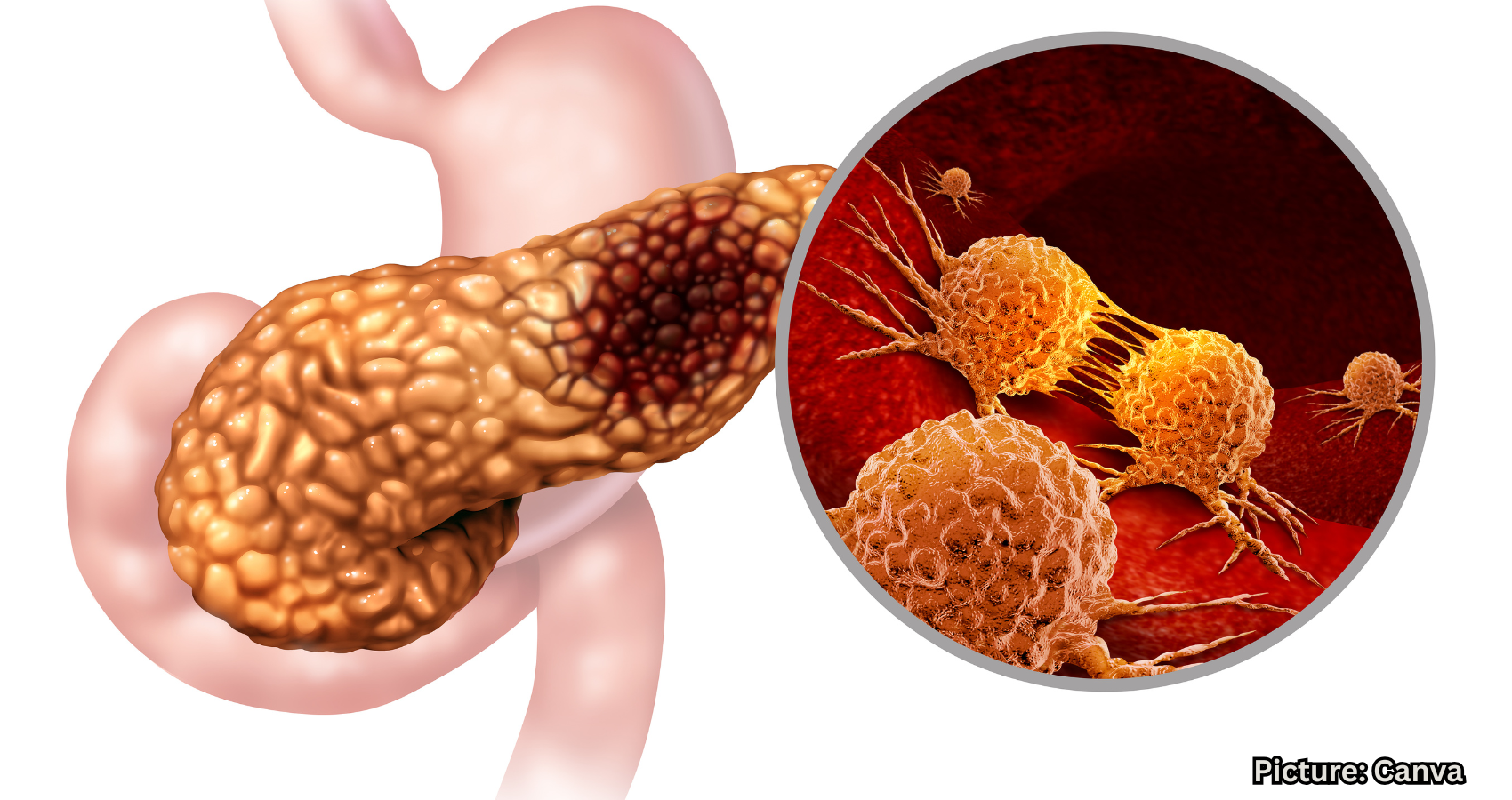
Researchers have developed a novel pancreatic cancer drug that nearly doubles survival time, yielding unexpected results that have surprised experts in the field.
A new breakthrough in the treatment of pancreatic cancer has emerged, with a novel drug demonstrating the potential to nearly double survival rates for patients. This significant advancement has caught the attention of medical professionals and researchers alike, who are expressing surprise at the results of the trial.
The drug, which has not yet been named in the reports, was tested in a clinical trial that included a diverse group of participants diagnosed with pancreatic cancer. The findings revealed that patients receiving the treatment experienced a marked increase in survival time compared to those receiving standard therapies.
Pancreatic cancer is known for its aggressive nature and poor prognosis, often diagnosed at an advanced stage when treatment options are limited. The introduction of this new drug could offer hope to many patients facing this challenging diagnosis.
Experts have noted that the results of the trial could lead to a reevaluation of treatment protocols for pancreatic cancer. The nearly doubled survival rate is a significant milestone, as it challenges previous expectations regarding the effectiveness of existing therapies.
In addition to the survival gains, researchers are also investigating the drug’s mechanism of action, which may provide insights into how it can be integrated into current treatment regimens. The potential for this drug to become a standard part of care for pancreatic cancer patients is being closely monitored by the medical community.
The trial’s findings have sparked discussions among oncologists and researchers, who are eager to learn more about the implications of this breakthrough. As further studies are conducted, there is hope that this drug could lead to improved outcomes for patients battling pancreatic cancer.
This development comes at a time when advancements in cancer treatment are increasingly crucial, as the disease remains one of the leading causes of cancer-related deaths worldwide. The promise shown by this new drug could pave the way for more effective therapies and better survival rates for patients in the future.
As the medical community continues to analyze the results of this trial, the excitement surrounding this breakthrough highlights the ongoing efforts to combat one of the most challenging forms of cancer. The potential for improved survival rates could change the landscape of pancreatic cancer treatment, offering renewed hope to patients and their families.
According to Fox News, the implications of this drug extend beyond just survival rates, as it may also influence the overall approach to treating pancreatic cancer in the coming years.