
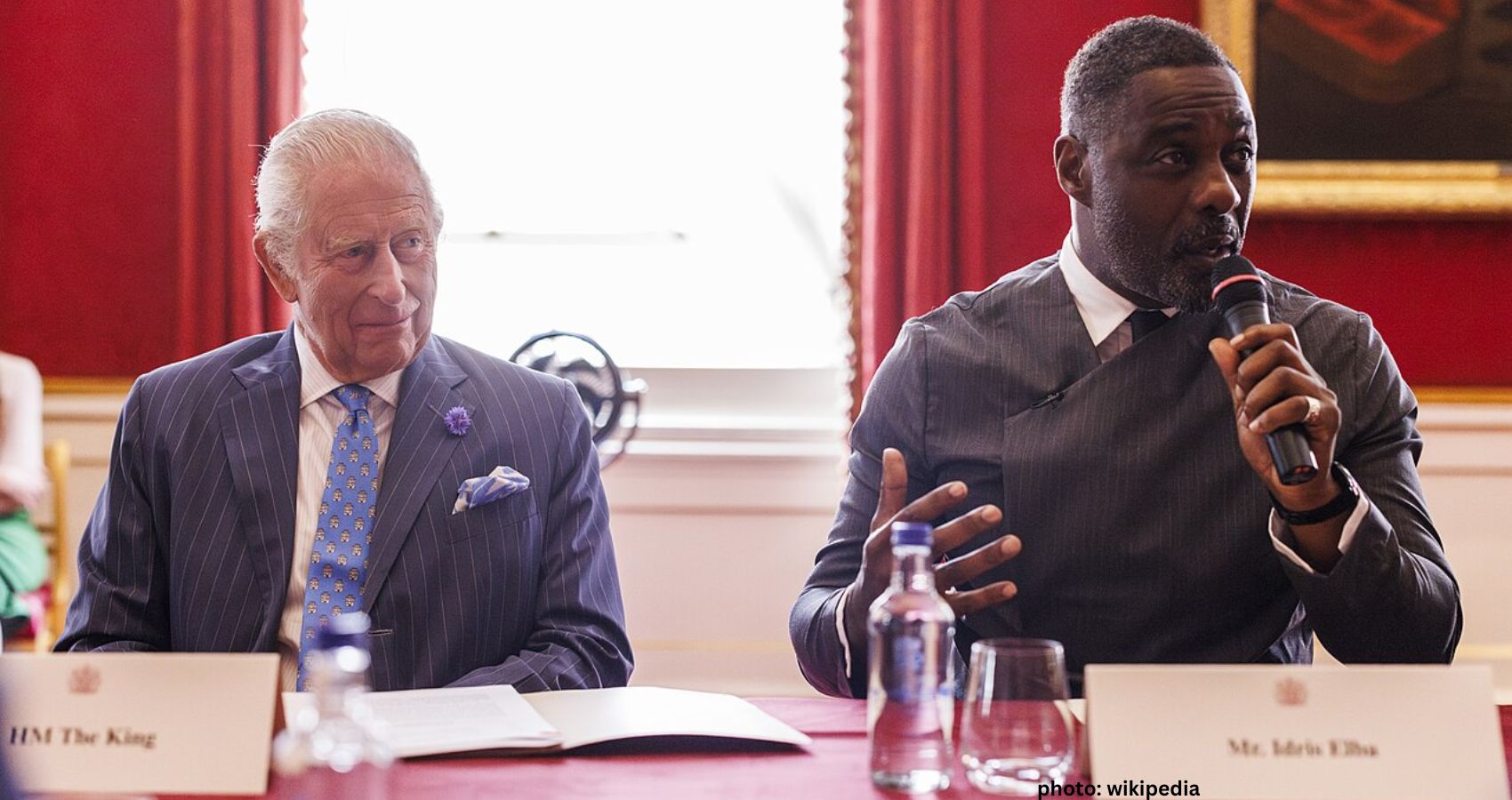
Idris Elba has addressed speculation regarding his potential casting as the next James Bond, stating that the rumors were never legitimate as the search for Daniel Craig’s successor intensifies.
As the search for the next James Bond officially begins, Idris Elba has stepped forward to clarify his position amid years of speculation about him taking over the iconic role. With Amazon MGM Studios now actively seeking Daniel Craig’s successor, Elba’s comments come at a pivotal moment for the franchise.
Idris Elba has long been a favorite among fans when discussions about the next 007 arise. His name frequently surfaces during transitions in the Bond franchise, often accompanied by social media campaigns, fan edits, and lively debates. However, the actor has now addressed these persistent rumors directly.
In an interview with British GQ, Elba dismissed the speculation surrounding his potential casting as James Bond, stating, “It was never legit. It was always just a rumour.” His remarks effectively put an end to one of Hollywood’s most enduring casting discussions.
The speculation surrounding Elba’s candidacy for the role of Bond was not without merit. Over the years, he has cultivated a screen persona that many fans believe aligns well with the character of 007. Charismatic, physically commanding, and sharply dressed, Elba has showcased emotional depth in performances across various projects, including “Mandela: Long Walk to Freedom,” “Thor,” and “The Suicide Squad.”
Moreover, the conversation about Bond’s character has evolved, particularly following Daniel Craig’s tenure, which concluded with “No Time to Die” in 2021. Many fans began to question whether the traditionally white character could evolve to reflect a more diverse representation in contemporary cinema. For numerous supporters, Elba symbolized both continuity and change: a sophisticated British leading man capable of preserving Bond’s core identity while modernizing the franchise’s image.
While discussing the casting rumors, Elba emphasized that the speculation never indicated an actual casting process. He remarked, “I’ve always felt that it’s not a realistic thing.” He also touched on the broader conversations regarding race and representation within the Bond franchise, a topic that has often accompanied his name during casting discussions. Elba expressed that Bond was originally conceived in a specific manner and should remain rooted in escapist entertainment rather than being overly influenced by political or cultural debates.
“Bond is so unrealistic, so a hint of reality is good, but let’s not try to make it woke,” he stated. His comments have sparked varied reactions online, with some agreeing that the franchise should adhere to its traditional formula, while others argue that reinvention is necessary for survival in an evolving entertainment landscape.
With Elba seemingly out of the running, attention has shifted to a younger generation of British actors who are now being considered for the role. Names such as Aaron Taylor-Johnson, Callum Turner, Jacob Elordi, Henry Cavill, and Theo James have emerged as potential contenders.
Aaron Taylor-Johnson, in particular, has gained traction in British media as a strong candidate over the past year, although the studio has yet to confirm any official frontrunner. Industry insiders suggest that the next actor to portray Bond will likely need to commit to the role for at least a decade, similar to Craig’s long association with the franchise, making this decision particularly significant.
The cultural weight attached to the role of James Bond is immense. Created by Ian Fleming in the 1950s, Bond has evolved from a literary spy into one of cinema’s most enduring global brands. Over the decades, actors like Sean Connery, Roger Moore, and Pierce Brosnan have each redefined the character for their respective generations. However, Daniel Craig’s portrayal introduced emotional vulnerability and psychological depth, transforming the franchise for modern audiences.
Replacing him is more than just a casting decision; it represents a creative reset for the entire series. This challenge has become even more pronounced with Amazon MGM now controlling the franchise’s future direction, raising questions about whether Bond will continue as a traditional theatrical spectacle or evolve into a broader cinematic universe.
As the Bond franchise navigates its identity in today’s entertainment landscape, it faces larger questions beyond casting. In an era dominated by superheroes and morally complex anti-heroes, some critics argue that Bond’s old-world masculinity and Cold War-era fantasy may feel increasingly outdated. Conversely, others believe that the timeless escapism offered by the franchise is precisely what enables its continued success.
This tension underscores why every Bond casting conversation transcends mere actor announcements. Audiences are not only curious about who will be the next Bond but also what the character should represent in 2026 and beyond. For now, Idris Elba has made it clear that he will not be the answer, leaving fans eagerly awaiting the revelation of the next iconic 007.
According to British GQ, the search for the next James Bond is now more critical than ever.