In Conversation with Supportiyo CEO on AI as a Digital Workforce

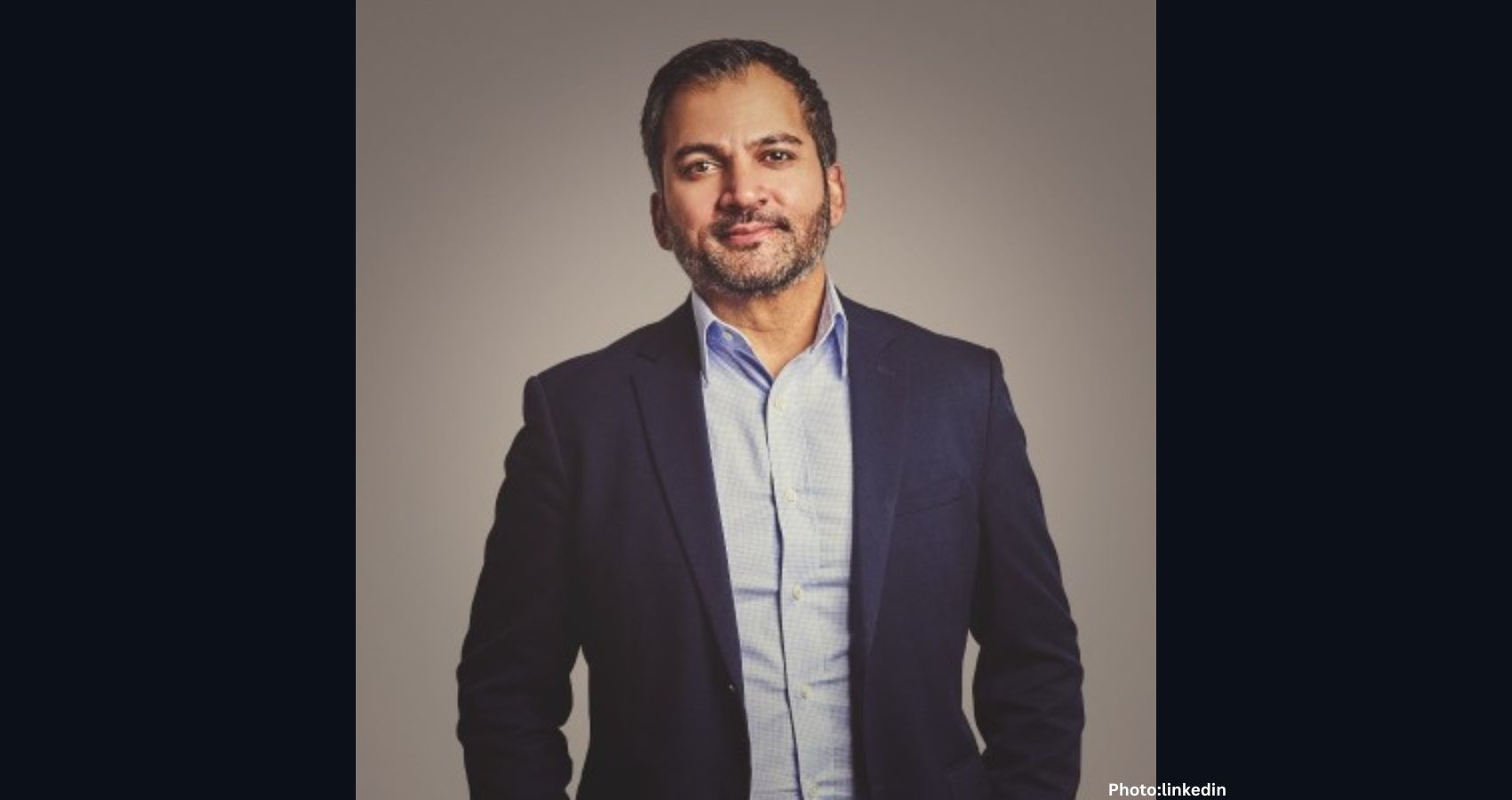
Supportiyo, co-founded by Ashar Ahmad, is transforming the home service industry by providing small businesses with an AI-driven digital workforce to enhance operational efficiency and reduce missed calls.

In an exclusive interview, Ashar Ahmad, co-founder and CEO of Supportiyo, discusses how the startup is revolutionizing operations for small businesses through applied artificial intelligence (AI).

Supportiyo, co-founded by Ahmad, is an applied AI startup focused on creating a digital workforce specifically for home service businesses. Unlike most AI tools that cater to large enterprises or technical users, Supportiyo aims to bridge the gap for small businesses that seek effective outcomes rather than complex tools.

The platform functions as a vertical AI phone agent for home service businesses, addressing one of the industry’s significant revenue leaks: missed calls. Supportiyo answers calls instantly, comprehends trade-specific language, manages customer objections, and books jobs directly into company calendars. This solution emerged from the collaboration between Ahmad, an AI engineer, and Ahmad M.S., a trades business owner who experienced firsthand the operational challenges faced by small businesses.

In the interview, Ahmad elaborated on Supportiyo’s mission and core purpose. “Supportiyo is an applied AI company building a digital workforce for home service businesses,” he explained. “Today, most advanced AI and automation tools are built for enterprises, engineers, or power users. Small business owners don’t want tools, workflows, or configuration platforms. They want work to get done.”

Ahmad emphasized that Supportiyo’s purpose is to transform existing AI capabilities into autonomous AI workers that take ownership of essential business functions. “These aren’t tools that merely assist people; they’re systems designed to actively perform work inside a business,” he noted. By identifying core workflows in home service businesses, Supportiyo creates AI workers capable of managing responsibilities from start to finish, delivering real return on investment without requiring business owners to learn new software or alter their operations.

When asked about the inspiration behind Supportiyo, Ahmad shared that the company was born out of a specific problem: missed calls. “As a builder and AI engineer, I saw how much capability already existed and how poorly it translated into real outcomes for small businesses,” he said. “When Ahmad, who was running a home service business at the time, became our first customer, the problem became very concrete. His business was losing revenue simply because calls were missed while technicians were in the field.”

Ahmad pointed out that the home services sector is one of the most underserved markets when it comes to technology solutions. While industries such as hospitality, banking, and education have access to various tools, home services have lagged behind. “Supportiyo exists to close the gap between modern technology and practical execution,” he added.

Supportiyo’s unique approach to trades businesses sets it apart from generic call-handling solutions. “We combine deep technical capability with real domain expertise,” Ahmad explained. “Most platforms give businesses ingredients—tools, workflows, prompts, and integrations—that owners are expected to assemble themselves. We take a different approach.” Instead of providing a kitchen full of tools, Supportiyo offers prebuilt, industry-specific AI workers that understand trade language, objections, scheduling logic, and operational nuances.

Feedback from early adopters has been overwhelmingly positive, with users expressing relief and trust in the system. An HVAC business owner noted that handling calls while working in the field was a significant challenge. After implementing Supportiyo, every customer was attended to and scheduled promptly, allowing the owner to step in only when necessary. A local food business shared that language barriers had previously hindered customer interactions, but Supportiyo learned their full menu and preferences, enabling smooth conversations and allowing the team to focus on their core work.

Ahmad highlighted that Supportiyo now manages close to 80% of inbound calls for some service business owners, providing them with more time to concentrate on growth. “Owners often describe Supportiyo not as software, but as an extra worker they can rely on,” he said.

When discussing how the AI handles objections and nuanced customer queries, Ahmad explained that the AI operates with full business context rather than relying on scripts or hardcoded prompts. “Each AI worker understands the specific business it represents, including services, pricing logic, availability, and policies,” he stated. This capability allows the AI to respond based on real business rules and past outcomes, ensuring accountability and effective resolution of customer inquiries.

Building Supportiyo has not been without its challenges. Ahmad noted that educating potential customers about AI’s capabilities is crucial before selling the product. “We first have to explain what AI can realistically do, what it replaces, and what outcomes owners should expect,” he said. Trust has also been a significant hurdle, as the AI category has been marred by flashy products that fail in real operations. Supportiyo addresses this by focusing on reliability, narrow responsibilities, and maintaining tight feedback loops with customers.

Ahmad described a typical customer journey, which has evolved from a hands-on onboarding process to a more streamlined experience. “Today, onboarding is fast and simple. A customer creates an account, selects their industry, connects their website, and activates an AI worker. Within minutes, calls are being handled,” he explained. For those seeking guidance, assisted onboarding allows customers to go live in under ten minutes. “The core principle is that the AI adapts to the business. The business does not adapt to the AI,” he added.

Looking ahead, Ahmad envisions Supportiyo becoming the default AI workforce for home service businesses within the next five years. “Platforms like Jobber and ServiceTitan helped move the industry from paper to software. Supportiyo moves it from software to autonomous AI workers,” he said. The goal is not to replace people but to alleviate operational burdens, allowing humans to focus on judgment, relationships, and growth. “Home services are just the beginning. The mission stays the same as we expand: applied AI that takes responsibility for real work and delivers measurable impact,” he concluded.

According to The American Bazaar, Supportiyo is poised to make a significant impact on the home service industry by providing small businesses with the tools they need to thrive in an increasingly competitive landscape.

Harvard Dropout Launches Givefront to Support U.S. Nonprofits

Givefront, a fintech startup founded by Harvard dropout Matt Tengtrakool, aims to revolutionize financial management for U.S. nonprofits with tailored solutions that address their unique operational needs.

Over the past decade, fintech startups have significantly transformed how American businesses manage their finances. However, much of this innovation has primarily benefited for-profit companies, leaving nonprofits to contend with outdated financial tools that do not cater to their specific needs.

Enter Givefront, a startup backed by Y Combinator, co-founded by 21-year-old Matt Tengtrakool, a Harvard dropout, and Aidan Sunbury from UC Berkeley. The company’s mission is to create a financial platform specifically designed for nonprofits, ranging from food banks and animal shelters to NGOs, churches, and homeowner associations.

Nonprofits represent approximately 6% of the U.S. economy and handle trillions of dollars annually. Despite this, many organizations still rely on cumbersome financial systems that hinder their operations. Givefront aims to bridge this gap by providing modern tools for spend management, compliance, and reporting, tailored to the unique ways nonprofits operate.

Before launching Givefront, Tengtrakool explored the fintech landscape with a microloan aggregation startup in Nigeria. He also gained firsthand experience working within various nonprofits while studying computer science and statistics at Harvard, even managing some organizations himself. At one nonprofit, he played a key role in scaling fundraising efforts to nearly $500,000. These experiences highlighted a critical issue: nonprofits face stringent regulatory and reporting standards, yet they lack access to the modern financial tools that for-profit companies often take for granted.

“I’ve always been interested in financial systems, and this work fits naturally with that,” Tengtrakool shared in an interview. “While helping run these nonprofits with a few other students, we realized most of them didn’t have adequate financial tools to ensure compliance or protect their tax-exempt status. The tools they relied on were completely out of sync with what’s considered modern in the startup world.”

The initial version of Givefront was developed as an in-house solution to address these challenges. What started as a fix for the nonprofits Tengtrakool was directly involved with quickly garnered interest from local organizations across the United States. As the product evolved, the team honed its focus on creating a single, integrated financial platform designed exclusively for registered nonprofits, a sector that encompasses approximately 1.9 million organizations nationwide.

While Givefront may initially resemble corporate spend tools like Ramp or Brex, its nonprofit-centric approach is what truly sets it apart. Nonprofits operate under constraints that most businesses do not encounter. They must manage restricted and unrestricted funding, report expenditures back to donors and foundations, track volunteer reimbursements, and comply with IRS Form 990 requirements. Many nonprofits juggle multiple grants simultaneously, each with its own specific rules regarding spending and reporting.

Older nonprofit software platforms, such as Blackbaud, Sage, and MIP, continue to dominate the market, but they often fall short in providing real-time spending controls, intuitive approval processes, and seamless integrations with the tools nonprofits currently use.

Rather than attempting to replace these existing systems, Givefront positions itself as a specialized layer that complements them. The platform integrates with existing accounting software and adds essential features that nonprofits require, including grant-level budgeting, audit-ready receipt capture, nonprofit-specific spend controls, and automated reporting.

“Many of the workflows we’re building are deeply specific to how this part of the economy works,” Tengtrakool noted. “Our workflows and integrations are a 10x improvement when compared to traditional corporate or spend management tools.”

Currently, Givefront generates revenue through card interchange fees and subscription charges associated with its bill pay service. Looking ahead, the startup plans to diversify its revenue streams by introducing related products such as payroll, banking, budgeting tools, and potentially investment or endowment management services.

Since launching its card services about six months ago, Givefront has onboarded hundreds of nonprofits onto its platform. The company reports that both its revenue and total payment volume are growing at more than 200% month over month. By the end of this year, Givefront anticipates collaborating with around 1,000 nonprofits, with a goal of expanding that number to approximately 5,000 organizations by mid-next year.

Recently, Givefront secured $2 million in a funding round led by Script Capital, with contributions from Y Combinator, C3 Ventures, and Phoenix Fund, as well as angel investors, including the CEOs of Chariot and Wealthfront. The new capital will be utilized to enhance distribution, expand the team, and further develop its card and bill pay offerings.

As Givefront continues to grow, it aims to redefine financial management for nonprofits, providing them with the modern tools they need to thrive in an increasingly complex economic landscape, according to The American Bazaar.

U.S. Initiates Review of Advanced Nvidia Chip Sales to China

The Trump administration has initiated a review of Nvidia’s advanced AI chip sales to China, potentially allowing the export of the company’s second-most powerful processors.

The Trump administration has launched a review that could pave the way for the first shipments of Nvidia’s second-most powerful artificial intelligence chips to China, according to sources familiar with the matter.

Recently, the U.S. eased restrictions on the export of Nvidia’s H200 processors, which are designated as the company’s second-best AI chips. As part of this decision, the U.S. will impose a 25% fee on such sales. However, reports indicate that Beijing is likely to impose limitations on access to these advanced H200 chips, as noted by The Financial Times.

This development raises questions regarding the speed at which the U.S. might approve these sales and whether Chinese firms will be permitted to purchase the Nvidia chips. The U.S. Commerce Department, which oversees export policy, has forwarded license applications for the chip sales to the State, Energy, and Defense Departments for review. Sources who spoke on the condition of anonymity indicated that this process is not public, and those agencies have 30 days to provide their input in accordance with export regulations.

An administration official stated that the review would be comprehensive and “not some perfunctory box we are checking,” as reported by Reuters. Ultimately, however, the final decision rests with Trump, in line with existing regulations.

A spokesperson for the White House emphasized that “the Trump administration is committed to ensuring the dominance of the American tech stack – without compromising on national security.”

The Biden administration had previously imposed restrictions on the sale of advanced AI chips to China and other nations that could potentially facilitate smuggling into the rival country, citing national security concerns.

This latest move by the Trump administration marks a significant shift from earlier policies that aimed to restrict Chinese access to U.S. technology. During his presidency, Trump highlighted concerns that Beijing was stealing American intellectual property and utilizing commercially acquired technology to enhance its military capabilities, claims that the Chinese government has consistently denied.

Critics of the current decision argue that exporting these chips could bolster Beijing’s military capabilities and diminish the U.S. advantage in artificial intelligence. Chris McGuire, a former official with the White House National Security Council under President Joe Biden and a senior fellow at the Council on Foreign Relations, expressed strong reservations. He described the potential export of these chips to China as “a significant strategic mistake,” asserting that they are “the one thing holding China back in AI.”

McGuire further questioned how the departments of Commerce, State, Energy, and Defense could justify that exporting these chips to China aligns with U.S. national security interests.

Conversely, some members of the Trump administration contend that supplying advanced AI chips to China could hinder the progress of Chinese competitors, such as Huawei, in their efforts to catch up with Nvidia and AMD’s advanced chip designs.

Last week, Reuters reported that Nvidia is contemplating increasing production of the H200 chips due to high demand from China. While the H200 chips are generally slower than Nvidia’s Blackwell chips for many AI tasks, they continue to see widespread usage across various industries.

This ongoing review and the potential implications of exporting advanced AI technology to China underscore the complex interplay between trade, technology, and national security in the current geopolitical landscape, as highlighted by various sources.

According to Reuters, the outcome of this review could significantly impact the future of AI chip sales and the broader technology competition between the U.S. and China.

India U19 vs Sri Lanka U19 Asia Cup Semi-Final Live Updates

Rain has delayed the toss for the first semi-final match of the U19 Asia Cup between India and Sri Lanka in Dubai.

The highly anticipated semi-final clash between India and Sri Lanka in the U19 Asia Cup has experienced a setback as rain has delayed the toss. The match, which is taking place in Dubai, is crucial for both teams as they vie for a spot in the final.

Fans and players alike are anxiously awaiting updates on the weather conditions, hoping for a break in the rain to allow the match to proceed. The U19 Asia Cup has been an exciting tournament so far, showcasing the talents of young cricketers from across the region.

As the teams prepare for the match, the focus will be on their performance and strategies. India has been a strong contender in the tournament, while Sri Lanka will look to capitalize on any opportunities presented to them.

Stay tuned for live updates as the situation develops and the match gets underway, weather permitting. According to NDTV, the excitement surrounding this semi-final is palpable, with both teams eager to secure their place in the final showdown.

Detransitioner Chloe Cole Discusses Complications Following Gender Procedures

Chloe Cole, a detransitioner, advocates against gender transition procedures for minors, sharing her personal experiences and complications from medical interventions during a recent event with HHS Secretary Robert F. Kennedy Jr.

Chloe Cole, a 21-year-old detransitioner, joined U.S. Department of Health and Human Services (HHS) Secretary Robert F. Kennedy Jr. on Thursday to advocate for the cessation of gender transition procedures for minors, drawing from her own experiences.

During the announcement, which outlined proposed regulatory actions aimed at ending “sex-rejecting procedures” on minors, Cole expressed her concerns about the medical interventions she underwent between the ages of 12 and 16. These procedures included puberty blockers, testosterone injections, and a double mastectomy, all of which she claims have had irreversible effects on her health.

The proposed actions by HHS are part of an executive order issued by President Donald Trump in January, which called for measures to protect children from what he termed “chemical and surgical mutilation.” According to an HHS official, the new policies could lead to the defunding of hospitals that provide gender transition procedures.

Reflecting on her journey, Cole stated, “As soon as gender was in the picture, none of my doctors or psychologists asked the real questions that they should have. The entire focus was on my feelings and what I wanted rather than what I really needed in that moment.” She emphasized that what she truly needed was affirmation and love for her identity as a “young and yet tomboyish little girl.”

Cole criticized her medical providers for failing to adequately inform her about the risks associated with the treatments, focusing instead on the perceived benefits of halting female puberty and promoting male secondary sexual characteristics through testosterone. “There was nothing they could say to me that would make me understand the gravity of what I was about to go through, because I was still growing up,” she explained. “I had very little experience in the world, and I simply would not be mature enough to be equipped to undergo such a life-changing procedure in every way.”

She noted that her parents never believed she was transgender but felt pressured by the medical community. “At the time when we started going through this as a family, there really were no resources that would speak to the reality of transgenderism, especially for children,” Cole said. “Most people were not aware then that this was something that was even happening in our hospital systems.”

Cole recounted that her parents were warned that if they did not allow her to transition, she would likely face severe mental health consequences, including suicide. “My legal guardians were forced to make this decision under duress,” she stated. “But even if my parents had supported transitioning medically from the start, no parent or any adult ultimately has a right to determine whether a child gets to be chemically sterilized or mutilated.”

Since undergoing these procedures, Cole has experienced numerous complications that continue to affect her quality of life. She revealed that her fertility status remains uncertain and that she will not be able to breastfeed due to her surgical removal of breast tissue. “As an adult, I am now grieving,” she shared. “On top of that, the areolar skin grafts they used in my surgery began to fail two years afterward. I must wear bandages on my chest every day.”

In 2023, Cole filed a lawsuit with the Center for American Liberty (CAL) against the hospitals involved in her care, alleging that they pushed her into what she describes as medical mutilation. Mark Trammell of CAL commented on the HHS announcement, stating that it represents a critical acknowledgment that experimental medical interventions on children experiencing gender distress have failed to meet basic safety and effectiveness standards. “It signals that medicine must return to its core ethical obligation: First, do no harm,” Trammell added. “We will continue fighting to ensure accountability for the institutions that promoted these practices and to secure justice for the children and detransitioners whose lives were forever altered.”

Dr. Marc Siegel, a senior medical analyst for Fox News, expressed support for a more conservative approach to treating minors with gender dysphoria. He highlighted potential long-term effects of puberty blockers, including bone loss and fertility issues, advocating for the treatment of underlying mental health concerns before considering irreversible medical interventions. “The welfare of the child must come first,” Siegel stated, emphasizing the need for a cautious and supportive approach.

Cole concluded her remarks by urging children who are questioning their gender identity to take their time. “While there are only two sexes, there are a million different ways that you can be yourself,” she said. “God is there for you. He is the one who has created you this way, and you can seek his counsel. You can continue praying, and I think ultimately it’s connecting with your family, building your purpose in this world, and looking to the gospel and up to God.”

For further insights on this topic, Fox News Digital’s Emma Colton contributed to this report.

Secret Phrases to Navigate AI Bot Customer Service Effectively

Tired of endless loops with AI customer service? Discover insider tips to bypass frustrating bots and reach a human representative for urgent assistance.

In an age where customer service interactions often begin with a friendly AI voice, many consumers find themselves trapped in frustrating loops of menus and automated responses. This phenomenon, dubbed “frustration AI,” is designed to exhaust callers until they give up and hang up. However, there are strategies you can employ to break free from these automated systems and connect with a real person when you need help most.

When you call customer service, it’s crucial to avoid explaining your issue in detail. Instead, use specific phrases that trigger the AI to escalate your call to a human representative. For instance, if the AI asks why you are calling, respond with phrases like “I need to cancel my service” or “I am returning a call.” The word “cancel” often raises red flags within the system, prompting a swift transfer to the customer retention team. Similarly, stating that you are returning a call indicates an ongoing issue that the AI cannot manage effectively.

Another effective tactic involves using “power words” during your interaction. If the AI presents you with options, simply state “Supervisor.” If that doesn’t yield results, try saying, “I need to file a formal complaint.” Many AI systems are not programmed to handle complaints or requests for supervisors, which can lead to a quick escalation to a human agent.

If you find yourself asked to enter your account number, consider pressing the pound key (#) instead of entering the numbers. Older systems may interpret this unexpected input as an error, defaulting to a human representative for assistance.

In cases where direct commands fail, adopting a confused demeanor can be beneficial. When the AI bot poses a question, pause for about ten seconds before responding. These systems are typically designed for quick interactions, and a prolonged silence can disrupt the flow, often resulting in a transfer to a human.

If you are stuck in a loop with the AI, try mimicking a poor phone connection. Speak in garbled words or nonsense. After the system struggles to understand you three times, it may automatically transfer you to a live agent, as it recognizes the call is not progressing as intended.

Another clever strategy involves language selection. If the company offers support in multiple languages, choose one that is not your primary language or does not match your accent. The AI may quickly give up and route you to a human representative trained to handle language-related issues.

These insider tricks can be invaluable when navigating the often frustrating world of AI customer service. Remember, you are calling for assistance, not to engage with an automated system. By employing these strategies, you can increase your chances of reaching a human representative who can help resolve your issues effectively.

For more tips on navigating technology and customer service, Kim Komando offers a wealth of resources and insights to help consumers tackle these challenges.

According to Fox News, these techniques can significantly improve your chances of bypassing AI and connecting with a live agent.

Researchers Create E-Tattoo to Monitor Mental Workload in High-Stress Jobs

Researchers have developed a facial electronic tattoo, or “e-tattoo,” designed to monitor mental workload in high-stress professions by measuring brain activity and cognitive performance.

In a groundbreaking study published in the journal Device, scientists have introduced an innovative solution for individuals in high-pressure work environments: an electronic tattoo device, commonly referred to as an “e-tattoo,” that adheres to the forehead. This device is intended to track brainwaves and cognitive performance, offering a more cost-effective and user-friendly alternative to traditional monitoring methods.

Dr. Nanshu Lu, the senior author of the research from the University of Texas at Austin, emphasized the importance of mental workload in systems involving human operators. According to Lu, mental workload significantly influences cognitive performance and decision-making, particularly in high-demand jobs such as pilots, air traffic controllers, doctors, and emergency dispatchers.

Lu noted that the e-tattoo technology could also benefit emergency room doctors and operators of robots or drones, enhancing their training and performance. One of the primary objectives of the study was to develop a method for measuring cognitive fatigue in careers that require intense mental focus.

The e-tattoo is designed to be temporarily affixed to the forehead and is notably smaller than existing devices. It utilizes electroencephalogram (EEG) and electrooculogram (EOG) technologies to measure brain waves and eye movements, providing insights into cognitive workload.

Traditional EEG and EOG machines are often bulky and expensive, making the e-tattoo a promising compact and affordable alternative. Lu described the e-tattoo as a wireless forehead sensor that is thin and flexible, akin to a temporary tattoo sticker.

“Human mental workload is a crucial factor in the fields of human-machine interaction and ergonomics due to its direct impact on human cognitive performance,” Lu stated.

The research involved six participants who were tasked with identifying letters displayed on a screen. Each letter appeared one at a time in various locations, and participants were instructed to click a mouse whenever a letter or its position matched one of the previously shown letters. The tasks varied in difficulty, and the researchers observed that as the complexity increased, the brainwave activity shifted, indicating a heightened mental workload.

The e-tattoo comprises a battery pack, reusable chips, and a disposable sensor, making it a practical tool for cognitive monitoring.

Currently, the device exists as a lab prototype, with a price tag of $200. Lu acknowledged that further development is necessary before commercialization can occur. This includes the implementation of real-time mental workload decoding and validation in more realistic settings with a larger participant pool.

As the demand for effective cognitive monitoring tools grows in high-stress professions, the e-tattoo represents a significant advancement in understanding and managing mental workload, potentially leading to improved performance and decision-making in critical situations, according to Fox News.

Navigating Immigration Challenges for Indian-American Families Balancing Work and Home

Jen, a full-time financial analyst in Brooklyn, navigates the complexities of work and family life while relying on an immigrant au pair amid ongoing immigration policy uncertainties.

Jen lives in Brooklyn, juggling a full-time job in the financial district while her children attend school in Chinatown. The logistics of her daily routine are more complicated than they might appear.

The commute from home to school takes 50 minutes, followed by a 30-minute trip from school to work. Jen typically remains in the office until at least 5:30 p.m., while her children, ages 5 and 9, finish school at 2:30 p.m. After school, they require attention and assistance with their homework.

Without help, Jen acknowledges that “the mornings would be challenging, but the afternoons would make it impossible.” She fears that without adequate childcare, she would either be fired or forced to quit her job.

The most practical solution for her family has been to hire a nanny or an au pair, which inevitably means relying on an immigrant provider. “It’s the pool of candidates who are available,” she explains, emphasizing the limited options for childcare.

“And nannies are hard to come by,” Jen adds. “Friends would say, ‘You want to start a year in advance.’”

Fortunately, Jen and her husband have found an au pair from China who can shuttle their children to and from school, help them learn Mandarin, and ensure they are not left unsupervised—a critical safeguard for their well-being. While Jen, a financial analyst, can occasionally work from home, she admits that distractions abound. “I hope everyone would understand, even men, that you can’t concentrate when children are all around,” she says. Her husband works as an emergency room doctor.

Despite their challenges, Jen acknowledges their privilege. “We are well off… privileged,” she states. “For someone with less means and time, I don’t know how people do it.”

However, Jen’s ability to maintain her job is precariously linked to the whims of immigration policy. In late May, the Trump administration paused interviews for J-1 visas, which include au pairs, under the guise of imposing new vetting procedures. These interviews resumed in June, but the uncertainty remains.

<p“We are in a small bit of terror right now,” Jen confides. “As things ratchet up, there’s always a little voice in my head, ‘Please, please don’t revoke visas.’ If she goes, then I would have to quit my job.”

Quitting is not something Jen wants to consider. “For the basic reason that I am my own person,” she explains. “I get a lot of satisfaction from my job… I want to be productive. I want to be part of the workforce,” she continues. “I’m paying my taxes. I’m producing for my company. That’s what I would think they would want.”

As Jen navigates the intersection of work, family, and immigration uncertainty, her story highlights the broader challenges faced by many families relying on immigrant workers for essential support.

According to American Immigration Council, the complexities of immigration policy can significantly impact the lives of families like Jen’s, underscoring the need for comprehensive reform.

Meher Castelino, India’s First Miss India and Fashion Journalist, Dies at 81

Meher Castelino, India’s first Miss India and a pioneering figure in fashion journalism, passed away at 81, leaving behind a legacy that transformed the industry and inspired countless individuals.

Meher Castelino, renowned as India’s first-ever Miss India and a significant voice in the realm of fashion journalism, passed away on Wednesday at the age of 81. Her death marks the conclusion of an era that intertwined beauty, intellect, and industry insight.

Castelino is survived by her son Karl, daughter-in-law Nisha, and daughter Christina. Her passing has elicited heartfelt tributes from designers, editors, students, and industry leaders who credit her with reshaping the understanding, documentation, and respect for fashion in India.

Born and raised in Mumbai, Castelino first gained national recognition in 1964 when she won the Femina Miss India title, becoming the first woman to don the crown. At a time when beauty pageants were still emerging in India, she represented the country in international competitions, including Miss Universe and Miss United Nations, showcasing Indian womanhood on a global platform.

Despite her achievements in pageantry, those who knew her assert that she never allowed the glamour of the crown to define her. “Winning Miss India opened doors, but Meher chose to walk through them with purpose,” recalled a senior fashion editor who collaborated with her for decades. “She wanted to build something lasting, not just be remembered for a title.”

In 1973, Castelino made a pivotal shift towards writing, publishing her first article in Eve’s Weekly. What began as a single byline blossomed into a formidable career spanning over five decades. She became a full-time fashion journalist and syndicated columnist, with her work featured in nearly 130 national and international newspapers and magazines.

At a time when fashion writing in India was primarily focused on trends and celebrity wardrobes, Castelino approached the subject as a serious industry. She wrote extensively about textiles, craftsmanship, branding, consumer psychology, and the economics of style—long before these discussions became mainstream.

<p“She was talking about fashion as business when most people were still dismissing it as frivolous,” noted a leading Indian designer. “Meher gave the industry intellectual legitimacy.”

Widely regarded as a pioneer in Indian fashion journalism, Castelino infused her writing with analytical rigor and historical depth. Her columns served as a living archive of India’s evolution—from small boutiques and export houses to global fashion weeks and international runways.

She authored several influential books, including *Manstyle*, *Fashion Kaleidoscope*, and *Fashion Musings*, which explored changing trends, evolving gender norms in fashion, and the cultural forces shaping style in India. These works continue to be reference points for students and professionals alike.

Castelino also held the position of official fashion writer for Lakme Fashion Week and other major fashion events in India, documenting not only collections but the broader ecosystem surrounding them. Her reviews were celebrated for their clarity, fairness, and deep contextual understanding.

“She never sensationalized fashion,” remarked a former Lakme Fashion Week organizer. “Her writing respected designers, readers, and the craft itself.”

Beyond her contributions to journalism, Castelino played a vital role in mentoring the next generation of fashion professionals. She frequently served as a judge at fashion awards, was a sought-after speaker at fashion institutes, and guided young designers and aspiring journalists.

Students remember her for her uncompromising standards and extensive knowledge. “If you exaggerated a fact or misunderstood a reference, she would gently but firmly correct you,” shared a former fashion student. “She believed fashion deserved the same integrity as any other field of journalism.”

Her remarkable ability to recall decades of collections, designers, and industry milestones earned her a reputation as one of Indian fashion’s most reliable chroniclers.

While history will always remember Meher Castelino as India’s first Miss India, those who knew her assert that her true legacy lies elsewhere. “She proved that beauty and intellect are not opposites,” stated a fellow journalist. “She redefined what it meant to move beyond a pageant crown.”

With her passing, Indian fashion media has lost not just a pioneer, but a conscience—someone who insisted on depth in an industry often tempted by surface appeal. Her career serves as a reminder that fashion, when thoughtfully examined, reflects society itself.

As India’s fashion industry continues to gain global recognition, Meher Castelino’s voice will endure in the words she wrote, the minds she shaped, and the standards she set, according to Global Net News.

Why Some Americans Maintain Faith While Others Depart, Pew Study Finds

New findings from the Pew Research Center reveal that childhood experiences significantly influence whether Americans remain in their faith or leave it behind.

Why do some individuals remain committed to the religion in which they were raised, while others choose to abandon their faith altogether? A recent report from the Pew Research Center sheds light on this question, suggesting that the answer often lies in childhood experiences—specifically, whether those experiences were nurturing or harmful.

Utilizing data from Pew’s 2023–24 U.S. Religious Landscape Study and a nationally representative survey of 8,937 adults conducted in May 2025, researchers identified a clear trend: positive early religious experiences are strongly correlated with lifelong religious affiliation, while negative experiences are closely linked to disaffiliation or switching religions later in life.

As noted by the study’s authors, “The nature of people’s religious experiences as children—whether they were mostly positive or negative—plays a significant role in whether they stay in their childhood religion as adults.”

According to the report, 86% of Americans were raised in a religious environment, and 56% still identify with that same faith today. However, religious change is prevalent, with 35% of U.S. adults having switched religions, including 20% who now identify as having no religion at all. Additionally, 9% of respondents reported being raised without a religion and remain unaffiliated today.

For the purposes of the study, switching between denominations within Protestantism did not count as changing religions. The divide between those who remain in their faith and those who leave is stark. Among Americans who described their childhood religious experiences as positive, 84% continued to identify with their childhood faith as adults. In contrast, 69% of those who reported negative childhood religious experiences now identify as religiously unaffiliated.

Family environment also plays a crucial role in religious retention. Americans raised in “highly religious” households were significantly more likely to maintain their faith (82%) compared to those raised in homes with low levels of religiosity (47%).

Retention rates varied notably by religious tradition. Among different faiths, the following percentages of individuals remained affiliated with their childhood religion:

Hindus: 82%

Muslims: 77%

Jews: 76%

Protestants: 70%

Catholics: 57%

Latter-day Saints: 54%

Buddhists: 45%

Interestingly, 73% of those raised without religion remained unaffiliated as adults.

The report also highlights that religious identity is often established early in life. Of those who changed religions, 85% did so before the age of 30, with 46% switching during childhood or their teenage years. Among Americans who were raised religious but now identify as religiously unaffiliated—often referred to as the “nones”—53% left their faith by age 18. Approximately three in ten individuals who switched religions reported that the change occurred during their teenage years.

These findings reinforce previous research indicating that adolescence and young adulthood are critical periods for shaping religious identity.

For those who remain in their childhood faith, the reasons are largely personal and experiential rather than social or political. According to the study, 64% cited their faith’s beliefs as a key reason for staying, while 61% indicated that their faith meets their spiritual needs. Additionally, 51% stated that their religion gives their life meaning.

Only 32% of respondents mentioned social or political teachings as important reasons for maintaining their faith. Protestants (70%) and Catholics (53%) were more likely than Jews (45%) to cite doctrine and beliefs as central to their continued affiliation. In contrast, Jews were more inclined to emphasize community (57%) and tradition (60%) as reasons for remaining Jewish.

Notably, relatively few Americans reported staying in their faith out of obligation. Just 33% of Jews, 30% of Catholics, and 24% of Protestants identified religious duty as a major factor in their continued affiliation.

For those who left religion entirely, belief—or the loss of it—was a central theme. Among former believers who now identify as religiously unaffiliated, 51% stated they stopped believing in their faith’s teachings, while 44% indicated that religion was no longer important to them. Additionally, 42% reported that they gradually drifted away from their faith.

Other contributing factors included dissatisfaction with social or political teachings (38%), scandals involving religious leaders (34%), and unhappiness with how their religion treats women (29%). When asked more broadly about their reasons for being religiously unaffiliated, respondents frequently mentioned that they felt they could lead moral lives without religion (78%), questioned religious teachings (64%), or did not need religion to be spiritual (54%). About half of the respondents expressed distrust in religious organizations (50%) or religious leaders (49%).

Despite decades of change, the proportion of Americans identifying as religiously unaffiliated has stabilized at around 30% since 2020, according to Pew.

The study also uncovered a small but notable countertrend: approximately 3% of Americans raised without religion now identify with a faith. Their reasons for embracing a religion closely mirror those of lifelong believers, including the desire to embrace the faith’s beliefs (61%), have their spiritual needs met (60%), and find meaning in life (55%).

Pew also surveyed parents regarding their children’s religious practices. Just under half of parents with children under 18 reported that their kids pray at night (46%), say grace at meals (43%), read religious stories (43%), or attend services at least once a month (43%).

Protestant parents were the most likely to report regular service attendance (61%), while religiously unaffiliated parents were the least likely (7%). The study found that mothers are approximately twice as likely as fathers to play the primary role in teaching children about religion.

In conclusion, the findings suggest that religion persists not through pressure or obligation, but through meaning, trust, and positive early experiences. As Pew’s data indicates, faith that nurtures tends to endure, while faith that wounds often does not, according to Pew Research Center.

The Most Read Stories of 2023: A Review of Indian-American Perspectives

The most engaging stories of 2025 explored themes of immigration, cultural heritage, and the significance of personal connections, resonating deeply with readers of India Currents.

What compels you to click on a story? Is it the personal stakes involved, the latest political updates, or insightful cultural commentary? In 2025, India Currents published hundreds of articles, but five in particular captured the attention of our readers.

One of the standout stories addressed the newly proposed 3.5% tax on remittances sent abroad by foreign workers, including green card holders and temporary H1B visa holders. This article topped our charts, highlighting a little-noticed provision buried within the expansive “One Big Beautiful” bill. Experts warned that this tax could have significant economic and social repercussions for the Indian diaspora, particularly as India is the world’s leading recipient of remittances. At an American Community Media (ACoM) briefing titled “Taxing Remittances—A New Front in War on Immigrants,” specialists cautioned that such a tax would adversely affect economies in lower-income countries, where remittances can account for up to 30% of GDP.

Another impactful piece examined a memo issued by the U.S. Department of Justice on June 11, which sent shockwaves through immigrant communities across the nation. The memo declared denaturalization—the revocation of U.S. citizenship from naturalized citizens—a “top-five priority.” This policy is not merely a legal technicality; it poses a significant threat to many, as noted by ACoM.

In a rare piece of positive news, readers responded enthusiastically to a story about the Trump administration’s retreat from a controversial plan. In April, the Social Security Administration decided against withholding 100% of monthly payments from many beneficiaries in an effort to recover funds that the government had allegedly overpaid.

In a different vein, Mukund Acharya’s reflection on the declining art of handwriting resonated with many readers. In an era dominated by fast-paced digital communication and artificial intelligence, Acharya’s piece served as a reminder of the value of slowing down and savoring the moment. Scientific studies support his claims, indicating that the physical act of writing engages multiple regions of the brain and offers therapeutic benefits, such as reducing stress and anxiety. Handwriting can also enhance self-awareness and provide a sense of accomplishment.

Additionally, Deepanwita Gita Niyogi’s exploration of Shimla transported readers to a world of literary nostalgia. Her journey traced the echoes of Rudyard Kipling’s “The Phantom Rickshaw” amidst the rain-washed colonial bridges and vintage cafes of the city. Niyogi’s narrative captured the essence of a place where history and modernity coexist, enriching the reader’s experience.

The stories that resonated most with our audience this year reveal a common thread: themes of belonging, the importance of preserving what matters—be it citizenship, health, or heritage—and the resilience required to navigate an uncertain world.

As we wrap up this year, we are reminded that India Currents occupies a unique space at the intersection of personal and political concerns, blending the urgent with the contemplative, and bridging American and Indian narratives.

Looking ahead to 2026, we are excited about the stories yet to be told and the questions still to be explored.

What should we be paying attention to in the coming year? If you have a compelling story, a pressing issue, or a topic that you feel deserves more coverage, we invite you to reach out to us at prachi@indiacurrents.com. The most important stories of next year could very well begin with you.

According to India Currents.

Artesia, CA, Wins Third Consecutive Gold Energy Award

The City of Artesia, California, has received the Gold Level Gateway Cities Energy Action Award for the third consecutive year, highlighting its commitment to sustainability and energy efficiency.

ARTESIA, CA – The City of Artesia has been honored with the Gold Level Gateway Cities Energy Action Award for the third consecutive year, solidifying its reputation as a leader in sustainability within the region. This accolade was presented during the 5th Annual Gateway Cities Energy Action Award (GCEAA) Ceremony, held on December 9 at the SoCalGas Energy Resource Center in Downey.

The award program assesses municipalities based on their initiatives to reduce energy consumption and implement environmentally friendly strategies. Artesia achieved its Gold-level status through a series of municipal initiatives carried out over the past year, including significant facility upgrades and the successful acquisition of environmental grants.

Among the key projects that contributed to this recognition are the installation of energy-efficient roofing materials at the AJ Padelford Park Community Center and the completion of landscaping and tree planting along the Historic District Recreation Trail. Furthermore, the city secured a Youth Community Access Grant, which will fund local environmental programming aimed at engaging the community.

Mayor Rene Trevino expressed pride in the city’s achievement, stating that the recognition underscores Artesia’s ongoing commitment to sustainability and the investments made for the benefit of both residents and the wider region.

The GCEAA framework evaluates city activities, including infrastructure improvements and the incorporation of energy-efficient practices into daily municipal operations. By meeting these criteria, Artesia continues to support long-term regional strategies for environmental preservation, ensuring a sustainable future for its community.

According to IANS, Artesia’s consistent recognition in the GCEAA reflects its dedication to fostering a greener environment and promoting energy efficiency initiatives.

US Affirms India’s Role as Key Partner Despite Pax Silica Absence

The United States reaffirmed India’s importance as a strategic partner in supply chain security and advanced technologies, despite India’s absence from the inaugural Pax Silica Summit.

WASHINGTON, DC – The United States has emphasized that India continues to be a vital strategic partner in the areas of supply chain security and advanced technologies, even though New Delhi did not participate in the inaugural Pax Silica Summit. This new U.S.-led initiative aims to secure the global silicon and semiconductor supply chain.

During a recent news conference organized by the Foreign Press Centre, Under Secretary of State for Economic Affairs Jacob Helberg addressed speculation surrounding India’s absence from the summit. He stated that the conjecture linking India’s non-participation to political tensions with Washington was misplaced and incorrect.

Helberg clarified, “My understanding is that there was a lot of speculation behind India not participating in the Pax Silica Summit. I want to be clear that the conversations between the United States and India pertaining to trade arrangements are a completely separate and parallel track to our discussions on supply chain security. We are not conflating those two things.”

He further highlighted that the U.S. views India as a highly strategic potential partner in efforts related to supply chain security and expressed a desire to engage with India on these matters.

The Pax Silica initiative, launched last week, includes an initial group of countries that are closely linked to semiconductor manufacturing and advanced technology supply chains. This group comprises Singapore, Israel, Japan, South Korea, Australia, and the United Kingdom. The framework aims to reduce vulnerabilities in global supply chains that support various industries, including smartphones, automobiles, and artificial intelligence.

On the subject of India, Helberg underscored that engagement with New Delhi is ongoing and active. He noted that he is in nearly daily communication with officials in Delhi and mentioned that Washington is actively exploring ways to deepen collaboration swiftly.

Helberg also pointed to an upcoming opportunity for high-level engagement, revealing that he will attend the ‘India AI Impact Summit’ in February. He indicated that the U.S. plans to significantly enhance bilateral collaboration with India on economic security issues and suggested that Indian participation in future Pax Silica-related efforts remains a distinct possibility.

Earlier in the briefing, Helberg explained that the initial group of Pax Silica countries was intentionally limited to those forming the core of semiconductor manufacturing, such as Singapore, South Korea, Japan, Taiwan, and the Netherlands, before potentially expanding to include areas like critical minerals.

This ongoing dialogue reflects the United States’ commitment to strengthening its partnership with India, particularly in the context of global supply chain security and technological advancements, as both nations navigate the complexities of international trade and economic cooperation.

According to IANS, the U.S. remains optimistic about India’s future involvement in initiatives like Pax Silica, reinforcing the notion that collaboration between the two countries is both necessary and beneficial.

NC Senate Race Intensifies as Trump Supports Whatley for GOP Seat

President Donald Trump is campaigning in North Carolina to support Michael Whatley’s Senate bid, as the GOP aims to retain a crucial seat in the 2026 midterm elections.

President Donald Trump is making a significant campaign stop in North Carolina this Friday, focusing on the imperative of retaining an open Senate seat previously held by a Republican. The event is part of the GOP’s strategy to maintain control in the upcoming 2026 midterm elections.

Trump will join forces with Michael Whatley, a former chair of the Republican National Committee (RNC) and the leading candidate for the GOP Senate nomination to succeed retiring Republican Senator Thom Tillis. Whatley is expected to face off against former two-term Democratic Governor Roy Cooper in what is anticipated to be one of the most competitive and costly Senate races in the nation, as the GOP seeks to uphold its 53-47 majority in the Senate.

Affordability is set to be a central theme in the campaign, with rising prices being a significant concern for voters. “President Trump won North Carolina all three times—2016, 2020, and 2024—because he connects directly with the people of North Carolina, talking about the issues that they care about. So it is very important to have him on the ground,” Whatley stated in a recent interview with Fox News Digital.

One of the challenges for Republicans heading into the midterms is mobilizing low-propensity MAGA voters and other Trump supporters, who may not turn out in elections where the former president is not on the ballot. Whatley, who was encouraged by Trump to run for the Senate, hopes to see the president return to North Carolina multiple times during the campaign.

<p”He is fantastically popular in North Carolina,” Whatley remarked about Trump. “He has a real affinity for the state. The voters love him, and it’ll be very, very good to get him back in North Carolina.” Whatley and other Republicans are framing the 2026 elections as a referendum on Trump and his policies.

<p”We’re certainly going to need him to be on the ballot,” Whatley emphasized. “When you think about what happens if we lose the House, if we lose the Senate, if the Democrats take over, they will revert to investigations and hoaxes and impeachments. That is really, truly the president and his legacy on the ballot.”

With inflation remaining a persistent issue, Democrats have been focusing on affordability, which contributed to their successes in recent elections. Whatley acknowledged that while the economy has been a challenge, he believes there are signs of improvement. “We’re seeing signs already that the economy is starting to tick up and is starting to take hold as the President’s policies are getting in place,” he said. “We need to ensure that we have the trade policies, the tax policies, and the regulatory policies from this administration that will benefit our small businesses, manufacturers, and farmers across North Carolina.”

However, Democratic National Committee Chair Ken Martin has a different perspective, asserting that Trump and the Republicans are headed for electoral defeat. “Donald Trump has lost the economy, is losing his mind, and is going to lose the midterms,” Martin stated ahead of Trump’s event in North Carolina.

Whatley has been actively campaigning across North Carolina, emphasizing his commitment to engaging with every community. “We will be in all 100 counties across North Carolina, and we’re fighting for every single family,” he said. He also expressed confidence in his connection to Trump, stating, “Our voters know Donald Trump, and they know me. I’ve worked on his campaigns since 2016. President Trump won North Carolina in all three election cycles. So we know how to win, and we have the policies that are going to win.”

In his criticism of Cooper, Whatley argued that the former governor has consistently sided with unpopular positions. “Roy Cooper is on the wrong side of every 80-20 issue. He has fought harder for criminals, for illegal aliens, and for those who want to compete in women’s sports and use women’s locker rooms. Those are issues he will have to defend,” Whatley charged.

In response, Cooper’s campaign countered by stating that the former governor has dedicated his career to advocating for North Carolina families, focusing on lowering healthcare costs and enhancing community safety. They criticized Whatley for his long-standing ties to Washington politicians, claiming he has prioritized the interests of billionaires and special interests over the middle class.

As the 2026 midterm elections approach, the stakes are high for both parties in North Carolina, with the outcome likely to have significant implications for the balance of power in the Senate.

According to Fox News, the race is shaping up to be a pivotal battleground in the national political landscape.

Zelenskyy Urges U.S. Action Amid Russian War Preparations for 2026

Ukrainian President Volodymyr Zelenskyy urges the U.S. and allies to respond to indications that Russia is preparing for intensified conflict in the coming year.

Ukrainian President Volodymyr Zelenskyy has called on the United States and its allies to take action in response to “signals” from Russia suggesting that the country is gearing up to escalate military operations in the upcoming year.

In a statement on Wednesday, Zelenskyy highlighted the importance of recognizing these signals, stating, “Today, we again heard signals from Moscow that they are preparing to make next year a year of war. These signals are not only for us. It is crucial that our partners see them, and not only see them but also respond — especially partners in the United States, who often say that Russia wants to end the war.”

His remarks came amid ongoing discussions about the conflict between Russia and Ukraine, with the White House noting that significant progress has been made in diplomatic efforts to resolve the situation. A White House official remarked, “Over the past few weeks, the President’s team has made tremendous progress with respect to ending the war between Russia and Ukraine, and as the President stated, he believes we are closer now than we have ever been.”

However, Zelenskyy expressed concern that the current rhetoric from Russia contradicts these diplomatic efforts. He pointed out that the signals emanating from Moscow include official military orders, which he believes indicate a mindset focused on aggression rather than negotiation. “This Russian mindset must be recognized — and acted upon,” he asserted. “When Russia is in this mindset, it will also undermine diplomacy — seeking, through diplomatic language and pressure over specific points in documents — to merely mask its desire to destroy Ukraine and Ukrainians, and the desire to legitimize Russia’s theft of our land.”

Zelenskyy emphasized the need for comprehensive protection against what he described as Russia’s “case history of madness.” He called for a multifaceted approach that includes security measures, financial actions regarding Russian assets, and political initiatives. “Real protection is needed against this Russian case history of madness, and we will continue working with all partners to ensure that protection is in place,” he stated. “The courage of all partners is required: to see the truth, acknowledge the truth, and act accordingly. I want to thank everyone who supports Ukraine.”

In addition to his written statement, Zelenskyy conveyed his message in a video addressed to the Ukrainian public.

Meanwhile, Russian President Vladimir Putin made comments during a Defense Ministry board meeting on Wednesday, asserting that Russia would achieve its objectives, whether through diplomacy or military action. “The goals of the special military operation will undoubtedly be achieved,” Putin said, according to a Kremlin transcript. “We would prefer to accomplish this and address the root causes of the conflict through diplomatic means. However, if the opposing side and its foreign patrons refuse to engage in substantive dialogue, Russia will achieve the liberation of its historical lands by military means.”

In the U.S., some lawmakers are echoing Zelenskyy’s calls for increased support for Ukraine. Representative Don Bacon, a Republican from Nebraska and a strong advocate for U.S. assistance to Ukraine, stated in a post on social media, “Again… the U.S. should send 200 long-range and extremely accurate cruise missiles to Ukraine. Maybe then, Putin will get serious and seek peace. Putin started this war, and he’ll stop this war once he realizes he cannot win and that the cost of war is too high.”

The ongoing conflict has prompted various efforts from the U.S. government to broker peace between Russia and Ukraine, with officials emphasizing the importance of a lasting resolution.

As the situation continues to evolve, the international community remains watchful of developments and the potential implications for regional stability.

According to Fox News, Zelenskyy’s urgent appeal underscores the critical need for a unified response to the threats posed by Russia.

Republican Healthcare Bill Advances in House of Representatives

The House of Representatives advanced a Republican healthcare bill that aims to lower premiums for some while raising costs for others, amidst ongoing debates over healthcare policy in the U.S.

The House of Representatives took a significant step on Wednesday by advancing a Republican healthcare bill that does not include a renewal of the tax credit. This legislation, which is set to take effect in January 2027, proposes to lower premiums for certain individuals while simultaneously reducing subsidies and increasing costs for others.

One of the key features of the proposed bill is the expansion of access to association health plans. This change would enable small businesses, freelancers, and self-employed individuals to pool their resources, allowing them to purchase group insurance at potentially lower rates.

The bill passed with a narrow margin of 216-211, marking what is likely to be Congress’s final vote on healthcare policy for the year. This vote came after Republican leaders faced internal dissent as some members supported a Democratic-backed initiative aimed at extending benefits under the Affordable Care Act (ACA).

In a related procedural vote earlier in the day, the House voted 204-203 to thwart a last-minute attempt by Democrats, with support from four Republicans, to push for quick votes on a three-year extension of ACA subsidies. Republican Representative Kevin Kiley of California expressed concern, stating, “The bill does not address the immediate, urgent problem in front of us, which is that 22 million people are about to pay a lot more for health insurance.”

Despite the Republican-controlled House passing the healthcare bill, it is unlikely to be considered by the Senate before Congress enters a year-end recess. This break will halt legislative action until January 5, 2026, leaving millions of Americans facing significantly higher health insurance premiums, which may lead some to forgo coverage altogether.

The recent developments in healthcare policy underscore the ongoing struggle to balance affordability, coverage, and fiscal responsibility in the United States. Legislative efforts that aim to reconcile lower premiums with reduced subsidies illustrate the complex trade-offs inherent in major policy changes. Even minor adjustments can have widespread implications, impacting not only individual households but also the broader insurance market and public confidence in federal programs.

Political divisions and procedural hurdles further highlight the challenges of enacting healthcare reform. Disagreements between parties, cross-party negotiations, and timing considerations often dictate which proposals succeed and which falter. This dynamic illustrates that the outcomes of policy initiatives are shaped as much by legislative strategy as by the substance of the bills themselves.

Beyond immediate concerns regarding costs and coverage, these developments emphasize the necessity for long-term planning in health policy. The uncertainty surrounding legislative outcomes, potential delays, and future adjustments means that families, small businesses, and insurers must remain vigilant and adaptable to changing conditions.

As the debate continues, the implications of this healthcare bill will resonate throughout the American healthcare landscape, potentially affecting millions of lives in the years to come. The ongoing discussions reflect a broader conversation about how best to ensure access to affordable healthcare while managing the fiscal responsibilities of the government.

According to The American Bazaar, the passage of this bill marks a pivotal moment in the ongoing evolution of U.S. healthcare policy.

Return of the American Dream? US Visa Bulletin Offers Wins for Indian-Americans in EB-1 Category

The January 2026 U.S. visa bulletin reveals significant advancements for Indian visa applicants, particularly in the EB-1 and EB-5 categories, offering renewed hope amidst ongoing immigration challenges.

After a series of setbacks and uncertainties, the January 2026 U.S. visa bulletin brings a glimmer of hope for Indian nationals seeking employment-based green cards. The bulletin indicates a notable advancement for the EB-1 category, which has moved forward nearly a year, while the EB-5 category has experienced an unprecedented two-year leap, effectively reducing wait times for both professionals and investors.

For many visa holders residing and working in the United States, the last few months have been particularly challenging. A wave of policy changes has tightened an already complex immigration landscape, leading to mass cancellations of visa appointments and rising fees. However, the latest visa bulletin suggests a revival of the American Dream for many, as it reflects genuine progress in employment-based green card categories.

The EB-1 category for India has seen a significant jump in final action dates, advancing from March 15, 2022, to February 1, 2023. This remarkable shift of nearly one year represents a rare victory for the Indian community and is expected to facilitate positive movement for individuals awaiting their green cards.

In addition to the advancements in the EB-1 category, the EB-5 category has also made impressive strides. The final action date for EB-5 has progressed from April 1, 2022, to May 1, 2024, marking an extraordinary increase of over two years. This development is particularly encouraging for Indian investors seeking green cards through investment opportunities.

Chris Prescott, a partner and immigration law leader at PSBP LAW, acknowledges that the recent advancements in the EB-1 category come as a welcome surprise, especially given the lack of movement in this category over the past year. He explains that the movement in priority dates is influenced by visa allocation numbers, with the EB-1 category being the highest priority visa category. Despite the challenging immigration climate, the availability of visas operates as a separate mechanism, allowing for this unexpected progress.

Interestingly, there has also been some movement in other categories, such as EB-2 and EB-3 for India. The EB-2 category has advanced from May 15, 2013, to July 15, 2013, while the EB-3 category has shown progress for China, moving from June 1, 2021, to September 1, 2021.

While the January 2026 visa bulletin indicates gains for many employment-based categories, it raises questions about which categories are most likely to benefit and which visa holders may continue to face challenges. Prescott notes that although there has been some movement in EB-2 and EB-3 for India, both categories remain heavily backlogged, limiting the number of individuals who can file for adjustment. For the time being, EB-1 and EB-5 remain the most favorable options for Indian applicants.

As the immigration landscape continues to evolve, the January 2026 U.S. visa bulletin serves as a beacon of hope for many Indian professionals and investors. The advancements in the EB-1 and EB-5 categories not only signify progress but also inspire optimism for those navigating the complexities of the U.S. immigration system.

According to Source Name, these developments highlight the ongoing challenges and opportunities within the immigration framework, as individuals and families seek to realize their aspirations in the United States.

Key Takeaways from President Trump’s Address at the White House

President Trump’s recent White House address highlighted his administration’s economic achievements while addressing public dissatisfaction and declining approval ratings.

In an 18-minute address delivered from the White House, President Donald Trump focused on a range of topics, emphasizing the U.S. economy and his administration’s accomplishments. The speech aimed to counteract public dissatisfaction and declining approval ratings as he prepares for the upcoming midterm elections in 2026.

During the address, Trump discussed various issues, including wages, employment, military strength, and illegal immigration. He also sought to draw comparisons between his administration’s efforts and those of former President Joe Biden.

Trump placed blame on Democrats, particularly Biden, for ongoing economic challenges such as inflation and high living costs. He argued that his policies have laid the foundation for stronger economic growth moving forward.

A notable highlight of the speech was the announcement of a one-time “warrior dividend” bonus of $1,776 for over 1.4 million U.S. military service members. This symbolic gesture, referencing the year of the nation’s founding, was framed as a Christmas gift and is reportedly funded in part by tariff revenue.

Several key claims made during the speech warrant closer examination:

Regarding economic conditions, Trump asserted that wages are increasing at a rate much faster than inflation. While fact-checkers confirm that wages are indeed outpacing inflation, the difference is not as significant as he suggested, with wage growth at 3.5% compared to inflation at 3.0%.

On investment, Trump claimed to have secured $18 trillion in investments. However, the reality is closer to $7 to $9.6 trillion, which includes vague pledges and deals that have not yet been finalized.

In terms of job creation, Trump stated that all net job growth during his presidency has benefited American-born citizens. This claim is misleading, as foreign-born workers have also experienced improvements in unemployment rates.

Trump made several assertions about the cost of living that merit scrutiny. He exaggerated the price drops for eggs and Thanksgiving turkeys, stating that egg prices fell by 43.9%, while the actual figure is closer to 43.9%, not the claimed 82%. Turkey prices reportedly fell by 3.7%, not the 33% he suggested.

When discussing gasoline prices, Trump claimed they were averaging between $1.99 and $2.50 nationally. In reality, current averages are higher, falling between $2.89 and $2.90.

On prescription drug costs, Trump claimed that prices would drop by 400% to 600%. While some agreements exist that could lead to reductions—such as a 50% to 85% decrease on certain drugs and a 40% cut for GLP-1 drugs—many of these deals are contingent, confidential, or not fully implemented.

In terms of immigration, Trump claimed that the country faced an invasion of 25 million individuals from prisons and asylums. This assertion is false, as undocumented entries during Biden’s administration are estimated to be between 7.4 million and 10.2 million.

While some of Trump’s claims are accurate or directionally correct—such as wages outpacing inflation and falling gas prices—many appear exaggerated, particularly regarding immigration, investment totals, and cost reductions. Several promises, especially those related to drug pricing and investment, depend on future implementation.

In addition to economic issues, Trump addressed immigration, crime, and upcoming housing initiatives, hinting at plans to nominate a new Federal Reserve chair who would support lower interest rates. Despite his optimistic tone, analysts noted that the address contained few significant new policy announcements and echoed familiar talking points.

The speech comes at a time of growing frustration over rising costs, job market concerns, and public sentiment regarding economic conditions. As Trump seeks to regain momentum ahead of the 2026 midterm elections, the effectiveness of his address remains to be seen.

According to The American Bazaar, the address reflects Trump’s ongoing efforts to connect with voters and address their concerns as he navigates a challenging political landscape.

BCCI Plans Action Following Controversy Over Fog Disrupting T20I Match

The fourth T20I match between India and South Africa was called off due to heavy fog at the Ekana Cricket Stadium in Lucknow, prompting the BCCI to consider significant changes.

The fourth T20 International (T20I) match of the five-match series between India and South Africa faced an unfortunate cancellation due to excessive fog. The match, held at the Bharat Ratna Shri Atal Bihari Vajpayee Ekana Cricket Stadium in Lucknow on Wednesday, was abandoned as visibility conditions deteriorated, making it impossible to proceed safely.

This incident has sparked considerable backlash from fans and cricket enthusiasts alike, who expressed their disappointment over the cancellation. Many took to social media to voice concerns about the scheduling and venue selection, particularly given the weather conditions that have been prevalent in the region.

In response to the criticism, the Board of Control for Cricket in India (BCCI) is reportedly considering significant measures to address the situation. These may include reviewing protocols for match scheduling during foggy conditions and enhancing the decision-making process regarding game cancellations.

As the series progresses, the BCCI aims to ensure that such disruptions are minimized in the future, maintaining the integrity of the sport and the experience for fans. The governing body is likely to explore options that could include better weather forecasting and contingency plans for matches that may be affected by adverse conditions.

According to NDTV, the BCCI’s proactive approach reflects its commitment to improving the overall quality of cricket matches in India, ensuring that both players and spectators can enjoy the game without the hindrance of weather-related issues.

Major Study Explains COVID Vaccine-Related Heart Issues in Indian-Americans

Stanford researchers have identified two proteins linked to rare heart inflammation following COVID-19 vaccination, providing insights that may help prevent myocarditis, particularly in young males.

Researchers at Stanford University have made significant strides in understanding the rare occurrence of myocarditis, a form of heart inflammation associated with COVID-19 vaccination, particularly among young males. Their findings reveal the role of two specific proteins in triggering this condition.

Myocarditis is a rare side effect of the COVID-19 vaccine, affecting approximately one in 140,000 individuals after the first dose and one in 32,000 after the second dose. The risk is notably higher among males aged 30 and younger, where the incidence rises to one in 16,750. Symptoms of myocarditis can manifest as chest pain, shortness of breath, fever, and palpitations, typically occurring one to three days post-vaccination. Elevated levels of cardiac troponin, a marker indicating heart muscle damage, are also associated with the condition.

According to Dr. Joseph Wu, the director of the Stanford Cardiovascular Institute and a professor of medicine and radiology, most individuals who experience myocarditis recover quickly and regain full heart function. “It’s not a heart attack in the traditional sense,” Wu explained. “There’s no blockage of blood vessels as found in most common heart attacks. When symptoms are mild and the inflammation hasn’t caused structural damage to the heart, we just observe these patients to ensure they recover.” However, he noted that severe cases can lead to hospitalization, critical illness, or even death.

The recent study, conducted in collaboration with The Ohio State University, sought to uncover the underlying mechanisms of myocarditis following vaccination. Researchers analyzed blood samples from vaccinated individuals, comparing those with myocarditis to those without. They discovered that individuals with myocarditis had elevated levels of two proteins—CXCL10 and IFN-gamma—released by immune cells, which contribute to increased inflammation.

“We think these two are the major drivers of myocarditis,” Wu stated. “Your body needs these cytokines to ward off viruses. It’s essential to immune response, but can become toxic in large amounts.” In laboratory models using mice and heart tissue, high concentrations of these proteins resulted in signs of heart irritation similar to mild myocarditis.

One notable finding from the study was the potential to reduce heart damage by specifically blocking these two cytokines without compromising the overall immune response to the vaccine. “This points to a possible future way to prevent or treat myocarditis in people who are at the highest risk, while keeping the benefits of vaccination,” Wu added.

The research team also identified genistein, a natural compound found in soybeans, which demonstrated the ability to reduce inflammation in laboratory tests. However, this compound has yet to be tested in human subjects.

The study’s findings were published in the journal Science Translational Medicine. Dr. Marc Siegel, a senior medical analyst at Fox News, commented on the complexity of the study, emphasizing that myocarditis is rare and the immune mechanisms involved are understandable.

Wu highlighted that myocarditis is significantly more common and severe in individuals infected with COVID-19 compared to those receiving mRNA-based vaccines, with the risk of myocarditis from COVID infection being approximately ten times greater.

The researchers underscored that COVID-19 vaccines have undergone extensive safety scrutiny and have demonstrated an excellent safety record. “mRNA vaccines remain a crucial tool against COVID-19, and this research helps explain a rare side effect and suggests ways to make future vaccines even safer, rather than a reason to avoid vaccination,” Wu stated. He reiterated that the overall benefits of COVID-19 vaccination outweigh the small risk of myocarditis for nearly all groups.

Despite the promising findings, Wu acknowledged limitations in the study, noting that most data were derived from experimental systems involving mice and human cells, which do not fully capture the complexities of myocarditis in real patients. “These findings do not change what people should do right now, because our work is still at the preclinical stage,” he cautioned. “Clinical studies will be needed to confirm whether targeted treatments are safe and effective.”

Wu also pointed out that myocarditis can occur with other vaccines, although symptoms tend to be more diffuse. He remarked on the heightened public awareness surrounding mRNA-based COVID-19 vaccines, stating, “If you get chest pains from a COVID vaccine, you go to the hospital to get checked out, and if the serum troponin is positive, then you get diagnosed with myocarditis. If you get achy muscles or joints from a flu vaccine, you just blow it off.”

The study received funding from the National Institutes of Health and the Gootter-Jensen Foundation, contributing to the ongoing research into vaccine safety and efficacy.

As the scientific community continues to explore the implications of these findings, the focus remains on ensuring the safety of vaccines while maximizing their protective benefits against COVID-19, particularly for vulnerable populations.

According to Fox News, these insights may pave the way for future advancements in vaccine development and myocarditis prevention.

The Rise of Fake Refund Scams Targeting Holiday Shoppers

Scammers are increasingly targeting holiday shoppers with fake refund scams, exploiting the chaos of the season to deceive consumers and cost them billions each year.

The holiday shopping season is typically filled with excitement, but for scammers, it represents a prime opportunity to exploit distracted consumers. This year, one of the most prevalent tactics is the fake refund scam, which has inundated inboxes and phones during the busy months of November and December.

If you’ve received an unexpected message stating “Your refund has been issued,” “Your payment failed,” or “We owe you money,” it’s important to recognize that these communications are often fraudulent. Scammers are well aware that during the holiday season, consumers are making numerous purchases, tracking multiple packages, and managing a flurry of receipts, making them more vulnerable to deception.

The effectiveness of these scams is alarming. A recent study indicates that Americans are expected to spend 3.6% more on holiday shopping this year compared to last. With typical purchases ranging from $200 to $500, it’s easy for a message claiming a “$249 refund issued” to seem legitimate. However, it is crucial to verify the authenticity of such messages before taking any action. Always scrutinize the email address, sender name, and content before clicking any links.

As holiday promotions flood your inbox, it becomes increasingly challenging to keep track of your orders and packages. Scammers capitalize on this chaos, knowing that consumers are skimming through hundreds of promotional emails. They often gather personal information from data brokers—companies that compile and sell consumer data, including names, contact details, purchase histories, and financial information.

Armed with this data, scammers can craft convincing and personalized communications that closely mimic those from legitimate retailers. Common tactics include messages that read: “Your refund is ready—verify your account,” which leads victims to a fake website resembling a trusted retailer. Once there, unsuspecting individuals may unknowingly provide their login credentials, allowing scammers to steal their information.

Another common approach involves messages claiming, “We overcharged you. Click here for your refund.” These scams may request sensitive information such as debit card numbers or bank login details, or they might install malware designed to extract this information automatically. Additionally, some scammers may even call victims, impersonating customer service representatives from well-known companies, claiming they need to rectify an overpayment.

The financial impact of these scams is staggering. According to the Federal Trade Commission (FTC), impostor scams related to online shopping accounted for nearly $2.95 billion in losses in 2024 alone. As scammers become more sophisticated, their fake refund messages often include elements designed to deceive even the most cautious consumers.

It’s essential to remember that no legitimate retailer will ever require you to provide banking information to receive a refund. If you receive such a request, it is a clear indication of a scam.

While it is technically possible to manually delete your information from data broker sites, the process can be tedious and time-consuming. Many require government ID uploads, faxed forms, and multiple follow-up requests. This is why many people opt for data removal services, which automate the process of monitoring and erasing personal information from numerous websites. Although no service can guarantee complete removal of your data from the internet, these services can significantly reduce your online footprint, making it harder for scammers to target you.

To protect yourself against these scams, consider implementing a few simple strategies. First, always visit your retailer’s official website to check your order history rather than relying on email notifications. Verify the sender’s email address and communicate only with official representatives of the retailer.

Additionally, set up two-factor authentication (2FA) for all your accounts. This adds an extra layer of security by requiring you to authorize logins through an email, text message, or a generated PIN. Even if you inadvertently enter your password on a fraudulent site, 2FA can help prevent unauthorized access to your accounts.

Taking proactive steps to remove your personal information from data broker sites can also significantly reduce your risk of falling victim to scams. By limiting the information available to scammers, you decrease the likelihood of them successfully targeting you.

As the holiday shopping season progresses, it’s crucial to remain vigilant against fake refund scams. While you cannot prevent scammers from sending fraudulent emails, you can take measures to protect yourself from becoming a target. Cleaning up your data trail now will lead to fewer scams, reduced risks, and greater peace of mind during this busy time of year.

If you have encountered a suspicious refund email or text this season, share your experience to help raise awareness among others. For more information on safeguarding your personal data, visit Cyberguy.com.

New Study Finds Evidence of Leprosy in the Americas Before European Arrival

New research indicates that leprosy existed in the Americas long before European explorers arrived, challenging previous historical assumptions about the disease’s origins.

Recent findings from scientists at the Institut Pasteur in Paris, in collaboration with a U.S. university, have revealed that a second species of bacteria responsible for leprosy, known as Mycobacterium lepromatosis, was present in the Americas well before the arrival of European explorers. This discovery significantly alters the historical narrative surrounding the disease, which was previously thought to have been introduced by European settlers.

Historically, it was believed that the bacterium Mycobacterium leprae was the sole cause of leprosy, or Hansen’s disease, in the Americas, and that it was spread by early European explorers and settlers. However, the identification of Mycobacterium lepromatosis suggests that an existing strain of the bacteria was already endemic to the continent, challenging the long-held belief that Europeans were responsible for its introduction.

According to researchers, Mycobacterium lepromatosis existed and infected humans for at least 1,000 years prior to European contact. Dr. Maria Lopopolo, the first author of the study and a researcher at the Laboratory of Microbial Paleogenomics at the Institut Pasteur, emphasized the significance of this finding. “This discovery transforms our understanding of the history of leprosy in America. It shows that a form of the disease was already endemic among Indigenous populations well before the Europeans arrived,” she stated.

The study, which involved collaboration with the French National Center for Scientific Research and the University of Colorado, was initiated after Mycobacterium lepromatosis was first identified in a Mexican patient in 2008 and later in red squirrels in the British Isles in 2016. Utilizing advanced genetic techniques, researchers reconstructed the genomes of Mycobacterium lepromatosis from ancient individuals in Argentina and Canada. The genetic analysis revealed that the two strains from these regions were closely related, indicating that the bacteria spread rapidly across the continent.

The results confirmed that Mycobacterium lepromatosis had already disseminated throughout North and South America prior to European exploration. The research team worked closely with Indigenous communities, various international institutions, and archaeologists, analyzing over 800 DNA samples from ancient human remains and recent medical cases exhibiting signs of leprosy.

Nicolás Rascovan, the lead author of the study at the Institut Pasteur, remarked on the implications of their findings, stating, “We are just beginning to uncover the diversity and global movements of this recently identified pathogen. This study allows us to hypothesize that there might be unknown animal reservoirs.” This suggests that the understanding of leprosy’s transmission and its historical context may be more complex than previously thought.

The Centers for Disease Control and Prevention (CDC) notes that leprosy can affect the nerves, skin, and eyes of those infected, but it is treatable with antibiotics. Currently, there are approximately 225 reported cases in the U.S. and around 250,000 cases worldwide, according to the CDC.

This groundbreaking research not only sheds light on the historical presence of leprosy in the Americas but also opens up new avenues for understanding the disease’s transmission and its impact on Indigenous populations. As scientists continue to explore the genetic diversity of Mycobacterium lepromatosis, the implications for public health and historical narratives surrounding infectious diseases may evolve further.

These findings underscore the importance of ongoing research in microbial paleogenomics and the need to reconsider historical assumptions about disease spread and its effects on populations. The study serves as a reminder of the complex interplay between human history and infectious diseases, highlighting the necessity for continued investigation into the origins and evolution of pathogens.

According to Fox News, the implications of this research are profound, prompting a reevaluation of the historical context of leprosy in the Americas.

Supporting Working Families with Flexible and Affordable Childcare Options

KidsPark provides flexible and affordable childcare solutions, supporting working families while highlighting the essential role of immigrant workers in the childcare industry.

KidsPark, a national franchise, is dedicated to supporting low- and middle-income parents who often find traditional childcare options prohibitively expensive. This financial burden can lead to parents being pushed out of the workforce for extended periods. Immigrants have played a crucial role in the success of KidsPark, as highlighted by co-owners Heather Alanis and Beth Christie.

“We’ve always relied in the childcare industry on people who have come here from another country, or are first- or second-generation,” said Heather. Beth added, “We have, over the years, hired cousins and sisters because we believe they work so well together, and all of them have come from immigrant families.”

Founded with a straightforward mission, KidsPark aims to provide accessible, responsible hourly daycare for families who cannot or prefer not to use full-day childcare. Parents can drop off their children at any time during operating hours, paying only for the hours they need. This model has proven successful, with KidsPark now operating in nine states after 37 years in business.

Seventeen years ago, sisters Beth Christie and Heather Alanis opened the first KidsPark center in the Dallas-Fort Worth area. “We have families who use us five days a week, or parents who just drop in as needed,” Beth explained.

KidsPark’s flexible hourly drop-off system allows parents to minimize childcare costs, which is especially beneficial for those juggling conflicting work schedules. Currently, parents pay $12 per hour for one child, with an additional $6 per hour for each sibling—rates that are often lower than those of independent babysitters. “Having quality staff that can take good care of your children and keeping rates low for parents, it’s definitely a balancing act,” Beth noted.

The center typically hires young individuals, often college students, with all current teachers in their 20s and directors in their 30s. Many of these young workers are pursuing careers in nursing or education, reflecting a nurturing personality type that aligns well with childcare.

Immigrants have been integral to KidsPark’s success. “The young women who work for us tend to be very family-oriented,” Beth said. “We’ve loved having teachers that are bilingual.” This bilingual capability is particularly valuable in a diverse area like Dallas, where immigrant workers contribute significantly to various sectors, including construction, manufacturing, and healthcare.

“The teachers that have come from immigrant families have generally been the kindest, most diligent, hard workers,” Beth remarked. “I have found myself in awe of some of the young women who have come through the center, their work ethic. And they’ve brought so much love to the center.”

As KidsPark continues to grow, it remains committed to providing affordable childcare solutions while recognizing the vital contributions of immigrant workers in shaping a supportive environment for families.

According to the American Immigration Council, the impact of immigrant workers in the childcare sector is significant, highlighting the importance of their roles in supporting working families.

Ex-Harvard Morgue Manager Sentenced to Eight Years for Body Parts Theft

A former Harvard Medical School morgue manager has been sentenced to eight years in federal prison for stealing and selling human body parts donated for medical research, causing emotional distress for affected families.

Cedric Lodge, the former manager of the Harvard Medical School morgue, has been sentenced to eight years in federal prison for orchestrating a scheme that involved the theft and sale of human body parts donated for medical research. Prosecutors described his actions as deeply disturbing and emotionally devastating for families who had entrusted the institution with their loved ones’ remains.

At 58 years old, Lodge received his sentence from U.S. District Judge Matthew Brann in Williamsport, Pennsylvania, on Tuesday. His arrest came in 2023 following a federal investigation that revealed the illicit trafficking of human remains across state lines.

In a sentencing memorandum, federal prosecutors stated, “The defendant caused deep emotional harm to an untold number of family members left to wonder about the mistreatment of their loved ones’ bodies.”

A Betrayal of Trust

Court records indicate that Lodge exploited his position at one of the world’s most prestigious medical institutions to remove body parts from cadavers that had been voluntarily donated for scientific research and education. He transported heads, faces, brains, skin, and hands from the Harvard morgue to his residence in Goffstown, New Hampshire, where he stored and sold them to buyers across multiple states.

In May, Lodge pleaded guilty to transporting stolen goods across state lines, a federal offense that carries a maximum sentence of 10 years. Prosecutors urged the court to impose the full penalty, arguing that the crime “shocks the conscience” and was motivated not by necessity, but by profit and participation in what they described as the disturbing “oddities” market.

Prosecutors emphasized, “This was not a momentary lapse in judgment. It was a sustained, calculated exploitation of human remains for personal gain.”

Family Members Left Devastated

The emotional toll of the case has been profound. Families who donated the bodies of their loved ones—often motivated by altruism and a desire to contribute to medical advancement—are now grappling with the realization that those remains had been desecrated.

Legal experts have noted that this case highlights a significant breach of ethical safeguards in academic institutions. A bioethics scholar familiar with the case stated, “This strikes at the heart of trust between the public and medical research institutions. Body donation is built on dignity and consent. Violations of that trust have long-lasting consequences.”

Wife Also Sentenced

Lodge’s wife, Denise Lodge, was also implicated in the scheme. Prosecutors indicated that she assisted in facilitating the sale of stolen body parts to buyers, including two individuals in Pennsylvania who then resold the remains to others. She was sentenced to one year in prison for her role in the operation.

Defense Seeks Leniency

During sentencing, Lodge’s attorney, Patrick Casey, requested leniency, acknowledging the seriousness of the crimes while emphasizing Lodge’s acceptance of responsibility. He stated, “There is no dispute about the harm his actions have inflicted on both the deceased persons whose bodies he callously degraded and their grieving families.” However, he argued that an eight-year sentence would still represent severe punishment for a man with no prior criminal record.

Judge Brann ultimately imposed a sentence below the maximum sought by prosecutors but emphasized the gravity of the offense and its moral implications.

Harvard’s Response and Legal Fallout

Harvard Medical School has not issued a public comment following Lodge’s sentencing. However, in earlier statements, the institution condemned his actions in strong terms. “What happened was abhorrent and inconsistent with the standards and values that Harvard, our anatomical donors, and their loved ones expect and deserve,” the medical school stated previously.

The legal consequences for Harvard may not end there. In October, a U.S. court ruled that Harvard Medical School can be sued by family members of donors whose bodies were mishandled. Chief Justice Scott L. Kafker described the affair as a “macabre scheme spanning several years.”

Legal analysts suggest that the ruling could open the door to substantial civil liability and renewed scrutiny of oversight mechanisms in medical schools nationwide.

A Broader Ethical Reckoning

This case has reignited debate surrounding regulation and accountability in anatomical donation programs. While such programs are critical to medical education and research, they often operate with limited public visibility.

A former federal prosecutor commented, “This case exposes gaps in oversight that institutions can no longer afford to ignore. Safeguards must be strengthened to ensure that donated bodies are treated with the dignity donors were promised.”

Conclusion

The sentencing of Cedric Lodge marks a significant moment of accountability, but it also raises uncomfortable questions about institutional responsibility, ethical oversight, and the protection of donor trust. For the affected families, the prison sentence may offer a measure of justice, but it cannot undo the emotional damage inflicted by years of betrayal.

As civil lawsuits move forward and institutions reassess internal controls, this case stands as a stark reminder that even the most respected academic establishments are not immune to abuse when trust goes unchecked, according to Global Net News.

Foreign Digital Influencers and Their Impact on India’s Global Image

Foreign digital influencers are reshaping India’s global image, often through sensationalized portrayals that can distort perceptions and impact tourism and investment.

India’s international reputation is increasingly influenced by a new class of global narrators: foreign digital influencers. Unlike traditional diplomats or foreign correspondents, these creators leverage platforms such as YouTube, Instagram, and TikTok to reach millions of viewers within hours. Their content often garners more attention than conventional international news media.

A noticeable trend has emerged in this digital landscape. Many foreign influencers produce high-visibility content about India that is framed through sensationalism and visual exaggeration. Common themes include depictions of dirty streets, chaotic markets, and dramatic narratives of survival, often accompanied by exaggerated reactions of fear or disgust. While these portrayals are not entirely fabricated, they rely on selective exaggeration, amplified by algorithms that prioritize emotional intensity over contextual accuracy.

This phenomenon leads to a subtle yet persistent form of reputational degradation for India. It is not merely a case of propaganda or hate speech; rather, it can be described as a form of “soft hate.” This algorithmically incentivized negativity contributes to a distorted global perception of India, posing a strategic vulnerability in today’s information environment.

Most foreign creators do not intend to malign India. Their primary motivation is to generate engagement-driven revenue. Platform algorithms reward content that elicits high-arousal emotions—such as disgust, fear, and outrage—because these emotions maximize watch time, comments, and shares.

Three structural mechanisms drive this trend:

First, selective framing leads creators to disproportionately film scenes of open drains, waste sites, overcrowded slums, and stray animals while systematically avoiding modern infrastructure, clean residential areas, and tourist attractions. This narrow visual stereotype presents India as a chaotic society rather than a complex one.

Second, negative scenes are aesthetically intensified through dramatic music, shaky handheld footage, and alarmist thumbnails. Ordinary urban density is transformed into a survival spectacle, further enhancing the sensationalism.

Third, algorithmic reward loops perpetuate this cycle. When a negative video performs well, the algorithm boosts it, leading to increased subscribers and revenue for the creator. This success encourages the creator to replicate the same formula, while other creators follow suit, resulting in a self-reinforcing industry of negative content about India. This dynamic is driven by commercial incentives rather than ideological motives, making it difficult for conventional media regulation or public diplomacy tools to address the issue.

The long-term consequences for India are significant. Foreign audiences unfamiliar with the country increasingly encounter it through sensational portrayals, such as “filthiest streets” videos and “dangerous India” narratives. Over time, these images solidify into default mental models, creating a perceived truth that oversimplifies the nation’s complexities.

This distorted perception can also impact tourism. Potential visitors often use platforms like YouTube for travel planning, and sensationalized content can heighten perceived personal risk and reduce confidence in hygiene and safety. As a result, tourism may become concentrated in “safe zones,” harming local economies in other areas. Even tourists who do visit may arrive with heightened fear and cultural suspicion.

Furthermore, India’s national image indirectly affects foreign investment confidence, academic exchanges, student mobility, and cultural diplomacy outcomes. A reputation for chaos and risk—however exaggerated—raises the background cost of engagement with India.

The narratives that circulate globally about India are increasingly produced by external, monetized individuals who have no stake in the country’s long-term reputation and are not accountable to Indian institutions. This represents a loss of narrative sovereignty in the digital age.

Traditional public diplomacy efforts in India are primarily designed for state-to-state communication, cultural festivals, and institutional messaging. However, platform-driven reputation warfare operates through informal individuals and entertainment formats, often bypassing the structured approaches of conventional diplomacy.

The challenges are compounded by significant policy gaps. There is currently no institutional monitoring of influencer-driven reputational risks, no strategic engagement framework for foreign digital creators, and no counter-algorithmic visibility strategy. This leaves India structurally exposed in the global attention economy.

To address these challenges, India could implement several concrete policy responses. Establishing a National Digital Reputation Observatory could involve creating a permanent inter-ministerial unit that includes the Ministry of External Affairs, the Ministry of Information and Broadcasting, the Tourism Ministry, and cyber policy experts. This unit would track viral foreign content about India, detect emerging narrative risks, and flag severe distortions early on.

India should also engage creators strategically rather than adversarially. By inviting high-reach foreign creators through structured media fellowships and facilitating guided access to lesser-known regions, India can foster proactive narrative engagement. Influencers shape perception regardless of state involvement, making strategic cooperation a safer approach than neglect.

Additionally, building a global “positive visibility pipeline” is essential. While India already invests in tourism promotion and cultural diplomacy, the content produced is often weakly optimized for digital platforms. Investing in high-production short-form video aesthetics and emotionally engaging narratives can enhance India’s visibility and counteract negative portrayals.

Developing a rapid reputational response protocol is also crucial. When a heavily distorted viral video appears, India should issue quiet clarifications rather than public confrontations, provide corrected footage and context to secondary outlets, and activate diaspora creator networks. Silence allows distortions to consolidate.

Finally, integrating platform governance into foreign policy is vital. India’s digital diplomacy must treat algorithms as political infrastructures, advocating for algorithmic accountability in bilateral tech negotiations and supporting global governance norms on cross-border digital representation.

As India navigates this new landscape, it must recognize that its reputation is increasingly shaped by platform-mediated visibility rather than national behavior. This shift creates a new category of vulnerability, where reputational harm accumulates through ordinary monetized content without the need for hostile actors or disinformation campaigns.


In conclusion, India can no longer afford to view foreign influencer content as harmless entertainment. In the contemporary attention economy, such content serves as a form of distributed strategic communication with real economic and diplomatic consequences. Transitioning from conventional soft-power thinking to visibility governance will be essential for managing how India appears and is interpreted across global platforms. Failure to adapt will leave India’s global image increasingly shaped by commercial incentives beyond its control, according to South Asia Monitor.

Coffee Shop Promotes Compassion Through Community Engagement and Support

Dr. Sanjiv Chopra, a Harvard Medical School professor, shares insights on health, happiness, and philanthropy in an interview reflecting on his journey and the importance of community service.

Dr. Sanjiv Chopra, a professor at Harvard Medical School and author of several books, including *Brotherhood* with his brother Deepak Chopra, served as the keynote speaker at the annual fundraiser for Home of Hope, a Bay Area nonprofit dedicated to improving the lives of children in India for over 25 years. In an exclusive interview with Bulbul Mankani Dasanjh, Dr. Chopra shared valuable insights on health, happiness, and the significance of community service.

During the conversation, Dr. Chopra’s passion for coffee became evident. When asked about his brother Deepak’s coffee consumption, he remarked, “Coffee is good for the liver. If you drink coffee, your liver enzymes are low. If you drink two cups, hospitalization and mortality from chronic liver disease drop by 50%. This is based on peer-reviewed science journals. So I wrote a book, *Coffee: The Magic Elixir.*”

Dr. Chopra emphasized the best way to enjoy coffee: “With a friend,” he laughed. He personally prefers his coffee black but noted that adding sugar and cream is acceptable for those who are not diabetic. He cautioned against artificial sweeteners, stating they are worse than real sugar. For those looking to prevent diabetes, he suggested drinking six cups of black coffee daily, while individuals with Type 2 diabetes should limit their intake to two cups.

“The best drink is water, and next is coffee,” he added. Citing a study conducted in Europe involving half a million coffee drinkers, Dr. Chopra noted that coffee drinkers exhibited lower mortality rates. He also mentioned that coffee drinkers have lower levels of C-reactive protein, a marker for inflammation, and that increased caffeine intake is associated with longer telomeres, indicating positive immunity.

Reflecting on his life journey, Dr. Chopra shared a poignant moment from his childhood when he realized his calling. “When I was 12, I experienced a terrifying incident where I suddenly went blind. My father, a brilliant cardiologist, quickly diagnosed me with severe bilateral optic neuritis, a rare reaction to a serum. After receiving the necessary treatment, my vision returned, and I knew my Dharma was to be a healer like him.”

Dr. Chopra also discussed *Brotherhood*, a book he co-authored with Deepak Chopra, which explores their shared dreams and experiences. “Steve Jobs once said, ‘The most powerful people in the world are storytellers.’ Deepak and I are fortunate to have inherited storytelling genes from our fathers and grandfathers,” he explained. The book features alternating chapters, allowing them to share their stories in their own voices.

One memorable anecdote he recounted involved a childhood incident where he accidentally shot his brother with a BB gun. “Deepak insisted I shoot at a Cherry Blossom tin while he stood in front of it. I missed, but he wouldn’t let me tell anyone about the bleeding. Eventually, my father discovered the injury, and Deepak ended up with a scar on his chin, which I jokingly take responsibility for,” he said.

Dr. Chopra also shared his thoughts on gratitude, stating, “Gratitude is the single most important ingredient for living the good life.” He outlined four key ingredients to happiness: surrounding oneself with good friends, practicing forgiveness, embracing humility, and cultivating gratitude. He referenced an 85-year-old Harvard study that identified friendships as the strongest predictor of health, happiness, and longevity.

He reflected on his mother’s influence, recalling how she quietly served the community while his father practiced medicine. “My mother would watch the line of patients and provide food to those in need, often without taking payment from the poorest,” he said. “Her service was simple yet profound, and when we left Jabalpur, thousands came to bid us farewell, calling my parents their saviors.”

When asked about his connection to Home of Hope, Dr. Chopra expressed admiration for its founder, Nilima. “I met Nilima four years ago and was bowled over by what she does. It is easy to write a cheque, but to give this service all your time and talent; that is true philanthropy,” he remarked.

In closing, Dr. Chopra offered tips for improving memory, highlighting the benefits of coffee, musical exercise, and learning new things. His insights reflect a deep understanding of health and happiness, underscoring the importance of community and service in leading a fulfilling life.

According to India Currents, Dr. Chopra’s journey and philosophies continue to inspire many, emphasizing the interconnectedness of health, happiness, and compassion.

H-1B Visa Challenges: Examining the Human Costs of Skilled Migration

Changes to the H-1B visa program have introduced significant challenges for skilled migrants, particularly affecting the emotional and professional lives of Indian workers in the U.S. technology sector.

Since its inception in the 1990s, the H-1B visa has been a vital pathway for highly skilled foreign professionals, especially from India, to contribute to and enhance the U.S. technology sector. According to the U.S. Citizenship and Immigration Services (USCIS), Indians represent approximately 71% of approved H-1B applications, underscoring both India’s vast human-capital base and the U.S. economy’s dependence on global technical expertise.

However, in 2025, the Trump administration implemented sweeping changes to the H-1B visa program. These reforms transformed the H-1B and dependent H-4 visa holders from an economic tool into an ideological checkpoint. New requirements included mandatory public access to applicants’ social media accounts, extended vetting processes, and unprecedented fee increases.

This article explores these developments within the context of broader scholarly discussions on mobility, surveillance, and the precarious nature of migration, utilizing ethnographic narratives and policy analysis.

The Precarity of Mobility

Bhabesh, an IT professional from Odisha, came to Stanford University to pursue a Ph.D. in computer science, where he met Navya, an undergraduate student from Andhra Pradesh. After earning full scholarships and completing their degrees, both secured prestigious positions at Broadcom and Nvidia, exemplifying the success stories of high-skill migrants often highlighted in Silicon Valley.

Yet, their mobility became increasingly precarious following the 2025 policy changes. Navya had planned a trip to India in December to celebrate her daughter’s fifth birthday with her aging parents and to care for her father, who was recovering from major heart surgery. Like many H-1B workers, she faced the emotional burden of distance—guilt, obligation, and the strain of maintaining transnational family ties.

Her visa-stamping appointment at the U.S. Consulate in Hyderabad, originally scheduled for the last week of December, was abruptly canceled and rescheduled for April. This was part of a broader wave of cancellations across India. A crowdsourced dataset from Reddit revealed that rescheduled appointments were typically delayed by three to five months, leaving many workers stranded. One H-1B migrant, Sanjay, lamented, “I missed two funerals… I do not know if it is worth it.” Another, Prachi Jha, expressed, “It is a very hard thing to be going through.”

Such testimonials highlight the psychosocial toll of bureaucratic immobility, a central theme in recent scholarship on migrant experiences and precarity.

Policy Shifts in 2025

In September 2025, President Trump issued a proclamation that raised the H-1B visa fee to $100,000, a move critics argue weaponizes affordability. Many experts contend that the increased costs reduce competition, making it more challenging for innovative small companies to access specialized workers while allowing larger corporations to dominate the system. Additionally, on December 3, the U.S. Department of State mandated that all H-1B and H-4 applicants make their social media profiles public for consular review.

Scholars warn that such ideological vetting could undermine fairness and transparency in immigration adjudication. A single keyword on a LinkedIn profile could overshadow years of technical expertise, particularly given the already heavy caseloads faced by consular officers. Reports indicate that appointment rescheduling across India was largely automatic and widespread, reflecting the excessive time required for intensified scrutiny.

Implications for the Global Innovation Ecosystem

The unpredictability of H-1B processing has implications that extend beyond individual workers. India’s IT and start-up sectors heavily rely on cross-border mobility to maintain competitiveness within global innovation networks. The H-1B program is a crucial bridge between India’s technological workforce and U.S. firms.

When visa vetting becomes an ideological loyalty test, employers may hesitate to send workers abroad or assign them to politically scrutinized roles. Scholars describe this emerging landscape as a regime of “precarious global mobility,” characterized by increased surveillance and diminished autonomy. The resulting slowdown threatens U.S. innovation pipelines and disrupts long-standing patterns of technological interdependence. Many young professionals from India who studied at prestigious institutions now hesitate to pursue careers in the United States, opting instead for countries like Australia, Canada, and those in Europe, where they perceive better opportunities and greater personal freedom.

A Contradictory Message

The experiences of Bhabesh and Navya illustrate how macro-level policy shifts reverberate through personal, familial, and professional spheres. Their story highlights broader forms of “bureaucratic entanglement,” where migrants’ lives become intertwined with unpredictable administrative processes.

While the U.S. continues to benefit from Indian high-skill labor, the new policies convey a contradictory message: economic dependence coupled with political suspicion. Such tensions raise urgent ethical and strategic questions, especially as countries like Canada, Australia, the U.K., Singapore, and EU members actively compete for the same talent pool. Interestingly, the corporations that benefit most from H-1B workers often remain silent, as they depend on federal contracts and funding.

A Watershed Moment

The 2025 H-1B policy changes represent a watershed moment in U.S. immigration governance. By shifting the program’s foundation from professional merit to ideological surveillance, the U.S. risks alienating the very workers who have driven its technological growth. For families like Bhabesh and Navya, these shifts translate into prolonged uncertainty, disrupted mobility, and emotional strain. For India and the broader global innovation ecosystem, the consequences may reshape the landscape of skilled migration for years to come.

P.S. Names marked with an asterisk have been changed to protect the respondents’ privacy.

According to India Currents.

Quad Conducts First Field Exercise for Disaster Response in Indo-Pacific

Quad nations Australia, India, Japan, and the United States have successfully conducted their inaugural Field Training Exercise to enhance disaster response capabilities across the Indo-Pacific region.

WASHINGTON, DC – The Quad nations, consisting of Australia, India, Japan, and the United States, have completed their first-ever Field Training Exercise aimed at bolstering a shared logistics network for rapid civilian disaster response across the Indo-Pacific region. This milestone was officially announced on December 16.

The exercise took place from December 8 to 12 at Andersen Air Force Base in Guam, coinciding with Operation Christmas Drop. It marked an operational achievement for the Quad Indo-Pacific Logistics Network (IPLN), as stated by the U.S. Department of State.

The IPLN is designed to enable participating countries to utilize shared logistics capabilities to support civilian responses to large-scale natural disasters more swiftly and efficiently throughout the Indo-Pacific. The initiative aims to save lives, accelerate recovery efforts, and provide timely assistance to regional partners facing emergencies.

During the training, participants engaged in practical, hands-on activities that tested coordination and interoperability among the four nations. A significant component of the exercise included boarding a Japan Air Self-Defense Force C-130H transport aircraft, highlighting the focus on airlift coordination and logistics integration.

The exercise emphasized aligning capabilities and procedures among the partners, a crucial step in enhancing collective responses during humanitarian crises. Interoperability and coordination were identified as core priorities, reflecting the Quad’s broader objective of supporting regional partners during critical moments.

Observers note that the emphasis on disaster response illustrates a growing awareness among Indo-Pacific countries regarding the increasing scale and frequency of natural disasters in the region, which can include cyclones, earthquakes, floods, and volcanic eruptions. By pooling logistics capabilities, the Quad aims to reduce response times and improve coordination when civilian populations urgently need assistance.

India, in particular, has positioned itself as a first responder in the Indian Ocean region, increasingly prioritizing humanitarian assistance and disaster relief as a vital aspect of its regional engagement. The IPLN framework aligns with New Delhi’s broader efforts to enhance collaboration with like-minded partners in addressing non-traditional security challenges.

According to IANS, this exercise marks a significant step forward in the Quad’s commitment to improving disaster response capabilities in the Indo-Pacific region.

India Introduces Nuclear Bill with Operator Protections and Privatization Changes

India’s government has introduced the SHANTI Bill, aiming to privatize the nuclear sector and enhance safety regulations while targeting 100 gigawatts of nuclear power capacity by 2047.

NEW DELHI – On December 16, Union Minister of State for Science and Technology Jitendra Singh presented the ‘Sustainable Harnessing and Advancement of Nuclear Energy for Transforming India’ (SHANTI) Bill, 2025, in Parliament. This significant legislation aims to open the nuclear industry to private players, with a goal of achieving 100 gigawatts (GW) of nuclear power capacity by 2047.

The proposed bill seeks to repeal the existing ‘Atomic Energy Act of 1962’ and the ‘Civil Liability for Nuclear Damage Act of 2010.’ By doing so, it aims to facilitate private sector participation while restructuring the legal framework surrounding accident compensation.

One of the key features of the SHANTI Bill is the introduction of provisions that effectively exempt nuclear reactor suppliers from liability concerning faulty equipment. Additionally, it shields operators from certain tort claims made by victims of nuclear accidents. This aspect of the bill addresses long-standing demands from the international nuclear industry, particularly from U.S. firms, which have advocated for protections against compensation claims in the event of an accident.

According to the statement of objects and reasons accompanying the bill, India has made significant strides in achieving self-reliance across the nuclear fuel cycle. The government asserts that its experience in managing the nuclear power program responsibly positions it to enhance nuclear installed capacity. This expansion is intended to support clean energy security and provide reliable, round-the-clock power for emerging needs, such as data centers and future-ready applications.

The SHANTI Bill also proposes a revised civil liability framework for nuclear damage, confers statutory status on the Atomic Energy Regulatory Board, and strengthens mechanisms related to safety, security, safeguards, quality assurance, and emergency preparedness. Furthermore, it outlines the creation of new institutional arrangements, including an Atomic Energy Redressal Advisory Council, the designation of Claims Commissioners, and a Nuclear Damage Claims Commission to address cases involving severe nuclear damage.

This legislative initiative marks a pivotal moment in India’s approach to nuclear energy, reflecting a commitment to modernize the sector while addressing the concerns of private investors and enhancing safety protocols.

According to IANS, the introduction of the SHANTI Bill signals a transformative shift in India’s nuclear policy, aiming to balance the need for increased energy capacity with robust safety measures.

GOP Highlights Democratic Division as Progressives Enter 2026 Senate Races

Progressive Democrats are entering competitive Senate primaries amid significant party divisions, with Rep. Jasmine Crockett’s Texas campaign highlighting ideological rifts that could impact the 2026 elections.

As the Democratic Party grapples with internal divisions following disappointing election results in 2024, progressive candidates are stepping into the fray for the highly competitive Senate primaries of 2026. Among them is Rep. Jasmine Crockett from Texas, whose campaign is drawing attention to the ideological splits within the party.

Republicans are seizing on Crockett’s entry into the race, viewing it as evidence that Democrats are shifting too far left to appeal to voters in red and purple states. National Republican Senatorial Committee Chair Sen. Tim Scott of South Carolina remarked, “The Democratic Party, they’re in shambles everywhere around the country — and no place more obvious than Texas. Jasmine getting in this race is great news.”

Despite being dismissed by former President Donald Trump as “low IQ,” Crockett has cultivated a substantial following on social media, which may give her the visibility needed to influence the race significantly. However, her campaign has not yet responded to requests for comment.

Sen. John Cornyn, R-Texas, who is defending his Senate seat, expressed his satisfaction with Crockett’s candidacy, stating, “She can’t win, so I’m really happy she’s decided to run.” This sentiment reflects a broader Republican strategy that positions progressive candidates as liabilities for the Democratic Party.

While some Democrats see Texas as a potential pickup opportunity for the party, moderate voices within the party are skeptical about the long-term benefits of a progressive candidate like Crockett. Democratic strategist Liam Kerr, co-founder of the centrist group Welcome, recently published a report titled “Deciding to Win,” which cautions that embracing far-left positions could alienate crucial swing voters.

“Any Democrat who can do math should be worried,” Kerr told Fox News Digital, emphasizing that the implications of a progressive candidate extend beyond a single race. He warned that such a strategy could damage the party’s overall brand and hinder down-ballot candidates.

Crockett has garnered attention for her controversial remarks, including calling Texas Governor Greg Abbott “Governor Hot Wheels” and referring to Rep. Marjorie Taylor Greene in unflattering terms during a House Oversight Committee hearing. Kerr noted that statements like these could further entrench the perception of Democrats as out of touch with mainstream voters.

“When you explicitly say we don’t need Trump voters to win, you’re not only denying mass, you’re denying an opportunity for voters to consider Democrats for other races and in the future,” Kerr added. He urged centrists to engage more actively in the political landscape, mirroring the energy of progressive activists.

Republicans have adopted a narrative that links Crockett’s candidacy to a broader trend of leftward movement within the Democratic Party. Scott stated, “All across the country, what we’re seeing is Jasmine is being repeated, replicated all across the country. Socialism is in vogue in the Democrat Party. It is a sad day around the country for those who believe that the Democrat Party was going to have a comeback. They’re not coming back. We’re going to win, keep the majority, expand the majority all across the map.”

Despite these Republican claims, the Democratic Party has asserted that it remains on the offensive, citing recent gubernatorial wins in Virginia and New Jersey, as well as a competitive special election in Tennessee. However, Scott countered that the presence of progressive candidates in Democratic primaries illustrates the party’s leftward shift.

“The Democrats, you look at who’s in their primaries – cuckoo for Cocoa Puffs,” Scott said, referencing the competitive Democratic field in Michigan, which includes state Sen. Mallory McMorrow and other progressive figures.

Cornyn echoed this sentiment, suggesting that the Democratic Party has become dominated by its left wing. He pointed to the successful campaign of New York City Mayor-elect Zohran Mamdani as indicative of this trend, claiming that even established leaders like Senate Minority Leader Chuck Schumer have been influenced by progressive elements within the party.

While the Democratic Senatorial Campaign Committee (DSCC) has not publicly responded to these criticisms, it maintains that its focus is on winning a Democratic Senate majority. DSCC spokesperson Maeve Coyle stated, “We’ve created a path to do that this cycle by recruiting formidable candidates and expanding the map, building strong general election infrastructure, and disqualifying Republican opponents.”

Democratic commentator Kaivan Shroff, who has ties to the Hillary Clinton campaign, argued that primaries can be beneficial for the party, provided they do not devolve into divisive conflicts. He praised Texas state Rep. James Talarico for committing to a respectful primary process with Crockett.

“I think there’s a great case that it’s a net positive, even win or lose, that Crockett is in this race,” Shroff said, emphasizing the importance of focusing on policy debates rather than personal attacks.

As the political landscape continues to evolve, the Democratic Party faces the challenge of navigating its internal divisions while appealing to a broader electorate. Shroff noted the absence of clear leadership to guide candidates through these ideological crossroads, a role that former House Speaker Nancy Pelosi once filled effectively.

The upcoming Senate primaries will not only test the strength of progressive candidates like Crockett but also the Democratic Party’s ability to unify and present a cohesive message to voters ahead of the pivotal 2026 elections, according to Fox News Digital.

Families Grieve Losses from Bondi Beach Terror Attack

Families of the victims of the Bondi Beach terror attack express their profound grief and share cherished memories of their loved ones, who were killed during a Hanukkah celebration in Sydney, Australia.

The families of the seven victims of the tragic Bondi Beach shooting have released heartfelt tributes, reflecting on their profound loss and the cherished memories of their loved ones. The attack, which occurred during a Hanukkah celebration in Sydney, Australia, resulted in at least 15 fatalities. Authorities have identified the assailants as a father-son duo, with the father killed at the scene and the son, who was shot by police, now facing multiple charges, including 15 counts of murder. The attack is believed to have been inspired by ISIS.

Among the victims was Marika Pogany, 82, a devoted member of COA Sydney, a volunteer service for Jewish seniors. Her family described her as a “beautiful mother, grandmother, sister, aunt, and steadfast friend,” whose warmth and energy touched countless lives. “Vibrant and full of life, she brought joy and energy into every room and found her greatest happiness surrounded by her adoring family,” they shared. Pogany emigrated to Australia from Czechoslovakia in 1968 and became a proud Australian citizen in 1972. Her family emphasized her extraordinary gift for connecting with people and her deep commitment to her community, where she dedicated her time to helping those in need.

Adam Smyth, 50, was a father of four and husband to Katrina. The couple was walking along Bondi Beach when the attack unfolded. “No words can describe the pain of our loss,” his family stated. They remembered Adam as a generous and kind person who cherished his family and friends, as well as his love for sports, particularly the English Premier League team Liverpool. “We will forever cherish the time we have had with him,” they added, expressing the sentiment, “You’ll never walk alone.”

Boris Gurman, 69, and Sofia Gurman, 61, were a Russian-Jewish couple who confronted one of the gunmen before the shooting began. Tragically, they were killed moments later. The couple was set to celebrate their 35th wedding anniversary in January and Sofia’s birthday shortly after the attack. Their family described them as deeply devoted to their loved ones and well-known in their community for their kindness and willingness to help others. “Boris was a retired mechanic, and Sofia worked at Australia Post for the past five years,” they shared. “They lived honest, hardworking lives and treated everyone with care and respect.” The family expressed gratitude for the support they have received during this unimaginable time.

Dan Elkayam, a 27-year-old French national, was celebrating the lighting of the Hanukkah candles when he was shot in the back while attempting to escape the chaos. His family stated, “He was murdered because he was Jewish.” Elkayam was known for his passion for football, having played at the 2022 Maccabiah Games and for various teams in both France and Australia. His family described him as someone who loved life fully and intensely, with a gentle and kind nature. “It is now our responsibility to carry forward the light that Dan spread,” they said, emphasizing his connection with people from all walks of life.

Boris Tetleroyd was remembered as a beloved figure by his family, who described him as a “gentle man” and a “gifted musician.” His family noted that he was profoundly loved by his wife Svetlana and their sons Yaakov and Roman, as well as by extended family and friends.

Alex Kleytman, 87, a Holocaust survivor from Ukraine, was celebrating Hanukkah with his wife of 57 years, Larisa, when the shooting occurred. His family described him as a fascinating individual with a resilient spirit. Kleytman survived the hardships of World War II and carried with him a lifetime of extraordinary stories. His family shared that he died “doing what he loved most: protecting Larisa, standing proudly as a Jew, and celebrating the Festival of Lights.” They concluded, “The two gunmen killed him, but his memories, his legacy, and his books will bring light for generations to come.”

The Bondi Beach terror attack has left a deep scar on the community, with families mourning their loved ones while also reflecting on the love and joy they brought into their lives. As the investigation continues, the impact of this tragedy will be felt for years to come, reminding us of the importance of compassion and community in the face of darkness.

According to Fox News, the families of the victims are determined to honor their memories and continue spreading kindness and love in their names.

Indian Wellness Innovator Greenspace Herbs Expands Focus to U.S. Market

Bengaluru-based Greenspace Herbs is expanding into the U.S. market with a new office in New Jersey, driven by increasing demand for its Quantum Ayurveda ingredients.

Bengaluru-based Greenspace Herbs is making significant strides in the United States with the opening of its first U.S. office in New Jersey. This move is fueled by a growing demand from American wellness and supplement brands for the company’s proprietary “Quantum Ayurveda” ingredients. The expansion underscores Greenspace Herbs’ commitment to enhancing its presence in the U.S. nutraceutical market while maintaining its core innovation and manufacturing operations in India.

Shafiulla Hirehal Nuruddin, the founder and managing director of Greenspace Herbs, explained the rationale behind selecting New Jersey as the location for their new office. “We chose New Jersey because it sits at the intersection of U.S. life sciences, nutraceutical innovation, and world-class supply chain access ideal for accelerating partnerships and bringing Quantum Ayurveda to market quickly and compliantly,” he stated in an interview.

Nuruddin emphasized the strategic advantages that New Jersey offers for the company’s U.S. operations. “Proximity to customers and partners is crucial. The Northeast has a high concentration of supplement brand headquarters, innovation teams, contract manufacturers, and commercialization partners,” he noted.

While the New Jersey office will primarily focus on customer relationships, partnerships, and market development, Greenspace Herbs has reiterated that all research, quantum processing, and manufacturing will continue to take place in Bengaluru. “This is India exporting cutting-edge science, not just heritage,” Nuruddin remarked. “We’re taking a 5,000-year-old Indian wisdom system, applying quantum physics in Indian laboratories, and sending it to the world’s most demanding markets. It’s Make in India meeting Make for the World.”

The interest in Quantum Ayurveda within the U.S. is broad, with several segments of the wellness industry showing enthusiasm. According to Nuruddin, the strongest initial demand is emerging from sectors focused on women’s health, cognition, and mental wellness, with sports nutrition gaining traction and clinical nutrition validating the approach as it develops.

He pointed out that American consumers and brands are increasingly moving away from short-term trends. “In the U.S., Quantum Ayurveda is resonating because the market is shifting from ‘trend-led’ ingredients to solutions that are standardized, explainable, and performance-consistent,” Nuruddin explained. This shift is particularly relevant for consumers prioritizing healthy aging, energy, inflammation management, sleep quality, and metabolic resilience.

Sports nutrition is also becoming a focal point for Greenspace Herbs. “Performance and recovery brands are actively exploring Quantum Ayurveda for endurance, recovery, and stress-load management, especially as athletes and ‘everyday performers’ seek cleaner, holistic stacks,” he added.

Nuruddin confirmed that several U.S. companies are currently testing the ingredients. “Importantly, several category-leading companies are already running pilot/test batches under confidentiality. Based on current program timelines, consumers should begin seeing the first commercial products in the market in early April 2026,” he stated.

When discussing the company’s core U.S. customer base, Nuruddin mentioned, “Our core U.S. customers are innovative supplement and wellness brands, while we also work with pharma-adjacent and functional food players where Quantum Ayurveda can meet high standards for quality, consistency, and scale.”

With its New Jersey office now operational, Greenspace Herbs is positioning itself as a formidable player in the U.S. nutraceutical space, while firmly aligning its innovation efforts with the “Make in India” initiative. The company’s commitment to blending ancient wisdom with modern science is set to make a significant impact on the wellness industry in the United States.

According to The American Bazaar, Greenspace Herbs is poised to become a key contributor to the evolving landscape of wellness solutions in the U.S.

Databricks Achieves $134 Billion Valuation Milestone

Databricks has achieved a significant milestone, raising over $4 billion in funding, resulting in a valuation of $134 billion as investor interest in AI technologies continues to surge.

Databricks announced on Tuesday that it has successfully raised more than $4 billion, bringing its valuation to an impressive $134 billion. This funding round highlights the growing investor confidence in companies that are poised to benefit from the increasing adoption of artificial intelligence (AI).

“It’s a race, and everybody’s investing,” said Databricks CEO Ali Ghodsi in an interview. “We don’t want to fall behind. I think by investing a lot and raising this kind of capital in the past, we’ve been able to actually accelerate our growth.”

The Series L funding round comes less than six months after Databricks’ previous funding round, which valued the company at $100 billion. Founded in 2013 by the creators of Apache Spark, Databricks has established itself as a leading data and AI company, providing a unified platform that integrates data engineering, data science, machine learning, and analytics. This platform enables organizations to efficiently process and analyze large-scale data.

Databricks’ technology is widely adopted across various industries, including finance, healthcare, retail, and technology. The company emphasizes collaborative workspaces, automated machine learning, and real-time data processing, making it a preferred choice for businesses looking to leverage data effectively.

The newly acquired funds will be allocated towards research and development, expanding go-to-market teams, and talent retention initiatives, which include providing liquidity to employees through secondary share sales.

This recent funding round underscores the robust investor confidence in companies operating at the intersection of data and AI. The rapid succession of funding rounds, particularly the swift jump from a $100 billion valuation to $134 billion, reflects the accelerated adoption of AI technologies across various sectors.

The funding round was led by Insight Partners, Fidelity Management & Research Company, and J.P. Morgan Asset Management, with participation from notable investors such as Andreessen Horowitz, BlackRock, and Blackstone.

Databricks’ strategic partnerships with major cloud providers, including Microsoft Azure, AWS, and Google Cloud, further bolster its market position. The company has cultivated a broad customer base across multiple sectors, enhancing its competitive edge.

“Databricks continues to pair strong financial performance with real customer results, setting the standard for how AI creates value for businesses,” stated John Wolff, managing director at Insight Partners.

The scale of Databricks’ funding round also reflects a broader enthusiasm among investors for companies that integrate AI into enterprise operations. While this financial backing provides the company with substantial resources to accelerate its growth, the actual return on these investments will depend on market conditions, customer adoption, and competitive pressures—factors that are inherently unpredictable.

Databricks’ focus on AI and data solutions positions it well to capitalize on the ongoing digital transformation of businesses. The funding round illustrates a trend in the tech industry where investors are increasingly willing to support rapid expansion and talent retention through secondary share sales and aggressive hiring practices.

By emphasizing research and development, expanding its market reach, and incentivizing employees, Databricks aims to strengthen its competitive position in the industry. However, the long-term effects of these initiatives on profitability, innovation, and market influence remain to be seen.

According to The American Bazaar, this latest funding milestone marks a significant achievement for Databricks as it continues to lead in the rapidly evolving landscape of data and AI technologies.

Tesla Faces 30-Day Suspension in California Under Elon Musk’s Leadership

Elon Musk’s Tesla is facing a potential 30-day suspension of vehicle sales in California due to allegations of misleading marketing regarding its driver-assistance technology.

Elon Musk’s Tesla has encountered regulatory challenges that could impact its operations in California. According to a report from Bloomberg, the California Department of Motor Vehicles (DMV) is considering a 30-day suspension of Tesla’s vehicle sales in the state. This potential penalty stems from accusations that the company has overstated the capabilities of its driver-assistance technologies, specifically its “Autopilot” and “Full Self-Driving” (FSD) software.

The DMV has raised concerns that the terminology used by Tesla may mislead consumers into believing that its vehicles are fully autonomous. In reality, these systems require active driver supervision. In light of these allegations, an administrative law judge has recommended that Tesla’s license to sell vehicles in California be suspended for 30 days as a consequence of its marketing practices.

However, Tesla has received a temporary reprieve from the DMV, which has put the suspension on hold. The company now has a 90-day window to either comply with updated marketing guidelines or appeal the decision. This allows Tesla to continue selling vehicles in California while it addresses the concerns raised by regulators.

The case originated from complaints about Tesla’s advertising practices and the potential for consumer misunderstanding regarding the capabilities of its Autopilot and FSD systems. Given that California is one of Tesla’s largest markets in the United States, even a brief suspension could have significant financial repercussions for the company.

Tesla contends that it clearly communicates the limitations of its driver-assistance systems and argues that its naming conventions reflect partial autonomous functionality rather than a fully self-driving capability.

As of late 2025, Musk has achieved a remarkable personal wealth milestone, with his estimated net worth surpassing $600 billion, making him the richest person in modern history. This substantial increase in wealth is largely attributed to the rising valuations of his key companies, particularly SpaceX. A recent insider tender offer valued SpaceX at approximately $800 billion, contributing around $168 billion to Musk’s fortune. His 42% ownership stake in SpaceX is now the primary component of his wealth.

Additionally, Tesla’s stock performance has played a crucial role in bolstering Musk’s net worth. In November 2025, shareholders approved a record-setting pay package for Musk, potentially worth up to $1 trillion in stock over the next decade, contingent on ambitious performance milestones related to market capitalization and strategic execution. However, the potential suspension could pose a challenge for Musk in justifying this substantial pay package.

Looking ahead, SpaceX is preparing for a potential initial public offering (IPO) in 2026, which could value the company at around $1.5 trillion. Such a move would likely propel Musk closer to becoming a trillionaire and could significantly alter global wealth rankings.

Musk’s financial success highlights the extraordinary influence that individual entrepreneurs can exert on global markets, particularly in the fields of technology and space exploration. The long-term implications of his ventures on industry trends, investor confidence, and regulatory frameworks remain uncertain, especially as governments increasingly scrutinize issues related to autonomous driving, artificial intelligence integration, and commercial space activities.

As this situation unfolds, the outcome of Tesla’s regulatory challenges in California will be closely watched, not only for its immediate impact on the company but also for its broader implications within the automotive and technology sectors.

According to Bloomberg, the developments surrounding Tesla’s marketing practices and regulatory scrutiny will continue to shape the landscape of the automotive industry.

Alex Carey Dedicates First Ashes Century to Late Father, Wife Emotional

Australia’s Alex Carey celebrated his first Ashes century with an emotional tribute to his late father, moving his wife Eloise to tears in the stands.

In a poignant moment during the Ashes series, Australian cricketer Alex Carey reached a significant milestone by scoring his first century. As he celebrated this achievement, he raised his arms in triumph and looked skyward, dedicating the moment to his late father.

Carey’s wife, Eloise, was visibly moved by the occasion, shedding tears in the stands as she witnessed her husband’s heartfelt tribute. The emotional scene highlighted the deep connection Carey has with his family and the impact of his father’s memory on his career.

This century not only marked a personal achievement for Carey but also served as a reminder of the support and love that drives athletes to excel in their sport. The dedication to his father resonated with fans and players alike, showcasing the emotional depth that often accompanies sporting triumphs.

As Carey continues to make his mark in international cricket, moments like these remind us of the personal stories that lie behind the statistics and records. His performance in the Ashes is not just about runs scored but also about honoring the legacy of those who have inspired him along the way.

According to NDTV, the heartfelt display of emotion from both Carey and Eloise encapsulated the spirit of the game, where personal milestones are often intertwined with the memories of loved ones who have passed. This moment will undoubtedly be cherished by the couple and remembered by fans as a testament to the power of family and dedication in sports.

Holiday Heart Attacks Increase: Doctors Share Triggers and Prevention Tips

As the holiday season approaches, cardiologists warn of an increase in heart attacks due to stress, alcohol consumption, and overeating, urging individuals to take preventive measures.

The holiday season, often filled with joy and celebration, can also bring significant stress and health risks, particularly for the heart. This phenomenon, known as “holiday heart syndrome,” leads to a notable increase in heart attacks during Christmas and New Year’s. Cardiothoracic surgeon Dr. Jeremy London recently highlighted this concerning trend in a social media post, emphasizing that heart attack rates consistently rise during the holidays.

“Every year, like clockwork, we see a spike in heart attacks around Christmas and New Year’s,” said Dr. London, who practices in South Carolina. “In fact, Christmas Eve is the highest-risk day of the year.” He attributes this surge to a combination of factors, including excessive eating and drinking, reduced physical activity, and heightened stress levels.

Emotional and financial stress, along with the increased pace of holiday obligations, contribute significantly to this risk, according to Dr. London. Additionally, cold weather can lead to vasoconstriction, or the narrowing of blood vessels, which raises the likelihood of plaque rupture and subsequent heart attacks.

Dr. Glenn Hirsch, chief of the division of cardiology at National Jewish Health in New York, elaborated on the specifics of holiday heart syndrome. He noted that it often manifests as an abnormal heart rhythm, particularly atrial fibrillation, which can be triggered by binge drinking during festive celebrations.

“It’s often a combination of overdoing the alcohol intake along with high salt intake and large meals that can trigger it,” Dr. Hirsch explained. “Adding travel, stress, and less sleep lowers the threshold for entering that rhythm.” The risks associated with atrial fibrillation are significant, including the potential for stroke and other complications from blood clots. If left untreated, atrial fibrillation can lead to heart failure over time.

While the risk of developing atrial fibrillation increases with age, Dr. Hirsch noted that various underlying cardiovascular disease risk factors, such as high blood pressure, obesity, diabetes, sleep apnea, and chronic kidney disease, can further elevate this risk.

Fortunately, holiday heart syndrome is preventable. Dr. Hirsch emphasizes that moderation is key during the festive season. He advises individuals to avoid binge drinking, limit their intake of salty foods, stay hydrated, manage stress levels, and prioritize adequate sleep.

“Don’t forget to exercise,” he added. “Even getting in at least 5,000 to 10,000 steps during the holiday can help lower risk while also burning some of the additional calories we are often consuming around the holidays.” Dr. London echoed this sentiment, stating in his video that “movement is medicine” and encouraging people to incorporate daily physical activity into their routines.

Staying on top of prescribed medications is also crucial, according to Dr. London. He recommends setting reminder alerts to ensure that individuals do not neglect their health during the holiday break. “Prioritize sleep and mindfulness,” he advised. “Take care of yourself during this stressful time.” He also cautioned against postponing medical check-ups for health concerns until after the holidays, as this can exacerbate existing conditions.

“Don’t ignore your symptoms,” Dr. London urged. “If you don’t feel right, respond.” By taking proactive steps to manage stress, maintain a balanced diet, and stay active, individuals can help mitigate the risks associated with holiday heart syndrome and enjoy a healthier holiday season.

For more insights on heart health and prevention strategies, consult with a healthcare professional or refer to expert advice from reputable sources.

According to Fox News Digital, understanding the triggers of holiday heart syndrome can empower individuals to make healthier choices during the festive season.

OpenAI Unveils Upgrades to ChatGPT Images for Faster Generation Speed

OpenAI has announced significant upgrades to its ChatGPT Images platform, enhancing generation speed and editing precision, marking a shift toward practical visual creation.

OpenAI has unveiled a major update to its ChatGPT Images platform, enhancing both the speed and precision of its image generation capabilities. The company announced these improvements on Tuesday, emphasizing that the new features will allow users to make more accurate edits and produce images at a significantly faster rate.

According to a blog post from OpenAI, the latest update includes enhanced instruction-following capabilities, highly precise editing tools, and a generation speed that is up to four times faster than previous versions. This transformation is expected to make image creation and iteration more user-friendly and efficient.

“This marks a shift from novelty image generation to practical, high-fidelity visual creation,” the company stated. “ChatGPT is evolving into a fast, flexible creative studio suitable for everyday edits, expressive transformations, and real-world applications.”

The announcement comes on the heels of OpenAI CEO Sam Altman’s recent “code red” memo, which highlighted the need for improvements in the overall quality of ChatGPT. In this internal document, Altman expressed the company’s commitment to enhancing the chatbot’s capabilities, including its ability to answer a broader range of questions and improving its speed, reliability, and personalization features for users, as reported by The Wall Street Journal.

Altman’s memo also indicated that OpenAI would be prioritizing its efforts to improve ChatGPT at the expense of other initiatives, such as a personal assistant project named Pulse, as well as advertising and AI agents for health and shopping. He noted that the company would implement daily meetings among team members responsible for enhancing ChatGPT.

“Our focus now is to keep making ChatGPT more capable, continue growing, and expand access around the world—while making it feel even more intuitive and personal,” said Nick Turley, head of ChatGPT, in a post on X.

Despite these advancements, OpenAI is currently operating at a loss and faces pressure to secure funding to remain competitive. This situation contrasts with competitors like Google, which can leverage revenue from other ventures to support their AI investments, as highlighted in the Journal’s report.

As the AI landscape continues to evolve, OpenAI’s latest updates to ChatGPT Images reflect its commitment to staying at the forefront of technology while addressing the challenges posed by increasing competition in the industry.

For more details on this development, refer to The Wall Street Journal.

Astronauts Return to Earth After ISS Mission to Aid Stranded Crew

A NASA crew, including astronauts Anne McClain and Nichole Ayers, successfully splashed down in the Pacific after a mission to the ISS that relieved stranded crew members, marking a historic return.

NASA astronauts Anne McClain and Nichole Ayers, along with two international crew members, made a historic splashdown in the Pacific Ocean off the coast of California on Saturday. This event marked NASA’s first Pacific landing in 50 years.

The crew, which also included Japan’s Takuya Onishi and Russia’s Kirill Peskov, returned to Earth at 11:33 a.m. ET in a SpaceX capsule. This splashdown was the third for SpaceX involving crew members, and it was particularly significant as the last time NASA astronauts splashed down in the Pacific was during the Apollo-Soyuz mission in 1975, which was the first crewed international space mission involving American and Soviet astronauts.

The astronauts launched in March to relieve two crew members, Suni Williams and Butch Wilmore, who had been stranded on the International Space Station (ISS) for nine months. Their extended stay was due to issues with the Boeing Starliner capsule, which experienced thruster problems and helium leaks. NASA determined that returning Wilmore and Williams in the Starliner would be too risky, leading to a crewless return of the Starliner while the two astronauts eventually returned home in a SpaceX capsule after their replacements arrived.

Wilmore recently announced his retirement after 25 years with NASA, adding a personal milestone to the mission’s conclusion.

Before departing the ISS, McClain expressed her hopes for the mission, stating, “We want this mission, our mission, to be a reminder of what people can do when we work together, when we explore together,” referencing “some tumultuous times on Earth.” She also looked forward to relaxing at home, while her crewmates were eager for hot showers and burgers.

This year, SpaceX made the decision to shift their splashdown locations from Florida to California to minimize the risk of debris falling on populated areas.

Upon their return, the crew underwent medical checks before being transported by helicopter to meet a NASA aircraft destined for Houston. Steve Stich, manager of NASA’s Commercial Crew Program, expressed satisfaction with the mission’s outcome, stating, “Overall, the mission went great, glad to have the crew back. SpaceX did a great job of recovering the crew again on the West Coast.”

Dina Contella, deputy manager for NASA’s International Space Station program, shared her happiness at the crew’s safe return, noting, “They looked great, and they are doing great.” During their 146 days aboard the ISS, the crew orbited the Earth 2,368 times and traveled over 63 million miles.

This successful mission underscores the collaborative efforts of international space agencies and the advancements in commercial space travel, paving the way for future exploration.

According to NASA, the successful splashdown and return of the crew highlight the ongoing commitment to safe and effective space missions.

From Babysitter to Business Owner: An Indian-American’s Journey of Resilience

Muna’s journey from a struggling babysitter to a successful business owner highlights the resilience of immigrants and the vital role they play in American society.

Muna is among the many Somalis who have found refuge in the United States through Temporary Protected Status (TPS) since the onset of civil war in Somalia in 1991. This conflict has claimed the lives of as many as 1 million people, forcing countless others to flee their homeland, often ending up in refugee camps for years.

Arriving in San Diego in 1999 with her 6-month-old baby and no connections, Muna began her American journey by knocking on doors, seeking families in need of a babysitter. Over the next four years, she worked in 20 different households as a nanny and housekeeper, sometimes even sleeping on the floor. Despite the hardships, Muna persevered, and in 2018, she took the bold step of starting her own childcare business, which has since flourished.

“It’s a lot of kids to run,” she said with a laugh. “But it’s worth it.”

Muna’s story is a testament to the resilience and determination often found among immigrants, particularly women who frequently assume caregiving roles in American families. “Everything is hard,” she reflected. “Nothing is easy to become an American and get your papers.”

In her early years in the U.S., Muna faced numerous challenges. She began her work at a starting wage of $6.45 per hour, often enduring difficult living conditions. “When people see you don’t have nothing, they can do anything,” she recalled. The struggles intensified when her daughter faced bullying from boys in the households where they lived.

“I didn’t mind—but when they started hitting my daughter, it was too much,” Muna said, emphasizing the emotional toll of her situation.

Despite these challenges, Muna managed to carve out some time for herself, working at a nearby store. Her determination allowed her to save enough money to rent an apartment, transitioning to a full-time retail position where she eventually became a store manager. Along the way, she met and married a U.S. citizen, welcomed a second daughter, and became a naturalized citizen in 2023.

When Muna decided to start her own business, she chose childcare, opening a small daycare center in her home that is licensed to care for eight children at a time. Her afternoon slots are consistently full, and she often has to turn families away. Muna is now saving to purchase a larger home to accommodate more children, with her daughter assisting her in the business.

As the owner-operator of her daycare, Muna’s responsibilities include caring for infants, transporting children to and from school, taking them to the park and library, and assisting with homework. In addition to her business, she serves on the board of Global Village, a housing project currently under development, and volunteers with the Partnership for the Advancement of New Americans, where she supports newly arrived refugees.

For the first time since moving to the United States, Muna enjoys weekends off. “In the seven years, I know what the Saturday-Sunday thing is,” she said, laughing. “It’s so nice, so nice.”

Muna’s journey reflects not only her personal resilience but also the broader narrative of immigrant contributions to American society. Her story serves as an inspiration to many, illustrating the transformative power of determination and hard work.

According to American Immigration Council, Muna’s experience underscores the vital role that immigrant women play in the caregiving landscape of the United States.

Every State’s Contribution to U.S. GDP Highlights Economic Disparities

The U.S. economy has surpassed $30 trillion in GDP, but new data reveals that economic power is concentrated in just a few states, highlighting significant disparities across the nation.

The United States has reached a historic milestone, with its total Gross Domestic Product (GDP) surpassing $30 trillion. However, recent visual data underscores a striking reality: this immense economic output is concentrated in a limited number of states. An infographic mapping each state’s share of U.S. GDP illustrates the uneven distribution of economic power across the country.

Leading the chart is California, which alone accounts for 14.5% of the national GDP, translating to over $4 trillion in economic output. If California were an independent nation, its economy would rank among the top five globally, competing with major world powers. The state’s economic dominance is anchored by its robust real estate, finance, technology, and entertainment sectors.

Following closely is Texas, contributing 9.4% of the U.S. GDP. Texas’s economy is fueled by a diverse mix of energy production, technology hubs, manufacturing, and business services, allowing it to steadily expand its national footprint. New York, at 7.9%, continues to be a financial powerhouse, while Florida, generating 5.8%, rounds out the top four with its strong population growth, tourism, and real estate activity.

Together, California, Texas, New York, and Florida account for more than 37% of the total U.S. GDP, highlighting how a small group of populous and economically diverse states drives over one-third of the nation’s economic engine.

“Population size and industry diversity continue to be the strongest predictors of state-level economic output,” noted a U.S.-based economist. This observation points to how migration trends and sectoral specialization have exacerbated economic disparities over time.

Beyond the top tier, states such as Illinois (3.9%), Pennsylvania (3.5%), Ohio (3.1%), Georgia (3.0%), Washington (3.0%), and New Jersey (2.9%) form a solid middle class of contributors. These states benefit from balanced economies that encompass manufacturing, logistics, healthcare, and technology.

However, the data also reveals a long tail of states contributing less significantly to the national GDP. The median U.S. state contributes between 1% and 2% of the national GDP, while 22 states account for less than 1% each. States like Vermont, Wyoming, and Alaska, despite their strategic or natural-resource importance, remain marginal contributors in terms of GDP.

This imbalance highlights a structural reality of the U.S. economy: scale matters. Larger populations, dense urban centers, and diversified industries consistently translate into higher economic output.

The GDP map arrives amid growing concerns about economic momentum at the state level. In the first 11 months of 2025, U.S. employers announced over 1.1 million job cuts, marking one of the highest tallies since records began in 1993.

According to Mark Zandi, chief economist at Moody’s Analytics, 23 states are already experiencing recession-like conditions, based on indicators such as employment, income growth, industrial output, and retail sales. Another 12 states, including major economies like California and New York, are described as “treading water,” indicating they could slip into recession if conditions worsen.

Despite these pressures, the national economy has shown resilience, growing by 3.8% in the second quarter of 2025, a sharp rebound from a 0.6% contraction in the first quarter.

“State-level data shows stress beneath the surface, even when headline national numbers appear strong,” Zandi cautioned in recent assessments.

This state-by-state GDP visualization does more than rank economies; it tells a broader story about migration, policy choices, industrial evolution, and regional inequality. As the U.S. navigates slower growth, workforce shifts, and rising fiscal pressures, understanding where economic power is concentrated will be critical for policymakers, investors, and businesses alike.

The map makes one thing clear: America’s economic future will continue to be shaped disproportionately by a small number of states, even as challenges ripple across the broader landscape, according to Global Net News.

Punjab Declares Amritsar, Anandpur Sahib, and Talwandi Sabo Holy Cities

Punjab has declared Amritsar, Sri Anandpur Sahib, and Talwandi Sabo as Holy Cities, imposing a ban on meat, alcohol, and tobacco to preserve their religious sanctity and cultural heritage.

In a landmark decision aimed at preserving religious sanctity and cultural heritage, the Government of Punjab has officially designated Amritsar, Sri Anandpur Sahib, and Talwandi Sabo (Sri Damdama Sahib) as Holy Cities. This declaration, formalized through a notification issued on December 15 by the Department of Home Affairs, Punjab, follows the approval of the Governor of Punjab.

The notification states, “The Governor of Punjab is pleased to declare the walled city of Amritsar in district Amritsar; the city of Sri Anandpur Sahib in district Rupnagar; and the city of Talwandi Sabo (Sri Damdama Sahib) in district Bathinda, as Holy Cities of the state of Punjab.”

With this designation, strict prohibitions are now in place to uphold the spiritual character of these revered Sikh centers. The restrictions apply within the walled city of Amritsar, as well as the municipal limits of Sri Anandpur Sahib and Talwandi Sabo.

According to the government order, the sale and consumption of alcohol and liquor-related products are banned. Additionally, the sale and use of cigarettes, tobacco, and other intoxicants are prohibited, along with the sale and consumption of meat within the designated areas.

The Department of Excise has been tasked with enforcing a complete ban on liquor, while the Department of Health and Family Welfare will oversee the restrictions related to tobacco and other intoxicants. Furthermore, the Department of Local Government, along with the Deputy Commissioners of Amritsar, Rupnagar, and Bathinda, will ensure strict implementation of these measures on the ground.

Each of the declared cities holds significant historical and religious importance in Sikhism. Amritsar is home to the Golden Temple (Sri Harmandir Sahib), the holiest shrine of Sikhism and a major global pilgrimage center. Sri Anandpur Sahib, founded by Guru Tegh Bahadur, is closely associated with the creation of the Khalsa Panth by Guru Gobind Singh in 1699. Talwandi Sabo (Sri Damdama Sahib) is one of the five Takhts of Sikhism, where Guru Gobind Singh is believed to have compiled parts of the Guru Granth Sahib.

A senior Punjab government official remarked that this move reflects long-standing public sentiment. “These cities are not just geographical spaces; they are spiritual centers that attract millions of devotees every year. The holy city status ensures their sanctity is protected in letter and spirit,” the official stated.

The decision has its roots in a broader political and legislative context. Punjab Chief Minister Bhagwant Mann announced the initiative last month, indicating that Anandpur Sahib would also be developed as a heritage city. The formal notification follows a unanimous resolution passed by the Punjab Assembly during a special session, which was convened to mark the 350th martyrdom anniversary of Guru Tegh Bahadur, underscoring the historical timing and symbolic significance of the decision.

“This step is about respecting faith, history, and tradition. Our Gurus taught us values that transcend time, and it is our duty to protect these sacred spaces,” Mann said while addressing reporters.

While religious bodies and Sikh organizations have largely welcomed the move, some traders and hospitality businesses have expressed concerns about its potential economic impact, particularly in tourist-heavy Amritsar. The state government has indicated that implementation guidelines and transition measures will be issued to minimize disruption.

Officials emphasized that the initial phase of enforcement will focus on compliance rather than penalization, allowing businesses time to adjust to the new regulations.

The declaration of holy city status marks a significant policy shift in Punjab’s governance, aligning administrative measures with religious and cultural sensitivities. By institutionalizing protections around its most sacred sites, the state aims to reinforce Punjab’s spiritual identity while setting a precedent for heritage-focused urban management.

As implementation begins, all eyes will be on how effectively the restrictions are enforced and how the balance between faith, tourism, and livelihoods is managed, according to Global Net News.

Top Health and Wellness Stories on Aging That Captivated Readers This Year

As the year comes to a close, we reflect on impactful health and wellness stories that resonated with the Indian American community throughout 2023.

As the year winds down, many are reflecting on the health and aging stories that have resonated within the Indian American community. This roundup highlights some of the most impactful narratives that informed, inspired, and sparked conversations among readers.

One standout piece is Mukund Acharya’s article on the benefits of practicing handwriting. In an age dominated by digital communication, Acharya makes a compelling case for the cognitive advantages of putting pen to paper. He argues that this simple habit can serve as a balm for both mind and memory, enhancing mental health and potentially slowing cognitive decline as we age. The article emphasizes that handwriting is not merely a nostalgic practice but a valuable tool for cognitive engagement.

Acharya also explored the importance of male friendships in another insightful article. He addressed a topic often overlooked: the critical need for meaningful connections among men, particularly as they age. His honest and insightful writing sheds light on the emotional support that these friendships provide, highlighting their significance for mental health.

Tanay Gokhale’s groundbreaking series on language barriers faced by Sikh immigrants is another notable contribution. His work reveals how language shapes access to healthcare, dignity, and even survival for many first-generation Sikh immigrants. Gokhale emphasizes that navigating the healthcare system can be daunting and often intimidating, particularly for elders who may struggle to communicate their needs. This series encourages awareness and empathy, addressing a challenge that affects many families within the community.

In a different vein, Jyoti Nadhani’s article tackles the complexities of success within immigrant communities. She explores the disconnect between outward achievements and inner fulfillment, illustrating how individuals with seemingly perfect lives can still experience feelings of emptiness and burnout. Nadhani’s piece serves as a reminder that true wellness encompasses emotional healing and nurturing relationships, rather than merely focusing on productivity and success.

Riya Sharma’s thoughtful exploration of aging among Indian immigrants in Florida offers a poignant look at the challenges faced by this demographic. Her article follows a generation of Indian Americans who have built their lives in the U.S. and are now navigating retirement, social isolation, and cultural ties. It is a narrative about belonging, dignity, and the evolving concept of home as we age.

Heart health is another critical issue affecting the South Asian community, as highlighted in a YouTube conversation hosted by Meera Kymal, Managing Editor of India Currents. In her discussion with Dr. Nirmal Joshi and Dr. Renu Joshi about their documentary, “The Brown Heart,” they addressed the unique cardiovascular risks faced by South Asians. The conversation emphasized the importance of early screening and lifestyle choices, reflecting the community’s strong interest in health education and awareness.

The pressures faced by Bay Area high school students, particularly those from South Asian backgrounds, were also examined. The intense environment of achievement does not dissipate after high school; it often continues into college and beyond. The ongoing discourse around mental health among youth is vital, as it sheds light on the fragility of their experiences and the importance of open conversations.

Additionally, discussions surrounding menopause have gained traction, particularly regarding the challenges women face during this natural phase of life. Conversations with doctors, researchers, and patients have revealed the emotional, physical, and social hurdles that accompany perimenopause and menopause. By breaking the silence surrounding these experiences, women can find connection, validation, and support.

As we look forward to 2026, let us continue to prioritize health, wellness, and meaningful connections within our community. The stories shared this year have not only educated us but have also fostered a sense of solidarity and understanding among readers.

These reflections underscore the importance of dialogue and awareness in addressing the unique challenges faced by the Indian American community. As we move into the new year, may we carry these lessons forward and strive for a healthier, happier future.

According to India Currents.

Trump Discusses Revenge and Power in Vanity Fair Profile

White House Chief of Staff Susie Wiles has dismissed a recent Vanity Fair profile as a biased portrayal of President Donald Trump’s second term, emphasizing the article’s selective omissions and lack of context.

WASHINGTON, DC – Susie Wiles, the White House Chief of Staff, strongly criticized a Vanity Fair profile published on December 16 that examined the internal dynamics and crises during President Donald Trump’s second term. Wiles labeled the piece a “disingenuously framed hit piece,” arguing that it ignored essential context and selectively omitted comments to depict the administration as chaotic.

The article, authored by Chris Whipple and titled “Susie Wiles, JD Vance, and the ‘Junkyard Dogs’: The White House Chief of Staff on Trump’s Second Term,” is a two-part profile that draws from months of interviews with Wiles.

In the profile, Wiles candidly discussed her experience working for Trump, describing the president as having “an alcoholic’s personality,” despite his reputation as a teetotaler. She acknowledged that many of Trump’s actions during his second term were motivated by a desire for revenge.

The Vanity Fair piece positions Wiles at the center of significant decisions that have purportedly expanded presidential power, including the deployment of National Guard troops, immigration enforcement, and various foreign policy actions. It raises questions about whether Wiles serves to restrain Trump or fully supports his approach. “The question around Wiles’s tenure under Trump has been whether she will do anything to restrain him,” the article posits.

The profile features on-the-record comments from senior officials. Secretary of State Marco Rubio commended Wiles’s relationship with Trump, describing it as “an earned trust,” while JD Vance characterized her role as a facilitator of the president’s agenda. CNN noted that Wiles has maintained Trump’s confidence partly by managing a functional West Wing that does not attempt to curb the president’s impulses.

The article recounts various episodes, including debates over tariffs and immigration enforcement, as well as the restructuring of the U.S. Agency for International Development and its implications for the President’s Emergency Plan for AIDS Relief. Wiles is quoted as acknowledging disagreements with some actions while emphasizing the importance of execution. “I will concede that we’ve got to look harder at our process for deportation,” she remarked at one point.

On the topic of tariffs, Wiles described significant internal divisions, stating, “There was a huge disagreement over whether [tariffs were] a good idea.” She explained that advisers were instructed to align with Trump’s direction, saying, “This is where we’re going to end up. So, figure out how you can work into what he’s already thinking.”

The profile also delves into Wiles’s management style and her closeness to power. “There’s the president, and then there’s whoever the three high-ranking people are on the sofa,” she explained regarding Oval Office events. “And then there’s a chair at the corner of the sofa, which is my chair.”

Wiles’s response to the Vanity Fair article underscores her commitment to her role and the complexities of navigating the Trump administration’s internal landscape, as she continues to play a pivotal role in shaping policy and strategy.

According to Vanity Fair, Wiles’s insights provide a rare glimpse into the inner workings of a presidency marked by controversy and power struggles.

Ohio Governor Yet to Endorse Indian-American Vivek Ramaswamy

Ohio Governor Mike DeWine has yet to endorse fellow Republican Vivek Ramaswamy in the gubernatorial race, citing the need for further understanding of Ramaswamy’s positions.

CINCINNATI, OH – Ohio Governor Mike DeWine has not yet extended his endorsement to Vivek Ramaswamy, a fellow Republican candidate vying to succeed him. DeWine expressed that he requires more time to familiarize himself with Ramaswamy and his political positions before offering formal support.

The Ohio Republican Party and former President Donald Trump have already endorsed Ramaswamy in the race for governor. However, DeWine remains cautious about his endorsement, emphasizing the importance of understanding the candidate thoroughly.

In comments made to the Ohio Capital Journal on December 15, DeWine stated that he views endorsements as a significant commitment and believes their impact is often overstated. He mentioned that he has met Ramaswamy “only a few times” and is still in the process of getting to know him through ongoing discussions.

“I think it is a process,” DeWine remarked. “An endorsement is a serious thing. I am not sure people really care who endorses whom. Ultimately, it comes down to the candidate. I want to get to know him, and I am still doing that.”

DeWine elaborated on his thoughts during an on-the-record press breakfast on December 11 at the Governor’s Residence outside Columbus. He confirmed that he has had multiple conversations with Ramaswamy and anticipates more policy-focused discussions in the coming months.

Ramaswamy, a newly minted billionaire, has never held elected office. He gained national attention during a long-shot 2024 presidential campaign that positioned him as an outspoken political outsider.

On the Democratic side, Ramaswamy is expected to face former Ohio health director Amy Acton, whose public profile rose significantly during the state’s response to the COVID-19 pandemic.

As the race unfolds, the dynamics between DeWine, Ramaswamy, and their respective endorsements will be closely watched by political observers and constituents alike.

For further insights, refer to the Ohio Capital Journal.

Border Patrol Commander Returns to Chicago Amid Pepper Ball Deployment

Border Patrol’s intensified Operation Midway Blitz in Chicago has sparked protests as agents deploy pepper balls and detain individuals, drawing criticism from local officials and immigrant advocates.

A senior Border Patrol commander, Gregory Bovino, returned to Chicago on Tuesday, marking a significant escalation in Operation Midway Blitz. This operation has faced considerable backlash from immigrant advocates and local leaders who were not informed of the redeployment of federal agents to the area.

Bovino, who previously became a prominent figure during the Trump administration’s strict immigration policies, was seen in the predominantly Mexican-American neighborhood of Little Village. Videos captured by onlookers showed Border Patrol agents using pepper balls and detaining individuals, raising concerns about the tactics employed in the community.

The return of Bovino comes just a month after he was reassigned to enforcement missions in New Orleans and North Carolina. His presence in Chicago signals a renewed focus on immigration enforcement in the region, which has been a point of contention between state officials and the federal government.

Operation Midway Blitz was initiated in September, named in memory of Katie Abraham, who was tragically killed in a drunk driving hit-and-run allegedly involving Julio Cucul-Bol, an undocumented immigrant from Guatemala. The Department of Homeland Security (DHS) stated that the operation aims to “target criminal illegal aliens terrorizing Americans in sanctuary Illinois.”

DHS Assistant Secretary Tricia McLaughlin emphasized the ongoing nature of the operation, stating, “As we said a month ago, we aren’t leaving Chicago, and operations are ongoing.” This declaration has only intensified the scrutiny of the federal government’s actions in the city.

Illinois Governor JB Pritzker expressed his discontent with the lack of communication from federal authorities regarding the return of Bovino and additional Border Patrol agents. He stated he was unaware of how long the agents would remain in Chicago and praised the residents for their efforts to protect their neighborhoods.

“I’m so proud of the people of Illinois for doing as they have, which is to protect their neighborhoods and their neighbors, to do the right thing,” Pritzker remarked, highlighting the community’s response to the federal presence.

Chicago Mayor Brandon Johnson also voiced his concerns, stating that federal agents are “indiscriminately targeting individuals — without warrants.” He condemned the tactics used by the Border Patrol, describing them as “destabilizing” and “wrong.” Johnson noted that these actions have occurred in public spaces, including a Teamster picket line and a local community organization in Little Village.

In response to the ongoing tensions surrounding immigration enforcement, Governor Pritzker recently signed a bill aimed at providing protections for undocumented immigrants in Illinois. This legislation seeks to create new safeguards at various locations, including courthouses, hospitals, college campuses, and other public buildings, to prevent deportation.

The situation in Chicago reflects a broader national debate over immigration policy and enforcement practices, particularly in areas designated as sanctuary cities. As federal operations continue, the community’s response and local government actions will likely play a crucial role in shaping the future of immigration enforcement in the region.

According to The Associated Press, the developments in Chicago underscore the ongoing tensions between federal immigration authorities and local officials committed to protecting their communities.

Pro-Life Leader Commends Vatican’s Inspiring Anti-Abortion Nativity Scene

The leader of 40 Days for Life commended the Vatican’s Nativity scene, which honors over 25,000 babies saved from abortion, calling it an inspiring representation of hope and faith.

The CEO and founder of the pro-life organization 40 Days for Life, Shawn Carney, has praised the Vatican’s Nativity display, which honors more than 25,000 babies who were not aborted this year due to the group’s outreach efforts.

In an interview with Fox News Digital, Carney shared that the Vatican reached out to his organization to create a Nativity scene symbolizing the lives saved through their pro-life activism, which includes prayer and vigils outside abortion clinics.

“It’s really beautiful,” Carney remarked about the display. “The artist made the straw in the manger where Baby Jesus is, along with Mary and Joseph. The straw is made up of 25,000 ribbons, with each ribbon representing a baby boy or baby girl saved from abortion during a 40 Days for Life campaign.”

The Nativity scene was crafted by Costa Rican artist Paula Sáenz Soto and was donated by the Central American nation. It features a pregnant Virgin Mary and Joseph, adorned with thousands of colored ribbons dedicated to the babies who were not aborted.

Pope Leo XIV recently addressed the donors of the Vatican’s Christmas decorations, stating that the Nativity scene reflects a sign of life, which he described as a symbol of “faith and hope.” He emphasized that each ribbon in the display represents a life saved from abortion, thanks to the prayer and support provided by Catholic organizations to mothers in need. The Pope personally blessed the display and expressed gratitude to the artist for conveying the message that “life is protected from conception.”

Carney characterized the Nativity as “inspiring” and “beautiful news,” particularly in light of the recent negative events occurring in the U.S. and around the globe. “It’s so inspiring, and frankly, we’ve had a lot of bad news lately in America and around the world, and this display represents good news,” he said.

He continued, “It represents babies that have been saved from abortion, and the artist, who is a participant in 40 Days for Life and hails from Costa Rica, did a wonderful job. She created a fantastic display that truly showcases the dedication of many pro-life volunteers worldwide who devote their time to saving lives. Now, those saved babies are represented in the most important place in the world, the Nativity, which embodies our hope that Jesus came through the womb and a family to save us from our sins.”

Carney further explained that the Nativity is central to Catholicism and Christianity, and it holds a significant place in the pro-life movement. “This is why we do what we do,” he stated. “Our Lord could have emerged from anywhere, but He chose a family, a holy family, to bring His son into the world through the womb, which is statistically now the most dangerous place in the world. He chose the womb, He chose a family, and that family is under attack.”

He added, “So this is a beautiful Nativity display, but I think it speaks to the heart of every Christian who seeks hope in the world, hope to overcome our own sins, and hope to end the tragedy and barbaric nature of abortion in our world. America is leading the way in this effort.”

Carney noted that 2025 was a historic year for the pro-life movement, and he believes that 2026 will be even better. “This display certainly inspires so much hope and confidence that if we pray, fast, remain faithful, and take action, we can end abortion anywhere,” he asserted.

He also emphasized that the depiction of a pregnant Mary with an unborn Jesus underscores both the scientific reality of the unborn child and the Biblical truth that Our Lord came through the womb. “The Nativity is one of the most depicted scenes in history, representing the profound meeting between Heaven and earth, with Christ entering the world through a child nine months after the Annunciation,” Carney explained. “It’s absolutely beautiful. It highlights how we treat our unborn children, especially considering there are 72 million abortions globally each year. This is undoubtedly the greatest moral crisis of our time, and we must respond with great hope. You won’t find a greater hope than Jesus coming into the world and being with us on Christmas Day.”

Carney concluded by expressing his belief that Pope Leo XIV will be a more influential voice on the issue of abortion than many anticipate. “I think he’s righting the ship,” he stated. “He is speaking with more clarity than what we saw from Pope Francis. Pope Leo has been very supportive of the pro-life movement and has shown strong support for 40 Days for Life through this beautiful Nativity at the Vatican, so I am very encouraged.”

According to Fox News, the Vatican’s Nativity scene serves as a powerful symbol of hope and faith in the pro-life movement.

Elon Musk’s Net Worth Surges to $600 Billion Amid Market Gains

Elon Musk’s net worth has surged to approximately $600 billion, driven by a recent valuation increase of SpaceX, which is now valued at $800 billion.

The world’s richest man, Elon Musk, has seen his fortune increase significantly, with recent estimates placing his net worth at around $600 billion. This remarkable rise is largely attributed to a tender offer launched by his aerospace company, SpaceX, which has been valued at $800 billion, a substantial increase from $400 billion just a few months prior.

According to two of SpaceX’s investors speaking to Forbes, Musk’s ownership stake of approximately 42% in the company has contributed an estimated $168 billion to his wealth, bringing his total net worth to approximately $677 billion as of noon Eastern time on a recent Monday.

Musk’s wealth is primarily derived from his stakes in high-value companies, particularly SpaceX and Tesla. The valuations of these companies fluctuate significantly, but they remain extraordinarily high. It is important to note that Musk’s fortune is largely tied to these equity holdings rather than liquid cash, meaning that most of his wealth is tied up in company valuations rather than readily accessible assets.

The tender offer from SpaceX comes as the company is eyeing an initial public offering (IPO) in 2026, which could potentially value the firm at around $1.5 trillion, according to one of its investors.

SpaceX is Musk’s most valuable asset, accounting for the majority of his net worth. The private aerospace company operates several high-profile projects, including the Starship rocket program and the Starlink satellite internet network, in addition to securing numerous government and commercial launch contracts. Tesla, where Musk owns approximately 12% of the stock, also significantly contributes to his wealth, adding hundreds of billions to his fortune.

In addition to SpaceX and Tesla, Musk has investments in several other ventures, including xAI, X Corp (formerly known as Twitter), Neuralink, and The Boring Company. While these companies are smaller in scale, they play strategically important roles in his overall business portfolio. Musk reportedly maintains minimal real estate holdings and keeps relatively small liquid cash reserves compared to his equity stakes.

Even if the upcoming IPO does not meet expectations, Musk has the potential to become a trillionaire, thanks to a lucrative $1 trillion pay package approved in November 2025. This package is contingent upon achieving ambitious milestones, including cumulative vehicle deliveries, the deployment of Tesla robotaxis and humanoid robots, and substantial profit targets.

Many observers have noted that such a historic pay plan raises questions about the balance between incentivizing executives and protecting shareholder value. If all tranches of the pay package vest, it could lead to significant dilution for existing shareholders.

Musk’s recent wealth surge underscores the capacity of high-impact technology ventures to create fortunes of unprecedented scale. His status as the world’s richest individual in 2025 highlights the outsized influence of entrepreneurs who combine innovation, risk-taking, and strategic ownership. The future trajectory of his wealth will depend on various factors, including company performance, market conditions, and the outcomes of potential IPOs, making long-term predictions inherently uncertain.

The gap between Musk and other top billionaires remains striking. His closest competitors include Larry Page, with an estimated net worth of around $266 billion, Jeff Bezos at approximately $249 billion, Sergey Brin at about $247 billion, and Larry Ellison at roughly $243 billion—all trailing Musk by hundreds of billions.

Beyond individual fortunes, Musk’s wealth raises broader questions about the concentration of capital in transformative technology industries. The implications for market influence, shareholder dynamics, and wealth distribution are still speculative, as shifts in technology, regulation, or corporate strategy could dramatically alter outcomes. Musk’s example illustrates the growing impact of a single individual on global economic and technological landscapes.

As the tech industry continues to evolve, the dynamics surrounding Musk’s wealth and influence will likely remain a focal point of discussion among economists, investors, and policymakers alike.

According to Forbes, the implications of Musk’s financial ascent extend beyond personal wealth, prompting a broader examination of wealth concentration in the tech sector.

PayPal Seeks U.S. Banking License to Expand Financial Services

PayPal has applied for a banking license in the U.S., aiming to enhance its lending capabilities and capitalize on a more lenient regulatory environment under the Trump administration.

Fintech giant PayPal has officially submitted applications to the Utah Department of Financial Institutions and the Federal Deposit Insurance Corporation (FDIC) to establish PayPal Bank, marking a significant move in its business strategy. The company aims to leverage the current regulatory climate, which has become more permissive under the Trump administration, to expand its financial services.

In a statement released on Monday, PayPal’s CEO Alex Chriss emphasized the importance of this initiative for small businesses. “Securing capital remains a significant hurdle for small businesses striving to grow and scale,” he noted. “Establishing PayPal Bank will strengthen our business and improve our efficiency, enabling us to better support small business growth and economic opportunities across the U.S.”

Since its inception in 1998, co-founded by notable tech figures such as Elon Musk and Peter Thiel, PayPal has made substantial contributions to the financial landscape. The company has provided over $30 billion in loans and capital to more than 420,000 business customers globally since 2013. By obtaining a banking license, PayPal aims to reduce its dependence on third-party lenders and offer its customers the added security of FDIC insurance on their deposits.

PayPal’s move to apply for a banking license aligns with a broader trend among fintech companies and neobanks seeking to enter the regulated banking sector. Several firms, including Brazilian digital lender Nubank and cryptocurrency exchange Coinbase, have also pursued banking charters this year. Recently, the Office of the Comptroller of the Currency granted conditional approval for banking charters to Ripple and Fidelity Digital Assets, further indicating a shift towards accommodating non-traditional financial entities.

In October, U.S. regulators approved the launch of Erebor, a new bank backed by a consortium of high-profile tech billionaires with connections to the Trump administration, aimed at filling the void left by the collapse of Silicon Valley Bank. Comptroller of the Currency Jonathan Gould remarked on the positive impact of new entrants in the banking sector, stating, “New entrants into the federal banking sector are good for consumers, the banking industry, and the economy. They provide access to new products, services, and sources of credit to consumers, and ensure a dynamic, competitive, and diverse banking system.”

PayPal already holds a banking license in Luxembourg and has appointed Mara McNeill, the former CEO of Toyota’s financing business, to lead the new regulated entity if its application is approved. This strategic appointment reflects PayPal’s commitment to establishing a robust banking operation.

Additionally, PayPal has been exploring innovative partnerships, including a recent agreement with OpenAI. This collaboration will integrate PayPal’s wallet into ChatGPT, allowing users to make purchases directly through the AI tool. Starting next year, PayPal users will have the ability to buy items via ChatGPT, providing merchants with a new avenue for sales.

As PayPal navigates this new chapter, its application for a banking license could significantly reshape its role in the financial services industry, enhancing its ability to support small businesses and expand its customer base.

According to The American Bazaar, this move reflects PayPal’s strategic vision to adapt to changing regulatory landscapes and consumer needs.

Hotmail Co-Founder Sabeer Bhatia Faces Backlash Over India Comments

Indian American tech entrepreneur Sabeer Bhatia faces backlash after a controversial social media post about Delhi’s air quality, sparking debate over his remarks on environmental issues in India.

Indian American tech entrepreneur Sabeer Bhatia, known for co-founding the iconic email service Hotmail, has recently stirred controversy with a social media post that has drawn significant attention and criticism. Bhatia took to X, formerly known as Twitter, to share his thoughts on a chilly run he experienced, juxtaposing it with a sardonic comment about the air quality in Delhi.

In his post, Bhatia expressed envy towards those in Delhi, stating, “Hey, guys. This is where I got to run today. It is absolutely gorgeous. But I’m very jealous of you guys. You have an EQI of 800, and you get to breathe all these wonderful chemicals in your body. Carbon, soot, nickel, cadmium. I don’t know what else is there in the air of Delhi. And watch movies. But as I have to freaking run in this cold weather and the AQI of 15, I am jealous. I am mad at you guys. Thank you very much, and please pass this along.”

Bhatia’s remarks quickly ignited a flurry of reactions online, ranging from humor to sharp criticism. Many users questioned his apparent mockery of Delhi’s environmental challenges, interpreting his comments as derisive rather than constructive. While Bhatia’s post attempted to blend humor, envy, and environmental commentary, it reignited discussions about the severe air quality issues plaguing major Indian cities and their impact on daily life.

In a follow-up video, Bhatia captioned his post with the phrase, “And they call me anti-national?” This led to further backlash, with users responding with pointed comments about life in the United States. One user remarked, “I wonder what kind of bullets be flying around while you are breathing that fresh air around you. Could be a 9mm, 10mm, 40 cal, 50 cal. Enjoy every breath as it’s the USA.” Bhatia responded, “Four is too many, but they are four deranged individuals in a population of 350 million. Meanwhile, 20 million people in Delhi are slowly being choked to death.”

Another user criticized Bhatia’s perspective, stating, “Privileged landscape. The cargo ships of the navy I work in make stopovers at the Port of Oakland, not San Francisco. You do not have to face loading & unloading operations, anchored vessels for one week, port congestion… Only recreation. Lucky you!” Bhatia replied, “Recreation with a lot of thinking.”

Critics argue that Bhatia’s comments reflect a pattern of dismissive attitudes towards India’s challenges. Many perceive his remarks as condescending, suggesting that he speaks from a place of privilege without fully acknowledging the complexities faced by those living in India. His frequent comparisons between life in the U.S. and India have led some to feel that he is talking down to his home country, rather than contributing to meaningful dialogue.

Some users have pointed out that the criticism of Bhatia is not limited to this one incident. Over time, they have observed a consistent trend in his posts, which often include blunt critiques of governance, public behavior, and broader social issues in India. This ongoing pattern has contributed to the growing backlash against him.

Who is Sabeer Bhatia? He is a prominent figure in the tech industry, having co-founded Hotmail, an early webmail platform that revolutionized digital communication before being acquired by Microsoft. Now based in Silicon Valley, Bhatia’s career extends beyond Hotmail, encompassing startup ventures, angel investing, and public initiatives. He is actively involved in technology-led governance and civic innovation, and he often emphasizes how his journey has been shaped by Indian education and American opportunities.

Educated at BITS Pilani, Caltech, and Stanford University, Bhatia remains an outspoken voice in social and policy debates, which has made him a polarizing figure. His recent comments have reignited discussions about the responsibilities of public figures when addressing sensitive issues, particularly those related to environmental challenges in India.

As the backlash continues, Bhatia’s remarks serve as a reminder of the complexities surrounding discussions of privilege, environmental issues, and the nuances of cross-cultural commentary. The reactions to his post reflect broader societal concerns about air quality and governance in India, highlighting the need for constructive dialogue rather than derision.

According to The American Bazaar, Bhatia’s comments have sparked a significant conversation about the intersection of privilege and responsibility in addressing pressing social issues.

Gujarat Titans’ Full Squad for IPL 2026: Updated Player List

The Gujarat Titans have finalized their squad for IPL 2026 following a competitive auction, acquiring a mix of seasoned players and emerging talents.

The Gujarat Titans have officially announced their squad for the upcoming IPL 2026 season after a successful auction. The team has strategically bolstered its roster with a blend of experienced players and promising newcomers, aiming to enhance their performance in the tournament.

During the auction, the Gujarat Titans focused on filling key positions and strengthening their lineup. The management’s approach reflects a commitment to building a balanced team capable of competing at the highest level.

Fans and analysts alike are eager to see how the new acquisitions will integrate with the existing squad and contribute to the team’s overall strategy. The Titans have a reputation for making astute choices in player selection, and this year’s auction was no exception.

As the IPL 2026 season approaches, the excitement among supporters is palpable. The Gujarat Titans are expected to unveil their full squad soon, providing fans with a clearer picture of the team dynamics and potential matchups for the upcoming season.

With the auction concluded, the focus now shifts to training camps and preparations for the matches ahead. The Titans are determined to make a significant impact in the league, building on their previous successes.

According to NDTV Sports, the finalized roster will be crucial as the team aims to secure victories and contend for the championship title in IPL 2026.

Aggressive New Flu Variant Spreads Worldwide, Doctors Warn of Symptoms

Flu season is intensifying as the new H3N2 variant raises concerns worldwide, prompting health experts to advocate for vaccinations and preventive measures to mitigate severe symptoms.

As flu season approaches, a new strain of the virus is emerging as a significant threat. The Influenza A H3N2 variant, specifically the subclade K variant, has been identified as a key factor in the rising number of cases globally, including in the United States.

Dr. Neil Maniar, a professor of public health practice at Northeastern University in Boston, discussed the early severity of this emerging strain in an interview with Fox News Digital. He noted, “It’s becoming evident that this is a pretty severe variant of the flu.” He emphasized that in regions where this variant has been prevalent, it has led to severe illness, indicating that this flu season is already showing aggressive characteristics.

The subclade K variant appears to differ significantly from previous flu strains, exhibiting heightened versions of common symptoms such as fever, chills, headache, fatigue, cough, sore throat, and runny nose. Dr. Maniar described this variant as the “perfect storm” for a challenging flu season, particularly as vaccination rates are lower this year and the current flu vaccine does not specifically target this strain.

“The vaccine is very important to get, but because it’s not perfectly aligned with this variant, I think that’s also contributing to some degree to the severity of cases we’re seeing,” he explained. “We’re going into this flu season with lower vaccination rates and a variant that in itself seems to be more aggressive.”

Dr. Maniar expressed concern that this flu season could be particularly difficult, both in terms of the total number of cases and the severity of those cases. He pointed out that because subclade K is “quite different” from earlier variants, there is less natural immunity within the community, which further heightens the risk of transmission and severity of illness.

Individuals who are unvaccinated face a greater risk of experiencing more severe symptoms and a higher likelihood of hospitalization, according to Dr. Maniar. He strongly recommends that people take preventive measures, including getting vaccinated and practicing good hygiene.

In addition to vaccination, Dr. Maniar advises frequent and proper handwashing. While the flu can spread through airborne transmission, he noted that various other illnesses, such as norovirus, can survive on surfaces for up to two weeks.

The holiday season also increases the risk of flu transmission, as gatherings, large events, and crowded public transport can expose individuals to others who may be ill. “Those who are not feeling well or exhibiting symptoms should please stay home,” Dr. Maniar urged. “Especially if you think you are in that contagious period of the flu or any of these other illnesses that we’re seeing, whether it’s norovirus or COVID or RSV.”

He added, “If you’re not feeling well, stay home. That’s a great way to recover faster and to ensure that you’re not going to get others around you sick.”

For individuals uncertain about their health status or diagnosis, Dr. Maniar recommends consulting a healthcare provider for testing. Some providers may be able to prescribe medication that can reduce the severity and duration of the illness.

“It’s important that everyone stays vigilant and tries to take care of themselves and their families,” he concluded.

As the flu season unfolds, public health experts continue to stress the importance of vaccinations and preventive measures to combat the spread of this aggressive new variant, ensuring that communities remain safe and healthy.

According to Fox News.

Petco Confirms Major Data Breach Affecting Customer Information

Petco has confirmed a significant data breach that exposed sensitive customer information, including Social Security numbers and financial details, due to a software configuration error.

Petco has disclosed a major data breach that has compromised sensitive customer information. The company revealed the breach in state filings after discovering a configuration issue in one of its software applications that inadvertently made certain files accessible online. While the issue has since been corrected, the implications for affected customers are serious.

According to reports filed with the Texas attorney general’s office, the exposed data includes names, Social Security numbers, driver’s license numbers, financial account details, credit or debit card numbers, and dates of birth. Additional filings in California, Massachusetts, and Montana confirm that residents from these states were also affected.

In California, companies are required to report data breaches involving at least 500 state residents. Although Petco did not disclose the exact number of individuals affected, the lack of a specific figure suggests that the total may be higher. For context, Petco reported serving more than 24 million customers in 2022.

Petco has stated that it has sent notifications to individuals whose information was compromised. A sample notice released by the California attorney general explains that a software setting allowed certain files to be accessible online. The company has since removed those files, corrected the configuration error, and implemented additional security measures.

To assist victims in California, Massachusetts, and Montana, Petco is offering free credit and identity theft monitoring services. However, it remains unclear if similar support is available for affected residents in Texas.

A Petco representative provided a statement indicating that the company took immediate action upon identifying the issue. “We recently identified a setting in one of our applications which inadvertently made certain Petco files accessible online. Upon identifying the issue, we took immediate steps to correct the error and began an investigation. We notified individuals whose information was involved and continue to monitor for further issues. We take this incident seriously. To help prevent something like this from happening again, we have taken and will continue to take steps to enhance the security of our network,” the representative said.

The breach has raised concerns about the long-term risks associated with exposing sensitive information such as government IDs, financial numbers, and birth dates. Criminals can use this combination of data to open new accounts, take over existing ones, or attempt to pass identity checks. Even if immediate fraud does not occur, the exposed data can remain in criminal markets for years, posing ongoing risks to affected individuals.

In light of this incident, experts recommend several steps that individuals can take to mitigate their risk and protect their identities moving forward. One effective measure is to freeze credit, which prevents new credit accounts from being opened in one’s name. This can stop criminals from using stolen information to open loans or credit cards. Individuals can freeze their credit for free at major credit bureaus, including Equifax, Experian, and TransUnion.

Additionally, individuals may consider freezing ChexSystems to prevent criminals from opening checking or savings accounts in their names and freezing NCTUE to block fraudulent utility accounts.

Setting up account alerts for banking, credit cards, and online shopping accounts can also help individuals quickly identify suspicious activity. Strong passwords are essential for protecting against credential stuffing attacks, where criminals use stolen passwords from one breach to access other accounts. Utilizing a password manager can help create unique passwords for every account, reducing the risk of such attacks.

Individuals should also check if their email addresses have been exposed in past breaches. Many password managers include built-in breach scanners that can alert users if their information appears in known leaks. If a match is found, it is crucial to change any reused passwords and secure those accounts with new, unique credentials.

If Petco has offered free identity theft monitoring, it is advisable for affected individuals to enroll as soon as possible. These services can help monitor personal information, such as Social Security numbers and email addresses, alerting users if their data is being sold on the dark web or used to open accounts fraudulently. They can also assist in freezing bank and credit card accounts to prevent further unauthorized use.

While no service can guarantee complete removal of personal data from the internet, data removal services can actively monitor and erase personal information from various websites, providing an additional layer of protection against identity theft.

As data breaches continue to occur, this incident underscores the importance of vigilance in protecting personal information. Individuals are encouraged to take proactive measures to reduce their risk of fraud and limit the potential impact of such breaches on their lives. The trust placed in companies to safeguard personal information is a critical issue that continues to resonate with consumers.

For further information on how to protect yourself from identity theft and to stay updated on security measures, visit CyberGuy.com.

Harvard Physicist Suggests Interstellar Object May Be Alien Probe

Harvard physicist Dr. Avi Loeb suggests that the interstellar object 3I/ATLAS may be an alien probe due to its unusual characteristics and trajectory.

A massive interstellar object, known as 3I/ATLAS, has recently drawn attention from astronomers and scientists alike. This object, larger than Manhattan, exhibits peculiar properties that have led Harvard physicist Dr. Avi Loeb to propose that it could be more than just a standard comet.

Discovered in early July by the Asteroid Terrestrial-impact Last Alert System (ATLAS) telescope in Chile, 3I/ATLAS marks only the third instance of an interstellar object being observed as it traverses our solar system, according to NASA.

While NASA has classified 3I/ATLAS as a comet, Dr. Loeb has raised eyebrows with his observations. He noted that images of the object reveal an unexpected glow in front of it, rather than the typical tail that comets exhibit. “Usually with comets, you have a tail where dust and gas are shining, reflecting sunlight,” he explained. “Here, you see a glow in front of it, not behind it, which is quite surprising.”

Measuring approximately 20 kilometers across, 3I/ATLAS is unusually bright given its distance from the sun. However, Dr. Loeb emphasizes that its most striking feature is its trajectory. He pointed out that if one were to consider objects entering the solar system from random directions, only about one in 500 would align so closely with the orbits of the planets.

Moreover, 3I/ATLAS is expected to pass near Mars, Venus, and Jupiter, an event that Dr. Loeb describes as highly improbable if it were purely random. “It also comes close to each of them, with a probability of one in 20,000,” he stated.

The object is projected to reach its closest point to the sun, approximately 130 million miles away, on October 30, according to NASA. Dr. Loeb speculates that if 3I/ATLAS turns out to be of technological origin, it could have significant implications for humanity. “If it turns out to be technological, it would obviously have a big impact on the future of humanity,” he said. “We have to decide how to respond to that.”

In a related context, Dr. Loeb’s assertions come on the heels of a previous incident in January, where astronomers from the Minor Planet Center at the Harvard-Smithsonian Center for Astrophysics mistakenly identified a Tesla Roadster launched into orbit by SpaceX CEO Elon Musk as an asteroid.

As the scientific community continues to analyze 3I/ATLAS, the implications of its characteristics and trajectory remain a topic of intense discussion and speculation. A spokesperson for NASA did not immediately respond to inquiries regarding Dr. Loeb’s claims.

According to Fox News Digital, the ongoing investigation into 3I/ATLAS could redefine our understanding of interstellar objects and their potential significance in the broader context of space exploration and extraterrestrial life.

New Cohort of Communities Selected for Gateways for Growth Challenge

Over ten local communities have been selected for the Gateways for Growth Challenge, aimed at enhancing immigrant inclusion and support across the United States.

WASHINGTON, D.C. & Decatur, GA — On December 15, 2025, the American Immigration Council and Welcoming America announced the selection of over ten local communities to receive awards as part of Round VI of the Gateways for Growth Challenge (G4G). This initiative aims to provide tailored research, technical assistance, and planning support to help communities develop strategies that promote success and inclusion for all residents, including immigrants.

The 2026 awardees represent a diverse array of urban and rural communities across ten states, showcasing the extensive efforts underway to foster welcoming environments led by local governments, nonprofits, chambers of commerce, and community coalitions. Notable communities selected for this round include:

Arlington County, Virginia

Charlotte, North Carolina

Durham, North Carolina

Fort Bend County, Texas

Johnson County, Kansas

Lancaster, Pennsylvania

Las Cruces, New Mexico

Mahoning County, Ohio

St. Louis, Missouri

Wabash County, Indiana

“For nearly a decade, the Gateways for Growth Challenge has helped local communities quantify the impact of their immigrant populations and invest in welcoming policies and programs,” said Rich André, Director of State and Local Initiatives at the American Immigration Council. “We are excited to work with the new cohort in creating opportunity for all residents.”

Molly Hilligoss, senior network director of Welcoming America, emphasized the importance of local leadership in fostering inclusive communities. “This cohort represents local leaders who are doing the day-to-day work of making their communities places where everyone can participate and succeed. We’re proud to support them as they turn their welcoming values into action.”

Since its inception in 2016, the Gateways for Growth Challenge has supported over 75 localities across 37 states. Participating communities have successfully developed welcoming plans that address critical issues such as language access, workforce development, civic participation, and social cohesion. Many have also passed welcoming resolutions, launched new programs, joined the broader Welcoming Network, and achieved Certified Welcoming status—a national recognition for communities that meet established benchmarks for inclusion and welcoming.

For more information about the Gateways for Growth initiative, visit gatewaysforgrowth.org.

About the Gateways for Growth Challenge: The Gateways for Growth Challenge (G4G) is a competitive opportunity for localities to receive research support and technical assistance from the American Immigration Council and Welcoming America to improve immigrant inclusion in their communities. Learn more at gatewaysforgrowth.org.

About Welcoming America: Welcoming America is a nonprofit, nonpartisan organization leading a movement to create inclusive communities that thrive by ensuring everyone belongs. Through the Welcoming Network, the organization works to transform systems and culture by providing communities with the necessary roadmap to create welcoming policies and share innovative approaches to inclusion. Learn more at welcomingamerica.org.

About the American Immigration Council: The American Immigration Council aims to strengthen America by shaping public perception and policy regarding immigrants and immigration. The Council advocates for a fair and just immigration system that opens doors to those in need of protection while harnessing the energy and skills that immigrants bring. The organization employs a multifaceted approach to advance change through litigation, research, legislative and administrative advocacy, and communications. Follow them on Bluesky @immcouncil.org and on Instagram @immcouncil.

According to American Immigration Council.

Indian-American Michael Maliakel Redefines Tradition in Broadway’s Aladdin

Michael Maliakel’s portrayal of Aladdin on Broadway marks a significant cultural shift, redefining representation and challenging traditional casting norms in American theatre.

When Michael Maliakel steps onto the Broadway stage as Aladdin, it transcends mere theatrical spectacle; it signifies a quiet yet powerful cultural shift. For audiences gathered in New York’s renowned theatre district, Maliakel’s performance embodies not only musical excellence but also a broader reimagining of who can take center stage in mainstream American theatre.

The 37-year-old Indian American performer, whose family hails from Kerala, brings a resonant baritone voice and commanding presence to a role historically shaped by convention and narrow casting norms. His portrayal of the street-smart dreamer in Disney’s Aladdin represents a turning point for South Asian representation on Broadway, challenging long-standing stereotypes and expanding the visual and cultural narrative of one of the world’s most influential stages.

A Journey Rooted in Discipline and Tradition

Maliakel’s path to Broadway was paved through years of disciplined training and artistic immersion. He studied at the Peabody Conservatory of Johns Hopkins University, focusing on classical voice and performance. This education equipped him with the technical mastery required to navigate the demanding musical scores essential for a role as vocally and physically challenging as Aladdin.

Before stepping into the spotlight of Broadway, Maliakel honed his craft through choir singing and concert performances, experiences that shaped both his musical precision and emotional expressiveness. He has often remarked that those formative years instilled in him a balance of discipline and versatility—qualities that now define his stage presence.

This strong foundation allows him to transition seamlessly between powerful musical passages and moments of vulnerability, a balance that Broadway audiences have warmly embraced.

Breaking Barriers in Mainstream Theatre

Maliakel’s casting as the titular hero is widely regarded as a milestone—not just for his career but for South Asian visibility in American theatre. Broadway, long criticized for its lack of diversity in leading roles, has begun to reflect the changing demographics and narratives of its audiences.

Reflecting on his journey, Maliakel shared with IndiaWest that his connection to Aladdin runs deeper than performance. “Like Aladdin, Indian Americans feel the need to prove themselves,” he stated. “Growing up, my family had the bed sheets, the lunch boxes, the pajama sets—there was nothing casual about our household’s obsession with the film.”

This sentiment resonates with many Indian American theatergoers who grew up seeing the character as a symbol of aspiration but rarely saw themselves represented on stage in leading roles.

Representation Beyond Symbolism

For Maliakel, representation is not just a buzzword; it is a lived responsibility. In various interviews, he has emphasized the broader implications of his casting.

<p“It’s so important to tell more diverse stories,” he remarked in another conversation. “The support I’ve received from the South Asian community has been overwhelming, and it reminds me that this is bigger than just me.”

He believes that Broadway’s enduring appeal lies in its ability to mirror the complexities of the world beyond the footlights. “Seeing diverse faces in leading roles matters,” Maliakel explained. “Broadway’s magic lies in its ability to reflect the richness of the world we live in.”

The response from audiences and critics alike suggests that this shift is long overdue. Many theatergoers have praised his performance not only for its vocal strength but also for the authenticity and relatability he brings to the character.

A Cultural Moment, Not Just a Casting Choice

Industry observers note that Maliakel’s success symbolizes a broader change underway in American performing arts, where talent is increasingly recognized beyond traditional racial and ethnic boundaries. While progress has been gradual, moments like this serve as visible markers of transformation.

“Casting choices like Maliakel’s challenge audiences to rethink what is ‘traditional,’” said a Broadway casting professional familiar with the production. “They expand the emotional vocabulary of the show without altering its essence.”

For young performers of South Asian descent, Maliakel’s presence on Broadway offers something even more profound: possibility. His journey underscores that classical training, persistence, and authenticity can open doors once considered out of reach.

From Kerala Roots to Broadway Lights

Maliakel’s story is deeply personal yet broadly symbolic. It bridges cultures—from the traditions of an Indian American household to the global stage of Broadway. It also reflects a generation of artists who are reshaping American cultural institutions simply by being present and excelling in their craft.

As the curtain rises night after night, his Aladdin does more than entertain. It challenges assumptions, expands representation, and reaffirms theatre’s enduring power to evolve.

From Kerala roots to Broadway lights, Michael Maliakel’s ascent is both celebratory and provocative—a reminder that the greatest strength of the stage lies in its ability to challenge tradition, widen horizons, and finally give voice to those who have long waited in the wings, according to IndiaWest.

Foreign-Trained Doctors Play Critical Role in American Health Care

Foreign-trained doctors, particularly those from India, play a crucial role in the American healthcare system, contributing significantly to patient care and medical leadership across the country.

Recent reports from esteemed publications such as the Harvard Gazette and The Washington Post have highlighted the vital contributions of foreign-trained doctors to the American healthcare system. As a foreign-trained physician from India, I take pride in being part of this community that has become integral to healthcare in the United States.

Upon arriving in the U.S., many of us aspired to establish ourselves as exemplary medical professionals, spanning various specialties from family medicine to advanced surgical fields. It is not uncommon for Americans to recount experiences of being treated by Indian doctors, even in the most rural areas of the country.

Indian doctors have consistently stepped up to serve in some of the most challenging and underserved regions across the U.S. Notable figures such as Bobby Mukkamala, the current President of the American Medical Association, and Dr. Vivek Murthy, who served as Surgeon General, exemplify the leadership roles that Indian American physicians hold. Additionally, Dr. Ashish Jha, known for his role as the COVID-19 response coordinator, is another testament to the impact of Indian American doctors in both public health and policy.

The emergence of this strong cohort of Indian medical professionals can be traced back to the establishment of the American Association of Physicians of Indian Origin (AAPI) in 1982. This organization was founded to empower foreign medical graduates (FMGs) and ensure their successful integration into the American healthcare landscape. Today, Indian-origin physicians are responsible for treating one in seven patients in the United States.

AAPI was created to address the unique challenges faced by Indian-origin physicians, many of whom migrated to the U.S. during the 1960s and 1970s. These professionals often encountered obstacles related to credential recognition, professional integration, and adapting to the American healthcare system. According to the AAPI website, the organization aims to unify Indian-American physicians, advocate for their rights, and support their professional and educational needs.

Over the years, AAPI has expanded its mission to encompass a broader range of initiatives, including advocacy, professional development, philanthropy, and fostering relationships between the U.S. and India. The organization advocates not only for the specific interests of Indian American physicians but also addresses wider community health issues. This includes engaging in discussions on healthcare reform, immigration policies, Medicare and Medicaid, and combating discrimination.

Efforts to recognize foreign medical credentials and increase residency opportunities for FMGs remain high on AAPI’s agenda. The organization actively promotes public health initiatives and preventive care, collaborating with various medical and advocacy groups to enhance healthcare delivery.

Each year, AAPI organizes a “Legislative Day” on Capitol Hill, where members engage lawmakers to discuss the challenges faced by Indian American physicians and the healthcare system as a whole. This advocacy extends beyond U.S. borders, as AAPI also hosts the Global Health Summit in India, bringing together U.S. and Indian healthcare professionals to share best practices and discuss global health improvements.

The impact of AAPI’s advocacy is profound, influencing not only the care patients receive in America but also contributing to healthcare advancements in India and beyond. As I prepare to assume the presidency of the Global Association of Physicians of Indian Origin (GAPIO) in February 2026, I am excited about the organization’s vision to build a global network of 1.4 million Indian-origin physicians. This network aims to support countries, including India, in developing healthcare systems tailored to their populations’ needs.

GAPIO seeks to enhance communication among physicians worldwide, regardless of their country of origin, creating a reservoir of knowledge and skills that can benefit healthcare delivery from grassroots to high-level administration.

The 16th Annual GAPIO Conference is scheduled for February 14-15, 2026, in Indore, India, and we encourage participation from medical professionals of all backgrounds to join in this important dialogue.

As a recipient of India’s Padma Shri award and the U.S. Ellis Island Award, I have dedicated my career to improving healthcare access and quality. With 27 clinics in the tri-state area, I also serve as Chairman of Parikh Worldwide Media, which publishes several weekly publications and operates ITV Gold, a 24/7 television channel.

Foreign-trained doctors, particularly those from India, are indeed the backbone of the American healthcare system, and their contributions continue to shape the future of healthcare in the United States.

According to Global Net News.

Teen Indian-American Shares Life Stories While Serving Fries

High school senior Ananya Singla shares her journey of transforming her experiences at McDonald’s into a humorous and insightful book, “Drive Through Diaries: A Lesson in Life and Fries.”

As summer transitions into autumn, Ananya Singla, a high school senior, has taken a unique approach to sharing her life lessons. She recently published a book titled Drive Through Diaries: A Lesson in Life and Fries, which draws from her experiences working at McDonald’s. When Singla reached out to discuss her book, the intriguing title piqued my interest, prompting a deeper exploration of her experiences, her identity as an Indian American, and her future aspirations. Below is an edited version of our conversation.

Drive Through Diaries is a quick read filled with valuable life lessons that Singla believes every teenager should know. Initially, I expected the book to offer basic advice—save money, work efficiently, and be kind to customers. However, I was pleasantly surprised to discover insights that were refreshingly unique, particularly coming from a young author.

Singla notes that many of her coworkers spoke Spanish, and she engaged with them by decoding their conversations, which also helped her improve her language skills. This was just one example of how she made her work experience enjoyable. She also emphasizes the importance of networking, sharing how she secured an interview with a local franchisee through her hard work and connections. By the end of the book, she illustrates how these interactions provided her with further guidance on thriving as a teenager in the workforce.

Throughout the book, Singla’s humor shines through, making it an entertaining read. Even moments that weren’t intended to be funny had me laughing. She offers heartfelt advice while infusing humor, creating a blend of enjoyment and insight for her readers. I made a conscious effort to apply her advice to my own job as a tutor, finding parallels in our experiences. In quieter moments at work, I engaged with my coworkers and connected with the kids I tutored, which has helped me grow more efficient and expand my network. Singla’s experiences resonate across various job settings, whether in retail, fast food, or education.

In our interview, Singla shared her motivations for writing Drive Through Diaries.

What inspired you to write Drive-Thru Diaries?

Initially, I wasn’t planning to write a book about my experiences, but I enjoy journaling and often write down the funny and crazy things that happen to me. Looking back on my time at McDonald’s, I realized that my stories were quite different from what I was used to, especially coming from a private school where respect and kindness were expected. I wanted to create a book that could help other kids transition into the real world.

Why did you choose McDonald’s for your first job?

There are a few reasons. One is a bit humorous—my parents used to say if I didn’t do my homework, I’d end up working at McDonald’s. It was their way of scolding me, so I was curious to see what it was like. Plus, a friend of mine worked there, which made the application process easier.

How did your Indian heritage influence your experience at McDonald’s?

My upbringing taught me to be confident and proud of my identity as an Indian American. Growing up, I learned to be strong and assertive, which helped me navigate situations at McDonald’s where customers sometimes disregarded my humanity. Knowing my worth allowed me to handle challenging interactions with confidence.

Can you share a memorable experience from your job?

There was a time when a customer threw their food back at us through the drive-thru window. Another time, someone threw coins at my friend. These experiences were unexpected, especially coming from adults, but they taught me to handle difficult situations with composure.

How did your perspective on the public change through this job?

Before working at McDonald’s, I was somewhat naive about how people interact. I believed everyone should treat each other with politeness and respect. However, I quickly learned that many customers did not view me as a person but rather as someone there to serve them. This experience reinforced the importance of recognizing the humanity of service workers.

What surprised you most about working at McDonald’s?

I was surprised by how challenging the job was. The fast-paced environment requires quick service—our average time per car was just 55 seconds. Juggling multiple tasks while managing customer expectations taught me valuable multitasking skills and the importance of remaining calm under pressure.

How did you balance writing the book with your high school responsibilities?

Finding time to write was a challenge, especially during my junior year, which is typically demanding. However, my mom always said that if you’re passionate about something, you’ll make time for it. I wrote whenever I could, even if it was just a few hours a week or during lunch breaks.

How long did the entire process of writing and publishing take?

It took about a year and a half from start to finish. Writing the book was the easier part; the challenges came with editing, illustrating, and preparing it for publication.

What do you hope readers take away from your book?

I hope they learn that you can find lessons in any experience. It may sound cliché, but my three months at McDonald’s taught me a lot about maturity, financial responsibility, and asserting myself. I want readers to understand that every experience has the potential for growth.

What advice do you have for someone receiving their first paycheck?

Initially, I thought about spending my first paycheck on something nice for myself, but I learned from a friend who saved her money to treat her mom to dinner. That shifted my perspective, and I decided to save my earnings for college or to help out at home. It’s important to treat yourself, but understanding the value of saving is equally crucial.

What feedback have you received about the book?

Many readers have found it entertaining, which was my goal. I wanted to create a book that was both descriptive and humorous while providing valuable lessons. I’ve received positive feedback about how accessible and easy to follow the lessons are.

What are your plans for writing after high school?

I plan to pursue a career in medicine, but I also enjoy writing as a creative outlet. I’m not sure what I will write next, but I think exploring fiction could be an exciting direction.

Singla’s journey from fast food employee to author highlights the valuable lessons that can emerge from unexpected experiences. Her book serves not only as a source of entertainment but also as a guide for navigating the complexities of early work life, making it a must-read for teenagers and young adults alike.

According to India Currents, Singla’s insights and humor make her book a relatable and engaging read for anyone entering the workforce.

Reversing Prediabetes May Lower Heart Attack Risk by Nearly 60%

Prediabetic patients who achieve remission can lower their risk of heart attack by nearly 60%, according to a recent study published in The Lancet Diabetes & Endocrinology.

NEW DELHI – A recent study reveals that individuals with prediabetes who successfully lower their blood sugar levels and achieve remission can significantly reduce their risk of serious heart problems by nearly 60 percent.

The research, published in the journal The Lancet Diabetes & Endocrinology, indicates that restoring blood glucose levels to the normal range—effectively reversing prediabetes—substantially decreases the risk of death from heart disease or hospitalization due to heart failure.

According to the study, individuals who achieved remission from prediabetes experienced a 58 percent lower risk of cardiovascular death or hospitalization for heart failure. This protective effect appears to persist for decades after glucose levels have normalized, suggesting a long-term benefit associated with effective blood sugar regulation, as noted by researchers from King’s College London in the UK.

The findings are particularly noteworthy in light of recent research suggesting that lifestyle changes alone—including increased exercise, weight loss, and dietary improvements—do not necessarily reduce cardiovascular risk in individuals with prediabetes.

Dr. Andreas Birkenfeld, lead author of the study and Reader in Diabetes at King’s College London and University Hospital Tuebingen, emphasized the significance of these findings. “The study challenges one of the biggest assumptions in modern preventive medicine,” he stated.

For years, individuals with prediabetes have been advised that lifestyle modifications such as losing weight, exercising more, and eating healthier would protect them from heart attacks and early death. While these lifestyle changes are undoubtedly beneficial, the evidence does not support the notion that they effectively reduce heart attacks or mortality in people with prediabetes, according to Dr. Birkenfeld.

“Instead, we show that remission of prediabetes is associated with a clear reduction in fatal cardiac events, heart failure, and all-cause mortality,” he added.

Prediabetes is characterized by blood glucose levels that are higher than normal but not elevated enough to be classified as type 2 diabetes. Previous studies have indicated that combined lifestyle interventions, which include increased physical activity and healthy eating, did not significantly reduce the risk of cardiovascular disease. This suggests that merely delaying the onset of diabetes may not provide cardiovascular protection unless key metabolic changes occur.

Dr. Birkenfeld further noted, “The findings indicate that prediabetes remission could establish itself—alongside lowering blood pressure, reducing cholesterol, and quitting smoking—as a fourth major primary prevention strategy that truly prevents heart attacks and deaths.”

These insights underscore the importance of targeting blood sugar levels in prediabetic patients as a means to enhance cardiovascular health and longevity.

According to IANS, the implications of this study could reshape the approach to preventing heart disease in individuals at risk due to prediabetes.

Vishal Dadlani Sparks Debate Over ‘Vande Mataram’ in Parliament

Music composer Vishal Dadlani’s sarcastic remarks about the parliamentary debate on ‘Vande Mataram’ have sparked a discussion on the priorities of lawmakers in addressing pressing national issues.

MUMBAI – Director Prahlad Kakkar has weighed in on music composer Vishal Dadlani’s recent comments regarding the lengthy parliamentary discussion on ‘Vande Mataram.’ Dadlani’s remarks, infused with irony, questioned why symbolic nationalism often takes precedence in legislative discussions while critical issues like unemployment, inflation, education, and healthcare receive less attention.

In his critique, Dadlani did not name any specific individuals but expressed concern over what he views as misplaced priorities within the political landscape. He highlighted the tendency of lawmakers to engage in debates over symbolic matters rather than addressing pressing societal challenges.

Kakkar responded to Dadlani’s comments, stating, “If you take the politics out of a politician, what’s left? They will remain ordinary people. They are politicians, and politics is their job. You have to do something for leadership. All these controversies and statements don’t matter because leaders will just keep being leaders.”

Earlier, Dadlani had remarked, “Hello, brothers and sisters. I have good news for you. Yesterday, our Parliament debated on ‘Vande Mataram’ for 10 hours. ‘Vande Mataram’ is a very famous and well-known song written by Bankim Chandra Chatterjee. People love it.”

He continued, “It was debated in Parliament, and because of this debate, let me tell you, India’s unemployment problem has been solved. The Indigo problem has been solved. The air pollution problem has been solved. Imagine, a debate was held on a poem for 10 hours. These things were not even mentioned, but all these problems have been solved because of this debate. This debate costs Rs 2.5 lakh per minute of your tax money in Parliament. Ten hours means 600 minutes. Count it.”

Dadlani’s comments resonate with a broader liberal critique that suggests patriotism should be evaluated through the lens of governance, accountability, and the welfare of citizens, rather than through symbolic gestures or enforced slogans. While many supporters view his remarks as a defense of free expression and personal choice, critics have accused him of disrespecting national symbols.

This incident has reignited discussions surrounding the tensions between cultural nationalism and constitutional freedoms in public discourse, reflecting the ongoing debate about the role of symbolism in politics and governance.

According to IANS, this episode underscores the complexities of how national identity and priorities are navigated within the political arena.

Ghost Ships Transporting Illicit Oil Targeted by Trump Administration

President Trump intensifies efforts against a clandestine fleet of “ghost ships” smuggling oil from sanctioned nations, following the seizure of a tanker carrying Venezuelan crude.

A secretive fleet of oil tankers, often referred to as “ghost ships,” has come under increased scrutiny from President Donald Trump as the U.S. intensifies its campaign against illicit oil trade. This clandestine armada, which operates under fake flags and shell companies, has been instrumental in smuggling crude oil from countries like Russia, Iran, and Venezuela, despite existing sanctions.

On December 10, Trump announced the seizure of the tanker “Skipper,” a vessel implicated in the covert transportation of oil in defiance of international sanctions. This seizure marks a significant escalation in the U.S. government’s efforts to disrupt a network of approximately 1,000 tankers that navigate global waters to transport oil from sanctioned nations.

The so-called “ghost ships” employ a variety of tactics to evade detection and enforcement. They sail under foreign flags to obscure their origins, frequently change names, and shift ownership through a complex web of shell companies. Additionally, these vessels disable their transponders to avoid tracking and conduct mid-sea transfers to further disguise their cargo.

As a result, the operation of these ghost ships has created a convoluted system of handoffs and disguised voyages, making it challenging for authorities to monitor their activities effectively.

Benjamin Jensen, director of the Futures Lab at the Center for Strategic and International Studies, emphasized that the issue extends beyond Venezuela. He stated, “I do think it’s time that the United States and other countries start to address what really is a global problem.” Jensen noted that the seizure of the “Skipper” sends a clear message not only to Caracas but also to other nations involved in similar activities.

“What we don’t know is how they’re following that up behind the scenes,” Jensen added, suggesting that further seizures under the Trump administration are likely. He pointed out that Venezuela’s economy is heavily reliant on oil revenue, and even a single interception can have a significant impact. “Anything you do that puts pressure on their ability to bypass sanctions and trade in oil is a direct threat to the economy and, by extension, the regime,” he explained.

The Trump administration has indicated that the seizure of the “Skipper” is merely the beginning of a broader strategy aimed at cutting off the oil revenues that sustain regimes in Moscow, Tehran, and Caracas. White House Press Secretary Karoline Leavitt confirmed that the vessel is currently undergoing a forfeiture process.

“Right now, the United States currently has a full investigative team on the ground, on the vessel, and individuals on board the vessel are being interviewed, and any relevant evidence is being seized,” Leavitt stated. She added that the U.S. plans to take possession of the oil once the legal process is completed.

This initiative comes at a time when China remains the leading importer of Iranian oil and the second-largest buyer of Russian crude. Much of this oil is transported through a growing fleet of nondescript tankers that evade U.S. sanctions.

Earlier this year, German authorities seized the 19-year-old crude oil tanker “Eventin” after it suffered engine failure in the Baltic Sea. This vessel had previously been identified as one exporting Russian crude oil and other petroleum products. German officials discovered that the Panama-flagged ship, which had undergone several name changes, was carrying approximately 99,000 tons of Russian oil, valued at around $45 million.

The ongoing efforts to combat the operations of these ghost ships highlight the complexities of enforcing sanctions in a globalized economy. As the U.S. government ramps up its actions, the implications for international oil markets and geopolitical relations remain to be seen.

According to Fox News, the Trump administration’s focus on disrupting illicit oil trade signals a commitment to addressing the broader challenges posed by sanctioned nations and their clandestine operations.

Police: Bondi Beach Shooting Suspects Found with Bombs and ISIS Flags

Australian authorities have confirmed that the Bondi Beach gunmen, who targeted families during a Hanukkah event, were inspired by ISIS and had traveled to the Philippines shortly before the attack.

Australian officials have revealed that the suspects involved in the Bondi Beach shooting carried explosives and ISIS flags, indicating that the attack was inspired by extremist ideologies. The father and son duo, aged 24 and 50, opened fire on families during a Hanukkah celebration at Sydney’s Bondi Beach, resulting in the tragic deaths of fifteen individuals and injuries to over two dozen others.

During a press conference, investigators labeled the attackers as “cowards” who targeted Jewish Australians “in broad daylight.” New South Wales Police confirmed that the younger suspect’s vehicle was equipped with improvised explosive devices (IEDs) and two homemade ISIS flags. This evidence has led authorities to believe that the shooting was part of a larger, coordinated attack plot.

Forensic teams are currently conducting ballistic and chemical examinations of the items found in the vehicle. “This was a barbaric attack against Jewish Australians,” stated Australia’s federal police commissioner, Krissy Barrett. “They were hunted down in broad daylight.”

Authorities are still investigating whether the explosives were functional or intended for secondary targets. New South Wales Police Commissioner Mal Lanyon noted that the suspects had traveled to the Philippines last month, and investigators are probing the reasons for their trip and the specific locations they visited. The Philippines has long been associated with ISIS-linked networks, particularly in the southern region, where groups like Abu Sayyaf have previously expressed support for ISIS.

Despite decades of military offensives that have considerably weakened such militant groups, Philippine military and police officials have reported no recent indications of foreign militants in the area. Currently, there is no evidence suggesting that additional attackers or facilitators were involved in the Bondi Beach massacre. However, officials cautioned that this assessment could change as they continue to review digital devices, travel records, and thousands of seized documents.

This press conference marked the first time officials confirmed their beliefs regarding the suspects’ extremist ideologies. In the aftermath of the attack, more than two dozen individuals, ranging in age from 10 to 87, remain hospitalized, with ten of them, including three children, in critical condition.

Among the injured is Ahmed al Ahmed, a 42-year-old Syrian-born fruit shop owner who was captured on video tackling and disarming one of the assailants. He later pointed the weapon at the attacker before placing it on the ground. Ahmed is scheduled to undergo surgery for shotgun wounds to his left shoulder and upper body.

Prime Minister Anthony Albanese met with Ahmed and praised him as “a true Australian hero.” He emphasized the resilience of the nation, stating, “We are a brave country. Ahmed al Ahmed represents the best of our country. We will not allow this country to be divided. That is what the terrorists seek. We will unite. We will embrace each other, and we’ll get through this.”

The older gunman was shot dead during the incident, while his son is currently receiving treatment at a hospital. In response to the attack, Albanese and the leaders of several Australian states have pledged to tighten the country’s already strict gun laws. This would mark the most significant reforms since the 1996 Port Arthur massacre, which claimed 35 lives and led to a notable decline in mass shootings in Australia.

As public outrage and questions about the attack grew, officials provided more information on the third day following the incident. Concerns have been raised regarding how the suspects were able to plan and execute the attack, as well as whether adequate protections were in place for Australian Jews amid rising antisemitism.

Albanese announced plans to further restrict access to firearms, particularly in light of revelations that the older suspect had legally acquired a cache of six weapons. “The suspected murderers, callous in how they allegedly coordinated their attack, appeared to have no regard for the age or ableness of their victims,” Barrett remarked. “It appears the alleged killers were interested only in a quest for a death tally.”

As investigations continue, Australian authorities remain vigilant in addressing the threats posed by extremist ideologies and ensuring the safety of their communities.

According to Fox News, the tragic events at Bondi Beach have sparked a national conversation about security and the need for stronger measures against terrorism.

Why the U.S. Excluded India from the Pax Silica Framework

The United States has excluded India from its newly launched Pax Silica initiative, raising concerns about geopolitical and economic implications for both nations.

Escalating tensions between the United States and India have surfaced once again, as the U.S. has notably excluded India from its new strategic initiative, Pax Silica. This initiative aims to create a secure and innovative silicon supply chain, encompassing critical minerals, energy inputs, advanced manufacturing, semiconductors, artificial intelligence (AI) infrastructure, and logistics.

Pax Silica was formally announced during a summit in Washington, D.C., where representatives from various participating countries signed the Pax Silica Declaration. This declaration affirms their commitment to cooperate on supply chains that are essential for AI, semiconductors, advanced manufacturing, and related infrastructure.

The initiative includes major players such as Japan, the Republic of Korea, Singapore, the Netherlands, the United Kingdom, Israel, the United Arab Emirates, and Australia. Additionally, guest contributions were made by Taiwan, the European Union, Canada, and the OECD. However, India was notably absent from this coalition.

At the inaugural summit, representatives discussed collaborative efforts to strengthen supply chains that span critical minerals, energy inputs, semiconductor production, data centers, and logistics networks. The primary goal of Pax Silica is to reduce dependencies on concentrated sources of critical materials and technology, particularly in light of China’s dominant position in rare earths and chip manufacturing.

By promoting cooperation among allied nations, Pax Silica aims to coordinate research and development, manufacturing, infrastructure investment, and joint ventures in strategic sectors that are vital for AI and future technologies. The initiative also emphasizes the importance of building a trusted and secure technology ecosystem, safeguarding sensitive technologies and infrastructure, and enhancing economic security in a world increasingly driven by AI and advanced computing.

The launch of Pax Silica underscores the growing significance of securing supply chains and technological infrastructure in an era characterized by rapid advancements in artificial intelligence and semiconductor-driven innovation. By uniting leading technology and industrial nations, the initiative reflects a collective effort to reduce reliance on concentrated sources of critical materials, improve resilience, and foster stability across sectors crucial for economic and technological development.

However, the exclusion of certain countries, including India, highlights how strategic, economic, and geopolitical considerations influence participation in global technology partnerships. This exclusion could indicate potential diplomatic or trade tensions, prompting countries outside the initiative to explore alternative strategies for securing resources and maintaining competitiveness in key industries.

India’s exclusion from Pax Silica may limit the initiative’s access to one of the world’s largest and fastest-growing technology markets. The country boasts a significant portion of the global software services industry, a rapidly expanding semiconductor ecosystem, and a large pool of skilled engineers and technology professionals. By not including India, Pax Silica risks missing opportunities to leverage India’s human capital, innovation capabilities, and emerging technology startups, which could enhance research and development efforts, AI deployment, and semiconductor innovation within the coalition.

Moreover, India possesses substantial reserves of certain critical minerals and has burgeoning capabilities in manufacturing and renewable energy, both of which are essential for constructing resilient supply chains. The exclusion from the initiative could hinder collaborative efforts to diversify sourcing of raw materials, mitigate supply chain risks, and establish a broader, more geographically balanced network.

Furthermore, this exclusion may limit Pax Silica’s influence in shaping global standards, technology governance, and trade norms in sectors where India is emerging as a significant player. In the long term, these gaps could diminish the overall effectiveness and reach of Pax Silica’s strategic objectives.

As the global landscape continues to evolve, the implications of India’s exclusion from the Pax Silica initiative will likely resonate across various sectors and influence future diplomatic relations between the United States and India, as well as their respective roles in the global technology ecosystem.

According to The American Bazaar, the ongoing developments surrounding Pax Silica will be closely monitored as countries reassess their strategic partnerships and technological collaborations in response to shifting geopolitical dynamics.

Apple Issues Urgent Security Updates to Address Vulnerabilities

Apple has issued urgent security updates to address two critical zero-day vulnerabilities that hackers have exploited in targeted attacks against specific individuals.

Apple is taking significant steps to enhance the security of its devices by releasing urgent updates aimed at fixing two serious vulnerabilities, known as “zero-day” flaws. These vulnerabilities have already been exploited by hackers in targeted attacks against specific individuals.

The updates affect a wide range of Apple products, including iPhones, iPads, Macs, Apple Watches, Apple TVs, and the Safari browser. Apple strongly recommends that all users install these updates to protect their devices.

The vulnerabilities are identified as CVE-2025-43529 and CVE-2025-14174, both of which are found in WebKit, the underlying engine that powers Safari and many other Apple applications. Given WebKit’s central role in the functioning of Apple devices, these flaws can be exploited simply by persuading a user to open a malicious webpage, requiring no additional clicks or downloads.

CVE-2025-43529 is described as a “use-after-free” bug, which occurs when a device attempts to use memory that has already been released. This flaw could allow hackers to execute their own code on the device. The discovery of this vulnerability was made by Google’s Threat Analysis Group (TAG).

On the other hand, CVE-2025-14174 is a memory corruption vulnerability that was reported by both Apple and researchers from Google TAG. This flaw can destabilize device memory, potentially giving attackers control over the affected devices.

The devices impacted by these vulnerabilities include the iPhone 11 and newer models, various iPad Pro models (12.9-inch 3rd generation and newer, 11-inch 1st generation and newer), iPad Air 3 and later, iPad 8 and later, and iPad mini 5 and later. The updates are available as iOS 18.7.3, iPadOS 18.7.3, macOS Tahoe 26.2, OS 26.2 (for Apple Watch, tvOS, and visionOS), and Safari 26.2.

Apple collaborated closely with Google, which has also patched a related vulnerability in its Chrome browser. Security experts have noted that the involvement of Google TAG, which monitors sophisticated threat actors, suggests that these attacks may be targeting high-profile individuals such as diplomats, journalists, activists, or executives, rather than the general public.

This week’s security patches bring the total number of zero-day vulnerabilities fixed in 2025 to at least seven. Experts warn that targeted attacks are becoming increasingly frequent and sophisticated. Therefore, even users who may not consider themselves high-risk should prioritize updating their devices immediately.

To update an iPhone or iPad, users should navigate to Settings > General > Software Update. For Mac users, updates can be found in System Preferences. Older devices may receive standalone patches from Apple. Keeping devices up to date is crucial for safeguarding against these emerging threats.

The ongoing discovery of critical vulnerabilities in widely used software underscores the complex and evolving landscape of digital security in 2025. As technology becomes more integral to daily life, both individuals and organizations face heightened exposure to sophisticated cyber risks. These incidents illustrate that cybersecurity threats extend beyond technical issues, impacting privacy, trust, and the integrity of digital infrastructure.

The frequent emergence of zero-day vulnerabilities highlights the necessity for a proactive approach to cybersecurity. Companies must invest in continuous monitoring, research, and collaboration to identify weaknesses before they can be exploited. Additionally, governments and industry stakeholders are increasingly urged to develop frameworks and standards that enhance resilience across platforms and supply chains.

For the general public, these developments emphasize the importance of cultivating cybersecurity awareness, adopting safe practices, and staying informed about emerging threats. In a rapidly evolving digital environment, maintaining vigilance, planning for contingencies, and prioritizing security measures are essential for mitigating potential disruptions. This situation reflects the ongoing tension between technological advancement and security, underscoring the need for continuous adaptation and responsible management of digital tools and systems.

According to The American Bazaar, the urgency of these updates cannot be overstated, as they play a critical role in protecting users from sophisticated cyber threats.

Tesla Robotaxi Begins Testing in Austin Without Safety Driver

Elon Musk has confirmed that Tesla’s robotaxi testing has begun in Austin, marking a significant step toward the company’s autonomous vehicle goals.

In a groundbreaking development for autonomous vehicle technology, a Tesla robotaxi was recently observed navigating public roads in Austin without a driver or safety monitor present. This marks a significant milestone in Tesla’s ambitions for self-driving cars.

Elon Musk, the CEO of Tesla, announced the commencement of these tests via a post on X, stating, “Testing is underway with no occupant in the car.” His remarks came during a video call at an xAI “hackathon” event last week, where he indicated that the company plans to eliminate human safety monitors from its robotaxi fleet by the end of the year.

According to Musk, “There will be Tesla robotaxis operating in Austin with no one in them, not even anyone in the passenger seat, in about three weeks.” This announcement has generated considerable excitement among investors and technology enthusiasts alike.

The news has had a positive impact on Tesla’s stock, which surged by as much as 4.9%, reaching $481.37—its highest price in nearly a year. The stock had previously peaked at $488.54 on December 18 of last year, buoyed by expectations that regulatory barriers for self-driving cars might be lifted.

Seth Goldstein, a senior equity analyst at Morningstar, commented on the situation, noting, “The news Tesla is testing robotaxis without the safety monitors is in line with our expectations that the company is making progress in its testing, in line with management’s statements during the third quarter earnings call.” He added that the market’s positive reaction has contributed to the rise in Tesla’s share price.

However, this ambitious move has also raised significant safety concerns. Critics point out that Tesla has yet to provide comprehensive and verifiable data demonstrating that its Full Self-Driving (FSD) system is safer than human drivers. While there is anecdotal evidence and curated video clips showcasing the technology, the lack of detailed disengagement data contrasts sharply with the transparency offered by competitors like Waymo.

Recent data from incident reports submitted to the National Highway Traffic Safety Administration (NHTSA) under their Standing General Order regarding Automated Driving Systems (ADS) and Advanced Driver Assistance Systems (ADAS) reveals troubling statistics. The data indicates that Tesla’s robotaxi pilot in Austin experiences a crash approximately every 62,000 miles, a rate that is significantly higher than the average for human drivers, even with a safety monitor present in the vehicle.

Tesla has long been an advocate for self-driving technology and robotaxi services, but the company has encountered numerous challenges along the way. In contrast, Alphabet’s Waymo has established a leading position in the market, operating over 2,500 commercial robotaxis across major U.S. cities as of November. Recent reports from CNBC indicate that Waymo is currently providing around 450,000 paid rides per week.

As Tesla continues to push forward with its robotaxi initiative, the balance between innovation and safety remains a critical concern for regulators, consumers, and industry analysts alike. The coming weeks will be pivotal in determining the future trajectory of Tesla’s autonomous vehicle program.

According to Teslarati, the implications of these developments will be closely monitored by stakeholders across the automotive and technology sectors.

IPL 2026 Mock Auction: Prithvi Shaw Sold for Rs 2.75 Crore

Mock auctions for IPL 2026 are underway, showcasing player transactions and setting the stage for the upcoming official auction in Abu Dhabi.

The excitement surrounding the Indian Premier League (IPL) continues to build as the mock auction for IPL 2026 takes place. This event is being conducted by Star Sports, the host broadcaster, and is generating significant interest among fans and analysts alike.

As teams prepare for the official auction scheduled in Abu Dhabi, the mock auction serves as a preview of potential player movements and strategies that franchises may adopt. The mock auction allows teams to simulate bidding for players, providing insights into player valuations and team compositions.

One of the standout moments in the mock auction was the return of Prithvi Shaw, who was sold for ₹2.75 crore. Shaw’s performance in previous seasons has made him a sought-after player, and his return to the IPL is anticipated to add depth to the team that secures him.

In addition to Shaw, attention is also focused on Cameron Green, the Australian all-rounder. Green’s versatility and skill set make him a valuable asset for any franchise, and his performance in the mock auction could indicate his market value ahead of the official event.

The mock auction not only highlights the players but also allows franchises to strategize their budgets and identify gaps in their squads. As teams navigate the complexities of player contracts and salary caps, the mock auction provides a platform for experimentation and planning.

Fans and analysts are closely monitoring the proceedings, eager to see how the decisions made during this mock event will influence the actual auction. The IPL has a history of surprising outcomes, and the mock auction is no exception, often revealing unexpected player valuations and team strategies.

As the mock auction progresses, more updates are expected, shedding light on player movements and the overall landscape of the IPL ahead of the official auction. The anticipation is palpable as teams look to build competitive rosters for the upcoming season.

With the IPL 2026 auction just around the corner, the mock auction serves as a crucial stepping stone for franchises as they finalize their strategies and prepare to make significant investments in player talent.

As the day unfolds, fans can expect further developments and insights into the players who will be in high demand during the official auction, shaping the future of the IPL.

According to Star Sports, the mock auction is an essential part of the preparation process for teams as they gear up for the competitive landscape of IPL 2026.

Nutrient Deficiency May Increase Heart Disease Risk for Millions

Global omega-3 deficiency affects 76% of people worldwide, significantly increasing risks for heart disease, cognitive decline, and chronic inflammation, according to a new study.

A recent analysis has revealed that more than three-quarters of the global population is not meeting the recommended intake levels of omega-3 fatty acids, a nutrient gap that could lead to increased risks of heart disease, cognitive decline, chronic inflammation, and vision problems. This finding comes from a study published in *Nutrition Research Reviews*, conducted by researchers from the University of East Anglia, the University of Southampton, and Holland & Barrett.

The review indicates that 76% of individuals worldwide are falling short of the recommended daily intake of two essential omega-3 fats: eicosapentaenoic acid (EPA) and docosahexaenoic acid (DHA). Global health authorities recommend that most adults aim for at least 250 milligrams of EPA and DHA per day, yet actual intake levels are significantly lower in many regions.

To delve deeper into the health implications of low omega-3 intake, Fox News Digital consulted with Michelle Routhenstein, a preventive cardiology dietitian based in New York at Entirely Nourished. Routhenstein confirmed that low omega-3 levels can adversely affect heart health, cognitive function, and inflammation throughout the body.

According to Routhenstein, insufficient omega-3 intake can elevate the risk of heart attacks and sudden cardiac death. It is also associated with higher triglyceride levels, irregular heart rhythms, and plaque buildup in the arteries. Furthermore, inadequate omega-3 levels have been linked to cognitive decline, a heightened risk of Alzheimer’s disease, and increased rates of depression.

Routhenstein pointed out that low omega-3 levels may exacerbate inflammation in autoimmune conditions, such as psoriasis, and can negatively impact eye health, as omega-3s play a crucial structural role in the retina.

To improve omega-3 levels, Routhenstein emphasized the importance of understanding both the required intake and the best sources of these essential fats. She noted that the richest dietary sources of EPA and DHA are oily fish, including salmon, mackerel, sardines, herring, trout, and anchovies. For many individuals, consuming oily fish three to four times per week can be beneficial.

For those who do not regularly eat fish, omega-3 supplements can help raise EPA and DHA levels to healthier ranges. Routhenstein advised that dosing for omega-3 supplements should be tailored based on lab results, medications, omega-3 levels, and overall medical history. Generally, moderate, quality-controlled supplements are considered safe for most individuals.

There is also evidence supporting the use of prescription-strength omega-3 products. Routhenstein noted that high-dose EPA, such as 4 grams per day of icosapent ethyl, has been shown to reduce major cardiovascular events in certain high-risk populations. However, similar doses of mixed EPA/DHA have not consistently demonstrated the same benefits.

Testing omega-3 levels can provide insight into whether an individual’s intake is adequate. The omega-3 index, a blood test that measures EPA and DHA in red blood cells, is regarded as one of the most reliable methods for assessing omega-3 status. Routhenstein explained that levels around 8% are associated with a lower cardiovascular risk, while levels below approximately 4% are considered low.

Understanding one’s baseline omega-3 levels can help guide more personalized dietary and supplementation decisions. Individuals who are uncertain about their omega-3 status or whether supplementation is appropriate are encouraged to consult with a healthcare provider to determine the best course of action.

According to Routhenstein, addressing omega-3 deficiency could play a significant role in improving overall health and reducing the risk of serious health issues.

Smart Home Hacking Concerns: Distinguishing Reality from Hype

Concerns about smart home hacking are often exaggerated; experts highlight real cybersecurity risks and offer practical tips to safeguard connected devices against potential threats.

Recent reports of over 120,000 home cameras in South Korea being hacked have raised alarms about the safety of smart home devices. Such stories can understandably shake consumer confidence, conjuring images of cybercriminals using advanced technology to invade homes and spy on families. However, many of these headlines lack crucial context that could help ease those fears.

First and foremost, smart home hacking is relatively rare. Most incidents arise from weak passwords or insider threats rather than from sophisticated attacks by strangers. Today’s smart home manufacturers routinely release updates designed to thwart intrusion attempts, including patches for vulnerabilities related to artificial intelligence that frequently make headlines.

Understanding the actual risks associated with smart homes is essential for consumers. While the fear of hacking is prevalent, the reality is that most threats stem from broad, automated attacks rather than targeted efforts against individual homes. Bots continuously scan the internet for weak passwords and outdated logins, launching brute force attacks that generate billions of guesses at connected accounts. When a bot successfully breaches a device, it may become part of a botnet used for future attacks. This does not imply that someone is specifically targeting your home; rather, bots are searching for any vulnerable device they can exploit. A strong password can effectively thwart these attempts.

Phishing emails that impersonate smart home brands also pose a risk. Clicking on a fake link or inadvertently sharing login details can grant criminals access to your network. Even general phishing attacks can expose your Wi-Fi information, leading to broader access to your devices.

In many cases, hackers focus on breaching company servers rather than individual residences. Such breaches can expose account details or stored camera footage in the cloud, which criminals may sell to others. While this rarely leads to direct hacking of smart home devices, it still jeopardizes your accounts.

Early Internet of Things (IoT) devices had vulnerabilities that allowed criminals to intercept data being transmitted. However, modern devices typically employ stronger encryption, making such attacks increasingly rare. Bluetooth vulnerabilities occasionally arise, but most contemporary smart home devices are equipped with enhanced security measures compared to older models. When new flaws are discovered, companies generally release swift patches, underscoring the importance of keeping apps and devices updated.

When hacking does occur, it often involves someone who already has some level of access. In many instances, no technical hacking is involved at all. Ex-partners, former roommates, or relatives may know login information and could attempt to spy or cause disruption. If you suspect this is the case, updating all passwords is advisable.

There have also been instances where employees at security companies misused their access to camera feeds. This type of breach is not a result of remote hacking but rather an abuse of internal privileges. Some criminals may steal account lists and login details to sell, while others may purchase these lists and attempt to log in using exposed credentials. Additionally, some scammers send fake messages claiming they have hacked your cameras, often relying on deception without any real access.

Some foreign manufacturers, banned by the Federal Communications Commission (FCC) due to security concerns, may pose surveillance risks. It is prudent to check the FCC’s list before purchasing unfamiliar brands.

Everyday gadgets can create minor yet real vulnerabilities, particularly when their settings or security features are overlooked. Many devices come with default passwords that users forget to change, and older models may utilize outdated IoT protocols with weaker protections. Furthermore, weak routers and poor passwords can allow unauthorized access to your network.

During setup, certain devices may temporarily broadcast an open network, which could be exploited by a criminal if they join at the right moment. While such cases are rare, they are theoretically possible. Voice-activated ordering systems can also be misused by curious children or guests, so setting a purchase PIN is advisable to prevent unauthorized orders.

To mitigate the most common threats targeting smart homes, adopting strong security habits is essential. Start by choosing long, complex passwords for your Wi-Fi router and smart home applications. Utilizing a password manager can simplify this process by securely storing and generating complex passwords, thereby reducing the risk of password reuse.

It is also wise to check if your email has been compromised in past data breaches. Some password managers include built-in breach scanners that can alert you if your email address or passwords have appeared in known leaks. If you discover a match, change any reused passwords immediately and secure those accounts with unique credentials.

Adding two-factor authentication (2FA) to every account that supports it can significantly enhance security. Additionally, removing personal information from data broker sites can help prevent criminals from using leaked data to access your accounts or identify your home. While no service can guarantee complete removal of your data from the internet, data removal services can actively monitor and erase your personal information from numerous websites, thereby reducing the risk of targeted attacks.

Strong antivirus protection is also crucial for blocking malware that could expose login details or provide criminals with a pathway into your smart home devices. Installing robust antivirus software on all devices can alert you to phishing emails and ransomware scams, safeguarding your personal information and digital assets.

When selecting smart home products, choose brands that clearly explain how they protect your data and utilize modern encryption to secure your footage and account details. Look for companies that publish transparent security policies, offer regular updates, and demonstrate commitment to user privacy.

For security cameras, consider models that allow you to save video directly to an SD card or a home hub, rather than relying on cloud storage. This keeps your recordings under your control and helps protect them in the event of a company server breach. Many reputable brands support local storage options.

Timely installation of firmware updates is essential. Enable automatic updates when possible and replace older devices that no longer receive security patches. Your router serves as the front door to your smart home, so ensure it is secured with a few simple adjustments. Use WPA3 encryption if supported, rename the default network, and regularly update firmware to patch security vulnerabilities.

While alarming headlines about smart home hacking can be intimidating, a closer examination of the data reveals that the risks are often overstated. Most attacks stem from weak passwords, poor router settings, or outdated devices. By adopting the right security habits, you can enjoy the convenience of a smart home while keeping it secure.

What concerns you most about smart home risks? Share your thoughts with us at Cyberguy.com.

Virginia Tech Study Finds Dogs Can Detect Invasive Lanternfly Species

Researchers at Virginia Tech have discovered that dogs can effectively detect the invasive spotted lanternfly, offering a promising solution to combat its rapid spread.

Catching the spotted lanternfly early is crucial, but locating its eggs can be a challenging task. This is where dogs come into play, utilizing their exceptional sense of smell to assist in the effort.

Researchers at Virginia Tech have revealed that dogs, often referred to as man’s best friend, may also serve as one of nature’s best defenses against this invasive pest. For the first time, a study indicates that pet dogs could help mitigate the swift spread of the spotted lanternfly.

The spotted lanternfly feeds on various plants and excretes a sugary substance known as honeydew, which fosters mold growth. Due to their destructive nature, some states have initiated campaigns urging residents to stomp on these pests upon sight. However, experts emphasize that the most effective solution lies in eliminating their egg masses, which can be difficult to locate as they often resemble dried mud and blend into their surroundings.

“Dogs have one dominant sense. It’s their nose. We use our eyes. Dogs use their nose like their eyes,” explained Katie Thomas, a participant in the study.

Thomas and her nine-year-old pit bull mix, Finch, took part in the study, eager to apply their years of recreational scent work to a real-world problem. They underwent both indoor and outdoor tests, successfully sniffing out egg masses, with Finch receiving accolades for his accuracy.

“To be able to do things that we already do, that we are having a lot of fun with… train our dogs to sniff stuff, being able to apply that to something like a real problem that affects our community is really fulfilling,” Thomas remarked.

The spotted lanternfly is native to Asia and was first identified in the United States in Pennsylvania over a decade ago. Since then, it has spread to 19 states, according to the U.S. Department of Agriculture (USDA).

“They are everywhere, and we need to search out the eggs. The problem is it’s too late once we have the lanternfly,” said Carolyn Shelburne, another study participant.

Shelburne, along with her nine-year-old border collie, Hermes, was among the first five K9 and handler teams to pass their field tests. In total, 182 volunteer teams from across the U.S. participated in the study.

During indoor tests, dogs correctly identified the scent of the lanternfly more than 80% of the time. In real-world outdoor tests, they achieved a success rate of over 60%, which is still superior to most human searches.

“Hopefully, more people will see that you can train any dog to do this, and it gives you something fun to do with your dog,” Shelburne added.

Researchers are optimistic that this is just the beginning for dogs in protecting local environments. Even in regions where spotted lanternflies are not yet a concern, dogs could be trained to detect other invasive species.

As the fight against invasive pests continues, the collaboration between humans and dogs may prove to be a vital component in safeguarding ecosystems across the country, according to Virginia Tech.

Caring for Afghan Children: Support Initiatives from Kabul to Houston

Safia, an Afghan refugee, navigates the challenges of starting anew in Houston while pursuing her passion for childcare amidst the ongoing crisis in the industry.

Safia is one of the 50,500 Afghan refugees who have been admitted to the United States through the Special Immigrant Visa (SIV) program. This initiative was established by Congress to assist Afghans who worked for the U.S. government abroad. A college-educated math teacher, Safia is currently not licensed to teach in the United States. She has applied for a childcare training and licensing program at the ECDC – Houston Multicultural Center.

“In order to speed up this self-sufficiency goal, it takes everyone in the household working,” said Earlene Leverett, the former manager of the program. She added, “Employers are finally realizing the impact that childcare has on the economy. Businesses have jobs; they need employees to fill those jobs, and those employees need childcare.”

Safia’s family had a stable life in Afghanistan. She earned her college degree and taught math at an elementary school in Kabul, while her husband worked as an electrical engineer. They were raising three children and seemed to be thriving.

However, the situation changed dramatically when the Taliban regained control of the Afghan government in 2021. Safia’s husband, who had worked for 17 years with the United States Agency for International Development (USAID), found himself on a death list, putting the entire family at risk.

Eventually, Safia’s family found refuge in Houston. While they are safe, they face significant economic challenges. Attaining the necessary licensure to work in their respective fields in the United States will take years. Currently, her husband is employed in a lower-level position at an electronics company, while Safia has found only a low-paying job as a helper at a childcare center located far from their home. Without reliable transportation, her commute to work has become a significant obstacle.

“I worked one year in pre-K in Afghanistan,” Safia shared. “I love working with children.” She discovered a free childcare training and licensing class at the ECDC – Houston Multicultural Center, a nonprofit organization dedicated to supporting refugees and immigrants. Unfortunately, due to current funding requirements, the course is only available to Afghan refugees who arrived in the United States between 2021 and 2023. Safia, having arrived in 2024, is ineligible.

Earlene Leverett, who managed the ECDC childcare training program for a decade, has witnessed the transformative impact it can have, not only for refugees but also for the wider community. “Childcare is in crisis,” she stated. “Employers are finally realizing the impact that childcare has on the economy. Businesses have jobs; they need employees to fill those jobs, and those employees need childcare.”

During her tenure, Leverett estimates that 350 to 400 immigrants graduated from the one-year program. Many of these graduates have gone on to establish their own childcare businesses, creating essential options for parents who might otherwise struggle to find care. Most graduates have secured employment at existing daycare centers, which often face challenges in expanding due to staffing shortages.

Leverett emphasized the benefits of this program, stating that it is a win for everyone involved. Parents who are already at home with young children—most often mothers—can “add substantially to the household income.” This is particularly important for mothers who need to seek employment outside the home and may prefer childcare providers who share a similar cultural background. Employers, especially in sectors that heavily rely on immigrant labor, such as hospitality and healthcare, can access the workforce they need.

The U.S. government offers some financial assistance to refugees upon their arrival, but this support is short-lived. Nonprofits and other organizations step in to provide language classes and job training, with the goal of helping refugees achieve self-sufficiency within six months.

“In order to speed up this self-sufficiency goal, it takes everyone in the household working,” Leverett reiterated. “When there is no childcare available to the employees, it becomes a huge economic issue.”

Leverett has operated her own daycare centers in Texas for 16 years and noted that immigrants have always played a significant role in the childcare industry as employees.

Providing training for refugees like Safia to obtain childcare licenses has proven effective, according to Leverett. “We saw the difference it made in the community. Employment was one of the key needs,” she said.

Currently, Safia is focused on improving her English skills and finding an affordable program that will enable her to obtain a license to open her own childcare facility. “I like children; I’m patient with children,” she expressed. “I really want to improve in this field and work with children.”

As the childcare crisis continues to unfold, the stories of refugees like Safia highlight the urgent need for accessible training and support systems that can help them rebuild their lives and contribute to their communities.

According to Source Name.

Messi’s India Tour Disrupted by Fan Riots in Kolkata

Chaos erupted during Lionel Messi’s India tour as fans rioted at Salt Lake Stadium in Kolkata, leading to the detention of the event organizer and a public apology from the West Bengal Chief Minister.

Global football icon Lionel Messi’s highly anticipated tour of India began on a chaotic note on Saturday, as unrest broke out at Salt Lake Stadium in Kolkata. Following Messi’s brief appearance at a ticketed event, frustrated fans engaged in violent behavior, ripping up seats, throwing objects onto the pitch, and breaching security protocols.

Authorities confirmed that Satadru Dutta, the chief organizer of the event, has been detained in connection with the disturbances. Rajeev Kumar, Director General of West Bengal Police, stated, “We’ve already detained the main organizer. We’re taking action so that this mismanagement does not go unpunished.”

Messi was scheduled to appear at the stadium for 45 minutes but reportedly left after just 20 minutes, which incited frustration among fans who had paid high ticket prices. Tickets ranged from ₹3,500 (approximately $38.65) to significantly higher amounts on resale platforms, with at least one fan claiming to have paid $130—a considerable sum in a country where the average weekly income is much lower.

As news spread that Messi’s appearance was ending earlier than expected, sections of the crowd became unruly. Fans were seen tearing seats from the stands and throwing them onto the field, while others attempted to climb over fencing to access the pitch.

Eddie Lal Hmangaihzuala, who traveled nearly 1,500 kilometers from Mizoram to attend the event, expressed his disappointment, saying, “I can’t believe there was so much mismanagement. Messi left quickly. I think he felt unsafe. I hardly got a glimpse of him.”

Security personnel struggled to manage the situation, prompting Messi and his entourage to exit the venue sooner than planned. Organizers of the tour did not respond immediately to media inquiries regarding the failures in crowd control and scheduling.

In the aftermath of the chaos, police officials announced that the detained organizer had provided a written assurance that all tickets sold for the event would be refunded. “He has already pledged in writing that tickets sold for the event should be refunded,” Kumar confirmed.

In response to the incident, authorities have increased security measures at subsequent venues on Messi’s tour, amid concerns that similar crowd management issues could arise again.

West Bengal Chief Minister Mamata Banerjee issued a public apology to Messi and the fans, ordering a formal investigation into the incident. Banerjee was en route to the stadium when the unrest occurred. “I am deeply disturbed and shocked by the mismanagement witnessed today at Salt Lake Stadium,” she wrote in a post on X (formerly Twitter). “I sincerely apologize to Lionel Messi, as well as to all sports lovers and his fans, for the unfortunate incident.”

She announced the formation of a committee tasked with conducting a detailed inquiry, determining accountability, and recommending measures to prevent similar incidents in the future.

Messi’s visit to India is part of a multi-city tour that includes concert appearances, youth football clinics, a padel tournament, and the launch of several charitable initiatives. Scheduled stops include Kolkata, Hyderabad, Mumbai, and New Delhi.

Earlier on Saturday, Messi had virtually unveiled a 70-foot statue of himself in Kolkata, an event that garnered significant online engagement and underscored his immense popularity in the country.

While India is predominantly known for its cricket culture, regions such as West Bengal, Kerala, and Goa have a rich football heritage, with generations of fans closely following international football.

Salt Lake Stadium has a history of crowd-related incidents. In 2012, a Kolkata derby match between East Bengal and Mohun Bagan was abandoned after a brick thrown from the stands struck and seriously injured a player. Football legends have long drawn massive crowds in Kolkata; Diego Maradona visited the city twice, and in 2017, he unveiled a statue of himself holding the World Cup before thousands of fans. Messi, too, has a special connection with the venue, having captained Argentina there in 2011 during a friendly match against Venezuela.

Experts in sports management suggest that the incident highlights the risks associated with hosting high-profile global stars without adequate crowd planning. “When expectations are sky-high and transparency is lacking, frustration can escalate quickly,” noted a sports events consultant familiar with large-scale international tours in India.

As investigations continue, the Kolkata incident is likely to serve as a cautionary tale for future organizers of international sporting events in India, where fan passion, if not properly managed, can lead to disorder, according to Global Net News.

School Shootings in the United States: Key Facts and Trends

The United States faces an ongoing crisis of gun violence in schools, with 75 shootings reported in 2025, highlighting alarming trends that continue to escalate.

The United States continues to grapple with persistent gun violence on school grounds, with at least 75 school shootings recorded so far this year. This troubling trend shows little sign of abating. As of December 13, incidents of gun violence on educational campuses have claimed at least 31 lives and left more than 100 others injured, according to a CNN analysis that draws on data from the Gun Violence Archive, Education Week, and Everytown for Gun Safety.

Of the total incidents reported this year, 43 occurred on college and university campuses, while 32 took place on K-12 school grounds. This highlights that gun violence is not confined to any single level of the education system. CNN cross-checks all reported cases against school records, police statements, and media reports to ensure accuracy.

For tracking purposes, a school shooting is defined as any incident in which a firearm is discharged on school property—from kindergartens through colleges—resulting in at least one person being shot, excluding the shooter. School property includes buildings, parking lots, athletic fields, stadiums, and school buses. Accidental discharges are also included, provided a person other than the shooter is injured. Incidents involving only law enforcement or school security personnel are excluded.

A Post-Pandemic Surge

The data shows that gun violence on school grounds declined sharply during 2020, when schools across the country were largely closed due to the COVID-19 pandemic. However, that decline proved temporary.

Since in-person learning resumed, school shootings have surged to record levels. Each year from 2021 through 2025 has set annual records for school shootings since at least 2008, when CNN began systematically tracking such incidents.

While 2024 saw at least 83 school shootings, making it one of the most violent years on record, 2022 stands out as one of the deadliest. That year recorded 47 fatalities, including the mass shooting at Robb Elementary School in Uvalde, Texas, where 19 students and two educators were killed, and more than a dozen others were wounded.

“These numbers reflect a structural crisis, not isolated tragedies,” said a gun violence researcher. “The consistency of the trend suggests that the conditions enabling school shootings remain firmly in place.”

How 2025 Compares So Far

As of December 13—the 347th day of the year—the U.S. has recorded 75 school shootings in 2025, putting it on pace to rival or exceed totals from previous years.

Education advocates warn that the steady drumbeat of violence has taken a toll on both students and educators. Across the country, students have organized protests and advocacy campaigns calling for stricter gun laws, while some teachers have cited safety concerns as a reason for leaving the profession altogether.

“Schools are meant to be places of learning and safety,” said a former high school teacher who left the classroom after a nearby shooting. “When that sense of safety disappears, it affects everything—from mental health to academic performance.”

Geographic Patterns

CNN’s long-term analysis reveals stark geographic disparities in school shooting rates. Several Southern states have recorded some of the highest rates of school shootings relative to population since 2008.

Washington, D.C., recorded the highest per-capita rate, with six school shootings, translating to nearly one incident per 100,000 residents. Texas has recorded the highest overall number of school shootings—65 incidents since 2008—reflecting both its large population and its permissive gun laws, according to analysts.

In contrast, only four states—Montana, Wyoming, New Hampshire, and Vermont—have recorded zero school shootings during the same period.

A notable milestone occurred on December 13, when a mass shooting at Brown University marked Rhode Island’s first school shooting since at least 2008, underscoring how even states with historically low gun violence are no longer immune.

A Growing National Reckoning

Public health experts increasingly frame school shootings as a preventable crisis rather than an inevitability. Research has consistently linked firearm access, lack of safe storage, and gaps in mental health support to gun violence on campuses.

“Every year without comprehensive reform normalizes the unacceptable,” said a public safety policy expert. “The data is not just a record of past violence—it’s a warning about what lies ahead if nothing changes.”

As lawmakers remain deeply divided over gun control, the growing body count and rising incident numbers continue to fuel calls for federal and state-level action. For students, parents, and educators, the statistics represent more than numbers—they reflect an ongoing reality of fear, trauma, and loss inside America’s schools, according to CNN.

Indian-American Writers from India Currents Win Five Awards at San Francisco Press Club Gala

India Currents writers garnered five prestigious awards at the 2025 San Francisco Press Club Journalism Awards, showcasing their commitment to storytelling and reporting excellence.

India Currents writers achieved notable recognition at the 2025 San Francisco Press Club Journalism Awards, winning five top awards in the Print/Digital Small Newsroom category. The awards ceremony took place during the 48th Annual San Francisco Press Club Gala on December 9 at the Julia Morgan Ballroom, located in the Merchants Exchange Building in downtown San Francisco.

This year’s competition featured an impressive 910 submissions, highlighting exceptional storytelling and rigorous reporting. The entries were evaluated by a panel of independent judges, including journalists from cities such as New Orleans, Los Angeles, Cleveland, and Little Rock.

The sold-out event was hosted by Marisa Lagos and Scott Shafer from KQED, adding to the celebratory atmosphere of the evening.

Among the winners from India Currents were:

COLUMNS – SPORTS

First Place – Meera Kymal and Tanay Gokhale

Meera Kymal’s personal narrative, “A Desi Girl Goes to Paris,” reflects on her experiences living in Paris during the millennium compared to her visit to the City of Lights ahead of the July 2024 Olympics. Tanay Gokhale’s piece, “Mansher Khera’s ‘New Era’ is Dawning,” tells the unique story of a talented desi prospect in the prestigious Ultimate Fighting Championship (UFC) roster. Additionally, Gokhale’s article, “Mahantesh GK’s Dream Is To Grow Blind Cricket In The United States,” highlights the advocacy efforts of a blind cricketer in the U.S.

SPORTS FEATURE

Second Place – Tanay Gokhale

Gokhale’s story “Mansher Khera’s New Era Is Dawning” earned recognition once again for its compelling portrayal of the promising UFC fighter from Queens.

PROFILE

Second Place – Tanay Gokhale, Nandita Bose, and Kani Illangovan

The “Peoplewatch” series featured inspiring profiles of individuals breaking barriers. Gokhale’s piece, “I Will Be Like The Cosmic Dancer,” focuses on queer recording artist and performer Miraaj. Nandita Bose’s profile, “I Watched Her Run War Games,” highlights Captain Shanti Sethi (Retd.), the first American of Indian origin to command a guided missile destroyer in the U.S. Navy. Kani Illangovan’s article, “At Desi Rainbow, Aruna Rao Creates Safe Spaces,” showcases a trailblazing LGBTQ+ advocate.

FEATURE STORY/LIGHT SUBJECT

Third Place – Ashwini Gangal

Ashwini Gangal’s humorous trilogy, “This Immigrant Life,” explores the challenges faced by newly arrived immigrants in the U.S. The trilogy includes “Are You An Expat Or An Immigrant?,” “Brown Gaze: The Silent Language Of Indian Strangers In An Adopted Country,” and “A Desi Immigrant Lost English Words & Found Them In Transition.”

HEADLINE

Third Place – Meera Kymal

Kymal’s evocative headline, “Breakfast in Lahore, lunch in Amritsar and dinner in Bangalore❤️,” introduces a poignant narrative about an Indian writer’s nostalgic visit to her father’s ancestral home in Pakistan.

These accolades reflect the dedication and talent of the writers at India Currents, reinforcing the publication’s commitment to quality journalism and storytelling. The recognition at the San Francisco Press Club Gala serves as a testament to their hard work and passion for the craft.

For more details, refer to India Currents.

U.S. DOL Launches Project Firewall to Enforce H-1B Compliance

The U.S. Department of Labor has launched Project Firewall, a new initiative aimed at enforcing strict compliance among H-1B employers through enhanced audits and interagency coordination.

The U.S. Department of Labor (DOL) has announced the launch of Project Firewall, a significant enforcement initiative targeting H-1B employers. This program represents a decisive shift towards stricter compliance and auditing practices within the H-1B visa framework.

Project Firewall emphasizes increased data-sharing and coordinated enforcement efforts among key government agencies, including the U.S. Citizenship and Immigration Services (USCIS), the Department of Justice (DOJ), and the Equal Employment Opportunity Commission (EEOC).

Under this new initiative, the Secretary of Labor is empowered to authorize investigations directly when there is reasonable cause to suspect violations. The DOL will increasingly rely on various sources of information, including petition data, worker complaints, on-site visits, and audits, to initiate and pursue investigations.

Employers can expect a marked increase in enforcement activities, which will include more unannounced site visits, targeted record audits, detailed document requests, and wage and hour audits. Investigations may involve interviews and visits by DOL officials or Fraud Detection and National Security (FDNS) officers to ensure that job duties, work locations, supervision, and anti-benching practices are consistent with the documentation submitted.

A critical aspect of Project Firewall is the robust cross-sharing of information among agencies. If one agency identifies issues—such as wage discrepancies or discriminatory layoff patterns—this information can quickly prompt further inquiries by other federal entities involved in the initiative.

The DOL’s focus will be on verifying that the actual employment details align precisely with the certified Labor Condition Applications (LCAs) and H-1B petitions. This verification process will include checking job titles, duties, wages, hours, and work locations, which encompasses remote locations and third-party client sites.

Investigators will also scrutinize administrative compliance, ensuring that employers have maintained complete Public Access Files (PAFs), posted required worksite notices for all H-1B employees—including those working remotely or in hybrid arrangements—and adhered to anti-benching rules by paying required wages during nonproductive periods. Additionally, employers must promptly amend or withdraw LCAs and petitions following any material changes in employment or terminations.

High-volume H-1B users, particularly IT consulting and staffing firms, as well as employers undergoing restructurings or reductions in force (RIFs), will face heightened scrutiny. Employers may be prioritized for investigation based on internal data that indicates higher risk, such as inconsistencies in remote work practices, improper placement of employees at third-party sites without valid LCAs, underpayment of wages, worksite mismatches, or layoffs that are immediately followed by H-1B hiring.

In light of the stringent compliance measures established by Project Firewall, H-1B employers are strongly advised to take immediate actions to ensure adherence to the new regulations.

Employers should conduct an internal audit focusing on all active LCAs to verify that job titles, duties, wages, and work locations for H-1B employees align with what was certified and filed. It is also crucial to ensure that required wage levels are met or exceeded, and any changes to compensation, hours, or job duties should be assessed to determine if an amended LCA or H-1B petition is necessary.

Additionally, employers must ensure that the Public Access Files for every LCA are complete, well-organized, and readily accessible. Reviewing policies related to benching, nonproductive status, and terminations is essential to guarantee compliance with wage payment requirements and to ensure prompt withdrawal of LCAs and petitions when employment ends.

Failure to comply with the requirements set forth by Project Firewall could result in significant consequences for employers, including civil fines, back wage orders, and potential temporary debarment from utilizing H-1B and related immigration benefits, according to India Currents.

Andaman Islands Key to US-India Maritime Strategy Against China

Experts emphasize the strategic importance of India’s Andaman and Nicobar Islands for US-India maritime cooperation in countering China’s influence in the Indo-Pacific region.

In a recent hearing before the House Foreign Affairs Subcommittee on South and Central Asia, experts highlighted the critical role of India’s Andaman and Nicobar Islands in the evolving maritime strategy between the United States and India. Located at the strategic mouth of the Strait of Malacca, these islands are increasingly viewed as a vital asset for enhancing cooperation between the two nations.

Jeff Smith, a representative from the Heritage Foundation, addressed lawmakers on December 10, asserting that the Andaman and Nicobar Islands provide India with unparalleled visibility over one of the world’s most significant maritime chokepoints. He stated, “I would like to see even more US and Indian cooperation around that location,” advocating for expanded intelligence-sharing and integrated surveillance efforts.

Smith pointed out that China has been deploying submarines into the Indian Ocean since around 2013-2014, dismissing Beijing’s claims that these missions are solely for anti-piracy purposes. “Most of us know you don’t need a nuclear submarine to counter pirates off the Somali coast,” he remarked, emphasizing the broader implications of China’s military presence in the region.

He elaborated on the multifaceted nature of the rivalry between India and China, noting that it encompasses both land and maritime disputes. “They have the border dispute issue, but there’s also a maritime component to the rivalry, and that has been heating up considerably,” Smith explained. He underscored the importance of maintaining US access to Diego Garcia, a strategic base in the Indian Ocean, while also recognizing the significance of India’s naval capabilities at the Andaman and Nicobar Islands.

Smith reiterated the strategic value of the islands, stating, “And frankly, this is an extremely valuable asset for any country. Certainly, for India. I would like to see even more US-Indian cooperation in that area, as it allows both of us to monitor traffic entering and exiting the Indian Ocean from the Western Pacific.”

Dhruva Jaishankar, another expert present at the hearing, provided insights into India’s expanding naval capabilities. He noted that the Indian Navy has increased its patrol frequency, broadened its humanitarian and anti-piracy missions, and enhanced collaborative exercises with partners in the Western Pacific, including nations such as South Korea, Australia, Papua New Guinea, Fiji, and around Guam.

Witnesses at the hearing argued that maritime cooperation is essential for countering China’s strategic initiatives in the Indo-Pacific. Committee Chairman Bill Huizenga expressed concern over China’s “string of pearls” strategy, which he described as an overt attempt to encircle and control the Indian Ocean. He emphasized that ensuring free sea lanes is vital for global economic stability.

In light of these developments, Smith urged Congress to take proactive measures to facilitate defense co-production, expedite export clearances, and strengthen intelligence agreements. These steps, he argued, would enable both the United States and India to effectively track submarine movements and monitor Chinese naval deployments in the region.

The discussions during the hearing underscore the growing recognition of the Andaman and Nicobar Islands as a strategic asset in the broader context of US-India relations and their shared interests in maintaining stability in the Indo-Pacific region. As both nations navigate the complexities of their maritime strategies, the importance of cooperation and collaboration will likely continue to shape their approaches to regional security.

According to IANS, the strategic dialogue surrounding the Andaman and Nicobar Islands reflects a critical juncture in US-India maritime cooperation, particularly in the face of increasing challenges posed by China.

Small Business Administration Launches Initiative to Reduce Federal Regulations

In a bid to alleviate financial pressures on American families and small businesses, the Small Business Administration has launched a new initiative aimed at rolling back federal regulations imposed during the Biden administration.

The Small Business Administration (SBA) has unveiled a new initiative designed to review and potentially roll back federal regulations that, according to the agency, have significantly increased costs for American families and small businesses. This initiative, named the Deregulation Strike Force, is spearheaded by the SBA’s Office of Advocacy and aims to conduct a comprehensive review of regulations that are believed to hinder economic growth across various sectors, including housing and food production.

Officials from the Trump administration assert that this effort is focused on eliminating what they characterize as excessive regulations enacted during the Biden administration, which they estimate have imposed a staggering $6 trillion in compliance costs on American households and small enterprises.

SBA Administrator Kelly Loeffler emphasized the urgency of this initiative, stating, “Bidenomics brought historic new highs in inflation that crushed working families and small businesses, driven in part by the massive bureaucracy that heaped trillions in new federal regulations onto the backs of hardworking Americans.”

Loeffler further explained that the Deregulation Strike Force will leverage the SBA’s unique authority to reduce regulations across the federal government, aiming to cut unnecessary red tape that has contributed to rising costs for small businesses and consumers. She noted that the initiative builds on former President Trump’s efforts to reduce costs nationwide.

The SBA plans to focus its deregulation campaign on key sectors that have been particularly affected by regulatory burdens, including housing and construction, healthcare, agriculture and food production, energy and utilities, transportation, and other goods and services throughout the supply chain.

By reinforcing the message of regulatory relief, the SBA aims to position this initiative as a central strategy for addressing high prices as the new year approaches. The agency has already claimed to have played a significant role in eliminating approximately $98.9 billion in federal regulations since Trump returned to office. These actions include modifications to reporting rules, energy-efficiency standards, and diesel exhaust fluid requirements, which the SBA argues have collectively contributed to nearly $200 billion in regulatory savings.

As the Deregulation Strike Force moves forward, it will be closely watched by both supporters and critics, with implications for the broader economic landscape and the ongoing debate over the balance between regulation and economic growth.

According to Fox News, the SBA’s initiative reflects a broader strategy to combat inflation and economic challenges faced by American families and small businesses.

US, Ukraine Aim to Disrupt 1,000-Vessel Dark Fleet Smuggling Oil

A 1,000-vessel “dark fleet” evading sanctions has become a focal point for U.S. and Ukrainian efforts to combat illicit oil trade, posing significant geopolitical and environmental risks.

A fleet of approximately 1,000 rogue oil tankers, known as the “dark fleet,” is now a primary target for the United States and Ukraine, according to a senior maritime intelligence analyst. Michelle Wiese Bockmann has highlighted the geopolitical risks and potential for catastrophic oil spills associated with this aging fleet.

Bockmann warned that these vessels are integral to the economies of sanctioned nations, including Iran, Venezuela, and Russia. “These vessels are a lifeline for these regimes, because they’re used for shipping oil to fund the war in Ukraine, and also give money to the illicit Maduro regime,” she stated in an interview.

The emergence of this dark fleet represents a new challenge for the U.S. and Ukraine. Bockmann noted that recent actions, including U.S. seizures of oil tankers in Venezuela and Ukrainian drone strikes in the Black Sea, mark a significant shift in strategy. “There is a new strategy to deal with this dark fleet, which is the lifeline of sanctioned oil revenues, and now under attack by the U.S. and Ukraine,” she explained. “This is all to counter what we call gray-zone aggression.”

Ukrainian naval drone strikes have recently targeted several tankers in the Black Sea, including the Dashan, which is part of Russia’s so-called shadow fleet. Bockmann emphasized the dangers posed by these operations, stating, “It is dangerous and could be interpreted as a form of gray-zone aggression in order to continue to keep oil revenue flowing.” She also warned of the environmental risks associated with poorly maintained and uninsured ships, calling it “a billion-dollar oil spill catastrophe waiting to happen.”

According to Bockmann, a subset of 350 to 400 vessels at any given time are not only sanctioned but also falsely flying flags, which poses significant risks. “False registration leaves vessels stateless and uninsured, putting crews at risk,” she said. “This is a huge issue for maritime safety; it’s a menace to the environment, and it entails crew welfare.”

These vessels are typically older and are exclusively used for sanctioned oil trades. Many of them manipulate their Automatic Identification System (AIS) to misrepresent their locations. “They use false flagging, but also spoofing and manipulating its AIS to show it’s in one place when it’s not,” Bockmann explained. “These vessels have also gone to fraudulent registries that don’t exist, which means they have no insurance.”

To combat these illicit operations, U.S. forces have utilized legal tools, including Article 110 of the United Nations Convention on the Law of the Sea, which allows for the boarding of stateless vessels. Bockmann believes that U.S. forces have effectively employed this article to remove these vessels from global trade.

In a recent operation in the Caribbean, U.S. forces seized the tanker Skipper, which had been sanctioned in 2022 and was found to be masking its location. This seizure was part of a broader campaign aimed at disrupting illicit oil shipping. Bockmann noted that the Skipper was carrying 1.8 million barrels of uninsured oil, representing a significant potential maritime disaster.

On December 12, Attorney General Pam Bondi characterized the U.S. seizure of the Venezuelan crude tanker as a sanctions-enforcement action rooted in a federal court warrant. Meanwhile, Ukraine has targeted multiple alleged shadow fleet tankers with sea drones, focusing on those in ballast, meaning they were not carrying oil at the time.

Bockmann pointed out that the tankers targeted by Ukraine were also falsely flagged, similar to the recent case of the three tankers attacked in Ukraine. “That flag was Gambia. In the U.S. case of Skipper, the flag was Guyana,” she noted.

The ongoing efforts by the U.S. and Ukraine to dismantle this dark fleet reflect a growing recognition of the threats posed by these vessels, both to global security and the environment. As the situation evolves, the international community will be watching closely to see how these strategies unfold.

According to Fox News Digital, the implications of these operations extend beyond immediate geopolitical concerns, highlighting the need for increased vigilance in maritime safety and environmental protection.

India’s Cultural Shift: From ‘Anything Goes’ to ‘Yes Means Yes’

In a follow-up to his previous column, Vinson Xavier Palathingal discusses the importance of assimilation for Indians living in the West, advocating for a cultural shift towards integrity and accountability.

Assimilation is not about abandoning one’s roots; it is about understanding the values of the society we choose to live in and adapting with honesty and humility. In my last column, “India vs. West: Why ‘Yes Means Yes’ Beats ‘Sub Kuch Chalta Hai’ (‘Anything Goes’) in a Rules-Driven World,” published on December 11, 2025, I argued that while talent and intelligence have taken Indians far, true respect abroad will come only when integrity, punctuality, and reliability define the Indian global identity.

The response to that piece has been intense, particularly from fellow Indians and many within the Hindu community. Such reactions were not unexpected. When long-held cultural assumptions are examined at their roots, discomfort is inevitable. This follow-up is not intended to argue with critics or trade accusations but to clarify intent, correct misunderstandings, and deepen the discussion around the root causes I believe we must honestly confront.

This discourse is not meant to frame India and the West as competitors. Rather, it seeks to understand why two civilizations evolved differently and what responsibilities naturally fall on those who leave one system and choose to live within another.

Assimilation is the responsibility of minorities everywhere. Let me begin with absolute clarity: I am not finding fault with India, Hinduism, or Indian culture as a whole. Instead, I am pointing out the foundational logic behind two different civilizational systems and explaining why friction arises when people transition from one to the other.

Migration flows overwhelmingly from India to the West, not the other way around. This simple fact matters. Wherever people migrate and become a minority, they must recalibrate their beliefs and behaviors to assimilate into the host society. This principle applies universally, including within India itself. Indians instinctively understand this when minorities attempt to alter India’s cultural or social norms. The same logic applies in reverse.

If Indians choose to live in Western societies and benefit from their freedoms, institutions, and protections, then adaptation should not be viewed as submission; it is a sign of maturity. This is not asking too much of Indians; it is asking what every civilization expects of newcomers.

We must confront an uncomfortable but necessary observation: the deep injustices embedded in the Indian caste system were never meaningfully corrected from within Hindu society over centuries. Real reform required external influence—Western legal frameworks, Christian missionary education, British administrative intervention, and later constitutional enforcement. In contrast, the West’s gravest moral failures, such as slavery and segregation, were confronted and corrected largely from within. Abolitionists quoted the Bible, and civil rights leaders appealed to moral absolutes already embedded in Western thought. The system possessed the philosophical tools needed for its own correction.

This is not an insult; it is an observation. Today, many Indians celebrate economic success in the West without acknowledging the moral and institutional foundations that made such success possible. As someone trained in root cause analysis, I am not interested in celebrating outcomes while ignoring inputs. My focus is on fixing causes, not defending pride or manufacturing excuses.

Another factor that must be acknowledged is the impact of post-independence socialism in India. The country chose decades of centralized control, government ownership, and diluted personal responsibility. When everything belongs to the government, nothing truly belongs to the citizen. When no one owns the system personally, abusing it feels morally neutral.

This mindset is captured perfectly in two Malayalam adages many of us grew up hearing. The first suggests that resources exist to be exploited rather than respected, reflecting a worldview where bending rules is seen as cleverness rather than dishonesty. This mindset does not translate well into societies where ownership, accountability, and consequences are personal and immediate.

Western systems are generally simpler, more direct, and easier to implement. This simplicity is precisely why progress becomes visible faster. In contrast, Indian systems are ancient, layered, and deeply nuanced. They are broad and deep but also complex and slow to adapt. There is no shame in this difference.

However, the direction of movement matters. Indians migrate to the West in search of opportunity, not the other way around. Those who arrive cannot expect to reshape local norms without resistance. Any society would view such attempts as invasive. Indians understand this instinctively when the discussion is about India, and the same principle applies abroad.

This discussion is not about cultural superiority; there is no scoreboard. We are immigrants. Assimilation is not weakness; it is the strongest investment we can make in our children’s future. Recognizing this reality is not bootlicking, as some have accused me of; it is realism.

I call America my home because it is my children’s home. Wanting harmony, safety, and dignity for them requires honest self-correction, not defensive outrage. The West’s strength lies in its ability to correct course simply and without drama. That trait is worth learning, not mocking.

To clarify, I never said anything negative about India or Indian culture. I spoke directly and exclusively to Indians who have immigrated to the West, urging them to recalibrate their beliefs around rules, fairness, punctuality, and integrity. Nothing more.

Name-calling does not solve root causes. Emotional reactions do not fix systemic friction. Honest self-assessment does. My goal remains unchanged from the previous column: to protect Indians abroad, reduce resentment before it hardens into hostility, and encourage assimilation so our children inherit opportunity rather than suspicion. That requires courage and, above all, honesty.

According to The American Bazaar, this ongoing dialogue is essential for fostering understanding and respect between cultures.

House GOP Proposes Healthcare Reform Focused on Choice and Accessibility

The latest House GOP healthcare reform proposal emphasizes choice but fails to address the complexities ordinary Americans face in selecting and affording healthcare.

House Republicans have introduced a new healthcare package aimed at replacing the Affordable Care Act (ACA) subsidies, framing it as a market-based solution to the impending expiration of enhanced ACA support. The proposal highlights expanded choice, increased employer flexibility, and a renewed focus on defined-contribution models, such as the newly branded CHOICE Arrangements.

On the surface, the plan appears to return to foundational principles: empowering individuals, minimizing government interference, and allowing markets to function effectively. However, similar to previous health policy initiatives, the bill articulates what policymakers hope will occur while neglecting to address how ordinary Americans will navigate the realities it creates.

Central to the House GOP proposal is the belief that providing employees with financial contributions instead of insurance will foster efficiency and competition. Under the CHOICE Arrangements, employers would offer a fixed amount of money, which employees can use to purchase individual health plans independently.

This concept is not novel; it resembles Individual Coverage Health Reimbursement Arrangements (ICHRAs) under a different name. It is based on the long-standing assumption that consumers will make rational decisions when given choices, thereby controlling costs. However, health insurance is not a typical consumer product. Selecting a health plan involves forecasting potential health issues, understanding complex actuarial trade-offs, deciphering provider networks, anticipating medication needs, and estimating out-of-pocket expenses—all under conditions of stress and uncertainty. Even well-educated individuals often struggle with these decisions.

Expecting the average employee to choose the best plan for themselves and their families, even with financial contributions, is less a practical solution than a theoretical exercise. This approach can be likened to asking someone to pick an item from a vending machine while blindfolded. While they may have money and a variety of options, they lack the necessary information to understand what they are selecting, its future costs, or whether it will meet their needs when it matters most. Choice devoid of context does not empower; it relinquishes responsibility.

This flaw becomes particularly evident when considering those who require healthcare the most. Patients with chronic illnesses, limited health literacy, or socioeconomic challenges are often the least equipped to navigate fragmented insurance markets. These individuals are not outliers; they represent the core users of the healthcare system. Any reform that assumes a uniformly informed, proactive consumer is based on a model that fails to reflect reality.

Since the ACA’s passage in 2009, I have consistently argued that its foundational assumptions were flawed—not because it expanded coverage, but because it did not significantly shift the balance of power in the healthcare marketplace. Insurers adapted, consolidated, and ultimately strengthened their positions, leading to continued premium increases. Pharmacy benefit managers (PBMs) became even more opaque and influential. While the flow of money changed, the destination remained unchanged.

The House GOP bill risks repeating this pattern. Although it suggests accountability and transparency for PBMs, it does not fundamentally alter the negotiating dynamics that dictate pricing and access. Insurers and PBMs continue to control critical data, networks, and formularies, dictating terms to employers. Self-insured employers, in particular, remain at a disadvantage, lacking the comprehensive, interoperable data and technological tools necessary for meaningful negotiation, regardless of how many defined contributions they provide.

Accountability in healthcare does not begin with regulation alone; it starts with leverage. Insurers and PBMs cannot be held accountable when they maintain asymmetrical control over information and pricing. True reform would require equipping employers and purchasers with real-time data, transparency regarding outcomes, and AI-enabled decision-making tools that allow them to assess value rather than merely price. Without this infrastructure, market-based reforms are more performative than transformative.

The irony lies in the fact that this is not merely a partisan issue but a recurring oversight in policy-making. Time and again, Washington produces solutions that prioritize financing mechanisms while overlooking the cognitive and informational realities of healthcare decision-making. While defined contributions, expanded choice, and market competition may sound appealing in theory, they often falter under the complexities of real-world scenarios.

Former President Trump often spoke about the art of the deal, emphasizing that outcomes depend on who holds the cards. In healthcare, despite decades of reform efforts, the winning hands remain firmly in the possession of insurers and PBMs. Until this dynamic changes, no amount of rebranding, restructuring, or rhetorical emphasis on choice will provide meaningful relief to patients or employers.

While the House GOP bill may be well-intentioned and offer a valid critique of subsidy dependency, it fails to address how individuals actually select insurance, how power operates within the system, and how data and technology must underpin any functional market. As a result, it presents an answer to a question that Americans are no longer asking.

Healthcare reform cannot succeed by ignoring human limitations. Choice is not a cure-all; structure is essential. Until policymakers are willing to design reforms that reflect how people think, decide, and negotiate in the real world, we will continue to cycle through ambitious plans that promise empowerment while leaving the blindfold firmly in place.

According to Sreedhar Potarazu, MD.

Elizabeth Warren Invites Nvidia CEO to Testify on Trump Policies

Democratic Senator Elizabeth Warren has summoned Nvidia CEO Jensen Huang to testify regarding President Trump’s approval of AI chip sales to China, raising concerns over national security and technological leadership.

Democratic Senator Elizabeth Warren is taking a stand against President Donald Trump by calling on Nvidia CEO Jensen Huang and Commerce Secretary Howard Lutnick to testify before Congress. This request comes in response to Trump’s recent announcement that he would greenlight the sale of Nvidia’s second-most advanced artificial intelligence (AI) chip to China.

Warren expressed her concerns during a press conference, questioning whether Trump would “muzzle his own Justice Department because he does not want Americans to know that he is selling out our national security?” This statement underscores her apprehension regarding the implications of exporting advanced technology to foreign nations.

The senator’s call for testimony follows a significant policy shift that allows high-performance AI hardware to be sold internationally under U.S. export regulations. Warren emphasized the necessity of Congressional oversight to ensure that these advanced chips are not utilized in ways that could jeopardize U.S. technological leadership or compromise sensitive applications.

In response to these concerns, White House spokesman Kush Desai clarified the administration’s position. He stated, “There’s an obvious difference between chips being illegally smuggled to unknown buyers without regulatory oversight and chips being exported following national security inspections to specifically designated end users.”

The U.S. government recently approved the export of Nvidia’s H200 artificial intelligence chips to China, marking a notable change in long-standing export controls on advanced semiconductor technology. The H200 is a high-performance AI accelerator designed for complex machine learning and data center workloads. This decision allows Nvidia to sell these chips to approved Chinese customers, contingent upon U.S. government licensing and oversight.

Trump’s policy change includes a provision for the U.S. government to collect a 25% share of the revenue generated from these sales as part of the export framework. Nvidia has indicated that China constitutes a relatively small segment of its advanced chip business and that all exports will adhere to licensing requirements.

This move represents a partial reversal of previous export restrictions that prohibited the shipment of H200-class GPUs to China due to national security concerns, although the most advanced chips remain off-limits. Nvidia has reiterated that sales of the H200 to China will still require a U.S. government license and has characterized the overall share of chips sold to China as a minor percentage compared to those sold to U.S. customers.

As companies like Nvidia operate at the cutting edge of innovation, their products can have far-reaching implications beyond commercial markets, affecting global competitiveness, supply chains, and national defense capabilities. Policymakers face the challenge of balancing economic benefits with national security considerations while striving to maintain technological leadership.

Warren’s call for Congressional oversight highlights the critical role lawmakers play in ensuring that commercial interests do not undermine strategic priorities. The potential impact of Congressional hearings, public scrutiny, and future policy changes on subsequent decisions regarding AI hardware exports remains uncertain.

As AI hardware continues to evolve and become more widely distributed, nations must navigate not only domestic regulations but also the broader implications of exports on global security, economic stability, and technological ecosystems. Collaboration among industry leaders, government officials, and international partners is essential to establish safeguards that prevent misuse, promote innovation, and ensure fair competition.

According to The American Bazaar, the unfolding situation emphasizes the need for vigilance in the face of rapidly advancing technology and its potential effects on national security.

Daily Horoscope for All Zodiac Signs: December 15, 2025

Discover what the stars have in store for you on December 15, 2025, with insights tailored for each zodiac sign.

Aries (Mar. 21 – Apr. 20): Today, you will share wonderful moments with your beloved. Ganesha suggests learning a musical instrument as a beautiful way to convey emotions and potentially woo someone anew. Consider joining a class before the mood shifts.

Taurus (Apr. 21 – May 21): Emotions may not run high today, according to Ganesha. Embrace a laid-back attitude to feel at ease. Public servants can expect encouraging results in their efforts, but be prepared for your competencies to be tested at work.

Gemini (May 22 – Jun. 21): Immerse yourself in your favorite activities today, but remember that loved ones come first. Neglecting family warmth could affect your home life. Show your family that you care, as new relationships may also be on the horizon. It promises to be an eventful and positive day.

Cancer (Jun. 22 – Jul. 22): Your ability to forge great partnerships will contribute to the success of an ambitious project at work. However, exercise caution before signing contracts; it’s crucial to review the finer details before finalizing any deals.

Leo (Jul. 23 – Aug. 23): Today is all about reinvention and rejuvenation. Ganesha advises that self-refurbishment doesn’t always require something new; reflecting on the past can be equally enlightening. Expect to reconnect with old contacts, whether at a social gathering or a professional meeting. Don’t underestimate the value of these reconnections.

Virgo (Aug. 24 – Sep. 22): Achievement and accomplishment will highlight your day, notes Ganesha. Your dedication and determination at work will not go unnoticed, leading to potential promotions and financial rewards that you have long awaited.

Libra (Sep. 23 – Oct. 23): You will be particularly active today, especially in completing tasks at the office. Your thoughts will soar, allowing you to motivate and inspire others. Embrace the motto: “Arise, awake, and sleep not till the goal is reached.”

Scorpio (Oct. 24 – Nov. 22): Today, your close friends and loved ones will take center stage. Ganesha predicts romantic brilliance and favorable business prospects, adding sweetness to your day. Your charm will peak, drawing attention, and you may find joy in creative pursuits, with results that you’ll be proud to share.

Sagittarius (Nov. 23 – Dec. 21): Prepare for an impromptu trip today, whether for business or pleasure. Nostalgia may hit as you encounter an old childhood friend. Ganesha advises sharpening your public relations skills, which will be beneficial when interacting with new acquaintances.

Capricorn (Dec. 22 – Jan. 20): Your affection for loved ones will be more evident today. Ganesha notes that you will enjoy their company and make efforts to ensure they feel valued. Long-term relationships are likely to thrive under this positive energy.

Aquarius (Jan. 21 – Feb. 18): Fortune favors the brave, and you are no stranger to this truth. Although your performance may be scrutinized, your bosses will likely be pleased with your efforts. If you’re looking to make money, Ganesha points to opportunities in real estate and the construction sector.

Pisces (Feb. 19 – Mar. 20): Be cautious with your finances today, as expenses may rise. It’s essential to distinguish between needs and desires to maintain control. There’s a strong possibility of a spiritual experience, and you may find solace in meditative practices for peace of mind.

Stay connected with the cosmos through your daily horoscope! Access your December 15, 2025, daily and weekly horoscopes for every zodiac sign. Uncover what the universe has planned for you with insights tailored to your sign. Whether you’re a fiery Aries or a dreamy Pisces, our expert astrologers provide precise and personalized readings to help you navigate life’s challenges and triumphs. Visit us daily for fresh updates and stay attuned to the celestial forces shaping your destiny.

The insights shared today are according to India West.

India All Out for 240 in U19 Asia Cup Match Against Pakistan

India’s U19 cricket team faced a challenging match against Pakistan in the ACC Under-19 Asia Cup 2025, with notable performances and disappointing outings from key players.

In a highly anticipated clash at the ACC Under-19 Asia Cup 2025, India’s U19 cricket team was unable to secure a win against their rivals, Pakistan. The match showcased a mix of promising talent and unexpected struggles, particularly from some of India’s key players.

One of the standout performers for India was Aaron George, who played a crucial innings, scoring 85 runs. His efforts were instrumental in setting a competitive total for the team. However, the match was marred by the disappointing performance of Vaibhav Suryavanshi, the 14-year-old prodigy who had garnered attention prior to the tournament. Suryavanshi was unable to make a significant impact, falling short of expectations against a formidable Pakistani bowling attack.

Captain Ayush Mhatre also had a challenging outing, narrowly missing out on a half-century. His leadership on the field has been commendable, but the pressure of the match seemed to weigh heavily on him as he sought to guide his team to victory.

Ultimately, India was bowled out for 240 runs, a total that left them vulnerable against a strong Pakistani side. The match highlighted the ups and downs of youth cricket, where emerging talents can shine brightly one moment and struggle the next.

As the tournament progresses, the Indian U19 team will be looking to regroup and learn from this experience, aiming to bounce back in their upcoming matches. The rivalry between India and Pakistan always brings an added layer of intensity, and this match was no exception.

Fans and analysts alike will be keenly watching how the young players respond to this setback, particularly Suryavanshi and Mhatre, who are seen as future stars of Indian cricket. The journey in the Asia Cup is far from over, and the team has the potential to turn things around in the coming games.

For more updates on the tournament and player performances, stay tuned to our coverage.

According to NDTV Sports.

Understanding Cushing’s Syndrome and Its Impact on Weight Loss

Amy Schumer’s recent 50-pound weight loss is attributed to Cushing’s syndrome, a serious hormonal disorder that can have life-threatening complications if left untreated.

Comedian Amy Schumer, 44, has opened up about her battle with Cushing’s syndrome, a condition that has led to her significant weight loss. Schumer’s transformation has ignited discussions online, prompting her to clarify the situation in a now-deleted Instagram post. She emphasized, “I didn’t lose 30lbs — I lost 50,” while also denying any use of cosmetic procedures such as Botox or fillers.

Schumer stressed that her weight loss was not motivated by a desire to enhance her appearance but rather a necessity for her health. “Not to look hot, which does feel fun and temporary,” she explained. “I did it to survive. I had a disease that makes your face extremely puffy that can kill you, but the internet caught it and that disease has cleared.” She added, “Sorry for whatever feeling it’s giving you that I lost that weight.” Schumer also mentioned her past experiences with plastic surgery and her use of the medication Mounjaro, stating, “I’m pain free. I can [play] tag with my son.”

In her post, Schumer also touched on her hormonal changes, expressing her willingness to share more about her experiences with perimenopause. Previously, she had disclosed her diagnosis of Cushing’s syndrome, a hormonal disorder that can lead to severe swelling, fatigue, and potentially fatal complications.

Dr. Peter Balazs, a hormone and weight loss specialist based in New Jersey, provided insights into Cushing’s syndrome in an interview with Fox News Digital. He explained that the condition arises from prolonged exposure to high levels of cortisol, the body’s primary stress hormone. This excess cortisol is often a result of long-term steroid use, commonly seen in patients with autoimmune disorders.

Dr. Balazs noted that Cushing’s syndrome is characterized not only by weight gain but also by a specific redistribution of fat due to elevated cortisol levels. This can lead to fat accumulation in the abdomen, chest, upper back—often referred to as a “buffalo hump”—and the face, which may appear swollen, a condition known as “moon face.” Additionally, cortisol contributes to the breakdown of protein, resulting in thinning of the arms and legs.

Weight gain associated with Cushing’s syndrome can be involuntary and challenging to manage. Cortisol also stimulates hunger, raises blood sugar levels, and promotes fat storage, particularly in the abdominal area. Other complications of the syndrome may include high blood pressure, bone loss, and an increased risk of type 2 diabetes, as noted by the Mayo Clinic.

In addition to weight gain, individuals with Cushing’s syndrome may experience a variety of symptoms, including pink or purple stretch marks on the stomach, hips, thighs, breasts, and underarms, as well as acne, slow wound healing, and fragile skin that bruises easily. Women may notice thick, dark hair growth on the face and body, along with irregular menstrual cycles. Men may experience reduced libido, fertility issues, and erectile dysfunction.

Other symptoms can include extreme fatigue, muscle weakness, depression, anxiety, irritability, mood swings, difficulty concentrating, headaches, insomnia, skin darkening, and stunted growth in children. Those exhibiting symptoms are advised to consult their healthcare provider, especially if they are on steroid medications for conditions such as asthma, arthritis, or inflammatory bowel disease, as these can worsen the syndrome.

The Mayo Clinic emphasizes that early intervention is crucial for recovery, stating, “the sooner treatment starts, the better the chances for recovery.” For patients like Schumer, weight loss is not the primary objective; rather, it serves as a critical indicator of effective treatment. Dr. Balazs explained, “The primary goal is to normalize your high cortisol levels.” He believes that Schumer received treatment for her underlying condition first, and once her cortisol levels were stabilized, adjunct medications could assist with weight management.

Among these adjunct medications, Mounjaro is highlighted as an effective option for reducing deep abdominal fat and improving insulin sensitivity in cells. Schumer’s journey serves as a reminder of the complexities of hormonal disorders and the importance of addressing health issues promptly.

Fox News Digital’s Stephanie Giang-Paunon contributed to this report.

For further information on Cushing’s syndrome and its management, consult healthcare professionals or trusted medical resources.

Fake Windows Update Delivers Malware in New ClickFix Attack

The ClickFix campaign is a sophisticated cyberattack that disguises malware as legitimate Windows updates, employing steganography to evade security systems and compromise user data.

Cybercriminals are increasingly adept at blending malicious activities into the everyday software users rely on. Over recent years, we have witnessed a rise in phishing pages mimicking banking portals, deceptive browser alerts claiming infections, and “human verification” screens urging users to execute harmful commands. The latest iteration of this trend is the ClickFix campaign, which disguises itself as a Windows update.

Instead of prompting users to verify their humanity, attackers now present a full-screen Windows update screen that closely resembles the genuine article. This tactic is designed to deceive users into following the instructions without a second thought, precisely as the attackers intend.

Researchers have observed that ClickFix has evolved from its earlier methods. Previously reliant on human verification pages, the campaign now employs a convincing update interface that features fake progress bars, familiar update messages, and prompts urging users to complete a critical security update.

For Windows users, the site instructs them to open the Run box and paste a command copied from their clipboard. This command initiates the silent download of a malware dropper, typically an infostealer that pilfers passwords, cookies, and other sensitive data from the infected machine.

Once the command is executed, the infection chain is set in motion. A file named mshta.exe connects to a remote server to retrieve a script. To evade detection, these URLs often utilize hex encoding and frequently change their paths. The script executes obfuscated PowerShell code filled with nonsensical instructions to mislead researchers. Ultimately, this process decrypts a hidden .NET assembly that acts as the loader.

The loader conceals its next stage within what appears to be a standard PNG file. ClickFix employs custom steganography, a technique that embeds secret data within normal-looking content. In this case, the malware is hidden within the pixel data of the image. Attackers manipulate color values in specific pixels, particularly in the red channel, to embed pieces of shellcode. When viewed, the image appears entirely normal.

The script knows the precise location of the concealed data, extracting the pixel values, decrypting them, and reconstructing the malware directly in memory. This method ensures that nothing conspicuous is written to disk, allowing security tools that rely on file scanning to overlook it, as the shellcode never exists as a standalone file.

Once reconstructed, the shellcode is injected into a trusted Windows process, such as explorer.exe. The attack employs familiar in-memory techniques, including VirtualAllocEx, WriteProcessMemory, and CreateRemoteThread. Recent activities associated with ClickFix have delivered infostealers like LummaC2 and updated versions of Rhadamanthys, designed to harvest credentials and transmit them back to the attacker with minimal noise.

To protect against such threats, users are advised to exercise caution and adhere to several preventive measures. If any website instructs you to paste a command into Run, PowerShell, or Terminal, consider it a red flag. Genuine operating system updates never require users to execute commands from a webpage. Executing such commands grants full control to the attacker. If something seems amiss, close the page and refrain from further interaction.

Updates should only originate from the Windows Settings app or through official system notifications. Any browser tab or pop-up purporting to be a Windows update is likely a scam. If you encounter anything outside the standard update process requesting your action, ignore it and verify the real Windows Update page directly.

Choosing a robust security suite capable of detecting both file-based and in-memory threats is essential. Stealthy attacks like ClickFix evade detection by not leaving obvious files for scanners to identify. Tools that incorporate behavioral detection, sandboxing, and script monitoring significantly enhance the chances of identifying unusual activity early.

To safeguard against malicious links that could install malware and potentially compromise personal information, it is crucial to have reliable antivirus software installed on all devices. This protection can also alert users to phishing emails and ransomware scams, ensuring the safety of personal information and digital assets.

Using a password manager can also enhance security by generating strong, unique passwords for every account and autofilling credentials only on legitimate websites, which helps users identify fake login pages. If a password manager refuses to autofill credentials, it is advisable to scrutinize the URL before entering any information manually.

Additionally, users should check if their email addresses have been exposed in past data breaches. Many top password managers feature built-in breach scanners that alert users if their email addresses or passwords have appeared in known leaks. If a match is found, it is crucial to change any reused passwords and secure those accounts with new, unique credentials.

Many attacks begin by targeting emails and personal details already exposed online. Data removal services can assist in reducing your digital footprint by requesting takedowns from data broker sites that collect and sell personal information. While no service can guarantee complete removal of data from the internet, utilizing a data removal service is a prudent choice. These services actively monitor and systematically erase personal information from numerous websites, providing peace of mind and effectively reducing the risk of scammers accessing your details.

When evaluating the legitimacy of a webpage, always inspect the domain name first. If it does not match the official site or contains unusual spelling or extra characters, close the page immediately. Attackers often exploit the fact that users recognize a page’s design but overlook the address bar.

Fake update pages frequently operate in full-screen mode to obscure the browser interface and create the illusion of being part of the operating system. If a site unexpectedly enters full-screen mode, exit using the Esc key or Alt+Tab. Once you have exited, scan your system and refrain from returning to that page.

The ClickFix campaign thrives on user interaction. Nothing occurs unless users follow the on-screen instructions, making the fake Windows update page particularly dangerous as it exploits a trusted process. Cybercriminals understand that users accustomed to Windows updates freezing their screens may not question a prompt that appears during this process. They replicate trusted interfaces to lower users’ defenses and rely on them to execute the final command.

As cyber threats continue to evolve, it is essential for users to remain vigilant and informed. If you have ever copied commands from a website without considering their implications, it may be time to reassess your online habits. For further insights and updates on cybersecurity, visit CyberGuy.com.

Fear and Empty Classrooms: Impact of Immigration Crackdowns on Communities

Immigration crackdowns have led to significant declines in enrollment at a Philadelphia childcare center, impacting both the community and the families it serves.

In the wake of the Trump administration’s aggressive immigration policies, many immigrant families in Philadelphia have retreated into the shadows, leaving local childcare providers grappling with the consequences. Damaris Alvarado-Rodriguez, owner of the Children’s Playhouse Early Learning Center, has witnessed a dramatic decline in enrollment, forcing her to close one classroom and lay off five teachers, all of whom are U.S. citizens.

Located in a low-income, predominantly immigrant neighborhood in south Philadelphia, the Children’s Playhouse serves as a vital resource for the community. In addition to childcare, the center offers job tips, educational sessions, and donations of food, clothing, and other essentials. Before the crackdown, the center was at full capacity, enrolling 158 children. Today, that number has plummeted to just 97.

“Even parents who still have valid immigration status went into hiding,” Damaris explained. “There were so many policies at once that they didn’t know how they would be affected. They were afraid of dropping their children off at school and having ICE waiting for them.”

The fear among families has not only affected enrollment but has also raised concerns about the future of the center. Damaris fears that if the situation does not improve, she may have to shut down the location entirely, resulting in the loss of jobs for 23 more teachers. “We haven’t been able to fill our classrooms—people are afraid,” she said. “Now I’m really second-guessing running the childcare center. If we can’t enroll, we can’t continue in business.”

Beyond the operational challenges, Damaris is deeply concerned about the well-being of the families she no longer sees. The streets that once bustled with children and families are now eerily quiet. “I don’t see children out and about, or families at events,” she noted. “The adults don’t seem to be going to work; vans that used to bring residents to factory and construction jobs are nowhere to be seen.” Some families have even self-deported, choosing to leave rather than live in constant fear. “Nobody wants to live in fear,” she said.

<p“All of this dismantles so much of the work that we’ve put into building up our community,” Damaris added. “These are hardworking people. They contribute to society. We [the daycare centers] help build that economic growth.”

As for the children who are no longer attending her preschool, Damaris is left with unanswered questions. “Where are they? I don’t know,” she said. “I would love to know. I hope they’re OK.”

The Children’s Playhouse provides more than just early education; it is a lifeline for many families. Damaris actively raises funds to supply meals, diapers, infant formula, and clothing to those in need. “We like to fill in those gaps,” she explained.

“We know that most of the children are food-deprived,” Damaris said, her voice tinged with concern. “I pray that they’re OK, that they’re good and safe.”

The impact of immigration crackdowns extends far beyond statistics and policies; it touches the lives of families and communities, leaving a lasting mark on those who strive to build a better future.

According to American Immigration Council, the consequences of these policies are felt deeply in neighborhoods like Damaris’s, where the fear of deportation has disrupted the lives of many.

Mammootty’s ‘Dominic and the Ladies’ Purse’ to Stream on ZEE5 Global

Mammootty’s upcoming film, ‘Dominic and the Ladies’ Purse,’ will premiere exclusively on ZEE5 Global starting December 19, 2025, marking Gautham Vasudev Menon’s Malayalam directorial debut.

ZEE5 Global, a prominent platform for South Asian entertainment, has announced the digital premiere of the Malayalam mystery-comedy-thriller, Dominic and the Ladies’ Purse. The film is set to stream worldwide from December 19, 2025.

This project marks a significant milestone for director Gautham Vasudev Menon, who makes his Malayalam directorial debut with this film. Produced by Mammootty Kampany, the film stars the legendary actor Mammootty in a compelling and unconventional role.

The narrative follows Dominic, a retired police officer who has transitioned to life as a private investigator. What begins as a seemingly straightforward task—locating the owner of a lost ladies’ purse—quickly evolves into a complex and perilous investigation. Alongside his trusted assistant Vignesh, portrayed by Gokul Suresh, Dominic navigates a labyrinth of hidden truths, shifting identities, and unexpected twists.

Blending humor with suspense and emotional depth, Dominic and the Ladies’ Purse offers a refreshing take on the detective genre within contemporary Malayalam cinema. The ensemble cast features Gokul Suresh, Sushmitha Bhat, Viji Venkatesh, Siddique, Vineeth, and Vijay Babu, all of whom contribute to the film’s layered and intriguing narrative.

Director Gautham Vasudev Menon shared his thoughts on the film, noting that this project holds special significance as his first venture in Malayalam cinema. He described the protagonist as a grounded and relatable character, steering away from the archetype of a larger-than-life hero. Menon also highlighted the film’s efficient production, revealing that it was completed in just 45 days, thanks to the dedication and passion of the entire cast and crew. He expressed excitement about the film’s release on ZEE5 Global, emphasizing that the platform will help the story reach a broader audience.

With Mammootty anchoring the film and Menon’s signature storytelling style driving the narrative, Dominic and the Ladies’ Purse promises an engaging viewing experience filled with clever investigations, sharp humor, and unexpected turns.

The film will be available for streaming exclusively on ZEE5 Global starting December 19, 2025, according to Global Net News.

Air India Highlights Unique Kerala Experience for Travelers

Air India has launched the “Untold Kerala” campaign, inviting travelers to explore the rich cultural narratives and immersive experiences of Kerala, beyond its popular tourist attractions.

Air India Limited has unveiled its latest cultural travel initiative, titled “Untold Kerala.” This campaign aims to inspire travelers to venture beyond conventional itineraries and discover the deeper stories of one of India’s most celebrated destinations.

Shared with members of the Maharaja Club, the campaign positions Kerala not merely as a picturesque getaway but as a vibrant tapestry of heritage, tradition, and discovery.

“Kerala is more than its backwaters and beaches—it is a land of stories waiting to be told,” an Air India spokesperson stated in the announcement. “Through Untold Kerala, we want to connect travelers with experiences that resonate on a cultural and emotional level.”

The campaign features several key elements designed to enhance the travel experience. One notable aspect is the Namaste.ai Travel Series, a digital magazine that invites readers to “turn the pages” and explore inspiring tales that encourage journeys beyond the map.

Additionally, the campaign emphasizes cultural immersion, showcasing authentic encounters with local traditions, from temple festivals to village life along the backwaters. This focus aims to provide travelers with experiences that go beyond typical tourist clichés.

To facilitate these explorations, the campaign is accessible through Air India’s mobile app, which offers travelers seamless planning tools alongside curated storytelling.

Often referred to as “God’s Own Country,” Kerala has long attracted international travelers with its lush landscapes, Ayurvedic wellness, and houseboat cruises. However, Air India’s new campaign seeks to reframe this narrative by highlighting lesser-known aspects of the region, such as oral traditions, local artisans, and community-driven tourism.

This approach reflects a growing trend in global travel marketing, where airlines are increasingly positioning themselves as cultural ambassadors rather than mere carriers. By weaving storytelling into destination promotion, Air India taps into the rising demand for meaningful, immersive travel experiences.

Travel analysts note that campaigns like Untold Kerala align with the post-pandemic traveler’s desire for authenticity. “People are no longer satisfied with surface-level sightseeing,” said a tourism expert. “They want to engage with local communities, understand traditions, and return home with stories that feel personal.”

Furthermore, Air India’s initiative strengthens its brand identity as a national carrier that champions India’s cultural diversity. By highlighting Kerala’s untold stories, the airline underscores its role as both a connector of destinations and a curator of experiences.

The Untold Kerala campaign is part of Air India’s broader strategy to enhance customer engagement through storytelling and digital innovation. For travelers, it offers an opportunity to rediscover Kerala through fresh eyes—where every journey becomes not just a trip, but a narrative unfolding.

According to Source Name, this initiative represents a significant shift in how travel experiences are marketed, focusing on deeper connections and cultural engagement.

URL Media Awarded $5 Million Grant from Knight Foundation

URL Media has secured a $5 million grant from the Knight Foundation to enhance its model for sustainable community media, focusing on serving Black and Brown audiences.

URL Media announced on December 8 that it has received a $5 million investment from the John S. and James L. Knight Foundation. This funding aims to scale its innovative approach to sustainable community media, positioning URL Media as a national platform dedicated to empowering trusted outlets that serve Black and Brown audiences.

Founded in January 2021 by media entrepreneurs Sara Lomax and S. Mitra Kalita, URL Media was created to combat the chronic disinvestment in Black and Brown community media. The organization, which stands for Uplift, Respect, and Love, combines broad reach with hyperlocal authenticity, harnessing the collective strength of local publishers and their audiences. URL Media’s model leverages multiple revenue streams to ensure that investment continues to flow to local outlets, especially at a time when these organizations and the vital information they provide are increasingly at risk.

As URL Media approaches its fifth anniversary in January 2026, the urgency of its partner-first approach has never been greater. In an era marked by unprecedented attacks on trusted journalism, the collapse of digital media business models, and the proliferation of misinformation, URL Media offers a proven alternative. The organization focuses on investing in sustainable infrastructure that helps community media build financial stability and operational capacity.

URL Media operates through four integrated business lines, creating a multi-revenue model designed to distribute over $5 million cumulatively to its partners by 2028. This model aims to establish sustainable revenue streams that will continue long after the grant funding concludes.

The four business lines include:

Advertising aggregation, which allows advertisers to reach authentic BIPOC audiences at a national scale with a single order and bill, while providing partners with new revenue opportunities through premium campaign placements.

Editorial production, which focuses on original and amplified storytelling that elevates the voices of trusted partners and delivers authentic content to engaged audiences.

Partner services and capacity building, which offers infrastructure and financial support to strengthen the sustainability and capacity of the entire network.

Recruitment and talent development, which connects diverse media professionals with mission-aligned employers and enhances partner capacity through training and HR services.

“We’re building infrastructure that ensures revenue and tangible support flow directly to trusted local outlets—not just through shared advertising, but through the resources, access, and capacity our partners need to thrive,” said Sara Lomax, president and co-founder of URL Media and owner, president, and CEO of WURD Radio in Philadelphia. “At a moment when local media is under profound threat, this investment helps us strengthen our ecosystem and build pathways to generational wealth for community media organizations at the heart of our communities.”

Initially launching with eight partners, URL Media has expanded to 37 media outlets that collectively reach over 25 million people. With the support of the Knight Foundation, the organization plans to scale to 100 publisher partners and 250 vetted creators, ultimately expanding its reach to 50 million people by 2028. This network reflects the depth, diversity, and multi-generational trust that characterize these outlets—credibility that cannot be replicated by outside reporting.

The Knight Foundation investment ensures that partners receive comprehensive support through three critical infrastructure components:

Shared technology platforms, which URL Media is developing to include centralized ad operations and data insights, both set to launch in 2026. These tools will streamline campaign execution for advertisers, provide transparent audience verification, and surface trends and news topics from the ground up.

Financial and operational support, which includes direct financial assistance through the expanded Media Resilience Fund, offering low-interest loans ranging from $30,000 to $100,000 via the National Community Reinvestment Coalition, as well as operational support such as a managed internship program launching in Summer 2026.

Strategic access and revenue pathways, which create direct connections to revenue opportunities through introductions to advertisers, funders, and policymakers. Partners will benefit from mainstream media placements through URL’s PR services and preferential access to recruitment and talent development services.

“This is about meeting this critical moment for media, technology, and democracy,” said S. Mitra Kalita, CEO and co-founder of URL Media. “For nearly five years, we’ve proven that partner-first economics works. Publishers maintain full editorial independence while gaining access to national advertisers, public service campaigns, and operational support. This investment from Knight enables us to scale that model and demonstrate that social impact, ground-up expertise, and business success can thrive together.”

URL Media addresses a significant challenge for both publishers and advertisers. Black and Brown audiences represent $5 trillion in buying power and account for more than 40% of the U.S. population. However, national advertisers often struggle to reach these communities authentically. Local publishers operating independently frequently lack access to major brand or public service campaigns. URL Media aggregates their collective power, offering advertisers a streamlined approach to reach dedicated audiences through trusted community media outlets.

The investment will also allow URL Media to expand three editorial verticals that address urgent community needs: URWell, focusing on health equity and social determinants of health; URWealth, which centers on financial wellness and closing the racial wealth gap; and URHired, addressing career development for multicultural media professionals. These verticals will be featured in regular newsletters and on URL Media’s website, showcasing the market value of authentic, community-driven journalism while creating sponsorship opportunities from various sectors.

“URL Media is building the kind of durable, community-centered infrastructure that local news needs to survive and thrive,” said Amalie Nash, vice president for journalism at the Knight Foundation. “Their partner-first model strengthens independent BIPOC news organizations while creating new pathways for revenue, technology, and long-term sustainability. We’re proud to support a network that is expanding access to trusted information and advancing equity in media.”

URL Media is transforming the media landscape by building a scalable, sustainable ecosystem that empowers trusted publishers and creators serving Black and Brown communities. Founded by trailblazers Sara Lomax and S. Mitra Kalita, the organization aims to deliver authentic reach and lasting impact for brands and audiences eager to engage meaningfully with these communities. For more information, visit url-media.com.

The Knight Foundation, now in its 75th year, is a social investor that supports a more effective democracy by funding free expression, journalism, and the arts. Learn more at kf.org.

According to India Currents, URL Media is a partner organization.

Daily Horoscope for All Zodiac Signs: December 14, 2025

Today’s horoscopes suggest a mix of creativity, caution, and family time for all zodiac signs, with insights from Ganesha guiding each sign’s journey.

Aries (March 21 – April 20): Today, a flood of ideas will inspire you, and you will find the means to execute them efficiently. However, Ganesha advises against making hasty decisions. Seek guidance from wise individuals who can assist you along your path.

Taurus (April 21 – May 21): Ganesha predicts a successful day in financial matters. While the day may lack excitement, don’t worry—what starts as a dull day could transform into an exhilarating evening.

Gemini (May 22 – June 21): It’s advisable to go with the flow today, as Ganesha suggests that adapting to circumstances will help you navigate even challenging situations. Focus on enjoyment, as your performance at work and home will be gratifying.

Cancer (June 22 – July 22): You will not only plan but also take action today, allowing you to conserve resources for creative endeavors. Your high-quality work and accomplishments will be driven by your creativity, which is essential for your career or business success.

Leo (July 23 – August 23): Ganesha encourages you to remember the teachings of the Bhagavad Gita, emphasizing the importance of fulfilling your duties without attachment to the outcomes. Put in extra effort today, as patience will yield sweet rewards. Remember, while pleasure is easy to enjoy, handling pressure is a true test of character.

Virgo (August 24 – September 22): Today, it’s crucial to recognize your emotional worth. You will find warmth in your interactions, whether with colleagues or family. Ganesha predicts that your artistic side will flourish, revealing your creative potential.

Libra (September 23 – October 23): Exercise caution at work today, as Ganesha warns that your superiors may not be pleased with your performance. If you are in business, consider delaying any tender submissions. Those awaiting job interview results may experience delays, so approach all tasks with care.

Scorpio (October 24 – November 22): Today may bring an important life lesson. Ganesha advises you to show your vulnerabilities, as displaying imperfections can make you more relatable and approachable to others.

Sagittarius (November 23 – December 21): Focus on family today, as you will enjoy quality time with loved ones. Engage in meaningful conversations and relish a relaxing day filled with laughter and connection.

Capricorn (December 22 – January 20): Ganesha encourages you to showcase your professional skills today. Your determination and hard work may lead to success in achieving your goals. Additionally, spending quality time with family and friends will reinforce your bonds, reminding them of their importance in your life.

Aquarius (January 21 – February 18): Your day begins on a positive note, with hard work leading to satisfying results. As the sun sets, you will embrace your romantic side, enjoying a lovely evening with your partner, as predicted by Ganesha.

Pisces (February 19 – March 20): Today may feel like all work and no reward, but Ganesha suggests that you will still put in the effort to complete pending projects and meet deadlines. Embrace the challenge, as your resilience will shine through.

Stay connected with the cosmos through your daily horoscopes. Explore your insights for December 14, 2025, and discover what the universe has in store for you. Whether you are an adventurous Aries or a sensitive Pisces, our expert astrologers provide personalized readings to help you navigate life’s ups and downs.

The insights shared here are based on guidance from Ganesha.

Piyush Goyal Indicates No Deadline for US Tariff Agreement

Union Minister Piyush Goyal announced that trade talks between India and the U.S. are progressing well, but emphasized there is no deadline for finalizing a tariff deal.

MUMBAI – On December 11, Union Minister Piyush Goyal stated that the ongoing trade discussions between Indian and U.S. officials are advancing positively. However, he made it clear that there is no set deadline for reaching an agreement.

During a briefing about U.S. Deputy Trade Representative Rick Switzer’s recent two-day visit to New Delhi, Goyal remarked, “We had very good substantive discussions. But I have said on record that a deal is only done when both sides stand to benefit. We should never negotiate with deadlines because you tend to make mistakes then.”

Goyal elaborated on the nature of the current discussions, noting, “Negotiations are progressing well. We’ve had substantive discussions over several rounds of negotiations. In the past, I think five rounds have happened. The current visit is not a negotiating round. The current visit is being undertaken by a new Deputy United States Trade Representative (USTR) who has joined about three months ago. It’s his first visit to India. We’re getting to know each other.”

On December 10, India’s Commerce Secretary Rajesh Agrawal and U.S. Deputy Trade Representative Switzer engaged in discussions regarding the proposed bilateral trade agreement between the two nations.

As the talks continue, both sides appear committed to fostering a mutually beneficial relationship, with Goyal emphasizing the importance of thorough negotiations over rushed agreements.

This ongoing dialogue reflects the broader context of U.S.-India trade relations, which have seen fluctuations and challenges in recent years. The absence of a deadline suggests a cautious approach, prioritizing the quality of the agreement over speed.

According to IANS, the discussions are part of a larger effort to enhance trade ties between the two countries, which have been working towards a comprehensive trade agreement that addresses various sectors and concerns.

FBI Dismisses Reinstated Whistleblower for Unauthorized Media Discussions

FBI agent Steve Friend, a whistleblower reinstated under the Trump administration, was dismissed for “unprofessional conduct” after unauthorized media interactions, raising concerns over retaliation within the bureau.

Steve Friend, a former FBI agent and whistleblower who gained attention during the COVID-19 pandemic, was fired from the bureau on Friday. His dismissal comes just months after he was reinstated under the Trump administration.

According to a termination letter shared by New York Post columnist Miranda Devine on X, the FBI cited “unprofessional conduct and poor judgment” as the reasons for Friend’s firing. An FBI source confirmed the dismissal but declined to provide further details, labeling it a personnel matter.

The termination letter outlined specific actions that led to Friend’s dismissal, including his participation in unauthorized interactions with the media. The FBI noted that he publicly disseminated media sources and made comments regarding ongoing investigations, which violated bureau protocols.

Friend’s troubles with the FBI began in August 2022 when he was suspended. He subsequently resigned in February 2023 but was reinstated in September of the same year. The recent firing has raised alarms among some lawmakers, with House Republicans accusing the Biden administration’s FBI of retaliating against Friend for exposing alleged misconduct within the bureau.

In the termination letter, the FBI highlighted an incident from November in which Friend allegedly disseminated media sources and photographs identifying an alleged subject. He reportedly discussed this subject on his podcast without credible evidence to support the claims.

When contacted for comment by Fox News Digital, Friend suggested that his dismissal was a form of retaliation orchestrated by FBI Director Kash Patel.

Friend’s legal representation faced challenges as well. His attorneys at Empower Oversight Whistleblowers & Research withdrew from representing him on December 5, citing his failure to heed their advice regarding public comments on FBI matters. The nonprofit organization expressed concern that his actions could lead to further adverse administrative action from the bureau.

In a letter to Friend, Empower Oversight stated, “In light of your apparent unwillingness to follow the free professional advice we have given you, we are even more convinced that our previously expressed inability to represent you regarding any legal matters other than your reinstatement was warranted.” They concluded that they could no longer allocate time and resources to his case.

Friend’s situation has sparked discussions about the treatment of whistleblowers within the FBI and the broader implications for transparency and accountability in federal agencies. As the fallout from his dismissal continues, many are left questioning the agency’s commitment to protecting those who speak out against misconduct.

According to Fox News, the circumstances surrounding Friend’s firing highlight ongoing tensions within the FBI regarding whistleblower protections and the agency’s internal culture.

Iowa National Guard Soldiers Named Victims in Deadly ISIS Attack in Syria

The Iowa National Guard soldiers killed in a recent ISIS ambush in Syria have been identified, prompting a vow of serious retaliation from President Trump.

Two soldiers from the Iowa National Guard were killed in an ambush attack by ISIS in Syria, according to a senior U.S. official. The attack occurred in the central Syrian town of Palmyra, where an ISIS gunman opened fire with an automatic weapon, resulting in the deaths of the two soldiers and an American civilian translator. Three additional U.S. soldiers sustained injuries during the incident.

Preliminary investigations suggest that the attacker had previously been affiliated with Syrian government forces and was a low-level member of the Syrian Security Forces before aligning with ISIS. The official clarified that the gunman was not part of the official delegation being escorted by U.S. and Syrian troops, indicating that this incident would not be classified as a “green on blue” attack, which typically involves attacks by local forces against coalition troops.

U.S. Central Command confirmed that the ambush was executed by a lone ISIS gunman, and President Donald Trump responded to the attack with a promise of “very serious retaliation.” In a statement on Truth Social, Trump expressed his condolences, stating, “We mourn the loss of three Great American Patriots in Syria, two soldiers and one Civilian Interpreter. Likewise, we pray for the three injured soldiers who, it has just been confirmed, are doing well.”

Trump emphasized the nature of the attack, labeling it as an ISIS assault against U.S. and Syrian forces in a region that remains perilous and not fully under control of any single entity. This incident follows a recent attack in Washington, D.C., where two members of the West Virginia National Guard were ambushed, resulting in one soldier’s death.

The ongoing violence in Syria continues to pose significant risks to U.S. personnel deployed in the region. As the situation develops, the U.S. military and government officials are likely to reassess their strategies in response to the persistent threat posed by ISIS and other extremist groups.

According to Fox News, the tragic loss of the Iowa National Guard soldiers underscores the dangers faced by American troops abroad and the complexities of the ongoing conflict in Syria.

Next Commercial Real Estate Crisis Will Be Performance-Driven, Experts Say

The commercial real estate sector is facing a looming crisis driven by regulatory performance standards rather than traditional interest rate fluctuations, posing new financial risks for property owners.

As new building performance standards tighten across U.S. cities, the commercial real estate sector is confronted with a structural risk that is regulatory, cumulative, and largely unpriced. Unlike previous cycles that primarily responded to interest rate changes, the current landscape indicates a shift towards performance-driven challenges.

For decades, the commercial real estate market has followed a predictable cycle: rising interest rates lead to compressed values, tightened credit, slowed refinancing, and widespread stress across portfolios. However, a new risk is emerging—one that is deeply rooted in regulatory changes rather than market fluctuations.

Across the United States, various cities and states are implementing Building Energy Performance Standards (BEPS) that mandate existing buildings to meet specific energy or emissions thresholds. Notable examples include New York City’s Local Law 97, Boston’s Building Emissions Reduction and Disclosure Ordinance (BERDO), and similar regulations in Washington, D.C., and Montgomery County, Maryland. These policies are no longer isolated initiatives; they represent a broader regulatory shift that connects building performance directly to financial outcomes.

While the market continues to view these requirements primarily as compliance issues, they actually introduce a new category of systemic risk. The next commercial real estate correction is likely to be performance-driven rather than interest-rate driven.

A growing proportion of the commercial building stock is now subject to these standards, particularly larger office, multifamily, and mixed-use properties that are often institutionally owned and frequently refinanced. Public benchmarking data reveals that a significant number of covered buildings are already non-compliant or only marginally compliant with current thresholds. As these standards evolve and tighten over time, many buildings that meet compliance today may fail in future assessments unless substantial capital investments are made.

Compliance with performance standards is not a one-time hurdle; it is an ongoing obligation that escalates over the life of an asset. For buildings that do not meet compliance requirements, BEPS introduces recurring financial penalties directly tied to performance shortfalls. These penalties act as a new operating cost, diminishing Net Operating Income (NOI) each year they remain unresolved. Unlike deferred maintenance or optional upgrades, these costs are enforceable, predictable, and cumulative.

This financial exposure is exacerbated by rising and increasingly volatile energy costs. Buildings with poor energy performance face a dual impact—first from higher utility expenses and second from regulatory penalties that compound the financial burden. Many underwriting models still depend on relatively stable utility cost projections, an assumption that is becoming increasingly unreliable as energy markets tighten and demand for electrification grows. For inefficient buildings, energy costs and performance penalties reinforce each other, compressing cash flow well before refinancing pressures arise.

Despite these challenges, most commercial real estate underwriting frameworks are not equipped to price performance risk adequately. Traditional analyses focus on metrics such as rent, vacancy rates, operating expenses, Debt Service Coverage Ratio (DSCR), Loan-to-Value (LTV), and interest-rate sensitivity. While these tools are effective for assessing cyclical market risks, they provide limited insight into regulatory exposure linked to building performance.

Few lenders systematically evaluate projected BEPS penalties over the life of a loan, the timing and costs of necessary energy upgrades, or the likelihood that a building will remain compliant as standards tighten. Technical assessments are often considered optional, and potential penalties or energy savings are rarely factored into repayment capacity. Consequently, many assets continue to be valued and financed as if performance requirements are peripheral rather than central to their long-term viability.

This mispricing will become evident during refinancing. Between 2026 and 2030, a substantial volume of commercial real estate debt is set to mature. As these loans come due, lenders will need to reassess assets under a regulatory environment that now includes mandatory performance standards. Buildings with established compliance pathways and credible performance plans will likely secure refinancing, while those with unresolved performance gaps or escalating penalty exposure may face higher costs, stricter terms, or even failed refinancings.

This scenario illustrates how assets can become stranded—not due to a lack of tenants, but because they cannot economically meet regulated performance requirements within their existing capital structures.

The scale of this exposure is often underestimated. While per-square-foot penalties may seem manageable in isolation, they accumulate annually and interact with other financial pressures such as insurance costs, capital reserve requirements, and tenant expectations. When aggregated across portfolios and over multiple compliance cycles, performance penalties and unfunded retrofit obligations represent significant value at risk, particularly for older, fossil-fuel-dependent buildings that struggle to pass costs onto tenants.

Simultaneously, building performance is increasingly influencing financial outcomes. Energy performance directly impacts operating expenses, regulatory exposure, and the predictability of future cash flows. Enhancements in performance can lower energy costs, eliminate or avoid penalties, and stabilize NOI—factors that lenders and buyers increasingly value, even informally. Properties that proactively address performance issues retain liquidity and valuation flexibility, while those that delay face widening discounts and increasing refinancing difficulties.

Compounding this risk is the fact that many building owners are not leveraging existing resources designed to aid compliance. In various markets, technical assistance, performance planning, and lower-cost, long-term capital are available through green banks and similar public-purpose finance institutions. These resources are specifically intended to bridge structural gaps that traditional lending does not address, yet they remain underutilized across much of the building stock. As a result, performance risk is often perceived as unavoidable when, in reality, viable pathways to compliance exist but are not integrated early enough into asset planning and capital strategies.

This dynamic signifies a departure from previous commercial real estate cycles. While interest rates fluctuate, performance standards, once established, tend to tighten. Buildings that fail to adapt do not simply wait for market conditions to improve; they confront an escalating compliance curve that directly influences cash flow, valuation, and financeability.

Early signs of repricing are already emerging. Buyers are discounting assets with significant unfunded retrofit needs, and lenders are increasingly inquiring about energy performance, even as standardized underwriting frameworks lag behind. Owners are discovering that postponing action only increases both cost and complexity.

The commercial real estate industry has historically managed market volatility but is less prepared for the regulatory performance mandates that reshape asset economics over time. Building Energy Performance Standards introduce a new form of financial risk—recurring, escalating, and unevenly distributed across the building stock. Ignoring this risk does not delay its impact; it magnifies it.

The next disruption in commercial real estate will not be driven solely by interest rates or vacancy rates. It will stem from buildings that cannot meet mandatory performance standards and capital structures that were never designed for a regulated performance environment. Recognizing this shift early is not pessimism; it is prudent risk management.

According to The American Bazaar, the commercial real estate sector must adapt to these evolving challenges to ensure long-term viability and financial stability.

Trump’s Knowledge and Perception Highlighted in Recent Commentary

Donald J. Trump continues to position himself as a global peacemaker while navigating controversies and criticism, asserting his influence both domestically and abroad.

In recent weeks, Donald J. Trump has made headlines for his self-proclaimed role as a peacemaker, a title he has embraced amidst a series of contentious events and remarks. His latest endeavors include a controversial association with the United States Institute of Peace, which has drawn criticism for its perceived alignment with his administration.

Trump, who has dubbed himself the “Peacemaker-in-Chief,” recently received a dubious peace prize from FIFA, which critics have labeled the “appease prize.” He donned the medal at the prestigious Kennedy Center Honors in Washington, D.C., becoming the first sitting president to host the event in its 47-year history. While he was involved in selecting the five honorees, he humorously refrained from nominating himself, instead suggesting a hypothetical “Trump-Kennedy Center.”

During the event, Trump claimed his show was receiving “rave reviews,” asserting, “This is the greatest evening in the history of the Kennedy Center – not even a contest.” He anticipated negative coverage from the media, stating, “I guarantee the fake news is going to give me horrible reviews.”

As his poll numbers dipped due to criticism over his economic policies, Trump traveled to Pennsylvania to tout his record, claiming credit for “lower prices” and “bigger paychecks.” A massive sign behind him echoed these assertions. However, he veered off script, making incendiary remarks about immigrants from “shithole countries,” disparaging wind energy, and mocking transgender individuals. He also referred to President Joe Biden in a derogatory manner.

In an interview with Politico, Trump awarded himself an “A-plus-plus-plus-plus-plus” for his economic performance, defending his international trips as beneficial for securing investments for Americans. His comments about Europe were particularly striking, as he described the continent as “decaying” and “weak” for its handling of migration and the ongoing Russia-Ukraine conflict. He expressed confidence in his ability to advise European leaders, stating, “I have eyes. I have ears. I have, er, knowledge. I have vast knowledge.”

Despite his assertions of a hands-off approach, Trump indicated he would support European political candidates who aligned with his views. He characterized cities like London and Paris as struggling under the weight of migration from the Middle East and Africa, suggesting that without policy changes, some European nations “will not be viable countries any longer.”

In a striking warning, Trump stated that Venezuelan President Nicolás Maduro’s “days are numbered,” hinting at the possibility of U.S. military action against Venezuela to combat drug trafficking. When asked about similar actions against Mexican or Colombian interests, he replied, “Sure, I would.”

Venezuelan opposition leader María Corina Machado, a Nobel Peace Prize laureate, praised the U.S. for seizing an oil tanker off Venezuela’s coast, claiming it was necessary to undermine Maduro’s regime. She revealed that the U.S. had assisted her in escaping Venezuela after a year in hiding.

In a surprising turn, House Democrats released a second batch of photographs from the estate of convicted sex offender Jeffrey Epstein, featuring Trump alongside other prominent figures. The White House quickly dismissed the release as a politically motivated attempt to create a false narrative, with a spokesperson asserting that the “Democrat hoax against President Trump has been repeatedly debunked.”

Amidst ongoing scrutiny, Trump took to Truth Social to defend his work ethic, asserting, “There has never been a President that has worked as hard as me! My hours are the longest, and my results are among the best.” He claimed to have “ACED” physical, mental, and cognitive tests with “PERFECT Marks,” suggesting that media outlets like The New York Times were engaging in “seditious” behavior by publishing negative reports about him.

In a continuation of his media critique, the White House released a list of “Media Offenders of the Week,” featuring a video of Santa Claus announcing the naughty list. The list included journalists from various outlets, while late-night host Jimmy Kimmel managed to avoid mention despite his humorous take on Trump’s immigration policies.

Trump concluded the week by sharing images of his accomplishments, one of which depicted him as the “PEACEMAKER-IN-CHIEF.” His supporters responded with memes, one notably portraying him as Superman, emphasizing his “big eyes, big ears, and a big head.”

As Trump navigates the complexities of his presidency, he continues to assert his influence both at home and abroad, positioning himself as a key player on the global stage.

For further insights, see The American Bazaar.

AGSI CEO Assam Hussain Discusses Greener Steel Production in the UAE

Arabian Gulf Steel Industries (AGSI) is pioneering sustainable steel production in the UAE, emphasizing a circular economy and carbon neutrality in response to global decarbonization pressures.

As the steel industry faces increasing pressure to decarbonize, Arabian Gulf Steel Industries (AGSI) is at the forefront of efforts in the UAE to align steel production with measurable sustainability outcomes. AGSI, based in Abu Dhabi, is recognized as the world’s first certified Carbon Neutral and Net Zero Steel Manufacturing Facility. The company produces steel exclusively from 100% locally sourced recycled scrap, fostering a fully circular economy.

This innovative approach not only mitigates emissions associated with traditional steelmaking but also ensures that all operational waste is recycled, creating a closed-loop system that significantly reduces environmental impact. With the tagline “Net Zero steel for a sustainable future,” AGSI aims to lead the way in environmentally responsible manufacturing and has established itself as a key player in the Gulf region’s steel sector.

Assam Hussain, AGSI’s CEO, has been pivotal in guiding the company’s operational philosophy towards low-carbon steel production, digital innovation, and transparency throughout the value chain. In an exclusive interview with The American Bazaar, Hussain discussed AGSI’s circular production model, carbon certification initiatives, and the potential for innovation in the steel industry.

When asked about the current state of sustainability in steel, Hussain emphasized the importance of moving from broad commitments to measurable outcomes that can be independently verified. “Sustainability in steel today is about clearer reporting and greater accountability across the value chain,” he stated. “This translates into the way we design and operate our plant. We focus on cleaner operations, full traceability of materials, and accurate monitoring of our environmental footprint.”

AGSI employs an electric steelmaking route that significantly reduces direct emissions compared to traditional methods. The company sources its raw materials entirely from locally collected scrap, promoting a more circular use of resources. Hussain highlighted that AGSI’s environmental footprint is independently verified, including PAS 2060 certification for carbon neutrality and third-party measurement of carbon intensity. This commitment enables AGSI to maintain a transparent emissions profile that aligns with national industrial and climate priorities.

Despite these advancements, Hussain acknowledged several challenges in making low-carbon steel more mainstream in the region. “One of the main challenges is awareness,” he noted. “Many stakeholders still assume that lower-carbon steel is a specialized alternative rather than a practical option that can meet the same technical requirements as conventional products.”

He also pointed out the limited clarity in the market regarding how different production routes compare, which complicates customers’ ability to distinguish between verified low-carbon steel and general sustainability claims. Additionally, the absence of consistent regional standards defining and classifying carbon performance in steel presents another hurdle. Hussain believes that clearer frameworks, similar to those emerging in Europe, would facilitate compliance for producers and set requirements for developers and contractors.

Looking ahead, Hussain sees significant opportunities for innovation within the steel industry. “The most significant opportunities lie in the integration of digital systems with clean production technologies,” he explained. “Advancements in scrap processing, real-time emissions tracking, energy-efficiency optimization, and material traceability are transforming how steel is produced and accounted for.”

He also highlighted the potential for circularity in supply chains, where scrap, finished steel, and construction waste remain within a closed loop. Collaborations with developers and industrial players can help reimagine material flow throughout a project’s lifecycle. Furthermore, as global markets introduce carbon-border mechanisms and embodied-carbon requirements, producers who innovate in low-carbon steel will be well-positioned to meet new export and regulatory opportunities.

In summary, AGSI is not only setting a benchmark for sustainable steel production in the UAE but is also addressing the broader challenges and opportunities within the industry. As the demand for environmentally responsible practices grows, AGSI’s commitment to transparency, innovation, and circularity will likely play a crucial role in shaping the future of steel manufacturing.

The insights shared by Assam Hussain reflect a forward-thinking approach that aligns with global sustainability goals, positioning AGSI as a leader in the transition towards greener steel production.

According to The American Bazaar, AGSI’s efforts exemplify how the steel industry can adapt to meet the challenges of climate change while fostering economic growth and sustainability.

PCB Extends Bid Submission Deadline for Two New PSL Teams

The Pakistan Cricket Board has extended the deadline for bids on two new teams in the Pakistan Super League by one week.

The Pakistan Cricket Board (PCB) has announced an extension to the deadline for investors interested in acquiring two new teams in the Pakistan Super League (PSL).

This extension allows potential bidders an additional week to submit their proposals, reflecting the PCB’s commitment to ensuring a robust selection process for the new franchises.

The decision to extend the deadline is expected to attract more interest from investors, enhancing the competitive landscape of the PSL.

The PCB has been actively working to expand the league, which has gained significant popularity both domestically and internationally.

With the addition of new teams, the PSL aims to further elevate the quality of cricket and provide more opportunities for local talent to shine on a larger stage.

As the deadline approaches, stakeholders in the cricketing community are keenly watching the developments surrounding the new franchises.

According to NDTV Sports, the PCB’s move is seen as a strategic step to bolster the league’s financial and competitive viability.

Man’s Energy Drink Consumption Linked to Serious Health Issues, Doctors Warn

A U.K. man suffered a stroke after consuming eight energy drinks daily, highlighting the serious health risks associated with excessive caffeine intake, according to a recent medical report.

A man in his 50s from the United Kingdom experienced a stroke after drinking eight energy drinks each day, according to a case study published in the journal BMJ Case Reports. The report, authored by doctors at Nottingham University Hospitals, underscores the potential dangers of high caffeine consumption.

The patient, described as “normally fit and well,” presented with symptoms including weakness on his left side, numbness, and ataxia, which is characterized by poor coordination and unsteady walking. Upon seeking medical attention, an MRI confirmed that he had suffered an ischemic thalamic stroke.

Upon his admission to the hospital, the man exhibited elevated blood pressure. Although his blood pressure was managed during treatment, it spiked again after his discharge, despite him taking five different medications to control it. It was later revealed that he was consuming eight cans of energy drinks daily, with each can containing 160 mg of caffeine. Notably, his caffeine intake had not been documented when he was admitted to the hospital.

After the patient ceased his caffeine consumption, his blood pressure returned to normal levels, allowing for the discontinuation of his antihypertensive medications. This case has prompted the authors of the study to raise awareness about the potential risks associated with energy drinks, particularly concerning stroke and cardiovascular health.

Dr. Marc Siegel, a senior medical analyst at Fox News, commented on the case, emphasizing the significant risks tied to high energy drink consumption. “This case report illustrates the high risk associated with a large volume of energy drink consumption, especially because of the high caffeine content, which can raise your blood pressure substantially,” he stated. Dr. Siegel was not involved in the study but highlighted the direct correlation between the man’s excessive caffeine intake and his health crisis.

In light of this incident, the authors of the study advocate for increased public awareness and targeted questioning in clinical practice regarding energy drink consumption. The findings serve as a cautionary tale about the potential health implications of excessive caffeine intake, particularly for individuals who may not recognize the risks associated with energy drinks.

As energy drinks continue to gain popularity, it is crucial for consumers to be aware of their caffeine content and the possible health consequences of overconsumption. The case of this U.K. man serves as a stark reminder of the importance of moderation and the need for greater education on the effects of these beverages.

For more information on health-related topics, readers can refer to various health news sources.

Fox News AI Newsletter: Hegseth Aims to Transform American Warfare

The Pentagon has launched GenAI.mil, a military-focused AI platform powered by Google Gemini, aimed at transforming U.S. warfighting capabilities, according to Secretary of War Pete Hegseth.

The Fox News AI Newsletter provides readers with the latest advancements in artificial intelligence technology, highlighting both the challenges and opportunities that AI presents in various sectors, including defense.

In a significant development, the Pentagon has announced the launch of GenAI.mil, a military-focused AI platform powered by Google Gemini. In a video obtained by FOX Business, Secretary of War Pete Hegseth emphasized that the platform is designed to provide U.S. military personnel with direct access to AI tools, aiming to “revolutioniz[e] the way we win.”

In other news, Disney CEO Bob Iger defended the company’s recent $1 billion equity investment in OpenAI, assuring creators that their jobs would not be threatened by the integration of AI into the entertainment industry.

President Donald Trump responded to a report regarding the global artificial intelligence arms race, which claimed that China possesses more than double the electrical power-generation capacity of the United States. Trump asserted that every AI plant being built in the U.S. will be self-sustaining, equipped with its own electricity.

U.S. Energy Secretary Chris Wright recently stated that America’s top scientific priority is AI. While there is ongoing debate about how to regulate artificial intelligence and what safeguards should be in place, there is broad bipartisan agreement on the potential of this technology to transform global operations.

On a lighter note, panelists on the show ‘Outnumbered’ reacted to OpenAI CEO Sam Altman’s candid admission that he “cannot imagine” raising his newborn son without assistance from ChatGPT.

Former Senator Kyrsten Sinema of Arizona has warned that the U.S. risks losing its global leadership in artificial intelligence to China. She emphasized that the AI race is a matter of national security that the nation must “win.”

In a notable recognition, Time magazine announced “Architects of AI” as its 2025 Person of the Year, opting for a collective acknowledgment rather than selecting a single individual for the honor.

In a legal development, the heirs of an 83-year-old woman who was killed by her son in Connecticut have filed a wrongful death lawsuit against OpenAI and its business partner Microsoft. They claim that the AI chatbot amplified the son’s “paranoid delusions.”

California Governor Gavin Newsom took a jab at President Trump’s administration by sharing an AI-generated video that depicted Trump, Secretary of War Pete Hegseth, and White House deputy chief of staff Stephen Miller in handcuffs.

In legislative news, a bipartisan group of House lawmakers introduced a bill requiring federal agencies and officials to label any AI-generated content shared through official government channels.

The U.S. Navy has issued a warning that the country must treat shipbuilding and weapons production with the urgency of a nation preparing for conflict. Navy Secretary John Phelan stated that the service “cannot afford to stay comfortable” amid challenges such as submarine delays and supply-chain failures.

Senate Minority Leader Chuck Schumer accused President Trump of “selling out America” following the announcement that the U.S. will permit Nvidia to export its artificial intelligence chips to China and other countries.

White House science and technology advisor Michael Kratsios urged G7 tech ministers to eliminate regulatory obstacles to AI adoption. He cautioned that outdated oversight frameworks could hinder the innovation necessary to unlock AI-driven productivity.

JPMorgan Chase CEO Jamie Dimon offered an optimistic perspective on artificial intelligence, predicting that the technology will not “dramatically reduce” jobs over the next year, provided it is effectively regulated.

As artificial intelligence continues to evolve, it is becoming increasingly powerful. However, there are concerns about AI models sometimes finding shortcuts to achieve success, a behavior known as reward hacking. This occurs when an AI exploits flaws in its training goals to achieve high scores without genuinely addressing the intended objectives.

Stay informed about the latest advancements in AI technology and explore the challenges and opportunities it presents for the future with Fox News.

According to Fox News.

Federal Court Halts ICE’s Detention of Immigrant Teens Reaching Age 18

On December 12, 2025, a federal court in Washington, D.C., ruled against ICE’s policy of detaining immigrant teens who turn 18, reinforcing protections for unaccompanied minors.

Washington, D.C., December 12, 2025 — A federal court in Washington, D.C., issued a significant ruling on December 12, ordering U.S. Immigration and Customs Enforcement (ICE) to adhere to a long-standing court order that safeguards immigrant teens from being transferred to adult detention centers. This decision blocks a recent ICE policy that mandated the automatic transfer of unaccompanied children to adult facilities upon reaching the age of 18.

The court’s order specifically pertains to children who entered the United States as unaccompanied minors and who “age out” of the custody of the Office of Refugee Resettlement (ORR). The ORR is the federal program responsible for caring for unaccompanied children by placing them in shelters and subsequently with family members or guardians.

This ruling enforces a permanent injunction established in the 2021 case Garcia Ramirez v. ICE, which obligates ICE to fulfill its statutory responsibilities by considering the least restrictive settings available for every unaccompanied child who turns 18. Furthermore, it mandates that all age-outs be eligible for alternatives to detention.

Suchita Mathur, a senior litigation attorney with the American Immigration Council, emphasized the importance of the ruling, stating, “This ruling makes clear that ICE cannot secretly flout the law or blatantly ignore court orders. ICE tried to detain newly-18-year-olds as a matter of course. These are kids that ICE officers have found, in almost all cases, do not pose a danger or flight risk, with sponsors, families, and community support waiting for them. This decision puts a stop to that.”

The controversial policy, announced on October 1, required that all unaccompanied children turning 18 be transferred to adult detention, regardless of whether they had safe homes and sponsors ready to take them in. Critics argue that adult detention poses significant risks to the teenagers’ short- and long-term development. Currently, ICE is holding a record number of individuals in detention, leading to overcrowding and inhumane conditions, including inadequate medical care, abusive treatment, and limited access to legal and psychological assistance. The court found that the automatic transfer of teens to adult detention, without considering safer, age-appropriate alternatives, constitutes a violation of the law.

Mark Fleming, associate director of federal litigation at the National Immigrant Justice Center, remarked, “Today’s ruling sends a powerful message: ICE can’t put teenagers in dangerous, overcrowded facilities just because they turned 18. There are safer, lawful options that keep young people connected to school, family, and community. That’s what the law requires, and that’s what this order restores.”

The court’s ruling mandates that ICE immediately cease following its October 1 guidance and remove anyone who was placed in detention as a result of this policy.

This decision marks a critical step in protecting the rights and well-being of immigrant teens, ensuring that they are not subjected to the harsh realities of adult detention facilities simply due to their age.

For further details, refer to the court order and the opinion.

According to American Immigration Council.

Iran Detains Nobel Laureate Narges Mohammadi; Rights Groups Call for Release

Iran has detained Narges Mohammadi, the 2023 Nobel Peace Prize laureate, prompting international calls for her immediate release amid concerns over the country’s crackdown on dissent.

Iranian authorities have arrested Narges Mohammadi, the 2023 Nobel Peace Prize laureate and a leading advocate for human rights in the country, according to her family and the Narges Foundation. The Paris-based organization reported that Mohammadi was forcibly taken into custody on Friday while attending a memorial service in Mashhad, Iran’s second-largest city.

The memorial was held in honor of Khosrow Alikordi, a lawyer and civil rights supporter who was recently found dead in his office. Mohammadi’s brother, Mehdi, confirmed the arrest, describing it as a violent detention executed by security and police forces.

This incident has drawn widespread international condemnation, with rights organizations warning that Iran is intensifying its crackdown on dissent.

The Norwegian Nobel Committee quickly denounced the detention, labeling it “brutal” and demanding Mohammadi’s immediate and unconditional release. In a statement, the committee called on Iranian authorities to clarify Mohammadi’s whereabouts, ensure her safety, and release her without delay. They expressed solidarity with her and others in Iran who advocate for human rights, freedom of expression, and the rule of law.

Mohammadi was awarded the Nobel Peace Prize in 2023 for her decades-long struggle against oppression, particularly her advocacy for women’s rights and her opposition to Iran’s use of capital punishment.

Throughout the past two decades, Mohammadi has spent a significant portion of her life imprisoned in Tehran’s Evin Prison, a facility notorious for housing political dissidents. According to her foundation, she has received multiple convictions totaling 36 years in prison on charges that include acting against national security and spreading propaganda against the state.

In December 2024, Iranian authorities temporarily suspended her sentence for three weeks to allow her to recover from surgery to remove part of a bone in her lower leg, where doctors had discovered a lesion suspected of being cancerous. Although she was expected to return to prison after her medical leave, she remained on furlough until her re-arrest this week.

Despite the ongoing pressure, Mohammadi continued to speak out publicly during her temporary release, drawing renewed attention to Iran’s human rights record.

Just days before her arrest, Mohammadi authored an essay for Time magazine, arguing that true peace is unattainable in Iran under pervasive state control. “Iranians live under constant surveillance, censorship, arbitrary detention, and the ever-present threat of violence,” she wrote, calling for global support for Iran’s civil society, independent journalism, women’s rights activists, and human rights defenders.

In a December 2024 interview with CNN’s Christiane Amanpour, Mohammadi remained resolute. “Whether I am inside Evin prison or outside, my objective is unchanged,” she stated. “Until democracy is achieved, we will not stop.”

During her years in prison, Mohammadi has repeatedly reported mistreatment and abuse of detained women, including prolonged solitary confinement and sexual violence. In letters and interviews, she has described assaults allegedly carried out by security forces, prison officials, and medical staff. Iranian authorities have consistently denied these allegations, dismissing them as false.

The Narges Foundation indicated that several other activists were also arrested during the memorial service in Mashhad, although details regarding these detentions remain limited. The foundation has called for the immediate release of all individuals detained while paying respects to the late lawyer.

Mohammadi is the mother of teenage twins, Kiana and Ali Rahmani, who accepted the Nobel Peace Prize on her behalf in Oslo. Her husband, Taghi Rahmani—himself a former political prisoner—has long described her as possessing “limitless energy” in the pursuit of freedom.

Speaking previously to CNN, her son Ali expressed pride in his mother despite the personal sacrifices involved. “I have accepted this life,” he said. “Any suffering I endure does not matter.”

As the international community rallies for her release, the situation underscores the ongoing struggle for human rights and freedom of expression in Iran, a fight that Mohammadi has championed for years.

According to The Guardian, the global outcry surrounding Mohammadi’s detention reflects a growing concern over Iran’s treatment of dissenters and the state of human rights in the country.

Year-End Obamacare Challenges Highlight Political Failures in Washington

As Congress heads into the holiday recess, millions of Americans face a potential healthcare crisis due to political gridlock over Affordable Care Act subsidies.

Millions of Americans are once again paying the price for Washington’s dysfunction. As Congress prepares to adjourn for the holidays, lawmakers appear set to leave without resolving a looming healthcare crisis that could cause Affordable Care Act (ACA) premiums to double or worse for millions of families in the coming year. For households already stretched thin, the result will be painful choices—cutting essentials, taking on debt, or dropping health insurance entirely.

With enhanced Covid-era ACA subsidies scheduled to expire on December 31, political paralysis has taken center stage. What unfolded this week was a familiar spectacle of finger-pointing, stalled legislation, and a notable absence of urgency—while the president showed little engagement as the clock ran down.

At the heart of the crisis is a widening partisan divide. Republicans, long hostile to Obamacare, say they want to rein in costs and reduce insurer profits. Democrats insist on extending subsidies but largely refuse to discuss reforms to the law itself.

This impasse played out in the Senate, where two competing bills were brought to the floor despite near-universal recognition that neither would pass. Republicans proposed redirecting subsidies into health savings accounts (HSAs) for some ACA enrollees over two years, a plan backed rhetorically by Donald Trump. Critics argue the approach offers no guarantee that patients could cover full medical costs—particularly in emergencies—leaving families exposed to large bills.

Democrats countered with a proposal to extend the enhanced subsidies for three more years, preserving $0 or near-$0 premiums for many low-income Americans and continuing expanded eligibility for middle-class families. Four Republicans crossed party lines, but the bill fell short of the 60 votes needed to advance.

The stakes extend far beyond Obamacare exchanges. Healthcare costs are climbing across the board, affecting Americans with employer-sponsored coverage as well. This broader affordability crisis is shaping the political landscape ahead of next year’s midterm elections.

The GOP’s razor-thin House majority further complicates matters, making it difficult to pass legislation on virtually any issue. Democrats, for their part, are reluctant to reopen the ACA for reforms, viewing it as the crown jewel of former President Barack Obama’s legacy. Republicans, meanwhile, fear primary challenges if they are seen as “saving” Obamacare.

Yet political reality cuts both ways: millions of Republican voters rely on ACA coverage. Failure to act would directly harm their own base—particularly in swing states, where moderate GOP lawmakers are increasingly alarmed.

Some lawmakers argue that heated rhetoric may eventually create space for compromise. Several proposals are still circulating, including a bipartisan plan from Senators Susan Collins and Bernie Moreno that would extend subsidies for two years while closing income loopholes and requiring modest premium contributions.

Ohio Senator Jon Husted said Congress must act quickly, citing constituents facing soaring premiums. “I don’t want people to suffer,” he said, while also criticizing what he described as systemic fraud within the ACA.

Democrats remain skeptical, viewing Republican reform efforts as thinly veiled attempts to weaken or dismantle Obamacare—a suspicion rooted in years of failed repeal efforts. Still, Democrats are not without blame. Critics note they could have made the subsidies permanent when they previously controlled both Congress and the White House.

Attention now turns to House Speaker Mike Johnson, who has promised a forthcoming plan to reduce premiums “for all Americans.” However, deep divisions within his party threaten to derail any proposal. Conservative lawmakers reject subsidy extensions outright, while moderates warn there is no time to design a new healthcare framework before the deadline.

One last-ditch option involves discharge petitions, which would allow rank-and-file lawmakers to force a vote over leadership objections. Representative Mike Lawler of New York urged Democratic leaders to cooperate, warning that delay would deepen public frustration.

“This is a moment to show the American people that Washington can function,” Lawler said.

Whether Congress rises to that challenge remains uncertain. What is clear is that millions of Americans’ healthcare security now hangs in the balance—a stark reminder of how political stalemate can quickly become a personal crisis, according to Global Net News.

-+=