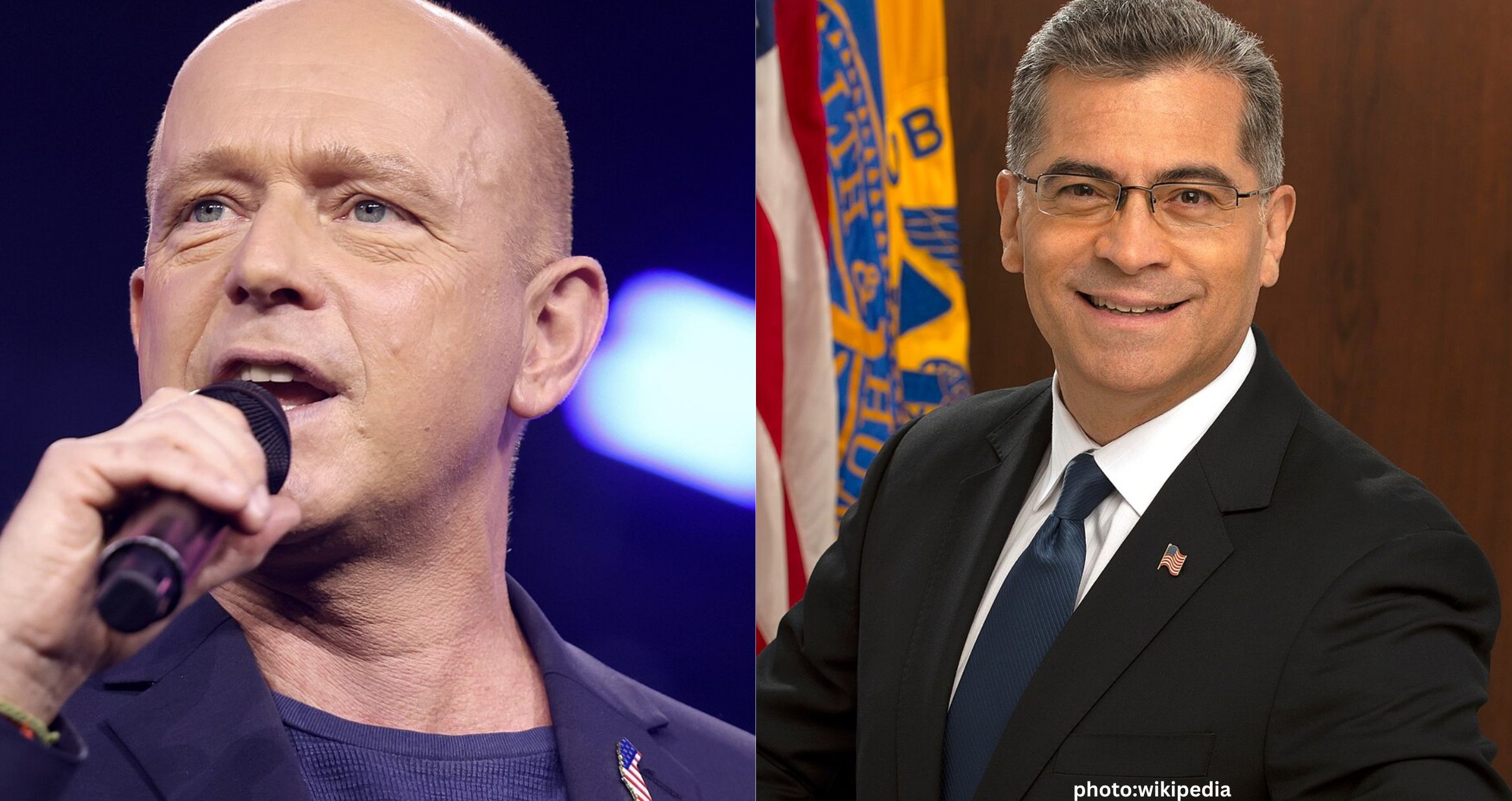
Vikas Khanna Highlights Health Risks at Mumbai Airport

Celebrity chef Vikas Khanna has raised alarms about health risks at Mumbai’s Chhatrapati Shivaji Maharaj International Airport, urging for the removal of potentially hazardous carpeting.

MUMBAI—Celebrity chef Vikas Khanna, who recently returned to Mumbai to continue filming the upcoming season of ‘MasterChef India,’ has expressed serious concerns regarding a potential health hazard at the city’s airport.

On January 2, Khanna shared a photograph of the carpet located in Terminal 2 of the Chhatrapati Shivaji Maharaj International Airport. He highlighted that the carpeting could pose significant health risks, particularly for individuals with respiratory conditions.

“Though I feel that MUMBAI AIRPORT is super-efficient, I strongly request the administration to remove this carpet. It is beyond cleaning. On behalf of every asthmatic and people with bronchial issues, this could be fatal,” he stated in his post.

His message quickly gained traction online, drawing attention to the critical need for accessibility, cleanliness, and health-conscious infrastructure in public spaces. While voicing his concerns, Khanna also commended the airport administration for its overall maintenance efforts, suggesting that removing the carpet would enhance the facility’s standards.

Khanna is known for addressing issues that extend beyond the culinary world. His remarks reflect the empathy and sense of responsibility often associated with his role on ‘MasterChef India,’ a platform that champions progress, inclusivity, and care.

As public health continues to be a pressing concern, Khanna’s call to action serves as a reminder of the importance of maintaining safe environments in high-traffic areas like airports. His advocacy for better infrastructure resonates with many who prioritize health and safety in public spaces.

According to IANS, Khanna’s initiative highlights the ongoing dialogue surrounding health risks in public areas and the need for immediate action to ensure the well-being of all travelers.

Trump Confirms U.S. Strikes in Venezuela, Claims Maduro Captured

The U.S. military conducted air strikes in Venezuela, capturing President Nicolás Maduro, as tensions escalate between the two nations.

The U.S. military executed air strikes across various regions of Venezuela, including the capital city of Caracas, early Saturday morning. This operation has been confirmed by officials and marks a significant escalation in U.S.-Venezuela relations.

President Donald Trump announced on Truth Social that the military operation was successful, stating that Maduro and his wife were “captured and flown out of the country.” Trump indicated that the operation was conducted in coordination with U.S. law enforcement and announced a news conference scheduled for 11 a.m. at Mar-a-Lago.

Witnesses reported hearing at least seven explosions in Caracas around 2 a.m. local time, with low-flying aircraft observed in the area. The Venezuelan government responded with a statement condemning the strikes, describing them as “very serious military aggression” and an act of “imperialist aggression.”

According to the Venezuelan government, the strikes impacted not only Caracas but also the states of Miranda, Aragua, and La Guaira. They characterized the U.S. actions as an attempt to seize Venezuela’s strategic resources, particularly oil and minerals, and to undermine the nation’s political independence.

“They will not succeed,” the statement asserted. “After more than two hundred years of independence, the people and their legitimate Government remain steadfast in defense of sovereignty and the inalienable right to decide their own destiny.” The government further claimed that attempts to impose a “colonial war” and force a regime change would fail, just as previous efforts had.

This military action comes amid ongoing U.S. efforts to target alleged drug-smuggling operations linked to the Venezuelan government. Senator Mike Lee, a Republican from Utah, expressed skepticism regarding the justification for the strikes, questioning the constitutional basis for such actions without a formal declaration of war or authorization for military force.

In a pre-taped interview aired on state television, Maduro had recently indicated a willingness to negotiate with the United States regarding drug trafficking and oil. He stated, “The U.S. government knows, because we’ve told many of their spokespeople, that if they want to seriously discuss an agreement to combat drug trafficking, we’re ready.” Maduro also expressed openness to U.S. investment in Venezuela’s oil sector, particularly with companies like Chevron.

In light of the escalating situation, the U.S. Embassy in Bogotá, Colombia, issued a warning to American citizens, advising them against travel to Venezuela and instructing those currently in the country to shelter in place. A Travel Advisory from December 3 strongly urged all U.S. citizens in Venezuela to depart immediately.

Additionally, the Federal Aviation Administration (FAA) issued a Notice to Airmen at 1 a.m. EST on Saturday, prohibiting all U.S. aircraft from operating at any altitude within Venezuelan airspace.

This situation is developing, and further updates are expected as more information becomes available.

According to The Associated Press, this is a breaking news story.

Trump Provides One-Year Relief from Furniture Tariffs

President Trump has announced a one-year delay on planned tariff increases for certain home goods, providing relief to consumers and businesses amid ongoing trade negotiations.

In a move aimed at easing economic pressures, President Donald Trump signed a proclamation on New Year’s Eve to postpone higher tariffs on select home goods for one year. This decision impacts products such as upholstered furniture, kitchen cabinets, and vanities, which were set to face increased tariffs starting January 1, 2026.

Under the new proclamation, the existing 25% tariffs will remain in effect, while the planned increases—30% on furniture and 50% on cabinets and vanities—have been delayed until January 1, 2027. The White House cited ongoing trade negotiations and the need to alleviate potential cost pressures on consumers and businesses as key reasons for this delay.

This postponement provides retailers, distributors, and manufacturers with additional time to strategize regarding pricing, sourcing, and inventory management under the current tariff structure. Analysts suggest that maintaining the existing rates will help businesses avoid sudden cost increases while trade discussions continue.

The decision aligns with Trump’s broader approach to tariffs, which has involved selectively imposing, postponing, or adjusting rates to balance domestic economic interests with international negotiations. For consumers, this delay temporarily mitigates immediate price hikes on home goods, although the ultimate effects will depend on domestic demand and global supply chain dynamics.

The proclamation underscores the ongoing influence of executive action in shaping U.S. trade policy. By delaying the tariff increases, the administration aims to alleviate immediate price pressures on households and support domestic industries reliant on imported goods.

However, the long-term implications of this delay for trade negotiations and industry strategies remain uncertain. The broader economic impacts for consumers and manufacturers are still difficult to predict. It is also unclear whether the postponed tariffs will ultimately affect future trade agreements or provoke responses from trading partners.

This situation illustrates the ongoing flexibility and tactical use of tariffs as tools for achieving economic and political objectives. Decisions regarding tariffs can have far-reaching consequences, influencing supply chains, manufacturing, pricing, and international competitiveness.

Policymakers must carefully consider the potential benefits of protecting domestic industries against the unpredictable reactions of global markets. The outcomes of such decisions are often challenging to foresee.

For businesses, the delay presents opportunities for planning and adaptation, but it also necessitates continuous vigilance in monitoring international developments and policy changes. While consumers may enjoy short-term price stability, future fluctuations in trade policy could still lead to unexpected costs.

This recent tariff relief highlights the complexities of trade policy and its direct impact on both consumers and businesses across the nation, as the administration navigates the intricate landscape of international trade relations.

According to The American Bazaar, this decision reflects the administration’s ongoing efforts to balance domestic economic needs with the realities of global trade negotiations.

2026 May See Major IPOs from SpaceX, OpenAI, and Anthropic

As 2026 approaches, major tech companies SpaceX, OpenAI, and Anthropic are preparing for potential initial public offerings that could reshape U.S. capital markets and the tech landscape.

As 2026 unfolds, it is shaping up to be a pivotal year for U.S. capital markets. A rare convergence of potential blockbuster listings is drawing attention from Wall Street to Silicon Valley. Three of the country’s most valuable private technology companies—SpaceX, OpenAI, and Anthropic—are edging closer to long-anticipated initial public offerings (IPOs), setting the stage for what could be one of the most consequential IPO cycles in recent memory. Investors and analysts are watching closely, aware that these debuts could reshape market sentiment and the trajectory of the tech sector.

Together, the three companies are expected to enter public markets with combined valuations nearing $3 trillion. If realized, this would mark one of the largest single-year waves of new listings in the history of the New York Stock Exchange and Nasdaq, delivering an unprecedented liquidity event for U.S. equity markets.

However, these offerings represent far more than new ticker symbols. They signal a broader shift in the global economy, moving away from traditional software and digital services toward frontier industries such as orbital infrastructure and advanced artificial intelligence. For many market watchers, 2026 could be the year when the AI economy and space technology go fully mainstream, offering both retail investors and institutional funds direct exposure to technologies expected to shape the rest of the century.

As public markets open up to these once tightly held private giants, the boundaries of who can invest in future-defining innovation are beginning to change. The path to these potential mega listings has been deliberate. Each company has spent years reshaping its corporate structure, raising vast sums of capital, and achieving key technological milestones.

SpaceX has pushed forward with its Starship program in an effort to make orbital launches cheaper, faster, and more routine. OpenAI has relied on its public benefit structure to balance rapid commercial growth with its broader mission as it scales. Anthropic, meanwhile, has focused on building enterprise-ready AI systems, carving out a niche that resonates with businesses and long-term investors alike. Together, these strategic choices have positioned all three companies as leaders in their fields while drawing intense global market interest.

SpaceX is widely viewed as the centerpiece of the 2026 IPO narrative, with market expectations placing its valuation around $1.5 trillion. Unlike legacy aerospace firms, the company operates a vertically integrated launch and space services ecosystem. Central to its financial story is Starlink, its satellite internet business, which has grown into a global service with more than 8.5 million users. This recurring revenue base has strengthened SpaceX’s case for entering public markets and plays a key role in how investors are evaluating a future listing.

OpenAI’s anticipated move toward a 2026 listing tells a more complex story, shaped by the balance between innovation and responsibility. Its transition to a Public Benefit Corporation was intended to support commercial expansion while staying anchored to its stated goal of developing safe artificial general intelligence. Market estimates place OpenAI’s valuation between $800 billion and $1 trillion, driven by strong enterprise demand, widespread API adoption, and rapid revenue growth. By the end of 2025, its annualized revenue had surpassed $20 billion, highlighting why investor interest remains intense.

Anthropic, by contrast, is approaching a potential listing with a more measured strategy focused on enterprise adoption and safety standards. Valued between $300 billion and $350 billion, the company has built deep partnerships with Amazon and Google to position its Claude AI platform as a trusted solution for regulated industries such as healthcare, finance, and legal services. This emphasis on high-margin, enterprise-led revenue has made Anthropic particularly attractive to institutional investors seeking scale with stability.

If these listings move ahead as expected, the combined public debuts of SpaceX, OpenAI, and Anthropic would inject trillions of dollars of fresh liquidity into U.S. markets. Major mutual funds and exchange-traded funds are likely to rebalance portfolios to accommodate these new giants, potentially redirecting capital away from established technology firms.

Wall Street banks are also preparing for what could be their most lucrative year in more than a decade, with underwriting, advisory, and trading revenues poised to surge. Even so, amid the optimism, investors remain mindful that significant risks still lie ahead.

As the countdown to 2026 continues, the potential IPOs of SpaceX, OpenAI, and Anthropic promise to reshape the landscape of U.S. capital markets, marking a significant moment in the evolution of technology investment.

According to The American Bazaar.

Rising RAM Prices Expected to Increase Technology Costs by 2026

The rising cost of RAM is expected to increase the prices of various tech devices in 2026, impacting consumers across multiple sectors.

The cost of many electronic devices is likely to rise due to a significant increase in the price of Random Access Memory (RAM), a component typically regarded as one of the more affordable parts of a computer. Since October of last year, RAM prices have more than doubled, raising concerns among manufacturers and consumers alike.

RAM is essential for the operation of devices ranging from smartphones and smart TVs to medical equipment. The surge in RAM prices has been largely attributed to the growing demand from artificial intelligence (AI) data centers, which require substantial amounts of memory to function effectively.

While manufacturers often absorb minor cost increases, substantial hikes like this one are typically passed on to consumers. Steve Mason, general manager of CyberPowerPC, a company that specializes in building computers, noted, “We are being quoted costs around 500% higher than they were only a couple of months ago.” He emphasized that there will inevitably come a point where these elevated component costs will compel manufacturers to reconsider their pricing strategies.

Mason further explained that any device utilizing memory or storage could see a corresponding price increase. RAM plays a critical role in storing code while a device is in use, making it a vital component in every computer system.

Danny Williams, a representative from PCSpecialist, another computer building site, expressed his expectation that price increases would persist “well into 2026.” He remarked on the buoyant market conditions of 2025 and warned that if memory prices do not stabilize, there could be a decline in consumer demand in the upcoming year. Williams observed a varied impact across different RAM producers, with some vendors maintaining larger inventories, resulting in more moderate price increases of approximately 1.5 to 2 times. In contrast, other companies with limited stock have raised prices by as much as five times.

Chris Miller, author of the book “Chip War,” identified AI as the primary driver of demand for computer memory. He stated, “There’s been a surge of demand for memory chips, driven above all by the high-end High Bandwidth Memory that AI requires.” This heightened demand has led to increased prices across various types of memory chips.

Miller also pointed out that prices can fluctuate dramatically based on supply and demand dynamics, which are currently skewed in favor of demand. Mike Howard from Tech Insights elaborated on this by indicating that cloud service providers are finalizing their memory needs for 2026 and 2027. This clarity in demand has made it evident that supply will not keep pace with the requirements set by major players like Amazon and Google.

Howard remarked, “With both demand clarity and supply constraints converging, suppliers have steadily pushed prices upward, in some cases aggressively.” He noted that some suppliers have even paused issuing price quotes, a rare move that signals confidence in the expectation that prices will continue to rise.

As the tech industry braces for these changes, consumers may soon find themselves facing higher costs for a wide range of devices, from personal electronics to essential medical equipment. The ongoing fluctuations in RAM prices underscore the interconnected nature of technology supply chains and the impact of emerging trends like AI on everyday consumer products.

According to American Bazaar, the implications of rising RAM prices could be felt across various sectors, prompting both manufacturers and consumers to prepare for a potentially challenging economic landscape in 2026.

India vs New Zealand 2026 ODI Squad Announcement Expected Soon

India’s ODI squad, led by Shubman Gill, is preparing to face New Zealand in a three-match series beginning January 11, 2026.

The Indian cricket team, under the leadership of Shubman Gill, is gearing up for an exciting three-match ODI series against New Zealand, set to commence on January 11, 2026. This series marks an important phase for the team as they look to build momentum ahead of future international competitions.

As the series approaches, fans and analysts are keenly anticipating the finalization of the squad. The Board of Control for Cricket in India (BCCI) is expected to make some strategic decisions regarding player selections, particularly concerning veteran pacer Mohammed Shami. His inclusion or exclusion from the squad could significantly impact the team’s dynamics and performance.

Shubman Gill, who has been in impressive form, will be looking to lead the team effectively against a competitive New Zealand side. The series promises to be a thrilling contest, with both teams eager to assert their dominance in the ODI format.

As the announcement date draws nearer, cricket enthusiasts will be closely monitoring updates from the BCCI regarding the final squad. The anticipation surrounding the team selection adds an extra layer of excitement to the upcoming matches.

According to NDTV Sports, the series is not just about the matches themselves but also about the strategic planning and execution that will unfold on the field. Fans are hopeful for a strong performance from the Indian team, especially with key players like Virat Kohli and Rishabh Pant expected to play pivotal roles.

As the countdown to January 11 begins, the cricketing world is abuzz with speculation and excitement over the potential matchups and the performance of both teams. The series against New Zealand is seen as a crucial opportunity for India to showcase their talent and resilience on the international stage.

Catholic Influencer’s Son Dies After 11-Day Battle with Flu

Paul J. Kim, a Catholic influencer, announced the tragic passing of his 5-year-old son, Micah, after an 11-day battle with a severe flu that turned septic.

Paul J. Kim, a prominent Catholic influencer, shared the heartbreaking news on Thursday that his 5-year-old son, Micah, had passed away following an 11-day struggle with a severe case of the flu. This tragic journey unfolded publicly as Kim provided near-daily updates to his more than 300,000 followers on Instagram.

Micah died on New Year’s Eve, and in an emotional video posted shortly after the announcement, Kim expressed his gratitude to supporters for their prayers and requested privacy for his family during this difficult time. “We are so proud of him,” Kim said, visibly moved. “I want to thank you from the bottom of my heart, as his dad, on behalf of my family, for all the ways you guys prayed and lifted us up during this time. It’s been the hardest thing I’ve ever been through in my life, and it continues to be.”

The ordeal began on December 21, when Kim revealed that Micah was being taken to the hospital by ambulance due to a medical emergency. In subsequent updates, he shared that doctors had described Micah’s illness as an unusually severe case of the flu. As the situation progressed, Kim informed his followers that Micah had been placed on life support and urged them to pray for his son’s recovery.

Tragically, the flu infection escalated, turning septic and resulting in seizures. Kim noted that doctors characterized the case as both rare and serious. On December 30, he provided a somber update, revealing that Micah’s condition had deteriorated further, and he was in a coma as doctors and family members worked tirelessly to give him as much time as possible.

Throughout this harrowing experience, Kim shared several posts, some of which included images of Micah in the hospital. These updates garnered millions of views, resonating deeply with his audience. He often referred to his son as a fighter and “my hero,” highlighting the strength and resilience he saw in Micah.

In a poignant Instagram post, Kim quoted Job 1:21, stating, “The Lord gave, and the Lord has taken away; blessed be the name of the Lord.” He expressed that Micah had entered “the never-ending glory, love, and peace of God.” Despite their profound grief, Kim emphasized that his family continues to rely on their faith during this challenging time.

Kim also requested prayers for his family as they navigate the difficult journey of learning “how to live by faith and not by sight.” His heartfelt messages have resonated with many, drawing attention to the ongoing struggles families face during flu season.

According to recent data from the Centers for Disease Control and Prevention (CDC), there have been 288 pediatric deaths reported in the 2024-25 flu season, marking a record high for a non-pandemic year. Most of these cases have occurred among unvaccinated children, with approximately 70% of the affected children having underlying health conditions such as asthma.

This flu season has also seen the emergence of a new strain, referred to as a “super flu.” This variant, a mutation of influenza A H3N2 known as subclade K, is highly contagious and aggressive, contributing to the rising number of severe cases across the nation.

The CDC estimates that around 20,000 children under the age of five are hospitalized annually due to flu-related complications, with infants under six months facing the highest risk of mortality. This underscores the critical importance of annual vaccinations for young children.

As the community mourns the loss of young Micah, Kim’s story serves as a poignant reminder of the fragility of life and the vital role of faith and support during times of crisis. Kim did not immediately respond to requests for further comments.

For more information on flu prevention and vaccination, visit the CDC’s official website.

According to Fox News Digital.

How to Share Estimated Arrival Time on iPhone and Android

Sharing your estimated time of arrival (ETA) on Apple Maps and Google Maps allows for safer driving and keeps your contacts informed without the need for constant check-ins.

In today’s fast-paced world, sharing your estimated time of arrival (ETA) has become a practical necessity. Both Apple Maps and Google Maps offer built-in features that allow users to send live updates about their arrival times while driving. This functionality not only enhances safety by minimizing distractions but also provides peace of mind to both the driver and their contacts.

When you share your ETA, you enable your friends and family to know when to expect you without the need for constant communication. This is especially useful during late-night drives, long journeys, or when navigating unfamiliar areas. By automating the process of updating your contacts, you can focus on the road ahead rather than responding to messages.

To utilize this feature effectively, ensure that you have the latest versions of Apple Maps or Google Maps installed on your device. For this guide, we tested the steps using an iPhone 15 Pro Max running iOS 16.2 and a Samsung Galaxy phone operating on Android 16.

Before you start navigating, it is crucial to confirm that Apple Maps has the necessary permissions enabled. Without these settings, the option to share your ETA may not appear. For Android users, the process is similarly straightforward with Google Maps.

To share your ETA using Apple Maps, begin by initiating navigation. Once your route is set, tap the route card located at the bottom of the screen to expand it. From there, you can activate the sharing feature. Note that ETA sharing only becomes available after navigation has commenced, and you must have Location Services enabled for both Maps and Contacts.

For those using Google Maps on an Android device, the process is just as simple. After starting your navigation, look for the option to share your live arrival time. Depending on your device and Android version, the wording or placement of the menu may vary slightly. Once sharing is activated, your contacts will be able to track your live location and see updated arrival times until you reach your destination or choose to stop sharing.

Both Apple Maps and Google Maps handle updates automatically once the sharing feature is activated. If you ever wish to stop sharing your ETA, you can easily do so from the navigation screen at any time.

Using ETA sharing can significantly reduce the pressure of keeping others informed while you drive. With Apple Maps and Google Maps managing the updates, this simple habit enhances communication safety and provides reassurance to those waiting for your arrival.

As you navigate your daily travels, consider how often you utilize ETA sharing. Has it changed the frequency with which people check in on you? Share your experiences with us at Cyberguy.com.

For more tech tips, urgent security alerts, and exclusive deals, consider signing up for the FREE CyberGuy Report. Subscribers will also receive instant access to the Ultimate Scam Survival Guide at no cost.

According to CyberGuy.com, sharing your ETA not only improves safety but also fosters better communication with your contacts.

Scientists Identify Gene Associated with the Development of Spoken Language

A recent study links a specific gene variant to the origins of spoken language, suggesting it played a crucial role in human communication development.

A new study has established a connection between a particular gene and the emergence of spoken language, proposing that a unique protein variant found only in humans may have facilitated our ability to communicate verbally.

The question of why humans began to speak has intrigued scientists for years. Recent research suggests that genetics played a significant role in this evolution, which was essential for our survival. The development of speech enabled early humans to share information, coordinate activities, and pass down knowledge, providing a competitive advantage over extinct relatives such as Neanderthals and Denisovans.

Liza Finestack, a researcher at the University of Minnesota who was not involved in the study, described the research as “a good first step to start looking at the specific genes” that may influence speech and language development. The findings could potentially benefit individuals with speech disorders in the future.

The study focused on a genetic variant that researchers believe contributed to the rise of Homo sapiens as the dominant species. Dr. Robert Darnell, one of the study’s authors and a long-time researcher of the NOVA1 protein, emphasized its importance in brain development. The study was published on Tuesday in the journal Nature Communications.

To investigate the effects of the NOVA1 variant, scientists at Rockefeller University in New York employed CRISPR gene editing to replace the NOVA1 protein in mice with the human-specific variant. The results were surprising: the vocalizations of the mice changed when they called out to each other.

Baby mice carrying the human variant emitted different squeaks compared to their normal littermates when their mother approached. Similarly, adult male mice with the variant chirped differently than their typical counterparts when they encountered a female in heat. According to Darnell, these scenarios motivated the mice to vocalize, demonstrating the variant’s role in communication.

This research is not the first to link genetics with speech. In 2001, British scientists identified the FOXP2 gene, which was associated with language and speech disorders and dubbed the “human language gene.” However, while FOXP2 is involved in language, it is not unique to humans; later studies revealed that Neanderthals also shared this gene variant. In contrast, the NOVA1 variant identified in modern humans is exclusive to our species, according to Darnell.

While the presence of a specific gene variant is a factor in speech capability, it is not the sole reason humans can communicate. Other elements, such as anatomical features of the throat and the collaborative functions of various brain regions, are also crucial for speech and language comprehension.

Darnell expressed hope that this research will not only enhance our understanding of human origins but also pave the way for innovative treatments for speech-related issues. Finestack added that the genetic findings could eventually enable scientists to identify individuals who may require early speech and language interventions.

As research in this area continues to evolve, the implications for understanding human communication and addressing speech disorders could be profound, according to Fox News.

Harvard Study Uncovers Key to Happiness Beyond Money and Success

Harvard’s 85-year study reveals that the key to happiness lies not in wealth or success, but in the quality of our relationships with others.

For generations, happiness has often been perceived as a destination achieved through various accomplishments. The common belief is that if one studies diligently, builds a successful career, and earns a good income, peace of mind will eventually follow. However, despite rising incomes and expanded opportunities, feelings of loneliness, stress, and dissatisfaction have become increasingly prevalent. A groundbreaking study led by Harvard University suggests that the missing link to happiness is not wealth or status, but rather the fundamental importance of human relationships.

This conclusion stems from the Harvard Study of Adult Development, an extensive investigation that has spanned 85 years, exploring what truly contributes to a fulfilling life. The findings challenge contemporary definitions of success and offer a surprisingly straightforward answer: happiness is deeply rooted in the quality of our connections with others.

The study commenced in 1938 during the Great Depression, with researchers aiming to understand the factors that enable individuals to lead happy and healthy lives over time. They tracked the lives of 724 participants from diverse social classes, professions, and backgrounds, monitoring their physical health, emotional well-being, careers, marriages, friendships, and personal struggles.

Participants were interviewed every two years, allowing researchers to document significant life events, medical histories, and emotional states. As the decades unfolded—through wars, cultural shifts, technological advancements, and generational changes—consistent patterns began to emerge.

The study’s conclusions were strikingly clear:

Happiness was not determined by income or wealth.

Professional success alone did not guarantee life satisfaction.

While discipline, productivity, and lifestyle routines contributed to well-being, they were secondary to the primary factor: strong, supportive relationships.

Researchers discovered that relationships significantly influence daily emotional experiences more than any other variable. Supportive connections provide comfort during stressful times, meaning during uncertainty, and resilience during hardships.

“Good relationships don’t just protect our bodies; they protect our brains,” noted one of the study’s recent directors in discussions about the findings.

Conversely, loneliness was associated with increased anxiety, depression, and even physical decline. Participants who reported weak or strained relationships were more likely to feel unhappy, even when they enjoyed financial security or professional success.

The study introduced the concept of “social fitness,” emphasizing that relationships require active maintenance, much like physical health. Friendships can fade without attention, family bonds can weaken without communication, and emotional closeness does not sustain itself automatically.

Through decades of observation, researchers identified seven key relationship domains linked to long-term well-being:

Safety and security—having someone to turn to in moments of fear or uncertainty.

Learning and growth—having someone who challenges and inspires personal development.

Emotional closeness—having someone with whom honesty and vulnerability feel safe.

Shared identity—having someone who understands your history and values.

Romantic intimacy—experiencing meaningful emotional and physical closeness.

Guidance and support—having someone trusted for advice and perspective.

Fun and relaxation—having someone who brings joy, laughter, and ease.

While few individuals excel in all seven areas, the study suggests that identifying gaps is not a failure but an opportunity to intentionally invest in neglected connections.

In addition to relationships, the study highlighted everyday habits that consistently support well-being across generations:

Avoiding smoking and excessive alcohol consumption.

Staying physically active.

Maintaining balance in daily routines.

Cultivating a positive, resilient outlook.

Importantly, these habits are not dependent on privilege or income. When combined with meaningful relationships, they enhance life satisfaction regardless of social status.

In today’s fast-paced, hyperconnected world, the study’s findings resonate profoundly. Digital communication often replaces face-to-face interactions, and productivity is frequently prioritized over presence. Nevertheless, the core ingredients of happiness remain unchanged.

Human beings are inherently social. Fulfillment continues to grow through trust, shared experiences, and emotional connections.

The Harvard study serves as a powerful reminder: it is never too late to invest in relationships. Social fitness can be developed, repaired, or strengthened at any stage of life.

As playwright William Shakespeare once wrote, “No legacy is so rich as honesty.” The study echoes this sentiment, suggesting that the greatest inheritance we leave behind is not financial success, but the quality of our relationships and the integrity with which we nurture them.

In a culture that often measures worth by income and achievement, this 85-year research project offers a quieter, enduring truth: while money may provide comfort, it is meaningful connections that truly enrich our lives, according to Global Net News.

Vijay Prioritized Respect Over Stardom in Jilla’s Credits

During the making of the film *Jilla*, Tamil superstar Vijay chose to prioritize respect over stardom by insisting that Malayalam icon Mohanlal’s name appear first on the title card.

In an industry often defined by box-office numbers, opening-day collections, and billing order disputes, rare moments of humility tend to resonate long after the applause fades. One such moment occurred during the production of *Jilla*, a much-discussed collaboration between Tamil superstar Vijay and Malayalam cinema icon Mohanlal. What could have easily turned into a clash of egos instead became a powerful statement about respect, seniority, and values that transcend mere stardom.

Released at a time when both actors were at the peak of their careers, *Jilla* was more than just a commercial entertainer. It symbolized a unique cultural crossover, bringing together two of South India’s most influential stars under one banner. However, it was a decision regarding the title card that truly revealed the character of those involved.

During the production of *Jilla*, Vijay reportedly approached director R. T. Neason with a surprising request. Despite being the primary crowd-puller in Tamil cinema at the time and the film’s central protagonist, Vijay insisted that Mohanlal’s name should appear before his own on the film’s title card.

For Vijay, the reasoning was both simple and profound: seniority and experience deserved precedence over box-office hierarchy. Mohanlal, with over three decades of work across Malayalam, Tamil, Telugu, and Hindi cinema, represented a legacy that Vijay felt should be acknowledged first.

“It is not about who the bigger star is today,” Vijay reportedly conveyed during discussions. “It is about respecting the journey and experience.”

True to his own reputation for humility, Mohanlal initially resisted the idea. The veteran actor believed that Vijay’s name should take precedence, pointing out that *Jilla* was primarily a Tamil-language film and that Vijay was the film’s biggest commercial draw in the state.

Observers close to the production recall that Mohanlal felt credit placement should reflect the film’s market realities. Yet Vijay stood firm, refusing to compromise on what he viewed as a matter of principle rather than promotion.

Ultimately, the filmmakers decided to place Mohanlal’s name first, followed by Vijay’s. This outcome did not cater to ego or marketing formulas but instead satisfied something far more enduring: mutual respect.

At first glance, the order of names on a title card may seem trivial. However, in an industry where credit placement is often fiercely negotiated, the decision made for *Jilla* resonated deeply with fans and industry insiders alike. It became a symbolic gesture, quietly reinforcing the idea that cinema, at its best, is built on collaboration rather than competition.

At the time, Vijay had already completed over two decades in cinema, steadily rising from a romantic hero to a mass entertainer with a vast fan base. Mohanlal, on the other hand, brought with him more than thirty years of unparalleled experience and critical acclaim, having redefined performance-driven cinema in India. The title card reflected this generational and professional dynamic without a single word being spoken.

Beyond the two leads, *Jilla* featured a strong supporting cast, including Kajal Aggarwal, Soori, Sampath Raj, Pradeep Rawat, Mahat Raghavendra, and Nivedha Thomas. The film secured a lasting place in South Indian cinema as a memorable collaboration between two distinct film cultures.

Years later, as Vijay prepares for what many believe will be his final on-screen phase and Mohanlal continues to make selective appearances—including a recent cameo in *Bha.Bha.Ba*—the *Jilla* anecdote continues to resurface as a reminder of what truly defines a legacy.

In an era increasingly dominated by branding and star valuation, the story behind the *Jilla* title card endures because it highlights something rarer than fame: character. Fans often celebrate stars for their performances, but moments like these reveal why certain artists command respect beyond the screen.

As industry observers often note, stardom may fill theaters, but humility builds history. Vijay’s insistence on placing Mohanlal first did not diminish his own stature; instead, it enhanced it—cementing his image as a star who understands that respect, once given, returns manifold.

In the end, *Jilla* was not just a film—it was a lesson in grace, reminding audiences that shared values often leave a deeper imprint than shared screen space ever could, according to Global Net News.

Happy New Year Wishes from Indian-American Community in 2026

India Currents extends warm wishes for a prosperous New Year to its readers and community.

As we step into a new year, India Currents would like to take a moment to express our heartfelt wishes to all our readers and supporters.

The New Year symbolizes fresh beginnings, opportunities, and the promise of growth. It is a time for reflection on the past year and for setting intentions for the year ahead.

We are grateful for the continued support from our community, which inspires us to deliver engaging content and foster meaningful conversations.

May this New Year bring joy, health, and success to you and your loved ones. We look forward to sharing more stories, insights, and experiences with you in the coming year.

Happy New Year from all of us at India Currents!

The post Happy New Year From India Currents appeared first on India Currents.

Pahalgam Incident Shapes New Indian Doctrine on Terrorism

India’s military response to the April 22 Pahalgam attack signals a shift in its counterterrorism doctrine, emphasizing accountability and state responsibility for militant actions.

NEW DELHI – In the wake of the devastating attack in Pahalgam on April 22, which resulted in the deaths of 26 civilians, India executed a measured military response targeting militant infrastructure across the Line of Control and within Pakistan.

Dubbed Operation Sindoor, this initiative was framed by Indian authorities as a clear message that any future attacks linked to groups operating from Pakistani territory would be regarded as acts of armed aggression, rather than mere instances of cross-border terrorism.

On May 7, the Indian armed forces announced strikes on what they identified as training camps, headquarters, and launch facilities utilized by groups such as Jaish-e-Mohammed, Lashkar-e-Taiba, and Hizbul Mujahideen. The strikes reportedly targeted locations in Pakistan-administered Kashmir, as well as Bahawalpur and Muridke. According to New Delhi, the primary objective was to degrade the operational capacity of these groups and disrupt their leadership structures, rather than to escalate the conflict.

Security analysts suggest that this operation signifies an evolution in India’s counterterrorism doctrine, linking accountability for attacks directly to state responsibility. Indian officials assert that this approach aims to deter future assaults by increasing the costs associated with sponsoring or tolerating militant activities. However, Pakistan has dismissed India’s claims, contesting both the scale and effectiveness of the military strikes.

In the aftermath of the strikes, the Indian military conducted briefings led by women officers, detailing the targets that were hit and the deployment of domestically developed systems such as Akash and BrahMos. These briefings were intended to counter what officials described as misinformation and competing narratives from Pakistan regarding the outcomes of the operation.

Indian authorities underscored that the operation was not solely military in nature; it also involved diplomatic engagement and information management. The strategy was designed to avoid broader escalation while still demonstrating resolve. Officials highlighted ongoing discussions with international partners to clarify the rationale behind the strikes.

Prime Minister Narendra Modi later reiterated India’s stance that it would not distinguish between militant groups and those who support or harbor them. He cautioned against what he termed attempts at nuclear deterrence being used to shield non-state violence.

In New Delhi’s view, Operation Sindoor represents a significant shift from reactive responses to a more proactive and declarative posture on counterterrorism. This evolution reflects a broader strategy aimed at addressing the complexities of militant threats emanating from across the border.

As India continues to navigate its security landscape, the implications of this new doctrine may resonate beyond its immediate borders, potentially influencing regional dynamics and international perceptions of its counterterrorism efforts.

According to IANS, this operation marks a pivotal moment in India’s approach to dealing with terrorism and its underlying causes.

NYU Tandon School Launches New Robotics Hub in Brooklyn

The NYU Tandon School of Engineering has launched the Center for Robotics and Embodied Intelligence in Brooklyn, enhancing its role in robotics and artificial intelligence research.

BROOKLYN, NY – The NYU Tandon School of Engineering has officially inaugurated the Center for Robotics and Embodied Intelligence, a significant development that positions the institution at the forefront of robotics and physical artificial intelligence research on the East Coast.

Located in Downtown Brooklyn, the new center is a key component of NYU’s ambitious $1 billion investment in engineering and global science initiatives. This investment underscores Tandon’s commitment to interdisciplinary research in AI-driven robotics.

Juan de Pablo, NYU’s Executive Vice President for Global Science and Technology, will oversee the center. He emphasized the transformative potential of the intersection between robotics and AI, stating, “The intersection between robotics and AI offers unprecedented opportunities for technological developments that will bring enormous benefits to industry and society.” De Pablo added that the center will act as a hub for discovery and innovation in this dynamic field.

Among the founding co-directors is Lerrel Pinto, an assistant professor of computer science at NYU’s Courant Institute. Pinto, who is of Indian American descent, will play a pivotal role in defining the center’s research agenda, which emphasizes embodied intelligence. This approach allows robots to learn movement and decision-making by engaging with the physical world and analyzing human motion. He will work alongside co-directors Ludovic Righetti and Chen Feng to lead a research team comprising over 70 faculty members, postdoctoral scholars, and students.

The center boasts a substantial physical infrastructure, featuring 10,000 square feet of collaborative experimental space designed to foster interdisciplinary cooperation. Its flagship facility includes a 6,800 square foot lab dedicated to advanced robotics testing, complemented by an additional 2,200 square foot space for large-scale multi-robot experiments.

Chen Feng highlighted the center’s ambition to position Tandon and New York City as a national hub for robotics research. “We want people to think of the East Coast, not just Silicon Valley, when they think about robotics and embodied AI,” he remarked.

In addition to its research initiatives, the NYU Tandon School of Engineering is set to launch the nation’s first Master of Science degree in Robotics and Embodied Intelligence through the center. This program aims to equip the next generation of engineers and researchers with the skills necessary to advance the field.

The center’s faculty have already secured over $30 million in research funding, bolstered by partnerships with leading industry players such as NVIDIA, Google, Amazon, and Qualcomm. This financial backing underscores the center’s potential to contribute significantly to the evolving landscape of robotics and AI.

As the NYU Tandon School of Engineering continues to expand its capabilities and influence, the Center for Robotics and Embodied Intelligence stands as a testament to its commitment to innovation and excellence in engineering education and research, according to India-West.

Key 2026 House and Senate Races That Could Decide Congress Control

Key Senate and House races in Georgia, North Carolina, Michigan, and other states will play a critical role in determining control of Congress in the 2026 midterm elections.

As the 2026 midterm elections approach, Senate Republicans are gearing up to defend their slim majority, with pivotal races in states like Georgia, North Carolina, and Michigan poised to influence the balance of power in Congress.

The upcoming elections will feature 33 Senate seats in contention, a situation that often serves as a referendum on the sitting president’s performance. Republicans are optimistic about their prospects, hoping to replicate the successes they enjoyed during the midterms of President Donald Trump’s first term.

Georgia stands out as a critical battleground for the GOP. Incumbent Senator Jon Ossoff, a Democrat, faces a challenging re-election campaign, and the National Republican Senatorial Committee (NRSC) is prepared to invest heavily in this race. However, before the general election, Republicans must navigate a contentious primary involving several candidates, including Representatives Buddy Carter and Mike Collins, former University of Tennessee football coach Derek Dooley, and horse trainer Reagan Box. The absence of a strong candidate like Georgia Governor Brian Kemp, who opted not to enter the race, has left the field wide open for GOP contenders.

In North Carolina, the political landscape has shifted dramatically following the retirement of Senator Thom Tillis, a Republican. This previously secure seat is now an open contest, with Democrats eyeing a potential flip for the first time since 2008. Former North Carolina Governor Roy Cooper is seen as a key figure who could help Democrats secure a crucial victory. On the Republican side, former Republican National Committee Chair Michael Whatley is the preferred candidate, but he faces a primary challenge from Michele Morrow.

Michigan also presents an intriguing dynamic, as Democrats lost incumbent Senator Gary Peters to retirement. Both parties are now vying for the open seat, but Democrats must first navigate a crowded primary featuring candidates like Representative Haley Stevens, state Senator Mallory McMorrow, and physician Abdul El-Sayed. The Republican establishment is rallying behind former Representative Mike Rogers, who narrowly lost to Senator Elissa Slotkin in the previous election.

In Maine, incumbent Senator Susan Collins is a top target for Senate Democrats. Collins is seeking a sixth term, and she may face a formidable opponent backed by Senate Minority Leader Chuck Schumer. Potential challengers include popular Democratic Governor Janet Mills and progressive candidate Graham Platner, who has garnered support from prominent figures like Senator Bernie Sanders and Representative Alexandria Ocasio-Cortez.

Ohio’s political landscape is also shifting, with Senator Jon Husted, a Republican, appointed to fill the seat vacated by Vice President JD Vance. Husted will face a tough challenge from former Senator Sherrod Brown, a Democrat who narrowly lost in the last election. This race is expected to attract significant financial backing from both parties as they vie for control in a state that has seen fluctuating political allegiances.

The retirement of Senator Jeanne Shaheen in New Hampshire has opened the door for several Republican candidates, including former Senator John Sununu and former Representative Scott Brown. On the Democratic side, Representative Chris Pappas is positioned as the likely candidate to succeed Shaheen.

Control of the House of Representatives is anticipated to hinge on fewer than two dozen competitive districts nationwide. Both parties are focusing their resources on these battlegrounds, which span suburban, rural, and diverse metropolitan areas, reflecting the varied paths to a majority.

In Colorado’s 8th District, Republican Representative Gabe Evans is defending a seat that has proven to be highly competitive. This district, drawn as a swing seat after redistricting, has flipped parties in consecutive election cycles and is often decided by narrow margins. The outcome here could signal momentum for either party heading into other critical House races.

Iowa’s 1st District is another key battleground, with Republican Representative Mariannette Miller-Meeks seeking re-election. This district encompasses college towns, rural areas, and small manufacturing hubs, creating an electorate that frequently splits its ticket. Despite Iowa trending Republican at the presidential level, this seat remains a toss-up and is often among the last to be decided on election night.

New Jersey’s 7th District, held by Republican Representative Tom Kean Jr., is characterized by its high-income, college-educated suburban population. This district has historically swung with the national political climate, and its outcome could provide early insights into how suburban voters are responding to the current administration.

In New York’s 17th District, which previously supported President Joe Biden, Republican Representative Mike Lawler is expected to play a significant role in determining House control. The district will likely attract heavy national spending and messaging efforts from Democrats aiming to flip the seat.

Pennsylvania’s 7th District, represented by Republican Chris Mackenzie, is another must-win for both parties. This politically diverse area has mirrored statewide results in the past, and economic pressures and immigration debates are expected to shape voter sentiment.

California’s 22nd District, represented by Republican David Valadao, has been a battleground for over a decade, influenced by its agricultural economy and a large Latino electorate. The outcome here will depend on whether Democrats can mobilize enough turnout to flip the seat, especially in light of ongoing Republican gains in other parts of the country.

As the 2026 midterm elections draw closer, the stakes are high for both parties, with control of Congress hanging in the balance. The races in Georgia, North Carolina, Michigan, and other key districts will be critical in shaping the political landscape for years to come, according to Fox News.

Maduro States Venezuela Is Prepared to Negotiate Drug and Oil Deals with US

Venezuelan President Nicolás Maduro expressed his government’s willingness to negotiate a drug trafficking agreement with the U.S. amid ongoing military pressure targeting his administration’s drug networks.

Venezuelan President Nicolás Maduro announced on Thursday that his government is prepared to engage in negotiations with the United States regarding a potential drug trafficking agreement. This statement follows months of intensified American military pressure aimed at dismantling drug trafficking networks associated with his administration.

In a pre-recorded interview with Spanish journalist Ignacio Ramonet, which aired on state television, Maduro emphasized that Venezuela is “ready” to discuss a drug-trafficking deal. He urged both nations to “start talking seriously, with data in hand.” He added, “The U.S. government knows, because we’ve told many of their spokespeople, that if they want to seriously discuss an agreement to combat drug trafficking, we’re ready.”

Maduro further indicated that if the U.S. seeks oil, Venezuela is open to U.S. investment, referencing Chevron as the only major American oil company currently exporting Venezuelan crude to the United States. “Whenever they want it, wherever they want it and however they want it,” he stated.

Despite this overture, Maduro accused the U.S. of pursuing regime change in Venezuela and attempting to gain access to the country’s vast oil reserves through a prolonged pressure campaign. This campaign has included a significant military deployment to the Caribbean Sea that began in August.

He asserted that the U.S. aims “to impose themselves through threats, intimidation and force.” The interview was recorded on New Year’s Eve, coinciding with a U.S. military announcement regarding a kinetic strike that resulted in the deaths of five individuals aboard two vessels linked to designated terrorist organizations involved in narcotics trafficking.

Since the U.S. initiated airstrikes against alleged drug-trafficking boats in the Caribbean and eastern Pacific in early September, at least 114 people have reportedly lost their lives. There are indications that the U.S. may be considering an expansion of its campaign focused on Venezuela, which could include potential ground operations.

President Donald Trump confirmed that a recent strike targeted what he described as a Venezuelan port utilized for drug trafficking. However, he did not clarify whether the operation was conducted by the U.S. military or another entity, such as the CIA.

Maduro refrained from commenting on the specifics of that strike during the interview but mentioned he could “talk about it in a few days.” In recent weeks, Trump has escalated pressure on Maduro by ordering a total blockade of oil tankers entering or leaving Venezuela and designating his regime as a foreign terrorist organization. The U.S. has accused Maduro’s government of utilizing stolen American assets to fund terrorism, drug trafficking, and other criminal activities.

Additionally, U.S. authorities have seized two ships carrying oil that was under sanctions. The ongoing tensions between the U.S. and Venezuela continue to evolve, with both sides seemingly at an impasse despite Maduro’s recent overtures for negotiation.

According to Fox News Digital, the situation remains fluid as both nations navigate the complexities of their relationship amidst military and economic pressures.

Warren Buffett Steps Down as CEO of Berkshire Hathaway After Decades

Warren Buffett has stepped down as CEO of Berkshire Hathaway, passing leadership to Greg Abel, while ensuring the company’s long-term investment philosophy remains intact.

Warren Buffett has officially stepped down as the CEO of Berkshire Hathaway, a role he held for six decades. Under his leadership, the company transformed from a struggling textile mill into a financial powerhouse valued at $1.1 trillion, with interests spanning railroads, utilities, and insurance operations.

Berkshire Hathaway currently boasts over $350 billion in cash and short-term treasuries, alongside $283 billion in publicly traded stock. As Greg Abel takes the helm, investors will closely monitor how he allocates the nearly $900 million in cash generated weekly from the company’s diverse businesses.

<p“He’s inheriting the most privileged place in American business,” remarked Christopher Davis, a partner at Berkshire investor Hudson Value Partners. “Buffett was not only a great investor but someone people looked up to for doing the right thing and dealing fairly, which gave Berkshire some pretty broad latitude.”

With Abel, a longtime executive at Berkshire, now in charge, investors are eager to see if he will uphold Buffett’s investment philosophy. Recently, the company has opted out of several major deals and has steered clear of many high-profile tech investments.

The decision to implement quarterly earnings calls or provide more qualitative insights into the performance of individual business units—something investors have been requesting from Buffett—now rests with Abel.

Abel, who hails from Canada and has a background in Berkshire’s utilities division, has indicated that the company’s investment philosophy will remain unchanged under his leadership. Last year, he expressed his commitment to targeting businesses that generate substantial cash flows while maintaining Berkshire’s long-term investment horizon. He emphasized the importance of evaluating a company’s economic prospects over a 10 to 20-year period before making investment decisions, whether through outright acquisitions or minority stakes.

<p“It is really the investment philosophy and how Warren and the team have allocated capital for the past 60 years,” Abel stated last May. “It will not change, and it’s the approach we’ll take as we go forward.”

As Buffett steps back, he has indicated a desire to “go quiet,” which suggests a reduced public presence, although he will continue to serve as chairman. Abel will now take over the responsibility of writing Berkshire’s annual shareholder letters, a tradition that Buffett started in 1965. These letters have become essential reading on Wall Street, offering straightforward insights on markets, management, and capital allocation.

<p“Warren, as chairman, will be an advisor to Greg, a cultural anchor, and a real long-term thinker,” said Ann Winblad, managing director at Hummer Winblad Venture Partners and a longtime Berkshire shareholder, during an appearance on CNBC’s “The Exchange.” “Will the company fundamentally change in its strategies? No. The culture of Berkshire Hathaway, which is what I’ve invested in, which is patient, long-term, careful, and decisive investing, will probably still remain.”

As the transition unfolds, both investors and industry observers will be watching closely to see how Greg Abel shapes the future of Berkshire Hathaway while honoring the legacy of Warren Buffett.

According to The American Bazaar, the shift in leadership marks a significant moment in the history of one of the world’s most influential investment firms.

Dollar Declines Amid Fed Divisions and Uncertainty Over Future Rate Cuts

The US dollar is experiencing its steepest decline in nearly a decade, driven by Federal Reserve divisions and expectations of rate cuts as 2026 approaches.

The US dollar is closing out the year with its sharpest decline in nearly a decade, and analysts suggest that this downward trend may continue into 2026. The Bloomberg Dollar Spot Index has fallen by 8.1% in 2025, marking its worst annual performance in eight years.

This decline accelerated following President Donald Trump’s announcement of sweeping tariffs in April, an event he referred to as “Liberation Day.” This move unsettled currency markets and triggered a sustained selloff of the dollar.

Since that announcement, the dollar has remained under pressure as investors reassess US trade policy, economic growth prospects, and global demand for dollar-denominated assets. With these concerns still prevalent, analysts predict that the currency could face further weakness as the new year approaches.

Uncertainty surrounding the Federal Reserve has also contributed to the dollar’s struggles. Trump has indicated that he desires a more flexible Fed chair to be appointed next year, which has added to the pressure on the dollar.

Yusuke Miyairi, a foreign exchange market analyst at Nomura, stated that the central bank will be a key driver for the currency in early 2026. “The biggest factor for the dollar in the first quarter will be the Fed,” he noted, emphasizing that the focus will not only be on the meetings scheduled for January and March but also on who will succeed Jerome Powell as Fed Chair when his term ends in May.

Market expectations are now factoring in at least two interest rate cuts in the US next year. This outlook risks putting American monetary policy out of sync with several other advanced economies, making the dollar less attractive to global investors seeking higher returns.

The euro has already begun to gain ground against the dollar, as inflation in Europe remains relatively contained. Additionally, expectations of increased defense spending are bolstering growth prospects in the region, leading investors to anticipate little chance of rate cuts in the near term.

In contrast, traders in Canada, Sweden, and Australia are positioning for possible rate hikes, highlighting how divergent the US policy path could become compared to its peers.

As the market closely monitors the Federal Reserve, speculation continues regarding who will take over from Jerome Powell. Trump has hinted that he has made a decision regarding the next Fed chair but has not disclosed the name. He has also suggested the possibility of removing Powell before the end of his term, further complicating the outlook for the dollar.

Kevin Hassett, who leads the National Economic Council, is widely regarded as the frontrunner for the Fed position. Trump has also mentioned Kevin Warsh, a former Fed governor, while other potential candidates include current Fed governors Christopher Waller and Michelle Bowman, as well as Rick Rieder from BlackRock.

Andrew Hazlett, a foreign currency trader at Monex Inc., commented, “Hassett would be more or less priced in since he has been the frontrunner for some time now, but Warsh or Waller would likely not be as quick to cut, which would be better for the dollar.”

Federal Reserve officials remain divided over the timing of the next rate cuts. Some members see room for additional reductions if inflation continues to ease, while others advocate for maintaining rates at their current levels for a longer period. These differing viewpoints were highlighted in meeting records released recently.

In December, the Fed voted 9-3 to lower its key rate by a quarter point, marking the third consecutive reduction. The benchmark rate now stands between 3.5% and 3.75%, as previously reported by Cryptopolitan.

As the new year approaches, the outlook for the dollar remains uncertain, with many factors at play that could influence its trajectory in 2026.

H-1B Visa Delays Prompt Amazon to Adjust Policies for Indian Employees

Amazon has temporarily relaxed its return-to-office rules for employees stranded in India due to H-1B visa delays, allowing them to work remotely until early March.

Amazon has announced a temporary relaxation of its return-to-office policy for a select group of employees who are currently unable to return to the United States due to visa backlogs. This decision comes amid increasing scrutiny of U.S. immigration policies, particularly affecting H-1B visa holders.

According to an internal memo obtained by Business Insider, the company is permitting employees stuck in India because of visa delays to continue working remotely from their home country until early March. This adjustment provides short-term relief for those affected workers who had anticipated returning to the U.S. on schedule. Despite this exception, Amazon is continuing to enforce stricter in-office attendance requirements for its workforce.

The memo indicates that this temporary measure is specifically designed to address the disruptions caused by immigration issues and does not represent a broader change in Amazon’s remote work policy. Employees who qualify for this arrangement are, however, subject to significant restrictions. They are prohibited from writing code, participating in strategic decision-making, or engaging directly with customers during this period.

Amazon is not the only company grappling with the repercussions of visa delays. Many organizations across corporate America are adjusting to the rapid changes implemented during the Trump administration regarding the H-1B visa program. One of the most impactful changes has been the requirement for consular officers to scrutinize visa applicants’ social media activity before granting approval, which has significantly slowed processing times.

As a result, U.S. embassies and consulates in various countries have postponed visa appointments by several months. This situation has left many employees stranded abroad longer than anticipated, forcing employers to find creative solutions to maintain productivity.

The implications of these delays extend beyond Amazon. In recent weeks, major U.S. companies such as Google, Apple, and Microsoft have issued internal travel advisories. These advisories caution visa-holding employees against international travel, reflecting concerns that routine trips could lead to extended absences due to ongoing visa renewal and reentry delays.

Under Amazon’s standard policy, employees traveling overseas for visa renewals are allowed to work remotely for up to 20 business days. This is a limited exception to the company’s general requirement for employees to be in the office five days a week. However, the new guidance expands this allowance significantly.

According to the memo posted on Amazon’s internal HR portal on December 17, any employee who was in India as of December 13 and is awaiting a rescheduled visa appointment can continue to work remotely until March 2. This temporary extension highlights how immigration delays are compelling even the most office-centric companies to adapt their policies.

As the situation evolves, it remains to be seen how companies will continue to navigate the complexities of immigration and work policies in a changing landscape.

For further details, refer to Business Insider.

England Faces Job-Saving Test in Sydney Amid Ravi Shastri Speculation

England’s recent victory in Melbourne has set the stage for a crucial Test at the SCG, raising questions about the team’s future and the role of Ravi Shastri.

After a dramatic two-day victory in Melbourne that ended a 15-year winless streak for England in Australia, the upcoming Test match at the Sydney Cricket Ground (SCG) carries significant implications. This match is far from a mere “dead rubber”; it represents a pivotal moment for the English cricket team as they look to build on their recent success.

The win in Melbourne not only boosted team morale but also reignited discussions about the future direction of English cricket. The performance showcased the potential of the players under pressure, highlighting the effectiveness of the aggressive style of play known as “Bazball,” named after coach Brendon McCullum.

As England prepares for the SCG Test, questions loom over the team’s strategy and leadership. One prominent figure in these discussions is Ravi Shastri, the former head coach of the Indian cricket team. Shastri’s insights and experience in international cricket could provide valuable perspectives on how England can capitalize on their recent momentum.

Shastri has been vocal about the importance of adaptability in cricket, emphasizing that teams must evolve to meet the challenges posed by different conditions and opponents. His views resonate with the current situation facing England, as they seek to solidify their newfound confidence and establish a winning culture.

The stakes are high for England in this Test. A victory would not only reinforce their resurgence in Australian cricket but also serve as a testament to the effectiveness of their revamped approach. Conversely, a loss could raise doubts about their ability to maintain consistency and compete at the highest level.

In the context of the broader cricketing landscape, the SCG Test also presents an opportunity for England to assert themselves as a formidable force in international cricket. The match could be a defining moment for the team, shaping their identity and strategy moving forward.

As the players prepare for this critical encounter, the influence of Shastri’s philosophy on adaptability and resilience may play a crucial role in their performance. The cricketing world will be watching closely to see if England can build on their Melbourne triumph and navigate the challenges that lie ahead.

Ultimately, the outcome of the SCG Test will have lasting implications for England’s cricketing future, as they strive to establish themselves as a competitive team in the ever-evolving landscape of international cricket. According to NDTV Sports, the significance of this match extends beyond the immediate results, potentially shaping the trajectory of the team for years to come.

Cancer Drug Combination Shows Promise for Treatment-Resistant Patients

A new drug combination shows promise for treating acute myeloid leukemia (AML) patients resistant to standard therapies, offering hope for improved outcomes in this aggressive cancer.

Researchers at Oregon Health and Science University (OHSU) have made a significant breakthrough in the treatment of acute myeloid leukemia (AML), a particularly aggressive form of leukemia that affects over 20,000 Americans each year. Their findings suggest that a novel drug combination could help patients who do not respond to traditional therapies.

The study involved analyzing samples from more than 300 AML patients, revealing that pairing venetoclax—a drug commonly used to treat leukemia—with palbociclib, which is typically used for breast cancer, produced stronger and more durable leukemia-fighting effects than venetoclax alone.

Jeffrey Tyner, a professor of cell, developmental, and cancer biology at OHSU’s School of Medicine and the Knight Cancer Institute, emphasized the significance of the findings. “The data show that this drug regimen may be especially effective in patients whose tumors exhibit features that cause resistance to the current standard of care, frontline therapies,” he stated.

The research team initially explored a wide range of drug combinations without any predetermined favorites. Among all the pairings tested, including existing standard-of-care regimens, the combination of venetoclax and palbociclib emerged as the most promising.

Melissa Stewart, a research assistant professor at OHSU and the lead author of the study, noted, “That really motivated us to dig deeper into why it works so well—and why it appears to overcome resistance seen with current therapy.” The study revealed that AML cells exposed solely to venetoclax could adapt by increasing protein production, allowing them to survive. However, the addition of palbociclib blocked this adaptation, significantly impeding the cancer cells’ ability to thrive.

In preclinical models, the results were striking. While venetoclax alone did not extend survival, the combination treatment resulted in the majority of mice living for 11 to 12 months, with one mouse still alive at the conclusion of the study.

Tyner explained that the study sheds light on the biological mechanisms behind the improved outcomes associated with this new drug combination, paving the way for future clinical trials involving real patients. “Unfortunately, almost everyone will eventually have drug resistance,” he remarked, highlighting the ongoing challenges in treating AML.

Despite the promising initial response rates and improved quality of life reported with the current drug regimen, the five-year survival rate for AML remains low, estimated at only 25% to 40%. “We have a lot of work to do,” Tyner added.

While the data strongly suggest that this new drug combination should be tested in clinical trials, the research team acknowledges that they currently lack data on its clinical activity in AML patients, aside from some anecdotal reports. “So, the biggest limitation is also our desired next step—of testing this new drug combination in clinical trials,” Tyner concluded.

As the medical community continues to seek innovative solutions for AML, this research offers a glimmer of hope for patients facing treatment-resistant forms of the disease.

For further details, refer to the original report from Fox News Digital.

Ten Cybersecurity Resolutions for a Safer Digital Experience in 2026

As we approach 2026, adopting simple cybersecurity resolutions can significantly enhance your digital safety and protect against cybercriminals.

As 2025 comes to a close, it is essential to prioritize digital safety. Cybercriminals remain active year-round, with the holiday season often seeing a spike in scams, account takeovers, and data theft. Fortunately, enhancing your cybersecurity does not require advanced skills or costly tools. By adopting a few smart habits, you can significantly reduce your risk and safeguard your digital life throughout 2026. Here are ten straightforward cybersecurity resolutions to help you start the new year on the right foot.

First and foremost, strong passwords are your first line of defense against cyber threats. Weak or reused passwords make it easy for attackers to gain access to multiple accounts. It is crucial to use a unique password for each account, opting for longer passphrases instead of short, complex strings. Utilizing a reputable password manager can help generate and securely store your passwords, eliminating the need to memorize them. Remember, the most important rule is to never reuse passwords.

Next, check if your email has been compromised in past data breaches. A top-rated password manager typically includes a built-in breach scanner that can alert you if your email address or passwords have appeared in known leaks. If you find a match, promptly change any reused passwords and secure those accounts with new, unique credentials.

Implementing two-factor authentication (2FA) is another effective way to bolster your security. This additional step usually involves a code sent to an app or a physical security key. Even if someone manages to steal your password, 2FA can prevent unauthorized access. App-based authenticators offer stronger protection than text messages, so prioritize enabling 2FA on your email, banking, social media, and shopping accounts.

Old accounts can pose new risks. Take the time to review shopping sites, forums, apps, and subscriptions that you no longer use. Delete any accounts that are unnecessary and update the privacy settings on those you choose to keep. Sharing less personal information, such as birthdays, locations, and phone numbers, can help limit your digital footprint and reduce the potential for abuse.

Regular software updates are vital for fixing vulnerabilities that attackers exploit. Skipping updates leaves your devices open to attacks. Enable automatic updates for your operating systems, browsers, apps, routers, and smart devices to block many common threats without extra effort. Outdated software remains one of the leading causes of successful hacks.

Your personal information is often available on numerous data broker sites, which collect and sell access to sensitive information. Utilizing a personal data removal service can help locate and eliminate this information, reducing the risk of scams, phishing attempts, and identity fraud. While no service can guarantee complete removal of your data from the internet, these services actively monitor and systematically erase your personal information from various websites, providing peace of mind.

Identity theft can begin quietly, often following a data breach. Identity theft protection services can monitor your personal information, such as your Social Security number, phone number, and email address, alerting you if it is being sold on the dark web or used to open new accounts. Many of these services can also assist in freezing your bank and credit card accounts to prevent unauthorized use. Early alerts can help you take action before damage occurs.

Most cyberattacks begin with a click. Scammers often use fake shipping notices, refund alerts, and urgent messages to prompt quick action. It is crucial to pause before clicking any links or opening attachments. With many scams now employing AI to create realistic messages and images, verifying messages through official websites or apps is more important than ever. Additionally, strong antivirus software can provide another layer of protection by blocking malware, ransomware, and malicious downloads across your devices.

Your Wi-Fi network is a valuable target for cybercriminals. Change the default router password immediately and enable WPA3 encryption if your router supports it. Keeping your router firmware up to date and avoiding sharing your network with unknown devices can help secure every connected device.

Regular backups are essential for protecting against ransomware, hardware failures, and accidental deletions. Many people neglect this crucial step. Using cloud backups, an external hard drive, or both, and automating the process can ensure that your data is safe and easily recoverable in case of an emergency.

Finally, consider freezing your credit as a strong defense against identity fraud as we enter 2026. A credit freeze is free and reversible, allowing you to temporarily lift it when applying for loans or credit cards. This simple step can block many identity crimes before they occur.

Your email account is central to password resets, alerts, and account recovery. If attackers gain access, they can reach nearly everything else. Secure your primary email with a long, unique password and enable two-factor authentication. Additionally, creating email aliases for shopping, subscriptions, and sign-ups can limit exposure during data breaches and make phishing attempts easier to identify.

Adopting these cybersecurity resolutions can lead to a safer digital life. By committing to strong passwords, regular updates, backups, and heightened awareness, you can significantly reduce the risk of falling victim to cybercriminals. There is no better time to start than now. Which of these cybersecurity habits have you been delaying, and what steps will you take to address them today? Let us know by visiting Cyberguy.com.

For more information on cybersecurity tips and resources, visit CyberGuy.com.

Mars’ Red Color May Indicate Habitable Conditions in the Past

Mars’ distinctive red hue may be linked to a habitable past, according to a new study that highlights the role of the mineral ferrihydrite found in the planet’s dust.

A recent study suggests that the mineral ferrihydrite, which forms in the presence of cool water, is responsible for Mars’ characteristic red color. This finding indicates that Mars may have once had an environment capable of sustaining liquid water before transitioning to its current dry state billions of years ago.

The study, published in Nature Communications, reveals that ferrihydrite forms at lower temperatures than other minerals previously thought to contribute to the planet’s reddish hue, such as hematite. NASA, which partially funded the research, stated that this discovery could reshape our understanding of Mars’ climatic history.

Researchers analyzed data from various Mars missions, including several rovers, and compared their findings to laboratory experiments. These experiments involved testing how light interacts with ferrihydrite particles and other minerals under simulated Martian conditions.

Adam Valantinas, the study’s lead author and a postdoctoral fellow at Brown University, emphasized the significance of the research. “The fundamental question of why Mars is red has been considered for hundreds if not thousands of years,” he said in a statement. Valantinas, who initiated the study as a Ph.D. student at the University of Bern in Switzerland, added, “From our analysis, we believe ferrihydrite is everywhere in the dust and probably in the rock formations as well.” He noted that while previous studies had proposed ferrihydrite as a reason for Mars’ color, their research provides a more robust framework for testing this hypothesis using observational data and innovative laboratory methods.

Jack Mustard, the senior author of the study and a professor at Brown University, described the research as a “door-opening opportunity.” He stated, “It gives us a better chance to apply principles of mineral formation and conditions to tap back in time.” Mustard also highlighted the importance of the samples being collected by the Perseverance rover, which will allow researchers to verify their findings once returned to Earth.

The research indicates that Mars likely had a cool, wet, and potentially habitable climate in its ancient past. Although the planet’s current atmosphere is too cold to support life, evidence suggests that it once had abundant water, as indicated by the presence of ferrihydrite in its dust.

Geronimo Villanueva, Associate Director for Strategic Science of the Solar System Exploration Division at NASA’s Goddard Space Flight Center and a co-author of the study, remarked, “These new findings point to a potentially habitable past for Mars and highlight the value of coordinated research between NASA and its international partners when exploring fundamental questions about our solar system and the future of space exploration.”

Valantinas further elaborated on the goals of the research team, stating, “What we want to understand is the ancient Martian climate, the chemical processes on Mars—not only ancient but also present.” He raised the critical question of habitability, asking, “Was there ever life? To understand that, you need to understand the conditions that were present during the time of this mineral’s formation.” He explained that for ferrihydrite to form, conditions must have existed where oxygen from the atmosphere or other sources could react with iron in the presence of water, contrasting sharply with today’s dry and cold Martian environment.

As Martian winds spread this dust across the planet, they contributed to the iconic red appearance that Mars is known for today.

These findings underscore the importance of continued exploration and research into Mars’ past, as scientists strive to uncover the mysteries of the planet’s history and its potential for supporting life.

According to NASA, the implications of this study could significantly enhance our understanding of Mars and its geological and climatic evolution.

Vijay’s Final On-Stage Moment at Jana Nayagan Audio Launch Streaming January 4

Vijay’s final on-stage appearance as an actor will be celebrated at the audio launch of *Jana Nayagan*, streaming on ZEE5 Global starting January 4.

In a poignant moment that will resonate deeply within the Tamil cinema community, actor Vijay is set to make his final on-stage appearance at the grand audio launch of *Jana Nayagan*. This landmark event, taking place in Malaysia, will be streamed exclusively on ZEE5 Global beginning January 4 at 4:30 PM, allowing fans around the world to partake in this significant farewell.

Directed by H. Vinoth and produced by KVN Productions, *Jana Nayagan* is a political action thriller that holds exceptional significance beyond its cinematic appeal. This film marks Vijay’s last role as an actor before he fully transitions into public life, making the audio launch not just a promotional event, but a historic milestone in Tamil popular culture.

Headlined by Vijay, the film boasts an impressive ensemble cast, including Pooja Hegde, Bobby Deol, Mamitha Baiju, Gautham Vasudev Menon, Prakash Raj, Narain, and Priyamani in key roles. For KVN Productions, *Jana Nayagan* also represents its inaugural venture into Tamil cinema, adding another layer of importance to this project.

In its announcement regarding the stream, ZEE5 Global characterized the audio launch as “more than a celebration of a film—it is a tribute to a journey that has shaped generations of cinema lovers.” The platform highlighted that the global livestream aims to connect fans who are unable to attend the event in Malaysia, bridging the distance for audiences worldwide.

The choice of Malaysia as the venue elevated the audio launch into a spectacle worthy of Vijay’s stature. The entire cast and crew were present, but the emotional highlight of the evening was Vijay’s final address as an actor—an address that attendees have described as profoundly moving and symbolic.

“This is not goodbye to cinema,” Vijay reportedly told the audience. “This is the closing of a chapter that has given me more love than I could ever return.” His heartfelt words, met with thunderous applause, encapsulated the emotional weight of the moment and underscored why the event resonated far beyond the auditorium.

The evening also celebrated Vijay’s cinematic legacy with live performances of his most iconic songs, transforming the launch into a tribute to his decades-long career. The presence of renowned filmmakers such as Nelson Dilipkumar, Lokesh Kanagaraj, and Atlee, all of whom have collaborated with Vijay on some of his most influential films, further enhanced the significance of the occasion.

By streaming the audio launch on its platform, ZEE5 Global is positioning the event as a shared cultural experience rather than a mere spectacle. “This exclusive stream is a historic farewell, a celebration of cinema, and a defining moment for Tamil audiences worldwide,” the platform stated in its announcement.

The decision to broadcast the event globally reflects ZEE5’s broader strategy of delivering culturally significant moments to South Asian audiences everywhere, reinforcing its role not just as a content provider, but as a curator of milestones.

As *Jana Nayagan* approaches its release, the audio launch stands as a powerful symbol of transition—for Vijay, his fans, and Tamil cinema itself. January 4 will not simply mark the streaming of an event, but the moment when millions witness the closing act of one of Indian cinema’s most influential on-screen journeys.

The *Jana Nayagan* audio launch will stream on Tamil ZEE5 Global from January 4 at 4:30 PM, offering audiences across continents a front-row seat to this historic moment.

According to ZEE5 Global.

Air India Enhances Global Presence with Fleet Renewal and New Services

Air India is undergoing a significant transformation with fleet upgrades, enhanced lounges, and a revamped loyalty program, aiming to establish itself as a world-class airline by 2026.

As 2025 approaches its conclusion, Air India is signaling a decisive shift from turnaround efforts to a comprehensive transformation. The airline, owned by the Tata Group, has unveiled a sweeping set of upgrades that encompass aircraft, cabin interiors, lounges, onboard dining, and its loyalty ecosystem. In a detailed message to its Maharaja Club members, Air India described 2025 as a year of visible progress and positioned 2026 as the moment when its global ambitions will fully materialize.

“Our transformation is not theoretical anymore—it is happening every day across our network,” the airline stated in its communication, crediting over 30,000 employees for driving what it termed one of the most ambitious modernization efforts in the carrier’s history. The goal is clear: to build a world-class global airline rooted in Indian hospitality, capable of competing with the best international carriers.

Domestic Skies See the First Wave of Change

Air India’s most tangible improvements in 2025 have emerged in its domestic operations. The airline has introduced more than 104 new and upgraded aircraft, now operating over 3,000 weekly flights that cover nearly 80 percent of its domestic schedule. According to Air India, these changes have fundamentally reshaped the onboard experience for millions of passengers.

Travelers can now enjoy three refreshed cabin classes: an upgraded Economy, India’s only full-service Premium Economy, and a significantly enhanced Business Class. “From ergonomically designed seating to USB and Type-C charging ports at every seat, our intent was to modernize not just the aircraft, but the way passengers interact with them,” the airline noted.

A standout feature has been Vista Stream, Air India’s new wireless in-flight entertainment platform, which offers over 1,200 hours of content streamed directly to passengers’ personal devices. Coupled with redesigned menus and a renewed focus on service warmth, the airline reports a significant increase in positive customer feedback. “We are seeing growing validation from our guests that the experience is genuinely improving,” the message stated.

2026: The Global Reset

While domestic progress has been rapid, Air India has acknowledged that its international product requires deeper renewal. This overhaul is set to accelerate beginning in February 2026, when the airline will commence a full interior refit of its legacy widebody fleet.

The plan is ambitious. Two refurbished Boeing 787 Dreamliners will re-enter service each month, alongside the introduction of six brand-new widebody aircraft, including additional 787s and Airbus A350s. Simultaneously, the long-awaited Boeing 777 refit program will begin. By the end of 2026, Air India expects nearly 65 percent of its widebody fleet—and more than half of its international flights—to feature fully modernized cabins.

“This scale of renewal is unprecedented for Air India,” the airline stated, describing it as a critical step toward restoring competitiveness on long-haul routes across North America, Europe, and beyond.

Lounges, Dining, and the Ground Experience

The transformation extends beyond the aircraft. Air India has confirmed plans to open a flagship international lounge at Delhi Airport in early 2026, followed by a new lounge in San Francisco. Upgrades are also planned for New York JFK, along with a new domestic lounge in Delhi.

“These spaces are being designed to reflect our new identity—modern, premium, and unmistakably Indian,” the airline said.

Onboard dining is also undergoing a comprehensive refresh. A redesigned food and beverage program, which was introduced on select Delhi-departing flights in October, will roll out across the entire network by March 2026. The focus, according to Air India, is on culinary authenticity, higher-quality ingredients, and refined presentation.

Reinventing the Maharaja Club

Perhaps the most strategic shift is occurring in the airline’s loyalty program. Air India has announced a major evolution of the Maharaja Club, aiming to benchmark it against the world’s leading frequent-flyer programs. Planned enhancements include earning and redemption options on Air India Express, member-only fares, no blackout dates, priority services, and improved baggage benefits.

A new co-branded Maharaja Club credit card is also in development, designed to allow members to earn points on everyday spending. “Our goal is to make Maharaja Club more rewarding, more flexible, and more transparent,” the airline stated, adding that access to best-priced award flights will become more frequent.

A Defining Year Ahead

Collectively, these initiatives mark a pivotal moment for India’s flag carrier. With a modernizing fleet, upgraded lounges, elevated dining, and a reimagined loyalty program, Air India is positioning 2026 as a defining year in its resurgence.

“We know there is still work to be done,” the airline acknowledged, “but the direction is clear—and the momentum is real,” according to Global Net News.

Daily Horoscope for All Zodiac Signs: January 1, 2026

Today’s horoscopes reveal insights for each zodiac sign, guiding individuals through personal challenges and opportunities as we enter the new year.

Aries (Mar. 21 – Apr. 20): Today, you may come to the realization that your work commitments have overshadowed your family life. Making amends will require significant effort. Ganesha advises you to be prepared to spend on dining out, attending a movie, or shopping to reconnect with loved ones.

Taurus (Apr. 21 – May 21): A tendency toward self-centeredness may surface today, leading to feelings of insecurity. Ganesha warns that this behavior could jeopardize important relationships. It is essential to remain sensitive to the needs and feelings of those around you to avoid alienating those who matter most.

Gemini (May 22 – Jun. 21): You might feel a bit down today, with a sense of loneliness creeping in. Ganesha suggests that repressed emotions and intellectual pursuits may come to the forefront, prompting you to reflect on your feelings.

Cancer (Jun. 22 – Jul. 22): Your ideas will serve as a source of energy today. A situation may arise that forces you to make difficult decisions. A new business venture could prove beneficial, and Ganesha assures you that your efforts will lead to success.

Leo (Jul. 23 – Aug. 23): While home is typically a place of comfort, today it may present challenges. Ganesha notes that the more you try to escape your troubles, the more they seem to pursue you. Instead of running away, maintain a positive demeanor, as a smile can be your most effective tool in overcoming obstacles.

Virgo (Aug. 24 – Sep. 22): Emotions that have been tucked away may surface today, leading to a sentimental attachment to your belongings. However, if your environment is not conducive to your comfort, you may feel out of place.

Libra (Sep. 23 – Oct. 23): Today is ripe with new ideas, and you will radiate diligence and intelligence. Ganesha encourages you to consider this an auspicious time to launch new business initiatives, particularly if you are self-employed. However, be mindful that focusing too much on work may come at the expense of family time, so strive to maintain balance.

Scorpio (Oct. 24 – Nov. 22): Ganesha advises you to dig deep and stay engaged in your pursuits. While karma plays a role, try not to fixate on the outcomes. In matters of joint ventures, a wait-and-watch approach is recommended today.

Sagittarius (Nov. 23 – Dec. 21): Your intellectual side will shine today, with a particular interest in religious literature and detective novels. Ganesha suggests finding solace in soothing music to balance the excitement of your reading adventures.

Capricorn (Dec. 22 – Jan. 20): Good news for students! If you have been considering studying abroad, today presents an excellent opportunity. Ganesha encourages you to prioritize your goals and tackle them one by one, as a well-planned approach will bring you closer to your ambitions. Those involved in the stock market may also find today fruitful.

Aquarius (Jan. 21 – Feb. 18): Bursting with innovative ideas, you are eager to contribute positively to the world. Ganesha notes that you will excel in team settings, generating effective solutions and schemes. Your charm will shine at social gatherings.

Pisces (Feb. 19 – Mar. 20): Today, you may find that unresolved issues at home require your attention. Avoid the temptation to escape your problems; instead, take a stand and work towards resolving conflicts without losing perspective. Ganesha advises against magnifying minor issues.

Stay connected with the cosmos through your daily horoscope! Access insights for January 1, 2026, tailored to each zodiac sign. Whether you are an adventurous Aries or a compassionate Pisces, our expert astrologers provide personalized readings to help navigate life’s ups and downs. Visit us daily for fresh updates and stay attuned to the celestial forces shaping your destiny.

According to India West.

Satya Nadella Predicts 2026 Will Mark Significant Advancements in AI

Microsoft CEO Satya Nadella predicts that 2026 will mark a significant transition for artificial intelligence, moving from experimentation to real-world applications.

SEATTLE, WA – Microsoft CEO Satya Nadella has emphasized that 2026 will be a pivotal year for artificial intelligence (AI), signaling a shift from initial experimentation and excitement to broader, real-world adoption of the technology.

In a recent blog post, Nadella articulated that the AI industry is evolving beyond mere flashy demonstrations, moving towards a clearer distinction between “spectacle” and “substance.” This evolution aims to enhance understanding of where AI can truly deliver meaningful impact.

While acknowledging the rapid pace of AI development, Nadella noted that the practical application of these powerful systems has not kept pace. He described the current landscape as a phase of “model overhang,” where AI models are advancing faster than our ability to implement them effectively in daily life, business, and society.

“We are still in the opening miles of a marathon,” Nadella remarked, highlighting that despite remarkable progress, much about AI’s future remains uncertain.

He pointed out that many of today’s AI capabilities have yet to translate into tangible outcomes that enhance productivity, decision-making, or human well-being on a large scale. Reflecting on the early days of personal computing, Nadella referenced Steve Jobs’ famous analogy of computers as “bicycles for the mind,” tools designed to enhance human thought and work.

“This idea needs to evolve in the age of AI,” he stated, suggesting that rather than replacing human thinking, AI systems should be crafted to support and amplify it. He envisions AI as cognitive tools that empower individuals to achieve their goals more effectively.

Nadella further argued that the true value of AI does not lie in the power of a model itself, but rather in how individuals choose to utilize it. He urged a shift in the debate surrounding AI outputs, moving away from simplistic judgments of quality and instead focusing on how humans adapt to these new tools in their everyday interactions and decision-making processes.

The Microsoft chief also underscored the necessity for the AI industry to progress beyond merely developing advanced models. He emphasized the importance of constructing comprehensive systems around AI, which include software, workflows, and safeguards that enable the technology to be used reliably and responsibly.

Despite the rapid advancements in AI, Nadella acknowledged that current systems still exhibit rough edges and limitations that require careful management. As the industry prepares for the future, he remains optimistic about the potential of AI to transform various aspects of life, provided that the right frameworks and approaches are established.

According to IANS, Nadella’s insights reflect a broader understanding of the challenges and opportunities that lie ahead in the realm of artificial intelligence.

Socialist Indian-American Mayor Mamdani Inaugurated with Sanders and Ocasio-Cortez

Socialist Zohran Mamdani was inaugurated as New York City’s mayor on New Year’s Day, marking a significant shift in the city’s political landscape.

Zohran Mamdani, a 34-year-old socialist, has officially taken office as the mayor of New York City after a historic inauguration ceremony held on New Year’s Day. Mamdani was sworn in at midnight by New York Attorney General Letitia James, making him the first Muslim mayor of the city. He used a Quran during the ceremony, a symbolic gesture that highlights his commitment to his faith and community.

The public inauguration took place at 1 p.m. on January 1, where Senator Bernie Sanders, I-Vt., administered the oath of office once again. In a statement, Sanders praised Mamdani, stating, “At a moment when democracy is under attack and cynicism about our politics runs deep, Zohran Mamdani represents a new generation of progressive leadership rooted in courage, integrity, and solidarity.”

Progressive Democratic Congresswoman Alexandria Ocasio-Cortez, a staunch supporter of Mamdani, delivered the opening remarks at the inauguration. The event was open to all New Yorkers, with Mamdani’s transition team announcing a “huge inaugural block party” to follow the ceremony. This celebration took place on Broadway along the Canyon of Heroes, a fitting backdrop for the new mayor’s ambitious vision for the city.

Mamdani’s election in November was marked by a campaign that focused heavily on affordability and social equity. He successfully overcame criticism regarding his anti-Israel statements and his socialist policies, which include proposals to freeze rent, establish city-run grocery stores, and rethink policing and property ownership. His victory speech resonated with many New Yorkers, as he addressed the struggles of working-class citizens.

“For as long as we can remember, the working people of New York have been told by the wealthy and the well-connected that power does not belong in their hands,” Mamdani said in his victory speech. “Fingers bruised from lifting boxes on the warehouse floor, palms calloused from delivery bike handlebars, knuckles scarred with kitchen burns: these are not hands that have been allowed to hold power. And yet, over the last 12 months, you have dared to reach for something greater.”

He concluded his speech with a powerful message of hope and determination: “Tonight, against all odds, we have grasped it. The future is in our hands. My friends, we have toppled a political dynasty.”

Mamdani’s inauguration signals a significant shift in New York City’s political landscape, as he represents a new wave of progressive leadership. His administration will undoubtedly face challenges, including pressure to address issues such as the influx of illicit Chinese vapes into the city and the ongoing housing crisis.

As Mamdani embarks on his term, the eyes of New Yorkers and political observers alike will be on his actions and policies, which could reshape the city for years to come. His commitment to addressing the needs of working-class citizens and advocating for progressive reforms will be key to his success as mayor.

According to Fox News, Mamdani’s inauguration marks a pivotal moment for the city, reflecting a broader trend of socialist candidates gaining traction in American politics.

Explosive Fire Claims Lives at Swiss Alps Bar During New Year’s Celebrations

An explosive fire at a bar in the Swiss Alps during New Year’s celebrations has resulted in multiple fatalities and injuries, prompting a significant emergency response.

An explosive fire erupted at a crowded bar in the Swiss Alps during New Year’s Eve celebrations, leading to multiple fatalities and injuring over 100 individuals, according to Swiss police.

The incident occurred in the Alpine ski resort municipality of Crans-Montana, Switzerland. Police spokesperson Gaëtan Lathion reported that the fire began around 1:30 a.m. at a bar named ‘Le Constellation.’ At the time of the blaze, more than a hundred people were present in the building.

Swiss police later confirmed that “several tens of people” are presumed dead, with around 100 others sustaining injuries, many of which are serious. Authorities have not yet provided more precise casualty figures.

Investigators are currently working to determine the cause of the fire. The Valais Canton Attorney General stated that it is too early to ascertain the exact cause, although authorities have ruled out terrorism as a factor.

<p”We’re just at the beginning of our investigation, but this is an internationally renowned ski resort with lots of tourists,” Lathion noted.

The number of injured individuals has overwhelmed local medical resources, with the intensive care unit and operating theaters at the regional hospital reaching full capacity. As a result, victims have been transferred to nearby hospitals for treatment.

In response to the tragedy, a reception center and helpline have been established for affected families, according to Lathion.

Authorities are urging local residents and visitors to exercise caution in the coming days to prevent further accidents that could strain emergency medical services during this busy ski season.

Crans-Montana is located in the heart of the Swiss Alps, approximately 25 miles north of the iconic Matterhorn.

This incident has drawn significant attention and concern, highlighting the dangers associated with large gatherings, especially during festive celebrations.

As investigations continue, the community mourns the loss and seeks to support those impacted by this tragic event, according to The Associated Press.

Nalin Haley Criticizes Vivek Ramaswamy’s Nuclear Energy Stance

Nalin Haley, son of former South Carolina governor Nikki Haley, intensifies his feud with Vivek Ramaswamy, accusing the Ohio gubernatorial candidate of political opportunism and dishonesty.

Nalin Haley, the son of former South Carolina governor and GOP presidential candidate Nikki Haley, has launched a fierce attack on Ohio gubernatorial candidate Vivek Ramaswamy. This latest confrontation, which took place on December 30, is part of an ongoing public feud that originated during the contentious Republican presidential primary.

The catalyst for Nalin Haley’s outburst was a post from Ramaswamy on social media platform X, where he cautioned critics against spreading what he termed “defamatory claims” regarding his business history. Ramaswamy’s message included a veiled warning: “(Friendly note to those trying to push defamatory lies: save your records & don’t delete them).”

Within hours, Nalin Haley responded with a personal and scathing retort, accusing Ramaswamy of political opportunism and dishonesty. He claimed that Ramaswamy had previously sought his mother’s support, alleging that Ramaswamy reached out to Nikki Haley in 2021 for her endorsement of his book and later sought her advice on his gubernatorial ambitions.

“My Mom would never say this cuz she’s too nice… but I’m not so I will,” Nalin Haley stated, suggesting that Ramaswamy’s presidential campaign was insincere and merely a means to gain his mother’s endorsement. “He was a total fangirl before the grift,” he added, implying that Ramaswamy’s motives were self-serving.

The younger Haley went on to describe Ramaswamy’s presidential campaign as “fraudulent,” asserting that it was merely a stepping stone to his current gubernatorial aspirations. He also accused Ramaswamy of threatening legal action to silence critics, further escalating the tone of their exchange.

This sharp rhetoric is indicative of more than just a spontaneous online spat; it reflects a deeper, unresolved rivalry between the Haley and Ramaswamy factions that dates back to the 2024 Republican primary. During that campaign, both Nikki Haley and Ramaswamy vied for the party’s nomination, frequently clashing over key issues such as foreign policy and immigration.

Nikki Haley positioned herself as a traditional conservative with a strong focus on national security, while Ramaswamy presented himself as a populist outsider closely aligned with former President Donald Trump and the MAGA movement. Their rivalry was characterized by pointed exchanges during debates and contrasting appeals to Republican voters.

Nalin Haley has increasingly taken on the role of a public surrogate for his mother, using social media to defend her record and counter attacks from rival factions within the party. His latest comments suggest lingering resentment over Ramaswamy’s rise in the political arena, as well as concerns among Haley allies regarding what they perceive as Ramaswamy’s ideological inconsistency and political maneuvering.

Ramaswamy, who has not directly responded to Nalin Haley’s accusations, is currently facing scrutiny over his business history and political ambitions as he transitions from a failed presidential bid to a high-profile gubernatorial campaign in Ohio. His December 30 tweet warning critics to preserve records has been interpreted as a potential precursor to legal action against those who continue to challenge him.

This incident highlights how unresolved tensions from the 2024 Republican primary continue to influence intra-party dynamics, particularly as former presidential contenders reposition themselves for future races. It also underscores the increasing role of family members and informal surrogates in modern political conflicts, often engaging in battles with fewer constraints than the candidates themselves.

As the exchange unfolds, it remains to be seen whether Ramaswamy will act on his legal threats or if this feud will remain confined to the often tumultuous realm of social media.

The ongoing conflict illustrates the complexities of political rivalries and the personal stakes involved, particularly as candidates and their families navigate the challenging landscape of American politics. This saga is far from over, and both sides appear prepared for a prolonged engagement.

According to The American Bazaar, the dynamics of this feud will likely continue to evolve as both Nalin Haley and Vivek Ramaswamy seek to solidify their positions within the Republican Party.

Future-Proofing Careers in 2026: Essential Skills for the New Workforce

As we approach 2026, professionals must adapt to evolving work models, embrace AI, and cultivate in-demand skills to ensure career resilience and relevance in a competitive job market.

The landscape of career development is undergoing significant transformation as we head into 2026. To remain relevant in this fast-paced environment, individuals must focus on building the right skills, collaborating effectively with artificial intelligence (AI), and being prepared to pivot as workplace dynamics evolve. Now is the time to assess your career trajectory and make necessary adjustments to future-proof your professional journey.

As the new year unfolds, it is essential to reflect on your current position and how it aligns with your career aspirations. Employers are increasingly seeking candidates who demonstrate a growth mindset, adaptability, and strong analytical problem-solving abilities. With AI becoming an integral component of organizational operations, it is crucial to leverage your skills and experiences to unlock new opportunities for personal and professional growth.

Consider whether you are keeping pace with the evolving demands of your industry. If you find yourself at a crossroads, seeking guidance from a career counselor or coach may provide valuable insights and help you map out your next steps. Here are some key strategies to enhance your career prospects in the coming year.

**Mind the Gap: Building Skills for the Future**

The competitive job market is increasingly demanding specific skills to fill gaps in the workforce. As you contemplate your professional identity and future goals, think about how acquiring new skills can open doors to growth opportunities. Lifelong learning has become a necessity for career resilience, not just a suggestion.

Organizations are increasingly adopting skills-based hiring practices, prioritizing proficiency over formal education. This shift means that specific skills relevant to job outcomes—such as cybersecurity, cloud computing, and data science—will remain in high demand across various sectors. Cultivating a mindset of continuous learning is essential; be prepared to adapt and enhance your skills as needed. Additionally, focus on effectively articulating your knowledge and expertise during your job search.

**Make Generative AI Your Strategic Partner**

With the rise of Generative AI influencing many aspects of our lives, professionals have a choice: adapt to these changes or risk being left behind. It is vital to enhance your understanding of how AI operates within your field. Engage with your manager about participating in workplace initiatives that offer training or workshops on AI applications.

Consider enrolling in additional courses or educational programs through professional organizations or platforms like LinkedIn Learning. Understanding how AI can boost your productivity and add value to your work will be crucial as the workplace continues to evolve. Embracing adaptability and flexibility will be key to thriving in this changing environment.

**Can You Pivot? Remote/Hybrid Work vs. Onsite Requirements**

The ongoing debate between remote, hybrid, and onsite work continues to shape workplace dynamics. While employers increasingly require onsite presence, the demand for remote work remains high, creating tension between work-life balance and organizational needs. Experts predict a rise in onsite hiring, but companies looking to reward talent or cut costs will also seek candidates who qualify for hybrid or remote roles.

Look for trends such as workplace optionality and micro-shifting, where the focus shifts from where work is performed to how it is accomplished. A flexible work model, including the growth of the gig and freelance economy, may become more prevalent. Assess your work-life values and be prepared to pivot toward what aligns with your career objectives.

**Scalable/Contract Opportunities Become the Norm**

Many employment futurists anticipate that the trend of scalable and contract roles will continue into 2026. Hiring experienced professionals for short-term, scalable roles allows employers to meet immediate needs while providing flexibility. However, this shift can lead to uncertainty and instability for employees, as those who lose their jobs may find themselves rehired as contractors with limited benefits.

While contract work may not appeal to everyone, it can offer valuable opportunities for skill development, experience, and networking. Many temporary and contract employees have successfully transitioned to full-time roles through their experiences. Consider exploring contract or temporary positions as a means to gain skills and connections while searching for permanent employment.

**Side Hustles and Poly Employment: A New Normal**

As the job market fluctuates, developing a side hustle or engaging in poly employment may become increasingly relevant to your career goals. Poly employment, which involves holding multiple jobs, is gaining popularity and can provide flexibility, creativity, and opportunities for upskilling in diverse technological areas. It can also offer financial security and control in the event of job loss or economic downturns.

While managing multiple commitments can be demanding, if it aligns with your goals and aspirations, it can serve as an effective way to supplement your income and achieve personal and professional objectives.

As we look toward 2026, the importance of adaptability, continuous learning, and strategic partnerships with AI cannot be overstated. By proactively addressing these elements, professionals can position themselves for success in an ever-evolving job market.

According to Jamie J. Johnson, a Career Coach at the University of Phoenix, understanding these trends and preparing for the future can significantly enhance career resilience and opportunities.

Indian-American Plant Biologists Awarded $500,000 VinFuture Prize for Self-Cloning Crops

Two Indian American plant biologists have been awarded the $500,000 VinFuture Prize for their groundbreaking work in developing self-cloning crops, a significant advancement for sustainable agriculture.

Two Indian American researchers from the University of California, Davis, have been honored with the prestigious VinFuture Prize for their innovative work in developing self-cloning crops, which represents a major breakthrough in sustainable agriculture.

Venkatesan Sundaresan, a Distinguished Professor of Plant Biology and Plant Sciences, and Imtiyaz Khanday, an Assistant Professor of Plant Sciences, traveled to Hanoi, Vietnam, to accept the award during a special ceremony held by the VinFuture Foundation on December 5.

The VinFuture Special Prize for Innovators with Outstanding Achievements in Emerging Fields, established in 2021, recognizes groundbreaking research and innovations that have the potential to create positive changes for humanity. The award includes a monetary prize of $500,000.

Khanday expressed his gratitude for the recognition, stating, “I’m honored that the global impact of our research is being recognized in this way. I come from a farming family, and I’ve always wanted to develop technologies that help farmers, especially smallholder farmers. We’re trying to make better seeds for the world.”

As global temperatures rise and the human population continues to grow, creating sustainable agricultural systems has become increasingly urgent. One effective method to enhance crop yields is through the use of hybrid crops, which are produced by crossing two genetically distinct varieties. These hybrids can yield up to 50% more grain than their parent plants. However, the offspring of these hybrids often exhibit unpredictable yields, forcing farmers to purchase new seeds annually to maintain the benefits of hybridization.

Sundaresan and Khanday’s research has led to the development of hybrid crops that can clone themselves, thereby ensuring that their high yields can be sustained across generations. This innovative approach could significantly benefit millions of rice farmers and billions of people in developing countries who rely on rice as a primary food source.

<p“Making crop hybrids widely available to smallholder farmers can meet food demands for the 21st century sustainably, without increasing land use or agricultural inputs,” Sundaresan noted.

The process of creating self-cloning plants involves two critical steps. First, the researchers employed CRISPR/Cas-9 technology to deactivate genes associated with meiosis, ensuring that the plant’s egg cells contain a complete set of chromosomes. Next, they activated a gene known as BBM1, which prompts the egg cells to develop into embryos without requiring fertilization.

This method mimics a natural process called apomixis, which occurs in various plant species, including blackberries and oranges. The resulting embryos possess identical genetic material to their parents, allowing farmers to save seeds for future planting.

The team’s groundbreaking innovation emerged from fundamental research supported by federal grants, illustrating how scientific discoveries and their impactful applications can often arise unexpectedly. “When we started out, we weren’t even working on this problem,” Sundaresan recalled. “We were just trying to understand how plants make embryos.”

Khanday discovered the role of BBM1 in embryo activation while serving as a postdoctoral fellow in Sundaresan’s lab. Concurrently, researchers Raphael Mercier from the Max Planck Institute for Plant Breeding Research in Germany, along with Emmanuel Guiderdoni and Delphine Mieulet from CIRAD in France, developed a method to prevent meiosis in rice. The collaboration between these groups ultimately led to the creation of synthetic apomixis.

The team first unveiled their self-cloning technique in rice in 2018. Since then, they have identified an additional gene that boosts the success rate of this method to approximately 90%. They have also demonstrated the feasibility of synthetic apomixis in maize, and an independent research group has recently applied their method to induce apomixis in sorghum.

Currently, Sundaresan and Khanday are working to expand the applications of self-cloning hybrids. While Sundaresan focuses on optimizing the technology for rice and other cereal crops, Khanday is developing self-cloning vegetable crops, beginning with potatoes and tomatoes.

<p“You can preserve any desirable genotype with this technology, whether that’s disease resistance or climate tolerance,” Khanday explained. “Synthetic apomixis has the potential to impact agriculture globally, especially for smallholder farmers.”

Sundaresan and Khanday share the VinFuture Prize with their collaborators Mercier, Guiderdoni, and Mieulet. “We are poised on what I hope will be a new revolution in agriculture,” Sundaresan stated. “Our invention means that the benefits of hybrid crops will become available, equitable, and accessible to farmers all over the world. This is hugely important for achieving sustainable food production.”

According to The American Bazaar, the recognition of their work underscores the importance of innovative agricultural practices in addressing global food security challenges.

Delhi Struggles in Vijay Hazare Trophy Chase Without Virat Kohli

Delhi and Goa face challenges in their respective matches against Odisha and Mumbai during the ongoing Vijay Hazare Trophy 2025-26.

The Vijay Hazare Trophy 2025-26 continues to showcase intense competition as teams battle for supremacy in the knockout stages. Currently, both Delhi and Goa find themselves in precarious positions in their respective matches against Odisha and Mumbai.

Delhi, without their star player Virat Kohli, is facing significant difficulties in their chase against Odisha. The absence of Kohli has been felt keenly, especially as the team struggles to build momentum in their innings. Rishabh Pant, who has been a key player for Delhi, has also failed to deliver in this crucial match, further complicating their efforts to secure a win.

Meanwhile, Goa is encountering similar challenges in their match against Mumbai. The team is grappling with the pressure of chasing a competitive total, and their performance has not met expectations thus far. As the tournament progresses, both teams will need to regroup and strategize effectively to turn their fortunes around.

With the stakes high in the Vijay Hazare Trophy, every match is critical, and the pressure is mounting for teams like Delhi and Goa. Fans are eagerly watching to see if either team can overcome their current struggles and make a comeback in the tournament.

As the competition unfolds, updates on the matches will continue to be closely followed, providing insights into the performances of key players and the overall dynamics of the tournament.

According to NDTV Sports, the ongoing matches are pivotal for both Delhi and Goa as they aim to advance further in the Vijay Hazare Trophy.

Diabetes Patients Show Reduced Death Rate with Common Medication

New research indicates that statins significantly reduce death rates and serious cardiovascular events in adults with type 2 diabetes, regardless of their heart disease risk level.

A recent study has revealed that statins, commonly prescribed cholesterol-lowering medications, may provide benefits to a broader range of individuals with type 2 diabetes than previously understood. Researchers found that these drugs not only lower the risk of death but also reduce serious cardiovascular events across all heart-risk categories, including those deemed low-risk based on standard 10-year heart disease predictions.

The research, conducted by scientists at the University of Hong Kong, utilized health records from the IQVIA Medical Research Data, a comprehensive medical database in the U.K. The study focused on adults aged 25 to 84 with type 2 diabetes who did not have serious heart disease or liver issues at the outset. Participants were monitored for up to 10 years, allowing for an extensive analysis of long-term health outcomes.

In the study, researchers compared individuals who initiated statin therapy with those who did not, categorizing patients based on their estimated 10-year risk of developing cardiovascular disease. This approach enabled them to determine whether the benefits of statins were limited to higher-risk patients or applicable to all.

The findings, published in the Annals of Internal Medicine, indicated that adults with type 2 diabetes who were prescribed statins experienced a lower likelihood of dying from any cause and a reduced incidence of major cardiovascular events, such as heart attacks and other serious heart-related complications. Notably, these advantages were evident even among patients classified as low-risk according to standard predictive tools.

Regarding safety, the study reported minimal concerns. A slight increase in muscle-related side effects, known as myopathy, was noted in one risk group; however, there was no significant rise in liver problems, which are often associated with statin use.

The researchers acknowledged that certain health-related factors, such as lifestyle habits, diet, exercise, and adherence to medical advice, were not fully captured in the data. These unmeasured variables could potentially influence the study’s outcomes. Additionally, some hospital events may not have been accurately recorded, suggesting that a few hospitalizations or complications might have been overlooked, which could slightly impact the findings’ accuracy.

Given the study’s results, the researchers recommend that healthcare providers consider the potential benefits of statin therapy for most adults with type 2 diabetes, even when short-term cardiovascular risk appears low. Patients are encouraged to consult with their healthcare professionals before starting or adjusting their statin therapy, as individual health factors, possible side effects, and personal cardiovascular risk should all be taken into account.

According to Fox News, this research underscores the importance of reevaluating treatment strategies for individuals with type 2 diabetes, highlighting the potential for statins to play a crucial role in improving health outcomes across various risk levels.

Microsoft Typosquatting Scam Uses Letter Swaps to Steal Logins

Scammers are using a clever typosquatting technique to impersonate Microsoft, exploiting visual similarities in domain names to steal user login credentials.

A new phishing campaign is leveraging a subtle visual trick that can easily go unnoticed. Attackers are utilizing the domain rnicrosoft.com to impersonate Microsoft and steal login credentials. The deception lies in the way the letters are arranged; instead of the letter “m,” the scammers use “r” and “n” placed side by side. In many fonts, these letters can appear almost identical to an “m” at a quick glance.

Security experts are raising alarms about this tactic, which has proven effective. The phishing emails closely mimic Microsoft’s branding, layout, and tone, creating a false sense of familiarity and trustworthiness. This illusion often leads users to click links before realizing something is amiss.

This attack exploits the way people read. Our brains tend to predict words rather than scan each letter individually. When something appears familiar, we automatically fill in the gaps. While a careful reader might spot the flaw on a large desktop monitor, the risk increases significantly on mobile devices. The address bar often shortens URLs, leaving little room for detailed inspection—exactly where attackers want users to be vulnerable.

Once trust is established, victims are more likely to enter passwords, approve fraudulent invoices, or download harmful attachments. Attackers typically employ multiple visual deceptions to enhance their chances of success. For instance, they might use mmicros0ft.com to replace the letter “o” with the number “0,” or use domains like microsoft-support.com that add official-sounding words to appear legitimate.

Typosquatting domains such as rnicrosoft.com are rarely used for a single purpose; criminals often repurpose them across various scams. Common follow-up tactics include credential phishing, fake HR notices, and vendor payment requests. In every case, the attackers benefit from speed—the quicker they act, the less likely users are to notice the mistake.

Most individuals do not take the time to read URLs character by character. Familiar logos and language reinforce trust, particularly during a busy workday. The prevalence of mobile device use exacerbates this issue. Smaller screens, shortened links, and constant notifications create an environment ripe for mistakes. This is not an issue exclusive to Microsoft; banks, retailers, healthcare portals, and government services are all susceptible to similar risks.

Typosquatting scams thrive on the rush to trust what appears familiar. However, there are steps users can take to slow down and identify fake domains before any damage is done. Before clicking on any link, it is advisable to open the full sender address in the email header. Display names and logos can be easily faked, but the domain reveals the true source.

Users should look closely for swapped letters, such as “rn” in place of “m,” added hyphens, or unusual domain endings. If the address feels even slightly off, it is wise to treat the message as potentially hostile. On a desktop, hovering the mouse over links can reveal the actual destination. On mobile devices, long-pressing the link allows users to preview the URL. This simple pause can often expose lookalike domains designed to steal login credentials.

When an email claims urgent action is needed for an account, it is best not to use the provided links. Instead, open a new browser tab and manually navigate to the official website using a saved bookmark. Legitimate companies do not require users to act through unexpected links, and this practice can effectively thwart most typosquatting attempts.

Employing strong antivirus software can also provide an additional layer of protection. Such software can block known phishing domains, flag malicious downloads, and alert users before they enter credentials on risky sites. While it may not catch every new typo trick, it serves as an important safety net when human attention falters.

Even if the sender’s address appears correct, it is crucial to inspect the “Reply To” field. Many phishing campaigns direct replies to external inboxes unrelated to the actual company. A mismatch here is a strong indicator that the message is a scam.

Typosquatting attacks often begin with leaked or scraped contact details. Utilizing a data removal service can help eliminate personal information from data broker sites, thereby reducing the number of scam emails and targeted phishing attempts that reach your inbox. While no service can guarantee complete removal of personal data from the internet, investing in a data removal service is a prudent choice. These services actively monitor and systematically erase personal information from numerous websites, providing peace of mind.

For email, banking, and work portals, using bookmarks created by the user is an effective strategy. This practice eliminates the risk of mistyping addresses or trusting links in messages, serving as one of the simplest and most effective defenses against lookalike domain attacks.

Typosquatting preys on human behavior rather than software flaws. A single swapped character can bypass filters and deceive even the most vigilant individuals in seconds. By becoming aware of these tricks, users can slow down attackers and regain control over their online security. Awareness transforms a sophisticated scam into an obvious fake.

If a single letter can determine whether you fall victim to a scam, how closely are you really scrutinizing the links you trust every day? For more information on protecting yourself from phishing scams, visit CyberGuy.com.

Private Lunar Lander Blue Ghost Successfully Lands on the Moon

A private lunar lander, Blue Ghost, successfully landed on the moon carrying equipment for NASA, marking a significant milestone for commercial space exploration.

A private lunar lander carrying equipment for NASA successfully touched down on the moon on Sunday, with the company’s Mission Control confirming the landing from Texas.

Firefly Aerospace’s Blue Ghost lander, which includes a drill, vacuum, and other essential tools, descended from lunar orbit on autopilot. It targeted the slopes of an ancient volcanic dome located in an impact basin on the moon’s northeastern edge.

The successful landing was confirmed by the company’s Mission Control, situated outside Austin, Texas. Will Coogan, chief engineer for the lander, expressed excitement, stating, “You all stuck the landing. We’re on the moon.”

This achievement makes Firefly Aerospace the first private company to successfully land a spacecraft on the moon without crashing or tipping over. Historically, only five countries—Russia, the United States, China, India, and Japan—have accomplished successful lunar landings, with some government missions having failed in the past.

Blue Ghost, named after a rare species of firefly found in the United States, stands 6 feet 6 inches tall and spans 11 feet wide, providing enhanced stability during its descent and landing.

Approximately half an hour after landing, Blue Ghost began transmitting images from the lunar surface. The first image captured was a selfie, albeit somewhat obscured by the sun’s glare.

Looking ahead, two other companies are preparing to launch their lunar landers, with the next mission expected to join Blue Ghost on the moon later this week.

This successful landing represents a significant step forward in commercial space exploration and underscores the growing interest and investment in lunar missions.

According to The Associated Press, the developments in private lunar exploration are paving the way for future astronaut missions and potential business opportunities on the moon.

India’s Innovation Challenge: Bridging Ideas and Product Development

India’s innovation landscape faces significant challenges in transforming research breakthroughs into market-ready products, despite its wealth of talent and resources.

India is at a critical juncture in its economic and technological evolution. The nation is home to world-class scientific talent, esteemed institutions, and one of the fastest-growing startup ecosystems globally. However, despite this wealth of intellectual resources, India grapples with a persistent issue: the inability to convert research breakthroughs into scalable, market-ready products.

This disconnect, often referred to as the “valley of death” in innovation ecosystems, has become increasingly apparent as India aims to establish itself as a global manufacturing and technology hub. Experts suggest that the challenge lies not in a lack of ideas but in a significant misalignment between academia, industry, investors, and government.

India’s academic ecosystem primarily focuses on publishing research papers rather than developing products. Conversely, the industry seeks deployable solutions rather than early-stage prototypes. Investors typically engage only after commercial viability is established. This results in a fragmented pipeline where promising innovations often stall before they can reach the market.

The frustration within the industry is palpable. A founder of a high-tech Indian company expressed to Swarajya, “We have tried to work with lots of different IITs, and in most cases, there is no strong output that comes from these colleges.” Such sentiments reflect a broader structural issue rather than isolated failures.

Dr. Anurag Agrawal of Ashoka University bluntly articulates the challenge: “India has no dearth of bioscience talent, but translating research into real-world health solutions remains a major challenge.” He emphasizes the need to “back people, not just projects,” and to realign incentives toward outcomes that extend beyond academic achievements.

Innovation specialists often highlight a specific bottleneck: the transition from Technology Readiness Level (TRL) 3 to TRL 4, where a lab-tested concept must be validated in real-world conditions. According to innovation strategist Babu Mohanan, “India doesn’t suffer from a shortage of ideas — we suffer from a shortage of products.” He notes that many innovations “never make it beyond the lab door” because the ecosystem is not structured to support the costly, iterative, and risky process of commercialization.

At this critical stage, the convergence of engineering talent, manufacturing partners, regulatory clarity, and patient capital is essential. Unfortunately, in India, these elements rarely align simultaneously.

Despite these challenges, India has produced notable success stories, demonstrating that capability is not the issue, but rather coordination is. One frequently cited example is Prof. Ashok Jhunjhunwala’s work in the telecom sector, where his team successfully reduced telephone costs from ₹40,000 to ₹10,000 by prioritizing affordability alongside innovation. His philosophy of “putting economics before technology” became a cornerstone of India’s telecom revolution.

Similarly, during the COVID-19 pandemic, researchers at IIT Kanpur developed a functional ventilator in just 90 days. This project succeeded due to the convergence of urgency, institutional support, and cross-disciplinary collaboration.

A more structural example is the IIT Madras Research Park, which has completed over 900 joint industry-academia projects. It serves as a national benchmark for how universities can drive innovation when incentives and partnerships are intentionally aligned.

India’s innovation gap is also closely tied to chronic underinvestment. The country allocates only 0.7% of its GDP to research and development, significantly lower than global leaders like South Korea and the United States. Without sustained funding, scaling deep-tech infrastructure remains a formidable challenge.

Former NITI Aayog CEO Amitabh Kant has consistently argued that innovation must be recognized as a core driver of growth. “We have not yet fully leveraged our innovation potential,” he stated, advocating for stronger industry-academia linkages and catalytic public procurement to stimulate demand for indigenous technologies.

The paradox of India’s manufacturing sector reflects this contradiction. Entrepreneurs across industrial clusters in Tamil Nadu and Karnataka exhibit resilience and adaptability, yet many remain ensnared in low-value manufacturing. Innovation expert Yogesh Pandit describes this as a “low-value trap,” where firms compete on cost rather than capability—not due to a lack of ambition, but because of insufficient structured pathways to adopt or co-develop new technologies.

Historically, India has been a civilization of creators, from the Sindhu-Saraswati era to the Chola Empire, where Indian technologies and goods significantly influenced global trade. The contemporary challenge is not about rediscovering talent but about rebuilding systems that enable that talent to thrive.

India’s next leap in innovation will not stem from isolated breakthroughs. It will emerge from aligning incentives across academia, industry, and government; funding the entire lifecycle of innovation; and rewarding product creation rather than merely academic publication.

Experts broadly agree on several necessary reforms: reforming academic incentives to reward patents, prototypes, and industry collaboration; strengthening industry-academia linkages through research parks and shared labs; bridging the valley of death with dedicated TRL 3–7 funding; increasing R&D spending to 2% of GDP; and fostering a product-first culture that celebrates long-term innovation and risk-taking.

In conclusion, India’s innovation narrative is not one of failure but of untapped potential. The ideas and talent are present; what is lacking is alignment. With deliberate reform and sustained commitment, India can transition from a nation rich in ideas to one that consistently produces world-changing products, according to Global Net News.

Trump and Zelenskyy Discuss Near Completion of Ukraine Peace Deal

U.S. President Donald Trump and Ukrainian President Volodymyr Zelenskyy expressed optimism about nearing a peace deal for Ukraine following talks in Florida, despite unresolved complex issues.

U.S. President Donald Trump and Ukrainian President Volodymyr Zelenskyy announced on Sunday that negotiations aimed at ending the war in Ukraine are progressing towards a potential breakthrough. This statement followed high-level discussions held at Mar-a-Lago, where both leaders acknowledged that several complex and politically sensitive issues remain unresolved.

After their meeting, Trump and Zelenskyy spoke to reporters about what they described as significant progress on a proposed 20-point peace framework. This framework has emerged from weeks of intensive diplomacy involving the United States, Ukraine, European Union members, and NATO officials. While much of the framework appears to be agreed upon, key disagreements over territorial status, ceasefire guarantees, and the process for Ukrainian domestic approval continue to present major challenges.

“We could be very close,” Trump stated, conveying a sense of cautious optimism. “There are one or two very thorny issues, very tough issues. But I think we’re doing very well. We made a lot of progress today, but really, we’ve made it over the last month. This is not a one-day process. It’s very complicated stuff.”

Zelenskyy echoed Trump’s sentiments, noting that negotiators have largely converged on the structure of a deal following sustained engagement across multiple international venues. He highlighted that discussions have taken place over several weeks in cities such as Geneva, Miami, Berlin, and Palm Beach. American and Ukrainian teams have been working closely together to refine a shared peace framework.

<p“We discussed all the aspects of the peace framework, which includes — and we have great achievements — a 20-point peace plan, 90 percent agreed,” Zelenskyy said. He underscored what he described as unprecedented alignment between Kyiv and Washington at this stage of the conflict.

Both leaders confirmed the involvement of European and NATO officials in the negotiations. Following their meeting in Florida, Trump and Zelenskyy participated in a joint call with senior European leaders and international partners, reinforcing the multilateral nature of the peace effort.

Zelenskyy mentioned that negotiating teams are expected to reconvene in the coming weeks to address the remaining disputes. He also noted that Trump has expressed a willingness to host additional talks in Washington involving European leaders and a Ukrainian delegation, indicating continued U.S. engagement at the highest level.

Despite the progress made, the status of territory—particularly the Donbas region—remains one of the most contentious issues. Both Trump and Zelenskyy acknowledged that Ukraine and Russia hold sharply differing positions, making compromise politically and diplomatically challenging.

Trump cautioned that time could work against Ukraine if fighting continues without a settlement. “Some of that land has been taken,” he said. “Some of that land is maybe up for grabs, but it may be taken over the next period of a number of months. Are you better off making a deal now?” His remarks suggested a sense of urgency in Washington to prevent further battlefield losses from influencing the final terms of any agreement.

In contrast, Zelenskyy emphasized that territorial questions cannot be resolved by executive decision alone. He stated that any final agreement must comply with Ukrainian law and reflect the will of the Ukrainian people, which could require parliamentary approval or even a national referendum.

“Our society, too, has to choose and decide who has to vote, because it’s their land—the land not of one person,” Zelenskyy remarked. “It’s the land of our nation for a lot of generations.”

Trump framed his push for a deal in humanitarian terms, citing what he described as overwhelming public support for ending the conflict and the staggering human toll of the war. “We want to see it ended,” he said. “I want it ended because I don’t want to see so many people dying. We’re losing massive numbers of people—the biggest by far since World War II.”

Analysts suggest that the convergence of diplomatic momentum, public fatigue with the war, and intensifying battlefield pressures may be driving the renewed urgency on all sides. However, they caution that the remaining disputes—particularly over sovereignty, security guarantees, and enforcement mechanisms—are precisely the issues that have derailed past peace efforts.

While neither leader provided a definitive timeline, Sunday’s statements marked one of the most optimistic assessments of peace prospects since the war began. The emphasis on a nearly agreed 20-point plan, coupled with ongoing multilateral involvement, suggests that negotiators believe a framework is within reach—if the final obstacles can be bridged.

For now, the talks remain delicately poised between breakthrough and breakdown. As Trump noted, progress has been substantial, but the final steps will require resolving questions that strike at the heart of Ukraine’s sovereignty and the future security architecture of Europe, according to Global Net News.

A Goan Memory: Preserving Indian-American Heritage Through Stories

Returning to Goa in September 2025 evoked a vivid tapestry of memories, blending family connections with the enchanting beauty of this coastal paradise.

Goa has a way of slipping under your skin. When we returned in September 2025, it felt like stepping into a beautifully illustrated scrapbook. We stayed at Taj Exotica in Benaulim, my son’s honeymoon destination, where the Portuguese-style façade was washed in whites and blues, and the hallways were adorned with Mario Miranda’s whimsical sketches. A violinist drifted through breakfast, filling the air with the soothing melodies of Schubert.

Our seaside cottage was nestled between swaying palms and hibiscus. Each morning began with tender coconut water on our tiny veranda, where we watched a procession of white geese waddle past the vibrant Mexican petunias. Blue-tailed kingfishers darted over the lawns while oriental magpie-robins played among the birds-of-paradise. At the beachside café, breakfast lingered long past noon, featuring crisp dosas, soft ghee idlis, and Punjabi kadi with the perfect sour taste. There was sourdough toast with freshly churned butter, apricot spread, and tangy marmalade, along with an array of chutneys made from aromatic herbs. The pastries were so delicate they barely survived the short journey from platter to plate. And always, the Goan staples: coconut-rich fish curry, green chilies hidden in creamy cashew gravies, and railway-style cutlets fragrant with the nostalgia of train journeys.

In the evening, we lit oil lamps and blew a conch shell, embracing the slow, deliberate pace of life that mirrored the tides.

Yet, for all the pleasures of this breezy paradise, there was a deeper tug—a memory of the jacuzzi at the Kerala temple Spa Jiva, where my mother once sat with my daughter, and the pool where their nanaji had splashed with her and her brother. I could still hear her calling out, “Mom, look—look at me!” We recalled how we had all stopped Dad from buying a pound of cashews at the Goa airport, fearing it would send his blood sugar soaring, even as he looked at them wistfully, saying, “It would be nice to have some at home for guests.”

Every day, my daughter tugged at my arm with a soft urgency, insisting, “We HAVE to go back to Fort Aguada!” It had been years, but that night—New Year’s Eve at Fort Aguada—was etched in all our memories: terracotta lanterns, music, sea breeze, and one of India’s most unforgettable voices rising over the Arabian Sea.

So, one afternoon, we set off from South Goa to North Goa to revisit that cherished memory from New Year’s Eve, some 25 years ago.

Dad, in his sunhat, looked debonair; Mom, in Christian Dior shades, channeled old-Hollywood glamour. My sister, camera poised like a National Geographic photographer on assignment, captured our gloriously chaotic, curious children.

Fort Aguada had only grown lovelier in our absence. The Arabian Sea glittered as palm trees beckoned, and fishermen waved from their bobbing boats as though they had been waiting all year for us. The aromas drifting from the beach shacks—grilled prawns, garlic bread, and curries cooked in coconut oil—were irresistible. We settled on the emerald lawn beneath a canopy of glowing lanterns, ready for an al fresco indulgence. Our servers brought out one Goan masterpiece after another: chicken xacuti, Goan fish curry (Xitti Kodi), and soft Neer dosa to scoop it all up. Dessert included Bebinca, the multi-layered “queen of Goan sweets,” and dodol, the sticky, Christmas-scented delight infused with jaggery, coconut milk, and cashew.

After our feast, we made our way toward the ancient fort.

Fort Aguada rose before us, its laterite bricks glowing like embers. Built in the early 17th century, it had withstood monsoons, invaders, and centuries of sun. Lanterns swung like fireflies above the lawns and walls, warm beneath our palms, as if they held stories of the past.

My mother, regal in her navy silk georgette with a fresh orchid tucked into her braid, looked like she belonged in a sepia photograph. Our children tore across the ramparts, making royal proclamations.

My father slipped into his favorite role as resident historian, sharing tales of the fort built in 1612, its freshwater supply station, and its role as a bulwark against the Dutch and Marathas, home to one of Asia’s oldest lighthouses.

As the sun sank into the Arabian Sea, Dad inhaled deeply, stretching his arms toward the horizon, and proclaimed, “A million-dollar breeze is blowing—let us stop talking!” He closed his eyes like a mystic communing with the elements.

Then the music began. A soft hum reverberated in the air, and a voice—a deep, velvety contralto—unfurled across the fort.

Mom froze mid-step. Dad blinked, stunned. My sister clutched her camera and mouthed, “NO WAY.”

The legendary Usha Uthup emerged in the evening glow. Her sari shimmered, and her eyes sparkled below her signature giant bindi. Unmistakably charismatic, she seemed larger than life—yet warm enough to make the night feel intimate.

In seconds, the resort transformed from a historic monument into an open-air concert hall. Usha’s bold and fearless voice filled the night as she swung effortlessly from “Hari Om Hari” to “Auva Auva,” each note infused with her trademark exuberance. People who had been calmly sipping their drinks moments earlier were suddenly transformed—arms in the air, hips swaying. With a flourish fit for a Bollywood finale, she launched into “Bambai Se Aaya Mera Dost.”

The crowd erupted. My children whirled like electrified gremlins. Dad unleashed dance moves unseen since the 1980s. Mom clapped with abandon. My sister shrieked, “THIS IS HISTORY!” as she recorded every second.

I laughed until tears blurred my vision. Usha wasn’t just singing; she was summoning joy.

At midnight, the sky erupted, illuminating Usha Uthup like a goddess of music. Behind her, waves crashed in perfect theatrical timing. We hugged one another, sticky with dessert, breathless with laughter, wrapped in that rare, magical feeling that we were exactly where we were meant to be.

Some memories glow because the night was extraordinary. Others glow because the people in them were. That New Year’s Eve had both.

According to India Currents.

California Judge Considers Indian National’s Immigration Challenge Merit

A federal judge in California has found potential merit in an Indian national’s immigration challenge, directing U.S. officials to justify his detention.

WASHINGTON, DC — A federal judge in California has ordered U.S. immigration officials to provide justification for the detention of an Indian national after determining that his legal challenge has enough credibility to proceed.

The ruling was issued on December 24 by the U.S. District Court for the Southern District of California, which instructed the government to respond to a habeas corpus petition filed by Naveen, an Indian citizen contesting the legal grounds for his ongoing immigration detention.

In his order, Judge Andrew G. Schopler stated that the petition demonstrates sufficient potential merit and should not be dismissed prematurely. Under federal regulations, a habeas petition can advance as long as it presents a legally cognizable claim and does not clearly indicate that the petitioner is not entitled to relief.

Court documents reveal that Naveen entered the United States on April 18, 2023, crossing the border from Mexico without inspection. He was apprehended shortly after by Customs and Border Protection and was later released on an Order of Release on Recognizance. On the same day, immigration authorities issued him a Notice to Appear in immigration court, charging him as an alien present in the United States without admission or parole.

According to the petition, Naveen was arrested by Immigration and Customs Enforcement (ICE) on November 3, 2025, during a scheduled ICE check-in. ICE has determined that he is subject to mandatory detention under section 1225(b)(2)(A) of the Immigration and Nationality Act, rendering him ineligible for release on bond.

Naveen disputes this interpretation, arguing that his detention should instead be governed by section 1226(a) of the statute, which permits release on bond or conditional parole while immigration proceedings are ongoing.

Judge Schopler noted that the challenge meets the necessary threshold at this stage of the case. Citing recent appellate guidance, he emphasized that summary dismissal is not appropriate as long as a petition possesses any potential merit. The judge also referenced a growing body of federal court rulings nationwide that have examined similar detention disputes.

In many of these cases, courts have found that petitioners were likely to succeed on the merits or have granted relief after determining that section 1226(a), rather than section 1225(b)(2), governs detention under comparable circumstances. The order highlighted several similar decisions from federal courts in New York, California, Nevada, and Washington, noting that a significant majority of opinions addressing the issue have favored detainees or questioned the government’s interpretation of the statute.

This case illustrates the ongoing complexities surrounding immigration detention and the legal interpretations that can significantly impact individuals’ lives. As the legal proceedings continue, the outcome may set a precedent for similar cases in the future.

According to IANS, the implications of this ruling could resonate beyond Naveen’s situation, potentially influencing the treatment of other detainees facing similar circumstances.

Jnanpith Laureate Vinod Kumar Shukla Dies at 89

Vinod Kumar Shukla, a celebrated Hindi novelist and poet, passed away at the age of 89, leaving behind a legacy of profound literary contributions.

RAIPUR – Renowned Hindi novelist and poet Vinod Kumar Shukla passed away on December 23 at AIIMS Raipur. He was 89 years old.

A towering figure in contemporary Indian literature, Shukla was the first author from Chhattisgarh to receive the prestigious Jnanpith Award, which is considered India’s highest literary honor. He was conferred this accolade in 2024.

Shukla’s writing was characterized by a minimalistic and introspective style, transforming the lives of ordinary people into profound social and emotional narratives. His unique approach resonated with readers, earning him a significant place in the literary landscape of India.

Among his most influential works are the acclaimed novels ‘Naukar Ki Kameez’, ‘Deewar Mein Ek Khidki Rehti Thi’, ‘Khilega To Dekhenge’, and ‘Ek Chuppi Jagah’. Each of these works showcases his ability to weave intricate stories that reflect the complexities of human experience.

Shukla’s contributions to literature have not only enriched the Hindi language but have also inspired countless writers and readers alike. His passing marks a significant loss for the literary community and for those who cherished his work.

According to India West, Vinod Kumar Shukla’s legacy will continue to influence future generations of writers and readers, ensuring that his voice remains a vital part of Indian literature.

Congress Unable to Preserve Obamacare Subsidies Amid Shutdown Dispute

Congress has failed to extend enhanced Obamacare subsidies before the deadline, leading to anticipated premium increases for millions of Americans reliant on these credits.

Congress has missed the opportunity to extend enhanced Obamacare subsidies before the December 31 deadline, as bipartisan negotiations continue into the new year. This failure comes after a contentious year of discussions surrounding healthcare funding.

In a bid to shift the focus back to healthcare, Senate Democrats initiated a government shutdown that became the longest in U.S. history. While Republicans agreed to engage in discussions about healthcare, both parties ultimately failed to advance their respective proposals. As a result, the subsidies are set to expire on January 3, leading to significant price hikes for tens of millions of Americans who depend on these financial credits.

When lawmakers reconvene in early January, healthcare will be a primary concern. However, any efforts to revive or replace the subsidies may be overshadowed by an impending government funding battle, with a deadline looming on January 30.

Senator Josh Hawley (R-Mo.) expressed disappointment over the inability to address the subsidy issue, emphasizing the impact on individuals facing increased costs. “I think who it’s most disappointing for are the people whose premiums are going to go up by two, three times,” he stated. “So, it’s not good.”

The anticipated premium increases will vary for the approximately 20 million Americans affected, influenced by factors such as age and income. According to the Kaiser Family Foundation, individuals could see their out-of-pocket costs double with the expiration of the subsidies. A recent report from the nonpartisan think tank highlighted that some individuals could face price hikes as steep as 361%, depending on their specific circumstances.

Despite the failure of separate plans proposed by Senate Republicans and Democrats, there is ongoing collaboration aimed at finding a solution. In the House, two plans are gaining traction. The Republican plan, which advanced earlier this month, does not address the expiring tax credits. In contrast, a bipartisan proposal calling for a three-year extension of the subsidies is poised for a vote.

Senator Brian Schatz (D-Hawaii) expressed optimism about the bipartisan momentum surrounding the extension. “I’ll also say that the glimmer of hope is if we’re searching for a bipartisan deal that can pass Congress, we don’t need to search any further than the three-year extension of the subsidies that’s going to pass the House of Representatives,” he told Fox News Digital. “That bill can pass, if it can provide relief to the taxpayers.”

Senate Majority Leader John Thune (R-S.D.) has taken a firm stance against a straightforward extension of the credits. He argued that a simple three-year extension would be “a waste of $83 billion” and fails to incorporate necessary reforms, such as reinstating an income cap and implementing anti-fraud measures. “A three-year extension of a failed program that’s rife with fraud, waste and abuse is not happening,” Thune asserted.

While Senate Democrats are open to negotiating a bipartisan plan, they have made it clear that they will not concede to all of the Republicans’ demands. Senator Ron Wyden (D-Ore.) stated, “Let’s put it this way, Republicans are asking to meet with me, and I’m telling them, I’ll listen. I made it clear what I think is the only practical approach, and I’m certainly not going to go along with selling junk insurance.”

As the new year approaches, the fate of Obamacare subsidies remains uncertain, with millions of Americans awaiting clarity on their healthcare costs.

According to Fox News, the ongoing discussions in Congress will be crucial in determining the future of these subsidies and the financial implications for those who rely on them.

Putin Residence Drone Attack Called ‘Implausible’ Amid Ukraine Accusations

Claims of a drone attack on President Putin’s residence have been dismissed as implausible by a drone expert, raising questions about the credibility of Russia’s accusations against Ukraine.

Russian President Vladimir Putin’s residence has allegedly been targeted by Ukrainian drones, but a leading military drone expert has labeled these claims as lacking credibility due to tactical impossibilities.

Cameron Chell, CEO and co-founder of Draganfly, a drone manufacturer that supplies the U.S. Department of Defense and allied militaries, including Ukraine, expressed skepticism regarding the accusations. He described the alleged attack as “hard to fathom” and tactically implausible.

As Moscow intensified its allegations, Kyiv firmly denied any involvement in the purported drone strike. Chell emphasized that the claims contradict Ukraine’s established drone tactics, which are known for their cleverness and efficiency.

“What really makes things usually very signature about Ukraine is that they’re always incredibly clever about how they use drones,” Chell told Fox News Digital. “They are clever from a cost perspective — let’s call it an efficiency perspective — but also very clever in their tactics,” he added.

Chell further stated, “I find it hard to fathom that this drone attack even happened on Putin’s residence or that it was something that Ukraine orchestrated for a number of reasons.” He noted that for a drone to reach Putin’s residence, it would need to be launched from a relatively close location.

On Tuesday, Russia reiterated its claims that Ukraine attempted to strike a presidential palace in the Novgorod region using drones, allegedly to disrupt ongoing peace efforts. Kyiv dismissed these allegations, particularly given the timing, which coincided with a recent positive meeting between former President Donald Trump and Ukrainian President Volodymyr Zelenskyy in Florida.

Russian Foreign Minister Sergey Lavrov claimed late Monday that 91 drones were intercepted while en route to Putin’s residence on the shores of Lake Valdai. This statement appeared to contradict earlier reports from the Defense Ministry, which indicated that 89 drones had been shot down across eight regions, including 18 over Novgorod, with additional claims of 23 more drones later added to the tally. Lavrov’s comments also included an assertion that 49 drones intercepted over Bryansk, nearly 300 miles away, were also targeting Valdai.

When asked about the wreckage from the alleged attack, Kremlin spokesman Dmitry Peskov stated it was “a matter for our military,” while dismissing Zelenskyy’s denial and Western skepticism as “completely insane.” Peskov indicated that Russia’s diplomatic stance would be hardened, and Duma Speaker Vyacheslav Volodin warned that there could be “no forgiveness” for Zelenskyy.

Chell reiterated that the narrative surrounding the alleged attack does not hold up under scrutiny. “To attack Putin’s residence, you need long-range, very fast-moving drones,” he explained. He added that for smaller drones to reach such a secure location, they would have to be launched from a much closer distance, likely within Russia itself.

“They would have to be within about 10 kilometers [6.2 miles] — or maybe, at most, 30 kilometers — of Putin’s residence,” Chell noted. He emphasized that the facility where Putin resides is highly secure, making it unlikely for lower-cost, slower-moving drones to successfully approach it.

Moreover, Chell pointed out that Ukraine typically does not announce its drone operations in advance. He also highlighted the challenges of conducting night operations, which would complicate the use of GPS or AI-based navigation due to jamming and visibility issues. “Apparently, the thing was at night, so that’s very difficult for machine vision or AI mapping software,” he said. “It definitely wasn’t using GPS, because it would have been jammed. There are just a bunch of things that don’t add up.”

From a political standpoint, Chell argued that Ukraine has little to gain from such an attack. “They’re bold, but right in the middle of peace talks — when they need Trump on side — it makes no sense,” he stated. “Ukraine is just politically too smart to have done that.”

On Monday, Zelenskyy also dismissed the claims as a complete fabrication, accusing Moscow of laying the groundwork for further attacks. Lavrov warned of potential retaliation but affirmed that Russia would continue its talks with Washington.

Trump mentioned that he learned of the alleged attack directly from Putin and expressed his anger over the situation. When asked about the evidence, he replied, “We’ll find out.”

Fox News Digital has reached out to the Kremlin for further comment on the matter.

According to Fox News, the unfolding situation continues to raise questions about the credibility of Russia’s claims and the implications for ongoing peace negotiations.

Trump Considers Lawsuit Against Federal Reserve Chair Jerome Powell

Former President Donald Trump has threatened to sue Federal Reserve Chair Jerome Powell, citing “gross incompetence” related to the cost of renovations at the central bank’s headquarters.

Former President Donald Trump has expressed strong dissatisfaction with Federal Reserve Chair Jerome Powell, indicating he is considering legal action against Powell for what he describes as “gross incompetence.” This remark came during a press conference alongside Israeli Prime Minister Benjamin Netanyahu, where Trump voiced his concerns about the ongoing renovations at the Federal Reserve’s headquarters.

“We’re thinking about bringing a suit against Powell for incompetence. Because think of it, these aren’t outstanding buildings. These are small buildings,” Trump stated. He further criticized Powell’s management of the construction project, asserting, “It’s gross incompetence against Powell. And it was his baby. And the guy’s just incompetent. There’s nothing you can do about it.”

This is not the first time Trump has threatened legal action against Powell. Earlier in the year, he hinted at a potential lawsuit but did not elaborate on the specifics at that time. Trump has been particularly vocal about the rising costs associated with the Federal Reserve’s renovations, claiming that Powell has allowed expenses to spiral out of control.

During the press conference, Trump also expressed a desire to dismiss Powell, saying, “I would fire him. I’d love to fire him. But we’re so close, you know. But maybe I still might.”

In addition to his criticisms regarding the renovations, Trump has been vocal about his discontent with the Federal Reserve’s monetary policies, especially its decisions on interest rates. He has suggested that Powell should either resign or be removed from his position. Throughout 2025, Trump has consistently targeted Powell and the Federal Reserve, accusing them of mismanaging the economy and overspending on various projects.

Jerome Powell has played a pivotal role in shaping U.S. monetary policy, including setting interest rates and managing responses to economic crises, such as inflation spikes and financial disruptions. Known for his pragmatic and cautious approach, Powell strives to balance economic growth with inflation control while maintaining the Federal Reserve’s independence from political pressures.

The ongoing tensions between Trump and Powell underscore the inherent challenges in the relationship between the executive branch and the nation’s central bank. The Federal Reserve operates with a significant degree of independence to effectively manage monetary policy, yet it often faces intense political scrutiny, particularly during periods of economic uncertainty.

While disagreements between the president and the Federal Reserve are not uncommon, the public nature of Trump’s criticisms highlights the complexities of aligning political priorities with long-term economic stability. Powell’s responsibilities involve making decisions that may be unpopular in the short term but are essential for the overall health of the economy.

Navigating interest rates, inflation, and other macroeconomic indicators requires complex judgment calls, often made under conditions of significant uncertainty. Although the president may express dissatisfaction with the outcomes of these decisions, the Fed’s independence is crucial for maintaining credibility in financial markets and ensuring the integrity of U.S. economic policy.

The scrutiny surrounding high-profile projects, such as the renovations of Federal Reserve buildings, also illustrates the symbolic importance of federal institutions and the expectation for efficient management of public resources. How leaders respond to criticism—both internally and publicly—can significantly influence perceptions of competence and institutional trust.

As the situation develops, it remains to be seen how Trump’s threats will impact the Federal Reserve’s operations and Powell’s leadership. The relationship between the executive branch and the central bank will continue to be a focal point of discussion as economic conditions evolve.

According to The American Bazaar, the tensions between Trump and Powell reflect broader challenges in U.S. economic governance.

SoftBank Finalizes $40 Billion Investment in OpenAI

SoftBank has finalized its $40 billion investment in OpenAI, marking a significant move in the competitive landscape of artificial intelligence.

SoftBank has officially completed its commitment to invest $40 billion in OpenAI, as reported by CNBC’s David Faber. The final tranche of the investment, amounting to between $22 billion and $22.5 billion, was transferred last week.

Sources indicate that the Japanese investment giant was in a race to finalize this substantial commitment, utilizing various cash-raising strategies, including the sale of some of its existing investments. Reports suggest that SoftBank may also tap into its undrawn margin loans, which are secured against its valuable stake in chip manufacturer Arm Holdings.

Prior to this latest investment, SoftBank had already invested $8 billion directly in OpenAI, along with an additional $10 billion syndicated with co-investors. With this latest infusion of capital, SoftBank’s total stake in the AI company now exceeds 10%.

In February, CNBC reported that SoftBank was nearing the completion of its $40 billion investment in OpenAI, which was valued at $260 billion pre-money at the time. This investment represents one of the most significant bets made by SoftBank CEO Masayoshi Son as he intensifies the company’s efforts to establish a strong foothold in the rapidly evolving AI sector.

To finance this investment, Son sold SoftBank’s $5.8 billion stake in Nvidia and divested $4.8 billion from its stake in T-Mobile U.S. Additionally, the company has made workforce reductions. SoftBank Chief Financial Officer Yoshimitsu Goto previously informed investors that these asset sales are part of a broader strategy aimed at balancing growth with financial stability.

The surge in investments in artificial intelligence has been notable, with OpenAI committing over $1.4 trillion to infrastructure development over the coming years. This includes partnerships with major chipmakers such as Nvidia, Advanced Micro Devices, and Broadcom.

SoftBank has a history of investing heavily in AI and was an early backer of Nvidia. Recently, the conglomerate announced a $4 billion acquisition of DigitalBridge, a data center investment firm, to further bolster its AI initiatives. Last month, SoftBank liquidated its entire $5.8 billion stake in Nvidia, a move that sources indicated would help support its investment in OpenAI.

In addition to SoftBank’s significant investment, OpenAI is reportedly exploring a potential investment exceeding $10 billion from Amazon. Disney has also joined the ranks of investors, committing $1 billion in an equity investment deal that allows users of OpenAI’s video generator, Sora, to create content featuring licensed characters like Mickey Mouse.

This latest wave of investments underscores the growing interest and competition in the AI sector, with major players positioning themselves to capitalize on the technology’s transformative potential.

According to CNBC, SoftBank’s aggressive investment strategy reflects its commitment to remaining at the forefront of the AI revolution.

AI Emerges as Potential Threat to Remote Work Opportunities

Shane Legg, co-founder and Chief AGI Scientist at Google DeepMind, warns that advances in artificial intelligence could threaten the future of remote jobs, particularly those reliant on cognitive work.

As remote work becomes a staple in many people’s lives, a recent forecast from Shane Legg, co-founder and Chief AGI Scientist at Google DeepMind, raises significant concerns about its future. In an interview with Professor Hannah Fry, Legg suggested that rapid advancements in artificial intelligence (AI) could soon disrupt the landscape of work-from-home arrangements as we know them today.

Legg emphasized that jobs performed entirely online are likely to be the first to feel the impact of AI’s evolution. He noted that as AI approaches human-level capabilities, positions that primarily involve cognitive tasks and can be executed remotely are particularly at risk.

“Jobs that are purely cognitive and done remotely via a computer are particularly vulnerable,” Legg stated, highlighting his apprehension about the implications of AI on the workforce. He pointed out that as AI tools become increasingly sophisticated, companies may find they no longer require large teams spread across various locations.

In sectors like software engineering, Legg posited that what once necessitated a workforce of 100 engineers could potentially be managed by just 20 individuals leveraging advanced AI technologies. This shift, he warned, could lead to a reduction in overall job availability, with entry-level and remote positions likely to be the first casualties.

Legg also indicated that the impact of AI will not be uniform across all industries. He suggested that roles centered around digital skills—such as language, knowledge work, coding, mathematics, and complex problem-solving—are likely to experience the earliest pressures from AI advancements.

In many of these domains, AI systems are already outperforming human capabilities, particularly in areas like language processing and general knowledge. Legg anticipates rapid improvements in reasoning, visual understanding, and continuous learning, further intensifying competition for cognitive jobs.

Conversely, jobs that require physical, hands-on work—such as plumbing or construction—may remain insulated from these changes for a longer period, as automating real-world tasks presents significant challenges.

Legg went further to assert that AI has the potential to fundamentally reshape the economy by outperforming humans in cognitive tasks at a lower cost. As machines become capable of handling mental labor more efficiently, the traditional model of earning a living through intellectual work could come under significant strain, leaving many without conventional employment opportunities.

He cautioned against dismissing these developments, likening the situation to ignoring early warnings about major global threats. Legg stressed the importance of preparing for this impending shift now, rather than waiting until it is too late.

Despite his stark outlook regarding potential job losses, Legg also expressed optimism about the benefits AI could ultimately bring. He suggested that the technology might usher in a “golden age” characterized by substantial productivity gains, significant scientific breakthroughs, and overall economic growth.

The critical challenge, he argued, will be ensuring that the wealth generated by these advancements is equitably shared, allowing individuals to maintain a sense of purpose and security as the nature of work evolves. Legg underscored that while the transition will be gradual, the pace is expected to accelerate as AI achieves professional-level performance in knowledge-based roles.

As the conversation around AI and its implications for the workforce continues to evolve, the insights from Legg serve as a crucial reminder of the need for proactive engagement with the changes on the horizon.

According to The American Bazaar, the time to prepare for these shifts is now.

Australia Remains Top Team in Women’s Cricket Ahead of India Series

Australia’s Ashleigh Gardner asserts that her team remains the best in women’s cricket ahead of a series against newly-crowned world champions India.

Australia is set to host the newly-crowned 50-over world champions, India, for an extensive series that will feature three T20 Internationals, three One Day Internationals (ODIs), and a Test match. This series is scheduled to take place during February and March of next year.

Ashleigh Gardner, a key player for Australia, expressed confidence in her team’s standing within the women’s cricket landscape. She emphasized that despite India’s recent success in the World Cup, Australia continues to hold the title of the best team in the sport.

The upcoming series promises to be a thrilling contest, with both teams eager to showcase their skills. Australia, known for its strong cricketing tradition, will look to assert its dominance on home soil, while India aims to build on its recent achievements.

As the series approaches, fans can expect intense competition and high-quality cricket, with both teams boasting talented players capable of turning the tide in their favor.

According to Gardner, the rivalry between Australia and India adds an extra layer of excitement to the matches, making them must-watch events for cricket enthusiasts.

With the series set to unfold in just a few months, anticipation is building among supporters of both teams. The clash of the titans in women’s cricket is sure to deliver memorable moments and showcase the best of the sport.

Alzheimer’s Disease May Be Reversed by Restoring Brain Balance, Study Finds

A study from University Hospitals suggests that restoring the brain’s energy molecule NAD+ may reverse Alzheimer’s disease in animal models, offering hope for future human applications.

A promising new method for reversing Alzheimer’s disease has emerged from research conducted at University Hospitals Cleveland Medical Center. The study reveals that restoring a central cellular energy molecule known as NAD+ in the brains of mice has the potential to reverse key markers of the disease, including cognitive decline and brain changes.

Researchers analyzed two different mouse models of Alzheimer’s, along with human brain tissue affected by the disease. They discovered significant declines in NAD+ levels, which is crucial for energy production, cell maintenance, and overall cell health. According to Dr. Andrew A. Pieper, the senior author of the study and director of the Brain Health Medicines Center at Harrington Discovery Institute, the decline of NAD+ is a natural part of aging.

“When NAD+ falls below necessary levels, cells cannot effectively perform essential maintenance and survival functions,” Dr. Pieper explained in an interview.

Dr. Charles Brenner, chief scientific advisor for Niagen, a company specializing in products that enhance NAD+ levels, emphasized the importance of this molecule. He noted that the brain consumes approximately 20% of the body’s energy and has a high demand for NAD+ to support cellular energy production and DNA repair. “NAD+ plays a key role in how neurons adapt to various physiological stressors and supports processes associated with brain health,” he stated.

The study utilized a medication called P7C3-A20 to restore normal NAD+ levels in the mouse models. Remarkably, this treatment not only blocked the onset of Alzheimer’s but also reversed the accumulation of amyloid and tau proteins in the brains of mice with advanced stages of the disease. Researchers reported a full restoration of cognitive function in these treated mice.

Additionally, the treated mice exhibited normalized blood levels of phosphorylated tau 217, a significant clinical biomarker used in human Alzheimer’s research. Dr. Pieper remarked, “For more than a century, Alzheimer’s has been considered irreversible. Our experiments provide proof of principle that some forms of dementia may not be inevitably permanent.”

The researchers were particularly impressed by the extent to which advanced Alzheimer’s was reversed in the mice when NAD+ homeostasis was restored, even without directly targeting amyloid plaques. “This gives reason for cautious optimism that similar strategies may one day benefit people,” Dr. Pieper added.

This research builds on previous findings from the lab, which demonstrated that restoring NAD+ balance could accelerate recovery following severe traumatic brain injury. The study, conducted in collaboration with Case Western Reserve University and the Louis Stokes Cleveland VA Medical Center, was published last week in the journal Cell Reports Medicine.

However, the researchers caution that the study’s findings are limited to mouse models and may not directly translate to human patients. “Alzheimer’s is a complex, multifactorial, uniquely human disease,” Dr. Pieper noted. “Efficacy in animal models does not guarantee the same results in human patients.”

While various drugs have been tested in clinical trials aimed at slowing the progression of Alzheimer’s, none have been evaluated for their potential to reverse the disease in humans. The authors also warned that over-the-counter NAD+-boosting supplements can lead to excessively high cellular NAD+ levels, which have been linked to cancer in some animal studies. Dr. Pieper explained that P7C3-A20 allows cells to restore and maintain appropriate NAD+ balance under stress without pushing levels too high.

For those considering NAD+-modulating supplements, Dr. Pieper recommends discussing the risks and benefits with a physician. He also highlighted proven lifestyle strategies that can promote brain resilience, including prioritizing sufficient sleep, following a MIND or Mediterranean diet, staying cognitively and physically active, maintaining social connections, addressing hearing loss, protecting against head injuries, limiting alcohol consumption, and managing cardiovascular risk factors such as avoiding smoking.

Looking ahead, the research team plans to further investigate the impact of brain energy balance on cognitive health and explore whether this strategy can be effective for other age-related neurodegenerative diseases, according to Fox News.

700Credit Data Breach Exposes Social Security Numbers of 5.8 Million Consumers

A data breach at fintech company 700Credit has compromised the personal information of over 5.8 million consumers, raising concerns about identity theft and financial fraud.

A significant data breach at fintech company 700Credit has exposed the personal information of more than 5.8 million individuals. This incident, which originated from a third-party integration partner rather than a direct compromise of 700Credit’s internal systems, highlights the ongoing risks associated with data security in the financial services sector.

The breach traces back to July 2025, when a threat actor compromised one of 700Credit’s third-party partners. During this intrusion, the attacker discovered an exposed application programming interface (API) that allowed access to sensitive customer information linked to auto dealerships using 700Credit’s services. Alarmingly, the integration partner failed to notify 700Credit about the breach, enabling unauthorized access to continue for several months.

It was not until October 25 that 700Credit detected suspicious activity within its systems, prompting an internal investigation. The company subsequently engaged third-party forensic specialists to assess the breach’s scope and identify the affected data. Their findings revealed that unauthorized copies of certain records had been made, specifically those related to customers of auto dealerships utilizing 700Credit’s platform.

Ken Hill, Managing Director of 700Credit, confirmed that approximately 20% of the consumer data accessible through the compromised system was stolen between May and October. While the company has not released a comprehensive list of the data fields involved, it has acknowledged that highly sensitive information, including Social Security numbers (SSNs), was exposed. The exposure of SSNs significantly heightens the risk of identity theft and financial fraud, as these numbers cannot be easily changed like a password.

In response to the breach, 700Credit has established a dedicated webpage detailing the incident and the types of information compromised. The company is also offering affected individuals 12 months of free identity protection and credit monitoring services through TransUnion. Those impacted have a 90-day window to enroll in this service after receiving notification of the breach.

This incident is not isolated; other platforms, including audio streaming service SoundCloud and adult video sharing site Pornhub, have also experienced data breaches linked to third-party vendors. While there is no evidence to suggest that the same vendor was involved in all three cases, these incidents underscore the risks associated with third-party access to sensitive consumer data.

When data breaches occur, the repercussions are not always immediate. Compromised data can linger in underground markets for months before being exploited. Therefore, it is crucial for individuals to take proactive measures to protect themselves. Strong antivirus software can help block malicious downloads and phishing attempts that often follow large data leaks. Additionally, using a password manager to generate unique passwords for each service can safeguard against further breaches.

Individuals should also check if their email addresses have been exposed in previous breaches. Many password managers now include built-in breach scanners that alert users if their information has appeared in known leaks. If a match is found, it is essential to change any reused passwords and secure those accounts with new, unique credentials.

Implementing two-factor authentication (2FA) for email, banking, social media, and cloud accounts can add an extra layer of security. Even if a password is compromised, 2FA requires a second verification step, making unauthorized access more difficult.

Monitoring services can alert individuals to new accounts, loans, or credit checks opened in their name, providing an opportunity to act before significant financial damage occurs. Identity theft protection services can also monitor personal information, such as SSNs, and alert users if their data is being sold on the dark web or used to open accounts fraudulently.

Furthermore, individuals should consider utilizing data removal services to reduce their digital footprint. While no service can guarantee complete removal of personal information from the internet, these services actively monitor and erase data from various websites, making it harder for attackers to profile and target individuals after a breach.

For those whose Social Security numbers are involved, a credit freeze is one of the most effective defenses. This measure prevents new credit accounts from being opened without the individual’s approval and can be temporarily lifted when necessary.

The incident at 700Credit serves as a stark reminder of the vulnerabilities associated with third-party APIs and integrations. When these partners fail to disclose breaches promptly, the downstream impact can be extensive. Individuals receiving notifications from 700Credit should take them seriously, enroll in the offered credit monitoring service, and review their credit reports for any suspicious activity.

As the digital landscape continues to evolve, the question remains: should companies be held accountable when a third-party vendor exposes customer information? This ongoing debate highlights the need for robust security measures and transparency in the handling of sensitive consumer data.

For further information on protecting yourself from identity theft and data breaches, visit CyberGuy.com.

Athena Lunar Lander Reaches Moon; Condition Still Uncertain

Athena lunar lander successfully reached the moon, but mission controllers remain uncertain about its condition and exact landing location.

Mission controllers have confirmed that the Athena lunar lander successfully touched down on the moon earlier today. However, the status of the spacecraft remains unknown, according to reports from the Associated Press.

While the lander’s landing was confirmed, details regarding its condition and the precise location of its touchdown are still unclear. The Athena lander, developed by Intuitive Machines, was equipped with an ice drill, a drone, and two rovers.

Despite the uncertainty surrounding its status, officials reported that Athena appeared to be able to communicate with its controllers. Tim Crain, the mission director and co-founder of Intuitive Machines, was heard instructing his team to “keep working on the problem,” even as the craft sent apparent “acknowledgments” back to the team in Texas.

The live stream of the mission was concluded by NASA and Intuitive Machines, who announced plans to hold a news conference later today to provide updates on Athena’s status.

This mission follows a recent successful landing by Firefly Aerospace’s Blue Ghost, which touched down on the moon on Sunday. Blue Ghost’s landing marked a significant achievement, making Firefly Aerospace the first private company to successfully place a spacecraft on the moon without it crashing or landing sideways.

Last year, Intuitive Machines faced challenges with its Odysseus lander, which landed sideways, adding pressure to the current mission. Athena is the second lunar lander to reach the moon this week, following Blue Ghost’s successful touchdown.

As the situation develops, further information about Athena’s condition and mission objectives is anticipated during the upcoming news conference, according to the Associated Press.

Dr. Alice Mathew, 71, Wins Mrs. India 2025 Title

Dr. Alice Mathew, a 71-year-old retired professor from Kerala, has been crowned “Mrs. India 2025 (Super Classic),” challenging age stereotypes and inspiring women across the nation.

In a powerful statement against age stereotypes and societal limitations, Dr. Alice Mathew, a 71-year-old retired professor originally from Kerala, has been crowned “Mrs. India 2025 (Super Classic)” at a national beauty pageant held in Jaipur. Her victory has resonated far beyond the stage, inspiring conversations across India about lifelong ambition, women’s empowerment, and redefining success at every age.

The prestigious Mrs. India 2025 competition took place from December 18 to 21 at the regal Jai Bagh Palace in Jaipur, bringing together women from across the country to celebrate confidence, purpose, and individuality. Dr. Mathew’s triumph in the “Super Classic” category—reserved for women above 60—has been widely hailed as a milestone moment in Indian pageantry.

Organised by Mrs. India.net, the four-day event featured nearly 40 contestants competing across multiple rounds, including talent showcases, personal interviews, and evening wear presentations. Unlike conventional beauty contests, the platform emphasises life experience, leadership, and social impact alongside grace and presentation.

“Our platform is dedicated to showcasing the beauty, strength, and stories of married women, regardless of age, size, or background,” said Deepali Phadnis, founder and director of Mrs. India.net. “Dr. Alice Mathew’s win is a powerful reminder that women do not have an expiry date on dreams. Her presence on stage embodied confidence, wisdom, and inspiration.”

The “Super Classic” category was designed specifically to honour women who continue to grow, contribute, and inspire well into their later years.

Dr. Alice Mathew hails from Kottayam, Kerala, and spent several decades in the United States pursuing an accomplished academic career. She retired as a professor from the University of Nevada, Las Vegas (UNLV), where she was known not only for her academic contributions but also for mentoring students from diverse backgrounds.

After retirement, Dr. Mathew returned to Kerala and now resides with her husband at St. Matthews Home in Kallara, near Kottayam. Rather than slowing down, she reinvented herself as a motivational speaker and digital content creator, using platforms such as YouTube to encourage older women to embrace active, joyful, and purpose-driven lives.

“Winning Mrs. India 2025 is not just a personal triumph,” Dr. Mathew said after receiving the crown. “I want every woman—especially those who feel their best years are behind them—to know that new beginnings are always possible. Age is just a number; what truly matters is our spirit, confidence, and determination.”

Dr. Mathew’s win has struck a chord in a society where beauty and achievement are often narrowly associated with youth. Her poised stage presence, articulate responses, and calm confidence impressed both judges and audiences, prompting widespread admiration.

“Dr. Mathew’s journey challenged our assumptions in the most beautiful way,” said Phadnis. “She reminded everyone that ambition does not fade with age—it matures.”

Social media platforms were flooded with congratulatory messages, with many users calling her a role model for women across generations. Women’s groups in Kerala described her achievement as a landmark moment for lifelong learning and self-expression, while fellow contestants praised her humility and perseverance throughout the competition.

Founded over a decade ago, Mrs. India.net has steadily expanded its vision, moving away from traditional pageant norms toward more inclusive representations of womanhood. By introducing categories for different age groups and life stages, the platform reflects a broader cultural shift in India—one that values experience, resilience, and contribution alongside appearance.

Experts say Dr. Mathew’s victory underscores this transformation. “Pageants like Mrs. India are no longer about fitting into a mould,” said a senior organiser. “They are about breaking it.”

For Dr. Alice Mathew, the crown represents responsibility as much as recognition. She hopes her story will encourage women to step beyond fear, self-doubt, and societal expectations.

“Every phase of life has its own beauty,” she said. “If my journey encourages even one woman to believe in herself again, then this title has served its true purpose.”

As her story continues to inspire audiences nationwide, Dr. Mathew’s achievement stands as a reminder that growth, confidence, and contribution have no age limit—and that it is never too late to shine, according to Global Net News.

Orlando Health Sciences University Renamed After Indian-American Philanthropists

Orlando Health Sciences University has been renamed Drs. Kiran and Pallavi Patel Global University, reflecting a commitment to global medical education and honoring the Patels’ philanthropic contributions.

In a significant development for medical education and global philanthropy, Orlando Health Sciences University in Florida has officially been renamed Drs. Kiran and Pallavi Patel Global University (KPGU). This historic change honors the remarkable contributions of Dr. Kiran C. Patel and Dr. Pallavi Patel, whose lifelong dedication to healthcare, education, and service has transformed medical training across continents.

University leaders assert that this renaming is more than a symbolic gesture; it represents a pivotal step in establishing the institution as a globally connected hub for health sciences education, research, and clinical excellence. This initiative aims to serve Central Florida while extending its reach worldwide.

“Drs. Kiran and Pallavi Patel embody the spirit of service and visionary leadership that is foundational to our institution,” said Chad Toujague, chair of the KPGU Board. “By carrying their name, we honor their legacy as the most significant philanthropists in the osteopathic profession and reaffirm our commitment to the highest standards of education and patient care for generations to come.”

The university’s new identity reflects an expanded ambition to evolve into a world-class medical and health sciences university with a robust global footprint. According to academic leaders, the Patels’ philanthropic support has accelerated the institution’s growth at a critical moment in its development.

“Naming the university after Drs. Kiran and Pallavi Patel reflects our advancement toward becoming a world-class health professional university,” said Robert T. Hasty, DO, dean of the Orlando College of Osteopathic Medicine (OCOM) and chief academic officer of KPGU. “With their significant contributions, KPGU is poised to develop into a truly global university whose impact will continue to grow in perpetuity.”

OCOM will remain a core academic pillar within KPGU, focusing on training future physicians grounded in osteopathic principles, innovation, and compassionate care.

For Dr. Kiran Patel and Dr. Pallavi Patel, the renaming is both an honor and a reaffirmation of their belief in education as a transformative force. “My wife, Pallavi, and I are profoundly honored by this recognition,” Dr. Patel stated. “Our commitment to the osteopathic profession and to the Central Florida community—and beyond—is immense.”

He emphasized the global scale of their educational efforts, noting that Patel Institutes in India and the United States currently graduate more than 1,000 physicians each year. “This scale mandates a cohesive and collaborative partnership between our Indian university and the newly established KPGU in the United States,” he said. “KPGU represents a bold global vision for healthcare education and will set a new international standard for excellence.”

University leaders believe this cross-continental model will prepare physicians to address diverse medical challenges, from non-communicable diseases to global public health crises.

KPGU’s leadership has outlined an ambitious long-term outlook, linking medical education to global demographic realities. “Our university will be uniquely positioned to train physicians across multiple continents,” Dr. Patel explained. “This will better prepare them to tackle the wide variety of pathologies seen around the world.”

He added that with the global population projected to reach nearly 10 billion by 2076, Patel Institutes expect to have trained more than 50,000 physicians by that time—collectively impacting over one billion lives annually.

Closer to home, KPGU remains deeply invested in Central Florida. University officials have identified 2028 as a milestone year, when the first OCOM class is expected to graduate alongside the institution achieving full accreditation.

Few individuals have influenced medical education in Florida as profoundly as the Patels. In 2017, their $200 million gift to Nova Southeastern University became one of the largest educational donations in state history, leading to the creation of the Dr. Kiran C. Patel College of Osteopathic Medicine and the Dr. Pallavi Patel College of Health Care Sciences.

Their philanthropy also extends to the University of South Florida, where initiatives such as the Patel College of Global Sustainability and the Patel Charter School for Underprivileged Children reflect their commitment to long-term societal impact.

“It was important to create institutions that would exist in perpetuity,” Dr. Patel has said, “educating students and scholars who can dramatically change the world.”

Central to the Patels’ mission is expanding access to medical education for students from underserved regions. “A key goal is to train doctors who can return to their home countries and serve communities that lack adequate healthcare,” Dr. Patel has emphasized.

Through scholarships, global exchange programs, and clinical training opportunities, KPGU aims to attract students from the United States, India, Africa, and beyond. The Patels’ work also includes building a 120-acre university campus in India and supporting health and education initiatives in Zambia, Dr. Patel’s birthplace.

The renaming of Orlando Health Sciences University to Drs. Kiran and Pallavi Patel Global University marks a defining moment in the institution’s history. More than a tribute, it signals a future rooted in global collaboration, service-driven education, and transformative impact.

As KPGU embarks on this new chapter, university leaders and community stakeholders agree on one thing: the Patels’ legacy will continue to shape medical education—and lives—around the world, according to Global Net News.

Coping Strategies for Individuals Facing Gambling Disorders

Rohini, a first-generation Indian immigrant, seeks help as her husband Raghav struggles with a gambling disorder, highlighting the complexities of addiction and the importance of support and treatment.

Rohini, a 43-year-old first-generation Indian immigrant, moved to Las Vegas with her husband Raghav and their son Rahul five years ago. Raghav, an IT professional, has recently developed a troubling relationship with gambling, which has raised concerns for Rohini.

Over the past year, Raghav has increasingly spent time and money at local casinos. Although he has experienced occasional wins, they have been overshadowed by significant losses. He often reassures Rohini that he will win big next time, but his preoccupation with gambling has led him to make excuses for absences from work and to lie to her. Worried about the impact of Raghav’s behavior on their family, Rohini sought advice.

Dr. Sharma, a mental health expert, diagnosed Raghav with signs of compulsive gambling, also known as gambling disorder. This condition is characterized by a persistent urge to gamble despite negative consequences, such as financial loss and strained relationships. According to Dr. Sharma, approximately 0.5% of the adult population in the United States suffers from this disorder, which is classified as a behavioral addiction that can lead to severe impairment in various aspects of life.

The fifth edition of the Diagnostic and Statistical Manual of Mental Disorders (DSM-5-TR) has redefined pathological gambling as “gambling disorder,” placing it within the Substance-Related and Addictive Disorders chapter. This change underscores the similarities between gambling addiction and substance abuse disorders.

When asked about the causes of this addiction, Dr. Sharma explained that gambling disorder arises from a complex interplay of genetic and environmental factors. Stress, depression, domestic violence, substance use, financial instability, and impulsivity can all contribute to the development of this disorder. In Raghav’s case, living in Las Vegas, a city known for its casinos, may have exacerbated his gambling behavior. Additionally, studies have indicated a rise in online gambling disorders during the COVID-19 pandemic.

For treatment, Dr. Sharma recommended that Raghav reach out to a mental healthcare provider. He highlighted the National Problem Gambling Helpline (1-800-522-4700) as a confidential resource for support. Cognitive behavioral therapy (CBT) is one effective approach, as it helps individuals identify and change unhealthy thought patterns and behaviors. Motivational interviewing (MI) can also be beneficial, fostering commitment and confidence in the recovery process.

Family therapy may be another avenue for Rohini and Raghav, as it can improve their relationship and communication. In some cases, a psychiatrist might prescribe medications to address coexisting mental health issues. Support groups, such as Gamblers Anonymous, which follows a 12-step program, can serve as valuable adjuncts to recovery. For severe cases, residential treatment options in structured environments may be necessary.

Dr. Sharma outlined several signs of recovery from gambling addiction. Research indicates that recovery often involves improved insight, empowerment, enhanced well-being, and reduced risk of relapse. Observable behavioral signs include a decrease in gambling frequency, better impulse control, and avoidance of high-risk situations. Emotionally, individuals may experience less preoccupation with gambling, improved mood, and increased self-awareness. Socially, recovery can lead to stronger relationships, greater financial stability, and enhanced coping strategies.

Preventing relapse is crucial, according to Dr. Sharma. He advised Rohini to remain vigilant about both internal and external triggers that may lead Raghav back to gambling. Keeping a journal to track his thoughts and feelings can be helpful. Raghav should also develop healthy coping mechanisms, such as engaging in hobbies, exercising, or pursuing creative activities. Building a supportive social network is essential, as is maintaining transparency about finances and establishing clear boundaries.

Removing access to gambling opportunities and having a relapse action plan in place are also critical steps in the recovery journey. Dr. Sharma emphasized that practices like yoga and meditation can support recovery by reducing stress and anxiety, improving emotional regulation, and fostering mindfulness.

For those seeking additional resources, Dr. Sharma recommended several websites, including the Cleveland Clinic’s information on gambling disorder, the Victoria State Government’s guide on regaining control over gambling, and the Mayo Clinic’s resources on compulsive gambling. Treatment recommendations can also be found on Mass.gov.

For further questions, individuals can reach out to Dr. Manoj Sharma at editor@indiacurrents.com.

This situation illustrates the complexities of gambling addiction and the importance of seeking help. With the right support and treatment, recovery is possible.

Delhi Capitals IPL Franchise Expands Its Reach to Canada

The Delhi Capitals Cricket Academy has launched its first academy in Canada, marking a significant expansion into North America and reinforcing its commitment to grassroots cricket development.

NEW DELHI – The Delhi Capitals Cricket Academy has officially entered the North American market with the launch of its inaugural academy in Canada.

Located in Mississauga, Ontario, the Delhi Capitals Cricket Academy aims to extend the franchise’s structured, high-performance training philosophy to one of the fastest-growing cricket regions in the world. This launch emphasizes the franchise’s long-term commitment to grassroots development and its vision of creating a globally connected player pathway.

The academy will implement the Delhi Capitals’ coaching curriculum and technical framework, which is designed to nurture young talent through structured training, performance monitoring, and long-term player development. Trial sessions and talent identification programs are set to take place in January 2026, with full training programs expected to commence shortly thereafter.

The Delhi Capitals already maintain a presence in the United Kingdom through the Delhi Capitals Sajid Mahmood Cricket Academy in London. This expansion into North America represents the franchise’s second international hub, highlighting its ambition to provide access to elite coaching environments beyond India.

Derek Perera, Founder and Director of the Ontario Cricket Academy, expressed enthusiasm about the collaboration, stating, “As cricket in North America becomes increasingly professional, this partnership allows us to open new doors for our players by connecting Canadian talent with global standards, elite environments, and real opportunities.”

The Delhi Capitals team competes in both the Indian Premier League (IPL) and the Women’s Premier League (WPL). Co-owned by the GMR Group and the JSW Group, the franchise was established in 2008 as the Delhi Daredevils before rebranding in 2019. The team reached its first-ever IPL final in 2020 and has since become one of the five founding teams in the Women’s Premier League, finishing as runners-up in all three editions of the tournament to date.

This strategic move into Canada not only reflects the growing popularity of cricket in North America but also positions the Delhi Capitals as a key player in the development of the sport on the continent, according to India West.

Toronto Consulate Launches 24/7 Women’s Help Center for Indian-Americans

The Consulate General of India in Toronto has launched a 24/7 One Stop Center for Women to assist Indian women facing various forms of distress, including domestic violence and legal challenges.

TORONTO – The Consulate General of India in Toronto has established a dedicated One Stop Center for Women aimed at supporting Indian women in distress. This initiative addresses issues such as domestic violence, abuse, family conflict, abandonment, exploitation, and legal difficulties.

The center will operate from the Indian mission in Toronto, providing a comprehensive range of services tailored to the needs of affected women. In a statement, the Consulate emphasized that the facility will offer coordinated, beneficiary-centered assistance by connecting women with timely and appropriate support services.

Services available at the One Stop Center will include immediate counseling, access to psycho-social support, and coordination of legal assistance and advice. Additionally, the center will help women connect with relevant community and social service resources throughout Canada. The Consulate has assured that all interventions will be conducted in accordance with local Canadian laws.

The One Stop Center will be managed by a female administrator and will provide safe, dignified, and comprehensive assistance to women in need, based on a means-tested approach. Support will be accessible through a 24/7 helpline that facilitates prompt handling of distress calls. Counseling and emotional support will be provided through partnerships with empaneled non-governmental organizations.

Financial assistance, when extended, will also be subject to means testing in accordance with Government of India regulations, as stated by the Consulate.

This announcement comes in the wake of a tragic incident involving a 30-year-old Indian-origin woman, Himanshi Khurana, who was recently found murdered in Toronto. Canadian police have issued a nationwide arrest warrant for 32-year-old Abdul Ghafoori, a Toronto resident known to the victim, in connection with her death, according to local media reports citing law enforcement officials.

The establishment of the One Stop Center reflects the Consulate’s commitment to providing essential support to Indian women facing various challenges in Canada, ensuring they have access to the resources they need to navigate difficult circumstances.

According to India-West, the center is expected to play a crucial role in empowering women and fostering a safer environment for the Indian community in Toronto.

Eric Adams Accuses Biden DOJ of ‘Lawfare’ Similar to Trump’s Treatment

Outgoing New York City Mayor Eric Adams accused the Biden administration’s Justice Department of using “lawfare” against political opponents, drawing parallels to the treatment of former President Donald Trump.

Outgoing New York City Mayor Eric Adams has leveled serious accusations against the Biden administration’s Justice Department, claiming it has engaged in “lawfare” against political opponents, including himself and former President Donald Trump. During a recent appearance on Fox News’ “The Story,” Adams expressed his concerns regarding the treatment of individuals facing legal challenges under the current administration.

“I think what we have witnessed under President Biden’s Justice Department, Americans should never have to live through that again,” Adams stated. He referenced various incidents, including the scrutiny faced by everyday Americans advocating for their children’s education and the high-profile raid on Trump’s residence. “Debates should have happened… I think that you’re seeing the clear indication that the Justice Department under the previous administration used lawfare to go after those who disagree with them,” he added.

When asked if he felt angered by the alleged weaponization of the DOJ prior to being targeted himself, Adams responded, “Personal experience allows us to see firsthand the abuse.” He emphasized his long-standing commitment to fighting injustices, drawing from his extensive background as a police officer, state senator, and borough president. “There’s a real history, a rich history, of me standing up and fighting what the criminal justice system should never be,” he remarked.

Adams acknowledged that his anger regarding the situation predates his own legal troubles, but he noted that witnessing the events unfold during his tenure as mayor was particularly distressing. “What I saw happen while I was the mayor is really deplorable, and we saw what happened to President Trump’s family as well,” he said.

In September 2024, Adams was indicted on federal corruption charges, which included allegations of bribery, wire fraud, and accepting illegal foreign campaign contributions from Turkish officials and businessmen. He has pleaded not guilty to all charges and maintains that the case against him is politically motivated, stemming from his criticisms of the Biden administration’s handling of illegal immigration.

However, prosecutors in the Southern District of New York have stated in court filings that the investigation into Adams began in September 2021, prior to his public criticisms of the government’s immigration policies and his election as mayor. Earlier this year, the charges against Adams were dropped at the request of the Trump administration.

As Adams prepares to leave office at the end of the year, he will be succeeded by Mayor-elect Zohran Mamdani, who is set to be sworn in shortly after the new year.

According to Fox News, Adams’ comments reflect a broader concern among some political figures regarding the perceived misuse of legal mechanisms for political purposes.

Hamas Confirms Deaths of Five Leaders, Including Key Spokesperson

Hamas has confirmed the deaths of five senior leaders, including its masked spokesperson, marking a significant setback for the militant organization amid ongoing conflict in Gaza.

Hamas has officially acknowledged the deaths of five senior leaders, representing one of the most substantial blows to the militant group since the onset of the Gaza war. The announcement was made by the Izz ad-Din al-Qassam Brigades, Hamas’s armed wing, in a statement released on Monday.

Among those confirmed dead is Mohammed al-Sinwar, the brother of former Hamas leader Yahya al-Sinwar. He was reportedly killed during Israeli military operations in Gaza. The Jerusalem Post noted that al-Sinwar had ascended to a prominent role within the organization and was considered a key figure in Hamas’s wartime command following the deaths of other top commanders. The Israeli military had previously stated in May that he was killed in an airstrike targeting a Hamas command center located beneath the European Hospital in Khan Younis.

While Hamas did not specify the exact date of al-Sinwar’s death, it did confirm that he had been killed earlier this year. The group also acknowledged the death of Abu Obeida, the long-time masked spokesman for the al-Qassam Brigades, who had become the public face of the group’s military wing during the ongoing conflict. According to Reuters, this announcement marked the first time Hamas revealed Abu Obeida’s real name: Hudhayfa Samir Abdullah al-Kahlout. Israeli statements indicated that he was killed in an Israeli strike on Gaza City in late August, and while Israel had previously announced his death, this was the first official confirmation from Hamas.

In addition to al-Sinwar and Abu Obeida, Hamas confirmed the deaths of Raed Saad, a high-ranking commander within the al-Qassam Brigades, and Mohammed Shabanah, the head of its Rafah Brigade. Saad was reported killed in a targeted strike after months of tracking his movements through Gaza’s tunnel network. Israeli security officials described him as one of the principal planners behind the October 7, 2023, attack, which resulted in approximately 1,200 fatalities and over 250 hostages taken. Hakam al-Issa, a veteran commander and one of the founders of the al-Qassam Brigades, was also confirmed dead; he was reported killed during airstrikes in Gaza earlier this year, specifically in the Sabra neighborhood of Gaza City.

The confirmations of these deaths come despite a ceasefire that took effect in October. Following a meeting with Israeli Prime Minister Benjamin Netanyahu at his Mar-a-Lago estate in Florida, President Trump issued a warning regarding Hamas. He stated that the group must disarm soon or face severe consequences. “They’re going to be given a very short period of time to disarm,” Trump said, adding that the next phase of the Gaza peace plan could proceed swiftly if Hamas lays down its weapons.

This development underscores the ongoing volatility in the region and the significant challenges facing Hamas as it navigates the aftermath of these leadership losses.

According to The Jerusalem Post, the ramifications of these deaths could further destabilize Hamas’s command structure and influence in the ongoing conflict.

Andrew Branca Show Faces Backlash for Remarks on Indian-American Vivek Ramaswamy

Andrew Branca, host of “The Andrew Branca Show,” faces backlash for racially charged comments directed at Vivek Ramaswamy during a recent online tirade.

Racism appears to have reached new lows with Andrew Branca, the host of “The Andrew Branca Show,” as he recently launched a racially charged tirade against Vivek Ramaswamy.

Branca shared a video on Elon Musk’s platform, X, in which he criticized Ramaswamy for sitting barefoot during an interview. Accompanying the video, Branca made a series of derogatory remarks, questioning Ramaswamy’s cultural identity.

“How do you know that cultural Indian Vivek Ramaswamy is indeed CULTURALLY INDIAN? Because he DOES SHIT LIKE this BAREFOOT interview on camera,” Branca stated. He further claimed, “No cultural American would dress in business attire for a filmed interview, and then TAKE OFF HIS SHOES AND SOCKS TO BE BAREFOOT. These cultural Indians JUST CANNOT HELP THEMSELVES from behaving consistent with their INDIAN CULTURE.”

In his commentary, Branca also made insinuations about the size and shape of Ramaswamy’s feet, attempting to cast doubt on their normalcy.

Hosted by attorney Andrew Branca, “The Andrew Branca Show” focuses on political commentary and legal analysis. The program often emphasizes constitutional issues, contemporary political developments, and legal controversies, reflecting Branca’s stated values of supporting the U.S. Constitution, Western civilization, meritocracy, and family principles.

The show is closely associated with Branca’s broader Law of Self Defense community, where he utilizes his experience as a practicing attorney and legal instructor to explain complex legal and constitutional matters to a general audience.

Vivek Ramaswamy, an American entrepreneur, author, and political figure, is recognized for his contributions to biotechnology and his public commentary on corporate and political issues. Born in 1985 in Cincinnati, Ohio, Ramaswamy studied biology at Harvard University and later earned a law degree from Yale Law School. He gained prominence as the founder of Roivant Sciences, a biopharmaceutical company dedicated to accelerating drug development through innovative corporate structures.

In addition to his business ventures, Ramaswamy has authored several books that explore themes such as corporate culture, stakeholder capitalism, and the intersection of business and politics. He advocates for principles including free markets, individual liberty, and merit-based achievement.

Incidents like Branca’s comments can be amplified on social media, transforming a private or seemingly innocuous action into a viral topic of debate.

The backlash against Branca’s remarks highlights the ongoing discussions surrounding race, culture, and identity in contemporary society, particularly in the context of public figures and their actions.

As the conversation continues, many are left questioning the implications of such remarks and the broader societal attitudes they reflect.

According to The American Bazaar, the incident has sparked significant outrage and calls for accountability in media discourse.

Maryland Public Universities Experience Decline in International Student Enrollment

Maryland’s public universities are experiencing a significant decline in international student enrollment, attributed to visa uncertainties and changing U.S. immigration policies.

Maryland’s public universities are facing a notable decrease in international student enrollment this year, a trend that reflects growing concerns over visa uncertainties and shifts in U.S. immigration policies. University officials indicate that this decline underscores broader challenges in attracting and retaining international students.

According to WTOP News, Maryland’s public universities lost at least 449 international students between fall 2024 and fall 2025. Experts caution that the actual number may be even higher, highlighting the difficulties the state’s higher education system faces in maintaining its appeal to students from abroad.

Data from 11 of Maryland’s public universities reveal that international student enrollment fell from 7,608 in fall 2024 to 7,159 in fall 2025. Eight universities reported declines, losing a combined total of 569 students, while three institutions saw modest gains, adding 120 students overall.

International students now represent a smaller portion of the more than 118,000 students enrolled across these campuses, mirroring a broader trend of declining global student mobility.

The University of Maryland, College Park, experienced the most significant drop, with international enrollment decreasing from approximately 4,260 in fall 2024 to about 3,980 in fall 2025, a decline of nearly 300 students, or 6.7%. Notably, these figures exclude countries with fewer than five students, suggesting that the actual decrease could be even larger.

The University of Maryland, Baltimore County (UMBC) saw one of the largest percentage declines, losing over 200 international students, which represents a drop of roughly 23% from the previous year. While international undergraduate enrollment experienced a slight increase, incoming graduate students from abroad fell sharply by more than 230. University officials acknowledged the decline but emphasized their commitment to supporting international students amid evolving policy challenges.

Several other Maryland universities also reported declines in international enrollment. Frostburg State University saw a 15.2% drop, while Salisbury University’s numbers fell by 11%, or 10 students. Bowie State University, Towson University, and the University of Maryland, Baltimore each recorded decreases of less than 10 students.

St. Mary’s College of Maryland experienced the largest percentage decline at 80%, though this was due to a drop from just five international students in fall 2024 to one in fall 2025.

Experts cited by WTOP News attribute the decline to the Trump administration’s strict immigration measures, which included travel bans, paused visa interviews, visa revocations, and limited institutional support. While many previously revoked visas were eventually reinstated, ongoing uncertainty continues to concern prospective international students.

Rachel Banks, senior director of public policy and legislative strategy at NAFSA, noted that more students are now exploring alternative countries that appear more stable and welcoming for study. She also raised concerns about proposals to limit international students’ stay in the U.S. to four years, replacing the current policy that allows them to remain until their studies are completed. Such changes could deter students in long-term programs, particularly PhD candidates, from choosing the United States.

The uncertainty surrounding U.S. immigration policies has made countries like Canada and the UK increasingly attractive to international students, Banks added.

Despite these challenges, some universities have reported growth in international enrollment. Coppin State University noted the largest increase, with international enrollment rising by 25%, or 16 students. The University of Maryland Eastern Shore and Morgan State University also experienced gains of 8.1% and 9.2%, respectively.

Even with the recent declines in enrollment, state officials have emphasized Maryland’s commitment to attracting and supporting students from around the world, as competition for international talent continues to grow.

According to WTOP News, the landscape for international student enrollment in Maryland remains complex, with ongoing challenges and opportunities for the state’s universities.

Starbucks Plans to Close 400 Stores Nationwide Amid Business Restructuring

Starbucks is set to close approximately 400 stores across the United States as part of a strategic shift in response to increased competition and changing consumer behaviors.

Starbucks, once synonymous with relentless expansion, is now reevaluating its approach to store locations. The coffee giant, which previously focused on saturating urban areas to attract morning commuters, is facing challenges due to rising competition and the growing trend of remote work.

Under the leadership of CEO Brian Niccol, who joined the company from Chipotle last year, Starbucks is shifting its strategy. Niccol aims to reduce the proximity of stores to one another, leading to the decision to close roughly 400 locations nationwide, primarily in large metropolitan areas. This move is part of a broader $1 billion restructuring plan.

In New York City alone, Starbucks has closed 42 locations, representing 12% of its total stores in the city. This closure comes as the company recently lost its title as the largest coffee chain in Manhattan to Dunkin’ Donuts, according to the Center for an Urban Future, a think tank that monitors chain openings and closings in the city.

Other major cities have also felt the impact of Starbucks’ closures. The company has shut down more than 20 locations in Los Angeles, 15 in Chicago, six in Minneapolis, and five in Baltimore, among others.

A Starbucks spokesperson stated that the company conducted a thorough review of its more than 18,000 stores in the United States and Canada, closing those that were underperforming or unable to meet brand standards. Despite the closures, Starbucks plans to open new stores and remodel existing ones in 2026, particularly in major metro areas like New York and Los Angeles.

According to CNN, Starbucks is described as a “victim of its own success.” The brand revolutionized coffee culture, making it commonplace for consumers to pay premium prices for specialty drinks. However, it now faces stiff competition from niche coffee shops, smaller chains like Gregory’s and Joe’s Coffee, and a surge of beverage shops offering smoothies and bubble tea.

Arthur Rubinfeld, who played a key role in Starbucks’ real estate and design strategies during the 1990s and again from 2008 to 2016, noted that urban areas have seen a significant rise in competitive coffee shop openings, which have impacted Starbucks’ sales volume. Rubinfeld now runs Airvision, a consultancy focused on consumer brands.

The rise of remote work has also posed challenges for Starbucks, particularly in central business districts that once thrived on the daily influx of office workers. Catherine Yeh, director of market analytics at CoStar Group, mentioned that Starbucks has closed locations situated on the ground floors of several downtown office buildings in Los Angeles due to this shift.

Additionally, Starbucks has expressed concerns about becoming a de facto public restroom for many cities. Former CEO Howard Schultz highlighted the severity of the mental health crisis in the country, noting safety issues related to individuals using Starbucks locations as restrooms. In response, the company has recently revised its policy, limiting restroom access to paying customers only.

Starbucks has also faced labor challenges, including a significant strike by its workers demanding better hours and increased staffing. Earlier this month, the company agreed to pay over 15,000 workers in New York City to settle claims regarding unstable schedules and arbitrary hour reductions.

As Starbucks navigates these changes, the company is focused on adapting to a rapidly evolving market while maintaining its brand identity and commitment to quality.

According to CNN, the company’s strategic adjustments reflect a broader trend in the coffee industry as it responds to shifting consumer preferences and competitive pressures.

Australia’s Pat Cummins and Josh Hazlewood Expected in T20 World Cup Squad

The experienced pace duo of Pat Cummins and Josh Hazlewood is expected to be named in Australia’s provisional squad for the ICC Men’s T20 World Cup, despite ongoing injury concerns.

Australia’s cricket selectors are preparing to include the seasoned pace duo of Pat Cummins and Josh Hazlewood in the provisional squad for the upcoming ICC Men’s T20 World Cup. This decision comes even as both players face injury concerns.

Pat Cummins, who serves as the captain of the Australian Test team, has been a pivotal figure in the squad’s bowling lineup. His leadership and experience are invaluable, particularly in high-stakes tournaments like the T20 World Cup.

Josh Hazlewood, known for his precision and ability to take crucial wickets, complements Cummins well. Together, they form a formidable bowling partnership that has been instrumental in Australia’s recent successes.

Despite their injury issues, the selectors are optimistic about their potential contributions to the team. The T20 World Cup is a significant event on the cricket calendar, and having experienced players like Cummins and Hazlewood can make a substantial difference in Australia’s performance.

As the tournament approaches, the cricketing world will be watching closely to see how the Australian team finalizes its squad and manages the fitness of its key players. The inclusion of Cummins and Hazlewood, if confirmed, would bolster Australia’s chances in the competition.

According to NDTV Sports, the final squad announcement is eagerly anticipated by fans and analysts alike, who are keen to see how Australia will navigate the challenges posed by both injuries and formidable opponents in the tournament.

Record Flu Numbers in New York State Prompt Official Warnings

New York State is experiencing a record surge in flu cases, with over 71,000 reported in one week, prompting health officials to urge vaccinations and preventive measures.

The New York State Department of Health has announced a significant surge in influenza activity, reporting 71,123 positive flu cases statewide for the week ending December 20. This figure marks the highest number of flu cases recorded in a single week since the tracking of influenza began in New York in 2004.

According to state health data, this weekly total represents a 38% increase from the previous reporting period, indicating a rapidly intensifying flu season. So far this season, there have been a total of 189,312 reported positive flu cases, with influenza-related hospitalizations rising by 63% in the most recent week.

“We are seeing the highest number of flu cases ever recorded in a single week in New York state,” said Health Commissioner Dr. James McDonald in a press release. Earlier this month, the department declared influenza prevalent statewide, a designation that mandates unvaccinated health care workers to wear masks in patient care settings.

Health officials are emphasizing that vaccination remains the most effective means of preventing severe illness and hospitalization due to influenza. New Yorkers who have not yet received their seasonal flu shot are encouraged to do so, as experts suggest that vaccination can still provide protection even later in the flu season.

To help limit the further spread of the virus, the department advises individuals experiencing flu-like symptoms—such as fever, cough, sore throat, or body aches—to stay home. Additionally, state health officials recommend frequent handwashing, the use of hand sanitizer, and avoiding close contact with those who are sick.
For individuals who do become ill, officials note that antiviral medications are available and are most effective when initiated within 48 hours of symptom onset. They also advise that people at higher risk for complications should promptly contact a health care provider for evaluation and potential treatment.

As flu activity typically peaks in January, health officials warn that case counts may continue to rise in the coming weeks, making it crucial for individuals to take preventive measures seriously.

According to Fox News, the current flu season is shaping up to be one of the most severe in recent years, underscoring the importance of vaccination and public health measures to mitigate the impact of the virus.

Pornhub Experiences Major Data Leak Exposing 200 Million User Records

Pornhub is facing a significant data breach, with the hacking group ShinyHunters claiming to have stolen 94GB of user data affecting over 200 million records and demanding a Bitcoin ransom.

Pornhub is grappling with the aftermath of a massive data leak, as the hacking group ShinyHunters has claimed responsibility for stealing 94GB of user data. This breach reportedly affects more than 200 million records, and the group is now attempting to extort the company for a ransom in Bitcoin.

According to reports from BleepingComputer, ShinyHunters has threatened to publish the stolen data if their demands are not met. Pornhub has acknowledged the situation but insists that its core systems were not compromised during the breach.

The exposed data primarily pertains to Pornhub Premium users. While no financial information was included, the dataset contains sensitive activity details that raise serious privacy concerns. The hackers claim that the stolen records include activity logs that indicate whether users watched or downloaded videos or viewed specific channels. Additionally, search histories are part of the compromised data, heightening the potential privacy risks if this information is made public.

This breach appears to be linked to a previous security incident involving Mixpanel, a data analytics vendor that had worked with Pornhub. That earlier incident occurred in November 2025, following a smishing attack that allowed threat actors access to Mixpanel’s systems. However, Mixpanel has stated that it does not believe the data stolen from Pornhub originated from that incident. The company has found no evidence that Pornhub data was taken during its November breach. Furthermore, Pornhub clarified that it ceased its relationship with Mixpanel in 2021, suggesting that the stolen data may be several years old.

To verify the claims, Reuters reached out to some Pornhub users, who confirmed that the data associated with their accounts was accurate but outdated, consistent with the timeline provided by Mixpanel.

In response to the reports, Pornhub has moved quickly to reassure its users. In a security notice, the company stated, “This was not a breach of Pornhub Premium’s systems. Passwords, payment details, and financial information remain secure and were not exposed.” This clarification helps to mitigate the immediate risk of financial fraud; however, the exposure of viewing habits and search activity still poses long-term privacy risks.

ShinyHunters has been linked to several high-profile data breaches this year, employing social engineering tactics such as phishing and smishing to infiltrate corporate systems. Once inside, the group typically steals large datasets and uses extortion threats to coerce companies into paying ransoms. This strategy has impacted businesses and users globally.

Pornhub has updated its online statement to alert Premium members about potential direct contact from cybercriminals. In cases involving adult platforms, such outreach often escalates into sextortion attempts, where criminals threaten to expose private activities unless victims comply with their demands. The company advised users, “We are aware that the individuals responsible for this incident have threatened to contact impacted Pornhub Premium users directly. You may therefore receive emails claiming they have your personal information. As a reminder, we will never ask for your password or payment information by email.”

As one of the world’s most visited adult video platforms, Pornhub allows users to view content anonymously or create accounts to upload and interact with videos. Even though the stolen data is several years old, users are encouraged to take this opportunity to enhance their digital security.

To bolster security, users should start by updating their Pornhub passwords. It is also advisable to change the passwords for any email or payment accounts linked to Pornhub. Utilizing a password manager can simplify the process of creating and storing strong, unique passwords.

Additionally, users should check if their email addresses have been exposed in previous breaches. A reliable password manager often includes a built-in breach scanner that alerts users if their email addresses or passwords have appeared in known leaks. If a match is found, it is crucial to change any reused passwords and secure those accounts with new, unique credentials.

Data breaches frequently lead to follow-up scams. Users should remain cautious of emails, texts, or phone calls referencing Pornhub or account issues. It is essential to avoid clicking on links, downloading attachments, or sharing personal information unless the source can be verified. Installing robust antivirus software adds another layer of protection against malicious links and downloads.

Data removal services can assist in removing personal information from data broker websites that collect and sell details such as email addresses, locations, and online identifiers. If leaked data from this breach is shared or resold, removing personal information can make it more challenging for scammers to connect it to individuals.

Identity theft protection companies can monitor personal information, such as Social Security Numbers, phone numbers, and email addresses, alerting users if their data is being sold on the dark web or used to open accounts. Early warnings can help mitigate damage if personal data surfaces.

Using a VPN can help protect browsing activity by masking IP addresses and encrypting internet traffic, which is particularly relevant in cases like this, where exposed activity data may include location signals or usage patterns. While a VPN cannot erase past exposure, it reduces the visibility of new information and complicates the linking of future activity to individuals.

The recent data leak at Pornhub underscores the risks associated with long-stored user information. Although passwords and payment details were not compromised, the exposure of activity data can still have damaging consequences. ShinyHunters has demonstrated a willingness to exert pressure through public threats, highlighting the importance of remaining vigilant and proactive about online security.

Should companies be allowed to retain years of user activity data once it is no longer necessary? This question remains open for discussion as the implications of such data storage continue to unfold. For further insights, readers can visit CyberGuy.com.

ISS Crew Member Plays Prank as SpaceX Team Arrives

Russian cosmonaut Ivan Vagner welcomed the Crew-10 astronauts to the International Space Station with a humorous twist, donning an alien mask during their arrival on March 16, 2025.

On March 16, 2025, the International Space Station (ISS) welcomed its newest crew members in a lighthearted manner, showcasing the camaraderie among astronauts. Russian cosmonaut Ivan Vagner greeted the Crew-10 astronauts with a playful twist, wearing an alien mask as they arrived aboard the SpaceX Crew Dragon capsule.

The Crew-10 mission launched from NASA’s Kennedy Space Center in Florida on Friday at 7:03 p.m. and successfully docked with the ISS at 12:04 a.m. on Sunday, approximately 29 hours later. As the new arrivals prepared to deboard the spacecraft, Vagner was seen floating around the station in his alien disguise, complete with a hoodie, pants, and socks, adding a humorous touch to the occasion.

NASA spokespersons described the moment as a “lighthearted” welcome for the astronauts, who included NASA’s Anne McClain and Nichole Ayers, Japan Aerospace Exploration Agency (JAXA) astronaut Takuya Onishi, and Russian cosmonaut Kirill Peskov. The hatches between the ISS and the SpaceX Dragon spacecraft were opened at 1:35 a.m. EDT, allowing the Crew-10 members to enter the station.

Following the hatch opening, Suni Williams rang the ship’s bell to mark the occasion as the newcomers floated in. They were greeted with handshakes and hugs from the Expedition 72 crew, further emphasizing the spirit of teamwork and friendship that characterizes life in space. “It was a wonderful day. Great to see our friends arrive,” Williams remarked to Mission Control.

Williams and fellow astronaut Butch Wilmore are set to guide the new arrivals through the operations of the ISS before they return home after a nine-month mission. Initially, their stay was only scheduled to last one week, but complications with Boeing’s Starliner spacecraft forced NASA to bring the vehicle back empty, leaving them in space longer than anticipated.

As part of the ongoing rotation of crew members, Crew-9 commander Nick Hague and Russian cosmonaut Aleksandr Gorbunov are expected to depart the station on Wednesday, with a planned splashdown off the coast of Florida as early as 4 a.m.

This playful welcome underscores the unique environment of the ISS, where humor and camaraderie play a vital role in the daily lives of astronauts. The incident has drawn attention to the lighter side of space missions, reminding us that even in the vastness of space, laughter and friendship can thrive.

According to Fox News, the Crew-10 mission continues to highlight the collaborative efforts of international space agencies in advancing human exploration beyond Earth.

Fewer International Students Coming to the U.S. Amid Cultural Changes

The United States is experiencing a significant decline in international student enrollment, alongside a resurgence of interest in cultural and sports legacies that shape national identity.

The United States is witnessing a notable shift in its global appeal for students, even as long-forgotten musical legacies and iconic sports moments are being re-examined decades later. From a sharp decline in international student arrivals to renewed attention on the work of a pioneering R&B singer and the golden anniversary of one of football’s most famous plays, these stories reflect how politics, culture, and memory continue to shape public life.

A recent report indicates that the number of international students arriving in the United States has fallen by 19% compared to the previous year, raising alarms among universities and policymakers. Education journalist Kavitha Cardoza highlights that this downturn is not occurring in isolation but is closely linked to shifts in immigration rhetoric and policy.

“The message sent to students abroad matters enormously,” Cardoza notes, emphasizing the broader implications of the Trump administration’s approach to immigration. Under Donald Trump, international students faced increased visa scrutiny, uncertainty regarding work authorization, and an overall atmosphere that many perceived as unwelcoming.

Universities, particularly those reliant on international tuition and research talent, are already feeling the impact of this decline. International students contribute billions of dollars annually to the U.S. economy and play a crucial role in advancing science, technology, and innovation. Experts warn that a sustained decrease in international enrollment could undermine America’s long-standing position as the world’s premier destination for higher education.

Beyond the economic implications, Cardoza emphasizes the human aspect of this issue. “These students are not just numbers,” she states. “They bring perspectives, cultural exchange, and intellectual energy that enrich campuses and communities.”

While one chapter of American influence appears to be narrowing, another is being rediscovered. Journalist Michael Hall is bringing renewed attention to the remarkable career of Esther Phillips, a teenage R&B sensation whose contributions were nearly lost to history.

In 1962, Phillips achieved a top-10 hit with “Release Me,” a success that led to the album “The Country Side of Esther Phillips.” Despite its bold blending of country and soul—an innovative move for its time—the album faded into obscurity.

“Phillips was ahead of her era,” Hall explains. “She crossed genre boundaries at a time when the industry, and society, were deeply segregated—musically and culturally.” Revisiting her work now, he argues, offers a chance to recognize how Black women artists shaped modern American music long before they received proper credit.

This Sunday also marks the 50th anniversary of the original “Hail Mary” play, one of the most dramatic moments in NFL history. Hall of Fame receiver Drew Pearson recently reflected on the catch that changed football lore forever.

“It wasn’t just a pass—it was disbelief in motion,” Pearson recalled, describing the split-second decision, the leap, and the catch that stunned fans and opponents alike. The phrase “Hail Mary,” now commonplace in sports language, was born in that moment and has since come to symbolize last-second hope against impossible odds.

For Pearson, the anniversary is not merely about nostalgia. “It reminds you how one moment can define a career, a team, even a generation of fans,” he said.

Though these stories span education policy, music history, and professional sports, they share a common thread: the power of environment—political, cultural, or historical—to shape opportunity and legacy.

As fewer international students choose the U.S., questions loom about America’s global openness. As Esther Phillips’ music is rediscovered, long-overdue recognition is finally taking shape. And as Drew Pearson revisits the Hail Mary, the enduring magic of shared memories continues to unite fans across generations.

Together, these narratives highlight a nation constantly redefining itself—sometimes through the choices it makes today, and sometimes through the stories it decides to remember tomorrow, according to Global Net News.

Reform-Minded Mayor Assumes Office as NYPD Sees Stability and Reduced Crime

New York City is poised for significant change as reform-minded Mayor-elect Zohran Mamdani prepares to take office amid a period of stability and declining crime rates within the NYPD.

New York City is entering a pivotal political moment as Mayor-elect Zohran Mamdani prepares to take office. He steps into this role at a time when the New York Police Department (NYPD), the nation’s largest police force, is experiencing rare institutional stability and measurable progress in public safety. Recent reports indicate sharp declines in shootings and homicides, suggesting that Mamdani will inherit a police department operating under consistent leadership and a unified crime-reduction strategy for the first time in years.

Central to this stability is Police Commissioner Jessica Tisch, who will remain in her position under the incoming administration. Her decision to stay marks a significant departure from the turbulence of recent years, during which the NYPD cycled through four commissioners amid corruption scandals and internal upheaval under former Mayor Eric Adams.

The continuity at the top signals a strategic shift for the NYPD. Tisch’s retention has reassured business leaders, security experts, and rank-and-file officers who were concerned about potential disruptions with a progressive mayor known for his criticism of the police department. Since taking over, Tisch has halted controversial promotions, reinstated respected former executives, and tightened oversight of leadership decisions—moves that have helped restore credibility within the department.

“I’ve had a number of great conversations with the mayor-elect and his team,” Tisch said during a December briefing focused on subway safety. “They are committed to public safety and are very pleased with the results they’re seeing, both below ground and above ground.”

Mamdani echoed Tisch’s sentiment in a statement announcing her retention. “I have admired her work cracking down on corruption in the upper echelons of the police department, driving down crime in New York City, and standing up for New Yorkers,” he said. “Together, we will make sure police focus on serious and violent crime.”

The NYPD’s latest year-end data underscores the importance of this continuity. As of late December, shootings were down nearly 24% year-over-year, with 674 incidents compared to 886 at the same point last year. Shooting victims also fell by almost 22%, while homicides dropped nearly 21%, from 375 to 297.

According to the department, the first 11 months of the year recorded the lowest number of shooting incidents and victims since records began, surpassing previous lows set in 2018.

“These historic gains are the result of precision policing,” Tisch stated. “Our plan is working, and the progress is real.”

Chief of Department Michael LiPetri credited the decline to advanced data analysis and targeted deployments. By utilizing density-based clustering tools to identify violent crime hot spots, the department deployed up to 2,300 officers nightly across 72 high-risk zones, particularly on weekends when violent crime typically spikes.

The NYPD also launched its Quality of Life Division in August, responding to more than 530,000 non-emergency 311 calls and cutting response times by about 20 minutes. While supporters argue that this initiative addresses community concerns more efficiently, critics contend it resembles a revival of “broken windows” policing.

“They are responding to calls for service from the community,” LiPetri explained. “When it takes two hours to respond to disorder complaints, that’s a problem. Now, we’re doing better.”

Despite these advances, the department faces challenges in staffing and retention. The NYPD hired over 4,000 new officers in 2025, marking the largest intake in its history and bringing total strength to approximately 34,700 uniformed members. However, retirements and resignations—more than 3,400 in the past year—have offset much of that growth, according to the Police Benevolent Association (PBA).

Union leaders have expressed concerns over workload, oversight bodies, and quality-of-life issues, which continue to affect morale. “The commissioner staying has helped, but morale is still low,” said PBA President Patrick Hendry. “Officers are thinking about their families, pay, and the grind of the job.”

Mamdani’s past calls to defund the police and harsh critiques of the NYPD have been noted by law enforcement agencies nationwide, which are attempting to recruit New York officers. Police unions and departments in states like Texas and Florida have publicly pitched themselves as alternatives, arguing that officers may face reduced support under the new mayor.

However, Mamdani has distanced himself from those earlier statements, visiting the police memorial in Lower Manhattan shortly after the election and reiterating his commitment to enforcing the law.

For now, Tisch’s continued leadership appears to be a stabilizing force during this politically sensitive transition. A career public servant and former sanitation commissioner, she is widely viewed as an apolitical administrator focused on governance rather than ideology.

As New York balances its reform ambitions with the realities of public safety, the coming months will test whether the alignment between a progressive mayor and a data-driven police leadership can sustain recent gains. For a city long defined by cycles of crime, reform, and backlash, the stakes could hardly be higher, according to Global Net News.

I Will Never See Them Again: A Personal Reflection on Loss

Reflecting on personal grief, the author shares insights on the grieving process, emphasizing its complexity and the importance of finding meaning amidst loss.

Last month, I returned home from a trip to India, a journey intended to reconnect with family and friends. Tragically, two men I had hoped to meet passed away just days before my arrival. Their absence weighs heavily on my heart, and I find myself grappling with the haunting “if only” thoughts that occasionally invade my mind. Instead of visiting them, I spent time with their grieving families, one of whom asked if I had ever written about grief. When I replied no, she encouraged me to do so.

This article is dedicated to her and to all those who are currently navigating the painful waters of grief or will face such loss in the future. It draws from my own experiences of mourning family members I loved deeply and continue to cherish.

Grief is a deeply personal journey. It can be profound and overwhelming, often leaving us feeling as though we are drowning in our emotions. As we begin to learn how to live without the presence of our loved ones, we encounter a range of feelings—numbness, emptiness, and hopelessness—as our world comes to a sudden halt. Our emotions can be unpredictable, swinging from anger to sadness, anxiety to relief.

The term “grief pit” metaphorically describes the isolating experience of deep grief. Research indicates that grief is not solely a psychological phenomenon; it also manifests physically. The intense stress associated with grief triggers the brain to release a cascade of stress hormones, impacting both cardiovascular and immune systems. This can lead to physical sensations such as stomach discomfort, muscle tension, loss of appetite, and a general sense of lethargy. Ongoing studies continue to explore the biological effects of grief.

It is essential to recognize that no two people grieve in the same way. While dealing with the loss of a loved one is a universal experience, the ways in which we process that pain can vary significantly. A recent article in the New York Times highlighted how individuals often deviate from culturally accepted grieving rituals. One woman found comfort in baking her father’s favorite orange cupcakes, while another spoke to her deceased sister daily. A man who lost his father sought solace at Home Depot, recalling the many times they had visited together. It is crucial to remember that you are not obligated to grieve in a manner that aligns with societal expectations. Allow yourself to feel and express your emotions authentically.

Unfortunately, those who are grieving often face thoughtlessness or even unintentional cruelty from well-meaning visitors. Some individuals may turn the focus onto their own memories and sense of loss, inadvertently requiring consolation themselves. Others may offer unsolicited advice, suggesting what you should or should not do. I vividly recall a visitor who approached me shortly after my wife passed away, suggesting that if I had pursued a different treatment, she might have survived.

Grief does not adhere to a timeline. Symptoms can persist for months or even longer, though they typically become less intense over time. Elisabeth Kübler-Ross, a pioneering psychiatrist renowned for her work on death and dying, developed the five stages of grief, which she detailed in her influential book, On Death and Dying. Her contributions revolutionized end-of-life care, fostering compassion and open discussions about death.

Kübler-Ross’s model provides a framework for understanding loss, encompassing the stages of Denial, Anger, Bargaining, Depression, and Acceptance. Denial serves as an emotional buffer against the shock of loss, while Anger can manifest as frustration directed at oneself, others, or even a higher power. During the Bargaining stage, individuals may attempt to negotiate or make deals to reverse the loss. Depression follows, characterized by deep sadness and withdrawal as one comes to terms with the reality of the situation. Finally, Acceptance represents the stage where individuals learn to coexist with their grief, even if it still brings moments of sadness.

It is important to note that grief is not a linear process. Individuals may skip stages, revisit them, or experience multiple stages simultaneously. We often find ourselves bouncing around in our own “grief pit,” as I have experienced.

This model serves as a guide to understanding our emotions rather than a prescription for how grief should be experienced. It applies not only to the loss of a loved one but also to other significant losses, such as a breakup, health setback, job loss, or major life changes.

To cope with grief, psychologists and grief counselors often recommend support groups where individuals can connect with others navigating similar experiences. Some find solace in sessions with qualified grief therapists, while others turn to literature on grief, loss, and bereavement to better understand their feelings. For me, having a good friend who was willing to listen and provide unwavering support was invaluable during my own grieving process.

As we journey through grief, the compassion of a few, combined with self-compassion and the passage of time, can help us reach a point where we learn to coexist with our grief. While it may never fully dissipate, healing involves finding a way to live well alongside it.

In his book, Promise Me, Dad: A Year of Hope, Hardship, and Purpose, former President Joe Biden recounts a poignant moment with his son Beau during his battle with brain cancer. Beau urged him, “Promise me, Dad, that no matter what happens, you’re going to be all right.” Biden reflects on the idea that purpose can guide us through grief.

David Kessler, a renowned grief expert, expands on this notion in his book, Finding Meaning: The Sixth Stage of Grief. He introduces the concept of finding meaning in life as a crucial sixth stage of grief, emphasizing that this stage is not about achieving closure or diminishing pain but rather transforming grief into a force that honors the memory of our loved ones, ultimately leading to a more peaceful and hopeful existence.

During the year I grieved for my wife of 41 years, I often felt trapped in my own “grief pit.” Over time, I discovered a technique that proved beneficial. I would ask myself, “If she is watching me from somewhere, what advice would she give me? If our roles were reversed, and she were grieving for me, what would I encourage her to do?”

Grief is a complex journey, but through understanding, support, and self-compassion, we can navigate its challenges and find a way to honor those we have lost.

According to India Currents, this exploration of grief serves as a reminder of the shared human experience of loss and the importance of compassion in the healing process.

China Dismisses Pentagon Report on India Relations as Irresponsible

China has dismissed a Pentagon report linking its border tensions with India to efforts to counter growing India-U.S. ties, calling the assessment “irresponsible” and based on false narratives.

BEIJING – On December 25, China rejected a report from the U.S. Department of Defense that suggested easing border tensions with India was part of Beijing’s strategy to counter the strengthening ties between India and the United States. Chinese officials labeled the assessment as “irresponsible” and rooted in misleading narratives.

During a media briefing in Beijing, Chinese Foreign Ministry spokesperson Lin Jian emphasized that China views its relationship with India from a “strategic and long-term perspective.” He reiterated Beijing’s commitment to maintaining stability along the Line of Actual Control (LAC), the de facto border between the two nations. “The boundary question is a matter between China and India, and the current border situation is generally stable with smooth communication channels,” Lin stated. He also expressed opposition to what he termed “groundless and irresponsible comments” made by third parties.

This response came in the wake of the Pentagon’s annual report to Congress, titled “Military and Security Developments Involving the People’s Republic of China 2025.” The report indicated that China might be looking to leverage the de-escalation of tensions along the LAC to stabilize its relations with India and prevent further deepening of U.S.-India ties.

The Pentagon report referenced a meeting between Chinese President Xi Jinping and Indian Prime Minister Narendra Modi that took place on the sidelines of the BRICS Summit in October 2024. It noted that disengagement agreements at various standoff points had been reached prior to these talks. The report highlighted that this meeting marked the beginning of monthly high-level engagements focused on border management and broader bilateral issues, including direct flights, visa facilitation, and exchanges involving academics and journalists.

In addition to its comments on India, the Pentagon report also outlined China’s expansion of its “core interests” to encompass Taiwan, sovereignty claims in the South China Sea, the Senkaku Islands, and Arunachal Pradesh.

Separately, Chinese Defense Ministry spokesperson Zhang Xiaogang criticized the Pentagon report for emphasizing China’s defense and space cooperation with Pakistan and for implying that Beijing was considering establishing a military base in the country. “The U.S. releases such reports year after year, grossly interfering in China’s internal affairs,” Zhang remarked during a different briefing.

Zhang accused the Pentagon of “maliciously misinterpreting” China’s national defense policy, making “unfounded speculations” about its military development, and exaggerating a “Chinese military threat” to mislead the international community. He expressed strong dissatisfaction and firm opposition to the report’s conclusions, urging Washington to cease fabricating narratives that provoke confrontation.

These developments reflect ongoing tensions in the region and highlight the complexities of international relations involving major powers like China, India, and the United States, as they navigate their respective interests and security concerns.

According to India West, the situation remains fluid, with both nations striving to manage their bilateral relationship amid external pressures.

Comparisons Are Normal, Says New ‘Naagin’ Star Priyanka Chahar Choudhary

Priyanka Chahar Choudhary discusses her role in ‘Naagin 7’ and how she navigates comparisons with previous actresses who portrayed the iconic character.

MUMBAI – TV actress Priyanka Chahar Choudhary has recently shared her thoughts on stepping into the iconic role in the popular series ‘Naagin 7.’ As she takes on this challenging character, she acknowledges the inevitable comparisons with her predecessors.

Chahar emphasized her commitment to the role, stating that she focuses on delivering her best performance while honoring the legacy of the show. When asked about the comparisons that come with the territory, she expressed a positive outlook, noting that such evaluations are a normal part of the industry.

“Yes, definitely, comparisons will be there, and that is very normal,” Chahar said. “I feel one should take them in a positive way because comparisons happen everywhere. If there is any comparison, I would just like to say that since the show has had six seasons, there have been many iconic Naagins and several successful seasons.”

She further explained her approach to the role, saying, “In Season 7 as well, we are giving our best and putting in our 100 percent effort. I will try to carry forward the legacy the way it has been so far. I am simply playing my character with honesty, and I will continue to give my 100 percent.”

The ‘Naagin’ franchise has seen several talented actresses in leading roles. Previous seasons featured Nia Sharma as Brinda and Jasmin Bhasin as Nayantara in ‘Naagin 4,’ while ‘Naagin 5’ starred Surbhi Chandna alongside Sharad Malhotra and Mohit Sehgal. The most recent season, ‘Naagin 6,’ included performances by Tejasswi Prakash, Simba Nagpal, Mahek Chahal, Pratik Sehajpal, Shrey Mittal, and Vatsal Sheth.

As she embarks on this new chapter in her career, Priyanka Chahar Choudhary remains focused on her craft, determined to make her mark in the beloved series. Her perspective on the role and the comparisons that come with it reflects a mature understanding of the entertainment industry.

According to IANS, Chahar’s dedication to her character and her positive attitude toward comparisons may resonate with fans as ‘Naagin 7’ unfolds.

Marjorie Taylor Greene Criticizes Trump’s Meetings with Foreign Leaders

Rep. Marjorie Taylor Greene criticized President Trump’s international meetings, urging a focus on domestic issues amid ongoing global conflicts involving Ukraine and Israel.

Rep. Marjorie Taylor Greene, a Republican from Georgia, expressed her concerns on social media regarding President Trump’s recent meetings with foreign leaders. As Trump engages with Ukrainian President Volodymyr Zelenskyy and Israeli Prime Minister Benjamin Netanyahu, Greene is advocating for a more America-centric approach to governance.

On Sunday, Trump met with Zelenskyy at his Mar-a-Lago estate to discuss a peace plan aimed at resolving the ongoing Russia-Ukraine war, which began with Russia’s invasion in February 2022. Following this meeting, Netanyahu is scheduled to meet with Trump on Monday to address Israel’s ongoing conflicts in the Middle East. This marks the sixth meeting between Trump and Netanyahu this year.

Greene took to X, formerly known as Twitter, to voice her discontent with the president’s focus on international matters. “Zelensky today. Netanyahu tomorrow,” she wrote. “Can we just do America?” Her comments reflect a broader sentiment among some lawmakers who believe that U.S. resources should prioritize domestic needs over foreign engagements.

The congresswoman has been a staunch critic of U.S. military aid to foreign nations, particularly amid the escalating conflicts in Europe and the Middle East. She has previously labeled Zelenskyy a “dictator who canceled elections” and described Israel’s military actions in Gaza as both a genocide and a humanitarian crisis.

Greene’s remarks come at a time when she is set to resign from the House in January. Her relationship with Trump has been strained in recent months, particularly following a public disagreement over her push to release documents related to investigations into the late Jeffrey Epstein. This feud led Trump to withdraw his endorsement of Greene, branding her a “traitor.”

As the political landscape continues to evolve, Greene’s call for a focus on American issues resonates with a segment of the Republican base that prioritizes domestic concerns over international diplomacy.

According to Fox News, Greene’s comments highlight the ongoing debate within the Republican Party regarding the balance between foreign policy and domestic priorities.

UK Prime Minister Criticized for Welcoming Freed Egyptian Prisoner

U.K. Prime Minister Keir Starmer faces backlash for welcoming home human rights activist Alaa Abd el-Fattah, following resurfaced social media posts containing violent and antisemitic language.

U.K. Prime Minister Keir Starmer is under fire after celebrating the return of Alaa Abd el-Fattah, a human rights activist recently released from an Egyptian prison. The backlash stems from Abd el-Fattah’s past social media posts, which allegedly contain violent and antisemitic language.

A dual British-Egyptian national, Abd el-Fattah had been imprisoned in Egypt for most of the past 14 years. His release came in September after a pardon from the Egyptian president. However, he remained in Egypt under a travel ban that was only recently lifted, allowing him to return to the U.K. on Friday.

Upon Abd el-Fattah’s return, Starmer expressed his delight at the activist’s reunion with his family in Britain. However, this warm welcome was met with criticism from various political figures.

Robert Jenrick, a senior member of the opposition Conservative Party, condemned Starmer for what he described as a “personal, public endorsement” of Abd el-Fattah. Jenrick questioned whether Starmer was aware of the activist’s controversial past social media posts, which allegedly included endorsements of violence against Zionists and police.

Jenrick urged Starmer to condemn Abd el-Fattah’s remarks and retract his “unalloyed endorsement” of the activist. “Nobody should be imprisoned arbitrarily nor for peaceful dissent,” Jenrick stated. “But neither should the prime minister place the authority of his office behind someone whose own words cross into the language of racism and bloodshed.”

Calls for Abd el-Fattah’s British citizenship to be revoked and for his deportation have also come from Conservative leader Kemi Badenoch and Reform UK leader Nigel Farage.

In response to the growing criticism, the U.K. government clarified that Starmer was unaware of the “abhorrent” social media posts when he issued his welcoming statement. The Foreign, Commonwealth and Development Office emphasized that advocating for Abd el-Fattah’s release does not equate to endorsing his past comments.

The government condemned Abd el-Fattah’s historic tweets, labeling them as “abhorrent.” In a statement, they reiterated that it has been a long-standing priority for both major political parties to secure his release.

Shortly after arriving at London’s Heathrow Airport, Abd el-Fattah issued an “unequivocal apology” for his past comments, describing them as “expressions of a young man’s anger” during times of regional crises and police brutality in Egypt.

Abd el-Fattah’s family has maintained that he spent the majority of the past 14 years in prison due to his opposition to the government of Egyptian President Abdel-Fattah el-Sissi. His mother, Laila Soueif, 69, even undertook a 10-month hunger strike to pressure British authorities to take more action to secure her son’s freedom.

Following the resurfacing of Abd el-Fattah’s controversial posts, he defended his comments, stating they were taken out of context and were part of a “private conversation” during an Israeli offensive in the Gaza Strip, according to The Times of London.

The situation continues to evolve as political leaders and the public respond to the implications of Abd el-Fattah’s past and the government’s stance on his return.

According to The Associated Press, the controversy surrounding Abd el-Fattah’s return highlights the complexities of balancing human rights advocacy with the ramifications of past actions.

Traditional Commercial Real Estate Financing Needs Reform to Address Performance Issues

Structural mismatches between long-term energy investments and short-term financing hinder essential upgrades in commercial real estate, impacting asset value and cash flow.

A growing concern in the commercial real estate (CRE) sector is the disconnect between long-lived energy investments and the short-term financing that typically supports them. This misalignment is increasingly recognized as a barrier to necessary upgrades that enhance asset value, resilience, and cash flow.

In previous discussions, the focus has been on the benefits that proactive investment in energy performance can yield for property owners. These benefits include reduced operating costs, improved tenant retention, and more stable cash flows. However, despite the clear financial advantages, the market continues to exhibit uneven performance investment. The root of this issue lies not in owner reluctance but rather in the traditional financing structures of the commercial real estate industry.

As energy costs rise and Building Energy Performance Standards become stricter, the pressure on inefficient assets mounts. Owners are increasingly aware of the risks associated with poor building performance, yet the market struggles to respond effectively, even when the economic rationale for upgrading is evident.

The crux of the problem is a structural mismatch between the long-term value creation of performance improvements and the short-term nature of conventional CRE financing. Most energy performance upgrades offer benefits over extended periods, with high-efficiency heating, ventilation, and air conditioning (HVAC) systems, electrification, and building envelope enhancements typically lasting 15 to 25 years. The savings generated from these improvements—such as lower operating expenses and enhanced resilience—accrue gradually over time.

However, traditional financing methods do not align with this reality. Conventional bank loans are often structured with five- to seven-year terms and variable interest rates, focusing on current cash flow rather than long-term risk mitigation. This approach is understandable from a lender’s perspective, given regulatory capital requirements and interest-rate risks. Yet, it creates a fundamental mismatch: property owners are expected to finance long-term infrastructure with short-term capital, leading many to defer necessary actions or pursue inadequate incremental measures.

Compounding this issue are the underwriting limitations prevalent in the commercial lending landscape. Many lenders lack standardized frameworks to assess performance improvements as viable financial assets. Factors such as avoided energy costs and regulatory penalties are seldom modeled as sustainable cash flows. Consequently, performance investments struggle to compete for capital against more familiar and traditional uses, despite their attractive risk-adjusted returns.

This situation is not merely a failure of individual institutions; it is indicative of a broader market design issue. Addressing this challenge necessitates the introduction of capital that is structured differently, underwritten with a longer-term perspective, and deployed with a focus on asset performance.

Specialized financing mechanisms are crucial in this context. Tools like Commercial Property Assessed Clean Energy (C-PACE) financing are designed to align repayment schedules with the useful life of energy improvements. By tying repayment to the property rather than the borrower and extending loan terms to match asset longevity, these structures mitigate refinancing risks and enhance project economics.

Green banks and similar public-purpose finance institutions play a complementary role by absorbing early-stage complexities and supporting technical diligence. They can catalyze private capital by addressing risks that traditional lenders may be ill-equipped to handle. Through mechanisms such as credit enhancement and co-investment, these institutions help transform performance upgrades from bespoke projects into financeable assets.

Public-private partnerships in climate finance further extend this model. When public capital is strategically employed—not as a substitute for private lending but to facilitate it—significantly larger pools of commercial capital can be unlocked. The goal is not to replace banks but to enable their participation by reducing friction, standardizing risk, and aligning incentives.

While these tools exist in many markets, their scale and integration are often lacking. Performance financing is frequently treated as a niche solution rather than a fundamental component of the commercial real estate capital stack. As a result, property owners often encounter these options too late in the process, typically when regulatory deadlines are imminent or refinancing pressures are high.

The consequences of such delays can be substantial. Projects rushed under time constraints tend to be more expensive, harder to finance, and less effective. Capital deployed reactively seldom achieves the same financial or performance outcomes as capital invested proactively.

A more resilient financing model would integrate performance financing early in the investment process. In this scenario, long-tenor capital would support core infrastructure upgrades while traditional lenders continue to finance the remaining asset components. Technical assistance would guide investment decisions before they become urgent, allowing performance risks to be addressed proactively rather than being priced in later through higher spreads or reduced leverage.

This evolution is no longer optional. As performance standards tighten and energy costs escalate, the gap between the needs of buildings and the capabilities of traditional financing will only widen. Without structural changes, more assets risk becoming stranded—not due to a lack of demand, but because their capital structures cannot accommodate the necessary investments to remain viable.

The shift towards a performance-driven real estate market does not require a complete overhaul of financial systems. Instead, it calls for aligning capital with the realities of building longevity. As performance becomes a central driver of cash flow quality, asset resilience, and long-term value, financing that fails to adapt will increasingly fall behind the market it aims to serve. Conversely, financing that evolves will help shape the next generation of competitive and sustainable commercial real estate.

According to Rokas Beresniovas, the need for change in the commercial real estate financing landscape is urgent and essential for future viability.

Lawsuit Filed Against TiE New York Ahead of Gala Event

A lawsuit against TiE New York, alleging governance failures and misconduct, was filed just weeks before the organization’s annual gala, with many defendants served during the event.

A lawsuit alleging governance failures, fiduciary breaches, and misconduct within TiE New York was filed in Queens County Supreme Court more than a month prior to the organization’s annual gala. This legal action has intensified scrutiny over the nonprofit’s governance practices.

The lawsuit, initiated by charter member Kesav Dama both individually and derivatively on behalf of TiE New York, was formally filed on November 11, 2025, and entered into the court system by November 14, 2025. This timing has raised questions about what the leadership of TiE New York knew regarding the internal disputes that have now escalated into a judicial matter.

According to court documents and service records, 10 of the 12 named defendants were served with legal papers during the TiE New York Gala. The defendants include current and former board members and officers, such as then-President Jignesh Patel and Secretary Vaibhav Parikh. TiE New York itself is named as both a nominal and direct defendant in the case.

Typically a celebratory fundraising and networking event, the gala became the backdrop for the formal notification of litigation. The allegations claim that TiE New York’s board failed to act on repeated warnings about misconduct and governance violations.

Legal experts note that while serving legal papers at a public event is unusual, it is not improper if defendants are otherwise difficult to reach or regularly attend scheduled functions together.

The verified complaint outlines multiple causes of action, including breach of fiduciary duty, breach of contract, defamation, tortious interference with business relationships, and intentional infliction of emotional distress. The claims assert that TiE New York leadership failed to investigate or discipline alleged misconduct by its president despite numerous written complaints. Additionally, the plaintiff alleges that an improper demand for evidence was issued as a delaying tactic, and that internal communications containing defamatory statements about a charter member remained uncorrected.

Furthermore, the lawsuit contends that the board continued governance and election activities while litigation was imminent or already underway. The legal action is partly based on New York Not-for-Profit Corporation Law §720, which governs the fiduciary duties of directors and officers.

Alongside the complaint, the plaintiff filed an Order to Show Cause, seeking immediate court intervention. The requested relief includes prohibiting TiE New York from using organizational funds to defend the lawsuit, halting board elections or changes to election rules, preserving and producing board minutes and governing documents, and staying major governance actions pending judicial review.

Justice Karina E. Alomar of the Queens County Supreme Court signed the Order to Show Cause, initially setting a hearing for December 18, 2025. However, court records indicate that Jignesh Patel requested an adjournment of this hearing, which was subsequently delayed to December 22, 2025. The reason cited for the adjournment was the need for additional time to prepare a response to the requested emergency relief following the service of the lawsuit.

This adjournment has raised further questions about whether TiE New York leadership continued its routine operations, including board activity and event planning, after the lawsuit was filed and served.

The litigation marks a significant escalation from what began as an internal governance dispute. Previously, the complainant had submitted formal written complaints and demand letters weeks earlier, urging the immediate suspension of the president and warning of potential legal exposure if the board failed to act.

Newly reviewed records indicate that the complainant, through counsel, complied with requests for evidence within a compressed timeframe. However, the board allegedly declined to take any disciplinary action prior to the lawsuit being filed. By the time defendants were served at the gala, the dispute had already shifted from an internal review to judicial oversight.

Nonprofit governance specialists note that derivative lawsuits, particularly those seeking to halt elections and restrict the use of organizational funds, represent some of the most serious legal challenges a nonprofit board can face. “Once an Order to Show Cause is granted, the court is signaling that the allegations merit immediate attention,” said one nonprofit governance attorney not involved in the case. “It also raises legitimate questions about whether directors are acting independently or protecting incumbents.”

The timing of the service at the gala, combined with the delayed hearing request, may now become part of a broader factual record examined by the court.

As the case unfolds, it places renewed focus on transparency, accountability, and fiduciary responsibility within one of the region’s most prominent entrepreneurial nonprofit organizations. TiE New York and the individual defendants have not publicly commented on the litigation, and requests for comment were not returned by press time.

As this situation develops, it will be crucial to observe how TiE New York addresses the allegations and what implications this legal action may have for its governance practices moving forward, according to The American Bazaar.

New Letters Question Leadership and Oversight at TiE New York

Newly surfaced letters linked to an internal complaint have raised concerns about the leadership and governance practices of TiE New York, alleging intimidation and procedural interference.

Recent developments surrounding TiE New York have drawn attention to the chapter’s leadership and governance practices. Supplemental letters associated with an internal complaint have surfaced, alleging intimidation and procedural interference within the organization.

These new documents have intensified scrutiny of the chapter’s leadership, prompting questions about the effectiveness of its governance norms. The allegations suggest that procedural integrity may have been compromised, raising concerns among members and stakeholders alike.

The internal complaint, which was first reported in October 2025, highlighted issues of misconduct within the leadership ranks of TiE New York. The latest letters appear to corroborate some of the claims made in that initial complaint, further complicating the chapter’s governance landscape.

As the situation unfolds, members of TiE New York are calling for greater transparency and accountability from their leadership. The chapter, which is part of a global network aimed at fostering entrepreneurship, is now facing a critical moment in its governance structure.

In light of these allegations, it remains to be seen how TiE New York will address the concerns raised by its members and what steps will be taken to restore confidence in its leadership. The chapter’s ability to navigate these challenges will be crucial in maintaining its reputation and effectiveness within the entrepreneurial community.

For more information on this developing story, please refer to The American Bazaar.

VVS Laxman May Replace Gautam Gambhir as India Head Coach

Speculation regarding VVS Laxman replacing Gautam Gambhir as the head coach of India’s men’s Test cricket team has been firmly denied by BCCI secretary Devajit Saikia.

The Board of Control for Cricket in India (BCCI) has addressed recent rumors surrounding VVS Laxman’s potential appointment as the head coach of the men’s Test cricket team. BCCI secretary Devajit Saikia has categorically dismissed these claims, labeling them as “factually incorrect and baseless.”

These assertions have circulated in various media outlets, suggesting that Laxman, a celebrated figure in Indian cricket, was being considered for the role following Gautam Gambhir’s tenure. However, Saikia’s statement has put an end to these speculations, clarifying that no such discussions have taken place.

Laxman, known for his elegant batting style and significant contributions to Indian cricket, has been a prominent figure in the sport. His experience and insights are highly valued, but the BCCI has made it clear that he has not been approached for the coaching position.

As the cricketing landscape continues to evolve, the BCCI remains focused on ensuring that any future appointments are made based on thorough evaluations and strategic planning. The board’s commitment to maintaining transparency in its processes is evident in Saikia’s prompt response to the rumors.

For now, Gambhir continues in his role, and the BCCI is expected to explore various options as it looks to strengthen the coaching staff for the men’s Test team. The cricketing community will be watching closely for any official announcements regarding future appointments.

According to NDTV Sports, the BCCI’s clear stance on this matter reinforces its dedication to clarity and accuracy in its communications regarding team management.

Exercise Rewires Heart Nerves, Revealing Hidden Benefits, Study Finds

New research suggests that regular exercise may reprogram the nerves controlling the heart, potentially leading to improved treatments for conditions like irregular heart rhythms and chest pain.

Recent findings from a study conducted by scientists at the University of Bristol in the U.K. indicate that regular exercise may have a profound impact on the nerves that regulate heart function. This research opens the door to new treatment possibilities for common cardiovascular issues, including irregular heart rhythms, chest pain, angina, and stress-related “broken-heart” syndrome.

The study, which involved lab rats subjected to a 10-week exercise regimen, revealed that moderate exercise does not uniformly influence the heart’s nerve control system. Instead, it produces distinct and opposing changes on the left and right sides of the body—a phenomenon that researchers assert has largely gone unnoticed until now.

“The discovery points to a previously hidden left–right pattern in the body’s ‘autopilot’ system that helps run the heart,” said Dr. Augusto Coppi, the study’s lead author and a senior lecturer in veterinary anatomy at the University of Bristol. “This could help explain why some treatments work better on one side than the other and, in the future, help doctors target therapies more precisely and effectively,” he added.

After the 10 weeks of aerobic exercise, researchers examined the heart control nerves in the rats and observed notable left–right differences that were absent in their inactive counterparts. On the right side, the nerve hub responsible for sending “go faster” signals to the heart exhibited a significant increase in nerve cell count, suggesting enhanced wiring. Conversely, on the left side, the number of nerve cells did not increase as markedly; instead, the existing cells grew considerably larger, indicating a different adaptation mechanism.

The study’s findings suggest that exercise reshapes the heart’s nerve control system in a side-specific manner, rather than affecting both sides equally. This understanding could enable healthcare providers to better target treatments for patients who are unable to exercise or whose symptoms persist despite lifestyle changes.

Researchers likened the nerve clusters, known as the stellate ganglia, to a “dimmer switch” that fine-tunes the strength of heart stimulation. This fine-tuning is crucial, as overstimulation of these nerves is associated with chest pain and potentially dangerous heart rhythm issues.

While the findings are promising, they are based on animal research and do not yet confirm similar effects in humans. Further studies are necessary to determine whether comparable left–right nerve changes occur in people and whether these changes could elucidate why certain heart treatments are more effective on one side than the other. Such insights could pave the way for more precise, personalized care for conditions like angina and heart rhythm disorders.

The study was conducted in collaboration with researchers from University College London, the University of São Paulo, and the Federal University of São Paulo in Brazil. These findings contribute to the growing body of evidence that regular, moderate exercise benefits heart health in ways that scientists are beginning to understand more thoroughly.

As research continues, the potential for exercise to serve as a powerful tool in the management of heart conditions becomes increasingly clear, offering hope for improved patient outcomes in the future, according to Fox News.

Apple Addresses Two Zero-Day Vulnerabilities Exploited in Targeted Attacks

Apple has issued urgent security updates to address two zero-day vulnerabilities in WebKit, which were actively exploited in targeted attacks against specific individuals.

Apple has released emergency security updates to address two zero-day vulnerabilities that were actively exploited in highly targeted attacks. The company characterized these incidents as “extremely sophisticated,” aimed at specific individuals rather than the general public. While Apple did not disclose the identities of the attackers or victims, the limited scope of the attacks suggests they may be linked to spyware operations rather than widespread cybercrime.

Both vulnerabilities affect WebKit, the browser engine that powers Safari and all browsers on iOS devices. This raises significant risks, as simply visiting a malicious webpage could trigger an attack. The vulnerabilities are tracked as CVE-2025-43529 and CVE-2025-14174, and Apple confirmed that both were exploited in the same real-world attacks.

CVE-2025-43529 is a WebKit use-after-free vulnerability that can lead to arbitrary code execution when a device processes maliciously crafted web content. Essentially, this flaw allows attackers to execute their own code on a device by tricking the browser into mishandling memory. Google’s Threat Analysis Group discovered this vulnerability, which often indicates involvement from nation-state or commercial spyware entities.

The second vulnerability, CVE-2025-14174, also pertains to WebKit and involves memory corruption. Although Apple describes the impact as memory corruption rather than direct code execution, such vulnerabilities are frequently chained with others to fully compromise a device. This issue was discovered jointly by Apple and Google’s Threat Analysis Group.

Apple acknowledged that it was aware of reports confirming active exploitation in the wild, a statement that is particularly significant as it typically indicates that attacks have already occurred rather than merely presenting theoretical risks. The company addressed these vulnerabilities through improved memory management and enhanced validation checks, although it did not provide detailed technical information that could assist attackers in replicating the exploits.

The patches have been released across all of Apple’s supported operating systems, including the latest versions of iOS, iPadOS, macOS, Safari, watchOS, tvOS, and visionOS. Affected devices include iPhone 11 and newer models, multiple generations of iPad Pro, iPad Air from the third generation onward, the eighth-generation iPad and newer, and the iPad mini starting with the fifth generation. This update covers the vast majority of iPhones and iPads currently in use.

The fixes are available in iOS 26.2 and iPadOS 26.2, as well as in earlier versions such as iOS 18.7.3 and iPadOS 18.7.3, macOS Tahoe 26.2, tvOS 26.2, watchOS 26.2, visionOS 26.2, and Safari 26.2. Since Apple mandates that all iOS browsers utilize WebKit, the underlying issues also affected Chrome on iOS.

In light of these highly targeted zero-day attacks, users are encouraged to take several practical steps to enhance their security. First and foremost, it is crucial to install emergency updates as soon as they are available. Delaying updates can provide attackers with the window they need to exploit vulnerabilities. For those who often forget to update their devices, enabling automatic updates for iOS, iPadOS, macOS, and Safari can help ensure ongoing protection.

Most WebKit exploits begin with malicious web content, so users should exercise caution when clicking on links received via SMS, WhatsApp, Telegram, or email, especially if they are unexpected. If something seems off, it is safer to manually type the website address into the browser.

Installing antivirus software on all devices is another effective way to safeguard against malicious links that could install malware or compromise personal information. Antivirus programs can also alert users to phishing emails and ransomware scams, providing an additional layer of protection for personal data and digital assets.

For individuals who are journalists, activists, or handle sensitive information, reducing their attack surface is advisable. This can include using Safari exclusively, avoiding unnecessary browser extensions, and limiting the frequency of opening links within messaging apps. Apple’s Lockdown Mode is specifically designed for targeted attacks, restricting certain web technologies and blocking most message attachments.

Another proactive measure is to minimize personal data available online. The more information that is publicly accessible, the easier it is for attackers to profile potential targets. Users can reduce their visibility by removing data from broker sites and tightening privacy settings on social media platforms.

While no service can guarantee complete removal of personal data from the internet, utilizing a data removal service can be a smart choice. These services actively monitor and systematically erase personal information from numerous websites, providing peace of mind and reducing the risk of being targeted by scammers.

Users should also be aware of warning signs that their devices may be compromised, such as unexpected crashes, overheating, or sudden battery drain. While these symptoms do not automatically indicate a security breach, consistent issues warrant immediate updates and potentially resetting the device.

Although Apple has not disclosed specific details regarding the individuals targeted or the methods of attack, the pattern aligns closely with previous spyware campaigns that have focused on journalists, activists, political figures, and others of interest to surveillance operators. With these recent patches, Apple has now addressed seven zero-day vulnerabilities exploited in the wild in 2025 alone, including flaws disclosed earlier this year and a backported fix in September for older devices.

Have you installed the latest iOS or iPadOS update yet, or are you still putting it off? Let us know by writing to us at Cyberguy.com.

According to CyberGuy.com, staying informed and proactive about security updates is essential for protecting personal devices against targeted attacks.

Rare Sighting of ‘Sharktopus’ Captured on Camera by Scientists

The University of Auckland shared a remarkable video of a Maori octopus riding atop a mako shark off the coast of New Zealand, showcasing a rare interaction between the two species.

In a fascinating display of marine behavior, scientists from the University of Auckland recently captured a rare sighting of an octopus riding on a shark off the coast of New Zealand. The encounter, which took place in December 2023, features a Maori octopus perched atop a mako shark, known for being the fastest shark species in the world, capable of swimming at speeds up to 46 mph.

According to the university, this unusual sighting was described as “one of the strangest things University of Auckland marine scientists had ever seen.” The researchers noted that octopuses typically inhabit the seabed, while shortfin mako sharks prefer shallower waters, making this interaction particularly intriguing.

The researchers were conducting a study on shark feeding frenzies in the Hauraki Gulf near Kawau Island when they spotted a mako shark with a distinctive orange patch on its head. To document the encounter, they deployed a drone and a GoPro camera into the water, leading to the unforgettable moment when the octopus was seen clinging to the shark’s head with its tentacles.

Professor Rochelle Constantine, a marine scientist at the University of Auckland, recounted the experience in a recent article for the university. She expressed her surprise at the sighting, stating, “At first, I was like, ‘Is it a buoy?’ Is it entangled in fishing gear or had a big bite?”

Constantine further elaborated on the calm nature of the scene, noting that both the shark and the octopus appeared unbothered by the encounter. “The shark seemed quite happy, and the octopus seemed quite happy. It was a very calm scene,” she remarked.

After observing the interaction for about ten minutes, the researchers decided to move on, leaving the fate of the “sharktopus” unknown. However, Constantine speculated that the octopus may have experienced quite the thrill, given the speed of the mako shark, which can reach up to 30 mph during its bursts of speed.

This rare sighting not only highlights the unique behaviors of these marine creatures but also underscores the importance of ongoing research in understanding the dynamics of ocean ecosystems. The footage serves as a reminder of the wonders that lie beneath the surface of our oceans and the surprising interactions that can occur between species.

The University of Auckland continues to conduct research in marine biology, aiming to uncover more about the behaviors and habitats of various marine species. This sighting of the octopus and shark is just one example of the unexpected encounters that can occur in the rich tapestry of ocean life.

According to The New York Times, the researchers’ findings contribute to a broader understanding of marine life interactions and the ecological significance of such relationships.

Emotional Intelligence: The Importance of Speaking Up in Key Moments

Understanding when to remain silent can be a powerful indicator of emotional intelligence, as it reflects self-awareness and empathy in various social situations.

In a society that often prizes quick responses, loud opinions, and immediate reactions, silence is frequently misinterpreted. Many people equate staying quiet with passivity, weakness, or disengagement. However, psychologists and leadership experts increasingly argue that knowing when to refrain from speaking is a hallmark of high emotional intelligence.

After years of observing workplace dynamics, family interactions, and everyday social exchanges, a notable pattern emerges. Those who navigate life most successfully are often not the loudest voices in the room. Instead, they are individuals who grasp the importance of timing, emotional context, and the power of restraint. Emotional intelligence is not about suppressing one’s thoughts; it is about making conscious choices that prioritize long-term understanding over immediate gratification.

Here are ten situations where silence is not only appropriate but also indicative of a higher level of emotional intelligence.

First, consider moments when someone is fishing for compliments. We all encounter individuals who seek validation through self-deprecating remarks, such as “I probably did terrible” or “I look awful today.” These statements often serve as invitations for reassurance rather than genuine self-reflection. By remaining silent or gently redirecting the conversation, you can avoid reinforcing a cycle of dependency on external approval, thereby encouraging emotional self-reliance.

Next, in the heat of an argument, emotions can run high, often shutting down logical thinking. Neuroscience indicates that intense anger or frustration can limit the brain’s capacity to process information rationally. Choosing to stay silent during these heated moments allows emotions to settle, preventing the exchange of words that cannot be taken back. Often, a pause can resolve conflict more effectively than even the most carefully crafted argument.

Another scenario is when faced with unfair criticism. Not all criticism requires an immediate response. Emotionally intelligent individuals recognize that unfair attacks often reflect the insecurities of the speaker rather than the reality of the situation. Silence can preserve dignity and create space for a measured, thoughtful reply later—if a response is necessary at all.

Additionally, when someone simply needs to vent, many people confuse listening with problem-solving. In reality, providing emotional support often requires a quiet presence rather than unsolicited advice. Remaining silent while someone vents communicates empathy, safety, and respect. Frequently, individuals find their own solutions simply by being heard.

When gossip begins to circulate, it can erode trust and damage relationships, even when it seems harmless. Choosing silence in these moments sends a subtle yet powerful message about your values. Over time, others will learn that you are not a conduit for rumors, enhancing your trustworthiness in both personal and professional settings.

Moreover, high emotional intelligence includes a sense of intellectual humility. When you are not the expert in a discussion, speaking without knowledge rarely adds value and can undermine your credibility. Emotionally aware individuals listen, learn, and wait until they can contribute meaningfully, rather than feeling pressured to have an opinion on every topic.

In situations where someone is trying to provoke you, some individuals thrive on emotional reactions. Remaining silent denies them the response they seek and helps you maintain control over your emotional state. This quiet boundary often ends provocation more effectively than confrontation could.

After you have clearly made your point, it is important to recognize that excessive repetition can weaken your message. Emotionally intelligent people trust that their words have been understood. Knowing when to stop talking demonstrates confidence and respect for the listener’s intelligence.

When facing someone else’s success, comparisons can quietly breed resentment. Resisting the urge to downplay another person’s achievement or redirect attention back to yourself reflects emotional maturity. Sometimes, silence is simply a way of honoring another person’s moment without interference.

Finally, when you want to say “I told you so,” few phrases can damage relationships as quickly. Holding back in these instances shows empathy and long-term thinking. The lesson has already been learned; compassion strengthens bonds far more than proving you were right.

The power of strategic silence lies in its intentionality. It is not about avoidance; rather, it is about exercising restraint guided by awareness, empathy, and self-control. Each moment of silence chosen over impulsive reactions strengthens emotional intelligence and deepens relationships.

As psychologists often note, emotional intelligence is not a fixed trait. It is cultivated daily through small decisions—pausing instead of reacting, listening instead of interrupting, and choosing understanding over ego. Over time, these quiet choices resonate more profoundly than words ever could, highlighting the importance of emotional intelligence in our interactions.

According to Global Net News, understanding the value of silence can significantly enhance personal and professional relationships.

The Art of Resilience: Expert Tips for Overcoming Life’s Challenges

Resilience is a vital skill that can be cultivated through intentional practices, helping individuals navigate life’s challenges with strength and adaptability.

In a world increasingly marked by uncertainty, personal loss, and emotional exhaustion, resilience has emerged as one of the most essential human skills. From sudden health crises and bereavement to professional setbacks and global turmoil, adversity rarely arrives with warning. Yet, time and again, stories surface of individuals who endure profound hardship and somehow emerge steadier, wiser, and emotionally stronger.

Psychologists and wellness experts assert that resilience is not an innate superpower reserved for a select few. Rather, it is a skill that can be cultivated deliberately through mindset shifts, emotional processing, and everyday habits. As one therapist puts it, “Resilience isn’t about avoiding pain. It’s about learning how to move through it without losing yourself.”

Drawing from expert insights and real-life examples, here are six meaningful ways to stay emotionally grounded when life feels overwhelming.

1. Give Yourself Time to Absorb the Shock

One of the most overlooked aspects of resilience is patience—with oneself. Even the strongest individuals need time to process a new reality after trauma, whether it’s a serious injury, the loss of a loved one, or a life-altering diagnosis.

“Resilience doesn’t mean you bounce back immediately,” says a mental health counselor. “It means you allow yourself the time and space to grieve, to feel disoriented, and to slowly adapt.”

In the early stages of trauma, numbness or disbelief is common. This may later give way to intense emotional waves—sadness, anger, fear, or confusion. Allowing these feelings to surface, rather than suppressing them, is a critical first step toward healing. Comforting rituals, rest, and emotional support create the foundation on which resilience is built.

2. Change the Way You Look at the Situation

Perspective can dramatically alter emotional outcomes. The way a person interprets an event often determines how deeply it impacts them.

“When you change the way you look at things, the things you look at change,” famously observed author and speaker Dr. Wayne Dyer. This idea is echoed in modern psychology through a technique known as cognitive reappraisal—reframing a situation to reduce its emotional sting.

Research shows that people who practice reappraisal during stressful events experience lower emotional distress and better long-term mental health. Instead of asking, “Why did this happen to me?” experts suggest questions like, “What can I learn from this?” or “What choices do I still have?” Such questions shift focus from helplessness to possibility.

3. Actively Turn Negative Self-Talk Into Positive Dialogue

Adversity often triggers harsh inner criticism and catastrophic thinking. Left unchecked, these internal narratives can deepen depression and stall recovery.

Consider the story of Cindy, a woman in her 60s whose active lifestyle was shattered by a severe cycling accident that left her with spinal injuries and a traumatic brain injury. Initially consumed by despair, Cindy struggled with thoughts that she would “never be the same again.”

With guidance from a coach and therapist, she learned to replace self-defeating thoughts with affirmations and faith-based grounding practices. “The shift didn’t happen overnight,” she later shared, “but once my inner voice changed, my healing accelerated.”

Within months, Cindy returned to walking her favorite nature trails—proof that resilience often begins with the language we use toward ourselves.

4. Practice Gratitude—Even When It Feels Impossible

Gratitude may seem counterintuitive during hardship, yet experts consistently cite it as one of the most powerful resilience tools.

Studies show that people who regularly practice gratitude report higher life satisfaction, improved mental health, and lower levels of anxiety and depression. Even a single act of intentional gratitude can produce an immediate boost in mood.

Cindy began keeping a gratitude journal, documenting unexpected blessings: skilled doctors, quick diagnosis, and family support. “It didn’t erase the pain,” she said, “but it reminded me that not everything was broken.”

5. Make Self-Care a Non-Negotiable Priority

Resilience requires energy, and energy depends on physical and emotional health. Experts stress that self-care is not indulgence—it’s maintenance.

“When your body says rest, listen,” advises a wellness coach. Nourishing food, sleep, movement, and emotional boundaries are essential, particularly during recovery from trauma.

A popular metaphor likens the self to a teacup: care fills the cup; giving to others comes from the overflow. When the cup runs dry, resilience collapses. Sustaining yourself ensures you can show up for others without depletion.

6. Don’t Forget to Laugh

Finally, humor remains one of the most underestimated coping mechanisms. Laughter reduces stress hormones, activates reward centers in the brain, and creates emotional distance from pain.

“Being able to laugh in dark moments doesn’t mean you’re minimizing the pain,” notes one therapist. “It means you’re refusing to let it define you.”

From shared memories at somber gatherings to finding absurdity in everyday struggles, humor offers a brief but powerful emotional reset—one that strengthens resilience over time.

Resilience Is Built, Not Born

Resilience is not about denying hardship or forcing optimism. It’s about moving forward with awareness, compassion, and adaptability. As experts emphasize, the first step is often the hardest—but it’s also the most transformative.

“Life will knock you down,” one counselor reflects. “Resilience is deciding, again and again, to stand back up—wiser than before,” according to Global Net News.

Gratitude: A Superpower for Better Dating Among Indian-Americans

Gratitude can significantly enhance your dating experience, fostering resilience and emotional clarity as you navigate the complexities of building a lifelong partnership.

Dating with the intention of establishing a lifelong partnership is a challenging endeavor. It requires individuals to remain open when it might be easier to shut down, to maintain hope despite potential disappointments, and to continue showing up even when the journey toward love feels uncertain and winding.

However, there is a simple yet often overlooked practice that can dramatically enhance our ability to navigate this path with resilience and emotional steadiness: gratitude.

This is not the vague, performative gratitude often expressed during the holiday season, but rather a daily, intentional practice supported by decades of psychological research. This approach resonates deeply with both South Asian and Western traditions that emphasize cultivating inner strength.

Many people may not initially connect gratitude with dating, but as a relationship coach for high-achieving Indian-Americans and other professionals, I have witnessed how gratitude can shift dating trajectories more effectively than any other strategy.

A former client, now happily married, encapsulated this insight perfectly when she reflected on her journey: “In the first few sessions after working with you, I realized that dating was not something to go into just nonchalantly. It’s a science; it needs effort, not in a challenging but rather in a fun way. So, I would recommend people to do it (dating) to boost their confidence in dating and see it as something actually good for their own soul.”

Her perspective is enlightening: when approached with intention, dating can become a source of growth, confidence, and even joy. Gratitude is a vital force that sustains this mindset, especially when the journey presents its inevitable ups and downs.

Let’s delve into why gratitude is essential for strengthening your resilience in dating.

Across various cultures and spiritual traditions, gratitude has long been recognized as a grounding force. Modern research corroborates what our ancestors instinctively understood.

First, gratitude builds emotional resilience, enhancing your dating stamina. Studies conducted by Emmons and McCullough at the University of California, Davis, reveal that individuals who practice daily gratitude experience a 25% increase in optimism, reduced emotional reactivity, and greater persistence in pursuing long-term goals.

When dating with the intention of forming a long-term relationship, optimism is not naive; it is strategic. It allows you to remain open and recognize a healthy partner when they come along.

Second, gratitude recalibrates your brain toward possibility rather than scarcity. The brain is naturally inclined to focus on negative experiences, often amplifying discouraging interactions while glossing over positive signals. Gratitude interrupts this cycle by strengthening the prefrontal regions associated with emotional regulation, perspective, and long-range thinking.

This is crucial because dating with a scarcity mindset—believing that “no one good is left” or “everyone disappoints me”—can drain your energy and presence. Gratitude restores balance and groundedness.

Third, gratitude enhances relational attunement, which is critical for establishing a healthy partnership. Research from the Gottman Institute indicates that couples who express higher levels of gratitude experience deeper emotional connections, stronger trust, and improved conflict resolution.

If gratitude is a key factor in strengthening long-term relationships, it makes sense to cultivate it now, even before meeting your future partner. Practicing gratitude is not just for dating; it is also for preparing for a successful marriage.

For many high-achieving South Asian-American singles, gratitude holds particular significance. These individuals often navigate pressures that outsiders may not fully appreciate, including generational expectations, family commentary, invisible cultural timelines, and comparisons to married siblings or friends.

Such pressures can make dating feel like a referendum on self-worth rather than a journey of discovery. Gratitude serves as a grounding force, helping individuals reconnect with their own center.

It allows you to focus on what is unfolding in your life, the progress you’ve made, the values you’re honoring, and the person you are becoming throughout this process.

In essence, gratitude enables you to approach dating from a place of alignment rather than anxiety.

It is important to clarify that gratitude does not equate to denial. It does not involve minimizing frustrations or overlooking red flags. Instead, it broadens your emotional bandwidth, allowing you to acknowledge disappointment without losing sight of possibility.

You can feel discouraged yet still appreciate the clarity a situation provides. You can experience loneliness while recognizing the self-knowledge you are gaining. You can face a dating lull and still trust that your story is unfolding in a meaningful way.

Gratitude empowers you to hold dualities without losing hope.

For those interested in cultivating a daily gratitude practice, I recommend a simple exercise that takes just two minutes each evening, known as the “1-1-1” practice. Write down:

One thing you’re grateful for about yourself today. This could be setting a boundary, remaining open, or simply taking time to rest.

One thing you’re grateful for in your dating journey, even if it’s as simple as gaining clarity about what you don’t want.

One thing you’re grateful for that’s not directly related to dating, such as community, health, work, family, or a moment of beauty.

This structure gently rewires your mind toward greater self-trust, stronger dating resilience, and a broader life perspective. It allows you to approach dating from a place of groundedness rather than pressure, creating a profound impact on how you present yourself.

Gratitude is not merely an attitude; it is an action. Those who ultimately find lifelong partnerships are not those who never feel discouraged, but rather those who refuse to let discouragement dictate their choices.

Gratitude serves as a bridge between emotion and action, transforming thoughts such as “I’m tired of dating” into “I’m grateful I’m still willing to try.” It shifts “Why hasn’t it happened yet?” to “I’m grateful I’m growing into the partner I want to be.” And it changes “I’m losing hope” to “I’m grateful for each step bringing me closer to the right match.”

When you practice gratitude consistently, something powerful shifts within you. You stop dating from a place of depletion and begin dating from a sense of wholeness, which is inherently attractive.

In conclusion, while a daily gratitude practice may not eliminate the ups and downs of dating, it will transform how you navigate them. It fosters self-compassion, strengthens optimism, and helps you maintain a broader perspective on your life alongside the details of your dating journey. Ultimately, it keeps you engaged long enough for the right partner to recognize you as theirs.

Gratitude not only enhances your emotional well-being as you date; it also empowers you to date better.

According to India Currents.

Recipes Roundup 2025: Favorite Meals from Around the World

As 2025 draws to a close, a reflection on the year’s most beloved recipes reveals a tapestry of flavors and culinary creativity that brought joy to many kitchens.

Merry more to come!

As 2025 winds to a close, I’ve found myself looking back on the dishes we stirred, baked, simmered, and celebrated together this year. From quick weeknight fixes to special-occasion showpieces, these recipes originated in my kitchen but truly came to life in yours. December, as always, arrives in a swirl of twinkling lights, full calendars, and the joyful bustle that pulls us toward gatherings big and small. With that joy often comes a hint of holiday pressure—whether you’re hosting a full house or savoring a quieter season.

To help keep things merry (and delicious), I’ve rounded up a few of the most-loved recipes I shared in 2025. These standouts earned your clicks, comments, and repeat appearances, finding their place in your trusted rotation and, hopefully, in your long-term recipe files.

As we look ahead to 2026, here’s to more culinary curiosity: new flavors to explore, bakes that surprise us, and cocktails worth raising a glass to. May the coming year be rich with creativity, comfort, and plenty of shared moments around the table.

Tandoori Roast Turkey

Cook Time: 2.5 hours. Serving size: 4 people.

Brine Mix:

1/2 cup olive oil

2 oz lemon juice

3 cups water

4-5 cloves garlic, peeled and chopped

3 teaspoons kosher salt

4 turkey legs (bone-in, skin-on)

Method: Mix all ingredients together. Clean the turkey legs and soak them in the prepared brine overnight.

Tandoori Marinade:

1 cup plain yogurt

3 tbsp ginger paste

3 tbsp garlic paste

Juice of 1 lime, freshly squeezed

1 tbsp chili powder

1 tbsp coriander powder

1 tbsp cumin powder

3-5 tbsp mustard oil

2 tbsp kosher salt

Method: Mix yogurt and mustard oil with ginger and garlic paste until smooth. Add all other ingredients and mix well. The tandoori marinade is now ready.

Cranberry Sauce:

1/2 cup sugar

1/2 cup water

3 cups cranberries

1/2 tsp each cinnamon, nutmeg, and allspice

1/4 tsp paprika

1/2 tsp salt

Method: Roughly puree cranberries. In a pot, combine cranberries, water, sugar, cinnamon, allspice, paprika, and salt. Cook until thickened into a sauce.

Cooking Instructions:

1. Clean turkey legs, rinse, and pat dry. Place them in the prepared brine mix and refrigerate overnight.

2. Remove turkey legs, pat dry, and coat with tandoori marinade.

3. Preheat oven to 350°F. Place marinated turkey legs in a baking pan, cover with aluminum foil, and bake for 2-2.5 hours until tender.

4. Serve the turkey legs on a platter with garlic mashed potatoes, sautéed veggies, and cranberry sauce.

Ram Laddoo Waffle Chaat

Serves 6.

I first discovered ram laddoo at a roadside food stall on the streets of New Delhi. I was surprised to find savory pakodis (petite deep-fried balls of dal batter) dressed with a generous drizzle of green chutney and topped with daikon radish salad. The sensory satisfaction from the dance of different tastes and textures is forever etched in my memory. Because my kids love waffles, I adapted the North Indian ram laddoo chaat into crispy waffles, delivering the perfect crunch.

Perfect Pairing: Serve with Saunf Sharbat in summertime or Kanji in the winter.

Waffles Ingredients:

1/2 cup (100 g) dhuli moong dal (yellow split moong dal)

1/4 cup (50 g) chana dal (peeled and split chickpeas)

1/4 cup (50 g) dhuli urad dal (peeled split black gram)

1 Thai green chili

1-inch (2.5 cm) piece fresh ginger, peeled and roughly chopped

1/4 cup (60 ml) water

1/4 cup (15 g) finely chopped radish greens (optional)

1/2 teaspoon cumin seeds

1/2 teaspoon Kashmiri red chili powder

1/4 teaspoon ground turmeric

1 teaspoon fine sea salt

1/2 teaspoon baking soda

Neutral oil

Radish Salad Ingredients:

1 cup (115 g) grated daikon radish

1/4 cup (30 g) grated carrots

2 tablespoons finely chopped radish greens (optional)

2 tablespoons finely chopped cilantro (leaves and tender stems)

1 Thai green chili, finely chopped

1 teaspoon lime juice

1/2 teaspoon fine sea salt

1/4 teaspoon chaat masala

1/4 teaspoon Kashmiri red chili powder

Garnish: 1/2 cup Hari Chutney, 1 tablespoon chaat masala.

Preparation:

Rinse the dals in a fine-mesh sieve under cold running water until the water runs clear, about a minute. Transfer to a medium bowl, add water to cover by 2 inches (5 cm), and soak for 3 to 4 hours. Drain.

Meanwhile, make the radish salad: In a bowl, combine the daikon, carrots, radish greens (if using), cilantro, chili, lime juice, salt, chaat masala, and Kashmiri powder. Refrigerate until ready to assemble.

Make the waffle batter: Transfer the soaked dals to a blender. Add the green chili and ginger, and grind with about 1/4 cup (60 ml) water to a smooth batter. Transfer the batter to a bowl. Add the radish greens (if using), cumin, Kashmiri powder, turmeric, salt, and baking soda. Add additional water if needed. Whisk the batter well for a minute to make it light and fluffy. It should have a pouring consistency like waffle mix.

Preheat a waffle iron according to the manufacturer’s instructions (or to 400°F/200°C). Grease the waffle iron evenly with oil. Drop large spoonfuls of batter onto the greased waffle iron until most of the wells are covered. Close the lid and cook until crispy golden brown, 3 to 5 minutes. Repeat with the rest of the batter.

To assemble, place one waffle in a shallow bowl. Top with a large spoonful of chilled radish salad. Drizzle a generous amount of hari chutney over the top. Sprinkle some chaat masala and serve immediately.

Ayurveda Notes:

VATA: Reduce the Thai green chili in the radish salad. Balance its cold, raw qualities with ample chutney and lime juice.

PITTA: Enjoy laddoos in moderation due to their pungent taste. Reduce or skip Thai green chili and Kashmiri powder.

KAPHA: The pungency of daikon radish, combined with cleansing greens and digestive spices, balances kapha.

Curried Chicken Salad

Serves 4.

Ingredients:

1 cup chicken, shredded or chopped

1/2 cup mayonnaise

2 tbsp lemon juice

1/4 cup celery, chopped

2 tbsp Curry Kamaal blend

1 tbsp cilantro, chopped

1 tbsp dill, chopped

Salt and pepper to taste.

Method: In a bowl, mix all ingredients well. Enjoy in a sandwich or on top of a salad.

Pomegranate Tai Mai

Ingredients:

2 oz pomegranate juice

1 oz fresh lime juice

1 oz mango puree

1/2 oz basil syrup

Splash of soda.

Method: Mix the juices and add a splash of soda.

The post Recipes Roundup 2025: The Meals We Loved Digging Into appeared first on India Currents.

Indian Capsule Manufacturers May Face U.S. Duties After Investigation

The U.S. Department of Commerce has determined that Indian manufacturers of hard empty capsules received government subsidies, potentially leading to new countervailing duties on imports from India.

WASHINGTON, DC — The U.S. Department of Commerce has announced that Indian manufacturers and exporters of hard empty capsules have benefited from government subsidies. This ruling could result in new countervailing duties on imports from India, pending a separate decision by the U.S. International Trade Commission (ITC).

In a notice published in the Federal Register, effective December 29, the department stated that its investigation covered the period from April 1, 2023, to March 31, 2024. The agency concluded that the subsidies provided to Indian capsule manufacturers met the legal criteria for countervailing duties under U.S. trade law.

The Commerce Department established a net countervailable subsidy rate of 7.06 percent for ACG Associated Capsules Private Limited and its affiliated companies, which include ACG Pam Pharma Technologies Private Limited and ACG Universal Capsules Private Limited. This same rate applies to all other Indian producers and exporters that were not individually examined during the investigation.

The investigation assessed whether the subsidies involved financial contributions from government authorities, whether they provided a benefit to the companies, and whether they were specific to certain firms or industries. The department verified the information submitted by ACG and its affiliates during on-site reviews conducted in July and August 2025.

The investigation pertains to hard empty capsules composed of two prefabricated cylindrical sections, which are commonly utilized in pharmaceutical and nutraceutical products. The ruling is applicable regardless of the materials used, additives, size, color, or whether the capsule cap and body are imported together or separately.

Following a preliminary ruling issued on March 31, 2025, the Commerce Department directed U.S. Customs and Border Protection to suspend liquidation and collect cash deposits on specific Indian imports. Although this suspension was lifted for entries made after July 29, 2025, it remains in effect for imports entered on or before July 28, 2025, pending the ITC’s determination regarding potential injury to the U.S. domestic industry.

The Commerce Department will formally notify the ITC of its final subsidy finding. The ITC has 45 days to decide whether imports of hard empty capsules from India have caused or threaten to cause material injury to the U.S. domestic industry.

If the ITC concludes that injury exists, the Commerce Department will issue a countervailing duty order, reinstate the suspension of liquidation, and require cash deposits at the specified rates. Conversely, if the ITC finds no injury or threat of injury, the case will be terminated, and any collected deposits will be refunded or canceled.

Additionally, the Commerce Department plans to disclose its detailed calculations to interested parties within five days of the public announcement or publication of the final determination, in accordance with U.S. regulations.

According to IANS, this ruling marks a significant development in the ongoing scrutiny of international trade practices and their impact on domestic industries.

Honduran Woman Arrested After Crashing Into ICE Vehicle

A Honduran woman was arrested in Slidell, Louisiana, after allegedly running a red light and crashing into an ICE vehicle during a federal operation targeting illegal immigrants.

A Honduran national had an unfortunate encounter with federal law enforcement on Friday when she allegedly ran a red light in Slidell, Louisiana, and collided with an Immigration and Customs Enforcement (ICE) vehicle. U.S. Border Patrol Commander Greg Bovino shared details of the incident on X, the platform formerly known as Twitter.

“Apparently she never learned the lesson that red means stop,” Bovino wrote. “Not ‘accelerate and collide with a government vehicle actively enforcing federal law.’” Fortunately, no injuries were reported as a result of the crash, but Bovino confirmed that the woman was “certainly taken into custody” following the incident. He added, “Unlucky for her. Lucky for us.”

The federal agents were in the area as part of Operation Catahoula Crunch, which aims to target illegal immigrants in the New Orleans region. According to Department of Homeland Security (DHS) Assistant Secretary Tricia McLaughlin, the operation focuses on apprehending violent criminals who have been released after arrests for serious offenses, including home invasion, armed robbery, grand theft auto, and rape.

As of a December 18 update, ICE has reportedly apprehended approximately 370 individuals in the New Orleans area as part of this operation. McLaughlin stated, “DHS is making the New Orleans community safer as it continues to arrest illegal alien drug dealers, hit-and-run criminals, and one monster who was convicted for arson and threatening a person with intent to terrorize.”

The DHS has also reported significant deportation numbers, with more than 622,000 individuals deported in 2025 as of December 19. The department noted that approximately 2.5 million illegal immigrants have left the country, with an estimated 1.9 million self-deportations occurring since the onset of former President Donald Trump’s crackdown on immigration.

Details regarding the Honduran woman involved in the incident have not been made publicly available. The DHS did not immediately respond to requests for comment from Fox News Digital.

According to Fox News, this incident highlights the ongoing efforts of federal agencies to enforce immigration laws and maintain public safety in communities across the United States.

Iran’s President Declares ‘Total War’ Against U.S., Israel, and Europe

Iranian President Masoud Pezeshkian declares that the country is in a “total war” with the U.S., Israel, and Europe, asserting the conflict’s complexity surpasses that of the Iran-Iraq war.

Iranian President Masoud Pezeshkian has stated that his country is engaged in what he describes as a “total war” against the United States, Israel, and Europe. In an interview published by Iranian state media, Pezeshkian expressed his belief that Western powers aim to bring Iran “to its knees.”

“In my opinion, we are at total war with the United States, Israel, and Europe,” Pezeshkian said. “They want to bring our country to its knees.”

The Iranian president emphasized that the current conflict is more intricate than the Iran-Iraq war of the 1980s, claiming that Iran is now facing pressure “from every angle.” He elaborated on this perspective, suggesting that the nature of the current conflict is far more complex and challenging than the previous war.

“If one understands it well, this war is far more complex and difficult than that war,” Pezeshkian noted. “In the war with Iraq, the situation was clear; they fired missiles, and we knew where to hit. Here, they are besieging us from every aspect, creating problems for us in terms of livelihood, culture, politics, and security.”

Despite the ongoing challenges, Pezeshkian asserted that Iran’s military has emerged stronger following its recent conflict with Israel. He stated, “Our beloved military forces are doing their jobs with strength, and now, in terms of equipment and manpower, despite all the problems we have, they are stronger than when they attacked. So if they want to attack, they will naturally face a more decisive response.”

The interview with Pezeshkian comes ahead of a planned meeting this week at Mar-a-Lago between Israeli Prime Minister Benjamin Netanyahu and U.S. President Donald Trump. Tensions between Iran and Israel remain high following a brief but intense air conflict in June, which resulted in approximately 1,100 deaths in Iran, including senior military commanders and nuclear scientists. In retaliation, Iranian missile attacks claimed the lives of 28 individuals in Israel.

On June 22, President Trump announced that U.S. forces had launched attacks on Iranian nuclear sites, including Fordow, Natanz, and Isfahan. He stated, “Our objective was the destruction of Iran’s nuclear enrichment capacity and a stop to the nuclear threat posed by the world’s number one state sponsor of terror. Tonight, I can report to the world that the strikes were a spectacular military success. Iran’s key nuclear enrichment facilities have been completely and totally obliterated.”

A U.S.-brokered ceasefire between Iran and Israel took effect on June 24, but the situation remains volatile as both sides navigate the ongoing conflict.

According to The Times of Israel, Pezeshkian’s comments reflect the heightened tensions and complex dynamics at play in the region.

Peter Thiel’s Potential Move from California Sparks Comments from Ro Khanna

California Congressman Ro Khanna defends a proposed billionaire tax, arguing it will promote shared prosperity and innovation, despite warnings from tech elites like Peter Thiel about leaving the state.

California Congressman Ro Khanna has firmly countered concerns from tech elites regarding a proposed billionaire wealth tax, asserting that such a measure would enhance democracy, fund healthcare, and foster innovation. His remarks come in response to comments made by billionaire Peter Thiel, who indicated he might leave California if the state implements a temporary wealth tax aimed at supporting healthcare amid significant Medicaid cuts.

Khanna, representing California’s 17th Congressional District—which encompasses much of Silicon Valley—took to social media platform X to express his views. He quoted President Franklin D. Roosevelt, who famously dismissed threats from wealthy industrialists during the New Deal era, stating, “I will miss them very much.”

“Peter Thiel is leaving California if we pass a 1% tax on billionaires for five years to pay for healthcare for the working class facing steep Medicaid cuts,” Khanna wrote. “I echo what FDR said with sarcasm of economic royalists when they threatened to leave.”

The proposed 2026 Billionaire Tax Act was filed with the California Attorney General’s office in October 2025 and has since been amended. If it qualifies for the ballot, it is expected to be presented to voters in the November 2026 election, pending the collection of approximately 870,000 to 900,000 signatures from registered voters.

Khanna emphasized the immense wealth and innovation already present in his district, which he described as having a collective value of $18 trillion—nearly one-third of the U.S. stock market—within a 50-mile radius. He noted that the district is home to five companies with market capitalizations exceeding $1 trillion.

In another post, Khanna addressed concerns that a billionaire tax would hinder the emergence of future tech giants. He pointed to NVIDIA founder Jensen Huang as an example of how innovation thrives in Silicon Valley, regardless of tax policies. “Those saying that we wouldn’t have a future NVIDIA in the Bay if this tax goes into effect are glossing over Silicon Valley history,” he stated. “Jensen was at LSI Logic and his co-founders at Sun. He started NVIDIA in my district because of the semiconductor talent, Stanford, innovation networks, and venture funding.”

Khanna argued that the region’s innovation is driven by talent density, research institutions, and capital networks rather than the allure of low taxes on extreme wealth. “He built here because the talent is here,” Khanna added. “Jensen wasn’t thinking I won’t start this company because I may have to one day pay a 1 percent tax on my billions.”

Highlighting the importance of public investment in the technologies that generate significant private wealth, Khanna pointed out that many foundational breakthroughs in artificial intelligence emerged from publicly funded research. He cited the creation of ImageNet by Fei-Fei Li at Stanford, which was supported by National Science Foundation funding, as a prime example.

Khanna credited institutions such as the National Science Foundation, DARPA, Stanford University, UC Berkeley, San Jose State University, and the broader University of California system as integral to Silicon Valley’s success. He argued that this public infrastructure has been crucial for maintaining the U.S.’s position as a global leader in innovation, even noting that the UC system won five Nobel Prizes in a single year.

While acknowledging the vital role of entrepreneurs in commercializing innovation, Khanna rejected the notion that modest taxes on extreme wealth would deter ambition. “Yes, we need entrepreneurs to commercialize disruptive innovation,” he wrote. “But the idea that they would not start companies to make billions, or take advantage of an innovation cluster, if there is a 1–2 percent tax on their staggering wealth defies common sense and economic theory.”

Khanna framed the billionaire tax as a necessary response to a broader national crisis characterized by extreme inequality and a declining belief in the American dream. “We cannot have a nation with extreme concentration of wealth in a few places but where 70 percent of Americans believe the American dream is dead and healthcare, childcare, housing, education is unaffordable,” he cautioned.

Drawing historical parallels, Khanna noted that unchecked inequality has historically destabilized societies, referencing events from the Industrial Revolution in Britain to revolutions in France and Russia. He emphasized that the challenge for the U.S. is to ensure that the advancements brought about by the AI revolution benefit society as a whole, rather than just a select few.

“America’s central challenge is to make sure the AI revolution works for all of us, not just tech billionaires,” he stated. Khanna concluded by asserting that democracy and social cohesion—not tax avoidance—are the true drivers of long-term economic success. “So yes, a billionaire tax is good for American innovation,” he wrote, “which depends on a strong and thriving American democracy.”

Thiel, known for his support of former President Donald Trump, has been a prominent figure in Silicon Valley’s right-wing circles, having spoken at the Republican National Convention in 2016 and contributed significantly to Trump-aligned causes.

These discussions surrounding the billionaire tax reflect a broader debate about wealth distribution and the role of public investment in fostering innovation and economic growth, particularly in a state that is home to some of the world’s most valuable companies.

According to The American Bazaar, Khanna’s stance highlights a growing tension between the tech elite and policymakers advocating for more equitable economic policies.

Daily Horoscope for All Zodiac Signs: December 28, 2025

Your daily horoscope for December 28, 2025, offers insights for all zodiac signs, guiding you through the day’s challenges and opportunities.

Aries (Mar. 21 – Apr. 20): Today, you may find yourself going above and beyond to enhance your appearance. As you explore new styles, a highly appealing date could elevate your expectations and keep you on your toes. Ganesha advises you to remain grounded, reminding you that true relationships are not solely defined by outward appearances.

Taurus (Apr. 21 – May 21): You might experience a blend of pleasure and discomfort today. Household responsibilities could feel burdensome in the afternoon, but your determination and mental fortitude will help you achieve your goals later on. Enjoy the warmth and companionship of your soulmate, as Ganesha suggests that pleasure awaits you.

Gemini (May 22 – Jun. 21): Despite being focused on work, you will skillfully balance your time between professional obligations and family. Plan a small outing to surprise your loved ones, as this will bring joy to your day. Ganesha indicates that your dreams are on the verge of realization—an exciting prospect indeed!

Cancer (Jun. 22 – Jul. 22): Today may be a time for reflection as you contemplate past mistakes. Ganesha reminds you that errors are a natural part of life and not the end of the world—unless, of course, you are a nuclear scientist. It’s time to move forward and stop dwelling on the past.

Leo (Jul. 23 – Aug. 23): The friends you have cultivated over the years play a significant role in shaping who you are. Ganesha notes that your social charm has helped you build a reliable circle of friends. Today, you may find an opportunity to lean on these friendships, which will prove beneficial.

Virgo (Aug. 24 – Sep. 22): With your sharp intellect and aesthetic sensibility, you will captivate those around you, especially at social gatherings. However, Ganesha advises you to conserve your energy for more pressing matters that require your attention.

Libra (Sep. 23 – Oct. 23): If life has felt monotonous lately, today is the day to break free from that routine. Ganesha suggests taking a short trip or enjoying a picnic with family and friends to rejuvenate your spirit. This change of scenery will enhance your energy and awareness, leading to satisfying outcomes in personal matters. You may also find it easier to impress those you’re attracted to.

Scorpio (Oct. 24 – Nov. 22): Investing in real estate could prove lucrative today, according to Ganesha. You might also see unexpected gains from speculative ventures. While you may need to wait for more profitable opportunities, this period could lead to a reinvention of yourself, allowing you to savor life more fully.

Sagittarius (Nov. 23 – Dec. 21): Your social circle is likely to expand today. At work, you may be assigned additional responsibilities and new resources. Ganesha predicts that you will embrace these challenges and succeed across various aspects of your life.

Capricorn (Dec. 22 – Jan. 20): While you may have completed your planning, execution of your strategies might face delays. Ganesha indicates that this could lead to feelings of disappointment, but rest assured that these issues will be temporary. You possess the skills necessary to achieve success, so be patient as the rewards come your way.

Aquarius (Jan. 21 – Feb. 18): Ganesha encourages you to lean on friends for support today. Sharing your burdens can lighten your emotional load, and by evening, you may find yourself feeling uplifted and smiling again.

Pisces (Feb. 19 – Mar. 20): Rigid thinking can trap you in outdated patterns. Ganesha advises that embracing flexibility will provide you with the freedom to navigate challenges more effectively and create positive outcomes.

Stay connected with the cosmos through your daily horoscope! Access your December 28, 2025, readings for every zodiac sign to uncover what the universe has in store for you. Whether you are a fiery Aries or a dreamy Pisces, our expert astrologers provide tailored insights to help you navigate life’s challenges and triumphs. Visit us daily for fresh updates and to stay attuned to the celestial forces shaping your destiny.

The insights provided in this article are based on astrological interpretations and are meant for entertainment purposes. For more detailed readings, consult an astrologer or refer to astrological resources.

Trump’s Holiday Season: A Look at His Influence and Legacy

Donald Trump embraces the holiday spirit with a mix of self-promotion and political maneuvering, showcasing his accomplishments while taking jabs at critics and rivals.

In a festive twist, Donald Trump has donned the role of Santa Claus, crafting his own naughty and nice list as he celebrates the holiday season. At the top of his nice list is none other than himself, dubbed the “President of Peace” with a promise of “Results for America.”

The White House has been keen to remind the public of Trump’s achievements, which include claims of having “ended eight wars,” reducing NATO spending by 5%, reforming USAID, securing historic border agreements, and combating drug cartels.

In a striking display of military action, Trump marked Christmas with a “powerful and deadly strike against ISIS terrorist scum in Northwest Nigeria,” citing the group’s violent targeting of innocent Christians as justification for the attack. He extended holiday wishes, stating, “MERRY CHRISTMAS to all, including the dead terrorists, of which there will be many more if their slaughter of Christians continues.”

This military operation followed Trump’s recent directive for a “complete” blockade of sanctioned oil tankers entering and leaving Venezuela, warning its leader, Nicolás Maduro, that it would be “smart” for him to step down.

In a bid to assert U.S. interests, Trump reignited tensions with Denmark by insisting that the U.S. “has to have” Greenland, appointing a special envoy to the semiautonomous Arctic territory.

In a show of support for the military, Trump announced a new class of Navy battleships, named after himself, to replace what he described as an “old and tired and obsolete” fleet. He emphasized that the design of the new “Trump class” ships would reflect his personal aesthetic standards, stating, “I’m a very aesthetic person.”

In a move against renewable energy, Trump paused all large-scale offshore wind projects in the U.S., citing “national security concerns” and his belief that wind turbines harm marine life.

Despite a setback from the Supreme Court, which rejected his bid to deploy the National Guard in Illinois, Trump maintained a positive outlook, refraining from retaliatory comments.

The Commerce Department also made Trump’s nice list, reporting a 4.3% growth in the U.S. economy during the third quarter, exceeding expectations and marking the fastest growth in two years. His team quickly attributed this success to Trump’s policies, stating, “This is a direct result of everything @POTUS has put in place.”

On his social media platform, Truth Social, Trump celebrated the news, proclaiming, “TRUMP IS DOING AN AMAZING JOB!” He noted that the U.S. is on track to record its largest single-year decline in murders and highlighted a decrease in federal employment, which has fallen by 271,000 jobs since he took office.

Secretary of State Marco Rubio also received praise for recalling 30 career ambassadors appointed by the previous administration and for reinstating the use of Times New Trump font in diplomatic communications, reversing what he deemed a “wasteful” diversity initiative.

Other government departments have followed suit, adopting Trump’s preferred terminology, replacing terms like “undocumented” and “noncitizen” with “illegal alien.” The classification of unaccompanied minors has also reverted to “Unaccompanied Alien Child,” while “gender” has been replaced with “sex” on official documents.

In a lighthearted moment, Trump revealed that Santa himself was on his watchlist during a holiday event where he and the First Lady spoke with children across the country. He remarked, “We track Santa all over the world. We want to make sure that Santa is being good.”

Trump humorously suggested that Santa should deliver “clean, beautiful coal” for Christmas, tying in his earlier executive order aimed at bolstering the U.S. coal industry.

After the festive call, Trump returned to political discourse in a holiday message on Truth Social, wishing a “Merry Christmas to all, including the Radical Left Scum that is doing everything possible to destroy our Country, but are failing badly.”

He took aim at the media, particularly “The Failing New York Times,” labeling it a “true enemy of the people” for its perceived misrepresentation of his administration. Trump also criticized various news networks and late-night shows for their negative coverage, suggesting that their broadcast licenses should be revoked.

In a whimsical illustration accompanying his holiday message, Trump is depicted in a Santa hat, racing to deliver tax refund checks, prompting critics to question whether he is truly delivering for the American people or merely for himself.

Despite a canceled annual Christmas Eve concert at the Kennedy Center due to his name being added to the building, Trump encouraged viewers to watch “THE TRUMP KENNEDY CENTER HONORS,” where he served as host. He playfully asked for feedback on his hosting abilities, suggesting he might consider leaving the presidency to pursue a full-time career in entertainment.

As Trump continues to navigate the political landscape during the holiday season, he remains focused on promoting his agenda while taking jabs at his opponents, embodying the spirit of the season in his own unique way.

The post Trumpiana: Trumple bells, Trumple bells, Trump all the way! appeared first on The American Bazaar.

New Documents Raise Concerns Over TiE New York Leadership

Newly uncovered documents raise significant concerns about governance and procedural integrity within TiE New York amid escalating disputes and potential litigation involving the organization’s leadership.

Internal correspondence and legal warnings have surfaced, raising serious questions about governance, procedural fairness, and potential conflicts of interest within TiE New York, one of the organization’s most influential chapters. The documents emerge amid an escalating dispute between charter member Kesav Dama and the leadership of TiE New York, which may lead to litigation.

The recently reviewed documents, dated between October 6 and October 31, 2025, indicate that an internal complaint alleging repeated code-of-conduct violations by then-TiE New York President Jignesh Patel has transformed into a broader confrontation over board procedures, evidentiary fairness, and fiduciary responsibilities under New York nonprofit law.

At the heart of these revelations is a “Notice to Provide Evidence and Information” issued by TiE New York Secretary Vaibhav Parikh. Although the notice is dated October 14, 2025, multiple documents and email records suggest it was actually sent on October 16, effectively backdating the request while imposing a two-business-day deadline for compliance.

The notice demanded extensive documentation from Dama, including complete message histories, call logs, financial substantiation related to a 2023 TiE NY gala, and details about discussions he had regarding his complaint. This demand is particularly concerning given that much of the requested information was already available within the board’s own records.

Backdating a formal request during an active dispute, especially when combined with a compressed response window, can severely undermine confidence in procedural neutrality. This is especially critical in a nonprofit context, where fairness and transparency are paramount.

The October 14 notice also raised eyebrows by invoking Federal Rule of Evidence 106, known as the “rule of completeness,” to justify the demand for unredacted communications and full message threads. Attorneys representing Dama responded strongly, arguing that federal evidentiary standards are not applicable in internal nonprofit governance matters, which are instead governed by New York Not-for-Profit Corporation Law and TiE NY’s own bylaws. In a detailed response dated October 31, Dama’s counsel characterized the demand as “highly improper,” “harassing,” and beyond the board’s authority, particularly since the board already controlled the relevant financial and governance records.

The documents also highlight a significant conflict: whether Secretary Vaibhav Parikh can serve as a neutral administrator of the process while also being a material witness. Correspondence reveals that Parikh had multiple substantive conversations with Dama over the summer of 2025 regarding the very conduct now under investigation, as suggested by TiE Global Chairman Murali Bukkapatnam. Furthermore, Parikh was copied on a controversial email from Vivek Rathi that accused Dama of impropriety, which was circulated to board members just before Patel’s disciplinary deliberations.

Dama’s counsel argues that if Parikh participated in or transmitted that communication, he would be required to recuse himself under basic conflict-of-interest principles. Conversely, if Patel disseminated the email after being notified of the complaint against him, this conduct could be viewed as further retaliation and manipulation of the disciplinary process.

Documents reviewed indicate that the Rathi email was not treated as an independent complaint but rather as an informal, unsolicited communication that TiE NY leadership nonetheless classified as a “cross-complaint,” despite the absence of a formal filing or notice to Dama. According to the October 6 demand letter, the Rathi email was circulated to board members immediately before Patel’s disciplinary hearing, allegedly damaging Dama’s reputation and diverting attention from the substantive allegations against Patel. Dama’s counsel contends that elevating the email to complaint status without proper procedure constituted “gross negligence” and may have tainted the board’s deliberations.

Further allegations suggest that Rathi, a recently inducted charter member, may have been coached on how and whom to contact, raising additional questions about whether the email was strategically used to “muddy the waters” rather than address legitimate concerns.

The October 6 submission outlines a timeline of alleged threats and coercive communications attributed to Patel, including text messages in which he purportedly claimed he could “shut down” Dama’s professional relationships by invoking influential third parties. Screenshots included in the record show Patel referencing specific individuals as leverage, conduct that Dama’s attorneys argue clearly violates TiE’s code of conduct and warrants immediate suspension without prolonged process.

The documents emphasize that TiE New York, as a private nonprofit, is not bound by constitutional due-process standards applicable to government action. Boards retain the authority to act decisively on prima facie evidence to protect the organization.

By October 31, the dispute had escalated further, with Dama’s counsel issuing a formal litigation hold notice to the TiE NY board. This notice demanded the preservation of all documents related to the complaint, including board minutes, bylaws, and the disputed Rathi email. It explicitly warned board members of potential personal liability under New York law for breaches of fiduciary duty, citing duties of care, loyalty, and obedience. It also referenced potential actions under Sections 623 and 720 of the Not-for-Profit Corporation Law, which permit derivative and direct claims against directors and officers for misconduct.

Taken together, the documents depict an organization grappling with an internal crisis while striving to maintain procedural credibility. The backdated evidence demand, the invocation of inapplicable federal rules, unresolved recusal questions, and the late-stage litigation hold all suggest that TiE New York’s handling of the dispute may now be as significant as the underlying allegations themselves.

As of now, TiE New York leadership has not publicly addressed the backdating of the October evidence request or clarified whether independent counsel or an external investigator has been engaged. For a global nonprofit founded on principles of entrepreneurship, ethics, and leadership, the unfolding controversy presents a critical test: whether its governance mechanisms can withstand scrutiny or if deeper reforms are necessary to restore trust among its charter members.

According to The American Bazaar, the situation continues to evolve as stakeholders await further developments.

US FDA Announces Recall of Sun Pharma’s Antifungal Shampoo

Sun Pharma’s U.S. subsidiary, Taro Pharmaceutical Industries, has recalled over 17,000 units of its antifungal shampoo due to manufacturing issues, according to the U.S. Food and Drug Administration.

WASHINGTON, DC – Taro Pharmaceutical Industries, the U.S. arm of Sun Pharma, has initiated a recall of more than 17,000 units of its antifungal shampoo, Ciclopirox Shampoo, due to manufacturing concerns, as reported by the U.S. Food and Drug Administration (USFDA).

The Ciclopirox Shampoo is an antifungal medication used to treat seborrheic dermatitis, a condition characterized by dry, flaky, and itchy skin. The USFDA indicated that the recall was prompted by “failed impurity/degradation specifications” identified during manufacturing.

This Class II nationwide recall, affecting a total of 17,664 units, was officially launched by Taro on December 9. The USFDA categorizes a Class II recall as a situation where the use or exposure to the product may lead to temporary or medically reversible health consequences, with minimal likelihood of serious adverse health outcomes.

Taro Pharmaceutical Industries is a private company wholly owned by Sun Pharma. The Israel-based company was acquired by Sun Pharma in a deal valued at approximately $347.73 million last year. Sun Pharma has been the majority shareholder of Taro since 2010, and the company primarily focuses on dermatology, producing a variety of prescription and over-the-counter products.

Sun Pharmaceutical Industries is a leading exporter to the U.S. market, reporting revenues of Rs 14,478 crore in the second quarter of FY26. Despite this, the company’s net profit saw a year-on-year increase of 2.56 percent, reaching Rs 3,118 crore. However, formulation sales in the U.S. experienced a decline of 4.1 percent, totaling $496 million.

For further details on the recall, consumers are advised to consult the USFDA’s latest Enforcement Report.

According to IANS, the recall highlights the ongoing challenges faced by pharmaceutical companies in maintaining product quality and compliance with regulatory standards.

Trump’s Economy Shows Growth, But Voter Confidence Remains Low

Economist Stephen Moore highlights the growing economic momentum under President Trump, yet voter skepticism and cost-of-living concerns pose significant challenges for effective messaging.

Economist Stephen Moore asserts that economic momentum is building under President Donald Trump, but translating these gains into political advantage will require more effective messaging. Despite improving economic indicators, many voters remain skeptical.

“There’s a perception and there’s reality,” Moore explained in an interview with Fox News Digital. “The reality is what the numbers show — that median family income is up by about $1,200 this year, adjusted for inflation. We’re seeing real increases in wealth. Anyone investing in the stock market — not just rich people, but about 160 million Americans — has retirement savings in stocks.”

However, Moore, a former Trump adviser and co-founder of the free-market advocacy organization Unleash Prosperity, acknowledged that rising everyday costs continue to shape public perception of the economy. “People tend to focus on the things that are rising in price, and I understand that,” he said. “But there are also areas where costs have fallen, including gasoline, airline tickets, and some everyday items.”

This disconnect between economic data and voter sentiment presents a political challenge for Trump. He returned to the White House promising affordability but now faces doubts about whether that pledge is being fulfilled. A recent Fox News national survey found that 76% of voters rate the economy negatively, an increase from 67% in July and 70% at the end of former President Joe Biden’s term. The poll indicated that voters are more likely to blame Trump than Biden for current economic conditions, with three times as many respondents stating that Trump’s policies have personally hurt them.

This sentiment has fueled Democratic messaging focused on affordability, which has resonated in recent state and local elections. Moore noted that the disconnect is not solely about rising prices; it also relates to the tone of communication from the administration. “I think people want empathy from the president,” he said. “People in the middle and working class want to know that this president understands the struggles of working 40 hours a week and still having a hard time meeting their bills.”

To bridge this gap, Moore compared Trump’s current challenge to that faced by Ronald Reagan during the early months of his presidency, which followed economic difficulties under Jimmy Carter. He suggested that this dynamic mirrors the aftermath of the Biden administration.

“Trump should use an old line from Ronald Reagan, because Reagan’s first 18 months in office were very tough,” Moore said. “We had a very bad economy as a residual effect from Jimmy Carter. And Reagan told the American people, stay the course, these policies are going to work and they’re going to make America better off.”

Moore expressed optimism about the current economic trajectory, stating that recent data indicate the recovery is accelerating. “In the last couple of months, the economy has really sped up,” he said. “At 4.3% growth, that’s a very high rate, and the recovery is well in progress. It’s been a very prosperous first year, and I expect 2026 to bring very strong continued economic growth.”

As the Trump administration navigates these challenges, the effectiveness of its messaging will be crucial in shaping public perception and addressing voter concerns about the economy, according to Moore.

According to Fox News, the ongoing economic narrative will require careful attention to both data and the emotional tone conveyed to the American public.

Israel Recognizes Somaliland as First Country; Trump Remains Hesitant

Israel has officially recognized Somaliland as an independent nation, marking a historic diplomatic milestone in the Horn of Africa.

In a significant diplomatic development, Israel has become the first country to officially recognize Somaliland as an independent nation. This announcement was made by Prime Minister Benjamin Netanyahu on December 26, alongside Israel’s Foreign Minister Gideon Sa’ar and Somaliland’s President, Dr. Abdirahman Mohamed Abdullahi.

The recognition is part of a broader framework linked to the Abraham Accords, which were brokered during the Trump administration. In a mutual declaration signed by both parties, Israel and Somaliland affirmed their commitment to establishing formal diplomatic relations.

Sa’ar expressed that the relationship between Somaliland and Israel has been strengthened through extensive dialogue. He noted that full diplomatic relations will include the appointment of ambassadors and the opening of embassies in Somaliland.

President Abdullahi welcomed Israel’s decision, stating that it represents a significant milestone in Somaliland’s long-standing pursuit of international legitimacy. He emphasized that this recognition reaffirms Somaliland’s historical, legal, and moral entitlement to statehood.

Somaliland’s Ministry of Foreign Affairs described Israel’s recognition as a “constructive contribution to peace, stability, and cooperation” in the Horn of Africa and the Middle East. The ministry also expressed Somaliland’s intention to join the Abraham Accords, looking forward to engaging with Israel on the basis of mutual recognition.

Following Israel’s announcement, South Sudan reportedly became the second country to officially recognize Somaliland. This development has led to speculation regarding whether the United States will follow suit.

In August, President Donald Trump indicated that he was considering the recognition of Somaliland. Official recognition by the U.S. could provide a strategic foothold in the Horn of Africa, potentially facilitating the establishment of a new air and sea base at Berbera Port, located near the entrance to the Red Sea.

When asked about the possibility of resettling Gazans in Somaliland, Trump stated, “We’re looking into that right now.” This move would position U.S. defense forces directly across from Yemen, where Houthi militants, backed by Iran, have been known to launch attacks against Israel and maritime shipping in the Red Sea.

The Red Sea is a critical maritime route, with approximately thirty percent of the world’s container ship traffic passing through its waters en route to or from the Suez Canal.

Trump is scheduled to meet with Netanyahu on December 29 at his Mar-a-Lago residence to discuss the next steps in the Gaza peace deal. Despite the discussions, Trump has reportedly been hesitant to fully embrace Somaliland’s independence and has expressed skepticism regarding its interest in joining the Abraham Accords.

In an interview with the New York Post, Trump remarked that he needs to “study” Netanyahu’s pitch, questioning, “Does anyone know what Somaliland is, really?” He added, “We’ll study it. I study a lot of things and always make great decisions, and they turn out to be correct.”

Somalia has faced decades of conflict with Islamist fundamentalist groups, prompting the U.S. Africa Command to increase military operations against ISIS and al-Shabab militants. Somaliland, which declared independence from Somalia in 1991, has positioned itself as a stable and democratic entity, contrasting sharply with the ongoing turmoil in Somalia.

Somaliland Minister of the Presidency Khadar Hussein Abdi emphasized that Somaliland has maintained a democratic and peaceful governance model for over three decades, unlike its counterpart. He stated, “It’s time for Somalia to focus on its own challenges and to be constructive. The illusion of Somali unity ended long ago.”

Netanyahu has reportedly invited President Abdullahi to visit Israel, commending his leadership and commitment to promoting stability and peace in the region.

As the situation evolves, the international community will be watching closely to see how these developments impact the geopolitical landscape of the Horn of Africa and the broader Middle East, according to Fox News.

Trump’s Proposal for ‘Trump-Class’ Battleship Encounters Significant Challenges

President Donald Trump’s proposal for a “Trump-class” battleship has sparked debate among experts regarding its feasibility, costs, and relevance to modern naval strategy.

President Donald Trump has unveiled plans for a new “Trump-class” battleship, aiming to make a significant impact on the U.S. armed forces. On Monday, he declared that this vessel would be “the fastest, the biggest, and by far, 100 times more powerful than any battleship ever built.”

The first ship in this proposed class is to be named the “USS Defiant,” with an initial plan to construct two vessels and the potential for fleet expansion in the future. According to Trump’s announcement, the Trump-class battleships are envisioned to feature advanced weaponry, including hypersonic missiles, nuclear-capable cruise missiles, and directed-energy weapons such as high-powered lasers. The initiative is framed as both a military enhancement and a symbolic effort to reassert U.S. strength on the global stage.

The proposal has ignited a debate among defense analysts and policymakers. Proponents argue that these ships could serve as a deterrent and bolster U.S. naval capabilities. However, critics have raised concerns, pointing out that traditional battleships have largely been supplanted by aircraft carriers, submarines, and multi-role surface vessels.

Mark Cancian, a senior adviser at the Center for Strategic and International Studies, expressed skepticism about the proposal. In a commentary published on December 23, he stated, “There is little need for said discussion because this ship will never sail.” Cancian predicted that “a future administration will cancel the program before the first ship hits the water.”

Bernard Loo, a senior fellow at Singapore’s S. Rajaratnam School of International Studies, characterized the proposal as “a prestige project more than anything else.” He noted that historically, battleships have been viewed through the lens of size, suggesting that a simplistic understanding of strategy often equates larger vessels with greater power.

Key details surrounding the Trump-class battleships, including final designs, budgets, construction timelines, and necessary congressional approvals, remain unresolved. It is still uncertain whether these ships will be built as proposed. While the announcement has garnered extensive media coverage and public interest, the Trump-class battleships currently exist as a conceptual initiative, facing significant engineering and logistical challenges before any construction could realistically commence.

High-profile proposals like this often serve as statements of intent, signaling priorities and projecting national strength, regardless of their ultimate feasibility. The ongoing debate surrounding the Trump-class initiative underscores the tension between symbolic gestures and practical defense considerations, with analysts weighing factors such as feasibility, cost, and strategic relevance.

Moreover, conceptual projects like the Trump-class battleship highlight the broader challenges inherent in modern military planning. Successful advancement from idea to implementation requires alignment of technological capabilities, resource allocation, and bureaucratic approval processes. Even proposals that encounter skepticism can shape defense discourse, influencing how policymakers, experts, and the public perceive future military developments.

The discussion surrounding the Trump-class battleship reflects the complexities of contemporary defense strategy, where innovation must be balanced with practicality and strategic necessity. As the debate continues, it remains to be seen whether this ambitious proposal will gain traction or fade into the realm of unfulfilled military aspirations.

According to American Bazaar.

Tesla Faces Investigation by U.S. Auto Safety Regulator

Tesla is under investigation by the NHTSA over potential safety concerns related to the emergency door release design in its Model 3 vehicles, raising questions about passenger safety in emergencies.

Tesla is facing scrutiny from the U.S. auto safety regulator, the National Highway Traffic Safety Administration (NHTSA), regarding the emergency door release design in its Model 3 compact sedans. The investigation was announced on December 23, following a defect petition that raised concerns about the accessibility and visibility of the emergency door release controls during critical situations.

The NHTSA’s inquiry focuses on whether the placement, labeling, and overall design of the emergency door release could pose a safety risk. In emergencies such as crashes, fires, or power failures, it is crucial for passengers to exit the vehicle quickly and safely. However, reports have indicated that the mechanical door release in the Model 3 may be hidden, unlabeled, and not intuitive for occupants unfamiliar with the vehicle.

In Tesla Model 3 vehicles, doors are primarily opened using electronic buttons instead of traditional handles. While mechanical emergency releases are included in the design, some users have reported difficulty locating these releases under stress or in low-visibility conditions. This has prompted the NHTSA to take a closer look at the situation.

The NHTSA’s defect investigations are preliminary steps in the regulatory process and do not automatically lead to a recall. During this investigation, the agency will collect data, review consumer complaints, analyze the vehicle’s design, and may request additional information from Tesla. If a safety-related defect is identified, Tesla could be required to issue a recall or implement design changes to mitigate the issue.

As of now, Tesla has not acknowledged any wrongdoing. The company has consistently maintained that its vehicles comply with all applicable safety standards. Supporters of Tesla’s design philosophy argue that simplified interiors reduce clutter and that the emergency releases are adequately documented in owner manuals.

This investigation underscores a larger conversation within the automotive industry as vehicles increasingly rely on software-driven designs. As manufacturers move away from traditional mechanical controls, regulators are paying closer attention to how design choices impact usability and safety in emergency situations. The outcome of this investigation could have significant implications not only for Tesla but also for other automakers exploring similar minimalist design approaches.

While inquiries like this do not inherently indicate fault, they serve as important reminders that user experience during emergencies is a critical aspect of overall vehicle safety. The findings from this review may influence how manufacturers balance innovation with accessibility, potentially shaping future design standards across the automotive industry.

According to The American Bazaar, the investigation reflects ongoing concerns about passenger safety in modern vehicles.

China Launches National Venture Capital Fund to Enhance Innovation

China has launched three state-backed venture capital funds aimed at enhancing innovation in hard technology and strategic emerging industries, with each fund exceeding 50 billion yuan.

China is making significant strides in the realm of hard technology. According to state broadcaster CCTV, the country officially unveiled three venture capital funds on Friday, designed to invest in various “hard technology” sectors.

The funds, each with a capital contribution exceeding 50 billion yuan (approximately $7.14 billion), were jointly initiated by the National Development and Reform Commission (NDRC) and the Ministry of Finance. Three regional sub-funds have been established in key areas: the Beijing–Tianjin–Hebei region, the Yangtze River Delta, and the Guangdong–Hong Kong–Macao Greater Bay Area.

Bai Jingyu, an official from the NDRC, stated that the initiative aims to leverage central government capital to attract investments from local governments, state-owned enterprises, financial institutions, and private investors. During a press conference, Bai emphasized that the funds will enhance support for strategic emerging industries and expedite the development of new productive forces.

The term “hard technology” encompasses sectors that are capital-intensive, research-heavy, and strategically vital, including semiconductors, advanced manufacturing, artificial intelligence, new materials, biotechnology, aerospace, and high-end equipment.

Unlike consumer internet or platform-based businesses, these sectors often necessitate longer investment horizons and sustained policy support before yielding commercial returns. By establishing large, state-backed venture capital funds, China aims to address the funding challenges faced by early-stage and growth-stage hard-tech firms.

According to reports from Reuters, the funds will primarily target early-stage startups valued at less than 500 million yuan, with no single investment exceeding 50 million yuan.

In recent years, Chinese policymakers have underscored the importance of “technological self-reliance,” particularly in critical areas such as semiconductor manufacturing and industrial software. Substantial venture capital backing can play a pivotal role in supporting startups through lengthy research and development cycles, facilitating production scaling, and connecting them with industrial partners.

The funds are expected to focus on companies engaged in integrated circuits, quantum technology, biomedicine, brain-computer interfaces, aerospace, and other essential hard technologies.

The substantial scale of these funds, each reportedly surpassing 50 billion yuan, reflects a growing confidence in the efficacy of venture investment as a policy instrument. Large fund sizes may enable diversified portfolios across multiple sub-sectors while allowing for significant investments in promising companies. Additionally, they may attract private capital by mitigating perceived risks and signaling official support for targeted industries.

However, experts caution that the success of these funds will hinge on professional management, clear investment criteria, and market-oriented decision-making. Merely allocating capital will not suffice; achieving successful outcomes will require robust governance and the ability to identify commercially viable technologies.

The launch of these three venture capital funds underscores China’s commitment to accelerating advancements in hard technology. As global competition in advanced industries intensifies, such initiatives are poised to play an increasingly crucial role in shaping the country’s innovation landscape and long-term economic growth.

Ultimately, the effectiveness of this strategy will depend on its execution, governance, and responsiveness to market dynamics. Nevertheless, this initiative signifies an effort to cultivate an ecosystem where high-risk, high-impact innovation can thrive. Over time, sustained support for hard technology could bolster industrial capabilities, enhance supply-chain security, and foster new engines of economic growth. More broadly, it illustrates how targeted financial mechanisms are increasingly utilized as tools to guide national development and secure a competitive edge in emerging technologies.

According to Reuters, the establishment of these funds marks a pivotal moment in China’s strategy to enhance its technological capabilities.

Balaghat: Exploring India’s Hidden Natural Treasures and Wildlife

Balaghat, a hidden gem in Madhya Pradesh, offers a rich tapestry of wildlife, history, and stunning landscapes, making it a unique destination for nature lovers and adventurers alike.

The undulating hills and river-carved valleys of Balaghat cradle a world of fauna found nowhere else. It often feels as though Mother Nature has shown a special fondness for this district—her generosity evident in its dense forests, rich wildlife, and mineral-laden earth.

As a traveler, I am neither a wildlife photographer nor a researcher, but to truly understand the denizens of these forests, especially the tigers, one must step into the wilderness. And where better to do that than Balaghat? The district is divided into ten sectors, which, as the Nodal Officer pointed out, host an unusually high number of tigers. While there may be no formal record, the region is also believed to harbor the maximum concentration of sal trees and barasingha.

A Land Buried in Minerals, Rooted in History

Once the capital of the Gonds, Balaghat holds the country’s largest reserves of manganese and copper. Yet beyond the minerals, it is the forests—dominated by sal, bamboo, and wild timber—that fuel a significant part of the district’s economy. These forests also shelter an astonishing variety of wildlife, which is what ultimately drew me here.

Balaghat sits on the southeastern edge of Madhya Pradesh, touching Maharashtra to the south and Chhattisgarh to the east. Historically ruled by the Gonds, the Bhonsle Marathas, the Peshwas, and later the British, the region rests on the northeastern foothills of the Satpuras, along the serene Wainganga River. Its ancient monuments, tranquil landscapes, and vibrant tribal cultures give it a character unlike any other.

The western and southern portions of Balaghat lie within the Wainganga valley, fed by the district’s most important river. The Wainganga’s sandy stretches are occasionally broken by rising rocks, and two tributaries—both called “Bagh,” or tiger—add to its character. One of them, the Greater Bagh, meets the Smaller Bagh before curving northwest.

Where Wildlife Still Roams Unscripted

The rugged Maikal Hills—an extension of the Satpuras—run like a spine through the district, sustaining both wildlife and the tribal communities who have lived here for centuries. These hills, rivers, and valleys make Balaghat a haven for unique species, from the rediscovered Eurasian otter in the Wainganga to the thriving tiger populations in the forests that form a crucial part of the Kanha–Pench corridor.

Balaghat was once called “Burha,” later renamed to signify its position “above the ghats,” and perhaps also drawing from the Marathi “Bala,” meaning “best.” Yet despite this intriguing past, the district’s wilderness remains overshadowed by the fame of the Kanha and Pench Tiger Reserves. With over 54 percent forest cover—three times the size of Kanha—Balaghat remains a largely unexplored, almost mythical wildland in the heart of India.

Landscapes That Shift Like Pages in a Book

Balaghat boasts the highest forest cover in Madhya Pradesh and is broadly divided into two terrains—the lower half extending into the Nagpur plains, and the upper half shaped by the Satpura mountains. Leaving behind the city, one enters the silent, sun-dappled roads that Captain James Forsyth once described in *The Highlands of Central India*, where luxuriant jungles and “noxious animals” once deterred settlers.

A sudden halt of our jeep broke the quiet. A herd of gaur—twelve strong, mostly females—stood grazing in an open meadow. Startled by our presence, they bolted into the woods: nothing like the habituated gaur often seen in protected reserves. That’s when I knew the forest was ready to reveal itself.

These forests form vital ecological links—from Kanha to the northeast and Pench to the southwest, all the way to Maharashtra’s Navegaon–Nagzira to the south. Conservationists worry that fragmenting land use, expanding highways, and rapidly growing settlements are slowly tightening these ancient corridors.

Where Every Turn Holds a Surprise

Once inside the right stretch of forest, Balaghat unfolds like an illustrated field guide. The canopy teems with birds; even the forest edges hum with life: mahua and mango trees draw everything from bulbuls to waders. Without warning, Sarus Cranes may emerge, striding elegantly across wetlands or paddy fields. And if you’re lucky, the white-plumed comet of the Indian Paradise Flycatcher will flash through the canopy, while the Indian giant flying squirrel claims the night.

Summer brings herds of gaur to tender bamboo groves, while late winter is arguably the best time to decipher the forest’s secrets. You may not encounter tigers at every bend, but the jungle speaks in subtle signs: scat on the trail, claw marks on bark, the soft hush of something wild moving just out of sight. Balaghat tells its story quietly, yet deeply.

Monsoons, Mystique, and Monuments

Balaghat receives the highest rainfall in central India, and the monsoon transforms it into a world of mist and emerald. Cloud-draped ghats take on a primeval beauty. Yet the rains also cut the district off—tributaries like Uskal and Nehra roar back to life, isolating villages for days.

Lanji Fort

Located 65 km from Balaghat, Lanji Fort carries centuries of history. Believed to be built by Raja Malukoma, grandfather of the martyr Rajkumari Hasla, the fort’s eastern entrance still bears carvings of tortoises and a serpent. Inside lie remnants of an ancient palace and the Raja–Rani bathing tank. The walls rise nearly 20 feet, once supported by four bastions—only two of which still stand. A small temple dedicated to Rajkumari Hasla marks the fort’s side entrance.

Hatta Ki Haweli

Dating back to the 16th–18th centuries CE, the remains of Hatta Ki Haweli give glimpses into the region’s architectural past. The surviving enclosure walls hint at the fortified mansion of Hatta’s Malgujar, built for protection. A few old pillars—silent witnesses to a lost structure—offer archaeologists valuable insights into the area’s heritage.

Balaghat is a treasure trove of natural beauty and historical significance, making it a remarkable destination for those seeking adventure and a deeper connection with nature. The district’s rich tapestry of wildlife and culture continues to inspire those who venture into its wild heart, according to India Currents.

Global Birth Rate Declines Amid Changing Demographics and Economic Factors

The global birth rate has significantly declined over the past 50 years, raising concerns about long-term population sustainability and economic implications.

In the last five decades, the global fertility landscape has undergone a profound transformation, shifting from steady growth to a universal trend of declining birth rates. In 1970, the average woman worldwide had five children, a figure that has now decreased to 2.2 in 2024.

This decline raises critical questions about population sustainability. Generally, countries need a total fertility rate (TFR) of 2.1 children per person capable of giving birth to maintain long-term generational replacement. The current global average fertility rate hovers perilously close to this threshold, with several major economies experiencing rates significantly below it. For instance, in the United States, the TFR has plummeted from 3.5 in the 1960s to 1.6 in 2024. Similarly, in Latin America and the Caribbean, the rate has dropped from 4.5 children per woman in the 1970s to 1.9 today. Asia averages 2.1, but China has recorded a historically low TFR of approximately 1.09 births per woman.

According to a study published in The Lancet, which examined global fertility trends across 204 countries and territories from 1950 to 2021, fertility rates are declining globally. The study noted that more than half of all countries and territories had fertility rates below replacement level in 2021. It further predicts that fertility rates will continue to decline worldwide, remaining low even with the successful implementation of pro-natal policies. These changes are expected to have significant economic and societal consequences, particularly in higher-income countries facing aging populations and shrinking workforces.

Concerns regarding declining birth rates were addressed by a panel of experts during a briefing hosted by American Community Media on December 12. The panel included Dr. Ana Langer, Director of the Women and Health Initiative at the Harvard T.H. Chan School of Public Health; Anu Madgavkar, Partner at the McKinsey Global Institute; and Dr. Philip Cafaro, Associate Professor of Philosophy at Colorado State University.

Dr. Langer highlighted various factors contributing to the global decline in fertility rates, examining both individual and societal influences. These include demographic characteristics, cultural factors, and socio-economic conditions such as the availability and cost of housing, childcare, and education. She pointed out that the average American family spends up to 16% of their income on daycare for one child. With rising costs for essentials like food and housing, many families prioritize jobs and income over having children. Surveys indicate that experiences with difficult pregnancies and a general unease about the state of the world contribute to this trend. Over a quarter of respondents expressed concerns about overpopulation and climate change, which make them hesitant to raise children in an already troubled environment.

Attempts to reverse declining birth rates through pro-natal public policies have largely proven ineffective. For example, in response to declining population growth after decades of the one-child policy, China introduced a two-child policy in 2015 and later a three-child policy in 2021. Despite implementing financial incentives, tax benefits, childcare support, and other measures, these initiatives have met with limited success, according to Dr. Langer.

Anu Madgavkar discussed the economic implications of demographic changes resulting from shrinking fertility rates. Her research, titled “Dependency and Depopulation? Confronting the Consequences of a New Demographic Reality,” outlines several potential consequences for the global economy. She predicts slower economic growth, with a reduction in per capita GDP growth by approximately half a percentage point in the coming decades due to a population characterized by “youth scarcity.” This demographic shift means a smaller share of working-age individuals (ages 15-64) and a growing number of people over 65.

Currently, there are about four working-age individuals available to support each person over 65. However, by 2050, this ratio could drop to just two, necessitating increased productivity to create sufficient economic surplus to support an aging population. The share of working-age individuals has already peaked and is declining in many countries, including China, Japan, South Korea, Western Europe, and the United States. While many developing countries, such as those in Latin America and India, have not yet reached their peak share of working-age individuals, they are approaching that point rapidly.

Madgavkar also noted that there is potential for increased productivity through advancements in artificial intelligence (AI) and automation. She emphasized that while more than half of all work hours in the U.S. economy could be automated, this does not mean that the workforce can be reduced by 50%. Upskilling workers to effectively use AI tools will be essential for maximizing productivity and economic growth.

On a social level, the impact of a shrinking population is evident in the quality of care provided to the elderly. Madgavkar suggested that as families become smaller, there may be a shift in the social contract regarding elder care, moving responsibility from public systems to family support for aging individuals.

Dr. Philip Cafaro raised concerns about the environmental implications of population decline and the role of immigration in population growth. He argued that the rapid growth of the global population—over 8.2 billion today compared to around 2 billion in 1925—has contributed significantly to environmental degradation. Cafaro cautioned against the notion that a slight reduction in global economic growth due to low fertility rates is a primary concern. Instead, he emphasized the risks associated with continued high rates of economic growth, which can further harm the global ecosystem.

Cafaro proposed that to move toward a more sustainable future, society should embrace population decline, particularly in developed countries where fertility rates are at or below replacement levels. He urged a reevaluation of the implications of both growing and shrinking populations on preserving essential ecosystem services.

This article was written with support from the American Community Media Fellowship Program.

Goodbye to the 24-Hour Day? Future of Earth’s Timekeeping

The prospect of Earth transitioning to 25-hour days is intriguing, but the timeline for such a change spans millions of years, making it a distant concern for humanity.

The notion that Earth could one day abandon its familiar 24-hour rhythm in favor of 25-hour days is a captivating idea. While it sounds dramatic and almost apocalyptic, the scientific basis for this claim is grounded in reality. However, the timeline for such a shift is so extensive that it belongs more to the realm of deep planetary history than to immediate human concerns.

Scientists agree that Earth’s rotation is gradually slowing down, a phenomenon that is neither mysterious nor new. This deceleration is primarily the result of the gravitational relationship between Earth and the Moon, a cosmic interaction that has been unfolding for billions of years. As a result, our days are lengthening—by mere milliseconds over centuries, rather than by hours overnight.

Many people are taught that a day lasts exactly 24 hours. In truth, this figure is a convenient average rather than a fixed constant. The “solar day,” which measures the time it takes for the Sun to return to the same position in the sky, is about 24 hours. However, when measured against distant stars, Earth completes a rotation slightly faster, a phenomenon known as a sidereal day.

Moreover, Earth’s rotation is not perfectly steady. It fluctuates due to various internal and external factors, and over long periods, the overall trend is clear: the planet is slowing down.

According to NASA, this gradual change is measurable with modern atomic clocks and astronomical observations. Historical records of eclipses, combined with today’s precision instruments, reveal that days in the distant past were significantly shorter. For instance, hundreds of millions of years ago, Earth completed a full rotation in less than 23 hours.

The primary driver of this slowdown is tidal friction. The Moon’s gravity exerts a pull on Earth’s oceans, creating tidal bulges. Because Earth rotates faster than the Moon orbits, these bulges are dragged slightly ahead of the Moon’s position. This misalignment acts like a brake on Earth’s rotation, siphoning off rotational energy.

This energy is not lost; rather, it is transferred. As Earth spins more slowly, the Moon gains orbital energy and gradually drifts farther away from our planet, at a rate of about 3.8 centimeters per year. Scientists often liken this interaction to a spinning chair that gradually loses speed when a foot lightly drags on the floor.

Researchers studying Earth-Moon dynamics have described this interaction in detail, and institutions such as the International Earth Rotation and Reference Systems Service closely monitor subtle changes in Earth’s orientation and timekeeping.

So, when can we expect to see 25-hour days? This is where sensational headlines can mislead. There is no specific date when calendars will suddenly require an extra hour. Based on current models, it would take approximately 200 million years for Earth’s rotation to slow enough that a full day lasts 25 hours.

To put this into perspective, modern humans have existed for about 300,000 years. Civilizations, calendars, and even continents will undergo significant transformations long before Earth reaches that milestone.

Astrophysicists studying long-term planetary evolution, including research from the University of Toronto, emphasize that this process unfolds on geological timescales. Consequently, it will not impact daily life, work schedules, or biological rhythms for any foreseeable generation.

While the Moon is the dominant factor in this gradual deceleration, it is not the only influence on Earth’s rotation. Redistribution of mass—such as melting ice sheets, shifting groundwater, or large-scale geological events—can slightly alter the planet’s spin. Even these effects, however, change day length by microseconds rather than minutes.

Due to these tiny variations, timekeepers occasionally introduce leap seconds to keep atomic clocks aligned with Earth’s rotation. Agencies like the National Institute of Standards and Technology and the U.S. Naval Observatory monitor these fluctuations with extreme precision.

In the grand scheme of things, the idea of a future 25-hour day is scientifically valid but practically irrelevant to humanity. It serves as a reminder that Earth is not a rigid machine but a dynamic system shaped by gravity, oceans, and time itself.

Our planet has been slowing down since long before humans existed, and it will continue to do so long after we are gone. While the clocks on our walls may tick steadily, on a cosmic scale, time on Earth is always quietly changing, according to NASA.

20 Expert-Recommended Strategies for Enhancing Happiness in the New Year

Experts suggest that lasting happiness stems from small, consistent choices rather than dramatic life changes, emphasizing self-alignment and intentional living.

Happiness rarely arrives with fireworks. More often, it slips quietly into our lives through small, consistent choices—the way we start our mornings, the words we use when we speak to ourselves, or how we respond when a day doesn’t go as planned. According to psychologists, therapists, and wellness experts, lasting happiness is not built through dramatic life overhauls but through tiny, meaningful shifts that accumulate over time.

As we look toward the coming year, experts agree on one thing: sustainable happiness is rooted in self-alignment. It comes from living in a way that reflects your values, honors your inner voice, and allows room for growth, joy, and play. Here are 20 expert-backed micro-habits that can help you feel happier next year—without burning out or reinventing your entire life.

To live a life that aligns with your true self, you must be honest about who you are, says licensed counselor Karen Vaughn. Self-honesty, even when uncomfortable, is the foundation of emotional well-being.

Relationship coach Deborah Roth emphasizes the importance of “extreme self-care” on every level—mental, physical, emotional, and spiritual—calling it essential for staying connected to your inner wisdom.

Psychologist Dr. Wendy Lyon urges clarity of vision. “Identify beliefs that hold you back and deliberately choose a life aligned with your core values,” she advises.

Fear often signals growth. Relationship coach Veronica Monet notes that courage, not comfort, is what allows people to fully express their authentic selves.

Energy healer Christy Whitman reminds us that alignment is our natural state. Shifting focus toward appreciation rather than self-criticism attracts positive change.

Regular meditation brings mental steadiness. Psychologist Maetreyii Ma Nolan says stillness helps people reconnect with their deepest sense of self.

Life coach Mitzi Bockmann suggests using values—not emotions—as your compass. Decisions grounded in values reduce inner conflict and regret.

Leadership coach Tracey Grove believes happiness grows when people act with integrity, empathy, and bravery—even when it feels uncomfortable.

Career coach María Tomás Keegan says misalignment shows up as discomfort. Honoring values brings ease, even during life’s challenges.

Psychologist Barbara Becker Holstein encourages people to reconnect with their strengths and talents, many of which are visible from childhood.

Psychologist Lori Beth Bisbey emphasizes presence and intuition. Following passion, she says, leads to clarity and fulfillment.

Therapist Dan Drake warns against “compare and despair.” Happiness grows when people stop measuring themselves against others.

Relationship coaches Susie and Otto Collins stress living in the present moment, guided by love rather than old wounds.

Psychologist Rhonda Kelloway advises listening to the body. Physical sensations often reveal emotional truth faster than rational thought.

Dr. Diana Kirschner believes fear can illuminate desire. Facing it allows people to step into their power.

Coach Clayton Olson highlights play as essential. “Our true self operates from love, creativity, and joy—not imagined fear,” he explains.

Therapist Mary Kay Cocharo encourages stillness. Inner wisdom, she says, reveals who we are meant to become.
Behavioral scientist Marisa Molina suggests asking one key question: Are your actions driven by love or fear?

Psychologist Barbara Lavi emphasizes perseverance, flexibility, and supportive relationships as key to staying aligned.

Therapist Amy Sargent notes that understanding your beliefs, values, and purpose anchors authenticity and long-term happiness.

The takeaway is clear: happiness doesn’t demand perfection or radical change. It asks for awareness, compassion, and intention—practiced daily in small ways. These micro-habits, when repeated, create a life that feels lighter, more meaningful, and deeply aligned with who you truly are, according to Global Net News.

Spectacular Blue Spiral Light Likely Caused by SpaceX Rocket Launch

A stunning blue light, likely caused by a SpaceX Falcon 9 rocket, illuminated the night sky over Europe on Monday, captivating viewers and sparking widespread discussion on social media.

A mesmerizing blue light, resembling a cosmic whirlpool, brightened the night skies over Europe on Monday. This spectacular phenomenon was likely the result of the SpaceX Falcon 9 rocket booster re-entering the Earth’s atmosphere, according to experts.

Time-lapse footage captured from Croatia around 4 p.m. EST (9 p.m. local time) showcased the glowing spiral as it spun across the sky. Many social media users compared the sight to a spiral galaxy, with the full video lasting approximately six minutes at normal speed.

The U.K.’s Met Office reported receiving numerous accounts of an “illuminated swirl in the sky.” They attributed the phenomenon to the SpaceX rocket that had launched from Cape Canaveral, Florida, at approximately 1:50 p.m. EST as part of the classified NROL-69 mission for the National Reconnaissance Office (NRO).

“This is likely to be caused by the SpaceX Falcon 9 rocket, launched earlier today,” the Met Office stated on X. “The rocket’s frozen exhaust plume appears to be spinning in the atmosphere and reflecting sunlight, causing it to appear as a spiral in the sky.”

This glowing light is an example of what some refer to as a “SpaceX spiral,” according to Space.com. Such spirals occur when the upper stage of a Falcon 9 rocket separates from its first-stage booster. As the upper stage continues its ascent into space, the lower stage descends, spiraling back to Earth while releasing any remaining fuel.

The fuel, upon reaching high altitudes, freezes almost instantly. Sunlight reflects off the frozen exhaust, resulting in the striking glow observed in the sky.

Fox News Digital reached out to SpaceX for comment but did not receive an immediate response. This cosmic display occurred just days after a SpaceX team collaborated with NASA to successfully return two stranded astronauts to Earth.

According to Space.com, the captivating blue spiral is a reminder of the complexities and wonders of space travel, as well as the innovative technology employed by SpaceX in its missions.

-+=