
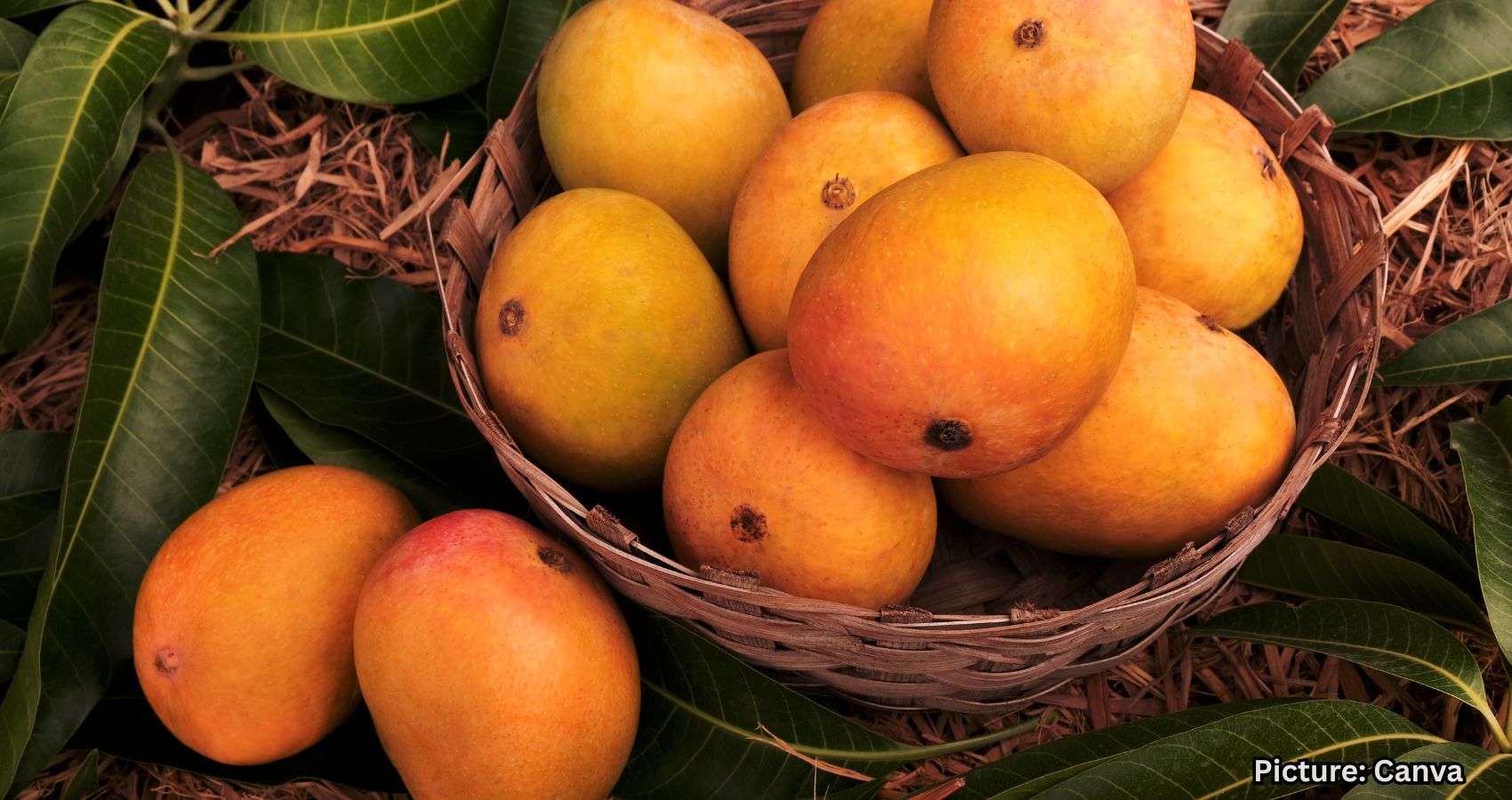
Comments by conservative commentator Sara Gonzales about Indian mangoes have ignited a backlash among Indian Americans, highlighting ongoing debates over immigration and cultural identity.
Recent remarks by conservative commentator Sara Gonzales regarding Indian mangoes have triggered a significant backlash from members of the Indian diaspora. Many have accused her of perpetuating stereotypes and promoting xenophobic rhetoric.
The controversy erupted when Gonzales discussed the popularity of Indian mangoes on her program, specifically mentioning WhatsApp groups used by Indian-American communities to coordinate the purchase of seasonal fruit imports. She questioned the enthusiasm for varieties such as Banganapalli mangoes, suggesting that the fruit’s popularity was primarily driven by immigrants rather than mainstream American consumers.
In her comments, Gonzales also referenced Japan’s recent suspension of fresh Indian mango imports, claiming that the fruit posed health risks. However, reports indicate that Japan’s decision was based on deficiencies in fumigation and phytosanitary procedures at certain export facilities, rather than concerns about contamination.
The remarks quickly spread across social media, where Indian-American users condemned Gonzales’s comments as culturally insensitive and indicative of broader hostility toward Indian immigrants and H-1B visa holders.
This debate comes at a time when Indian mangoes are gaining increased visibility in the United States. Retailers such as Costco have expanded their offerings of imported Indian varieties, while community groups frequently organize seasonal purchases through local networks and messaging platforms.
Indian diplomatic missions have also been active in promoting the fruit as part of broader trade outreach efforts. For instance, the Consulate General of India in Seattle has collaborated with India’s Agricultural and Processed Food Products Export Development Authority (APEDA) to host mango promotion events in the Pacific Northwest, showcasing varieties like Dussehri, Langra, Chausa, and Banganapalli.
Demand for Indian mangoes has steadily increased among both Indian-origin consumers and food enthusiasts seeking specialty imports. Industry groups view the fruit as a vital agricultural export and a cultural connection for overseas Indian communities.
For many Indian Americans, the dispute surrounding Gonzales’s comments extends beyond the realm of fruit. Community advocates argue that the reaction reflects ongoing tensions related to immigration, skilled-worker visas, and the growing visibility of Indian Americans in business, technology, and public life.
As the debate continues online, supporters of the Indian mango community assert that criticism of trade or import regulations should be distinguished from attacks on communities that have played a significant role in making Indian mangoes a sought-after seasonal product across the United States.
The controversy highlights the complexities of cultural identity and the challenges faced by immigrant communities in navigating public discourse. The ongoing discussions surrounding Indian mangoes serve as a microcosm of broader societal issues, illustrating how food can become a focal point for discussions about immigration and identity.
As the conversation evolves, it remains to be seen how these dynamics will influence perceptions of Indian culture and the role of Indian Americans in the broader American landscape, according to The American Bazaar.