Dr. Raj Panjabi to Lead Malaria Initiative By Biden Administration

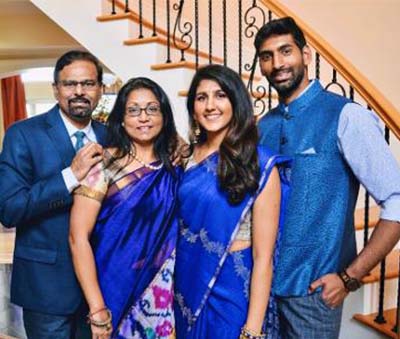
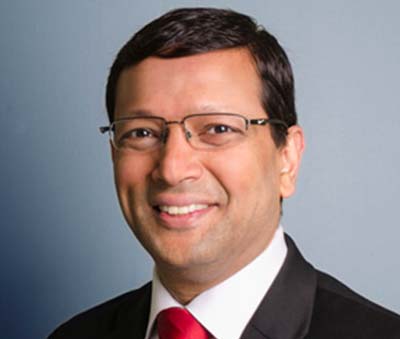
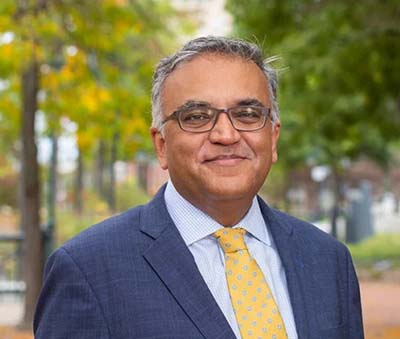
President Joe Biden has appointed Dr. Raj Panjabi, an Indian American physician and social entrepreneur originally from Liberia, to lead his Malaria Initiative, which runs programs in sub-Saharan Africa and Southeast Asia.

“After being sworn in this morning, I’m honored to share that I’ve been appointed by Joe Biden as the president’s Malaria Coordinator to lead the US president’s Malaria Initiative,” Panjabi wrote on Twitter Feb. 1. “I’m grateful for this chance to serve.”

“In the face of unprecedented crises, I am humbled by the challenges our country and our world faces to build back better. But as I have learned in America: we are not defined by the conditions we face, we are defined by how we respond,” Panjabi added in another tweet.

“My family and I arrived in America 30 years ago after fleeing civil war in Liberia. A community of Americans rallied around my family to help us build back our lives. It’s an honor to serve the country that helped build back my own life as part of the Biden-Harris Administration,” he wrote. “I’ve seen the relief on the faces of parents whose children survived malaria because they were treated with medicines and by health workers backed by its support,” he said.

Raj Panjabi fled Liberia during the country’s civil war at age nine, becoming a refugee in the US. He returned to Liberia as a medical student and in 2007, co-founded Last Mile Health. He has served as an assistant professor of medicine at the Harvard Medical School, an associate physician at the Brigham and Women’s Hospital and the CEO and co-founder of Last Mile Health, according to his profile on LinkedIn.

Raj Panjabi and the Last Mile Health team played a key role in the 2013-16 West Africa Ebola epidemic, helping train over a thousand frontline and community health workers and support the government of Liberia to lead its national Ebola Operations Centre. Raj Panjabi delivered testimony on the Ebola epidemic at the US Senate Foreign Relations Subcommittee.

As a doctor and public health professional who has cared for patients alongside the staff of the president’s Malaria Initiative, led by USAID and co-implemented with the Centers for Disease Control and Prevention, Panjabi said: “I’ve been inspired by how they’ve responded to fight malaria, one of the oldest and deadliest pandemics, and saved lives around the world.”

He shared that this cause really hits home for him. “My grandparents and parents were infected with malaria while living in India. As a child in Liberia, I fell sick with malaria, and as a doctor serving in Africa, I have seen this disease take too many lives,” he said.

“I’ve seen how the Malaria Initiative and its partners have responded with resolve in the countries where it operates. I’ve seen the relief on the faces of parents whose children survived malaria because they were treated with medicines and by health workers backed by its support,” he went on to explain.

Panjabi is the co-founder and CEO of the nonprofit Last Mile Health, which tackles the “last mile” — the final, critical step of delivering products or services to consumers — a conundrum for businesses and in health care, where last-mile problems hit poor regions especially hard, according to the organization’s website.

After escaping a civil war in his home country of Liberia at age 9, Panjabi returned as a 24-year-old medical student to serve the people he had left behind and co-founded Last Mile Health.

Last Mile Health partners with government to deploy, support, and manage networks of community health professionals and to integrate them into the public health system. With training in maternal and child health, family planning, treatment adherence and surveillance of epidemics, together with mentoring from nurse supervisors, these community health workers deliver quality healthcare to remote communities, the foundation noted.

In 2016, TIME Magazine named Panjabi to its annual list of the “100 Most Influential People in the World.” In 2017, he was named by Fortune magazine to its list of “The World’s 50 Greatest Leaders.

1 In 3 Adults Anxious, Depressed Due To Pandemic: Study

One in every three adults, particularly women, younger adults and those of lower socioeconomic status, are experiencing psychological distress related to Covid-19, a new study suggests.

The study, published in the journal PLOS ONE, indicates that women are more likely to experience psychological distress than men is consistent with other global studies that have shown that anxiety and depression are more common in women.

“The lower social status of women and less preferential access to healthcare compared to men could potentially be responsible for the exaggerated adverse psychosocial impact on women,” according to the researchers, including Tazeen Jafar from the Duke-NUS in Singapore.

For the study, the team performed a meta-analysis of 68 studies conducted during the pandemic, encompassing 2,88,830 participants from 19 countries, to assess risk factors associated with anxiety and depression among the general population.

They found that, among the people most affected by Covid-19-related anxiety or depression, women, younger adults, individuals of lower socioeconomic status, those living in rural areas and those at high risk of Covid-19 infection were more likely to experience psychological distress.

Younger adults, aged 35 and under, were more likely to experience psychological distress than those over the age of 35.

Although the reasons for this are unclear, previous studies have suggested that it might be due to younger people’s greater access to Covid-19 information through the media.

This current study also confirmed that longer media exposure was associated with higher odds of anxiety and depression, the researchers said.

Other factors associated with psychological distress included living in rural areas; lower education, lower income or unemployment; and being at high risk of Covid-19 infection. However, having stronger family and social support and using positive coping strategies were shown to reduce the risk of psychological distress.

“Understanding these factors is crucial for designing preventive programmes and mental health resource planning during the rapidly evolving Covid-19 outbreak,” Jafar said.

(Picture: USC News)

Coconut Oil Is The Best Hair Oil

Coconut oil is natures hair care miracle, offering 10-fold benefits when it comes to hair health. While its numerous hair advantages are well known, here are the top 5 benefits that make coconut oil indispensable.

  1. Coconut Oil Is The Ultimate Hair Protector

No one does the job of shielding hair better than coconut oil. Living in a warm and sunny environment has its own set of problems for hair. Every exposure to sun causes hair to lose moisture and shine, increasing dryness. But not when there’s coconut oil to protect it. A Research Gate study reveals that coconut oil seeps 10 layers deep into the hair shaft and forms a layer of protection that continually hydrates your hair. It also has SPF and anti-oxidant abilities to safeguard from sun damage. Additionally, chemical damage from shampoos and other styling products, including heat damage, can be averted by applying coconut oil prior to exposure.

  1. Coconut Oil Restores Hair Health From Within

As you tire out from superficial hair care products that do more damage than good in the long run, remember that coconut oil seeps into the deepest part of the hair shaft and rejuvenates the hair follicles to restore hair health from the inside out. The fatty acids and vitamins of this oil go deep into the hair to moisturize and hydrate the hair follicles to combat dryness.

  1. Coconut Oil Is A Scalp Saviour

Humidity and extreme climatic changes are not friends to our scalp. With abundant anti-fungal and anti-bacterial properties, coconut oil has the ability to prevent and treat multiple scalp issues including dandruff, dryness, and other infections. It also efficiently removes sebum build-up, a critical factor causing greasiness in the scalp and hair.

  1. Coconut Oil Effectively Removes Frizz

While we wish everyday were a good hair day, the reality is often quite different. Frizz, which is a result of moisture being sucked out of hair, generally happens when the harsh chemicals in some shampoos deplete the hair of its natural moisture. During the drying process, moisture is sucked out, especially in humid climes leading to frizzy hair. Applying a few drops of coconut oil to freshly washed, damp hair, ensures that the moisture stays locked in and your hair stays frizz free.

  1. Coconut Oil is Natural and Environmental Friendly

Coconuts trees, common as they are in the tropics, literally grow abundantly all around us. Hence, coconut oil is natural, local, available in plenty and perfectly suited to our hair’s multi-faceted needs, Let us ditch the multitude of exorbitantly priced, non-biodegradable and unnecessary hair products, and replace it with the all-natural goodness of coconut oil and do our part in protecting the environment. Our hair, our bank account and our planet will thank us for it. (Picture: Dr. Axe)

AAPI Legislative Day Planned For May 19th on Capitol Hill

(Washington, DC: January 30, 2021) Healthcare continues to be the center of the nation’s focus, especially as the nation is seeking ways to effectively combat the deadly virus, COVID-19, AAPI’s annual legislative day, comes to be a vital part of AAPI’s growing influence and having its united voice heard in the corridors of power. “We are excited to announce that our next Legislative Day is on Wednesday, May 19th in Washington, DC,” said Dr. Sudhakar Jonnalagadda, President of AAPI. “We expect to have the participation from dozens of key Congressmen and Senators. The annual Legislative Day will be a unique opportunity for AAPI to be part of the decision making process on matters related to healthcare.”

“Our daytime program begins at 9:00 am and will include lunch in the U.S. House of Representatives. We will conclude in the afternoon, giving participants the opportunity to meet their own Congressman/Senator on their own time. That evening, we are planning for a reception and dinner with several dignitaries at the Indian Embassy,” summarized Dr. Jonnalgadda.

AAPI represents the interests of over 80,000 physicians and 30,000 medical students and residents of Indian heritage in the United States. Dr. Sajani Shah, Chair of AAPI BOT said, “The mission AAPI, the largest ethnic organization of physicians, is to provide a forum to facilitate and enable Indian American physicians to excel at inpatient care, teaching and research, and to pursue their aspirations in professional and community affairs.  The Executive Committee is working hard, enabling AAPI’s voice to be heard in the corridors of power, and thus taking AAPI to new heights.”

 “AAPI Legislative day is a flagship annual event that is eagerly awaited to rekindle and renew our energy in bringing up the issues that we need to bring to the attention of national policy makers and leaders of the US Congress on Capitol Hill,” said Dr. Sampat Shivangi, chair of AAPI Legislative Affairs Committee. “A tradition of more than two decades which has brought many important transformations in National Healthcare policies that have helped Physicians of Indian Origin. Now, it is the need of the day to renew our friendship with new leadership under President Joe Biden and Vice President Kamala Harris and brief the leadership on issues that are important to us.” According to Dr. Shivangi, “The legislative day is also time to meet and interact with Indian Ambassador to USA Hon. Taranjit Singh Sandhu and the Embassy officials during an evening dinner to be hosted by the Ambassador. I look forward to see many of our friends in Washington, DC on May 19th.” Dr. Shivangi added.

 “AAPI has been seeking to collectively shape the best health care for the people of US, with the physician at the helm, caring for the medically underserved as we have done for several decades when physicians of Indian origin came to the US in larger numbers,” says Dr. Anupama Gotimukula, president-elect of AAPI. “During the annual Legislative Conference, among others, AAPI will discuss: Increased Residency Slots, Immigration Reform, Medicare and Medicaid Reimbursements, Tort Reform, Repeal of the Individual Mandate, Lowering the Cost of Prescription Drugs, and, The South Asian Heart Health Awareness and Research Act of 2017,” she added.”

“AAPI is once again in the forefront in bringing many burning health care issues facing the community at large and bringing this to the Capitol and to the US Congress,” says Ravi Kolli, Vice President of AAPI. Dr. Kolli urged his “AAPI colleagues and everyone interested in or connected with providing health care to attend this event and ensure that our concerns and needs are heard by our lawmakers and ensure that they act on them.”

Stating that the “US is currently experiencing a physician shortage, which will be exacerbated by retiring baby boomers, affecting thousands of patients’ access to a physician, and ultimately the health care they need, AAPI strongly supports, the much needed “Immigration Reform, particularly with the focus on H-1 and J-1 visas are used by many South Asian American physicians, playing an important role in providing critical health care across the country,” Dr. Amit Chakrabarty, Secretary  of AAPI, pointed out. 

“The conference will focus on Immigration Reform and ways for AAPI members to be part of the process in the implementation of the health care reform in this country,” adds Dr. Satheesh Kathula, Treasurer of AAPI. “While medical school enrollment has climbed 2% annually over the past five years through new schools and expansion of existing schools, the number of residency slots funded by Medicare has been capped at about 100,000 since 1997,” he added.

Dr. Sudhakar Jonnalagadda says that “AAPI continues to discover her own potential to be a player in shaping the healthcare of each patient with a focus on health maintenance than disease intervention. To be a player in crafting the delivery of health care in the most efficient manner. To strive for equality in health globally. The annual Legislative Day is another way to impact Healthcare policy and programs in a most effective way. Come and join us on Capitol Hill on May 19th.” For more information on AAPI and its several noble initiatives benefitting AAPI members and the larger society, please visit: www.aapiusa.org

Dr. Mathai Mammen, J&J’s Global Head Of Research And Development, Is Confident Of Its Covid Vaccine

A third Covid-19 vaccine, one made by Johnson & Johnson, could be authorized for use in the United States in the near future. The vaccine was made through a collaboration of J&J’s Belgium-based vaccine division, Janssen Pharmaceutical, and Beth Israel Deaconess Medical Center, and it works a bit differently.

The company will apply for an EUA “middle to late next week,” Dr. Mathai Mammen, Janssen’s global head of research and development, said during a call with reporters last week. The call was held along with officials from the National Institutes of Health. Janssen is the vaccine arm of Johnson & Johnson. If the vaccine is authorized for emergency use, Mammen said, “Our plan is to have supply immediately upon launch.” 

Once an application is submitted, “The FDA really looks very, very carefully at the data in each age group and in each demographic group,” Dr. Anthony Fauci, director of the National Institute of Allergy and Infectious Diseases, said during the call.


Data about the single-shot vaccine released, and the company is now collating its data to apply to the US Food and Drug Administration for emergency use authorization. Here’s what’s known about how it works and how it will fit into the mix of vaccines.

How effective is it?

Johnson & Johnson’s Covid-19 single-shot vaccine was shown to be 66% effective in preventing moderate and severe disease in a global Phase 3 trial, the company announced Friday.

The vaccine is 85% effective overall at preventing hospitalization and death in all regions where it was tested.

Its efficacy against moderate and severe disease ranged from one country to another: 72% in the US, 66% in Latin America and 57% in South Africa. This was measured starting one month after the shot.

In South Africa, 95% of cases in the trial were due to a variant known as B.1.351, which is known to be more contagious and carries mutations that may make the virus less susceptible to the antibody immune response — including antibodies prompted by vaccination.

Even those who got moderate cases of Covid-19 in the trial tended to develop a milder course and fewer symptoms, said Dr. Mathai Mammen, Janssen’s global head of research and development. From one month after the shot, all hospitalizations and deaths occurred in the placebo group.

How it works

The J&J vaccine is what is known as a non-replicating viral vector vaccine, using a common cold virus called adenovirus 26. Scientists made this vaccine by taking a small amount of genetic material that codes for a piece of the novel coronavirus and integrating it with a weakened version of adenovirus 26. J&J scientists altered this adenovirus so it can enter cells, but it cannot replicate and make people sick. 

AstraZeneca uses a similar platform, but its adenovirus comes from a chimpanzee. The adenovirus carries the genetic material from the coronavirus into human cells, tricking them into making pieces of the coronavirus spike protein — the part it uses to attach to cells. The immune system then reacts against these pieces of the coronavirus.

“So you’re not being infected with the virus that can give you Covid-19 when you get this vaccine. It just has some of the harmless Covid virus proteins on its surface,” explained Dr. William Schaffner, an internist and infectious disease specialist with Vanderbilt University’s Department of Health Policy. “So essentially it’s a sheep in wolf’s clothing, and when your immune system sees it, it responds to it and creates protection against it and in the future, against the real virus that causes Covid-19.”

The technology used in the Covid-19 vaccine has worked with the Ebola vaccine by Janssen.

How is it different from the other Covid-19 vaccines?

Dr. Paul Offit, the director of the Vaccine Education Center at Children’s Hospital of Philadelphia, said the Moderna, Pfizer and J&J Covid-19 vaccines all take a similar approach, but there is a small difference with the J&J approach.

“In the case of the Moderna and Pfizer vaccine you’re just giving the gene in a lipid nanoparticle or a fat droplet,” Offit said. “In the case of J&J you’re giving the gene in a virus that can’t reproduce itself.”

The J&J vaccine is the only Covid-19 vaccine so far to be given in a single dose. Moderna and Pfizer’s use two. Like Moderna’s, it can also be kept at regular refrigerated temperatures and does not need a deep freeze like Pfizer’s.

How does a single-dose shot affect the rollout?

A single dose and would be much easier to administer and would mean more people could be vaccinated, as none would need to be set aside to give someone a second shot. 

“This advantage goes up in neon,” said Schaffner who believes adding a vaccine like this would “really accelerate” vaccination efforts in the US and around the world.

“If it’s a single-dose vaccine, then a billion vaccine doses would translate into a billion people vaccinated,” said Dr. Dan Barouch of Harvard Medical School, who helped develop Johnson & Johnson’s vaccine candidate on CNN’s Coronavirus Fact vs. Fiction podcast.

The cold-chain advantage 

J&J’s other advantage is that it can be stored at regular refrigerator temperatures, unlike the Pfizer vaccine, which needs special deep freezers. The vaccine is stable for up to three months at 36 degrees F to 46 degrees F, the company said. That means health care facilities would not have to buy extra equipment to safely store the vaccine.

“If they’re successful, these vaccines would especially be popular in the developing world, because they would be easy to store and administer,” said Dr. Rafi Ahmed, the director of the Vaccine Center at Emory University.

The vaccines would also be popular in rural communities in the US and regular doctor’s offices that may not have access or the budget to afford specialized equipment.

“In other words, we could bring the vaccine to the people,” Schaffner said, “rather than bringing the people to the vaccine.”

What happens next?

The company will request what’s known as an emergency use authorization, or an EUA, from the FDA in early February. The data will get a close look from the FDA and advisers to the US Centers for Disease Control and Prevention.

While the FDA is reviewing the data, it schedules a public meeting of its Vaccines and Related Biological Products Advisory Committee. The committee is made up of independent science and public health experts who will discuss the J&J data and make a recommendation to the agency.

Once an application is submitted, “The FDA really looks very, very carefully at the data in each age group and in each demographic group,” Dr. Anthony Fauci, director of the National Institute of Allergy and Infectious Diseases, said during a call on Friday.

After the meeting, FDA staff members consider the committee input along with the agency’s evaluation of the company’s data and will make a decision about whether the vaccine should by authorized.

Shortly after an EUA, the CDC’s Advisory Committee on Immunization Practices, also known as ACIP, goes through the data, too.

Once the CDC committee has made a recommendation and it has been approved by the CDC director, the company plans to ship the vaccines immediately and it can go into arms right away.

How long does the authorization process take?

The process for the Johnson & Johnson vaccine should be about the same as it was for the Moderna and Pfizer vaccines, according Offit, who is a member of the FDA’s VRBPAC.

With the Pfizer vaccine, it took a little over three weeks from the time the company submitted its data to an EUA. With the Moderna vaccine, it took a little more than two weeks.

If the vaccine is authorized for emergency use, “our plan is to have supply immediately upon launch,” Mammen said.

How many doses are there?

The US has ordered 100 million doses and the company has been manufacturing it while it has been testing the vaccine. Typically, companies wait to make the vaccine after its been approved, but that changed during the pandemic.  Johnson & Johnson says it can meet its 100 million dose commitment by June.

Dr. Mammen’s mission is to work with the best research and development professionals in the world to make meaningful medicines that impact the lives of patients, their families and communities.

Prior to joining Janssen in June 2017, Dr. Mammen was Senior Vice President at Merck Research Laboratories, responsible for research in the areas of Cardiovascular, Metabolic and Renal Diseases, Oncology/Immuno-Oncology and Immunology. Jointly with his team, he initiated numerous new programs and progressed eight into early clinical development. He also nucleated a new discovery site in the San Francisco Bay Area.

Prior to Merck, Dr. Mammen led R&D at Theravance, a company he co-founded in 1997 based on his work at Harvard University. Under his leadership, the Theravance team of 200 scientists nominated 31 development candidates in 17 years, created three approved products (Breo®, Anoro®, Vibativ®), two additional assets that have successfully completed Phase 3 studies and a pipeline containing 11 further development-stage compounds in 2016. In 2014, he and the Theravance Leadership Team separated Theravance into two publicly traded companies: Innoviva (INVA) and Theravance Biopharma (TBPH).

Dr. Mammen has more than 150 peer-reviewed publications and patents and serves on various boards and advisory committees. He received his M.D. from Harvard Medical School/Massachusetts Institute of Technology (HST program) and his Ph.D. in Chemistry from Harvard University’s Department of Chemistry, working with George Whitesides. He received his BSc in Chemistry and Biochemistry from Dalhousie University in Halifax, Nova Scotia.

(Courtesy: CNN’s Amanda Sealy, Jacqueline Howard and Maggie Fox)

Prism Health Lab Opens Their Sixth Location in Chicago

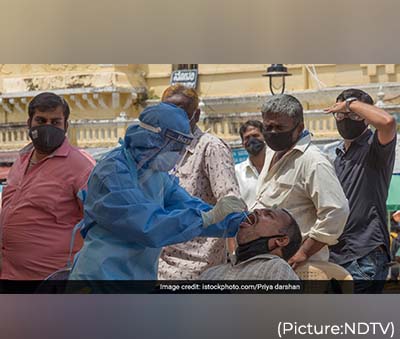
Chicago IL: Prism Health Lab has developed its sixth COVID-19 testing location in order to provide Chicagoland’s various communities with access to safe, easily accessible, and affordable testing options. 

 The locations, which offer no-cost testing and are open to all, are part of a joint effort with State Rep. Theresa Mah and Ald. Byron Sigcho (25th) to bring permanent testing sites to communities that need them the most. Prism Health Lab’s 6th site, located at the Chicago Public Library in Chinatown at 2100 S Wentworth Ave, is permanent.  

“The goal of having these locations is to do everything we can to eliminate the barriers to our health care for our Chinese and Latinx community, particularly our immigrant community,” Sigcho-Lopez said.

 “Our immigrant communities, particularly our Spanish-speaking and Chinese immigrant community, are disproportionately suffering from COVID-19,” Mah said. “Making testing more widely available is part of what we can do to help people protect themselves and, ultimately, our communities.”

 “We are happy to be here with members of this diverse community because we’re dedicated to getting everyone one step closer to life before COVID-19,” said Zul Kapadia, CEO & President of Prism Health Lab. “We have faith that grassroots initiatives like ours will be recognized, and as we transition into the Biden Administration, we hope our voices – the voices of Chicago’s communities – will be heard when executing the vaccine roll-out.”

 Prism Health Lab’s testing sites offer a wide range of services & support, and can accommodate patients who speak English, Spanish, Cantonese, and Mandarin. Insurance is not required and there is no copay or deductible.

Prism Health Lab testing sites are open from 9 a.m. – 5 p.m. Monday – Friday and 11a.m. – 4 p.m. on Saturday in the following areas:

Laramie & 18th, Cicero, IL
Peterson & Western, West Ridge, Chicago, IL
Archer & Wentworth, Chinatown, Chicago, IL
Lake & Bryn Mawr, Roselle, IL
Schaumburg & Plum Grove, Schaumburg, IL
Touhy & Niles Center, Holiday Inn, Skokie, IL

 To make an appointment, visit prismhealthlab.com/appointment or call (800) 325-1812.

(Photographs and Press release by: Asian Media USA)

Last Mile Delivery of COVID-19 Vaccines––A Logistical Nightmare

The world has been reeling hard from the COVID-19 pandemic, crossing over two million deaths across the world. Paul Offit, a vaccine developer at the Children’s Hospital of Philadelphia and a member of the Food and Drug Administration (FDA), explains that there are two ways out of a pandemic: “one is hygienic measures–which we don’t seem very good at–and two is the vaccine.” That said, the government has thrown in everything to help build vaccines as all other measures have been unable to contain the virus efficiently. 


Eighteen billion dollars have been invested through government funds and Operation Warpspeed to expedite the process of vaccine development. Scientists and researchers have worked hand-in-hand with industry and regulatory authorities and were able to perform almost a miracle of getting an effective vaccine ready in fewer than twelve months. Pfizer and Moderna developed vaccines from the messenger RNA (mRNA) that codes for the SARS-CoV-2 spike protein. Phase 3 clinical trials have proven that the Moderna vaccine has 94.1% efficacy and the Pfizer vaccine has 95% efficacy. Despite its high efficacy rate, the process of vaccination is going to have numerous hurdles as the supply chain management process takes long before the vaccine is actually administered to the user.  This involves transporting the vaccines from factories to national storage facilities to clinics through flights, trains, and trucks. 


The major problem in this process is going to arise at the last-mile delivery stage, particularly in remote villages and less developed areas where there may not be as much infrastructure available for transportation. Another significant limitation is that these vaccines need to be stored at extremely low temperatures throughout the process. For example, the Pfizer vaccine needs to be stored at -70 degrees Celsius, and the Moderna vaccine needs to be stored at -20 degrees Celsius. As a result, these vaccines need to be stored in specialized freezers and packaged with dry ice. However, studies have shown that only 25 to 30 countries have this ultra cold storage facility. It is therefore going to be a significant challenge for the rest of the countries that do not have this technology for the storage of vaccines and for people to gain access to vaccines for COVID-19. 


To overcome the lack of infrastructure networks for storage and transportation, drones can be effective tools. Drones have been effectively used in the healthcare field for the delivery of medications, bandages, etc. Similarly, they can be an ideal solution to deliver COVID-19 vaccines in a cost-effective and efficient way. Drones are beneficial because they are small and compact, and they require minimal infrastructure like roads, airports, and rail lines. They are also less expensive due to low maintenance costs, consume less energy, and are battery operated which is great for sustainability. 


Drone technologies are improving each year, enhancing the speed (75 mph) and endurance (8+ hours). By attaching a cold storage box with stored vaccines, it is possible to maintain storage requirements while also delivering vaccines to every corner of the world, regardless of the geographical location or access to transportation of that location. One drawback to utilizing drones is that they can only carry a limited amount of weight, and the cold storage system adds a significant weight. To counter this issue, we will need a large number of drones that can carry the limited baggage they can transport. Vaccines can be initially transported using available infrastructure to the major locations that have an established infrastructure. From these centers, drones can then perform the last-mile delivery to locations that do not have established transport  infrastructures. Drones are one of the most feasible ways to help get the vaccines delivered to everyone, regardless of geography or other socioeconomic factors. The US Government has also realized this, and recently the FAA issued new regulations that will allow small commercial drones to fly short distances over people and at night without a waiver. Small drones will also be permitted to fly over moving vehicles under limited conditions. The new rules mark a significant step forward by the US government towards a future of commercial drone deliveries, which can hopefully translate into getting vaccines for every person in the world.


(Kritika Singh is an aspiring pre-medical undergraduate student at Rutgers University as part of the Honors College, double majoring in Biological Sciences and Public Health. Her research focus is on bringing technology and medicine together to aid patients in underserved areas. She has previously worked as a research intern at Nair Hospital, a tertiary care center in Mumbai, India, to study HIV epidemiology and co-infection rates with other significant illnesses. She has also worked as a UI/UX design intern at the Mount Sinai AppLab in New York, where she helped develop a smartphone app that uses surface area for estimating weight of infants and determining their corresponding medication dosages for emergency pediatric settings. Currently, she is a New Jersey Vaccine Advocate, striving to promote health and wellness in local underserved communities by combating vaccine hesitancy among the population. She is a journalist for The Examiner, the pre-health journal of Rutgers University, and has served as an Editor of The Podium, which was her high school newspaper. She is also a Contact Tracer for COVID-19 at the Montville Township Health Department. Outside of academics, Kritika is passionate about yoga, music, and landscape photography. She runs voluntary classes for yoga to raise money for children with autism. She has played the piano for over eight years and enjoys performing for the elderly at assisted living centers.) 

Sources:

https://wamu.org/story/20/08/27/covid-19-vaccine-may-pit-science-against-politics/

https://www.gasworld.com/restarting-global-economy-depends-on-tackling-last-mile-of-vaccine-journey-new-report-says/2020172.article

https://www.softboxsystems.com

https://www.scientificamerican.com/article/the-covid-cold-chain-how-a-vaccine-will-get-to-you/

https://www.dronesinhealthcare.com

https://spectrum.ieee.org/automaton/robotics/drones/faa-drone-rules-what-recreational-and-commercial-pilots-need-to-know


AAPI Sends Best Wishes To President Biden & Vice President Harris

Chicago, Il: January 20, 2021) “On behalf of the American Association of Physicians of Indian Origin (AAPI), I want to congratulate and offer our best wishes to our President Joe Biden and Vice President Kamala Harris on the occasion of their solemn swearing ceremony as they commit the nation to unity, prosperity and strengthening of democratic values,” Dr. Sudhakar Jonnalgadda, President of AAPI said here today. Describing these as “critical times” for the nation, Dr. Jonnalagadda said, “We, the members of the medical fraternity are encouraged by President Biden beginning his presidency with paying tributes to the 400,000 Americans who have lost their lives to COVID and thanking the services of the healthcare professionals who are at the forefront of the fight against the pandemic.”

In her congratulatory note, Dr. Sajani Shah, Chair of AAPI BOT, while wishing the new Administration the very best as Biden and Harris were sworn in as President and Vice President of the United States, assume office on January 20th, 2021, praised Biden for pledging “to be a president who seeks not to divide, but to unify; who doesn’t see red states and blue states, only sees the United States.”


“America’s leadership is vital on the issues that matter to us all, from climate change to COVID,” said Dr. Anupama Gotimukula, President-Elect of AAPI, in a message. She praised Vice President Kamala Harris, who has “made history by being elected to be the first ever woman and of South Asian heritage to become the Vice President of the United States.” Referring to her Indian origins, Dr. Gotimukula described the election of Kamala Harris as “Inspiring and is of immense pride for all Indian-Americans and to all women.”

Describing the 202 elections and the oath ceremony today on Capitol Hilly as a demonstration of the resilience of American democracy, Dr. Ravi Kolli, Vice President of AAPI said, “I do hope that the new Biden-Harris administration will be guided by its deep concern for building a society marked by authentic justice and freedom, while fostering understanding, reconciliation and peace within the US and among the nations of the world.”

“The overrepresentation of Indians in the field of medicine is striking – in practical terms, one out of seven doctors in the United States is of Indian Heritage. The nominations of dozens of leading experts in the new administration by Biden, including our own Dr. Vivek Murthy as the US Surgeon General makes us all proud,” said, Dr. Amit Chakrabarty, Secretary of AAPI said.

Describing the numerous efforts by AAPI during the pandemic, Dr. Satheesh Kathula, Treasurer of AAPI, pointed out, “AAPI as an organization has helped and is continuing to help the communities, especially during COVID-19 pandemic. I am confident that under President Biden’s administration the vaccine distribution will take place at a faster pace to end this pandemic. It is really great to see the diversity in the government. AAPI will continue to advise the new administration when needed

Established in 1982, with the lofty ideal to bring together Physicians of Indian Origin in the United States under a single umbrella organization, and be their Voice in this adopted land of ours, American Association of Physicians of Indian Origin (AAPI) is a non-political umbrella organization which has over 100 local chapters, specialty societies and alumni organizations. Almost 10%-12% of medical students entering US schools are of Indian origin. AAPI represents the interests of over 80,000 physicians and 30,000 medical students and residents of Indian heritage in the United States. With their hard work, dedication, compassion, and skills, they have thus carved an enviable niche in the American medical community. AAPI’s role has come to be recognized as vital among members and among lawmakers. 

 While offering fullest cooperation to the Biden administration, Dr. Sudhakar Jonnalagadda said,  “The American Association of Physicians of Indian Origin (APPI) the largest ethnic medical organization in the country has taken several proactive steps in educating their members and the general public about the disease, the preventive steps that needs to be taken at this time and most importantly, they are using all their contacts and resources at the hospital administrative and government level to facilitate treatment protocols to be in place at the various hospitals around the country.” For more information on AAPI, please visit: www.aapiusa.org

(Biden Harris. Picture Courtesy  of Whitehouse.gov)

“To Heal, We Must Remember”

One of the great tragedies of the past year, as some 400,000 Americans lost their lives to Covid-19, was not only that many victims died alone — their loved ones robbed of the chance to say goodbye — but that the pain of that loss was whitewashed by a President who chose to minimize and deny it.

In a somber ceremony at the Lincoln Memorial on Tuesday night that was his first stop in Washington, President-elect Joe Biden signaled that honoring that grief and the terrible toll of the last year would be at the very heart of his administration. Elected because of his empathy and his compassion for Americans, who are suffering through a confluence of crises that have created a time of great uncertainty, Biden spoke just a few words as the sun set over the National Mall, casting a rosy glow in the twilight. 

The President-elect told Americans he shared in their grief — with his own understanding deepened by the loss of his first wife and daughter in a car accident as a young man and the loss of his son Beau to cancer at the age of 46.

“It’s hard sometimes to remember, but that’s how we heal. It’s important to do that as a nation,” Biden said in brief remarks before 400 lights were illuminated along the edges of the Lincoln Memorial Reflecting Pool, marking the more than 400,000 Americans who have died from Covid-19. 

There are always plenty of reasons to take advantage of Sam’s Club’s curbside Pickup, from the stores’ enormous selection to the great member prices.

He and his wife, Jill Biden, watched in silence, alongside Vice President-elect Kamala Harris and her husband, Doug Emhoff, as the reflections of the lights glimmered in the water. Hundreds of towns, cities and communities across the country joined in the tribute, lighting up buildings from the Empire State Building in New York to the Space Needle in Seattle. Cardinal Wilton Gregory, the archbishop of Washington, delivered the invocation and gospel singer Yolanda Adams performed “Hallelujah” after Biden spoke.

Harris spoke briefly at the memorial, noting that “for many months, we have grieved by ourselves. Tonight, we grieve and begin healing together.”

“Though we may be physically separated, we, the American people, are united in spirit and my abiding hope, my abiding prayer, is that we emerge from this ordeal with a new wisdom: to cherish simple moments, to imagine new possibilities and to open our hearts just a little bit more to one another,” Harris said.

The President-elect arrived in Washington, DC, on Tuesday for the start of his inaugural ceremonies at a dark moment in American history, preparing to take his oath of office as the US passes 400,000 coronavirus deaths and is more divided than at any time since the Civil War.

As he departed for the nation’s capital earlier in the day, Biden gave an emotional farewell to his home state of Delaware, his voice breaking at times as he thanked the state’s residents for believing in him and standing with him throughout his career.

“I’ll always be a proud son of the state of Delaware,” Biden said at the Delaware National Guard headquarters in New Castle County. “Excuse the emotion,” he said, tears streaming down his face, “but when I die, Delaware will be written on my heart and the hearts of all of us — all the Bidens. We love you all. You’ve been there for us in the good and the bad.” 

He gave a moving tribute to his son Beau, who died of brain cancer in 2015 at the age of 46, stating that he had hoped to see his son become president one day. “We should be introducing him as president,” he said. 

The President-elect also noted the historical arc of his career witnessing the civil rights struggle as well as signs of progress in the United States. He said he came home to Wilmington, Delaware, from law school after Dr. Martin Luther King Jr. was assassinated — inspired by the turmoil to become a public defender. In 2009, he made the journey to Washington with Barack Obama, who became the nation’s first Black president. And he is returning to Washington, DC, this week “to meet a Black woman of South Asian descent, to be sworn in as President and vice president of the United States. That’s America,” he said Tuesday. 

The nation’s continuing struggles for equality and racial justice also drew Biden into the 2020 presidential race. He has said he decided to seek the highest office after watching President Donald Trump’s dismissive handling of the deadly White supremacist rally in Charlottesville, Virginia, when he said there were “very fine people on both sides.”

(Picture: Market Watch)

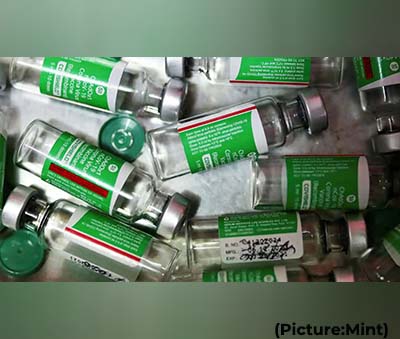
India Begins World’s Largest Vaccination Program

India on Saturday began one of the most ambitious and complex initiatives in its history: the nationwide rollout of coronavirus vaccines to 1.3 billion people, an undertaking that will stretch from the perilous reaches of the Himalayas to the dense jungles of the country’s southern tip.

The campaign is unfolding in a country that has reported more than 10.5 million coronavirus infections, the second-largest caseload after the United States, and 152,093 deaths, the world’s third-highest tally. India’s rollout, among the first in a major developing country, comes as millions of people in the United States, Britain, Israel, Canada and the European Union have received at least one dose.

The first dose was administered to a health worker at All India Institute of Medical Sciences in Delhi, after the prime minister, Narendra Modi, kickstarted the campaign with a national televised speech as 3,000 centers nationwide were set to inoculate a first round of health care workers. About 300,000 people were set to receive the vaccines on Saturday alone, followed by millions more health care and frontline workers by spring. “Everyone was asking as to when the vaccine will be available,” Mr. Modi said. “It is available now. I congratulate all the countrymen on this occasion.”

Covishield and another vaccine called Covaxin were authorized for emergency use in India this month. Neither Covaxin’s manufacturer, Bharat Biotech, nor the Indian Council of Medical Research, which contributed to the vaccine’s development, has published data proving that it works. In a Covaxin consent form at District Hospital Aundh, one of a handful of sites in Pune where the vaccine was being administered, the manufacturer noted that clinical efficacy was “yet to be established.”

At Kamala Nehru Hospital in Pune, a city of about 3.1 million southeast of Mumbai, 100 long-stemmed red roses were stacked neatly on a table beside a bottle of hand sanitizer. Each person registered to receive the Covishield vaccine, developed by AstraZeneca and Oxford University and manufactured by the Pune-based Serum Institute of India, was to get a rose.

Dr. Rajashree Patil, one of the health workers who received the Covishield vaccine at Kamala Nehru Hospital, said she was both excited and nervous. After contracting the coronavirus while working in the government hospital’s emergency room in May, she spent 12 days in a Covid ward at another hospital, having lost her senses of smell and taste and experiencing extreme fatigue. “I’m a little bit worried. Actually we’re on a trial basis,” Dr. Patil said. “But I am happy we are getting it so we can one day be corona-free.”

Another doctor who received the Covishield vaccine at that hospital, Usha Devi Bharmal, said that she had wanted to get a shot to dispel people’s fears about coronavirus vaccines. “There are rumors on social media,” she said, adding that she hoped to help show that vaccines are a “positive thing.”

Mr. Modi has pledged to inoculate 300 million health care and frontline workers, including police officers and, in some cases, teachers, by July. But so far the Indian government has purchased only 11 million doses of Covishield and 5.5 million doses of Covaxin.

Indian television stations showed Dr. Randeep Guleria, the director of the All India Institute of Medical Sciences in New Delhi and a prominent government adviser on Covid-19, receiving a jab on Saturday. It was unclear whether Mr. Modi was vaccinated.

India’s vaccination effort faces a number of obstacles, including a growing sense of complacency about the coronavirus. After reaching a peak of more than 90,000 new cases per day in mid-September, the country’s official infection rates have dropped sharply. Fatalities have fallen about 30 percent in the last 14 days, according to a New York Times database.

City streets are buzzing. Air and train travel have resumed. Social distancing and mask-wearing standards, already lax in many parts of India, have slipped further. That alarms experts, who say the real infection rate is probably much worse than official numbers suggest. 

 (Picture Courtesy: ITV Hub)

WHO’s Rare Rebuke Of China On Covid

The World Health Organization took the rare step of criticizing China on Tuesday, using its first press conference of the new year to express disappointment that Beijing has still not given permission to United Nations investigators to probe the origins of the coronavirus pandemic. 

WHO Director-General Tedros Adhanom Ghebreyesus told reporters that several scientists on the U.N. agency’s team researching the pandemic’s source had left their home countries on Monday and Tuesday, after the Chinese government had agreed to allow their entry. But while team members were en route, Tuesday, the WHO was told that Chinese officials had not yet finalized the necessary permissions for their arrival, Dr. Tedros said. 

Some members were still waiting for visas, said Mike Ryan, executive director of WHO’s emergencies program, and at least one member has begun returning home.

China played down World Health Organization (WHO) concern about a delay in authorisation for a visit by team of experts looking into the origins of the coronavirus pandemic, saying arrangements were being worked out.

The head of the WHO, Tedros Adhanom Ghebreyesus, said on Tuesday he was “very disappointed” that China had not authorised the entry of the team for the investigation, which he said was a WHO priority. “We are eager to get the mission underway as soon as possible,” he said. 

The coronavirus disease was first detected in the Chinese city of Wuhan in late 2019 and has since spread around the world.

Much remains unknown about its origins and China has been sensitive about any suggestion it could have done more in the early stages of the pandemic to stop it.

Foreign ministry spokesperson Hua Chunying, told a regular news briefing in Beijing that the problem was “not just about visas” for the team.

Asked about reports that the dates had been agreed upon, she said there had been a “misunderstanding” and the two sides were still in discussions over the timing and other arrangements and “remain in close communication”.

“There’s no need to overinterpret this,” she said. 

China’s experts were also busy dealing with a renewed spurt of coronavirus infections, with many locations entering a “wartime footing” to stop the virus, she said.

The delay by Chinese authorities fuels concern that Beijing is obstructing international efforts to trace the origins of a pandemic that has now killed over 1.8 million people worldwide.

The 10-strong team of international experts had been due to set off in early January as part of a long-awaited mission to investigate early cases of the disease.

China has been seeking to shape the narrative about when and where the pandemic began, with senior diplomat Wang Yi saying “more and more studies” showed that it emerged in multiple regions.  WHO emergencies chief Mike Ryan has previously called this “highly speculative”. 

China has also dismissed criticism of its handling of early cases although some including US President Donald Trump have questioned its actions during the outbreak.

The WHO, too, has been criticised for being too deferential to China through the course of the pandemic, and has been blamed by other countries for initially downplaying the severity of the crisis. Trump said last year that the superpower would terminate its relationship with the WHO unless it “demonstrated independence” from China. The US President also called for a “transparent” investigation and criticised the terms under which Chinese experts conducted a first phase of research.

The mission is due to be led by Peter Ben Embarek, the WHO’s top expert on animal diseases that cross the species barrier, who went to China on a preliminary mission last July.

Is The COVID-19 Vaccine Safe For Nursing Mothers?

Newswise — New Rochelle, NY, January 12, 2021–The Academy of Breastfeeding Medicine (ABM) does not recommend cessation of breastfeeding for individuals who are vaccinated against COVID-19. In a new statement, the ABM suggests that lactating women discuss the risks and benefits of vaccination with their health care provider, within the context of their risk of contracting COVID-19 and of developing severe disease, according to the peer-reviewed journal Breastfeeding MedicineClick here to read the ABM statement now.

This is a challenging topic because the vaccine trials excluded lactating women. Thus, there are no clinical data regarding the safety of the Pfizer/BioNtech or the Moderna vaccine in nursing mothers. According to the ABM statement, “there is little biological plausibility that the vaccine will cause harm, and antibodies to SARS-CoV-2 [the virus that causes COVID-19] in milk may protect the breastfeeding child.”

“Without clinical data, the Academy of Breastfeeding Medicine relied on biological plausibility and expert opinion to craft a statement on considerations for mRNA COVID-19 vaccines in lactation,” says Alison Stuebe, MD, President of ABM. “The available information is reassuring; however, pregnant and lactating people deserve better than plausibility to guide medical decisions. Henceforward, phase 3 clinical trials should routinely include pregnant and lactating participants. It’s time to protect pregnant and breastfeeding individuals through research, not from research.”

Arthur I. Eidelman, MD, Editor-in-Chief of Breastfeeding Medicine, states: “The publication of the balanced ABM statement will serve as an immediate guide for clinicians and families in deciding to proceed with Covid-19 vaccination of nursing mothers.”

Breastfeeding Medicine, the official journal of the Academy of Breastfeeding Medicine, is an authoritative, peer-reviewed, multidisciplinary journal published 10 times per year in print and online. The Journal publishes original scientific papers, reviews, and case studies on a broad spectrum of topics in lactation medicine. It presents evidence-based research advances and explores the immediate and long-term outcomes of breastfeeding, including the epidemiologic, physiologic, and psychological benefits of breastfeeding. Tables of content and a sample issue may be viewed on the Breastfeeding Medicine website.

The Academy of Breastfeeding Medicine is a worldwide organization of medical doctors dedicated to the promotion, protection, and support of breastfeeding. Our mission is to unite members of the various medical specialties with this common purpose. For more than 20 years, ABM has been bringing doctors together to provide evidence-based solutions to the challenges facing breastfeeding across the globe. A vast body of research has demonstrated significant nutritional, physiological, and psychological benefits for both mothers and children that last well beyond infancy. But while breastfeeding is the foundation of a lifetime of health and well-being, clinical practice lags behind scientific evidence. By building on our legacy of research into this field and sharing it with the broader medical community, we can overcome barriers, influence health policies, and change behaviors.

Mary Ann Liebert, Inc., publishers is known for establishing authoritative peer-reviewed journals in many promising areas of science and biomedical research. A complete list of the firm’s 90 journals, books, and newsmagazines is available on the Mary Ann Liebert, Inc., publishers website.

(picture courtesy: Science) 

A Rift In The Retina May Help Repair The Optic Nerve

Newswise — In experiments in mouse tissues and human cells, Johns Hopkins Medicine researchers say they have found that removing a membrane that lines the back of the eye may improve the success rate for regrowing nerve cells damaged by blinding diseases. The findings are specifically aimed at discovering new ways to reverse vision loss caused by glaucoma and other diseases that affect the optic nerve, the information highway from the eye to the brain.

“The idea of restoring vision to someone who has lost it from optic nerve disease has been considered science fiction for decades. But in the last five years, stem cell biology has reached a point where it’s feasible,” says Thomas Johnson, M.D., Ph.D., assistant professor of ophthalmology at the Wilmer Eye Institute at the Johns Hopkins University School of Medicine.

The research was published Jan. 12 in the journal Stem Cell Reports.

A human eye has more than 1 million small nerve cells, called retinal ganglion cells, that transmit signals from light-collecting cells called photoreceptors in the back of the eye to the brain. Retinal ganglion cells send out long arms, or axons, that bundle together with other retinal ganglion cell projections, forming the optic nerve that leads to the brain.

When the eye is subjected to high pressure, as occurs in glaucoma, it damages and eventually kills retinal ganglion cells. In other conditions, inflammation, blocked blood vessels, or tumors can kill retinal ganglion cells. Once they die, retinal ganglion cells don’t regenerate.

“That’s why it is so important to detect glaucoma early,” says Johnson. “We know a lot about how to treat glaucoma and help nerve cells survive an injury, but once the cells die off, the damage to someone’s vision becomes permanent.”

Johnson is a member of a team of researchers at the Johns Hopkins Wilmer Eye Institute looking for ways scientists can repair or replace lost optic neurons by growing new cells. 

In the current study, Johnson and his team grew mouse retinas in a laboratory dish and tracked what happens when they added human retinal ganglion cells, derived from human embryonic stem cells, to the surface of the mouse retinas. They found that most of the transplanted human cells were unable to integrate into the retinal tissue, which contains several layers of cells.

“The transplanted cells clumped together rather than dispersing from one another like on a living retina,” says Johnson.

However, the researchers found that a small number of transplanted retinal cells were able to settle uniformly into certain areas of the mouse retina. Looking more closely, the areas where the transplanted cells integrated well aligned with locations where the researchers had to make incisions into the mouse retinas to get them to lie flat in the culture dish. At these incision points, some of the transplanted cells were able to crawl into the retina and integrate themselves in the proper place within the tissue.

“This suggested that there was some type of barrier that had been broken by these incisions,” Johnson says. “If we could find a way to remove it, we may have more success with transplantation.”

It turns out that the barrier is a well-known anatomical structure of the retina, called the internal limiting membrane. It’s a translucent connective tissue created by the retina’s cells to separate the fluid of the eye from the retina.

After using an enzyme to loosen the connective fibers of the internal limiting membrane, the researchers removed the membrane and applied the transplanted human cells to the retinas. They found that most of the transplanted retinal ganglion cells grew in a more normal pattern, integrating themselves more fully. The transplanted cells also showed signs of establishing new nerve connections to the rest of the retinal structure when compared with retinas that had intact membranes.

“These findings suggest that altering the internal limiting membrane may be a necessary step in our aim to regrow new cells in damaged retinas,” says Johnson.

The researchers plan to continue investigating the development of transplanted retinal ganglion cells to determine the factors they need to function once integrated into the retina.

Other researchers involved in the study include Kevin Zhang, Caitlyn Tuffy, Joseph Mertz, Sarah Quillen, Laurence Wechsler, Harry Quigley and Donald Zack of the Johns Hopkins University School of Medicine.

This work was funded by the National Eye Institute (K12EY015025, K08EY031801, R01EY002120, P30EY001765), the ARVO Dr. David L. Epstein Award, Research to Prevent Blindness, the American Glaucoma Society, the Johns Hopkins Physician Scientist Training Program, and generous gifts from the Guerrieri Family Foundation, the Gilbert Family Foundation, and the Marion & Robert Rosenthal Family Foundation. The authors declare no competing interests.

(Picture Credit: Thomas Johnson and Johns Hopkins Medicine. Transplanted retinal ganglion cells marked with a fluorescent tag.)

Pfizer, Moderna Vaccines May Vanquish Covid Today, Cancer Tomorrow

The night is darkest just before dawn, they say. Dark it certainly is right now. The more contagious variants of SARS-CoV-2 coming out of the U.K. and South Africa will make the pandemic worse before mass vaccination can make it better.

But take another look at some of these new vaccines. And then contemplate the dawn to come — not just its first rays in the coming months but also the bright light of future years and decades. It looks increasingly plausible that the same weapons we’ll use to defeat Covid-19 can also vanquish even grimmer reapers — including cancer, which kills almost 10 million people a year.

The most promising Covid vaccines use nucleic acids called messenger RNA, or mRNA. One vaccine comes from the German firm BioNTech SE and its U.S. partner Pfizer Inc. The other is from the U.S. companyModerna Inc. (its original spelling was ModeRNA, its ticker is MRNA). Another is on the way from CureVac NV, also based in Germany.

Ordinary vaccines tend to be inactivated or weakened viruses which, when injected into the body, stimulate an immune response that can later protect against the live pathogen. But the process of making such vaccines requires various chemicals and cell cultures. This takes time and provides opportunities for contamination.

mRNA vaccines don’t have these problems. They instruct the body itself to make the offending proteins — in this case, the ones that wrap around the viral RNA of SARS-CoV-2. The immune system then homes in on these antigens, practicing for the day when the same proteins show up with the coronavirus attached.

Therein lies mRNA’s bigger promise: It can tell our cells to make whatever protein we want. That includes the antigens of many other diseases besides Covid-19.

In its day-to-day function, mRNA takes instructions from its molecular cousin, the DNA in our cell nuclei. Stretches of the genome are copied, which the mRNA carries into the cytoplasm, where little cellular factories called ribosomes use the information to churn out proteins.

BioNTech and Moderna shortcut this process, by skipping the whole fiddly business in the nucleus with the DNA. Instead, they first figure out what protein they want — for example, a spike on the coat around a virus. Then they look at the sequence of amino acids that makes this protein. From that they derive the precise instructions the mRNA must give.

This process can be relatively fast, which is why it took less than a year to make the vaccines, a pace previously unimaginable. It’s also genetically safe — mRNA can’t go back into the nucleus and accidentally insert genes into our DNA.

Researchers since the 1970s have had a hunch that you can use this technique to fight all sorts of maladies. But as usual in science, you need huge amounts of money, time and patience to sort out all the intermediary problems. After a decade of enthusiasm, mRNA became academically unfashionable in the 1990s. Progress seemed halting. The main obstacle was that injecting mRNA into animals often caused fatal inflammation.

Enter KatalinKariko — a Hungarian scientist who immigrated to the U.S. in the 1980s and has heroically devoted her entire career to mRNA, through its ups and downs. In the 1990s, she lost her funding, was demoted, had her salary cut and suffered other setbacks. But she stuck with it. And then, after battling cancer herself, she made the crucial breakthrough.

In the 2000s, she and her research partner realized that swapping out uridine, one of mRNA’s “letters,” avoided causing inflammation without otherwise compromising the code. The mice stayed alive.

Her study was read by a scientist at Stanford University, Derrick Rossi, who later co-founded Moderna. It also came to the attention of UgurSahin and OzlemTureci, two oncologists who are husband and wife and co-founded BioNTech. They licensed Kariko’s technology and hired her. From the start, they were most interested in curing cancer.

Today’s weapons against cancer will one day seem as primitive an idea as flint axes in a surgery room. To kill a malignant tumor, you generally zap it with radiation or chemicals, damaging lots of other tissue in the process.

The better way to fight cancer, Sahin and Tureci realized, is to treat each tumor as genetically unique and to train the immune systems of individual patients against that specific enemy. A perfect job for mRNA. You find the antigen, get its fingerprint, reverse-engineer the cellular instructions to target the culprit and let the body do the rest.

Take a look at the pipelines of Moderna and BioNTech. They include drug trials for treating cancers of the breast, prostate, skin, pancreas, brain, lung and other tissues, as well as vaccines against everything from influenza to Zika and rabies. The prospects appear good.

Progress, admittedly, has been slow. Part of the explanation Sahin and Tureci give is that investors in this sector must put up oodles of capital and then wait for more than a decade, first for the trials, then for regulatory approvals. In the past, too few were in the mood.

Covid-19, fingers crossed, may turbo-charge all these processes. The pandemic has led to a grand debut of mRNA vaccines and their definitive proof of concept. Already, there are murmurs about a Nobel Prize for Kariko. Henceforth, mRNA will have no problems getting money, attention or enthusiasm — from investors, regulators and policymakers.

That doesn’t mean the last stretch will be easy. But in this dark hour, it’s permissible to bask in the light that’s dawning.

(Story Courtesy: Business Standard; Picture Courtesy: Moneyweb)

India To Begin Rollout of CovidVaccine

The nationwide Covid vaccination rollout will begin on January 16, with an estimated 3 crore healthcare workers and frontline workers identified to get the jab in the initial phase. They will be followed by those above 50 years of age and those under-50 with co-morbidities. And for the vaccine distribution effort, an unprecedented official machinery is being cranked up.

India has recorded the second-highest number of Covid-19 infections in the world, after the US.Since the pandemic began it has confirmed more than 10.3 million cases and nearly 150,000 deaths.

The country’s drugs regulator has given the green light to two vaccines – one developed by AstraZeneca with Oxford University (Covishield) and one by Indian firm Bharat Biotech (Covaxin), India’s first domestic pharmacy to get nod for vaccine distribution in India, with more than 1.3 billion people.

The Drug Controller General of India has approved the company’s application to conduct a Phase I and II clinical trial of Covaxin, which was developed along with the Indian Council of Medical Research’s National Institute of Virology, the company said in a statement on Monday.

Bharat Biotech, which makes the vaccine in partnership with ICMR, said it found that the “serious adverse reaction” was “not related to vaccine or placebo”.

January 16 has been chosen as the launch date for Covid-19 vaccination since it falls after the festivals of lohri, makarsankranti, maghbihu and pongal. The government didn’t say why festivals were a factor in choosing the date.

The effort: 20 central government ministries, including the Railways, Power, Defence and Civil Aviation, among others, are being used to roll out the vaccination programme which will initially target 30 crore healthcare and frontline workers, along with the high-risk population.

The roles: Each ministry has a specific role — Railways will conduct vaccination sessions at its hospitals and other premises, apart from doing their brand promotion on its tickets; Power to ensure uninterrupted electricity supply at vaccine storage facilities and vaccination sites; Defence to ensure supply of vaccines in remote and inaccessible areas; IT to utilise its village-level Common Service Centres for vaccination registrations and ensure telecom companies send SMS and voice messages on vaccination; and Civil Aviation to ensure proper transportation logistics, including temperature regulation.

State level: State PWDs are being tasked with the logistics such as identification of vaccination centres and supply of drinking water while state police forces will provide security to vaccine consignments and ensure crowd management at vaccination centres. State education departments will launch an awareness campaign to explain why children aren’t being inoculated in the first phase while the Panchayat level apparatus will be used for registration of healthcare workers.

The challenges: A shortage of vaccine supply in the first phase itself, admitted to by Serum Institute of India CEO Adar Poonawalla — whose company’s vaccine, Covishield, will be the first to roll out — who said the shortage of vaccine will be felt for the first six months of 2021 after which it will ease off. Low internet penetration along with the mandatory requirement of pre-registration — no on-the-spot registrations allowed — for vaccination, lack of cold chain facilities coupled with their uneven spread and vaccine hesitancy are some of the challenges India’s vaccination drive will encounter.

P Chidambaram writes on the pandemic, vaccine and controversy: “There was, I suspect, a tinge of business between the SII and Bharat Biotech. Happily, both Mr Adar Poonawalla and Mr Krishna Ella buried the hatchet in a couple of days and promised to cooperate and work together. That is the way frontline companies, especially in research and development, should conduct their affairs, with a right mix of public good and private profit.”

(Picture Courtesy: Bloomberg News)

Dr. SudhakarJonnalagadda ReceivesPravasiBharatiyaSamman Award

Dr. SudhakarJonnalagadda, President of the American Association of Physicians of Indian Origin (AAPI), was conferred The PravasiBharatiyaSamman Award (PBSA) during the 16th edition of the annual PravasiBharatiya Divas (PBD) Convention, held virtually on January 9th, 2021. The PravasiBharatiyaSamman Awards were conferred by the Hon’ble President at the PBD Convention in the valedictory session of the PravasiBharatiya Divas celebrations.


The PravasiBharatiyaSamman Award (PBSA) is the highest honor conferred on Non-Resident Indians, Persons of Indian Origin or an organization/institution established and run by the Non-Resident Indians or Persons of Indian Origin in recognition of their outstanding achievements both in India and abroad.


Dr. Jonnalagadda was chosen for the prestigious award by the government of India in the field of Medicine and for his great leadership of AAPI, the largest ethnic medical organization in the US, especially during the Pandemic.


Dr. Jonnalagadda, said, “I wanted to express my sincere gratitude and appreciation to the government of India for selecting me for the prestigious award. In recognizing me, the government has recognized all the medical professionals who have been in the forefront fighting Covid, including those who have laid their lives at the services of treating patients infected with the deadly virus. This award will strengthen the medical fraternity to recommit our efforts, skills and talents for the greater good of humanity. Congratulations to all of my co-awardees.”

Dr. SudhakarJonnalagadda assumed office as the 37th President of American Association of Physicians of Indian Origin (AAPI) on Saturday, July 11, 2020, and committed himself to “make AAPI stronger, more vibrant, united, transparent, politically engaged, ensuring active participation of young physicians, increasing membership, and enabling that AAPI’s voice is heard in the corridors of power” .


AAPI is the largest Medical Organization in the United States, representing the interests of the over 100,000 physicians and Fellows of Indian origin in the United States, serving the interests of the Indian American physicians in the US and in many ways contributing to the shaping of the healthcare delivery in the US for the past 39 years. “AAPI must be responsive to its members, supportive of the leadership and a true advocate for our mission,” he said.


Dr. Jonnalagadda was born in a family of physicians. His father was a Professor at a medical college in India and his mother was a teacher. He and his siblings aspired to be physicians and dedicate their lives for the greater good of humanity. “I am committed to serving the community and help the needy. That gives me the greatest satisfaction in life,” he said.  Ambitious and wanting to achieve greater things in life, Dr. Jonnalagadda has numerous achievements in life. He currently serves as the President of the Medical Staff at the Hospital. And now, “being elected as the President of AAPI is greatest achievement of my life,”


As the President of AAPI, the dynamic physician from the state of Andhra Pradesh, wants to “develop a committee to work with children of AAPI members who are interested in medical school, to educate on choosing a school and gaining acceptance; Develop a committee to work with medical residents who are potential AAPI members, to educate on contract negotiation, patient communication, and practice management; Develop a committee to work with AAPI medical students, and to provide proctorship to improve their selection of medical residencies.”


A Board-Certified Gastroenterologist/Transplant Hepatologist, working in Douglas, GA, Dr. Jonnalagadda is a former Assistant Professor at the Medical College of Georgia. He was the President of Coffee Regional Medical Staff 2018, and had served as the Director of Medical Association of Georgia Board from 2016 onwards. He had served as the President of Georgia Association of Physicians of Indian Heritage (GAPI) 2007-2008, and was the past chair of Board of trustees, GAPI. He was the chairman of the Medical Association of Georgia, IMG cection, and was a Graduate, Georgia Physicians Leadership Academy (advocacy training).


His vision for AAPI is to increase the awareness of APPI globally and help its voice heard in the corridors of power.  “I would like to see us lobby the US Congress and create an AAPI PAC and advocate for an increase in the number of available residency positions and green cards to Indian American Physicians so as to help alleviate the shortage of Doctors in the US.”

IAPC Seminar ByAlberta And British Columbia Chapters On Global Economy In The Post-Covid Era

“Covid pandemic globally impacted meticulously by various factors like globalization severely disrupted, the digital revolution accelerated, and inequality in all the sectors drastically increased,” said Dr. EtayankaraMuralidharan, Ph.D. (School of Business, MacEwan University, Edmonton, Canada.), commencing the Zoom conference on Saturday, January 9th, 2021.


As a part of IAPC’s Web series Town Hall meetings, Alberta and British Columbia Chapters together was hosting the seminar on the subject “Global Economy in Post Covid Era.” The meeting was presided by Dr. Joseph Chalil( Chairman, IAPC), and Dr. P.V Baiju ( IAPC Director board member) was the moderator for the seminar.


Dr. Muralidharan presented the vivid aspects of the Covid consequences and how the world is adopting and reshaping globalization with social media resources like Zoom or webinar. He narrated the income inequality and income mobility and the means to change the objective or methods of operation in the governmental, organizational, and individual levels. He presented in turn how organizations contribute to social inequalities and how the firms need to develop CSR practices, reshape work designs, and to align compensation


The other panelist and economic expert, Dr. S. Mohammed IrshadPh D. (Jamsetji Tata School of Disaster Studies, Tata Institute of Social Sciences, Mumbai, India presented how the Covid pandemic pushed the economy down. Major countries are on the brink of economic recession, and the global economy is going to trail Pre pandemic trajectory for many years to come. He explained how economic resilience or accountable capitalism or how government stimulus can help overcome it.


The subject matter experts, after their presentations, tactfully answered the various questions raised by the audience. It was condensed that already pre Covid recession was creeping in, and the unexpected pandemic boosted the factors of recession. It is still uncertain how long the peril will continue.


BinoyKaruvayil, VP of the IAPC Alberta chapter, welcomed the guests and all the participants from the various chapters in Canada and the USA. Miss NeethuSivaram of the British Columbia Chapter well managed the event as the MC. Anjaleena Jose, the budding singer with her melodious voice, inspired the participants with her patriotic song ‘ VandeMataram.’


Dr. Joseph Chalil thanked the guests and the Chapter members of the hosting Chapters. Chairman also released the colorful “IAPC Alberta Chronicle Vol 2” and congratulated Chief editor Rajesh Peter and the editorial team. Founder Chairman GinsmonZacharia, General Secretary Biju Chacko, Treasurer Reji Philip, BoD member Thampanoor Mohan, Vice President C G Daniel, Treasurer Innocent Ulahannan were also active participants of the Zoom Meeting.  With the vote of thanks by Anitha Naveen, Secretary BC chapter, the productive and informative session was concluded.

AAPI Welcomes 2021 In Style

At AAPI’s New Year Celebrations, Gurudev Sri Sri Ravishankar Praises The Sacrifices Of Indian American Physicians, Hoping For End to Covid in 2021

“Let me congratulate the great work done by the physicians around the world, and especially the American Association of Physicians of Indian Origin (AAPI) members,” said Gurudev Sri Sri Ravishnakar in a live message via Zoom from his home in India to the members of American Association of Physicians of Indian Origin (AAPI) at a colorful New Year 2021 Welcome Event organized by AAPI on Friday, January 1st. Recognizing the leadership of AAPI, led by Dr. Sudhakar Jonnalagadda and the executive committee, he commented them “for their service to humanity, putting their own life at risk, doing so much for the society.”
Acknowledging that the past year 2020 has been a period of immense challenges for Humanity, Sri Sri Ravishnakar acknowledged the sacrifices and heroic efforts and contributions of physicians of Indian origin. “Healthcare professionals, particularly the Physicians of Indian Origin have put their life at risk, and have served humanity well,” he said.
“I wish you all a brighter and happier New Year in 2021,” hoping that “we will find answers for the problem of covid-19.” Stressing that “What matter is the need for Inner Strength,” Sri Sri told Indian American physicians that “I’m sure you all recognize the value of mental health and Inner Strength. May all you be very strong physically and mentally.” Showering his spiritual blessings on each of them, he said, “I want to wish you all a very happy new year and lots of blessings for you to continue to serve the society the way you have been doing.”
In his New Year message, Dr. Jonnalagadda, President of AAPI said, “All across the world, people are looking forward to welcoming 2021 and bidding goodbye to the challenging year that was 2020, which will be a year seared in all our memories. It’s been a year that has fundamentally challenged long established certainties about what we think is safe and what we believe is healthy in all areas of our lives.”
Pointing to the record time in which healthcare professionals and leaders have been able to make, distribute and administer vaccines around the world in order to combat and mitigate the deadly virus, he said, “The innovative ways healthcare professionals have learnt and begun to practice Medicine gives humanity HOPE. A New Year is a powerful occasion: It’s a time when we reflect on our gratitude for the past and our hopes for the future. And it’s a chance to welcome a fresh start to reinvigorate our enthusiasm for chasing goals and dreams. As we wave goodbye to the old and embrace the New Year with hope, dreams, and ambition. A Very Happy New Year full of Blessings, Happiness, Health and Prosperity!”
The event was coordinated and presented by Dr. Anajana Samaddar, Chair of AAPI’s Women’s Forum and Dr. Udaya Shivangi, Event Chair.
The celebrations included contemporary and classic music live from India by a talented and much acclaimed team of artists led by Gautham Bharadwaj & Niranjana, who were the only band chosen from India to perform at the 2012 London Olympics. The team performed live to the delight of a large audience from across the US with melodies in several Indian languages.

For more details on year round activities and programs, please visit: www.aapiusa.org

Why Does Early Treatment of COVID Matter?

Hooray for COVID Vaccines:  An Ounce of Prevention of COVID is Worth a Pound of Cure.  Let’s Use That Same Rationale for People Who Already Have COVID. 
To be a proponent for early treatment of coronavirus infection shouldn’t automatically mean there is a disregard for the much-needed prevention efforts represented by the mRNA vaccines.  This should not be an “either-or” argument.  Though there are some who have concerns about the rapid release and production of these novel vaccine interventions, no one can question that we are indeed in a public health crisis and an urgent and expedited effort is what is absolutely warranted (i.e., Operation Warp Speed is actually a fitting name for the rapid response).  We get it.  However, the broad media coverage on the vaccines seems to obscure any discussion or consideration of formal early treatment interventions for the COVID-positive patient before hospitalization is absolutely required.  Early treatment intervention of COVID has the potential to save lives, reduce hospital burden and reduce the need to limit a hospital’s capacity to render other standards of care such as routine surgical interventions. 
The death rate of COVID is actually much lower than the actual infection rate, something like only 2% or a little less than 3% maximum.  This is a good thing, unless the death rate includes one of your loved ones; then 2% doesn’t seem so negligible.  Regardless, complications of COVID can be really challenging for clinicians and downright scary for the rest of the public.  It’s been stated at least 10% of COVID survivors develop after effects for up to 6 months or more.  Early treatment intervention could potentially reduce the risk of these complications by reducing the progression of COVID to the most serious symptoms and a drastic dash to the local E.D. requiring hospital admission as a minimum, intubation for mechanical ventilation as a maximum.
The reports abound of hospital capacities stretched to their limits and physicians and other clinicians pushed beyond their normal capacities to perform, amidst caring for patients who were originally told to go home and manage on their own, until they have difficulty breathing (of course).  Really?  This is not the best we can do nor should it be the only consideration.  
Let’s take the Ohio State University (OSU) COVID-athlete study into perspective: 26 student athletes who recovered from COVID.  Some had symptoms and some actually were asymptomatic (meaning no headache, fever, sniffles or cough, etc.).  Myocarditis was observed in 4, or 15%, of these student athletes and in 8, or 30%, the student athletes were observed to have developed cardiac scar tissue.  If this is the impact of COVID on young and healthy student athletes (some of whom never developed symptoms), just waiting around until you can’t breathe really shouldn’t be the only outpatient option.  
Rather than waiting around for approval from the National Institutes of Health (NIH) or the Centers for Disease Control (CDC), physicians should at least begin to treat the symptoms of COVID in recognition of the over-activation of the inflammatory response is a signal for an advancement of the COVID assault on our bodies.  The forecasted intention should be to prevent the COVID-triggered advancement in inflammatory response. So, doctors, what’s the rationale for awaiting a rushed emergency room visit versus a purposeful effort to prevent the mad dash to the E.R. in the first place?   Shouldn’t we be activated in preventing this progression of an unchecked inflammatory response (especially since we already know how to keep it from happening)?  We must believe in ourselves and standardize an approach to common COVID symptoms using the current medications already in our FDA-indicated/FDA-approved arsenal.
If we were living in a house and heard the alarm sound from the smoke detector, there is no way we would say that there has to be a flame before we take any action (whatsoever).  There is no way you would acknowledge that the smoke will transition from a flame to a full-on blaze and only then determine the fire department should be called.  Doctor, you would pursue a focused effort to ensure the origin of the smoke was determined and then implement swift action to address whatever caused the smoke in the first place.  We would want to make sure the smoke never, ever became a flame and the flame allowed to become the dreaded blaze.  Yes, without a doubt, we Early Interventionists are grateful for the new COVID vaccines.  The vaccines are a brilliant and valiant effort at a much-needed, long-awaited prevention effort to interrupt the plaque of COVID across our great nation and our world.  Nevertheless, these COVID vaccines are not destined for people who already have COVID (at home or in the hospital); the people who are sick at home need prevention too- prevention from hospitalization.  Today, as we exhale and celebrate the release of the vaccine to prevent COVID, there are tens of thousands of Americans who are already COVID-positive and not yet hospitalized.  By the way, are you wondering about the great mutations?

If You Defend the Body, the Strain Won’t Matter 
 
Treating symptomatic expressions of COVID, before hospital admission, bypasses the need for a specific COVID regimen per se.  If your patient has a fever, you address it.  If there is evidence of pulmonary dysfunction (like coughing or symptoms of bronchitis, for instance), you would treat it with the standard go-to corticosteroid that you normally would (i.e., prednisone or methylprednisolone).  If there is a concern that steroids could further suppress the immune response, then boost the immune system as a precaution.  Is anybody concerned that there is now a whole multiple of new COVID strains reported?  If we focus on active management of the symptoms (within FDA-indications and -approval, of course) we have a strong likelihood of avoiding the most severe consequences of the infection.  Perhaps if we can limit the development of COVID complications in the body, the variations of the strain shouldn’t matter.  These efforts are only until the rest of the country has access to the vaccines.  However, if essential workers and long-term care, or nursing home, residents are the appropriate priority, there has to be a mitigation plan for treating COVID patients until all who want to be vaccinated can receive the vaccine.  Otherwise, are folks to simply try to avoid COVID infection until their vaccine number is called up in April?
We simply must reconsider the intentional plan that says “do nothing until…” it’s a mad panic and rush to the emergency room.  The ounce of prevention, to avoid the ambulance, is early treatment intervention of COVID before the infection progresses to the point where hospitalization is required.  As staggering as the death toll, the numbers do indeed reflect that more are infected and survive from COVID than those who die from COVID.  Nevertheless, there is little comfort in numbers when someone you love and care about is taken from you so tragically and often without any gift of closure in sharing a loving goodbye.  Early medicinal intervention in COVID infections as a measure of prevention, against the progression of COVID complications, is critical.  Different clinicians have varied approaches towards this end (i.e., Ivermectin, ICAM-similar regimens , etc.) and I have no particular preference.  I’m simply grateful they recognize the need to intervene early is undeniable.  

Take care of all who want the highly valued prevention effort of the vaccines as soon as possible, but plese don’t forget the folks who already have COVID.  Just like the flu vaccines are for people who have not yet contracted the flu, the COVID vaccines are destined for people who have not contracted the COVID infection.  Right now, prior to hospitalization, the best effort a COVID patient can obtain is probably thoughts and prayers because their told to ‘go home and come to the E.D. if you get worse or sick or have trouble breathing.  However, more and more clinicians have determined that the COVID patient deserves a valiant effort at prevention as well.  Let’s not forget, an ounce of prevention could be a great alternative to the need for a COVID ambulance.   
(By An Anonymous Healthcare Provider)

Pope Urges Coronavirus Vaccine Access For All

Pope Francis has called on world leaders to ensure unfettered access to coronavirus vaccines for everyone. In a Christmas Day address delivered online for the first time, the pontiff warned against putting up “walls” to treatments.
The pandemic meant this year the annual Urbi et Orbi message was not presented from the balcony at St Peter’s Basilica to huge crowds, as is tradition. Instead the Pope spoke from a lectern in a chamber inside the Vatican.
Pope Francis’ warning comes amid concerns that wealthier countries are buying up disproportionate doses of vaccines to the detriment of poorer ones.
“May the Son of God renew in political and government leaders a spirit of international cooperation, starting with health care, so that all will be ensured access to vaccines and treatment,” he said.
“In the face of a challenge that knows no borders, we cannot erect walls. All of us are in the same boat.” Coronavirus vaccines: Will any countries get left out?
The Pope said the effects of the health crisis showed the need for global unity was greater than ever. “At this moment in history, marked by the ecological crisis and grave economic and social imbalances only worsened by the coronavirus pandemic, it is all the more important for us to acknowledge one another as brothers and sisters.”
The pontiff called for generosity and support to victims of the pandemic, singling out women suffering domestic violence during lockdown.
Turning to other troubles in the world, the Pope called for peace and reconciliation in Syria, Yemen, Libya, Nagorno-Karabakh, South Sudan, Nigeria, Cameroon and Iraq.
He is due to visit Iraq in March in what would be the first such trip to the war-torn country by a pontiff.

Applications To Medical School Up Big. Is It The “Fauci Effect”?

“Now more than ever we need your talent, your energy, your resolve and your character.” Those were the words Anthony S. Fauci, MD, director of the National Institute of Allergy and Infectious Diseases, said last spring to new medical school graduates as part of the AMA’s “Tribute to the Medical School Class of 2020.”
FAQs about med school
Get answers to all your biggest questions about getting into medical school, the application process, the MCAT and more. 
It appears another flock of potential physicians may have been listening, however. With medical school applications up nearly 20% from last year, some are attributing that bounce to the “Fauci effect,” in essence crediting the nation’s most famous and most visible physician with inspiring a new generation.
According to the Association of American Medical Colleges (AAMC), the number of students applying to enter medical school in 2021 is up 18% from this time last year. The bump is unprecedented, and the reasons behind it are not entirely clear.
“This large of an increase is unprecedented,” said Geoffrey Young, PhD, the AAMC’s senior director of student affairs and programs. ”We can’t say for sure why so many more students have applied this year. Some students may have had more time for applications and preparing for the MCAT exam after their college courses went online. Some may have been motivated by seeing heroic doctors on the front lines of the COVID-19 pandemic.”
At Ohio University Heritage College of Osteopathic Medicine (OU), one of 37 member schools of the AMA Accelerating Change in Medical Education Consortium, the number of applications received to date—a 14% year-to -date increase—has surpassed the number received in the entire 2020 cycle, with two months before the application submission deadline.
“The fact that we as a society are dealing with this pandemic and people are seeing the challenges that our health care workforce are dealing with, and the pain and suffering of those who deal with COVID, it certainly could have fanned the flames for applicants who were thinking about a career in medicine,” said John D. Schriner, PhD, an associate dean for admissions and student affairs at OU. “They want to make a difference similar to what Dr. Fauci is saying.”
Other factors to which the spike could be attributed include an unfriendly economic climate for new graduates and more time to prepare applications.
“It is certainly encouraging to see an increase in applicants to medical school, and there are likely multiple drivers involved,” said Kimberly Lomis, MD, the AMA’s vice president for undergraduate medical education innovations. “The pandemic disrupted many students’ intended plans and has caused all to reconsider their educational and career options. Medicine needs people inclined to step up in times of crisis, and current medical students across the country demonstrated that ethos this year.”
At the November 2020 AMA Special Meeting, Dr. Fauci gave an exclusive interview to AMA Executive Vice President and CEO James L. Madara, MD. Read more about Dr. Fauci’s 2021 forecast on COVID-19 vaccines, treatments.
In interviews, Dr. Fauci has downplayed his impact on the application increase. Schriner isn’t so sure, however.
“There are a lot of great physicians who inspire students to go toward medicine and make a difference,” Schriner said. “Dr. Fauci is such an inspiring figure, a trusted figure. I think there may be something to it.”
While the factors contributing to the increase in applications are likely manyfold, the pandemic has caused an increase, Schriner says, in applicant altruism. And it has done so at a needed time— according to data published this year by the AAMC, the United States could see an estimated shortage of between 54,100 and 139,000 physicians, including shortfalls in both primary and specialty care, by 2033.
“Folks are just seeing such suffering and such sacrifice on the part of the patients and their families, and also the sacrifice and suffering made by the health care delivery team,” Schriner said. “There’s an altruistic spirit that is reflected in the increase in applications.”
Medicine can be a career that is both challenging and highly rewarding but figuring out a medical school’s prerequisites and navigating the application process can be a challenge into itself. The AMA premed glossary guide has the answers to frequently asked questions about medical school, the application process, the MCAT and more.

From Polio To The COVID Vaccine, Dr. Peter Salk Sees Great Progress

(NPR Editor’s Note: As this year winds down, we’re looking back at some people we spoke to earlier in 2020, when the coronavirus pandemic was in its early stages. Now that there’s a vaccine, we wanted to check in with someone whose family has a long history with vaccines.
When I spoke to Dr. Peter Salk back in May, he told me the tale of receiving an early polio vaccine – the one invented by his father, Dr. Jonas Salk.
“I just hated injections. And my father came home with polio vaccine and some syringes and needles that he sterilized on the kitchen stove by boiling in water, lined us kids up and then administered the vaccine,” Salk said. “Somehow the needle must have missed a nerve, and I didn’t feel it. And so that has fixed that moment in my mind.”
Peter Salk was just 9 when he got that shot in 1953 at the family home outside Pittsburgh.
At that time, polio terrorized the country every summer. In the worst single year, 1952, nearly 60,000 children were infected. Many were paralyzed, and more than 3,000 died. Frightened parents kept their children away from swimming pools, movie theaters and other public places.
The vaccine helped eradicate polio, made his father world famous, and shaped Peter Salk’s own life — he also became a doctor of infectious diseases.
Yet when we talked last spring, Peter Salk was worried about the race for a COVID-19 vaccine. He feared corners might be cut. He noted that his father, who died in 1995, needed seven years to develop a vaccine that was both effective and safe.
“What concerns me is knowing that, in the past, there have been unexpected things that have taken place with vaccines that had not been foreseen,” Salk said at the time.
Back in the 1950s, one bad batch of the polio vaccine was blamed for 10 deaths, 200 cases of paralysis and for making many Americans wary of getting the shot.
But in a recent phone chat with Salk at his home in San Diego, he was very upbeat about the COVID vaccine. “I was bowled over when the first news came out about the Pfizer, BioNTech results and being somewhere on the order of 95 percent effective,” he said. “I just had a really strong emotional reaction that I totally had not anticipated.”
He’s following the vaccine news closely and has been hugely impressed by the development of a vaccine in less than a year. There could still be hiccups, he said, but none that can’t be solved. “In my mind, so far, so good,” he said.
Dr. Salk is a bit concerned about the number of people who are reluctant, or outright opposed, to getting the vaccine. But he believes those numbers will shrink as people see the benefits. And, he said, this “vaccine hesitancy” is nothing new.
“I was surprised when I first learned a few months ago about a Gallup poll in 1954 that indicated that about half the population did not want the polio vaccine,” he said.
That was the year before the U.S. government authorized nationwide use. In the end, most everyone received it. The current pandemic has sharply curtailed Salk’s movements. He’s still a part-time professor of infectious diseases at the University of Pittsburgh, and has stopped traveling there.
He spends most of his time at home and says his aching knees, as well as the threat of the virus, keep him from getting out much in the neighborhood.
“My wife [Ellen] and I have been extremely careful during this whole period,” he said. “I’m probably going to continue to do social distancing and wear masks and take the precautions that I’ve been taking really until this thing is practically gone.”
Dr. Salk was at the front of the line when he got the polio vaccine as a kid. And he’s eager to get the new vaccine. But at age 76, and in good health overall, he said he’s content to wait his turn.
“We’re going to be somewhere down the line” when it comes to the vaccine, he said. “As far as I’m concerned, that’s fine with me. I think it’s really important to prioritize the limited supply of vaccine.”
As a nation, he predicts it could take until the end of 2021 before life returns to normal for the country as a whole. Until then, he’ll be playing it safe. “I’m not ready to throw away the mask,” he said.

AAPI To Observe January 7th As Global Wear Yellow Day For Obesity Awareness & Health

(Chicago: IL: December 20, 2020) Obesity has been identified as a leading cause for early death as it leads to hypertension, diabetes, hyperlipidemia, heart attacks, strokes, some kinds of cancer and adversely affecting almost all organs in the human body. Describing Obesity as a major disease, World Health Organization (WHO) has recognized that PREVENTION is the most feasible option for curbing the obesity epidemic. Parents, schools, communities, states and countries can help make the Healthy choice the Easy choice.

Continuing with the goal of creating awareness by educating the public and healthcare professionals, American Association of Physicians of Indian Origin (AAPI) is observing January 7th, 2021  as the Global Wear Yellow Day for Obesity Awareness & Health, showcasing Yellow for Energy, Motivation, Hope, Optimism, Joy and Happiness. AAPI’s theme and campaign around the world is to: “Be Healthy, Be Happy.” And, the  “Secret to Living Longer is to Eat half, Walk double, Laugh triple and Love without measure.”

During an educational webinar on NObesity held on December 12th, 2020 and led by internationally renowned healthcare leaders, Dr. Sudhakar Jonnalagadda, President of AAPI said, “The impact and role of AAPI in influencing policy makers and the public is ever more urgent today. AAPI being the largest ethnic medical organization in USA and the second largest organized medical association after AMA, we have the power and responsibility to influence the state and the public through education for health promotion and disease prevention. Hence AAPI is trying ‘To Educate to Empower’ as ‘An Ounce of Prevention is Worth a Pound of Cure.’ In this context, AAPI is in the process of getting Wear Yellow for Obesity Awareness Proclamation from the White House so it can be implemented nationwide. So far, we got official proclamations from   Mayors from several States,” he added.

The interactive webinar was moderated by Dr. Uma Jonnaladadda, Chair of AAPI’s Physicians Section; Board Certified Family Medicine Secretary, GAPIO, and AAPI’s First Lady. Other moderators were: Dr. Padmaja Adusumilli, and Dr. Pooja Kinkhabwala.

The eminent speakers at the Webinar included: Muamer Dajdic, a Motivational Educator, who had struggled with obesity his whole life. He shared with the audience his own inspiriting life’s story of how weighing nearly 500 lbs, with obesity almost killing him, he lost over 300 lbs. in 1.5 years. The author of an upcoming book: The Healthy Living Process, he earned the Melting Snowman nickname & set out on a mission to help 100 000 000 people across the world overcome obesity & maintain a healthy body for life.

Kevin J. Finn, Ph.D., a Professor of Kinesiology in the School of Nutrition, Kinesiology, and Psychological Science at the University of Central Missouri, addressed the audience on “Exercise is Medicine” stressing the importance of including daily activities that enhance one’s health. Swarna Mandali, a well known Nutritionist, having obtained a Doctoral Degree from Oklahoma University, with having extensive experience in Neutrino Counseling, and serving as an Educator on Medical Nutrition, spoke about “Partaking Portions: Road to Prevention” shedding light on practical ways to manage food intake, especially among South Asians and their food habits.

Dr. Hira Nair, a Professor of Psychology at Kansas City Kansas Community College, the Coordinator of the Teacher Education Program, believes that education is transformative and psychology prepares students to live an introspective and collaborative life. She has recently joined efforts with AAPI to educate the local community about food addiction and anti-obesity. She works tirelessly on social justice issues within the context of the community, and around the globe. She shared with the audience, her own experiences while actively participating in building community awareness of important global issues such as hunger and the importance of educating the girl child.

Major contributors for the success of AAPI’s obesity awareness campaign over the years include, Dr. Uma Koduri, who had organized the pilot programs for childhood obesity in USA since 2013, childhood obesity in India in 2015 and Veteran obesity in USA in 2017 with the help of Drs. Sanku Rao, Jayesh Shah, Aruna Venkatesh for childhood obesity, Vikas Khurana, Satheesh Kathula for Veteran obesity, and Janaki Srinath, Uma Chitra, Avanti Rao for childhood obesity in India.

Presently, AAPI Obesity Committee’s Chair is Dr. Uma Koduri and co-chairs are Drs. Padmaja Adusumili (Veteran obesity), Pooja Kinkabwala (Childhood obesity) and Uma Jonnalagadda (Adult obesity) with chief advisors Dr. Kishore Bellamkonda and Dr. Lokesh Edara.
“American Association of Physicians of Indian Origin (AAPI) has embarked on an ambitious plan, launching Global Obesity Awareness Campaign 2021,” said Dr. Uma Koduri, Founder of NObesity Revolution, Chair of National AAPI Obesity Committee, and Founding President of AAPI Tulsa Chapter. According to Dr. Koduri, “AAPI will *GO YELLOW* on first Thursday, Jan 7, 2021 (Thursday is a working day,  so tell your colleagues at work to wear yellow that day): *G – Get your BMI* (measure height, weight and calculate your BMI…ask google to calculate for you ?); and, *O*- *Own your Lifestyle.  It’s up to you. No one can do it for you*. Loose weight, exercise, eat healthy – whole food, plant predominant diet. *YELLOW – energy, motivation  hope,  optimism, joy and happiness*.”

“I am proud to announce today that we have been successful in successful in making this a global a reality by 12-12-2020 by covering 100 cities in USA, 100 cities in India and 100 countries around the World, including on the 7th continent on Earth, the Antarctica,” Dr. Koduri, who has been in the forefront of the obesity awareness campaign for years now, explained. “What had started off in 2011 at 11-11-11-11-11-11 seconds as AAPI Health Walkathons were held in all 5 Continents – Australia, Asia, Africa, Europe and North America was successfully completed in 2020 by Obesity Walkathons by Dr. Suresh Reddy in the remaining 2 Continents – South America and Antarctica,” Dr. Koduri added.

 “While following in the footsteps of American Heart Association initiatives, “National Wear Red Day, on the first Friday in February,” which has become an annual campaign to raise awareness about heart disease in women, AAPI is leading a campaign to create awareness on Obesity,” said Dr. Sajani Shah, Chairwoman of AAPI BOT.

Dr. Anupama Gotimukula, President-Elect of AAPI said, “With obesity proving to be a major epidemic affecting nearly one third of the nation’s population, we have a responsibility to save future generations by decreasing childhood obesity. And therefore, we at AAPI are proud to undertake this national educational tour around the United States, impacting thousands of children and their families.”

According to Dr. Ravi Kolli, Vice President of AAPI, “AAPI has it’s chapters in almost every city and town of USA. With this extensive network around the nation, we should be able to spread the message on obesity by following the template plan. We are also exploring the use of social media and phone ‘apps’ as healthy lifestyle tools.”

“As a professional organization that represents the interests of over 100,000 physicians of Indian origin, who are practicing Medicine in the United States, one of our primary goals is to educate the public on diseases and their impact on health. The Obesity campaign by AAPI is yet another major role we have been focusing on,” said Dr. Amit Chakrabarty, Secretary of AAPI.
Dr. Satheesh Kathula, Treasurer of AAPI, said, “AAPI has taken this initiative as a “main stream” issue in both children and adults, in the US and in India. AAPI has helped organize several childhood obesity and veterans obesity programs across the US. We have the right team to take this project forward”.

AAPI is a forum to facilitate and enable Indian American Physicians to excel in patient care, teaching and research and to pursue their aspirations in professional and community affairs. For more details on AAPI’s Global Obesity Awareness Campaign,   please visit: www.aapiusa.org

Biden Leads the Way with Receiving COVID-19 Vaccine

President-elect Joe Biden received his first dose of the Pfizer-BioNTech COVID-19 vaccine on December 21st in front of cameras to help build confidence in the vaccine across the country.
Biden joined a list of high-profile politicians and millions of other font line healthcare workers and Seniors across the nation, vaccinated Dressed in a navy blue mock turtleneck and wearing two masks, Biden pushed up his left sleeve for the vaccination at ChristianaCare’s Christiana Hospital in Newark, Delaware.

“I’m doing this to demonstrate that people should be prepared, when it’s available, to take the vaccine. There’s nothing to worry about. I’m looking forward to the second shot,” Biden said shortly after receiving his vaccination.

“We owe these folks an awful lot. The scientists and the people who put this together and frontline workers, the people who were the ones who actually did the clinical work, it’s just amazing,” Biden said. “We owe you big, we really do.”

Biden’s vaccination comes as a second coronavirus vaccine, produced by Moderna, has begun to be distributed across the country, and as the death toll from the virus nears 320,000 Americans.
As the number of Covid-19 cases reported in the United States passed 18 million, the second vaccine given emergency authorization was being administered Monday for the first time outside of clinical trials.

One of the first people to get a public dose of the Moderna Covid-19 vaccine was a doctor in Texas who has gone to work, fighting the virus for 277 consecutive days. “This is like having gold,” Dr. Joseph Varon told CNN as he held a box of doses shortly before he was vaccinated. “I don’t cry, but I came very close … You know how many lives you can save with this?”

The president-elect said the Trump administration “deserves some credit” for getting the vaccine and distribution off the ground with Operation Warp Speed, but stressed that while the vaccines marked progress, the country needs to continue taking precautions to slow the spread of coronavirus, particularly around the upcoming holidays.

“I don’t want to sound like a sour note here, but I hope people listen to all of the experts and the Dr. Faucis on … talking about the need to wear masks during this Christmas and New Year’s holidays. Wear masks, socially distance. And if you don’t have to travel, don’t travel. Don’t travel. It’s really important because we’re still in the thick of this,” Biden said

Biden, 78, had long promised to take the vaccine if advised by Dr. Fauci to do so. In an interview with ABC’s “Good Morning America” last week, Fauci recommended Biden receive the vaccine as soon as possible.

“Dr. Fauci recommends I get the vaccine sooner than later. I want to just make sure we do it by the numbers, and we do it — but when I do it, you’ll have notice and we’ll do it publicly. Thank you,” Biden told reporters last Tuesday.

Vice President-elect Harris and her husband, incoming second gentleman Doug Emhoff, are also expected to receive the vaccine at a later date.

“Consistent with security and medical protocols, the Vice President will not receive the vaccine at the same time as the president. We expect she and Mr. Emhoff will receive their first dose of the vaccine the following week, and we will have additional details on that next week,” the incoming White House press secretary, Jen Psaki, said Friday.

Biden joins several political leaders who have received the vaccine, including Vice President Mike Pence, House Speaker Nancy Pelosi, Senate Majority Leader Mitch McConnell and several members of Congress.

One politician yet to take the vaccine is President Donald Trump, who has largely been out of public sight since the two COVID-19 vaccines have received emergency use authorization from the FDA.

As of Monday morning more than 614,000 Americans have received a vaccine shot, according to the US Centers for Disease Control and Prevention’s Covid Data Tracker.
Most Americans will have to wait months before getting their inoculations.

In the meantime, new infections, hospitalizations and deaths keep soaring, prompting health experts to urge the public to stay home this Christmas week.
“This is really not the time to be traveling,” epidemiologist Dr. Celine Gounder said.
But millions of airline passengers ignored such advice and traveled over the weekend.
Now travelers risk getting infected with a variant of coronavirus that might be even more contagious.

As COVID Claims Over 300,000 American Lives, Vaccinating People Begins, Giving Hope To Millions

The first shots were given in the American mass vaccination campaign on Monday, December 14th opening a new chapter in the battle against the coronavirus pandemic, which has killed more people in the United States — over 300,000 — than in any other country and has taken a particularly devastating toll on people of color.

As per reports, the new Pfizer-BioNTech vaccine was administered in Queens, NY, which is the first known inoculation since the vaccine was authorized by the Food and Drug Administration late last week. It was a hopeful step for New York State, which the virus has scarred profoundly, leaving more than 35,000 people dead and severely weakening the economy.

“I believe this is the weapon that will end the war,” Gov. Andrew M. Cuomo said, shortly before the shot was given to Sandra Lindsay, a nurse and the director of patient services in the intensive care unit at Long Island Jewish Medical Center. State officials said the shot was the first to be given outside of a vaccine trial in the United States.

President Trump posted on Twitter: “First Vaccine Administered. Congratulations USA! Congratulations WORLD!” Shortly afterward, Mayor Bill de Blasio of New York City said at a news conference: “To me, we were watching an incredibly historic moment, and the beginning of something much better for this city and this country.”

While the first dose of the vaccine was administered in New York, people across the nation began receiving it on Monday as well. There was plenty of applause and some tears as news cameras captured the mundane rituals of an injection, underscoring the pent-up hope that this was the first step in getting past the pandemic.

“Today is the first day on the long road to go back to normal,” Mona Moghareh, a 30-year-old pharmacist, said after administering the first dose at a hospital in New Orleans.

The vaccinations started after the F.D.A.’s emergency authorization of the Pfizer-BioNTech vaccine on Friday night. On Sunday, trucks and cargo planes packed with the first of nearly three million doses of coronavirus vaccine had fanned out across the country, as hospitals in all 50 states rushed to set up injection sites and their anxious workers tracked each shipment hour by hour. But the rollout is less centralized in the United States than in other countries that are racing to distribute it.

According to Gen. Gustave F. Perna, the chief operating officer of the federal effort to develop a vaccine, 145 sites were set to receive the vaccine on Monday, 425 on Tuesday and 66 on Wednesday. There appeared to be few logistical problems, though Puerto Rico received half the number of doses it expected, and had to scramble to adjust its distribution plan. The remaining doses are expected to arrive Tuesday and Wednesday.

A majority of the first injections given on Monday went to high-risk health care workers. In many cases, this first, limited delivery would not supply nearly enough doses to inoculate all of the doctors, nurses, security guards, receptionists and other workers who risk being exposed to the virus every day. Because the vaccines can cause side effects including fevers and aches, hospitals say they will stagger vaccination schedules among workers.

Residents of nursing homes, who have suffered a disproportionate share of Covid-19 deaths, are also being prioritized and are expected to begin receiving vaccinations next week. But the vast majority of Americans will not be eligible for the vaccine until the spring or later.

In an interview with MSNBC on Monday, Dr. Anthony S. Fauci, the nation’s top infectious disease expert, laid out a timeline for a return to normalcy that stretched well into 2021. He stressed that until then, social distancing and masks will remain crucial in the fight to stop the spread of the virus.

“A vaccine right now is not a substitute for the normal standard public health measures,” he said, adding, “Only when you get the level of infection in society so low that it’s no longer a public health threat, can you then think about the possibility of pulling back on public health measures.”

He predicted that the average person with no underlying conditions would get the vaccine by the end of March or beginning of April. If the campaign is efficient and effective in convincing people to get the vaccine, most people could be vaccinated by late spring or early summer, he said.

“I believe we can get there by then so that by the time we get into the fall, we can start approaching some degree of relief, where the level of infection will be so low in society we can start essentially approaching some form of normality,” he said.

Until then, he stressed, the standard public health measures — distancing, masks, avoiding indoor gatherings — remain necessary.


AAPI Congratulates Dr. Vivek Murthy on His Nomination as US Surgeon General

(Chicago, IL: December 15, 2020) “We congratulate Dr. Vivek Murthy on his appointment as the Surgeon General of the United States” Dr. Sudhakar Jonnalagadda, President of American Association of Physicians of Indian Origin (AAPI) said here today. He praised the appointment of Dr. Murthy to be America’s top doctor by the administration led by President-Elect Biden and Vice President-Elect Kamala Harris, and “offered fullest support” to Dr. Murthy, while describing the choice of Dr. Murthy as “cementing the reputation of physicians of Indian origin have across America.”
Dr. Vivek Murthy will serve as the US Surgeon General under Biden-Harris administration, a role Murthy held under the Obama administration, President-Elect Joe Biden said here on Monday, December 7th. As he’s set to return to the same position he held from 2014 to 2017, Murthy is expected to have an expanded portfolio, as the President-elect’s team crafts their plans to tackle the coronavirus pandemic.
In addition to Dr. Murthy, Joe Biden nominated Xavier Becerra to lead the sprawling Health and Human Services Department, and Dr. Rochelle Walensky as the director of the Centers for Disease Control and Prevention. “The appointments Mr. Biden announced on Monday, including other senior officials to the US Health Department, will help round out Biden’s team charged with addressing the pressing COVID-19 crisis, that has taken over 280,000 American lives,” Dr. Sajani Shah, Chair of AAPI BOT said. Last week, Biden announced that Dr. Anthony Fauci would continue his role as director of the National Institute of Allergy and Infectious Diseases while also serving as his chief medical adviser on COVID-19.
Dr. Anupama Gotimukula, President-Elect of AAPI, that represents over 100,000 physicians of Indian origin in the United States, said, “We are proud of Dr. Vivek Murthy and his many accomplishments and look forward to supporting him throughout the process confirmation to be the US Surgeon General, as the nation and the entire world seeks to find best possible solutions to tackle the pandemic that has taken the lives of millions of people around the world.”
Lauding Dr. Murthy “who has been a key coronavirus adviser to President-Elect Biden, regularly briefing him on the pandemic during his campaign and the transition,” Dr. Ravi Kolli, Vice President of AAPI said, “Dr. Murthy was part of Biden’s public health advisory committee as the pandemic first took hold in the US and has been serving as a co-chair of the President-elect’s Covid-19 advisory board during the transition. His ethics, quiet leadership style and impeccable credentials make him the smart choice for this leadership role.”
“Dr. Vivek Murthy represents the next generation of Indian American physicians,” Dr. Amit Chakrabarty, Secretary of AAPI said. “Dr. Murthy was America’s youngest-ever top doctor, and he was also the first surgeon general of Indian-American descent, when appointed by President Barack Obama in 2014. If confirmed by the Senate, Dr. Murthy would play a key role in the administration’s response to many daunting healthcare issuers, including the pandemic that has taken the lives of hundreds of thousands of Americans.”
“Having a wide range of experiences and passion for science-based approach, Dr. Vivek Murthy will bring in new perspectives to the many healthcare issues that require immediate attention and concrete action plan,” said Dr. Satheesh Kathula, Treasurer of AAPI. Offering fullest cooperation from the Indian American Physician community, he said, “We at AAPI, look forward to working closely with Dr. Murthy and his team to end this deadly pandemic.”
Dr. Murthy 43, has said Americans need a leader who works with the people for the progress of the country. As surgeon general under Obama, Murthy helped lead the national response to the Ebola and Zika viruses and the opioid crisis, among other health challenges.
Dr. Murthy’s commitment to medicine and health began early in life. The son of immigrants from India, he discovered the art of healing watching his parents – Hallegere and Myetriae Murthy – treat patients like family in his father’s medical clinic in Miami, Florida.
During his prior nomination, Indian American Doctors had lobbied earnestly to have Dr. Murthy confirmed as the US Surgeon General under Obama administration. “The feeling of de ja vu was pervasive, of a triumph over injustice with a hard fought battle by the Indian community during his confirmation, with AAPI playing a major role that secured the prize of the highest position occupied by an Indian American, and that too by one from our second generation,” said Dr. Ravi Jahagirdar, who had led a delegation of AAPI leaders to be at the historic oath taking ceremony of Dr. Vivek Murthy as the US Surgeon General at Fort Myer in Virginia across from Washington DC on Wednesday, April 22, 2015.
“The oath ceremony, a proud moment for Indian Americans, was led by Joseph Biden, Vice President and currently President-Elect, held in a large hall like a school stadium, with flags in abundance rigged in from the ceiling and leaning in from the sidewalls,” recalls Dr. Suresh Reddy, the immediate past President of AAPI, who was present at the oath ceremony in the nation’s capital.
“I am proud of our community of Indian physicians for all the progress that we have made over the years, and I know that AAPI has been a critical force in making this process possible. The advice you shared and assistance you kindly offered were important pieces of this journey,” Dr. Vivek Murthy, stated in a letter to Dr. Jayesh B. Shah, a past president of AAPI, who along with AAPI’s Legislative Affairs Chair, Dr. Sampat Shivangi and several others had led several delegations to US Senators, lobbying for his confirmation.
While expressing pride at the nomination of Dr. Murthy, Dr. Jonnalagadda pointed out to US President-elect Joe Biden’s remarks yesterday, describing Indian American nominee for US Surgeon General Vivek Murthy as a “renowned physician” who could help guide Americans safely out of a still ranging coronavirus pandemic. Biden’s remarks came as he spoke to the strength of his “world class” and “crisis tested” health team at an event in Delaware this week.
For more details on AAPI, please visit: www.aapiusa.org

Thirumala-Devi Kanneganti led Team Develops Potential Strategy to Deal with COVID-19 Symptoms

A team led by Thirumala-Devi Kanneganti, vice chair of the St. Jude Department of Immunology, identified a previously unknown interaction between two messenger proteins that can unleash a cascade of inflammatory cell death, leading to tissue damage and multiple organ failure. The team also reported that two existing drugs based on neutralizing antibodies appear to disrupt this deadly process.

The study, published online in the journal Cell, comes as researchers around the globe race to develop therapies and vaccines to staunch a pandemic that, in less than one year, has killed some 1.2 million people and sickened millions more. With effective treatment options currently limited, doctors often rely on supportive care, including supplemental oxygen and mechanical breathing assistance, in their efforts to save patients.

“Understanding the pathways and mechanism driving this inflammation is critical to develop effective treatment strategies,” said Kanneganti, who was corresponding author of the study. “This research provides that understanding.”

The scientists, led by Thirumala-Devi Kanneganti, vice chair of immunology at St. Jude Children’s Research Hospital in Memphis, Tennessee, identified the drugs after discovering that the hyperinflammatory immune response associated with Covid-19 leads to tissue damage and multi-organ failure in mice by triggering inflammatory cell death pathways, the report said.

“Understanding the pathways and mechanism driving this inflammation is critical to develop effective treatment strategies,” Kanneganti, who was born in Telangana and earned her undergraduate degree at Kakatiya University in Warangal, said in the report.

“This research provides that understanding. We also identified the specific cytokines that activate inflammatory cell death pathways and have considerable potential for treatment of Covid-19 and other highly fatal diseases, including sepsis,” she said in the report.

Kanneganti worked with Bhesh Raj Sharma, Rajendra Karki and others at her lab for the research that helps increase understanding of the pathways and mechanism that drives COVID-19 inflammation so researchers can develop effective treatment strategies, it said.

The infection is marked by increased blood levels of multiple cytokines. These small proteins are secreted primarily by immune cells to ensure a rapid response to restrict the virus. Some cytokines also trigger inflammation, the release notes.

Kanneganti’s team focused on a select set of the most elevated cytokines in COVID-19 patients. The scientists showed that no single cytokine induced cell death in innate immune cells, it said.

The investigators showed that blocking individual cell death pathways was ineffective in stopping cell death caused by TNF-alpha and IFN-gamma, according to the report.

“The findings link inflammatory cell death induced by TNF-alpha and IFN-gamma to COVID-19,” said Kanneganti. “The results also suggest that therapies that target this cytokine combination are candidates for rapid clinical trials for treatment of not only Covid-19, but several other often fatal disorders associated with cytokine storm,” she said.

The work by Kanneganti’s team focused on cytokines, tiny proteins secreted primarily by immune cells. Infections involving SARS-CoV-2 — the virus that causes COVID-19 — can lead to increased blood levels of cytokines.

These proteins sometimes cause inflammation, and when they flood the bloodstream in dramatically increased levels, lead to what researchers call a “cytokine storm.” Other life-threatening disorders such as sepsis and hemophagocytic lymphohistiocytosis (HLH) can lead to the same immune system overreaction. But the exact pathways initiating the cytokine storms and subsequent inflammation have remained a mystery.

To find them, Kanneganti and her team examined the cytokines most often present in elevated levels in COVID-19 patients. After finding that no single cytokine caused cell death, the scientists tested 28 combinations of the proteins and discovered that just one pair, working together, did induce inflammation and tissue damage mirroring the symptoms of COVID-19.

Researchers further concluded that existing drugs, Remicade and Gamifant, which are used to treat such inflammatory diseases as Crohn’s disease and colitis prevented COVID-19 complications in laboratory models.

“The results also suggest that therapies that target this cytokine combination are candidates for rapid clinical trials for treatment of not only COVID-19, but several other often fatal disorders associated with cytokine storm,” Kanneganti said.

The study’s co-first authors are Rajendra Karki, PhD, and Bhesh Raj Sharman, PhD, of the Kanneganti laboratory. The other authors are Shraddha Tuladhar, Parimal Samir, Min Zheng, Balamurugan Sundaram, Balaji Banoth, R. K. Subbarao Malireddi, Patrick Schreiner, Geoffrey Neale, Peter Vogel and Richard Webby, of St. Jude; and Evan Peter Williams, Lillian Zalduondo and Colleen Beth Jonsson, of the University of Tennessee Health Science Center.

The research was supported in part by a grant from the National Institutes of Health (NIH); and ALSAC, the fundraising and awareness organization for St. Jude.

Beyond Covid-19, A Book By Dr. Chalil & Ambassador Kapur Is Now On “Amazon Best Sellers List”

(New York, NY: November 29th, 2020) Beyond the COVID-19 Pandemic: Envisioning a Better World by Transforming the Future of Healthcare, authored by Ambassador Pradeep Kapur, a practitioner of Public Policy, and Dr. Joseph Chalil, an expert in healthcare policy, is now on Amazon’s Best Sellers List.

Around the world, providing quality and affordable healthcare remains a challenge. As the COVID-19 pandemic began, it quickly became apparent that public policy and current healthcare systems were ill-prepared to deal with the challenges. Ambassador Kapur and Dr. Chalil discuss the lessons learned and the way ahead in the book, Beyond the COVID-19 Pandemic: Envisioning a Better World by Transforming the Future of Healthcare.

The authors offer sustainable and revolutionary solutions to change healthcare delivery in the United States and a model for other countries. With a combination of a public SafetyNet and free-market competition, they offer their “Grand Plan.” The advances and adoption of current and new technology will revolutionize the field of healthcare. They offer critical strategies that countries can adopt during natural disasters, wars, or a pandemic.

The authors focus on breaking the chain of employer-based health insurance, where your health insurance is not tied to your employment. Too often, the benefits of providing healthcare for all is lost in discussions about health insurance. Yet, this book does not allow these issues to control the analysis of healthcare delivery.

This book offers practical solutions, addressing citizens’ needs now and into the future while empowering them to be more responsible for their health. As envisioned by the authors, the emerging global scenarios address healthcare needs, education, and sustainable lifestyle choices, reducing the need for more intensive and costly interventions to improve the overall quality of life. There is a roadmap for U.N. and WHO, which are not living up to their initial promise, beyond just reform. They challenge the world to have the political consensus to create meaningful change for all, both in the United States, the United Nations, and around the globe.

The COVID-19 pandemic has made it clear that ensuring affordable and timely access to health care is a priority for all. It has shown us the limitations of each country in combating a healthcare crisis like the one we are experiencing today. As the pandemic began, it quickly became apparent that public policy and current healthcare systems were ill-prepared to deal with a pandemic’s challenges. Providing quality and affordable healthcare remains a challenge.

Esteemed personalities worldwide have much acclaimed the timely and insightful edition of the book released in October this year. Gurudev Sri Sri Ravi Shankar, a globally revered spiritual and humanitarian leader, wrote: “Ambassador Pradeep Kapur and Dr. Joseph Chalil discuss the lessons learned in the book, Beyond the COVID-19 Pandemic: Envisioning a Better World by Transforming the Future of Healthcare. The authors offer sustainable and revolutionary solutions to change healthcare delivery in the United States and a model for other countries. With a combination of a public SafetyNet and free-market competition, they offer their “Grand Plan.” The advances and adoption of current and new technology will revolutionize the field of healthcare. They offer critical strategies that countries can adopt during natural disasters, wars, or a pandemic.”

The authors are will donating the profits from the sale of their book to AAPI Charitable Foundation and WHEELS!

Ambassador Pradeep Kapur is an acknowledged “luminary diplomat,” with a distinguished career working with leaders and policymakers in different continents of the world: Asia, Africa, Europe, North America, and South America. He was the author and editor of many books. Kapur was Ambassador of India to Chile and Cambodia and Secretary at the Indian Ministry of External Affairs before joining as an academic in reputed universities in the USA and India. A graduate of the globally acclaimed Indian Institute of Technology, Delhi (IIT-D), he is Executive Director of Smart Village Development Fund (SVDF); International Economic Strategic Advisor, Intellect Design Arena; and Chairman, Advisory Council, DiplomacyIndia.com. His healthcare contributions include setting up of BP Koirala Institute of Health Sciences in Eastern Nepal, which is acclaimed as an exemplary bilateral India Nepal initiative.

Dr. Joseph Chalil, an author of several scientific and research papers in international publications, is the Chairman of the Complex Health Systems Advisory Board, H. Wayne Huizenga College of Business and Entrepreneurship at Nova Southeastern University in Florida and a member of Dr. Kiran C. Patel College of Allopathic Medicine (NSU MD) Executive Leadership Council. A veteran of the U.S. Navy Medical Corps, he is board certified in healthcare management. He has been awarded a Fellowship by the American College of Healthcare Executives, an international professional society of more than 40,000 healthcare executives who lead hospitals, healthcare systems, and other healthcare organizations. Dr. Chalil is the Chairman of the Indo American Press Club (IAPC). He is an expert in U.S. healthcare policy and a strong advocate for patient-centered care. With years of experience working in the U.S. healthcare system, he discusses healthcare delivery challenges, including providing quality, affordable patient care to all and alternate templates for health insurance.

The authors challenge the world to have the political consensus to create meaningful change for all, both in the United States, the United Nations, and around the globe. For more information, please visit https://beyondcovidbook.com.

Study Finds, Essence Of Person Remains Same Throughout One’s Life

In a unique study, researchers have now shown that the essence of on individual remains largely stable over the years. “In our study, we tried to answer the question of whether we are the same person throughout our lives,” said study author Miguel Rubianes from the Complutense University of Madrid (UCM) in Spain. “In conjunction with the previous literature, our results indicate that there is a component that remains stable while another part is more susceptible to change over time,” Rubianes added.

The ‘continuity of the self’ — the capacity for self-awareness and self-recognition– remains stable whereas other components such as physical aspects, physiological processes and even attitudes, beliefs and values are more liable to change.

Even components such as personality traits tend to change slightly over the years, but “the sense of being oneself is preserved, improving our understanding of human nature,” Rubianes said.

The study, published in Psychophysiology, also determined how long it takes the brain to recognize our own personal identity as distinctive compared to others: around 250 milliseconds. To carry out this study, the brain activity and event-related brain potentials of twenty participants were recorded by electroencephalography (EEG) when presented with stimuli and performing identity and age recognition tasks.

The research has revealed that the essence of our being remains largely stable over the years. “This study demonstrates the importance of basic and clinical research alike in the study of the role of personal identity, and may play a fundamental role in psychological assessment and intervention processes,” Rubianes noted. (IANS)

Fauci Warns, US May See ‘Surge Upon Surge’ Of Virus In Weeks Ahead

The nation’s top infectious disease expert said Sunday that the U.S. may see “surge upon a surge” of the coronavirus in the weeks after Thanksgiving, and he does not expect current recommendations around social distancing to be relaxed before Christmas.

Meanwhile, in a major reversal, New York City Mayor Bill DeBlasio said the nation’s largest school system will reopen to in-person learning and increase the number of days a week many children attend class. The announcement came just 11 days after the Democratic mayor said schools would shut down because of rising COVID-19 cases.

“We feel confident that we can keep schools safe,” he said.

Dr. Anthony Fauci, director of the National Institute of Allergy and Infectious Diseases, told ABC’s “This Week” that the level of infection in the U.S. would not “all of a sudden turn around.”

“So clearly in the next few weeks, we’re going to have the same sort of thing. And perhaps even two or three weeks down the line … we may see a surge upon a surge,” he said.

Fauci addressed the school issue, saying that spread “among children and from children is not really very big at all, not like one would have suspected. So let’s try to get the kids back, but let’s try to mitigate the things that maintain and just push the kind of community spread that we’re trying to avoid,” he said.

Fauci also appeared on NBC’s “Meet the Press,” where he made similar remarks, adding that it’s “not too late” for people traveling home after Thanksgiving to help curb the virus by wearing masks, staying distant from others and avoiding large groups of people.

The number of new COVID-19 cases reported in the United States topped 200,000 for the first time Friday, according to data from Johns Hopkins University. Since January, when the first infections were reported in the U.S., the nation’s total number of cases has surpassed 13 million. More than 265,000 people have died.

Fauci said the arrival of vaccines offers a “light at the end of the tunnel.” This coming week, the Advisory Committee on Immunization Practices will meet with the Centers for Disease Control and Prevention to discuss a rollout of the vaccine, he said.

He added that President-elect Joe Biden should focus on distributing vaccines in an “efficient and equitable way.” Fauci also said he planned to push the new administration for a rigorous testing program.

Health care workers will likely be among the first to get the vaccine, with the first vaccinations happening before the end of December, followed by many more in January, February and March, he said.

“So if we can hang together as a country and do these kinds of things to blunt these surges until we get a substantial proportion of the population vaccinated, we can get through this,” Fauci said.

Other experts agreed that the coming weeks would be difficult, especially since so many traveled over the holiday and held in-person dinners indoors.

Dr. Deborah Birx, the White House coronavirus response coordinator, said Sunday on CBS’ “Face the Nation” that Americans who traveled this past week should try to avoid people over 65. She said that those who were around others for Thanksgiving “have to assume that you were exposed and you became infected and you really need to get tested in the next week.”

Meanwhile, a busy travel weekend continued, despite warnings for Americans to stay close to home and limit their holiday gatherings.

Aside from the Thanksgiving holiday itself, anywhere from 800,000 to more than 1 million travelers made their way through U.S. airport checkpoints on any day during the past week, according to Transportation Security Administration statistics. That’s a far cry from the 2.3 to 2.6 million seen daily last year. But it far surpasses the number of travelers early in the pandemic, when daily totals fell below 100,000 on some spring days.

More COVID-19 restrictions were in store for California starting Monday. Los Angeles County will impose a lockdown calling for its 10 million residents to stay home. Santa Clara County, which includes San Jose, is banning all high school, collegiate and professional sports and imposing a quarantine for anyone traveling into the region from more than 150 miles away.

Back in New York, some elementary schools and pre-kindergarten programs will resume classes Dec. 7, a week from Monday, the mayor said. Others will take longer to reopen.

The plan for reopening middle and high schools is still being developed, de Blasio said.

About 190,000 students will be eligible to return to classrooms in the first round of reopening, just a fraction of the more than 1 million total pupils in the system. The great majority of parents have opted to have their kids learn remotely by computer.

De Blasio said that many of those returning in person will be able to attend five days of class a week, up from one to three days previously.

Elementary school students attending in person will be required to undergo frequent testing for the virus. Previously, the city set a target of testing 20% of teachers and students in each school building once a month. Now the testing will be weekly.

The mayor said the city was doing away with its previous trigger for closing schools, which was when 3% or more of the virus tests conducted in the city over a seven-day period came back positive.

New York exceeded that threshold early in November, and infections have slightly worsened since then. More than 9,300 residents have tested positive for the virus over the past seven days.

(By TAMARA LUSH)

Cyber Vulnerability Grows Along With COVID-19 Pandemic Stresses

As the COVID-19 pandemic rages, demand for telehealth services has also grown, increasing the vulnerability that medical operations have to cyberattacks and hacks, according to Laura Hoffman, AMA assistant director of federal affairs.

Hospitals and medical practices must always take steps to protect their networks from cyberattacks on patient records and other data, but as hospitals and physician practices have adjusted to provide more care virtually, while also devoting significant resources to treating patients with COVID-19 and managing the increased number of cyberattacks on health care providers, security can become stressed, she said during a recent episode of the “AMA COVID-19 Update.”

“In the pandemic, we rightfully have a lot of resources focused on caring for patients with COVID. So, you’ve got a lot of additional personnel maybe working in different areas of the hospital that they aren’t accustomed to, maybe their access controls have had to change in terms of who’s allowed out into what portions of the electronic health records, and that can contribute to insider threats,” Hoffman said.

“We’ve got people continuing to work from home and continuing to receive treatment from home. So, the landscape of the vulnerabilities and entry points during the pandemic are increased as compared to a regular health care system where a lot of the care is delivered inside your secure clinic or hospital.”

Telehealth creates vulnerabilities

Hoffman also pointed to a growing reliance on telehealth and how more patients are receiving care from home using different telehealth platforms. The use of the technology has been “a wonderful way for us to promote social distancing and preserve” personal protective equipment (PPE), she said.

“But at the same time, what is good for the health care system and patients presents an opportunity, unfortunately, for cyber criminals. So, they see this now as an opportunity to perhaps exploit these increased use of telehealth systems and the fact that people are working in an environment that they may be less familiar with, and they are going to town in terms of trying to infiltrate different systems,” Hoffman said.

Ransomware, a long-standing problem for individual internet users, is also on the rise for institutions. “In the beginning [of the pandemic] we saw a lot of attacks via phishing and ransomware. Having people click on links for additional PPE that they might be trying to find … actually would then infect computers and systems,” she said.

Ransomware criminals then demand money from affected institutions to release infected software and locked up data. “It’s not just something that happens in a back room where the IT staff then gets busy to work and trying to fix the ransomware that has infected the system,” Hoffman noted. “It really is a system-wide impact when your systems are shut down. You can’t pull up distinct patient records to learn what medications they’re on or even what their diagnoses are.”

Beware of insider threats

One of the newest and biggest threats is called “Ryuk ransomware,” she explained, which has been released into the open internet for use by any malicious criminal.

The ransomware has created an opportunity for insider attacks by individuals who recognize an opportunity to exploit weaknesses in an institution’s technology.

“We’re seeing a lot of insider threats, unfortunately, where folks may recognize that their systems aren’t patched as strongly as they should be or completely as they should be, and they’re able to just insert this software right into some unsecured systems. One of the biggest examples we’ve actually seen recently is with the UHS [Universal Health Services Inc.] health care system where computers were infected, and many practices had to shut down. Hospital systems were without their EHR for some time,” Hoffman said.

It’s not just hospitals and large institutions that are affected. Small practices or individual physicians working from home may be storing less data, “but they may not have the same kinds of robust cybersecurity protections in place, and so it’s easier to infiltrate that network and maybe link it to a larger network,” she said.

Keep software up to date

Hoffman recommends IT staff check that software is up to date and make sure software patches for all technology are completed regularly—even personal computer operating systems and internet browsers that link to bigger data management systems.

“One thing to consider is giving all of your employees a really serious refresher about the kinds of links they should be clicking on when they review their emails inside the hospital system. Maybe have everybody change their passwords more frequently, make the requirements more complex.

“I know it just adds one more thing for everybody to remember, but you can use password managers to help with that and come up with complex passwords that you don’t need to actually remember every time,” she said

(By Len Strazewski, a Contributing News Writer at AMA)

Moderna Seeking US, European Regulators To Approve Covid-19 Vaccination

Moderna Inc, which has reported its Covid-19 vaccine is 94 per cent effective, on Monday announced it is filing with US and European regulators for emergency use authorization. Moderna follows barely a week after Pfizer and its German partner BioNTech filed for US regulatory approval. By the end of 2020, Moderna expects to have approximately 20 million doses of its mRNA-1273 vaccine available in the U.S and is “on track to manufacture 500 million to 1 billion doses globally in 2021.

Moderna created its shots in collaboration with the U.S. National Institutes of Health and got a final batch of results over the weekend which show the vaccine is more than 94% effective. Moderna’s efficacy results are based on 196 Covid-19 cases in its huge U.S. study with more than 30,000 participants. Of the 196 cases, 185 were in participants who received the dummy shot and 11 who got the vaccine. Severe cases and one death were reported in participants who got the dummy shot.

Moderna expects to present its data to the US Food and Drug Administration on December 17. First up will be Pfizer and BioNTech, on December 10. Both Pfizer and Moderna are two-shot vaccines.

The US government’s vaccine management chief has said all systems are ready to deliver the vaccines to priority groups within 24 to 48 hours of FDA approval.  Government Model Suggests U.S. COVID-19 Cases Could Be Approaching 100 Million

The actual number of coronavirus infections in the U.S. reached nearly 53 million at the end of September and could be approaching 100 million now, according to a model developed by government researchers.

The model, created by scientists at the Centers for Disease Control and Prevention, calculated that the true number of infections is about eight times the reported number, which includes only the cases confirmed by a laboratory test.

Preliminary estimates using the model found that by the end of September, 52.9 million people had been infected, while the number of laboratory-confirmed infections was just 6.9 million, the team reported in the Nov. 25 issue of the journal Clinical Infectious Diseases.

“This indicates that approximately 84% of the U.S. population has not yet been infected and thus most of the country remains at risk,” the authors wrote.

Since then, the CDC’s tally of confirmed infections has increased to 12.5 million. So if the model’s ratio still holds, the estimated total would now be greater than 95 million, leaving about 71% of the population uninfected. The model attempts to account for the fact that most cases of COVID-19 are mild or asymptomatic and go unreported.

Scientists used studies looking for people who have antibodies to the coronavirus in their blood – an indication that they were infected at some time — to estimate how many infections went undetected. Some of these antibody studies have suggested that only about one in 10 coronavirus infections is reported.

The goal in creating the model was to “better quantify the impact of the COVID-19 pandemic on the healthcare system and society,” the authors wrote. The model also estimated that official counts do not include more than a third of the people hospitalized with COVID-19.

NPR (11/26, Hamilton) reported “the actual number of coronavirus infections in the U.S. reached nearly 53 million at the end of September and could be approaching 100 million now, according to a model developed by” Centers for Disease Control and Prevention researchers. The model “calculated that the true number of infections is about 8 times the reported number, which includes only the cases confirmed by a laboratory test.” NPR added, “Preliminary estimates using the model found that by the end of September, 52.9 million people had been infected, while the number of laboratory-confirmed infections was just 6.9 million, the team reported in…Clinical Infectious Diseases.”

Your Phone Can Send You An Alert If You Were Near Someone Who Has Coronavirus

As new coronavirus cases explode nationwide, health officials are turning to cell phones to help slow the spread of infections. Thanks to technology available on Apple and Google phones, you can now get pop-up notifications in some states if you were close to someone who later tested positive for Covid-19. The alerts come via state health department apps that use Bluetooth technology to detect when you (or more precisely, your phone) has been in close contact with an infected person’s phone.

While these apps can’t keep you safe — they only let you know after you’ve been exposed — they could prevent others from getting infected if you take precautions, such as self-quarantining, after receiving an alert.

Millions of people are signing up, although these apps aren’t yet available in many states. Health officials believe the alerts could be especially helpful in cases where an infected person has been in contact with strangers — for example in a bus, train or checkout line — who wouldn’t otherwise know they were exposed.

How the notifications work

iPhones and Android devices contain constantly changing anonymous codes that ping nearby phones via Bluetooth — a process that starts once the user opts to get the notifications.

For the exposure notifications to be effective, Android users must turn on Bluetooth and download their state’s Covid-19 notification app. On iPhones, the system is already baked into settings, although users must go to exposure notifications and make sure availability alerts are on.  A close-contact alert from the Covid-19 exposure notification app made by the Nevada Department of Health and Human Services.

When someone who uses the feature tests positive for coronavirus, he or she gets a PIN from a health official to enter into their phone. Any other phone that was nearby in the previous two weeks — usually within six feet or less, for at least 15 minutes — will get an alert telling the user to quarantine and notify a health provider.

The apps assess your risk on the strength of the Bluetooth signal (how close you were to the other person) and the duration of your contact with them.

Where you can get them

At least 15 states are taking part in this Covid-19 exposure notification system.  They include Alabama, Colorado, Connecticut, Delaware, Michigan, Minnesota, Maryland, Nevada, New Jersey, New York, North Carolina, North Dakota, Pennsylvania, Virginia, Wyoming and the nation’s capital, Washington, DC.

Some states reported a flurry of sign-ups within weeks of launching the program. Maryland launched its notification system on November 10 and more than 1 million people have already signed up, said Charlie Gischlar, a spokesman for the state health department. He described the app as “a complement to traditional contact tracing and another tool in the toolbox” to combat coronavirus infections.

Colorado, where coronavirus cases and hospitalizations have surged in recent weeks, has also seen more than 1 million people sign up for alerts since the system launched on October 25. The state is one of several conducting massive campaigns to educate residents about their exposure notification service.

Some states have launched apps to alert residents when they may have been exposed to coronavirus.  “We are at a pivotal moment in this pandemic, and opting in to this service helps keep our families and communities safe and our economy running,” Colorado Gov. Jared Polis said in a statement.

Other states, including California and Oregon, have launched pilot programs but their notification systems are not yet available to everyone.

Questions about privacy

Is information from the apps anonymous? Experts say it is.  The apps don’t collect data on users or their locations, and there is no way to link Covid diagnoses and alerts to names and identities on phones, Gischlar said.

Unlike a previous notification system widely touted at the beginning of the pandemic that used GPS, which tracks a person’s location, the Bluetooth system helps maintain privacy and anonymity among users.

“The fact that they use Bluetooth to bounce signals off other phones close to you, as opposed to tracking your location, does make them less invasive, and people shouldn’t worry their location is being tracked — it isn’t,” said Steve Waters, founder of Contrace Public Health Corps, which provides guidance on Covid-19 contact tracing.

“The process is entirely anonymous and doesn’t collect any personally identifiable information, addressing the privacy concerns of earlier more invasive contact tracing apps.”

Earlier versions that sparked privacy concerns were created by third-party developers. This coronavirus notificiation alert technology is provided by Apple and Google, and users can opt out from using it at any time, Gischlar said.

The alerts can reduce Covid-19 infections

The more people who sign up for the alerts, the more effective they are. Right now only a small percentage of the roughly 100 million Americans who live in the 15 states use the apps.

But health officials say even these minimal numbers are making a difference. In Colorado, officials cited studies that show even a 15% use of exposure notification technologies leads to a significant decrease in coronavirus infections and deaths. The state says usage of their app is now at 17%.

Some states have grouped together to enable pop-up notifications across state lines, according to Tony Anscombe, a global expert for internet security company ESET. This is especially important in places near state borders where people work in one state and live in another.

The alert system only works on phones that are less than five years old. For example, New York, New Jersey, Pennsylvania and Delaware have formed a regional alliance that uses a similar system that allows their apps to work across state lines, Anscombe said.

States face some challenges in spreading them. The alert system is designed to complement traditional contact tracing, not work alone.  But technology brings its own set of challenges. For starters, the notification system only works on Google and Apple phones that are less than five years old, Anscombe said. Not everyone has a newer smartphone, and only a small percentage of those who do are using the notification system.

The software on iPhones and Android devices detects when people — or rather their phones — get close to one another.

In addition, not all states are using the notification system. Many state health departments are already overwhelmed by the virus’ resurgence, and some may not have the resources to develop and maintain an app, Anscombe said.

The earlier, GPS-based notification system caused an outcry among privacy advocates and has created skepticism about contact tracing in general, Waters said.

“States need additional funding, currently stuck in Congress, to help battle disinformation and increase adoption of this critical tool in the battle against Covid,” Waters said. The coronavirus pandemic also has become a political issue, with some Americans taking it less seriously than others. For that reason, Waters said, some are also reluctant to use Covid exposure apps.

Dr. Manju Sheth: An Inspiring Role Model For Women

A physician by profession, having a passion for media and commitment to serve the larger humanity, with special focus on women’s empowerment, Dr. Manju Sheth is a Board Certified Internist, currently serving patients at Beth Israel Lahey Hospital.in the Boston Region in Massachusetts.

Dr. Sheth wears many hats to her credit. A multi-tasker and with full of energy, Dr. Sheth says, “If you want to do something in life then you will find a way.” It has not been easy to be “a physician, mother, media personality, and be involved in our vibrant New England community and the media world, but each of my involvements is truly important to me, and I give my full heart and energy to each of them. I always remind myself, that anything worth having has to be worked for.”

Recalling her childhood, growing up in India, and about her ambitions in life, Dr. Sheth says, “Growing up in a close-knit family, I had a wonderful childhood with two great parents and two wonderful brothers.” Dr. Sheth is proud that “I have made my mom’s dream a reality by becoming an accomplished Doctor.”

Dr. Sheth had a passion for writing from school days onwards. “I always loved to write and was also the editor of my school magazine and wrote for local magazines as well. Although journalism was not the most popular career for women in India, especially in those days, “it remained a big passion for me. I have always been intrigued by people’s stories. And once I was well settled in my medical career, I decided to pursue my passion for media as well. The media world has given me the opportunity to meet amazing people, and bring a platform to unique and powerful stories.”

Having endowed with the gift of writing, Dr. Sheth is known to be a natural storyteller and “I truly believe that every life has a story and a dream. I’m always looking to hear stories of everybody’s life, in everyone that I meet, and then I look to find the right platform and the right medium to showcase it.” Her popular “Chai with Manju” celebrity series is one of the most read news features in the New England region, where she featured celebrities and spiritual leaders such as Sadhguru, Sri Sri Ravi Shankar, the Kennedys and the like.

Dr. Sheth was the co-founder and CEO of INE MultiMedia, a non-profit organization devoted to promoting and supporting charitable organizations, art, culture, education and empowerment through workshops, seminars and multimedia. Dr. Sheth is a former trustee of the Indian-American Forum for Political Education. Dr. Sheth is very dedicated to the education of the community about health related issues, and is also the producer and chair of the annual free mega Health & Wellness Expo.

“I am a very genuine person, what you see is what you get,” says Dr. Sheth about herself. “There is nothing fake or unauthentic in what I do. I am very creative with a big vision, always looking to create & conceptualize the next exciting project. I am also a very positive person and make conscious effort to not have any negativity around me because I believe that negativity & conflicts crush creativity.”

Dr. Sheth has been a big advocate for empowerment of women and she has invested her time, energy and efforts all her life more than any other cause. “I’ve always had a passion for women empowerment, and I bring that to all the projects and opportunities I pursue,” she says. She has served on the board of ATASK (Asian Task Force Against Domestic Violence) and as the Chairperson of Saheli, a prestigious Boston based organization, whose mission is to empower South Asian women to lead safe and healthy lives.

Having served on spreading awareness on women’s rights, Dr. Sheth says, “My biggest focus right now is the new Women who win # Dreamcatchers platform where we showcase dreams, passions & life lessons of a women’s journey on our website, womenwhowin100.com and on multiple social media platforms. And this initiative keeps me stay motivated each and every day.”

Born out of combination of her passions for both media and women empowerment, this noble initiative was co-founded by Dr. Sheth, her daughter, Shaleen Sheth, and her close friend, Deepa Jhaveri. The new global media platform is founded with the “mission to empower women across all ages, industries, and backgrounds, bringing women from around the world together daily with our inspiring, relatable, and relevant original stories,” Dr. Sheth explains. “With thousands of members and daily readers, our membership and our readership spans over 80 countries, and across the United States on our multiple social media channels.

How does this new platform reach and inspire women across the world, especially during the Covid pandemic? The new and unforeseen challenges did not deter the creative energy of Dr. Sheth. “We wanted to bring positivity and inspiration, reminding women to continue chasing their dreams and make it a reality. Through story-sharing and skill-sharing ,we equip our readers and members to pursue their next dream. By voicing their story on our platform, they see that their dream is achievable, and there is a whole network of women and mentors around the world encouraging them and celebrating each other. And, I am truly excited for this new journey,” describes the women’s leader.

She served as the president of Indian Medical Association of New England in 2013. Upon her election to be the president of Indian Medical Association of New England (IMANE) Dr. Sheth said, “My goals for the group in the coming year include strengthening ties with the research and academic medical community, deepening IMANE’s many charitable, social and professional activities and organizing a collaborative health expo that will bring various hospitals and health care providers together with the Indian community.” At the end of her presidency, she had accomplished her goals and was highly praised for her leadership.

She has played an important role as the Director of the annual Woman of the Year award show, a  Flagship Event of India New England News, which recognizes and honors South Asian women of New England for the past eight years , She is the co-producer and creator of New England Choice Awards along with Upendra Mishra, This is one of the most popular and much awaited shows in New England, which has honored Nitin Nohria Desh and Jaishree Deshpande, and many others who have given back to the larger society.

Describing herself as “a visionary with a mission,” Dr. Sheth, a diehard optimistic person, says, “Once I am convinced on a mission to accomplish something, I give my one hundred percent to the cause. I am also quite a perfectionist .I do tend to work 24/7 as I get closer to my big events & am often reminded by my family & friends to take a break .”

Calling herself a “diehard mystery buff,” Dr. Sheth who was trained in Medicine in London, says, “I have been in love with British mysteries as well as mystery shows.” Having a background with varying interests and diversities has been a huge blessing. “I am a Sindhi from Delhi married to a Gujrati and went to college in Kolkata,” says Dr Sheth. “I am also very good cook. And I love cooking great Sindhi,Guju & Bengali food is my specialty. Spending time with family& friends, of course is the most important thing in life.”

What motivates her to do what she has been doing all her life? Imbibed with the desire to give back to the world that has given her much, Dr. Sheth says, “I just like to make things better than what they are. Whatever I am doing in life, whether it’s seeing my patients, cooking, doing a social or media project, I have to do it better than the last time. I have to do be a better person in the evening than I was in the morning. It’s my inherent need for constant improvement that motivates me.”

Although Dr. Sheth and her accomplishments are well known in the New England region, she says, “My greatest achievement in life is being a mother and raising my beautiful daughter. She is everything that a mother could dream off in a child. She’s smart, kind, compassionate and she has a lot of gratitude for the opportunities that life has brought her.”  One of the first things that she taught her daughter as well was her favorite quote is that “if you reach for the moon then at least you land among the stars.”

Dr. Sheth is grateful to all who have made her what she is today. She believes that so many people whom she has met in life have inspired her and taught, and motivated her dream big and give her best to all the noble causes and dreams. “Gratitude is important for me .I never forget any kindness or someone going out of their way for me in life,” says Dr. Sheth. She expresses her gratitude to her “mom and my grandmother, and in the public sphere, it is Oprah. I like her ability to empathize with people and always land on her feet no matter what is thrown at her in life.”

Recognitions and awards came her way as her noble works came to be recognized by the larger society. The Commonwealth of Massachusetts recognized Dr. Sheth for her contributions to the medical community and her empowerment and promotion of other successful women of South Asian descent throughout Massachusetts. YWCA Boston, one of the nation’s oldest organizations which has been striving to create racial, gender and social equity in Boston for 150 years, inducted Dr. Sheth along with Mindy Kaling in its list of 150 Boston Women of Influence Series recently. She has been widely recognized for her community services, and was voted Woman of the Year in 2011 as well as among the top 50 most influential Indians in New England.

Dr. Sheth is married to a physician, Dr. Dipak Sheth, and has a 22 year old daughter Shaleen. Her message for everyone is: “Always do the right thing. I feel that somehow life works out if you follow this principle. And pick a journey of your choice and be your best .I am not a fan of mediocrity.”

A Glass Of Red Wine Can Replace 1 Hour Exercising

Are you a red wine drinker? What if I tell you sipping in a glass of wine can equate to an hour of exercise? Yup, it’s tried and tested. A new scientific study has just confirmed this wonderful news. So next time you hold a glass of Merlot, you can brag about one hour of hard workout. Rejoice, drinkers! “I think resveratrol could help patient populations who want to exercise but are physically incapable. Resveratrol could mimic exercise for the more improve the benefits of the modest amount of exercise that they can do.” Can a glass of red wine offer the same results as an hour of working out? Surely this cannot be true!Modern living is incredibly busy, so after a long day at work the last thing most people want to do is put on their workout clothes and spend an hour running, cycling or lifting weights. What most people are more likely to do is kick back with their feet up, stick a good film on and enjoy a glass of red wine. Whilst it might sound too good to be true, a recent study by researchers at the University of Alberta in Canada has shown that a compound found in red wine, resveratrol, could be offering your body some of the same benefits as an hour of working out. I’m not saying this, but the study’s principal investigator Jason Dyck who got it published in the Journal of Physiology in May. In a statement to ScienceDaily, Dyck pointed out that resveratrol is your magic “natural compound” which lavishes you with the same benefits as you would earn from working out in the gym.And where do you find it? Fruits, nuts and of course, red wine! Did I forget to mention Dyck also researched resveratrol can “enhance exercise training and performance”? But, all is not gold as they say. If you’re a lady who likes to flaunt holding a glass of white wine in the club or simply a Chardonnay-lover,you have a bad (sad) news. The “one hour workout” formula only works with red wine, not non red wines. And don’t be mistaken and think you’ve managed 4 to 6 hours of workout sessions if you happen to gulp down a bottle of red wine. And what can replace the golden lifetime benefits of exercise?Exercise is just as important as you age. Period! But hey, don’t be discouraged; look at the bigger picture here. A glass of red wine is not a bad deal after all!

The health benefits of red wine

But just how beneficial is the red alcoholic beverage to your body? As we all know red wine is a healthier choice you can make when boozing. Let’s hear it from a registered dietitian. Leah Kaufman lists red wine as the “most calorie friendly” alcoholic beverage. Sure, you won’t mind adding up to a mere 100 calories per 5-ounce glass of red wine after you realize it contains antioxidants, lowers risk of heart disease and stroke, reduces risk of diabetes-related diseases, helps avoid formation of blood clots and lowers bad cholesterol level. Wine could also replace your mouthwash because the flavan-3-ols in red wines can control the “bad bacteria” in your mouth.To add to that list of benefits, moderate wine drinking may be beneficial for your eyes too – a recent study mentions. 

Be aware of the risks, too

Having mentioned all the ‘goods’ about red wine, you cannot underplay the fact that it is still an alcohol, which isn’t the best stuff to pour into your body. What is excessive drinking going to do to your body? Know the risks and you should be a good drinker at the end of the day. However, you don’t want to discard the red vino from your “right eating”regimen just because it stains your teeth blue. M-o-d-e-r-a-t-i-o-n. Did you read that? That’s the operative word when it comes to booze. By the way, when chocolate is paired with wine, particularly red, they can bring you some exceptional benefits towards your health.But again, if you tend to go overboard and booze down bottles after bottles, you are up for the negative side of alcohol, and we all know what too much of sweetness (sugar) can do to our body (open invitation to diabetes and heart diseases if you aren’t aware). Folks, the red grape beverage is certainly a good buy to have a good hour’s worth of cardio, provided you keep the ‘M’ word in mind. Cheers! “A good wine has many qualities, I think. If drunk moderately, it is healthy and good for your heart.” – Tom Araya

Dr. Céline Gounder, Adviser To Joe Biden Covid

When President-elect Joe Biden takes office in January, he will inherit a pandemic that has convulsed the country. His transition team last week announced a 13-member team of scientists and doctors who will advise on control of the coronavirus.

One of them is Dr. Céline Gounder, an infectious disease specialist at Bellevue Hospital Center and assistant professor at the New York University Grossman School of Medicine. In a wide-ranging conversation with The New York Times, she discussed plans to prioritize racial inequities, to keep schools open as long as possible, and to restore the Centers for Disease Control and Prevention as the premiere public health agency in the world.

In an interview with the New York Times, Gounder said, “I’m a part of the Biden-Harris advisory board. Then there’s the internal transition team, which is much bigger. The transition team has been developing a COVID blueprint, the nuts and bolts of the operations, and this is something they’ve been working on for months.” Describing the objective of the advisory board, she said,  “The purpose of the advisory board is really to have a group of people who think big, creatively and in interdisciplinary ways — to be a second set of eyes on the blueprint they’ve come up with, and also to function as a liaison with state and local health departments.

On th question of returning to normal life, Dr. Gounder said, “If you have widespread community transmission, there may come a tipping point where you do need to go back to virtual schooling. But I think the priority is to try to keep schools open as much as possible, and to provide the resources for that to happen. From an epidemiologic perspective, we know that the highest-risk settings are restaurants, bars, gyms, nail salons and also indoor gatherings — social gatherings and private settings.”

After months of criticism and ignoring by Trump of CDC, Dr. Gounder said, “The approach is going to be much more along the lines of giving control back to the CDC. There’s recognition that the CDC is the premier public health agency in the world. And while their role has been diminished during this current crisis, they play a very important role in all this.”

While pointing the vaccines, and its distribution, she said, “our local doctor’s office is not going to have the deep-freeze capability that, at least for the Pfizer vaccine, you’re going to need. They’re not necessarily going to have the tech systems to track and call people back to make sure they get their second doses.”

The incoming administration is contemplating state mask mandates, free testing for everyone and invocation of the Defense Production Act to ramp up supplies of protective gear for health workers. Indeed, that will be “one of the first executive orders” of the Biden administration, Dr. Gounder said.

U.S. Allows Emergency Use Of First COVID-19 Antibody Drug

(Reuters) – U.S. regulators on Monday authorized emergency use of the first experimental antibody drug for COVID-19 in patients who are not hospitalized but are at risk of serious illness because of their age or other conditions. The Food and Drug Administration (FDA) granted emergency use authorization (EUA) to Eli Lilly & Co’s bamlanivimab based on trial data showing that a one-time infusion of the treatment reduced the need for hospitalization or emergency room visits in high-risk COVID-19 patients. The drug is a monoclonal antibody – a widely used class of biotech drugs which in this case is a manufactured copy of an antibody the human body creates to fight infections. A similar treatment developed by Regeneron Pharmaceuticals Inc was given to U.S. President Donald Trump after he caught the coronavirus in early October. The nation’s top infectious disease expert Dr. Anthony Fauci said it likely contributed to Trump’s recovery. The White House, in an emailed statement, hailed the FDA’s decision as “a major milestone.” Regeneron is also seeking an EUA for its dual-antibody against COVID-19.The FDA said Lilly’s antibody can be used for anyone over the age of 65 who is recently diagnosed with mild-to-moderate COVID-19 and for patients age 12 and older who have an underlying health condition putting them at risk for serious illness. It was not authorized for hospitalized patients nor for those who required oxygen therapy due to COVID-19 as it could worsen clinical outcomes for such patients. A U.S. government-sponsored study of bamlanivimab in hospitalized COVID-19 patients was recently abandoned because the treatment was not shown to be helping. Lilly said it will begin shipping bamlanivimab immediately through distributor AmerisourceBergen, but regional allocations of the drug will be determined by the federal government. The U.S. government has purchased 300,000 doses of the treatment and committed that Americans will have no out-of-pocket costs for the medicine, although healthcare facilities may charge a fee for the product’s administration. Lilly anticipates manufacturing up to one million doses of bamlanivimab by the end of 2020, for use around the world through early next year. Beginning in first-quarter 2021, it expects the supply to increase substantially, as additional manufacturing resources come online. Under the EUA, the FDA said Lilly will retain an independent third party to conduct a review of records and underlying data and associated discrepancies of bamlanivimab drug substance manufactured at the company’s Branchburg, New Jersey plant. Reuters on Oct. 13 reported that inspectors who visited the Branchburg plant in November 2019 found data on various manufacturing processes had been deleted and not appropriately audited, according to government inspection documents. Lilly has said it plans to pursue a similar authorization in November for its two-antibody cocktail, which it described as having helped reduce viral levels even more than the single-antibody treatment. Shares of the Indianapolis drugmaker, which closed little changed at $142.33 in regular trading, were up 3.6% after hours.(By Deena Beasley. Additional reporting by Vishwadha Chander in Bengaluru; Editing by Tom Brown and Stephen Coates)

Researchers Identify Promising New Compounds to Potentially Treat Novel Coronaviruses

Newswise — Researchers at the University of Maryland School of Medicine (UMSOM) and School of Pharmacy (UMSOP) have discovered new drug compounds to potentially treat the novel coronavirus that causes COVID-19. The compounds disrupt the functioning of a protein complex inside human cells that the researchers discovered is critical for the replication and survival of coronaviruses. This finding could lead to the development of new broad-spectrum antiviral drugs that target viruses such as influenza, Ebola and coronaviruses, according to a new study published today in the Proceedings of the National Academy of Sciences (PNAS) journal.  

The protein complex, called SKI complex, is a group of human proteins that regulates various aspects of the normal functioning of a cell. In the new study, the researchers discovered that this complex also plays a crucial role in helping a virus replicate its genetic material, called RNA, within the cells it infects.

“We determined that disrupting the SKI complex keeps the virus from copying itself, which essentially destroys it,” said study corresponding author Matthew Frieman, PhD, Associate Professor of Microbiology and Immunology at the UMSOM. “We also identified compounds that targeted the SKI complex, not only inhibiting coronaviruses but also influenza viruses and filoviruses, such as the one that causes Ebola.”

He and his colleagues from the School of Pharmacy’s Computer-Aided Drug Design Center and the Center for Biomolecular Therapeutics at the UMSOM used computer modeling to identify a binding site on the SKI complex and identified chemical compounds that could bind to this site. Subsequent experimental analysis showed these compounds to have antiviral activity against coronaviruses, influenza viruses, and filoviruses (such as Ebola). Researchers from the National Institute of Allergy and Infectious Diseases also participated in this study.

The study was funded by Emergent BioSolutions, a biopharmaceutical company based in Gaithersburg, MD.

“These findings present an important first step in identifying potential new antivirals that could be used to treat a broad number of deadly infectious diseases,” said study lead author Stuart Weston, PhD, a research fellow at the UMSOM. Such drugs have the potential to treat infectious disease associated with future pandemics. Next steps include conducting animal studies to learn more about the safety and efficacy of these experimental compounds, which are not approved by the Food and Drug Administration.

In other research efforts funded by the federal government, Dr. Frieman and his team are rapidly testing hundreds of drugs, approved and marketed for other conditions, to see whether any can be repurposed to prevent or treat COVID-19.

“As we face a potentially long, hard winter with COVID-19, our researchers continue their sustained efforts to advance innovations,” said E. Albert Reece, MD, PhD, MBA, Executive Vice President for Medical Affairs, UM Baltimore, and the John Z. and Akiko K. Bowers Distinguished Professor and Dean, University of Maryland School of Medicine. “Basic research remains a vital part of this effort to leave us prepared for the next global pandemic.”

About the University of Maryland School of Medicine

Now in its third century, the University of Maryland School of Medicine was chartered in 1807 as the first public medical school in the United States. It continues today as one of the fastest growing, top-tier biomedical research enterprises in the world — with 45 academic departments, centers, institutes, and programs; and a faculty of more than 3,000 physicians, scientists, and allied health professionals, including members of the National Academy of Medicine and the National Academy of Sciences, and a distinguished two-time winner of the Albert E. Lasker Award in Medical Research.  With an operating budget of more than $1.2 billion, the School of Medicine works closely in partnership with the University of Maryland Medical Center and Medical System to provide research-intensive, academic and clinically based care for nearly 2 million patients each year.

The School of Medicine has more than $563 million in extramural funding, with most of its academic departments highly ranked among all medical schools in the nation in research funding. As one of the seven professional schools that make up the University of Maryland, Baltimore campus, the School of Medicine has a total population of nearly 9,000 faculty and staff, including 2,500 student trainees, residents, and fellows.

The combined School of Medicine and Medical System (“University of Maryland Medicine”) has an annual budget of nearly $6 billion and an economic impact more than $15 billion on the state and local community. The School of Medicine, which ranks as the 8th highest among public medical schools in research productivity, is an innovator in translational medicine, with 600 active patents and 24 start-up companies. The School of Medicine works locally, nationally, and globally, with research and treatment facilities in 36 countries around the world. Visit medschool.umaryland.edu

(By University of Maryland Medical Center)

Life After COVID-19 Hospitalization

Newswise — Surviving a case of COVID-19 that’s bad enough to land you in the hospital is hard enough. But life after the hospital stay – and especially after an intensive care stay – is no bed of roses, either, according to a new study. Within two months of leaving the hospital, nearly 7% of the patients had died, including more than 10% of the patients treated in an ICU. Fifteen percent had ended up back in the hospital. The data come from more than 1,250 patients treated in 38 hospitals across Michigan this spring and summer, when the state was one of the earliest to experience a peak in cases. When researchers interviewed 488 of the surviving patients by phone around 60 days after their hospitalization, they heard a litany of health and life woes. They’ve published their findings in the Annals of Internal Medicine. “These data suggest that the burden of COVID-19 extends far beyond the hospital and far beyond health,” says Vineet Chopra, M.D., M.Sc., lead author of the study and chief of hospital medicine at Michigan Medicine, the University of Michigan’s academic medical center. “The mental, financial and physical tolls of this disease among survivors appear substantial.” Lasting effects More than 39% of the patients interviewed said they hadn’t gotten back to normal activities yet, two months after leaving the hospital. Twelve percent of the patients said they couldn’t carry out basic care for themselves anymore, or as well as before. Nearly 23% said they became short of breath just climbing a flight of stairs. One-third had ongoing COVID-like symptoms, including many who still had problems with taste or smell. Of those who had jobs before their bout with COVID-19, 40% said they couldn’t return to work, most because of their health and some because they’d lost their job. And 26% of those who had gone back to work said they had to work fewer hours or have reduced duties because of their health.Nearly half of those interviewed said they’d been emotionally affected by their experience with COVID-19 – including a minority who said they’d sought mental health care. More than a third – 37% — of those interviewed said their experience with COVID-19 had left them with at least a minor financial impact. Nearly 10% said they’d used up most or all of their savings, and 7% said they were rationing food, heat, housing or medications because of cost. “The sheer number of people struggling after COVID brings new urgency to developing programs to better promote and support recovery after acute illness,” says Hallie Prescott, M.D., M.Sc., senior author and pulmonary/critical care physician at University of Michigan and the VA Ann Arbor Healthcare System. More about the study The study used date from the MI-COVID19 initiative, which rapidly evolved in April as a way for Michigan hospitals to pool and analyze data on their COVID-19 patients. It grew out of existing multi-hospital quality improvement efforts funded by Blue Cross Blue Shield of Michigan, and drew on existing staff who are experienced at analyzing medical records and interviewing patients. That gave researchers a head start on studying COVID-19 patients treated in most of the hospitals that received such patients in the early-peak state of Michigan. Details obtained from patient medical records, and in-depth interviews conducted after attempting to contact patients by phone multiple times, give a picture of what life is like for post-COVID patients.Nearly 52% of the patients in the study are Black, and 4% are Hispanic. The average age is 62, and 83% lived at home before being hospitalized for COVID-19. More than 14% had no chronic conditions before COVID-19 landed them in the hospital, and for many others the only condition they had was high blood pressure. The well-known risk factors of diabetes, cardiovascular disease and kidney disease were present in about a quarter of patients. While hospital care for COVID-19 patients has improved since the early months of the pandemic, the study shows that the 63% of patients who were ever treated in an ICU had died during their hospital stay or within two months of leaving the hospital. That’s more than twice the rate for patients hospitalized but not admitted to an ICU. Chopra and Prescott worked on the study with co-authors Scott Flanders, M.D., M.Sc., a hospitalist and chief clinical strategy officer for Michigan Medicine, statistician Megan O’Malley, Ph.D. and Anurag Malani, M.D., an infectious disease physician at St. Joseph Mercy Health in Ypsilanti, Michigan.Chopra, Prescott and Flanders are members of the U-M Institute for Healthcare Policy and Innovation. 

Dr. Fauci Offers 2021 Forecast On COVID-19 Vaccines, Treatments

SARS-CoV-2 vaccines and various new treatments for COVID-19 may be on their way even before 2020 ends, but the damage caused by the deadly novel coronavirus may linger for months or even years, said Anthony S. Fauci, MD, during an exclusive interview presented during a Saturday plenary session of the November 2020 AMA Section Meetings.

In his interview with AMA Executive Vice President and CEO James L. Madara, MD, Dr. Fauci said no one is certain how long vaccine protection will last. He added that physicians and other health professionals in hospitals are learning more about how to treat patients infected with SARS-CoV-2, cutting the COVID-19 mortality rate in the U.S.

“We just get better at treating the disease. We know what works, what doesn’t work,” he said. Experience has taught doctors more about whether to put people on ventilators, how much oxygen to provide during intubation, and managing the treatment process.

“We know that dexamethasone clearly diminishes the death rate in people requiring mechanical ventilation and/or people who require high-flow oxygen,” Dr. Fauci said. “We have remdesivir for hospitalized patients who have lung involvement.”

Treatments or prophylaxis with anticoagulants for some patients is now common for COVID-19, added Dr. Fauci, director of the National Institute of Allergy and Infectious Diseases and a member of the White House coronavirus task force.

 Death rates fall as patients get younger

“And we are starting to see a younger population get infected,” people who are most likely to survive the effects of SARS-CoV-2 infection, Dr. Fauci said. However, while the death rate is improving, the effect of the virus may linger longer than the diagnosed infection.

“We do know for absolutely certain that there is a post-COVID syndrome,” Dr. Fauci said. “Anywhere from 25% to 35%—or more—have lingering symptoms well beyond what you would expect from any post viral syndrome like influenza and others. It’s fatigue, shortness of breath, muscle aches, dysautonomia, sleep disturbances and what people refer to as brain fog,” he said, or an inability to focus or concentrate.

“That can last anywhere from weeks to months,” he explained. Cardiologists also report that even among asymptomatic COVID patients, about 60% have some indication of inflammation of the heart which may or may not have a future effect on cardiac health. A patient and a physician shared their experiences as COVID-19 long haulers during a recent episode of the “AMA COVID-19 Update.”

Vaccines are on the way

Vaccines are the hope of the future and they are on their way, Dr. Fauci said, with six candidates already at various stages of clinical trials and testing. Five of the six are already in phase 3 trials and two of them—the Moderna and Pfizer vaccine candidates—are fully enrolled and collecting data on efficacy and safety.

“The issue of vaccines is actually good news at a time of considerable concern and stress about the outbreak. As we get into November and then maybe into December, we will get an answer as to whether one or more of these candidates are safe and effective. I am cautiously optimistic,” he said.

More questions remain

Following this evaluation, vaccines can then be distributed beginning with individuals with the highest priorities, such as medical workers on the front lines. However, two questions remain, he said.

“How effective would the vaccine be and, as importantly, how many individuals will opt to take the vaccine? But if we get a reasonably effective vaccine of 70% to 75% and a substantial proportion of the population takes the vaccine, I think we will be going in the right direction of some degree of normality as we head into 2021 in the second, third and fourth quarter,” he said.

The more effective the vaccine and the more people take the vaccine, the better a prospect for herd immunity, a situation in which future infection is less possible, he said.

Once vaccines are developed and one or more are chosen for distribution, there still may be more to learn about protecting individuals from COVID-19 with vaccines. The durability of immune protection is still unknown, Dr. Fauci said.

From what researchers know about studies of the coronaviruses that cause the annual common cold, coronavirus immunity is measured in months to a year, not like measles immunity, which lasts a lifetime. Immune response from an illness seems to vary by how serious or systemic an infection is. “When someone gets sick … we don’t know how long the antibody protection is going to last,” Dr. Fauci said.

(Len Strazewski, Contributing News Writer at American Medical Association)

Dr. Vivek Murthy to Chair COVID Task Force of the Biden Administration

Dr. Vivek Murthy, former US Surgeon General of the United states under Obama administration will chair the COVID Task Force, the Biden-Harris transition team announced on Monday, November 9th. It’s been reported that the members of its COVID-19 advisory board, and met with them for several hours in a virtual conference before President-elect Joe Biden made remarks stressing the importance of mask wearing as a continued “weapon” in the fight against COVID-19. The other Indian American on the panel is Dr. Atul Gawande, Professor of surgery at Brigham and Women’s Hospital and at Harvard Medical School, and has served as a senior adviser in the Department of Health and Human Services in the Clinton administration.

“As we work toward a safe and effective vaccine, the single most effective way to stop the spread of COVID-19: wear a mask,” Biden said, as he held up his own mask. “The head of the CDC [Centers for Disease Control] warned this fall that for the foreseeable future, a mask remains the most potent weapon against the virus.”

President-elect Joe Biden has turned to three prominent physicians to lead his coronavirus task force who have collectively signaled that they will approach the pandemic far differently than the Trump administration, which they have criticized for mixing politics with science.

A top Biden aide announced that the two co-chairs of the incoming administration’s task force: Vivek Murthy, the former U.S. surgeon general, and David Kessler, the former commissioner of the Food and Drug Administration. Murthy and Kessler were outspoken during the 2020 campaign about the need for the FDA to avoid the perception of political interference in evaluating and approving a Covid-19 vaccine.

The message was a stark contrast to the position taken by the Trump administration, which has not fully supported public health measures including mask wearing and social distancing, despite the advice of public health experts. Biden’s plea sets a distinctly different tone for how his administration will approach the pandemic and the role that scientific advice will play in guiding federal, and ultimately state, policies in addressing COVID-19.

A statement announcing the board members stressed that the goals of the board will include working with state and local health officials “to determine the public health and economic steps necessary to get the virus under control, to deliver immediate relief to working families, to address ongoing racial and ethnic disparities, and to reopen our schools and businesses safely and effectively.”

The other members include Rick Bright, a virologist who formerly headed the Biomedical Advanced Research and Development Authority (BARDA) under the Trump administration, and who has advised the World Health Organization and the U.S. Department of Defense on public-health preparedness. Bright filed a whistle-blower complaint last spring stating that his warnings about the dangers of COVID-19 were dismissed and alleging that he was removed from his BARDA position after noting the lack of solid evidence supporting the benefits of hydroxychloroquine, which Trump touted. His appointment to the board is a signal that the Biden team is prioritizing science in guiding its pandemic response.

Biden noted that global health leaders are also part of the board, in order to “restore U.S. global leadership to fight this pandemic.” For example, included are Dr. Luciana Borio, vice president at In-Q-Tel, a technology-focused company that provides tech-based solutions to security issues, and a senior fellow at the Council on Foreign Relations focusing on biodefense and managing public health emergencies; Borio has previously worked in the FDA’s office of counterterrorism and emerging threats. There is also Loyce Pace, executive director and president of the Global Health Council, who has worked with patient and scientific advocacy groups in the U.S. and around the world.

The team also includes a physician on the frontlines of the COVID-19 response, Dr. Robert Rodriguez, a professor at University of California, San Francisco. And the board is rounded out by former government advisors such as Dr. Ezekiel Emanuel, chair of medical ethics and health policy at the University of Pennsylvania, who has advised the White House Office of Management and Budget and the National Institutes of Health; Dr. Atul Gawande, professor at Brigham and women’s Hospital and Harvard Medical School, who advised the Department of Health and Human Services during the Clinton Administration; Dr. Julie Morita, executive vice president of the Robert Wood Johnson Foundation who served on the CDC’s immunization advisory committee; and Dr. Eric Goosby, a professor at University of California San Francisco who served as the U.S. Global AIDS Coordinator and Special Envoy for tuberculosis for the U.N. Secretary General; as well as state public-health experts such as Dr. Celine Gounder, a professor at NYU Grossman School of Medicine who served in the New York City Department of Health and Mental Hygiene, and Dr. Michael Osterholm, director of the center for infectious disease research and policy at the University of Minnesota who worked in the Minnesota Department of Health as an epidemiologist.

Murthy, 43, who served as the 19th Surgeon General of the United States during Obama Administration from December 2014 to April 2017, said Americans need a leader who works with the people for the progress of the country. “Our job is to speak the truth about public health even when it’s controversial or perceived as political. So here’s the truth. Our nation absolutely has what it takes to overcome the COVID-19 pandemic that’s claimed tens of thousands of our loved ones. We have the talent, resources and technology. What we’re missing is leadership,” Murthy said during the Democratic Party Convention in August this year. “Our nation absolutely has what it takes to overcome the COVID-19 pandemic, which has claimed thousands of our loved ones,” said Murthy.

 Dr. Murthy’s commitment to medicine and health began early in life. The son of immigrants from India, he discovered the art of healing watching his parents – Hallegere and Myetriae Murthy – treat patients like family in his father’s medical clinic in Miami, Florida.

Having worked with Biden, Murthy said he has seen who Biden is “with no cameras around, how he sits with people and their pain and holds them in his heart.”  Biden pours over COVID briefings, asks smart questions and lets science guide his way, just as he did when managing the Ebola crisis, Murthy said.  Murthy underlined that Biden is a leader that America needs today.

Pfizer, Biontech Say Their COVID-19 Vaccine Is Over 90% Effective

The first effective coronavirus vaccine can prevent more than 90% of people from getting Covid-19, a preliminary analysis shows. The developers – Pfizer and BioNTech – described it as a “great day for science and humanity”. Their vaccine has been tested on 43,500 people in six countries and no safety concerns have been raised.  The companies plan to apply for emergency approval to use the vaccine by the end of the month.

Pfizer and German partner BioNTech SE are the first drugmakers to release successful data from a large-scale clinical trial of a coronavirus vaccine. The companies said they have so far found no serious safety concerns and expect to seek U.S. authorization this month for emergency use of the vaccine.

If authorized, the number of doses will initially be limited and many questions remain, including how long the vaccine will provide protection. However, the news provides hope that other COVID-19 vaccines in development may also prove effective.

No vaccine has gone from the drawing board to being proven highly effective in such a short period of time.  There are still huge challenges ahead, but the announcement has been warmly welcomed with scientists describing themselves smiling “ear to ear” and some suggesting life could be back to normal by spring.

“I am probably the first guy to say that, but I will say that with some confidence,” said Sir John Bell, regius professor of medicine at Oxford University. A vaccine – alongside better treatments – is seen as the best way of getting out of the restrictions that have been imposed on all our lives.

The data shows that two doses, three weeks apart, are needed. The trials – in US, Germany, Brazil, Argentina, South Africa and Turkey – show 90% protection is achieved seven days after the second dose.

However, the data presented is not the final analysis as it is based on only the first 94 volunteers to develop Covid so the precise effectiveness of the vaccine may change when the full results are analysed.

Dr Albert Bourla, the chairman of Pfizer, said: “We are a significant step closer to providing people around the world with a much-needed breakthrough to help bring an end to this global health crisis.” Prof Ugur Sahin, one of the founders of BioNTech, described the results as a “milestone”.

A limited number of people may get the vaccine this year. Pfizer and BioNTech say they will have enough safety data by the third week of November to take their vaccine to regulators.  Until it has been approved it will not be possible for countries to begin their vaccination campaigns.  The two companies say they will be able to supply 50 million doses by the end of this year and around 1.3 billion by the end of 2021. Each person needs two doses.

The UK should get 10 million doses by the end of the year, with a further 30 million doses already ordered.

Who would get it?

Not everyone will get the vaccine straight away and countries are each deciding who should be prioritised.  Hospital staff and care home workers will be near the top of every list because of the vulnerable people they work with, as will the elderly who are most at risk of severe disease.

The UK is likely to prioritise older resident in care homes and the people that work there. But it says a final decision has not been made, saying it will depend on how well the vaccine works in different age-groups and how the virus is spreading.  People under 50 and with no medical problems are likely to be last in the queue.

Are there any potential problems?

There are still many unanswered questions as this is only interim data.  We do not know if the vaccine stops you spreading the virus or just from developing symptoms. Or if it works equally well in high-risk elderly people. The biggest question – how long does immunity last – will take months or potentially years to answer.

There are also massive manufacturing and logistical challenges in immunising huge numbers of people, as the vaccine has to be kept in ultra-cold storage at below minus 80C. The vaccine appears safe from the large trials so far but nothing, including paracetamol, is 100% safe.

How does it work?

There are around a dozen vaccines in the final stages of testing – known as a phase 3 trial – but this is the first to show any results.  It uses a completely experimental approach – that involves injecting part of the virus’s genetic code – in order to train the immune system.

Previous trials have shown the vaccine trains the body to make both antibodies – and another part of the immune system called T-cells to fight the coronavirus. “Today is a great day for science and humanity,” Albert Bourla, Pfizer’s chairman and chief executive, said.

“We are reaching this critical milestone in our vaccine development program at a time when the world needs it most with infection rates setting new records, hospitals nearing over-capacity and economies struggling to reopen.”

BioNTech Chief Executive Ugur Sahin told Reuters he was optimistic the immunisation effect of the vaccine would last for a year although that was not certain yet.

“The efficacy data are really impressive. This is better than most of us anticipated,” said William Schaffner, infectious diseases expert at Vanderbilt University School of Medicine, Nashville, Tennessee. “The study isn’t completed yet, but nonetheless the data look very solid.”

The prospect of a vaccine electrified world markets with S&P 500 futures hitting a record high and tourism and travel shares surging. Stocks in European airlines such as ICAG, Lufthansa and AirFrance KLM jumped a third.  “Light at the end of the tunnel. Let’s just hope the vaccine deniers won’t get in the way, but 2021 just got a lot brighter,” said Neil Wilson, chief market analyst at Markets.com

Shares of other COVID-19 vaccine developers in the final stage of testing also rose with Johnson & Johnson up 3.3% in pre-market trading and Moderna 4.1% stronger. Britain’s AstraZeneca, however, was down 2.1% after earlier rising 0.5% on the news.

Pfizer expects to seek broad U.S. authorization for emergency use of the vaccine for people aged 16 to 85. To do so, it will need two months of safety data from about half the study’s 44,000 participants, which his expected late this month.

“I’m near ecstatic,” Bill Gruber, one of Pfizer’s top vaccine scientists, said in an interview. “This is a great day for public health and for the potential to get us all out of the circumstances we’re now in.”

Pfizer and BioNTech have a $1.95 billion contract with the U.S. government to deliver 100 million vaccine doses beginning this year. They have also reached supply agreements with the European Union, the United Kingdom, Canada and Japan.

To save time, the companies began manufacturing the vaccine before they knew whether it would be effective. They now expect to produce up to 50 million doses, or enough to protect 25 million people this year.

To confirm the efficacy rate, Pfizer said it would continue the trial until there are 164 COVID-19 cases among participants. Bourla told CNBC on Monday that based on rising infection rates, the trial could be completed before the end of November. The data have yet to be peer-reviewed or published in a medical journal. Pfizer said it would do so once it has results from the entire trial.

“These are interesting first signals, but again they are only communicated in press releases,” said Marylyn Addo, head of tropical medicine at the University Medical Center Hamburg-Eppendorf in Germany. “Primary data are not yet available and a peer-reviewed publication is still pending. We still have to wait for the exact data before we can make a final assessment.”

GLOBAL RACE

The global race for a vaccine has seen wealthier countries forge multibillion-dollar supply deals with drugmakers like Pfizer, AstraZeneca Plc and Johnson & Johnson, raising questions over when middle income and poorer nations will get access to inoculations.

The U.S. quest for a vaccine has been the Trump administration’s central response to the pandemic. The United States has the world’s highest known number of COVID-19 cases and deaths with more than 10 million infections and over 237,000 fatalities.

President Donald Trump repeatedly assured the public that his administration would likely identify a successful vaccine in time for the presidential election, held last Tuesday. On Saturday, Democratic rival Joe Biden was declared the winner.

Vaccines are seen as essential tools to help end the health crisis that has shuttered businesses and left millions out of work. Millions of children whose schools were closed in March remain in remote learning programs.

Dozens of drugmakers and research groups around the globe have been racing to develop vaccines against COVID-19, which on Sunday exceeded 50 million infections since the new coronavirus first emerged late last year in China.

The Pfizer and BioNTech vaccine uses messenger RNA (mRNA) technology, which relies on synthetic genes that can be generated and manufactured in weeks, and produced at scale more rapidly than conventional vaccines.

Covid-19 Vaccine Could Fundamentally Change Pandemic Direction: WHO

A COVID-19 vaccine may be rolled out by March 2021 to the most vulnerable, which along with other advances could fundamentally change the course of the pandemic, a senior World Health Organization (WHO) official said on Monday.

Bruce Aylward also told the WHO’s annual ministerial assembly that interim results announced from Pfizer Inc’s late-stage vaccine trials were “very positive”.  A Covid-19 vaccine may be rolled out by March 2021 to the most vulnerable, which along with other advances could fundamentally change the course of the pandemic, a senior World Health Organization (WHO) official said on Monday.

Bruce Aylward also told the WHO’s annual ministerial assembly that interim results announced from Pfizer Inc’s late-stage vaccine trials were “very positive”.  “There is still much work to be done, this is just interim results…but some very positive results coming today which should hold great promise hopefully for the entire world as we move forward,” Aylward told the 194-member state forum.

Pfizer said its experimental Covid-19 vaccine with partner BioNTech was more than 90% effective. WHO Director-General Tedros Adhanom Ghebreyesus tweeted shortly afterwards: “We welcome the encouraging vaccine news from @pfizer & @BioNTech_Group & salute all scientists & partners around the who are developing new safe, efficacious tools to beat #Covid19.’

Aylward, referring to all three pillars of the ACT (Access to Covid Tools) Accelerator launched in April, said: “In diagnostics we are in a position to massively expand testing globally, in therapeutics we have sufficient tools right now to substantially reduce the risk of dying from this disease and in the area of vaccines – with the news of today especially – we are on the verge of having the readiness in place to roll out doses for high-risk populations in the late first quarter, early 2nd quarter.”  However, he warned that an “acute funding gap” of $4.5 billion could slow access to tests, medicines and vaccines in low- and middle-income countries.

Study Reveals Why People Think Pretty Food Is Healthier

In a significant study, researchers have explored whether attractive food might seem healthier to consumers. According to the study, published in the Journal of Marketing, beautiful aesthetics are closely associated with pleasure and indulgence.

“Looking at beautiful art and people activates the brain’s reward centre and observing beauty is inherently gratifying,” said study authors from the University of Southern California in the US. “This link with pleasure might make pretty food seem unhealthy, because people tend to view pleasure and usefulness as mutually exclusive,” they added. For instance, many people have the general intuition that food is either tasty or healthy, but not both.

On the other hand, a specific type of aesthetics called “classical” aesthetics is characterized by the ideal patterns found in nature. For instance, a key classical aesthetic feature is symmetry, which is also extremely common in nature.

Seeming more natural may make the food seem healthier because people tend to consider natural things (organic food or natural remedies) to be healthier than unnatural things (highly processed food.).

In a series of experiments, the researcher tested if the same food is perceived as healthier when it looks pretty by following classical aesthetics principles (i.e., symmetry, order, and systematic patterns) compared to when it does not.

For example, in one experiment, participants evaluated avocado toast. Everyone read identical ingredient and price information, but people were randomly assigned to see either a pretty avocado toast or an ugly avocado toast.

Despite identical information about the food, respondents rated the avocado toast as overall healthier and more natural if they saw the pretty version compared to the ugly version.

As suspected, the difference in naturalness judgments drove the difference in healthiness judgments. Judgments of other aspects, like freshness or size, were unaffected.

Experiments with different foods and prettiness manipulations returned the same pattern of results. In a field experiment, people were willing to pay significantly more money for a pretty bell pepper than an ugly one, and a substantial portion of this boost in reservation prices was attributable to an analogous boost in healthiness judgments. (IANS)

AAPI Hails Appointment of Dr. Vivek Murthy to Lead Covid Task Force by President-Elect Joe Biden

(Washington, DC – November 10, 2010) : “Dr. Vivek Murthy’s appointment by President-Elect Joe Biden to co-chair the Task Force on Corona Virus is highly critical, timely, and much needed,” Dr. Sudhakar Jonnalagadda, President of American Association of Physicians of Indian Origin (AAPI) said here today. While praising the appointment of the Task Force to be the very first major announcement by the new administration led by President-Elect Biden and Vice President-Elect Kamala Harris, Dr. Jonnalagadda described the choice of Dr. Murthy to chair and Dr. Atul Gawande as a member of the Task Force, as “cementing the reputation physicians of Indian origin have across America.” President-elect Joe Biden has turned to three prominent physicians to lead his coronavirus task force who have collectively signaled that they will approach the pandemic far differently than the Trump administration, which they have criticized for mixing politics with science. A top Biden aide announced on Sunday, November 8th the two co-chairs of the incoming administration’s task force: Vivek Murthy, the former U.S. surgeon general, and David Kessler, the former commissioner of the Food and Drug Administration. Murthy and Kessler were outspoken during the 2020 campaign about the need for the FDA to avoid the perception of political interference in evaluating and approving a Covid-19 vaccine. “America is still losing over 1,000 people a day from COVID-19, and that number is rising — and is expected to continue to get worse unless we make progress on masking and other immediate action,” Dr. Jonnalagadda said. ‘That is the reality for now, and for the next few months. The announcement of the Task Force by Biden promises the chance to change that in the coming weeks and months.” “President-Elect Biden has made the right choice in naming the two highly qualified physicians of Indian origin to serve on the most important panel to combat the pandemic and suggest ways to fight and contain the spread of the virus,” said Dr. Sajani Shah, Chair of AAPI’s BOT. Dr. Vivek Murthy, co-chair, was the U.S. surgeon general from 2014-17, who commanded public health force that dealt with Ebola, Zika and Flint water crisis. Dr. Atul Gawande. Professor of surgery at Brigham and Women’s Hospital and at Harvard Medical School, has served as a senior adviser in the Department of Health and Human Services in the Clinton administration. “We are proud of Dr. Vivek Murthy and his many accomplishments and look forward to supporting him throughout the process, as the nation and the entire world seeks to find best possible solutions to tackle the pandemic that has taken the lives of over a million people around the world and nearly 240,000 in the US alone,” said Dr. Anupama Gotimukula, President-Elect of AAPI, that represents over 100,000 physicians of Indian origin in the United States. Dr. Ravi Kolli, Vice President of AAPI, stated that with Dr. Murthy leading the Task Force on the pandemic, he is “looking forward to bringing the experience and perspective of real experts and doctors to the table. His ethics, quiet leadership style and impeccable credentials make him the smart choice for this leadership role.” “Dr. Vivek Murthy represents the next generation of Indian American physicians,” Dr. Amith Chakrabarty, Secretary of AAPI said.  “Dr. Murthy was America’s youngest-ever top doctor, and he was also the first surgeon general of Indian-American descent, when appointed by President Barack Obama in 2014.”  “Dr. Vivek Murthy’s appointment to the Task Force brings new energy in the fight against Covid-19. We at AAPI, look forward to working closely with Dr. Murthy and his team to end this deadly pandemic,” said Dr. Satheesh Kathula, Treasurer of AAPI.   Murthy, 43, who served as the 19th Surgeon General of the United States during Obama Administration from December 2014 to April 2017, said Americans need a leader who works with the people for the progress of the country. Dr. Murthy’s commitment to medicine and health began early in life. The son of immigrants from India, he discovered the art of healing watching his parents – Hallegere and Myetriae Murthy – treat patients like family in his father’s medical clinic in Miami, Florida. Indian American Doctors have lobbied earnestly to have Dr. Murthy confirmed as the US Surgeon General under Obama administration. “The feeling of de ja vu was pervasive, of a triumph over injustice with a hard fought battle by the Indian community during his confirmation, with AAPI playing a major role that secured the prize of the highest position occupied by an Indian American, and that too by one from our second generation,” said Dr. Jahagirdar, who had led a delegation of AAPI leaders to be at the historic oath taking ceremony of Dr. Vivek Murthy as the US Surgeon General at Fort Myer in Virginia across from Washington DC on Wednesday, April 22, 2015.  “The oath ceremony, a proud moment for Indian Americans, was led by Joseph Biden, Vice President and currently President-Elect, held in a large hall like a school stadium, with flags in abundance rigged in from the ceiling and leaning in from the sidewalls,” recalls Dr. Suresh Reddy, the immediate past President of AAPI, who was present at the oath ceremony in the nation’s capital. “I am proud of our community of Indian physicians for all the progress that we have made over the years, and I know that AAPI has been a critical force in making this process possible. The advice you shared and assistance you kindly offered were important pieces of this journey,” Dr. Vivek Murthy, stated in a letter to Dr. Jayesh B. Shah, a past president of AAPI, who along with AAPI’s Legislative Affairs Chair, Dr. Sampat Shivangi and several others had led several delegations to US Senators, lobbying for his confirmation. For more information about AAPI, please visit: www.aapiusa.org  


Global study sees India having edge in Covid-19 vaccines

It will likely take three to four years to manufacture enough vaccines to cover the world’s population, but high-income countries and a few middle-income countries with manufacturing capacity such as India, have already purchased nearly 3.8 bn dose

India has used its manufacturing capability to pre-order 600 million doses of the coronavirus disease (Covid-19) vaccine and is negotiating for another billion doses, enough to vaccinate at least half the population, according to a new global analysis of advance market commitments (AMCs) for experimental vaccines till October 8. Most experimental Covid-19 vaccines require two doses.

The figures are second only to the US, which has pre-ordered 810 million confirmed doses and has another 1.6 billion under negotiation.

It will likely take three to four years to manufacture enough vaccines to cover the world’s population, but high-income countries and a few middle-income countries with manufacturing capacity such as India, have already purchased nearly 3.8 billion doses, with options for another five billion, showed an analysis of purchasing agreements for Covid-19 vaccines by the US-based Duke Global Health Innovation Center.

“In terms of numbers of confirmed doses, the USA has pre-ordered the largest number (810 million confirmed, another 1.6 billion doses under negotiation), followed by India (600 million doses confirmed, with another 1 billion doses under negotiation), and the EU (400 million doses confirmed, another 1.565 billion doses under negotiation). But in terms of percent of population covered by confirmed purchases, Canada has pre-purchased enough vaccine to cover 527% of their population, followed by the UK at 277% of their population,” said Andrea D Taylor, assistant director of programmes at the Duke Global Health Innovation Center, who led the analysis. “Of course, it is important to remember that most likely only some of the vaccine purchases will come through, depending on regulatory approval,” said Taylor.

“India is producing vaccines to protect the world against Covid-19, why shouldn’t it ensure its own citizens are protected as well? The government is committed to protecting the health of its citizens, so all measures have been taken to ensure we get adequate doses of the vaccines when they are available,” said a senior Union health ministry official, requesting anonymity.

Since none of the experimental vaccines yet have regulatory approval, countries are hedging bets by purchasing multiple candidates and some part of these doses may never materialise. The UK, for example, has made AMCs with five different vaccine candidates, using four different vaccine technologies.

Future agreements under discussion by the EU raise that number of vaccine doses to almost two billion, while the US, which has pre-ordered doses to cover 230% of its population, could eventually control 1.8 billion doses — about a quarter of the world’s near-term supply — according to the analysis.

Mothers affect how daughters act in close relationships

Newswise — Feminist mothers raise more feminist daughters who are able to stand up for themselves in their close relationships, according to new research from the University of Georgia.

The study revealed that a mother’s feminist attitudes have an impact on her daughter’s “voice” – or the ability to speak her mind in close relationships. And daughters with a stronger ability to speak their minds have better mental health too, according to the study.

Also called “self-silencing,” women who lack a strong “voice” tend to inhibit their own thoughts, feelings and emotions in order to avoid conflict and maintain their relationships. The authors argue that self-silencing is a socially learned behavior due to social expectations regarding traditional gender roles within relationships. This self-silencing can lead to negative mental health outcomes because it does not allow women to express their authenticity and needs in their relationships

For the purposes of the study, “feminist attitudes” were grounded in the assumption that there should be equality among the sexes and that women can stick up for themselves and should.  

“The idea of ‘voice’ isn’t new, but this is one of the first studies to examine how mothers and daughters are associated with each other’s ‘voice,’” said the study’s lead author, Analisa Arroyo, an associate professor in UGA’s Franklin College of Arts and Sciences. “We found interesting results occurring at the relational level. Not only does having feminist attitudes discourage the act of self-silencing and therefore result in better mental health for both mothers and daughters, our results also found that feminist mothers were experiencing better mental health outcomes as a result of their daughters using their voice in their close relationships.”

The authors refer to daughters’ impact on their mothers as reciprocal socialization. “Reciprocal socialization means that not only do daughters learn from their mothers, but mothers can learn from their daughters just the same. A mother seeing her daughter use her voice and speak her mind can be inspiring and motivating to mothers,” said Arroyo.

Participants in the study included 169 mother-daughter dyads. Female students were recruited from communication classes at UGA and were asked to provide the names and email addresses for themselves and their mothers. Surveys were sent separately to mothers and daughters.

On average, the daughters were 19.7 years old and primarily Caucasian (78.1% compared to 9.5% Asian, 7.1% Black/African American, 2.4% Latinx, and 3.0% other responses). The mothers’ average age was 50.9 and they were also mostly Caucasian (79.9% compared to 8.9% Asian, 5.9% Black/African American, 1.2% Latinx, and 1.8% other responses).

Arroyo, who has a 4-year-old son and an infant daughter, plans to keep this research in mind as she raises her own daughter.

“I want my daughter to have the agency to share her unique thoughts and perspective with the world. When women self-silence, they aren’t being true to themselves. And when they do that in their close relationships, it has a negative impact on their psychological well-being,” Arroyo said. “I already see a lack of ‘voice’ when I interact with my 7-year-old niece. She is quick to say ‘Whatever you want. I don’t know.’ Now I have a label for that behavior. I have to ask her what do you want? Don’t be afraid to tell me — your voice is valid.’”

The full study is available online at

https://www.tandfonline.com/doi/full/10.1080/03637751.2020.1758949

Study Finds Impact Of Screen Time To Mental Health In Girls

Teenagers, especially girls, have better mental health when they spend less time in front of screens and more time taking part in extracurricular activities, like sports and art. A study, published in the journal Preventive Medicine, found that spending less than two hours per day of recreational screen time associated with higher levels of life satisfaction and optimism, and lower levels of anxiety and depressive symptoms, especially among girls.

Similarly, extracurricular participation was associated with better mental health outcomes. “The findings are especially relevant now when teens may be spending more time in front of screens in their free time if access to extracurricular activities, like sports and arts programs is restricted due to Covid-19,” said the study’s lead author Eva Oberle from University of British Columbia in Canada.

“Our findings highlight extracurricular activities as an asset for teens’ mental wellbeing,” Oberle added. Finding safe ways for children and teens to continue to participate in these activities during current times may be a way to reduce screen time and promote mental health and wellbeing.

Data for this study was drawn from a population-level survey involving 28,712 Grade 7 students from 365 schools in 27 school districts. The researchers examined recreational screen time such as playing video games, watching television, browsing the internet, as well as participating in outdoor extracurricular activities such as sport and art programs after school.

They then compared its association with positive and negative mental health indicators. The findings showed that adolescents who participated in extracurricular activities were significantly less likely to engage in recreational screen-based activities for two or more hours after school.

Taking part in extracurricular activities was associated with higher levels of life satisfaction and optimism, and lower levels of anxiety and depressive symptoms. Longer screen time (more than two hours a day) was associated with lower levels of life satisfaction and optimism, and higher levels of anxiety and depressive symptoms, the study has found.

“Further research is needed to examine why the negative effects of screen time were more detrimental for girls than for boys. She also hopes to focus future research on the effects of different types of screen time,” the authors noted. (IANS)

5 Big Questions on Health Care and COVID-19

For the third U.S. presidential election in a row, health care is among the most hotly contested issues. The future of health care in the United States could change dramatically depending on who wins in November, with one side vowing to replace the Affordable Care Act and the other discussing ways to expand it. Why does the U.S. have such an unusual health care system, and how has it truly changed since the advent of the Affordable Care Act? 

For answers, we turn to Darden Professor Vivian Riefberg, who holds the David C. Walentas Jefferson Scholars Chair. Riefberg spent more than three decades at McKinsey & Co., holding senior leadership positions including head of the public sector practice for the Americas and co-leader of the U.S. health care practice. Her health care work spanned issues of strategy, organization and operations in the private, public and non-profit sectors. Riefberg recently spoke on a number of health care-related topics, including the Affordable Care Act and the government’s response to COVID-19. 

We frequently hear that health care in the U.S. costs the most in the world while outcomes tend to be somewhere in the middle. What are the primary drivers of this disconnect? 

There are a range of things that drive up our costs in the United States. Among the drivers of this disconnect are high rates of obesity, high degrees of variability in health care treatment, a payment system that, while changing toward value,  still rewards volume. And while the amount an individual pays has gone up dramatically, there are still agency issues — that is, much of the costs are paid by other third parties — the government and employers. Also, we have a mindset toward “more is better” and not enough direct links between safety, efficacy and economics.  

We have among the most obese — if not the most obese — populations in the world, and obesity is linked to a wide variety of health issues including cancer, which in turn drives up health costs.  If we want to address health care cost we must address obesity. 

The amount of variability in treatment is astonishingly high. We would never allow that variability in the safety maintenance of our airplanes, but we allow massive variability in the guise of “the doctor knows best.” We resist well-regarded checklists and standardizing protocols. We allow, in my mind, unexplained variability to go on in the system. 

We have a long history of rewarding volume and payment on a fee-for-service basis. Right now, there are many actions driving us toward a new system of pay-for-value, but the transition to that approach is just really getting going.  This is particularly important for all forms of outpatient care, which has been growing the fastest. 

And, we have a long history of not wanting to put any form of economic considerations into our regulatory systems. For example, many other countries include economics in their approval of a new drug or device. We have a focus exclusively on safety and efficacy without regard to price or economic impact. Therefore, while we do often get access to drugs when they are first are made available; we are often paying the highest prices in the world for those drugs and products. 

Although I could go on, the last things I would mention is an individual’s role in the system. Today, there is often a mindset in America that “more is better.” There are cases where more is clearly not better, and yet we pay for that “more is better” mentality. While the out-of-pocket payments in the forms of co-insurance, co-pays and deductibles has been growing massively and impacting individual’s choices, government and employers still pay a lot of the costs for decisions on activity over which they have very little influence. 

Health care was a key topic in the U.S. presidential election before the COVID-crisis. Do you think the last 7 months have done anything to shift the narrative around health care? 

I think a few narratives have started to gain some traction that were not as highly and broadly visible as before. 

First, understanding of what preexisting conditions means has been around at least a decade since the debate on the Affordable Care Act.  But the importance of this issue — both for how it impacts outcomes for COVID, as well as how it might be impacted by future government decisions — has been heightened.

Secondly, the fact that there are broader social reasons for the circumstances that people find themselves in, health care-wise — what we call the social determinants of health — is now part of the conversation. That concept was discussed by health care professionals, social workers and academics, but the disparities that we see was not a widely appreciated situation. In the context of COVID-19 and the focus on social justice, the issues of disparities have started to gain some important strength. 

The third item is mental health and overall well-being. We still have in this country a crisis of coverage, care and ability to address mental health needs. This is true for everyone, including our health care providers at every level who are under particular strain in the COVID-19 world. 

Finally, whether they love or hate our health care system, I think people have come to appreciate just how fragmented our health care system is and that the structure matters. Right now, there are communities whose hospitals are overwhelmed and ICU beds are not available, and there are differences in how each individual is able to access care and treatments. We will see this fragmentation issue going forward when it comes to distributing a vaccine for COVID-19. We will have to make all parts of this fragmented system work together. 

How did the advent of the affordable care act shift the nature of the industry in the U.S.? 

One of the most important things it did is diminish penalizing people for their underlying condition or preexisting conditions. It also provided an option for people whose income did not qualify for Medicaid and did not have employer-based health insurance. And, between the marketplace or exchange and the Medicaid expansion in many states, it massively expanded the number of people who got coverage. 

It also ushered in a lot of innovation through the Center for Medicare and Medicaid Innovation with value-based payments. There was more innovation around value-based payments and more questioning of the fee-for-service model. And that seems to have remained bipartisan — and I hope will remain so. 

The ACA is once again before the Supreme Court. If the law is struck down, do you have a sense of the immediate impact in the United States? 

It depends on what you believe would be the alternative and whether you believe the law can be struck down in pieces  — that is, it is severable —  or would be struck down overall. I think many people forget the impact this law has had. Let me run through some examples: 

  1. Roughly half the population under the age of 65 have preexisting conditions, so they could see their coverage going away or could be paying substantially more. That’s one aspect.
  2. Millions of people who buy insurance through the marketplace or as a result of Medicaid expansion, most would be at real risk of being uninsured, as states could not fund the subsidies that are provided by the federal government.
  3. The opioid epidemic would also be impacted. There are about 800,000 people getting treatment through Medicaid for opioids. The ramification of loss of coverage for those people could be substantial not only on themselves, but on their communities.
  4. Lifetime limits on out-of-pockets costs could go away. There used to be limits on how much employers would pay over the course of a year or the course of a lifetime. While there could be companies who put in lifetime limits, we don’t know what would happen there.
  5. Children staying on their parents insurance until 26 — I have two children who benefit from this. This could go away.
  6. Even rules for calorie labeling — getting back to concerns about obesity — could be impacted. 

So some key questions:  Can the court take the whole thing down or a piece of it down?  If you take a piece of it down, is that a vicious circle for the Affordable Care Act or is it okay being severed? Then, how would it work? These are just some of the open questions. 

You co-teach a course on managing through COVID-19. Can you summarize the lessons? 

Leadership matters. Leadership matters. Leadership matters. That is lesson one, two and three. 

Lesson Four:  Getting the economy to recover is linked to ensuring people feel safe and their health care needs are addressed. The economic crisis is public health driven. 

Lesson Five:  Many elements of uncertainty can be bounded, and thus allow people and organizations to continue to make decisions and not be paralyzed. 

Finally, we can impact our destiny. I visited a very moving memorial that the mother of one of our full-time students has put up in Washington, D.C.   

It reminds me that while we are not New Zealand — we don’t have a small population and we’re not an island — but we did not have to have this outcome in the U.S. and leaders in every community can help shape our future.

 (By University of Virginia Darden School of Business)

Remdesivir Is the First FDA-Approved Treatment for COVID-19

On Oct. 22, the Food and Drug Administration (FDA) approved the first drug for treating COVID-19. Remdesivir, an antiviral medication given intravenously, is now approved for anyone hospitalized with COVID-19. It works by blocking the virus’s ability to make more copies of itself. Earlier this year, the drug had received emergency use authorization (EUA), which falls short of approval but is granted during a public health crisis if there is encouraging data supporting its potential benefits. Approval means the drug’s maker, Gilead, provided more information to the FDA on the medication’s effectiveness and safety than was used to issue the EUA.

“This decision by the FDA is a milestone in the treatment of hospitalized patients with COVID-19,” says Dr. Andre Kalil, professor of internal medicine at University of Nebraska Medical Center who was among the first to treat patients from the Diamond Princess Cruise ship with remdesivir and runs one of the drug’s clinical trials. “Remdesivir shortens the recovery time by 5-7 days, provides 50% faster clinical improvement, prevents patients’ progression to mechanical ventilation, and is associated with a 45% mortality reduction in the first two weeks of disease. These are real and meaningful benefits to our patients.”

The FDA decision is based on three randomized controlled trials that found that people receiving remdesivir shortened their recovery time. While the data did not find a statistically significant benefit in reducing mortality, doctors involved in one of the studies, published in the New England Journal of Medicine (NEJM), reported a trend toward reduced mortality after about a month, especially among people who received the drug early in their infection, as Kalil notes. Patients receiving the drug also needed less additional oxygen and were less likely to progress to severe disease compared to those receiving placebo. The NEJM study was placebo-controlled and supported by the U.S. National Institute of Allergy and Infectious Diseases.

The other two studies, sponsored by Gilead, did not include placebo controls, but compared patients receiving the drug and standard of care to those getting standard of care alone. The drug was effective, and those receiving five days of remdesivir treatment improved as much as those receiving a 10-day course.

The National Institutes of Health now includes remdesivir as part of its recommended treatment strategy for hospitalized COVID-19 patients, and doctors treating patients have said that the drug is one of the reasons that death rates from the disease may have started to drop since the beginning of the pandemic. Other medications and treatment strategies, such as anti-inflammatories and keeping patients on their stomachs to prevent worsening respiratory symptoms, are other likely contributors to the decline in death rates.

The FDA approval comes days after a study from the World Health Organization found no benefit of the drug in reducing early death or in preventing progression to serious disease among nearly 3000 COVID-19 patients. That study, however, did not include a placebo control and compared outcomes to standard of care. It’s also not clear how sick the patients in that study were and therefore how meaningful the results are.

The NEJM study included hints that people who receive the drug earlier in their disease may benefit more, and doctors are already studying whether people with mild symptoms but who don’t need to be hospitalized can be treated with remdesivir on an outpatient basis.

Cyber Attack on Vaccines

Indian drugmaker Dr Reddy’s, which is to run clinical trials of Russia’s Sputnik V Covid-19 vaccine, said it has isolated all its data centres in the wake of a cyber-attack. “We are anticipating all services to be up within 24 hours and we do not foresee any major impact on our operations due to this incident,” the company said in a statement.

Business news channel ET Now, citing sources, said the company has shut all key plants across the globe due to the data breach. The plants in the UK, US, Brazil, India and Russia have been impacted due to the breach.

It is not yet known if the attack was related to Dr Reddy’s work on Covid-19. Beside the trial of the Russian vaccine, the drugmaker also has tie-ups with global firms to sell coronavirus treatments remdesivir and favipiravir in India.

Cyber-attacks to steal proprietary information is not rare. Early in July, security agencies of the United States, United Kingdom and Canada said a Russia-linked hacking group is targeting universities involved in the Covid-19 vaccine research. The same month, the Indian Computer Emergency Response Team (CERT-In), India’s nodal cybersecurity agency, said Indian healthcare services and educational institutions have faced increased cyber-attacks from China and Pakistan since the nationwide lockdown in mid-march.

COVID Vaccination Best for the Older Adults

The Covid-19 vaccine candidate developed by the Oxford University and AstraZeneca has prompted a robust immune response in elderly people, the Financial Times reported, citing people familiar with the findings. The observations are from the so-called immunogenicity blood tests done on a subset of older participants of the trial. Oxford has not officially commented on the report.

A safe and effective vaccine for the elderly is crucial to beat the pandemic as they are among the most at-risk population. But the fact that the immune system weakens with age, raises fears that the very group that most needs the protection may generate the least effective response against a vaccine.

“If what they have is data which shows that the vaccine generates good immunity, as measured in the laboratory, in the overage group — plus 55-year-old — and that also includes good responses in people who are even older than that, I think that’s a promising sign,” Jonathan Ball, professor of virology at the University of Nottingham, said.

Another candidate to have shown promise among the elderly is the mRNA vaccine developed by Moderna, though that too is a preliminary finding. Russia’s Gamaleya Institute has also claimed that its Sputnik V is effective on the elderly but the claim has not been independently reviewed.

The FT report comes shortly after Oxford-AstraZeneca received clearance from the US FDA to restart its trial in the country after pausing it due to potential safety concern — a volunteer in the UK trial had fallen ill.

“The restart of clinical trials across the world is great news as it allows us to continue our efforts to develop this vaccine to help defeat this terrible pandemic,” Pascal Soriot, AstraZeneca’s CEO, said in a statement. The US trial of the vaccine candidate developed by Johnson & Johnson, too, is set to resume after a brief pause.

You can come to India for family or business, but not for pleasure The Ministry of Home Affairs (MHA) on Thursday came out with a notification permitting “all OCI and PIO card holders and all other foreign nationals intending to visit India for any purpose, except on a tourist visa“.

Announcing the “graded relaxation”, the MHA will “restore with immediate effect all existing visas (except electronic visa, Tourist Visa and Medical Visa)” — for visas that may have expired, fresh visas will be issued while for medical visa, foreign nationals need to apply afresh.

The Centre had on March 11 suspended all visas, with relaxation being granted in June for “foreign businessmen coming to India on a Business visa” and those coming for purposes of work.

It may be recalled that hotels were allowed to reopen only in August while tourist sites like the Taj Mahal were reopened last month. Though foreign tourists constitute just 0.5% of all tourists — India received 10.89 million foreign tourists in 2019 — the country earned almost Rs 2.11 lakh crore as forex from them last year.

AAPI Expresses Grief Over the Passing Away of Dr. Mukul Chandra

(Chicago, IL: October 24th, 2020) (Chicago, IL: October 24th, 2020) “We are deeply saddened and disheartened at the passing away of Dr. Mukul Chandra, a cardiologist and network wellbeing advocate, died on Sunday, October 18th, because of harms brought about by COVID.” Dr. Sudhakar Jonnalagadda, President of American Association of Physicians of Indian Origin (AAPI) said here today. Dr.Chandra passed away peacefully at the Cleveland Clinic in the presence of his family on Sunday, October 18, 2020. Dr. Chandra graduated from MS University in Baroda, India, and completed further trainings at SGPGI Lucknow, India; Hadassah University Hospital Ein Kerem – Jerusalem, Israel; and Emory University, Atlanta. He completed his cardiology fellowship at the University of Texas Medical Branch. Dr. Chandra served as Medical Director of Cardiac Preventive Care and Research at And was the Vice Chair of the Cardiovascular Service Line at Miami Valley Hospital. He also was an Assistant Clinical Professor at Wright State University. He was the recipient of the 2008 AHA Distinguished Achievement Award and the Health Care Hero and Innovator of the Year Award from the Dayton Business Journal. Dr. Dr.Mukul S Chandra is yet another physician of Indian Origin who has succumbed to the deadly virus, after a long battle against COVID-19 and related complications. Dr. Chandra is survived by his wife Arti, son Shubham, and daughter Aayushi. “Thank you all from the bottom of our hearts for your tremendous support through last 7 months. Your support through calls, prayers and positive thoughts have provided great comfort to the family and friends through this difficult journey,” the family acknowledged in a report. The family reported that Dr. Chandra died on Sunday from lasting damages following a COVID-19 diagnosis earlier this year. “He was always thinking of the people of Dayton. Their love supported him and carried him, and all of us, through our hardest months,” Shubham said. “Indian American Physicians are bearing the brunt of this pandemic in the US,” said Dr. Sajani Shah, Chair of AAPI BOT. “Not a day goes by without hearing about many of them getting infected with Coronavirus, and several of them fighting for their life, because of their disproportionate share of the population in the Healthcare field. This pandemic is hitting close to home for me and my colleagues,” Dr. Shah added.Dr. Anupama Gotimukula, President-Elect of AAPI, pointed to the fact that “The deadly Corona virus has claimed over a million deaths around the world with the US leading the chart with nearly 212,000 deaths. The pandemic has placed the entire healthcare sector, and in particular the Indian American medical fraternity at the frontlines of the fight against the pandemic.” Dr. Priya Khanna, 43, an Indian American nephrologist died in a New Jersey Hospital. Her father Satyendra Khanna (78), a general surgeon was another Indian American who has sacrificed his life while saving the lives of others. Dr. Ajay Lodha, past president of AAPI is battling for his life with complications from the virus. “We have a proud moment, it is (also) a scary moment; it is a mixed feeling, but this virus is a deadly virus” Dr. Ravi Kolli, Vice President of AAPI, describing the situation under which the physicians of Indian Origin serving people infected with the virus. “They tend to work disproportionately in areas that are medically underserved like rural and inner city areas taking on a heavier workload with patients who are more ill. We are definitely in the frontline fighting this deadly battle,” against the coronavirus, Reddy said. “Our Indian American Physicians are down in the trenches in the frontline bravely taking care of the sick,” Dr. Amit Chakrabarty, Secretary of AAPI pointed out.  “Unfortunately, we have had multiple heart-bearing incidents about our physicians that have contracted the disease while performing their duties, several who are on ventilator and in critical condition and some who have succumbed to the disease.   However, undaunted, they continue to perform their duties in this time of national crisis.” Expressing hope, Dr. Satheesh Kathula, Treasurer of AAPI says, “AAPI members continue to donate money for AAPI to provide essential personal protective equipment to areas that are in short supply. Finally, AAPI has provided through various channels, spiritual and motivational guidance to our members and their families.  We are in this together.” There are about 80,000 practicing Indian American physicians who are at the forefront of fighting COVID-19 pandemic in the United States. In addition, there are around 40,000 medical students, residents, and fellows of Indian origin in this country who are supporting many of the hospitals affected by the pandemic. As the family and friends continue to grieve the death of Dr. Mukul Chandra, we are hearing from one of his friends. In a statement, Premier Health said in part, “He was a prolific educator in our Dayton community, and served as a leading spokesperson for the local American Heart Association, always looking for ways to share information about heart health. We realize every day that COVID is so unpredictable, there isn’t an age demographic, there isn’t a race, there isn’t a social-economic status it affects. The Chandra Family had released a statement earlier: “The Chandra family has been overwhelmed by the wonderful outreach from both those in the local community and those around the world who have rallied in their time of great need. They are extremely humbled and thankful for the tireless work of so many. We respectfully ask you refrain from contacting the family or caregivers directly. This will allow us to focus on providing our energy to support the recovery of Dr. Chandra. Thank you for your support, cooperation and understanding.” The family says they are not accepting donations at this time, but they will be asking people to donate to a local organization in lieu of flowers. The wake and funeral services will be  held on 10/24/2020, Saturday at 10:30am ET. Please find the zoom link below to join. Date and time: 10/24/2020, 10:30am – 12pm. Zoom link: https://relx.zoom.us/j/95199885485 If unable to login the above Zoom meeting, please watch the service below: https://www.youtube.com/channel/UCX1rDhDYhGcYgblrvh3I8Gg Donations in lieu of flowers may be sent to Community Health Centers of Dayton, https://www.communityhealthdayton.org 


AAPI-AHA Jointly Organize World Restart A Heart Day

 Sudden cardiac arrest is a serious public health crisis costing about 360,000 human lives here alone in the United States. Studies have shown that immigrants from India, Pakistan, Bangladesh, Sri Lanka and Nepal are experiencing a dramatic rise in heart disease. South Asians make up 25 per cent of the world’s population but they contribute 50 percent to global cardiovascular deaths.

Unfortunately 9/10 persons with sudden cardiac arrests do not survive but if rescued by timely CPR before the emergency help arrives, then we can double or triple the chances of recovery. Majority of cardiac arrest patients have underlying coronary disease but for some especially, South Asians,  who have this problem could recognize the manifestation of this illness very late.

With an ever increasing need  in reducing morbidity and mortality due to heart attacks and strokes, especially among Indians and  Indian Americans, the American Association of Physicians of Indian Origin (AAPI) and the American Heart Association (AHA) joined hands together for the first time for a Global Initiative, World Restart A Heart Day with the objective of raising awareness about “Sudden Cardiac Arrest“ and how “Hands Only CPR“ is done  at home, thus rescuing and saving the lives of our loved ones on Sunday, October 18, 2020.

Francesca Martinez, representing AHA addressed the event. Panelists at the live virtual session included, Dr. Kapil Pareek, a SCD survivor; Anupama Gotimukula, President-Elect of AAPI; Dr. Brahma Sharma, Cardiologist; and Dr. Sudhakar Jonnalgadda, President of American Association of Physicians of Indian Origin (AAPI).

Dr. Sudhakar Jonnalgadda said this is first time in AAPI history in Association with AHA observe the world restart Heart Day. It’s a total commitment to the joint efforts by AAPI and AHA. “I am very impressed with the energy and strength of the leaders who have taken upon themselves this noble task on creating awareness and educating the physicians and the public on this very serious disease, especially among South Asians in the US. We have the talents, skills, strength and the commitment. Let’s put them to work and help our brethren.”

The World Federation Societies of Anesthesiologists (WFSA), in collaboration with the International Liaison Committee on Resuscitation (ILCOR) runs the “World Restart a Heart Day,” a global campaign on the occasion of World Anesthesia Day. This is a global initiative, started in 2018 to increase the awareness of Bystander-CPR, in addition to increasing the overall Bystander CPR rates.

Dr. Brahma Sharma, a prominent cardiologist, serving as the Chair of the AAPI And AHA Liason Committee on South Asians CVD, said, “For too long, we South Asians have silently suffered from senseless premature death of our loved ones from cardiac arrests in our homes but no more , we have to be proactive so Under this historic AAPI – AHA alliance , we plan to  take this initiative of Hands only CPR” to every household so we can feel comfortable to pitch in and rescue these  previous lives in first few minutes before help arrives “

During the event, AAPI stressed the importance of Hands Only CPR for bystanders and immediately rescue lives and reduce “Out of Hospital Cardiac Arrests. A Hands on only CPR demonstration was led by Dr. Anupama Gotimukula, President-Elect of AAPI. “Every family member needs to know how to do “Hands Only CPR” to save a life from sudden Cardiac Arrest!” It’s a day to commemorate the importance of Anesthesia specialty in the medical field with which we are able to make wonders in the medical field, especially the surgical specialties and able to do all complex surgeries successfully today!!

The AAPI-AHA Liaison Committee Advisor Dr. Vemuri S. Murthy, an advocate of Community and Physician Resuscitation Education and Training for more than three decades in USA and India, in a recent interview, shared his thoughts and concerns regarding current status of the out- of- hospital cardiac arrests and diminishing bystander resuscitation help during COVID-19 pandemic. Cardiopulmonary Resuscitation (CPR), if performed immediately, can double or triple a cardiac arrest victim’s chances of survival. In majority of cases, immediate Hands-only CPR may have similar survival outcomes comparable to the conventional CPR performed with both chest compressions and breaths.

Global evidence-based information has proven that Bystander CPR is life-saving in sudden cardiac arrest. The latter is recognized by sudden collapse of the person without any breathing, pulse or consciousness. It’s important to call 911 first before performing Hands-only CPR. The bystander performing CPR needs to cover the mouth and nose fully with a face mask or cloth. The victim’s mouth and nose must be covered too with a face mask or cloth. Performing Hands-Only CPR involves pushing hard and fast in the center of the chest at a rate of 100 to 120 compressions per minute. Automated External Defibrillator (AED) needs to be utilized as soon as it’s available. This high-quality CPR should be continued by the bystander until the  arrival of paramedics. It’s important to follow the Good Samaritan Laws of a particular US State while performing Bystander CPR.

While serving as an umbrella organization for more than 200 member associations nationwide, AAPI was formed to coordinate the efforts of the physicians of Indian origin, currently working in the United States. Headquartered in Chicago, AAPI has come to be recognized as a strong voice in the healthcare legislation and policy arena. For more information on AAPI, please visit: www.aapiusa.org

UN Survives a World Turned Upside Down

As the United Nations plans to commemorate its annual UN Day, come October 24, Secretary-General Antonio Guterres is presiding over a world body which has remained locked down since last March because of the spreading coronavirus pandemic.

“In a world turned upside down, this General Assembly Hall is among the strangest sights of all,” said Guterres last month, describing the venue of the UN’s highest policy-making body.

At its 75th anniversary last month, the UN resembled a ghost town, with not a single world leader in sight. But an overwhelming majority did address the UN—remotely via video conferencing, for the first time in the history of the 193-member Organization.

Still, the United States was notoriously missing in action (MIA).

“It was like staging Hamlet without the Prince of Denmark,” remarked one delegate, using a Shakespearean metaphor.

The US, which is traditionally given pride of place as host country to the UN, was not represented either by the President, the Secretary of State or the Permanent Representative to the UN (in that pecking order).

The designated speaker for the commemorative meeting was a deputy US Permanent Representative—way done the political hierarchy.

Vijay Prashad, Director of Tricontinental: Institute for Social Research, told IPS the United States stands almost alone in its disdain for the UN and for the goals of the UN Charter of 1945.

Disrespect to the UN at the 75th anniversary meeting comes alongside US withdrawal or pledges to withdraw from UNESCO, UNICEF, UNRWA, and the WHO.

Keep in mind, he said, that the US government has sanctioned senior members of the International Criminal Court (ICC), while US unilateral sanctions against countries such as Cuba, Iran, and Venezuela are a violation of international law.

There is no surprise that no senior official came for the anniversary meeting; in fact, it is to be expected, he added.

The United Nations remains one of the most important institutions committed to international peace and development, declared Prashad, author of thirty books, including Washington Bullets, Red Star Over the Third World, The Darker Nations: A People’s History of the Third World and The Poorer Nations: A Possible History of the Global South.

Meanwhile, as the lock down continued, the overwhelming majority of over 3,000 staffers at the UN, and its affiliated agencies in New York, are working from home.

Speaking of the 75th anniversary meeting, Barbara Adams, chair of the board of Global Policy Forum and former Chief of Strategic Partnerships and Communications for the UN Development Fund for Women (UNIFEM), told IPS: “Yet again people around the world were witnesses to the enormous gap between the well- articulated diagnosis of where we are and what needs to be done not only in the face of COVID-19 but also of pre-existing inequalities, vulnerabilities and multi-dimensional violence.

Could it be, she asked, that the UN has been “captured” as the President of Equatorial Guinea lamented: “We cannot accept [either] that after so many years, the Charter of the UN continues to preserve the primacy of the major powers who trample on the legitimate aspirations of the weak so that they can enjoy the advantages of the UN system.””

Joseph Chamie, a former director of the UN Population Division, and currently an independent consulting demographer, told IPS: “In my opinion I did not hear any significant or noteworthy contributions from world leaders who addressed the meeting.

Their statements were not informative, insightful or inspiring. In brief, their remarks were disappointing and unmemorable, he pointed out.

Chamie said the lofty goals, ideals and accomplishments of the United Nations should have been highlighted and stressed.

During the past 75 years, he argued, the United Nations has accomplished much and contributed greatly to many critical areas, including peace, security, human rights, health, education, women’s equality and development.

“In the next 75 years, the United Nations must promote and expand its essential work for a world population now approaching nearly 8 billion, four times its size when the United Nations was established”.

While many challenges remain, including the current pandemic, this is an opportune time for world leaders to support and strengthen the United Nations and work together on effectively addressing the critical issues of today and tomorrow, said Chamie.

“The spirit, leadership and vision of 1945 can be rekindled and the United Nations revitalized for its indispensable role in the 21st century”, he declared.

The final declaration, which was adopted by the 193 member nations, singled out the UN as the only global organization with the power to bring countries together and give “hope to so many people for a better world and … deliver the future we want.”

https://www.un.org/en/un75

“No other global organization gives hope to so many people for a better world and can deliver the future we want. The urgency for all countries to come together, to fulfil the promise of the nations united, has rarely been greater,” the declaration said.

(By Thalif Deen at IPS)

Mouthwashes, Oral Rinses May Inactivate Human Coronaviruses

Certain oral antiseptics and mouthwashes may have the ability to inactivate human coronaviruses, according to a Penn State College of Medicine research study. The results indicate that some of these products might be useful for reducing the viral load, or amount of virus, in the mouth after infection and may help to reduce the spread of SARS-CoV-2, the coronavirus that causes COVID-19.

Craig Meyers, distinguished professor of microbiology and immunology and obstetrics and gynecology, led a group of physicians and scientists who tested several oral and nasopharyngeal rinses in a laboratory setting for their ability to inactivate human coronaviruses, which are similar in structure to SARS-CoV-2. The products evaluated include a 1% solution of baby shampoo, a neti pot, peroxide sore-mouth cleansers and mouthwashes.

The researchers found that several of the nasal and oral rinses had a strong ability to neutralize human coronavirus, which suggests that these products may have the potential to reduce the amount of virus spread by people who are COVID-19 positive.

“While we wait for a vaccine to be developed, methods to reduce transmission are needed,” Meyers said. “The products we tested are readily available and often already part of people’s daily routines.”

Meyers and colleagues used a test to replicate the interaction of the virus in the nasal and oral cavities with the rinses and mouthwashes. Nasal and oral cavities are major points of entry and transmission for human coronaviruses. They treated solutions containing a strain of human coronavirus, which served as a readily available and genetically similar alternative for SARS-CoV-2, with the baby shampoo solutions, various peroxide antiseptic rinses and various brands of mouthwash. They allowed the solutions to interact with the virus for 30 seconds, one minute and two minutes, before diluting the solutions to prevent further virus inactivation. According to Meyers, the outer envelopes of the human coronavirus tested and SARS-CoV-2 are genetically similar so the research team hypothesizes that a similar amount of SARS-CoV-2 may be inactivated upon exposure to the solution.

To measure how much virus was inactivated, the researchers placed the diluted solutions in contact with cultured human cells. They counted how many cells remained alive after a few days of exposure to the viral solution and used that number to calculate the amount of human coronavirus that was inactivated as a result of exposure to the mouthwash or oral rinse that was tested. The results were published in the Journal of Medical Virology.

The 1% baby shampoo solution, which is often used by head and neck doctors to rinse the sinuses, inactivated greater than 99.9% of human coronavirus after a two-minute contact time. Several of the mouthwash and gargle products also were effective at inactivating the infectious virus. Many inactivated greater than 99.9% of virus after only 30 seconds of contact time and some inactivated 99.99% of the virus after 30 seconds.   

According to Meyers, the results with mouthwashes are promising and add to the findings of a study showing that certain types of oral rinses could inactivate SARS-CoV-2 in similar experimental conditions. In addition to evaluating the solutions at longer contact times, they studied over-the-counter products and nasal rinses that were not evaluated in the other study. Meyers said the next step to expand upon these results is to design and conduct clinical trials that evaluate whether products like mouthwashes can effectively reduce viral load in COVID-19 positive patients.

“People who test positive for COVID-19 and return home to quarantine may possibly transmit the virus to those they live with,” said Meyers, a researcher at Penn State Cancer Institute. “Certain professions including dentists and other health care workers are at a constant risk of exposure. Clinical trials are needed to determine if these products can reduce the amount of virus COVID-positive patients or those with high-risk occupations may spread while talking, coughing or sneezing. Even if the use of these solutions could reduce transmission by 50%, it would have a major impact.”

Future studies may include a continued investigation of products that inactive human coronaviruses and what specific ingredients in the solutions tested inactivate the virus.

Janice Milici, Samina Alam, David Quillen, David Goldenberg and Rena Kass of Penn State College of Medicine and Richard Robison of Brigham Young University also contributed to this research.

The research was supported by funds from Penn State Huck Institutes for the Life Sciences. The researchers declare no conflict of interest.

About Penn State College of Medicine Located on the campus of Penn State Health Milton S. Hershey Medical Center in Hershey, Pa., Penn State College of Medicine boasts a portfolio of nearly $100 million in funded research. Projects range from development of artificial organs and advanced diagnostics to groundbreaking cancer treatments and understanding the fundamental causes of disease. Enrolling its first students in 1967, the College of Medicine has more than 1,700 students and trainees in medicine, nursing, the health professions and biomedical research on its two campuses.

Are climate scientists being too cautious when linking extreme weather to climate change?

In this year of extreme weather events — from devastating West Coast wildfires to tropical Atlantic storms that have exhausted the alphabet — scientists and members of the public are asking when these extreme events can be scientifically linked to climate change.

Dale Durran, a professor of atmospheric sciences at the University of Washington, argues that climate science need to approach this question in a way similar to how weather forecasters issue warnings for hazardous weather.

In a new paper, published in the October issue of the Bulletin of the American Meteorological Society, he draws on the weather forecasting community’s experience in predicting extreme weather events such as tornadoes, flash floods, high winds and winter storms. If forecasters send out a mistaken alert too often, people will start to ignore them. If they don’t alert for severe events, people will get hurt. How can the atmospheric sciences community find the right balance?

Most current approaches to attributing extreme weather events to global warming, he says, such as the conditions leading to the ongoing Western wildfires, focus on the likelihood of raising a false alarm. Scientists do this by using statistics to estimate the increase in the probability of that event that is attributable to climate change.  Those statistical measures are closely related to the “false alarm ratio,” an important metric used to assess the quality of hazardous weather warnings.

But there is a second key metric used to assess the performance of weather forecasters, he argues: The probably that the forecast will correctly warn of events that actually occur, known as  the “probability of detection.” The ideal probability of detection score is 100%, while the ideal false-alarm rate would be zero.

Probability of detection has mostly been ignored when it comes to linking extreme events to climate change, he says. Yet both weather forecasting and climate change attribution face a tradeoff between the two. In both weather forecasting and climate-change attribution, calculations in the paper show that raising the thresholds to reduce false alarms produces a much greater drop in the probability of detection.

Drawing on a hypothetical example of a tornado forecaster whose false alarm ratio is zero, but is accompanied by a low probability of detection, he writes that such an “overly cautious tornado forecasting strategy might be argued by some to be smart politics in the context of attributing extreme events to global warming, but it is inconsistent with the way meteorologists warn for a wide range of hazardous weather, and arguably with the way society expects to be warned about threats to property and human life.”

Why does this matter? The paper concludes by noting: “If a forecaster fails to warn for a tornado there may be serious consequences and loss of life, but missing the forecast does not make next year’s tornadoes more severe. On the other hand, every failure to alert the public about those extreme events actually influenced by global warming facilitates the illusion that mankind has time to delay the actions required to address the source of that warming. Because the residence time of CO2 in the atmosphere is many hundreds to thousands of years the cumulative consequences of such errors can have a very long lifetime.”

Dr. Sudhakar Jonnalagadda Given Excellence in Leadership Award During IAPC’s 7th Annual International Media Conference

Dr. Sudhakar Jonnalagadda, President of the American Association of Physicians of Indian Origin (AAPI), was conferred the Excellence in Leadership Award during the 7th annual International Media Conference (IMC 2020) organized by the Indo-American Press Club (IAPC) on 18th 2020. Dr. Jonnalagadda was chosen for the prestigious award by IAPC for his great leadership of AAPI, the largest ethnic medical organization in the US, especially during the Pandemic. In his acceptance speech, Dr. Jonnalagadda, said, “Wanted to express my sincere gratitude and appreciation to Indo American Press Club for selecting to receive the Excellence in Leadership Award. As you are aware Wanted to congratulate IAPC for your contributions, especially during the Covid pandemic for being the heroic warriors who work hard and go beyond to report accurately of the challenges humanity faces. Thank you all for reporting and sharing the news about the challenges  and accomplishments of Indian Americans  and in particular those in the Healthcare industry. Congratulations to all of my coawardees.

Dr. Sudhakar Jonnalagadda assumed office as the  37th President of American Association of Physicians of Indian Origin (AAPI) on Saturday, July 11, 2020, and committed himself to “make AAPI stronger, more vibrant, united, transparent, politically engaged, ensuring active participation of young physicians, increasing membership, and enabling that AAPI’s voice is heard in the corridors of power,” . AAPI is the largest Medical Organization in the United States, representing the interests of the over 100,000 physicians and Fellows of Indian origin in the United States, serving the interests of the Indian American physicians in the US and in many ways contributing to the shaping of the healthcare delivery in the US for the past 39 years. “AAPI must be responsive to its members, supportive of the leadership and a true advocate for our mission,” he said. Dr. Jonnalagadda was born in a family of Physicians. His dad was a Professor at a Medical College in India and his mother was a Teacher. He and his siblings aspired to be physicians and dedicate their lives for the greater good of humanity. “I am committed to serving the community and help the needy. That gives me the greatest satisfaction in life,” he said modesty.  Ambitious and wanting to achieve greater things in life, Dr. Jonnalagadda has numerous achievements in life. He currently serves as the President of the Medical Staff at the Hospital. And now, “being elected as the President of AAPI is greatest achievement of my life,” As the President of AAPI, the dynamic physician from the state of Andhra Pradesh, wants to “develop a committee to work with children of AAPI members who are interested in medical school, to educate on choosing a school and gaining acceptance; Develop a committee to work with medical residents who are potential AAPI members, to educate on contract negotiation, patient communication, and practice management; Develop a committee to work with AAPI medical students, and to provide proctorship to improve their selection of medical residencies.” Dr. Jonnalagadda wants to emphasize the importance of Legislative Agenda both here in the US and overseas, benefitting the physicians and the people AAPI is committed to serve. According to him, “The growing clout of the physicians of Indian origin in the United States is seen everywhere as several physicians of Indian origin hold critical positions in the healthcare, academic, research and administration across the nation.” He is actively involved with the Indian community and member at large of the Asian Indian Alliance, which actively participates in a bipartisan way to support and fund electoral candidates. His vision for AAPI is to increase the awareness of APPI globally and help its voice heard in the corridors of power.  “I would like to see us lobby the US Congress and create an AAPI PAC and advocate for an increase in the number of available Residency Positions and Green Cards to Indian American Physicians so as to help alleviate the shortage of Doctors in the US.” .   A Board-Certified Gastroenterologist/Transplant Hepatologist, working in Douglas, GA, Dr. Jonnalagadda is a former Assistant Professor at the Medical College of Georgia. He was the President of Coffee Regional Medical Staff 2018, and had served as the Director of Medical Association of Georgia Board from 2016 onwards. He had served as the President of Georgia Association of Physicians of Indian Heritage 2007-2008, and was the past Chair of Board of Trustees, GAPI. He was the Chairman of the Medical Association of Georgia, IMG Section, and was a Graduate, Georgia Physicians Leadership Academy (advocacy training).   “AAPI and the Charitable Foundation has several programs in India. Under my leadership, we will be able to initiate several more program benefitting our motherland, India,” Dr. Jonnalagadda said. The solemn Award Ceremony by IAPC was led by Padma Shri Dr. Sudhir Parikh, Chairman of Parikh Media and an active leader of AAPI. The virtual ceremony was organized, among others, by Dr. Joseph Chalil, IAPC Chairman; Korason Varghese, Award Committee Chair; & Dr. P.V. Baiju, IAPC Board Member. Dr. Vinod K. Shah, Managing Director of MedStar Shah Medical Group, CEO of Health Prime, and former President of AAPI, was conferred with the prestigious Karma Shrestha Award. WHEELS Global Foundation, a charitable initiative by the Indian Institute of Technology alumni, was conferred The Sathkarma Award. Ranjani Saigal, Executive Director of Ekal Vidyalaya, and Dean Nitin Nohria, Dean of Harvard Business School, were given The SathKarma Award. Ambassador Pradeep Kapur, the author of the book Beyond Covid-19 Pandemic and former Ambassador of India to Chile and Cambodia, received the Excellence in Literature Award. Chancellor of the University of California San Diego, Pradeep Khosla, was awarded the Excellence in Technology & Education Award. The Humanitarian Award was given to Dr. Sunil D. Kumar, Broward Health Medical Center, and former President of AKMG. Satish Korpe, the past President of the Indian American Forum for Political Education, and Madhavan B. Nair, former President of FOKANA, received the Community Service Award. Lalit K. Jha, Chief US Correspondent for Press Trust of India (PTI), was given the IAPC Media Excellence Award. The Indo-American Press Club (IAPC), a 501 (c) 3 Non-Profit Organization headquartered in New York, was formed in 2013 with the ideals of providing a  common platform to journalists of  Indian-origin living in the United States and Canada committed to professionalism and well-being of the larger society.  IAPC is also committed to recognize and honor the outstanding entities and individuals in the community that creates a social impact and excel in their field of profession, culture, service, and business.

IAPC Confers Lifetime Achievement Award On Karma Shreshta, Dr. Vinod K. Shah By Ajay Ghosh

Dr. Vinod K Shah, an Eminent Cardiologist, Managing Director of MedStar Shah Medical Group, CEO of Health Prime, and former President of AAPI, was presented with the prestigious Life Time Achievement Award or the “Karma Shreshta Award” during a solemn virtual awards ceremony organized by Indo-American Club (IAPC) during the 7th annual International Media Conference on October 18th, 2020.

Dr. Vinod Shah has spent the past half a century, serving the larger US population, contributing to the Indo-US relations, towards education, transforming healthcare delivery and investing in the growth of the community. His hard work and commitment to noble causes led to the United States House Majority Leader and twenty-term Congressman Steny Hoyer calling Dr. Shah “one of the most decent, honorable and honest men that I have ever met.” 

Apart from being a well-known Cardiologist in Southern Maryland and Washington, D.C., Dr. Shah has worked very closely with many community organizations serving as a member of the Rotary Club of Charlotte Hall and board member of St. Mary’s College. As the President of AAPI, he has worked closely and relentlessly with the members of the US Congress to develop and promote Indo-US relations and fight for the rights of foreign medical graduates. An advocate for physicians, his ultimate passion has been to provide the best healthcare for patients with an emphasis on the early detection and prevention of diseases.

A true visionary and reputed for his excellence in healthcare, education, leadership and social services, Dr. Shah received his medical degree from Bombay University, completed his cardiology training at Georgetown University Hospital. Dr. Shah moved to rural Southern Maryland 45 years ago with his wife, Dr. Ila Shah, a Pediatrician and his brother, Dr. U.K. Shah, a Gastroenterologist, and together they founded Shah Associates, the largest private multi-specialty practice in Maryland.

Born in 1941 in Ranpur in Gujarat, India, as the eldest of nine siblings in a middle class family, Dr. Shah obtained his medical degree from Bombay University and moved to the United States in 1967. He completed prestigious fellowships in cardiology at the Georgetown University Program at the VA Hospital. He then chose to settle in a small community that was woefully underserved by the healthcare system: as one indicator, the local residents had access to a cardiologist for just four hours a month.  

When Dr. Shah arrived to his current home in 1974, the local hospital in rural Southern Maryland did not have one full-time specialist physician dedicated to the residents who lived there. Today, top quality physicians are available to serve the once-underserved population of the County. At 78, Dr. Shah continues to work tirelessly to improve the health and quality of life of the nearly 70% of St. Mary’s County 110,000 residents whose lives he has touched. He sees patients and administers multiple private and public healthcare-related organizations to improve healthcare access to all of Southern Maryland. 

Dr. Shah has demonstrated a lifelong commitment to both his adopted country and his country of birth. Since 1981, he has been involved with the American Association of Physicians of Indian Origin (AAPI), a professional group with more than 80,000 physicians and 200 chapters which supports practitioners and highlights the distinctive contributions of Indian culture to American medicine. Dr. Shah served as the Legislative Chair, advocating for policies beneficial to both the state of healthcare in the US and to physicians trained in India. 

Dr. Shah has consistently used his personal connections with US Lawmakers to advocate for an increase in the number of medical schools and residencies, with the dual goal of improving access to care nationwide and allowing more qualified and deserving graduates, such as those from India, to practice in the US. As the President of AAPI, Dr. Shah facilitated trips to India with both Maryland Governor Martin O’Malley and a number of Members of Congress, including the current House Majority Leader, Steny Hoyer. In addition to general cultural exchange, Dr. Shah helped bring about the creation of a sister state relationship between Maryland and Maharashtra, with the purpose of encouraging research and investment in life-saving medical technology.  

Dr. Shah has been highly involved in both domestic and international aid work, working to establish thirty clinics in the US and seventeen clinics in India to provide primary care for those who cannot afford it. He and his wife, Ila, are active members of Rotary International, through which they have run a dozen outreach missions, providing artificial limbs and surgery for victims of polio. Dr. Shah coordinated a Women’s Wellness project in Kutch from 2012 to 2014, which provided thousands of screenings and hundreds of surgeries. He also organized a Global Health Care Summit in New Delhi in 2009, where representatives of numerous nations shared perspectives on a variety of healthcare initiatives, working together, for example, to support the Indian Ministry of Health in its systematic efforts to combat tuberculosis. 

Educated decades ago, Dr. Shah is well-versed in the use of modern technology.  “Access to healthcare is a significant problem in the US,” Dr. Sha says, “Utilizing technology, and creating a center of excellence that focuses on data driven processes and procedures has helped to save many lives. I have provided exceptional healthcare to an underserved population. I have created thousands of jobs, and improved the quality of life of hundreds of thousands of people. “I have created an outsourced service line that impacts both people in the US as well as in India,” Dr. Sha says.

Towards Indo-US Relations, Dr. Shah says, “I have been instrumental in working with US Lawmakers to bridge relations with India. Having lived in Washington, DC. Region for the last 50 years, I am well acquainted with the need to educate and lobby US lawmakers regarding India. I serve as a liaison to bring an extraordinary relationship between Indian and the United States.”

Philanthropic Giving to both US and Indian educational and medical facilities has been a passion for Dr. Sha and his family.  “Through a private foundation my wife and I supported qualified medical students from underserved areas in India,” Dr. Shah says. “Today 60+ students have graduated and are practicing in their medical fields. To help accommodate students, our company’s charitable arm supports the construction of dormitories to house students near Vidyanagar. In addition, through the work of Rotary International, we have raised over a million dollars for multiple matching grant projects in India including polio corrective surgery, cataract surgery, women’s health, and clean water.” 

 With the help of the physicians among his extended family, Dr. Shah has profoundly enhanced access to medical care for the people of the State of Maryland across the socio-economic spectrum. Dr. Shah used his resources to create a number of state of the art multi-specialty facilities which provide integrated care to thousands of patients. He runs an annual Health and Wellness Fair providing free comprehensive care to indigent patients. Dr. Shah also founded Health Prime International, a company which provides back-office and recordkeeping services to physicians. Not only does the company ease the administrative burden on its physician clients, but it also has created more than 600 jobs in India, and its advanced data analytics allow doctors to better understand their patients’ needs and provide better preventative care. 

As the AAPI President, Dr. Shah traveled throughout the country to raise awareness about serving the needs of the US population especially in underserved areas. “My work has led to the creation of jobs, the creation of government policies and procedures to support healthcare, and has assisted Indian medical graduates to obtain medical residency in the US. I have helped to create a competent workforce in medicine that will continue to benefit our patients is thankfully my legacy.” 

As the Legislative Chair and AAPI President, “I often visited both Capitol Hill and The Indian Embassy, to promote Indo-US relationship as a goodwill ambassador. I have traveled with US Lawmakers across the US and beyond to introduce them to Indian society, and the strength of Indian Culture. I am confident that my contributions to further the relations between these two nations will lead to a greater understanding of each other and a more united front in the world.”

His literary skills came to be recognized around the world, when he penned the publication of “Antarnaad – Introspection,” created with images of India’s past, present and future with the purpose of educating younger generations in both India and the US as well as US lawmakers as to the strength of democracy. The accompanying documentary film he had produced describes the compelling story of The Golden Era, Islamic Invasion and British India, and was followed by Freedom Movement, Partition, and the Post-Independence India with emphasis on human weakness, corruption, license Raj, and the revolt by the people leading to the Promised Land.
  Awards and recognitions came his way as people around the nation recognized his commitment to the lager good of the nation. Hon. Martin O’Malley, Governor of Maryland, appointed Dr. Shah as a member of the Maryland Quality and Safety Commission in Healthcare in 2008.  He was award the Outstanding Physician of the Year 2010 by The Council of Rural Maryland for developing health care infrastructure in a physician deprived area. He received the Lifetime Achievement Aware 2015 for Excellence in Healthcare St Mary’s Hospital. 

Dr. Shah was recognized by Hon. Steny Hoyer, US House Majority Leader, for outstanding contributions to community in 2007.  He was accorded the prestigious Presidential Award, American Association of Physician of Indian Origin in 2019. In 2008, Dr. Shah was given the Paul Harris Fellow Award by the Rotary International, and the Service above Self Award by the Rotary International in 2000. Dr. Shah was given the Presidential Award for Outstanding Humanitarian Service by AAPI at the Global Health Summit, Mumbai, India 2019.   

In short, Dr. Vinod K. Shah has shown a boundless dedication to professional, diplomatic, and charitable service both in the United States and in India. He has improved the lives of thousands of physicians and patients, and facilitated momentous policy decisions on the local, national, and international levels. His contributions to the larger society are immense and are an inspiration for generations to be inspired and to emulate.

Antiviral Drug Remdesivir Proves Ineffective In Treating Covid-19, WHO Study Finds

The antiviral drug remdesivir had little or no effect in treating patients hospitalized with Covid-19, according to a study that has not yet been peer reviewed, but was coordinated by the World Health Organization and released on Thursday, casting doubt on one of the few promising treatments for the coronavirus.

Key Facts

Deeming it “the world’s largest randomized control trial on Covid-19 therapeutics,” the six-month long study of four drugs—remdesivir, hydroxychloroquine, lopinavir/ritonavir and interferon—proved “unpromising.”

“The main outcomes of mortality, initiation of ventilation and hospitalization duration were not clearly reduced by any study drug,” the study reads.

Over 11,000 adults across 30 countries and 405 hospitals were studied to come to these results.

Regimens involving the anti-malarial drug hydroxychloroquine have already been proven ineffective, but remdesivir appeared to be one of the few therapies to prove effective in combating Covid-19 symptoms.

The WHO’s results come just a week after a study published in the New England Journal of Medicine that found remdesivir shortened the time of recovery for adults hospitalized with Covid-19.

President Trump, who contracted Covid-19 and spent time at Walter Reed hospital upon suffering from symptoms, was administered remdesivir as part of his treatment.

Key Background

Remdesivir is the only specific drug with an emergency use authorization from the Food and Drug Administration. A vaccine for Covid-19 isn’t expected for approval until the end of the year, and even then, it will take months before there’s enough widespread distribution. Several countries like France are experiencing record daily case numbers in October. The United States continues to be the hardest hit. Despite having 4% of the world’s population, the country owns nearly 21% of all cases with almost 8 million and 20% of global deaths with around 218,000.

World Restart A Heart Day Organized

Dr. Vemuri S. Murthy, an advocate of Community and Physician resuscitation education and training for more than three decades in USA and India, is a past President of the Chicago Medical Society and current adjunct Faculty in the Department of Emergency Medicine at the University of Illinois @ Chicago College of Medicine, Chicago, Illinois. He is the Founder of Chicago Medical Society’s Community CPR Project SMILE (Saving More Illinois Lives through Education).

 In a recent interview, Dr. Vemuri Murthy shared his thoughts and concerns regarding current status of the out- of- hospital cardiac arrests and diminishing bystander resuscitation help during COVID-19 pandemic. According to the American Heart Association, there are more than 356,000 out-of-hospital cardiac arrests annually in the U.S. (2018 update).Nearly 90% of them are fatal. Cardiopulmonary Resuscitation (CPR), if performed immediately, can double or triple a cardiac arrest victim’s chances of survival. In majority of cases, immediate Hands-only CPR may have similar survival outcomes comparable to the conventional CPR performed with both chest compressions and breaths.

Global evidence-based information has proven that Bystander CPR is life-saving in sudden cardiac arrest. The latter is recognized by sudden collapse of the person without any breathing, pulse or consciousness. It’s important to call 911 first before performing Hands-only CPR. The bystander performing CPR needs to cover the mouth and nose fully with a face mask or cloth. The victim’s mouth and nose must be covered too with a face mask or cloth. Performing Hands-Only CPR involves pushing hard and fast in the center of the chest at a rate of 100 to 120 compressions per minute. Automated External Defibrillator (AED) needs to be utilized as soon as it’s available. This high-quality CPR should be continued by the bystander until the  arrival of paramedics. It’s important to follow the Good Samaritan Laws of a particular US State while performing Bystander CPR.

Personal protection from any potential droplet infection is of paramount importance while managing any person in cardiac arrest, as the COVID-19 status of the victim may be unknown. The bystander needs to thoroughly wash the hands with soap and water after providing CPR.

Dr. Vemuri S. Murthy (Chicago Medical Society’s COVID-19 Task Force) appeals for practicing three basic preventive measures during the COVID-19 Pandemic: Wearing a Mask covering the mouth and nose, Washing Hands with soap and water for 20 seconds, and watching social distancing of at least 6 feet.

Covid-19 deaths in India may have exceeded 2.5 million: What expert panel says about lockdown, festivals

The government-appointed panel which studied the mathematical progression of Covid-19 numbers in the country said only 30 per cent of the population has developed immunity so far. The Centre had appointed a 10-member committee, headed by NITI Aayog member VK Paul, to study the mathematical progression of Covid-19 virus in India. The committee submitted its report on a day Union health minister Harsh Vardhan admitted community transmission of Covid-19 in certain pockets of a limited number of states in the country.

The study sheds light on where India stands in its fight against Covid-19 and what lies ahead.

  1. India may see an exponential increase of 26 lakh cases in a month because of the festival season if precautions are not followed.
  2. Kerala, Karnataka, Rajasthan, Chhattisgarh and West Bengal are still seeing a rise in the number of cases, while elsewhere the pandemic has stabilised.
  3. A second wave of coronavirus can’t be ruled out in winter.
  4. Local lockdown are not effective now, but had there been no lockdown in March-April, India’s total deaths could have exceeded 25 lakh in August. The death toll now stands at 1.14 lakh.
  5. Only 30 per cent of the population has developed immunity so far.
  6. India reached the peak of Covid-19 in September and is now on the downward slope.
  7. The crisis is likely to be over by February 2021. By that time, there could be 10.5 million cases.
  8. Migrants didn’t make much difference to the number of overall infections.
  9. We have to be careful in the coming months also because of pollution on north India.
  10. The curve is flattened and early lockdown bolstered by better-equipped health care system helped in flattening the curve.

WHEELS, AAPI, PanIIT & IAPC Support the Launch of Book “Beyond Covid-19 Pandemic Envisioning a Better World by Transforming the Future of Healthcare” by Ambassador Pradeep Kapur & Dr. Joseph Chalil, Saturday October 17th, 10 AM US EST and 7.30 PM IST

(Washington, DC: October 12th, 2020) The much anticipated and timely book, Beyond the COVID-19 Pandemic: Envisioning a Better World by Transforming the Future of Healthcare, authored by Ambassador Pradeep Kapur, a practitioner of Public Policy and Dr. Joseph Chalil, an expert in healthcare policy, offering rare insights into the current state of affairs on global health policy and healthcare, is planned to be released in Washington, DC on Saturday, October 17th, 2020.

The WHEELS Global Foundation in association with Indo-American Press Club, PanIIT USA and American Association of Physicians of Indian Origin is jointly hosting the launch event in the national capital. The event will be graced by the former Chief Technology Officer in the United States in President Obama’s Administration, Mr. Aneesh Chopra. The event will also be live cast by the media in the United States and India.

The authors will donate the proceeds from the sale of their book to WHEELS! Please support this first such event focused on common sense solutions to transform healthcare in the post-pandemic world and the policy changes required. It will also help to raise money for a worthy cause.

Speakers at the launch event include Mr. Sundaram “Sundy” Srinivasan, Chief Operating Officer of Zentech Inc. President of the PanIIT USA representing all the IIT Alumni in the USA; Dr. Sudhakar Jonnalagadda, MD. President, American Association of Physicians of Indian Origin; Mr. Aneesh Chopra, President of Care Journey, Former U.S. Chief Technology Officer under President Obama; Mr. Suresh Shenoy, President, WHEELS Global Foundation, Distinguished Alumnus of IIT Bombay Class of 1972; and Mr. Yogesh Andlay, Board Member, WHEELS Charitable Foundation and Advisor to FICCI.

Ambassador Pradeep Kapur is an acknowledged “luminary diplomat,” with a distinguished career working with leaders and policymakers in different continents of the world: Asia, Africa, Europe, North America, and South America. Author and editor of many books, he was Ambassador of India to Chile and to Cambodia, and Secretary at the Indian Ministry of External Affairs, before joining as an academic in reputed universities in USA and India. A graduate of the globally acclaimed Indian Institute of Technology, Delhi (IIT-D), he is Executive Director of Smart Village Development Fund (SVDF); International Economic Strategic Advisor, Intellect Design Arena; and Chairman, Advisory Council, DiplomacyIndia.com. His contributions in healthcare include setting up of BP Koirala Institute of Health Sciences in Eastern Nepal which is acclaimed as an exemplary bilateral India Nepal initiative.

Dr. Joseph Chalil, an author of several scientific and research papers in international publications, is the Chairman of the Complex Health Systems Advisory Board, H. Wayne Huizenga College of Business and Entrepreneurship at Nova Southeastern University in Florida and a member of Dr. Kiran C. Patel College of Allopathic Medicine (NSU MD) Executive Leadership Council. A veteran of the U.S. Navy Medical Corps, he is board certified in healthcare management. He has been awarded a Fellowship by the American College of Healthcare Executives, an international professional society of more than 40,000 healthcare executives who lead hospitals, healthcare systems, and other healthcare organizations. Dr. Chalil is the Chairman of the Indo American Press Club (IAPC), the largest ethnic fraternity of Indian American and Indian Canadian media with a mandate to help shape a world through media that is fair, just, and equitable for all, and future generations. He is an expert in U.S. healthcare policy and a strong advocate for patient-centered care. With years of experience working in the U.S. healthcare system, he discusses the challenges of healthcare delivery, including providing quality, affordable patient care to all, and alternate templates for health insurance.

Around the world, providing quality and affordable healthcare remains a challenge. As the COVID-19 pandemic began, it quickly became apparent that public policy and current healthcare systems were ill-prepared to deal with the challenges. Ambassador Kapur and Dr. Chalil discuss the lessons learned and the way ahead in the book, Beyond the COVID-19 Pandemic: Envisioning a Better World by Transforming the Future of Healthcare.

The authors offer sustainable and revolutionary solutions to change healthcare delivery in the United States and a model for other countries. With a combination of a public SafetyNet and free-market competition, they offer their “Grand Plan.” The advances and adoption of current and new technology will revolutionize the field of healthcare. They offer critical strategies that countries can adopt during natural disasters, wars, or a pandemic.

The authors focus on breaking the chain of employer-based health insurance, where your health insurance is not tied to your employment. Too often, the benefits of providing healthcare for all is lost in discussions about health insurance. Yet, this book does not allow these issues to control the analysis of healthcare delivery.

This book offers practical solutions, addressing the needs of citizens now and into the future while empowering them to be more responsible for their health. The emerging global scenarios, as envisioned by the authors, address healthcare needs, education, and sustainable lifestyle choices, reducing the need for more intensive and costly interventions to improve the overall quality of life. There is a roadmap for UN and WHO, which are not living up to their initial promise, that goes beyond just reform. They challenge the world to have the political consensus to create meaningful change for all, both in the United States, the United Nations, and around the globe.

Please register to join the launch event online on Saturday, October 17th, from 10 am to 11:30 am (US EST), 7:30 pm to 9 pm (IST) at https://tinyurl.com/beyondcovid-wheels

For more information on the book and authors, please visit: https://beyondcovidbook.com

Covid-19 Deaths, 1 Million and Surging

Covid-19 deaths worldwide have surpassed 1 million. With new cases of coronavirus infections rapidly mounting again, the numbers of Covid-19 deaths are feared to surge in the coming months. 

It took approximately 40 weeks to reach the first million Covid-19 recorded deaths. Some have projected the second million Covid-19 deaths to take about 10 weeks, arriving in late December, and the third million to take an additional 4 weeks, arriving in late January.

Approximately 60 percent of the 1 million Covid-19 deaths to date have taken place in 6 countries (Figure 1). The United States continues to maintain its dominant lead in Covid-19 deaths as well as in coronavirus cases. With only 4 percent of the world’s population, the U.S. accounts for 21 percent of all Covid-19 deaths worldwide, or approximately 210,000 deaths that have jettison Covid-19 to the third leading cause of death in the U.S. after heart disease and cancer. 

 The country in second place is Brazil, which with less than 3 percent of the world’s population accounts for 14 percent of all Covid-19 deaths. Brazil is followed by India at 10 percent, Mexico at 8 percent, and the United Kingdom and Italy both at 4 percent.

In several months India is projected to overtake the U.S. as the country with the largest number of  Covid-19 deaths. India’s daily virus-related deaths are currently around 1,100 versus 760 for the U.S. In addition, India’s daily virus infections have surpassed 90,000 compared to about 42,000 for the U.S.

Due to differences in the population size of countries, Covid-19 death rates provide a meaningful comparative perspective on the performances of countries in confronting the coronavirus pandemic. While the Covid-19 death rate for the world is about 130 deaths per million population, the rates of the dozen deadliest countries, which except for the U.S. are located in Latin America and Europe, are about 600 or more Covid-19 deaths per million population (Figure 2).

The top two countries are Peru and Belgium, with rates of 980 and 860 Covid-19 deaths per million population, respectively. The countries with the next highest death rates of approximately 670 Covid-19 deaths per million population are Spain, Bolivia, Brazil and Chile. 

The high Covid-19 death rate of Peru is believed due in part to the country’s poor health system, which failed to conduct effective testing and contact tracing, and the fact that 70 percent of Peruvian workers are in the informal sector with most not able to afford to isolate as they are dependent on daily earnings. 

In the case of Belgium, government officials say their high Covid-19 death rate is likely due to a number of factors including their exceptional way of counting unconfirmed Covid-19 deaths, the high level of elderly placed in care homes and poor initial preparations at home care centers permitting the virus to spread rapidly and have devastating effects. 

In striking contrast to the rates of the deadliest dozen countries are the substantially lower Covid-19 death rates of many other countries around the world. Denmark and Germany, for example, report Covid-19 death rates of 112 and 114 per million population, respectively. Even lower rates are observed in Norway, Australia and Japan, of 50, 35 and 12 Covid-19 deaths per million population, respectively.

It took approximately 40 weeks to reach the first million Covid-19 recorded deaths. Some have projected the second million Covid-19 deaths to take about 10 weeks, arriving in late December, and the third million to take an additional 4 weeks, arriving in late January

Unfortunately, in many countries a combination of denial, deception and defiance stands in stark contrast to the overwhelming public health evidence concerning the dissemination of the coronavirus and lethality of Covid-19.

The interaction of the pandemic’s fallout with the growth of populism and extremism around the world hindered effective responses. In too many instances, the recommended mitigation measures became politized and openly ignored, denigrated and resisted by some groups.

Some contend that the various public health measures to limit the spread of the coronavirus, including masking wearing, social distancing and sheltering-in-place, are infringements on their liberties and freedoms and constituted unconstitutional violations of their basic rights.

However, it is widely recognized that measures and regulations intended to promote the health and safety of the general public are well within a state’s authority.

Many of the deaths in the high Covid-19 mortality countries likely would have been prevented by the early intervention and widespread use of face masks, social distancing, hand hygiene, sheltering-in-place, testing, contact tracing and related other measures.

Downplaying the threat of the pandemic, making misleading pronouncements, sending confused messages, offering unfounded reassurances, maligning health officials, delaying/resisting public health measures and deflecting blame to others contributed to the disastrous spread of the disease and subsequent rapid rise of Covid-19 deaths in many countries. 

For example, if the United States response to the pandemic had been more successful and had been able to achieve the relatively low Covid-19 death rate of Germany (114 versus 638 per million population), the U.S. Covid-19 death toll would have been approximately 38,000 rather than 210,000.

Even the relatively higher Covid-19 death rate of neighboring Canada (246 deaths per million population) would have more than halved the US death toll, avoiding approximately 130,000 U.S. Covid-19 deaths (Figure 3).

Similarly, the different approaches of Sweden and Denmark resulted in significantly higher Covid-19 death rates for Sweden, 583 versus 112 deaths per million population. While Sweden adopted libertarian policies of minimal regulations perhaps with the aim to achieve herd immunity, Denmark imposed social distancing, mask wearing and related public health measures.

If Sweden had been able to achieve the Covid-19 death rate of nearby Denmark, the Swedish death toll from Covid-19 would have been substantially less, about 1,100 rather than 5,900. 

While in mid-April the world’s daily Covid-19 deaths peaked at around 8,500, the average daily number of deaths near the end of September was approximately 5,300. In recent weeks, however, growing numbers of countries in various regions are reporting surges in daily coronavirus cases.

In the third week of September, nearly 2 million new Covid-19 cases were reported worldwide, the highest number of reported cases in a week since the start of the pandemic. 

In Europe weekly cases are now exceeding those reported when the pandemic first peaked in March. Those growing numbers of coronavirus cases point to the beginning of a second surge of Covid-19 deaths, especially for many of the countries in the northern hemisphere where approaching cold weather will drive more people indoors.  

vaccine for the coronavirus, which now has approximately three dozen candidates in human trials, is unlikely to be widely available before the expected second wave of the pandemic. If the second wave follows the path that some now fear, the current number of one million Covid-19 deaths could triple in a matter of months.

Moreover, if the world’s Covid-19 death rate were to begin to approach the current level of the United States or the United Kingdom, the million Covid-19 deaths could more than triple in the coming year.

It is widely recognized that a vaccine for the coronavirus will not be 100 percent effective. Some of the world’s largest pharmaceutical companies place the effectiveness of a hoped for vaccine at around 60 percent.  In the United States the Food and Drug Administration has indicated that any coronavirus vaccine must be at least 50 percent effective to secure approval from regulators. 

Some scenarios envision the coronavirus pandemic continuing for the long haul, perhaps for at least several more years. Some fear that an approved vaccine may offer only limited seasonal protection, similar to other coronaviruses in circulation. 

Also, significant numbers may decide to avoid getting inoculated while many others may simply delay their decisions fearing vaccine safety may have been seriously compromised due to political influence. In addition, the global distribution of an approved vaccine may remain limited for some time due to insufficient supplies, relatively high costs for those in low income countries and international political disputes.

Consequently, in order to check the spread of the second and subsequent waves of coronavirus infections and limit the numbers of Covid-19 deaths, public health mitigation measures, including mask wearing, social distancing, hand hygiene, sanitizing, sheltering-in-place, quarantining, testing, contact tracing and staying at home when sick, will remain the primary tools in the medical arsenal to confront the pandemic for the foreseeable future.

(By Joseph Chamieat IPS. He is an independent consulting demographer and a former director of the United Nations Population Division.)

AAPI Urges US Senate To Pass South Asian Heart Health Awareness and Research Act of 2020

(Washington, DC: October5th, 2020) “We want to express our sincere gratitude and appreciatio9n to US Congress for unanimously passing the legislation, South Asian Heart Health Awareness and Research Act of 2020 on September 29th, 2020,” Dr. Sudhakar Jonnalgadda, President of American Association of Physicians of Indian Origin (AAPI) said here today. “We urge the US Senate to take up the Bill without further delay, helping South Asians living in the United States to become aware of the risks they face daily due cardiac issues.”

Initiated by Indian-American Congresswoman Pramila Jayapal, H.R.3131 – South Asian Heart Health Awareness and Research Act of 2020 was voted overwhelmingly by the full House of Representatives. The Act stipulates raising awareness on the alarming rate of heart disease in South Asian communities in the United States while investing in strategies to reverse the deadly trend. The Bill was received in the US Senate on September 30th and has been referred to the Senate Committee on Health, Education, Labor, and Pensions.  

“As the first South Asian-American woman ever elected to the House of Representatives, I am fully committed to not only raising awareness and educating the South Asian community about the risk factors for heart disease but also ensuring that those living with heart disease receive the care, treatment, resources and support they need,” Congresswoman Jayapal, who represents Washington’s 7th Congressional district.  “I am proud that this urgently necessary legislation passed (the) committee today and I won’t stop fighting until it becomes law,” she added.

The legislation directs the Department of Health and Human Services (HHS) Secretary to create grants, such as South Asian Heart Health Promotion Grants at the Centers for Disease Control and Prevention (CDC) to provide funding for community groups involved in South Asian heart health promotion and to develop culturally appropriate materials to promote heart health in the South Asian community.

The Bill also asks the HHS Secretary to fund grants through the National Institutes of Health (NIH) to conduct research on cardiovascular disease and other heart ailments among communities disproportionately affected by heart disease, such as South Asian populations living in the United States, and develop a clearinghouse and web portal of information on heart health research, such as South Asian heart health.

Dr. Brahma Sharma, a prominent cardiologist affiliated with VA University of Pittsburgh, and serving as the Chair of AAPI-AHA Liaison committee on South Asian Heart Disease, said, “This is a historic day for south Asian community and we all appreciate the bipartisan efforts by Rep. Pramila Jaypal and Rep Joe Wilson (R- SC). It is gratifying to see this hidden threat for South Asians community finally being recognized. We have to continue this advocacy, so it passes through US Senate as well and provides the necessary support for education, research for early detection , prevention and even reversal of this epidemic of cardio-metabolic disease among South Asians who are at the highest risk.”

Indeed, cardiovascular disease is the leading cause of death in the U.S. and the U.S. spends over $500 billion on cardiovascular disease each year. Studies have shown that immigrants from India, Pakistan, Bangladesh, Sri Lanka and Nepal are experiencing a dramatic rise in heart disease. South Asians make up 25 per cent of the world”s population but they contribute 50 per cent to global cardiovascular deaths.

Prevalence of Diabetes for the South Asian subgroup in the United States has been found to be an alarming 23.3%, an important research relevant to South Asian cardiometabolic disease, by Cheng YJ, Kanaya AM et al entitled, “Prevalence of Diabetes by Race and Ethnicity in the United States, 2011-2016,” published in JAMA in December, 2019 stated. These valuable data demonstrate the incredibly high, vastly under-appreciated burden of diabetes among South Asians. Particularly distressing is how many South Asians have diabetes without even knowing it. This phenomenon is surely fueling the cardiovascular epidemic among South Asians.

Dr. Anupama Gotimukula, President-Elect of AAPI, said, “The vital findings of the JAMA paper and the need for creating awareness about the prevalence of Diabetes, the symptoms, efforts to prevent and effective treatment are very critical today. The passing of the crucial Bill by the US Congress recognizes the need for additional resources to be made available for creating awareness, offering preventive measures and treatment to our community, and continuing with the research on this vital healthcare area.” 


Dr. Sudhakar Jonnalgadda offered total commitment to these efforts. “I am very impressed with the energy and strength of the leaders who have taken upon themselves this noble task on creating awareness and educating the physicians and the public on this very serious disease among South Asians in the US. We have the talents, skills, strength and the commitment. Let’s put them to work and help our brethren.” For more information on AAPI, please visit: www.aapiusa.org


Shri Venkiah Naidu Urges AAPI To Build Collaborations In Research And Development To Address Various Health Issues In India

“It’s very great joy that I welcome you all who have come to be part of the MINI Convention and the Fall Governing Body Meeting of American Association of Physicians of Indian Origin here in Chicago, IL. I appreciate your presence here in spite of the fears of the Covid Pandemic,” Dr. Sudhakar Jonnalagadda, President, AAPI, told the AAPI delegates who had come from around the nation on Saturday, September 26th, 2020 at the Renaissance Schaumburg Convention Center Hotel, in the Windy City.

 “Basically organized as the “Volunteers Recognition Ceremony” to honor all those hundreds of volunteers of AAPI, who have worked hard during the year 2019-20, especially during the COVID Pandemic, the Convention has been unique in so many ways,” Dr. Suresh Reddy, Immediate Past President of AAPI and the Chief Organizer of the Convention, said. “A special feature of the Convention has been honoring the hundreds of Volunteers who have dedicated their time, energy and efforts in the past one year for the success the many initiatives under my leadership. All the volunteers have raised the bar of AAPI and we salute your generosity and admire your sacrifices.”

 Chief Guest at the Convention, Shri M. Venkaiah Naidu, Honorable Vice President, in his address, virtually, said: “I congratulate the leadership of AAPI and the members for your great contributions to India, your motherland and the United States, your adopted land.” Referring to the Convention, the leader of India said, “This is not just an event but a showcase of a critical health mission that will empower us greatly to tide over the crippling effects of this pandemic.”

 “I applaud AAPI for being a dynamic body, spearheading legislative agendas and influencing the advancement of medical care not only in the US but across the globe,” Shri Naidu said. “I am also glad to know that AAPI’s mission for India is to play an important role in making quality healthcare accessible and affordable to all people of India. It is indeed a laudable objective as both accessibility and affordability are the need of the hour, especially in a vast developing country like India with a huge population of middle class and lower middle class,” Shri Naidu said.

India is now facing a huge challenge in the form of rising Antibiotic Resistance. The Vice President of India “urged the AAPI fraternity to share with their Indian counterparts and Indian Medical Association, the invaluable experiences gained by our doctors working abroad, which will help in devising an effective strategy to combat Antibiotic resistance. “I would also urge Indian doctors working abroad to build collaborations in Research and Development to address various health issues, including combating  tropical diseases like Tuberculosis and Malaria. Such collaborations will provide a boost to India’s quest to effectively and quickly eradicate these diseases,” India’s Vice President told AAPI leaders.

A dedicated pool of Physicians led by Dr. Meher Medavaram, Convention, Cahir, has been working hard to make the convention a memorable experience for all. “With Corona Virus impacting every aspect of life around the world, posing several challenges in carrying out with numerous plans and programs for AAPI in 2020, Dr. Suresh Reddy, the 36th President of AAPI, has been right on task and has devoted the past one year leading AAPI to stability and greater heights. The deadly pandemic, COVID-19 that has been instrumental in the lockdown of almost all major programs and activities around the world, could not lockdown the creative minds of AAPI leaders,” she said.  

A Coffee Table Book, chronicling the history of AAPI was released. “This coffee table book is dedicated to all the “First Ladies” who have sacrificed innumerable hours of their family time for the sake of AAPI,” Dr. Suresh Reddy said. “My sincere gratitude and appreciation to all of the leaders of AAPI, and in particular to Dr. Ranga Reddy for being the “Shrusti-Kartha” of this book. He chronicled the history of AAPI. Spending thousands of hours in the past 25 years, making sure this book saw the light of the day. He wrote the biographic sketches of each past President with inputs from most of them.”

In her farewell message, Dr. Seema Arora, Immediate Past COT Chair, said, “I am honored and humbled to have served our dignified organization working harmoniously together with the Executive Committee throughout this term. We overachieved all missions and goals of our organization in spite of the unprecedented pandemic, which actually brought us together with fresh ideas and creativity, helping to enhance the image of AAPI around the world.”

“Taking the lockdown and the social distancing as a challenge, the organizing committee of the AAPI Mini Convention has put together a unique Convention with Physical Distancing; Universal Masking; and Total Outdoor Setting,” said Dr. Sajani Shah, Chairwoman of AAPI Board of Trustees. Strict Covid precautions as per CDC, state and federal regulations was observed throughout the convention, ensuring the safety and well-being of every participating delegate, she added.  

Other main Guests at the Mini Convention included, Congressman Raja Krishnamoorthi, Consulate General of India in Chicago, Honorable Amit Kumar and Dr. Srinath Reddy, President of Public Health Foundation of India.

Describing Indian American Physicians as the “Best of America,” Raja Krishnamoorthi praised them for their dedication and skills. “We are proud of your achievements,” he told AAPI members. Given that a physician of Indian origin sees every 7th patient in this country and every 5th patient in rural and inner cities across the nation, the reach and influence of AAPI members’ contributions go well beyond the Convention, he said, while urging everyone to participate actively during the General Election on November 3rd.

Ambassador Amit Kumar acknowledged with gratitude the contributions of Indian American Physicians, especially during the pandemic. He referred to AAPI members writing over 1,000 prescriptions to the stranded visitors and students from India during the Covid pandemic. Ambassador Kumar thanked AAPI for its numerous initiatives to benefit people in India thorugh AAPI’s collaborative efforts with Apollo Hospital and Tata Trust in India.

Under the leadership of Dr. Vemuri S. Murthy, Chair of AAPI Webinar CME Committee, during the CMEs, eminent and world renowned experts in their respective areas of expertise shared their knowledge and wisdom, enlightening the delegates with new advances in their field of practice.

Physician Wellness: Stress and Burnout was the topic addressed by Dr. Lucky Jain, Professor and Chair at Emory University School of Medicine, Department of Pediatrics& Chief Academic Officer, Children’s Healthcare of Atlanta; and, Dr. Rohit Kumar Vasa, an Attending Neonatologist at Ann and Robert H. Lurie Children’s Hospital, Chicago, Chair of Pediatrics and Neonatology Site Leader, Mercy Hospital and Medical Center, Chicago.

CME on “A Global Health Topic: Learnings for India’s Health System” featured Dr. K. Srinath Reddy, President, Public Health Foundation of India and was moderated by Dr. Navin C. Nanda, Distinguished Professor of Medicine & Cardiovascular Disease at the University of Alabama at Birmingham, Birmingham, AL; and, Dr. T.S. Ravi Kumar, President, AIIMS, Mangalagiri, AP, India and a Member of WHO Global Patient Safety Experts Curriculum Committee.

 The session on Surgical Management of Intracerebral Hemorrhage was led by Dr. Joseph C. Serrone, Assistant Professor, Neurosurgery and Radiology at Loyola University Medical Center & Neurosurgeon, Edward Hines Jr. Veterans Administration Hospital in Maywood, Illinois; and, Dr. Suresh Reddy, Associate Professor of Radiology at Loyola University Medical Center & Chief of Radiology, Edward Hines Jr. Veterans Administration Hospital in Maywood, Illinois.

“The American Association of Physicians of Indian Origin Mini Convention offered an exciting venue to interact with leading physicians, health professionals, academicians, and scientists of Indian origin,” Dr. Anupama Gotimukula, President-Elect of AAPI, said. “The General Body Meeting and the Convention had participants discuss and plan activities and program priorities for the current year and beyond,” she added.

“The Mini Convention provided a forum for AAPI members to network, share knowledge and thoughts, and thus, enrich one another, and rededicate ourselves for the health and wellbeing of the people in the US and back home in India,” Dr. Ravi Kolli, Vice President of AAPI, said,

Dr. Amit Chakrabarty, Secretary of AAPI said. “The Mehfil/AAPI Talent Show provided a perfect setting for the AAPI delegates to display their talents. The Convention also featured and honored the “Best Mask; Best Obesity; and, Best Monument Picture.”

 “The convention offered a variety of ways to reach physicians and their families. It provided access to AAPI members who attended in person and virtually, regarding new products and services,” Dr. Satish Kathula, Treasurer of AAPI, said.

Physicians of Indian Origin in the United States are reputed to be leading health care providers, holding crucial positions in various hospitals and health care facilities around the nation and the world. Known to be a leading ethnic medical organization that represents nearly 100,000 physicians and fellows of Indian Origin in the US, and being their voice and providing a forum to its members to collectively work together to meet their diverse needs, AAPI members are proud to contribute to the wellbeing of their motherland India, and their adopted land, the United States.

 In his Message, calling for Unity, Dr. Sudhakar Jonnalagadda said: “When we come together for AAPI events we meet as friends. We interact with one another with respect, acknowledging the unique qualities and background, each one comes from. We respect their languages, religions, regional backgrounds and work together for what AAPI stands for. We may have differences of opinions; differences of approaches to various issues; our political and cultural affinities are unique. We acknowledge and accord that each of us will work together for the common good of the people we are called to serve and to realize the vision and mission of AAPI,” the President of AAPI added. For more details, and sponsorship opportunities, please visit: www.aapiusa.org

COVID-19 Infects Majority Of Bad Dreams: Study

Scientists used artificial intelligence to help analyses the dream content of close to a thousand people and found that the novel coronavirus had infected more than half of the distressed dreams reported.

The study was published in the journal Frontiers in Psychology. The researchers crowdsourced sleep and stress data from more than 4,000 people during the sixth week of the COVID-19 lockdown in Finland. About 800 respondents also contributed information about their dreams during that time – many of which revealed shared anxiety about the pandemic.

“We were thrilled to observe repeating dream content associations across individuals that reflected the apocalyptic ambience of COVID-19 lockdown,” said lead author Dr. Anu-Katriina Pesonen, head of the Sleep & Mind Research Group at the University of Helsinki.

“The results allowed us to speculate that dreaming in extreme circumstances reveals shared visual imagery and memory traces, and in this way, dreams can indicate some form of shared mindscape across individuals,” added Pesonen.

“The idea of a shared imagery reflected in dreams is intriguing,” she added. Pesonen and her team transcribed the content of the dreams from Finnish into English word lists and fed the data into an AI algorithm, which scanned for frequently appearing word associations.
The computer built what the researchers called dream clusters from the “smaller dream particles” rather than entire dreams.

Eventually, 33 dream clusters or themes emerged. Twenty of the dream clusters were classified as bad dreams, and 55 per cent of those had pandemic-specific content.

Themes such as failures in social distancing, coronavirus contagion, personal protective equipment, dystopia, and apocalypse were rated as pandemic specific.

For example, word pairs in a dream cluster labelled “Disregard of Distancing” included mistake-hug, hug-handshake, handshake-restriction, handshake-distancing, distancing-disregard, distancing-crowd, crowd-restriction and crowd-party.

“The computational linguistics-based, AI-assisted analytics that we used is really a novel approach in dream research. We hope to see more AI-assisted dream research in future. We hope that our study opened the development towards that direction,” Pesonen said.

The study also offered some insights into the sleep patterns and stress levels of people during the pandemic lockdown. For instance, more than half of respondents reported sleeping more than before the period of self-quarantine, though 10 per cent had a harder time falling asleep and more than a quarter reported more frequent nightmares.

Not surprisingly, more than half of the study participants reported increases in stress levels, which were more closely linked to patterns like fitful sleep and bad dreams. Those most stressed-out also had more pandemic-specific dreams.

The research could provide valuable insights for medical experts who are already assessing the toll the coronavirus is having on mental health. Sleep is a central factor in all mental health issues, according to Pesonen.

“Repeated, intense nightmares may refer to post-traumatic stress. The content of dreams is not entirely random, but can be an important key to understanding what is the essence in the experience of stress, trauma, and anxiety,” she said. (ANI)

Americans Favor A Single Government Program To Provide Health Care Coverage

A majority of Americans continue to say the federal government has a responsibility to make sure all Americans have health care coverage. And since last year, there has been an increase – especially among Democrats – in the share saying health insurance should be provided by a single national program run by the government.

How we did this

Among the public overall, 63% of U.S. adults say the government has the responsibility to provide health care coverage for all, up slightly from 59% last year. Roughly a third (37%) say this is not the responsibility of the federal government, according to a Pew Research Center survey conducted July 27 to Aug. 2 among 11,001 adults.

When asked how the government should provide health insurance coverage, 36% of Americans say it should be provided through a single national government program, while 26% say it should continue to be provided through a mix of private insurance companies and government programs. This is a change from about a year ago, when nearly equal shares supported a “single payer” health insurance program (30%) and a mix of government programs and private insurers (28%).

Most of the increase has come among Democrats and Democratic-leaning independents. A 54% majority of Democrats and Democratic leaners now favor a single national government program to provide health insurance, up from 44% last year. Support for single payer health coverage has increased among most groups of Democrats, including those who describe their political views as very liberal (up from 66% to 77%), liberal (50% to 61%) and conservative or moderate (35% to 43%).

Among Republicans and Republican leaners, a 66% majority says the government does not have the responsibility to make sure all Americans have health care coverage. Among the one-third of Republicans who say the government does have this responsibility, opinion is divided over whether or not it should be provided through a single government program or a mix of private and government programs.

Although most Republicans say it is not the government’s responsibility to ensure health coverage for all, a 54% majority says the government “should continue to provide programs like Medicare and Medicaid for seniors and the very poor.” Only 11% of Republicans say the government should not be involved at all in providing health insurance.

While divisions remain within the Democratic Party about the best way to provide health insurance, increasing shares across most demographic and ideological groups support a single national government program.

Very liberal Democrats, who in 2019 constituted 15% of Democratic registered voters, are far more likely than liberal Democrats (32% of Democrats) and moderates and conservatives (51%) to say that health insurance should be provided by a single government program.

White Democrats remain more likely than those of other races and ethnicities to support a single national program, but White, Black and Hispanic Democrats have each increased their support for a single national program by about 10 percentage points since last year.

A similar pattern emerges with age: Younger Democrats are still more supportive than older Democrats, but Democrats of all ages have increased their support over the past year.

(Source: Pew Research Center. By Bradley Jones)

Best Indian Diet Plan for Weight Loss

Are you looking for the best Indian diet plan to lose weight? The rules are simple. All you need to do is start eating right. But in India, this can feel like an insurmountable challenge, given our food culture and dietary habits. For instance, a typical Indian meal is high in carbohydrates and sugar – we eat a lot of potatoes, rice and sweets. We also love our snacks and can’t imagine a day without our fix of namkeens and bhujias. We pressurize our friends and family into eating too much, as a sign of hospitality and affection, and consider refusing an extra helping a rebuff. To top it all, we’ve never embraced physical exercise as essential. It’s no wonder that India is battling a growing obesity problem.

But the answer doesn’t lie in shunning Indian food in favour of foreign ingredients or fad diets. You’ll find that the best Indian diet plan consists of foods you’ve already got in your kitchen and that you can lose weight by making a few changes to your diet.

Understand the Science Behind Weight Loss

Weight loss and gain, revolve around caloric consumption and expenditure. You lose weight when you consume fewer calories than you expend. Conversely, you gain weight when you consume more calories than you expend. To drop those excess kilos, all you need to do is eat within your calorie budget and burn the required number of calories. A combination of the two works best suggest experts. Get your daily requirement of calorie consumption and burn based on your lifestyle and dietary preferences, by signing up on HealthifyMe.

However, simply determining how many calories your body needs isn’t enough. After all, four samosas (600 calories), two slices of pizza (500 calories) and two gulab jamuns (385 calories) may be within your daily requirement of 1500 calories, but these unhealthy food choices will eventually lead to other health problems like high cholesterol and blood sugar. To lose weight the healthy way, you also need to ensure your diet is balanced i.e. it covers all food groups and provides all the nutrients you need necessary for good health.

The Best Indian Diet Plan for Weight Loss

No single food provides all the calories and nutrients the body needs to stay healthy. That’s why a balanced diet comprising of macronutrients like carbohydrates, protein and fat along with micronutrients such as vitamins and minerals, is recommended.

The best Indian diet for weight loss is a combination of the five major food groups – fruits and vegetables, cereals and pulses, meat and dairy products, and fats and oils. Knowing how to divvy up the food groups, allocate portion sizes, and the best/ideal time to eat is also important.

1200 Calorie Diet Plan

A lot can be spoken about what goes into an ideal diet chart. However, one’s nutritional requirement varies based on various factors. It could change depending on gender, for example, male dietary requirements vary from that of a female. Geography can play a role as well, with North Indian diets being largely different from South Indian ones. Meal preferences come into play since the consumption of food by a vegetarian or a vegan differing largely from that by a non-vegetarian.

However, we have put together a diet plan for weight loss with Indian food. This 7 day diet plan, 1200 calorie diet plan is a sample, and should not be followed by any individual without consulting with a nutritionist.

Day 1:

  • After starting your day with cucumber water, have oats porridge and mixed nuts for breakfast.
  • Have a roti with dal and gajar matar sabzi for lunch.
  • Follow that up with dal and lauki sabzi to go with a roti for dinner.

Day 1

Diet Chart

6:30 AM

Cucumber Detox Water(1 glass)

8:00 AM

Oats Porridge in Skimmed Milk(1 bowl)

Mixed Nuts(25 grams)

12:00 PM

Skimmed Milk Paneer(100 grams)

2:00 PM

Mixed Vegetable Salad(1 katori)

2:10 PM

Dal(1 katori)Gajar Matar Sabzi(1 katori)

Roti (1 roti/chapati)

4:00 PM

Cut Fruits(1 cup)Buttermilk(1 glass)

5:30 PM

Tea with Less Sugar and Milk(1 teacup)

8:50 PM

Mixed Vegetable Salad(1 katori)

9:00 PM

Dal(1 katori)Lauki Sabzi(1 katori)

Roti (1 roti/chapati)

Day 2:

  • On the second day, eat a mixed vegetable stuffed roti with curd for breakfast.
  • For lunch, have half a katori of methi rice along with lentil curry.
  • End your day with sauteed vegetables and green chutney.

Day 2

Diet Chart

6:30 AM

Cucumber Detox Water(1 glass)

8:00 AM

Curd(1.5 katori)Mixed Vegetable Stuffed Roti(2 piece)

12:00 PM

Skimmed Milk Paneer(100 grams)

2:00 PM

Mixed Vegetable Salad(1 katori)

2:10 PM

Lentil Curry(0.75 bowl)Methi Rice(0.5 katori)

4:00 PM

Apple(0.5 small (2-3/4″ dia))Buttermilk(1 glass)

5:30 PM

Coffee with Milk and Less Sugar(0.5 tea cup)

8:50 PM

Mixed Vegetable Salad(1 katori)

9:00 PM

Sauteed Vegetables with Paneer(1 katori)Roti (1 roti/chapati)

Green Chutney(2 tablespoon)

Day 3:

  • Breakfast on day 3 would include Multigrain Toast and Skim Milk Yogurt.
  • In the afternoon, have sauteed vegetables with paneer and some green chutney.
  • Half a katori of methi rice and some lentil curry to make sure you end the day on a healthy note.

Day 3

Diet Chart

6:30 AM

Cucumber Detox Water(1 glass)

8:00 AM

Skim Milk Yoghurt(1 cup (8 fl oz))Multigrain Toast(2 toast)

12:00 PM

Skimmed Milk Paneer(100 grams)

2:00 PM

Mixed Vegetable Salad(1 katori)

2:10 PM

Sauteed Vegetables with Paneer(1 katori)Roti (1 roti/chapati)

Green Chutney(2 tablespoon)

4:00 PM

Banana(0.5 small (6″ to 6-7/8″ long))Buttermilk(1 glass)

5:30 PM

Tea with Less Sugar and Milk(1 teacup)

8:50 PM

Mixed Vegetable Salad(1 katori)

9:00 PM

Lentil Curry(0.75 bowl)Methi Rice(0.5 katori)

Day 4:

  • Start Day 4 with a Fruit and Nuts Yogurt Smoothie and Egg Omelette
  • Follow that up with Moong Dal, Bhindi Sabzi, and roti.
  • Complete the day’s food intake with steamed rice and palak chole.

Day 4

Diet Chart

6:30 AM

Cucumber Detox Water(1 glass)

8:00 AM

Fruit and Nuts Yogurt Smoothie(0.75 glass)

Egg Omelette(1 serve(one egg))

12:00 PM

Skimmed Milk Paneer(100 grams)

2:00 PM

Mixed Vegetable Salad(1 katori)

2:10 PM

Green Gram Whole Dal Cooked(1 katori)Bhindi sabzi(1 katori)

Roti (1 roti/chapati)

4:00 PM

Orange(1 fruit (2-5/8″ dia))Buttermilk(1 glass)

5:30 PM

Coffee with Milk and Less Sugar(0.5 tea cup)

8:50 PM

Mixed Vegetable Salad(1 katori)

9:00 PM

Palak Chole(1 bowl)Steamed Rice(0.5 katori)

Day 5:

  • Have a glass of skimmed milk and peas poha for breakfast on the fifth day.
  • Eat a missi roti with low fat paneer curry in the afternoon.
  • End the day with roti, curd and aloo baingan tamatar ki sabzi.

Day 5

Diet Chart

6:30 AM

Cucumber Detox Water(1 glass)

8:00 AM

Skimmed Milk(1 glass)Peas Poha(1.5 katori)

12:00 PM

Skimmed Milk Paneer(100 grams)

2:00 PM

Mixed Vegetable Salad(1 katori)

2:10 PM

Low Fat Paneer Curry(1.5 katori)Missi Roti(1 roti)

4:00 PM

Papaya(1 cup 1″ pieces)Buttermilk(1 glass)

5:30 PM

Tea with Less Sugar and Milk(1 teacup)

8:50 PM

Mixed Vegetable Salad(1 katori)

9:00 PM

Curd(1.5 katori)Aloo Baingan Tamatar Ki Sabzi(1 katori)

Roti (1 roti/chapati)

Day 6:

  • On Day 6, have idli with sambar for breakfast
  • For lunch, roti with curd and aloo baingan tamatar ki sabzi
  • To end Day 6, eat green gram with roti and bhindi sabzi

Day 6

Diet Chart

6:30 AM

Cucumber Detox Water(1 glass)

8:00 AM

Mixed Sambar(1 bowl)Idli(2 idli)

12:00 PM

Skimmed Milk Paneer(100 grams)

2:00 PM

Mixed Vegetable Salad(1 katori)

2:10 PM

Curd(1.5 katori)Aloo Baingan Tamatar Ki Sabzi(1 katori)

Roti (1 roti/chapati)

4:00 PM

Cut Fruits(1 cup)Buttermilk(1 glass)

5:30 PM

Coffee with Milk and Less Sugar(0.5 tea cup)

8:50 PM

Mixed Vegetable Salad(1 katori)

9:00 PM

Green Gram Whole Dal Cooked(1 katori)Bhindi sabzi(1 katori)

Roti (1 roti/chapati)

Day 7:

  • On the seventh day, start with besan chilla and green garlic chutney.
  • Have steamed rice and palak chole for lunch.
  • End the week on a healthy note with low fat paneer curry and missi roti.

Day 7

Diet Chart

6:30 AM

Cucumber Detox Water(1 glass)

8:00 AM

Besan Chilla(2 cheela)Green Garlic Chutney(3 tablespoon)

12:00 PM

Skimmed Milk Paneer(100 grams)

2:00 PM

Mixed Vegetable Salad(1 katori)

2:10 PM

Palak Chole(1 bowl)Steamed Rice(0.5 katori)

4:00 PM

Apple(0.5 small (2-3/4″ dia))Buttermilk(1 glass)

5:30 PM

Tea with Less Sugar and Milk(1 teacup)

8:50 PM

Mixed Vegetable Salad(1 katori)

9:00 PM

Low Fat Paneer Curry(1 katori)Missi Roti(1 roti)

Balanced Diet Chart

While creating a diet chart, it is important to make sure it is balanced, in order to ensure that you receive all the required nutrients. Include the following nutrients in your diet plan:

1. Carbohydrates

Carbs are the body’s main source of energy and should make up half of your daily calorie requirement. However, it’s important to choose the right type of carbs. Simple carbs, such as bread, biscuit, white rice and wheat flour, contain too much sugar and are bad for you. Instead, opt for complex carbs that are high in fiber and packed with nutrients as compared to simple carbs. Fiber-rich complex carbs are slow to digest, leave you feeling full for longer, and are therefore the best option for weight control. Brown rice, millets such as ragi and oats are all good complex carb choices.


2. Proteins

Most Indians fail to meet their daily protein requirement. This is troublesome, as proteins are essential to help paper writer the body build and repair tissue, muscles, cartilage and skin, as well as pump blood. A high protein diet can also help you lose weight, as it helps build muscle – which burns more calories than fat.

About 30% of your diet should consist of protein in the form of whole dals, paneer, chana, milk, leafy greens, eggs, white meat or sprouts. Having one helping of protein with every meal is essential.

3. Fats

A food group that has acquired a bad reputation, fats are essential for the body as they synthesize hormones, store vitamins and provide energy. Experts suggest one-fifth or 20% of your diet comprise of healthy fats – polyunsaturated, monounsaturated and Omega-3 fatty acids. Using a combination of oils for different meals – including olive oil, rice bran oil, mustard oil, soya bean, sesame, sunflower and groundnut oil – along with restricted quantities of butter and ghee is the most optimal way to consume fats. Avoid trans fats – that are found in fried snacks, completely.

4. Vitamins and minerals

Vitamin A, E, B12, D, calcium and iron are essential for the body as they support metabolism, nerve and muscle function, bone maintenance, and cell production. Primarily derived from plants, meat and fish, minerals can be found in nuts, oilseeds, fruits and green leafy vegetables. Experts recommend consuming 100 grams of greens and 100 grams of fruits everyday.

5. Meal Swaps

One of the easiest ways to eat healthy is to swap out the unhealthy foods in your diet with healthier alternatives. For example, fulfil your cravings for a snack to munch on with air popped popcorn instead of relying on potato chips. Check out a few healthy meal swaps that you could try going forward:

Along with a balanced diet plan, these habits will help you stay healthy

  • Opt for 5-6 meals a day: Instead of three large meals, try having three modest meals and a few snack breaks through the day in controlled portions. Spacing your meals across regular intervals prevents acidity and bloating, and also keeps hunger pangs at bay. Quit your junk food habit by making healthier snack choices.
  • Have an early dinner: Indians eat dinner later than the other societies across the world. Metabolism slows down at night, so a late dinner can lead to weight gain. Experts recommend you eat your last meal of the day by 8 pm.
  • Drink a lot of water: How does drinking more water help you lose weight? For starters, it’s zero calories. Also, drinking a glass of water can help curb hunger pangs. Have six to eight glasses of water daily to lose weight. You can also find a list of drinks that will help you lose weight here.
  • Eat a lot of fiber: A person needs at least 15 gm of fiber every day, as it aids digestion and heart health. Oats, lentils, flax seeds, apples and broccoli are some great sources of fiber.

You don’t have to ditch your regular food habits or make massive changes to your diet, you just need the best balanced Indian diet plan to get fit!

(source: https://www.healthifyme.com/blog/best-indian-diet-plan-weight-loss/?fbclid=IwAR2Yy8i6yP7ancgpkgIiW1u3kj6Tw_P42lsAanPoxgHhsjueChH9t_o5vgQ)


AAPI’s Mini Convention Held In Chicago Shri Venkiah Naidu, Vice President Of India, Urges AAPI To Build Collaborations In Research And Development To Address Various Health Issues In India

(Chicago, IL: September 28th, 2020): “It’s very great joy that I welcome you all who have come to be part of the MINI Convention and the Fall Governing Body Meeting of American Association of Physicians of Indian Origin here in Chicago, IL. I appreciate your presence here in spite of the fears of the Covid Pandemic,” Dr. Sudhakar Jonnalagadda, President, AAPI, told the AAPI delegates who had come from around the nation on Saturday, September 26th, 2020 at the Renaissance Schaumburg Convention Center Hotel, in the Windy City.

“Basically organized as the “Volunteers Recognition Ceremony” to honor all those hundreds of volunteers of AAPI, who have worked hard during the year 2019-20, especially during the COVID Pandemic, the Convention has been unique in so many ways,” Dr. Suresh Reddy, Immediate Past President of AAPI and the Chief Organizer of the Convention, said. “A special feature of the Convention has been honoring the hundreds of Volunteers who have dedicated their time, energy and efforts in the past one year for the success the many initiatives under my leadership. All the volunteers have raised the bar of AAPI and we salute your generosity and admire your sacrifices.”

Chief Guest at the Convention, Shri M. Venkaiah Naidu, Honorable Vice President, in his address, virtually, said: “I congratulate the leadership of AAPI and the members for your great contributions to India, your motherland and the United States, your adopted land.” Referring to the Convention, the leader of India said, “This is not just an event but a showcase of a critical health mission that will empower us greatly to tide over the crippling effects of this pandemic.”

“I applaud AAPI for being a dynamic body, spearheading legislative agendas and influencing the advancement of medical care not only in the US but across the globe,” Shri Naidu said. “I am also glad to know that AAPI’s mission for India is to play an important role in making quality healthcare accessible and affordable to all people of India. It is indeed a laudable objective as both accessibility and affordability are the need of the hour, especially in a vast developing country like India with a huge population of middle class and lower middle class,” Shri Naidu said.

India is now facing a huge challenge in the form of rising Antibiotic Resistance. The Vice President of India “urged the AAPI fraternity to share with their Indian counterparts and Indian Medical Association, the invaluable experiences gained by our doctors working abroad, which will help in devising an effective strategy to combat Antibiotic resistance. “I would also urge Indian doctors working abroad to build collaborations in Research and Development to address various health issues, including combating  tropical diseases like Tuberculosis and Malaria. Such collaborations will provide a boost to India’s quest to effectively and quickly eradicate these diseases,” India’s Vice President told AAPI leaders.

A dedicated pool of Physicians led by Dr. Meher Medavaram, Convention, Cahir, has been working hard to make the convention a memorable experience for all. “With Corona Virus impacting every aspect of life around the world, posing several challenges in carrying out with numerous plans and programs for AAPI in 2020, Dr. Suresh Reddy, the 36th President of AAPI, has been right on task and has devoted the past one year leading AAPI to stability and greater heights. The deadly pandemic, COVID-19 that has been instrumental in the lockdown of almost all major programs and activities around the world, could not lockdown the creative minds of AAPI leaders,” she said.  

A Coffee Table Book, chronicling the history of AAPI was released. “This coffee table book is dedicated to all the “First Ladies” who have sacrificed innumerable hours of their family time for the sake of AAPI,” Dr. Suresh Reddy said. “My sincere gratitude and appreciation to all of the leaders of AAPI, and in particular to Dr. Ranga Reddy for being the “Shrusti-Kartha” of this book. He chronicled the history of AAPI. Spending thousands of hours in the past 25 years, making sure this book saw the light of the day. He wrote the biographic sketches of each past President with inputs from most of them.”

In her farewell message, Dr. Seema Arora, Immediate Past COT Chair, said, “I am honored and humbled to have served our dignified organization working harmoniously together with the Executive Committee throughout this term. We overachieved all missions and goals of our organization in spite of the unprecedented pandemic, which actually brought us together with fresh ideas and creativity, helping to enhance the image of AAPI around the world.”

“Taking the lockdown and the social distancing as a challenge, the organizing committee of the AAPI Mini Convention has put together a unique Convention with Physical Distancing; Universal Masking; and Total Outdoor Setting,” said Dr. Sajani Shah, Chairwoman of AAPI Board of Trustees. Strict Covid precautions as per CDC, state and federal regulations was observed throughout the convention, ensuring the safety and wellbeing of every participating delegate, she added.  

Other main Guests at the Mini Convention included, Congressman Raja Krishnamoorthi, Consulate General of India in Chicago, Honorable Amit Kumar and Dr. Srinath Reddy, President of Public Health Foundation of India.

Describing Indian American Physicians as the “Best of America,” Raja Krishnamoorthi praised them for their dedication and skills. “We are proud of your achievements,” he told AAPI members. Given that a physician of Indian origin sees every 7th patient in this country and every 5th patient in rural and inner cities across the nation, the reach and influence of AAPI members’ contributions go well beyond the Convention, he said, while urging everyone to participate actively during the General Election on November 3rd.

Ambassador Amit Kumar acknowledged with gratitude the contributions of Indian American Physicians, especially during the pandemic. He referred to AAPI members writing over 1,000 prescriptions to the stranded visitors and students from India during the Covid pandemic. Ambassador Kumar thanked AAPI for its numerous initiatives to benefit people in India thorugh AAPI’s collaborative efforts with Apollo Hospital and Tata Trust in India.

Under the leadership of Dr. Vemuri S. Murthy, Chair of AAPI Webinar CME Committee, during the CMEs, eminent and world renowned experts in their respective areas of expertise shared their knowledge and wisdom, enlightening the delegates with new advances in their field of practice.

Physician Wellness: Stress and Burnout was the topic addressed by Dr. Lucky Jain, Professor and Chair at Emory University School of Medicine, Department of Pediatrics& Chief Academic Officer, Children’s Healthcare of Atlanta; and, Dr. Rohit Kumar Vasa, an Attending Neonatologist at Ann and Robert H. Lurie Children’s Hospital, Chicago, Chair of Pediatrics and Neonatology Site Leader, Mercy Hospital and Medical Center, Chicago.

A CME on “A Global Health Topic: Learnings for India’s Health System” featured Dr. K. Srinath Reddy, President, Public Health Foundation of India and was moderated by Dr. Navin C. Nanda, Distinguished Professor of Medicine & Cardiovascular Disease at the University of Alabama at Birmingham, Birmingham, AL; and, Dr. T.S. Ravi Kumar, President, AIIMS, Mangalagiri, AP, India and a Member of WHO Global Patient Safety Experts Curriculum Committee.

The session on Surgical Management of Intracerebral Hemorrhage was led by Dr. Joseph C. Serrone, Assistant Professor, Neurosurgery and Radiology at Loyola University Medical Center & Neurosurgeon, Edward Hines Jr. Veterans Administration Hospital in Maywood, Illinois; and, Dr. Suresh Reddy, Associate Professor of Radiology at Loyola University Medical Center & Chief of Radiology, Edward Hines Jr. Veterans Administration Hospital in Maywood, Illinois.

“The American Association of Physicians of Indian Origin Mini Convention offered an exciting venue to interact with leading physicians, health professionals, academicians, and scientists of Indian origin,” Dr. Anupama Gotimukula, President-Elect of AAPI, said. “The General Body Meeting and the Convention had participants discuss and plan activities and program priorities for the current year and beyond,” she added.

“The Mini Convention provided a forum for AAPI members to network, share knowledge and thoughts, and thus, enrich one another, and rededicate ourselves for the health and wellbeing of the people in the US and back home in India,” Dr. Ravi Kolli, Vice President of AAPI, said,

Dr. Amit Chakrabarty, Secretary of AAPI said. “The Mehfil/AAPI Talent Show provided a perfect setting for the AAPI delegates to display their talents. The Convention also featured and honored the “Best Mask; Best Obesity; and, Best Monument Picture.”

“The convention offered a variety of ways to reach physicians and their families. It provided access to AAPI members who attended in person and virtually, regarding new products and services,” Dr. Satish Kathula, Treasurer of AAPI, said.

Physicians of Indian Origin in the United States are reputed to be leading health care providers, holding crucial positions in various hospitals and health care facilities around the nation and the world. Known to be a leading ethnic medical organization that represents nearly 100,000 physicians and fellows of Indian Origin in the US, and being their voice and providing a forum to its members to collectively work together to meet their diverse needs, AAPI members are proud to contribute to the wellbeing of their motherland India, and their adopted land, the United States.

In his Message, calling for Unity, Dr. Sudhakar Jonnalagadda said: “When we come together for AAPI events we meet as friends. We interact with one another with respect, acknowledging the unique qualities and background, each one comes from. We respect their languages, religions, regional backgrounds and work together for what AAPI stands for. We may have differences of opinions; differences of approaches to various issues; our political and cultural affinities are unique. We acknowledge and accord that each of us will work together for the common good of the people we are called to serve and to realize the vision and mission of AAPI,” the President of AAPI added. For more details, and sponsorship opportunities, please visit: www.aapiusa.org

Two Million Deaths ‘Very Likely’ Even With Vaccine, WHO Warns

The global coronavirus death toll could hit two million before an effective vaccine is widely used, the World Health Organization (WHO) has warned. Dr. Mike Ryan, the WHO’s emergencies head, said the figure could be higher without concerted international action. Almost one million people have died with Covid-19 worldwide since the disease first emerged in China late last year. Virus infections continue to rise, with 32 million cases confirmed globally. The start of a second surge of coronavirus infections has been seen in many countries in the northern hemisphere as winter approaches. So far, the US, India and Brazil have confirmed the most cases, recording more than 15 million between them. But in recent days, there has been a resurgence of infections across Europe, prompting warnings of national lockdowns similar to those imposed at the height of the first wave of the pandemic. “Overall within that very large region, we are seeing worrying increases of the disease,” Dr Ryan said of the marked spike in cases in Europe. He urged Europeans to ask themselves whether they had done enough to avoid the need for lockdowns – and whether alternatives, such as testing and tracing, quarantines and social distancing, had been implemented. “Lockdowns are almost a last resort – and to think that we’re back in last-resort territory in September, that’s a pretty sobering thought,” Dr Ryan told reporters at the WHO’s headquarters in Geneva. 

What did he say about the death toll?

Asked whether two million fatalities worldwide was possible before a vaccine became available, Dr. Ryan said: “It’s not impossible.” He added that fatality rates were dropping as treatments for the disease improve. But better treatments and even effective vaccines might not be enough on their own to prevent deaths surpassing two million, he said. “Are we prepared to do what it takes to avoid that number?” Dr Ryan asked, calling on governments to do everything to control Covid-19. “Unless we do it all, the number you speak about is not only imaginable, but unfortunately and sadly, very likely.” 

What are the latest developments globally?

Around the world, stricter social-distancing guidelines and restrictions on businesses are being brought into effect to curb a second spike. In Spain, the government has recommended reimposing a partial lockdown on all of Madrid area, where cases have risen sharply. Instead, local authorities stepped up restrictions on some districts of the city, affecting a million people. Meanwhile in France, staff from bars and restaurants in the southern city Marseille protested against the closure of their workplaces on Saturday. On Friday, more restrictions were announced in several regions of the UK, as new daily infections continue to rise. The pandemic officially started when the WHO declared it in March 2020 but how will it end? In contrast, curbs on businesses are being lifted in some US states, despite the increasing number of cases nationwide. Dr. Anthony Fauci, the country’s top infectious diseases expert, said the first wave of the pandemic had not ended yet in the US, because infections have not decreased sufficiently since the initial outbreak. “Rather than say, ‘a second wave,’ why don’t we say, ‘are we prepared for the challenge of the fall and the winter?’,” Dr Fauci told CNN. Elsewhere, Israel tightened restrictions on businesses and travel, one week after the country became the first in the world to begin a second nationwide lockdown. 

What is Aiding India’s Low Covid Mortality Rate

A study conducted by top genetic experts has revealed that Indians should be thankful to their genes for tiding over the Covid pandemic with a relatively lesser mortality rate as compared to the U.S. and European nations.

A team comprising distinguished genetic experts from six institutions, led by Prof. Gyaneshwer Chaubey of the Banaras Hindu University, analyzed complete DNA data of the Angiotensin-converting enzyme 2 (ACE2) gene of X chromosome from various continental populations and found that it is the Indian genes that have protected the population and helped battle the deadly virus.

This explains why the mortality rate of Covid-19 has been much higher in European countries and in the U.S., as compared to India and Southeast Asian countries.

The results of the team’s analysis have been published in the internationally renowned journal PLOS ONE, released Sept. 17.

The scientists have provided a possible molecular genetic explanation for why Iranians, Europeans and Americans of European ancestry are at more mortality risk to the novel Coronavirus than people in India and East Asia, as reflected in the current global distribution of reported Covid-19 cases per 1,00,000 inhabitants.

The international team analyzed complete DNA data of the ACE2 gene from various continental populations and found that certain mutations in this gene are helping South Asian and East Asian populations in successfully battling the virus and reducing mortality rate in comparison to the U.S. and Europe.

“The ACE2 gene is the gateway point of the Coronavirus and certain genetic mutations of this gene are related to the disease severity,” said Chaubey.

There have been a few initial studies on the ACE2 gene by other research groups, but all of them looked for the presence or absence of various mutations, whereas this team used more powerful haplotype-based analysis (the method in which experts break the whole length of DNA into several pieces and make comparisons).

“The genetic ancestry of most South Asians can be traced to West Eurasian populations rather than with East Eurasians, whereas for this gene, the result is other way round,” said Prof. George van Driem of University of Bern, Switzerland, one of the experts on the team in the paper.

In this type of analysis, several DNA fragments are compared rather than few mutations as populations that share more DNA chunks are considered to be closer, said Chaubey.

“The match of DNA fragments of South Asians with East Asians suggests that the entry gate of Corona virus among South Asians will be more similar to that of East Asians rather than that of Europeans or Americans. This also explains the low mortality rate in South Asia,” he explained.

The second important finding is about two major mutations which are responsible for strengthening the entry point of the Coronavirus among South Asians. “Thus, this paper adds important potential implications to understanding the transmission patterns of Coronavirus in various populations across the world,” said Anshika Srivastava, one of the authors of the paper.

Rudra Pandey and Prajwal Singh from BHU, Avinash Rasalkar, Pankaj Srivastava from Sagar Central University, Rakesh Tamang from Calcutta University and Pramod Kumar from National Centre for Disease Control were also involved in this research.

Why distributing a SARS-CoV-2 vaccine will be global challenge

There’s nearly universal agreement that a safe and effective SARS-CoV-2 vaccine should be available and affordable to all countries—rich or poor—both as a moral imperative and because the globe’s health and economy will depend on it. But the rollout of a vaccine will be hugely expensive and time consuming, potentially leaving poorer countries and disadvantaged communities last in line and also forcing tough decisions about which members of society ought to get it first.

During a recent “Ethics Talk” videocast from the AMA Journal of Ethics® (@JournalofEthics), Ruth Faden, PhD, MPH, professor of biomedical ethics at the Johns Hopkins Berman Institute of Bioethics, summarized efforts underway to head off inequity in distributing vaccines and outlined the top-level ethical arguments around who should get the vaccine first when supply is limited.

A global public health good

The need for countries to balance their commitments to securing vaccines for their populations without simultaneously depriving low- and middle-income countries of access to doses is a “global ethics sweet spot,” Faden said.

The COVID-19 Vaccines Global Access (COVAX) facility, headed by the World Health Organization (WHO), the Coalition for Epidemic Preparedness Innovations and Gavi, the Vaccine Alliance, was organized to help with this. By pooling demand, it provides countries that have entered into bilateral agreements with manufacturers an insurance policy in the form of a larger portfolio of vaccine candidates. At the same time, it gives governments lacking bilateral agreements—typically low- and middle-incomes countries—a reliable supply of vaccines, with financial support coming from various donor sources.

As of early September, more than 170 countries had signed on to the effort. The U.S. wasn’t one of them, though, ostensibly because of its objection to the WHO’s involvement. But there are “prudential, self-interested reasons” for getting behind it, Faden noted.

In public health, she said, it’s axiomatic that, “if there are outbreaks anywhere, there are outbreaks everywhere.”

Front-line health care workers should be prioritized for vaccination because of their societal value during a pandemic, Faden said. But determining who else is essential is more challenging.

For starters, decision-makers need to avoid the elitist bias that “essential” necessarily means highly skilled, well-trained or professional. Within health care, for example, essential workers ought to include custodial staff and food preparers, she said.

Outside of health care, they might include people who are critical to the country’s food supply, transportation system and power grid, but this is normatively charged territory, Faden added. Primary, middle and high school teachers illustrate the point.

“Are they essential workers or not?” Faden asked, noting that many essential workers are, in fact, highly skilled and cannot be replaced easily. “I would make a big plug for K–12 workers being essential workers. Someone else might want to throw in university professors into that category as well.”

Making such a determination is also a matter of assessing whether additional risk of infection comes with the occupation, whether risk can be mitigated by PPE, whether there is adequate availability and quality of PPE and potential for physical distancing at the work site.

But while limited vaccine supply might prevent some essential workers from getting doses as soon as they are available, Faden added, U.S. health care workers should enjoy priority for another reason: The country owes it to them.

“We also need to incentivize people to continue to do those jobs,” she said, “to make them feel not only acknowledged and that expression of national gratitude, but also, ‘OK, I can keep doing this because I’m going to be protected.’”

The AMA and the Centers for Disease Control and Prevention are closely monitoring the COVID-19 pandemic. Learn more at the AMA COVID-19 resource center. Also check out pandemic resources available from the AMA Code of Medical EthicsJAMA Network™ and AMA Journal of Ethics, and consult the AMA’s physician guide to COVID-19.

U.S. Won’t Get Back To Normal Until Late 2021

The nation’s leading infectious disease expert also voiced concerns about states starting to resume certain indoor activities like dining. Even as movie theaters, gyms and salons are opening and some states are allowing limited indoor dining, daily life in the U.S. won’t get back to normal until late 2021 when a vaccine for COVID-19 could be widely distributed, the nation’s leading infectious disease expert, Dr. Anthony Fauci, said Friday.

In an interview on MSNBC’s “Andrea Mitchell Reports,” Fauci, who is the director of the National Institute for Allergy and Infectious Diseases, said he remains confident there will be a vaccine available by the end of this year or early 2021.

“But by the time you mobilize the distribution of the vaccine and get a majority or more of the population vaccinated and protected, that’s likely not going to happen until the end of 2021,” he said. “If you’re talking about getting back to a degree of normality prior to COVID, it’s going to be well into 2021, towards the end of 2021.”

As the U.S. is plateauing at a high level of around 40,000 new cases and 1,000 deaths a day, Fauci also voiced concerns about states starting to resume certain indoor activities like dining.

“Being indoors absolutely increases the risk” of transmission, Fauci said. “I am concerned when I see things starting indoors, and that becomes more compelling when you move into fall and winter season.”

This week, New York Gov. Andrew Cuomo said restaurants will reopen on Sept. 30, at 25 percent capacity and allow 50 percent capacity in November. Miami-Dade restaurants were allowed to reopen at 50 percent capacity at the end of August.

A report published Thursday by the Centers for Disease Control and Prevention found that adults who tested positive for COVID-19 were twice as likely to report having eaten at a restaurant in the past two weeks.

Fauci stressed that the safest way to resume indoor activities is to bring down community transmission to the lowest possible level. He also noted that being outdoors doesn’t offer blanket protection, either. “Just because you’re outdoors does not that mean you’re protected, particularly if you’re in a crowd and you’re not wearing masks,” he said, referring to political rallies.

Fauci didn’t offer more details about the University of Oxford vaccine trial, which was paused by ther drug maker AstraZeneca this week after a participant developed a spinal issue, but did say the safety board was investigating.

Married And Lived Together For 50 Years, A Couple Die Minutes Apart, While Holding Hands

A couple married for 48 years, and together for over 50, died of coronavirus only minutes apart holding hands.  Johnny Lee Peoples, 67, and his wife Cathy “Darlene” Peoples, 65 started feeling symptoms at the beginning of August, but would not make it to see more than two days of September.

“Mom and Dad lived hand to hand for 50 years, they died hand to hand, now they’re walking in heaven hand to hand,” their son, Shane Peoples, told CNN.  “The message our family would like to convey is that Covid is real. It’s not a hoax or a joke. Our parents took the proper precautions but tragically still contracted the virus.”

Johnny served in the US Army for over 17 years and retired from the North Carolina Department of Correction a few years ago. Darlene worked at Rowan Family Physicians where she was employed by LabCorp and was supposed to retire on September 1, the day before she and her husband died.


Darlene had a fever on August 1 and had a coronavirus test that week. Shane said that on August 10 she tested negative, which the family believes was a false negative because she later tested positive at the hospital.


Johnny started having symptoms on August 5 and tested positive on August 7. Then on August 11, both were admitted to the Covid-19 unit at their local hospital, Novant Health Rowan Regional Medical Center, because of difficulty breathing due to previous illness.

Darlene had high blood pressure, fibromyalgia, and Type 2 diabetes, while Johnny had pneumonia two years ago that caused some damage to his lungs, Shane said.


“(On September 1), we were told they had no chance of surviving. Dad could continue to live on the ventilator but would never come off of it. Mom’s organs were failing,” Shane said.

The next day, they were placed in the same room next to each other. They were taken off the ventilator and died a few minutes apart.

“They both had pre-existing conditions. Just keep in mind, these didn’t kill my parents, Covid-19 did,” Shane said. “This was the first time for that ICU staff to deal with two family members passing. The hospital staff was amazing through the whole thing.”

The couple is survived by their three children and nine grandchildren.  In their memory, the family is asking for donations to Dr. Vandana Shashi’s Genetic Sequencing Research in the Department of Pediatrics, Duke University School of Medicine since two of their grandchildren have rare unnamed genetic disorders.

“We were cheated,” Shane said in a Facebook post after they died.  “My parents weren’t just a blessing for me, my brother, my sister, our spouses, and our children. They were a blessing to every person that met them… I just wish everyone could see them through my eyes. You would see the two most loving and caring couple, ever. Without them, this world just got a bit more gloomy.” (Source: CNN.COM)

Daily coffee consumption associated with improved survival in patients with metastatic colorectal cancer

 In a large group of patients with metastatic colorectal cancer, consumption of a few cups of coffee a day was associated with longer survival and a lower risk of the cancer worsening, researchers at Dana-Farber Cancer Institute and other organizations report in a new study.

The findings, based on data from a large observational study nested in a clinical trial, are in line with earlier studies showing a connection between regular coffee consumption and improved outcomes in patients with non-metastatic colorectal cancer. The study is being published today by JAMA Oncology.

The investigators found that in 1,171 patients treated for metastatic colorectal cancer, those who reported drinking two to three cups of coffee a day were likely to live longer overall, and had a longer time before their disease worsened, than those who didn’t drink coffee. Participants who drank larger amounts of coffee – more than four cups a day – had an even greater benefit in these measures. The benefits held for both caffeinated and decaffeinated coffee.

The findings enabled investigators to establish an association, but not a cause-and-effect relationship, between coffee drinking and reduced risk of cancer progression and death among study participants. As a result, the study doesn’t provide sufficient grounds for recommending, at this point, that people with advanced or metastatic colorectal cancer start drinking coffee on a daily basis or increase their consumption of the drink, researchers say.

“It’s known that several compounds in coffee have antioxidant, anti-inflammatory, and other properties that may be active against cancer,” says Dana-Farber’s Chen Yuan, ScD, the co-first author of the study with Christopher Mackintosh, MLA, of the Mayo Clinic School of Medicine. “Epidemiological studies have found that higher coffee intake was associated with improved survival in patients with stage 3 colon cancer, but the relationship between coffee consumption and survival in patients with metastatic forms of the disease hasn’t been known.”

The new study drew on data from the Alliance/SWOG 80405 study, a phase III clinical trial comparing the addition of the drugs cetuximab and/or bevacizumab to standard chemotherapy in patients with previously untreated, locally advanced or metastatic colorectal cancer. As part of the trial, participants reported their dietary intake, including coffee consumption, on a questionnaire at the time of enrollment. Researchers correlated this data with information on the course of the cancer after treatment.

They found that participants who drank two to three cups of coffee per day had a reduced hazard for death and for cancer progression compared to those who didn’t drink coffee. (Hazard is a measure of risk.) Those who consumed more than four cups per day had an even greater benefit.

“Although it is premature to recommend a high intake of coffee as a potential treatment for colorectal cancer, our study suggests that drinking coffee is not harmful and may potentially be beneficial,” says Dana-Farber’s Kimmie Ng, MD, MPH, senior author of the study.

“This study adds to the large body of literature supporting the importance of diet and other modifiable factors in the treatment of patients with colorectal cancer,” Ng adds. “Further research is needed to determine if there is indeed a causal connection between coffee consumption and improved outcomes in patients with colorectal cancer, and precisely which compounds within coffee are responsible for this benefit.”

Co-authors of the study are Sui Zhang, MS, Robert J. Mayer, MD, and Jeffrey A. Meyerhardt, MD, MPH, of Dana-Farber; Fang-Shu Ou, PhD, and Brian C. Mullen, MS, of the Mayo Clinic; Donna Niedzwiecki, PhD, of Duke University School of Medicine; I-Wen Chang, MD, of Southeast Clinical Oncology Research Consortium, Winston-Salem, N.C.; Bert H. O’Neil, MD, of Indiana University School of Medicine; Heinz-Josef Lenz, MD, of Norris Comprehensive Cancer Center, Keck School of Medicine, University of Southern California; Charles D. Blanke, MD, of Knight Cancer Institute, Oregon Health and Science University; Alan P. Venook, MD, of University of California San Francisco School of Medicine; Charles S. Fuchs, MD, of Yale Cancer Center and Smilow Cancer Hospital; Federico Innocenti, M.D., PhD, of Eshelman School of Pharmacy and Lineberger Comprehensive Cancer Center, University of North Carolina at Chapel Hill; Andrew B. Nixon, PhD, of Duke Cancer Institute, Duke University Medical Center; Richard M. Goldberg, MD, of West Virginia University Cancer Institute; and Eileen M. O’Reilly, MD, of Weill Cornell Medical College, Cornell University and Memorial Sloan Kettering Cancer Center.

Funding for the study was provided by the National Cancer Institute (grants U10CA180821, U10CA180882, U10CA180795, U10CA180838, U10CA180867, U24CA196171, UG1CA189858, P50CA127003, R01CA118553, R01CA205406, U10CA180826, U10CA180830, and U10CA180888), the Project P Fund, Genentech, Sanofi, and Pfizer.

Dana-Farber Cancer Institute is one of the world’s leading centers of cancer research and treatment. Dana-Farber’s mission is to reduce the burden of cancer through scientific inquiry, clinical care, education, community engagement, and advocacy. We provide the latest treatments in cancer for adults through Dana-Farber/Brigham and Women’s Cancer Center and for children through Dana-Farber/Boston Children’s Cancer and Blood Disorders Center. Dana-Farber is the only hospital nationwide with a top 10 U.S. News & World Report Best Cancer Hospital ranking in both adult and pediatric care.

As a global leader in oncology, Dana-Farber is dedicated to a unique and equal balance between cancer research and care, translating the results of discovery into new treatments for patients locally and around the world, offering more than 1,100 clinical trials. 

COVID-19 Has Killed Nearly 200,000 Americans: When & How Will This Pandemic End?

Among the world’s wealthy nations, only the U.S. has an outbreak that continues to spin out of control. Of the 10 worst-hit countries, the U.S. has the seventh-highest number of deaths per 100,000 population; the other nine countries in the top 10 have an average per capita GDP of $10,195, compared to $65,281 for the U.S. Some countries, like New Zealand, have even come close to eradicating COVID-19 entirely. Vietnam, where officials implemented particularly intense lockdown measures, didn’t record a single virus-related death until July 31.

Forty-five days before the announcement of the first suspected case of what would become known as COVID-19, the Global Health Security Index was published. The project—led by the Nuclear Threat Initiative and the Johns Hopkins Center for Health Security—assessed 195 countries on their perceived ability to handle a major disease outbreak. The U.S. ranked first.

It’s clear the report was wildly overconfident in the U.S., failing to account for social ills that had accumulated in the country over the past few years, rendering it unprepared for what was about to hit. At some point in mid-September—perhaps by the time you are reading this—the number of confirmed coronavirus-related deaths in the U.S. has passed 200,000, more than in any other country by far.

If early in the spring, the U.S. had mobilized its ample resources and expertise in a coherent national effort to prepare for the virus, things might have turned out differently. If, in midsummer, the country had doubled down on the measures (masks, social-distancing rules, restricted indoor activities and public gatherings) that seemed to be working, instead of prematurely declaring victory, things might have turned out differently. The tragedy is that if science and common sense solutions were united in a national, coordinated response, the U.S. could have avoided many thousands of more deaths this summer.

Indeed, many other countries in similar situations were able to face this challenge where the U.S. apparently could not. Italy, for example, had a similar per capita case rate as the U.S. in April. By emerging slowly from lockdowns, limiting domestic and foreign travel, and allowing its government response to be largely guided by scientists, Italy has kept COVID-19 almost entirely at bay. In that same time period, U.S. daily cases doubled, before they started to fall in late summer.

Seven months after the coronavirus was found on American soil, we’re still suffering hundreds, sometimes more than a thousand deaths every day. An American Nurses Association survey from late July and early August found that of 21,000 U.S. nurses polled, 42% reported either widespread or intermittent shortages in personal protective equipment (PPE) like masks, gloves and medical gowns. Schools and colleges are attempting to open for in-person learning only to suffer major outbreaks and send students home; some of them will likely spread the virus in their communities. More than 13 million Americans remain unemployed as of August, according to Bureau of Labor Statistics data published Sept. 4.

There is nothing auspicious about watching the summer turn to autumn; all the new season brings are more hard choices. At every level—from elected officials responsible for the lives of millions to parents responsible for the lives of one or two children—Americans will continue to have to make nearly impossible decisions, despite the fact that after months of watching their country fail, many are now profoundly distrustful, uneasy and confused.

  • India recorded 8,069 Covid-19 deaths in the past week, a sharp rise of 14.5% over the previous week (7,050 deaths, a 1.7% rise), with fatalities averaging more than 1,100 per day. For the first time, the national death toll remained above 1,000 on all days of the past week.
  • Fresh cases reported during the week also rose by 11%, as more than 640,000 infections were detected.
  • Both the case count and death toll in India during the week (September 7-13) were the highest in the world. While India has been reporting the highest number of Covid cases globally since August, the country’s rising death toll has overtaken other countries in September so far.
  • Maharashtra crossed a grim mark of over 1 million Covid-19 case count after nearly 25,000 new infections (24,886) were confirmed on Friday. The state accounts for nearly 22% of India’s total cases. If it were a country, Maharashtra would be the fifth worst-hit globally, with 10,15,681 cases, and may soon cross Russia’s count of 1.05 million cases.
  • Friday: 97,937 new cases (a record) and 1,249 fatalities
  • Total: 4,653,193 cases and 77,384 fatalities
  • Six other states — Uttar Pradesh (7,103 new cases), Odisha (3,996), Punjab (2,526), Madhya Pradesh (2,240), Rajasthan (1,660) and Gujarat (1,344) — also reported their highest daily count yet.

Pfizer ready to distribute vaccine in US before year-end

  • US pharmaceutical giant Pfizer, which has been working alongside Germany’s BioNTech on an mRNA-based Covid-19 vaccine, said it will be ready to distribute the vaccine to Americans before the end of the year if found to be safe and effective. The company is prepared to distribute “hundreds of thousands of doses” if the FDA approval is in place, Pfizer CEO Albert Bourla said.
  • Pfizer’s is one of the three highly-anticipated vaccine candidates in the world, alongside those developed by Moderna and Oxford University. It is currently undergoing Phase III trials. On Saturday Pfizer said it will expand those trials to 44,000 participants to collect more safety and efficacy data and to increase the diversity of the study’s participants by enrolling, among others, adolescents as young as 16 years of age.
  • Bourla’s statement comes weeks after the US Centers for Disease Control and Prevention (CDC) notified state and city officials in the country to prepare to distribute a coronavirus vaccine to priority groups as early as November. The CDC’s technical specifications for two candidates described as Vaccine A and Vaccine B seem to match the products developed by Pfizer and Moderna, The New York Times had reported.
  • Health minister Harsh Vardhan said the government is considering emergency authorisation of Covid vaccine so that it can be made available at the earliest for those in high-risk groups, including senior citizens and healthcare workers.
  • Also, patients who recover from Covid may continue to report a wide variety of signs and symptoms, including fatigue, body ache, cough, sore throat and difficulty in breathing, according to a fresh protocol issued by the health ministry for managing such patients. More here.
  • NEET: Attendance for the NEET-UG exam on Sunday was between 85% and 90%, the National Testing Agency said, based on random sampling. Those who missed the exams after testing positive will get another chance to take the test.
  • Serum Institute of India paused the trials of Covishield, Oxford University-AstraZeneca’s Covid-19 vaccine candidate, following Wednesday’s showcause notice issued by the central drug regulator. “We are reviewing the situation and pausing India trials till AstraZeneca restarts them. We are following the Drug Controller General of India’s instructions and will not be able to comment further on the same,” the Pune-based company said.

Seven in 10 Americans willing to get COVID-19 vaccine, survey finds

COLUMBUS, Ohio — Almost seven in 10 Americans would be interested in receiving a COVID-19 vaccine when one becomes available, according to a new study. But researchers say there are concerning gaps in interest, particularly among Black Americans, who suffer disproportionately from the virus. 

Researchers from The Ohio State University surveyed more than 2,000 Americans in May, asking them about their willingness to be vaccinated and 11 factors that could influence that decision. They found that 1,374 out of 2006 people in the survey, 69%, said they would “definitely” or “probably” get a vaccine. The survey found that 17% were “not sure” and 14% were “probably or “definitely” not willing. 

The study, one of the first estimates of COVID-19 vaccine acceptance in the U.S., appears online in the journal Vaccine

Lead researcher Paul Reiter, an associate professor of health behavior and health promotion, said he suspected there would be higher-than-normal interest in this vaccine, considering the nature of the pandemic and the severity of illness many people have experienced. 

“The interest here is higher than what we typically see for flu vaccine and other vaccines where there is a strong public health need for widespread protection,” he said. 

The strongest predictors of whether someone said they’d accept a vaccine were how well the vaccine works and whether their health care provider would recommend it. Individuals’ perceived personal health threat from COVID-19 also played strongly into their willingness to be vaccinated, the researchers found. “That aligns with what we see in public health in a variety of areas — if someone perceives themselves to be at a higher risk of a health issue, that’s going to make them more likely to engage in the health behavior, in this case vaccination,” Reiter said. 

One of the more unexpected findings in this study – and something that isn’t typical of public health research – is the correlation between political affiliation and willingness to adopt a public health intervention, Reiter said. Respondents who identified as liberal or moderate were significantly more likely to accept a vaccine. 

“COVID-19 has turned into a political issue in many cases, and I think that some people just pick their side based on that, without much research,” he said. “We’ve seen that with mask wearing. It’s a promising public health intervention, but it’s turned into a political powder keg.” 

The most worrisome finding was among Black survey respondents, as only 55% said they were willing to get a vaccine.  “Given the disproportionate burden of COVID-19 infection and death among Black Americans, it’s concerning to see that Black survey participants had less interest in a vaccine,” Reiter said. “I think there are likely several factors at play, including access to care and trust in health care and potential socioeconomic barriers.”  Reducing such barriers is important since only 35% of participants in the study would pay $50 or more out-of-pocket for a COVID-19 vaccine, Reiter said. 

As of the first week of September, 10 states had indicated plans to offer free vaccines when they become available, according to KFF (formerly known as the Kaiser Family Foundation.) Reiter said public health leaders and policymakers can look to this study as they shape efforts to communicate the benefits (and any risks) of a COVID-19 vaccine, once one is approved for general use. 

“You hear a lot of talk of vaccination and the benefits of herd immunity, the idea that when enough people have resistance to a virus it reduces the threat to the entire population. At 70%, we may or may not get there,” Reiter said. 

That makes it especially important to work toward educational efforts, the elimination of obstacles and other strategies to increase the chances of vaccination among those who face increased risks of severe illness or death. If the vaccine against COVID-19 requires more than one dose, it will present even more challenges, he said — a reality that has been made clear in recent years with efforts to fully vaccinate young people against HPV to help prevent cancer. The HPV vaccine requires at least two doses, and three when given later in the teen years. 

Though the survey was conducted four months ago, Reiter said he doesn’t expect much has changed in terms of public perception.  “As we get closer to a vaccine becoming available, factors that could further affect the public’s interest will include cost and the number of doses required,” he said. Other Ohio State researchers who worked on the study are Mira Katz and Michael Pennell. The National Center for Advancing Translational Sciences provided funding for the research. 

UNC Researchers Publish Striking Images of SARS-CoV-2 Infected Cells

The UNC School of Medicine laboratory of Camille Ehre, PhD, assistant professor of pediatrics, produced striking images in respiratory tract cultures of the infectious form of the SARS-CoV-2 virus produced by infected respiratory epithelial cells. The New England Journal of Medicine featured this work in its “Images in Medicine” section.

Ehre, a member of the UNC Marsico Lung Institute and the UNC Children’s Research Institute, captured these images to illustrate how intense the SARS-CoV-2 infection of the airways can be in very graphic and easily understood images. Her lab conducted this research in collaboration with the labs of Ralph Baric, PhD, the William R. Kenan Distinguished Professor of Epidemiology at the UNC Gillings School of Public Health, who holds a joint faculty appointment at the UNC Department of Microbiology and Immunology, and Richard Boucher, MD, the James C. Moeser Eminent Distinguished Professor of Medicine and Director of the Marsico Lung Institute at the UNC School of Medicine.

In a laboratory setting, the researchers inoculated the SARS-Co-V-2 virus into human bronchial epithelial cells, which were then examined 96 hours later using scanning electron microscopy.

The images, two of which are re-colorized here by UNC medical student Cameron Morrison, show infected ciliated cells with strands of mucus (yellow) attached to cilia tips (blue). Cilia are the hair-like structures on the surface of airway epithelial cells that transport mucus (and trapped viruses) from the lung. A higher power magnification image shows the structure and density of SARS-CoV-2 virions (red) produced by human airway epithelia. Virions are the complete, infectious form of the virus released onto respiratory surfaces by infected host cells.

This imaging research helps illustrate the incredibly high number of virions produced and released per cell inside the human respiratory system. The large viral burden is a source for spread of infection to multiple organs of an infected individual and likely mediates the high frequency of COVID-19 transmission to others.  These images make a strong case for the use of masks by infected and uninfected individuals to limit SARS-CoV-2 transmission. The National Institutes of Health and the Cystic Fibrosis Foundation funded this research. 

Dr. Ashish Jha Leaves Harvard to Head Brown School of Public Health

Ashish K. Jha, who served as director of the Harvard Global Health Institute and Global Health Professor and was frequent commentator in the media on COVID-19, has left Harvard to serve as the Dean of the School of Public Health at Brown University, according to a report by the Harvard Crimson newspaper.Dr. Jha is the 3rd Dean of the School of Public Health at Brown. Jha began as an assistant professor at the Harvard School of Public Health in 2004. He has also worked as a practicing general internist at the V.A. Boston Healthcare System, the Crimson said.

Jha was approached by former University President Drew G. Faust to head the Harvard Global Health Institute, where he began as director in 2014. The institute brought together a multidisciplinary team of researchers and affiliated faculty members from across Harvard’s schools, including the Law School, Business School, Medical School, and School of Public Health, according the Crimson.

“This is an unprecedented time to be joining you. In the midst of the largest public health crisis in a century, this is a moment to recast and reinvigorate public health. And we at the Brown School of Public Health are uniquely able to do so. In this moment of challenge, we have the ability to bring bold thinking and fearless research to this pandemic, to issues central to our school, and, importantly, to make clear the significance of public health in our community, our country, and around the globe. I am so excited about the opportunities ahead and look forward to working with all of you to meet them,” Dr. Jha said on the Brown University website.

As dean, Jha will oversee the School of Public Health’s academic departments, research centers, doctoral and master’s programs, and undergraduate concentrations, Brown University said in a press release. Key responsibilities include developing and executing strategies to expand sponsored research funding and elevate the school’s profile and impact locally and globally. Integral to his role will be cultivating a diverse and inclusive academic community, providing administrative oversight and ensuring the school’s fiscal strength.

In addition to his role leading the Harvard Global Health Institute, Jha is a professor of global health at the Harvard T.H. Chan School of Public Health and has served as the school’s dean for global strategy since 2018. He is also a practicing general internist at the V.A. Boston Healthcare System and a professor of medicine at Harvard Medical School.

His background as a practitioner providing care for individual patients, a scholar focused on national and global public health systems, and a global health advocate engaged on major issues such as the impact of climate change on public health, makes him an ideal leader to advance academic excellence and provide strategic direction for the school.

Jha said that the potential to build on the School of Public Health’s strengths and work with students, faculty and staff to position it as a leading public health school born in and built for the health challenges of the 21st century is exciting, especially in the context of Brown’s collaborative academic culture. And Brown’s track record of partnership with health care leaders and agencies in Rhode Island — through the School of Public Health, the Warren Alpert Medical School and other academic departments — is another essential factor in ensuring the role of public health educators and researchers in fulfilling the University’s mission, Jha added.

“The most significant public health problems of our time demand a multi-disciplinary approach, and faculty and students at Brown live that in addressing major challenges,” Jha said. “Brown is also deeply embedded in Rhode Island’s communities. The fact is, as Brown demonstrates, academic institutions function best when they partner with public health agencies and individuals to test ideas. It’s not a standard model for every university but it is for Brown, and that’s part of what makes me so enthusiastic about this new and important opportunity to be part of a community making a difference, locally and globally.”

With sponsored funding from sources such as the National Institutes of Health, the Gates Foundation, the Climate Change Solutions Fund and the Commonwealth Fund, Jha’s research focuses on improving the quality of health care systems with a specialized focus on how national policies impact care. He has led some of the seminal work comparing the performance of the U.S. health system to those of other high-income countries to better understand why the U.S. spends more but often achieves less in population health.

Jha co-chaired an international commission that examined the global response to the Ebola outbreak in West Africa in 2014 and what could be done to strengthen the approach to pandemic preparedness and response. He has written extensively on the importance of international agencies like the World Health Organization and how they can be made more effective in infectious disease outbreaks like Ebola, Zika and now Coronavirus.

He has published more than 200 empirical papers and writes regularly about ways to improve health care systems, both in the U.S. and globally. In addition to his academic appointments at Harvard, he served in a number of roles at the federal level, including as special assistant to the secretary in the Department of Veterans Affairs from 2009 to 2013. Jha was elected as a member of the National Academy of Medicine in 2013.

Jha will lead Brown’s School of Public Health as it continues to build national influence in impacting urgent health challenges and improving equity in health care through its research and teaching. Initially a department of Brown’s medical school, the school launched in 2013 and became fully accredited by the Council on Education for Public Health in 2016. With more than 250 faculty and 400 undergraduate and graduate students, the school is home to 13 nationally renowned research centers and receives more than $60 million in external research funding annually.

Jha earned a bachelor’s degree in economics from Columbia University in 1992 and an M.D. from Harvard Medical School in 1997, before training in internal medicine at the University of California in San Francisco. He completed his general medicine fellowship at Brigham & Women’s Hospital at Harvard Medical School and received his master of public health in 2004 from the Harvard T.H. Chan School of Public Health. As dean, Jha will report directly to Locke and serve as a member of the Provost’s Senior Academic Deans committee and of the President’s Cabinet. 

India Overtakes Brazil As Country With Second-Highest Number Of Covid-19 Cases

India has surpassed Brazil as the country with the second-highest number of confirmed Covid-19 cases after reporting a fresh daily high of 90,802 new infections on Monday.

India’s total number of cases now stands at 4,204,613, according to the Indian Ministry of Health and Family Welfare. In comparison, Brazil has confirmed 4,137,521 cases, according to Johns Hopkins University. 

India is the world’s second most populous nation, home to more than 1.3 billion people — more than six times the population of Brazil.

The United States remains the country with the highest number of recorded cases. As of Sunday night, the US had reported 6,275,643 cases, according to JHU.

Low death rate: As of Monday, India had recorded 71,642 virus-related deaths, far below the US at nearly 189,000 deaths and Brazil’s more than 126,000 fatalities.

India’s death rate of five virus-related fatalities per 100,000 people is lower than more than 80 countries and territories, according to JHU data.

For comparison, the US death rate is 58 per 100,000 people, while Brazil’s is 60 per 100,000 people, according to JHU.

Reopening: The rapid rise in infections in India comes after the government announced a new phase of reopening last week. Subway trains will be allowed to run for the first time in months from September 7 while gatherings of up to 100 people will be permitted at sports, entertainment, cultural and religious events outside of hotspot areas from September 21.

Schools and colleges will remain closed until the end of September.

India is now adding more daily cases than the US and Brazil combined; on cumulative cases, India is second only to the US. This has coincided with the faster spread of infections in rural India. The case count in the worst-hit states have continued to rise, save for Bihar, where the number has fallen to less than 2,000 from the peak of over 4,000 last month. In Tamil Nadu, the tally has curiously hovered around 5,500, neither rising nor declining by any considerable margin. In fact, Tamil Nadu’s standard deviation of cases, at around 4%, has been the lowest among all major states. Delhi appears to be experiencing a second wave.

The rise in active cases is also outpacing recoveries. Some states such as Andhra Pradesh and Tamil Nadu, though, have been recording more recoveries in recent weeks.

The rural surge is a particular concern. According to a recent report by the State Bank of India (SBI), 26 of the 50 worst affected districts for new cases in August were rural. The worst-hit rural areas are in Andhra Pradesh, Maharashtra, Uttar Pradesh, Telangana and Rajasthan.


Also: The number of districts with less than 1,000 cases has fallen, while those reporting between 5,000 to 10,000 cases have risen from July.

The Centre has now opted to coordinate directly with chief medical officers and administrative officials of the worst-hit districts to identify the loopholes in the strategy, as against addressing the health secretaries of the states, reports The Indian Express. 

UNICEF To Lead Global Supply Of Covid-19 Vaccine

In what could possibly be the world’s largest and fastest ever procurement and supply of vaccines, the United Nations Children’s Fund (Unicef) has said that it will lead efforts for Covid-19 vaccine supply for 92 low and lower middle-income countries.

These efforts will be part of the Covid-19 Vaccine Global Access Facility (Covax Facility) plans led by Gavi, the Vaccine Alliance.

Vaccine purchases for these countries will be supported by the mechanism through the Gavi Advance Market Commitment for Covid-19 Vaccines (Gavi Covax AMC) as well as a buffer stockpile for humanitarian emergencies, Unicef said.

In addition, the UN agency will also serve as the procurement coordinator to support procurement by 80 higher-income economies, which have expressed their intent to participate in the Covax Facility and would finance the vaccines from their own public finance budgets.

Unicef will undertake these efforts in close collaboration with the WHO, Gavi, Coalition for Epidemic Preparedness Innovations (CEPI), Pan American Health Organization (PAHO), World Bank, the Bill and Melinda Gates Foundation and other partners.

The Covax Facility is open to all countries to ensure that no country is left without access to a future Covid-19 vaccine.

“This is an all-hands on deck partnership between governments, manufacturers and multilateral partners to continue the high stakes fight against the Covid-19 pandemic,” Henrietta Fore, Unicef Executive Director, said in a statement.

“In our collective pursuit of a vaccine, Unicef is leveraging its unique strengths in vaccine supply to make sure that all countries have safe, fast and equitable access to the initial doses when they are available,” the statement read.

Unicef is the largest single vaccine buyer in the world, procuring more than two billion doses of vaccines annually for routine immunisation and outbreak response on behalf of nearly 100 countries.In response to an expression of interest that Unicef issued in June on behalf of the Covax Facility, 28 manufacturers with production facilities in 10 countries shared their annual production plans for Covid-19 vaccines through 2023.

According to the timelines indicated by the manufacturers, the span from development to production could be one of the fastest scientific and manufacturing leaps in history, the organisation said.

A Unicef market assessment, developed by compiling information submitted by the vaccine manufacturers along with publicly available data, revealed that manufacturers are willing to collectively produce unprecedented quantities of vaccines over the coming one to two years. However, manufacturers signalled that investments to support such large-scale production of doses would be highly dependent on, among other things, whether clinical trials are successful, advance purchase agreements are put in place, funding is confirmed, and regulatory and registration pathways are streamlined. 

An Early Effect of COVID-19 Disruption: Drinking to Cope with Distress

Using alcohol to cope with distress was associated with increased drinking during the early stages of the COVID-19 pandemic, according to a new study. Adults experiencing greater depression or lower social connectedness, and those with children under age 18, were among those at risk for drinking to cope. The COVID-19 pandemic brought extensive disruptions to daily life, involving elevated stress among the general public. This increased the likelihood of people using alcohol to cope, a motive linked to solitary drinking, heavier drinking, and alcohol-related problems. At the same time, social distancing and closures meant that access to healthier supports, such as counseling and recreation, was reduced. The study in Alcoholism: Clinical and Experimental Research explored adult drinkers’ use of alcohol to cope with distress during the early pandemic, with the goal of informing interventions to address long-term alcohol-related harms.

Motivational theories of alcohol use emphasize individuals’ varying reasons for drinking, including internal distress. Researchers applied this lens to data supplied by 320 Canadian adult drinkers recruited online. The participants took surveys assessing their drinking frequency and quantity over a 30-day period beginning soon after public health measures were implemented, and the preceding 30 days. They also reported on demographic factors, and influences known to be associated with drinking as a coping mechanism or considered likely to increase that risk. These including changes in work hours and income, having children at home, anxiety about health, depression, social connectedness, drinking alone, and alcohol-related problems. Researchers used statistical modeling to explore associations between these influences.

Overall, participants’ reported total alcohol consumption was fairly steady compared to the previous month, although some people reported increased drinking while others reported decreased drinking. Using alcohol to cope with distress was associated with increased drinking and greater alcohol problems during the early stage of COVID-19. The risk was most notable among participants with greater depression or lower social connectedness. It also affected those with a child under 18 living at home, in line with previous evidence of parenting stress linked to both drinking to cope and the pandemic. Although people who lost income reported increased alcohol use early in the pandemic, this was not explained by drinking to cope.

Solitary alcohol use, a behavior linked with alcohol problems, also increased (drinking in virtual social contexts was not considered solitary). However, increased solitary drinking was linked to situational factors (such as living alone) rather than drinking to cope. Men and people belonging to racial or ethnic minority groups were also more likely to report increased solitary drinking.

The study highlights the importance of addressing coping-motivated drinking among depressed or socially isolated people and parents of children under age 18. The researchers cautioned that the study findings are not necessarily generalizable and are limited by focusing on one point in time. They recommend further investigation involving larger and more diverse samples, and longitudinal research to clarify cause and effect.

Drinking to cope during COVID-19 pandemic: The role of external and internal factors in coping motive pathways to alcohol use, solitary drinking, and alcohol problems. J. Wardell, T. Kempe, K. Rapinda, A. Single, E. Bilevicius, J. Frohlich, C. Hendershot, M. Keough.

Foreign Secretary Shri Harsh Vardhan Shringla on 4 September 2020 delivered a major foreign policy lecture on “The Broad Canvas of Indian Diplomacy during the Pandemic,” during a virtual event organised by Indian Council of World Affairs, one of India’s premier and oldest foreign policy think tanks.

The scale and spread of the event covered the length and breadth of India, with participants from 28 states and 4 union territories. With 2000 registered participants, the lecture was attended by a diverse array of distinguished think-tankers and eminent academics, including deans and vice chancellors of prestigious universities and research centers. 

September 10th is World Suicide Prevention Day Light a candle near your window at 8:00 PM

There is hardly anyone whose life has not been touched by suicide in one way or another. September 10th is World Suicide Prevention Day. Let us take this opportunity to remember those whose lives have been affected by suicide, raise awareness, and take steps to prevent suicide.

Did you know that asking a depressed person about suicide thoughts does not amount to suggesting suicide or increasing the likelihood of suicide? By asking, you are not going to put a thought in their heads. In fact, asking often opens up a dialogue and a feeling of relief.

People often believe that suicide is not preventable. This is not true. There are 20 million people who attempt suicide. Most of them go on to live and not die by suicide. There are many factors that contribute to suicide. One of the most important factors is untreated mental illness, e.g., severe depression among many other conditions. Ninety percent of those who die by suicide had untreated mental illness.

Some of the reasons for not seeking treatment for mental illness include stigma and shame associated with mental illness, not understanding mental illness, myths associated with mental illness and available treatments, difficulty finding culturally competent care, financial reasons, and so on. Often, people have a tendency to deny and refuse to accept the idea of mental illness. I have often heard, “such things don’t happen in our family; we are educated and successful . . . mental illness affects weak people. We are strong.” Mental illness is not a disease of the “weak.” It affects people from every socioeconomic, ethnic, racial, cultural, and national background.

Some people choose to seek traditional interventions like yoga, meditation, Ayurveda, and so on instead of conventional treatments like medications and psychotherapy. Traditional interventions can be valuable when used in conjunction with conventional treatments. Often, people are not aware that there are many safe and effective treatments available for mental illness.  Their fears of treatments are often based on misperceptions of treatments. When treatments are delayed, it is harder and takes longer for the illness to respond to treatment. Sometimes, untreated mental illness results in a tragedy.

Preventing suicide is everyone’s business. The goal of suicide prevention is reducing the factors that increase the risk and increasing the factors that promote resilience (i.e., protective factors).  Learn more about the risk and protective factors. It is also important to become familiar with the warning signs of suicide.

Those who have lost someone to suicide are left with many unanswered questions and are plagued with guilt, shame, and a host of other confusing emotions. They suffer in silence. If you or someone you know has lost someone to suicide, consider attending a Suicide Loss Survivor Support group. You can find a Suicide Loss Survivor Support group near you. In Central New Jersey SAMHIN offers a free weekly support group, Janani for anyone who has lost someone to suicide. Talking about the loss can ease your burden.

Download Light at the End of the Tunnel to learn more about depression, myths about suicide, and tips on suicide prevention. Also see additional suicide prevention and suicide survivor resources.If you or someone you know is faced with a crisis, call National Suicide Prevention Lifeline at 1-800-273-8255 (TALK). 

Former Surgeon General Vivek Murthy Says, Joe Biden Will Help Heal The Nation

UN Secretary-General Antonio Guterres on Friday asked India to end its reliance on polluting, financially volatile and costly fossil fuels and invest in clean, economically resilient solar power. Addressing TERI’s Darbari Seth Memorial Lecture virtually from New York due to Covid-19 restrictions, the UN chief asked all G20 countries, including India, to invest in a clean, green transition. “Today, as we endure the twin crises of Covid-19 and climate change, this effort has never been more important. “Worldwide, the pandemic has exposed systemic fragilities and inequalities that threaten the basis of sustainable development. A rapidly heating world threatens even more disruption and exposes even further our world’s deep and damaging imbalances. “Today’s young climate activists understand this. They understand climate justice. They know that the countries most affected by climate change have done the least to contribute to it,” he said in his lecture titled ‘The rise of renewables: Shining a light on a sustainable future’. “As we look to recover from the Covid-19 pandemic, we must commit to doing better. That means transforming our economic, energy and health systems — to save lives, create stable, inclusive economies and stave off the existential threat of climate change. I want to talk to you today about how to bring that vision to life — and about India’s role in that vital effort,” said the UN Secretary-General.He said that India has all the ingredients for exerting the leadership at home and abroad envisioned by Darbari Seth, who co-founded TERI. “The drivers are poverty alleviation and universal energy access — two of India’s top priorities. Scaling up clean energy, particularly solar, is the recipe for solving both, he said.Investments in renewable energy, clean transport and energy efficiency during the recovery from the pandemic could extend electricity access to 270 million people worldwide — fully a third of the people that currently lack it. These same investments could help create nine million jobs annually over the next three years. Investments in renewable energy generate three times more jobs than investments in polluting fossil fuels. With the Covid-19 pandemic threatening to push many people back into poverty, such job creation is an opportunity that can’t be missed. Praising India, he said it is already pushing ahead in this direction.Since 2015, the number of people working in renewable energy in India has increased five-fold.Last year, the country’s spending on solar energy surpassed spending on coal-fired power generation for the first time. India has also made significant progress towards universal access to electricity. Yet despite an access rate of 95 per cent, 64 million Indians are still without access today. There is still work to do, and opportunities to be grasped. Clean energy and closing the energy access gap are good business. They are the ticket to growth and prosperity, he said. Yet, in India, subsidies for fossil fuels are still some seven times more than subsidies for clean energy. Continued support for fossil fuels in so many places around the world is deeply troubling. “I have asked all G20 countries, including India, to invest in a clean, green transition as they recover from the Covid-19 pandemic. This means ending fossil fuel subsidies, placing a price on carbon pollution and committing to no new coal after 2020,” said Guterres. “In their domestic stimulus and investment plans in response to Covid-19, countries such as the South Korea, the UK, and Germany, as well as the European Union, are speeding up the decarbonisation of their economies. “They are shifting from unsustainable fossil fuels to clean and efficient renewables, and investing in energy storage solutions, such as green hydrogen. And it is not just developed economies stepping up,” the UN Secretary-General said. “Many in the developing world are leading by example — countries such as Nigeria, which has recently reformed its fossil fuel subsidy framework. While I am encouraged by these positive signals, I am also increasingly concerned about several negative trends,” he said. Recent research on G20 recovery packages shows that twice as much recovery money has been spent on fossil fuels as clean energy. “In some cases, we are seeing countries doubling down on domestic coal and opening up coal auctions. This strategy will only lead to further economic contraction and damaging health consequences,” Guterres warned. “We have never had more evidence that pollution from fossil fuels and coal emissions severely damages human health and leads to much higher healthcare system costs. Outdoor air pollution, largely driven by high-emitting energy and transport sources, leads to damaging pulmonary diseases — asthma, pneumonia and lung cancer,” he said. Quoting scientific studies, he said this year researchers in the US concluded that people living in regions with high levels of air pollution are more likely to die from Covid-19. If fossil fuel emissions were eliminated, overall life expectancy could rise by more than 20 months, avoiding 5.5 million deaths per year worldwide. Investing in fossil fuels means more deaths and illness and rising healthcare costs. It is, simply put, a human disaster and bad economics, he said. “Not least, because the cost of renewables has fallen so much that it is already cheaper to build new renewable energy capacity than to continue operating 39 per cent of the world’s existing coal capacity. This share of uncompetitive coal plants will rapidly increase to 60 per cent in 2022. In India, 50 per cent of coal will be uncompetitive in 2022, reaching 85 per cent by 2025,” Guterres said. This is why the world’s largest investors are increasingly abandoning coal, he added. Urging all countries, especially the G20 countries, to commit to carbon neutrality before 2050 and to submit — well before COP26 — more ambitious nationally determined contributions, Guterres asked India to be at the helm of the ambitious leadership. Applauding India’s decision to take forward the International Solar Alliance in the form of One Sun, One World, One Grid, he said he was inspired by the Indian government’s decision to raise its target of renewable energy capacity from the initial 2015 goal of 175 gigawatts to 500 gigawatts by 2030.

Nurses Over Drivers? Elderly Over Youth?… Who Gets Vaccinated First?

In this age of coronavirus, with vaccine experimentation moving at historic pace to the clinical trials phase, the ideal inoculation policy would emphasize age more than work-exposure risk, according to a study involving Washington University in St. Louis economists. There are numerous facets and factors to their modeling, including stay-at-home orders — with or without designating certain occupations as essential — that try to limit the possible spread of workplace infection.For the most part, though, they found the key that unlocks the mystery to potentially optimal vaccine distribution is age: While all employed people age 60-plus would receive the vaccine, in many occupations people would receive the vaccine starting from age 50. In fact, the largest volume of vaccines would be allocated to populations ages 50-59, due to its group size, followed by 60-69. As the researchers focused across the occupation spectrum and not merely age or exposure risks, they found that a 50-year-old food-processing worker would be equally prioritized as a 60-year-old financial advisor. “We expected that age would be a driving factor in allocating vaccines,” said Ana Babus, assistant professor of economics in Arts & Sciences and co-author of “The Optimal Allocation of Covid-19 Vaccines.” “But we have also learned that it may be better to vaccinate, say, a 50-year-old bus driver instead of even a 30-year-old health-care worker, when vaccine doses are limited.” Babus and SangMok Lee, assistant professor of economics at Washington University, joined Sanmay Das of George Mason University in estimating age-based and work-based infection risks, using age-based fatality rates estimated elsewhere. That’s how they emerged at the conclusion that age meant more than occupation. Furthermore, they discovered that designating some occupations as essential doesn’t affect optimal vaccine allocation unless a stay-at-home order also is in effect. COVID-19 won’t die with the first emergence of a vaccine, they learned. Even if a limited vaccine were allocated optimally, their model showed that 1.37% of the employed workforce still would be expected to get infected until a vaccine becomes widely available. That means if, say, the United States used 60 million vaccines on only current members of the workforce, some 2.5 million workers ultimately would get infected. And these numbers are based on a vaccine that’s 50% effective. A vaccine that’s 70% effective could cut that number of 2.5 million infected-workers only by 8%, to 2.3 million, they found. “We easily agree to prioritize high-risk populations,” Lee said. “However, risk level isn’t one-dimensional — it’s exposure and mortality — and putting one person ahead of another by risk isn’t so obvious. The goal of our study is to find which risk dimension to emphasize more. The goal of our study is to find which risk dimension to emphasize more.” While a recent history of vaccinating U.S. schoolchildren greatly decreased the transmission of flu, COVID-19 is a different animal. It kills older adults in far greater numbers, as well as the underrepresented. In this case, the study attempts to provide a best-practice scenario to supplement a vaccine distribution strategy with a targeted stay-at-home order preventing certain age-occupation groups from returning to their workplaces and spreading infection. They tracked eight age-groups — 16-19, 20-29, 30-39, 40-49, 50-59, 60-69, 70-79 and 80-plus — over 454 occupations, using data from the 2017 American Community Service and a sample thus representative of 60% of the U.S. population (now roughly 330 million). They factored a worker’s contribution to output as measured by GDP, infection fatality rate and age. Using the United Kingdom’s Office for National Statistics data between March and May, they were able to infer the infection deaths for each occupation group. They related that to U.S. occupations, particularly considering physical proximity — lack of social distance at work — means higher infection risk. They conducted three exercises plugging the data into their model. In essence:The stay-at-home orders in their experimentation lasted two months. The results: In exercises Nos. 1 and 2, the 50-59 and then 60-69 age groups presented the largest volumes of vaccine allocation. In exercise No. 3, the largest age group was 30-39. In the latter sample, teachers taught online from home and more, younger health-care workers were able to get vaccinated.Remove any stay-at-home order, the researchers determined, and all employed people age 60-plus could receive the vaccine. If more occupations work from home, and workers 70-plus were mandated to stay at home, that would allow vaccines to be distributed to, say, nurses and food-preparation workers as young as 20-plus, the researchers found. They realize that their model takes into account solely the possibility of infection exposure at work. If people face the same infection risk in their social and home life, their analysis tilts “even more toward the elderly,” they wrote.

37 Routine Activities Ranked by Risk of COVID-19 Infection

COVID-19 has redefined risky behavior. So how do we know what’s more risky: getting a haircut, eating inside a restaurant, traveling by plane or shaking someone’s hand? Trick question. They’re equally risky to our health, according to a new risk-assessment chart produced by the Texas Medical Association COVID-19 Task Force and Committee on Infectious Diseases. The chart ranks activities by risk level, from opening the mail (low) to going to the beach (moderate) to attending a large music concert (high). The first four activities mentioned above are each rated moderate-high risk, a 7 on a scale of 10. Physician members of the task force and committee established the levels, with the assumption that people are taking as many necessary safety precautions as possible, no matter the activity.Here’s the complete list, from lowest to highest risk: Low Risk: 1
Opening the mail Low Risk: 2
Getting restaurant takeout
Pumping gasoline
Playing tennis
Going camping Low-Moderate Risk: 3
Grocery shopping
Going for a walk, run, or bike ride with others
Playing golf Low-Moderate Risk: 4
Staying at a hotel for two nights
Sitting in a doctor’s waiting room
Going to a library or museum
Eating in a restaurant (outside)
Walking in a busy downtown
Spending an hour at a playground Moderate Risk: 5
Having dinner at someone else’s house
Attending a backyard barbecue
Going to a beach
Shopping at a mall Moderate Risk: 6
Sending kids to school, camp, or day care
Working a week in an office building
Swimming in a public pool
Visiting an elderly relative or friend in their home Moderate-High Risk: 7
Going to a hair salon or barbershop
Eating in a restaurant (inside)
Attending a wedding or funeral
Traveling by plane
Playing basketball
Playing football
Hugging or shaking hands when greeting a friend High Risk: 8
Eating at a buffet
Working out at a gym
Going to an amusement park
Going to a movie theater 

High Risk: 9

Attending a large music concert

Going to a sports stadium

Attending a religious service with 500-plus worshipers

Going to a bar

A COVID-19 Back-to-School Guide . . . for Parents

This is the time of year when parents and kids usually start thinking about going back to school and making shopping lists for new clothes, backpacks and supplies. But this isn’t a usual school year, as school districts and parents struggle to decide what school will look like during COVID-19. To help parents with some advice on how to return to in-person school, we turned to Dr. Virginia M. Bieluch, Director of the Division of Infectious Diseases for Hartford HealthCare’s Hospital of Central Connecticut and Associate Professor of Medicine at the University of Connecticut School of Medicine. “I think it is important for parents to talk to their children about how school is going to look different this year with physical distancing, children and teachers wearing masks, and any plans their school has for changes from previous years,” Dr. Bieluch said. Bieluch said an important resource for parents is the Centers for Disease Control and Prevention‘s back-to-school planning checklists for parents. The state of Connecticut has also issued guidelines for the safe operation of schools. Parents should also check their local school district’s website for local information and guidelines. And, Dr. Bieluch said, make sure your child is up-to-date with all vaccinations to minimize the risk of your child getting sick with other infections. Unless contraindicated, make sure your child gets a flu shot next year to decrease chances of influenza, another respiratory illness with fever and cough. What should kids bring to and from school?Children should bring items such as water bottles (if allowed by the school), writing utensils, coloring utensils, and they should not share with other children. They should be able to open and close any containers they have without assistance. How do you deal with the children’s school clothing/shoes?These items should be washed frequently but no special treatment is necessary. What are any extras students might need?Find out if water and hand sanitizer will be provided to children. If not, the children will need to bring their own to school daily. An extra mask would be helpful, should the child’s mask get wet or soiled during school. A container, such as a small plastic bag, would be useful for mask storage when masks are removed such as when the child eats. Make sure children know proper hand washing and hand sanitizing methods.Hands should be washed often but especially before eating, after using the restroom or after blowing nose/sneezing/coughing. Hand washing is preferred but use hand sanitizer when washing is not possible. It’s smart to practice these activities well in advance of returning to school, especially with younger children. Hand-washing (5 steps)

  1. Wet hands.
  2. Lather hands on both sides, include fingers and nails.
  3. Scrub 20 seconds (sing happy birthday twice).
  4. Rinse with water.
  5. Dry, using a clean towel or allow to air dry.

Hand sanitizer

  1. Apply gel to the palm of one hand.
  2. Rub hands together.
  3. Rub over all surfaces of hands and fingers until sanitizer is dry, about 20 seconds.

Wearing masksTalk to your children about the importance of wearing a mask (to keep others healthy). Make mask wearing “no big deal” by putting a mask on a favorite stuffed animal, for example.

  • Practice how to put on and take off a mask without touching the front of the mask.
  • Find a mask that is comfortable for your child.
  • Personalize the mask if possible (favorite sports team, TV character, color).
  • Label mask with your child’s name to identify which mask belongs to your child.
  • Masks should be worn on the way to and from school when children ride the bus, car pool or walk in groups in which physical distancing is not possible.

Dr. Sudhakar Jonnalagadda, President of AAPI, Proposes US-Israel-India Health Dialogue

The COVID-19 Pandemic continues to impact the world as never before with millions around the world being affected. India and the United States lead the world chart with some of the highest number of cases being impacted and several hundreds losing their lives.

Collaboration and sharing of knowledge and expertise among the nations of the world is key to combating the virus and finding solutions to contain the spread and heal those who are affected. In this context, a Virtual Panel Discussion on “Can 30 Seconds Save the World? Israeli-Indian Cooperation to develop a rapid test for COVID-19” was held on August 26th.

 Dr. Sudhir Parikh, Chairman, Parikh Media Worldwide moderated a panel discussion, which was cosponsored by the Indian and Israeli Consulates in New York, American Jewish Committee, American Association of Physicians of Indian Origin, Parikh Media Worldwide, ITV Gold and the Hindu-Jewish Coalition. New York based Consul Generals Israel Nitzan (Israel) and Randhir Jaiswal (India) gave opening remarks as the cohosts of the program along with Rabbi David Levy of AJC New Jersey. Dr. Parikh gave the audience of over 150 guests which included Panama’s Health Minister.

In his remarks, Dr. Sudhakar Jonnalagadda, President of American Association of Physicians of Indian Origin (AAPI) called for a joint US-Israel-India Health dialogue with Israeli physicians from reputed hospitals to study and identify as to how with significantly limited resources, Israel is able to provide quality healthcare to all of its citizens. Dr. Jonnalagadda provided a brief on AAPI’s role and several initiatives it has undertaken in fighting COVID-19 in the US and India. “AAPI members are putting their best efforts to help our patients, especially those impacted by COVID,” he said. “Several of our physicians have been affected in this pandemic. We are continuing our efforts to make AAPI a more dynamic and  vibrant organization playing a meaningful and relevant part in advocating health policies and practices that best serve the interests of all patients  and  promoting the  physician’s role   as  the  leaders of the  team based health care delivery.”

He recalled of the AAPI’s mission to Israel and Jordan in 2019, and hoped “to work with our close friend Nissim B Reuben to ensure that we take such a mission annually to Israel in cooperation with AJC where we will call on the Israeli PM, Foreign Minister as well as Indian & US Ambassadors in Israel, enabling series of dialogue and discussions between India, Israel and the United States.

Dr. Jagdish Gupta, AAPI Mid-Atlantic Director and a member of AAPI’s BOT, in his remarks highlighted that his alma mater the All India Institute of Medical Sciences (AIIMS) which hosted the large mission of Israeli COVID-19 experts on its premises earlier this month led by Ambassador Ron Malka, who has been playing a significant role in fighting COVID-19 in India. Dr. Gupta hopes to see Israel-India Medical Cooperation between healthcare institutions such as AIIMS as well as other leading private sector hospitals such as Apollo, Medanta, Zydus etc. He Dr. Gupta, in his capacity as the President of the AIIMS Alumni in the US, oferred whole hearted support from the Alumni Group in future Israel-India medical cooperation initiatives.Dr. Jonnalagadda and Dr. Gupta were referring to an Israeli team, led by a “high ranking” research and development (R&D) defense officials, were in Delhi recently with a multi-pronged mission, codenamed “Operation Breathing Space” to work with Indian authorities on the coronavirus (COVID-19) response.

Amongst the plans for the team, which were coordinated by Israel’s Ministry of Foreign Affairs (MFA), and Indian Ministry of Defense (MOD) and the Ministry of Health, were four different kinds of rapid tests, which are jointly developed after trials on Indian COVID-19 patients, as well as high-tech equipment to minimize exposure of medical staff to the virus, advanced respirators and special sanitizers developed in Israel.“What they all have in common is the ability to detect the presence of the virus in the body quickly — usually within minutes. Developing diagnostic capabilities is a goal for the State of Israel and of many additional countries around the world. It is the most effective way to cut off ‘chains of infection’, prevent prolonged quarantine and enable the reopening of the global economy,” a media report on the Israeli mission to India said.

“If even one of the tests proves to be effective in testing for coronavirus in 30-40 seconds, this could be a game changer for the whole world and how we behave, at least until we have a vaccine,” Israeli Ambassador Ron Malka, who flew to Delhi by the special flight from Tel Aviv with the team and medical equipment aid, had said. “Imagine how much easier it will be to operate flights, schedule conferences and meetings, if we can test so easily and quickly,” he explained.

In his remarks, Ambassador Dr. Ron Malka gave an impressive overview of India-Israel relations. Besides the recent mega COVID-19 mission, he mentioned that Israel recently signed a mega water management agreement with Uttar Pradesh, India’s largest state.

Dr. Sudhir Parikh provided an overview of the growth of Indo-Israeli relationship going back to 1950 when India recognized Israel. With tireless efforts from Indian American community, including Dr. Sudhir Parikh, Dr. Bharat Barai and several other Indian-American leaders nationwide, India formally established diplomatic relationship in 1991.

Dr. Parikh thanked his close friend Nissim B Reuben for inviting him and his colleagues Dr. Sudhakar Jonnalagadda and Dr. Jagdish Gupta to be part of the panel. Both the Parikh and Reuben families are personally known to Prime Minister Narendra Modi who fondly calls Nissim India’s Rashtradoot – Goodwill Ambassador to the Jewish World. Since 2002, Nissim has had a significant role to play through his work at AJC building robust Jewish & Indian diaspora relations jointly advocating for close ties between the US, India & Israel in the strategic, economic, tech & cultural areas including organizing Hanukkah receptions in his Indian-Jewish tradition at the Indian Embassy in Washington, DC and Consulates in New York, Atlanta, Chicago and Houston.

Dr. Parikh offered Ambassador Ron Malka assistance in the process of enabling a similar regular exchange of experts in the health sector between India & Israel. He commended both PMs Narendra Modi and Benjamin Netanyahu, their scientific advisors & Ambassadors Ron Malka and Sanjeev Singla for their role in spearheading the robust India-Israel ties mentioning that the large Israeli delegation setting up a two weeks COVID testing camp in Delhi under Ambassador Malka’s leadership as an example.

As Secretary of the Global Association of Physicians of Indian Origin (GAPIO) both Dr. Sudhir Parikh and American Association of Physicians of Indian Origin (AAPI) President Dr. Sudhakar Jonnalagadda enthusiastically offered to advocate with the US administration and congress the importance of forging closer cooperation in the health and disaster management sector between the US, India and Israel.

Israel has set up 29 Centers of Excellence across India to help Indian farmers learn the best Israeli expertise in Agriculture to benefit Indian farmers. This is a huge help as 60% of the Indian economy is still dependent on Agriculture. Dr. Parikh suggested to Ambassador Ron Malka, that “with assistance from the Indian & Jewish diaspora communities, we would like Israel to be able to set up similar Centers of Health Cooperation across India.” He offered whole hearted support from GAPIO & AAPI for this endeavor bringing in our own USAID into the loop from the US.

Andrew Gross, Director, New-Jersey—Israel Commission from the New Jersey Governor’s office gave closing remarks offering Governor Phil Murphy’s robust support to partnership initiatives between New Jersey, Israel and India in all areas especially in the health, biomedical and biotech sectors.Nissim B. Reuben, Assistant Director, Asia Pacific Institute (API) and American Jewish Committee (AJC)  said, “I am honored to represent AJC every year and address on the US-India-Israel partnership at the AAPI Legislative Day on Capitol Hill. “We are looking forward to working with Nissim & AJC on taking an AAPI Leadership Mission to Israel and helping in the process of establishing Israeli Medical Centers of Excellence in India,” Dr. Jonnalagadda added. For more details on AAPI and its many programs and events, please visit: www.aapiusa.org 

Let Your Brain Rest: Boredom Can Be Good For Your Health

The human brain is a powerful tool. Always on, the brain is thinking and dealing with decisions and stressors and subconscious activities. But as much as the human brain function has a large capacity, it also has limits. Alicia Walf, a neuroscientist and a senior lecturer in the Department of Cognitive Science at Rensselaer Polytechnic Institute, says it is critical for brain health to let yourself be bored from time to time.
Being bored can help improve social connections. When we are not busy with other thoughts and activities, we focus inward as well as looking to reconnect with friends and family. 
Being bored can help foster creativity. The eureka moment when solving a complex problem when one stops thinking about it is called insight.
Additionally, being bored can improve overall brain health.  During exciting times, the brain releases a chemical called dopamine which is associated with feeling good.  When the brain has fallen into a predictable, monotonous pattern, many people feel bored, even depressed. This might be because we have lower levels of dopamine.  One approach is to retrain the brain to actually enjoy these less exciting, and perhaps boring, times.
Walf’s research has long focused on neuroplasticity as it relates to behavior/cognition and health of body and brain. She studies the brain mechanisms of stress and reproductive hormones as they relate to behavior and cognition, brain plasticity, and brain health over the lifespan.  Specific areas of Walf’s expertise are memory, emotions, and social interactions and how these functions not only arise from the brain but change the brain itself.

Coronavirus Pandemic Could Be Over Within Two Years – WHO Head

Speaking in Geneva, Tedros Adhanom Ghebreyesus said the Spanish flu of 1918 had taken two years to overcome. But he added that current advances in technology could enable the world to halt the virus “in a shorter time”.

“Of course with more connectiveness, the virus has a better chance of spreading,” he said.

“But at the same time, we have also the technology to stop it, and the knowledge to stop it,” he noted, stressing the importance of “national unity, global solidarity”. The flu of 1918 killed at least 50 million people.

Coronavirus has so far killed 800,000 people. Nearly 23 million infections have been recorded but the number of people who have actually had the virus is thought to be much higher due to inadequate testing and asymptomatic cases.

Prof Sir Mark Walport, a member of the UK’s Scientific Advisory Group for Emergencies (Sage) – on Saturday said that Covid-19 was “going to be with us forever in some form or another. So, a bit like flu, people will need re-vaccination at regular intervals,” he told the media.

In Geneva, Dr Tedros said corruption related to supplies of personal protective equipment (PPE) during the pandemic was “unacceptable”, describing it as “murder”.  “If health workers work without PPE, we’re risking their lives. And that also risks the lives of the people they serve,” he added, in response to a question.

The U.S.-India Health-Care Partnership Will Be Crucial In The Battle Against The Coronavirus

As both India and the United States combat a pandemic of unprecedented scale, we have drawn upon the strength of our long-standing health-care ties to help us better understand the novel coronavirus and find workable solutions.

In India, the government and the private sector have worked together to ensure the integrity of medical supply chains, and essential medicines from India have continued to reach the United States and some 150 partner countries. But more urgently, the India-U.S. cooperation is proving crucial to confront health challenges posed by the pandemic, including future vaccine development and distribution.

From therapeutics to diagnostics, the medical supply industry in India has ramped up production to meet domestic needs and also respond, where feasible, to global needs. Prime Minister Narendra Modi took the initiative of bringing together leaders of the South Asian Association for Regional Cooperation (SAARC) to deliberate on collaborative efforts to combat the disease, including establishing a SAARC Emergency Response Fund.

And as we move toward an effective vaccine for the novel coronavirus, India’s research laboratories and manufacturing facilities — which produce more than 60 percent of the world’s vaccines in a normal year — are integral to the effort. There are at least four ongoing vaccine development programs between Indian and U.S. firms and research institutions.

Over the years, scientific cooperation has become a critical element of India’s expanding strategic ties with the United States. Last year India and the United States signed an agreement to promote scientific exchanges, cooperative research projects and the establishment of innovative public-private partnerships. U.S.-India scientific collaborations have expanded in fields ranging from health and energy to earth and ocean sciences, and from space to agriculture. Such collaborations have fostered innovation, empowered industry and economic growth.

Further, under the bilateral Health Dialogue that commenced in 2015, supported by private-sector engagements, India’s partnership with the United States in the health sector has yielded significant results on a global scale. The collaboration under the Vaccine Action Program resulted in the development of the ROTAVAC vaccine against the rotavirus, which causes severe diarrhea in children. The rollout of an affordable vaccine by an Indian company has enabled its use in several developing countries. This success stands as a true testament to the benefits of the India-U.S. partnership for the greater good of humanity. Today there are more than 200 active collaborations between the U.S. National Institutes of Health network of labs and leading research agencies in India, all focused on delivering affordable health-care solutions.

The India-U.S. partnership in medical research has been complemented by the strength of our cooperation in pharmaceuticals. India’s capabilities in R&D and in manufacturing have made its pharmaceutical sector the world’s third-largest by volume. These strengths have been bolstered by government incentives to encourage investments in the manufacture of active pharmaceutical ingredients. Indian generic drugs have found a ready market across the globe, with Indian firms supplying about 40 percent of generic formulations marketed in the United States. This has allowed American health-care consumers to save billions and enjoy enhanced access to quality medicines. The pharmaceutical sector has also been a significant job creator in the United States, with Indian firms investing billions to establish manufacturing facilities in different states in this country.

When the coronavirus outbreak began, the network of existing collaborations between our countries sprang into action. Using the platform of the India-U.S. Science and Technology Forum, an initiative led by both governments, calls were put out to support joint research and incubate start-up engagements. The initiative was directed at developing technologies for the containment and management of the novel coronavirus, including diagnostics and therapeutics.

As a country we are committed to increasing health-care spending to 2.5 percent of gross domestic product by 2025. Regulatory reforms, policy actions and investment incentives are imparting fresh dynamism to health care in India. Ayushman Bharat, the National Health Protection Mission, is the world’s largest such public-funded program. The pandemic has also not stopped India from undertaking bold initiatives. The recently launched National Digital Health Mission will facilitate the creation of a virtuous health ecosystem, expanding access for hitherto underserved populations. All this opens up immense opportunities for expanding the India-U.S. health-care partnership.

Meanwhile, we continue to combat the virus at home. While the number of coronavirus cases in India has surpassed 3 million, we are encouraged that the recovery rate is also significantly high, at more than 70 percent, and the case fatality rate is below 2 percent. India’s health-care providers, comprising 1 million mostly female workers, have also risen to the challenge and have been active at the clinical, treatment and grass-roots levels, playing an essential role in pandemic control. The current pandemic has made it clear that ensuring affordable and timely access to health care is a priority for all. It has emphasized the need to diversify health supply chains and foster new international partnerships for global health safety. India is well positioned to offer a reliable alternative, with its strengths in manufacturing and innovation, and with its skilled workforce. As societies that respect innovation, India and the United States can do much to provide solutions to the novel coronavirus pandemic and to build a healthier, safer world beyond.

Under Pressure From Trump, FDA Announces Emergency Authorization For Convalescent Plasma To Treat Covid-19

The US Food and Drug Administration on Sunday issued an emergency use authorization for convalescent plasma to treat Covid-19, saying the “known and potential benefits of the product outweigh the known and potential risks of the product.”

The FDA said more than 70,000 patients had been treated with convalescent plasma,which is made using the blood of people who have recovered from coronavirus infections.

“Today I am pleased to make a truly historic announcement in our battle against the China virus that will save countless lives,” President Trump said at a White House briefing, referring to the coronavirus that causes Covid-19. “Today’s action will dramatically increase access to this treatment.”

Last week, Trump accused some health officials of playing politics regarding an EUA for convalescent plasma. When asked about the FDA not having granted an EUA, Trump said the reason was political.

On Sunday, a source who is close to the White House Coronavirus Task Force told CNN the FDA had reviewed additional data to inform its EUA decision. This official has not personally reviewed the data. They added the FDA is under no obligation to consult anyone outside the agency about its decision.

Convalescent plasma is taken from the blood of people who have recovered from Covid-19. At the end of March, the FDA set up a pathway for scientists to try convalescent plasma with patients and study its impact. It has already been used to treat more than 60,000 Covid-19 patients.

However, like blood, convalescent plasma is in limited supply and must come from donors. And while there are promising signals from some studies, there is not yet randomized clinical trial data on convalescent plasma to treat Covid-19. Some of those trials are underway.

Experts say more data is needed

US Health and Human Services Secretary Alex Azar said studies involving 70,000 volunteers justified the EUA.

“The data we gathered suggests that patients who were treated early in their disease course, within three days of being diagnosed, with plasma containing high levels of antibodies, benefited the most from treatment. We saw about a 35% better survival in the patients who benefited most from the treatment,” Azar told the White House briefing.

“We dream in drug development of something like a 35% mortality reduction. This is a major advance in the treatment of patients. A major advance.”

Azar appeared to be referring to a national study of 35,000 patients treated with convalescent plasma. The study, released August 12 in a pre-print, meaning it had not yet been peer-reviewed, showed that 8.7% of patients who were treated within three days of diagnosis died, compared to about 12% of patients who were treated four days or more after their diagnosis. That’s about a difference of about 37%.

Those treated with plasma containing the highest levels of antibodies had a 35% lower risk of dying within a week compared to those treated with less-rich plasma.

But this is not how doctors usually measure the benefit of a treatment. The gold standard is a randomized, placebo-controlled clinical trial that means that doctors randomly choose who gets the treatment and who doesn’t, so they can truly tell whether it’s the treatment affecting survival and not something else. And the comparison is usually treated patients compared to untreated patients — not patients treated earlier compared to those treated later.

“The problem is, we don’t really have enough data to really understand how effective convalescent plasma is,” Dr. Jonathan Reiner, a professor of medicine at George Washington University and a CNN medical analyst, said Sunday.

“While the data to date show some positive signals that convalescent plasma can be helpful in treating individuals with COVID-19, especially if given early in the trajectory of disease, we lack the randomized controlled trial data we need to better understand its utility in COVID-19 treatment,” Dr. Thomas File, president of the Infectious Diseases Society of America, said in a statement.

Dr. Paul Offit, director of the Vaccine Education Center at Children’s Hospital of Philadelphia, said he thought it likely the White House pressured the FDA into pushing through the EUA.

“I think what’s happening here is you’re seeing bullying, at least at the highest level of the FDA, and I’m sure that there are people at the FDA right now who are the workers there that are as upset about this as I am,” Offit told CNN’s Wolf Blitzer.

According to a knowledgeable source, Dr. Francis Collins, head of the National Institutes of Health; Dr. Anthony Fauci, head of the National Institute of Allergy and Infectious Diseases and Dr. H. Clifford Lane, who works under Fauci at NIAID, were among government health officials who had previously been skeptical there was enough data to justify emergency authorization of plasma for Covid-19.

‘Great demand from patients and doctors’

President Trump said there might have been a holdup on the EUA, “but we broke the logjam over the last week to be honest,” Trump said at the briefing. He said he believed there were officials at the FDA and in the Department of Health and Human Services “that can see things being held up and wouldn’t mind so much.”

“It’s my opinion, very strong opinion, and that’s for political reasons,” Trump said. Hahn denied the decision was made for any other than legitimate medical reasons.

“I took an oath as a doctor 35 years ago to do no harm. I abide by that every day,” Hahn said in a statement to CNN’s Jim Acosta.

“I’ve never been asked to make any decision at the FDA based on politics. The decisions the scientists at the FDA are making are done on data only.”

Hahn said during the briefing the agency decided the treatment was safe, and looked potentially effective enough to justify the EUA, which is not the same as full approval.

“So we have ongoing clinical trials that are randomized between a placebo, or an inactive substance, and the convalescent plasma. While that was going on we knew there was great demand from patients and doctors,” Hahn said.

While an EUA can open the treatment to more patients, it could also have the effect of limiting enrollment in clinical trials that determine whether it’s effective.

On Thursday, Dr. Janet Woodcock, director of the FDA’s Center for Drug Evaluation and Research, said that doctors have treated so many Covid-19 patients with convalescent plasma, it has been difficult to figure out if the treatment works.

“The problem with convalescent plasma is the great enthusiasm about it,” Woodcock said in an online conversation about the latest science behind monoclonal antibody treatments and convalescent plasma. “It exceeded anyone’s expectation as far as the demand.”

Bioethics expert Art Caplan said he’s worried about whether there’s a large enough supply of convalescent plasma. With an EUA, doctors will be more likely to give convalescent plasma without tracking data, so it will then be difficult to determine which donors have the most effective plasma, and which patients are the best candidates to receive it.

“We’re going to get a gold rush towards plasma, with patients demanding it and doctors demanding it for their patients,” said Caplan, the founding head of the Division of Medical Ethics at NYU School of Medicine.

Managing Children’s Back-to-School Anxiety

Kelly Moore, a Rutgers mental health expert discusses how to prepare children to return to school, signs of emotional distress and benefits of virtual learning.

Students preparing to return to school — in-person, remotely or both — are facing stresses unique to the type of learning they will engage in this fall. Knowing signs of emotional distress and preparing children to bond with peers and teachers before school begins is important to a successful transition, says Kelly Moore, a licensed clinical psychologist and program manager for the Children’s Center for Resilience and Trauma Recovery at Rutgers University Behavioral Healthcare, who discusses how parents and teachers can help children navigate the return to school:

How can students form a bond with teachers and classmates while remote learning?

Students should be as engaged as possible. They should be required to use their video option, so they can be seen and should ask questions or offer comments during class instruction. Teachers should engage students by calling on those who do not often speak up. It is critical that schools ensure that virtual classroom features facilitate this process and that students and teachers know how to use the technology.

Some children have really thrived in this virtual school environment while others have struggled. This difference can be true even with siblings. This type of school situation calls for parents, teachers and school staff to really work together to help students stay connected educationally and socially. Once schools get acclimated to remote learning this fall, having virtual clubs for students would be an excellent idea for student engagement.

Adults likely will need to be more hands-on than ever before to ensure that children connect with peers. Many students use online gaming and social media platforms to stay connected. Parents can arrange for virtual activities – virtual escape rooms and mystery games, for example – that are increasingly available. They also can do activities that strengthen family bonds: puzzles, movie nights or creating a family book club where you read a book and then watch the movie.

What are signs of emotional distress in children?

Parents should watch for changes in their children’s normal mood patterns: Are they withdrawing, irritable, having trouble sleeping or being overly clingy and fearful? Elementary school-age children will often show their emotions through their behaviors. Signs of emotional distress can include regression in behaviors that were once mastered, increased separation anxiety or asking a lot of questions repeatedly.

Teachers may notice students who used to be participatory are being less vocal, turning in assignments late or not at all. If teachers notice shifts in class engagement, work performance or attendance that is a red flag.

In addition to the Covid pandemic, many young people may also be feeling the emotional stress and frustration regarding recent events like the murders of unarmed Black men and women and the increased talk about racism in America. I would encourage all parents to talk to their children about these issues in an age-appropriate manner. We cannot take it for granted that they know how to talk about how it’s affecting them and having to now return to school may just intensify those emotions. And if you don’t know how, read books or articles that give you ideas on how to talk to kids about race.

Therapists are offering free or reduced cost support groups for youth and teens. Introduce children and teens to apps that teach them about meditation, guided imagery and yoga. Learning new stress management skills may become a lifelong practice.

How can adults ease the distress children feel about returning to school or continuing virtual learning?

In an unpredictable world, having accurate information in doses we can tolerate and establishing routines can ease distress. Schools and families with students learning at home should establish a clear structure and routine. Children returning physically to school should understand what to expect and the safety guidelines in place. Children might feel more in control if they can pick out or decorate their own masks to wear each day in the classroom.

If at-home learning is feasible, parents can empower children by including them in discussions about whether to pursue in-person, hybrid or virtual learning, and ask them to list their pros and cons about each option.

What are the emotional pros and cons of virtual learning?

While hybrid or virtual leaning can impact some of the traditional aspects of social and emotional skill building like making friends, speaking in groups or navigating a new building, virtual learning may promote new skills. On these platforms, the student has to stay more engaged, pay attention to facial cues during conversations and improve their technological skills, so they can take advantage of chat and reaction features. As students and teachers become more comfortable with these platforms, students also may speak up more to be recognized and communicate more clearly and concisely. Their typing skills also may improve.

What unique challenges do children in underserved communities face?

Children in these communities are now at a greater risk for food insecurity and falling behind academically. It is critical that they have at least one supportive adult to help ensure they have their basic needs — food, safety, shelter and technology— met so they can keep up with their peers. Schools should enlist their counselors, social workers, nurses and child study team staff in innovative ways to reach these students.

(Kelly Moore is a licensed clinical psychologist and program manager for the Children’s Center for Resilience and Trauma Recovery at Rutgers University Behavioral Healthcare)

Dr. Sajani Shah, A Second Generation Physician Of Indian Origin Becomes Chair Of BOT, AAPI

(Chicago, IL – August 22, 2020) “We are extremely happy that Dr. Sajani Shah, a second generation physician of Indian Origin, and the first ever from the Young Physicians Section, has become the Chair of BOT, AAPI for the year 2020-21,” Dr. Dr. Sudhakar Jonnalagadda, President of AAPI announced here. “I am so proud that this historic milestone by AAPI has occurred during my Presidency.”

Dr. Sajani Shah assumed charge as the Chair of Board of Trustees, AAPI during the first ever Virtual Summit on July 12th. Also, Dr. Ami Baxi was sworn as the President of YPS and Dr. Kinjal Solanki as the AAPI MSRF President. In her farewell message, Dr. Seema Arora, outgoing BOT Chair, said, “I congratulate and wish the very best to three incoming Trustees – Dr. Jagdish Gupta, Dr. Raghu Lolabhattu and Dr. V. Ranga, the incoming President, Dr. Sudhakar Jonnalagadda and the incoming BOT Chair, Dr. Sajani Shah and entire AAPI leadership & membership to take AAPI to further heights in the future.”

Dr. Shah is a general surgeon from Boston, MA who specializes in minimally invasive Bariatric Surgery. She earned her executive MBA from Massachusetts Institute of Technology. Currently, she is serving as the Chief of Minimally Invasive Bariatric/Surgery and is the Medical Director of Weight and Wellness, Obesity Treatment Program in New England. Dr. Shah is an Associate Professor of Surgery at Tufts University School of Medicine. As the Board Chair, Dr. Shah “will focus on what is best for the AAPI organization by facilitating board leadership and governance by setting the direction and priorities of the board for the upcoming year.”

“An organization can only survive to its fullest potential when it is financially independent,” says Dr. Shah, who lives in Boston with her family and enjoys traveling and visiting her family in New York. “The trustee account from which we have been drawing each past year will deplete someday, therefore, it’s vital that we work on strategies to help strengthen the financial well-being of AAPI.” Dr. Shah promises to focus on academic excellence, without compromising AAPI’s financial well-being or the fact that AAPI is an organization of friends and families.” Dr. Shah wants to “work with her board to help engage the younger generation of physicians to the organization and overall increase in AAPI membership.”

Dr. Sajani Shah, a past president of IMANE, a subchapter of AAPI, has been serving as a member of BOT, AAPI since 2018 and involved in AAPI since the 2007 in several capacities including regional director, co-chair of the academic committee and chair of the women’s forum, “hopes to continue molding the organization’s culture, mission and work ethics.” Working in coordination with She is excited for a wonderful slate of board members and looks forward to actively engaging the board members, building upon each member’s individual strengths to accomplish great things this year.” Dr. Shah is confident that “working collaboratively under the guidance of the AAPI president and his executive team, AAPI will be lifted to new heights. As a second generation Indian and youngest to serve as the Chair of the Board of Trustees, I am truly humbled, honored and excited to start my tenure as the new BOT Chair.”

Dr. Ami Baxi, AAPI YPS President, is a board certified psychiatrist, based in New York City. During Residency, she had served as Chief Resident in her final year, Dr. Baxi has advanced up the chain of hospital administration at Lenox Hill Hospital, a prestigious Upper East Side hospital, part of the Northwell health system.  After serving as Director of Inpatient Psychiatry for five years, Dr. Baxi is now Director of Ambulatory Services within the Department of Psychiatry. Dr. Baxi’s keen interest in the training and education of future doctors resulted in an appointment as the Director of Medical Student Education, overseeing medical students and residents from Downstate Medical College, Westchester Medical Center, New York Medical College, and Staten Island University Hospital. Dr. Baxi’s work has not gone unnoticed by her trainees as they have often appointed her Faculty of the Year. Finally, Dr. Baxi also most recently graduated from Northwell’s esteemed Physician Leadership Development Program.

Dr. Baxi has been familiar with AAPI, growing up in a family of physicians and as her own career developed, she naturally took a leadership role as an active member of the Young Physicians Section.  In her first year on the YPS Executive Committee, she served as the convention chair of their Marquee event, the Winter Medical Conference in Las Vegas,  In subsequent years, she served as Treasurer, then President-Elect prior to now being President of YPS.

In her new role, Dr. Baxi wants to “work towards increasing AAPI membership to sustain the future of the national organization while continuing to enhance value to the YPS constituents, and growing the mentorship program so that members may benefit from each other’s experiences and accomplishments.” While recognizing the challenges of unprecedented times, Dr. Baxi is aware that “flexibility is of utmost importance to successfully implement the goals of our organization.  We plan to leverage our networks and work with national AAPI to organize webinars with well-credentialed industry experts to assure the community and physicians from all over the country benefit from the wealth of information that AAPI has to offer.”  In this way, Dr. Baxi hopes to increase YPS’s visibility and value throughout the nation.

“Working in close coordination with AAPI leadership, YPS will remain actively engaged with our contemporaries in India via the Global Health Summit to ensure AAPI’s presence on a global stage while also giving back to our motherland,” says the young physician endowed with a vision to serve India.  “We will continue to be a voice for young physicians at next year’s annual convention in Orlando, Florida.  And, of course, our highly acclaimed 8th Annual Winter Medical Conference will be second to none as we bring our members the best and most current content from the country’s most renowned medical professionals.  We are confident these will all be events not to be missed.”

Dr. Kinjal Solanki, AAPI MSRF President is an Infectious Disease Fellow in New Jersey. “I am honored to take over the role as the president for the AAPI medical students, residents, and fellows. As a first-generation Indian-American and an international medical graduate, I truly believe my multicultural experiences have humbled me, cultivated my cultural awareness, and enabled me to relate to others on both personal and professional levels.”  Giving credit to her Indian heritage in shaping who she is today, Dr. Solanki says, “I am grateful for the opportunity to give back to our Indian-American community through my involvement in AAPI these past four years. This upcoming year, I am excited to help develop AAPI as an organization, further advance its mission, and continue to learn from and work alongside all of the AAPI members.”

In her new role as the MSRF President for the year 2020-2021, Dr. Solanki is looking forward “to working with the YPS team and the AAPI Executive Committee on various projects that will interest and benefit medical students, residents, and my co-fellows. This year presents with both academic as well as professional and personal challenges as the world continues to tackle the COVID-19 global pandemic. We plan to hold a series of virtual seminars to educate, discuss, and navigate these challenges. My main goal for this year is to increase awareness and interest in AAPI via the easily accessible virtual platform. I look forward to a great and productive year ahead.”

“We are so excited that all the three leaders Indian American women leaders, who are passionate about AAPI and its noble mission to be the voice of the over 100,000 Physicians of Indian Origin in the United States,” said Dr. Anupama Gotimukula, another woman leader of AAPI, who will become the president of AAPI in 2021.  For more information about AAPI and the many initiatives of AAPI, please visit www.appiusa.org

Scientists Identify The Order Of COVID-19 Symptoms

University of Southern California researchers have found what appears to be the likely order in which COVID-19 symptoms first appear: fever, cough and muscle pain, then nausea and/or vomiting, then diarrhea. Knowing the order of COVID-19’s symptoms may help patients seek care promptly or decide promptly to self-isolate, the scientists say. It also could help doctors rule out other illnesses or plan how to treat patients, according to the study led by doctoral candidate Joseph Larsen and his colleagues with faculty advisers Peter Kuhn and James Hicks at the USC Michelson Center for Convergent Bioscience’s Convergent Science Institute in Cancer. The scientific findings were published in the journal Frontiers in Public Health. “This order is especially important to know when we have overlapping cycles of illnesses like the flu that coincide with infections of COVID-19,” said Kuhn, professor of medicine, biomedical engineering, and aerospace and mechanical engineering at the USC Dornsife College of Letters, Arts and Sciences, in a statement. “Doctors can determine what steps to take to care for the patient, and they may prevent the patient’s condition from worsening.” “Given that there are now better approaches to treatments for COVID-19, identifying patients earlier could reduce hospitalization time,” said Larsen, the study’s lead author and a USC Dornsife professor. Determining COVID-19 symptoms can help doctors plan treatments accordingly Fever and cough are frequently associated with a variety of respiratory illnesses, including Middle East respiratory syndrome (MERS) and severe acute respiratory syndrome (SARS). But the timing and symptoms in the upper and lower gastrointestinal tract set COVID-19 apart. “The upper GI tract (i.e., nausea/vomiting) seems to be affected before the lower GI tract (i.e., diarrhea) in COVID-19, which is the opposite from MERS and SARS,” the scientists wrote. The authors predicted the order of symptoms this spring from the rates of symptom incidence of more than 55,000 confirmed coronavirus cases in China, all of which were collected from Feb. 16-24 by the World Health Organization. They also studied a dataset of nearly 1,100 cases collected from Dec. 11-Jan. 29 by the China Medical Treatment Expert Group via the National Health Commission of China. To compare the order of COVID-19 symptoms to influenza, the researchers examined data from 2,470 cases in North America, Europe and the Southern Hemisphere that were reported to health authorities from 1994 to 1998. “The order of the symptoms matter. Knowing that each illness progresses differently means that doctors can identify sooner whether someone likely has COVID-19, or another illness, which can help them make better treatment decisions,” Larsen said. 

Modi Addresses Indian American Physicians At India Independence Day Celebrations and Medical Symposium

(Tampa, FL; August 17th, 2020) “India’s not for money but for humanity. We are known to be connected with humanity,”  Prime Minister Narendra Modi told members of American Association of Physicians of Indian Origin (AAPI) and Florida Association of Physicians of Indian origin (FAPI) during a virtual India’s 74th Independence Day Celebrations and day long Medical Symposium on August 15th, 2020.

In his keynote address, India’s Prime Minister, Narendra Modi said. “During this critical times when humanity has been impacted by Corona pandemic, India has been leading the efforts to alleviate people’s sufferings by exporting necessary medicine and medical equipment to 150 countries including to the US. In addition, India is working with 16 nations around the world, helping developing human resources, training them and equipping them to meet the challenges posed by the Covid virus.”

There is a high demand for hydroxychloroquine in the international market including U.S. Responding to this need, India has exported hydroxychloroquine to several nations, including the US, Prime Minister Modi told the Physicians of Indian Origin.  “In addition, with other nations, we are working collaboratively towards developing vaccine,” he said.

Highlighting the importance of the ancient Medical Systems that originated in India, Modi said, “India has been leading in research on health and well-being from early civilization onwards. Changes in life style are occurring around world, and people have come to appreciate the benefits of Ayurveda. People are looking upto India for leadership in Medicine and holistic living. Ayurveda has become popular around the world in preventing and cure people of illnesses,” he said. In his address, he pointed “immune promoters and natural healers,” stating that import of Turmeric by the US and Europe has significantly increased in nrecent years.

Prime Minister Modi urged “more collaboration by Physicians of Indian Origin in India’s progress, manufacturing medicine and medical device. We want you to participate more actively in the mission of India in research, manufacture, pharma sector and telehealth, reaching health and well-being to rural India.” Describing that Physicians of Indian Origin are “part of the growth and progress of India,: he acknowledged the sacrifices of Indian Origin physicians, Modi said, “I want to express my sincere gratitude for being the warriors who are committed to save the lives of so many during the pandemic. Stay safe and continue to work hard and contribute to the humanity and make India shine.”

Ambassador Taranjit Singh Sandhu greeted AAPI and FAPI members as “we are commemorating the 74th year of India’s Independence.” Pointing to how the pandemic has changed our lives, he said, “Covid has taken a toll on human lives. I congratulate AAPI and FAPI for organizing this special Medical Symposium.”

Calling the Indian American Physicians as the “real heroes” Ambassador Sandhu said “You are the real heroes who have risked your lives and have been out to assist others. “What is unique about AAPI is that you bring a global perspective to defeat the virus and serve the people. We are proud of the achievements of the 4 million Indians in the United States.” There is a widespread recognition of their contributions in the US, he added. “Indian American Physicians members have greatly contributed risking their own lives.” Expressing his deepest condolences to AAPI and the families of those Physicians, who had lost their lives, the Indian Envoy thanked AAPI for “your support to the Indian Embassy helping Indian students and others stranded here due to the pandemic. Your online Health Desk has helped many Indians in the US affected by the pandemic.”

Praising AAPI for the several charitable works in India, Ambassador Sandhu, said, “India and the US are strategic partners” and pointed to collaboration between the two nations on cutting edge medical research in healthcare sector and science. India is geared up to face the challenges and we have enhanced our capacity to test, trace and treat those affected by the virus,” the Indian Envoy said. “Although the cases in India have been on the rise, the death rate is significantly lower. And recovery rate is high. Drawing on the inherent strengths of the Indian system, we are working to develop vaccines to prevent and eradicate the pandemic,” he said.

With inexpensive medical supplies to 150 countries, India has become “a reliable partner in global supply chain of all healthcare needs.”

Dr. Amit Chakrabarty, Secretary of AAPI introduced Ambassador Taranjit Singh Sandhu as “one of the most experienced Indian diplomats on US affairs, having served in the Indian Mission in Washington DC in various capacities and at the Permanent Mission of India to United Nations, New York.” 

COVID-19 has now killed at least 775,489 people worldwide, and the U.S. ranks 10th in the world for deaths per 100,000 people (51.5), Johns Hopkins University says. As of Monday, the U.S. has the world’s highest number of confirmed COVID-19 cases (5,403,361) and deaths (170,052). Worldwide, confirmed cases are now at 21,684,349.

“We’ve got to get those numbers down,” stressed Dr. Anthony Fauci, director of the National Institute of Allergy and Infectious Disease (NIAID). “If we don’t get them down, we’re going to have a really bad situation in the fall … as you get indoors and you get the complications of influenza season.” Dr. Fauxi in his address on Covid -9 and Research to combat the pandemic, provided a brief historical overview of the different viruses, their origin the recent past, including Covid that originated in China.

“Covid is the worst the world has seen since 1918 with 20 million infected and 70000 deaths in nthe US alone,” Dr. Fauci said. Drawing the attention of the physicians to the fact that the US has been the worst hit nation by the pandemnic, in comparison with Europe, Dr. Fauci referred to the pattern of responses has been different in each nation and within the US in different regions. Dr. Fauci also referred to India, faced with serious challenges. Impact varies from person to person moderate to severe including death, he said.

In his eloquent presentation, Dr. Fauci educated the physicians on Covid Virus: Physio genetic Trees; Virology of Cocid-19; Clinical Presentation/Symptoms; Manifestations of Severe Covid Disease, which are fare more than what was initially thought to be; Racial/Ethnic Inequalities among those affected by the Virus; Types of Tests administered to diagnose the virus; Treatment Modalities and the currently available drugs to treat the virus, including Remdesivir, which has proven to  have 32% faster response rate; Vaccines that are in the making, with the hope that by November/December possible results will be known for the effectiveness of the Vaccines.

Stating that 40 to 45 percent of those who are carrying the virus are are symptomatic, Dr. Fauci reminded of the Five Effective Ways: Wear a mask consistently and correctly; Avoid crowds; Stay six feet apart; Opt for the outdoors; and , Wash your hands.

Dr. Sudhakar Jonnalagadda, President of AAPI, said, “This year India celebrates its 74th Independence Day remembering the sacrifices made by the freedom fighters, political leaders and citizens in order to free the motherland from colonial rule.  This year, COVID-19 has eliminated the ability for spectators and celebrations.  The virtual world allows celebrations to proceed in a different manner, but this is also an opportunity to be re-inspired by the legacy of the Father of Nation.  After all, isn’t service of mankind the best way to celebrate India’s Independence?”

Dr. Rakesh K. Sharma, President, Florida Association of Physicians of Indian Origin (FAPI) welcomed the participants and speakers at the event. He seamlessly coordinated the day long event with speakers and singers from around the world. “The day long Medical Symposium was packed with 8.5 hours of CMEs, with the objectives of educating the physicians on the current standards, laws & rules on prescribing controlled substances; Identify multiple strategies for preventing medical errors; and, Describe the best strategies for managing COVID-19 patients.” Dr. Sharma said. 

Dr. Sajani Shah, Chair of AAPI’s BOT, said, “AAPI members are putting their best efforts to help our patients, especially those impacted by COVID. Several of our physicians have been affected in this pandemic. The day long workshop was a way to educate them on the current pandemic and best practice.”

Dr. Anupama Yeluru Gotimukula, President-Elect, AAPI, who will be the President of AAPI in the year 2021-22, says, “We are going through a deadly pandemic now. Our healthcare heroes are putting their lives on frontline  and working in every possible way to eradicate COVID-19, through preventive efforts, clinical, therapeutic and research trials, doing philanthropic services and many more other activities to help the community.” 

Dr. Ravi Kolli, Vice President,reminded AAPI members that thorugh organizing such events, “We are continuing to make AAPI a more dynamic and  vibrant organization playing a meaningful and relevant part in advocating health policies and practices that best serve the interests of all patients  and  promoting the  physician’s role   as  the  leaders of the  team based health care delivery.”

Dr. Satheesh Kathula, Treasurer of AAPI, “This is another example of our ongoing efforts to make AAPI a mainstream organization and work on issues affecting physicians including physician shortage, burnout, and credentialing, while leveraging the strength of 100,000 Indian American physcians.”

The participants were treated to an entrainment segment by Bollywood singers, including Anoop Sankar who entertained the audience with renditions in multiple Indian languages dedicating his music to the Doctors who work to save lives, especially during this pandemic. For more details, please visit: http://www.aapiusa.org

FROM VARIOLATION TO VACCINATION

The world anxiously awaits the discovery of a vaccine against the novel corona virus which is the only foreseeable hope of restoring the old order and thereby our dreams of a future which has been so brutally and abruptly interrupted by this pandemic.

Vaccines are an integral part of medicine today. Each vaccine contains a small amount of the disease germ or germ particle along with ingredients that provide stability, prevent contamination of multi- dose vials by bacteria or fungi and sometimes substances to boost the immune response. Vaccines are essentially prophylactic in that they prevent or ameliorate the effects of a future infection but can be therapeutic as well, to fight a disease that has already occurred, such as cancer. Upon receiving a vaccine the immune system in the body recognizes that specific disease causing germ in the vaccine as being foreign, responds by making antibodies to that germ for the future for a finite length of time, and remembers the germ so that the immune system is able to rapidly destroy it before sickness sets in.

Naturally acquired immunity that comes from the disease itself can be at the cost of serious and at times lethal complications. Vaccines imitate that infection in a less severe form and cause the immune system to produce T- lymphocytes and antibodies. As the minor side effects such as fever, malaise, aches go away the body is left with “memory” T- lymphocytes and B- lymphocytes that will remember how to fight the disease in the future. This process takes a few weeks and one may develop the disease before protection has occurred.

There are five main types of vaccine:

  1. Live attenuated such as measles mumps rubella and chickenpox /TB vaccine.
  2. Inactivated vaccines such as polio vaccine.
  3. Toxoid vaccine to prevent diseases caused by bacteria producing toxins such as diphtheria and tetanus.
  4. Subunit vaccine that includes only the essential antigenic part of the germ such as the pertussis component.
  5. Conjugate vaccines to fight bacteria that have an outer coating of polysaccharides such as those against meningitis.

Vaccines may need multiple doses or a booster dose after so many years. Some viruses like the flu virus change every season so an annual dose is required. Severe allergy to any component of vaccine is a contraindication. Pregnancy and immunosuppression are contraindications to live vaccines. There are certain precautions for each individual vaccine as well, which must be taken into consideration prior to administration. The bogey of autism secondary to childhood vaccines or their preservatives has been raised in the past, but multiple studies have shown no link and original work that raised this concern was found to be flawed.

The evolution of vaccination is fascinating. There was a concept of immunity as early as 430 B.C when the Greek historian Thucydides noted in his account of the plague that killed a third of the population of Athens, that those who recovered were resistant to future attacks of the same disease. The history of vaccination is intricately connected to smallpox epidemics. The first efforts to vaccinate were in fact variolation which was the practice of using secretions from the pustules of someone with smallpox or variola to infect a healthy individual and create a mild form of the disease. The origin of inoculation is possibly from India where itinerant Brahmins inoculated by dipping a sharp iron needle into a smallpox pustule then puncturing the skin repeatedly in a small circle or perhaps in China where variolation was practiced by nasal insufflation of powdered smallpox scabs. In Africa mothers would tie a cloth around a child’s smallpox covered arm and then transfer the cloth to a healthy child.

In the 18th and 19th centuries the practice made its way to England thanks to Lady Montagu the wife of the British ambassador to Turkey who had observed variolation. New England and other American colonies saw smallpox arrive with cargo ships to Boston with devastating effects. Cotton Mather, an influential minister in Boston was told of the practice of variolation by his slave Onesimus who had experienced variolation in Africa and he took the bold step of introducing this concept despite much resistance.

Variolation did not prevent the disease, it just made it milder, and in some cases, people still developed severe symptoms and died. In late 1700, Edward Jenner noted that milkmaids got cow pox on their hands, but not smallpox. He took fluid from the cowpox and scratched it into his gardener’s son’s arm, a practice now called vaccination from vacca or cow. Two months later he inoculated the boy again, now with smallpox matter and no disease developed and the vaccine was a success. Louis Pasteur’s 1885 rabies vaccine came next followed by development of antitoxins and vaccines against diphtheria, tetanus, anthrax, cholera, plague typhoid, tuberculosis, yellow fever, herpes simplex. Middle of 20th century was an active time for the development of vaccines.  Noteworthy is the development of the injectable killed virus Salk polio vaccine and the live attenuated oral Sabin polio vaccine amidst the intense rivalry between the two teams. Recombinant DNA technology and new delivery techniques addressed noninfectious conditions such as addiction and allergies. Among the fastest vaccines ever produced was the current mumps vaccine isolated by a scientist Dr. Hilleman who was working for Merck, obtained from the throat washings of his daughter JerylLynn in 1963 with the eponymous vaccine being licensed in 1967. In recent years, the Ebola vaccine though long in development was granted Breakthrough Therapy designation and FDA worked closely with the company and completed its evaluation for safety and effectiveness in six months.

Researchers around the world are developing more than 165 vaccines, and 28 vaccines are in human trial for the novel corona virus. Work began in January 2020 with deciphering the Sars-Co V-2 genome. Phase 1- about 18 vaccines testing safety and dosage, Phase II -12 vaccines in expanded safety trials, Phase III – 6 vaccines in large scale efficacy tests and 1 vaccine has been approved for limited use. Vaccines typically take years of research and testing before reaching the clinics, but scientists all over the world are racing to provide a safe and effective vaccine by next year. Many governments including the US have bank rolled these efforts. Moderna along with NIH have launched a Phase III trial on July 27th, 2020 on a Messenger RNA based vaccine. The final trial will enroll 30,000 healthy people at about 89 sites around US- Moderna has $1 billion in support from the US government. Operation Warp Speed is supporting a portfolio of similar vaccines so that they can meet FDA’s gold standards and reach the public without delay. University of Oxford and Jenner institute is also a front runner with U.K investing $6.5 million along with layers of private and international investors; India’s Bharat Biotech and Zydus Cadila have started Phase 1 and 2 clinical trials.  Germany, Russia and China are heavily funding their own trials. Serum Institute of India, Pune, under the chairmanship of Dr. Cyrus S. Poonawala is poised to be a big player in the manufacturing and distribution of the vaccine. It will also be a part of Phase 3 Novavax trials in India. One out of every two children in the world is vaccinated by a vaccine from the Serum Institute.

The successful companies will be runaway winners from both humanitarian and financial standpoints. Many ethical challenges regarding cost, prioritization of delivery, transparency of risk- benefit data remain. One thing is clear, there will be no resolution of the Covid-19 Crisis without the utmost harmonious and strategic cooperation of all global participants.

Russia just announced the development of a vaccine – has not been thoroughly tested 

(Udita Jahagirdar M.D., F.A. C. O. G. is a Gynecolgist in active practice in Yhe Orlando, FL area)

Low Sodium and Low Blood Sugar: Reverse causation By Surender Reddy Neravetla, MD, FACS, Director Cardiac Surgery , Springfield Regional Medical Center, Springfield, OH

Don’t salt your own food because you hear someone has low sodium. That could be a catastrophic mistake. You wouldn’t start eating plain sugar because you hear someone suffered hypoglycemia, would you?

Hypoglycemia (low blood sugar) usually occurs in someone who is already diabetic. You have to treat with sugar immediately, otherwise it could be fatal. That, however, is not a good reason for everybody else to consume plain sugar to prevent hypoglycemia. Hypoglycemia is a problem usually in people who already have diabetes.

In the same way, average healthy individuals hardly ever have low sodium. Low sodium, with rare exceptions, is a problem in people who already are on multiple medications, are in renal failure, heart failure, taking chemotherapy or otherwise not in good general health and not able to consume a regular variety of food for any reason.  Eating plain sugar and salt will drive you into getting these very problems which in turn can lead to low sodium or low sugar. This phenomenon has been described by multiple authors as “reverse causation”

We should be stepping up efforts to cut salt in our food. You don’t want to risk far too many health problems linked to salt to yourself or your loved ones in the name of “taste”.  In case you missed it, high blood pressure, which is only one of the many problems linked to salt, is a bigger health problem when compared to tobacco; declared WHO almost a decade ago.  On top of all the health problems we already know that are linked to table salt, we are learning in the last few years, that we are also reducing our defense against infections and increasing self-destructing auto-immune responses

Even Medical professionals need to more aggressively engaged in prevention of salt related health problems. Based on thousands of scientific papers, every medical organization in the world is recommending salt reduction. Yet medical professionals largely on the sidelines specially when it comes to following themselves and leading by example. Please see attached one of many review articles titled “Understanding the science that supports population‐wide salt reduction programs”.

 The misunderstanding of low sodium has been in part the reason for this lack of engagement. I urge my colleagues to look little deeper and look at the extensive criticism of these papers focused on the issue of low sodium. Please attached examples references to the criticism of these papers coming from prestigious institutions across the globe written by prominent scientists who have most of their lifetime on this subject. These references come not just from one country, but from America, Canada, Europe and England.

For Example:   Prof Francesco Cappuccio: “President and Trustee of the British and Irish Hypertension Society, Head of the WHO Collaborating Centre for Nutrition, member of CASH, WASH, True Consortium – all unpaid”; summarized one of major sources of this confusion as follows:

The PURE study, due to the numerous flaws highlighted in the last few years in international journals, is not fit to address any of the issues regarding salt consumption and cardiovascular outcomes.

Additional quotes from some of these papers are attached below.

Hypoglycemia and symptomatic low sodium have to be treated immediately. But to keep on simply eating salt and sugar may not be the best solution. There are better things you can do about low sodium.

First, rule out medication induced low sodium. Try to aggressively wean off all the non-essential pills. Then reduce the doses of the essential ones to the lowest level or stop entirely for a duration of time under the guidance of a medical professional. Add medications one at a time at the lowest doses as needed.

Low sodium could be an indication of renal, gastrointestinal or endocrine problems. Salt-wasting enteropathies and nephropathies have been described. To look into it, it will require a diligent physician who may order tests that are not the usual run-of-the-mill type, such as urine electrolytes.

High Potassium needs immediate attention just like hypoglycemia. However low sodium can be watched to a certain level if there are no symptoms. High potassium in combination with low sodium could be a sign of a deep-rooted kidney problem.  A kidney specialist (Nephrologist) should be consulted at this stage. 

Some of the most commonly used diuretics (water pills) by design will make the kidney lose potassium as well as sodium.  Individualized selection of the right combination of medications may address this problem.

In summary, persistent low sodium needs a deeper look. Given the long list of health problems associated with salt, simply eating salt should be reserved for symptomatic low sodium situations, the same way as hypoglycemia.


  1. https://www.sciencedirect.com/science/article/pii/S0939475318303521

             Population dietary salt reduction and the risk of cardiovascular disease. A scientific statement          from the European Salt Action Network

               https://www.nmcd-journal.com/article/S0939-4753(18)30352-1/fulltext


  1. https://onlinelibrary.wiley.com/doi/pdf/10.1111/jch.12437

Is Reducing Dietary Sodium Controversial? Is It the Conduct of Studies

With Flawed Research Methods That Is Controversial? A Perspective

From the World Hypertension League Executive Committee. Norm R.C. Campbell, MD;1 Daniel T. Lackland, DrPH;2 Mark L. Niebylski, PhD, MBA, MS;3 Peter M. Nilsson, MD, PhD4

 The Journal of Clinical Hypertension Vol 17 | No 2 | February 2015

        3         https://onlinelibrary.wiley.com/doi/epdf/10.1111/jch.12994

 Understanding the science that supports population‐wide salt reduction programs

Jacqui Webster PhD Temo Waqanivalu MBBS, MPH JoAnne Arcand PhD, RD  Kathy Trieu MPH  Francesco P. Cappuccio MD, DSc  Lawrence J. Appel MD, MPH … See all authors


  1. https://www.ahajournals.org/doi/full/10.1161/CIRCULATIONAHA.113.006032

      Lower Levels of Sodium Intake and Reduced Cardiovascular Risk

No evidence for an increased CVD risk with very low sodium intake

Cook NR, Appel LJ, Whelton PK

Circulation. January 10, 2014 doi: 10.1161/​CIRCULATIONAHA.113.006032


  1. http://www.worldactiononsalt.com/news/salt-in-the-news/2016/news-stories/wash-response-to-lancet-publication.html

WASH response to Lancet publication


Selected Quotations:


The PURE study, due to the numerous flaws highlighted in the last few years in international journals, is not fit to address any of the issues regarding salt consumption and cardiovascular outcomes.       Prof Francesco Cappuccio: “President and Trustee of the President of the British and Irish Hypertension Society, Head of the WHO Collaborating Centre for Nutrition, member of CASH, WASH, TRUE Consortium – all unpaid.”


 In our view, papers of poor scientific quality should not be considered as part of the evidence base.” …. Prof Graham MacGregor: “Graham is Chair of Blood Pressure UK (BPUK), Action on Salt and World Action on Salt and Health.  BPUK, Action on Salt and WASH are non-profit charitable organizations and Graham does not receive any financial support from any of these organizations.”


salt consumption to prevent cardiovascular disease is strong and such new controversial studies – in particular the PURE Study – are inappropriate to address the complex associations between salt intake and CVD outcomes and should not overturn the concerted public health action to reduce salt intake globally….

A scientific statement from the European Salt Action Network

How Countries Are Reopening Schools During the Pandemic

Newswise — By late March 2020, as the coronavirus pandemic unfolded, primary and secondary schools closed in nearly every country, affecting more than 1.5 billion learners, according to UNESCO. In many places, educators quickly shifted to remote teaching with the hope of salvaging the academic year.

Since then, some countries have cautiously reopened schools with mixed results. Others don’t plan to resume in-person classes until 2021. But lack of access to technology and concerns about widening achievement gaps have forced a seemingly impossible decision onto school leaders: reopen their doors and risk new outbreaks of the virus, or continue virtual alternatives that could leave students further behind and suffering from social isolation.

What are the challenges to reopening schools?

Schools have struggled with what to do if a student or teacher tests positive. Most of the dozens of countries that reopened schools earlier in the year reported relatively low numbers of cases of the new coronavirus disease, COVID-19, and conducted widespread contact tracing. It remains to be seen, however, if schools can safely reopen in places suffering widespread outbreaks and community transmission, such as in many U.S. communities.

“It is possible to safely reopen schools, but one of the first criteria that needs to be met is that we not have an epidemic that’s spiraling out of control,” says Jennifer Nuzzo, an epidemiologist at Johns Hopkins University.

The worst-case scenario for many school administrators and public health officials is if schools suffer an outbreak after reopening that sickens dozens of students or teachers, spreads to the community, and causes deaths. When Israel reopened schools in May, the government did not require schools to follow social-distancing guidelines for long, and many classrooms returned to full size with around forty students. Since then, more than two thousand people have tested positive throughout the country’s education system and at least one teacher has died. In Israel and other countries, some parents and guardians have refused to send their children to school out of concern for both their child’s safety and their own.

After its disaster in the spring, Israel is now requiring schools with reported coronavirus cases to close for two weeks and all students and staff to quarantine. Schools in Germany, where infection rates are low, have taken a different approach, keeping classes running and forcing only close contacts of the infected person to quarantine.

Reopening schools is also expensive. Health experts have called on schools to guarantee they have enough personal protective equipment (PPE), such as masks and face shields, for students and teachers; cleaning supplies; and other safety materials, including plastic barriers, the costs of which can add up. Some schools have hired more teachers because of smaller class sizes, and others have paid to improve their ventilation systems and build handwashing stations. While primary and secondary schools in the United States have so far received $13.5 billion in federal relief, education policy researchers say it’s not enough for schools that were already struggling with funding. One report estimates that implementing precautions will cost $1.8 million for a U.S. school district with around 3,200 students. For example, reopening all of Maine’s public schools will cost an estimated $328 million.

Pandemic safeguards have also put special burdens on educators. Restrictions have made it difficult to promote collaborative and engaging learning, especially for younger students. In addition to fearing for their own health, teachers in schools that follow a hybrid model of in-person and online learning face the added stress of preparing lesson plans for both approaches. 

What health and safety steps have countries taken when reopening schools?

To mitigate the challenges of reopening, schools have implemented many precautions, including the following:

Requiring masks. Researchers have shown that wearing masks can significantly decrease the chances of infection. Many schools have required students and faculty to wear masks while in the classroom. Taiwan’s government, which never closed most schools, provides new masks to all adults and children every two weeks. 

Checking temperatures. Many schools require students to prove on a daily basis that they don’t have a fever, including by checking their temperature and filling out a form at home, entering their temperature into a mobile app, or using a contactless thermometer at the school’s entrance. 

Social distancing. Schools have tried to keep students and faculty at least six feet apart by increasing the distance between desks, using plastic barriers in classrooms, and closing group spaces. Most public schools in Hong Kong closed their cafeterias, requiring students to bring lunch. In Denmark, schools are not required to enforce social distancing. Instead students are allowed to play with others in their class “bubbles,” small groups that arrive at school at the same time, use the same classroom and playground area, and are taught by the same teacher to try to prevent a widespread outbreak.  

Decreasing capacity. Experts have suggested limiting class sizes to only a dozen students to reduce social contact, creating challenges for schools that usually have more than thirty students in a class. To address this, some schools have tried staggered schedules in which some students come to school on Mondays and Thursdays and others come on Tuesdays and Fridays. In Tokyo, high school grades were divided into two groups, with half attending in morning and half in afternoon. 

Prioritizing vulnerable students. Denmark first opened schools and day-care centers for children younger than twelve, reasoning that they are at lower risk from the virus and benefit more from interactive in-person learning than older students. Uruguay allowed students in rural areas and those who had trouble accessing online materials back to school first. 

Holding classes outdoors. Some schools have tried occasionally holding classes outdoors, which reduces the risk of transmission. If weather conditions prevent outdoor learning, experts say schools should open windows and filter indoor air. Frequently touched surfaces should be cleaned often. 

Virus testing. Routine testing at schools has been rare. However, one school in Germany offers free tests to students and teachers twice a week that they can administer themselves at home. And Luxembourg tested about six thousand high school students and two thousand teachers before classes resumed in May.

What have been alternatives to in-person instruction?

Many countries rapidly transitioned to remote learning as outbreaks took hold in early 2020, and some have chosen to continue this form of instruction—including learning online, through radio and television programming, and via text messaging—until the virus is sufficiently contained or there is a cure. 

In India, many states have relied on government-developed e-learning portals since the summer break ended in June, a massive challenge in a country where just 11 percent of households had a computer and 24 percent had internet [PDF] in 2018, though at least one of these portals can be used offline. States are still undecided about when to bring students back into classrooms, particularly as the country recorded its highest single-day increase in coronavirus cases in late July. The Philippines has ordered that in-person instruction not resume until there is an effective vaccine. Education authorities plan to roll out distance learning nationwide when the summer holiday ends in August, but teachers have raised concerns that many of the country’s twenty-seven million school-age children do not have computers or internet at home. 

 Other countries have suspended instruction altogether. Kenya’s education ministry announced in July that schools will remain closed through the end of 2020, with students expected to repeat the school year. While the government said it is working to make online learning more accessible for Kenyan students and has been broadcasting some school programs on the radio and television, it acknowledged that many households do not have the technological resources to fully switch to remote learning.

What are the risks of keeping students at home?

Education experts warn of severe consequences for students missing out on critical in-person instruction. Researchers project significant learning losses across countries that have closed schools, with even worse consequences expected for children in countries with already low learning outcomes and less resilience to shocks. In a June statement, the American Academy of Pediatrics urged school leadership to strive to have U.S. students “physically present in school” in the coming academic year, noting that school spaces are fundamental not only for academic instruction but also for children’s nutrition, social and emotional skills, and mental and physical health. The organization later qualified its guidance by saying that “science should drive decision-making” on whether to reopen.

Many educators express particular concern about underserved children, including those in racial minority groups and lower-income communities, where households may not be able to provide meals normally offered at school nor have the technology required for online learning. Teachers have also pointed out challenges for the five million students learning English in U.S. primary and secondary schools. “It was a challenge to get all of our students engaged on a weekly basis,” says Ramya Subramanian, assistant principal of a California charter school, of the switch to remote instruction. “Our students who are English learners had the hardest time being able to access our resources, which are primarily in English; they needed a lot of support.”

At the same time, social workers and child advocates have raised alarm that school closures could lead to a surge in child abuse. While there is no evidence of such a spike, they say teachers and nurses are not able to monitor children for possible cases.

Some critics of long-term distance learning also argue that as parents and guardians return to work, they will not be able to stay at home with their children. Experts have said this conundrum could lead to more accidents and injury among children left home alone, or deeper economic woes for parents who quit their jobs or cut back on their working hours to stay at home. One study in Germany estimated that 8 percent of the country’s economic activity [PDF] would be lost if schools and day-care centers remained closed.

Are children less likely to get and transmit COVID-19?

According to the U.S. Centers for Disease Control and Prevention (CDC), children are less likely than adults to contract COVID-19. Across several hard-hit countries, the proportion of cases among people under the age of eighteen ranged between roughly 1 and 2 percent of total confirmed cases. Some children infected with COVID-19 appeared to show no symptoms, but scientists say the prevalence of asymptomatic child cases and whether those cases are infectious is still unknown.

Young children also appear to be less likely to spread the virus to others. However, older children—between the ages of ten and nineteen—appear to transmit the new coronavirus as much as adults, according to one study of more than sixty-five thousand people in South Korea.

Despite the lower infection rate, many parents are fearful of returning their children to classrooms, seeing any risk of them becoming severely ill as too high. Alongside these concerns are worries that millions of older family members living with school-age children as well as a large portion of teachers and school staff—an estimated one in four in the United States—are at high risk of serious infection.

When will U.S. schools reopen?

When and how schools will reopen varies across states and localities. Some school districts, such as those in Chicago and New York City, plan to hold a mix of online and in-person classes. Others, including the Los Angeles and San Diego school districts, will hold all classes online.

Although the federal government and the CDC provided guidelines for schools on how to safely operate, ultimately the decision of what schooling will look like is up to local officials. Most state governors have announced rules school districts must follow to reopen. California’s rules state that schools cannot reopen until the surrounding areas have seen fourteen consecutive days of declining coronavirus cases. It requires students in fourth grade and above to wear masks and forces schools to close if they report a case. In Florida, where cases are surging, the education commissioner signed an executive order that would force public schools to hold classes in person in August. However, some districts are letting parents and guardians decide whether their student will learn in person, strictly online, or through a blended model.


Private schools, which serve an estimated 10 percent of children nationwide, often have more resources to implement state guidelines and can therefore reopen sooner than public schools. They tend to have smaller student bodies, making it easier to limit class sizes, and funds to hire more teachers. Private schools also don’t have the same curriculum requirements and facilities restrictions as public schools, allowing them to be more creative in their reopening plans. In some U.S. cities, parents are hiring teachers to conduct private lessons with small groups of children in their homes, dubbed “microschooling” and “pandemic pods.”

Indian Americans Lead In COVID-19 Responses

These are difficult and extremely challenging times. The life across the world has changed for ever. The COVI-a9 pandemic has affected the lives of everyone as no other single factor has touched did, including wars, natural calamities and famine since the beginning of the human civilization.

People from every walk of walk of life have risen to the occasion: from children to adults, professionals and lay people, leaders of the world to ordinary citizens have done their part to combat and minimize the sufferings of the people impacted by the deadly pandemic.  

According to the U.S. Census Bureau, Indian-Americans in this country are one of the fastest-growing ethnic groups with one of the highest household incomes of any community. The numerous initiatives by several groups from the Indian Diaspora show they are committed to providing sustained long-term relief during the pandemic and serve as a model and inspiration for individuals and communities across the globe.

They rallied through cultural, religious, and social service organizations, not just to support their own members, but to gather resources including masks, funds for buying protective equipment, food distribution to frontline workers and the needy, as well as help organizations in India during the pandemic. These include small and large groups in local communities and towns and cities, mandirs, gurdwaras, mosques, professional organizations like the American Association of Physicians of Indian Origin, AAPI, and numerous others. The relief efforts were undertaken across age-groups, involving the young and the old.

A 2020 Indian Diaspora in Action: Tracking the Indian American Response to COVID-19, a report detailing the philanthropic impact of the diaspora on COVID-19 relief., has chronicled the great contributions of Indian Americans in the past few months, since the pandemic has impacted almost every aspect of people’s lives. The report released July 30, 2020, tracks 58 out of the hundreds of organizations and actions taken in the Indian-American community to support COVID-19 relief efforts.

Prepared by Indiaspora, a nonprofit organization of global Indian diaspora leaders from various backgrounds and professions, the report has highlighted the tremendous outpouring of support for both the U.S. and India, which has been witnessed across the board from helping to provide meals to migrant workers in India, personal protective equipment to frontline healthcare workers, education through e-learning and healthcare, the organization said in a statement.

The report details the actions of 58 non-profit organizations re-purposing their efforts in response to the pandemic and illustrates the power of the Indian Diaspora community. “Never before have we witnessed such a united all-out community relief effort amongst the diaspora. One of the most unique aspects we witnessed was the efforts by the next generation of philanthropists through their incredible volunteer efforts,” said Gabrielle Trippe, Indiaspora Philanthropy Initiatives Manager.

Under the leadership of Dr. Suresh Reddy, past President of AAPI, AAPI became the first major organization to call for ‘universal masking’. AAPI provided free masks to thousands of health care workers. In addition to offering education through its multiple zoom sessions on various aspects of Covid and on ways to combat the pandemic, AAPI members honored more than 10,000 nurses in over 100 hospitals across more than 40 states by sponsoring lunches for them during the Nurses Week. AAPI has also stood against racial discrimination. “We are proud to say that for all our Doctors ‘all lives matter,’” Dr. Sudhakar Jonnalgadda, current President of AAPI said.

Another notable group that has been at the forefront of the response since the onset of the pandemic is the India Philanthropy Alliance (IPA). IPA is a coalition of twelve development and humanitarian organizations working together to mobilize resources and build alliances to benefit India. Charmain of India Philanthropy Alliance Deepak Raj stated, “It is an honor to  lead such a remarkable group of organizations coming together in a historic response to support those most in need during these incredibly challenging times.”

 “We feel it is our dharma, or duty, to help others during this time,” said Arun Kankani, President at Sewa International, USA, whose nonprofit has been providing on-the-ground relief, and also began a COVID-19 plasma registry to help physicians treat patients with respiratory failure from COVID-19. “When we saw so many affected, we didn’t feel like we had a choice in the matter.”

Indiaspora is proud to note that several of these organizations were founded by Indiaspora members. These organizations include: 360Plus, Arogya World, Achieving Women Equity Foundation, Freedom Employability Academy, Indian American Council’s Hunger Mitao, and WISH Foundation.

Rehan Mehmood, director of health services at the South Asian Council for Social Services, delivering a bag of food to a client in Queens, observing COVID-19 social distancing rules. A California-based non-profit organization says the philanthropic impact of the Indian diaspora on COVID-19 disaster relief displays of the power of this community.

“We feel it is our dharma, or duty, to help others during this time,” Arun Kankani, president at Sewa International, USA, is quoted saying in the Indiaspora press release. Sewa International USA,  not only provides on-the-ground relief, it also began a COVID-19 plasma registry to help physicians treat patients with respiratory failure from COVID-19. “When we saw so many affected, we didn’t feel like we had a choice in the matter.”

One of the groups that has been at the forefront of the response since the onset of the pandemic, Indiaspora said, is the India Philanthropy Alliance. The IPA is a coalition of twelve development and humanitarian organizations working together to mobilize resources and build alliances to benefit India.

“The tremendous outpouring of support for both the U.S. and India has been witnessed across the board from helping to provide meals to migrant workers in India, personal protective equipment to frontline healthcare workers, education through e-learning and healthcare,” says the press release, tracking the work done by 58 non-profit organizations which redirected their effort to pandemic relief and rehabilitation.

“Never before have we witnessed such a united all-out community relief effort amongst the diaspora. One of the most unique aspects we witnessed was the efforts by the next generation of philanthropists through their incredible volunteer efforts,” Indiaspora Philanthropy Initiatives Manager. Gabrielle Trippe, is quoted saying in the press release.

Indiaspora said several of the IPA participating organizations were  founded by Indiaspora members, among them, 360Plus, Arogya World, Achieving Women Equity Foundation, Freedom Employability Academy, Indian American Council’s Hunger Mitao, and WISH Foundation. Indiaspora said it also recently completed a giving campaign to fight hunger, ChaloGive for COVID-19, targeted at food insecurity issues, and its fundraising campaign raised more than $1.18 million and provided more than 8 million meals through partner organizations Feeding America in the U.S. and Goonj in India.

AAPI Condemns Life Threatening Attack On Dr. Dinesh Verma At Alpha Hospital, Latur COVID Center AAPI urges Modi Administration to prevent violence against physicians and bring to justice those behind the attack

Chicago, IL: July 30, 2020:  “AAPI is shocked about the brutal and life threatening attack on Dr. Dinesh Verma at the COVID Center, Alpha Hospital, Latur in the state of Maharashrta, India on Wednesday, July 29th.  We want to express our prayers and best wishes for speedy recovery to Dr. Verma, who has dedicated his life in the service of the patients affected by the deadly pandemic, COVI-19,” Dr. Sudhakar Jonnalagadda, President of American Association of Physicians of India Origin (AAPI) said here today. In a statement issued here Dr. Jonnalagadda condemned the brutal attack on Dr. Verma. He urged the Government of India and the State Government of Maharashtra to bring to justice those behind the cruel attack on the physician who has dedicated all his life for serving the sick, especially during the critical times, risking his own life and that of his dear ones. “We at AAPI, the largest ethnic medical organization in the nation, urge the Government of India and every state in India to make all the efforts possible to prevent violence against medical professionals and enable them to continue to serve the country with dignity, pride and security,” Dr. Verma was allegedly attacked with a sharp weapon by the son of a Covid-19 patient, who died at a hospital in Latur on Wednesday. Dr. Verma was stabbed with sharp objects over chest and neck multiple times by the relative of a Covid patient who died yesterday while being treated for COVID related symptoms. As per reports, the pt was having other co morbidities like diabetes and hypertension. She was referred to Latur from Udgir as her oxygen saturation was not maintaining well and it was around 70-80%. The Attending Doctor was confronted by the relatives and one of them suddenly attacked him and stabbed Dr. Verma multiple times. Dr. Verma received multiple sutures for the wounds over his chest, neck and hand. Police later registered a case and arrested the 35-year-old man on charges of assault against Dr. Dinesh Verma, attached to Alfa Hospital. Police said Dr. Verma suffered a deep cut to his chest and was rescued by the hospital’s security guards, after which he was rushed to another hospital. The Indian Medical Association (IMA) staged a protest with local doctors shutting down their clinics after the attack. Expressing shock that despite these noble intentions, many doctors and nurses put their own lives on the line in the course of their jobs, facing attacks from the very people they are trying to help, Dr. Jonnalagadda added. Recalling that from ancient times, physicians across the world have been revered for dedicating their lives for the noble mission of preventing people from getting and saving millions of lives of people from illnesses, Dr. Anupama Gotimukula, President-Elect of AAPI, said,  said. “We as a community of physicians and individual members of this fraternity have decided to go into the medical profession with the best of intentions. We as physicians want to help people, ease suffering and save lives. Physicians of Indian origin are well known around the world for their compassion, passion for patient care, medical skills, research, and leadership.” The members of the American Association of Physicians of Indian Origin (AAPI), an umbrella organization which has nearly 110 local chapters, specialty societies and alumni organizations, with over 35 years of history of dedicated services to their motherland and the adopted land, are appalled at the growing violence against our fellow physicians, Dr. Jonnalagadda said. “We strongly condemn this ongoing violence. And we want immediate action against the culprits, who have been carrying on these criminal acts. We are shocked by the lack of coherent action against such violence and protect members of this noble fraternity.” For more information on AAPI, please visit: http://www.aapiusa.org/

Indian Billionaires Take Lead In Coronavirus Vaccine Investments

The world’s largest vaccine producer, the Serum Institute, announced a plan to make hundreds of millions of doses of an unproven inoculation. It’s a gamble with a huge upside. And huge risks.In early May, an extremely well-sealed steel box arrived at the cold room of the Serum Institute of India, the world’s largest vaccine maker.

Inside, packed in dry ice, sat a tiny 1-milliliter vial from Oxford, England, containing the cellular material for one of the world’s most promising coronavirus vaccines. Scientists in white lab coats brought the vial to Building 14, carefully poured the contents into a flask, added a medium of vitamins and sugar and began growing billions of cells. Thus began one of the biggest gambles yet in the quest to find the vaccine that will bring the world’s Covid-19 nightmare to an end.

The Serum Institute, which is exclusively controlled by a small and fabulously rich Indian family and started out years ago as a horse farm, is doing what a few other companies in the race for a vaccine are doing: mass-producing hundreds of millions of doses of a vaccine candidate that is still in trials and might not even work.

But if it does, Adar Poonawalla, Serum’s chief executive and the only child of the company’s founder, will become one of the most tugged-at men in the world. He will have on hand what everyone wants, possibly in greater quantities before anyone else.

His company, which has teamed up with the Oxford scientists developing the vaccine, was one of the first to boldly announce, in April, that it was going to mass-produce a vaccine before clinical trials even ended. Now, Mr. Poonawalla’s fastest vaccine assembly lines are being readied to crank out 500 doses each minute, and his phone rings endlessly.

National health ministers, prime ministers and other heads of state (he wouldn’t say who) and friends he hasn’t heard from in years have been calling him, he said, begging for the first batches. “I’ve had to explain to them that, ‘Look I can’t just give it to you like this,’” he said.

Adar Poonawalla, Serum’s chief executive, says that he will split the hundreds of millions of vaccine doses he produces 50-50 between India and the rest of the world.Credit…Atul Loke for The New York Times

With the coronavirus pandemic turning the world upside down and all hopes pinned on a vaccine, the Serum Institute finds itself in the middle of an extremely competitive and murky endeavor. To get the vaccine out as soon as possible, vaccine developers say they need Serum’s mammoth assembly lines — each year, it churns out 1.5 billion doses of other vaccines, mostly for poor countries, more than any other company. Half of the world’s children have been vaccinated with Serum’s products. Scale is its specialty. Just the other day, Mr. Poonawalla received a shipment of 600 million glass vials.

But right now it’s not entirely clear how much of the coronavirus vaccine that Serum will mass-produce will be kept by India or who will fund its production, leaving the Poonawallas to navigate a torrent of cross-pressures, political, financial, external and domestic.

India has been walloped by the coronavirus, and with 1.3 billion people, it needs vaccine doses as much as anywhere. It’s also led by a highly nationalistic prime minister, Narendra Modi, whose government has already blocked exports of drugs that were believed to help treat Covid-19, the disease caused by the coronavirus.

Adar Poonawalla, 39, says that he will split the hundreds of millions of vaccine doses he produces 50-50 between India and the rest of the world, with a focus on poorer countries, and that Mr. Modi’s government has not objected to this. But he added, “Look, they may still invoke some kind of emergency if they deem fit or if they want to.”

The Oxford-designed vaccine is just one of several promising contenders that will soon be mass-produced, in different factories around the world, before they are proven to work. Vaccines take time not just to perfect but to manufacture. Live cultures need weeks to grow inside bioreactors, for instance, and each vial needs to be carefully cleaned, filled, stoppered, sealed and packaged.

The idea is to conduct these two processes simultaneously and start production now, while the vaccines are still in trials, so that as soon as the trials are finished — at best within the next six months, though no one really knows — vaccine doses will be on hand, ready for a world desperate to protect itself.

American and European governments have committed billions of dollars to this effort, cutting deals with pharmaceutical giants such as Johnson & Johnson, Pfizer, Sanofi and AstraZeneca to speed up the development and production of select vaccine candidates in exchange for hundreds of millions of doses.

AstraZeneca is the lead partner with the Oxford scientists, and it has signed government contracts worth more than $1 billion to manufacture the vaccine for Europe, the United States and other markets. But it has allowed the Serum Institute to produce it as well. The difference, Mr. Poonawalla said, is that his company is shouldering the cost of production on its own.

But Serum is distinct from all other major vaccine producers in an important way. Like many highly successful Indian businesses, it is family-run. It can make decisions quickly and take big risks, like the one it’s about to, which could cost the family hundreds of millions of dollars.
Adar Poonawalla turned a vintage plane that no longer flies into an office suite on Serum’s campus in Pune. Mr. Poonawalla said he was “70 to 80 percent” sure the Oxford vaccine would work. But, he added, “I hope we don’t go in too deep.”

Unbeholden to shareholders, the Serum Institute is steered by only two men: Mr. Poonawalla and his father, Cyrus, a horse breeder turned billionaire. More than 50 years ago, the Serum Institute began as a shed on the family’s thoroughbred horse farm. The elder Poonawalla realized that instead of donating horses to a vaccine laboratory that needed horse serum — one way of producing vaccines is to inject horses with small amounts of toxins and then extract their antibody-rich blood serum — he could process the serum and make the vaccines himself.

He started with tetanus in 1967. Then snake bite antidotes. Then shots for tuberculosis, hepatitis, polio and the flu. From his stud farm in the fertile and pleasantly humid town of Pune, Mr. Poonawalla built a vaccine empire, and a staggering fortune.

Capitalizing on India’s combination of cheap labor and advanced technology, the Serum Institute won contracts from Unicef, the Pan American Health Organization and scores of countries, many of them poor, to supply low-cost vaccines. The Poonawallas have now entered the pantheon of India’s richest families, worth more than $5 billion.

Horses are still everywhere. Live ones trot around emerald paddocks, topiary ones guard the front gates, and fancy glass ornaments frozen in mid-strut stand on the tabletop of Serum’s baronial boardroom overlooking its industrial park, where 5,000 people work.

Inside the facility producing the coronavirus vaccine candidate, white-hooded scientists monitor the vital signs of the bioreactors, huge stainless steel vats where the vaccine’s cellular material is reproduced. Visitors are not allowed inside but can peer through double-paned glass.
“These cells are very delicate,” said Santosh Narwade, a Serum scientist. “We have to take care with oxygen levels and mixing speed or the cells get ruptured.”

-+=