Do some people have protection against the coronavirus? By Dr. Sanjay Gupta and Andrea Kane, CNN

We’re now more than seven months into the coronavirus pandemic that has upended the lives of most of Earth’s inhabitants. And while it is true that the scientific community has learned many things about the SARS-CoV-2 virus and the disease it causes, Covid-19, there are also many gaps in our understanding.

One big mystery: Why do some people get very sick and even die from their illness, while other similar people show no symptoms and may not realize they’ve been infected at all?

We know some of the big factors that put people at higher risk of having a severe, even fatal, course of disease: being over 60; being overweight or obese; having one or more chronic diseases such as diabetes, cardiovascular disease, kidney or lung disease, and cancer; and being a person of color — Black African American, Latino Latinx or Native American.

But might the opposite also be true: Could certain people actually have some type of protection? Looking to purchase your first bed-in-a-box mattress? Here’s exactly what to know before buying and a list of our top five mattress online delivery brands to try out now.

A recently published summary article in the journal Nature Reviews Immunology put forth a tantalizing possibility: A large percentage of the population appears to have immune cells that are able to recognize parts of the SARS-CoV-2 virus, and that may possibly be giving them a head start in fighting off an infection. In other words, some people may have some unknown degree of protection.

“What we found is that people that had never been exposed to SARS Cov2 … about half of the people had some T-cell reactivity,” co-author of the paper Alessandro Sette from the Center for Infectious Disease and Vaccine Research at La Jolla Institute for Immunology, told CNN.

Immunology 101

To understand why that’s important, here’s a little crash course in immunology. The human immune system, which is tasked with keeping you healthy in the face of bacterial, viral, fungal, parasitic and other invaders, has two main components: the innate immune system and the adaptive immune system.

The innate immune system is the very first line of defense. Parts of it include physical barriers like your skin and mucosal membranes, which physically stop invaders from getting in. It also includes certain cells, proteins and chemicals that do things like create inflammation and destroy invading cells.

Where the innate immune system is immediate and nonspecific (it tries to stop anything from entering the body), the adaptive immune system is targeted against a specific and previously recognized invader. This takes a bit longer to kick into gear.

The adaptive immune system includes a type of white blood cell, called a B cell, which patrols the body looking for bad guys. B cells each have a unique antibody that sits on its surface and can bind to a unique antigen (the technical name for the foreign invader) and stop it from entering a host cell. When it finds and binds to a bad guy, the B cell gets activated: it copies itself and churns out antibodies, eventually creating a mega-army of neutralizers for that particular invader.

That’s where antibodies created by the immune systems of people who’ve had Covid-19 come from. Unfortunately, a few recent studies have found that antibodies to this particular coronavirus can fade away pretty quickly especially in people who have had mild cases of Covid-19. This has worried many researchers: because the antibody response appears to fade quickly, the scientific community is not sure how long a person who has been infected with this virus will stay protected from a new infection. This is also worrisome since we are relying on vaccines to trigger an antibody response to help protect us, and we want that protection to last a long time.

Fortunately, antibodies aren’t the only weapon our adaptive immune system uses to stave off an infection. Enter the T cell. T cells, which come in three varieties, are created by the body after an infection to help with future infections from the same invader. One of those T cells helps the body remember that invader in case it comes knocking again, another hunts down and destroys infected host cells and a third helps out in other ways.

Accidental discovery

It’s T cells like those, which reacted to the SARS-CoV-2 virus, that Sette and his co-author Shane Crotty discovered — quite by accident — in the blood of people collected several years before this pandemic began.

They were running an experiment with Covid-19 convalescent blood. Because they needed a “negative control” to compare against the convalescent blood, they picked blood samples from healthy people collected in San Diego between 2015 and 2018.

Why some people who haven’t had Covid-19 might already have some immunity

“There was no way these people had been exposed to SARS-CoV2. And when we ran those … it turns out the negative control was not so negative: about half of the people had reactivity,” Sette explained.

“Shane and I pored over the data; we were looking at it from the right, from the left, from the top, from the bottom — and it was really ‘real’; this reactivity was real. So, this showed that people that have never seen this virus have some T-cell reactivity against the virus.”

“That has been now confirmed in different continents, different labs, with different techniques, which is one of the hallmarks of when you start to actually really believe that something is scientifically well-established because it’s found independently by different studies and different labs,” said Sette.

They speculate that this T cell recognition of parts of the SARS-CoV-2 virus may come in part from past exposure to one of the four known circulating coronaviruses that cause the common cold in millions of people every year.

“The assumption is that’s actually coming from common cold coronaviruses that people have seen before, and Alex’s side was working really hard to actually figure that out, because that’s still scientifically a major debate,” said Crotty.

Friend or foe?

But many questions remain — including whether this recognition to parts of SARS-CoV-2 by T cells helps or hurts.

“Would these memory T cells be helpful for protecting you against Covid-19 disease, that’s the huge question,” said Crotty. “We don’t know if [the T cells] are helpful or not, but we think it’s reasonable to speculate that they may be helpful. It’s not that we think they would completely protect against any infection at all, but if you already have some cells around, they can fight the virus faster and so it’s plausible that instead of ending up in the ICU, you don’t. And instead of ending up in the hospital, you just end up with a bad cold.”

Other researchers are also intrigued by the possibilities put forth by this discovery. Dr. Arturo Casadevall told CNN his first thought was “Not surprising, important, good to know.” Casadevall chairs the department of molecular microbiology and immunology at the Johns Hopkins School of Public Health.

“Because these coronaviruses are all related, given that every year we run into one of them, it’s not surprising that we have T cells that are reactive with them,” he said. But, like Sette and Crotty, he questions whether this reactivity is a good thing or a bad thing.

A few months ago, Casadevall explored the idea of why some people get sick and some don’t in an opinion piece he co-wrote for Bloomberg.com. “One of the variables is what we call the immunological history. All the things that you have run into in your life, all the vaccines, the colds, all the GI upsets, have created a background knowledge that can help you or hurt you,” explained Casadevall.

“One of the things we know about this disease is that what kills you is an over exuberant immune response, in the lung… So, when you say, ‘They have T-cell reactivity,’ well that could help in some people, it could hurt in others,” he said.

Casadevall speculates that some of the asymptomatic people may be able to rapidly clear the virus thanks to this T-cell reactivity. “At the same time, some of the very sick people have that immunological history that instead of helping them, makes the immune system throw everything at it, and the net result is that you get this over-exuberant response,” he said, referring to the cytokine storm that some of the sickest of the sick with Covid-19 experience.
Sette and Crotty are looking into that possibility. But they say the overreaction of the innate immune system, not overreacting T cells, appears to set off the cytokine storm. “The data are still somewhat preliminary, but I think it’s in that direction. Certainly, we have not seen an immune response related to T cells in overdrive in the very severe cases,” said Sette.

Big implications for vaccines

So, assuming that a large portion of the population has some kind of T-cell reactivity to the SARS-CoV-2 virus, what does that mean for vaccine efforts?

There are several implications.

For Dr. Bruce Walker, an infectious disease physician-scientist who spends most of his time doing research in human immunology, it opens the door to a different type of vaccine, similar to the ones that are being used against certain cancers, like melanoma.

“What we know is that most vaccines that have been generated thus far have been based on generating antibodies. Now, antibodies should theoretically be able to prevent any cells from becoming infected — if you have enough antibodies around and any virus coming in, before it gets a chance to infect a cell, can be theoretically neutralized by the right kind of antibody,” explained Walker, who is the founding director of the Ragon Institute of Massachusetts General Hospital, MIT and Harvard.

“On the other hand, if some viruses sneak through and infect a cell; then the body is dependent upon T cells to eliminate the virus,” he said. “And therein lies the opportunity for us to rethink what we’re doing in terms of vaccination — because those T cells, at least theoretically, could be highly potent and could attenuate the disease. In other words, they wouldn’t protect against infection, but they might make infections so asymptomatic that you would not notice it yourself and, in fact, you would never have enough virus in your body to transmit it to somebody else. That’s the hypothesis.”

Another implication is that the results of a small, Phase 1 vaccine trial could be misinterpreted in one way or another if the T-cell reactivity status of participants isn’t taken into account. “For example, if subjects with pre-existing reactivity were sorted unevenly in different vaccine dose groups, this might lead to erroneous conclusions,” Sette and Crotty wrote in their paper.

Furthermore, Sette said upcoming vaccine trials could help uncover the effect of this T-cell cross-reactivity a lot more cheaply and easily than running other experiments. “It is a conceivable that if you have 10 people that have reactivity and 10 people that don’t have the pre-existing reactivity and you vaccinate them with a SARS CoV-2 vaccine, the ones that have the pre-existing immunity will respond faster or better to a vaccine. The beauty of that is that that is a relatively fast study with a smaller number [of people] … So, we have been suggesting to anybody that is running vaccine trials to also measure T-cell response,” said Sette.

The herd (immunity) grows stronger

There are also implications for when we might achieve “herd immunity” — meaning that enough of the population is immune to SARS-CoV-2, thanks either to infection or vaccination, and the virus can no longer be as easily transmitted.

“For herd immunity, if indeed we have a very large proportion of the population already being immune in one way or another, through these cellular responses, they can count towards the pool that you need to establish herd immunity. If you have 50% already in a way immune, because of these existing immune responses, then you don’t need 60 to 80%, you need 10 to 30% — you have covered the 50% already. The implications of having some pre-existing immunity suggests that maybe you need a small proportion of the population to be impacted before the epidemic wave dies out,” said Dr. John Ioannidis, a professor of medicine and epidemiology and population health at Stanford University.

Killer T-cells can save us

In other words, if there is a level of herd immunity, that changes how fast the virus ripples through different communities and populations.

In fact, Sette and Crotty wrote in their paper, “It should be noted that if some degree of pre-existing immunity against SARS-CoV-2 exists in the general population, this could also influence epidemiological modelling …”

Crotty points to a SARS-CoV-2 epidemiology paper that appeared in the journal Science at the end of May that tried to model transmission of the virus going forward. “We thought it was really striking that a number of the major differences in their models really came down to immunity, one way or another,” he said.

For example, Crotty said when the authors added a hypothetical 30% immunity to their epidemiological model of how many cases there would be in the world over the next couple of years, the virus faded away in the near future before returning in three or four years.

More questions than answers for now

And that brings us to another question raised by Sette and Crotty’s paper: because the common circulating coronaviruses (CCC) appear in different places, at different times, could some countries, cities or localities be disproportionately affected (or spared) because the population had less exposure to those CCCs, thus creating less opportunity to develop cross-reactivity?

“If the pre-existing T-cell immunity is related to CCC exposure, it will become important to better understand the patterns of CCC exposure in space and time. It is well established that the four main CCCs are cyclical in their prevalence, following multiyear cycles, which can differ across geographical locations. This leads to the speculative hypothesis that differences in CCC geo-distribution might correlate with burden of COVID-19 disease severity,” Sette and Crotty wrote..

So, ultimately can it be said that some people have at least partial natural protection from SARS-CoV-2, the novel coronavirus, if they have T-cell cross-reactivity?
“The biggest problem is that everybody wants a simple answer,” said Johns Hopkins’ Casadevall. “What nobody wants to hear is that it’s unpredictable, because many variables play together in ways that you can’t put together: your history, your nutrition, how you got infected, how much [virus] you got — even the time of the day you got infected. And all these variables combine in ways that are unpredictable.”

2nd Wave of Covid 19 Witnessed Around the World

While India continues to reel under Covid-19, a number of places that were once seen as the gold standard for pandemic responses are now also seeing surges in cases, as the coronavirus continues to spread around the world unabated.

Australia’s hard-hit Victoria state on Monday posted a new daily record of 532 new Covid cases, and Victoria Premier Daniel Andrews warned that a lockdown in the city of Melbourne will continue if infected people continue to go to work instead of staying home. Melbourne is almost half way through a six-week lockdown aimed at curbing community spread of the coronavirus. Mask wearing in Australia’s second-largest city became compulsory last week.Meanwhile, Hong Kong is locking down yet again amid its third wave. Hong Kong banned gatherings of more than two people, closed down restaurant dining and introduced mandatory face masks in public places, including outdoors.

And Japan, which has not imposed lockdowns, just recorded its highest daily infection rate yet, just before the weekend. Also, Vietnam is evacuating 80,000 people, mostly local tourists, from Danang after three residents tested positive at the weekend. Until Saturday, the country had reported no community infections since April.

In Europe, parts of Spain, which brought a virulent outbreak to heel this spring with strict measures, are closing down again as infections soar. In fact, a surge in infections in Spain prompted Britain to order all travellers from there to quarantine for two weeks, wrecking the travel plans of hundreds of thousands of people.

And the Czech Republic, which held a ‘farewell party’ to the pandemic just weeks ago, is experiencing a new jump in cases linked to a Prague nightclub. The Czech government, on Monday, announced an overhaul of its much-criticised ‘smart quarantine’ system of tracking and isolating contacts of people with Covid as it battles the spike in new infections.

Finally, China had managed to squelch local transmission through firm lockdowns after the virus first emerged in the central city of Wuhan late last year. But a new surge has been driven by infections in the far western region of Xinjiang. In the northeast, Liaoning province reported a fifth straight day of new infections and Jilin province reported two new cases, its first since late May.

So even with the most well-intentioned, widespread restrictions, it seems the virus is not going away anytime soon. And until there is a vaccine, governments may be forced to rely on the strategy of “suppress and lift” — coined by Hong Kong authorities — whereby rules are relaxed and then swiftly reinforced at the first sign of new spikes. The Covid map of India has transformed this month, with the virus having reached almost all the districts and cases growing fast. While the pressure seems to be easing in early hotspots like Delhi, Mumbai and Ahmedabad, roughly half the country’s districts now have more than 500 cases each. Of them, about 200 have more than 1,000 cases each, and there has been at least one Covid death in almost 80% of the districts. Many of these emerging hotspots have scanty health infrastructure and managing an explosion of cases could prove beyond their capabilities. Already, cases in 11 districts are growing at double-digit rates.

Should schools reopen? Balancing COVID-19 and learning loss for young children By Kathy Hirsh-Pasek, Michael Yogman, and Roberta Michnick Golinkoff

Sadly, there is no risk-free decision about school reopening: Decisionmakers must balance the risks of children contracting and/or spreading COVID-19 with counteracting risks of children falling academically behind and being deprived of social relationships from in-school learning. Decisions as to whether students should return to school in person must be tailored to fit each specific community, school district, and even grade within school. The National Academies of Science, Engineering, and Medicine this week released a report focused on younger children. Their advice? Open schools for children in kindergarten through fifth grade with well-funded safety measures in place. On the one hand, there is much scientific data to suggest that even our youngest children have already lost academic and social readiness during the COVID-19 slump. This is even more true for children from underserved communities. Science tells us that social relationships with friends and teachers are essential for social and academic learning during early childhood. Children learn, love, and thrive best when interacting with other adults and children. For example, research shows that strong language skills are born in the context of conversations with other people. Interactions between young children, their peers, and adults—real interactions—literally mold areas of the brain that support social bonding, language, and the seeds of literacy. Put simply, social relationships play a critical role in learning and child development. On the other hand, with respect to public health, there is much that we do not know. Data are still evolving and are sometimes contradictory on 1) the level of health risk children with COVID-19 personally face; 2) whether children are more likely to be asymptomatic shedders; and 3) whether children are likely to spread COVID-19 to teachers and parents. According to a recent report based on international data, countries like Denmark and Germany have had fairly safe results. This is to be contrasted with data out of Israel suggesting that school reopening created a spike in cases. It remains unclear what factors (i.e., timing of reopening with respect to national COVID-19 trajectories and other cultural factors) drive these differences. A new study out of Korea examined 65,000 people and concluded that even younger children do catch and spread the virus. Those under 10 are roughly half as contagious. A true unknown is whether the virus has lasting effects on children as they grow up. Importantly, we have yet to know whether young children can follow the safety mandates. Try to envision a group of 4-year olds really keeping a mask on throughout the day. It is as baffling as imagining a team of 3-year-olds who can truly keep six feet apart? Ask any parent or early childhood educator: Preschoolers are not well known for following rules. So, what is a parent to do? What is a teacher to do? What policies should guide decisions about whether, and if so, how to open school? This is the balancing act. In two pieces, the American Academy of Pediatrics recommended that for young children, returning to school with the right provisions in place would be optimal. In an amendment to their post, they write: “Returning to school is important for the healthy development and well-being of children, but we must pursue reopening in a way that is safe for all students, teachers, and staff.” There is no one-size-fits-all blueprint for reopening, and significant resources will be required. Local conditions are paramount. These include the prevalence of the virus in the community, the health risks for staff (both teachers and custodial staff), whether adequate financial resources are provided for schools to disinfect classrooms, students and employees are screened for symptoms, and academic spaces are reconfigured, such as by setting up tented learning areas for outdoor classes. The risk-benefit calculus is also influenced by individual characteristics associated with student needs. Importantly, children from underserved communities—who are disproportionately racial minorities and immigrants—as well as children with food insecurity and special needs, often receive services that are only provided through schools. The bottom line is that the answer is just not as black and white as many in the media lead us to believe. Decisions about whether and how to reopen schools require a delicate balance of dynamic factors. Surely with such complicated decisions, a scientific response rather than a political one is in order. The scientific data about how children are affected by and spread COVID-19 are accumulating before our eyes. While the health risks are real, they must be balanced with the scientific consensus that children must be around other people. The optimal way for schools to strike this balance is not yet known. But if we empower decisionmakers with the scientific evidence, and update them as it accumulates, we can at least make informed decisions about how to keep our children safe while also feeding them the psychological nutrients to develop in a healthy way.

Coronavirus is preventable, not treatable till vaccine found BY FAKIR BALAJI

With no sign of the pandemic flattening the curve, as evident from the daily surge in positive cases across the country, Bengaluru-based eminent pediatric cardiologist Vijayalakshmi I. Balekundri said Coronavirus is preventable but not treatable till its vaccine is found.
In an exclusive interview to IANS, the Bengaluru Medical College and Research Institute Emeritus Professor said the only way to avoid getting infected is to wear mask, wash hands and maintain physical distance because prevention is better than cure till a vaccine is found to treat the deadly disease. Excerpts:
Q: Why and how different is Covid-19 from other viruses?
A: Corona viruses are not a living organism like bacteria or fungus. They are non-living large, lipid capsule enveloped and positive-stranded RNA viruses. Like other viruses, the novel Coronavirus tries to burrow into a cell and turns it into a virus-replicating factory. If it succeeds, it can produce an infection in throat, respiratory system, heart, brain, blood vessels and in all the 100 trillion cells in a human body.
The type of cells a virus targets and how it enters them depends on how it is built. The genetically engineered Coronavirus is virulent, spreads from human to human without a vector and enters the body through nose, throat and eyes as an airborne infection. It affects vital organs and cells in the body through blood vessels.
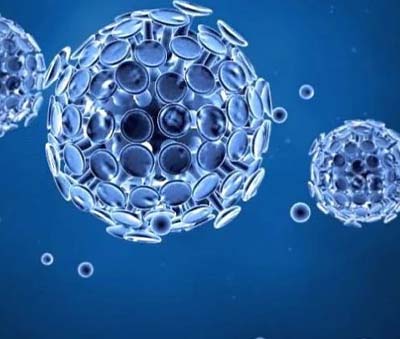
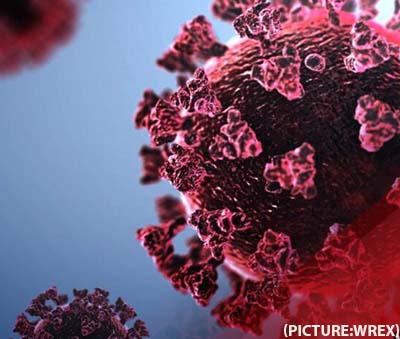
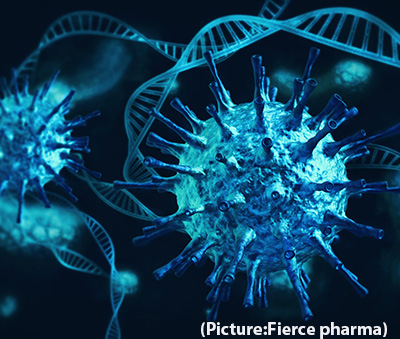
The novel Coronavirus gets its family name from a telltale series of spikes — tens or even hundreds of them — that circle its blob-like core as a crown or corona. Studying its cousins which cause SARS and MERS, virologists know that the spikes interact with receptors on cells like keys in locks, enabling the virus to enter body cells.
As the Corona virus that spread from Wuhan in China is mutant, efforts are on the world over to develop a vaccine that can treat its 11 mutations so far.
Covid-19 is a mutant in a clever disguise! Like sugar (carbohydrate molecule) dots outside the spike, it dots outside human cells. The carbohydrate camouflage makes the virus difficult for the human immune system to recognise it initially.
Each spike is made up of three identical proteins twisted and they have to open to gain access into a cell. We need to find a method to prevent these tiny invaders, which are 1,000 times smaller than our body cells they infect.
Q: How the new Coronavirus enters human cells?
A: To infect a human host, the virus gains entry into an individual’s cells, uses their machinery to replicate, spill out of them and spread to other cells. The tiny molecular key on SARS-CoV-2 gives the virus entry into the cell. This key is called a spike protein.
The structure of coronavirus is like a key and receptors on cells are like a lock. Theoretically, they provide an entry point to a thief (virus) into a house (body cells) through a lock (receptors).
Q: How to prevent the virus from spreading further although it has infected lakhs the world over during the last 6 months and threatens to attack more till a vaccine is discovered?
A: First of all, we should understand the Coronavirus structure, method of its spread, mechanism to replicate and organs it damages, whom all it affects the most, how to contain it and myths about it.
The virus can be prevented transmitting from person to person, entering body and replicating in cells by wearing mask, washing hands repeatedly, keeping 4-6 feet distance from others, toilet hygiene and avoid travelling.
As Covid-19 is an air born droplet infection, millions of its viruses are thrown out in small droplet forms at 166km per hour speed when an infected person sneezes. When a person coughs, many larger droplets with billions of the virus are thrown out at 100km per hour from mouth.
Larger droplets fall on a person’s face standing even at three feet or on objects around. Hence, wearing mask is mandatory for everyone.
The three-layer surgical masks doctors and nurses wear are not enough to protect them from Coronavirus. They need N95 or N99 masks with 7 layers to prevent the virus infecting them. Face protection shields are better for all healthcare warriors.
As N95 or N99 masks are costly and meant for medical staff, citizens can wear a home-made cloth mask. They should be changed every 4-6 hours after dipping them in antiseptic solution for 15 minutes, washed and dried in sunlight, as ultraviolet rays sterilise them.
Those who ignored wearing mask and not maintained physical distance were the most infected by the pandemic, as evident from the whopping number of cases in all countries the world over, including the US, Brazil, India, Russia, South Africa, Peru, Mexico, Chile, the UK and Iran.
Social distancing has to be maintained as a person standing even 3 feet of an infected being is sprayed with millions of viruses, as smaller droplets float in the air up to 33 feet.
If an infected person is in an enclosure like an office, mall, community hall or party hall, the virus spreads to everyone present, as it happened in South Korea, where a single infected lady from Wuhan spread it 900 people in a church.
Hence, large gatherings in grounds, religious places, movie halls, malls, schools, colleges, stadiums and markets have been banned to prevent the virus spread.
Repeated hand wash is also compulsory for infected as well as non-infected persons to prevent the virus spread.
The fat covering (lipid capsule) over the Coronavirus gets destroyed in soap water and sugar (carbohydrate) molecule that helps to disguise gets dissolved in water. By rubbing hands, the thorns (spikes) on the surface get damaged making it impossible for the virus to stick or enter body cells as key to the lock.
Toilet hygiene is most important as the virus shred from 22-feet long small intestine can contaminate toilets. Stool and farts contain billions of coronaviruses and can infect anyone using common toilets. While community toilets were sealed in cities like Seattle in the US, open defecation is banned in India.
The reason for avoid travelling is that an estimated 4.5-lakh infected people travelled from China to the US, especially New York, spreading the Coronavirus. Travelling increases transmission of the infection.
Going out of house unnecessarily to market or visiting relatives and friends, especially by a infected person can trigger community transmission, which is the most dangerous phase of the virus, as it will double or treble the cases, making it impossible for any government or healthcare system to contain it.
Senior citizens and elders with comorbid conditions like diabetes, high blood pressure, heart disease, bronchial asthma, cancer, kidney diseases and other chronic debilitating diseases with immune compromised state should stay at home till the virus is found to treat it, as mortality in them is very high.
Q: What are signs and symptoms of Corona infection and how fatal it is?
A: If a person is not able to smell anything or taste sugar or salt and is having fever with a bitter tongue, he or she should immediately take a Covid test, as they are signs or symptoms of Corona infection. If the test shows positive, it indicates that the virus has entered the body through nose, eyes or mouth into cells of mucus membrane and replicated inside the body cells.The patient will have mild fever, body ache, throat irritation and dry cough for 3-4 days without sense of smell and taste. The virus enters lungs or stomach through nose or throat and causes viral pneumonia, abdominal pain and loose motions from 5-7th day.
The virus replicate in lung cells leading to breathlessness, fatigue and drop in saturation from 8-10th day. At this stage, steroid inhalations or nasal spray are useful. An x-ray will show the damaged lungs while pulse oxymeter indicates drop in oxygen saturation.
As the virus spreads from lungs to heart, brain, kidney and all blood vessels by 14th day, it causes multi-organ failure and eventual death.
Q: How quarantine helps in preventing or treating the virus?
A: Those coming from hot spots like Mumbai, Chennai and Delhi to Karnataka have to undergo 14-day quarantine, including a week institutional and a week at home because they may not show the symptoms on arrival but develop after 3-4 days. If they test positive, they are shifted to a designated hospital for treatment. If they are asymptomatic, they get quarantined at home or a Covid care centre to recover. (IANS)

Nature study identifies 21 existing drugs that could treat COVID-19

Multiple drugs improve the activity of remdesivir, a current standard-of-care treatment for COVID-19 A Nature study authored by a global team of scientists and led by Sumit Chanda, Ph.D., professor at Sanford Burnham Prebys Medical Discovery Institute, has identified 21 existing drugs that stop the replication of SARS-CoV-2, the virus that causes COVID-19. The scientists analyzed one of the world’s largest collections of known drugs for their ability to block the replication of SARS-CoV-2, and reported 100 molecules with confirmed antiviral activity in laboratory tests. Of these, 21 drugs were determined to be effective at concentrations that could be safely achieved in patients. Notably, four of these compounds were found to work synergistically with remdesivir, a current standard-of-care treatment for COVID-19.  “Remdesivir has proven successful at shortening the recovery time for patients in the hospital, but the drug doesn’t work for everyone who receives it. That’s not good enough,” says Chanda, director of the Immunity and Pathogenesis Program at Sanford Burnham Prebys and senior author of the study. “As infection rates continue to rise in America and around the world, the urgency remains to find affordable, effective, and readily available drugs that can complement the use of remdesivir, as well as drugs that could be given prophylactically or at the first sign of infection on an outpatient basis.” Extensive testing conducted  In the study, the research team performed extensive testing and validation studies, including evaluating the drugs on human lung biopsies that were infected with the virus, evaluating the drugs for synergies with remdesivir, and establishing dose-response relationships between the drugs and antiviral activity. Of the 21 drugs that were effective at blocking viral replication, the scientists found: 13 have previously entered clinical trials for other indications and are effective at concentrations, or doses, that could potentially be safely achieved in COVID-19 patients. Two are already FDA approved: astemizole (allergies), clofazamine (leprosy), and remdesivir has received Emergency Use Authorization from the agency (COVID-19). Four worked synergistically with remdesivir, including the chloroquine derivative hanfangchin A (tetrandrine), an antimalarial drug that has reached Phase 3 clinical trials.  “This study significantly expands the possible therapeutic options for COVID-19 patients, especially since many of the molecules already have clinical safety data in humans,” says Chanda. “This report provides the scientific community with a larger arsenal of potential weapons that may help bring the ongoing global pandemic to heel.”  The researchers are currently testing all 21 compounds in small animal models and “mini lungs,” or lung organoids, that mimic human tissue. U.S. Food and Drug Administration (FDA) to discuss a clinical trial(s) evaluating the drugs as treatments for COVID-19. “Based on our current analysis, clofazimine, hanfangchin A, apilimod and ONO 5334 represent the best near-term options for an effective COVID-19 treatment,” says Chanda. “While some of these drugs are currently in clinical trials for COVID-19, we believe it’s important to pursue additional drug candidates so we have multiple therapeutic options if SARS-CoV-2 becomes drug resistant.” Screening one of the world’s largest drug libraries The drugs were first identified by high-throughput screening of more than 12,000 drugs from the ReFRAME drug repurposing collection—the most comprehensive drug repurposing collection of compounds that have been approved by the FDA for other diseases or that have been tested extensively for human safety. Arnab Chatterjee, Ph.D., vice president of medicinal chemistry at Calibr and co-author on the paper, says ReFRAME was established to tackle areas of urgent unmet medical need, especially neglected tropical diseases. “We realized early in the COVID-19 pandemic that ReFRAME would be an invaluable resource for screening for drugs to repurpose against the novel coronavirus,” says Chatterjee.  The drug screen was completed as rapidly as possible due to Chanda’s partnership with the scientist who discovered the first SARS virus, Kwok-Yung Yuen, M.D., chair of Infectious Diseases at the University of Hong Kong; and Shuofeng Yuan, Ph.D., assistant research professor in the Department of Microbiology at the University of Hong Kong, who had access to the SARS-CoV-2 virus in February 2020.  About the ReFrame library  ReFRAME was created by Calibr, the drug discovery division of Scripps Research, under the leadership of President Peter Shultz, Ph.D., with support from the Bill & Melinda Gates Foundation. It has been distributed broadly to nonprofit collaborators and used to identify repurposing opportunities for a range of disease, including tuberculosis, a parasite called Cryptosporidium and fibrosis.  A global team  The first authors of the study are Laura Riva, Ph.D., a postdoctoral research fellow in the Chanda lab at Sanford Burnham Prebys; and Shuofeng Yuan at the University of Hong Kong, who contributed equally to the study. Additional study authors include Xin Yin, Laura Martin-Sancho, Naoko Matsunaga, Lars Pache, Paul De Jesus, Kristina Herbert, Peter Teriete, Yuan Pu, Courtney Nguyen and Andrey Rubanov of Sanford Burnham Prebys; Jasper Fuk-Woo Chan, Jianli Cao, Vincent Poon, Ko-Yung Sit and Kwok-Yung Yuen of the University of Hong Kong; Sebastian Burgstaller-Muehlbacher, Andrew Su, Mitchell V. Hull, Tu-Trinh Nguyen, Peter G. Schultz and Arnab K. Chatterjee of Scripps Research; Max Chang and Christopher Benner of UC San Diego School of Medicine; Luis Martinez-Sobrido, Wen-Chun Liu, Lisa Miorin, Kris M. White, Jeffrey R. Johnson, Randy Albrecht, Angela Choi, Raveen Rathnasinghe, Michael Schotsaert, Marion Dejosez, Thomas P. Zwaka and Adolfo Garcia-Sastre of the Icahn School of Medicine at Mount Sinai; Ren Sun of UCLA; Kuoyuan Cheng of the National Cancer Institute and the University of Maryland; Eytan Ruppin of the National Cancer Institute; Mackenzie E. Chapman, Emma K. Lendy and Andrew D. Mesecar of Purdue University; and Richard J. Glynne of Inception Therapeutics.

Dr. Babu Prasad, A Retired Anesthesiologist Donates $1M To St. John’s NICU

Dr. Babu Prasad’s recent $1 million donation to the HSHS St. John’s Foundation for the neonatal intensive-care unit (NICU) at St. John’s Children’s Hospital is his love letter to the hospital and community. “I am giving back to a hospital, a community and a country that I dearly love,” Prasad said Thursday at a press conference at the hospital. “Springfield is a beautiful city and a wonderful place to live. I gave this contribution because I want Springfield to continue to grow, to bring new jobs here and to build upon the excellent medical community and medical services that we all enjoy. “Children are our future, so I wanted to direct my gift to the neonatal intensive care unit to give the babies a healthy start to their lives.” Dr. Babu Prasad came to the United States in 1971 after graduating from medical school in India with no money. But Prasad became a successful anesthesiologist, including an 18-year stay at HSHS St. John’s Hospital, where he retired in 2004. Prasad joined St. John’s in 1986. He still works two weeks per month at Interventional Pain Management Specialist in Carterville, Ill. In October, St. John’s began a $19 million renovation and expansion of the NICU to provide single-family patient rooms for premature and critically-ill infants.The project will more than double the size of the NICU, taking it from 15,000 square feet to 36,500. It will open in February. Each year, approximately 2,000 babies are born at St. John’s Children’s Hospital. The NICU cares for about 700 babies annually from a 35-county area. “Dr. Prasad’s gift is a beautiful testament as to who he is as a person,” said Beverly Neisler, chief development officer for the HSHS St. John’s Foundation. “He is a generous and kind man who has built a successful life through his hard work, dedication and determination.“Today, St. John’s and our most vulnerable patients are benefiting from his generosity. It’s a wonderful day for St. John’s Children’s. “He means so much to all of us.” Neisler said Prasad has been “a consistent donor” of the NICU. “He wanted to make a difference for Springfield and he wanted to make a difference for St. John’s,” Neisler added. “He has a real heart for babies and we’re delighted that he does.” “Donors, like Dr. Prasad, make all the difference by giving so generously to provide exceptional care and comfort to our most vulnerable patients,” said E.J. Kuiper, president and chief executive officer of HSHS Illinois. Dr. Beau Batton, director of newborn services at St. John’s Children’s, pointed out that the hospital was one of the first in the state to have a unit dedicated to the exclusive care of premature babies. “The NICU renovation, made possible through generous contributions, like of those of Dr. Prasad, will allow St. John’s to remain in the forefront of innovative, high quality care,” Batton said. Prasad called coming to the U.S. nearly 50 years “a golden opportunity. “It felt like heaven,” he added. “There was no comparison to India in the 1970s.” Prasad passed an exam given by the Educational Commission for Foreign Medical Graduates (ECFMG) that granted him a residency in the U.S. “It was the first time I saw TV,” said Prasad, who was 24 when he came to the U.S. Prasad first worked in Canton, Ohio, before moving to the University of Illinois Chicago, where he completed his anesthesiology residency. He practiced for 10 years in Alabama before coming to Springfield. Prasad has three children, including two daughters who followed him into medicine, and six grandchildren. “I was so pleased this project came up and I was able to do it,” Prasad said. “Those who can afford it have to step in and contribute. “I was amazed. This place looks beautiful. Springfield has the best medical community in the country.”

Coronavirus vaccine: When will we have one?

Coronavirus still poses a significant threat, but there are no vaccines proven to protect the body against the disease it causes – Covid-19. Medical researchers are working hard to change that, and the UK government has ordered 100 million doses of a vaccine that isable to trigger an immune response and appears safe. Why is a coronavirus vaccine important? The virus spreads easily and the majority of the world’s population is still vulnerable to it. A vaccine would provide some protection by training people’s immune systems to fight the virus so they should not become sick. This would allow lockdowns to be lifted more safely, and social distancing to be relaxed. What sort of progress is being made? Research is happening at breakneck speed. About 140 are in early development, and around two dozen are now being tested on people in clinical trials. Trials of the vaccine developed by Oxford University show it can trigger an immune response and a deal has been signed with AstraZeneca to supply 100 million doses in the UK alone. The first human trial data back in May indicated the first eight patients taking part in a US study all produced antibodies that could neutralise the virus. A group in China showed a vaccine was safe and led to protective antibodies being made. It is being made available to the Chinese military. Other completely new approaches to vaccine development are in human trials. However, no-one knows how effective any of these vaccines will be. When will we have a coronavirus vaccine? A vaccine would normally take years, if not decades, to develop. Researchers hope to achieve the same amount of work in only a few months. Most experts think a vaccine is likely to become widely available by mid-2021, about 12-18 months after the new virus, known officially as Sars-CoV-2, first emerged. That would be a huge scientific feat and there are no guarantees it will work. Four coronaviruses already circulate in human beings. They cause common cold symptoms and we don’t have vaccines for any of them. What do I need to know about the coronavirus?A SIMPLE GUIDE: How do I protect myself?AVOIDING CONTACT: The rules on self-isolation and exerciseHOPE AND LOSS: Your coronavirus storiesLOOK-UP TOOL: Check cases in your areaVIDEO: The 20-second hand wash What still needs to be done? Multiple research groups have designed potential vaccines, however, there is much more work to do. Trials need to show the vaccine is safe. It would not be useful if it caused more problems than the disease Clinical trials will also need to show vaccines provoke an immune response, which protect people from getting sick A way of producing the vaccine on a huge scale must be developed for the billions of potential doses Medicines regulators must approve it before it can be given Finally there will be the huge logistical challenge of actually immunising most of the world’s population The success of lockdowns has made the process slower. To know if the vaccine works, you need people to actually be infected. The idea of giving people the vaccine and then deliberately infecting them (known as a challenge study) would give quicker answers, but is currently seen as too dangerous and unethical. How many people need to be vaccinated? It is hard to know without knowing how effective the vaccine is going to be. It is thought that 60-70% of people needed to be immune to the virus in order to stop it spreading easily (known as herd immunity). But that would be billions of people around the world even if the vaccine worked perfectly. How do you create a vaccine? Vaccines harmlessly show viruses or bacteria (or even small parts of them) to the immune system. The body’s defences recognise them as an invader and learn how to fight them. Then if the body is ever exposed for real, it already knows what to do. The main method of vaccination for decades has been to use the original virus. The measles, mumps and rubella (MMR) vaccine is made by using weakened viruses that cannot cause a full-blown infection. The seasonal flu jab takes the main strains of flu doing the rounds and completely disables them. Some scientists, particularly those in China, are using this approach. There is also work on coronavirus vaccines using newer, and less tested, approaches called “plug and play” vaccines. Because we know the genetic code of the new coronavirus, Sars-CoV-2, we have the complete blueprint for building it. The Oxford researchers have put small sections of its genetic code into a harmless virus that infects chimpanzees. They appear to have developed a safe virus that looks enough like the coronavirus to produce an immune response. Other groups are using pieces of raw genetic code (either DNA or RNA depending on the approach) which, once injected into the body, should start producing bits of viral proteins which the immune system can learn to fight. However, this approach is completely new. Would a vaccine protect people of all ages? It will, almost inevitably, be less successful in older people, because aged immune systems do not respond as well to immunisation. We see this with the annual flu jab. It may be possible to overcome this by either giving multiple doses or giving it alongside a chemical (called an adjuvant) that gives the immune system a boost. Who would get a vaccine? If a vaccine is developed, then there will be a limited supply, at least initially, so it will be important to prioritise. Healthcare workers who come into contact with Covid-19 patients would top the list. The disease is most deadly in older people so they would be a priority if the vaccine was effective in this age group. The UK has also said other people considered to be at high risk – potentially included those with some conditions or from certain ethnicities – may be prioritised 

Amitabh Bachchan Shares Message on Religious Harmony from Hospital While Being Treated for Covid

Amitabh Bachchan has shared a message on religious harmony. The veteran actor, who is undergoing Covid treatment in a hospital here, took to his verified Twitter account July 23 to post the message. Big B shared two photographs of himself, one with folded hands and the other where he stretches his palms in prayer. “Mazhab toh yeh do hatheliyaan batati hain, jude to ‘puja’ khule toh ‘dua’ kehlaati hain (The two hands describe religion. Whenever they are folded it is called puja and when they are stretched it is called dua),” he tweeted. Amitabh, his son Abhishek Bachchan, daughter-in-law Aishwarya Rai Bachchan and granddaughter Aaradhya are currently hospitalized with coronavirus infection. Reacting to Bachchan’s tweet, fans shared their prayers and wishes for a speedy recovery. Unconfirmed reports claim that the veteran actor is recovering and might be discharged from hospital soon. Big B, meanwhile, July 23 evening tweeted to refute a news reports claiming he has tested Covid-19 negative. On his verified Twitter account, he shared a video clip of a TV news channel that claims “Amitabh Bachchan tests negative for COVID” as “breaking news.” “.. this news is incorrect, irresponsible, fake and an incorrigible LIE !!” Big B tweeted on his official account, @SrBachchan. The Bollywood icon seems quite disturbed by the fake news surrounding his health. He also retweeted a tweet posted by a fan that reads: “That’s playing with someone’s privacy. Why do media play with people’s emotions? Take Care Sir Ji.” Earlier on July 22, Amitabh Bachchan shared a video on social media that shows students of Wroclaw University, Poland, paying a tribute to his father, poet Harivansh Rai Bachchan. Big B shared the video on Instagram, where students from the university recite a few lines from his father’s renowned poem “Madhushala.” Alongside the clip, Big B wrote: “Last year the Mayor of Wroclaw declared me as the Ambassador of the City of Wroclaw, in Poland… Today they organized a recitation of my Babuji’s Madhushala by the University students on the roof of the University building. “As Wroclaw was awarded the title of a UNESCO City of Literature, they could pass on the message to Babu Ji’s lovers from all around the world – Wroclaw is a City of Dr Harivansh Rai Bachchan. Moved beyond emotion .. thank you Wroclaw .. in this time of my trial it brings so much cheer to me.” Sharing about his life in general from his Covid ward, Bachchan took to his blog July 21 and wrote: “It is the silence and the uncertainty of the next … it is a wonder of the nature of life .. of all that it brings to us each moment, each living breathing day… In the activity driven past days of normalcy, never was there inclination to assess or sit back and think of what thoughts invade us now.””But they do now with a regularity that fills those idle hours, sitting, thinking, looking out into nowhere .. “.. in these conditions thoughts race at greater speed and in a vividity that had eluded us before .. they were always there, but just the presence of them remained silenced by the mind in its other business of existence ..the business is dormant now. The thespian added that “the mind is freer.” “It reflects greatly more than ever .. and I wonder if this is correct, admissible pertinent or not.” He wrote that a wandering mind often leads to “destinations that, because of their complex vagaries, brings on that which at times be not what you may want to hear or see .. but you do .. the eventuality of all that surrounds us blows heavily about us.” “Ignorance of it would not be a considered act .. so you succumb to it .. bear it .. live it .. caress it at times .. play with it at others.. wish it away, hold on to it, embrace it and accept .. but never be able to desist its presence ..” He says the time “today gives liberty to stretch the gravitas of the cerebrum.” “We may never get opportunity to be involved in this act, but given the circumstance, I would like to believe that each one of us .. each individual has the will and the capacity to be what they may have believed, they would never be.” Talking about his health, Bachchan wrote: “In the condition of the solace in the room of cure .. the restlessness keeps in the search for reaction .. for a connect .. for something to respond to .. to do .. to do just more than what the condition dictates..” “At times you find it .. at times you stare at barren walls and with empty thoughts .. and you pray that they be filled with the life of existence .. of reaction and company .. All of you push your prayers and concern each hour I know .. and I have only folded hands ..”

Want to live a healthy life? Have sex once a week

Having sex at least once a week halves the risk of early death, say researchers, adding that regular action between the sheets is linked to lower odds of dying from cancer, heart disease and other illness. According to researchers from Washington University in the US, sex is equivalent to “moderate intensity exercise,” and has similar health benefits for those partaking.

For the findings, the research team picked more than 15,000 adults. They had an average age of 39 and were quizzed on their sex lives for around 11 years, the mirror.co.uk reported.

The researchers found that almost three quarters engaged in sexual activity at least once a month and 36 per cent at least once a week. Over the course of the lengthy study, 228 died, including 62 from cancer and 29 from cardiovascular disease.

The study showed that those who had sex weekly were 49 per cent less likely to die than those who only had sex once a year or less. Their odds of dying from cardiovascular disease were 21 per cent less and from cancer 69 per cent lower.

According to the media reports, The researchers said that sex releases feel-good chemicals, which boost mental health and promote the activity of “natural killer cells”.

Those cells lower the risk of cancer and viral illness, prevent infections of the lungs and improve other conditions, such as asthma, they claimed. (IANS)

‘Hopes Of Developing Vaccine Against Covid Rising

The race to develop the first effective vaccine against COVID-19 involves an awfully crowded field, with 137 candidate vaccines in pre-clinical study worldwide and another 23 actually in development. But a leader seemed to emerge today with research published in the Lancet reporting promising results in a robust study by investigators at Oxford University in England. The study began in April, with a sample group of 1,077 adults aged 18 to 55—an age group young enough to tolerate exposure to SARS-CoV2, the virus that causes COVID-19, with less risk of adverse effects than would be seen in older, more vulnerable adults. The group was divided more or less in half, with 543 participants receiving the experimental COVID-19 vaccine, and the other 534 serving as a control group, receiving an existing vaccine against meningococcal vaccine. (The investigators chose not to use an inert saline solution for the control group because both vaccines can cause side effects such as achiness, fever and fatigue. Saline would cause no such symptoms and would thus reveal which group was the control group and which was not.) The vaccine uses a harmless-to-humans chimpanzee adenovirus as a delivery vector. That virus is modified to carry spike proteins from SARS-CoV-2—the component of the coronavirus that, in theory, should induce the sought-after immune response in humans. What the researchers were looking for were two kinds of immune reaction: humoral immunity, or the system-wide generation of antibodies against the virus; and cellular immunity, or the activation of immune system T-cells that attack human cells infected with the COVID-19 virus. Oxford vaccine triggers immune response, trial findsA Covid-19 vaccine candidate developed by the Oxford University has safely prompted a protective immune response in hundreds of volunteers who got the shot in an early trial, preliminary findings published Monday in the journal Lancet said. The vaccine, ChAdOx1 nCoV-19 (also called AZD1222), designed by Oxford and developed by AstraZeneca, the Anglo-Swedish pharma major, triggered a dual immune response in people aged 18 to 55 that lasted at least two months. The preliminary findings are from the placebo-controlled, phase-I trial held between April 23 and May 21, involving 1,077 participants. 543 were administered the vaccine ChAdOx1 nCoV-19, another 534 a control vaccine (to rule out placebo). Further, ten participants were given a booster shot of the ChAdOx1 nCoV-19 vaccine. All participants who received the vaccine developed spike-specific antibodies by day 28, an immune response similar to those who recover from Covid-19. Spikes are the spike proteins on the surface of the SARS-CoV-2 coronavirus that it uses to attach to human receptor cells. The ten who received a booster shot produced neutralizing antibodies (antibodies in higher titers). The vaccine also triggered T cells, a type of white blood cell that “remembers” and attacks the coronavirus. Side effects including fever, headaches, muscle aches, and injection site reactions were observed in about 60% of patients; but all these were deemed mild or moderate and were resolved during the trial. T-cells and antibodies: That the vaccine has induced antibodies and T cells are significant. T cells can stay in the body for a longer period in a dormant state, and can re-emerge to attack the virus in case of an infection. The science behind the Oxford vaccine

Preliminary data from the phase I/II trial of the Covid-19 vaccine developed by Oxford University showed it was safe and prompted an immune response that lasted at least two months. More on that and India’s role in the eventual rollout of the vaccine in today’s Times Top10. Here, we delve deeper into the science behind the vaccine.

Oxford’s candidate, ChAdOx1 nCoV-19 (also called AZD1222), is a non-replicant viral vector vaccine. The vector (the carrier) is derived from adenovirus (ChAdOx1) taken from chimpanzees. This is a harmless, weakened adenovirus that usually causes the common cold in chimps. It is genetically engineered so that it does not replicate itself in humans. Now, a gene (the load) from the coronavirus, SARS CoV-2, that instructs cells to build spike proteins is loaded into the vector.

Remember, coronaviruses have club-shaped spikes on their outer coats — the ‘corona’. These spike proteins allow the virus to attach to the ACE2 receptors in human cells. When the genetically engineered ChAdOx1 with the spike-responsible gene from coronavirus is administered in a person, the gene is “expressed”, causing the build-up of spike proteins. The body’s immune system recognises this and begins to create the antibodies to defeat the foreign object. Note: the vaccine vector is non-replicant so it doesn’t harm the person, but the spike proteins nevertheless trigger antibodies. The preliminary findings showed participants also produced T cells, a type of white blood cell that “remembers” and attacks the coronavirus infection. Oxford researchers led by Professor Sarah Gilbert were able to quickly develop the vaccine candidate as they had been working on the ChAdOx1 platform against Ebola and MERS viruses.

And other vaccine candidates?

India’s hope: Pune-based Serum Institute of India, under an agreement with AstraZeneca, is to bulk produce the Oxford vaccine. The company’s CEO, Adar Poonawalla, had earlier said it will produce 5 million doses per month for the first 6 months before ramping up the production. The findings are from the phase-I/II trial. The larger, phase-III trials of the vaccine have already begun in Brazil and South Africa. A vaccine being developed by China’s CanSino Biologics and China’s military research also appeared to safely induce both antibodies and T cells, a mid-stage study released Monday said. Both CanSino’s and Oxford’s vaccines are based on a similar science of using a non-replicating viral vector to trigger the immune response. Hyderabad-based Bharat Biotech has announced that the Phase-I clinical trials of India’s first indigenous Covid-19 vaccine Covaxin began across the country on July 15. “This is a randomized, double-blind, placebo-controlled clinical trial on 375 volunteers in India,” the company said in a brief statement. The leading vaccine maker had announced on June 29 that it successfully developed Covaxin in collaboration with the Indian Council of Medical Research (ICMR) and National Institute of Virology.The SARS-CoV-2 strain was isolated in NIV, Pune and transferred to Bharat Biotech. The indigenous, inactivated vaccine was developed and manufactured in Bharat Biotech’s BSL-3A (Bio-Safety Level 3) High Containment facility located in Genome Valley, Hyderabad.

The vaccine developed by China’s CanSino Biologics in partnership with the country’s military research wing also relies on a viral vector, but a weakened human cold virus, adenovirus 5 (Ad5). CanSino, too, published its findings from phase I/II trial on Monday that showed it safely prompted an immune response.

But… the vaccine was inadequate to induce immunity response in people aged 55 or older — a group vulnerable to Covid-19. Researchers contend an additional dose given between the third and sixth month could negate this. The use of Ad5 itself has left some scientists unconvinced. Since most people would have already been infected by Ad5 (cold virus), they fear the immune system induced would focus on the Ad5 parts of the vaccine rather than the SARS-Cov-2 material fused to it.

Two other advance candidates are developed by Massachusetts-based Moderna and Germany’s BioNTech in partnership with Pfizer. These are messenger-RNA based candidates. They rely on synthetic mRNA that delivers the genetic code for spike proteins, thus triggering an immune response. Early findings by Moderna and BioNTech-Pfizer, too, showed they prompted an immune response.

Another reason to be hopeful about the Oxford vaccine: Viral vector-based vaccines need only be cold stored, whereas mRNA vaccines need to be in a frozen state — a challenge for developing countries.

Dr. Sampat Shivangi Elected Delegate For GOP Convention In Florida

Dr. Sampat Shivangi, a physician, an influential Indian-American community leader, a Member of the National Advisory Council, National Mental Health Center, SAMSHA, Washington, DC, Chair of Mississippi State Board of Mental Health, and a veteran leader of the American Association of Physicians of Indian Origin (AAPI) , has been elected as a Republican delegate for the fifth consecutive term to the party’s convention that would formally nominate US President Donald Trump as its candidate for the November presidential elections. The Republican National Convention (RNC) in Jacksonville, Florida is scheduled to be held from August 24 to August 27. “It is a great honor to be a part of this historic convention to re-nominate and re-elect Trump for another four years,” he said. “Under President Trump, the United States has made unprecedented progress. Until, we were hit by coronavirus, the US economy was at an all time best. And to top it all, under President Trump, India and Indian-Americans have the best ever friend in the White House,” Dr Shivangi, the national president of Indian-American Forum for Political Education and a long-time Republican leader, said. A conservative life-long member of the Republican Party, Dr. Shivangi is the founding member of the Republican Indian Council and the Republican Indian National Council, which aim to work to help and assist in promoting President Elect Trump’s agenda and support his advocacy in the coming months. Dr. Shivangi is the National President of Indian American Forum for Political Education, one of the oldest Indian American Associations. Over the past three decades, he has lobbied for several Bills in the US Congress on behalf of India through his enormous contacts with US Senators and Congressmen. Dr. Shivangi is a champion of women’s health and mental health whose work has been recognized nationwide. Dr. Shivangi has worked enthusiastically in promoting India Civil Nuclear Treaty and recently the US India Defense Treaty that was passed in US Congress and signed by President Obama. Dr. Sampat Shivangi, an obstetrician/gynecologist, has been elected by a US state Republican Party as a full delegate to the National Convention. He is one of the top fund-raisers in Mississippi state for the Republican Party. Besides being a politician by choice, the medical practitioner is also the first Indian to be on the American Medical Association. Dr. Shivangi has actively involved in several philanthropic activities, serving with Blind foundation of MS, Diabetic, Cancer and Heart Associations of America. Dr. Shivangi has been carrying on several philanthropic works in India including Primary & Middle Schools, Cultural Center, IMA Centers that he opened and helped to obtain the first ever US Congressional grant to AAPI to study Diabetes Mellitus amongst Indian Americans. The Indian-American physician was first elected as a delegate at the Republican convention in New York City in 2004, to nominate President George W Bush. In 2008, he was elected as a Republican delegate at Minneapolis to nominate John McCain and in 2012 at Tampa, to nominate Mitt Romney. In 2016, Dr. Shivangi attended the RNC convention in Cleveland, Ohio as a delegate to nominate and elect the current president, Donald Trump. “This is my fifth time to be part of the RNC delegation to nominate and help to elect our next president of USA,” Dr. Shivangi said. “This convention and the upcoming presidential election is going to be historic for our nation, possibly for India and to the whole world. I am glad that I can contribute a little, to my beliefs in nation building,” he said in a statement.

Yoga Will Improve Reproductive, Sexual Health

Yoga is an ancient method of relaxation, exercise, and healing that has gained a wide following across the world. It rejuvenates the mind, body and soul. It may come as no surprise, then, that yoga may also serve to enhance sexual function. According to a study published online in The Journal of Sexual Medicine (Nov 12, 2009), regular yoga practice improves several aspects of sexual function in women, including desire, arousal, orgasm, and overall satisfaction, points out Dr Arockia Virgin Fernando, Fertility Specialist, Obstetrician and Gynaecologist at Cloudnine Group of Hospitals. The expert shares some benefits of yoga on sex life and during pregnancy. Benefits of Yoga on your Sex life More and more people are discovering the benefits of practicing yoga, from building strength to relieving stress. 40 percent of women with fertility related issues have anxiety, stress or both. Yoga and mindfulness exercises like deep breathing helps in reducing the cortisol levels in our blood which is a marker for stress. High levels of cortisol damages the fine balance between the hormones which control the brain, heart and reproductive system. Many fertility groups who conduct support group meetings to help the anxious couples trying to conceive- have included yoga in their program. It can improve your sex life. Here’s how: Yoga can target your sexual zones. Many forms of yoga refer to the root lock “Mula Bandha,” which is the root of the spine, the pelvic floor, the perineum. Bringing awareness to these areas in a yoga class will help you be more in touch with them overall and can help you enjoy having sex more. In the challenging physical postures such as downward dog, chatarunga, supta konasana and plow pose, engaging Mula Bandha actually helps lift the pelvic-floor muscles, which increases core strength, which then functions to support and protect the spine. Engaging Mula Bandha can help with balance in postures such as warrior 3 and crow pose. You’ll feel better in your skin: Yoga is a series of physical exercises and postures that are geared toward improving one’s flexibility, strength and balance. A regular practice helps to strengthen, and tone your body, and all of these will make you feel better about yourself. Improved self-thoughts about your appearance will boost your body confidence and self-esteem. All of these will help you boost your personal life. Yoga helps reduce stress and anxiety: By transferring focus and attention to breathing and the body, yoga can help to lower anxiety and release physical tension. Lower stress levels at the end of the day can lead to feeling better about being with your partner. If you are not worried about other things and feel mentally balanced, you are more likely to want and be able to give to your significant other. It will allow you to relax and enjoy sex, which makes it even better. The calming, toning practice can be a wonderful escape from the stressors of daily life, while increasing your flexibility and strength to boot. This will also bring increased relationship satisfaction along with improvements in sex life and intimacy levels. It brings overall satisfaction, better communication and trust among couples along with the overall reduction in stress and anxiety. Yoga can increase the beta endorphin hormone release from the brain which gives a sense of well-being, improve immunity and prevents infections in turn increasing our reproductive health. With better hormone balance, there is increased sexual desire and reproductive function, also an increase in sperm production. Regular yoga practice may improve the interaction between the brain and the reproductive system in both men and women. There are many positive and negative feedback systems in our reproductive endocrinology and even a subtle imbalance disrupts the whole system.With better hormone balance, there is increased sexual desire and reproductive function, also an increase in sperm production. Yoga indirectly improves the reproductive health by improving immunity and thereby decreasing infections which damages the vaginal, tubal and uterine bacterial flora and thus preventing pregnancy. It increases the success rates of Assisted Reproductive Technologies like In vitro Fertilisation and Intra uterine Insemination by reducing the stress levels; thereby improving ovulation and sperm production. Women with high levels of stress biomarkers like cortisol have less chance of conceiving during ovulation and also an increased risk of miscarriage. Therefore Yoga can play a major role in these people. Breathing, meditation, asanas can reduce pain levels in people suffering from painful periods and pain during sexual intercourse, thus in turn increasing the odds of conception. The beginners should focus on breathing and poses which are comfortable. Above all it is safe. The key is to start slow. Benefits of Yoga during pregnancy Yoga helps you in dealing with the symptoms of pregnancy like morning sickness and mood swings, ensuring smoother and easier delivery, and faster recovery after childbirth. So, if you want to make your pregnancy and childbirth a peaceful and easy journey, you must go for a prenatal yoga class during and after your pregnancy. Look for a prenatal yoga programme where you are comfortable with the activities, style, and the yoga class environment. Always remember doing “Lamaze” which is a simple breathing yoga techniques, it always encourages you to be active throughout your pregnancy and increases your sense of wellbeing. All the exercises should be started pre pregnancy so as to have the best result during pregnancy. Do not start exercise for the first time in the first trimester except the breathing exercises under the supervision and consultation of your gynaecologist/ fertility expert. (IANS)

Dr. Sudhakar Jonnalagadda To Lead AAPI To Be Stronger, More Vibrant, And United

“I will work to make AAPI stronger, more vibrant, united, transparent, politically engaged, ensuring active participation of young physicians, increasing membership, and enabling that AAPI’s voice is heard in the corridors of power,” Dr. Sudhakar Jonnalagadda, who will assume charge as the 37th President of American Association of Physicians of Indian Origin (AAPI) said here today.

Dr. Jonnalagadda, who will be administered the oath of office as the President of AAPI at the 1st ever Virtual Oath ceremony on July 11th, 2020, has vowed to take the nearly four decades old organization to the next level and “bring all the AAPI Chapters, Regions, Members of the Executive Committee and Board of Trustees to work cohesively and unitedly for the success of AAPI and the realization of its noble mission.”  He wants to increase AAPI membership by offering more benefits and opportunities for mem­bers.

Dr. Jonnalagadda will lead AAPI as its President in the year 2020-2021, the largest Medical Organization in the United States, representing the interests of the over 100,000 physicians and Fellows of Indian origin in the United States, serving the interests of the Indian American physicians in the US and in many ways contributing to the shaping of the healthcare delivery in the US for the past 39 years. “AAPI must be responsive to its members, supportive of the leadership and a true advocate for our mission,” he said.

As a very compassionate, goal oriented and with strong leadership skills, Dr. Jonnalagadda will be assisted by an executive committee consisting of Dr. Anupama Gotimukula, President-Elect; Dr. Ravi Kolli, Vice President, Dr. Amit Chakrabarty, Secretary of AAPI; Dr. Satish Kathula,  Treasurer of AAPI, and Sajani Shah, Chair of AAPI’s BOT.

“AAPI has given me so much — networking, advocacy, and education — and I am honored to serve this noble organization.  I sincerely appreciate the trust you placed in me as the President of AAPI, and I am deeply committed to continue to work for you,” declared Dr. Sudhakar Jonnalagadda, the new President of American Association of Physicians of Indian Origin (AAPI).

He was born in a family of Physicians. Dr. Jonnalagadda’s dad was a Professor at a Medical College in India and his mother was a Teacher. He and his siblings aspired to be physicians and dedicate their lives for the greater good of humanity. “I am committed to serving the community and help the needy. That gives me the greatest satisfaction in life,” he says with modesty.

Ambitious and wanting to achieve greater things in life, Dr. Jonnalagadda has numerous achievements in life. He currently serves as the President of the Medical Staff at the Hospital. And now, being elected as the President of AAPI is greatest achievement of my life,”

AAPI has been able to serve as a platform in helping young physicians coming from India to seek residencies and help them in settlement and get jobs. Knowing that AAPI’s growth lies with the younger generation, Dr. Jonnalagadda has made it his priority to support and promote YPS and MSRF, the future of AAPI.

As the President of AAPI, the dynamic physician from the state of Andhra Pradesh, wants to “develop a committee to work with children of AAPI members who are interested in medical school, to educate on choosing a school and gaining acceptance; Develop a committee to work with medical residents who are potential AAPI members, to educate on contract negotiation, patient communication, and practice management; Develop a committee to work with AAPI medical students, and to provide proctorship to improve their selection of medical residencies.”

In his address to the Young Physicians Section (YPS) recently, Dr. Jonnalagadda told them, “I am so delighted and proud to be part of this great event and see you, the young physicians of Indian origin today, who are the hope and life, igniting a bright future for AAPI and for the healthcare delivery in the US. As you are aware, Indian Americans continue to come in large numbers and join this noble profession. That gives us hope and strength that the future of the healthcare is in good, safe and effective hands.”

In order for us to help and support the youngsters who want to pursue Medicine and want to succeed in their dreams to be successful healthcare professionals, “I envisage a plan for young aspiring physicians of Indian origin,” he had told them. “I want to launch a program that will, Educate the Residents from India on ways to negotiate contract with insurance companies and Medical Institutions; Identify Centers/Areas across the US for Clinical Observership Program for aspiring young physicians; and, help Youth who want to pursue medicine as their career, guide them with the skills for participating in interviews and ways to succeed in school. This is the first time ever AAPI is embarking on this new initiative and I am excited to be able to take this to the next level”

Dr. Jonnalagadda wants to emphasize the importance of Legislative Agenda both here in the US and overseas, benefitting the physicians and the people AAPI is committed to serve. According to him, “The growing clout of the physicians of Indian origin in the United States is seen everywhere as several physicians of Indian origin hold critical positions in the healthcare, academic, research and administration across the nation.” He is actively involved with the Indian community and member at large of the Asian Indian Alliance, which actively participates in a bipartisan way to support and fund electoral candidates.

His vision for AAPI is to increase the awareness of APPI globally and help its voice heard in the corridors of power.  “I would like to see us lobby the US Congress and create an AAPI PAC and advocate for an increase in the number of available Residency Positions and Green Cards to Indian American Physicians so as to help alleviate the shortage of Doctors in the US.”

As a dedicated member and leader of AAPI for over a decade, Dr. Jonnalagadda rose through the ranks due to his hard work and dedication. He had served as the national Treasurer, Secretary and Vice President of AAPI from 2016 onwards. He was elected and had served as a member of the Board of Trustees, AAPI in 2014-2015, and had served as the Regional Director, AAPI South Region from 2011-2013.

Dr. Jonnalagadda was the Chair, AAPI Awards Committee in 2015, and had served as the Alumni Chair, Atlanta AAPI Convention in 2006. His leadership and commitment were much appreciated when he had served as the Convener of AAPI 2012 Fundraiser, and helped AAPI raise $150,000, and in the 2013 Fundraiser, he had helped AAPI raise $120,000 in Atlanta. In 2016, he had helped in AAPI 2016 Fundraiser through his efforts in Atlanta raise funds for Hurricane Harvey.

A Board-Certified Gastroenterologist/Transplant Hepatologist, working in Douglas, GA, Dr. Jonnalagadda is a former Assistant Professor at the Medical College of Georgia. He was the President of Coffee Regional Medical Staff 2018, and had served as the Director of Medical Association of Georgia Board from 2016 onwards. He had served as the President of Georgia Association of Physicians of Indian Heritage 2007-2008, and was the past Chair of Board of Trustees, GAPI. He was the Chairman of the Medical Association of Georgia, IMG Section, and was a Graduate, Georgia Physicians Leadership Academy (advocacy training).

One of the major objectives of founding AAPI was to offer a platform and opportunities for members to give back to their mother land and the adopted nation. Realizing this, the new President believes AAPI members will be provided with opportunities to support charitable activities in India and in the United States and increase our impact both in Indian and the US.

Endowed with the desire to give back to his motherland and lead AAPI to identify and invest in the delivery of cost effective, efficient and advanced medical care in India, Dr. Jonnalagadda says, “AAPI does a lot of work in India. The Global Healthcare Summit 2021 planned to be held in Visakhapatnam, Andhra Pradesh, will be a great way of achieving our objectives for mother India.”

“AAPI and the Charitable Foundation has several programs in India. Under my leadership with the pioneering efforts of Dr. Surender Purohit, Chairman of AAPI CF, we will be able to initiate several more program benefitting our motherland, India,” Dr. Jonnalagadda said.

According to him, the GHS will serve as a sounding board for many health care leaders to freely exchange ideas, and help resolve challenges that are addressed during the very effective CEO Forums usually chaired by high ranking officials and leading CEOs. This will help in attracting investments, advanced training, and setting up hospitals, medical institutions, etc. AAPI GHS will continue the International Research Competition, EP, Cardiology, Pediatrics, Psychiatry, Gastroenterology, Obesity, Liver Disease Awareness, CPR with the Indian Society of Anesthesiologists, and other workshops that will help in training several India based physicians.  Finally, the women’s forum under the banner of women’s leadership forum will serve as an inspiration for aspiring female leaders to see and hear from their role models.

The COVID-19 pandemic has placed huge challenges before the new executive Team. Dr. Jonnalagadda is confident that he will be able to carry on his agenda for the new year including the Trip to Japan and the Global Healthcare Summit. Utilizing the new technology, he wants to organize monthly online CMEs through Zoom and regular motivational Lectures for physicians.

Financial stability is an important area, where Dr. Jonnalagadda wants to focus on as President, and promises “to make sincere efforts in making AAPI financially stronger by increasing fund raising activities.”

He is grateful to his predecessor, Dr. Suresh Reddy and Dr. Anupama Gotimukula and the current Team for initiating the AAPI Endowment Fund, which he plans to strengthen during his presidency, making AAPI financially viable and stronger in the years to come.

Dr. Jonnalagadda is committed to upholding and further augment the ideals for which AAPI stands. “I am confident that my experience, work ethic and firsthand experience in organizing Conventions and fundraisers are best suited to carry on the responsibilities and lead this noble organization to new heights.”

Dr. Jonnalagadda is married to Dr. Umamaheswari, who comes from a family of physicians. The couple have one child, Veeraeen, who is a Medical School student.

In all of his efforts, Dr. Jonnalagadda wants to work with his executive committee and all branches of AAPI membership in a congenial and non-competitive manner, focusing on the noble mission of this prestigious organization. His experiences in organizing conferences and meetings which help to bring members together and attract new members is vital to the success of the organization.

AAPI represents more than 100,000 physicians and fellows of Indian Origin in the US, and being their voice and providing a forum to its members to collectively work together to meet their diverse needs, is a major challenge.

With the changing trends and statistics in healthcare, both in India and US, we are refocusing our mission and vision, AAPI would like to make a positive meaningful impact on the healthcare delivery system both in the US and in India.

AAPI will continue to be an active player in crafting the delivery of healthcare in the most efficient manner in the United States and India. “We will strive for equity in healthcare delivery globally.” Dr. Jonnalagadda is confident that with the blessings of elders, and the strong support from the total membership of AAPI and his family, he will be able to take AAPI to stability, unity, growth and greater achievements.”

Trump’s Move to Pull U.S. Out of World Health Organization Could Impact Global Health Adversely: Dr. Soumya Swaminathan

The plan by President Trump to “withdraw from the World Health Organization will affect the global healthcare system adversely,” Dr. Soumya Swaminathan, Chief Scientist at World Health Organization said. The Indian origin top scientists at the WHO was addressing The First Ever Virtual Summer Summit by the American Association of Physicians of Indian Origin (AAPI), held from June 16th to 28th, 2020. The Trump administration sent a letter giving the United Nations a one-year notice for the U.S. to quit the World Health Organization, formalizing President Donald Trump’s decision to leave the agency even as the coronavirus rages out of control in the U.S. and in many other countries. The administration sent the letter to UN Secretary-General Antonio Guterres Monday, making the U.S. withdrawal official on July 6, 2021, under a requirement for a one-year notice, according to Stephane Dujarric, the secretary-general’s spokesman. It’s almost certain that Democratic rival Joe Biden would reverse Trump’s decision if he’s elected in November.  US President Donald Trump’s decision, announced on 29 May, to withdraw funding from the World Health Organization (WHO) was never in doubt. Since the beginning of the coronavirus outbreak, the White House has been intensifying its charge that the WHO was slow to respond to the threat, and overly influenced by China. Undoubtedly, the agency has lessons to learn, and, at the World Health Assembly last month, WHO member states endorsed an independent evaluation. It is irresponsible and dangerous for the United States — the WHO’s largest donor — to bypass the agreed process and withhold roughly US$450 million in annual funding in the middle of one of the worst pandemics in recent history. This will undermine the world’s efforts to control the new coronavirus and will endanger more lives as COVID-19 continues on its destructive path. Tedros Adhanom Ghebreyesus, director-general of the World Health Organization, said he learned of President Trump’s intentions of “terminating” the decades-long U.S. relationship with WHO through Trump’s press briefing. “The U.S. government’s and its people’s contribution and generosity toward global health over many decades has been immense, and it has made a great difference in public health all around the world. It is WHO’s wish for this collaboration to continue,” Tedros said.  While stating that the monetary contributions of the US will not be a huge factor if it chose to leave the world body, Dr. Soumya Swaminathan said, due to the close collaboration between US Healthcare Agencies and WHO, the departure of the US will affect the ongoing sharing of scientific data and thus prevent the world from accessing and sharing of knowledge and research which are vital for developing vaccines and effective healthcare delivery system around the world. “Good health is the foundation for good economy,” she said. Neglecting health will affect the economic progress negatively, she added. She referred to the Accelerated Program to study and find the most effective drug/vaccination development that is accessible to all the nations, and creating safe protocol and procedure for all nations as well developing International Health Regulations by WHO. She pointed to the Global Outbreak Network with 10,000 healthcare professionals from around the world, who are deployed in emergencies. WHO Academy has been set up train Healthcare workers to manage and respond to emergencies, she said. Dr. Soumya Swaminathan pointed out the examples of how smaller nations and the state of Kerala in India have been able to contain the virus spread due though long term investment in education and healthcare and via decentralization. She urged the nations for urgent investment in health care mostly on primary healthcare focusing on prevention rather than treatment. Referring to several initiatives under WHO in coordination with countries and private companies to develop safe vaccine and to prevent the spread of the virus, she spoke about the Accelerated Program to study and find the most effective drug/vaccination development that is accessible to all the nations.

Seeing is Believing: Effectiveness of Face Masks – FAU College of Engineering and Computer Science Researchers Use Flow Visualization to Qualitatively Test Facemasks and Social Distancing

Newswise — Currently, there are no specific guidelines on the most effective materials and designs for facemasks to minimize the spread of droplets from coughs or sneezes to mitigate the transmission of COVID-19. While there have been prior studies on how medical-grade masks perform, data on cloth-based coverings used by the vast majority of the general public are sparse.

Research from Florida Atlantic University’s College of Engineering and Computer Science, just published in the journal Physics of Fluids, demonstrates through visualization of emulated coughs and sneezes, a method to assess the effectiveness of facemasks in obstructing droplets. The rationale behind the recommendation for using masks or other face coverings is to reduce the risk of cross-infection via the transmission of respiratory droplets from infected to healthy individuals.

Researchers employed flow visualization in a laboratory setting using a laser light sheet and a mixture of distilled water and glycerin to generate the synthetic fog that made up the content of a cough-jet. They visualized droplets expelled from a mannequin’s mouth while simulating coughing and sneezing. They tested masks that are readily available to the general public, which do not draw away from the supply of medical-grade masks and respirators for healthcare workers. They tested a single-layer bandana-style covering, a homemade mask that was stitched using two-layers of cotton quilting fabric consisting of 70 threads per inch, and a non-sterile cone-style mask that is available in most pharmacies. By placing these various masks on the mannequin, they were able to map out the paths of droplets and demonstrate how differently they perform.

Results showed that loosely folded facemasks and bandana-style coverings stop aerosolized respiratory droplets to some degree. However, well-fitted homemade masks with multiple layers of quilting fabric, and off-the-shelf cone style masks, proved to be the most effective in reducing droplet dispersal. These masks were able to curtail the speed and range of the respiratory jets significantly, albeit with some leakage through the mask material and from small gaps along the edges.

Importantly, uncovered emulated coughs were able to travel noticeably farther than the currently recommended 6-foot distancing guideline. Without a mask, droplets traveled more than 8 feet; with a bandana, they traveled 3 feet, 7 inches; with a folded cotton handkerchief, they traveled 1 foot, 3 inches; with the stitched quilted cotton mask, they traveled 2.5 inches; and with the cone-style mask, droplets traveled about 8 inches.

“In addition to providing an initial indication of the effectiveness of protective equipment, the visuals used in our study can help convey to the general public the rationale behind social-distancing guidelines and recommendations for using facemasks,” said Siddhartha Verma, Ph.D., lead author and an assistant professor who co-authored the paper with Manhar Dhanak, Ph.D., department chair, professor, and director of SeaTech; and John Frakenfeld, technical paraprofessional, all within FAU’s Department of Ocean and Mechanical Engineering. “Promoting widespread awareness of effective preventive measures is crucial at this time as we are observing significant spikes in cases of COVID-19 infections in many states, especially Florida.”

When the mannequin was not fitted with a mask, they projected droplets much farther than the 6-foot distancing guidelines currently recommended by the United States Centers for Disease Control and Prevention. The researchers observed droplets traveling up to 12 feet within approximately 50 seconds. Moreover, the tracer droplets remained suspended midair for up to three minutes in the quiescent environment. These observations, in combination with other recent studies, suggest that current social-distancing guidelines may need to be updated to account for aerosol-based transmission of pathogens.

“We found that although the unobstructed turbulent jets were observed to travel up to 12 feet, a large majority of the ejected droplets fell to the ground by this point,” said Dhanak. “Importantly, both the number and concentration of the droplets will decrease with increasing distance, which is the fundamental rationale behind social-distancing.”

The pathogen responsible for COVID-19 is found primarily in respiratory droplets that are expelled by infected individuals during coughing, sneezing, or even talking and breathing. Apart from COVID-19, respiratory droplets also are the primary means of transmission for various other viral and bacterial illnesses, such as the common cold, influenza, tuberculosis, SARS (Severe Acute Respiratory Syndrome), and MERS (Middle East Respiratory Syndrome), to name a few. These pathogens are enveloped within respiratory droplets, which may land on healthy individuals and result in direct transmission, or on inanimate objects, which can lead to infection when a healthy individual comes in contact with them.

“Our researchers have demonstrated how masks are able to significantly curtail the speed and range of the respiratory droplets and jets. Moreover, they have uncovered how emulated coughs can travel noticeably farther than the currently recommended six-foot distancing guideline,” said Stella Batalama, Ph.D., dean of FAU’s College of Engineering and Computer Science. “Their research outlines the procedure for setting up simple visualization experiments using easily available materials, which may help healthcare professionals, medical researchers, and manufacturers in assessing the effectiveness of face masks and other personal protective equipment qualitatively.”

Pandemic threatens to veer out of control in U.S., public health experts say

By Alvin Powell from the The Harvard GazetteHarvard public health experts said the nation’s COVID-19 epidemic is getting “quite out of hand” and that, with cases rising rapidly in the hardest-hit states and a two-week lag between infection and hospitalization, the situation appears set to worsen quickly.

“I have this awful feeling of déjà vu, like it’s March all over again,” said William Hanage, associate professor of epidemiology at the Harvard T.H. Chan School of Public Health.

Hanage, who spoke with reporters during a conference call Thursday morning, said that hospitals are nearing capacity in Arizona and Houston and are likely to be stressed elsewhere soon. And, in contrast to the nation’s early spike in COVID-19 cases that were concentrated in a few states, the current surge is much more widespread and so has greater potential to take off.

“The increases that we’re seeing right now have the capacity to cause far more disease in the future,” Hanage said.

Barry Bloom, the Joan L. and Julius H. Jacobson Research Professor of Public Health, who also fielded reporters’ questions Thursday, said other countries have shown that the epidemic can be contained by acting swiftly when cases appear. Even Italy, once on the verge of health system collapse, has regained control of its epidemic, Bloom said. Italy on Tuesday reported just 113 new cases and 18 deaths.

“If you only look at what you see today, you’re three weeks behind the curve. … It’s trying to imagine what will be three weeks from now … that should be determining policy.”— Barry Bloom, Harvard Chan School

“When political leaders wait until it gets really bad, that’s where we are now,” Bloom said. “If you only look at what you see today, you’re three weeks behind the curve. … It’s trying to imagine what will be three weeks from now — rather than what you see today — that should be determining policy.”

Hanage said he understands political leaders’ reluctance to reimpose lockdowns, but with few tools to fight the coronavirus and more moderate steps like masking and hand-washing most effective when numbers are also more moderate, a shutdown may turn out to be what’s needed.

“Let me be clear: I do not like shutdowns. But if they’re the only thing to prevent a worse catastrophe, you have to use them,” Hanage said.

A bright spot in the current epidemic is that the age of those contracting COVID-19 appears to be declining. Hanage said that he didn’t view it as a sign of the epidemic evolving, but rather a marker of testing being more widespread and catching more cases than during the March-April spike. Though younger people have better survival rates, that good news is tempered by the fact that we’ve been largely ineffective at keeping the virus away from those most susceptible for severe illness: the elderly and people with pre-existing conditions. But that may nonetheless mean there is a window of opportunity to suppress the epidemic before it takes hold among those more vulnerable populations.

“Let me be clear: I do not like shutdowns. But if they’re the only thing to prevent a worse catastrophe, you have to use them.”— William Hanage, Harvard Chan School

“If there is a window of action, it’s now,” Hanage said.Hanage struck a similar note on lower death rates in the current spike, saying deaths lag behind cases, so we should wait for a few weeks before concluding that anything different is going on.

Bloom said the difference between the U.S. and nations where the pandemic appears to be controlled is that those countries had uniform national policies and didn’t lift lockdowns until case numbers were very low. The fact that some of them have experienced new outbreaks — like the recent spate of cases in Beijing — is to be expected. Once the local epidemic is controlled, easing the lockdown will inevitably lead to new cases. The strategy then is to use testing to quickly identify cases and use contact tracing and isolation to contain outbreaks before they become widespread. In a state like California, with 7,000 new cases reported Tuesday, tracing the contacts of each positive test becomes a monumental task.

Rather than flinging the doors wide, the two said reopening should more closely resemble refining the shutdown, letting some things resume with safeguards in place that can be tightened should cases rise. Leaders should consider risk versus value to society in deciding what to reopen and when. For instance, bars, casinos, and churches, where people are crammed together and which have been shown to be hotspots of infection in some instances, may need to stay closed in order to keep the overall infection rate in the community low enough that we can safely reopen places with broad societal benefit, Bloom and Hanage said.

“We should be wanting to be able to open schools, and schools should have a higher priority, arguably, than other parts of the economy,” Hanage said. “What those [other parts of the economy to reopen] are, ought to be debated. … What we should be thinking about in reopening is not reopening everything in a safe way, but which things we want to reopen and being able to do that without enhancing community transmission.”

Even well-honed strategies will fail if citizens are noncompliant, however, Bloom said. In New York City, contact tracing programs have run into people not answering phones or refusing to isolate after hearing they’ve been exposed to infection. “If people are ignoring the epidemic, it’s going to be very hard to control,” Bloom said, “and leadership should be inspiring people to be more cautions.”

Will India Have A Covid-19 Vaccine By Aug 15?

Indian Council of Medical Research (ICMR) head Dr Balram Bhargava on July 2 wrote to all 12 trial sites for the Covid-19 vaccine candidate, Covaxin, that all clinical trials had to be completed by August 15, in time for a public launch. Bioethics experts, however, have questioned how all three phases of testing for a vaccine candidate yet to even begin human trials can be crunched into a timeframe of a month.

What is Covaxin? It has been developed by the company Bharat Biotech India (BBIL) in collaboration with ICMR’s National Institute of Virology (NIV). It is an “inactivated” vaccine — one made by using particles of the Covid-19 virus that were killed, making them unable to infect or replicate. Injecting particular doses of these particles serves to build immunity by helping the body create antibodies against the dead virus, according to BBIL.

Is ICMR serious? The August 15 deadline given by the Indian Council of Medical Research (ICMR) for the launch of the indigenous Covid-19 vaccine being jointly developed by Bharat Biotech International (BBIL) — called Covaxin — has raised a storm within the scientific and medical community about the unrealistic timeline. That apart, it appears even the company may be unable to meet the target. Here’s why:

What ICMR wants: The ICMR has written a letter to 12 select hospitals across the country, practically warning them that “non-compliance will be viewed very seriously” if they failed to enrol human test subjects by next week Tuesday. The country’s governing body for medical research said that this measure was being taken “in view of the public health emergency due to Covid-19 pandemic” and that BBIL was “working expeditiously to meet the target”.

Really now? However, BBIL CMD Dr Krishna Ella, in an interview to The New Indian Express said on Thursday that he expects the “vaccine to be available early 2021“. In fact, BBIL, in its filing to the Clinical Trial Registry of India (CTRI) has stated that follow-ups for the clinical trial will be conducted on the 14th, 28th, 104th and 194th day — which clearly means a timeline of beyond 6 months. Additionally, the company lists the date of enrolment for the first phase of clinical trials from July 13 — almost a week after the ICMR’s deadline for enrolment.

Scrunch & crunch: Vaccine development is a long drawn process, usually spread over a number of years to determine any side-effects. Human clinical trials are a three phase process — starting from a small batch of healthy humans, usually between 40-50, moving on to a larger pool of over 100 with variations on dosage and frequency before the final phase, wherein randomly selected thousands or perhaps hundreds of thousands of volunteers are administered the vaccine. Under fire: While independent experts have been aghast at the ICMR’s vaccine-by-deadline approach, the governing body’s chairperson of ethics advisory committee Vasantha Muthuswamy conceded (as reported by Scroll) that “a month to decide whether to release a vaccine is a very short time” and that even if the vaccine was fast-tracked, “it will take a minimum of one year“.

Indo American Press Club Awards IAPC EXCELLENCE AWARDS 2020

(New York, NY: July 4, 2020) During the solemn virtual induction ceremony live telecast on social media and viewed by thousands from around the world, Indo American Press Club honored three prominent Indian Americans for their contributions to the larger society and for their great achievements on Sunday, June 28th, 2020. Bob Miglani was presented with the IAPC Literature Excellence Award by Dr. Mathew Joys, IAPC Vice Chairman BOD.  Badal Shah was given the IAPC Business Excellence Award by Biju Chacko, IAPC BOD Member. Ravinder Singh was honored with the IAPC Technology Excellence Award by Ms. Annie Koshy, Executive VP of IAPC. Several world renowned media personnel from around the world felicitated the new officers and IAPC, the largest Indian American Association of Media Personnel begin a new journey under the stewardship of two great leaders well known for their commitment and leadership.   The highlight of the ceremony was Dr. Joseph M. Chalil assuming charge as the Chairman, while Dr. SS Lal became the President of Indo American Press Club. Also, along with the two dynamic leaders, several new members of the Board of Directors, Executive Committee members, and Local Chapter leadership were administered the oath of office. In his acceptance speech, Dr. Chalil said, “Your choice humbles me, and I promise to do my duties with the best of my abilities.” Describing current phase in human history as “unprecedented times for the journalists and the media,” he pointed out that “AT LEAST 146 JOURNALISTS HAVE DIED FROM CORONAVIRUS IN 31 COUNTRIES.”  The new Executive Committee led by Dr. S S Lal, Annie Koshy, C G Daniel, James Kureekattil, Prakash Joseph, Sunil Manjanikara, Biju Chacko, Andrews Jacob, Raj Dingra, Annie Chandran, Neethu Thomas, Innocent Ulahannan, Baiju Pakalomattom, O. K. Thyagarajan, Shiby Roy and  Korasan Varghese were administered the oath of office by Chairman Dr. Joseph M Chalil. In his Presidential Address, Dr. Lal highlighted the importance of journalists and the need to coordinate and bring together journalists under one umbrella. “And it is the commitment and sacrifice of the leaders and members of this organization that has helped us build collaborations between the journalists and writers of the US and India,” Dr. Lal said. Ambassador Pradeep Kapur, in his keynote address stressed the importance of the media, especially in these challenging times as they work hard to bring the truth before the public. Dr. Shashi Tharoor, a Member of Indian Parliament, in his message stressed the importance of media and congratulated IAPC for its contributions to the society. Isaac John Pattaniparambil from Khaleej Times in Dubai, MG Radhakrishnan from Asianet NewsTV, Srikantan Nair from 24News,  Preetu Nair from Times of India were others who addressed the IAPC members and felicitated the organization for its growth and success in a short period of seven years,  BOB MIGLANI: Bestselling Author, Speaker and Founder of Embrace the Chaos – a change & transformation company. His Washington Post Bestselling book titled, Embrace the Chaos:How India Taught Me to Stop Overthinking and Start Living – celebrated the India experience of dealing with uncertainty and learning to embrace change in our daily lives and to always be moving forward. Bob’s other books include Treat Your Customers, about business lessons he learned working at his family’s Dairy Queen store and Make Your Own Luck, which he launched in India in November 2019. Today, Bob speaks, writes and advises companies on change and transformation. He lives in New Jersey, USA. BADAL SHAH: Badal Shah is another recent exemplar of an Indian coming from humble background from India and fulfilling his American dream. A 22 year old pharmacist who came to US in 2012, in search of his dream, rose through the ranks to become the youngest Managing Director of QPharma Inc.- a premium Medical, Commercial and Compliance partner of Pharmaceutical companies and was recently declared as one of the top 100 healthcare leaders in 2020 by IFAH (International Forum on Advancement in Healthcare). He pioneered the unique approach of “How to achieve effective medical communication and optimize field force during drug launch” which helped in successfully launching more than 25 drugs that were paramount in treating various diseases. He created the entire Health analytics services in last three years at QPharma and created unique platforms and solutions, which are being used by more than 2500 pharmaceutical leaders from top 20 pharmaceutical companies all over the world. Ravinder (Ravi) Pal Singh: An award Winning Technologist, Rescue Pilot and Investor with over 50+ global recognition and 17 Patents. Ravi’s body of work, is considered groundbreaking and considered first in the world in making a difference within acute constraints of culture and cash via commodity technology. He has been acknowledged as one of the world’s top 25 CIOs and one of the top 10 Robotics Designers in 2018. Ravi is a global speaker and has delivered over 100+ lectures and papers in Asia, Europe, USA and Africa in 2018-19. Ravi is advisor to board of 9 enterprises where incubation and differentiation is a core necessity and challenge. He sits on the advisory council of 3 global research firms where he contributes in predicting practical future automation use cases and respective technologies.  In the acceptance speeches, the awardees congratulated the new Office Bearers, and felicitated the organization for its collective activities and recognizing exceptional professionals from media, medical and innovations by young entrepreneurs.  Indo American Press Club (IAPC) is the fast growing syndicate of print, visual, online, and electronic media journalists and other media related professionals of Indian origin working in the United States, Canada, and Europe. IAPC is committed to enhance the working conditions of our journalists, exchanging ideas and offering educational and training opportunities to our members, aspiring young journalists and media professionals around the globe; and also by honoring media people for their excellence, and for bringing in positive changes through their dedicated service among the community. Today IAPC envisages its vision through collective efforts and advocacy activities through its 15 Chapters across the US and Canada, in the larger public sphere

Pope Francis Backs UN Call for Ceasefire to Deal with Covid-19 – ‘May this Security Council Resolution Become a Courageous First Step Towards a Peaceful Future’

Pope Francis has offered his support for this week’s call by the United Nations for a general ceasefire to allow humanitarian relief in combat zones hit by the Covid-19 virus. The Holy Father’s statement of support came after he prayed the noonday Angelus on July 5, 2020, with pilgrims gathered in St. Peter’s Square. “This week the United Nations Security Council adopted a Resolution which proposes some measures to deal with the devastating consequences of the Covid-19 virus, particularly for areas in conflict zones,” Pope Francis said. “The request for a global and immediate ceasefire, which would allow that peace and security necessary to provide the needed humanitarian assistance is commendable. I hope that this decision will be implemented effectively and promptly for the good of the many people who are suffering. May this Security Council Resolution become a courageous first step towards a peaceful future.” On July 1, members of the United Nations Security Council unanimously adopted a resolution demanding “a general and immediate cessation of hostilities in all situations on its agenda.” The resolution calls on parties to armed conflicts to immediately in a “durable humanitarian phase” provide aid to countries to help fight the COVID-19 pandemic, according to Vatican News. In the resolution, the Council also voiced support for UN Secretary-General Antonio Guterres, who first proposed a global ceasefire on 23 March. That appeal has been echoed by world leaders, including Pope Francis, who, at the Angelus on 29 March invited everyone “to follow it up by ceasing all forms of hostilities, encouraging the creation of corridors for humanitarian aid, openness to diplomacy, and attention to those who find themselves in situations of vulnerability.”

COVID-19 Fatality Risk Is Double Earlier Estimates: Study New estimates are based on robust New York City data are underline the importance of infection prevention, particularly among older adults whose risk is significantly elevated – By Columbia University, Mailman School of Public Health

Newswise — In one of the most robust studies of COVID-19 mortality risk in the United States, researchers estimate an infection fatality rate more than double estimates from other countries, with the greatest risk to older adults. Columbia University Mailman School of Public Health scientists and New York City Department of Health and Mental Hygiene colleagues published the findings on the pre-print server medRxiv ahead of peer review.
Researchers estimate an overall infection fatality rate (IFR) of 1.45 percent in New York City, from March 1-May 16, 2020—in other words, between 1 and 2 percent of New Yorkers infected with COVID-19 including those with no or mild symptoms died during this period. The new estimate is more than double the IFR previously reported elsewhere (e.g., about 0.7 percent in both China and France where most IFR estimates have come from). So far, IFR in the U.S has been unclear.
Greatest Risk to Older People
The new study finds mortality risk was highest among older adults, with IFR of 4.67 percent for 65-74-year-olds and 13.83 percent for 75+ year-olds. Younger people had far lower chances of dying from the disease: 0.011 percent among those younger than 25 and 0.12 percent among 25-44-year-olds. However, risk to young people should not be taken lightly, especially given cases of post-infection Multi-system Inflammatory Syndrome in Children, the researchers caution.
“These dire estimates highlight the severity of COVID-19 in elderly populations and the importance of infection prevention in congregate settings,” the authors write. “Thus, early detection and adherence to infection control guidance in long-term care and adult care facilities should be a priority for COVID-19 response as the pandemic continues to unfold.”
Robust Data Points to Elevated Risk
New York City has among the most complete and reliable data on COVID-19 deaths—specialists review all death certificates and rapidly record deaths into a unified electronic reporting system. For this reason, the new estimate likely more accurately reflects the true higher burden of death due to COVID-19. Further, given the likely stronger public health infrastructure and healthcare systems in New York City than many other places, the higher IFR estimated in the new study suggests that mortality risk from COVID-19 may be even higher elsewhere in the United States, and likely other countries as well. 
“It is thus crucial that officials account for and closely monitor the infection rate and population health outcomes and enact prompt public health responses accordingly as the pandemic unfolds,” the authors write. “As the pandemic continues to unfold and populations in many places worldwide largely remain susceptible, understanding the severity, in particular, the IFR, is crucial for gauging the full impact of COVID-19 in the coming months or years.”
About the Model and Its Uncertainties
During the pandemic, the Columbia Mailman School of Public Health and the New York City Department of Health and Mental Hygiene have been collaborating in generating real-time model projections in support of the city’s pandemic response. Weekly projections are posted on Github.
In the current study, researchers used a computer model to analyze mortality data, including 191,392 laboratory-confirmed COVID-19 cases and 20,141 confirmed and probable COVID-19 deaths occurred among New York City residents from March 1-May 16, 2020. The model, which was developed to support the City’s pandemic response, estimated IFR based on case and mortality data combined with mobility information from cell phone data used to model changes in COVID-19 transmission rate due to social distancing. The model includes a number of uncertainties on questions such as the number of New Yorkers initially infected and the movement of people between New York City neighborhoods. 
The model’s estimates are in line with serology surveys (e.g., 19.9 percent positive in New York City, as of May 1, 2020, likely from testing of 25-64-year-olds). In addition, spatial variation estimates were in line with other reports (i.e., highest in the Bronx and lowest in Manhattan).
Estimating the IFR is challenging due to the large number of undocumented infections, fluctuating case detection rates, and inconsistent reporting of fatalities. Further, the IFR of COVID-19 could vary by location, given differences in demographics, healthcare systems, and social construct (e.g., intergenerational households are the norm in some societies whereas older adults commonly reside and congregate in long-term care and adult care facilities in others).
Study authors include Wan Yang, Sasikiran Kandula, and Jeffrey Shaman at Columbia Mailman School; and Mary Huynh, Sharon K. Greene, Gretchen Van Wye, Wenhui Li, Hiu Tai Chan, Emily McGibbon, Alice Yeung, Donald Olson, and Anne Fine at the New York City Department of Health and Mental Hygiene. 
This study was supported by the National Institute of Allergy and Infectious Diseases (AI145883), the National Science Foundation Rapid Response Research Program (RAPID; 2027369), and the NYC DOHMH. Jeffrey Shaman and Columbia University disclose partial ownership of SK Analytics, an infectious disease forecasting company. Shaman also discloses consulting for Business Network International.
 

FIA Organizes 6th International Day of Yoga

Yoga enthusiasts of all age groups attend 5 different sessions offered on Zoom, maxing out the capacity of the streaming platform.

The Federation of Indian Associations of NY-NJ-CT (FIA-Tri-state) successfully commemorated the 6th annual International Day of Yoga on June 21, 2020. Since the inception of the International Day of Yoga, the FIA, in partnership with the Consulate General of India in New York, has celebrated the day which highlights the importance of yoga.

Yoga enthusiasts of all age groups a logged on to the virtual celebration on Zoom, which included five simultaneous yoga segments, taught by renowned yoga teachers. The event was very well received by The Indian diaspora, maxing out the capacity of the streaming platform.

Highlighting the importance of yoga, FIA President Anil Bansal said it is the “greatest gift” from Bharat to the world. “Besides so many benefits of yoga, it improving our lung resiliency has become more pronounced during this Covid-19 pandemic,” he said.

Yoga is an ancient physical, mental, and spiritual practice that originated in India. The word ‘yoga’ derives from Sanskrit and means to join or to unite, symbolizing the union of body and consciousness. Today it is practiced in various forms around the world and continues to grow in popularity.

The International Day of Yoga has been celebrated annually on June 21, 2015, following its inception in the United Nations General Assembly in 2014. The International Day of Yoga aims to raise awareness worldwide of the many benefits of practicing yoga.

FIA Organizes 6th International Day of YogaAlok Kumar, FIA Immediate Past President and one of the organizers of the Yoga Day 2020 celebration, said the International Day of Yoga an initiative from the Government of India “has added a positive vibe” to millions across the world. He conveyed his gratitude to Consul General of India in New York, Sandeep Chakravorty, including the CGI-NY Team as well as the Yoga 2020 team, including Himanshu Bhatia, Saurin Parikh, Falguni Pandya, and Andy Bhatia, for successfully implementing all the logistics and coordination needed to make the event a grand success.

Consul General Chakravorty, in his address to the participants, noted that June 21, 2020, had a special significance, because, along with the International Day of Yoga, it was also the summer solstice, Father’s Day, and a day when parts of the world witnessed a solar eclipse. “Today is the coming together of celestial as well as manmade phenomena,” he said. He highlighted the importance of yoga in helping create a physical and mental balance, “particularly in these times when we cannot indulge in outdoor activities.” The Consul General also took this opportunity to bid farewell to the attendees and members of the community as his New York term comes to an end.

Speakers gave an overview of the importance of yoga and talked about how yoga has integrated into our daily life.

Vijay Kumar of the North American Institute of Vihangam Yoga talked about the different forms of yoga and their significance and stressed on the importance of asana and pranayama. “Asana is irreplaceable,” Vijay Kumar said, as it not only stabilizes the outside body but also works on the organs inside the body. He conducted a session on ancient meditation techniques.

Eddie Stern, a New York-based Ashtanga Yoga teacher, author, and lecturer, conducted a session on beginner yoga where he taught attendees some breathing techniques, basic asanas and modified Surya Namaskar or sun salutations.

Aashka Amin, a certified yoga teacher, conducted the kids yoga session. She has been trained to work with kids, especially with disabilities and trauma. She believes that yoga can provide much-needed relief to troubled kids and those with special needs.

Rahul Bhalerao of Subodh Yoga focused on Raj Yoga meditation, a simple form of meditation without rituals or mantras and can be practiced anywhere at any time.

Mitali Das focused on pilates, a physical fitness system developed in the early 20th century by Joseph Pilates, after whom it was named. Pilates primarily focuses on trying to relax muscles which are tense and provide strengthening of the numerous muscles of the body.

The virtual event was deemed very successful. The FIA team, once again, maintained its commitment to bringing authenticity and spirit community in each of their events.

India is 4th worst hit among 213 countries infected by COVID-19

As India continued to be the fourth worst hit among 213 countries infected by COVID-19 with 2,10,120 active cases and 16,475 deaths, Union Health Ministry on Monday said the recovery of infected patients shows “encouraging results”.
“The recovery rate continues to steadily improve. It has reached 58.67 amongst COVID-19 patients today,” said Ministry of Health and Family Welfare (MoHF).
It further said that the difference between recovered and active cases has increased to 1,11,602.
So far, as many as 3,21,722 patients have been cured of COVID-19, the Ministry said, adding there are 2,10,120 active cases in the country and all are under active medical supervision.
During the last 24 hours, the Ministry said, a total of 12,010 COVID-19 patients have been cured.
The Ministry said the improvement is the result of the Centre’s graded, pre-emptive and proactive steps taken along with the states and Union Territories (UTs) for prevention, containment and management of the deadly virus .
The data was shared when India noted a record spike of 19,459 COVID-19 cases in the last 24 hours on Monday pushing the total infected tally to 5,48,318.
According to the Health Ministry data, 380 deaths were recorded in a day taking the COVID-19 death toll to 16,475.
With a spike of 5,493 cases, Maharashtra remained the worst hit state in the country. The state has a total of 1,64,626 cases, including 7,429 deaths.
The national capital is the second worst hit state with a total of 83,077 COVID-19 cases, including 2,623 deaths and 52,607 recoveries. Delhi is followed by Tamil Nadu with 82,275 confirmed cases, of which, 1,079 have died, 45,537 have recovered and 35,659 are active cases.
States with more than 10,000 cases include Gujarat with 31,320 cases and 1,808 deaths, Uttar Pradesh (22,147), Rajasthan (17,271), Madhya Pradesh (13,186), West Bengal (17,283), Haryana (13,829), Karnataka, (13,190), Andhra Pradesh (13,241) and Telangana (14,419) cases.
The Ministry also added that a total of 1,047 diagnostic labs have been functioning dedicatedly to test COVID-19. Of these labs, 760 are run by the government and 287 by private sectors.
In the last 24 hours, the Union Health Ministry has inducted 11 new COVID-19 labs operated by the government sector.
Of the total, 567 are Real-Time RT PCR based labs which include 362 government and 205 private labs. A total of 393 are TrueNat based testing labs– 366 government and 27 private. However, CBNAAT based testing labs are 87 in the country that include 32 government labs and 55 private.
The total number of samples tested is showing an uphill trend, and has touched 83,98,362, it said. “Yesterday, 1,70,560 samples were tested.” (IANS)

Countries with Early Adoption of Face Masks Showed Modest COVID-19 Infection Rates

Regions with an early interest in face masks had milder COVID-19 epidemics, according to a new letter-to-the-editor published in the American Journal of Respiratory and Critical Care Medicine.
In “COVID-19 and Public Interest in Face Mask Use,” researchers from the Chinese University of Hong Kong shared findings from their analysis of how public interest in face masks may have affected the severity of COVID-19 epidemics and potentially contained the outbreak in 42 countries in 6 continents.
The authors noted that “In many Asian countries like China and Japan, the use of face masks in this pandemic is ubiquitous and is considered as a hygiene etiquette, whereas in many western countries, its use in the public is less common.”
There was a clear negative correlation between the awareness or general acceptance of wearing a face mask and its infection rates. “One classic example is seen in Hong Kong,” said Sunny Wong, MD, associate professor, Department of Medicine and Therapeutics, The Chinese University of Hong Kong.
“Despite [Hong Kong’s] proximity to mainland China, its infection rate of COVID-19 is generally modest with only 1,110 cases to-date. This correlates with an almost ubiquitous use of face masks in the city (up to 98.8 percent by respondents in a survey). Similar patterns are seen in other Asian areas, such as Taiwan, Thailand and Malaysia. To date, there are more than two million cases in the U.S. and more than one million cases in Brazil.
While, the authors acknowledge that face masks are seen as important in slowing the rise of COVID-19 infections, it is difficult to assess whether it is more effective than handwashing or social distancing alone.
As cities in the U.S. and elsewhere put re-opening plans into effect, Dr. Wong said the use of face masks should be encouraged: “Face masks can help slow the spread of COVID-19, and have a relatively low cost compared to the health resources and death toll associated with the pandemic.”
He added, “We believe that face mask use, hand washing and social distancing are all important components of the non-pharmaceutical measures against COVID-19.”

Soundarya Sharma Gives Up Her Seat on Repatriation Flight from USA to Accommodate Needy

Actress Soundarya Sharma, who had approached the Indian embassy and Ministry of External Affairs for assistance to return to India amid a coronavirus pandemic, has opted out of travelling by the repatriation flight phase one so that people who are in distress can travel back home first.

Soundarya said, “I am certainly missing my folks back home but the priority is not me. It’s for those who are in a difficult situation here and have to get back. As it’s a must have for them and I always have felt my happiness should not be at anyone cost. My appeal was for the people and I am so thankful to everyone for mission VANDE BHARAT,” she added.

Soundarya had approached the Indian embassy and Ministry of External Affairs for assistance, along with more than 400 Indians including students who are stranded in the USA amid the coronavirus pandemic. The actress was in Los Angeles to attending an acting course at Lee Strasberg Theatre and Film Institute.

The actress, who featured in the film Ranchi Diaries, had earlier said, “I would humbly request the Indian embassy and the MEA for a stimulus package for all those students and fellow Indians who are stuck here to help overcome this situation and hopefully arrange an evacuation flight back to India,” she said.

Actress Soundarya Sharma believes getting stuck in Los Angeles due to COVID-19 pandemic and experiencing the struggle to get access to essentials things has turned out to be a life-altering period for her. She says that she tries not to think about when she will be able to return to India because the wait is “never-ending”.

“Honestly, it’s been a true life-learning experience for me. I had never even imagined myself to be in lockdown in a place like Los Angeles,” Soundarya told IANS.

“I had come here to attend an intensive acting course at Lee Strasberg and New York Film Academy and then we were shooting in Universal Studios the day they announced this pandemic. Since then, things changed completely. The corona happened and now these protests are going on. The situation is quite grim and things are different, so it’s been an experience and I’ve learnt so many things during this time,” she added.

Reflecting upon the challenges that came with the global shutdown, she said: “When they announced this pandemic, I was here in Los Angeles and I used to go out every day at 6 am in the morning, standing in the queues, I could not get grocery for almost one-one and half month and I had to manage with very little whatever I used to get. There was so much paranoia. Then, I did not have masks and sanitisers and gloves, initially. So, that was again a big challenge. I had to make my own mask.

“My flight was cancelled almost 5 times. So that was another challenge for me. Now because of these protests and riots which were happening, my apartment where I used to live was West Hollywood, West Beverly Hills and I had to move out of my apartment because of the situation. Now, I have moved to a much safer place in Central Beverly Hills. I mean challenges were there at different levels, we all do have challenges,” she added.

The actress, who made her debut in the digital world with “Raktanchal”, is coping up with her struggles by keeping a positive attitude.

“I am learning Spanish. I am watching a lot of performances, as in movies and important shows. Because being a medical student, I never watched films and performances so I am doing my homework that way. I do lots of workouts, I go for a walk because it was not a 100% lockdown, so I used to go for my workout. Since, I’m spiritually inclined, I meditate a lot. It really helps me. I realise that we all do take things so much for granted in our life but life has its own plans now, it’s become like we are taking it day-wise. So, this whole period of quarantine and lockdown has been really different and evolving, as in on a personal level,” she said.

She has realised that “life is not about just achievement, it’s about fulfilment”.

“I felt fulfilled by helping and doing my bit for people who were needy, who needed the most and people who were stranded, whatever bit I could do, I cooked for them for Eid. I had to give up my seat on the repatriation flights. So, this whole process, this whole thing has made me very selfless and made me realise the value of things and grateful for even the smaller things we have in a nutshell. This is a quite selfless period for me,” she added.

The actress who has worked in the Bollywood film “Ranchi Diaries” is not spending her time fretting over getting back to India.

“I try not to think too much about when I’ll be flying back home because it’s never-ending. It’s been almost 5 months for me to be here and months that I’ve seen my folks. So stuck in a foreign land alone can be quite emotionally challenging. I’m just taking it day-by-day. I do face-time my family but then being on your own and dealing with things and you know so many things happening, it can be quite emotionally draining and challenging,” she said.

On the work front, she was recently seen in the web series “Raktanchal”. The crime drama is inspired by real events that happened in Purvanchal, Uttar Pradesh, in the eighties, around the time when state development work was distributed through tenders. It streams on MX Player.

Children’s Hope India Raises $52,000 For Covid Relief

Children’s Hope India (CHI), a 501c3 nonprofit organization dedicated to lifting children from poverty to prosperity in India and the United States, released “CHI On-The-Ground COVID-19 Relief,” a new report detailing the organization’s efforts to meet the growing needs of vulnerable children and their families in the face of the global COVID-19 outbreak.
The organization held an online fundraiser, entitled “A Virtual Celebration of Hope” on May 16, 2020 in support of these efforts, raising $52,000.
“CHI On-The-Ground COVID-19 Relief” reveals not only how vulnerable populations are grappling with the new realities created by the COVID-19 outbreak, but also unique solutions both NGOs and grassroots projects are designing to help fill gaps, said the organization, in a press release.
With the COVID-19 outbreak and resulting closures, the organization’s work shifted: schools closed and children and their families found themselves with new, pressing needs such as how to feed a family of seven in the absence of a daily wage.
Children’s Hope India launched a comprehensive hunger prevention program, distributing food and grocery kits to families in and around their project sites that total almost 300,000 meals, in addition to thousands of hygiene products such as soaps, handwashing stations and sanitizers.
“The populations we work with–from day laborers to refugees, from urban dwellers to village residents–lost their meager earnings overnight, so we needed to act fast in distributing rice, lentils and essential food items to feed whole families,” said Dina Pahlajani, the organization’s president and cofounder.
At the same time, the communities impacted by Children’s Hope India have fallen victim to shortages of personal protection equipment (PPE) and black market pricing. The organization’s leadership recognized an opportunity early-on to empower refugee women by teaching them how to manufacture masks.
To date, these enterprising refugees have already distributed 2,000 masks to local hospitals and first responders. They also scaled their learning to other Children’s Hope India project sites where, with materials and machinery donated by the organization, students and their families have manufactured more than 11,000 masks and are pivoting to make scrubs and other PPE–many of which are being distributed nationally, including in Mumbai. In the New York City area, the organization’s youth and young professional volunteers have coordinated critical donations to local families and first responders through partnerships with Island Harvest, Elmhurst Hospital and many other organizations, the release said.
“A Virtual Celebration of Hope” brought together 2,443 people from around the globe for an hour filled with love, laughter and compassion in support of this important cause.
The event, hosted by comedian Zarna Garg, featured celebrities Juhi Chawla and Kiara Advani, and honored Consul General of India in New York Sandeep Chakravorty as its Chief Guest.
Juhi Chawla inspired attendees to support CHI’s work, saying “If all of us helped some people everyday, everyone would receive help, have hope and happiness in our lives.” Kiara Advani added, “I pray that we can uplift people around us and look forward to a better tomorrow.”
The virtual event paid tribute to Michelin star chef Vikas Khanna with the CHI Action Hero Award for his compassionate feeding of millions of needy people during the lockdown in India, who said, “CHI has always inspired me to do more, to add more and to give more.”
Dr. Roopa Kohli-Seth of Mount Sinai Hospital received the CHI Woman of Courage Award for her dedicated work on the frontlines of the COVID-19 pandemic in New York.
The event raised $52,000 in support of hunger prevention, medical support and educational opportunities in the wake of the COVID-19 outbreak.
Anuja Khemka, Children’s Hope India’s Executive Director said, “We know that the impact of the outbreak is only just starting to surface, particularly among vulnerable populations, so we recognize that this is the right time to invest our resources in bringing emergency relief and meaningful learning opportunities to the community. We were humbled on May 16th when an incredible community of dedicated donors came together to underwrite this growth and relief efforts around the world.”
Children’s Hope India was founded in 1992 when a group of professional women in New York gathered to make a difference in the lives of children. Now, as then, the mission of Children’s Hope India is to lift children from poverty to prosperity through education. This is accomplished with a whole child approach that seeks to ensure that each child is healthy, safe, supported, engaged and challenged with comprehensive programming including informal learning and vocational training, critical medical support, and nutrition.
Today, Children’s Hope India supports more than 20 projects and 300,000 children across India and the United States to improve children’s health and education prospects, and the communities they live in.

Dexamethasone, the cheap steroid hailed as ‘big breakthrough’ against Covid

More than 100 potential vaccines against Covid-19 are in development around the world but none has yet been solidly proven to be able to effectively protect people from the virus that has killed more than 400,000 people worldwide.
Amid the race for a vaccine, Dexamethasone, a cheap and widely used steroid, has become the first drug to be able to save the lives of Covid-19 patients. Dexamethasone’s encouraging performance has prompted scientists to hail it as a “major breakthrough”.
The low-dose steroid treatment dexamethasone is a major breakthrough in the fight against the deadly virus, experts say.  The drug is part of the world’s biggest trial testing existing treatments to see if they also work for coronavirus.
It cut the risk of death by a third for patients on ventilators. For those on oxygen, it cut deaths by a fifth. Had the drug had been used to treat patients in the UK from the start of the pandemic, up to 5,000 lives could have been saved, researchers say.
Trial results announced by the University of Oxford on Tuesday showed dexamethasone, which is used to reduce inflammation in other diseases such as arthritis, reduced death rates by around a third among Covid-19 patients on ventilators and by a fifth for those on oxygen.
Scientists at Imperial College London will start the first clinical trials of a potential Covid-19 vaccine this week with funding from the British government and philanthropic donors.
The trials involve about 300 healthy volunteers who will receive two doses of the vaccine to test whether it is safe in people and whether it produces an effective immune response.
In Singapore, scientists testing a vaccine from U.S. firm Arcturus Therapeutics plan to start human trials in August after promising initial responses in mice.
AstraZeneca’s potasssssential coronavirus vaccine is likely to provide protection against contracting Covid-19 for about a year, the company’s chief executive said on Tuesday.
The vaccine being evaluated by Singapore’s Duke-NUS Medical School works on the relatively-untested Messenger RNA (mRNA) technology, which instructs human cells to make specific coronavirus proteins that produce an immune response.
In China where the coronavirus originated, China National Biotec Group (CNBG) said on Tuesday its experimental vaccine has triggered antibodies in clinical trials and the company plans late-stage human trials in foreign countries.
The vaccine, developed by a Wuhan-based research institute affiliated to CNBG’s parent company Sinopharm, was found to have induced high-level antibodies in all inoculated people without serious adverse reaction, according to the preliminary data from a clinical trial initiated in April involving 1,120 healthy participants aged between 18 and 59.

Rajiv Shah Is Hopeful Vaccine Being Developed In India Will Help Covid Patients

Rajiv Shah, President of the Rockefeller Foundation, says the vaccine being developed in India is among the most promising in the world. In an interview on Politico’s “Global Translations” program, Shah also said the United States should lead the global response to the global threat as it did successfully when the Ebola crisis happened.
More than 100 initiatives are ongoing around the world to find a vaccine for COVID-19, Shah noted. And more than 10 clinical trials are ongoing. “The Serum Institute of India and Oxford are working together on a particularly promising vaccine candidate,” Shah said.
“We will have a vaccine. It may take 12 to 18 months to have scaled production and distribution,” Shah estimated. “And when we do, it will be critical that that vaccine reaches not just those with access and wealth but those most vulnerable,” Shah said.
The Serum Institute of India Pvt. Ltd., ranked as India’s No. 1 biotechnology company, is now the world’s largest vaccine manufacturer by number of doses produced and sold globally (more than 1.5 billion doses) which includes Polio vaccine as well as Diphtheria, Tetanus, Pertussis, Hib, BCG, r-Hepatitis B, Measles, Mumps and Rubella vaccines, the company says on its website. It is estimated that about 65% of the children in the world receive at least one vaccine manufactured by Serum Institute.
Vaccines manufactured by the Serum Institute are accredited by the World Health Organization, Geneva and are being used in around 170 countries across the globe in their national immunization programs, saving millions of lives throughout the world, the company said.
The Serum Institute was founded in 1966 by Dr. Cyrus Poonawalla with the aim of manufacturing life-saving immuno-biologicals.
Dr. Purvi Parikh, an immunologist at New York University Langone Health, who is currently involved with testing another vaccine candidate, indicated the Serum Institute of India’s work was creditable.
” This is a great initiative to provide vaccines to one of the most densely populated regions of the world that need it the most,” said Dr. Parikh. “But this underscores the need for large scale vaccine trials to assess safety and efficacy of vaccines as we get close to mass distribution of the vaccine,” she added.
“We are currently testing one of the Pfizer vaccine’s safety and efficacy on healthy individuals here at NYU Langone’s vaccine center and likely will be testing additional vaccines from other companies before the summer’s end,” Dr. Parikh said.
In the U.S., Shah’s Foundation has been behind the push for nationwide testing through its National Testing Plan, and instrumental in bringing together the public and private sectors, Republicans and Democrats, to work towards that goal. From barely 7,000 tests a day, the U.S. is now doing some 3 million tests a week, Shah said. By the Fall, he expected the number of tests to rise to 30 million a week, making it possible to safely open schools.
The Rockefeller Foundation is behind calling for a $100 billion government investment in the testing initiative, of which Congress has approved $25 billion in the CARES Act, Shah said. He . expects the remaining $75 billion to be forthcoming in the near future. This effort is critical to implementing a science-based and data driven policy which has proved successful in the past, for example during the Ebola crisis.
“I led the response to the Ebola crisis,” and U.S. leadership was able to restrict the infection rate  to around 30,000 and the deaths to around 11,000, Shah recalled. Some 3,000 American troops were also deployed in the effort, he said.
Equity of access is an important point, Shah said. This is a global threat that requires a global response, he noted.
Nevertheless, he pointed out, if the Serum Institute of India vaccine is a success, it would first be available to India since it is an Indian institution spearheading the trials. For starters, something like 4 billion to 5 billion doses of the vaccine would be needed, Shah estimated, adding that the U.S. is most capable of leading a global response on that front. Shah said he saw first-hand when he was heading the USAID, that America has to lead that global effort. “The world still looks to America,” he said.

FIA to Host Virtual Yoga Event to Observe International Day of Yoga

The Federation of Indian Associations of NY-NJ-CT (FIA-Tri-state) is calling yoga enthusiasts as well as novices of all age groups to attend their virtual celebration to commemorate the 6th annual International Day of Yoga on June 21, 2020. The event is held in association with the Consulate General of India in New York.

The virtual yoga event will begin at 9:00 a.m., with an address from FIA President Anil Bansal and Consul General of India in New York Sandeep Chakravorty.

The event will include four simultaneous yoga segments, taught by renowned yoga teachers. The sessions include Kids Yoga, Gentle Yoga, Intermediate Yoga and Pranayama and other styles of yoga. Each segment will have its own zoom id, which will be shared at the time of the event. Each segment will have its own instructor as well.

To register for the event, please email: info@fianynjct.org

Yoga is an ancient physical, mental and spiritual practice that originated in India. The word ‘yoga’ derives from Sanskrit and means to join or to unite, symbolizing the union of body and consciousness. Today it is practiced in various forms around the world and continues to grow in popularity.

The International Day of Yoga has been celebrated annually on June 21, 2015, following its inception in the United Nations General Assembly in 2014. The International Day of Yoga aims to raise awareness worldwide of the many benefits of practicing yoga.

The draft resolution establishing the International Day of Yoga was proposed by India and endorsed by a record 175 member states.The proposal was first introduced by Prime Minister Narendra Modi in his address during the opening of the 69th session of the General Assembly, in which he said: “Yoga is an invaluable gift from our ancient tradition Yoga embodies unity of mind and body, thought and action … a holistic approach [that] is valuable to our health and our well-being. Yoga is not just about exercise; it is a way to discover the sense of oneness with yourself, the world and the nature.”

The resolution notes: “The importance of individuals and populations making healthier choices and following lifestyle patterns that foster good health.” In this regard, the World Health Organization has also urged its member states to help their citizens reduce physical inactivity, which is among the top ten leading causes of death worldwide, and a key risk factor for non-communicable diseases, such as cardiovascular diseases, cancer and diabetes.

Dr. Ankit Bharat performs first known U.S. lung transplant for covid-19 patient

Dr. Ankit Bharat, chief of thoracic surgery and surgical director of Northwestern’s lung transplant program, said organ transplantation may become more frequent for victims of the most severe forms of covid-19. The disease caused by the new coronavirus most commonly attacks the respiratory system but also can inflict damage on kidneys, hearts, blood vessels and the neurological system.

“I certainly expect some of these patients will have such severe lung injury that they will not be able to carry on without transplant,” said Bharat, who performed the operation. “This could serve as a lifesaving intervention.”

A former covid-19 patient has received a double-lung transplant, a surgery believed to be the first of its kind in the United States since the pandemic began, medical officials announced Thursday.

Northwestern Medicine in Chicago said the recipient, a woman in her 20s who would not have survived without the transplant, is in intensive care recovering from the operation and from two previous months on lung and heart assistance devices.

Surgeons in Austria on May 26 performed the world’s first known lung transplant to save the life of a covid-19 survivor, a 45-year-old woman stricken with a severe form of the disease. Bharat said he and others in his field are not aware of another organ transplant of any kind in the United States involving a recipient who had contracted the coronavirus.

The United Network for Organ Sharing, a nonprofit that coordinates transplantation in the United States, has no record of an organ transplant into a covid-19 patient as of May 29, spokeswoman Anne Paschke said. However, hospitals have two months from the date of surgery to report a transplant to the Richmond organization, she said.

The United States has suffered a severe shortage of transplant organs for many years, with more than 100,000 people on waiting lists for kidneys, livers, lungs, hearts and other organs. During the worst weeks of the pandemic in March, the numbers of transplants dipped even more, UNOS statistics show.

But the picture has improved in recent weeks, and because the number of transplants performed in 2020 was ahead of 2019’s pace before the pandemic began, the totals for the two years are comparable, the statistics show.

Bharat’s patient, who has not been publicly identified, was on immunosuppressant medication for a previous condition when she contracted the coronavirus, he said. Perhaps for that reason, the virus devastated her lungs, leaving physicians few options. She developed secondary bacterial infections that could not be controlled by antibiotics because her lungs were so badly damaged, he said.

“They develop these strange holes in the lungs,” Bharat said. “If you were to cut the lung, it kind of resembles a Swiss cheese.”

As the woman’s lungs deteriorated, her heart also began to fail, followed by other organs that were not receiving enough oxygen. She was placed on a mechanical ventilator to help her breathe and later an extracorporeal membrane oxygenation device, which adds oxygen to blood outside the body and helps the heart pump blood through vessels.

Doctors repeatedly tested fluid from her lungs to be certain she was negative for the coronavirus before operating, Bharat said. By that time, she was even sicker, he said. “This is one of the toughest transplants I’ve done,” he said. “This was truly one of the most challenging cases.”

Technological Solutions That Help with Common Sleeping Disorders

For most adults, getting seven to nine hours of sleep is enough to wake up rested and keep us functioning throughout the day. Granted, some people can manage to sleep a lot less, while others don’t want to leave the warmth of their bed. However, the problem occurs when we want to sleep only to find ourselves being restless in bed or continuously waking up unable to get a good night’s sleep.


However, there’s no reason to worry. We’ve comprised a list of the most common sleeping disorders and technological solutions for them, which you can make use of and get some shuteye.

Insomnia

According to stats, 30% of the grown-up Americans experience insomnia. It causes people to have difficulty falling asleep or staying awake, which can then result in daytime sleepiness, depressed mood, irritability, and low energy.


Insomnia may occur either independently or as a result of another problem, such as chronic pain, heart failure, restless leg syndrome, and stress. The first steps in treating insomnia are lifestyle changes and better sleep hygiene.


When it comes to technological solutions, you can use bulbs that stop the blue light, such as the Good Night Biological LED Bulb. Also, you can try blackout shades or devices like Ebb Insomnia Therapy.

Sleep Apnea

Sleep apnea is a sleeping disorder that affects up to 20% of the world’s population, and it causes a person’s breathing to be interrupted during sleep. There are two main types of sleep apnea—obstructive sleep apnea (OSA) and central sleep apnea (CSA). Common reasons that cause sleep apnea are enlarged tonsils or adenoids, smoking, frequent alcohol use, and weight.


Between the two, OSA is the more common one, and it occurs when the soft tissue in our throat collapses while we’re asleep. Its symptoms are daytime sleepiness, restlessness, gasping for air while sleeping, snoring, and fatigue.


When it comes to CSA, the issue starts in our central nervous system. Our breathing isn’t interrupted, but our brain fails to relay the information to our body to breathe.


Many inventions can help with sleep apnea, such as slumberBUMP that nudges you into sleeping on your side. As a result, it prevents the blocking of your airways. Another solution is EPAP by Theravent that regulates your airflow and creates a gentle pressure in your airway, keeping it open and reducing vibration.

Snoring

If you snore, you’re not alone. Approximately 40% of men and 20% of women snore, which is more than two billion people. It may be caused by sleep deprivation, sleep position, nasal problems, alcohol consumption, or simply due to our mouth’s anatomy.


For example, when muscles surrounding our throat relax during sleep, they cause the airway to get narrower, which then causes the tissue in our throat to vibrate as air passes through.


Luckily, since it’s one of the most common sleeping disorders around the globe, there are many technological solutions that can help with snoring, such as Hupnos’ Snoring MaskURGONight EEG Headband, as well as many different sleeping solutions by Philips.

The Humanitarian Cost of COVID-19

The coronavirus has wreaked havoc throughout the world. Industrialized economies with world-renowned health systems have struggled with hundreds of thousands of cases of COVID-19, tens of thousands of deaths, and significant economic disruption. But what has been, and what could be, the experience of extremely vulnerable populations who are already in precarious situations — those in fragile states throughout the world, in war zones such as Syria and Yemen, and in refugee camps such as the Rohingya in Bangladesh? How can unprepared and under-resourced health systems respond? How can the international community coordinate a humanitarian response to help attend to the health crisis, as well as the ensuing impacts on already frail communities facing challenging political, economic, and security situations?
In order to assess these questions, Asia Society Policy Institute President Kevin Rudd spoke last week with two experts — former U.K. Foreign Secretary and current International Rescue Committee President and CEO David Miliband and former U.N. Under Secretary-General for Humanitarian Affairs and Emergency Relief Coordinator and now the University of London’s SOAS Director Valerie Amos.
One issue that both Miliband and Amos highlighted was declining American leadership in global institutions. They noted that the Trump administration’s announcement on Friday that the U.S. would withdraw from the World Health Organization has hampered these institutions’ ability to respond on the ground to crises like COVID-19.
 “When you have a pandemic like this that is affecting countries in a very deep way, countries aren’t necessarily going to raise their hands and take on the leadership that is required,” said Amos. “There’s a vacuum there that’s very hard to fill.”

Study says, Young women more affected by alcohol use than men

Female college students are more likely to depend on alcohol to improve mental well-being, say researchers, adding that the young women appear to be more affected by high alcohol use than men, which may lead to less interest in academics.

“Cognitive aptitudes of young women appear to be more affected than for men with high alcohol use,” said study lead author Lina Begdache, Assistant Professor at Binghamton University in the US.

“These behaviours are regulated by the limbic system of the brain. However, the cognitive functions for high alcohol use among the young men and women were different,” Begdache added.

For the findings, published in the journal Trends in Neuroscience and Education, researchers sought to compare neurobehaviours and academic effort among college students with low alcohol use with those of high alcohol consumption and build conceptual models that represent the integration of the different variables.

They sent an anonymous survey to assess college students’ alcohol use and frequency along with questions on sleep, academic performance and attitude toward learning. They compared gender responses and found that both young men and women exhibit common behavioural responses to high alcohol use such as abuse of other substances and risk-taking.

The findings showed that young women reported generally less interest in the academic work and performance than young men. The latter reported more risky behaviours, such as being arrested, from excessive drinking.

The study also found that young women are more likely to depend on alcohol to improve mental well-being, which is also concerning, as they may self-medicate through drinking. In both genders, the researchers reported an increase in impulsive behaviours, which are under the control of the limbic system (the oldest part of the brain, evolutionary speaking).

Another reason for the difference seen is the differential metabolism of alcohol. Women metabolise alcohol at a slower rate, therefore, they are more likely to feel the effect of alcohol. Consequently, their brain is more likely to accumulate a toxic metabolite, acetaldehyde, which may be altering brain chemistry further to add to the differential behaviours identified in this study.

“Academic performance and risky behaviours among college students may be linked to their drinking habits, so more education and awareness should be shared with college students,” said Begdache.

“These findings are also explained by the fact that women tend to have higher connectivity between cortices, while men have a large cortical volume in the areas on the limbic system that support impulsivity,” Begdache added. (IANS)

Q&A With David BarunKumar Thomas: Helping Indian Women During COVID-19

Since 2005, India Nirman Sangh has worked toward women’s development in the villages and hills in and around the Kodaikanal and Palani towns of Tamil Nadu. India Nirman Sangh has distributed basic grocery packs to 2000 women and their families while running a tailoring centre producing free masks. INS is also providing basic income support to those in utmost need. The organization is led by David BarunKumar Thomas, who serves the non-profit as a volunteer.


Answers have been edited for length and clarity.


Q: How did you get into this line of work?

Thomas: I was working for IBM. When I was 45, I decided to leave that job and go back to a place close to where I was born and do something that I found more interesting, which was working with people. In 2004 I started an organization that worked among the poor, particularly women, and helped them organize into groups to start small businesses, send children to school, and improve their standards of living. Part of our strategy includes distributing microloans, but we also go beyond that with organizing and education.We now have 4,000 women who are a part of the group, and the members of the organization work among them. For the last two years we have also started to work among farmers. Farming in the area is becoming unprofitable, so we are working to bring new technology and methods to improve farming’s profitability, all while remaining organic and environmentally sustainable.

Q: How has your organization assisted with the COVID response effort?

Thomas: We have distributed groceries to more than 2000 poor women in the Kodaikanal and Palani Blocks of Dindigul District in Tamil Nadu. In addition, we have given monetary assistance to 42 of the poorest families in this area. We have also produced more than 2000 reusable masks at our tailoring centre in Kodaikanal and distributed them free to the poor.

We have located poor migrants from Nepal in Kodaikanal and have given them food, groceries and monetary assistance. We have also helped a group of 15 LGBT community members with groceries in Palani.

Q:  How does diversity of faith and caste impact your organization’s work?

Thomas: The organization is secular, but about 80 percent of the women we work with are Hindus, 10 percent are Muslims, and 10 percent are Christians. We respect the beliefs of all with whom we work.  The people in this area belong to a variety of castes, mainly the lower castes, so roughly about 40 percent of the people we work with belong to the most depressed castes. We make it a point not to bring caste into the equation. Society is still divided along caste lines, but we make everybody sit together, eat together, and keep telling them in various ways that caste should not be important.

Q: Is there also government relief aid, and is it reaching the neediest?

Thomas: The government here is giving free rations to people, and that covers roughly about 95 percent of the people in this area. They get rice, lentils, and sugar. It’s not really enough for a family to live on, but it does prevent complete starvation. In the North it’s not as good, but here they are giving rations to almost everybody. As a supplement, our group has distributed lentils, sugar, tea, and rice to 2,000 people, and this week we are in the process of distributing wheat flour and a form of pasta and spices. For that, we have used all the funds that we had … which came from those regularly supporting our organization. We like to concentrate on the 2,000 who are very, very poor and who have no family members earning income. We would also like to expand to help others who are not quite so badly off, but who are still very poor. We could very much use additional funding.

Q:  What gives you hope?

Thomas: How much poor people help each other. They share a lot more than people who are [financially] better off. They have a very informed support system among the very poor. They share the little they have. You see this happening all the time. That’s what really keeps people from starvation; the poor helping the poor. That is something Gandhi used to admire a lot and which we see at times like this.

IIT Alumnus Dipanjan Pan’s Rapid Naked Eye Test Uses Innovative Nanoparticle Technique To Detect Coronovirus In 10 Minutes

A team of US scientists led by an Indian American researcher has developed an experimental diagnostic test for covid-19 that can visually detect the presence of the virus in 10 minutes.

The test developed by scientists from the University of Maryland School of Medicine (UMSOM) does not require the use of any advanced laboratory techniques, such as those commonly used to amplify DNA, for analysis.

It uses a simple assay containing plasmonic gold nanoparticles to detect a color change when the virus is present, according to an UMSOM release.

“Based on our preliminary results, we believe this promising new test may detect RNA material from the virus as early as the first day of infection,” said study leader Dipanjan Pan, PhD, Professor of Diagnostic Radiology and Nuclear Medicine and Pediatrics at the UMSOM.

“Additional studies are needed, however, to confirm whether this is indeed the case,” added Dr. Pan who has a doctorate in chemistry from the Indian Institute of Technology (IIT).

Once a nasal swab or saliva sample is obtained from a patient, the RNA is extracted from the sample via a simple process that takes about 10 minutes.

The test uses a highly specific molecule attached to the gold nanoparticles to detect a particular protein.

his protein is part of the genetic sequence that is unique to the novel coronavirus.

When the biosensor binds to the virus’s gene sequence, the gold nanoparticles respond by turning the liquid reagent from purple to blue.

“The accuracy of any COVID-19 test is based on being able to reliably detect any virus. This means it does not give a false negative result if the virus actually is present, nor a false positive result if the virus is not present,” informed Dr Pan.

Many of the diagnostic tests currently on the market cannot detect the virus until several days after infection. For this reason, they have a significant rate of false negative results.

Dr Pan now plans to have a pre-submission meeting with the US Food and Drug Administration (FDA) within the next month to discuss requirements for getting an emergency use authorisation for the test.

“This RNA-based test appears to be very promising in terms of detecting the virus,” said study co-author Matthew Frieman.

Others in Dr. Pan’s team were research scientist Parikshit Moitra, research fellow Maha Alafeef, along with research fellow Ketan Dighe from the University of Maryland, Baltimore County.

The authors published their work in the American Chemical Society’s nanotechnology journal ACS Nano.

Prof. Dipanjan Pan, MS, PhD, is an expert in nanomedicine, molecular imaging and drug delivery.  He is presently a tenured Associate Professor in Bioengineering and Materials Science and Engineering and Institute of Sustainability in Energy and Environment in University of Illinois, Urbana-Champaign. He also holds a full faculty position with Beckman Institute for Advanced Science and Technology, University of Illinois Cancer Center and recently joined newly started Carle-Illinois College of Medicine.

He Administratively directs the Professional Masters in Engineering Program in Bioengineering within the College of Engineering. He is also an Associate course director for the newly founded engineering inspired Carle-Illinois school of medicine. Prior to coming to Illinois, he was a faculty in Washington University School of Medicine, St Louis. Prof Pan’s lab uniquely merges fundamental chemistry, biology and engineering to bring solution to today’s healthcare problems.

His research is highly collaborative and interdisciplinary centering on the development of novel materials for biomedical applications, immune-nanomedicine and targeted therapies for stem-like cancer cell with phenotypically screened nanomedicine platforms.

Over the years, this research has resulted in more than 100 high impact peer reviewed publications in scientific journals, numerous conference abstracts and has been supported by external funding from NIH, NSF, DoD, American Heart Association and other private/foundational funding sources.

Prof. Pan edited and co-written two books published from Taylor and Francois (Nanomedicine: A Soft Matter Perspective, ISBN-13: 978-1466572829) and Springer (Personalized Medicine with a Nanochemistry Twist: Nanomedicine (Topics in Medicinal Chemistry, ISBN-13: 978-3319335445). He holds multiple patents (8 granted US patents), several ongoing clinical trials and is the founder of three University based early start-ups. He is the CEO/President for a biotechnology start-up Vitruvian Biotech dedicated to develop novel image guided therapies.

He also co-founded InnSight Technologies dedicated to nanotechnology based application for ocular diseases. His other company Kalocyte, which he cofounded with his clinical collaborators, develops artificial oxygen career. His technology has been licensed for commercial development multiple times. He serves as study section review board member for NIH, CDMRP (DoD), NSF and multiple review committee member for American Heart Association.

In 2016 he received Nanomaterials Letter (NML) Researcher award, in 2017 an Young Innovator Award from Biomedical Engineering Society (BMES) and most recently Dean’s Award for Research Excellence in 2018. He is an elected fellow of Royal Society of Chemistry, a Fellow of American Heart Association and an elected fellow of American College of Cardiology.

India Opens Up Even As Coronavirus Case Spreads

Nearly two months after the unplanned and abrupt lockdown of the country by Modi government, putting millions of immigrant workers and the poor stranded on the streets without food and shelter, India is cautiously opening up its economy and the lifting the lockdown in phases.

More states opened up and crowds of commuters trickled onto the roads in many of India’s cities on Monday as a three-phase plan to lift the nationwide coronavirus lockdown began despite an upward trend in new infections.

Businesses and shops reopened in many states and the railways announced 200 more special passenger trains. Some states also opened their borders, allowing vehicular traffic.

India reported more than 8,000 new cases of the coronavirus in a single day, another record high that topped the deadliest week in the country.

Confirmed infections have risen to 182,143, with 5,164 fatalities, including 193 in the last 24 hours, the Health Ministry said Sunday.

Overall, more than 60% of the virus fatalities have been reported from only two states — Maharashtra, the financial hub, and Gujarat, the home state of Prime Minister Narendra Modi. The new cases are largely concentrated in six Indian states, including the capital New Delhi.

India implemented the lockdown — one of the world’s strictest — on March 25, ordering everyone to stay inside, except for emergencies and essential services, leading to a sudden halt to the economy. The lockdown was brutally devastating for daily laborers and migrant workers, who fled cities on foot for their family homes in the countryside. The country’s unemployment rate rose to 23.48% in May, according to official data released this week.

Public health experts have criticized the Modi government’s handling of the outbreak. A joint statement by the Indian Public Health Association, Indian Association of Preventive and Social Medicine and Indian Association of Epidemiologists, which was sent to Modi’s office on May 25, said it was “unrealistic” to eliminate the virus at a time when “community transmission is already well-established.”

The coastal state of Maharashtra, home to the financial hub of Mumbai and Bollywood, allowed the resumption of film production with some restrictions in place. In New Delhi, the capital, authorities announced the reopening of all industries and salons, while keeping the borders sealed until June 8 to try to prevent a spike in new virus cases.

Although social distancing and the wearing of masks in public are still mandatory across India, some people were seen forgoing both in many places. Others violated lockdown rules. In Prayagraj, a city in northern India’s Uttar Pradesh state, hundreds of Hindu devotees took a dip in the sacred Ganges river even though congregations at religious venues remain barred.

But as India eases more restrictions, it continues to report a rise in infections. India on Monday climbed to the seventh spot in countries worst hit by the virus, passing Germany and France, as its confirmed cases rose to more than 190,000, including over 5,400 deaths.

The first phase of the easing of the lockdown, called Unlock 1, will restrict curbs to containment zones — areas that have been isolated due to coronavirus outbreaks. It gives states more power to decide and strategize lockdown implementations locally.

More than 60% of the country’s virus fatalities have been reported in only two states — Maharashtra and neighboring Gujarat. The new cases are largely concentrated in six states, including New Delhi.

Critics fear that the lockdown, which started over two months ago, is being eased too soon. There are concerns that the virus may be spreading through India’s villages as millions of jobless migrant workers return home from big cities.

The real number of coronavirus patients in the country is likely much higher than the official numbers show, as India is among the countries testing the lowest proportion of its population: With just over 1.1 million tests conducted in a country of 1.3 billion, that’s only about 800 tests per million inhabitants, according to data website worldmeters.info.

The U.S., by comparison, has tested about 21,000 per million residents, and America is nowhere near the leader in that regard.Experts warn that the pandemic has yet to peak in India, and many states have begun to identify more high-risk zones where coronavirus lockdowns will continue until June 30. But restaurants, malls and religious venues are permitted to reopen elsewhere on June 8.

In a radio address to the nation on Sunday, Prime Minister Narendra Modi cautioned citizens and asked them to remain vigilant.

“Becoming careless or lackadaisical cannot be an option,” he said. Modi’s government has stressed that restrictions are being eased to focus on promoting economic activity, which has been severely hit by the lockdown.

Young People are Key to a Nicotine-free Future: Five Steps to Stop them Smoking

By Sam Filby – IPS
Tobacco use kills more than 8 million people each year. Most adult smokers start smoking before the age of 20. This implies that if one can get through adolescence without smoking, the likelihood of being a smoker in adulthood is greatly reduced.
Preventing young people from becoming addicted to tobacco and related products is therefore key to a smoke-free future.
With the advent of novel tobacco products and the tobacco industry falsely marketing them as less harmful than their combustible counterparts, the adage “prevention is better than cure” has never been more important for governments to heed if we are to achieve a smoke-free future.
Here are five things that governments need to do to ensure that a smoke-free future is realised.
1. Raise taxes on tobacco products
Tobacco taxation is one of the most effective population-based strategies for decreasing tobacco consumption. On average, a 10% increase in the price of cigarettes reduces demand for cigarettes by between 4% and 6% for the general adult population.
Because they lack disposable income and have a limited smoking history, young people are more responsive to price increases than their adult counterparts. Young people’s price responsiveness is also explained by the fact that they are also more likely to smoke if their peers smoke. This suggests that an increase in tobacco taxes also indirectly reduces youth smoking by decreasing smoking among their peers.
2. Introduce 100% smoke-free environments
Smoke-free policies reduce opportunities to smoke and erode societal acceptance of smoking. Most countries have some form of smoke-free policy in place. But there are still many public spaces where smoking happens. Many of these places are frequented by young people – or example, smoking sections in nightclubs and bars – contributing to the idea that smoking is acceptable and “normal”.
Research from the United States shows that creating smoke-free spaces reduces youth smoking uptake and the likelihood of youth progressing from experimental to established smokers. In the United Kingdom, smoke-free places have been linked to a reduction in regular smoking among teenagers, and research from Australia finds that smoke-free policies were directly related to a drop in youth smoking prevalence between 1990 and 2015. By adopting 100% smoke-free policies governments can denormalise smoking and turn youth away from tobacco and related products.
3. Adopt plain packaging and graphic health warnings
The tobacco industry uses sleek and attractive designs to market its dangerous products to young people. All tobacco products should therefore be subject to plain packaging and graphic health warnings so that their attractive packaging designs do not lead youth to underestimate the harm of using these products. Currently 125 countries require graphic images on the packaging of tobacco products. Countries like South Africa that rely on a text warning message are far behind the curve. Plain packaging on tobacco products has been adopted in 13 countries to date and, in January 2020, Israel became the first country to apply plain packaging to e-cigarettes.
4. Outlaw tobacco advertising, promotion and sponsorship
Traditional advertising and promotion of tobacco products has been banned in most parts of the world. But the tobacco industry has developed novel ways of keeping its products in the public eye.
Some common strategies used by the industry to target youth include hiring “influencers” to promote tobacco and nicotine products on social media, sponsoring events, and launching new flavours that are appealing to youth, such as bubble gum and cotton candy, which encourages young people to underestimate the potential harm of using them. Evidence also shows how the tobacco industry uses point-of-sale marketing to target children by encouraging vendors to position tobacco and related products near sweets, snacks and cooldrinks, especially in outlets close to schools.
Governments need to outlaw these tactics and impose hefty fines on tobacco companies that make any attempt to circumvent the law.
5. Educate young people
Given that tobacco kills half of its long-term users, the tobacco industry needs to get young people addicted to its products to ensure its survival. Young people need to be made aware of this. Governments should launch counter-advertising campaigns that educate young people on the tactics employed by the industry to target them so that they do not fall prey to them.The Conversation
Sam Filby, Research Officer, Research on the Economics of Excisable Products,, University of Cape Town and Corné van Walbeek, Professor at the School of Economics and Principal Investigator of the Economics of Tobacco Control Project, University of Cape Town
This article is republished from The Conversation under a Creative Commons license. Read the original article.

Technological Solutions That Help with Common Sleeping Disorders

For most adults, getting seven to nine hours of sleep is enough to wake up rested and keep us functioning throughout the day. Granted, some people can manage to sleep a lot less, while others don’t want to leave the warmth of their bed. However, the problem occurs when we want to sleep only to find ourselves being restless in bed or continuously waking up unable to get a good night’s sleep.

However, there’s no reason to worry. We’ve comprised a list of the <a href=”https://dealsoncannabis.net/blog/sleep-deprivation-statistics/“>most common sleeping disorders</a> and technological solutions for them, which you can make use of and get some shuteye.

Insomnia

According to stats, 30% of the grown-up Americans experience insomnia. It causes people to have difficulty falling asleep or staying awake, which can then result in daytime sleepiness, depressed mood, irritability, and low energy.

Insomnia may occur either independently or as a result of another problem, such as chronic pain, heart failure, restless leg syndrome, and stress. The first steps in treating insomnia are lifestyle changes and better sleep hygiene.

When it comes to technological solutions, you can use bulbs that stop the blue light, such as the Good Night Biological LED Bulb. Also, you can try blackout shades or devices like Ebb Insomnia Therapy.

Sleep Apnea

Sleep apnea is a sleeping disorder that affects up to 20% of the world’s population, and it causes a person’s breathing to be interrupted during sleep. There are two main types of sleep apnea—obstructive sleep apnea (OSA) and central sleep apnea (CSA). Common reasons that cause sleep apnea are enlarged tonsils or adenoids, smoking, frequent alcohol use, and weight.

Between the two, OSA is the more common one, and it occurs when the soft tissue in our throat collapses while we’re asleep. Its symptoms are daytime sleepiness, restlessness, gasping for air while sleeping, snoring, and fatigue.

When it comes to CSA, the issue starts in our central nervous system. Our breathing isn’t interrupted, but our brain fails to relay the information to our body to breathe.

Many inventions can help with sleep apnea, such as slumberBUMP that nudges you into sleeping on your side. As a result, it prevents the blocking of your airways. Another solution is EPAP by Theravent that regulates your airflow and creates a gentle pressure in your airway, keeping it open and reducing vibration.

Snoring

If you snore, you’re not alone. Approximately 40% of men and 20% of women snore, which is more than two billion people. It may be caused by sleep deprivation, sleep position, nasal problems, alcohol consumption, or simply due to our mouth’s anatomy.

For example, when muscles surrounding our throat relax during sleep, they cause the airway to get narrower, which then causes the tissue in our throat to vibrate as air passes through.

Luckily, since it’s one of the most common sleeping disorders around the globe, there are many technological solutions that can help with snoring, such as Hupnos’ Snoring MaskURGONight EEG Headband, as well as many different sleeping solutions by Philips.

Author’s Bio

Maja Talevska is a content curator and contributor for several different publications, including DealsOnCannabis.  As one of her biggest passions, writing is more than just a profession, which is why she always delivers top-notch content. When she is not immersed in her work, she spends her time planning her next destination or walking her adorable dog Leo.

Harvard professor says this odd activity is a game changer for dealing with stress

Right now is stressful. We’re trying to stay healthy, reevaluating values and questioning what we’ll define as normal going forward. We all need breaks to heal our minds and bodies from time-to-time and to renew motivation. But sometimes our house or streets are too full of distractions to help. Although needed, many of us can’t take the time or money out for therapy.

Try forest therapy, meditative practice of walking through the woods using all your senses.

“Unlike a hike or guided nature walk aimed at identifying trees or birds, forest therapy relies on trained guides, who set a deliberately slow pace and invite people to experience the pleasures of nature through all of their senses. It encourages people to be present in the body, enjoying the sensation of being alive and deriving profound benefits from the relationship between ourselves and the rest of the natural world,” said Dr. Susan Abookire MPH, an assistant professor at Harvard Medical School.

The practice of forest therapy is shockingly healthy for your body. Sounds silly? It was touted in Japan in the 1980s to help people relax from a culture of stress and overwork. It might help you. There are many benefits to getting into some greenery.

Getting in nature relieves stress. One of the first effects is that forest bathing or forest therapy relieves cortisol, a stress hormone. A research review showed, “In all but two included studies, cortisol levels were significantly lower after intervention in forest groups if compared with control/comparison groups.”

Forest bathing may also boost immunity. The essential oils trees put off, called phytoncides,  have antimicrobial properties. Dr. Abookire said, “One Japanese study showed a rise in number and activity of immune cells called natural killer cells, which fight viruses and cancer, among people who spent three days and two nights in a forest versus people who took an urban trip. This benefit lasted for more than a month after the forest trip!”

 Just a short trek in the woods can boost health. Studies suggest spending just about two hours can help people report better health. Another study shows that depression, anxiety and high blood pressure can all be relieved by forest therapy. By walking in the woods, taking in the wind rustling the leaves, we absorb many of the helpful effects tree oils produce. It can also make you feel and look less inflamed. So getting outdoors makes you look and feel better.

Looking at nature shortens the time it takes to heal. Looking out a window can boost healing. In one study from decades ago, patients that had a window to look out of, and patients with gallbladder surgery left the hospital quicker.

Green spaces or even pictures help focus. If you’re stuck inside, just looking at photographs of nature or touching tree bark can get you back in tune with senses. And doing so improves focus.

How to recreate it in your situation

Sitting: Get into the greenest space you can, take a deep breath supporting the spine and close your eyes. Take in the sounds. If you’re stuck in a city, put up posters of natures and put on earbuds. Bilateral sound, in both ears, helps you feel and connect sound to your mind.

Walking: Go very slow for ten minutes or so, touching, feeling and seeing all you can. “Be present in nature, and discover what nature has to present you,” said Jane Burress, a forest therapy guide.

If you do live near nature, check out the Association of Nature and Forest Therapy to find a guide to walk you through the practice. Take some time to breathe this week, and notice the green leaves of the trees, even the stray weed or two. You’ll feel chiller for it.

WEBMEDQUEST: Over 12,000 Medical Students & Professionals Participate At India’s First and Largest Online Medical Conference

The deadly pandemic, COVID-19 that has been instrumental in the lockdown of almost all major programs and activities around the world, could not lockdown the creative minds of young Medical Professionals in India. The lockdown due to COVID-19 has led to the cancellation of all the conferences that were planned this year, disheartening the medical students who work all year long to get a chance to present their work and learn from their colleagues.  Taking the lockdown and the social isolation as a challenge, the organizing committee of WEB MEDQUEST has come up with this idea of conducting a full-fledged conference online.
An all-inclusive conference virtually, including keynote speeches, workshops, Medical MUN Case/Paper presentations, Literary and cultural events, and whatnot was organized from May 15t to 18th, 2020 and was attended by over 12,000 live participants from India, the United States and from around the world.
Shubham Anand, Snigdha Sharma, Shubhika Jain and Samarth Goyal have set an example that hardwork and dedication can do wonders like organizing a full-fledged conference from scratch in a little over a month.
WEBMEDQUEST: Over 12,000 Medical Students & Professionals Participate At India's First and Largest Online Medical ConferenceA brainchild of the four medical undergraduates students proved many things, including the fact that a simple spark can be fanned into flames when it’s a question of teamwork. In their quest of doing something out of the box, the conference also introduced an online Model UN session. The exceptional leadership and coordination has made webmedquest 2020, India’s first conference with different associations on one platform.
 “Web Medquest is India’s first and biggest online medical conference conducted in India with over 12,000 registrations including undergraduates, interns and postgraduates,” said Shubham Anand, Organizing Chairman, WEB MEDQUEST.  A plethora of events like cultural, literary, academic and games to name some were conducted efficiently over the 4 days span.
Describing the origins of the first ever such conference, Anand says, “It all began like a simple “jumanji board” lying in one corner and became a full scale adventure of sorts. It took birth about a month and a half ago in  a rather informal conversation between acquaintances, in the throes of the ongoing pandemic, it seemed a rather solid thought to conduct one virtually.”
Realizing that “Learning happens everywhere, not just in the classrooms,” Anand and his colleagues set out on a dream project.  The idea of bedside teaching was introduced in the spring of ’90s which was then called “scientific medicine” and later modified to be termed as “evidence-based medicine.
Since the advent of evidence-based medicine, sharing ideas all over the world has become more important than ever. Undergraduate Medical conferences are one such means to inculcate this idea of sharing knowledge in young budding medicos.
WEBMEDQUEST: Over 12,000 Medical Students & Professionals Participate At India's First and Largest Online Medical ConferenceIndia itself witnesses many such conferences all year round. But the lockdown due to COVID-19 has led to the cancellation of all the conferences that were planned this year, disheartening the students who work all year long to get a chance to present their work and learn from their colleagues.
Consisting of eminent and reputed speakers from across the world who had shared their knowledge and enlightened the delegates with new advances in their field of practice.  Scientific events such as Poster Presentations, Case Presentations and Research Presentations brought out the best from the medical students from hundreds of Medical Schools from across India.  The webinars consisted of UNESCO Bioethics seminar, USMLE/PLAB orientation  and an enlightening Seminar on “Mental health and productivity during quarantine.”
Workshops on Research methodology, Communication skills, Artificial intelligence in healthcare, and Diabetes care were very informative and provided new perspectives to the thousands of participants from around the world.   Medical quiz, including Pre-clinical quiz, Para-clinical quiz and Clinical quiz were a challenge to the best of the minds.
India’s first ever Model United Nations conducted for medical students had everts such as, Literary events, Creative Writing – “Catharsis,” Debate – “Depolarize,” and  E- Poster- “Art-pIECe. The cultural extravaganza with brilliant Dance – “Dance Battle,” Singing – “Dhwani,”  Instrumental solo – “Thunder beat,” and Paintography were a treat to the souls and hearts of all participants, showcasing the creative talents of the medical students.

Dr. Suresh Reddy, President of American Association of Physicians of Indian Origin (AAPI), which is a collaborating partner in organizing the event,  in his keynote address, spoke about “Atychiphobia and Serendipity.” Quoting from world renowned leaders, he spoke about the “Fear of Failure Phobia.” He said, “Normal amount of doubt regarding success in certain project, relationships or examinations is usually present in most people. However, when the fear of failure takes on an extreme form then it is termed as Atychiphobia,” he said.
WEBMEDQUEST: Over 12,000 Medical Students & Professionals Participate At India's First and Largest Online Medical ConferenceDr. Ravi Kolli, Secretary of AAPI and a Board Certified Psychiatrist, in his address, highlighted the challenges the medical students are facing at the very crucial stage of their psycho social and  brain development  and  how it can negatively affect them. He explained the scientific rationale and the benefits of various coping mechanisms including, mindfulness cultivating optimism, emotional intelligence, yoga, exercise proper nutrition, sleep hygiene as well as value of  social connections and  gratitude and spirituality in combating the harmful effects of chronic stress and challenges.
“I am proud to have the younger generation as mentor,” said Dr. Lokesh Edara, a keynote speaker and Chair of AAPI’s Education Committee. “Shubham Anand is a mentor to us on how to conduct a webmedquest.” Lauding the creativity and the organizing skills of Medical Students from India, he said, “Students in India are brilliant and they are lucky to excellent faculty. We need some changes in medical education. These debates will results in change in medical education so every doctor nurse paramedics in India graduate equal to the ones in the US and other developed countries. I like our students to present their issues on nationwide panel discussions in digital platforms  and thus help change the medical system in India. I wish them success in delivering high quality of health to all citizens of India or wherever they choose to settle,” Dr. Edara added.

On “Overcoming the Fear of Failure” Dr. Reddy suggested that “Some simple things you can do that will make you become more comfortable with risk-taking.  To make a breakthrough you have to be willing to make mistakes,” he told them. “Make as many mistakes as you need to learn. Failure is a strengthening process. Success is going from ‘Failure to Failure’ with great enthusiasm. Make Failure Respectable. There is no sure thing as ‘failure.’ It is only an event on the learning curve –  UNLESS you do not learn from the event,” Dr. Reddy told the 12,000 delegates at the highly successful 1st ever webmedquest.

First Human Trial Of Possible COVID-19 Vaccine Triggers Rapid Immune Response, Few Side-Effects

As the worldwide number of COVID-19 cases reaches five million, the search for a vaccine has taken an important step forward. Researchers say the first human trial of a possible vaccine has been found to be safe and may effectively fight the virus.

Scientists in China say 108 healthy adults were given a dose of adenovirus type 5 vectored COVID-19 (Ad5-nCoV) during the trial. The drug uses a weakened strain of the common cold (adenovirus) to deliver genetic material which codes itself to find the protein in SARS-CoV-2 — the virus that causes COVID-19. These coded cells then head to the lymph nodes where the immune system creates antibodies that can recognize the virus and attack it.

“These results represent an important milestone. The trial demonstrates that a single dose of the new adenovirus type 5 vectored COVID-19 (Ad5-nCoV) vaccine produces virus-specific antibodies and T cells in 14 days,” Professor Wei Chen of the Beijing Institute of Biotechnology said in a statement.

Although Ad5 was found to create a rapid immune response in the body, scientists warn there’s no guarantee the drug will effectively fight the coronavirus.

“These results should be interpreted cautiously… The ability to trigger these immune responses does not necessarily indicate that the vaccine will protect humans from COVID-19. This result shows a promising vision for the development of COVID-19 vaccines, but we are still a long way from this vaccine being available to all,” Chen explained.

The test group of 18-60 year-olds was split into three groups of 36 and given either a small, medium, or large dose of Ad5. Researchers found that none of the patients suffered from serious reactions to the vaccine after four weeks. The most common side-effects included mild pain in the injection area, fever, and fatigue. The symptoms typically lasted for less than two days.

Rapid Response

The study, published in The Lancet, found that nearly every patient had more binding antibodies after 28 days. The antibodies, which learned to attach to the coronavirus, had increased by four times in 97 percent of the test group. Among the patients given the large dose of Ad5, 75 percent were found to have antibodies that can neutralize SARS-CoV-2 in their systems.

Patients also saw their T cell response increase rapidly, with nearly 93 percent seeing a rise in the body’s ability to fight off infections.

Vaccine Roadblocks

Researchers cautioned that Ad5 still has some issues. The biggest problem is that humans could be immune to adenovirus type 5. About half of the trial patients were found to have a pre-existing immunity to the cold virus which may have slowed the progress of the vaccine.

“Our study found that pre-existing Ad5 immunity could slow down the rapid immune responses to SARS-CoV-2 and also lower the peaking level of the responses,” said Professor Feng-Cai Zhu from Jiangsu Provincial Center for Disease Control and Prevention.

The final results of the Ad5 injections will be evaluated after six months. Researchers are hoping the patients will show a continued resistance to the coronavirus.

A second trial involving 500 healthy adults is already underway in Wuhan, the alleged starting point of the worldwide pandemic. This trial will also see how the drug affects patients over the age of 60.

An experimental vaccine against the coronavirus showed encouraging results in very early testing, triggering hoped-for immune responses in eight healthy, middle-aged volunteers, its maker announced May 18.

Study volunteers given either a low or medium dose of the vaccine by Cambridge, Massachusetts-based Moderna Inc. had antibodies similar to those seen in people who have recovered from COVID-19.

In the next phase of the study, led by the U.S. National Institutes of Health, researchers will try to determine which dose is best for a definitive experiment that they aim to start in July.

In all, 45 people have received one or two shots of the vaccine, which was being tested at three different doses. The kind of detailed antibody results needed to assess responses are only available on eight volunteers so far.

The vaccine seems safe, the company said, but much more extensive testing is needed to see if it remains so. A high dose version is being dropped after spurring some short-term side effects.

The results have not been published and are only from the first of three stages of testing that vaccines and drugs normally undergo. U.S. government officials have launched a project called “Operation Warp Speed” to develop a vaccine and hopefully have 300 million doses by January.

Worldwide, about a dozen vaccine candidates are in the first stages of testing or nearing it. Health officials have said that if all goes well, studies of a potential vaccine might wrap up by very late this year or early next year.

More than 4.7 million infections and 315,000 deaths from the coronavirus have been confirmed worldwide since it emerged in China late last year. There are no specific approved treatments, although several are being used on an emergency basis after showing some promise in preliminary testing.

Sen. Kamala Harris Introduces Bill to Provide Monthly $2,000 Payments During COVID-19 Crisis

U.S. Senator Kamala D. Harris (D-CA), Bernie Sanders (I-VT), and Ed Markey (D-MA) May 8 had introduced the Monthly Economic Crisis Support Act, legislation that provides a monthly $2,000 check to those struggling to make ends meet during the COVID-19 pandemic. As rent comes due and bills continue to pile up, Americans desperately need assistance to financially survive this crisis, said a press release.

“The coronavirus pandemic has caused millions to struggle to pay the bills or feed their families,” said Harris. “The CARES Act gave Americans an important one-time payment, but it’s clear that wasn’t nearly enough to meet the needs of this historic crisis. Bills will continue to come in every single month during the pandemic and so should help from government. The Monthly Economic Crisis Support Act will ensure families have the resources they need to make ends meet. I am eager to continue working with Senators Sanders and Markey as we push to pass this bill immediately,” the Indian American senator said in the release.

“As a result of this horrific pandemic, tens of millions of Americans are living in economic desperation not knowing where their next meal or paycheck will come from,” said Sanders. “The one-time $1,200 check that many Americans recently received is not nearly enough to pay the rent, put food on the table and make ends meet. During this unprecedented crisis, Congress has a responsibility to make sure that every working-class household in America receives a $2,000 emergency payment a month for each family member. I am proud to be introducing legislation with Senators Harris and Markey to do exactly that. If we can bail out large corporations, we can make sure that everyone in this country has enough income to pay for the basic necessities of life.”

The Monthly Economic Crisis Support Act is endorsed by Economic Security Project Action, Humanity Forward, Community Change Action, High Ground Institute, LatinxVoice, Shriver Center on Poverty Law, Income Movement, People’s Action, NETWORK Lobby for Catholic Social Justice, Golden State Opportunity, MyPath, National Domestic Workers Alliance, Heartland Alliance, One Fair Wage, Caring Across Generations, End Child Poverty CA/The GRACE Institute, Coalition on Human Needs, Black to the Future Action Fund, ParentsTogether Action, RESULTS, and Forum for Youth Investment.

The Monthly Economic Crisis Support Act:

  • Provides up to $2,000 a month to every individual with an income below $120,000 throughout and for three months following the coronavirus pandemic.
    • Married couples who file jointly would receive $4,000.
    • $2,000 per child up to three children
    • Retroactive to March
    • Begins to phase out after $100,000
  • Ensures that every U.S. resident receives a payment, regardless of whether or not they have filed a recent tax return or have a social security number.
    • Uses the data from the Supplemental Nutrition Assistance Program (SNAP), Supplemental Security Income, (SSI), Medicare and housing assistance programs
  • Forbids debt collectors from seizing the rebate payments.
  • Ensures the homeless and foster youth receive payments.

Research Shows Electroceutical Fabric Eradicates Coronavirus Infectivity On Contact

By Allison Gasparini (Courtesy: FORBES)

In the fight against Covid-19, protective personal equipment has played a central and critical role for the safety of healthcare workers. However, the virus can attach to the surface of PPE where it may continue to be infectious for an extended period of time. There’s a risk that a person removing their face mask could touch viral particles latched onto the outside and further spread the virus.
A preprint paper published recently by scientists from Indiana University suggests a fabric which eradicates the infectivity of coronaviruses on contact by generating an electric field could be the answer to the problem.
Last month, a team of researchers determined a hybrid combination of one layer of cotton and two layers of chiffon is the most effective fabric for a face mask. They noted the high-efficiency of the combination is likely due to the combined effect of mechanical and electrostatic filtration of infective particles.
The new study from IU further explores the potential of electrostatic forces to act against Covid-19.
The research is a part of a still-growing field of medical devices known as “electroceuticals” — a fusion of the words “electrostatic” and “pharmaceuticals.” Electroceuticals use weak electric fields not harmful to humans to treat a variety of conditions. Pacemakers, which are used to treat arrhythmias, are one common example.
Chandan Sen, the paper’s lead author and director of the Indiana Center for Regenerative Medicine and Engineering, previously worked on developing the current-generating fabric for antimicrobial applications. Bioelectric technology company Vomaris Inc currently commercializes the electroceutical fabric for use as a pathogen-killing wound dressing.
The fabric is polyester printed with little metal dots made of zinc and silver. The geometric, alternating pattern of zinc and silver make microcell batteries which generate an electric field upon exposure to moisture. When used in wound care, the electric field prevents biofilms from forming and reduces the risk of bacterial infection during the healing process.
Knowing viruses rely on electrostatic forces to assemble and attach to cells, the researchers suspected the electroceutical fabric could be used to destabilize the coronavirus as well.
As a control for their test, the team used a polyester fabric without the microcell batteries on the surface. They then exposed both fabrics to an aqueous solution containing cells with a respiratory coronavirus at room temperature and allowed it to absorb.
Their subsequent analysis revealed that just one minute of contact to the electroceutical fabric led to significant reduction in the electrokinetic property of the viral particles. Additionally, researchers monitored the infected cells recovered from the electroceutical fabrics and noticed an absence of the cytopathic effects expected in the presence of viral invasions.
The team reported the cells from the electroceutical fabric were as healthy as non-infected cells, indicating the virus had lost its infectivity, while cells from the control fabric didn’t receive the same protection.
Though further studies are needed to characterize the structural change of coronaviruses in exposure to electroceutical fabric, the researchers hope their findings are the first step toward receiving FDA Emergency Use Authorization which will allow the technology to be distributed widely for use as face masks.

Indian American students connect patients with the medicines they need

Aarogya, a social-enterprise nonprofit created by three President’s Engagement Prize winners and graduating seniors, will bring affordable medicines to low-income people living in India.

Each year, 500 million patients in India living with chronic conditions like diabetes—to name just one—go without medicines they need because they can’t afford them. After witnessing this first-hand as a volunteer two years ago in a private charitable hospital in Bangalore, observing a child with chronic juvenile diabetes walk away without medication, Shivansh Inamdar also saw an opportunity to make an impact.
The idea: leverage pharmacies’ unsold medicines—ones that have not yet reached expiry but have passed their sell-by date—and get them, free of charge, in the hands of people who need them with the help of secure and transparent technology.
Proposing the mission first to Aditya Siroya, a senior in the Wharton School, and later Artemis Panagopoulou, a senior in the School of Engineering and Applied Science and the College of Arts and Sciences, they combined skills and perspectives to tackle the problem in the best way they could, and submitted an application for the President’s Engagement Prize.
Founded by Penn President Amy Gutmann in 2015, the 2020 President’s Engagement Prize is intended to empower students to design and undertake post-graduation projects that make a positive, lasting difference in the world. Each prize-winning project receives $100,000, as well as a $50,000 per-student living stipend.
“This seems like such a natural solution to this problem,” muses Inamdar, a senior in the School of Engineering and Applied Science, discussing their winning project. “But the status quo has really not allowed the pharmaceutical companies to be looking for a second distribution channel for these medicines.”
Three to five percent of medicines are returned to pharmaceutical companies’ warehouses each year in India and later incinerated upon their expiry, all at a cost of millions of dollars to store and eventually destroy. Which, too, comes at a global price of 1.5-2.6 tons of carbon dioxide emissions per year.
Aarogya, which is interpreted to mean “freedom from disease” in Sanskrit, will solve the problem of medicine wastage by using a tailor-made digital redistribution platform, with a decentralized blockchain system set up for traceability, to bridge the divide between pharmaceutical companies and charitable hospitals.
“Of course, this is an inefficiency in a sense that you have these unused medicines lying idle when they should be used for what they were made for, which is to treat people,” Inamdar says. “We thought this was a relatively easy inefficiency for us to come in and solve. Which, on an individual company level, is quite small, but across the [Indian] health care system is quite significant.”
Siroya adds that it’s a financial problem that seems minor across each company, but adds up to a much larger problem when considered together—with no one able to individually “devote bandwidth to the problem,” he says.
Through a four-month pilot in a small village in Karnataka, they’ve already gotten $6,300 worth of medicines to 900 low-income people and proven Aarogya’s concept. They also established partnerships, toured warehouses, and spoke with doctors, administrators, and, really, anyone who would allow them to learn more about the problem. They will now take what they’ve learned from the pilot and flesh out their platform—which, they emphasize, is more timely than ever in the COVID-19 pandemic, and can be completed without interpersonal interactions.
The platform itself, they further explain, is designed to accommodate systems already in place in the health care system to ensure there are no added barriers or burdens for hospital administrators, doctors, or pharmaceutical companies. Hospitals list medicines they need, the pharmaceutical companies list information about what medications they have, and an algorithm built into the platform matches the two. A strip with a QR code is used to track the shipments at checkpoints and notify involved parties.
“What we’re asking them to do is just have a small additional step of entering their stock in our platform,” says Panagopoulou. “And then at the same time, on the other side, the charitable hospitals can again list what they need, and then we can use some optimization algorithms given some aspects like distance, quantity, and other [variables] that are a typical supply chain optimization problem, to deliver the medicines through the best possible way and get it where it’s needed most.
“It’s essentially matching supply and demand.”
Mark Pauly, the Bendheim Professor of Health Care Management and Business Economics and Public Policy at the Wharton School, has been advising the team on their project, pointing out potential concerns from pharmaceutical companies as they’ve continued negotiations, and has largely been delighted by their enthusiasm and research.
“Their knowledge on the ground is of great value, and they came back [from their pilot] even more thoughtful,” says Pauly. “And I like that this team is multinational as well as multi-school. The University’s idea of making [ideas] actually happen in a real-world setting is on display here and I’m excited about it.”
Aarogya will partner with pharmaceutical companies, a charitable institution, and a charitable hospital to provide access to $1.19 million worth of unused medicines and approximately 12,500 low-income patients per day.
“Now more than ever, it is imperative that we find new ways to get life-sustaining and life-saving medicines into the hands of those who need them most,” says Gutmann. “Aditya, Artemis, and Shivansh are harnessing the power of purpose-driven technology to efficiently and ethically ensure that the right medicines reach the right hands in the right place and at the right time.”

‘Human development on course to decline after 30 yrs’

Global human development, which can be measured as a combination of the world’s education, health and living standards, could decline this year for the first time since the concept was introduced in 1990, the UN Development Programme (UNDP) warned.

“The world has seen many crises over the past 30 years, including the Global Financial Crisis of 2007-09. Each has hit human development hard but, overall, development gains accrued globally year-on-year,” UNDP Administrator Achim Steiner was quoted as saying by Xinhua news agency on Wednesday.

“COVID-19, with its triple hit to health, education, and income, may change this trend.”

Declines in fundamental areas of human development are being felt across most countries, rich and poor, in every region, according to a UNDP statement.

The worldwide COVID-19 death toll has increased to 328,095, while the global per capita income this year is expected to fall by 4 per cent, it said.

With school closures, UNDP estimates of the “effective out-of-school rate”, the percentage of primary school-age children, adjusted to reflect those without internet access, indicate that 60 per cent of children are not getting an education, leading to global levels not seen since the 1980s.

The combined impact of these shocks could signify the largest reversal in human development on record, the statement said.

The negative impacts on women and girls span economic — earning and saving less and greater job insecurity — reproductive health, unpaid care work and gender-based violence.

The drop in human development is expected to be much higher in developing countries that are less able to cope with the pandemic’s social and economic fallout than richer nations.

“This crisis shows that if we fail to bring equity into the policy toolkit, many will fall further behind. This is particularly important for the ‘new necessities’ of the 21st century, such as access to the internet, which is helping us to benefit from tele-education, tele-medicine, and to work from home,” said Pedro Conceicao, director of the Human Development Report Office at the UNDP.

The UNDP is the leading UN organization fighting to end the injustice of poverty, inequality, and climate change.

Working with its broad network of experts and partners in 170 countries, the UNDP helps nations to build integrated, lasting solutions for people and planet. (IANS)

The price of good health is eternal vigilance

By Michael Sainsbury (Courtesy: UCANews)

Second waves of the Covid-19 pandemic are beginning to emerge across the Asia-Pacific region, even though other nations have barely felt (at least officially) the impact of the disease’s first surge.

With predictions of a vaccine not being available until 2021 at the earliest, these new surges will not be the last.

A corollary of this is that the disease, like all viruses, is also random in the way that it spreads, but contagion is usually denser in urban areas where close human contact is nearly unavoidable.

This means that outbreaks have been patchy. In India, for instance, Mumbai is in all sorts of trouble while Kerala seems largely safe, at least for now.

Similarly, in Indonesia, Jakarta is the epicenter of the virus but far-flung islands like Flores and Bali have been relatively unscathed so far.

Of course, a lack of testing accounts for some of this, but not all. Yet it is a major mistake to think that any particular town, city or region will escape the coronavirus. Its contagion is such that one infected person can infect many.

In Singapore, authorities were forced to ramp up lockdowns after infections surged in the dormitories of migrant workers, the city’s largely “out of sight, out of mind” underclass.

In South Korea, bars and nightclubs were shuttered almost as quickly as they were reopened — a matter of days — when nightspots turned out to be the center of fresh clusters on infections.

And let’s not forget China where a growing number of towns and cities are being locked down as infections spike, especially in the northeast near Russia and North Korea. Chinese experts have openly spoken about future waves of the coronavirus.

“The majority of Chinese at the moment are still susceptible to Covid-19 infection because of a lack of immunity,” Dr. Zhong Nanshan, a senior medic involved in China’s top-level response, was reported as saying. “We are facing a big challenge; it’s not better than other countries, I think, at the moment.”

He also tacitly admitted that China’s infection numbers may be under-reported, a widespread problem in the region according to experts.

The message from these countries, all of whom have been held up as having responded best to the virus in terms of containment, is that this disease requires constant vigilance in the absence of any vaccine or cure.

Second waves of outbreaks are also emphasizing the discrimination through Covid-19 shaming that has emerged during the still-early stages of this pandemic and which is fast become a toxic byproduct of the virus.

In Singapore, foreign workers are being blamed for spreading the virus — a reaction that is unfortunately commonplace in the region.

In Malaysia, migrant workers from Indonesia and Myanmar have been blamed for carrying and spreading it when in fact the first recorded hotspot was at a middle-class Muslim summit.

In South Korea, many LGBTQ people are in hiding because a gay nightclub was named as a recent hotspot.

Chinese people were racially targeted initially in the region and around the globe. Then in Asia, it was the turn of Europeans who were accused of bringing the disease back to Asia after outbreaks in southern Europe.

Over time, there will be second, third and fourth waves of the virus simply because this slippery disease is so highly contagious. It is therefore imperative that we find sustainable new ways to interact, to work, to socialize and to worship.

As we do this, we must keep in mind that this disease knows no borders and does not respect race, class or ideology. Fighting and protecting ourselves against this virus should be something that brings us together, not something which tears us further apart.

Healthcare Workforce Resilience Act S.3599/HR6788 will address shortage of Doctors in USA: AAPI

“AAPI supports the Healthcare Workforce Resilience Act S.3599/ HR6788, introduced by Senators Durbin, Perdue, Young, Coons addressing Shortage of doctors, nurses, and urges the Congress to approve the bill and allow the thousands of immigrant Indian American doctors on green card backlog to bolster the American health care system and extend their patient care whole-heartedly without disruption,” said Dr. Suresh Reddy, President of AAPI.

Dr. Reddy was responding to the Bill. the Healthcare Workforce Resilience Act, introduced by U.S. Senate Democrats Dick Durbin (D-IL), Ranking Member of the Senate Judiciary Immigration Subcommittee, along with Senators David Perdue (R-GA), Todd Young (R-IN), and Chris Coons (D-DE), which recaptures 15,000 green cards to provide a temporary stopgap to quickly address our nation’s shortage of doctors. This legislation will help underserved communities with physician shortage to recruit more physicians and thus effectively extend health care coverage.

The Health care Resilience Act S.3599/ HR6788 would recapture 25,000 unused immigrant visas for nurses and 15,000 unused immigrant visas for Physicians. This would help the American health care force to mobilize the medical professionals to the areas of health care needs.

Healthcare continues to be at the center of the national debate, especially in the context of the global Corona Virus pandemic affecting millions of people in the United States. This deadly virus has claimed lives of many healthcare professionals who are in the frontline caring for the hundreds of thousands of patients affected by this disease.

An estimated 800,000 legal immigrants who are working in the United States are waiting for green card. This unprecedented backlog in employment-based immigration has fueled a bitter policy debate but has been largely ignored by the Congress. Most of those waiting for employment-based green cards which would allow them to stay in the United States are of Indian origin. The backlog among this group is so acute that an Indian national who applies for a green card now can expect to wait up to 50 years to obtain it. The wait is largely due to the annual per-country quota immigration law, which has been unchanged since 1990.

This heightened demand for physicians will only continue to grow, and will soon outpace supply leading to a projected shortfall of nearly 122,000 physicians by 2032. Thus, recapturing the unused visas/Green cards that are available for International Medical Graduates is critical to addressing this mounting shortage of physicians.

Healthcare Workforce Resilience Act S.3599/HR6788 will address shortage of Doctors in USA: AAPIIn a detailed report on Green Card delays affecting Indian American physicians, the Green Card Backlog Task Force by AAPI had pointed out that there are over 10,000 Physicians waiting for Green Card for decades. AAPI members would like to see the Green Card backlog addressed, which it says has adversely impacted the Indian American community. During their annual Legislative Day on Capitol Hill, they have stressed the need for bipartisan efforts in passing the Health care Resilience Act, which will recapture and provide Green Cards for physicians serving in America’s under-served and rural communities.

“Consider this: one-sixth of our health care workforce is foreign-born. Immigrant nurses and doctors play a vital role in our health care system, and their contributions are now more crucial than ever. Where would we be in this pandemic without them? It is unacceptable that thousands of doctors currently working in the U.S. on temporary visas are stuck in the green card backlog, putting their futures in jeopardy and limiting their ability to contribute to the fight against COVID-19,” said Sen. Durbin.

“This bipartisan, targeted, and timely legislation will strengthen our health care workforce and improve health care access for Americans in the midst of the COVID-19 pandemic. I encourage my colleagues on both sides of the aisle to support these vital health care workers,” the Senator from Illinois pointed out.

“The growing shortage of doctors and nurses over the past decade has been exacerbated by the COVID-19 crisis,” said Sen. Perdue.  “Fortunately, there are thousands of trained health professionals who want to practice in the United States.  This proposal would simply reallocate a limited number of unused visas from prior years for doctors and nurses who are qualified to help in our fight against COVID-19.  This shortage is critical and needs immediate attention so that our healthcare facilities are not overwhelmed in this crisis.”

Specifically, the Senators’ proposal:

  • Recaptures unused visas/green cards from previous fiscal years for doctors, nurses, and their families
  • Exempts these visas/green cards from country caps
  • Requires employers to attest that immigrants from overseas who receive these visas will not displace an American worker
  • Requires the Department of Homeland Security and State Department to expedite the processing of recaptured visas
  • Limits the filing period for recaptured visas to 90 days following the termination of the President’s COVID-19 emergency declaration

“AAPI joins other similar organizations including American Medical Association, Illinois Health and Hospital Association, American Hospital Association, American Organization for Nursing Leadership, Physicians for American Healthcare Access, American Immigration Lawyers Association, and National Immigration Forum, that have come in support of The Healthcare Workforce Resilience Act,” said Dr. Sampat Shivangi, Chair of AAPI’s Legislative Committee.

Dr. Seema Arora, Chair of the Board of Trustees of AAPI, urged the members of Congress to include physicians graduating from U.S. residency programs for Green Cards in the comprehensive immigration reform bill. “Physicians graduating from accredited U.S. residency programs should also receive similar treatment. Such a proposal would enable more physicians to be eligible for Green Cards and address the ongoing physician shortage,” she said.

Dr. Sudhakar Jonnalgadda, President-Elect of AAPI, said, “AAPI has once again succeeded in bringing to the forefront many important health care issues facing the physician community and raising our voice unitedly before the US Congress members.”

Healthcare Workforce Resilience Act S.3599/HR6788 will address shortage of Doctors in USA: AAPI“AAPI welcomes this bipartisan legislation introduced by Senators Perdue, Durbin, Young and Coons; the bill would help address the critical healthcare shortage in the United States, a weakness that has been evident during the COVID-19 national emergency,” said Dr. Anupama Gotimukula, Vice President of AAPI.

“The Healthcare Workforce Resilience Act recognizes the importance and the need of immigrant doctors, nurses and their families. At this critical time, addressing shortages in the health care workforce is imperative.  By ensuring unused visas do not go waste, the bill will help doctors, nurses and their families, who have been waiting in line, immigrate sooner,” said Dr. Raghuveer Kurra, Chair of AAPI Committee on Green Card Backlog.

“Thousands of Indian-American Physicians have been affected by the backlog for Green Card. This negatively impacted their ability to work and provide the much-needed health care services for the people affected by the COVID-19 pandemic across the nation,” said Dr. Ram Sanjeev Alur, Co-Chair, AAPI Committee on Green Card Backlog. “These Indian physicians constitute less than one percent of the country’s population, but account for nine percent of the American physicians. One out of every seven doctors serving in the US health care system is of Indian heritage. These Indian origin Physicians provide medical care to over 40 million American population living in rural and underserved areas,” added Dr. Pavan Panchavati, Co-Chair, AAPI Committee on Green Card Backlog.

Dr. Ravi Kolli, Secretary of AAPI, said, “Prior to the COVID-19 pandemic, the U.S. was already facing a serious shortage of physicians largely due to growth, aging of the population and the impending retirements of many physicians.” Raj Bhayani, Treasurer of AAPI, pointed out, “This shortage was dramatically highlighted by the lack of physicians in certain key areas during the COVID-19 pandemic which forced states to recall retired physicians, expand physicians’ scope of practice, and amend out of state licensing laws.”

AAPI has recently heard calls from New York , New Jersey and California for physicians from out of state to help them care for patients, and there will be more areas of need in these states and also nationally who certainly will need additional physician force for staffing  their hospitals, fever clinics, COVID care centers and Emergency rooms in near future.

 According to Dr. Suresh Reddy, “AAPI has been consistent in bringing many important health care issues faced by the physician community and raising our voice unitedly before the US Congress members. we have been able to discover our own potential and have been playing an important role in shaping the health of each patient with a focus on health maintenance rather than disease intervention. AAPI is also instrumental in crafting the health care delivery in the most efficient manner and has been striving for equality in health care globally.”

For more details on AAPI and its legislative agenda, please visit: www.aapiusa.org

Coronavirus: Trump’s ‘inconsistent and incoherent’ response’ slammed by The Lancet

Editorial calls for the president to be voted out
(Courtesy: The Independent)

One of the world’s oldest and best-known medical journals slammed Donald Trump’s “inconsistent and incoherent national response” to the novel coronavirus pandemic and accused the administration of relegating the Centers for Disease Control and Prevention (CDC) to a “nominal” role.

The unsigned editorial from The Lancet concluded that Mr Trump should be replaced. “Americans must put a president in the White House come January, 2021, who will understand that public health should not be guided by partisan politics,” said the journal, which was founded in Britain in 1823.

The strongly worded critique highlights mounting frustration with the administration’s response among some of the world’s top medical researchers. Medical journals sometimes run signed editorials that take political stances, but rarely do publications with The Lancet’s influence use the full weight of their editorial boards to call for a president to be voted out of office.

“It’s not common for a journal to do that – but the scientific community is getting increasingly concerned with the dangerous politicization of science during this pandemic crisis,” said Benjamin Corb, public affairs director for the nonprofit American Society for Biochemistry and Molecular Biology. “We watch as political leaders tout unproven medics advice, and public health and science experts are vilified as partisans – all while people continue to get sick and die.”

The Lancet published the editorial as the death toll in the United States surpassed 85,000 and many states moved to reopen businesses and ease coronavirus restrictions that experts say are necessary to contain the virus.

The journal said that while infection and death rates have declined in hard-hit states such as New York and New Jersey after two months of virus restrictions, new outbreaks in Minnesota and Iowa have raised questions about the efficacy of the Trump administration’s response.

The authors accused the administration of undermining some of the CDC’s top officials, saying the agency “has seen its role minimized and become an ineffective and nominal adviser”. They said the agency, which is supposed to be the primary contact for health authorities during crises, had been hamstrung by years of budget cuts that have made it harder to combat infectious diseases. The editorial also alleged the administration left an “intelligence vacuum” in China when it pulled the last CDC officer from the country in July.

The Lancet took the CDC to task too, criticizing its botched rollout of diagnostic testing in the critical early weeks when the virus began to spread in the United States. The country remains ill-equipped to provide basic surveillance or laboratory testing to combat the disease, the journal said.

“There is no doubt that the CDC has made mistakes, especially on testing in the early stages of the pandemic,” the editorial said. “But punishing the agency by marginalizing and hobbling it is not the solution.”

“The Administration is obsessed with magic bullets – vaccines, new medicines, or a hope that the virus will simply disappear,” it continued. “But only a steadfast reliance on basic public health principles, like test, trace, and isolate, will see the emergency brought to an end, and this requires an effective national public health agency.” A White House spokesperson did not immediately respond to a request for comment on Friday morning.

The Lancet editorial board has criticized the actions of government officials before, although rarely, if ever, has it waded into electoral politics. During the Obama administration, a 2015 editorial from the publication demanded an independent investigation into a US military airstrike on a Doctors Without Borders hospital in northern Afghanistan that killed 42 people. The Lancet called the attack a violation of the Geneva Conventions and dismissed then-president Barack Obama’s apology for the bombing.

Editor of The Lancet Richard Horton has decried the British government’s response to the pandemic in editorials and public statements published under his name. In a tweet earlier this week, he said Boris Johnson had “dropped the ball” in containing the virus.

Dr. Sudheer S Chauhan, Another Indian American Physician Succumbs to Deadly Corona Virus

Dr. Sudheer S Chauhan, a kind hearted physician of Indian Origin, who had dedicated his life at the service of his thousands of patients in the New York region, succumbed to the deadly corona virus on May 19th.
Dr. Chuhan, an Internal Medicine specialist in South Richmond Hill, New York, who was diagnosed with COVID-19 and battling for his life for the past few weeks, died of complications from the illness.
“Our Father, Dr. Sudheer Singh Chauhan, Internal Medicine Physician and Associate Program Director IM Residency Program at Jamaica Hospital, New York passed away on May 19 after battling with COVID  for two months. We will miss this unique, kind, gentle and caring spirit. May his soul rest in peace,” wrote his daughter, Sneh Chuhan on COVID-19 Physicians Memorial.
Dr. Chauhan, who had attended and graduated from medical school in 1972, has had nearly half a century  of diverse experience, especially in Internal Medicine. Dr. Chauhan received his graduate medical education from GSUM Medical College, University of Kanpur, India in 1972. He was chief resident in Internal Medicine at Jamaica Hospital and graduated in 1997. He is Board Certified in Internal Medicine. He also received MRCP and FRCP from Royal College of Physicians and FACP from American College of Physicians.
Dr. Sudheer S Chauhan, Another Indian American Physician Succumbs to Deadly Corona VirusDr. Chauhan joined the Department of Medicine at Jamaica Hospital upon graduation in 1997 and is currently working as a faculty supervisor and attending physician. He is also the Associate Program Director in Internal Medicine Residency Program for the hospital.
Dr. Priya Khanna, 43, another Indian American nephrologist died in a New Jersey Hospital last month. The deadly virus also took the life of her father Satyendra Khanna (78), a general surgeon, after being in a critical condition in the intensive care unit in the same hospital for several days.

“We have a proud moment, it is (also) a scary moment; it is a mixed feeling, but this virus is a deadly virus” Dr. Suresh Reddy, President of the American Association of Physicians of Indian Origin (AAPI), describing the situation under which the physicians of Indian Origin serving people infected with the virus. “They tend to work disproportionately in areas that are medically underserved like rural and inner city areas taking on a heavier workload with patients who are more ill. We are definitely in the frontline fighting this deadly battle,” against the coronavirus, Reddy said.
Dr. Seema Arora, Chairwoman of AAPI’s Board of Trustees pointed to the fact that “The deadly Corona Covid-19 virus has has placed the entire healthcare sector, and in particular the Indian American medical fraternity at the frontlines of the fight against the pandemic.”
“Dr. Chauhan is one of the most loved and admired physicians at the Jamaica Medical Center,” Dr. Raj Bhayani, who has known Dr. Chuhan personally, informed this writer. “He was a very kind hearted person and had served his patients with passion and devotion and taught Medical Residents for several decades.  The Indian American community and the fraternity of doctors, particularly in  the New York region will miss him for ever,” said Dr. Bhayani, President of AAPI-QLI.
During a recent candle light vigil and inter-faith prayer organized by AAPI, with one minute of silence with folded hands and heads bowed, the AAPI members and spiritual leaders prayed for the speedy recovery of Drs. Ajay Lodha, Anjana Samaddar, Dr. Sunil Mehra and thousands of other healthcare professionals who are in the front line and are admitted to hospital and receiving treatment.
 “Even in the midst of scare and fear, healthcare workers including physicians report to work with or without adequate protective equipment to save the lives of others knowing that they could be the next victim,” Dr. Narendra R. Kumar, Past President of AAPI & AKMG, from Michigan, pointed out. “Hundreds of healthcare workers are under quarantine or under active treatment at home and in hospitals. Many of them are on ventilators including few of our senior AAPI leaders struggling for their lives. One thing is clear, this is a deadly disease and doesn’t discriminate anyone, anywhere.”

Dr. Sudheer S Chauhan, Another Indian American Physician Succumbs to Deadly Corona Virus “While it’s more common among elderly and with multiple comorbidities, COVID 19 infection is also common in health care workers as they get exposed during their line of duty. We have reports of several thousands of health care workers who have got COVID 19 infection and many of them are critically ill in intensive care unit. Several Indian American Healthcare professionals  have been admitted in hospitals and we have already lost one young physician to this pandemic. We want to make sure that all health care workers have proper PPE while taking care of these patients,” said Dr. Jayesh Shah, President, South Texas Wound Associates, PA and President, American College of Hyperbaric Medicine.
Dr. Sudhakar Jonnalagadda, President-Elect of AAPI, said,  “The American Association of Physicians of Indian Origin (APPI) the largest ethnic medical organization in the country has taken several proactive steps in educating their members and the general public about the disease, the preventive steps that needs to be taken at this time and most importantly, they are using all their contacts and resources at the hospital administrative and government level to facilitate treatment protocols to be in place at the various hospitals around the country.”
Describing Indian American physicians as “the real heroes” Dr. Anupama Gotimukula, Vice President of AAPI said, “Several immigrant physicians work in the New York and New Jersey regions, the epic center of the pandemic. They are struggling with Green Card Backlog and on temporary Visa plans. Due to their vulnerability, they are forced to work and often they have no choice. Not having adequate PPEs while caring for the Covid patients, many have become positive in the process, some have died, some are in ICU now and some are recuperating at home. These are the true saviors and unsung heroes saving the lives of so many Americans. We are proud of the services of Indian American physicians in this country.”
Ravi Kolli, Secretary of AAPI and a Psychiatrist by profession, said, “AAPI members as a group are over represented in all the hot spot areas as well as caring for underserved populations. They are bravely leading the enormous challenge of fighting COVID 19 pandemic at their own personal risk without a second thought which speaks volumes for their compassion, commitment and sense of duty.
“Our Indian American Physicians are down in the trenches in the frontline bravely taking care of the sick,” Dr. Amit Chakrabarty, Regional Director of AAPI pointed out.  “Unfortunately, we have had multiple heart-bearing incidents about our physicians that have contracted the disease while performing their duties, several who are on ventilator and in critical condition and some who have succumbed to the disease.   However, undaunted, they continue to perform their duties in this time of national crisis.”
“Indian American Physicians are bearing the brunt of this pandemic in the US,” said Dr. Joseph M. Chalil, a cardiologist and professor at several Universities in the United States. “Not a day goes by without hearing about many of them getting infected with Coronavirus, and several of them fighting for their life, because of their disproportionate share of the population in the Healthcare field. This pandemic is hitting close to home for me and my colleagues,” Dr. Chalil said.
Expressing his anguish that “There is no standardized treatment protocols available at this time but multiple trial therapies are being conducted at several institutions around the world,” Dr. Narendra Kumar is “very optimistic that Convalescent plasma therapy, anti-viral drug Remdesivir and other medications will be made available with significant promising results in the coming days and weeks. We are also working on a national level to make new treatment protocols easily available to the needy patients by eliminating the unnecessary policy and procedural delays which is costing many valuable lives.”
There have been proud moments for the Indian American Doctors. Last week,  Dr. Uma Madhusudana, who graduated from Mysore Medical College, and currently working in a New York Hospital treating Covid19 patients, saving several lives was honored. More than 200 cars with recovered patients, relatives and police passed through in front of her house to express their gratitude for her services. It was indeed a great experience.
Known around the world for their compassion, expertise, brilliance and intellect, Indian American physicians are reputed for the quality healthcare they provide to millions of their patients in the United States. In patient care, administration, leadership or academics, they have excelled in their respective fields, holding important positions across the United States and the world.
Indian-Americans constitute less than one percent of the country’s population, but they account for nine percent of the American doctors and physicians. One out of every seven doctors serving in the US is of Indian heritage, providing medical care to over 40 million of US population.
There are about 80,000 practicing Indian American physicians who are at the forefront of fighting COVID-19 pandemic in the United States. In addition, there are around 40,000 medical students, residents, and fellows of Indian origin in this country who are supporting many of the hospitals affected by the pandemic.
Expressing hope, Dr. Amit Chakrabarty says, “AAPI members continue to donate money for AAPI to provide essential personal protective equipment to areas that are in short supply. Finally, AAPI has provided through various channels, spiritual and motivational guidance to our members and their families.  We are in this together and we will emerge victorious.  That is our belief and are working hard towards it.”

Beyond Trump — US, UN & Global Health Governance

Lawrence Surendra, an environmental economist, is former staff member of UN-ESCAP and has worked with UNU and UNESCO. He advises on the UN SDGs and currently a Council Member of TSP Asia (www.tspasia.org) and lives in South India.

(IPS) – US President Donald Trump’s battle with the World Health Organization (WHO) hides two important issues. One, the long running love-hate relationship between the US and the UN, and two, a better understanding of how global public health is governed and in the overall context of global governance.

We must first recognize, that notwithstanding Trump’s disdain for multilateralism and international institutions especially the UN, his behavior is basically consistent with history of the US threatening UN institutions periodically by withholding financial contributions.

One should not therefore let the impression gain, especially among younger generations not familiar with global and international politics, that the US as a power is innocent and Trump is but a bull in the China shop of international governance and global public policy.

As for the love-hate relationship of the US with the UN, just rewind back to the days of President Reagan in the 1980s and which saw the peak of such hostility to the UN. Advised by the conservative Heritage Foundation, the US pulled out of the UN Educational, Scientific and Cultural Organization (UNESCO).

The latter decision though, was only a shadow play; behind the scenes the US severely undermined the work of important UN agencies like the International Labour Organization (ILO) and the UN Conference on Trade and Development (UNCTAD). The UN Centre on Transnational Corporations (UNCTC) seen as opposed to US multinationals was dismantled. The resignation letter of Peter Hansen, the Danish Director of UNCTC then made him a cause celebre.

UN agencies such as UNCTC, working on a Code of Conduct for TNCs and WHO with its Drugs for All policy were viewed with suspicion by US corporate interests especially US pharmaceutical and agribusiness companies. The Food and Agriculture Organization (FAO) was not spared either.

The US made sure that the FAO was under the influence of US multinational companies especially US agribusiness and in critical areas such as the International Board for Plant Genetic Resources of the FAO and in the Codex Alimentarius to weaken and undermine regulation of US TNCs.

One cannot forget, the ignominious manner in which Dr. Gamani Corea the eminent Sri Lankan economist was asked to quit as Secretary General of UNCTAD by the US. Countries like India were singled out and the role they played at the UN monitored.

India’s independent international public policy then while seen as valuable for the international community was viewed as a threat to US domination of international institutions and attacked. India’s role at the UN was relevant to not only India’s national interests and the developing world but also to Europe and Scandinavian Countries.

India made significant contributions, for example, in the creation of the South Centre, an institution, that was relevant in contributing to the international public policy of developing countries; its relevance continues even more so in the context of issues such as global taxation regimes and how India, as well as developing countries are being deprived of taxes from TNCs.

The Reagan and Thatcher domination of the international arena in the 1980s saw the North-South dialogue being scuttled. Mrs. Gandhi, a trusted leader of developing countries and the global South, played a major role on their behalf, in trying to bring the North-South Dialogue back on track. She did this, even while India was facing the brunt of US pressure including in strategic and national security terms.

A meeting of world leaders in Cancun, Mexico, in 1981, was possibly the last of the North-South Dialogue meeting, where Mrs Gandhi met with Reagan to work out a compromise. However, what resulted was the South being thrust with the Uruguay Round of GATT negotiations instead of the North-South Dialogue.

The Uruguay Round, after a decade or more of tortuous negotiations led by the US, and for US dominance in world trade though projected as promoting free trade, produced an elephant in the form of the WTO. The latter seems to have now metamorphosed to a mouse.

As for Trump and WHO, let us not make the mistake that withdrawal of US funding means any less influence of the US or its corporate interests in the WHO. More so in influencing global public health policies.

A must read and very relevant in this regard is the book by Chelsea Clinton (yes President Clinton’s only daughter) and Devi Sridhar, Professor at the University of Edinburgh’s Medical School, who holds the Chair in Global Public Health.

The book was published in 2017, as if anticipating the unique global public health crisis of today. Appropriately titled, ‘Governing Global Health’ with an even more piercing sub title, “Who Runs the World and Why?’, the book tells us as a lot about what is happening regarding how Public Health is governed globally.

In the Preface, they present a clear case as to why such a book now, and point out, that we live in the best of times as well as the worst of times and give reasons for saying so. The book deserves an in-depth review, but for now in the present conjecture of COVID 19 it is important to first bring the book to public notice.

The Covid Pandemic, has also kept social media abuzz with conspiracy theories especially around Bill Gates his Foundation and the profits to be made in the vaccines to be developed. This given the Gates Foundation’s large financial contributions to the GAVI (Global Alliance for Vaccines and Immunization) and the Global Fund.

While there may be grains of truth as in all conspiracy theories, unfortunately their wild allegations also damage serious important initiatives such as the UN SDGs (especially SDG 3) and the 2030 Road Map by making them part of these conspiracies.

Another reason to read this book, and be informed not only who the actors in global public health governance are, but more importantly how global public health governance has shifted from UN institutions governed by Member States to Global Public Health International NGOs and private companies.

This is especially so with the rise of this nebulous and ubiquitous practice (recognised by the authors) of Public Private Partnerships (PPP) and its increasing dominance in international cooperation and governance including ironically the UN.

It might be nice to repeat the oft repeated statements of present and past UN bureaucrats about UN institutions being governed by Member States but they all miss a major reality of today’s world. A reality succinctly captured by Kofi Annan in 1999 and quoted in the book.

He has noted that, “our post War institutions were built for an international world, but we now live in a global world”. Negotiating this “global world” is not easy for nation states and more so for international and UN institutions. In this world crisis we need the UN more than ever before.

At this moment of deep crisis for global public health and global governance, we are fortunate that like the late Kofi Annan and Ban Ki-Moon of the past, we now have a Secretary General, in the person of Antonio Guterres who commands both respect and legitimacy. Even before the pandemic, he was faced with the unenviable task of steering the UN through massive financial constraints that it was already in”

The challenge for the UN and its agencies including the WHO is far greater now including establishing their legitimacy. The implementation of the UN Sustainable Development Goals which is in its fifth year of its launch will be seriously affected.

The role of the UN as a global public goods organization can be reclaimed by using the SDGs and thus also gain greater legitimacy for the work of the UN. This is the route to be taken for the UN’s own survival, not the narrow public-private partnerships that excludes wider partnership with other actors and will make a big difference.

UN staff, in an age of ‘ultra-nationalism’ should keeping with their allegiance to the UN and its Charter, vaccinate themselves from such toxic nationalism, and remind themselves that they are International Civil Servants serving the needs of global public goods.

They should reassure themselves that the shrinking budget of the UN for a global institution needed in a crisis, is no more than that of a small European City Municipality and the budget of the WHO is perhaps as much as a medium sized New York hospital and rededicate themselves with a new sense of ethics and purpose and work on synergy, coherence and partnership as the core thrust of their work.

Psychiatrists fear increase in mental illness after lockdown

During the lockdown, the question on everyone’s mind is what will happen next? When will the world  open up again? There are debates about the economic cost of keeping a country of 1.2 billion locked down. But what about the mental cost?
Psychiatrists are warning of a “tsunami” of mental illness from problems stored up during lockdown.
They are particularly concerned that children and older adults are not getting the support they need because of school closures, self-isolation and fear of hospitals.
From the toll that the lockdown has taken on people suffering from alcohol addiction and severe mental illness like schizophrenia to the problems being faced by the elderly and the stigma associated with the disease.
In a survey, psychiatrists reported rises in emergency cases and a drop in routine appointments.
They emphasized that mental-health services were still open for business.

‘Patients have evaporated’

“We are already seeing the devastating impact of Covid-19 on mental health, with more people in crisis,” said Prof Wendy Burn, president of the Royal College of Psychiatrists.
“But we are just as worried about the people who need help now but aren’t getting it. Our fear is that the lockdown is storing up problems which could then lead to a tsunami of referrals.”
A survey of 1,300 mental-health doctors from across the UK found that 43% had seen a rise in urgent cases while 45% reported a reduction in routine appointments.
One psychiatrist said: “In old-age psychiatry our patients appear to have evaporated, I think people are too fearful to seek help.”
Another wrote: “Many of our patients have developed mental disorders as a direct result of the coronavirus disruption – eg social isolation, increased stress, running out of meds.”
Dr Bernadka Dubicka, who chairs the faculty of child and adolescent psychiatry at the RCP, said: “We are worried that children and young people with mental illness who may be struggling are not getting the support that they need.
“We need to get the message out that services are still open for business.”
Dr Amanda Thompsell, an expert in old-age psychiatry, said using technology to call a doctor during lockdown was difficult for some older people.
They were often “reluctant” to seek help, and their need for mental-health support was likely to be greater than ever, she added.

‘Clear priority’

Mental-health charity Rethink Mental Illness said the concerns raised were supported by evidence from people living with mental illness.
In a survey of 1,000 people, many said their mental health had got worse since the pandemic had started, due to the disruption to routines that keep them safe and well.
“The NHS is doing an incredible job in the most difficult of circumstances, but mental health must be a clear priority, with investment to ensure services can cope with this anticipated surge in demand,” said the charity’s Danielle Hamm.
She said it could take years for some people to recover from the setbacks.

Is sugar really bad for you?

People who eat more sweets are at higher risk of type 2 diabetes, heart disease and cancer… but that may not actually be sugar’s fault. BBC Future investigates the latest findings.

Given the current situation, many of us are more interested than ever in how food can (and can’t) support our health. To help you sort out fact from fiction, BBC Future is bringing back some of our most popular nutrition stories.

Our colleagues at BBC Good Food are also focusing on practical solutions for ingredient swaps, nutritious storecupboard recipes and all aspects of cooking and eating during lockdown.

It’s hard to imagine now, but there was a time when humans only had access to sugar for a few months a year when fruit was in season. Some 80,000 years ago, hunter-gatherers ate fruit sporadically and infrequently, since they were competing with birds.

Now, our sugar hits come all year round, often with less nutritional value and far more easily – by simply opening a soft drink or cereal box. It doesn’t take an expert to see that our modern sugar intake is less healthy than it was in our foraging days. Today, sugar has become public health enemy number one: governments are taxing it, schools and hospitals are removing it from vending machines and experts are advising that we remove it completely from our diets. It has even been blamed for possibly increasing the risk of contracting infections because it allegedly suppresses the immune system, although in reality the impact it has on our ability to fight off diseases is a great deal more complicated than that.

And so far, scientists have had a difficult time proving how it affects our health, independent of a diet too high in calories. A review of research conducted over the last five years summarised that a diet of more than 150g of fructose per day reduces insulin sensitivity – and therefore increases the risk of developing health problems like high blood pressure and cholesterol levels. But the researchers also concluded that this occurs most often when high sugar intake is combined with excess calories, and that the effects on health are “more likely” due to sugar intake increasing the chance of excess calories, not the impact of sugar alone.

Meanwhile, there is also a growing argument that demonising a single food is dangerous – and causes confusion that risks us cutting out vital foods.

Sugar, otherwise known as “added sugar”, includes table sugar, sweeteners, honey and fruit juices, and is extracted, refined and added to food and drink to improve taste.

But both complex and simple carbohydrates are made up of sugar molecules, which are broken down by digestion into glucose and used by every cell in the body to generate energy and fuel the brain. Complex carbohydrates include wholegrains and vegetables. Simple carbohydrates are more easily digested and quickly release sugar into the bloodstream. They include sugars found naturally in the foods we eat, such as fructose, lactose, sucrose and glucose and others, like high fructose corn syrup, which are manmade.

You might also like:
• Are artificial sweeteners really bad for us?
• We don’t need nearly as much protein as we consume
• The world’s most nutritious foods

Before the 16th Century only the rich could afford sugar. But it became more available with colonial trade.

Then, in the 1960s, the development of large-scale conversion of glucose into fructose led to the creation of high fructose corn syrup, a concentrate of glucose and fructose.

This potent combination, above any other single type of sugar, is the one many public health advocates consider the most lethal – and it is the one that many people think of when they think of “sugar”.

Sugar rush

Consumption of high fructose corn syrup in the US increased tenfold between 1970 and 1990, more than any other food group. Researchers have pointed out that this mirrors the increase in obesity across the country.

Meanwhile, sugary drinks, which usually use high fructose corn syrup, have been central to research examining the effects of sugar on our health. One meta-analysis of 88 studies found a link between sugary drinks consumption and body weight. In other words, people don’t fully compensate for getting energy from soft drinks by consuming less of other foods – possibly because these drinks increase hunger or decrease satiety.

But the researchers concluded that while the intake of soft drinks and added sugars has increased alongside obesity in the US, the data only represents broad correlations.

And not everyone agrees that high fructose corn syrup is the driving factor in the obesity crisis. Some experts point out that consumption of the sugar has been declining for the past 10 years in countries including the US, even while obesity levels have been rising. There also are epidemics of obesity and diabetes in areas where there is little or no high fructose corn syrup available, such as Australia and Europe.

High fructose corn syrup isn’t the only kind of sugar seen as problematic. Added sugar, particularly fructose, is blamed for a variety of problems.

For one, it’s said to cause heart disease. When liver cells break down fructose, one of the end products is triglyceride – a form of fat – which can build up in liver cells over time. When it is released into the bloodstream, it can contribute to the growth of fat-filled plaque inside artery walls.

One 15-year study seemed to back this up: it found that people who consumed 25% or more of their daily calories as added sugar were more than twice as likely to die from heart disease than those who consumed less than 10%. Type 2 diabetes also is attributed to added sugar intake. Two large studies in the 1990s found that women who consumed more than one soft drink or fruit juice per day were twice as likely to develop diabetes as those who rarely did so.

Sweet nothings?

But again, it’s unclear if that means sugar actually causes heart disease or diabetes. Luc Tappy, professor of physiology at the University of Lausanne, is one of many scientists who argue that the main cause of diabetes, obesity and high blood pressure is excess calorie intake, and that sugar is simply one component of this.

“More energy intake than energy expenditure will, in the long term, lead to fat deposition, insulin resistance and a fatty liver, whatever the diet composition,” he says. “In people with a high energy output and a matched energy intake, even a high fructose/sugar diet will be well tolerated.”

Overall, evidence that added sugar directly causes type 2 diabetes, heart disease, obesity or cancer is thin

Tappy points out that athletes, for example, often have higher sugar consumption but lower rates of cardiovascular disease: high fructose intake can be metabolised during exercise to increase performance.

Overall, evidence that added sugar directly causes type 2 diabetes, heart disease, obesity or cancer is thin. Yes, higher intakes are associated with these conditions. But clinical trials have yet to establish that it causes them.

Sugar also has been associated with addiction… but this finding, too, may not be what it seems. A review published in the British Journal of Sports Medicine in 2017 cited findings that mice can experience sugar withdrawal and argued that sugar produces similar effects to cocaine, such as craving. But the paper was widely accused of misinterpreting the evidence. One key criticism was that the animals were restricted to having sugar for two hours a day: if you allow them to have it whenever they want it, which reflects how we consume it, they don’t show addiction-like behaviours.

Still, studies have demonstrated other ways in which sugar affects our brains. Matthew Pase, research fellow at Swinburne’s Centre for Human Psychopharmacology in Australia, examined the association between self-reported sugary beverage consumption and markers of brain health determined by MRI scans. Those who drank soft drinks and fruit juices more frequently displayed smaller average brain volumes and poorer memory function. Consuming two sugary drinks per day aged the brain two years compared to those who didn’t drink any at all. But Pase explains that since he only measured fruit juice intake, he can’t be sure that sugar alone is what affects brain health.

“People who drink more fruit juice or soft drinks may share other dietary or lifestyle habits that relate to brain health. For example, they may also exercise less,” Pase says.

One recent study found that consuming sugar can make older people more motivated to perform difficult tasks

One recent study found that sugar may even help improve memory and performance in older adults. Researchers gave participants a drink containing a small amount of glucose and asked them to perform various memory tasks. Other participants were given a drink containing artificial sweetener as a control. They measured the participants’ levels of engagement, their memory score, and their own perception of how much effort they’d applied.

The results suggested that consuming sugar can make older people more motivated to perform difficult tasks at full capacity – without them feeling as if they tried harder. Increased blood sugar levels also made them feel happier during the task.

Younger adults showed increased energy after consuming the glucose drink, but it didn’t affect their mood or memory.

Teaspoon of sugar

While current guidelines advise that added sugars shouldn’t make up more than 5% of our daily calorie intake, dietitian Renee McGregor says it’s important to understand that a healthy, balanced diet is different for everyone.

“I work with athletes who need to take on more sugar when doing a hard session because it’s easily digestible. But they worry they’re going over the guidelines,” she says.

For most of us non-athletes, it’s true that added sugar isn’t crucial for a healthy diet. But some experts warn we shouldn’t single it out as toxic.

McGregor, whose clients include those with orthorexia, a fixation with eating healthily, says that it isn’t healthy to label foods as “good” or “bad”. And turning sugar into a taboo may only make it more tempting. “As soon as you say you can’t have something, you want it,” she says. “That’s why I never say anything is off-limits. I’ll say a food has no nutritional value. But sometimes foods have other values.”

Associate professor at James Madison University Alan Levinovitz studies the relationship between religion and science. He says there’s a simple reason we look at sugar as evil: throughout history, we’ve demonised the things we find hardest to resist (think of sexual pleasure in the Victorian times).

Today, we do this with sugar to gain control over cravings.

Sugar is intensely pleasurable, so we have to see it as a cardinal sin – Alan Levinovitz

“Sugar is intensely pleasurable, so we have to see it as a cardinal sin. When we see things in simple good and evil binaries, it becomes unthinkable that this evil thing can exist in moderation. This is happening with sugar,” he says.

He argues that that seeing food in such extremes can make us anxious about what we’re eating – and add a moral judgment onto something as necessary, and as everyday, as deciding what to eat.

Taking sugar out of our diets can even be counterproductive: it can mean replacing it with something potentially more calorific, such as if you substitute a fat for a sugar in a recipe.

And amid the rising debate around sugar, we risk confusing those foods and drinks with added sugar that lack other essential nutrients, like soft drinks, with healthy foods that have sugars, like fruit.

One person who struggled with this distinction is 28-year-old Tina Grundin of Sweden, who says she used to think all sugars were unhealthy. She pursued a high-protein, high-fat vegan diet, which she says led to an undiagnosed eating disorder.

“When I started throwing up after eating, I knew I couldn’t go on much longer. I’d grown up fearing sugar in all forms,” she says. “Then I realised there was a difference between added sugar and sugar as a carbohydrate and I adopted a high-fructose, high-starch diet with natural sugars found in fruit, vegetables, starches and legumes.

“From the first day, it was like the fog lifted and I could see clearly. I finally gave my cells fuel, found in glucose, from carbohydrates, from sugars.”

While there’s disagreement around how different types of sugars affect our health, the irony is we might be better off thinking about it less.

“We’ve really overcomplicated nutrition because, fundamentally, what everyone is searching for is a need to feel complete, to feel perfect and successful,” says McGregor. “But that doesn’t exist.”

Akshaya Patra Foundation USA Hosts First Virtual Gala and Raises $1 Million to Provide COVID-19 Relief to Migrant Workers and Children in India

The Akshaya Patra Foundation held its Boston Virtual Gala   on Sunday, May 3, to raise funds for feeding migrant families in India. The organization has served 40 million meals to migrant workers since India’s lockdown began and feeds 1.8 million Indian children every day during the school year. Over 1,000 businesses, non-profits, government officials, and philanthropic leaders from around the world attended and supported the organization’s dual mission of addressing childhood hunger and promoting education for underserved children in India.
The gala keynote speaker Prof. Ashish Jha from the Harvard Chan School of Public Health, a much sought-after global expert on COVID-19, spoke about the short- and long-term implications of COVID-19 and how the world can mitigate some of those devastating effects. Prof. Jha pointed to the underestimation of people infected and deaths globally, noting that the pandemic will continue until the world has a vaccine, estimated to be in about 12-18 months, or develops herd immunity. Prof. Jha spoke eloquently about the power everyone has in creating a future that will help children and families in India and urged attendees to support Akshaya Patra as it continues to meet two essential needs for children: food and education.
Prof. Kash Rangan, who teaches social enterprise and business at Harvard Business School and is a long-time supporter of Akshaya Patra, shared his views on the current COVID-19 pandemic as well as the invisible pandemics that afflict humans globally. These pandemics have a ripple effect and cause devastation to basic needs. Organizations like Akshaya Patra are working hard to meet those basic needs, particularly food needs. Prof. Rangan stressed the necessity for humanity to collaborate in uncertain times and empower Akshaya Patra to scale up to serving five million meals every day.
The gala also showcased Paresh Rawal, a celebrated Indian actor who is a proud supporter of Akshaya Patra, with a surprise visit from his wife Swaroop Sampat. Rawal presented a beautiful poem by prominent Indian Hindi and Urdu poet Nida Fazli that portrayed the simple joys of a child going to school each morning.
The Bollywood-themed evening celebrated the beneficiaries, chapter teams, and volunteers who continue to work to alleviate classroom hunger. The evening was made possible by sponsors and supporters who donated their time and funds to help the cause and can be found  online. Additionally, donors are graciously matching donations up to $150,000 for COVID-19 relief and alleviating classroom hunger. Further information can be found on the  website.
Established in 2000, Akshaya Patra is the largest NGO-run school meal program in the world, according to Time Magazine, and serves 1.8 million children daily in over 19,257 schools through 55 kitchens in 12 states and two Union Territories in India. It costs only $20 to feed a child for an entire school year.
Contact: Ankita Narula, ankita@apusa.org
Press Release Service by Newswire.com

Middle Age May Be Much More Stressful Now Than in the ’90s

Newswise — UNIVERSITY PARK, Pa. — If life feels more stressful now than it did a few decades ago, you’re not alone. Even before the novel coronavirus started sweeping the globe, a new study found that life may be more stressful now than it was in the 1990s.

A team of researchers led by Penn State found that across all ages, there was a slight increase in daily stress in the 2010s compared to the 1990s. But when researchers restricted the sample to people between the ages of 45 and 64, there was a sharp increase in daily stress.

“On average, people reported about 2 percent more stressors in the 2010s compared to people in the past,” said David M. Almeida, professor of human development and family studies at Penn State. “That’s around an additional week of stress a year. But what really surprised us is that people at mid-life reported a lot more stressors, about 19 percent more stress in 2010 than in 1990. And that translates to 64 more days of stress a year.”

Almeida said the findings were part of a larger project aiming to discover whether health during the middle of Americans’ lives has been changing over time.

“Certainly, when you talk to people, they seem to think that daily life is more hectic and less certain these days,” Almeida said. “And so we wanted to actually collect that data and run the analyses to test some of those ideas.”

For the study, the researchers used data collected from 1,499 adults in 1995 and 782 different adults in 2012. Almeida said the goal was to study two cohorts of people who were the same age at the time the data was collected but born in different decades. All study participants were interviewed daily for eight consecutive days.

During each daily interview, the researchers asked the participants about their stressful experiences throughout the previous 24 hours. For example, arguments with family or friends or feeling overwhelmed at home or work. The participants were also asked how severe their stress was and whether those stressors were likely to impact other areas of their lives.

“We were able to estimate not only how frequently people experienced stress, but also what those stressors mean to them,” Almeida said. “For example, did this stress affect their finances or their plans for the future. And by having these two cohorts of people, we were able to compare daily stress processes in 1990 with daily stress processes in 2010.”

After analyzing the data, the researchers found that participants reported significantly more daily stress and lower well-being in the 2010s compared to the 1990s. Additionally, participants reported a 27 percent increase in the belief that stress would affect their finances and a 17 percent increase in the belief that stress would affect their future plans.

Almeida said he was surprised not that people were more stressed now than in the 90s, but at the age group that was mainly affected.

“We thought that with the economic uncertainty, life might be more stressful for younger adults,” Almeida said. “But we didn’t see that. We saw more stress for people at mid-life. And maybe that’s because they have children who are facing an uncertain job market while also responsible for their own parents. So it’s this generational squeeze that’s making stress more prevalent for people at mid-life.”

Almeida said that while there used to be a stereotype about people experiencing a midlife crisis because of a fear of death and getting older, he suspects the study findings — recently published in the journal American Psychologist — suggest midlife distress may be due to different reasons.

“It may have to do with people at mid-life being responsible for a lot of people,” Almeida said. “They’re responsible for their children, oftentimes they’re responsible for their parents, and they may also be responsible for employees at work. And with that responsibility comes more daily stress, and maybe that’s happening more so now than in the past.”

Additionally, Almeida said the added stress could partially be due to life “speeding up” due to technological advances. This could be particularly true during stressful times like the coronavirus pandemic, when tuning out the news can seem impossible.

“With people always on their smartphones, they have access to constant news and information that could be overwhelming,” Almeida said.

###

Susan T. Charles, University of California, Irvine; Jacqueline Mogle, Penn State; Johanna Drewelies, Humboldt University Berlin; Carolyn M. Aldwin, Oregon State University; Avron Spiro III, Boston University Schools of Public Health and Medicine and Department of Veteran’s Affairs; and Denis Gerstorf, Humboldt University Berlin and Penn State, also participated in this work.

This research is part of the Midlife in the United State Study and supported by the National Institute on Aging and the John D. and Catherine T. MacArthur Foundation.

Technological Solutions That Help with Common Sleeping Disorders

For most adults, getting seven to nine hours of sleep is enough to wake up rested and keep us functioning throughout the day. Granted, some people can manage to sleep a lot less, while others don’t want to leave the warmth of their bed. However, the problem occurs when we want to sleep only to find ourselves being restless in bed or continuously waking up unable to get a good night’s sleep.

However, there’s no reason to worry. We’ve comprised a list of the most common sleeping disorders and technological solutions for them, which you can make use of and get some shuteye.

Insomnia

According to stats, 30% of the grown-up Americans experience insomnia. It causes people to have difficulty falling asleep or staying awake, which can then result in daytime sleepiness, depressed mood, irritability, and low energy.

Insomnia may occur either independently or as a result of another problem, such as chronic pain, heart failure, restless leg syndrome, and stress. The first steps in treating insomnia are lifestyle changes and better sleep hygiene.

When it comes to technological solutions, you can use bulbs that stop the blue light, such as the Good Night Biological LED Bulb. Also, you can try blackout shades or devices like Ebb Insomnia Therapy.

Sleep Apnea

Sleep apnea is a sleeping disorder that affects up to 20% of the world’s population, and it causes a person’s breathing to be interrupted during sleep. There are two main types of sleep apnea—obstructive sleep apnea (OSA) and central sleep apnea (CSA). Common reasons that
cause sleep apnea are enlarged tonsils or adenoids, smoking, frequent alcohol use, and weight.

Between the two, OSA is the more common one, and it occurs when the soft tissue in our throat collapses while we’re asleep. Its symptoms are daytime sleepiness, restlessness, gasping for air while sleeping, snoring, and fatigue.

When it comes to CSA, the issue starts in our central nervous system. Our breathing isn’t interrupted, but our brain fails to relay the information to our body to breathe.

Many inventions can help with sleep apnea, such as slumberBUMP that nudges you into sleeping on your side. As a result, it prevents the blocking of your airways. Another solution is EPAP by Theravent that regulates your airflow and creates a gentle pressure in your airway,
keeping it open and reducing vibration.

Snoring

If you snore, you’re not alone. Approximately 40% of men and 20% of women snore, which is more than two billion people. It may be caused by sleep deprivation, sleep position, nasal problems, alcohol consumption, or simply due to our mouth’s anatomy.

For example, when muscles surrounding our throat relax during sleep, they cause the airway to get narrower, which then causes the tissue in our throat to vibrate as air passes through.

Luckily, since it’s one of the most common sleeping disorders around the globe, there are many technological solutions that can help with snoring, such as Hupnos’ Snoring Mask, as well as many sleeping solutions, by Phillips.

(Maja Talevska is a content curator and contributor for several different publications, including DealsOnCannabis. As one of her biggest passions, writing is more than just a profession, which is why she always delivers top-notch content.)

More Berries, Apples and Tea May Have Protective Benefits Against Alzheimer’s

Study shows low intake of flavonoid-rich foods linked with higher Alzheimer’s risk over 20 years
Older adults who consumed small amounts of flavonoid-rich foods, such as berries, apples and tea, were two to four times more likely to develop Alzheimer’s disease and related dementias over 20 years compared with people whose intake was higher, according to a new study led by scientists at the Jean Mayer USDA Human Nutrition Research Center on Aging (USDA HNRCA) at Tufts University.

The epidemiological study of 2,800 people aged 50 and older examined the long-term relationship between eating foods containing flavonoids and risk of Alzheimer’s disease (AD) and Alzheimer’s disease and related dementias (ADRD). While many studies have looked at associations between nutrition and dementias over short periods of time, the study published today in the American Journal of Clinical Nutrition looked at exposure over 20 years.

Flavonoids are natural substances found in plants, including fruits and vegetables such as pears, apples, berries, onions, and plant-based beverages like tea and wine. Flavonoids are associated with various health benefits, including reduced inflammation. Dark chocolate is another source of flavonoids.

The research team determined that low intake of three flavonoid types was linked to higher risk of dementia when compared to the highest intake. Specifically:

Low intake of flavonols (apples, pears and tea) was associated with twice the risk of developing ADRD.
Low intake of anthocyanins (blueberries, strawberries, and red wine) was associated with a four-fold risk of developing ADRD.
Low intake of flavonoid polymers (apples, pears, and tea) was associated with twice the risk of developing ADRD.
The results were similar for AD.

“Our study gives us a picture of how diet over time might be related to a person’s cognitive decline, as we were able to look at flavonoid intake over many years prior to participants’ dementia diagnoses,” said Paul Jacques, senior author and nutritional epidemiologist at the USDA HNRCA. “With no effective drugs currently available for the treatment of Alzheimer’s disease, preventing disease through a healthy diet is an important consideration.”

The researchers analyzed six types of flavonoids and compared long-term intake levels with the number of AD and ADRD diagnoses later in life. They found that low intake (15th percentile or lower) of three flavonoid types was linked to higher risk of dementia when compared to the highest intake (greater than 60th percentile). Examples of the levels studied included:
Low intake (15th percentile or lower) was equal to no berries (anthocyanins) per month, roughly one-and-a-half apples per month (flavonols), and no tea (flavonoid polymers).

High intake (60th percentile or higher) was equal to roughly 7.5 cups of blueberries or strawberries (anthocyanins) per month, 8 apples and pears per month (flavonols), and 19 cups of tea per month (flavonoid polymers).

“Tea, specifically green tea, and berries are good sources of flavonoids,” said first author Esra Shishtar, who at the time of the study was a doctoral student at the Gerald J. and Dorothy R. Friedman School of Nutrition Science and Policy at Tufts University in the Nutritional Epidemiology Program at the USDA HNRCA. “When we look at the study results, we see that the people who may benefit the most from consuming more flavonoids are people at the lowest levels of intake, and it doesn’t take much to improve levels. A cup of tea a day or some berries two or three times a week would be adequate,” she said.

Jacques also said 50, the approximate age at which data was first analyzed for participants, is not too late to make positive dietary changes. “The risk of dementia really starts to increase over age 70, and the take home message is, when you are approaching 50 or just beyond, you should start thinking about a healthier diet if you haven’t already,” he said.

Methodology

To measure long-term flavonoid intake, the research team used dietary questionnaires, filled out at medical exams approximately every four years by participants in the Framingham Heart Study, a largely Caucasian group of people who have been studied over several generations for risk factors of heart disease.

To increase the likelihood that dietary information was accurate, the researchers excluded questionnaires from the years leading up to the dementia diagnosis, based on the assumption that, as cognitive status declined, dietary behavior may have changed, and food questionnaires were more likely to be inaccurate.

The participants were from the Offspring Cohort (children of the original participants), and the data came from exams 5 through 9. At the start of the study, the participants were free of AD and ADRD, with a valid food frequency questionnaire at baseline. Flavonoid intakes were updated at each exam to represent cumulative average intake across the five exam cycles. Researchers categorized flavonoids into six types and created four intake levels based on percentiles: less than or equal to the 15th percentile, 15th-30th percentile, 30th-60th percentile, and greater than 60th percentile. They then compared flavonoid intake types and levels with new diagnoses of AD and ADRD.

There are some limitations to the study, including the use of self-reported food data from food frequency questionnaires, which are subject to errors in recall. The findings are generalizable to middle-aged or older adults of European descent. Factors such as education level, smoking status, physical activity, body mass index and overall quality of the participants’ diets may have influenced the results, but researchers accounted for those factors in the statistical analysis. Due to its observational design, the study does not reflect a causal relationship between flavonoid intake and the development of AD and ADRD.

Authors and funding

Additional authors on the study are Gail T. Rogers at the USDA HNRCA, Jeffrey B. Blumberg at the Friedman School at Tufts, and Rhoda Au at The Framingham Heart Study, Boston University School of Medicine and Boston University School of Public Health.
This work was supported by the U.S. Department of Agriculture’s Agricultural Research Service, awards from National Institutes of Health’s National Institute on Aging (R01AG008122, R56AG062109, R01AG016495), National Institute of Neurological Disorders and Stroke (R01NS017940), and National Heart, Lung and Blood Institute (Framingham Heart Study) as well as the Embassy of the State of Kuwait.

Citation

Shishtar, E., Rogers, G.T., Blumberg, J.B., Au R., and Jacques, P.F. (2020). Long-term dietary flavonoid intake and risk of Alzheimer’s disease and related dementias in the Framingham Offspring Cohort. American Journal of Clinical Nutrition. https://doi.org/10.1093/ajcn/nqaa079
###

About the Jean Mayer USDA Human Nutrition Research Center on Aging at Tufts University

For four decades, the Jean Mayer USDA Human Nutrition Research Center on Aging at Tufts University has studied the relationship between good nutrition and good health in aging populations. Tufts research scientists work with federal agencies to establish the Dietary Guidelines, the Dietary Reference Intakes, and other significant public policies.

AAPI Supports Bipartisan Legislation, Healthcare Workforce Resilience Act

“AAPI supports the Bill, Healthcare Workforce Resilience Act, announced by Senators Durbin, Perdue, Young, Coons To Introduce Bipartisan Bill Addressing Shortage Of Doctors, Nurses, and urges the Congress to approve the Bill and allow the thousands of Indian American Docors on the backlog list for Green Card List to be abel to serve their patients whole-heartedly without disruption,” said Dr. Sure Reddy, President of AAPI.

Dr. Reddy was responding to a Bill announced by U.S. Senate Democratic Whip Dick Durbin (D-IL), Ranking Member of the Senate Judiciary Immigration Subcommittee, along with Senators David Perdue (R-GA), Todd Young (R-IN), and Chris Coons (D-DE) stating that they will introduce bipartisan legislation, the Healthcare Workforce Resilience Act, to provide a temporary stopgap to quickly address our nation’s shortage of doctors and nurses, which poses a significant risk to our ability to effectively respond to the COVID-19 crisis.

Healthcare continues to be at the center of the national debate, especially in the context of the global Corona Virus pandemic affecting millions of people in the United States and having taken the lives of several healthcare professionals who have been the forefront caring for the hundreds of thousands of patients diagnosed with the deadly virus.

An estimated 800,000 immigrants who are working legally in the United States are waiting for a green card, an unprecedented backlog in employment-based immigration that has fueled a bitter policy debate but has been largely ignored by the Congress. Most of those waiting for employment-based green cards that would allow them to stay in the United States permanently are Indian nationals. And the backlog among this group is so acute that an Indian national who applies for a green card now can expect to wait up to 50 years to get one. The wait is largely the result of an annual quota unchanged since 1990, and per-country limits enacted decades before the tech boom made India the top source of employment-based green card-seekers.

According to AAPI, there is an ongoing physician shortage, which affects the quality of care provided to American patients. There are patients who face lengthy delays in various specialties, a situation which will worsen over time.

In a detailed Report on Green Card delays affecting Indian American physicians, the Green Card Backlog Task Force by AAPI had pointed out that there are over 10,000 Physicians waiting for Green Card for decades. AAPI members would like to see the Green Card backlog addressed, which it says has adversely impacted the Indian American community. During their annual Legislative Day on Capitol Hill, they have stressed the need for bipartisan efforts that will provide Green Cards to those serving in America’s under-served and rural communities.

Thousands of Indian-American Physicians have been affected by the backlog for Green Card, impacting their ability to work and provided the much needed services for the people affected by the pandemic across the nation. They constitute less than one percent of the country’s population, but account for nine percent of the American physicians. One out of every seven doctors serving in the US is of Indian heritage, providing medical care to over 40 million of US population.

The Senators’ proposal, to be introduced when the Senate reconvenes, would recapture 25,000 unused immigrant visas for nurses and 15,000 unused immigrant visas for doctors that Congress has previously authorized and allocate those visas to doctors and nurses who can help in the fight against COVID-19.

“Consider this: one-sixth of our health care workforce is foreign-born. Immigrant nurses and doctors play a vital role in our health care system, and their contributions are now more crucial than ever. Where would we be in this pandemic without them? It is unacceptable that thousands of doctors currently working in the U.S. on temporary visas are stuck in the green card backlog, putting their futures in jeopardy and limiting their ability to contribute to the fight against COVID-19,” said Durbin.

“This bipartisan, targeted, and timely legislation will strengthen our health care workforce and improve health care access for Americans in the midst of the COVID-19 pandemic. I encourage my colleagues on both sides of the aisle to support these vital health care workers.”

“The growing shortage of doctors and nurses over the past decade has been exacerbated by the COVID-19 crisis,” said Sen. Perdue. “Fortunately, there are thousands of trained health professionals who want to practice in the United States. This proposal would simply reallocate a limited number of unused visas from prior years for doctors and nurses who are qualified to help in our fight against COVID-19. This shortage is critical and needs immediate attention so that our healthcare facilities are not overwhelmed in this crisis.”
Specifically, the Senators’ proposal:
Recaptures unused visas from previous fiscal years for doctors, nurses, and their families
Exempts these visas from country caps
Requires employers to attest that immigrants from overseas who receive these visas will not displace an American worker
Requires the Department of Homeland Security and State Department to expedite the processing of recaptured visas
Limits the filing period for recaptured visas to 90 days following the termination of the President’s COVID-19 emergency declaration
“AAPI joins other similar organizations including Illinois Health and Hospital Association, American Hospital Association, American Organization for Nursing Leadership, Physicians for American Healthcare Access, American Immigration Lawyers Association, FWD.us, and National Immigration Forum, that have come in support of The Healthcare Workforce Resilience Act,” said Dr. Sampat Shivangi, Chair of AAPI’s Legislative Committee. .

Dr. Seema Arora, Chair of the Board of Trustees of AAPI, urged the members of Congress to include physicians graduating from U.S. residency programs for Green Cards in the comprehensive immigration reform bill. “Physicians graduating from accredited U.S. residency programs should also receive similar treatment. Such a proposal would enable more physicians to be eligible for Green Cards and address the ongoing physician shortage,” she said.

Dr. Sudhakar Jonnalgadda, President-elect of AAPI, said, “AAPI has once again succeeded in bringing to the forefront the many important health care issues facing the physician community and raising our voice unitedly before the US Congress members.”

“AAPI welcomes this bipartisan legislation introduced by Senators Perdue, Durbin, Young and Coons; the bill would help address the critical healthcare shortage in the United States, a weakness that has been evident during the COVID-19 national emergency,” said Dr. Anupama Gotimukula, Vice President of AAPI.

“The Healthcare Workforce Resilience Act recognizes the importance and the need of immigrant doctors and nurses and their families. At this critical time, addressing shortages in the health care workforce is imperative. By ensuring unused visas do not go to waste, the bill will help doctors and nurses and their families, who have been waiting in line, immigrate sooner,” said Dr. Ravi Kolli, Secretary of AAPI.

Dr. Suresh Reddy, President of AAPI, said, “AAPI has been consistent in bringing to the forefront the many important health care issues facing the physician community and raising our voice unitedly before the US Congress members. And we have been able to discover our own potential to be a player in shaping the health of each patient with a focus on health maintenance than disease intervention and to be a player in crafting the delivery of health care in the most efficient manner as well as to strive for equality in health globally.”

Full text of the bill is available here. A summary of the legislation is available here. A section-by-section of the legislation is available here. For more details on AAPI and its legislative agenda, please visit: www.aapiusa.org

During National Nurses Week, Honoring Indian American Nurses Who Are At The Fore-Front of Corona Fight

This is Nurses Week. National Nurses Day is observed annually on May 6. On this day, we raise awareness of all nurse contributions and commitments and acknowledge the vital role nurses play in society. This day is also the first day of National Nurses Week and is sometimes known as National RN Recognition Day.

National Nurses Week begins May 6 and ends on May 12, which is the birthday of Florence Nightingale (May 12, 1820 – August 13, 1910).  Florence Nightingale was a celebrated English, social reformer, statistician, and the founder of modern nursing. She became well-known while taking care of the wounded soldiers during the Crimean War. Nightingale was dubbed The Lady with the Lamp because of her habit of making rounds at night.

In special week, we honor all Nurses who work in the forefront day in day out saving lives. They dedicate their skills, passion and commitment to saving lives. During this period of COVOI-19 pandemic, the role of Nurses has become more challenging and they risk their own livs at the service of serving humanity.

I want to dedicate this feature honoring some of the wonderful friends of mine, who are Nurses and have put their service to their patients, and risking their own lives.

“On a rainy Sunday morning last weekend, we had just finished breakfast. I was happy that I was able to make Appam and egg curry (a traditional south Indian delicacy) for breakfast after many months. I sat on the couch and was checking the messages on my phone,” Mary (name changed for the report), who is an RN at a large Hospital in the state of Connecticut recalls. “I was shocked to learn that a 41 year old male patient I had admitted and had taken care of for over a week has come positive for Covid-19, the deadly virus that has affected over a million people in the United States alone.”

During National Nurses Week, Honoring Indian American Nurses Who Are At The Fore-Front of Corona FightThis is not the first patient Mary had worked with for weeks/days, not knowing that the patient had hidden symptoms of Covid-19 since the pandemic broke out over two months ago. The fear of being exposed to the symptoms while serving patients who are not diagnosed with but carry the virus, has been devastating.

Mary does not work on a Unit assigned to work with Covid positive patients, but has been unknowingly caring for many such patients, risking her own life and that of her family. Mini was called to work on the Corona Units, which have now come to be occupying entire five Floors in addition to the ICU/EDs in her hospital because of an overwhelming flow of people diagnosed with the deadly virus.

The lack of adequate Tests for corona virus leads to the healthcare professionals, who are the heart and soul of healthcare delivery system, being exposed to and being infected themselves and endangering the safety of their loved ones at home. “It’s a nightmare going to work,” Mary says. “Seeing my colleagues one by one falling victim to this virus has made me nervous about going to hospital every morning.”

 “A vast majority of the nearly two dozen clinical staff on my Unit have become positive for the virus,” Mary reports with anxiety and fear. “One of my colleagues, with whom I have worked for over a decade has been in the ICU for over two weeks now, struggling for her life. Another colleague, and everyone in her family have been positive for the virus. Many others from my Unit are still recovering or struggling recover from the deadly virus that has taken away nearly 60,000 lives in the country.”

Mary herself had shown symptoms that go with people diagnosed with Corona virus, and has been self-quarantining for the past six weeks, mostly isolating in her room after work and with minimum contact with her husband and their three daughters.

The experiences of Nurses who are in the front line caring for patients have been traumatic to say the least. Sumana Gaddam, President of IANA-North Carolina, says, “Nurses are the life and soul of the healthcare profession, providing comfort, kindness, and care to patient’s every day. It’s indeed a challenging job that requires hard work, dedication, and a very thick skin. Nurses are the ultimate healthcare monitors – vigilant observers and problem solvers, poised to take action whatever the challenge. Our mindset is one of preserving the unique attributes of our roles while embracing the progress that helps us excel.”

During this pandemic affecting the entire world, the role of Nurses has become even more challenging in every possible way. Ciji, an ER Nurse at a local hospital in the state of Connecticut says, “When I first heard about Covid-19, I never in my wildest dreams thought it would be this bad.”

Challenges of working with the Covid patients is not limited to work alone. “Since the first day of caring for Covid patients, I had isolated myself at home. I am very concerned about the safety of my family as I could bring this virus home any day with me. I have my kids, husband and more importantly my elderly parents who are vulnerable to this virus. I want to keep them safe.”

Describing her work and the challenges at work, Ciji says, “The stress level at work is unprecedented. We work hard to keep people alive. It’s painful and traumatic to watch my patients die without being allowed to see their loved ones even at death bed. Working in ICU wearing N95 mask for 13 hours gives me terrible headaches. I get home and cry in the shower because I don’t want my family to see it.”

Experiencing this self isolation for weeks takes a toll on Ciji and the entire family. “I wish to hug my kids but I can’t. My 3 year old daughter knocks at my bedroom door but I can’t open the door to let her in. You will only be able to understand this pain when you go through it,” Liji says with tears rolling down her eyes.

During National Nurses Week, Honoring Indian American Nurses Who Are At The Fore-Front of Corona Fight

Ciji’s experience is shared by numerous colleagues around the nation and world. Shyla who works in the Medical ICU at a leading healthcare facility in Connecticut says, “In the past few weeks, the entire unit is filled with only COVID patients now. The large ICU has been turned into exclusively for treating COVID patients, calling it now Covid-ICU.”

Describing that all the patients with are “extremely sick, and most of them are on the Ventilator for weeks now, it is very depressing to work with patients during this pandemic,” Shyla says,  “We are working hard all day and night, don’t see the progress in several patients.”

“It’s even more stressful when I return home after serving the patients in the hospital. My kids, particularly, my 2 year old Jace is always waiting at the door and wants to come to me, but I am running away from him to my room for fear of infecting my precisions children and husband with the virus. It’s heart breaking, when my little Jace knocks on my door and asks, “Where are you?” My life has turned upside down. After working in ICU at the hospital, I am isolating myself in my room in the house.”

Kavya from Long Island, New York who works in a Rehabilitation Unit at a local hospital says, “Now we are treating only post Covid patients on my Unit. Among all the patients and negative news about the losses, I was glad to discharge a 68yrs old patient home last week. He had come to the hospital for kidney transplant, and had subsequently developed Covid and was faced with several complications.

There are several Nurses who have sacrificed their lives while caring for the patients with Covid 19. Aleyamma John, 65, a registered nurse at a New York City Queens Hospital Center, passed away on Tuesday, April 7. She began her career at Parker Jewish Institute for Health Care and Rehabilitation, before moving on to the NYC Health + Hospitals system in 2003.

“We honor Aleyamma’s record of service to the patients of New York, and her career spanning record of National Association of Indian Nurses of America (NAINA) membership and participation,” Agnes Therady, RN, and currently serving as the President of NAINA, the foremost organization for all professional nurses of Asian Indian heritage in the US since 2006, said.

These Nurses are among the thousands of Registered Nurses of Indian Origin in the New York Tri-state area and around the nation who have been in the forefront providing professional nursing care to thousands and thousands of COVID-19 patients.

Nursing has an incredible journey, from where nurses used the second hand of a wristwatch to calculate IV drip rates, universal precautions didn’t exist and nurse lived by the kardex, a roadmap to all things for the patient care to present time where it is highly specialized in every aspect of health care delivery, education, research, and policy formation.

Nursing is a much broader career now and plays a key role at all levels of health care. Today, we are more likely to find an RN teaching at a university, conducting research or occupying hospital administrative positions than we were a decade ago. At the same time, preserving and practicing the time-honored skills of listening, therapeutic conversation, and personal touch in caring for patients and families.

Sumana Gaddam rightly points out, “Nurses aspire to create a kind of culture that “Everyone Matters”, a culture that puts people first and where true success is measured by the way we touch the lives of people in which all members can realize their professional and personal gifts matters and share those gifts with others. Everyone matters is about everybody’s value, that we all count, that we all should stand tall for who we are, as we are. At the end, it is about truly caring for every precious human being whose life we touch. It’s all about bringing our deepest sense of right authentic caring and high ideas to this association.”

According to the Bureau of Labor Statistics’ Employment Projections 2016-2026, Registered Nursing (RN) is listed among the top occupations in terms of job growth through 2026. The RN workforce is expected to grow from 2.9 million in 2016 to 3.4 million in 2026, an increase of 438,100 or 15%. The Bureau also projects the need for an additional 203,700 new RNs each year through 2026 to fill newly created positions and to replace retiring nurses.

During National Nurses Week, Honoring Indian American Nurses Who Are At The Fore-Front of Corona FightIn the July 2017 Journal of Nursing Regulation, Dr. Peter Buerhaus and colleagues project an accelerating rate of RN retirements with one million RNs expected to retire by 2030 and that “the departure of such a large cohort of experienced RNs means that patient care settings and other organizations that depend on RNs will face a significant loss of nursing knowledge and expertise that will be felt for years to come.”

As U.S. health care facilities struggle to fill current registered nurse staffing vacancies, a more critical nurse undersupply has been foreseen over the next few decades. In response, many institutions are doubling their efforts to attract and retain nurses, and many more Nursing Schools are opening up and the existing schools are expanding their programs accommodating more students. In the interim, foreign nurses are increasingly being sought, creating a lucrative business for new recruiting agencies both at home and abroad.

Nurses who migrate from India to the US undergo both socio-cultural and workplace adjustments. They deal with loss, change and sacrifice. Workplace adjustments include communication issues, dealing with a new healthcare system and adapting to an expanded role of nurses. However, in a very short time, they adapt and master the skills and shine as the best among the Nursing community.

The United States, while not the world’s largest recruiter of foreign nurses, is recruiting greater numbers than it ever did in the past and is poised to greatly increase those efforts. During the past fifty years the United States has regularly imported nurses to ease its nurse shortages. Although the proportion of foreign nurses has never exceeded 5 percent of the U.S. nurse workforce, that figure is now slowly rising.

After slowing in the second half of the 1990s, nurse migration to the United States increased, with the Philippines still leading the way for an even larger group of countries. After 1998 the foreign nurse proportion steadily grew, topping 14 percent in 2003. The growth since 2001 is particularly noteworthy because it occurred as the number of U.S.-trained RNs rose, reversing declines since 1995.

Although foreign-trained nurses now account for around 5 percent of the total U.S. nursing workforce, they represent a growing percentage of newly licensed nurses.  However, as jobs have become harder to find in the US market, the immigration process has been put on hold. With this, the Nursing professionals from India and many other nations around the world have begun to face an uncertain future but by driving toward the changes in future in a proactive strategy, they can be better prepared to meet the challenges.

Nurses from India and those of Indian origin have made an impact on the patients they care for.  In recent decades, the US has been looking to India to alleviate its shortage for nurses as Indian schools are churning out professionals matching American standards. “India is now being recognized as an area which offers bachelor-degree nurses and a good health care system with an abundance of nurses,” Mary Prascher, HRD manager at Texas- based Triad Hospitals was quoted as saying by the Dallas Morning News. . ”It is the next revolution,” said Sujana Chakravarty, secretary general of the Trained Nurses Association of India, a trade group in New Delhi. ”And nurses are already outwitting software programmers by getting paid a lot better.”

Indian American Nurses like the physicians serving millions of patients in the US, have come to be known for their compassion, dedication and clinical skills, touching thousands of lives daily. Nurses educated in India make up one of the largest groups of internationally educated nurses in the United States. Internationally educated nurses from India is the third largest group of internationally educated RNs serving patients in the country.

Johns Hopkins University nursing ethics expert Cynda Rushton, interviewed on the hub.jhu.edu website, correctly said, “It’s a time of great stress and uncertainty, and nurses are rising to the challenge.” A few weeks ago, she helped create the Frontline Nurses Wikiwisdom Forum, a virtual safe space where nurses can share their challenges and experiences during COVID-19, the news report said.

Rushton sums up the role of today’s nurses in these words in her interview -“Nurses are often the last thread of compassion for patients. They’re the ones doing the screenings, taking care of the critically ill, implementing triage protocols, communicating to families, and attending to the dying.   Nurses in every role are impacted. They’re being asked to work in areas of the hospital that aren’t their normal specialty.”

While expressing deep sorrow for the loss of Asian American Nurses and several others, who have been diagnosed with Covid positive, Agnes Therady says, “As we look to the future, I am confident that we can work together to improve our lives and that of others, innovate our practice, and rise to the top as authentic leaders and exceptional nurses. The success of NAINA is largely driven by the dedication and commitment of its members, their countless hours of selfless service and hard work.”

Nurses such as Mary, Shyla, Ciji and Kavaya continue to play a critical role in alleviating patients of their illnesses, especially during this time of pandemic. They are showing the way for many others from Indian and other nations to come and continue to provide critical care to the patients in this country. While they are in the forefront treating patients and impacted by the struggles of the patients, and being isolated in their own homes, away from their loved ones, for fear of bringing home the virus from the hospitals they are committed to serve, they are hopeful and are satisfied that they touch so many lives daily, giving them health and hope.

Paul, a Nursing Administrator from Long Island says, “Nervousness, anxiety and fear initially overwhelmed those who were called upon to respond to those fighting for life. As they provided care and comfort, many of them themselves became ill and recovered.  They became more resilient, proud and altruistic.”

Shyla says, “It was very stressful in the beginning, and now we have come around to accept the reality.” A devout believer in God and in her Faith, Shyla believes, “When I help and do the services for these most vulnerable people during this pandemic, God will protect Me and My Family.”

During these testing times, it’s a challenge to stay positive at work and at home. Kavaya and her husband who also works in the healthcare field were both positive for Covid. They have now recovered from the deadly virus and have returned to work. Kavya says, “I hope we have some antibodies at home. My two daughters are doing their on-line classes, which they are not excited about. But this is the new reality we have to live with day in day out.”

Ciji is proud that she has been able to help patients, especially in this critical time. “Nursing is my calling. When my duty calls I can’t fail. There is a light at the end of the tunnel. I wish and pray for this situation to get better so that the people can be safe and I can be with my family.”

Impact of COVID-19 Pandemic on Healthcare in the United States: Where will Healthcare be Post-Pandemic?

Medicare will pay for telehealth services at the same rates as in-person services, Seema Verma, Keynote Speaker announces during Webinar organized by AAPI

Physicians across the globe are faced with several challenges during the COVOD pandemic that has affected the lives of billions of people around the world. The way they provide care to the patients, the risks associated with changes in patient care practices, liability issues and shortage of physicians to provide much needed care to patients are only some of them. Physicians are called upon to care for patients across the state boundaries and Medical students are graduating early to meet the ever growing needs of providing care for patients with multiple needs. There are several unanswered questions as to the need, the scope, protection and payment issues physicians are faced with in this new era of providing quality care.
In this context, a very timely and relevant panel discussion covering a wide range of topics of importance to the Doctors and the larger community was organized by American Association of Physicians of Indian Origin (AAPI). A panel of esteemed speakers, including Seema Verma from the CMS and White House Coronavirus Task Force; Dr. Bobby Mukkamala, AMA Board of Trustees; Dr. Sheila Rege, AMA Council on CMS, and, Dr. Humayun J Chaudhry from the Federation of State Medical Board and Mike Stinson from the Medical Physician Liability Association addressed the nearly 300 Physicians on Saturday night, May 2nd.
“Thank you for your tireless work battling the Corona virus,” Seema Verma, the Administrator of the Centers for Medicare & Medicaid Services, who oversees a $1 trillion dollar federal budget, representing 26% of the total federal budget, and administers health coverage programs for more than 140 million Americans,  told the Physicians who had joined the weekend Webinar via Zoom.
Impact of COVID-19 Pandemic on Healthcare in the United States: Where will Healthcare be Post-Pandemic?Administrator Seema Verma addressed the AAPI members on “the emergence of Telehealth, which we have come to embrace, and has brought joy in our face. Federal Health has made it easier with equal pay for in person and tele-health services. “ Cautioning that “the war is far from over. There is a decline in the number of cases, Verma said, “CMS has acted swiftly to help 340 million people.” Administrator Seema Verma praised the “Sacrifices of the healthcare professionals across the nation who have helped to reduce the trend.”
Telehealth is a critical response to the need and the Administration has taken it to unprecedented levels, Administrator Seema Verma told the Doctors. “Accelerated telehealth services have pushed us to new heights. Medicare recently expanded its coverage of telehealth services. Telehealth enables beneficiaries to receive a wider range of healthcare services from doctors without having to travel to a healthcare facility. It also helps frontline clinicians stay safe themselves while treating people, she said.
“I have fond memories of AAPI growing up,” Dr. Humayun J. Chaudhry, President and CEO, Federation of State Medical Boards said. “AMA is very active during this pandemic. AMA is very engaged in how to integrate scientific data into practice and enable them to get the payment for services.”  He shared about FSMB Pandemic Preparedness Task Force, established on February 25, 2020 and the several initiatives. “The states and territories have shown extraordinary flexibility by temporarily waiving or modifying licensure requirements,” he said. “All the states and territories declared a public health emergency,” responding to the needs of the larger community, and have implemented Temporary Licensure Changes for International Medical Graduates (IMGs) allowing them to serve the people affected by the pandemic.
Dr. Michael C. Stinson, the Vice President of Government Relations and Public Policy for the Medical Professional Liability Association addressed the AAPI members on Medical Professional Liability issue. He said, the state of New York is ahead on this issue, offering healthcare protection on Good Samaritan Provision, allowing all Physicians practicing within the state to have protection against liability. State allows everyone gets protection. We hope it expands to the whole nation. While these emergency proclamations could expire after the pandemic is over, we are hoping to have it expanded beyond Covid.
Impact of COVID-19 Pandemic on Healthcare in the United States: Where will Healthcare be Post-Pandemic?Dr. Sheila Rege in her address said, “We have truly witnessed a modern-day transformation – both patients and doctors embraced telehealth so we were able to maintain access to medical care while keeping ourselves and our patients safe. A big shout out to Seema Verma and her agency for being so nimble. For me, Telehealth may have restored that intangible personal element. I see outpatients in their homes, surrounded by their families. So maybe telehealth is the secret sauce to restoring the joy of medicine! Four key events helped make this rapid change possible.”
AMA worked with CMS to instantaneously create new COVID 19 payment codes. This was truly a herculean team effort. DURING COVID, Medicare patients can have office visits, mental health counseling and preventive healthcare screenings and 85 additional services through telehealth. This was and IS a great idea, as health care is rarely about a single health issue especially in older patients, Sheila Rege pointed out. “This needs to be made permanent AFTER COVID. It will reduce unnecessary emergency room visits.”
Dr. Bobby Mukkamala, President of the Michigan State Medical society and in 2017 was elected to the AMA Board of Trustees which is responsible for implementing AMA policy. He said, Medicare will pay for telehealth services at the same rates as in-person services, giving doctors and other medical professionals the opportunity to reserve their offices to treat those who truly require in-person care, she said. “We know many Medicare beneficiaries are concerned about the spread of coronavirus and the threat it poses to their well-being. That’s why we’ve taken these rapid steps to ensure that the Medicare program continues to protect our beneficiaries while maintaining trusted access to care in these uncertain times.”
Dr. Jayesh Shah, Past President of AAPI, moderator of the Q&A session, said, “COVID has changed our lives and the medical profession for ever.” Dr. Jayesh Shah introduced each of the panelist to the audience and facilitated the Q7A. Dr. Deepak Kumar pointed out that one out of every four physicians is IMG. They are the fabric of US Health Care and provides quality and necessary care in eve ry corner of this great country. In 2018 AMA wrote a letter to UCICS asking for a legal status green card for IMG’s it is very important that AMA follows through on that letter as at present we feel that it is very important that we do not lose any of the physicians who are servicing underserved rural area or critical access hospital.
Impact of COVID-19 Pandemic on Healthcare in the United States: Where will Healthcare be Post-Pandemic?Dr. Harbhajan Ajrawat asked of Mike Stinson to describe some of the drastic protection NYS has offered to facilitate doctors who have stepped forward to possibly sacrifice their life to treat the pandemic. He wanted to know of the liability protections should doctors anticipate these will stay after the pandemic.  Dr. Bhushan Pandya inquired about how have different states accommodated volunteer physicians? Has this Pandemic changed the outlook towards Interstate Medical Licensure Compact? What role has FSMB played during this pandemic? Dr. Roshan Shah wanted to know the short term and long term plans to monitor how NP and other level providers have received parity during pandemic in several states, while physicians have lost battles with Scope of practice issues in several states.
Dr. Vidya Kora wanted help to understand what AMA is doing to help physicians in incorporating Augmented Intelligence in their practices. Dr. Sampat Shivangi wanted to know about impact of sweeping scope of practice changes allowing physician extenders to practice on their one to help with the dire need of healthcare workers in some areas hard hit and what we can expect in the future to repeal this and also if the NP and PA will have higher malpractice cost given the responsibility of practicing not under a physicians license.
“It is going to be a robust and dynamic collaboration amongst our AAPI community and leaders from various organization including HHS, the AMA, Federation of state medical licensing board and Medical Professional Liability Association,” said Dr. Ami Shah, who was instrumental in organizing the webinar. Setting the theme for the nearly two hours long webinar, Dr. Ami Shah said, “Thank you for giving me the opportunity to assemble our distinguished panel of speakers and welcome them here tonight.”
Dr. Ami Shah, who has served on the AMA Women Physicians Section Governing Council-representing nearly 90,000 female in the USA and as the current American College of Radiology AMA Delegate, representing 40,000 radiologists, and has served taking on various roles as a leader in the American Association of Physicians of Indian Origin, as Chair of the Women’s Committee and now Academic Affairs Committee, said, “Our Focus this evening is the Impact of the COVID 19 Pandemic on Health Care in the United States: Where we think health care will be post-pandemic?”
Earlier, Dr. Seema Arora, Chair, AAPI BOT, welcomed the panelists and speakers and the audience to the webinar. In his vote of thanks,  Dr. Suresh Reddy, President of AAPI, while expressing gratitude to the panelists and speakers and those who had put together the webinar on behalf of AAPI, said, “As a result of COVID-19, Telehealth was rapidly implemented and has been utilized now more than ever before. There have been sweeping effects and much needed changes to HIPAA guidelines and relaxing interstate medical licensing requirements, broader legal liability coverage in some states, CMS has addressed Telehealth reimbursement, and much more. Health care in the USA was transformed almost overnight as we faced this existential threat to our health.” For more details on AAPI and its many initiatives, please visit: www.aapisa.org

200,000 Indians register to be repatriated from UAE

Indian Embassy in US calls for registration of Indian Citizens to be transported back to India

Almost 200,000 Indians have registered with the country’s missions in the United Arab Emirates (UAE) for repatriation flights that will begin operating from May 7, with officials saying priority would be given to workers who have lost jobs and people with medical emergencies.

The Indian government had on Monday announced it would begin repatriating Indians stranded around the world because of the Covid-19 crisis from May 7 and authorities said naval ships and chartered flights would bring back hundreds of thousands of people in phases.

“Given that the Embassy/Consulate have received almost 200,000 registrations for travelling back, it will take time for all people to be accommodated on these flights,” said a statement issued by the Indian consulate in Dubai late on Monday.

The first two special flights from the UAE to India will operate from Abu Dhabi to Kochi and from Dubai to Kozhikode on Thursday, the statement said. “The passenger lists for both these flights will be finalised by the Embassy of India, Abu Dhabi, and the Consulate General of India, Dubai, on the basis of registrations in the…database for this purpose launched a few days back,” it added.

The statement said priority would be given to “workers in distress, elderly people, urgent medical cases, pregnant women as well as to other people who are stranded in difficult situations”.

The cost of tickets and other facilities, such as quarantine after reaching India, would be “conveyed in due course and will have to be accepted by each passenger”, the statement said.

However, experts from the UAE’s aviation and travel industries indicated to Gulf News that the cost of a ticket on the special flights would be almost double the price of a normal ticket for this time of the year.

 “A one-way repatriation ticket to Delhi will cost approximately Dh 1,400-Dh 1,650 – this would earlier have cost between Dh 600-Dh 700 [during these months],” said Jamal Abdulnazar, CEO of Cozmo Travel.

“A one-way repatriation flight ticket to Kerala would cost approximately Dh 1,900-Dh 2,300,” he said.

Gulf News reported that price could be a burden for a majority of people taking these flights because they had “either lost their jobs or are sending back their families because of uncertainty on the work front”. The aviation and travel industry experts said the higher rates couldn’t be avoided because social distancing norms would limit the number of passengers on each flight.

Indian ambassador Pavan Kapoor told the daily that the missions in the UAE had “prioritised the list of passengers and given it to Air India”. He added, “We would call and email each passenger to contact Air India to get their tickets issued. The first two flights on Thursday would be to Kerala, considering the high number of applicants from the state.”

One of the three Indian Navy ships that set off on Monday night to evacuate stranded Indians – INS Shardul – will go to Dubai to bring back expatriates, the defence ministry said. The other two warships – INS Jalashwa and INS Magar – were sent to the Maldives. All three warships will return to Kochi.

Kapoor also said there would be flights almost on a daily basis to various destinations in India. Other officials said Indians stranded in the UAE with visit and tourist visas and those with cancelled visas would also be given preference for returning home.

The Indian missions in the UAE will convey details of further flights to different destinations in India in the coming days. “We seek patience and cooperation from everyone as the Government of India undertakes this massive task of repatriation of Indian nationals,” the statement said.

The UAE is home to more than two million Indian expatriates. Their welfare figured in a telephone conversation between Prime Minister Narendra Modi and Abu Dhabi’s Crown Prince Sheikh Mohammed Bin Zayed on March 26.

Transport from USA

As per the press release issued by Ministry of Home Affairs on 4 May 2020, Government of India will be facilitating the return of Indian nationals stranded abroad on compelling grounds in phased a manner. Details may be seen at Click Here

The purpose of this form is only to collect relevant information for planning purposes by the Government of India. The Embassy/Consulate will inform you about the commencement of flights from US to India. Incomplete forms will not be considered.

In case of any flights arranged from the U.S. to India, one must agree to:

  • Undergo a 14-day mandatory quarantine, either in a hospital or in an institutional quarantine on payment-basis, on my arrival in India as per the protocols framed by the Government of India;
  • Bear the expenditure of travel and mandatory quarantine for self and family members;
  • Abide by the instructions and requirements as detailed by the crew of the flight/Embassy or Consulate/Government of India/ medical personnel before, during and after boarding of the flight, and also after disembarkation at the designated airport in India; and
  • Submit the undertaking as provided at (Download Undertaking Form), to authorized Embassy/ Consulate staff before boarding the flight.
  • Register on the Aarogya Setu App on reaching destination

In order to register online, please apply online at: https://indianembassyusa.gov.in/reg_indian_nationals

Indian American Nurses At The Fore-Front of Corona Fight – Challenges At Work And Impact On Family Life

“On a rainy Sunday morning last weekend, we had just finished breakfast. I was happy that I was able to make Appam and egg curry (a traditional south Indian delicacy) for breakfast after many months. I sat on the couch and was checking the messages on my phone,” Mary (name changed for the report), who is an RN at a large Hospital in the state of Connecticut recalls. “I was shocked to learn that a 41 year old male patient I had admitted and had taken care of for over a week has come positive for Covid-19, the deadly virus that has affected over a million people in the United States alone.”

This is not the first patient Mary had worked with for weeks/days, not knowing that the patient had hidden symptoms of Covid-19 since the pandemic broke out over two months ago. The fear of being exposed to the symptoms while serving patients who are not diagnosed with but carry the virus, has been devastating.

Mary does not work on a Unit assigned to work with Covid positive patients, but has been unknowingly caring for many such patients, risking her own life and that of her family. Mini was called to work on the Corona Units, which have now come to be occupying entire five Floors in addition to the ICU/EDs in her hospital because of an overwhelming flow of people diagnosed with the deadly virus.

The lack of adequate Tests for corona virus leads to the healthcare professionals, who are the heart and soul of healthcare delivery system, being exposed to and being infected themselves and endangering the safety of their loved ones at home. “It’s a nightmare going to work,” Mini says. “Seeing my colleagues one by one falling victim to this virus has made me nervous about going to hospital every morning.”

Indian American Nurses At The Fore-Front of Corona Fight - Challenges At Work And Impact On Family Life“A vast majority of the nearly two dozen clinical staff on my Unit have become positive for the virus,” Mary reports with anxiety and fear. “One of my colleagues, with whom I have worked for over a decade has been in the ICU for over two weeks now, struggling for her life. Another colleague, and everyone in her family have been positive for the virus. Many others from my Unit are still recovering or struggling recover from the deadly virus that has taken away nearly 60,000 lives in the country.”

Mary herself had shown symptoms that go with people diagnosed with Corona virus, and has been self-quarantining for the past six weeks, mostly isolating in her room after work and with minimum contact with her husband and their three daughters.

The experiences of Nurses who are in the front line caring for patients have been traumatic to say the least. Sumana Gaddam, President of IANA-North Carolina, says, “Nurses are the life and soul of the healthcare profession, providing comfort, kindness, and care to patient’s every day. It’s indeed a challenging job that requires hard work, dedication, and a very thick skin. Nurses are the ultimate healthcare monitors – vigilant observers and problem solvers, poised to take action whatever the challenge. Our mindset is one of preserving the unique attributes of our roles while embracing the progress that helps us excel.”

During this pandemic affecting the entire world, the role of Nurses has become even more challenging in every possible way. Ciji, an ER Nurse at a local hospital in the state of Connecticut says, “When I first heard about Covid-19, I never in my wildest dreams thought it would be this bad.”

Challenges of working with the Covid patients is not limited to work alone. “Since the first day of caring for Covid patients, I had isolated myself at home. I am very concerned about the safety of my family as I could bring this virus home any day with me. I have my kids, husband and more importantly my elderly parents who are vulnerable to this virus. I want to keep them safe.”

Describing her work and the challenges at work, Ciji says, “The stress level at work is unprecedented. We work hard to keep people alive. It’s painful and traumatic to watch my patients die without being allowed to see their loved ones even at death bed. Working in ICU wearing N95 mask for 13 hours gives me terrible headaches. I get home and cry in the shower because I don’t want my family to see it.”

Experiencing this self isolation for weeks takes a toll on Ciji and the entire family. “I wish to hug my kids but I can’t. My 3 year old daughter knocks at my bedroom door but I can’t open the door to let her in. You will only be able to understand this pain when you go through it,” Liji says with tears rolling down her eyes.

Ciji’s experience is shared by numerous colleagues around the nation and world. Shyla who works in the Medical ICU at a leading healthcare facility in Connecticut says, “In the past few weeks, the entire unit is filled with only COVID patients now. The large ICU has been turned into exclusively for treating COVID patients, calling it now Covid-ICU.”

Describing that all the patients with are “extremely sick, and most of them are on the Ventilator for weeks now, it is very depressing to work with patients during this pandemic,” Shyla says,  “We are working hard all day and night, don’t see the progress in several patients.”

Indian American Nurses At The Fore-Front of Corona Fight - Challenges At Work And Impact On Family Life“It’s even more stressful when I return home after serving the patients in the hospital. My kids, particularly, my 2 year old Jace is always waiting at the door and wants to come to me, but I am running away from him to my room for fear of infecting my precisions children and husband with the virus. It’s heart breaking, when my little Jace knocks on my door and asks, “Where are you?” My life has turned upside down. After working in ICU at the hospital, I am isolating myself in my room in the house.”

Kavya from Long Island, New York who works in a Rehabilitation Unit at a local hospital says, “Now we are treating only post Covid patients on my Unit. Among all the patients and negative news about the losses, I was glad to discharge a 68yrs old patient home last week. He had come to the hospital for kidney transplant, and had subsequently developed Covid and was faced with several complications.

There are several Nurses who have sacrificed their lives while caring for the patients with Covid 19. Aleyamma John, 65, a registered nurse at a New York City Queens Hospital Center, passed away on Tuesday, April 7. She began her career at Parker Jewish Institute for Health Care and Rehabilitation, before moving on to the NYC Health + Hospitals system in 2003.

“We honor Aleyamma’s record of service to the patients of New York, and her career spanning record of National Association of Indian Nurses of America (NAINA) membership and participation,” Agnes Therady, RN, and currently serving as the President of NAINA, the foremost organization for all professional nurses of Asian Indian heritage in the US since 2006, said.

These Nurses are among the thousands of Registered Nurses of Indian Origin in the New York Tri-state area and around the nation who have been in the forefront providing professional nursing care to thousands and thousands of COVID-19 patients.

Nursing has an incredible journey, from where nurses used the second hand of a wristwatch to calculate IV drip rates, universal precautions didn’t exist and nurse lived by the kardex, a roadmap to all things for the patient care to present time where it is highly specialized in every aspect of health care delivery, education, research, and policy formation.

Nursing is a much broader career now and plays a key role at all levels of health care. Today, we are more likely to find an RN teaching at a university, conducting research or occupying hospital administrative positions than we were a decade ago. At the same time, preserving and practicing the time-honored skills of listening, therapeutic conversation, and personal touch in caring for patients and families.

Indian American Nurses At The Fore-Front of Corona Fight - Challenges At Work And Impact On Family LifeSumana Gaddam rightly points out, “Nurses aspire to create a kind of culture that “Everyone Matters”, a culture that puts people first and where true success is measured by the way we touch the lives of people in which all members can realize their professional and personal gifts matters and share those gifts with others. Everyone matters is about everybody’s value, that we all count, that we all should stand tall for who we are, as we are. At the end, it is about truly caring for every precious human being whose life we touch. It’s all about bringing our deepest sense of right authentic caring and high ideas to this association.”

According to the Bureau of Labor Statistics’ Employment Projections 2016-2026, Registered Nursing (RN) is listed among the top occupations in terms of job growth through 2026. The RN workforce is expected to grow from 2.9 million in 2016 to 3.4 million in 2026, an increase of 438,100 or 15%. The Bureau also projects the need for an additional 203,700 new RNs each year through 2026 to fill newly created positions and to replace retiring nurses.

In the July 2017 Journal of Nursing Regulation, Dr. Peter Buerhaus and colleagues project an accelerating rate of RN retirements with one million RNs expected to retire by 2030 and that “the departure of such a large cohort of experienced RNs means that patient care settings and other organizations that depend on RNs will face a significant loss of nursing knowledge and expertise that will be felt for years to come.”

As U.S. health care facilities struggle to fill current registered nurse staffing vacancies, a more critical nurse undersupply has been foreseen over the next few decades. In response, many institutions are doubling their efforts to attract and retain nurses, and many more Nursing Schools are opening up and the existing schools are expanding their programs accommodating more students. In the interim, foreign nurses are increasingly being sought, creating a lucrative business for new recruiting agencies both at home and abroad.

Nurses who migrate from India to the US undergo both socio-cultural and workplace adjustments. They deal with loss, change and sacrifice. Workplace adjustments include communication issues, dealing with a new healthcare system and adapting to an expanded role of nurses. However, in a very short time, they adapt and master the skills and shine as the best among the Nursing community.

The United States, while not the world’s largest recruiter of foreign nurses, is recruiting greater numbers than it ever did in the past and is poised to greatly increase those efforts. During the past fifty years the United States has regularly imported nurses to ease its nurse shortages. Although the proportion of foreign nurses has never exceeded 5 percent of the U.S. nurse workforce, that figure is now slowly rising.

After slowing in the second half of the 1990s, nurse migration to the United States increased, with the Philippines still leading the way for an even larger group of countries. After 1998 the foreign nurse proportion steadily grew, topping 14 percent in 2003. The growth since 2001 is particularly noteworthy because it occurred as the number of U.S.-trained RNs rose, reversing declines since 1995.

Although foreign-trained nurses now account for around 5 percent of the total U.S. nursing workforce, they represent a growing percentage of newly licensed nurses.  However, as jobs have become harder to find in the US market, the immigration process has been put on hold. With this, the Nursing professionals from India and many other nations around the world have begun to face an uncertain future but by driving toward the changes in future in a proactive strategy, they can be better prepared to meet the challenges.

Nurses from India and those of Indian origin have made an impact on the patients they care for.  In recent decades, the US has been looking to India to alleviate its shortage for nurses as Indian schools are churning out professionals matching American standards. “India is now being recognized as an area which offers bachelor-degree nurses and a good health care system with an abundance of nurses,” Mary Prascher, HRD manager at Texas- based Triad Hospitals was quoted as saying by the Dallas Morning News. . ”It is the next revolution,” said Sujana Chakravarty, secretary general of the Trained Nurses Association of India, a trade group in New Delhi. ”And nurses are already outwitting software programmers by getting paid a lot better.”

Indian American Nurses like the physicians serving millions of patients in the US, have come to be known for their compassion, dedication and clinical skills, touching thousands of lives daily. Nurses educated in India make up one of the largest groups of internationally educated nurses in the United States. Internationally educated nurses from India is the third largest group of internationally educated RNs serving patients in the country.

Johns Hopkins University nursing ethics expert Cynda Rushton, interviewed on the hub.jhu.edu website, correctly said, “It’s a time of great stress and uncertainty, and nurses are rising to the challenge.” A few weeks ago, she helped create the Frontline Nurses Wikiwisdom Forum, a virtual safe space where nurses can share their challenges and experiences during COVID-19, the news report said.

Rushton sums up the role of today’s nurses in these words in her interview -“Nurses are often the last thread of compassion for patients. They’re the ones doing the screenings, taking care of the critically ill, implementing triage protocols, communicating to families, and attending to the dying.   Nurses in every role are impacted. They’re being asked to work in areas of the hospital that aren’t their normal specialty.”

While expressing deep sorrow for the loss of Asian American Nurses and several others, who have been diagnosed with Covid positive, Agnes Therady says, “As we look to the future, I am confident that we can work together to improve our lives and that of others, innovate our practice, and rise to the top as authentic leaders and exceptional nurses. The success of NAINA is largely driven by the dedication and commitment of its members, their countless hours of selfless service and hard work.”

Nurses such as Mary, Shyla, Ciji and Kavaya continue to play a critical role in alleviating patients of their illnesses, especially during this time of pandemic. They are showing the way for many others from Indian and other nations to come and continue to provide critical care to the patients in this country. While they are in the forefront treating patients and impacted by the struggles of the patients, and being isolated in their own homes, away from their loved ones, for fear of bringing home the virus from the hospitals they are committed to serve, they are hopeful and are satisfied that they touch so many lives daily, giving them health and hope.

Paul, a Nursing Administrator from Long Island says, “Nervousness, anxiety and fear initially overwhelmed those who were called upon to respond to those fighting for life. As they provided care and comfort, many of them themselves became ill and recovered.  They became more resilient, proud and altruistic.”

Shyla says, “It was very stressful in the beginning, and now we have come around to accept the reality.” A devout believer in God and in her Faith, Shyla believes, “When I help and do the services for these most vulnerable people during this pandemic, God will protect Me and My Family.”

During these testing times, it’s a challenge to stay positive at work and at home. Kavaya and her husband who also works in the healthcare field were both positive for Covid. They have now recovered from the deadly virus and have returned to work. Kavya says, “I hope we have some antibodies at home. My two daughters are doing their on-line classes, which they are not excited about. But this is the new reality we have to live with day in day out.”

Ciji is proud that she has been able to help patients, especially in this critical time. “Nursing is my calling. When my duty calls I can’t fail. There is a light at the end of the tunnel. I wish and pray for this situation to get better so that the people can be safe and I can be with my family.”

Study finds Gilead drug remdesivir works against coronavirus

For the first time, a major study suggests that an experimental drug works against the new coronavirus, and U.S. government officials said Wednesday that they would work to make it available to appropriate patients as quickly as possible.

In a study of 1,063 patients sick enough to be hospitalized, Gilead Sciences’s remdesivir shortened the time to recovery by 31% – 11 days on average versus 15 days for those just given usual care, officials said. The drug also might be reducing deaths, although that’s not certain from the partial results revealed so far.

“What it has proven is that a drug can block this virus,” the National Institutes of Health’s Dr. Anthony Fauci said.

“This will be the standard of care,” and any other potential treatments will now have to be tested against or in combination with remdesivir, he said.

A possible treatment for the coronavirus that set off a rally on Wall Street powerful enough to override data showing the U.S. economy had logged its worst quarterly performance since 2009.

No drugs are approved now for treating the coronavirus, which has killed about 226,000 people worldwide since it emerged late last year in China. An effective treatment for COVID-19 could have a profound effect on the pandemic’s impact, especially because a vaccine is likely to be a year or more away.

Fauci revealed the results while speaking from the White House. Remdesivir was being evaluated in at least seven major studies, but this one, led by the NIH, was the strictest test. Independent monitors notified study leaders just days ago that the drug was working, so it was no longer ethical to continue with a placebo group.

Dr. Elizabeth Hohmann, who enrolled 49 patients in the experiment at Massachusetts General Hospital, said study leaders were told Tuesday night that the results are based on “the first cut of 460 patients.”

“There’s over 1,000 in the study so there’s a lot more information to come” and full results need to be seen, she said. “I’m cautiously optimistic.”

Dr. Babafemi Taiwo, chief of infectious diseases at Northwestern Medicine, which also participated in the study, called the results “really exciting.”

“For the first time we have a large, well-conducted trial” showing a treatment helps, he said. “This is not a miracle drug … but it’s definitely better than anything we have.”

AAPI-QLI Joins Community Groups to Deliver 5,000 Lunches tor Healthcare Workers across New York State Hospitals, Nursing Homes

Health workers are being celebrated all over the world for fighting on the frontline of the battle against coronavirus. Throughout the global crisis, health workers have been bearing the brunt of the effort to save the lives of victims, often at great personal risk of catching the virus themselves.

Health workers are being celebrated all over the world for fighting on the frontline of the battle against coronavirus. Throughout the global crisis, health workers have been bearing the brunt of the effort to save the lives of victims, often at great personal risk of catching the virus themselves. In order to express their appreciation and gratitude of good will towards the thousands of healthcare workers in the state of New York, in a “Leap of Faith and Goodwill of Heart, One Good Team launched a Massive Operation” on April 27th delivering 5,000 lunches to 15 hospitals and 6 Nursing Homes across the state, said Dr. Raj Bhayani, President of AAPI-QLI. AAPIQLI was joined by BAPS, World Sikh council, Rajbhog Sweets, local Restaurants, Caterers and dozens of Volunteers, in their efforts to deliver food to healthcare workers to Interfaith hospital, Brookdale Hospital, Kingsbrook Hospital, Flushing Hospital, Woodhall Hospital, Nassau University Hospital, North shore LIJ Hospital, North Shore Forest Hill Hospital, St Francis Hospital, Franklin Hospital Flushing Hospital, Beth Israel Medical Center, Maimonides Hospital, WYCKOFF Hospital, Hopkins Nursing Home, Dry Harbor Nursing Home, Hillside Manor Nursing Home, Windsor Park Nursing Home, Rego Park Nursing Home, and, Hollis Park Nursing Home.  “Let us all help whatever way we can and appreciate frontline workers,” said Anu Jain, who was part of the group organized and delivered the food. “Thank you to the efforts of our president AAPIQLI Raj Bhayani. Outstanding coordination by the entire machinery you have created. I was there to gladly receive for St. Francis Emergency Room staff,” said a member of the medical staff at the hospital. AAPIQLI represents more than 2,000 Physicians residing in Queens, Nassau and Suffolk serving the community of New York and its Counties. These practicing physicians are dedicated to provide highest quality of care to their patients and are also serving in most prominent positons at their medical institutions, including Administrative, Program Directors, Heads of Department, and Teaching. These leaders are making decisions about medical and Pharmaceutical Products, devices and equipment and practice related services at multiple levels in hospitals, medical school, outpatient centers, and health care facilities. For information, please visit: http://aapiqli.org/about-aapiqli/In order to express their appreciation and gratitude of good will towards the thousands of healthcare workers in the state of New York, in a “Leap of Faith and Goodwill of Heart, One Good Team launched a Massive Operation” on April 27th delivering 5,000 lunches to 15 hospitals and 6 Nursing Homes across the state, said Dr. Raj Bhayani, President of AAPI-QLI.

AAPIQLI was joined by BAPS, World Sikh council, Rajbhog Sweets, local Restaurants, Caterers and dozens of Volunteers, in their efforts to deliver food to healthcare workers to Interfaith hospital, Brookdale Hospital, Kingsbrook Hospital, Flushing Hospital, Woodhall Hospital, Nassau University Hospital, North shore LIJ Hospital, North Shore Forest Hill Hospital, St Francis Hospital, Franklin Hospital
Health workers are being celebrated all over the world for fighting on the frontline of the battle against coronavirus. Throughout the global crisis, health workers have been bearing the brunt of the effort to save the lives of victims, often at great personal risk of catching the virus themselves. In order to express their appreciation and gratitude of good will towards the thousands of healthcare workers in the state of New York, in a “Leap of Faith and Goodwill of Heart, One Good Team launched a Massive Operation” on April 27th delivering 5,000 lunches to 15 hospitals and 6 Nursing Homes across the state, said Dr. Raj Bhayani, President of AAPI-QLI. AAPIQLI was joined by BAPS, World Sikh council, Rajbhog Sweets, local Restaurants, Caterers and dozens of Volunteers, in their efforts to deliver food to healthcare workers to Interfaith hospital, Brookdale Hospital, Kingsbrook Hospital, Flushing Hospital, Woodhall Hospital, Nassau University Hospital, North shore LIJ Hospital, North Shore Forest Hill Hospital, St Francis Hospital, Franklin Hospital Flushing Hospital, Beth Israel Medical Center, Maimonides Hospital, WYCKOFF Hospital, Hopkins Nursing Home, Dry Harbor Nursing Home, Hillside Manor Nursing Home, Windsor Park Nursing Home, Rego Park Nursing Home, and, Hollis Park Nursing Home.  “Let us all help whatever way we can and appreciate frontline workers,” said Anu Jain, who was part of the group organized and delivered the food. “Thank you to the efforts of our president AAPIQLI Raj Bhayani. Outstanding coordination by the entire machinery you have created. I was there to gladly receive for St. Francis Emergency Room staff,” said a member of the medical staff at the hospital. AAPIQLI represents more than 2,000 Physicians residing in Queens, Nassau and Suffolk serving the community of New York and its Counties. These practicing physicians are dedicated to provide highest quality of care to their patients and are also serving in most prominent positons at their medical institutions, including Administrative, Program Directors, Heads of Department, and Teaching. These leaders are making decisions about medical and Pharmaceutical Products, devices and equipment and practice related services at multiple levels in hospitals, medical school, outpatient centers, and health care facilities. For information, please visit: http://aapiqli.org/about-aapiqli/Flushing Hospital, Beth Israel Medical Center, Maimonides Hospital, WYCKOFF Hospital, Hopkins Nursing Home, Dry Harbor Nursing Home, Hillside Manor Nursing Home, Windsor Park Nursing Home, Rego Park Nursing Home, and, Hollis Park Nursing Home.

Health workers are being celebrated all over the world for fighting on the frontline of the battle against coronavirus. Throughout the global crisis, health workers have been bearing the brunt of the effort to save the lives of victims, often at great personal risk of catching the virus themselves. In order to express their appreciation and gratitude of good will towards the thousands of healthcare workers in the state of New York, in a “Leap of Faith and Goodwill of Heart, One Good Team launched a Massive Operation” on April 27th delivering 5,000 lunches to 15 hospitals and 6 Nursing Homes across the state, said Dr. Raj Bhayani, President of AAPI-QLI. AAPIQLI was joined by BAPS, World Sikh council, Rajbhog Sweets, local Restaurants, Caterers and dozens of Volunteers, in their efforts to deliver food to healthcare workers to Interfaith hospital, Brookdale Hospital, Kingsbrook Hospital, Flushing Hospital, Woodhall Hospital, Nassau University Hospital, North shore LIJ Hospital, North Shore Forest Hill Hospital, St Francis Hospital, Franklin Hospital Flushing Hospital, Beth Israel Medical Center, Maimonides Hospital, WYCKOFF Hospital, Hopkins Nursing Home, Dry Harbor Nursing Home, Hillside Manor Nursing Home, Windsor Park Nursing Home, Rego Park Nursing Home, and, Hollis Park Nursing Home.  “Let us all help whatever way we can and appreciate frontline workers,” said Anu Jain, who was part of the group organized and delivered the food. “Thank you to the efforts of our president AAPIQLI Raj Bhayani. Outstanding coordination by the entire machinery you have created. I was there to gladly receive for St. Francis Emergency Room staff,” said a member of the medical staff at the hospital. AAPIQLI represents more than 2,000 Physicians residing in Queens, Nassau and Suffolk serving the community of New York and its Counties. These practicing physicians are dedicated to provide highest quality of care to their patients and are also serving in most prominent positons at their medical institutions, including Administrative, Program Directors, Heads of Department, and Teaching. These leaders are making decisions about medical and Pharmaceutical Products, devices and equipment and practice related services at multiple levels in hospitals, medical school, outpatient centers, and health care facilities. For information, please visit: http://aapiqli.org/about-aapiqli/“Let us all help whatever way we can and appreciate frontline workers,” said Anu Jain, who was part of the group organized and delivered the food. “Thank you to the efforts of our president AAPIQLI Raj Bhayani. Outstanding coordination by the entire machinery you have created. I was there to gladly receive for St. Francis Emergency Room staff,” said a member of the medical staff at the hospital.

AAPIQLI represents more than 2,000 Physicians residing in Queens, Nassau and Suffolk serving the community of New York and its Counties. These practicing physicians are dedicated to provide highest quality of care to their patients and are also serving in most prominent positons at their medical institutions, including Administrative, Program Directors, Heads of Department, and Teaching. These leaders are making decisions about medical and Pharmaceutical Products, devices and equipment and practice related services at multiple levels in hospitals, medical school, outpatient centers, and health care facilities. For information, please visit: http://aapiqli.org/about-aapiqli/

India’s global stature has gone up; Modi has shown the world in successfully fighting coronavirus

Thanks to the legendary administrative acumen of Prime Minister Narendra Modi and his visionary leadership, at their best display during the current coronavirus pandemic crisis, India’s global stature has gone up.

The deadly coronavirus pandemic, which was first spotted in Wuhan city of China in November, has so far killed more than 183,000 people globally and infected another 2.6 million, has emerged as the deadliest public health challenge in more than a century.

In the past few months, economies of countries, which have the world’s best health care facilities, have per capita income much more than India are falling apart like a pack of cards. The number of people to have died due to coronavirus in these countries is shocking, to say the least, and not been seen since the Spanish flu of 1918-1920.

The United States which is the global leader in health care facilities, medical research and availability of resources, has emerged as the global hotspot of COVID-19. The number of Americans to have died because of coronavirus is fast approaching 50,000; an unbelievable figure for us till a few months ago. More than 8.5 lakh people have been tested positive with coronavirus.

 And notably, New York, which is global financial capital and is the best in America’s health care facilities is its epicenter. More than 17,000 people have lost their lives and 2.5 lakhs have been tested positive. Let’s look at numbers of some of the other top five countries hit by coronavirus.

In Italy, more than 25,000 people have died and 187,000 infected; in Spain over 21,000 have died and more than two lakhs infected; and France over 21,000 have died and 119,000 have been infected. In United Kingdom, where its Prime Minister Borris Johnson had to be taken to ICU, more than 18,000 have died and 1.3 lakhs have been infected.

Well, it’s for these countries to ponder upon their fight against coronavirus, and review post-COVID 19 as to what went wrong and how this shocking loss of lives could have been prevented.

No doubt, we are in the middle of this pandemic and we still have a long way to go, before this could be brought under control, India by any standard, so far, has performed much better than others. A country of 130 billion people living in one of the highest densely populated areas of the world, with a poor basic health care infrastructure and facilities including a low number of per capita availability of beds and doctors, the thus far low infection rate (a little over 20,000 by April 23) and 652 deaths, is nothing but remarkable.

Sitting thousands of miles away in New York, under stay-at-home order for the past several weeks, I feel proud of my country and the leadership that Prime Minister Narendra Modi and his “Team India” has shown in this fight against invisible coronavirus. One of the key reasons for this, I believe is that Prime Minister Narendra Modi and his team acted early and decisively.

Team India, under Prime Minister Modi has been acting at a lightning speed. It was on January 7 that China identified coronavirus as the causative agent. A day later on January 8, the Union Ministry of Health held its first joint monitoring mission meeting and within 10 days on January 17, India started screening of all passengers coming from China.

By the end of the month, the government had identified and activated to test for coronavirus and established quarantine centers. Remember, at this point the rest of the world was very unfamiliar with the dangers that COVID 19 poses to humanity. In the first week of February, India started evacuation of its citizens from other countries and on February 3, Prime Minister constituted and chaired a meeting of empowered group of Ministers on COVID-19, which issued the travel advisory against China. States were taken into confidence and a strong monitoring mechanism was established. The list goes on.

India’s relatively low figure is basically attributable to the very basic principle that the Prime Minister acted on: prevention is better than cure. Being part of New York, where I have been witness to deaths of more than 17,000 people, I wish the authorities here would have thought on those lines. I wish, both the State Government and the City Mayor would have enforced a strong locked-down, as India has enforced nationwide. If India a country of 130 million people can do it, why cannot New York. The difference here is leadership and preventive action.

In the crucial first few weeks in New York, the leaders here were busy in war of words because of their political differences.

In India, Prime Minister Modi brought the entire country together. For the first time probably in decades, or seen normally under war like situations, Chief Ministers from opposition parties joined his call of action. He successfully formed “Team India.” As the first phase of three-week nationwide lockdown was about to end, it was the opposition ruled State Government which started talking about its extension.

And at the regional and global level too, Prime Minister Modi took the initiative and leadership role in this fight against humanity. He convened a video conference of SAARC leaders and took the initiative of setting op a regional fund with an initial contribution of USD 10 million to help South Asian countries. He encouraged the same within the G-20 group. Soon Saudi Arabia, which holds the current presidency of the group, organized the video conferencing.

And as word spread that hydroxychloroquine is effective in treatment in early COVID-19 patients, India under Modi started flying plane loads of this malaria drug to countries across the world. So far more than 80 countries, including the United States have received this key India made drug. India is in the forefront of this wart against humanity.

Today, India is seen as a country, which not only takes cares of its citizens, its neighbors but also the rest of the humanity to the best of its ability. This is what “Vasudhaiva Kutumbkam” is all about, which is the guiding philosophy for Prime Minister’s foreign policy.

(Jagdish Sewhani is President of The American India Public Affairs Committee. He is a resident of New York for past several decades)

AAPI writes to President of US, Governors and Lawmakers urging for Plasma Drive

The Corona virus COVID-19 pandemic is the defining global health crisis of our time and the greatest challenge we have faced since World War II. Since its emergence in Asia late last year, the virus has spread to every continent except Antarctica. Cases are rising daily around the globe with no effective remedy or vaccination found to deal with this deadly virus.
“There is enormous anxiety and numerous questions among general public about the pandemic and the havoc it’s creating.  In the past few week, AAPI has taken several initiatives to educate its members and the public, and to provide much needed help and support through helping obtain much needed PPEs and distributing them to medical institutions around the country,” said Dr. Suresh Reddy, President of AAPI.
As Convalescent Plasma appears to be the promising treatment for Covid patients, AAPI has launched the Plasma Drive from patients who have been cured of COVID-19 and are now without Corona-virus related symptoms for at least the past two weeks. AAPI has created three separate committees on Convalescent Plasma treatment.
 “An official letter of recommendation on Convalescent Plasma Therapy from AAPI has been sent the President of the United states, state Governors and to all members of US Congress and Senators. Thank you all your efforts to reach our goal,” said Dr. Sudhakar Jonnalagadda, President-Elect of AAPI.
Dr. Suresh Reddy, President of AAPI in PPE

AAPI’s Covid Plasma Government Policies Committee is being headed by Dr.  Dalsukh Madia with the task of “Writing Letters to the President, Governors and Senators and other Government officials urging them to encourage individuals and medical facilities to harness this much needed resource.


AAPI’s Covid Plasma Local Hospital Administrators committee is being chaired by Dr. Binod Sinha, who will contact the hospital administrators for the policy implementation in all the hospitals in the country.

AAPI’s Covid Plasma Collection committee is led by Dr. Madhavi Gorusu, who is responsible for coordinating with the Red Cross and other agencies to work with Plasma Donations and donors.

“Following the recommendations for disbursements of AAPI Covid 19 funds. approved by the  fund committee, comprising of Dr. Jayesh Shah (chair), Dr. Suresh Reddy, Dr. Seema Arora, Dr. Sajani Shah, Dr. Sudhakar Johnlaggada, Dr. Anupama Gotimukula, Dr. Chander Kapasi, Dr. Surendra Purohit, AAPI has distributed funds to the locations based on local needs,” Dr. Seema Arora, Chair of AAPI’s BOT, announced here.
Dr. Sudhakar Jonnalagadda, President-Elect of AAPI

All applications have to come through Regional Directors or Chapter Presidents who would be responsible for fair disbursement of funds to each chapter and will provide proof of disbursement with all receipts. There is no matching contribution needed by chapters. Individual member can fill out the form too but it is recommended that they work with regional director. This very transparent process will be closely monitored by the fund committee, Dr. Arora stated.

“I want to take this opportunity to thank our physicians for responding to late-night phone calls, working long hours and providing unswerving care. Today, more than ever, we know the sacrifices they make to put the health of their communities first,” said Dr. Anupama Gotimukula, Vice President of AAPI.
“We do acknowledge that these are challenging times, more than ever for us, physicians, who are on the frontline to assess, diagnose and treat people who are affected by this deadly pandemic, COVID-19. Many of our colleagues have sacrificed their lives in order to save those impacted by this pandemic around the world,” Dr. Ravi Kolli, Secretary of AAPi, added.
“At AAPI, the largest ethnic medical association in the nation, we are proud, we have been able to serve every 7th patient in the country. We serve in large cities, smaller towns and rural areas, sharing our skills, knowledges, compassion and expertise with the millions of people are called to serve,” Dr. Raj Bhayani, Treasurer of AAPI said.
Dr. Anupama Gotimukula, Vice President of AAPI

Responding to the national/world-wide shortage of masks and other personal protective equipment, American Physicians of Indian Origin (AAPI), the largest ethnic medical organization in the United States, has raised funds, donated money, purchased and donated masks to several Medical Institutions across the United States.

AAPI is requesting physicians to participate and run COVID helpline. We are asking physicians including primary care physicians, ER, critical care and ID physicians, who see these patients on a constant basis, to help during this crisis. Questions will be sent by email and please answer them at your earliest convenience. We are trying to post as many FAQs as possible on our website. Those who are Interested, please contact Dr. Jayesh Shah, Chair of COVID online helpline. Email: covidhelpline@aapiusa.org
“We urge the authorities to provide the much needed Equipment, Testing and Facilities enabling patients with COVID 19 to be isolated and treated, which will reduce our healthcare workforce at precisely the time we need them to be healthy and treating patients,” Dr. Reddy added.
For more information on AAPI and its several initiatives to combat Corona Virus and help Fellow Physicians and the larger community, please visit: www.aapiusa.org,  or email to: aapicovidplasmadonor@gmail.com

Indian American Physicians are bearing the brunt of this pandemic in the US

Known around the world for their compassion, expertise, brilliance and intellect, Indian American physicians are reputed for the quality healthcare they provide to millions of their patients in the United States. In patient care, administration, leadership or academics, they have excelled in their respective fields, holding important positions across the United States and the world.
Indian-Americans constitute less than one percent of the country’s population, but they account for nine percent of the American doctors and physicians. One out of every seven doctors serving in the US is of Indian heritage, providing medical care to over 40 million of US population.
Dr. Seema Arora, Chairwoman of AAPI’s Board of Trustees pointed to the fact that “The deadly Corona Covid-19 virus has claimed more than 171.000 deaths around the world with the US leading the chart with nearly 43,000 deaths. The pandemic has placed the entire healthcare sector, and in particular the Indian American medical fraternity at the frontlines of the fight against the pandemic. “
AAPI leaders at the virtual prayer vigil held on April 12th, praying for those in the front line serviving patients with COVID-19 pandemic

There are about 80,000 practicing Indian American physicians who are at the forefront of fighting COVID-19 pandemic in the United States. In addition, there are around 40,000 medical students, residents, and fellows of Indian origin in this country who are supporting many of the hospitals affected by the pandemic.

“We have a proud moment, it is (also) a scary moment; it is a mixed feeling, but this virus is a deadly virus” Dr. Suresh Reddy, President of the American Association of Physicians of Indian Origin (AAPI), describing the situation under which the physicians of Indian Origin serving people infected with the virus. “They tend to work disproportionately in areas that are medically underserved like rural and inner city areas taking on a heavier workload with patients who are more ill. We are definitely in the frontline fighting this deadly battle,” against the coronavirus, Reddy said.

Dr. Priya Khanna, 43, an Indian American nephrologist died in a New Jersey Hospital. Her father Satyendra Khanna (78), a general surgeon, has tested positive and is said to be in a critical condition in the intensive care unit in the same hospital.

During a recent candle light vigil and inter-faith prayer organized by AAPI, with one minute of silence with folded hands and heads bowed, the AAPI members and spiritual leaders prayed for the speedy recovery of Drs. Ajay Lodha, Anjana Samaddar, Dr. Sunil Mehra and thousands of other healthcare professionals who are in the front line and are admitted to hospital and receiving treatment.

 “Even in the midst of scare and fear, healthcare workers including physicians report to work with or without adequate protective equipment to save the lives of others knowing that they could be the next victim,” Dr. Narendra R. Kumar, Past President of AAPI & AKMG, from Michigan, pointed out. “Hundreds of healthcare workers are under quarantine or under active treatment at home and in hospitals. Many of them are on ventilators including few of our senior AAPI leaders struggling for their lives. One thing is clear, this is a deadly disease and doesn’t discriminate anyone, anywhere.”

Indian American Physicians are bearing the brunt of this pandemic in the US
AAPI leaders at the virtual prayer vigil held on April 12th, praying for those in the front line serviving patients with COVID-19 pandemic

“While it’s more common among elderly and with multiple comorbidities, COVID 19 infection is also common in health care workers as they get exposed during their line of duty. We have reports of several thousands of health care workers who have got COVID 19 infection and many of them are critically ill in intensive care unit. Several Indian American Healthcare professionals  have been admitted in hospitals and we have already lost one young physician to this pandemic. We want to make sure that all health care workers have proper PPE while taking care of these patients,” said Dr. Jayesh Shah, President, South Texas Wound Associates, PA and President, American College of Hyperbaric Medicine.

Dr. Sudhakar Jonnalagadda, President-Elect of AAPI, said,  “The American Association of Physicians of Indian Origin (APPI) the largest ethnic medical organization in the country has taken several proactive steps in educating their members and the general public about the disease, the preventive steps that needs to be taken at this time and most importantly, they are using all their contacts and resources at the hospital administrative and government level to facilitate treatment protocols to be in place at the various hospitals around the country.”
Dr. Sudhakar Jonnalagadda, President-Elect of AAPI with PPE serving patients

Describing Indian American physicians as “the real heroes” Dr. Anupama Gotimukula, Vice President of AAPI said, “Several immigrant physicians work in the New York and New Jersey regions, the epic center of the pandemic. They are struggling  with Green Card Backlog and on temporary Visa plans. Due to their vulnerability, they are forced to work and often they have no choice. Not having adequate PPEs while caring for the Covid patients, many have become positive in the process, some have died, some are in ICU now and some are recuperating at home. These are the true saviors and unsung heroes saving the lives of so many Americans. We are proud of the services of Indian American physicians in this country.”

Ravi Kolli, Secretary of AAPI and a Psychiatrist by profession, said, “AAPI members as a group are over represented in all the hot spot areas as well as caring for underserved populations. They are bravely leading the enormous challenge of fighting COVID 19 pandemic at their own personal risk without a second thought which speaks volumes for their compassion, commitment and sense of duty.
“Our Indian American Physicians are down in the trenches in the frontline bravely taking care of the sick,” Dr. Amit Chakrabarty, Regional Director of AAPI pointed out.  “Unfortunately, we have had multiple heart-bearing incidents about our physicians that have contracted the disease while performing their duties, several who are on ventilator and in critical condition and some who have succumbed to the disease.   However, undaunted, they continue to perform their duties in this time of national crisis.”
Dr. Suresh Reddy, President of AAPi, serving patients during COVID crisis

“Indian American Physicians are bearing the brunt of this pandemic in the US,” said Dr. Joseph M. Chalil, a cardiologist and professor at several Universities in the United States. “Not a day goes by without hearing about many of them getting infected with Coronavirus, and several of them fighting for their life, because of their disproportionate share of the population in the Healthcare field. This pandemic is hitting close to home for me and my colleagues,” Dr. Chalil said.

Expressing his anguish that “There is no standardized treatment protocols available at this time but multiple trial therapies are being conducted at several institutions around the world,” Dr. Kumar is “Very optimistic that Convalescent plasma therapy, anti-viral drug Remdesivir and other medications will be made available with significant promising results in the coming days and weeks. We are also working on a national level to make new treatment protocols easily available to the needy patients by eliminating the unnecessary policy and procedural delays which is costing many valuable lives.”
Dr. Uma Madhusudana, receiving the salute from patients and family in front of her house

There have been proud moments for the Indian American Doctors. Last week,  Dr. Uma Madhusudana, who graduated from Mysore Medical College, and currently working in a New York Hospital treating Covid19 patients, saving several lives was honored. More than 200 cars with recovered patients, relatives and police passed through in front of her house to express their gratitude for her services. It was indeed a great experience.

Expressing hope, Dr. Amit Chakrabarty says, “AAPI members continue to donate money for AAPI to provide essential personal protective equipment to areas that are in short supply. Finally, AAPI has provided through various channels, spiritual and motivational guidance to our members and their families.  We are in this together and we will emerge victorious.  That is our belief and are working hard towards it.”

In the frontline against an invisible enemy

The sizeable Malayalee healthcare community is visible in all healthcare facilities in the New York metro area as professional or ancillary staff. Here is an insider’s account of how they have contributed valiantly in the war against the deadly coronavirus.

As a Registered Nurse, Johnson went to bed last Saturday with mixed feelings of fear, anxiety and uncertainty. He was aware that returning from work the previous evening, after seeing the sights in the hospital, was traumatic for him. Johnson (name changed to protect identity) does not work with the critically ill patients in the ICU or patients arriving in the Emergency Room. But he did witness his colleagues desperately trying to help men and women of all ages to breathe or to get some oxygen in their body system as the highly contagious coronavirus invades and disables the lungs. Some patients were conscious, some unconscious and some in conscious sedation. Their lives were in the hands of doctors and nurses, who, however, know they are not tooled or equipped to contain the killer virus. Johnson saw his colleagues helplessly calling the doctors to see if they could still instill some beats in the patients’ still hearts. As many body bags were moved to the refrigerated trucks, the healthcare workers had no time for a sigh of grief, frustration, or sadness as more and more critically ill patients were being wheeled in.
Working with moderately or severely ill COVID-19 patients, Johnson feared that he might have contracted the virus himself despite using personal protective equipment (PPE). So, returning from work, he went directly to the basement, put all clothes in the washer and took a shower. He still maintained a physical distance from his wife and children and used the basement as his bedroom. He lay tossing and turning for several hours in bed, thinking about his colleagues, the patients and their families.

As he woke up from a brief nightmarish sleep, Johnson opened his social media pages on his mobile and learnt that four people he personally knew from the Malayalee community had died from the complications of COVID. They died in the hospital after being put on ventilators; none of their loved ones was with them in their last moments.

Next morning, Johnson was back to work on a 24-bed medical floor with three other RNs. Their nurse manager told him that the situation in the hospital had changed rapidly. Due to the influx of patients, additional hospital beds were laid out in the parking lot and even in the cafeteria. The same team will have to tend to the added capacity also. Johnson told the nurse manager, “I understand. It is that time. We are made for this. We will do it to the best of our ability. We will comfort our patients as best as we can”. The nurse manager nodded with a painful smile.
Most of the patients on the unit were receiving oxygen treatment, I V antibiotics and some were on medications under study to test their efficacy. Most of the patients were elderly and needed assistance in getting out of their beds and to use bathrooms. Call bells sounded constantly. In some rooms IV fluid or IV medication ran out. The three nurses moved from room to room, to electronic medical records to electronic medication bins or to the utility rooms or attending phone calls. They prioritized the severity of the needs and met critical needs while being vigilant of every patient and their medical conditions. The patient care associate relentlessly moved around, assisted patients, took vital signs, communicated with the nurse manager and Johnson. The unit clerk was on the phone dealing with anxious and desperate families, being careful not to violate privacy laws and transferring the lines to the RN or the MD for further assistance.

Johnson later learned that the surge of COVID patients at his hospital was three times its capacity. (The condition in other hospitals was no different.) Even while emergently augmenting its resources including ventilators and PPE, his hospital was doing everything possible to save the lives of patients brought in. During the day, doctors, nurses, patient care associates, respiratory therapists, unit clerk, and housekeepers lived amid pain and despair, grief and death, comfort and pleasant discharge.

Johnson is one of the hundreds of Kerala origin Registered Nurses in New York who have been proudly, painstakingly, and resiliently providing professional nursing care to thousands and thousands of COVID-19 patients. Queens, the hardest hit epicenter in New York City, which in turn is the epicenter of COVID spread in the world, is also home to a large Indian community, a major group of which is Malayalees with a considerable number being healthcare professionals. Thanks to the cultural, social and religious activities and initiatives, most of them share extensive social relationships among the community.

Sadly,Within a period of two weeks, the Malayalee community has lost 17 people to the complications of COVID-19. They included an RN who was working in a city hospital.
Anni John, an ICU RN from Queens General Hospital, shared her experience: “It is still a challenge providing support to save lives while protecting myself from getting infected and from transmitting the virus to my family.” She insisted that all healthcare professionals do everything humanly possible to save people’s lives. But, Anni sighed, “With COVID we do not know what would work to help patients suffering from its complications”.

CP, a physician working in ER was leading the team to intubate a patient at a time when the coronavirus was not yet a pandemic. When she learned later that the patient had COVID, “I immediately went in quarantine”. On getting fever and flu symptoms, she asked for a test, but was told that she did not meet the criteria. She was relieved that her symptoms were not serious, so she is back in the Emergency Room doing her job.

Nisha John, another ICU RN from Lenox Hill Hospital, was also emphatic on her mission as a nurse. She has been self-quarantining and even after testing negative for the deadly virus, she avoids close contact with her children. Annie George, a nurse educator and administrator at HHC, was appreciative and impressed as to how quickly our strong healthcare system mobilized the resources to fight the invisible enemy. She was proud to praise “the attributes of readiness and determination of the doctors, nurses, respiratory therapists, and the dietitians that came from the army reserve were like the frontline forces in a real war!”

Among those the community lost was the 21-year-old son of a community leader. The saddest part is families’ inability to cope with the shock and grief caused by the unanticipated, lonely death of a loved one. The families found it difficult to even get the bodies released to funeral homes, which were stretched beyond their capacity just like the hospitals.
“We can’t point fingers or find fault with what has been happening,” says Tara Shajan, a nurse administrator and President of Indian Nurses Association of New York. She is appreciative of how New York has managed the attack of the virus that came like wildfire. “We lost a lot of precious lives but considering the number of COVID positive cases, the death rate has been low. Most of the people who lost their life had had serious comorbidities. Our doctors, nurses and other healthcare workers have been helping to save thousands of precious lives”.
Gisha Jose, a nurse manager who recovered from COVID, recalls that she was having the symptoms of seasonal allergy that she gets at this time of the year. “But when I lost my sense of smell, I decided to get tested. The result was positive, and it caused lot of anxiety. Having to quarantine myself away from my loved ones only made that worse. I had to remind myself that it was the best thing to do for everyone”.

The sizeable Malayalee healthcare community is visible in all healthcare facilities as professional or ancillary staff throughout the New York metro area. As reports emerged of the COVID outbreak, no one imagined that it would hit as rapidly as this crisis and overwhelm the emergency and critical resources including protective equipment, causing panic. While a majority of the COVID positive individuals remained home with symptoms that were not life threatening, cases that came to hospital emergency rooms were critical. Nervousness, anxiety and fear initially overwhelmed those who were called upon to respond to those fighting for life. As they provided care and comfort, many of them themselves became ill and recovered. They became more resilient, proud and altruistic.

Life in the era of COVID-19

Chicago IL: It has been a topsy-turvy start to the third decade of this century. COVID-19 has brought with it many disruptions. Coronavirus has significantly changed the contours of professional life. These days, home is the new office. The Internet is the new meeting room.

For the time being, office breaks with colleagues are history. I have also been adapting to these changes. Most meetings, be it with minister colleagues, officials and world leaders, are now via video conferencing.

In order to get ground level feedback from various stakeholders, there have been videoconference meetings with several sections of society. There were extensive interactions with NGOs, civil society groups and community organisations. There was an interaction with Radio Jockeys too. Besides that, I have been making numerous phone calls daily, taking feedback from different sections of society.

One is seeing the ways through which people are continuing their work in these times. There are a few creative videos by our film stars conveying a relevant message of staying home. Our singers did an online concert. Chess players played chess digitally and through that contributed to the fight against COVID-19. Quite innovative!

The work place is getting Digital First. And, why not?
After all, the most transformational impact of Technology often happens in the lives of the poor. It is technology that demolishes bureaucratic hierarchies, eliminates middlemen and accelerates welfare measures.

Let me give you an example.

Life in the era of COVID-19When we got the opportunity to serve in 2014, we started connecting Indians, especially the poor with their Jan Dhan Account, Aadhar & Mobile number. This seemingly simple connection has not only stopped corruption and rent seeking that was going on for decades, but has also enabled the Government to transfer money at the click of a button. This click of a button has replaced multiple levels of hierarchies on the file and also weeks of delay.

India has perhaps the largest such infrastructure in the world. This infrastructure has helped us tremendously in transferring money directly and immediately to the poor and needy, benefiting crores of families, during the COVID-19 situation.

Another case in point is the education sector. There are many outstanding professionals already innovating in this sector. Invigorating technology in this sector has its benefits. The Government of India has also undertaken efforts such as the DIKSHA Portal, to help teachers and boost e-learning. There is SWAYAM, aimed at improving access, equity and quality of education. E-Pathshala, which is available in many languages, enables access to various e-books and such learning material.

Today, the world is in pursuit of new business models. India, a youthful nation known for its innovative zeal can take the lead in providing a new work culture. I envision this new business and work culture being redefined on the following vowels. I call them- vowels of the new normal- because like vowels in the English language, these would become essential ingredients of any business model in the post-COVID world.

Adaptability:

The need of the hour is to think of business and lifestyle models that are easily adaptable.
Doing so would mean that even in a time of crisis, our offices, businesses and commerce could get moving faster, ensuring loss of life does not occur.

Embracing digital payments is a prime example of adaptability. Shop owners big and small should invest in digital tools that keep commerce connected, especially in times of crisis. India is already witnessing an encouraging surge in digital transactions.
Another example is telemedicine. We are already seeing several consultations without actually going to the clinic or hospital. Again, this is a positive sign. Can we think of business models to help further telemedicine across the world?

Efficiency:

Perhaps, this is the time to think of reimagining what we refer to as being efficient.
Efficiency cannot only be about- how much time was spent in the office.
We should perhaps think of models where productivity and efficiency matter more than appearance of effort.
The emphasis should be on completing a task in the specified time frame.

Inclusivity:

Life in the era of COVID-19Let us develop business models that attach primacy to care for the poor, the most vulnerable as well as our planet.
We have made major progress in combating climate change. Mother Nature has demonstrated to us her magnificence, showing us how quickly it can flourish when human activity is slower. There is a significant future in developing technologies and practices that reduce our impact on the planet. Do more with less.
COVID-19 has made us realise the need to work on health solutions at low cost and large scale. We can become a guiding light for global efforts to ensure the health and well being of humanity.
We should invest in innovations to make sure our farmers have access to information, machinery, and markets no matter what the situation, that our citizens have access to essential goods.

Opportunity:

Every crisis brings with it an opportunity. COVID-19 is no different.
Let us evaluate what might be the new opportunities/growth areas that would emerge now.
Rather than playing catch up, India must be ahead of the curve in the post-COVID world. Let us think about how our people, our skills sets, our core capabilities can be used in doing so.

Universalism:

COVID-19 does not see race, religion, colour, caste, creed, language or border before striking.
Our response and conduct thereafter should attach primacy to unity and brotherhood.
We are in this together.

Unlike previous moments in history, when countries or societies faced off against each other, today we are together facing a common challenge. The future will be about togetherness and resilience.

The next big ideas from India should find global relevance and application. They should have the ability to drive a positive change not merely for India but for the entire humankind.
Logistics was previously only seen through the prism of physical infrastructure – roads, warehouses, ports. But logistical experts these days can control global supply chains through the comfort of their own homes.

India, with the right blend of the physical and the virtual can emerge as the global nerve centre of complex modern multinational supply chains in the post COVID-19 world. Let us rise to that occasion and seize this opportunity.

I urge you all to think about this and contribute to the discourse.
he shift from BYOD to WFH brings new challenges to balance the official and personal. Whatever be the case, devote time to fitness and exercising.

Try Yoga as a means to improve physical and mental wellbeing.
Traditional medicine systems of India are known to help keep the body fit. The Ayush Ministry has come out with a protocol that would help in staying healthy. Have a look at these as well.

Lastly, and importantly, please download Aarogya Setu Mobile App. This is a futuristic App that leverages technology to help contain the possible spread of COVID-19.

Photographs and Press release by: Prime Minister of India Narendra Modi

Children Ages 5 to 18 Create Hundreds of 3D Printed PPE and Donate Them to Local Hospitals

Newswise — Florida Atlantic University’s Cane Institute for Advanced Technologies at A.D. Henderson University School (ADHUS) and FAU High School is doing its part to help stop the spread of coronavirus (COVID-19) by creating 3D printed personal protective equipment (PPE).

Over the last month, students ranging from ages 5 to 18, along with two faculty members, have worked tirelessly to create 3D printed face shields, intubation chambers and ear savers for several local hospitals in Palm Beach County. So far, they have produced more than 650 face shields, more than 500 ear savers and 36 intubation chambers and expect to collect another 350 face shields by the end of the week.

The intubation chambers are a unique form of PPE for hospitals. They provide an extra layer of protection for doctors and nurses when they are intubating patients who need to be put on respirators.

Allan Phipps, district science coordinator at ADHUS and FAU High School, was contacted by Giovana Jaen, a former FAU High student/current third year FAU Schmidt College of Medicine student, about doing this for a local hospital and he agreed without hesitation. He relocated the school’s 3D printing equipment to his personal garage and has been coordinating the Institute’s efforts, as well as manufacturing face shields and intubation chambers with his own children who attend ADHUS.

Phipps along with James Nance, middle school science teacher at ADHUS, host social distancing drive-throughs in front of the school where students can drop off 3D printed face shields and ear savers they created at home. Students are also able to check out 3D printers from the school and get their own personal 3D printers serviced. Local hospital representatives are able to pick up the PPE and ear savers at this location.

“I am so proud of our students for helping our community during this global pandemic,” said Phipps. “This has been a team effort from the start, and we are doing everything we can to support the medical professionals and our local hospitals during this crisis.”

The Cane Institute for Advanced Technologies serves as the school’s epicenter for research, education and technology transfer. It was established in 2018 after a $1 million gift from Daniel and Debra Cane. The Institute’s integrated approach allows students and faculty at all grade levels to explore today’s most complex challenges in areas such as cybersecurity, autonomous vehicles, robotics, virtual reality, augmented reality, automation and artificial intelligence.

FAU has been able to donate this lifesaving PPE as a result of public, private and industry support. For more information or to make a contribution, contact Mickey Zitzmann at mzitzmann@fau.edu.

B-Roll and photos link: http://pubweb.fau.edu/media/CaneInstitute3DPrintedPPE/

Mount Sinai Researchers Collaborate with GenScript to Develop a COVID-19 Antibody to Treat Sick Patients

Newswise — (New York, NY – April 23, 2020) – A team of researchers at the Icahn School of Medicine at Mount Sinai, in collaboration with GenScript, is developing a synthetic antibody to SARS-CoV-2, the virus that causes coronavirus disease (COVID-19). This antibody is intended to block the virus from entering human lung cells, and would be another potential treatment option for COVID-19.

The efforts are being led by Mone Zaidi, MD, PhD, MACP, Director of the Mount Sinai Bone Program and Professor of Medicine (Endocrinology, Diabetes and Bone Disease) at the Icahn School of Medicine at Mount Sinai, and Tony Yuen, PhD, Associate Director for Research for the Mount Sinai Bone Program and Assistant Professor of Medicine at the Icahn School of Medicine at Mount Sinai.

Coronaviruses, including SARS-CoV-2, have many protein “spikes” protruding from their outer surface. A specific region of the “spike” called the S1 protein binds to a molecule called angiotensin-converting enzyme 2 or ACE2, which is found on the surface of many human cells, including those in the lungs. This is the entry point by which the virus infects a person.

In hopes of developing a treatment that could block the viral entry into cells, Dr. Zaidi and his team, including Sakshi Gera, PhD, a postdoctoral fellow at the Icahn School of Medicine at Mount Sinai, are creating an antibody targeted to a peptide sequence of the S1 spike protein that should interfere with, and thereby block, the virus and prevent its initial attachment and entry into human cells.

The artificial blocking antibody then could be given to people with COVID-19 to stop the virus from infecting additional cells, much as doctors are already doing with natural antibodies harvested from people who have survived COVID-19, in what is known as convalescent plasma therapy.

“Given that convalescent plasma is showing promise and potential in treating this novel virus, the same strategy should be adopted for treatment in sick patients by creating a targeted antibody, which we hope will have the ability to disengage and block COVID-19 from entering our cells. Having experience with antibody development, my lab has embarked on this task together with the generous support of GenScript,” said Dr. Zaidi.

The first step, now underway, is to create a custom version of the S1 spike’s peptide sequence, which will be used to generate the antibody. Once the peptide sequence is available, Dr. Zaidi’s team will collaborate with GenScript to generate a human antibody which will be tested for efficacy in human cells in culture and animal models. Dr. Zaidi and his team hope to then collaborate with Mount Sinai’s Department of Microbiology for further antibody testing. “It’s hard to project how long it will take to have something we can test in patients, but my aim is to have a targeted antibody for first human trials within the next 12 months if all goes as planned, but it could be earlier,” said Dr. Zaidi.

“GenScript’s collaboration with Dr. Zaidi’s lab to co-develop a COVID-19 antibody program signifies GenScript’s ongoing commitment to work with scientific communities to annihilate and prevent COVID-19 beyond its business model. We expect that GenScript’s antibody discovery and development expertise, especially in the field of COVID-19, will fuel Mount Sinai’s first-rate research and development capabilities to bring this important medication to patients,” said Kenneth Lee, Head of US Commercial Division at GenScript ProBio.

For more information about Mount Sinai’s COVID-19 research and response effort, visit https://www.mountsinai.org/covid19.

About GenScript

GenScript is the world leader in biotechnology reagent services and biologics. Established in 2002 in New Jersey, United States, the company was the first to commercialize gene synthesis and successfully establish fully integrated capabilities for custom peptide synthesis, protein expression and engineering, custom antibody development and engineering, in vitro/in vivo pharmacology as well as a variety of catalogue products. GenScript has now expanded its business into immunotherapy, CDMO, laboratory equipment, and microbial industry to further fulfill its mission in making people and nature healthier through biotechnology. GenScript has also established open and innovative technology-driven platforms and GMP facilities for pre-clinical drug discovery and pharmaceutical products development.

About the Mount Sinai Health System

The Mount Sinai Health System is New York City’s largest academic medical system, encompassing eight hospitals, a leading medical school, and a vast network of ambulatory practices throughout the greater New York region. Mount Sinai is a national and international source of unrivaled education, translational research and discovery, and collaborative clinical leadership ensuring that we deliver the highest quality care—from prevention to treatment of the most serious and complex human diseases. The Health System includes more than 7,200 physicians and features a robust and continually expanding network of multispecialty services, including more than 400 ambulatory practice locations throughout the five boroughs of New York City, Westchester, and Long Island. The Mount Sinai Hospital is ranked No. 14 on U.S. News & World Report‘s “Honor Roll” of the Top 20 Best Hospitals in the country and the Icahn School of Medicine as one of the Top 20 Best Medical Schools in the country. Mount Sinai Health System hospitals are consistently ranked regionally by specialty by U.S. News & World Report.

The Dalai Lama on Why We Need to Fight Coronavirus With Compassion

Revered by the Tibetans as a ‘living god’ and idolised in the Orient and the West, the Dalai Lama said prayer is not enough to fight coronavirus. Also it is high time to extend a helping hand to those who have been affected.

“This pandemic serves as a warning that only by coming together with a coordinated, global response will we meet the unprecedented magnitude of the challenges we face,” the Nobel Peace Prize winner said in a post on his official website on Wednesday.

“Sometimes friends ask me to help with some problem in the world, using some ‘magical powers’. I always tell them that the Dalai Lama has no magical powers. If I did, I would not feel pain in my legs or a sore throat. We are all the same as human beings, and we experience the same fears, the same hopes, the same uncertainties,” said the elderly monk known for wearing his trademark maroon robes.

“From the Buddhist perspective, every sentient being is acquainted with suffering and the truths of sickness, old age and death. But as human beings, we have the capacity to use our minds to conquer anger and panic and greed.

“In recent years I have been stressing ’emotional disarmament’: to try to see things realistically and clearly, without the confusion of fear or rage. If a problem has a solution, we must work to find it; if it does not, we need not waste time thinking about it,” the Dalai Lama wrote in an article published in Time Magazine on Tuesday.

“We Buddhists believe that the entire world is interdependent. That is why I often speak about universal responsibility. The outbreak of this terrible coronavirus has shown that what happens to one person can soon affect every other being. But it also reminds us that a compassionate or constructive act — whether working in hospitals or just observing social distancing — has the potential to help many.

“Ever since news emerged about the coronavirus in Wuhan, I have been praying for my brothers and sisters in China and everywhere else. Now we can see that nobody is immune to this virus. We are all worried about loved ones and the future, of both the global economy and our own individual homes. But prayer is not enough,” the Dalai Lama said.

“This crisis shows that we must all take responsibility where we can. We must combine the courage doctors and nurses are showing with empirical science to begin to turn this situation around and protect our future from more such threats.

“In this time of great fear, it is important that we think of the long-term challenges — and possibilities — of the entire globe. Photographs of our world from space clearly show that there are no real boundaries on our blue planet.

“Therefore, all of us must take care of it and work to prevent climate change and other destructive forces. This pandemic serves as a warning that only by coming together with a coordinated, global response will we meet the unprecedented magnitude of the challenges we face.

“We must also remember that nobody is free of suffering, and extend our hands to others who lack homes, resources or family to protect them. This crisis shows us that we are not separate from one another — even when we are living apart. Therefore, we all have a responsibility to exercise compassion and help.

“As a Buddhist, I believe in the principle of impermanence. Eventually, this virus will pass, as I have seen wars and other terrible threats pass in my lifetime, and we will have the opportunity to rebuild our global community as we have done many times before.

“I sincerely hope that everyone can stay safe and stay calm. At this time of uncertainty, it is important that we do not lose hope and confidence in the constructive efforts so many are making,” an optimistic Dalai Lama added. (IANS)

More than 70 vaccines are being developed globally for Covid-19 – Oxford University to begin human trials of Covid-19 vaccine next week

There are now more than 70 vaccines currently being developed globally, including here in North America, as research teams race to find a successful vaccine against the novel coronavirus and help countries escape lockdowns.

The World Health Organization (WHO) has reported that more than 70 vaccines are being developed globally for Covid-19, which has infected more than two million people and killed 128,886 across the world.

However, experts say there is still a long road ahead to find out if they work. Timelines for when a vaccine becomes widely available remain at 12 to 18 months.

Meanwhile, Oxford University scientists are to begin human trials of a potential coronavirus vaccine next week. Researchers said the jab could be ready to be rolled out for emergency use by the autumn following significant progress in the early stages of development.

The Oxford team has tested the vaccine successfully on several animal species.

Researchers at the University of Oxford are aiming to get efficacy results of a clinical trial and be able to produce a million doses by September. The researchers have recruited 500 volunteers from the age group of 18 to 55 for early and mid-stage randomised controlled trials, reports Bloomberg. It will then be extended to older adults and to a final stage trial of 5,000 people, Sarah Gilbert, the lead researcher developing the vaccine, said.

The team at the University of Oxford had been preparing for an event like the Covid-19 pandemic before the current global outbreak, reports BBC. They had already created a genetically engineered chimpanzee virus that would form the basis for the new vaccine. They then combined it with parts of the new coronavirus, it reports.

The Oxford team join three other groups of researchers – two in the United States and one in China – in beginning trials on humans.

At the University of Western Ontario, Chil-Yong Kang, a professor of virology, and his team have been working 12 hours a day, seven days a week to find a vaccine for SARS-CoV-2, the virus that causes COVID-19.

Their work is being built on research done for a vaccine candidate Kang previously produced for Middle East respiratory syndrome (MERS), caused by a coronavirus similar to the one that causes COVID-19.

Coronaviruses invade human cells through so-called “spike proteins” — the crowns or corona on the virus — which bind to cell receptors and then begin infection. “If you make an antibody against that spike protein, it will cover up the spike and it will not be able to attach to the cell,” Kang said. “There you have a prevention of infection.”

Kang said his team is working to make six different versions of the vaccine candidate and hopes to have human trials underway by July or August. “We come in every day, and lab workers are here sometimes 12 or 13 hours a day,” he said. “We have both a responsibility and a deep sense of duty to end this COVID-19 pandemic.”

The Oxford University project has recruited 510 people, ranging from 18 to 55 years old, to take part in the trials, said lead researcher Professor Adrian Hill.

“We are going into human trials next week. We have tested the vaccine in several different animal species,” he added. “We have taken a fairly cautious approach, but a rapid one to assess the vaccine that we are developing.”

Professor Sarah Gilbert, a vaccinologist at Oxford, has said she is “80 per cent” confident it will be a success. There is now hope that the jab, developed by the clinical teams at the Jenner Institute and Oxford Vaccine Group, could be ready from as early as September.

“We’re a university, we have a very small in house manufacturing facility that can do dozens of doses. That’s not good enough to supply the world, obviously,” he told the BBC World Service.

“We are working with manufacturing organizations and paying them to start the process now.

 “So by the time July, August, September comes – whenever this is looking good – we should have the vaccine to start deploying under emergency use recommendations.

“That’s a different approval process to commercial supply, which often takes many more years.

“There is no point in making a vaccine that you can’t scale up and may only get 100,000 doses for after a huge amount of investment. “You need a technology that allows you to make not millions but ideally billions of doses over a year.”

The UK’s chief scientific adviser Sir Patrick Vallance has said it would be “very lucky” if a coronavirus vaccine was widely available within a year. Sir Patrick told ITV: ”A vaccine that can be used generally – we’d be very lucky to get one within a year.”

Coronavirus: Could Donald Trump delay the presidential election?

As the coronavirus pandemic grinds much of the US economy to a halt, it is also playing havoc with the American democratic process during a national election year.

Primary contests have been delayed or disrupted, with in-person polling places closed and absentee balloting processes thrown into doubt. Politicians have engaged in contentious fights over the electoral process in legislatures and the courts.

In November voters are scheduled to head to the polls to select the next president, much of Congress and thousands of state-government candidates. But what could Election Day look like – or if it will even be held on schedule – is very much the subject of debate.

Here are answers to some key questions.

Could President Trump postpone the election?

A total of 15 states have delayed their presidential primaries at this point, with most pushing them back until at least June. That presents the pressing question of whether the presidential election in November itself could be delayed.

Under a law dating back to 1845, the US presidential election is slated for the Tuesday after the first Monday of November every four years – 3 November in 2020. It would take an act of Congress – approved by majorities in the Democratic-controlled House of Representatives and the Republican-controlled Senate – to change that.

The prospect of a bipartisan legislative consensus signing off on any delay is unlikely in the extreme.

Image copyright Getty Images Image caption The pandemic did not stop South Korea holding parliamentary elections

What’s more, even if the voting day were changed, the US Constitution mandates that a presidential administration only last four years. In other words, Donald Trump’s first term will expire at noon on 20 January, 2021, one way or another.

He might get another four years if he’s re-elected. He could be replaced by Democrat Joe Biden if he’s defeated. But the clock is ticking down, and a postponed vote won’t stop it.

South Koreans vote in masks and at virus clinics

What happens if the election is delayed?

If there hasn’t been an election before the scheduled inauguration day, the presidential line of succession kicks in. Second up is Vice-President Mike Pence, and given that his term in office also ends on that day, he’s in the same boat as the president.

Next in line is the Speaker of the House – currently Democrat Nancy Pelosi – but her two-year term is up at the end of December. The senior-most official eligible for the presidency in such a doomsday scenario would be 86-year-old Republican Chuck Grassley of Iowa, the president pro tem of the Senate. That’s assuming Republicans still control the Senate after a third of its 100 seats are vacated because of their own term expirations.

All in all, this is much more in the realm of political suspense novels than political reality.

But could the virus disrupt the election?

While an outright change of the presidential election date is unlikely, that doesn’t mean the process isn’t at risk of significant disruption.

According to University of California Irvine Professor Richard L Hasen, an election-law expert, Trump or state governments could use their emergency powers to drastically curtail in-person voting locations.

In the recently concluded Wisconsin primary, for instance, concerns about exposure to the virus, along with a shortage of volunteer poll-workers and election supplies, led to the closure of 175 of the 180 polling places in Milwaukee, the state’s largest city.

If such a move were done with political interests in mind – perhaps by targeting an opponent’s electoral strongholds – it could have an impact on the results of an election.

All you need to know about US election

Could states contest the results?

Hasen also suggests another more extraordinary, albeit unlikely, scenario. Legislatures, citing concerns about the virus, could take back the power to determine which candidate wins their state in the general election. There is no constitutional obligation that a state support the presidential candidate who wins a plurality of its vote – or that the state hold a vote for president at all.

It’s all about the Electoral College, that archaic US institution in which each state has “electors” who cast their ballots for president. In normal times, those electors (almost always) support whoever wins the popular vote in their respective states.

It doesn’t necessarily have to work that way, however. In the 1800 election, for example, several state legislatures told their electors how to vote, popular will be damned.

If a state made such a “hardball” move today, Hasen admits, it would probably lead to mass demonstrations in the streets. That is, if mass demonstrations are permitted given quarantines and social-distancing edicts.

Will there be legal challenges?

The recent experience in the Wisconsin primary could serve as an ominous warning for electoral disruption to come – and not just because of the long lines for in-person voting at limited polling places, staffed by volunteers and national guard soldiers in protective clothing.

Prior to primary day, Democratic governor Tony Evers and Republicans who control the state legislature engaged in high-stakes legal battles, one of which was ultimately decided by the US Supreme Court, over whether the governor had the legal power to postpone the vote until June or extend the absentee balloting deadline.

Image copyright Getty Images Image caption Hand sanitiser before voting in Wisconsin

In March Republican Ohio Governor Mike DeWine had a similar court battle before his successful move to delay his state’s primary.

A federal judge in Texas on Wednesday issued an order that made fear of contracting the coronavirus a valid reason to request an absentee ballot in November. The state’s requirements for mail-in voting had been some of the most stringent in the nation.

What changes could reduce the risk?

In a recent opinion survey conducted by the Pew Research Center, 66% of Americans said they wouldn’t be comfortable going to a polling place to cast their ballot during the current public-health crisis.

Such concerns have increased pressure on states to expand the availability of mail-in ballots for all voters in order to minimise the risk of viral exposure from in-person voting.

While every state provides for some form of remote voting, the requirements to qualify vary greatly.

“We have a very decentralised system,” Hasen says. “The states have a lot of leeway in terms of how they do these things.”

Five states in the western US, including Washington, Oregon and Colorado, conduct their elections entirely via mail-in ballot. Others, like California, provide a postal ballot to anyone who requests it.

Why don’t some states like postal-voting?

On the other end of the spectrum, 17 states require voters to provide a valid reason why they are unable to vote in-person in order to qualify for an absentee ballot. These states have faced calls to relax their requirements to make absentee ballots easier to obtain – although some leaders are resisting.

Mike Parson, the Republican governor of Missouri, said on Tuesday that expanding absentee ballot access was a “political issue” and suggested that fear of contracting the virus is not, by itself, a reason to qualify for an absentee ballot.

Why are US election campaigns never-ending? Republicans in other states, including North Carolina and Georgia, have expressed similar sentiments.

Congress could step in and mandate that states provide some minimum level of absentee balloting or mail-voting system in national elections, but given the existing partisan gridlock at the US Capitol, chances of that are slim.

Do the parties agree on how to protect the election?

No. Given the intense polarisation of modern politics, it shouldn’t be surprising that whether – and how – to alter the way elections are conducted during a pandemic have become an increasingly contentious debate.

Donald Trump himself has weighed in against expanded mail-in voting, saying that it is more susceptible to fraud. He also has suggested that increased turnout from easing balloting restrictions could harm Republican candidates,

“They had levels of voting, that if you ever agreed to it, you’d never have a Republican elected in this country again,” he said in a recent Fox News interview.

But the evidence that conservatives are hurt more by mail-in voting is mixed, as Republicans frequently cast absentee ballots in greater numbers than Democrats.

Is US democracy at risk?

The coronavirus outbreak is affecting every aspect of American life. While Trump and other politicians are pushing for life to return to some semblance of normalcy, there’s no guarantee all will be well by June, when many states have rescheduled their primary votes, the August party conventions, the October scheduled presidential debates or even November’s election day.

In normal times, the months ahead would mark a drumbeat of national political interest and activity that grows to an election day crescendo. At this point, everything is in doubt – including, for some, the foundations of American democracy itself.

“Even before the virus hit, I was quite worried about people accepting the results of the 2020 election because we are very hyperpolarized and clogged with disinformation,” says Hasen, who wrote a recent book titled Election Meltdown: Dirty Tricks, Distrust, and the Threat to American Democracy.  “The virus adds much more to this concern.”

AAPI’s Donate a Mask Program Provides Masks to Several Hospitals Across the Nation

(Chicago, IL: April 19th, 2020) Responding to the national/world-wide shortage of masks and other personal protective equipment, American Physicians of Indian Origin (AAPI), the largest ethnic medical organization in the United States, has raised funds, donated money, purchased and donated Masks to several Medical Institutions across the United States.

Recognizing the importance of personal protective equipment (PPE), and that millions of healthcare professionals, including physicians and nurses, who are in the forefront diagnosing and treating patients diagnosed with COVID-19, are experiencing shortages of much needed Masks and PPEs. AAPI under the leadership of Dr. Suresh Reddy launched a Fund Raising to support their fellow professionals, providing them with Masks that are so vital to prevent them from getting transmitted with this deadly virus.

Dr. Suresh Reddy, President of AAPI, said, “As we are not prepared well, our frontline soldiers (physicians) are working under suboptimal conditions with severe shortage of masks and other protective gear. As a result, some of the foot soldiers have succumbed to this deadly virus. To protect our fraternity, we have established a donation box on AAPI website under the banner “DONATE A MASK.”

A Task Force consisting of Dr. Jayesh Shah, Chair; Dr. Sudhakar Jonnalagadda. Co-Chair; Dr. Suresh Reddy, President of AAPI; Dr. Anupama Gotimukula, Vice President; Dr. Seema Arora, Chair, BOT; Dr. Sajani Shah, Chair, BOT-Elect; Dr. Chander Kapasi,  Chair, AAPI Charitable Foundation; and Dr. Surendra Purohit, Vice Chair of AAPi Charitable Foundation, has been constituted to identify the hospitals and sending the supply of Masks/PPE directly.

AAPI’s Donate a Mask Program Provides Masks to Several Hospitals Across the NationIn our efforts to contain and prevent this pandemic, we are recommending that the Authorities across the nation “Implement and enforce a total lockdown of the nation, social distancing, and enforce self-quarantine of the total population, as has been practiced in other countries in order to flatten the infection curve,” Dr. Jayesh Shah, Past President of AAPI, said.

While thinking generous donors who provided cash and, masks to AAPI Task Force, Dr. Sudhakar Jonnalagadda, President-Elect of AAPI and Chairman of the AAPI’s Task Force on Donate a Mask initiative, announced: “Last week, Dr. Suresh Reddy, Dr. Sreenivas Reddy and Member of Illinois Medical Board donated Masks on behalf of AAPI to Deb Carey, CEO of Cook County Health Care Systems. ISCOPI donated masks to 3 local hospitals last week. And Flushing Hospital in Queens was another beneficiary from AAPI’s Mask Drive. In addition, funds raised locally by several AAPI Chapters and masks were bought by AAPI, and were donated to dozens of smaller health care institutes and private practices as per the local needs.”

Dr. Seema Arora, Chairwoman of AAPI BOT, said, “We are experiencing an extraordinary and unprecedented time. Never before in the modern history have we experienced this kind of health-related calamity. Covid-19 is playing havoc on our streets and isolating family members at home. The results are catastrophic. As the disease is new, we are not able to treat it properly. We don’t have vaccines or anti-viral agents to effectively treat the patients with this strange disease. As of now, we are only providing supportive treatment.”

Dr. Anupama Gotimukula, Vice President, AAPI, said, “AAPI is urging the Government to expand testing on a wholesale level and make freely available across the United States; Quarantine and Isolation: Enact quarantine and isolation rules like we have seen in other countries to prevent the spread of the virus; and, Off Site Treatment Areas- Create treatment areas outside of hospitals and healthcare facilities to test and treat patients who are potentially exhibiting symptoms and need additional guidance.”

“While applauding our fellow healthcare workers, including physicians, nurses, EMS, paramedics, medical assistants, and healthcare professionals, we are saddened that many of these heroes are being infected with COVID-19 while treating patients and often without Personal protection Equipment, endangering their safety and that of their families,” Dr. Ravi Kolli, Secretary of AAPI, said.

Dr. Kolli also cautioned of significant mental health impact of the pandemic due to disruption of social and  economic life from isolation and job loss. He encouraged everyone to stay socially connected with their loved ones via smart technology, and avoiding over consumption negative media and alternative news sources.

Dr. Raj Bhayani, Treasurer of AAPI, while acknowledging the significant impact and the cost of these policies on our fellow citizens and our society as a whole, said,  “We have witnessed rapid growth in the spread of the virus that have led us to believe that further action is needed.”

“To protect our medical fraternity, AAPI has established a donation box on AAPI website under the banner “DONATE a MASK”. We request all the members to donate generously to fight this ferocious virus, which has put the basic existence of entire human race at stake,” Dr. Chander Kapasi, announced here.

“Our special thanks to all the AAPI members who are already working at “ground zero” risking their own lives. We are extremely grateful for these “foot soldiers” working under suboptimal conditions. Let’s kill this “rakshas” virus together and let’s our next Diwali be a really special one,” Dr. Reddy said.

As concerned physicians witnessing the growing COVID-19 pandemic and its effect on our society, healthcare system and economy, we are writing to you, our local, state, and federal policy leaders to advocate more immediate and severe action to prevent the crisis from becoming unmanageable.

In view of the rising number of positive cases of COVID-19 in USA, Dr. Lokesh Edara, Chair of AAPI International Medical Education, AAPI has urged the President of USA and all State Governors to mandate people that:

  • EVERYONE SHOULD WEAR A MASK when going outside in public and interacting with any person similar to the mandatory rule made by Czech Republic
  • Along with hand washing and 6 feet social distance, the sick should be ISOLATED
  • Every patient must wear a mask when seen by a Physician and a Healthcare worker

Quoting evidence from Japan and Czech Republic that this could be an effective measure to flatten the COVID-19 spread curve, AAPI has pointed out that Japan has very low COVID-19 spread: 13 cases per million vs USA 374 per million; Japanese have a cultural habit of wearing a mask for several reasons, and the mask is mutually beneficial for the person wearing it and to the people adjacent to them.

Dr. Lokesh Edara, Chair of AAPI International Medical Education, said, “The recommendations that we have put forth above are based on the increasingly worsening data and trends that we are witnessing get reported on a daily basis. We hope that you seriously consider them as our goals of defeating the virus and minimizing loss of life, pain and suffering are one and the same.”

 “We urge the Authorities to provide the much needed equipment, testing and facilities enabling them to be isolated and treated, which will reduce the sickness of our healthcare workforce at precisely the time we need them to be healthy and treating patients,” Dr. Reddy added.

For more information about AAPI and its several initiatives, including to address the global pandemic, please visit: www.appiusa.org

Anuradha Palakurthi Dedicates a Song for Doctors Combating Coronavirus

Indian American Singer Anuradha Palakurthi released a video song to pay tribute to doctors who are combating Coronavirus and putting their lives on the line to save lives of people during the Covid-19 pandemic.

Titled “Rukta Hi Naheen Tu Kahin Haar Ke”, the song was produced by Boston-based Juju Productions within a week—from idea to its final release. Sung by Ms. Palakurthi, the lyric was composed by Boston poet and script writer Sunayana Kachroo.  Music was composed by Kamlesh Bhadkamkar, Mixed and Mastered by Vijay Dayal in Mumbai. Nikhil Joshi made the Video.

“I don’t think they have worked so fast on any project so far. The urgency and gravity was significant enough for the entire team,” Ms. Palakurthi told INDIA New England News.

Given the urgency of the Covid-19 pandemic and so many doctors of Indian-origin on the frontline, Palakurthi got inspired by their dedication and service.

 “So many Indian families in United states have at least one doctor in them. I had to bring their contribution to the forefront in USA. They are the ones who are in close quarters with real danger. They are the first responders who are putting their lives on the line to save lives,” said Ms. Palakurthi.  “Some have sadly lost their lives too in this battle. Only true heroes in war do that.  Coming from a gold star family, I feel strongly about soldiers and their sacrifices.”

As of April 9, more than 200 doctors and nurses have died battling Coronavirus worldwide, according to news reports.

Ms. Palakurthi said that the idea about the music video formed in her head on April 3rd.

“I contacted Sunayana to brainstorm a bit about lyrics etc. We wanted to write and make something new, but I decided to pick an existing song and change the lyrics,” said Ms. Palakurthi. “Sunayana did an exceptional job. Next step was to contact my trusted musicians Kamlesh Bhadkamkar and Vijay Dayal in Mumbai and we were good to go from then on.”

Ms. Palakurthi said that Nikhil Joshi in Mumbai compiled all the photos that were sent him from Boston and worked non-stop 12 straight hours on it.

“It was quite a task to explain my vision to him in 36 hours. But the real help came from some friends who are doctors.  They did their best under the circumstances. I wish I had more faces, but I guess asking them to send photos of themselves in these pressing times was a bit much,” said Ms. Palakurthi.

Ms. Palakurthi said that she is very humbled to dedicate this song to doctors, nurses and healthcare workers in the United States and around the world.

“I think it’s a humble tribute compared to what they are doing every day. There should have been at least a hundred more faces in the music video. We personally know 100 such families and could not get their pictures.”

Ms. Kachroo said that Ms. Palakurthi had given her a brief on the purpose of the song and the reference song as well.

“While the purpose of the original song is to inspire people to reach to a goal,” Ms. Kachroo said. “This song is to honor the resilience and the unwavering commitment of the medics and researchers to go beyond their job profiles and stand-up to this disease with their relentless service.”

Earlier this year, Ms.  Palakurthi’s “Jaan Meri” song from her Jaan Meri album won the prestigious Independent Music Category’s best Song of the Year Award at the Radio Mirchi Music Awards, the Indian equivalent of the Grammys. Two of the top five nominees for the best song of the year for the Radio Mirchi Music Awards in the Non-Film/ Independent category were from Jaan Meri Album.

Ms. Palakurthi has been recognized as the top-rated singer of Indian origin by industry legends. She has performed live with Bollywood singers like Kumar Sanu, Suresh Wadkar, Deepak Pandit and Bappi Lahiri across the United States. Anuradha has recorded a duet with Hariharan for Ekal Vidyalaya – composed by guitarist Prasanna with drummer Sivamani and a group of 14 multiple-Grammy winning musicians from across the globe. She sings in six Indian languages and has recorded playback for South Indian films.

Roivant Doses First Patient in Pivotal BREATHE Clinical Trial

Evaluating Gimsilumab in COVID-19 Patients for the Prevention and Treatment of Acute Respiratory Distress Syndrome

  • BREATHE is an adaptive, randomized, double-blind, placebo-controlled trial expected to enroll up to 270 patients, with a planned interim analysis
  • FDA has agreed that this study could support registration if successful
  • This is the first pivotal study for an anti-GM-CSF therapy known to initiate dosing in COVID-19 patients
  • GM-CSF is a pro-inflammatory cytokine up-regulated in COVID-19 patients at risk of developing Acute Respiratory Distress Syndrome (ARDS)

NEW YORK and BASEL, Switzerland, April 15, 2020 /PRNewswire/ — Roivant Sciences announced today that the first patient was dosed at Temple University Hospital in Philadelphia in an adaptive, randomized, double-blind, placebo-controlled, multi-center pivotal trial evaluating the impact of intravenous (IV) treatment with gimsilumab on mortality in COVID-19 patients with lung injury or ARDS. Dosing will commence at Mount Sinai Hospital in New York City and other trial sites imminently.

COVID-19 is caused by severe acute respiratory syndrome coronavirus 2 (SARS-CoV-2). Many hospitalized COVID-19 patients experience an overactive immune response consisting of cytokine dysregulation and increased inflammatory myeloid cells that infiltrate the lung, leading to lung injury, ARDS, and ultimately death.1 Granulocyte macrophage-colony stimulating factor (GM-CSF), a myelopoietic growth factor and pro-inflammatory cytokine, is believed to be a key driver of lung hyper-inflammation and to operate upstream of other pro-inflammatory cytokines and chemokines. Previous evidence from SARS-CoV-1 animal models and emerging data from COVID-19 patients suggest that GM-CSF contributes to the immunopathology caused by SARS-CoV-2 infection in patients with or at risk of developing ARDS.2-5

Gimsilumab is a fully human monoclonal antibody targeting GM-CSF. Gimsilumab has been tested in numerous non-clinical studies and two prior clinical studies, including a 4-week Phase 1 study in healthy volunteers conducted by Roivant which completed dosing in February. Gimsilumab has demonstrated a favorable safety and tolerability profile based on data collected to date.

“GM-CSF-targeted immunomodulation to address the aberrant host immune response in COVID-19 appears promising for reducing lung injury and death in this aggressive illness,” said Dr. Mandeep Mehra, Professor of Medicine at Harvard Medical School and William Harvey Distinguished Chair in Advanced Cardiovascular Medicine at Brigham and Women’s Hospital. “The rapid initiation of this pivotal trial with gimsilumab is impressive given the pressing need for effective therapies that reduce the morbidity encountered with COVID-19.”

“Emerging evidence suggests that GM-CSF may contribute to clinical worsening in COVID-19,” said Dr. Gerard Criner, Professor and Chair of the Department of Thoracic Medicine and Surgery at the Lewis Katz School of Medicine at Temple University and Principal Investigator for the BREATHE Study at Temple University Hospital. “We are proud to participate in this clinical trial testing gimsilumab in this vulnerable patient population.”

About the BREATHE Study
Roivant’s clinical trial is expected to enroll up to 270 patients with a confirmed diagnosis of COVID-19 and clinical evidence of acute lung injury or ARDS. Subjects will be randomized 1:1 to receive either gimsilumab or placebo. The primary endpoint of the study is incidence of mortality by Day 43. Key secondary endpoints include the incidence and duration of mechanical ventilation use during the study, number of days in the ICU, and number of days of inpatient hospitalization. The study is being conducted with an adaptive design and includes a planned interim analysis.

About GM-CSF and COVID-19
COVID-19 is an infectious disease caused by SARS-CoV-2. COVID-19 has become a global pandemic, with over 2 million confirmed cases and over 125,000 deaths reported to date. Patients with severe cases of COVID-19 experience severe viral pneumonia that often persists despite a decrease in viral load and can progress to lung injury, ARDS, and death.

GM-CSF is a cytokine implicated in many autoimmune disorders that acts as a pro-inflammatory signal, prompting macrophages to launch an immune cascade that ultimately results in tissue damage. GM-CSF has been found to be up-regulated in the serum of COVID-19 patients according to recent data from patients in China.2 The percentages of GM-CSF-expressing CD4+ T cells (Th1), CD8+ T cells, NK cells, and B cells have been observed to be significantly higher in the blood of ICU-admitted COVID-19 patients when compared with healthy controls.3 These reported immunological changes also appear to be more pronounced in ICU-admitted COVID-19 patients versus non-ICU patients.3

GM-CSF boosts the expression of pro-inflammatory cytokines such as TNF, IL-6, and IL-23 in addition to promoting the differentiation of Th1/17 cells and the polarization of macrophages to a M1-like phenotype.4 Increased levels of GM-CSF result in positive feedback which further elevates these inflammatory mediators. In severe COVID-19 patients, it has been suggested that GM-CSF could be the key link between the ‘pulmonary syndrome-initiating capacity’ of pathogenic Th1 cells and the feedback loop of inflammatory monocytes – which in turn secrete additional GM-CSF and IL-6.3 Taken together with the differentially elevated levels of GM-CSF observed in seriously ill COVID-19 patients, GM-CSF’s breadth of activity and its potential role as a central driver of pathology make it a promising target for clinical research.

About ARDS
ARDS is an acute, life-threatening inflammatory lung injury characterized by hypoxia – a lack of oxygen to the tissue – and stiff lungs due to increased pulmonary vascular permeability. ARDS necessitates hospitalization and mechanical ventilation. A rapid increase in patients with ARDS presents a major challenge for the global public health system given limited hospital beds and ventilators. When implementing standard of care, including mechanical ventilation, ARDS has an overall mortality rate of 41%.6

About Roivant Sciences
Roivant Sciences aims to improve health by rapidly delivering innovative medicines and technologies to patients. Roivant does this by building Vants – nimble, entrepreneurial biotech and healthcare technology companies with a unique approach to sourcing talent, aligning incentives, and deploying technology to drive greater efficiency in R&D and commercialization. For more information, please visit www.roivant.com.

Estimating COVID-19 Prevalence in Symptomatic Americans

Efforts to accurately track the outbreak of COVID-19 in the U.S. have been hampered by a lack of access to testing. While the number of tests performed in the U.S. has scaled up rapidly in the past two weeks, so has the underlying number of infected individuals in need of testing. New data from Gallup suggest that the number of confirmed COVID-19 cases measured March 31 would more than double (or more precisely increase by a factor of 2.5) if people who requested a test, were symptomatic, and visited with a healthcare provider were actually tested.

As of the three-day polling period ending March 31, I estimate that at least 266,000 Americans would test positive for COVID-19 if all symptomatic people who wanted a test got one. That compares to an estimated 106,000 Americans who have tested positive, according to survey data from the Gallup Panel, and 165,000 reported cases through March 31, according to data published from official sources.

Estimated Disease Prevalence of COVID-19 for Symptomatic Cases If Everyone Who Requested a Test Through a Health Provider Received One

Share of U.S. population Estimate for U.S.
% #
Has had fever in past 30 days 6.40 20,532,662
Has had fever in past 30 days, saw health professional 2.23 7,166,809
Has had fever in past 30 days, saw health professional, received COVID test 0.11 344,053
Has had fever in past 30 days, saw health professional, received COVID test, tested positive 0.03 106,092
Has had fever in past 30 days, saw health professional, denied COVID test 0.28 886,903
Has had fever in past 30 days, saw health professional, denied COVID test, likely positive 0.05 159,643
Estimated symptomatic COVID-19 cases 0.08 265,735
Ratio of estimated COVID-19 symptomatic cases to confirmed cases 2.50 2.50
Sample size equals 3,234 U.S. adults. The population estimates above assume that symptomatic cases are just as likely in children. Assumes that 18% of people who request a test will test positive, which is the current positive test rate reported from cumulative data tracked on The COVID Tracking Project, https://covidtracking.com, and is very close to the positive testing rate (17%) in the Gallup Panel. Standard error for positive COVID test results is 0.06%. Standard error for share denied COVID test is 0.09%.

The implication of this research is that the number of cases reported at any given time (239,279, as of April 3) should be multiplied by 2.5 to account for lack of access to testing for symptomatic people who seek treatment. That suggests a current caseload of roughly 600,000 through April 3. This is a conservative estimate for several reasons. First, it ignores nonresponse error, which may be an issue for people too sick to respond to the survey or already hospitalized. In fact, we estimate that an additional 198,000 confirmed COVID-19 cases could be present within the households of surveyed respondents. Second, this analysis assumes that only people who are symptomatic and seek treatment are COVID-19 positive, which we know is not the case. One recent study found that 18% of people with COVID-19 are asymptomatic, which, if applied to the most recent estimate, would bring the April 3 case total estimate to 730,000 Americans with COVID-19. We cannot know with current information how many people with symptoms who do not seek treatment are COVID-19 positive, but that is another reason to believe these are conservative estimates.

The 2.5 factor is likely to respond to the rate of testing. As testing capacity expands, it will likely fall. Our data show the ratio would have been 13.7 for the three-day period ending on March 23. Gallup will monitor dynamics in this rate.

The survey includes two screening questions before people are asked if they have been tested for COVID-19. First, people are asked whether they have been ill with a fever within the past 30 days. If they answer yes, which 6.4% of people did, they are then asked whether they saw a health professional for the illness, which applies to 2.2%. Among those who said they have had a fever in the past 30 days, two-thirds (65%) said they did not seek treatment.

Those who report having had a fever and visiting a health professional are then asked whether they received a novel coronavirus (COVID-19) test: 95% did not receive one. Among those who did not receive a COVID-19 test, a test was requested in 13% of cases — either by the individual or their attending healthcare professional.

The COVID Tracking Project, which collects data from state health departments, shows that 18% of all U.S. tests for COVID-19 are positive, which nearly matches the rate found in Gallup survey data over most of March (17%, from March 13 to March 31). Applying the 18% positive testing rate number to the symptomatic population who sought treatment but were denied a test upon request suggests that 0.05% of the U.S. population would test positive if given full access. That compares to 0.03% of Americans who have been tested. This translates into an additional 159,643 cases that are currently going undetected despite the patient seeking treatment and having symptoms.

These results are sensitive to the dates used in the analysis, but recent dates consistently show that the number of undetected symptomatic cases is at least equal to the detected symptomatic cases. The figure above plots the results for both of these estimates and the total number of cases by day using a three-day moving average to smooth out daily variation. This longer analysis was conducted from a representative survey of 22,709 U.S. adults conducted by Gallup March 13-March 31 through the Gallup Panel, a group of people who were previously randomly selected for Gallup surveys and agreed to be recontacted.

These results shed light on one aspect of this pandemic that has been difficult to measure, as testing access remains a problem. When asked if they were confident they could get a coronavirus test if they thought they had the disease, 27% of the population said no. Data on the percentage of tests yielding positive results has been increasing, according to data from state sources compiled by The COVID Tracking Project. This suggests that testing capacity may be under strain as the disease spreads.

Beyond obtaining more accurate estimates for symptomatic cases, expanded testing capacity would also shed light on the large number of people thought to be asymptomatic carriers and potential transmitters of the disease. In a recent interview, Dr. Robert Redfield, director of the Centers for Disease Control and Prevention, stated that “a significant number of individuals that are infected actually remain asymptomatic.” Whether asymptomatic or not, failing to identify people with the disease will make quarantine and suppression much more difficult.

Most Americans Say Trump Was Too Slow in Initial Response to Coronavirus Threat – Wide concern that states will lift COVID-19 restrictions too quickly

As the death toll from the novel coronavirus pandemic continues to spiral, most Americans do not foresee a quick end to the crisis. In fact, 73% of U.S. adults say that in thinking about the problems the country is facing from the coronavirus outbreak, the worst is still to come.

With the Trump administration and many state governors actively considering ways to revive the stalled U.S. economy, the public strikes a decidedly cautious note on easing strict limits on public activity. About twice as many Americans say their greater concern is that state governments will lift restrictions on public activity too quickly (66%) as say it will not happen quickly enough (32%).

President Donald Trump’s handling of the coronavirus outbreak – especially his response to initial reports of coronavirus cases overseas – is widely criticized. Nearly two-thirds of Americans (65%) say Trump was too slow to take major steps to address the threat to the United States when cases of the disease were first reported in other countries.

Opinions about Trump’s initial response to the coronavirus – as well as concerns about whether state governments will act too quickly or slowly in easing restrictions – are deeply divided along partisan lines. These attitudes stand in stark contrast to the assessments of how officials at the Centers for Disease Control and Prevention and at the state and local level are addressing the outbreak, which are largely positive among members of both parties.

Democrats are largely united in their concerns over state governments easing bans on public activity; 81% of Democrats and Democratic-leaning independents say their greater concern is that governments will lift these restrictions too quickly. Yet Republicans and Republican leaners are evenly divided. About half (51%) say their bigger concern is that state governments will act too quickly while slightly fewer (46%) worry more that restrictions on public movement will not be lifted quickly enough.

The new national survey by Pew Research Center, conducted April 7 to 12 among 4,917 U.S. adults on the American Trends Panel, finds that Republicans also are divided in opinions about whether it is acceptable for elected officials to criticize the Trump administration’s response to the coronavirus outbreak.

Nearly half of Republicans (47%) say it is acceptable for officials to fault the administration’s response, while slightly more (52%) find this unacceptable. Democrats overwhelmingly think it is acceptable for elected officials to criticize how the administration has addressed the outbreak (85% say this).

The survey finds that while Trump is widely viewed as having acted too slowly in the initial phase of the crisis, Americans have more positive views of how he is currently handling some aspects of the coronavirus outbreak. About half (51%) say he is doing an excellent or good job in addressing the economic needs of businesses facing financial difficulties.

However, fewer Americans say Trump has done well in addressing the financial needs of ordinary people who have lost jobs or income (46%), working with governors and meeting the needs of hospitals, doctors and nurses (45%). And 42% say Trump has done well providing the public with accurate information about the coronavirus. Public opinion about the coronavirus outbreak can be explored further by using the Election News Pathways data tool.

Trump’s overall job rating has changed little since late March (March 19-24); it remains among the highest ratings of his presidency. Currently, 44% approve of the way Trump is handling his job as president, while 53% disapprove.

The survey – most of which took place after Bernie Sanders announced April 8 that he was suspending his presidential campaign, but before he endorsed Biden on April 13 – finds that early preferences for the general election are closely divided: 47% of registered voters say if the presidential election were held today, they would vote for Biden or lean toward supporting Biden, while 45% support or lean toward Trump; 8% favor neither Biden nor Trump or prefer another candidate.

With Biden now the party’s presumptive nominee, Democrats generally think that the party will unite around the former vice president. About six-in-ten Democratic and Democratic-leaning registered voters (63%) say the party will unite around Biden as the nominee, while 36% say differences and disagreements will keep many Democrats from supporting Biden.

Notably, Democrats who supported Sanders for the party’s nomination in January are the most skeptical that the party will unite around Biden. Nearly half of Democratic voters who supported Sanders for the nomination (47%) say that differences will keep many in the party from backing Biden.

Here are the other major findings from the new survey:

Fewer than half of Americans say Trump portrays coronavirus situation “about as it really is.” Just 39% say in his public comments on the coronavirus outbreak, Trump is presenting the situation about as it really is. About half (52%) say he is making the situation seem better than it really is, while 8% say he is making things seem worse than they really are.

Negative job ratings for Pelosi and McConnell. Just 36% of Americans approve of the way Nancy Pelosi is handling her job as speaker of the House, while an identical percentage approves of Mitch McConnell’s performance as Senate majority leader. Majorities disapprove of the job performance of Pelosi (61%) and McConnell (59%). Job ratings for both congressional leaders are deeply partisan.

Majority sees increased partisan divisions, but fewer do so than last fall. The public has long believed that the nation’s partisan divisions have widened. But the share saying divisions between Republicans and Democrats, while large, has declined since last September. Currently, 65% say divisions between Republicans and Democrats in the U.S. are growing, compared with 78% who said this last fall.

India Center Foundation Launches Arts Resiliency Fund for South Asian Artists Affected by COVID-19

The non-profit arts organization India Center Foundation (ICF), in partnership with MELA Arts Connect (MAC), has announced the formation of The South Asian Arts Resiliency Fund, a grant program for South Asian artists and arts workers in the U.S. in the fields of performing arts, film, visual arts or literature who have been impacted by the economic fallout of COVID-19 due to postponed or canceled performances, events or exhibitions.

ICF will provide launch funding of $20,000 towards this important initiative. The fund will be co-managed by MAC and supported by a crowdfunding campaign and multiple live streaming experiences and more. With the community’s support to reach the targeted goal of $500,000, the fund will be able to provide grants to hundreds of arts workers around the country. The expectation is that this milestone will be outmatched because of generous support from arts patrons and philanthropic communities, who can donate funds through this Go Fund Me Page.

In an ongoing survey about the economic impact of the coronavirus on the arts sector, Americans for the Arts has captured a crippling loss of more than $114 million as of April 4, 2020. “And the situation is only going to get worse, before it gets better,” said Raoul Bhavnani, ICF Co-Founder. “Communities count on the arts to rally around, to gather and to find connection, especially in times of crisis, and the South Asian community is no different. With necessary physical distancing in place for the foreseeable future, the arts community — artists, producers, agents, managers, administrators, technicians — are unable to perform or produce their work for audiences and are losing their livelihoods.  Losses will only continue to mount unless we choose to support artists NOW, and we hope individuals, corporations and other arts organizations will join us in this critical endeavor.”

“We want to encourage South Asian voices in the arts at all levels and make sure that our growing representation in all sectors of creative fields does not diminish because of this pandemic,” said ICF Co-Founder Priya Giri Desai. “The Resiliency Fund can ensure that our South Asian voices continue to be heard and that South Asian artists can feel secure in their choice to pursue a life in the arts.”

WHAT THE FUND WILL SUPPORT:

The development, creation and presentation of work requires the time and expertise of a multitude of people, not just the artist. As such, the fund will provide support for artists and arts personnel in the U.S. through project grants on a rolling basis for the development of work, particularly during the ongoing pandemic.
Examples of Projects:

Creation of music, dance, theater, film, visual arts or literature projects (ongoing or new)

Research for development of music, dance, theater, film or visual arts projects (ongoing or new)

Strategic planning by a manager or agent for an artist

Content creation for project deployment

Creation of resources for artists to support careers in the arts

WHO IS ELIGIBLE:

Eligible applicants are United States-based, South Asian arts workers in the performing arts, film, visual arts or literature who can demonstrate loss of income because of canceled or postponed engagements due to COVID-19.
Arts Workers are defined as:

Artists such as: dancers, choreographers, musicians, poets, actors, comedians, playwrights, directors, filmmakers, writers, composers, visual artists, etc.

Arts personnel such as: technicians (lighting, sound, costume, stage management, production, editor), independent curators / presenters, producers, agents, managers, etc.

*Grants will be targeted to at least $1,000, depending on eligibility and financial need. The arts community can apply starting April 13th at the organization’s website, www.theindiacenter.us

Time to encourage people to wear face masks as a precaution, say experts

Despite limited evidence, they could have a substantial impact on transmission with a relatively small impact on social and economic life

Newswise — It’s time to encourage people to wear face masks as a precautionary measure on the grounds that we have little to lose and potentially something to gain, say experts in The BMJ today.

Professor Trisha Greenhalgh at the University of Oxford and colleagues say despite limited evidence, masks “could have a substantial impact on transmission with a relatively small impact on social and economic life.”

The question of whether masks will reduce transmission of covid-19 in the general public is contested.

Although clinical trial evidence on the widespread use of facemasks as a protective measure against covid-19 is lacking, at the time of writing increasing numbers of agencies and governments, including the US Centers for Diseases Control and Prevention, are now advocating that the general population wears masks, but others, such as the World Health Organization and Public Health England are not.

Some researchers argue that people are unlikely to wear masks properly or consistently, and may ignore wider infection control measures like handwashing. Others say the public should not wear them since healthcare workers need them more.

But Greenhalgh and colleagues challenge these arguments and suggest that in the context of covid-19, many people could be taught to use masks properly and may well do this consistently without abandoning other important anti-contagion measures.

What’s more, they say if political will is there, mask shortages can be quickly overcome by repurposing manufacturing capacity – something that is already happening informally.

They conclude that it is time to act without waiting for randomised controlled trial evidence.

“Masks are simple, cheap, and potentially effective,” they write. “We believe that, worn both in the home (particularly by the person showing symptoms) and also outside the home in situations where meeting others is likely (for example, shopping, public transport), they could have a substantial impact on transmission with a relatively small impact on social and economic life.”

In a linked editorial, Babak Javid at Tsinghua University in Beijing and colleagues agree that the public should wear face masks because the benefits are plausible and harms unlikely. And they say cloth masks are likely to be better than wearing no mask at all.

As we prepare to enter a “new normal,” wearing a mask in public may become the face of our unified action in the fight against this common threat and reinforce the importance of social distancing measures, they conclude.

In an opinion piece, researchers recommend that health care workers should not be caring for covid-19 patients without proper respiratory protection, and that cloth masks are not a suitable alternative for health care workers.

18 musical icons unite for virtual concerts

Musical icons including Asha Bhosle, SP Balasubramaniam, Udit Narayan, Pankaj Udhas, Talat Aziz, Alka Yagnik, Sonu Nigam, Shaan and Kailash Kher, will get together for virtual concerts to show solidarity to the people who are at the frontline in the battle against COVID 19.

A series of virtual concerts “Sangeet Setu” have been announced by the Indian Singers Rights Association (ISRA). The concerts will be held between 8pm and 9pm on April 10, 11 and 12.

The concerts, which will also be attended by Lata Mangeshkar, will also include performances by KJ Yesudas, Anoop Jalota, Kavita Krishnamurthy, Sudesh Bhosale, Suresh Wadkar, Kumar Shanu, Hariharan, Shankar Mahadevan, and Salim Merchant.

Talking about the initiative, Manish Baradia, Creative Director of Moving Pixels Company, said: “This is not just a concert series, it’s a national movement. We want to take this concert to 1 billion screens.”

Sonu Nigam said: “Every Indian be it an official, a health worker, an essential services provider or citizen at home – is contributing in this battle. Especially mothers, home makers and sisters at home who are bearing the burden. As artists salute you through our music.”

To this, Kher added: “From the birth to the infinity, from the darkness to the light, music fills all emptiness of life. Medication is limited to heal the body but music heals the soul. On behalf of ISRA, we come together as a family to sing for you all to spread positivity amongst all of us in this dark phase bringing entertainment for enlightenment and cheer.”

Shaan urged “everyone to stay at home”.

“With this initiative, we will be able to come to your homes and sing for the country. I urge everyone to donate generously to the PM Cares fund, as every single rupee counts,” Shaan said

On behalf of ISRA, Sanjay Tandon, CEO, said: “ISRA decided that leading singers of the country will entertain the masses and try to lighten their stress, strain and depression in these tough times. I thank all the artists who have made themselves available for this national service.”

The concert will be available on MX Player, Hotstar, Vodafone Play, Flipkart, Jio Tv and Sony Liv. (IANS)

Record 16.8 Million People Have Sought U.S. Jobless Aid Since Coronavirus Outbreak Began

With a startling 6.6 million people seeking unemployment benefits last week, the United States has reached a grim landmark: More than one in 10 workers have lost their jobs in just the past three weeks to the coronavirus outbreak.

The figures collectively constitute the largest and fastest string of job losses in records dating to 1948. By contrast, during the Great Recession it took 44 weeks — roughly 10 months — for unemployment claims to go as high as they now have in less than a month.

The damage to job markets is extending across the world. The equivalent of 195 million full-time jobs could be lost in the second quarter to business shutdowns caused by the viral outbreak, according to the United Nations’ labor organization. It estimates that global unemployment will rise by 25 million this year. And that doesn’t even count workers on reduced hours and pay. Lockdown measures are affecting nearly 2.7 billion workers — about 81 percent of the global workforce — the agency said.

Around half a billion people could sink into poverty as a result of the economic fallout from the coronavirus unless richer countries act to help developing nations, Oxfam, a leading aid organization, warned Thursday.

In the United States, the job market is quickly unraveling as businesses have shut down across the country. All told, in the past three weeks, 16.8 million Americans have filed for unemployment aid. The surge of jobless claims has overwhelmed state unemployment offices around the country. And still more job cuts are expected.

More than 20 million people may lose jobs this month. The unemployment rate could hit 15% when the April employment report is released in early May.

 “The carnage in the American labor market continued unabated,” said Joseph Brusuelas, chief economist for RSM, a tax advisory firm.

The viral outbreak is believed to have erased nearly one-third of the U.S. economy’s output in the current quarter. Forty-eight states have closed non-essential businesses.

A nation of normally free-spending shoppers and travelers is mainly hunkered down at home, bringing entire gears of the economy to a near-halt. Non-grocery retail business plunged 97% in the last week of March compared with a year earlier, according to Morgan Stanley. The number of airline passengers screened by the Transportation Security Administration has plunged 95% from a year ago. U.S. hotel revenue has tumbled 80%.

Applications for unemployment benefits are a rough proxy for layoffs because only people who have lost a job through no fault of their own are eligible.

The wave of layoffs may be cresting in some states even while still surging in others. Last week, applications for jobless aid declined in 19 states. In California, they dropped nearly 13% to 925,000 — still a shockingly high figure. In Pennsylvania, they dropped by nearly one-third to 284,000. That’s still more than the entire nation experienced just four weeks ago.

By contrast, in Georgia, which issued shutdown orders later than most other states, filings for unemployment claims nearly tripled last week to 388,000. In Arkansas, they more than doubled. In Arizona, they jumped by nearly 50%.

On Thursday, the Federal Reserve intensified its efforts to bolster the economy with a series of lending programs that could inject up to $2.3 trillion into the economy. Chairman Jerome Powell said that the economy’s strength before the viral outbreak means it could rebound quickly in the second half of the year.

“There is every reason to believe that the economic rebound, when it comes, will be robust,” Powell said.

In many European countries, government programs are keeping people on payrolls, though typically with fewer hours and lower pay. In France, 5.8 million people — about a quarter of the private sector workforce — are now on a “partial unemployment” plan: With government help, they receive part of their wages while temporarily laid off or while working shorter hours.

AAPI Urges President Trump to enhance the existing national registry of COVID-19 recovered patients to collect their convalescent plasma

In its efforts to help patients and medical professionals across the nation to receive the required support, training and supplies to protect and heal those infected with the deadly COVID-19 virus that continues to impact the entire nation, American Association of Physicians of Indian Origin (AAPI), the largest ethnic medical organization in the United States, is urging President Donald Trump and his Administration “to enhance the existing national registry of COVID-19 recovered patients to collect their convalescent plasma, support the creation of supply chain and implementation process in the EARLY treatment of patients infected with Coronavirus disease 2019 (COVID-19) presenting with hypoxia.”

The U.S. has become the epicenter of the COVID-19 pandemic after reported cases surpassed those officially reported by China. Since the novel coronavirus called SARSCoV-2 was first detected in the U.S. on Jan. 20, it has spread to at least half a million people in the U.S., across all 50 states, and taking the lives of over 16,000 people.

In a letter dated April 9th and signed by Dr. Suresh Reddy, President of AAPI and Dr. Lokesh Edara, Chairman on AAPI’s Adhoc Committee, representing the nearly 100,000 Physicians of Indian Origin in the United States. AAPI leaders while thanking President Trump “for guiding the FDA in launching a national effort to bring blood-related therapies for COVID-19 patients in the most expedited manner,” they reiterated the studies done on COVID-19 cases that have shown benefits of using convalescent plasma from recovered patients in combating viral infections.

In addition to the entire AAPI Executive  Team, others who are signatory to the Letter included, Dr. Anith Guduri, Sub Editor; Dr. Madhavi Gorusu, Chair on AAPI Covid Plasma Donation Task Force; Dr. Rupak Parikh, CO-Chair of AAPI Covid Plasma Drive; Dr. Purvi Parikh, CO-Chair of AAPI Covid Plasma Drive; Dr. Amit Charkrabarty, CO-Chair of AAPI Covid Plasma Drive; and,  Dr. Deeptha Nedunchezian, Chair, AAPI’s Education Committee.

“While COVID-19 continues to disrupt life around the globe, AAPI is committed to helping its tens of thousands of members across the US and others across the globe, as concerned physicians witnessing the growing COVID-19 pandemic and its effect on our society, healthcare system and economy, AAPI has launched the Plasma Drive from patients who have been cured of COVID-19 and are now with no Corona-virus related symptoms for at least the past two weeks,” Dr. Suresh Reddy, President of AAPI, announced here.

“AAPI, would like to join your efforts in helping patients recover from this deadly illness. We would like to emphasize the benefit of giving convalescent plasma to COVID-19 patients at an EARLY stage before the onset of hypoxia and potentially before intubation at the approval of doctor and the patient being treated,” Dr. Reddy said.

“This could be a lifesaving measure as well as prevent many patients in going to need ventilator support. In Ohio on April 8, 2020 we have to take permission of the Governor to get Convalescent plasma therapy for a physician suffering from COVID -19,” Dr. Edara pointed added.

Currently in USA Comprehensive Care Partnership (CCP) requires an FDA approved Investigational New Drug Application (IND) for administration to a patient but does not require an IND for collection, manufacturing and distribution of plasma as per FDA’s April 3rd press release.

However, obtaining approval takes time and time is of essence here for saving lives in this national emergency. Blood donation centers across the U.S. are ramping up efforts to collect plasma from people who have recovered from COVID-19 in the hope it could be used to save the lives of others infected with the pandemic disease.

Some of the other effective initiatives by AAPI that include: Offering regular tele-conference calls which have been attended by over 4,000 physicians from across the United States. AAPI has also collaborated with other national international and government organizations such as, Sri Sri Ravi Shankar, Indian Embassy in Washington, DC, National Council of Asian Indian Americans (NCAIA), GAPIO, BAPIO and Australian Indian Medical Graduates Association, in its efforts to educate and inform physicians and the public about the virus, to prevent and treat people with the affected by corona virus.

Another major initiative of AAPI has been the “Donate a Mask” program, under the leadership of Dr. Sudhakar Jonnalagadda, President-Elect of AAPI, Dr. Sajani Shah, Chairwoman-Elect of AAPI’s BOD, and Dr. Ami Baxi. AAPI is planning a Virtual Candle Vigil on April 12th honoring  all the Physicians and others who have lost their lives to the deadly virus.

“We would like to request you to endorse the wide implementation of plasma donation from recovering patients, enhance support to the Blood donation centers and facilitate the shortening of the time required for patient to receive the required supportive treatment,” AAPI wrote in the Letter to President Trump.

AAPI expressed confidence that the Administration will take required steps to facilitate this therapy to be widely available as a viable option in saving American lives. “Under your leadership, we can all fight this invisible enemy, COVID-19, and beat this pandemic. Thank you for your continued leadership and service to the United States of America,” Dr. Reddy said.

For more information on AAPI and its several initiatives to combat Corona Virus and help Fellow Physicians and the larger community, please visit: www.aapiusa.org,  or email to: aapicovidplasmadonor@gmail.com

Coronavirus: ‘Deadly resurgence’ if curbs lifted too early, WHO warns

Dr. Tedros Adhanom Ghebreyesus said countries should be cautious about easing restrictions, even as some struggle with the economic impact. Europe’s worst hit countries, Spain and Italy, are both relaxing some measures, while their lockdowns continue.

Globally there are 1.6 million cases of coronavirus and 101,000 deaths. Speaking at a virtual news conference in Geneva, Dr Tedros said there had been a “welcome slowing” of the epidemics in some European countries.

He said the WHO was working with governments to form strategies for easing restrictions, but that this should not be done too soon.

“Lifting restrictions too quickly could lead to a deadly resurgence,” he said.

“The way down can be as dangerous as the way up if not managed properly.”

How are Spain and Italy easing curbs?

The government in Spain is preparing to allow some non-essential workers in sectors including construction and factory production to return to their jobs on Monday.

Spain recorded its lowest daily death toll in 17 days on Friday, with 605 people dying. According to the latest figures, Spain has now registered 15,843 deaths related to the virus.

However, the government has urged people to continue to uphold social distancing rules over the Easter long weekend.

In Italy, Prime Minister Giuseppe Conte extended the national lockdown until 3 May, warning that the gains made so far should not be lost. However, a small proportion of businesses that have been shut since 12 March will be permitted to reopen on Tuesday.

Conte specifically mentioned bookshops and children’s clothing shops, but media reports suggest laundrettes and other services may also be included

Only grocery stores and pharmacies have been allowed to operate since the lockdown started.

The number of deaths in Italy rose by 570 on Friday, down from a daily figure of 610 the day before, and the number of new cases also slowed slightly to 3,951 from 4,204.

Elsewhere:

Irish Prime Minister Leo Varadkar has announced his country’s lockdown measures will be extended until 5 May

Turkey has ordered a 48-hour curfew in 31 cities – including Istanbul and Ankara – to start at midnight. The announcement, made just two hours before the curfew was due to start, sparked panic buying and crowds of shoppers

Portugal’s state of emergency is set to stay in place until 1 May, according to President Marcelo Rebelo de Sousa

The UK government is under pressure to explain how curbs could eventually be lifted but says lockdown restrictions will remain until evidence shows the peak has passed

South Africa’s President Cyril Ramaphosa said late on Thursday that the country’s 21-day lockdown would be extended for a further 2 weeks – a move the main opposition party said would cause economic disaster

The number of people who have died with Covid-19 in France went up by nearly 1,000 to 13,197 on Friday. However, the number of people in intensive care units fell slightly for the second day in a row.  “We seem to be reaching a plateau, albeit a high level,” Director of Health Jérôme Salomon said.

Is the spread of the virus slowing?

WHO head Dr Tedros welcomed the apparent slowdown in infections in some European countries on Friday.  US officials also say the coronavirus outbreak may be starting to level off there. Deborah Birx, the coordinator of the White House coronavirus task force, said on Friday that while there were encouraging signs, the epidemic had not yet reached its peak.

Media captionThe Surgeon General showed his inhaler while discussing the impact of coronavirus on people of colour

Meanwhile, Dr Tedros has warned that the virus is now spreading rapidly in other countries. He highlighted Africa, where he said the virus had reached rural areas.

“We are now seeing clusters of cases and community spread in more than 16 countries” on the continent, he said.

“We anticipate severe hardship for already overstretched health systems, particularly in rural areas, which normally lack the resources of those in cities.”

Speaking on Wednesday, Director-General Tedros Adhanom Ghebreyesus defended the WHO’s work and called for an end to the politicisation of Covid-19.

The Ethiopian also said that he had received deaths threats and has been subjected to racist abuse.

Trump said he would consider ending US funding for the UN agency. He accused the WHO of being “very China-centric” and said they “really blew” their pandemic response.

Dr Tedros has now dismissed the comments, insisting: “We are close to every nation, we are colour-blind.”

After first attacking the WHO the previous day, President Trump renewed his criticism at his news briefing on Wednesday, saying the organisation must “get its priorities right”. He said the US would conduct a study to decide whether it would continue paying contributions,

Also answering questions at the briefing on Wednesday, US Secretary of State Mike Pompeo said the administration was “re-evaluating our funding” of the WHO, adding; “Organisations have to work. They have to deliver the outcomes for which they were intended”.

Covid-19 first emerged last December in the Chinese city of Wuhan, which has just ended an 11-week lockdown. An advisor to the WHO chief earlier said their close work with China had been “absolutely essential” in understanding the disease in its early stages.

Trump’s attacks on the WHO come in the context of criticism of his own administration’s handling of the pandemic, especially early problems with testing.

The WHO approved a coronavirus test in January – but the US decided against using it, developing its own test instead. However, in February, when the testing kits were despatched, some of them didn’t work properly and led to inconclusive results.  Public health experts say the delay enabled the virus to spread further within the US.

32 Million Livelihoods at Risk, Indian Economy Will Shrink 20 Percent if Lockdown Continues to Mid-May

If the India lockdown continues till mid-May along with moderate relaxation after the end of 21-day lockdown on April 14, it could put 32 million livelihoods at risk and swell non-performing loans by seven percentage points, resulting in the economy contracting sharply by around 20 per cent in the first quarter of fiscal year 2021, with –2 to –3 percent growth for fiscal year 2021, a new report warned April 10.

According to the report by leading management consulting firm McKinsey and Company, the cost of stabilizing and protecting households, companies and lenders could exceed Rs 10 lakh crore, or more than 5 per cent of GDP in such a scenario.

The report, titled ‘Getting ahead of coronavirus: Saving lives and livelihoods in India,’ said that restarting supply chains and normalizing production and consumption can take three–four months if the lockdown goes till mid-May as the virus lingers on.

If the lockdown continues for additional two–three weeks in Q2 and Q4 FY 2021 because of virus resurgence, it could mean an even deeper economic contraction of around 8 to 10 per cent for fiscal year 2021.

“This could occur if the virus flares up a few times over the rest of the year, necessitating more lock-downs, causing even greater reluctance among migrants to resume work, and ensuring a much slower rate of recovery,” the report suggested.

To understand probable economic outcomes and possible interventions related to COVID-19, McKinsey spoke with some 600 business leaders, economists, financial-market analysts and policy makers.

According to the findings, in case the lockdown period is extended till mid-May, the potential economic loss in India would vary by sector, with current-quarter output drops that are large in sectors such as aviation and lower in sectors such as IT-enabled services and pharmaceuticals.

“Current-quarter consumption could drop by more than 30 percent in discretionary categories, such as clothing and furnishings, and by up to 10 per cent in areas such as food and utilities,” said the report.

Strained debt- service-coverage ratios would be anticipated in the travel, transport, and logistics, textiles, power and hotel and entertainment sectors.

There could be solvency risk within the Indian financial system, as almost 25 percent of MSME and small- and medium-size-enterprise loans could slip into default, compared with 6 percent in the corporate sector (although the rate could be much higher in aviation, textiles, power and construction) and 3 percent in the retail segment (mainly in personal loans for self-employed workers and small businesses).

“Liquidity risk would also need urgent attention as payments begin freezing in the corporate and SME supply chains. Attention will need to be given to the liquidity needs of banks and non-banks with stretched liquidity-coverage ratios to ensure depositor confidence,’ the report mentioned.

Given the magnitude of potential unemployment, business failure and financial-system risk, a comprehensive package of fiscal and monetary interventions may need to be planned.

“Consideration could be given to an income-support program in which the government both pays for a share of the payroll for the 60 million informal contractual and permanent workers linked to companies and provides direct income support for the 135 million informal workers who are not on any form of company payroll,’ the report further suggested.

Since last week, the Health Ministry has observed a staggering rise daily in the number of confirmed coronavirus cases across the country — nearly 500-plus cases daily with a few exceptions where the number has gone below 400 cases — a pattern which indicates a worrying trend after solid implementation of the nationwide lockdown and sealing of hotspots.

On April 10, the number of confirmed cases has risen to 6,412, an addition of 669 cases in a day.

Punjab and Odisha have already extended lockdown till May 1 and April 30, respectively.

According to the report, countries that are experiencing COVID-19 have adopted different approaches to slow the spread of the virus.

Some have tested extensively, carried out contact tracing, limited travel and large gatherings, encouraged physical distancing, and quarantined citizens.

Others have implemented full lock-downs in cities with high infection rates and partial lock-downs in other regions, with strict protocols in place to prevent infections.

“The pace and scale of opening up from lockdown for India may depend on the availability of the crucial testing capabilities that will be required to get a better handle on the spread of the virus, granular data and technology to track and trace infections, and the build-up of health care facilities to treat patients (such as hospital beds by district),” said the report.

Since there is a very real possibility of the virus lingering on through the year, a micro-targeting approach could help decelerate its spread while keeping livelihoods going.

“It is imperative that society preserve both lives and livelihoods. To do so, India can consider a concerted set of fiscal, monetary, and structural measures and explore ways to return from the lockdown that reflect its situation and respect that most important of tenets: the sanctity of human life,” the report noted.

Apple and Google Team Up to ‘Contact Trace’ the Coronavirus

The technology giants said they would embed a feature in iPhones and Android devices to enable users to track infected people they’d come close to.

In one of the most far-ranging attempts to halt the spread of the coronavirus, Apple and Google said they were building software into smartphones that would tell people if they were recently in contact with someone who was infected with it.

The technology giants said they were teaming up to release the tool within several months, building it into the operating systems of the billions of iPhones and Android devices around the world. That would enable the smartphones to constantly log other devices they come near, enabling what is known as “contact tracing” of the disease. People would opt in to use the tool and voluntarily report if they became infected.

The unlikely partnership between Google and Apple, fierce rivals who rarely pass up an opportunity to criticize each other, underscores the seriousness of the health crisis and the power of the two companies whose software runs almost every smartphone in the world. Apple and Google said their joint effort came together in just the last two weeks.

Their work could prove to be significant in slowing the spread of the coronavirus. Public-health authorities have said that improved tracking of infected people and their contacts could slow the pandemic, especially at the start of an outbreak, and such measures have been effective in places like South Korea that also conducted mass virus testing.

Yet two of the world’s largest tech companies harnessing virtually all of the smartphones on the planet to trace people’s connections raises questions about the reach these behemoths have into individuals’ lives and society.

“It could be a useful tool but it raises privacy issues,” said Dr. Mike Reid, an assistant professor of medicine and infectious diseases at the University of California, San Francisco, who is helping San Francisco officials with contact tracing. “It’s not going to be the sole solution, but as part of a robust sophisticated response, it has a role to play.”

Timothy D. Cook, Apple’s chief executive, said on Twitter that the tool would help curb the virus’s spread “in a way that also respects transparency & consent.” Sundar Pichai, Google’s chief, also posted on Twitter that the tool has “strong controls and protections for user privacy.”

With the tool, people infected with the coronavirus would notify a public health app that they have it, which would then alert phones that had recently come into proximity with that person’s device. The companies would need to get public-health authorities to agree to link their app to the tool.

Privacy is a concern given that Google, in particular, has a checkered history of collecting people’s data for its online advertising business. The internet search company came under fire in 2018 after it said that disabling people’s location history on Android phones would not stop it from collecting location data.

Apple, which has been one of the biggest critics of Google’s collection of user data, has not built a significant business around using data to sell online advertising. Still, the company has access to a wealth of information about its users, from their location to their health.

There are already third-party tools for contact tracing, including from public health authorities and the Massachusetts Institute of Technology. In March, the government of Singapore introduced a similar coronavirus contact-tracing app, called TraceTogether, that detects mobile phones that are nearby.

But given the number of iPhones and Android devices in use worldwide, Apple and Google said they were hoping to make tracing efforts by public health authorities more effective by reaching more people. They also said they would provide their underlying technology to the third-party apps to make them more reliable.

Daniel Weitzner, a principal research scientist at M.I.T.’s Computer Science and Artificial Intelligence Laboratory and who was one of those behind the school’s contract tracing app, said Google and Apple’s partnership will help health officials save time and resources in developing their own applications to track the virus’ spread.

One challenge for third-party apps is that they must run constantly — 24 hours a day, seven days a week — to be effective. Google said some Android smartphone manufacturers shut down those applications to save battery life.

Apple and Google said their tool would also constantly run in the background if people opt to use it, logging nearby devices through the short-range wireless technology Bluetooth. But it would eat up less battery life and be more reliable than third-party apps, they said.

Indiaspora launches a ChaloGive for COVID-19 online giving campaign

The non-profit organization, Indiaspora, announced the launch of an online initiative to raise funds for helping fight hunger among vulneratble populations in the United States and India.

The ChaloGive for COVID-19 online giving campaign has already raised $500,000  from leaders in the organization, according to a press release April 10, 2020, from the organization.

Organizers described it as a “grassroots” initiative through Indiaspora’s online giving platform ChaloGive.org. Contributions to ChaloGive.org will meet demand on the ground through beneficiary nonprofits Feeding America and Goonj in the United States and India, respectively, the organization announced.

Former Pepsi Chairman and CEO Indra Nooyi, and former U.S. Surgeon General Dr. Vivek Murthy, who serve on Feeding America’s Food Security Council and Board of Directors, respectively, have endorsed the fund drive, the press release said.

“We are facing an unprecedented situation due to Covid-19,” Indiaspora founder member Anand Rajaraman, a Silicon Valley-based serial entrepreneur and venture capitalist, is quoted saying in the press release. He and his wife Kaushie Adiseshan are the lead donors for the campaign.

“The drastic measures necessary to control this pandemic have created special challenges for vulnerable sections of society across the world, particularly in India and the US,” Rajaraman said.

Noting the “outpouring of support” from the Indian diaspora during this pandemic, Indiaspora said one of the most pressing and urgent challenges facing both the U.S. and India right now is hunger. It estimates some 37 million in the U.S. face food insecurity and in India some 140 million migrant workers have been displaced.

“While all eyes are on frontline hospitals, millions in America and across the globe suffer silently from a growing and equally alarming epidemic of food insecurity as the COVID-19 crisis threatens to push already struggling families deeper into poverty,” said Sejal Hathi, an Indiaspora Board member and physician at Massachusetts General Hospital. “Now more than ever is the time for communities like Indiaspora’s to come together and rise to this call to feed people in need. I’m so proud to witness exactly this commitment to seva.”

“Given the increasingly global world we are living in, India and its diaspora are in a unique and powerful position to help each other,” said Kris Gopalakrishnan, chairman of Axilor Ventures and a founder of IT services company Infosys, and also a founder member of Indiaspora.

“This crisis has made it even harder for those who were already struggling to survive,” said Kris Gopalakrishnan, Chairman of Axilor Ventures and a founder of IT services company Infosys, who is also an Indiaspora Founders Circle member. “Given the increasingly global world we are living in, India and its diaspora are in a unique and powerful position to help each other.”

Contributions to ChaloGive.org will meet demand on the ground through beneficiary nonprofits Feeding America and Goonj in the United States and India, respectively.

Feeding America, which has been providing emergency food assistance to people facing hunger through its nationwide network of 200 food banks in America for more than 40 years, is responding to the new hunger crisis in the U.S.  Every dollar to Feeding America secures 10 meals through the food bank network.

“The nation and our food bank network are facing challenges unlike anything we’ve seen in our organization’s history,” said Claire Babineaux-Fontenot, CEO of Feeding America. “We are truly grateful to Indiaspora for its support of Feeding America through the ChaloGive for COVID-19 campaign. During this time of uncertainty, the generous donations derived from this effort will help bring much-needed food and hope to countless families facing hunger across the U.S.”

In India, Goonj provides disaster relief, rehabilitation and community development with dignity. Through their Rahat Covid-19 initiative, given their already pan-India network and presence, Goonj has already initiated relief work of reaching food, dry ration and hygiene kits to displaced migrants in parts of fourteen states of India.

“Despite our extensive experience of working in disasters, the scale and still unfolding nature of this long-tailed disaster calls for massive resource mobilization for short-, mid- and long-term work,” said Anshu Gupta, Founder of Goonj and a Magsaysay Awardee.  We are delighted to partner with Indiaspora on this campaign as an opportunity to engage the Indian-American community and our well wishers from across the world in supporting their fellow citizens in this difficult hour.”

Contributions given at ChaloGive.org will go directly toward these charities’ relief funds, and are fully tax-deductible for U.S. taxpayers.

An additional USD $100,000 donated online by April 15 will be matched by Indiaspora’s members; thus, donors who give through the platform will have the opportunity to have their impact doubled.

Aggressive testing, contact tracing, cooked meals: How the Indian state of Kerala flattened its coronavirus curve

(From Washington Post)

For hours, the health worker ticked through a list of questions: How is your health? What is your state of mind? Are you running out of any food supplies? By the end of the afternoon, she had reached more than 50 people under coronavirus quarantine. Weeks earlier, that number was 200.

Sheeba K.M. was just one of more than 30,000 health workers in the Indian state of Kerala, part of the Communist state government’s robust response to the coronavirus pandemic. Other efforts include aggressive testing, intense contact tracing, instituting a longer quarantine, building thousands of shelters for migrant workers stranded by the sudden nationwide shutdown and distributing millions of cooked meals to those in need.

The measures appear to be paying off. Even though Kerala was the first state to report a coronavirus case in late January, the number of new cases in the first week of April dropped 30% from the previous week. With just two deaths, 34% of positive patients have recovered in the state, higher than elsewhere in India.

The success in Kerala could prove instructive for the Indian government, which has largely shut down the country to stop the spread of the contagion but continues to see the curve trend upward, with more than 6,700 confirmed cases and more than 200 deaths. Its challenges are plenty – from high population density to poor health care facilities – but experts say Kerala’s proactive measures like early detection and broad social support measures could serve as a model for the rest of the country.

“We hoped for the best but planned for the worst,” said K.K. Shailaja, the state’s health minister, while cautioning that the pandemic is not yet over in Kerala. “Now, the curve has flattened, but we cannot predict what will happen next week.”

Kerala’s approach was effective because it was “both strict and humane,” said Shahid Jameel, a virologist and infectious disease expert.

“Aggressive testing, isolating, tracing and treating – those are ways of containing an outbreak,” said Jameel, who is also the CEO of Wellcome Trust, a health research foundation.

Henk Bekedam, the World Health Organization’s representative in India, attributed Kerala’s “prompt response” to its past “experience and investment” in emergency preparedness and pointed to measures such as district monitoring, risk communication and community engagement.

The state faced a potentially disastrous challenge: a disproportionately high number of foreign arrivals. Popular for its tranquil backwaters and health retreats, the coastal state receives more than 1 million foreign tourists a year. One-sixth of its 33 million citizens are expatriates, and hundreds of its students study in China.

Screening at airports was tightened, and travelers from nine countries – including coronavirus hotspots such as Iran and South Korea – were required to quarantine at home starting on Feb. 10, two weeks before India put similar restrictions into place. In one instance, more than a dozen foreign nationals were removed from a flight before takeoff because they had not completed their isolation period. Temporary quarantine shelters were established to accommodate tourists and other nonresidents.

Still, some slipped through. The arrival of a local couple from Italy in the last week of February who did not report to health officials caused an alarm. By the time they were detected, the couple had attended several social gatherings and traveled widely. Nearly 900 primary and secondary contacts were traced and isolated.

Robin Thomas, 34, the son-in-law of the couple who returned from Italy, tested positive for coronavirus, as did his wife and his wife’s grandparents. He said apart from the “excellent treatment” he received, the medical staff also helped them overcome stigma.

“People were blaming us on Facebook and WhatsApp,” he said. “The counselors called us over the phone regularly and gave us confidence.

Shailaja, the health minister, said six states had reached out to Kerala for advice. But it may not be easy to replicate Kerala’s lessons elsewhere in India.

In more than 30 years of Communist rule, the state has invested heavily in public education and universal health care. Kerala has the highest literacy rate and benefits from the best-performing public health system in the country. It tops India’s rankings on neonatal mortality, birth immunizations and the availability of specialists at primary care facilities.

The strength of its health care system allowed it to follow the World Health Organization’s recommendation on aggressive testing, even as central agencies maintained that mass testing was not feasible in a country like India. Through the first week of April, Kerala had conducted more than 13,000 tests, accounting for 10% of all tests done across India. By comparison, Andhra Pradesh, a larger state with a similar number of cases, had carried out nearly 6,000 tests while Tamil Nadu, with more than double the number of cases, had done more than 8,000 tests.

The state took the lead in deploying rapid testing kits, which officials say they continue to use in hotspots to check community spread. This week, Kerala began walk-in testing facilities, which reduce the need for protective gears for health workers.

Kerala also announced an economic package worth $2.6 billion to fight the pandemic days before the central government instituted a harsh lockdown that left many states scrambling. It delivered uncooked lunches to schoolchildren, liaised with service providers to increase network capacity for Internet at homes and promised two months of advance pension.

But there have also been some blips. The state was criticized for going ahead with a local festival in early March that drew thousands of people. Amar Fettle, the state officer responsible for health emergencies, said there was still room for improvement on aspects like social distancing in markets, cough hygiene and lockdown implementation.

Thomas and his wife have recovered, as have his wife’s elderly grandparents – 88 and 93 – who were discharged this week.

“We were very worried about them and thought they may not survive,” Thomas said. “Even when grandfather had a heart attack, the doctors told us they will keep trying.”

Fascinating story of the connection between Hydroxychloroquine, British India, Srirangapatna and Gin & Tonic

As most of us are already aware, Hydroxychloroquine has taken the world by storm. Every newspaper is talking about it, and all countries are requesting India to supply it.

Now, a curious person might wonder why and how this chemical composition is so deeply entrenched in India, and is there any history behind it.

Well, there is an interesting history behind it which goes all the way to Tipu Sultan’s defeat. In 1799, when Tipu was defeated by the British, the whole of Mysore Kingdom with Srirangapatnam as Tipu’s capital, came under British control. For the next few days, the British soldiers had a great time celebrating their victory, but within weeks, many started feeling sick due to Malaria, because Srirangapatnam was a highly marshy area with severe mosquito trouble.

The local Indian population had over the centuries, developed self immunity, and also all the spicy food habits helped to an extent. Whereas the British soldiers and officers who were suddenly exposed to harsh Indian conditions, started bearing the brunt.

To quickly overcome the mosquito menace, the British Army immediately shifted their station from Srirangapatnam to Bangalore (by establishing the Bangalore Cantonment region), which was a welcome change, especially due to cool weather, which the Brits were gavely missing ever since they had left their shores. But the malaria problem still persisted because Bangalore was also no exception to mosquitoes.

Around the same time, European scientists had discovered a chemical composition called “Quinine” which could be used to treat malaria, and was slowly gaining prominence, but it was yet to be extensively tested at large scale. This malaria crisis among British Army came at an opportune time, and thus Quinine was imported in bulk by the Army and distributed to all their soldiers, who were instructed to take regular dosages (even to healthy soldiers) so that they could build immunity. This was followed up in all other British stations throughout India, because every region in India had malaria problem to some extent.

But there was a small problem. Although sick soldiers quickly recovered, many more soldiers who were exposed to harsh conditions of tropical India continued to become sick, because it was later found that they were not taking dosages of Quinine. Why? Because it was very bitter!! So, by avoiding the bitter Quinine, British soldiers stationed in India were lagging behind on their immunity, thereby making themselves vulnerable to Malaria in the tropical regions of India.

That’s when all the top British officers and scientists started experimenting ways to persuade their soldiers to strictly take these dosages, and during their experiments,  they found that the bitter Quinine mixed with Juniper based liquor, actually turned somewhat into a sweet flavor. That’s because the molecular structure of the final solution was such that it would almost completely curtail the bitterness of Quinine.

That juniper based liquor was Gin. And the Gin mixed with Quinine was called “Gin & Tonic”, which immediately became an instant hit among British soldiers.

The same British soldiers who were ready to even risk their lives but couldn’t stand the bitterness of Quinine,  started swearing by it daily when they mixed it with Gin. In fact, the Army even started issuing few bottles of Gin along with “tonic water” (Quinine) as part of their monthly ration, so that soldiers could themselves prepare Gin & Tonic and consume them everyday to build immunity.

To cater to the growing demand of gin & other forms of liquor among British soldiers, the British East India company built several local breweries in and around Bengaluru, which could then be transported to all other parts of India. And that’s how, due to innumerable breweries and liquor distillation factories, Bengaluru had already become the pub capital of India way back during British times itself.  Eventually, most of these breweries were purchased from British organizations after Indian independence, by none other than Vittal Mallya (Vijay Mallya’s father), who then led the consortium under the group named United Breweries headquartered in Bengaluru.

Coming back to the topic, that’s how Gin & Tonic became a popular cocktail and is still a popular drink even today. The Quinine, which was called Tonic (without gin), was widely prescribed by Doctors as well, for patients who needed cure for fever or any infection. Whenever someone in a typical Indian village fell sick, the most common advice given by his neighbors was “Visit the doctor and get some tonic”. Over time, the tonic word was so overused that  became a reference to any medicine in general. So, that’s how the word “Tonic”, became a colloquial word  for “Western medicine” in India.

Over the years, Quinine was developed further into many of its variants and derivatives and widely prescribed by Indian doctors. One such descendent of Quinine, called Hydroxychloroquine, eventually became the standardized cure for malaria because it has relatively lesser side effects compared to its predecessors, and is now suddenly the most sought after drug in the world today.

And that’s how, a simple peek into the history of Hydroxychloroquine takes us all the way back to Tipu’s defeat, mosquito menace, liquor rationing, colorful cocktails, tonics and medicinal cures.]

If HCQ Is Really A ‘Gamechanger’, India Musn’t Export It

Winston Churchill once said that “gin and tonic has saved more Englishmen’s lives, and minds, than all the doctors in the Empire.” Now, Churchill himself mostly drank whisky – 3-4 ounces at 11 am, teatime and bedtime. This strict health regimen was accompanied by some champagne, wine and brandy to wash down lunch and dinner. So, what made Churchill speak so glowingly about G&T?

The answer lies in what tonic used to contain in those days – it was a powder extracted from the bark of the cinchona tree called quinine. The powder not only treated malaria – that great scourge of the Indian colony – but also helped prevent it. But it was so bitter that the British officials began mixing it with soda and sugar, giving birth to ‘tonic’. Embellished with an ounce or two of gin, it prevented malaria and saved thousands of lives.

Now, an advanced synthetic version of the same malaria drug, called hydroxychloroquine or HCQ, could end up saving thousands of lives in the time of COVID-19. A few small studies done in France and China where coronavirus patients were given HCQ showed a significant improvement in a large number of them. Although two recent studies have challenged these claims, HCQ is being used widely by doctors across the world to fight the coronavirus. France allowed it for very sick patients, while the US FDA has allowed doctors to give it to hospitalised patients if they think it is needed.

The hydroxychloroquine drug is being tested on at least 1,500 coronavirus patients in New York

Since the world and their uncle has been googling furiously ever since COVID-19 became a global pandemic, HCQ has disappeared from most markets. The drug is used not just for malaria but also as regular treatment for auto-immune diseases like lupus and rheumatoid arthritis. India usually consumes 20 lakh pills every month to treat these three diseases. Ever since people got to know that HCQ might help fight the novel coronavirus, they began hoarding the drug, leading to shortages for people who need it right now.

That is one reason why India banned the export of HCQ on March 25. This came as a big blow to US President Donald Trump, who has been championing the drug as a ‘gamechanger’. India produces 70 percent of the world’s HCQ and accounts for 47 percent of what is sold in the USA. So when Trump learned that India had stopped all HCQ exports, he threatened to ‘retaliate’. The very next day, India lifted the ban, allowing the drug to be sold to our neighbours and to a few badly affected countries. The US, with the highest number of COVID-positive cases in the world, clearly makes it to that list.

The US has already stockpiled 31 million doses of HCQ of 200 mg each. But how many people will that cover? The early trials in France used three pills a day for 10 days for each patient, or a total of 30 pills per person. A randomized control trial in Wuhan involved giving 2 pills a day for 5 days, or 10 pills per patient. China’s multicentre collaboration group recommends a higher dose of a total of a 100 pill-equivalents to COVID-19 patients with pneumonia. Other trials recommend 14 pills to be give over two weeks.

Although there is no clear consensus on what the dosage should be, if one takes as the average required dose the relatively conservative 14 pills per patient regimen, the US can cover about 2.2 million people with the HCQ it currently has in its stockpile. That is just 0.7 percent of its population, which is hardly anything considering that various models suggest that over 150 million Americans, or nearly half of the country’s population, could catch the virus this year. So the US needs to import a whole lot more of HCQ from India.

How much can we export? Indian companies – IPCA labs, Zydus Cadila, Wallace Pharma among others – have the capacity to produce 20 crore pills every month. Although these companies say they can ramp up their capacities to 35 crore pills by end of May, it is easier said than done in the time of such supply-chain disruptions.

News reports suggest that the Modi government intends to keep a stock of 10-crore pills, and allow the rest to be exported. If we take a 14-pill regimen per person, India will be able to cover 71 lakh people with the pills in its stock. That is just about 0.5 percent of our population. If the US were to import 40 percent of the remaining 10 crore pills, it would end up with 71 million doses in its stock. That will help it cover 1.5 percent of its population. That means Americans could end up with three times the coverage with a drug that is mostly manufactured in our country.

One could argue that India doesn’t have that many coronavirus patients and therefore, we don’t need to keep so much HCQ with us. One could also argue that the idea that HCQ could prevent and cure COVID-19 is more about hope than real scientific evidence. So if Indian companies can make good money from Trump’s idiosyncratic optimism about HCQ and a few test studies, then why stop it?

The point is that the entire game of fighting the coronavirus is about anticipating the future and being prepared for it. HCQ could well turn out to be the gamechanger Trump believes it to be. For a country like India, which is short of hospital beds, ICU facilities and ventilators, there is no conscionable ground to export HCQ till we have built a stockpile that can cover a significant part of our population. The US wouldn’t have thought twice before banning HCQ exports if it were the world’s largest producer of the drug. After all, one’s own citizens must come first before we start talking about cooperation between nations.

India asks US to extend H-1B, other visas of citizens stranded over Covid-19

Following the sharp economic downturn and suspension of business operations triggered by the Covid-19 pandemic, a lot of US firms employing H-1B visa holders have laid off numerous employees.

If an employer terminates the contract of H-1B visa holders, the employees need to find new employment within 60 days to retain the H-1B status or face the prospect of being deported to their home countries. This existing rule has exacerbated the problems of H-1B visa holders who have been laid off.

Several reports in the US media have cited Indian H-1B visa holders as expressing concerns that it will be virtually impossible for them to find new jobs if they are laid off, given the rapidly slowing economy.

The Indian government has asked the US to extend the validity of visas, including H-1B and other types of visas, held by Indian nationals who have been hit by the Covid-19-related economic slump, people familiar with developments said on Friday.

A petition on the White House website is requesting the US administration to extend the 60-day period to 180 days to protect H-1B workers in these difficult times. The petition further states: “Most H-1B workers are from India and cannot travel home with children who are US citizens as many nations [have] announced an entry ban, including India.”

It adds: “The Covid-19 situation is getting worse with massive lay-offs expected. The economic conditions may have a significant impact on H-1B workers.”

The petition has nearly 49,000 signatures but will get a response from the White House only if it reaches 100,000 signatures by April 18.

The Indian side is hopeful the US administration will step in to help H-1B visa holders.

The H-1B programme is a non-immigrant work visa that allows American employers to hire foreign workers for specialist jobs, and Indians are the largest beneficiary of the programme.

Foreign secretary Harsh Shringla took up the matter during his telephone conversation with US deputy secretary of state Stephen Biegun on Wednesday, when the two sides also discussed ways to enhance cooperation to counter the pandemic and ensure the availability of essential medicines and equipment.

“We have been in touch with the US government, requesting them to extend the validity of visas of Indian nationals – H-1B and other types of visas – who are stranded in the US due to the pandemic,” said one of the people cited above, speaking on condition of anonymity.

“We are closely monitoring related developments,” the person added, without giving details.

India Center Foundation Launches Arts Resiliency Fund for South Asian Artists Affected by COVID-19

The Indian American non-profit arts organization India Center Foundation, in partnership with MELA Arts Connect, April 6 announced the formation of The South Asian Arts Resiliency Fund, a grant program for South Asian artists and arts workers in the U.S. in the fields of the performing arts, film, visual arts or literature who have been impacted by the economic fallout of COVID-19 due to postponed or canceled performances, events or exhibitions.

ICF will provide launch funding of $20,000 towards this initiative, according to a press release. The fund will be co-managed by MAC and supported by a crowdfunding campaign, via a GoFundMe page, as well as multiple live streaming experiences. With the community’s support to reach the targeted goal of $500,000, the fund will be able to provide grants to hundreds of arts workers around the country.

In an ongoing survey about the economic impact of the coronavirus on the arts sector, Americans for the Arts has captured a crippling loss of more than $114 million as of April 4, 2020. “And the situation is only going to get worse, before it gets better,” said Raoul Bhavnani, Indian American co-founder of ICF. “Communities count on the arts to rally around, to gather and to find connection, especially in times of crisis, and the South Asian community is no different,” he said. “With necessary physical distancing in place for the foreseeable future, the arts community — artists, producers, agents, managers, administrators, technicians — are unable to perform or produce their work for audiences and are losing their livelihoods. Losses will only continue to mount unless we choose to support artists NOW, and we hope individuals, corporations and other arts organizations will join us in this critical endeavor.”

The fund will provide support for artists and arts personnel in the U.S. through project grants on a rolling basis for the development of work, particularly during the ongoing pandemic, the release said.

Examples of such projects are:

  • Creation of music, dance, theater, film, visual arts or literature projects (ongoing or new)
  • Research for development of music, dance, theater, film or visual arts projects (ongoing or new)
  • Strategic planning by a manager or agent for an artist
  • Content creation for project deployment
  • Creation of resources for artists to support careers in the arts.

Eligible applicants are United States-based South Asian arts workers in the performing arts, film, visual arts or literature who can demonstrate loss of income because of canceled or postponed engagements due to COVID-19.

AAPI Urges President Trump to enhance the existing national registry of COVID-19 recovered patients to collect their convalescent plasma

In its efforts to help patients and medical professionals across the nation to receive the required support, training and supplies to protect and heal those infected with the deadly COVID-19 virus that continues to impact the entire nation, American Association of Physicians of Indian Origin (AAPI), the largest ethnic medical organization in the United States, is urging President Donald Trump and his Administration “to enhance the existing national registry of COVID-19 recovered patients to collect their convalescent plasma, support the creation of supply chain and implementation process in the EARLY treatment of patients infected with Coronavirus disease 2019 (COVID-19) presenting with hypoxia.”
The U.S. has become the epicenter of the COVID-19 pandemic after reported cases surpassed those officially reported by China. Since the novel coronavirus called SARSCoV-2 was first detected in the U.S. on Jan. 20, it has spread to at least half a million people in the U.S., across all 50 states, and taking the lives of over 16,000 people.
In a letter dated April 9th and signed by Dr. Suresh Reddy, President of AAPI and Dr. Lokesh Edara, Chairman on AAPI’s Adhoc Committee, representing the nearly 100,000 Physicians of Indian Origin in the United States. AAPI leaders while thanking President Trump “for guiding the FDA in launching a national effort to bring blood-related therapies for COVID-19 patients in the most expedited manner,” they reiterated the studies done on COVID-19 cases that have shown benefits of using convalescent plasma from recovered patients in combating viral infections.
In addition to the entire AAPI Executive  Team, others who are signatory to the Letter included, Dr. Anith Guduri, Sub Editor; Dr. Madhavi Gorusu, Chair on AAPI Covid Plasma Donation Task Force; Dr. Rupak Parikh, CO-Chair of AAPI Covid Plasma Drive; Dr. Purvi Parikh, CO-Chair of AAPI Covid Plasma Drive; Dr. Amit Charkrabarty, CO-Chair of AAPI Covid Plasma Drive; and,  Dr. Deeptha Nedunchezian, Chair, AAPI’s Education Committee.

Dr. Suresh Reddy, President of AAPI, who led AAPI's Expedition to Antarctica“While COVID-19 continues to disrupt life around the globe, AAPI is committed to helping its tens of thousands of members across the US and others across the globe, as concerned physicians witnessing the growing COVID-19 pandemic and its effect on our society, healthcare system and economy, AAPI has launched the Plasma Drive from patients who have been cured of COVID-19 and are now with no Corona-virus related symptoms for at least the past two weeks,” Dr. Suresh Reddy, President of AAPI, announced here.
“AAPI, would like to join your efforts in helping patients recover from this deadly illness. We would like to emphasize the benefit of giving convalescent plasma to COVID-19 patients at an EARLY stage before the onset of hypoxia and potentially before intubation at the approval of doctor and the patient being treated,” Dr. Reddy said.
“This could be a lifesaving measure as well as prevent many patients in going to need ventilator support. In Ohio on April 8, 2020 we have to take permission of the Governor to get Convalescent plasma therapy for a physician suffering from COVID -19,” Dr. Edara pointed added.
Currently in USA Comprehensive Care Partnership (CCP) requires an FDA approved Investigational New Drug Application (IND) for administration to a patient but does not require an IND for collection, manufacturing and distribution of plasma as per FDA’s April 3rd press release.
However, obtaining approval takes time and time is of essence here for saving lives in this national emergency. Blood donation centers across the U.S. are ramping up efforts to collect plasma from people who have recovered from COVID-19 in the hope it could be used to save the lives of others infected with the pandemic disease.
Some of the other effective initiatives by AAPI that include: Offering regular tele-conference calls which have been attended by over 4,000 physicians from across the United States. AAPI has also collaborated with other national international and government organizations such as, Sri Sri Ravi Shankar, Indian Embassy in Washington, DC, National Council of Asian Indian Americans (NCAIA), GAPIO, BAPIO and Australian Indian Medical Graduates Association, in its efforts to educate and inform physicians and the public about the virus, to prevent and treat people with the affected by corona virus.
Another major initiative of AAPI has been the “Donate a Mask” program, under the leadership of Dr. Sudhakar Jonnalagadda, President-Elect of AAPI, Dr. Sajani Shah, Chairwoman-Elect of AAPI’s BOD, and Dr. Ami Baxi. AAPI is planning a Virtual Candle Vigil on April 12th honoring  all the Physicians and others who have lost their lives to the deadly virus.
“We would like to request you to endorse the wide implementation of plasma donation from recovering patients, enhance support to the Blood donation centers and facilitate the shortening of the time required for patient to receive the required supportive treatment,” AAPI wrote in the Letter to President Trump.
AAPI expressed confidence that the Administration will take required steps to facilitate this therapy to be widely available as a viable option in saving American lives. “Under your leadership, we can all fight this invisible enemy, COVID-19, and beat this pandemic. Thank you for your continued leadership and service to the United States of America,” Dr. Reddy said.
For more information on AAPI and its several initiatives to combat Corona Virus and help Fellow Physicians and the larger community, please visit: www.aapiusa.org,  or email to: aapicovidplasmadonor@gmail.com

Coronavirus, Tax Relief, and Recovery Rebates: What You Need to Know

By University of Nevada, Las Vegas (UNLV)

Like Christmas, St. Patrick’s Day, and the Fourth of July, Tax Day in America is associated with the same calendar date each year.

But as everything around us has been impacted by the COVID-19 pandemic, so, too, has the deadline for filing federal income tax returns.

The deadline has been extended for three months to July 15, and Americans don’t have to do anything to qualify for the postponement. While that might seem like a relief, UNLV tax law expert Francine Lipman says taxpayers who are expecting a refund shouldn’t wait that long.

“People are strapped for money right now, and if there’s a tax refund waiting for you, file!” Lipman said.

A majority of Americans are also now waiting for the 2020 Recovery Rebate, which is being made available through the federal coronavirus relief bill, to ease some financial burdens due to loss of income and employment.

We caught up with Lipman — a lawyer and a certified public accountant — who provided several tips for how to navigate these uncertain financial times.

With the new federal tax deadline, why shouldn’t I wait to file my taxes?

If you are expecting a refund, file as soon as possible because you likely need the money now and you will not receive even one penny increase for delaying receiving your refund until July 15. Procrastination does not pay! Moreover, you can use it to help your community. The empirical data is compelling that income tax refunds are spent locally, and as a result, there is a significant multiplier effect for communities, businesses and federal, state, and local governments through consumption, and taxes paid including job creation — or maybe given the current shutdown we can mitigate job losses.

What about state income taxes?

Not all states have extended their tax filing deadlines through July 15. Some states, like Nevada, do not have an individual income tax. Most Nevada residents with only Nevada-source income, for example, have no state income tax filing obligation.

For taxpayers with out-of-state source income, here is a helpful link regarding state tax filing deadlines and other issues.

Where should I go to file my taxes?

Unfortunately, most Volunteer Income Tax Assistance (VITA) sites are temporarily shuttered in Nevada and elsewhere (for updates visit https://www.nvfreetaxes.org).

FreeFile, however, which is available online only through the IRS website, is up and running for taxpayers with a household income of $69,000 or less, or FreeFileFillableForms for households with any amount of income. Both of these sites provide free preparation and electronic filing.

What if I’ve already filed my taxes and I owe the IRS money?

Federal income tax payments and self-employment tax payments for 2019 that were due on April 15 have been postponed until July 15. This includes first-quarter estimated tax payments and IRA contributions for 2019, but does not include refund claims for tax year 2016 that are due on April 15, 2020. The postponement does not apply to second-quarter estimated tax payments (due June 15). Any applicable interest and penalties on payments due on April 15 will begin to accrue on July 16 if not paid by July 15.

Where can I go for assistance if I have questions about my taxes, including my refund?

The IRS has temporarily shut down number of taxpayer assistance resources including its Taxpayer Assistance Centers nationwide. As a result, phone call on-hold wait times are even longer than usual during this tax season, which are usually very long in a normal year.

The IRS website has great, accessible information available at irs.gov, including a quick and easy way to determine when you will receive your refund. You can also access your tax transcripts on the IRS website. Another website that might be helpful is for the Taxpayer Advocate Service if you are suffering a financial hardship and need immediate tax relief.

Who qualifies for the 2020 Recovery Rebate Tax Credit?

All adults who have a valid Social Security number authorizing work and who are not claimed as a dependent on another’s tax return (for 2020). One exception to this general rule is for married couple filing jointly where one of the spouses is a member of the Armed Forces, then only one of the spouses has to have a valid Social Security number that authorizes work.

How much will I receive?

Adults will receive $1,200 per qualifying individual ($2,400 for married filing jointly). Adults who have “qualifying children” will receive an additional $500 each, without limitation on the number of “qualifying children.”

A “qualifying child” for this purpose includes children, grandchildren, brothers, sisters, stepbrothers, stepsisters, nieces, and nephews who live with the adult as a member of their household in the U.S. for more than one-half of the year and who are under age 17 with a valid Social Security number authorizing work.

Adults (anyone 17 or older) who are claimed as a dependent on another’s tax return will not receive a Recovery Rebate.

Even if you owe the IRS back tax liabilities, your recovery rebate will not be reduced by any outstanding debts other than past due child support. The Recovery Rebate is a refundable tax credit against 2020 federal income taxes, so it is not gross income/taxable income for 2020.

However, the 2020 recovery rebate amount is reduced by $5 for every $100 above the following adjusted gross income thresholds: $75,000 for single (or married filing separately) taxpayers, $150,000 for married filing jointly taxpayers, and $112,500 for head of household taxpayers. Therefore, households with filing statuses and adjusted gross income levels as follows will be phased out of their $1,200 (or $2,400) Recovery Rebate as follows:

$99,000 single (or married filing separately),

$198,000 married filing jointly, and

$136,500 head of household

But households at these income levels may receive the additional “qualifying child” $500 (also subject to phase-out at $5 per $100 above these thresholds, or an additional $10,000 of income above these amounts for each “qualifying child” ($500/5 = $100 x $100 = $10,000 additional adjusted gross income).

As I tell my law students, math matters!

When will I receive my Recovery Rebate?

The federal government wants to push out these payments as soon as possible. Therefore, they plan to deposit monies into bank accounts per 2019 (or 2018) automatic refund deposit authorizations. The Secretary of the Treasury has indicated that these payments would start sometime around April 13. If they do not have this information from your tax filings, they will mail you a paper check to your last known address.

Paper checks are scheduled to be mailed out on or about early May and will take 20 weeks to distribute given the federal government’s check writing limitations and the significant underfunding of the IRS. It is also the middle of tax season and many, if not all, of the IRS’ face-to-face services have been suspended due to COVID-19. The law does not permit the U.S. Treasury to send out any advance Recovery Rebates after December 31, 2020.

What amount will I receive since my 2020 income and other information is not yet complete?

The US Treasury is going to estimate your Recovery Rebate amount based upon your last tax return on record (e.g., 2019 or if not then, 2018). Accordingly, your advance Recovery Rebate payment will be based upon the information from your 2019 (or 2018) tax return on file including how much your adjusted gross income was and how many “qualifying children” (as defined above) you claimed.

When you file your 2020 federal income tax return in 2021, you will reconcile the estimated Recovery Rebate received with your actual Recovery Rebate based upon your 2020 tax return information. If you should have received a higher Recovery Rebate because for example you had a child in 2020, or your 2020 adjusted gross income is lower than it was in 2019 (or 2018) (e.g., due to unemployment, but remember unemployment compensation is included in adjusted gross income), you will get any amount not previously received. If you received a greater Recovery Rebate based upon your 2019 (or 2018) information as compared to your 2020 actual information you do not have to pay any excess amount received back.

Adults who have not filed tax returns for 2018 or 2019, but who receive Social Security benefits will receive their Recovery Rebate based upon the information the Social Security Administration has on file.

What should I do now?

If your address has changed since you last filed a tax return you should submit an address change online with the US Postal Service and as soon as possible mail a change of address using Form 8822 to the IRS. Unfortunately, the IRS is not presently sorting mail so this address update is likely going to be significantly delayed. Alternatively, if you have not filed a 2019 income tax return and your address or bank account information has changed from your 2018 tax return, you might consider filing your 2019 federal income tax return electronically as soon as possible to update this information as well as any additional “qualifying children.”

If your 2019 adjusted gross income is higher compared to your 2018 adjusted gross income amount, you should consider how the phase-out will impact your estimated Recovery Rebate based upon your 2019 information as compared to your 2018 information.

What other individual tax provisions might be relevant to me as I try to navigate economic challenges now?

Congress has abated the 10% early withdrawal penalties on up to $100,000 withdrawn from certain retirement accounts for COVID-19 financial hardships. However, you will have to include any pre-tax amount withdrawn as income, but Congress will allow you to do this over three years instead of the year of withdrawal.

Seniors who are subject to “mandatory required minimum distributions” from certain retirement accounts because they are over 70.5 (or 72 under the recently passed Tax Cut and Jobs Act) will not be subject to penalties for not withdrawing those amounts for 2020. Therefore, seniors may consider not withdrawing monies from these retirement account.

Unemployment compensation is taxable income so consider electing to withhold federal income taxes on any unemployment payments.

Where do I go for updates on any and all things taxes?

Everything is dynamic and subject to change. Watch the IRS’ website at IRS.gov/coronavirus.

For hourly updates on Twitter follow @irsnews, @yourvoiceatIRS, @taxnotes, Kelly Phillips Erb of Forbes @taxgirl, and of course, Professor Francine J. Lipman @narfnampil.

How religions around the world are keeping the faith during COVID-19

From Michigan State University

COVID-19 has rocked everyday life for people around the world, requiring religious communities to shift worship at a time that many consider the most holiest of the year.

Daily and weekly services at churches, synagogues, mosques and temples have transitioned to take place in the home with family members as many places of prayer are closed for the first time in their history.

Experts from Michigan State University’s Department of Religious Studies discuss how different religions have adapted centuries-long traditions to adhere to social distancing, and how they’ve adopted technology to allow people to continue worshipping.

Mohammad Khalil, professor of religious studies and director of MSU’s Muslim Studies program:

“Friday prayers have been canceled at mosques throughout the United States and the world; and this is the first time that many mosques have canceled Friday prayer services.

“Mosques are typically open for five daily prayers and now that many are closed, people who are used to praying daily congregational prayers are now praying individually or with their families.

“As an alternative, some mosques are streaming devotional lectures/lessons during the time of Friday prayer, but most are careful not to call it Friday, or Jum’ah, prayer since the assumption is that people will come together physically to perform this particular weekly prayer.

“Beyond virtual lectures, Muslim communities are utilizing online technology in other ways. Some, for instance, are using social media to raise funds and provide services for those in need.”

Laura Yares, assistant professor of religious studies:

“American Jews have been adapting to the current health crisis by taking different kinds of religious practice and community gathering online, from song sessions for young children to Talmud learning for adults.

“Traditional Jewish law requires 10 adult males to be physically present in a room for daily prayer services. This health crisis has compelled a unique reframing of Jewish law to think about technology as a new modality of physical presence. This has enabled prayer services to be conducted by counting 10 people in a ‘Zoom room’ as a reinterpretation of Jewish laws about physical presence.

“Passover begins on April 8, which typically is marked by gathering together with friends and family for the Passover Seder. Traditional Jews maintain strict prohibitions around technology on Jewish holidays, but this current crisis has led rabbis to reconsider the Jewish law in this area too. The highest value in Judaism is the value of preserving human life, and recognizing that being alone for this holiday could pose a threat to both physical and mental health, many Jews are choosing to adapt their typical practice and conduct virtual Seders using technology like Zoom and Google hangouts.”

Arthur Versluis, professor and chair, Department of Religious Studies:

“American Buddhism tended to already be highly technologically savvy before the novel coronavirus, so many groups or organizations transitioned swiftly to online meditation workshops and seminars.

“Group or organizational events that in the past would have been hosted in a particular Buddhist center sometimes were both in-person and streamed online before the current health crisis, hence the swift transition was not that surprising. There is a Tibetan Buddhist center in Ann Arbor, for instance, whose events were shifted to online almost immediately after the virus became an issue. While early to be certain, this shift may well have longer-term implications for American Buddhist practitioners.”

Amy DeRogatis, professor of religion and American culture:
In partnership with The Ohio State University, Derogatis is leading the American Religious Sounds Project. The ARSP educates the public on American religious diversity by listening to its sounds. It includes hundreds of recordings of formal and informal sounds of religious institutions, including prayer, chanting and hymns sourced from places of all kinds – from churches to mosques, interfaith chapels to college football games.

“We are currently crowd-sourcing religious sounds of COVID-19 and expect to hear innovative ways that religious communities are responding to the health crisis – especially with major holidays coming up soon. We would love to have contributions from anyone who is participating in a religious community virtually or would like to share reflections on how the pandemic has impacted their religious or spiritual practices.”

Coronavirus model revises its estimates downward

(Courtesy: The Washington Post)

A leading forecasting model used by the White House to chart the coronavirus pandemic predicted Monday that the United States may need fewer hospital beds, ventilators and other equipment than previously projected and that some states may reach their peak of covid-19 deaths sooner than expected.

That glimmer of potential good news came on the same day New York Gov. Andrew M. Cuomo (D) said his state may already be experiencing a “flattening of the curve.” New York reported 599 new deaths Monday, on par with Sunday’s count of 594 and down from 630 on Saturday.

Experts and state leaders, however, continued to steel themselves for grim weeks ahead, noting that the revised model created by the Institute for Health Metrics and Evaluation (IHME) at the University of Washington conflicts with many other models showing higher equipment shortages, deaths and projected peaks.

Some state leaders have also grown increasingly concerned about how the federal government is using IHME’s lower estimates to deny states’ increasingly desperate requests for equipment and help in preparations. The stark differences between the IHME model and dozens of others being created by states exposes the glaring lack of national models provided publicly by the White House or agencies such as the Centers for Disease Control and Prevention for local leaders to use in planning or preparation.

“It’s unclear exactly what the White House is doing on this front,” said Dylan George, who helped the Obama White House develop models to guide its Ebola response in 2014. “As a result, you have every state trying to create their own models to anticipate their needs. And you have one model like IHME being adopted as the national guide.”

The danger of relying so heavily on one model is that model could be wrong or overly optimistic.

“When you plan, you want to plan for the worst-case, not for the average or best-case,” said Natalie Dean, an assistant professor of biostatistics at University of Florida. “Because the risk is not proportional.”

Big differences

This is how starkly models can differ.

Local leaders in the District said on Friday that their model estimates the outbreak in the nation’s capital will peak June 28. The IHME model predicts the peak is coming in just days, on April 16. The District’s model predicts hospitals will need 1,453 ventilators at the peak. IHME predicts a need for only 107. The District is using the IHME model as a best-case scenario and the more dire model to prepare for a likely surge.

D.C. mayor says peak in possible coronavirus hospitalizations will be in mid-summer

D.C. Mayor Muriel E. Bowser (D) said on April 2 that data projections reveal the peak in possible covid-19 infections will come in late-June or early July. (D.C. Mayor Muriel E. Bowser)

“While we hope that our experience will follow a curve closer to the IHME model, we cannot use a single model for our preparation and risk being underprepared. We continue to refine our models and assumptions and are tailoring them to the DC population and context,” spokeswoman Alison Reeves said in an email.

In states more populous than the District, that vast gap in planning and modeling could mean a life-or-death difference for tens of thousands of people.

LaQuandra S. Nesbitt, director of the District’s Department of Health, explained how the city’s leaders chose their model. It’s called CHIME and was created by researchers at the University of Pennsylvania.

“We felt that a model that determined the District would have essentially no medical surge needs was not indicative of what we anticipated would be our reality in the District and thought that a model that did not overestimate the impact of social distancing in the United States” was the right one, Nesbitt said.

In the two weeks since IHME’s model was originally released — the researchers announced revisions Monday — it has been criticized by some experts as overly optimistic. But even critics are quick to note that in the absence of any tool offered by the federal government and with no other model offering nationwide state-by-state estimates, IHME could be a lifesaver.

To coordinate their response, some states with few modeling resources or home-state experts have used the IHME forecast that projects peak deaths and the resources needed. The White House relied on it in part to generate its estimate last week that the epidemic would kill 100,000 to 240,000 people nationwide.

Most epidemiological models look at different populations that interact in an outbreak — people susceptible to infection, those who are infectious and those already infected who go on to die or recover.

Funded by the Bill & Melinda Gates Foundation, the IHME model embraces an entirely different statistical approach, taking the trending curve of deaths from China, and “fitting” that curve to emerging death data from U.S. cities and counties to predict what might come next.

For that reason, many experts saw IHME as overly optimistic when it was launched March 26. Few U.S. states or cities are taking action as drastic as what was adopted in Wuhan, China — the birthplace of the coronavirus pandemic — or even Northern Italy in locking down residents.

Another big difference between IHME and other models is a fundamental assumption about how effective social distancing can be. The creator of IHME’s model, Christopher Murray, said many state models assume that social distancing will only slow or reduce transmission to some degree. The IHME model, drawing from the example of Wuhan, assumes policies such as social distancing and stay-at-home orders, can effectively reduce transmission to the point where an epidemic — at least in its first wave — is actually brought under control by authorities.

At the White House Coronavirus Task Force briefing Monday, health officials said they thought it was possible to have fewer deaths than have been projected by models, because of the extreme social distancing efforts being undertaken by Americans.

“Models are good, they help us to make projections. But as you get data in, you modify your model,” said Anthony S. Fauci, director of the National Institute of Allergy and Infectious Diseases. “I don’t accept everyday we’re going to have to have 100,000 to 200,000 deaths. I think we can really bring that down.”

More models, better prediction

When it comes to predictions, statisticians have a favorite maxim: “All models are wrong, but some are useful.”

By drawing on the multiple models, experts are often able to better triangulate their predictions and assumptions. This is why weather experts often draw on several models rather than one in forecasting storms, using an “ensemble” or “suite” of models. Such ensembles are also what generate the cone of uncertainty for hurricanes.

In Illinois, state leaders are using four models — a version of the CHIME model and models from the University of Chicago, Northwestern University and the University of Illinois at Urbana-Champaign. New York state officials have said they are drawing on at least four different models, including IHME’s.

In North Carolina, state leaders are using a “weather forecasting” approach that combines several models — and instead of focusing on specific dates or numbers of beds or ventilators, they have decided to predict the likelihood that the medical system is overwhelmed.

 “What we’ve been focusing on is less about ‘what is the exact timing of the peak?’ and ‘what is the exact height of the peak?’ and more about how likely is it that the demand for health care is going to outstrip the supply,” said Kimberly Powers, an epidemiologist at the University of North Carolina at Chapel Hill. “Are we going to need more than we have?”

Their composite models predicts a peak in mid- to late-May. As long as social distancing continues, they predict only a 1 in 4 chance of exceeding the capacity of acute care hospital beds. But if those orders were lifted after April, the chances of overwhelming hospital capacity doubled.

One concern from some experts is that the IHME model is being used too much like a crystal ball with undue weight given to its predicted needs for ventilators and hospital beds and staffing.

Leaders in one state said Trump administration officials have used IHME’s numbers to push back and in some cases deny their requests for equipment and help. Officials in that state cited emails and documents in which federal officials highlight IHME projections as evidence the state needs thousands fewer ventilators and beds than the state’s models project. The state officials spoke on the condition of anonymity because they said they fear retaliation by the Trump administration that could result in even fewer ventilators and less federal assistance.

“If the federal government is really making these kinds of life-or-death decisions on a single model and on only on the lower end of that model, that’s scary,” said one state official.

Murray said he is well aware of the criticism of his model

But in the absence of any other state-by-state planning tool, he noted in a Monday briefing with reporters, his model is providing a much-needed public service — a point even critics of the IHME model are often quick to point out.

Murray and his team have worked around the clock since they first released their model to feed newly emerging data and sharpen it its projections.

On Monday, they announced their biggest revisions to date — driven by a large amount of new domestic and international data.

While their original model relied only on Wuhan’s curve, the updated model now incorporates curves from seven regions from Italy and Spain where epidemics have also peaked.

The newer version also found that deaths in some states — such as Florida, Virginia, Louisiana and West Virginia — could peak earlier than previous projections. But the deaths nationally were still projected to peak April 16. The newer model suggests the number of acute care hospital beds needed at the peak could be cut almost in half and the number of ICU beds needed at the peak of the surge could drop from 40,000 to 29,000. The model also suggested the total number of deaths would be lower, with an estimated 82,000 deaths from the first wave of infection, although the number could range from 49,000 to 136,000.

Murray agreed with the critique of others that multiple models should be used.

“I could not agree more,” Murray said. “What we’ve learned from 30 years of weather forecasting, even Netflix predictions for movies … you make better predictions when using multiple models.”

Coronavirus: What you need to read

The Washington Post is providing some coronavirus coverage free, including:

Updated April 7, 2020

Live updates: The latest in the U.S. and abroad | The latest from the D.C. region

More news today: America’s most influential coronavirus model just revised its estimates downward. But not every model agrees. | What you need to know about hydroxychloroquine

Mapping the spread: Cases and deaths in the U.S. | Map of cases worldwide

What you need to know: How to make your own fabric mask | What to do if you get laid off or furloughed | Stay-at-home orders by state | Calculate how much money you might receive from the stimulus bill | Follow all of our coronavirus coverage and sign up for our daily newsletter (all stories in the newsletter are free).

Social connection is key to mental health during coronavirus pandemic

By Binghamton University, State University of New York

It’s important to stay socially connected during the coronavirus pandemic and avoid isolation for the sake of our mental health, says Jennifer Wegmann, PhD, a lecturer in health and wellness studies at Binghamton University, State University of New York.

“I think one of the most important things that all of us can start applying to our lives is the concept of social connection,” said Wegmann. “If you look at research as it relates to stress and coping, one of the most important and effective coping strategies that we all have is utilizing our social network. That looks very different for us now, because we’re used to connecting when we’re face-to-face. Allowing people to connect socially, even though it looks different, is going to remain really important.”

Adversity creates an opportunity for us to get innovative, said Wegmann. For example, some people have used the Zoom video conferencing platform to create a virtual “bar,” where they could socialize with people they knew, as well as strangers, like they would if they were in person.

“This is actually a really creative idea,” said Wegmann. “If we give ourselves a little time and space and opportunity, we will see that we can come up with really creative ways to stay connected.”

Binghamton University offers live or pre-taped interviews powered by a state-of-the-art ReadyCam television studio system, available at a moment’s notice. Our system can broadcast live HD audio and video to networks, news agencies, and affiliates interviewing Binghamton faculty, students, and staff. Video is transmitted by VideoLink and fees may apply.

A potential vaccine that could cheer India

With scientists across the world burning the midnight oil to develop a vaccine against Covid-19, every week a potential life-saver emerges. The latest in this long list of possible vaccines to the coronavirus is an age-old combination: Bacillus Calmette-Guerin, better known as BCG. BCG, used as a vaccine against tuberculosis (TB), is being trialled for Covid-19 in Australia. Thousands of physicians, nurses, respiratory therapists and other health care workers are taking part in the randomised controlled trial, reports the New York Times. A clinical trial has also begun in the Netherlands. The Massachusetts General Hospital in Boston is seeking permission to do so, saying there is strong data that BCG is effective against viral and parasitic infections.

While it is still early days to bet on one single vaccine, BCG’s emergence is particularly important for India. India is among the many developing countries that have had BCG vaccination drive for many years — a policy to combat TB, which according to the World TB Report, 2019, kills 1,200 a day in India. A correlation study of 178 countries by an Irish medical consultant working with epidemiologists at the University of Texas in Houston shows countries with vaccination programmes — including Ireland — have far fewer coronavirus cases by a factor 10, compared to where BCG programmes are no longer deployed.

How Long Does Corona Virus Survive on Surfaces?

While several studies have examined the novel coronavirus, a new study — conducted by researchers from the University of Hong Kong and published in medical journal The Lancet — adds to the rapidly growing research about its stability. (Last month, American researchers had pointed out the virus was stable on plastic and steel for up to 72 hours, but did not last more than four hours on copper or 24 hours on cardboard.)

In the new analysis, researchers tested how long the coronavirus survives on various surfaces at room temperature. Subsequently, they found that on cloth(like a standard cotton lab jacket) and treated wood, it disappears by the second day. On bank notes and glass, it survived for two to four days, while on stainless steel and plastic, it remained for four to seven days. However, as for the outer layer of a surgical face mask, the researchers “strikingly” found detectable levels of infectious coronavirus even after seven days!

The study also observed that the concentration of the virus on all the studied surfaces reduced quite rapidly over time. Moreover, the virus died instantly when touched by common household disinfectants, including bleach.

Note: The presence of the virus on these objects and surfaces was detected by laboratory tools, and not fingers and hands — as the case would normally be. Therefore, the results do not necessarily reflect the potential to pick up the virus from casual contact.

-+=