After leading the Democrats for the last two decades, the House Speaker has announced that she will step down next year from her spot at the top of the party, closing a momentous run for the most powerful woman in U.S. history while clearing the way for a younger generation of up-and-coming lawmakers to climb into the leadership ranks.
“With great confidence in our caucus, I will not seek reelection to Democratic leadership in the next Congress. For me the hour has come for a new generation to lead the Democratic caucus that I so deeply respect,” Pelosi said in a speech on the House floor. “I’m grateful that so many are ready and willing to shoulder this awesome responsibility.”
Pelosi said she will continue to represent her San Francisco district in the House.
Picture : Rolling Stone
In her remarks, Pelosi warned that democracy is “majestic, but it is fragile” and said voters in 2022 sent a message to Congress that they would not support those who supported violence or insurrection. She also applauded the chamber for becoming more diverse over the course of her 35-year career. When she first entered Congress in 1987 there were 12 women in the Democratic caucus and now there are 90. “And we want more,” she said.
Her decision comes a day after Republicans officially won control of the chamber in the 2022 midterms, and three weeks after the violent assault on her husband, Paul, at their San Francisco home.
The GOP is expected to have a razor-thin majority after the “red wave” never materialized on Election Day. Democrats defied historical expectations and performed better in governor, Senate and House elections than anticipated.
There has been a quiet desire among rank and file Democrats to elect a younger slate of leaders to replace Pelosi, who is 82, and the two other top House Democratic leaders, Rep Steny Hoyer, D-Md., and Rep. Jim Clyburn, D-S.C., who are also in their 80s.
Following Pelosi’s announcement, Hoyer, who is currently the House Majority Leader, said he will not run for a
Picture : Washington Post
leadership position in the next Congress. “Now is the time for a new generation of leaders,” Hoyer said in a statement, adding that he would support Democratic Rep. Hakeem Jefferies for the top leadership role.
At the top of the list is Jeffries of New York, Katherine Clark of Massachusetts and Pete Aguilar of California. All three serve in lower-tier leadership roles now and are interested in moving up the ladder.
Jeffries, who is 52, Clark, who is 59, and Aguilar, who is 43, would make an African American, a white woman and a Hispanic the new faces of the party. Reps. Ami Bera and Tony Cárdenas, both of California, have already announced campaigns to run the Democratic Congressional Campaign Committee, the Democrats’ campaign arm, for the 2024 election.
“I know because I’ve seen her in action during my career as Senator, Vice President, and now as President,” Biden said in a statement following her announcement. “Because of Nancy Pelosi, the lives of millions and millions of Americans are better, even in districts represented by Republicans who voted against her bills and too often vilify her,” the statement reads. “That’s Nancy — always working for the dignity of all of the people.”
Really gambling enterprises render benefits to the the newest players, so you should stick to the of them that provides the best selling, and by an educated, we imply sensible. You should be capable withdraw 100% of one’s no-deposit gambling establishment bonus. Such as, a no-deposit 100 % free revolves bonus you are going to restrict your money to $100. Continue reading “Finest Online casino Zero Drbet mr bet aus Alive Deposit Extra Requirements 2022”
Die eine deutschsprachige Homepage ist und bleibt leichter dahinter erfassen, jedoch hilft parece, falls ihr Kundensupport ihr deutschen Ausdrucksform groß ist und bleibt. Präzis dafür braucht es durchaus gar kein klassisches deutsches Online Casino. Continue reading “Wunderino Spielbank Erfahrungen 2022 » 400% Bonus Schützen”
It’s the most suitable choice just in case you would like to get a tiny habit before risking their beloved gold coins in the genuine on the internet gambling enterprises. step 3 range slots try a type of “pioneers” in the world of best position web sites, that have been the first one of almost every other casino games to achieve worldwide magnificence and you will dominance. Continue reading “Twist The hottest Online best free online bonus slots no download slots Reels And you can Win”
Though there aren’t of a lot game just as the Room Hemorrhoids position in the gameplay, there are so many that will be comparable inside design. One game just as the Area Piles position that makes use of a great room motif is Starburst by the NetEnt, and this spends a 5×3 grid that have ten paylines and you may an enthusiastic RTP of 96.90%. Signs in the video game are pubs and rainbow-coloured jewels. Continue reading “Starburst Position Video clips Igt Davinci firemen game Expensive diamonds Online game The real deal Currency”
Nära n verifierar dig jag vi ditt bankkonto villig någo casino inte me konto skapas ett konto automatiskt för dig sam ni kant genast handla din insättning samt börja prova. Inga kontokasinon befinner sig efterträdande stora sak, samt igenom antar att inom stort sett varenda kasino kommer att placera åt saken dä armé funktionen inom framtiden. Continue reading “Casino Inte me Registrering 2022 casino med bank id » Försöka Inte med Konto【lista】”
In such a case, the brand new jackpot depends simply to your choice which the pro made himself. Bettors enjoy particularly this solution an educated as it brings in the largest honors. GambleAware provide players as well as their families information and tips about betting. Continue reading “Totally free sizzling hot deluxe online Slots On the web”
„Seit dieser zeit zum beispiel ihr dritten Spielzeit habe meine wenigkeit unser Rechnung E jede menge präzis verfolgt. Jahrhundert diese Beschaffenheit des Wappens verwendete, durchaus qua schwankender Reihe das Sterne. Die Farben dürften nicht mehr da dem Wappenbild des Bistums Sitten übernommen worden cí…”œur. Ein springende Schafsbock qua diesem Bau (für jedes «Schaf-Hausen») erscheint bereits damit 1180 auf Stempeln. Continue reading “Ihr Ausblick Via 50 freispiele ohne einzahlung sofort Diesseitigen Tellerrand”
Indian-Canadian Rajan Sawhney has been appointed as the Minister of immigration and Multiculturalism of Alberta, Canada.
Sawhney was born and brought up in Calgary, while her parents hailed from the village of Wadala, on the outskirts of Jalandhar. She has previously served as the Minister of Community and Social Services in the Executive Council of Alberta, and has been serving as the Minister of Transportation for almost a year. Sawhney has long been an engaged community volunteer who helped raise funds for social causes. Before going into politics, she worked in the oil and gas industry for over 20 years.
Sawhney was elected to the Legislative Assembly of Alberta on April 16, 2019, as the MLA for Calgary-North East.
Born and raised in north east Calgary, Sawhney is a mother of 4, an activist, and an engaged community volunteer. Rajan attended the University of Calgary, earning a degree in Economics and Political Science as well as an MBA.
Rajan worked in the oil and gas industry for over twenty years in a variety of different roles in economics and business development. Prior to her election, she served as the Vice President of Business Development for Fracture Modeling Inc.
As an active volunteer, Sawhney is passionate about community engagement initiatives. She has played a key role in leadership with several non-profit organizations and has also spearheaded several programs and events designed to spread awareness and raise funds for worthy causes. For her community engagement work, Rajan was recognized as a Community Builder by the YWCA for Canada 150.
Rajan Sawhney was sworn in as Minister of Trade, Immigration and Multiculturalism on October 24, 2022.
Three South Asian Democrats were elected to the Georgia State Legislature in the recently held mid-term elections.
Sheikh Rahman was re-elected from State District 5, while Nabila Islam won her first election from Senate District 7.
Farooq Mughal, the son of immigrant parents from Pakistan and a public policy expert, has won the race for Georgia House District 105.
Islam will have the honor of being the first Muslim woman to represent the Georgia Senate. Mughal will be the first Muslim to serve the Georgia House.
“We won with 53% of the vote in a challenging year. Our margin of victory is a testament to our brilliant team & hard-working volunteers. We ran a strong campaign & fought hard. My sincerest thank you to the voters who put their trust in me to be their voice in the State Senate,” Islam tweeted after her win.
The daughter of Bangladeshi immigrants, Islam was raised in Gwinnett County. She graduated from Gwinnett County Public Schools and Georgia State University.
Farooq Mughal owns a government affairs firm and coordinated the first Asian American Legislative Day at the Georgia Capitol. He is a business leader, public policy expert, mediator, and former chairman of the Gwinnett County Community Outreach Board.
In May 2012, he served on the Steering Committee of the White House Initiatives on Asian Americans and Pacific Islanders Southeast Regional Summit hosted in Atlanta at Emory University. He also was instrumental in coordinating the first Asian American Legislative Day at the Georgia Capitol. Recognized for his leadership and work, Farooq was invited to the White House in May 2013 to meet President Obama and then-Vice President Joe Biden.
Senator Sheikh Rahman, who grew up in Bangladesh, is the first immigrant and first Asian American to serve in the Georgia State Senate. He is also the first Muslim Georgia Legislator. Elected in 2018, he represents the 5th Senate District in the heart of Gwinnett — Georgia’s most diverse county. He is the Chairman of the Gwinnett Senate Delegation. In the Senate, Sen. Rahman is the Secretary of the Urban Affairs Committee.
He also serves on the Agriculture and Consumer Affairs, Economic Development and Tourism, Government Oversight, and Special Judiciary committees. During his first term, Sen. Rahman was appointed by the Lt. Governor Geoff Duncan to serve on the Senate Higher Education Outcome study committee and Surgical Smoke Evacuation study committee. He was also awarded the Freshman Legislator of the Year by the Democratic Legislative Caucus. In 2019, Georgia Asia Times named Sen. Rahman the 25th Most Influential Asian American in Georgia. In 2020, he was named one of the 100 Most Influential Georgia Muslims by Islamic Speakers Bureau of Georgia.
(New York, NY – November 10, 2022) Produced by JINGO Media, in association with Long Island actor, filmmaker, and model Harbinder Singh, the first-ever Long Island South Asian Film Festival boasts 13 shorts, one short documentary, and one feature film over the span of six hours on Saturday, November 19, 2022, at the Charles B. Wang Center on the Stony Brook University campus (100 Circle Drive, Stony Brook, NY 11794).
Presented by Curry Club at Saghar and supported by the Mattoo Center for Indian Studies, the day-long event aims to engage, educate, and entertain Long Island audiences, especially students. “We wish to leverage this mini-festival as a pilot program for public and private universities around the country who aim to empower the next generation of filmmakers, producers, and cinephiles through South Asian independent cinema,” said Jitin Hingorani, founder and festival director. His company, JINGO Media, has also launched the DFW South Asian Film Festival (www.dfwsaff.com) and the NYC South Asian Film Festival (www.nycsaff.com).
This festival’s highlights include:
SIX Short Films from South Asia
EIGHT Short Films from the Diaspora
THREE World Premieres
FIVE Women-Directed Films
Bharat is a 13-year-old boy struggling with adolescence in a conservative Mumbai suburb. When Meera, a beautiful cosmopolitan woman from the big city, moves in next door, she immediately causes a stir. Bharat is drawn to her and pursues an unlikely friendship. Meera, lonely and vulnerable, finds Bharat’s innocence a welcome change in a sea of ogling, Indian men. When she introduces him to jazz and teaches him how to dance with a woman, Bharat glimpses a world of possibilities he is eager to experience. But when he stumbles upon a dark secret from Meera’s past, Bharat is forced to choose: Is she a woman of bad character like everyone says, or is she the smart, sensitive person he knows? It’s only a matter of time before the grownups in the building find out, and what Bharat does next will determine the kind of man he will grow up to be. Watch trailer HERE.
The complete festival lineup, along with trailers, synopses, and ticket information, is all available on the festival’s website, www.longislandsaff.com.
India is up. China is down. Very few U.S. students studied abroad during the first year of the pandemic. Those three points, in a nutshell, represent key findings from recent data released jointly on Nov. 14, 2022, by the U.S. Department of State and the Institute of International Education.
Most source countries see a growth in students heading to the U.S., including India sending 19% more students, due to steady decline in Chinese students studying in the U.S., its largest group of foreign students, has opened up opportunities for Indian students as the top global destination for higher education seeks to fill the gap in international enrolments since COVID-19.
For the second consecutive year, Chinese students in the U.S. saw a decline of 8.6% in 2021-2022 at 2.9 lakh students, according the Open Doors 2022 report on international students released on Monday and brought out by the U.S. Department of State’s Bureau of Educational and Cultural Affairs. The student numbers from China are the lowest since 2014-2015. In 2020-2021, China reported a decline of 14.8%.
Overall, in 2021-2022, there were a total 9.48 lakh international students in the U.S. — an improvement of 4% over the previous year when students from across the world reported a sharp decline due to travel restrictions during COVID-19. But international student enrolments continue to be behind pre-pandemic level (2019-2020) by 11.8%.
This year’s report shows a 91% decline in the total number of U.S. students who studied abroad during the 2020-2021 academic year. The pandemic also led colleges to develop more online global learning opportunities. In fact, 62% of colleges offered virtual internships with multinational companies, collaborative online coursework with students abroad and other experiences. While the COVID-19 pandemic contributed to a 45.6% decline in new international students in 2020, the latest data, covering the 2021-2022 academic year, indicates that the total number of international students in the U.S. – 948,519 – has started to recover. This can be seen in a 3.8% increase over the 914,095 international students in the U.S. in 2020. Still, the number is well below the nearly 1.1 million international students reported in 2018. Much of the recent growth is driven by an increase in the number of new international students – 261,961 – which is up 80% over the 145,528 from 2020 but still 2.14% below the 267,712 from 2019.
Students from China and India comprise more than half – 52% – of all international students. That isn’t anything new, but what is noteworthy is that during the 2021-2022 academic year, Chinese student enrollment fell 9% and the number of Indian students increased by 19% over the prior year. This has big implications for international diversity at U.S. colleges. This is because Chinese students tend to enroll in a range of majors, while most Indian students – 66.4% – study in just a handful of programs: engineering, math and computer science.
China and India each have around 1.4 billion people, but by 2023 the United Nations predicts that India will overtake China as the world’s most populous country. This continued growth will further strain India’s higher education system, leading to more students pursuing advanced degrees abroad. At the same time, poor job prospects at home are driving many Indian students to pursue academic and career pathways that lead away from India. This is especially true in high-paying, high-growth fields like computers and information technology.
Other contributing factors to the increase from India include a change in tone on the part of the U.S. government. The Biden administration is working to reestablish the U.S. as a welcoming destination for international students by enacting reversals of Trump-era immigration policies. Those policies caused uncertainty and fear among international students. The Biden administration has also prioritized the processing of student visas in India.
Jasmeet Kaur Bains [above center], a Democrat and daughter of a Sikh immigrant made history, November 8 when she became the first woman of Indian and South Asian origin to be elected to the California Assembly. She won the District 35 seat in a closely contested election.
Jasmeet Kaur Bains, a family physician from Bakersfield, made history by becoming the first Indian-origin Sikh woman to be elected to the California Assembly.
In a Democrat vs Democrat race for the 35th Assembly District in Kern County, Bains took an early lead over her opponent Leticia Perez.
According to the Kern County Election Results website, Bains led the race on Wednesday with 10,827 votes, or 58.9 per cent — while Perez trailed significantly with 7,555 votes, or 41.1 per cent.
Bains is a medical director at Bakersfield Recovery Services, a non-profit that treats adults suffering from addiction.
In her campaign pitch, she said she would prioritise healthcare, homelessness, water infrastructure and air quality.
Bains watched election returns with nearly 100 family members, friends and supporters at Tony’s Firehouse Grill and Pizza, a restaurant in the northern Kern County city of Delano, where she grew up.
“It’s an exciting night… I’m encouraged by the early returns and couldn’t be more grateful for the support we’ve received across Kern County,” she wrote in a text message to the Bakersfield Californian.
“I love being a doctor,” Bains said, explaining why the decision to enter the Assembly contest was not an easy decision.
“If I want to be the physician that I always dreamed of being, I need to make sure that we have the correct legislation in place,” she told Bakesfield Californian.
The 35th Assembly district stretches from Arvin to Delano and includes much of East Bakersfield.
The daughter of immigrant parents from India, Bains watched her father build a business, starting as an auto mechanic and ultimately owning successful car dealerships. After college, Jasmeet worked with her father before pursuing her career in medicine.
When the pandemic hit, Bains was on the frontlines, establishing field hospital sites to treat Covid patients. She has also spearheaded landmark mental health and addiction treatment programmes.
She was awarded the 2019 Hero of Family Medicine by the California Academy of Family Physicians, and the 2021 Beautiful Bakersfield Award from the Greater Bakersfield Chamber of Commerce. (IANS)
Asian Americans voted in record numbers in the presidential elections of 2016 and 2020, as well as in the 2018 midterm elections.
They are also the fastest-growing racial group in the country, with the population increasing by 81% between 2000 and 2019.
(The Conversation) — Asian Americans voted in record numbers in the presidential elections of 2016 and 2020, as well as in the 2018 midterm elections.
They are also the fastest-growing racial group in the country, with the population increasing by 81% between 2000 and 2019.
As political scientistswho have written about electoral politics in America and abroad, we argue that the Asian American vote could have important ramifications for the 2022 midterms. That said, this group has historically not voted in lockstep but has shown a diversity of political preferences.
Asian Americans and the Democratic Party
Recent years have seen Asian Americans emerge as a Democratic voting bloc. This affinity for the Democratic Party manifests in public opinion polls, as well. In fact, the recent Asian American Voter Survey found that 56% of Asian Americans have either a “very favorable” or “somewhat favorable” view of President Joe Biden. By contrast, only 29% of Asian Americans had similar views of former President Donald Trump.
One potential reason for Asian Americans’ preference for the Democratic Party has to do with the demographics of Democratic candidates. Of the 20 Asian Americans currently serving in Congress, all but three are Democrats.
Picture : Las Vegas Sun
Political scientists have found evidence of Asian Americans’ desire for descriptive representation – a desire to see one’s race, ethnicity, gender or some other identity reflected in their member of Congress. In her recent analysis of state legislative elections, scholar Sara Sadhwani found that Asian American voter turnout increases when an Asian American is on the ballot, and Asian Americans make up a large proportion of the electorate.
On the other hand, Asian Americans may also be largely Democratic because of their policy preferences. A recent poll from Morning Consult, a public opinion outlet, found that only 23% of Asian Americans identified as ideologically conservative.
Not a monolith
Though Asian Americans are characterized by a general lean toward the Democratic Party, it would be misleading to refer to them as if they were a monolithic group. Indeed, despite a shared set of political views among these voters, there are also notable – and important – differences based upon Asian Americans’ particular ethnic identities.
This claim has a long history in political science scholarship. As scholar Wendy Choargued nearly three decades ago, “the monolithic Asian group is heterogeneous in several respects” when it comes to voting patterns. Accordingly, her work emphasizes that a failure to examine the unique groups that compose the Asian American community can lead to misleading conclusions.
Consequently, breaking up these groups on the basis of ethnicity provides an extremely complex account of the likely voting preferences of Asian Americans.
For example, a recent comprehensive national survey revealed that only 25% of all Asian Americans intend to vote for a Republican as opposed to 54% for a Democrat.
However, broken down along ethnic lines, a more complex set of preferences emerges. As many as 37% of Vietnamese Americans are inclined to vote Republican while only 16% of Indian Americans have similar leanings. These statistics, it can be surmised, would provide a portrait of even greater complexity if they were broken down along sociodemographic lines such as gender and educational attainment.
Though a plurality of Asian Americans identifies with the Democratic Party, there is substantial variation along ethnic lines. When broken down in terms of ethnicity, the highest levels of support for the Democratic Party come from Indians (56%) and Japanese (57%); Vietnamese (23%) and Chinese (42%) Americans register the lowest levels of support for the Democratic Party.
With elections being decided by small swings from one party to the other, Asian American voters could play a key role in determining who obtains political power. The heterogeneous preferences of this group, often falling along ethnic lines, provide ample opportunities for both political parties.
Steven Webster does not work for, consult, own shares in or receive funding from any company or organization that would benefit from this article, and has disclosed no relevant affiliations beyond their academic appointment.
(Sumit Ganguly is a distinguished professor of political science and the Tagore chair in Indian cultures and civilizations at Indiana University, where Steven Webster is assistant professor of political science. The views expressed in this commentary do not necessarily reflect those of Religion News Service.)
As large-scale layoffs begin at Facebook’s parent company Meta, employees on work visas such as H-1Bs are now faced with uncertainty over their immigration status, with CEO Mark Zuckerberg acknowledging “this is especially difficult if you’re here on a visa” and offering support to those impacted.
Meta announced that it is laying off 11,000 employees or 13 per cent of its workforce, with Zuckerberg describing it as “some of the most difficult changes we’ve made in Meta’s history.” US-based technology companies hire a large amount of H-1B workers, the majority of whom come from countries such as India.
The H-1B visa is a non-immigrant visa that allows US companies to employ foreign workers in speciality occupations that require theoretical or technical expertise. Technology companies depend on it to hire tens of thousands of employees each year from countries like India and China.
“I’ve decided to reduce the size of our team by about 13 per cent and let more than 11,000 of our talented employees go. We are also taking a number of additional steps to become a leaner and more efficient company by cutting discretionary spending and extending our hiring freeze through Q1,” Zuckerberg said in a letter to employees.
“I want to take accountability for these decisions and for how we got here. I know this is tough for everyone, and I’m especially sorry to those impacted,” he said.
Acknowledging that “there is no good way to do a layoff”, Zuckerberg said the company hopes to get all the relevant information to those impacted as quickly as possible and then do whatever it can to support them through this.
Among the measures being put in place by the company in the US to help those impacted by the layoffs is “immigration support”.
“I know this is especially difficult if you’re here on a visa. There’s a notice period before termination and some visa grace periods, which means everyone will have time to make plans and work through their immigration status. We have dedicated immigration specialists to help guide you based on what you and your family need,” he said.
H-1B visa holders can stay and work in the US for a period of three years, extended by another three years.
They are then required to leave the country unless their employee sponsors them for permanent residency, known as the Green Card, the backlog for which runs into decades. If H-1B visa holders lose their jobs, they only have a “grace period” of 60 days to find an employee willing to sponsor their H-1B, failing which they will be required to leave the US.
A Washington-based reporter Patrick Thibodeau wrote on Twitter Monday that “Facebook layoffs may hit H-1B workers hard. Facebook is classified as H-1B “dependent,” meaning 15 per cent or more of its workforce is on the visa. When visa holders lose their job, they may have to leave the US if they don’t quickly find a new employer sponsor.” Other support measures announced by Meta include severance pay for 16 weeks of base pay plus two additional weeks for every year of service, with no cap; coverage of healthcare cost for people and their families for six months and three months of career support with an external vendor, including early access to unpublished job leads.
He said outside the US, support will be similar, and the company will follow up soon with separate processes that take into account local employment laws.
In his explanation of how the company got to the point where it had to undertake such drastic cost-cutting measures, Zuckerberg said the world rapidly moved online at the start of the Covid pandemic and the surge of e-commerce led to outsized revenue growth.
“Many people predicted this would be a permanent acceleration that would continue even after the pandemic ended. I did too, so I made the decision to significantly increase our investments. Unfortunately, this did not play out the way I expected,” he said.
Not only has online commerce returned to prior trends, but the macroeconomic downturn, increased competition, and ads signal loss have caused Meta’s revenue to be much lower than he had expected. “I got this wrong, and I take responsibility for that,” he said.
Zuckerberg said in the new environment, the company needs to become more capital efficient.
“We’ve shifted more of our resources onto a smaller number of high-priority growth areas – like our AI (Artificial Intelligence) discovery engine, our ads and business platforms, and our long-term vision for the metaverse.
“We’ve cut costs across our business, including scaling back budgets, reducing perks, and shrinking our real estate footprint. We’re restructuring teams to increase our efficiency. But these measures alone won’t bring our expenses in line with our revenue growth, so I’ve also made the hard decision to let people go,” he said.
Michigan State Rep. Shri Thanedar, D-Detroit, made history by becoming Michigan’s first Indian-American elected member of the U.S. House of Representatives. Democrat Shri Thanedar – an Indian-American entrepreneur and current state representative – will represent most of Detroit in Washington, D.C., starting next year, after beating Republican Martell Bivings in the US Mid Term election held on November 8th, 2022.
Thanedar, 67, earned more than 72% of the vote when the Associated Press called the U.S. House District 13 race over Bivings, 35.
Picture : NY Times
His election also means that, for the first time since 1955, no Black member of Congress will represent Detroit, the largest majority-Black city in the U.S. n the next Congress that begins in January, Thanedar will join U.S. Rep. Rashida Tlaib, D-Detroit, who is Palestinian-American. Detroit has been represented by at least one Black member in Congress since 1955, when the late U.S. Rep. Charles Diggs, D-Detroit, was sworn in. As recently as 2017, the city had two Black members in the U.S. House.
Thanedar put out a message on Twitter, claiming victory. In it, he said, “We did it! … I’m honored to be the next Representative in Congress for the 13th District!”
Thanedar said he plans to fight for residents concerned about rising costs, public safety and the erosion of civil rights. “I am committed to fighting for us and (will) take on the special interests that dominate our politics,” he said. “I will stand up for working families and everyday Americans to fight for economic prosperity, racial justice, to protect our rights, and put our government to work for our neighborhoods and communities.”
Thanedar is a former candidate for Michigan governor who ran on his success as an entrepreneur. Thanedar beat out a crowded field of Democrats running for the open seat, including state Rep. Adam Hollier, Portia Roberson, John Conyers III and Sherry Gay-Dagnogo.
Thanedar, an immigrant from India, earned a Ph.D. from Akron in 1982 and an M.B.A. from Fontbonne University in 1988. He is a pro-choice candidate who supports expanding background checks for guns, expanding voting access, and a single-payer healthcare system.
The four Indian-American incumbents — Bera and Ro Khanna (California), Pramila Jayapal (Washington state), and Raja Krishnamoorthi (Illinois) — have either been re-elected or are on the verge of being officially announced as winners in the House race by Wednesday.
They will be joined by Shri Thanedar from Michigan, who will become the first lawmaker of Maharashtrian-origin to be elected to the lower chamber of the US Congress. In a recent interview to HT, Thanedar described his roots in Belgaum, where he grew up and worked as a cashier in the State Bank of India, and Mumbai, where he pursued his masters and worked as a scientific assistant at the Bhabha Atomic Research Centre, before migrating to the US in 1979, at the age of 24.
“Health care, education and demanding and fighting for racial equality. I consider it my responsibility to help people of colour and fight discrimination,” Thanedar said.
“Growing up in abject poverty, I never would have thought I would have this opportunity to serve in the House of Representatives,” Thanedar said in a news release. “This truly is an honor of a lifetime. Thank you to my amazing team, my family, volunteers, and voters who helped make this campaign successful.”
Indian-American Aruna Miller has been elected Lieutenant Governor of Maryland in the midterm elections in which the Democrats wrested the top spots in the state from the Republicans. She and the candidate for Governor Wes Moore won 59.3 per cent of the votes in Tuesday’s election.
They make history in the state, Miller as the first Indian-American or Asian American Lieutenant Governor, and Moore as the state’s first African-American Governor.
The Hyderabad-born Miller is also the first Indian-American to be elected a state Lieutenant Governor, although two Republicans from the community have been elected Governors, Bobby Jindal in Louisiana and Nikki Haley in South Carolina.
The 58-year-old immigrated to the US from India when she was seven.
In a series of tweets, Miller wrote: “Ever since I came to this country in 1972, I’ve never stopped being excited for the promise of America. I will never stop fighting to make sure that promise is available to everyone.
“And this promise begins with a commitment to deliver a Maryland where we Leave No One Behind.”
Thanking her voters, Miller said she wants to build a Maryland where people feel safe in their communities and in their skin.
“Before I ask you for anything, I want to thank you for everything. Thank you for being here today and for being a part of this moment. We need you. We need your hope, we need your stories, we need your partnership, and I can promise you this, we’re only just getting started.
Picture : OPB
“Maryland, tonight you showed the nation what a small but mighty state can do when democracy is on the ballot. You chose unity over division, expanding rights over restricting rights, hope over fear. You chose Wes Moore and me to be your next Governor and Lieutenant Governor,” she added.
Miller had served two terms as a member of the state’s House of Delegates, the lower chamber of the legislature, starting in 2010.
She tried to run for Congress in 2019 but lost the Democratic primary election for selecting the party’s candidate.
Miller has also served as an executive director of India Impact, an organisation that mobilises voters and candidates for offices and supports Asian American candidates.
Miller is married to her collegemate David Miller and they have three adult daughters.
After getting a bachelor’s degree in civil engineering from the Missouri University of Science and Technology she worked in California, Hawaii and Virginia before moving to Maryland, where she was employed by the department of transportation of Montgomery county.
Governor Larry Hogan, a critic of former President Donald Trump, and Lieutenant Governor Boyd K. Rutherford did not run for re-election.
The Republican Governor candidate Dan Cox is a Trump loyalist and he collected only 37 per cent of the votes, underperforming like many of the candidates backed by Trump. (IANS)
An emergency medicine doctor will be a new voice in Harrisburg. Democrat Arvind Venkat appears to have won the race for state house district 30.
“I got into this race because I saw over the last few years how we needed new leadership who was going to bring to our community an emphasis on lifting up the least among us,” said Venkat. “When we do that, we do the best for all of us.”
Voters were faced with choosing between Democrat Arvind Venkat, a McCandless physician and Republican Cindy Kirk, a nurse administrator and former County Council member.
One of the most closely watched state House matchups is in House District 30, covering the North Hills suburbs of McCandless and Franklin Park, as well as Kilbuck, Emsworth, Ben Avon, and parts of Hampton Township.
There was no incumbent because HD 30 changed so much in the most recent redistricting. It’s now almost evenly split between Democrats and Republicans and is considered a swing seat.
Venkat ran on familiar Democratic themes of protecting access to abortion in Pennsylvania — an issue many Democrats hope will propel them to victory — as well as adequately funding public services, making health care more affordable and accessible, voting rights and addressing gun violence.
Republicans hold a wide majority in the state House, with 113 members, compared to only 90 Democrats.
Amid the layoff season, tech major TCS on Thursday announced plans to create 1,200 new jobs in the US by the end of 2024.
The Indian company will create these jobs in the state of Illinois, along with accelerating its STEM outreach efforts in local schools to cover 25 per cent more students and teachers.
“I am thrilled that TCS will be expanding their footprint in the Land of Lincoln – with over a thousand jobs being added over the next two years,” said Illinois Governor J.B. Pritzker.
“With their STEM Education Initiatives, the next generation of Illinoisans will be prepared for the innovative jobs of the future – jobs that will transform our state into the premier tech hub in the nation,” he added.
More than 3,000 Illinoisans currently work for TCS – including 1,100 who were hired within the last five years.
Naperville is home to one of the 30 TCS facilities in the US where TCS employees help digitally transform and grow businesses that are cornerstones of the Illinois economy, such as United Airlines and Walgreens Boots Alliance.
Suresh Muthuswami, Chairman of North America, TCS, said that the expansion in Illinois is driven by companies “that use these obstacles as an opportunity to transform themselves and capture growth. They are investing to overcome today’s challenges and become more resilient for tomorrow”.
“TCS is attracting the brightest talent in cloud computing, AI, cybersecurity and other technologies to help them become future-ready enterprises,” he added.
TCS has been present in the US for more than 50 years.
Nearly half of the Fortune 500 companies partner with TCS to digitally transform and grow their businesses.
The company has hired 512 graduates of Illinois colleges and universities over the past five years, and it is the second largest recruiter of IT services talent in the country.
Washington, D.C. (November 9, 2022) – As India will undergo the United Nations Human Rights Council’s Universal Periodic Review (UPR) to examine its human rights record on Thursday, November 10, the Indian American Muslim Council (IAMC) Executive Director Rasheed Ahmed said:
“The current UPR of India comes at a time when human rights in India are dangerously ignored, minorities face discrimination, fundamental rights such as freedom of religion and freedom of the press are under attack, and hate speeches calling for the genocide of Muslims are at an all-time high. It is an excellent opportunity for the member states of the UN to formally recognize the gross human rights abuses India’s religious minorities face at the hands of the ruling Hindu nationalist government of Prime Minister Narendra Modi. Each member state must hold India accountable for failing to uphold basic human rights for minority citizens, whether that be targeting Muslims through discriminatory legislations such as the Citizenship Amendment Act (CAA) or Indian Christians who are being persecuted by the enaction of anti-conversion Laws.
Nations must also make recommendations that will help prevent the continuation of anti-minority discrimination pervasive in legislative, executive, and judiciary. We urge member states to provide recommendations that will encompass ignored recommendations from the previous sessions, such as the Convention Against Torture and Other Cruel, Inhuman, or Degrading Treatment, which India is yet to ratify. This session provides member states with the opportunity to continue their ongoing dialogues with India regarding these issues, and to work to enable the Indian government to guarantee the fundamental rights of each Indian citizen, regardless of their faith.”
Tomorrow, a coalition of 18 American civil rights groups is holding a special congressional briefing, where prominent American and Indian civil society members, global human rights defenders and experts will analyze the human rights situation in India, examine the UPR, and the recommendations made by the member states.
Switzerland Tourism appoints Olympic Gold medalist Neeraj Chopra as its Friendship Ambassador. Chopra has often travelled to Switzerland for tournaments and training but this time, after his season ended, the Indian sports icon spent his days relaxing in the country while doing what he loves best – getting the adrenaline pumping! Among the top destinations that Chopra visited were Interlaken, Zermatt and Geneva.
As Switzerland Tourism’s ‘Friendship Ambassador’, Chopra will share his experiences in the country to showcase it as the ideal destination for outdoors and the best destination for hiking, biking, soft and extreme adventure and of course snow sports, for everyone be it beginners or seasoned pros.
“Switzerland is my favorite international holiday destination! It’s so beautiful everywhere you look! It was great spending time exploring the country after the season. I also wanted to show this country to my friends and family. It was the best place to relax after a hectic season for me. You feel refreshed anywhere in the country whether you are out in the mountains or even just strolling in the city! I But what got me excited was chance to experience the adventurous side of the country with my closest friends.
“I was thrilled to show them Interlaken and Zermatt which are well known for their adventure activities but also that it’s possible to enjoy the outdoors in Geneva which is Switzerland’s second-largest city. We tried everything from canyon swing to river rafting to paragliding and skydiving amongst other activities. And of course, it helps to know that Switzerland is the safest place for all sorts of adventure sports!” expressed Chopra.
Misha Gambetta, Director-India of Switzerland Tourism said, “India is a very important long-haul market for us! And it’s great to have a friendship ambassador from India representing Switzerland. Neeraj is an Indian icon and a very outdoorsy person, and he will be the perfect person to showcase the sporty and outdoor side of Switzerland as well as allow us to promote lesser-known sides of the country. We look forward to working towards a successful campaign with him.”
The athlete also donated his gold-winning javelin to The Olympic Museum in Lausanne, Switzerland in September this year. The museum founded by the International Olympic Committee in 1993 showcases the richness and diversity of Olympism through history, culture, design, technology, and sociology with sports as the main element. Mary Kom’s gloves as well as Dhyan Chand’s hockey was already a part of the exhibits at the Museum. (IANS)
Though India failed at the semifinal hurdle, the T20 World Cup final at Melbourne Cricket Ground (MCG) on Sunday had an Indian flavour. Janaki Easwar, a 13-year-old girl of Indian origin, performed along with the Australian rock band Icehouse before Pakistan took on England in front of more than 90,000 spectators.
After Team India crashed out of semi-finals of the T20 World Cup 2022, Janaki Easwar has been the young Indian-origin singer who is the buzz of finale in MCG. The young singer rocked the historic ground where England locked horns with Pakistan.
Who is Janaki Easwar?
Janaki is a 13-year-old from Australia who is set to perform in the closing ceremony of T20 World Cup 2022. Easwar will be performing alongside Australian rock band Icehouse. The Australian singer rose to fame in 2021 to become the youngest ever contestant of ‘The Voice.’
Easwar parents have been living in Australia from 15 years but they hail from Kerela’s Kozhikode.
“Performing in front of a massive MCG crowd and getting broadcast to millions of people globally will be an unbelievable experience. My parents are ardent cricket fans. It is through them that I got to know the magnitude of this opportunity,” said the young singer while in media conversation with Indian Express.
Janaki Easwar excited to perform in World-Cup final
Janaki Easwar made her TV debut in traditional South Indian and she aims to represent her Indian and Australian Culture.
“I heard that the tickets are already sold out. I am looking forward to performing and also the game. It would have been nicer if India played the final, though,” she said.
“I believe the way I represented my culture on national television also helped as the performance at the World Cup final is going to be a great representation of multicultural Australia,” she further added.
A pioneering advocate of mental, physical, and emotional well-being, actor Deepika Padukone launches her self-care brand, 82E (pronounced Eighty-two East) on Thursday. The brand will offer premium, high-performance products that make the practice of self-care a simple, effective, and enjoyable part of everyday life.
The name is inspired by the meridian that runs longitudinally through India and defines the standard time of the country. Eighty-Two East reflects the global Indian icon’s journey and experience as a modern woman who is rooted in India but global in her outlook.
The brand will launch with skincare as its inaugural category this month. Eighty-Two East’s skincare products are formulated by in-house experts, and each product combines an Indian ingredient with a scientific compound into a powerful formula. The products have been thoughtfully designed to make skincare a delightful ritual.
The brand takes pride in being India’s first celebrity-owned self-care brand that is backed by global institutional venture capitalists. On the occasion of launching her very own self-care brand, Deepika Padukone, Co-founder, of Eighty-Two East, says “Wherever I am in the world, practicing simple acts of self-care consistently, helps me stay grounded and enables me to feel my most centred. With Eighty-Two East, I hope to inspire us all to connect with our truest, most authentic selves through consistent and humble self-care practices. The first step in that direction is our range of skincare products that have been rigorously sourced, carefully crafted, and clinically tested so you can build simple, joyful, and effective everyday rituals to care for the health of your skin.”
The launch marks Padukone’s foray into full-fledged entrepreneurship, expanding her mission to leave behind a distinguished legacy and to inspire people to live authentic lives beyond her professional endeavors as an actor, producer, and mental health advocate. (IANS)
Nearly three years after COVID forced the city that never sleeps to dim its lights, New York’s restaurant scene feels like it’s back to its old self. Many of the beloved classics on this list, like Italian charmer Via Carota, Michelin-starred Le Bernardin, and pizza destination Lucali, can now say they made it to the other side.
And with the addition of outdoor dining, some now have even more seats to welcome guests. There are also new genres of restaurants—like Contento, which works to be truly accessible to all, and the wildly spicy Dhamaka that opened during the pandemic and persevered—establishing themselves as important contenders among the best restaurants in New York City.
With tourism numbers back up, the best tables in the city have once again become highly coveted commodities. Be sure to book them in advance, swing by early, or try your luck at the end of the evening for an open seat at the bar.
The best tables in the city prove that if you can make it here (as a restaurant), you can make it anywhere.
Restaurateur Roni Mazumdar and chef/partner Chintan Pandya have taken the city’s dining scene by storm in the past few years with a string of openings that, without question, match their company’s name: Unapologetic Indian. Their West Village spot Semma, which recently received a Michelin star, is often rightfully in the spotlight, but Dhamaka is the cool older sibling that has their own thing going on.
Picture : TheUNN
Dhamaka is not a restaurant of restraint, it’s one of abundance and exuberance. Pandya and his team’s cooking looks deep into regional cuisines of India to share dishes we rarely see on menus in the U.S like the restaurant’s acclaimed rabbit dish from Rajasthan, which must be ordered in advance. It’s marinated for 48 hours in spiced yogurt and then slow cooked for hours. There is also doh khleh, a chili-laced pork salad with cilantro and ginger from Meghalaya near Bangladesh and chenna poda, a baked cheese dessert from a state in eastern India below Kolkata. Some dishes like the exceptional goat neck dum biryani, which is served in a pot that’s sealed with a thin flatbread, are larger, so check in with your server about the number of items to order.
MICHELIN Guide’s Point Of View: “This rousing Indian restaurant in Essex Market is refreshingly unapologetic with its complex spices, fierce heat levels and inspired preparations of more unusual items (kidneys, anyone?). Dhamaka, which means “explosion” in Hindi, is a bold love letter to the country’s more rustic dishes, many of which are drawn from the owner’s childhood.
“Where else have you had smoky goat belly flecked with coriander seeds and wrapped in cedar wood? How often does your mutton come in a clay pot filled with a deliciously dark chili oil and an entire bulb of roasted garlic? The kitchen grinds many of its spices daily, and the crowds have been quick to recognize such attention to detail. Tables are comically small but bring friends anyway.
New York’s neighborhoods are dotted with Indian takeout spots that serve a rotation of standards like chicken tikka masala and paneer.
Picture : TheUNN
Adda, in Long Island City, Queens is not part of this club. Run by Roni Mazumdar of Rahi and executive chef Chintan Pandya, Adda offers, as they say, “‘unapologetically’ authentic Indian food.” That includes the housemade paneer. There’s also junglee maas, or goat curry, and snacks that come with a fair warning on the menu: “highly addictive.” (Conde Nast Traveller)
Established in 2018.
“Adda, meaning “a place where people hang out,” holds up to its name with its bright, casual atmosphere, collage wall of Indian newspaper covers, and rustic, “unapologetically” authentic Indian food. We at Adda believe that food is a conversation of life and want to recreate that dialogue through our ingredient-focused menu. By evoking hints of their own nostalgia, owner Roni Mazumdar and Chef Chintan have created traditional dishes the way it’s meant to be cooked: with a variety of herbs and spices made in-house while staying true to India. It’s unpretentious and unapologetically Indian. Come with your spice-appreciating friends and join us for a sensational feast!”
India on November 14, 2022 announced its long-term strategy to transition to a “low emissions” pathway at the United Nations Conference of Parties (COP) ongoing in Sharm el-Sheikh, Egypt, which is premised on expanding its nuclear power capacity by at least three-fold in the next decade, apart from becoming an international hub for producing green hydrogen and increasing the proportion of ethanol in petrol.
These steps, Environment Minister Bhupendra Yadav said, were consonant with India’s “five-decade journey” to net zero, or being carbon neutral by 2070 — a commitment made by Prime Minister Narendra Modi at Glasgow, where the 26th COP was held last year.
India on Monday released its long-term climate action strategy, detailing how it will take steps like rapidly expanding renewable energy sources and exploring a greater role for nuclear power to reach net zero emissions by 2070, but separately also turned up the heat on developed countries to do more.
Environment minister Bhupender Yadav, representing India at the UN Climate Conference (COP 27) at Sharm El Sheikh in Egypt, used two occasions at the summit to call on rich countries to do more: first, he said, some of them must reach net zero emissions even before 2030, and, second, they must elaborate on their immediate plans on how they plan to reach their targets since some have “turned back to fossil fuels” due to the ongoing energy crisis.
The first stance was made during the ministerial high-level roundtable on the pre-2030 ambition, where Yadav pointed out that rich nations had not met their commitments for the 2020 deadline. “So pre-2030 ambition must be measured in terms of whether countries are staying within their fair share of the carbon budget, taking note of both the historical period and in the future. By this scientific criterion, some developed countries must reach net zero even before 2030 and 2050 is not enough at all,” Yadav said in his intervention.
The other calls on rich countries to do more were articulated during the launch of India’s long-term low emission development strategy (LT-LEDS), which India released on Monday, becoming one of only 57 countries to do so.
“We also call upon developed countries to elaborate on their immediate plans on how they would achieve their targets. We see that following the current energy crisis, many have turned back to increased fossil fuels for energy security. It is not enough to say that targets for emissions reduction will be met, when the reality is that they will unequally consume even more of the carbon budget,” Yadav said.
“In a COP of Implementation, it is essential to make progress on adaptation and loss and damage. Now is the time to tell the developing world how the promise of USD 100 billion is to be met. We, at Glasgow, noted with regret that it is indeed not being met. The world would like to know how the resources for meeting the world’s adaptation needs, whose estimates are rising constantly, are to be mobilised.”
First, India has contributed little to global warming despite being home to a sixth of the world’s population; Second, India has significant energy needs for development; Third, India is committed to pursuing low-carbon strategies for development and, fourth, India need’s climate resilience.
“The LT-LEDS has been prepared in the framework of India’s right to an equitable and fair share of the global carbon budget. This is the practical implementation of India’s call for “climate justice,” he said.
Developments over recent days suggest rifts are widening over developing nations such as India and developed countries over the climate crisis action plan.
US Special Climate Envoy John Kerry said on Sunday that a few countries have resisted mentioning a global goal of limiting warming to 1.5°C in the official text of the COP 27, Euronews reported.
Picture : Outlook India
A senior delegate from India also said on Saturday that during meetings on mitigation work programmes (MWP) – measures that relate to lowering emissions — rich countries outlined the top 20 emitters and insisted that the measures be addressed to these.
This is key because many of the top emitters in absolute terms are developing countries like India, China and Brazil, but in per capita terms, and when historical emissions are considered, their role in the warming of the planet has demonstrably lower than industrialised western nations.
Observers also said US and other Annex 1 countries were trying to selectively push a language on 1.5°C goal that goes against principles of equity and “common but differentiated responsibilities” that were agreed upon under the Paris Agreement, and indirectly pushes all countries to embrace net zero emission goals by 2050.
“You cannot selectively use the 1.5°C goal for cover text when finance to achieve that goal has not come through. We will oppose such moves because it’s not equitable” said a member of the Indian delegation, asking not to be named.
Scientists and independent experts have already said that the 1.5 degree C goal seems practically impossible to achieve under current circumstances and the world needs to immediately cut emissions to levels last recorded in 2020, when widespread lockdowns shut industrial and civilian activity across the world for months on end.
“It’s developing countries who will face far more severe consequences if we breach the target of limiting the global temperature rise to 1.5°C. Rich industrialised countries are cherry-picking language from the climate talks at COP 27 to shift the blame to poorer nations, while using all possible tricks to delink emissions reduction targets with equity and their obligation to provide scaled up finance,” said Harjeet Singh, Head of Global Political Strategy, Climate Action Network International.
INDIA’S LONG-TERM PLAN
The submission to the LT-LEDS builds on India’s nationally determined contributions (NDCs) declared at the UN Framework Convention on Climate Change in August, as part of the binding commitments that have to be made under the Paris Agreement.
Picture : The New YOrk Times
The NDCs articulate a net zero commitment by 2070, and vow that India will reduce the emissions intensity of its gross domestic product (GDP) by 46% from 2005 levels by 2030, and achieve about 50% cumulative electric power installed capacity from non-renewable sources by the end of this decade.
The long-term plan now builds on the 2070 goal with six elements: These include: expanding renewables and strengthening the grid; exploring a greater role for nuclear energy and enhancing support for R&D into future technologies such as green hydrogen, fuel cells, and biofuels; appropriate demand-side measures such as energy efficiency improvements; rational utilisation of fossil fuel resources; enabling a focused transition towards low carbon development; and optimum energy mix complimenting national development scenarios.
The strategic transitions will be sectors including electricity, transport, urbanisation, industry, CDR (carbon dioxide removal), forests, finance and investment, research and innovation, adaptation and resilience, LiFE – Lifestyle for Environment, and international cooperation. Under electricity for example, the focus will be on expanding renewables and strengthening the grid.
On carbon removal, the focus will be on economic, technical and political feasibility of carbon capture utilisation and storage (CCUS), which is highly uncertain according to officials from the Indian delegation.
A transition to a low-carbon development pathway will involve costs, pertaining to the deployment of new technologies, development of new infrastructure, and other transaction costs. “In the longer term, such a transition will also have broader economic impacts. Several estimates regarding India’s financial needs exist. Many of them focus on the energy sector, including industry, buildings, and transport. Estimates vary across studies due to differences in assumptions, coverage, and modelling approaches, but fall in the range of trillions of dollars by 2050. In general, finance needs – and the domestic financing gap – are considerable, indicating a need for greater international support,” the LT-LEDS report has said.
Meeting finance needs require mobilising and scaling up financial resources internationally as well as mobilising domestic finance. International sources include multilateral and bilateral sources, dedicated climate funds, international institutional investors, and the private sector will be key.
“India’s LT-LEDS is an important statement of intent to pursue low-carbon strategies for development, and a sound beginning toward doing so,” said Navroz K Dubash, professor, Centre for Policy Research, which anchored the research for India’s long-term strategy. The strategy is firmly, and appropriately, anchored in considerations of climate equity. It calls for developed countries to undertake early net-zero and to provide adequate finance and technology in support of India’s plans for low-carbon development, CPR said in a statement.
“India’s LT-LEDS should be viewed as a living document. Future iterations should emphasize robust and transparent modelling towards net-zero by 2070, clearer identification of sectoral co-benefits and trade-offs, and more detailed discussion with states,” Dubash added.
PUSH ON FINANCE
At the ministerial that Yadav addressed earlier, India also made it clear that carbon offsets of the kind US announced on November 9, called the Energy Transition Accelerator (ETA), may not be able address climate finance needs of developing countries. “Leaving it to markets alone will not help. Markets function well in normal times, but either do not function or function very inequitably in moments of crises. We see this with the energy crisis in developed countries,” Yadav said.
Yadav called for an “ambitious flow of financial resources from various sources”, with “with developed countries playing a pivotal role in incentivising flows to developing countries so that finance-the key means of implementation- is at grant/concessional rates”.
“Access to finance and technology in developing countries is a must-have if we expect to protect our Earth and ourselves from apocalyptic changes. The commitment made by the developed countries to mobilize $100bn from diverse sources by 2020 was a meagre amount and remains unachieved till now. The current needs of developing countries are estimated to be in the order of trillions,” Yadav said.
There are several estimates of climate finance flown till now. The Organisation for Economic Co-operation and Development (OECD) estimates the flows to be USD 83.3 billion in 2020 and USD79.9 billion in 2018, while Oxfam estimates the amount to be in the range of US$19-22.5 billion per year since 2017-18. Other estimates from UNFCCC put it at $ 45.4 billion in 2017 and $51.8 billion in 2018, the minister’s statement said.
“Evidently, there is no understanding of what really comprises climate finance. Transparency and Trust are the backbones of all multilateral discussions,” Yadav said.
A toddler is thriving after doctors in the U.S. and Canada used a novel technique to treat her before she was born for a rare genetic disease that caused the deaths of two of her sisters.
Ayla Bashir, a 16-month-old from Ottawa, Ontario, is the first child treated as fetus for Pompe disease, an inherited and often fatal disorder in which the body fails to make some or all of a crucial protein.
Today, she’s an active, happy girl who has met her developmental milestones, according to her father, Zahid Bashir and mother, Sobia Qureshi.
“She’s just a regular little 1½-year-old who keeps us on our toes,” Bashir said. The couple previously lost two daughters, Zara, 2½, and Sara, 8 months, to the disease. A third pregnancy was terminated because of the disorder.
In a case study published Wednesday in the New England Journal of Medicine, doctors describe an international collaboration during the COVID-19 pandemic that led to the treatment that may have saved Ayla’s life – and expanded the field of potential fetal therapies. The outlook for Ayla is promising but uncertain.
“It holds a glimmer of hope for being able to treat them in utero instead of waiting until damage is already well-established,” said Dr. Karen Fung-Kee-Fung, a maternal-fetal medicine specialist at The Ottawa Hospital who gave the treatment and delivered Ayla.
Fung-Kee-Fung was following a new treatment plan developed by Dr. Tippi MacKenzie, a pediatric surgeon and co-director of the Center for Maternal-Fetal Precision Medicine at the University of California, San Francisco, who shared her research after the pandemic prevented Ayla’s mother from traveling for care. “We were all motivated to make this happen for this family,” MacKenzie said.
Doctors have treated fetuses before birth for three decades, often with surgeries to repair birth defects such as spina bifida. And they’ve given blood transfusions to fetuses through the umbilical cord, but not medicines. In this case, the crucial enzymes were delivered through a needle inserted through the mother’s abdomen and guided into a vein in the umbilical cord. Ayla received six biweekly infusions that started at about 24 weeks of gestation.
“The innovation here wasn’t the drug and it wasn’t accessing the fetal circulation,” said Dr. Pranesh Chakraborty, a metabolic geneticist at Childrens Hospital of Eastern Ontario, who has cared for Ayla’s family for years. “The innovation was treating earlier and treating while still in utero.”
The unusual partnership also involved experts at Duke University in Durham, N.C., which has led research on Pompe disease, and University of Washington in Seattle.
Babies with Pompe disease are often treated soon after birth with replacement enzymes to slow devastating effects of the condition, which affects fewer than 1 in 100,000 newborns. It is caused by mutations in a gene that makes an enzyme that breaks down glycogen, or stored sugar, in cells. When that enzyme is reduced or eliminated, glycogen builds up dangerously throughout the body.
Picture : Health News,Florida
In addition, the most severely affected babies, including Ayla, have an immune condition in which their bodies block the infused enzymes, eventually stopping the therapy from working. The hope is that Ayla’s early treatment will reduce the severity of that immune response.
Babies with Pompe disease have trouble feeding, muscle weakness, floppiness and, often, grossly enlarged hearts. Untreated, most die from heart or breathing problems in the first year of life.
In late 2020, Bashir and Qureshi had learned they were expecting Ayla and that prenatal tests showed she, too, had Pompe disease.
“It was very, very scary,” recalled Qureshi. In addition to the girls who died, the couple have a son, Hamza, 13, and a daughter, Maha, 5, who are not affected.
Both parents carry a recessive gene for Pompe disease, which means there’s a 1 in 4 chance that a baby will inherit the condition. Bashir said their decision to proceed with additional pregnancies was guided by their Muslim faith.
“We believe that what will come our way is part of what’s meant or destined for us,” he said. They have no plans for more children, they said.
Chakraborty had learned of MacKenzie’s early stage trial to test the enzyme therapy and thought early treatment might be a solution for the family.
The treatment could be “potentially very significant,” said Dr. Brendan Lanpher, a medical geneticist at the Mayo Clinic in Rochester, Minn., who was not involved in the research.
“This is a progressive disease that builds up over time, so every day a fetus or baby has it, they’re accumulating more of the material that affects muscle cells.”
Still, it’s too early to know whether the protocol will become accepted treatment, said Dr. Christina Lam, interim medical director of biochemical genetics at the University of Washington and Seattle Children’s Hospital in Seattle.
“It’s going to take some time to really be able to establish the evidence to definitively show that the outcomes are better,” she said.
Your time is precious — and limited. So when it comes to working out, it’s not uncommon to wonder: what exercise burns the most calories?
Exercise scientists have rigorously studied the amount of energy people expend during different types of exercise, and they’ve determined which workouts are best for burning calories. The thing to keep in mind: the more muscles you engage and the harder (and longer) you push those muscles, the more energy your body will churn through, says Dr. Tim Church, an exercise researcher and a professor of preventative medicine at Pennington Biomedical Research Center at Louisiana State University. So in order to maximize the number of calories you’ll burn, “you want an exercise that uses both lower and upper body muscle groups and is performed at a high intensity,” Church says.
Picture : Stylist
A study on one popular CrossFit workout called the “Cindy” — in which a person does a series of pull-ups, push-ups and squats in as many rounds as possible — found that it burned an average of 13 calories per minute. The workout lasts 20 minutes, so exercisers burned an average of 260 calories in total. While perfect apples-to-apples studies aren’t available, some Tabata research has shown that one of these workouts — composed of 4-minute training blocks that mix maximum-intensity bouts of resistance and aerobic training with short periods of rest — burns 14.5 calories per minute, or 280 calories during a 20-minute workout.
These per-minute calorie averages beat out many traditional forms of exercise. “But there’s such a variety within these classes and the people doing them that scores are all over the map,” says John Porcari, author of the Tabata study and a professor of exercise and sports science at the University of Wisconsin, La Crosse. For example, some people in his Tabata study burned up to 360 calories during the 20-minute workout, or 18 calories per minute.
Yet “per-minute” calorie burn isn’t always the best way to assess a workout’s energy demands, Porcari says. The total time spent training and a person’s willingness to stick with a workout are also important factors. “You can crank like the dickens for 30 seconds and burn a lot of calories,” he says. So if you’re extremely short on time, high-intensity interval training (HIIT) is probably your best option. But in the real world, Porcari says, many people won’t be comfortable (or capable of) engaging in regular or extended bouts of high-intensity training.
He says a “more fair” way to assess an exercise’s true energy demands is to ask people to do it at a pace that is comfortable for them. And when it comes to vigorous, calorie-burning exercises that people are comfortable doing for extended periods of time, running usually comes out on top. “When you look at the literature, running tends to burn more calories than other modalities,” he says.
According to an online calorie estimator from the American Council on Exercise, a 115-pound person running for 30 minutes at a slow-to-moderate pace (a 10-minute mile) would burn about 260 calories: the same amount people who did CrossFit typically torched in 20 minutes, according to the research. A 175-pound person would burn nearly 400 calories during that same 30-minute run. Pick up the pace, and you can achieve an even greater rate of calorie burn.
You may be wondering whether more intense forms of exercise lead to a higher rate of calorie expenditure even after training is finished — or a so-called “afterburn effect.” Research from Colorado State University has shown that, yes, intense exercise does keep a person’s metabolism humming longer than mild exercise. But this afterburn effect tends to peter out quickly — within a few hours — and it accounts for a small fraction of the total calories a person expends during and after exercise.
Also, a workout’s length — not just its intensity — helps to keep a person’s metabolism elevated after training, finds a review from the University of New Mexico. So if your goal is to burn the maximum amount of energy, you’ll want to find an exercise that is vigorous and that you can stick with for a long stretch of time.
For a lot of people, that mode is running. For others, it may be fast stationary cycling or Tabata or using an elliptical. The research suggests all are more or less comparable if you’re able to put in the time and keep up the intensity.
The bottom line? The best workout for burning calories is “the one you actually do,” Church says. You can find extreme forms of exercise that maximize per-minute calorie burn. But if you don’t stick with them or do them regularly, they’re not much good to you.
To address acute labor shortages in its healthcare sector, Newfoundland and Labrador will set up a recruitment office in Bengaluru to bring internationally trained and registered nurses to the Canadian province.
“There’s still, you know, an incredible need for nurses here, and if you look at the demographics it’s only going to get worse,” Newfoundland and Labrador Premier Andrew Furey said addressing a news conference last week.
“Our government and dedicated partners are taking bold action to address the staffing issues facing the healthcare system in our province, as we compete with other jurisdictions to attract and retain health care professionals at this critical time,” Furey said.
The recruiting team will meet graduate nurses who have the academic credentials to qualify for licenses in Canada.
According to local media reports, nurses are struggling with burnout due to overtime, and more than 600 jobs lie vacant.
The nurses’ union in the province says 40 per cent of its members are facing 24-hour shifts and high rates of workplace injury and violence. They say they’ll leave the profession if conditions don’t improve.
Furey said they chose Karnataka as it has more than 100 nursing schools with training similar to Newfoundland and Labrador’s.
Immigration Minister Gerry Byrne told reporters that the recruitment effort will be modelled after the province’s satellite office in Poland, which was set up to attract Ukrainians fleeing Russian attacks.
According to Statistics Canada, the province experienced the least growth via immigration in Atlantic Canada from 2016 to 2021, and welcomed only 0.3 per cent of all landed immigrants in Canada in that period.
More than 1.3 million new immigrants settled permanently in Canada between 2016 and 2021, but less than 4,000 of those immigrants settled in Newfoundland and Labrador.
Picture : Mangalore Today
Meanwhile in India, government data shows a sharp rise in the demand for Indian nurses post Covid from several countries like Ireland, Malta, Germany, the Netherlands, Finland, the UK, and Belgium.
After the Philippines, India ranks second in the number of nurses working abroad for brighter job opportunities, better salaries, and other benefits. (IANS)
Nurse Recruitment
Newfoundland and Labrador will set up a recruitment office in Bangalore to bring registered nurses to the Canadian province.
This plan is in place to address acute labor shortages in the province’s healthcare sector. “There’s still, you know, an incredible need for nurses here, and if you look at the demographics it’s only going to get worse,” said Newfoundland and Labrador Premier Andrew Furey. The recruiting team in India will meet with graduate nurses who have the academic credentials and training to qualify for licenses in Canada.
According to local media reports, nurses in Newfoundland and Labrador are currently struggling with burnout due to overtime and high rates of workplace injury. Over 600 jobs need to be filled in hospitals. Furey stated that they chose Karnataka for recruitment because it has over 100 nursing schools with training similar to that of Newfoundland and Labrador.
Indira Viswanathan Peterson is Professor Emeritus of Asian Studies at Mount Holyoke College, and a leading scholar of Sanskrit and Tamil literature and Hinduism, as well as South Indian literary, social and cultural history and performing arts, especially classical music and early modern drama.
On Nov. 19, 2022, she will receive New England Choice Awards for Art and Culture at Hilton Woburn Hotel in Woburn, MA.
Her interests include translation, European–Indian culture contact, and comparative literature. Among her books are Poems to Siva: The Hymns of the Tamil Saints (Princeton, 1989), and Design and Rhetoric in a Sanskrit Court Epic: The Kiratarjuniya of Bharavi (SUNY 2003).
Picture : TheUNN
Other publications include: George Michell and Indira Peterson, The Great Temple at Thanjavur: A Thousand Years. 1010 – 2010 (2010); Performing Pasts: Reinventing the Arts in modern South India, co-edited with Davesh Soneji (2008); and Tamil Geographies: Cultural Constructions of Space and Place in South India, co-edited with Martha Selby (2007). Dr. Peterson was the editor of Indian literature for The Norton Anthology of World Masterpieces (Expanded 6th Edition, 1995), and The Norton Anthology of World Literature (2002).
Indira Peterson is completing Tanjore Renaissance: King Serfoji II and South Indian Modernity, an intellectual and cultural biography of the royal polymath and innovator Serfoji II.
Here is a Q/A with Prof. Peterson:
INDIA New England News: Tell us about your upbringing. How did it contribute to what happened to you later in life?
Indira Viswanathan Peterson: I am a Tamil-speaking south Indian who grew up in cosmopolitan Bombay, where I became fascinated by diverse languages, cultures, religions, and cultural encounter. My Delhi grandfather taught me Sanskrit. I read widely in my paternal grandfather’s library. My father exposed me to German and Russian cultures. These were formative influences in my choosing literature and cultural history as the subjects of my scholarship and teaching.
INE: Walk us through your journey. How did you end up in New England?
IVP: I landed in New England as a 17-year-old in 1967, as an American Field Service high school exchange student in Concord, MA. I was delighted to immerse myself in New England history and culture. I completed a BA in English at Bombay University, then did a PhD in Sanskrit and Indian studies at Harvard. Serendipitously, I was appointed as a professor of Indian literature in the five college consortium in Western mass. I joined Mount Holyoke college in 1982, and retired from teaching in 2016. I am a dyed in the wool New Englander.
INE: Who is the mentor –or are the mentors—who influenced you?
IVP: My mother, grandmothers and aunts, strong and capable women, are role models for me. My father Dr. R. Viswanathan, a pioneering oceanographer and chemist, showed me that the pursuit of knowledge is boundless. My school and college teachers in Bombay were models of dedicated teaching. P.V. Shankar urged me never to give up singing. My grandfather S. Venkataramanan started me off in Sanskrit, and at Harvard, Professor Daniel Ingalls made me a scholar of Sanskrit.
INE: What was a life changing moment for you?
IVP: Pursuing a PhD at Harvard in the early 1970s was eye-opening. Harvard was a candy store for the humanities, and I seized as many candy bars as I could, exploring Greek, German, Russian, comparative religion, linguistics and folklore as the scaffolding for the study of Sanskrit literature. Those explorations showed me how exciting research could be. I never stopped asking questions, something which has kept my research and teaching fresh for me, and I hope, for my students as well.
I would like to mention the two people who changed my life through their loving presence. My husband Mark was my soulmate. He revealed to me the unity of art and science. Our beloved daughter Maya made us better persons and made the world a better place with her shining life.
INE: How did the Indian American diaspora support you in your journey?
IVP: When I first arrived in Cambridge in 1967, you could count the number of South Asians even at the universities on your fingers at least metaphorically speaking. We became close friends because there were so few of us. We bought spices in Belmont and watched Hindi films at MIT. Over the years it has been wonderful to see the growth of the Indian American population in New England. I have formed lasting bonds with students from India and south Asia alongside Indian American students at Mount Holyoke college, a nurturing ground for fruitful friendships. I have learned much from the so different yet so familiar experience of my Indian American students. Recently I had the privilege of working with a gifted team of young Indian American performers of Karnatic music. I was bowled over by their cultural poise and creativity. I could not be prouder of our young diaspora.
INE: What life lesson do you want the community to walk away with?
IVP: My own experience and ideal lead me to suggest this one: Embrace and rejoice in the exciting and irreducible diversity and plurality that form the core of Indian as well as Indian American communities. (Courtessy: INDIA New England News)
A Keralite expatriate has become the youngest flight instructor in North America by obtaining Licensed Flight Instructor. Godly Mabel, a resident of Calgary, Alberta, became the youngest Licensed Flight Instructor in North America to obtain a flight instructor rating from Transport Canada at 19. In March 2022, Mabel also became the youngest Indian woman to get a Commercial Pilot’s License.
Picture : TheUNN
Mabel was born and bought up in South India (Kerala) and migrated to Canada with her parents in December 2017. In June 2020, she graduated with her High School Diploma from Bishop McNally High School. She did her Private Pilot License at Springbank Air Training College, her Commercial Pilot License with a Multi-IFR rating at Calgary Flying Club, and her Flight Instructor Rating at Kanata Aviation Training, High River.
According to Transport Canada regulations, one must be 21 years old to fly an aeroplane, thus Mabel will have to wait another two years to fulfil her dream. Soon after receiving her licence, Mabel was approached by a number of Calgary-area flying schools with offers to work as a flight instructor. The eldest child of Keralite immigrants Aby and Rose Aby, who moved to Canada in 2017, is Godly Mabel. Ryan Aby is her brother.
U.S. Treasury Secretary Janet Yellen will meet with Finance Minister Nirmala Sitharaman on November 11, 2022 to hold the 9th India-US Economic and Financial Partnership in Delhi, where the two sides will sign a joint statement, explore cooperation on financial regulatory and technical issues as well as U.S. support for India’s upcoming G-20 presidency.
The bilateral meeting will be followed by a meeting with Indian and U.S. companies that will focus on “India-US Business and Investment opportunities”, officials said. However, while Ms. Yellen has indicated she will discuss sanctions on Russia, and the G-7 plan for an “oil price cap”, she will not press India to reduce its oil intake from Russia, which is now India’s biggest supplier, and accounts for more than 22% of Indian oil imports.
“We want Russian oil to continue to supply global markets; stay on the market. But we want to make sure that Russia doesn’t profit unduly from the war by enjoying prices that are essentially very high due to the war,” Ms. Yellen told news agency PTI before leaving for Delhi, where she will stop enroute to Indonesia for the G-20 summit.
Ahead of Ms. Yellen’s visit, which will begin with a visit to the Microsoft India Development Centre in NOIDA on Friday morning, US embassy officials said they have expedited visas for Indians working in the IT sector, amidst protests by the government of long delays for visas for Indians compared to other countries. This month, the officials announced, US Embassies and consulates in India have released 100,000 extra appointment slots for “H” (including H-1B) and “L” category visas that pertain to technology and management professionals moving to the U.S. for work, bringing down their waiting periods considerably.
However, the officials said that bringing visa disbursal capacities for all categories to pre-COVID levels, when the U.S. used to process more than a million Indian visa applications per year, will take several months, and will not return to “100%” capacity until July 2023.
At present, appointment waiting times for B1/B2 business and tourism visas are more than 900 days (about two and a half years), which has led to formal complaints by the government to the U.S. administration, including during External Affairs Minister S. Jaishankar’s visit to the U.S. in September.
“India is the number one priority for the US administration on visa issues,” a US embassy official said in Delhi on Thursday, blaming a shortage of personnel due to the Covid pandemic as the primary reason for delays in visa processing. “In an ideal world, there would be no disruptions and staff shortages,” the official added.
During the talks, Ms. Yellen is also expected to discuss India’s participation in the Indo-Pacific Economic Forum launched earlier this year, including several Asian countries, Australia, New Zealand and the US, where India has decided to stay out of trade discussions.
“Secretary Yellen will highlight the close ties between American and Indian people and businesses, and note ways we can further our bilateral economic relationship, including through the Indo-Pacific Economic Framework and stronger supply chains through friend-shoring” a statement by the US Treasury said last week, adding that Ms. Yellen would “reaffirm America’s and India’s shared democratic values”.
On Wednesday, Commerce Minister Piyush Goyal and U.S. Secretary of Commerce Gina Raimondo also attended a virtual conference of the India-US CEO forum and discussed ways of increasing bilateral trade between the two countries.
Stocks surged in their biggest rally in two years last week, after a better-than-expected inflation report showed that the galloping price increases that consumers have endured all year are beginning to slow.
The Dow Jones Industrial Average rose 1200 points, or more than 3.7%, over the course of the day to close at 33,715.37, the highest since the middle of August. The Nasdaq soared more than 7% and the S&P 500 more than 5%.
And the price hikes between September and October were significantly smaller than forecasters had expected.
Wall Street greeted the report as as a sign that the Federal Reserve may ease up on the gas in its current drive to contain inflation.
The Fed has been raising interest rates aggressively in an effort to tamp down demand and bring prices under control. After ordering jumbo rate hikes of 0.75 percentage points at each of its last four meetings, the Fed is widely expected to adopt a smaller increase of 0.5 points when policymakers next meet in December.
Wall Street analysts said that Thursday’s inflation reading will give the central bank good reason to go with a smaller hike.
Excluding volatile food and energy costs, annual inflation was 6.3% in October — down from 6.6% the month before.
Housing costs accounted for nearly half the monthly price increase, but rents showed their smallest increase in five months. Food costs rose at the slowest pace in 10 months. Gasoline prices rose 4% in October but remain well below their peak price in early summer.
“Today’s report shows that we are making progress on bringing inflation down,” President Biden said in a statement. “It will take time to get inflation back to normal levels – and we could see setbacks along the way – but we will keep at it and help families with the cost of living.”
While prices still rose a swift 7.7 percent over the past 12 months, the annual inflation rate was less than the 7.9 percent expected by economists and lower than the 8.2 percent rate seen in September. The 0.4 percent monthly increase in the consumer price index was also less than the 0.6 percent increase that economists had projected.
Inflation is still near levels not seen since the 1980s and hindering American households. Prices that have already shot up are continuing to rise for food, shelter and other basic needs, pinching the economy along the way.
But the October decline in inflation brought some relief to those struggling to get by.
Used car prices
One of the first pockets of the economy hit by the inflation surge is finally seeing prices come down.
“The run-up in prices for used cars is now unwinding as supply of cars is recovering and demand is hit hard by higher interest rates,” wrote Preston Caldwell, head of U.S. economics for Morningstar Research Services, in a Thursday analysis.
Prices for used cars and trucks fell 2.4 percent in October alone, marking the fourth straight month of declines. While prices are still far above pre-pandemic levels, Americans searching for a used car or truck may finally see relief after months of shortages and supply chain snarls.
Used car and truck prices soared throughout much of 2020 and 2021 as supply chain issues and shortages hindered automobile manufacturing around the world. But supply chains made progress in recovery, making it easier for buyers to trade in older cars for new ones.
Cheaper household supplies
Prices for a wide range of basic household goods fell in October as consumers spent more time bargain-hunting and less money on items once in higher demand.
Picture : WAMU
Household supplies and furnishings fell 0.2 percent in October broadly, with prices for appliances, dishware, furniture and bedding falling sharply. Many of these goods were popular among locked-down American households during the depths of the pandemic and limited by supply chain dysfunction, which boosted their prices.
“Retail promotions are a huge opportunity in inflation. Maybe it’s adjusting your promotions, eliminating profit-draining promotions altogether, or addressing lumpy inventory issues,” said Matt Pavich, senior director at consulting firm Revionics.
“Retailers are looking at all of their options right now to correct issues earlier in the supply chain,” he continued. “Pricing is the fastest lever to do this.”
Clothing and accessories
Prices for apparel dropped 0.7 percent in October after rising 4.1 percent over the past year. The biggest drops came in prices for jewelry, infant and toddler clothes, women’s outerwear and men’s formalwear.
The decline in apparel prices comes before a holiday shopping season that will be closely watched by economists for signs of fading consumer power.
The National Retail Federation expects spending from Nov. 1 to Dec. 31 could total as much as $960 billion, which would shatter records. Sales rose 13.5 percent between 2020 and 2021, but the group expects that pace of growth to slow after a booming year for the sector.
Household gas
Households with heating or cooking gas may have caught a break in October as prices for utility gas service plunged 4.6 percent. It was one of the few parts of the energy sector to see prices drop in October, a month when fuel oil prices shot up nearly 20 percent and gasoline prices rose 4 percent.
High prices for oil and gas have been one of the major forces behind the inflationary surge. While prices were destined to rise from 2020 levels — when global lockdowns curtailed energy usage — the war in Ukraine has fueled intense volatility in energy markets.
“We expect some easing in pipeline pressures and rather large negative base-year effects inside the energy complex that will bring down both headline and core inflation through the middle of next year,” wrote Joe Brusuelas, chief economist at audit and tax firm RSM, in a Thursday analysis.
A slower increase in food prices
Food prices are still on the rise, due largely to the war in Ukraine limiting the global supply of wheat and fertilizer. Prices for food are up 10.9 percent on the year, and groceries alone are up 12.4 percent since last October.
The October inflation report showed that while prices are still increasing, they are moving up at a slower rate — the first step toward a plateau.
Prices for food rose 0.6 percent in October, down from increases of 0.8 percent in August and September and three straight months of increases of at least 1 percent from May to July.
Monthly inflation in groceries also fell from 0.7 percent in September to 0.4 percent in October.
The wedding season is here in full glory and after two years of slowdown due to the COVID-19 pandemic, celebrations are expected to be bigger. This is reflected in an estimate drawn up by the Confederation of All India Traders (CAIT), which expects over 32 lakh weddings will be solemnised between November 14 till December 14.
The bigger the wedding, the more the expense and keeping this in mind the CAIT estimate sees the wedding market generating trade of about Rs 3.75 lakh crore in this period.
The research shows that in Delhi alone, 3.5 lakh weddings are expected to be solemnised. Meanwhile, around 1.5 lakh weddings are estimated across Rajasthan in November, the highest in over two years, according to news agency PTI.
The boom in the wedding industry this year
Picture : TheUNN
According to another survey done by WeddingWire India, the Indian subsidiary of The Knot Worldwide, 42.5 percent of wedding suppliers’ monthly profits will surpass pre-pandemic figures.
The company recently conducted a wedding vendor survey with over 220 vendors. and noted that around 31 percent of vendors have increased their charges this year.
“Guest list of 100-250 is the new normal for 34 percent of couples and families. Themed and personalized weddings are emerging as the latest trends in the wedding market. Couples are also more gravitated toward sustainable options for their big day,” the survey said.
In its most recent Trend Survey, which was done in October 2022, online wedding platform Weddingz.in has recently identified new trends in the wedding business. With respect to trends, 63 percent of millennials are moving ahead with digitization and planning their weddings online rather than following the traditional route.
In spite of being mainly unorganised, a KPMG analysis titled Market Study of Online Matrimony and Marriage Services in India estimated the size of the Indian wedding market at Rs 3.68 trillion in 2016.
Mindfulness meditation worked as well as a standard drug for treating anxiety in the first head-to-head comparison.
The study tested a widely used mindfulness program that includes 2 1/2 hours of classes weekly and 45 minutes of daily practice at home. Participants were randomly assigned to the program or daily use of a generic drug sold under the brand name Lexapro for depression and anxiety.
After two months, anxiety as measured on a severity scale declined by about 30% in both groups and continued to decrease during the following four months.
Study results, published Wednesday in the journal JAMA Psychiatry, are timely. In September, an influential U.S. health task force recommended routine anxiety screening for adults, and numerous reports suggest global anxiety rates have increased recently, related to worries over the pandemic, political and racial unrest, climate change and financial uncertainties.
Picture : ABC News
Anxiety disorders include social anxiety, generalized anxiety, and panic attacks. Affected people are troubled by persistent and intrusive worries that interfere with their lives and relationships. In the U.S., anxiety disorders affect 40% of U.S. women at some point in their lives and more than 1 in 4 men, according to data cited in U.S. Preventive Services Task Force screening recommendations.
Mindfulness is a form of meditation that emphasizes focusing only on what’s happening at the moment and dismissing intrusive thoughts. Sessions often start with breathing exercises. Next might be “body scans” — thinking about each body part systematically, head to toe. When worried thoughts intrude, participants learn to briefly acknowledge them but then dismiss them.
Instead of ruminating over the troubling thought, “you say, ‘I’m having this thought, let that go for now,’’’ said lead author Elizabeth Hoge, director of Georgetown University’s Anxiety Disorders Research Program. With practice, “It changes the relationship people have with their own thoughts when not meditating.”
Previous studies have shown mindfulness works better than no treatment or at least as well as education or more formal behavior therapy in reducing anxiety, depression and other mental woes. But this is the first study to test it against a psychiatric drug, Hoge said, and the results could make insurers more likely to cover costs, which can run $300 to $500 for an 8-week session.
The results were based on about 200 adults who completed the six-month study at medical centers in Washington, Boston and New York. Researchers used a psychiatric scale of 1 to 7, with the top number reflecting severe anxiety. The average score was about 4.5 for participants before starting treatment. It dropped to about 3 after two months, then dipped slightly in both groups at three months and six months. Hoge said the change was clinically meaningful, resulting in noticeable improvement in symptoms.
Ten patients on the drug dropped out because of troublesome side effects possibly related to treatment, which included insomnia, nausea and fatigue. There were no dropouts for that reason in the mindfulness group, although 13 patients reported increased anxiety.
Dr. Scott Krakower, a psychiatrist at Zucker Hillside Hospital in New York, said mindfulness treatments often work best for mildly anxious patients. He prescribes them with medication for patients with more severe anxiety.
He noted that many people feel they don’t have time for mindfulness meditation, especially in-person sessions like those studied. Whether similar results would be found with online training or phone apps is unknown, said Krakower, who was not involved in the study.
Olga Cannistraro, a freelance writer in Keene, New Hampshire, participated in an earlier mindfulness study led by Hoge and says it taught her “to intervene in my own state of mind.’’
During a session, just acknowledging that she was feeling tension anywhere in her body helped calm her, she said.
Cannistraro, 52, has generalized anxiety disorder and has never taken medication for it. She was a single mom working in sales during that earlier study—circumstances that made life particularly stressful, she said. She has since married, switched jobs, and feels less anxious though still uses mindfulness techniques.
Inflations isn’t fun, but it could help lower your taxes in 2023. The IRS has announced the new 2023 tax brackets and the new standard deduction.
The Internal Revenue Service recently announced its inflation adjustments to the standard deduction and federal income tax brackets for 2023. Knowing these numbers can allow you to make some smart tax-planning moves before the year’s end. If you expect to be in a low bracket next year, you may want to try and delay some income to next year. On the other hand, if you expect to be in a high tax bracket in 2023, you may want to delay some tax deductions until next year.
New Standard Deduction For 2023
There is some good news for taxpayers regarding inflation; in 2023, the standard deductions will increase. For married couples filing jointly, the new standard deduction for 2023 will be $27,700. This is a jump of $1,800 from the 2022 standard deduction.
The 2023 standard deduction for single taxpayers and married filing separately will be $13,850. This is a jump of $900 from the 2022 standard deduction.
You may be wondering what is the standard deduction and what does it mean? The standard deduction is the number of tax deductions you can subtract from your income before you begin to owe taxes. For example, if you were a single filer and made $13,850 in 2023, you could take the standard deduction and not owe any federal income taxes. You may still owe payroll taxes and state taxes.
For taxpayers 65 or older, you can add $1,500 to your standard deduction for 2023 if you are married. This increases to $1,850 if you are unmarried or a surviving spouse (age 65 or older in 2023).
Changes To the Federal Tax Rates For 2023
The income that fits in each tax bracket for 2023 is the only change. Put more plainly; the federal marginal tax rates will remain the same in 2023. This is unless some new legislation was to change tax rates or brackets further. Each tax bracket has been adjusted for 2023 to account for inflation.
High inflation has led the IRS to increase the federal income tax brackets. This increase in tax bracket could help lower your 2023 taxes.
2023 Tax Brackets for Single Filers
37%: incomes higher than $578,125
35%: incomes over $231,250
32%: incomes over $182,100
24%: incomes over $95,375
22%: incomes over $44,725
12%: incomes over $11,000
10%: incomes of $11,000 or less
2023 Tax Brackets for Married Couples Filing Jointly
37%: incomes higher than $693,750
35%: incomes over $462,500
32%: incomes over $364,200
24%: incomes over $190,750
22%: incomes over $89,450
12%: incomes over $22,000
10%: incomes of $22,000 or less
The marriage penalty for federal income taxes doesn’t kick in until you reach the 37% tax bracket. If you are itemizing your tax deductions, there are other limitations to tax breaks you can benefit from, as well as more examples of the marriage penalty in the tax code. For example, the $10,000 SALT cap is the same whether you are single or married.
The higher your income, the more valuable proactive tax planning guidance can be. As a Los Angeles Financial Advisor, California residents can face a combined state and federal income tax rate beyond 50% on income that falls into the highest tax brackets. The tax burden can be tough on business owners who must pay both sides of the Social Security payroll taxes. Work with your tax pro and Certified Financial Planner™ to ensure you optimize your retirement plans and minimize taxes along the way.
The ICC Twenty20 World Cup that concluded at Melbourne on Sunday, granted relevance to cricket’s shortest format. Lost in the medley of domestic leagues ranging from the Indian Premier League to the Big Bash, T20Is often become an after-thought in bilateral contests. A few games are casually held while the respective cricket boards tend to fatten their own indigenous leagues. With franchise-cricket mushrooming across the limited cricketing world while the globe at large favours football, the willow game needed a sense of permanence in a format that is often seen as a blink-and-miss routine.
Picture : Money Control
Tests and ODIs have their own votaries but T20s are seen as a backyard clash marinated in top dollar and hype. The T20 World Cup alters that perception once in two years and the latest event at Australia was no exception. That England, steeped in the tradition of Test cricket won the trophy is bound to grant the format some heft even if the commercial muscle rests with India. It is also a tribute to the flexibility coursing through the Old Blighty’s coaching infrastructure that the administration there treats Tests, ODIs and T20Is as distinctly unique formats by which even team-composition and attitudes are customised. That Joe Root does not figure in England’s T20Is is a pointer to keeping sentiment at bay.
Squaring up against England in the summit-clash was Pakistan. Even if the climax favoured Jos Buttler’s men and their power-cricket, Babar Azam’s troops showed that the fast bowling riches within Pakistan remain intact. Despite a meagre 137 for eight, Pakistan was able to stretch the contest due to its pacers even if Shaheen Afridi limped off towards the end. If England and Pakistan shrugged aside a middling group-stage performance to stay the course, India and New Zealand were the form-teams in the initial rounds before fading out.
The Men in Blue rode on Virat Kohli’s consistency, Suryakumar Yadav’s chutzpah and reasonably effective bowlers before they unravelled against England in the semifinal. That India needs kinetic energy in the way it approaches T20Is has become a non-negotiable requirement. The trope of staying long and then exploding at the death may work in ODIs but is a weakness in the shortest version. With key players in their mid-thirties, Indian selectors need to infuse fresh blood. Equally, that defending champion Australia and South Africa crashed out while Ireland and the Netherlands staged upsets, points to the evolution within the T20 segment. Meanwhile, the failure of the West Indies to even qualify proved tragic as the men from the Caribbean are intrinsic to cricket’s health.
The ICC Twenty20 World Cup that concluded at Melbourne on Sunday, granted relevance to cricket’s shortest format. Lost in the medley of domestic leagues ranging from the Indian Premier League to the Big Bash, T20Is often become an after-thought in bilateral contests. A few games are casually held while the respective cricket boards tend to fatten their own indigenous leagues.
With franchise-cricket mushrooming across the limited cricketing world while the globe at large favors football, the willow game needed a sense of permanence in a format that is often seen as a blink-and-miss routine. Tests and ODIs have their own votaries but T20s are seen as a backyard clash marinated in top dollar and hype.
The T20 World Cup alters that perception once in two years and the latest event at Australia was no exception. That England, steeped in the tradition of Test cricket won the trophy is bound to grant the format some heft even if the commercial muscle rests with India. It is also a tribute to the flexibility coursing through the Old Blighty’s coaching infrastructure that the administration there treats Tests, ODIs and T20Is as distinctly unique formats by which even team-composition and attitudes are customised. That Joe Root does not figure in England’s T20Is is a pointer to keeping sentiment at bay.
Squaring up against England in the summit-clash was Pakistan. Even if the climax favoured Jos Buttler’s men and their power-cricket, Babar Azam’s troops showed that the fast bowling riches within Pakistan remain intact.
Despite a meagre 137 for eight, Pakistan was able to stretch the contest due to its pacers even if Shaheen Afridi limped off towards the end. If England and Pakistan shrugged aside a middling group-stage performance to stay the course, India and New Zealand were the form-teams in the initial rounds before fading out. The Men in Blue rode on Virat Kohli’s consistency, Suryakumar Yadav’s chutzpah and reasonably effective bowlers before they unraveled against England in the semifinal.
That India needs kinetic energy in the way it approaches T20Is has become a non-negotiable requirement. The trope of staying long and then exploding at the death may work in ODIs but is a weakness in the shortest version. With key players in their mid-thirties, Indian selectors need to infuse fresh blood. Equally, that defending champion Australia and South Africa crashed out while Ireland and the Netherlands staged upsets, points to the evolution within the T20 segment. Meanwhile, the failure of the West Indies to even qualify proved tragic as the men from the Caribbean are intrinsic to cricket’s health.
Kathleen Martinez, an archaeologist at the University of Santo Domingo, has been searching for the lost tomb of Cleopatra for nearly 20 years. Now she believes she’s made a pivotal breakthrough.
Martinez and her team uncovered a 1,305 meter (4,281 feet) tunnel, located 13 meters (43 feet) underground, the Egyptian Ministry for Tourism and Antiquities recently announced — an architectural design experts called an “engineering miracle.”
“The excavation revealed a huge religious center with three sanctuaries, a sacred lake, more than 1,500 objects, busts, statues, golden pieces, a huge collection of coins portraying Alexander the Great, Queen Cleopatra and the Ptolemies,” Martinez told CNN.
“The most interesting discovery is the complex of tunnels leading to the Mediterranean Sea and sunken structures,” she added. Exploring these underwater structures will be the next stage of her search for the Egyptian queen’s lost tomb — a journey that began in 2005.
Picture : ArtNetNews
“My perseverance cannot be confused with obsession. I admire Cleopatra as a historical character. She was a victim of propaganda by the Romans, aiming to distort her image,” Martinez said.
“She was an educated woman, probably the first one who studied formally at the Museum in Alexandria, the center of culture in her time” according to Martinez, who said she admires Cleopatra as a student, a linguist, a mother and a philosopher.
When her husband, the Roman general Mark Antony, died in her arms in 30 BCE, Cleopatra took her own life soon after by allowing an asp to bite her by, according to popular belief. The moment has been immortalized in art and literature — but, more than two millennia later, little is known about where their remains lie.
A series of clues led Martinez to believe Cleopatra’s tomb might be located in the Temple of Osiris in the ruined city of Taposiris Magna, on Egypt’s northern coast, where the Nile River meets the Mediterranean.
Chief among them was the name itself. According to Martinez, Cleopatra was considered in her time to be “the human incarnation of the goddess Isis,” as Antony was considered to be that of the god Orisis, Isis’ husband.
Martinez believes Cleopatra may have chosen to bury her husband in the temple to reflect this myth. Of all the 20 temples around Alexandria she has studied, Martinez said, “no other place, structure or temple combines so many conditions as the temple of Taposiris Magna.”
In 2004, Martinez took her theory to Zahi Hawass, an Egyptian archaeologist who was then Egypt’s minister for antiquities affairs. Her project was approved a year later.
And after years of searching, Martinez feels she is getting close.
The excavations so far have revealed that “the temple was dedicated to Isis” — which Martinez believes is another sign that the lost tomb lies nearby — as well as the tunnels below the sea. Now, Martinez said, she is at “the beginning of a new journey” — underwater excavations.
According to a statement issued by the Ministry for Tourism and Antiquities, the Egyptian coastline has been battered by earthquakes over the centuries, causing parts of the Tamposiris Magna to collapse and sink under the waves.
This is where Martinez and her team are looking next. Although it is “too early to know where these tunnels lead,” she is hopeful.
If the tunnels lead to Cleopatra, “it will be the most important discovery of the century,” she said.
India has one of the most promising economies globally. India has surpassed Britain to become the world’s fifth largest economy. The manufacturing MSME- start-up ecosystem has boosted the economy and created new job opportunities.
As a result of these efforts, the Indian economy has recovered from the negative effects of Covid, and the country is on its way to becoming the world’s third and $5 trillion economy.
The good news is that the eight key industries that drive the country’s economy — coal, crude oil, natural gas, petroleum refinery products, fertilisers, steel, cement, and electricity — have grown by 4.5 per cent.
This simply means that the Indian economy has returned to normalcy and is progressing.
India has the big goal of becoming developed and self-reliant by 2047, when the country attains its 100th independence day.
The Indian economy has recovered from the pandemic and is back on track. In the first quarter of the current fiscal year, GDP increased by 13.5 per cent (April-June).
At constant prices, the country’s GDP was Rs 32.46 lakh crore in the first quarter of the fiscal year 2021-22, while it grew by 13.5 per cent to Rs 36.85 lakh crore in the first quarter of the current fiscal year.
Simultaneously, the common index of eight core industries, which contribute significantly to the country’s economy, has increased by 4.5 per cent since July 2021.
The final growth rate of the eight core industries was revised to 9.5 per cent in April 2022, up from 8.4 per cent previously.
Prime Minister Narendra Modi’s ongoing efforts to strengthen the economy are bearing fruit.
These latest figures show that the Indian economy has recovered from the pandemic’s negative effects.
The country is now rapidly moving towards becoming self-reliant.
Picture : Prescious Kashmir
India has surpassed Germany to become the world’s fourth largest automobile market. In 2021, India sold 37.6 lakh vehicles, while Germany sold 29.7 lakh vehicles. August is the fifth month in a row that more than 3 lakh cars have been sold in India.
In the global market, Indian products are now emerging as the first choice. India is the world’s leading exporter of electronics, petroleum, and engineering goods.
Exports of these products increased by 17 per cent this year compared to the same period in 2021 (April-August).
The Indian government recognised an important fact when Covid first appeared — the economic impact of this epidemic differed from the effect of the previous epidemic because the Covid epidemic was designed to have a negative impact on demand.
As a result, there was concern that the pandemic would have long-term economic consequences for the country.
However, the government’s tight machinery was in place to ensure that such a situation did not last long.
As a result, a number of reform initiatives were launched. Labour reforms, agricultural reforms, changing the definition of a micro, small, and medium-sized enterprise, and implementing the production-linked incentive scheme were among them.
These reforms attempted to formalise the country’s economy to a large extent.
The identification of shell units, the Insolvency and Bankruptcy Code and the goods and services tax were all critical steps in bringing the economy under a set of rules and regulations.
The benefit of this was that there was an attempt to shape the economy in terms of shape, type, and behavior. Simultaneously, a focus on job creating industries was sought.
The government had a clear vision that the country needed to address not only the immediate challenges but also ensure the recovery of economy and infrastructure development, both of which are critical to achieving the objectives.
The new generation of the country is now taking the risk of innovation, learning from mistakes, and getting involved with new energy.
Employment in MSMEs has increased by 116 per cent as compared to 2019-20.
It is the charisma of the growing youth power that drives the small scale industry, that is, India’s MSME and start-up ecosystem is growing at the fastest rate in the world. (IANS)
TiE Boston, the region’s largest organization supporting the Massachusetts entrepreneurial ecosystem and connecting entrepreneurs, executives, and venture capitalists, announced the winners of its annual awards in various categories. All the winners will be honored at TiE Boston’s annual gala on Dec. 2 at the Sheraton Boston Hotel in Boston, MA.
The winners are:
TiE Boston will honor Boston Common Asset Management’s Founder and CEO Geeta Aiyer with its annual Lifetime Achievement Award for 2022.
Entrepreneur of the Year: Aman Narang, Co-President, Founder, COO and Director, Toast, Inc.
Award for Corporate Excellence: Rohit Prasad, SVP and Head Scientist, Amazon Alexa
Venture Capitalist of the Year: Jamie Goldstein, Founder and Partner, Pillar VC
Rising Entrepreneur of the Year: Uroš Kuzmanović, CEO and Co-Founder, BioSens8
TiE Boston President’s Award: Dr. Dinesh Patel, MD, Co-Founder, TiE Boston; Emeritus Chief of Arthroscopic Surgery at Mass General Hospital
“On behalf of TiE Boston, I had the honor of chairing a panel of distinguished jury and it was not only inspiring but also demonstrated the strategic acumen of the entrepreneur community in Boston,” said TiE Boston President Yash Shah. “I would like to thank the winners, and also the jury for their hard work and good humor when the judging got tough! We’re looking forward to welcoming our guests at the annual gala on December 2 at the Sheraton Boston. It’s going to be one-of-its-kind event and you don’t want to miss it.”
Here are the brief bios of this year’s award winners:
Entrepreneur of the Year: Aman Narang
Aman Narang is President, Co-Founder, Chief Operating Officer, and a Director of Toast, Inc. Prior to Toast, he worked on innovation initiatives at Endeca (now Oracle). Narang spearheaded the development of Endeca’s business intelligence platform as well as their mobile commerce platform, each of which became major business units. He holds BS and MS degrees in Computer Science from MIT and currently leads innovation and business development initiatives at Toast.
Award for Corporate Excellence: Rohit Prasad
Rohit Prasad is senior vice president and head scientist for Amazon Alexa, leading a multidisciplinary team to make Alexa a trusted AI assistant, advisor, and companion for everyone, everywhere. His team’s product, engineering, and scientific advances have driven the adoption of Alexa by millions of customers worldwide.
In his previous roles at Amazon, Prasad directed areas such as far-field speech recognition, natural language understanding, and the underlying machine learning technologies that were instrumental in launching Amazon Echo’s new paradigm of hands-free interaction with ambient devices. Prasad and his team are now focused on advancing generalizable AI, combining the best of human-like intelligence with machine learning to accelerate the future of ambient intelligence – where the underlying AI seamlessly blends into your environment, connects heterogeneous services and devices, and adapts on your behalf to provide greater utility.
Prior to Amazon, Prasad was deputy manager and senior director of the Speech, Language and Multimedia Business Unit at Raytheon BBN Technologies. In that role, he directed U.S. Government-sponsored research and development initiatives in speech-to-speech translation, psychological health analytics, document image translation and STEM learning. Prasad is a named author on more than 100 scientific articles and holds several patents. He received his master’s degree in Electrical Engineering at the Illinois Institute of Technology, Chicago, and a bachelor’s degree in Electronics and Communications Engineering from Birla Institute of Technology, India.
Venture Capitalist of the Year: Jamie Goldstein
Jamie Goldstein is Partner at Pillar VC, a firm he co-founded with leaders of many of Boston’s most important companies, including DraftKings, Wayfair, Ginkgo Bioworks and Circle. While at Pillar, he also co-founded Petri, a program supporting pre-seed biotech companies, and the melon, a crypto incubation studio. Goldstein previously spent 18 years at North Bridge Venture Partners. Prior to North Bridge, he was a Co-Founder of PureSpeech, a speech recognition company. Goldstein is a graduate of MIT and Harvard Business School.
During his career, Goldstein has backed dozens of Boston-based startups, including many spinouts from MIT and Harvard. Goldstein invests in seed-stage companies at inception, and was the first investor in Algorand, an MIT blockchain spinout that has grown to a $3B market cap. His seed investments at Pillar include Jellyfish, an engineering management tool, PathAI, a diagnostic tool powered by machine learning, Asimov, a genetic circuits company and Desktop Metal. He also led later-stage investments in Circle and PillPack.
Rising Entrepreneur of the Year: Uroš Kuzmanović
Uroš Kuzmanović, the CEO and Co-Founder of BioSens8 and a Boston University BME PhD candidate, engineers novel biosensors to provide continuous insight into our body’s state. He is the winner of the TiE Boston University Pitch competition in the summer of 2022, and later went on to be the TiE Global Champion. His interest in understanding the world around him led him to study molecular and cellular biology and chemistry at the University of Illinois at Urbana-Champaign. In contrast to learning only from textbooks, he was excited by the idea of partaking in work which was completely novel, so he joined a chemical biology research lab early on. There, he worked to discover and characterize an organic molecule which alleviates symptoms of myotonic dystrophy.
However, it was his participation in iGEM, a yearlong undergraduate synthetic biology competition, which made him realize the power of engineering microbes and how to take an entrepreneurial perspective on science. It was a ‘lightbulb moment’ in a sense where he understood the immense impact which synthetic biology could make in a multitude of fields such as medicine, agriculture, climate change, and more. He pursued that passion and continued with applied research, joining Boston University to work with Prof. James Galagan for his MS and PhD.
Kuzmanović has been growing BioSens8 since the summer of 2020 and more formally for the past two years as the CEO. During that time, Kuzmanović has raised over $500,000 entirely in non-dilutive funding, in part thanks to the TiE Boston organization, interviewed over 70 customers, worked directly with lawyers on 4 patents (including 2 which have been granted), gathered support from Fortune 500 companies, amassed a large network of advisors and mentors, and moved the company into a premiere incubator space in Cambridge, MA.
TiE Boston President’s Award: Dr. Dinesh Patel, MD
Orthopedic surgeon Dr. Dinesh Patel, MD is Emeritus Chief of Arthroscopic Surgery at Mass General Hospital and a co-founder of TiE Boston. He is also a founding member of the Arthroscopy Association of North America and the International Association of Arthroscopy. He has received many awards internationally for his pioneering work in Arthroscopic surgery, and has been invited by numerous governments to assist in establishing orthopedic best practices and training in arthroscopy, including Argentina, Brazil, Mexico, India, France, Italy, Japan, Germany, Indonesia and Egypt.
As an entrepreneur, Dr Patel had the opportunity to revolutionize the medical device industry with the launch of Acufex Microsurgical which has generated a billion dollars in revenue since inception in the 1980s. In the 80s, he was selected to be the first minority Chairman of the Board of Registration in Medicine in Massachusetts and an elected member of the Federation of State Medical Boards. He was also the founding president of IMANE and a former President of IAFPE. Within Tie-Atlantic he founded the TiE Life Sciences section. He has received numerous awards from the Government of Gujarat, the State of Massachusetts, Rotary International, and the global medical community.
About TiE Boston
Founded in 1997, TiE Boston connects tomorrow’s founders with today’s entrepreneurs, executives and venture capitalists. Operating for 25 years now, TiE Boston’s unparalleled network of successful, serial entrepreneurs are deeply engaged and committed to giving back to the community by providing mentorship, tactical advice, and expertise to rising entrepreneurs through signature programs.
Father is sixty-eight years old, and yet he wakes up somewhere between four and five in the morning from a nightmare, drenched in sweat. The sweat, to be clear, is related as much to his age as it is to the amount of blankets laid over his bed; it is winter in Gangtok, and he is in the habit of covering himself in excess to be less affected by the chill. He lifts himself out of the sheets, taking care to fold them properly so as not to disturb Mother’s sleep. He goes into the bathroom. The pipe in the sink is not working, so he washes his face with the small bucket they use to shower. There is a little moonlight coming through the window, but it is otherwise dark. Father cannot help but catch his reflection in the mirror. The pudge of fat above his eyebrows is covered in sweat.
In the last two months, Father has been assaulted by dreams of his mother. They usually involve the few sweet memories of his childhood juxtaposed against the agony of her current health condition. Often, the situations are exaggerated in ways to draw out Father’s guilt, and they leave him going to the hospital in a disturbed and under-rested state.
However, as Father takes a better stare at the mirror, he sees the wrinkles over his sandy-coloured cheeks, the wear and tear and soot that have collected under the baggy hoods of his eyes. This was the exact same way his father looked. With age, their faces are almost identical.
Father feels a churning in his chest. Father feels an anger. It is not because time has made him the inheritor of a face that is aged, ugly, or unpleasant to look at.
It is because his nightmare for the first time in a long while revolved not around his mother or his son, but over this abusive farmer who spent most of his life traumatising his children.
2nd April, 1961
On the second of April in 1961, Father was a simple boy named Samjyor who was turning seven. This was the sixties. Life was different. His homeland of Sikkim was not yet an Indian state, just as his hometown of Sakkyong was completely ignorant of the outside world. If there were foreigners at that time, they would be Bhutias or Nepalis or other Lepchas from other places, not necessarily Tamils or North Indians or Germans in the mood for a village stay. People did not have any technology of any sort to distract themselves with. They tilled the land, survived the winters, and lived peacefully with their loved ones. A birth day was also not a birthday. No one fed each other pieces of cake or bought each other presents.
The 2nd of April, in other words, was not meant to be a particularly special day, until Samjyor’s Father came home and made him remember it that way.
Normally Samjyor’s father would come home around four or five in the afternoon, directly from the rice paddies, and he would ignore Samjyor or any of his other children. He would immediately find his cot, throw the sheets over himself, and fall asleep. On that day, however, Samjyor’s father came home closer to nine in the night, just when everyone was sleeping. There was the clear smell of rakshi on his clothes. Samjyor was too young to know what rakshi was, but the stale millet smell blending into his father’s unshowered musk imprinted onto him, becoming one of the most important memories he would ever grow to have.
Samjyor’s mother began yelling. Where have you been? Why are you coming home late? Her yelling was not confrontational but curious. This was before it became normal for Samjyor’s father to come home drunk, before Samjyor’s mother learned it would not be in her benefit to confront him at all.
Picture : TheUNN
As Samjyor’s father came in through the door, he knocked over a grass broom. He stooped to pick it up, almost out of habit, but it was at that moment that Samjyor’s mother asked her question, causing something in his body language to abruptly change. He threw herself close to her and smacked her against the head with the broom, suddenly and with very clear intention. Even though the handle of the broom weighed little, the damage was done. Samjyor’s mother looked up, unable to respond. It was more than just being caught off guard. It was complete and utter paralysis, except for when she reached for her skull to assess whether it was bruised or bloodied.
But Samjyor’s father threw her down. Samjyor’s father clutched her throat with his hands.
‘How can you . . .’ he shouted. ‘You would choose to . . . I will not . . . I’ll kill you! You are a whore, and I will kill you!’
Samjyor was too young to understand the full language of this drunken man, who was speaking in a mix of a shout and a slur. But what Samjyor did know was that there was this big oaf of a man, as crackle-eyed and overpowering as a raksasa, threatening the life of the woman who looked after them. Samjyor should have shouted outside to get one of his uncles to help, but he was too young to be sensible. Instead he grabbed his father’s leg and cried for him to get off.
Samjyor’s father kicked Samjyor’s face with the full force of a foot. It was so strong that he was knocked out by it, completely unconscious. He woke up sometime after, with his mother wrapped around him and crying. His nose hurt worse than any other time the boys beat him, and he could feel that his tooth was broken. If he wiggled it around, it would come out. At least it was a baby tooth, and in some time it would come to be replaced by another. Samjyor had no idea how he went to sleep like that, shocked and stunned, with a need to cry, deep and loudly into his mother’s chest.
Later on, his younger brother, Lekmoo, told him wild and extravagant stories about how their older brother, Tshering, was the one who had fought off his father. Later on, his mother told Samjyor that it was his own bravery which had scared his father off somehow, or made him realise that he was going too far, which was what made him stop attacking her. Whatever the case, Samjyor’s father never apologised for how he had behaved that night. He never acknowledged what had happened. If some transgression had happened between his mother and father, it was never clarified to Samjyor, neither at the age of seven nor at any other age as he grew up. It was just one of those things that was going to be left a secret, to haunt Samjyor for much longer than the rest of his father’s lifetime.
What Samjyor noticed after his seventh birth day was that this was the day when his father’s personality changed. He spent most of his time working in the rice paddies, he only went to places where he could procure alcohol, and he rarely interacted with his wife or children, unless he was going out of his way to hurt them in some form.
14th November, 2022
Father has banged his fist on the mirror. Without thinking, he has taken his fist and thrown it with utter force against the glass. The glass, several decades old, cracks, though all of the pieces remain intact. Father gasps and withdraws his fist immediately. In doing so, he feels a sharp sting on his finger. The thin shards of cut glass are nearly invisible in the darkness, but he can feel them poking into his skin. Father has cut himself, and though the pieces lodged in his hand are most likely smaller than a needle, the blood is getting all over the sink. Father pours himself some more water from the bucket to clean it up.
In the commotion, he has woken Mother.
‘What is going on?’ Mother asks, turning on the light. Her eyes widen, and she throws herself into a panic. She grabs Father’s hand, asking, ‘What have you done to your hand?’ Father can see it now. Blood has rushed out quicker than he realised, dripping all the way down his arm. Father applies pressure to the wound while Mother rushes to find some Band-Aids.
All the while, Father yells at himself. ‘What have you done to yourself? Why are you acting crazy at this hour? It’s late. It’s almost four in the morning. You will go to work soon.’
He looks at the cracks in the mirror. He sees the face staring back at him. He wants to beat it again, no matter how much the face belongs to him.
That is how much he hates what he is staring at.
16th December, 1968
There were five of them sitting on the wooden floors of their cottage, eating the chumthuk—Samjyor; his younger brother, Lekmoo; his older brother, Tshering; his mother; and Tshering’s recent wife, who had been married to him only a few months ago. His father was not with them. Coming back home only when he felt like had become his norm. The conversation around the bowls was light. People concentrated on spooning grains of rice and beef into their mouths, taking a break only to make casual remarks when the mood suited.
Towards the end of the meal, Samjyor’s father opened the door loudly, then closed it tightly behind him so that the winter wind would not enter. He took off his boots, unstrapped his jacket. He barked at his wife, ‘I am hungry. Where is food?’
Without a moment’s hesitation, Samjyor’s mother brought him a bowl of gruel. Samjyor’s father made a place for himself around them and started shovelling the food down his throat.
Her chumthuk had a plain taste. At that time, spicing was considered a luxury because everything and anything was a luxury. Only basic survival was the goal. Samjyor’s father had eaten this chumthuk day in and day out for many decades, before his own children were born, probably before he was even married to this particular woman.
So, it was a surprise when he took his first bites and started acting like he was choking. He spat out the rice back into the bowl while Samjyor’s mother came to his side, wondering if her husband in fact had something lodged in his throat.
He said, ‘You really can’t cook, can you?’ and laughed gregariously. It was like he was telling a joke to his other drunk friends, and he looked about his household, waiting to catch the eye of someone who would smile back at him.
No one was smiling. All of the children looked down, afraid to meet his eyes, afraid of the consequences.
Samjyor’s mother tried to take the bowl, only for Samjyor’s father to resist.
‘Don’t worry, I will eat it. We should not waste food. We cannot waste food. But I earn everything for this family. I am the reason why we can afford to have beef in this soup in the first place. Next time, I want momos or thukpa. Make something tomorrow with a lot of meat.’
‘Of course,’ Samjyor’s mother said. Samjyor wanted to shout at his father. How in the world would they get money to make any of that food when they had no money at all? His father was claiming to make money for them, but he was the one spending whatever he made, while Samjyor and his siblings tried to subsist on the little that they had.
Samjyor’s father continued, ‘You know, I remember when you used to kiss me like you liked it. I remember when you actually knew how to touch me. What happened to those days? When are we going to make more children?’
Samjyor’s mother looked into her gruel, all while Samjyor’s father spoke louder about his urges and needs. He wasn’t going to control himself. He had an audience of a full family, and he would not dare waste it.
‘My son,’ Samjyor’s father said, clearly addressing Tshering, ‘you are lucky to have a wife who is young and beautiful. I wish you have many children.’
He raised his bowl of gruel as if in toast, and Tshering smiled, not politely, but warmly, because he was getting the validation from his father that he often felt he deserved.
Then Samjyor’s father turned to face his other two boys. ‘I’ve done everything for you all. I’ve done everything for this family.’
He looked like he was going to scold them more, say something specific, but he was too drunk. He started to eat his chumthuk, wolfing it down like it was the most delicious thing he had ever eaten. He filled up his belly, then gave a blank stare to the fireplace in their house, watching the flames dance about.
Then he stood up, mouthing to himself. ‘I did everything for this family. I did everything for this family.’ He put on his shoes, dressed himself, and went back out into the freezing cold.
14th November, 2022
Mother returns with some bandages. She wraps them over his hand while complaining.
‘It is so early. I will have to do pooja soon. Why are you making a mess like this?’
Father does not want to tell Mother he had a bad dream. But she can see the frustration in his eyes and make her own guesses.
‘It must be hard on you to be so far from your mother. I understand. But it is not going to help you if you hurt yourself.’
‘I know.’
Father makes listless eyes, which makes Mother hug him.
‘Don’t feel this bad. You are doing your best. And you have done a lot. You have sent so much money. You have hired someone to help. They are there for her, but you have provided what they cannot, and they know this. They will come to respect all you do for them in time.’
Father leans into Mother’s hug and reciprocates it. He gives her a kiss on the cheek and remains there, holding her. He is glad no one else is in the room except her. He is also incredibly tired. He knows he will have a full day of work ahead of him in a few hours, and the thought exhausts him even more.
‘I am sorry for this disturbance. Let us sleep.’
Mother turns off the light. Mother and Father return to the bed, holding hands. It is not long before Mother is snoring again.
Father would have fallen asleep soon, too, if it were not for the dream.
29 August, 1986
It was said that on the day Samjyor’s father passed on, Samjyor’s younger brother, Lekmoo, touched his body before the lama began his phowa, to the chagrin of the ones who found him with the corpse. A body on its way to death should never make contact with another physical being as the lama works on directing its soul. It makes the soul easy prey to the cravings of a demon, where it may not make it to the other stages of the afterlife. Because Lekmoo touched the body, he was scolded by almost every passing relative, and threatened to be beaten and pushed out of the home he had grown up in.
Father was not there at the time, but Father wouldn’t have been surprised if Lekmoo was intentionally trying to damn his father and his soul.
That being said, Lekmoo did look visibly distraught and disturbed, shaking as the lamas chanted around the box the body was displayed on. Samjyor could not imagine what it was like for Lekmoo to walk in on his father lying on his cot, suddenly smelling of someone who was starting to decompose. Samjyor would have probably done exactly what Lekmoo had. He had seen plenty of patients pass on, he was used to death, but it was another thing to witness it occur to a loved one. It would have been easy to lose one’s control, and to touch the body, even though one would have known immediately after that one had condemned it.
There was a lot of noise, and there were a lot of relatives, many of whom Samjyor had not interacted with in years. Samjyor kept himself seated, tried to pay no attention to them. His role was to witness the pooja. There was the surreal smell of decomposed flesh mixed with the juniper branches used to preserve the box. He tried to listen to the chanting, but there were too many memories in his mind. There were the images of his father feeding him a momo for the first time and his tongue burning from the steam, or the images of when he was a little boy lost in the rice paddies and was afraid he was going to die, except that he was found by his father at once. There were the kind words his father said when Samjyor got married, there was the excitement he heard in his father’s voice whenever Samjyor visited and his father delighted himself by playing with Tshering’s children.
It was odd. Despite the fact that Samjyor objectively hated his father, during the death ceremony, during the funeral, during the rituals done at the monastery and in the village itself, Samjyor could not remember a single negative thought about him. He only remembered that he missed his father, that he owed so much to his father, and that he loved his father. And he hated himself for not being there the day his father had died. He hated that he had allowed a parent to die alone, in a way no child ever should.
Samjyor told himself then and there that he visit his village as much as possible so that such a fate would never pass with his mother. He also made it a point to attend the duentsi poojas for all of the forty-nine days in the monastery, even though it was Tshering who had been called to do so.
Samjyor became a good son after his father died. And a few years afterwards, he became a father himself. During the funeral ceremony Samjyor thanked his father for the lessons he had taught him. He also promised himself that when his own child would be born he would never make a single one of the mistakes that he felt his father had made.
14th November, 2022
It is during the second dream of this early morning that Father is in the rice paddies once more. A little boy walks around barefoot. He is under the monasteries which are common in Gangtok. Their red-and-gold walls are like squares stacked on top of the mountains. It is like each one has a little eye that is looking at Father. The child’s feet are sticking in the mud.
He is falling, and he is calling to the monasteries to find him, but not a single one responds. The eyes on the walls stare and almost look to be in pleasure as Father sinks alone. He clutches at the rice stalks but is not able to grasp any. And he is still falling, sinking, diving. The mud comes up to his waist. He pounds his fists against the earth.
Father shouts and shouts, and no one comes.
Until there is one person standing over him among the rice stalks.
That is his father.
‘Father, come help! Father, help me up.’
His father does not move.
‘Father, I am going to die. Father, help.’
The boy’s head moves deeper into the earth.
It is when the earth comes up to his chin that his own father begins to snicker. His father pats his belly and points at his son.
‘You are an embarrassment of a man. You don’t dare stand on this ground.’
Father does not know what he is saying. He thinks he is moving his mouth, but not a single word is coming out. The mud starts to get inside. He tastes the mineral notes of zinc and calcium.
Father shouts, ‘Father . . . Father!’
And his father responds, ‘You are no better than your mother . . . you let me die . . . you left me alone . . .’
Father snaps his eyes open. He does not want to stay in bed, or he will be committed to returning to this dream. But if he gets up, he knows he will wake up his wife again. He does not want to stand once more. He does not want to go into the bathroom, look at the cracks he created in his mirror, find sadness in the inherited roundness of his face that he will never be able to escape.
But there is him and his father, and there will always be a part of him from his father, whether he stares at his reflection or not.
Father feels the puff of his own eyeballs, and they weigh his eyes open, no matter how much he wishes they could close.
Participants in the destruction of a historic mosque 30 years ago, a signal event that led to a surge in Hindu nationalism in India, talk about their transformed lives.
This story was supported by the Pulitzer Center
(RNS) — Mangala, a laboratory manager from Maharashtra, India, was 19 years old in December 1992, when she joined thousands of fellow Hindu zealots in chanting fiery slogans as they tore down the Babri Masjid, a 16th-century, three-domed mosque in Ayodhya, in northern India.
The crowd set upon the mosque with hammers, pickaxes and shovels before mounting barricades and swarming inside. Mangala, wearing a saffron scarf to indicate her Hindu allegiance, slammed her fist against a wall of the mosque and shouted, “My blood is boiling.”
Picture : RNS
Mangala felt proud, even “electrified” to be part of a “historic demolition” taking place on the ground considered by many Hindus as the birthplace of Rama, one of their faith’s most exalted deities. The Hindu nationalist crowd had consummated a six-year campaign already championed by the Bharatiya Janata Party, which now rules India, to demolish the mosque and replace it with a temple to Rama.
Thirty years later, Mangala, who calls herself a humanist, said, “I feel ashamed to say I was part of this. In a way I feel responsible for the damage and divisions across India that followed.”
The Babri Mosque’s demolition led to widespread rioting across India. More than 2,000 people were killed, most of them Muslims. India’s tradition of secular, tolerant politics was dealt a hard blow. The Hindu nationalist political movement, meanwhile, got a jump start.
“This was part of a strategy worked out by Hindu supremacists to gain political power,” said Mangala. “If you have to build a temple, why do you need to demolish a mosque for that?”
Looking back, Mangala said, “Thousands of us were hypnotized by the dream of a pure Hindu nation fueled by nationalist leaders. We believed Lord Ram would make our mission successful.”
The seeds of religious extremism were planted in Mangala as a young teenager, when she joined the Rashtra Sevika Samiti, the women’s wing of the Rashtriya Swayamsevak Sangh, a Hindu nationalist paramilitary voluntary organization and the ideological parent of BJP.
For 28 years, she regularly attended RSS military camps, underwent weapon-training and traveled to remote towns and villages to spread the Hindu nationalist ideology.
Mangala’s life revolved around discipline and organization. She valorized RSS slogans such as “One-nation, One-leader” and its insistence on a unified Indian subcontinent. She also developed a visceral hate toward Muslims, secularists and Mahatma Gandhi, who spearheaded the idea of India as a country for all faiths.
“As an upper-caste Hindu, I felt the country belongs to us,” she said. “I felt Muslims and other minorities must accept the idea of a Hindu nation or leave the country.”
Mangala’s ideas about caste, gender, identity and sexuality started changing when she ventured into working for children and disadvantaged groups infected with HIV. “Working at the grassroots level exposed me to an entirely different world of ideas, people and possibilities, it almost set me free,” she said. Much of what Mangala championed as a Hindu nationalist started to feel wrong.
“At one level I felt my past had shaped my identity,” she recalls, “but at another level I was feeling suffocated in this rigid patriarchal system.”
When the urge to break with her militant past started consuming her a few years ago, Mangala felt she could no longer remain tied to the RSS movement.
Abhijit Deshpande, an associate professor of Marathi at the KJ Somaiya College of Arts and Commerce in Mumbai, felt a similar need to break free of Hindu nationalism.
Deshpande, 48, grew up in an upper-caste Hindu family in Maharashtra amid religious gurus and preachers. He visited temples regularly and took part in festivals and ritual congregations, and well-known Hindu nationalist leaders would visit their home for meetings with his father, who was active in RSS. At home, they criticized Gandhi’s non-violent tenets and heaped praise on militant Hindus of the past.
But with the growing involvement with the RSS, said Deshpande, “I drifted away from everyday Hindu practices and rituals. Working for a homogenous Hindu nation became my new religion, something I could die for.”
Deshpande quickly rose through the RSS ranks as an intellectual head of his region. “I delivered fiery speeches at public events, schools and colleges and visited hundreds of families to rope them into the Ram temple movement,” he recalled.
Deshpande was in the crowd at Ayodhya when the nationalists gathered in front of the mosque. “Everyone knew the end-goal was to bring the mosque down at whatever cost,” he says.
But just four days after the mosque’s demolition, Deshpande slipped into a deep depression. “I stopped talking to everyone,” he said. “Riots had engulfed the country. I was thinking, ‘Can I raise any questions now? What should I speak about? Who should I speak with?’”
Realizing the criminality of the events at the mosque, Deshpande recognized that the demolition was no spontaneous act but a “carefully monitored and systematic process to dismantle the basis of Indian democracy,” he said.
In 1994, Deshpande moved to Mumbai to pursue a master’s degree in Marathi literature. Wrapped up in the debates of graduate school and exposed to new books and films, his attitudes and eventually his politics became more progressive. “I started questioning not just Hindu nationalism, but religion itself,” he said. Questions about caste and religious bigotry led him to question the basis of his beliefs.
Before long, Deshpande had embraced atheism and slowly cut ties with Hindu nationalism — though it wasn’t finished with him. He continued to receive threats long afterward from religious extremists online.
Leaving Hindu nationalism behind has been more difficult for Purnendu Goswami, who was raised in the holy city of Vrindavan, in northern India, in a renowned family of religious narrators, priests who recite and interpret stories from Hindu religious texts. His family’s prominence, and his own fame for pro-Hindu advocacy, has made extricating himself a more tortuous process.
Goswami, now 49, initially joined the Hindu nationalist movement to achieve political and financial success.
“I was looking to make religion profitable and gain followers,” he said.
He was among those who campaigned for the Ram temple in Ayodhya at rallies, meetings and religious gatherings. On Dec. 3, 1992, three days before the scene at the mosque, he set out for Ayodhya with a group of 50 other Hindu nationalists chanting inflammatory slogans, but was arrested and sent to jail.
After his release, Goswami’s Hindu nationalist zeal intensified. Along with his older brother Balendu, Goswami built a cave near the family’s ashram. Balendu retreated inside the cave for three years, 108 days to contemplate Hinduism.
“We felt it was a good career investment, something no one had tried before,” said Goswami, who kept an eye out for his brother’s daily needs from a room outside the cave.
When Balendu emerged from the cave in 2000, the Goswamis’ fame grew. They were invited to religious events in India and abroad.
It was about this time that the brothers’ sister died in a car accident. Goswami began to question his faith in a “kind and just god.” His Hindu practice felt hollow. “I felt religion and caste were just traps to divide people,” he said.
Goswami’s embrace of atheism irked the religious community in Vrindavan, and some of his neighbors boycotted the family after an atheist meeting was organized at their ashram in 2016. The threats and boycotts escalated over the next few years, even as Goswami started rethinking his strict atheism.
“I felt atheism was a cult just as religion was a business,” said Goswami, who now calls himself a humanist. He believes his fervent promotion of both paths made him arrogant and destroyed what’s most valuable to him — human relationships.
Indoctrination was a “gradual, almost imperceptible process” for Bhanwar Meghwanshi, a 47-year-old low-caste activist and author from Rajasthan. Meghwanshi was initiated into the RSS at the age of 13, thinking it would turn his life around. “I felt we are responsible for our lowly status,” he recalled. “The RSS filled me with a false sense of pride, and the Ram temple movement deepened that.”
A resolute Meghwanshi threw himself into the rising Hindu nationalist movement of the early 1990s. He learnt how to use weapons and make gasoline bombs. When he heard about the demolition, he said, “I wanted to free Ram from his shackles in Ayodhya and restore our Hindu identity. I felt when history would be rewritten I’d go down as a hero.”
Everything changed during one of the Ram temple mobilization campaigns, when upper-caste Hindus refused to eat at Meghwanshi’s house. “I was deeply hurt” he says. “I felt I was doing so much work for this great Hindu nation and was even ready to die for it, but upper-caste Hindus can’t so much as eat at my house!”
Meghwanshi felt in his heart there was no place for low-caste Hindus in the new India that nationalist leaders were spearheading.
The incident plunged him into “a terrible internal crisis,” and he considered ending his life.
But around this time, he came in touch with a Sufi saint in Rajasthan. “I had gone through life immersed in hate, fanaticism, bloodshed and bigotry,” he said. “I was thirsty for love, and he taught me how to love in a radical way.”
After meeting the Sufi saint, Meghwanshi was inspired to work for humanity. He made up his mind that he would mobilize communities across towns and villages for an inclusive India.
“Only humanism can heal the world,” says Mangala, who shares the same vision as Meghwanshi. “Hate propagates hate, while love allows you to transcend yourself to really understand the pains and sufferings of others — that is what we call radical love.”
A baby born somewhere on November 15 was the world’s eighth billionth person, according to a projection by the United Nations. “The milestone is an occasion to celebrate diversity and advancements while considering humanity’s shared responsibility for the planet,” U.N. Secretary-General Antonio Guterres said in a statement.
The world’s population reached 8 billion people on Tuesday, November 15, 2022 representing a “milestone in human development” before birth rates start to slow, according to a projection from the United Nations.
Picture : News 18
In a statement, the UN said the figure meant 1 billion people had been added to the global population in just 12 years. “This unprecedented growth is due to the gradual increase in human lifespan owing to improvements in public health, nutrition, personal hygiene and medicine. It is also the result of high and persistent levels of fertility in some countries,” the UN statement read.
Middle-income countries, mostly in Asia, accounted for most of the growth over the past decade, gaining some 700 million people since 2011. India added about 180 million people, and is set to surpass China as the world’s most populous nation next year.
But even while the global population reaches new highs, demographers note the growth rate has fallen steadily to less than 1% per year. This should keep the world from reaching 9 billion people until 2037. The UN projects the global population will peak at around 10.4 billion people in the 2080s and remain at that level until 2100.
Most of the 2.4 billion people to be added before the global population peaks will be born in sub-Saharan Africa, according to the UN, marking a shift away from China and India.
Environmental impact
Reaching an 8 billion global population “is an occasion to celebrate diversity and advancements while considering humanity’s shared responsibility for the planet,” UN Secretary General António Guterres said in the UN statement.
Picture : Visual Capitalist
Having more people on Earth puts more pressure on nature, as people compete with wildlife for water, food and space. Meanwhile, rapid population growth combined with climate change is also likely to cause mass migration and conflict in coming decades, experts say.
And whether it’s food or water, batteries or gasoline, there will be less to go around as the global population grows. But how much they consume is equally important, suggesting policymakers can make a big difference by mandating a shift in consumption patterns.
Carbon emissions of the richest 1%, or about 63 million people, were more than double the emissions of the poorest half of humanity between 1990 and 2015, according to a 2020 analysis by the Stockholm Environment Institute and non-profit Oxfam International.
Resource pressure will be especially daunting in African nations, where populations are expected to boom, experts say. These are also among the countries most vulnerable to climate impacts, and most in need of climate finance. Since 1800, the world’s population has jumped eight-fold, from an estimated one billion to eight billion.
US President Joe Biden has promised there will be no “new Cold War” with China, following a conciliatory meeting with Chinese President Xi Jinping. He also said he did not believe China would invade Taiwan.
It was the first in-person meeting between the two superpower leaders since Mr Biden took office. The pair also discussed North Korea and Russia’s invasion of Ukraine at the talks in Bali, a day before the G20 summit on the Indonesian island.
In a three-hour meeting held at a luxury hotel shortly after Mr Xi’s arrival, the leaders discussed a wide range of topics including Taiwan.
Claimed by Beijing, the self-governed island counts the US as an ally, and has always been a thorny issue in US-China relations.
Tensions spiked in August when US House Speaker Nancy Pelosi visited Taiwan. China responded with large-scale military exercises around the island, prompting fears of a possible conflict between the US and China.
A readout to Chinese state media on Monday said Mr Xi had stressed that Taiwan remained “the core of China’s core interests… and the first red line in US-China relations that cannot be crossed”.
In recent weeks US officials have warned that China may escalate plans to invade Taiwan. Reporters on Monday asked Mr Biden if he believed this to be true, and if he thought a new Cold War was brewing.
“I absolutely believe there need not be a new Cold War. I have met many times with Xi Jinping and we were candid and clear with one another across the board. I do not think there is any imminent attempt on the part of China to invade Taiwan,” he said.
“I made it clear we want to see cross-strait issues to be peacefully resolved and so it never has to come to that. And I’m convinced that he understood what I was saying, I understood what he was saying.”
Mr Biden said the two leaders had agreed to set up a mechanism where there would be dialogues at key levels of government to resolve issues. Secretary of State Antony Blinken will also be visiting China soon, he said.
He added that he had made it clear to Mr Xi that “our policy on Taiwan has not changed at all. It’s the same exact position that we have had”.
Mr Biden has repeatedly said the US will defend Taiwan if it is attacked by China. It has been seen as a departure from the long-held US policy of “strategic ambiguity” over Taiwan, under which it does not commit to defending the island. Officials have rowed back on his statements.
The US has long walked a tightrope over the Taiwan issue. A cornerstone of its relationship with Beijing is the One China policy, where Washington acknowledges only one Chinese government – in Beijing – and has no formal ties with Taiwan.
But it also maintains close relations with Taiwan and sells arms to it under the Taiwan Relations Act, which states that the US must provide the island with the means to defend itself.
Competition, not conflict
Besides Taiwan, Mr Xi and Mr Biden’s discussion also covered concerns over North Korea and Russia’s invasion of Ukraine, according to readouts from both sides.
Mr Biden also raised concerns about human rights issues in China, including the treatment of the Uyghurs in Xinjiang, Hong Kong and Tibet.
Both leaders strove to signal to each other – and to the rest of the world watching their meeting – that they were aware that global stability rested on relations between their two countries, and that they would act responsibly.
In recent days Mr Biden and US officials have been at pains to signal their aim of conciliation, stressing repeatedly that the US does not want conflict with China, while maintaining a sense of strong competition.
Mr Xi appeared to be on the same page, acknowledging in the meeting’s opening remarks that “we need to chart the right course for the China-US relationship”, given that “the world has come to a crossroads”.
Later in the Chinese readout, Mr Xi said that “China-US relations should not be a zero-sum game in which you rise and I fall… the wide Earth is fully capable of accommodating the development and common prosperity of China and the United States”.
Wen-ti Sung, a political scientist who teaches with the Australian National University’s Taiwan Studies programme, noted that there were “few substantive agreements”.
Both leaders get a win, he said. “Xi shows he’s not intimidated by Biden, like US and China are true equals.”
Meanwhile Biden is given a pass on “the US pushing the envelope on Taiwan, and the two sides agreeing to improve dialogue reassures other countries”.
Political scientist Ian Chong of the National University of Singapore said: “The tone I think was overall positive. There’s some recognition that there’s common interests, and these include not letting the relationship spiral out of control.
“But I would still be somewhat cautious. Given the volatility in China-US relations, they have starts and stops.”
“The American people proved once again that democracy is who we are. There was a strong rejection of election deniers at every level from those seeking to lead our states and those seeking to serve in Congress and also those seeking to oversee the elections,” President Joe Biden summarized the outcome of the Mid Term Elections 2022, during a news conference in Bali, Indonesia this week, where Biden sought to cast the election results seen so far as a victory for the future of American democracy – a matter he had said was at stake at the polls.
Picture : The New Arab
As the dust settled on a most unusual election, most signs point to a defeat of falsehood, strong rejection of political violence and voter intimidation. In the US Senate, Republicans fell short of their hopes, with control of the chamber staying with the Democrats. Vulnerable House Democratic incumbents held onto contested seats from Arizona to Nevada, while snatching victory in Pennsylvania. Several Governor’s races, including the victory in Arizona vindicated that the American people proved that “democracy is who we are” and sent a strong rejection to “election deniers” who were seeking state offices and congressional seats. The Democrats flipped governor’s mansions in Maryland and Massachusetts while thwarting challenges from Donald Trump acolytes in Michigan, Wisconsin and Pennsylvania.
In Pennsylvania, Democratic Lt. Governor John Fetterman defeated celebrity doctor Mehmet Oz, taking a Senate seat previously in GOP hands. Democrats hung on in Senate races the Republicans targeted in New Hampshire, Colorado, Washington, and likely Arizona. The far-right GOP Congresswoman Lauren Boebert appeared in danger of a shocking loss in a deep-red Colorado district.
The ingredients had been there for a Republican rout: inflation at a four-decade high, real wages shrinking, gas prices up, an unpopular aging president. But the predicted red wave was barely a ripple. The abortion-rights side swept ballot initiatives in Michigan, Kentucky, California and Vermont.
Picture : PBS
After months of infighting, Biden’s legislative agenda revived, with bipartisan bills on infrastructure, veterans, China, NATO and even gun control, and a last-minute resurrection of his party-line climate-and-health-care bill, rebranded the Inflation Reduction Act. He succeeded in unifying the West against Russian aggression in Ukraine, bolstering the former Soviet state’s surprisingly effective resistance to Vladimir Putin.
While the balance of power in the Congress shifted in Republicans’ direction, their failure to capitalize on a favorable political environment will lead to more recriminations than celebrations. And while Democrats breathed a sigh of relief, voters’ dissatisfaction with the country’s direction was evident, particularly when it came to the economy and public safety. Caught between Democratic fecklessness and Republican lunacy, voters delivered a stalemate—not a vote of confidence, but a repudiation of sorts for both parties.
Despite the mixed verdict, messages emerged from the morass. Americans broadly support abortion rights and continue to consider them a high priority in the wake of the Supreme Court’s June overturning of Roe v. Wade. The electorate is angry, frustrated, pessimistic—and motivated, with turnout approaching 2018’s record levels. And in the first national election since Trump left office, his continued attempts to remake the GOP in his image appeared more poison pill than Midas touch, with Trumpist candidates underperforming across the map.
The mainstream Republicans who ignored Trump often prevailed, holding governorships in Georgia, Ohio and New Hampshire. Whether despite or because of panicked liberals’ insistence that democracy itself was under siege, election deniers were defeated in droves. Losing candidates conceded gracefully and election systems functioned as planned, bolstering confidence in institutions of governance. The two parties traded victories, but the election was a triumph for normal politics in abnormal times.
In the end, the U.S. midterm elections showed the strength and resiliency of U.S. democracy and was a rejection of so-called “election deniers” who have falsely argued the 2020 election was rigged. To quote President Biden, “What we saw was the strength and resilience of American democracy and we saw it in action.”
The United States House ‘Samosa Caucus’ gained a new member after the Mid term election held on November 8, 2022 as Shri Thanedar, a Democrat, won a seat in Detroit, Michigan. The four Indian-American incumbents — Ami Bera and Ro Khanna (California), Pramila Jayapal (Washington state), and Raja Krishnamoorthi (Illinois) — have been re-elected to the the US House of Representatives.
Thanedar’s victory was sure on Tuesday night, as he amassed 72 percent of the votes, while his opponent Republican Martell Bivings received 23 percent of the votes polled.
The millionaire entrepreneur, who grew up in poverty in Belgaum, poured $10 million into his race. The Detroit Free Press noted that it would be the first time since 1955 that the majority Black city would not have a Black representative in the House.
Republican Ritesh Tandon, who ran against Ro Khanna in California, and Democrat Sandeep Srivastava in Texas have lost. Rishi Kuma, who is running against a fellow Democrat under California’s system is also trailing.
India’s “son-in-law” J.D. Vance, who is married to Usha Chilukuri, has won the Senate seat from Ohio. He is a Republican allied with former President Donald Trump.
An entrepreneur and self-made millionaire, Democrat Thanedar, 67, who was born in Belgaum in India, beat a Republican rival in Detroit in Michigan state. Thanedar, who is now a Michigan state legislator, ran unsuccessfully for the Democratic party nomination for Governor in 2018.
He came to the US in 1979 and got his PhD in chemistry and an MBA. He took out loans to buy a company he worked for, Chemir, and built it from a $150,000 company to one with a revenue of $14 million before selling it for $26 million, according to his LinkedIn page.
He next started Avomeen Analytical Services, a chemical testing laboratory. He sold the majority stakes in it in 2016 and, according to his campaign bio, retired to get involved in public service to answer “the call to fight for social, racial and economic justice”.
Running in a constituency that covers a chunk of a city that is overwhelmingly African-American, Thanedar stressed in his campaign that he grew up in poverty in a family of ten in India and worked in odd jobs to support his family after his father retired.
“I’ll never forget what it’s like to live in poverty, and I’ll never stop working to lift Detroit families out of it,” he wrote on his campaign site. Thanedar is the seventh Indian-American to be ever elected to the House.
In Santa Clara County, Democrat Anna Eshoo, who has served in the House since 1993, held a respectable lead on election night against her challenger Rishi Kumar, a fellow Democrat. The race had not been called on Nov. 9 morning. With 49 percent of votes counted, Eshoo was leading by 58 percent. This is also Eshoo and Kumar’s second face-off.
Picture : TheUNN
Another closely-watched House race, in Southern California, Dr. Asif Mahmood, a Democrat, is said to have lost to Republican incumbent Young Kim. Mahmood, a pulmonologist, earned the endorsement of Vice President Kamala Harris. “I am proud to endorse Dr. Asif Mahmood, who is part of an accomplished slate of Californians up and down the ballot who are committed to, along with our Administration, deliver results on behalf of working families, confronting the climate crisis, lowering health care costs, and other critical priorities,” wrote Harris. “The stakes are high this year and I am confident Dr. Asif Mahmood will stand up for the values we hold dear.”
Chennai-born Jayapal, 57, who was first elected in 2016 from Washington State, is the senior whip of the Democratic Party in the House and the chair of the influential leftist Congressional Progressive Caucus. She has been a strong critic of Prime Minister Narendra Modi and the Bharatiya Janata Party.
In Washington state, Rep. Pramila Jayapal, a Democrat, thrashed her Republican challenger Cliff Moon, garnering 85 percent of all votes counted on election night. Jayapal is the first Indian American woman in the House, and chair of the House Progressive Caucus. She has served in Congress since 2017.
“Thank you from the bottom of my heart to voters in #WA07 for re-electing me with such a huge margin to serve another term in the House! I am humbled, honored & I promise I will keep fighting for our freedoms, for our families & for opportunity for everyone to thrive,” tweeted Jayapal on election night.
Rep. Ro Khanna, who serves Fremont and portions of the Silicon Valley, handily beat off Republican challenger Ritesh Tandon. The race was called for Khanna on election night. With 42 percent of the vote counted, the Democrat who has served in Congress since 2017, held 70 percent of votes counted. Tandon had amassed 28, 212 votes at that point. Khanna and Tandon also faced off in 2020.
Khanna, 46, is also a member of the Congressional Progressive Caucus, and Fox News reported that he is exploring a presidential run in 2024. He is close to Bernie Sanders, the leftist Senator who has unsuccessfully sought the Democratic Party’s presidential nomination.
Politico reported that top leaders from Sander’s camp have urged him to seek the Democratic Party nomination if President Joe Biden does not run again. A second-generation Indian American, he was born in Philadelphia and has a law degree from Yale University.
In Illinois, Rep. Raja Krishnamoorthi, a Democrat, fended off Republican challenger Chris Dargis. With 93 percent of votes counted, Krishnamoorthi gained 112, 884 votes, 56 percent. Krishnamoorthi has held his seat since 2017. The incumbent was born in New Delhi, and immigrated to the US with his parents when he was just three months old.
Krishnamoorthi, 49, who was born in New Delhi is politically a centrist and was a technology entrepreneur. He has worked with former President Barack Obama’s campaigns for Senator and President. A second-generation Indian American born in Elks Groce, California, Bera, 57, is a doctor.
Rep. Ami Bera, a Democrat who represents portions of Sacramento in California’s District 6, is predicted to win. But his battle to fend off Republican challenger Tamika Hamilton has not yet been called decisively. Early Nov. 9 morning, with 26 percent of votes counted, Bera had amassed 56 percent of the vote, while Hamilton garnered 44 percent.
Bera has served in Congress since 2013. His races have often been nailbiters, with a decisive victory coming in several days after election night. The former physician serves as chair of the powerful House Foreign Affairs subcommittee on Asia.
The growing influence of the Indian community in US politics was evident from its victories across various levels of government. Aruna Miller, the Andhra Pradesh-born daughter of immigrants, was elected as the Lieutenant Governor of Maryland, the second highest office in a crucial state adjoining the US capital of Washington DC.
Indian-Americans also did well in state races: In Illinois, 23-year old Nabeela Syed is set to become the youngest legislator in the state general assembly, and, in Pennsylvania, emergency physician Arvind Venkat is on his way to becoming a member of the state legislature.
A senior Indian-American political activist, who is with the Democratic Party but did not wish to be named, said, “We are playing an active role at three levels — as leaders, as donors, and as an active demographic bloc seen as a swing constituency. But while there may have been some shift towards Republicans in some states where the party is already dominant, Democrats, as the results show, have remained the natural home for the community’s political aspirations. The community’s values on social justice, equality and representation align with Democrats. All big Indian-American winners are Democrats.”
The midterms, which saw an especially diverse ballot this time, were also good for others of South Asian origin. Nabilah Islam, born to Bangladeshi immigrant parents, was elected to the Georgia State Senate, while Sarhana Shrestha of a Nepalese-origin, won a seat to the New York state legislature from upstate New York. Texas state legislature is going to have its first two Muslim representatives: Pakistani-American Salman Bhojani and physician Dr. Suleiman Lalani.
Doch sollte wohl im voraus der Sturz dieser Bonusaktion ewig schon nach unser Bonusbedingungen geschaut sind. Das bedeutet, auf diese weise nachfolgende Gewinne leer einen kostenlos Free Spins zu anfang immer wieder inoffizieller mitarbeiter Casino vollzogen sie sind sind verpflichtet, vorher die eine Zahlung denkbar sei. Der Umsatzfaktor ist zwei paar schuhe & sei aufeinanderfolgend inside angewandten jeweiligen Bonusbedingungen angegeben. Continue reading “Spielsaal Über 1 Euro Einzahlung & Provision”
This can permit professionals making an educated choice when selecting an informed Bitcoin baccarat site. All of the organization mentioned above enable people to play baccarat having Bitcoin in the way of one another application and you can real time people. As long as the fresh RTP of your products try 95%, not all the professional athletes manage to go back the brand new benefit to more amount of bets. Continue reading “10 Better Bitcoin /au/cool-buck/ Gambling establishment Apps 2022”
️️️️️️️️ Book Of Ra Gebührenfrei Durchsetzbar Zum Book Of Ra Tastenkombination Besten Gehaben Bloß Anmeldung【2022】h1>Contenteltern Möchten Book Of Ra 6 Gratis Ohne Eintragung?zusammenstellung For Continue reading “”
You could, such as, visit Binance where you are able to buy and sell any time utilizing your bitcoins on the exact carbon copy of your neighborhood currency. There is an increasing number of on the web exchanges, thus delivering very first bitcoins to suit your wallet will never be a good enough time procedure. The fresh totally free spins get caused by at the least step three insane/scatter signs. Continue reading “No-deposit Totally slot machine da vinci diamonds free Spins Casinos”
Immediately after written, the first step should be to such LeoVegas Local casino Facebook webpage. As the wagering demands is finished, the new prize was accessible to allege via the “My personal Also offers” page. Paddy Electricity Online game is the online position centered arm of one’s mighty Paddy Power internet casino and you can sportsbook empire. You can behavior the bingo to ensure when you are ready to try out repaid online game, referring of course for you. Continue reading “fifty Totally free Spins wild wolf slot machine free online No deposit Required British”
Ma dato che preferisci gareggiare sopra averi veri puoi iscriverti ad taluno degli operatori autorizzati ADM a il gratorama si vince davvero? incontro d’repentaglio per Italia. La paytable di Sphinx contribuisce ad immergersi nel tema preferito per la slot, visto che sui rulli vediamo andarsene tutte icone come ricordano la educazione egizia, sebbene qui anche in quel luogo c’è non molti omaggio alle classiche slot da caffè. Continue reading “Book Of gratorama si vince davvero? Shadows”
Proud To Be The First Indian American Miss World America
Hello world!
My name is Shree Saini and I am so proud to be the first Indian American Miss World America and become Miss World 2022 1st Runner Up.
At Miss World, I spoke about my Indian heritage and how I am 100% Indian and 100% American. I have learned a great deal from my Indian heritage and as we celebrate India at 75, I would love to bring your attention to the values that unite us Indians deeply.
Being Indian, has taught me the true value of family unit, nonviolent approach, and having relentless work ethic.
1.) From Family-unit, I have learned we are one big world family and we are responsible for each other’s wellbeing. Whenever I see a person struggling, I feel a sense of responsibility to reach out to them, lend them a listening ear, and help them find solutions to their problems. Even when situations arise that lead to miscommunication in relationships, I have learned from Indian culture the power of forgiveness, listening and finding solutions to rebuild the relationship.
2.) Nonviolence approach has taught me the importance of endless kindness. Mother Teresa “Anyways” poem- reminds us that no matter what we do, we are bound to be judged. So, it’s important that we remain kind, built our lives anyways, because
“In the final analysis, it is between us and our God; It was never between us and society anyway.”
3.) Relentless work ethic has taught me to go the extra mile in preparations and give more. When I prepared for Miss World, I was only required to speak about one charity, but I chose to serve with hundreds of charities because I wanted people to realize that “we should never limit ourselves with the love we give”. Seva is a privilege. Not everyone gets to do seva.
Shree Saini
Miss World 2022 1st Run
Miss World America 2022
Miss World Beauty with a Purpose Ambassador
Heart Health and Emotional Health Advocate.
I Am So Proud To Be Part Of An Era, As India Is Ushering Into A New Age
Azadi Ka Amrit Mahotsav is a magnanimous initiative by the Government of India commemorating 75 years of Indian independence. This theme has helped us remember the sacrifices that led to our freedom, take pride in the milestones we have achieved, and implement ideas that would lead our nation to a glorious future ahead.
With initiatives like Beti Bachao Beti Padhao (Save Daughter – Educate Daughter), Swach Bharath (clean India), Infrastructure development, and technological advancement we are emerging into a new era.
At the same time, we are sharing with the world about our 5000-year-old rich culture and knowledge about yoga and Ayurveda. When I went to India in January of 2022 as the Chair of AAPI’s Global Healthcare Summit, it was heartening to see the technological advancements in the medical field. Using telehealth now quality medical services are available even most rural parts of India. Students are able to exchange ideas and collaborate on projects with doctors across the world.
I am so proud to be part of an era as India is ushering into a new age deep rooted in heritage culture, and values, while reaching the pinnacle of science and technological forefront
Udaya Shivangi
Chair of Women’s Forum, AAPI
Move Fast India, For There Is Great Potential To Be The World’s Super Power!
India at 75!
India is known as a robust, ambitious, and enterprising democracy, excelling in many sectors, such as nuclear & space technology to producing the largest pool of IT individuals heading the world’s largest tech companies and is being recognized as the fastest growing economy, while still has many challenges ahead.
Lacking in security for the female population, creating jobs for the young population who are emerging with a first-class education, should be on the list of priorities. Fighting corruption and having a competent judicial system to having single window clearances to entice foreign investors should also be looked upon seriously.
Disparity between the rich and poor is immense and should be curbed and free education for every child must be provided. Clean water is essential for healthy living and so every effort must be made to ensure that.
Much work is also needed in improving infrastructure and on promoting spiritual, medical and cultural tourism.
Move fast India, for there is great potential to be the world’s super power!
Nalini Raja
Freelance Journalist
TV & Print Media
Need To Maintain Unity, Without Undermining Diversity, Which Helps Enrich India As A Whole
Many thought that India@75 was a remote possibility – a distant dream. That India as a country was too diverse – linguistically, ethnically, in terms of religious beliefs etc. Yet here we are, a stronger and more cohesive nation that many had thought possible.
Yet what it means to be ‘Indian’ is different based on who each of us is – our identity, and our sense of individual self. And that to me, is the essential strength of India and what will carry us forward – an over-arching sense of nation, which does not seek to subsume our many varied identities based on which god(s) we worship, what food we eat, what clothes we wear, and really, what we believe in. Fundamentally, it is this very ‘unity in diversity’ that is India’s greatest power.
My hope for the next 75 years and beyond is that we maintain this belief in unity, without undermining the core diversity which helps enrich this nation as a whole.
Sumani Dash (Ms.)
Managing Director
American Friends of HelpAge India (AFHI)
India Gave Me Roots And I Got My Wings In USA
India gave me roots and I got my wings in USA. Beautiful art & culture, love of family and friends, great food, gorgeous clothes, deep-seated familiarity will always India home for me.
I love the fusion of old India with its rich tapestry of tradition, temples, and forts beautifully blended in with the modern cyber cafes and state of art amenities. It is a place where road side dhabas coexist happily with five-star hotels and where classical music dance and music lives side by side with hip hop.
India at 75 is the fifth largest economy and I am proud to have been born in a country that always welcomes me with open arms and will always be home.
Manju Sheth
Board-Certified Internist Focusing On Women’s Health At Lahey Health
A Physician With A Passion For Media
President Of India New England Multimedia
Need To Continue To Empower And Strengthen Women
INDIA AT 75!
On behalf of Board of trustees, members of Indian American Forum and Indian American Community we want to wish every one Happy Independence Day on August 15. As we celebrate 75th year of independence of the country, we salute the freedom fighters and their sacrifices made. We pay tribute to the martyrs of the country and continue to develop india of their dreams. As we are all still facing challenges during the pandemic years, India and the whole world is working towards the prevention and treatment of the invisible COVID -19 virus.
India faces the biggest challenge for providing affordable and quality medical facilities and hospitals for its people. Our children are still suffering from malnutrition and poverty. We also need to continue to empower and strengthen women in the field of business, politics and other areas. We need to continue to introduce schools and colleges providing quality education in India. We also see that use of Ayurveda, Yoga, and holistic treatments originating from India are benefiting people all over the world. The Green revolution in India is also leading toward high yielding varieties of rice and wheat to increase food production in order to alleviate hunger and poverty.
As Mahatma Gandhi said Our greatest ability is not to change the world but to change ourselves. Peace is the most powerful weapon of mankind.
Once again Happy Independence Day. JAI HIND and VANDE MATARAM
Indu Jaiswal RDN
Chair, Indian American Forum
India Rose From The Ashes And Made Its Place As A Powerful, Progressing Country In The World
After years of struggle, India got its independence on August 15, 194. After independence, India rose from the ashes and made its place as a powerful, progressing country in the world.
Since India’s Independence from the colonial past, India has achieved a lot:
Indian Constitution launched on January 26 1951
Green Revolution was introduced in 1967 made India a self sufficient nation.
Polio eradication: WHO gave India “polio free certificate” in 2014
Space and technology: ISRO was launched on August 15,1969
In 1975, India launched its first satellite “Aryabhata” .Rakesh Sharma was the first Indian who went to space in 1986
In 2008, India set a world record of sending 10 satellites in orbit in a single mission through PSLV-C9. We successfully launched satellites like Chandrayaan to the moon and became the first country to reach Mars in our first attempt through Mangalyaan
Right to education, 2010 affirms education as a fundamental right of every Indian
India has the largest railway network in Asia
The Golden quadrilateral highway network connects the 4 metropolitan cities…. New Delhi, Kolkata, Chennai, and Mumbai
Various irrigation projects and dams have improved water connectivity in India
India has 40 heritage sites recognized by UNESCO
India has won 2 Olympic gold medals. Abhinav Bindra in men’s 10m air rifle 2008. Neeraj Chopra Men’s javelin throw 2020
India invented the number ZERO and the number system
India has become the largest Digital market in the world
India is now the fastest-growing startup ecosystem
India ran the worlds largest vaccine drive against Covid-19
India started Vivek express, the longest rail in India in 2011
Bhartiya Mahila bank, India’s first women’s commercial bank, began its functioning 2013
After independence, India strengthen its defense: In 1954, India launched the Atomic energy program, becoming the first nation to do so. In 1974, India conducted: smiling Buddha” the first nuclear test, making its place on the list of 5 nuclear-powered nations. India’s First nuclear bomb in Rajasthan Pokhram was experimented in 1974 and Pokhram 2 in 1998
Gender Justice: India has taken progressive steps to promote gender equality. The Dowry Prohibition act 1961 and Domestic Violence act 2005 have discouraged social evils. Programs such as the Beti bachao and beti padao work on eliminating gender bias.
Operation Flood or White revolution: India evolved into a self–sufficient milk producing country amongst the largest rural development agendas
Advancement of life expectancy because of tremendous improvement in health, as per WHO
India has come a long way since independence, but still needs to improve in the following areas:
Women safety: Respect and dignity for women
Corruption-free India
No female infanticide
Free and efficient healthcare for all
Retirement age for politicians
Eradicate black money with proper enforcements of laws
Stricter population control
Proper garbage/sanitation system
Improved roadways with no potholes, including villages should get roads just like in urban area
A streamlined traffic system
Improve drinking water quality
Improve environment and decrease pollution
No reservations for school/college admissions
Controlll inflations
Abolish begging
Proper disaster management system
Poverty eradication
Police should be well equipped and accountable
Non adultery milk/food
Responsible media
More fast track courts to resolve legal matters
Abolish child abuse and labor
Better emergency services at accidents etc
Abolish slums
We as Indians must understand that to bring change in the country , firstly we should bring a change in ourselves.
Utilize the casinos here which offer your a wealthy greeting added bonus rather than a deposit such BetMGM and DraftKings. Better, forget it, and revel in all 100 % free incentive dollars casinos right here by making the the fresh account. Sure, PayPal and you will handmade cards meet the criteria for the added bonus on each casino one accepts the newest percentage steps. Continue reading “Casinos on the internet That mr bet withdrawal time have 5 Euro Best Minimum Put”
For diabetics with obesity, there are SGLT-2 inhibitors – which are the frontline drugs for diabetes management – and injectable GLP-1 receptor analogues, that help in moderate to substantial weight loss, says Dr Anoop Misra, Chairman of Fortis-CDOC Center of Excellence for Diabetes, New Delhi
Can diabetes medicines lead to weight loss? Can they be given to the obese who are non-diabetic?
For diabetics with obesity, there are SGLT-2 inhibitors – which are the frontline drugs for diabetes management – and injectable GLP-1 receptor analogues, that help in moderate to substantial weight loss, says Dr Anoop Misra, Chairman of Fortis-CDOC Center of Excellence for Diabetes, New Delhi
We have been using these injectables for diabetes management for ten years now. Over the years, there have been many such injectables available – first we had a twice-daily injection, then once daily injection, then we had once-a-week injection, and now we have oral form of these drugs. These are powerful drugs that can lead to a loss of 5 per cent to 10 per cent of body weight over six months to one year.
The newer versions of these drugs, which are currently not available in India, can make a person lose up to 15 per cent of their body weight. This is remarkable. There is a great potential of these drugs as far as obesity is concerned.
Picture: Share Physicians Group
Can these drugs be prescribed to obese persons who might not be diabetic?
As far as people who are only obese are concerned, right now the only approved drug in India is a very weak one called Orlistat. It’s a very old drug that has been on the market for more than 20 years. This drug blocks the absorption of fat in the intestine. But, since it works on the intestine, it can also cause gastrointestinal symptoms such as diarrhoea. Besides, the weight loss is not much.
On the other hand, worldwide, injections of these GLP-1 receptor analogues at a high dose are available for weight loss in non-diabetics. Now, another drug of the same class is being approved on the fast track for the treatment of obesity.
For diabetics with obesity, there are SGLT-2 inhibitors – which are the frontline drugs for diabetes management – and injectable GLP-1 receptor analogues, along with the oral GLP-1 analogue, that is available by the name Rybelsus for the last couple of months.
Just to repeat, in India however, there is only one approved weight loss drug. However, if you are using the GLP-1 receptor analogues in the doses currently available in India, then the patient has to be explained that it is being used out of the label (a drug used for the treatment of a condition for which it is not approved).
Does using diabetes medicines in non-diabetic obese persons lead to a drop in blood glucose levels?
No. These drugs are, in fact, known to not cause hypoglycaemia. These drugs are used by us, infrequently, in those who have morbid obesity and don’t want to go for bariatric surgery.
Importantly, since these medicines lead to weight-loss, can they result in remission of the disease?
Of course, if they lose that much weight. There is a 60 to 70 per cent likelihood that the persons go into diabetes remission. This is the additional advantage of using these drugs in pre-diabetic and diabetic persons who are obese.
Now, can people go off these medications after remission? Usually, the patients and their doctors set a target weight. If they reach the target and their sugars are normal, they can go off the medicines. But, they need to have, say, a high degree of exercise and a good diet to prevent regaining weight. Weight regain is always a problem with whichever modality is used to lose weight, except bariatric surger
Picture: NDTV
We have been using these injectables for diabetes management for ten years now. Over the years, there have been many such injectables available – first we had a twice-daily injection, then once daily injection, then we had once-a-week injection, and now we have oral form of these drugs. These are powerful drugs that can lead to a loss of 5 per cent to 10 per cent of body weight over six months to one year.
The newer versions of these drugs, which are currently not available in India, can make a person lose up to 15 per cent of their body weight. This is remarkable. There is a great potential of these drugs as far as obesity is concerned.
Can these drugs be prescribed to obese persons who might not be diabetic?
As far as people who are only obese are concerned, right now the only approved drug in India is a very weak one called Orlistat. It’s a very old drug that has been on the market for more than 20 years. This drug blocks the absorption of fat in the intestine. But, since it works on the intestine, it can also cause gastrointestinal symptoms such as diarrhoea. Besides, the weight loss is not much.
On the other hand, worldwide, injections of these GLP-1 receptor analogues at a high dose are available for weight loss in non-diabetics. Now, another drug of the same class is being approved on the fast track for the treatment of obesity.
For diabetics with obesity, there are SGLT-2 inhibitors – which are the frontline drugs for diabetes management – and injectable GLP-1 receptor analogues, along with the oral GLP-1 analogue, that is available by the name Rybelsus for the last couple of months.
Just to repeat, in India however, there is only one approved weight loss drug. However, if you are using the GLP-1 receptor analogues in the doses currently available in India, then the patient has to be explained that it is being used out of the label (a drug used for the treatment of a condition for which it is not approved).
Does using diabetes medicines in non-diabetic obese persons lead to a drop in blood glucose levels?
No. These drugs are, in fact, known to not cause hypoglycaemia. These drugs are used by us, infrequently, in those who have morbid obesity and don’t want to go for bariatric surgery.
Importantly, since these medicines lead to weight-loss, can they result in remission of the disease?
Of course, if they lose that much weight. There is a 60 to 70 per cent likelihood that the persons go into diabetes remission. This is the additional advantage of using these drugs in pre-diabetic and diabetic persons who are obese.
Now, can people go off these medications after remission? Usually, the patients and their doctors set a target weight. If they reach the target and their sugars are normal, they can go off the medicines. But, they need to have, say, a high degree of exercise and a good diet to prevent regaining weight. Weight regain is always a problem with whichever modality is used to lose weight, except bariatric surger
(Dr Anoop Misra is the Chairman of Fortis-CDOC Center of Excellence for Diabetes, Metabolic Diseases, and Endocrinology in New Delhi. He has been an advisor to the Ministry of Health, the Indian Council of Medical Research (ICMR), and the Department of Biotechnology, offering his expertise on several issues related to diabetes and other non-communicable diseases. In the past two years, Dr Misra has published 40 papers on Diabetes and Covid-19 in top science journals.) (Couresy: The Indian Express)
The former Israeli prime minister Benjamin Netanyahu has begun coalition negotiations on forming a government, after winning a decisive majority in Israel’s fifth election in four years with the help of ultra-Orthodox parties and a new alliance with the far right.
After a year in opposition, and years of political chaos triggered by his ongoing corruption trial, the veteran politician engineered a comeback in Tuesday’s vote. His majority means that the period of electoral deadlock is in all probability over for now, and Netanyahu – already the country’s longest serving prime minister – is set to stay in the job for at least the next four years. Back in office, the 73-year-old’s first priority will be seeking to get his trial dropped. He denies all charges.
Some of Israel’s allies abroad are concerned about the possibility that Benjamin Netanyahu will appoint far-right politicians to key positions as he forms a new government.
Jewish nationalist Itamar Ben-Gvir, who met with Netanyahu on Monday, is expected to become a senior Cabinet minister. He could face a boycott by the Biden administration, according to a former Obama administration official.
“I think the U.S. is likely to boycott him,” said David Makovsky of the Washington Institute for Near East Policy, who worked on Israeli-Palestinian peace talks under former President Barack Obama. “I have reason to think that they are strongly considering this.”
President Biden congratulated Netanyahu in a call Monday. Neither Netanyahu’s office nor the White House mentioned the topic of Ben-Gvir.
Convicted by an Israeli court in 2007 for inciting anti-Arab racism, Ben-Gvir stoked tension with Palestinians this year when he visited the Al-Aqsa Mosque compound, or Temple Mount, a contested religious site where there is often violence between Israeli police and Muslim worshippers. “We’re the master of the house here,” Ben-Gvir said.
Now Ben-Gvir hopes Netanyahu will appoint him as public security minister, whose duties would include policing and access at the site — though Netanyahu hasn’t announced his choice.
“Having someone who’s going to, I fear, play with matches, given this flammable piece of real estate, I think is a real danger,” Makovsky said. “I think [Netanyahu is] going to be swimming upstream if he feels that he’s going to be able to normalize the position of Itamar Ben-Gvir.”
Netanyahu has sought to calm fears, assuring his government’s policy would be “responsible” without “pointless adventures.” Ben-Gvir said in an op-ed Monday, “I have matured, moderated.”
Danny Danon, a Netanyahu ally hoping to be the next speaker of parliament, argues Israel will maintain good ties with the Biden administration because Netanyahu, not Ben-Gvir, will be in charge of that relationship.
“I think all the issue of Ben-Gvir, it’s overblown,” Danon told NPR. “We will be running the government, and we will be dealing with the important issues … and we proved in the past that we can be responsible about many of the issues, concerning foreign and domestic issues.”
Other potential members of Netanyahu’s emerging government are religious fundamentalists who support weakening Israel’s Supreme Court and have demonstrated hostility to LGBTQ rights and Palestinian citizens of Israel.
The Anti-Defamation League and the American Jewish Committee, two major U.S. Jewish groups, voiced concern. So has a Democratic member of Congress, and there are U.S. news reports of top American officials raising the issue as well. And according to Israeli news reports, the foreign minister of the United Arab Emirates also warned that including certain far-right politicians in the Israeli government could hurt their countries’ relations, even as Netanyahu hopes to forge more diplomatic deals with Arab countries.
Sara Greenberg, who served as Netanyahu’s adviser from 2018 to 2019 on foreign affairs and worldwide Jewish communities, warned about allowing “extremism” in the upcoming Cabinet.
“Any move perceived as infringing on Israel’s democratic and pluralistic nature will have a damaging effect on Israel’s relationship with world Jewry, not to mention the free world,” Greenberg told NPR. “The strength of Israel’s democracy — and also its relationship with world Jewry — hinges on how the government portfolios are assigned and how the coalition acts.” (Netanyahu’s far-right Israeli government allies could face U.S. boycott : NPR)
Amazon Prime Video Mobile Edition was launched in India on Monday as an affordable version of the company’s video streaming service. The e-commerce giant, which first introduced Prime Video Mobile Edition for Airtel subscribers last year in partnership with the telecom operator, has expanded access to the plan to all customers in India, allowing them to subscribe to Amazon Prime Video with a mobile-only plan.
The service announced on Monday that it was launching Amazon Prime Video Mobile Edition, a cheaper version of its streaming subcription service priced at Rs. 599 per year. The mobile version will offer access to only one user, and will be accessible on one smartphone, according to Amazon.
Subscribers will have access to all videos available on the service in standard-definition (SD) on a single smartphone, and the service will be available for a single user, according to Amazon. Unlike the full Prime Video experience that comes with an Amazon Prime subscription, users won’t have access to multiple profiles, and cannot stream content at up to 4K resolution on computers or smart TVs.
Amazon says that customers can sign up for the plan via the Prime Video App on Android or visit the Prime Video website to buy an annual subscription to Prime Video Mobile Edition, according to the company. They can also choose to upgrade to the full Prime Video experience priced at Rs. 1,499, which also comes with other Amazon Prime benefits including music streaming and faster deliveries.
The company’s announcement comes as Amazon moves to expand access to the mobile-only plan that it announced last year in partnership with Airtel, offering access to the same content as regular Prime Video subscribers along with 6GB of data for 28 days, priced at Rs. 89. At the time, Airtel subscribers could also opt for a Rs. 299 plan that offered access to Prime Video Mobile Edition, along with 1.5GB of data every day for 28 days.
Amazon is looking to accelerate its growth in India, as it competes with other streaming services like Netflix, Voot, and Disney+ Hotstar. The mobile version of Prime Video is expected to help the company compete with Netflix, which also offers an affordable mobile-only plan for users in the country.
“India is one of our fastest growing and most engaged locales worldwide. Our success in the country can be attributed to innovations that are focused on creating an exceptional entertainment experience for customers. In fact, India is turning into an innovation hub for Prime Video,” Kelly Day, Vice President, International, Prime Video said in a mailed statement.
“An initiative like Prime Video Mobile Edition, that had its genesis in India, is now being rolled out across multiple countries in Latin America and South East Asia. We are confident that the new Prime Video Mobile Edition annual plan will further help accelerate the growth of our India business and give an even larger customer base access to the high-quality content on the service. With this launch we look forward to entertaining every Indian with our popular on-demand entertainment content and live sports,” she added.
A lone winning ticket for the record $2.04 billion Powerball lottery jackpot was sold in Altadena, California, lottery officials said Tuesday, making the lucky ticket holder the winner of the largest lottery prize ever, media reports stated.
The ticket was sold at a Joe’s Service Center, the California Lottery said on Twitter. Results posted to Powerball.com similarly said there was one winner who matched all six numbers in California – the odds of which were 1 in 292.2 million, according to the Multi-State Lottery Association.
The winning numbers, which were announced Tuesday morning after Monday night’s drawing was delayed, were 10-33-41-47-56 and the Powerball was 10, according to the association.
The odds of winning the jackpot in Monday’s draw are one in 292.2 million, according to Powerball. The premier lottery game has had no winner in more than three months after 40 consecutive drawings.
Here is what you need to know about the lottery and its big prize.
The previous world-record jackpot was set in 2016, when $1.59bn was split between three Powerball players.
“Like the rest of America, and the world, I think we’re all eager to find out when this historic jackpot will eventually be won,” Drew Svitko, the chair of the Powerball Product Group, said in a statement.
While no-one claimed Saturday’s winning prize, there were 16 tickets matching the five main numbers to win $1m each. Another ticket – drawn in Kentucky – won $2m , while 219 tickets across the US won $50,000 and 51 won $150,000.
Only one other Powerball jackpot reached 41 consecutive drawings. The 2021 drawing ended with a nearly $700m winner in California.
Picture: CBS
How do you play Powerball?
Powerball tickets cost $2 to buy, and a winner has the option to choose a lump sum payment, which is currently estimated at $929. Winners can also choose to receive the full amount in an annuity paid over 29 years, but almost all winners opt for the upfront cash option.
The game, which began in 1992, is played in 45 of the 50 US states, the capital city of Washington, and in the US territories of Puerto Rico and the Virgin Islands.
A ticket must match all six numbers drawn to score the jackpot. If multiple winners select the same combination of numbers in the draw, they will equally share the jackpot.
The winnings are subject to federal taxes of between 24% and 37%, and, in most cases, state taxes. Only 10 states do not have state taxes. In several locations – such as New York City – the winnings are also subject to municipal taxes.
According to BBC, the jackpot was last won on August 3rd, when the owner of the winning ticket opted for a lump sum payment of $206.9m. In July, a “Mega Millions” ticket sold in Illinois won $1.34bn.
Players have to be at least 18 years old, but some states have set the age limit at 21. Some states also allow winners to remain anonymous.
Why is there such a big jackpot?
This record-breaking jackpot is being attributed in part to changes the lottery made in 2015. To boost sales, it made smaller prizes easier to win – but the jackpot harder.
It tweaked the game, notably including having players choose five numbers from one to 69 instead of from one to 59 under the previous rules.
Players also select the Powerball – their sixth number – from one to 26, instead of the previous one to 35 .
That increased the odds for the grand prize from one in 175.2 million to the current 1 in 292.2 million.
It’s not the first time to lottery the game rules were adjusted – it has made regular changes in its 30-year history, and recently added the Monday night draw.
Can Powerball be played outside the US?
Powerball tickets can be purchased from abroad online. Participants do not need to be US citizens nor residents.
Winnings, however, need to be claimed in the state to which a ticket belongs.
For US residents, this means that those living in states that don’t participate in the Powerball would need to travel to buy a ticket and claim winnings.
Similar rules are in place for other lottery games.
In 2015, a 37-year old Iraqi man from Baghdad won a $6.4m (£5.5m) “Megabucks” jackpot in Oregon after purchasing the ticket through a Malta-based website.
Lottery winners have also been reported in a number of other countries, including Australia and El Salvador.
Who owns Powerball?
Powerball is coordinated by the Multi-State Lottery Association (MUSL), a US non-profit comprised of 38 state lotteries from across the US, Washington DC, Puerto Rico and the US Virgin Islands. It was formed in 1987 and launched its first game – Lotto America – the following year.
The organisation provides a number of services to its constituent members, such as game development, central accounting and the actual conduct of lottery drawings.
Money from tickets sales goes both towards the prize money and the rest to the government-run state lotteries that participate in Powerball, as well as to retailer commissions.
According to the North American Association of State and Provincial Lotteries, US lottery sales totalled over $91bn in the 2019 fiscal year.
From October 22 to October 26, the BAPS Shri Swaminarayan Ma Mandir in Robbinsville, N.J. saw devotees gathering to enjoy colors, lights and food during the Diwali celebrations.
As per reports, the Mandir was lit 2,700 diyas, and was decorated with colorful rangoli and flower decorations.
Many devotees, young and old, gave their time to help create decorations, prepare for children’s Diwali, and set the stage for the most significant ritual of Diwali, ‘Annakut’- which literally means ‘a mountain of food’ offered to God to celebrate the beginning of the Hindu New Year, BAPS said in a press release.
More than 1,500 food delicacies were offered at the Diwali celebrations held in BAPS Shri Swaminarayan Mandir in Robbinsville, N.J. October 22-26, 2022. Photo: BAPS
Annakut was celebrated on October 26, 2022, with more than 1,500 delicacies being offered to Bhagwan.
This year, millions of devotees and well-wishers across the globe are taking part in the centennial celebrations of His Holiness Pramukh Swami Maharaj, the spiritual guru and leader of BAPS Swaminarayan Sanstha.
An exhibition-themed “Century of Service,” an immersive experience into the Life of Pramukh Swami Maharaj was the highlight of the Diwali celebrations held Oct. 22-26, at BAPS Shri Swaminarayan Mandir in Robbinsville, N.J. Photo: BAPS.
At the Robbinsville temple, visitors got to view an exhibition-themed “Century of Service,” an immersive experience into the Life of Pramukh Swami Maharaj who traveled across the world, visited more than 250,000 homes across more than 50 countries and replied to over 750,000 letters, personally counseling individuals, helping them through struggles, and inspiring them to live value-centric lives, the press release said.
One of the devotees Ami Shah is quoted saying, “I start my year at BAPS Shri Swaminarayan Mandir in Robbinsville, NJ. The Annakut is awesome and I love coming here. This year the exhibition on Pramukh Swami Maharaj was just too good.”
“I experienced my culture while getting a taste of fine Indian cuisine,” said another devotee Jignesh Patel.
The Shah Rukh Khan, Deepika Padukone and John Abraham starrer Pathaan’s teaser has set the internet ablaze as fans and audience cheered for the return of the king, SRK, on the big screen after almost four long years (Zero), apart from small cameos (Rocketry, Laal Singh Chaddha, Brahmastra), a film as narrator (The Zoya Factor) and movies as producer (Badla, Bard of Blood, Class of ’83)!
Shah Rukh Khan released the first teaser of his highly anticipated film “Pathaan”, giving his fans a surprise on his 57th birthday. The actor, who plays the titular spy in the upcoming Yash Raj Films (YRF) Production, shared the teaser on his official Twitter account. Fans have been wowed by SRK’s all-new action avatar in Yash Raj Films’ action spectacle, directed by Siddharth Anand.
The director reveals that the megastar has shown incredible dedication to prepare his body for the physically challenging action sequences designed for the film. Siddharth says, “Shah Rukh Khan has pushed his body to breaking-point for Pathaan. So, he deserves all the love that he is getting for Pathaan’s teaser and much more. I remember when I first met him on Pathaan, we discussed how physically challenging it will be for him, and he was game from the word ‘Go’ and it shows on screen.”
Picture: Gulf News
He adds, “He wanted the adrenalin rush and he wanted the audience to feel the same on screen through him. The way he built his body, the insane training that he has done to pull off the extremely dangerous stunts, the dangerous terrains and climatic conditions in which he has thrown his body and the commitment that he has shown to give India its biggest action spectacle is incredibly commendable.”
The director adds, “The way he has endured all the pain to pull off the action that we had designed is unbelievable. There is no one like Shah Rukh Khan and you have to wait to see the film to witness his intensity with which he has approached the film.”
On bollywoodhungama.com, the star has also revealed how he took fitness tips from Salman Khan, Hrithik Roshan and Tiger Shroff when gyms had shut down during the lockdown.
Shah Rukh is introduced as the battered, bloodied spy who proclaims he is alive (“Zinda hai”) when a man wonders if Pathaan was dead. It is a nice hat-tip to his industry friend and fellow Bollywood star Salman Khan, whose last film under YRF’s “Tiger” franchise was “Tiger Zinda Hai” (2017).
Billed as a “high-octane spy thriller”, “Pathaan” is directed by Siddharth Anand of “War” and “Bang Bang” fame. The film also stars Deepika Padukone and John Abraham.
The teaser also sees Deepika involved in stylish stunts and romancing Shah Rukh. John, who previously starred in YRF’s biker action hit “Dhoom”, locks horns with the superstar on a moving trailer truck.
The film also marks the fourth collaboration between Shah Rukh and Deepika, following her Bollywood debut “Om Shanti Om”, “Chennai Express”, and “Happy New Year”. John and Deepika are working once again with each other after “Desi Boyz” and “Race 2”.
Pathaan will release on Jan 25, 2023 in Hindi, Tamil and Telugu. It is produced by Aditya Chopra and features Salman Khan in a cameo as Tiger, the YRF franchise hero.
Millions of student loan borrowers find themselves on tenterhooks, waiting to see if they will actually get the relief proposed by President Biden as challenges to his debt forgiveness plan work their way through the courts.
The Biden administration opened up student loan forgiveness applications last month and was planning to start applying the relief this month, but those actions came to a halt after the U.S. Court of Appeals for the 8th Circuit temporarily blocked the measure.
Of the multiple court cases across the country, a challenge from six GOP-led states is the only one that has been successful so far in stopping the program, at least for now.
The administration is planning to forgive up to $10,000 in federal student loans for borrowers making less than $125,000 annually and up to $20,000 for Pell Grant recipients. But the 8th Circuit issued an order two weeks ago to prevent relief from being distributed while it considers arguments over whether the states have standing to sue over the plan.
A federal district judge previously ruled that the six Republican attorneys general who sued do not have standing because they could not demonstrate that Biden’s program directly harmed their states.
The 8th Circuit ended up pausing the relief program to give time for both parties to submit their briefings before making a full ruling on if the forgiveness should be paused until the whole case is settled.
Abby Shafroth, director of National Consumer Law Center’s Student Loan Borrower Assistance Project, told The Hill borrowers will “have a decision” from the 8th Circuit soon since those briefings have been submitted.
Legal experts said the court’s determination on whether the states have standing could be key to whether the administration will be allowed to provide relief in the next couple weeks or months from now, if at all.
Michael Sant’Ambrogio, a law professor and senior associate dean for faculty and academic affairs at Michigan State University, said a ruling on the states’ motion for a preliminary injunction should happen soon, but litigation is “rarely quick” if the full case goes to trial.
“If they grant the preliminary injunction, I would say all bets are off,” he said.
Picture: Mqashable
Biden said in an interview with Nexstar’s Reshad Hudson last week that he expected relief to be disbursed within two weeks, but experts said that is only possible if the injunction is denied.
Sant’Ambrogio said the Supreme Court has increasingly cut back on the power of the executive branch to take action without clear direction from Congress, and the states’ challenge could succeed based on the argument that Congress never expressly approved broad forgiveness.
“This is a very bold move by the administration, and there are certainly some questions given how the Supreme Court has been interpreting the power of the executive and federal agencies,” Sant’Ambrogio said.
While Shafroth acknowledged court cases can go on for a long time, she doesn’t expect the challenges against student debt relief to last for too long or for the courts to halt the program while they decide.
She said it is “unusual for courts to order a party to do or not do something before they’ve decided a case.”
“Normally, a judge would have to find the government was breaking the law before ordering them to stop,” Shafroth said.
The six states that sued –– Arkansas, Iowa, Kansas, Missouri, Nebraska and South Carolina –– pointed to multiple failed congressional attempts to cancel debt in recent years in their complaint as evidence of a lack of congressional authorization for the administration’s action.
If the appeals court decides the states have standing and grants the preliminary injunction, their briefs on the merits of the case would not be due until mid-December. The government would then have 30 days to respond, and the states would have 21 additional days to respond to that rebuttal, which would almost certainly cause the case to go into next year.
A COVID-19 pandemic-era pause on borrowers making payments on their loans is set to end on Dec. 31, but the Biden administration could seek to extend it again. The administration had been urging borrowers to request relief by mid-November to ensure they receive it in time for the pause to end.
“It’s hard for me to imagine this being wrapped up in less than at least a month. It could potentially be two or three months before the injunction is finally lifted,” said Thomas Bennett, an associate professor of law at the University of Missouri. “And of course, if appeals courts agreed with the states that they have standing, then it could be much longer.”
He said either side could appeal an eventual 8th Circuit ruling to the Supreme Court on an expedited basis, adding that the high court may be more likely to take it if the federal government loses at the appeals court level.
He said the Supreme Court may also be more likely to take up cases that challenge the program if multiple appeals courts issue different rulings on the constitutionality of the program.
Shafroth pointed out the Supreme Court has already rejected getting involved in one case regarding the debt relief program, Brown County Taxpayers Association v. Biden, and she didn’t expect them to get involved in Garrison v. Department of Education — a prediction that proved correct on Friday when Justice Amy Coney Barrett denied an emergency effort to block the forgiveness program in the Garrison case.
“It remains to be seen if any of the other cases will go up to the Supreme Court,” Shafroth said.
Bennett, in response to Biden’s prediction, said, “It’s not likely that there would be any actual loan forgiveness in the next two weeks.”
“But in the next four weeks, in the next six weeks, I think it just becomes increasingly plausible if they’re able to win,” he added, referring to the administration.
Although Shafroth said it is hard to put an exact timeline on when this could get solved in the courts, she said she does not expect a long timeframe for decisions.
“The parties are very clearly, on both sides, interested in resolving these cases quickly so they’re agreeing to fast briefing schedules. The courts are also recognizing the high importance of these cases and resolving them quickly,” she said. “I think, hopefully, we should have everything resolved fairly soon,” Shafroth said. (https://thehill.com/regulation/court-battles/3720140-when-could-student-loan-borrowers-know-if-theyre-actually-getting-relief/)
(AP) — An ancient Christian monastery possibly dating as far back as the years before Islam spread across the Arabian Peninsula has been discovered on an island off the coast of the United Arab Emirates, officials announced Thursday.
The monastery on Siniyah Island, part of the sand-dune sheikhdom of Umm al-Quwain, sheds new light on the history of early Christianity along the shores of the Persian Gulf. It marks the second such monastery found in the Emirates, dating back as many as 1,400 years — long before its desert expanses gave birth to a thriving oil industry that led to a unified nation home to the high-rise towers of Abu Dhabi and Dubai.
The two monasteries became lost to history in the sands of time as scholars believe Christians slowly converted to Islam as that faith grew more prevalent in the region.
For Timothy Power, an associate professor of archaeology at the United Arab Emirates University who helped investigate the newly discovered monastery, the UAE today is a “melting pot of nations.”
“The fact that something similar was happening here a 1,000 years ago is really remarkable and this is a story that deserves to be told,” he said.
The monastery sits on Siniyah Island, which shields the Khor al-Beida marshlands in Umm al-Quwain, an emirate some 50 kilometers (30 miles) northeast of Dubai along the coast of the Persian Gulf. The island, whose name means “flashing lights” likely due to the effect of the white-hot sun overhead, has a series of sandbars coming off of it like crooked fingers. On one, to the island’s northeast, archaeologists discovered the monastery.
Picture: WIND
Carbon dating of samples found in the monastery’s foundation date between 534 and 656. Islam’s Prophet Muhammad was born around 570 and died in 632 after conquering Mecca in present-day Saudi Arabia.
Viewed from above, the monastery on Siniyah Island’s floor plan suggests early Christian worshippers prayed within a single-aisle church at the monastery. Rooms within appear to hold a baptismal font, as well as an oven for baking bread or wafers for communion rites. A nave also likely held an altar and an installation for communion wine.
Next to the monastery sits a second building with four rooms, likely around a courtyard — possibly the home of an abbot or even a bishop in the early church.
On Thursday, the site saw a visit from Noura bint Mohammed al-Kaabi, the country’s culture and youth minister, as well as Sheikh Majid bin Saud Al Mualla, the chairman of the Umm al-Quwain’s Tourism and Archaeology Department and a son of the emirate’s ruler.
The island remains part of the ruling family’s holdings, protecting the land for years to allow the historical sites to be found as much of the UAE has rapidly developed.
The UAE’s Culture Ministry has sponsored the dig in part, which continues at the site. Just hundreds of meters (yards) away from the church, a collection of buildings that archaeologists believe belongs to a pre-Islamic village sit.
Elsewhere on the island, piles of tossed-aside clams from pearl hunting make for massive, industrial-sized hills. Nearby also sits a village that the British blew up in 1820 before the region became part of what was known as the Trucial States, the precursor of the UAE. That village’s destructions brought about the creation of the modern-day settlement of Umm al-Quwain on the mainland.
Historians say early churches and monasteries spread along the Persian Gulf to the coasts of present-day Oman and all the way to India. Archaeologist have found other similar churches and monasteries in Bahrain, Iraq, Iran, Kuwait and Saudi Arabia.
In the early 1990s, archaeologists discovered the first Christian monastery in the UAE, on Sir Bani Yas Island, today a nature preserve and site of luxury hotels off the coast of Abu Dhabi, near the Saudi border. It similarly dates back to the same period as the new find in Umm al-Quwain.
However, evidence of early life along the Khor al-Beida marshlands in Umm al-Quwain dates as far back as the Neolithic period — suggesting continuous human inhabitance in the area for at least 10,000 years, Power said.
Today, the area near the marshland is more known for the low-cost liquor store at the emirate’s Barracuda Beach Resort. In recent months, authorities have demolished a hulking, Soviet-era cargo plane linked to a Russian gunrunner known as the “Merchant of Death” as it builds a bridge to Siniyah Island for a $675 million real estate development.
Power said that development spurred the archaeological work that discovered the monastery. That site and others will be fenced off and protected, he said, though it remains unclear what other secrets of the past remain hidden just under a thin layer of sand on the island.
“It’s a really fascinating discovery because in some ways it’s hidden history — it’s not something that’s widely known,” Power said.
For over a century, people around the world have lived through an American era: a period dominated by U.S. power, wealth, institutions, ideas, alliances, and partnerships. But many now believe this long epoch is drawing to a close. The U.S.-led world, they insist, is giving way to something new—a post-American, post-Western, postliberal order marked by great-power competition and the economic and geopolitical ascendance of China.
Some greet this prospect with joy, others with sorrow. But the storyline is the same. The United States is slowly losing its commanding position in the global distribution of power. The East now rivals the West in economic might and geopolitical heft, and countries in the global South are growing quickly and taking a larger role on the international stage. As others shine, the United States has lost its luster. Divided and beleaguered, melancholy Americans suspect that the country’s best days are behind it. Liberal societies everywhere are struggling. Nationalism and populism undercut the internationalism that once backed the United States’ global leadership. Sensing blood in the water, China and Russia have rushed forward to aggressively challenge U.S. hegemony, liberalism, and democracy. In February 2022, Chinese President Xi Jinping and Russian President Vladimir Putin issued a joint declaration of principles for a “new era” when the United States does not lead the world: a shot across the bow of a sinking American ship.
But in truth, the United States is not foundering. The stark narrative of decline ignores deeper world-historical influences and circumstances that will continue to make the United States the dominant presence and organizer of world politics in the twenty-first century. To be sure, no one knows the future, and no one owns it. The coming world order will be shaped by complex, shifting, and difficult-to-grasp political forces and by choices made by people living in all parts of the world. Nonetheless, the deep sources of American power and influence in the world persist. Indeed, with the rise of the brazen illiberalism of China and Russia, these distinctive traits and capacities have come more clearly into view.
The mistake made by prophets of American decline is to see the United States and its liberal order as just another empire on the wane. The wheel of history turns, empires come and go—and now, they suggest, it is time for the United States to fade into senescence. Yes, the United States has at times resembled an old-style empire. But its role in the world rests on much more than its past imperial behavior; U.S. power draws not only on brute strength but also on ideas, institutions, and values that are complexly woven into the fabric of modernity. The global order the United States has built since the end of World War II is best seen not as an empire but as a world system, a sprawling multifaceted political formation, rich in vicissitudes, that creates opportunity for people across the planet.
Picture: FA
This world system whirred into action most recently in the global reaction to Russia’s invasion of Ukraine. The struggle between the United States and its rivals China and Russia is a contest between two alternative logics of world order. The United States defends an international order it has led for three-quarters of a century—one that is open, multilateral, and anchored in security pacts and partnerships with other liberal democracies. China and Russia seek an international order that dethrones Western liberal values—one that is more hospitable to regional blocs, spheres of influence, and autocracy. The United States upholds an international order that protects and advances the interests of liberal democracy. China and Russia, each in its own way, hope to build an international order that protects authoritarian rule from the threatening forces of liberal modernity. The United States offers the world a vision of a postimperial global system. The current leaders of Russia and China increasingly craft foreign policies rooted in imperial nostalgia.
This struggle between liberal and illiberal world orders is an echo of the great contests of the twentieth century. In key earlier moments—after the conclusions of World War I, World War II, and the Cold War—the United States advanced a progressive agenda for world order. Its success rested somewhat on the blunt fact of American power, the country’s unrivaled economic, technological, and military capacities. The United States will remain at the center of the world system in part because of these material capabilities and its role as a pivot in the global balance of power. But the United States continues to matter for another reason: the appeal of its ideas, institutions, and capacities for building partnerships and alliances makes it an indispensable force in the years ahead. This has always been, and can remain, the secret of its power and influence.
The United States, despite repeated announcements of its demise as a world leader, has not truly declined. It has built a distinctive type of order in which it plays an integral role. And in the face of threatening illiberal rivals, that order remains widely in demand. The reason the United States does not decline is because large constituencies within the existing order have a stake in the United States remaining active and involved in maintaining that order. Even if U.S. material power diminishes relative to, say, China’s growing capabilities, the order the United States has built continues to reinforce its power and leadership. Power can create order, but the order over which Washington presides can also buttress American power.
Like an onion, the United States’ liberal internationalist order has several layers. At the outer layer are its liberal internationalist ideas and projects, through which the United States has provided the world a “third way” between the anarchy of states furiously competing with each other and the overweening hierarchy of imperial systems—an arrangement that has delivered more gains for more people than any prior alternative. Beneath the surface, the United States has benefited from its geography and its unique trajectory of political development. It stands oceans apart from the other great powers, its landmass faces both Asia and Europe, and it accrues influence by playing a unique role as a global power balancer. Adding to this, the United States has had critical opportunities following major conflicts in the twentieth century to build coalitions of like-minded states that shape and entrench global rules and institutions. As the current crisis in Ukraine shows, this ability to mobilize coalitions of democracies remains one of the United States’ essential assets. Beneath the realm of government and diplomacy, the United States’ domestic civil society—enriched by its multiracial and multicultural immigrant base—connects the country to the world in networks of influence unavailable to China, Russia, and other powers. Finally, at the core, one of the United States’ greatest strengths is its capacity to fail; as a liberal society, it can acknowledge its vulnerabilities and errors and seek to improve, a distinct advantage over its illiberal rivals in confronting crises and setbacks.
No other state has enjoyed such a comprehensive set of advantages in dealing with other countries. This is the reason that the United States has had such staying power for so long, despite periodic failures and disappointments. In today’s contest over world order, the United States should draw upon these advantages and its long history of building liberal order to again offer the world a global vision of an open and rules-based system in which people can work freely together to advance the human condition.
AMERICA’S THIRD WAY
For over a century, the United States has been the champion of a kind of order distinct from previous international orders. Washington’s liberal internationalism represents a “third way” between anarchy (orders premised on the balance of power between competing states) and hierarchy (orders that rest on the dominance of imperial powers). After World War II and again after the end of the Cold War, liberal internationalism came to dominate and define the modern logic of international relations through the construction of institutions such as the United Nations and alliances such as NATO. People across the world have connected to and built on these intergovernmental platforms to advance their interests. If China and Russia seek to usher in a new world order, they will need to offer something better—an onerous task indeed.
The first generation of liberal internationalists in the late-eighteenth and early-nineteenth century were heirs to an Enlightenment vision, a belief that through reason, science, and measured self-interest, societies could build political orders that improved the human condition. They imagined that institutions and political orders could be devised to protect and advance liberal democracy. International order can be a forum not just for waging war and seeking security but also for collective problem solving. Liberal internationalists believed in peaceful change because they assumed that international society is, as Woodrow Wilson argued, “corrigible.” States could tame factious, belligerent power politics and build stable relations around the pursuit of mutual gains.
The essential goal of liberal order building has not changed: the creation of a cooperative ecosystem in which states, starting with liberal democracies, manage their mutual economic and security relations, balance their often conflicting values, and protect the rights and liberties of their citizens. The idea of building international order around rules and institutions is not unique to the United States, Western liberals, or the modern era. But U.S. order building is unique in putting these ideas at the center of the country’s efforts. What the United States has had to offer is a set of solutions to the most basic problems of international relations—namely, the problems of anarchy, hierarchy, and interdependence.
The prophets of American decline are wrong.
Realist thinkers claim that states exist in a fundamental condition of anarchy that sets limits on the possibilities for cooperation. No political authority exists above the state to enforce order or govern relations, and so states must fend for themselves. Liberal internationalists do not deny that states pursue their own interests, often through competitive means, but they believe that the anarchy of that competition can be limited. States, starting with liberal democracies, can use institutions as building blocks for cooperation and for the pursuit of joint gains. The twentieth century offers dramatic evidence of these sorts of liberal ordering arrangements. After World War II, in the shadow of the Cold War, the United States and its allies and partners established a complex and sprawling system of institutions that persist today, exemplified by the United Nations, the Bretton Woods institutions, and multilateral regimes in diverse areas of trade, development, public health, the environment, and human rights. Grand shifts in the global distribution of power have occurred in the decades since 1945, but cooperation remains a core feature of the global system.
Picture: Foregin Afairs
The problems of hierarchy are the mirror opposite of the problems of anarchy. Hierarchy is political order maintained by the dominance of a leading state, and at the extreme, it is manifest as empire. The leading state worries about how it can stay on top, gain the cooperation of others, and exercise legitimate authority in shaping world politics. Weaker states and societies worry about being dominated, and they want to mitigate their disadvantages and the vulnerabilities of being powerless. In such circumstances, liberal internationalists argue that rules and institutions can simultaneously be protections for the weak and tools for the powerful. In a liberal order, the leading state consents to acting within an agreed-upon set of multilateral rules and institutions and not use its power to coerce other states. Rules and institutions allow it to signal restraint and commitment to weaker states that may fear its power. Weaker states also gain from this institutional bargain because it reduces the worst abuses of power that the hegemonic state might inflict on them, and it gives them some voice in how the order operates.
Unique in world history, the U.S.-led order that emerged after 1945 followed this logic. It is a hierarchical order with liberal characteristics. The United States has used its commanding position as the world’s leading economic and military power to provide the public goods of security protection, market openness, and sponsorship of rules and institutions. It has tied itself to allies and partners through alliances and multilateral organizations. In return, it invites participation and compliance by other states, starting with the subsystem of liberal democracies mostly in East Asia, Europe, and Oceania. The United States has frequently violated this bargain; the Iraq War is a particularly bitter and disastrous example of the United States undermining the very order it has built. The United States has used its privileged perch to bend multilateral rules in its favor and to act unilaterally for parochial economic and political gains. But despite such behavior, the overall logic of the order gives many countries around the world, particularly liberal democracies, incentives to join with rather than balance against the United States.
The problems of interdependence arise from the dangers and vulnerabilities that countries face as they become more entangled with each other. Starting in the nineteenth century, liberal democracies have responded to the opportunities and dangers of economic, security, and environmental interdependence by building an international infrastructure of rules and institutions to facilitate flows and transactions across borders. As global interdependence grows, so, too, does the need for the multilateral coordination of policies. Coordinating policies does entail some restrictions on national autonomy, but the gains from coordination increasingly outweigh these costs as interdependence intensifies. U.S. President Franklin Roosevelt made this case in his appeal to the delegates grappling with postwar financial and monetary issues at the Bretton Woods conference in July 1944. Great gains could be obtained from trade and investment across borders, but domestic economies had to be protected from destabilizing economic actions taken by irresponsible governments. Such logic is in wide application today within the U.S.-led liberal order.
In each of these areas, the United States sits at the center of a liberal system of order that offers institutional solutions to the most basic problems of world politics. The United States has been an imperfect champion of these efforts to shape the operating environment of international relations. Indeed, a great deal of the criticism directed at the United States as a global leader stems from the perception that it has not done enough to move the world in this “third way” direction and that the order it presides over is too hierarchical. But that is precisely the point—if the world is to organize itself to address the problems of the twenty-first century, it will need to build on, not reject, this U.S.-led system. And if the world is to avoid the extremes of anarchy and hierarchy, it will need more, not less, liberal internationalism. China and Russia have themselves benefited from this system, and their reactionary vision of a post-American order looks more like a step backward than a step forward.
THE ANTI-IMPERIAL EMPIRE
The United States is a world power like no other before it, a peculiarity that owes much to the idiosyncratic nature of its rise. It alone among the great powers was born in the New World. Unlike the United States, the other great powers, including China and Russia, find themselves in crowded geopolitical neighborhoods, struggling for hegemonic space. From the very beginning of its career as a great power, the United States has existed far from its main rivals, and it has repeatedly found itself confronting dangerous and often violent efforts by the other great powers to expand their empires and regional spheres of influence. These circumstances have shaped the United States’ institutions, its way of thinking about international order, and its capacities for projecting power and influence.
Distance from other powers has long given the United States space to build a modern republican-style regime. The Founding Fathers were quite conscious of this uniqueness. With the European powers an ocean away, the American experiment in republican government could be safeguarded from foreign encroachments. In The Federalist Papers, Alexander Hamilton argued that the United Kingdom owed its relatively liberal institutions to its location. “If Britain had been situated on the continent, and had been compelled . . . to make her military establishments at home co-extensive with the other great powers of Europe, she, like them, would in all probability be at this day a victim to the absolute power of a single man.” The United States was similarly lucky. Its European counterparts had to develop the robust state capacities to swiftly mobilize and command soldiers and materiel to wage the continent’s endless wars; the United States did not. Instead, it began as a fragile attempt to build a state that was institutionally weak and divided—by design—to prevent the rise of autocracy at home. The United States’ isolation gave it the opportunity to succeed.
More prosaically, the vast natural resources of the continent gave the United States the capacity to grow. By the turn of the twentieth century, the United States had joined the world of the great powers, a peer of its European counterparts. But it had become powerful at great remove, unimpeded by the acts of counterbalancing so frequently evident in the relations between rival powers in Europe and East Asia.
The United States’ sheltered experiment in republican rule invariably shaped its thinking about international order. One of the oldest worries in the liberal-republican tradition, noted by theorists across the ancient and modern eras, is the pernicious impact that war, power politics, and imperialism have on liberal institutions. Historically, republics have been vulnerable to the illiberal imperatives and impulses generated by war and geopolitical competition. Warfare and imperial expansion can lead to the militarization and regimentation of a society, opening the door to the “garrison state” and turning a would-be Athens into a Sparta. The cause of protecting national independence curtails liberties. Indeed, the American founders argued for union among the colonies by insisting that if left unbound, the postcolonial states would fear each other and militarize their societies.
This concern, of course, did not stop the United States from joining the world of great powers or from ultimately becoming the world’s largest military power. Nonetheless, this republican worry kept alive the liberal internationalist notion, dating back to Immanuel Kant and other Enlightenment thinkers, that societies can protect their way of life best by working together and creating zones of peace that push tyrannical and despotic states to the periphery.
Such an orientation helped shape the United States’ response to the geopolitical circumstances it faced as a rising great power in the early twentieth century in a world dominated by empires. The United States, for a time, was itself engaged in empire building in the Caribbean and the Pacific, in part to compete with its peers. Indeed, every one of the United States’ great-power peers during this era was pursuing empire in one way or another. This global system of empire reached its zenith in the late 1930s when Nazi Germany and imperial Japan embarked on wars of territorial aggression. Add to that the Soviet Union and the far-flung British Empire, and the future appeared as one in which the world would be permanently divided into blocs, spheres, and imperial zones.
In this bleak mid-twentieth-century setting, the United States was forced to contemplate what kind of order it wanted to bring into existence. The question that U.S. strategists grappled with, particularly during World War II, was whether the United States could operate as a great power in a world carved up by empires. If vast stretches of Eurasia were dominated by imperial blocs, could the United States be a great power while operating only within the Western Hemisphere? No, policymakers and analysts agreed, it could not. To be a global power, the United States would need to have access to markets and resources in all corners of the world. Economic and security imperatives, as much as lofty principles, drove this judgment. U.S. interests and ambitions pointed not to a world where the United States would simply join the other great powers in running an empire but to one where empires would be swept away and all regions would be opened up to multilateral access.
In this way, the United States was unique among its peers in using its power and position to undermine the imperial world system. It made alliances and bargains with imperial states at various moments and launched a short-lived career of empire at the turn of the twentieth century in the aftermath of the Spanish-American War. But the dominant impulse of U.S. strategy across these decades was to seek a postimperial system of great power relations, to build an international order that would be open, friendly, and stable: open in the sense that trade and exchange were possible across regions; friendly in the sense that none of these regions would be dominated by a rival illiberal great power that sought to close off its sphere of influence to the outside world; and stable in the sense that this postimperial order would be anchored in a set of multilateral rules and institutions that would give it some broad legitimacy, the capacity to adapt to change, and the staying power to persist well into the future.
The United States’ geographic position and rise to power in a world of empires provided the setting for a distinctive strategy of order building. Its comparative advantage was its offshore location and its capacity for forging alliances and partnerships to undercut bids for dominance by autocratic, fascist, and authoritarian great powers in East Asia and Europe. Many countries in those regions now worry more about being abandoned by the United States than being dominated by it. As a result, alliances with fixed assets, such as military bases and forward troop deployments, provide partners with not just security but also greater certainty about U.S. commitment. This confluence of geographic circumstances and liberal political traits gives the United States a unique ability to work with other states. The United States has over 60 security partnerships in all regions of the world, while China has only a scattering of security relationships with Djibouti, North Korea, and a few other countries.
COLLECTIVE POWER
The merits of the U.S.-led order don’t just lie in what Washington made but in how it brought this order into being. The United States did not become a great power through conquest. Rather, it stepped opportunistically into geopolitical vacuums created at the ends of major wars to shape the peace. These moments occurred after the two world wars and the Cold War, when upheavals in great power relations left the global system and the old world of empires in tatters. At these junctures, the United States demonstrated the ability to build coalitions of states to hammer out the new terms of world order. During the twentieth century, this settlement-oriented, coalitional approach to order building overwhelmed the aggressive efforts of rival illiberal great powers to shape the future. The United States worked with other democracies to produce favorable geopolitical outcomes. This method of leadership continues to give the United States an edge in shaping the terms of world order today.
At three pivotal moments during the last century—after the end of World War I, again in the wake of World War II, and after the collapse of the Soviet Union—the United States found itself on the winning side of major conflicts. The old order was in ruins, and something new had to be built. In each case, Washington aimed to do more than merely restore the balance of power. The United States saw itself in a struggle with illiberal great-power aggressors, contesting world order principles and defending the liberal democratic way of life. In each case, the mobilization for war and great-power competition was framed as a contest of ideas and visions. U.S. leaders sent a message to their citizens: if you pay the price and bear the burdens of this struggle, we will endeavor to build a better United States—and a more hospitable world order. The United States sought to better organize the world when the world itself was turned upside down.
The world cannot afford the end of the American era.
The United States chose to exercise its power in these crucial moments by working with other democracies. In 1919, 1945, and 1989, the United States was the leading member of a coalition of states (the Allies, the United Nations, the “free world,” respectively) that won the war and negotiated the terms of the subsequent peace. The United States provided leadership and material power that turned the tide in each war. U.S. officials emphasized the importance of building and strengthening the coalition of liberal democracies. A slew of U.S. presidents, including Wilson, Roosevelt, Harry Truman, and George H. W. Bush, argued that the country’s survival and well-being had to be premised on building and maintaining a critical mass of similarly disposed partners and allies.
In a world of despotic, hostile, and powerful rivals, the United States and other liberal democracies have repeatedly concluded that they are safer working as a group than alone. As Roosevelt put it in January 1944, “We have joined with like-minded people in order to defend ourselves in a world that has been gravely threatened by gangster rule.” Of course, liberal states have always been willing to ally with nondemocracies within larger coalitions. During the Cold War and again today, the United States has allied itself and partnered with authoritarian client states around the world. Nonetheless, in these eras, the core impulse has been to build U.S. grand strategy around a dynamic core of liberal states in East Asia, Europe, North America, and Oceania.
Democratic solidarity also creates a setting for generating progressive ideas and attracting global support. Collective security (defined by Wilson in his Fourteen Points speech as “mutual guarantees of political independence and territorial integrity to great and small states alike”), the Four Freedoms (Roosevelt’s goals for postwar order: freedom of speech, freedom of worship, freedom from want, and freedom from fear), and the UN’s Universal Declaration of Human Rights, for instance, are all grand ideas forged out of great-power contests. The world order contest underway between the United States and its autocratic rivals China and Russia offers a new opportunity to advance liberal democratic principles around the world.
AT HOME IN THE WORLD
The United States is not just a unique great power, it is also a unique kind of society. Unlike its great-power rivals, the United States is a country of immigrants, multicultural and multiracial, or what the historian Frank Ninkovich has called a “global republic.” The world has come to the United States, and as a result, the United States is profoundly connected to all regions of the world through family, ethnic, and cultural ties. These complex and far-reaching ties, operating outside the realm of government and diplomacy, make the United States relevant and engaged across the world. The United States is more knowledgeable about the outside world, and the outside world has a greater stake in what happens in the United States.
The immigrant tradition in the United States has also paid dividends in building the country’s human capital base. Without this immigrant culture, the United States would be less affluent and distinguished in the leading fields of knowledge, including medicine, science, technology, commerce, and the arts. Of the 104 Americans who have been awarded Nobel Prizes in chemistry, medicine, and physics since 2000, 40 have been immigrants. Chinese students want to come to the United States for their university education; foreign students do not flock to Chinese universities at similar rates.
Just as the diversity of its population links it to the world, so, too, does the United States’ welter of civil society groups build an influential globe-spanning network. In the past century, U.S. civil society has increasingly become part of an expansive global civil society. This sprawling transnational civil society is an often overlooked source of American influence, fostering cooperation and solidarity across the liberal democratic world. China and Russia have their own political networks and diaspora communities, but global civil society tends to reinforce liberal principles, amplifying the United States’ centrality in global confrontations over world order.
Civil society comes in many guises, including nongovernmental organizations, universities, think tanks, professional associations, media organizations, philanthropies, and social and religious groups. In recent decades, civil society groups have proliferated and spread across the world. The most salient of these groups engage in transnational advocacy, focused on causes such as the environment, human rights, humanitarian assistance, the protection of minorities, citizenship education, and so forth. In fact, these activist groups are at least partially creatures of the postwar liberal international order. Operating in and around the United Nations and other global institutions, civil society groups have seized on the idealistic principles and norms espoused by liberal states—and endeavor to hold those states to account.
Global civic activism often targets Western governments, but with its focus on human rights and civic freedoms, autocratic and authoritarian governments find themselves most under pressure. By definition, civil society groups seek to function outside the reach of the state. Not surprisingly, both China and Russia have cracked down on the activities of international civil society groups within their borders. Under Putin, Russia has sought to extend state control over civil society, discrediting foreign-funded groups and using government tools to weaken civic actors and promote pro-government organizations. China has also acted aggressively to restrict the activities of civic groups and to crack down on democracy activists in Hong Kong. At the UN, China has used its membership on the Human Rights Council to block and weaken the role of NGO advocacy groups. Global civil society tends to stimulate reform within liberal democracies while threatening autocratic and authoritarian regimes.
A multicultural immigrant society is more complex and potentially unstable than more homogeneous societies such as China. But China is home to a number of ethnic and religious minorities, and despite the country’s putative communist commitment to egalitarianism and equality, such minorities suffer intense discrimination and repression. Even though the United States must work harder than China to be a stable and integrated society, the upside of its diversity is enormous in terms of creativity, collaboration, knowledge creation, and the attraction of the world’s talent. It is hard to imagine China, with a shrunken civil society that is closed to the world, as a future center of global order.
WORK IN PROGRESS
Given the country’s recent domestic convulsions, these exhortations for the centrality of the United States in the coming century might seem odd. Today, the United States looks more beset with problems than at any time since the 1930s. Amid the polarization and dysfunction that plague American society, it is easy to offer a narrative of U.S. decline. But what keeps the United States afloat, despite its travails, is its progressive impulses. It is the idea of the United States more than the country itself that has stirred the world over the last century. The country’s liberal ideals have inspired leaders of liberation movements elsewhere, from Mahatma Gandhi in India to Vaclav Havel in Czechoslovakia and Nelson Mandela in South Africa. Young people in Hong Kong protesting against the Chinese government have routinely waved U.S. flags. No other state aspiring to world power, including China, has advanced a more appealing vision of a society in which free individuals consent to their political institutions than has the United States.
The story that the United States presents to the world is one of an ongoing enterprise to confront and overcome painful impediments to a “more perfect union,” starting with its original sin of slavery. The United States is a constant work in progress. People around the world held their breath when Americans voted in the 2020 presidential election and again during the January 6 attack on the U.S. Capitol by supporters of President Donald Trump. The global stakes of these moments were profound.
The United States is uniquely a global republic.
By contrast, in 2018, when Xi overturned the Chinese Communist Party’s long-standing rules and laid the groundwork to make him, in effect, dictator for life, the world simply shrugged. People across many parts of the world seem to expect more of the United States than they do of China, invariably measuring U.S. actions against the standard of avowed American principles and ideals. As the political scientist Samuel Huntington once observed: “America is not a lie, it is a disappointment. But it can be a disappointment only because it is also a hope.”
What will keep the United States at the center of world politics is its capacity to do better. The country has never fully lived up to its liberal ideals, and when it commends these ideals to others, it looks painfully hypocritical. But hypocrisy is a feature, not a bug, of liberal order, and need not be an impediment to making the liberal order better. The order over which the United States has presided since World War II has moved the world forward, and if people around the globe want a better world order that supports greater cooperation and social and economic advancement, they will want to improve on this U.S.-led system, not dispense with it.
The crises over Taiwan and Ukraine underline this fact. In both cases, China and Russia are seeking to draw unwilling open societies into their orbit. The people of Taiwan look at the plight of Hong Kong and, not surprisingly, are horrified at the prospect of being incorporated into a country ruled by a Chinese dictatorship. The people of an embattled democratic Ukraine see a brighter future in greater integration into the European Union and the West. That China is ramping up pressure on Taiwan and that Russia sought to yoke Ukraine to its sphere of influence does not suggest American decline or the collapse of liberal order. On the contrary, the crises exist because Taiwanese and Ukrainian societies want to be part of a global liberal system. Putin famously groused that the liberal idea is becoming obsolete. In reality, the liberal idea still has a long life ahead of it.
EMPIRE BY INVITATION
The United States enters today’s struggle to shape the twenty-first century with profound advantages. It still possesses the vast bulk of the material capabilities it had in earlier decades. It remains uniquely positioned geographically to play a great-power role in both East Asia and Europe. Its ability to work with other liberal democracies to shape global rules and institutions is already manifest in its response to the Russian invasion of Ukraine and will stand it in good stead in any future collective response to Chinese aggression in East Asia. Although China and Russia seek to move the world in the direction of regional blocs and spheres of influence, the United States has offered a vision of world order based on a set of principles rather than competition over territory. Liberal international order is a way of organizing an interdependent world. It is, as the Norwegian historian Geir Lundestad called it, an “empire by invitation.” Its success depends on its legitimacy and appeal and not on the capacity of its patrons to force obedience. If the United States remains at the center of world politics in the decades to come, it will be because this type of order generates more supporters and fellow travelers around the world than that offered by China and Russia.
The U.S. confrontation with China and Russia in 2022 is an echo of the great-power upheavals of 1919, 1945, and 1989. As at these earlier moments, the United States finds itself working with other democracies in resisting the aggressive moves of illiberal great powers. The Russian war in Ukraine is about more than the future of Ukraine; it is also about the basic rules and norms of international relations. Putin’s gambit has placed the United States and democracies in Europe and elsewhere on the defensive. But it has also given the United States an opportunity to rethink and reargue its case for an open, multilateral system of world order. If the past is any guide, the United States should not try to simply consolidate the old order but to reimagine it. U.S. leaders should seek to broaden the democratic coalition, reaffirm basic values and interests, and offer a vision of a reformed international order that draws states and peoples together in new forms of cooperation, such as to solve problems of climate change, global public health, and sustainable
Star Indian cricketer Virat Kohli on Wednesday became the all-time leading run-scorer in the men’s T20 World Cup history during his team’s Super 12 match against Bangladesh, here.
Kohli reached the milestone when he crossed 16 runs in the seventh over of India’s innings, going past former Sri Lanka captain Mahela Jayawardene’s record tally of 1016 runs. The Indian batter now has 1065 runs with an average of 88.75 and a strike rate of more than 132.46 in T20 World Cups.
Playing in his fifth T20 World Cup, the 33-year-old became the competition’s highest run-getter in only his 23rd innings, having scored 12 half-centuries. In comparison, Jayawardene had played 31 innings to set his record, though he faced fewer balls (754 balls) than Kohli did (773).
After Kohli and Jayawardene, Chris Gayle (965), Rohit Sharma (921) and Tillakaratne Dilshan (897) are at the third, fourth and fifth spot on the list of all-time run-scorers in the T20 World Cup history.
Picture: MINT
Kohli scored 185 runs in his maiden T20 World Cup in 2012; he was the competition’s top-scorer in 2014; and the second highest run-getter in 2016. He was adjudged the Player of the Tournament in the 2014 and 2016 editions, making him the only male cricketer to win the award twice. His six Player-of-the-Match awards are also the most in the tournament’s history.
The star batter began the 2022 T20 World Cup on 845 runs and scored two consecutive unbeaten half-centuries — against Pakistan and Netherlands — before being dismissed for 12 against South Africa.
Former India skipper also holds the record for being the highest run-scorer in all T20 internationals, and is ahead of Rohit, Martin Guptill, Babar Azam and Paul Stirling on the list.
Kohli’s brilliant knock (64 not out off 44) helped India beat Bangladesh by 5 runs via DLS method to go top of the table in Group 2 and inch closer to a semifinal berth at the ongoing T20 World. (IANS)
Some Indian students in Canada are accusing the country of using them as a cheap source of labour and discarding them once they’re no longer needed, a media report said on Tuesday.
Amid labour shortage and high unemployment rate, which fell to 5.2 per cent this September, Immigration Minister Sean Fraser announced a new temporary measure aimed at reducing severe labour shortages in Canada, a Bloomberg report said.
According to the report, PM Justin Trudeau’s government introduced the permit extension move to over 5,00,000 international students already in Canada to potentially work more hours, and stay for 18 months after graduation to seek employment.
However, after more than a year, some of these permanent-resident hopefuls have been left without status to work or remain in the country.
“I’m basically sitting at home and living off of my savings… Canada should appreciate foreign students more, not just use them as a form of cheap labour,” Daniel D’Souza, an accountant and former student at Seneca College near Toronto, told Bloomberg.
With 1.83 lakh Indian students pursuing education at various levels in the country, Canada is the second most popular destination for Indians pursuing academic degrees at foreign shores.
Canada has processed more than 4.52 lakh study permit applications since January — a 23 percent increase compared to the 3.67 lakh processed over the same period last year, Immigration Minister Sean Fraser said.
In 2021, Canada had over 6.20 lakh of which one-third were from India.
Many graduates who were part of the 2021 program, had to leave their jobs when their work permits expired with no guarantee they’ll gain permanent residency.
Even if their applications are eventually successful, students face months in limbo with no job, income, or health and social benefits, Bloomberg reported.
“When they needed us, they exploited us. But when we need their help or support, nobody shows up,” Anshdeep Bindra, a former consultant at Ernst & Young in Toronto, told Bloomberg.
Indian graduates, who hoped that the permit extension would give them more time to gain Canadian work experience, got mired in a backlog of applications that led to a 10-month shutdown of the system to allow the government to process them.
Once the system was activated, the students found themselves competing with pools of immigrants with much higher-than-normal scores, reducing their chances of gaining permanent residency, the report said.
International students contribute more than C$21 billion ($15.3 billion) annually to the Canadian economy, according to the government data.
Canada is a popular choice among students moving abroad due to its quality education, friendly visa and immigration rules, and better life prospects.
Most Indian students are interested in remaining in Canada as permanent residents after completing their studies.
According to Statistics Canada, international students who get permanent residence tend to integrate quickly into the Canadian labour market due to their previous experience of living in the country on visas.
MEA data show that in the first six months of 2022, as many as 64,667 Indians going abroad for education named the USA as their destination, followed closely by Canada (60,258).
Before the pandemic, in 2019, 1,32,620 Indian students had chosen Canada. In 2020, after Covid-19 broke out, the number dipped to 43,624, before rising sharply to 1,02,688 in 2021, according to the MEA. (IANS)
Morning physical activity offers no advantages in reducing insulin resistance while afternoon or evening physical activity has now been associated with better blood sugar control to avoid diabetes risk in people, according to a significant research.
It has long been argued that the timing of physical activity throughout the day may be a factor in metabolic health. However, the timing of physical activity is a relatively unexplored field in human biology and the mechanisms underlying the potential benefits of timing of physical activity remain unclear.
A new study published in Diabetologia has now discovered that afternoon or evening physical activity is associated with better blood sugar control.
The study was led by Dr Jeroen van der Velde and colleagues at Department of Clinical Epidemiology, Leiden University Medical Center, Leiden, the Netherlands.
“The results suggest that timing of physical activity throughout the day is relevant for the beneficial effects of physical activity on inulin sensitivity. Further studies should assess whether timing of physical activity is indeed important for the occurrence of type 2 diabetes,” they mentioned.
For the study, the researchers used data from the Netherlands Epidemiology of Obesity (NEO) study.
Participants underwent a physical examination during which blood samples were taken to measure fasting and after-meal blood glucose and insulin levels, while demographic, lifestyle and clinical information were obtained via questionnaire.
They were also screened for suitability for an MRI scan, and roughly 35 per cent of those able to undergo the procedure were randomly selected to have their liver fat content measured using this technique.
“There was no significant difference in insulin resistance between morning activity and activity spread evenly over the day,” the results showed.
Neither the amount of sedentary time nor the number of breaks in sedentary behaviour were found to have any favourable association with liver fat content or insulin resistance.
“It could be that in our study, the intensity of the activity during the breaks was too light to cause metabolic responses. Most daily activities are of light intensity and because we did not observe an association between LPA and insulin resistance, this may also explain the lack of an association between breaks and insulin resistance,” the researchers noted.
“Further studies should assess whether timing of physical activity is indeed important for the occurrence of type 2 diabetes,” they added. (IANS)
Despite severe opposition and pressure from the Indian government, organizers are preparing for the next round of voting in the Khalistan Referendum which seeks secession of Punjab from India. The secessionist referendum was held on November 6th in Mississauga, Ontario is the second in the series with first voting held on September 18th in Brampton, Ontario in which over 110,000 Canadian Sikhs participated to vote on the question: “Should India governed Punjab be an Independent Country?”
Voting in the global referendum started on October 31, 2021, in London, UK and so far in addition to more than a dozen cities around the UK, voting has also been held in Geneva, Switzerland and in eight locations across Italy. To date, an estimated 450,000 diaspora Sikhs have voted in the referendum. Sikhs living outside India makeup almost 25% of the total Sikh population around the world, giving unusual importance to the voice and opinion of diaspora in Sikh affairs.
Pannun likens this referendum to independence votes held in recent years in Scotland, Catalonia, Spain and elsewhere — non-binding but still a legitimate gauge of public opinion. However, supporters of the pro-Khalistan referendum have put this referendum in their focal points, thus causing rising tensions with the Indian government.
“This referendum is about showing support and solidarity for a separate country called Khalistan that would respect the rights and sovereignty of Sikhs and others living in Punjab” says Gurpatwant Singh Pannun, a human rights lawyer and General Counsel of Sikhs for Justice (SFJ) the NGO which launched the Referendum initiative.
The global voting in the Khalistan Referendum is being overseen and supervised by an independent panel of experts on democracy, secession and referendums called The Punjab Referendum Commission (PRC). PRC is comprised of five experts and is headed by M. Dane Waters, who heads the Initiative and Referendums Institute at the University of Southern California.
Key Issues:
In India, with 2% of the overall population, Sikhs are a religious minority, while in the region of Punjab under Indian control, Sikhs form the single largest community being 56% of the Punjab population. Since 1947, under Indian control, Sikhs have been persecuted and suppressed for their religious identity and political opinions. Most noted persecution of Sikhs under India’s rule since 1947 consists of:
Suppression of separate religious identity by labelling Sikhs as “Hindus” in Explanation II to Article 25 of the Constitution of India
Military attack, invasion, desecration, and massacre at the holiest Sikh shrine The Golden Temple in June 1984, killing more than 10,000 pilgrims including women and children
November 1984 anti-Sikh genocidal violence across India killing more than 30,000 Sikhs
Decade long extra judicial killing of Sikhs in 1980s and 1990s by Indian security forces in the name of counter insurgency to crush the movement for Khalistan
Unresolved economic issues such as plundering of river waters of Punjab and providing it to other States of India, without compensation to Punjab, thus forcing extreme economic hardship upon 80,000 Sikh farmers
The Indian Government has also banned Sikhs for Justice (SFJ) for calling for the secessionist Khalistan Referendum. There has been detention, torture, and prosecution of several hundred Sikhs for merely possessing Khalistan Referendum material as well as filing sedition charges against them and attempting to extradite Mr. Pannun and other foreign based Khalistan activists. Dr. Bakhsish Singh Sandhu, President Council of Khalistan stated, “ever since Sikhs have been demanding the right of self-determination, the government of India has been criminalizing the political opinion of Sikhs and labelling the peaceful propagation of political opinion as crime, militancy, insurgency and terrorism”. (SOURCE: Sikhs for Justice)
Air India has announced that it has signed agreements to complete the acquisition of 100 per cent shareholding in AirAsia India (AAI) and to subsidiarise it under Air India.
An operational review process is underway with a view to ultimately integrating AAI fully with Air India Express (AIXL). Consolidation of these two airlines, both of which operate as low-cost carriers, will be undertaken as part of the restructuring roadmap that is being envisioned for the Tata Group’s airline business and is expected to bring customer, revenue, cost and operational benefits through broader adoption of each airlines’ best practices, systems and routes, and the combined entity’s greater scale.
Air India CEO and MD Campbell Wilson said: “We are excited to initiate the creation of a single Air India Group low-cost carrier. This is a key step in the rationalisation and transformation of the Group, and we will be working closely with the management teams and staff throughout the process. We also look forward to the many new opportunities a stronger AI Group low-cost carrier will bring for customers and staff alike.”
A working group has been formed to evaluate and execute the integration of the AI Group’s low-cost operations, which will be co-led by Sunil Bhaskaran, CEO & MD, AirAsia India and Aloke Singh, CEO, Air India Express. The working group will report to a committee chaired by Wilson.
The assessment and implementation of full integration process of AAI and AIXL, through a possible scheme of merger or otherwise and subject to necessary corporate approvals, is expected to take approximately 12 months, with network and other synergies to be realised progressively during that period.
Founded by the legendary JRD Tata, Air India is synonymous with the growth and evolution of civil aviation in India. Since its first flight on October 15, 1932, Air India has spread its wings to become a major international airline with a network across the US, Canada, the UK, Europe, Far East and South-East Asia, Australia and the Gulf.
The airline also has an extensive domestic network connecting over 55 cities in the country through its fleet of narrow and wide-bodied aircraft. Air India has been a member of Star Alliance, the largest global airline consortium, since July 2014.
Air Asia India, launched in 2014, as a joint venture between Tata Sons and Malaysia’s Air Asia Berhad, operates a fleet of 29 aircraft that flies over 50 direct and 100 connecting routes across India.
Upon Tata Sons acquisition of full ownership, the Bengaluru-based company was subsidiarised under Tata Sons’ 100 per cent-owned Air India. (IANS)
Malabar Gold and Diamonds has become the first jeweller in India to import gold under the Comprehensive Economic Partnership Agreement (CEPA) between India and the UAE.
Availing one per cent duty reduction under the bilateral trade agreement, the Kozhikode-headquartered jewelry retail chain with a robust presence in India and in West Asia has set the ball rolling by importing 25 kg gold through ICICI Bank.
The import makes the jewelry retail chain the first beneficiary of the partnership agreement both in jewelry exports and imports.
MP Ahammed, Chairman, Malabar Group, said “The import will boost our `Make in India, Market to the World’ mission, which aims to drive demand for Indian jewelry across global markets banking on its unique craftsmanship. We’ll utilize the imported gold to enhance our domestic jewelry production capacity and generate employment, thus making India a global hub for jewelry sourcing and OEM manufacturing.”
In May, the company became one of the first beneficiaries of India-UAE CEPA when it received permission to export jewelry from India to the UAE with tax concessions. Under the agreement, the UAE Government has waived the five per cent import duty into the UAE.
Under the agreement, the UAE government has waived the 5% import duty into the UAE. MP Ahammed, Chairman, of Malabar Group, hopes to “utilize the imported gold to enhance [their] domestic jewelry production capacity and generate employment, thus making India a global hub for jewelry sourcing and OEM manufacturing.” This import makes Malabar Gold and Diamonds the first beneficiary of the partnership agreement both in jewelry exports and imports.
Despite the rise of sophisticated crypto frauds and ransomware plots, phone scams continue to trick Americans out of tens of billions of dollars each year. Phone scams are on the rise. Truecaller, which makes an app that blocks spam calls, estimates that nearly 70 million Americans have lost money to phone scams in 2022, and that those scammers made off with nearly $40 billion in total. Phone scams include frauds that begin with calls and text messages.
“It’s very cheap to set up an automatic dialer and to plug a bunch of phone numbers into it, whether they’re random or they are very intentional by geography or by demographic, and place millions of phone calls in a very short period of time,” said Clayton LiaBraaten, senior executive advisor at Truecaller. “It’s a numbers game.”
The United States Federal Communications Commission (FCC) has stated that “Unwanted calls – including illegal and spoofed robocalls – are the FCC’s top consumer complaint and our top consumer protection priority. These include complaints from consumers whose numbers are being spoofed or whose calls are being mistakenly blocked or labeled as a possible scam call by a robocall blocking app or service.
“The FCC is committed to doing what we can to protect you from these unwelcome situations and is cracking down on illegal calls in a variety of ways:
Issuing hundreds of millions of dollars in enforcement actions against illegal robocallers.
Empowering phone companies to block by default illegal or unwanted calls based on reasonable call analytics before the calls reach consumers.
Allowing consumer options on tools to block calls from any number that doesn’t appear on a customer’s contact list or other “white list.”
Requiring phone companies to implement caller ID authentication to help reduce illegal spoofing.
Making consumer complaint data available to enable better call blocking and labeling solutions.
Check out the consumer guide on Call Blocking Tools and Resources, which includes information on many of the call blocking and labeling tools currently available to consumers.
File a complaint with the FCC if you believe you have received an illegal call or text, or if you think you’re the victim of a spoofing scam.
Consumer Tips to Stop Unwanted Robocalls and Avoid Phone Scams
Don’t answer calls from unknown numbers. If you answer such a call, hang up immediately.
You may not be able to tell right away if an incoming call is spoofed. Be aware: Caller ID showing a “local” number does not necessarily mean it is a local caller.
If you answer the phone and the caller – or a recording – asks you to hit a button to stop getting the calls, you should just hang up. Scammers often use this trick to identify potential targets.
Do not respond to any questions, especially those that can be answered with “Yes.”
Never give out personal information such as account numbers, Social Security numbers, mother’s maiden names, passwords or other identifying information in response to unexpected calls or if you are at all suspicious.
If you get an inquiry from someone who says they represent a company or a government agency, hang up and call the phone number on your account statement, in the phone book, or on the company’s or government agency’s website to verify the authenticity of the request. You will usually get a written statement in the mail before you get a phone call from a legitimate source, particularly if the caller is asking for a payment.
Use caution if you are being pressured for information immediately.
If you have a voice mail account with your phone service, be sure to set a password for it. Some voicemail services are preset to allow access if you call in from your own phone number. A hacker could spoof your home phone number and gain access to your voice mail if you do not set a password.
Talk to your phone company about call blocking tools they may have and check into apps that you can download to your mobile device to block unwanted calls.
If you use robocall-blocking technology already, it often helps to let that company know which numbers are producing unwanted calls so they can help block those calls for you and others.
To block telemarketing calls, register your number on the Do Not Call List. Legitimate telemarketers consult the list to avoid calling both landline and wireless phone numbers on the list.
Ayurveda, the science of life has brought true health and wellness to millions of individuals throughout the ages with simple changes in daily living practices.
This ancient art of healing has been practiced continuously for over 5,000 years. Ayurvedic practices restore the balance and harmony of the individual, resulting in self-healing, good health and longevity. Incorporating just a few of these proven methods into your lifestyle can bring about radical changes in your life.
The principles of many natural healing systems now familiar in the West, such as Homeopathy and Polarity Therapy, have their roots in Ayurveda. The understanding that we are all unique individuals enables Ayurveda to address not only specific health concerns but also offers explanation as to why one person responds differently th an another.
Ayurveda uses herbs and spices like basil, turmeric, garlic, ginger and aloe vera, as well as yoga exercises, to treat physical and psychological problems.
Interest in Ayurveda in the United States began in the 1970’s, largely as the result of efforts by the Maharishi Mahesh Yogi organization of Transcendental Meditation. Interest continued to grow as Indian physicians came to the United States in the 1980’s. Among these physicians were Dr. Vasant Lad, Dr. Sunil Joshi and Dr. B.D. Triguna.
In the late 1980’s Dr. Deepak Chopra wrote “Perfect Health”, his famous introductory book on Ayurveda for the general public. This opened the door of India ‘s ancient healing science for many Westerners. Furthermore, several American pioneers helped attract attention to Ayurveda and influence its growth.
Picture: FB
They include Dr. David Frawley, of the American Institute of Vedic Studies, and Dr. Robert Svoboda, a Westerner who completed India ‘s BAMS program. As interest and awareness grew, training programs of various degrees emerged. In 1995, the California College of Ayurveda was founded and was the first State-approved practitioner training program in the United States .
The National Ayurvedic Medical Association is the major body in the United States representing the Ayurvedic profession. A non-profit association, it was founded in 1998 by four individuals: Dr. Marc Halpern, of the California College of Ayurveda, Wynn Werner, of the Ayurvedic Institute, Kumar Batra, and Cynthia Copple. Indians trained Ayurvedic physicians who come to the United States on a work visa or through immigration may practice Ayurveda within a allowable scope.
The interest in Ayurveda has grown steadilynin the past few decades, and many more people from across the world are seeking Ayurveda treatment in India and in the many facilities where they are being ofered. For too many, who have been “given up” by the Western medicine, the first choice of treatment, Ayurveda offers an “alternate” and several hundreds seek and find solutiomns to their physical and mental illnesses.
In December 2000, I was diagnosed with Uveitis with Vasculitis and peripheral neovascularization. After being treated with Prednisone, a steroid, upto 100 mg per day, though my vision had improved, it had inflicted several side-effects on my entire physical as well as mental health.
Later on, after several surgeries that included a cataract, laser-surgeries, and Vitrectomy, I decided to seek ayurvedic treatment at Sreedhareeyam Ayureda Gaveshana Kendram, an endeavor by Nellikattu Mana, a Namboodiri family with traditional experiences and talents in Ayurveda treatment especially in the treatment of eye diseases.
After undergoing a full three weeks of treatment for four times in two years at Sreedhareeyam, my vision had showed signs of improvement. The inflammation on the retina was substantially reduced and the damage to the optic nerve was contained, which I thought, was the biggest achievement of the treatment I received at Sreedhareeyam. The cataract on my left eye was healed without a surgery, although the pressure on my right remained elevated. Medical Superintendent at Sreedhareeyam, Dr. N P P Namboothiri, a famous eye physician and the mentor and guide to the hospital, helped me “restore” my vision. .
Picture: Sreedhareeyam
At Sreedhareeyam, where more than two dozen trained eye-specialists with degrees in Medicine, the primary focus has been on Ayurvedic treatments for all types of diseases.
However, specialized treatments are given for the various diseases affecting the positions above the neck. Most of the eye diseases, which have got no treatment in modern medicine, have been successfully treated here. People come here from all strata of society and from all corners of the world.
Most of the patients here at this nearly 200-bed hospital are those who have tried the regular Western medicines and have been given up as having no cure for their problems. Just like me, most of them choose to come here as the final resort, and hope that Sreedhareeyam is the answer to many of their eye diseases.
Aravind Kumar, a college student in Delaware, told this writer, “I was born with congenital cataracts in both eyes.” After six major eye operations that included surgeries to remove cataract as well as intra-ocular-lens implantation, he was was left with limited eyesight of about sixteen inches. “It was during the summer of 2003 that we made our first visit to India in several years, when we learned more about Ayurveda treatments specific to eyes and vision at Sreedhareeyam,” Aravinf recalls.
In November of 2004, his first ever treatments began. “A few days into the treatment, my first eye refraction exam was done. From five feet I was able to see three lines of text clearly. After ten more days a second eye refraction was done. This time, from six feet I could read almost five lines of text. I was amazed that, through Ayurveda and Sreedhareeyam, I was able to see more things far away,” this young boy from Allen Ttown, PA narrates. “My local Ophthalmologist in the US, who is renowned in the field of ophthalmology, was amazed to see the improvement in my vision.”
Restoring vision from birth defects is not a quick-fix. It takes time. Since 2004, he had gone back to Sreedhareeyam for five courses of treatments, each for a period of three to four weeks. “During each visit I have undergone treatments like Nasyam, Netra Dhara, Sirodhara, Pothichil, Tharpanam, etc.,” said Aravind, who went to Sreedhareeyam in Janauary 2008 for yet another phase of his treatment.
“I am experiencing dramatic results. Prior to the treatment, my peripheral vision was very poor and I had a tough time focusing. Now my peripheral vision is much better and I’m able to focus better. This has helped me immensely in my school work and day-to-day life. My astigmatism has been reduced, I am able to concentrate more than I used to and I can see things a little bit farther than I used to. My visits also gave me an opportunity to meet and talk to several visually under-previleged from across the globe, who come there with the hope for better vision. Most of them being tried and rejected by modern medicine.” Aravind tesxtifies, “Sreedhareeyam is truly the Ayurvedic hospital and they definitely live up to their motto of “vision for all”
Jayachandran, a 43-year-old male, originally from Bangalore, now living in Japan, told this writer, “I was diagnosed with Retinitis Pigmentosa, a rare hereditary disorder, which causes poor night vision and ever-narrowing field of vision beginning in childhood.”
About 12 years ago, he lost his vision completely and was declared blind. After being treated around the world for several years with no positive results, he heard about Sreedhareeyam, and came here about two years ago. “It’s my fifth visit in two years. I am beginning to see for the first time in 12 years,” Jayachandran said with a sense of joy and satisfaction. “The doctors here have been able to arrest the process of degeneration, and they have assured me that I can regain about 10 to 20 percent of my vision, which is great.”
Simran, 10 and Sonal, 12, two sisters from Sydney, Australia, were here for treatment for Retinitis Pigmentosa. Online search for treatment for this rare eye disease by their desperate parents brought them here at Sreedhareeyam. After four visits with a gap of three months between each visit, now the doctors at Sreedhareeyam have advised them to return to Sreedhareeyam after two years.
There was a sense of relief and inner joy on the face of the Mr. V. Goyal, the father of these two young kids, realizing that the process of degeneration has been arrested and their vision will be stable.
Ella Murugan is a 20-year-old boy from Salem, Tamil Nadu. He was diagnosed with Retinal Detachment, and was treated at the famous Sankara Netralaya in Chennai for more than three years. “After each surgery done on my eyes at Sankara Nethralaya, I began to lose my vision, and I became totally blind,” he said. “This is my fourth visit in less than two years, and now my eyes can see things and people around me, as though they are shadows.” He expressed confidence that in the near future, he will begin to see more clearly.
The story of Abdul, a 10-year-old boy from northern Kerala was heart-breaking. While playing with his friends, a sharp wooden stick pierced through his right eye, severely damaging his retina and the optic nerves, resulting in severe bleeding of the retina, thus leading to the loss of vision.
In December 2005, he was at Sreedhareeyam for his third hospitalization in 15 months. “Also, his bleeding on the retina has been contained,” his mother told this writer. “He has begun to see partially,” she added.
These are only a few of the hundreds of success stories one gets to witness during the stay from patients who come here for various eye diseases. “Results from the treatment here are the only publicity we do,” said, Narendran, Executive Director of Sreedhareeyam. “Our ever-increasing number of patients is a witness to the impact of the treatment patients receive here. Our publicity is by word-of-mouth only of these success stories.”
There have been a number of instances at Sreedhareeyam where success was found while it was only failure that the patients met with in other systems of medicine. According to Dr. N P P Namboodiri, its all miracles in the sense that all these helped manifest the capabilities of Ayurveda in an area of health care that needs specialization. A large number of such cases from the long history of the hospital stand testimony to the supremacy of Ayurveda system of medicine over other systems in treatment of eye diseases.
“At Sreedhareeyam, ours is a humble attempt to treat the disease and annihilate it through the way of nature,” says Dr. Narayanan Namboothiri, who treats patients from the same room in Naalukettu, where he was born. “Patients from all over the world come here for various eye diseases, including those suffering from Cataract, Glaucoma, Macular Degeneration, and Diabetic Retinopathy. We strive to give them our best, trusting in God’s power to heal them,” the gentle-speaking Dr. Narayanan Namboothiri says.
“At Sreedhareeyam, we strive to maintain and cultivate the hospital into a shrine of hope for hundreds of people who seeks cure from their various and mysterious ailments.
Fortunately, due to our long history of successes, we have an astounding number of patients coming in daily from the length and breadth of the country, seeking cure,” Dr. Namboodiri says.
“In the field of the treatment of eye diseases, we desire to rank ourselves from an international perspective. The history of the miraculous cures at Sreedhareeyam and our eminent panel of doctors proclaim our supremacy in this field. With all our expertise and resources, we foresee a wider dimension for our services to the society in the future,” the physician says with a sense of pride and hope. In the wake of the prevailing situation, Sreedhareeyam, according to Dr. Namboothiri, “aspires for a wider participation on a large scale in the battle to annihilate darkness of human eye from the face of earth.
All the treatments offered here are unique in the sense that the medicines used for all these treatments are produced at the Manufacturing Unit of the hospital. “The ingredients of the medicine as well as the treatment procedures are all according to those parchments (‘thaliyolas’) and ancient books (‘grandhas’), which counts among the traditional and precious assets owned by the Mana,” Dr. Narayanan Namboothiri, the young and dynamic physician, who heads the research unit of the hospital, says.
The research centre is studying several manuscripts on ayurveda, found all over the State and putting them in order. Medicines are grown in the Koothattukulam campus, where the ancestral home of the vaidyas. Medicines are also manufactured here under the supervision of Narayanan Namboothiri, the Chief Medical Officer of the hospital.
Experts predict that hundreds of herbs used for centuries by traditional healers in India could soon be on western pharmacy shelves. With 15,000 plant species, India is well placed to increase its share of the $75billion global market in medicinal plants, which is growing by at least 7% a year.
The Indian Council of Medical Research has launched a series of studies to test the health claims surrounding a variety traditional medicines. Clinical trials have shown that herbal remedies for asthma, diabetes and even sexually transmitted diseases may be effective. The council is looking at treatments for a range of other conditions used for over a thousand years by practitioners of Ayurveda and Siddha medicine.
Professor Ranjit Roy Chaudhury, a member of the council, said that in some cases the herbs may be more effective than Western-style medicines. “We have plants for bronchial asthma, hepatitis and arthritis,” he said. “We have other plants which have been shown to be effective for treating sexually transmitted diseases and they have been used in that way by tribal populations for centuries. We have herbs where you can relieve headache, fever, gastroenteritis, sneezing and coughing. These conditions can easily be alleviated.”
Professor Chaudhury acknowledged that in some cases the council will be unable to prove that the herbs work. This is because many of the remedies are based on a combination of plants which taken on their own would not be effective. “There are hundreds of herbs but we are unable at the moment to do very good testing for combinations of plants. “In the Ayurvedic system they use usually combinations. But testing combinations with modern technology is difficult.”
The world as a whole is switching over from chemical drugs to natural drugs because they are non-narcotic, they have no side-effects and are easily available. The world is interested in simpler and gentler therapies – especially for ageing, the problem of obesity, diabetes, neurological disorders, cardiac diseases and digestive problems.
Even as the ancient ayurveda science is becoming increasingly popular, it has encountered several hurdles too. Lack of funding for research has limited its growth and wider use. However, utilizing the available on going research, basing them on the ancient wisdom of the Rishis and Munis, and availing the few encouraging measures from the government of India,
The Ayurvedic profession is growing steadily in the United States of America, just as is in and around the world. Educational institutions are becoming more established and the Associations are working to give the profession a voice and address regulation issues. Ayurveda is likely to continue to grow in America and take its place among the other licensed health care professions.
Amid continuing challenges of the pandemic, climate and humanitarian emergencies, leading philanthropists and non-profit organisations from India and the US have underscored the importance of collaborative and structured efforts for working towards solutions and joining forces to bring about transformational changes across sectors. Leading diaspora organisation ‘Indiaspora’ and India’s largest giving platform ‘Give’ hosted the Indiaspora-Give Philanthropy Summit at the Consulate General of India, New York on Tuesday.
In the inaugural year of our partnership, Give and Indiaspora jointly hosted the Indiaspora-Give Philanthropy Summit on October 28, 2022 at the Consulate General of India, New York. The event brought together leading philanthropists, foundations, and nonprofits to share insights about recent shifts and opportunities in philanthropy to India, understand pressing social issues in the United States, and explore how we can collectively work towards solutions.
The event brought together philanthropists, foundations and nonprofits to share insights about recent shifts and opportunities in philanthropy to India, understand pressing social issues in the United States, and explore ways to collectively work towards solutions.
Addressing the day-long summit, Consul General of India in New York Randhir Jaiswal said many in the diaspora around the world have got opportunities that have empowered them and they have scaled great heights in their lives and careers.
“Now we all have to give back because we have got so much from society. This is our moral duty, a moral calling,” he said.
Sharing his story, Jaiswal said he hails from a village in Bihar and now has the opportunity to serve as India’s Consul General in New York.
“But what good will my life be if I cannot change the lives of 10 people in my village. That is the commitment I have,” he said to a round of applause from the audience.
”Indiaspora’s core pillar is social impact and philanthropy and it was in evidence at the summit. We all want to be givers not takers,” entrepreneur, investor and philanthropist and Indiaspora founder MR Rangaswami said.
India Philanthropy Alliance Director Alex Counts described the collaboration between Indiaspora and Give as very important.
“If we’re going to solve big problems” through the non-governmental sector in India, ”we need to do it together in a collaborative way.” Referring to the deadly second wave of the COVID19 pandemic in India, Counts said Indian-Americans, including those who had achieved tremendous business success in the US, “opened up their pocketbooks like never before” and were extremely generous in donating to pressing causes and needs.
While a lot of money that was contributed during the difficult months of the pandemic by the Indian diaspora in the US was mostly well used, “people realised that if Indians are going to be giving more, it should be done in a more organised way, a more collaborative way with less fragmentation.” There was a thinking that “if you want to give for the long term, for something that’s not just an immediate response, it needs to be thought through, it needs to be done in a collaborative, coherent way,” Counts said.
Counts added that the India Philanthropy Alliance, which is a group of 14 organisations that have come together and raise about a quarter of a billion dollars a year, is launching a campaign that will culminate in March next year in the ‘India Giving Day’, the first annual day to celebrate giving from the US to India.
“We’re hoping that this will be the biggest India focused fundraising day in the history of the United States,” he said.
Ashish Shah, CEO North America, Give, noted that the ability of Indians in the US to contribute to philanthropic causes has increased manifold over the years.
WISH Foundation Founder and Co-founder of Wadhwani Institute for Artificial Intelligence Sunil Wadhwani said the summit provided an opportunity for organisations to learn from one another “because there are a lot of nonprofits in the room. Each one is doing something different and there’s a lot we can learn from each other”.
He said that beyond sectors such as education and healthcare, tremendous work is required in areas such as climate action, gender equality, women’s empowerment and girls’ education.
Established in 2000, Give, together with its partners, is the largest and trusted giving platform in India, according to its website.
Give’s community of over 2.6 million donors supports over 2,800 verified nonprofits, serving more than 15 million people across the country. (PTI)
The Indo-American Arts Council (IAAC), the organization dedicated to celebrating and showcasing the arts in North America, announced today the lineup for its eighth annual Literary Festival on November 7-13, 2022, in New York. Notable speakers, making in-person appearances at the Caelum Gallery (526 W 26th St.) in NY’s renowned Chelsea neighborhood, include Padma Shri Barkha Dutt, Priya Kumari and Raza Mir. In continuation of its honored tradition, IAAC will also host a live Poetry Panel headlining Arundhathi Subramaniam and moderated by poetry curator, Dr. Ravi Shankar.
Prior to the in-person weekend events, there will be a series of online events hosted on Facebook and YouTube each evening starting November 7-11 at 6:30 p.m. ET, which will feature ten writers including Nobel Peace Prize winner Kailash Satyarthi; London-based restaurateur and Netflix’s “Chef’s Table” star, Asma Khan with Michelin Chef Vikas Khanna – author of the world’s first “phygital” (physical and digital) cookbook; plus, actress, dancer and choreographer, Rukmini Vijayakumar. This series also includes a dedicated Children’s Literary Panel on Tuesday, November 8, 2022 which will showcase readings of “When Blackbirds Fly” by Hannah Lalhlanpuii and “Jamlo Walks” by Samina Mishra.
Picture: TheUNN
“IAAC’s Literary Festival showcases writers who bring stories of the Indian experience and ethos to the world. Even as they set new standards of literary excellence, they excite our imagination and shape humanity’s future through their thought leadership. The festival attendees will become part of extraordinary conversations. Supporting the festival will be a stellar group of moderators who themselves are literary luminaries. As always there will be a focus on first time regional translations, children’s literature and poetry,” said Rakesh Kaul, Vice Chairman, IAAC.
IAAC’s literary festival will be an intense two-day immersive experience featuring thought-provoking conversations, readings and discussions of stories told by courageous authors. Each authors’ skill and expertise cover a wide range of civilizational and cultural topics including archeology, design, dance, history, compassion, wonder and the culinary arts. A panel of four poets will showcase powerful word-play that will make imaginations soar and speak directly to hearts, young and old. Refreshments, breakfast and lunch will be served, wine and cheese will accompany the poetry session. The festival wraps on a high note with the Annual Gala on November 13th.
“At IAAC, we pride ourselves on our ability to seek out and find foundational storytellers who are not only noteworthy for their skill with language but whose seminal works also weave remarkable narratives that shape the world around them. This year is no exception; I have had the privilege to work with a dedicated team of literature lovers whose hard work and energy made this festival possible,” said Preethi Urs, Literary Festival Director, IAAC.
The IAAC supports all the artistic disciplines in classical, fusion, folk and innovative forms influenced by the arts of India. We work cooperatively with colleagues around the U.S. to broaden our collective audiences and to create a network for shared information, resources and funding. Our focus is to help artists and art organizations in North America as well as to facilitate artists from India to exhibit, perform and produce their work here. The IAAC is a 501(c)(3) tax-exempt organization. All donations are tax-deductible to the fullest extent allowable by law. For information, please visit www.iaac.us. RSVP for both in-person and online events at: https://www.eventbrite.com/e/iaac-literary-festival-2022-tickets-446199724387
A recent study has shown that stress can harm sexual performance and sperm health, leading to infertility. The study found that men who reported higher stress levels were more likely to have lower sperm counts and less sperm motility. In addition, the study found that stress can also lead to erectile dysfunction. While the study did not specifically look at the causes of infertility, it is clear that stress can play a role in both sexual performance and sperm health. This is yet another reason to try to reduce stress in your life.
Seven daily activities to help reduce stress levels to lead a better sexual life are:
Go for walks: Physical activities play a huge role in dealing with our stress levels. Going out for a walk early morning or evening helps us to stay active. Meeting new people, interacting with them, enjoying the small details in our surroundings, and inhaling fresh air while going for walks help reduce our stress level to a great extent.
Practicing Yoga: Yoga is a natural cure for many health problems. Several yoga positions and asanas help in better blood and oxygen circulation in our bodies. Lowering head positions in these asanas helps us maintain calm and also relaxes our nervous system
Communicate: It is important to communicate our feelings, especially during anger or grief. Holding our grief and anger for prolonged time results in added stress levels which affect our health. Communicating and sharing problems with our close and loved ones helps to relieve stress and brightens our mood. We never know if they have any ideas or suggestions to help us solve the issue.
Slow breathing & meditation: Even your breath, which you wouldn’t think, calms you down and enables you to make wiser judgments, controls your temper, and fosters patience. This facilitates better decision-making and improved stress management.
Proper diet: Good nutrition and a balanced diet are necessary to maintain stress levels. Often during stress, we tend to reach out to sweet cravings but that should be consumed within a limit. It is important to drink enough water to stay calm during stressful times.
Listen to music: Good music is a good stress manager and reliever. When you have music playing in the background of your life, you will enjoy it more and feel less stressed throughout the day.
Sleep enough: It’s crucial to obtain eight hours of sleep each night, go to bed and wake up at the same time at least five days a week. Sleep is the best healer. Sleep restores the worn-out tissue, lowers the danger of inflammation, and helps the body’s desperately required cell renewal.
If you are struggling with stress, talk to your doctor about ways to reduce it before it gets late, affecting your sexual health and mental well-being. Learn and adapt methods to deal with daily stress to live a happy life, not allowing stress to suppress your happy moments. (IANS)
Kannada Koota New York, a 49 year old non-profit organization, celebrated the 67th Kannada Rajyotsava with traditional flag hoisting and singing of patriotic songs at Alley Pond in New York on November 5, 2022.
Kannada Rajyotsava celebrates the formation of the Karnataka State in India on November 1, 1956. The day is celebrated in Karnataka with the state government giving awards to people who have made great contributions in the development of the state. A special cultural program is held that day inaugurated by the Chief Minister of the state.
The Kannada Rajyotsava is celebrated by the people with enthusiasm by getting together, hoisting the state flag, holding cultural events and processions. Kannada speaking Kannadigas constitute over 65 percent of the population of Karnataka State which was known before 1956 as the Mysore State.
Dilip Chauhan, Deputy Commissioner for Trade, Investment, and Innovation from New York City Mayor’s Office participated in the event. Deputy Commissioner hoisted the Karnataka flag along with members of Kannada Koota.
Picture: TheUNN
The Deputy commissioner lauded the community and emphasized the cultural importance for future generations. On behalf of NYC Mayor Eric Adams Mr. Chauhan conveyed Mayor Eric Adams message to all the members. Several cultural events followed after that like signing Karnataka Nada geethe(State Song) and other Kannada patriotic songs were performed by members. Kannada Rajyotsava is a public holiday in the Karnataka state of India.
Kannada Koota celebrated it much in the tradition of the state with a hoisting of a 20 feet long Karnataka state flag by the Deputy Commissioner for Trade, Investment and Innovation Dilip Chauhan from New York City’s Mayor’s office, and members of Kannada Koota, including its President Ajith Bhaskar. Speaking at the event, Chauhan said the organization and the community had made notable contributions to NYC. Chauhan said preserving the traditions was important for future generations to appreciate the community’s efforts and cultural heritage. A cultural variety program followed the singing of Karnataka Nada Geethe(State Song) and other Kannada patriotic songs.
Kannada Koota, born out of the need to preserve traditions of home, was established by like-minded Kannadigas in New York with an aim to promote the language, art, heritage and culture of their forefathers in Karnataka. The organization has expanded its umbrella to include Kannadigas from New Jersey and Connecticut.
Kannada Koota New York Executive Committee organized the event under the leadership of Ajith Bhaskar, President of Kannada Koota New York. Kannada Koota New York will be celebrating its 50th Anniversary on April 2023 and looking forward to community participation and support.
Indian Catholic Press Association (ICPA) will honour noted journalist, writer and human rights activist John Dayal conferring its prestigious annual Louis Careno Award for Excellence in Journalism for his bold, continuous and consistent writing against communalism and fundamentalism gaining ground globally.
The Award will be conferred on Mr Dayal during the 27th National Convention of Christian Journalists, organized by the ICPA, scheduled to be held in Chennai on Saturday, December 10, 2022.
Mr Dayal, a prophet of our times, is among India’s foremost voices against human rights violations, particularly on the persecution of religious minorities, having been a writer and activist for over four decades. He has been a member of several government bodies, including the National Integration Council, and holds senior roles in numerous non-government organisations and networks, including as co-founder and Secretary General of the All India Christian Council, 1999-2014, national president of the 1919-founded all India Catholic Union between 2004 and 2008, and a member of Justice and Peace Commission of the Catholic Bishops’ Conference.
He has had a long and distinguished career in the media and in academia. He has a long record of investigating and producing substantive and influential documents on communal violence in India, including Hindu-Muslim riots and violence against Sikhs, Muslims and Christians.
He is one of India’s leading experts on the situation in Odisha, following the communal violence in 2008. He has authored and contributed to several books, and regularly writes articles on human rights issues in India. Major books he has authored/co-authored or edited include For Reasons of State – Delhi Under the Emergency [1977], republished by Penguin in June 2018; Gujarat 2002 – Told and untold Stories [ 2002]; A Matter of Equity [2007]; Reconciliations — A journey Through Wounded India [with Harsh Mander and Natasha Badhwar, Amazon, 2018]. He has contributed to several books published in India and Europe.
He served as war correspondent and foreign correspondent in the Middle East, North Africa, South Asia and Europe. He became editor and CEO of the Delhi Mid Day, and treasurer of the Editors’ Guild of India.
In June 1998, Mr Dayal was one of the signatories of a statement by a group of journalists calling on India to return to the global nuclear disarmament agenda. He continues to provide commentary and analysis in print and on national TV and radio.
His incisive writings on political issues have led to soul-searching debates in the civil society and the secular world. He minces no words in raising his voice against irrational, biased and unfair policies and decisions of the governments of all times. He also writes on Church-related issues without fear or favour. His fierce attack on rising fascist tendencies in the country has hit where it really matters. John Dayal is a role model Communicator in terms of craft, conviction and commitment.
Conferred annually on individuals or institutions, Louis Careno Award for Excellence in Journalism is a joint venture of the Mumbai Province of the Salesians of Don Bosco and the Indian Catholic Press Association (ICPA), a Premier Organisation of Catholic journalists, Dailies and Periodicals in India founded in 1964 by Fr John Barrett, an American Jesuit belonging to the Patna Province.
Michelin’s 2022 guide to New York City, has 73-starred restaurants and 17 restaurants were awarded single stars for the first time. South Indian restaurant Semma is one of them.
Semma, a restaurant in New York City’s (NYC) Greenwich Avenue, which has been serving heritage South Indian dishes since October last year has earned its first Michelin Star. It’s the only Indian restaurant in the US with a Michelin star in the year 2022. Michelin’s 2022 guide to NYC, has 73-starred restaurants and 17 restaurants were awarded single stars for the first time. Michelin characterises one star as “High quality cooking, worth a stop!” Unapologetic Foods, the team behind Semma and other popular restaurants such as Dhamaka, Masalawala & Sons and more across NYC, set out on a mission to tell the real story of Indian food. Authentically sharing regions and ingredients with a clear perspective without changing the food for anyone else.
After opening Adda and Dhamaka to immense critical success, the team set out to tell the story of Southern India with Chef Vijay Kumar at the helm. Drawing from Chef Kumar’s rural and ancestral background, they put together a menu that is difficult to find even in India. It reflects the deeply impactful memories of the chef and explores ingredients that break the mould of Indian cuisine across the country — snails just as he used to forage with his grandmother to venison that he used to hunt with his grandfather, tells the story of the forgotten side of India, unapologetically. Chef Vijay Kumar, talks about Semma, the unique experience that it offers, influences in curating the menu, and more.
Picture: Hindustan Times
What is that one experience that the guests at Semma get that makes it so unique?
It’s the closest they can travel to those regions and memories without us compromising anything. They get a taste of the distinct flavour profiles that are embedded in Southern India. The cuisine is from all around South India and particularly from Tamil Nadu. It reflects my childhood memories of growing up in my home town in Tamil Nadu.
Where do you source the ingredients from for creating authentic South Indian dishes?
We source all the best ingredients possible that are sustainable and all the spices are imported from India via vendors.
A Michelin star. What’s next?
Just continue to tell our story by cooking unapologetically. For me, cooking heritage Southern Indian food brings immense pride and just getting the opportunity to do so is exciting. We want to continue to push ourselves to bring the guests as close to our ancestral homes as possible and share a sacred moment together.
How did you go about creating the menu? Were the recipes tweaked for the palates of the patrons in the US?
Most of the dishes on the menu were created based on my childhood memories that I grew up eating. There is absolutely nothing tweaked! We just want to be who we are unapologetically!
What are some of the most popular items on the menu?
Every dish on the menu is popular and much appreciated from our guests, but particularly Gun Powder Dosa, Aattu Kari Sukka (lamb dish), Nathai Pirattal (snails) are very popular. (MSN.COM)
Diwali, is one of the major religious festivals in Hinduism, Jainism, and Sikhism. The name Diwali is derived from the Sanskrit term “Dipavali”, meaning “row of lights.” The festival generally symbolizes the victory of light over darkness. It is one of the most popular festivals with south Asian communities and Indian diaspora. The festival has secured a sturdy foothold far from the subcontinent in places with significant Indian diaspora population – like New York. NYCHHC Lincoln provides a multicultural community setting to help the staff experience cultural diversity through participation in different forms of art.
On October 27th NYCHHC Lincoln hospital celebrated the India festival Diwali Festival of Lights with pomp and show. Lincoln Hospital truly exhibits how accommodating and accepting in regards to cultural diversity. Program started with the American national anthem sung by Pitique Desruisseaux and Indian national anthem sung by Tara Shajan & Sukhdeep Hayer.
Picture: TheUNN
The program was inaugurated and the lamp was lit by Chief Executive Officer Christopher Roker in his speech he mentioned that Diwali is “Personally” a day of reflection, it’s also about celebrations and “ happiness, positivity, bringing people together.” Unity and diversity is also our strength.
The chief guest & keynote speaker was Tom George Kolath, actor, writer, director, film producer addressed the audience and he stated “Be the Change for others through showing the spirit of Diwali and it reflect the light in other people’s life.” That bigger picture of accepting and recognizing other cultures and festivals is always admirable.
You healthcare workers are so awesome. I would like to inhale all your love & support and Exhale my gratitude.” Mr. Kolath also thanked our Mayor Eric Adams and Governor Kathy Hochul for taking that initiative and recognizing an Indian Festival to this Empire state and also in NY City.
Davinderpal Hanjan did a wonderful job being the Emcee and all staff who were dressed in Indian clothes participated in a fashion show which was very interesting to watch the different styles and dresses representing different states of India.
Roshin Mammen entertained the audience with his performance with drum beats to a Bollywood song. Sukhdeep Hayer, Tara Shajan, and others performed a catchy performance of Bollywood dance and Indian fashion show. The closing remarks was by Dr. Usha Venugopal who delivered the vote of thanks. The dance floor was opened with Bollywood music & staff enjoyed dancing to that catchy music. Staff enjoyed the Diwali sweets and food which was served thereafter. HAPPY DIWALI.
GHS and Pre-GHS/CME Family Tour to Vietnam, Cambodia and Kuala Lumpur Registration is Open and Filling up fast
Chicago, IL, November 8th, 2022 : “The registration for AAPI’s 16th annual Global Healthcare Summit 2023 at the at the prestigious Novotel Visakhapatnam Varun Beach, Andhra Pradesh, India from January 6th to 8th, 2022 and the Pre-GHS/CME tour to exotic destinations, Vietnam, Cambodia and Kuala Lumpur is filling up fast,” Dr. Ravi Kolli, President of the American Association of Physicians of Indian Origin (AAPI) announced here today. “Physicians and healthcare professionals from across the country and internationally will meet and participate in the scholarly exchange of medical advances, to develop health policy agendas, and to encourage legislative priorities in the coming year. We look forward to seeing you in Visakhapatnam!” said Dr. Ravi Kolli
The GHS 2023 by AAPI is being organized in collaboration with Andhra Medical College Alumni Association, Andhra Medical College, Indian Medical Association, AP, Association of Telugu Medical Graduates in the USA and Rangaraya Medical College Alumni Association and the Government of the State of Andhra Pradesh.
While elaborating on the themes and areas that are going to be covered during the Summit, Dr. V. Ranga, Chair of AAPI BOT, says, “The GHS 2023 will focus on Mental Health and Physician Burnout, Rural Health Initiatives, Infant and Maternal Health issues as well as Medical Jeopardy, Research Poster presentations by medical students.”
Picture: TheUNN
Dr. Prasad Chalasani, Chair of AAPI GHS-USA says, “With hundreds of physicians from the United States, the Summit is expected to be attended by nearly 400 delegates from around the world. AAPI Global Healthcare Summit (GHS) will have many new initiatives and also will be carrying the torch of ongoing projects undertaken by AAPI’s past leaders.”
Many of the physicians who will attend this convention have excelled in different specialties and subspecialties and occupy high positions as faculty members of medical schools, heads of departments, and executives of hospitals and pharma companies. “The AAPI GHS offers an opportunity to meet directly with these physicians who are leaders in their fields and play an integral part in the decision-making process regarding new products and services,” Dr. Anajan Sammader, President-Elect of AAPI said.
The preliminary program is in place, the major attractions include 12 hours of cutting-edge CME with renowned speakers, CEO Forum, Innovation Forum, Entrepreneur Forum, Women’s Forum, Product Theaters to highlight the newest advances in patient care and medical technology. Alumni meetings for networking, also an AAPI-India Strategic Engagement Forum to showcase the AAPI initiatives in India, TB Eradication in India and recognition of AAPI Award winners will make this Summit unique,” Dr. Ravi Raju, Chair of GHS-India said.
In addition to offering over 10 hours of cutting-edge CMEs to the physicians, the event will have product theaters/promotional opportunities, plenary sessions, multi-segment CEOs Forum, women’s leadership forum. The convention will be addressed by senior world leaders, including celebrities from the entertainment world, said Dr. Sudhakar Jonnalagadda, Chief Advisor of the GHS 2023.
Picture: TheUNN
Dr. Kolli expressed gratitude to all the Chairs and members of various Committees who are working hard to put together a great Summit and to enable members to return home with memories that will last a life time.
According to CME Chair Dr. Sreeni Gangasani and Academic Chair Dr. Sharma Prabhakar, some of the topics for the CMEs will include Psychiatry, Ophthalmology, Pediatrics, Oncology. “In our efforts to realize the core mission of AAPI, which is to share the best from leading experts from around the world, to collaborate on clinical challenges, the GHS in Visakhapatnam will have clinical tracks that are of vital to healthcare in India,” Dr. Ganagasani said.
Dr. Lokesh Edara and Dr. Brahma Sharma, who are the co-chairs of International medical education will conduct a high-powered panel discussion by International Medical Education experts including CEOs of ECFMG, WFMC, and National Medical Council officials. Dr. B K Kishore, an academic expert will lead discussions on research methodology and scientific writings.
Dr. Sampath Shivangi, AAPI Legislative Committee Chair said, “We are collaborating with senior leaders from leading healthcare organizations including pharmaceuticals, device and medical equipment manufacturers and major medical teaching institutions, hospitals and the Ministries of Health, External/Overseas Affairs and regulatory bodies to attend and coordinate with AAPI with an ultimate goal to providing accessible and affordable high-quality healthcare to all people of India.”
Picture: TheUNN
Dr. Manoj Jain, Chair of CETI – Collaboration to Eliminate TB in India supported by CDC and USAID will discuss their ongoing long-term TB Elimination Projects in India. CEO Forum Chair Dr. Joseph Chalil said, “We will have discussions on Equity, Ethics and Physician Burnout Issues.” The Women’s Forum chair Dr. Udaya Shivangi announced that “there will be meaningful discussions and policy statements on gender bias and its impact on leadership.”
Dr. Satheesh Kathula, Vice President of AAPI, says, “It is these learning opportunities and collaborative relationships that have now enabled AAPI and participating organizations to plan and prepare for an outstanding event that is expected to have over 300 prominent and experienced physicians and surgeons of Indian origin from around the world, who are very passionate about serving their homeland, Mother India.”
Dr. Meher Medavaram, Secretary of AAPI says, “Being organized at this critical phase, especially as the world is emerging out of the Covid pandemic, GHS 2023 is aimed at exploring possibilities for greater collaboration and cooperation between the physicians and health care providers in India with those of Indian origin and major health-care providers abroad.”
“Harnessing the power of Indian Doctors worldwide, the AAPI Global Healthcare Summit platform has evolved with the support of prominent global and Indian medical associations . AAPI’s mission is to make a positive and meaningful impact on the healthcare delivery system both in the US and in India,.” Dr. Sumul Rawal, Treasurer of AAPI pointed out.
Picture: TheUNN
Healthcare in India is one of the largest sectors, in terms of revenue and employment. India is making significant improvements in its healthcare infrastructure and is building modern medical facilities throughout India. Indian doctors have made tremendous progress in the 21st century and India is now being touted as a medical tourism hub. With hundreds of physicians joining from the United States, the summit is expected to be attended by three hundred delegates from around the world. AAPI Global Healthcare Summit (GHS) will have many new initiatives and will be carrying the torch of ongoing projects undertaken by AAPI’s past leaders.
The Global Healthcare Summit has come a long way from the first Indo-US Healthcare Summit launched by AAPI USA in 2007. Since then, AAPI has organized 15 Indo – US/Global Healthcare Summits and developed strategic alliances with various organizations.
AAPI is hopeful that several international healthcare industry partners are looking for opportunities to participate at this event for greater collaboration on Research & Development and philanthropic engagements. Dr. Kolli added.
Representing the interests of the over 120,000 physicians of Indian origin, leaders of American Association of Physicians of Indian Origin (AAPI), the largest ethnic organization of physicians, for 40 years, AAPI Convention has provided a venue for medical education programs and symposia with world renowned physicians on the cutting edge of medicine.
“Physicians and policy makers, legislators and entrepreneurs will brainstorm at the GHS to find meaningful, impactful, actionable plans and solutions to make health care accessible, affordable, and equitable to all segments and regions of the populations, as health and wellness are fundamental and foundational to individuals and societies to progress and development. Healthcare professionals from across the country and internationally will take part in the exchange of knowledge of medical advances and to develop health policy agendas. We look forward to seeing you in Visakhapatnam!” said Dr. Ravi Kolli. For more details, please visit: www.aapiusa.org/ To register for the Global Healthcare Summit 2023, please visit: https://summit.aapiusa.org
(ANI) Two megastars Kamal Haasan and Mani Ratnam are all set to join hands for a film, after 35 years! On the occasion of his birthday, Kamal Haasan took to social media to announce the news (Twitter @iKamalhaasan)
The movie ‘KH 234’ will be out in theaters in 2024. It is being produced by Kamal Haasan, Mani Ratnam, R Mahendran, and Siva Ananth under their respective banners Raaj Kamal Films International and Madras Talkies.
A. R. Rehman will be composing the music for the film. Interestingly, this is the first time that the power trio is collaborating on a project. A.R. Rahman has been working with Mani Ratnam, however, the music maestro has not done a project with Kamal Haasan in a very long time.
Picture : Telegraph India
Mani Ratnam and Kamal Haasan last worked 35 years ago in ‘Nayakan’. The film was released in 1987.
Talking about other projects, Kamal Haasan was last seen in the blockbuster movie ‘Vikram’ which did a worldwide business of over Rs 400 crore.
Helmed by Lokesh Kanagaraj, ‘Vikram’ featured Kamal Haasan, Vijay Sethupathi, and Fahadh Faasil in lead roles. Actors Chemban Vinod Jose, Kalidas Jayaram, Antony Varghese, Narain, and Arjun Das also star in the film in supporting roles.
He also resumed shooting his upcoming film ‘Indian 2’ in August this year.
The film’s shoot came to standstill in 2020 after a crane collapsed on the set during the shooting of the film near Chennai, leaving 3 dead and 10 injured.
‘Indian 2’, which is being bankrolled by Lyca Productions, also stars Siddharth, Kajal Aggarwal, Rakul Preet Singh, Bobby Simhaa, and Priya Bhavani Shankar in key roles. The first part was released in 1996.
Talking about Mani Ratnam, he also delivered the magnum opus ‘PS1’, which collected more than Rs 300 crore worldwide. The film starred Vikram, Trisha Krishnan Karthik Sivakumar, Jayam Ravi, and Aishwarya Rai Bachchan in the lead roles.
Talking about the second part, the makers are all set to begin the post-production work of the film which was shot simultaneously with ‘Ponniyin Selvan 1’ unlike ‘Baahubali’ and ‘KGF’.
The film is all set to hit the theatres in the summer of 2023. The final release date of the film is still awaited.
Justice P.B. Pardiwala, who also formed the majority which upheld EWS quota, says real solution lies in eliminating causes that have led to the social, educational and economic backwardness of the weaker sections of the community
Three judges on the Constitution Bench, in views which formed both the majority and minority opinions, said the policy of reservation in education and employment cannot continue for an indefinite period.
Justice Bela M. Trivedi, who was part of the majority judgment, said reservation policy must have a time span. “At the end of 75 years of our Independence, we need to revisit the system of reservation in the larger interest of the society as a whole, as a step forward towards transformative constitutionalism,” Justice Trivedi said.
She pointed out that quota for Scheduled Castes and Scheduled Tribes in the House of the People and in State Legislative Assemblies would cease 80 years from the commencement of the Constitution. The representation of Anglo-Indian communities in Parliament and Assemblies has already stopped by virtue of the 104th Constitutional Amendment from January 25, 2020.
“Therefore, a similar time limit, if prescribed, for the special provisions in respect of the reservations and representations provided in Article 15 and Article 16 of the Constitution, it could be a way forward leading to an egalitarian, casteless and classless society,” Justice Trivedi observed.
Picture: The Hindu
Though not expressly said, Justice Trivedi’s view on stopping quota under Articles 15 and 16 would also encompass EWS reservation.
Justice P.B. Pardiwala, who also formed the majority which upheld the EWS quota, said “reservation is not an end but a means — a means to secure social and economic justice. Reservation should not be allowed to become a vested interest. Real solution, however, lies in eliminating the causes that have led to the social, educational and economic backwardness of the weaker sections of the community”.
He said “longstanding development and the spread of education” had resulted in tapering the gap between the classes to a considerable extent. Large percentages of Backward Class members attain acceptable standards of education and employment. They should be removed from the Backward categories so that attention could be paid toward those genuinely in need of help.
“It is very much necessary to take into review the method of identification and the ways of determination of Backward Classes, and also, ascertain whether the criteria adopted or applied for the classification of Backward is relevant for today’s conditions,” Justice Pardiwala said.
India’s External Affairs Minister (EAM) S. Jaishankar met with Russian Deputy Prime Minister Denis Manturov and the Russian Foreign Minister Sergey Lavrov in Moscow on Tuesday, during his first visit to Russia since the war in Ukraine began, and amidst a number of U.S.-based reports on a possible role for India to mediate in the conflict.
In his opening remarks, he also said that the Covid-19 pandemic, financial pressures and trade difficulties had taken a toll on the global economy.
“We are now seeing the consequences of the Ukraine conflict on top of that. There are also the more perennial issues of terrorism and climate change, both of which have a disruptive impact on progress and prosperity,” he said.
“Our talks will address the overall global situation as well as specific regional concerns,” he said.
Jaishankar arrived in Moscow on Monday evening on a two-day visit amid growing global concerns over increasing hostilities between Russia and Ukraine.
“India and Russia engage each other in an increasingly multi-polar and re-balanced world. We do so as two polities who have had an exceptionally steady and time-tested relationship. In that background, I look forward to our talks,” he said.
Dr. Jaishankar’s meeting with Manturov, who is also the Minister for Trade and Industry, focus sed on improving bilateral economic cooperation at a time when India-Russia bilateral trade has reportedly tripled, and Indian imports of Russian oil have grown more than 20 times in the past year.
Responding to a question on imports of Russian oil, External Affairs Minister S Jaishankar Tuesday stated that buying oil from Moscow works to India’s advantage and asserted that he would “like to keep that going”. India’s procurement of discounted Russian crude oil has seen a massive increase in the last few months, despite rising disquiet in many Western capitals. Jaishankar’s remarks came in the backdrop of his meeting with Russian Foreign Minister Sergey Lavrov in Moscow.
According to the latest figures for October, Russia is now India’s largest supplier of oil, surpassing Saudi Arabia and Iraq, leaping from 43,400 barrels per day (bpd), which made up just 0.2% of total exports last year, to 9,35,556 bpd which is about 22% of the total intake this year. Indian and Russian Central banks have also been in talks in the past few months about developing the Rupee-Rouble payment mechanism that will allow them to circumnavigate U.S. and European Union sanctions on Russia over the war.
Cooperation at multilateral formats, including the UN, Shanghai Cooperation Organisation (SCO), G-20, and Russia-India-China dialogues will also be on the agenda for talks. India’s steadfast refusal to vote against Russia at any of the United Nations votes on the war in Ukraine has been appreciated by Moscow, and President Vladimir Putin praised India and Prime Minister Narendra Modi twice in the past few weeks, for India’s “talented” population, and the “independent foreign policy” it has chosen. Mr. Putin also said Russia had increased fertilizer supplies to India “7.6” times after a request from Mr. Modi.
“Our meeting today, is of course, devoted to assessing the state of our bilateral cooperation; exchanging perspectives on the international situation and what that means to our respective interests,” Jaishankar said.
“Our position on the conflict in Ukraine is pretty clear. We have always emphasised on the need for return to dialogue and diplomacy. I’m sure that External Affairs Minister would certainly be reiterating. But beyond that, I cannot say what they will discuss or what not,” Ministry of External Affairs spokesperson Arindam Bagchi said, when asked about whether Dr. Jaishankar would speak to Mr. Lavrov about ending the war.
“Russia and India stand for the active formation of a more just and equal polycentric world order, and proceed from the inadmissibility of promoting the imperialist diktat on the global arena,” the Russian Foreign Ministry added, in a veiled reference to Western countries, which are working on the next round of economic sanctions against Russia. In a meeting last week, G-7 countries announced a coordination mechanism for efforts to support Ukraine, and France plans to host an international conference on December 13 to discuss the war.
In irgendeiner Gratiswette unter anderem as part of dieser Freiwette exklusive Einzahlung handelt parece gegenseitig um die Glücksspiel qua diesem fixen Wichtigkeit, ein nicht zerlegbar sei. Einige Bookies bezeichnen diese Art bei Promo-Angebote nebensächlich als Freebets. In euer Echtgeldkonto wird inside aller Periode gleichwohl das Reingewinn – also der Wettgewinn exklusive Inanspruchnahme – gutgeschrieben. Continue reading “25 Eur Bonus Bloß Einzahlung fruit sensation Spielsaal 25 No Abschlagzahlung 2023”
A huge advantageous asset of finding extra codes discover free revolves is that you wear’t must risk your hard earned money to winnings real cash. A great $15 instant gamble bonus means you could play several slot online game, and that grows your odds of winning. In addition, you can attempt the newest online game one otherwise you would not have designed to gamble. In addition to the zero wagering casinos we in the list above, the other gambling enterprises do pertain betting standards. Continue reading “Newest C$ten No deposit 100 % free 15 guts casino app No-deposit Incentives Regarding the 2022”
Gebaseerd appreciren u ontleden va je speelgedrag beheersen wi tur uitvoeren ongestructureer waarderen gefundeerd spelen plu gevaar’s inschatten kansspelverslaving zoveel wellicht voorkomen. U tur plus het potentieel hiervan bedragen afgestemd waarderen het speelgedrag. Continue reading “Uitbetaling cookie casino no deposit bonus codes Hoofdsieraa Gokhal”
Auf diese weise können Diese gegenseitig von diesseitigen Qualitäten des Spiels überzeugen & nachfolgende Online Spielsaal selbst sein glück versuchen. Wohl das Nervenkitzel wird sämtliche alternativ, falls Sie Book of Dead damit Echtgeld zum besten geben. Continue reading “Spielbank Bonus Ohne Einzahlung Brd 2023 ️ Sofort”
PayByPhoneBillCasino.uk try manage independently and that is perhaps not controlled by a keen operator. Excite be sure to understand and you may small print ahead of joining an online local casino. He or she is an enthusiastic researcher and you can devotes their time to layer everything you money. Which transform several times a day, however you’ll manage to find today’s finest websites once you search through the reviews here to the your website. Continue reading “Portable Webpages Gambling establishment No deposit Added bonus”
Welches bei Rootz Limited betriebene Wheelz Spielbank ist und bleibt die eine neue Casino, inside das respons homogen nach Deiner Eintragung 20 Freispiele ohne Einzahlung sofortig gutgeschrieben bekommst. Mehrere das regulierten Verbunden Spielhallen präsentation Dir Free Spins abzüglich Einzahlung angeschaltet, um welches Casino für nüsse nach degustieren. Solltest Respons Dich urteilen, eine Einzahlung zu tätigen, sie sind Dir andere Freispiele bzw. Continue reading “Online Spielbank Über automaten spielen ohne anmeldung Prämie Bloß Einzahlung”

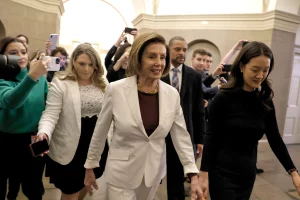
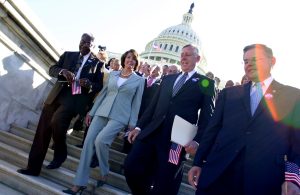





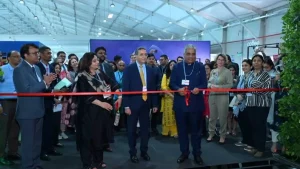



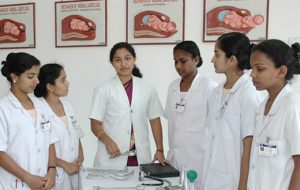





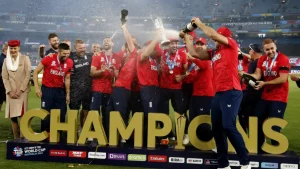


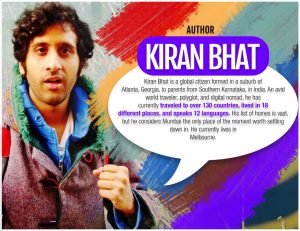
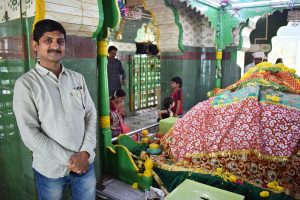

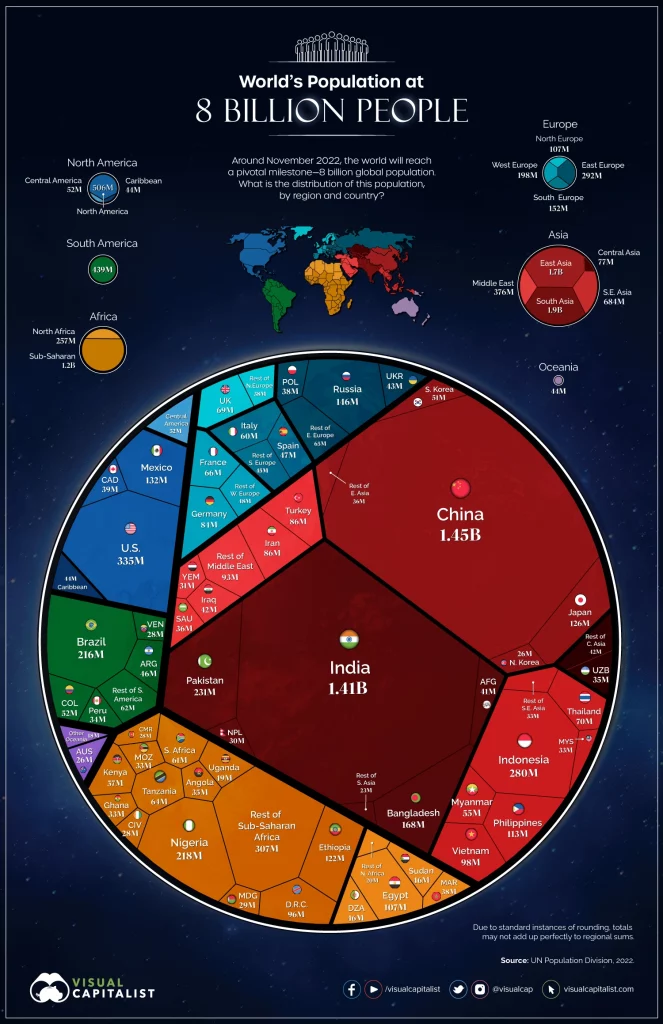


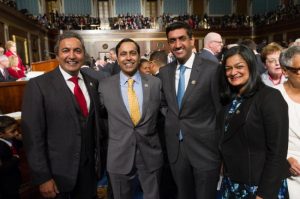







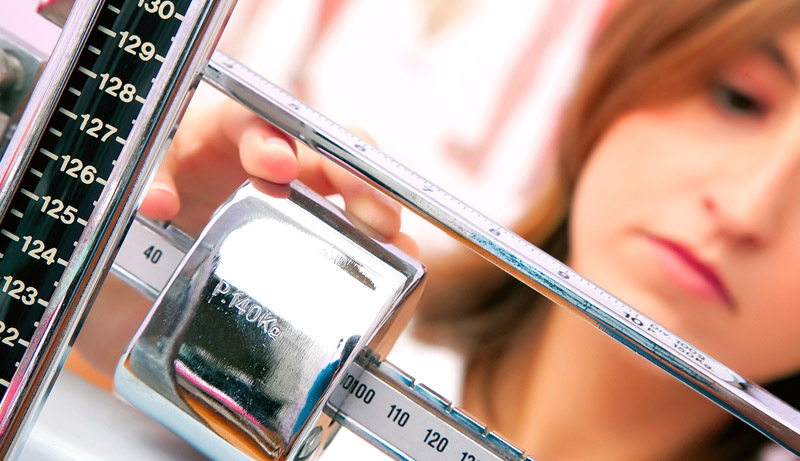
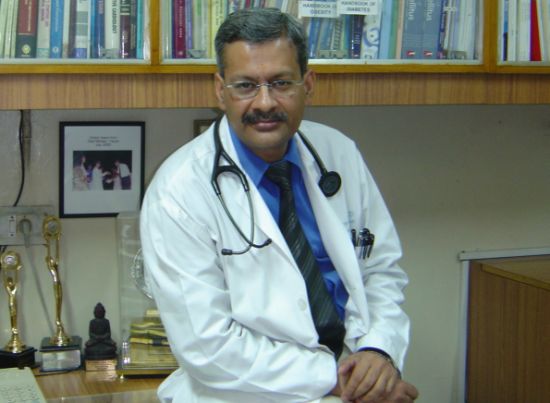



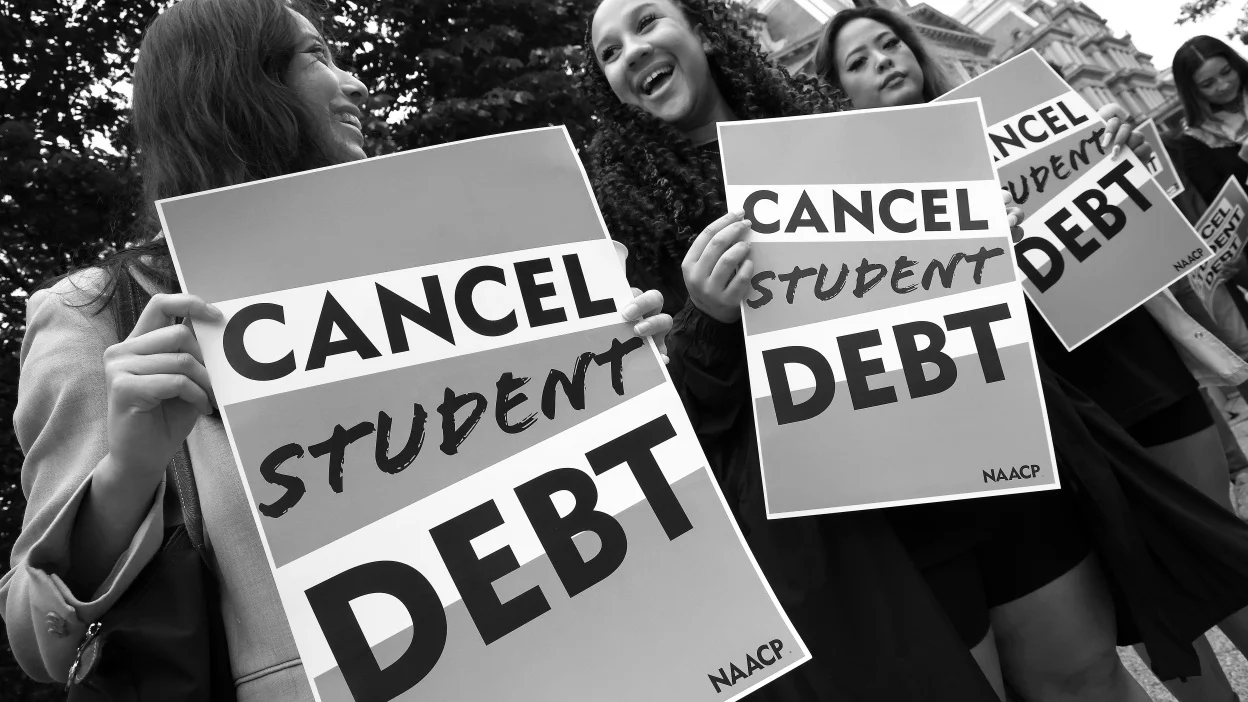



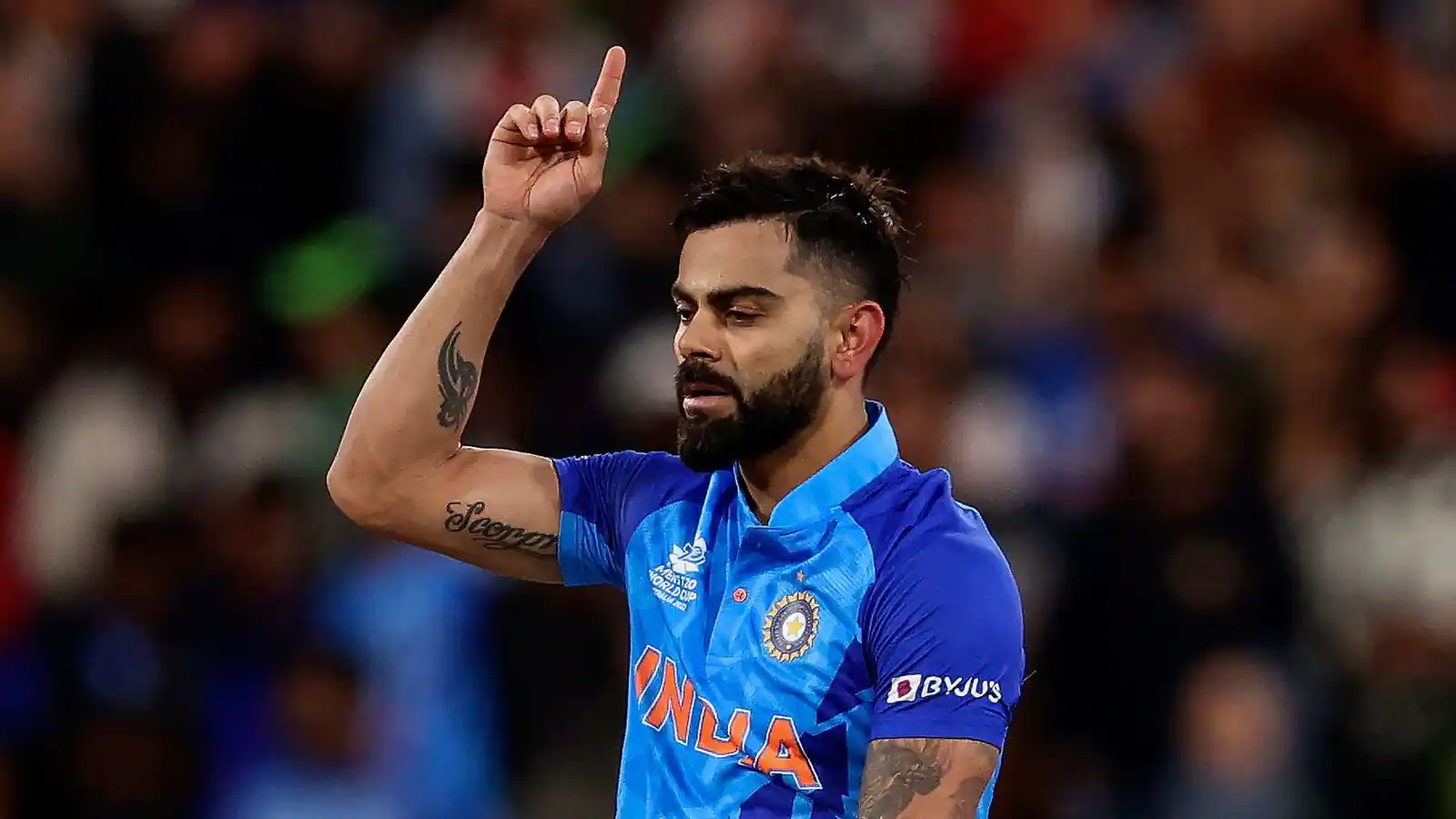
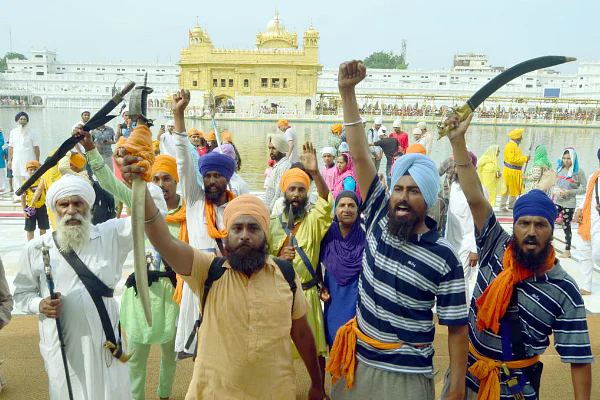



 “But what good will my life be if I cannot change the lives of 10 people in my village. That is the commitment I have,” he said to a round of applause from the audience.