An environmental watchdog has retracted an influential report that blamed five Asian countries for the majority of plastic pollution in the ocean.
The report, Stemming the Tide, from the US-based environmental advocacy group Ocean Conservancy, also included incineration and waste-to-energy as “solutions” to the plastics crisis. Published in 2015, it was decried as “waste colonialism” by hundreds of environmental, health and social justice groups across Asia.
The watchdog has now publicly apologised for unfairly “creating a narrative” about who is responsible for producing plastic waste and removed the report from its website. Its apology was welcomed on Wednesday as “long overdue” by Gaia, an alliance of 800 waste-reduction groups in 90 countries, and by Break Free From Plastic, a global movement of more than 2,000 organisations.
The report had caused years of harm, the groups said, by ignoring the role of countries in the global north for overproduction of plastic and for exporting plastic waste to developing countries in the guise of trade.
“This unprecedented report retraction is an opportunity to interrupt decades of waste colonialism,” said Froilan Grate, Gaia’s Asia-Pacific coordinator.
“Ocean Conservancy is in a position to raise awareness among other organisations and policymakers about the false narrative propagated by the report.”
When contacted by Guardian about the apology, Ocean Conservancy referred it to the statement on its website, which it published in July.
The report not only “wrongly blamed” five countries – the Philippines, China, Indonesia, Vietnam and Thailand – for the bulk of plastic pollution, but “misled, for years, governments and the public into thinking that burning plastic waste was a solution to the problem”, Grate said.
Gaia also said that Ocean Conservancy had underestimated the true cost of incineration in terms of climate and public health.
Moreover, Ocean Conservancy has admitted its error in failing to look at the contributions of Asia-Pacific communities seeking solutions to plastic waste, whom Grate said had been “disproportionately impacted” by the report. It is now engaged in a process of “restorative justice” by engaging with groups in Asia, he said.
Stemming the Tide was written by the consultancy McKinsey, with a steering group including the World Wildlife Fund, the Coca-Cola Company, Dow Chemical and the American Chemistry Council.
Christie Keith, Gaia’s international coordinator, said the five Asian countries named in the report were not to blame for plastic waste. “That fault lies with the corporations that make and push out ever-increasing quantities of plastic,” she said. “And those fighting for zero-waste community solutions deserve to be honoured and celebrated, not attacked.”
Satyarupa Shekhar, Asia-Pacific coordinator for Break Free From Plastic, said Ocean Conservancy’s report “diluted existing restrictions on incineration and opened the doors to false solutions and controversial techno-fixes to deal with the plastic pollution crisis”.
In the Philippines, a national ban on incineration is threatened by new proposals to allow waste-to-energy plants, while in Indonesia, the government continues to push for waste incineration despite a supreme court ruling revoking presidential regulations to speed up the development of waste-based power plants or incinerators.
Stemming the Tide has frequently been cited by lawmakers and US federal agencies such as the Environmental Protection Agency.
Sonia Mendoza, chair of Mother Earth Foundation in the Philippines, said: “Each country should be responsible for the waste it generates and not export it under the guise of ‘trade’.”
Understanding of ocean plastic waste, including its origins, has evolved in recent years.
In the statement on its website, Ocean Conservancy said it “failed to confront the root causes of plastic waste or incorporate the effects on the communities and NGOs working on the ground in the places most impacted by plastic pollution”. Including incineration and waste-to-energy as acceptable solutions to the plastic crisis was wrong, it said.
“We did not consider how these technologies support continued demand for plastic production and hamper the move to a circular economy and a zero-carbon future.”
“Further, by focusing so narrowly on one region of the world (east and south-east Asia), we created a narrative about who is responsible for the ocean plastic pollution crisis – one that failed to acknowledge the outsized role that developed countries, especially the United States, have played and continue to play in generating and exporting plastic waste to this very region. This too was wrong.”
Stemming the Tide was based on a paper published in Science on February 2015, which estimated for the first time how much plastic entered the ocean from mismanaged waste on land, and ranked all 192 coastal countries accordingly.
Since then, data has been published showing that the US ranks third among countries contributing to coastal plastic pollution and challenges the widely held belief that the US is adequately managing its pollution, underlining its waste footprint to developing nations.
Other research, which Ocean Conservancy is now promoting, recommends interventions to reduce, reuse and better manage plastic across all economies.
There can be no more hiding, and no more denying. Global heating is supercharging extreme weather at an astonishing speed. Guardian analysis recently revealed how human-caused climate breakdown is accelerating the toll of extreme weather across the planet. People across the world are losing their lives and livelihoods due to more deadly and more frequent heatwaves, floods, wildfires and droughts triggered by the climate crisis. At the Guardian, we will not stop giving this life-altering issue the urgency and attention it demands. We have a huge global team of climate writers around the world and have recently appointed an extreme weather correspondent.
Our editorial independence means we are free to write and publish journalism which prioritises the crisis. We can highlight the climate policy successes and failings of those who lead us in these challenging times. We have no shareholders and no billionaire owner, just the determination and passion to deliver high-impact global reporting, free from commercial or political influence.
And we provide all this for free, for everyone to read. We do this because we believe in information equality. Greater numbers of people can keep track of the global events shaping our world, understand their impact on people and communities, and become inspired to take meaningful action. Millions can benefit from open access to quality, truthful news, regardless of their ability to pay for it.
An environmental watchdog has retracted an influential report that blamed five Asian countries for the majority of plastic pollution in the ocean.
The report, Stemming the Tide, from the US-based environmental advocacy group Ocean Conservancy, also included incineration and waste-to-energy as “solutions” to the plastics crisis. Published in 2015, it was decried as “waste colonialism” by hundreds of environmental, health and social justice groups across Asia.
The watchdog has now publicly apologised for unfairly “creating a narrative” about who is responsible for producing plastic waste and removed the report from its website. Its apology was welcomed on Wednesday as “long overdue” by Gaia, an alliance of 800 waste-reduction groups in 90 countries, and by Break Free From Plastic, a global movement of more than 2,000 organisations.
The report had caused years of harm, the groups said, by ignoring the role of countries in the global north for overproduction of plastic and for exporting plastic waste to developing countries in the guise of trade.
“This unprecedented report retraction is an opportunity to interrupt decades of waste colonialism,” said Froilan Grate, Gaia’s Asia-Pacific coordinator.
“Ocean Conservancy is in a position to raise awareness among other organisations and policymakers about the false narrative propagated by the report.”
When contacted by Guardian about the apology, Ocean Conservancy referred it to the statement on its website, which it published in July.
The report not only “wrongly blamed” five countries – the Philippines, China, Indonesia, Vietnam and Thailand – for the bulk of plastic pollution, but “misled, for years, governments and the public into thinking that burning plastic waste was a solution to the problem”, Grate said.
Gaia also said that Ocean Conservancy had underestimated the true cost of incineration in terms of climate and public health.
Moreover, Ocean Conservancy has admitted its error in failing to look at the contributions of Asia-Pacific communities seeking solutions to plastic waste, whom Grate said had been “disproportionately impacted” by the report. It is now engaged in a process of “restorative justice” by engaging with groups in Asia, he said.
Stemming the Tide was written by the consultancy McKinsey, with a steering group including the World Wildlife Fund, the Coca-Cola Company, Dow Chemical and the American Chemistry Council.
Christie Keith, Gaia’s international coordinator, said the five Asian countries named in the report were not to blame for plastic waste. “That fault lies with the corporations that make and push out ever-increasing quantities of plastic,” she said. “And those fighting for zero-waste community solutions deserve to be honoured and celebrated, not attacked.”
Satyarupa Shekhar, Asia-Pacific coordinator for Break Free From Plastic, said Ocean Conservancy’s report “diluted existing restrictions on incineration and opened the doors to false solutions and controversial techno-fixes to deal with the plastic pollution crisis”.
In the Philippines, a national ban on incineration is threatened by new proposals to allow waste-to-energy plants, while in Indonesia, the government continues to push for waste incineration despite a supreme court ruling revoking presidential regulations to speed up the development of waste-based power plants or incinerators.
Stemming the Tide has frequently been cited by lawmakers and US federal agencies such as the Environmental Protection Agency.
Sonia Mendoza, chair of Mother Earth Foundation in the Philippines, said: “Each country should be responsible for the waste it generates and not export it under the guise of ‘trade’.”
Understanding of ocean plastic waste, including its origins, has evolved in recent years.
In the statement on its website, Ocean Conservancy said it “failed to confront the root causes of plastic waste or incorporate the effects on the communities and NGOs working on the ground in the places most impacted by plastic pollution”. Including incineration and waste-to-energy as acceptable solutions to the plastic crisis was wrong, it said.
“We did not consider how these technologies support continued demand for plastic production and hamper the move to a circular economy and a zero-carbon future.”
“Further, by focusing so narrowly on one region of the world (east and south-east Asia), we created a narrative about who is responsible for the ocean plastic pollution crisis – one that failed to acknowledge the outsized role that developed countries, especially the United States, have played and continue to play in generating and exporting plastic waste to this very region. This too was wrong.”
Stemming the Tide was based on a paper published in Science on February 2015, which estimated for the first time how much plastic entered the ocean from mismanaged waste on land, and ranked all 192 coastal countries accordingly.
Since then, data has been published showing that the US ranks third among countries contributing to coastal plastic pollution and challenges the widely held belief that the US is adequately managing its pollution, underlining its waste footprint to developing nations.
Other research, which Ocean Conservancy is now promoting, recommends interventions to reduce, reuse and better manage plastic across all economies.
There can be no more hiding, and no more denying. Global heating is supercharging extreme weather at an astonishing speed. Guardian analysis recently revealed how human-caused climate breakdown is accelerating the toll of extreme weather across the planet. People across the world are losing their lives and livelihoods due to more deadly and more frequent heatwaves, floods, wildfires and droughts triggered by the climate crisis. At the Guardian, we will not stop giving this life-altering issue the urgency and attention it demands. We have a huge global team of climate writers around the world and have recently appointed an extreme weather correspondent.
Our editorial independence means we are free to write and publish journalism which prioritises the crisis. We can highlight the climate policy successes and failings of those who lead us in these challenging times. We have no shareholders and no billionaire owner, just the determination and passion to deliver high-impact global reporting, free from commercial or political influence.
And we provide all this for free, for everyone to read. We do this because we believe in information equality. Greater numbers of people can keep track of the global events shaping our world, understand their impact on people and communities, and become inspired to take meaningful action. Millions can benefit from open access to quality, truthful news, regardless of their ability to pay for it.


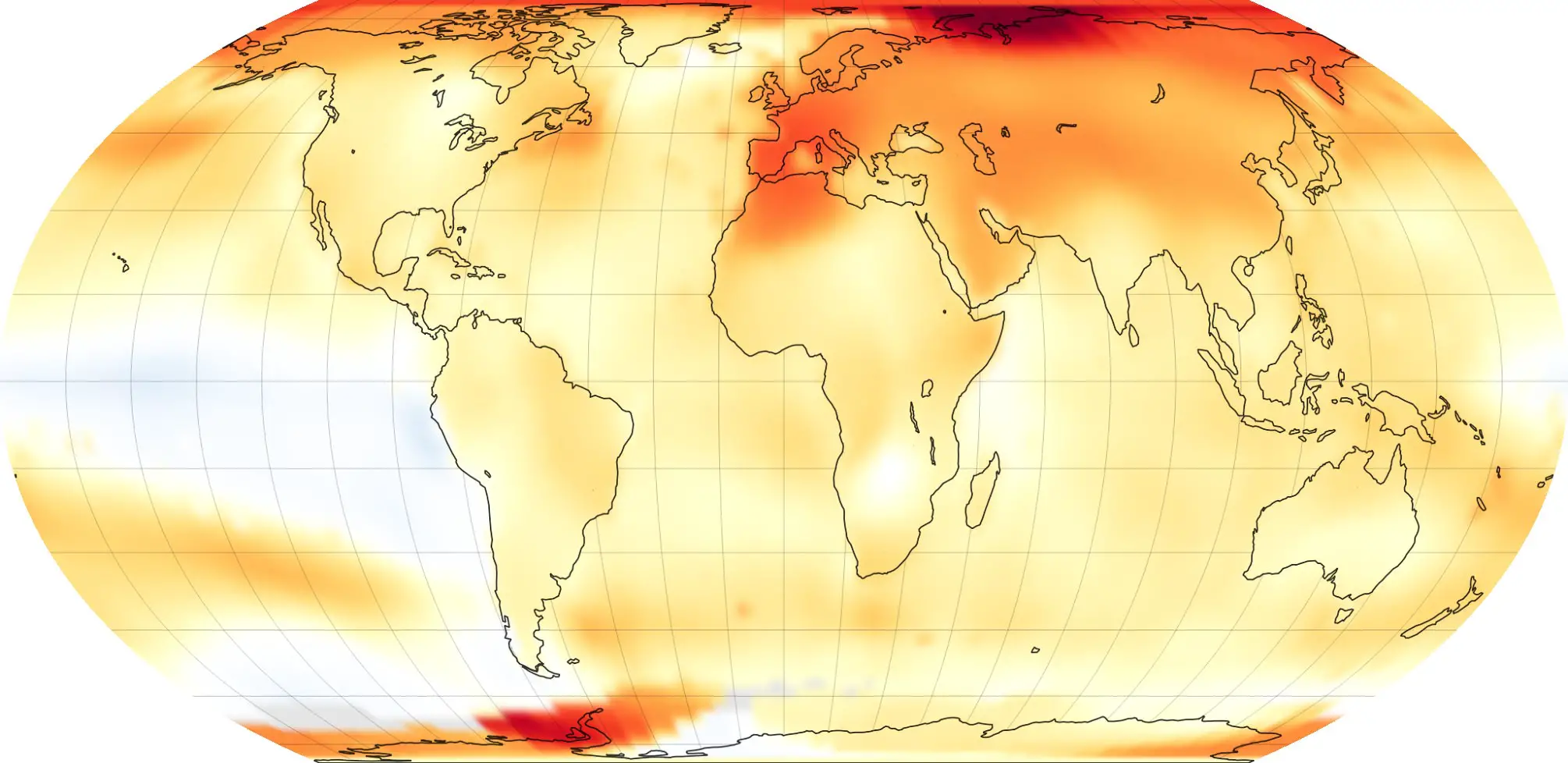







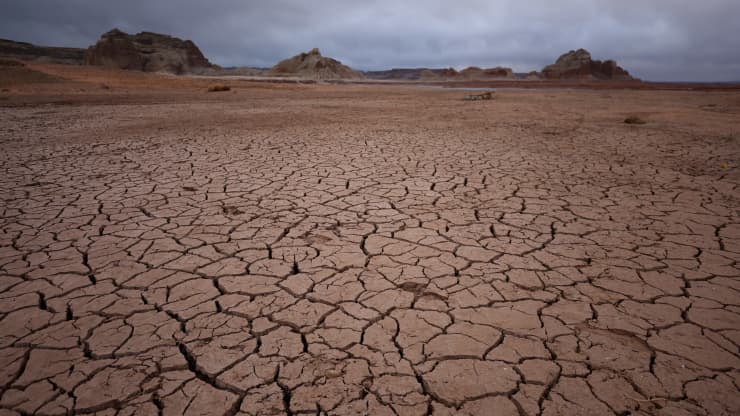 While the losses to the world is enormous, the impact on the US itself is even greater. Floods, drought, wildfires and hurricanes made worse by climate change could cost the U.S. federal budget about $2 trillion each year — a 7.1% loss in annual revenue — by the end of the century, the White House said in an assessment recently.
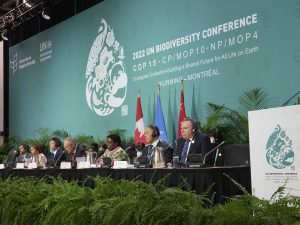
  “Oceans are central in geopolitical balance of power,” said President of Portugal, Marcelo Rebelo de Sousa, in opening remarks. “Healthcare, economic resources, energy, mobility, migrations, scientific and technological development, climate change, all of this is present either in the context or in the outcome of a pandemic, of war and of crisis.”
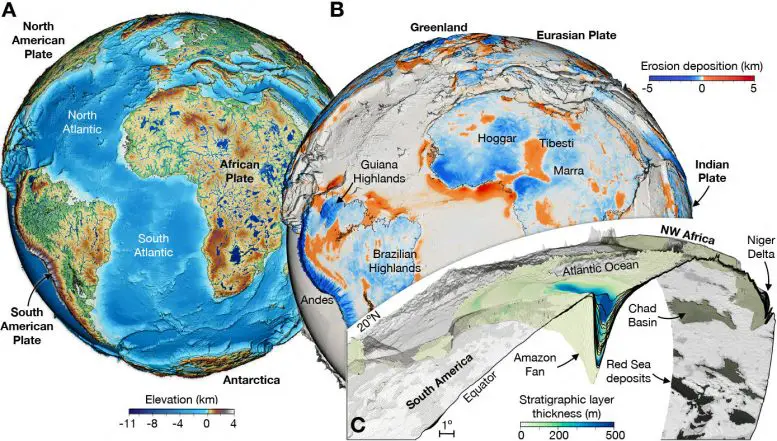
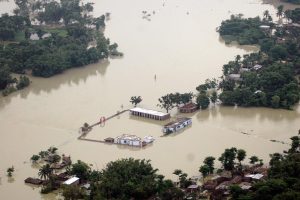 “Our results tell a tale of two hemispheres. The north has seen major reductions in river sediment transport over the past 40 years, while the south has seen large increases over the same period,” says lead author Evan Dethier, a post-doctoral fellow at Dartmouth. “Humans have been able to alter the world’s biggest rivers at rates that are unprecedented in the recent geologic record.” Dethier says. “The amount of sediment rivers carry is generally dictated by natural processes in watersheds, like how much rain there is or whether there are landslides or vegetation. We find that direct human activities are overwhelming these natural processes, and even outweighing the effects of climate change.”

 These idols are inexpensive and can be bought by all Kanta said, and added “Apart from Bhopal, I get orders from other places, including Pune and Delhi. People are really keen on buying these idols. Many people want to learn how to make them too.”
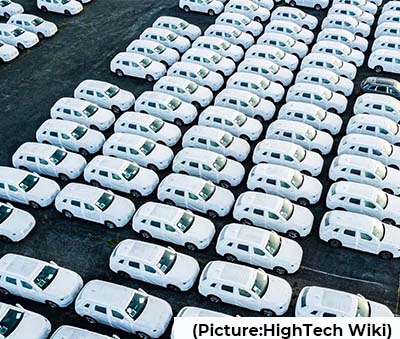 The new legislation is expected to help the EU achieve its target of cutting emissions from cars and light commercial vehicles by 100% by 2035 — when measured against the emissions in 2021. In fact, by 2030, while emissions from cars have to be reduced by 55%, those from vans need to be cut by 50%. According to the EC, cars and vans account for 12% and 2.5% of EU’s total carbon dioxide (CO2) emissions, respectively.
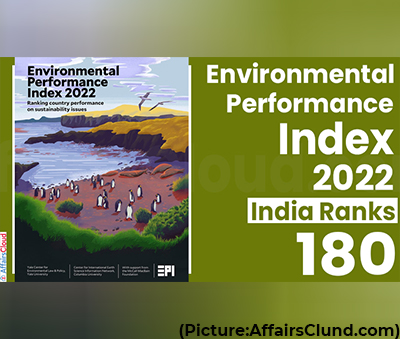 India ranked at the bottom with a total score of 18.9, while Denmark was the top scorer as the world’s most sustainable country. “…For the overall performance and ranking EPI, each country’s performance is viewed across numerous (18) categories like ecosystem vitality, biodiversity and habitat, ecosystem services and grassland loss. Unfortunately, India is consistently ranking either at the bottom or close to the bottom in almost all the categories, both regionally and globally,” as per a statement by EPI.
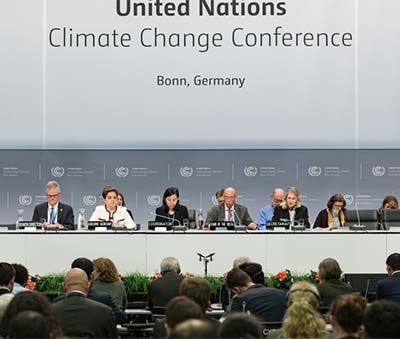 The UN’s top climate change official warned that climate change is progressing exponentially. With the world currently on track to more than double the 1.5 Celsius goal of the Paris Agreement by the end of the century, ambition must urgently be raised to avoid the worst impacts of climate change, and immediate action and progress in Bonn are needed.
 ITC Classmate’s small but significant afforestation drive involving school students aims to complement the efforts of volunteers combating climate change at a local level. It has partnered with the Environmentalist Foundation of India, who have been invited by the Chengalpet district administration to create a forest patch at Vengadamangalam which is a fast-growing residential suburban pocket of Chennai and is witnessing contamination of land, water, and air with a profound shift in land use, growth, and ecology at large.
 Einstein’s theory works well in explaining the way matter behaves on a large scale but clashes with the way quantum physics describes the gravity among the smallest observable particles. For years, Gionti has attempted to reconcile the two.
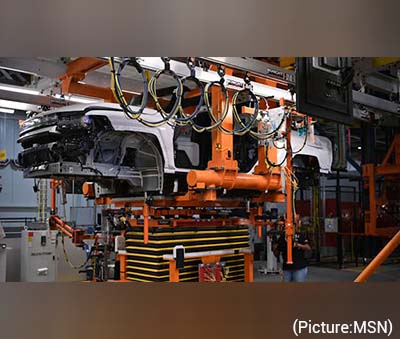 The move comes after the president in April invoked the Defense Production Act to
 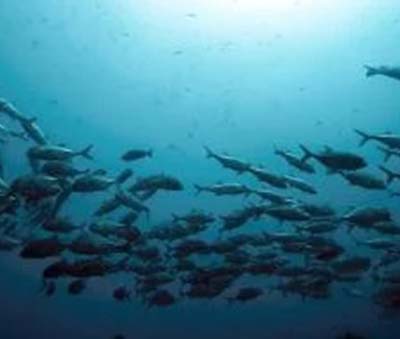 “We discovered this phenomenon by examining the similarity in ocean surface temperature from one year to the next as a simple metric for ocean memory,” said Hui Shi, lead author and researcher at the Farallon Institute in Petaluma, California. “It’s almost as if the ocean is developing amnesia.”
 Central to bitcoin’s technology is the process through which transactions are verified and then recorded on what’s known as the blockchain. Computers connected to the bitcoin network race to solve complex mathematical calculations that verify the transactions, with the winner earning newly minted bitcoins as a reward. Currently, when a machine solves the puzzle, its owner is rewarded with 6.25 bitcoins — worth about $260,000 total. The system is calibrated to release 6.25 bitcoins every 10 minutes.
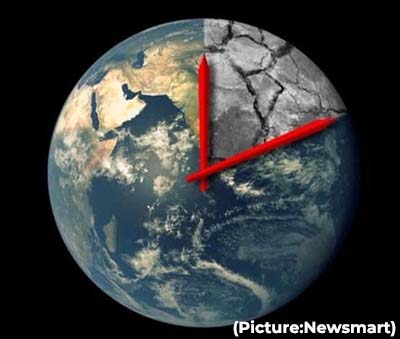 “It’s really, really, really hard to walk people back from that ledge,” Gill said. Doomism “is definitely a thing,” said Wooster College psychology professor Susan Clayton, who studies climate change anxiety and spoke at a conference in Norway last week that addressed the issue. “It’s a way of saying ‘I don’t have to go to the effort of making changes because there’s nothing I can do anyway.’”
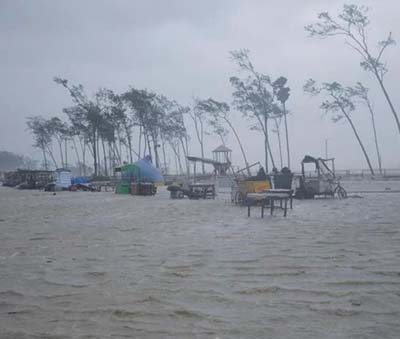 The typical American, for instance, uses 16 times more electricity than the average Indian, according to data from the World Bank.
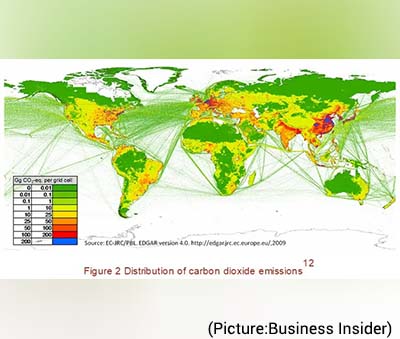 Commending the ambitious goals of 500 GW renewables by 2030 set by Prime Minister Narendra Modi at Glasgow (where the annual climate change summit was held in November 2021), Kerry said: “The criticality of achieving that goal was very simple. It is the only way that India itself becomes compliant with the 1.5 degrees goal, which we all ratified in Glasgow recently.”
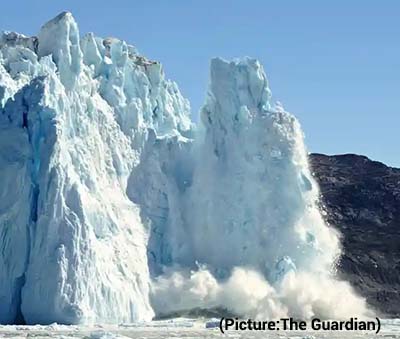 “The sublimation is like the drip from a leaking dam and the rapid ice loss is what happens when the dam breaks,” explained Mariusz Potocki, a glaciochemist and doctoral candidate in the Climate Change Institute, University of Maine, who collected the highest ice core.
 Brijendra Singh, a 77-year-old tour guide, has shown visitors around the famed Khajuraho group of Hindu and Jain temples for 52 years.
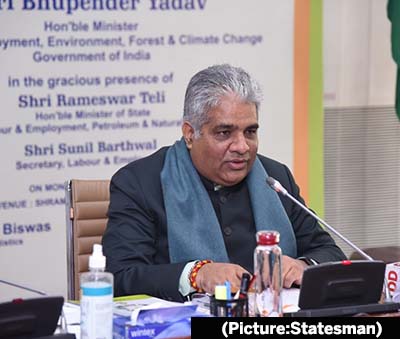 Both the leaders discussed taking forward the India US Climate Action and Finance Mobilisation Dialogue (CAFMD) through the four identified pillars, Climate Ambition, Finance Mobilisation, Adaptation and Resilience, and Forestry, a statement from the Environment, Forests and Climate Change Ministry said.
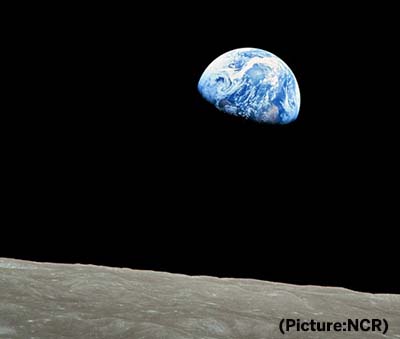 We have learned that our Milky Way is one of 2 trillion known galaxies in the universe. Our galaxy alone has 200 billion stars and most of these stars appear to have planets. The probability of intelligent life somewhere in our galaxy or in another galaxy is high, given these numbers.
 And this is why, I give back to the Himalayas by keeping them litter free and reintroducing a circular economy at the third pole of the world. A circular economy is possible only if we factor in the carrying capacity of our mountains, an aspect we often overlook. The never ending demands of tourists and dying belongingness of indigenous communities is adding fuel to the fire. I believe that local growth comes from locally sourced produce and local skills. Small is beautiful and sustainable – just think of homestays over luxury hotels for example!
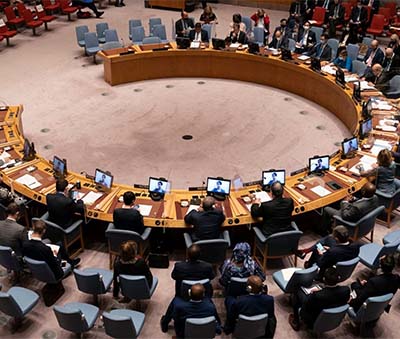 This was the second time in weeks that India went against the tide to block a climate change-related proposal that it did not agree with. At the annual climate change conference in Glasgow last month, India had forced a last-minute amendment in the final draft agreement to ensure that a provision calling for “phase-out” of coal was changed to “phase-down”.
 The new endeavour will base itself a short distance away from the original at Little Dome C, an area located roughly 40km from the Italian-French Concordia Station, on the east Antarctic plateau
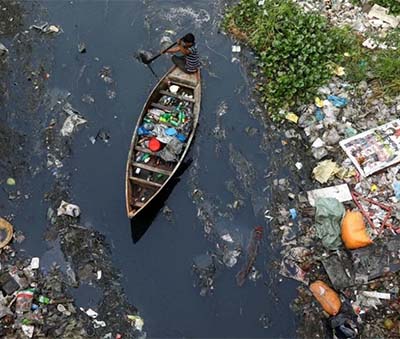 “In India although about 60% of plastic is recycled, we are still seeing the damage that plastic pollution is causing,” Nadia Rasheed, Deputy Resident Representative, UNDP India, said in an interview at the Reuters Next conference broadcast on Friday.
 While those are noteworthy figures, there are other EVs that can match these figures in that price range (around $65,000 for the higher end Ocean). The real twist here is the base Ocean, called the Ocean Sport, that will use a smaller range battery (targeting around 250 miles of range), and a single-motor front wheel drive, that will start — before any state and local incentives —
 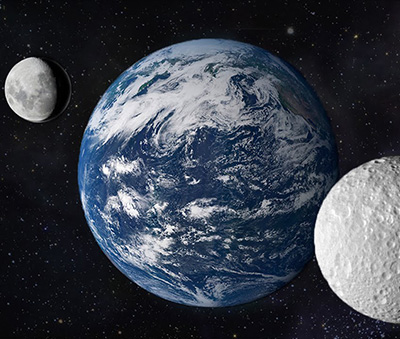 None of this means that Kamo’oalewa has to have especially exotic origins. The solar system is littered with asteroids, some of which are captured by the gravity of other planets and become more conventional—if fragmentary—moons. Others don’t orbit other planets in the common way but fall into line in front of them or behind them and pace them in their orbits around the sun, like the flocks of so-called Trojan asteroids that precede and trail Jupiter.
 Yet, despite these efforts, the fact is that we started out late in combating climate change and now need to accelerate corrective action if humans are not to go the way of the dinosaurs. The climate crisis is a global issue and requires action from all countries, but many developing economies, including some of the most climate-vulnerable ones, lack the financial wherewithal to do enough on their own. Some emerging economies, including South Africa and much of South and Southeast Asia, are hugely reliant on coal, and will have to undergo a disruptive green transition.
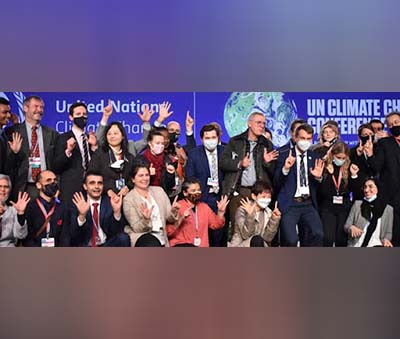 He even warned “It is time to go into emergency mode — or our chance of reaching net zero will itself be zero.” At the same time, Secretary-General’s rather confusing, ill-composed comment in his remarks at the conclusion of COP 26 that “We are still knocking on the door of climate catastrophe” left many wondering what he was trying to convey.
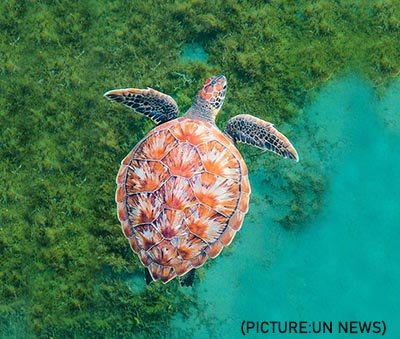 “What we’re looking at here is the potential extinction of a whole environment,” said Watson, who specializes in marine social-ecological systems and understanding complex adaptive systems. “In some places, the environments we have today are not going to exist in the future. We won’t be able to go visit them or experience them. It is an environmental, cultural and economic loss we can’t replace.”
 Congratulating the filmmakers, the Union Minister, said, “You all have attempted and struggled to bring stories from the remote corners of the country. Now, content is king and if you create the right content, it will go not only National but to the International level. We have the talent among us and with all your help; we will take IFFI to new heights”. He also remembered Late Manohar Parrikar, who was instrumental in bringing IFFI to Goa’s shores.
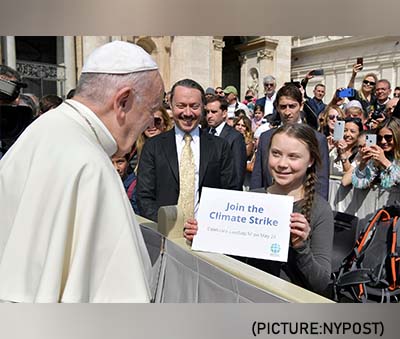 Francis expressed thanks “for all those times when you cultivate the dream of fraternity, work to heal the wounds of God’s creation, fight to ensure respect for the dignity of the vulnerable and spread the spirit of solidarity and sharing.”
 Vihaan, 17, and his 14-year-old brother, Nav, were handed the International Children’s Peace Prize by Indian Nobel Peace Prize laureate Kailash Satyarthi at a ceremony in The Hague, Netherlands.
 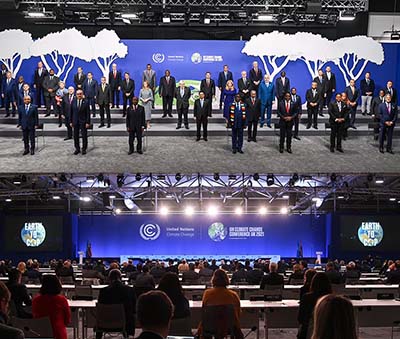 This amendment reportedly came as a result of consultations among India, China, the UK and the US. The phrase “phase down” figures in the US-China Joint Declaration on Climate Change, announced on November 10. As the largest producer and consumer of coal and coal-based thermal power, it is understandable that China would prefer a gradual reduction rather than total elimination. India may have had similar concerns. However, it was inept diplomacy for India to move the amendment and carry the can rather than let the Chinese bell the cat. The stigma will stick and was unnecessary.
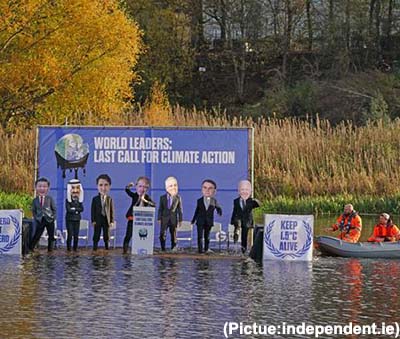 In a significant move, countries would urge one another to “accelerate the phasing out of coal and subsidies for fossil fuels” in the draft, though it has no explicit reference to ending the use of oil and gas. There has been a big push among developed nations to shut down coal-fired power plants, which are a major source of heat-trapping gases, but the fuel remains a critical and cheap source of electricity for countries like China and
  In India, a small part of Arunachal Pradesh and Assam will experience the partial eclipse, and those from Uttar Pradesh, Bihar, Jharkhand can see the end part of the penumbral eclipse. A penumbral lunar eclipse takes place when the Moon, Sun, and Earth are imperfectly aligned and the Moon moves through the outer part of Earth’s shadow called the penumbra.
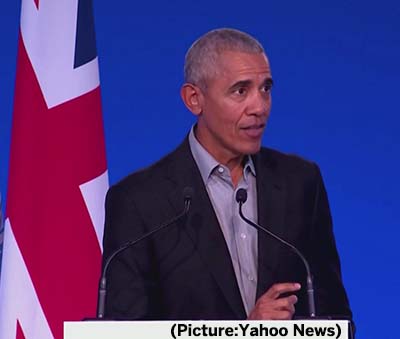 The 44th U.S. president commended the private sector’s push to set net-zero emissions targets and also touted emissions reductions targets set in the U.K. and the European Union, while pointing out the absence of Chinese and Russian leaders from the summit.
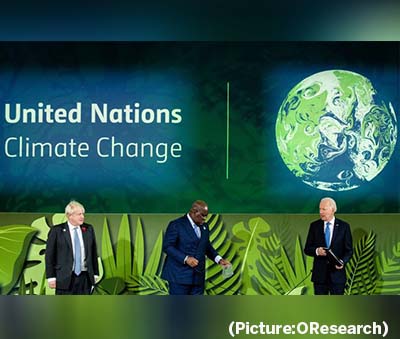 Despite the fact that the
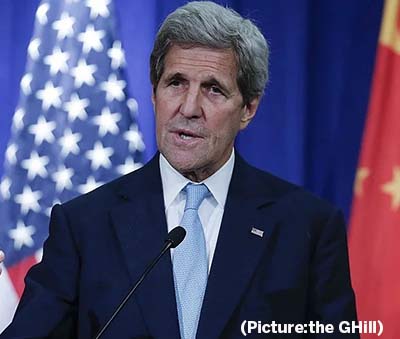 According to analysts, Methane emission reductions from oil and gas production are the low-hanging fruit of the climate crisis: easy to fix with existing technology, and easy to track. Methane is the principal component of the natural gas used for cooking, heating and energy generation.
 The
The  As Biden struggles to pass significant climate legislation at home ahead of next week’s U.N. climate summit, the new AP-NORC/EPIC poll also shows that 55% of Americans want Congress to pass a bill to ensure that more of the nation’s electricity comes from clean energy and less from climate-damaging coal and natural gas.
 To improve climate simulations, scientists are looking to the potential of artificial intelligence (AI). AI has offered profound insights in fields from materials science to manufacturing, and climate researchers are excited to explore how AI can be used to revolutionize how the Earth system, and especially its water cycle, can be simulated in order to dramatically improve our understanding and representation of the real world. In particular, AI offers the potential to dramatically increase the accuracy of predictions down to the scales of interest to scientists, and even stakeholders focused on designing, financing and deploying equitable climate solutions to America’s most disadvantaged communities.
 In the northern part of the state, drenching rains caused widespread flooding and rock slides over the weekend. Strong winds knocked down trees and even toppled two big rigs on the Richmond-San Rafael Bridge near San Francisco. Pacific Gas & Electric reported that 380,000 homes and businesses lost power, though most had it back Monday.
 With temperatures rising and extreme weather occurring across the globe, all eyes at the 2021 United Nations Climate Change Conference will be on China, the leading producer of greenhouse gases, and the United States, the largest emitter both historically and on a per capita basis.
 As per the long history cut short; Mullaperiyar dam was built in the late 1800s in the princely state of Travancore (present-day Kerala) and given to British-ruled Madras Presidency on a 999-year lease in 1886. The agreement granted full rights to the secretary of state of Tamil Nadu, a British official, to construct irrigation projects on the land. The dam was built to divert a part of the west-flowing Periyar river eastwards to feed the arid areas of Tamil Nadu. Now there is no princely state or British rule, so better forget about the 999 year lease. Only thing we need to care is the safety and fraternity among neighboring states and mutual help by each other.
 The research updates a similar 2013 paper revealing that 97% of studies published between 1991 and 2012 supported the idea that human activities are altering Earth’s climate. The current survey examines the literature published from 2012 to November 2020 to explore whether the consensus has changed.
 The study, “
 “The graphite inside this ruby is really unique. It’s the first time we’ve seen evidence of ancient life in ruby-bearing rocks,” says Yakymchuk. “The presence of graphite also gives us more clues to determine how rubies formed at this location, something that is impossible to do directly based on a ruby’s colour and chemical composition.”
 Torrential rain has battered the coastal state of Kerala last week, causing rivers to swell and flooding roads that left vehicles submerged in muddy waters, with some houses reduced to rubble.
 “Reliance New Energy Solar Ltd (RNESL), a wholly owned subsidiary of RIL, has acquired REC Solar Holdings AS (REC Group) from China National Bluestar (Group) Co Ltd., for an enterprise value of $771 million,” RIL said in a statement. Speaking about the acquisition, RIL chairman and managing director
  As we know some countries have dealt with the spreading virus more effectively and efficiently than others because they relied on the correct professional advice and had the right people in the places instead of dilettantes with inflated egos. The immediacy of the pandemic with its daily effects on health care and peoples’ livelihoods is seen as urgent political and health issues unlike the dangers surrounding our planet which, to many, appear light miles away while still others treat it with large doses of skepticism.
 “When I first saw this little tree, while out on a forest trail leading from the field station, it was the fruit — looking like an orange-colored Chinese lantern and juicy when ripe with several seeds — that caught my attention,” says Robin Foster, the scientist who originally collected the mystery plant in Peru’s Manu National Park, a retired curator at Chicago’s Field Museum and now a researcher with the Smithsonian Tropical Research Institute. “I didn’t really think it was special, except for the fact that it had characteristics of plants in several different plant families, and didn’t fall neatly into any family. Usually I can tell the family by a quick glance, but damned if I could place this one.”
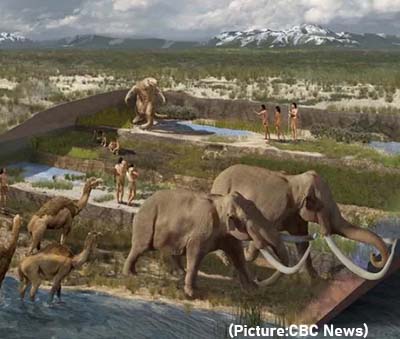 The prints were buried in layers of soil in the national park, with scientists from the US Geological Survey analyzing seeds embedded in the tracks to calculate the age of the fossils. Researchers also determined that the dozen footprints found belonged to a variety of people, mostly children and teenagers. Previously, scientists had widely assumed that the earliest appearance of humans in the Americas was 11,000 to 13,000 years ago because of stone spears found throughout North America and associated with what is known as the Clovis culture.
 So on Monday, Guterres and United Kingdom Prime Minister Boris Johnson are hosting a closed-door session with 35 to 40 world leaders to get countries to do more leading up to the huge climate negotiations in Scotland in six weeks. Those negotiations in the fall are designed to be the next step after the
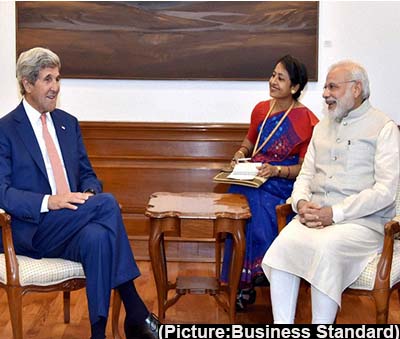 John Kerry along with Indian officials announced the Climate Action and Finance Mobilization dialogue, one of the two main tracks of the US-India Agenda 2030 Partnership that US President Joe Biden and Prime Minister Modi announced at the Leaders Summit on Climate in April this year. The CAFMD has three parts – the first being the climate action segment under which the US and India would develop proposals to curb emissions, Kerry said. The second was finance mobilization which would focus on attracting capital and technologies for India to scale up its renewable energy generation to its announced generation target of 450 GigaWatts. Over the past months, six of the largest banks in America had publicaly committed to investing a minimum of $ 4.16 trillion in the next 10 years to make the transition happen, the US envoy said. The third was climate adaptation and resilience that included efforts like extending India’s forest cover, he said.
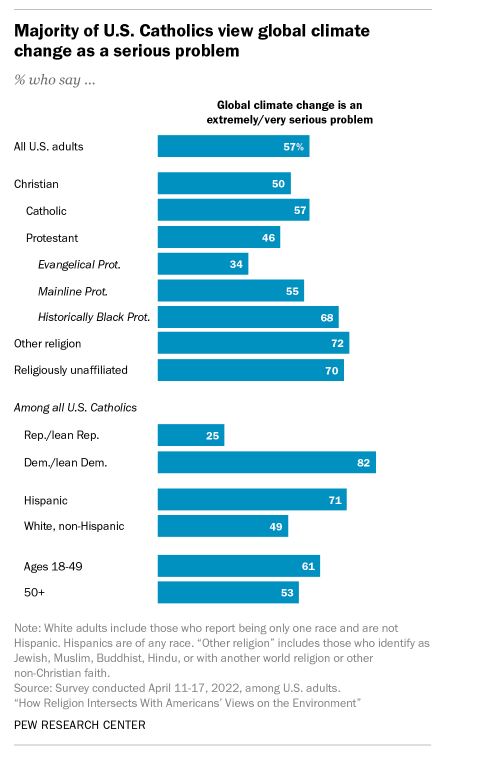
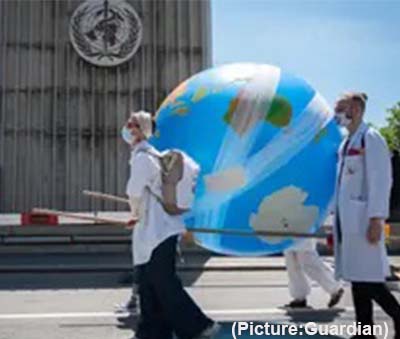 Their statement says: “Today, we are paying the price [of the climate emergency] … Tomorrow could be worse.” It concludes: “This is a critical moment. Our children’s future and the future of our common home depend on it.” The faith leaders have asked people to pray for world leaders ahead of Cop26, the global environment summit in Glasgow this autumn, and for individuals to make “meaningful sacrifices for the sake of the planet, working together and taking responsibility for how we use our resources”.
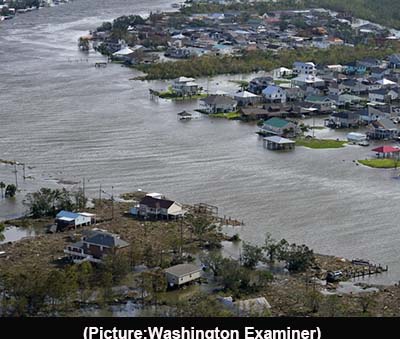 Hurricane Ida roared ashore in Louisiana on Sunday at Category 4 strength, with maximum sustained winds of 150 mph. In fact, as the eyewall of Ida hammered the Louisiana coast, a ship about 50 miles south-southwest of New Orleans clocked a peak wind gust of 172 mph, which is just shy of the strongest measured wind from a hurricane in the US. Ida was downgraded to a tropical storm moved farther inland over southeastern Louisiana and into southwestern Mississippi, the National Hurricane Center said.
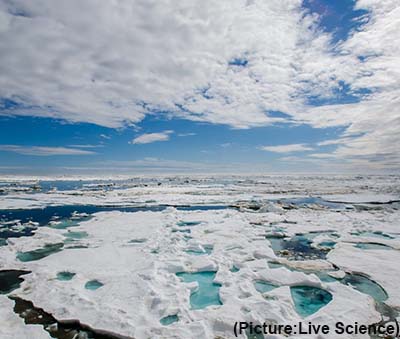 A new study has now pointed out that these changes in the Arctic region induced by anthropogenic global warming have disrupted a wind system called Stratospheric Polar Vortex (SPV). This stretching of SPV can lead to extreme cold events in parts of Asia and North America. The report published Friday in Science adds that this SPV disruption was behind the February 2021 Texas cold wave. “The SPV consists of strong westerly winds from 10km to 50km above the surface. It peaks at around 50 m/s on average near 50km and is strongest in mid-winter, however, on occasion it can weaken, and sometimes the winds reverse direction entirely,” explains one of the authors Prof. Chaim Garfinkel in an email to indianexpress.com. He is the Head of the Graduate Program in Atmospheric Science at Hebrew University, Israel. He adds that these stretching events almost certainly occurred before greenhouse gas emissions began increasing, but the current emissions are leading to an increase in the occurrence of these types of events.