
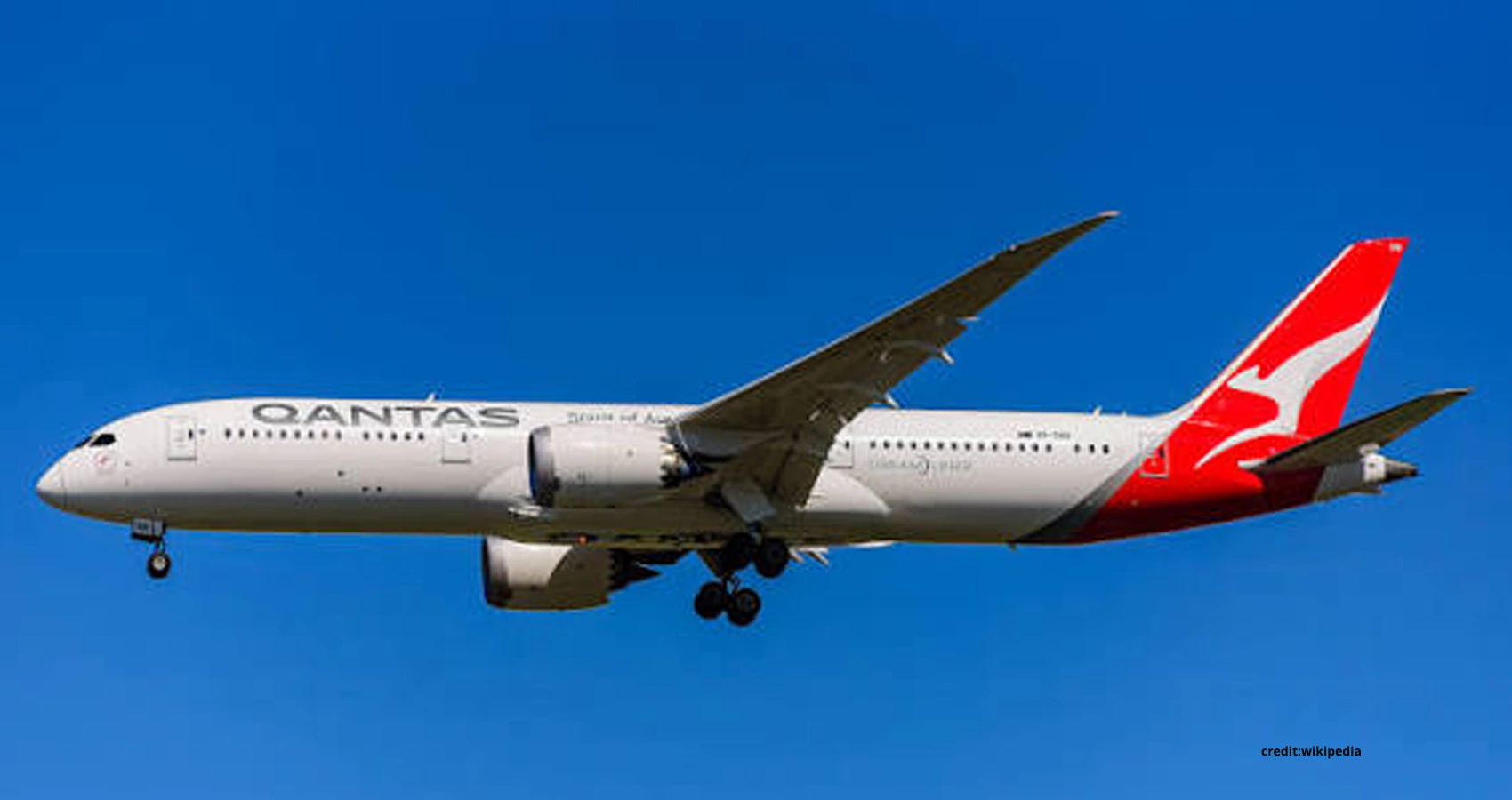
Qantas Airways plans to cut approximately 850 jobs in Australia by mid-2027, shifting more back-office operations to India while increasing investment in AI and technology to enhance efficiency.
Qantas Airways Ltd, Australia’s national carrier, is set to undergo a significant restructuring that will result in the elimination of around 850 jobs within the country. This decision is part of a broader strategy to move back-office and support operations to India, aimed at reducing costs and improving operational efficiency through increased reliance on technology and artificial intelligence (AI).
The proposed job cuts will affect various departments, including finance, procurement, human resources, and marketing. Reports indicate that the restructuring process is expected to commence in mid-2027.
In conjunction with this restructuring, Qantas has entered into a multi-year agreement with the professional services firm Accenture. This partnership is intended to modernize the airline’s internal operations, with a focus on enhancing back-end systems, processes, and data management as part of a larger investment in technology and AI, according to reports from The Guardian.
Qantas CEO Vanessa Hudson communicated the impending changes to employees through an internal email, acknowledging the difficult nature of the announcement. “This will be difficult news for some of you, and I am truly sorry for any uncertainty that this brings,” Hudson stated, as reported by the BBC. She emphasized that the company has been working closely with employees and trade unions to facilitate the transition.
Hudson explained that the decision to shift operations was driven by challenges associated with outdated technical infrastructure. Currently, Qantas operates more than 1,000 legacy systems that have been developed over several decades. These systems, not designed as part of a cohesive framework, complicate operational management.
The collaboration with Accenture aims to address these issues by simplifying systems and modernizing back-office operations. Hudson noted the rapid advancements in AI and technology, stressing the need for Qantas to adapt its business operations to keep pace with these developments.
As of now, Qantas employs approximately 28,000 individuals in Australia and an additional 4,000 overseas. The planned reduction of 850 jobs represents a significant restructuring of the airline’s Australian workforce. The company has acknowledged that many employees are already utilizing AI technologies in their roles.
This restructuring announcement follows a recent market update from Qantas, which warned of rising operating expenses and pressures on flight operations. The airline indicated that increasing fuel costs could lead to higher airfares and potential reductions in flight schedules. The surge in fuel prices has prompted airlines globally to reassess their operating expenses, flight schedules, and overall business strategies.
Qantas’ decision to restructure its workforce and expand its use of technology reflects the mounting pressure on airlines to control costs while ensuring operational efficiency. The proposed job cuts and the shift of back-office operations to India may raise concerns about job security within Australia’s aviation industry, as companies increasingly turn to technology, AI, and overseas operations to manage expenses.
As the airline navigates these changes, it remains to be seen how the workforce and the broader aviation sector will respond to this evolving landscape.
For more information, refer to reports from The Sunday Guardian.