
Levi’s cleverly navigated FIFA’s stringent branding rules during the 2026 World Cup, turning restrictions into a marketing triumph without being an official sponsor.
Levi’s has managed to transform FIFA’s strict stadium branding regulations into a significant marketing opportunity during the 2026 World Cup, all while not being an official sponsor of the event.
When FIFA mandated that host venues for the 2026 World Cup remove any branding from non-sponsors, most stadium operators complied without much fuss. However, at Levi’s Stadium in California, these restrictions led to an unexpected marketing success that branding experts are now calling a masterclass in visual identity.
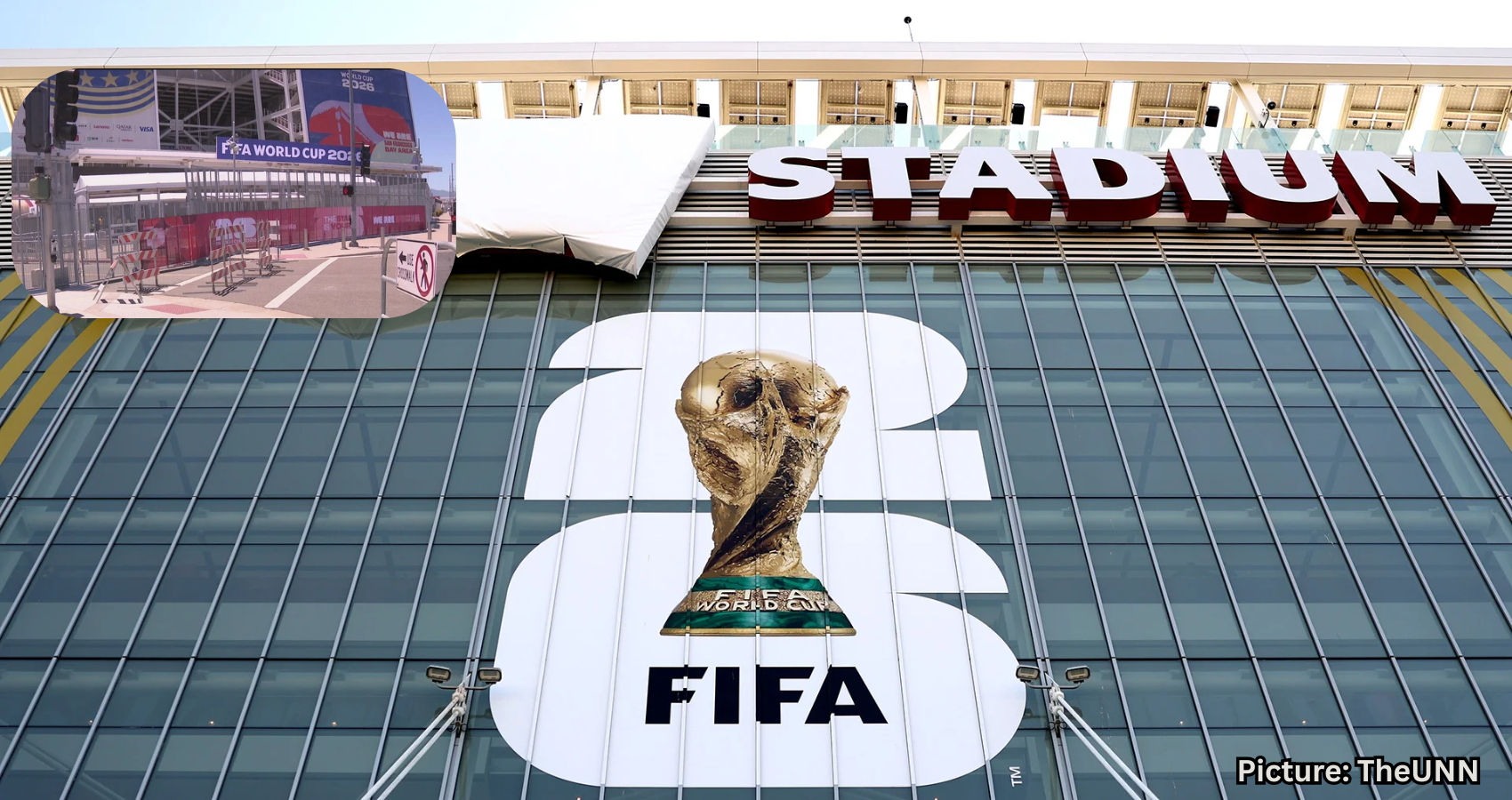
Under FIFA’s “clean stadium” policy, venues hosting World Cup matches must eliminate any visible references to companies that are not official tournament sponsors. This has resulted in the temporary renaming of iconic American venues, including MetLife Stadium, Gillette Stadium, and Mercedes-Benz Stadium. Levi’s Stadium also fell under this rule, becoming the more generic “San Francisco Bay Area Stadium” for FIFA events.
The challenge for Levi Strauss was clear: how to obscure the company’s name at one of the tournament’s most visible venues. The solution, however, garnered widespread attention. Instead of completely hiding its iconic red “batwing” logo, the company chose to cover only the wordmark, leaving the distinctive silhouette intact. This clever move allowed consumers to instantly recognize the brand, and images of the modified signage quickly circulated on social media, with many praising the tactic as a brilliant branding exercise.
Marketing professionals note that this incident underscores a fundamental principle of brand building: the strongest brands maintain their recognition even when their names are absent. The covered sign effectively showcased the power of Levi’s decades-old visual identity, generating significant online discussion despite the company not being an official FIFA sponsor.
The irony lies in the fact that FIFA’s restrictions, intended to protect the exclusivity of official sponsors, may have inadvertently amplified attention around Levi’s. Social media users shared photographs of the altered sign, with some humorously suggesting that the company should have covered the logo with a giant sheet of denim. Others referred to the move as “free advertising,” achieving visibility without breaching tournament regulations.
FIFA enforces stringent commercial controls around World Cup venues to safeguard sponsorship agreements worth billions of dollars. The organization’s brand-protection policies extend beyond stadium names and signage to encompass advertising, promotional materials, and even certain activities within designated “clean zones” around host venues.
For marketers, the Levi’s episode may evolve into one of the most discussed branding lessons of the tournament. By leveraging a visual asset powerful enough to be recognized without words, the company turned a compliance requirement into a global case study in brand recall.
As the World Cup progresses across North America, the covered sign in Santa Clara serves as a reminder that in modern marketing, sometimes what is hidden can attract more attention than what is displayed. According to The American Bazaar, this incident highlights the innovative ways brands can navigate restrictions and still achieve significant visibility.