
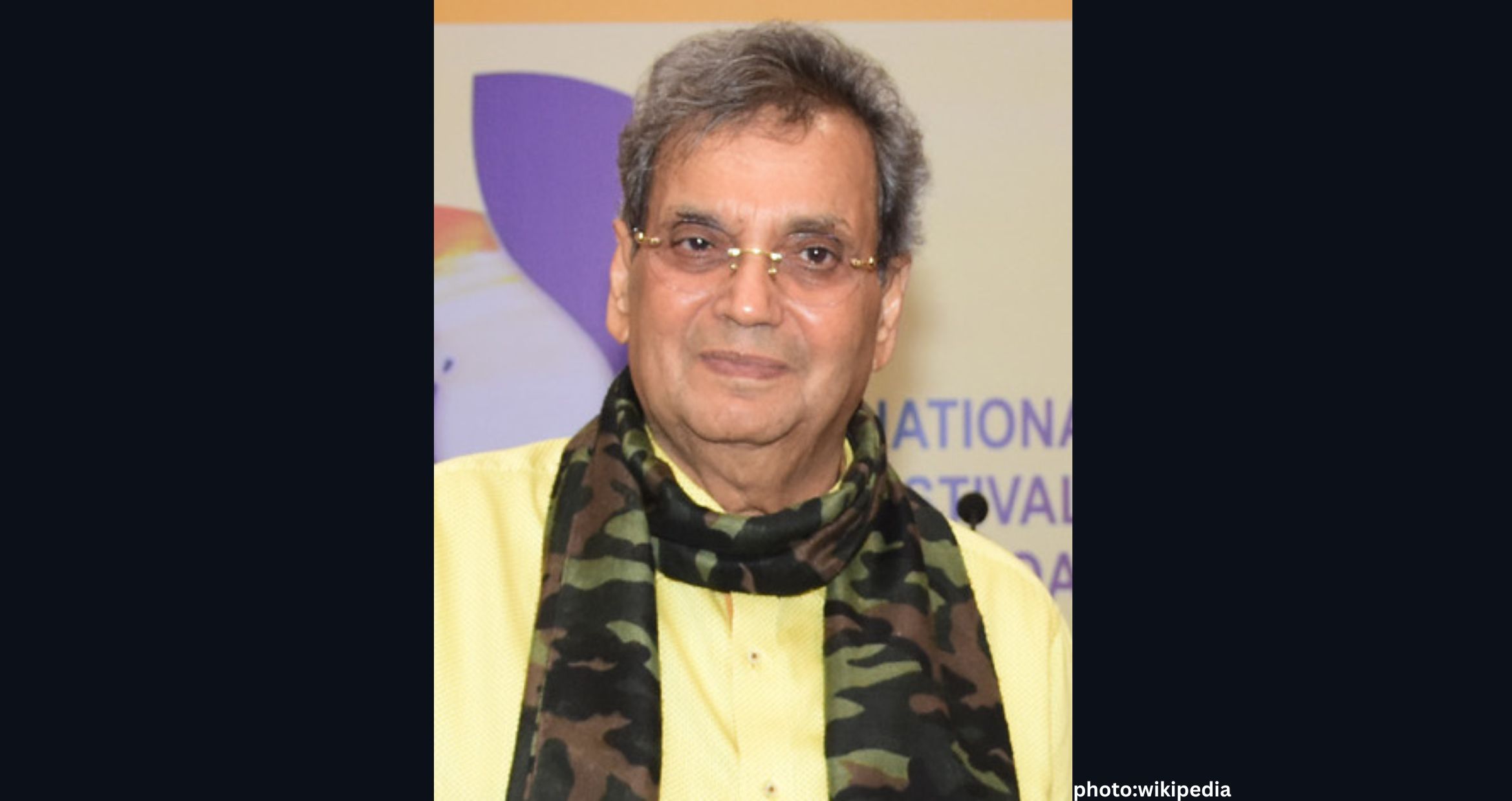
Subhash Ghai, a revered figure in Indian cinema, has been honored with the Dadasaheb Phalke Award and the Padma Vibhushan for his significant contributions to the film industry and cultural narrative.
Subhash Ghai, a stalwart of Indian cinema known for his impactful storytelling and significant contributions to the film industry, has received the prestigious Dadasaheb Phalke Award and the Padma Vibhushan. These accolades recognize his lifelong dedication to enriching India’s cultural narrative.
On February 25, 2026, Prime Minister Narendra Modi’s visit to Tel Aviv was marked by a warm welcome, which included an Israeli band performing the song “I Love My India” from Ghai’s iconic film, Pardes. This moment underscored Ghai’s profound influence on Indian culture, illustrating how his cinematic creations have transcended borders and become emblematic of Indian identity on the global stage.
Born into a family affected by the partition of India, Ghai’s upbringing was steeped in the complexities of a nation undergoing transformation. His early life experiences contributed to the thematic richness of his films, which often reflect the duality of tradition and modernity. After graduating from Pune’s Film and Television Institute of India, Ghai embarked on a journey that would see him become one of the most influential figures in Hindi cinema.
Throughout his nearly sixty-year career, Ghai directed a multitude of successful films that resonated with the cultural ethos of India. His works are characterized not only by their commercial success but also by their deep-rooted connections to Indian heritage and values. Ghai’s directorial debut, Kalicharan, set the tone for a career defined by bold storytelling and a focus on the human experience.
In Karz, Ghai deftly intertwined the concept of reincarnation into a contemporary thriller, a narrative that has since gained a cult following. The film’s music, still celebrated decades later, exemplifies Ghai’s ability to fuse storytelling with powerful musical scores, a hallmark of his filmmaking style.
With Hero, Ghai introduced archetypes of youth, rebellion, and romance that have become ingrained in Indian popular culture. His film Karma addressed themes of patriotism and national unity, showcasing a narrative where a principled jailer unites a group of convicts to combat terrorism. Ram Lakhan further solidified Ghai’s reputation, painting a vivid picture of brotherhood and justice within the framework of dharma.
Pardes presented a poignant exploration of Indian family values amidst the challenges posed by Western modernization. Ghai’s visionary storytelling extended beyond the Indian context; he wrote the script for Khalnayak while in Los Angeles, attracting attention from Hollywood and demonstrating his ambition to bridge the gap between Indian and global cinema.
Arguably, Ghai’s most acclaimed work is Taal, a film that not only achieved commercial success but also marked a significant cultural milestone in Indian cinema. Featuring the evocative music of A.R. Rahman, Taal was the first Indian film to reach the Top 10 in the U.S. Box Office, showcasing the potential for Indian narratives to resonate with international audiences. Film critic Roger Ebert noted the film’s joyful, classic Hollywood-style music, reflecting Ghai’s unique ability to blend Indian storytelling with universal themes.
Ghai’s influence extends beyond his films; he is credited with shaping the careers of numerous iconic actors, including Dilip Kumar, Raaj Kumar, and Sanjeev Kumar. His mentorship transformed aspiring talents like Jackie Shroff and Anil Kapoor into megastars, emphasizing Ghai’s role as a significant figure in the Indian film industry.
In addition to his film work, Ghai established Whistling Woods International, a prominent film and media school in Asia. Under the guidance of his daughter Meghna, the institution has become a beacon for nurturing creative talent, ranking among the world’s top twenty film schools. Ghai’s commitment to education reflects his desire to invest in the future of Indian storytelling, ensuring that the legacy of his artistic vision continues through new generations of filmmakers.
Today, Subhash Ghai is recognized as one of the foremost architects of India’s soft power, contributing significantly to the global perception of Indian cinema. His ambition has always extended beyond mere box office success; he sought to elevate Indian storytelling on the world stage, enriching the cultural narrative of India and carrying its essence to a diverse audience.
Ghai’s films have become an integral part of the collective memories and experiences of millions. His characters, dialogues, and melodies have woven themselves into the fabric of Indian society. The recent accolades of the Dadasaheb Phalke Award and the Padma Vibhushan serve as fitting tributes to a career dedicated to the exploration and celebration of Indian culture.
Subhash Ghai’s contributions to Indian cinema and culture are unparalleled, marking him as a legendary figure whose influence is felt across generations. As his daughter Muskaan embarks on her own creative journey, the legacy of Ghai continues to inspire and shape the future of Indian cinema, according to GlobalNet News.