
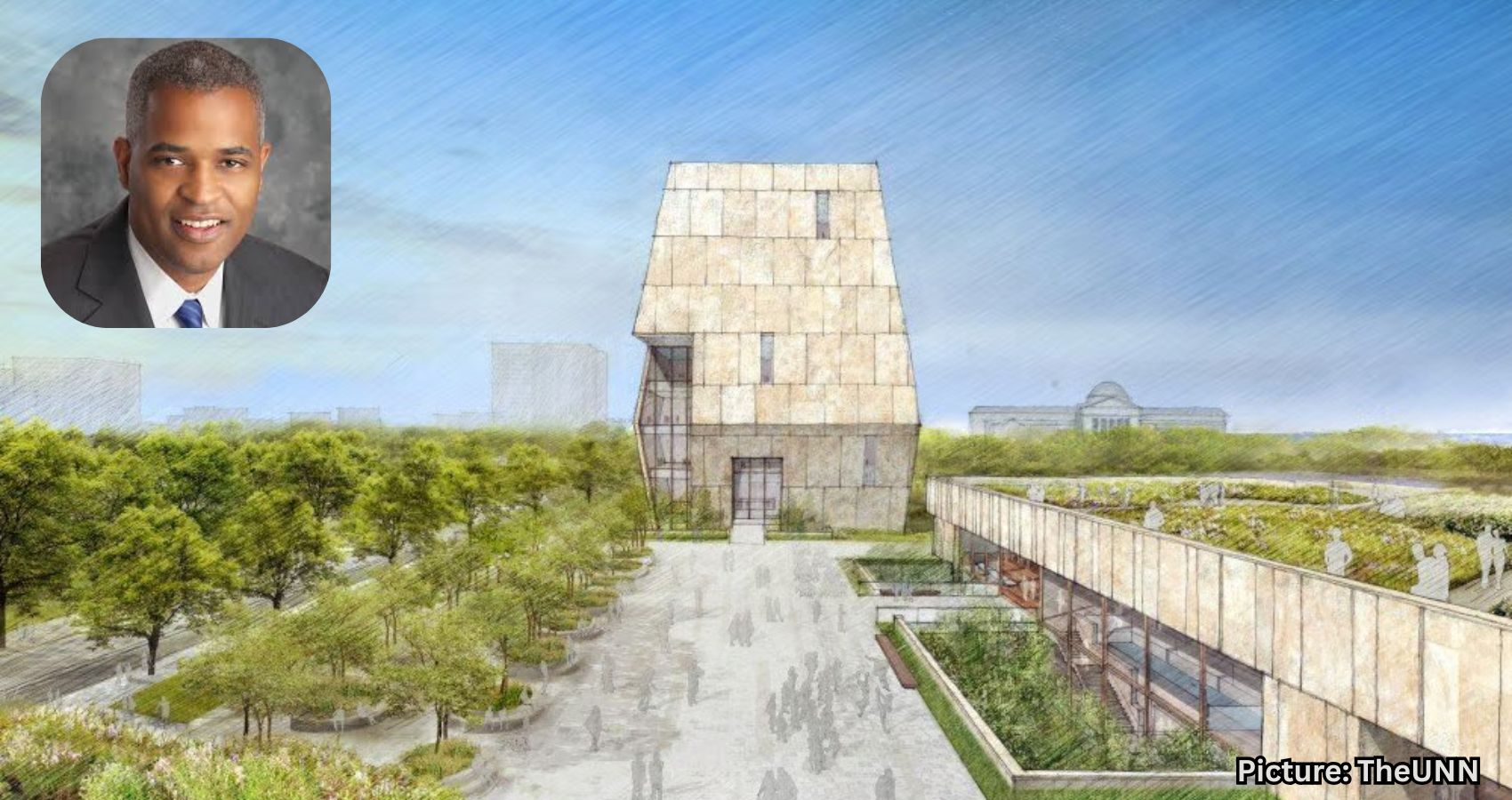
The Obama Presidential Center embodies a vision of civic engagement and leadership, with Martin Nesbitt playing a pivotal role in its realization.
The Obama Presidential Center, set to open on June 19 on Chicago’s South Side, represents much more than a mere collection of buildings. It symbolizes a profound idea about civic engagement, leadership, and the potential for ordinary citizens to contribute to something greater than themselves. While much attention has been directed toward the legacy of President Barack Obama, the architecture of the Center, and its mission, one individual has quietly played a crucial role in transforming this ambitious vision into reality: Martin Nesbitt.
History often remembers the names of buildings while overlooking the people who made their construction possible. Founders, presidents, and public figures occupy prominent positions in our collective memory, yet behind every enduring institution lies a small group of individuals whose contributions are fundamental to its existence. Their work is rarely dramatic, and their influence is often measured not by public accolades but by the lasting impact of what they leave behind.
As the Obama Presidential Center prepares to welcome visitors, it is essential to recognize the significance of stewardship in leadership. This form of leadership requires a willingness to prioritize a larger mission over personal recognition, a quality that defines Nesbitt more than any title could. His character, marked by dignity and humanity, stands out in a culture increasingly dominated by self-promotion.
Nesbitt’s ability to engage with others on a personal level is a rare trait. He listens carefully, responds thoughtfully, and treats everyone with respect, regardless of their status. In a world where judgment often prevails, he demonstrates empathy and extends grace, embodying the qualities that help institutions serve their communities rather than become monuments to ego.
The Obama Presidential Center is not just about its architectural design; it is about the values and aspirations it represents. These ideals cannot be constructed from concrete and steel alone; they require the dedication and vision of individuals like Nesbitt, who have invested countless hours in planning, negotiation, fundraising, and problem-solving to bring the Center to fruition.
The friendship between Barack Obama and Martin Nesbitt has been well-documented, and it is a testament to the strength of their bond that has endured over the years. This relationship exemplifies how the strongest institutions are built on solid foundations of trust and collaboration.
When millions of visitors walk through the Obama Presidential Center, they will admire its design, engage with its exhibits, and reflect on the history it preserves. However, most will remain unaware of the extensive efforts that went into making this vision a reality. They will see the finished product but may not grasp the years of dedication that made it possible.
In an era that often equates visibility with significance, Nesbitt serves as a reminder that some of the most impactful contributions occur quietly behind the scenes. While the Center will bear President Obama’s name, it will also reflect the character of the man who helped guide its creation. Nesbitt’s grace, empathy, humility, and humanity are not merely personal attributes; they are qualities that shape the culture of organizations and the legacy of institutions.
Long after today’s political debates have faded into history, the Obama Presidential Center will endure. Future generations may never fully understand the stories of the individuals who brought it to life, but they will experience the values embedded within its walls. These values were not accidental; they were cultivated and advanced by individuals who believed in the importance of service, institutions, and character.
Among those individuals, few have played a more significant role than Martin Nesbitt, the quiet steward whose greatest achievement may not be the Center itself but the example he sets of how leadership can be exercised with dignity, grace, and profound humanity.
According to American Bazaar, the Obama Presidential Center stands as a testament to the enduring impact of character-driven leadership.