
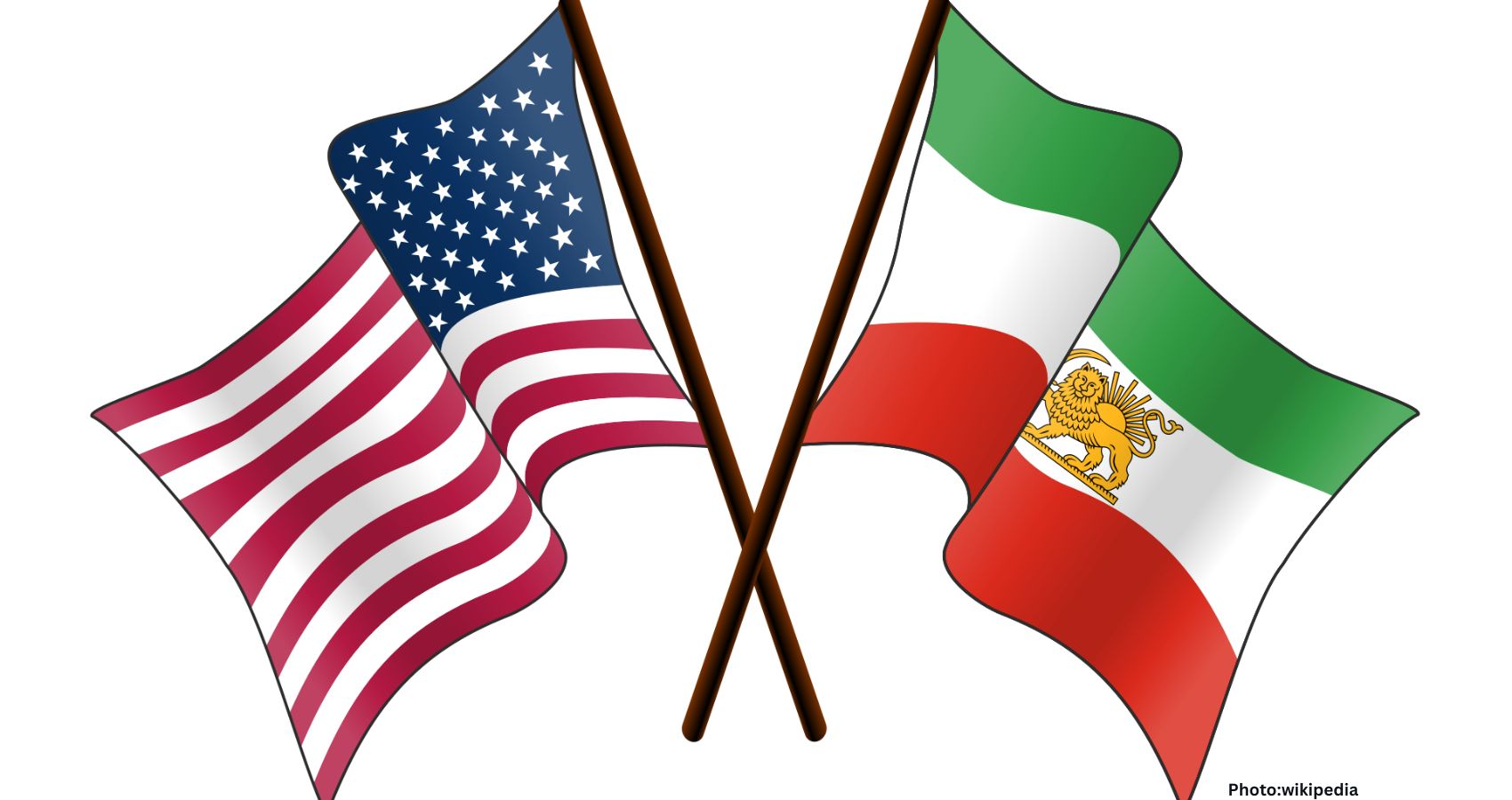
A deal has been reached between the U.S. and Iran to end military hostilities, confirmed by President Trump and Pakistani mediators.
A significant agreement has been reached between the United States and Iran to end military hostilities, as confirmed by President Donald Trump and Pakistani mediators. The deal includes the lifting of the U.S. naval blockade in the strategically vital Strait of Hormuz.
On June 8, 2023, President Trump announced via social media that the agreement had been finalized, stating, “The Deal with the Islamic Republic of Iran is now complete. Congratulations to all!” He emphasized the lifting of the naval blockade, which is crucial for global oil shipping, with approximately 20% of the world’s oil supply passing through the Strait of Hormuz.
Prime Minister Shehbaz Sharif of Pakistan, who played a pivotal role in mediating the negotiations, confirmed the details of the agreement. He stated, “Both sides have declared the immediate and permanent termination of military operations on all fronts, including in Lebanon.” This broad declaration suggests that the agreement may pave the way for a wider peace initiative, potentially encompassing various aspects of military engagement in the Middle East beyond just the U.S.-Iran dynamic.
Sharif also announced that an official signing ceremony is scheduled for Friday in Switzerland, marking a formal step in the agreement process. The involvement of Pakistan as a mediator highlights its strategic position in the region and its historical relationships with both the United States and Iran, which date back to the Cold War when Pakistan served as a conduit for U.S. interests in the area.
This announcement comes amid escalating tensions between the U.S. and Iran, particularly following the U.S. withdrawal from the Joint Comprehensive Plan of Action (JCPOA) in 2018. Since that time, hostilities have intensified, leading to military confrontations, the imposition of severe economic sanctions, and a significant deterioration in diplomatic relations. The naval blockade of the Strait of Hormuz has been one of the most contentious points of conflict, affecting global oil prices and maritime security.
The reported agreement has the potential to signify a major shift in U.S. foreign policy toward Iran, especially if it establishes a framework for diplomatic engagement and the alleviation of sanctions. Following the announcement, Iranian Deputy Foreign Minister Kazem Gharibabadi expressed optimism regarding the deal, suggesting that Iran views this agreement as a diplomatic victory that could enhance its international standing and alleviate economic strain.
The announcement has elicited a range of reactions from political analysts and international observers. Some experts see this deal as a possible turning point that could foster greater stability in a region characterized by conflict and volatility. However, skepticism remains regarding the longevity of such agreements, particularly given the historical context of failed negotiations between the two nations.
Critics of the Trump administration’s approach to Iran have emphasized that the successful implementation of any agreement will require careful monitoring and compliance from both parties. The Iranian government, facing significant domestic pressures related to its foreign policy, may find public reception of the deal a critical factor in its sustainability. The agreement’s acceptance by Iranian citizens, who have endured considerable economic hardship due to sanctions, could heavily influence its success.
As the situation develops, analysts will closely monitor any further announcements leading up to the signing ceremony in Switzerland. The implications of this agreement extend beyond U.S.-Iran relations, potentially affecting regional dynamics involving key players such as Saudi Arabia and Israel, both of whom have historically opposed rapprochement with Iran. The regional balance of power could shift significantly depending on how the agreement is perceived and acted upon by these nations.
In conclusion, while the announcement of this agreement represents a potential milestone in U.S.-Iran relations, the coming days and weeks will be critical in determining its effectiveness and sustainability. Stakeholders from both the United States and Iran, along with international observers, will be keenly interested in the specific terms of the agreement and the subsequent actions taken by both governments.
Should the agreement hold, it may signal a new chapter in U.S.-Iran relations, one that could facilitate further diplomatic engagements not just between the U.S. and Iran, but also among other nations in the region. However, the historical context of negotiation breakdowns looms large, and the path forward will require careful navigation of both domestic and international political landscapes, according to GlobalNet News.