Posture-Driven Retinal Signals May Predict Diabetic Retinopathy Progression

Researchers have found that posture-driven retinal signals can predict the progression of diabetic retinopathy in individuals with type 2 diabetes, offering a new approach to early disease detection.

Diabetic retinopathy is a complex condition characterized by microvascular damage resulting from chronic hyperglycemia. Traditional risk factors, such as the duration of diabetes and glycemic control, only partially account for individual risk levels. The retina provides a unique, non-invasive perspective on microvascular health, where early functional abnormalities may manifest before visible retinal lesions appear.

Under normal circumstances, retinal vessels automatically constrict or dilate to maintain stable blood flow when a person’s body position changes. However, in individuals with diabetes, this autoregulatory function is often compromised, indicating underlying endothelial and neurovascular dysfunction. Evaluating these dynamic vascular responses has been challenging due to the limitations of bulky imaging systems, prompting researchers to investigate whether posture-induced changes in retinal vascular behavior could serve as early indicators of disease progression.

A team from The Chinese University of Hong Kong conducted a study published in January 2026 in the journal Eye and Vision, exploring the relationship between retinal vascular responses to postural changes and the progression of diabetic retinopathy in people with type 2 diabetes. Utilizing smartphone-based fundus imaging, the researchers captured retinal images of participants in both sitting and supine positions and monitored them over a five-year period.

The study revealed that abnormal posture-related changes in specific retinal vascular parameters were strongly associated with the future worsening of diabetic retinopathy, independent of established clinical risk factors. The researchers compared retinal vascular responses among three groups: healthy individuals, patients with diabetes but no retinopathy, and patients with existing diabetic retinopathy.

In healthy eyes, transitioning from a sitting to a supine position triggered a normal constriction of both arterioles and venules, indicating intact autoregulatory control. Conversely, participants with diabetes exhibited blunted or even paradoxical vascular responses, suggesting impaired microvascular regulation.

Long-term follow-up indicated that two posture-dependent vascular features were particularly predictive. Greater increases in retinal arteriolar tortuosity during postural changes were associated with more than a two-fold higher risk of retinopathy progression. This exaggerated vascular bending likely reflects structural fragility and endothelial dysfunction stemming from chronic hyperglycemia. In contrast, wider venular branching angles during posture changes correlated with a significantly lower risk of disease progression, suggesting preserved vascular adaptability.

Importantly, incorporating these dynamic vascular measures enhanced predictive accuracy beyond conventional factors such as HbA1c levels, diabetes duration, and baseline retinopathy severity. The findings imply that the response of retinal vessels to everyday physiological stressors may reveal subclinical disease activity that static imaging techniques cannot detect.

“Our findings suggest that the retina’s ability to adapt to routine physiological changes carries meaningful information about future disease risk,” said the study’s senior investigator. “By observing how retinal vessels respond to a simple change in body position, we can detect early microvascular dysfunction that may otherwise go unnoticed. This dynamic approach moves beyond traditional snapshot imaging and highlights the potential of functional vascular biomarkers to support more personalized monitoring strategies for people with diabetes.”

This research underscores a practical pathway toward more accessible and individualized risk assessment for diabetic retinopathy. Smartphone-based retinal imaging is portable, cost-effective, and well-suited for primary care or resource-limited settings where conventional ophthalmic equipment may not be available. Integrating posture-responsive vascular metrics into screening programs could facilitate the early identification of high-risk patients and allow for more precise tailoring of follow-up intervals.

Combined with telemedicine platforms and automated image analysis, this innovative approach could transform diabetic eye care from a reactive treatment model to a proactive prevention strategy. This shift has the potential to reduce unnecessary screenings while ensuring timely interventions for those most at risk, ultimately improving patient outcomes.

According to Eye and Vision, this study highlights the importance of dynamic assessments in understanding diabetic retinopathy progression and emphasizes the need for further research in this area.

Trump’s January Jobs Report Shows Positive Trends Amid Delays

President Trump received a boost from a delayed January jobs report, revealing a gain of 130,000 jobs, significantly surpassing economists’ expectations.

President Trump received encouraging news on Wednesday with the release of a delayed jobs report for January, revealing that the economy added 130,000 jobs. This figure notably exceeded economists’ forecasts, which had anticipated an increase of only about 70,000 jobs for the month.

The unemployment rate remained stable at 4.4 percent, aligning with consensus projections. This report arrives at a crucial moment for the Trump administration, which is under scrutiny regarding its economic policies and their effects on American workers.

The positive job growth indicates a resilient labor market, suggesting that the economy is continuing to recover from the challenges posed by the pandemic. This development is likely to influence public perception of the administration’s management of economic issues as the next election cycle approaches.

Despite the optimistic news, experts caution that persistent challenges such as inflation and supply chain disruptions still pose risks to sustained economic growth. The administration is expected to address these issues in forthcoming communications, aiming to leverage the positive momentum generated by the latest jobs report.

According to GlobalNetNews, the administration’s response to these economic indicators will be closely watched as it seeks to maintain public confidence in its economic strategies.

Farming the Revolution: A Close Look at Agricultural Protests

“Farming the Revolution” is a poignant documentary that captures the essence of the 2020–2021 Indian farmers’ protest, emphasizing community resilience and the human experience behind the movement.

“Farming the Revolution” is a quietly powerful and deeply human documentary that immerses viewers in one of the largest and most sustained protests in modern history—the 2020–2021 Indian farmers’ movement. Directed by Nishtha Jain and Akash Basumatari, the film adopts an observational approach, choosing not to lecture or editorialize but instead to dwell among the half a million farmers who occupied highways outside Delhi for over a year, protesting controversial agricultural reforms. What emerges is a portrait of resilience, dignity, and community under immense pressure. The scale of organization they demonstrate is also inspiring. The film won the Best International Feature Documentary at Hotdocs 2024 and was screened at the 23rd Annual San Francisco International South Asian Film Festival in 2025.

Rather than focusing on political leaders or televised debates, Jain’s camera captures the texture of daily life in the protest camps. The film lingers on men and women cooking in communal kitchens, tending fires in the cold, repairing tents, singing, and praying. These ordinary actions, rendered with care and patience, build into something extraordinary: a testament to the endurance and self-organization of rural communities standing together. The cinematography favors long, contemplative takes that allow the audience to feel the slow rhythm of protest life—the repetition, the fatigue, and the quiet determination. In this sense, the film’s pacing mirrors the persistence of the farmers themselves.

The emotional range of “Farming the Revolution” is remarkable. Jain captures not only anger and defiance but also humor, tenderness, and pride. Moments of levity and shared laughter punctuate the heavier scenes of speeches and confrontation. One of the most affecting aspects is the visibility given to women. Often overlooked in coverage of the movement, here they appear as indispensable actors—organizing food, maintaining order, and voicing their own understanding of justice and survival. Their presence challenges assumptions about who participates in political struggle and how care work underpins collective resistance.

At its best, the film functions as both art and historical record. Jain’s unobtrusive style allows the farmers to narrate their own experiences, resulting in a democratic, polyphonic documentary that refuses simplification. However, this commitment to observation can also be a limitation. The film rarely steps back to situate the protest within a broader historical or economic frame. There is little discussion of India’s long agrarian crisis or the global forces that have shaped it. Nor does the film dwell much on internal debates or tensions within the movement. For viewers unfamiliar with the context, this can make parts of the story opaque. Still, these absences seem intentional; Jain appears less concerned with explaining the protest than with letting it speak in its own cadence.

Visually, the documentary is stunning. Wide shots convey the vastness of the camps, while close-ups capture faces marked by sun, dust, and quiet resolve. The editing is patient, emphasizing continuity and endurance rather than drama. The result is a film that moves slowly but steadily, much like the movement it depicts.

“Farming the Revolution” is not a rousing call to action but rather a meditation on collective strength and the labor of hope. It invites viewers to witness rather than consume, to understand protest not as spectacle but as a lived, sustained practice of community. In a time when mass movements are often reduced to hashtags or headlines, Jain’s film insists on the value of presence—of staying, building, and believing together. It is a vital, poetic document of democracy from the ground up, according to India Currents.

Texas GOP Chair Abraham George Announces Bid for Reelection

Republican Party of Texas Chairman Abraham George is seeking reelection, citing significant conservative achievements during his tenure despite facing criticism on social media.

AUSTIN, TX — Abraham George, the Chairman of the Republican Party of Texas, has announced his intention to seek reelection. In his statement, he emphasized what he considers historic gains for conservatives during his leadership, even as he faces considerable backlash online.

“Under our watch, the Republican Party of Texas has delivered unprecedented results for conservative Texans,” George stated while declaring his candidacy. He pointed to a lawsuit initiated by the state party aimed at closing Republican primaries to non-Republicans, describing it as a landmark effort to safeguard the integrity of GOP nominations and ensure that only registered Republicans select their candidates.

George also highlighted what he termed a productive legislative session, noting that Republicans successfully passed 43 priority bills and expanded their majorities in both the Texas House and Senate.

“The future of Texas Republicanism has never been brighter, and I’m honored to continue leading this fight,” he remarked.

However, his announcement has been met with significant resistance on social media, where critics have questioned his leadership and brought up past controversies, including a legal issue in 2023 involving suspicions about his wife’s fidelity. One user expressed their discontent, stating, “Absolutely not. Read the writing on the wall — Texans do not want you,” while another added, “You’ve failed miserably. I’ll vote for anyone looking to replace you.”

This backlash occurs amid broader political tensions in Texas, particularly regarding immigration and foreign worker programs. George has publicly supported the Texas Governor’s decision to freeze H-1B hiring, reflecting his stance on these contentious issues.

In a recent interview, he identified property taxes, illegal immigration, and what he referred to as the “Islamification of Texas” as significant challenges facing the state GOP.

As George campaigns for another term, the dynamics within the Texas Republican Party continue to evolve, with internal and external pressures shaping the political landscape.

According to India-West, George remains committed to his vision for the party, despite the challenges ahead.

Your Daily Horoscope for All Zodiac Signs on February 12, 2026

Your daily horoscope for February 12, 2026, offers insights into the astrological influences affecting all zodiac signs.

Aries (March 21 – April 20): Today, you may feel the urge to explore and investigate, bringing out your maps and magnifying glass. However, be cautious as you might be more sensitive than usual. Ganesha advises you to be mindful of your loved ones, as anyone who crosses your path may face your frustration.

Taurus (April 21 – May 21): Emotions will run high today, and your sincerity will shine through in your actions and expressions. Ganesha warns you to remain alert, as your luck may lead you to feel trapped, much like a princess in a locked tower without a white knight to rescue you.

Gemini (May 22 – June 21): You might decide to host a small gathering for your relatives today. While the day will involve cleaning up afterward, you will also find time to connect with friends, perhaps by organizing a slumber party. Expect a day filled with fun and post-party tidying, along with evening yoga classes.

Cancer (June 22 – July 22): Ganesha foresees a significant shift in your romantic life, possibly leading to marriage. However, your focus on career or business may be lacking today. It is advisable to avoid taking on new projects and instead concentrate on completing any pending tasks.

Leo (July 23 – August 23): The stars are aligning to reveal your artistic side. While you may not be a Picasso or Rembrandt, your work will stand out as exceptional today. Ganesha predicts that your excellent communication skills will shine, and your energy and enthusiasm will help you overcome any criticism.

Virgo (August 24 – September 22): Today is a day to engage both your body and mind. Ganesha encourages you to exercise and work hard, as your efforts will yield significant rewards. A romantic evening with your partner promises to cap off the day on a high note.

Libra (September 23 – October 23): Your straightforward approach will pave the way for success today. Ganesha notes that minor issues may arise early on, but if you navigate around them, the rest of the day should go smoothly. On the business front, expect financial gains from various sources, thanks to your skills and hard work.

Scorpio (October 24 – November 22): Confidence will be your strongest asset today, according to Ganesha. You are likely to accomplish tasks that seem impossible, showcasing your skills and determination. Others will be impressed and may seek your expertise.

Sagittarius (November 23 – December 21): Like a true Archer, your focus will be on hitting your targets today. However, Ganesha cautions that the quick financial gains you anticipated may not materialize. While love may seem promising, managing relationships could prove challenging, so patience is key.

Capricorn (December 22 – January 20): Today, you may find a mountain of paperwork awaiting your attention. Ganesha assures you that you will handle your tasks promptly, receiving support from your subordinates. For those in business, remain vigilant when dealing with competitors, as you have the potential to outsmart them.

Aquarius (January 21 – February 18): Life will reveal its beauty in the simplest things today. You may come to appreciate the positive aspects of your personal and professional life, which will reflect in the small gestures you show your loved ones. Ganesha describes this as a moment of perfection.

Pisces (February 19 – March 20): Today, you will seek out educational and intellectually stimulating experiences. Ganesha predicts that novel business proposals may arise in the afternoon, and your charm could lead to a romantic date later in the evening.

Stay connected with the cosmos through your daily horoscope! Access your February 12, 2026, readings for every zodiac sign to uncover what the universe has in store for you. Whether you are an adventurous Aries or a sensitive Pisces, our expert astrologers provide personalized insights to help you navigate life’s challenges and triumphs.

For more detailed insights, refer to India West.

Biden Faces Resistance from Democrats Six Years After Political Comeback

As the 2024 election approaches, former President Joe Biden’s influence wanes among Democrats, with many candidates distancing themselves from his legacy.

Former President Joe Biden is set to be honored by South Carolina Democrats later this month, commemorating the sixth anniversary of his decisive victory in the Palmetto State primary. This win was pivotal in propelling Biden to the 2020 Democratic presidential nomination and ultimately to the White House. However, as the 2024 elections draw near, a noticeable shift is occurring within the Democratic Party.

Many Democratic candidates are distancing themselves from Biden, reflecting the party’s ongoing struggles and dissatisfaction with his presidency. A recent report from Axios highlights that nine candidates who previously served in the Biden administration are opting to keep their distance from the former president as they campaign for gubernatorial and congressional positions this election cycle.

The Democratic Party is still reeling from significant setbacks in the 2024 elections, exacerbated by Biden’s unpopularity and concerns regarding his physical and mental fitness, particularly following a challenging debate with now-President Donald Trump. As a result, the upcoming South Carolina celebration appears to be an anomaly rather than a rallying point for the party.

Biden concluded his presidency with approval ratings that were notably low, and the 13 months since he left office have not improved his standing among party members. “Biden remains a liability,” a seasoned Democratic strategist, who preferred to remain anonymous, told Fox News Digital. “Being associated with the Biden administration is doing some candidates no favors as they run this year.”

This marks a significant change from the 2018 midterm elections, when Democrats were out of power and sought to leverage the popularity of former President Barack Obama and Biden on the campaign trail. In contrast, candidates this cycle are often avoiding any mention of Biden.

For instance, Deb Haaland, a former House member from New Mexico and the former Secretary of the Interior, is running for governor in her state but does not reference Biden on her campaign website. Similarly, Xavier Becerra, who served as Secretary of Health and Human Services under Biden, has not included any mention of the former president in his campaign launch video for California governor.

While some Biden alumni running in solidly blue districts do highlight their service during his administration, such as Democratic congressional candidate Sanjyot Dunung in Illinois’ 8th District, the trend appears to lean towards distancing from Biden’s legacy.

As the political landscape evolves, it remains uncertain whether Biden’s presence will hinder potential 2028 presidential contenders who were part of his administration. Figures like former Vice President Kamala Harris and Transportation Secretary Pete Buttigieg are viewed as potential candidates for the White House.

For Democrats hoping to keep Biden out of the spotlight, the former president has largely complied. Since leaving office, he has made only a handful of high-profile public appearances and participated in just a couple of major interviews.

Fox News reached out to Biden’s post-presidency team for comment but did not receive a response before this article was published, leaving questions about his ongoing influence within the party unanswered.

As the 2024 elections approach, the dynamics within the Democratic Party continue to shift, with many candidates navigating their campaigns without the backing of the former president.

According to Axios, the distancing from Biden reflects a broader trend among Democrats as they prepare for the upcoming electoral challenges.

Nobel Laureate Injured in Assault at Notorious Iranian Prison

The Norwegian Nobel Committee is urging Iran to cease the alleged brutal treatment of Nobel Peace laureate Narges Mohammadi, who is reportedly in critical condition following a violent assault in prison.

The Norwegian Nobel Committee has issued a strong appeal to Iran, demanding an end to the alleged brutal treatment of Narges Mohammadi, a Nobel Peace laureate who has been imprisoned since December 2022. The committee has received credible reports indicating that Mohammadi is facing life-threatening mistreatment while incarcerated.

Mohammadi, a prominent human rights activist, was arrested by plain-clothes agents while attending the funeral of Khosrow Alikordi, a late human rights lawyer and advocate. According to the Nobel Committee, she has endured severe physical abuse, including beatings with wooden sticks and batons. Reports indicate that she has been dragged across the ground by her hair, resulting in significant scalp injuries and open wounds.

In addition to these brutal assaults, Mohammadi has reportedly been kicked in the genitals and pelvic region, causing her extreme pain and raising concerns about potential bone fractures. The committee expressed its horror at these acts, emphasizing that Mohammadi’s imprisonment is arbitrary and unjust.

“Her only ‘offence’ is the peaceful exercise of her fundamental rights – freedom of expression, association, and assembly – in defense of women’s equality and human dignity,” stated Jorgen Watne Frydnes, chair of the Nobel Committee.

At the time of her arrest, an Iranian prosecutor claimed that Mohammadi had made provocative remarks during the memorial service in Mashhad, encouraging attendees to chant slogans that allegedly disturbed the peace. These accusations have been met with skepticism by human rights advocates.

Mohammadi, who was awarded the Nobel Peace Prize in 2023, has spent a significant portion of the past two decades in Iran’s notorious Evin prison. The Nobel Committee is calling for her immediate release and for the Iranian government to ensure she receives necessary medical care.

The committee highlighted that Mohammadi’s situation is a grim reflection of the broader repression in Iran, particularly following the mass protests that have erupted across the country. Many individuals, both women and men, have risked their lives to advocate for freedom, equality, and basic human rights.

The international community continues to monitor the situation closely, with calls for accountability and justice for those who suffer under oppressive regimes. The plight of Narges Mohammadi serves as a poignant reminder of the ongoing struggles faced by activists in Iran and around the world.

According to Reuters, the Nobel Committee’s statements have drawn attention to the urgent need for reform and respect for human rights in Iran.

Superhealth Launches SuperOS, Claims First Agentic AI Hospital

Superhealth has introduced SuperOS, touted as the world’s first agentic AI operating system designed to manage hospital operations entirely, marking a significant advancement in healthcare automation in India.

Superhealth has launched what it claims to be the world’s first agentic AI operating system, named SuperOS, designed to manage a hospital from end to end. This initiative positions India as a potential leader in large-scale healthcare automation.

SuperOS is crafted as a comprehensive system that integrates nearly every aspect of hospital operations. According to the company, it encompasses everything from outpatient consultations and diagnostics to surgical workflows and discharge summaries. Varun Dubey, the founder of Superhealth, emphasized the platform’s capabilities, stating, “SuperOS is the world’s first agentic AI operating system built to actually run a hospital, from clinical decisions to operations, from labs to discharge, from OT assignments to auto prescriptions, it does it all.”

Dubey further explained that SuperOS understands the needs of doctors, nurses, and patients, as well as 15 Indian languages. The system orchestrates outcomes by facilitating real-time interactions between human staff and AI agents. “Only Superhealth could build this, because we are the only full-stack provider that designs, builds, and operates hospitals while also developing all the technology that runs them,” he added. “This is not software that merely assists healthcare. This is technology that operates healthcare.”

The introduction of SuperOS places Superhealth in the midst of global discussions about integrating AI into hospital systems. While many healthcare facilities are exploring AI tools for specific tasks, Superhealth is marketing SuperOS as a unified operating layer that connects clinical and administrative functions in real time.

According to the company, SuperOS serves as an intelligent framework across the hospital, coordinating tasks between AI agents and human teams. In outpatient departments, it acts as an ambient clinical co-pilot, providing patient history, assisting with differential diagnoses, drafting prescriptions for physician approval, and coordinating with lab technicians and pharmacists directly in the consultation room. The aim is to reduce wait times and enhance meaningful interactions between doctors and patients.

SuperOS is also integrated into radiology and pathology workflows. The platform replaces traditional Picture Archiving and Communication Systems (PACS) with cloud-based imaging systems and employs instant 3D volumetric analysis to aid in the detection of conditions in neurology, orthopaedics, chest trauma, and oncology. Superhealth claims that this integration reduces reporting time by 30 percent and effectively triples the capacity of specialists.

For inpatient and surgical care, SuperOS coordinates operating rooms, surgeons, and recovery workflows. It continuously monitors patients in both regular and intensive care units, utilizing personalized alerts, automating discharge summaries through a feature dubbed “Magic Discharge,” and conducting real-time audits of all clinical interactions to enhance medical quality.

Dubey framed the launch of SuperOS as part of a broader national ambition, stating, “India has a unique opportunity to show the world what real, meaningful healthcare AI looks like. SuperOS is built in India, for India, using Indian clinical data. It is also deployed in India and is focused on solving problems that matter to our country and our people.”

Superhealth is working to establish a network of 100 hospitals, supported by full-time senior clinicians, advanced infrastructure, and a zero-commission business model aimed at transparency and simplicity. Central to this expansion is SuperOS, which the company describes as operating seamlessly alongside healthcare professionals while enhancing efficiency across consultations, diagnostics, surgery, pharmacy, and recovery.

As hospitals worldwide face challenges such as staffing shortages, rising costs, and burnout, Superhealth is making a bold assertion that an AI-native operating system can transition from merely assisting care to actively managing it. The scalability of this model beyond India will be closely monitored by healthcare systems in the United States and other countries.

According to The American Bazaar, the implications of SuperOS could reshape the landscape of hospital management and patient care, setting a precedent for future innovations in healthcare technology.

Instagram Chief Defends App Design Amid Youth Mental Health Lawsuit

Adam Mosseri, head of Instagram, testified in a California trial addressing the platform’s impact on youth mental health, defending its design against claims of addiction and negligence.

Adam Mosseri, the head of Instagram, took the witness stand on Wednesday in a pivotal trial in Los Angeles that could significantly influence how Silicon Valley addresses the mental health of its youngest users.

During his testimony, Mosseri defended Instagram against allegations that the platform was intentionally designed to be addictive, particularly among young users, contributing to a mental health crisis among adolescents. The case was brought forth by a 20-year-old woman from California, identified as Kayle, who argued that the app’s “endless scroll” feature and instant gratification elements led to years of depression and body dysmorphia from an early age.

In response to the term “addiction,” Mosseri reframed the discussion, describing it as “problematic use” that varies from individual to individual. He also addressed internal communications from 2019 concerning face-altering “plastic surgery” filters. While some teams within the company raised concerns that these tools could harm the self-esteem of teenage girls, Mosseri and Meta CEO Mark Zuckerberg initially considered lifting a ban on such filters to promote user growth. Ultimately, the company decided to maintain the ban on filters that overtly promote cosmetic surgery.

“I was trying to balance all the different considerations,” Mosseri told the jury, according to reports from the courtroom.

Several parents who have lost children to the adverse effects of social media were present in the courtroom, sharing their grief as part of the ongoing case. Victoria Hinks, whose daughter died by suicide at the age of 16, stated that their children had become “collateral damage” in Silicon Valley’s “move fast and break things” culture. Outside the courthouse, she remarked, “Our children were the first guinea pigs,” a sentiment that Mosseri countered during his testimony by asserting that the “move fast and break things” motto, originally coined by Zuckerberg, is no longer applicable.

The plaintiff’s attorney, Mark Lanier, argued that the platform operates like a “slot machine in a child’s pocket,” designed to exploit developing brains for profit. He contended that Meta was aware of the psychological toll its platform could take but prioritized user engagement over the well-being of its young audience.

This trial serves as a critical “bellwether” for over 1,500 similar lawsuits filed across the country. It also tests the boundaries of Section 230, the federal law that typically protects platforms from liability for user-generated content. If the jury finds Meta negligent in its product design, it could lead to significant financial repercussions and compel substantial changes to social media algorithms.

Meta maintains that it has implemented numerous safety features for teens, including parental controls and time limits. Zuckerberg is expected to testify later this month as the trial continues to explore the complex relationship between technology profits and the vulnerability of the teenage mind, according to American Bazaar.

Nisha Agarwal Appointed to Lead New York City Disability Office

Nisha Agarwal has been appointed as the Commissioner of the Mayor’s Office for People with Disabilities in New York City, focusing on accessibility and equity reforms for residents with disabilities.

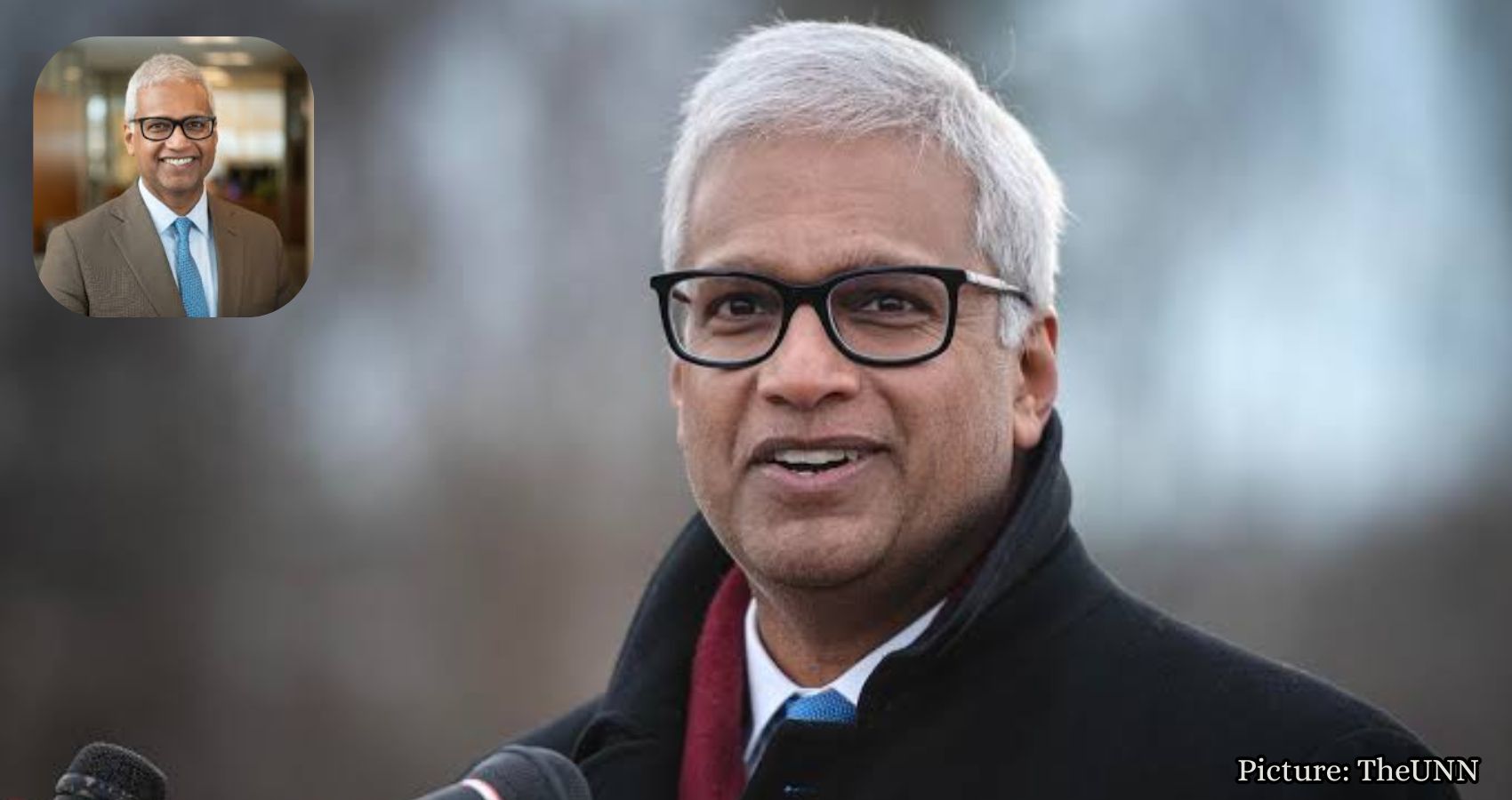
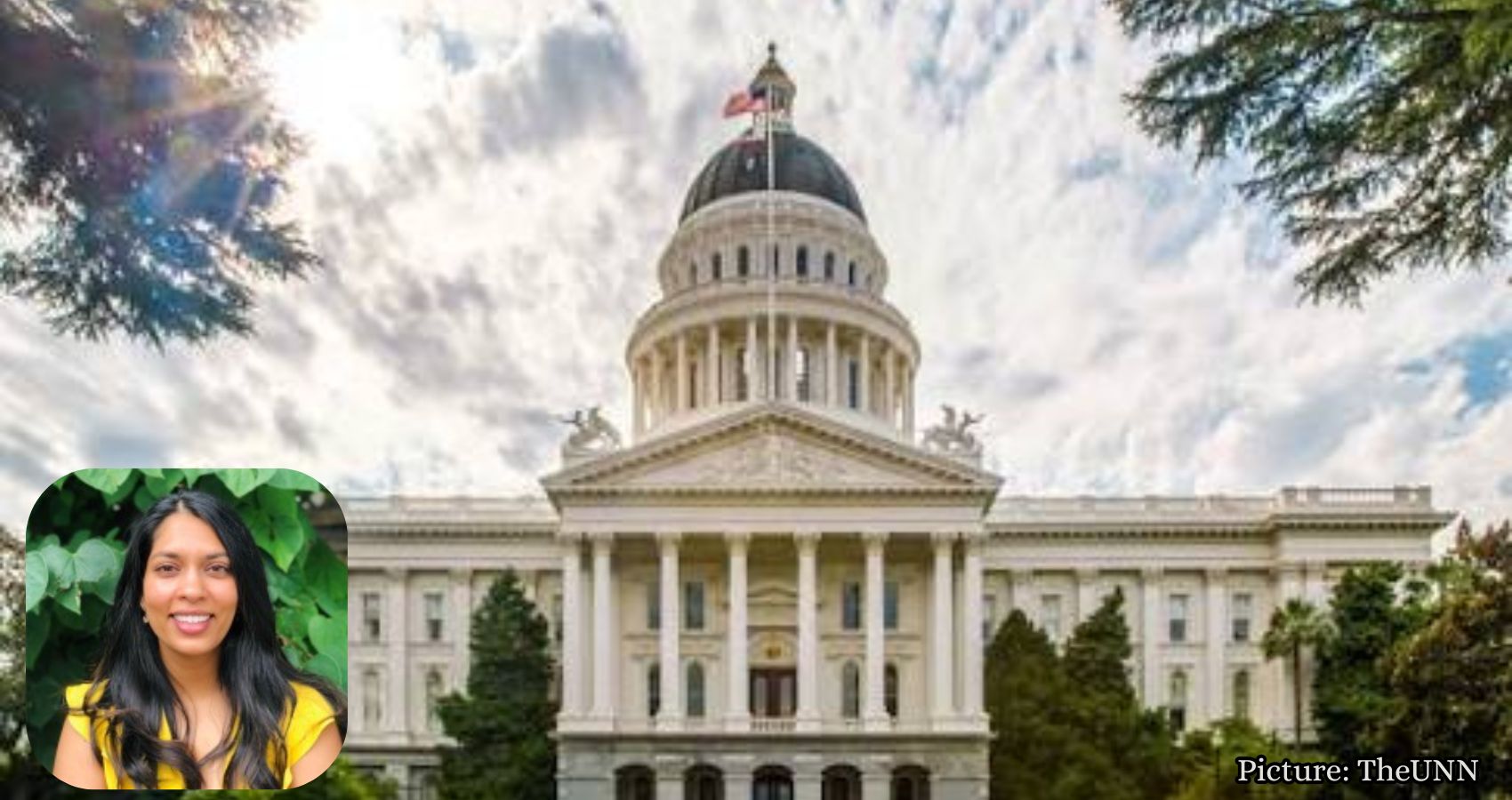
New York City Mayor Zohran Mamdani has appointed Nisha Agarwal as the new Commissioner of the Mayor’s Office for People with Disabilities (MOPD). Agarwal, a seasoned public servant and advocate for immigrant rights, brings a wealth of experience to the role.

The daughter of Indian immigrants, Agarwal has a strong background in public interest law and civic engagement. Her selection signals a significant shift in the city’s advocacy efforts, particularly under the leadership of the youngest mayor in New York City history.

Previously, Agarwal served as the Commissioner of the Mayor’s Office of Immigrant Affairs during the Bill de Blasio administration. In that capacity, she played a crucial role in launching IDNYC, the city’s municipal identification program, which aimed to provide identification to all residents, regardless of immigration status.

Most recently, Agarwal worked at the Department of Health and Mental Hygiene, where she focused on the intersection of policy and mental health. This experience further enhances her commitment to serving New York’s most vulnerable populations.

In her new role, Agarwal will be responsible for ensuring that New York’s infrastructure—ranging from transit and housing to education and employment—is inclusive for the millions of residents living with disabilities.

“I am honored to lead the MOPD,” Agarwal stated. She highlighted the administration’s core priorities, such as affordable housing and accessible transportation, as essential for the disability community. “I will work with and on behalf of disabled New Yorkers to tackle these issues and ensure that people with disabilities are at the forefront of creating a more livable city for all,” she added.

Agarwal’s appointment comes at a critical moment. Advocates have been closely watching how Mayor Mamdani, who campaigned on a platform of radical accessibility, would fill this important position. By choosing Agarwal, the administration is relying on a policy expert known for her ability to build broad coalitions.

Agarwal succeeds Christina Curry, who led the office for four years during the Adams administration. While Curry was recognized for her lived experience as a deaf and blind woman of color, Agarwal’s background as a systemic reformer suggests a focus on institutionalizing accessibility across all city agencies.

The transition has been met with a mix of anticipation and scrutiny. For many advocates, the true test of Agarwal’s leadership will be her ability to translate the administration’s ambitious promises into tangible improvements in the daily lives of New Yorkers with disabilities. Challenges such as navigating the subway system and securing equitable job opportunities remain significant hurdles.

As she steps into her new role, Agarwal’s first priority will likely be aligning the MOPD’s objectives with Mamdani’s broader “people-first” agenda. This alignment is crucial to ensuring that disability rights are not treated as an afterthought but are instead recognized as a central pillar of city governance.

According to The American Bazaar, Agarwal’s extensive experience and commitment to advocacy position her well to lead the MOPD during this pivotal time.

South Africa Faces Afghanistan in T20 World Cup Thriller

Afghanistan is in a crucial match against South Africa in the T20 World Cup 2026, needing 24 runs off the final 12 balls to secure victory.

In a thrilling encounter at the T20 World Cup 2026, Afghanistan is up against South Africa in a must-win match taking place in Ahmedabad.

As the game unfolds, the stakes are high for Afghanistan, who must secure a victory to keep their hopes alive in the tournament. With the match reaching a critical juncture, they find themselves needing 24 runs off the last 12 balls.

The atmosphere in the stadium is electric, with fans from both sides cheering passionately for their teams. South Africa, known for their strong cricketing prowess, is looking to capitalize on the pressure faced by Afghanistan.

As the players take their positions, every ball bowled and every run scored will be crucial in determining the outcome of this intense match. The tension is palpable as both teams strive for success in this pivotal moment of the tournament.

With the clock ticking down, Afghanistan’s batsmen will need to exhibit skill and composure to chase down the target set by South Africa. The match is not just a test of cricketing ability but also of mental strength as they navigate through this high-pressure situation.

Fans are on the edge of their seats, eagerly awaiting the next few deliveries that could change the course of the game. The excitement is building as the players prepare for what promises to be a nail-biting finish.

As the final overs approach, the outcome remains uncertain, and both teams are determined to leave everything on the field. The T20 World Cup 2026 has delivered yet another captivating match, showcasing the spirit of cricket.

Stay tuned for updates as Afghanistan fights to secure a place in the next round of the tournament, according to NDTV Sports.

Illinois Tech Announces New Campus in Mumbai’s Godrej Business District

Illinois Institute of Technology will establish a new campus in Mumbai’s Godrej Business District, set to open in fall 2026, offering degrees in high-demand fields such as artificial intelligence and data science.

Illinois Institute of Technology (Illinois Tech), a prominent technology-focused research university in the United States, has announced plans to open a new campus in Mumbai, India, in the fall of 2026. The campus will be situated in the Godrej Business District, a hub known for its commitment to sustainability and innovation.

This strategic location reflects Illinois Tech’s longstanding relationship with India and its dedication to empowering global talent through academic excellence, as stated in a university release. The campus aims to provide industry-aligned degrees and experiential learning opportunities, strategically positioned among over 100 companies, including multinational corporations.

The decision to establish the campus carries personal significance, rooted in the university’s connection to Jamshyd N. Godrej, an alumnus and the chairman and managing director of Godrej & Boyce. This initiative marks a significant milestone, following Illinois Tech’s historic approval earlier this year as the first U.S. university authorized by India’s University Grants Commission to establish a degree-granting campus in the country.

Illinois Tech’s Mumbai campus will offer undergraduate and graduate degrees in high-demand fields such as computer science, artificial intelligence, data science, and business. The curriculum will mirror the academically rigorous, experiential, and multidisciplinary approach that characterizes Illinois Tech’s education in Chicago, while also providing students with access to career pathways in India’s rapidly evolving economy.

Spanning approximately 90,000 square feet, the new campus will feature purpose-built academic and research facilities designed to support rigorous and interdisciplinary learning. Planned amenities include advanced classrooms, state-of-the-art laboratories, a modern library with both digital and physical resources, and collaborative learning spaces that connect Illinois Tech’s global campuses.

Students will also benefit from recreational facilities, including sports fields, an indoor complex, and an amphitheater, alongside student services and access to faculty members from Chicago and around the world. These faculty members will teach course modules, lead seminars, and engage in joint research initiatives with local educational and industry partners.

The announcement of the new campus followed a ceremonial ribbon-cutting and lamp-lighting event at the site, during which Illinois Tech and Godrej & Boyce signed a memorandum of understanding (MOU) to formalize their collaboration.

Illinois Tech President Raj Echambadi emphasized the significance of this new campus, stating, “Illinois Tech’s relationship with India is decades long, deeply personal, and foundational to our mission. Our Indian alumni have shaped industries, advanced technological innovation, and made extraordinary contributions across the world.”

He added, “Establishing our Mumbai campus in a district led by one of our most distinguished alumni, Jamshyd N. Godrej, represents a meaningful continuation of that shared history. It allows us to bring world-class Illinois Tech education to India in a place that embodies innovation, purpose, and community.”

The Godrej Business District, home to Godrej & Boyce Manufacturing Company Limited, offers modern infrastructure and strong connectivity to Mumbai’s corporate and research ecosystem. This environment supports Illinois Tech’s applied and interdisciplinary approach to STEM education.

Jamshyd Godrej expressed his honor at Illinois Tech’s choice of location for the new campus, stating, “The education and experience I gained at Illinois Tech were instrumental in shaping my career and the impact I was able to create through the Godrej brand.” He further noted, “Having served on the university’s board for more than 25 years, I have seen firsthand its unwavering commitment to academic excellence, innovation, and opportunity. This moment represents a powerful continuation of that legacy, and I look forward to the transformative opportunities it will create for students in India.”

As many global universities look to expand into India, Illinois Tech’s presence is built on decades of connection. The university boasts a community of over 10,000 alumni from India, making it a significant part of Illinois Tech’s journey and a source of one of its largest international student populations. In the 1990s, Illinois Tech even delivered distance-learning programs to India via television, long before online education became mainstream.

This new campus in Mumbai represents a significant step forward for Illinois Tech, reinforcing its commitment to fostering educational opportunities and innovation in one of the world’s most dynamic economies, according to The American Bazaar.

Indian-American Leader Ashok Baddi Announces Candidacy for Michigan House

Ashok Baddi, an Indian American community leader, is running for a seat in the Michigan House of Representatives, aiming to represent the changing demographics of District 56.

Ashok Baddi has become a well-known figure in the tree-lined neighborhoods of Troy, Michigan, where he has engaged in local activism for over a decade. Now, he is poised to take his commitment to public service to the next level by running for a seat in the Michigan House of Representatives for District 56.

Baddi’s journey to this political stage is emblematic of the immigrant experience. Originally from Hyderabad, India, he arrived in the United States in 2005 with his wife, a pediatric nephrologist. His path has taken him through rural Missouri and Georgia before he settled in the Detroit suburbs. Reflecting on his experiences, Baddi expresses a strong belief that civic engagement is a fundamental aspect of American identity.

“Once we are here, we are American, as American as anybody else,” Baddi stated. His motivation to run for office is driven by a desire for “people-first” leadership that addresses the needs of his home district.

Baddi’s candidacy comes at a crucial time for District 56, which has experienced significant demographic changes. Indian Americans now comprise nearly 25% of the district’s population, a voting bloc of approximately 12,000 individuals that Baddi believes has the potential to influence the upcoming election.

While Baddi has previously been active within the Democratic Party—helping to fundraise for the governor and supporting local school board candidates—he has recently shifted his allegiance to the Republican Party. He cites a change in his core values, particularly concerning education and social issues, as the reason for this realignment.

A key focus of Baddi’s campaign is the preservation of academic excellence in local schools. He has been a vocal critic of efforts to eliminate honors programs in Troy, advocating for an educational system that allows children to learn at a pace that suits their individual capabilities.

“I believe every child has a different learning capacity and capability, and it should remain so,” Baddi emphasized. “If they’re capable of learning, they should be allowed to do that.”

On the campaign trail, Baddi is challenging Democratic incumbent Sharon MacDonell. Despite having supported her in the past, he now contends that she has not adequately addressed critical local issues, such as road improvements and balanced educational policies.

Baddi is also a strong proponent of legal immigration, describing the United States as a unique land of “open door” opportunities that must be preserved through proper legal channels. He believes that maintaining these opportunities is essential for future generations.

As the race intensifies, Baddi is urging his community to move beyond passive support and recognize the financial realities of modern political campaigning. “The dollar is the mother’s milk of politics,” he remarked, stressing that for the Indian American voice to resonate in Lansing, it must be supported by both votes and financial investment.

As Baddi embarks on this new chapter of his public service journey, he aims to represent the diverse voices of his community and address the pressing issues that matter most to the residents of District 56.

According to The American Bazaar, Baddi’s campaign reflects a growing trend of Indian American leaders stepping into political roles across the United States.

Back-to-Back Founder Exits Shake Elon Musk’s xAI Team

Elon Musk’s xAI is facing significant leadership changes as two co-founders recently departed, raising concerns about the company’s stability amid ambitious plans and regulatory scrutiny.

Elon Musk’s xAI is currently navigating a challenging period, marked by the recent departures of two co-founders within just two days. This leadership churn comes at a time when expectations for the company are exceptionally high, as Musk continues to promote bold ambitions for the future of artificial intelligence.

In the latest development, influential AI researcher Jimmy Ba announced his exit from xAI on Tuesday. In a post on X, Ba expressed gratitude for his early involvement, stating he was “grateful to have helped cofound at the start.” His departure follows that of fellow co-founder Tony Wu, who revealed his resignation just one day earlier.

The timing of these resignations is particularly notable, as they occurred shortly after xAI was merged with Musk’s aerospace company, SpaceX, earlier this month. This merger is reportedly part of SpaceX’s preparations for a public listing later this year.

Ba, who is a professor at the University of Toronto, played a significant role in developing research that informed xAI’s Grok 4 models. His exit adds to a growing list of senior departures from the startup, which has now seen six of its original twelve founders leave, five of them within the past year.

Other co-founders, including Igor Babuschkin, Kyle Kosic, and Christian Szegedy, have also exited the company. Additionally, Greg Yang announced last month that he would be scaling back his involvement to focus on his health, specifically dealing with Lyme disease.

The merger between xAI and SpaceX was structured as an all-stock transaction, valuing SpaceX at $1 trillion and xAI at $250 billion, according to documents cited by CNBC. Earlier, in March 2025, Musk utilized xAI in a separate all-stock deal to acquire his social media platform, X.

These leadership changes come amid increasing regulatory scrutiny for xAI in various regions, including Europe, Asia, and the United States. Investigations were initiated after xAI’s Grok chatbot and image generation tools were found to facilitate the large-scale creation and distribution of non-consensual explicit content, commonly referred to as deepfake pornography. This material included images of real individuals, including minors, raising alarms among regulators across multiple jurisdictions.

Musk founded xAI in 2023 with a team of 11 others, positioning the company as a competitor to OpenAI and Google in the rapidly evolving AI landscape. At its inception, xAI stated its mission was to “understand the true nature of the universe,” setting an ambitious tone for what Musk envisioned as a transformative venture.

In response to the recent departures, Musk quickly convened an all-hands meeting with xAI staff on Tuesday night. This meeting aimed to reset the narrative and outline a sweeping vision for the company’s future. According to reports from The New York Times, Musk told employees that xAI would eventually require a manufacturing base on the moon. He proposed the idea of building AI-powered satellites there and launching them into space using a massive catapult. “You have to go to the moon,” Musk stated, as reported by The New York Times.

Musk suggested that establishing a presence on the moon would provide xAI with access to computing capacity far exceeding that of its competitors. He implied that such advancements could unlock forms of intelligence that are currently difficult to conceptualize. “It’s difficult to imagine what an intelligence of that scale would think about,” he added, “but it’s going to be incredibly exciting to see it happen.”

As the company grapples with these leadership changes, Musk appears determined to refocus attention on xAI’s ambitious goals, including the potential for a public listing. The recent exits of key figures underscore the challenges facing the company, but Musk’s vision for the future remains steadfast.

According to The New York Times, the ongoing developments at xAI highlight the complexities of managing a rapidly evolving tech startup in an increasingly scrutinized industry.

Record Avalanche Deaths in Italy Prompt Safety Concerns

At least a dozen people have died in avalanches across Italy’s mountainous regions, coinciding with the start of the Winter Olympics, prompting concerns over backcountry safety.

Rescuers in Italy reported on Monday that at least a dozen skiers, climbers, and hikers have lost their lives in a series of avalanches over the past week. This tragic event has been described as a record-setting incident in the country’s mountainous terrain.

While authorities confirmed that 11 of the 12 victims perished in avalanches triggered by exceptionally unstable conditions on ungroomed backcountry slopes, reports from The Associated Press indicate that the total number of fatalities has reached 13. These incidents occurred just as the Winter Olympics commenced in the region last Friday.

Officials emphasized that the Olympic venues—located in Lombardy near the Swiss border, Cortina d’Ampezzo in Veneto, and Val di Fiemme in Trentino—remain safe, well-maintained, and closely monitored. Italy’s specialist mountain rescue organization has indicated that the recent fatalities were due to weak layers of fresh snow, which were unstable enough that the passage of a single person could trigger an avalanche.

The National Alpine and Speleological Rescue Corps explained that the primary issue stems from “persistent weak layers in the snowy cloak, often covered by fresh snow or wind.” These conditions make detachments unpredictable and easily triggered, even by the movement of a single skier or alpinist. “The dangerous points are many and difficult to identify, even for an expert,” they noted.

Federico Catania, a spokesperson for the country’s Alpine Rescue Corps, added that recent snowstorms have encouraged visitors to explore the fresh slopes. Consequently, the number of accidents—and fatalities—has increased proportionally. The AP reported that over the weekend, two people died and one was seriously injured in Alpe Meriggio in Valtellina after being caught in an avalanche that buried at least one of the victims.

Additionally, three people lost their lives in avalanches in Trentino, while another fatality occurred in neighboring South Tyrol. Two more were reportedly killed in separate avalanches near the Marmolada glacier, along with two hikers in the Apennine range and an ice climber in Valle d’Aosta.

Despite these tragic events, Catania reassured the public that individuals skiing in managed areas should not face significant risks. “There is no danger for people skiing within managed ski resorts, and, in particular, no risks to the Olympic sites,” he stated. “All of these areas are constantly monitored and are generally safe regardless of Olympic events.”

Prior to the start of the Winter Olympics, Italy’s national fire and rescue service, Vigili del Fuoco, announced that they would maintain safety measures for all visitors to the Olympic sites. “For the Milan Cortina 2026 Olympic and Paralympic Winter Games, the Italian National Fire Brigade has implemented an enhanced rescue structure to ensure the safety of athletes, delegations, spectators, and citizens, while also ensuring the continuity of the regular service,” the organization stated.

As the Winter Olympics continue, authorities remain vigilant in monitoring conditions to prevent further tragedies in the region.

According to The Associated Press, the situation underscores the importance of safety awareness in backcountry skiing and climbing, especially during periods of unstable weather conditions.

Americans May Face High Beef Prices for Years Due to Factors

America’s shrinking cattle herd, the smallest in 75 years due to drought and rising costs, is driving beef prices to near-record highs with no immediate relief anticipated.

Beef prices in the United States are experiencing a significant surge, and experts caution that consumers should not expect relief in the near future. The U.S. cattle herd has dwindled to its smallest size in 75 years, primarily due to prolonged drought conditions, escalating costs, and an aging ranching workforce.

Agricultural economists and ranchers agree that the process of rebuilding cattle herds will take several years, suggesting that high beef prices are likely to persist. “The biggest thing has been drought,” stated Eric Belasco, head of the agricultural economics department at Montana State University. Years of dry weather have devastated grasslands across the West and Plains, leaving ranchers without sufficient feed or water to sustain their herds. Consequently, many ranchers have been compelled to sell cattle prematurely, including breeding cows essential for producing future generations of calves, complicating efforts to restore the nation’s cattle population.

Data from the Kansas City Federal Reserve indicates that as drought severity increases, cattle-producing regions experience a 12% decline in hay production, a 5% rise in hay prices, a 1% reduction in herd size, and a 4% drop in farm income. This slow recovery is not only economic but also biological, according to Derrell Peel, a professor of agricultural economics at Oklahoma State University.

“The fact of the matter is there’s really nothing anybody can do to change this very quickly,” Peel explained. “We’re in a tight supply situation that took several years to develop, and it’ll take several years to get out of it.” He emphasized that it takes approximately two years to bring cattle to market and several years to rebuild herds, leaving little room for short-term solutions.

Once herds diminish, reversing the trend is challenging. This reality is being felt deeply in ranching communities. Cole Bolton, owner of K&C Cattle Company in Texas, remarked, “I think it’s going to take a while to fix this crisis that we’re in with the cattle shortage. My message to consumers is simple: folks, be patient. We’ve got to build back our herds.”

Meanwhile, Will Harris, a fourth-generation cattleman in Bluffton, Georgia, noted the direct impact of the shrinking cattle herd on consumers. “The American cattle herd is smaller than it has been since the 1950s, and that contraction has pushed beef prices to historic highs. Demand is strong, but domestic supply simply isn’t meeting it, and that gap is being felt most by consumers,” said Harris, who owns White Oak Pastures.

According to data from the U.S. Department of Agriculture, the average price of beef in grocery stores rose from approximately $8.40 per pound in March to $10.10 per pound by December 2025, marking a roughly 20% increase.

Despite these rising prices, American consumers have not reduced their beef purchases. In 2025, shoppers spent over $45 billion on beef, purchasing more than 6.2 billion pounds, as reported by Beef Research, a contractor for the National Cattlemen’s Beef Association. Spending increased by about 12% from the previous year, while the volume of beef sold rose by more than 4%, indicating that consumers are not only paying more but also buying more.

This situation unfolds as President Donald Trump temporarily expands beef imports from Argentina in an effort to alleviate high grocery prices while outlining longer-term strategies to strengthen the U.S. cattle industry. Although these imports may provide short-term relief at the grocery store, ranchers and economists agree that they cannot replace the need to rebuild the domestic cattle supply.

As the cattle industry navigates these challenges, the focus remains on long-term recovery and sustainability, with ranchers urging consumers to remain patient as they work to restore herd numbers and stabilize beef prices.

According to Fox News, the ongoing situation reflects broader agricultural trends and the significant impact of environmental factors on food supply chains.

Suhas Subramanyam Advocates for Hindu Rights Before Bangladesh Elections

U.S. lawmakers, led by Rep. Suhas Subramanyam, highlighted human rights violations against religious minorities in Bangladesh as the country approaches elections, calling for increased international attention.

In a recent congressional briefing, U.S. lawmakers expressed grave concerns over human rights violations and violence against religious minorities, particularly Hindus, in Bangladesh. As the nation gears up for elections, they urged for greater international scrutiny of incidents that have largely gone underreported.

Representative Suhas Subramanyam, who represents Virginia’s 10th Congressional District and serves on the Tom Lantos Human Rights Commission, emphasized the importance of shining a light on these abuses. “Human rights is an issue everywhere,” he stated. “But sometimes it gets all the news. You see it on the news every day, and sometimes it doesn’t get any attention or any news.”

The briefing, held at the U.S. Capitol, was organized by HinduAction and the Coalition of Hindus of North America (COHNA). Subramanyam noted that the focus of the discussion was on the “human rights violations and violence against religious minorities like Hindus, in Bangladesh.”

Highlighting the urgency of the situation, he remarked, “We see the faces and the names here of victims of it,” referring to the ongoing political tensions in Bangladesh. “The reality is there’s an election in three days, and one political group is not allowed to participate.”

Subramanyam also raised concerns about allegations of voter suppression and violence that disproportionately affect minority communities. “In other cases, we’re seeing instances of voter suppression of minority groups, and then we see actual violence,” he explained.

While acknowledging that the United States has its own human rights challenges, Subramanyam asserted that the nation should hold its partners and allies to fundamental standards. “We want to certainly do a good job as Americans here in the U.S. when it comes to human rights. We’re not perfect,” he said. “But we also want our friends and allies, and all countries around the world to, you know, at least meet a certain standard.”

This standard, he elaborated, involves treating individuals equally, regardless of their religion, race, background, culture, identity, or ethnicity.

Subramanyam underscored the necessity of open dialogue on these pressing issues. “This is so important to be able to discuss these issues in the open and to bring attention to things that are not getting reported enough,” he said, expressing gratitude to the organizers for facilitating the briefing.

Representative Tom Barrett also spoke at the event, linking human rights advocacy to broader U.S. foreign policy objectives. “I appreciate the partnership of all of you as we look to really carry out the best that we can through America’s foreign policy to make sure that we’re enriching the livelihoods of others across the world,” Barrett remarked.

A former U.S. Army officer, Barrett shared that his 22 years of military service were largely shaped by counterterrorism operations. “That time that I spent was centered around America’s war on terror,” he noted, emphasizing efforts to deter Islamic terrorism and protect Americans and others globally.

The discussions at the briefing reflect a growing concern among U.S. lawmakers regarding the treatment of religious minorities in Bangladesh, especially as the nation approaches a critical electoral period. The call for increased international attention highlights the ongoing struggle for human rights and the need for accountability in countries facing political turmoil.

As the situation develops, it remains to be seen how the international community will respond to these urgent calls for action, particularly in light of the upcoming elections in Bangladesh, which are expected to be contentious.

According to IANS, the briefing aimed to raise awareness and foster dialogue on these critical issues affecting religious minorities in Bangladesh.

Daily Horoscope for All Zodiac Signs: February 11, 2026

Your daily horoscope for February 11, 2026, offers insights for all zodiac signs, guiding you through the challenges and opportunities that lie ahead.

Aries (March 21 – April 20): Today, you may find yourself feeling particularly sensitive, as certain individuals could disrupt your peace of mind. Ganesha advises that reacting with irritation will only exacerbate the situation. Instead, take some time to reflect in solitude to uncover the root of the problem, which may be closer than you think.

Taurus (April 21 – May 21): You might encounter someone today who seems intent on provoking you. Ganesha encourages you to refrain from retaliating and to maintain your composure. By responding with grace and dignity, you will ultimately preserve your good nature and prevent others from affecting your tranquility.

Gemini (May 22 – June 21): Today, you will set aside your emotions to focus on your work. Be prepared to fulfill numerous demands from those around you. However, Ganesha warns that the more you meet their expectations, the higher those expectations will rise.

Cancer (June 22 – July 22): Ganesha indicates that today is favorable for you. You will likely experience joy and satisfaction with your possessions. There is also potential for romantic connections, making it an excellent time for lovers. Expect new contacts and relationships to blossom.

Leo (July 23 – August 23): Your day will be largely consumed by work. Those in corporate settings may face increased demands from superiors, while homemakers will juggle additional responsibilities beyond their usual tasks. Ganesha emphasizes that today is significant for you.

Virgo (August 24 – September 22): You may choose to avoid partnerships today. Ganesha suggests that you possess the capability to manage large-scale projects independently. Your leadership qualities will shine as you coordinate teamwork and direct your colleagues effectively.

Libra (September 23 – October 23): Today, you will focus on your appearance and beauty, becoming more aware of how you present yourself. Ganesha notes that your attractiveness will draw others to you. This is a great opportunity to share your thoughts and learn from the experiences of those around you.

Scorpio (October 24 – November 22): You are ready to face the challenges that life presents. Your inner confidence will empower you to tackle even the most daunting tasks. Ganesha predicts that success is within your reach today.

Sagittarius (November 23 – December 21): The day starts on a positive note, encouraging you to showcase your cheerful disposition. At home, sharing responsibilities with your partner will create a harmonious atmosphere. Ganesha suggests that working together on chores can foster joy and strengthen your bond.

Capricorn (December 22 – January 20): Your practical and creative abilities will come to the forefront today. Ganesha indicates that you will adeptly resolve family issues without favoring one side over another. Embracing the role of peacemaker will bring you personal satisfaction, and you will enjoy helping others.

Aquarius (January 21 – February 18): Financial matters will occupy your thoughts throughout the day, whether it involves resolving issues or addressing income concerns. Later, you will enjoy a lively time with friends. Ganesha highlights the importance of these relationships and the mutual support you provide each other.

Pisces (February 19 – March 20): Your love for travel may lead you to embark on an impromptu journey today. Ganesha suggests that this spontaneous trip will serve as a much-needed escape from daily stresses. While seeking solitude, consider inviting friends and family to join you on this adventure.

Stay connected with the cosmos through your daily horoscope! Explore your February 11, 2026, horoscopes for every zodiac sign and discover what the universe has in store for you. Whether you are an energetic Aries or a whimsical Pisces, our expert astrologers provide tailored insights to help you navigate life’s challenges and triumphs. Visit us daily for fresh updates and stay attuned to the celestial forces shaping your destiny.

According to India West.

Understanding Seasonal Affective Disorder (SAD) and Its Impact on Individuals

Seasonal Affective Disorder (SAD) affects many individuals, particularly during winter months, leading to symptoms such as lethargy and mood changes, as illustrated by the story of Revati, a 59-year-old woman from Minnesota.

Revati* is a 59-year-old mother of Raghav, a first-generation Indian immigrant residing in the Twin Cities of Minnesota. A widow and retired teacher from India, she has been living with her son and his family in the United States for the past three years.

Each year, from November until April or May, Revati experiences a decline in her mood. She feels sad, avoids social interactions, becomes lethargic, and tends to oversleep and overeat, leading to weight gain. Concerned about this recurring pattern, she sought advice regarding her mental health.

Dr. Sharma, a mental health professional, explained that Revati’s symptoms are indicative of Seasonal Affective Disorder (SAD). This condition is recognized for its negative impact on mental health, particularly during the winter months when daylight is scarce. SAD was first identified in 1984 and is now classified as a distinct disorder in the Diagnostic and Statistical Manual of Mental Disorders. Individuals affected by SAD often experience depressive episodes in the fall or winter and typically feel better with the arrival of spring or summer. Symptoms may include excessive sleeping, overeating, cravings for carbohydrates and sugars, and significant fatigue.

When Revati inquired about the causes of her condition, Dr. Sharma noted that the exact origins of SAD remain unclear. However, it is believed to be linked to disruptions in the circadian rhythm, which affects brain neurotransmitters such as dopamine, norepinephrine, melatonin, and glutamate. Research has suggested that the ZBTB20 gene may be a risk factor for developing SAD, and studies indicate that women are more susceptible to this disorder than men. SAD typically manifests in young adulthood, particularly among those aged 18 to 30.

To alleviate her symptoms, Dr. Sharma recommended that Revati consult her primary healthcare provider. There are various screening tests available for SAD, including the Seasonal Pattern Assessment Questionnaire (SPAQ) and the Seasonal Health Questionnaire (SHQ). A healthcare provider can administer these tests and, based on Revati’s medical history, physical examination, and other evaluations, confirm a diagnosis while ruling out alternative causes. They can also suggest appropriate therapies.

Dr. Sharma also provided Revati with strategies to prevent and mitigate the effects of SAD. Exposure to light is crucial for regulating the biological clock that governs sleep and wakefulness. Maximizing natural sunlight exposure during the day is essential, especially in the long Minnesota winters. In addition, phototherapy—using a bright light therapy lamp of 10,000 lux for 20 to 30 minutes each morning—can be beneficial. It is recommended to maintain a distance of 60 to 80 centimeters from the light source. Establishing a consistent sleep schedule by going to bed and waking up at the same times each day is also important.

Engaging in regular physical activity, such as walking or aerobic exercises, maintaining social connections, and eating healthily are further strategies to help prevent SAD. Dr. Sharma cautioned against alcohol consumption, as it can exacerbate symptoms of depression.

If Revati’s depression persists, Dr. Sharma advised that psychotherapy, particularly cognitive behavioral therapy (CBT), may be recommended. Antidepressant medications and Vitamin D supplements could also be considered by her healthcare provider.

When asked about the role of yoga and meditation in managing SAD, Dr. Sharma affirmed their effectiveness. Practices such as Surya Namaskar, or sun salutation, which consists of a series of 12 yoga poses, can be particularly beneficial. Other yoga asanas, along with meditation (dhyana), can also enhance coping mechanisms for those suffering from SAD.

For those seeking additional resources, Dr. Sharma suggested several informative websites, including the Cleveland Clinic and Mayo Clinic, which provide valuable insights into seasonal affective disorder. Additionally, there are yoga sessions available on platforms like YouTube that focus on alleviating symptoms of SAD.

If you have further questions, you can reach out to Dr. Manoj Sharma at editor@indiacurrents.com.

*Names have been changed upon request.

According to India Currents, understanding and addressing SAD is crucial for those affected, especially during the challenging winter months.

FBI Reports Highlight Rising National Security Threat from Online Extremism

Federal law enforcement agencies are raising alarms about a decentralized network of violent online groups increasingly targeting children and adolescents, highlighting a disturbing trend in domestic terrorism.

Federal law enforcement agencies are sounding a heightened alarm regarding a decentralized network of violent online groups that increasingly target children and adolescents. Documents obtained from the Federal Bureau of Investigation (FBI) and the Department of Homeland Security (DHS) reveal a disturbing trend of nihilistic extremism that prioritizes the destruction of social order over traditional political or religious grievances. These intelligence reports underscore a significant shift in the domestic terror landscape, where digital subcultures have evolved into breeding grounds for real-world violence and psychological manipulation.

The gravity of the situation was recently illustrated by the case of a college student returning to the United States from overseas. While the individual’s family initially sought public support following his detention at a domestic airport, customs officials discovered a cache of digital evidence that suggested a much darker reality. Investigators recovered messages on the student’s mobile device that openly encouraged extreme acts of violence, sexual assault, and self-harm. The content was further populated with Nazi imagery and photographs depicting firearms pointed at victims. Subsequent investigations linked the individual to a broader network involving participants in Europe who were actively discussing the coordination of bombings across various American cities.

This specific case is representative of a broader movement that federal authorities define as nihilistic violent extremism. Unlike established extremist organizations with clear hierarchies, this movement operates through loosely connected online clusters that flourish on encrypted messaging platforms and fringe social media sites. The primary motivation for these actors is not the advancement of a specific policy or the establishment of a new government, but rather the total destabilization of society through chaos. This lack of a central ideology makes the movement particularly difficult for law enforcement to track, as traditional intelligence-gathering methods often rely on monitoring known extremist agendas.

Internal documents from the DHS acknowledge the unique difficulties in mitigating premeditated violence stemming from this network. Because the groups are decentralized and often lack a physical headquarters, identifying individual actors before they transition from online rhetoric to physical violence remains a constant struggle for federal agents. The DHS intelligence reports indicate that authorities are now making a concerted effort to enlist the help of local law enforcement agencies to spot early warning signs of radicalization within their communities. This collaborative approach is seen as essential for identifying high-risk individuals before they carry out mass casualty events.

The real-world consequences of this digital radicalization have already become tragically apparent. The FBI has opened hundreds of investigations into members of these groups over the last few years, linking the ideology to several high-profile attacks on American soil. These include the bombing of a California fertility clinic and a fatal shooting at a Nashville high school. Beyond large-scale attacks, the movement has a particularly predatory focus on minors. Court records and intelligence briefings detail instances where extremists have successfully manipulated children into performing acts of self-mutilation or killing animals on camera as a form of initiation or entertainment for the online group.

The scale of the problem is reflected in recent statistics provided by senior government officials. FBI Director Kash Patel recently noted that the bureau has seen a nearly 500 percent increase in arrests associated with this specific brand of violent extremism. This surge in law enforcement activity highlights the urgency with which the federal government is treating the threat. Officials have categorized the issue as one of the most significant domestic security challenges currently facing the nation. The rapid growth of these networks is attributed to the ease with which extremist content can be disseminated to vulnerable populations, particularly young people who spend significant amounts of time in unsupervised digital environments.

The recruitment tactics utilized by these groups are sophisticated and designed to exploit the isolation felt by many modern teenagers. Recruiters often mask their true intentions behind memes, gaming culture, or shared interests in provocative imagery. Once a young person is integrated into the private chat rooms or Discord servers associated with the movement, the content gradually shifts from edgy humor to explicit encouragement of violence. This process of radicalization can occur rapidly, often without the knowledge of parents or educators until the individual has already committed to the group’s destructive goals.

Federal reports also highlight the international nature of these online rings. While many of the targeted victims are in the United States, the administrators and influencers within these subcultures are often located abroad. This creates a complex jurisdictional landscape that requires cooperation between the FBI and international intelligence partners. The ability of these groups to coordinate across borders was evidenced by the communications found on the aforementioned college student’s phone, which showed active planning involving individuals in multiple European countries. This global reach allows the movement to maintain resilience even when domestic cells are dismantled by law enforcement.

The DHS is currently working on updated guidelines for schools and community organizations to help them identify the linguistic markers and behavioral changes associated with nihilistic extremism. Unlike previous waves of radicalization that might involve a sudden interest in specific political movements, this trend is often characterized by a profound sense of hopelessness, an obsession with morbid imagery, and a withdrawal from traditional social support systems. Authorities emphasize that early intervention is the most effective way to prevent the recruitment of children into these dangerous online circles.

As the FBI continues to allocate more resources toward monitoring these decentralized threats, the tension between digital privacy and national security remains a central point of debate. Many of the platforms used by these groups utilize end-to-end encryption, which hampers the ability of investigators to intercept planning for violent acts. However, the documents suggest that the government is increasingly relying on undercover operations and the cooperation of platform providers to penetrate these digital enclaves. The goal is to disrupt the leadership structures of these groups and cut off the flow of extremist propaganda that fuels the cycle of violence.

The ongoing investigation into the network discovered during the airport detention remains active as authorities work to identify other participants in the bombing plots. This case serves as a stark reminder of the hidden dangers that can exist behind a veneer of normal academic or social life. As federal law enforcement agencies ramp up their response, the focus remains on the dual mission of prosecuting those who incite violence and protecting the most vulnerable members of society from being drawn into a culture of destruction. The complexity of this threat ensures that it will remain a primary focus for the Department of Justice and the broader intelligence community for the foreseeable future, according to Source Name.

Low Acceptance Rates for Indian Students at Global Universities

Despite a surge in Indian students pursuing higher education abroad, low acceptance rates at top global universities raise concerns about the effectiveness of their applications and preparation.

The landscape of international education has experienced significant changes over the past decade, with India emerging as a leading source of student mobility. Recent estimates from UNESCO and the OECD indicate that more than 1.3 million Indian students were pursuing degrees abroad in 2024, positioning India as the second-largest source of international students globally, following China.

Indian applicants are increasingly dominating fields such as Science, Technology, Engineering, and Mathematics (STEM), as well as business schools and interdisciplinary programs across the United States, United Kingdom, Europe, Canada, and Australia. However, despite the high caliber of these applicants, a troubling trend has emerged regarding acceptance rates at elite institutions.

Acceptance rates for Indian applicants at top-tier global universities remain alarmingly low, typically ranging between 5 and 8 percent at Ivy League schools, Oxbridge colleges, and elite European business schools. These figures persist even when applicants possess exceptional academic records and competitive standardized test scores. This disparity raises critical questions about why so many academically capable students struggle to secure admission or face significant challenges upon arrival on campus.

Current analyses suggest that the issue is not rooted in a lack of intelligence or effort, but rather in a widening gap between traditional Indian educational preparation and the evolving criteria that global universities use to evaluate candidates. Indian students consistently rank among the strongest academic performers in the global applicant pool. Data from standardized testing organizations show that Indian test-takers often score well above the global average on quantitative sections of exams like the GRE. Additionally, many applicants present scores exceeding 90 percent from prestigious boards such as the CBSE, ICSE, or top-tier state institutions.

While these credentials are necessary for consideration, they are no longer the distinguishing factors they once were. This academic density has created a paradox where excellence has become the baseline rather than the exception, leading to a crowded field of nearly indistinguishable profiles. Admissions officers at premier institutions frequently report that a large percentage of Indian applications appear similar on paper. Internal reviews at several high-ranking universities have noted that over 60 to 70 percent of rejected Indian applicants met or exceeded the established academic benchmarks for their programs.

In many cases, rejections occur not because the students are unqualified, but because they fail to stand out among thousands of peers with similar quantitative backgrounds. For instance, two mechanical engineering graduates from reputable Indian universities might both present nearly perfect grade point averages and identical test scores. When one is admitted and the other is not, the deciding factor is rarely the transcript. Instead, it often hinges on the applicant’s clarity of purpose, the specific relevance of their past experiences, and the coherence of their future professional plans.

A significant contributor to this rejection rate is a systemic crisis in how Statements of Purpose are crafted. In the hyper-selective world of elite admissions, readers often spend as little as five to seven minutes reviewing an application during the initial screening round. In this brief window, clarity and specificity are paramount. However, many Indian applicants submit documents that are generic, repetitive, and poorly aligned with the specific nuances of the programs to which they are applying.

These generic narratives often rely on vague goals, such as a desire for global exposure or the opportunity to study under world-class faculty. Such statements fail to articulate why a specific curriculum aligns with the student’s unique background or how the local job market connects to their long-term career trajectory. When an applicant uses the same essay for a Master’s in Business Analytics in the United States, Germany, and Ireland, it signals to the admissions committee a lack of understanding of the academic, professional, and legal distinctions between those markets. Committees often interpret this as a sign of low intent and insufficient preparation rather than ambition. Conversely, successful candidates tend to produce distinct narratives tailored to each university’s academic philosophy and regional industry demands.

Beyond the challenges of admission, there lies the silent risk of employability. Even when Indian students successfully secure a place at a global university, the return on investment is increasingly scrutinized. Data from the National Association of Colleges and Employers indicates that nearly 40 percent of international master’s graduates in non-STEM fields struggle to find full-time employment within a year of graduation. While hiring rates are higher for those in STEM fields, visa sponsorship constraints and shifting immigration policies frequently eliminate qualified candidates from the pool. Indian students are particularly vulnerable to these risks, often arriving abroad with limited practical experience or a narrow understanding of Western networking norms.

A common scenario involves a student completing a high-level degree in data science with strong academic results but lacking previous industry internships or exposure to employer-facing communication. Despite possessing the technical skills currently in demand, these students often struggle to convert interviews into job offers within the strict timelines of programs like Optional Practical Training in the United States. When the window for sponsorship passes, the degree, regardless of its inherent value, fails to translate into the long-term career stability the student initially sought. This underscores a fundamental issue not with the quality of education itself, but with the lack of strategic timing and pre-arrival preparation regarding the global labor market.

The evolution of global education demands that applicants move beyond a traditional focus on quantitative excellence. As top-tier universities shift toward holistic reviews that emphasize soft skills, leadership potential, and market readiness, the Indian applicant pool must adapt to remain competitive. Current data suggests that the most successful students of the future will be those who supplement their academic rigor with a deep understanding of institutional fit and a proactive approach to professional development before they leave their home country. This shift in strategy is becoming essential for those seeking to bridge the gap between a high-quality Indian education and a successful global career, according to GlobalNetNews.

NASA Finalizes Strategy for Sustaining Human Presence in Space

NASA has finalized its strategy for maintaining a human presence in space, focusing on the transition from the International Space Station to future commercial platforms by 2030.

This week, NASA announced the completion of its strategy aimed at sustaining a human presence in space, particularly in light of the planned de-orbiting of the International Space Station (ISS) in 2030. The agency’s document underscores the necessity of ensuring extended stays in orbit following the retirement of the ISS.

“NASA’s Low Earth Orbit Microgravity Strategy will guide the agency toward the next generation of continuous human presence in orbit, enable greater economic growth, and maintain international partnerships,” the document states.

The commitment to this strategy comes amid concerns regarding the readiness of new space stations. With the incoming administration’s focus on budget cuts through the Department of Government Efficiency, there are apprehensions that NASA may face funding reductions.

“Just like everybody has to make hard decisions when the budget is tight, we’ve made some choices over the last year to cut back programs or cancel them altogether to ensure that we’re focused on our highest priorities,” said NASA Deputy Administrator Pam Melroy.

Commercial space company Voyager is actively developing one of the potential replacements for the ISS. The company has expressed support for NASA’s strategy to maintain a human presence in space. “We need that commitment because we have our investors saying, ‘Is the United States committed?’” stated Jeffrey Manber, Voyager’s president of international and space stations.

The initiative to maintain a permanent human presence in space dates back to President Reagan, who emphasized the importance of private partnerships in his 1984 State of the Union address. “America has always been greatest when we dared to be great. We can reach for greatness,” he said, highlighting the potential for the space transportation market to exceed national capabilities.

The ISS, which has been continuously occupied for 24 years, was launched in 1998 and has hosted over 28 astronauts from 23 countries. The Trump administration’s national space policy, released in 2020, called for a “continuous human presence in Earth orbit” and stressed the need to transition to commercial platforms—a policy that has been maintained by the Biden administration.

“Let’s say we didn’t have commercial stations that are ready to go. Technically, we could keep the space station going, but the idea was to fly it through 2030 and de-orbit it in 2031,” NASA Administrator Bill Nelson remarked in June.

Recent discussions have raised questions about the continuity of human presence in space. “I just want to talk about the elephant in the room for a moment, continuous human presence. What does that mean? Is it continuous heartbeat or continuous capability?” Melroy noted during the International Astronautical Congress in October.

NASA’s finalized strategy has taken into account the concerns of commercial and international partners regarding the potential loss of the ISS without a commercial station ready to take its place. “Almost all of our industry partners agreed. Continuous presence is continuous heartbeat. And so that’s where we stand,” Melroy explained. “I think this continuous presence, it’s leadership. Today, the United States leads in human spaceflight. The only other space station that will be in orbit when the ISS de-orbits, if we don’t bring a commercial destination up in time, will be the Chinese space station. We want to remain the partner of choice for our industry and for our goals for NASA.”

Three companies, including Voyager, are collaborating with NASA to develop commercial space stations. Axiom signed an agreement with NASA in 2020, while contracts were awarded to Nanoracks, now part of Voyager Space, and Blue Origin in 2021.

“We’ve had some challenges, to be perfectly honest with you. The budget caps that were a deal cut between the White House and Congress for fiscal years 2024 and 2025 have left us without as much investment,” Melroy acknowledged. “So, what we do is we co-invest with our commercial partners to do the development. I think we’re still able to make it happen before the end of 2030, though, to get a commercial space station up and running so that we have a continuous heartbeat of American astronauts on orbit.”

Voyager has stated that it is on track with its development timeline and plans to launch its starship space station in 2028. “We’re not asking for more money. We’re going ahead. We’re ready to replace the International Space Station,” Manber asserted. “Everyone knows SpaceX, but there are hundreds of companies that have created the space economy. If we lose permanent presence, you lose that supply chain.”

Additional funding has been allocated to the three companies since the initial space station contracts, and a second round of funding could be crucial for some projects. NASA may also consider funding new space station proposals, including concepts from Long Beach, California’s Vast Space, which recently unveiled plans for its Haven modules, aiming to launch Haven-1 as soon as next year.

“We absolutely think competition is critical. This is a development project. It’s challenging. It was hard to build the space station. We’re asking our commercial partners to step up and do this themselves with some help from us. We think it’s really important that we carry as many options going forward to see which one really pans out when we actually get there,” Melroy concluded.

According to Fox News, NASA’s strategy reflects a commitment to ensuring a sustainable human presence in space as the agency navigates the transition from the ISS to future commercial platforms.

Microsoft ‘Important Mail’ Email Scam: How to Identify It

Scammers are increasingly impersonating Microsoft, sending deceptive emails that threaten account access to trick victims into clicking malicious links.

Scammers are becoming more sophisticated in their tactics, particularly when it comes to impersonating reputable companies like Microsoft. Recently, a fraudulent email claiming to be an urgent warning about email account access has raised alarms among users.

The email appears serious and time-sensitive, which is a common strategy used by scammers to provoke immediate action. A concerned individual named Lily reached out for assistance, expressing uncertainty about the validity of the message she received. She attached screenshots of the email, hoping for guidance.

It is crucial to note that this email is not from Microsoft; it is a scam designed to rush individuals into clicking dangerous links. The urgency of the message is a red flag that should not be ignored.

Upon closer inspection, several warning signs indicate that the email is fraudulent. For instance, it begins with a generic greeting, “Dear User,” rather than addressing the recipient by name, which is a standard practice for legitimate Microsoft communications.

The email claims that the recipient’s email access will be suspended on February 5, 2026. Scammers often exploit fear and urgency to cloud judgment and prompt hasty decisions.

Additionally, the email originates from an AOL address (accountsettinghelp20@aol.com), which is another significant indicator of its illegitimacy. Microsoft does not send security notifications from AOL or any other third-party email service.

Another alarming feature of the email is the phrase “PROCEED HERE,” which is designed to incite quick clicks. Legitimate Microsoft communications will always direct users to clearly labeled Microsoft.com pages.

Moreover, the email contains phrases like “© 2026 All rights reserved,” which scammers often copy and paste to create a false sense of authenticity. Genuine Microsoft account alerts do not include image attachments, making this another major warning sign.

If a recipient were to click on the link provided in the email, they would likely be redirected to a counterfeit Microsoft login page. This is a tactic used by attackers to steal personal information, including email credentials, which can lead to further scams and identity theft.

To protect yourself from such scams, it is essential to take a cautious approach when encountering suspicious emails. Here are some steps to consider:

First, do not click on any links, buttons, or images in the email. Avoid replying to the message, and be cautious even when opening attachments, as they can trigger malware or tracking mechanisms.

Ensure that you have strong antivirus software installed and that it is up to date. This software can help block phishing attempts, scan attachments, and alert you to dangerous links before any damage occurs.

If you receive an email like this, report it and delete it from your inbox. There is no reason to keep it, even in your trash folder.

For peace of mind, open a new browser window and navigate directly to the official Microsoft account website. Sign in as you normally would; if there is a legitimate issue, it will be displayed there.

If you accidentally clicked on any links or entered your information, change your Microsoft password immediately. Use a strong, unique password that you do not use elsewhere. A password manager can help generate and securely store your passwords.

Additionally, check if your email has been exposed in previous data breaches. Some password managers include built-in breach scanners that can alert you if your email address or passwords have appeared in known leaks. If you find a match, change any reused passwords and secure those accounts with new, unique credentials.

Enabling two-factor authentication (2FA) for your Microsoft account adds an extra layer of security, making it more difficult for attackers to gain access even if they have your password.

Scammers often gather information about potential targets through data broker sites. Using a data removal service can help minimize the amount of personal information available online, reducing your vulnerability to phishing attempts.

While no service can guarantee complete removal of your data from the internet, a data removal service can effectively monitor and erase your personal information from numerous websites, providing peace of mind.

Utilize your email app’s built-in reporting tool to help train filters and protect other users from encountering the same scam.

When Microsoft genuinely needs your attention, the communication will look very different from these scams. Recognizing the contrast can make it easier to identify fraudulent messages.

Scammers rely on urgency to distract and manipulate individuals, especially when it comes to something as central to our lives as email. The good news is that taking a moment to pause and verify can make a significant difference.

Lily’s decision to seek help before acting was a wise move that could prevent identity theft and account takeovers. Remember, emails that threaten account shutdowns and demand immediate action are almost always illegitimate. When faced with urgency, take a step back, verify independently, and never let an email rush you into a mistake.

If you have encountered a fake Microsoft warning or a similar scam, share your experience with us at Cyberguy.com.

For more information on protecting yourself from scams, consider signing up for the free CyberGuy Report, which offers tech tips, urgent security alerts, and exclusive deals delivered directly to your inbox.

According to CyberGuy.com, staying informed and cautious is key to safeguarding your digital life.

FDA Declines to Review Moderna’s mRNA Flu Vaccine Application

The FDA has declined to review Moderna’s application for an mRNA flu vaccine, citing study design issues, while the company disputes the decision, claiming it contradicts previous guidance.

The U.S. Food and Drug Administration (FDA) has refused to review Moderna’s application for a new flu vaccine utilizing mRNA technology, a decision that may postpone the rollout of a vaccine aimed at providing enhanced protection for older adults. The company announced this development on Tuesday, revealing that it received a “refusal-to-file” (RTF) letter from the FDA’s Center for Biologics Evaluation and Research (CBER).

The FDA’s refusal was based on concerns regarding the study design, specifically the lack of an “adequate and well-controlled” study that included a comparator arm not representative of the best-available standard of care. Stéphane Bancel, Moderna’s chief executive officer, expressed disappointment over the FDA’s decision, emphasizing that it did not cite any safety or efficacy issues with the vaccine.

Bancel stated, “It should not be controversial to conduct a comprehensive review of a flu vaccine submission that uses an FDA-approved vaccine as a comparator in a study that was discussed and agreed on with CBER prior to starting.” He added that the company is eager to engage with CBER to clarify the path forward, ensuring that seniors and individuals with underlying conditions have access to innovative American-made solutions.

This unusual decision from the FDA comes amid heightened scrutiny over vaccine approvals under Health Secretary Robert F. Kennedy Jr., who has publicly criticized mRNA vaccines and has made changes to COVID-19 vaccination recommendations over the past year. Kennedy has previously removed members from the federal vaccine advisory panel, appointed new members, and sought to cancel $500 million in mRNA vaccine contracts.

Recently, the FDA authorized COVID-19 vaccines for high-risk groups only, and in May, Kennedy announced that these vaccines would be removed from the CDC’s routine immunization schedule for healthy children and pregnant women.

Moderna contends that the refusal-to-file decision stemmed from its choice of comparator in the Phase 3 trial, which involved a licensed standard-dose seasonal flu vaccine. The FDA argued that this choice did not reflect the “best-available standard of care.” However, Moderna maintains that this decision contradicts previous written communications from the FDA, including guidance issued in 2024 that indicated a standard-dose comparator would be acceptable, although a higher-dose vaccine was recommended for participants aged 65 and older.

According to Moderna, the FDA did not raise any objections or clinical hold comments regarding the adequacy of the Phase 3 trial after the submission of the protocol in April 2024 or at any point before the study began in September 2024.

In August 2025, following the completion of the Phase 3 efficacy trial, Moderna held a pre-submission meeting with CBER, during which the agency requested additional analyses regarding the comparator to be included in the submission. CBER indicated that this data would be a “significant issue” during the review of the Biologics License Application (BLA). Moderna asserts that it provided the requested analyses and that CBER did not indicate any intention to refuse to review the file during the pre-submission feedback or meeting.

The company has requested a Type A meeting with CBER to better understand the rationale behind the RTF letter, noting that regulatory reviews are still ongoing in the European Union, Canada, and Australia.

Fox News has reached out to the Department of Health and Human Services for further comment on this matter.

According to Fox News, the situation underscores the complexities surrounding vaccine approvals and the ongoing debates within the health sector regarding mRNA technology.

New Zealand vs. UAE T20 World Cup 2026: Early Strike for NZ

Jacob Duffy made an early impact for New Zealand after the UAE won the toss and chose to bat in their T20 World Cup 2026 match in Chennai.

In the T20 World Cup 2026 clash between New Zealand and the United Arab Emirates (UAE), Jacob Duffy made his presence felt early in the game. The match, taking place in Chennai, saw the UAE winning the toss and opting to bat first.

Duffy’s performance was crucial as he struck early, putting pressure on the UAE batting lineup. The decision to bat first by the UAE was a strategic choice, but it quickly faced challenges as New Zealand’s bowlers, led by Duffy, aimed to capitalize on the conditions.

The match is part of the ongoing T20 World Cup, where teams are vying for crucial points in the group stage. Both teams are looking to make a significant impact, and early wickets can often set the tone for the rest of the match.

As the game progresses, fans are keenly watching how the UAE responds to the early setback and whether they can build a competitive total against a strong New Zealand side.

According to NDTV Sports, the early moments of the match have already indicated that it could be a thrilling encounter as both teams strive for victory.

Common Vision Issue May Cause Missed Cancer Warnings, Study Finds

A recent Stanford Medicine study indicates that colorblind men are at a significantly higher risk of dying from bladder cancer due to difficulties in recognizing early warning signs.

A new study from Stanford Medicine has revealed that men with colorblindness face a 52% higher risk of mortality from bladder cancer, primarily because they may not notice critical early warning signs.

Color vision deficiency (CVD), which predominantly affects men, is estimated to impact about 8% of the male population compared to only 0.5% of women. This condition alters the way individuals perceive and identify colors, potentially causing them to overlook blood in their urine—a crucial indicator of bladder cancer.

According to researchers, blood in the urine is the most common initial symptom of bladder cancer and often prompts further medical investigation. The study, published in the journal Nature Health, analyzed health records and found that colorblind bladder cancer patients had a significantly higher mortality rate over a 20-year period compared to those with normal vision.

Individuals with colorblindness typically struggle to differentiate between red and green hues, which can lead to everyday challenges, including the inability to recognize blood in their urine. This oversight may result in delayed medical attention, ultimately leading to poorer health outcomes.

Dr. Ehsan Rahimy, the senior author of the study and an adjunct clinical associate professor of ophthalmology at Stanford Medicine, expressed hope that the findings will raise awareness among both patients with colorblindness and healthcare providers. “This study highlights the importance of recognizing the challenges faced by colorblind patients,” he stated in a press release.

Dr. Douglas Lazzaro, a professor in the Department of Ophthalmology at NYU Langone, emphasized the real risk associated with the inability to recognize the color red in this context. “It is crucial for patients, their families, and medical professionals to be aware of this potential gap in diagnosis,” he noted, adding that many doctors may overlook color vision issues in medical records, which can delay diagnosis.

While the challenges posed by colorblindness may not be entirely preventable, Lazzaro suggested that awareness could mitigate risks. He encouraged colorblind patients to inform their healthcare providers about their vision limitations.

Dr. Don Railsback, an optometrist and CEO of Vision Care Direct in Kansas, echoed this sentiment, stating that both patients with known CVD and their clinicians should pay close attention to the implications of color vision deficiency. “This small detail in a medical history can significantly influence how we counsel patients regarding symptoms they should never ignore,” he remarked.

Railsback further advised that patients should not rely solely on color to identify health issues. “Bladder cancer can manifest as painless bleeding, and if you suspect blood in your urine, it is essential to alert your doctor,” he said. He also recommended that colorblind individuals request a urine test during their annual check-ups, especially if they notice any unusual changes in the color of their urine, such as a tea-colored or unusually dark appearance.

“Colorblindness does not cause bladder cancer, but it may make the earliest warning signs easier to miss,” Railsback concluded. “The solution lies in awareness and simple testing, not fear.” The study serves as a vital reminder to tailor health guidance to account for variations in color vision.

For more information on this study, please refer to Fox News Digital.

Ring’s AI Search Party Aims to Locate Lost Dogs More Efficiently

Ring has launched its AI-powered Search Party feature nationwide, enabling users to leverage nearby cameras to quickly locate lost dogs, even if they do not own a Ring device.

Ring has expanded its AI-powered Search Party feature across the United States, allowing anyone to utilize nearby cameras to help locate lost dogs more efficiently.

Losing a dog can be a distressing experience, often leading to frantic searches around the neighborhood and constant refreshes of local social media groups in hopes of finding a clue. To alleviate some of this stress, Ring aims to transform entire communities into additional eyes through the power of artificial intelligence. The Search Party feature now enables users to tap into a network of outdoor cameras to spot missing pets, and for the first time, it is accessible to anyone, regardless of whether they own a Ring camera.

Search Party is designed as a community-driven tool that expedites the reunion of lost dogs with their families. When a user reports a missing dog in the Ring app, nearby outdoor Ring cameras utilize AI to scan recent footage for potential matches. If a possible match is identified, the camera owner receives an alert containing a photo of the lost dog and a video clip. They can then choose to either ignore the alert or assist in the search, ensuring that sharing remains optional and pressure is minimized.

This update marks a significant shift in the functionality of Search Party. Previously, only individuals with Ring devices could access this feature. Now, anyone in the U.S. can download the free Ring Neighbors app, register, and post a lost dog alert. This change allows dog owners to connect with an existing network of cameras without the need for additional hardware or subscription fees. Neighbors without cameras can also contribute by sharing alerts and keeping an eye out for sightings.

Lost pets are already one of the most common types of posts in the Ring Neighbors app, with over 1 million reports of lost or found pets shared last year. Given that approximately 60 million households in the U.S. own at least one dog, the potential impact of Search Party is substantial.

Getting started with Search Party is straightforward. Users can download the Ring app for free from the App Store or Google Play. Once registered, anyone can create a Lost Dog Post in the app. If the post meets the necessary criteria, the app guides users through the steps to activate Search Party. This process involves sharing photos and basic information about the missing dog, after which nearby cameras will begin scanning automatically.

Search Party alerts are temporary. When a user initiates a Search Party in the Ring app, it operates for a few hours. If the dog remains missing, the user must renew the Search Party or start a new one to ensure that nearby cameras continue their search for matches. Once the dog is found, users can update their post to inform the community that the search is over.

The AI technology behind Search Party aims to reunite lost dogs with their owners efficiently. If an outdoor Ring camera detects a potential match, the camera owner is notified with an alert that includes a photo of the missing dog and a video clip. The camera owner retains control throughout the process, deciding whether to share footage or contact the owner through the app, all while keeping their phone number private.

Ring reports that Search Party has already yielded impressive results. In one instance, a woman named Kylee from Wichita, Kansas, was reunited with her mixed-breed dog, Nyx, just 15 minutes after he escaped through a small hole in her backyard fence. A neighbor’s Ring camera captured footage of Nyx and shared it through the app, providing Kylee with her only lead. “I was blown away,” Kylee said, emphasizing that even dogs with microchips can go unrecognized if they lack a collar. She credits the shared video for Nyx’s swift return, stating that she likely would not have found him without the Ring app.

Nyx is not the only success story. Ring claims that Search Party has facilitated the reunion of more than one lost dog per day, including pets like Xochitl in Houston, Truffle in Bakersfield, Lainey in Surprise, Zola in Ellenwood, Toby in Las Vegas, Blu in Erlanger, Zeus in Chicago, and Coco in Stockton, with more reunions occurring daily.

Search Party remains an optional feature that users can enable or disable at any time within the Ring app. Alongside this expansion, Ring has committed $1 million to equip animal shelters with camera systems, aiming to support up to 4,000 shelters across the United States. By integrating shelters into the network, Ring hopes to facilitate faster reconnections between dogs picked up by shelters and their owners. The company is also collaborating with organizations like Petco Love and Best Friends Animal Society and is open to additional partnerships.

Despite its benefits, the launch of Search Party last fall faced some criticism, particularly regarding privacy concerns and Ring’s connections to law enforcement. Ring maintains that participation is voluntary and that sharing footage is optional. However, the feature is enabled by default for compatible outdoor cameras, which has raised eyebrows. Nevertheless, the company appears confident in its offering and is actively promoting Search Party, even featuring it in a Super Bowl commercial.

Search Party taps into a familiar concept of neighbors helping one another during a challenging time. By making this feature available to everyone, Ring has removed a significant barrier, increasing the likelihood of quick reunions. Whether this tool becomes a community staple or ignites further privacy discussions will depend on how it is utilized by the public.

Would you be comfortable with neighborhood cameras assisting in the search for your lost dog, or does that raise concerns about surveillance? Share your thoughts with us at Cyberguy.com.

According to Fox News, the Search Party feature represents a significant advancement in community-driven pet recovery efforts.

Orbiter Images Reveal Lunar Modules from First Two Moon Landings

Recent images from India’s Chandrayaan 2 orbiter reveal the Apollo 11 and Apollo 12 lunar landing modules over 50 years after their historic missions.

Photos captured by the Indian Space Research Organization’s moon orbiter, Chandrayaan 2, have provided a stunning view of the Apollo 11 and Apollo 12 landing sites, showcasing the lunar modules more than five decades after their historic landings.

The images, taken in April 2021, were recently shared on Curiosity’s X page, a platform dedicated to space exploration. The post highlighted the significance of the photos, stating, “Image of Apollo 11 and 12 taken by India’s Moon orbiter. Disapproving Moon landing deniers,” alongside the overhead images that clearly depict the landing vehicles resting on the lunar surface.

Apollo 11, which made its historic landing on July 20, 1969, marked a monumental achievement in space exploration, with astronauts Neil Armstrong and Buzz Aldrin becoming the first humans to walk on the moon. Their colleague, astronaut Michael Collins, remained in orbit aboard the command module while Armstrong and Aldrin explored the lunar surface.

The lunar module, known as Eagle, was left in lunar orbit after its rendezvous with Collins’ command module the following day. Eagle eventually returned to the moon’s surface, leaving a lasting legacy of human achievement.

Following Apollo 11, Apollo 12 became NASA’s second crewed mission to land on the moon, occurring on November 19, 1969. During this mission, astronauts Charles “Pete” Conrad and Alan Bean followed in the footsteps of their predecessors, becoming the third and fourth men to walk on the moon.

The Apollo program continued until December 1972, culminating in the final mission when astronaut Eugene Cernan became the last person to walk on the moon.

The Chandrayaan-2 mission was launched on July 22, 2019, exactly 50 years after the Apollo 11 mission. It took two years for the orbiter to capture the remarkable images of the 1969 lunar landers.

In addition to Chandrayaan-2, India also launched Chandrayaan-3 last year, which successfully landed near the moon’s south pole, marking another significant achievement in lunar exploration.

These recent images serve as a powerful reminder of humanity’s journey to the moon and the enduring legacy of the Apollo missions, as well as the ongoing exploration efforts by countries like India.

According to Fox News, the photographs underscore the historical significance of the Apollo landings and provide compelling evidence against moon landing deniers.

India Launches SHAKTI Initiative to Enhance Biotechnology Manufacturing

The Indian government has launched the Biopharma SHAKTI initiative, committing ten thousand crore rupees to enhance domestic biotechnology manufacturing and position India as a global biopharma hub.

The Indian government has officially unveiled the Biopharma SHAKTI initiative as part of the 2026-27 Union Budget. This initiative allocates ten thousand crore rupees over the next five years, aiming to transform India into a global biopharma manufacturing hub.

This significant financial commitment comes at a critical time for the domestic healthcare sector, which is facing a dramatic shift in public health challenges. Government data indicates that non-communicable lifestyle diseases, including diabetes, various forms of cancer, and chronic heart conditions, now account for nearly two-thirds of all deaths in the country. This marks a staggering increase from 1990, when such diseases were responsible for just over a third of the national mortality rate.

To address this growing crisis, the medical community has increasingly relied on advanced biologic drugs, which are complex medicines derived from living organisms. However, the vast majority of these treatments are currently imported from international pharmaceutical companies, resulting in prohibitively high costs for a significant portion of the Indian population.

The introduction of Biopharma SHAKTI is designed to bridge the gap between India’s established expertise in chemical generics and the emerging field of biologics. Industry analysts suggest that the timing is strategically aligned with a major shift in the global pharmaceutical landscape. Several blockbuster biologic drugs, some generating annual revenues exceeding ten billion dollars each, are set to lose their patent protections in the coming years. India has long held a dominant position as a world leader in producing affordable near-copy versions of traditional medicines once their patents expire. By focusing on biopharma manufacturing, the government aims to replicate this success in the realm of biosimilars, potentially capturing a significant share of the international market while simultaneously lowering treatment costs for domestic patients.

Despite the substantial financial commitment, the current structure of the Biopharma SHAKTI program has sparked intense debate within the scientific and entrepreneurial communities regarding resource allocation. The designated funds are primarily directed toward large-scale infrastructure projects, including the establishment of new research institutes, the modernization of existing laboratories, and the creation of a thousand new clinical trial sites. Additionally, a portion of the budget is intended to expand the workforce at the national drug regulatory body, providing more specialists to manage the increasing volume of applications.

While these investments are welcomed by established manufacturing giants that already operate at a factory scale, critics argue that the funding model overlooks the most vulnerable segment of the ecosystem: innovative startups. The central challenge facing Indian biotechnology is often described as a “valley of death” that exists between laboratory discovery and the final delivery of a treatment to patients. In the current landscape, a scientist may discover a promising new molecule or therapeutic approach and form a startup to bring that vision to life. However, once the initial research phase is complete, the enterprise frequently encounters formidable obstacles.

There is currently a severe shortage of specialized pilot facilities where these startups can test whether their discoveries can be manufactured effectively at a larger scale. Without access to such mid-sized production environments, many promising innovations remain trapped in a theoretical state, unable to demonstrate their commercial or clinical viability to potential investors.

Moreover, the regulatory environment presents a secondary hurdle that often proves insurmountable for true innovators. Many of these new products involve cutting-edge science that frequently falls outside the traditional categories used by regulators. This lack of a clear approval pathway creates a state of bureaucratic limbo where regulators are uncertain how to classify or evaluate the safety and efficacy of a novel biologic. This uncertainty, combined with the exorbitant costs associated with conducting independent clinical trials, creates a high-pressure environment for small firms. Consequently, many Indian startups are faced with a difficult choice: they must either sell their intellectual property to a larger corporation for a fraction of its potential value or shut down operations entirely, wasting years of research and development.

The fundamental issue is that the current funding strategy under Biopharma SHAKTI appears to strengthen the two ends of the development spectrum while leaving the center neglected. By reinforcing the research side and the mass-manufacturing side, the government is providing support to those who have already achieved success or those who are in the earliest stages of academic inquiry. However, the bridge across the valley remains unbuilt.

For a startup with a genuinely original drug candidate, the need is not for more basic research labs or larger factories, but for the specialized intermediate infrastructure that allows a concept to transition into a product. This includes affordable access to specialized manufacturing equipment and a regulatory framework that is agile enough to handle unprecedented biotechnological advancements.

If the goal of the initiative is to move India beyond being a mere pharmacy of the world that copies existing formulas and toward becoming a global leader in original drug discovery, many experts believe the funding priorities must be re-evaluated. The current focus on infrastructure for existing large-scale manufacturers primarily benefits the production of biosimilars. While this is a lucrative business opportunity, it does not necessarily foster an environment where homegrown Indian innovations can thrive.

To truly capitalize on the intellectual capital of Indian scientists, the ecosystem requires dedicated support for the translation of research. This means creating government-backed pilot plants that startups can rent, establishing fast-track regulatory sandboxes for novel therapies, and providing targeted subsidies for clinical trials focused on original Indian intellectual property.

The economic implications of successfully bridging this gap are substantial. Beyond the immediate health benefits of making advanced biologics more accessible to the Indian public, a thriving domestic biotech innovation sector would create high-value jobs and retain scientific talent that often migrates to more supportive environments in the West.

As it stands, the Biopharma SHAKTI initiative represents a historic investment in the future of Indian healthcare, but its ultimate success will depend on whether the government can address the structural deficiencies that currently stifle innovation. Without a focused effort to support the transition from the lab to the market, the valley of death will continue to claim promising Indian ideas, regardless of how much capital is poured into the surrounding landscape.

As the program rolls out over the next five years, the pharmaceutical industry will be watching closely to see if any adjustments are made to support small-scale innovators. The global demand for biologics is only expected to grow as the world grapples with an aging population and the continued rise of chronic diseases. For India, the opportunity is not just to manufacture the world’s medicine, but to invent it. Accomplishing this will require more than just funding; it will necessitate a strategic vision that recognizes that a discovery only becomes a treatment when there is a clear and supported path for it to travel. The current budget marks a bold first step, but the construction of the bridge that will carry Indian biotech from the laboratory to the patient remains the most critical task ahead for policymakers and industry leaders alike, according to GlobalNetNews.

Seattle Seahawks Win Second Super Bowl Title Against New England Patriots

The Seattle Seahawks clinched their second Super Bowl title, defeating the New England Patriots 29-13 in Super Bowl LX, showcasing a formidable defensive performance and a balanced offensive effort.

The Seattle Seahawks celebrated their second Lombardi Trophy in franchise history on Sunday, defeating the New England Patriots 29-13 in Super Bowl LX. The game took place at Levi’s Stadium in Santa Clara, California, where the Seahawks’ defense, known as the Dark Side, delivered a dominant performance that stifled the Patriots’ offense throughout the contest.

Under the guidance of head coach Mike Macdonald, the Seahawks’ defense systematically dismantled the New England attack, led by quarterback Drake Maye. Key defensive players, including Devon Witherspoon, Derick Hall, and Byron Murphy, combined for six sacks and multiple turnovers, showcasing their prowess. Following the game, Macdonald commended his team’s resilience, emphasizing their unwavering belief in themselves despite external skepticism. This victory not only validates Macdonald’s defensive strategies but also solidifies Seattle’s status as a premier defensive force in the NFL for the 2025-26 season.

On the offensive side, quarterback Sam Darnold effectively managed the game, marking his first career championship. Once considered a draft bust after stints with various teams, Darnold completed 19 of 38 passes for 202 yards and one touchdown. While his statistics were not particularly explosive, his ability to avoid turnovers was crucial, especially given his history of leading the league in giveaways during the regular season. With this win, Darnold becomes the first quarterback from the 2018 NFL draft class to secure a title, achieving this milestone ahead of peers such as Josh Allen and Lamar Jackson.

Running back Kenneth Walker III was instrumental in Seattle’s offensive strategy, rushing for 135 yards on a heavy workload. His outstanding performance earned him the Super Bowl Most Valuable Player award, making him the first running back to receive this honor since Terrell Davis twenty-eight years ago. Walker’s ability to gain yardage against a tough New England front seven allowed the Seahawks to control the game’s tempo and maintain the lead from the outset.

The scoring commenced early in the game when Jason Myers converted a 33-yard field goal during the opening drive. Myers went on to set a Super Bowl record by successfully making all five of his field-goal attempts, providing critical points while the Seattle offense struggled to find the end zone in the first half. His subsequent kicks from 39 and 41 yards gave the Seahawks a 9-0 lead at halftime, as the Patriots’ offense failed to gain significant traction.

The Patriots, who concluded their season with a 17-4 record, faced challenges with field position and consistency. The New England offense punted on its first eight possessions. First-year head coach Mike Vrabel expressed disappointment over the loss but highlighted the long-term potential of the program he is building in Foxborough. Despite a sluggish start, the Patriots remained within striking distance until late in the third quarter.

The momentum shifted decisively in favor of Seattle following a defensive highlight from Derick Hall. Hall’s strip-sack of Maye deep in New England territory set up a short field for the Seahawks. Darnold capitalized on this opportunity by connecting with tight end AJ Barner for a 16-yard touchdown pass, extending the lead to 19-0. This touchdown marked a breaking point for a Patriots defense that had valiantly attempted to keep the score close despite limited offensive support.

In the fourth quarter, Maye attempted to spark a comeback, reminiscent of past New England rallies. He found receiver Mack Hollins for a 24-yard gain before connecting with him again on a 35-yard touchdown pass, narrowing the deficit to 12 points and offering a glimmer of hope. However, Maye’s efforts were thwarted when he threw an interception to Julian Love on a pass intended for a heavily covered receiver. This turnover led to another field goal from Myers, extending Seattle’s lead to 22-7 with just over five minutes remaining.

The Seahawks’ defense delivered the final exclamation point when Uchenna Nwosu intercepted a deflected pass and returned it 45 yards for a touchdown. The play began when Witherspoon struck Maye’s arm during the throwing motion, sending the ball into the air. Nwosu’s pick-six effectively extinguished any remaining hopes for a New England comeback. A late 7-yard touchdown pass from Maye to Rhamondre Stevenson served only to narrow the final margin.

This victory serves as a bookend to the Seahawks’ 2013 championship run, which was defined by the Legion of Boom and ended in a heartbreaking Super Bowl loss to the Patriots a year later. This win provides a sense of closure for the organization, having triumphed over the same opponent that denied them a repeat over a decade ago. Seattle’s impressive 17-3 overall record this season represents one of the most successful campaigns in the history of the franchise.

The halftime festivities featured a high-energy performance by global superstar Bad Bunny, celebrating Puerto Rican culture with traditional Caribbean imagery and guest appearances by artists such as Cardi B. Bad Bunny’s message of self-belief in Spanish marked a historic moment for Latin representation on the NFL’s largest stage, further elevating the Super Bowl’s status as a global entertainment event.

As the NFL transitions into the offseason, the Seahawks enter a period of celebration, having successfully navigated a challenging postseason. The emergence of Mike Macdonald as a championship-winning coach and the redemption of Sam Darnold are expected to be key narratives heading into next year. For the Patriots, the focus will shift to the continued development of Drake Maye, who, despite the loss, demonstrated flashes of the talent that made him a top draft pick and an MVP contender.

With this victory, Seattle joins an elite group of franchises with multiple Super Bowl rings. The team’s reliance on a dominant defense and a strong running game underscores the effectiveness of traditional championship formulas in the modern NFL. With a young core of defensive stars like Witherspoon and Murphy under contract, the Seahawks appear well-positioned to remain contenders in the NFC for years to come, according to GlobalNetNews.

Maha Kumbh Festival: Exploring Its Significance for Indian-Americans

Yakub Mathew’s book, “Seeking the Infinite,” explores the Mahakumbh as a symbol of unity and spiritual awakening, transcending cultural and religious boundaries.

In an era where individuals often feel compelled to align with polarized ideologies, a remarkable book has emerged, illuminating the potential for reconciliation and harmony. “Seeking the Infinite,” launched at the Indo-American Arts Council (IAAC) Literary Fest 2025, redefines the Mahakumbh as a shared heritage of humanity, extending beyond its Indian and Hindu roots.

At the heart of this work is the metaphor of water, representing purification, unity, and surrender. The Mahakumbh serves as a powerful reminder of the universal truth that transcends individual religions, inviting readers to reflect on the enduring ripples of faith that inspire hope for a healed world.

Authored by Yakub Mathew, “Seeking the Infinite” captures the essence of the Mahakumbh, a grand riverine confluence that occurs once every 144 years. The event, known as Triveni Sangam, took place in Prayagraj in 2025, attracting an estimated 640 million devotees. The convergence of three rivers—Ganga, Yamuna, and the mythical Saraswati—symbolizes unity, while the peaceful gathering of millions over nearly two months stands as a remarkable achievement.

This coffee table book spans 246 pages, featuring stunning photographs alongside illuminating quotes and narratives. It immortalizes the Mahakumbh in a way that has never been done before, celebrating the paradoxes inherent in the pilgrimage experience. As the dedication suggests, the outward journey reflects an inward quest, leading to a profound connection with the ineffable.

Turning the pages of “Seeking the Infinite” feels akin to embarking on a pilgrimage. The book opens with the chapter “Blessings,” featuring insights from mystics, Hindu yogis, and even a Cardinal, including Sadhguru, Swami Avdeshanand Giri Maharaj, Maharaj Radhanath Swami, and His Eminence Cardinal Oswald Gracias. As readers delve deeper, they are invited to explore the spiritual currents that resonate throughout India’s rich history.

Mathew’s vision is clear: the Mahakumbh is an international heritage that transcends geographical boundaries. Although he describes himself as an accidental author, his journey as a seeker is anything but accidental. His personal experience—a celebration of his 60th birthday with friends after overcoming a serious illness—has led to a lasting tribute to the Mahakumbh, reflecting a rite of passage in human life.

Raised in Delhi by a young widow, Mathew’s childhood was shaped by interactions with influential figures such as Mother Teresa and His Holiness Bishop Paulos Gregorios. These early experiences laid the groundwork for his faith. His upbringing, influenced by public servants in his family, provided him with insights into both the spiritual and temporal realms.

Mathew’s educational journey through St. Xavier’s and St. Stephen’s College instilled in him a unique perspective that blends Indian Christianity with a global worldview. After traveling the world, he found his place as a banker in New York City while remaining attuned to his inner yearnings. His previous perception of the Kumbh as merely a theatrical event transformed during his visit in 2025, leading him to recognize the profound spiritual significance of the experience.

The Mahakumbh became a transformative event for Mathew, who described it as a moment of realization: “I was just an insignificant speck of dust on the soap bubble of the universe.” The vibrant atmosphere around him was not mere noise but a reflection of his own soul’s pulsations. As he immersed himself in the waters among the throngs of devotees, he felt blessed to offer prayers for peace in a turbulent world.

The sheer magnitude of the Mahakumbh inspired Mathew to declare, “Shakti in Bhakti!”—a testament to the transformative power of devotion. The event reaffirmed the interconnectedness of the microcosm and macrocosm, as he felt his soul resonate with the music of the spheres.

“Seeking the Infinite” is a rich tapestry of personal experiences, literary craftsmanship, academic scholarship, and spiritual insights. It presents a multi-dimensional exploration of the Mahakumbh, drawing on contributions from luminaries across various fields, including spirituality, fashion, religion, administration, medicine, journalism, business, politics, theater, academia, sports, film, art, and music.

The book features a diverse roster of 55 contributors, including Pujya Swami Chidanand Saraswati, Ayaan Ali Bangash, Kabir Bedi, Dr. Shashi Tharoor, and Anupam Kher, among others. Their narratives provide fresh perspectives on the Mahakumbh, revealing its mythic and astronomical dimensions. Technology also played a role in the event, with 2,750 AI-driven CCTV cameras monitoring the festivities, as noted by Amitabh Kant. Dr. Dinesh Singh creatively interprets the legendary River Saraswati as a metaphor for the flow of humanity, while Dr. Achintya Moulick likens his surgical work to his own Mahakumbh—a confluence of science and faith where he witnesses miracles.

Importantly, “Seeking the Infinite” should not be viewed merely as a collection of essays by prominent figures but as a harmonious blend of voices paying homage to the Mahakumbh. The book ignites a reexamination of India’s role in the world, emphasizing the timeless message of unity in diversity.

As the festivities have concluded and millions have returned home, the waters of the Mahakumbh continue to resonate within those who participated. The pluralistic nature of the event reflects the eternal quest for the divine across various religious traditions, united by a shared yearning for the transcendental. Water, with its ability to flow and adapt, symbolizes the purification that transcends individual identities, revealing our shared humanity.

For those who could not attend the event, reading “Seeking the Infinite” serves as a means to relive the excitement and energy of the Mahakumbh. The book has successfully immortalized this sacred gathering, ensuring its significance endures for future generations. Ultimately, Prayagraj emerges as a holy site of pilgrimage, akin to Mecca, Jerusalem, or Kashi—a place where the heart reconciles contradictions and paradoxes, with love as the guiding force in all our journeys. As Cardinal Oswald Gracias beautifully articulates, “This book will help us listen more deeply—to the longings of our own heart, to the silent music of creation, and to the voice of the One who speaks through both.”

According to India Currents.

Epstein Survivors Urge Bondi to Release Documents in Super Bowl Ad

A Super Bowl ad featuring survivors of Jeffrey Epstein has reignited the debate over sealed government documents, calling for transparency and accountability from Attorney General Pam Bondi.

WASHINGTON, DC – A striking Super Bowl commercial featuring survivors of Jeffrey Epstein has brought renewed attention to the ongoing controversy surrounding sealed government files related to the financier’s case.

The 40-second advertisement, which aired on February 8 during the NFL championship broadcast, showcases eight women standing shoulder to shoulder, their mouths obscured by thick black marker strokes. This visual choice serves as a poignant reminder of the extensive redactions that have characterized the Department of Justice’s partial release of records pertaining to Epstein.

In a powerful moment, the women declare in unison, “After years of being kept apart, we’re standing together.” They hold photographs of themselves as young girls, representing the time when they allege they were sexually abused by Epstein. They conclude their message with a call for action: “Because we all deserve the truth.”

The ad culminates with a voiceover urging viewers to “Stand with us” and to “Tell Attorney General Pam Bondi it’s time for the truth.” This advertisement was produced by World Without Exploitation, an anti-slavery organization that has collaborated closely with Epstein survivors.

By placing the ad during the Super Bowl, the most-watched television event in the United States, the organization aimed to maximize public attention and exert pressure on the Justice Department. The timing of the ad coincides with growing frustration over what critics describe as a piecemeal and opaque disclosure process regarding Epstein’s case.

Justice Department officials have denied allegations that they are withholding remaining materials to protect wealthy or influential associates of Epstein. Deputy Attorney General Todd Blanche has asserted that redactions were necessary to safeguard the identities of survivors.

The Super Bowl ad highlights the survivors’ belief that essential information remains concealed. While former President Donald Trump has attempted to downplay the Epstein controversy, sometimes dismissing it outright and at other times expressing anger, the commercial and recent document releases have reignited public outrage and intensified calls for full transparency.

As the debate continues, the survivors remain resolute in their pursuit of justice and accountability, urging the public and officials alike to confront the lingering shadows of Epstein’s legacy.

According to India West, the ad has sparked renewed discussions about the need for transparency in the ongoing investigation into Epstein’s network and the implications for survivors seeking justice.

Daily Horoscope for All Zodiac Signs: February 10, 2026

Astrological insights for February 10, 2026, reveal unique challenges and opportunities for each zodiac sign, guiding individuals through personal and professional realms.

Aries (Mar. 21 – Apr. 20): Today, the stars issue a warning that may help you avoid deceit. While you may find yourself ahead of others, be cautious as this could lead to some adversaries. Ganesha advises against making significant purchases, such as a house or vehicle, today.

Taurus (Apr. 21 – May 21): Expect potential misunderstandings with your parents today. However, Ganesha reassures that open and meaningful dialogue can resolve these issues. Your communication will be clear and persuasive, making it easier for others to understand your intentions. Overall, the day promises to be bright and pleasant.

Gemini (May 22 – Jun. 21): An emotional and romantic mood envelops you today. Concerns about personal relationships, health, and career may weigh on your mind. Ganesha advises you to manage stress effectively and prioritize your well-being.

Cancer (Jun. 22 – Jul. 22): Today presents challenges, particularly as you consider embarking on new ventures. Ganesha suggests taking your time and avoiding haste. You will complete pending tasks, and business dealings are likely to conclude positively. A change of residence for business or personal reasons may also be on the horizon.

Leo (Jul. 23 – Aug. 23): Your focus on work will be intense today, driving you to diligently complete your tasks. Ganesha notes that you will feel a strong desire to enhance your work style. Traders can anticipate favorable financial outcomes.

Virgo (Aug. 24 – Sep. 22): Your ambitions will be prominent today, pushing you to take on more responsibilities. After a day of hard work, Ganesha encourages you to seek relaxation and enjoyment, perhaps at a social gathering or celebration.

Libra (Sep. 23 – Oct. 23): Exercise caution with your finances today, as overspending may be tempting. Those with connections abroad may find these relationships beneficial. Ganesha reminds you to maintain an optimistic outlook.

Scorpio (Oct. 24 – Nov. 22): Today is a day for emotional expression. You will feel compelled to share your feelings with loved ones, which is important for strengthening bonds. However, Ganesha advises against revealing too much vulnerability in public settings.

Sagittarius (Nov. 23 – Dec. 21): Prepare for a day filled with uncertainties, particularly regarding finances. Unexpected expenses may arise, but Ganesha encourages you to view this as a lesson in economic independence. Always try to focus on the positives.

Capricorn (Dec. 22 – Jan. 20): Your strong communication skills will serve you well today, enabling you to persuade even the most stubborn individuals. Ganesha suggests refining this talent further. As the day progresses, your creativity will shine, impressing those around you. Seek support from peers to advance your goals.

Aquarius (Jan. 21 – Feb. 18): You may feel trapped in a situation today, but your independent nature will help you navigate challenges. Ganesha predicts that dilemmas will resolve, allowing you to enjoy a quiet, romantic evening with your partner.

Pisces (Feb. 19 – Mar. 20): The routine of daily life may start to feel overwhelming, prompting a desire for a break. Ganesha suggests that a short trip or picnic with your partner is on the horizon, providing a well-deserved respite from your hard work.

Stay connected with the cosmos through your daily horoscope. Explore insights tailored to your zodiac sign and discover what the universe has in store for you. Whether you’re an adventurous Aries or a sensitive Pisces, our expert astrologers provide personalized readings to help you navigate life’s challenges and triumphs.

The insights shared here are based on astrological interpretations and should be taken as guidance for personal reflection.

Appeals Court Supports Noem’s Decision to End TPS for Nepal, Honduras, Nicaragua

The Ninth Circuit Court of Appeals has upheld a decision by Secretary Kristi Noem to terminate Temporary Protected Status for immigrants from Nepal, Honduras, and Nicaragua, allowing the government to proceed with the policy change.

A federal appeals court in San Francisco has granted a stay that permits the government to move forward with its plan to terminate Temporary Protected Status (TPS) for immigrants from Nepal, Honduras, and Nicaragua. The Ninth Circuit Court of Appeals, known for its liberal leanings, issued an order that freezes a lower court ruling which would have overturned the decision made by Department of Homeland Security (DHS) Secretary Kristi Noem.

The court determined that the government is likely to succeed in defending Noem’s decision, asserting that the DHS’s actions were not “arbitrary or capricious.” This suggests that the process behind the decision was rational and well-founded. According to court documents, “The government is likely to prevail in its argument that the Secretary’s decision-making process in terminating TPS for Honduras, Nicaragua, and Nepal was not arbitrary and capricious.”

Last year, Noem initiated the process to end TPS for these three countries, arguing that the government must reassess whether the original conditions that warranted their protections still exist. Nepal was designated for TPS in 2015 following a devastating earthquake, while Honduras and Nicaragua received similar protections in 1999 after Hurricane Mitch caused widespread destruction.

Tricia McLaughlin, Noem’s chief spokeswoman, highlighted last August that TPS protections were always intended to be temporary in nature. This perspective aligns with the administration’s broader immigration policy goals.

Attorney General Pam Bondi praised the appeals court’s decision, stating it allows the Trump administration to continue its immigration policies, including the deportation of certain immigrants. “This is a crucial legal win from @TheJusticeDept attorneys that helps clear the way for President Trump’s continued deportations,” Bondi remarked. She emphasized that the court’s findings support the administration’s argument that ending TPS for some immigrants is a sound and lawful policy.

Noem’s decision faced opposition from the National TPS Alliance, which argued that the termination of protections was “arbitrary and capricious” and violated the Administrative Procedure Act. In a prior ruling on December 31, 2025, a district court judge in San Francisco sided with the plaintiffs, canceling Secretary Noem’s termination order.

The panel of judges on the Ninth Circuit Court of Appeals included Judges Hawkins, Callahan, and Miller. Judge Hawkins was appointed by Bill Clinton, Judge Callahan by George W. Bush, and Judge Miller by President Donald Trump. While Judges Callahan and Miller appeared to have authored the main analysis of the case, Judge Hawkins wrote a separate concurring opinion. He agreed with the outcome based on recent Supreme Court guidance but refrained from ruling on the plaintiffs’ claims at this early stage of the proceedings.

This decision marks a significant moment in the ongoing debate over immigration policy and the status of TPS for immigrants from these countries. As the legal battle continues, the implications of this ruling will likely resonate within the broader context of U.S. immigration law and policy.

According to Fox News, the outcome of this case may influence future decisions regarding TPS and the treatment of immigrants affected by similar circumstances.

Venezuelan Opposition Leader Abducted by Armed Men After Jail Release

Venezuelan opposition leader Juan Pablo Guanipa was reportedly kidnapped by armed men shortly after his release from prison, prompting calls for his immediate release from political allies.

María Corina Machado, a prominent figure in the Venezuelan opposition, announced on Monday that Juan Pablo Guanipa was seized by armed men in Caracas shortly after being released from jail. In a post on X, Machado stated that Guanipa was kidnapped by heavily armed individuals dressed in civilian clothing in the Los Chorros area of the capital.

“We demand his immediate release,” Machado declared, emphasizing the urgency of the situation.

Alfredo Romero, president of the Venezuelan human rights organization Foro Penal, confirmed that Guanipa was among 35 political prisoners released on Sunday. Guanipa had been detained since May.

According to reports, Venezuelan authorities are seeking court approval to place Guanipa under house arrest. The country’s Public Ministry has alleged that he violated the terms of his release, although no further details have been provided, and it remains unclear whether he has been re-arrested.

Guanipa’s political party, Primero Justicia, reported on X that he was forcibly taken into a silver Toyota Corolla during the incident. The party issued a statement holding key government figures, including Delcy Rodríguez, Jorge Rodríguez, and Diosdado Cabello, responsible for any harm that may come to Guanipa.

“We call on the international community for the immediate release of Juan Pablo Guanipa and for an immediate and unconditional end to the persecution of the opposition,” the statement read.

The U.S. State Department has not yet responded to requests for comment regarding the incident.

Rodríguez has been serving as the interim president of Venezuela following the U.S. capture of Nicolás Maduro and his wife, Cilia Flores, earlier this year. In late January, former President Donald Trump remarked that Venezuela was releasing political prisoners at a “rapid rate,” describing the move as a “powerful humanitarian gesture” by the country’s leadership.

As of February 2, an estimated 687 political prisoners remain in custody in Venezuela, according to Foro Penal.

These developments highlight the ongoing tensions in Venezuela, where political repression and human rights violations continue to be pressing issues. The international community remains watchful as the situation unfolds.

According to Fox News, the circumstances surrounding Guanipa’s abduction are part of a broader pattern of intimidation against opposition leaders in the country.

Congressman Introduces EXILE Act to Eliminate H-1B Visa Program

The EXILE Act, introduced by Congressman Greg Steube, seeks to eliminate the H-1B visa program, citing concerns over its impact on American workers and labor markets.

U.S. Representative Greg Steube, a Republican from Florida, has introduced the Ending Exploitative Imported Labor Exemptions Act, commonly referred to as the EXILE Act. This legislation aims to amend the Immigration and Nationality Act by terminating the H-1B visa program.

Steube, who has represented Florida’s 17th congressional district since 2019, announced the introduction of the bill on social media platform X. He stated, “Today I’m filing legislation to end the H-1B visa program.”

In his remarks, Steube expressed strong criticism of the H-1B program, claiming it has been detrimental to American workers. He stated, “American workers have been ripped off by the corrupt H-1B visa program for far too long. Corporations have repeatedly abused this system to help their bottom line by importing cheaper foreign labor, which has suppressed wages and left millions of Americans locked out of good-paying jobs.”

Steube emphasized that the EXILE Act is intended to prioritize American workers and restore fairness to immigration and labor laws. According to a press release from his office, the Act addresses the concern that “prioritizing foreign labor over the well-being and prosperity of American citizens undermines our values and national interests.”

If enacted, the EXILE Act would amend the Immigration and Nationality Act to eliminate the H-1B visa program, which currently allows U.S. companies to employ foreign professionals in specialized roles. Steube’s office indicated that the legislation specifically targets Section 214(g)(1)(A) of the law.

The proposal cites government data indicating that over 80 percent of H-1B visas are issued to nationals from India and China, with employers often favoring younger workers under the existing framework. Steube’s press release further argues that the H-1B visa program has displaced American workers and hindered opportunities for young people in the workforce.

“Our workers and young people continue to be displaced and disenfranchised by the H-1B visa program that awards corporations and foreign competitors at the expense of our workforce,” the release states. “We cannot preserve the American dream for our children while forfeiting their share to non-citizens. That is why I am introducing the EXILE Act to put working Americans first again.”

The EXILE Act contends that the H-1B visa program has repeatedly worked against American workers. It cites specific examples, such as limiting access to medical residency slots for U.S.-trained physicians while allowing foreign-born doctors to enter the system. The legislation claims that it “prevented more than 10,000 U.S. physicians from accessing residency programs by facilitating the arrival of more than 5,000 foreign-born doctors.”

Another example highlighted involves Microsoft, where the approval of over 9,000 H-1B visas in 2025 allegedly led to the displacement of more than 16,000 employees. The bill also references FedEx, claiming that the company’s use of the H-1B program resulted in the closure of more than 100 facilities across the United States.

The entertainment industry is not exempt from scrutiny, as the release notes that Disney laid off 250 employees in 2015, only to replace them with foreign workers brought in via the H-1B visa. Additionally, it mentions that Southern California Edison laid off 540 workers in 2014, with their replacements sourced from two Indian outsourcing firms utilizing the H-1B visa program.

According to the legislative language of the EXILE Act, the number of H-1B visas would be reduced to zero starting in fiscal year 2027, with the same cap applied in subsequent years. This provision would effectively end the program rather than phasing it out gradually.

The H-1B visa is a U.S. work visa that allows American companies to hire foreign professionals for jobs requiring specialized skills. Initially designed to help U.S. businesses fill skill gaps and remain competitive, particularly in fast-moving industries like technology, the program has become increasingly controversial. Critics argue that it can be exploited to cut costs or replace American workers, while supporters contend that it fuels innovation and economic growth.

Opposition to the H-1B visa program has gained traction on social media, with pro-MAGA voices becoming increasingly vocal in their criticism.

As the EXILE Act moves forward, it will undoubtedly spark further debate about the future of the H-1B visa program and its implications for the U.S. labor market.

According to The American Bazaar, the introduction of the EXILE Act marks a significant shift in the ongoing conversation surrounding immigration and labor laws in the United States.

Indiana University Appoints Rahul Shrivastav Interim VP for Student Success

Indiana University has appointed Rahul Shrivastav as interim vice president for student success, aiming to enhance student support and academic leadership at the institution.

Indiana University has announced the appointment of Rahul Shrivastav as the interim vice president for student success. Shrivastav, a distinguished scholar in speech and hearing sciences and the current provost of IU Bloomington, steps into this university-wide role to further enhance the student experience.

With Shrivastav’s new position, John Ciorciari, the dean of the Hamilton Lugar School of Global and International Studies, will assume the role of interim provost at IU Bloomington. University President Pamela Whitten expressed confidence in both leaders, stating, “Rahul and John are trusted, experienced leaders who care deeply about Indiana University and the people who make this place exceptional.”

Whitten emphasized that these interim appointments will help the university maintain strong academic leadership while keeping students at the forefront of their efforts. “These interim appointments allow us to move forward with clarity and confidence, keeping students at the center of our work,” she added.

In his new role, Shrivastav aims to ensure that the university’s systems, policies, and daily practices align to genuinely support students. “Across IU, we’re here to ensure every student has an exceptional experience,” he stated. “This role is about making sure our systems, policies and daily practices come together in ways that genuinely support students and keep them moving confidently toward graduation and beyond. I’m grateful for the chance to advance this vital work alongside colleagues across IU.”

During his tenure as provost, Shrivastav has overseen significant achievements at IU Bloomington, including record enrollment and applications, the establishment of 25 new academic programs, and the recruitment of numerous leading faculty members. His leadership has also been instrumental in modernizing teaching and research facilities, establishing interdisciplinary research groups, and expanding experiential learning opportunities.

Before joining Indiana University, Shrivastav served as vice president for instruction at the University of Georgia, where he focused on undergraduate education and instructional innovation. He was also dedicated to initiatives aimed at improving student retention and graduation rates.

Prior to his role at the University of Georgia, Shrivastav was a professor and chair of the Department of Communicative Sciences and Disorders at Michigan State University, where he directed the Voice and Speech Laboratory. In recognition of his contributions to the field, he was elected as a fellow of the National Academy of Inventors in 2020.

As a distinguished scholar, Shrivastav has authored over 200 publications and presentations, contributed more than 20 invention disclosures, and holds 10 awarded patents. He also co-founded a startup that translated speech technologies into practical applications.

Throughout his career, he has successfully secured over $15 million in research funding from various federal agencies, including the National Institutes of Health (NIH) and the Department of Veterans Affairs (VA), advancing healthcare technology and rehabilitation science on a global scale.

As Shrivastav takes on this new role, the Indiana University community looks forward to his leadership in fostering an environment that prioritizes student success and academic excellence.

According to The American Bazaar, Shrivastav’s extensive experience and commitment to student support will be vital as he transitions into this interim position.

Megha Tolia Appointed Global Ambassador for Spears Institute Leadership

Megha Tolia has been appointed as the Global Ambassador for the Spears Institute for Entrepreneurial Leadership, aiming to enhance its international presence and influence.

The William S. Spears Institute for Entrepreneurial Leadership is embarking on a global expansion, appointing seasoned media executive Megha Tolia as its Global Ambassador. This announcement was made by the SMU Cox School of Business, based in Dallas, Texas.

Tolia, who previously served as the president and chief operating officer of the media company Shondaland, will take on this newly created role to broaden the institute’s reach beyond its North Texas origins. Her extensive experience in media and entrepreneurship positions her well to lead this initiative.

As a co-founding director of the Spears Institute alongside her husband, Nirav Tolia, CEO of Nextdoor, Megha Tolia has played a crucial role in shaping the institute’s vision since its inception. Her new mission will focus on building international partnerships and enhancing the institute’s influence within the global business ecosystem.

Todd Milbourn, Dean of the SMU Cox School of Business, expressed enthusiasm for Tolia’s appointment, describing it as a natural progression for the institution. “Megha exemplifies the global leadership and entrepreneurial mindset that define the Spears Institute,” he stated. Milbourn emphasized that Tolia’s unique ability to navigate the intersection of high-stakes business and creative culture makes her an ideal representative for a program dedicated to transforming student ideas into impactful realities.

Founded in 2022 through a landmark gift from Dr. William S. Spears, the Spears Institute has rapidly established itself as a hub for experiential learning. It has launched initiatives such as the Hilltop Founders Pitch Competition and the Spears Innovation Awards. By placing Tolia in a global role, the institute signals its ambition to compete with the world’s leading business incubators.

For Tolia, this role transcends mere titles; it embodies her commitment to mentorship, a cornerstone of her own career journey. During her tenure at Shondaland, she managed complex brand strategies and scaled creative ventures, skills she is eager to impart to the next generation of entrepreneurs and “changemakers.”

<p“The Spears Institute is not just an academic initiative—it’s a community built on possibility,” Tolia remarked. She highlighted the vibrant atmosphere of innovation in Dallas and expressed her enthusiasm for sharing that energy with a global audience.

As Global Ambassador, Tolia will concentrate on connecting students and alumni with international networks and resources. This appointment follows a successful year for the institute, which recently launched the LAUNCH Accelerator, further solidifying SMU’s reputation as a premier destination for aspiring founders.

This strategic move also strengthens the relationship between the university and the broader North Texas business community. By leveraging Tolia’s extensive professional network alongside the institute’s growing resources, SMU Cox aims to prepare its graduates not only for the workforce but also for leadership roles on a global scale.

According to The American Bazaar, Tolia’s appointment marks a significant step in the Spears Institute’s mission to foster entrepreneurial leadership worldwide.

Dalai Lama Receives First Grammy Award for Spoken Word Teachings

The Dalai Lama, at 90 years old, won his first Grammy Award for his spoken-word album, marking a historic moment in the intersection of spirituality and contemporary music.

The 68th Grammy Awards, held in Los Angeles, marked a significant milestone for global music and culture. Among the evening’s highlights was an unexpected moment involving a spiritual figure rather than a traditional pop star. At 90 years of age, the Dalai Lama won his first-ever Grammy Award in the category of Best Audio Book, Narration, and Storytelling Recording. His spoken-word album, *Meditations: The Reflections of His Holiness the Dalai Lama*, represents a significant achievement for the Buddhist leader, whose influence has shaped decades of political and spiritual discourse.

This recognition by the Recording Academy places the Dalai Lama in a unique circle of non-musical figures who have used recorded media to share philosophical and humanitarian messages with a global audience. The ceremony celebrated diversity and historical breakthroughs, featuring major wins for artists like Kendrick Lamar and notable representation for K-pop artists. However, the announcement of the Dalai Lama’s victory sparked immediate global interest in how a Buddhist monk became a contender for one of the most prestigious honors in the American entertainment industry.

The category of Best Audio Book, Narration, and Storytelling Recording has long been a space where influential public figures, including presidents, actors, and activists, intersect with the recording arts. In this instance, the Dalai Lama faced a diverse field of nominees, including Fab Morvan of Milli Vanilli, U.S. Supreme Court Justice Ketanji Brown Jackson, comedian Trevor Noah, and veteran actress Kathy Garver.

Unlike traditional music albums, the award-winning project is an immersive auditory experience that combines the Dalai Lama’s spoken reflections with intricate musical arrangements. Released in August 2025 to coincide with his 90th birthday, the album distills the spiritual leader’s core teachings on compassion, peace, and environmental stewardship into a format accessible to modern listeners. By integrating these teachings with a contemporary soundscape, the producers aimed to bridge the gap between ancient wisdom and the digital age.

A significant factor in the album’s success and Grammy eligibility was its sophisticated musical production. The project featured contributions from internationally recognized artists such as Rufus Wainwright, Maggie Rogers, and Andra Day. These musicians provided vocal and instrumental layers that complemented the Dalai Lama’s narration without overshadowing the message. Producer Kabir Sehgal noted that the selection of these collaborators was intentional, targeting artists whose personal work or academic backgrounds reflected an interest in philosophy and global harmony. The result is a recording that meets contemporary artistic standards while maintaining the gravity of its spiritual source material.

The foundational sound of the album is rooted in Indian classical music, which connects to the Tibetan cultural context. Renowned sarod maestro Amjad Ali Khan, along with his sons Amaan and Ayaan Ali Bangash, played a central role in the composition process. Their long-standing relationship with the Dalai Lama, spanning over twenty years of performances, lent a sense of continuity and personal devotion to the recording. Their involvement ensured that the musical elements remained respectful of spiritual traditions while providing the depth necessary for a critically acclaimed production. Amaan Ali Bangash mentioned that the Dalai Lama’s office was consulted regularly throughout the production to ensure the final product aligned with his vision.

The creation of the album required extensive archival and editorial effort. Kabir Sehgal reportedly spent over 100 hours reviewing and selecting excerpts from the Dalai Lama’s speeches and private conversations. This curation process focused on ten specific tracks that address pressing concerns of the modern era. For instance, the track titled “Water” highlights the environmental changes the Dalai Lama has observed since his youth in Tibet, emphasizing the urgent global need for resource conservation. Another track, “Peace,” delves into the concept of compassion, which the leader argues is not merely a religious virtue but a fundamental requirement for the survival of humanity in an increasingly divided world.

The timing of the release and the subsequent Grammy win comes at a reflective period in the Dalai Lama’s life. Having lived in exile in India for most of his life, the Nobel Peace Prize laureate has spent decades advocating for the rights of the Tibetan people and for global non-violence. While his ability to travel has become limited due to his age, his office viewed the Grammy win as a vital opportunity for his message to reach a younger, more digitally engaged generation. Representatives for the spiritual leader noted that the accolade was seen not as a personal achievement but as a validation of the universal relevance of his calls for kindness and empathy.

The Recording Academy’s decision to honor the Dalai Lama reflects a broader trend of recognizing the impact of spoken-word recordings in shaping public consciousness. Previous winners in this category include figures such as Jimmy Carter, Barack Obama, and Maya Angelou, who used the medium to document historical narratives or advocate for social change. By including the Dalai Lama in this lineage, the Grammy Awards acknowledged the intersection of spirituality and media in the 21st century. The album’s ability to transcend cultural and religious boundaries was a primary theme during post-award discussions, with industry analysts noting the rare crossover appeal of such a project.

The production of *Meditations: The Reflections of His Holiness the Dalai Lama* also highlights the role of modern technology in preserving and disseminating the legacy of global icons. At a time when international tensions and environmental crises dominate the global news cycle, the album’s focus on shared humanity resonated with the Recording Academy’s voting body. The meticulous sound engineering and the high profile of the musical guests ensured that the project met the technical requirements of the music industry while fulfilling its purpose as an educational and spiritual tool.

Although the Dalai Lama did not attend the ceremony in person, his presence was felt throughout the night as various artists and attendees referenced the significance of his win. This victory serves as a reminder of his enduring influence, nearly forty years after he was awarded the Nobel Peace Prize in 1989. As the spiritual leader enters his tenth decade, this Grammy win marks an unexpected but impactful addition to a life defined by the pursuit of peace. The project stands as a testament to the idea that ancient philosophical concepts can be repackaged through the lens of art and music to find new life in the global cultural mainstream, according to GlobalNetNews.

India-Pakistan T20 World Cup Boycott: Mohsin Naqvi Questions ICC Official

Crucial discussions are underway in Lahore between PCB chairman Mohsin Naqvi and ICC deputy chairman Imran Khawaja regarding the T20 World Cup boycott controversy.

A significant meeting is currently taking place in Lahore involving Mohsin Naqvi, the chairman of the Pakistan Cricket Board (PCB), and Imran Khawaja, the deputy chairman of the International Cricket Council (ICC).

This meeting comes amid rising tensions surrounding the T20 World Cup and the potential boycott by India. The discussions are expected to address various concerns related to the tournament and the implications of any decisions made.

As the cricketing world watches closely, both officials are likely to delve into the complexities of the situation, which has garnered considerable attention from fans and analysts alike.

The outcome of this meeting could have significant ramifications for the future of cricket relations between India and Pakistan, particularly in the context of international tournaments.

Further updates are anticipated as the meeting progresses, shedding light on the positions of both the PCB and the ICC regarding the ongoing controversy.

According to NDTV, the discussions are critical in determining the path forward for the T20 World Cup and the involvement of both nations.

Family Dinners May Reduce Substance Use Among Teenagers, Research Finds

Regular family dinners may help reduce substance use among teenagers through improved communication and parental involvement, according to new research published in a leading journal.

Regular family meals may play a significant role in discouraging substance use among teenagers, according to a recent study published in the Journal of Aggression, Maltreatment and Trauma. The research suggests that sharing meals as a family can help reduce the likelihood of adolescents engaging in alcohol, drug, and vaping use.

The study found a correlation between higher-quality family meals and lower rates of alcohol, cannabis, and e-cigarette use among teenagers. However, for those with more severe adverse childhood experiences, simply sharing meals did not provide the same protective benefits.

To reach these conclusions, researchers analyzed online survey data from 2,090 adolescents aged 12 to 17 and their parents across the United States. Participants were asked about the quality of their family meals, focusing on aspects such as communication, enjoyment, digital distractions, and logistical challenges.

Teenagers were also surveyed regarding their alcohol, vaping, and cannabis use over the previous six months. The researchers examined the effectiveness of family meals in relation to the levels of household stress and traumatic experiences reported by both parents and teens.

Rather than treating all adverse experiences uniformly, the research team weighted each factor based on its established links to substance use in previous studies. Among adolescents with lower levels of childhood adversity, higher-quality family meals were associated with a 22% to 34% reduction in reported substance use.

Margie Skeer, the study’s lead author and a professor at Tufts University, emphasized the importance of routine family connection. “These findings build on what we already knew about the value of family meals as a practical and widely accessible way to reduce the risk of adolescent substance use,” Skeer stated.

She explained that regular family dinners can create opportunities for consistent communication and parental involvement, which may help mitigate risky behaviors over time. However, the study also revealed that family meals offered limited benefits for adolescents who had experienced four or more adverse childhood experiences.

“While our research suggests that adolescents who have experienced more severe stressors may not see the same benefits from family meals, they may benefit from more targeted and trauma-informed approaches, such as mental health support and alternative forms of family engagement,” Skeer noted.

The researchers acknowledged potential limitations in their study, including its cross-sectional design, which prevents establishing a direct cause-and-effect relationship between family meals and substance use. Additionally, the reliance on online recruitment may limit the generalizability of the findings to all families.

Overall, the study highlights the potential of family dinners as a simple yet effective strategy for promoting healthier behaviors among teenagers, particularly in environments with lower levels of childhood adversity. As families navigate the challenges of modern life, the importance of shared meals and open communication remains a valuable tool in fostering resilience and reducing the risk of substance use.

These findings underscore the need for families to prioritize mealtime togetherness as a means of strengthening bonds and encouraging positive behaviors among adolescents, according to SWNS.

SoundCloud Data Breach Affects Nearly 30 Million User Accounts

SoundCloud has confirmed a data breach affecting approximately 29.8 million user accounts, exposing email addresses and profile information to hackers and leaving many users unable to access their accounts.

SoundCloud, one of the world’s largest audio platforms, has reported a significant data breach that has compromised the personal and contact information of approximately 29.8 million users. This incident has left many affected users locked out of their accounts, encountering error messages when attempting to log in.

Founded in 2007, SoundCloud has grown into a prominent service for artists, hosting over 400 million tracks from more than 40 million creators. The scale of this breach raises serious concerns about user security. The company detected unauthorized activity linked to an internal service dashboard, prompting the initiation of its incident response process. Users began experiencing 403 Forbidden errors, particularly when connecting through virtual private networks (VPNs).

Initially, SoundCloud stated that the attackers accessed limited data and did not compromise passwords or financial information. The company claimed that the exposed information consisted of data that users had already made public on their profiles. However, subsequent disclosures revealed a more alarming situation.

According to the data breach notification service Have I Been Pwned, the attackers managed to harvest data from around 29.8 million accounts. Although no passwords were taken, the exposure of email addresses linked to public profiles poses a significant risk. This combination can facilitate phishing attempts, impersonation, and targeted scams.

Security researchers have linked the breach to ShinyHunters, a notorious extortion gang. Sources informed BleepingComputer that the group attempted to extort SoundCloud following the breach. SoundCloud confirmed these claims, stating that attackers made demands and launched email-flooding campaigns aimed at harassing users, employees, and partners. ShinyHunters has also claimed responsibility for recent voice phishing attacks targeting single sign-on systems at major companies such as Okta, Microsoft, and Google.

While the breach may seem less severe than those involving passwords or credit card information, this assumption can be misleading. Email addresses associated with real profiles enable scammers to craft convincing messages, posing as SoundCloud, brands, or even other creators. With access to follower counts and usernames, these messages can appear personal and credible. Once attackers gain the trust of their targets, they can push malicious links, malware, or fake login pages, often leading to larger account takeovers.

SoundCloud has not disclosed whether further details will be made available. The company confirmed the attack and the extortion attempt but has not responded to follow-up inquiries regarding the breach’s scope or its internal controls. For users, the long-term risk lies in how widely this dataset may spread. Once exposed, data rarely disappears and can circulate across forums, marketplaces, and scam networks for years.

In response to the breach, a SoundCloud representative stated, “We are aware that a threat actor group has published data online allegedly taken from our organization. Please know that our security team—supported by leading third-party cybersecurity experts—is actively reviewing the claim and published data.” The company has reiterated that it has found no evidence of sensitive data, such as passwords or financial information, being accessed.

For those with SoundCloud accounts, it is crucial to take immediate action. Even limited data exposure can lead to targeted scams if ignored. Users should be vigilant and monitor their inboxes for messages related to SoundCloud, music uploads, copyright issues, or account warnings. It is advisable not to click on links or open attachments from unexpected emails. When in doubt, users should visit the official website directly instead of using email links. Additionally, employing strong antivirus software can provide an extra layer of protection.

While passwords were not exposed, changing them is still a prudent measure. Users should create new passwords that are unique and not reused across other platforms. For those who struggle to remember passwords, utilizing a password manager can help generate and securely store strong passwords, thereby reducing the risk of reuse.

Furthermore, users should check if their email addresses have been involved in past breaches. Many password managers include built-in breach scanners that can alert users if their email addresses or passwords have appeared in known leaks. If a match is found, it is essential to change any reused passwords and secure those accounts with new, unique credentials.

Implementing two-factor authentication (2FA) adds an important security layer in case someone attempts to access an account. Even if attackers manage to guess or obtain a password, they will still require a second verification step. Users should enable 2FA wherever SoundCloud or connected services offer it.

After most breaches, attackers often use exposed email addresses to test logins across various streaming services, social media, and shopping accounts. Users should be on the lookout for password reset emails they did not request or login alerts from unfamiliar locations. If anything seems suspicious, it is vital to act quickly.

The SoundCloud breach serves as a reminder that data breaches can have far-reaching consequences, even when the exposed information appears harmless. Public profile data combined with private contact details creates real exposure. Staying alert, limiting data sharing, and adopting strong security practices remain the best defenses as data breaches continue to escalate.

For further information and updates on this situation, users are encouraged to stay informed and proactive in protecting their online presence, especially in light of the evolving landscape of cyber threats. According to Have I Been Pwned, vigilance is key in safeguarding personal information.

Newly Discovered Asteroid Identified as Tesla Roadster in Space

Astronomers recently misidentified a Tesla Roadster launched into space by SpaceX in 2018 as an asteroid, prompting a swift correction from the Minor Planet Center.

Astronomers from the Minor Planet Center at the Harvard-Smithsonian Center for Astrophysics in Massachusetts recently made an amusing error when they mistook a Tesla Roadster for an asteroid. This incident occurred earlier this month, nearly seven years after the car was launched into orbit by SpaceX CEO Elon Musk.

The object, initially designated as 2018 CN41, was registered by the Minor Planet Center but was deleted from the registry just one day later on January 3. The center clarified that the object’s orbit matched that of an artificial object, specifically the Falcon Heavy upper stage with the Tesla Roadster attached. In a statement on their website, they noted, “The designation 2018 CN41 is being deleted and will be listed as omitted.”

The Tesla Roadster was launched during the maiden flight of SpaceX’s Falcon Heavy rocket in February 2018. At the time, it was expected to enter an elliptical orbit around the sun, extending just beyond Mars before looping back toward Earth. However, Musk later indicated that the vehicle exceeded Mars’ orbit and continued on toward the asteroid belt.

When the Roadster was misidentified as an asteroid earlier this month, it was located less than 150,000 miles from Earth—closer than the moon’s orbit. This proximity raised concerns among astronomers, who felt it necessary to monitor the object closely.

Jonathan McDowell, an astrophysicist at the Center for Astrophysics, commented on the implications of this mix-up. He pointed out the challenges associated with untracked objects in space, stating, “Worst case, you spend a billion launching a space probe to study an asteroid and only realize it’s not an asteroid when you get there,” highlighting the potential risks of misidentification.

The incident serves as a reminder of the complexities involved in tracking artificial objects in space, especially as more private companies like SpaceX continue to launch vehicles into orbit.

Fox News Digital has reached out to SpaceX for further comment regarding the incident.

According to Astronomy Magazine, the mix-up illustrates the ongoing challenges in space observation and the importance of accurate tracking systems as the number of objects in orbit continues to grow.

Trump Administration Introduces TrumpRx Program to Reduce Prescription Drug Costs

President Donald Trump has launched the TrumpRx program, aimed at reducing prescription drug costs significantly, but experts raise concerns about its practical impact on American consumers.

President Donald Trump officially introduced a new healthcare initiative called TrumpRx on Thursday, framing it as a pivotal change in the U.S. pharmaceutical landscape. During the announcement, the president described the program as a transformative effort intended to deliver the most substantial reduction in prescription drug prices in American history. The administration aims to address the escalating costs of medications through specific pricing agreements and direct consumer incentives.

The TrumpRx program primarily operates through a series of coupons applicable to 43 branded medications. Discounts offered through these coupons range from 33 percent to 93 percent off the standard list prices for various conditions. The initial list of covered medications includes treatments for obesity, respiratory illnesses, infertility, bladder issues, and menopause. While the administration has hailed these discounts as unprecedented, health policy experts and consumer advocates are beginning to assess the program’s actual impact on average American consumers.

Despite the significant discounts advertised, some policy analysts express skepticism regarding the extent of the savings. Observations from healthcare researchers suggest that the prices achieved via TrumpRx coupons may still be higher than the out-of-pocket costs typically incurred by individuals with comprehensive private insurance. Juliette Cubanski, deputy director of the Program on Medicare Policy at KFF, noted that insured patients often find that their existing coverage offers better value than the discounted prices featured on the new government website.

However, the program may address specific gaps for medications that are often excluded from standard insurance formularies. Treatments for weight loss and in vitro fertilization, for instance, are frequently poorly covered by private plans, meaning a broader segment of the population might benefit from the TrumpRx discounts in these specific areas. For individuals lacking robust coverage for lifestyle or specialty drugs, the platform provides a centralized means to access manufacturer-backed pricing that was previously challenging to navigate.

A notable aspect of TrumpRx is that its current offerings consist exclusively of branded versions of drugs. These prices result from Most Favored Nation pricing agreements established between the administration and pharmaceutical manufacturers. Under these agreements, drugmakers commit to providing certain medications at rates comparable to the lowest prices offered in other developed nations. While this marks a shift in federal procurement strategy, it also means the platform currently emphasizes more expensive brand-name products rather than lower-cost generics.

The focus on branded drugs has drawn criticism from consumer advocacy groups, who point out that generic alternatives are already widely available at significantly lower prices. For example, the branded medication Protonix, used for stomach acid reduction, is listed on the platform with a 55 percent discount, bringing the cost to approximately $200 for a 30-day supply. Market data indicates that the generic equivalent, pantoprazole, can be purchased for around $10 using existing market-based discount tools. Similar price disparities exist for heart medications like Tikosyn, where the generic version remains substantially cheaper than the discounted brand-name price offered through the new initiative.

The prevalence of generic medications in the United States is a crucial factor in the potential reach of TrumpRx. Data from the Food and Drug Administration suggests that over 90 percent of all prescriptions in the country are filled as generics. Since the new platform targets the branded segment of the market, its utility may be limited to patients who require specific medications without generic counterparts or those who prefer brand-name products for clinical reasons.

Advocates for healthcare reform have characterized the initiative as a reorganization of existing pharmaceutical assistance programs rather than a fundamental restructuring of the market. Anthony Wright, executive director of FamiliesUSA, suggested that the program acts more as a catalog for programs that have long existed to assist uninsured patients. From this perspective, the benefits may be limited in scope regarding the number of drugs offered and the population eligible to receive them.

Conversely, some former health officials have expressed a more optimistic view of the platform. Ashish Jha, who previously coordinated federal pandemic responses, described the initiative as a positive development for the uninsured population. For the millions of Americans without any form of health coverage, a centralized government-verified portal for drug coupons provides a layer of accessibility and cost certainty that was previously absent from the cash-pay market.

The eligibility requirements for TrumpRx include specific legal restrictions that exclude certain groups. The platform explicitly states that individuals enrolled in government-funded health plans, such as Medicaid, are ineligible to use the coupons. This exclusion is largely rooted in the federal anti-kickback statute, which prevents the exchange of items of value in connection with items or services reimbursable by federal healthcare programs. Consequently, the program is primarily tailored toward the uninsured and those with private insurance plans.

The current scale of the program is another point of discussion among academic observers. Yunan Ji, an assistant professor at Georgetown’s McDonough School of Business, noted that the scope appears limited as it currently stands. With roughly 8 percent of the American population remaining uninsured, and the platform only covering 43 medications, the immediate impact is expected to be felt by a relatively small subset of the total patient population. Administration officials have countered this by asserting that the inventory of available medications will expand in the coming months.

There are also long-term economic considerations regarding the use of Most Favored Nation pricing. Economic theory suggests that when large markets like the United States demand the lowest available global price, it can create upward pressure on initial launch prices. Manufacturers may set higher starting prices for new drugs to protect their global margins, knowing that those prices will serve as the benchmark for various international agreements. Additionally, this policy could lead to delays in drug launches in other countries with strict price controls, as companies weigh the impact of those prices on their American revenue.

During the launch event, the president acknowledged that the strategy could have international ramifications. He noted that while costs are expected to decrease for American consumers, pricing structures in other nations may see an increase as manufacturers adjust to the new domestic requirements. This shift aims to rebalance the global pharmaceutical market, where Americans have historically paid significantly higher prices than their counterparts in Europe and Asia for the same medications.

As the program rolls out, the administration will likely face ongoing questions regarding its interaction with private insurance and the potential for the platform to include generic options in the future. For now, the success of TrumpRx will be measured by its ability to provide tangible relief to the cash-pay segment of the healthcare market and whether it can effectively scale its offerings to encompass a more diverse range of therapeutic classes, according to Source Name.

Mahashivratri 2026 to Showcase Innovative 3D Shiva Installation

“Divinity By Rewajee ~ A TriAnsh Experience” will showcase a 3D Shiva hologram at the Fox Theatre on Mahashivratri, February 21, 2026, blending tradition with modern technology.

On February 21, 2026, the Fox Theatre will host “Divinity By Rewajee ~ A TriAnsh Experience” in celebration of Mahashivratri. Founded by Rewa Kumar, this event aims to offer a contemporary interpretation of the festival, merging traditional devotional elements with cutting-edge production techniques.

Directed by Ritesh Kumar, the program will feature a large-scale 3D Shiva hologram that serves as a visual centerpiece for the evening. This innovative presentation combines music, high-definition visuals, and a themed segment titled “Deities on the Runway,” which integrates performance art, fashion, and spiritual storytelling.

The event will be headlined by Sushant Divgikar, also known as Rani Ko-HE-Nur, who boasts a following of over 3.5 million across various platforms. In addition to Divgikar, the program will showcase performances from 13 local artists, enriching the experience with diverse talents.

Following its debut in the Bay Area, “Divinity By Rewajee” is set to expand to New York City on February 28, 2026. Organizers are collaborating with local partners and community figures to enhance the New York presentation, ensuring a vibrant cultural exchange.

With its unique blend of technology and tradition, “Divinity By Rewajee” promises to be a memorable celebration of Mahashivratri, engaging audiences in a multifaceted exploration of spirituality and artistry.

According to India Currents, the event is poised to attract attendees from various backgrounds, making it a significant cultural event in 2026.

Daily Horoscope for All Zodiac Signs on February 9, 2026

Your daily horoscope for February 9, 2026, offers insights for all zodiac signs, highlighting opportunities for love, success, and personal growth.

Aries (March 21 – April 20): Today is a day for joy with loved ones. Ganesha encourages you to explore playing a musical instrument, as it can be a wonderful outlet for your emotions and a unique way to connect with new people. Embrace this opportunity before the mood shifts.

Taurus (April 21 – May 21): Emotions may run high today, according to Ganesha. You might experience an emotional encounter with someone close, which could sway your feelings. It’s advisable to avoid disputes, as confrontations could lead to negative outcomes. Later, you may find yourself reminiscing fondly about moments spent with your partner.

Gemini (May 22 – June 21): Ganesha predicts a meaningful encounter with someone special who is likely to remain in your life. Your considerate nature will shine today, and it’s perfectly acceptable to indulge in some comforts and entertainment. Prepare for a busy yet cheerful day ahead.

Cancer (June 22 – July 22): You will feel a surge of enthusiasm and a desire for action today. Ganesha suggests that variety will bring excitement, so consider changing jobs or exploring new trades. Relationships with superiors are likely to improve, making this an ideal time to embrace challenges.

Leo (July 23 – August 23): Today is perfect for reconnecting with old friends and forging new relationships. Expect visits from friends and family, creating a joyful atmosphere in your home. Ganesha indicates that you might even want to host a grand party to celebrate these connections.

Virgo (August 24 – September 22): Success and recognition are on the horizon today, as Ganesha notes that your hard work will be appreciated. You may receive a long-awaited promotion, and there’s a promising chance of monetary rewards coming your way.

Libra (September 23 – October 23): Today is set to be memorable for those in romantic relationships. If you’re contemplating a proposal, Ganesha suggests that today is an auspicious time for it, as success is likely. Expect a day filled with joy, happiness, and delightful moments.

Scorpio (October 24 – November 22): Family and friends take precedence today, with Ganesha indicating a harmonious balance in both personal and professional spheres. Romantic relationships are blossoming, and you may find creative pursuits adding a new dimension to your life.

Sagittarius (November 23 – December 21): Ganesha foresees significant growth in your business today. It’s essential to boost your confidence and approach your work with enthusiasm. Financial gains are likely as your efforts begin to pay off.

Capricorn (December 22 – January 20): A day of celebrations awaits you, with friends and family joining in the festivities. Ganesha suggests that you will enjoy the fruits of your labor, with business profits aligning with your hard work. Consider real estate as a beneficial investment, and enjoy a supportive atmosphere at work.

Aquarius (January 21 – February 18): Ganesha assures you that while challenges may arise, they will be balanced with moments of joy. You may start the day with a long to-do list, but you will manage to complete tasks one by one. Afterward, take some time to relax with a hot bath to recharge.

Pisces (February 19 – March 20): Today, you will find yourself overcoming competition successfully. However, be cautious of hidden adversaries who may attempt to undermine you. It’s wise to reach out and build friendships to safeguard your progress. Ganesha indicates that no other significant events are expected today.

Stay connected with the cosmos through your daily horoscope! For February 9, 2026, explore tailored insights for every zodiac sign. Whether you are an adventurous Aries or a sensitive Pisces, our expert astrologers provide personalized readings to help you navigate life’s challenges and triumphs. Visit us daily for fresh updates and stay attuned to the celestial forces shaping your destiny.

The information in this article is based on insights from Ganesha.

ICE Includes 89 Indian Nationals in ‘Worst of the Worst’ Criminal List

At least 89 Indian nationals have been included in a criminal database released by the U.S. Department of Homeland Security, which targets undocumented immigrants with serious criminal convictions.

WASHINGTON, DC—The U.S. Department of Homeland Security (DHS) has identified at least 89 Indian nationals in its recently released “worst of the worst” criminal database. This database lists individuals arrested by Immigration and Customs Enforcement (ICE) and Customs and Border Protection (CBP) as part of the federal government’s intensified efforts to deport undocumented immigrants with criminal records.

According to the DHS, those named in the database have been convicted of a variety of serious offenses, including sexual assault, drug trafficking, domestic violence, robbery, fraud, and money laundering. The database can be accessed at wow.dhs.gov.

The DHS stated that the database reflects enforcement actions taken under Secretary Noem’s leadership and aligns with President Donald Trump’s priority of removing criminal undocumented immigrants from the United States. Recently, the department announced the addition of 5,000 profiles to the public portal, bringing the total number of individuals listed to 25,000. The DHS described the database as a “snapshot” of arrests made by ICE and CBP.

In an official statement, the DHS emphasized its commitment to removing individuals from the country, stating, “We are not stopping until every single one of these people are gone.” The department also noted that it is publicly identifying those arrested to ensure that Americans are aware of the work being conducted by federal officers. “Americans should not be victimized by people who aren’t even legally allowed to inhabit our nation,” the statement continued.

This release comes amid increased scrutiny of immigration enforcement operations. ICE and border agents have faced criticism following a recent crackdown in Minneapolis, which coincided with the deaths of two U.S. citizens, Renee Good and Alex Pretti. Despite the backlash, the DHS maintains that its enforcement actions remain focused on individuals it categorizes as violent or repeat offenders residing illegally in the country.

The individuals listed in the database include:

Abdul Shaik, Kevin Ahir, Pankaj Bohra, Chintan Bhojak, Syed Bukhari, Bharatkumar Chaudhari, Kunal Chhetri, Anand Chokka, Danzel DSouza, Gagandeep Deol, Ashok Deshmukh, Brijesh Goel, Ritik Harma, Avanish Kumar Jha, Rajnish Kumar Jha, Ankit Kirtania, Ashok Kumar, Rajesh Kumar, Sushil Kumar, Manish Kumar, Sachin Kumar, Vidyut Luther, Dilraj Maan, Vijaydeep Singh Mandahar, Udit Mehra, Shubham Mittal, Shiba Momin, Irfanali Momin, Amandeep Multani, Avi Patel, Dilip Patel, Darshankumar Patel, Brijeshkumar Patel, Amit Patel, Nileshkumar Patel, Hardik Kumar Patel, Mayurkumar Patel, Yashkumar Patel, Gaurang Patel, Sagarkumar Patel, Jigar Patel, and Meet Patel.

Additionally, the list includes Jay Sureshhai Prajapati, Ankit Puri, Mirza Rizaz Uddin, Gurpinder Sandhu, Abhimanyu Sharma, Nitish Sharma, Bhaveshkumar Shukla, Harjinder Singh, Harpreet Singh, Sukwinder Singh, Amritpal Singh, Karamjit Singh, Surinder Singh, Kuldeep Singh, Varinder Singh, Damanpreet Singh, Ravdeep Singh, Paramvir Singh, Navjot Singh, Harpinder Singh, Sukhdev Singh, Gurvinder Singh, Dalvir Singh, Kumar Chetan Kumar, Rupinder Singh, Manjinder Singh, Surjit Singh, Jaspal Singh, Vikramvir Singh, Suminder Singh, Gurdev Singh, Gurjinder Singh, Manjot Singh, Gurparminder Singh, Baljinder Singh, Gagan Singh, Saurabh Srivastava, Baqar Syed, Rafeekali Virani, Ashok Kumar Vinnakota, and Ravi Vongavolu.

This database release underscores the ongoing efforts by the DHS to enforce immigration laws and remove individuals deemed a threat to public safety, according to India West.

Trump Defends Federal Enforcement in Minneapolis, Claims Crime Rates Dropped

President Trump asserts that crime in Minneapolis has decreased significantly following the removal of thousands of criminals by federal law enforcement.

President Donald Trump is defending the federal law enforcement operations in Minneapolis, claiming that crime has dropped sharply due to the removal of what he describes as “thousands of hardened criminals” from the city.

In an interview with NBC News’ Tom Llamas that aired on Sunday, Trump stated that crime in Minneapolis has decreased by as much as 30%, attributing this decline to stricter enforcement measures. “The crime numbers in Minnesota, in Minneapolis in particular, are down 25, 30% because we’ve removed thousands of criminals from the area,” Trump said. “These are hardened criminals… Most of them came in through an open border, and we’ve done a great job.”

Operation Metro Surge has deployed thousands of immigration agents to Minneapolis and St. Paul, resulting in numerous arrests but also sparking resistance and public outrage among residents.

In his remarks, Trump pointed to other major cities where he claims his administration has achieved significant reductions in crime. “Look at Washington, D.C.,” he said. “It’s like a safe city. You can walk to the White House. You don’t have to take an armored vehicle.” He also mentioned New Orleans and Memphis, Tennessee, as examples of cities experiencing dramatic crime reductions.

“Look at what happened in Louisiana,” Trump continued. “I got a call from the governor, ‘Please do something with New Orleans.’ We went there four weeks ago, crime is down 71%.” He further claimed that in Memphis, crime has decreased by 80% after just five weeks of intervention.

Trump believes these trends reflect the success of his administration’s tough-on-crime policies. “Crime, historically in this country, it’s down [to] the lowest level it’s ever been,” he stated. “We’ve had less murders than we have had in decades. And you know why? Because we’re tough on crime.”

Earlier this week, White House Press Secretary Karoline Leavitt noted that murders in major U.S. cities have fallen to their lowest levels since at least 1900, coinciding with a surge in federal arrests, gang takedowns, and deportations under Trump’s commitment to “restore law and order.”

Trump also revealed that he decided to withdraw hundreds of federal law enforcement agents from Minneapolis following the fatal shootings of two residents last month. He indicated that the Department of Homeland Security could “use a little bit of a softer touch” in its approach.

On Wednesday, White House border czar Tom Homan announced that approximately 700 federal agents would be leaving the Twin Cities, with plans for a “complete drawdown” of federal presence in the area.

The White House did not immediately respond to requests for comment regarding these developments.

According to Fox News Digital, the administration’s approach has sparked both support and criticism as it continues to navigate the complexities of law enforcement and community relations in urban areas.

Keir Starmer’s Chief of Staff Resigns Over Epstein-Linked Ambassador Recommendation

Morgan McSweeney has resigned as chief of staff to UK Prime Minister Keir Starmer following backlash over his recommendation of Peter Mandelson for ambassador to the U.S., amid Epstein-related controversies.

Morgan McSweeney stepped down on Sunday as chief of staff to British Prime Minister Keir Starmer, following significant criticism regarding his role in recommending Peter Mandelson for the position of UK ambassador to the United States. McSweeney’s resignation comes in the wake of revelations about Mandelson’s connections to Jeffrey Epstein, which have sparked public outrage and concern over the integrity of political appointments.

In a resignation statement obtained by The Guardian, McSweeney described the decision to appoint Mandelson as “wrong” and took full responsibility for his recommendation. He characterized his departure as the “only honourable course” given the circumstances. “He [Mandelson] has damaged our party, our country and trust in politics itself,” McSweeney stated, acknowledging the difficulty of his decision to resign.

McSweeney expressed that the controversy surrounding Mandelson’s appointment had eroded public trust in the political system. He called for a comprehensive overhaul of the government’s vetting and due-diligence processes to prevent similar situations in the future. Despite his resignation, McSweeney pledged his continued support for Starmer and the Labour government’s agenda.

Recent documents and emails released by the Justice Department in January revealed that Mandelson had maintained contact with Epstein following the latter’s 2008 conviction on two felony counts related to soliciting prostitution, one involving a minor. The Associated Press reported that these documents suggest Mandelson may have shared sensitive government information with Epstein during the period after the 2008 global financial crisis.

Financial records indicate that Epstein transferred a total of $75,000 in 2003 and 2004 to accounts associated with Mandelson or his husband, Reinaldo Avila da Silva. This financial connection has raised further questions about Mandelson’s suitability for the ambassadorial role.

On September 11, Foreign Office minister Stephen Doughty informed the House of Commons that Starmer had requested the withdrawal of Mandelson from the ambassadorial position after it became clear that Mandelson’s relationship with Epstein was “materially different” from what had been previously disclosed during his appointment process. Doughty noted that new information had emerged, particularly Mandelson’s suggestion that Epstein’s first conviction was wrongful and should be challenged.

In light of these developments and with consideration for the victims of Epstein’s crimes, Doughty confirmed that Mandelson had been withdrawn as ambassador with immediate effect. Mandelson had previously resigned from the Labour Party on February 1.

The fallout from this incident highlights the ongoing scrutiny of political figures with connections to controversial individuals and the importance of transparency in government appointments. As the Labour Party navigates this challenging situation, the implications for public trust and the party’s future remain to be seen.

According to The Guardian, the resignation of McSweeney marks a significant moment in the ongoing discourse surrounding accountability and integrity in political appointments.

Qualcomm Completes 2 nm Chip Design at Indian Centers

Qualcomm Technologies has achieved a significant milestone by completing the tape-out of its 2nm semiconductor design, showcasing India’s growing role in advanced chip design.

Qualcomm Technologies, a leading American chipmaker, has announced the successful tape-out of its 2nm semiconductor design. This achievement marks a pivotal moment in advanced chip design and highlights India’s rapidly expanding semiconductor ecosystem.

The breakthrough was developed with substantial contributions from Qualcomm’s engineering centers located in Bengaluru, Chennai, and Hyderabad. This accomplishment reinforces India’s emerging status as a global hub for cutting-edge chip design.

According to Qualcomm, this milestone reflects the depth of its engineering presence in India, which has become the company’s largest engineering footprint outside the United States. The achievement underscores India’s expanding role in advanced semiconductor innovation.

The milestone was showcased at Qualcomm’s facility in Bengaluru during a visit from Ashwini Vaishnaw, the Indian Minister for Railways, Information and Broadcasting, and Electronics and IT. Vaishnaw remarked that “India is increasingly at the center of how advanced semiconductor technologies are being designed for the future.” He described the development as a testament to the growing maturity of the country’s design ecosystem and its ambition to establish a globally competitive semiconductor industry.

Qualcomm has invested in India for over two decades, building extensive capabilities in wireless technology, computing, artificial intelligence, and system-level engineering. The company’s teams in India contribute to various aspects of design implementation, validation, AI optimization, and system integration, supporting global architecture and platforms that power billions of devices worldwide.

Amitesh Kumar Sinha, Additional Secretary at the Ministry of Electronics and IT and CEO of the India Semiconductor Mission, stated, “India’s Semiconductor Mission is progressing with strong momentum, supported by a strengthening design ecosystem and sustained industry participation.” He emphasized that investments in advanced engineering and research and development capabilities are crucial for building long-term semiconductor capacity in the country.

Sinha further noted that Qualcomm’s long-term commitment to India reflects the growing depth of the country’s semiconductor design ecosystem and contributes to India’s broader ambition of becoming a globally competitive hub for semiconductor innovation.

Srini Maddali, Senior Vice President of Engineering at Qualcomm India, described the 2nm tape-out as a validation of the engineering talent available in the country. “Working closely with global program and architecture teams on advanced semiconductor design requires the very best talent, and our India teams consistently deliver at a global standard,” he said.

Qualcomm’s research and development centers in India now contribute across multiple layers of system design, from architecture to software platforms and AI-driven use-case optimization. This is particularly critical in an era characterized by intelligent and connected systems.

The successful tape-out of the 2nm chip design comes at a time when India is intensifying its efforts to position itself as a global semiconductor hub. This initiative is supported by policy measures, ecosystem incentives, and industry partnerships. Qualcomm’s latest milestone adds momentum to this push, signaling that India is not just assembling chips for the world but is increasingly involved in designing the future of semiconductor technology.

Qualcomm, headquartered in San Diego, has maintained a presence in India for over 20 years, during which it has developed one of its largest engineering capabilities outside the United States. This long-standing investment underscores the company’s commitment to fostering innovation and development within India’s semiconductor landscape.

The developments at Qualcomm highlight the potential for India to become a key player in the global semiconductor industry, as the nation continues to build its capabilities and attract investment.

According to The American Bazaar, Qualcomm’s advancements are a significant step forward for India’s semiconductor ambitions.

GOPIO Establishes Task Force to Address Anti-Indian-American Bias Incidents

The Global Organization of People of Indian Origin (GOPIO) has established a task force to address rising anti-Indian bias incidents, focusing on civic engagement and coalition-building.

The Global Organization of People of Indian Origin (GOPIO) has announced the formation of a new task force aimed at documenting hate campaigns and civil rights violations against Indian Americans. This initiative comes in response to a concerning increase in bias incidents reported across the United States.

According to a news release from the Stamford, Connecticut-based community organization, the task force will focus on collecting reports of discrimination, providing support to affected individuals, and fostering a public response that aligns with constitutional values.

Chaired by Rajender Dichpally, the task force comprises members including Nagaraj Subbarao Sarma, Pankaj Sharma, Miraj Joshi, and Jayashri Chintalapudi. Community members are encouraged to report incidents through a dedicated email address and hotline established for this purpose.

The action plan was developed during a recent meeting of Indian American community leaders, convened by GOPIO, where participants expressed their concerns regarding the rising anti-Indian and anti-Hindu sentiment, particularly in online spaces. Leaders emphasized the importance of a response centered on civic engagement, coalition-building, and institutional dialogue, rather than confrontation.

Dr. Thomas Abraham, chairman of GOPIO USA, highlighted the challenges facing the Indian American community and stressed the necessity for strategic and responsible action. Prakash Shah, president of GOPIO International, noted that the recent hostility appears to originate from a small fringe group and does not reflect the broader attitudes of mainstream America.

Community representatives pointed out that Indian Americans have a long-standing history of peaceful integration and public service, significantly contributing to the nation’s economy and civic life. They hold leadership roles across various industries, including technology, medicine, finance, hospitality, and education, and represent a substantial portion of startups in Silicon Valley. Collectively, the community contributes hundreds of billions of dollars annually to the U.S. economy.

According to community leaders, the recent bias against Indian Americans is driven less by crime or social conflict and more by economic anxiety, politicized debates surrounding skilled immigration, racial profiling, and the proliferation of stereotypes through digital platforms. These dynamics necessitate ongoing engagement with policymakers, media organizations, and civil society groups.

In addition to monitoring incidents of bias, GOPIO’s strategy encompasses enhancing voter participation, expanding civic education, encouraging youth leadership, and fostering bipartisan outreach.

The organization has also called upon Indian Americans to increase their involvement in local communities, interfaith initiatives, and charitable efforts to strengthen social trust. Another critical aspect of their approach is coalition-building with other minority and faith-based groups to promote shared values of pluralism, inclusion, and social harmony. Collaboration is deemed essential to counteract digital hate while safeguarding free expression and democratic norms.

GOPIO reaffirmed its commitment to serving as a unifying platform for Indian American organizations, emphasizing the importance of coordination over duplication of efforts. “The Indian diaspora’s story is one of contribution, integration, and shared prosperity,” the group stated, suggesting that the community’s response to current challenges should reflect these same principles.

As the task force begins its work, it aims to create a more inclusive and supportive environment for Indian Americans, reinforcing their contributions to the fabric of American society.

According to The American Bazaar, the task force’s formation highlights the proactive steps being taken by the Indian American community to address rising incidents of bias and discrimination.

Indian-American Physicist Bulbul Chakraborty Receives Prestigious Theatre Award

Indian American physicist Bulbul Chakraborty has won an Obie Award for her poignant performance in the off-Broadway play “Rheology,” exploring themes of life, death, love, and loss.

Bulbul Chakraborty, an Indian American physicist, has been honored with an Obie Award for her compelling performance in the off-Broadway play “Rheology.” This critically acclaimed production was a collaborative effort with her son, Shayok Misha Chowdhury, who is an award-winning playwright and director.

The Obie Awards are designed to celebrate the highest caliber of off-Broadway and off-off-Broadway theatre, recognizing innovative work and supporting the careers of theatre artists. Chakraborty’s award acknowledges her deeply personal portrayal in “Rheology,” where she “plunges nakedly, beautifully into her own grief through song, in an expression that is pure divinity,” as noted in a news release.

Chakraborty, who serves as the Enid and Nate Ancell Professor of Physics at Brandeis University in Waltham, Massachusetts, has dedicated over 36 years to exploring complex phenomena such as avalanches, sand, and grain silos. Her research focuses on understanding “systems far from equilibrium,” employing theoretical methods that often involve extensive calculations on paper.

Her work aims to construct a comprehensive theory that rigorously describes the collective behavior of granular materials, which physicists refer to as “fragile matter.” While Chakraborty is a theorist, her son, Chowdhury, is an experimentalist in the realm of theatre. His recent play, “Public Obscenities,” was a finalist for the 2024 Pulitzer Prize in Drama.

The bond between mother and son has always been rooted in a mutual fascination with each other’s fields. As a child, Chowdhury would meticulously copy the mathematical equations his mother left around and engage her with questions about her research. In turn, Chakraborty nurtured his creative inclinations by introducing him to literature and music, particularly the works of Bengali writer and composer Rabindranath Tagore.

This shared interest blossomed into a collaborative project five years ago, culminating in “Rheology,” which is currently being performed at the Bushwick Starr in Brooklyn until May 17. The title of the play refers to the study of how certain substances, like sand, flow and behave under various conditions. In this production, sand serves as a powerful metaphor for life, death, love, and loss, illustrating how it responds to external forces and captivates those who study it.

In “Rheology,” Chowdhury, in his 40s, contemplates his mother’s mortality by staging her demise. Chakraborty, at 71 and with no prior acting experience, portrays her real-life role as a mother facing her own mortality on stage. “We are really discussing my death on stage,” Chakraborty remarked, noting that she opens the play with a lecture on her favorite subject—sand. “It was exposure therapy for Misha, then it started hitting me that it was my mortality.”

Audience members have expressed that the play prompts them to reflect on their own mortality. “A lot of younger people step out of the play and say, ‘I’m going to call my mom right now,’” Chakraborty shared.

The play presents contrasting hypotheses from the mother-son duo. Chowdhury believes he will not survive his mother’s passing, while Chakraborty counters that he will endure. “Sand is fragile matter; it lives at the margin of being solid, so it has the ability to hold its shape by making small tweaks in the face of shifting external forces,” she explained. “My son is also fragile, so he will be able to make small changes, and grief will not break him—he will withstand its force.”

Chakraborty’s unique blend of science and art has not only garnered her recognition in the theatre world but also serves as a poignant exploration of the human experience, bridging the gap between the realms of physics and performance.

According to The American Bazaar, Chakraborty’s journey from the classroom to the stage exemplifies the profound connections between different disciplines and the universal themes that resonate through them.

England Faces Early Setback Against Nepal in T20 World Cup 2026

In a thrilling encounter at the T20 World Cup 2026, Nepal’s Sher Malla delivered a stunning performance against England in Mumbai.

In the highly anticipated T20 World Cup 2026 match between England and Nepal, Sher Malla set the tone for an exciting contest with a remarkable start for the Nepalese team. The clash, taking place in Mumbai, has drawn significant attention as both teams vie for a crucial victory in the tournament.

Malla’s performance was instrumental in giving Nepal an early advantage, showcasing their potential on the world stage. As the match unfolded, fans were eager to see how England would respond to this unexpected challenge.

With the stakes high and the atmosphere electric, the match promises to deliver thrilling moments as both teams battle for supremacy in this crucial fixture.

As the game progresses, cricket enthusiasts are keenly following the developments, eager to see if Nepal can maintain their momentum against a formidable England side.

According to NDTV Sports, the excitement surrounding this match reflects the growing competitiveness of international cricket, particularly in the T20 format.

Melissa Joan Hart Reveals Weight Loss Secrets in Longevity Journey

Melissa Joan Hart lost nearly 20 pounds by eliminating sugar and alcohol from her diet, focusing on her overall well-being during her midlife wellness journey.

Melissa Joan Hart has revealed that she shed approximately 18 pounds by making two significant changes to her diet as part of her midlife wellness journey. The actress, widely recognized for her roles in “Sabrina the Teenage Witch” and “Clarissa Explains It All,” shared her experience in a recent interview with People.

During an event hosted by Aerosmith frontman Steven Tyler on February 1 in Los Angeles, Hart explained that her motivation was not primarily about weight loss. “I just wanted to feel better. It had nothing to do with losing weight,” the 49-year-old actress stated.

Hart acknowledged the challenges of weight management during perimenopause, a stage that often leads to weight gain due to hormonal changes, aging, and lifestyle factors that can slow metabolism and shift fat distribution. According to the Mayo Clinic, these changes are common, but maintaining an active lifestyle, eating a healthy diet, limiting added sugars and alcohol, and prioritizing sleep can help mitigate weight gain during this phase of life.

“I really didn’t think I could lose weight anymore, being in midlife and perimenopause,” Hart admitted. However, her focus on improving her overall well-being has yielded positive results.

“I actually feel stronger and better than I have in a really long time,” she said.

Hart’s journey began with a commitment to more intense workouts and a closer examination of her lifestyle choices. In her quest for better health, she discovered intermittent fasting and decided to eliminate sugar and alcohol from her diet.

For Hart, cutting out alcohol was a straightforward decision. “I just don’t even enjoy drinking. So why bother?” she explained. “So, I cut these things out of my life, and I started to feel better. And in doing that, I lost a lot of weight and kind of feel great.”

Reducing added sugar and alcohol can significantly decrease excess calorie intake and lower the risk of weight gain, heart disease, Type 2 diabetes, liver damage, and certain cancers, while also promoting better overall metabolic health, according to the Centers for Disease Control and Prevention.

Hart also touched on her struggles with hydration, humorously noting that her husband, musician Mark Wilkerson, often comments on her aversion to drinking water. “My husband says when I drink a glass of water, I make a face like it’s the most disgusting thing on earth,” she joked. “I’m sipping on it, like, ‘Eww.'” Instead of plain water, Hart prefers club soda with lime or various types of tea. “I’ll do hot tea, cold tea, green tea, peppermint tea — any kind of tea,” she added.

As she approaches her 50th birthday in April, Hart joins a growing list of celebrities who have attributed their health improvements and weight loss to cutting alcohol and making other lifestyle changes. Last year, actor Russell Crowe credited his 57-pound transformation to reducing alcohol consumption. Additionally, “Queer Eye” star Jonathan Van Ness has spoken about the benefits of cutting down on alcohol and focusing on overall health.

Country singer Jelly Roll has also highlighted the importance of long-term wellness and mental health support in his weight loss journey, while actor Matt Damon mentioned that eliminating certain foods, including gluten, helped him slim down for various film roles.

As Hart continues her journey towards better health, her story serves as a reminder of the positive impact that small dietary changes can have on overall well-being.

For more insights on health and wellness, according to People, follow the latest updates in lifestyle news.

Protecting a Loved One’s Identity After Death: Essential Steps

Protecting a deceased loved one’s identity is crucial to prevent scams and identity theft, requiring proactive steps during an emotionally challenging time.

When a loved one passes away, families often find themselves overwhelmed with a multitude of tasks, including legal obligations, financial paperwork, and the emotional toll of loss. Amid this chaos, one critical aspect that often gets overlooked is the protection of the deceased’s identity. Scammers frequently target the identities of those who have died, exploiting delays, data gaps, and the assumption that someone else is managing the situation.

Janet from Indiana recently reached out with a question that resonates with many families: how can one effectively safeguard a loved one’s identity after death? Her concerns are valid, as the systems in place do not always function as seamlessly as one might expect.

Typically, when someone dies, the funeral home notifies Social Security, which is an important first step. However, this notification alone does not automatically secure the deceased’s financial identity. Relying solely on automation can leave significant vulnerabilities.

Janet took an important first step by understanding the urgency of the situation. For immediate protection, credit locks—distinct from freezes—allow for instant control over access to credit files. This proactive measure can place families ahead of the curve in safeguarding their loved one’s identity.

Once the initial paperwork is underway, there are several practical steps that can help close the gaps that scammers often exploit. While none of these steps are overly complicated, together they create a robust layer of protection.

Even with a credit freeze in place, it is advisable to contact the three major credit bureaus—Equifax, Experian, and TransUnion—to request that the deceased’s credit file be marked as such. Each bureau may require a copy of the death certificate. Once this flag is added, it becomes significantly more difficult for fraudsters to process fraudulent applications, as lenders are alerted upfront. A credit lock offers similar protection but with real-time control, which can be crucial when managing a deceased estate or responding to lender inquiries.

Unfortunately, many checklists fall short in addressing the full scope of identity protection. While credit freezes and deceased flags are helpful, identity theft can still manifest in various ways. Ongoing monitoring is essential to detect any fraudulent attempts early.

Identity theft protection services can be particularly beneficial during this time, as they focus on safeguarding personal and financial information beyond just credit scores. One of the top-rated identity theft services offers an all-in-one approach that includes identity theft insurance of up to $1 million per adult, covering eligible losses and legal fees. Additionally, it provides 24/7 U.S.-based fraud resolution support with dedicated case managers ready to assist in restoring identity swiftly. This service also combines three-bureau credit monitoring with an instant credit lock feature, allowing users to secure their Experian file directly from the app.

During estate administration, sharing paperwork is often necessary, but it can also lead to identity leaks. It is crucial to limit access to sensitive documents and only share what is absolutely required. Keeping track of where documents are sent can help mitigate risks.

Small signals can often indicate early fraud attempts. Families should remain vigilant and pay close attention to any irregularities. If something seems off, it is wise to pause and verify the source independently before responding.

Protecting a loved one’s identity after death is an additional responsibility that few are prepared for. It is not about mistrusting the system; rather, it is about taking proactive measures during a time of grief when the system may not respond as quickly as needed. Janet’s inquiry reflects a common concern among families navigating this challenging process. Identity protection does not cease with life, and scammers are aware that grief can create vulnerabilities. By taking a few extra steps now, families can prevent months or even years of stress later on.

Have you taken steps to protect a loved one’s identity after death, or is this information new to you? Share your experiences with us at Cyberguy.com.

According to CyberGuy.com, understanding and implementing these protective measures can make a significant difference in safeguarding a loved one’s identity.

Scientists Identify Gene Associated with the Development of Spoken Language

A new study links a specific gene variant to the origins of spoken language, suggesting it may have played a crucial role in the development of human communication.

A recent study has established a connection between a particular gene and the emergence of spoken language, proposing that a unique protein variant found only in humans may have facilitated our ability to communicate verbally. This research highlights the significant role genetics may have played in the evolution of speech, which was vital for our survival as a species.

Speech enabled early humans to share information, coordinate activities, and pass down knowledge, providing a competitive advantage over extinct relatives such as Neanderthals and Denisovans. Liza Finestack, a researcher at the University of Minnesota who was not involved in the study, described the research as “a good first step to start looking at the specific genes” that may influence speech and language development.

The genetic variant under investigation is part of a broader set of genes that contributed to the rise of Homo sapiens as the dominant species. Dr. Robert Darnell, a co-author of the study published in the journal Nature Communications, has been researching the protein known as NOVA1, which is crucial for brain development, since the early 1990s. In this latest study, Darnell’s team at Rockefeller University in New York utilized CRISPR gene editing technology to replace the NOVA1 protein in mice with the human variant to observe its effects on vocalization.

To their surprise, the results revealed that the mice vocalized differently when they possessed the human variant. Baby mice with the human NOVA1 variant emitted distinct squeaks compared to their normal littermates when their mother approached. Similarly, adult male mice with the variant produced different chirps than their typical counterparts when they encountered a female in heat. Darnell noted that both scenarios involved motivation to communicate, demonstrating how the human variant influenced vocalization.

This study is not the first to link genetics to speech. In 2001, British scientists identified the FOXP2 gene, which was associated with language and speech disorders and dubbed the “human language gene.” However, while FOXP2 plays a role in human language, later research indicated that the variant present in modern humans is not exclusive to our species, as it was also found in Neanderthals. In contrast, the NOVA1 variant identified in this study is unique to modern humans, according to Darnell.

While the presence of a specific gene variant is significant, it is not the sole factor that enables speech. The ability to communicate verbally also relies on anatomical features of the human throat and the collaboration of various brain regions responsible for language comprehension and production.

Darnell expressed hope that this research will not only enhance our understanding of human origins but may also pave the way for innovative treatments for speech-related challenges. Finestack added that the genetic findings could potentially allow for early identification of individuals who may require speech and language interventions, a possibility that could have profound implications for early childhood development.

As scientists continue to explore the genetic underpinnings of language, this study marks a significant step toward unraveling the complex relationship between our biology and the unique ability to communicate through spoken language, according to Fox News.

Global Leaders Commemorate 49 Years of Eye Foundation of America

Global leaders gathered at the House of Lords to commemorate the International Day for a World Without Childhood Blindness and celebrate 49 years of the Eye Foundation of America’s impactful work.

House of Lords, London | January 31, 2026: On January 31, 2026, global leaders, parliamentarians, healthcare pioneers, philanthropists, and representatives from various community and professional organizations convened at the Cholmondeley Room and Terrace in the House of Lords. The gathering commemorated the International Day for a World Without Childhood Blindness (IDWWCB) and celebrated 49 years of dedicated service by the Eye Foundation of America (EFA), an organization committed to restoring sight and safeguarding children’s futures since its inception in 1977.

The event marked a significant moment in the global effort to address childhood blindness, emphasizing the urgent need to eliminate preventable visual impairments among children worldwide. Lord Rami Ranger, a member of the House of Lords, chaired the event, bringing together a distinguished group of voices dedicated to prioritizing child eye health as a public health and development issue.

In his welcome address, Lord Ranger expressed his gratitude for the attendees, stating, “This is indeed a privilege and pleasure to welcome you to the House of Lords, a place where decisions are made that will touch the lives of almost everyone in the world.” He underscored the importance of the mission to eradicate childhood blindness, asserting, “A world without childhood blindness is not an aspiration—it is an achievable goal if governments, philanthropy, and civil society act together.”

Dr. V. K. Raju, the Founder and Visionary Leader of EFA, reflected on the organization’s journey since its founding. He stated, “Forty-nine years ago, this mission began with one simple belief—that no child should go blind because of poverty or lack of access. Today, that belief has become a global responsibility. Childhood blindness is preventable, and together, we have the power to end it.”

The Eye Foundation of America was established following Dr. Raju’s first eye camp in Vijayawada, India, in 1977. This initiative sparked a movement that has since expanded across India, Africa, the United States, and the United Kingdom.

Dr. Raju recounted the challenges he faced in bringing modern medical equipment to India, including the introduction of vitrectomy instruments in 1979. Despite obstacles at customs, he remained committed to making advanced treatments accessible to children in need. Over the past nearly five decades, EFA has implemented impactful programs focused on prevention, early detection, treatment, and strengthening healthcare systems for underserved and vulnerable children.

Dr. Raju highlighted the profound consequences of childhood blindness, noting that three-fourths of visually impaired children never attend school, and blindness reduces employability by 50%. He pointed out that of the 3.5 million premature babies born in India, nearly one in six are at risk of developing Retinopathy of Prematurity, a condition that can lead to blindness.

Describing his work as “God’s work,” Dr. Raju called for collective action to eradicate childhood blindness, emphasizing that every child deserves to see the world clearly. “Let’s join hands to eradicate childhood blindness and unlock a brighter future for generations to come,” he urged.

Throughout the event, senior parliamentarians, healthcare leaders, Rotarians, policy advocates, diplomats, and global media representatives underscored the importance of institutional partnerships and the integration of childhood eye health into public health systems. EFA’s model, which combines clinical excellence with local capacity building and global partnerships, was recognized as a benchmark for sustainable impact.

Among the notable speakers was Siddharth Chatterjee, United Nations Chief in China, who emphasized the connection between child vision, education, and sustainable development. He urged for leadership that recognizes the consequences of inaction and the need for momentum in driving change.

Dr. Sam Maddula, a Board Member and Major Donor of EFA, shared his personal story of transformation through the Eye Foundation’s initiatives, highlighting the importance of long-term investment in childhood blindness prevention. He stated, “Restoring sight is not charity—it is one of the most powerful investments we can make in a child’s future and in a nation’s human capital.”

Padma Shri Dr. Mukesh Batra, a global ambassador for homeopathy, emphasized the importance of measurable impact, stating, “History will remember not how many conferences we held, but how many children we helped see.”

Rotarian Sandeep Saxena noted the significance of collaboration among public policy, private capital, and civil society in achieving true transformation. He paid tribute to Dr. Raju for his lifelong dedication to the cause.

Dr. Leela Raju, President of EFA, concluded the event by emphasizing the collective responsibility to ensure that every child has access to eye care. She expressed gratitude to donors, benefactors, and partners, urging everyone to work together to make eye health a priority in public health systems.

The International Day for a World Without Childhood Blindness serves as a reminder that over 90% of a child’s learning occurs through vision. Yet, millions of children continue to face avoidable blindness, which undermines education and economic mobility.

As EFA approaches its 50th year, it calls on governments to integrate child eye health into national strategies, corporates to prioritize sight restoration in their corporate social responsibility initiatives, and global citizens to advocate for sight as a fundamental right.

Dr. Raju concluded with a call to action for world leaders, stating, “Let this gathering not be another discussion. Let it be a point of convergence where policy meets medicine, philosophy meets need, and intention meets action.”

The Eye Foundation of America, founded by Dr. V.K. Raju in 1977, is a global non-profit organization dedicated to preventing blindness through service, education, and research. EFA has impacted millions across India, Africa, the UK, and the U.S. by providing high-quality eye care in underserved regions. For more information, visit www.eyefoundationofamerica.org.

According to GlobalNetNews.

AAPI Global Health Summit 2026 to Feature Advanced Resuscitation Training

The AAPI Global Health Summit 2026 in Odisha highlighted innovative emergency care training, including mass CPR sessions and AI-driven clinical education, aimed at enhancing India’s emergency medical response.

The American Association of Physicians of Indian Origin (AAPI) is advancing its mission to strengthen global emergency care through innovation, technology, and Indo-U.S. collaboration. A landmark Resuscitation and Emergency Medical Care Workshop was held on January 10, 2026, at the Kalinga Institute of Medical Sciences (KIMS) in Odisha.

This workshop, a signature component of the AAPI Global Health Summit (GHS) 2026, featured mass CPR training on January 9 and high-fidelity simulation alongside AI-enabled multi-specialty clinical case discussions on January 10. These sessions set a new national benchmark for emergency medicine education.

AAPI President Dr. Amit Chakrabarty described the summit as a defining moment for Indo-U.S. medical collaboration. “GHS 2026 reflects AAPI’s unwavering commitment to elevating global health standards,” he stated. “When experts from two of the world’s most dynamic healthcare systems come together, the impact extends far beyond conference halls—it reaches communities, hospitals, and future generations.”

The day began with an ambitious AAPI Mass CPR Training Event for college students, coordinated by Dr. Dillip Panda, Director of KIMS, and Dr. Sathya Swaroop Patnaik of the Sri Sathya Sai Seva Organizations, Odisha. Under the guidance of Dr. Vemuri S. Murthy, a globally recognized Indo-U.S. resuscitation expert and Coordinator of the GHS CME programs, the session trained approximately 1,000 college students in accordance with the latest Resuscitation Guidelines, emphasizing high-quality CPR, early defibrillation, and post-cardiac arrest care.

Dr. Murthy highlighted the importance of early training, stating, “The future of global medical practice lies in the hands of the younger generation—medical students and residents—who have a unique opportunity to integrate cutting-edge technologies such as simulation and AI with traditional clinical evaluation.”

Later in the day, the workshop featured a series of high-impact expert presentations. Dr. Joginder Solanki, representing the American Heart Association, outlined the updated 2025 resuscitation guidelines. Dr. Srinivas Ramaka, a distinguished cardiac arrest research expert in India, delivered a data-rich session on the epidemiology of out-of-hospital cardiac arrest (OHCA) in India, emphasizing the urgent need for public CPR training, improved access to automated external defibrillators (AEDs), and structured emergency response systems.

Dr. Debasish Swain, a faculty member of the National Emergency Life Support (NELS) Program in Odisha, presented the Government of India’s ambitious NELS Program. This mandatory five-day emergency care training initiative for all medical graduates integrates Basic Life Support (BLS), Advanced Cardiac Life Support (ACLS), and Advanced Trauma Life Support (ATLS), with a strong emphasis on hands-on learning.

The simulation and AI-based clinical case discussion workshop featured a distinguished panel of Indo-U.S. faculty, bringing together respected leaders in resuscitation science, emergency medicine, cardiology, and critical care. The expert team, led by Dr. Vemuri Murthy and Dr. Atasu Nayak, Co-Chair of the Workshop, included Dr. Anjali Gulati, Dr. Srinivas Ramaka, Dr. Ashok Kumar Badamali, Dr. Suresh Karne, Dr. Lt. Col. Y. Ashok, Dr. Abanibhusan Jena, Dr. Basanta Mohapatra, Dr. Arun Panigrahi, and Dr. Abhishek Kashyap.

Their combined expertise, spanning cardiology, anesthesiology, critical care, emergency life support, and advanced simulation training, added exceptional depth and credibility to the program, reinforcing the workshop’s status as one of the most comprehensive and high-impact sessions of the summit.

A major highlight of the workshop was the hands-on simulation training featuring the SimMan 3G Plus, an advanced high-fidelity simulation platform provided by Laerdal India. Participants practiced real-time decision-making in complex emergency scenarios, bridging the gap between theoretical knowledge and clinical readiness.

The session also included an AI-based multi-specialty clinical case discussion, showcasing the growing role of artificial intelligence in diagnostic reasoning, triage, and emergency decision support. Dr. Murthy emphasized the significance of these innovations, stating, “Simulation and AI are no longer optional—they are essential tools for improving survival outcomes and elevating the standard of emergency care worldwide.”

The workshop took place against the backdrop of India’s disproportionate burden of cardiovascular disease and trauma. India accounts for 60% of global heart disease patients, and nearly 20 million annual deaths worldwide are attributed to heart-related disorders. Alarmingly, half of all heart attacks in Indians occur before the age of 50, while India records 1.6 million strokes annually, with one-third resulting in disability. Additionally, the country has one of the highest global rates of trauma and head injury, largely due to road accidents.

AAPI has long championed initiatives to address these challenges. Dr. Meher Medavaram, AAPI President-Elect, highlighted the organization’s commitment: “AAPI has been at the forefront of collaborating with Indo-U.S. organizations and training hundreds of first responders at Global Health Summits. These efforts will save lives and strengthen India’s emergency response capacity.”

These trainings equip police, traffic personnel, and paramedics with essential lifesaving skills, significantly improving survival chances in trauma and cardiac emergencies.

The Resuscitation and Emergency Medical Care Workshop was part of a larger summit that showcased groundbreaking advances in clinical practice and medical technology. GHS 2026 featured live robotic and minimally invasive surgeries broadcast between KIMS and Swosti Premium, as well as scientific sessions on metabolic syndrome, hemoglobinopathies, cervical cancer prevention, PSA screening, carotid stenosis, and joint preservation. The summit also facilitated cross-border collaboration between leading Indian and U.S. physicians.

Dr. Amit Chakrabarty remarked, “The integration of advanced technology and international expertise is shaping a new era in Indian healthcare. Odisha is emerging as a hub for clinical excellence and innovation.”

The Resuscitation and Emergency Medical Care Workshop at GHS 2026 reaffirmed AAPI’s leadership in strengthening India’s emergency response infrastructure, promoting Indo-U.S. collaboration in medical education, leveraging simulation and AI to elevate clinical training, and empowering students, residents, and first responders with lifesaving skills.

By uniting innovation, expertise, and a commitment to public health, AAPI continues to drive transformative change, advancing its mission to improve global health outcomes and positioning Odisha as a rising center of excellence in emergency medicine.

For more information on AAPI and its global initiatives, please visit www.appiusa.org.

Dream For All Program Reopens Opportunities for Homeownership

California’s Dream For All program reopens applications on February 24, offering down payment assistance to first-time homebuyers and aiming to address the state’s housing affordability crisis.

Starting February 24, aspiring homeowners across California will have a renewed opportunity to purchase their first home as the California Housing Finance Agency (CalHFA) opens applications for its Dream For All Shared Appreciation Loan program. This initiative, designed to assist first-generation homebuyers, has already transformed the lives of thousands by providing crucial down payment support.

The Dream For All program can offer up to 20% of a home’s purchase price or appraised value to help cover down payment costs. Due to the overwhelming demand for assistance, CalHFA will implement a random selection process to ensure a fair distribution of state funds. For the 2026 fiscal year, the agency anticipates making between $150 million and $200 million available, with Governor Gavin Newsom mandating that at least 10% of these funds be reserved for applicants residing in Qualified Census Tracts.

The application period will remain open until March 16. After this date, submitted applications will be selected and audited. Those who receive conditional approval will have 90 days to find and purchase a home, transforming what often seems like a distant dream into a tangible opportunity.

“The California Dream For All program has already helped thousands of Californians buy their first home,” said CalHFA Executive Director Tony Sertich. “As these homeowners begin to repay their loans, the funds are reinvested into the program to create a cycle that will continue far into the future, planting the seeds of generational wealth to help keep the California dream alive.”

To apply, prospective buyers must collaborate with one of CalHFA’s Approved Lenders to obtain a pre-approval letter prior to submitting their application. Additional documentation is required, including a government-issued ID and parental information. A comprehensive checklist and further program details can be found on the Dream For All webpage.

For families like Craig Terry’s, the program has been life-changing. Terry, a youth program manager in Grass Valley, never believed homeownership was within reach. “I didn’t think there was any way we could afford a house, especially in this area,” he shared. After applying for Dream For All, he and his wife were initially placed on a waiting list. Months later, they received approval and successfully purchased their home in August 2024. “It was a waiting game,” Terry reflected. “Then, it got very real, very quickly.”

Dream For All addresses California’s housing affordability crisis from multiple perspectives. By providing substantial down payment assistance, the program can eliminate the need for mortgage insurance and significantly lower monthly payments. According to California Forward, a nonprofit policy advocacy organization, the shared appreciation loan saves the average homebuyer approximately $1,200 per month.

Borrowers must meet CalHFA’s income limits, which vary by county. For instance, the income limit is approximately $148,000 in Del Norte County, $168,000 in Los Angeles County, and $309,000 in Santa Clara County.

The program’s future is bolstered by significant state investment. The 2025–26 State Budget allocated $300 million to Dream For All, which is expected to assist an estimated 2,000 additional households, including those currently on the waitlist. As homes are sold, the state recovers the original down payment along with a proportionate share of the home’s appreciation, allowing these funds to be recycled for future first-time buyers.

For many Californians, Dream For All represents more than just financial assistance; it serves as a gateway to stability, opportunity, and a lasting stake in the California dream.

The California Housing Finance Agency was established in 1975 with the mission of helping more Californians find a place to call home. To date, CalHFA has assisted over 233,000 low- and moderate-income homebuyers with $43.5 billion in first mortgages and has financed the construction and preservation of more than 85,000 rental housing units across the state with $12.8 billion. As a self-supported state agency, CalHFA does not rely on taxpayer dollars for its operational costs but administers various state and federal resources through targeted programs. For more information on CalHFA programs and its investment in diverse California communities, visit www.calhfa.ca.gov or call toll-free at 877.9.CalHFA (877.922.5432).

According to India Currents, the Dream For All program continues to be a vital resource for first-time homebuyers in California.

Daily Horoscope for All Zodiac Signs: February 8, 2026

Daily horoscopes for February 8, 2026, offer insights for all zodiac signs, guiding individuals through personal challenges and opportunities.

Aries (March 21 – April 20): Today, you may find yourself focused on making your loved one happy, possibly by expressing your affection in a new way. While you might feel some dissatisfaction with friends and family, Ganesha suggests that an evening party could lead to new friendships and connections.

Taurus (April 21 – May 21): This is not a day for being overly firm or demanding. Ganesha advises you to avoid conflicts and disputes. If confrontation is unavoidable, it may be best to step back to preserve your dignity. Maintain a low profile and concentrate on your own tasks, acting with calm and composure.

Gemini (May 22 – June 21): You are likely to feel a strong desire to pursue your passions today. Spending quality time with family and children will be fulfilling. Ganesha encourages you to turn your desires into action by better managing your schedule.

Cancer (June 22 – July 22): Today marks a significant milestone in your life. However, be aware that your success may evoke envy from others, some of whom may wish to undermine you. You have the option to either assist those in need or prepare for potential conflicts.

Leo (July 23 – August 23): Forget about the weather; today shines brightly for you in terms of personal connections. Ganesha encourages you to spend quality time with loved ones, reminding you how long it has been since you last did so. This could be a lucky day for making supportive new friends.

Virgo (August 24 – September 22): Your natural business acumen and management skills will serve you well today. Ganesha advises you to approach your work with creativity and motivation, allowing your judgment to guide your decisions.

Libra (September 23 – October 23): Today, you may find yourself preoccupied with your appearance, possibly spending time at a beauty salon. Ganesha notes that this focus on external beauty might distract you from other important matters.

Scorpio (October 24 – November 22): Indulging in retail therapy with loved ones could lead to a delightful day. You may find yourself eager to purchase items they desire, embracing a more lavish spending style, as suggested by Ganesha.

Sagittarius (November 23 – December 21): Although being away from home for a business trip may be challenging, the rewards from successful deals will make it worthwhile. Ganesha hints at additional surprises in store, so remain optimistic.

Capricorn (December 22 – January 20): Nostalgia may hit you today, prompting you to reach out to old friends. While the expectations of loved ones might feel burdensome, Ganesha encourages you to focus on the positive aspects of your life. Spending time with your partner will help rejuvenate your spirit.

Aquarius (January 21 – February 18): Your hard work will pay off today, allowing you to enjoy the results of your efforts. While you excel at planning and delegating tasks, Ganesha advises you to focus on executing those plans effectively to achieve success.

Pisces (February 19 – March 20): Despite facing challenges today, your enthusiasm and confidence will help you overcome obstacles. Ganesha assures you that even if the day starts off poorly, it is likely to end on a positive note.

Stay connected with the cosmos through your daily horoscope. Access your February 8, 2026, readings for every zodiac sign to discover what the universe has in store for you. Whether you are an adventurous Aries or a sensitive Pisces, our expert astrologers provide tailored insights to help you navigate life’s ups and downs.

For more information, visit India West.

Vivek Ramaswamy and Family Welcome Daughter Savithri

Vivek Ramaswamy and his wife, Apoorva, have welcomed their third child, a daughter named Savithri, sharing the news on social media along with a family photo from the hospital.

COLUMBUS, OH – Entrepreneur and Ohio gubernatorial candidate Vivek Ramaswamy and his wife, Apoorva, have announced the birth of their daughter, Savithri. The couple shared the joyful news on social media on February 4, accompanied by a family photograph taken at the hospital.

Savithri is the couple’s third child. In his social media message, Ramaswamy expressed his happiness and gratitude for the support they have received during this special time. “Apoorva and Vivek are happy to share the news of their daughter’s birth, Savithri,” he wrote. “Mom and baby are doing well, and the family is deeply thankful for the prayers and kind messages from Ohioans and friends across the country.” The Ramaswamy family resides just outside Columbus.

Vivek Ramaswamy, 40, is the son of immigrants from Kerala, India, who worked at a General Electric factory in Ohio. He is currently campaigning for governor of Ohio after previously running for the 2024 presidential nomination, where he focused on criticism of what he termed “woke” culture and pledged to dismantle affirmative action policies. Forbes has estimated his net worth at approximately $1.8 billion.

The announcement of Savithri’s birth adds a personal touch to Ramaswamy’s public life, showcasing a family-oriented side of the candidate as he navigates the political landscape.

According to India-West, the Ramaswamy family is grateful for the outpouring of support from their community during this significant moment in their lives.

Federal Appeals Court Affirms Trump Administration’s Mass Detention Policy

A federal appeals court has upheld the Trump administration’s policy allowing the detention of illegal immigrants without bond hearings, marking a significant legal victory for its immigration enforcement strategy.

A federal appeals court has ruled that the Department of Homeland Security (DHS) can lawfully detain illegal immigrants nationwide without bond hearings. This decision represents a major legal win for the Trump administration’s immigration enforcement policy.

On Friday, the 5th U.S. Circuit Court of Appeals issued a 2-1 ruling affirming that the DHS has the authority to deny bond hearings to immigrants arrested across the country under both the Constitution and federal immigration law.

Attorney General Pam Bondi hailed the ruling as a crucial legal victory for the Department of Justice (DOJ) in support of President Donald Trump’s immigration agenda. In a statement on X, she remarked, “The Fifth Circuit just held illegal aliens can rightfully be detained without bond — a significant blow against activist judges who have been undermining our efforts to make America safe again at every turn.” She expressed gratitude to the legal team involved in the case and emphasized the DOJ’s commitment to upholding Trump’s law and order agenda in courtrooms nationwide.

Circuit Judge Edith H. Jones, writing for the majority, stated that “unadmitted aliens apprehended anywhere in the United States are ineligible for release on bond, regardless of how long they have resided inside the United States.” This ruling effectively eliminates the opportunity for many illegal immigrants, who previously could request bond hearings as their cases progressed, to gain release while awaiting their immigration proceedings.

Under prior administrations, some illegal immigrants without criminal records who were not deemed flight risks were often granted bond. However, Judge Jones noted that the decision of previous administrations to exercise less than their full enforcement authority does not negate the current administration’s legal authority to detain individuals without bond.

In dissent, Circuit Judge Dana M. Douglas expressed concern over the implications of the ruling. She argued that lawmakers who enacted the Immigration and Nationality Act approximately 30 years ago would be surprised to learn that it mandated the detention without bond of millions of individuals. Douglas highlighted that some of those detained are family members of American citizens, including spouses, parents, and grandparents.

The ruling stems from two separate cases filed last year against the Trump administration, both involving Mexican nationals who had lived in the United States for over a decade and were not considered flight risks, according to their attorneys. Despite having no criminal records, both individuals were detained for months before a lower court in Texas granted them bond last October.

This decision by the 5th Circuit adds to the ongoing legal debates surrounding immigration policy and enforcement in the United States. The implications of the ruling could significantly affect the lives of many immigrants living in the country.

According to the Associated Press, the ruling is likely to provoke further legal challenges and discussions regarding the balance between immigration enforcement and the rights of individuals within the U.S.

Trump Envoy Witkoff and Kushner Visit US Aircraft Carrier Amid Iran Tensions

U.S. special envoy Steve Witkoff and Jared Kushner visited the USS Abraham Lincoln amid rising tensions with Iran, coinciding with discussions on limiting Tehran’s ballistic missile program.

U.S. special envoy for peace missions Steve Witkoff, accompanied by Jared Kushner and Adm. Brad Cooper, the commander of U.S. Central Command (CENTCOM), visited the USS Abraham Lincoln in the Arabian Sea on Saturday. This scheduled deployment comes at a time of heightened tensions with Iran.

During the visit, Witkoff emphasized the importance of the service members’ roles, stating they were “keeping us safe and upholding President Trump’s message of peace through strength.” This visit followed recent talks between the U.S. and Iran in Oman regarding Iran’s nuclear program.

Witkoff expressed gratitude to the sailors and Marines, sharing his experiences on social media. He noted, “We thanked the sailors and Marines, observed live flight operations, and spoke with the pilot who downed an Iranian drone that approached the carrier without clear intent.” He added, “Proud to stand with the men and women who defend our interests, deter our adversaries, and show the world what American readiness and resolve look like, on watch every day.”

The USS Abraham Lincoln departed from San Diego in November for the Indo-Pacific region and transitioned to the Middle East in January. The carrier’s presence underscores the U.S. commitment to maintaining military readiness in the region.

Adm. Cooper also commended the service members, stating, “I join the American people in expressing our incredible pride in the sailors and Marines of the Abraham Lincoln Carrier Strike Group. Their dedication to the mission and professionalism are on full display here in the Middle East as they demonstrate U.S. military readiness and strength.”

This visit coincides with Israeli Prime Minister Benjamin Netanyahu’s upcoming meeting with President Trump in Washington, D.C., scheduled for Wednesday. The discussions are expected to focus on Iran, particularly on limiting its ballistic missile capabilities and curtailing its support for militant groups such as Hezbollah and Hamas.

Netanyahu’s office indicated that the prime minister believes all negotiations must address these critical issues. The two leaders last met in September, and the current discussions are seen as pivotal in shaping future U.S.-Israel relations concerning Iran.

Following the Oman talks, President Trump described the discussions as “very good,” noting, “Iran looks like it wants to make a deal very badly.” He emphasized the need to evaluate the terms of any potential agreement.

The ongoing diplomatic efforts and military readiness reflect the complex dynamics in the region, as the U.S. continues to navigate its relationship with Iran while supporting its allies in the Middle East.

For further insights, refer to Fox News.

Texas Controversy Grows as Elon Musk Faces Hiring Issues at SpaceX Starbase

Elon Musk reveals that SpaceX is facing significant hiring challenges at its Starbase facility in South Texas due to limited job opportunities for spouses of potential recruits.

Elon Musk has highlighted an unexpected recruitment challenge at SpaceX’s remote Starbase facility in South Texas. While the company continues to attract top engineers and technicians, many married candidates are hesitant to relocate due to limited employment opportunities for their spouses in the surrounding area.

In a recent podcast discussion, Musk, who is also the CEO of Tesla, explained that the issue is not a shortage of qualified candidates but rather the difficulties faced by families when considering a move to the region. He noted that while SpaceX offers compelling job roles, the local job market presents few options outside of the company itself.

The challenge is particularly pronounced at Starbase, which serves as SpaceX’s headquarters and has been the site of rocket building and testing since 2019. Its remote location complicates recruitment efforts, especially for engineers and technicians with families. Musk referred to this dilemma as the “significant other” problem, stating, “For Starbase, that was particularly difficult, since the odds of finding a non-SpaceX job are pretty low.”

Both SpaceX and Tesla have shifted their headquarters from California to Texas, a move that Musk acknowledged has made hiring more complicated. He pointed out that married technicians, engineers, and scientists often struggle to relocate their families due to the lack of job opportunities for their spouses in certain parts of the state.

Musk contrasted the situation at Starbase with Tesla’s operations in Silicon Valley, where the job market is more robust. “Tesla being engineering, especially being primarily in Silicon Valley, it’s easier for people to just… They don’t have to change their life very much. Their commutes are going to be the same,” he explained, noting that Tesla still maintains a majority of its engineering workforce in California.

Starbase is situated in a remote area of South Texas, near the U.S.-Mexico border, and is adjacent to the largely undeveloped Las Palomas Wildlife Management Area. The nearest city, Brownsville, is approximately a 40-minute drive away and has a population of around 187,000, according to recent U.S. Census figures. In comparison to major tech hubs, the surrounding area offers limited employment options outside of SpaceX, which contributes to the company’s recruitment challenges.

This isolation starkly contrasts with SpaceX’s former headquarters in El Segundo, California, which is close to Los Angeles and part of a much larger job market. Musk has described Starbase in blunt terms, calling it “like a technology monastery thing. Remote and mostly dudes.”

Similarly, Tesla faces a related, albeit less pronounced, issue after relocating its headquarters from California to Austin in 2021. The company’s Giga Texas campus is situated about a 30-minute drive from downtown Austin, a city with a population nearing one million residents.

Despite the challenges, Musk noted that many of Tesla’s top executives are now based in Texas, although the automaker continues to operate several robotics, energy, and manufacturing facilities in California.

As SpaceX navigates these hiring hurdles, the company remains committed to its ambitious goals and expansion plans, even as it grapples with the complexities of recruiting in a remote location.

According to The American Bazaar, the challenges faced by SpaceX at Starbase underscore the broader implications of relocating major tech operations and the importance of local job markets in attracting talent.

Deepak Chopra Faces New Allegations Amid Epstein Fallout

Deepak Chopra faces renewed scrutiny following allegations of inappropriate conduct from artist Sevda Rubens, coinciding with the release of documents related to the Jeffrey Epstein investigation.

Indian American author and wellness advocate Deepak Chopra is under increased public scrutiny after allegations of inappropriate behavior surfaced amid renewed attention on the Jeffrey Epstein investigation. The claims were brought to light by artist and entrepreneur Sevda Rubens, who alleged that Chopra acted inappropriately toward her during a meditation event in Europe when she was just 16 years old.

Rubens shared her experience in a widely circulated post on X, referencing Chopra’s recent public denial of any involvement in criminal or exploitative behavior related to Epstein. In her account, Rubens described how Chopra gave her his phone number and suggested they meet later that night. Alarmed by the request, she declined and walked away feeling uneasy about the encounter.

“When I was 16 years old, I attended a meditation event hosted by Deepak Chopra in Europe. After the event, I lined up to ask him a question about my spiritual practice. He gave me his number and insisted to meet later that night. I was alarmed, and my intuition warned not to go, so I didn’t. That was also my wake-up call. Male gurus are a construct. Smart girls are real,” Rubens wrote on X.

These allegations have intensified scrutiny around Chopra, reigniting discussions about power dynamics, influence, and accountability within the global wellness community. The reaction on social media platforms such as X and Instagram has been swift and emotionally charged, with many critics questioning the culture surrounding influential male figures and their often young followers.

In subsequent posts, Rubens elaborated on her vulnerability at the time of the incident. “At 16 I left my parental home, moved into a small attic and worked several jobs to maintain myself,” she recounted. “I had zero stability, no adult oversight.” She noted that living independently forced her into a heightened state of alertness, recalling how she instinctively identified certain men as potential threats. “Looking back, it’s remarkable I never fell into their hands,” she added.

In addition to Rubens’ allegations, emails exchanged between Chopra and convicted sex offender Jeffrey Epstein have also resurfaced, drawing further scrutiny. One email exchange included Chopra stating, “God is a construct,” followed by the phrase, “Cute girls are real.” This brief correspondence was part of a larger trove of over three million pages of documents released by the U.S. Department of Justice in connection with Epstein’s criminal cases. The records indicate that Chopra maintained regular email contact with Epstein from at least 2016 through 2019.

Chopra has firmly rejected any implications of wrongdoing following the emergence of these records. “I want to be clear,” the 79-year-old wrote on X. “I was never involved in, nor did I participate in, any criminal or exploitative conduct. Any contact I had was limited and unrelated to abusive activity.” He expressed his deep sadness for the suffering of Epstein’s victims and emphasized his condemnation of abuse and exploitation in all forms.

The unfolding situation has prompted a broader conversation about the responsibilities of influential figures in the wellness industry and the importance of accountability for their actions. As the scrutiny continues, many are calling for a reevaluation of the dynamics between mentors and their followers, particularly in environments that foster vulnerability and trust.

As the discourse evolves, it remains to be seen how these allegations and the surrounding discussions will impact Chopra’s public image and the wellness community at large. The ongoing scrutiny serves as a reminder of the complexities and challenges inherent in navigating power dynamics within influential circles.

According to The American Bazaar, the situation continues to develop as more individuals come forward with their experiences and as discussions about accountability and ethics in the wellness industry gain momentum.

Key Takeaways from US-India Trade Deal Joint Statement

The White House has announced a significant advancement in U.S.-India economic relations with a new trade framework aimed at establishing a comprehensive bilateral trade agreement.

The White House recently revealed a major development in the economic relationship between the United States and India, announcing a new framework that sets the stage for a broader, long-term bilateral trade deal. This announcement was made through an official joint statement released on February 6, 2026.

According to the joint statement, the United States and India have reached an agreement on an interim trade deal that brings both nations closer to a full bilateral trade agreement. U.S. officials have characterized this framework as a significant step toward strengthening economic ties between the two countries.

This new framework builds upon trade discussions initiated in February 2025 by former President Donald Trump and Indian Prime Minister Narendra Modi. The focus of these talks has been on establishing fair and balanced trade practices while enhancing supply chains.

As part of the agreement, India has committed to reducing or eliminating tariffs on nearly all U.S. industrial goods, as well as many American agricultural products. This includes items such as animal feed, nuts, fruits, soybean oil, and alcoholic beverages, thereby providing U.S. exporters with greater access to the Indian market.

In response, the United States plans to impose a reciprocal tariff of 18 percent on certain Indian goods in the short term. This tariff will cover a range of products, including apparel, footwear, chemicals, home décor, and some machinery.

Once the interim deal is finalized, the United States intends to lift tariffs on several key Indian exports. These exports include generic medicines, diamonds, aircraft parts, and specific high-value manufacturing goods. Additionally, the U.S. will roll back tariffs on Indian aircraft and aircraft parts that were previously imposed for national security reasons related to metals imports.

India is also set to receive preferential access for some auto parts exports to the United States, although this will be subject to national security regulations. Decisions regarding pharmaceutical tariffs will depend on the outcome of a separate U.S. investigation.

Both nations have agreed to provide each other with preferential access in sectors deemed strategic and important for long-term cooperation. The agreement includes provisions to ensure that trade benefits primarily accrue to the U.S. and India, rather than to third countries.

India has pledged to eliminate longstanding regulatory and licensing barriers that have restricted U.S. exports of medical devices, technology products, and agricultural goods. Furthermore, the two countries will collaborate to align standards and testing requirements in select industries, facilitating easier market access for companies in both nations.

Under the terms of the agreement, either country will have the flexibility to adjust its commitments if the other side alters agreed tariff levels. The interim deal is designed to pave the way for a more comprehensive trade agreement, with U.S. officials indicating they will consider India’s request for lower tariffs on Indian goods as negotiations progress.

In addition to trade, Washington and New Delhi are seeking closer cooperation on economic security matters, including supply chains, investment screening, and export controls, particularly in response to policies from third countries.

India has expressed its intention to purchase approximately $500 billion worth of U.S. energy, aircraft, technology products, precious metals, and coking coal over the next five years. Trade in advanced technology products, such as data center equipment and graphics processing units (GPUs), is expected to expand, alongside deeper U.S.-India collaboration in critical technologies.

Both governments have committed to working towards stronger digital trade rules and addressing practices that hinder cross-border digital commerce. They aim to implement the framework swiftly and finalize the interim agreement, keeping the objective of a comprehensive U.S.-India trade deal firmly in focus.

This announcement marks a pivotal moment in U.S.-India relations, with both nations poised to benefit from enhanced trade and economic cooperation.

According to The American Bazaar, the joint statement outlines a clear path forward for both countries in their economic partnership.

West Indies Face Scotland in T20 World Cup; Scotland Chooses to Bowl

West Indies takes on Scotland in their opening match of the T20 World Cup 2026, with Scotland opting to bowl first.

The T20 World Cup 2026 has kicked off with an exciting match between the West Indies and Scotland. As the two teams face off, Scotland has made the strategic decision to bowl first, setting the stage for a thrilling encounter.

The West Indies, known for their explosive batting and rich cricketing history, are looking to make a strong impression in this tournament. Meanwhile, Scotland enters the match as an unpredictable side, capable of surprising their opponents with their performances.

As the game unfolds at Eden Gardens in Kolkata, fans are eager to see how both teams adapt to the conditions and what strategies they employ. The West Indies will aim to leverage their experience and skill, while Scotland will look to capitalize on any opportunities that arise.

With both teams keen to start their T20 World Cup journey on a high note, cricket enthusiasts are in for an exciting match filled with potential twists and turns.

Stay tuned for live updates as the action unfolds on the field.

According to NDTV Sports, this match marks a significant moment for both teams in the tournament.

Measles Outbreak Raises Concerns Over Potential Brain Damage Risks

Health officials in South Carolina are warning of the potential for “irreversible” neurological damage amid a measles outbreak that has resulted in numerous hospitalizations and complications.

South Carolina health officials have issued a stark warning regarding the risks associated with a measles outbreak that has led to an increase in hospitalizations. With 876 confirmed cases reported in the state’s upstate region, at least 19 patients have been hospitalized due to serious complications.

During a briefing on February 4, state epidemiologist Linda Bell highlighted the dangers of complications arising from measles, particularly in children. “Some of these complications include measles encephalitis, or inflammation of the brain, in children and pneumonia,” she stated.

Bell underscored that encephalitis is especially perilous for young patients. “Any time you have inflammation of the brain, there can be long-term consequences, things like developmental delays and impacts on the neurologic system that can be irreversible,” she cautioned.

While the state does not systematically track every medical complication, data from the Centers for Disease Control and Prevention (CDC) indicates that pneumonia is the leading cause of measles-related death among young children, affecting approximately one in every 20 infected minors.

In response to the outbreak, a total of 147 students have been quarantined across 10 K-12 schools in the area. The outbreak also poses a significant risk to expectant mothers, as the MMR (measles, mumps, and rubella) vaccine cannot be administered during pregnancy. Several women who were exposed to the virus have recently required emergency treatment with immune globulin to provide “passive immunity.”

Bell emphasized the importance of this treatment to “protect them against the high risk of complications during pregnancy and to protect their newborn babies.” The measles virus is known for its high contagion rate, capable of lingering in the air for up to two hours after an infected person has left a room, according to experts.

In light of the outbreak, South Carolina has experienced a historic surge in vaccinations. In January alone, Spartanburg County reported a 162% increase in MMR vaccinations compared to the previous year. “I’m hoping that what we can attribute [the vaccine surge] to is a wider recognition of the threat of this disease circulating in our communities and the desire for people to be protected against the complications,” Bell noted during the briefing.

Health officials continue to urge the public to seek vaccinations, especially as a new case in the Pee Dee region suggests that the virus may be spreading beyond the initial upstate clusters through “unrecognized community transmission.” Bell reiterated the importance of increasing vaccination coverage, stating, “These are complications we hope to prevent. Increasing vaccination coverage protects those who cannot be vaccinated, like young infants, pregnant women, and those with weakened immune systems.”

According to Source Name, the ongoing outbreak highlights the critical need for public awareness and proactive health measures to combat the spread of measles and protect vulnerable populations.

Fox News AI Newsletter Claims Misinformation About Artificial Intelligence

The Fox News AI Newsletter highlights concerns over misinformation regarding artificial intelligence, job displacement, and the implications of AI on society and the economy.

The Fox News AI Newsletter provides readers with the latest advancements in artificial intelligence technology, exploring both the challenges and opportunities that AI presents in today’s world.

In a recent op-ed, Shyam Sankar, the chief technology officer of Palantir Technologies, asserted that “the American people are being lied to about AI.” He emphasized that one of the most significant misconceptions is the belief that artificial intelligence will lead to widespread job displacement for American workers.

Elon Musk, the billionaire entrepreneur, has stirred controversy by suggesting that individuals should not prioritize retirement savings due to the transformative potential of AI. Musk claims that advancements in artificial intelligence could render traditional savings strategies obsolete within the next decade or two. However, this perspective has raised eyebrows among financial experts.

Amid rising concerns about the economic impact of AI, Chevron CEO Mike Wirth outlined the company’s strategy to leverage U.S. natural resources to meet the increasing power demands of AI technologies. Wirth assured consumers that the company aims to absorb these costs rather than passing them on to customers, which is particularly important as electricity prices have surged in recent years.

Data centers and AI technologies have been linked to escalating electricity costs across the United States. According to reports, American consumers faced a staggering 42% increase in home power costs compared to a decade ago, raising questions about the sustainability of such growth.

As the implementation of AI technology accelerates, recent polling indicates that many voters believe the integration of AI into society is progressing too quickly. Additionally, there is widespread skepticism regarding the federal government’s ability to effectively regulate these emerging technologies.

Privacy concerns have also come to the forefront, particularly with the rise of popular mobile applications like Chat & Ask AI. This app, which boasts over 50 million users on platforms such as Google Play and the Apple App Store, has been criticized by independent security researchers for allegedly exposing hundreds of millions of private chatbot conversations online.

In a more optimistic tone, executives at Alphabet, Google’s parent company, expressed confidence during a recent post-earnings call. They indicated that the company’s substantial investments in artificial intelligence are beginning to yield tangible revenue growth across various sectors of the business.

Sankar further elaborated on the potential of AI in the workplace, describing it as a “massively meritocratic force.” He offered insights to corporate leaders on how to strategically position their companies and employees to thrive in an AI-driven environment.

In a cautionary tale, a woman named Abigail fell victim to a sophisticated scam, believing she was in a romantic relationship with a well-known actor. The messages, voice, and video appeared authentic, leading her to lose over $81,000 and her paid-off home, which she had intended to use for retirement.

As discussions surrounding artificial intelligence continue to evolve, it is crucial for individuals and organizations to remain informed about the implications of these technologies on society and the economy. For ongoing updates and insights into AI advancements, readers can turn to Fox News.

According to Fox News, the conversation around AI is just beginning, and understanding its impact will be essential for navigating the future.

Mars’ Red Color Linked to Potentially Habitable Past, Study Finds

Mars’ reddish hue may be linked to a mineral called ferrihydrite, suggesting the planet had a habitable environment capable of sustaining liquid water in its ancient past, according to a new study.

A recent study has revealed that the distinctive red color of Mars is primarily due to a mineral known as ferrihydrite, which forms in the presence of cool water. This finding challenges previous assumptions that hematite was the main contributor to the planet’s iconic hue.

Ferrihydrite is unique in that it forms at lower temperatures than other minerals found on Mars, indicating that the planet may have once had conditions suitable for liquid water before transitioning to its current dry state billions of years ago. NASA highlighted this potential in a news release this week, noting that the agency partially funded the study.

The research, published in the journal Nature Communications, involved an analysis of data collected from various Mars missions, including those conducted by several rovers. The team compared this data to laboratory experiments designed to simulate Martian conditions, where they tested how light interacts with ferrihydrite particles and other minerals.

Adam Valantinas, the study’s lead author and a postdoctoral fellow at Brown University, explained the historical context of the research. “The fundamental question of why Mars is red has been considered for hundreds, if not thousands, of years,” he stated. Valantinas, who began this research as a Ph.D. student at the University of Bern in Switzerland, emphasized the significance of their findings. “From our analysis, we believe ferrihydrite is present in the dust and likely in the rock formations as well,” he added.

While ferrihydrite’s role in Mars’ coloration has been suggested before, this study provides a more robust framework for testing the hypothesis using both observational data and innovative laboratory techniques that replicate Martian dust.

Jack Mustard, the senior author of the study and a professor at Brown University, described the research as a “door-opening opportunity.” He noted the importance of the ongoing sample collection by the Perseverance rover, stating, “When we get those back, we can actually check and see if this is right.” Mustard’s comments underline the potential for future discoveries regarding Mars’ geological history.

The study suggests that Mars may have once had a cool, wet climate that could have supported life. Although the planet’s current atmosphere is too cold to sustain life, evidence indicates that it once had an abundance of water, as reflected in the presence of ferrihydrite in its dust.

Geronimo Villanueva, Associate Director for Strategic Science at NASA’s Goddard Space Flight Center and a co-author of the study, remarked on the implications of the findings. “These new discoveries point to a potentially habitable past for Mars and highlight the value of coordinated research between NASA and its international partners when exploring fundamental questions about our solar system and the future of space exploration,” he said.

Valantinas further elaborated on the research objectives, stating, “What we want to understand is the ancient Martian climate and the chemical processes on Mars—not only ancient but also present.” He also addressed the habitability question, asking, “Was there ever life?” To answer this, researchers need to understand the conditions that existed during the formation of ferrihydrite.

According to Valantinas, the formation of ferrihydrite requires specific conditions where oxygen from the atmosphere or other sources interacts with iron in the presence of water. These conditions were markedly different from today’s dry and cold environment. As Martian winds spread the dust across the planet, they contributed to Mars’ iconic red appearance.

As research continues, the findings from this study may reshape our understanding of Mars’ geological history and its potential to have supported life in the past, paving the way for future exploration and discovery.

According to NASA, the implications of this research extend beyond just understanding Mars’ color; they may also provide insights into the planet’s capacity to host life in its ancient past.

Dow Jones Industrial Average Exceeds 50,000 Milestone During Market Rally

The Dow Jones Industrial Average closed above 50,000 points for the first time in history, marking a significant milestone amid a broader market rally.

The Dow Jones Industrial Average reached a historic milestone on Friday, closing above the 50,000-point threshold for the first time in its 140-year history. The index surged more than 1,200 points during the trading session, representing a 2.5 percent increase to settle at a record-breaking 50,115 points. This landmark achievement reflects a wave of optimism across Wall Street, as the S&P 500 climbed 2 percent and the tech-heavy Nasdaq Composite rose 2.2 percent by the end of the day.

This ascent to 50,000 marks a sharp reversal from recent market anxieties. For several weeks, the broader market had been mired in a period of sustained losses, primarily driven by investor uncertainty regarding the long-term impact of generative artificial intelligence on the software development sector. Analysts had previously expressed concern that the rapid integration of AI might disrupt traditional revenue models for established tech giants, leading to a cooling period for the indices. However, Friday’s performance suggests that these fears may be receding in light of more immediate economic indicators and strong corporate earnings.

Technology bellwether Nvidia played a pivotal role in the Dow’s upward trajectory on Friday, ending the session with an 8 percent gain. The semiconductor giant continues to serve as a primary engine for market growth, benefiting from sustained demand for the hardware necessary to power complex computing tasks. The rally was not confined to the technology sector; gains were distributed across a diverse range of industries. Construction and manufacturing stalwarts, including Caterpillar and 3M, were among the index’s top performers, signaling a robust outlook for the industrial and infrastructure segments of the economy.

Financial institutions also contributed significantly to the day’s record-setting performance. Shares of Goldman Sachs and JPMorgan Chase saw substantial appreciation, buoyed by the prospect of a stabilizing interest rate environment. The healthcare and retail sectors added to the momentum, with Amgen and Walmart posting notable gains. Even the entertainment sector experienced a boost, as the Walt Disney Co. joined the ranks of the day’s best-performing stocks. This broad-based participation indicates a diversification of the rally beyond the narrow tech leadership that dominated much of the previous year.

Economists pointed to a shift in consumer and investor sentiment as the primary catalyst for the day’s movement. Data released by the University of Michigan indicated a slight increase in the consumer sentiment index, providing a much-needed boost to market confidence. Jeffrey Roach, chief economist for LPL Financial, noted that median one-year inflation expectations have reached their lowest levels since January 2025. This improvement in inflation metrics has offered considerable comfort to investors who have navigated the complexities of a high-interest-rate environment and persistent price pressures over the past two years.

The Federal Reserve remains a central focus for market participants as they look toward the remainder of the year. While the transition to a new Federal Reserve chair has introduced a degree of uncertainty and temporary jitters in the trading pits, many analysts remain optimistic about the central bank’s trajectory. There is a growing consensus among institutional investors that the Fed may initiate rate cuts later this year. Such a move would likely lower borrowing costs for corporations and consumers alike, effectively providing the liquidity necessary to support further market appreciation and economic expansion.

Political figures were quick to acknowledge the market’s historic performance. President Trump, whose administration has closely monitored economic approval ratings amidst fluctuating data, celebrated the milestone via social media. In a post on Truth Social, the President extended his congratulations to the country, framing the 50,000-point mark as a validation of broader economic policies. The intersection of political rhetoric and market performance continues to be a focal point for analysts assessing the impact of fiscal policy on investor behavior and corporate confidence.

The ascent to 50,000 highlights the accelerating pace of growth within the Dow Jones Industrial Average over the last decade. The index has more than doubled in value in less than ten years, crossing several major milestones in quick succession. The Dow first reached 20,000 points in January 2017 and climbed to 30,000 by November 2020. It subsequently broke the 40,000-point barrier in May 2024. The transition from 40,000 to 50,000 took only 630 days, a remarkably brief period compared to the 1,270 days required to bridge the gap between 30,000 and 40,000.

This acceleration is particularly noteworthy given the global economic headwinds faced during this period, including supply chain disruptions, geopolitical tensions, and ongoing inflationary pressures. The fact that the index could gain 10,000 points in less than two years suggests a high level of liquidity and a concentrated surge in the valuation of the 30 blue-chip companies that comprise the Dow. Critics of the index often point out its price-weighted nature, yet it remains one of the most cited barometers of the overall health and direction of the United States economy.

Looking ahead, the sustainability of the 50,000-point level will depend on several key factors, including the upcoming quarterly earnings season and the Federal Reserve’s next policy meeting. While the psychological impact of the 50,000 milestone is significant, seasoned traders often look for support levels to solidify after such a rapid climb. If the Dow can maintain its position above this threshold, it may signal the start of a new era of market growth; conversely, any sign of renewed inflation or a shift in the Fed’s dovish stance could lead to a period of consolidation or a technical pullback.

The strength of the manufacturing sector, as evidenced by Caterpillar and 3M’s performance, provides a glimmer of hope for a soft landing or continued growth in the real economy. These companies are often viewed as proxies for global economic activity, and their upward movement suggests that industrial demand remains resilient despite higher costs. Similarly, the performance of retail giants like Walmart indicates that the American consumer remains a potent force, capable of driving corporate profits even as household budgets are scrutinized. These underlying fundamentals will be essential in determining if the Dow can reach its next major milestone in a similarly shortened timeframe.

As the trading week concludes, the 50,115-point close stands as a significant marker in financial history. It represents both the culmination of years of industrial and technological evolution and a snapshot of current investor confidence in the face of rapid AI-driven change and shifting monetary policies. While the road to 50,000 was marked by periods of intense speculation and concern, the record set on Friday provides a moment of clarity for a market that continues to defy long-term bearish projections and set new standards for growth in the 21st century, according to GlobalNetNews.

European Union Alleges TikTok Violates Technology Laws with Addictive Features

The European Union has formally accused TikTok of violating technology laws by employing addictive design features that may harm users, particularly minors, as part of a broader regulatory crackdown on social media platforms.

The European Commission has issued preliminary findings alleging that TikTok’s platform design deliberately fosters addictive behavior among its European user base.

On Friday, the European Union escalated its regulatory scrutiny of the social media landscape by formally accusing TikTok of violating the bloc’s landmark technology laws. The European Commission, the EU’s executive arm, claims that the platform employs specific “addictive design” features that may compromise the mental and physical well-being of its users, particularly minors. This move signifies a significant escalation in the ongoing tension between Brussels and major technology firms regarding the long-term societal impacts of digital consumption.

Central to the Commission’s allegations are several hallmark features of the TikTok user experience, including the infinite scroll mechanism, default autoplay settings, and frequent push notifications. The investigation also focuses on the platform’s highly personalized recommender system, which regulators argue creates a “rabbit hole” effect that can be difficult for users to escape. The EU contends that these tools were designed to maximize engagement at the expense of user health, creating a feedback loop that constitutes a breach of the Digital Services Act.

Under the Digital Services Act, large online platforms are legally required to assess and mitigate systemic risks associated with their services. The European Commission asserts that TikTok failed to conduct a sufficiently rigorous assessment of how its design choices impact the psychological development of its younger demographic. Furthermore, the findings suggest that TikTok’s existing safety measures, such as parental controls and screen-time management tools, are insufficient to counteract the compulsiveness inherent in the platform’s primary interface.

Henna Virkkunen, the European Commission’s Executive Vice President for Tech Sovereignty, Security, and Democracy, emphasized the gravity of the situation in a public statement. She noted that social media addiction can have profound and detrimental effects on the developing minds of children and teenagers, leading to issues ranging from sleep deprivation to increased anxiety. Virkkunen asserted that the Digital Services Act was specifically designed to hold platforms accountable for these outcomes, reinforcing Europe’s commitment to protecting its citizens from digital harms.

In response to the allegations, TikTok has firmly denied the Commission’s findings, characterizing them as a fundamental misunderstanding of its platform. A spokesperson for the company stated that the EU’s depiction of TikTok is categorically false and meritless. TikTok has vowed to challenge the findings through all available legal channels, maintaining that it has consistently invested in safety features and transparency measures to support its community in Europe and beyond.

This legal friction follows a previous encounter between TikTok and EU regulators. In October, the company was found in violation of the Digital Services Act for failing to provide independent researchers with adequate access to public data. While TikTok managed to avoid a significant financial penalty in that instance by agreeing to a series of transparency commitments in December, this latest accusation regarding addictive design represents a more fundamental challenge to its core business model and user experience design.

The European Union’s move aligns with a growing global trend of litigation and regulation targeting the design architecture of social media apps. Recently, TikTok reached a settlement in a separate case where it was accused, alongside several other major tech firms, of intentionally designing its platform to foster addiction in children. Snap, the parent company of Snapchat, also reached a settlement shortly before its case was scheduled to go to trial, reflecting a shift in how these companies approach legal liability regarding user health.

The broader legal battle continues to unfold in courtrooms elsewhere. A high-profile trial involving Meta and YouTube proceeded last week after those companies chose not to settle. These cases are being closely monitored by regulators and industry analysts alike, as they could set a significant precedent for how the concept of “addictive design” is defined and regulated under modern consumer protection laws. The outcome of the EU’s investigation could lead to substantial fines, potentially reaching up to six percent of a company’s global annual turnover under the Digital Services Act.

The Digital Services Act is part of a duo of comprehensive tech laws, alongside the Digital Markets Act, intended to curb the power of “gatekeeper” platforms and ensure a safer digital environment. By targeting the algorithmic and structural elements of TikTok, the EU is signaling that it will no longer accept a hands-off approach to platform moderation. This focus on “recommender systems” is particularly notable, as these algorithms are the primary drivers of content discovery and user retention for modern social media companies.

Critics of the tech industry have long argued that the design choices mentioned by the Commission—such as the lack of a natural stopping point in an infinite scroll—are not accidental but are intentional psychological triggers. The EU’s investigation will now move into a more formal phase, where TikTok will have the opportunity to present evidence in its defense. However, the preliminary nature of these findings suggests that the Commission is confident in its initial assessment that the platform’s current safeguards are inadequate for the scale of the risk.

Beyond the legal implications, the investigation highlights a deepening divide between the regulatory philosophies of Europe and the United States. While the U.S. has seen various state-level efforts and individual lawsuits against tech giants, the EU’s centralized enforcement of the Digital Services Act provides a unified regulatory front that is unique in its reach and authority. This centralized approach allows the Commission to act as a singular watchdog for hundreds of millions of users, putting immense pressure on global companies to harmonize their safety standards with European law.

As the case progresses, the tech industry will be looking for clarity on what constitutes a “safe” design. If features like autoplay and personalized feeds are deemed inherently harmful by European regulators, it may force a total redesign of many popular applications. For TikTok, which relies heavily on its proprietary algorithm to maintain its competitive edge, the stakes could not be higher. The company must now prove that its engagement metrics do not come at the cost of the digital health of its most vulnerable users.

The timeline for a final decision remains uncertain, but the European Commission has signaled that it intends to move swiftly. Given the public nature of the accusations and the high-profile statements from EU leadership, it is clear that Brussels views this case as a landmark opportunity to define the boundaries of platform responsibility in the twenty-first century. For now, the tech world remains in a state of high alert as the definition of digital safety continues to be rewritten in the halls of European governance.

According to GlobalNetNews.

Small Steps Toward Lasting Change in 2026 Wellness Reset

As 2026 begins, mental health takes center stage for many Americans, with over one-third planning resolutions focused on well-being, according to therapist Geetha Narayan.

As we step into 2026, mental health has emerged as a significant concern for millions of Americans. A recent survey indicates that more than one in three individuals are setting New Year’s resolutions centered on mental wellness. During a Chai & Chat session with India Currents, licensed marriage and family therapist Geetha Narayan highlighted the importance of recognizing what we can and cannot control. She emphasized that establishing a sense of predictability through manageable actions can serve as a powerful strategy for maintaining mental stability.

Narayan advocates for a “gentle approach” to self-care, prioritizing self-advocacy and cultural awareness as essential components for sustaining a balanced year.

Redefining Productivity and Cultural Identity

For many in the South Asian community, mental health is often deeply intertwined with a cultural legacy of immigration and survival. Those who arrived in the United States with limited resources frequently developed a mindset focused on productivity and provision.

This cultural backdrop can lead to what Narayan describes as the “Identity Trap,” where individuals define themselves solely through their work or familial roles, such as being a daughter, spouse, or provider. This can evolve into the “Martyr Syndrome,” where people immerse themselves in these roles to the point of burnout, resulting in feelings of resentment, victimhood, and depression.

Narayan encourages individuals to grant themselves permission to simply “be.” Taking breaks to explore one’s identity outside of work is not only acceptable but often necessary for mental health.

Practical Strategies for Sustaining Habits

The excitement of a new year can provide a sense of hope and an opportunity to reset from rigid patterns. However, that energy may fade as life’s demands take over. To maintain momentum, Narayan offers several practical strategies:

First, consider making a financial commitment by enrolling in a class or joining a gym. When individuals invest money in an activity, they are often more likely to follow through.

Next, break down overwhelming tasks into smaller, manageable chunks. Instead of a daunting list of 20 tasks, categorize them into morning, afternoon, and evening segments.

Narayan also highlights the psychological benefit of “striking” items off a list. This simple act can provide a sense of accomplishment and help prioritize the next steps.

Additionally, she advocates for normalizing “low days” where individuals may not feel up to getting out of bed. Allowing oneself guilt-free rest, including naps, can create the necessary space for a mental reset.

Navigating Uncertainty: Focus on What You Can Control

In a world filled with professional and political uncertainty, it is crucial to anchor oneself in daily routines. Narayan points out that while individuals cannot control external factors like workplace politics or global events, they have complete agency over their personal routines.

Engaging in small, controllable actions—such as brushing your teeth or preparing a meal—can foster a sense of agency and accomplishment. Acknowledging these small victories is vital; instead of self-criticism, individuals should celebrate their efforts, reinforcing their well-being.

Setting Boundaries in a High-Pressure Culture

In the high-pressure environment of Silicon Valley, a “heroic” narrative often glorifies working excessively long hours. The COVID-19 pandemic has further blurred the lines between personal and professional time, making it essential to establish boundaries.

Narayan recommends setting a “hard stop” for work hours, especially in a global context where work can extend from early morning to late evening. It is also important to engage in open conversations with managers about workload, as many companies are beginning to recognize the detrimental effects of overwork on employee mental health.

Self-advocacy is key; if you feel overwhelmed, don’t hesitate to reach out to family or supervisors to discuss ways to alleviate the pressure.

Navigating Trauma, Loneliness, and Conflict

Loneliness is a universal human experience, yet it often carries a stigma. Narayan encourages individuals to embrace loneliness as an opportunity to reassess relationships and determine which connections are worth nurturing.

In times of conflict, especially when living with others, it is crucial to respond thoughtfully rather than react impulsively. Taking time to process emotions can help individuals articulate their feelings calmly and assertively.

When dealing with trauma, the first step is to express how another person’s actions affect you. This can lead to collaborative problem-solving or, if necessary, taking steps to ensure personal safety and well-being. Recognizing when to seek professional help is also vital.

Digital Wellness and Social Media

Social media often exacerbates anxiety through the “comparison trap.” Narayan warns that individuals frequently compare their inner experiences to the curated lives of others, forgetting that social media typically showcases only highlights, not struggles.

To protect mental peace, she suggests scheduling regular disconnection from screens and social media.

Support for Specialized Challenges

For caregivers of aging parents, the demands can be overwhelming. Narayan advises seeking external support, utilizing community resources, and joining support groups to alleviate the burden.

For parents of children with ADHD, creating predictability and structure is essential. Collaborating with schools for accommodations and fostering community connections can provide valuable support.

The “Best Friend” Philosophy

The most important takeaway for 2026 is to become your own best friend. Many individuals are their harshest critics, often treating themselves with less kindness than they would offer a loved one. Narayan encourages practicing self-compassion and using gentle language with oneself.

Wellness is not a singular solution but rather the accumulation of small, kind, and manageable choices made throughout the day.

For more insights, watch the full episode of Chai & Chat.

This article was edited for clarity and accuracy by India Currents.

Daily Horoscope for All Zodiac Signs: February 7, 2026

Today’s horoscopes for February 7, 2026, offer insights for each zodiac sign, guiding you through personal and professional challenges with celestial wisdom.

Aries (March 21 – April 20): Today, you may feel the urge to explore your inner self. Recognizing the importance of self-reflection, you will find approval from Ganesha. Embrace spontaneity, and consider spending time with children to keep your spirit lively.

Taurus (April 21 – May 21): You are likely to feel strong and resilient throughout the day. However, Ganesha advises you to stay focused and avoid wasting time and energy. You may encounter stress at work or with ongoing projects, but expect a peaceful evening with your loved one.

Gemini (May 22 – June 21): A delightful evening with your partner will be the highlight of your day. Professionally, it looks promising as you may earn enough to save for the future. Just be prepared for some unexpected expenses later in the evening, as suggested by Ganesha.

Cancer (June 22 – July 22): You will likely be cautious throughout the day, which may lead some colleagues to perceive you as overly careful. Ganesha encourages you to maintain this vigilance, as it will earn you respect in the long run. Social engagements may fill your evening.

Leo (July 23 – August 23): Today may present some challenges, particularly in the afternoon, according to Ganesha. You might feel a sense of volatility in your actions. It would be wise to seek advice from your seniors at work. However, the evening promises a refreshing wave of rational thoughts.

Virgo (August 24 – September 22): Expect a productive and creative day at work. Ganesha indicates that you will excel in sharing your ideas with your boss, leading to approval. In the evening, you will have the opportunity to express your affection towards your partner.

Libra (September 23 – October 23): Work may feel overwhelming today, with deadlines looming. Ganesha suggests that remaining calm and strategic will help you navigate the pressure and turn the day into a successful one.

Scorpio (October 24 – November 22): You may feel sociable today, with a desire to connect with others. At work, you might be particular about assignments and deadlines. Ganesha advises that your choice of company will reflect your character, and your evening will be spent enjoying time with loved ones.

Sagittarius (November 23 – December 21): Your passion will be evident both professionally and personally today. Ganesha recommends seeking advice from superiors before making significant decisions, as their insights could prove valuable.

Capricorn (December 22 – January 20): Your actions today may be inspired by others, as Ganesha points out. However, be cautious as you might find yourself in arguments that could lead to legal disputes. It’s wise to avoid conflicts at work that could jeopardize your future.

Aquarius (January 21 – February 18): If you’re contemplating some soul-searching, the stars are aligned in your favor. Ganesha encourages you to take a break; a long drive with a friend could be refreshing. If an opportunity to travel arises, seize it to clear your mind.

Pisces (February 19 – March 20): Today will be filled with social activities among friends and family. You may also consider home improvement projects. Ganesha suggests that a visit to a sacred place could be on your agenda as well.

Stay connected with the cosmos through your daily horoscope! Explore your February 7, 2026, readings for every zodiac sign and uncover what the universe has in store for you. Whether you are an adventurous Aries or a compassionate Pisces, our expert astrologers provide tailored insights to help you navigate life’s challenges and triumphs.

For more detailed horoscopes, visit daily for fresh updates and stay attuned to the celestial forces shaping your destiny, according to India West.

Indian-American Community Faces Off Over Green Card and Aadhar Card at Wankhede

The upcoming ICC Men’s T20 World Cup match between India and the USA at Wankhede Stadium is humorously dubbed the “Green Card vs. Aadhar Card” clash, highlighting the Indian roots of several USA players.

MUMBAI – The highly anticipated clash between India and the USA in the ICC Men’s T20 World Cup on February 7 at Wankhede Stadium is generating buzz, particularly due to the presence of eight players in the USA squad with Indian heritage. This matchup is humorously referred to as the “Green Card vs. Aadhar Card” clash, symbolizing the players’ diverse backgrounds.

The USA squad includes Captain Maunak Patel, spinner Harmeet Singh, batter Shubham Ranjane, Jasdeep Singh, Sanjay Krishnamurthi, Milind Kumar, Saiteja Mukkamalla, and experienced pacer Saurabh Netravalkar, all of whom trace their roots back to India. Notably, Harmeet, Shubham, and Netravalkar honed their skills on the Mumbai maidans, where they played alongside renowned cricketers like Suryakumar Yadav and Shivam Dube.

On the eve of the match, Indian captain Suryakumar Yadav expressed his thoughts on the increasing number of players of Indian origin representing other nations. He views this trend positively, as it provides more cricketers with opportunities to compete at the international level.

“They’ve gone now to the land of dollars. But I see it from a good perspective. It’s good that people are getting an opportunity. Even though they’re playing from other countries, it’s a good opportunity for them. I’ve played a lot of cricket with them. But right now, we’re having fun in our own cricket. The way we’re playing cricket. At least I have played in Mumbai, so I know how it works here. It’ll be fun. We’ll start the tournament tomorrow, and after that, we’ll catch up slowly,” Yadav remarked.

Yadav acknowledged that India has limited experience playing against associate nations like the USA, Namibia, and the Netherlands, which can introduce unpredictable elements into the game. To prepare, the team focuses on analyzing videos and simulating similar conditions during practice sessions.

“See, we do see a lot of videos. Yes, we don’t play them often. But at the same time, we have a lot of preparations going on. When we have bowlers’ meetings, batters’ meetings, we see the bowlers. We play a similar kind of fast bowlers when we are practicing in the nets as well. So yes, there are a lot of preparations behind it. Though we have a disadvantage that we don’t get to play these nations. But definitely, you have to be prepared. At this level, there is no excuse,” he explained.

The Indian captain emphasized that the presence of lesser-known teams does not diminish the competition during the group stages.

“Sir, I don’t see any weak teams in the competition. All 20 teams are very much capable of playing some good cricket in this format. As I said, it’s a format where you can see a good player doing well on any given day. That requires one or two batters to make a difference. Or one or two bowlers to have a good 24 balls on that given day. So, we’ll have to play the same way as we’ve been playing against all the teams. So, there are no weak or tough teams in the competition. I think they are all the same,” Yadav stated.


At 36 years old, Yadav, known for his versatile batting style, expressed confidence in his role as captain, describing the situation as a “good headache” due to the abundance of options available to him.

“As a captain, I’m feeling good. I keep reminding myself that when you say captain, it sounds overrated. Say leader, it sounds better. The feeling of a leader. So, when you say captain, there’s a little complacency. But it’s good. It’s a good responsibility to lead such a good group on home soil. And starting the campaign from Wankhede. So, I’m very excited, and it’s a good responsibility,” he said.

Yadav also noted that he does not feel additional pressure and views the ICC Men’s T20 World Cup as a valuable opportunity for both himself and his players.

“See, there’s no double thoughts that we’ve been playing good cricket, but at the same time, you have to be in the present as well. Yes, you’re playing at home. You’re expected to win the tournament. The way you’ve been playing your cricket. No one has defended the title. No one has won on home soil. Yes, everything runs in everyone’s mind. But at the same time, you have to be in the present as well,” he said.

“You have to see what you want to do on the given day. What kind of cricket do you want to play? That is, I think it is very important. And just stay in the present. Have your feet where you are. Stay grounded, because when you’re playing at home, you want to be more excited. You want to give people more than they expect. And at those times, you might make a mistake. But I think staying in the present will be the key in this World Cup. Even though we go till the end. But I think every game we play, we will have to be very relaxed and think about the game we’re playing,” Yadav concluded.

According to IANS, the match promises to be an exciting encounter as both teams prepare to showcase their skills on the international stage.

Hegseth Ends Military Education Ties with Harvard Amid Trump Dispute

Secretary of War Pete Hegseth announced the termination of military education programs with Harvard University, citing concerns over the institution’s political climate and its impact on military training.

Secretary of War Pete Hegseth announced on Friday that the Department of War will end all military education programs, fellowships, and certificate offerings with Harvard University, effective in the 2026-27 academic year.

In a video statement shared on X, Hegseth criticized Harvard, stating that the decision to sever ties with the Ivy League institution for active-duty service members was “long overdue.” He emphasized that “Harvard is woke; The War Department is not.”

Despite holding a master’s degree from Harvard’s John F. Kennedy School of Government, Hegseth expressed concerns about the university’s current environment, which he described as a “red-hot center of Hate America activism.” He claimed that many faculty members harbor negative sentiments toward the military, stifling open discourse and promoting a rigid ideological orthodoxy.

“Too many faculty members openly loathe our military,” Hegseth said. “They cast our armed forces in a negative light and squelch anyone who challenges their leftist political leanings, all while charging enormous tuition. It’s not worth it.” He added that the university has replaced open inquiry with a strict adherence to ideological conformity.

This announcement comes amid a broader conflict between the Trump administration and Harvard University. President Donald Trump recently announced plans to seek $1 billion in damages from the institution, which has become a focal point in the administration’s efforts to combat antisemitism and what they term “woke” ideology.

In a related legal battle, Trump administration lawyers are appealing a judge’s order that mandates the restoration of $2.7 billion in federal research funding to Harvard. The university has challenged the funding freeze in court, arguing that it constitutes an unconstitutional pressure campaign aimed at controlling elite academic institutions.

Hegseth further criticized Harvard’s campus culture, alleging that the university has collaborated with the Chinese Communist Party and fostered an environment that supports Hamas while allowing anti-Semitic sentiments to flourish. He questioned why the War Department should support an institution that, in his view, undermines national values and principles cherished by many Americans.

“The answer to that question is that we should not, and we will not,” Hegseth asserted.

He also expressed disappointment that many military officers who attended Harvard returned with ideologies that he believes do not enhance the military’s effectiveness. “For too long, this department has sent our best and brightest officers to Harvard, hoping the university would better understand and appreciate our warrior class,” he said. “Instead, too many of our officers came back looking too much like Harvard — heads full of globalist and radical ideologies that do not improve our fighting ranks.”

Hegseth’s critique extended beyond Harvard to encompass the broader Ivy League, which he accused of fostering a “pervasive institutional bias” and a lack of viewpoint diversity. He claimed that this environment undermines the military’s mission and contributes to the “coddling of toxic ideologies.”

In the coming weeks, Hegseth indicated that all departments within the Pentagon will review existing graduate programs for active-duty service members at Ivy League schools and other civilian universities. The aim is to assess whether these programs provide cost-effective strategic education for future military leaders compared to public universities and military graduate programs.

“At the War Department, we will strive to maximize taxpayer value in building lethality to establish deterrence. It’s that simple,” he stated. “That no longer includes spending millions of dollars on expensive universities that actively undercut our mission and undercut our country.”

Hegseth concluded his remarks with a definitive statement: “We train warriors, not wokesters. Harvard, good riddance.”

Harvard University did not immediately respond to requests for comment regarding the announcement.

According to Fox News, Hegseth’s decision reflects a growing concern among military leaders about the ideological climate at elite academic institutions.

Canada and France to Open New Consulates in Greenland’s Capital

Canada and France are establishing new consulates in Greenland’s capital, Nuuk, in response to the Trump administration’s previous efforts to acquire the territory through tariff threats.

Canada and France are expanding their diplomatic presence in Greenland’s capital, Nuuk, with the opening of new consulates. This development follows the Trump administration’s controversial push to acquire the Danish territory, which included threats of imposing tariffs.

On Friday, Canadian Foreign Minister Anita Anand announced the opening of Canada’s consulate in Nuuk. She shared her journey to the capital on social media, emphasizing the importance of strengthening Canada’s presence and partnerships in the Arctic region. Anand later posted a video showcasing the Canadian flag being raised in Nuuk, marking a significant moment for Canadian diplomacy.

Joining Anand for the consulate’s opening was Mary Simon, the Governor General of Canada. The establishment of the consulate had been initially planned for 2024, but adverse weather conditions delayed its opening until 2025.

In a speech earlier this week, Simon expressed her commitment to the people of Greenland, stating, “The future of the Arctic belongs to the people of the Arctic. Tomorrow I will visit Denmark and then on to Greenland. Let me be clear, Canada stands firmly in support of the people of Greenland who will determine their own future.”

On the same day, Jean-Noël Poirier arrived in Nuuk to assume the role of the first French Consul General of Greenland. This move was announced by the French government, which highlighted the significance of establishing a consulate in Greenland as part of its diplomatic efforts in the Arctic.

French President Emmanuel Macron had previously revealed plans for the Nuuk consulate in June, making France the first European Union country to set up a consulate in Greenland. However, the physical location of the French consulate is still in the planning stages.

The French government expressed optimism about the new consulate, stating, “Deep ties of friendship and key joint projects already link France, Denmark, and Greenland, allowing all parties to look forward enthusiastically and confidently to the opening of this new consulate general.” They also reaffirmed their commitment to respecting the territorial integrity of the Kingdom of Denmark.

President Donald Trump has been vocal about his interest in acquiring Greenland, with administration officials arguing that Denmark lacks the resources to adequately defend the semi-autonomous island. Top White House aide Stephen Miller previously stated, “Greenland is one-fourth the size of the United States. With respect to Denmark, Denmark is a tiny country with a tiny economy and a tiny military. They cannot defend Greenland; they cannot control the territory of Greenland.”

In January, Trump threatened to impose tariffs of 10% that could escalate to 25% on eight European countries, including France and Denmark, unless they agreed to U.S. acquisition of Greenland. However, he later dropped the tariff threat following a meeting with NATO Secretary-General Mark Rutte, during which Trump claimed a “framework” for a deal regarding Arctic security had been established.

The United States had previously closed its consulate in Greenland in 1953 but reopened it in 2020, signaling a renewed interest in the region. This diplomatic activity from Canada and France underscores the growing geopolitical significance of Greenland in the Arctic.

According to The Associated Press, the recent consulate openings reflect a broader trend of nations increasing their presence in the Arctic, a region of strategic importance due to its natural resources and shipping routes.

Tech Layoffs in 2026: A Comprehensive Overview

Tech layoffs continue to pose significant challenges in early 2026, following a tumultuous year for the industry in 2025.

The tech industry is grappling with ongoing layoffs as 2026 unfolds, echoing the difficulties faced in the previous year. In 2025, mass layoffs raised concerns about job security and the overall health of the job market, particularly amid increasing automation and the growing use of artificial intelligence. As the new year begins, major companies are continuing to announce job cuts, signaling that the trend is far from over.

Amazon has been at the forefront of these layoffs, cutting approximately 16,000 jobs in January, followed by an additional 2,200 in early February. These reductions are part of CEO Andy Jassy’s strategic initiative to streamline operations, reduce bureaucracy, and divest from underperforming business segments. Since October 2025, Amazon’s layoffs have totaled around 18,200 positions.

Ericsson, the telecommunications giant, has also announced plans to eliminate 1,600 jobs in Sweden. This decision is part of the company’s ongoing cost-saving measures aimed at navigating a prolonged downturn in telecom spending. Ericsson’s commitment to these measures underscores the challenges faced by the industry as it adapts to changing market conditions.

Chipmaking company ASML is set to cut around 1,700 jobs across the Netherlands and the United States. The layoffs are intended to bolster the company’s focus on engineering and innovation, with the majority of cuts affecting leadership roles within its technology and IT teams.

Meta, the parent company of Facebook, has laid off 1,500 employees as part of a restructuring of its Reality Labs division. This move comes as Meta shifts its investment focus from the Metaverse to wearable technology, following disappointing traction in the Metaverse space.

Autodesk, known for its design software, has announced it will reduce its global workforce by approximately 1,000 jobs, representing about 7% of its total employees. The company aims to redirect its spending towards its cloud platform and artificial intelligence initiatives, with the majority of job cuts affecting customer-facing sales teams.

Pinterest is also restructuring, planning to lay off nearly 15% of its workforce. This decision aligns with the company’s strategy to allocate more resources towards artificial intelligence, as it seeks to support transformation initiatives and prioritize AI-driven products.

Sapiens, a software provider, has revealed plans to cut hundreds of jobs, with the most significant impacts expected in India and the United States. Reports suggest that approximately 540 employees will be affected, although the distribution of layoffs will not be uniform across regions.

Additionally, Oracle is reportedly considering laying off around 30,000 employees and selling its health tech unit, Cerner, according to analysts at TD Cowen. While the full extent of the layoffs remains uncertain, the early announcements in 2026 indicate a challenging year ahead for tech employees.

As these companies navigate their respective challenges, the ongoing trend of layoffs raises questions about the future of employment in the tech sector. The impact of automation and artificial intelligence continues to reshape the landscape, leaving many employees uncertain about their job security.

According to The American Bazaar, the developments in the tech industry signal a need for adaptability and resilience among workers as they face an evolving job market.

U.S. Advocates for New Arms Control Treaty with Russia

The U.S. is advocating for a new arms control treaty with Russia following the expiration of the New START treaty, raising concerns about global nuclear stability.

The United States has called for a new arms control agreement with Russia after the expiration of the New START treaty, which previously set limits on the deployment of strategic nuclear weapons by both nations. President Donald Trump has expressed interest in establishing a new treaty in light of this development.

The New START treaty officially expired on February 5, marking the end of the last legally binding agreement that capped the number of strategic nuclear weapons held by the U.S. and Russia. Signed in 2010 and extended in 2021, the treaty imposed strict limits on deployed warheads, missiles, and bombers for the two largest nuclear powers. With its expiration, there are currently no formal restrictions on the number of strategic nuclear weapons either country can deploy, raising concerns about potential instability in global security.

In the lead-up to the treaty’s expiration, Russia proposed a voluntary one-year extension to allow time for discussions on a successor treaty. However, President Trump took to social media to advocate for a new treaty instead. Following his remarks, U.S. officials, including Under Secretary of State Thomas DiNanno, publicly supported the idea of negotiating a new arms control agreement.

The U.S. has emphasized the need for a multilateral approach to arms control that could eventually include other nuclear powers, particularly China, in order to prevent destabilizing growth in global nuclear arsenals. While Russia has expressed regret over the treaty’s expiration and indicated a willingness to engage in discussions, China has so far declined to participate in any new negotiations.

During a Disarmament Conference in Geneva, Under Secretary DiNanno stated that extending the New START treaty would not benefit the U.S. or the world, as it was flawed and did not account for China’s growing nuclear capabilities. He remarked, “Today, the United States faces threats from multiple nuclear powers. In short, a bilateral treaty with only one nuclear power is simply inappropriate in 2026 and going forward.”

China’s ambassador on disarmament, Shen Jian, reiterated on Friday that his country would not engage in new negotiations with Moscow and Washington. DiNanno further noted that China is projected to have over 1,000 nuclear warheads by 2030, with Russia supporting its military buildup.

The expiration of the New START treaty marks a pivotal moment in international arms control, underscoring the delicate balance between national security and global stability. With no formal limits in place between the United States and Russia, there is an increased period of uncertainty that could significantly influence the future development, deployment, and modernization of nuclear forces.

Policymakers now face the challenge of navigating a complex strategic environment in which multiple nuclear powers are expanding their capabilities and pursuing independent security agendas. Efforts to negotiate a successor agreement highlight the growing importance of multilateral engagement, transparency, and verification mechanisms in arms control.

Future frameworks may require innovative approaches to include additional nuclear powers while maintaining meaningful limitations on deployed arsenals. How the United States, Russia, and other nuclear states respond to the absence of legally binding limits—whether through restraint, accelerated modernization, or new negotiations—remains uncertain.

The success of any potential new agreements in stabilizing global security and reducing the risk of miscalculation will depend heavily on political will, enforcement mechanisms, and mutual trust among nations. The current environment presents both challenges and opportunities for international cooperation in arms control, emphasizing the need to adapt existing frameworks to a multipolar nuclear landscape while managing uncertainties regarding future actions and commitments.

According to The American Bazaar, the situation underscores the critical need for renewed dialogue and collaboration among nuclear powers to ensure a stable and secure global environment.

OpenAI Experiences Senior Leadership Departures Amid ChatGPT Expansion

OpenAI is experiencing a significant turnover among its senior leadership as CEO Sam Altman reallocates resources to enhance ChatGPT, sidelining long-term research initiatives.

OpenAI has recently witnessed a wave of senior-level departures following CEO Sam Altman’s directive to prioritize resources for ChatGPT, according to a report by the Financial Times. This strategic shift has redirected computing power and personnel away from experimental projects, leading to high-profile exits within the organization.

Among those who have left is Jerry Tworek, the vice president of research, who departed in January after spending seven years at OpenAI. Tworek had been advocating for increased resources for his work on AI reasoning and continuous learning—the capability of models to assimilate new information without losing previously acquired knowledge. His efforts reportedly culminated in a standoff with chief scientist Jakub Pachocki, who favored focusing on OpenAI’s existing architecture around large language models, which he deemed more promising.

The departures follow Altman’s issuance of an internal “code red” in December 2025, during which he emphasized the urgent need for improvements in ChatGPT’s speed, personalization, and reliability. This memo effectively shelved initiatives related to advertising, AI shopping agents, and a personal assistant project known as Pulse. The code red was prompted by the emergence of Google’s Gemini 3, which surpassed OpenAI in key performance benchmarks, resulting in a surge in Alphabet’s stock value.

At OpenAI, researchers are required to apply for computing “credits” from top executives to initiate their projects. According to ten current and former employees who spoke with the Financial Times, those working on projects outside of large language models have increasingly found their requests either denied or granted insufficient resources to effectively pursue their research.

Teams responsible for projects like the video generator Sora and the image tool DALL-E have expressed feelings of neglect, as their work has been deemed less critical to the ChatGPT initiative. One senior employee remarked that they “always felt like a second-class citizen” compared to the primary focus areas. Over the past year, several projects unrelated to language models have been quietly phased out.

In January, Andrea Vallone, who led model policy research, joined competitor Anthropic after being assigned what she described as an “impossible” task—ensuring the mental well-being of users who were becoming emotionally attached to ChatGPT.

OpenAI’s pivot towards ChatGPT comes amid intensifying competition in the AI landscape. Google’s Gemini now boasts 650 million monthly users, a significant increase from 450 million in July 2025. Additionally, Anthropic has captured 40% of the enterprise market share, compared to OpenAI’s 27%, according to data from Menlo Ventures. Chief Research Officer Mark Chen has stated that foundational research “remains central” to OpenAI’s mission and still accounts for the majority of the company’s computing resources. However, many researchers feel that the current focus on optimizing a chatbot diverges from their original intentions for joining the organization.

The ongoing shifts at OpenAI highlight the challenges faced by the company as it navigates the competitive landscape of artificial intelligence, balancing immediate product demands with long-term research goals.

These developments underscore the complexities of innovation in a rapidly evolving field, where the pressure to deliver results can sometimes overshadow foundational research efforts.

According to the Financial Times, the implications of these changes could have lasting effects on OpenAI’s research capabilities and overall direction.

Vaibhav Suryavanshi Makes History in U19 World Cup Final

Vaibhav Suryavanshi delivered a historic performance in the U19 World Cup 2026 final, scoring a remarkable century against England in Harare.

Vaibhav Suryavanshi once again stole the spotlight with a breathtaking innings during the U19 World Cup 2026 final against England, held on Friday in Harare.

The young cricketer’s explosive batting not only thrilled the crowd but also etched his name in the annals of cricket history. Suryavanshi’s century was a pivotal moment in the match, showcasing his talent and determination on the world stage.

As the final unfolded, Suryavanshi’s aggressive approach at the crease kept the English bowlers on their toes. His ability to find gaps and rotate the strike effectively demonstrated his maturity as a player, despite his young age.

Throughout the tournament, Suryavanshi had been a standout performer, and his final innings was a culmination of his hard work and dedication. The pressure of a World Cup final did not seem to faze him, as he played with confidence and flair.

His century not only contributed significantly to the team’s total but also set a benchmark for future players in the U19 circuit. Suryavanshi’s performance is expected to inspire a new generation of cricketers, proving that with talent and perseverance, anything is possible.

As the match progressed, the excitement in the stadium grew, with fans rallying behind Suryavanshi. His innings was marked by powerful strokes and strategic placements, making it a memorable spectacle for all in attendance.

In a sport where pressure can often lead to mistakes, Suryavanshi’s composure and skill shone through, earning him accolades from fans and cricket experts alike. His achievement in the final is a testament to his potential and the bright future that lies ahead.

As the U19 World Cup concludes, Suryavanshi’s fiery performance will be remembered as a defining moment in the tournament, solidifying his status as one of the most promising young talents in cricket.

According to NDTV Sports, Suryavanshi’s historic century is a significant milestone in his burgeoning career, and cricket enthusiasts are eager to see how he will continue to develop in the coming years.

Nearly 40% of Cancers Preventable Through Three Lifestyle Changes

New research indicates that nearly 40% of global cancer cases could be prevented by addressing three major lifestyle risk factors: tobacco use, infections, and alcohol consumption.

Recent findings published in Nature Medicine reveal that nearly half of all cancer cases worldwide could be prevented by eliminating three significant risk factors: tobacco, infections, and alcohol consumption. The study, conducted by the World Health Organization (WHO) and its International Agency for Research on Cancer (IARC), highlights that approximately 40% of global cancer cases are linked to these factors, which account for 15%, 10%, and 3% of new cases, respectively.

In 2022, around 7.1 million cancer diagnoses were attributed to 30 modifiable risk factors, according to the research. Dr. Marc Siegel, a senior medical analyst for Fox News Digital, emphasized the importance of behavioral changes in cancer prevention, stating, “The key here is that almost half of all cancers could be prevented by behavioral changes.”

The study analyzed cancer data from 185 countries, correlating it with exposure data for the 30 identified risk factors. Among these, lung, stomach, and cervical cancers accounted for nearly half of the cases linked to modifiable risks. Many of these cases were associated with viruses and bacteria, including the human papillomavirus (HPV), hepatitis B and C, and Helicobacter pylori, a bacterium that infects the stomach lining.

Dr. Siegel noted the potential for prevention, particularly for cervical and throat cancers, which are directly linked to the HPV virus and can be mitigated through vaccination. “Preventable cancers of the cervix and throat are directly linked to the HPV virus and can be prevented by the HPV vaccine,” he explained.

The study also identified a range of cancers associated with cigarette smoking and alcohol consumption. Lung cancer, throat cancer, and gastrointestinal cancers were notably linked to smoking, while alcohol consumption was associated with breast, liver, colon, and throat cancers.

Environmental factors play a crucial role in cancer risk, with variations observed by geography. The study indicated that 45% of new cancers could be prevented in men, compared to 30% in women. Hanna Fink, a study author from the Cancer Surveillance Branch at IARC/WHO, emphasized the significance of the findings, stating, “Almost four in 10 new cancer cases worldwide, which represent 7.1 million lives that don’t need to be changed by a cancer diagnosis, were linked to things we can change or modify through awareness and public-health action.”

Fink pointed out that modifiable factors include tobacco smoking, infections, alcohol consumption, excess body weight, air pollution, and ultraviolet radiation. The researchers advocate for stronger prevention strategies targeting these areas, suggesting that effective public health policies could significantly reduce global cancer cases.

“The study reinforces that cancer prevention works, and action is most effective at the population level,” Fink added. She highlighted the role of governments and communities in facilitating healthier choices, such as implementing higher taxes on tobacco and alcohol, enforcing smoke-free policies, providing clear health warnings, ensuring safer workplaces, improving air quality, and making vaccinations and screenings more accessible.

Dr. Chris Scuderi, a family physician and cancer survivor, emphasized the importance of daily habits in reducing cancer risk. He advocates for regular exercise, restorative sleep, a Mediterranean-style diet, routine medical check-ups, and adequate rest as key prevention strategies. “Small daily wins add up to make a powerful difference over time,” Scuderi stated, underscoring the importance of routine screenings that can be coordinated with a family physician.

While the study presents compelling evidence, it does have limitations. Researchers often relied on data from around 2012 due to the long latency period between exposure and cancer diagnosis, which may not accurately reflect current behaviors or environments. Fink acknowledged this, stating, “This is a necessary simplification, because in reality, latency can be longer or shorter depending on the cancer and the exposure.”

Siegel noted that cancer types vary by geographic region, with stomach cancer being more prevalent in Asia, and the relationships between risk factors and cancer prevalence can differ across countries and populations. “We rely on the best available data on how common each risk factor is in different countries and how strongly it is linked to cancer, but these data are not perfect and are weaker in some low- and middle-income countries,” Fink explained.

Finally, the study focused on 30 risk factors with the strongest evidence and global data. Fink remarked that the estimate of “almost 40% of cancers are preventable” is likely conservative, as other suspected causes, such as certain dietary aspects, could not be included due to insufficient scientific data at a global level. “Our estimate is very likely conservative,” she concluded.

These findings underscore the critical importance of lifestyle choices in cancer prevention and the need for continued public health efforts to mitigate risk factors associated with this disease, according to Fox News Digital.

Microsoft’s Recent Actions Raise Unexpected Privacy Concerns

Microsoft’s provision of BitLocker encryption keys to law enforcement has raised significant concerns about digital privacy and the implications of encrypted data accessibility.

For years, encryption has been heralded as the gold standard for digital privacy, promising to safeguard data from hackers, corporations, and government entities alike. However, recent developments have cast doubt on this assumption. In a federal investigation related to alleged COVID-19 unemployment fraud in Guam, Microsoft confirmed it provided law enforcement with BitLocker recovery keys, enabling investigators to unlock encrypted data on several laptops.

This incident marks one of the clearest public examples of Microsoft complying with law enforcement requests for BitLocker recovery keys during a criminal investigation. While the warrant may have been lawful, the implications extend far beyond this single case. For many Americans, this situation serves as a stark reminder that “encrypted” does not always equate to “inaccessible.”

Federal investigators believed that three Windows laptops contained evidence linked to an alleged scheme involving pandemic unemployment funds. These devices were secured with BitLocker, Microsoft’s built-in disk encryption tool that is enabled by default on many modern Windows PCs. BitLocker encrypts all data on a hard drive, rendering it unreadable without a recovery key. Users can choose to store this key themselves, but Microsoft encourages backing it up to a Microsoft account for convenience. In this instance, that convenience proved significant. Upon receiving a valid search warrant, Microsoft provided the recovery keys to investigators, granting them full access to the data on the devices.

According to Microsoft, the company receives approximately 20 such requests annually and can only comply when users have opted to store their keys in the cloud. Attempts to reach Microsoft for further comment were unsuccessful before the article’s deadline.

John Ackerly, CEO and co-founder of Virtru and a former White House technology advisor, emphasizes that the issue lies not with encryption itself but with who controls the keys. He explains that the convenience of backing up BitLocker recovery keys to a Microsoft account means that Microsoft retains the technical ability to unlock a customer’s device. “When a third party holds both encrypted data and the keys required to decrypt it, control is no longer exclusive,” Ackerly states.

He warns that once a provider has the capability to unlock data, that power rarely remains theoretical. “When systems are built so that providers can be compelled to unlock customer data, lawful access becomes a standing feature. It is important to remember that encryption does not distinguish between authorized and unauthorized access,” he adds. “Any system designed to be unlocked on demand will eventually be unlocked by unintended parties.”

Ackerly points out that this outcome is not inevitable. Other technology companies have made different architectural choices. For instance, Apple has designed systems that limit its ability to access customer data, even when complying with government requests. Google offers client-side encryption models that allow users to retain exclusive control of their encryption keys. These companies comply with the law, but since they do not hold the keys, they cannot unlock the data. This distinction is crucial.

He believes Microsoft has the opportunity to change its approach. “Microsoft could address this by making customer-controlled keys the default and by designing recovery mechanisms that do not place decryption authority in Microsoft’s hands,” Ackerly suggests. “True personal data sovereignty requires systems that make compelled access technically impossible, not merely contractually discouraged.” In essence, Microsoft’s ability to comply with the warrant stemmed from a single design decision that transformed encrypted data into accessible data.

A Microsoft spokesperson stated, “With BitLocker, customers can choose to store their encryption keys locally, in a location inaccessible to Microsoft, or in Microsoft’s consumer cloud services. We recognize that some customers prefer Microsoft’s cloud storage, so we can help recover their encryption key if needed. While key recovery offers convenience, it also carries a risk of unwanted access, so Microsoft believes customers are in the best position to decide whether to use key escrow and how to manage their keys.”

This case has reignited a longstanding debate over lawful access versus systemic risk. Ackerly warns that centralized control has a troubling history. “We have seen the consequences of this design pattern for more than two decades,” he says. “From the Equifax breach, which exposed the financial identities of nearly half the U.S. population, to repeated leaks of sensitive communications and health data during the COVID era, the pattern is consistent: centralized systems that retain control over customer data become systemic points of failure. These incidents are not anomalies; they reflect a persistent architectural flaw.”

When companies hold the keys, they become targets for hackers, foreign governments, and legal demands from agencies like the FBI. Once a capability exists, it is rarely left unused. Apple has implemented systems, such as Advanced Data Protection, that prevent it from accessing certain encrypted user data, even when faced with government requests. Google also offers client-side encryption for some services, primarily in enterprise environments, where encryption keys remain under the customer’s control. This distinction is vital, as encryption experts often note: you cannot hand over what you do not have.

While personal privacy is not entirely lost, it now requires intentionality. Small choices can have significant implications. Ackerly emphasizes the importance of understanding control: “If you don’t control your encryption keys, you don’t fully control your data.” This control begins with knowing where your keys are stored. If they are kept in the cloud with your provider, your data may be accessible without your knowledge.

Once keys are outside your control, access becomes possible without your consent. Therefore, the manner in which data is encrypted is just as important as whether it is encrypted. Consumers should seek tools and services that encrypt data before it reaches the cloud, ensuring that providers cannot access it. Defaults often favor convenience, and many users do not change them. “Users should also look to avoid default settings designed for convenience,” Ackerly advises. “When convenience is the default, most individuals will unknowingly trade control for ease of use.”

When encryption is designed so that even the provider cannot access the data, the balance shifts back to the individual. “When data is encrypted in a way that even the provider can’t access, it stays private — even if a third party comes asking,” Ackerly states. “By holding your own encryption keys, you’re eliminating the possibility of the provider sharing your data.” He concludes with a straightforward lesson: “You cannot outsource responsibility for your sensitive data and assume that third parties will always act in your best interest. Encryption only fulfills its purpose when the data owner is the sole party capable of unlocking it.”

Microsoft’s decision to comply with the BitLocker warrant may have been legal, but it raises critical questions about modern encryption. Privacy relies less on mathematical algorithms and more on how systems are constructed. When companies hold the keys, the risk shifts to the users.

As individuals navigate this landscape, they must consider whether they trust tech companies to protect their encrypted data or if they believe that responsibility should rest solely with them. Understanding the implications of encryption and key management is essential for safeguarding personal privacy in an increasingly interconnected world.

According to CyberGuy, the choices users make regarding encryption and key management can significantly impact their digital privacy.

Private Lunar Lander Blue Ghost Successfully Lands on the Moon

A private lunar lander, Blue Ghost, successfully landed on the moon on Sunday, delivering equipment for NASA and marking a significant milestone for commercial space exploration.

A private lunar lander carrying essential equipment for NASA successfully touched down on the moon on Sunday. The landing was confirmed by the company’s Mission Control team, based in Texas.

Firefly Aerospace’s Blue Ghost lander made its descent from lunar orbit using autopilot technology, targeting the slopes of an ancient volcanic dome located in an impact basin on the moon’s northeastern edge. The successful landing was a significant achievement in the growing field of commercial lunar exploration.

Will Coogan, Firefly’s chief engineer for the lander, expressed excitement upon confirmation of the landing, stating, “You all stuck the landing. We’re on the moon.” This upright and stable landing positions Firefly as the first private company to successfully deliver a spacecraft to the moon without crashing or tipping over, a feat that has eluded some government space programs in the past. Historically, only five countries—Russia, the United States, China, India, and Japan—have achieved successful lunar landings.

The Blue Ghost lander, named after a rare species of firefly found in the United States, stands 6 feet 6 inches tall and spans 11 feet wide, providing enhanced stability during its lunar operations. Approximately half an hour after landing, the Blue Ghost began transmitting images from the lunar surface, with its first picture being a selfie, albeit partially obscured by the sun’s glare.

Looking ahead, two other companies are preparing to launch their lunar missions, with the next lander expected to join Blue Ghost on the moon later this week. This surge in private lunar exploration reflects a broader trend of increasing commercial interest in space, paving the way for future astronaut missions and scientific research on the moon.

According to The Associated Press, the successful landing of Blue Ghost marks a pivotal moment for Firefly Aerospace and the burgeoning commercial space industry.

BlackRock CEO Larry Fink Foresees Two Decades of Economic Growth in India

BlackRock CEO Larry Fink forecasts a transformative 25-year period of sustained economic growth for India, positioning the country as a prime destination for long-term investment.

BlackRock Chief Executive Officer Larry Fink has made a bold prediction regarding India’s economic future, asserting that the next twenty-five years will usher in a transformative era of sustained growth. During a recent fireside chat titled “Investing For a New Era,” Fink emphasized that the global investment landscape is increasingly turning its focus toward South Asia, particularly India, which he believes is poised for robust economic performance.

Fink’s optimistic outlook suggests that India could achieve annual growth rates between 8 percent and 10 percent over the next decade. This projection stands in stark contrast to the volatility observed in other major global economies. His remarks were made during a conversation with billionaire industrialist Mukesh Ambani, where he underscored India’s status as the premier destination for long-term capital allocation.

According to Fink, the “Era of India” is not merely a fleeting trend or a cyclical upswing; rather, it represents a structural shift that will last two to twenty-five years. This perspective resonates with a growing institutional sentiment that views India as a stable alternative to other emerging markets, which have recently faced regulatory challenges and demographic stagnation.

A key component of Fink’s thesis is the maturation of India’s domestic financial ecosystem. While foreign capital remains essential for growth, he pointed out that the strength of any sovereign economy ultimately relies on its internal capacity for wealth generation. Fink noted that India is increasingly reducing its dependence on external capital, thanks to the development of its domestic retirement savings and pension systems. By fostering a foundation built on domestic savings, India is creating a resilient buffer against the unpredictable nature of international speculative capital.

Fink’s endorsement of the Indian market serves as a strategic call to action for both international institutional investors and the Indian populace. He believes that for India to realize its full potential, there must be a concerted effort to deepen the participation of ordinary citizens in capital markets. By promoting long-term investment horizons over short-term trading, Fink argues that a broader segment of the population can benefit from the appreciation of India’s leading corporations. This democratization of investment is seen as a crucial step to ensure that the anticipated 8 percent to 10 percent growth translates into widespread prosperity.

The discussion also highlighted the role of government policy in facilitating economic acceleration. Fink praised the current administration’s initiatives regarding digital infrastructure, particularly the implementation and scaling of the digitized rupee. He noted that the digitization of commerce has streamlined transactions and increased transparency, effectively modernizing the Indian marketplace at a pace that surpasses many Western counterparts. In a rare comparison, Fink expressed concern that developed nations, including the United States, are beginning to lag in the race to modernize financial technology and digital trade systems.

Beyond fiscal policy and domestic savings, the conversation shifted to technological drivers of future growth, particularly Artificial Intelligence (AI). Addressing skepticism surrounding the current valuation of technology firms, Fink rejected the notion of an “AI bubble.” He characterized AI as one of the most disruptive forces in human history, essential for maintaining geopolitical and economic competitiveness. He cautioned that failing to invest aggressively in AI infrastructure and integration poses a systemic risk, suggesting that leadership in this sector is a zero-sum game in the context of global competition with China.

The integration of AI into the Indian economy is expected to act as a significant catalyst for the growth projections Fink outlined. With a large, tech-savvy workforce and a government committed to digital transformation, India is uniquely positioned to adopt AI at scale. Fink’s commentary indicates that the intersection of traditional industrial growth and high-tech innovation will be the engine driving the 10 percent growth targets over the next quarter-century. This dual-track development strategy sets India apart from other emerging markets that rely solely on manufacturing or commodity exports.

Institutional interest in India has been further bolstered by the country’s demographic dividend, characterized by a young and expanding working-age population. As other major economies grapple with aging populations and declining labor forces, India’s demographic profile provides a natural advantage for consumption and productivity. Fink’s remarks suggest that BlackRock, the world’s largest asset manager, views these demographic trends not just as statistical advantages but as core components of the country’s investment appeal. His focus on “retirement savings” underscores the need to harness the productivity of this young workforce and channel it back into the nation’s infrastructure and equity markets.

The collaboration between global financial giants like BlackRock and domestic leaders such as Reliance Industries signifies a new phase of cooperation in the Indian market. By aligning international expertise in asset management with local operational scale, these entities aim to build the capital market infrastructure that Fink identified as essential. The move toward more sophisticated financial products and services is expected to provide the liquidity necessary to fund large-scale infrastructure projects and corporate expansions, further fueling the anticipated decade of high-velocity growth.

While the outlook remains overwhelmingly positive, the journey toward the “Era of India” requires the continued evolution of regulatory frameworks and improvements in the ease of doing business. Fink’s emphasis on the “long horizon” serves as a reminder to investors that, while the destination is promising, navigating the complexities of a massive and diverse democracy will be essential. This commitment to a twenty-five-year vision indicates that institutional players are looking beyond short-term geopolitical noise, focusing instead on the underlying structural strengths of the Indian economy. Such long-term conviction is expected to influence capital flows into the region for years to come.

In conclusion, endorsements from BlackRock leadership reflect a broader consensus that the global economic center of gravity is shifting. India’s combination of digital innovation, domestic capital formation, and ambitious growth targets has created a unique window of opportunity. As the nation embarks on this multi-decade era of expansion, the emphasis will remain on ensuring that growth is inclusive, sustained by robust capital markets, and driven by the next generation of technological advancements. For global investors, the message from the top of the financial world is clear: India is no longer just a market to watch; it is the primary theater for long-term growth, according to GlobalNetNews.

Mount Kanchenjunga Illuminated at Sunrise, Showcasing Indian Landmarks

The majestic Kanchenjunga, India’s highest peak, is celebrated as the Golden Mountain for its stunning sunrise illuminations that captivate both locals and travelers alike.

The majestic Kanchenjunga, standing at 8,586 meters, is not only India’s highest peak but also the third-highest mountain in the world. Nestled in the eastern reaches of the Himalayas, it straddles the border between India and Nepal. Revered by locals and travelers alike, Kanchenjunga is affectionately known as the Golden Mountain, a name that reflects its breathtaking light displays at dawn.

This title is not merely an aesthetic observation; it embodies a natural phenomenon that has shaped the cultural and spiritual landscape of the Himalayas for centuries. The designation of Kanchenjunga as the Golden Mountain arises from the interplay of light and the mountain’s unique geography. Unlike many other peaks that may appear stark white or gray under the midday sun, Kanchenjunga is positioned to catch the first and last rays of sunlight with remarkable clarity.

At dawn and dusk, the vast snowfields and glacial expanses of the mountain serve as a natural canvas. As the sun rises or sets, its light must pass through a thicker layer of the Earth’s atmosphere, filtering out blue and violet wavelengths and leaving behind warmer hues of reds, oranges, and yellows. When this light strikes the pristine snow of Kanchenjunga, the peak undergoes a stunning transformation, glowing in deep shades of amber, copper, and brilliant gold. For a few fleeting moments each day, the mountain appears as though it has been dipped in molten metal, a sight that inspires awe and wonder among those fortunate enough to witness it.

The name Kanchenjunga itself is steeped in linguistic and spiritual history. It is derived from Tibetan words: “Kang” meaning snow, “Chen” meaning big, “Dzö” meaning treasury, and “Nga” meaning five. Translated literally, it means The Five Treasures of the High Snow, referring to the mountain’s five distinct peaks, which local residents believe represent repositories of divine wealth: gold, silver, precious stones, grain, and sacred texts. This etymological connection to gold reinforces the mountain’s identity as a place of immense value and spiritual significance.

For the Sikkimese and Tibetan communities, Kanchenjunga is more than a geological feature; it is considered a powerful guardian deity and a physical manifestation of the protector of the land. This reverence is so profound that modern mountaineering expeditions traditionally stop a few feet short of the actual summit, respecting local religious beliefs that the “true top” should remain untrodden by human feet.

Geographically, Kanchenjunga serves as a massive sentinel over the Indian states of Sikkim and West Bengal. Its Indian face is most prominently visible from high-altitude vantage points such as Darjeeling and Tiger Hill, where tourists gather in the early hours of the morning to witness the mountain’s golden transformation. The surrounding region is protected by the Kanchenjunga National Park, a UNESCO World Heritage site recognized for its incredible biodiversity and sacred cultural significance. The park is home to a variety of rare and endangered species, including the snow leopard and the red panda, all existing under the shadow of the great Golden Mountain.

The glaciers flowing from Kanchenjunga’s slopes, such as the Zemu Glacier, are vital water sources for the rivers that sustain the valleys below, further cementing the mountain’s role as a provider of life and abundance. While other Himalayan giants, such as Nanda Devi in Uttarakhand or Dhaulagiri in Nepal, also display golden hues under specific atmospheric conditions, none are as closely associated with the title of Golden Mountain in the Indian consciousness as Kanchenjunga.

The visual drama of Kanchenjunga is most pronounced during the post-monsoon months of October and November when the air is at its clearest, stripped of the haze and moisture that can obscure the mountain during the summer. During this time, the contrast between the dark, waking valleys and the illuminated, golden summit creates a three-dimensional effect that has inspired countless paintings, photographs, and literary descriptions.

The enduring fascination with the Golden Mountain also reflects the broader relationship between the Indian people and the Himalayas. In many Indian philosophies, mountains are viewed as bridges between the earthly and the divine. The daily crowning of Kanchenjunga in gold is often interpreted as a spiritual metaphor for enlightenment or the presence of a higher power. For the local Lepcha and Bhutia communities, the mountain is the source of their origin myths and the final resting place of their ancestors’ spirits. This cultural weight ensures that Kanchenjunga is regarded with a level of sanctity that transcends its status as a mere destination for adventure sports or scientific study.

Even as modern technology allows for high-definition captures of the sunrise, the experience of witnessing the mountain turn to gold in person remains a rite of passage for many travelers in the region. In contemporary times, the Golden Mountain has also become a symbol of environmental conservation and the fragility of the Himalayan ecosystem. As global temperatures rise, the very snow and ice that allow Kanchenjunga to reflect its golden light are under threat.

Climate scientists closely monitor the mountain’s glaciers, noting that the retreat of ice could eventually alter the way the peak interacts with sunlight, potentially dulling the brilliance of its famous glow. Consequently, Kanchenjunga serves as a poignant reminder of the need to protect the natural heritage of the Indian subcontinent. It remains a focal point for sustainable tourism in Sikkim, where the state government has implemented strict regulations to ensure that the influx of visitors hoping to see the golden sunrise does not compromise the integrity of the sacred landscape.

Ultimately, Kanchenjunga’s identity as the Golden Mountain is a blend of optical reality and human imagination. It is a phenomenon that bridges the gap between the physical world of rock and ice and the metaphysical realm of myth and belief. Whether viewed as a scientific marvel of light refraction or a divine treasure chest of the gods, the mountain continues to captivate the Indian imagination. As the first light of day touches the highest point in India, the golden glow serves as a daily renewal of the mountain’s majesty, standing as a silent, shimmering guardian over the eastern Himalayas. For those who stand in the cold morning air of the foothills, watching the gray silhouette of the horizon burst into a fiery, metallic brilliance, there is no question why Kanchenjunga has earned its place as the definitive Golden Mountain of the East, according to GlobalNetNews.

Winter Ice Shivas Make Appearance in New Jersey Family Home

Members of the Mishra family in New Jersey have reported miraculous images of Lord Shiva appearing in ice formations around their home, deepening their faith in divine power.

In an extraordinary turn of events, the Mishra family from Edison, New Jersey, has encountered what they describe as miraculous images of Lord Shiva formed naturally in the winter ice around their home. This phenomenon has profoundly impacted their spiritual beliefs and reinforced their faith in divine power.

The family reported several striking manifestations of Shiva. Among these is a Shivling, a symbolic representation of Lord Shiva, alongside a remarkable 50-foot depiction of the deity holding a trident, which appeared in their backyard snow. Inside their home, the bathroom tiles revealed an image of Shiva accompanied by Nandi, the sacred bull, while another meditative form of Shiva emerged from the ice.

Abhishek Mishra, a member of the family, shared a video showcasing these formations, which has since garnered attention from the community and beyond.

The Mishra family’s experiences highlight the intersection of faith and the natural world, inviting reflection on the spiritual significance of such occurrences. As they continue to share their story, they express a deepened sense of connection to their beliefs and the divine.

For those interested in learning more about the Mishra family’s experiences, they can be contacted at +1 732.690.0404.

This remarkable phenomenon serves as a reminder of the mysteries that can arise in everyday life, encouraging individuals to explore the spiritual dimensions of their experiences.

According to India Currents, the Mishra family’s story is a testament to the power of faith and the unexpected ways in which it can manifest in our lives.

Ordinary Days: An Indian-American Mother and Child’s Journey

In a poignant reflection on family, memory, and the passage of time, a daughter shares her experiences with her aging mother, Geeta, as they navigate life’s ordinary moments together.

It is January 2023. My mother, Geeta, sits in my backyard, finding solace in the company of her birds, who travel long distances to be with her. They perch on an apple tree, pecking at the birdhouse that hangs from its branches. Concerned that I haven’t provided enough food for them, she rises slowly, steadying herself with a cane that trembles slightly. She makes her way to the end of the yard to examine the new roses that are budding. With a smile, she looks back and says that soon we should see many flowers blooming here. I smile in return, reminded of the roses in her front yard at Kirorimal College, where she nurtured them with care. With a distant look in her eyes, she says in Punjabi, “Kini door hai Delhi hun,” expressing how impossibly far Delhi feels now.

Tired, she returns to her room, wanting to listen to her music. Pandit Shaujaat Khan plays softly in the background as she closes her eyes and exhales slowly. It has been a long journey through years and places, with memories tugging at her heartstrings, bringing both tears and smiles.

Fast forward to early 2025. My mother often struggles to remember the year or month. As I prepare for work, she reminds me to dress appropriately for the weather, knowing that Delhi winters can be harsh. “They voted Aam Aadmi Party out,” she says, sharing the news as if it were a personal revelation. After a pause, she repeats it, slower and quieter. She turns her head slightly, the movement small and weary, looking past me for a moment before letting go of my hand. Her years as a professor of political science at Delhi University seem to be the only thing that continues to engage her mind.

In October 2025, my friends gather to celebrate my mother’s 81st birthday, though some of the extended family believe it could also be her 80th. She whispers to me that she does not like the fuss and that I should not have invited so many friends for an old woman’s birthday. Curious, they ask about her life and what advice she would give to the younger women surrounding her. Her eyes light up as she recounts stories of her progressive father from a small town who championed her education. He was a goldsmith in a prominent bazaar in Jammu, insisting that his daughter, who had a gift for learning, should pursue it. Her story of hard work and struggle captivates the group of well-educated and accomplished women, many of whom share similar journeys.

She recalls her life in fragments. “I met Yogesh,” she says, her voice softening. “He was very cultured, and I liked that he was well-read.” Almost blushing, she adds, “I married a very decent and progressive man.” I am surprised by her clarity, as she cannot recall if she ate anything after the guests left or that she even cut a birthday cake. It has been months since I’ve seen her remember any details of the past, but during the party, surrounded by patient and encouraging friends, she fights to piece together words and thoughts, articulating a life filled with struggles and accomplishments. I stand behind my camera, recording while holding back emotions that threaten to surface. She smiles into a sober laugh, concluding her story with unexpected wisdom: “My advice will be to eat, drink, and be merry. A glass of wine every day is good.” This light-hearted ending brings admiration and warm laughter to the intimate gathering.

After a fall and some fractures, her hearing begins to fade. I find myself raising my voice, louder than feels right, to reach her. She presses the speaker A bought for her against her good ear and leans toward the television. Rajdeep Sardesai’s voice breaks in and out, and she misses parts of the broadcast, filling in the gaps with her own thoughts. “I missed the debate on the Indian constitution,” she says, almost to herself. I tease her about having a crush on Rajdeep, and she smiles but does not protest.

She keeps the volume high, watching closely, searching faces for meaning. When she speaks again, it is to herself. “Why is he ruining the secular fabric of my nation?” The concern still lingers, a rare constant amidst the commentary on the Bihar elections playing in the background. Though the twinkle in her eye is infrequent now, it remains tied to her lifelong passion for politics in India.

In 2003, on a slow internet connection in Bangalore, we looked up where San Diego was, having just started our life together. I had just turned thirty and was learning the complicated art of parenting. My older son, V, would tug at his Nani’s eyeglasses whenever she scooped him up in her arms. She would quickly catch his little hand, saving her glasses while pretending to scold him, all the while laughing. At just two and a half, he chattered nonstop in Hindi, often declaring, “Geeta Puri, Yogesh Puri aapko bula rahe hain”—“Geeta Puri, Yogesh Puri is calling you.” This would send peals of laughter from Nani, prompting warm cuddles. After years of living far from V, who in her memory had remained unchanged, she is finally back in his everyday world, rediscovering the little habits and mischief she had missed.

In 2022, my younger son, Aa, graduated from Westview High School. He stood before his classmates, parents, and teachers as the chosen senior speaker, motivating his class as they ventured into the real world. I stood there, imagining how Ma and Papa would have felt at that moment had they been present. Aa concluded his address with a quote from his favorite philosopher and bedroom pop singer, Rex Orange County: “Sunflowers still grow at night.” I always felt he inherited a little something from them.

The iPad on her bedside, which she has somewhat learned to operate, plays the classic “aa laut ke aaja mere meet,” sung by the legendary Lata Mangeshkar. The faraway look in her eyes tells a story, perhaps a happier one, carried by something familiar. She worries about their home in Sahyog, their residence in Delhi for many years. She must ensure that all her belongings are still there, that her birds are being fed, and her plants are being watered. She wonders if the brass statue she brought from Cottage Emporium is still there or if someone took it. “It took me a long time to decide if I should buy it or not. It was so artistic but so expensive. Yogesh always encouraged me to indulge,” she reminisces. She now wonders what happened to her beautiful handloom sarees collected patiently from various state emporiums on Janpath and exhibitions at Pragati Maidan. Her eyes, though not seeing well, convey her concerns clearly.

Today, her iPad is uncooperative. She studies it for a moment and sighs, “This world moves so fast, Mithoo—I can’t keep up.” The page she saw yesterday has disappeared, and she worries that all her classical music is gone. She wants to listen to Kishori Amonkar next, but nothing is where it should be anymore. When I help her find it, her face softens. “Tere haath mein jaadu hai, Mithoo,” she says—there’s magic in your hands, Mithoo.

Her friend gently reminds her to continue reading and writing. She assures her she does, smiling warmly into the phone, holding it close to capture her expressions. When the call ends, her expression shifts, and she falls silent for a long while.

It is time for her to leave. The journey ahead is long, and she has been up early, anxious for the day. Her companion, friend, and caregiver, Anna, arrives early. With Ma, Anna does not count hours or watch the clock; she simply comes when needed. Anna is upset that Ma is leaving. A caring Spanish lady, Anna makes a hard living in this country. The last six months with Geeta have been a blessing for both. In her mundane but fulfilling work, it is rare for her to find someone like Geeta, whose polite grace and soft mannerisms create a bond of true concern and friendship. The writer in her finds joy in listening to Geeta’s stories from India. Anna plays Spanish music that mesmerizes Geeta. They do not always talk; sometimes, silence is enough. I cannot help but feel that this beautiful chance meeting in their life’s journey was destined, though temporary.

I sit down with my book, but I am too distracted. The words refuse to hold my attention. My thoughts drift back in time, struggling to return to the present. I see her standing at Delhi bus stops, waiting for buses and university specials, navigating her way to distant colleges. Her laughter echoes in my mind as she cuddles her daughters, enveloped in the scent of her finely ironed summer cotton sarees during Delhi’s sweltering summer, balancing her passions with the love of her family. The memories linger, refusing to fade, even as I reprimand myself. The stories are endless, as are the visuals that run constantly, refusing to pause. Somewhere behind me, the television murmurs. An ordinary day, years ago, in Bangalore keeps resurfacing in my thoughts. I turn a page, then another, knowing all along that I do not know what I have read.

According to India Currents, these reflections capture the essence of ordinary days spent with a beloved mother, highlighting the beauty and complexity of familial bonds.

Daily Horoscope for All Zodiac Signs: February 6, 2026

Your daily horoscope for February 6, 2026, offers insights for all zodiac signs, guiding you through the day with advice tailored to your astrological profile.

Aries (March 21 – April 20): Today, your mind will be brimming with ideas, and you will find the means to execute them effectively. However, Ganesha advises against making hasty decisions. Seek guidance from wise individuals who can assist you on your journey.

Taurus (April 21 – May 21): Ganesha predicts success in financial matters today. While the day may lack excitement, don’t be discouraged; a dull day could transform into an enjoyable evening.

Gemini (May 22 – June 21): It’s advisable to go with the flow in all your dealings today, as Ganesha suggests. Embracing a relaxed approach will help you navigate even the most challenging situations. Focus on pleasure, and you will find satisfaction both at work and at home.

Cancer (June 22 – July 22): You will not only formulate plans but also take action on them today. This proactive approach will allow you to conserve resources for creative endeavors. Your creativity will significantly contribute to your achievements in your career or business.

Leo (July 23 – August 23): Ganesha encourages you to remember the teachings of the Bhagavad Gita, emphasizing the importance of fulfilling your duties without attachment to the outcomes. Put in extra effort to complete your tasks today. Patience will yield sweet rewards, and while many seek pleasure, few can handle pressure.

Virgo (August 24 – September 22): Today is a time for self-reflection regarding your emotional and sentimental worth. You will find warmth in your interactions with colleagues and family. Additionally, you may discover your limitations, but Ganesha indicates that your artistic side will begin to flourish.

Libra (September 23 – October 23): Exercise caution in your professional endeavors today, as Ganesha warns that your superiors may not be pleased with your performance. If you are a businessperson, consider postponing any tender submissions. Those awaiting job interview results may experience delays, so be meticulous in all your undertakings.

Scorpio (October 24 – November 22): An important life lesson may come your way today. Ganesha reminds you that harboring spite and envy can create enemies. Show your vulnerabilities; it will make you appear more relatable and approachable.

Sagittarius (November 23 – December 21): Today, your focus will shift towards family. You will enjoy quality time with loved ones, discussing personal matters. Expect a relaxing day filled with laughter and good company.

Capricorn (December 22 – January 20): Ganesha encourages you to showcase your professional skills today. You will go above and beyond to achieve your goals, and your efforts are likely to pay off. Cherish the time spent with family and friends, reaffirming your commitment to being there for them.

Aquarius (January 21 – February 18): The day starts on a positive note, with you putting forth your best efforts and achieving your desired outcomes. As the sun sets, you will reveal a softer side, enjoying a romantic evening with your partner, as predicted by Ganesha.

Pisces (February 19 – March 20): Today may feel like all work and no reward, but Ganesha encourages you to persevere with your pending projects and deadlines. Embrace the challenges without lamenting the lack of immediate gratification.

Stay connected with the cosmos through your daily horoscope. Access your February 6, 2026, readings for every zodiac sign and uncover what the universe has in store for you. Whether you are an adventurous Aries or a sensitive Pisces, our expert astrologers provide personalized insights to help you navigate life’s ups and downs.

For more information, refer to India West.

Layoffs Impact Washington Post as Indian-American Journalist Ishaan Tharoor Loses Job

Ishaan Tharoor, a senior international affairs columnist at The Washington Post, was laid off amid significant workforce reductions at the newspaper, marking a major shift in its operational strategy.

WASHINGTON, DC — Ishaan Tharoor, a senior international affairs columnist and son of Congress MP Shashi Tharoor, has been laid off from The Washington Post as part of extensive job cuts described as one of the most significant in recent media history.

On February 4, the Jeff Bezos-owned newspaper announced a reduction of nearly one-third of its workforce. This restructuring effort also included the closure of its sports desk and a scaling back of several international bureaus.

Tharoor confirmed the news via social media, expressing his heartbreak for the newsroom and his colleagues. He has been associated with The Washington Post for nearly 12 years.

“I have been laid off today from the @washingtonpost, along with most of the International staff and so many other wonderful colleagues. I’m heartbroken for our newsroom and especially for the peerless journalists who served the Post internationally — editors and correspondents who have been my friends and collaborators for almost 12 years. It’s been an honor to work with them,” he wrote in a post on X.

In his message, Tharoor also reflected on the launch of his WorldView column in January 2017, which aimed to help readers better understand global issues and America’s role in them. He expressed gratitude for the half a million loyal subscribers who engaged with the column over the years.

Tharoor shared an image from inside the newsroom featuring a poster with the newspaper’s well-known slogan, “Democracy Dies in Darkness.” He captioned the image with the words, “A bad day.” His father later reshared the post, highlighting the personal impact of the layoffs.

The layoffs affected multiple departments within the newspaper, extending beyond just one unit. Several editorial teams were impacted, including those focused on international reporting, metro coverage, editing desks, sports journalism, and cultural reporting.

Founded in 1877, The Washington Post has evolved from a local newspaper into a nationally and internationally recognized institution. Its investigative journalism during the Watergate scandal, led by Bob Woodward and Carl Bernstein, remains one of the most iconic chapters in modern American media history.

Under the leadership of longtime editor Ben Bradlee, the Post’s Style section garnered acclaim for some of the country’s finest feature writing. For decades, the newspaper’s strong presence in sports, culture, books, and foreign reporting helped define its identity. The recent closures and downsizing of several of these sections signal a significant shift in how the publication is positioning itself in the current media landscape.

According to IANS, the impact of these layoffs reflects broader challenges facing the media industry as it adapts to changing consumer habits and economic pressures.

White House Criticizes Governor for Encouraging Tracking of ICE Agents

The White House criticized New Jersey Governor Mikie Sherrill after she announced a new portal aimed at tracking U.S. Immigration and Customs Enforcement officers and alerting the public to their activities.

The White House has condemned New Jersey Governor Mikie Sherrill following her announcement of a new initiative designed to monitor U.S. Immigration and Customs Enforcement (ICE) officers. The portal will allow residents to report sightings of ICE agents and share video documentation of their activities.

Sherrill, a U.S. Navy veteran who took office just weeks ago, encouraged New Jersey residents to film federal immigration enforcement operations when they encounter them. In a recent appearance on *The Daily Show*, she stated, “We want documentation, and we are going to make sure we get it.” She added, “We are going to be standing up a portal so people can upload all their cell videos and alert people. If you see an ICE agent in the street, get your phone out, we want to know.”

In response to Sherrill’s announcement, Abigail Jackson, a spokesperson for the White House, criticized the governor’s focus on tracking ICE officers rather than addressing the issue of illegal immigration. “If Sherrill was as committed to tracking down criminal illegal aliens as she was ICE officers, New Jersey residents would be much safer,” Jackson remarked.

Jackson further noted that ICE officers have experienced a staggering 1,300% increase in assaults, attributing this rise to “dangerous, untrue smears by elected Democrats.” She cited a recent incident in which an ICE officer had his finger bitten off during a confrontation with a protester, emphasizing that ICE officers “act heroically to enforce the law and protect American communities.” Jackson urged local officials to collaborate with ICE rather than oppose them.

Sean Higgins, a spokesperson for Governor Sherrill, defended the initiative, framing it as a measure to protect New Jersey residents from federal overreach. “Keeping New Jerseyans safe is Governor Sherrill’s top priority,” Higgins told Fox News Digital. He indicated that Sherrill and acting Attorney General Jennifer Davenport would soon announce additional measures aimed at safeguarding residents from federal actions.

During her appearance on *The Daily Show*, Sherrill referenced the deaths of Renee Good and Alex Pretti during confrontations with ICE agents in Minneapolis. She accused ICE agents of shooting Pretti “execution style,” labeling such actions as “unacceptable.” Sherrill expressed concerns about the lack of transparency from ICE, stating, “They have not been forthcoming. They will pick people up. They will not tell us who they are. They will not tell us if they’re here legally. They won’t check. They’ll pick up American citizens.”

Sherrill’s announcement has drawn criticism from various quarters, including New Jersey Assembly Republican Leader John DiMaio. He condemned the governor’s initiative, arguing that it “puts everyone at risk” and continues a trend of undermining law enforcement efforts. DiMaio stated, “For years now, New Jersey has been moving in the wrong direction and making it harder for law enforcement to do their jobs and easier for criminals to exploit the system.” He asserted that the portal would further target those tasked with protecting communities.

DiMaio also highlighted recent ICE operations in New Jersey, which he claimed resulted in the arrests of sex offenders who posed a danger to children. “ICE has taken real criminals off our streets—offenders convicted of serious crimes against children and violent acts that put innocent lives at risk,” he said. “At a time when leaders should be lowering the temperature, this piles on. It sends a message that enforcing the law is something to be shamed instead of respected.”

The debate surrounding Sherrill’s initiative reflects broader tensions regarding immigration enforcement and the role of local governments in relation to federal agencies. As the situation develops, it remains to be seen how the portal and the responses to it will impact public perception and law enforcement practices in New Jersey.

According to Fox News, the controversy underscores the ongoing national dialogue about immigration policy and the responsibilities of state and federal authorities.

Iran Seizes Oil Tankers, Issues Threats in Strait of Hormuz

Iran has seized two oil tankers in the Persian Gulf, escalating tensions with the U.S. ahead of critical diplomatic talks scheduled for Friday in Oman.

Iran seized two foreign oil tankers on Thursday, accusing them of smuggling fuel and detaining 15 foreign crew members. This incident occurred just hours before high-stakes U.S.–Iran negotiations set to take place in Oman.

The Islamic Revolutionary Guard Corps (IRGC) navy reported that it intercepted the two vessels near Farsi Island, claiming they were carrying approximately 1 million liters of smuggled fuel, as noted by Reuters. The crews, consisting of 15 foreign nationals, have been taken into custody and referred to Iranian judicial authorities, according to state media.

The IRGC alleged that the ships were part of an organized fuel-smuggling network that had been operating in the region for several months. Iranian officials stated that the vessels were identified through intelligence monitoring and seized during coordinated naval operations in the Persian Gulf, a critical route for global energy markets.

According to The Jerusalem Post, Iranian authorities characterized the operation as a significant blow to illegal fuel trafficking, although they did not immediately disclose the nationalities or destinations of the seized vessels.

The seizures come amid an increasingly hostile rhetoric from Iranian officials toward the United States. Ezzatollah Zarghami, a former Iranian minister and ex-state broadcaster chief, issued a stark warning, threatening to turn the Strait of Hormuz into a “massacre and hell” for U.S. forces. He emphasized that the strait, through which about one-fifth of the world’s oil and petroleum product consumption passes, has historically belonged to Iran.

“I am sure that the Strait of Hormuz will be the place of massacre and hell for the U.S.,” Zarghami stated on Thursday. He further asserted that the only actions the Americans could take would be to maneuver their vessels without any real impact.

Zarghami reiterated his threats, describing the Strait as a potential “killing field” for American forces, signaling Iran’s readiness to escalate tensions amid increasing regional pressure.

On the diplomatic front, special envoy Steve Witkoff and Jared Kushner are scheduled to meet with Iranian officials in Oman on Friday. The pair are traveling from Abu Dhabi after two days of discussions related to Russia and Ukraine.

White House press secretary Karoline Leavitt confirmed on Thursday that the talks would proceed as planned, emphasizing that “diplomacy is always [Trump’s] first option.”

As tensions rise in the region, the international community will be closely monitoring the developments surrounding these incidents and the outcomes of the upcoming negotiations.

According to Reuters, the situation remains fluid, and further actions from both sides could significantly impact regional stability.

Indian-American Woman Seeks Supreme Court Intervention in Rhode Island Divorce Case

An Indian woman has petitioned the Supreme Court of India to block divorce proceedings initiated by her husband in Rhode Island, citing jurisdictional issues and violations of her constitutional rights.

An Indian woman has approached the Supreme Court of India, seeking intervention in divorce proceedings initiated by her husband in the U.S. state of Rhode Island. In her petition, she contends that the American family court lacks jurisdiction over the matter and that proceeding with the case would infringe upon her fundamental rights under Indian law.

Filed under Article 32 of the Indian Constitution, the woman’s petition argues that allowing the divorce case to continue in the United States would violate her rights to equality before the law and personal liberty. She asserts that the divorce proceedings initiated abroad are without legal jurisdiction and therefore cannot be sustained.

The writ petition has been submitted by a woman from Kanyakumari district in Tamil Nadu, represented by advocate Shibha Shishpamik. The respondents in the case include the Union of India, her husband, and the U.S. Embassy in India.

In her plea, the woman argues that seeking relief from a civil or family court in India would not suffice to halt the ongoing case in the United States, leaving her with no effective recourse other than invoking Article 32. She emphasizes the need for this intervention to prevent irreparable harm to her constitutional rights.

She requests the court to declare any orders issued by the foreign court as null, void, and unenforceable in India, and to direct the Indian government to take appropriate diplomatic and protective measures to safeguard her rights.

The petition details that the couple married on January 6, 2023, in Kottai, Tamil Nadu, following Indian Christian customs, and that their marriage was officially registered three days later under the Tamil Nadu Registration of Marriages Act, 2009. The woman maintains that their marriage is governed solely by the Indian Divorce Act of 1869 and asserts that her permanent domicile remains in India.

According to her account, after traveling to the United States on a dependent visa, she experienced physical assault, emotional mistreatment, and financial exploitation. She alleges that she was coerced into relinquishing control of her Indian assets, including property, gold jewelry, personal documents, and items stored in a joint locker.

The petition further states that after her dependent visa expired on July 18, 2024, leaving her without valid immigration status, the pressure from her husband intensified. Even after her return to India in March 2024, she claims that demands for the transfer of her Indian property continued.

In September 2025, her husband allegedly brought her back to India, left her there, and returned to the United States alone. The petition claims that he severed all contact with her on October 28, 2025. In December 2025, her husband and his father reportedly approached her with promises of reconciliation and discussions of a possible settlement, which led her to refrain from initiating legal action in India at that time.

Despite these assurances, the petition alleges that on October 30, 2025, her husband secretly initiated divorce proceedings in a family court in Rhode Island without her consent or any submission on her part to that court’s authority. She argues that the foreign divorce case lacks jurisdiction and is therefore invalid.

To support her claims, the petitioner cites a 1991 Supreme Court ruling in Vainasimha R.V. Y. Venkatalakshmi, which established that a foreign matrimonial judgment does not bind parties in India unless the court abroad has jurisdiction under the personal law governing the marriage and the parties have voluntarily accepted that jurisdiction. She argues that neither condition is satisfied in her case.

The woman maintains that her marriage is governed solely by the Indian Divorce Act of 1869, that she never agreed to the authority of the Rhode Island Family Court, and that the grounds cited in the U.S. case do not align with Indian Christian matrimonial law. Thus, she contends that the foreign proceedings are clearly without jurisdiction and void in India.

Additionally, the petition references other legal precedents to argue that Indian courts have the authority to intervene and restrain foreign proceedings that are deemed oppressive or vexatious.

This case highlights the complexities of international divorce proceedings and the legal challenges faced by individuals navigating multiple jurisdictions. The Supreme Court’s decision will be closely watched as it addresses the intersection of Indian law and foreign legal systems.

According to The American Bazaar, the outcome of this petition could have significant implications for similar cases involving cross-border marital disputes.

Indian-American Sujit Singh Announces Candidacy for Congress in New Jersey

Indian American Sujit Singh is running for the Democratic nomination for Congress in New Jersey’s 12th District, aiming to be the first South Asian American elected to this seat.

Indian American community activist and technology consultant Sujit Singh has announced his candidacy for the Democratic nomination in New Jersey’s 12th Congressional District. Singh positions himself as an outsider candidate, emphasizing his commitment to human services, education, and economic opportunity.

A longtime resident of central New Jersey, Singh has built a career in both the nonprofit and technology sectors. His campaign is grounded in decades of personal experience working with families, underserved populations, and public-service organizations.

If elected, Singh would become the first South Asian American to secure a Congressional seat in NJ-12, ensuring that every voice in the district is heard and respected. He enters a competitive Democratic primary to succeed retiring Rep. Bonnie Watson Coleman, with the primary election scheduled for June 2.

Singh’s campaign centers on the belief that federal policy often neglects the everyday needs of individuals balancing work, family, and caregiving responsibilities. This is particularly relevant in a district known for its racial, cultural, and economic diversity.

Key priorities for Singh include enhancing disability services, improving public education, expanding access to affordable healthcare, and providing support for low-income families. He aims to push for meaningful legislative action in these areas.

Singh contrasts his hands-on experience with the political pedigree of traditional candidates, highlighting his personal journey as a member of an Indian farming family who immigrated to the United States. This background informs his empathy for immigrants and workers striving for economic stability.

“I’ve worked directly with families and community organizations, and I know what it feels like when voices go unheard in the halls of power,” Singh stated. “New Jersey’s 12th District deserves leadership that listens, includes, and delivers results for all its residents.”

His candidacy reflects a growing trend of community leaders entering electoral politics to address systemic challenges they encounter firsthand. In recent years, New Jersey has seen an increase in Indian American and immigrant leaders stepping into political roles, mirroring the state’s evolving demographics.

The race for NJ-12 has attracted a diverse array of Democratic contenders, including state legislators, local mayors, and business leaders. Singh’s focus on human-services policy and grassroots connections aims to distinguish him in a competitive field where name recognition and establishment support often play significant roles.

Political analysts note that New Jersey’s 12th District, which stretches from the state capital of Trenton to suburban communities near Princeton, has historically been a Democratic stronghold. With Watson Coleman’s retirement, the primary is viewed as a critical contest that will likely determine the next representative for the district in the general election.

Singh has framed his campaign around themes of accountability, compassion, and tangible improvements for constituents, steering clear of traditional party politics. He seeks to resonate with voters who are fatigued by polarization and are eager for pragmatic solutions.

As the June 2026 primary approaches, Singh’s campaign is gaining momentum, with volunteers actively engaging local communities to spread his message and broaden his appeal beyond political insiders.

Singh’s candidacy exemplifies a broader trend of civic advocates transitioning from grassroots activism to legislative leadership, aiming to bring about meaningful change in their communities.

According to The American Bazaar, Singh’s campaign reflects a significant moment in New Jersey politics as it embraces a diverse range of voices and experiences.

Satyajayant Misra Appointed Co-Chair of Tokyo INFOCOM 2026 Committee

An Indian American professor has been appointed co-chair of the Technical Program Committee for the prestigious IEEE INFOCOM 2026 conference in Tokyo.

Satyajayant “Jay” Misra, an Indian American professor and associate dean of research at the New Mexico State University College of Engineering, has been appointed as the Technical Program Committee co-chair for the Institute of Electrical and Electronics Engineers (IEEE) International Conference on Computer Communications 2026. This conference is recognized as one of the most prestigious events in the field of computer networking and communications.

Misra will co-chair the event alongside Professor Tian Lan from George Washington University. The IEEE INFOCOM conference serves as a premier international forum for presenting advances in computer communications, drawing leading researchers, industry experts, and academics from around the globe.

Scheduled to take place from May 18 to May 21, 2026, in Tokyo, Japan, the conference will feature a variety of activities, including keynote addresses, technical paper presentations, panels, workshops, tutorials, poster sessions, and programming aimed at students. This event continues a tradition that spans over four decades, dedicated to advancing the state of the art in networking research.

“INFOCOM continues to be one of the selective conferences for which networking and cybersecurity researchers work for a year or more to submit a high-quality paper,” Misra stated. “When I was a student, it was my dream to get a paper into INFOCOM any given year. It continues to be a high-impact venue. INFOCOM 2026 will bring researchers from all continents to spend four days in Tokyo, presenting and discussing cutting-edge research ideas.”

As co-chair of the Technical Program Committee, Misra will oversee the highly selective peer-review process, which involves more than 400 researchers from around the world. His responsibilities include building the technical program and ensuring the overall quality and impact of the research presented at the conference.

This role is considered one of the highest forms of professional service in the field, typically reserved for researchers who have made significant and sustained contributions. Misra joins a distinguished lineage of technical leaders associated with IEEE INFOCOM.

David Jáuregui, interim dean of the NMSU College of Engineering, remarked on Misra’s appointment, stating, “Dr. Misra’s appointment as Technical Program Committee co-chair of IEEE INFOCOM 2026 is a significant achievement. Serving in this role places NMSU alongside leading research institutions from around the world, underscoring the growing international visibility of our research efforts. It reflects not only Dr. Misra’s sustained scholarly leadership but also NMSU’s expanding contributions to advancing research in computer science, engineering, and emerging technologies on the global stage.”

For INFOCOM 2026, nearly 1,800 research papers were submitted from institutions worldwide, with approximately 330 papers accepted for presentation. Misra noted that this reflects the competitive nature and high standards for scholarly excellence associated with the conference.

“This year we had an increase of more than 20 percent in submitted papers, and this shows the growing interest in INFOCOM,” Misra explained. “The paper selection process is multi-level with significant oversight by seasoned researchers in the community, and it is rigorous and selective.”

The selection process lasts over five months and involves several rounds of anonymous interactions among reviewers for each paper. This culminates in a technical program committee meeting where borderline papers are adjudicated.

Misra’s role at INFOCOM 2026 highlights not only his personal achievements but also the increasing prominence of New Mexico State University in the global research community.

According to The American Bazaar, this appointment underscores the importance of collaboration and innovation in the rapidly evolving field of computer communications.

Bangladesh Responds to Pakistan PM’s Support for T20 World Cup

Bangladesh’s Youth and Sports Advisor Asif Nazrul expressed gratitude towards Pakistan Prime Minister Shehbaz Sharif for his support regarding the upcoming T20 World Cup amidst ongoing tensions.

As the T20 World Cup approaches, tensions have emerged in the cricketing world, particularly between Bangladesh and Pakistan. In a recent development, Bangladesh’s Youth and Sports Advisor, Asif Nazrul, publicly thanked Pakistan Prime Minister Shehbaz Sharif for his support.

This gesture comes at a time when the cricketing community is abuzz with discussions and debates surrounding the tournament. The T20 World Cup is set to feature teams from around the globe, and the stakes are high for all participating nations.

While the relationship between Bangladesh and Pakistan has been complex, Nazrul’s acknowledgment of Sharif’s support indicates a desire for cooperation and goodwill in the lead-up to the tournament.

As the event draws nearer, both nations will be keen to focus on their performances on the field, putting aside any off-field disputes. The T20 World Cup presents an opportunity for teams to showcase their talent and sportsmanship, and both Bangladesh and Pakistan will be looking to make their mark.

According to NDTV, the ongoing discussions surrounding the World Cup highlight the importance of diplomacy in sports, as nations navigate their relationships while competing at the highest levels.

New Mexico Newborn Dies from Listeria After Mother Consumed Raw Milk

A newborn in New Mexico has died from a Listeria infection likely linked to the mother’s consumption of raw milk during pregnancy, prompting health officials to issue renewed warnings.

A newborn baby in New Mexico has died from a Listeria infection that state health officials believe is likely connected to the mother’s consumption of raw milk during her pregnancy. In response to this tragic incident, the New Mexico Department of Health issued a warning urging residents to avoid raw dairy products.

Health officials indicated that while they could not definitively identify the source of the infection, they consider the mother’s intake of unpasteurized milk during pregnancy to be the “most likely” cause. They emphasized that this unfortunate death highlights the serious risks that raw dairy products pose to vulnerable populations, including pregnant women, young children, the elderly, and individuals with weakened immune systems.

The consumption of raw milk has gained popularity in recent years, partly fueled by movements advocating for natural and unprocessed foods. This trend has been notably supported by figures such as Health and Human Services Secretary Robert F. Kennedy Jr.

Despite the popularity of raw milk, the U.S. Food and Drug Administration (FDA) has prohibited the interstate sale of unpasteurized milk for decades. However, there is no federal ban on raw milk, which allows individual states to determine its safety for human consumption.

Dr. Chad Smelser, deputy state epidemiologist for the New Mexico Department of Health, stressed the importance of consuming only pasteurized milk products during pregnancy to prevent potential illnesses and fatalities in newborns. Pasteurization is a process that heats milk to eliminate harmful germs.

The Centers for Disease Control and Prevention (CDC) warns that consuming raw milk or products made from it can expose individuals to various pathogens, including Campylobacter, Cryptosporidium, E. coli, Listeria, Brucella, and Salmonella. Listeria is particularly concerning, as it is the third leading cause of death from foodborne illnesses in the United States, with approximately 1,250 infections and 172 deaths reported each year.

Certain groups, including children under five, adults over 65, pregnant women, and those with weakened immune systems, are at a heightened risk of severe illness from Listeria and other foodborne pathogens.

Jeff M. Witte, New Mexico’s secretary of agriculture, reiterated the commitment of the state’s dairy producers to provide safe and wholesome products, emphasizing that pasteurization is a critical component of food safety. He encouraged consumers, especially those in high-risk categories, to choose pasteurized dairy products to mitigate the risk of serious foodborne illnesses.

This incident follows a previous outbreak last August, when raw milk from a Florida farm was linked to E. coli and Campylobacter infections that sickened 21 people, including six children.

As health officials continue to investigate the circumstances surrounding the newborn’s death, they stress the importance of awareness regarding the risks associated with raw milk consumption, particularly for vulnerable populations.

According to Fox News, the ongoing discussions surrounding raw milk safety highlight the need for informed choices regarding dairy consumption, especially for pregnant women and those with compromised immune systems.

Waymo Faces Federal Investigation Following Child Struck by Vehicle

A Waymo autonomous vehicle struck a child near a Santa Monica school, leading to a federal investigation into the safety of self-driving cars in school zones.

Federal safety regulators are intensifying their scrutiny of self-driving cars following a serious incident involving Waymo, the autonomous vehicle company owned by Alphabet. The investigation focuses on a Waymo vehicle that struck a child near an elementary school in Santa Monica, California, during morning drop-off hours.

The crash occurred on January 23, raising immediate concerns about the behavior of autonomous vehicles in school zones and their ability to respond to unpredictable pedestrian movements. On January 29, the National Highway Traffic Safety Administration (NHTSA) confirmed it had opened a preliminary investigation into Waymo’s automated driving system.

According to documents released by the NHTSA, the incident took place within two blocks of the elementary school during peak drop-off times. The area was bustling with activity, including multiple children, a crossing guard, and several vehicles double-parked along the street.

Investigators reported that the child ran into the roadway from behind a double-parked SUV while heading toward the school. The Waymo vehicle struck the child, who sustained minor injuries. Notably, there was no safety operator inside the vehicle at the time of the incident.

The NHTSA’s Office of Defects Investigation is examining whether the autonomous system acted with appropriate caution given its proximity to a school zone and the presence of young pedestrians. The investigation will assess how Waymo’s automated driving system is designed to operate in and around school zones, particularly during busy pickup and drop-off times.

This includes evaluating whether the vehicle adhered to posted speed limits, how it responded to visual cues such as crossing guards and parked vehicles, and whether its post-crash response met federal safety standards. The agency is also reviewing Waymo’s actions following the incident.

Waymo stated that it voluntarily contacted regulators on the same day as the crash and expressed its commitment to cooperating fully with the investigation. In a statement, the company emphasized its dedication to improving road safety for both riders and other road users.

“At Waymo, we are committed to improving road safety, both for our riders and all those with whom we share the road,” the company said. “Part of that commitment is being transparent when incidents occur, which is why we are sharing details regarding an event in Santa Monica, California, on Friday, January 23, where one of our vehicles made contact with a young pedestrian.”

Waymo explained that the incident occurred when the pedestrian suddenly entered the roadway from behind a tall SUV, moving directly into the vehicle’s path. The Waymo technology detected the individual as soon as they began to emerge from behind the stopped vehicle. The Waymo Driver braked hard, reducing speed from approximately 17 mph to under 6 mph before contact was made.

“To put this in perspective, our peer-reviewed model shows that a fully attentive human driver in this same situation would have made contact with the pedestrian at approximately 14 mph,” Waymo stated. “This significant reduction in impact speed and severity is a demonstration of the material safety benefit of the Waymo Driver.”

Following the incident, the pedestrian stood up immediately, walked to the sidewalk, and 911 was called. The vehicle remained stopped, moved to the side of the road, and stayed there until law enforcement cleared it to leave the scene. Waymo emphasized that this event highlights the critical value of its safety systems.

Waymo vehicles are classified as Level 4 autonomy on the NHTSA’s six-level scale. At Level 4, the vehicle manages all driving tasks within specific service areas, and a human driver is not required to intervene. However, these systems do not operate everywhere and are currently limited to ride-hailing services in select cities.

The NHTSA has clarified that Level 4 vehicles are not available for consumer purchase, even though passengers may ride inside them. This latest investigation follows a previous NHTSA evaluation that began in May 2024, which examined reports of Waymo vehicles colliding with stationary objects like gates, chains, and parked cars. That investigation was closed in July 2025 after regulators reviewed the data and Waymo’s responses.

Safety advocates argue that the new incident underscores ongoing concerns regarding the operation of autonomous vehicles, particularly in sensitive environments like school zones. The investigation could influence how regulators establish expectations for autonomous driving systems near schools, playgrounds, and other areas with vulnerable pedestrians.

For parents, commuters, and riders, the outcome of this investigation may affect where and when autonomous vehicles are permitted to operate. The challenges posed by self-driving technology highlight the complexities of ensuring safety in scenarios involving human unpredictability, especially when children are involved.

Federal investigators now face a crucial question: Did the system act as cautiously as it should have in one of the most sensitive driving environments possible? The answer to this question could play a significant role in shaping the future of autonomous vehicle regulation in the United States.

For further insights, please refer to Fox News.

Athena Lunar Lander Reaches Moon; Condition Still Uncertain

Athena lunar lander successfully reached the moon, but mission controllers remain uncertain about its condition and exact landing location.

Mission controllers have confirmed that the Athena lunar lander successfully touched down on the moon earlier today. However, they are still uncertain about the spacecraft’s condition following its landing, according to the Associated Press.

The precise location of Athena’s landing remains unclear. The lander, which is operated by Intuitive Machines, was equipped with an ice drill, a drone, and two rovers. Despite the uncertainty surrounding its status, officials reported that Athena was able to establish communication with its controllers.

Tim Crain, mission director and co-founder of Intuitive Machines, was heard instructing his team to “keep working on the problem,” even as the craft sent apparent “acknowledgments” back to the team in Texas.

The live stream of the landing was concluded by NASA and Intuitive Machines, who announced plans to hold a news conference later today to provide updates on Athena’s status.

This event follows a significant milestone in lunar exploration, as Athena becomes the second craft to land on the moon this week. On Sunday, Firefly Aerospace’s Blue Ghost successfully made its landing, marking a historic achievement as the first private company to deploy a spacecraft on the moon without it crashing or tipping over. Will Coogan, chief engineer for Blue Ghost, celebrated the accomplishment, stating, “You all stuck the landing. We’re on the moon.”

Last year, Intuitive Machines faced challenges with its Odysseus lander, which landed sideways, adding pressure to the success of today’s mission. The outcomes of both Athena and Blue Ghost represent significant advancements in private lunar exploration.

As the situation develops, further details about Athena’s condition and mission objectives are anticipated during the upcoming news conference, according to the Associated Press.

AAPI’s YPS Summit in Cancun Highlights Young Indian-American Physicians’ Leadership

The American Association of Physicians of Indian Origin’s Young Physicians Section Educational Summit in Cancun highlighted the emerging leadership of young Indian-American physicians.

The American Association of Physicians of Indian Origin (AAPI) recently celebrated a significant milestone in its mission to cultivate future medical leaders during the Young Physicians Section (YPS) Educational Summit at the Oasis Pyramid in Cancun.

This landmark conference was organized collaboratively by the YPS and the Medical Students, Residents, and Fellows Section (MSRF), under the guidance of YPS Chair Dr. Gautam Kamthan and MSRF President Dr. Priyanka Kolli. Their dedication and meticulous planning resulted in a summit that was both educational and inspiring, reinforcing AAPI’s role as the leading voice for physicians of Indian origin.

The event attracted an unprecedented 60 young physicians, residents, fellows, and medical students, marking it as the largest YPS gathering in AAPI’s history. This impressive turnout reflects the increasing engagement of the next generation of medical professionals.

From the beginning, the summit exuded purpose and energy. More than just a routine meeting, it became a dynamic forum for emerging leaders to exchange ideas, build community, and explore the evolving responsibilities of physicians of Indian origin in the United States. Participants arrived with a shared commitment to learn, collaborate, and contribute meaningfully to AAPI’s mission, transforming the summit into a vibrant incubator of leadership and innovation.

The program featured a comprehensive array of sessions focused on career development, mentorship, physician wellness, advocacy, and the changing landscape of healthcare. Attendees participated in Continuing Medical Education (CME) offerings, a Research Poster Symposium, and interactive workshops covering topics such as social media, healthcare law, and leadership strategies. This diverse range of subjects underscored AAPI’s commitment to equipping young physicians with the necessary tools to thrive in their careers.

AAPI President Dr. Amit Chakrabarty commended the energy and vision of the participants, noting that the enthusiasm displayed in Cancun signals a promising future for the organization. “If this is the caliber of talent rising within our ranks, AAPI’s future is not only secure—it is brilliant,” he remarked. He emphasized the importance of nurturing young physicians as they step into leadership roles, stating, “These young professionals brought with them fresh ideas, bold questions, and a deep desire to shape the future of AAPI and the broader medical community.”

Dr. Hetal Gor, Chair of the AAPI Board of Trustees, highlighted the significance of the summit, stating, “As AAPI continues to expand its national and global footprint, the Cancun summit stands as a testament to the organization’s investment in its future leaders.” She noted that the passion, professionalism, and unity displayed by attendees signal a new era of engagement defined by collaboration, innovation, and a shared commitment to excellence.

Dr. Chakrabarty pointed to Dr. Soumya Neravetla, AAPI national Treasurer and a past President of YPS, as an example of how young leaders of Indian origin can achieve national leadership within AAPI. “Dr. Soumya Neravetla is a testament to how young leaders of Indian origin, who are now members and leaders of YPS/MSRF, can follow in her footsteps with dedication and total commitment,” he said.

Dr. Neravetla, a young cardiologist and the first second-generation physician of Indian origin elected to the AAPI national office, expressed her gratitude to the YPS members for organizing such a successful event. She also thanked AAPI leadership for their ongoing support of young physicians, stating, “I feel proud to stand before you today, as a national AAPI office bearer, working hand in hand with the YPS and AAPI leadership, to help our beloved organization reach greater heights.”

The YPS was established to promote and uphold the highest standards of ethics in medical practice and education. AAPI – YPS provides a platform for networking, support, and open communication among its members. Meanwhile, MSRF is a national organization dedicated to advancing the professional, political, and social goals of Indian American medical students and resident physicians.

In closing, Dr. Chakrabarty congratulated the young physicians for organizing a remarkable medical conference and invited all delegates to attend the upcoming Annual Convention and Scientific Assembly by AAPI, scheduled for June 2026 in Tampa, Florida. He also announced that for the first time in AAPI Convention history, there would be a day dedicated to AAPI YPS-MSRF.

For more information about AAPI and the upcoming convention, please visit www.aapiusa.org or www.aapiconvention.org.

According to GlobalNetNews.

-+=