
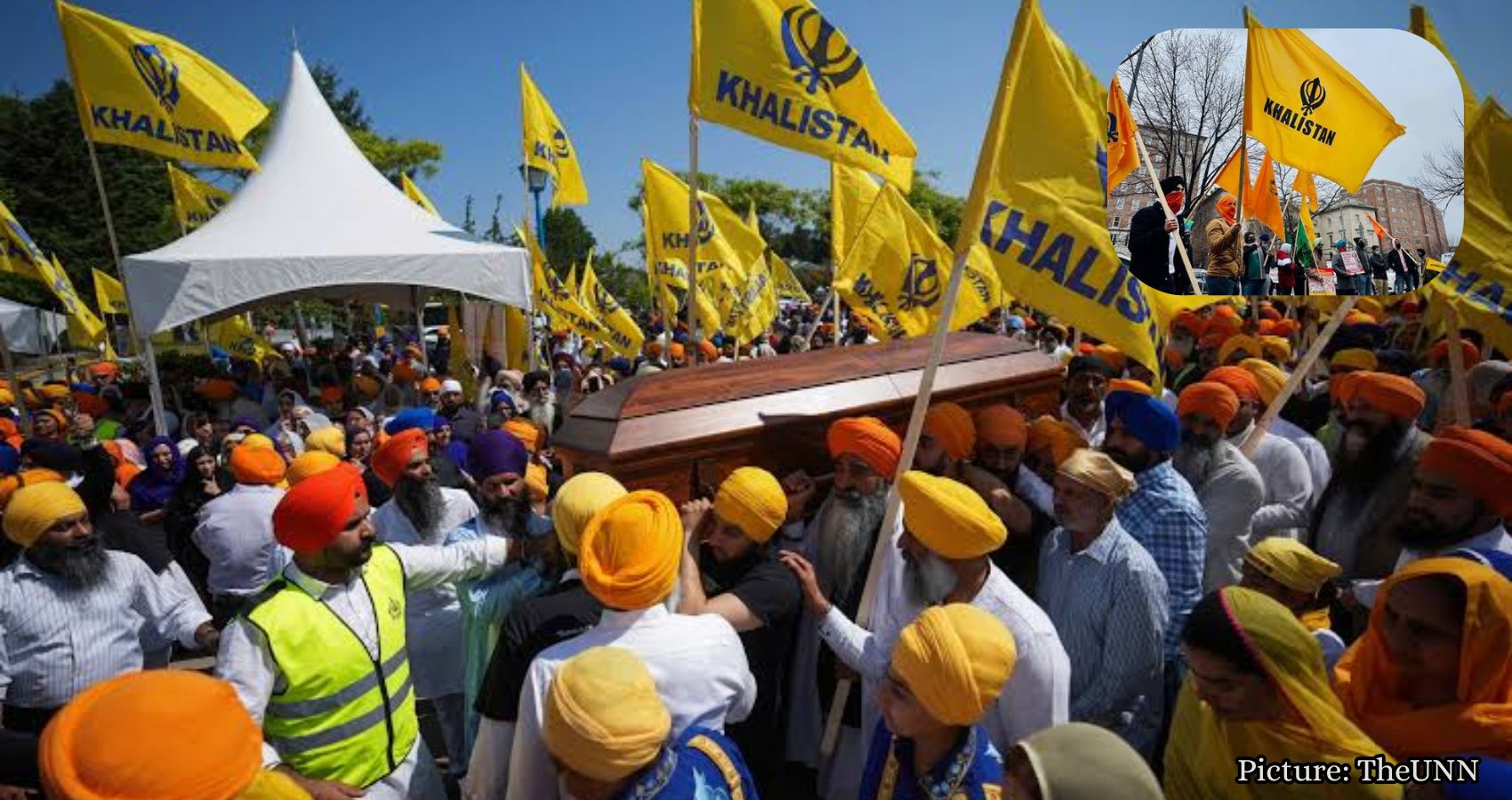
Recent rallies in Indianapolis have drawn attention to the Khalistan separatist movement, showcasing how diaspora groups leverage democratic freedoms to promote their agenda, according to a new report.
INDIANAPOLIS, IN — A convoy of vehicles adorned with yellow Khalistan flags recently traversed the streets of Indianapolis, marking a significant effort by separatist groups to utilize democratic freedoms in Western nations to further their symbolic campaign. This initiative is part of a broader strategy aimed at mobilizing support for a non-binding referendum on the establishment of a separate Sikh state.
The convoy, which took place on August 1 along Interstate 465, was described by its organizers as a “convoy of American Sikhs.” The event was intended to build momentum ahead of a planned referendum vote set for August 16 at Richard G. Lugar Plaza in Indianapolis. However, the report clarifies that this referendum holds no legal weight and cannot alter existing territorial boundaries or constitutional frameworks.
According to a report by Khalsa Vox, the mobilization was spearheaded by the organization ‘Sikhs for Justice,’ which is linked to separatist activism. The report emphasized that the event exemplified a form of diaspora activism characterized by the exercise of free speech, protected under the First Amendment, and designed for maximum visibility.
While the convoy aimed to raise awareness for the separatist cause, it also caused significant disruption to local traffic, necessitating intervention from authorities. The display of separatist symbols attracted broader attention and sparked discussions about the implications of such demonstrations.
The report highlights a recurring trend in North America, where a small but organized network of individuals employs public demonstrations and campaigns to promote separatist narratives. It noted, “Convoys that clog highways, rallies that feature inflammatory rhetoric, and campaigns that equate legitimate grievance with the demand for territorial secession do not advance justice.”
Similar activities have been reported in Canada, where protests and related actions have periodically drawn scrutiny from authorities and community organizations. These incidents often prompt mainstream Sikh organizations to clarify their stance, asserting that they do not endorse separatism or violence, even as high-visibility demonstrations continue to capture public attention.
The ongoing discourse surrounding these events reflects the complexities of identity, activism, and the pursuit of political goals within the diaspora community. As the Khalistan movement garners attention, it raises questions about the balance between free expression and the potential for division within the Sikh community.
As the August referendum approaches, the implications of these rallies and the sentiments they evoke will likely remain a focal point for both supporters and detractors of the Khalistan movement.
According to Khalsa Vox, the dynamics of such activism continue to evolve, underscoring the challenges faced by mainstream Sikh organizations in navigating the landscape of separatist sentiments within their communities.