
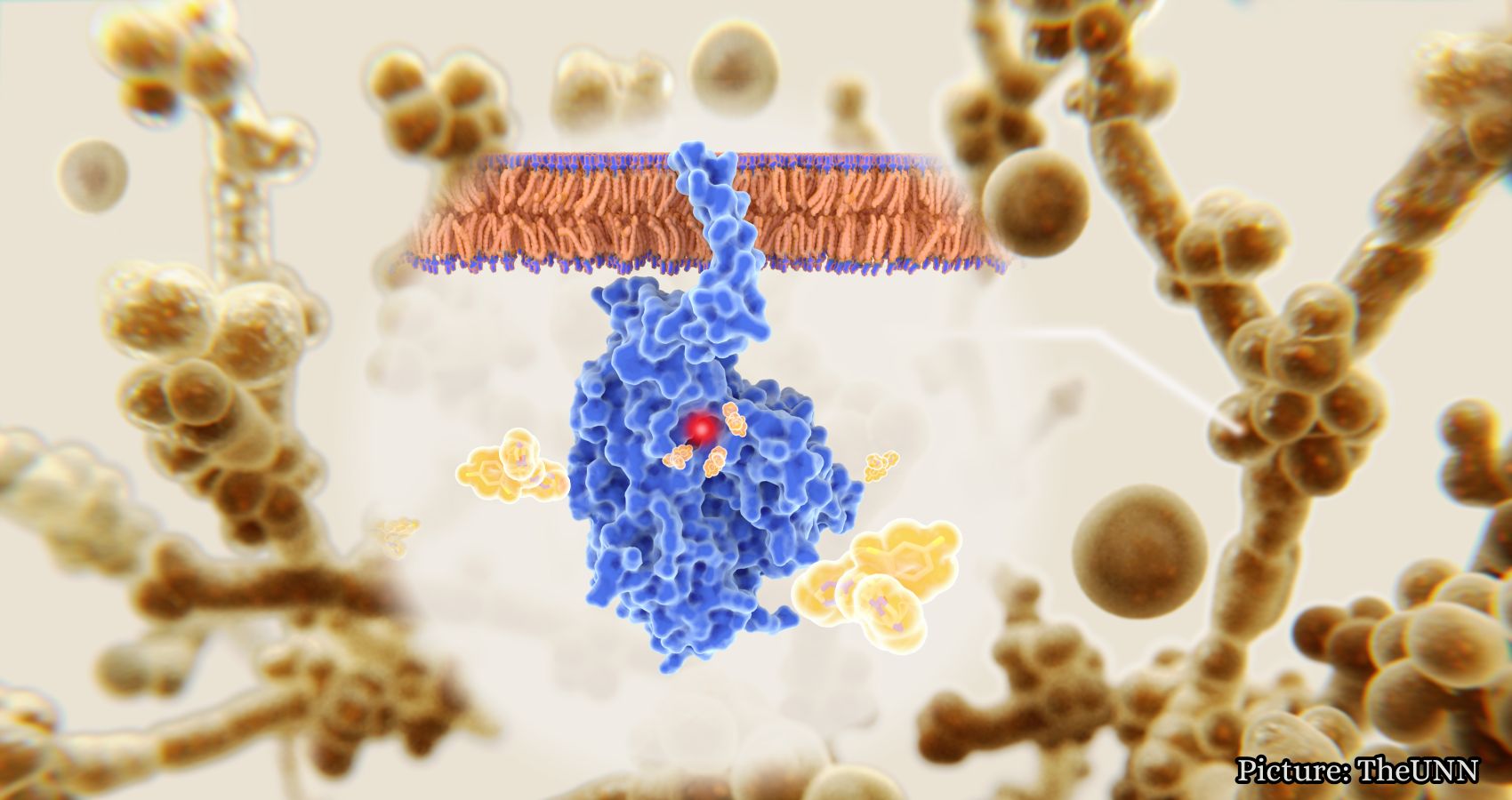
Thousands of cases of the drug-resistant fungus Candida auris have been reported across 27 states in the U.S., posing significant risks in healthcare settings.
In 2026, the Centers for Disease Control and Prevention (CDC) reported thousands of cases of Candida auris, a potentially deadly drug-resistant fungus, across 27 states. As of July 25, there have been a total of 3,437 clinical cases documented in the United States this year.
California leads the nation with 873 cases, accounting for approximately one-quarter of the total. Other states with significant case numbers include Texas with 433 cases, Tennessee with 283, Ohio with 279, and Georgia with 193. Louisiana, Illinois, Arizona, Michigan, Virginia, and Pennsylvania also report notable figures, with cases ranging from 121 to 179. The remaining states have fewer than 100 cases each.
Candida auris is a type of yeast that primarily causes serious infections in healthcare settings such as hospitals and nursing homes. The fungus is known for its ability to survive on surfaces for extended periods, making it highly transmissible between patients through contact with contaminated surfaces or objects. According to the CDC, it can spread via items like bedrails, doorknobs, and shared medical equipment.
Additionally, C. auris can be transmitted by individuals who carry the fungus but do not exhibit symptoms, a condition known as “colonization.” It is important to note that clinical cases do not always indicate an active infection. The CDC defines a clinical case as the detection of C. auris in a specimen collected during routine medical care. Some specimens may indicate colonization rather than a true infection.
The health implications of Candida auris range from asymptomatic colonization to severe invasive infections, including bloodstream infections. Patients with severe underlying medical conditions are particularly at risk. Those who use breathing tubes, feeding tubes, intravenous lines, or catheters, as well as individuals who are frequently hospitalized or have prolonged hospital stays, are more vulnerable to infection. Conversely, individuals without these risk factors are less likely to become colonized or develop an infection.
Dr. Marc Siegel, a senior medical analyst for Fox News and a clinical professor of medicine at NYU Langone, has expressed concern over the emergence of C. auris. He noted that the fungus is resistant to multiple antifungal drugs and tends to spread in hospital environments, particularly on equipment used for immunocompromised patients, such as ventilators and catheters.
“Unfortunately, symptoms such as fever, chills, and aches are common and can be mistaken for other infections,” Dr. Siegel stated. Invasive C. auris infections have been associated with mortality rates ranging from 30% to 72%, although most patients affected are already seriously ill, complicating the determination of the fungus as a direct cause of death.
The treatment of Candida auris is challenging due to its resistance to antifungal medications, prompting the CDC to classify it as an “urgent antimicrobial-resistance threat.” More than 90% of U.S. samples are resistant to fluconazole, a widely used antifungal treatment. Echinocandins, another class of antifungals, are currently the primary treatment option for C. auris, although some strains exhibit resistance to all three main classes of antifungal drugs.
Dr. Siegel indicated that “major research” is underway to develop new treatments for this emerging threat. He emphasized that the situation is part of a broader issue of antibiotic resistance both in the U.S. and globally. He also noted that effective sterilization and disinfection measures in hospitals can significantly mitigate the risk of transmission.
As the number of Candida auris cases continues to rise, health officials urge vigilance in healthcare settings to prevent further spread of this dangerous fungus, which poses a significant risk to vulnerable populations.
According to Fox News, the ongoing situation highlights the urgent need for improved infection control measures and continued research into effective treatments.