Remembering the Partition of India: 10,000 Memories in Los Altos

“10,000 Memories” at the Los Altos History Museum highlights the profound impact of the 1947 Partition of India through personal stories and historical context, running until May 2026.

In 1947, the Partition of India irrevocably altered the landscape of British India, dividing it into two nations—India and Pakistan, with East Pakistan later becoming Bangladesh. This division was marked by the hastily drawn Radcliffe Line, created by British lawyer Sir Cyril Radcliffe, who had never set foot in India before making decisions that would affect millions.

The Radcliffe Line was drawn based on religious majorities, cutting through Punjab and Bengal. However, its arbitrary path unleashed chaos, slicing villages in half, tearing families apart, and dividing farmland overnight. As borders solidified, millions fled across them, leading to mass migrations and waves of communal violence. Estimates suggest that between 10 and 15 million people were displaced, leaving a lasting trauma etched into the histories of India, Pakistan, and Bangladesh.

A powerful yet often overlooked history now takes center stage at the Los Altos History Museum. The exhibition, titled “10,000 Memories – Partition, Independence, and WWII in South Asia,” runs through May 24, 2026, and brings the past to life through the voices of those who experienced it firsthand. Curated by the Berkeley-based 1947 Partition Archive, the exhibit combines personal accounts, rare archival photographs, and immersive multimedia storytelling to capture the human experience of Partition.

“Part of our mission is to tell intercultural, intergenerational stories of the local people of Los Altos,” says Kuljeet Kalkat, President of the Board of the Los Altos History Museum. He emphasizes the importance of South Asian families seeing their experiences reflected in the exhibition. “Your experience and what you went through—we feel should be preserved,” he adds, highlighting a deep sense of belonging.

Anna Toledano, Executive Director of the Los Altos History Museum, echoes this sentiment, stating, “If it happened to people who live in Los Altos, if it’s part of their family stories, if it’s part of their family history—then it’s part of our history too. It’s important for us to talk about it.”

At the heart of the exhibition lies a shared conviction that memory matters. “We want people to know that their stories and their histories also matter,” says Dr. Guneeta Singh Bhalla, founder and Executive Director of the 1947 Partition Archive.

The exhibit opens by tracing the early colonization of the Indian subcontinent, beginning with the Spanish and Portuguese efforts to bypass Arab intermediaries and trade spices directly with India. This global race for access reshaped the world. “Of course, Columbus ended up in the Americas, believing he had reached India. All of this unfolded within about five years,” Dr. Bhalla explains. “For a long time, the Americas were even called the West Indies because Europeans thought they were part of Asia or somehow connected to it.”

Dr. Bhalla notes that much of this history remains unfamiliar to audiences in the United States, which is why the exhibit starts with this context. It tells the larger story of empire by spotlighting various East India companies—not just the British—and their gradual conquest of India. The narrative builds toward the collapse of the British Empire after World War II, creating a power vacuum that erupted into violence and ultimately led to Partition.

The 1947 Partition Archive preserves intimate oral histories and personal testimonies that reveal the human cost of Partition through the voices of those who lived it. While the organization has collected over 10,000 stories worldwide, this exhibit highlights twenty firsthand accounts from individuals who now call Los Altos home.

During the exhibit’s launch on January 28, two survivors shared their deeply personal journeys, bringing history into the present. Baljit Dhillon Vikram Singh, who has raised her family in Los Altos since the late 1960s, recounted how Partition shattered her childhood at the age of six. One night, violence forced her family to flee. She recalls being awakened suddenly and carried down the stairs to a waiting Jeep, where her father urged them to leave before dawn to avoid being stopped.

As they fled, she witnessed horrific scenes that continue to haunt her. “I remember a canal filled with bloated human bodies, some headless, some without limbs,” she recalls. When her family was stopped by Pakistani soldiers, an officer chose mercy, recognizing her grandfather as a man who had once saved his life.

Decades later, Singh grapples with questions that have no easy answers. “Why was the Motherland partitioned? Why did millions get displaced and millions lose their lives? Why was I among the lucky ones?” she reflects. The trauma remains, and her fear of drowning serves as a constant reminder of her past. Yet, she honors the sacrifices of her ancestors, carrying forward the truth that a single act of mercy can save an entire family.

Another survivor, Narinder Lal Kasturia, was just 17 when Partition changed his life forever. He recalls the violence he witnessed and struggles to understand how such brutality could take hold. “Before Partition, the two communities lived without division or distrust,” he notes.

“We can talk about everything that happened… but will it patch up all this difference?” Kasturia asks, raising a poignant question about reconciliation.

Dr. Bhalla emphasizes that the exhibit is evidence-based and intentionally complex. “It’s not a clean story. It’s very messy, and it’s important that we learn it that way. It’s very multidimensional.”

Kuljeet Kalkat hopes Los Altos residents will recognize Partition as a world-shaping event with lessons that resonate today. Dr. Bhalla places it alongside the twentieth century’s most defining moments, urging visitors to understand the impact of polarization. “We want to awaken everybody to what polarization can unleash and what lessons we could learn from the past,” she states.

Anna Toledano points out that this history rarely surfaces in the United States, despite its lasting impact. “This is a story that isn’t really talked about so much… and was a hugely impactful event,” she says, highlighting colonialism’s long shadow. The exhibit may surprise visitors by revealing how these earlier partitions and traumas continue to shape contemporary conflicts.

Raashina Humayun, a Los Altos resident and donor to the 1947 Partition Archive, reflects on the differing narratives of history across borders. “You read history in India, it tells one story; if you read it in Pakistan, it tells another story,” she explains. “But with lived stories, lived experiences—no one can say that’s not true.”

Anita Manwani, another local resident and donor, feels honored to share these stories. “I’m very honored to be part of this whole community in Los Altos that does so much for everyone who lives here and truly respects the diversity we have here,” she says.

Manwani emphasizes the exhibit’s significance for the South Asian community, as many parents lived through Partition. “It is the largest migration of refugees in the history of the world, and perhaps the least documented,” she notes, adding that countless stories remain untold as the generation that experienced them fades away.

Through this exhibit, the voices of those who experienced Partition rise above borders and textbooks, reminding us that history is not merely dates and events—it is lived, remembered, and preserved in the hearts of those who endured it. “10,000 Memories: Partition, Independence, and WWII in South Asia” is on display from January 29 to May 24, 2026, and is free to the public, open Thursday through Sunday from noon to 4 PM, according to India Currents.

Daily Horoscope for All Zodiac Signs: February 5, 2026

Daily horoscopes for February 5, 2026, offer insights into the cosmic influences affecting each zodiac sign, guiding individuals through their day with tailored advice.

Aries (Mar. 21 – Apr. 20): Today is an ordinary day, characterized by business as usual, but you can expect some progress. Engage in small chores to pass the time. Ganesha suggests that while daydreaming, you should envision that coveted home, as this is how initial plans begin to take shape.

Taurus (Apr. 21 – May 21): Let your imagination soar today as you find yourself star-gazing and pondering the existence of extraterrestrial life. Your innovative spirit will shine at work, fueled by a strong work ethic. With a touch of charm, you will leave many in awe, according to Ganesha.

Gemini (May 22 – Jun. 21): You may face some unusual challenges today. However, Ganesha indicates that you will devise new ideas and strategies that will lead to positive outcomes. It’s advisable to avoid confrontations with those around you and maintain your composure throughout the day.

Cancer (Jun. 22 – Jul. 22): Financial concerns may weigh heavily on you today, as you deal with bills, taxes, and loans. You might even consider borrowing money to meet your obligations. Fortunately, you are likely to receive a pending payment that will help alleviate your worries. Additionally, a bold business decision could yield significant rewards, Ganesha notes.

Leo (Jul. 23 – Aug. 23): Prioritizing self-care is essential, and Ganesha suggests that you embrace this notion today. While you may feel that your efforts require more energy than expected, it’s important to take time for yourself and recharge. This self-care will serve you well in the future.

Virgo (Aug. 24 – Sep. 22): Today is an opportune time to embark on new business ventures. Projects that have been on hold will finally see completion. Looking ahead to the week, you are likely to experience a surge of energy. Expect fun and entertainment at social gatherings, and your children will bring you joy and pride, according to Ganesha.

Libra (Sep. 23 – Oct. 23): The Bhagavad Gita teaches, “Do your duty without expecting the fruit.” Keep this lesson in mind as you put in extra effort to complete your tasks. Worrying about outcomes can hinder your progress. Instead, go with the flow and allow results to unfold naturally. You may want to discuss urgent matters with a close friend today, Ganesha advises.

Scorpio (Oct. 24 – Nov. 22): At work, you may seek to change how others perceive you. Your colleagues will recognize your emerging leadership qualities, and your ideas will impress your superiors. However, Ganesha advises you to remain grounded and know when to stop while you’re ahead.

Sagittarius (Nov. 23 – Dec. 21): Attending private parties is likely today, providing an opportunity to reconnect with old friends and make plans with new acquaintances. Additionally, relatives will be delighted to see you after a long time.

Capricorn (Dec. 22 – Jan. 20): Whether you are an artist, performer, professional, or entrepreneur, career matters will take precedence today, while personal issues may take a backseat. Ganesha notes that your performance will peak, and your hard work will be recognized, thanks in part to the unwavering support of your loved ones.

Aquarius (Jan. 21 – Feb. 18): Today is all about focus and achievement. You will channel your energy into executing your plans with precision, leading to significant progress. By the end of the day, you will have accomplished much more than anticipated, Ganesha says.

Pisces (Feb. 19 – Mar. 20): Recently, it may have felt like the harder you try, the more you have to do. Today, you are likely to take a step back and prioritize self-care, allowing yourself some time away from responsibilities. Recharge your energy fully, Ganesha advises.

Stay connected with the cosmos through your daily horoscope! Access your February 5, 2026, horoscopes for every zodiac sign and discover what the universe has in store for you. Whether you are a fiery Aries or a dreamy Pisces, our expert astrologers provide precise and personalized readings to help you navigate life’s challenges and triumphs. Visit us daily for fresh updates and insights tailored to your sign.

According to India West.

India and FBI Collaborate to Dismantle $48 Million Call Center Scam

A joint operation between U.S. federal agencies and Indian law enforcement has dismantled a significant international scam network, resulting in multiple arrests and substantial financial recoveries for victims.

BALTIMORE, MD — A high-level joint operation between United States federal agencies and Indian law enforcement has successfully dismantled a massive international scam network.

On February 2, the FBI Baltimore Field Office and the Montgomery County Police Department announced that their coordinated efforts with India’s Central Bureau of Investigation led to the shutdown of several illicit call centers in December 2025. Six Indian nationals, identified as the leaders of these criminal syndicates, were arrested during the raids in India. These call centers had been orchestrating sophisticated government impersonation and tech support scams targeting Americans since 2022.

The scale of the fraud was extensive, with the FBI reporting that approximately 660 victims nationwide lost a staggering $48,778,230 to this specific network. Maryland residents were particularly affected, with nearly two dozen individuals losing more than $6.2 million. FBI Baltimore Special Agent in Charge Jimmy Paul credited the victims who came forward, stating, “Because of those reports, the FBI was able to work jointly with Indian authorities to help dismantle this massive criminal enterprise.”

The investigation revealed that the syndicates exploited fear by posing as officials from agencies such as the Social Security Administration or the FBI. Victims were often threatened with imprisonment for fabricated crimes and pressured into moving their life savings into cryptocurrency or wire transfers.

In addition to the arrests in India, local law enforcement in Maryland has arrested eight individuals since 2024, with three suspects directly linked to the Indian call centers. Montgomery County Police Captain Marc Erme emphasized the strength of this cross-border alliance, noting that the results “underscore what strong partnerships can accomplish when we work together across jurisdictions and across borders.”

This operation highlights the ongoing collaboration between U.S. and Indian authorities to combat international fraud and protect citizens from such scams. The coordinated efforts not only led to significant arrests but also raised awareness about the tactics used by scammers and the importance of reporting suspicious activities.

As investigations continue, authorities urge individuals to remain vigilant and report any suspicious calls or communications that may resemble the tactics employed by these criminal organizations. According to India West, the successful dismantling of this scam network serves as a reminder of the effectiveness of international cooperation in addressing complex criminal activities.

Democrats Compete to Retain Blue Seat Amid GOP Majority Threat

Eleven Democrats are vying for their party’s nomination in New Jersey’s 11th Congressional District, a crucial race as Republicans seek to maintain their slim majority in the House of Representatives.

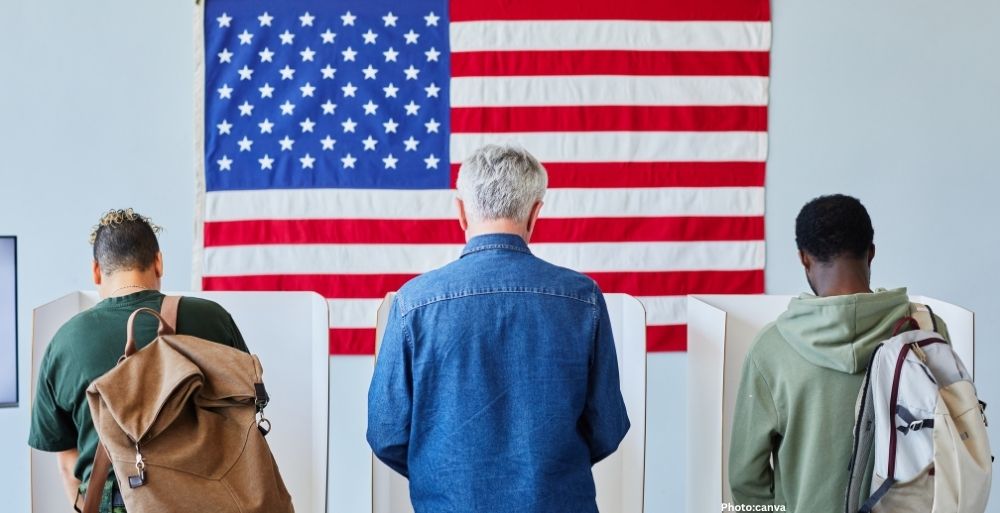
Eleven candidates are competing in the Democratic Party primary for New Jersey’s 11th Congressional District, scheduled for Thursday. This seat became vacant after Mikie Sherrill, the former representative and now Governor of New Jersey, stepped down following her victory in the gubernatorial election last November.

The winner of the Democratic primary will face Republican Joe Hathaway, the sole GOP candidate, in a special election set for April 16. This election is particularly significant as it occurs while Republicans hold a precarious 218-214 majority in the House of Representatives.

The GOP could potentially bolster its numbers before the New Jersey special election. A special election is also slated for March 10 in Georgia’s 14th Congressional District, following the resignation of former Republican Representative Marjorie Taylor Greene. Greene, a prominent figure aligned with former President Donald Trump, stepped down a year before the end of her term.

In Georgia, a crowded field of 22 candidates, including 17 Republicans, will compete on the same ballot. If no candidate secures more than 50% of the vote, a runoff will be held on April 7 between the top two finishers. Greene had previously won re-election in 2024 by nearly 30 points, and Trump carried the district by a significant 37 points.

Back in New Jersey, while the Democratic primary features a large field, only a few candidates are considered serious contenders for the nomination. Among the frontrunners is former Representative Tom Malinowski, who served in the neighboring 7th Congressional District from 2018 to 2022 before losing to current GOP Representative Thomas Kean Jr. Malinowski previously held the position of Assistant Secretary of State during Barack Obama’s administration.

Other notable candidates include Essex County Commissioner Brendan Gill, former Lieutenant Governor Tahesha Way, Passaic County Commissioner John Bartlett, and progressive organizer Analilia Mejia. Mejia is running as an outsider and has garnered support from prominent progressive figures such as Senator Bernie Sanders of Vermont and Representative Alexandria Ocasio-Cortez of New York. Sanders even headlined a virtual rally for her campaign on the eve of the primary.

The 11th District, located in northern New Jersey, leans Democratic. Sherrill won re-election in 2024 by a margin of 15 points, mirroring her victory in the gubernatorial race. However, during the 2024 presidential election, then-Vice President Kamala Harris won the district by a narrower margin of just eight points, providing the GOP with some hope of flipping the seat.

In addition to the New Jersey race, there is another vacant seat in Congress following the unexpected death of Republican Representative Doug LaMalfa in California’s 1st Congressional District. A primary to fill LaMalfa’s seat is scheduled for June 2, coinciding with California’s primary day, and the special general election will take place on August 4. This district is solidly Republican.

The outcome of the upcoming elections in both New Jersey and Georgia could have significant implications for the balance of power in the House of Representatives, as both parties seek to solidify their positions ahead of the next general election.

According to Fox News, the stakes are high as Democrats aim to retain a seat that could help maintain their influence in Congress.

Alex Saab, Maduro Ally, Arrested in U.S.-Venezuelan Operation

Venezuelan official Alex Saab was reportedly arrested in a joint U.S.-Venezuela operation, although his lawyer denies the report as “fake news.”

Alex Saab, a Venezuelan official and close ally of former President Nicolás Maduro, was reportedly arrested in Venezuela on Wednesday during a joint operation involving U.S. and Venezuelan authorities, according to a U.S. law enforcement official.

Saab, 54, who previously faced charges in the U.S., is expected to be extradited to the United States in the coming days, the official told Reuters. However, Saab’s lawyer, Luigi Giuliano, dismissed the arrest as “fake news” in comments to the Colombian newspaper El Espectador.

In a statement to the Venezuelan news site TalCual, Giuliano indicated that Saab might address the allegations personally but was currently in consultation with the government regarding the situation. Meanwhile, journalists associated with the Venezuelan government also took to social media to deny the reports of Saab’s arrest.

Jorge Rodríguez, Venezuela’s top lawmaker, refrained from confirming or denying the reports during a press conference, stating that he had no information about Saab’s possible arrest.

This development follows a recent U.S. operation aimed at targeting Venezuela and arresting Maduro, alongside the Trump administration’s actions to seize oil tankers linked to the country. Saab’s arrest could signal a new level of cooperation between U.S. and Venezuelan authorities under interim President Delcy Rodríguez, who previously served as Maduro’s deputy and currently oversees Venezuela’s law enforcement agencies.

The U.S. official emphasized the importance of Rodríguez’s collaboration in this joint operation. Additionally, Raul Gorrin, the head of Venezuela’s Globovision TV network, was also reported to have been arrested during the operation.

Saab, originally from Colombia, was detained in Cape Verde in 2020 and spent over three years in U.S. custody on bribery charges. He was granted clemency in exchange for the release of American detainees held in Venezuela. Prior to his clemency, U.S. officials accused Saab of siphoning approximately $350 million out of Venezuela through a bribery scheme linked to the country’s state-controlled exchange rate.

Saab has consistently denied these allegations and sought to have the charges dismissed, claiming diplomatic immunity. However, an appeals court had not ruled on his appeal by the time the prisoner swap occurred.

Upon his return to Venezuela at the end of 2023, Maduro praised Saab for his loyalty to the socialist revolution and referred to him as a national hero. Following the arrest of the country’s former leader, Saab was appointed as industry minister, a role he held until last month when he was dismissed by Rodríguez.

This situation continues to unfold, and further developments are anticipated as both U.S. and Venezuelan authorities navigate the complexities of their relationship.

According to Reuters, the implications of Saab’s arrest and the broader context of U.S.-Venezuelan relations remain significant.

Uber Appoints Indian-American Balaji Krishnamurthy as CFO Amid Expansion

Uber has appointed Balaji Krishnamurthy as its new CFO, marking a significant shift toward a driverless future and an aggressive expansion of its robotaxi services.

Uber Technologies Inc. has announced the appointment of Balaji Krishnamurthy as its next chief financial officer, effective February 16. This move signals a major strategic shift for the company, as it intensifies its focus on autonomous vehicle partnerships and the development of a driverless future.

Krishnamurthy, who has been a long-time advocate for self-driving technology within Uber, currently serves as the vice president of strategic finance and investor relations. He will succeed Prashanth Mahendra-Rajah, who is stepping down after 27 months in the role to pursue new opportunities. This leadership change was revealed alongside Uber’s fourth-quarter earnings report, emphasizing the company’s pivot from developing its own autonomous hardware to becoming a leading global platform for robotaxi services.

At 41 years old, Krishnamurthy has played a pivotal role in Uber’s “asset-light” strategy, which focuses on partnerships rather than ownership of autonomous vehicles. He has also served on the board of Waabi, an autonomous trucking startup in which Uber recently increased its investment.

“Balaji knows Uber’s business inside and out and is a brilliant, decisive strategist,” said CEO Dara Khosrowshahi. “I am thrilled for him to step up as CFO as we kick off another big year.”

The upcoming year is poised to be significant for Uber, which plans to facilitate autonomous trips in up to 15 cities worldwide by the end of 2026. This ambitious expansion relies heavily on strategic partnerships, including a notable collaboration with Alphabet’s Waymo to introduce robotaxis in Austin and Atlanta, as well as a joint effort with Lucid and Nuro to deploy custom-built autonomous electric vehicles.

During a recent call with investors, Krishnamurthy highlighted Uber’s robust cash flow, which has seen a 20% year-over-year revenue increase, reaching $14.37 billion. He stated that this financial strength would allow the company to “invest with discipline” in the autonomous vehicle sector.

“We are entering 2026 with strong momentum,” Krishnamurthy noted. “We will invest across a multitude of opportunities, including positioning Uber to win in an AV future.”

However, the transition comes at a challenging time for Uber’s stock. Following the announcement of Krishnamurthy’s appointment, shares fell approximately 6%, as investors reacted to a first-quarter profit outlook that fell short of Wall Street expectations. This conservative guidance is partly due to the capital-intensive nature of scaling autonomous infrastructure and the costs associated with integrating new AI-driven software.

Outgoing CFO Mahendra-Rajah leaves behind a legacy of financial stabilization, having played a key role in helping Uber achieve investment-grade status and launching the company’s first-ever share buyback program. He will remain with the company as a senior advisor until July 1 to ensure a smooth transition.

As Uber shifts from being primarily a ride-hailing app to a high-tech logistics coordinator, Krishnamurthy’s appointment underscores the company’s commitment to not just preparing for a driverless future but actively investing in it.

According to The American Bazaar, this strategic shift reflects Uber’s determination to lead in the evolving landscape of autonomous transportation.

U.S. DOE Appoints Indian-Americans to Key Advisory Positions

The U.S. Department of Energy has appointed three Indian-American scientists to its newly established advisory committee, emphasizing their expertise in energy and technology.

The U.S. Department of Energy (DOE) has appointed three Indian-American scientists to its newly formed Office of Science Advisory Committee (SCAC), which is tasked with shaping the future of U.S. science and technology policy.

The SCAC will provide independent guidance on research priorities, emerging technologies, and cross-cutting scientific challenges that impact the nation’s energy agenda. This initiative comes at a critical time when the U.S. government is emphasizing innovation in fields such as fusion energy, quantum computing, and artificial intelligence.

Among the 21 members appointed to the advisory panel are Supratik Guha, Suresh Garimella, and A.N. Sreeram. Each brings a wealth of expertise in materials science, engineering, and advanced manufacturing.

Supratik Guha is a professor at the University of Chicago’s Pritzker School of Molecular Engineering and a researcher at Argonne National Laboratory. He has dedicated much of his career to the intersection of nanoscience and applied technology. Guha previously led Argonne’s Center for Nanoscale Materials and spent two decades at IBM Research, focusing on nanoscale materials and devices.

Suresh Garimella serves as the president of the University of Arizona and is a trained mechanical engineer with extensive academic and advisory experience. He has been a member of the National Science Board, a presidentially appointed body that oversees the National Science Foundation. Additionally, Garimella has held advisory roles with Sandia National Laboratories and the U.S. State Department, focusing on scientific collaboration.

A.N. Sreeram is the senior vice president and chief technology officer at Dow, where he holds more than 20 patents and has a long history in industrial research. His work emphasizes accelerating the transformation of scientific breakthroughs into commercial products. Sreeram has also served on the White House’s President’s Council of Advisors on Science and Technology.

Another notable member of Indian origin is Pushmeet Kohli, a British Indian computer scientist and vice president of science and strategic initiatives at Google DeepMind. His work primarily focuses on machine learning and AI-driven discovery.

Officials have indicated that SCAC’s broad mandate includes advising on federal research priorities, facilitating collaboration across national laboratories and universities, and helping the Department of Energy anticipate and adapt to new technological trends. The committee is expected to play a strategic role as the U.S. navigates competition in critical fields such as quantum science and climate-related technologies.

DOE Under Secretary for Science Darío Gil, who oversees the Office of Science, highlighted the importance of diverse expertise in achieving the department’s mission. “By bringing together leading minds from diverse institutions, we’re forging a collaborative framework that will accelerate the translation of fundamental research into tangible benefits for the American people,” Gil stated.

The appointments reflect the growing influence of Indian-Americans in U.S. science and the DOE’s commitment to harnessing global talent to advance national research priorities. The advisory committee is set to serve through January 2028, with its findings expected to inform DOE decisions.

SCAC will be chaired by Persis Drell, a professor of materials science and engineering and physics at Stanford University, who is also the provost emerita of Stanford and director emerita of SLAC National Accelerator Laboratory. The committee will adopt the core functions of the Office of Science’s six former discretionary advisory committees.

According to The American Bazaar, the establishment of SCAC marks a significant step in integrating diverse expertise into U.S. energy policy and research initiatives.

Jaya Padmanabhan Appointed New Executive Director of American Community Media

Jaya Padmanabhan, an Indian American journalist and former software engineer, has been appointed Executive Director of American Community Media, succeeding founder Sandy Close.

Jaya Padmanabhan, an Indian American software engineer turned journalist, has been appointed the new Executive Director of American Community Media (ACoM), the largest association of ethnic news outlets in the United States. She officially took on the role on February 1, succeeding ACoM founder Sandy Close, who is transitioning to the position of Director Emeritus after three decades of leadership.

In a statement, Close praised Padmanabhan, saying, “Jaya represents a new generation of leaders at ACoM who bring energy, ideas, tech smarts, and business savvy to the sector at a time when AI is transforming not only how we gather and distribute news, but the very idea of what news is.”

Padmanabhan brings over a decade of experience in the ethnic media sector, having previously served as project manager for the University of Southern California Center for Health Care Journalism’s Ethnic Media Collaborative project. In this role, she provided mentorship, management, and editorial support for ethnic media fellows across various multilingual newsrooms in California.

Before her work at USC, Padmanabhan was the Executive Editor of India Currents, the oldest and largest Indian American magazine on the West Coast. She also contributed as a biweekly columnist for the San Francisco Examiner. Her diverse background in both technology and journalism positions her uniquely to lead ACoM during a transformative period for the media landscape.

“Ethnic media teaches me a different way of understanding news, documenting the intimate life of communities and amplifying voices largely unheard and unseen in the public space,” Padmanabhan remarked. “I learned the enduring power of news outlets that provide a collective voice for their communities — the ‘we’ rather than the ‘I’ of journalism.”

Close emphasized the critical need for authentic voices in today’s information-saturated environment, stating, “Despite a glut in information technology, people crave authentic voices and real, in-person connections. The hunger for trusted messengers who help people navigate the changes going on around them has never been greater, even as revenue to support local news platforms has never been scarcer.”

Julian Do, co-director of ACoM, expressed optimism about Padmanabhan’s leadership, viewing it as an exciting opportunity for ethnic media to expand its influence. “Jaya will add a powerful advocacy voice for our sector as we implement new strategies to expand its social marketing role and audience reach,” he said.

American Community Media operates as a national nonprofit news and communications agency under the fiscal sponsorship of the San Francisco Study Center. Its mission is to enhance the capacity of ethnic news outlets to inform and engage communities that are traditionally underserved by general-market media.

ACoM aims to build a more inclusive communications infrastructure that serves the public interest and promotes participatory democracy. Its innovative hybrid model includes a multilingual, pan-ethnic collaborative news exchange with weekly online news briefings and the development of a pan-ethnic digital advertising network. Over the past five years, ACoM has directed more than $20 million to ethnic media in California alone.

Padmanabhan’s appointment marks a significant step forward for ACoM as it navigates the challenges and opportunities presented by the evolving media landscape. Her blend of technical expertise and commitment to community journalism is expected to drive the organization’s mission forward in the coming years.

According to a news release from ACoM, Padmanabhan’s leadership is poised to make a lasting impact on the ethnic media sector, fostering greater inclusivity and representation in news coverage across the nation.

India Faces Afghanistan in U19 World Cup 2026 Semifinal

India’s U19 cricket team faces Afghanistan in the 2026 World Cup semifinal, with key performances shaping the match’s outcome.

In a thrilling semifinal clash at the U19 World Cup 2026, India’s under-19 cricket team is up against Afghanistan. The match has been marked by intense competition and pivotal moments that could determine the fate of both teams.

Kanishk Chouhan emerged as a key player for India, claiming the second wicket of the match by dismissing Osman Sadat, who contributed 39 runs to Afghanistan’s total. This wicket not only boosted India’s hopes but also added pressure on the Afghan batting lineup.

As the match unfolds, both teams are showcasing their skills, with each run and wicket carrying significant weight. The atmosphere is charged with excitement as fans eagerly follow the developments on the field.

With the stakes high in this semifinal, every decision made by the players and coaches could have lasting implications for the tournament. The outcome of this match will determine who advances to the final, making it a must-watch for cricket enthusiasts.

As the game progresses, updates will continue to flow, highlighting the key moments and performances that define this crucial encounter.

According to NDTV Sports, the match is a testament to the talent and determination of the young cricketers representing their nations on this prestigious stage.

Measles Exposure Risk Reported at Airport and Theme Park

Health officials have issued a warning about potential measles exposure at Los Angeles International Airport and Disneyland following an international traveler’s visit.

Health officials are alerting the public to a potential risk of measles exposure after an international traveler visited several busy locations in Southern California, including Los Angeles International Airport (LAX) and the Disneyland Resort.

The traveler arrived on January 26 aboard Viva Aerobus Flight 518, landing at Tom Bradley International Terminal B, Gate 201A. According to a statement from the Los Angeles County Department of Public Health (LADPH), individuals who were in Terminal B between 10:45 p.m. on January 26 and 1 a.m. on January 27 may have been exposed to the virus.

Following their arrival, the individual traveled to Orange County, where the Orange County Health Care Agency identified additional exposure windows on January 28. A subsequent exposure was reported on January 30 at a Dunkin’ Donuts in Woodland Hills, as noted by the LADPH.

“People who were at these locations during these times may be at risk of developing measles from seven to 21 days after exposure,” the Orange County Health Care Agency stated.

Health officials recommend that anyone who visited these locations during the specified windows check their immunization status and monitor for symptoms for 21 days following their potential exposure.

Public health departments in both Los Angeles and Orange County will continue to track potential exposure sites and notify individuals deemed to be at high risk. Experts advise that individuals contact a healthcare provider by phone before visiting a clinic if symptoms develop, in order to prevent further spread of the virus.

Measles is a highly contagious viral disease. According to the Centers for Disease Control and Prevention (CDC), if one person is infected, up to 90% of nearby individuals who are not immune may also contract the disease.

“Measles doesn’t only affect people who travel internationally — everyone is at risk if they’re not protected,” said Dr. Anissa Davis, deputy county health officer for Long Beach, California. “The best way to protect yourself and your loved ones is to get vaccinated before exposure occurs.”

Symptoms of measles typically include fever, cough, runny nose, and red eyes, followed by a characteristic rash that begins on the face and spreads downward. An infected person is contagious for four days before and four days after the rash appears.

As of January 30, there have been 588 confirmed cases of measles in the U.S. so far in 2026, according to the CDC. This follows a significant surge in 2025, which saw 2,267 cases — the highest annual count in more than three decades.

For more information, visit the CDC’s website or consult your local health department.

According to Fox News Digital, health officials continue to monitor the situation closely.

149 Million Passwords Exposed in Major Credential Leak

Over 149 million stolen credentials, including 48 million Gmail accounts, were exposed online, raising significant concerns about password security and the risks associated with credential reuse.

A massive database containing 149 million stolen logins and passwords has been discovered publicly exposed online, marking a troubling start to the year for password security. Among the compromised data are credentials linked to an estimated 48 million Gmail accounts, as well as millions from other popular services.

Cybersecurity researcher Jeremiah Fowler, who uncovered the database, confirmed that it was neither password-protected nor encrypted. This means that anyone who stumbled upon it could access the sensitive information without any barriers.

The database comprises 149,404,754 unique usernames and passwords, totaling approximately 96 gigabytes of raw credential data. Fowler noted that the exposed files contained email addresses, usernames, passwords, and direct login URLs for various platforms. Some records even indicated the presence of info-stealing malware, which can silently capture credentials from infected devices.

Importantly, this incident does not represent a new breach of Google, Meta, or other companies. Instead, the database appears to be a compilation of credentials stolen over time from previous breaches and malware infections. While this distinction is critical, the risk to users remains substantial.

Fowler estimates that email accounts dominate the dataset, which is particularly concerning because access to an email account often facilitates access to other accounts. A compromised email inbox can be exploited to reset passwords, access private documents, read years of messages, and impersonate the account holder. The prevalence of Gmail credentials in this database raises alarms that extend beyond any single service.

This exposed database was not a relic of the past; the number of records increased while Fowler was investigating it, suggesting that the malware responsible for the data collection was still active. Additionally, there was no ownership information associated with the database. After multiple attempts to alert the hosting provider, it took nearly a month for the database to be taken offline. During that time, anyone with internet access could have searched through the data, heightening the stakes for everyday users.

It is crucial to note that hackers did not breach Google or Meta systems directly. Instead, malware infected individual devices and harvested login details as users typed them or stored them in browsers. This type of malware is often disseminated through fake software updates, malicious email attachments, compromised browser extensions, or deceptive advertisements. Changing passwords alone will not mitigate the risk if the malware remains on the device.

To protect yourself, it is essential to take proactive steps, even if everything appears fine at the moment. Credential leaks like this often resurface weeks or months later. One of the most significant risks highlighted by this database is password reuse. If attackers gain access to one working login, they frequently test it across multiple sites automatically.

Start by changing reused passwords, prioritizing email, financial, and cloud accounts. Each account should have a unique password. Consider using a password manager to securely store and generate complex passwords, which can significantly reduce the risk of password reuse.

Next, check if your email has been exposed in past breaches. Many password managers include a built-in breach scanner that can verify whether your email address or passwords have appeared in known leaks. If you find a match, immediately change any reused passwords and secure those accounts with new, unique credentials.

Passkeys are another option to consider, as they replace traditional passwords with device-based authentication tied to biometrics or hardware. This means there is nothing for malware to steal. Major platforms, including Gmail, already support passkeys, and their adoption is on the rise. Enabling passkeys now can significantly reduce your attack surface.

Implementing two-factor authentication (2FA) adds an extra layer of security, even if a password is compromised. Whenever possible, use authenticator apps or hardware keys instead of SMS for 2FA, as this step alone can thwart most account takeover attempts linked to stolen credentials.

Changing passwords will not be effective if malware remains on your device. It is vital to install robust antivirus software and conduct a full system scan. Remove anything flagged as suspicious before updating passwords or security settings. Keeping your operating system and browsers fully updated is also crucial.

To safeguard against malicious links that could install malware and potentially access your private information, having strong antivirus software on all your devices is essential. This protection can also alert you to phishing emails and ransomware scams, helping to keep your personal information and digital assets secure.

Most major services provide recent login locations, devices, and sessions. Regularly check for unfamiliar activity, particularly logins from new countries or devices. If you notice anything suspicious, sign out of all sessions if the option is available and reset your credentials immediately.

Stolen credentials are often combined with data scraped from data broker sites, which can include personal information such as addresses, phone numbers, relatives, and work history. Utilizing a data removal service can help reduce the amount of personal information criminals can pair with leaked logins. Less exposed data makes phishing and impersonation attacks more challenging to execute.

While no service can guarantee complete removal of your data from the internet, a data removal service is a wise choice. Though these services can be costly, they actively monitor and systematically erase your personal information from numerous websites, providing peace of mind and effectively reducing your risk of being targeted.

Old accounts can be easy targets, as users often forget to secure them. Closing unused services and deleting accounts tied to outdated app subscriptions or trials can reduce the number of potential entry points for attackers.

This exposed database serves as a stark reminder that credential theft has become an industrial-scale operation. Criminals act quickly and often prioritize speed over security. However, simple steps can still be effective. Unique passwords, strong authentication, malware protection, and basic cyber hygiene can significantly enhance your security. Remain vigilant and proactive in safeguarding your digital presence.

For further information on protecting your online accounts, visit CyberGuy.com.

ISS Crew Member Plays Prank as SpaceX Team Arrives for Mission

Russian cosmonaut Ivan Vagner welcomed NASA’s Crew-10 astronauts to the International Space Station with a playful alien mask during a live-streamed event on March 16, 2025.

In a lighthearted moment aboard the International Space Station (ISS), Russian cosmonaut Ivan Vagner greeted the Crew-10 astronauts with an unexpected twist. As the astronauts arrived via their SpaceX Crew Dragon capsule, Vagner donned an alien mask to welcome them, creating a memorable scene that was live-streamed for viewers.

The Crew-10 mission launched from NASA’s Kennedy Space Center in Florida on March 15, 2025, at 7:03 p.m. EDT. The spacecraft successfully docked with the ISS at 12:04 a.m. EDT on March 16, approximately 29 hours after liftoff.

As the ISS crew prepared the capsule for deboarding, Vagner was seen floating around in his alien attire, complete with a hoodie, pants, and socks. This playful gesture added a touch of humor to the serious nature of space missions, as noted by a NASA spokesperson.

Shortly after the hatches between the ISS and the SpaceX Dragon spacecraft were opened at 1:35 a.m. EDT, NASA astronauts Anne McClain and Nichole Ayers, Japan Aerospace Exploration Agency (JAXA) astronaut Takuya Onishi, and Roscosmos cosmonaut Kirill Peskov entered the station. The moment was marked by the ringing of the ship’s bell, a traditional welcome for new arrivals.

“It was a wonderful day. Great to see our friends arrive,” said Suni Williams, a member of the Expedition 72 crew, during a communication with Mission Control.

Williams and fellow astronaut Butch Wilmore are set to guide the new arrivals through the operations of the ISS. Their mission, which was originally planned to last one week following the launch of Boeing’s first astronaut flight, has been extended due to complications that left them stranded in space after the Boeing Starliner was returned empty.

As the Crew-9 commander Nick Hague and Russian cosmonaut Aleksandr Gorbunov prepare for their departure from the ISS, they are scheduled to splash down off the coast of Florida on Wednesday, March 19, 2025, at approximately 4 a.m. EDT.

This playful encounter highlights the camaraderie and spirit of collaboration among astronauts from different space agencies, showcasing that even in the vastness of space, humor can bridge distances.

For more details on this event, refer to Fox News.

Santa Clara Residents Protest ICE Enforcement Ahead of Super Bowl

Santa Clara residents and community leaders rallied against the anticipated presence of ICE during Super Bowl 60, emphasizing the need for immigrant protections and denouncing federal enforcement actions.

In a show of solidarity, over 100 residents of Santa Clara County gathered to voice their opposition to the expected arrival of federal U.S. Immigration and Customs Enforcement (ICE) officers during the upcoming Super Bowl. The event, which is set to take place on Sunday at Levi’s Stadium, has raised concerns among local leaders and community members about increased federal immigration enforcement in the Bay Area.

Local officials, including San Jose Councilmembers Peter Ortiz and Pamela Campos, spoke passionately at the rally, which was organized by the Rapid Response Network. Rebecca Armendariz, a member of the network’s steering committee, emphasized the community’s commitment to standing against injustice. “People in our community do not like to see injustice here or anywhere. We have a long history of standing up against it, especially in Santa Clara County and California,” Armendariz stated.

Despite assurances from the NFL and the Department of Homeland Security that ICE will not be present at the Super Bowl, many community members fear that dozens of agents will be deployed to the area. As the event approaches, Armendariz noted that the network of volunteers providing legal support for immigrants has been growing, with many individuals signing up to assist daily.

The rally began at Plaza de Cesar Chavez and concluded at the San Jose Civic, where attendees marched in solidarity. Nearby, football fans were already gathering for the Super Bowl opening night event at the San Jose McEnery Convention Center.

Among the speakers was Raj Jayadev, co-founder of the social justice organization Silicon Valley De-Bug. He read a statement from the NFL Player’s Coalition, authored by former players Malcolm Jenkins and Anquan Boldin, who expressed their support for the rally’s cause. “As former NFL players and Super Bowl champions, we cannot be quiet as the federal administration uses the pinnacle of our craft to be a Trojan horse for ICE to run rampant in the Bay Area,” Jenkins and Boldin wrote.

Sean Allen, president of the NAACP of San Jose/Silicon Valley, addressed the racial implications of federal immigration enforcement. “The world will watch the Super Bowl, and the wealth in this city will be built on the bodies of brown and Black people,” Allen said. He urged the community to reject complicity in the face of injustice, stating, “You cannot profit from our culture on Sunday and be complicit while we are hunted like animals on Monday.”

As the community prepares for the Super Bowl, many residents are looking to local government for support. Last month, a group of local lawmakers condemned ICE actions, and Ortiz reiterated the importance of protecting residents’ rights. He highlighted San Jose’s policies aimed at safeguarding immigrant rights, including a requirement for ICE agents to identify themselves.

“San Jose is ready, we are showing up,” Ortiz declared at the rally. “You have my word I will continue to fight and stand beside you, but it’s time for our surrounding cities to do their part. Cities like Santa Clara, where the Super Bowl is taking place. … We need to say which side are you on — the people or the federal administration?”

The Santa Clara City Council is scheduled to discuss policies aimed at enhancing protections for residents and limiting cooperation with federal immigration officers. Proposed measures include explicitly prohibiting the Santa Clara Police Department from collaborating with ICE.

Jayadev emphasized the rally’s significance as a demonstration of unity against federal immigration enforcement. “We wanted to show our teeth early to the bully, to say to ICE and the federal administration, don’t even think about bringing that same habit that you’ve done to other cities, to San Jose,” he stated.

The rally reflects a broader sentiment within the community, advocating for immigrant rights and opposing federal enforcement actions as attention turns toward the Super Bowl. The event has galvanized residents to stand together in defense of their values and the rights of all individuals.

This article was originally published in San José Spotlight.

Community Resistance Grows Amid Escalating ICE Enforcement Risks

As immigration enforcement intensifies, grassroots movements across the U.S. are mobilizing to protect undocumented residents, employing diverse strategies to counteract the actions of ICE.

In an era marked by heightened immigration enforcement, a robust counter-movement is emerging across American neighborhoods. What began as isolated acts of support has transformed into a sophisticated, nationwide strategy of community resistance. Local networks are rapidly deploying specialized and adaptable tactics to shield undocumented residents from U.S. Immigration and Customs Enforcement (ICE).

The growth and strategies of this movement were highlighted during a recent American Community Media (ACoM) news briefing held on January 23.

The push for organized resistance coincides with escalating risks associated with ICE encounters, which are permeating residential areas and creating a profound “chilling effect” on public life. Vanessa Cárdenas, Executive Director of America’s Voice, emphasized that the implications of these operations extend far beyond the undocumented population.

“The attacks on immigrants are the tip of the spear on attacks on all Americans,” Cárdenas warned. “This mass deportation agenda is affecting everyone, non-citizens and citizens alike.”

Rather than relying on a centralized command, community organizers have developed a decentralized framework. This approach allows neighborhoods to select specific interventions—ranging from legal monitoring to physical sanctuary—that best suit their local context.

In Chicago, the primary focus has been on rapid legal empowerment, according to Siri Lee, Deputy Organizing Director at ONE North Side. She explained that the goal is to ensure that “everyone seems to know their rights and not to open their door (and) ask for a warrant.”

In Minnesota, the strategy emphasizes physical protection for the most vulnerable populations. Amanda Otero, Co-Executive Director of Take Action Minnesota, described their “Sanctuary School” initiative, which involves active patrolling to ensure that “ICE stays away from our schools and ensuring that kids can come in and out of the building safely.”

The movement also aims to expose the aggressive nature of federal tactics. Ann Garcia, a staff attorney at the National Immigration Project, spoke candidly about systemic issues within enforcement agencies, stating, “The soul of DHS is rotten to its core.”

Garcia recounted a distressing incident where a community observer was shackled and had her wedding ring cut off simply for inquiring whether agents were affiliated with ICE. This documented pattern of behavior has galvanized legal professionals to expand their efforts beyond traditional litigation.

Providing historical context, Harvard Law School professor Mark Tushnet compared today’s resistance to the era of the 1850 Fugitive Slave Act, when public outcries over “renditions” galvanized the North. He suggested that the law often follows the lead of organized people. “Don’t count on the courts,” Tushnet advised, “but go to the streets and the courts will follow.”

The ultimate aim of this resistance is to reverse the “chilling effect” that prevents families from accessing schools and hospitals. Organizers argue that by providing structured, collective defense, they can help residents reclaim their public lives.

The urgency of the moment is inspiring unprecedented levels of engagement. As Otero noted, “I have never seen this many people get off the sidelines and take action and be in community doing organizing to keep us safe.”

As the landscape of immigration policy continues to evolve, these grassroots networks remain the primary line of defense. By treating community solidarity as a series of adaptable tactics, activists are ensuring that resistance can spread faster than the enforcement actions themselves, according to American Community Media.

Daily Horoscope for All Zodiac Signs: February 4, 2026

Your daily horoscope for February 4, 2026, offers insights for each zodiac sign, guiding you through personal and professional challenges with astrological wisdom.

Aries (March 21 – April 20): Today, your ability to let go will significantly influence both your personal and professional life. Ganesha encourages you to recognize and utilize your special abilities, ensuring that others can benefit from them as well.

Taurus (April 21 – May 21): You may find yourself particularly sensitive about your social and professional image today. Ganesha observes that you are committed to making a positive impression. While it is important to maintain dignity and focus, be cautious not to overextend yourself in trying to please others. Redirect your energies towards meaningful pursuits, and engage in deep self-reflection.

Gemini (May 22 – June 21): Boredom with routine tasks may prompt you to seek excitement today. However, the outcomes may not be as thrilling as you hope. If you have children, they might play a key role in helping you break free from monotony. Financially, you can expect gains, possibly through inheritance or a salary increase.

Cancer (June 22 – July 22): Ganesha advises you to avoid meddling in others’ affairs today, as it may not be well received. Instead, strive to maintain a balanced approach and keep your boldness in check.

Leo (July 23 – August 23): Your self-confidence and pride will shine today, helping you excel in your tasks. Expect praise from others, and you may indulge in purchasing new clothes or possessions that you have long desired, according to Ganesha.

Virgo (August 24 – September 22): Financial challenges may arise today, requiring you to spend more than anticipated to obtain what you want. However, later in the evening, you might achieve some short-term goals. Ganesha predicts that important business agreements could leave you feeling uplifted by the end of the day.

Libra (September 23 – October 23): Ganesha indicates that you will enhance your relationships with those abroad today. Expect good news from friends or relatives living overseas. Your efficiency at work will also contribute to your popularity in the office, leading to a mix of positive and negative experiences throughout the day.

Scorpio (October 24 – November 22): Stay alert and aware of your surroundings today, as Ganesha suggests that your intuition may be trying to convey an important message. Approach situations with a positive mindset, and things will align in your favor.

Sagittarius (November 23 – December 21): Your workload may keep you busy today, with your opinions in high demand. Those involved in the stock market may find themselves pleased with profits by the afternoon. Remain patient to see how the day unfolds.

Capricorn (December 22 – January 20): You may feel a sense of confusion about your direction today. However, Ganesha suggests that you will develop a clear career plan that surprises those around you. Take time to define your goals and make sincere efforts to achieve them.

Aquarius (January 21 – February 18): Today, you may lean towards spirituality, choosing to prioritize it over material concerns. Visiting temples or seeking guidance from spiritual leaders may provide clarity. It may take time to balance mysticism with materialism, but both can coexist harmoniously.

Pisces (February 19 – March 20): You will approach criticism with a calm demeanor today, evaluating the truth in others’ words without taking offense. This reflective practice is beneficial and should be continued. While you may not tolerate injustice, your ability to forgive will help you avoid escalating conflicts, as advised by Ganesha.

Stay connected with the cosmos through your daily horoscope. Access your February 4, 2026, readings for each zodiac sign and discover what the universe has in store for you. Whether you’re an adventurous Aries or a compassionate Pisces, our expert astrologers provide valuable insights to help you navigate life’s challenges and triumphs.

The insights shared in this article are based on astrological interpretations by Ganesha.

Willow and YouTube Team Up for Free Team USA T20 Coverage

Willow by Cricbuzz has partnered with YouTube to provide free coverage of Team USA’s matches in the ICC Men’s T20 World Cup, marking a first for U.S. and Canadian viewers.

MOUNTAIN VIEW, CA – Willow by Cricbuzz announced on February 6 that it will offer free coverage of Team USA’s matches in the ICC Men’s T20 World Cup on YouTube. This initiative marks the first time World Cup matches will be available at no cost to viewers in the United States and Canada on the platform.

The tournament is set to run from February 7 through March 8, with coverage kicking off on February 7 at 8:30 a.m. ET, featuring a match between the USA and India. All four of Team USA’s matches will be streamed for free on YouTube, thanks to Willow’s partnership with the platform. In addition to YouTube, the same matches will also be available for free on Willow and Cricbuzz.

As part of this initiative, Willow has teamed up with Jomboy Media to produce an alternate, creator-led telecast for select matches. This alternate feed will be available on the Jomboy Media YouTube channel for the USA vs. India and USA vs. Pakistan matches. The telecast will feature commentary from Jimmy “Jomboy” O’Brien, former England international and 2019 Cricket World Cup winner Liam Plunkett, and analyst and content creator Adam Bannon. This format aims to provide live reactions and discussions alongside the match action.

Willow stated that the alternate telecast is designed to complement the traditional broadcast by offering a more conversational format while still retaining cricket analysis and context.

In addition to the four Team USA matches, all ICC Men’s T20 World Cup games will be available on Willow’s linear channel through the YouTube TV NFL RedZone with the Sports Plus package. Matches will also be accessible via Willow’s Primetime Channels service through the Willow YouTube channel.

Alongside its World Cup programming, Willow by Cricbuzz is also rolling out updates across its website, mobile applications, and connected TV apps to enhance the viewing experience.

According to India-West, this partnership represents a significant step in making cricket more accessible to fans in North America.

Trump Administration Sued by New York, New Jersey Over Tunnel Funding Freeze

New York and New Jersey have filed a lawsuit against the Trump administration, claiming the illegal withholding of $16 billion in federal funding for the Gateway rail tunnel project under the Hudson River.

New York and New Jersey are taking legal action against the Trump administration, alleging that the federal government is unlawfully withholding $16 billion in funding for the Gateway project, a crucial rail tunnel initiative under the Hudson River. The lawsuit, filed in the Southern District of New York, seeks emergency relief to compel the U.S. Department of Transportation (DOT) to release the frozen funds.

The urgency of the lawsuit stems from the fact that construction on the Gateway project is already underway. State officials warn that if the funding is not released promptly, the project could face a shutdown as early as Friday. Such a halt could jeopardize thousands of jobs and impose significant new operating costs on both states.

New York Governor Kathy Hochul expressed her concerns, stating, “Donald Trump’s revenge tour on New York threatens to derail one of the most vital infrastructure projects this nation has built in generations, putting thousands of union jobs and billions of dollars in economic benefits in jeopardy and threatening the commutes of 200,000 riders.” She emphasized New York’s commitment to fighting what she termed an illegal effort by the Trump administration to withhold federal funding.

Hochul’s message was clear: “My message to Donald Trump and Sean Duffy is simple: we’ll see you in court.”

The Gateway project aims to create new rail tunnels and rehabilitate an existing rail crossing between northern New Jersey and New York City. The need for this overhaul is pressing, as the current tunnels are over 115 years old and were severely damaged by saltwater flooding during Hurricane Sandy in 2012. These tunnels are vital, carrying approximately 70,000 New Jersey commuters daily. Amtrak has warned that the failure of just one tunnel could reduce rail traffic into New York City by up to 75%.

Construction on the Gateway project began over a year ago, but the Trump administration’s freeze on federal funding, initiated during the government shutdown last fall, has raised serious concerns. The states argue that this funding freeze jeopardizes the economic future of the Northeast region.

New Jersey Governor Mikie Sherrill also voiced her concerns, stating, “Every time the Trump Administration gets involved, costs go up and working people suffer. The illegal attack on the Gateway Tunnel is yet another example.” She warned that if the project were to stop, it would result in the immediate loss of 1,000 jobs and deprive hundreds of thousands of commuters of reliable train service.

New York Attorney General Letitia James reiterated the potential consequences of halting the Gateway project, stating that it would cost thousands of good-paying jobs and put one of the country’s most heavily used transit corridors at risk. Jennifer Davenport, New Jersey’s acting attorney general, issued a stern warning to the Trump administration, emphasizing the need to protect residents from what she described as attacks on their rights and finances.

“The President’s decision to freeze funding for the Hudson Tunnel Project jeopardizes safe and reliable infrastructure and puts thousands of jobs at risk,” Davenport said. “The Federal Government has left us no choice: we must challenge this illegal action in court and demand emergency relief that will protect us from these unlawful harms.”

A separate lawsuit regarding tunnel funding was filed on Monday by the Gateway Development Commission, which oversees the project. As the legal battle unfolds, both states remain committed to ensuring that the Gateway project continues, highlighting its importance for the region’s infrastructure and economy.

Fox News Digital’s Michael Dorgan and The Associated Press contributed to this report.

Iran Loses $1.56 Million Per Hour Due to Internet Blackouts

Iran is losing approximately $1.56 million every hour due to a state-imposed internet blackout, significantly impacting its economy and daily life for over 90 million citizens, according to an analyst.

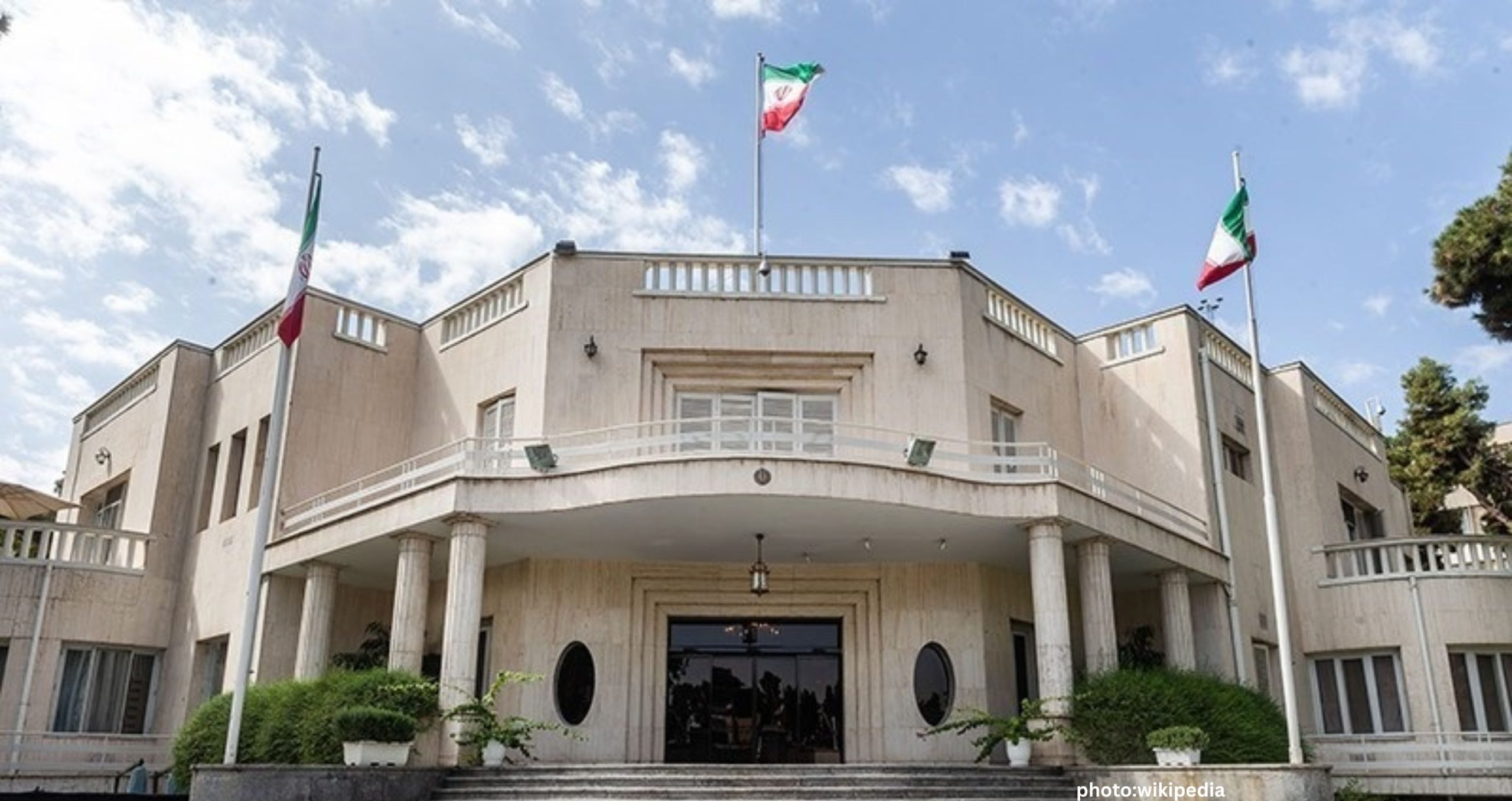
Iran is facing an economic crisis exacerbated by a state-imposed internet blackout, which is costing the country an estimated $1.56 million every hour. This disruption is draining the already struggling economy and affecting the daily lives of more than 90 million people.

According to Simon Migliano, head of research at PrivacyCo, the prolonged internet disruptions began during widespread protests in January. Despite some restoration of connectivity, the economic losses continue. “The current blackout is costing Iran an estimated $37.4 million per day, or $1.56 million every hour,” Migliano stated. He further noted that the full internet blackout has already cost Iran more than $780 million, with ongoing strict filtering contributing to additional economic impacts.

Migliano’s estimates were derived using the NetBlocks COST tool, an economic model that measures the immediate effects on a nation’s gross domestic product when its digital economy is forced offline. This model evaluates direct losses to productivity, online transactions, and remote work, utilizing data from reputable sources such as the World Bank and the International Telecommunication Union.

Since the beginning of 2025, Iran has reportedly lost $215 million due to disruptions in internet access, according to Migliano. The Iranian authorities cut off communications on January 8 amid escalating protests against the clerical regime. While officials have since restored much of the country’s domestic bandwidth, as well as local and international phone calls and SMS messaging, the population remains largely unable to access the internet freely due to heavy state filtering.

The demand for virtual private networks (VPNs) has surged by 579%, reflecting a desperate attempt by citizens to navigate the heavily censored online environment. “The recent surge in VPN demand reflects a scramble for digital survival,” Migliano explained. He noted that even when internet access is briefly restored, it remains heavily censored and effectively unusable without the use of circumvention tools like VPNs.

“We can see spikes showing that as soon as connectivity returned, users immediately sought VPNs to reach sites and services outside the state-controlled network, including global platforms such as WhatsApp and Telegram that remain otherwise inaccessible,” Migliano added.

Moreover, sustained demand for VPNs has averaged 427% above normal levels, indicating that Iranians are stockpiling these tools in anticipation of further blackouts. “The usual strategy is to download as many free tools as possible and cycle between them. It becomes a cat-and-mouse game, as the government blocks individual VPN servers and providers rotate IP addresses to stay ahead of the censors,” he remarked.

Iran’s Minister of Information and Communications Technology, Sattar Hashemi, has acknowledged the economic toll of the blackout tactics. He stated that recent outages have inflicted losses of roughly “5,000 billion rials” a day on the digital economy, with nearly 50 trillion rials impacting the wider economy.

Although Iran’s three-week internet blackout may have been lifted, connectivity remains severely disrupted. “Access is still heavily filtered. It is restricted to a government-approved ‘whitelist’ of sites and apps, and the connection itself remains highly unstable throughout the day,” Migliano concluded.

These developments highlight the ongoing struggle of the Iranian populace as they navigate an increasingly restricted digital landscape, which is further complicating their economic situation.

According to Fox News Digital, the implications of these internet restrictions extend beyond mere connectivity issues, affecting the broader economic landscape of the nation.

US Researchers Validate First Hindi Tool for Diagnosing Prolonged Grief

The first clinical tool in Hindi for diagnosing prolonged grief disorder has been validated by researchers, addressing a critical gap in mental health care for Hindi-speaking communities.

A team of researchers from the City University of New York (CUNY) and Weill Cornell Medicine has successfully validated the first clinical tool in Hindi designed to diagnose prolonged grief disorder (PGD), a condition that is now recognized in leading psychiatric manuals.

This significant milestone addresses a long-standing gap in culturally and linguistically appropriate mental health care for Hindi-speaking communities in the United States and beyond, according to a release from CUNY.

Prolonged grief disorder refers to an intense and persistent form of grief that disrupts daily functioning long after the death of a loved one. It is classified as a distinct mental health condition in both the Diagnostic and Statistical Manual of Mental Disorders and the International Classification of Diseases.

The absence of a validated assessment tool in Hindi—one of the world’s most widely spoken languages—has left many bereaved individuals without reliable pathways to diagnosis and support.

To address this issue, the research team translated, culturally adapted, and tested the Prolonged Grief Disorder-13 Revised Scale (PG-13-R), resulting in what is now known as the PG-13-R-H (Hindi version). This scale measures symptoms such as intense yearning and emotional pain, helping clinicians differentiate between normal grief and disordered grief.

The project was led by CUNY researchers, including Dr. Apeksha Mewani of Lehman College and Dr. Vincent Jones II of York College, along with collaborators Sungwoo (Justin) Kim, Dr. Kim Glickman, and scale originator Dr. Holly G. Prigerson of Weill Cornell Medicine. This cross-institutional effort was born out of a community need for better mental health resources.

The validation study surveyed 527 Hindi-speaking adults living in the United States, who were recruited online and through community outreach in culturally diverse Queens, New York. The results demonstrated that the Hindi scale is both reliable and valid, with a Cronbach’s alpha of 0.75, indicating consistent performance across items.

Approximately 15.6% of participants met the diagnostic criteria for PGD. Notably, 41.7% reported a death related to COVID-19, and 88.6% experienced an unexpected loss, both of which are recognized risk factors associated with prolonged grief.

For many participants, grieving in a diasporic context—where traditional rituals and extended family support structures may be lacking—may have compounded their distress.

The researchers emphasize that culturally tailored tools like the PG-13-R-H not only improve detection but also connect individuals with care that respects their linguistic and cultural frameworks. Dr. Mewani expressed hope that this tool would ensure that Hindi speakers can have their mental illness clinically diagnosed and receive the necessary mental health support.

Dr. Jones highlighted the importance of culturally grounded care, stating, “Language should never be a barrier to healing.” Dr. Prigerson, whose work laid the foundation for modern PGD research, noted that making the scale available in Hindi furthers the goal of “helping those who are mourning, who never found a name for what they were experiencing.”

The study, titled “Psychometric Properties, Stability, and Predictive Validity of the Hindi Version of the Prolonged Grief Disorder Scale (PG-13-R-H),” has been published in the Indian Journal of Psychological Medicine.

Researchers believe that the scale will be beneficial not only in clinical settings but also for community health workers, counselors, and researchers aiming to improve mental health equity for Hindi-speaking populations, according to CUNY.

Sai Cherla Named Senior VP and COO at New York Life Insurance

Indian American finance and technology leader Sai Cherla has been appointed Senior Vice President and Chief Operating Officer at New York Life Insurance, where she will drive enterprise-scale transformation.

Indian American finance and technology leader Sai Cherla has joined New York Life Insurance Company as Senior Vice President and Chief Operating Officer, overseeing Technology, Data, AI, and Ventures.

In her new role, Cherla, a graduate of the National Institute of Information Technology in India, will lead enterprise-scale transformation initiatives across various functions. Her mandate focuses on enhancing speed, accountability, and business outcomes within the company’s technology and innovation sectors, as announced by the company.

Cherla’s responsibilities will include managing portfolio operations, vendor governance, and workforce strategy. She aims to build high-performance teams, modernize delivery practices, and align talent, data, and platforms to foster sustainable growth and operational excellence.

“From my very first conversations, what stood out wasn’t just the scale and ambition of the work, but the people,” Cherla shared on LinkedIn. “New York Life truly operates as a family – grounded in purpose, mutual respect, and long-term commitment to doing what’s right for policyholders, our colleagues, and the communities we serve.”

Before her appointment at New York Life, Cherla amassed extensive transformation and operational leadership experience in financial services and technology sectors. She spent over six years at BMO Financial Group, where she held several senior leadership positions, including Chief Administration Officer for Technology and Operations, and Vice President and Head of the Transformation Management Office and Supplier Governance.

During her tenure at BMO, Cherla supported the Technology and Operations transformation agenda, strengthened supplier governance, and established efficient operating models aimed at improving productivity and execution discipline. She also served as Vice President and Head of the Project Management Office for Workforce Transformation, showcasing her expertise in enterprise operating rhythm, governance, and workforce enablement.

In addition to her corporate roles, Cherla has been actively involved in leadership beyond her primary responsibilities. She served on the Board of Directors at BMO Trust Co. for over five years and was a Board Member at the Toronto Region Immigrant Employment Council (TRIEC) for a similar duration.

Earlier in her career, Cherla held the position of Vice President at the Corporate Program Management Office at International Financial Data Services (IFDS), where she led enterprise-wide project management initiatives and established standardized portfolio delivery and release management practices. She also spent over six years at Sun Life, where she held senior roles, including Assistant Vice President of the Enterprise Portfolio and Project Management Office, overseeing IT governance and KPI definition and tracking.

Cherla’s extensive experience also includes roles such as Assistant Vice President of E-Business Solutions, where she managed global e-business project portfolios and cross-organization delivery alignment. Additionally, she served as Director of Special Projects and Business Analysis, as well as Director of E-Business, leading major portfolios and large-scale delivery programs.

She began her professional journey in technology delivery and program management, holding positions such as Program Manager at CGI, Project Manager at Amdocs, Production Manager at Sigma Systems, and Technical Head at NIIT Limited, where she managed one of NIIT’s largest technical education centers.

Outside of her corporate leadership, Cherla is active in the technology ecosystem as a Limited Partner at The Firehood, an organization dedicated to advancing women in technology. She is also the CEO and Founder of The Firehood: Women in Tech Network, a consultancy focused on advisory and executive assignments across banks, startups, and consulting firms in areas such as technology transformation and organizational strategy.

Cherla holds an Executive MBA from the University of Toronto’s Rotman School of Management. She also completed a Post Graduate Program in Computer Science and Systems Management at the National Institute of Information Technology in India and earned a BA in Public Administration from Osmania University in Hyderabad, along with a Pharmacy Program at Delhi University.

The post Sai Cherla joins New York Life Insurance as Senior VP & COO appeared first on The American Bazaar.

NextRoll Appoints Indian-American Vibhor Kapoor as CEO

NextRoll has appointed Indian American Vibhor Kapoor as CEO, succeeding Roli Saxena, as the digital advertising landscape experiences significant changes and growth.

NextRoll, the marketing technology company known for its AdRoll connected advertising platform, has announced the promotion of Vibhor Kapoor from chief business officer to chief executive officer.

Roli Saxena, who has led the company as CEO since 2022, will transition to the role of executive chair of the board and chief strategy officer. This leadership change comes at a time when the digital advertising market is experiencing both structural shifts and expansion.

As the industry evolves, Kapoor takes the helm amid increasing competition and margin pressures in core display advertising. Marketers are increasingly reallocating their investments toward emerging channels, including connected TV (CTV), digital out-of-home (DOOH), and AI-driven marketing strategies.

NextRoll emphasized that this leadership transition underscores its commitment to executing its core business while also investing in capabilities that support long-term growth.

“As our industry evolves, we need relentless operational focus alongside clear, sustained investment in the future,” Saxena stated. “This transition allows us to do both. Vibhor is a proven operator with deep knowledge of our business, and I’m excited to support him as CEO while focusing my energy on NextRoll’s long-term innovation and growth strategy.”

Kapoor has been with NextRoll for the past four years, holding various senior leadership roles, including chief marketing officer and chief business officer. In these positions, he was instrumental in unifying NextRoll’s advertising and account-based marketing offerings under the AdRoll brand, enhancing product positioning and go-to-market execution. His efforts have helped evolve the platform into a comprehensive, privacy-forward advertising solution.

The AdRoll platform integrates two key offerings: the AdRoll product, which assists brands in generating awareness, enhancing engagement, and driving measurable revenue through AI-powered multi-channel campaigns, and AdRoll ABM, a full-funnel account-based marketing product. The latter combines buyer insights, predictive AI, and multi-touch advertising to accelerate pipeline and revenue for B2B teams. Together, these solutions provide marketers with the clarity, efficiency, and performance necessary for confident growth.

Before joining NextRoll, Kapoor held senior marketing and go-to-market leadership roles at major companies such as Adobe, Box, and Microsoft. With a marketing background and three decades of industry experience, he has a proven track record of delivering results during transformative periods.

“NextRoll is clear on where we win and what it takes to execute,” Kapoor remarked. “I’ve seen this business from every angle, and my job as CEO is to turn that clarity into consistent performance, stronger customer outcomes, and a business that scales with discipline.”

In his new role, Kapoor will oversee operations and lead the executive leadership team, collaborating closely with Saxena and the board to align immediate execution with long-term strategic priorities.

Kapoor holds an MBA in Marketing, Management Strategy, and Entrepreneurship from Northwestern University’s Kellogg School of Management. He also earned a BTech Engineering degree from the Indian Institute of Technology (Banaras Hindu University) in Varanasi, and completed a Management Development Program in Marketing, Finance, and Organizational Behavior at XLRI Jamshedpur.

The leadership change at NextRoll reflects the company’s strategic vision and commitment to navigating the evolving landscape of digital advertising, positioning itself for future growth and innovation.

According to The American Bazaar, this transition marks a pivotal moment for NextRoll as it adapts to the changing dynamics of the marketing technology sector.

Australia Takes Control Against England in U19 World Cup Match

Australia and England are set to clash in the first semi-final of the U19 World Cup, with both teams vying for a coveted spot in the final.

The stage is set for an exciting encounter as Australia faces England in the first semi-final of the U19 World Cup. Both teams are looking to secure their place in the final, making this match a crucial one for aspiring young cricketers.

As the match unfolds, Australia appears to be in control, having made significant progress early on. England, however, is determined to mount a comeback despite losing three wickets in quick succession.

The stakes are high, and the atmosphere is electric as fans from both nations rally behind their teams. With a place in the final on the line, every run and wicket will be critical in determining the outcome of this thrilling contest.

Stay tuned for live updates as the match progresses, showcasing the talent and determination of these young athletes in their quest for glory.

According to NDTV Sports, the clash between these cricketing heavyweights promises to deliver an unforgettable spectacle.

Tuberculosis Outbreak Investigated at Prominent High School

An outbreak of tuberculosis at a San Francisco high school has led health officials to mandate testing for all students and staff following three active cases and over 50 latent infections.

An outbreak of tuberculosis (TB) has been confirmed at Archbishop Riordan High School in San Francisco, prompting health officials to take immediate action. The San Francisco Department of Public Health (SFDPH) issued a health advisory on January 29, detailing the situation and the necessary steps for the school community.

According to the advisory, three active TB cases have been diagnosed among individuals associated with the school since November 2025. In addition, over 50 latent TB infections have been identified within the school community. TB is a bacterial infection primarily affecting the lungs, but it can also impact other organs. It is an airborne disease, transmitted through coughing, sneezing, or saliva.

A person with a latent TB infection carries the bacteria, but it remains inactive in their body. While latent TB is not contagious, it can progress to active disease in approximately 5% to 10% of cases. The SFDPH has stated that efforts are underway to ensure preventive treatment for all affected individuals.

Staff and students at Archbishop Riordan High School have been advised to stay home if they are feeling unwell and to seek medical clearance from a healthcare provider before returning to school. Furthermore, TB evaluations are required for all students and staff, regardless of whether they exhibit symptoms. Health officials have indicated that repeat TB assessments will be necessary every eight weeks until the outbreak is resolved.

Currently, the risk to the general population is considered low, and therefore, the measures are not required for individuals not connected to the outbreak at Archbishop Riordan High School. According to the Centers for Disease Control and Prevention (CDC), more than 565 people died from TB in the most recent year for which data is available. In San Francisco, health officials report a case fatality rate exceeding 10%.

While it is estimated that around 25% of the population may have been infected with the TB bacteria, only 5% to 10% will develop symptoms and become contagious. Symptoms of active TB can include a persistent cough, chest pain, fatigue, weight loss, weakness, fever, and night sweats. TB can also affect organs beyond the lungs, including the kidneys, spine, skin, and brain.

Dr. Masae Kawamura, a former TB control director in San Francisco and a tuberculosis clinician, emphasized the dangers of TB, stating, “TB can affect any organ of the body, but it causes disease in the lung in over 80% of cases. This is dangerous because it causes cough, the mechanism of airborne spread.” In severe cases, patients may cough up blood.

Dr. Kawamura noted that many individuals may experience minimal symptoms for an extended period, often mistaking their occasional cough for allergies, smoking, or a lingering cold. TB can be diagnosed through rapid testing, and treatment typically involves a regimen of antibiotics taken daily for four to six months. Common antibiotics include isoniazid, rifampicin, pyrazinamide, and ethambutol.

Failure to complete the prescribed course of antibiotics can lead to drug-resistant strains of TB, necessitating alternative treatments. If left untreated, TB can be fatal in about half of its cases. Dr. Kawamura explained that approximately 25% of individuals may recover on their own, while another 25% may develop chronic active TB.

“If you breathe, you can catch TB — so all people are at risk,” Dr. Kawamura stated, describing TB as a “social disease of crowding and mobility.” She added that congregate settings such as hospitals, nursing homes, prisons, classrooms, and homeless shelters are particularly susceptible to outbreaks, especially when multiple risk factors are present.

Those at the highest risk of developing TB disease after exposure include individuals with diabetes, weakened immune systems, malnutrition, tobacco use, and excessive alcohol consumption. Babies and children are also at increased risk.

The best preventive measure is to test those at risk and treat latent TB infections, according to health experts. The SFDPH continues to monitor the situation closely and has reached out to Archbishop Riordan High School for further comment.

For more information on tuberculosis and its prevention, visit the CDC’s website.

According to Fox News, health officials are taking proactive steps to manage the outbreak and protect the school community.

Artificial Intelligence Drives Development of New Energy Sources

Artificial Intelligence is playing a pivotal role in addressing rising electricity costs and enhancing energy sources, as U.S. consumers face unprecedented power bills amid increasing demand.

Artificial Intelligence (AI) and the proliferation of data centers are significant contributors to the rising electricity costs across the United States. As of December 2025, American consumers are paying 42% more for electricity compared to a decade ago. Exelon CEO Calvin Butler emphasized, “When you have increased demand and inadequate supply, costs are going to go up. And that’s what we’re experiencing right now.”

In 2024, U.S. data centers accounted for over 4% of the total electricity consumption in the country, according to the International Energy Agency. This consumption level is comparable to the annual electricity usage of the entire nation of Pakistan. Projections indicate that U.S. data center electricity consumption could grow by 133% by the end of the decade, reaching levels equivalent to the entire electricity consumption of France.

Butler noted that Exelon, headquartered in Chicago and owner of ComEd—one of the largest utilities in the nation—has seen a significant increase in data center load. “ComEd’s peak load is roughly 23 gigawatts. We have had data center load come onto the system, but by 2030, we’ll be at 19 gigawatts,” he explained. The utility has received a surge of connection requests from data centers, with potential projects totaling over 30 gigawatts expected to come online between now and 2045.

Butler remarked on the unprecedented growth in the sector, stating, “With the data center advent and the technology coming, we’ve been forced to serve that load, which is our responsibility. But what we also have to do is build new generation supply, which is not keeping up with the load that is coming on. And that’s the crunch that we’re in right now.”

In response to the growing demand, Commonwealth Edison is seeking regulatory approval for a $15.3 billion grid update over the next four years. While the U.S. has increased its grid capacity by more than 15% in the past decade, many utility companies and energy producers argue that this expansion is insufficient.

Bob Mumgaard, CEO of Commonwealth Fusion Systems, expressed concern about the current electricity constraints. “You want to make power plants that can make a lot of power in a small package that you can put anywhere, that you could run at any time, and fusion fits that bill,” he said. The company is working to introduce a new form of nuclear energy—fusion—which promises the reliability of traditional nuclear energy without producing long-lived radioactive waste.

“In fusion, there’s no chain reaction. The result is helium, which is safe and inert, and you don’t use it to make anything related to weapons,” Mumgaard added.

As the U.S. grapples with its power crunch, the role of AI in energy innovation is becoming increasingly vital. Commonwealth Fusion Systems is leveraging AI to accelerate the development of fusion energy. “Building and designing these complex machines and manipulating this complex data matter of plasma are all things that we’re still learning and figuring out how to do,” Mumgaard explained. “And that’s an area where we’ve been able to accelerate using AI.”

AI is also poised to enhance under-utilized energy sources, particularly geothermal energy. Despite its potential, geothermal energy has remained a small part of the electric grid due to high drilling costs and uncertainty about optimal infrastructure placement. Joel Edwards, co-founder of Zanskar, highlighted the potential of AI in improving geothermal exploration. “If you could drill the perfect geothermal well every single time, like you pick the right spot, you design the right well, you drill the 5,000, 8,000 feet, you hit 400°F temperatures, that’s incredibly productive,” he stated.

Zanskar is focused on refining the geothermal search process through AI-driven mapping techniques to identify untapped resources. “If we could just get more precise in where we go to find the things and then how we drill into the things, geothermal absolutely has the cost curve to come down,” Edwards noted. “And that’s sort of what we’re running towards, with AI giving us the boost, giving us an edge to do that.”

Both geothermal and nuclear fusion energy sources offer the advantage of producing power consistently, regardless of weather conditions. This capability could have alleviated some of the strain on the grid during recent winter storms. Butler cautioned about the urgency of addressing these energy challenges, likening the situation to driving a car with a persistent check engine light. “We have to pay attention to what’s going on, and this winter storm—Winter Storm Fern—is indicative of what’s coming,” he warned.

The integration of AI into energy production and management is not only a response to rising costs but also a crucial step toward a more sustainable and reliable energy future. As the demand for electricity continues to grow, the role of innovative technologies like AI will be essential in meeting the challenges ahead, according to Fox News.

Rare Sighting of ‘Sharktopus’ Captured on Camera by Scientists

The University of Auckland scientists recently shared a rare video of an octopus riding on a mako shark off the coast of New Zealand.

In an extraordinary marine encounter, scientists from the University of Auckland captured a rare sighting of an octopus riding on the back of a mako shark off the coast of New Zealand. This unusual event, which has been dubbed a “sharktopus,” showcases the fascinating interactions that can occur in the ocean.

The video, recorded in December 2023, features a Maori octopus perched atop a shortfin mako shark, known for being the fastest shark species in the world, capable of swimming at speeds up to 46 miles per hour. According to the university, this sighting was one of the most peculiar experiences their marine scientists had ever witnessed. Typically, octopuses inhabit the seabed, while mako sharks prefer shallower waters, making this encounter particularly intriguing.

The researchers were initially conducting a study on shark feeding frenzies in the Hauraki Gulf near Kawau Island when they spotted a mako shark with a distinctive orange patch on its head. To document the encounter, they deployed a drone and a GoPro camera into the water, leading to the unforgettable moment of the octopus clinging to the shark’s head with its tentacles.

Professor Rochelle Constantine, a marine scientist at the University of Auckland, described the scene in a recent article for the university. She noted that the researchers observed the unusual pairing for about ten minutes before moving on, leaving the fate of the “sharktopus” uncertain. However, she speculated that the octopus was likely in for quite an adventure, given the mako’s impressive speed.

Initially, Constantine expressed her surprise at the sighting, wondering if what she was seeing was a buoy or if the shark was entangled in fishing gear. “You can see it takes a fair amount of real estate on the shark’s head,” she remarked, emphasizing that neither animal appeared distressed by the encounter. “The shark seemed quite happy, and the octopus seemed quite happy. It was a very calm scene,” she added.

This remarkable footage not only highlights the wonders of marine life but also underscores the importance of ongoing research in understanding the behaviors and interactions of oceanic species. As scientists continue to explore the depths of the ocean, encounters like this one remind us of the mysteries that still exist beneath the waves.

According to Fox News, the sighting has sparked interest and curiosity about the behaviors of both octopuses and sharks in their natural habitats.

PM Modi and President Trump Reach Agreement on Trade Deal

Prime Minister Narendra Modi and President Donald Trump have announced a new trade deal, reducing U.S. tariffs on Indian products from 25% to 18%.

Prime Minister Narendra Modi took to social media platform X on Monday to express his enthusiasm following a conversation with President Donald Trump. In his post, he conveyed gratitude for the reduced tariff on made-in-India products, which will now be set at 18%. “Big thanks to President Trump on behalf of the 1.4 billion people of India for this wonderful announcement,” PM Modi stated.

Highlighting the significance of collaboration between two of the world’s largest democracies, Modi emphasized that such partnerships create opportunities for mutual benefit. “When two large economies work together, it benefits our people and unlocks immense opportunities for cooperation,” he remarked.

Modi praised Trump’s leadership, asserting its importance for global peace, stability, and prosperity. “India fully supports his efforts for peace. I look forward to working closely with him to take our partnership to unprecedented heights,” he added.

In a parallel announcement, President Trump confirmed the trade deal during his own social media update on Truth Social. He noted that he and Modi had agreed to lower the Reciprocal Tariff from 25% to 18%. Trump characterized Modi as one of his “greatest friends” and acknowledged him as a powerful and respected leader. He expressed confidence in their ability to achieve results together.

During their conversation, Trump also mentioned discussions surrounding global issues, including the ongoing conflict between Russia and Ukraine. “It was an honor to speak with Prime Minister Modi of India this morning. We spoke about many things, including trade and ending the war with Russia and Ukraine,” Trump stated.

Furthermore, Trump highlighted India’s commitment to cease purchasing Russian oil, indicating a shift towards increased energy imports from the United States. “He agreed to stop buying Russian oil and to buy much more from the United States and, potentially, Venezuela,” Trump noted.

Trump also claimed that India would work towards reducing tariffs and non-tariff barriers against U.S. goods, a move that could further enhance trade relations between the two nations.

U.S. Ambassador to India, Sergio Gor, confirmed that President Trump had indeed spoken with Prime Minister Modi earlier on the same day, reinforcing the importance of their dialogue.

This recent agreement follows a previous conversation between Modi and Trump in December of last year, where both leaders expressed their commitment to addressing shared challenges and advancing common interests.

The announcement of the trade deal marks a significant step in U.S.-India relations, with both leaders optimistic about the potential for future collaboration.

According to The Free Press Journal, the new tariff structure is expected to benefit various sectors in India, enhancing the competitiveness of Indian products in the U.S. market.

Minnesotans Hesitant to Seek Healthcare Amid Increased ICE Activity

As immigration enforcement intensifies in Minnesota, residents are increasingly fearful of seeking healthcare, prompting concerns from lawmakers and healthcare professionals about the impact on community health.

Recent immigration enforcement actions in Minnesota have left many residents apprehensive about accessing healthcare services. Minnesota Representative Kelly Morrison highlighted these concerns during a January 22 interview with American Community Media, held at the Families USA annual Health Action Conference.

“This is a very dangerous and scary moment for our immigrant communities in Minnesota,” Morrison, a Democrat, stated. She emphasized that fear for personal safety is causing many individuals to avoid or delay necessary medical care.

According to Morrison, community members are stepping up to assist their neighbors in accessing healthcare despite the risks. “We are seeing so many Minnesotans stand up for their neighbors—regardless of their immigration status—to protect them from what feels like an invasion of ICE agents into our state,” she noted. Morrison is recognized as the first and only pro-choice OB-GYN to serve in Congress.

The fear surrounding healthcare access has reportedly spread beyond immigrant communities, affecting even U.S. citizens who are anxious about potential interactions with Immigration and Customs Enforcement (ICE).

In a statement released on January 19, ICE reported that it has arrested over 10,000 individuals in Minnesota, with approximately 3,000 arrests occurring in the past six weeks alone. The agency has faced scrutiny following the fatal shootings of Renee Good on January 7 and Alex Pretti on January 24, both of whom ICE labeled as “domestic terrorists.” Good was a mother of three and a poet, while Pretti was an ICU nurse affiliated with the Minnesota Veterans Administration healthcare system.

Department of Homeland Security Secretary Kristi Noem criticized Minnesota Governor Tim Walz and Minneapolis Mayor Jacob Frey for what she described as their failure to protect their constituents, claiming they prioritize the protection of criminals over public safety.

In response to the ongoing enforcement actions, Governor Walz demanded on January 25 that ICE withdraw its operations from Minnesota. He characterized the initiative, known as “Operation Metro Surge,” as both dangerous and overreaching.

Walz referenced video footage related to Pretti’s death, which depicted the nurse attempting to assist a woman who had been pushed to the ground by ICE agents. Pretti was reportedly pepper-sprayed before being shot multiple times. A federal judge has since issued a temporary restraining order preventing federal officials from tampering with evidence related to Pretti’s death.

ICE agent Jonathan Ross, who was involved in the shooting of Good, will not face a criminal investigation, as the Justice Department has stated there is “no basis” for such an inquiry.

On January 12, Minnesota Attorney General Keith Ellison filed a lawsuit seeking to remove ICE agents from the state, reflecting growing tensions surrounding immigration enforcement.

Protests against ICE’s actions have erupted across the United States, with many demonstrators condemning what they describe as extrajudicial killings.

Healthcare providers in Minnesota have raised alarms about the impact of ICE’s presence on their ability to deliver care. Morrison reiterated these concerns during her remarks at the conference, stating, “A disturbing element of the chaos and instability this administration has created is their practice of twisting valid concerns and sincere hopes for a healthier America into harmful policies that endanger our nation’s health and safety.”

She further criticized the administration for scapegoating immigrants and others, asserting that such actions complicate efforts to ensure equitable healthcare access.

Staci Lofton, director of Health Equity at Families USA, noted that many immigrant families have withdrawn from healthcare services due to fears surrounding the public charge rule. This rule, which was promoted by former President Donald Trump, allows immigration officials to deny permanent legal status to individuals deemed likely to rely on federal benefits.

Lofton emphasized that immigrants are not required to disclose their immigration status when registering at hospitals and that medical facilities are obligated to provide emergency care to all individuals, regardless of their immigration status.

The ongoing situation in Minnesota highlights the intersection of immigration enforcement and public health, raising critical questions about access to care and community safety amid heightened tensions.

According to American Community Media, the implications of these enforcement actions extend beyond individual fears, affecting the overall health and well-being of communities across the state.

Sandeep Patil and Madan Lal Resign from Asian Legends League Over Governance Issues

Former Indian cricketers Sandeep Patil and Madan Lal have withdrawn from the Asian Legends League, citing significant concerns regarding governance and professionalism within the organization.

NEW DELHI – Former Indian cricketers Sandeep Patil and Madan Lal have officially announced their withdrawal from the Asian Legends League, expressing serious concerns over the league’s governance, credibility, and professionalism. Both players emphasized that their personal values and respect for the sport remain their top priorities.

In a video message, Patil stated, “After careful thought and consideration, I have formally withdrawn and disassociated myself from the Asian Legends League. This decision has been taken due to serious concerns regarding governance, credibility, and overall professionalism.”

He further elaborated, “Throughout my career, integrity and respect for the game have been non-negotiable, and I always stand by those values. It was also sad to know that the constant changing of dates has not gone well with me.”

Madan Lal echoed similar sentiments, voicing his concerns about the league’s management and professionalism. He confirmed his immediate departure from the league and requested that the organizers cease any use of his name or association with the league across all platforms.

Lal remarked, “I have decided to immediately disassociate myself from the Asian Legends League and will no longer be associated with the league in any capacity.”

He added, “This decision has been necessitated due to serious concerns regarding governance practices, organizational credibility, and overall professionalism, which do not align with the standards, values, and sporting discipline I have represented over decades in Indian cricket.”

The recent withdrawals come on the heels of league commissioner Aakash Chopra also stepping down, stating that he has no connection to the league’s second season in any capacity. The departures of these prominent figures raise questions about the future of the Asian Legends League and its ability to maintain credibility within the cricketing community.

As the situation unfolds, it remains to be seen how the league will address these governance issues and whether it can regain the trust of former players and fans alike. The integrity of the game and the professionalism of its leagues are essential for fostering a positive environment for both players and supporters.

According to India West, the concerns raised by Patil and Lal highlight the importance of maintaining high standards within sports organizations, particularly those that aim to celebrate and promote the legacy of cricket.

Daily Horoscope for All Zodiac Signs: February 3, 2026

Your daily horoscope for February 3, 2026, offers insights for all zodiac signs, highlighting opportunities and challenges in love, work, and personal growth.

Aries (March 21 – April 20): Today, your focus will be on your beloved, and you’ll feel an energetic surge. However, your commitment to work may wane, which could lead to some annoyance from your superiors. Ganesha advises that today is ideal for romantic pursuits.

Taurus (April 21 – May 21): A fruitful day awaits professionals across various fields. Administrators and executives may find themselves financially rewarded by day’s end. Even if you are engaged in different tasks, your excellence will be recognized. Businesspeople can expect new partnerships and joint ventures, making today auspicious for launching new projects.

Gemini (May 22 – June 21): Prepare for a hectic day that may leave you feeling bored and listless. Ganesha suggests finding creative outlets to combat the monotony or taking breaks to engage in activities that interest you.

Cancer (June 22 – July 22): You may feel the urge to showcase your social status and financial strength to relatives, but this could come at a cost. Past experiences will provide valuable lessons that will benefit you in future dealings.

Leo (July 23 – August 23): Expect some changes in your daily routine today. It’s a favorable day to start a new job or business venture. You’ll be more focused on self-improvement and revealing your hidden talents. Ganesha encourages you to seize this opportunity to implement your plans.

Virgo (August 24 – September 22): Today, you will feel more financially secure than ever. Ganesha emphasizes the importance of preparing for potential financial instability in the future. Your leadership qualities will be acknowledged, but be cautious of possible fluctuations in monetary transactions.

Libra (September 23 – October 23): Ganesha indicates that today may involve travel for business or leisure. While it could be a busy workday, try to balance your attention between work and family matters. Consider trying your luck in the stock market, as it may yield positive results. Any ongoing issues are likely to be resolved thanks to your diverse skills and experiences.

Scorpio (October 24 – November 22): Your intuition will be particularly strong today, according to Ganesha. Trust your instincts and work diligently. If work pressures mount, take a moment to unwind with soothing music.

Sagittarius (November 23 – December 21): Ganesha predicts a day filled with promise, especially for those in creative fields. Artists, radio jockeys, and television anchors should take note, as today may prove memorable.

Capricorn (December 22 – January 20): Opportunities are knocking today, and Ganesha encourages you to answer the door. Utilize these chances to their fullest, as positive outcomes are on the horizon. Despite fierce competition, you will maintain your edge and enjoy social popularity.

Aquarius (January 21 – February 18): You may find yourself facing adversaries who hold grudges against you. However, like the lion, you possess confidence and skill. Ganesha assures you that no matter how hard your opponents try, they will not match your strength. Your spouse will provide quiet but strong support during this time.

Pisces (February 19 – March 20): Today, you may adopt a philosophical outlook, seeing things as they truly are rather than how they appear. You are likely to take a more relaxed approach, addressing issues as they arise. Be prepared for some potentially distressing news that could weigh heavily on your mind, according to Ganesha.

Stay connected with the cosmos through your daily horoscope! Access your February 3, 2026, daily and weekly horoscopes for every zodiac sign. Discover what the universe has in store for you with insights tailored to your sign. Whether you’re a fiery Aries or a dreamy Pisces, our expert astrologers provide precise and personalized readings to help you navigate life’s challenges and triumphs. Visit us daily for fresh updates and stay attuned to the celestial forces shaping your destiny.

The information in this article is based on insights from Ganesha.

Groundhog Day and Friday the 13th: Cultural Significance Explored

The ongoing government shutdown highlights the challenges House Republicans face in passing a funding bill amid partisan divisions, with critical deadlines approaching.

The partial government shutdown continues as House Republicans grapple with a narrow majority to pass a funding bill that includes allocations for the Pentagon, the Department of Housing and Urban Development (HUD), and various transportation programs.

Capitol Hill is often a place steeped in superstition, where dates like Groundhog Day and Friday the 13th take on legislative significance. The current shutdown, which affects 78% of the federal government, is a direct result of Democrats rejecting a multi-bill spending plan last week due to concerns regarding Immigration and Customs Enforcement (ICE).

The House of Representatives is now tasked with aligning its efforts with a revised Senate-passed plan from Friday. This proposal aims to fund the Pentagon, HUD, transportation programs, and several other agencies through September 30. However, it would only provide temporary funding for the Department of Homeland Security (DHS) as Democrats demand reforms to ICE.

Many House Democrats expressed reservations about the plan that garnered support from several Senate Democrats. This uncertainty raises questions about whether the House can successfully reopen the government this week. House Democrats contend they were not part of the agreement reached by Senate Democrats to partially fund the government while only applying a temporary fix to DHS funding.

Last March, House Democrats were openly frustrated when Senate Minority Leader Chuck Schumer (D-NY) and other Democrats collaborated with Republicans to avert a shutdown. When asked whether he and Schumer were aligned this time, House Minority Leader Hakeem Jeffries (D-NY) responded with a hint of sarcasm, referencing a future date in March 2025.

Jeffries then cited examples of House and Senate Democrats working together on various issues, including healthcare and the current government shutdown. He confirmed, “Yes. Short answer. We are on the same page,” but added a caveat about the evolving nature of negotiations.

Some Democrats are supportive of the funding deal, particularly moderate members who are wary of the political repercussions of a prolonged shutdown. Others are pleased with the earmarks they secured in the funding package. However, progressives have made it clear that they cannot endorse any funding bill without concrete plans for ICE reform. Some on the left are even advocating for the defunding of ICE altogether.

Rep. Jim McGovern (D-MA), the top Democrat on the House Rules Committee, stated, “I will be voting no on this funding package. I refuse to send another cent to [White House Adviser] Stephen Miller or [Homeland Security Secretary] Kristi Noem.” In contrast, Rep. Rosa DeLauro (D-CT), the ranking Democrat on the House Appropriations Committee, indicated her intention to vote in favor of the bill, emphasizing that it funds most of the government for the remainder of the fiscal year and allows time to negotiate on ICE.

DeLauro remarked, “If we do not do that, we will not be able to bring the kinds of pressure that is necessary to make sure that ICE does not continue to terrorize our communities.” While there may be enough votes to pass the bill, the real challenge lies in a procedural vote known as the rule.

The House must first approve this rule to determine how it will handle the bill on the floor. If the House adopts the rule, it can then debate and vote on the bill. A failure to pass the rule would effectively halt progress.

Some Republicans may oppose the rule, and Democrats have made it clear they will not assist with this procedural measure, which is typically supported by the majority party. Jeffries stated, “Republicans have a responsibility to move the rule. If they have some massive mandate, then go pass your rule.”

House Republicans are feeling the pressure as their majority shrank following the swearing-in of Rep. Christian Menefee (D-TX), who won a special election in Texas over the weekend. The current Republican majority now stands at 218-214, meaning they can afford to lose only one vote to pass a bill if all members participate.

When asked about the implications of Menefee’s election, House Speaker Mike Johnson (R-LA) acknowledged the slim margin, quipping, “What could go wrong?” He expressed hope that Menefee’s first vote would not contribute to a government shutdown.

Menefee, who had just arrived in Washington, D.C., after his election, responded to questions about his voting intentions by stating he needed to consider the issues thoughtfully before casting a vote that aligns with his values.

Ultimately, the outcome hinges on the rule vote. If the House can navigate this procedural hurdle, it may successfully pass the bill and end the shutdown. If not, significant challenges lie ahead.

President Donald Trump expressed his desire for a bipartisan solution to what he described as a “long, pointless and destructive shutdown” on Truth Social. The timing of discussions surrounding the government shutdown coinciding with Groundhog Day seems almost fitting, especially following the record-breaking 43-day shutdown last autumn.

As for Punxsutawney Phil, he saw his shadow, predicting six more weeks of winter. Amid the ongoing funding disputes, one might wonder when lawmakers will seek Phil’s insight on the shutdown.

However, the more pressing concern is the looming deadline of Friday the 13th. If the House aligns with the Senate and resolves the partial government shutdown, lawmakers will have until 11:59:59 PM ET on that day to fund DHS. Failing to do so would leave DHS without funding once again, impacting agencies like FEMA and TSA.

Addressing issues related to ICE within such a tight timeframe poses significant challenges. Schumer noted, “Republicans need to take a good look at what’s happening around the country and realize too that it’s time to rein in ICE’s abuses.” Some Republicans share this sentiment, emphasizing the need to focus on serious offenders rather than individuals who have been in the country for extended periods.

While there appears to be bipartisan agreement on the necessity of addressing ICE, any reforms must pass through both the House and Senate by the impending deadline. Only Congress could create a scenario as complex as this.

According to Fox News, the stakes are high as lawmakers navigate these turbulent waters.

Costa Rica Elects Tough-on-Crime Leader Amid Rising Violence

Costa Ricans have elected conservative populist Laura Fernández as president, signaling a shift towards right-leaning leadership amid rising violence and crime in the country.

Costa Ricans have chosen Laura Fernández of the Sovereign People’s Party as their next president, according to preliminary election results. This marks a significant shift towards conservative leadership in Latin America, where right-leaning candidates have gained traction in recent elections.

With 96.8% of polling places reporting, Fernández secured 48.3% of the vote, defeating her closest rival, economist Álvaro Ramos of the National Liberation Party, who garnered 33.4%. Ramos conceded the race on election night, paving the way for Fernández, 39, to assume office in May for a four-year term.

Fernández, a former government minister, is the designated successor of outgoing President Rodrigo Chaves, who is barred by the constitution from seeking re-election. She campaigned on a platform that promises to continue Chaves’ populist agenda, which has challenged traditional political parties and emphasized a tougher stance on crime.

During her tenure as minister of national planning and later as minister of the presidency, Fernández played a pivotal role in Chaves’ administration. Her campaign focused heavily on addressing the rising crime rates in Costa Rica, which have surged due to increased homicides, gang activity, and drug trafficking by cartels. Reports indicate that the murder rate has risen by 50% over the past six years.

In response to the escalating violence, Fernández has proposed a hard-line security strategy. This includes enhanced collaboration with the U.S. Drug Enforcement Administration and stricter measures against organized crime. She has also suggested controversial initiatives inspired by El Salvador’s President Nayib Bukele, such as the construction of a special prison for gang leaders.

“My hand won’t shake when it comes to making the decisions we need to restore peace in Costa Rican homes,” Fernández stated during her campaign, emphasizing her commitment to tackling crime head-on.

U.S. Secretary of State Marco Rubio congratulated Fernández following her victory. In a statement, he expressed confidence that under her leadership, Costa Rica would continue to advance shared priorities, including combating narco-trafficking, addressing illegal immigration to the United States, promoting cybersecurity, and strengthening economic ties.

After the election results were announced, Fernández remarked, “I hope that we can immediately lower the flags of whichever political party and start working only in favor of the Costa Rican flag. I believe the Costa Rican people expect nothing less of us.”

As Costa Rica prepares for this new chapter under Fernández, the focus will be on her ability to implement her tough-on-crime policies and address the concerns of a populace increasingly anxious about safety and security.

According to the Associated Press, Fernández’s election reflects a broader trend in the region, where voters are increasingly favoring leaders who promise decisive action against crime and corruption.

Indian-American Climate Scientist Veerabhadran Ramanathan Awarded Crafoord Prize

Veerabhadran Ramanathan, an esteemed Indian American climate scientist, has been awarded the prestigious Crafoord Prize for his groundbreaking research on climate pollutants and their impact on the atmosphere.

Veerabhadran Ramanathan, a prominent Indian American climate scientist affiliated with the Scripps Institution of Oceanography at UC San Diego, has been named the 2026 recipient of the Crafoord Prize, one of the most esteemed awards in the scientific community.

The Crafoord Prize is awarded collaboratively by the Royal Swedish Academy of Sciences and the Crafoord Foundation in Lund, Sweden. Ramanathan will receive the prize, valued at eight million Swedish kronor (approximately $900,000), during the “Crafoord Days” events scheduled for May 18-20, 2026, in Lund and Stockholm, as announced in a university release.

Upon learning of his selection, Ramanathan expressed his gratitude, stating he was “speechless and humbled.” He emphasized the significance of the award, particularly as it recognizes climate research during a time when the subject has become increasingly contentious. “This prize, since it is given by the same science academy that gives the Nobel Prize, is an overwhelming confirmation that climate science is based on fundamental scientific principles backed by impeccable observations,” said Ramanathan, who serves as a distinguished professor emeritus of atmospheric and climate sciences at Scripps Oceanography.

The prize committee acknowledged Ramanathan’s substantial contributions to the field, particularly his research that has enhanced understanding of how aerosol particles and other climate pollutants affect the atmospheric energy balance and the Earth system. This knowledge is vital for both comprehending and addressing climate change.

Ilona Riipinen, a professor of atmospheric sciences at Stockholm University and a member of the Crafoord Prize Committee for Geosciences, remarked, “He has expanded our view of how humankind is affecting the atmosphere’s composition, the climate and air quality, and how these three interact.”

Born in 1944 in Chennai, India, Ramanathan earned his PhD in 1974 from the State University of New York. In 1975, he made a groundbreaking discovery regarding the super-greenhouse effect of chlorofluorocarbons (CFCs), demonstrating that these chemicals—commonly used in refrigeration and aerosol sprays—are approximately 10,000 times more effective than carbon dioxide at trapping thermal energy, or infrared radiation.

This pivotal finding highlighted the importance of atmospheric chemistry within the climate system and paved the way for the identification of additional “super pollutants,” including methane, hydrofluorocarbons (HFCs), and nitrous oxide.

In the 1980s, Ramanathan played a crucial role in NASA’s efforts to utilize satellites for measuring Earth’s energy budget, which involves the balance between solar energy reaching Earth and the heat that is emitted back into space. His research indicated that pollutants disrupt this energy balance, leading to climate changes. The findings revealed that greenhouse gases from human activities are increasingly trapping re-radiated energy in the atmosphere, contributing to global warming.

Ramanathan joined Scripps Oceanography in 1990, having already established himself as a leading figure in climate science. His research at Scripps focused on the impact of HFCs—replacements for CFCs—on both the ozone layer and climate, as well as various forms of atmospheric aerosols.

In a significant study conducted in the Indian Ocean, Ramanathan and his team discovered elevated levels of air pollution even in remote areas. They found that certain dark aerosols, such as soot particles, absorb radiation and contribute to significant atmospheric heating and reduced sunlight at the surface, thereby affecting the hydrological cycle.

Ramanathan’s research also identified soot particles as a major contributor to the melting of Himalayan glaciers. This work has had far-reaching implications, influencing international agreements aimed at reducing short-lived climate pollutants through initiatives like the Climate and Clean Air Coalition, led by the United Nations Environment Programme.

Throughout his career, Ramanathan has influenced a wide range of individuals, from policymakers to religious leaders. In 2004, he was appointed to the Pontifical Academy of Sciences by Pope John Paul II and has since served four popes, including Pope Leo. He was recognized as the science advisor to Pope Francis’ Holy See delegation at the landmark 2015 Paris climate summit and has also provided counsel to former California Governor Jerry Brown.

In addition to his extensive research, Ramanathan collaborated with UC San Diego Professor Fonna Forman to create “Bending the Curve,” an educational initiative aimed at promoting climate literacy and scalable solutions for individuals of all ages and educational backgrounds.

Ramanathan’s contributions to climate science have garnered widespread recognition. He has been elected to both the U.S. National Academy of Sciences and the Royal Swedish Academy of Sciences. In 2013, he was named a UN Climate Champion, and in 2018, he shared the Tang Prize in Sustainable Development with fellow climate scientist James Hansen. His accolades also include the Blue Planet Prize, awarded in 2021, which is an international environmental honor.

Ramanathan’s groundbreaking work continues to shape the understanding of climate science and its implications for the future of our planet, reinforcing the urgent need for action against climate change.

According to The American Bazaar.

IIT Alum Sanjiban Choudhury Receives NSF Early Career Development Award

Sanjiban Choudhury, an Indian American robotics researcher, has received the National Science Foundation Faculty Early Career Development Award for his innovative work in robotics.

Sanjiban Choudhury, an Indian American robotics researcher, has been awarded the National Science Foundation (NSF) Faculty Early Career Development Award for his groundbreaking efforts in developing robots that learn new skills similarly to humans. Choudhury, who serves as an assistant professor of computer science at Cornell University’s Ann S. Bowers College of Computing and Information Science, will utilize the $400,000 award to further his research initiatives.

The NSF award is designed to support early-career faculty members who demonstrate the potential to become academic role models in both research and education. The award also aims to foster advancements within their respective departments or organizations. Each funded project must incorporate an educational component, emphasizing the importance of teaching alongside research.

Choudhury’s research focuses on creating robots that can assist in various environments, including homes, hospitals, and farms. While many existing robots are limited to pre-programmed tasks, they often struggle to adapt to new situations or learn from human interactions. Choudhury’s innovative project seeks to overcome these limitations by developing robot helpers capable of learning new skills through observation, practice, and feedback.

The implications of Choudhury’s work could significantly enhance the functionality and adaptability of robots, enabling them to tackle more complex real-world challenges. His research not only aims to improve robotic assistance in everyday tasks but also seeks to deepen our understanding of how robots can learn and adapt to their environments.

In addition to his research, Choudhury’s project includes educational programs designed to engage K-12 students through interactive robotics activities. By providing accessible online resources, he aims to increase participation in STEM fields and promote interest in robotics research among young learners.

Choudhury’s academic background is impressive. He completed his postdoctoral research at the University of Washington and earned both his Master’s and PhD degrees from Carnegie Mellon University. His undergraduate and Master’s degrees in electrical engineering were obtained from the Indian Institute of Technology, Kharagpur.

Choudhury also leads the Portal group, which focuses on developing everyday robots that are user-friendly and practical for tasks ranging from cooking to cleaning. His commitment to making robotics accessible to a broader audience underscores his dedication to advancing the field.

As robotics continues to evolve, Choudhury’s contributions may pave the way for a future where robots can seamlessly integrate into daily life, providing valuable assistance across various sectors.

According to a press release from Cornell University, Choudhury’s work exemplifies the potential of robotics to enhance human capabilities and improve quality of life.

Indian-American Kalyan Deshpande Appointed Chief Judge of US Patent Court

Indian American jurist Kalyan Deshpande has been appointed Chief Judge of the Patent Trial and Appeal Board, enhancing his influence in patent law and dispute resolution in the United States.

Indian American jurist Kalyan Deshpande has been appointed as the Chief Judge for the Patent Trial and Appeal Board (PTAB), a pivotal role in adjudicating patent and trademark disputes in the United States.

In his new position, Deshpande leads the PTAB in conducting various post-grant trials, including inter partes reviews, post-grant reviews, covered business method patent reviews, and derivation proceedings. He also oversees appeals from adverse examiner decisions in patent applications and re-examination proceedings.

The announcement of Deshpande’s appointment was made by U.S. Patent and Trademark Office Director John Squires. This appointment not only solidifies Deshpande’s status as a prominent figure within the PTAB but also highlights his significant contributions to the field of patent law. It underscores the PTAB’s commitment to maintaining the integrity of the patent system.

Deshpande’s leadership is expected to have a substantial impact on the resolution of patent disputes and the evolution of patent law in the United States.

Deshpande joined the PTAB in 2008 and has held various roles, including patent attorney, Administrative Patent Judge (APJ), Lead Judge, Senior Lead Judge, Vice Chief Judge, and Deputy Chief Judge. His extensive experience within the Board has equipped him with a deep understanding of the complexities involved in patent law.

Throughout his tenure, Deshpande has managed a significant number of post-grant trials and ex parte appeals. He has also been instrumental in implementing and leading processes for precedential and informative decision designations, the director review process, and director discretionary processes.

In addition to his judicial responsibilities, Deshpande has overseen the hiring and onboarding of APJs, as well as initiatives like the Legal Experience and Advancement Program (LEAP) and the Judicial Law Clerk program. His expertise has been recognized at the U.S. Senate, where he provided insights for Senator Chris Coons.

Before his tenure at the PTAB, Deshpande gained valuable experience in software development at Accenture and worked in supply chain management for an early-stage food services company.

Deshpande holds a law degree from The Ohio State University and a degree in biomedical engineering from Case Western Reserve University. His diverse educational background and professional experience contribute to his qualifications as a leader in patent law.

As Chief Judge, Kalyan Deshpande is poised to influence the future of patent law and the adjudication of patent disputes in the United States, according to The American Bazaar.

Shahid Afridi Comments on Pakistan’s Decision Not to Face India in T20 World Cup 2026

Shahid Afridi has voiced his regret regarding Pakistan’s decision to boycott the T20 World Cup 2026 match against India.

Former Pakistani cricketer Shahid Afridi has publicly expressed his disappointment over Pakistan’s decision to boycott their scheduled match against India in the upcoming T20 World Cup 2026.

The decision to not play against India has sparked considerable debate within the cricketing community, with Afridi’s comments highlighting the emotional and competitive significance of matches between the two nations.

Afridi, known for his candid opinions, described the boycott as “regrettable,” emphasizing the importance of cricket as a unifying force that transcends political tensions. He believes that matches between Pakistan and India are not just sporting events but also opportunities for fostering goodwill and camaraderie among fans.

The T20 World Cup is set to take place in the United States and the West Indies, and the anticipation surrounding the tournament is already building. However, the absence of a match between these two cricketing giants would be a significant loss for fans and the sport alike.

In recent years, political tensions have often overshadowed sporting events between the two countries, leading to a series of cancellations and boycotts. Afridi’s remarks reflect a growing sentiment among many cricket enthusiasts who hope for a return to normalcy in cricketing relations.

As the cricketing world looks forward to the T20 World Cup, Afridi’s call for dialogue and understanding serves as a reminder of the power of sport to bridge divides. His views resonate with many who believe that cricket should serve as a platform for peace and unity.

While the decision to boycott the match has been made, Afridi’s comments may encourage further discussion among stakeholders in both countries, potentially paving the way for future encounters on the cricket field.

As the tournament approaches, all eyes will be on the Pakistan Cricket Board and its decision-making process regarding international matches, particularly those against India. The hope remains that both teams will find a way to compete, allowing fans to enjoy the rich history and rivalry that defines their encounters.

According to NDTV Sports, Afridi’s perspective adds a layer of complexity to the ongoing discourse surrounding cricket and politics in the region.

Meningitis Cases Surge in Major Midwestern City, Health Alert Issued

Chicago health officials have issued a public health alert following a rise in meningococcal disease cases, including two fatalities, urging residents to recognize symptoms and seek prompt medical attention.

Chicago health officials are sounding an urgent alert as they report a rise in cases of meningococcal disease among adults in the city. Since mid-January, seven cases of Neisseria meningitidis infections have been confirmed, resulting in two deaths, according to the Chicago Department of Public Health.

In response to the outbreak, health officials have traced close contacts of all confirmed cases and provided preventive antibiotics to individuals who may have been exposed to the bacteria.

Meningococcal disease is caused by the bacterium Neisseria meningitidis, which can infect the bloodstream or the protective lining of the brain and spinal cord. The bacteria are transmitted through saliva and mucus during close or prolonged contact, such as sharing drinks, kissing, or being in close proximity to someone who coughs or sneezes.

While cases of meningococcal disease are relatively rare, they remain a significant public health concern across the United States. The Centers for Disease Control and Prevention (CDC) reported 503 confirmed and probable cases in the U.S. in 2024, based on preliminary data.

Symptoms of meningococcal disease can manifest as fever, headache, nausea, vomiting, diarrhea, sensitivity to light, a stiff neck, and a skin rash that may appear as dark spots or bruising. Additional signs may include confusion, irritability, difficulty walking, joint or muscle pain, and loss of appetite.

According to the Chicago Department of Public Health, the city typically sees between 10 to 15 meningococcal infections each year, with cases often concentrated during the winter months. The disease primarily affects seniors, adolescents, and young adults.

To mitigate the risk of infection, health officials recommend that individuals receive the meningococcal vaccine starting at ages 11 or 12, with a booster dose administered at age 16.

Treatment for meningococcal disease involves antibiotics, and healthcare providers often initiate immediate treatment if the illness is suspected, as it can progress rapidly. In severe cases, patients may require additional treatments such as intravenous fluids, oxygen, blood pressure medications, or surgery to address damaged tissue.

Anyone experiencing symptoms or who believes they may have been exposed to meningococcal disease is strongly urged to seek medical care without delay. Health experts emphasize that early treatment is critical for improving outcomes.

For further information on meningococcal disease and its symptoms, residents can consult resources from the Cleveland Clinic and the Chicago Department of Public Health.

According to Chicago Department of Public Health, the community’s awareness and prompt action are essential in combating this serious health threat.

AI Wearable Technology Aids Stroke Survivors in Regaining Speech

Researchers at the University of Cambridge have developed Revoice, a wearable device that significantly improves communication for stroke survivors suffering from dysarthria.

Losing the ability to speak clearly after a stroke can be a devastating experience. For many survivors, the words remain in their minds, but their bodies struggle to cooperate. This results in speech that is slow, unclear, or fragmented. Known as dysarthria, this condition affects nearly half of all stroke survivors, making everyday communication exhausting and frustrating.

In response to this challenge, scientists at the University of Cambridge have developed a groundbreaking wearable device called Revoice. Designed specifically for individuals with post-stroke speech impairment, Revoice aims to help users communicate naturally without the need for surgery or brain implants.

Dysarthria is a physical speech disorder that can weaken the muscles in the face, mouth, and vocal cords following a stroke. As a result, speech may sound slurred, slow, or incomplete. Many stroke survivors can only articulate a few words at a time, despite knowing exactly what they wish to convey. Professor Luigi Occhipinti notes that this disconnect can lead to profound frustration for those affected. While stroke survivors often work with speech therapists using repetitive drills to improve their communication skills, these exercises can take months or longer to yield results. This prolonged recovery period can leave patients struggling during daily interactions with family, caregivers, and healthcare providers.

Revoice offers a novel approach to addressing these communication barriers. Instead of requiring users to type, track their eye movements, or rely on invasive implants, the device detects subtle physical signals from the throat and neck. Resembling a soft, flexible choker made from breathable, washable fabric, Revoice contains ultra-sensitive textile strain sensors and a small wireless circuit board. When a user silently mouths words, the sensors pick up tiny vibrations in the throat muscles. Simultaneously, the device measures pulse signals in the neck to gauge the user’s emotional state.

The device processes these signals using two artificial intelligence (AI) agents, enabling Revoice to convert a few mouthed words into fluent speech in real-time. Previous silent speech systems faced significant limitations, often tested only on healthy volunteers and requiring users to pause for several seconds between words, which disrupted the flow of conversation. Revoice overcomes these delays by employing an AI-driven throat sensor system paired with a lightweight language model. This efficient model consumes minimal power and delivers near-instantaneous responses, powered by a 1,800 mWh battery that researchers anticipate will last a full day on a single charge.

After refining the system with healthy participants, researchers conducted tests with five stroke patients suffering from dysarthria. The results were striking. In one instance, a patient mouthed the phrase “We go hospital,” and Revoice expanded it into a complete sentence that conveyed urgency and frustration, based on the emotional signals and context. Participants reported a 55% increase in communication satisfaction, stating that the device helped them communicate as fluently as they did prior to their stroke.

Researchers believe that Revoice could also benefit individuals with Parkinson’s disease and motor neuron disease. Its comfortable, washable design makes it suitable for daily wear, allowing it to integrate seamlessly into users’ routines rather than being confined to clinical settings. However, before widespread adoption can occur, larger clinical trials are necessary. The research team plans to initiate broader studies with native English-speaking patients and aims to expand the system to support multiple languages and a wider range of emotional expressions. The findings of this research were published in the journal Nature Communications.

For those who have experienced a stroke or have loved ones who have, this research indicates a significant shift in recovery tools. Revoice suggests that effective speech assistance does not need to be invasive. A wearable solution could support communication during the challenging months of rehabilitation, a time when confidence and independence often wane. Additionally, it may alleviate stress for caregivers who struggle to understand incomplete or unclear speech. Clear communication can enhance medical care, emotional well-being, and daily decision-making.

Communication is closely tied to dignity and independence. For stroke survivors, losing the ability to speak can be one of the most difficult aspects of recovery. Revoice exemplifies how artificial intelligence and wearable technology can collaborate to restore something fundamentally human. While it is still in the early stages, this device represents a meaningful step toward making recovery feel less isolating and more hopeful.

If a simple wearable could help restore natural speech, should it become a standard part of stroke rehabilitation? The potential impact of Revoice on the lives of stroke survivors and their families is profound, and further exploration of this technology may pave the way for a new era in speech recovery.

According to Fox News, the advancements made with Revoice could redefine the rehabilitation process for countless individuals affected by speech impairments.

Researchers Identify Source of Black Hole’s 3,000-Light-Year Jet Stream

A new study connects the M87 black hole to its powerful cosmic jet, revealing how it launches particles at nearly the speed of light.

A recent study has established a link between the renowned M87 black hole—the first black hole ever imaged—and its formidable cosmic jet. This research sheds light on how black holes can launch particles at speeds approaching that of light.

Using significantly enhanced coverage from the global Event Horizon Telescope, scientists have traced a cosmic jet that extends 3,000 light-years from the M87 black hole to its probable source. The findings, published in the journal Astronomy & Astrophysics this week, could provide crucial insights into the origins and mechanisms behind the vast cosmic jets emitted by black holes.

Located in the Messier 87 galaxy approximately 55 million light-years from Earth, M87 is a supermassive black hole that is 6.5 billion times the mass of the sun. The first image of this black hole was unveiled to the public in 2019, following data collection by the Event Horizon Telescope in 2017.

Dr. Padi Boyd of NASA highlighted the significance of M87, stating in a video about the discovery that not only is the black hole supermassive, but it is also active. “Just a few percent are active at any given time,” she explained. “Are they turning on and then turning off? That’s an idea… We know there are very high magnetic fields that launch a jet. This image provides observational evidence that what we’ve been seeing for a while is actually being launched by a jet connected to that supermassive black hole at the center of M87.”

M87 is known for both consuming surrounding gas and dust while simultaneously ejecting powerful jets of charged particles from its poles, which form the jet stream, as reported by Scientific American and Space.com.

Saurabh, the team leader at the Max Planck Institute for Radio Astronomy, remarked on the implications of the study, stating, “This study represents an early step toward connecting theoretical ideas about jet launching with direct observations.” He further noted, “Identifying where the jet may originate and how it connects to the black hole’s shadow adds a key piece to the puzzle and points toward a better understanding of how the central engine operates.”

The Event Horizon Telescope is a collaborative network of eight radio observatories that work together to detect radio waves emitted by astronomical objects, such as galaxies and black holes. This network effectively creates an Earth-sized telescope, allowing for unprecedented observations of these distant phenomena. The term “Event Horizon” refers to the boundary of a black hole beyond which light cannot escape, as defined by the National Science Foundation.

The findings were derived from data collected by the Event Horizon Telescope in 2021. However, the authors of the study cautioned that while the results are robust under the assumptions and tests performed, definitive confirmation and more precise constraints will necessitate future observations with the Event Horizon Telescope. These future observations would require higher sensitivity, improved intermediate-baseline coverage through additional stations, and an expanded frequency range.

As researchers continue to explore the mysteries of black holes, this study marks a significant advancement in understanding the dynamics of cosmic jets and their connection to supermassive black holes like M87, paving the way for future discoveries in the field of astrophysics.

According to Space.com, the implications of this research extend beyond mere observation, potentially reshaping our understanding of black hole behavior and the fundamental processes that govern these enigmatic cosmic entities.

Coping With Sciatica: Understanding Symptoms and Treatment Options

Ranjeet, a 62-year-old immigrant, shares his experience with sciatica, a common nerve pain condition, and explores treatment options and preventive measures.

Ranjeet is a 62-year-old father of Devender, a first-generation Indian immigrant residing in San Jose. After retiring from a government job in India, he and his wife are eager to spend quality time with their son and his family in the United States.

However, following a long flight from India, Ranjeet has been experiencing moderate, tingling pain in his lower right back that radiates down his left leg to his foot. The discomfort intensifies with actions such as coughing, sneezing, bending, or lifting his legs while lying down. Concerned about his condition, Ranjeet sought medical advice.

Dr. Sharma, a healthcare professional, assessed Ranjeet’s symptoms and suggested that they resemble a condition known as sciatica. Sciatica is characterized by nerve pain resulting from irritation or injury to the sciatic nerve, the longest and largest nerve in the body. This nerve originates in the lower back and extends down each leg. When compressed or pinched, it can lead to pain, tingling, or numbness in the back or buttocks, which may radiate down the leg.

Dr. Sharma noted that sciatica is a common condition, with studies indicating its prevalence in the general population may be as high as 40%. He emphasized the importance of seeking a proper diagnosis from a primary care physician.

When asked about the potential causes of sciatica, Dr. Sharma explained that Ranjeet’s long trip and the possibility of lifting heavy bags could be contributing factors. Other common causes include herniated disks, degenerative disk disease, spinal stenosis, and osteoarthritis. Additional risk factors encompass injury, aging, excessive body weight, poor core strength, occupations involving heavy lifting, poor posture, smoking, diabetes, and a sedentary lifestyle.

To diagnose sciatica, Dr. Sharma advised that a doctor would begin with a detailed health history followed by a physical examination. This examination would include observing Ranjeet’s gait, conducting a straight leg raise test, and assessing strength and flexibility in the lower limbs and core muscles. In some cases, imaging tests such as X-rays, CT scans, or MRIs may be necessary, along with nerve conduction tests and routine blood work to rule out other conditions.

Regarding treatment options, Dr. Sharma noted that most cases of sciatica—approximately 80-90%—improve with self-care. He recommended applying ice packs initially, followed by heat therapy. Since Ranjeet’s symptoms have persisted for two weeks, he suggested using a heating pad for 20 minutes several times a day. Over-the-counter non-steroidal anti-inflammatory drugs (NSAIDs) can also help alleviate pain and swelling.

Stretching exercises can be beneficial, particularly those recommended by a physical therapist, such as knee-to-chest stretches, figure-four stretches, and pelvic tilts. However, if Ranjeet’s condition worsens, characterized by muscle weakness or numbness, it is crucial to consult a healthcare provider. In more severe cases, treatments may include muscle relaxants, physical therapy, spinal injections, or even surgery.

Dr. Sharma also discussed preventive measures for sciatica. He emphasized the importance of maintaining good posture, quitting smoking, achieving a healthy body weight, staying physically active, and avoiding heavy lifting or spinal injuries. He cautioned against exerting oneself if pain is present.

Yoga and meditation can also play a role in managing sciatica. Dr. Sharma highlighted that certain yoga poses are effective for stretching muscles, particularly in the hips, hamstrings, and glutes, while strengthening the core and back. Poses such as Shashankasana (Child’s Pose), Bhujangasana (Cobra Pose), and Setu Bandhasana (Bridge Pose) can provide relief. However, he advised practicing these under proper guidance and being mindful of one’s physical capabilities.

For those seeking further information on sciatica, Dr. Sharma recommended several resources, including the Cleveland Clinic, Mayo Clinic, Harvard Health, and WebMD, as well as YouTube channels featuring yoga for sciatica.

If you have questions or need additional guidance, you can reach out to Dr. Manoj Sharma at editor@indiacurrents.com.

*Names have been changed upon request.

Daily Horoscope for All Zodiac Signs: February 2, 2026

Daily horoscopes for February 2, 2026, reveal insights for all zodiac signs, guiding individuals through personal and professional challenges.

Aries (March 21 – April 20): Today is set to be an industrious day for you. The stars suggest a visit to a historical site or a museum may be in your plans. However, Ganesha advises that you should pay attention to your health. If you feel the need, consider taking the evening off to focus on self-care.

Taurus (April 21 – May 21): Ganesha indicates that your thoughts may drift from work to home and family today. You are likely to return home early, engaging in meaningful discussions about pressing domestic matters. This may lead to a festive evening filled with laughter and joy, as you dedicate your day to family.

Gemini (May 22 – June 21): Conflicts may arise at home today, with family demands increasing and potentially causing frustration. You might find yourself facing significant expenses to meet these demands. Ganesha suggests that you focus on reducing your spending and increasing your savings.

Cancer (June 22 – July 22): Your mental capabilities could lead to improvements in your finances today. Ganesha predicts success in both your personal and professional life, as you take on various responsibilities. By evening, you will likely spend time pursuing your interests.

Leo (July 23 – August 23): Today may bring arguments with family members. It is advisable to adopt a more accommodating attitude, as the day may not be particularly favorable for you otherwise. Ganesha notes that you may need to put in extra effort at work.

Virgo (August 24 – September 22): Ganesha predicts that your writing skills will help you express your feelings without offending others. You are likely to complete pending assignments successfully, and you can expect great success in all your endeavors today.

Libra (September 23 – October 23): You will prioritize spending time with family today, possibly making plans for dinner or a short outing. However, Ganesha warns that the health of a close relative may be a concern for you.

Scorpio (October 24 – November 22): Today, you may find yourself balancing home and work exceptionally well. Engaging in intellectual discussions with peers will provide you with valuable insights. Look forward to an evening filled with socializing and enjoyment with family and friends.

Sagittarius (November 23 – December 21): You may feel inclined to spend money on home décor, artwork, or other decorative items. Ganesha sees success in your future today, and your workplace may feel more engaging than ever. Effective planning and implementation will ease your day.

Capricorn (December 22 – January 20): Ganesha warns against letting emotions dictate your actions today. If you find it challenging to remain dispassionate, at least try to appear unaffected, as allowing feelings to guide you could hinder your success. Maintaining a level-headed approach will serve you well.

Aquarius (January 21 – February 18): If you work as an astrologer, doctor, or spiritual leader, today is particularly favorable for you. Ganesha advises that those who may challenge you should reconsider. Engaging in charitable work and helping others will provide you with a sense of fulfillment today.

Pisces (February 19 – March 20): Expect a busy day as you work to strengthen both personal and business relationships. You may find yourself attending social events or participating in religious rituals. However, Ganesha notes that nothing particularly significant is likely to occur today.

Stay connected with the cosmos through your daily horoscope! Access your February 2, 2026, horoscopes for every zodiac sign to uncover what the universe has in store for you. Whether you are a fiery Aries or a dreamy Pisces, our expert astrologers provide precise and personalized readings to help you navigate life’s challenges and triumphs. Visit us daily for fresh updates and insights tailored to your sign.

The insights provided here are based on astrological interpretations, according to India West.

Texas Investigates Alleged H-1B Visa Fraud by North Texas Firms

Texas authorities are investigating three North Texas companies for alleged H-1B visa fraud, focusing on irregularities in foreign worker sponsorship and potential misuse of the federal visa system.

AUSTIN, TX – The Texas Office of the Attorney General has initiated a comprehensive investigation into suspected abuses of the H-1B visa program, targeting three companies in North Texas for alleged irregularities in their sponsorship of foreign workers.

The announcement, made on January 28, highlights a growing concern among state officials regarding the misuse of the federal visa system by certain businesses.

Attorney General Ken Paxton has issued Civil Investigative Demands (CIDs) to the firms, compelling them to provide extensive documentation related to their operations, finances, and employment practices. Investigators suspect that these companies may have employed deceptive tactics to secure H-1B visas, which allow U.S. employers to temporarily hire foreign workers in specialized occupations.

Allegations suggest that some businesses may have established “ghost” or paper companies to create a façade of legitimacy. These entities reportedly advertised products or services online that were not actually provided. In one instance, a company allegedly listed an unfinished single-family home as its corporate office while claiming to operate as a legitimate commercial enterprise.

Authorities believe these arrangements were designed to fabricate the appearance of legitimate business activity, enabling the companies to sponsor foreign workers despite a lack of evidence indicating they generated genuine revenue or offered real services while sponsoring numerous visa holders in recent years.

Framing the investigation as part of a broader initiative to protect workers, Paxton warned that those attempting to exploit the visa system would face serious consequences. “Any criminal who attempts to scam the H-1B visa program and use ‘ghost offices’ or other fraudulent ploys should be prepared to face the full force of the law,” he stated in the official announcement. He further emphasized that such abuses “strip jobs and opportunities away from Texans,” pledging ongoing scrutiny of the system and accountability for violators.

As part of the investigation, authorities are seeking records that identify employees associated with the companies, documentation of the services they claim to offer, financial statements, and both internal and external communications related to their operations.

The investigation is still in its early stages, and no criminal charges have been filed as of yet. The identities of the companies involved have not been publicly disclosed. Officials indicated that further actions will depend on the findings from the requested documents.

According to ANI, the situation underscores the importance of maintaining integrity within the H-1B visa program and ensuring that it serves its intended purpose of filling specialized roles in the U.S. workforce.

Portland Mayor Calls for ICE Withdrawal Following Tear Gas Incident

Portland’s mayor has called for the removal of ICE from the city following the use of tear gas and flash-bang grenades against peaceful protesters, including children.

The mayor of Portland, Oregon, has demanded that U.S. Immigration and Customs Enforcement (ICE) vacate the city after federal agents reportedly deployed tear gas and other crowd control measures against demonstrators outside an ICE facility over the weekend.

Mayor Keith Wilson described the protests on Saturday as peaceful gatherings, emphasizing that the majority of those present posed no threat. Despite this, federal agents allegedly used tear gas, pepper balls, flash-bang grenades, and rubber bullets against the anti-ICE demonstrators.

In a statement, Wilson condemned the actions of federal agents, calling their use of violence a “trampling of the Constitution.” He stated, “Today, federal forces deployed heavy waves of chemical munitions, impacting a peaceful daytime protest where the vast majority of those present violated no laws, made no threat, and posed no danger to federal forces.”

Wilson urged ICE agents to resign and called for the agency to leave Portland entirely. He expressed his outrage, saying, “To those who continue to work for ICE: Resign. To those who control this facility: Leave. Through your use of violence and the trampling of the Constitution, you have lost all legitimacy and replaced it with shame.”

The mayor further challenged ICE agents to reflect on their actions, asking, “Go home, look in a mirror, and ask yourselves why you have gassed children. Ask yourselves why you continue to work for an agency responsible for murders on American streets.” He emphasized that the nation will not tolerate a federal presence that employs deadly force against the very people they are sworn to protect.

Wilson acknowledged the urgency felt by many in the community to take legal action against such violence. “I share the impatience with those who demand we use every legal tool at our disposal to push back against this inexcusable, unconscionable, and unacceptable violence against our community,” he stated. “Actions that can withstand the scrutiny of the justice system take time – and we cannot afford to lose this fight.”

In response to the recent events, Portland officials are working to implement an ordinance that imposes a fee on detention facilities that utilize chemical agents, which went into effect last month. Wilson noted, “As we prepare to put that law into action, we are also documenting today’s events and preserving evidence. The federal government must, and will, be held accountable.”

He reinforced Portland’s commitment to its immigrant community, asserting, “Portland will continue to stand firmly with our immigrant neighbors, who deserve safety, dignity, and the full protection of the communities they help build.” He also expressed pride in the Portlanders who participated in the peaceful protest, highlighting their solidarity in the face of federal overreach.

This incident occurs amid ongoing national unrest and bipartisan criticism of immigration enforcement tactics, particularly following two killings of U.S. citizens by federal immigration agents last month in Minneapolis. The deaths of Renee Nicole Good and Alex Pretti have intensified scrutiny of ICE and Border Patrol operations.

Good was shot and killed by ICE agent Jonathan Ross on January 7, while Pretti was fatally shot on January 24 by Border Patrol agent Jesus Ochoa and Customs and Border Protection officer Raymundo Gutierrez. Pretti, an ICU nurse, was reportedly trying to assist a woman when he was confronted by agents, leading to a violent altercation that resulted in his death.

As the situation in Portland continues to unfold, Mayor Wilson’s demands reflect a growing concern over the actions of federal agents and their impact on local communities, particularly in the context of immigration enforcement.

According to Fox News, the mayor’s statements underscore a broader call for accountability and reform in federal immigration practices.

Russia Strikes Bus, Killing 12 Ukrainian Miners After Peace Talks Postponed

Russian drone strikes killed at least 15 Ukrainian coal miners in Dnipropetrovsk, marking one of the deadliest attacks on energy workers amid ongoing conflict and postponed peace talks.

A Russian drone strike on Sunday targeted a bus carrying coal miners in Ukraine’s Dnipropetrovsk region, resulting in the deaths of at least 15 individuals. This incident is considered one of the deadliest attacks on energy workers since the onset of the war.

The attack occurred just hours after Ukrainian President Volodymyr Zelenskyy announced the postponement of a new round of peace talks between Ukraine and Russia. Maxim Timchenko, CEO of DTEK, Ukraine’s largest private energy firm, condemned the strike as an “unprovoked terrorist attack” on civilian workers returning from their shifts.

A spokesperson for DTEK reported that the drone strike targeted the bus approximately 40 miles from the front lines in central and eastern Ukraine. The spokesperson characterized the incident as a “terrorist attack on civilian infrastructure,” emphasizing the deliberate nature of the assault.

“This strike was a targeted terrorist attack against civilians and another crime by Russia against critical infrastructure,” the spokesperson stated.

According to the State Emergency Service of Ukraine, at least seven additional workers sustained injuries in the attack, which ignited a fire that was later extinguished by emergency crews. The bus was transporting miners after their work shift when it was struck by the drone.

President Zelenskyy condemned the attack, labeling it yet another deliberate assault on civilians. Earlier on the same day, he had announced that the next trilateral talks involving Ukraine, Russia, and the United States would be rescheduled for February 4-5 in Abu Dhabi, after initially being expected to take place on Sunday.

“Ukraine is ready for a substantive discussion, and we are interested in ensuring that the outcome brings us closer to a real and dignified end to the war,” Zelenskyy stated on social media, noting that the delay had been mutually agreed upon by all parties involved.

The postponement followed a surprise meeting in Florida between Steve Witkoff, a special envoy for former President Donald Trump, and Kirill Dmitriev, the Kremlin’s special envoy and head of Russia’s sovereign wealth fund. The upcoming talks in Abu Dhabi are anticipated to include representatives from Ukraine, Russia, and the U.S., according to reports from the Associated Press.

In the meantime, Zelenskyy warned that Russia is intensifying its aerial campaign against civilian and logistical targets. He reported that over the past week, Russia has deployed more than 980 attack drones, nearly 1,100 guided aerial bombs, and two missiles against Ukraine.

“We are recording Russian attempts to destroy logistics and connectivity between cities and communities,” he wrote on social media.

Timchenko, the DTEK CEO, expressed deep sorrow over the bus attack, noting that it represents the company’s “single largest loss of life of DTEK employees since Russia’s full-scale invasion.” He firmly stated, “We can already say with certainty that this was an unprovoked terrorist attack on a purely civilian target, for which there can be no justification.”

Timchenko described the day of the attack as “one of the darkest days in our history.” He assured that DTEK teams are collaborating with emergency services in the Dnipropetrovsk region to provide care and support to the injured and the families of those who lost their lives. “Their sacrifice will never be forgotten,” he added.

This tragic event underscores the ongoing violence and instability in the region, as both sides continue to grapple with the ramifications of the conflict.

According to Fox News Digital, the attack highlights the severe risks faced by civilians in Ukraine amidst the ongoing war.

Indian-American Raj Badhwar Appointed CIO at SPA

Indian American Raj Badhwar has been appointed Chief Information Officer at Systems Planning & Analysis, where he will enhance technology capabilities for national security missions.

Indian American IT leader Raj Badhwar has joined Systems Planning & Analysis (SPA), a prominent provider of data-driven analytical insights for national security programs, as Chief Information Officer (CIO). The company is based in Alexandria, Virginia.

Badhwar is now a member of SPA’s Executive Leadership Team and reports directly to Chief Executive Officer Rich Sawchak, according to a recent company announcement.

In his role as CIO, Badhwar will oversee SPA’s enterprise information technology (IT) organization. His responsibilities encompass digital strategy, architecture, engineering, operations, data management, and business intelligence. He aims to deliver secure, resilient, and scalable technology solutions while enhancing cybersecurity platforms in collaboration with SPA’s business and mission teams.

“Raj brings deep expertise in cybersecurity, cloud, and enterprise IT that will be critical as SPA continues to grow and support increasingly complex national security missions,” Sawchak stated. “His leadership will help ensure our technology remains secure, modern, and aligned with both our customers’ needs and our long-term strategy.”

Badhwar’s immediate priorities include bolstering technology capabilities that support SPA’s national security clients, improving efficiency and scalability within the IT organization, and ensuring that technology investments are in line with mission delivery, business growth, and acquisition activities.

“My work at SPA will center on ensuring technology directly supports mission outcomes for our national security customers,” Badhwar explained. “That means strengthening security and resilience, simplifying operations as we scale, and advancing our cloud, data, and cybersecurity capabilities in a disciplined and trusted way.”

With over 30 years of experience leading secure technology and cybersecurity organizations across various sectors, including engineering, defense, financial services, and cloud platforms, Badhwar is well-equipped to help SPA establish a secure, cloud-enabled, and data-driven technology foundation for future national security missions.

Badhwar holds a master’s degree in information systems technology from George Washington University and a bachelor’s degree in electrical and electronics engineering from Karnatak University in Dharwad, India.

The information regarding Badhwar’s appointment was reported by The American Bazaar.

Vasudha Talla Appointed to California Civil Rights Council as Indian-American Leader

California Governor Gavin Newsom has appointed Indian American attorney Vasudha Talla to the state’s Civil Rights Council, a body responsible for implementing anti-discrimination laws.

California Governor Gavin Newsom has appointed Vasudha Talla, an Indian American attorney, to the state’s Civil Rights Council. This council is tasked with promulgating regulations to implement California’s anti-discrimination laws, including the Fair Employment and Housing Act (FEHA).

The Civil Rights Council is composed of seven experts who hold hearings and clarify rights related to employment, housing, and public accommodations. Talla’s appointment is subject to Senate confirmation, and she will receive a compensation of $100 per diem, as announced by the governor’s office.

Talla brings over 15 years of experience in complex civil litigation, having represented clients in both California and New York. Her legal practice is diverse and focuses on civil rights issues, including constitutional litigation that challenges federal, state, and local practices targeting immigrants and refugees. She has also addressed issues related to illegal prison and jail conditions, excessive force, mass surveillance, and other unlawful practices by law enforcement agencies.

Additionally, Talla has worked on cases involving First Amendment violations, access to counsel, wrongful convictions, and discrimination in employment and housing based on race, sex, age, familial status, pregnancy, and source of income.

A member of the Democratic Party, Talla has been a Partner at Emery, Celli, Brinkerhoff, Abady, Ward & Maazel LLP since 2026. Prior to this role, she served as Of Counsel at the same firm from 2022 to 2026.

Her extensive experience includes multiple positions with the American Civil Liberties Union (ACLU) of Northern California from 2017 to 2022, where she held roles such as Director of the Immigrants’ Rights Team, Senior Staff Attorney, and Staff Attorney. In 2016, she was a Legal Advisor at the International Refugee Assistance Project and also worked as a Resettlement Deployee for the United Nations High Commissioner for Refugees.

Earlier in her career, Talla served as an Executive Agency Counsel and Legal and Policy Analyst at the New York City Civilian Complaint Review Board from 2015 to 2016. She was also an Associate Attorney at Emery, Celli, Brinkerhoff & Abady from 2011 to 2014 and completed a clerkship with The Honourable Keith P. Ellison, United States District Judge, from 2010 to 2011. Talla was a Liman Public Interest Fellow at Sanctuary for Families from 2009 to 2010.

Talla is actively involved in the legal community, serving on the Board of Directors for the American Civil Liberties Union Foundation of Northern California and the South Asian Bar Association of Northern California.

She earned her Juris Doctor degree from Yale Law School and holds a Bachelor of Arts degree in English and American Literature from New York University.

According to The American Bazaar, Talla’s appointment to the Civil Rights Council reflects her commitment to advocating for civil rights and social justice in California.

The Alcaraz Principles: A New Framework for Global Perspective

Carlos Alcaraz has become the youngest player to complete a career Grand Slam, showcasing a unique perspective that sets him apart in the world of tennis.

Carlos Alcaraz has made history as the youngest player to complete a career Grand Slam. While accolades and trophies will undoubtedly mark his journey, the essence of his success lies in how he navigates the challenges of the sport. Observing Alcaraz on the court reveals that his greatest asset is not merely his power or speed, but his extraordinary vision—his ability to read the game, understand his own capabilities, and maintain composure under pressure.

When faced with adversity, Alcaraz demonstrates a remarkable ability to look inward. Rather than succumbing to doubt or panic, he reflects on his experiences and the inner belief he has cultivated through rigorous preparation. This belief is not abstract optimism; it is a grounded confidence that emerges from knowing what he has practiced and endured. In critical moments, he trusts this inner conviction to guide his next move.

Simultaneously, Alcaraz’s vision extends outward. He perceives the broader context of each match, keenly observing the nuances of his opponent’s posture, the evolving rhythm of rallies, and subtle shifts in pace or intention. For him, nothing is static; every detail is a piece of information that informs his strategy. This holistic perspective allows him to adapt seamlessly, embracing change as an ally rather than a threat.

What is particularly striking about Alcaraz is his ability to reframe challenges. He does not view difficulties as obstacles to be feared; instead, he sees them as opportunities to explore. Under pressure, where others might feel paralyzed, he invites creativity and innovation, transforming uncertainty into a space filled with potential. Rather than waiting for ideal conditions, he actively creates them.

This way of seeing extends beyond the court and into his interactions with others. Alcaraz possesses an openness that enables him to appreciate the best in those around him, whether it’s the joy of a child in the crowd or the effort of an opponent across the net. His smile is not merely a gesture; it reflects a generous perception that acknowledges humanity, even amidst fierce competition.

Then there is the element of magic that surrounds Alcaraz, a quality that defies easy explanation. He does not simply visualize his shots; he first imagines them in his mind. Each stroke is conceived through intellect, imagination, and intention, leading to movements that appear effortless and inevitable. In this way, his mind and body operate in harmony, expressing a unified vision in motion.

The principles that emerge from Alcaraz’s approach are not mere techniques to replicate or habits to adopt. They represent a distinct way of seeing the world. This includes looking inward for belief when faced with challenges, expanding outward to grasp the full context of a situation, reframing difficulties as opportunities, recognizing the best in others, and aligning thought, imagination, and action to turn the seemingly impossible into reality.

Alcaraz exemplifies that to change outcomes, one often needs to shift their perception first. Seeing differently is not a luxury; it is a discipline. Through his journey, we are reminded that the world offers more to those who learn how to truly look.

In summary, the Alcaraz Principles emphasize the importance of inner belief, resilience in the face of adversity, emotional regulation, the balance of joy and discipline, and the commitment to long-term growth. These tenets not only define his approach to tennis but also serve as valuable lessons applicable beyond the sport.

According to The American Bazaar, Alcaraz’s journey is a testament to the power of perspective in achieving greatness.

India Faces Pakistan in U19 World Cup After Top-Order Collapse

India’s U19 cricket team faces a challenging match against Pakistan in the 2026 World Cup, having lost three wickets in quick succession.

In a highly anticipated clash at the 2026 ICC Under-19 World Cup, India’s U19 cricket team is currently up against their arch-rivals, Pakistan. The match, taking place in Bulawayo, has seen India struggle early on, losing three wickets in rapid succession.

The pressure is mounting on the Indian side as they attempt to recover from this early setback. With the stakes high in this rivalry, every run and wicket counts, making the match a nail-biter for fans on both sides.

As the game unfolds, the focus will be on how India adapts its strategy following the top-order collapse. The team’s ability to regroup and build a competitive score will be crucial in determining the outcome of this encounter.

With the tournament’s intensity ramping up, both teams are eager to secure a victory, making this match a pivotal moment in the Under-19 World Cup. Fans are eagerly watching to see if India can turn the tide against Pakistan.

Stay tuned for live updates as the match progresses, and witness how this thrilling contest unfolds.

According to NDTV Sports, the situation remains tense as India seeks to stabilize their innings.

Expert Warnings Surround Popularity of 75 Hard Fitness Challenge

The 75 Hard fitness challenge, designed for rapid weight loss, faces expert criticism for its intensity, prompting the rise of modified versions aimed at sustainability.

The 75 Hard fitness challenge has gained significant attention as millions look for rapid weight loss and mental toughness through its demanding daily requirements. However, health experts caution that the extreme nature of the regimen may be unrealistic for many individuals. In response, lighter adaptations of the challenge are becoming increasingly popular.

Created in 2019 by entrepreneur and podcaster Andy Frisella, the 75 Hard challenge has gone viral, fueled by social media buzz and notable celebrity transformations. The program requires participants to adhere to a strict lifestyle regimen “without compromise.” Key rules include completing two 45-minute workouts each day—one of which must be outdoors—following a strict diet with no cheat meals or alcohol, drinking a gallon of water daily, reading 10 pages of nonfiction, and taking a daily progress photo. If a participant misses any task during the 75 days, they must restart from day one.

Frisella asserts that the mental benefits of the challenge far outweigh the physical changes, stating on the program’s website, “The mental changes are 100x greater than the physical changes. This isn’t another temporary Band-Aid program.” Supporters of the challenge argue that it fosters discipline and accountability, providing many with a fresh start at the beginning of the year.

Despite the enthusiasm surrounding the challenge, experts warn that extreme approaches do not always lead to effective long-term weight loss and health. Dr. Milica McDowell, a Montana-based exercise physiologist and doctor of physical therapy, emphasizes that any weight loss program must create a calorie deficit—burning more calories than consumed. However, she cautions that the results from such an intense challenge often do not last.

“The challenge with the 75 Hard workout is that when you stop doing it—resulting in burning fewer calories—and do not modify your eating and drinking habits, it is likely that any weight lost during the challenge will return,” McDowell told Fox News Digital. She does not consider this regimen a sustainable method for weight loss.

The Cleveland Clinic also raises concerns about the program’s rigid two-a-day workout structure, particularly for individuals lacking a strong fitness foundation or those with chronic medical conditions. Additionally, the requirement to drink a gallon of water daily may be excessive for some, depending on their body size and health needs.

Medical professionals urge caution for individuals with joint or heart issues, those without an exercise background, individuals with a history of eating disorders, or those with already demanding schedules.

For those attracted to the structure of the 75 Hard challenge, experts recommend modifying the program to better suit individual needs. Variations such as “75 Medium” and “75 Soft” have emerged, which reduce the intensity by incorporating fewer workouts, more relaxed dietary guidelines, and simpler habit targets designed to be more sustainable.

Fatima Cody Stanford, an obesity medicine physician scientist at Massachusetts General Hospital and Harvard Medical School, explains that a gentler approach can lower the activation energy for behavior change and reduce all-or-nothing thinking. This strategy can help mitigate the risks of injury, exhaustion, and discouragement.

“I think people are realizing it’s OK to be gentle with yourself,” said Morgan Manning, a 26-year-old media and marketing professional from New York City. Her TikTok video announcing her attempt at the “soft” version of the challenge garnered over 60,000 views.

Jesse Ramos Jr., a certified personal trainer and owner of BBT Fitness NYC, echoes this sentiment, stating, “These versions feel more human. They allow people to build discipline without burning out, getting injured, or hating the process.” He emphasizes that fitness should not feel like a punishment.

Experts agree that consistency is more important than intensity when it comes to achieving long-term weight loss and health. Robin DeCicco, a certified holistic nutritionist from New York City, previously advised her clients to focus on sustainable habits, such as increasing physical activity, consuming more whole foods, and drinking more water, rather than adhering to rigid rules.

“Healthy habits that evolve into long-term behaviors are what ultimately make people healthier in the future,” DeCicco stated.

As the 75 Hard challenge continues to capture attention, the rise of its modified versions reflects a growing understanding of the importance of sustainability in fitness and health.

For more insights on health and fitness, visit Fox News Digital.

Major U.S. Shipping Platform Exposed Customer Data to Hackers

Hackers are increasingly targeting global shipping technology, exposing vulnerabilities that could lead to significant cargo theft and supply chain disruptions.

In recent months, cybersecurity experts have raised alarms about the growing threat of hackers targeting the technology that underpins global shipping. This trend has shifted the focus of cargo theft from traditional methods, such as stolen trucks and forged paperwork, to sophisticated cyberattacks that manipulate logistics systems managing goods worth millions of dollars.

One notable incident involves Bluspark Global, a New York-based shipping technology provider. Its Bluvoyix platform is utilized by numerous companies to manage and track freight worldwide. Although Bluspark is not a household name, its software plays a crucial role in the operations of major retailers, grocery chains, and manufacturers.

For several months, Bluspark’s systems reportedly contained significant security vulnerabilities that left its platform exposed to potential attackers on the internet. The company acknowledged that five vulnerabilities were eventually addressed, including the use of plaintext passwords and the ability to remotely access and interact with the Bluvoyix platform. These flaws could have allowed hackers to access decades of shipment records and sensitive customer data.

While Bluspark claims that these issues have been resolved, the timeline leading up to the fixes raises serious concerns about the duration of the platform’s vulnerability and the challenges in notifying the company about the issues.

Security researcher Eaton Zveare discovered the vulnerabilities in October while examining a Bluspark customer’s website. What began as a routine review of a contact form quickly escalated into a deeper investigation. By analyzing the website’s source code, Zveare found that messages sent through the form were processed via Bluspark’s servers using an application programming interface (API).

As Zveare delved further, he uncovered that the API’s documentation was publicly accessible and included a feature that allowed anyone to test commands. Despite claims that authentication was necessary, the API returned sensitive data without requiring any login credentials. Zveare was able to extract extensive user account information, including employee and customer usernames and passwords stored in plaintext.

Even more alarming, the API permitted the creation of new administrator-level accounts without adequate security checks. This meant that an attacker could potentially gain full access to the Bluvoyix platform and view shipment data dating back to 2007. Security tokens intended to restrict access could also be bypassed entirely.

Perhaps the most troubling aspect of this situation is not just the vulnerabilities themselves, but the difficulty Zveare faced in getting them addressed. After discovering the flaws, he spent weeks attempting to contact Bluspark through emails, voicemails, and LinkedIn messages, all to no avail.

With no clear process for disclosing vulnerabilities, Zveare eventually sought assistance from Maritime Hacking Village, an organization that helps researchers notify companies in the shipping and maritime sectors. When that effort failed, he turned to the media as a last resort. It was only after engaging the press that Bluspark responded, albeit through its legal counsel.

Following the media coverage, Bluspark confirmed that it had patched the vulnerabilities and announced plans to establish a formal vulnerability disclosure program. However, the company has not disclosed whether it found evidence that attackers exploited these bugs to manipulate shipments, stating only that there was no indication of customer impact. Additionally, Bluspark declined to provide details about its security practices or any third-party audits.

The incident underscores the reality that hackers can infiltrate shipping and logistics platforms without users ever realizing their data has been compromised. As a precaution, experts recommend several steps to mitigate risks associated with such attacks.

After a supply chain breach, criminals often send phishing emails or texts impersonating shipping companies, retailers, or delivery services. If you receive a message urging you to click a link or “confirm” shipment details, take a moment to verify its authenticity by visiting the retailer’s website directly.

Moreover, if attackers gain access to customer databases, they may attempt to use the same login credentials across various platforms. Utilizing a password manager can help ensure that each account has a unique password, preventing a single breach from compromising multiple accounts.

It is also advisable to check whether your email has been exposed in previous breaches. Many password managers include built-in breach scanners that can alert you if your email address or passwords have appeared in known leaks. If you find a match, promptly change any reused passwords and secure those accounts with new, unique credentials.

Given that criminals often combine data from different breaches with information gathered from data broker sites, personal data removal services can help minimize the amount of publicly available information about you. While no service can guarantee complete removal from the internet, these services actively monitor and systematically erase personal information from numerous websites, providing peace of mind.

Additionally, strong antivirus software can block malicious links, fake shipping pages, and malware-laden attachments that often follow high-profile breaches. Keeping real-time protection enabled is crucial for safeguarding personal information and digital assets.

Implementing two-factor authentication (2FA) can significantly enhance account security, making it much harder for attackers to take over accounts even if they have obtained your password. It is essential to prioritize 2FA for email, shopping accounts, cloud storage, and any service that stores payment or delivery information.

In the aftermath of such incidents, it is also wise to monitor online shopping accounts for unfamiliar orders, address changes, or saved payment methods that you do not recognize. Early detection can prevent fraud from escalating.

Identity theft protection services can alert you to suspicious credit activity and assist in recovery if attackers access your personal details. These services monitor personal information, such as Social Security numbers and email addresses, and can notify you if they are being sold on the dark web or used to open new accounts.

In light of this incident, companies that rely on shipping and logistics platforms should take this as a reminder to review vendor access controls. Limiting administrative permissions, regularly rotating API keys, and ensuring vendors have a clear vulnerability disclosure process are critical steps in enhancing supply chain security.

As shipping platforms operate at the intersection of physical goods and digital systems, they remain attractive targets for cybercriminals. When basic protections like authentication and password encryption are absent, the consequences can extend beyond digital breaches, leading to stolen cargo and significant disruptions in the supply chain.

The incident involving Bluspark Global highlights the urgent need for companies to adopt robust security measures and establish transparent processes for reporting vulnerabilities. As the threat landscape continues to evolve, it is imperative for organizations to remain vigilant in protecting their systems and customer data.

For further insights on cybersecurity and data protection, please refer to CyberGuy.com.

Spectacular Blue Spiral Light in Night Sky Likely from SpaceX Rocket

A stunning blue spiral light, likely from a SpaceX Falcon 9 rocket, illuminated the night sky over Europe on Monday, captivating viewers and sparking social media excitement.

A mesmerizing blue light spiraled through the night sky over Europe on Monday, captivating onlookers and igniting discussions across social media platforms. Experts suggest that this striking phenomenon was caused by the SpaceX Falcon 9 rocket booster re-entering the Earth’s atmosphere.

Time-lapse footage captured from Croatia around 4 p.m. EST (9 p.m. local time) showcased the glowing spiral, which many observers likened to a cosmic whirlpool or a spiral galaxy. The full video, recorded at normal speed, lasts approximately six minutes, providing a stunning visual of the event.

The U.K.’s Met Office reported receiving numerous accounts of an “illuminated swirl in the sky,” confirming that it was likely related to the SpaceX rocket launch from Cape Canaveral, Florida. The Falcon 9 rocket lifted off at around 1:50 p.m. EST as part of the classified NROL-69 mission for the National Reconnaissance Office (NRO), the U.S. government’s intelligence and surveillance agency.

“This is likely to be caused by the SpaceX Falcon 9 rocket, launched earlier today,” the Met Office stated on X (formerly Twitter). “The rocket’s frozen exhaust plume appears to be spinning in the atmosphere and reflecting sunlight, which causes it to appear as a spiral in the sky.”

This glowing spectacle is a phenomenon often referred to as a “SpaceX spiral,” according to Space.com. Such spirals typically occur when the upper stage of a Falcon 9 rocket separates from its first-stage booster. As the upper stage continues its ascent into space, the lower stage descends back to Earth, releasing any remaining fuel. The fuel then freezes almost instantly at high altitudes, and sunlight reflects off the frozen particles, creating the striking visual effect.

Fox News Digital reached out to SpaceX for further comment but did not receive an immediate response. The timing of Monday’s celestial display was notable, as it followed closely on the heels of a successful SpaceX mission that saw a team working with NASA return two stranded astronauts from space.

The captivating blue spiral not only delighted viewers but also underscored the intricate and often dramatic nature of space exploration and rocket launches. As SpaceX continues to push the boundaries of aerospace technology, such visual phenomena are likely to become more common, further enchanting audiences around the globe.

According to Space.com, the occurrence of these spirals is a fascinating byproduct of modern rocket launches, blending science and spectacle in the night sky.

India Aims for One Million International Students by 2047

India aims to attract over one million international students by 2047, but experts warn that the upcoming Union Budget 2026 must focus on quality and support systems to achieve this vision.

India’s ambition to host more than one million international students by 2047 represents a significant step toward establishing itself as a global education powerhouse. However, as the nation prepares for the Union Budget 2026–27, education leaders and industry experts caution that merely expanding infrastructure will not suffice. The real challenge lies in creating a student-ready ecosystem that guarantees quality, credibility, employability, and long-term academic outcomes.

While frameworks like the National Education Policy (NEP) and NITI Aayog’s roadmap have set the stage for internationalization, experts argue that Budget 2026 must transition from intent to execution. This includes enhancing guidance systems, institutional quality, research depth, skills validation, and career pathways.

India’s evolving education model is increasingly shifting away from rote learning and exam-centric outcomes toward skills-based, competency-driven, and flexible learning pathways. This transformation aligns with global educational trends but also complicates decision-making for students and families.

Experts emphasize that career and academic guidance must become a fundamental component of the education ecosystem, rather than an optional service. “To translate these reforms into meaningful outcomes, career and academic guidance must be recognized as core educational infrastructure,” said Ganesh Kohli, Founder of the IC3 Movement. “Budget 2026 presents a timely opportunity to strengthen counselling capacity at the school level, ensuring students are equipped to understand flexibility early, align learning with aspirations, and progress with confidence.”

As both global and Indian educational boards increasingly introduce multi-pathway curricula, students require structured systems to interpret choices, plan careers, and navigate transitions effectively.

India’s initiative to become a global higher education hub relies not only on attracting foreign students but also on ensuring that institutions provide globally recognized qualifications, robust research exposure, and credible career outcomes. “Attracting international students is only the first step,” noted Aritra Ghosal, Founder and CEO of OneStep Global. “What truly matters is whether institutions can deliver recognized qualifications, research exposure, and credible career pathways at scale.”

Experts warn that international branding alone will not suffice to build India’s academic reputation. Instead, the country must invest in robust recruitment and admissions pipelines, reliable student retention and conversion systems, strong academic delivery mechanisms, and outcome-driven career placement frameworks.

The NITI Aayog roadmap emphasizes the significance of academic excellence, governance, research integration, and institutional accountability in enhancing India’s global education reputation. “Growth without quality will not build a sustainable global reputation,” stated Tripti Maheshwari, Co-Founder and Director of Student Circus. “Investment should focus on globally benchmarked curricula, strong research ecosystems, and transparent quality assurance across institutions.”

As foreign universities are expected to expand their presence in India, experts highlight that success will be measured by student outcomes rather than merely the number of international campuses or memorandums of understanding signed.

International students are increasingly assessing study destinations based on employability prospects, industry partnerships, internship and job placement pipelines, and post-study work opportunities. “International credentials do not create value on their own unless supported by strong industry linkages, employer recognition, and real-world student success frameworks,” remarked education analysts.

To compete with countries such as the UK, Australia, Canada, and Singapore, India must ensure that its degrees translate into meaningful career returns.

Experts believe that the Union Budget 2026 could play a pivotal role in strengthening India’s education ecosystem through targeted funding and outcome-linked incentives. Key priority areas should include globally benchmarked academic curricula, industry-integrated learning programs, international faculty collaboration, outcome-based institutional funding, and expanded research grants and innovation hubs.

<p“Budgetary support that encourages industry-integrated learning, international faculty collaboration, and outcome-linked funding can significantly strengthen India’s credibility as a competitive, value-driven study destination,” analysts noted.

Language proficiency and skills validation are critical components for India’s long-term educational competitiveness. “Priority should be given to embedding globally benchmarked language proficiency and skills assessments across secondary and higher education,” stated Omar Chihane, Global General Manager at TOEFL, ETS. “Equally important is investing in transparent, credible assessment and testing infrastructure that supports mobility, employability, and trust in Indian talent worldwide.”

Experts argue that standardized assessments aligned with global employer expectations will enhance the international recognition of Indian graduates.

India’s demographic advantage positions it as a significant supplier of global talent, particularly in fields such as AI, technology, healthcare, global capability centers (GCCs), and professional services. However, industry leaders caution that workplace readiness—not academic scale—remains the weakest link. “India’s skilling challenge today is not about scale, but about workplace readiness and credibility,” said Pushkar Saran, Executive Director at TOEIC, ETS. “Employers increasingly demand professionals who can communicate clearly, collaborate across borders, and function in AI-enabled workplaces—yet many job seekers feel unprepared despite formal qualifications.”

Experts stress that integrating English proficiency, communication skills, teamwork, and digital adaptability into mainstream education is essential for improving employability outcomes.

Beyond attracting international students, Budget 2026 presents an opportunity to position India as both a talent destination and a global knowledge partner. Recommended policy investments include merit-based scholarships for international students, joint global research programs, international faculty exchange initiatives, cross-border innovation and startup partnerships, and public-private education funding models. Such measures could help retain intellectual capital, drive innovation, and expand India’s influence in global academia.

India’s long-term goal is to transition from being primarily a global talent supplier to becoming a trusted international education and assessment hub. Experts warn that without robust skills validation frameworks and employer-aligned training systems, India risks under-leveraging its demographic advantage at a time when global demand for Indian professionals is on the rise.

“Without addressing the skills-validation gap, India risks missing a historic opportunity to transform its education ecosystem,” policy analysts cautioned.

As India approaches its 2047 target of hosting one million international students, Budget 2026 represents a defining moment—one that could determine whether the country evolves into a globally competitive education hub or remains a regional talent supplier. The consensus among experts is clear: India must prioritize quality, guidance, employability, global standards, and student success outcomes—not just expansion.

“A globally credible education system ultimately rests on students who understand their pathways and move through them with clarity, confidence, and purpose,” Ganesh Kohli summarized.

According to GlobalNetNews.

Green Card Update: Employment-Based Visa Spillover Expected for 2027

Prospective U.S. green card applicants may experience significant changes in 2027, as unused family-based visas could be reallocated to employment-based categories, creating opportunities for skilled workers.

In a notable development for prospective U.S. green card applicants, immigration attorneys are predicting a significant shift in 2027. They believe that tens of thousands of unused family-based immigrant visas may be reallocated to employment-based categories, largely due to the travel and visa restrictions implemented during the Trump administration.

Experts suggest that a combination of expanded country bans, suspended immigrant visa processing, and annual quota regulations under U.S. immigration law could create a rare opportunity for skilled foreign workers. This situation may potentially accelerate green card timelines for employment-based applicants in the next fiscal cycle.

This shift comes amid a broader tightening of U.S. immigration policy, as the Trump administration intensifies restrictions on both legal and illegal migration pathways. In December, President Trump signed a proclamation that expanded a travel ban affecting numerous countries. Following this, the U.S. State Department announced in January that it would suspend immigrant visa processing for citizens of 75 countries, citing an executive order from November that imposed stricter eligibility and vetting standards.

These measures are expected to slow or halt the issuance of family-based immigrant visas, creating a backlog and potentially leaving thousands of visa slots unused within the current fiscal year.

According to immigration attorney Rahul Reddy, a partner at Reddy Neumann Brown, U.S. immigration operates under a fixed annual quota system, with limits divided between family-based and employment-based green cards. He explained that if the family quota is not fully utilized in a particular fiscal year, the unused green cards will be allocated to employment-based categories the following year.

“If in a particular fiscal year the family quota is not used up, then that extra — the wasted green cards — will be given next year to the employment-based green cards,” Reddy noted on a company podcast.

Under existing immigration law, the fiscal year runs from October 1 to September 30, and each category has numerical caps. Unused family-based visas automatically roll over to employment-based allocations in the following year. This means that employment-based green card applicants may benefit if family-based visa issuance declines sharply due to the travel bans.

Emily Neumann, another partner at the firm, cited Department of State data to estimate the potential scale of this spillover. “Looking at 2024 data, we analyzed countries affected by the ban, and it adds up to about 67,000 green cards,” she said. Neumann explained that because restrictions were implemented after the fiscal year had already begun, some visas were likely issued before enforcement took effect. “If roughly one quarter of those visas were already used — about 17,000 — that leaves approximately 50,000 unused family-based green cards,” she added.

If visa processing remains suspended for the rest of the fiscal year, those unused visas would likely roll over into the employment-based quota starting October 1, 2026, marking the beginning of the 2027 fiscal year. Neumann concluded, “That may open up 50,000 additional green cards to be added to the employment-based quota for 2027.”

If this spillover occurs, it could significantly reduce wait times for employment-based green card applicants. It may particularly benefit H-1B workers, STEM professionals, healthcare workers, and international graduates. Immigration attorneys suggest that this could be one of the largest single-year boosts to the employment-based quota in recent history, especially given the long wait times many skilled migrants currently face.

<p“This could meaningfully move priority dates forward for thousands of applicants,” said one immigration policy analyst.

Critics argue that these policies have slowed green card approvals even for lawful applicants, making the system more restrictive despite the ongoing demand for skilled labor.

President Trump has continued to emphasize a hardline immigration stance, stating his intent to dramatically curb migration. In a recent post on Truth Social, he wrote, “I will permanently pause migration from all Third World Countries to allow the U.S. system to fully recover, terminate all of the millions of Biden illegal admissions, and remove anyone who is not a net asset to the United States.” His administration maintains that tighter controls are necessary to protect national security, jobs, and economic stability.

A report from the National Foundation for American Policy, a nonpartisan think tank, estimates that up to 2.4 million fewer immigrants could obtain green cards by the end of Trump’s second term due to restrictive immigration measures. “The administration may want to permanently end certain green card programs, but the legal framework makes it difficult to dismantle them without Congressional approval,” said Ricky Murray, former USCIS chief of staff for Refugee and International Operations. This suggests that while executive actions can slow processing, eliminating green card categories entirely would require legislative reform.

Immigration experts advise prospective applicants to monitor Visa Bulletin priority date movement starting late 2026, prepare documentation early if applying through employment-based categories, and stay updated on policy shifts, court rulings, and visa quota updates. While the spillover remains dependent on ongoing restrictions, attorneys believe it represents a realistic opportunity for thousands of workers who have faced prolonged uncertainty.

“This could be a rare window of faster movement in employment-based green card categories,” Neumann said.

The projected visa spillover underscores a broader reality: U.S. immigration policy is increasingly shaped by political ideology, executive action, and global geopolitics, often producing unexpected outcomes. While family-based applicants in affected countries may face longer delays, employment-based immigrants — particularly those already working legally in the U.S. — could see new momentum. As policymakers debate the future of immigration, the 2027 fiscal year may mark a turning point for skilled migrants seeking permanent residency, according to GlobalNetNews.

Does A New Year Begin Every Day Throughout The Year?

Many cultures celebrate New Year’s Day at different times throughout the year, reflecting diverse traditions and calendars that mark the passage of time.

The Gregorian calendar, which is a solar calendar, marks January 1 as the universally recognized start of the New Year. Around the globe, people celebrate this occasion with various festivities, particularly on New Year’s Eve, when celebrations culminate at midnight.

While January 1 is the official New Year in many countries, numerous cultures and communities observe their own traditional New Year celebrations based on different calendars. In India, for instance, the Gregorian calendar is officially recognized, but various regions celebrate their New Year according to lunisolar or solar calendars, each with unique customs and traditions.

The lunisolar calendar, which combines lunar months with the solar year, results in New Year celebrations that do not align with the Gregorian calendar from year to year. In India, notable lunisolar New Year celebrations include Ugadi in the southern states of Karnataka, Telangana, and Andhra Pradesh; Gudi Padwa in Maharashtra and Goa; Navreh among Kashmiri Pandits; and Cheti Chand within the Sindhi community.

Ugadi, celebrated in March or April, involves visiting temples and performing pooja. A special dish called Ugadi Pachadi is prepared, symbolizing the various experiences of life through its sweet, sour, bitter, spicy, salty, and pungent flavors.

Gudi Padwa, another significant celebration, features the hoisting of a bamboo stick adorned with a pot or silk, representing the triumph of good over evil. Maharashtrians prepare and exchange sweets made with jaggery, alongside traditional dishes like puran poli and srikhand.

Kashmiri Hindus celebrate Navreh by viewing a plate known as the Navreh Thali, which contains various items such as flour, bread, rice, honey, ghee, almonds, walnuts, coins, flowers, a mirror, and a Panchangam, a compilation of holy days and festivals for the New Year.

For the Sindhi community, Cheti Chand is marked by a lively procession carrying the Bahrano Sahib, a decorated metal plate with a wheat cone, spices, fruits, nuts, and a water-filled kalash. This celebration honors the Water God as devotees immerse offerings in a nearby water body.

In addition to lunisolar celebrations, several Indian communities observe their New Year based on the solar calendar. Sikhs, for instance, celebrate Chet 1 in mid-March by visiting Gurudwaras, meditating, singing devotional songs, and reading their scripture, Gurbani, in honor of Guru Nanak Sahib, the founder of Sikhism.

The Zoroastrian New Year, known as Navroz, is celebrated by Parsis in India around March 21. This occasion involves visiting the Agiary or Fire Temple, preparing traditional dishes, and greeting friends and family.

Other regions in India celebrate their New Year in mid-April, coinciding with the harvest season. In Punjab, the New Year is celebrated as Baisakhi or Vaisakhi, featuring free meals, the langar, along with songs and traditional dance, such as Bhangra.

The Bengali New Year, called Poila Boishakh, is celebrated with processions and fairs showcasing handicrafts, food, and music. Businesses traditionally close old ledgers and open new account books to mark the occasion.

In Kerala, the New Year, Vishu, begins with the viewing of the Vishu Kani, an auspicious arrangement of flowers, rice, coins, a mirror, and an idol of Lord Krishna or Vishnu. A dish blending sweet, sour, and spicy flavors is consumed, symbolizing the acceptance of life’s varied experiences.

The Tamil New Year, Puthandu, is celebrated with rice flour kolams at home entrances, wearing new clothes, visiting temples, and performing pooja. Meanwhile, Bohag Bihu marks the Assamese New Year with a week-long celebration filled with feasting and traditional music and dance.

From a scientific perspective, the Earth completes one revolution around the Sun in approximately 365.25 days, suggesting that any date throughout the year could be considered the start of a New Year. This concept allows for the possibility of celebrating a New Year on any chosen date.

Moreover, an individual’s date of birth can also be seen as the beginning of their personal New Year. A newborn must complete a full year of life before their first New Year celebration, which occurs on their first birthday. For example, a child born on April 15 will celebrate their New Year on April 15 each subsequent year.

This raises an interesting question: should we wish someone a simple “Happy Birthday,” or should we also include a “Happy New Year” for their personal celebration? Perhaps it is fitting to extend both wishes, especially starting from their second birthday.

In conclusion, the concept of a New Year varies widely across cultures and communities, reflecting the rich tapestry of traditions that celebrate the passage of time. Each celebration, whether based on the Gregorian, lunisolar, or solar calendar, carries its own significance and joy.

According to India Currents, the diversity in New Year celebrations showcases the myriad ways in which people around the world mark new beginnings.

Procrastination and Action: Understanding Time Management Strategies

Procrastination is a significant barrier to achievement, but understanding its psychological roots and taking action can lead to increased motivation and clarity.

“Many situations in life are similar to going on a hike: the view changes once you start walking,” says James Clear, an American writer and speaker known for his bestselling book, Atomic Habits.

My father often reminded us of a timeless adage: “Procrastination is the thief of time.” This sentiment resonates with the wisdom of the 15th-century Indian poet-saint Kabir, who articulated a similar truth in his famous couplet:

“Kal kare so aaj kar, aaj kare so ab. Pal mein pralaya hoyegi, bahuri karoge kub.”

This translates to: “What you plan to do tomorrow, do it today; what you plan to do today, do it now. Destruction can happen in an instant. When will you ever get it done?”

My first boss also imparted valuable lessons about procrastination, stating, “Often, the problems you fear never appear, and the problems you never imagined will show up. But unless you begin, you will never know.”

These perspectives from a modern productivity expert, a medieval mystic, and two influential figures in my life converge on one timeless truth: nothing meaningful happens until you take that first step.

Inertia is one of the greatest obstacles to human achievement. Starting—even imperfectly—can often be the most significant victory.

Understanding Procrastination: The Psychology of Delay

Modern research indicates that procrastination is not merely a sign of laziness; it is often rooted in fear and self-doubt. Dominic J. Vogue, Senior Associate Director at the McGraw Center for Teaching and Learning at Princeton University, notes that procrastination arises from complex psychological factors rather than poor time management skills.

“For the most part, our reasons for delaying and avoiding are rooted in fear and anxiety—about doing poorly, about doing too well, about losing control, about looking foolish, or about having one’s sense of self challenged,” he explains. “We avoid doing work to escape judgment of our abilities. And if we happen to succeed, we feel that much ‘smarter.’”

A 2007 meta-analysis by Piers Steel at the University of Calgary describes procrastination as a “prevalent and pernicious form of self-regulatory failure,” closely linked to self-doubt and anxiety.

A more recent study published in 2023 in the International Journal of Environmental Research and Public Health characterizes procrastination as an emotional avoidance strategy or a “short-term mood regulation strategy.” People often procrastinate to avoid stress or negative feelings, which creates a vicious cycle, as procrastination itself can lead to increased stress.

We delay because we fear failure, the unknown, discomfort, judgment, and the overwhelming nature of tasks. We may wait for a “perfect moment,” but such moments rarely materialize. As we wait, the emotional burden grows, further exacerbating the delay.

The irony is that taking action reduces anxiety, while waiting amplifies it. The Association for Psychological Science reports that procrastination is associated with increased stress, poorer health, and diminished performance. In essence, delaying is not a neutral act; it actively harms us.

Action Begets Momentum

“Motivation often comes after starting, not before. Action produces momentum,” asserts James Clear. This concept aligns with the Zeigarnik Effect, which posits that people remember unfinished or interrupted tasks better than completed ones.

This phenomenon explains why writing the first sentence of an article can make completing it easier or why cleaning one corner of a room can inspire a full cleaning spree. Even taking that initial walk can kick-start a healthy routine.

The mind dislikes incompletion, so once you begin, you enlist your subconscious as an ally. The “Five-Minute Rule”—committing to work on a task for just five minutes—is a recommended method to overcome procrastination. Five minutes of action can break the inertia that often keeps people stuck.

Strategies to Overcome Procrastination

Research-backed strategies can help combat the urge to procrastinate. The Five-Minute Rule encourages individuals to commit to a task for just five minutes, which can reduce psychological friction and often lead to extended work sessions.

Another approach is “Task Snacking,” which involves breaking tasks into small, manageable units. Small beginnings can lead to significant progress.

Prioritizing action over perfect planning is also crucial. As James Clear states, “The first minute of action is worth more than a year of perfect planning.”

Additionally, accountability and feedback loops—such as setting deadlines, seeking feedback, and making public commitments—can enhance follow-through.

Action Brings Clarity

According to the Temporal Motivation Theory (TMT), procrastination can stem from a lack of motivation when the rewards of an action are distant rather than immediate. When the reward feels far away—such as finishing a book, starting a business, or getting fit—motivation often diminishes. However, once you begin, the reward feels closer, expectancy rises, and motivation increases.

This is not a matter of laziness; it is a biological response.

The antidote to procrastination is straightforward: start small, start now.

In my experience, whether embarking on an academic, professional, or personal project, I rarely had complete clarity. However, I noticed a recurring pattern: the problems I feared rarely materialized, while unforeseen challenges often arose. Clarity emerged only after I took the initial steps, and my confidence grew gradually rather than instantly.

As Kabir wisely advises, do it now because even the next breath is not guaranteed.

My father emphasized that procrastination not only steals time but also robs us of opportunities.

My boss imparted a deeper lesson: you cannot plan your way into perfect clarity—clarity comes through action.

In conclusion, my father was right, Kabir was right, James Clear is right, and my first boss was right. The only wrong move is not starting.

According to Source Name, embracing action is essential to overcoming procrastination and unlocking our potential.

Daily Horoscope for All Zodiac Signs: February 1, 2026

Your daily horoscope for February 1, 2026, offers insights for all zodiac signs, guiding you through challenges and opportunities based on celestial movements.

Aries (March 21 – April 20): Today, you have the potential to positively impact the lives of those around you. Your considerate and thoughtful nature will make you invaluable as a boss, colleague, parent, or partner. Utilize this exchange of energy to address challenging issues. Ganesha encourages you to take on significant projects with confidence.

Taurus (April 21 – May 21): Expect a day filled with complications and challenges, according to Ganesha. While setbacks may arise, your competence and resourcefulness will help you navigate through them. Stay focused and alert, and approach situations with caution and sensibility. No dilemma will hold you back; you will emerge victorious.

Gemini (May 22 – June 21): Today is a promising day for love, as you will feel inspired to express your feelings to your sweetheart. You will present yourself well, making a lasting impression. Being open and genuine will work in your favor as you engage with your future partner.

Cancer (June 22 – July 22): While your ideas may be unconventional, you will exercise restraint in acting on them, as Ganesha suggests. You will find it easy to embark on new ventures or romantic relationships, taking the necessary steps to ensure their success. Your charm will attract attention from both genders.

Leo (July 23 – August 23): Ganesha reminds you that even small efforts can lead to significant achievements over time. Stay committed to your goals, even when faced with doubts. Remember that perseverance is key, and success will come to those who continue to try.

Virgo (August 24 – September 22): You may feel overwhelmed with empathy today, but Ganesha notes that you might be a bit too rigid in your duties. It’s essential to express your feelings and connect more closely with your family members. Opening up will enhance your relationships.

Libra (September 23 – October 23): Your mood may be unpredictable today, with fluctuations expected throughout the day. However, a pleasant surprise awaits you in the evening. Ganesha advises you to remain prepared for unexpected opportunities, encouraging you to embrace life fully and without worry.

Scorpio (October 24 – November 22): Today, you will find a harmonious balance between work and home life, as Ganesha indicates. Expect to spend your day brainstorming and being productive, but make sure to carve out time for enjoyment with friends and family in the evening.

Sagittarius (November 23 – December 21): Your interests will keep your mind engaged today, allowing you to break free from mundane routines. Ganesha encourages you to indulge in leisure activities that bring you joy, whether it’s gardening, cooking, or reading. A delightful meal with friends is also on the horizon.

Capricorn (December 22 – January 20): Today may present a series of complex challenges, but Ganesha assures you that you will find solutions quickly. While you may enjoy taking the lead at work, this also means you will be accountable for your team’s performance. Set high standards for yourself, serving as a role model for others.

Aquarius (January 21 – February 18): This is an auspicious day for those in spiritual or healing professions, according to Ganesha. Your integrity will shine through, and others will think twice before challenging you. You are motivated to contribute positively to humanity today.

Pisces (February 19 – March 20): Your career will take center stage today, with long-awaited business deals finally coming to fruition. Those in professional roles can anticipate promotions or pay raises. Ensure your skills are sharp to meet new responsibilities effectively, as advised by Ganesha.

Stay connected with the cosmos through your daily horoscope! Explore your February 1, 2026, readings for every zodiac sign. Discover what the universe has in store for you with insights tailored to your sign. Whether you are an adventurous Aries or a sensitive Pisces, our expert astrologers provide personalized guidance to help you navigate life’s challenges and triumphs.

The insights shared today are based on astrological interpretations and guidance from Ganesha.

Philanthropists Chandrika and Ranjan Tandon Fund $11 Million AI School at IIM Ahmedabad

The Indian Institute of Management Ahmedabad has partnered with philanthropists Chandrika and Ranjan Tandon to establish a new school focused on artificial intelligence, supported by an $11 million endowment.

NEW DELHI – The Indian Institute of Management Ahmedabad (IIMA) has entered into a Memorandum of Understanding with philanthropist and alumna Chandrika Krishnamurthy Tandon and her husband, Ranjan Tandon, to create the Krishnamurthy Tandon School of Artificial Intelligence. This initiative is backed by a substantial endowment of ₹100 crore, equivalent to approximately $11 million.

The agreement was formalized in New Delhi, with Union Education Minister Dharmendra Pradhan in attendance. India’s Ambassador to the United States, Vinay Kwatra, participated in the event virtually.

The newly proposed school will function as a specialized center within IIMA, focusing on artificial intelligence at the intersection of technology, management, and public policy. According to a statement, the school will emphasize real-world applications and societal impact.

During the event, Minister Pradhan highlighted that this agreement is in line with preparations for the upcoming India–AI Impact Summit 2026. He noted that the initiative reflects ongoing efforts under Prime Minister Narendra Modi to enhance India’s global standing in the field of artificial intelligence. Pradhan emphasized that India’s advancements in AI will rely heavily on robust institutions and skilled human capital, in addition to technological capabilities.

The minister also praised the philanthropic efforts of the Tandon family, stating that alumni-led initiatives play a crucial role in strengthening academic institutions and expanding national capacity in emerging technologies.

The Krishnamurthy Tandon School of Artificial Intelligence aims to serve as a hub for collaboration among faculty, industry leaders, policymakers, and global partners. Its mission will include the development of application-led and case-based AI research, with a strong focus on translating research findings into practical solutions for business, governance, and social sectors.

Among those present at the signing ceremony were Higher Education Secretary Dr. Vineet Joshi, IIMA Director Prof. Bharat Bhasker, Joint Secretary (Higher Education) Purnendu Banerjee, and other senior representatives from the ministry.

This significant investment in education and technology underscores the growing importance of artificial intelligence in India and reflects a commitment to fostering innovation and leadership in this critical field, according to India West.

Trump Claims Iran Engaging in Serious Talks Amid Military Deployment

President Trump stated that Iran is engaging in serious negotiations with the U.S. as American naval forces are deployed to the Middle East amid rising tensions.

President Donald Trump expressed on Saturday that he believes Iran is negotiating “seriously” with the United States, emphasizing his hope for an “acceptable” deal to be reached. His remarks came as military options remain on the table and American naval forces are dispatched to the region.

When questioned by a reporter aboard Air Force One about the possibility of a military strike against Iran, Trump refrained from providing a definitive answer. “I certainly can’t tell you that,” he said. However, he noted, “But we do have very big, powerful ships heading in that direction,” adding that he hopes for a satisfactory negotiation outcome.

In response to concerns about whether Iran would feel emboldened if the U.S. chose not to conduct strikes, Trump sidestepped the question, stating, “Some people think that. Some people don’t.” He suggested that a negotiated agreement could be reached that would eliminate nuclear weapons, saying, “You could make a negotiated deal that would be satisfactory with no nuclear weapons. They should do that, but I don’t know that they will. But they are talking to us. Seriously talking to us.”

Trump has made it clear that the U.S. will not disclose military plans to Gulf allies while negotiations with Iran are ongoing, even as naval forces increase their presence in the region. Speaking with Fox News Channel senior White House correspondent Jacqui Heinrich, Trump stated, “We can’t tell them the plan. If I told them the plan, it would be almost as bad as telling you the plan — it could be worse, actually.”

He continued, “But, look, the plan is that [Iran is] talking to us, and we’ll see if we can do something. Otherwise, we’ll see what happens. … We have a big fleet heading out there, bigger than we had — and still have, actually — in Venezuela.”

On Sunday, Iran’s parliament speaker declared that the Islamic Republic now views all European Union militaries as terrorist groups. This statement followed the EU’s designation of Iran’s paramilitary Islamic Revolutionary Guard Corps as a terror group due to its violent crackdown on nationwide protests.

Mohammad Bagher Qalibaf, a former Revolutionary Guard commander, invoked a 2019 law that allows Iran to label other nations’ militaries as terrorist organizations. This announcement coincides with Iran’s plans for live-fire military drills in the strategic Strait of Hormuz, a critical passageway for global oil trade, through which approximately one-fifth of the world’s oil passes.

The situation remains tense as both diplomatic and military maneuvers unfold in the region, highlighting the complexities of U.S.-Iran relations. As negotiations continue, the potential for conflict looms large, with both sides weighing their options.

According to The Associated Press, the developments in this ongoing situation will be closely monitored as they evolve.

State Department Issues Security Alert Due to Gunfire Near US Embassy in Haiti

The U.S. Embassy in Haiti has issued a security alert following heavy gunfire in Port-au-Prince, urging American citizens to avoid the area.

The U.S. Embassy in Port-au-Prince, Haiti, has issued an urgent security alert as heavy gunfire erupted in the capital. American citizens are being advised to steer clear of areas near the embassy.

On Saturday, the embassy notified U.S. citizens about ongoing security operations occurring both north and south of the embassy, as well as in Croix-de-Bouquets. The alert from the Department of State indicated that heavy gunfire was reported in the vicinity, prompting U.S. government personnel to suspend all movements.

Despite the unrest, the embassy remains open for emergency services. Officials are urging nearby U.S. citizens to avoid the area and to stay informed by monitoring local media for updates.

Armed gangs have been known to control significant portions of Port-au-Prince and its surrounding areas, according to reports from both the U.S. State Department and the United Nations Integrated Office in Haiti (BINUH). Croix-de-Bouquets, mentioned in the recent security alert, has long been recognized as a stronghold for the “400 Mawozo” gang.

The leader of the “400 Mawozo” gang, Joly Germine, 34, from Croix-des-Bouquets, was sentenced to life in prison in December for his involvement in the 2021 kidnapping of 16 American citizens, including five children. These victims were affiliated with Ohio-based Christian Aid Ministries and were abducted while returning from an orphanage, as reported by the Justice Department.

In light of the ongoing violence, the State Department has issued a Level 4 “Do Not Travel” advisory for Haiti. This advisory cites various concerns, including kidnapping, crime, terrorist activity, civil unrest, and limited healthcare availability.

The State Department has not yet responded to requests for additional comments regarding the current situation.

According to Fox News Digital, the situation remains fluid, and U.S. citizens in the area are urged to take precautions and stay vigilant.

Epstein Files Mention Filmmaker Mira Nair and NYC Mayor’s Mother

Recently released Justice Department records linked to Jeffrey Epstein mention filmmaker Mira Nair and reveal email exchanges with Tesla CEO Elon Musk, shedding light on high-profile social connections.

Indian American filmmaker Mira Nair, known for her acclaimed works, is mentioned in newly released court records associated with Jeffrey Epstein. The documents reveal that Nair, who is also the mother of New York City Mayor Zohran Mamdani, attended an afterparty at Ghislaine Maxwell’s home in 2009 following the premiere of her film, *Amelia*.

The information comes from a new batch of documents made public by the U.S. Justice Department, part of an ongoing effort to release materials related to Epstein, a convicted sex offender. This latest release includes a wealth of emails, images, and videos gathered during federal investigations into Epstein’s activities.

The afterparty in question attracted several notable figures, including former President Bill Clinton and Amazon founder Jeff Bezos. An email from the event provides insight into the guest list and the atmosphere, stating, “Just left Ghislaine’s townhouse…after party for film. Bill Clinton and Jeff Bezos were there…Jean Pigoni, director Mira Nair…etc.”

Despite the star-studded guest list, the email also conveyed a lukewarm reception for Nair’s film. The publicist noted, “Film received tepid reaction although women like it much more,” and shared impressions from another promotional event for the film.

Nair directed *Amelia*, a biographical film released in 2009 that starred Hilary Swank as the pioneering aviator Amelia Earhart, alongside Richard Gere as her husband, George Putnam.

It is important to note that the email does not suggest any illegal activity by those mentioned; it merely documents social connections. Many individuals referenced in the Epstein-related records appear due to their social ties rather than any implication of wrongdoing.

In addition to Nair, the documents reveal direct communication between Epstein and other prominent figures, including Tesla CEO Elon Musk. One email from Epstein, dated November 2012, posed a logistical question to Musk: “How many people will you be for the heli to island?”

The Justice Department indicated that the newly released materials provide a clearer understanding of Epstein’s communications and his connections within various sectors, including politics, business, and entertainment.

Deputy Attorney General Todd Blanche emphasized that the release aims to enhance transparency while acknowledging that some portions of the records were withheld to protect victims and sensitive information.

This latest disclosure was made under the Epstein Files Transparency Act, legislation enacted after significant public and political pressure for broader access to records related to the case. The release follows a previous delay by officials, who cited the extensive review process required to ensure the documents were suitable for public dissemination.

Epstein was found dead in his New York jail cell in August 2019 while awaiting trial on federal sex trafficking charges. Two years later, Ghislaine Maxwell was convicted for her role in recruiting and abusing underage girls and subsequently sentenced to 20 years in prison.

These revelations continue to draw attention to the complex web of relationships surrounding Epstein and the implications for those connected to him, including Nair and other high-profile individuals.

According to The American Bazaar, the ongoing release of these documents is part of a larger effort to bring transparency to the Epstein case and its far-reaching connections.

SEC Advances Civil Fraud Case Against Indian-American Gautam Adani

The U.S. Securities and Exchange Commission has advanced its civil fraud lawsuit against Gautam Adani, paving the way for legal proceedings against the Indian billionaire.

The U.S. Securities and Exchange Commission (SEC) has taken significant steps to advance its civil fraud case against Gautam Adani, the Indian billionaire and founder of the Adani Group. This development comes after resolving issues related to the formal serving of legal papers, which had previously stalled the case.

In a recent filing submitted to a federal court in Brooklyn, New York, the SEC announced that legal representatives for both Gautam Adani and his nephew, Sagar Adani, have agreed to accept the agency’s legal documents. This agreement eliminates the need for U.S. District Judge Nicholas Garaufis to intervene in determining how the defendants should be served.

If the court approves this arrangement, the Adani family will have 90 days to respond to the SEC’s complaint. Their response may include a request to dismiss the case altogether. However, attorneys for both sides have remained tight-lipped on the matter. Gautam Adani’s lawyer, Robert Giuffra, and Sagar Adani’s counsel, Sean Hecker, declined to provide any comments.

The SEC initially filed charges against the Adanis in November 2024, alleging violations of U.S. securities laws. The accusations claim that the Adanis orchestrated a scheme involving the payment or offering of hundreds of millions of dollars in bribes to Indian government officials. These actions were purportedly intended to benefit Adani Green Energy, where both Gautam and Sagar Adani hold executive and board positions.

Both Gautam and Sagar Adani are based in India, and the SEC has previously indicated that it faced challenges in delivering legal notices to them. This has contributed to the lengthy timeline of the case.

In addition to the civil lawsuit, U.S. prosecutors initiated a parallel criminal case against the Adanis and several other individuals in November 2024. Since that time, there has been little public progress in the criminal matter, and the SEC’s civil case had largely remained on hold.

Gautam Adani, who is currently 63 years old, is recognized as India’s second-richest individual, with Forbes estimating his net worth at approximately $59 billion. The outcome of this legal battle could have significant implications for both his business empire and his personal fortune.

The SEC’s renewed efforts to advance the civil fraud case signal a pivotal moment in the ongoing scrutiny of the Adani Group and its operations. As the legal proceedings unfold, stakeholders and observers alike will be closely monitoring developments in this high-profile case.

For more details, refer to The American Bazaar.

Nalin Haley Criticizes Indian Government as ‘Cheap’ and Untrustworthy Ally

Nalin Haley, son of former South Carolina governor Nikki Haley, has ignited controversy by labeling the Indian government as “cheap” and “not a good ally” in a recent social media post.

Nalin Haley, the son of former South Carolina governor and Republican presidential candidate Nikki Haley, has sparked significant debate with his recent comments regarding the Indian government’s relationship with the United States. His remarks, made on social media, question the reliability of India as a U.S. ally.

Positioning himself as a voice aligned with the MAGA movement, Haley asserted that India has not been a dependable partner for the United States. He criticized New Delhi for benefiting from the American economy by sending low-cost labor to the U.S., while simultaneously purchasing oil from Iran and military equipment from Russia.

In a post on X, Haley stated, “India has not been a good ‘ally’ to America. They send cheap labor to the U.S., buy cheap oil from Iran, and cheap weapons from Russia because they have a cheap government.” He further emphasized that the United States should reevaluate its relationships with several so-called “allies.”

Haley’s comments come at a time when India and the United States are nearing the completion of a trade agreement, following months of negotiations between the two nations. His statements have drawn attention, particularly as they coincide with a broader discussion about U.S.-India relations.

The controversy surrounding Haley’s remarks was fueled by a resurfaced video from 2023 featuring Vivek Ramaswamy, who advocated for decoupling the U.S. from China while strengthening ties with India. Ramaswamy clarified that his position was based on policy rather than personal connections to India. This video gained traction as some MAGA supporters criticized Ramaswamy over his campaign for Ohio governor, prompting Haley to express his opposition to Ramaswamy’s views.

In response to Haley’s comments, social media users quickly voiced their backlash. One user remarked, “This person has no idea about geopolitics…India is never an ally to anyone. Its foreign policy does not allow that. It is only a partner with other countries. The U.S. State Department fully understands that.”

Another user challenged Haley’s stance, stating, “Have you completely lost your mind in your hatred for Vivek? Your own mother, Nikki Haley, said the exact same thing you’re now attacking him for.” Many users also pointed out the contributions of Indian professionals to the U.S. economy, with one commenter noting, “The entire Silicon Valley is being run by such ‘cheap labor.’ And what do you even mean by ‘cheap’? American companies and hence AMERICA are benefiting from Indians working at low wages.”

Haley’s comments have also raised questions about his own heritage, given that his mother is the daughter of Indian immigrants. Earlier in December 2025, he expressed his opposition to the H-1B visa program, advocating for a complete ban and emphasizing his loyalty to America. He stated, “You can’t be stranded in your own country. The Indian government is only complaining because they want their remittance money. Delaying visas is good but not enough. We need a complete H-1B visa ban.”

In November 2025, Haley stirred further controversy by suggesting that naturalized citizens should be barred from holding public office, arguing that such positions should be reserved for individuals born in the United States. He also criticized dual citizenship, calling it “stupid” and asserting that individuals should fully commit to being American or not at all.

As the debate continues, Nalin Haley’s comments reflect a growing tension in discussions about U.S.-India relations and the complexities of immigration policy. His remarks have not only drawn criticism but have also sparked a broader conversation about the nature of alliances and partnerships in the global landscape.

According to The American Bazaar, the fallout from Haley’s statements demonstrates the contentious nature of political discourse surrounding immigration and international relations.

Pakistan Cancels T20 World Cup 2026 Amid Participation Uncertainty

Pakistan’s participation in the ICC Men’s T20 World Cup 2026 remains uncertain as the Pakistan Cricket Board cancels the unveiling of the national team’s kit due to “unavoidable circumstances.”

Pakistan’s relationship with the upcoming ICC Men’s T20 World Cup 2026 has taken another unexpected turn. On Saturday, the Pakistan Cricket Board (PCB) announced the abrupt cancellation of the planned unveiling of the national team’s World Cup kit, attributing the decision to “unavoidable circumstances.”

This cancellation has raised further questions about Pakistan’s participation in the tournament, which is set to take place in the United States and the West Indies. The PCB’s decision comes amid ongoing discussions and speculation regarding the team’s involvement in the event.

The T20 World Cup is a significant event in the cricket calendar, and Pakistan’s participation is highly anticipated by fans and stakeholders alike. However, the recent developments have left many wondering about the future of the national team in this prestigious tournament.

As the situation unfolds, the PCB has not provided further details regarding the specific reasons behind the cancellation of the kit unveiling. This lack of clarity has only added to the uncertainty surrounding Pakistan’s cricketing plans for the World Cup.

Cricket enthusiasts are hopeful that the PCB will soon clarify its stance and provide updates on the national team’s preparations for the tournament. The T20 World Cup is not only a platform for showcasing talent but also an opportunity for countries to foster goodwill and sportsmanship on an international stage.

As the cricketing community watches closely, the PCB’s next steps will be crucial in determining Pakistan’s role in the ICC Men’s T20 World Cup 2026. The hope remains that the board will navigate these challenges effectively and ensure that the team is ready to compete at the highest level.

According to NDTV, the PCB’s recent actions have sparked discussions about the broader implications for cricket in Pakistan and the team’s future in international competitions.

Colorado Declares Disaster Emergency Amid Bird Flu Outbreak at Poultry Facility

Colorado has declared a disaster emergency following a presumptive bird flu outbreak affecting a facility with 1.3 million chickens in Weld County, prompting state officials to mobilize resources.

Colorado officials have declared a disaster emergency in response to a presumptive outbreak of highly pathogenic avian influenza (HPAI) at a poultry facility in Weld County, located north of Denver. The declaration was made by Lt. Gov. Dianne Primavera on Thursday.

The Colorado Department of Agriculture (CDA) reported a presumptive positive test for HPAI, commonly known as bird flu, at an egg-laying facility that houses approximately 1.3 million chickens. CDA officials indicated that dead chickens are currently being tested at the site due to an “elevated mortality report.” However, it remains unclear how many birds may be infected.

This outbreak comes on the heels of previous incidents, as HPAI was first detected in the United States in February 2022, affecting both wild birds and poultry. Records from the CDA reveal that Weld County experienced a series of outbreaks in July 2024, impacting three commercial poultry facilities with a combined total of nearly 3.4 million chickens. While the specific names of the affected businesses have not been disclosed, one facility reported a population of 1,313,800 chickens.

It is uncertain whether the latest outbreak is linked to the previously affected facility. The state’s emergency declaration activates the State Emergency Operations Plan, directing the Office of Emergency Management (OEM) to implement necessary actions to assist local jurisdictions with their response, recovery, and mitigation efforts.

The declaration also authorizes the use of disaster emergency funds, enabling the OEM to mobilize state resources, enter into contracts, and make awards using emergency procurement procedures. Funds can be encumbered and expended as determined by the OEM director.

At the time of the emergency declaration, Lt. Gov. Primavera was acting as governor while Gov. Jared Polis was attending a Colorado River negotiation meeting in Washington, D.C. The governor’s office confirmed that the decision to declare a disaster emergency was made in coordination with Polis.

As the situation develops, state officials are closely monitoring the outbreak and its potential impact on both the poultry industry and public health.

According to FOX31 News, the state is taking proactive measures to manage the situation and protect both the agricultural community and consumers.

Under Armour Data Breach Affects Millions of Users Worldwide

Under Armour is investigating a significant data breach affecting approximately 72 million customers, following the online posting of sensitive records by hackers.

Sportswear and fitness brand Under Armour is currently probing claims of a substantial data breach after customer records were discovered on a hacker forum. The breach came to light when millions of users received alerts indicating that their personal information may have been compromised.

While Under Armour maintains that its investigation is ongoing, cybersecurity experts analyzing the leaked data suggest it contains personal details that could be linked to customer purchases. The breach notification service Have I Been Pwned reported that the dataset includes email addresses associated with around 72 million individuals, prompting the organization to directly notify affected users.

The scale of this exposure has raised significant concerns regarding the potential misuse of consumer data long after a breach has occurred. The stolen data is reportedly tied to a ransomware attack that took place in November 2025, for which the Everest ransomware group claimed responsibility. This group attempted to extort Under Armour by threatening to leak internal files.

In January 2026, customer data from this incident surfaced on a popular hacking forum. Shortly thereafter, Have I Been Pwned obtained a copy of the data and began alerting affected users via email. Reports indicate that the seller claimed the stolen files originated from the November breach and included millions of customer records.

The leaked dataset is believed to encompass a wide range of personal information. While there has been no confirmation regarding the exposure of payment card details, the data remains highly valuable to cybercriminals. Compromised information may include names, email addresses, birth dates, and purchase histories, which can be exploited to create convincing scams.

Researchers have also identified email addresses belonging to Under Armour employees within the leaked data, increasing the risk of targeted phishing and business email compromise scams. An Under Armour spokesperson stated, “We are aware of claims that an unauthorized third party obtained certain data. Our investigation of this issue, with the assistance of external cybersecurity experts, is ongoing. Importantly, at this time, there’s no evidence to suggest this issue affected UA.com or systems used to process payments or store customer passwords. Any implication that sensitive personal information of tens of millions of customers has been compromised is unfounded. The security of our systems and data is a top priority for UA, and we take this issue very seriously.”

Even in the absence of passwords or payment details, this breach poses serious risks. Names, email addresses, birth dates, and purchase histories can be used to craft highly convincing phishing attempts. Cybercriminals often reference actual purchases or account details to gain the trust of their targets. Consequently, phishing emails related to this breach may appear legitimate and urgent.

Over time, exposed data can be combined with information from other breaches to create detailed identity profiles that are increasingly difficult to protect against. To determine if your email has been affected, visit the Have I Been Pwned website, which serves as the official source for this newly added dataset. Enter your email address to check if your information appears in the leak.

If you received a breach alert or suspect your information may be included, taking immediate action can help mitigate future risks. If you have reused the same password across multiple sites, it is advisable to change those passwords promptly. Even if Under Armour asserts that passwords were not compromised, exposed email addresses can be used in follow-up attacks.

Utilizing a password manager can simplify this process by generating strong, unique passwords for each account and securely storing them. This way, a single breach cannot jeopardize multiple accounts. Additionally, check if your email has been exposed in previous breaches. Many password managers now include a built-in breach scanner that verifies whether your email address or passwords have appeared in known leaks. If you find a match, change any reused passwords immediately and secure those accounts with new, unique credentials.

Cybercriminals often act swiftly following a breach. As a result, emails that seem to originate from Under Armour or other fitness brands may appear in your inbox. Exercise caution with messages claiming there is an issue with your account or a recent purchase. Avoid clicking links or opening attachments in unexpected emails; instead, visit the company’s official website directly if you need to verify your account.

Employing robust antivirus software can also help block malicious links and attachments before they can cause harm. To protect yourself from harmful links that may install malware and potentially access your private information, ensure you have strong antivirus software installed on all your devices. This protection can also alert you to phishing emails and ransomware scams, safeguarding your personal information and digital assets.

Implementing two-factor authentication (2FA) adds an additional layer of security. Even if someone obtains your password, they would still require a second step to log in. Start by enabling 2FA for your email accounts, then extend it to shopping, fitness, and financial accounts. This simple measure can prevent many account takeover attempts linked to breached data.

After a breach, attackers frequently test stolen email addresses across various sites, which can trigger password reset emails that you did not request. Pay close attention to these alerts. If you receive one, secure the account immediately by changing the password and reviewing recent activity.

The Under Armour data breach serves as a reminder that even major global brands can become targets. While payment systems appear unaffected, the exposure of personal data still presents long-term risks for millions of customers. Data breaches often unfold over time, and what begins as leaked records can later fuel scams, identity theft, and targeted attacks. Remaining vigilant now can help reduce the likelihood of more significant issues in the future.

For further information, visit Cyberguy.com, where you can find expert-reviewed password managers, antivirus solutions, and data removal services to help protect your personal information.

According to CyberGuy, the Under Armour data breach highlights the ongoing risks associated with data security in the digital age.

Well-Preserved Baby Mammoth from Ice Age Dissected by Scientists

A well-preserved baby mammoth, nicknamed “Yana,” dating back over 130,000 years, was recently dissected by Russian scientists, revealing insights into Ice Age life.

A baby mammoth, affectionately named “Yana,” was dissected by a team of Russian scientists at North-Eastern Federal University in Yakutsk on March 27. This remarkable specimen dates back over 130,000 years, offering a rare glimpse into the past.

Yana was discovered preserved in permafrost in the cold region of Yakutia, Russia, where she had remained untouched until her excavation last year. The necropsy, which was documented with striking photographs, shows the female mammoth, weighing approximately 397 pounds, closely resembling a modern baby elephant.

During the dissection, scientists gathered around Yana, who was found with her mouth open and trunk curled, a position that provided a unique opportunity for study. Initially, researchers estimated that Yana lived around 50,000 years ago; however, further analysis of the permafrost layer revealed her true age to be over 130,000 years.

Maxim Cherpasov, head of the Lazarev Mammoth Museum Laboratory, shared insights about Yana’s life and death. He noted that the mammoth was just over a year old when she died, and her remains showed signs of having been partially consumed by predators prior to discovery. “As a rule, the part that thaws out first, especially the trunk, is often eaten by modern predators or birds,” Cherpasov explained.

Despite the damage to Yana’s forelimbs, her head remained remarkably well-preserved, allowing scientists to gather valuable information about her anatomy and the conditions of her environment during the Ice Age.

While the discovery of such a well-preserved mammoth is exceedingly rare, it is not entirely unprecedented. In June 2024, a fisherman stumbled upon a mammoth bone along the banks of the Raba River in Książnice, near Gdów, Poland. Additionally, in August of the same year, a fossil collector found a portion of a Columbian mammoth tusk in an embankment in Madison County, Mississippi.

The findings from Yana’s dissection contribute to our understanding of prehistoric life and the ecological conditions of the Ice Age. As scientists continue to study these ancient remains, they uncover the mysteries of a world long gone.

According to Reuters, the ongoing research into Yana and similar discoveries helps paint a clearer picture of the past, revealing the challenges and realities faced by these magnificent creatures.

Bangladesh Cricket Faces Crisis After U19 World Cup Exit

Bangladesh cricket is grappling with significant challenges following the Under-19 team’s exit from the ICC Men’s U19 World Cup and the senior team’s absence from the upcoming T20 World Cup.

Bangladesh cricket is currently experiencing one of its most tumultuous periods in recent history, marked by setbacks at both senior and junior levels that reveal deeper structural and performance issues. The crisis escalated this week when Bangladesh’s Under-19 team was eliminated from the ICC Men’s U19 World Cup, adding to the disappointment of the senior men’s team being excluded from the upcoming ICC Men’s T20 World Cup.

The dual setbacks—one stemming from administrative decisions and the other from sporting performance—have raised alarm among fans, former players, and cricket analysts regarding the governance and long-term development of cricket in Bangladesh.

Senior Team Misses ICC Men’s T20 World Cup

Earlier this month, the Bangladesh senior men’s team was officially left out of the ICC Men’s T20 World Cup after the Bangladesh Cricket Board (BCB) opted not to send the team to compete in India, citing security concerns.

This decision followed a controversy involving Mustafizur Rahman’s removal from the Kolkata Knight Riders squad ahead of the IPL 2026, a situation that reportedly heightened diplomatic and sporting tensions.

Consequently, Scotland was named as Bangladesh’s replacement for the tournament, which is set to commence on February 7. This exclusion represents a significant reputational and competitive setback for Bangladesh cricket on the international stage.

Cricket analysts have characterized this development as:

A major diplomatic setback,

A financial loss for the board, and

A blow to Bangladesh’s international credibility.

“This isn’t just a cricketing issue—it’s a governance and strategy crisis,” remarked a South Asian cricket analyst. “Bangladesh risks falling behind emerging teams if structural issues are not addressed.”

U19 World Cup Exit Highlights Development Gaps

While the senior team deals with the fallout from administrative decisions, Bangladesh’s Under-19 side faced a critical defeat against England in the Super Six stage of the ICC Men’s U19 World Cup, effectively ending their semifinal aspirations.

The match, held in Bulawayo, saw England defeat Bangladesh by seven wickets, highlighting ongoing issues within Bangladesh’s youth setup, particularly in terms of batting fragility, poor game management, and the ability to handle pressure.

In order to stay in contention, Bangladesh needed to win both remaining Super Six matches but faltered at the first hurdle, failing to set a competitive total.

Match Summary: England Outclass Bangladesh U19

Bangladesh’s Under-19 team was bowled out for 136 in 38.1 overs, struggling to form partnerships or maintain momentum throughout the innings.

Only two batters managed to make a significant impact:

Rifat Beg scored 31 runs off 36 balls, while Md Abdullah contributed 25 runs.

England’s bowlers exhibited relentless discipline, with Sebastian Morgan claiming three wickets for 28 runs and Manny Lumsden taking two wickets for 18 runs, applying pressure through tight lines and controlled variations.

Bangladesh’s innings was marred by poor shot selection, frequent middle-order collapses, and an inability to accelerate during crucial phases of the game.

“The lack of composure under pressure remains a recurring concern,” noted a youth cricket observer.

England, in response, made quick work of the modest target, reaching 137 for 3 in just 24.1 overs. Captain Thomas Rew led the charge with an unbeaten 59 runs off 50 balls, earning the Player of the Match award for his composed performance.

Ben Mayes added 34 runs, while Bangladesh’s bowlers struggled to apply sustained pressure. The wicket-takers for Bangladesh were Al Fahad with 2 for 37 and Samiun Basir with 1 for 30.

Despite early hopes, England comfortably controlled the chase, underscoring the execution and consistency gap between the two teams.

Semifinal Hopes Dashed, Final Match Becomes Dead Rubber

The defeat mathematically eliminated Bangladesh’s chances of reaching the U19 World Cup semifinals, rendering their upcoming match against Zimbabwe on January 31 at Harare Sports Club a mere formality.

However, the implications of this loss extend beyond tournament standings.

“This isn’t just about one loss—it’s about a pattern,” said a former youth selector. “If the pipeline at the U19 level weakens, the senior team inevitably suffers in the long run.”

Structural Concerns: A System Under Pressure

Cricket experts argue that these setbacks reflect deeper systemic challenges, including inconsistent talent development, limited exposure to high-pressure international competition, technical gaps in batting temperament, and administrative instability at the board level.

Analysts warn that emerging cricket nations like Scotland, Ireland, Afghanistan, and Zimbabwe are closing the performance gap, while Bangladesh risks stagnation if reforms are not implemented promptly.

Fan and Public Reaction: Calls for Reform Grow Louder

The dual disappointments have ignited intense reactions from fans, former players, and media, with many advocating for:

Accountability at the Bangladesh Cricket Board,

Long-term youth development reforms,

Improved player mentoring and mental conditioning, and

Transparent selection and performance evaluation systems.

Social media has been inundated with concerns that Bangladesh cricket is losing momentum at a time when global competition is intensifying.

The Bigger Picture: A Crossroads Moment for Bangladesh Cricket

With the senior team missing a global tournament and the U19 side exiting prematurely, Bangladesh cricket finds itself at a critical crossroads.

The coming months could determine whether the country rebuilds with a structured development roadmap or continues to grapple with ongoing administrative and performance challenges.

“Talent exists in Bangladesh—the challenge is building a system that consistently nurtures and protects it,” said a regional cricket analyst.

Conclusion: Results Reflect a Broader Reckoning

The U19 World Cup exit and T20 World Cup exclusion are not isolated disappointments; they are part of a larger narrative concerning planning, governance, and long-term vision.

Unless Bangladesh cricket undertakes systemic reforms, strengthens its youth pipeline, and restores administrative stability, experts warn that the nation could fall further behind in international cricket.

For now, the loss to England serves as a poignant reminder: the crisis runs deeper than the scoreboard, and significant changes are necessary to secure a brighter future for Bangladesh cricket, according to GlobalNetNews.

India-EU Trade Agreement Signed Amid U.S. Interest

India and the European Union have signed a landmark Free Trade Agreement, heralded as the “mother of all trade deals,” which is poised to reshape global trade dynamics.

India and the European Union have officially signed a historic Free Trade Agreement (FTA), often referred to as the “mother of all trade deals.” This landmark agreement represents one of the largest and most ambitious economic partnerships in contemporary global trade, covering nearly a quarter of the world’s GDP and about one-third of global trade. The pact is anticipated to transform trade flows, reduce tariffs on thousands of products, boost investments, and strengthen geopolitical ties between two of the world’s largest markets.

Leaders from both sides have celebrated the agreement as a significant milestone, indicating a shift in India’s trade strategy and the EU’s efforts to diversify its economic partnerships amid escalating global trade tensions.

Indian Prime Minister Narendra Modi characterized the pact as “a model partnership between two major global economies that will create new opportunities for businesses, workers, and consumers.”

Why This Deal Is Considered Historic

The agreement is the culmination of nearly two decades of negotiations, reflecting its depth and complexity. Once fully implemented, the FTA will eliminate or significantly reduce tariffs on more than 95% of goods traded between India and the EU, making it one of the most comprehensive trade deals ever signed by India.

Under the agreement, Indian exports—including textiles, garments, leather goods, pharmaceuticals, engineering products, seafood, and gems—will gain enhanced access to European markets. Conversely, European exports such as automobiles, aircraft parts, machinery, chemicals, medical equipment, wines, and processed foods will benefit from lower import duties in India.

Additionally, the agreement is set to expand trade in services, including finance, IT, professional services, and transport, through improved market access. Provisions concerning investment, intellectual property, digital trade, sustainability, and labor standards aim to modernize long-term economic cooperation.

A trade policy expert noted, “This agreement doesn’t just cut tariffs — it rewires the economic relationship between two massive markets.”

What Gets Cheaper and Who Benefits

For Indian consumers, the deal could gradually lower prices on imported European products, including premium cars, electronics, luxury goods, chocolates, cosmetics, wines, spirits, and medical devices. For Indian businesses, the FTA opens doors to higher exports, enhanced global competitiveness, job creation, and increased foreign investment—particularly in manufacturing, textiles, pharmaceuticals, and technology sectors.

European companies will also benefit from improved access to India’s rapidly growing consumer base, which is estimated at over 1.4 billion people. An industry leader remarked, “This could unlock billions in trade, support millions of jobs, and accelerate India’s integration into global value chains.”

Sensitive Sectors Remain Protected

Despite its broad scope, the agreement carefully safeguards certain sensitive sectors, particularly in India. Products such as dairy, select agricultural goods, and small cars will remain shielded from full tariff liberalization to protect domestic producers. This balancing act reflects India’s effort to open markets while ensuring that vulnerable industries are not adversely affected by economic reforms.

Why the United States Is Paying Attention

The scale and ambition of the India–EU deal have drawn significant interest from the United States, particularly as global trade dynamics evolve. Trade analysts suggest that the pact could strengthen India–EU strategic alignment, reducing dependence on traditional trade partners, and challenge American influence in key sectors such as manufacturing, technology, and pharmaceuticals.

Moreover, the agreement may reconfigure global supply chains, providing alternatives to China-centric trade routes and intensifying competition for investment, innovation, and talent. A geopolitical analyst observed, “This agreement signals that India and Europe are shaping a new economic axis — one that could rebalance global trade power.”

Beyond Trade: A Strategic Partnership

The agreement extends beyond commerce, reinforcing strategic, technological, climate, and security cooperation between India and the EU. The partnership includes commitments to green energy, digital transformation, sustainable manufacturing, and defense collaboration. European leaders have described the pact as a step toward creating a “free trade zone of nearly two billion people,” highlighting its long-term geopolitical significance.

What Happens Next

While the agreement has been politically finalized, it must undergo legal vetting and ratification before full implementation. Trade benefits will be phased in over several years, allowing businesses and industries time to adapt. If executed effectively, the India–EU FTA could boost exports, create millions of jobs, attract global investment, and solidify India’s position as a major global economic power.

A Turning Point in Global Trade

The signing of this trade deal marks a pivotal moment in India’s global economic strategy, indicating a shift toward deeper integration with Western markets while maintaining strategic autonomy. As trade tensions rise worldwide, the India–EU agreement stands as a bold statement of cooperation, ambition, and shared economic vision—one that could reshape global commerce for decades to come, according to GlobalNetNews.

Your Path to Improved Health and Wellbeing for Indian-Americans

Empowering yourself to improve health and wellbeing involves setting realistic goals and adopting sustainable habits that enhance both lifespan and health span.

As the New Year unfolds, people around the globe embrace it with hope and optimism, often resolving to prioritize their health. However, research indicates that between 50% and 80% of individuals abandon their New Year’s resolutions by the second Friday of the year, a day now referred to as “Quitter’s Day.” Instead of succumbing to this trend, consider adopting a lifelong goal to enhance your health and wellbeing through small, realistic, and measurable steps.

A successful and enduring strategy involves the concept of ‘habit stacking,’ popularized by author S.J. Scott. According to James Clear, the best-selling author of Atomic Habits, the key is to identify the first small step and focus on integrating it into your routine. This process should be repeated with subsequent small steps, creating a sustainable approach to health improvement. As a health professional aptly puts it, “it’s a marathon, not a sprint.”

While there are aspects of health that remain beyond our control, such as genetics, it is essential to recognize that lifestyle choices and environmental factors play a more significant role in determining health outcomes. Professor David Wishart from the University of Alberta emphasizes that while genes can influence health and disease risk, their impact is often minimal. “The vast majority of diseases, including many cancers, diabetes, and Alzheimer’s disease, have a genetic contribution of 5 to 10 percent at best,” he notes. Thus, lifestyle choices and surroundings are crucial in shaping health outcomes.

“Good genes help, but good habits help more,” states Eyleen O’Rourke, a professor of biology and cell biology at the University of Virginia. The ability of our cells to respond to damage and rejuvenate is vital for maintaining health and youthfulness. Factors such as diet, stress, and exercise significantly influence this cellular function, accounting for approximately 90% of our risk for various illnesses. Research suggests that the ability to repair damaged cells has a substantial impact on longevity, contributing around 75% to the overall influence on lifespan.

In addition to individual behaviors and biological traits, societal-level factors, known as the social determinants of health, also play a significant role in health outcomes. These non-medical factors encompass the conditions in which individuals are born, grow, work, live, and age. The U.S. Centers for Disease Control and Prevention (CDC) describes these determinants as a wide array of forces and systems that shape daily life, including economic policies, social norms, and political systems.

Many of these determinants are beyond individual control. For instance, most people have little say in where they are born or raised, and their current living and working conditions significantly influence access to healthcare and its quality. Economic stability, education access, neighborhood environment, and social support all contribute to health and wellbeing. Access to clean air and water, safe living conditions, and green spaces are vital for better health outcomes and longer life expectancy.

Despite these factors, it is crucial not to feel daunted. Dr. Sofiya Milman, a professor of medicine and genetics at the Albert Einstein College of Medicine, asserts, “There’s very clear evidence that for the general population, living a healthy lifestyle does extend the lifespan.” She adds that individuals can take proactive steps to ensure their lifespan—the total number of years lived—aligns with their health span, which refers to the years lived free of chronic disease. Dr. Linda Ercoli of the UCLA Longevity Center echoes this sentiment, emphasizing the importance of lifestyle choices.

So, what can individuals do to enhance their health span and improve their overall wellbeing? A review of various studies suggests that adopting a holistic lifestyle that includes physical activity, sound nutrition, strong social connections, and effective stress management is the most effective way to promote good health and longevity. The following seven keys can guide this journey:

First, maintain a healthy diet that emphasizes a predominantly plant-based, Mediterranean-style approach rich in fruits, vegetables, whole grains, legumes, and healthy fats. Portion control and minimizing processed foods, sugar, and salt are also crucial.

Second, engage in regular physical activity. Consistent, moderate exercise, such as brisk walking, gardening, and strength training, is essential for preserving muscle mass, cardiovascular health, and independence. Cardiorespiratory fitness and strength are strong predictors of longevity.

Third, avoid smoking and limit alcohol consumption. Smoking is a significant risk factor for numerous diseases, while moderate alcohol intake may be associated with better health outcomes, although its overall benefits remain a personal decision.

Fourth, maintaining a healthy weight is vital for reducing the risk of chronic conditions like diabetes, heart disease, and certain cancers.

Fifth, prioritize adequate sleep and stress management. Aim for 7-9 hours of quality sleep and manage chronic stress through techniques such as meditation, yoga, or mindfulness to support overall health.

Sixth, foster strong social connections. Research indicates that relationships with family, friends, and community are powerful predictors of physical health and wellbeing, comparable in importance to not smoking.

Finally, cultivate a sense of purpose and optimism. Having a clear sense of meaning in life and a positive mindset is associated with lower risks of heart disease and improved overall health outcomes.

It is never too late to establish a personalized, lifelong routine. Even if health issues are present, individuals can take steps to enhance their quality of life and extend their health span. Empower yourself to take control and embark on your journey toward better health and wellbeing. Integrate the four Ls—Live, Laugh, Learn, and Love—into your daily routine as essential tools for a stress-free life.

Investing in health and wellbeing is not optional; it is the foundation for achieving and enjoying everything else in life.

According to India Currents.

Aamra Crafts Authentic Indian-American Aroma Using Traditional Slow-Grind Method

The story of Aamra, a brand rooted in tradition, highlights the power of community and the slow, deliberate process of crafting authentic Indian flavors.

The lingering taste of aamra evokes vivid memories of school afternoons in Mumbai, where a churan-wala would appear outside the gates with a tray of freshly cut aamra—the small, wild mango often pickled rather than eaten raw. Tart and mouth-puckering, dusted generously with masala, its sharpness was softened by salt and spice, offering a lesson in balance. Bold yet never excessive, playful yet precise, each bite lingered long after it was gone.

This cherished memory resurfaced unexpectedly when I first encountered Aamra—not through a jar of pickles, but through a brass tadka spoon. Its deep, shimmery gold and beautifully crafted walnut handle immediately caught my attention. I sampled the tadka box and the spices that accompanied it: the crackle of jeera hitting hot oil, the pungent warmth of hing, the slow burn of a whole red chili, and the green freshness of curry leaves. These spices exuded clarity and confidence—unadulterated and alive. The brass spoon carried heat and aroma beautifully, with every sizzle delivering intention.

It felt familiar, and soon I learned why. The story of Aamra began in 1964, when Pushpawati Khaitan, then a housewife, took a radical step by founding Nari Shiksha Kendra (NSK) to create livelihoods for women in her local community. There were no business plans or brand narratives—only spices, pickles, and hands skilled in grinding, drying, seasoning, and, most importantly, waiting.

More than sixty years later, not much has changed—and that is precisely the point. The masalas are still hand-ground, and the pickles are still made the slow way, guided as much by instinct as by instruction.

Pickles are crafted using traditional methods: rooftops adorned with vibrant colors, vegetables patiently laid out under the winter sun. No machines, no shortcuts—just nature performing its age-old magic of drawing out moisture, deepening flavor, and allowing time to work its wonders, helping the pickles mature slowly and beautifully. What has changed is the reach. From a modest community initiative, NSK’s products are now available across India, stocked in over 200 stores through white-label partnerships with established artisanal brands. It turns out that tradition can scale when it is respected.

In 2017, under the leadership of Jaya Bajaj, NSK took a careful yet decisive step: selling directly to consumers under its own name, Aamra. The response was immediate and enthusiastic. Customers from cities and towns far from specialty retail began ordering pickles, chutneys, spices, dips, and sauces—many tasting, perhaps for the first time, food that felt unmistakably homemade.

The name itself carries significance. In Bengali, Aamra means “we.” It also evokes the childhood fruit—sharp, tangy, and alive with spice. Together, these meanings converge: we, the women of Aamra, bound by shared labor, skill, and progress. This is not a brand built around a singular hero; it is collective by design.

Stepping into the kitchen in Ghaziabad, the romance of the story settles into a comforting rhythm. Mangoes are washed and cut with care. Garlic is peeled, clove by clove. Spices are sifted without haste. Oil warms patiently on the stove. Jars are lined up, ready for their turn. The work is methodical, almost meditative—deliberately out of sync with modern urgency.

This patience is not incidental; it is the grounding philosophy of Aamra.

Aamra’s products are made in small batches, free from artificial preservatives, using techniques that rely on judgment and time. Salt is adjusted by feel. Ingredients are sun-dried until they are ready, not until the clock dictates. Some pickles are aged naturally in earthen jars, allowed to deepen and mature at their own pace. In a world obsessed with speed, Aamra insists that slowness has intrinsic value.

Beyond the flavors, there is an ingredient you won’t find on any label: the transformative impact on the women who work here. For them, this is more than production; it is progression. New members start with preparation tasks—cleaning, sorting, peeling. Over time, they advance to more technical stages, learning to cook, blend, and balance flavors where experience matters most. Knowledge is passed quietly, woman to woman, creating a simple yet powerful apprenticeship that charts a visible path from beginner to expert.

The impact is evident in practical terms: steady income, timely school fees, medicines purchased without hesitation, and monthly budgets planned rather than improvised. Yet the deeper shift is internal. Earning changes how a woman perceives herself—and how she is heard at home.

Longtime members candidly share how decades of work have made significant changes possible: homes built, children educated through school and college. These are not dramatic headlines; they represent structural shifts in a family’s future. With financial contribution often comes a stronger voice in decisions regarding spending, education, health, and direction.

In the workplace, there is also power. For women whose labor has long been invisible, the shared kitchen becomes a support system. Skills are recognized, time is respected, and work is acknowledged as work. Confidence grows not through slogans but through repetition, trust, and mastery.

Aamra matters because access to dignified, paid work for women in India remains uneven, shaped by caregiving demands, safety concerns, and social expectations. When meaningful work exists close to home, rooted in tradition and structured for growth, it expands what women envision for themselves.

Aamra by NSK carries flavor, certainly. But it also embodies a proposition: that women’s knowledge is worth preserving, that tradition can become livelihood, and that “we” can be a business model—not just a sentiment.

Handmade and traditional, guided by recipes older than us and flavors that taste unmistakably like home—this is exactly what achaar should taste like.

The story of Aamra is a testament to the enduring power of community and the importance of preserving culinary traditions while empowering women.

According to India Currents.

The Little Man in the Loincloth Captivates Los Angeles Audiences

In Los Angeles, a statue of Mahatma Gandhi serves as a poignant reminder of his enduring legacy of non-violence and social justice, even amid contemporary debates about his impact.

In the heart of Los Angeles, where the streets are alive with the vibrancy of Hollywood, a statue of Mahatma Gandhi stands quietly at a street corner. Though modest in size, this bronze figure carries immense cultural significance, representing ideals that resonate far beyond the glitz of Tinseltown.

Gandhi, known as the Father of India, was born in 1869 in Porbandar, a small coastal town on the Kathiawar Peninsula. His statue in Southern California is not merely a work of art; it symbolizes a philosophy of passive resistance, soul force, and reconciliation. He is more than a historical figure; he embodies a complex legacy that continues to provoke discussion and debate.

Today, Gandhi’s image is often scrutinized, with his legacy viewed through various lenses. Some regard him as a saint, while others grapple with the contradictions in his life and teachings. In India, his birthplace, his legacy is both revered and contested. The younger generation, navigating a landscape filled with digital noise, often questions his role in India’s freedom struggle, influenced by the rapid dissemination of information—both accurate and misleading—online. Politicians invoke his name, sometimes aligning it with ideologies that may not reflect his true beliefs.

Despite the controversies surrounding him, Gandhi’s moral authority remains intact. His simple attire—a loincloth and spectacles—symbolized a profound strength that challenged empires. Even Jan Smuts, the Afrikaner general who opposed him in South Africa, acknowledged Gandhi’s impact, stating, “Men like him redeem us from a sense of commonplace and futility.”

Gandhi returned to India in 1915, after years of fighting injustice in South Africa. His arrival marked the beginning of a transformative journey that would lead to India’s independence from British rule in 1947. He championed non-violence as a powerful tool for social change, inspiring movements around the world. Subhas Chandra Bose, a prominent figure in the Indian independence movement, referred to him as the “father of the nation,” while Gandhi recognized Bose as a “prince among patriots,” highlighting their mutual respect amidst a tumultuous political landscape.

His life was a pilgrimage through India, characterized by numerous visits to Delhi, where he spent a significant amount of time. Just days before his assassination on January 30, 1948, Gandhi spoke with haunting foresight: “If I am to die by the bullet of a mad man, I must do so smiling. There must be no anger within me. God must be in my heart and on my lips.”

At 5:17 p.m. on that fateful day, Gandhi was shot in the garden of Birla House, now known as Gandhi Smriti, as he made his way to evening prayer. His death sent shockwaves through India and the world, prompting an outpouring of grief from dignitaries and ordinary citizens alike. The New York Times captured the moment’s gravity, stating, “The loss of Mr. Gandhi brings this country of 300,000,000 abruptly to a crossroads.”

Fear and sorrow enveloped the nation as it lost its moral compass. Historian Will Durant compared Gandhi’s sanctity to that of Buddha or St. Francis, noting his life of gentleness and forgiveness in stark contrast to the brutality of the world. Albert Einstein expressed skepticism that future generations would believe such a man had truly existed.

Gandhi’s influence extended far beyond his lifetime. In 1959, Martin Luther King Jr. visited India, not as a tourist but as a pilgrim, laying a wreath at Gandhi’s memorial and declaring that satyagraha, the philosophy of non-violent resistance, was the only moral path to justice. Other prominent figures, including David Ben-Gurion, Nelson Mandela, and the Dalai Lama, have also drawn inspiration from Gandhi’s teachings.

In 2010, President Barack Obama acknowledged Gandhi’s influence on his own journey to the White House during a speech to India’s parliament. Even Hollywood recognized Gandhi’s legacy, with Richard Attenborough’s biopic winning eight Academy Awards, a testament to his enduring impact.

However, Gandhi’s true legacy lies not with the famous figures who quote him but with the countless individuals who embody his principles in their daily lives. These are the unsung heroes—teachers in remote villages, volunteers in challenging environments—who work tirelessly to uplift the marginalized. They seek no accolades or recognition, living out Gandhi’s belief that we must “Recall the face of the poorest and the weakest… and ask yourself, if the step you contemplate is going to be of any use to him.”

In Los Angeles, Gandhi’s statue stands as a quiet reminder that one person’s life can indeed shift the world’s axis. His ideals of individual freedom, social justice, and non-violence continue to inspire those who walk his path, proving that truth, though fragile, can outlast even the mightiest of empires.

As we enter another year and commemorate India’s Republic Day, we are encouraged not to idolize Gandhi but to engage with his ideas. His life serves as a beacon, reminding us of the transformative power of one individual committed to justice and peace.

According to India West, Gandhi’s legacy remains a vital part of contemporary discussions about social justice and moral leadership.

Air India Orders 30 Boeing Jets to Expand Fleet

Air India has placed an order for 30 additional Boeing aircraft, expanding its fleet as part of a broader growth strategy.

HYDERABAD – Air India has announced a new order for 30 Boeing aircraft, consisting of 20 737-8 jets and 10 737-10 jets, as of January 29. This latest acquisition is part of the airline’s ongoing efforts to enhance its fleet and improve connectivity.

This order adds to the substantial commitment Air India made in 2023, when it placed firm orders for 220 aircraft from Boeing. With the new order, the total number of aircraft ordered from Boeing now stands at 250.

Currently, Air India has 198 new Boeing aircraft awaiting delivery. To date, the airline has received 52 of the original 220 aircraft ordered in 2023. This includes 51 737-8 aircraft that are currently in operation with Air India’s subsidiary, Air India Express, and one new 787-9 aircraft, which is scheduled to commence commercial service on the Mumbai-Frankfurt route starting February 1, 2026.

Paul Righi, Boeing’s Vice President of Commercial Sales and Marketing for Eurasia, India, and South Asia, commented on the significance of the order. He stated, “Air India’s order for more 737 MAX jets underscores the strong performance of their existing 737-8 fleet as they continue to expand connectivity across India and the South Asia region. We value Air India’s confidence in the 737-10 and 737-8 to provide the capacity and versatility they need as a cornerstone of their single-aisle growth strategy.”

This expansion reflects Air India’s commitment to modernizing its fleet and enhancing its operational capabilities, positioning the airline for future growth in a competitive market.

According to DD News, the new orders are expected to play a crucial role in Air India’s strategy to increase its market presence and improve service offerings across its routes.

Conservative Group Criticizes LinkedIn for Removing Pro-ICE Post

A conservative advocacy group is criticizing LinkedIn for temporarily removing a pro-ICE post, which the platform later claimed was a mistake.

A conservative advocacy group is expressing outrage after LinkedIn temporarily removed one of their posts praising U.S. Immigration and Customs Enforcement (ICE) agents. The social media platform stated that the removal was a mistake.

The State Freedom Caucus Network (SFCN) condemned LinkedIn’s actions, and many conservatives online are threatening to abandon the site following the incident. On January 27, SFCN shared a post across multiple platforms, including X and LinkedIn, supporting President Donald Trump’s efforts to combat illegal immigration. The post stated, “.@DHSgov is carrying out the essential task of keeping our country safe. Biden let over 10M illegal aliens enter our states, many being violent criminals and pedophiles. Every state must ensure collaboration with ICE and CBP to remove them. Our caucuses are on the frontlines leading their states to support @POTUS’s mission to keep Americans safe!”

On Thursday, SFCN revealed a screenshot indicating that while the post remained active on X, LinkedIn flagged it as “hateful speech” and subsequently removed it. In response, SFCN remarked, “Apparently protecting children is ‘hate,’ but letting actual predators roam free is fine. @elonmusk doesn’t censor us, but @LinkedIn does! We’ll be deleting our account as a result.”

Conservatives on social media quickly rallied against LinkedIn, which was co-founded by Reid Hoffman, a prominent liberal donor who currently serves on Microsoft’s board after the tech giant acquired the platform.

“Everyone delete LinkedIn,” wrote Townhall columnist Dustin Grage on X. “Just a garbage woke platform that provides little value.”

Another conservative influencer account, LibsofTikTok, questioned, “How is wanting pedos off the streets hateful?? Why are you censoring Conservatives?? @LinkedIn. DELETE YOUR LINKEDIN ACCOUNT.”

A LinkedIn spokesperson responded to the backlash, stating, “This was removed in error, and we quickly corrected it.” Andrew Roth, president of the State Freedom Caucus Network, shared with Fox News Digital that he received a removal notice via email. After the incident gained attention on LibsofTikTok, he received another email indicating that the removal was indeed an error.

Roth was informed by LinkedIn, “Initially, your post was removed for going against our policies. As part of our review, we now find that your post doesn’t go against our policies and apologize for the mistake.” Roth expressed skepticism about the company’s explanation, stating, “Yeah, right.”

He added, “I guess wokeism is still alive and well, but we will continue to fight it. The first step is to not engage on the LinkedIn platform ever again. The second step is to tell the world what they did.”

Conservatives have long criticized social media platforms for perceived censorship and bias. Although the post was reinstated within a few hours, Daniel Cochrane, a Senior Research Associate at the Heritage Foundation’s Center for Technology and the Human Person, told Fox News Digital that the incident reflects a “predictable model” of operation among Big Tech platforms.

Cochrane stated, “Censor first and then ask for forgiveness later. While platforms nearly always claim a ‘mistake’ or ‘miscommunication,’ content moderation systems and processes operate in a black box. The opaque nature of these systems leads to a dearth of accountability.”

He further noted that even if platforms are not “explicitly targeting” a specific group or message, “liberal biases” can often be “baked into their algorithmic moderation systems,” which disproportionately flag and demote conservative voices.

Cochrane concluded, “Without greater accountability, the status quo of arbitrary censorship is a feature of Big Tech platforms, not a bug.”

According to Fox News Digital, the incident has reignited discussions about the accountability and transparency of social media platforms in their content moderation practices.

Venezuela Releases All American Detainees Following Government Changes

All known American detainees in Venezuela have been released following significant political changes, including the capture of former President Nicolás Maduro.

All known American citizens detained in Venezuela have been released by interim authorities, according to a statement from the U.S. Embassy on Friday evening.

“We are pleased to confirm the release by the interim authorities of all known U.S. citizens held in Venezuela,” the embassy announced on X. They also urged anyone with information about other detained U.S. citizens to contact American Citizen Services.

Details regarding the detainees were not disclosed, and Fox News Digital has reached out to the State Department for further information.

The release of American detainees comes in the wake of the U.S. capture of former Venezuelan President Nicolás Maduro and his wife, who are currently facing federal narco-terrorism charges in New York City. In the weeks following this significant political upheaval, interim authorities in Venezuela have gradually released American detainees.

Earlier this month, Venezuela’s interim government reported the release of 116 prisoners, although only about 70 of these releases have been verified by the non-governmental organization Justicia, Encuentro y Perdón, as reported by Bloomberg.

In light of the evolving situation, the U.S. government recently issued a travel alert advising against travel to Venezuela. Americans currently in the country have been urged to depart immediately.

“The security situation in Venezuela remains fluid,” the U.S. Embassy in Bogotá, Colombia, warned. They reiterated previous advisories against travel to Venezuela, which have been in place since 2019. With the resumption of international flights, U.S. citizens in Venezuela are strongly encouraged to leave the country as soon as possible.

Venezuela is now under the leadership of acting President Delcy Rodríguez, who previously served as Maduro’s lieutenant. This week, Rodríguez signed a law that overhauls the nation’s oil sector, allowing for privatization and reversing a core policy of the socialist government that has been in power for over two decades.

On January 10, former President Donald Trump announced that American energy companies would invest $100 billion to rebuild Venezuela’s “rotting” oil infrastructure, aiming to boost production to record levels.

The recent developments in Venezuela highlight the ongoing complexities of U.S.-Venezuela relations and the implications for American citizens abroad, as well as the future of the country’s political landscape.

For further details, please refer to Fox News.

Trump Family Sues IRS for $10 Billion Over Tax Data Breach

President Donald Trump, his sons, and the Trump Organization are suing the IRS and U.S. Treasury for $10 billion over alleged leaks of their confidential tax information.

President Donald Trump, along with his two eldest sons and the Trump Organization, has filed a lawsuit against the Internal Revenue Service (IRS) and the U.S. Treasury Department. The suit, which seeks at least $10 billion, was lodged in Miami Federal Court and centers on claims of unauthorized leaks of their confidential tax information.

The civil complaint alleges that the IRS and Treasury failed to fulfill their duty to protect sensitive tax records from being disclosed. The leaks reportedly originated from former IRS employee Charles “Chaz” Littlejohn during the years 2019 and 2020.

The plaintiffs in the case include Trump, his sons Donald Trump Jr. and Eric Trump, and the Trump Organization, which is managed by the two sons. A spokesperson for Trump’s legal team stated that the IRS allowed a politically motivated employee to leak private information about Trump and his family to various media outlets, including the New York Times and ProPublica. This information was subsequently disseminated to millions of people, according to the spokesperson.

Trump has previously refrained from releasing his tax returns, citing an ongoing audit. This marked a departure from nearly 50 years of precedent, as he did not disclose his tax documents during his 2020 re-election campaign. However, in September 2020, the New York Times published a detailed report on Trump’s tax returns, revealing that he paid only $750 in federal income taxes in the year he won the presidency and no taxes at all in 10 of the previous 15 years. Trump later released his tax documents in 2022.

The lawsuit contends that both the IRS and the Treasury Department had a responsibility to safeguard taxpayer information but failed to implement necessary precautions to prevent public disclosure.

Littlejohn, the former IRS contractor, pleaded guilty in 2023 to stealing tax data from Trump and thousands of other affluent Americans. He was sentenced to five years in prison in 2024 for his actions.

The lawsuit accuses Littlejohn of exploiting his access to taxpayer data to advance his personal political agenda, believing he was above the law. It states that Littlejohn viewed Trump as a “dangerous” figure and a “threat to democracy,” asserting that the disclosure of Trump’s tax information was necessary due to what he perceived as political “norms.”

During a deposition, when asked whether he intended to cause harm to Trump, Littlejohn responded, “Less about harm, more just about a statement. I mean, there’s little harm that can actually be done to him, I think… He’s shown remarkable resilience.”

It is uncommon for a sitting president to sue their own administration, and the substantial damages being sought raises potential conflict-of-interest concerns. Nonetheless, Trump has pursued similar legal actions in the past. In October, the New York Times reported that Trump sought $230 million from the Department of Justice as compensation for previous investigations into his conduct.

This lawsuit marks another chapter in the ongoing legal battles surrounding Trump and his family, as they seek accountability for what they allege to be breaches of privacy and trust by federal agencies.

According to The American Bazaar, the outcome of this case could have significant implications for the handling of taxpayer information and the responsibilities of federal agencies in safeguarding such data.

Elon Musk Sparks Controversy Over LinkedIn’s Hoffman’s Trump ‘Martyr’ Comment

Elon Musk has reignited controversy by amplifying a past remark from LinkedIn co-founder Reid Hoffman regarding President Donald Trump, stirring debate across social media and political circles.

Elon Musk has once again thrust a controversial political moment into the limelight, this time by highlighting a previous remark made by Reid Hoffman, co-founder of LinkedIn. Musk shared a post on X that referenced Hoffman’s earlier comment in reaction to the assassination attempt on former President Donald Trump, reigniting discussions across social media and political platforms.

In his post, Musk stated, “Just a reminder that Reid Hoffman really did say in a public forum that he wished President Trump had been killed in the assassination attempt.” This remark was shared alongside a screenshot from a discussion that took place during the July 2024 Sun Valley conference, an annual event that gathers prominent technology leaders and major investors.

The screenshot captured an exchange between Hoffman and venture capitalist Peter Thiel, who has been a vocal supporter of Trump. During their conversation, Thiel appeared to mock Hoffman for his support of legal actions against Trump, suggesting that these lawsuits had inadvertently transformed Trump into a political “martyr,” thereby enhancing his appeal among voters.

Hoffman responded by saying, “Yeah, I wish I had made him an actual martyr.” Those present during the discussion characterized the comment as sarcastic and part of a heated political debate. However, the remark resurfaced shortly after the assassination attempt on Trump, leading to significant backlash.

Following the criticism in 2024, Hoffman clarified that his words were not intended as a literal call for violence. He explained that the comment was meant as dark humor aimed at both Trump and Thiel’s political views. Despite this clarification, the comment continued to circulate online, with critics arguing that such language is inappropriate regardless of intent.

By resharing the screenshot, Musk has once again drawn attention to this exchange and intensified scrutiny regarding how influential figures in the tech industry discuss political matters. His post has also revived a broader conversation about how remarks made in private settings can resurface later and carry greater significance as political contexts evolve.

Historically, Hoffman has advocated for tech leaders to engage actively during periods of political uncertainty, arguing that remaining neutral does not shield companies or individuals from potential repercussions in the future. Musk’s recent post has reignited discussions surrounding these earlier sentiments.

As the political landscape continues to shift, the implications of such remarks from influential figures remain a topic of concern and debate, highlighting the intersection of technology and politics in contemporary discourse.

The post originally appeared on The American Bazaar.

Elon Musk Considers Company Merger Ahead of SpaceX IPO

Elon Musk is considering a merger of his companies, including SpaceX and xAI, as the rocket manufacturer prepares for a significant IPO this year.

Elon Musk, the CEO of Tesla, is reportedly exploring the possibility of merging his various companies, including SpaceX and xAI. This move comes in the wake of his decision to utilize Tesla funds to support xAI, raising questions among investors about the potential synergies between Musk’s ventures in space exploration, autonomous driving, and artificial intelligence.

According to a report by Bloomberg, SpaceX is in discussions regarding a merger with Tesla, Musk’s electric vehicle company. Gene Munster, a Tesla shareholder and managing partner at xAI investor Deepwater Asset Management, expressed optimism about the merger’s likelihood, stating, “I think it’s highly likely that (xAI) ends up with one of the two parties.”

As SpaceX prepares for a major public offering scheduled for this year, the potential merger with xAI could consolidate Musk’s diverse portfolio, which includes rockets, Starlink satellites, the X social media platform, and the Grok chatbot. This consolidation could streamline operations and enhance strategic coherence across Musk’s enterprises, according to sources familiar with the discussions and regulatory filings.

Dennis Dick, chief market strategist at Stock Trader Network, commented on Musk’s expansive business interests, noting, “Musk has too many separate companies. A major risk thesis for Tesla is that Musk is spreading himself out too much. As a Tesla shareholder, I applaud further consolidation.”

If the merger between SpaceX and xAI proceeds, it is expected that xAI shares would be exchanged for SpaceX shares. This consolidation could represent a significant shift in how Musk manages his extensive business empire, potentially allowing for greater integration of technologies developed across his various companies.

By centralizing operations, Musk could accelerate innovation and streamline decision-making processes, reducing redundancies in research, development, and operations. For investors, a unified structure may clarify growth prospects and simplify valuations, addressing concerns about Musk’s divided attention among multiple high-profile ventures.

From a competitive standpoint, merging these assets could strengthen SpaceX’s position in emerging technology markets, particularly in artificial intelligence and autonomous systems. By aligning expertise, talent, and technological capabilities under one organizational umbrella, Musk may be better equipped to tackle ambitious projects that span multiple industries, including aerospace, defense, and AI-driven commercial applications.

Incorporating xAI into SpaceX’s operations could also enhance the company’s prospects for securing contracts with the Pentagon, which has been actively seeking to increase AI adoption within military networks. Caleb Henry, an analyst at Quilty Analytics, highlighted this potential advantage, noting that the merger could position SpaceX favorably in the defense sector.

However, merging different corporate cultures, compliance requirements, and financial structures could pose challenges. If not managed carefully, these complexities could create friction or slow down execution, impacting both short-term performance and long-term strategic outcomes. How Musk navigates these challenges will likely play a crucial role in the success of the merger.

Ultimately, the potential consolidation of Musk’s companies reflects his ambition to create a cohesive ecosystem of interrelated technologies. This strategy could position SpaceX and his other ventures for a new era of innovation and market influence, although the outcome remains uncertain and contingent upon regulatory approvals, investor support, and effective execution.

The broader implications of such a merger could reshape investor perceptions of Musk’s ventures, potentially attracting capital from those interested in a unified tech ecosystem. Market reactions may vary based on the effectiveness of the integration process, and analysts will likely debate whether the potential synergies outweigh the risks associated with overconcentration. Additionally, this move could prompt competitors to reevaluate their strategies, considering partnerships or mergers to remain competitive in overlapping sectors.

As the situation develops, stakeholders will be closely monitoring Musk’s next steps and the potential impact on the tech landscape.

According to Bloomberg, the discussions surrounding the merger are ongoing, and the final outcome will depend on various factors, including regulatory approvals and investor sentiment.

Sarfaraz Khan Wears Mask During Ranji Trophy Match Amid Pollution Concerns

Air quality concerns prompted Sarfaraz Khan and several Mumbai players to wear masks during a Ranji Trophy match against Delhi.

Sarfaraz Khan, along with his brother Musheer and several other players from the Mumbai cricket team, donned masks during a recent Ranji Trophy match against Delhi. This unusual sight was a direct response to rising air pollution levels that have sparked significant concern among athletes and fans alike.

The match, held in the backdrop of deteriorating air quality, saw players taking precautions to protect themselves from the harmful effects of pollution. The decision to wear masks highlighted the growing awareness of environmental issues impacting sports and public health.

As the game unfolded, the visibility and air quality were points of contention, with players and officials discussing the implications of playing under such conditions. The use of masks by the players was not only a personal health measure but also a statement regarding the urgent need to address air pollution in urban areas.

Such incidents raise questions about the feasibility of conducting outdoor sports events in regions plagued by pollution. The Ranji Trophy, a prestigious domestic cricket tournament in India, has seen its share of challenges related to weather and environmental conditions, but this recent episode marks a significant moment in the dialogue surrounding athlete welfare and environmental responsibility.

As the match continued, the players’ choice to wear masks served as a reminder of the broader issues at play, emphasizing the intersection of sports, health, and environmental sustainability. The incident has sparked discussions among fans and analysts about the future of cricket and other outdoor sports in increasingly polluted environments.

According to NDTV, the actions of Sarfaraz Khan and his teammates reflect a growing trend among athletes to advocate for healthier playing conditions and raise awareness about environmental issues affecting their sport.

Men May Face Hidden Heart Risks Earlier Than Women, Study Finds

Men are at a significantly higher risk of heart attacks than women, with the threat emerging as early as their mid-30s, according to a new study from Northwestern University.

A recent study conducted by researchers at Northwestern University reveals that men face the risk of heart attacks seven years earlier than women, beginning in their mid-30s. This finding underscores the necessity for earlier cardiovascular screening for men.

The study, published in the Journal of the American Heart Association (JAHA), analyzed data from over 5,000 adults aged 18 to 30, collected from the mid-1980s through 2020. This research was part of the Coronary Artery Risk Development in Young Adults (CARDIA) study.

According to the findings, men reached a 5% incidence of cardiovascular disease—including heart attacks, strokes, and heart failure—around the age of 50, while women did not reach this threshold until approximately age 57. The primary contributor to this disparity was coronary heart disease, which occurs when the blood vessels supplying the heart muscle become narrowed or blocked. Notably, men experienced a 2% incidence of this condition more than a decade earlier than women. In contrast, the risks associated with stroke and heart failure appeared later in life.

The study indicates that men’s risk of developing heart disease begins to rise significantly around age 35 and remains elevated throughout midlife. All participants in the study were under 65 years old at the time of the last follow-up. Current guidelines typically recommend cardiovascular risk assessments starting at age 40, a practice some experts argue may overlook a critical window for early prevention.

Heart disease develops over many years, with early indicators becoming detectable in young adulthood. Senior study author Alexa Freedman, an assistant professor of preventive medicine at Northwestern University Feinberg School of Medicine, emphasized the importance of promoting heart health screenings and preventive measures in young adulthood, particularly for young men.

Freedman stated, “Our findings highlight the importance of promoting heart health screening and prevention in young adulthood, especially for young men.” The researchers advocate for a more comprehensive approach to assessing heart risk, suggesting that it should extend beyond standard measures such as cholesterol and blood pressure to include a wider range of biological and social factors.

Dr. Andrew Freeman, a cardiologist and director of clinical cardiology at National Jewish Health in Denver, commented on the study’s findings, noting that it aligns with existing knowledge that men tend to experience heart attacks and strokes earlier than women. Although the study did not pinpoint the reasons for this predisposition, Freeman suggested that hormonal differences, dietary habits, and levels of physical activity could all contribute.

“The standard American lifestyle makes us all sick, and men seem to be more prone to developing this disease earlier,” Freeman remarked. He further noted that modern exposures to environmental toxins, such as those found in the food supply, as well as air, light, and sound pollution, are associated with an increased risk of heart disease.

Freeman also highlighted that lifestyle factors such as increased sedentary behavior, inadequate sleep, heightened stress levels, and reduced social connections can exacerbate cardiovascular issues. “I think this study is really underscoring that it’s time for some big changes,” he said.

To mitigate heart health risks, Freeman recommends addressing any existing comorbidities, such as high blood pressure, high cholesterol, and obesity. He suggests that individuals at higher risk for cardiovascular events may benefit from earlier screening, although he believes that early preventive measures should be applied universally.

“Coronary disease is manifesting earlier than ever here in the U.S., and we need to do everything we can to clean up our lifestyles and reduce our disease burden,” Freeman concluded. “If you’re a man, you’ve got to be extra aggressive earlier in life.”

These findings highlight the critical need for awareness and proactive measures in heart health, particularly among young men, to combat the rising incidence of cardiovascular disease.

According to Fox News, the study serves as a call to action for both individuals and healthcare providers to prioritize heart health from a younger age.

Humanoid Robot Designs Building, Making Architectural History

Ai-Da Robot has made history as the first humanoid robot to design a building, presenting a modular housing concept for future lunar and Martian bases at the Utzon Center in Denmark.

At the Utzon Center in Denmark, Ai-Da Robot, recognized as the world’s first ultra-realistic robot artist, has achieved a groundbreaking milestone by becoming the first humanoid robot to design a building. The project, titled Ai-Da: Space Pod, introduces a modular housing concept intended for future bases on the Moon and Mars.

This innovative endeavor marks a significant shift in Ai-Da’s capabilities, moving from creating art to conceptualizing physical spaces for both humans and robots. Previously, Ai-Da garnered attention for her work in drawing, painting, and performance art, which sparked global discussions about the role of robots in creative fields.

The exhibition “I’m not a robot,” currently on display at the Utzon Center, runs through October and delves into the creative potential of machines. As robots increasingly demonstrate the ability to think and create independently, visitors to the exhibition can engage with Ai-Da’s drawings, paintings, and architectural designs. The exhibition also features a glimpse into Ai-Da’s creative process through sketches, paintings, and a video interview.

Ai-Da is not merely a digital avatar or animation; she possesses camera eyes, advanced AI algorithms, and a robotic arm that enables her to draw and paint in real time. Developed in Oxford and constructed in Cornwall in 2019, Ai-Da’s versatility spans multiple disciplines, including painting, sculpture, poetry, performance, and now architectural design.

Aidan Meller, the creator of Ai-Da and Director of Ai-Da Robot, explains the significance of the Space Pod concept. “Ai-Da presents a concept for a shared residential area called Ai-Da: Space Pod, foreshadowing a future where AI becomes an integral part of architecture,” he states. “With intelligent systems, a building will be able to sense and respond to its occupants, adjusting light, temperature, and digital interfaces according to needs and moods.”

The Space Pod design is intentionally modular, allowing each unit to connect with others through corridors, fostering a shared residential environment. Ai-Da’s artistic vision includes a home and studio suitable for both humans and robots. According to her team, these designs could evolve into fully realized architectural models through 3D renderings and construction, potentially adapting to planned Moon or Mars base camps.

While the concept primarily targets future extraterrestrial bases, it is also feasible to create a prototype on Earth. This aspect is particularly relevant as space agencies prepare for extended missions beyond our planet. Meller emphasizes the timeliness of the project, noting, “With our first crewed Moon landing in 50 years scheduled for 2027, Ai-Da: Space Pod is a simple unit connected to other Pods via corridors.” He adds, “Ai-Da is a humanoid designing homes, which raises questions about the future of architecture as powerful AI systems gain greater agency.”

The exhibition aims to provoke thought and discomfort regarding the rapid pace of technological advancement. Meller points to developments in emotional recognition through biometric data, CRISPR gene editing, and brain-computer interfaces, each carrying both promise and ethical risks. He references dystopian themes from literature, such as Aldous Huxley’s “Brave New World,” and cautions about the potential misuse of powerful technologies.

Line Nørskov Davenport, Director of Exhibitions at the Utzon Center, describes Ai-Da as a “confrontational” figure, stating, “The very fact that she exists is confrontational. Ai-Da is an AI shaker, a conversation starter.” This exhibition transcends the realms of robotics and space exploration, highlighting the swift transition of AI from a creative tool to a decision-maker in architecture and housing.

As AI begins to influence the design of living spaces, critical questions about control, ethics, and accountability arise. If a robot can conceptualize homes for the Moon, it raises concerns about how such technology might shape building functionality on Earth.

Ai-Da’s work challenges the notion of what is possible for humanoid robots and their role in society. Her presence in a major cultural institution ignites discussions about creativity, technology, and responsibility. As the boundaries between human and machine continue to blur, the implications of AI’s involvement in architecture and design become increasingly significant.

The question remains: if AI can design the homes of our future, how much creative control should humans be willing to relinquish? This inquiry invites ongoing dialogue about the intersection of technology and human creativity.

According to CyberGuy, Ai-Da’s Space Pod serves as a catalyst for critical reflection on the evolving relationship between humans and artificial intelligence.

Wolf Species Extinct for 12,500 Years Resurrected, Company Claims

A Dallas-based company claims to have resurrected the dire wolf, an extinct species that last roamed the Earth over 12,500 years ago, using advanced genetic technologies.

A U.S. company, Colossal Biosciences, has announced a groundbreaking achievement: the revival of the dire wolf, a species that has been extinct for more than 12,500 years. The dire wolf, made famous by the HBO series “Game of Thrones,” is said to have been brought back to life through innovative genome-editing and cloning techniques.

According to Colossal Biosciences, this marks the world’s first successful instance of what they term a “de-extincted animal.” However, some experts have raised concerns, suggesting that the company may have merely genetically modified existing wolves rather than truly resurrecting the extinct apex predator.

Historically, dire wolves roamed the American midcontinent during the Ice Age. The oldest confirmed fossil of a dire wolf, dating back approximately 250,000 years, was discovered in the Black Hills of South Dakota. In “Game of Thrones,” these wolves are portrayed as larger and more intelligent than their modern counterparts, exhibiting fierce loyalty to the Stark family, a central noble house in the series.

Colossal’s project has produced three litters of dire wolves, including two adolescent males named Romulus and Remus, and a female puppy called Khaleesi. The scientists utilized blood cells from a living gray wolf and employed CRISPR technology—short for “clustered regularly interspaced short palindromic repeats”—to make genetic modifications at 20 different sites. According to Beth Shapiro, Colossal’s chief scientist, these modifications were designed to replicate traits believed to have helped dire wolves survive in cold climates during the Ice Age, such as larger body sizes and longer, fuller, light-colored fur.

Of the 20 genome edits made, 15 correspond to genes identified in actual dire wolves. The ancient DNA used in the project was extracted from two fossils: a tooth from Sheridan Pit, Ohio, approximately 13,000 years old, and an inner ear bone from American Falls, Idaho, dating back around 72,000 years.

The genetic material was transferred into an egg cell from a domestic dog, and the embryos were subsequently implanted into surrogate domestic dogs. After a gestation period of 62 days, the genetically engineered pups were born.

Ben Lamm, CEO of Colossal Biosciences, described this achievement as a significant milestone, emphasizing that it represents the first of many examples showcasing the effectiveness of the company’s comprehensive de-extinction technology. “It was once said, ‘any sufficiently advanced technology is indistinguishable from magic,’” Lamm stated. “Today, our team gets to unveil some of the magic they are working on and its broader impact on conservation.”

Colossal Biosciences has previously announced similar initiatives aimed at genetically altering cells from living species to create animals resembling other extinct species, such as woolly mammoths and dodos. In addition to the dire wolves, the company recently reported the birth of two litters of cloned red wolves, which are critically endangered. This development is seen as evidence of the potential for conservation through de-extinction technology.

During a recent announcement, Lamm mentioned that the team had met with officials from the Interior Department in late March regarding their projects. Interior Secretary Doug Burgum praised the work on social media, calling it a “thrilling new era of scientific wonder.” However, some scientists have expressed skepticism about the feasibility of restoring extinct species.

Corey Bradshaw, a professor of global ecology at Flinders University in Australia, voiced concerns about the claims made by Colossal Biosciences. “So yes, they have slightly genetically modified wolves, maybe, and that’s probably the best that you’re going to get,” Bradshaw remarked. “And those slight modifications seem to have been derived from retrieved dire wolf material. Does that make it a dire wolf? No. Does it make a slightly modified gray wolf? Yes. And that’s probably about it.”

Colossal Biosciences asserts that the wolves are currently thriving in a secure 2,000-acre ecological preserve in Texas, which is certified by the American Humane Society and registered with the USDA. Looking ahead, the company plans to restore the species in secure and expansive ecological preserves, potentially on indigenous land.

This ambitious project raises important questions about the future of conservation and the ethical implications of de-extinction efforts. As the debate continues, the work of Colossal Biosciences may pave the way for new approaches to preserving biodiversity.

According to Fox News, the implications of this project extend beyond mere scientific curiosity, potentially influencing conservation strategies for endangered species in the years to come.

Dr. Satheesh Kathula Named Chair of Indo-American Press Club Board

Dr. Satheesh Kathula has been appointed Chair of the Board of Directors for the Indo-American Press Club, marking a significant step in promoting ethical journalism and community engagement for 2026.

The Indo-American Press Club (IAPC), the largest association representing journalists and media professionals of Indian origin in the United States and Canada, has announced the appointment of Dr. Satheesh Kathula as Chair of its Board of Directors for 2026. Dr. Kathula, a distinguished oncologist, community leader, and author, previously served as the Immediate Past President of the American Association of Physicians of Indian Origin (AAPI). His extensive experience in leadership, advocacy, and service positions him well for this role.

Dr. Kathula is widely respected for his contributions to medicine, public health, philanthropy, and immigrant empowerment. His appointment is seen as a strategic move for IAPC, enhancing its mission to promote ethical journalism, free expression, and impactful storytelling within the Indo-American media landscape.

Upon accepting the position, Dr. Kathula articulated a vision centered on media integrity, modernization, and cross-cultural engagement. “As the Chair of the Indo-American Press Club, I will champion ethical, evidence-based journalism, strengthen Indo–U.S. narratives, and elevate health and science reporting,” he stated. He underscored the importance of modernizing IAPC’s outreach in an era dominated by rapidly evolving digital media.

“My focus is on building bridges across cultures, modernizing our digital presence, and expanding our influence beyond ethnic media. With unity, integrity, and responsible innovation at the core, I aim to create a lasting legacy that empowers journalists, informs communities, and positions the Club as a trusted voice of impact,” he added.

Dr. Kathula also acknowledged the significant challenges facing the media industry today, including threats to press freedom and the spread of misinformation. “These are unprecedented times, especially for journalists and the media, when the very freedom of expression is at risk. Through our nearly one thousand members across the U.S. and Canada, IAPC will continue to serve as a strong bridge between the media fraternity and the world at large,” he noted.

Dr. Kathula has a longstanding relationship with the IAPC, having received the IAPC Leadership Award in 2005 for his contributions to public advocacy, healthcare awareness, and community development. His leadership at IAPC builds on a proven track record of service in medicine, journalism engagement, immigrant advocacy, and nonprofit governance.

Ginsmon Zachariah, Founding Chair of the IAPC Board of Directors, emphasized the organization’s role in shaping public discourse. “India is known for its vibrant and free media, which plays a vital role in sustaining the world’s largest democracy,” Zachariah remarked. “As media professionals in our adopted land, we recognize our duty to foster truthful communication and contribute to a more just and equitable world where freedom and liberty thrive.”

Ajay Ghosh, Founding President of IAPC, reflected on the Club’s origins and its mission to unify Indian-origin media voices. “Many of us once stood alone in a vast media landscape, our voices often drowned out. IAPC was created to fill that vacuum — a common platform to pool our talents, raise our collective voice, and respond cohesively to the challenges of a changing world,” he stated.

Dr. Kathula is a graduate of Siddhartha Medical College in Vijayawada, Andhra Pradesh, and has built a 25-year career as a practicing oncologist, recognized for his compassionate patient care and advancements in cancer treatment. He currently serves as a Clinical Professor of Medicine at Wright State University’s Boonshoft School of Medicine in Dayton, Ohio.

His academic credentials include completion of the Global Healthcare Leaders Program at Harvard University and a Certificate in Artificial Intelligence in Healthcare from Stanford University. He is also a Diplomate of the American Board of Lifestyle Medicine. Dr. Kathula has authored numerous medical research papers and published the Amazon best-selling book “Immigrant Doctors: Chasing the Big American Dream,” which chronicles the struggles and achievements of immigrant physicians in the United States. He is currently working on a second book focused on cancer awareness for the general public.

In addition to his clinical work, Dr. Kathula has been a transformative figure in public health advocacy, particularly in expanding bone marrow and stem cell donor registries to address the critical shortage of South Asian donors. His efforts earned him the title of “Man of the Year – 2018” from the Leukemia and Lymphoma Society, recognizing his fundraising initiatives that support research for blood cancer treatments and cures.

Dr. Kathula’s philanthropic efforts extend across both India and the United States. In Warangal, Telangana, he founded the Pathfinder Institute of Pharmacy and Educational Research (PIPER), which has educated and graduated over 1,000 students. His charitable contributions include supporting medical camps in underserved communities, donating defibrillators, establishing CPR training centers, providing water purification systems, and funding libraries. These initiatives reflect his belief that community service and social responsibility must accompany professional success.

Throughout his career, Dr. Kathula has held multiple senior leadership roles within the American Association of Physicians of Indian Origin (AAPI), including Regional Director, Trustee, Treasurer, Secretary, Vice President, and President-Elect, with his presidency set to begin in July 2024. His tenure has focused on physician advocacy, healthcare access, immigrant empowerment, and global medical collaboration.

Dr. Kathula has received numerous national and international honors, including the U.S. Presidential Lifetime Achievement Award and the Inspirational Award (2024) from the Raising Awareness of Youth with Autism (RAYWA) Foundation. He was also honored with the IAPC Lifetime Achievement Award in May 2025, recognizing his impact across medicine, philanthropy, leadership, and public service.

Founded in 2013, the Indo-American Press Club serves as a unifying platform for journalists, editors, broadcasters, and digital media professionals of Indian origin. The organization is committed to promoting journalistic ethics and professionalism, encouraging collaboration and mentorship, supporting press freedom and responsible reporting, and amplifying voices that inform and empower communities.

With Dr. Kathula at the helm of the Board of Directors, IAPC leaders believe the organization will expand its influence in health journalism, science communication, policy reporting, and cross-cultural storytelling. “Dr. Kathula’s leadership represents a powerful convergence of medical expertise, ethical commitment, and community vision — positioning IAPC for a stronger, more impactful future,” an IAPC official remarked.

Dr. Satheesh Kathula’s appointment as Chair of the Board of Directors of the Indo-American Press Club signifies a pivotal moment for the organization. His blend of medical excellence, community service, immigrant advocacy, and leadership is expected to invigorate IAPC’s mission of strengthening truthful journalism and enhancing global Indian media representation.

As IAPC embarks on a new phase of growth, Dr. Kathula’s leadership is anticipated to elevate the Club’s credibility, broaden its reach, and empower the next generation of journalists across North America and beyond, according to GlobalNetNews.

Global Indian Council Marks 77th Republic Day and Film Launch

The Global Indian Council celebrated India’s 77th Republic Day with a virtual event that highlighted cultural pride, unity, and the launch of a short feature film inspired by Mahatma Gandhi.

The Global Indian Council (GIC) marked India’s 77th Republic Day with a virtual celebration that brought together members and dignitaries from around the world. The event encapsulated the spirit of unity, patriotism, and cultural pride that characterizes the Indian diaspora globally.

EMCEE Komal Khatri hosted the program, showcasing her exceptional ability to manage the proceedings with grace and professionalism.

The celebration commenced with the Indian National Anthem, performed by Sabu Varghese, followed by the American National Anthem sung by Emmanuel Varghese. Sabu Varghese, a talented mini-screen actor and singer, further invigorated the audience with a selection of soulful patriotic songs.

GIC was privileged to welcome Prof. Dr. Ciza Thomas, Vice Chancellor of APJ Abdul Kalam Technological University in Kerala, as the Chief Guest. Preethy George introduced her with pride, acknowledging her role as the Guest of Honor for the Republic Day celebration.

In her inspiring inaugural address, Dr. Ciza Thomas emphasized that Republic Day is more than just a date on the calendar; it serves as a reminder of India’s democratic spirit and our collective responsibility as global citizens to uphold Indian values. She underscored the principles of “We the People,” advocating for lifting others beyond borders while honoring the enduring legacy of Mahatma Gandhi and India’s freedom fighters.

During his Presidential Address, GIC President PC Mathew extended warm wishes for a Happy Republic Day and highlighted the significance of democracy, diversity, and unity. He also announced the release of GIC’s short feature film, “The FootPrints – Pairon ke Nishan,” which draws inspiration from Mahatma Gandhi’s legacy. Mathew shared insights into the film’s production journey and its synopsis, emphasizing the lasting impact of values-driven leadership.

Sudhir Nambiar, Global General Secretary, outlined GIC’s mission, vision, and future initiatives. He celebrated the success of the GIC Spelling Bee, the organization’s recent affiliation with the Indo American Press Club, and the allocation of a significant portion of the cash prize to conduct a global news writing contest online.

Tara Shajan, Global Treasurer, delivered the felicitation address, followed by Associate Treasurer Tom George Kolath, who expressed his gratitude and delivered the vote of thanks.

As Chairman of the Center of Excellence – Red Carpet, Tom George Kolath extended appreciation to Dr. Babu Raj (Producer), Prof. KP Mathew (Screenwriter), Thulasidas (Director), and the cast of “The FootPrints.” He noted that when an ordinary person creates something extraordinary, it becomes unique and special. Notably, a native of Alleppey, Mr. George, who bears a resemblance to Mahatma Gandhi, played the lead role, leaving an unforgettable impression of India’s Father of the Nation on the audience.

GIC President PC Mathew portrayed a psychiatrist in the film, while Goodwill Ambassador Jija Hari Singh played a central character.

Joining virtually from Cochin, India, GIC PR Sandy Mathew spoke about the importance of freedom, stating that Republic Day is not merely an occasion but the very soul of the nation. He reminded attendees that Indians abroad serve as ambassadors of India and custodians of its values.

Felicitation speeches were also delivered by Adv. Susan Mathew from Jaipur and Dr. Mohan Lumba, President of the Nairobi, Africa Chapter. Dr. Lumba remarked that while one’s body and wealth may reside elsewhere, “the heart always remains in India.”

Representatives from regional chapters, Shaimi Jacob (New York Chapter) and Zanu Zack (Bangalore Chapter), highlighted India’s strengths in medical science, IT, and artificial intelligence. Shaimi Jacob emphasized that India is not just a nation but an emotion, advocating for unity in diversity as a hallmark of the nation’s progress.

Usha George, Chairperson of the Center of Excellence – Health & Wellness, delivered an encouraging felicitation speech, stressing the importance of unity, responsibility, and care for one another, as well as the duty to protect the Constitution.

Indu Jaiswal from Long Island conveyed Republic Day wishes and commended GIC’s impactful initiatives.

Former Ambassador Srikumar Menon underscored the sacrifices made by India’s forefathers in securing the Constitution and freedom, urging everyone to uphold unity and dignity while striving for positive change.

Dr. Ajil Abdula from Calicut expressed pride in India’s innovations, mentioning Astronaut Sunita Williams’ recent visit to Calicut, and conveyed gratitude to GIC for his son’s success in the Spelling Bee competition.

Patricia Umashankar, Vice President of the Indo-American Press Club (IAPC), announced the results of the GIC–IAPC Online News Writing Competition 2026. The competition attracted 39 registrations with 27 active participants, judged by a panel of journalists. The winners included:

Dyuthi Susan Zachariah – First Prize (INR 50,001)

Neba Anna Thomas – Second Prize (INR 30,001)

Subojith Chaudhury – Third Prize (INR 10,001)

Umashankar noted the high quality of entries and praised the younger generation for their strong journalistic ethics. She also commended GIC President PC Mathew and IAPC Vice Chairman Dr. Mathew Joys for their leadership.

Quoting Dr. A. P. J. Abdul Kalam, Tom George Kolath reminded the audience, “Dreaming at night is not a dream. The dream is what you see during the day and implement.”

Concluding the celebration, President PC Mathew remarked, “Some names may fade away, but footprints remain forever.” The audience then witnessed the first official screening of GIC’s production, “The FootPrints,” which was released on Republic Day by General Secretary Sudhir Nambiar.

According to GlobalNetNews, the event successfully combined cultural celebration with the promotion of artistic expression, reinforcing the values and heritage of the Indian community worldwide.

Concerns Rise as 47% of Americans Fear Healthcare Costs

Nearly half of Americans express concern about their ability to afford healthcare, as soaring insurance premiums and rising medication costs create significant financial strain.

As federal health care subsidies expired in December 2025, millions of Americans faced a sharp increase in insurance premiums, leading to a significant drop in new enrollments in Covered California. State officials reported that only about 175,000 individuals signed up, marking a 30% decline compared to the previous year.

During a briefing on January 16, experts from American Community Media attributed this decline to a doubling of premiums following the expiration of subsidies. Anthony Wright, Executive Director of Families USA, noted that for many middle and low-income families, the increase amounted to “a tripling or a quadrupling” of their monthly costs due to the loss of advance tax credits.

Couples in their 50s and 60s now face annual coverage costs exceeding $10,000 to $15,000, according to Wright. Many individuals who were automatically renewed into their healthcare plans may soon lose coverage as they struggle to afford the higher premiums. Others may opt for lower-tier plans that come with exorbitant deductibles.

The situation is particularly dire in California, where new enrollment dropped by 27% in Contra Costa County, 24% in Alameda County, and 23% in Santa Clara County. After the additional assistance was removed, the average cost of a Covered California plan doubled for 2026. Middle-income households and adults approaching Medicare eligibility experienced the most significant increases, with monthly premiums rising from $186 to $365.

Caroline Hanssen, a 57-year-old resident of San Anselmo, California, shared her experience with the drastic premium hike in a New York Times article. Her insurance premium surged from $406.47 in 2025 to $1,122.99 per month for bronze-level coverage, prompting her to drop her insurance altogether.

As healthier individuals like Hanssen abandon their coverage, insurers are left with a sicker, more expensive pool of patients, which in turn drives up premiums for everyone else. William Thompson from Charlottesville, Virginia, is feeling the impact firsthand; although he did not qualify for subsidies last year, his premiums increased by over $650 a month this year.

Wright anticipates that many Americans will attempt to pay their premiums, which could accumulate to hundreds or thousands of dollars in the coming months. However, he cautioned that this may force individuals to forgo other essential needs or risk becoming uninsured.

The broader implications of these changes are concerning. Wright warned that the departure of healthier individuals from insurance coverage would place financial stress on the healthcare system overall. Community clinics, hospitals, and other providers with fewer insured patients would be compelled to reduce services, potentially jeopardizing their ability to remain operational.

The Affordable Care Act (ACA) Marketplace, which was initially bolstered by enhanced advance premium tax credits as part of the American Rescue Plan in 2021, has seen significant shifts. These credits were designed to lower monthly health insurance premiums for low- and middle-income individuals lacking employer-sponsored or government coverage. In 2025, over 20 million Americans selected an ACA Health Insurance Marketplace plan, with 93% of enrollees receiving premium tax credits.

Dr. Neal Mahoney, a Professor of Economics at Stanford University, highlighted that the United States allocates a larger share of its resources to healthcare than any other country. Over the past two generations, healthcare expenditure in the U.S. has doubled from approximately 8% to 18% of the gross domestic product (GDP). While the federal government covers nearly 50% of healthcare costs, the burden remains unaffordable for millions of families, limiting resources for other critical areas.

For families, the average cost of health insurance, with significant employer contributions, has reached $27,000. However, out-of-pocket premiums have risen more rapidly than wages for employer-sponsored insurance, leading to dramatically increased deductibles that employees must pay before their insurance takes effect.

Small businesses are also feeling the pressure of rising healthcare costs. Dr. Mahoney noted that when healthcare expenses increase, small businesses often respond by lowering wages, reducing wage offers to new hires, or even laying off workers. The current labor market is described as “frozen,” with many small businesses opting not to provide health insurance at all, which creates stress and negatively impacts workforce productivity.

Merith Basey from Patients For Affordable Drugs emphasized the alarming reality that one in three Americans cannot afford their prescription medications. On average, Americans pay four to eight times more for brand-name drugs than patients in other high-income countries. The pharmaceutical industry has been criticized for exploiting the patent system to set launch prices and maintain monopolies, making it difficult for generics to enter the market.

Polling indicates that 47% of Americans are worried about their ability to pay for healthcare costs in 2026. Basey pointed out that increased competition could lead to a significant reduction in prices, yet many Americans remain skeptical about Congress’s willingness to enact necessary reforms.

As the nation approaches a presidential election focused on affordability, experts argue that addressing healthcare for working families should be a priority for every member of Congress, given the widespread concern over rising costs.

According to Source Name.

Indian Talent Shines at the 2026 Grammy Awards

The 2026 Grammy Awards will showcase a diverse array of Indian talent, with several nominations highlighting the fusion of traditional and contemporary music.

The 2026 Grammy Awards are just around the corner, and Indian artists have much to celebrate this weekend, with numerous nominations across both global and local categories. Renowned sitarist Anoushka Shankar and the fusion group Shakti are among the familiar names returning to the spotlight, while raga-jazz musician Charu Suri has made waves with her first nomination in the Best Contemporary Instrumental Album category for her album, Shayan.

This year’s roster of Indian-origin nominees showcases a rich tapestry of musical styles, ranging from classical fusion and spiritual compositions to contemporary jazz. It features a blend of legendary figures, returning winners, and innovative newcomers.

Charu Suri, an Indo-American pianist and composer, is breaking new ground as the first raga-jazz artist nominated in the Best Contemporary Instrumental Album category for her work, Shayan. Known for her distinctive ability to merge traditional Indian raga influences with Western jazz elements, Suri’s nomination marks a significant milestone in her career.

Shayan is a collaborative project that includes contributions from Bengaluru-based flutist Ravichandra Kulur, Melbourne-based vocalist and producer Shriram Iyer—professionally known as Siyer—and Carnatic-jazz musician Ramya Shankar, who plays the ukulele. The album is produced and mixed by Siddhant Bhatia, an India-based composer and vocalist who has also received his first Grammy nomination this year for Best Global Music Album with his project, Sounds of Kumbha.

Commissioned by the Uttar Pradesh government, Sounds of Kumbha captures the spiritual and sonic essence of the Maha Kumbha festival. This ambitious 12-track album features a collaboration of 50 global artists, including Charu Suri, Bay Area-based violin virtuoso Kala Ramnath, Indian-American rapper Raja Kumari, and Bollywood playback singer Kanika Kapoor.

Anoushka Shankar has garnered two nominations this year, bringing her total career nominations to an impressive 13. She is nominated for Best Global Music Album for Chapter III: We Return to Light and Best Global Music Performance for her evocative track, Daybreak.

This year, Shankar is joined by her frequent collaborators, sarod maestro Alam Khan—son of the legendary Ali Akbar Khan—and percussionist Sarathy Korwar, both of whom are receiving their first Grammy nominations for their contributions to both the album and the track Daybreak.

Shankar’s Grammy journey began in 2003 when she became the youngest nominee in the World Music category for her album Live at Carnegie Hall. Many are wondering if this will finally be the year she takes home the coveted golden gramophone.

Following their significant win at the 2024 Grammy Awards, the fusion supergroup Shakti is back with two nominations this year. They are nominated for Best Global Music Album for Mind Explosion (50th Anniversary Tour Live) and Best Global Music Performance for Shrini’s Dream (Live). Co-founded by the late tabla legend Ustad Zakir Hussain and guitarist John McLaughlin, Shakti includes vocalist Shankar Mahadevan, percussionist V. Selvaganesh, and violinist Ganesh Rajagopalan. This nomination follows the group’s 2024 victory for their first studio album in 46 years, This Moment, which earned Ustad Zakir Hussain three Grammys.

The Grammy Awards ceremony is set to take place on Sunday, February 1, at the Crypto.com Arena in Los Angeles. The event will be broadcast live on the CBS Television Network and will also be available for streaming on Paramount+.

As the excitement builds for the 2026 Grammy Awards, Indian artists continue to make their mark on the global music scene, showcasing the rich cultural heritage and innovative spirit of their craft.

According to India Currents.

Daily Horoscope for All Zodiac Signs: January 30, 2026

Daily horoscopes for January 30, 2026, offer insights for each zodiac sign, highlighting personal growth, relationships, and financial decisions.

Aries (March 21 – April 20): Today, you will find yourself drawn to beautiful objects and exotic artifacts. This newfound appreciation may inspire you to consider a business venture related to these commodities. However, you might struggle to make a definitive decision, as Ganesha suggests keeping an open mind about your options.

Taurus (April 21 – May 21): Shopping may prove to be a challenge today, as you could find it difficult to control your spending. Ganesha warns that you are unlikely to let anyone dictate your choices, which may lead to extravagant purchases, particularly for someone special in your life.

Gemini (May 22 – June 21): Expect encouragement and support from those around you today. Your natural gift for communication and ability to ease tension will be put to the test, but you are likely to rise to the occasion. Remember to prioritize your health, as it is just as important as your social interactions.

Cancer (June 22 – July 22): Today is set to be a positive day for you, even if you don’t expect any windfalls. Your mood will remain upbeat despite any challenges you may face. You will treat your colleagues well, and they will appreciate your kindness. At home, your family will shower you with affection, and your financial situation should remain stable.

Leo (July 23 – August 23): You may encounter a variety of unique personalities at work today, some of whom may test your patience. Ganesha advises that working in a team requires balancing different egos and opinions. Embrace the diversity of beliefs and learn to navigate conflicts rather than avoiding them.

Virgo (August 24 – September 22): Take some time for introspection today, as Ganesha suggests that the office may feel chaotic. Pay attention to your responsibilities to avoid further complications. New romantic prospects may emerge, and you could enjoy a peaceful evening with friends.

Libra (September 23 – October 23): Prepare to be the peacemaker today, as your ability to manage conflicts has not gone unnoticed. Ganesha hints that you may be tasked with resolving disputes among colleagues. Although research may slow down, today is favorable for entering new contracts, so consider discussing business over lunch.

Scorpio (October 24 – November 22): Today may feel like a routine day, but Ganesha suggests that the evening could bring unexpected excitement. Stay open to surprises as the day progresses.

Sagittarius (November 23 – December 21): You might face some controversies today that could shake your stability. Ganesha advises you to avoid confrontations and instead listen patiently to differing opinions, which may help ease tensions.

Capricorn (December 22 – January 20): Today is a lucky day for your partner, and you may find yourself indulging them with gifts and a shopping spree. Ganesha notes that while this lavish spending will bring joy, you might later regret not keeping track of your expenses.

Aquarius (January 21 – February 18): Good news from afar may brighten your day, especially if you are waiting for a visa or similar opportunity. Your positive mood will be contagious, so share your happiness with family and friends to amplify the joy.

Pisces (February 19 – March 20): Expect to encounter conflicts at work today. Ganesha advises you to maintain your composure and be mindful of your words. Remember that differences arise from diverse perspectives, and keeping this in mind will help you navigate challenges effectively.

Stay connected with the cosmos through your daily horoscope! Access your January 30, 2026, horoscopes for every zodiac sign and discover what the universe has in store for you. Whether you are an adventurous Aries or a sensitive Pisces, our expert astrologers provide personalized insights to help you navigate life’s ups and downs. Visit daily for fresh updates and stay attuned to the celestial forces shaping your destiny.

The insights shared today are based on the interpretations of Ganesha.

Large Crowd Attends Indian-American Republic Day Celebrations in Bay Area

The Association of Indo Americans celebrated India’s 77th Republic Day in Milpitas, California, attracting over 1,500 attendees and highlighting the community’s cultural heritage and civic engagement.

MILPITAS, CA – The Association of Indo Americans (AIA) commemorated the 77th Republic Day of India on January 25 with a vibrant community celebration at the India Community Center. The event attracted more than 1,500 attendees, showcasing the significant presence of the Indian American community in the Bay Area.

The celebration marked the adoption of India’s Constitution, emphasizing themes of democracy, civic responsibility, and cultural heritage. The venue was adorned in the colors of the Indian national flag, while various vendors offered food, clothing, and cultural items, creating a festive atmosphere throughout the day.

Cultural performances were a highlight of the event. Participants engaged in singing competitions branded as AIA Idol, alongside dance performances set to patriotic music, both before and after the formal Republic Day ceremony.

Prior to the official program, representatives from AIA’s supporting organizations greeted the audience with Republic Day messages. Their speeches underscored the importance of unity and collaboration among Indian American organizations across the Bay Area. AIA is backed by over 50 nonprofit groups, and leaders emphasized the vital role these organizations play in fostering civic and cultural engagement.

The official ceremony featured remarks from a diverse array of dignitaries and public officials. Notable attendees included Consul General of India Dr. Srikar Reddy, representatives for Congress members Ro Khanna and Sam Liccardo, and a recorded message from Congresswoman Zoe Lofgren. State and local officials present included Assemblymembers Ash Kalra and Alex Lee, Santa Clara County District Attorney Jeff Rosen, Santa Clara County Supervisor Otto Lee, and several mayors and vice mayors from cities across Santa Clara and Alameda counties.

Speakers at the event focused on the significance of India’s democratic system and its ongoing relevance more than seven decades after independence. Many emphasized that Republic Day serves as a reminder of both the rights and responsibilities inherent in a democratic society. Others drew parallels between India’s constitutional journey and the broader global struggle for self-governance, urging younger generations to study and uphold these democratic traditions.

This celebration not only honored India’s Republic Day but also reinforced the commitment of the Indian American community to civic engagement and cultural preservation, reflecting a strong sense of identity and unity.

According to India West, the event successfully highlighted the contributions of the Indian American community and the importance of maintaining cultural ties while participating actively in the democratic process.

AOC Supports Anti-ICE Shutdown but Declines to Participate

Rep. Alexandria Ocasio-Cortez expressed her support for a nationwide anti-ICE protest but confirmed her congressional office will remain open to assist the community.

Rep. Alexandria Ocasio-Cortez, a Democrat from New York, has voiced her “full support” for a nationwide anti-ICE protest scheduled for Friday, known as the “National Shutdown.” However, she clarified that her congressional office will not participate in the shutdown.

The protest organizers are advocating for “no school, no work, and no shopping” on Friday, emphasizing that “enough is enough” following recent fatal shootings involving Alex Pretti and Renee Good in Minneapolis. These incidents have occurred amid heightened federal immigration enforcement in Minnesota.

In a statement on social media, Ocasio-Cortez highlighted the actions of the Twin Cities residents, asserting that their efforts could inspire a broader movement across the country. “To stop ICE’s reign of terror, we need to SHUT IT DOWN,” the organizers stated on their website.

Despite her support for the protest, Ocasio-Cortez explained that her office would remain operational. “Full disclosure — my office handles crucial casework and immigration cases for the community. We will be open tomorrow to continue community support and defend immigrant families,” she posted on Instagram.

Ocasio-Cortez also expressed her backing for national mobilizations, general strikes, and mass movements aimed at addressing immigration issues. The organizers of the shutdown campaign have accused ICE and Border Patrol agents of instilling fear in communities by “going into our neighborhoods to kidnap our neighbors.”

The call for a nationwide shutdown comes in the wake of tragic events in Minneapolis. Pretti, a 37-year-old ICU nurse with the Department of Veterans Affairs, was shot and killed by Border Patrol agents on January 24 while documenting federal immigration enforcement activities. Good was fatally shot on January 7 by an ICE officer, who claimed self-defense after she allegedly used her vehicle in a threatening manner, according to the Department of Homeland Security.

Prior to these incidents, thousands of anti-ICE protesters had gathered in downtown Minneapolis for an “ICE Out of MN: Day of Truth and Freedom” march on January 23, just a day before Pretti’s death. The protest was part of a broader movement against federal immigration enforcement practices.

Fox News Digital has reached out to Ocasio-Cortez’s office for further comments regarding her stance on the protest and the ongoing immigration issues.

According to Fox News, Ocasio-Cortez’s decision to keep her office open reflects her commitment to supporting her constituents during a time of heightened tension surrounding immigration enforcement.

Samsung Galaxy S26 Ultra Leaks Reveal February 2026 Launch Details

Leaks suggest that Samsung will unveil its Galaxy S26 series, including the Galaxy S26 Ultra, during a Galaxy Unpacked event on February 25, 2026, with a likely on-sale date in March.

Samsung enthusiasts are gearing up for one of the most significant smartphone launches of 2026, as recent leaks and industry hints indicate a Galaxy Unpacked event scheduled for February 25, 2026. During this event, Samsung is expected to unveil its next-generation Galaxy S26 lineup, which includes the Galaxy S26, Galaxy S26+, and Galaxy S26 Ultra.

Traditionally, Samsung kicks off its flagship smartphone cycle with the Galaxy S series, typically announcing new models in January or February. However, this year’s unveiling appears to be more than a month later than usual, a shift that has generated considerable excitement among fans eager to see what innovations the South Korean tech giant will introduce.

Insider tipster Evan Blass recently shared a leaked invitation on X, confirming the February 25 launch date for the Galaxy Unpacked event. The teaser image also hints at the simultaneous launch of Samsung’s next-generation Galaxy Buds 4 and Buds 4 Pro, making this event a significant occasion for multiple new product introductions. This confirmed date aligns with various recent leaks and supports ongoing rumors regarding the phone’s launch timeline.

The Galaxy S26 series is anticipated to follow a familiar three-model structure: standard, Plus, and Ultra. This return to a traditional format comes after the Galaxy S25 Edge was reportedly dropped due to lackluster sales.

In terms of display and design, all models are expected to feature high-quality AMOLED displays with 120Hz refresh rates, improved brightness, and enhanced viewing angles. Some variants may also incorporate new privacy display technology to protect on-screen content from prying eyes.

Performance-wise, the base Galaxy S26 and S26+ may utilize Samsung’s in-house Exynos 2600 chipset, while the S26 Ultra is likely to be powered by Qualcomm’s Snapdragon 8 Elite Gen 5, a robust flagship processor.

Camera capabilities are also set to receive a significant upgrade, with early reports indicating that the Ultra model will feature a 200-megapixel main sensor. This will be complemented by advanced cropping or zoom solutions and wider aperture lenses designed to enhance low-light photography.

Additionally, leaked information suggests that the entire Galaxy S26 range may support upgraded wireless charging and MagSafe-style accessories through Qi2 compatibility.

While Samsung has yet to officially confirm the launch dates, leaks from various sources, including tipsters like Ice Universe, suggest the following timeline:

Galaxy Unpacked Event: February 25, 2026

Pre-Orders Start: Around February 26

Pre-Sale Period: Early March

Official On-Sale Date: Around March 11, 2026

These dates may vary slightly by region, but the overall trend indicates a late February introduction followed by a March market debut.

As for pricing, the expected costs for the Galaxy S26 series in India are as follows:

The Galaxy S26 is likely to start at around ₹84,999, with a base storage option of 256GB, as the 128GB variant may be discontinued. Higher storage options, such as 512GB, are expected to be priced above the entry-level model.

The Galaxy S26 Plus is anticipated to have a starting price of approximately ₹1,04,999, with the base 256GB variant remaining similar to last year’s model. The 512GB variant is likely to be priced higher than previous Plus models.

For the Galaxy S26 Ultra, the expected starting price is around ₹1,34,999. The 256GB and 512GB versions may be slightly cheaper than their S25 Ultra counterparts, while the 1TB variant is expected to maintain a price similar to last year’s Ultra model.

The delay in the launch of the Galaxy S26 series is noteworthy for fans and potential buyers. Historically, Samsung has unveiled its Galaxy S-series smartphones in late January or early February, as seen with the Galaxy S25 launch in January 2025. This year’s later debut may be attributed to strategic changes in the lineup and product planning.

This delay has heightened anticipation, with fans speculating that Samsung might be fine-tuning hardware upgrades, storage options, and design features. As the February 25 event approaches, more detailed leaks regarding specifications and pricing are expected to surface.

For tech enthusiasts and smartphone buyers, the late February launch offers a compelling reason to postpone upgrades until Samsung’s next flagship arrives. With anticipated improvements across display, chipset, camera, battery, and AI features, the Galaxy S26 series is poised to compete vigorously in the premium smartphone segment.

The introduction of new Galaxy Buds at the same event further enhances the value of the February 25 Unpacked, making it one of the most eagerly awaited tech events of early 2026.

These insights into the upcoming Galaxy S26 series are based on leaks and industry speculation, according to The Sunday Guardian.

US Navy Destroyer Arrives in Eilat Amid Heightened Iran Tensions

A U.S. Navy destroyer has docked at Israel’s Eilat port amid escalating tensions with Iran, as President Trump indicates a willingness to negotiate while maintaining military readiness.

A U.S. Navy destroyer has arrived at Israel’s southern port of Eilat, according to reports from Israel’s Ynet news website. This deployment occurs during a period of heightened tensions between the United States and Iran.

The arrival of the warship at the Gulf of Aqaba, which is situated near Israel’s borders with Egypt and Jordan, was reportedly planned in advance. This move is part of ongoing military cooperation between the United States and Israel, rather than a reaction to the current geopolitical climate.

As the destroyer docks, U.S. President Donald Trump has expressed openness to discussions with Iran. Concurrently, the U.S. has been reinforcing its military presence in the Middle East, indicating a dual approach that balances diplomatic efforts with military readiness.

A U.S. defense official, speaking to Reuters, noted that specific operational details regarding the deployment cannot be disclosed for security reasons. The official emphasized that the safety of American service members remains the top priority.

Pentagon chief Pete Hegseth stated that the armed forces are fully prepared for any actions that may be required. He affirmed that the military is “prepared to carry out whatever course of action the president decides.”

In his remarks, President Trump has urged Iran to return to negotiations concerning its nuclear program. He warned that failure to engage in talks could result in significantly harsher measures from the United States. In response, Iran has issued threats of retaliation against the U.S., Israel, and their allies.

Trump also mentioned that the United States has an “armada” heading toward Iran, although he expressed hope that military action would not ultimately be necessary.

This situation underscores the complex dynamics at play in the region, as the U.S. seeks to navigate its relationship with Iran while ensuring the security of its allies.

According to Ynet, the docking of the U.S. Navy destroyer is a strategic move that reflects ongoing military collaboration between the two nations.

Trump Declares National Emergency Over Cuba, Threatens Tariffs on Oil Suppliers

President Trump has declared a national emergency regarding Cuba, accusing its government of collaborating with hostile nations and announcing new tariffs on oil suppliers to the island.

President Donald Trump declared a national emergency over Cuba on Thursday, citing the communist regime’s alignment with hostile foreign powers and terrorist organizations. This declaration comes alongside an executive order that aims to impose new tariffs on countries supplying oil to the island nation.

The executive order states that the actions and policies of the Cuban government pose “an unusual and extraordinary threat” to U.S. national security and foreign policy, with much of this threat originating from outside the United States. In response, Trump has mandated the establishment of a tariff mechanism that will allow the U.S. to impose additional duties on imports from foreign nations that “directly or indirectly sell or otherwise provide any oil to Cuba.”

The White House characterized this move as a significant escalation in U.S. pressure on the Cuban government, aimed at safeguarding American national security interests. In the order, Trump accused Cuba of aligning itself with numerous hostile countries and transnational terrorist groups, specifically naming Russia, China, Iran, Hamas, and Hezbollah.

According to the administration, Cuba is home to Russia’s largest overseas signals intelligence facility, which allegedly attempts to gather sensitive U.S. national security information. The order also highlights Cuba’s ongoing intelligence and defense cooperation with China.

Furthermore, Trump asserted that Cuba “welcomes transnational terrorist groups” such as Hezbollah and Hamas. He also condemned the Cuban government’s human rights record, accusing the regime of persecuting political opponents, suppressing free speech and press freedoms, and retaliating against families of political prisoners who peacefully protest.

“The United States has zero tolerance for the depredations of the communist Cuban regime,” Trump stated in the order. He emphasized that the administration would take action to hold the regime accountable while supporting the aspirations of the Cuban people for a free and democratic society.

Under the new order, the Commerce Department is tasked with determining whether foreign countries are supplying oil to Cuba, either directly or through intermediaries. The State Department, in collaboration with the Treasury, Homeland Security, Commerce, and the U.S. Trade Representative, will decide the extent of the new tariffs if such supplies are confirmed.

Secretary of State Marco Rubio has been assigned to monitor the national emergency and report to Congress, while the Commerce Department will continue to track which countries are providing oil to Cuba.

The White House has stated that the order is designed to protect U.S. national security and foreign policy from the “malign actions and policies” of the Cuban regime. This action is part of Trump’s broader strategy to confront regimes that threaten American interests, building on his first-term Cuba policy that reversed the engagement approach initiated during the Obama administration.

The executive order is set to take effect on Friday. The White House has not yet responded to requests for additional comments regarding this development, according to Fox News.

Startup Bazaar to Host Events in UAE on January 31 and February 2

The American Bazaar’s Startup Bazaar series will debut in the UAE with events in Abu Dhabi and Dubai, focusing on AI and emerging technologies.

The American Bazaar is set to launch its flagship Startup Bazaar series in the United Arab Emirates, featuring back-to-back events on January 31, 2026, in Abu Dhabi and February 2, 2026, in Dubai. These events aim to unite startup founders, investors, and leaders in the tech ecosystem to explore and showcase innovations in artificial intelligence and other emerging technologies.

Positioned at the intersection of technology, investment, and policy, the Startup Bazaar events promise a vibrant mix of ideas, discussions, and networking opportunities that will help shape the future of AI-driven entrepreneurship.

The Abu Dhabi event will take place on January 31, while the Dubai event is scheduled for February 2. Both events are organized in partnership with Talrop, an India-based technology and innovation company dedicated to fostering startups, developing digital products, and nurturing tech talent across the Gulf Cooperation Council (GCC) region.

These gatherings are expected to attract U.S.-based investors alongside their counterparts from the GCC and India, as well as senior executives and high-growth founders. This diverse mix will facilitate a unique cross-border exchange of insights and perspectives.

As the UAE continues to establish itself as a global hub for advanced technologies, the Startup Bazaar will highlight innovations in AI, deep tech, and other frontier technologies, particularly in the energy, healthtech, and pharmaceutical sectors. These discussions are anticipated to contribute to economic transformation and create tangible impacts in the region.

“The UAE is emerging as one of the most exciting and execution-focused AI startup ecosystems globally,” said Sanjay Puri, a member of the U.S. investor delegation attending the events. “This delegation presents a valuable opportunity to engage with founders, universities, family offices, and industry leaders like G42, exploring how talent, capital, and policy are converging at scale. I am particularly interested in how the region is translating research and ambition into globally competitive AI companies, and I see significant potential for long-term cross-border partnerships and investment.”

Designed to be more than a traditional conference, Startup Bazaar offers an immersive experience for startup founders, technologists, investors, policymakers, corporate innovation leaders, researchers, and professionals. Attendees will have the chance to engage directly with the U.S. delegation, which includes angel investors and AI experts.

A highlight of both events will be the Startup Showcase, where selected startups will pitch their ideas to potential investors. For founders seeking visibility, feedback, and funding opportunities, this showcase serves as a direct gateway to international markets.

As Startup Bazaar makes its debut in Abu Dhabi and Dubai, it not only fosters conversations about innovation but also brings together the people, capital, and ambition necessary to drive future advancements.

For those interested in attending, registration is now open for both the Abu Dhabi and Dubai editions of Startup Bazaar.

According to The American Bazaar, the series promises to be a significant event in the region’s tech landscape.

Viral Political Ad Sparks Backlash Over Racism and Sexism Claims

A provocative political advertisement has sparked significant backlash from both the White House and Republican leaders, highlighting the contentious nature of the current U.S. election cycle.

A controversial online political advertisement has ignited fierce criticism from both the White House and the Republican National Congressional Committee (RNCC) as it gains traction across social media platforms. The ad, which has been viewed millions of times, is part of an increasingly heated U.S. election cycle.

The short video, widely shared on X, formerly known as Twitter, appears designed to provoke intense debate surrounding immigration and national identity. Supporters argue that the ad effectively conveys critical messages about border policy and national security. However, detractors contend that it crosses the line into inflammatory rhetoric and misleading insinuations.

Conservative commentator Nick Knudsen highlighted the controversy on X, noting that both the White House and the RNCC have criticized the ad’s creators. He suggested that the strong reactions from political establishments indicate the ad’s provocative nature, stating that this is precisely why it should be “spread everywhere.” The post has resonated with users across the political spectrum, leading to widespread sharing.

The ad’s creator, filmmaker Ladd Ehlinger Jr. from Louisiana, has previously faced national scrutiny for producing graphic and polarizing political advertisements. One of his past works was labeled “the most racist and sexist political ad ever” by opponents. Ehlinger is known for portraying public figures and political narratives in exaggerated ways, often igniting backlash from both sides of the political divide.

In a rare public rebuke, the White House press office condemned the ad’s creators, accusing them of promoting “dangerous and divisive imagery” at a time when national unity is essential. The statement emphasized that the administration would not tolerate political messaging that exploits sensitive issues for partisan gain. “We reject content that weaponizes fear and undermines civil discourse,” the statement read. “Attempts to equate principled policy debate with extreme labels misrepresent the views of most Americans.” Officials did not provide specific details regarding the ad’s origins or funding.

The RNCC also criticized the advertisement, albeit from a different perspective. A spokesperson for the committee described the messaging as “irresponsible and counterproductive,” asserting that it mischaracterizes the GOP’s positions on border security and immigration enforcement. The statement cautioned that misleading advertisements could alienate moderate voters and distract from substantive policy discussions.

Political analysts suggest that this incident underscores broader tensions in contemporary campaign strategies. The rapid dissemination of short digital videos and social media posts can elicit immediate reactions from political institutions. “This episode highlights how political communication has evolved,” said A.J. Bauer, a political communication expert at the University of Alabama. “Campaigns and their allies are experimenting with highly charged visuals and narrative framing, but that’s also increasing backlash and accusations of extremism on both sides.”

The emergence of this ad coincides with a growing trend of aggressive online campaigning, which includes the use of AI-generated content, deepfakes, and sharply polarizing imagery. Both major U.S. political parties have faced scrutiny in recent months over advertisements that critics claim distort facts or incite outrage.

As of now, it remains unclear who financed or produced the contentious video, and whether it is officially linked to a campaign or political action committee. Federal campaign finance records have not yet been updated to reflect any associated expenditures.

Meanwhile, social media users continue to debate the ad’s content, with some praising it as an effective tool for political persuasion while others denounce it as fearmongering. This dispute unfolds as both major parties gear up for the upcoming election cycle, where digital media strategy is anticipated to play an increasingly significant role.

According to The American Bazaar, the ad’s provocative nature has drawn attention from across the political spectrum, emphasizing the contentious landscape of modern political advertising.

US Healthcare Faces Challenges as Lawmakers Seek Solutions

Americans are increasingly concerned about rising healthcare costs, which are becoming a top financial worry, as lawmakers grapple with a system under strain and consumers face diminishing access to care.

A recent national poll reveals that Americans are now more concerned about healthcare costs than they are about groceries, rent, or utilities. As the midterm elections approach, rising medical expenses and insurance premiums have emerged as the leading financial concern for many families across the country. Most adults report that healthcare costs have increased over the past year and expect them to become even less affordable, highlighting the urgent issue of affordability in the U.S. healthcare system.

While most people do not closely follow Medicare rate announcements or the intricacies of federal rulemaking, the consequences of these decisions are becoming increasingly apparent. The healthcare system is not collapsing overnight, but signs of strain are evident. Recent events have drawn attention away from the cracks forming within the healthcare system, and these fissures are widening rapidly, affecting thousands.

The latest indication of trouble came when the federal government announced that Medicare Advantage payment rates would remain essentially flat. This decision surprised insurers, whose business models had anticipated an increase to keep pace with rising medical costs, higher labor expenses, and an aging population. This shift reflects growing frustration on both sides of the political spectrum regarding how Medicare Advantage payments are calculated, particularly concerning risk-adjustment coding practices that have historically benefited large insurers. Policymakers appear to be attempting to level the playing field while applying fiscal pressure on the industry.

When the anticipated rate increases did not materialize, the message to the market was clear. Investors reacted swiftly, selling off health insurance stocks and erasing tens of billions of dollars in value within days. This reaction was not driven by fears of insurers disappearing from the market; rather, it stemmed from a recognition that the underlying financial dynamics of the system have shifted, leaving little room for error. When reimbursement rates fail to keep up with costs, the financial repercussions do not simply vanish. Insurers are left with limited options, all of which ultimately affect patients and employers.

The most immediate consequence of this situation is an increase in premiums, followed closely by narrower networks that exclude physicians and hospitals deemed too expensive. Benefit designs may appear intact on paper but often provide less real access in practice. Patients may receive letters or online notifications informing them that their long-time doctors are no longer covered, forcing them to choose between paying more out of pocket or starting over with a new provider. The Affordable Care Act (ACA) was designed to expand coverage and subsidize premiums to ensure insurers remained solvent.

For instance, when an individual purchases a UnitedHealthcare plan on the exchange, they may assume they are receiving the coverage they need. However, plans sold on the exchange often provide fewer benefits, and many specialists do not accept them. A recent split between Johns Hopkins and UnitedHealthcare illustrates how consumers can lose access to doctors they have relied on for years.

Employers are also feeling the pressure, as many have already been stretched thin after years of absorbing steady premium increases while trying to control costs and remain competitive in the labor market. When insurers raise premiums or narrow networks to compensate for flat government payments, employers face difficult decisions that often involve shifting more costs to employees. This can manifest as higher deductibles, increased employee contributions, or stripped-down plans that technically meet coverage standards but deliver less meaningful care. Smaller and mid-sized businesses are particularly vulnerable, lacking the bargaining power of larger employers and facing fewer plan options. This reality accelerates benefit erosion, fuels employee dissatisfaction, and contributes to delayed care and worsening health across the workforce.

The system begins to fray in ways that financial models rarely capture, as healthcare relies on continuity of care, trust, and long-term relationships that cannot be easily replaced. When patients are forced to change doctors for insurance reasons rather than medical ones, care becomes fragmented, histories are lost, and the foundation for effective treatment weakens, especially for those managing chronic illnesses or complex conditions.

Faced with rising costs and shrinking choices, many patients respond by delaying appointments, rationing medications, or avoiding care altogether—not because they do not need it, but because access has become confusing, expensive, or uncertain. Over time, this creates a growing population of individuals whose conditions worsen until they require emergency care, which is far more expensive and less effective for managing chronic diseases.

Emergency departments are the most costly and least efficient settings for routine or preventive care, yet the system increasingly directs patients there by making earlier intervention more difficult to obtain. This creates a self-reinforcing cycle in which cost containment at the front end drives higher costs downstream, while patients experience worse outcomes and greater disruption in their lives.

Insurers will adapt, as they have done in the past, because adaptation is built into their business models and supported by scale, data, and capital. They will redesign plans, renegotiate contracts, and recalibrate risk in ways that allow them to survive and stabilize. However, patients and employers do not have the same flexibility, and providers find themselves squeezed between shrinking reimbursements and rising expectations.

What we are witnessing is not a sudden collapse but a gradual unraveling of a fragile equilibrium that once balanced government payments, insurer margins, provider sustainability, and patient access. As this balance tips, the damage becomes evident not in headlines but in broken doctor-patient relationships, delayed diagnoses, crowded emergency rooms, and rising costs that seem impossible to contain.

The warning signs are clear for those willing to look closely. The dominoes are beginning to fall, and the pressing question is not whether the system will be forced to change, but how much harm will be inflicted on patients, workers, and employers before that change occurs, according to The American Bazaar.

Pakistan vs. Australia 1st T20I: Live Streaming and Telecast Details

Fans can catch the live streaming and telecast of the first T20I match between Pakistan and Australia, featuring key details on when and where to watch.

The highly anticipated first T20I match between Pakistan and Australia is set to take place soon, drawing cricket enthusiasts from around the globe. As both teams prepare to face off, fans are eager to know how they can watch the action unfold.

For those looking to stream the match live, various platforms will provide coverage. Fans can tune in to the official broadcasters in their respective regions for the best viewing experience. The match promises to be an exciting encounter, showcasing some of the best talents in international cricket.

In addition to live streaming options, television networks will also air the match, allowing viewers to enjoy the game from the comfort of their homes. It is advisable for fans to check local listings for the exact channels and timings to ensure they do not miss any of the thrilling moments.

The first T20I is part of a series that holds significant importance for both teams as they look to establish dominance in the shorter format of the game. With a mix of experienced players and emerging talents, the match is expected to be competitive and entertaining.

As the date approaches, cricket fans are encouraged to stay updated on any changes to the schedule or broadcasting details. This match not only marks the beginning of a new series but also offers a chance for players to showcase their skills on an international stage.

For more information on the live streaming and telecast options, fans can refer to official sports news outlets and the respective cricket boards’ announcements. This will ensure they have the latest updates on when and where to watch the match.

Stay tuned for an exciting showdown as Pakistan and Australia clash in the first T20I, with all the action available for fans to enjoy, according to NDTV.

Sleep Timing May Influence Heart Attack and Stroke Risk, Study Finds

New research indicates that individuals who identify as “night owls” may face increased risks of heart attack and stroke due to circadian misalignment affecting their cardiovascular health.

Recent findings published in the Journal of the American Heart Association reveal that adults who consider themselves “evening people” tend to have poorer cardiovascular health and a higher risk of heart-related issues. The study examined the relationship between a person’s chronotype—whether they are naturally inclined to be active in the morning or evening—and their overall heart health.

The research analyzed 14 years of data from the UK Biobank, involving approximately 300,000 adults with an average age of 57. According to the study, around 8% of participants identified as “definitely evening people,” meaning they typically stayed up very late. In contrast, 24% classified themselves as “definitely morning people,” who tended to rise and retire early. The remaining 67% fell into an “intermediate” category, expressing uncertainty about their chronotype.

Heart health was assessed using the American Heart Association’s Life’s Essential 8 score, which evaluates various factors including activity levels, diet, blood pressure, cholesterol, nicotine use, sleep patterns, weight management, and blood sugar levels. Dr. Bradley Serwer, an interventional cardiologist and chief medical officer at VitalSolution, explained the significance of this comprehensive assessment.

The researchers also tracked the incidence of heart attacks and strokes during the follow-up period. They found that individuals who were more active in the evening exhibited a 79% higher risk of poor cardiovascular health compared to those in the intermediate group. Additionally, they faced a 16% increased risk of heart attack or stroke. Conversely, those who identified as morning people had slightly better heart health scores, with the effects being more pronounced in women than in men.

Lead study author Sina Kianersi, Ph.D., a research fellow at Brigham and Women’s Hospital and Harvard Medical School, noted that “evening people” often experience circadian misalignment. This misalignment occurs when their internal body clock does not synchronize with the natural light-dark cycle or their daily routines. Kianersi pointed out that evening people may engage in behaviors detrimental to cardiovascular health, such as poor diet, smoking, and irregular sleep patterns.

Dr. Serwer, who was not involved in the study, emphasized the role of lifestyle habits in these findings. “Cardiovascular disease has multiple contributing causes,” he stated. “Sleep is just one variable—and the importance of high-quality, restorative sleep should not be undervalued.” The implications of these findings could guide healthcare providers in developing tailored lifestyle and medical interventions aimed at preventing cardiovascular events.

However, the study does have limitations. It does not establish a causal relationship between staying up late and heart problems but rather indicates an association. Additionally, the research relied on self-reported data regarding schedules, habits, and health, which may introduce bias. The UK Biobank participants are primarily White and generally healthier than the average population, suggesting that the results may not be broadly applicable.

Dr. Serwer added that while quality sleep is crucial, further research is necessary to determine the specific impact of sleep on cardiovascular health.

These findings highlight the importance of understanding how sleep patterns can influence heart health and underscore the need for continued investigation into the relationship between lifestyle choices and cardiovascular outcomes, according to Fox News Digital.

Tiny Autonomous Robots Achieve Independent Swimming Capability

Researchers have developed the smallest fully programmable autonomous robots capable of swimming, potentially transforming medicine and healthcare.

For decades, the concept of microscopic robots has largely existed in the realm of science fiction. Films like “Fantastic Voyage” fueled our imaginations, suggesting that tiny machines could one day navigate the human body to repair ailments from within. However, this vision remained elusive, primarily due to the constraints imposed by physics.

Now, a significant breakthrough from researchers at the University of Pennsylvania and the University of Michigan has altered this narrative. The teams have successfully created the smallest fully programmable autonomous robots to date, and these innovative machines can swim.

Measuring approximately 200 by 300 by 50 micrometers, these robots are smaller than a grain of salt and comparable in size to a single-celled organism. Unlike traditional robots that rely on legs or propellers for movement, these microscopic machines utilize electrokinetics. Each robot generates a small electrical field that attracts charged ions in the surrounding fluid, effectively creating a current that propels the robot forward without any moving parts. This design not only enhances durability but also simplifies handling with delicate laboratory tools.

Each robot is powered by tiny solar cells that produce just 75 nanowatts of energy—over 100,000 times less than what a smartwatch consumes. To achieve this level of efficiency, engineers had to redesign various components, including ultra-low voltage circuits and a custom instruction set that condenses complex behaviors into a few hundred bits of memory. Despite these limitations, each robot is capable of sensing its environment, storing data, and making decisions about its next movements.

Due to their size, the robots cannot accommodate antennas. Instead, the research team drew inspiration from nature, enabling each robot to perform a specific wiggle pattern to convey information, such as temperature. This motion follows a precise encoding scheme that researchers can interpret by observing the robots under a microscope. This method of communication is reminiscent of how bees convey messages through movement. Programming the robots is equally innovative; researchers use light signals that the robots interpret as instructions, with a built-in passcode to prevent interference from random light sources.

In current experiments, the robots exhibit thermotaxis, meaning they can sense heat and swim autonomously toward warmer areas. This capability suggests promising future applications, such as tracking inflammation, identifying disease markers, or delivering drugs with pinpoint accuracy. While light can already power these robots near the skin, researchers are also investigating ultrasound as a potential energy source for deeper environments.

Thanks to their construction using standard semiconductor manufacturing techniques, these robots can be produced en masse. More than 100 robots can fit on a single chip, and manufacturing yields have already surpassed 50%. In large-scale production, the estimated cost could drop below one cent per robot, making the concept of disposable robot swarms a tangible reality.

This technology is not merely about creating flashy gadgets; it represents a significant advancement in scalability. Robots of this size could one day monitor health at the cellular level, construct materials from the ground up, or explore environments that are too fragile for larger machines. Although practical medical applications are still years away, this breakthrough indicates that true autonomy at the microscale is finally within reach.

For nearly half a century, the promise of microscopic robots has felt like a dream that science could never fully realize. However, this research, published in Science Robotics, marks a pivotal shift. By embracing the unique physics of the microscale rather than resisting it, engineers have unlocked an entirely new class of machines. This is just the beginning, but it represents a significant leap forward. As sensing, movement, and decision-making capabilities are integrated into these nearly invisible robots, the future of robotics is poised to look remarkably different.

As we consider the potential of tiny robots swimming through our bodies, the question arises: would we trust them to monitor our health or deliver treatment? This inquiry invites further exploration into the future of healthcare technology.

According to Science Robotics, the implications of this research could extend far beyond initial expectations, paving the way for revolutionary advancements in medical science.

Google Uses AI to Decode Dolphin Communication

Google is leveraging artificial intelligence to decode dolphin communication, aiming to facilitate human interaction with these intelligent marine mammals.

Google is embarking on an innovative project that harnesses artificial intelligence (AI) to explore the complexities of dolphin communication, with the ultimate aspiration of enabling humans to converse with these remarkable creatures.

Dolphins are widely recognized as some of the most intelligent animals on the planet, celebrated for their emotional depth and social interactions with humans. In collaboration with researchers from the Georgia Institute of Technology and the Wild Dolphin Project (WDP)—a Florida-based non-profit dedicated to studying dolphin sounds for over four decades—Google is developing a new AI model named DolphinGemma.

The Wild Dolphin Project has spent years correlating various dolphin sounds with specific behavioral contexts. For example, signature whistles are commonly used by mothers to locate their calves, while burst pulse “squawks” are often associated with aggressive encounters among dolphins. Additionally, “click” sounds are frequently observed during courtship or when dolphins are pursuing sharks.

Utilizing the extensive data collected by WDP, Google has constructed DolphinGemma, which builds upon its existing lightweight AI model known as Gemma. This new model is designed to analyze a vast library of dolphin recordings, identifying patterns, structures, and potential meanings behind the vocalizations of these marine mammals.

Over time, DolphinGemma aims to categorize dolphin sounds into distinct groups—similar to words, sentences, or expressions in human language. According to a blog post from Google, “By identifying recurring sound patterns, clusters, and reliable sequences, the model can help researchers uncover hidden structures and potential meanings within the dolphins’ natural communication—a task previously requiring immense human effort.”

The project envisions that these identified patterns, combined with synthetic sounds created by researchers to represent objects that dolphins enjoy interacting with, may eventually lead to the establishment of a shared vocabulary for interactive communication between humans and dolphins.

DolphinGemma employs audio recording technology from Google’s Pixel phones to capture high-quality sound recordings of dolphin vocalizations. This technology is adept at isolating dolphin clicks and whistles from background noise, such as waves, boat engines, or underwater static. Clean audio is essential for AI models like DolphinGemma, as noisy data can hinder the AI’s ability to learn effectively.

Google plans to release DolphinGemma as an open model this summer, making it accessible for researchers worldwide to utilize and adapt for their own studies. Although the model has been primarily trained on Atlantic spotted dolphins, researchers believe it could also be fine-tuned to study other species, such as bottlenose or spinner dolphins.

In a statement, Google expressed its hope that by providing tools like DolphinGemma, researchers globally will be empowered to analyze their own acoustic datasets, accelerate the search for patterns, and collectively enhance our understanding of these intelligent marine mammals.

As this groundbreaking project unfolds, the potential for deeper human-dolphin communication may soon become a reality, opening new avenues for interaction with one of the ocean’s most fascinating inhabitants, according to Fox News.

Prakash Raj Critiques Hindi Cinema as ‘Fake’ and Money-Driven

Veteran actor Prakash Raj critiques mainstream Hindi cinema, claiming it has lost its authenticity and emotional connection, becoming increasingly driven by commercial interests.

Veteran actor Prakash Raj has delivered a pointed critique of mainstream Hindi cinema, asserting that the industry has lost its authenticity and emotional connection with audiences. He described the current landscape as increasingly “fake, plastic, and money-oriented.” His remarks have ignited widespread discussion within the Indian film community, reigniting debates about artistic integrity, storytelling depth, and the commercial priorities that dominate Bollywood today.

Speaking at the Kerala Literature Festival, Prakash Raj contrasted Hindi cinema with the Malayalam and Tamil film industries, praising South Indian filmmakers for their commitment to strong, content-driven narratives that are deeply rooted in social reality and cultural depth.

“Hindi cinema has lost its soul,” he stated, emphasizing that contemporary Hindi films often prioritize glamour, profit, and image-building over meaningful storytelling and emotional resonance.

“Hindi cinema has lost its roots. Everything looks beautiful and polished — like plastic. It feels artificial, like a wax museum where there is appearance but no substance,” he remarked, drawing a striking comparison to Madame Tussauds, which is known for its lifelike yet inanimate figures.

Raj argued that modern Bollywood films increasingly focus on surface-level appeal, distancing themselves from the social, cultural, and emotional narratives that once defined classic Hindi cinema.

He traced this transformation to the rise of multiplex culture, suggesting that Hindi cinema has shifted its storytelling to cater primarily to urban, elite audiences, thereby losing touch with the realities of rural and middle-class viewers.

“After multiplexes became dominant, films were made only for select audiences. That’s when Hindi cinema drifted into Page-3 culture — obsessed with fame, publicity, and appearances,” he explained.

Raj added that this commercial mindset has led to a disconnect with grassroots audiences, particularly in regions such as rural Rajasthan, Bihar, and smaller towns, where cinema once served as a medium for social storytelling and national identity.

In contrast, he praised Malayalam and Tamil filmmakers, highlighting their commitment to realism, social awareness, and bold narratives. “Malayalam and Tamil cinema are telling powerful stories today. Young filmmakers are addressing meaningful subjects — caste, inequality, social justice, and lived realities. That gives me hope,” he stated.

He noted that South Indian cinema continues to experiment creatively, giving voice to marginalized communities and underrepresented perspectives while maintaining artistic depth and audience connection.

Raj lamented that classic Hindi films once played a significant role in building emotional unity, national identity, and cultural consciousness — elements he believes are now missing from contemporary offerings.

“Earlier films helped people connect emotionally and socially. They had a sense of responsibility. Today, it feels like many films are made only to make money,” he observed.

His comments reflect a broader sentiment shared by several filmmakers and actors who feel that Bollywood has become formula-driven, risk-averse, and overly profit-focused, often sidelining originality and storytelling courage.

Prakash Raj’s remarks have sparked strong reactions across social media and within film circles. Supporters argue that his critique highlights a genuine creative crisis in Hindi cinema, while others contend that commercial success and mass entertainment remain vital to the industry’s survival.

Film analysts suggest that his statements resonate with a growing conversation in the industry about reviving meaningful storytelling, reducing over-commercialization, and restoring authenticity in mainstream cinema.

A film commentator noted, “Prakash Raj is voicing what many artists feel — that storytelling should be rooted in truth, not just box-office numbers.”

Known for his impactful performances across Hindi, Tamil, Telugu, Kannada, and Malayalam cinema, Prakash Raj has long been recognized for his outspoken views on politics, cinema, and social issues. His cross-industry experience lends added weight to his perspective, as he has witnessed firsthand the creative evolution and commercial pressures shaping Indian cinema over the decades.

Ultimately, Prakash Raj’s critique serves as a call for introspection within Hindi cinema, urging filmmakers to reconnect with grassroots audiences, invest in authentic storytelling, and prioritize meaningful narratives over superficial appeal.

His remarks reinforce an ongoing industry question: Can Bollywood balance commercial success with artistic depth, or has profit overshadowed purpose? This ongoing debate continues to shape the future of Indian cinema, as artists and audiences alike seek a return to storytelling that resonates on a deeper level.

According to GlobalNetNews, the conversation sparked by Raj’s comments reflects a growing desire for change in the industry.

Madras High Court Overturns CBFC Clearance for ‘Jana Nayagan’ Film

The Madras High Court has set aside the CBFC’s clearance order for the Tamil film ‘Jana Nayagan,’ remanding the case for a fresh hearing, which delays the film’s release.

The Madras High Court has overturned a previous order that mandated the Central Board of Film Certification (CBFC) to issue a U/A certificate for the Tamil film ‘Jana Nayagan,’ featuring actor-politician Vijay. This significant legal development has resulted in the court remanding the case back to a single judge for a fresh and thorough hearing, effectively putting the film’s release on hold once again.

The ruling was delivered by a Division Bench led by Chief Justice Manindra Mohan Shrivastava and Justice G. Arul Murugan. The decision came in response to an appeal filed by the CBFC, which challenged a prior single-judge ruling that had ordered the immediate certification of the film.

In its observations, the Division Bench noted that the earlier ruling had been made without providing the CBFC adequate opportunity to file its counter-affidavit and present its full case. The judges emphasized the importance of procedural fairness and due process, particularly when statutory authorities like the CBFC are involved.

The court asserted that the single judge should not have delved into the merits of the certification dispute at that stage. It underscored the necessity for a detailed hearing before arriving at a final decision.

In its order, the Bench stated that the previous directive granting certification could not be upheld and mandated that the matter be reheard to ensure all parties have a fair chance to present their arguments.

A legal observer remarked, “This ruling reinforces the principle that courts must adhere to due process and allow statutory bodies adequate time to respond before issuing decisive orders.”

While setting aside the earlier ruling, the court granted the film’s producers the liberty to amend their legal petition. This allows them to specifically challenge the CBFC chairperson’s decision to refer the film to a Revising Committee.

This development means the producers can now broaden their legal arguments to question not only the delay in certification but also the procedural steps taken by the censor board, including whether the film was appropriately subjected to further review after an initial recommendation.

The decision paves the way for a renewed legal battle over the certification process, with the final outcome likely to impact both the film’s release timeline and broader industry practices.

‘Jana Nayagan’ is widely regarded as Vijay’s final film before his full-time entry into politics and has been at the center of a prolonged legal and regulatory dispute. The producers approached the court after the CBFC delayed or withheld certification, citing internal review procedures.

Initially, a single judge had ordered the board to grant certification immediately, prompting the CBFC to challenge the ruling on the grounds that statutory procedures had not been fully adhered to.

The appellate ruling resets the legal process, meaning the certification issue will be re-examined from scratch before the single judge.

With the certification order now overturned, the film’s release remains uncertain, potentially affecting distribution plans, marketing schedules, and audience anticipation.

Industry insiders have noted that the verdict highlights the complex legal environment surrounding film certification in India, where creative freedom, regulatory oversight, and judicial intervention often intersect.

A senior film trade analyst commented, “This case underscores the growing importance of legal preparedness in film production. Certification disputes can significantly impact release timelines and commercial prospects.”

The ruling has broader implications for how certification disputes are managed. The court’s emphasis on procedural correctness reinforces the authority of statutory bodies while also affirming that their decisions can be subject to judicial review.

Legal experts suggest that the judgment may influence future cases involving film certification, particularly those concerning transparency, procedural fairness, and the rights of filmmakers.

A constitutional law expert noted, “The ruling strikes a balance between judicial oversight and respect for statutory processes, which is essential in regulatory matters.”

The case will now return to the single-judge bench, where a fresh hearing will determine whether ‘Jana Nayagan’ will receive certification, require modifications, or face further regulatory hurdles.

Until a final ruling is issued, the film cannot be legally released, leaving fans, producers, and industry stakeholders awaiting clarity on its future.

According to GlobalNetNews, the outcome of this case could have lasting effects on the film industry and its regulatory framework.

AIA Celebrates India’s 77th Republic Day in Milpitas

The Association of Indo Americans celebrated India’s 77th Republic Day with a vibrant event in Milpitas, California, drawing over 1,500 attendees and numerous community leaders.

The Association of Indo Americans (AIA) commemorated the 77th Republic Day of India on Sunday, January 25, 2026, at the India Community Center in Milpitas, California. The event attracted more than 1,500 community members, along with over 15 elected officials and representatives from various cultural and community organizations. Together, they gathered to honor India’s constitutional framework, democratic values, and rich cultural heritage.

The venue was adorned with decorations reflecting the colors of the Indian national flag, creating a festive atmosphere. Vendor stalls featuring Indian goods were set up, enhancing community engagement and participation throughout the event.

The program showcased a variety of cultural performances, including the AIA Idol singing competition and dance presentations inspired by patriotic themes. These performances took place both before and after the formal Republic Day ceremony, highlighting the community’s active involvement.

Representatives from AIA’s supporting organizations were invited to share their Republic Day greetings prior to the formal program. This gesture underscored the collaboration among Indian American organizations in the region.

The formal program featured remarks from elected officials and distinguished guests. Speakers emphasized the significance of India’s democratic system and noted that Republic Day serves as a moment to reflect on civic rights and responsibilities. They also acknowledged the historical struggles of nations in their pursuit of independence and sovereignty.

The Association of Indo Americans (AIA) is a nonprofit organization that collaborates with over 50 nonprofit entities in the San Francisco Bay Area and Silicon Valley. AIA provides a platform for community engagement and fosters collaboration within the Indian American community.

AIA expressed gratitude to the dignitaries, speakers, performers, vendors, volunteers, supporting organizations, and community members who contributed to the success of the event.

This article was edited for accuracy and clarity, according to India Currents.

-+=