
As immigration policies tighten, caregivers, particularly those from Haiti, face uncertainty, threatening the well-being of seniors who depend on their support.
NEW YORK — For Solange French, a 91-year-old woman, the daily routine hinges on the presence of her dedicated home health aide, Martha Nelson. Each morning, Nelson prepares French’s breakfast, and throughout the day, she assists with everything from bathing to grocery shopping. However, with recent Supreme Court rulings supporting a White House immigration crackdown, Nelson’s ability to remain in the country is in jeopardy, leaving French deeply concerned.
“She’s with me all the time,” French says. “Life would be impossible without her.”
The Trump administration’s decision to revoke protections for hundreds of thousands of immigrants, particularly those from Haiti, has created a precarious situation for both caregivers and the vulnerable populations they serve. As home health agencies and care facilities brace for the potential loss of workers with Temporary Protected Status (TPS), the implications extend far beyond staffing shortages.
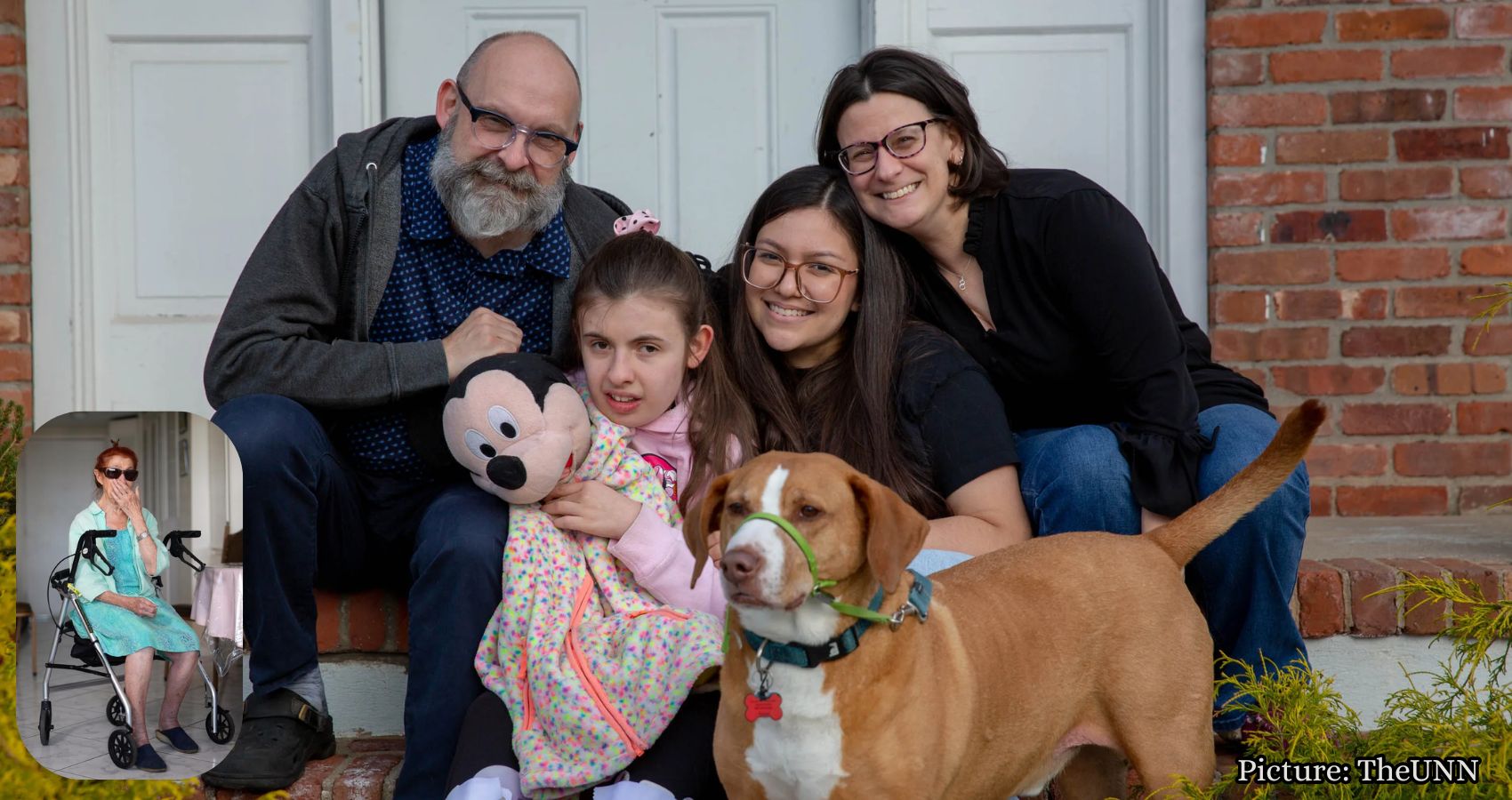
Caregivers have become integral to the lives of many seniors and disabled individuals, providing not just assistance but companionship. Katy Sanchez, a resident of a group home for disabled individuals in Nanuet, New York, expressed her fears about losing her caregivers, stating, “They have become like family.” The facility, run by The Arc Rockland, is set to lose 19 caregivers with TPS, compounding losses from previous immigration changes.
The Supreme Court’s recent ruling allows the Trump administration to end TPS, which affects approximately 350,000 Haitians and 6,000 Syrians. Advocates warn that this decision could impact a broader group of 1.3 million individuals from 17 countries. The ruling has led to confusion among TPS holders, with some receiving extensions while others face immediate termination from their jobs.
Employers, fearful of legal repercussions, have begun to let go of TPS holders, much to the dismay of their clients. Anna Fischbein, an 87-year-old Holocaust survivor from Sunny Isles, Florida, shared her heartbreak after losing her caregiver of ten years. “I lost not only a lady working for me,” she said, her voice trembling with emotion. “I lost a friend.”
According to the Bureau of Labor Statistics, about one in five workers in the U.S. is foreign-born, with immigrants significantly represented in caregiving roles. In fact, one-third of home health aides are immigrants, according to PHI, a nonprofit organization focused on the caregiving workforce. For many seniors, these caregivers are not just workers; they are lifelines, ensuring their safety and comfort.
Simone Smith, vice president of human resources at Cabrini of Westchester, a nursing home in Dobbs Ferry, New York, described the emotional toll on both caregivers and residents. “They are the first people they see when they wake up in the morning and the last ones they see before they go to bed,” she said. With eight Haitians at Cabrini facing uncertainty, Smith noted a sense of “almost hopelessness” among the staff.
For many Haitians losing TPS, the choices are grim: they can either seek underground work in the U.S. or return to a homeland plagued by violence and poverty. One Haitian worker at a Brooklyn nursing home, who requested anonymity due to safety concerns, expressed his fears, saying, “I pay tax to the country. I’m a good person. All I want is to work.”
As caregivers face the possibility of losing their jobs, families are left wondering how they will cope without the support they have come to rely on. Outside a modest brick house in Queens, Nelson stands by as French steps through her door. Their bond, forged over years of shared experiences, illustrates the deep connections that can form between caregivers and those they serve.
Both women share a similar journey, having emigrated from Port-au-Prince to New York at different times. French arrived in 1970, seeking opportunities that led her to build a successful life, while Nelson came to the U.S. after the devastating earthquake in 2010. Since then, she has been a constant presence in French’s life, particularly after French suffered a hip injury three years ago.
While both women once felt welcomed in America, French lamented the changing attitudes toward immigrants. “America is a good country,” she said, “but it has changed.”
Nelson not only provides essential care but also companionship, sharing meals and conversations with French. Their relationship has grown to resemble that of family, with Nelson often referring to French as a sister. “On my days off, I think about her,” Nelson admitted, highlighting the emotional investment that caregivers often make in their clients’ lives.
As the uncertainty looms, Nelson carries her work authorization with her at all times, a constant reminder of the precariousness of her situation. Each Sunday, she kneels in church, praying for guidance and fearing for both her future and that of French.
“It makes me feel depressed,” Nelson said. “It could be difficult for her without me.”
As the immigration landscape continues to shift, the lives of caregivers and the seniors who depend on them hang in the balance, raising urgent questions about the future of care in America.
According to The Associated Press, the situation remains fluid as immigration policies evolve, leaving many to navigate an uncertain path ahead.