
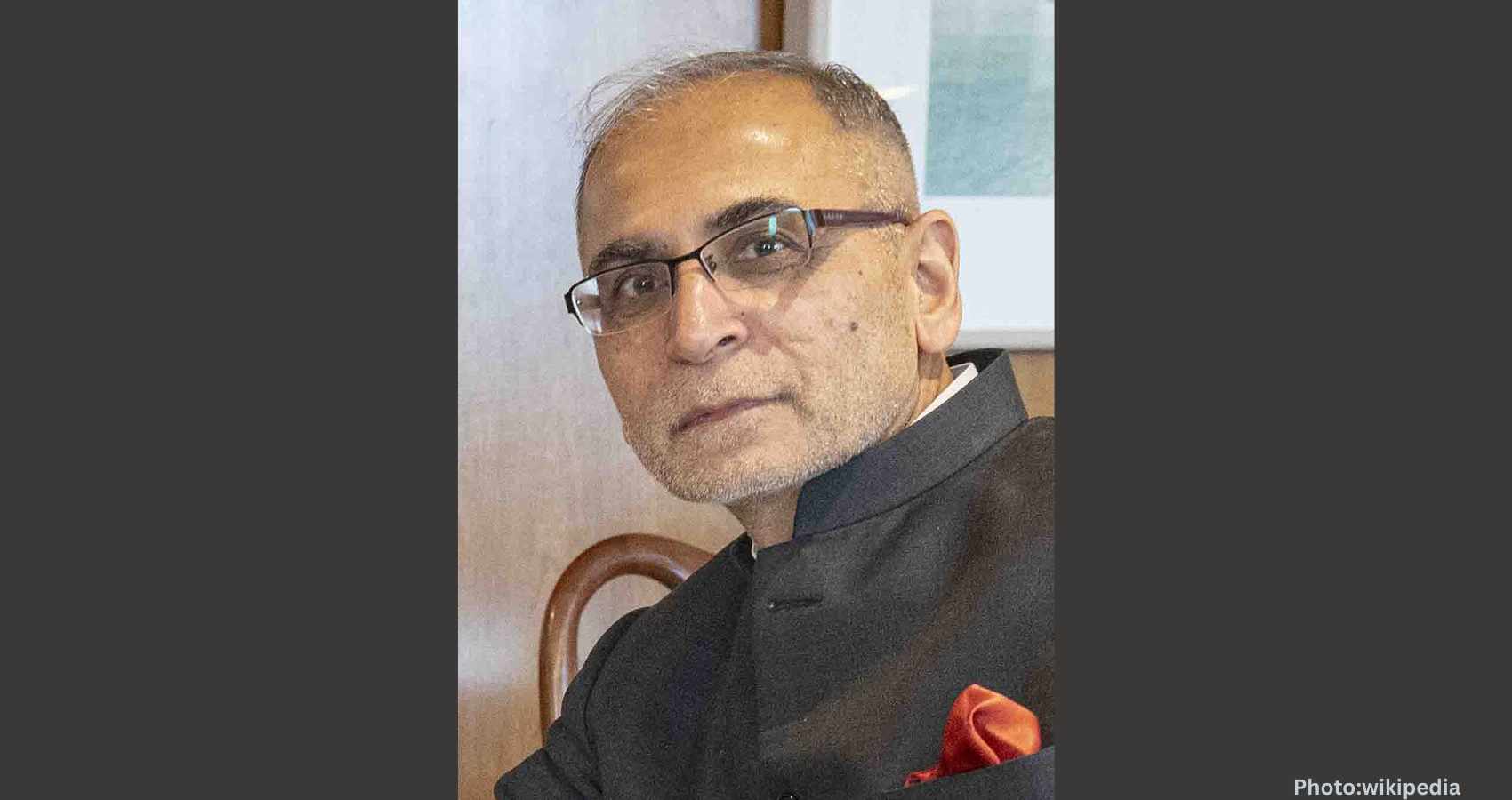
India’s Ambassador to the U.S., Vinay Mohan Kwatra, addresses misconceptions regarding the proposed FCRA amendment, asserting it aims to enhance oversight of foreign funding while supporting lawful civil society activities.
WASHINGTON, DC – India has responded to what it describes as “misunderstandings” surrounding its proposed amendment to the Foreign Contribution (Regulation) Act (FCRA), asserting that the legislation is designed to strengthen oversight of foreign funding without hindering lawful civil society activities.
On August 9, Vinay Mohan Kwatra, India’s Ambassador to the United States, released a comprehensive “Myth vs. Reality” statement regarding the proposed FCRA Amendment Bill, 2026, addressing concerns raised by various media outlets and civil society organizations.
Kwatra emphasized that claims suggesting the Indian government is attempting to cut off foreign aid to civil society are unfounded. He explained that the regulation of foreign financial flows in public and political spheres is a sovereign measure motivated by national security considerations, aligning with practices observed in other democratic nations.
“The fact is that the law does not forbid Indians from receiving foreign donations or shut down law-abiding civil society,” Kwatra stated. “Tens of thousands of associations are registered under FCRA and routinely receive foreign funds for health, education, disaster relief, research, and humanitarian work.”
Tracing the history of the FCRA, Kwatra noted that the first version of the law was enacted in 1976, which was subsequently replaced by a more modern framework in 2010. The law has been further strengthened through amendments in 2016, 2018, and 2020.
“The 2026 Bill and Rules are the next step in the same direction: more transparency, better governance, clearer rules,” he said.
In response to concerns that the FCRA regime has negatively impacted non-governmental organizations (NGOs) and charitable organizations, Kwatra highlighted that foreign contributions to registered entities have significantly increased, rising from approximately $1.2 billion in 2010-11 to an anticipated $2.67 billion in 2024-25.
Kwatra pointed out that while India has over three million NGOs, only about 14,450 hold FCRA registration, indicating that the vast majority of civil society organizations operate outside the law’s purview.
“FCRA does not stop anyone from accepting foreign charity, research grants, or humanitarian aid,” he explained. “It asks three things — register, receive the money through the laid-down process, and report what you did with it.”
Addressing concerns regarding the potential seizure of assets, Kwatra clarified that under existing provisions since 2010, foreign contributions and assets created from them are vested in a state government authority when an organization’s registration is canceled or surrendered.
“What the 2026 Bill adds is a designated authority to safeguard those assets — and a way back,” he noted. “If the organization restores its registration, all assets and unused funds are returned in full.”
He also assured that places of worship would have specific safeguards, with property linked to such institutions being transferred to another FCRA-registered association of the same faith to ensure continuity.
Kwatra firmly rejected allegations that the law targets any particular religion or community, stating, “Nothing could be farther from it. The Act applies uniformly to all organizations regardless of religion, community, or ideology.”
He added that faith-based welfare activities, religious education, and charitable work by organizations of all faiths would continue to be eligible for foreign funding.
Furthermore, Kwatra dismissed the notion that India is an international outlier in regulating foreign funding, citing comparable laws such as the U.S. Foreign Agents Registration Act of 1938 and the Foreign Account Tax Compliance Act of 2010, as well as similar legislation in Australia, Canada, and the United Kingdom.
The FCRA regulates the acceptance and use of foreign contributions by individuals, associations, and companies in India, requiring registration or prior permission along with compliance with banking, accounting, and reporting norms, according to IANS.