
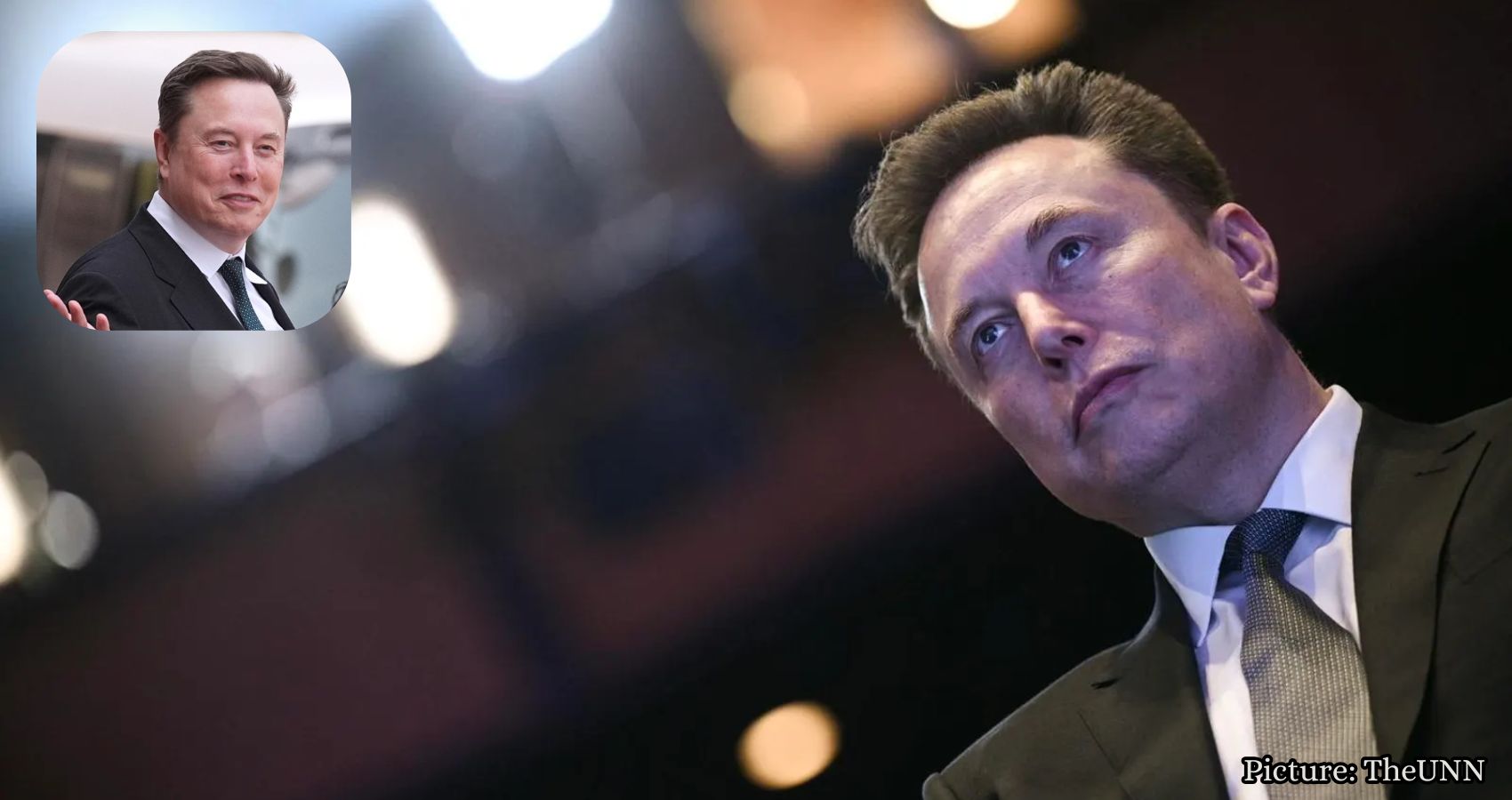
Elon Musk’s compensation at Tesla in 2025 was reported to be over 2.5 million times greater than the average worker’s pay, highlighting the stark disparity in executive and employee wages.
According to a recent report by the AFL-CIO, Elon Musk’s total compensation at Tesla in 2025 reached an astonishing $158.3 billion. This figure not only sets a new record for executive pay but also underscores the widening gap between corporate leaders and their average employees across various sectors in the United States.
The AFL-CIO, the largest federation of labor unions in the country, revealed that when excluding Musk’s extraordinary compensation, the ratio of CEO pay to worker pay among the top S&P 500 companies was 312 to 1 for 2025. This marks an increase from a 285 to 1 ratio in 2024. However, when Musk’s pay is factored in, the average CEO-to-worker pay ratio skyrockets to 5,387 to 1. This stark disparity raises alarms among labor advocates and economic analysts concerned about the implications of such income inequality.
“In 2025, Elon Musk received the median Tesla worker’s annual pay every 4.23 seconds—shorter than the time it takes to read this sentence,” the report noted. This striking statistic illustrates the rapid accumulation of wealth at the executive level. The report further emphasized that many CEOs from the S&P 500 earned more in a single day than the median U.S. worker earned throughout an entire year.
The average pay for CEOs, excluding Musk, was reported at $22.8 million in 2025, a significant increase from $18.9 million in the previous year. However, when Tesla’s figures are included, the average CEO pay escalates to an astonishing $340.1 million. This sharp rise occurs amid a broader trend where the workers’ share of national income has fallen to its lowest level since World War II, prompting questions about economic equity and the sustainability of such compensation structures.
In addition to examining executive compensation, the report scrutinized the financial situation of former President Donald Trump, who reported an income of $2.2 billion in 2025, primarily from investments in cryptocurrencies. This figure represents a staggering increase of nearly 254% from his income in 2024. For context, the median U.S. worker would need approximately 43,154 years to accumulate the same amount that Trump earned in just one year.
Fred Redmond, Secretary-Treasurer of the AFL-CIO, expressed grave concerns regarding the implications of such concentrated wealth. He remarked, “This is political grift unlike what we have ever seen in our lifetimes, perhaps ever, but it only tells part of the story of how CEOs and the Trump administration have rigged our economy to enrich themselves at the expense of working people.” Redmond specifically criticized the economic policies enacted during Trump’s presidency, particularly the budget bill that resulted in significant cuts to healthcare and food assistance while providing substantial tax cuts for corporations and wealthy individuals.
The report also sheds light on the economic difficulties faced by many Americans, revealing sobering statistics about financial insecurity. Key findings indicated that 33% of U.S. adults lack any retirement savings, while 37% do not have sufficient funds to cover a $400 emergency expense. Additionally, 26% of adults have delayed medical care due to cost concerns, and 23% of renters have fallen behind on rent payments in the past year. These figures starkly contrast with the wealth accumulation seen at the top of the income distribution, raising critical questions about the long-term economic stability of the average American worker.
As the report garnered significant attention, Tesla did not immediately respond to requests for comment regarding the findings. In response to inquiries about Trump’s income and potential conflicts of interest, a White House spokesperson defended the former president, stating, “As President Trump said, he has a lot of assets because he was a massively successful businessman prior to becoming President, which was why he was elected to office in the first place. All of the President’s assets are held in fully discretionary accounts managed by independent third-party financial institutions. There are no conflicts of interest.”
The findings from the AFL-CIO report bring to the forefront a critical national conversation about economic equity, the sustainability of current corporate compensation structures, and the implications for the working class amid rising disparities in wealth. As discussions around labor rights and economic justice continue to evolve, the significant gap between executive compensation and worker pay remains a pivotal issue that calls for attention and potential policy reform. The data presented in the report could serve as a catalyst for further dialogue on how to address the growing imbalance in income distribution in the United States, according to AFL-CIO.