
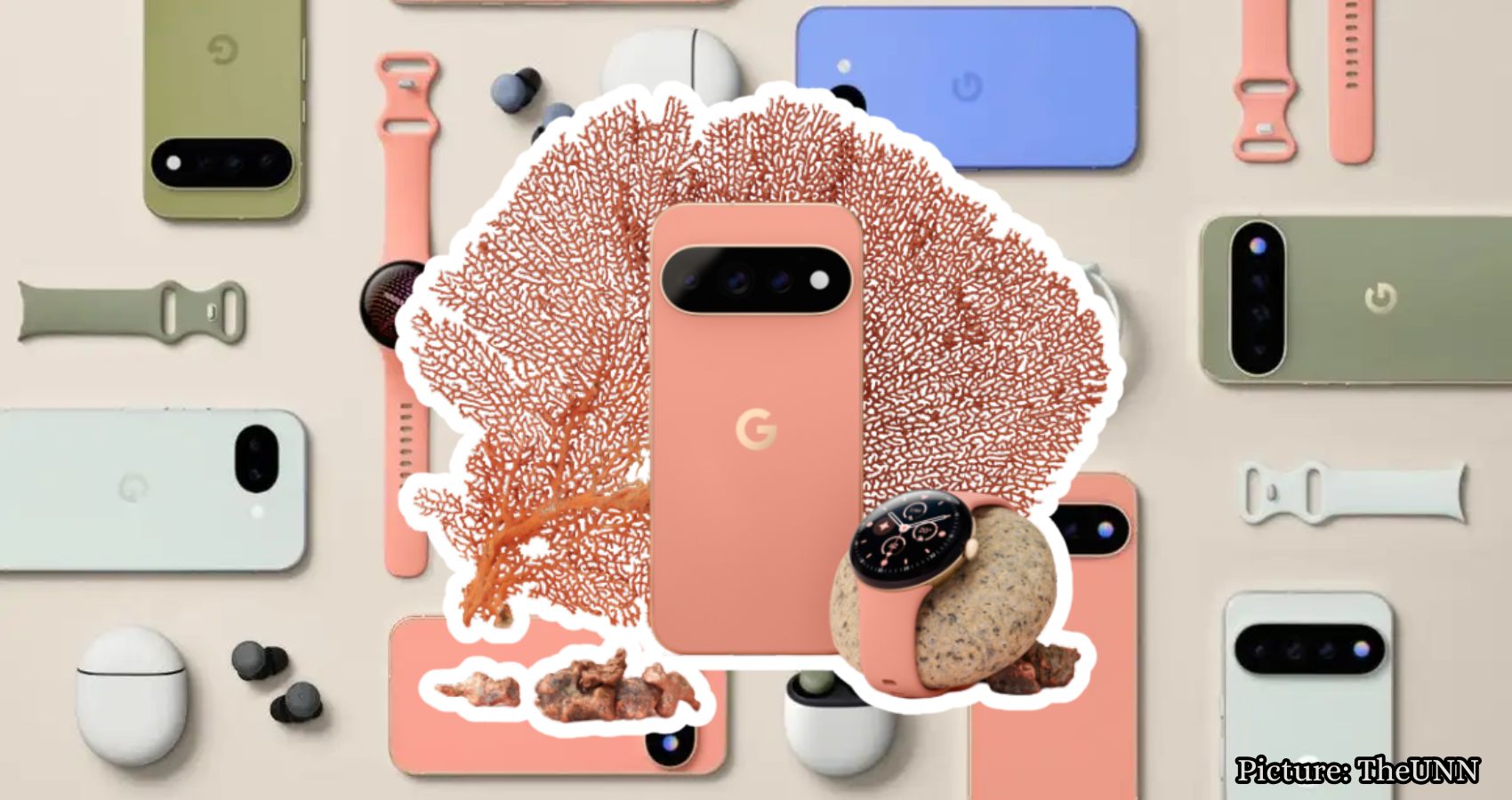
Google’s Pixel 11 event unveiled a range of innovative features, including advanced camera technology, enhanced AI capabilities, and new health tracking tools, all aimed at improving user experience and reducing screen time.
Google’s annual Made by Google event, held on August 12, showcased an impressive lineup of products, including four new Pixel 11 smartphones, an upgraded Pixel Watch, the introduction of the Pixel Tag, and enhanced features for Pixel Buds. A central theme emerged throughout the event: Google is focused on creating devices that anticipate user needs before they have to ask.
The Pixel 11 series includes the Pixel 11, Pixel 11 Pro, Pixel 11 Pro XL, and Pixel 11 Pro Fold, all powered by Google’s new Tensor G6 processor. This latest generation of devices is designed around the innovative Gemini Intelligence features, which aim to streamline user interactions and reduce screen time demands.
The standard Pixel 11 boasts a camera bar that is 40% thinner than previous models and features a larger 48-megapixel main camera with 56% greater light sensitivity compared to the Pixel 10. The 5x telephoto camera now supports up to 30x Super Zoom, enhancing photography capabilities significantly.
For those seeking a premium experience, the Pixel 11 Pro and Pro XL offer Google’s brightest displays to date, reaching up to 3,600 nits. Additionally, a new display coating provides more than double the scratch resistance of previous models. The upgraded telephoto camera on these devices can achieve an impressive 120x Pro Zoom.
All three traditional Pixel 11 models now come with a minimum of 256 GB of storage. The introduction of Pixelsnap magnetic wireless charging, which supports Qi2 and offers faster wireless charging up to 25W on compatible models, further enhances the user experience. This feature allows users to easily attach compatible chargers and accessories.
The Pixel 11 Pro Fold has also seen significant improvements, being nearly 10% lighter and about 1 millimeter thinner than its predecessor. A redesigned hinge, new back material, and a stronger outer display contribute to its increased durability, making it three times more robust than last year’s model.
Google is making strides to ease the transition for users switching from iPhones. The Quick Share feature enables Pixel users to send and receive photos and videos with iPhones and MacBooks seamlessly. Additionally, Google promises that photos and group chats can be transferred during the switch.
Gemini, Google’s AI assistant, is evolving to become more integrated into daily tasks. It can now handle multistep tasks across over 40 apps, surfacing relevant information based on user activity. For instance, if a friend messages about an upcoming trip, a card may appear with booking details and flight status. Gemini can also suggest actions based on conversations, such as making dinner reservations or saving locations in Maps.
Another exciting feature introduced is Rambler, a Gemini-powered voice input tool that cleans up natural speech during transcription, eliminating filler words like “um” and “ah.” This small enhancement could quickly become a daily necessity for users.
Google’s Tensor G6 processor plays a crucial role in powering these features, boasting the ability to process on-device AI tasks up to 3.5 times faster while consuming 3.5 times less energy than its predecessor.
Sign To Text is another groundbreaking feature that allows the Pixel to understand American Sign Language through the camera. Users can sign to write, chat, or prompt Gemini, with the capability to recognize both one-handed and two-handed signing, along with facial expressions for grammar and tone. Currently available for ASL, Google plans to expand this feature to additional sign languages.
One of the standout features from the event is Magic Capture, which analyzes around 400 frames during a typical photo session to deliver perfectly timed 12-megapixel images. This feature can automatically crop or unblur images and allows users to save video without switching camera modes, making it particularly useful for capturing spontaneous moments.
The hardware enhancements continue with the Pixel 11’s new 48-megapixel main sensor, which provides 56% more light sensitivity than the Pixel 10. The telephoto camera on the Pro models has also been upgraded to a 48-megapixel sensor, allowing for 120x Pro Zoom. Instant Night Sight has been improved to capture low-light photos four times faster, reducing the need for users to hold their phones still for extended periods.
Google is also reintroducing notification lights with the new HiLight feature on the Pixel 11 Pro and Pro XL. Colored LED lights surrounding the camera flash can glow when the phone is face down, providing visual cues for incoming calls and notifications without requiring users to pick up their devices.
With the increased capabilities of Gemini, privacy concerns were addressed during the event. Google assures users that they will have visibility into AI operations and control over their data usage, with options to enable or disable AI features as desired.
Security enhancements are also a priority for the Pixel 11, which can automatically block many spam calls and texts while alerting users to potential scams. Google promises seven years of automatic security updates and has upgraded the security chip to better protect personal information stored on the device.
The Pixel Watch 5, which is set to launch alongside the Pixel 11 series, features upgraded GPS for improved route tracking accuracy and enhanced health monitoring capabilities. New Health Guardian features will track long-term wellness trends, including blood pressure and sleep quality. However, the Breathing Emergency Detection feature, which can automatically call emergency services in the event of a severe drop in oxygen saturation, will initially be unavailable in the U.S.
Google is also entering the finder-tag market with the Pixel Tag, a small tracker designed to help locate items like keys and luggage. It connects to Google’s Find Hub network, which includes over 1 billion Android devices, providing distance and directional guidance on compatible devices. The Pixel Tag is expected to retail for $29 each or $99 for a four-pack, with sales starting on November 11.
While the Pixel Buds Pro 2 did not receive a hardware upgrade, new software features were announced, including improved Active Noise Cancellation and a new Olive color option. The Buds will also integrate with the Pixel Watch to pause audio when the watch detects that the user has fallen asleep.
Overall, Google’s Pixel 11 launch focused not only on hardware improvements but also on features designed to reduce the demands on users’ attention. Innovations like Magic Capture and HiLight aim to enhance user experience by providing relevant information without requiring constant engagement with the device. The proactive capabilities of Gemini may represent a significant shift in how users interact with their smartphones, prompting important discussions about privacy and data management.
For more insights on Google’s latest offerings, visit CyberGuy.com.